1990s TV Shows that Aged Incredibly Well


Nostalgia is great, but staying power comes from strong writing, memorable characters, and craft choices that still click decades later. The shows below built foundations that keep new audiences jumping in—whether that’s through serialized arcs, inventive animation, or formats that later series borrowed outright.
From trailblazing genre television to weekly sitcoms and sharp political drama, these titles also left a measurable footprint on the industry. You’ll find spinoffs, remasters, crossovers, and creative teams whose fingerprints show up across today’s TV—proof that the blueprint these series set down continues to be put to work.
‘The X-Files’ (1993–2002)
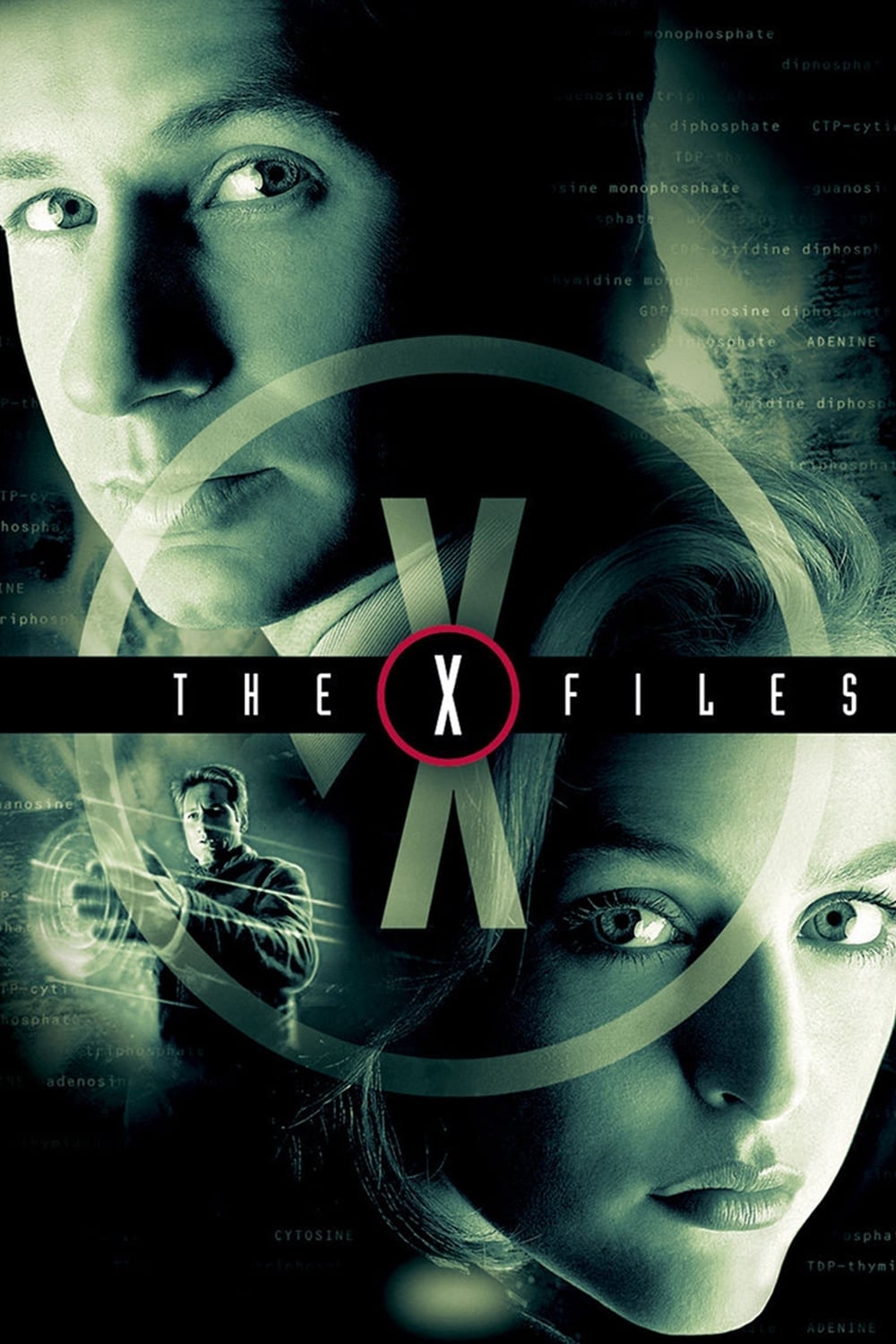
Chris Carter’s series pairs FBI agents Dana Scully and Fox Mulder on cases involving paranormal phenomena, balancing mythology arcs with procedural “monster-of-the-week” stories. Its production approach mixed location shooting with cinematic lighting and sound design that helped network drama adopt a moodier look.
The show popularized long-form serialized mysteries on mainstream TV and seeded a wider universe through comics, games, and later revivals. Catchphrases, iconic imagery, and a robust secondary cast turned ‘The X-Files’ into a franchise template frequently referenced by later genre series.
‘Friends’ (1994–2004)
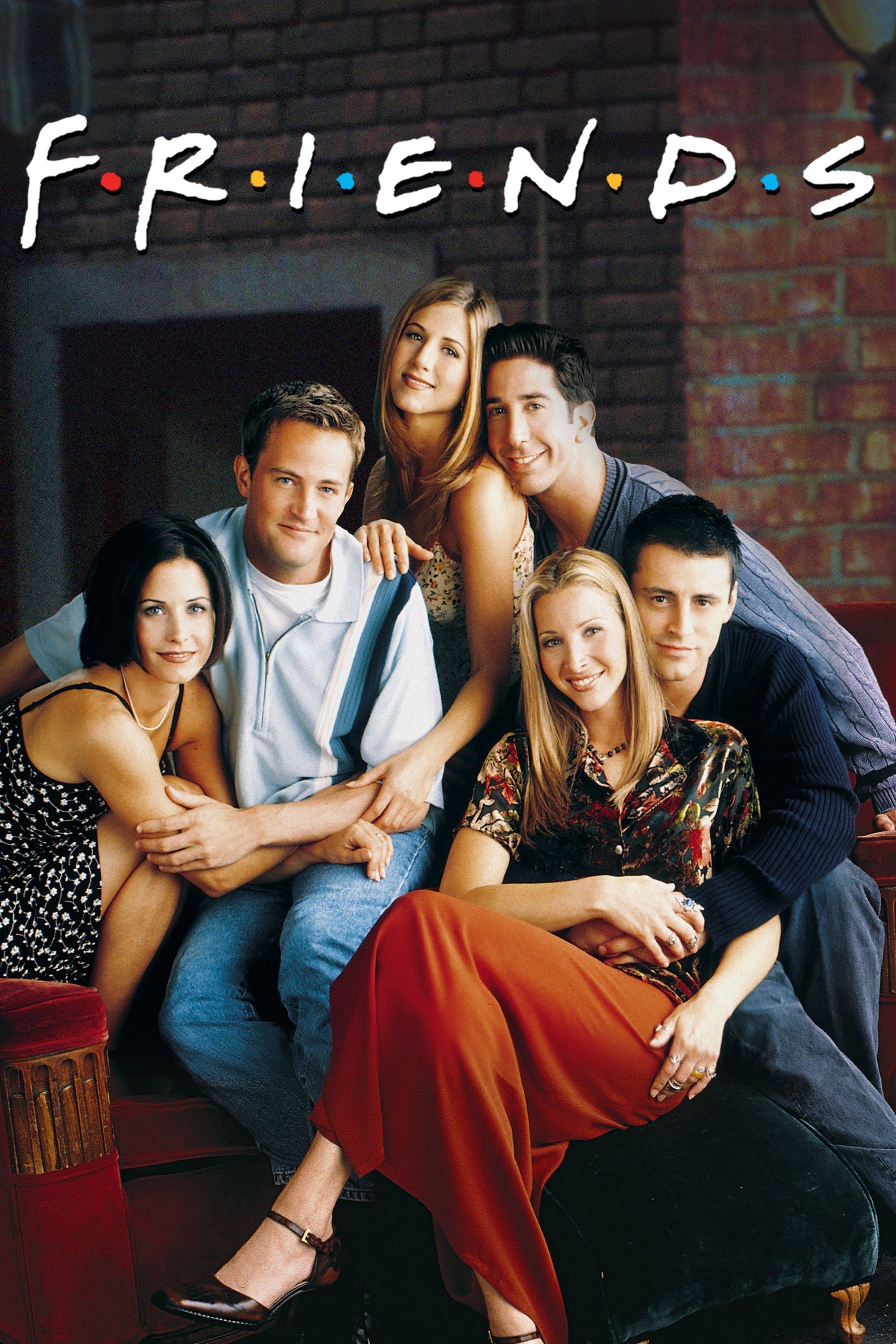
Created by Marta Kauffman and David Crane, this ensemble sitcom follows six New Yorkers navigating work, relationships, and found-family rituals across ten seasons. Multi-camera staging, tightly structured A/B/C plots, and recurring settings like Central Perk made story beats easy to track and quote.
Syndication and international dubbing broadened its reach, while a spinoff, themed events, and ongoing cast reunions kept the brand active. Writers used bottle episodes, flashbacks, and long-arc romances to demonstrate how network comedies can serialize character growth without losing episodic clarity.
‘Seinfeld’ (1989–1998)
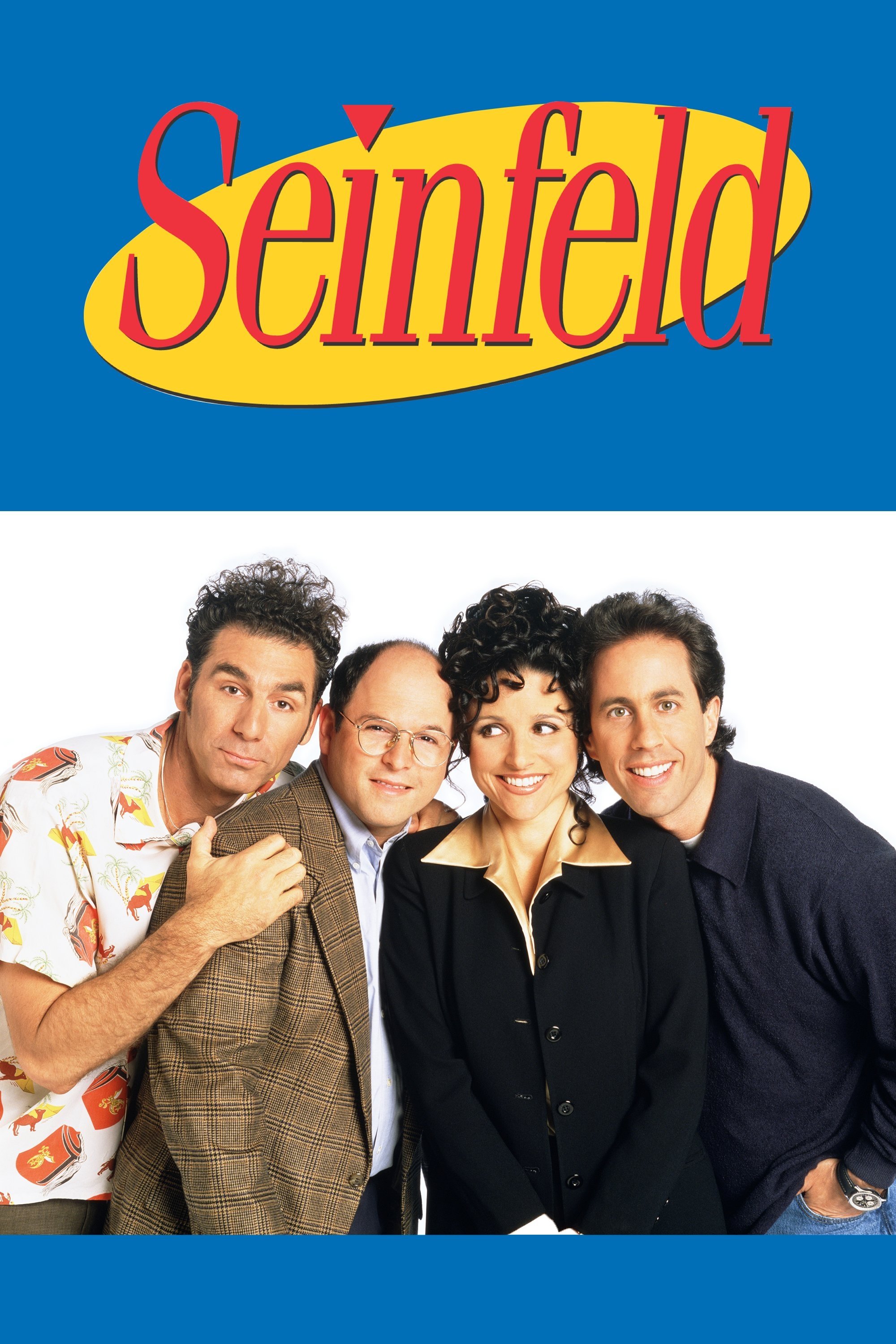
Larry David and Jerry Seinfeld engineered a sitcom built on everyday minutiae, with interlocking plotlines that converge in the final beats. The show refined call-backs, runner gags, and a distinctive stand-up framing device that let observational humor drive the narrative.
Its ensemble dynamics and New York specificity informed later comedies that prioritize premise construction over sentiment. ‘Seinfeld’ also demonstrated how multi-camera sitcoms can play with structure while still delivering tight, repeatable episodes.
‘Frasier’ (1993–2004)
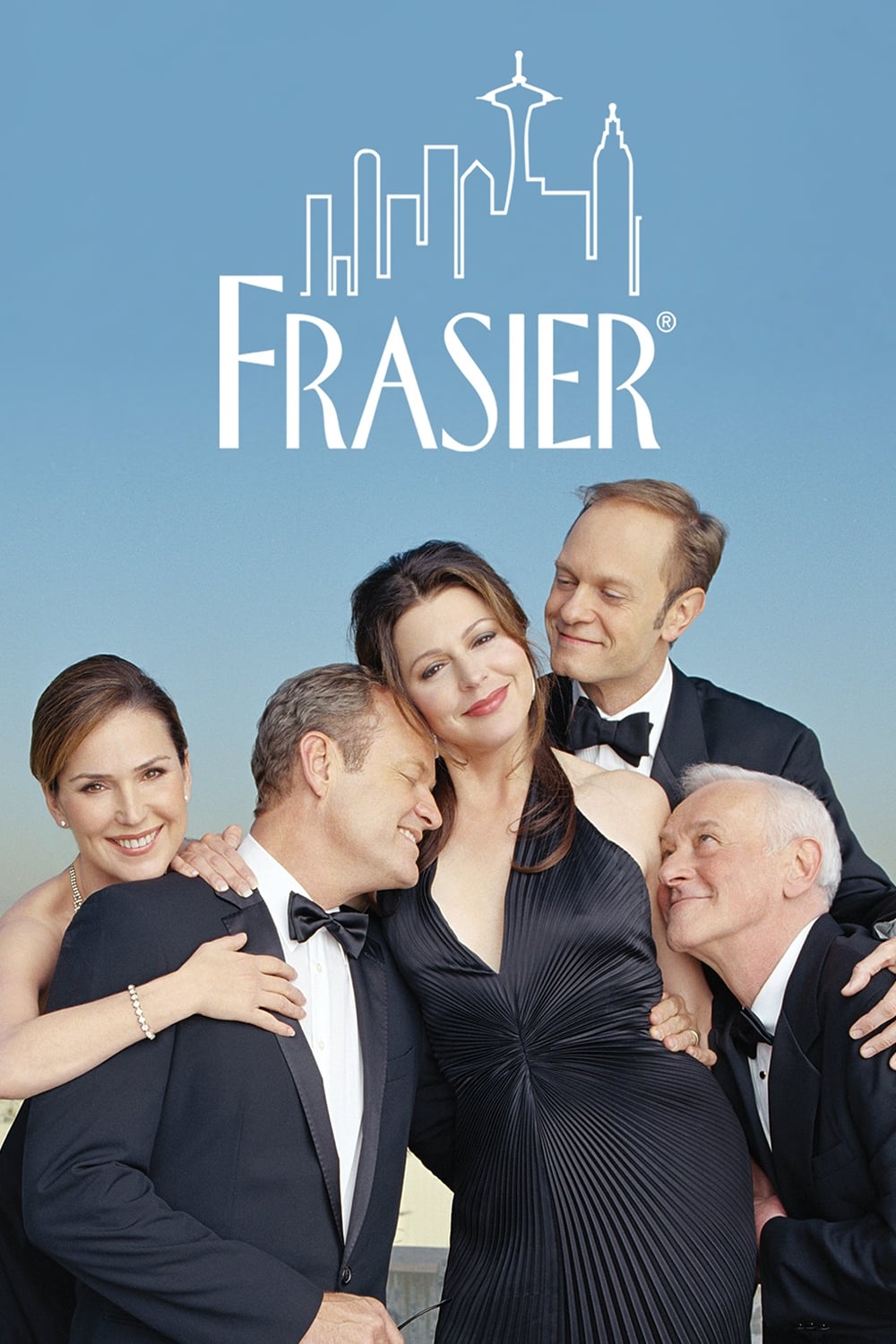
A spinoff of ‘Cheers’, this series centers on radio psychiatrist Frasier Crane as he returns to Seattle to host a call-in show and reconnect with family. Scripts balance farce mechanics with character-based banter, while recurring settings like the radio booth and apartment enable precise staging.
The show’s focus on sibling rivalry, workplace etiquette, and etiquette-driven conflict made it a case study in sophisticated multi-camera comedy. It amassed industry awards and established a model for successful spinoffs that deepen, rather than simply repeat, their parent series.
‘ER’ (1994–2009)
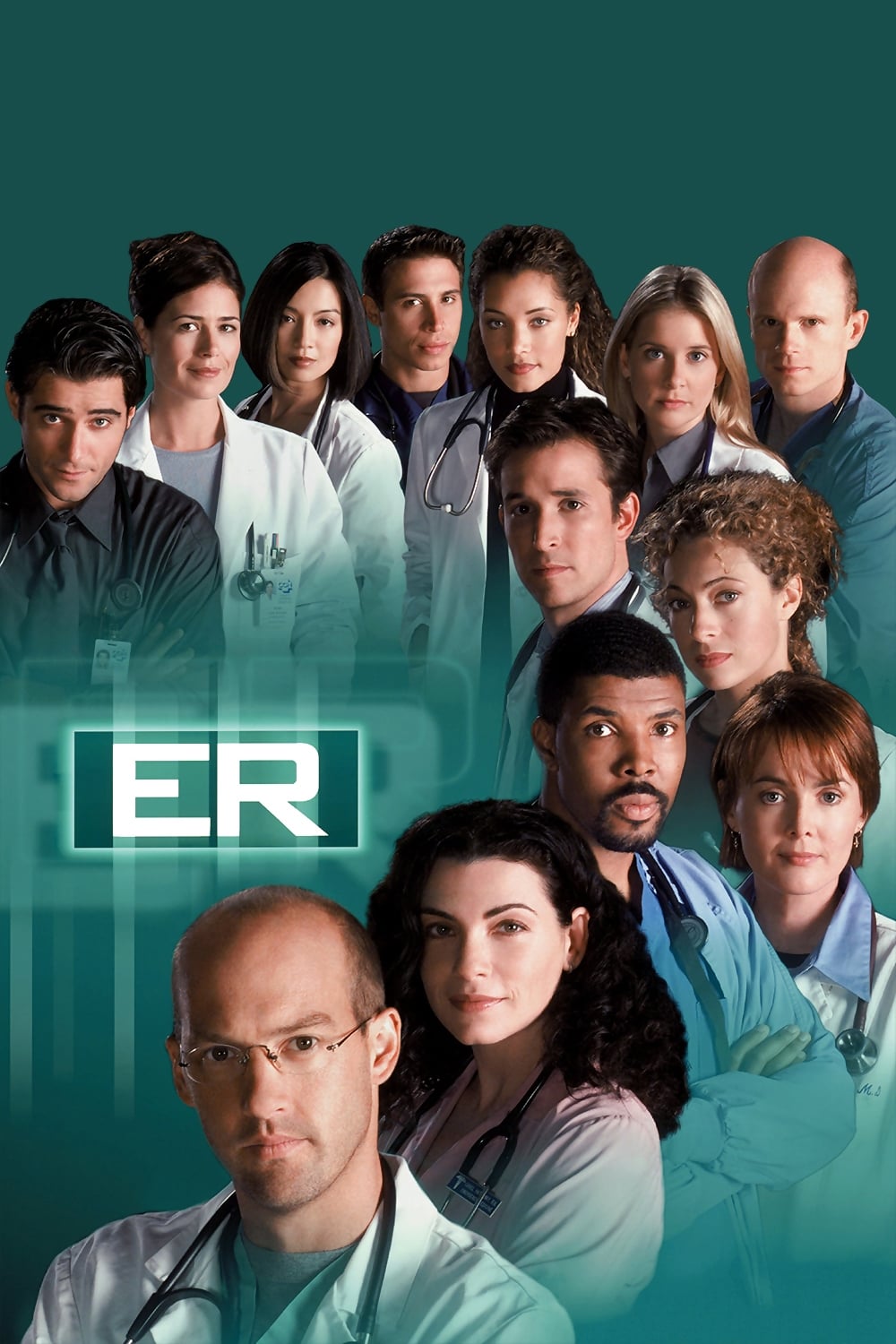
Based on a concept by Michael Crichton, this medical drama pioneered kinetic “oner” sequences through busy emergency rooms and layered background action. Its ensemble structure rotates doctors and nurses through cases that foreground ethical decisions, triage logistics, and hospital politics.
The series advanced realistic medical choreography on television and trained audiences to follow high-intensity cross-cutting. It launched or accelerated multiple acting careers and influenced the look and pacing of later medical and crisis-response shows.
‘Buffy the Vampire Slayer’ (1997–2003)
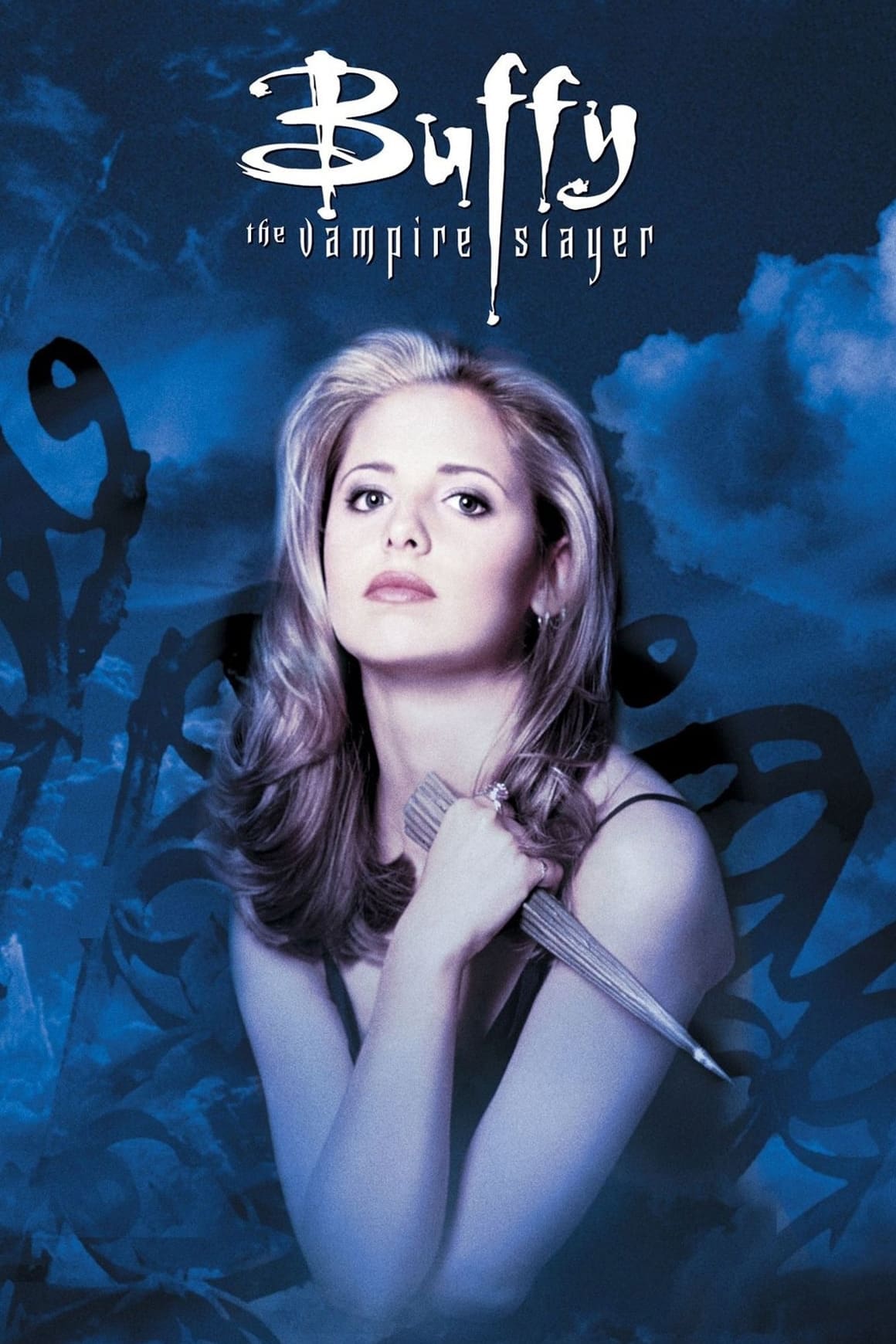
Joss Whedon’s supernatural drama follows Buffy Summers and her friends as they fight demons while handling high-school and college life. The show blends serialized season “big bads” with stand-alone episodes, using genre metaphors to stage coming-of-age challenges.
Spinoff ‘Angel’, tie-in novels, and comics expanded its mythology, while writers’ room alumni went on to shape other major series. Story arcs, quippy dialogue, and monster design set patterns for modern genre TV world-building.
‘Twin Peaks’ (1990–1991)
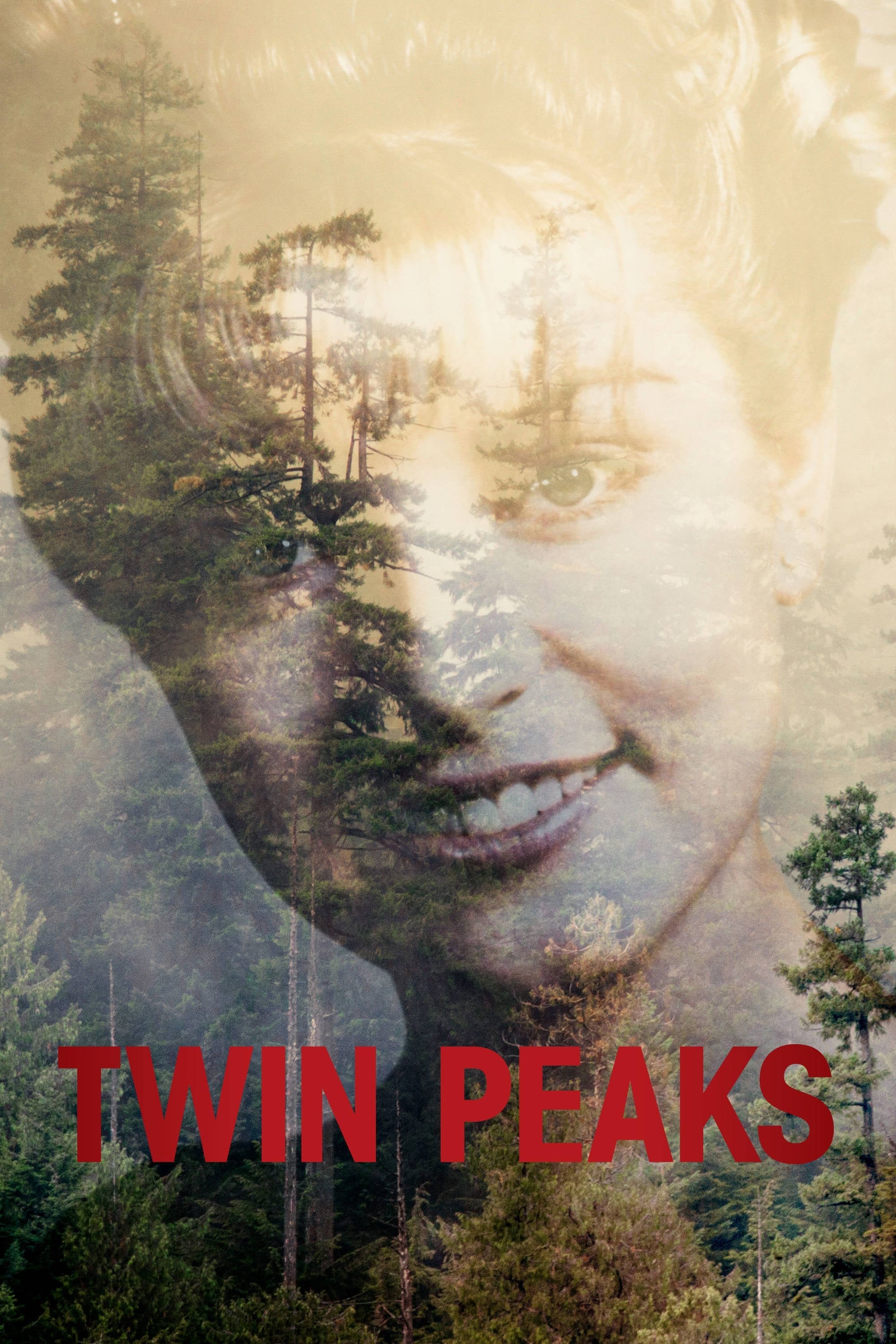
David Lynch and Mark Frost’s mystery begins with a murder in a small logging town and spins out into a web of secrets, dreams, and uncanny ritual. The series mixes soap-opera plotting with surreal imagery, distinctive soundscapes, and an ensemble of eccentric locals.
Its influence shows in later prestige drama’s willingness to get stranger with form, music, and pacing. ‘Twin Peaks’ also revived interest in serialized whodunits and demonstrated that broadcast audiences would follow unconventional storytelling.
‘The West Wing’ (1999–2006)
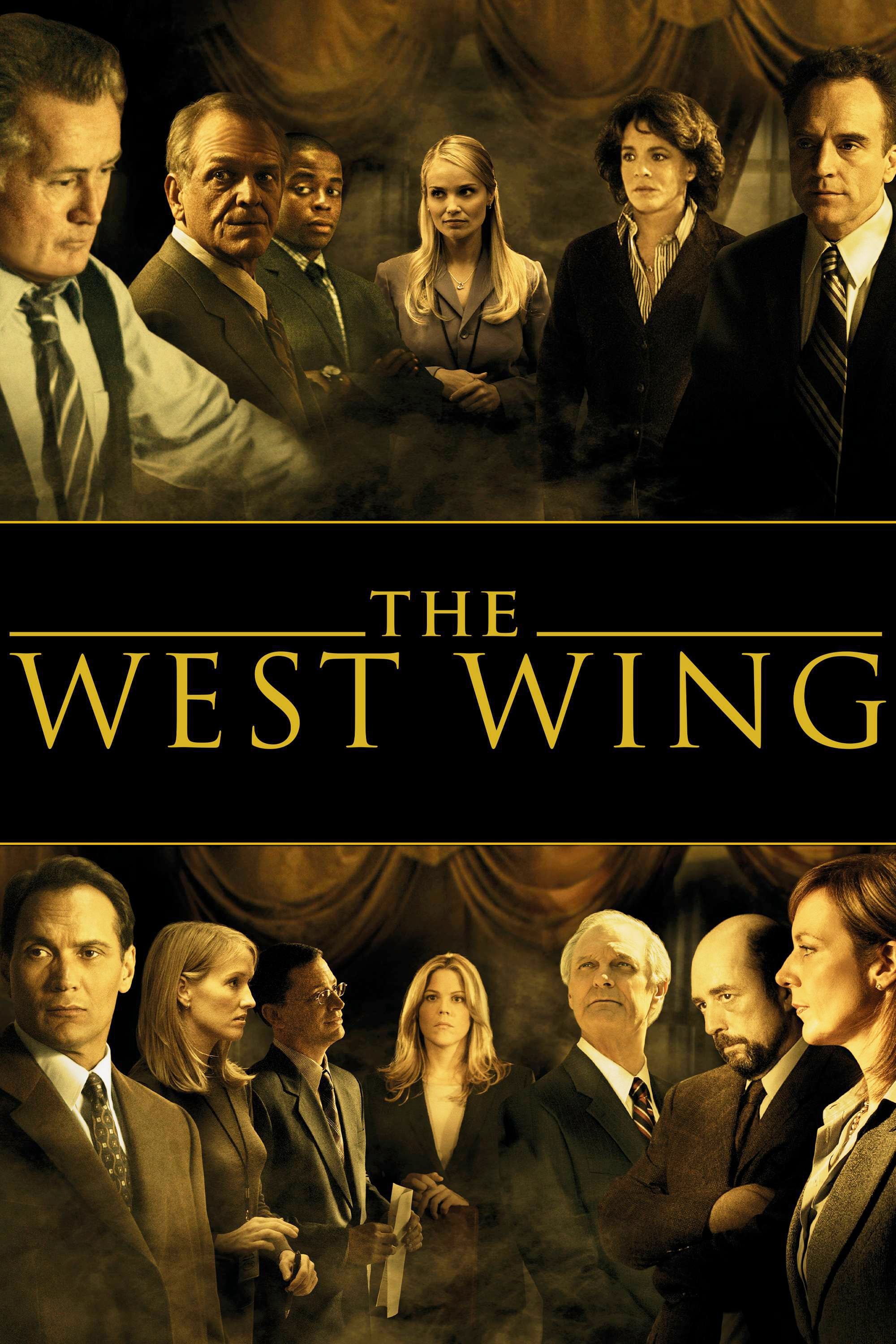
Aaron Sorkin’s political drama tracks White House staff through policy briefings, crises, and personal trade-offs, popularizing “walk-and-talk” scenes and dense dialogue. The show uses case-file structure to explain legislation, staffing, and process without losing character focus.
It became a reference point for workplace ensemble dramas and political shows aiming to dramatize how decisions actually move. Directors and editors refined fast-cut coverage that later series borrow when staging institutional complexity.
‘Star Trek: Deep Space Nine’ (1993–1999)
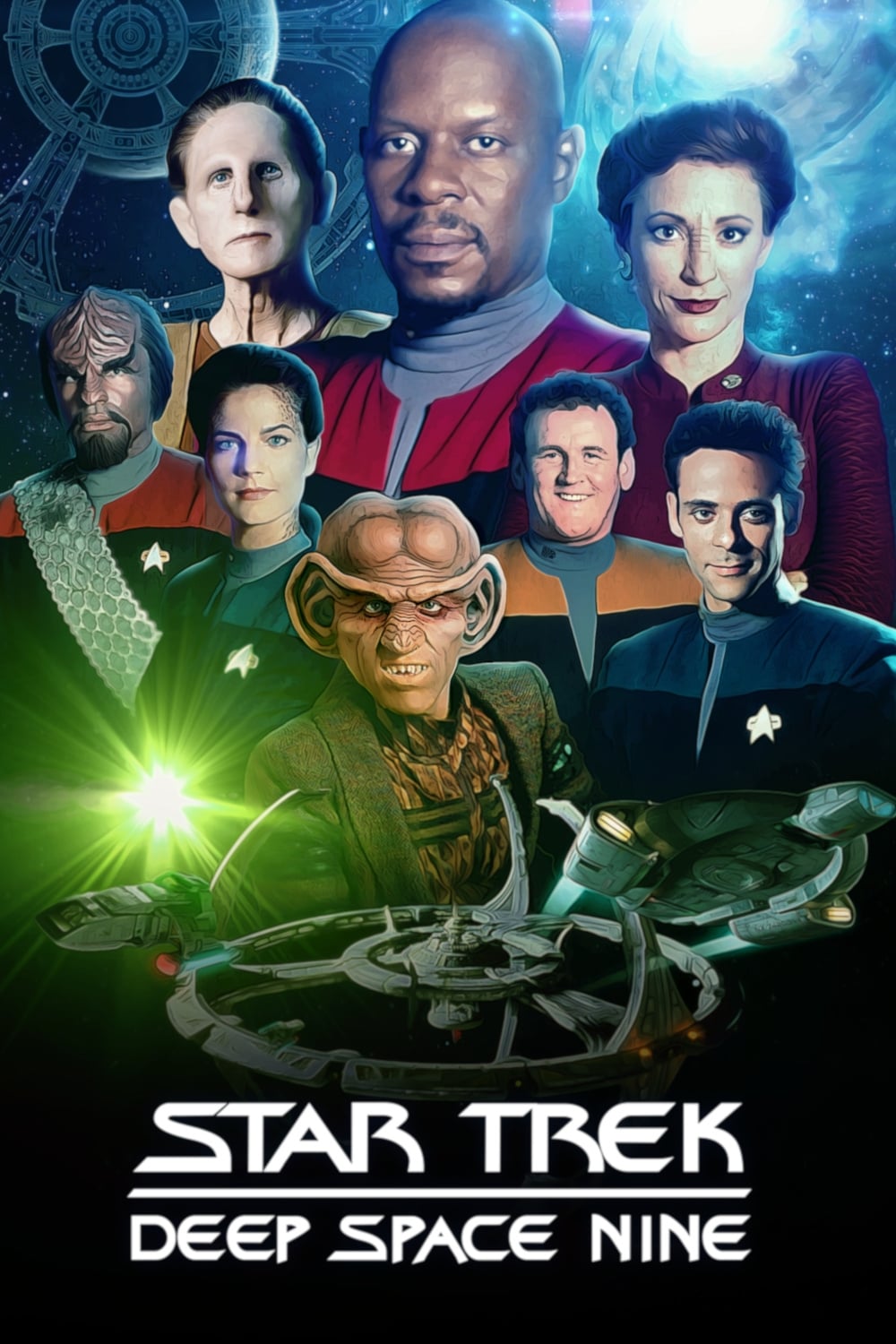
Set on a space station near a strategic wormhole, this ‘Star Trek’ entry leans into serialized conflict, religion, and post-occupation politics. The writers room layered long arcs like the Dominion War over diplomatic stand-alones, using recurring guest roles to anchor stakes.
‘Deep Space Nine’ normalized season-spanning arcs in the franchise and experimented with genre within genre, from courtroom dramas to heists. Its production adopted model work and early CGI blends that helped space opera broaden its visual language on TV.
‘Star Trek: Voyager’ (1995–2001)
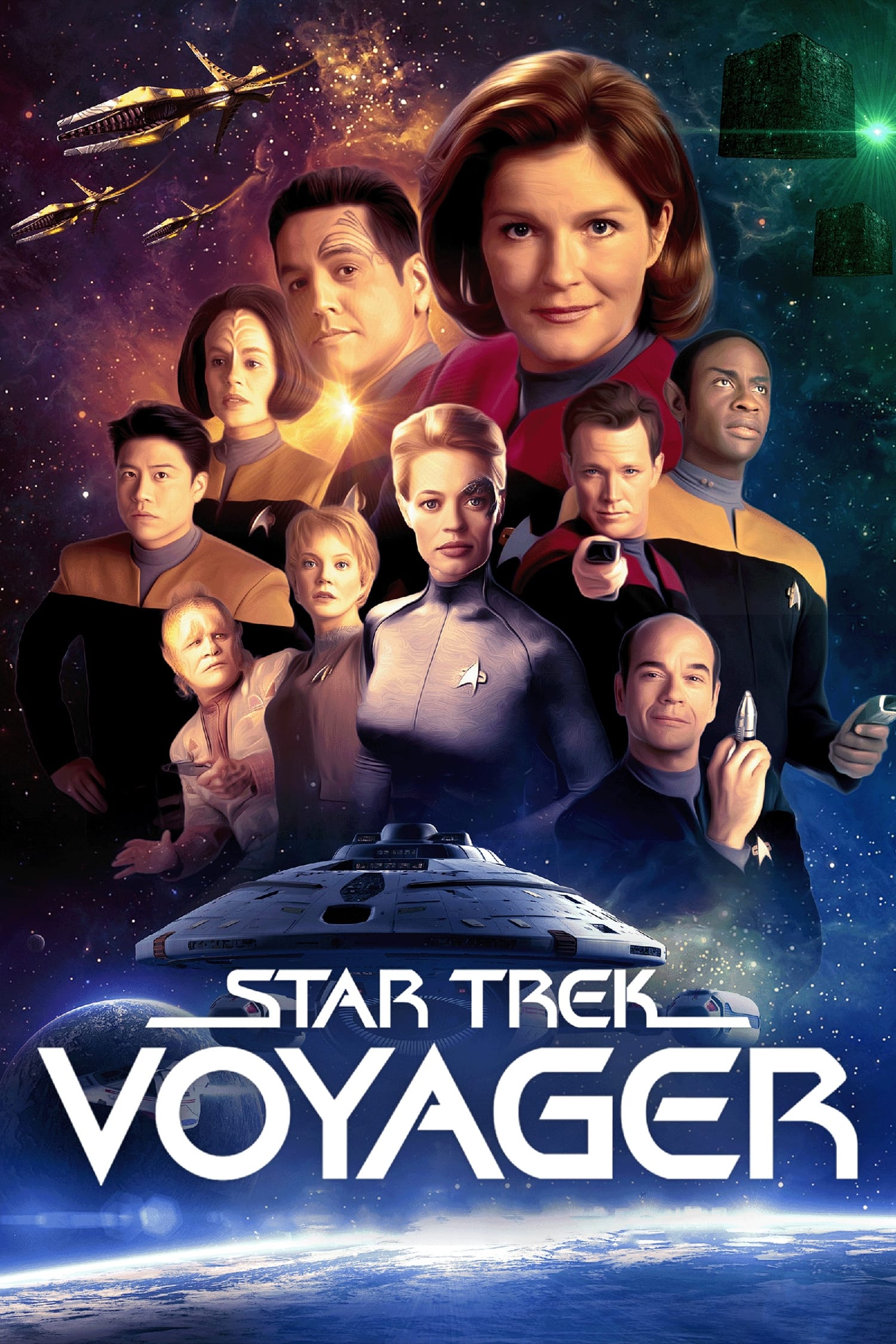
‘Voyager’ strands a Federation crew far from home under Captain Kathryn Janeway, putting resource management and first-contact ethics at the forefront. The show’s episodic science puzzles and character-centered arcs, including Seven of Nine’s journey, balance exploration with identity themes.
It pushed franchise tech like bio-neural gel packs and the Emergency Medical Hologram into recurring story engines. Crossovers and shared lore connected it to the wider ‘Star Trek’ universe while keeping a distinct survival premise.
‘The Simpsons’ (1989– )
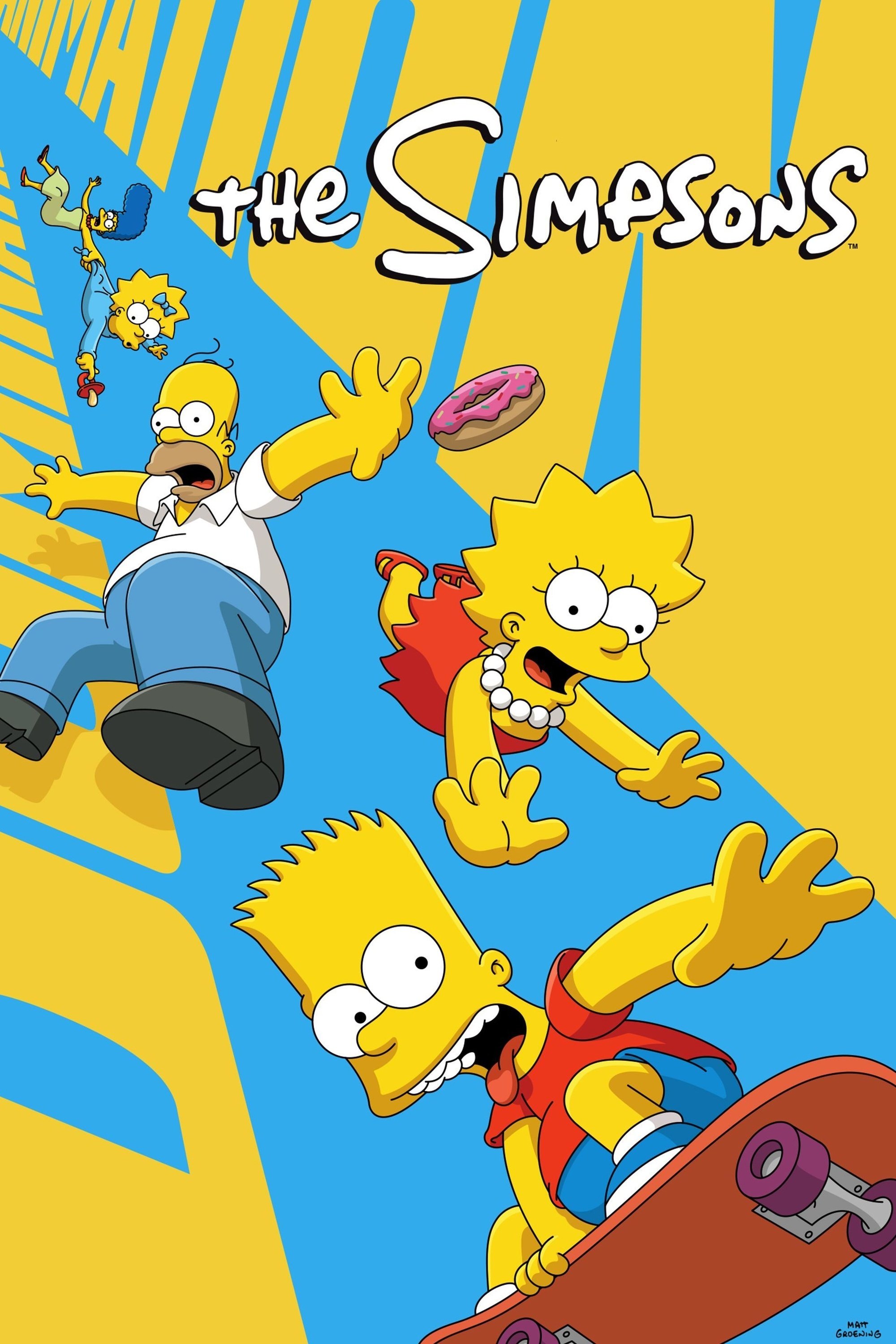
Matt Groening’s animated sitcom uses the family of Homer, Marge, Bart, Lisa, and Maggie to satirize suburban life, media, and politics. Early seasons established layered joke density, background gags, and musical parodies that reward rewatching.
Its writer pipeline fed comedy across film and TV, and the show’s guest-star tradition became a weekly showcase. Merchandising, couch gags, and Halloween anthologies turned ‘The Simpsons’ into a cultural archive of recurring formats and ideas.
‘Batman: The Animated Series’ (1992–1995)
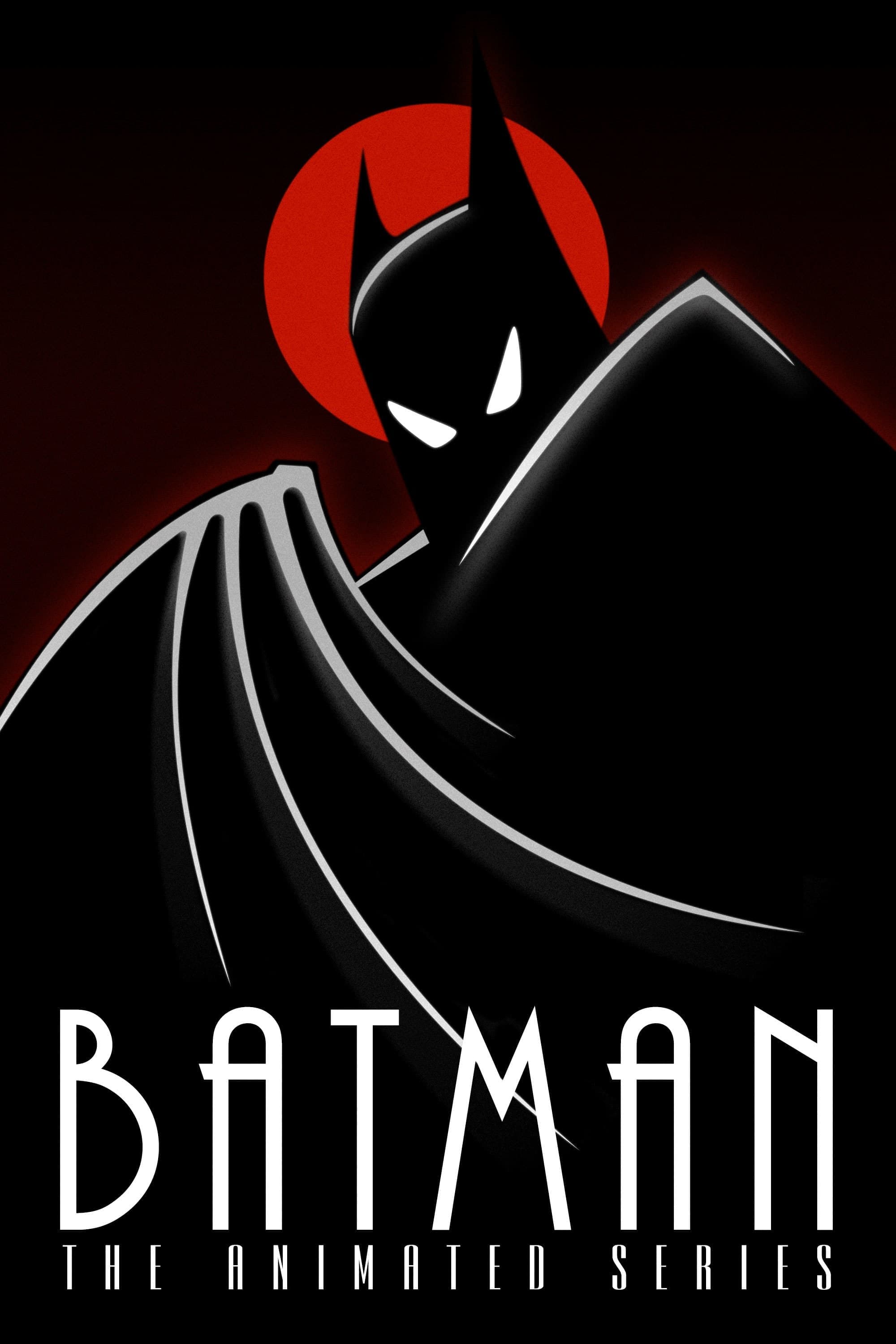
Developed by Bruce Timm and Eric Radomski, this series introduced the “Dark Deco” aesthetic with bold shadows, orchestral scoring, and noir framing. It presented self-contained cases that still deepen Bruce Wayne’s psychology and Gotham’s institutions.
The show added enduring canon elements, including Harley Quinn, and set a bar for action choreography in Western animation. Its success led to the larger DC Animated Universe, linking ‘Superman: The Animated Series’ and ‘Justice League’ through consistent design.
‘Cowboy Bebop’ (1998–1999)
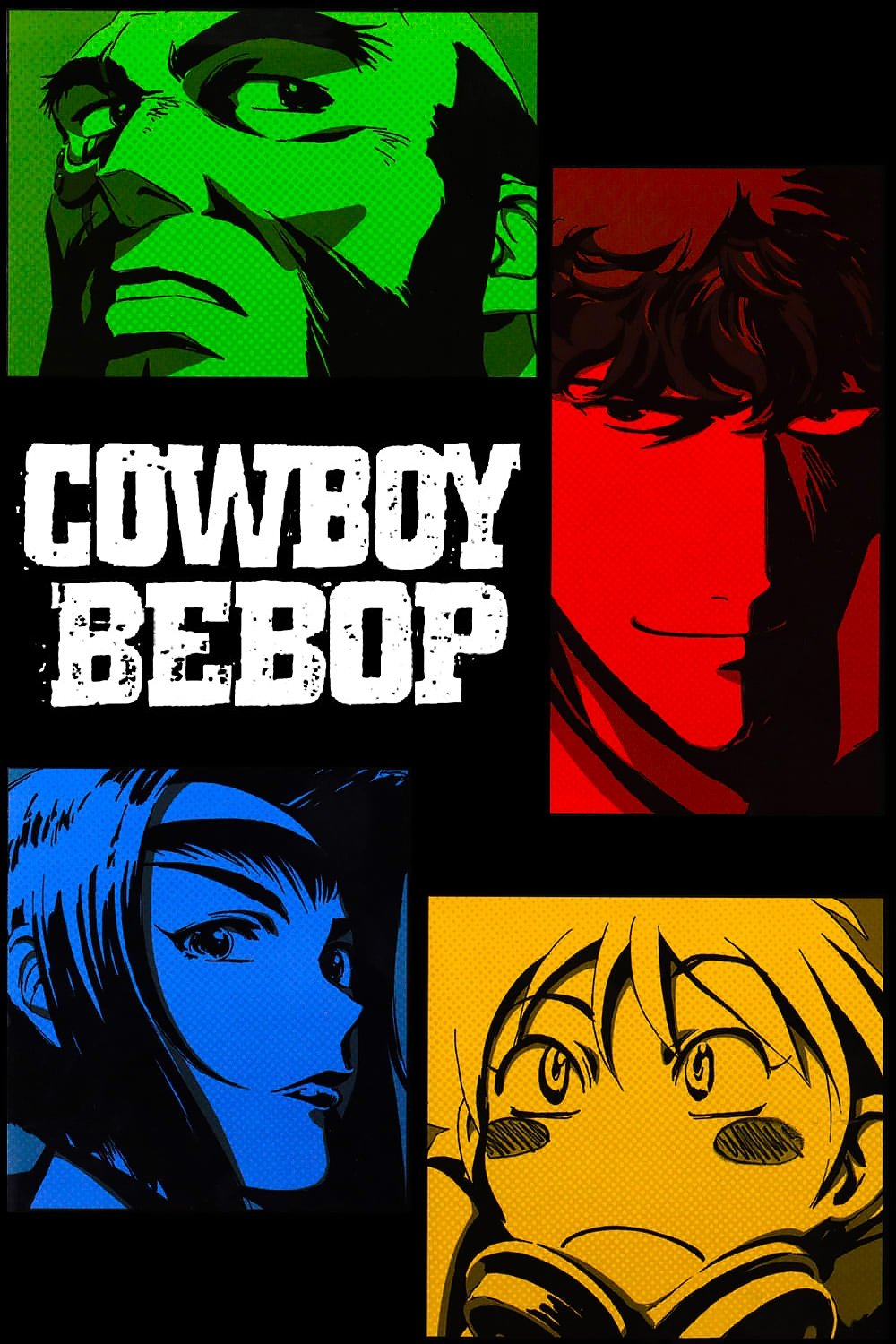
Shinichirō Watanabe’s space-noir follows bounty hunters aboard the Bebop as they take odd jobs and confront past entanglements. Yoko Kanno’s score and eclectic genre mixing—western, crime, and sci-fi—pair with crisp episodic storytelling.
A concise episode count and cinematic framing make each chapter a tightly composed story. International broadcasts and a widely praised dub helped ‘Cowboy Bebop’ boost anime’s global mainstream visibility.
‘Neon Genesis Evangelion’ (1995–1996)
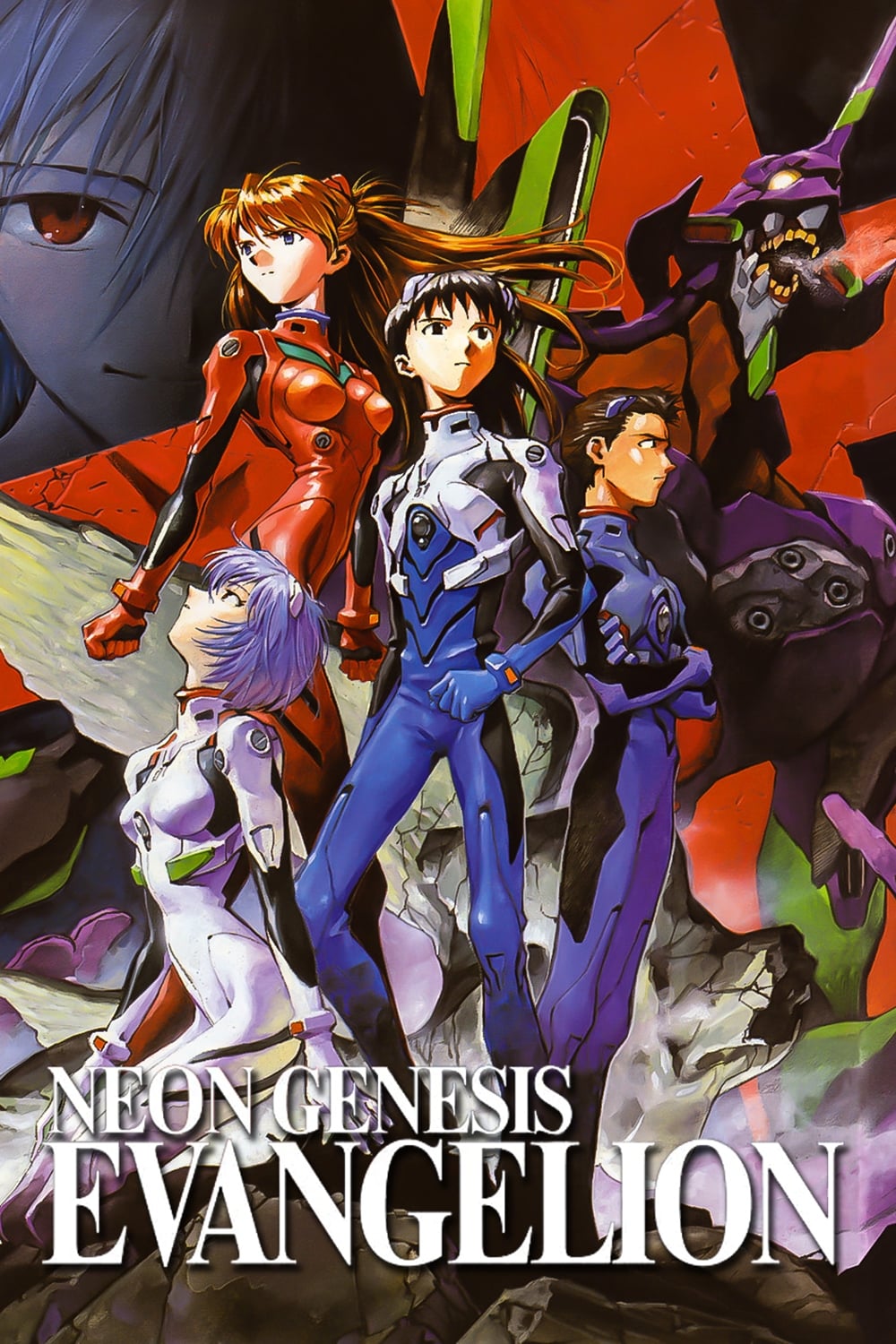
Hideaki Anno’s mecha series centers on teenage pilots defending Earth while grappling with trauma, identity, and institutional secrecy. Its visual language blends tokusatsu influences with symbolic imagery and experimental editing.
Merchandise, films, and later re-edits broadened access to the storyline and invited deep analysis of its themes. ‘Evangelion’ reshaped expectations for character-driven anime and inspired creators across mediums.
‘Oz’ (1997–2003)
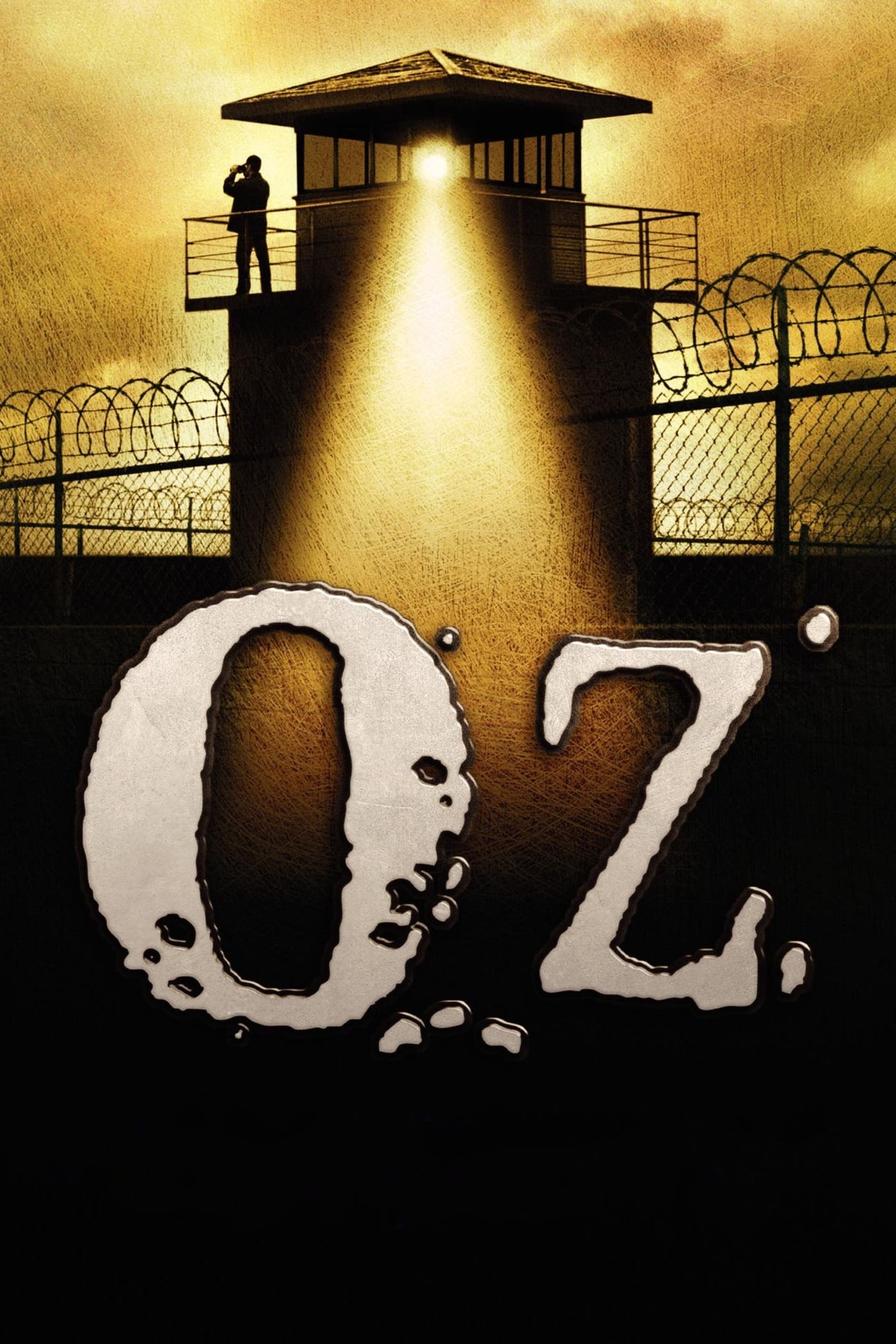
Tom Fontana’s prison drama uses a semi-anthology format inside a maximum-security unit to examine control, rehabilitation, and violence. Its rotating narration and theatrical interludes frame storylines for multiple factions and administrators.
As an early flagship for premium-cable drama, ‘Oz’ showed the viability of darker serialized storytelling with ensemble casting. The show’s alumni populated later prestige series, extending its behind-the-scenes influence.
‘Law & Order’ (1990–2010)
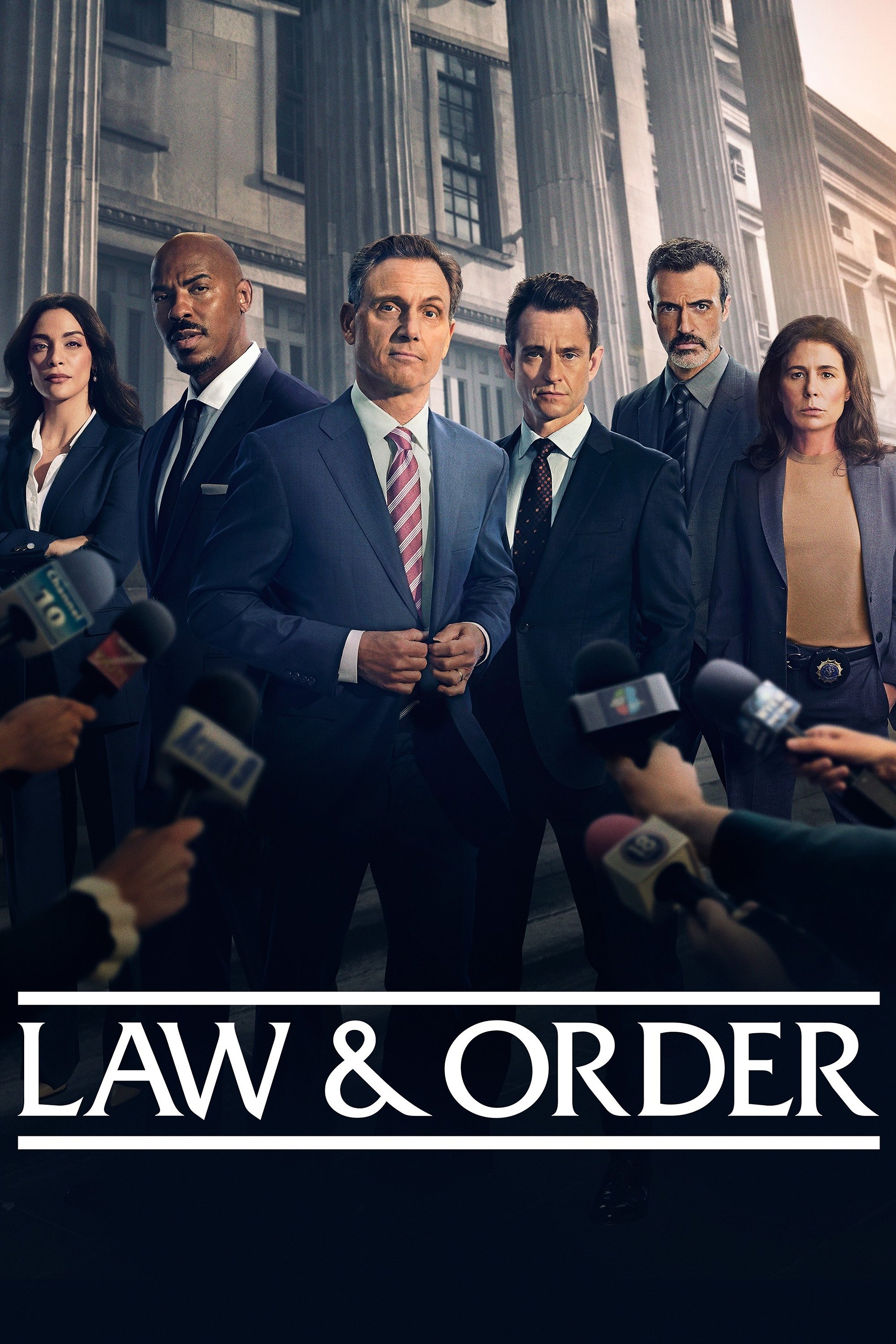
Dick Wolf’s procedural splits episodes between police investigation and courtroom prosecution, giving viewers two perspectives on one case. A cold-open format, sting sound, and ripped-from-the-headlines structure made it easy to syndicate in any order.
Its franchise spawned multiple spinoffs, including ‘Law & Order: Special Victims Unit’, standardizing a shared production playbook. The series’ format became a training ground for actors, writers, and directors across network TV.
‘Homicide: Life on the Street’ (1993–1999)
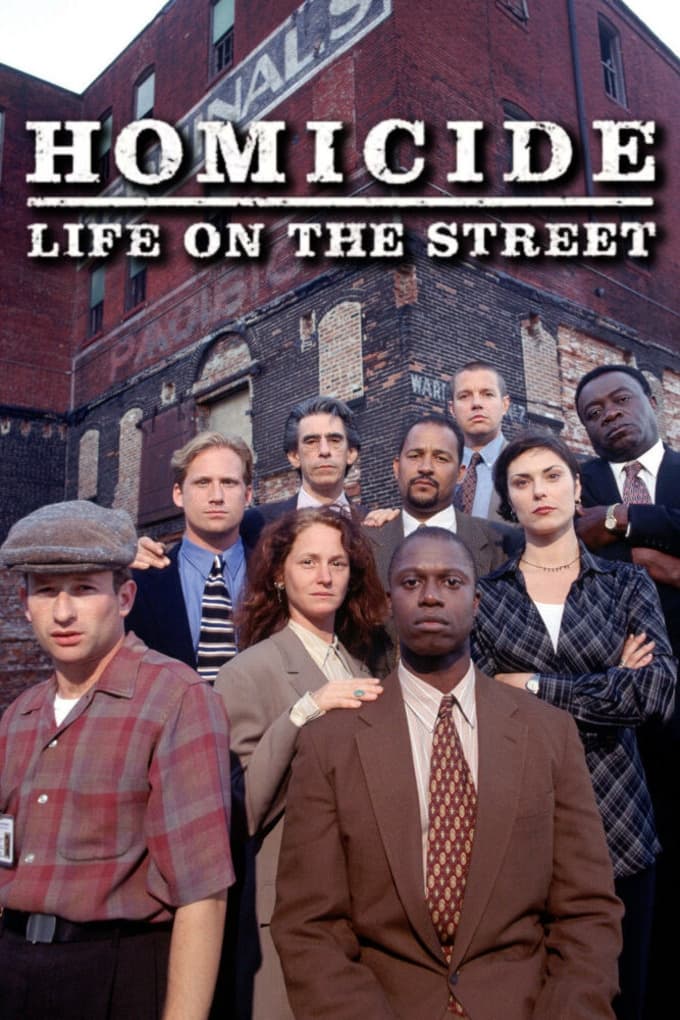
Adapted from a David Simon nonfiction account, this drama uses squad-room realism and handheld camerawork to depict detectives in Baltimore. It emphasizes interrogation strategy, clearance rates, and paperwork as critical parts of the job.
Crossovers with ‘Law & Order’ and a focus on caseboard detail influenced later police shows. The series also helped incubate talent that would later build ‘The Wire’, carrying forward its docu-drama sensibility.
‘NYPD Blue’ (1993–2005)
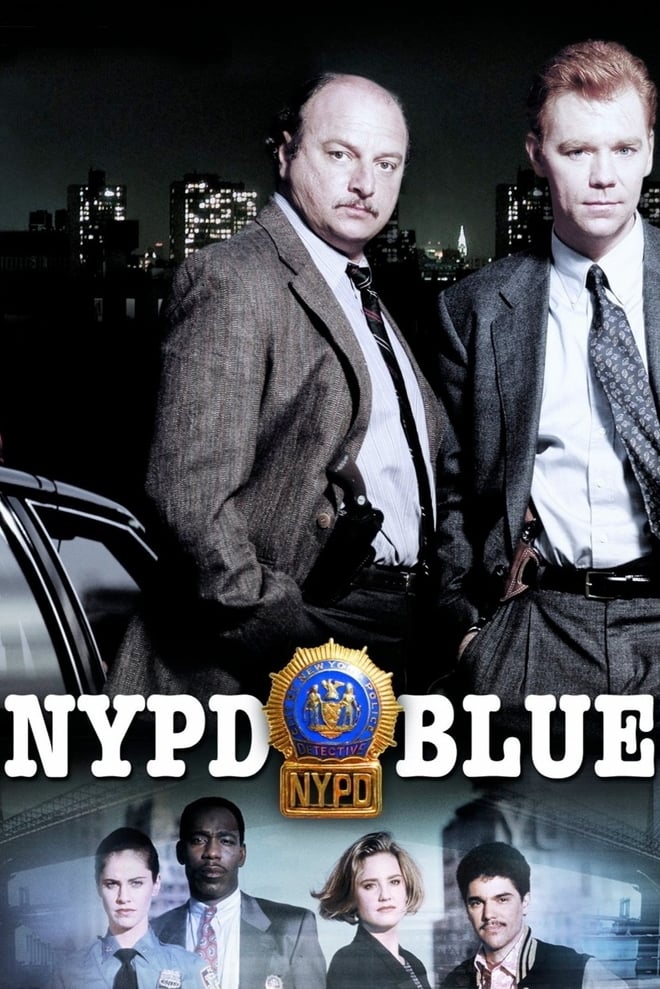
Created by Steven Bochco and David Milch, the show pushed network standards for language and adult themes while tracking squad dynamics. Vari-lens photography and fast edits heightened urgency without losing the rhythm of interviews and precinct life.
It popularized messy, evolving partnerships and internal affairs arcs that span multiple episodes. Writers leveraged serial plots to show departmental politics alongside street-level cases, a balance many successors adopted.
‘The Larry Sanders Show’ (1992–1998)
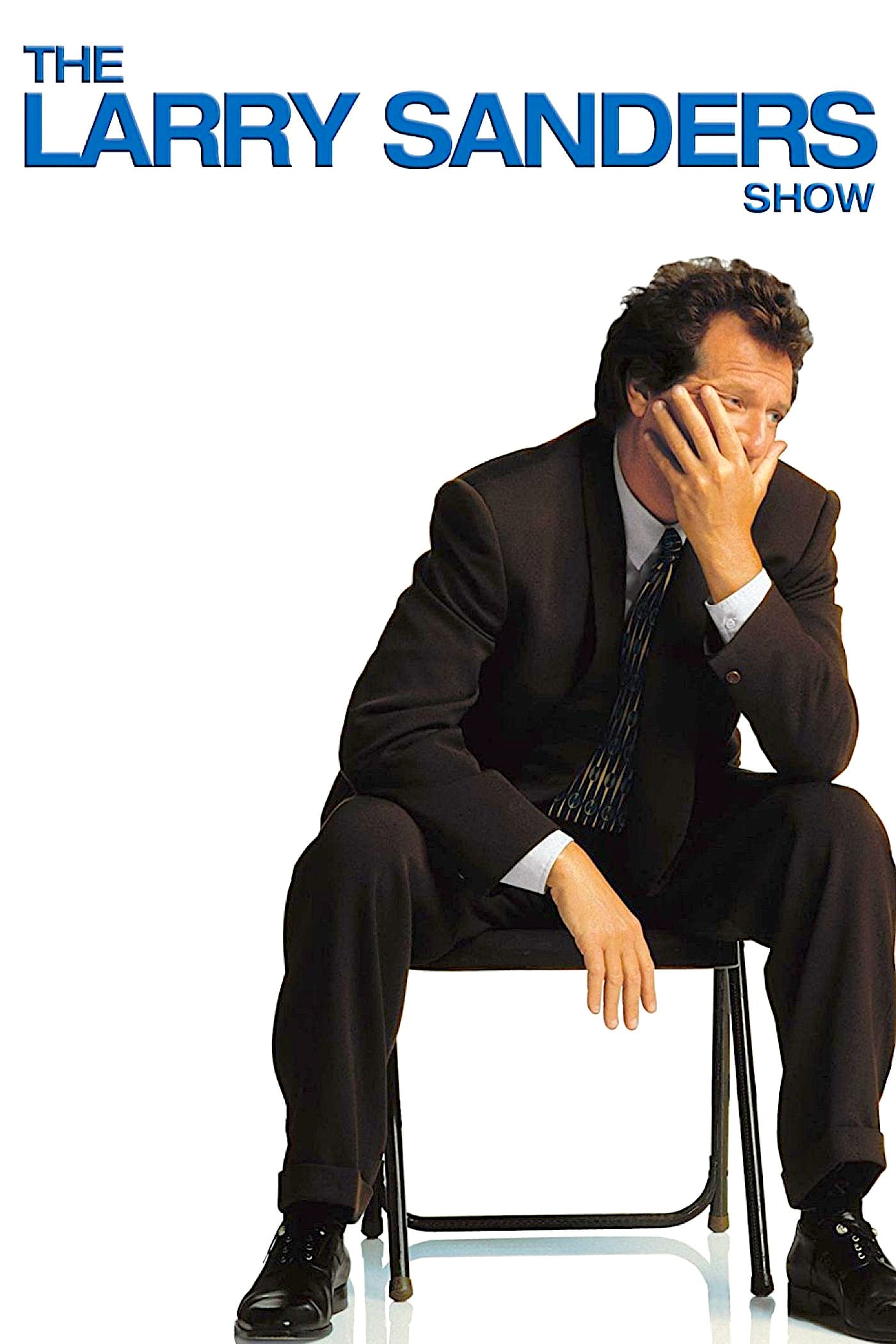
Set behind a fictional late-night talk show, Garry Shandling’s comedy examines celebrity, producing, and staff relationships. Mock-doc elements, celebrity cameos, and a writers’ room perspective created a detailed map of show-business mechanics.
Its influence is clear in workplace comedies that blend satire and character study, including ‘30 Rock’. The series’ structure taught later shows how to mine process and performance for story.
‘My So-Called Life’ (1994–1995)
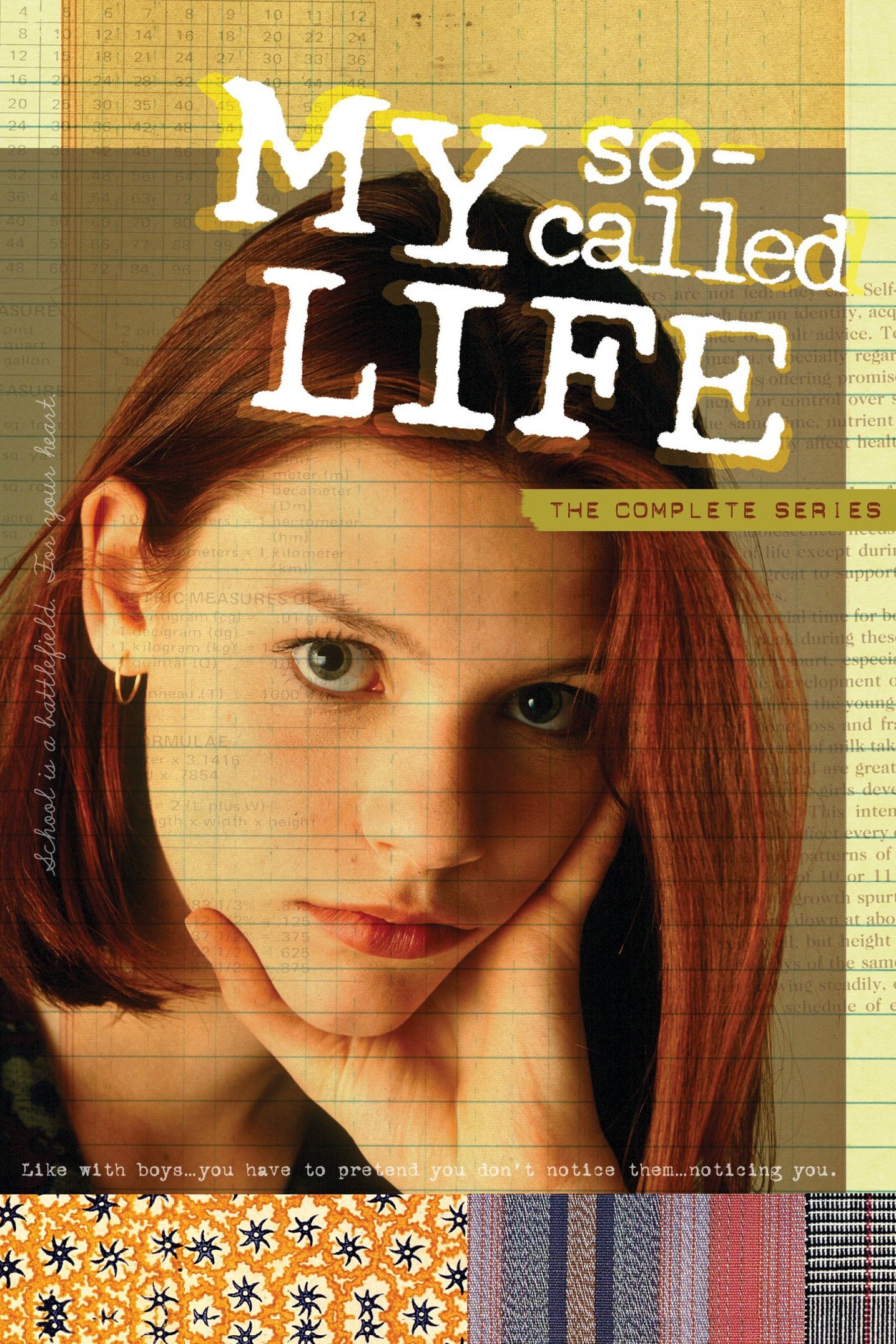
Created by Winnie Holzman, this teen drama follows Angela Chase through family tension, friendships, and first love, using voiceover for interiority. Secondary characters get full arcs, showing multiple viewpoints on the same events.
Its single season became a touchstone for realistic teen writing and nuanced parent-child dynamics. The show also provided early visibility for future stars and demonstrated the value of smaller, character-driven stakes.
‘Freaks and Geeks’ (1999–2000)
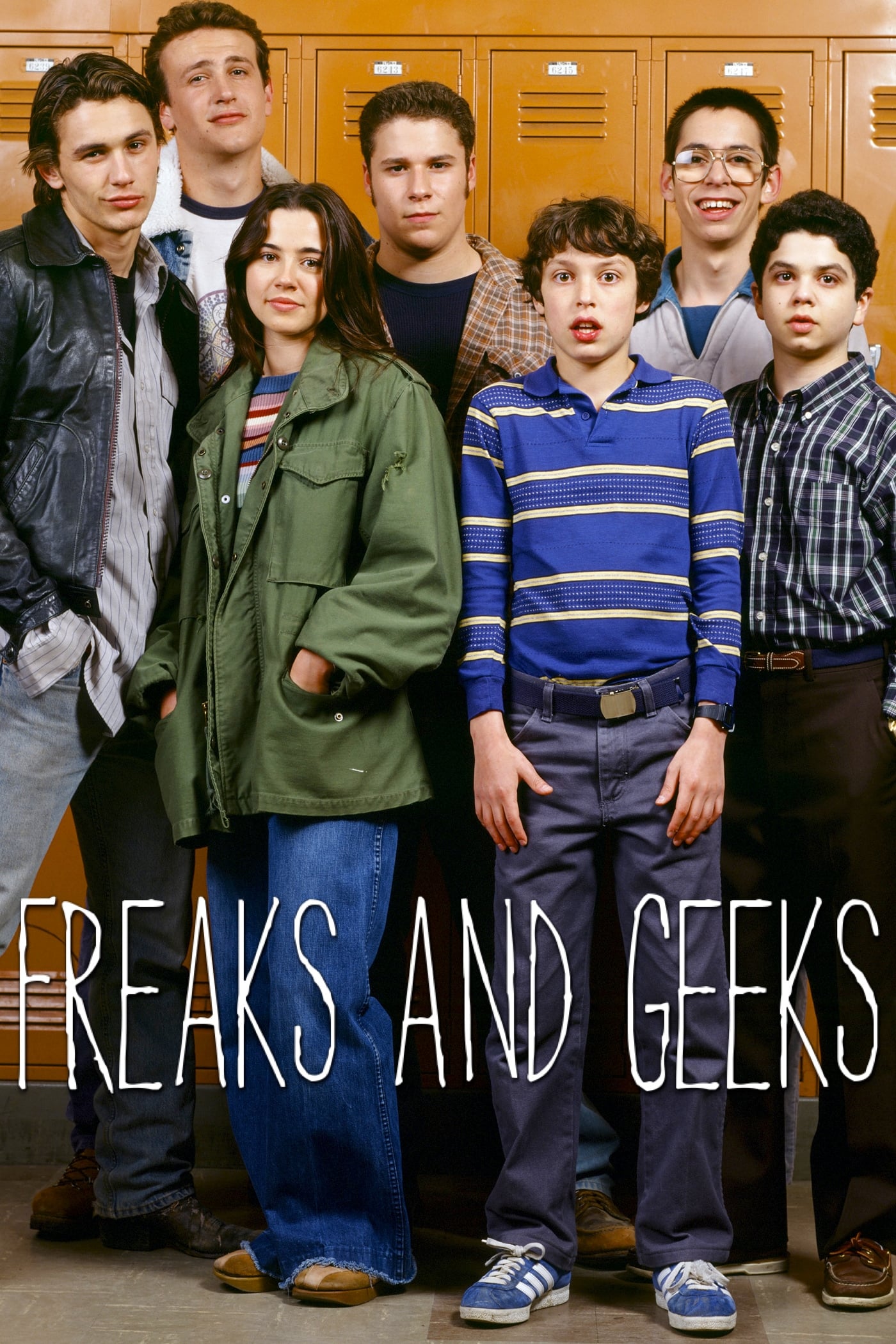
Paul Feig’s high-school series tracks two sibling circles—academically inclined and burnout kids—through clubs, classes, and basement hangouts. The production recreated era-specific music and wardrobe to ground stories in recognizable rites of passage.
A short run built a cult following as cast and crew moved to other major projects. The show is frequently used in writing classes to demonstrate specificity in character design and scene work.
‘Daria’ (1997–2002)

Spun off from ‘Beavis and Butt-Head’, this animated series centers on Daria Morgendorffer’s deadpan navigation of school, family, and media. Episodes combine social studies, satire, and friendship plots with a consistent, minimalist visual style.
It mapped a template for character-driven teen animation that prizes dialogue and point of view. TV movies and home-video releases extended its footprint, keeping Lawndale’s world available to new viewers.
‘Rugrats’ (1991–2004)
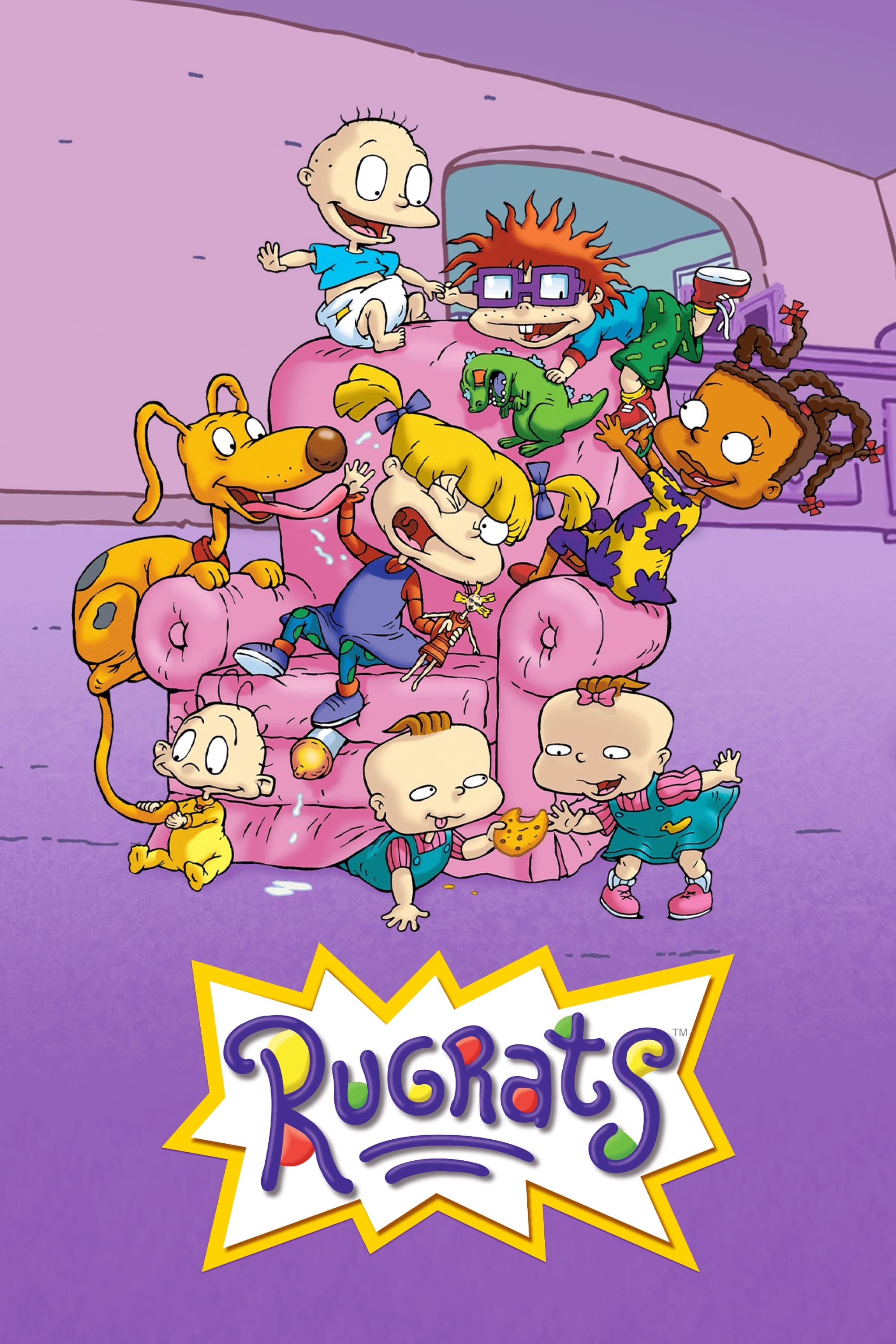
Created by the Klasky Csupo team, ‘Rugrats’ shows the world from toddlers’ perspectives, turning ordinary spaces into adventure settings. The visual design and sound cues translate misheard language and big emotions into understandable beats.
The franchise expanded into theatrical films, specials, and a spinoff, ‘All Grown Up!’. Its approach to childhood imagination influenced how later kids’ shows stage scale, safety, and discovery.
‘Hey Arnold!’ (1996–2004)
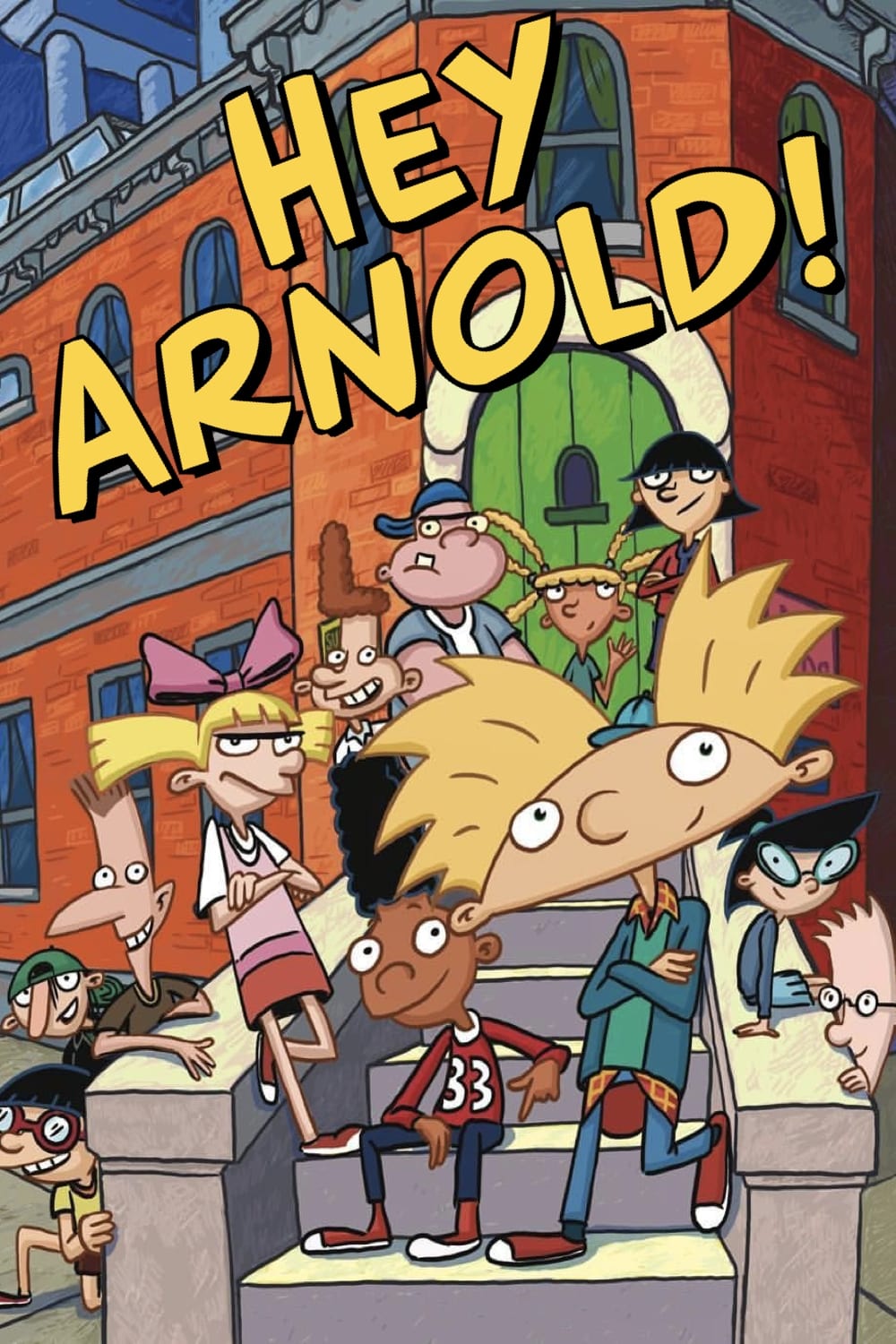
Craig Bartlett’s series focuses on a city kid, his classmates, and a boarding house packed with distinctive tenants. Jazz-inflected scoring and quiet slice-of-life plots highlight empathy, conflict resolution, and neighborhood culture.
Telefilms and later continuations closed long-running character threads. The show is often cited for urban representation in children’s animation and careful handling of serious topics.
‘Rocko’s Modern Life’ (1993–1996)

Joe Murray’s cartoon follows Rocko, an Australian wallaby, as he navigates consumer culture, odd jobs, and eccentric neighbors. Visual gags, double-entendres, and squash-and-stretch animation keep scenes busy without sacrificing story clarity.
It served as an early proving ground for creators who later built other hits, including contributors to ‘SpongeBob SquarePants’. Specials and revivals kept the characters present for new audiences.
‘Arthur’ (1996–2022)
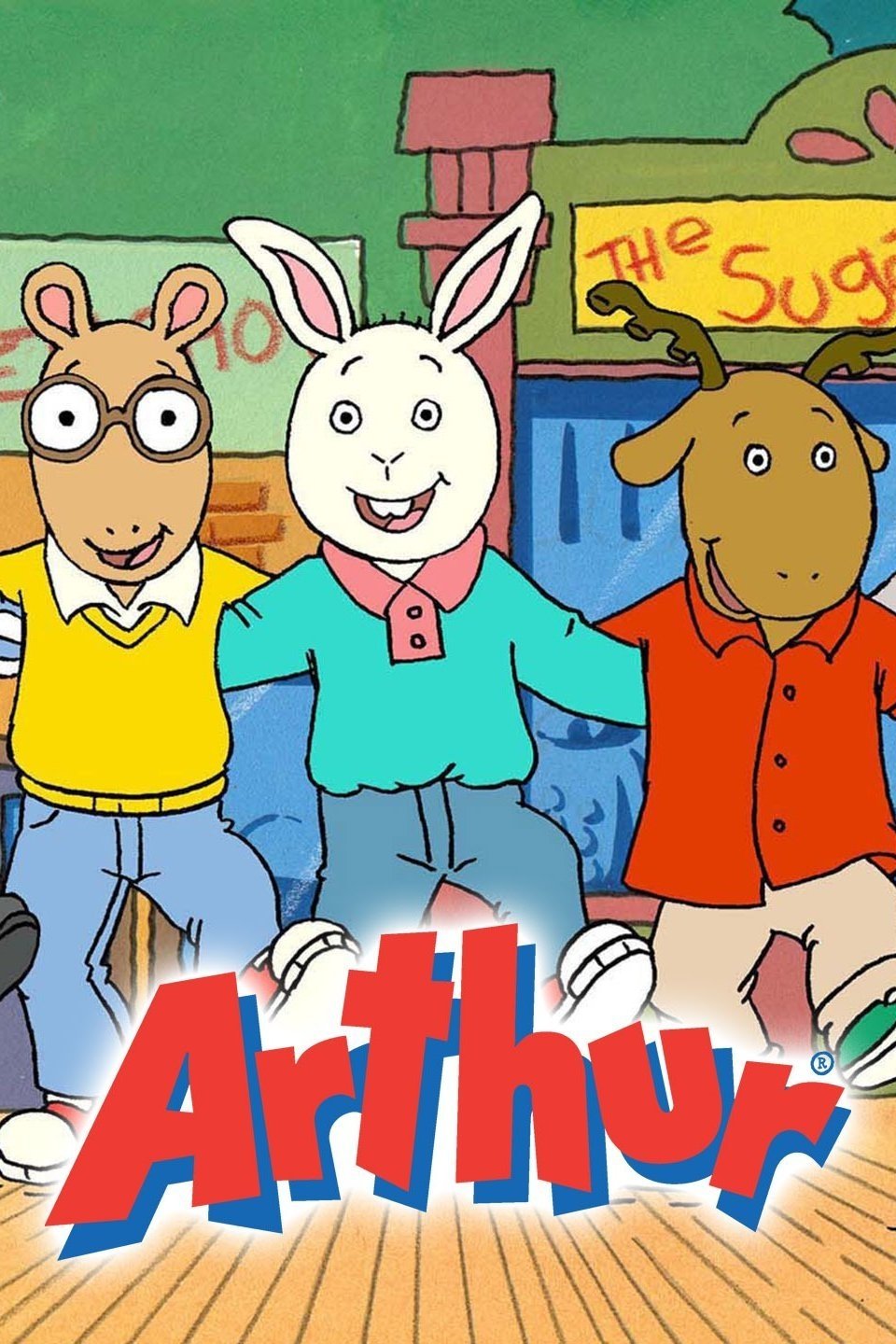
Based on Marc Brown’s books, ‘Arthur’ follows an aardvark and friends through school, siblings, and community events. Episode pairs typically tackle two social-emotional lessons with music interludes and recurring fourth-wall bits.
It became a cornerstone of educational programming with a large episode library and classroom tie-ins. Guest appearances and topical stories helped educators use it alongside reading materials.
‘SpongeBob SquarePants’ (1999– )
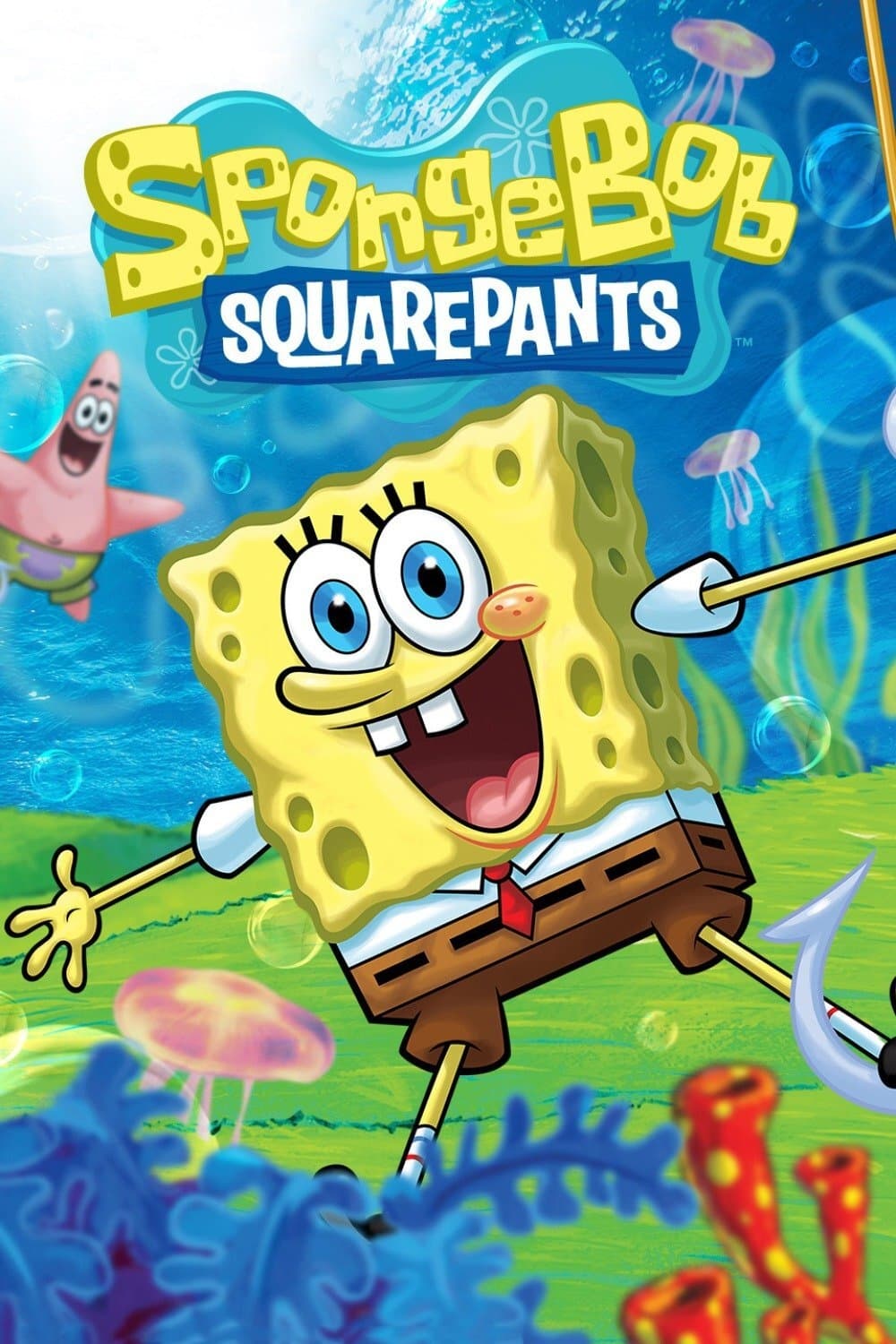
Stephen Hillenburg’s undersea series tracks the daily routines of SpongeBob, Patrick, and Squidward in Bikini Bottom. The show mixes slapstick, nautical wordplay, and visual invention across short segments that suit repeat viewing.
A global merchandising footprint and multiple films expanded its reach. Meme culture and clips keep characters circulating far beyond standard broadcast slots, introducing new fans continually.
‘Dexter’s Laboratory’ (1996–2003)
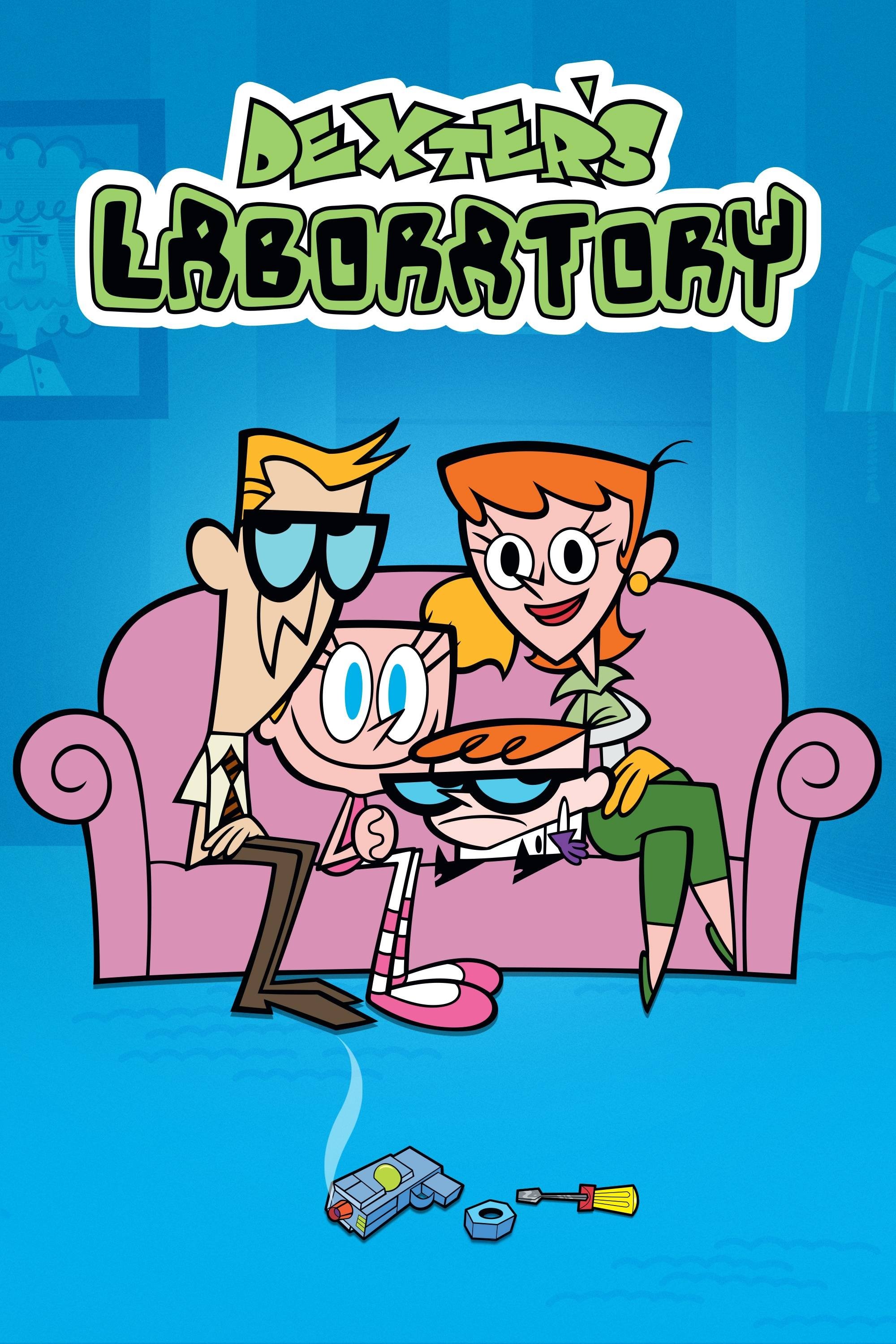
Genndy Tartakovsky’s show centers on a secret lab run by child prodigy Dexter and his chaos-agent sister, Dee Dee. Limited dialogue episodes, sharp geometric design, and action timing make it a study in economical visual storytelling.
Segmented structures like ‘Dial M for Monkey’ and ‘The Justice Friends’ let the series prototype multiple genres inside one block. Its crew later spearheaded other influential animation projects, spreading techniques developed here.
‘The Powerpuff Girls’ (1998–2005)
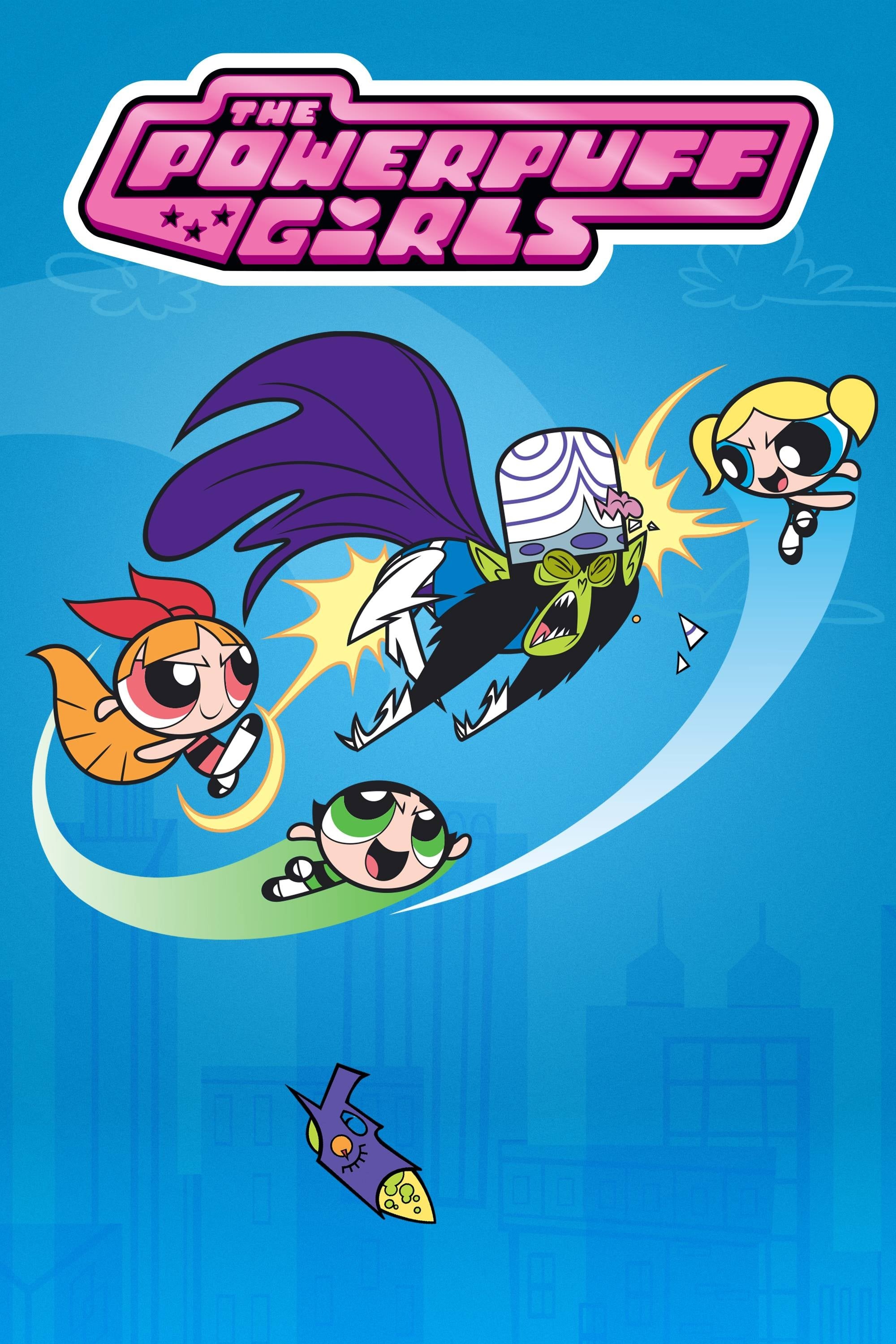
Craig McCracken’s trio—Blossom, Bubbles, and Buttercup—fight monsters while juggling school and family rules. Bold color fields, hard outlines, and pop-art explosions give the action a readable rhythm.
Villain gallery standouts like Mojo Jojo and Him enabled formula experiments from kaiju to heist. The brand extended into specials, a feature, and reimaginings that kept Townsville’s world in circulation.
‘Xena: Warrior Princess’ (1995–2001)
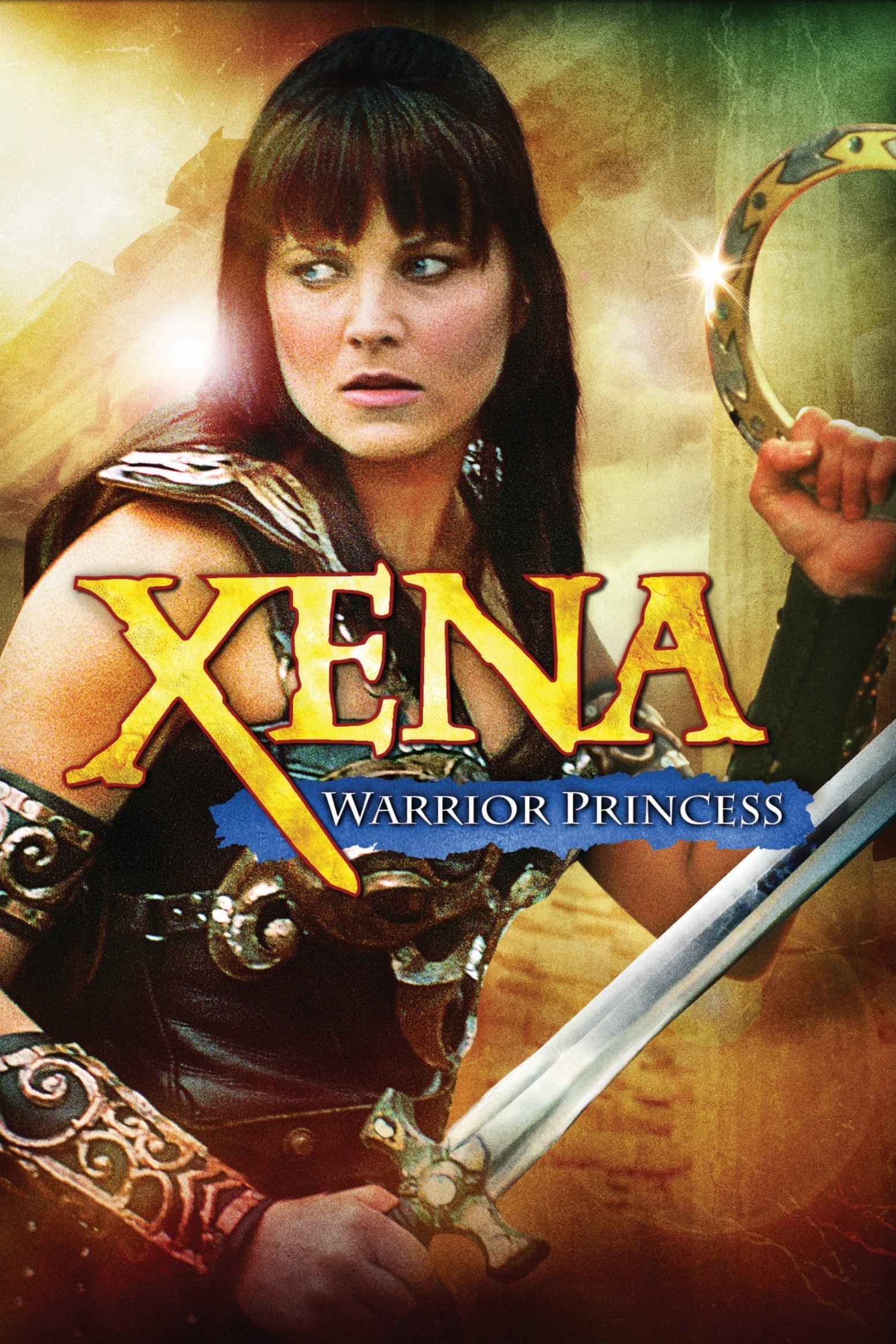
A spinoff from ‘Hercules: The Legendary Journeys’, this series follows Xena and Gabrielle across a myth-mash Mediterranean. Filmed largely in New Zealand, it leveraged stunt work and location variety to deliver weekly adventure scale.
The show built a strong episodic-to-serialized balance with recurring foes and moral dilemmas. Tie-in books, games, and conventions sustained an engaged fan base that amplified its legacy.
‘Hercules: The Legendary Journeys’ (1995–1999)
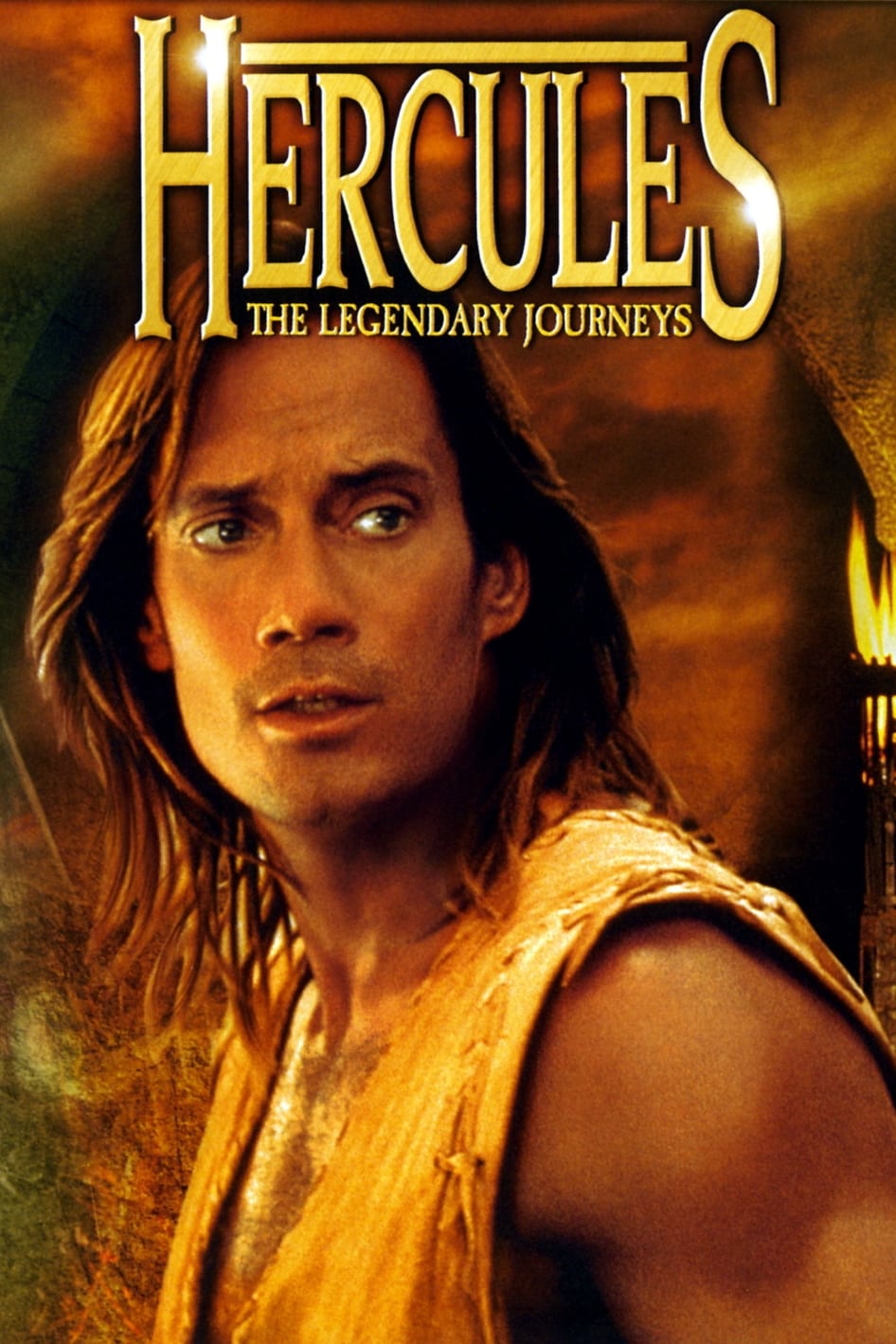
This syndicated action series tracks Hercules and Iolaus as they confront gods, monsters, and warlords. Practical effects, creature suits, and wire work gave fantasy television a template for budget-savvy spectacle.
Its success created a production hub that also fueled ‘Xena: Warrior Princess’. Light-toned myth retellings and crossovers established a shared world that encouraged weekly appointment viewing.
‘Stargate SG-1’ (1997–2007)
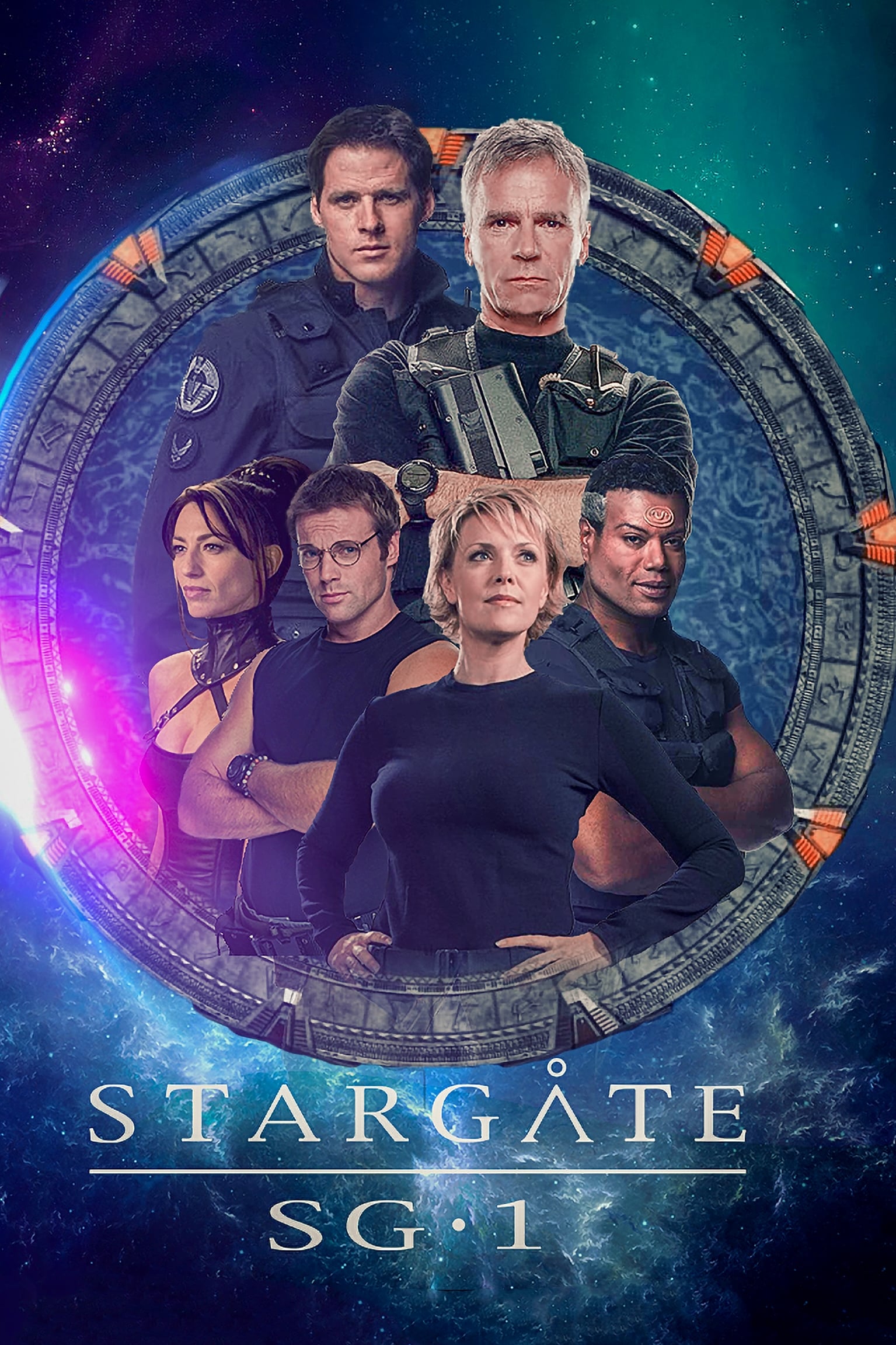
Building from the film ‘Stargate’, this series assembles a military-science team exploring planets via an ancient portal network. The show integrates archaeology, linguistics, and diplomacy with action, using recurring alien cultures as long-arc anchors.
It spun off ‘Stargate Atlantis’ and ‘Stargate Universe’, proving the gate concept supports multiple casts and tones. Props, glyphs, and a codified mythology made it a favorite for fan encyclopedias and role-playing supplements.
‘Babylon 5’ (1993–1998)

J. Michael Straczynski planned a five-year arc centered on a diplomatic space station and rising interstellar conflicts. Early CGI for ships and stations enabled complex battles and consistent visual continuity.
The show’s serialized approach influenced how sci-fi treats prophecy, politics, and wartime logistics. Novels, TV movies, and continued creator engagement kept its canon active for deep-dive viewers.
‘The Pretender’ (1996–2000)
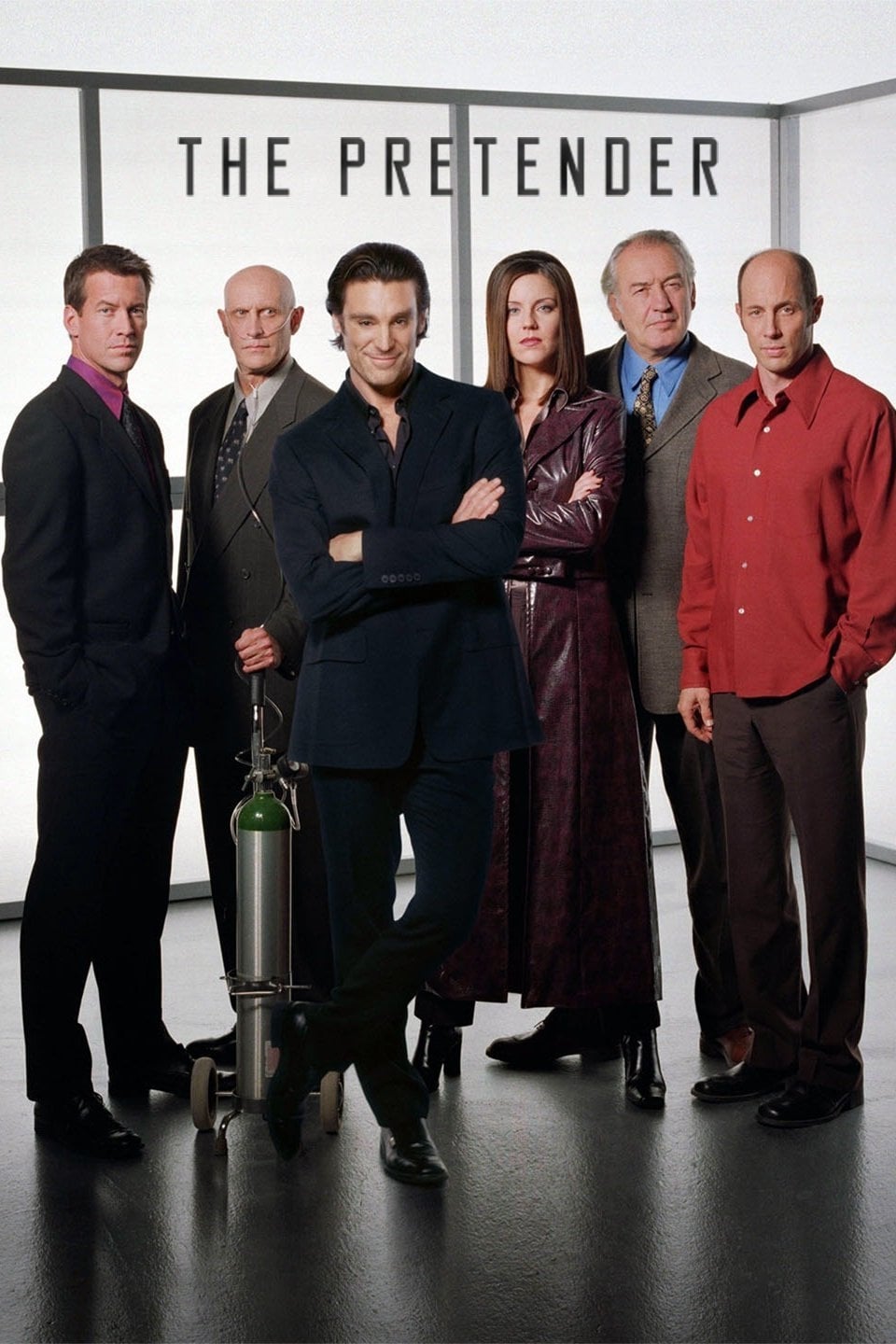
A genius escapee named Jarod adopts new identities to help people while evading a secretive organization called the Centre. Case-of-the-week structures hide personal myth-arc breadcrumbs, rewarding viewers who track small details.
TV movies extended unresolved threads and fleshed out supporting characters like Miss Parker and Sydney. The show offered a distinctive take on disguise and empathy within a network procedural frame.
‘Northern Exposure’ (1990–1995)
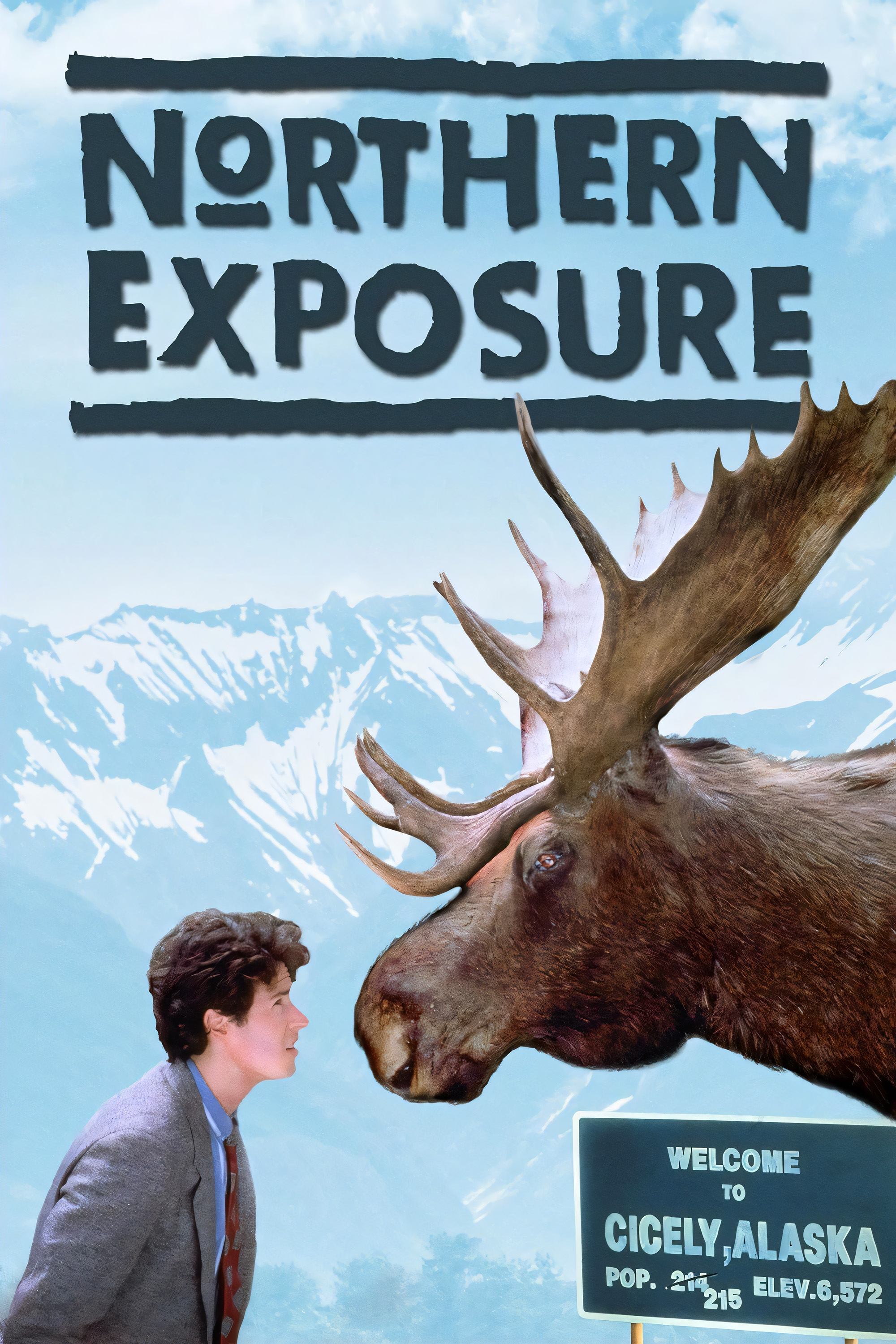
A New York doctor repays a scholarship by practicing in a remote Alaskan town filled with idiosyncratic residents. Episodes play with dream sequences, local radio monologues, and folk traditions to build community texture.
The series is known for ensemble balance, letting recurring townspeople drive A-plots. It won industry recognition for writing and featured a soundtrack that doubled as character voice.
‘Boy Meets World’ (1993–2000)
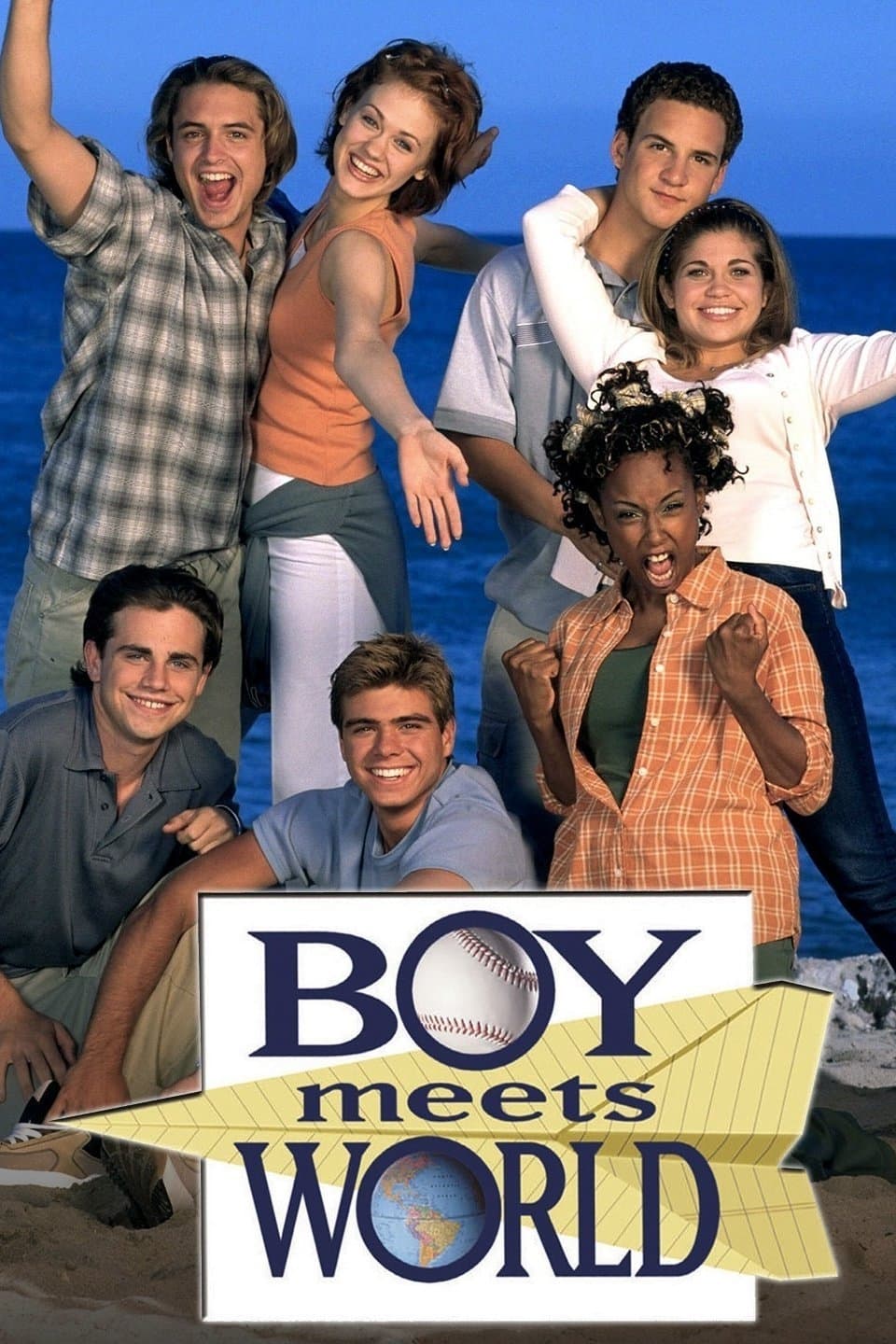
This coming-of-age sitcom follows Cory Matthews through school, friendships, and family, guided by teacher George Feeny. The show blends classroom lessons with home stories, using season arcs to reflect milestones like graduations.
Later continuations like ‘Girl Meets World’ brought characters back and introduced the franchise to younger viewers. A consistent cast allowed long-running payoffs that reward sequential watching.
‘Saved by the Bell’ (1989–1993)
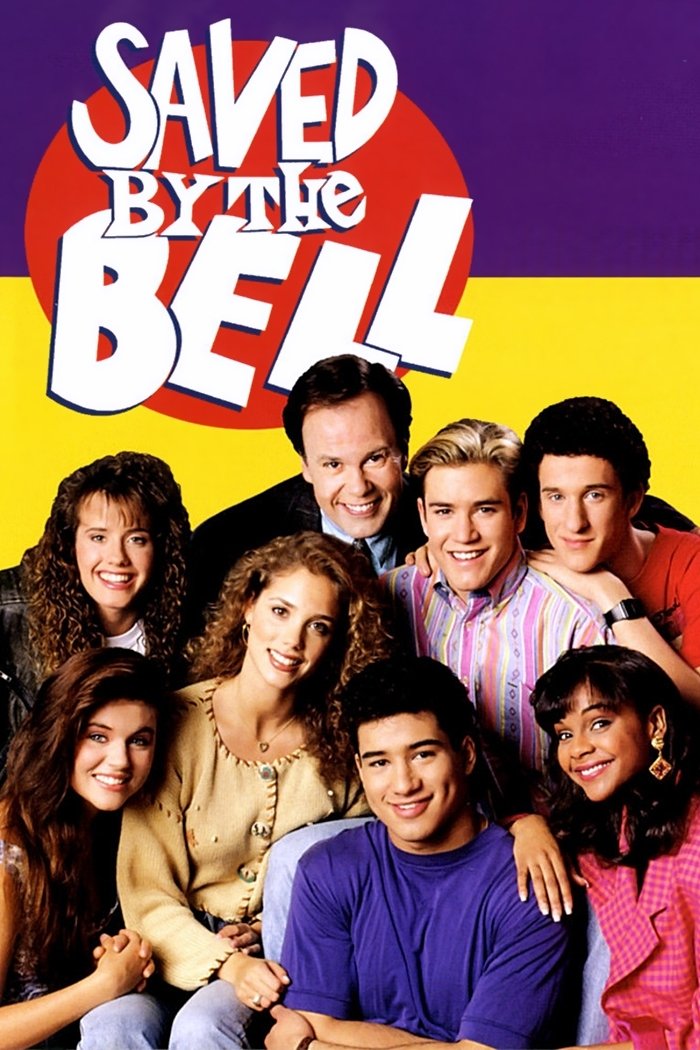
Set at Bayside High, this teen sitcom uses classroom antics, time-out asides, and school events to deliver quick moral lessons. Light plots and colorful production design made it a staple of weekend blocks.
Follow-ups like ‘Saved by the Bell: The College Years’ and ‘Saved by the Bell: The New Class’ extended the format. The franchise became a reference point for school-set comedies with stylized narration devices.
‘Home Improvement’ (1991–1999)
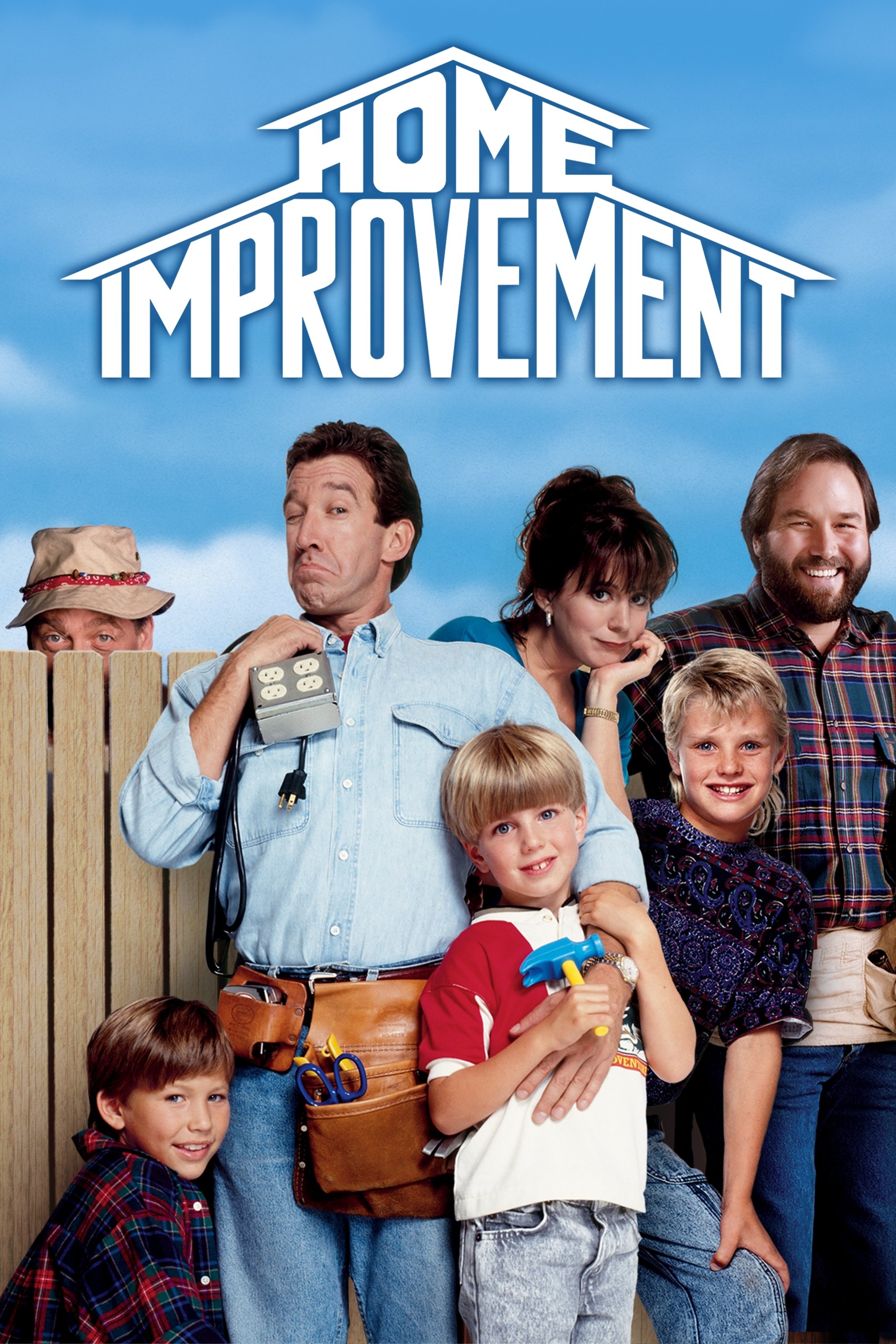
Tim “The Tool Man” Taylor hosts a home-repair show while juggling family, neighbors, and workplace snafus. Running gags, practical effects, and a mix of workshop segments with domestic scenes create a reliable episode rhythm.
The series routinely topped ratings and built a recognizable brand around catchphrases and tool mishaps. Its show-within-a-show format influenced later comedies that embed media production into the premise.
‘The Nanny’ (1993–1999)
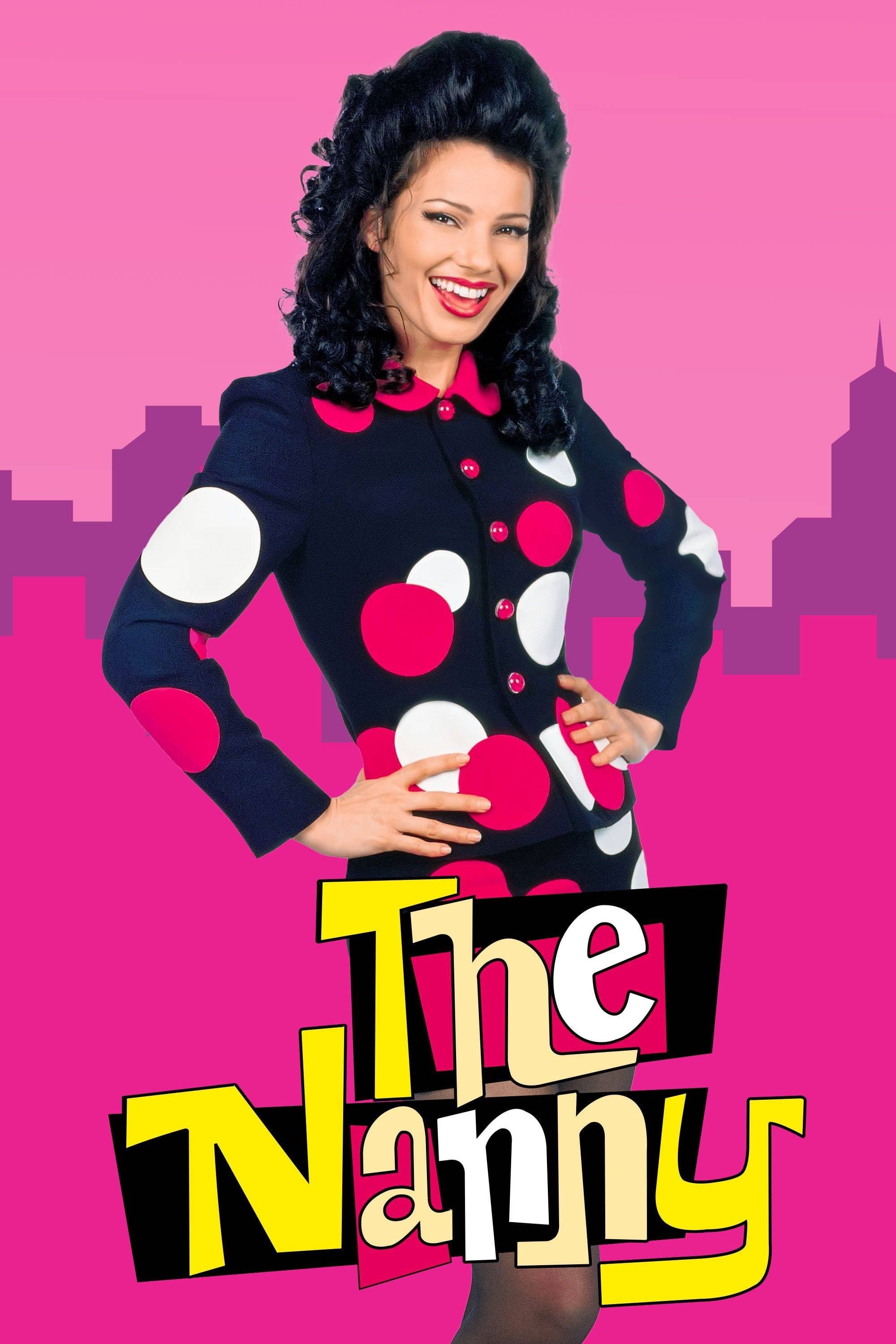
Fran Fine becomes nanny to a Broadway producer’s children, blending fashion-forward costumes with farce and wordplay. Recurring set pieces—like stairway entrances and salon flashbacks—give the series a theatrical cadence.
Created by Fran Drescher and Peter Marc Jacobson, it leaned on guest stars and musical cues tied to New York stage culture. International adaptations proved the concept’s portability across languages.
‘Mad About You’ (1992–1999)

This single-camera sitcom tracks newlyweds Paul and Jamie Buchman through apartment life, careers, and extended family. The show experiments with long takes, real-time episodes, and documentary inserts while keeping humor grounded.
Crossover moments with ‘Friends’ and ‘Seinfeld’ placed it inside a loose shared TV Manhattan. A later revival visited the characters again, demonstrating the durability of the core relationship setup.
‘Martin’ (1992–1997)
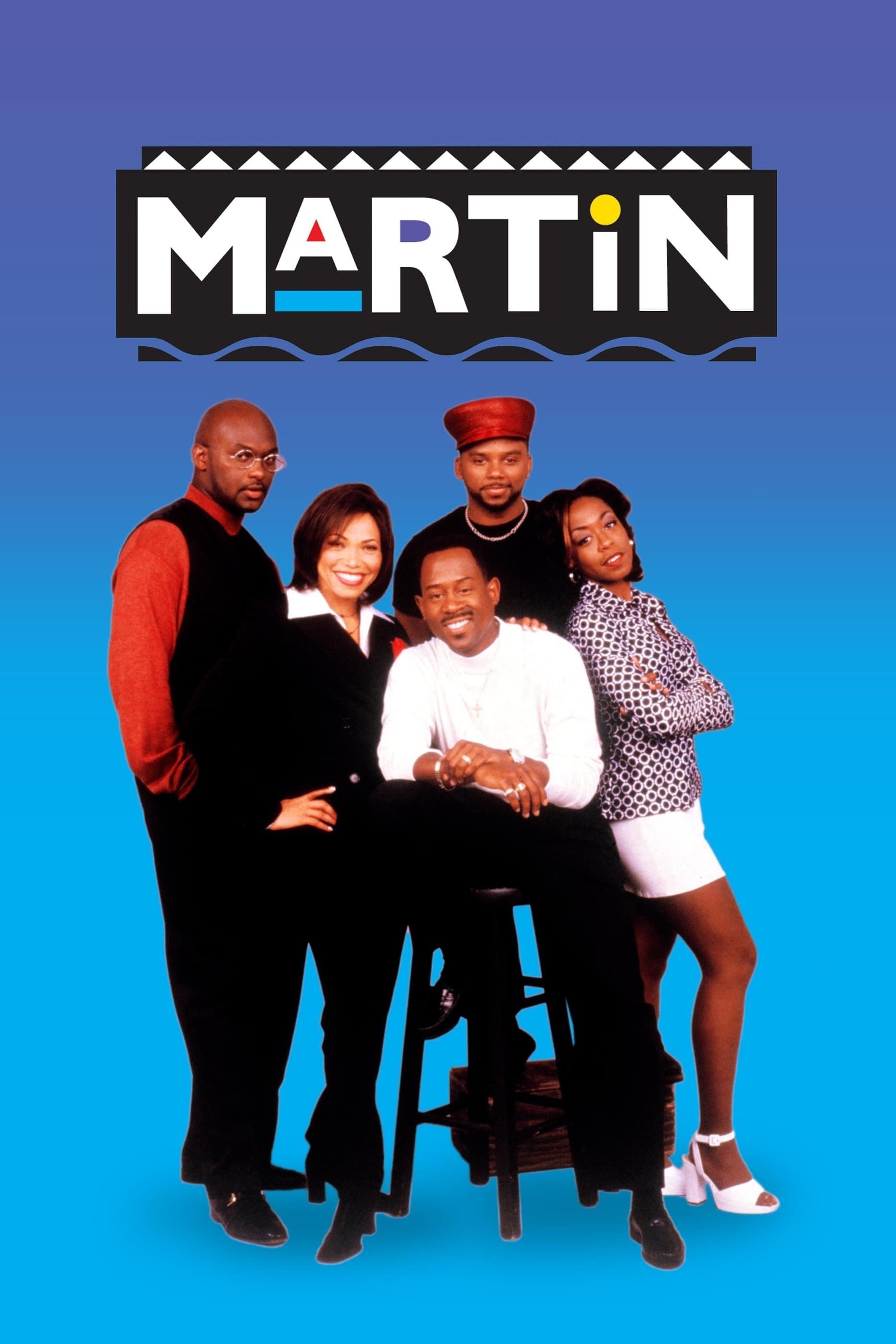
Set in Detroit, ‘Martin’ follows a radio host and his circle through work, romance, and neighborhood run-ins. The lead’s multiple characters and physical comedy set pieces give episodes a sketch-adjacent energy.
A strong supporting cast and memorable recurring bits made it a cornerstone of its network’s comedy lineup. Music, fashion, and guest performances rooted the show in contemporary R&B and hip-hop culture.
‘Living Single’ (1993–1998)
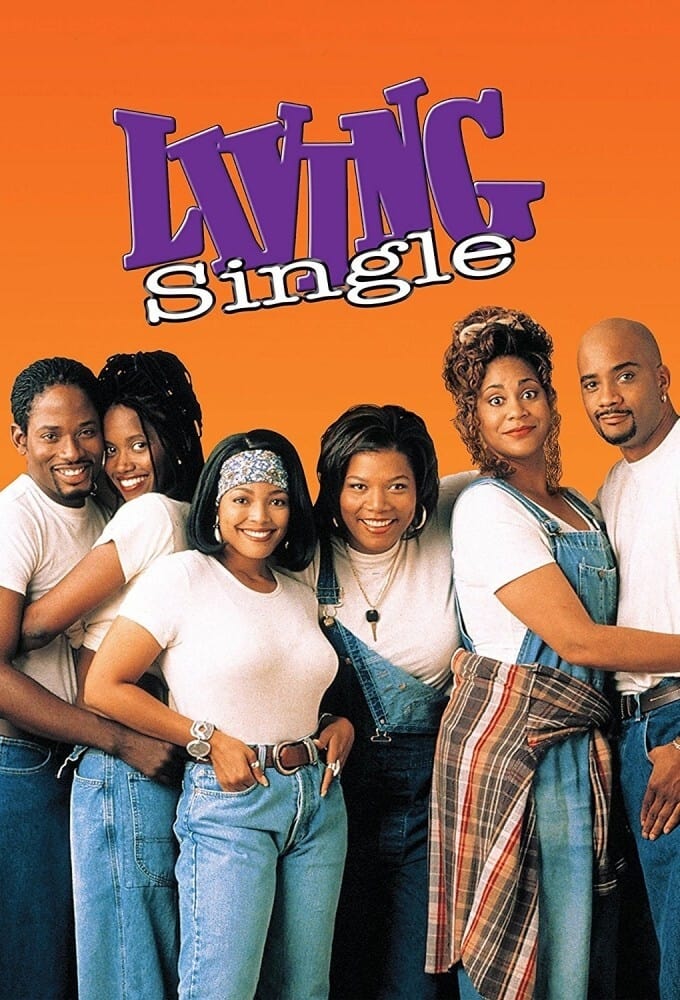
An ensemble of friends in Brooklyn navigates careers, love, and roommate life, with Queen Latifah anchoring as a magazine editor. The series balances workplace stories with apartment-set banter and rotating pairings.
It predated ‘Friends’ with a similar ensemble premise and showcased Black professional life in a sitcom frame. Its influence is visible in later urban ensemble comedies featuring tight friend groups.
‘Whose Line Is It Anyway?’ (1998–2007)
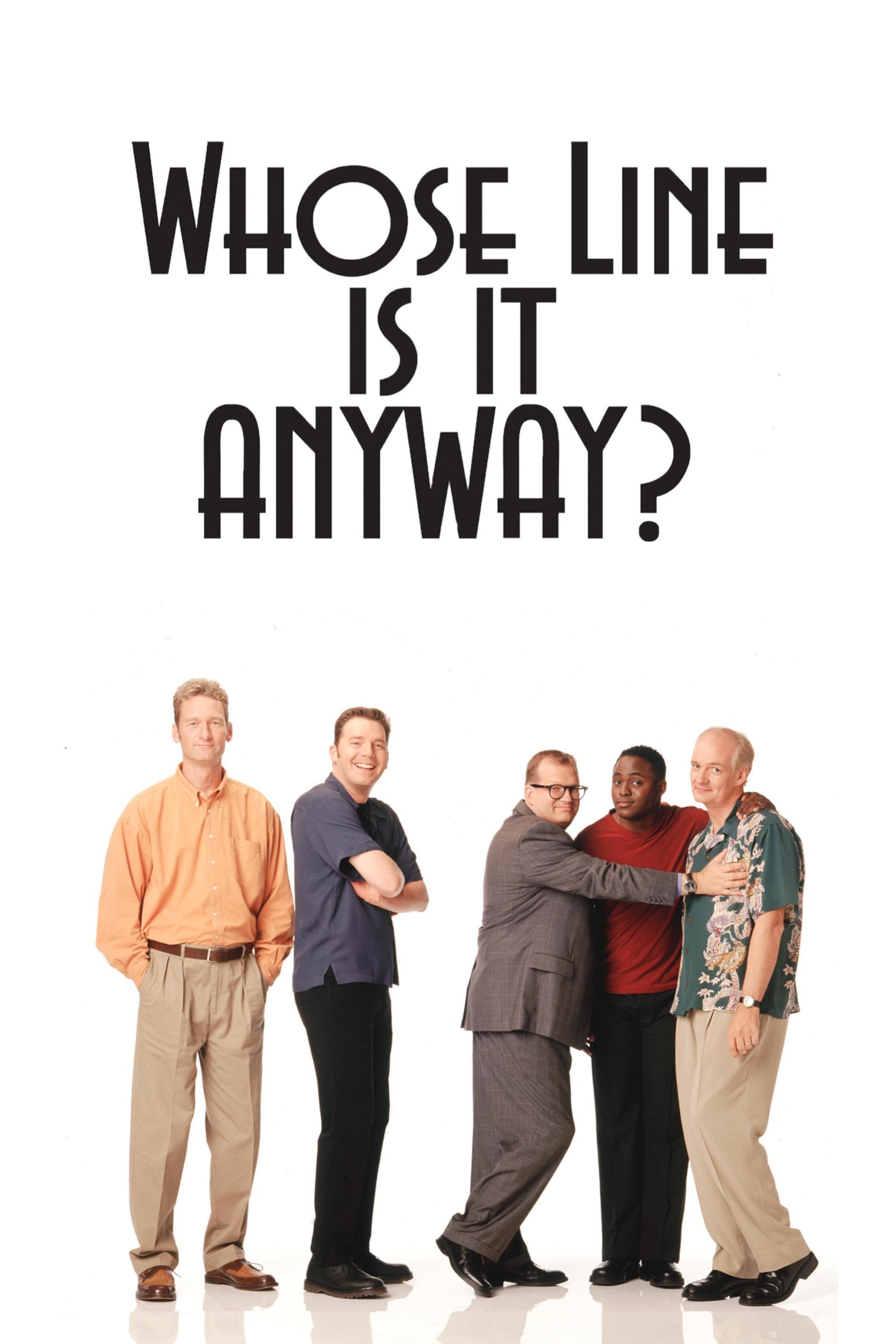
This improv comedy imports short-form games from a British format and arranges them into half-hour sessions. A rotating guest roster joins a core trio, with audience prompts and host-assigned challenges driving pace.
The show spotlighted improv as a television-friendly art, increasing demand for live tours and training programs. Recurring games like Scenes from a Hat and Hoedown provided structure that viewers could anticipate.
‘Animaniacs’ (1993–1998)
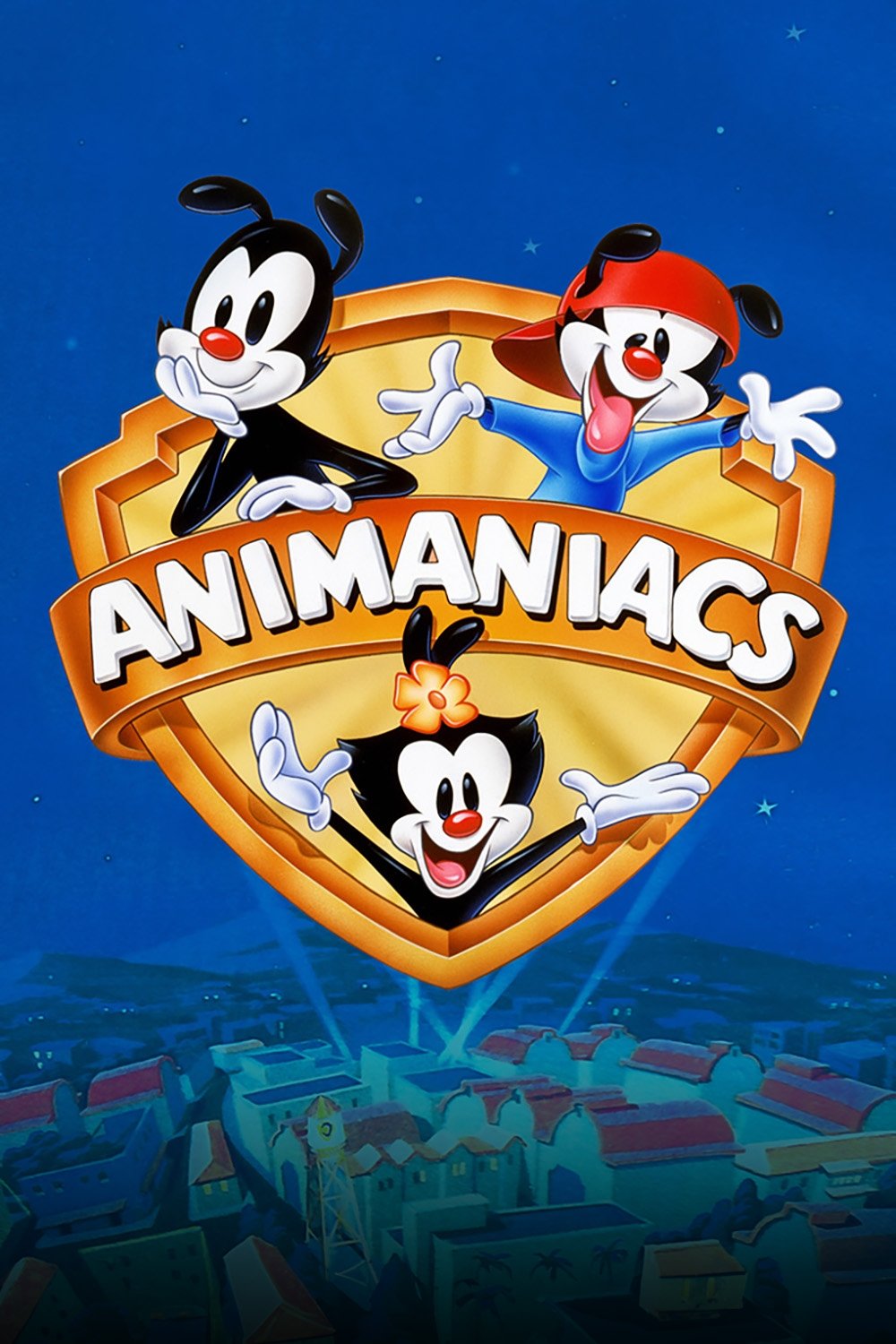
Steven Spielberg’s animated variety show mixes the Warner siblings with regular segments like ‘Pinky and the Brain’. Lyrics, maps, and rapid-fire gags sneak education into jokes that double as musical numbers.
Its spin-offs and revivals show how sketch-based animation can refresh while keeping core characters intact. The series trained a generation in voice acting and comedic timing for animation.
‘Sailor Moon’ (1992–1997)
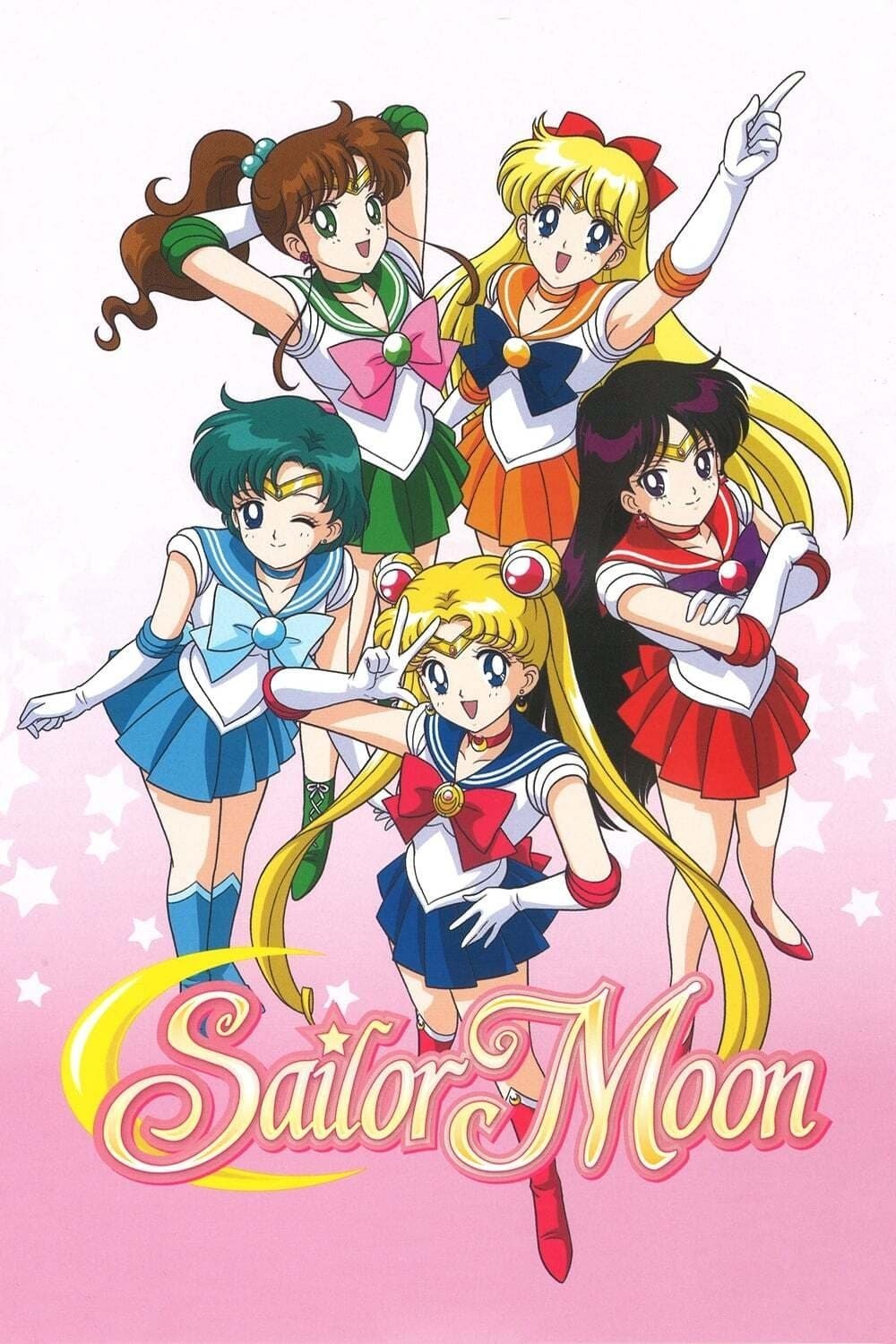
This magical-girl anime organizes its team around planetary motifs, transformation sequences, and monster-of-the-week battles. Friendships and leadership roles rotate to give each guardian spotlight episodes.
International localizations, merchandise, and stage shows expanded the franchise beyond television. The series helped carry team-based heroines into mainstream programming blocks around the world.
‘Beavis and Butt-Head’ (1993–1997)
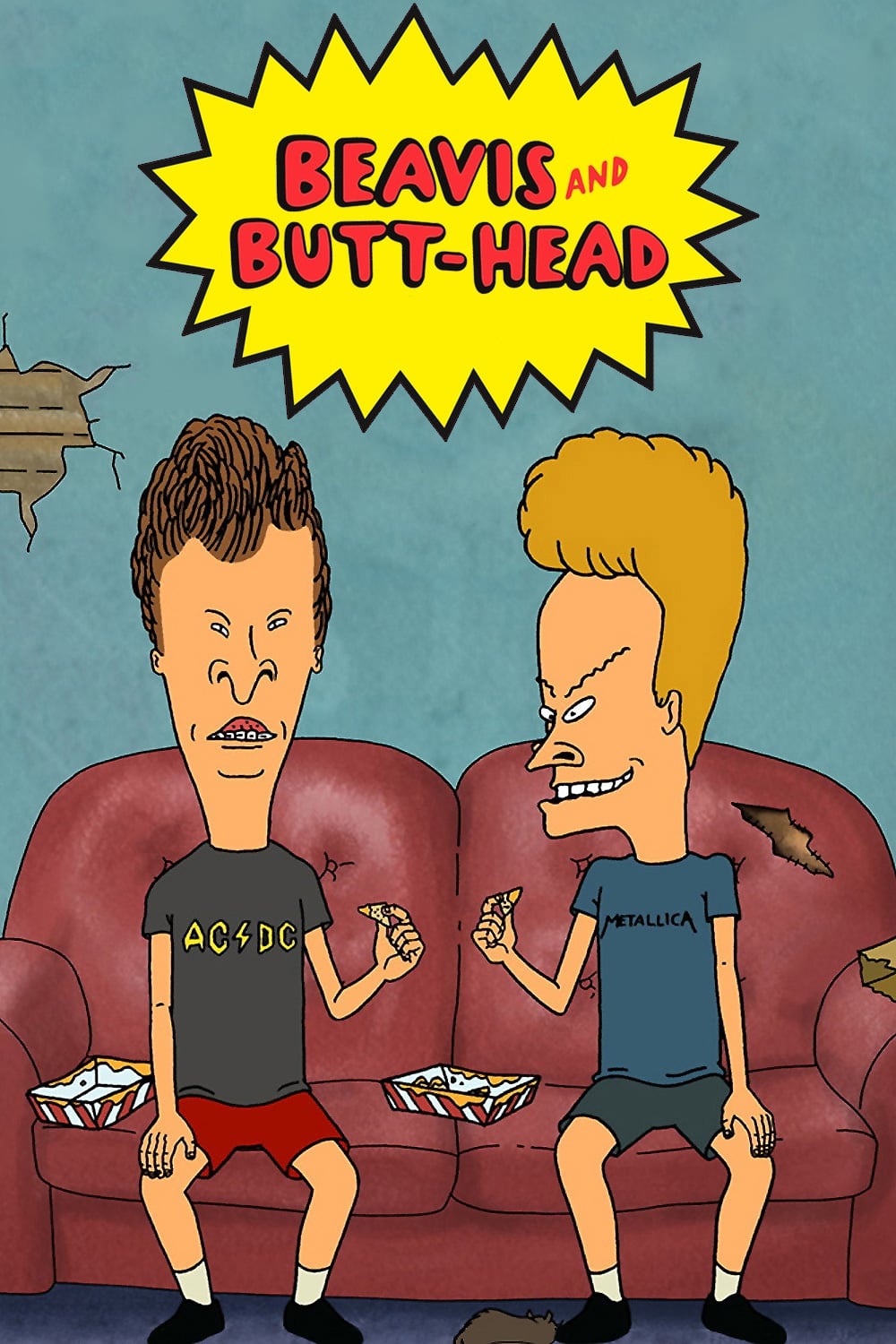
Mike Judge’s animated duo comment on music videos and stumble through small-town schemes, using limited animation to amplify deadpan humor. Episodes often pair narrative shorts with critique segments that function as pop-culture commentary.
The brand returned in later runs and movies, showing how the format adapts to new media landscapes. Its influence can be seen in adult animation that uses low-fi style for satirical bite.
‘King of the Hill’ (1997–2010)
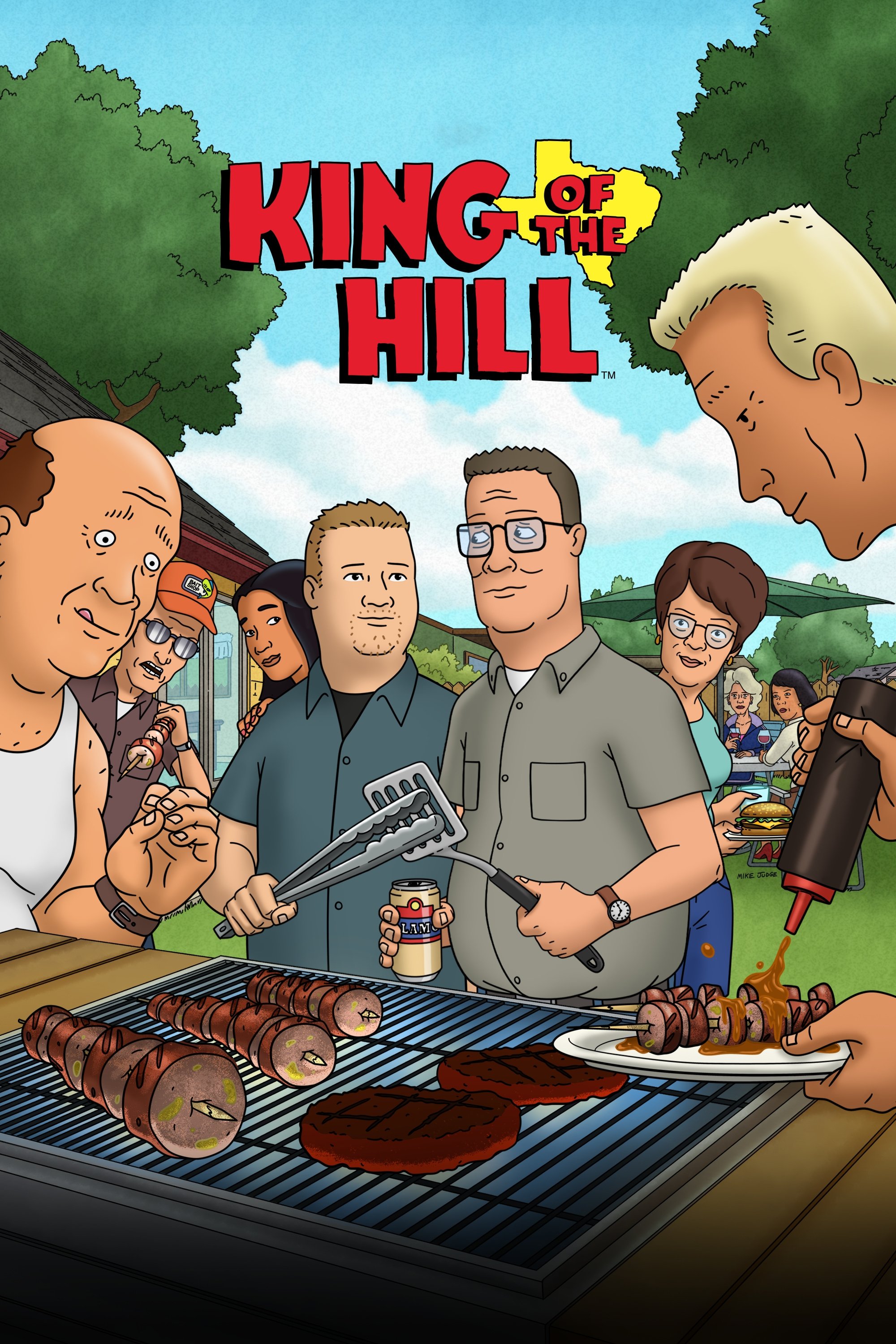
Set in Arlen, Texas, this animated sitcom follows the Hill family and their neighbors through everyday dilemmas. The show favors grounded stories, small stakes, and consistent rules for its world.
Its approach influenced comedies that prize character consistency over punchline density. Long-running arcs for supporting players demonstrate how animation can handle subtle growth.
‘South Park’ (1997– )
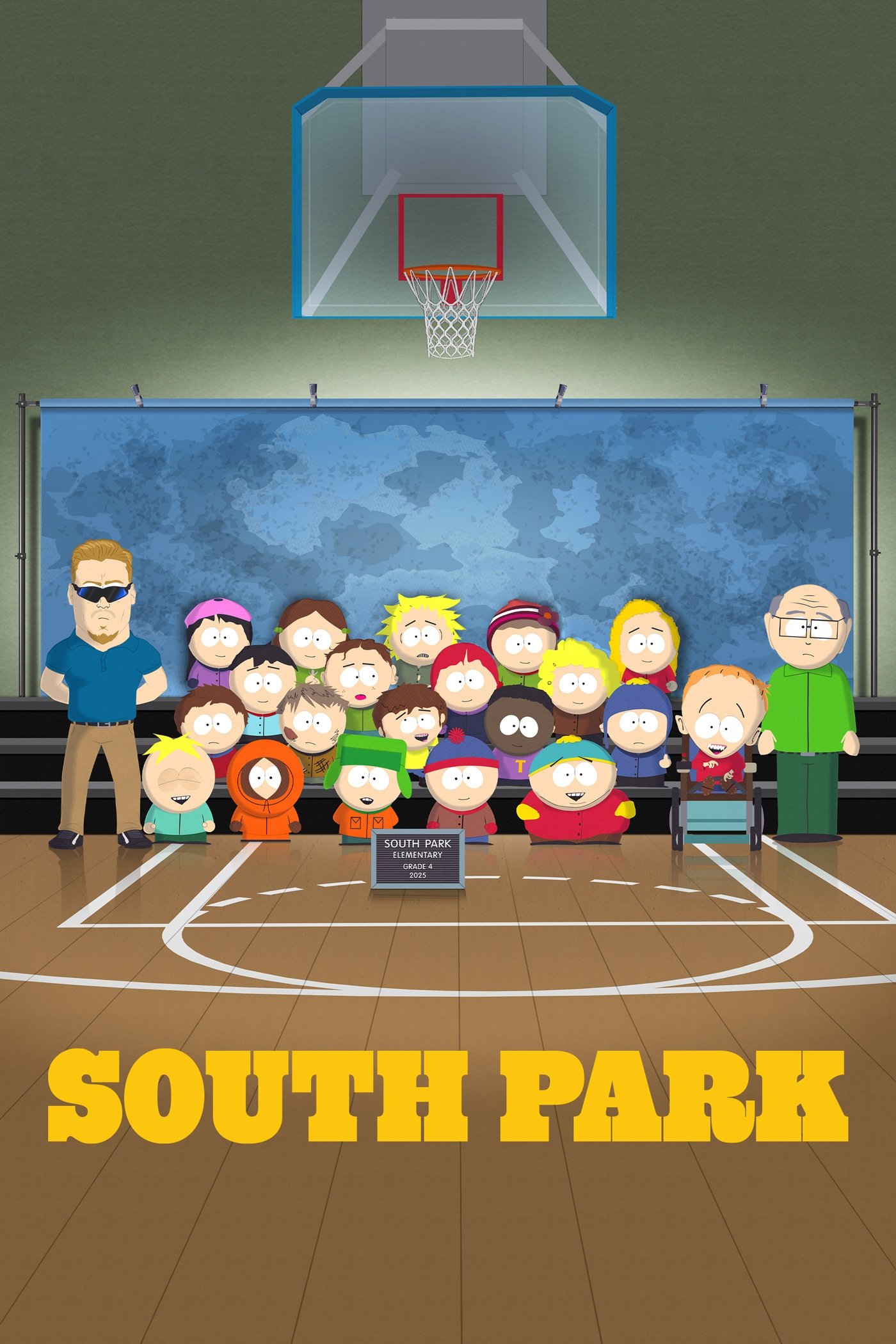
Trey Parker and Matt Stone’s series uses four kids in a mountain town to tackle topical issues through satire and musical numbers. A rapid production pipeline allows episodes to respond quickly to current events.
The show’s cutout-style look and modular storytelling support experiments from anthology riffs to multi-part arcs. Video games, albums, and live performances extend its reach beyond weekly airings.
‘The Ren & Stimpy Show’ (1991–1996)
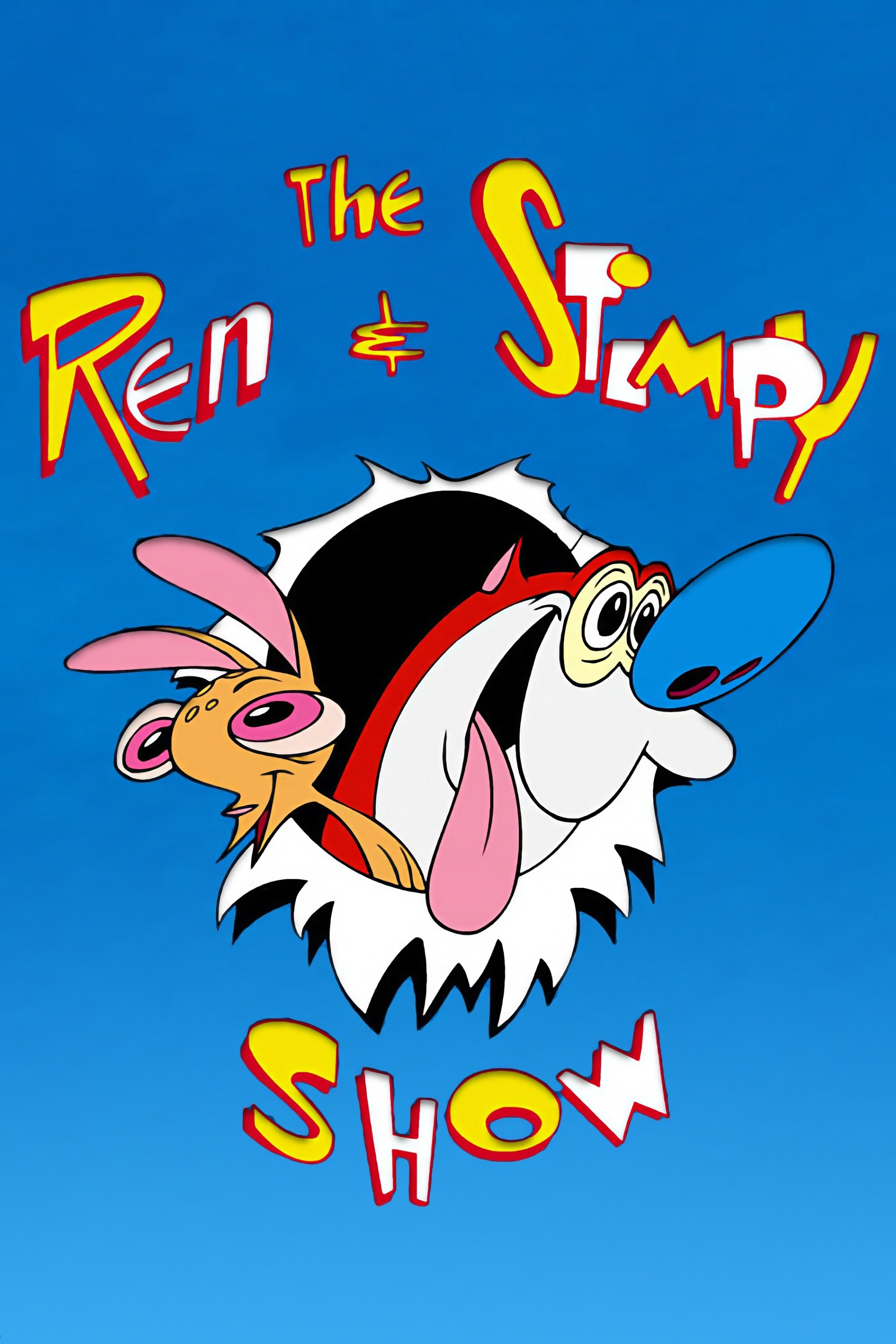
This cartoon pairs an emotionally volatile chihuahua with a dim-witted cat for surreal, often grotesque adventures. Hyper-detailed close-ups, orchestral stings, and elastic timing created a new vocabulary for TV animation.
Its aesthetic shaped later adult-leaning cartoons and commercials that borrow its exaggerated faces and textures. The show’s crew moved into other influential projects, spreading techniques developed here.
‘Gargoyles’ (1994–1997)
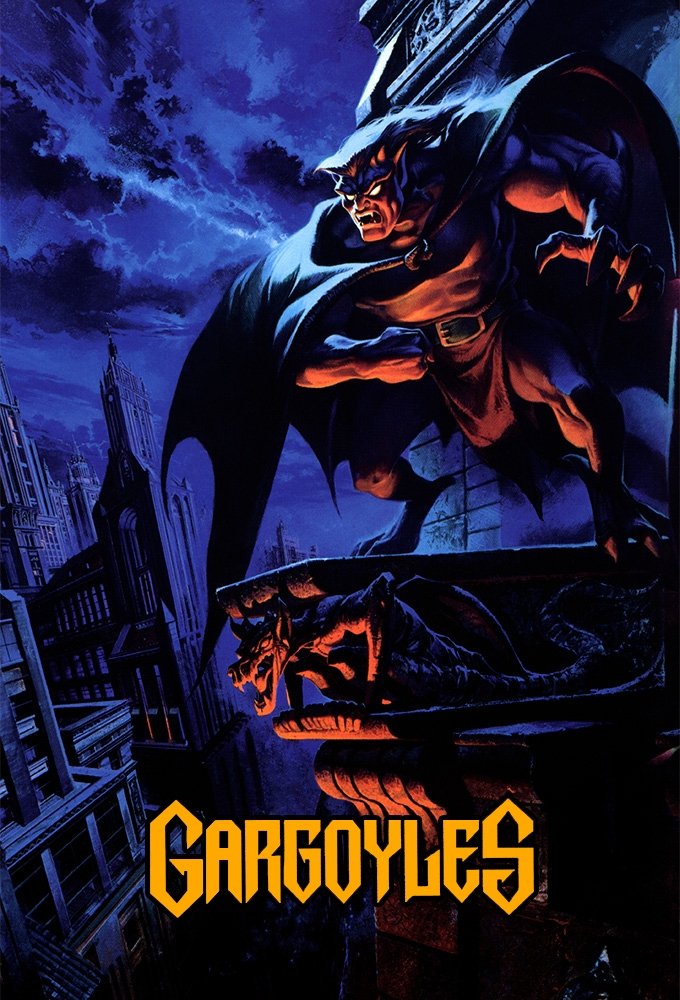
Disney’s action-fantasy follows a clan of gargoyles awakened in modern New York after centuries under a spell. Serialized arcs explore loyalty, technology, and myth, with a large rogues’ gallery and recurring allies.
The series is noted for complex antagonists and serialized storytelling uncommon in its timeslot. Tie-in comics and a strong voice cast, including multiple ‘Star Trek’ alumni, expanded its appeal.
Share your picks for other ’90s favorites that still deliver today in the comments!