


2000s Anime That Are Ready for a Reboot

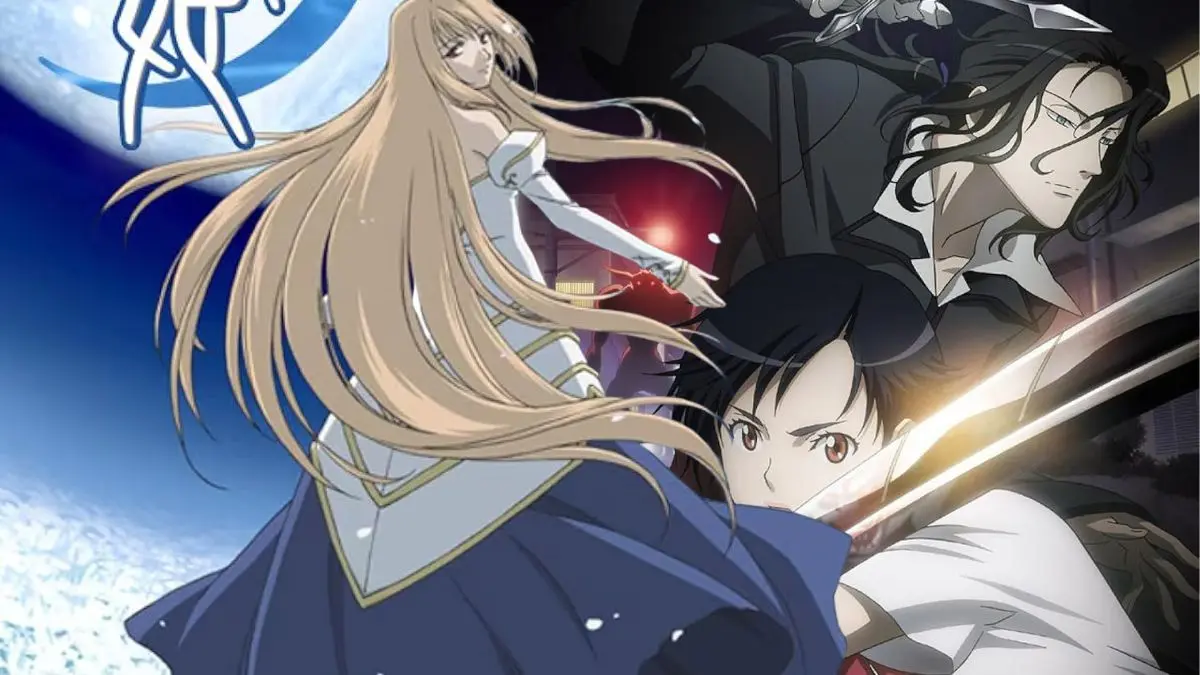


The 2000s delivered a wave of series that built passionate followings yet stopped short of adapting their full stories or missed the benefit of today’s production tools. Many of these shows were based on long running manga or novels that kept going after the credits rolled. A modern take could finally align with the source material and reach new viewers who discovered them through streaming. Here are 25 titles from that decade that feel perfectly positioned for a fresh start.
‘Soul Eater’ (2008–2009)
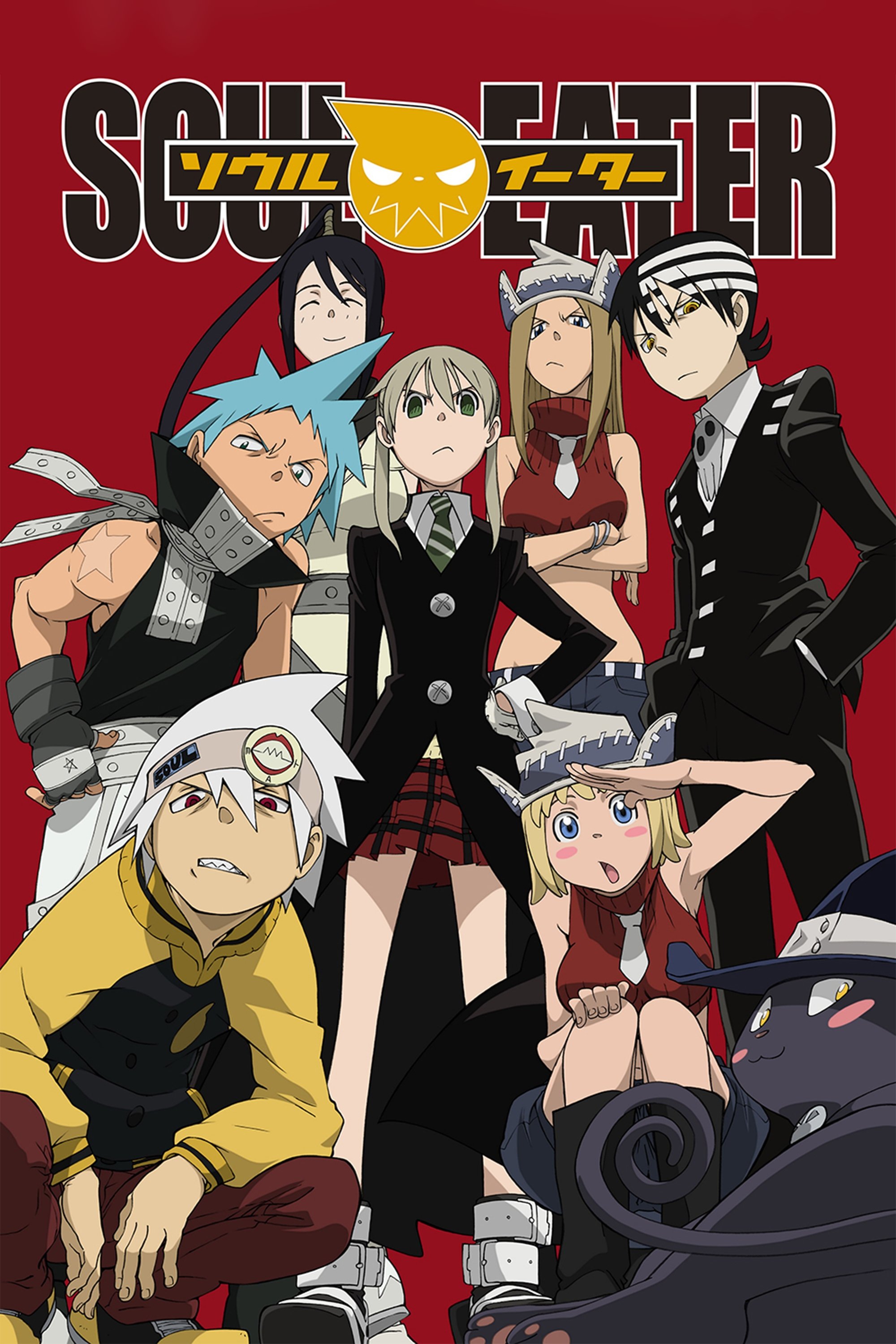
Based on Atsushi Ohkubo’s manga, this series wrapped before the comic concluded, which left later arcs untouched. The anime featured distinctive action and a stylized setting that fans still recognize easily. Bones produced the original run, and a new version could follow the complete storyline with consistent pacing.
‘Claymore’ (2007)
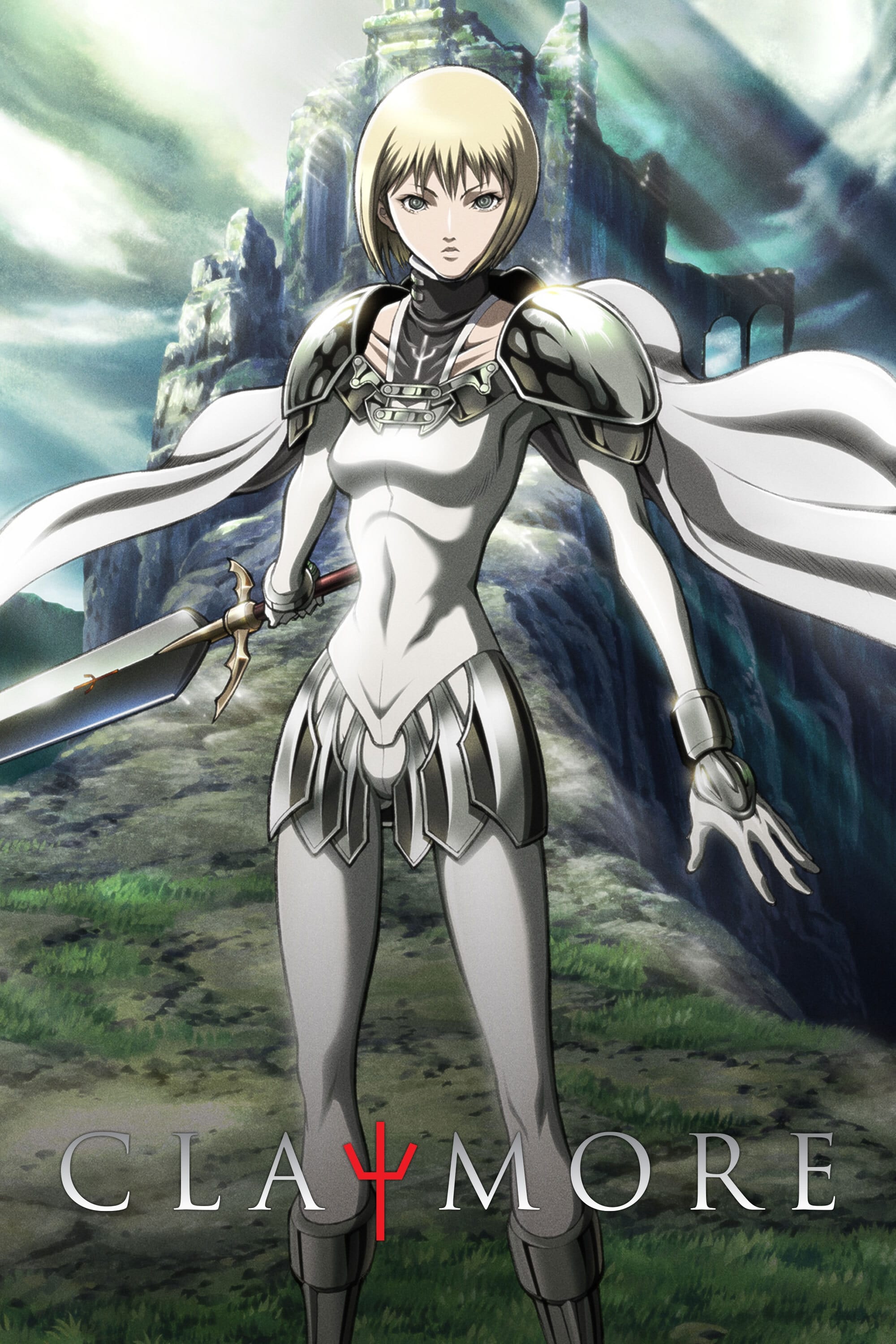
This dark fantasy covered only part of Norihiro Yagi’s manga and diverged near the end. The broadcast delivered 26 episodes that introduced key factions and battles but stopped well before major revelations. Madhouse handled the adaptation, and a start to finish approach could finally include the remaining material.
‘D.Gray-man’ (2006–2008)
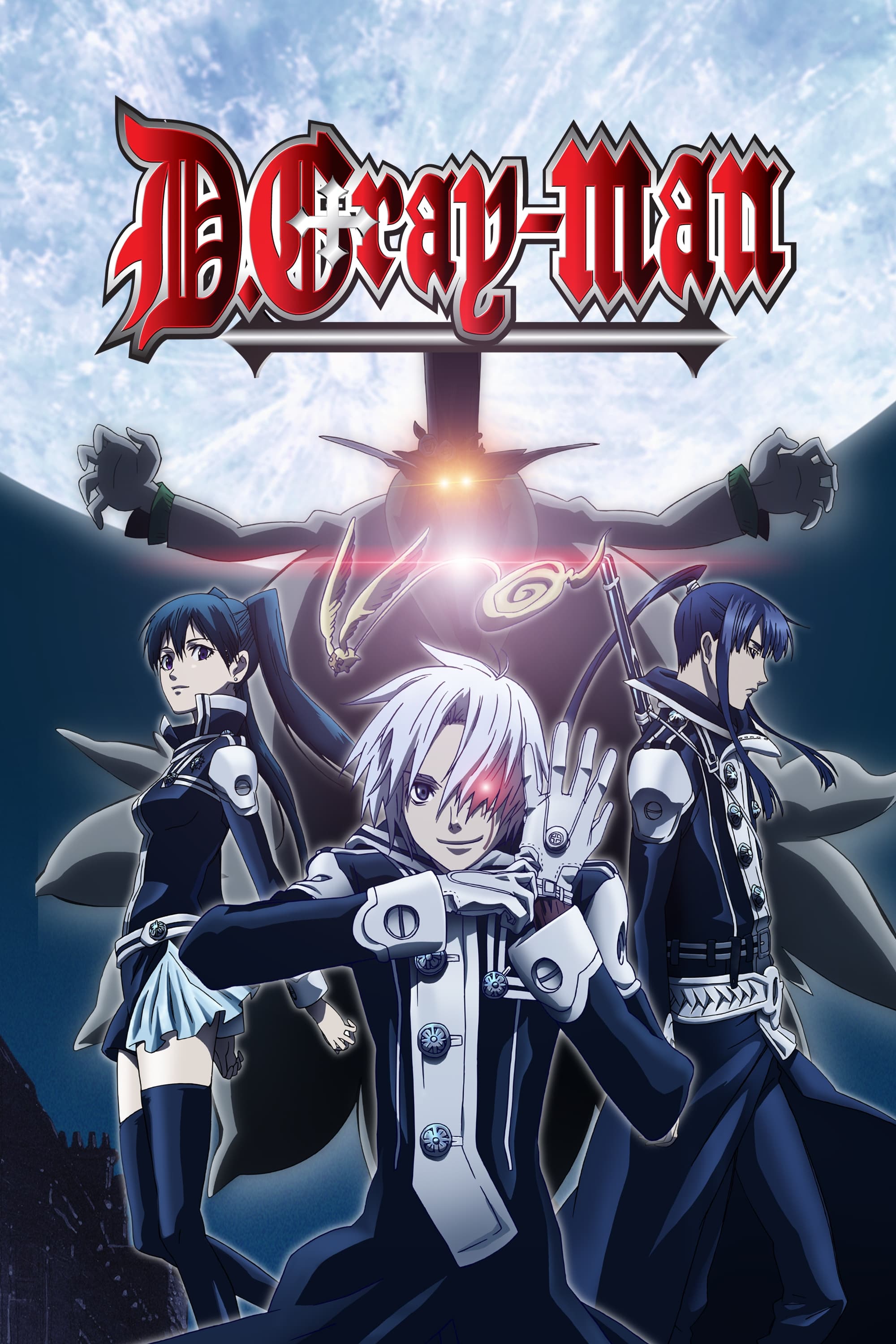
The show adapted Katsura Hoshino’s manga across 103 episodes, then returned years later with a shorter sequel. A unified production could reframe the entire narrative from the beginning and smooth continuity. TMS Entertainment produced the original series and the later follow up.
‘Air Gear’ (2006)
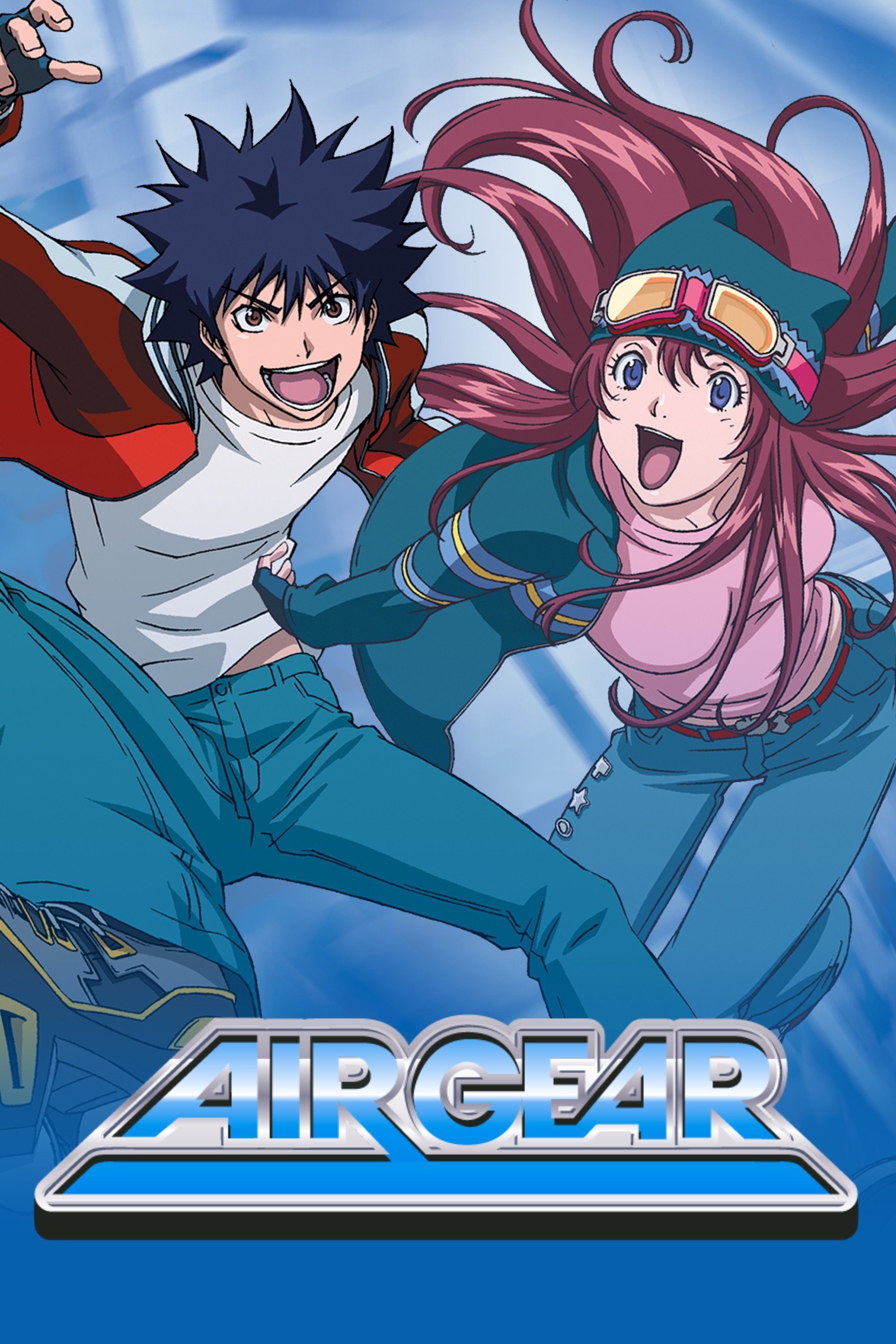
Derived from Oh! great’s manga, this adaptation covered early storylines and added several original video entries. The televised portion introduced the core teams and technology but left long arcs unanimated. Toei Animation produced the series, and a new version could tackle the full tournament and character growth.
‘Katekyo Hitman Reborn!’ (2006–2010)
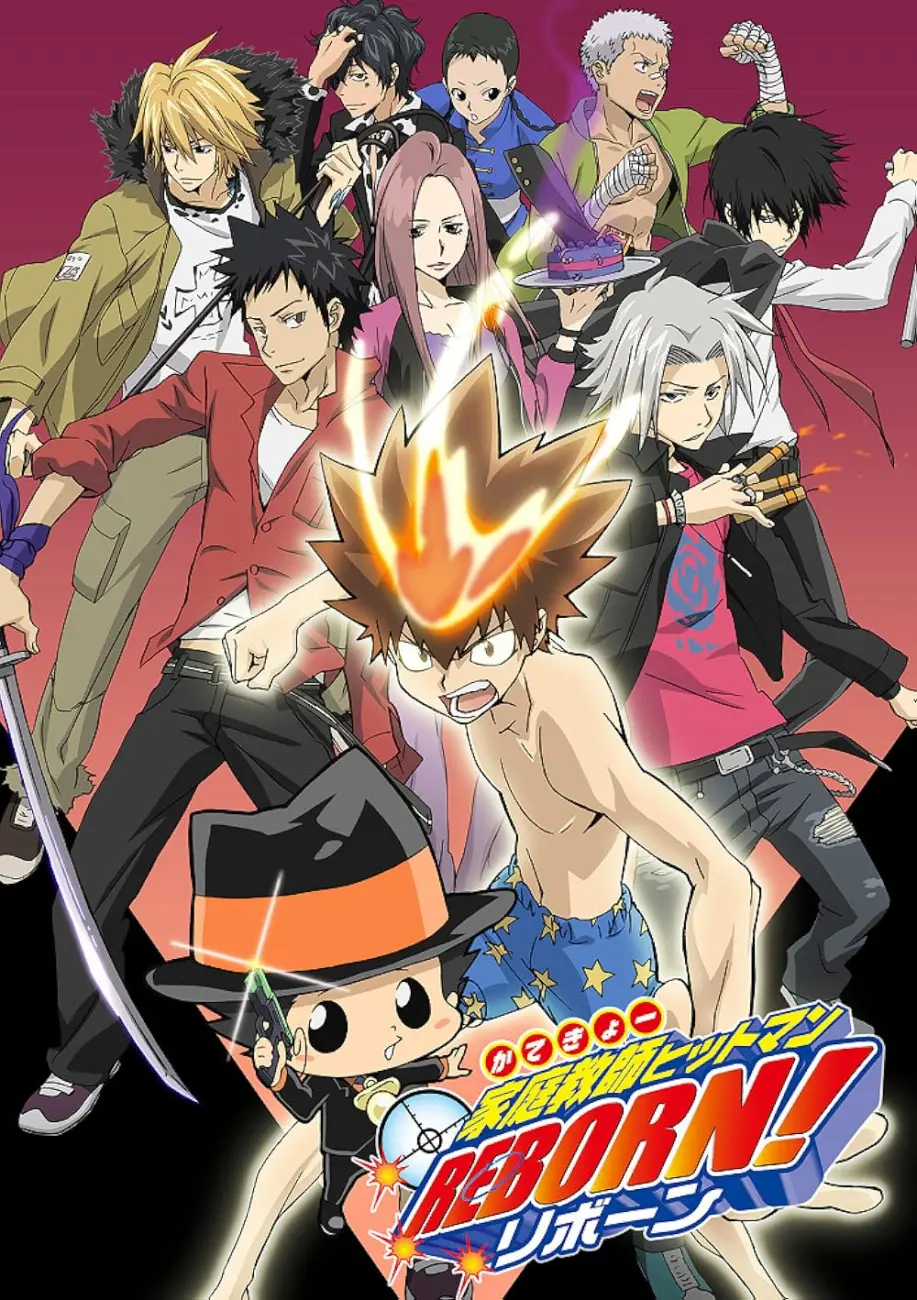
The anime ran for over 200 episodes yet still did not animate the manga’s final content. Viewers met the central cast and multiple power systems across lengthy sagas. Artland produced the adaptation, and a streamlined retelling could present the complete conflict with modern staging.
‘Gantz’ (2004)
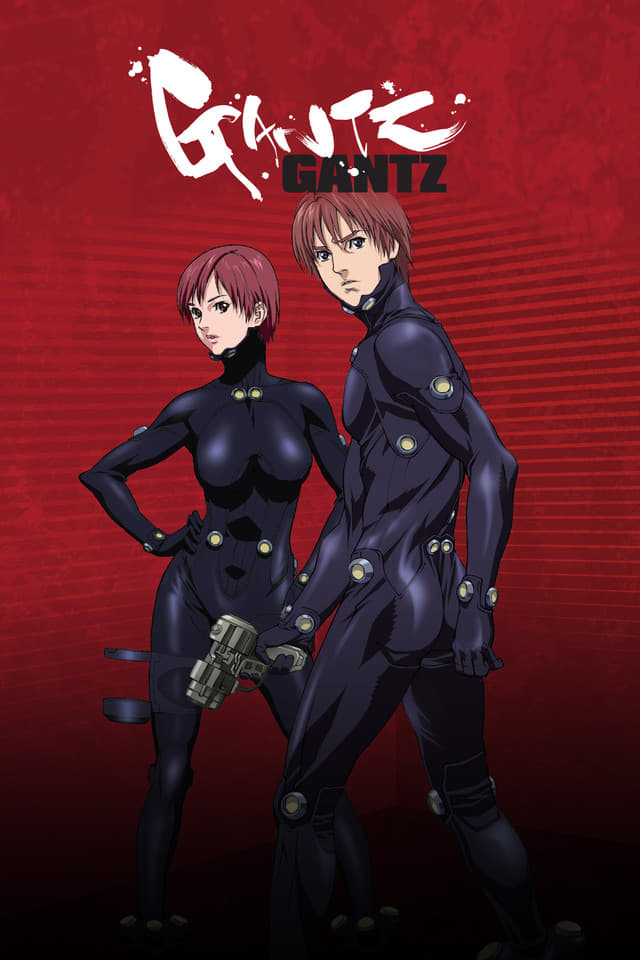
This science fiction action show adapted the early volumes and concluded with an anime original ending. The manga continued for many years and expanded its world and rules significantly. Gonzo produced the television series, and a page accurate version could restore the later arcs.
‘Elfen Lied’ (2004)
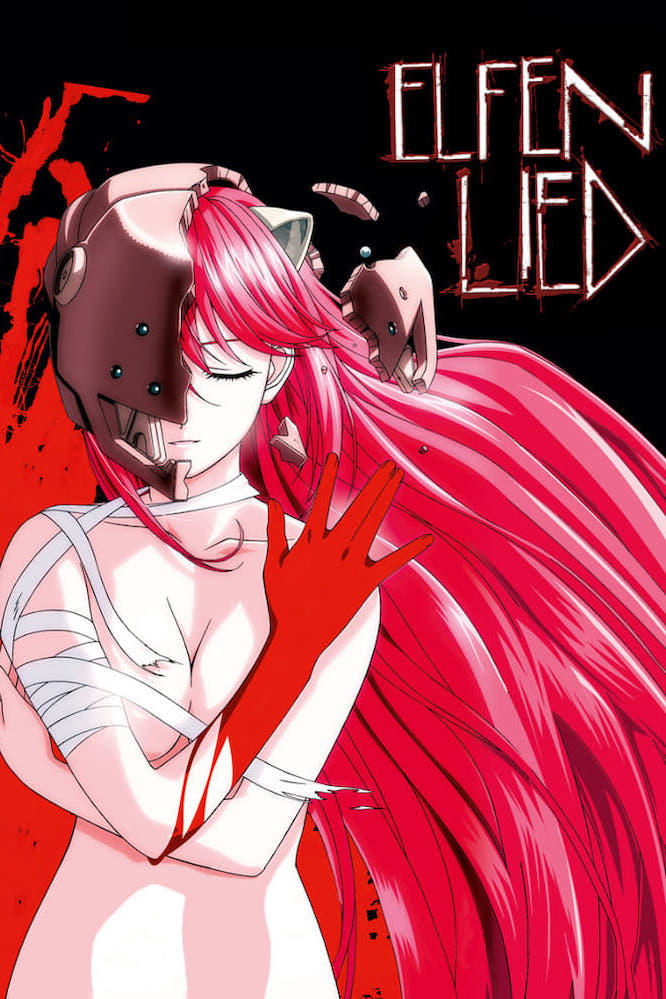
The adaptation introduced the core themes and characters from Lynn Okamoto’s manga but only covered initial volumes. Several plot threads and backstories remained in print only. Studio Arms produced the show, and a longer format could bring the remaining chapters to the screen.
‘Ergo Proxy’ (2006)
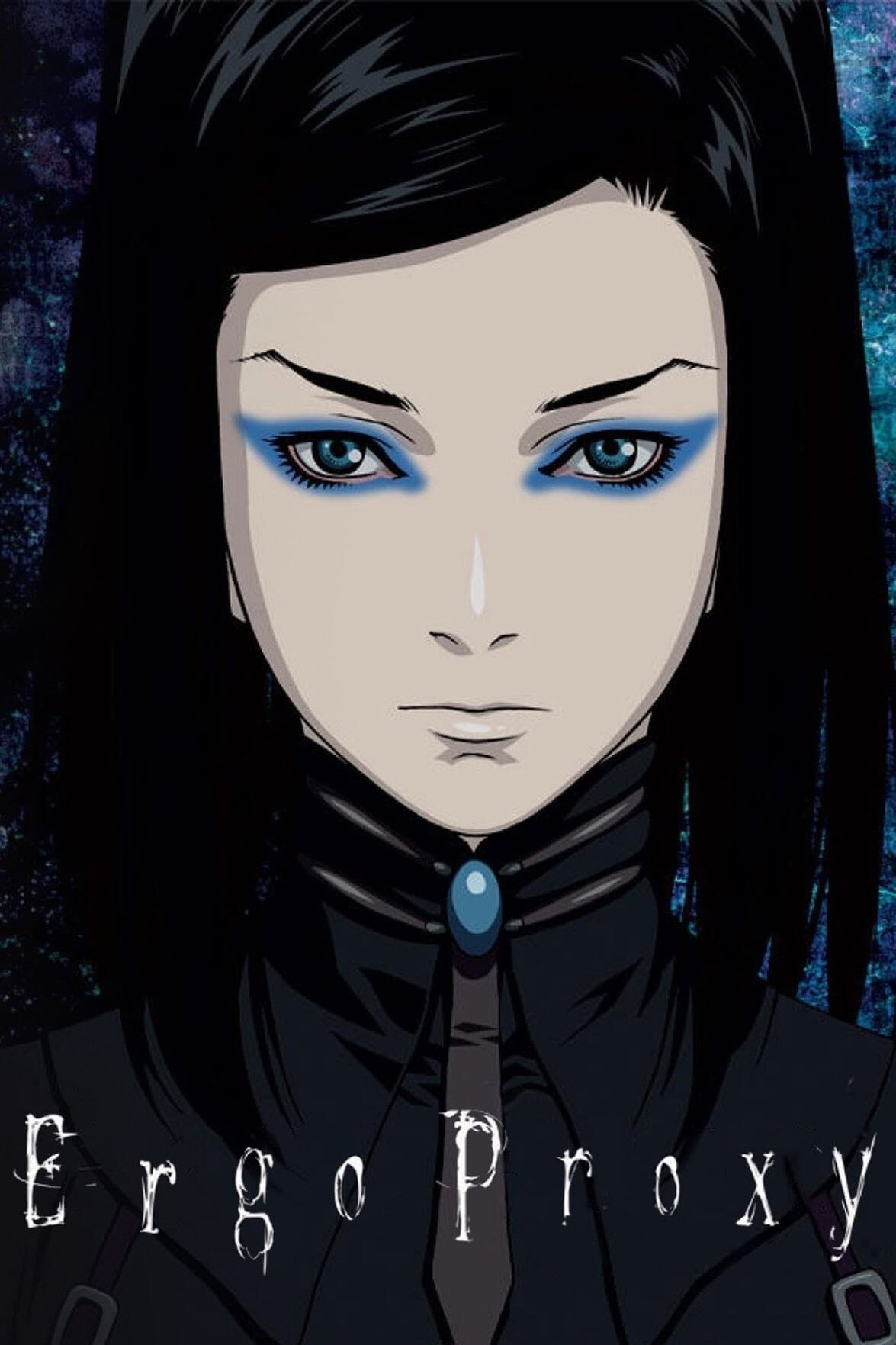
This original project mixed philosophy and mystery across 23 episodes and became known for its atmospheric world. The story left room to explore its broader setting and institutions in greater depth. Manglobe produced the series, and a careful revival could expand on archived production notes and materials.
‘Samurai Champloo’ (2004–2005)
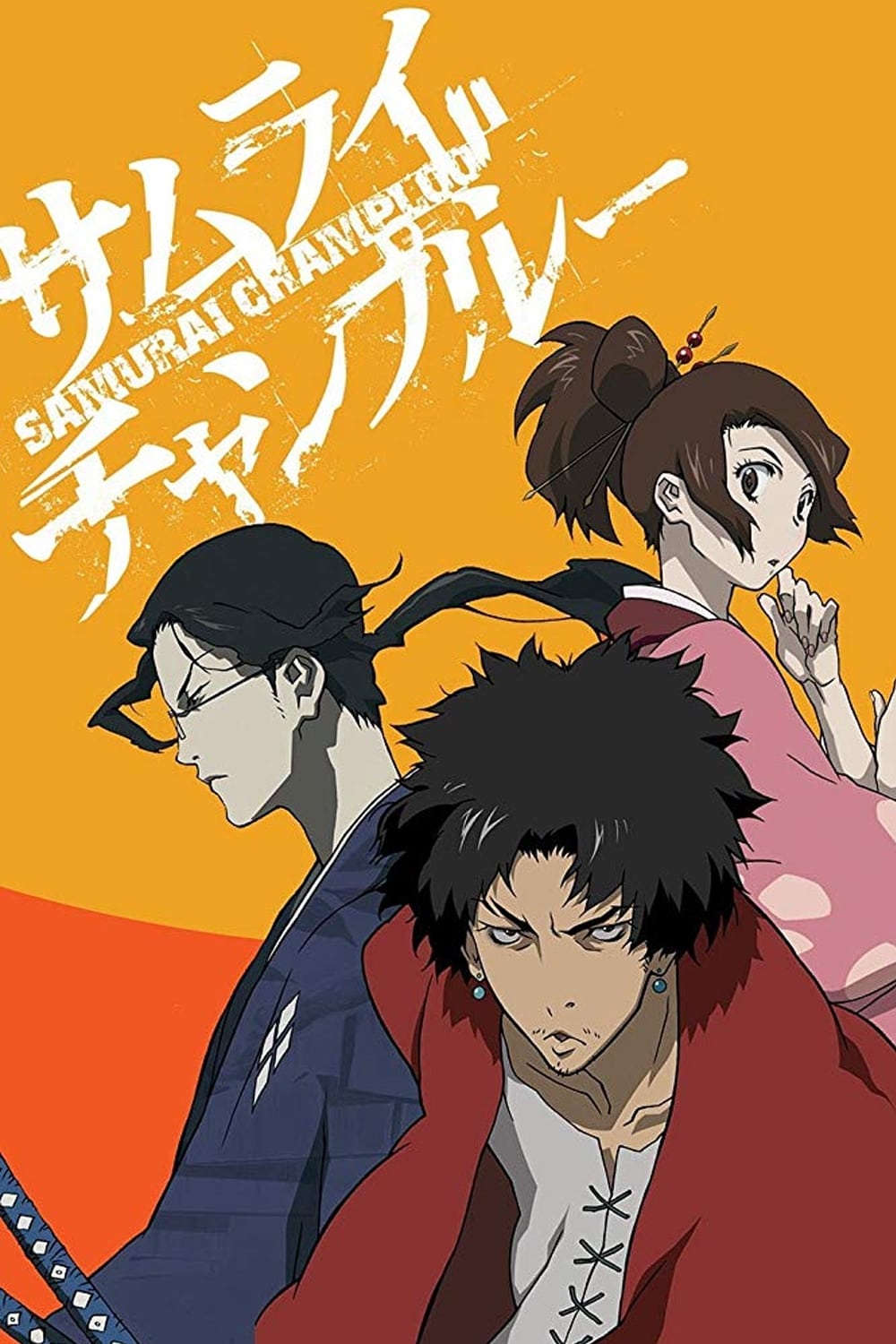
This original series followed an episodic journey with strong musical identity and historical texture. There is ample space to explore additional routes and characters within the same framework. Manglobe produced the classic run, and a new team could build on preserved design work and scripts.
‘The Twelve Kingdoms’ (2002–2003)
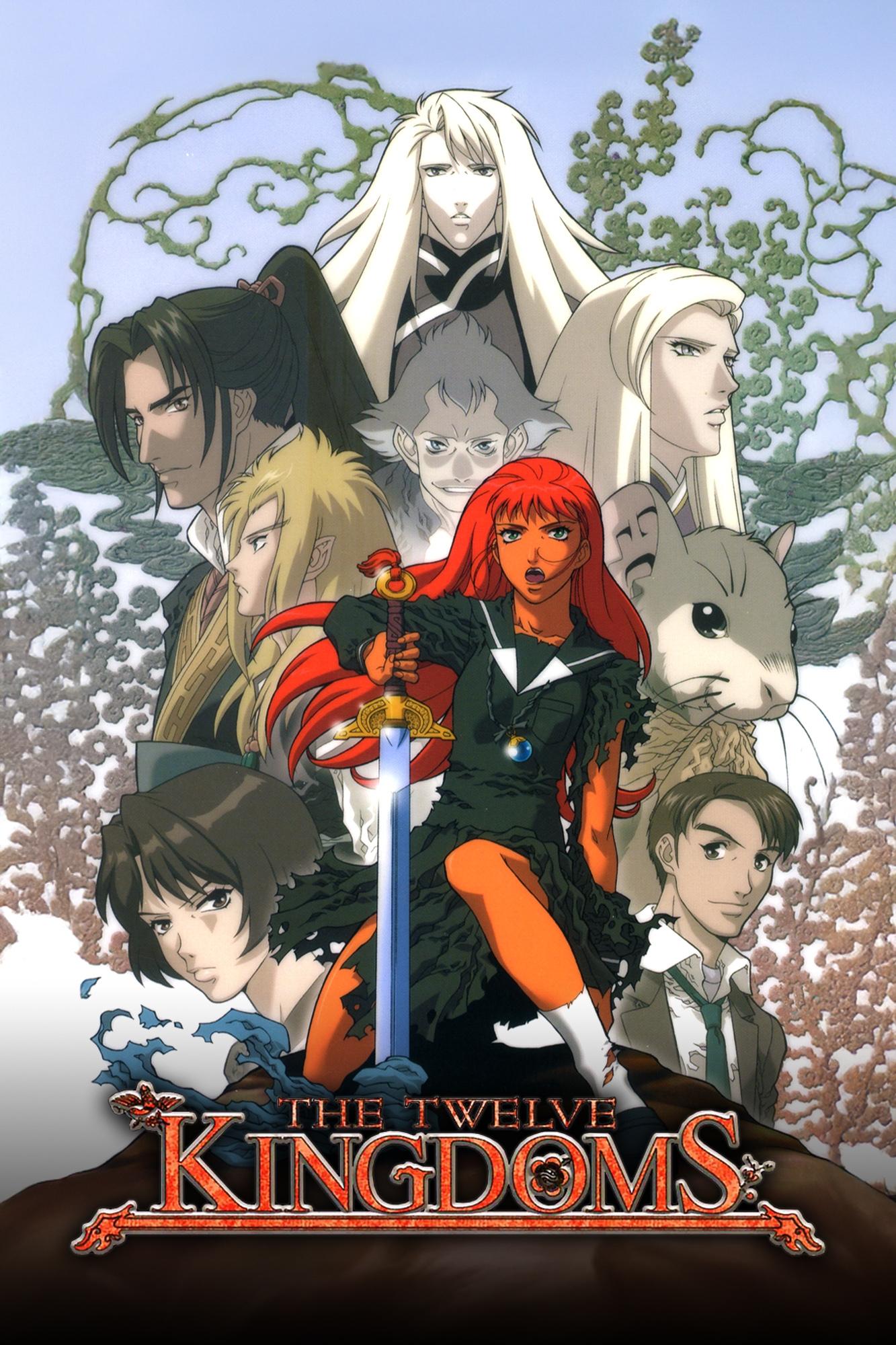
Adapted from Fuyumi Ono’s novels, the anime covered several volumes and paused before later books. The televised run introduced multiple kingdoms and rulers while leaving unfinished threads. Studio Pierrot produced the series, and a continuation or full restart could finally adapt the remaining novels.
‘Moribito: Guardian of the Spirit’ (2007)
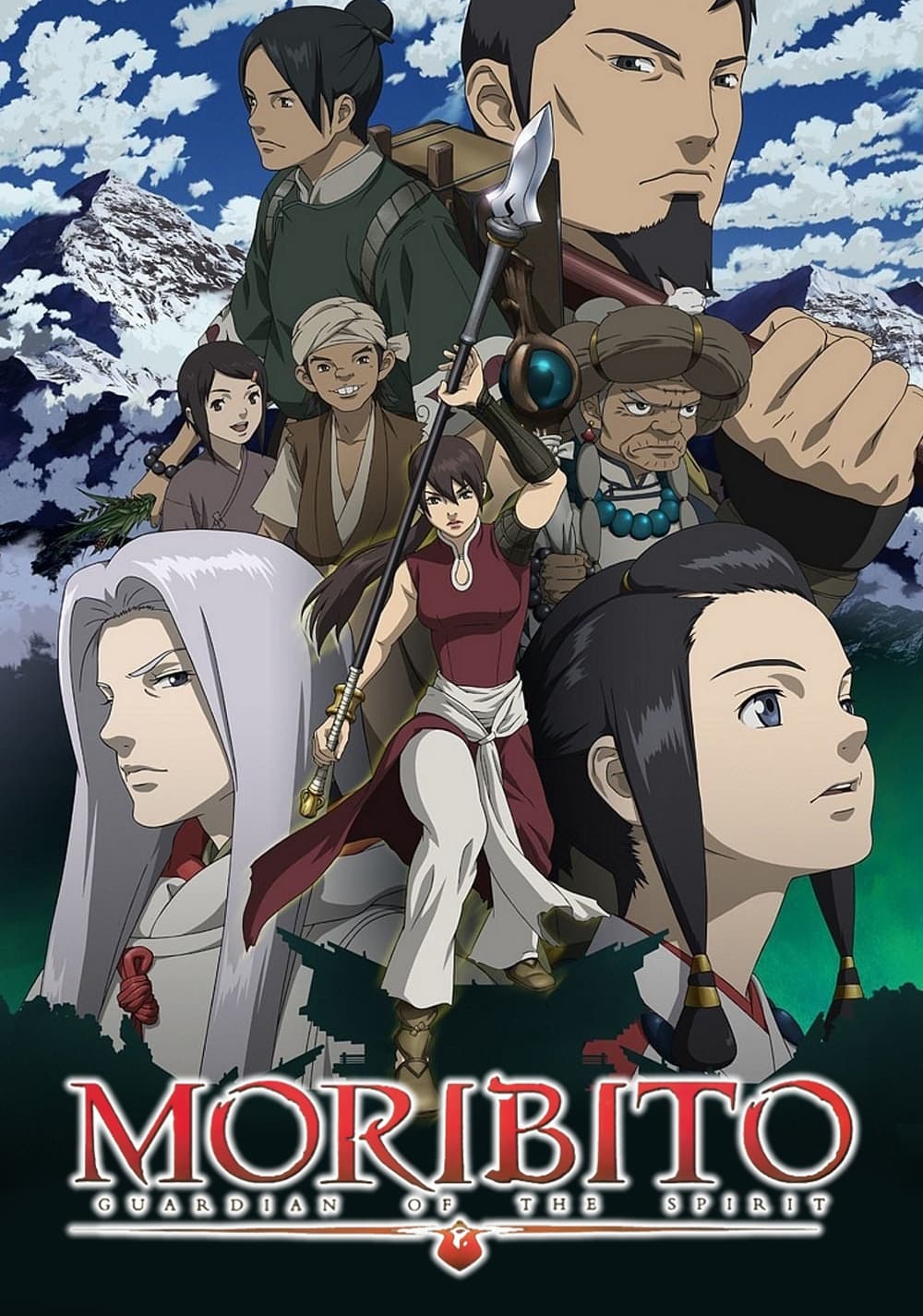
Based on Nahoko Uehashi’s books, the show adapted the first novel with a complete arc and rich world building. The source material includes additional installments that were never animated in this continuity. Production I.G handled the series, and a renewed project could cover the rest of the cycle.
‘Nana’ (2006–2007)
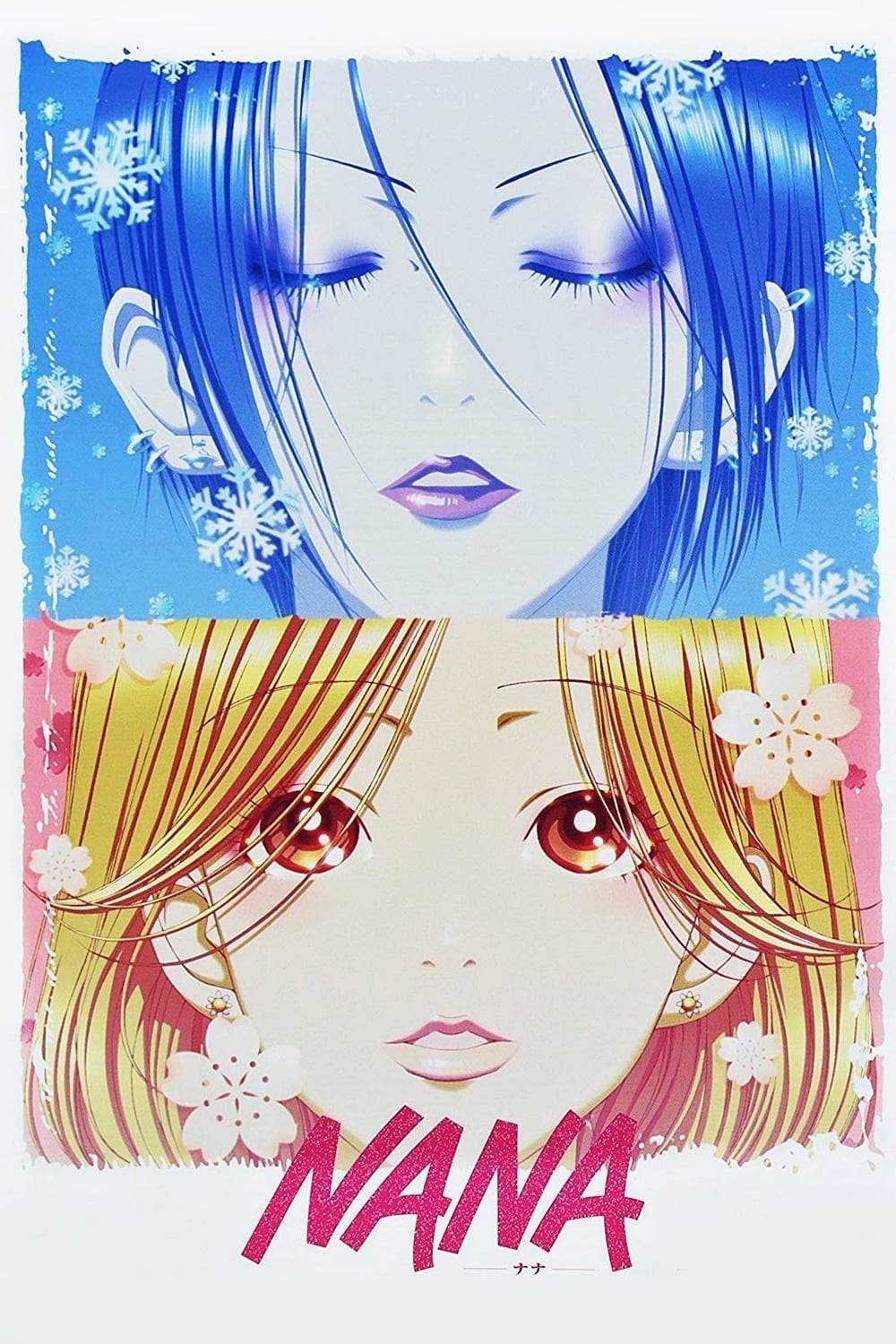
This drama adapted Ai Yazawa’s manga through significant story beats before halting as the source went on hiatus. The anime presented a detailed portrayal of the music scene and relationships over 47 episodes. Madhouse produced the run, and a reboot could align with updated material if publication resumes.
‘Beck: Mongolian Chop Squad’ (2004–2005)
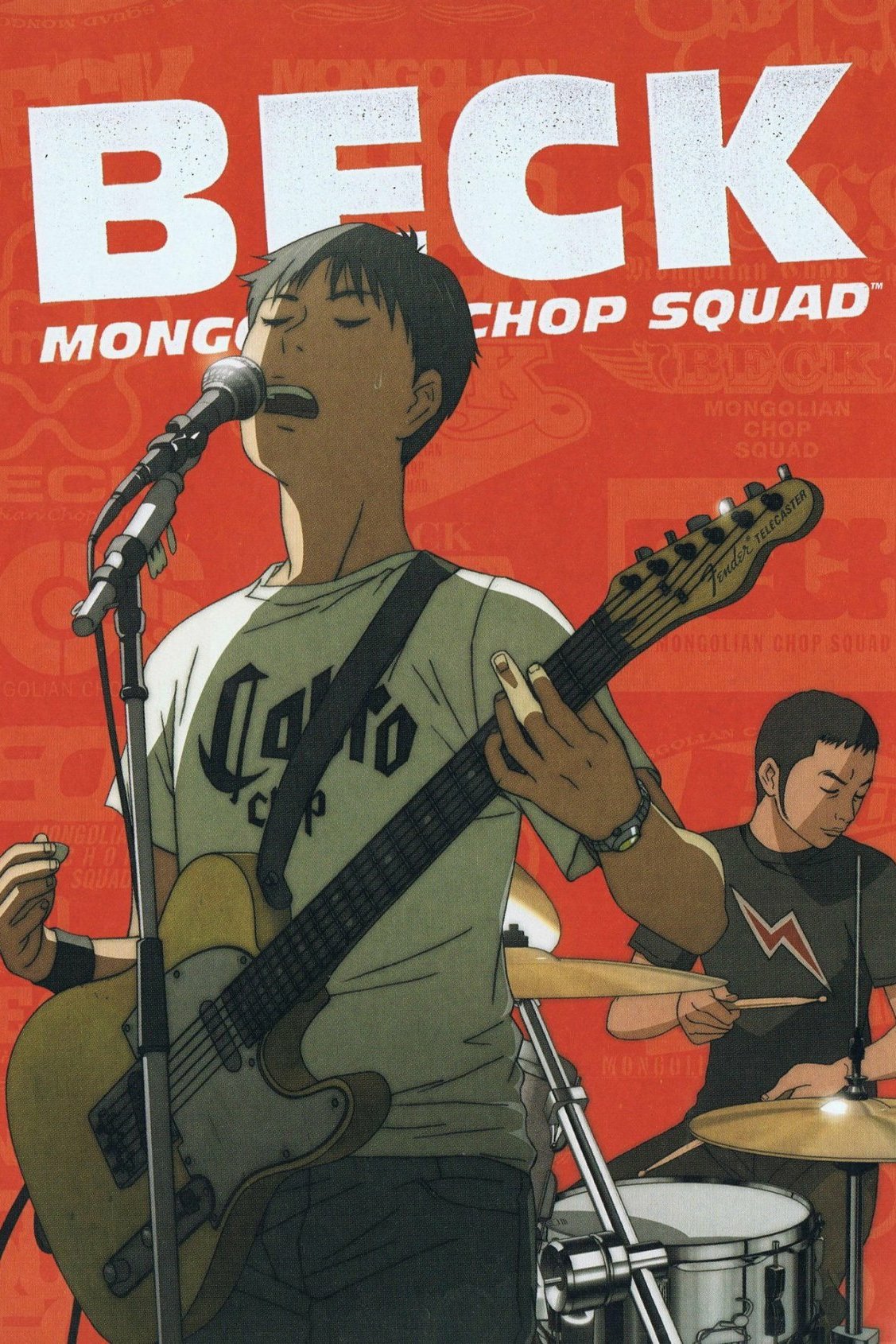
The adaptation tracked a band’s rise and concluded before the manga’s later developments. The televised version covered major performances and turning points already beloved by music fans. Madhouse produced the series, and a modern retelling could include the full discography arc.
‘Gungrave’ (2003–2004)

This adaptation rooted its story in the game’s premise and expanded it with an extended character history. The anime followed criminal syndicates and personal bonds across a lengthy timeline. Madhouse produced the show, and a new production could integrate additional game lore and side materials.
‘Witch Hunter Robin’ (2002)
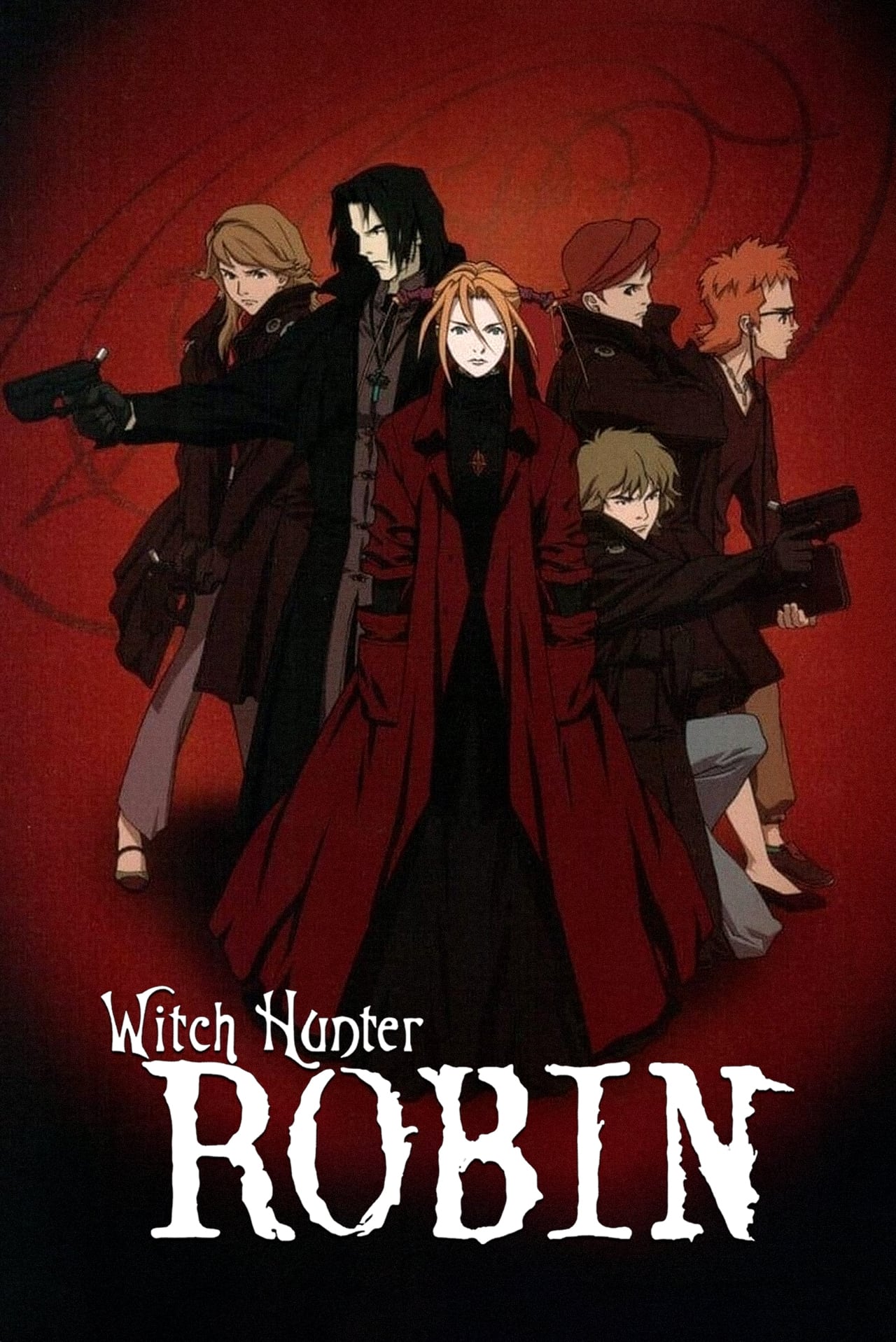
An original series that introduced an organization, a case structure, and a conspiracy that reshaped the lead’s path. The narrative left the broader world of craft users largely unexplored on screen. Sunrise produced the project, and a refreshed approach could map out new investigations and factions.
‘Black Cat’ (2005–2006)

Adapted from Kentaro Yabuki’s manga, this series condensed several arcs and concluded with a tidy endpoint. The manga’s tone shifts and later stories did not fully appear in the televised version. Gonzo produced the adaptation, and a faithful retelling could include the complete lineup.
‘Gankutsuou: The Count of Monte Cristo’ (2004–2005)
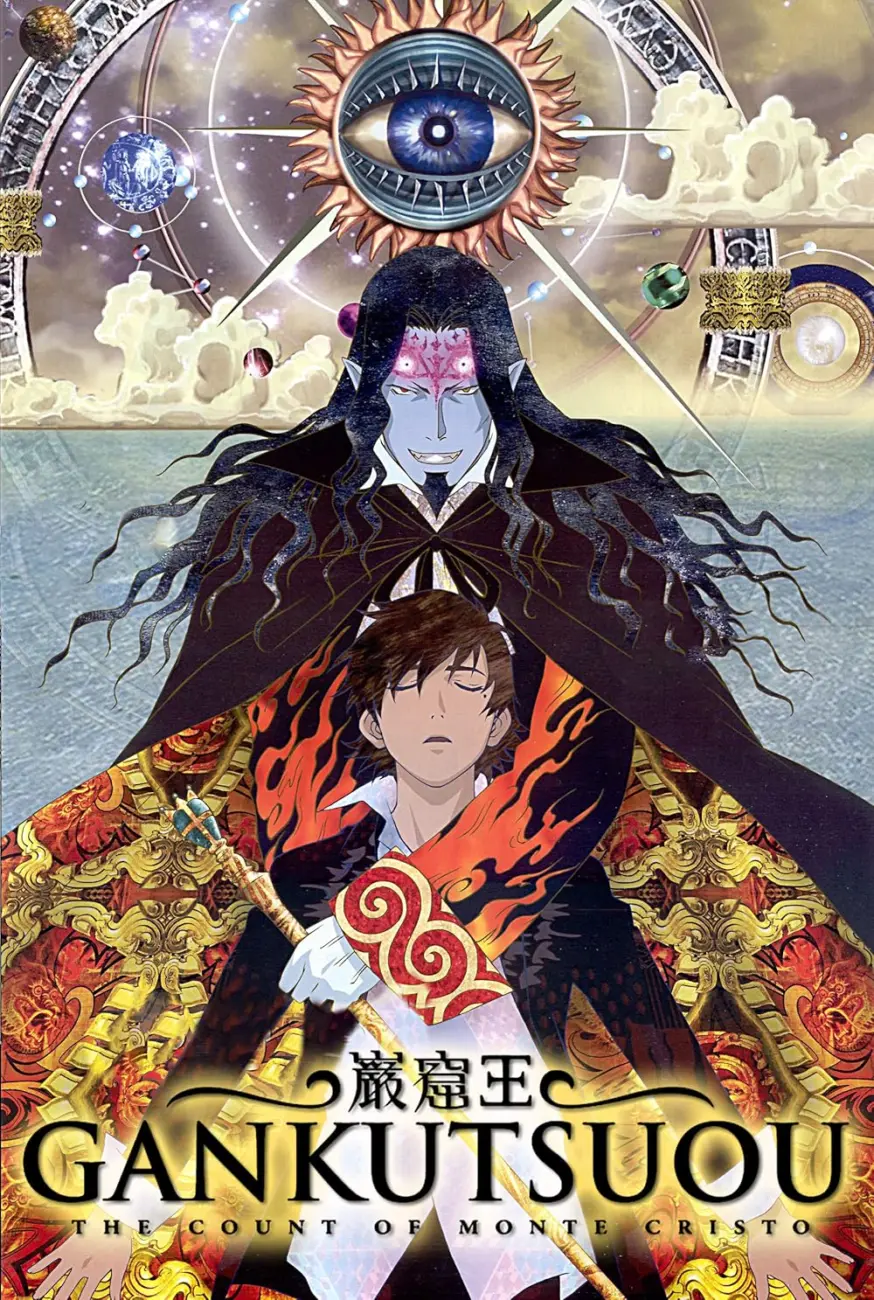
This adaptation reimagined the classic novel with a futuristic setting and distinctive visual layering. The series finished its plot yet left supporting characters and side stories that could be revisited. Gonzo produced the anime, and an updated technique could preserve the signature style at higher clarity.
‘Tsukihime’ (2003)
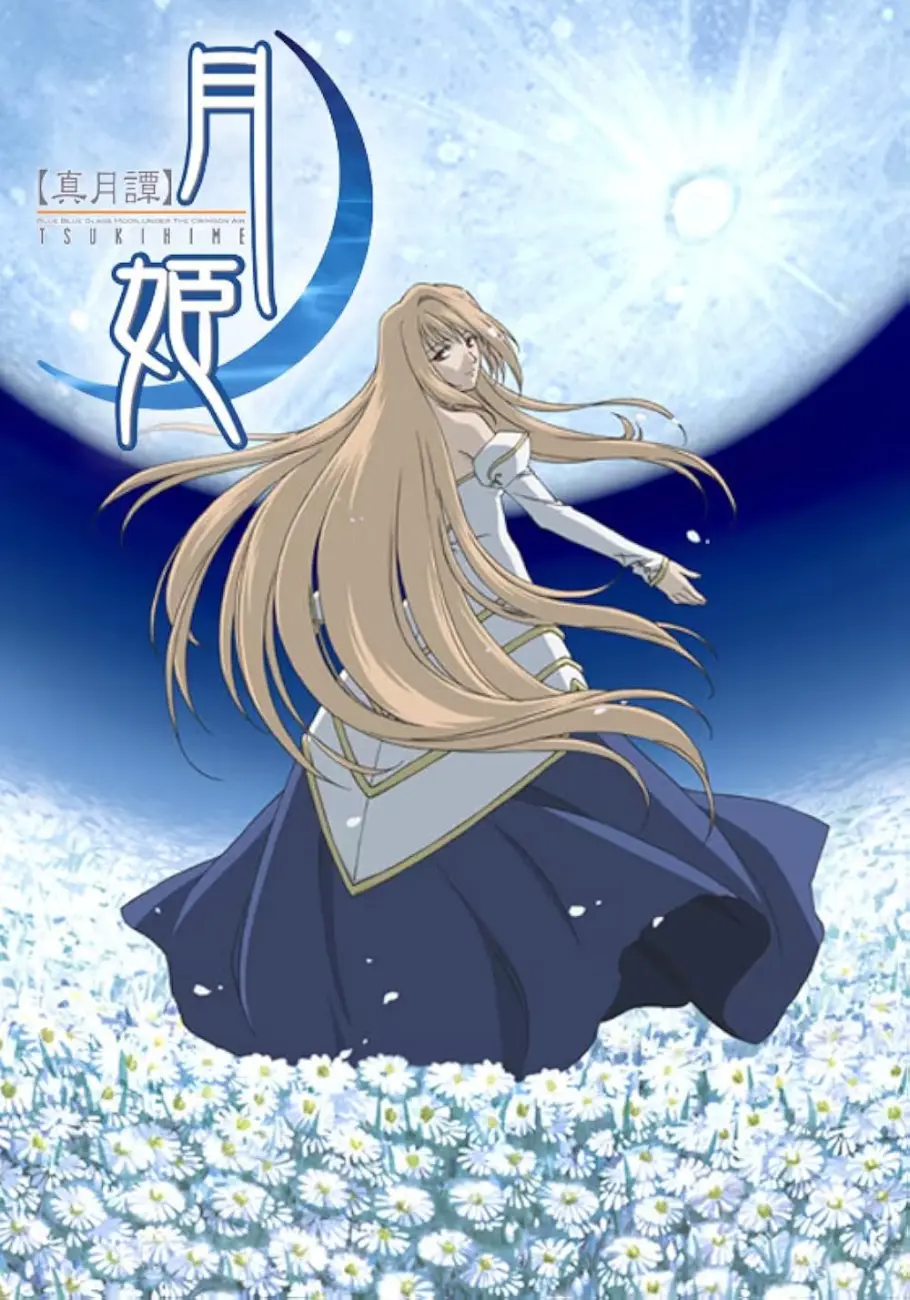
Based on Type Moon’s visual novel, this adaptation diverged from well known routes and omitted several key scenarios. Viewers met the cast and core premise while many story paths remained unanimated. J.C.Staff produced the series, and a new version could adapt specific routes in full.
‘Noein’ (2005–2006)
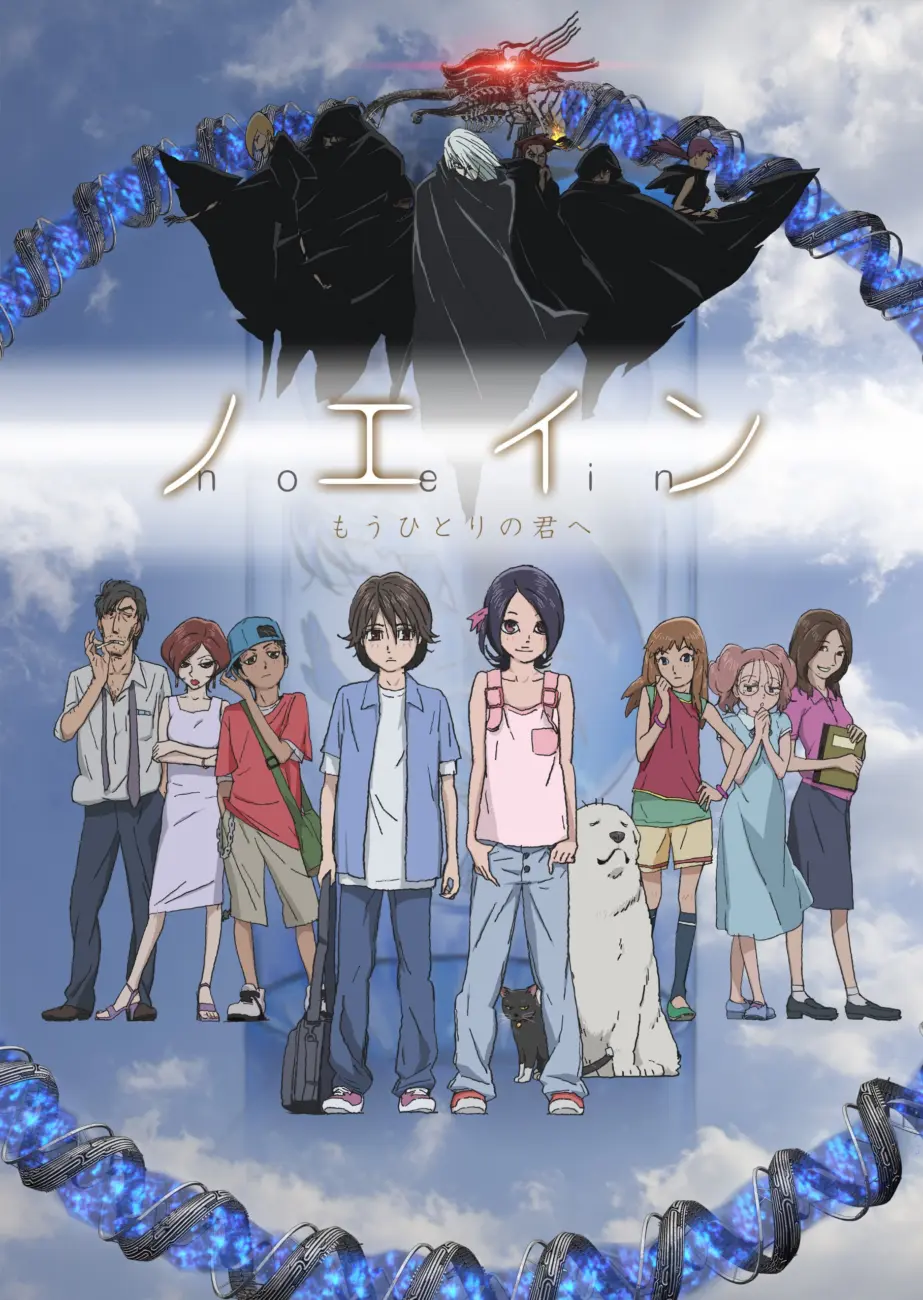
This science fiction series introduced parallel timelines and complex terminology across 24 episodes. The show left parts of its setting and post finale consequences open for expansion. Satelight produced the project, and a refreshed production could clarify concepts with current tools.
‘Planetes’ (2003–2004)
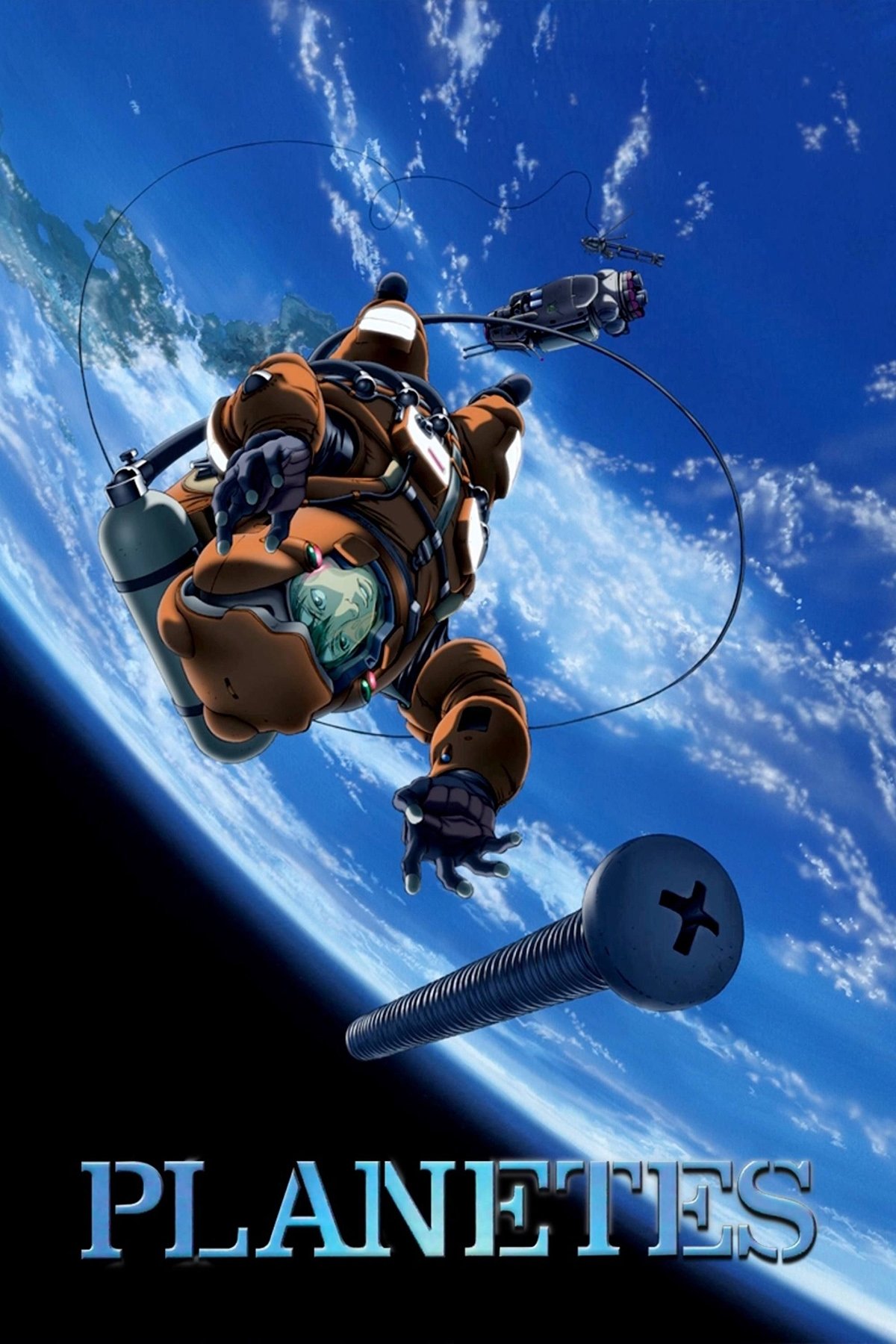
Adapted from Makoto Yukimura’s manga, the anime followed orbital debris collectors and workplace dynamics. The televised run adjusted character ages and order of events while staying grounded in technology. Sunrise produced the series, and a new version could incorporate updated space operations and complete chapters.
‘Yakitate!! Japan’ (2004–2006)
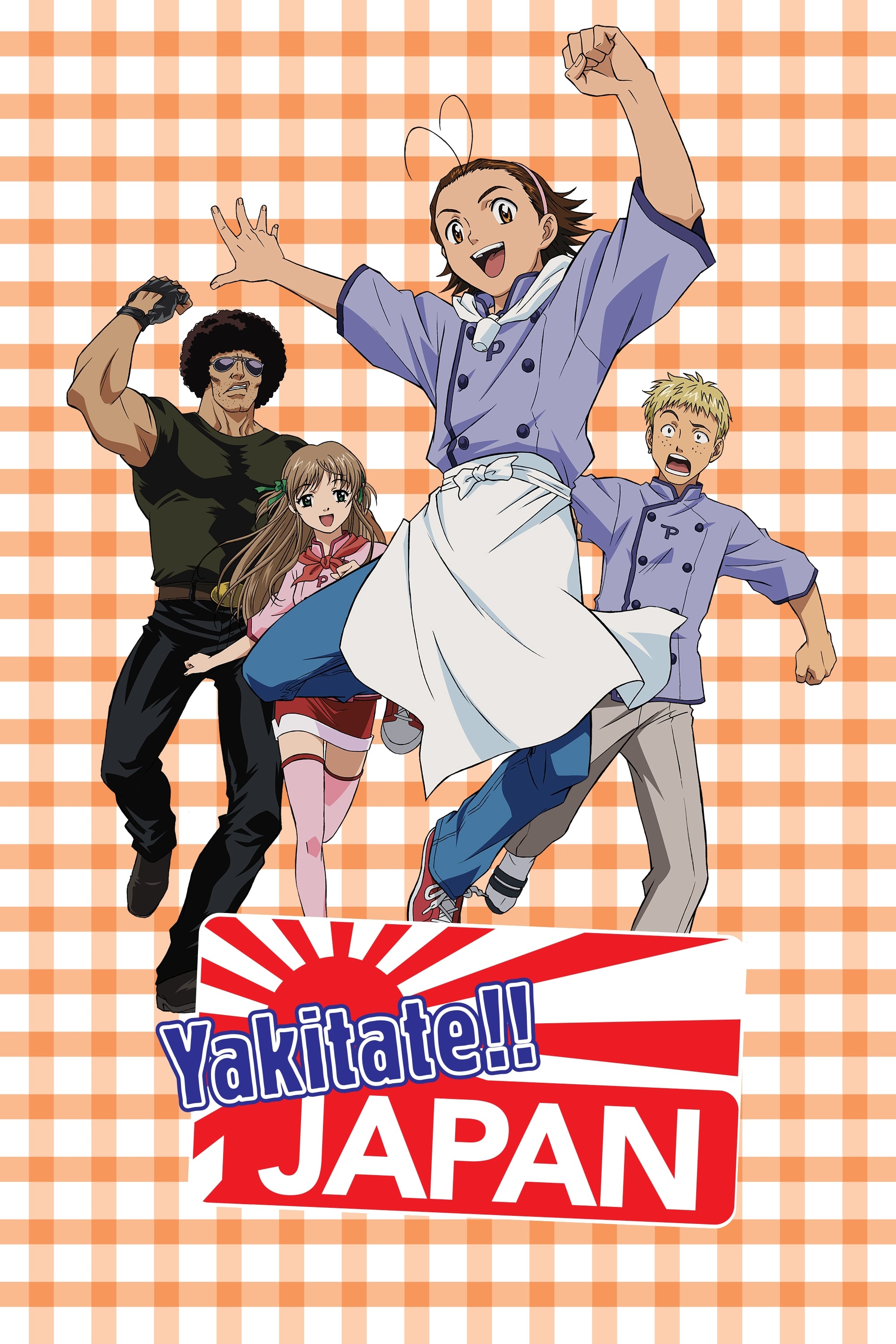
The adaptation covered extensive culinary contests and introduced a wide cast of rivals. Later arcs from the manga did not appear in the final stretch of the broadcast. Sunrise produced the series, and a condensed reboot could focus on the full competitive ladder.
‘Baccano!’ (2007)
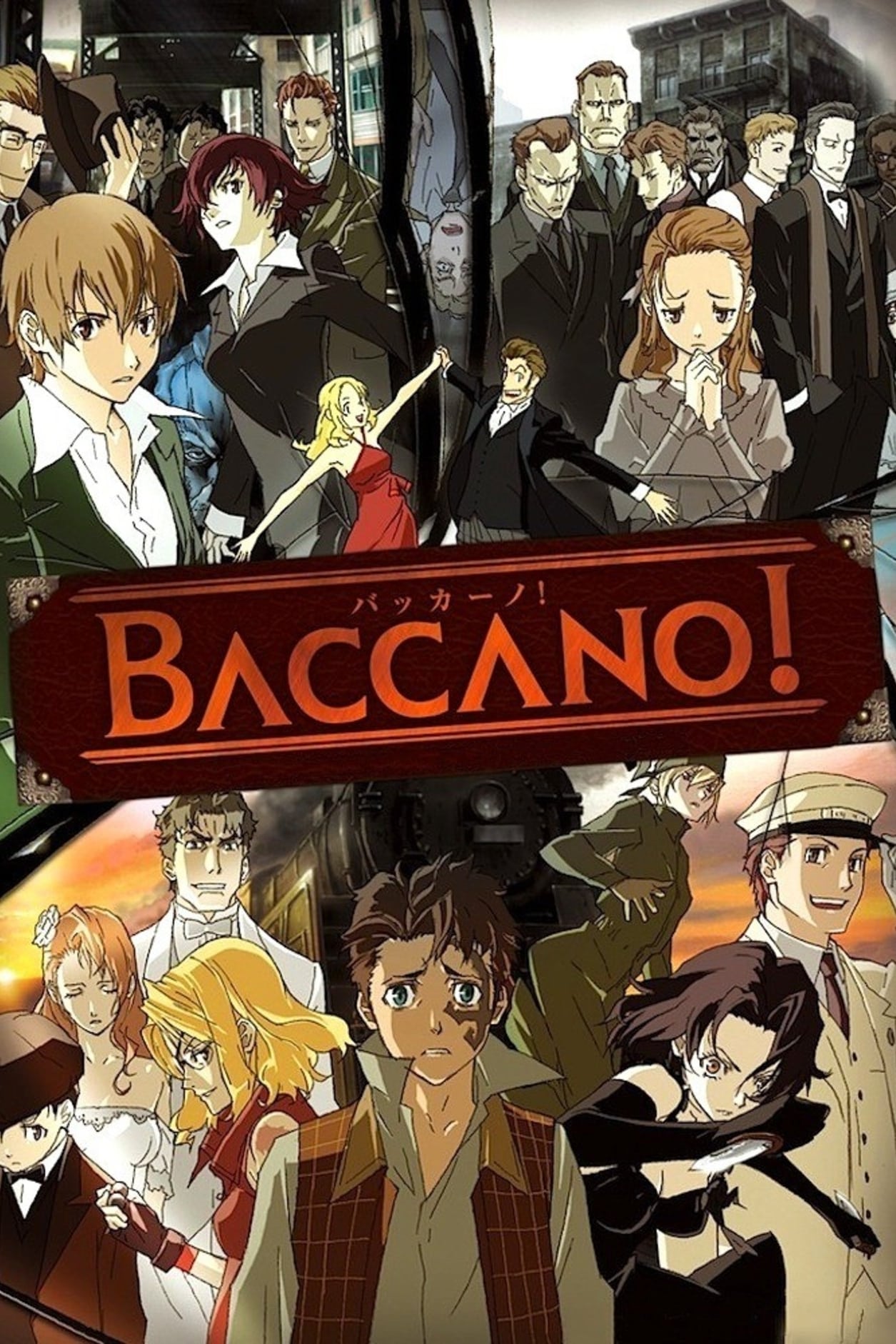
This light novel adaptation presented multiple timelines and ensemble narratives across a limited episode count. Several published arcs were not animated in the original run. Brain’s Base produced the series, and a renewed project could organize the novels into multi cour seasons.
‘Devil May Cry’ (2007)

Based on Capcom’s action franchise, the anime told stand alone cases with a small cast and a single cour length. The games have expanded their timeline and characters since the broadcast. Madhouse produced the show, and a new attempt could integrate later entries and connected storylines.
‘Darker than Black’ (2007–2009)
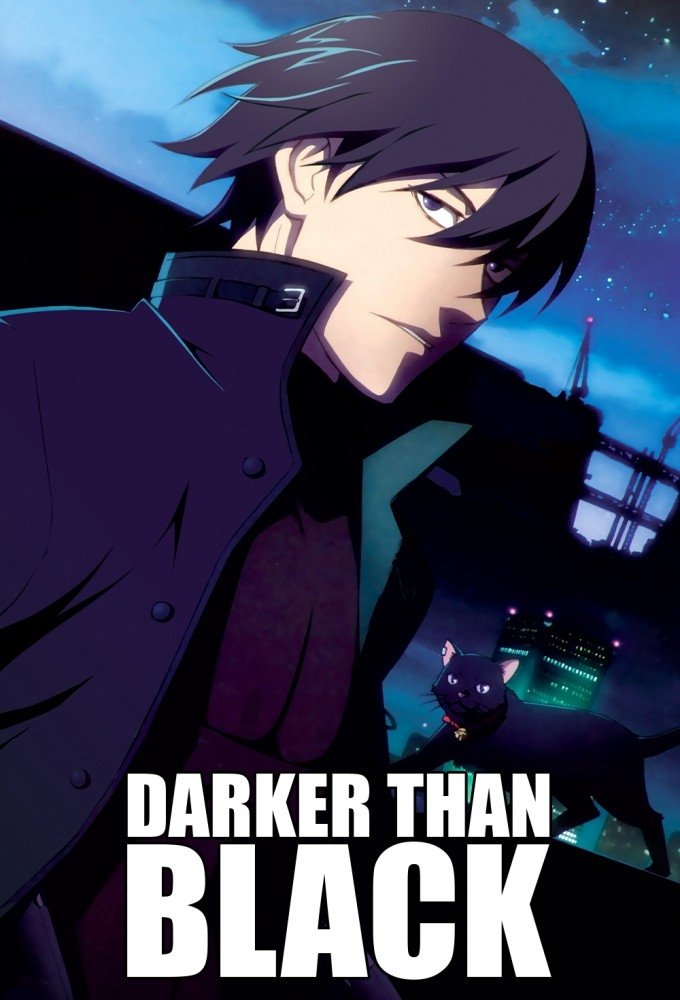
An original property that introduced contractors, organizations, and a mystery tied to altered skies. The sequel shifted focus and left parts of the setting without a definitive wrap. Bones produced both seasons, and a structured reboot could present a continuous narrative from the start.
‘Blood+’ (2005–2006)
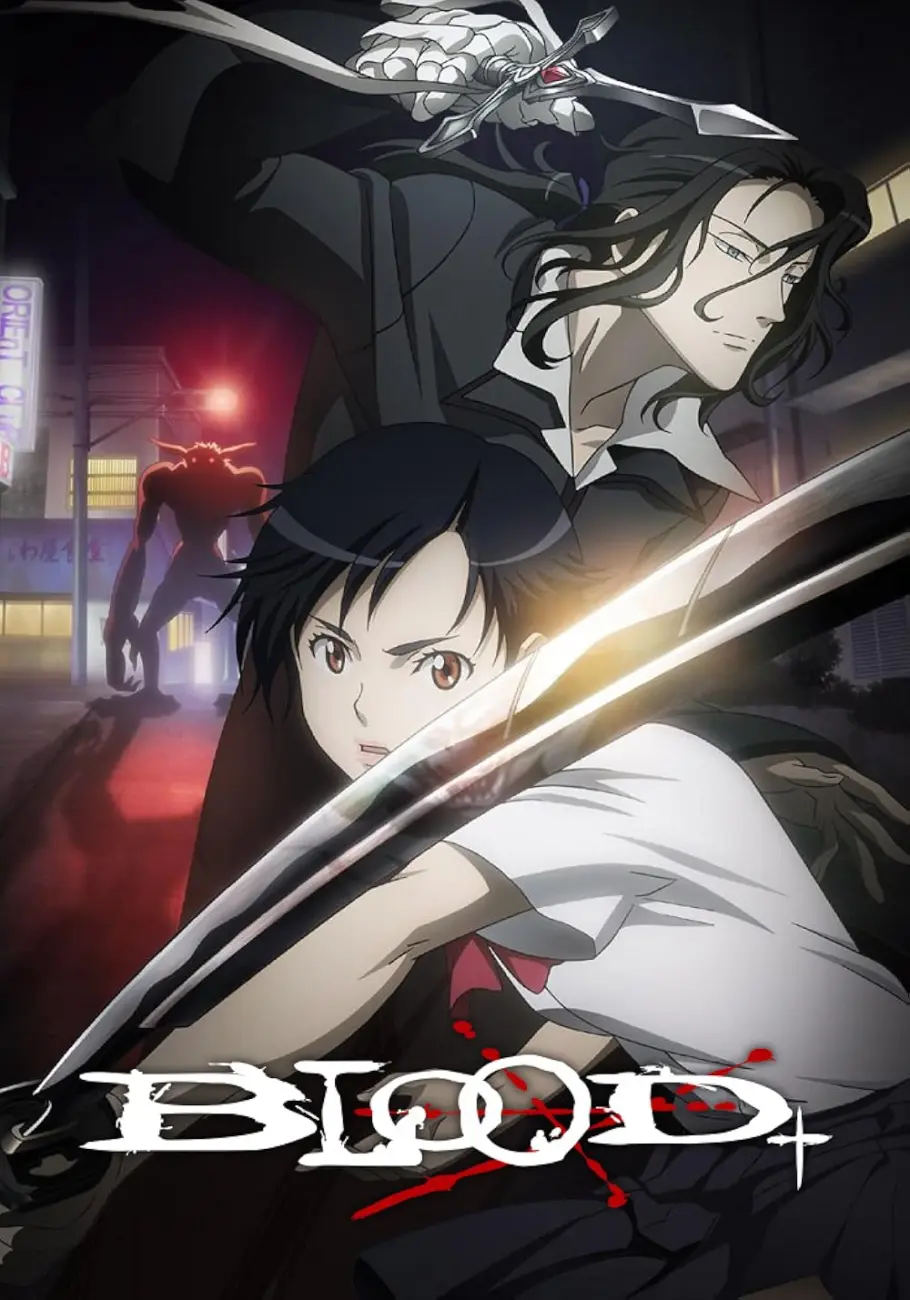
This series reworked ideas from an earlier film into a global conflict with clear factions and lore. The story completed its arc while leaving room to revisit the broader canon in a fresh continuity. Production I.G produced the show, and a new adaptation could align with additional franchise materials.
‘Hikaru no Go’ (2001–2003)
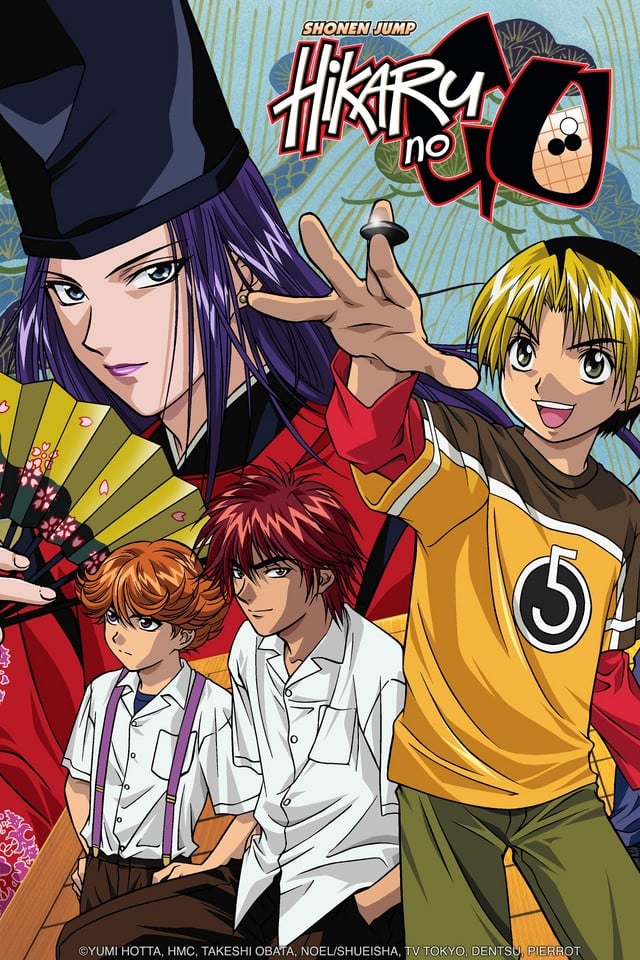
This adaptation followed a young player introduced to the world of Go and tracked his rise through youth tournaments. The anime concluded while the manga continued with additional matches and rival growth. Studio Pierrot produced the series, and a new version could cover the full competitive circuit with updated match analysis.
‘Rave Master’ (2001–2002)
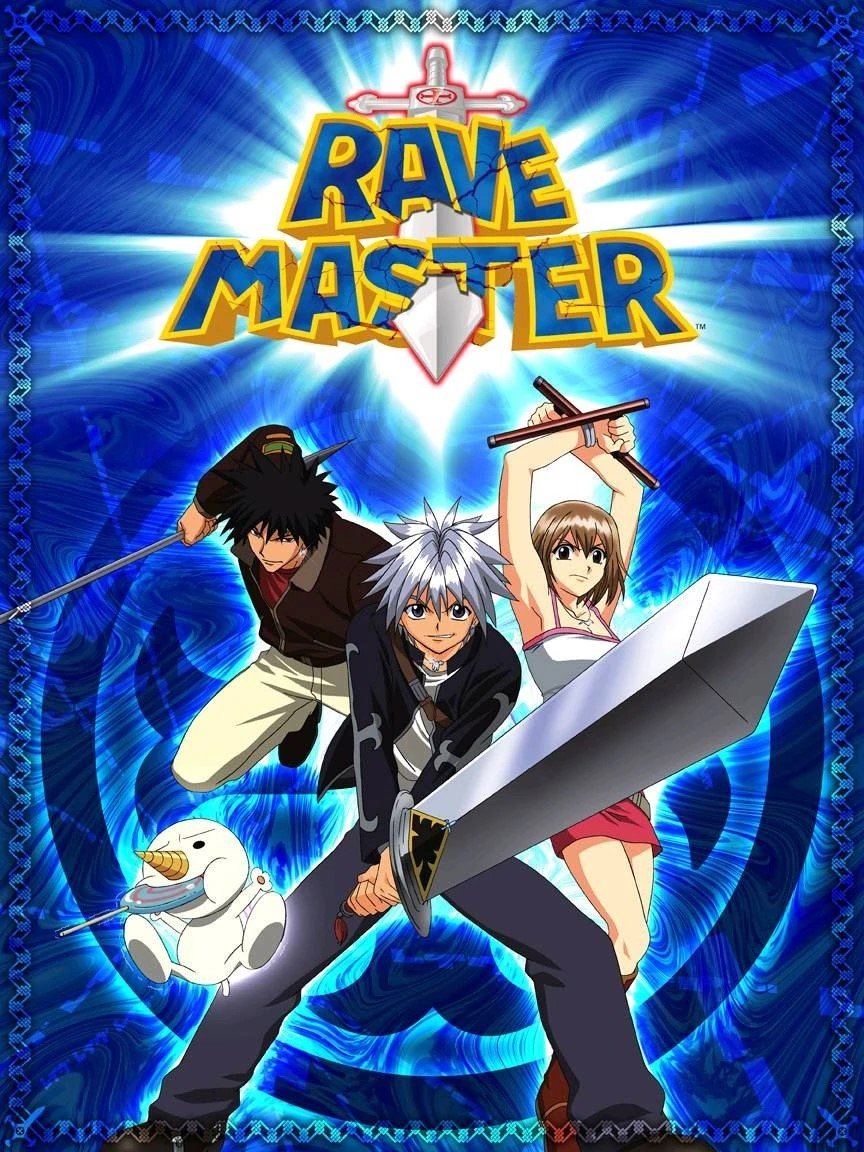
The story introduced key protagonists, early villains, and the quest framework while leaving later arcs unanimated. Significant battles and character evolutions from the manga never appeared on television. Studio Deen handled the adaptation, and a modern reboot could complete the entire journey.
‘Eyeshield 21’ (2005–2008)
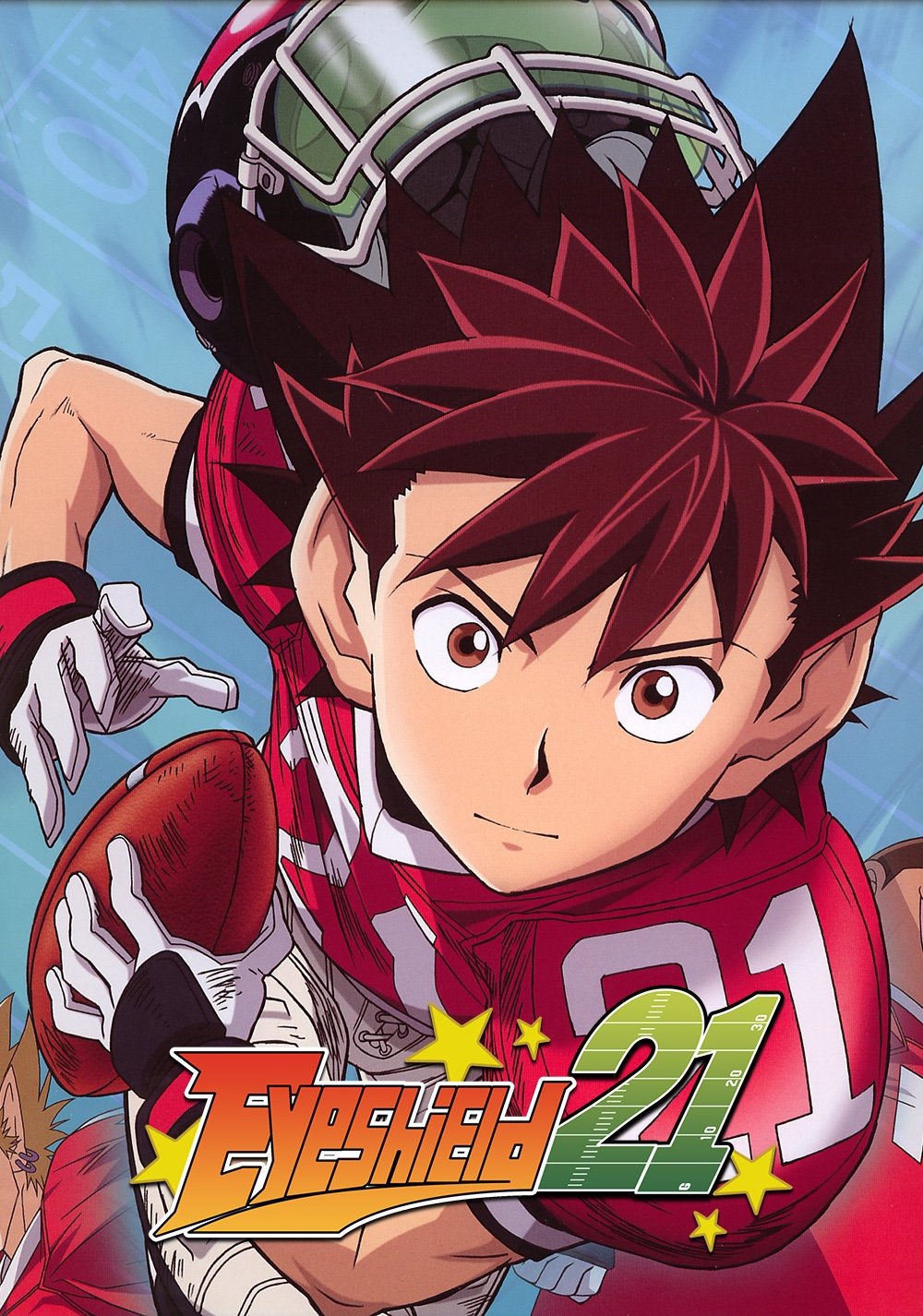
This sports series covered multiple seasons and national level games but stopped short of the manga’s closing stages. Training regimens and rival teams were established yet several decisive tournaments remained. Gallop produced the show, and a new run could deliver the full playbook through to the finale.
‘Zatch Bell!’ (2003–2006)
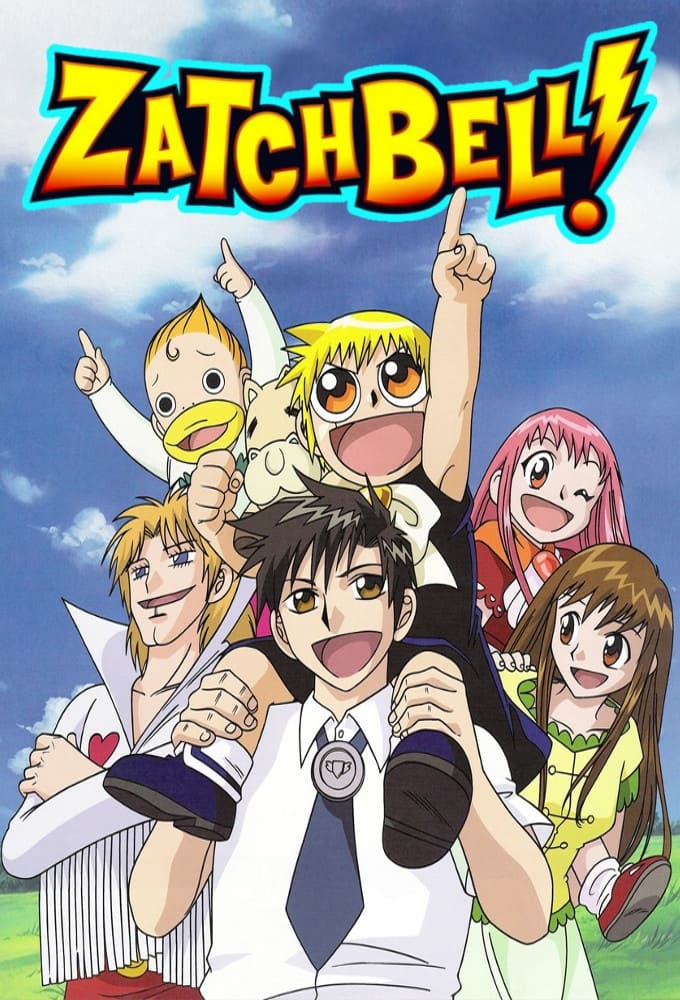
The anime presented a wide roster of mamodo pairs and many early and mid story confrontations. Later spell progressions and endgame alliances from the manga did not reach the screen. Toei Animation produced the original, and a reboot could adapt the complete spellbook hierarchy.
‘Hellsing’ (2001–2002)
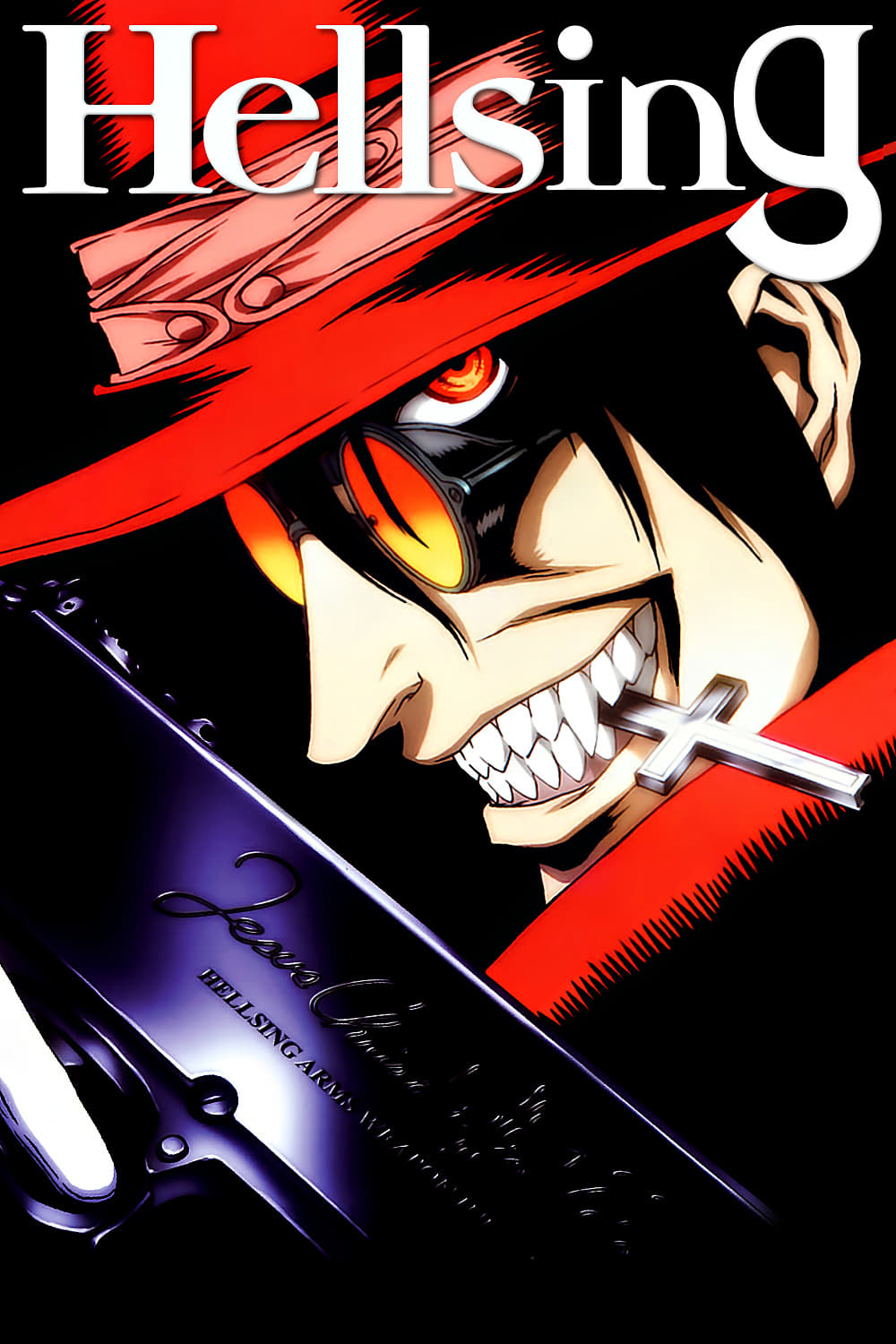
The television version diverged from the source and ended before the manga’s climactic conflict unfolded. Character backstories and the broader conspiracy were only partially explored. Gonzo produced this run, and a consolidated retelling could present the full storyline in a single continuity.
‘The Melancholy of Haruhi Suzumiya’ (2006–2009)
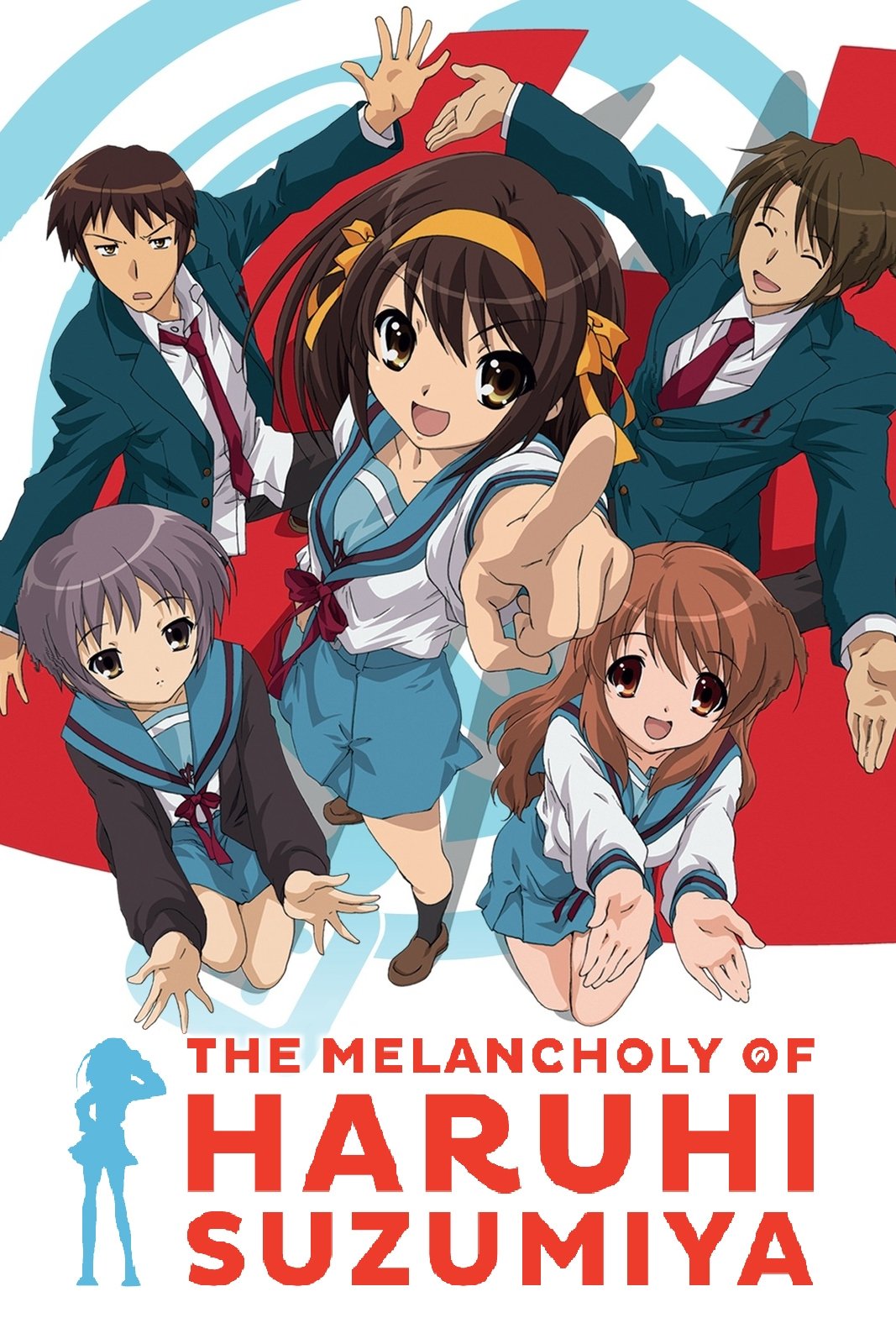
This light novel adaptation introduced time travelers, espers, and closed space incidents across mixed chronology episodes. Several published arcs remained unadapted and the broadcast order caused confusion for newcomers. Kyoto Animation produced the series, and a clean start could sequence all novels coherently.
‘Ouran High School Host Club’ (2006)
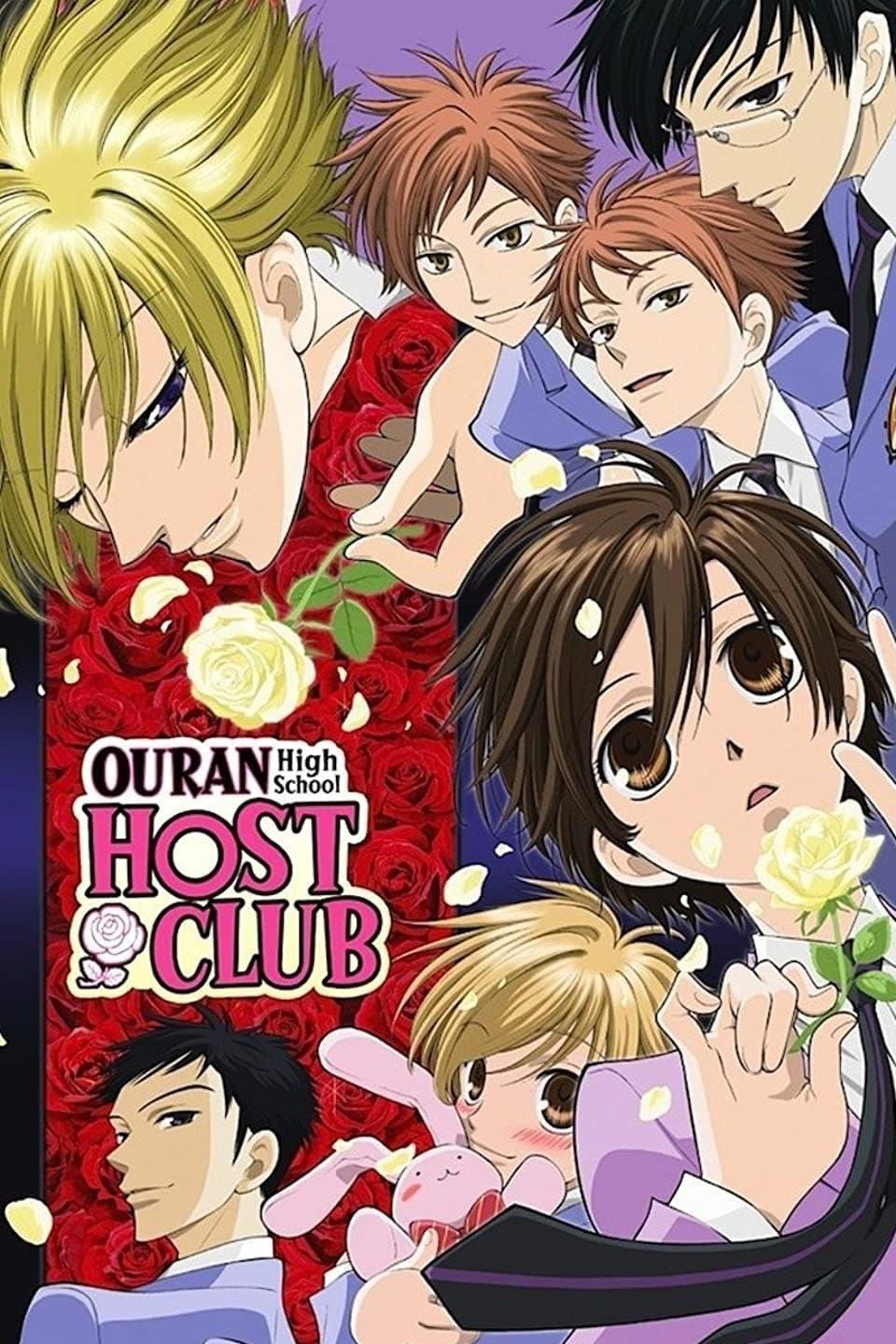
The show covered early and middle manga material and wrapped with an anime original conclusion. Numerous character arcs and school events from later volumes did not appear. Bones produced the adaptation, and a complete reboot could bring the remaining chapters to screen.
‘GetBackers’ (2002–2003)
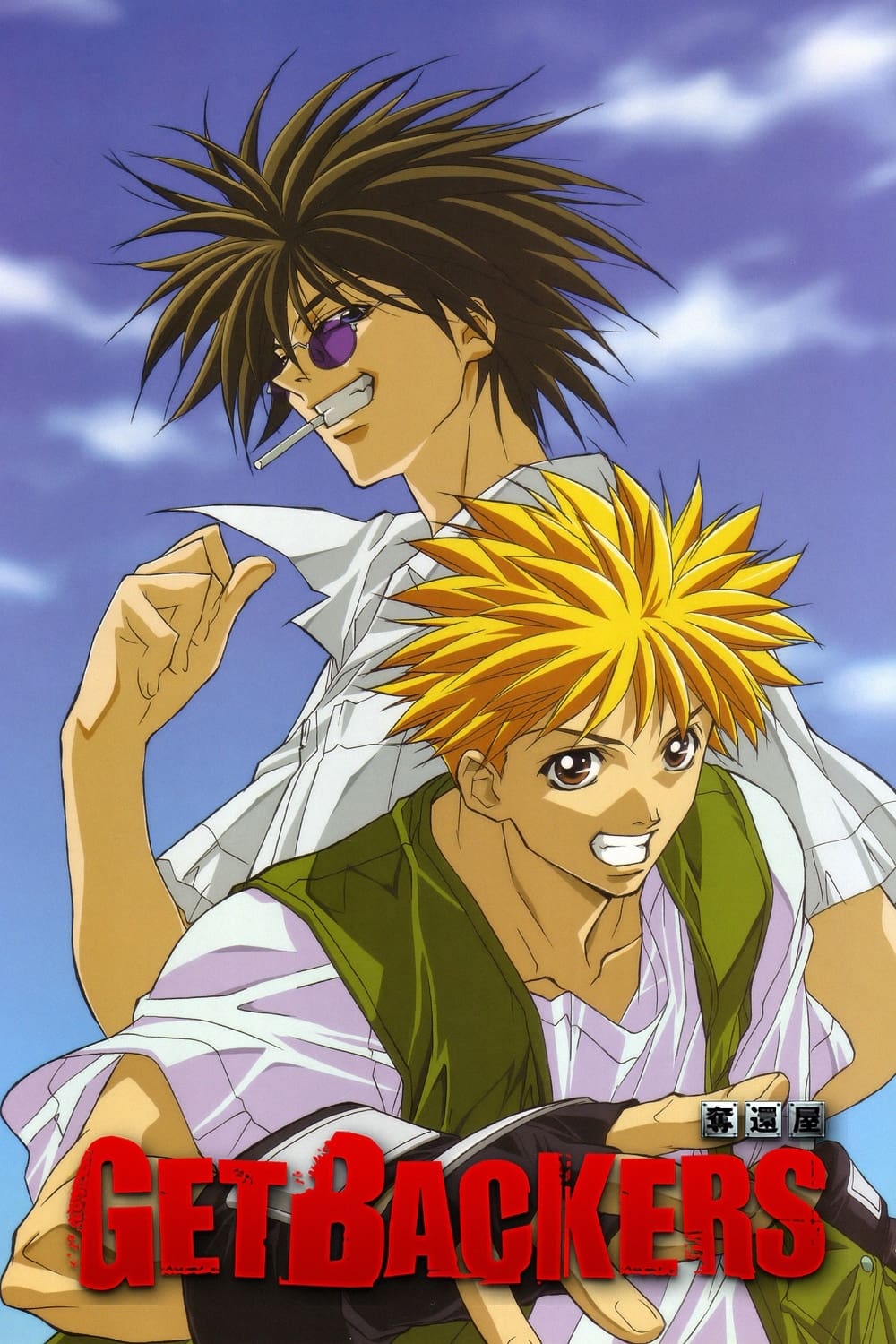
The anime delivered high profile retrieval cases and introduced core antagonists while compressing later arcs. Powers and organizations from the manga’s upper tiers were left largely untouched. Studio Deen produced the series, and a faithful retelling could chart the full Babylon City storyline.
‘Spiral: The Bonds of Reasoning’ (2002–2003)
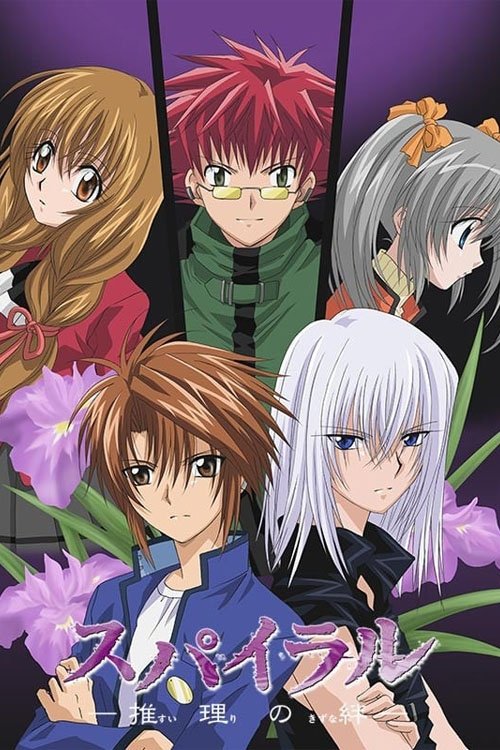
The adaptation set up the Blade Children mystery and several logic driven confrontations. It concluded before key revelations that the manga later detailed. J.C.Staff produced the broadcast, and a new version could follow the investigation to its documented resolution.
‘Pandora Hearts’ (2009)
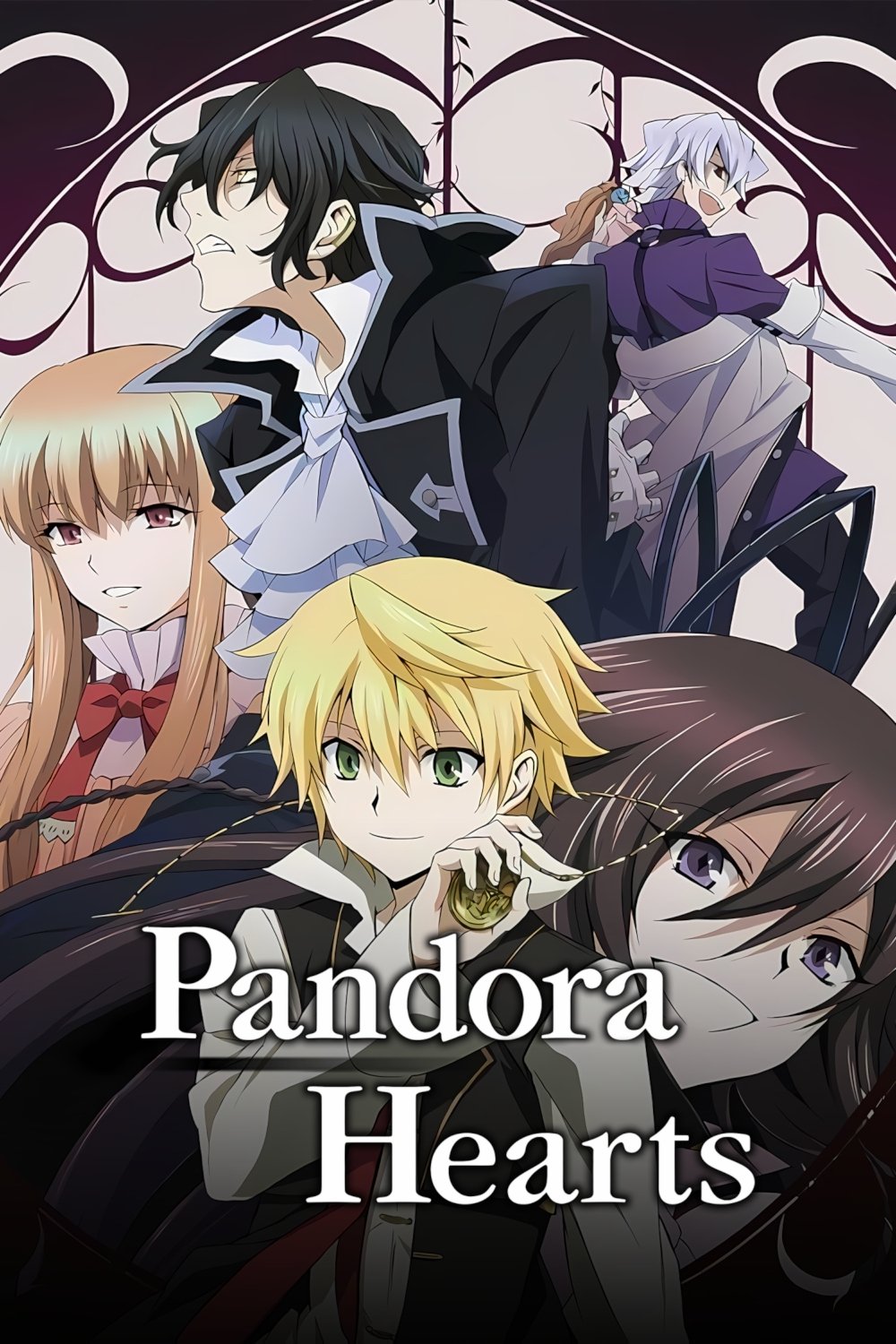
The series introduced Abyss lore, chains, and the Baskerville conflict before pivoting to an anime original ending. Major plot points from the manga’s second half remained missing. Xebec produced the adaptation, and a restart could track the source material from start to finish.
‘Bokurano’ (2007)
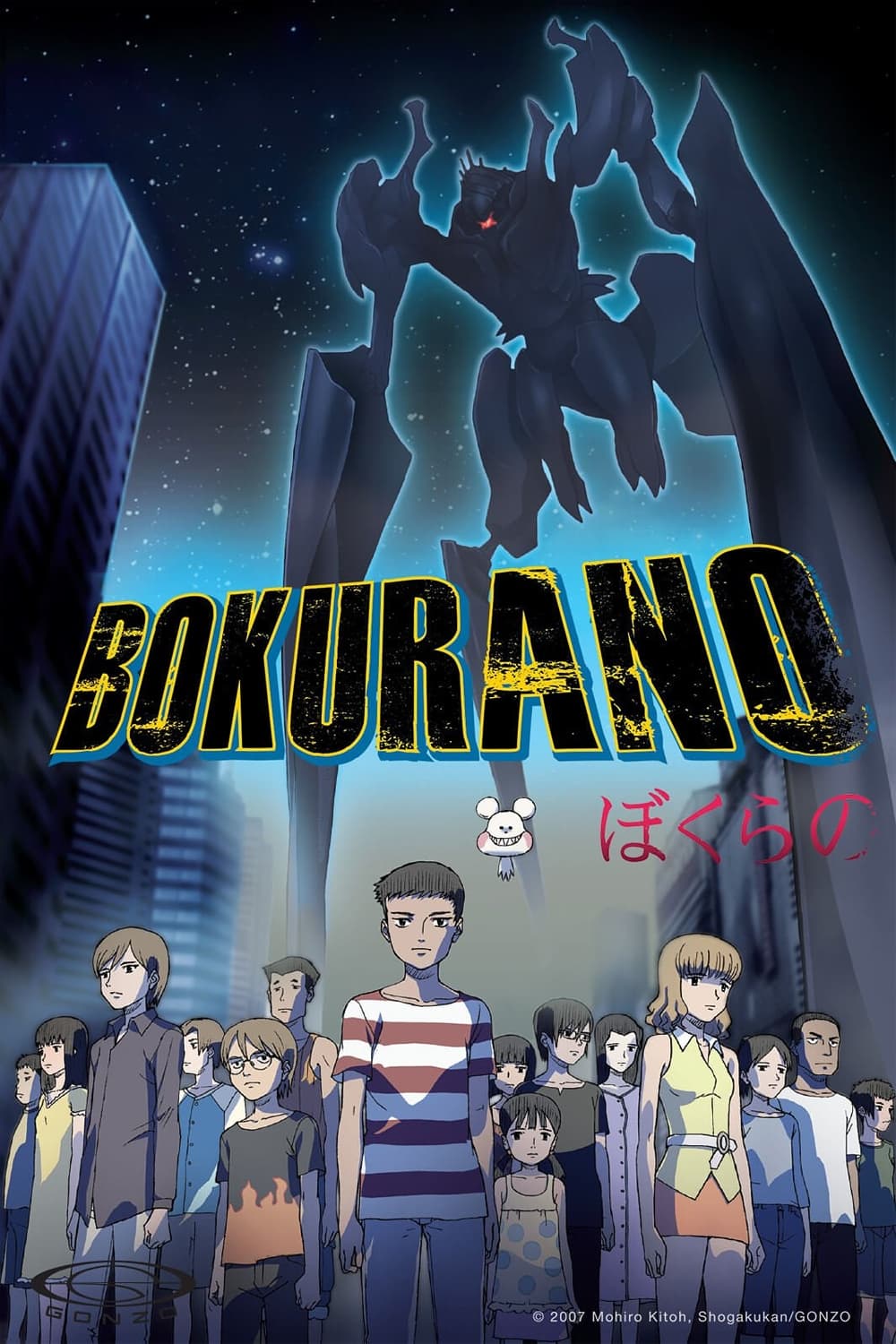
This mecha drama altered character arcs and themes compared with the manga’s tougher turns. Several pilots’ stories and the larger system behind the battles were streamlined. Gonzo produced the series, and a new adaptation could preserve the original structure and full roster.
‘D.N.Angel’ (2003)
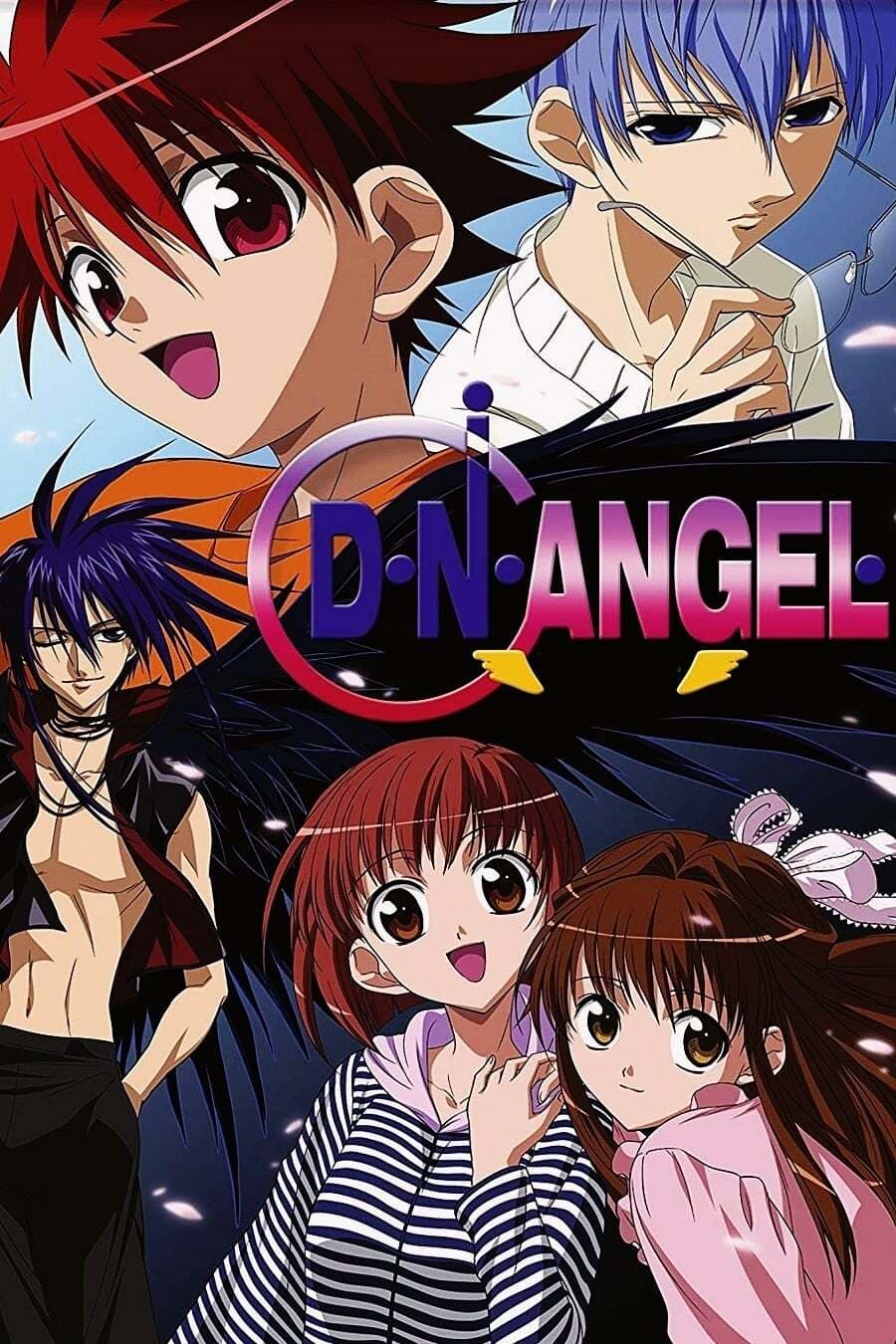
The anime focused on early heists and school life while the manga continued with additional arcs and artifacts. Later relationships and art themed mysteries were not adapted. Xebec produced the show, and a reboot could map the complete collection storyline.
‘X’ (2001–2002)
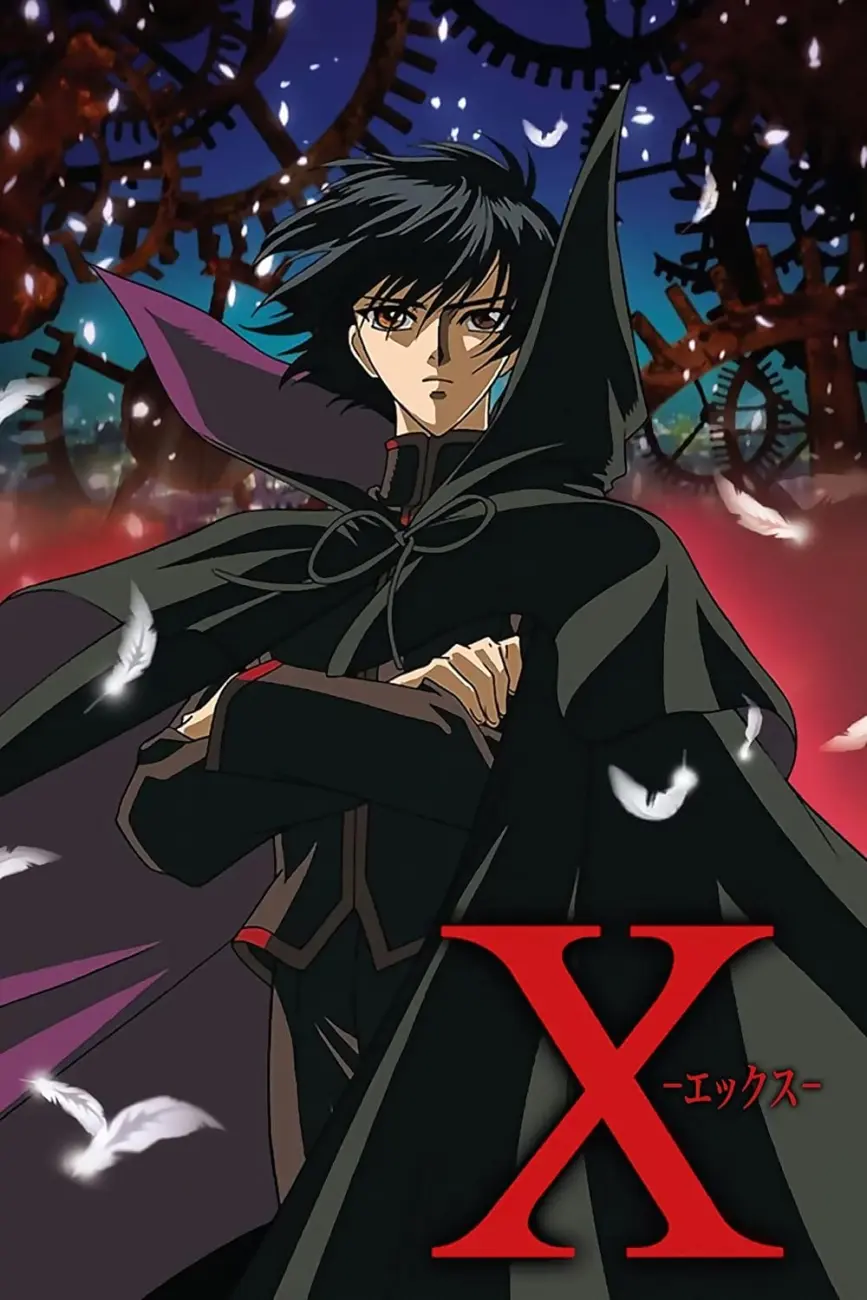
This adaptation of the manga moved toward an alternate resolution after halting publication issues limited available material. Several prophesied battles and character destinies remained unresolved on television. Madhouse produced the series, and a modern effort could finally deliver the intended conclusion.
‘Eureka Seven’ (2005–2006)
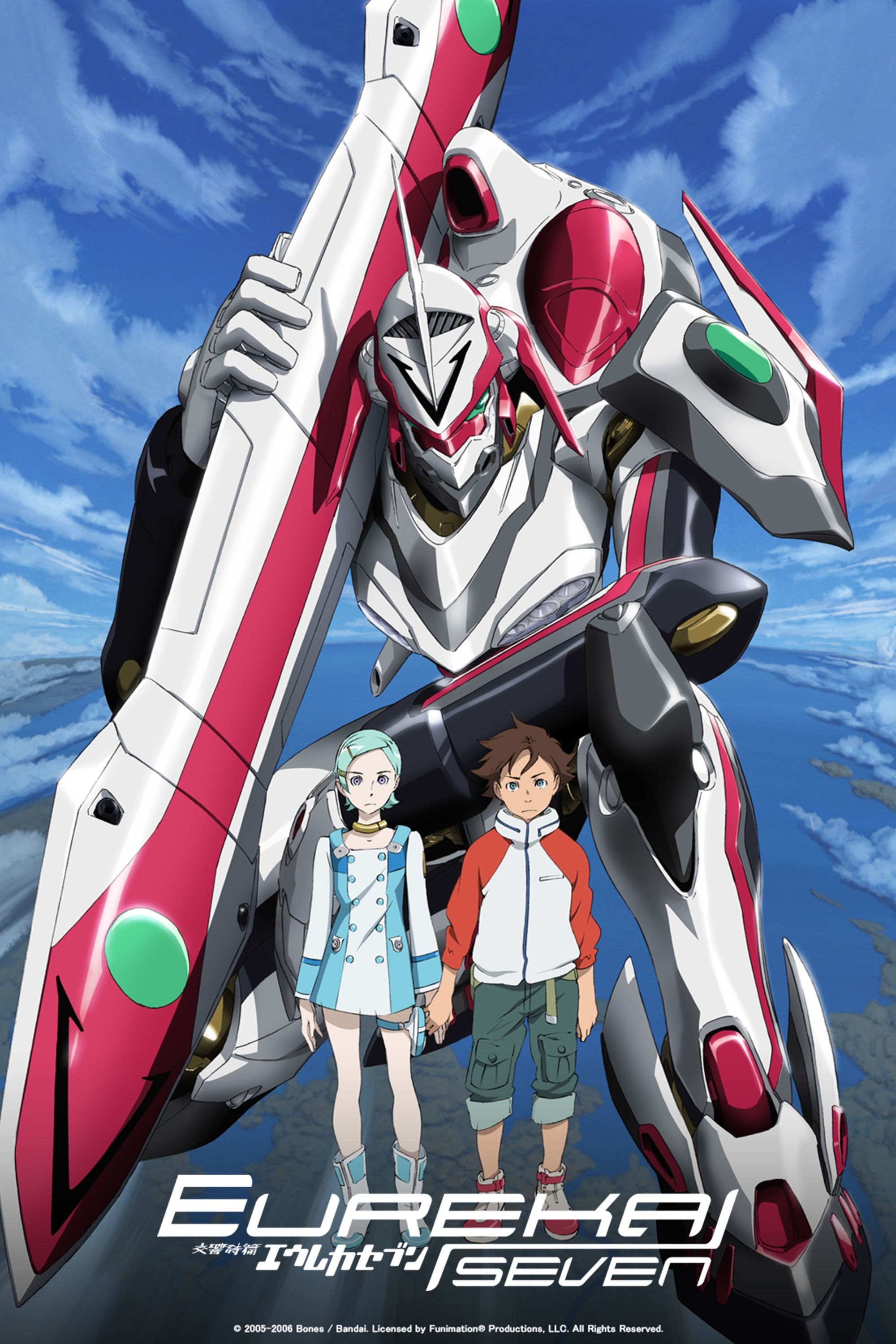
The series established lifting culture, military factions, and a layered family story across a self contained run. Follow up projects offered alternate takes that diverged from the original continuity. Bones produced the classic version, and a unified reboot could streamline canon and extend world building.
‘Inuyasha’ (2000–2004)

The broadcast introduced the shard quest, main rivals, and long running feuds while production later returned for a shortened wrap up. Several character episodes and intermediary arcs from the manga could support a fuller pace. Sunrise produced the anime, and a ground up retelling could present the saga without long breaks.
Share which 2000s title you would revive first in the comments and tell us what you would want a modern adaptation to cover.

