


2000s Movies That Aged Incredibly Well



The 2000s delivered a wild mix of genre breakthroughs, ambitious auteurs, and trendsetting crowd-pleasers that still pull viewers in today. It was a decade where fantasy epics shared the spotlight with intimate dramas, where animation pushed storytelling to new heights, and where international voices reached mainstream audiences in a big way. Studios chased franchises while filmmakers experimented with structure, tone, and technology, and the results reshaped what audiences expected from the big screen.
You will find sharp crime sagas, vibrant romances, inventive sci fi, and action that rewrote the playbook. Many of these films launched careers that defined the next era, introduced techniques that became standard, and stacked up awards while building lasting fan bases. Below are fifty standouts from that decade, each with the basics you need to know and the reasons they matter in film history and craft.
‘Spirited Away’ (2001)
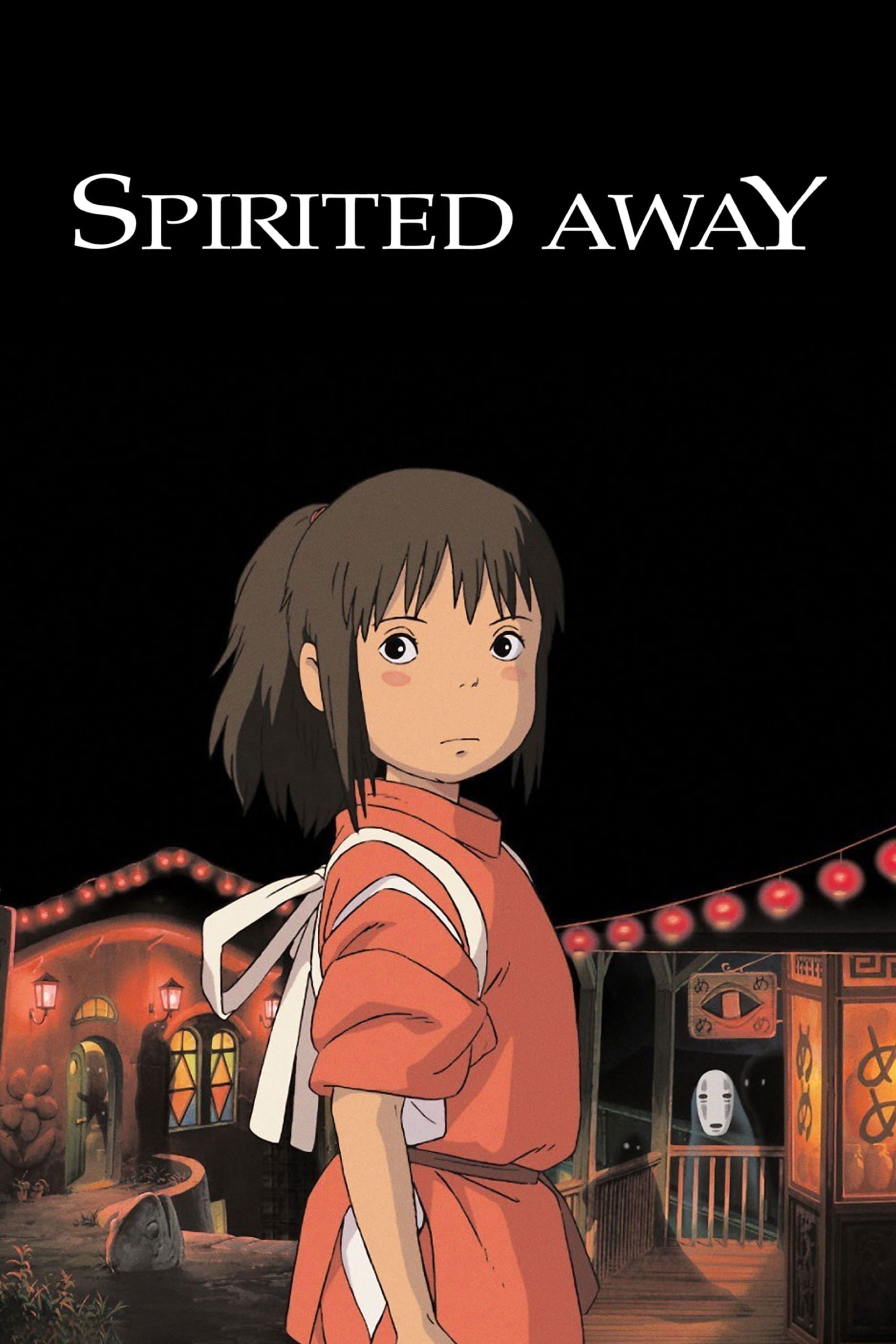
Directed by Hayao Miyazaki, this Studio Ghibli landmark follows a young girl who stumbles into a spirit world run by a bathhouse owner and must work to free her parents. The film blends hand drawn animation with subtle digital tools, features a score by Joe Hisaishi, and showcases meticulous world building rooted in folklore.
It won the Academy Award for Best Animated Feature and became a box office phenomenon in Japan. International distribution expanded Ghibli’s reach, while its environmental notes, food imagery, and creature designs influenced countless animated works and theme park attractions.
‘The Dark Knight’ (2008)
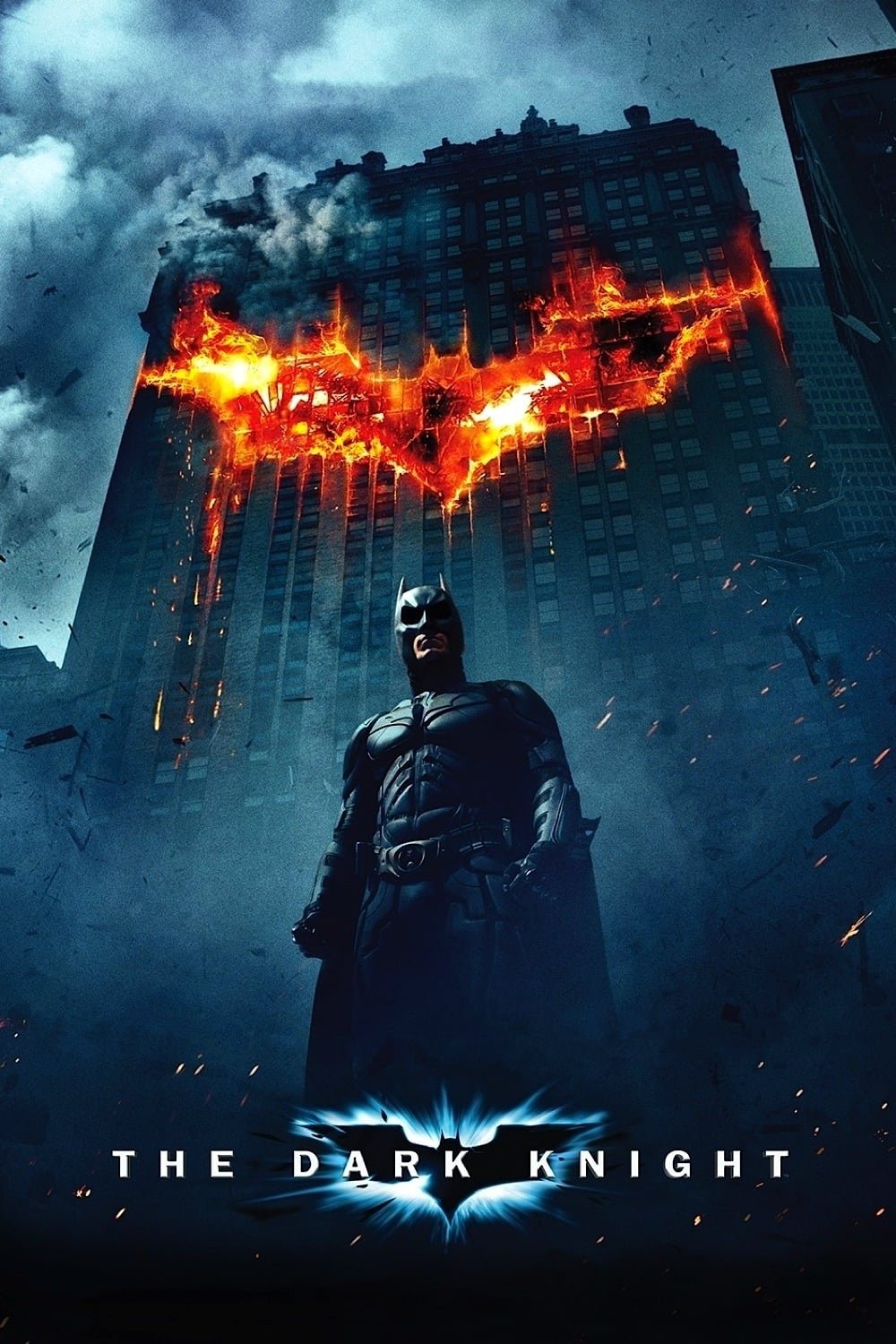
Christopher Nolan directs this crime drama centered on Batman, the Joker, and Gotham’s fragile institutions, with Christian Bale, Heath Ledger, and Aaron Eckhart leading the cast. The production used IMAX cameras for select sequences and staged practical effects like the mid street truck flip.
The film won Oscars for Supporting Actor and Sound Editing and set new records for a comic book adaptation. It shaped studio strategies for grounded superhero storytelling, impacted awards conversations around genre films, and spurred adoption of large format exhibition.
‘No Country for Old Men’ (2007)
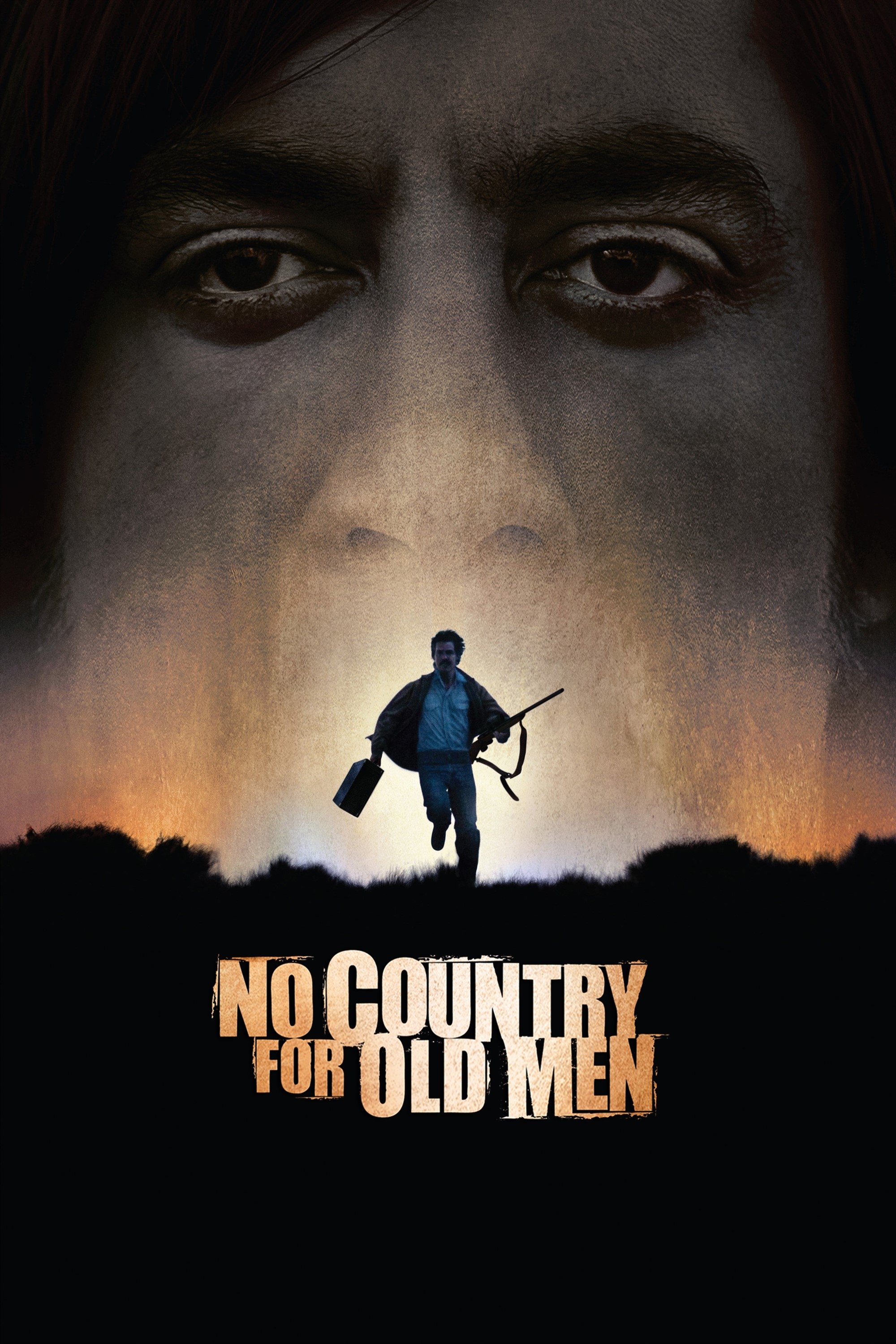
Written and directed by Joel and Ethan Coen from the Cormac McCarthy novel, the story tracks a hunter, a relentless hitman, and a world weary sheriff across the Texas borderlands. The cast includes Javier Bardem, Josh Brolin, and Tommy Lee Jones, with Roger Deakins as cinematographer.
It won Best Picture, Best Director, Best Supporting Actor, and Best Adapted Screenplay at the Academy Awards. Sparse scoring, precise sound design, and the coin toss scene entered pop culture, and the film’s production approach became a model for literary adaptations with restrained style.
‘There Will Be Blood’ (2007)
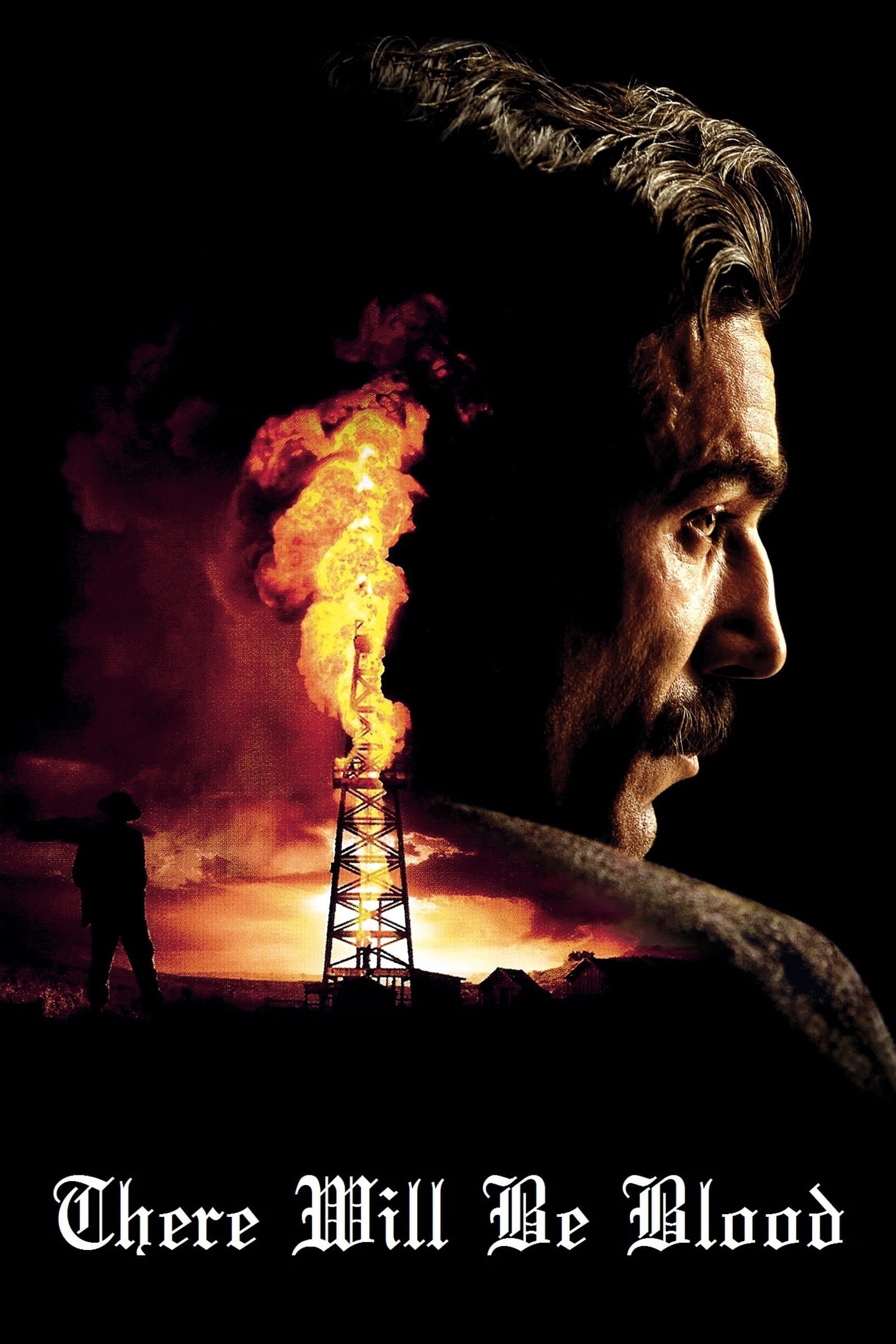
Paul Thomas Anderson directs this frontier epic about an oil prospector and a charismatic preacher locked in a struggle over land, faith, and power. Daniel Day-Lewis and Paul Dano star, and the score by Jonny Greenwood relies on strings and percussion to create tension.
It won Oscars for Best Actor and Best Cinematography and received wide critical recognition for its production design and sound work. Real oil derrick sets, explosive action beats, and period detail reflect a large scale shoot that balanced location challenges with controlled set pieces.
‘City of God’ (2002)
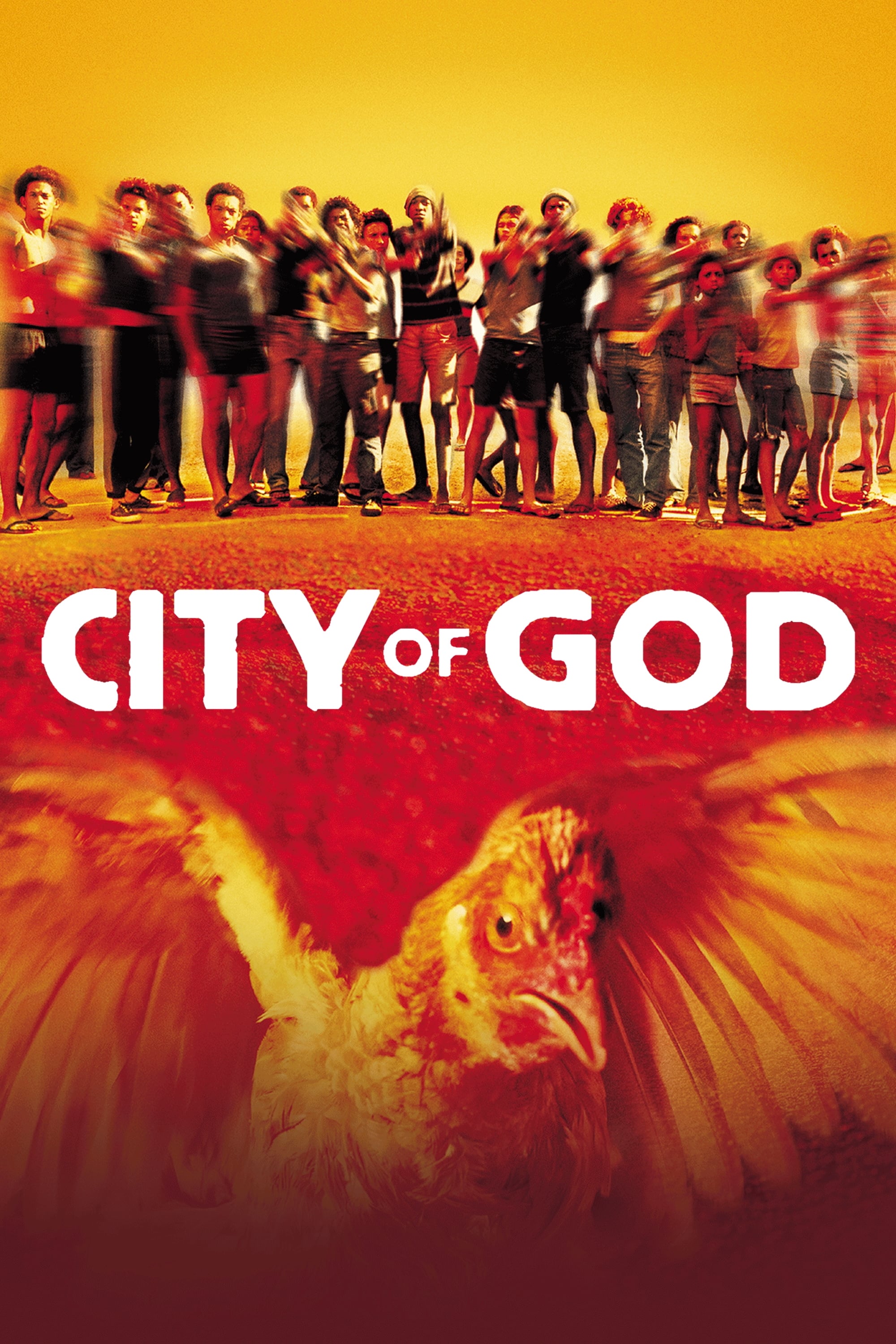
Fernando Meirelles and co director Kátia Lund adapt Paulo Lins’s novel about youth, crime, and photojournalism in Rio’s favelas. The cast features nonprofessional actors, and the visual approach uses handheld cameras, rapid editing, and saturated color.
The film earned multiple international accolades and Oscar nominations. Its training workshop for local performers became a case study in community based casting, and its narrative structure influenced later crime sagas set outside Hollywood.
‘Oldboy’ (2003)
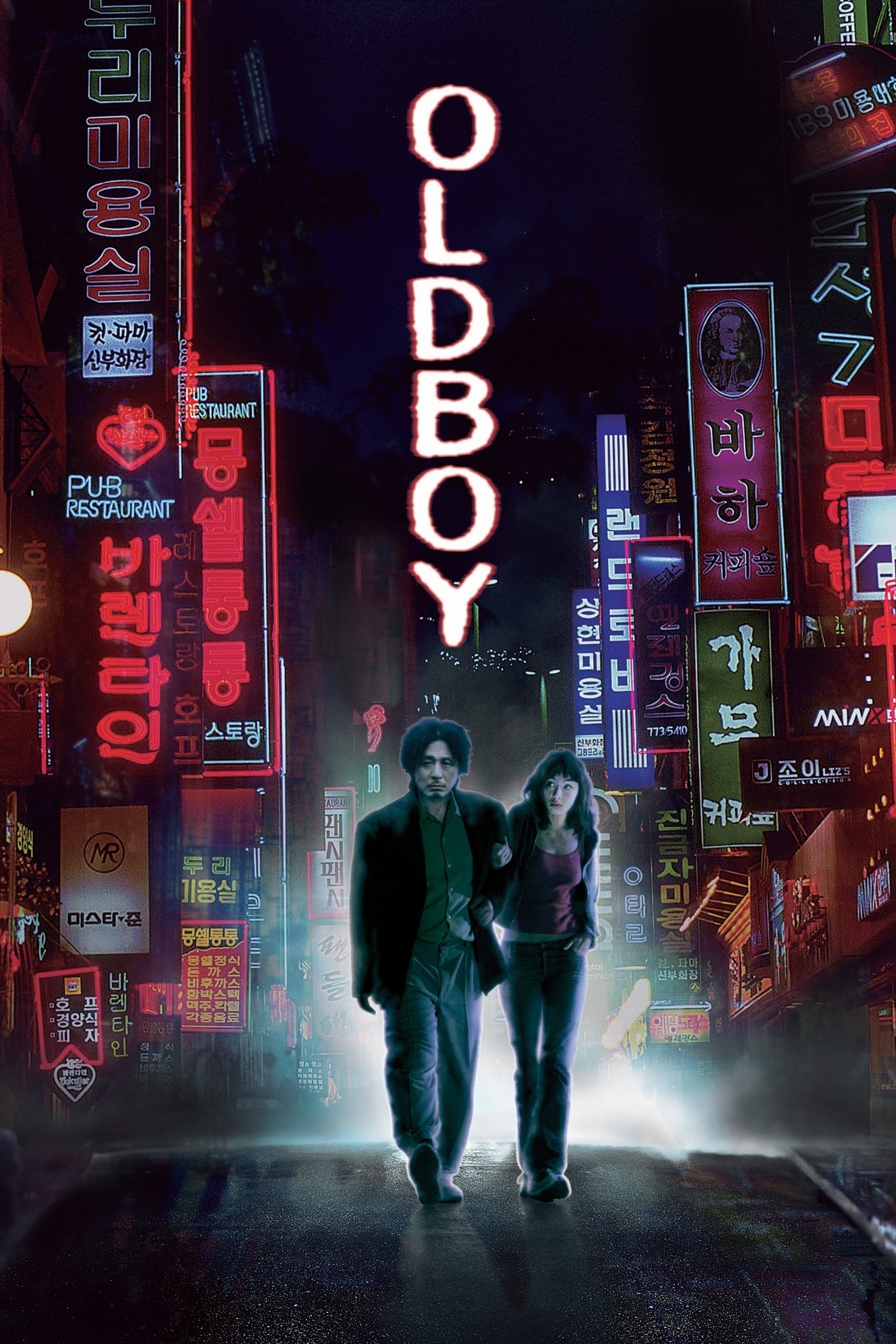
Park Chan wook’s thriller follows a man mysteriously imprisoned and then released, setting off a quest that uncovers a personal conspiracy. Choi Min sik leads the cast, and the production is known for an extended corridor fight staged in a single take.
The film won the Grand Prix at Cannes, which boosted distribution in many territories. Its bold use of music, graphic novel inspired framing, and twist heavy plotting affected action and revenge cinema across regions.
‘The Lord of the Rings: The Fellowship of the Ring’ (2001)
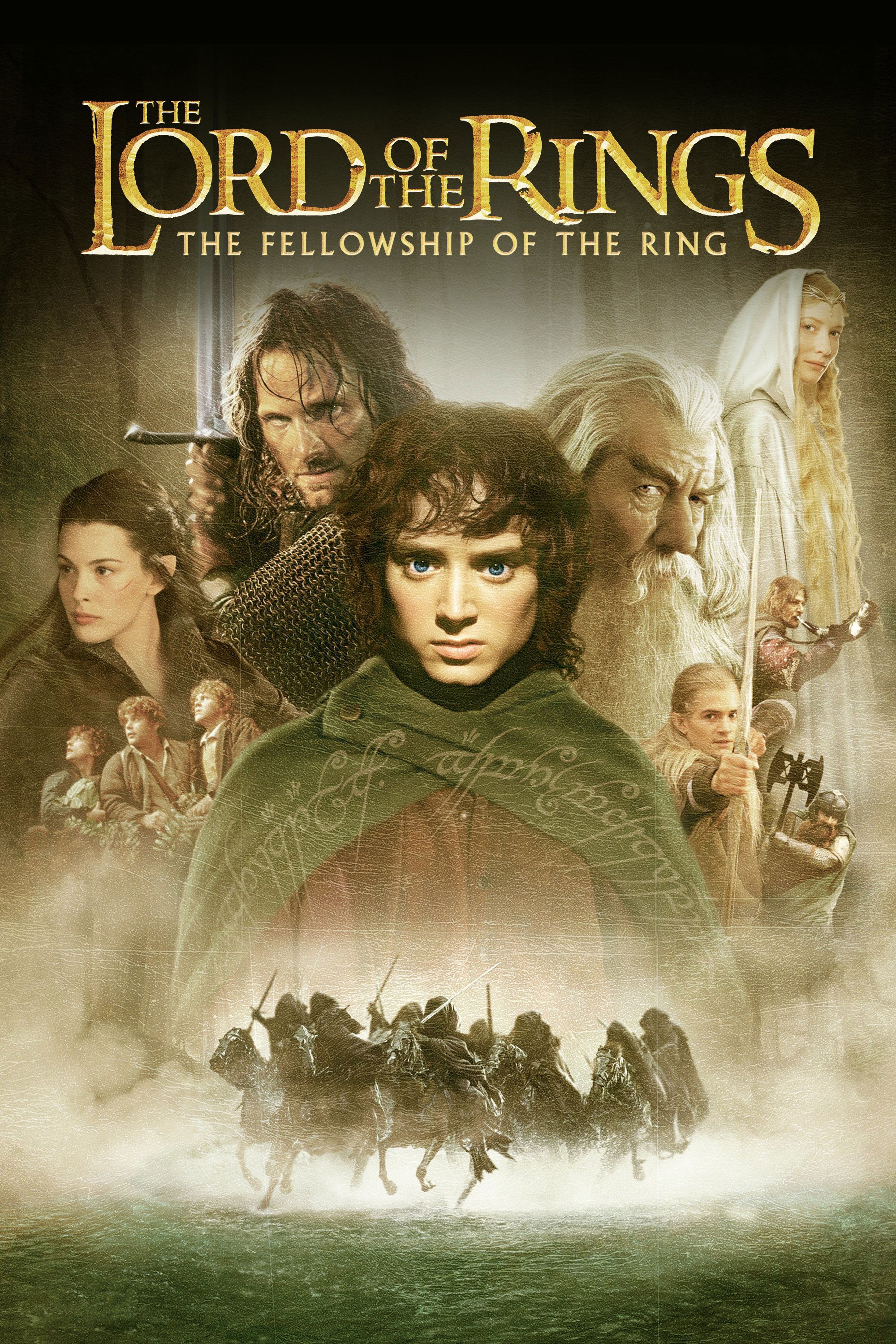
Peter Jackson launches the trilogy with the formation of the Fellowship and a journey out of the Shire toward Mordor. The ensemble includes Elijah Wood, Ian McKellen, Viggo Mortensen, and Cate Blanchett, with Weta Workshop delivering practical effects, makeup, and miniatures.
The production pioneered motion capture and large scale digital crowd systems in tandem with on location photography across New Zealand. It collected Oscars in technical categories and set the stage for a long form fantasy cycle that proved viability for back to back shoots.
‘The Lord of the Rings: The Two Towers’ (2002)
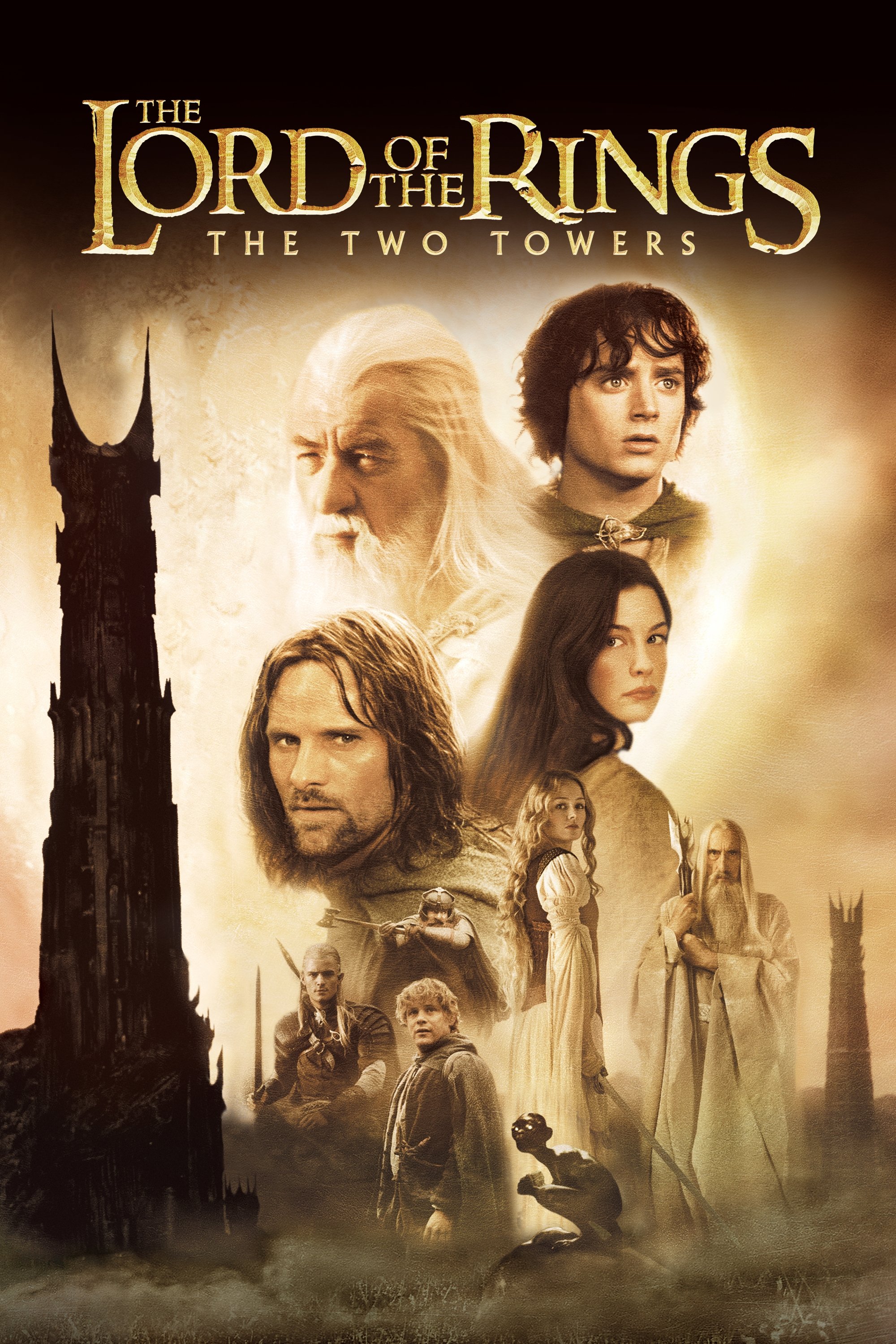
This chapter continues the split storylines of Frodo and Sam, the riders of Rohan, and the siege of Helm’s Deep. Andy Serkis debuts as Gollum through performance capture, coordinated with animators to preserve facial nuance and movement.
The movie expanded large scale battle staging with nighttime rain and complex extras coordination. It received Oscar recognition and generated advances in creature pipelines that carried into later franchises.
‘The Lord of the Rings: The Return of the King’ (2003)
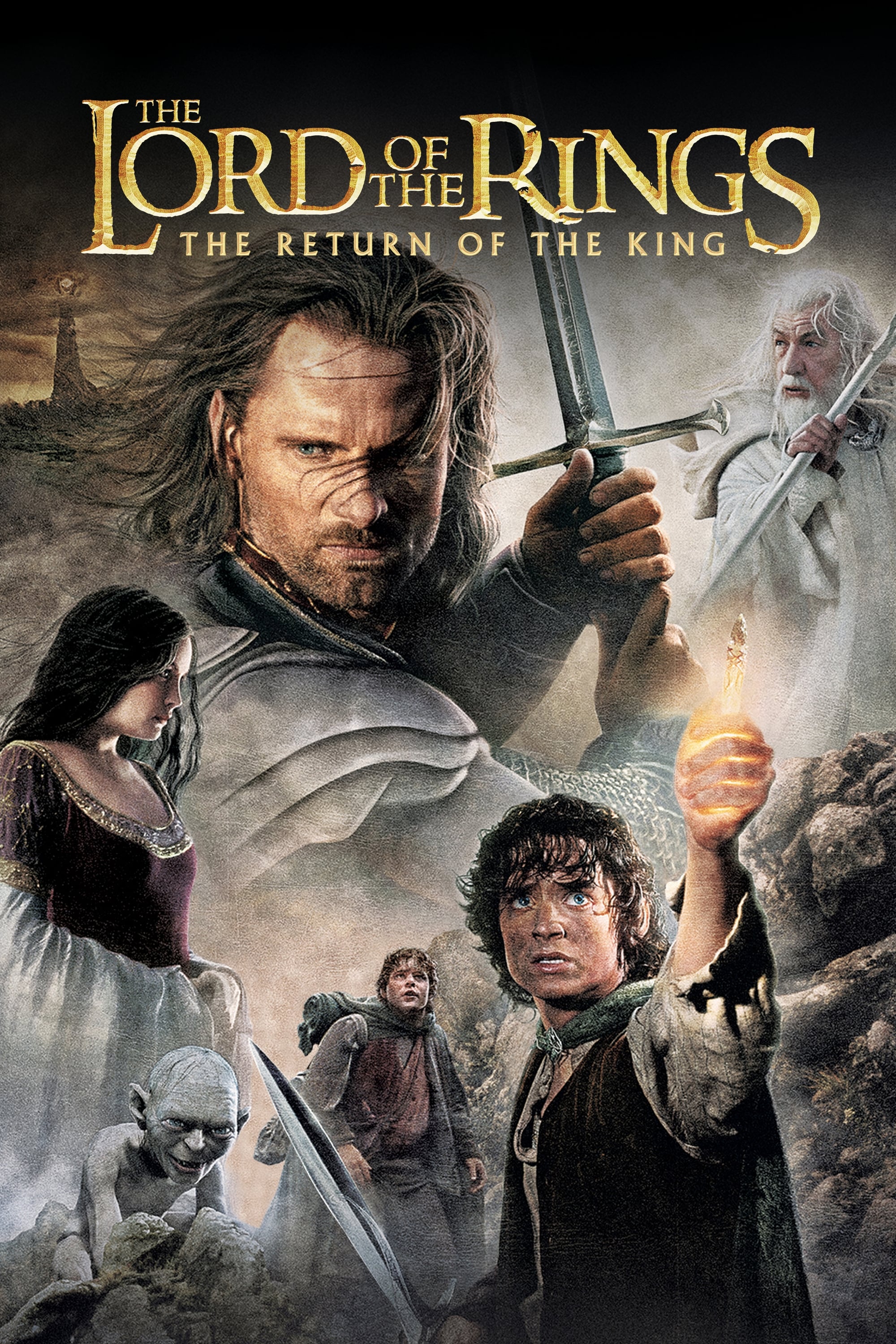
The finale unites forces for the push toward the Black Gate and the final ascent to Mount Doom. The cast returns, the score by Howard Shore swells with choral themes, and production uses miniature cities nicknamed bigatures for detailed destruction.
It won eleven Academy Awards including Best Picture. The campaign crowned a multi year production effort, and the extended edition release became a home video benchmark with exhaustive appendices on craft.
‘Pan’s Labyrinth’ (2006)
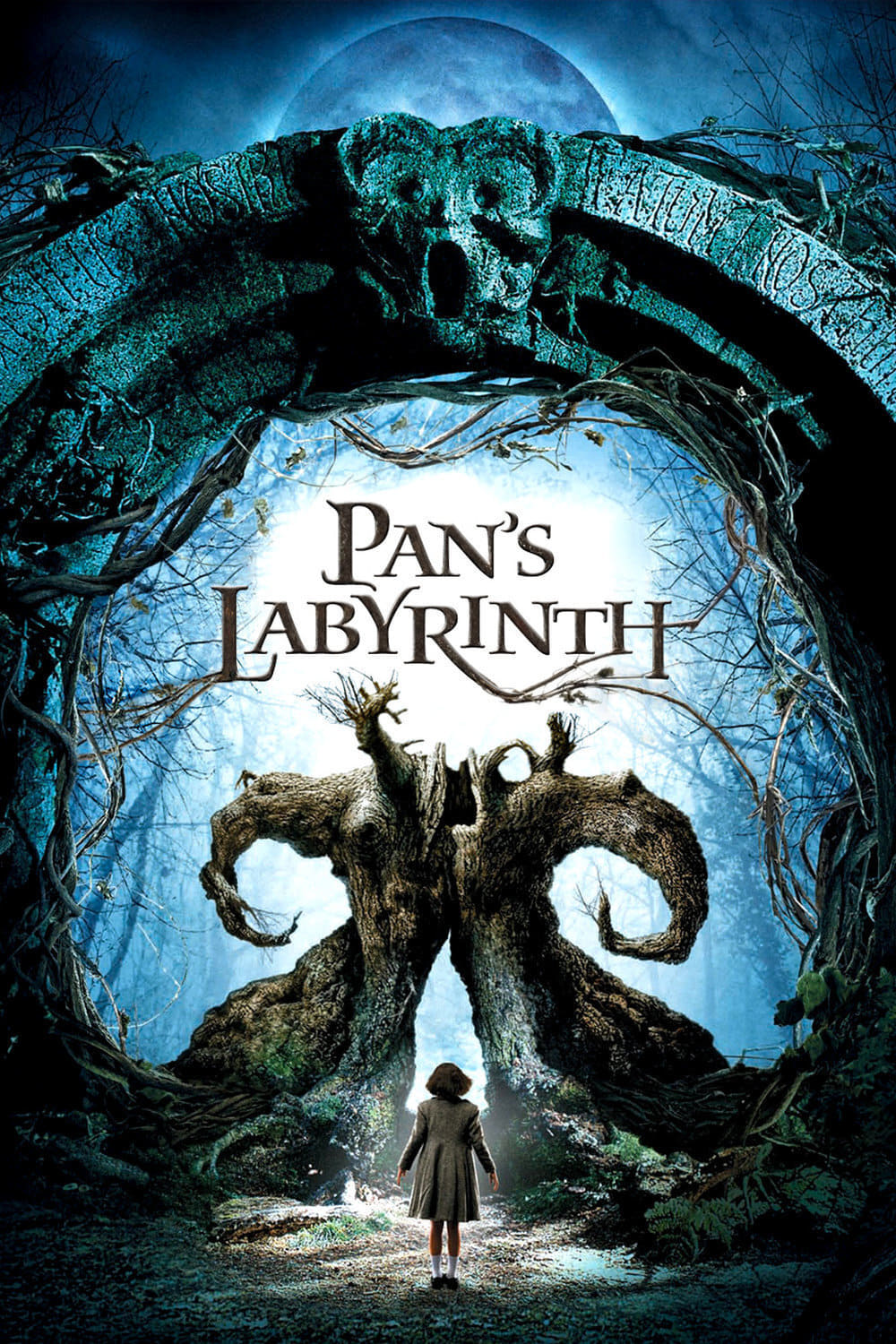
Guillermo del Toro’s dark fantasy follows a young girl who encounters faun guided trials amid a postwar setting in Spain. Practical creature work by DDT Efectos Especiales combines with digital enhancements, and Doug Jones performs key roles under heavy makeup.
It won Oscars for Cinematography, Production Design, and Makeup and gained further nominations including Foreign Language Film. The movie’s bilingual release strategy, fairy tale structure, and iconography influenced international co productions with genre elements.
‘Children of Men’ (2006)
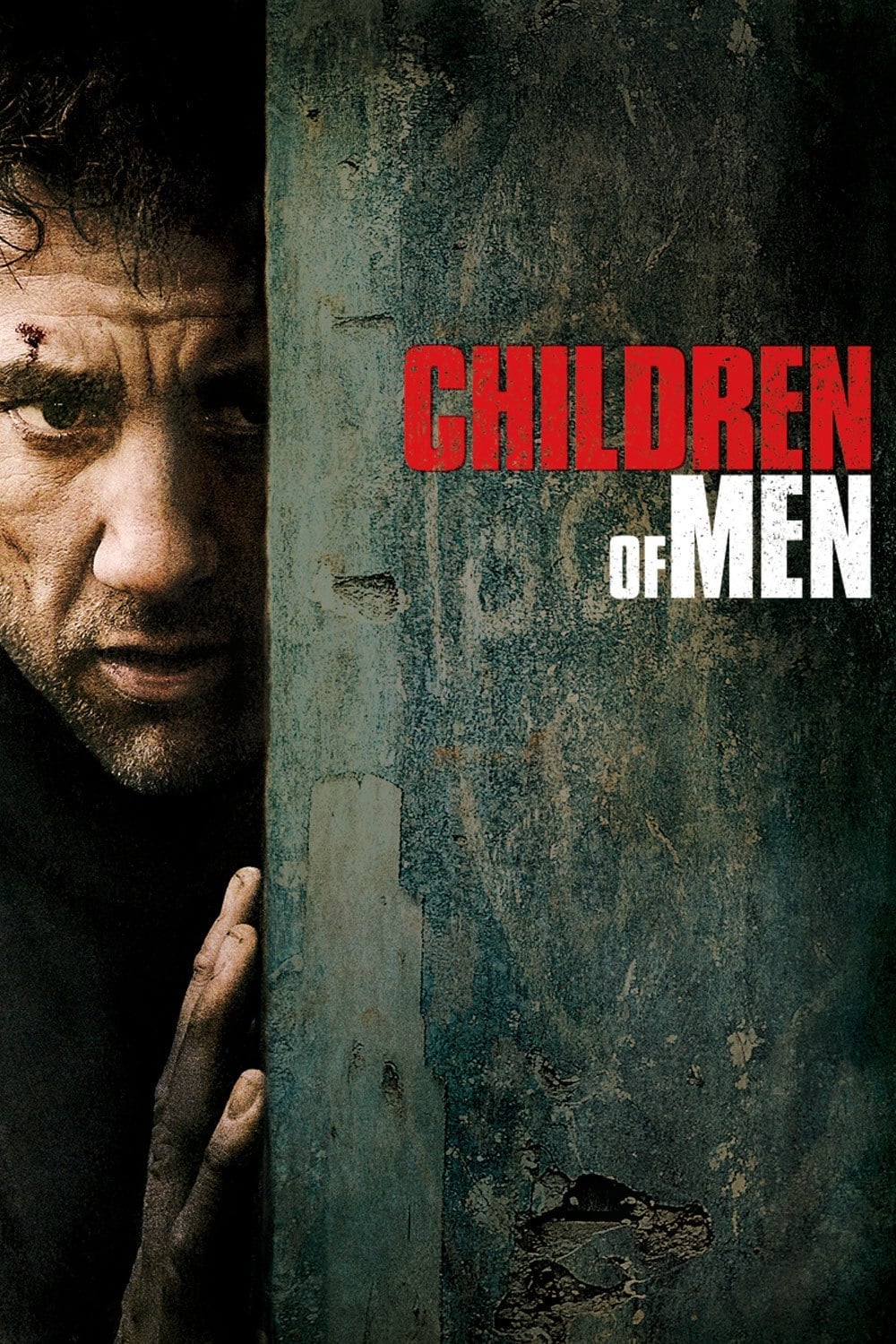
Alfonso Cuarón directs this near future thriller about a world without new births and a mission to protect a pregnant refugee. Emmanuel Lubezki’s cinematography features long takes, including a car ambush and a wartime street sequence.
The film received Oscar nominations for Cinematography, Film Editing, and Adapted Screenplay. It is frequently cited in craft discussions for invisible effects, location logistics, and the integration of practical and digital camera rigs.
‘Eternal Sunshine of the Spotless Mind’ (2004)
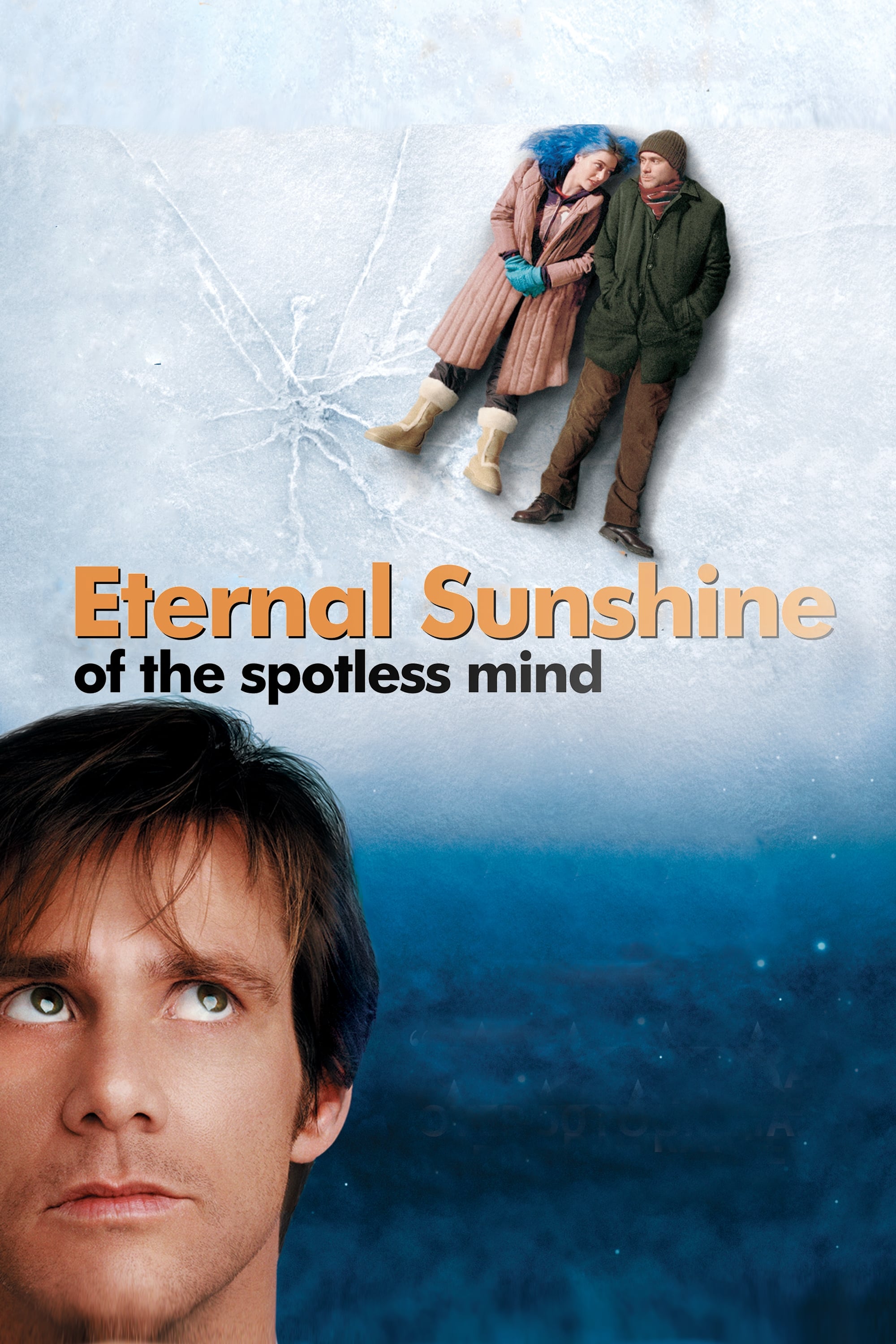
Michel Gondry partners with writer Charlie Kaufman for a romance about memory erasure and second chances. Jim Carrey and Kate Winslet headline, and the production relies on in camera tricks, quick set redressing, and handheld intimacy.
It won the Oscar for Original Screenplay and earned a nomination for Best Actress. The film’s dreamy editing rhythms, pop inspired design, and indie scale logistics made it a staple in discussions of high concept storytelling on a modest budget.
‘The Incredibles’ (2004)
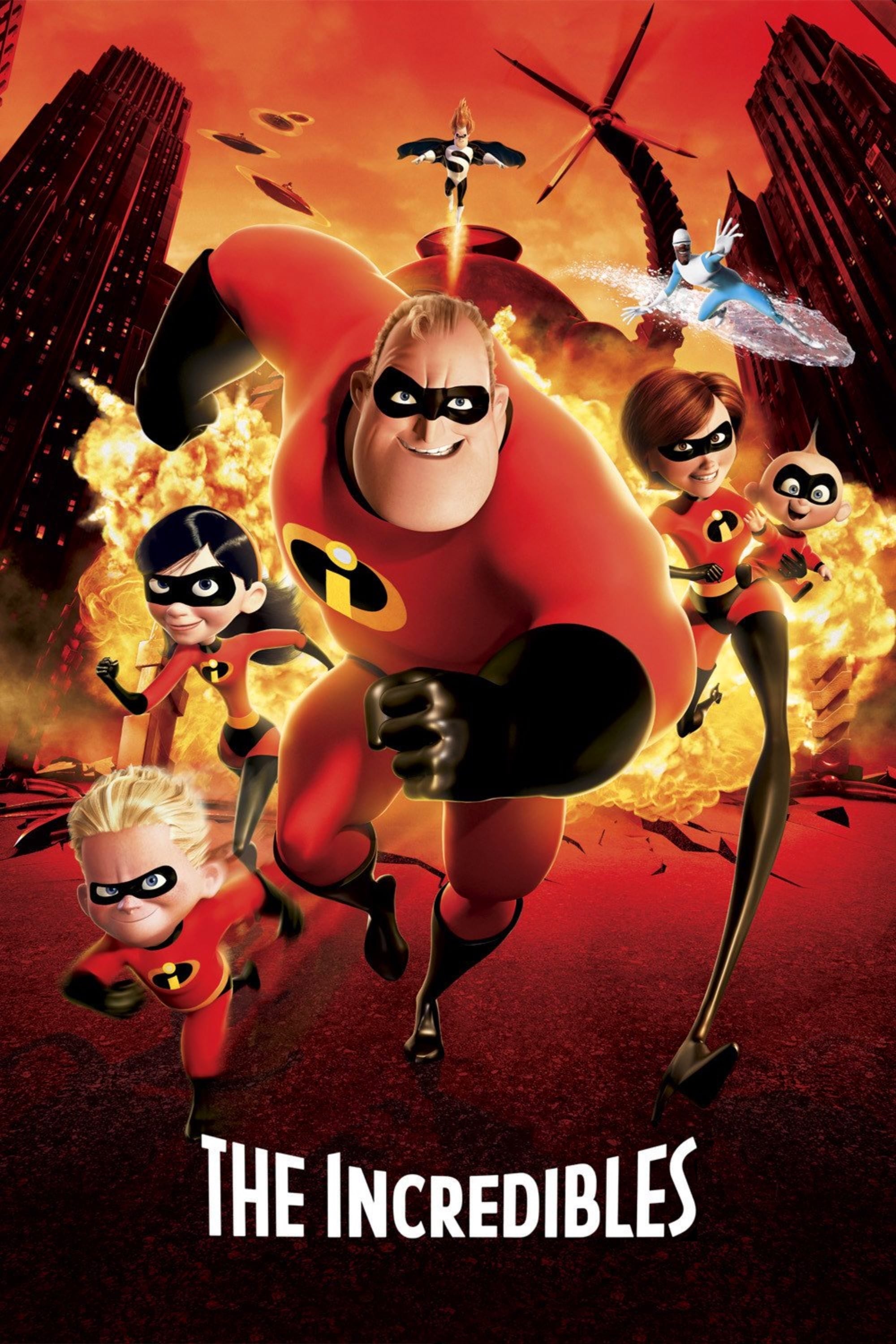
Brad Bird writes and directs this animated adventure about a superhero family juggling domestic life and world saving duties. Pixar artists built new hair and fabric simulations for elastic and high speed characters.
It won Oscars for Animated Feature and Sound Editing. The film’s retro production design, Michael Giacchino’s jazzy score, and elaborate action sequences raised the bar for studio animation choreography.
‘Finding Nemo’ (2003)
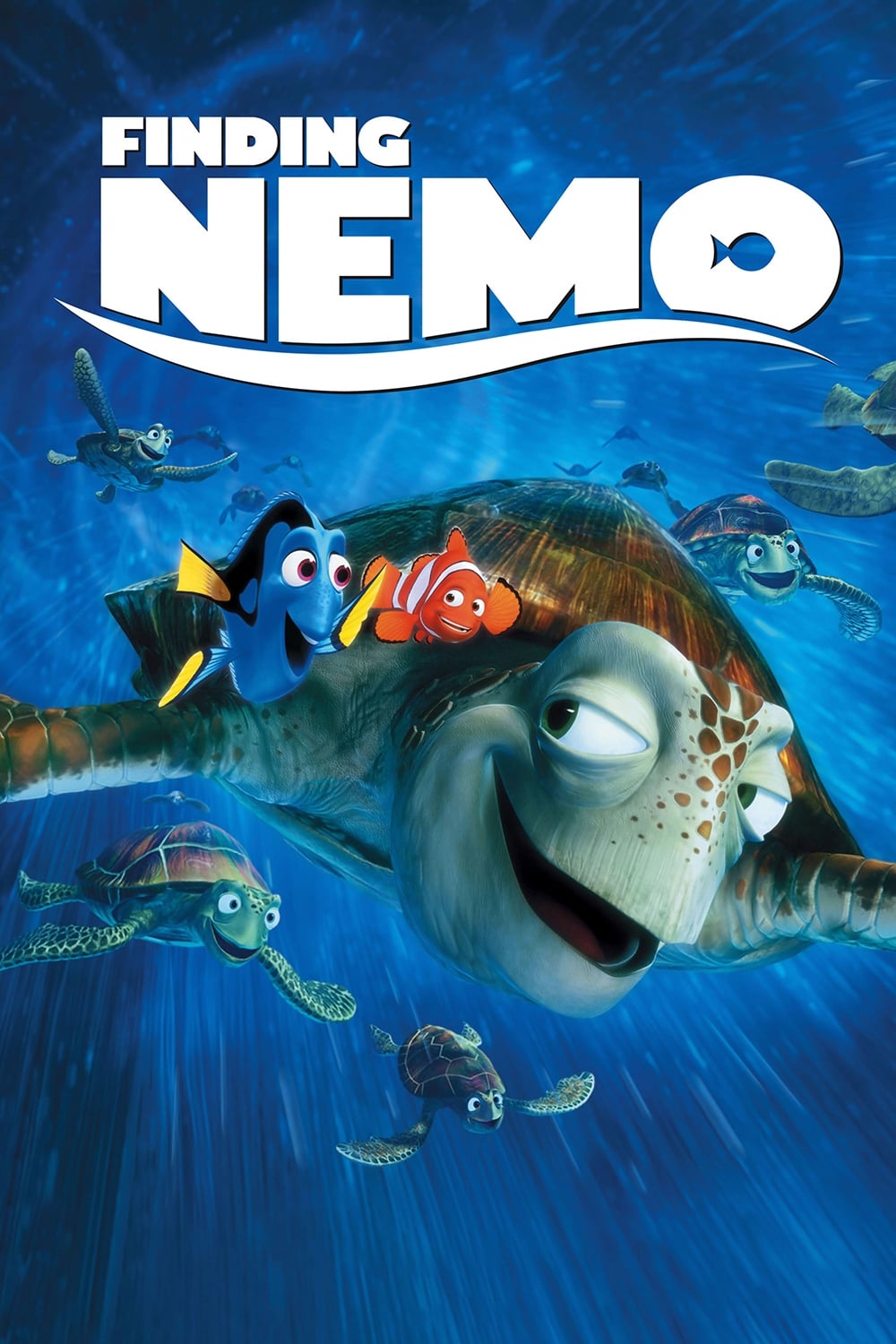
Andrew Stanton directs the ocean odyssey of a clownfish father searching for his son, with vocal performances by Albert Brooks and Ellen DeGeneres. The team developed subsurface scattering to simulate underwater light and created thousands of coral assets.
It won Best Animated Feature at the Academy Awards and became a family favorite worldwide. Aquarium partnerships, educational tie ins, and theme park expansions extended its reach beyond theaters.
‘The Departed’ (2006)
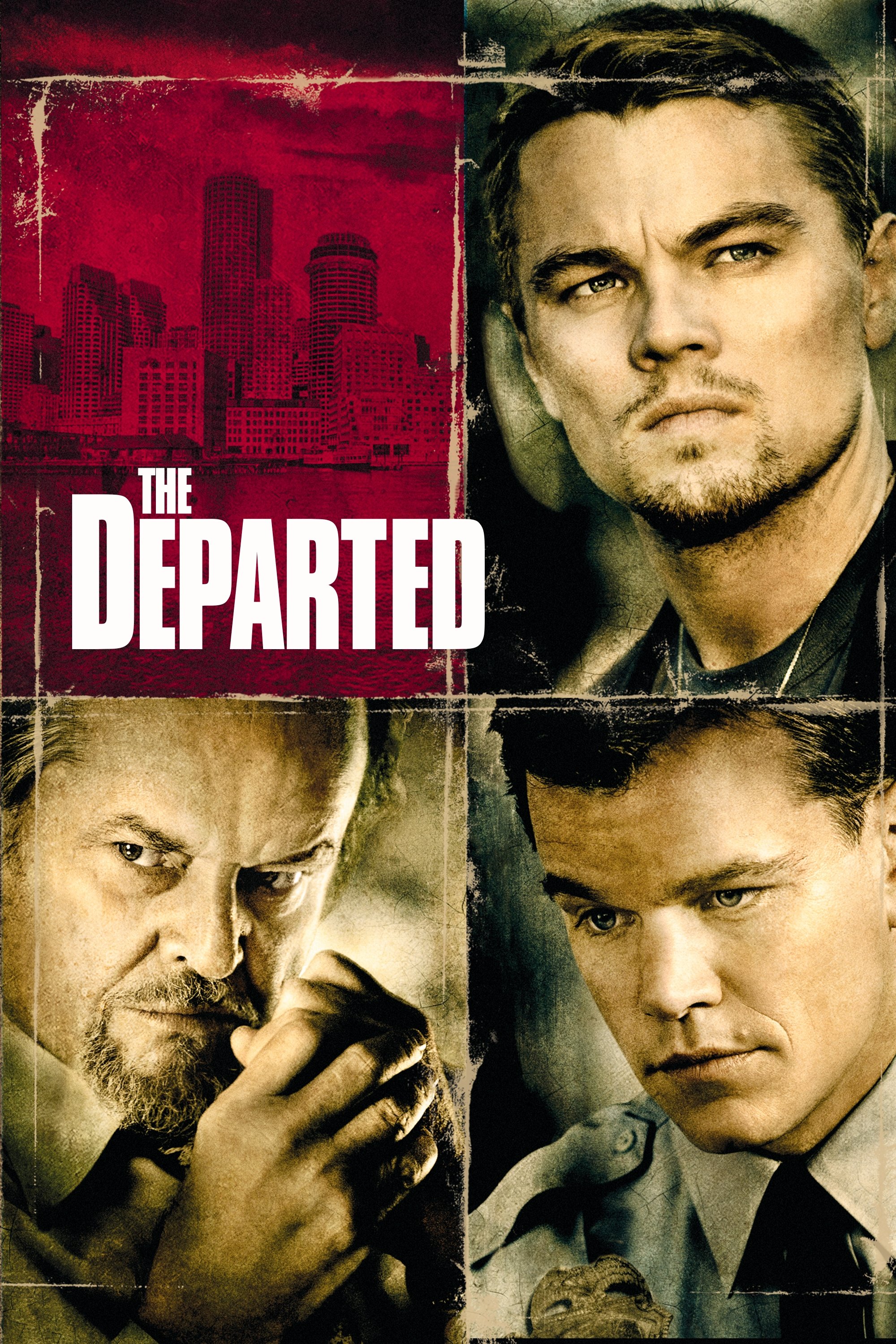
Martin Scorsese directs this Boston crime drama starring Leonardo DiCaprio, Matt Damon, and Jack Nicholson. The script adapts the Hong Kong thriller ‘Infernal Affairs’ and weaves a tense story of moles inside police and mob ranks.
It won Best Picture, Best Director, Best Adapted Screenplay, and Best Film Editing at the Oscars. The movie also refreshed Scorsese’s box office profile and demonstrated the value of global remake rights for genre hits.
‘Kill Bill: Vol. 1’ (2003)
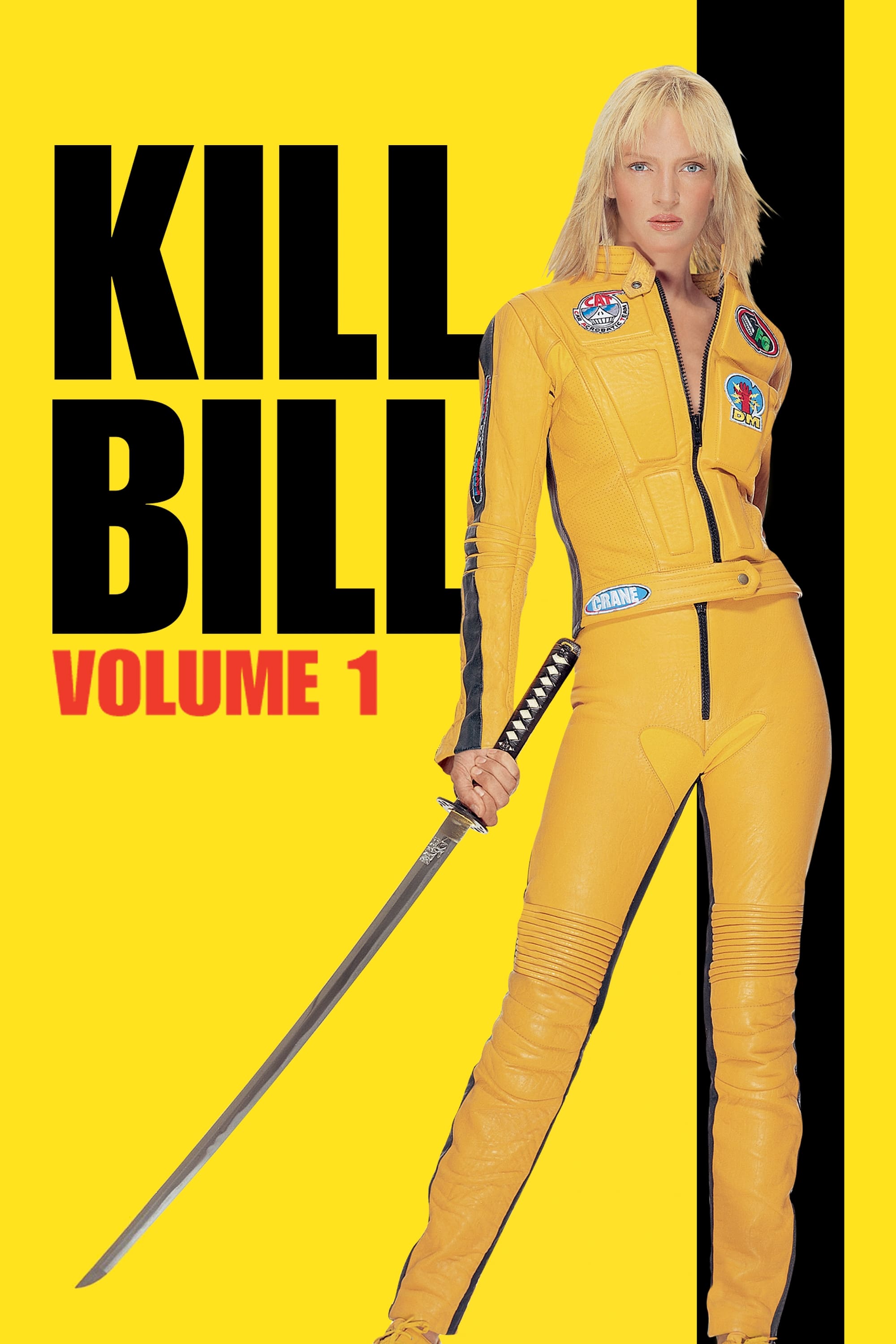
Quentin Tarantino’s revenge saga opens with the Bride’s first missions, starring Uma Thurman, Lucy Liu, and a supporting ensemble drawing from martial arts classics. The production mixes anime inserts, practical blood effects, and stylized swordplay.
The soundtrack features selections curated by RZA and others, and the House of Blue Leaves sequence showcases complex stunt coordination. The movie’s release strategy split the story into two entries that both performed strongly worldwide.
‘Kill Bill: Vol. 2’ (2004)
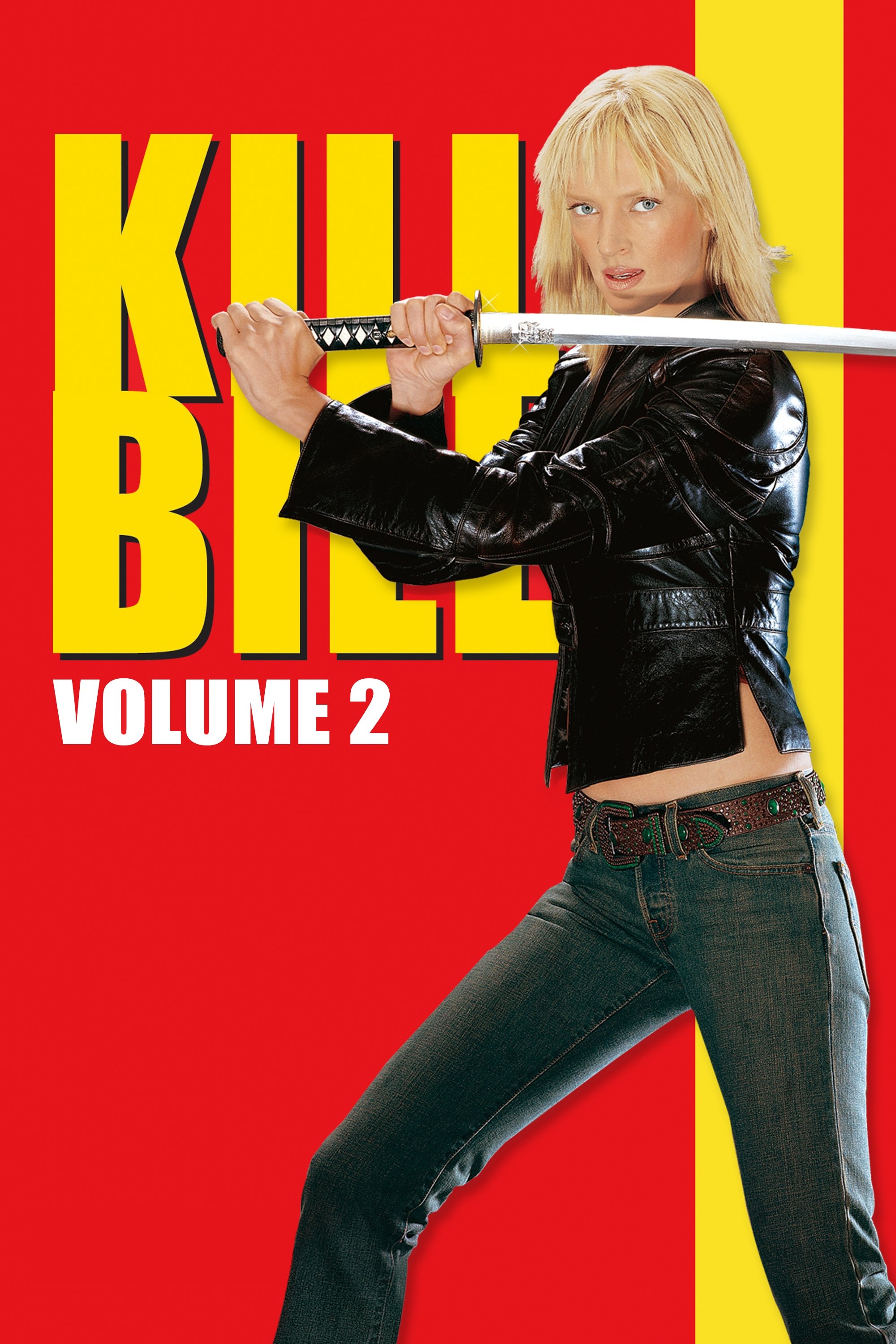
The continuation follows the Bride’s training and final confrontations, expanding backstory through chapters and intimate showdowns. David Carradine, Michael Madsen, and Daryl Hannah join the focus as the narrative shifts to dialogue driven tension.
The production leans on location work in deserts and small towns and extends the sonic palette with signature musical cues. Together with the first entry, it cemented a fusion of wuxia, western, and samurai influences in mainstream cinema.
‘Inglourious Basterds’ (2009)
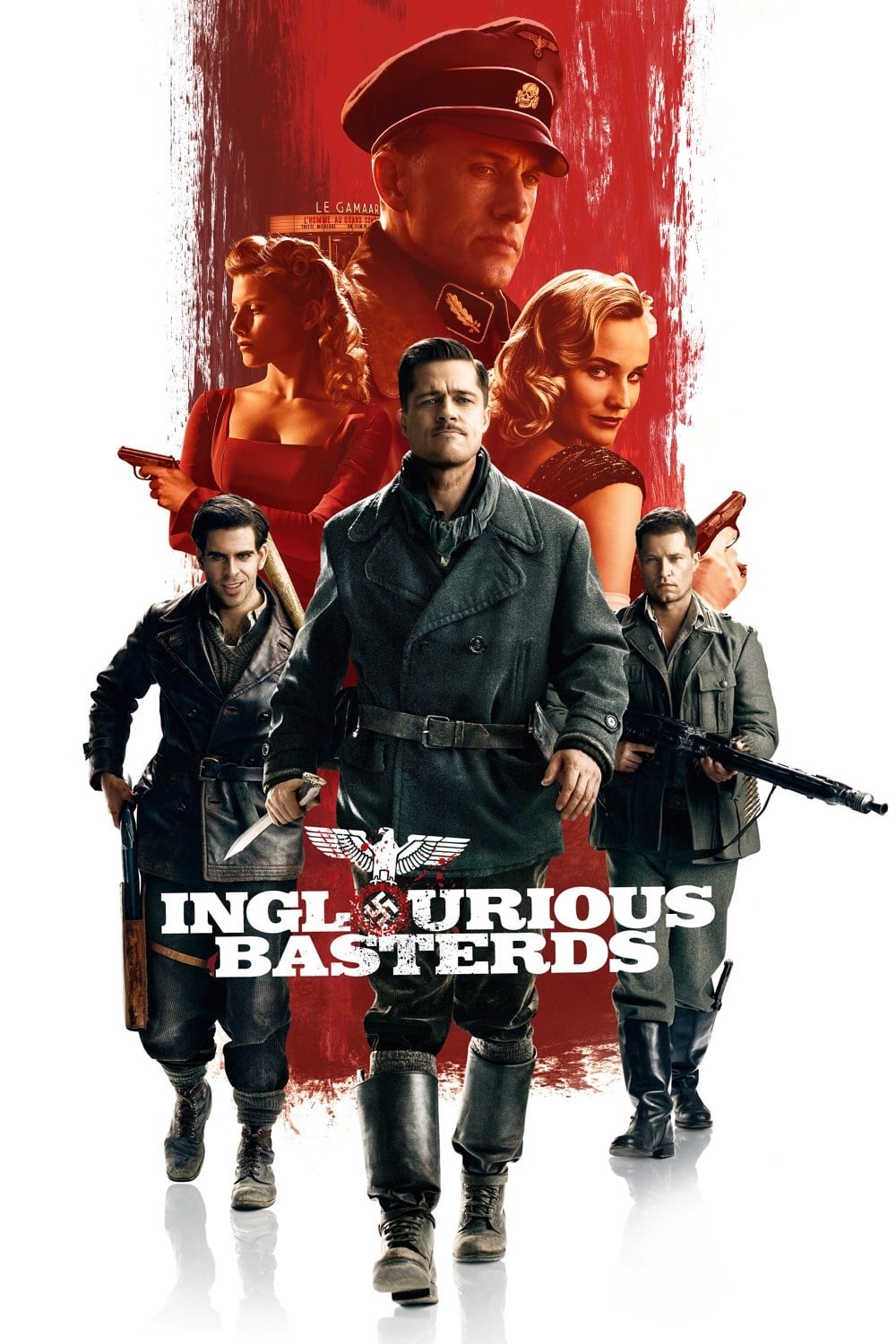
Quentin Tarantino tells an alternate history war story through intersecting chapters set across occupied Europe. Christoph Waltz, Mélanie Laurent, and Brad Pitt lead a multilingual cast, and the opening farmhouse sequence is a masterclass in slow burn interrogation.
Waltz won the Oscar for Supporting Actor, and the film earned multiple nominations including Best Picture. Period production design, needle drops, and extended dialogue scenes proved that conversational tension could anchor large scale releases.
‘Gladiator’ (2000)
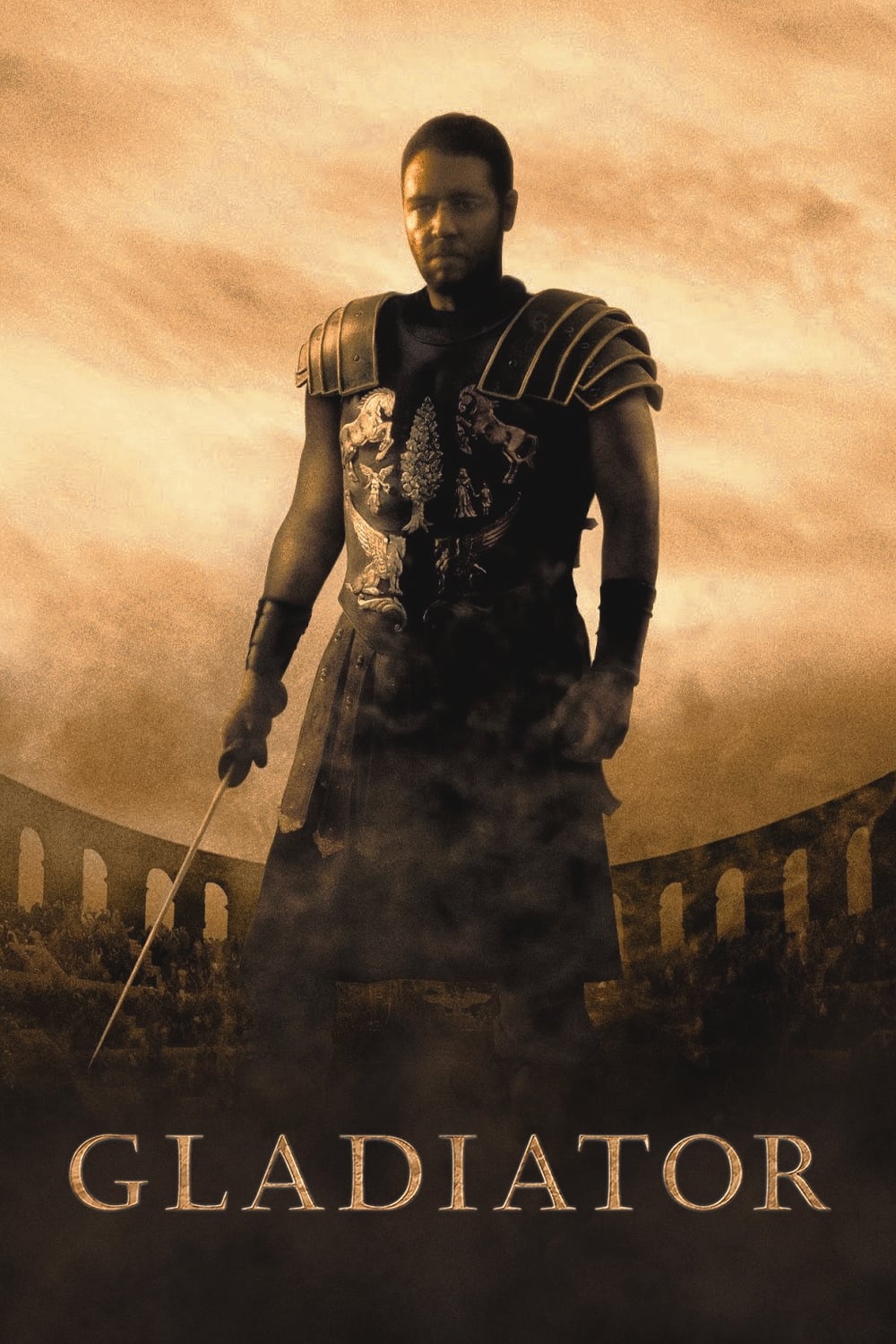
Ridley Scott stages a Roman arena epic starring Russell Crowe as a general turned slave who rises as a fighter. The production shot in multiple countries, built substantial sets, and used early digital backdrops to extend the Colosseum.
It won Best Picture and Best Actor at the Academy Awards along with technical awards. The Hans Zimmer and Lisa Gerrard score, crowd simulations, and costume work reenergized the sword and sandals genre for studios.
‘Memento’ (2000)
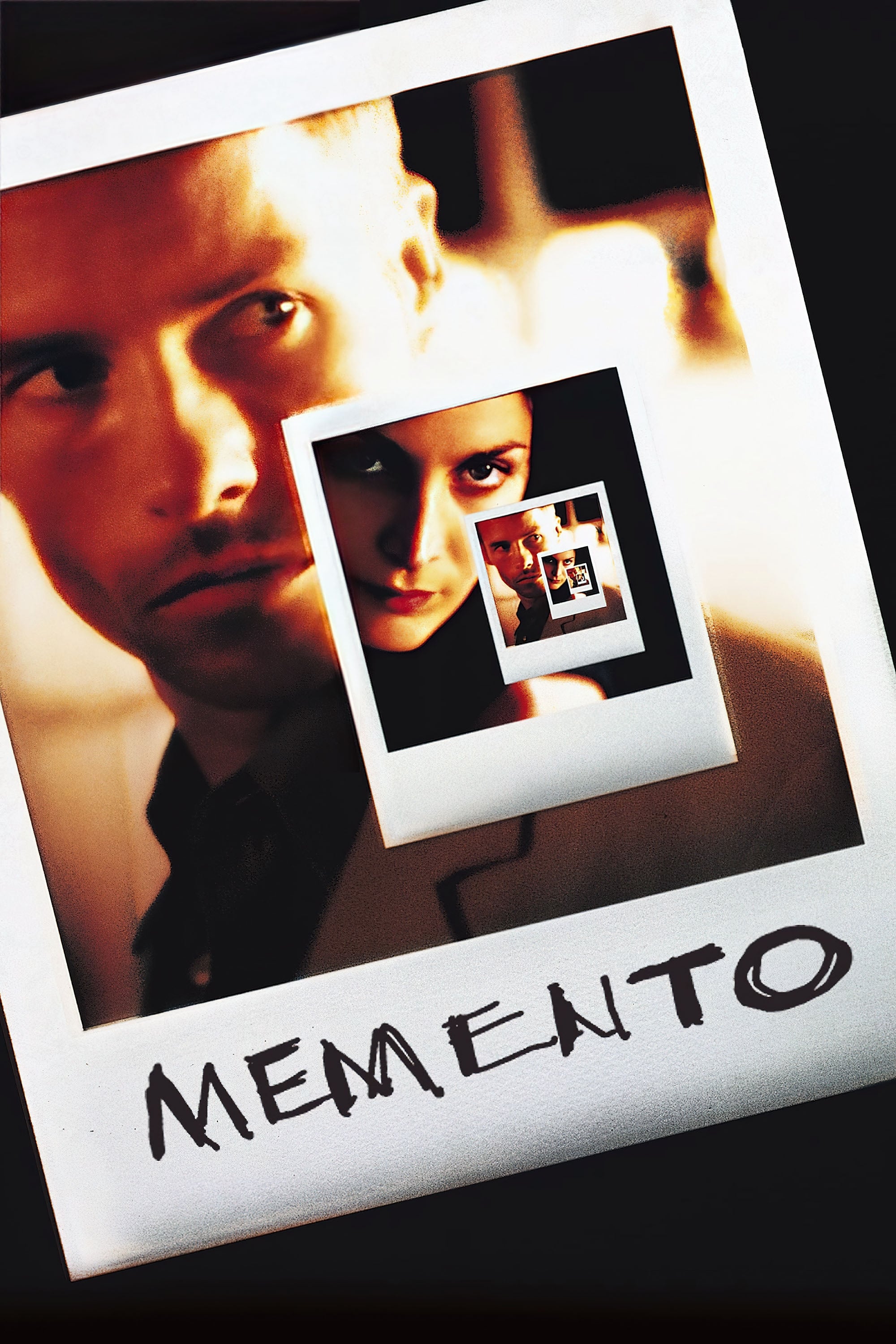
Christopher Nolan’s breakout feature stars Guy Pearce as a man with short term memory loss unraveling a crime. The story structure alternates black and white and color sequences to reveal information in reverse order.
It received Oscar nominations for Original Screenplay and Editing. The clever use of tattoos, Polaroids, and voiceover became a touchpoint for screenwriting classes and indie filmmakers exploring unreliable narration.
‘Mulholland Drive’ (2001)
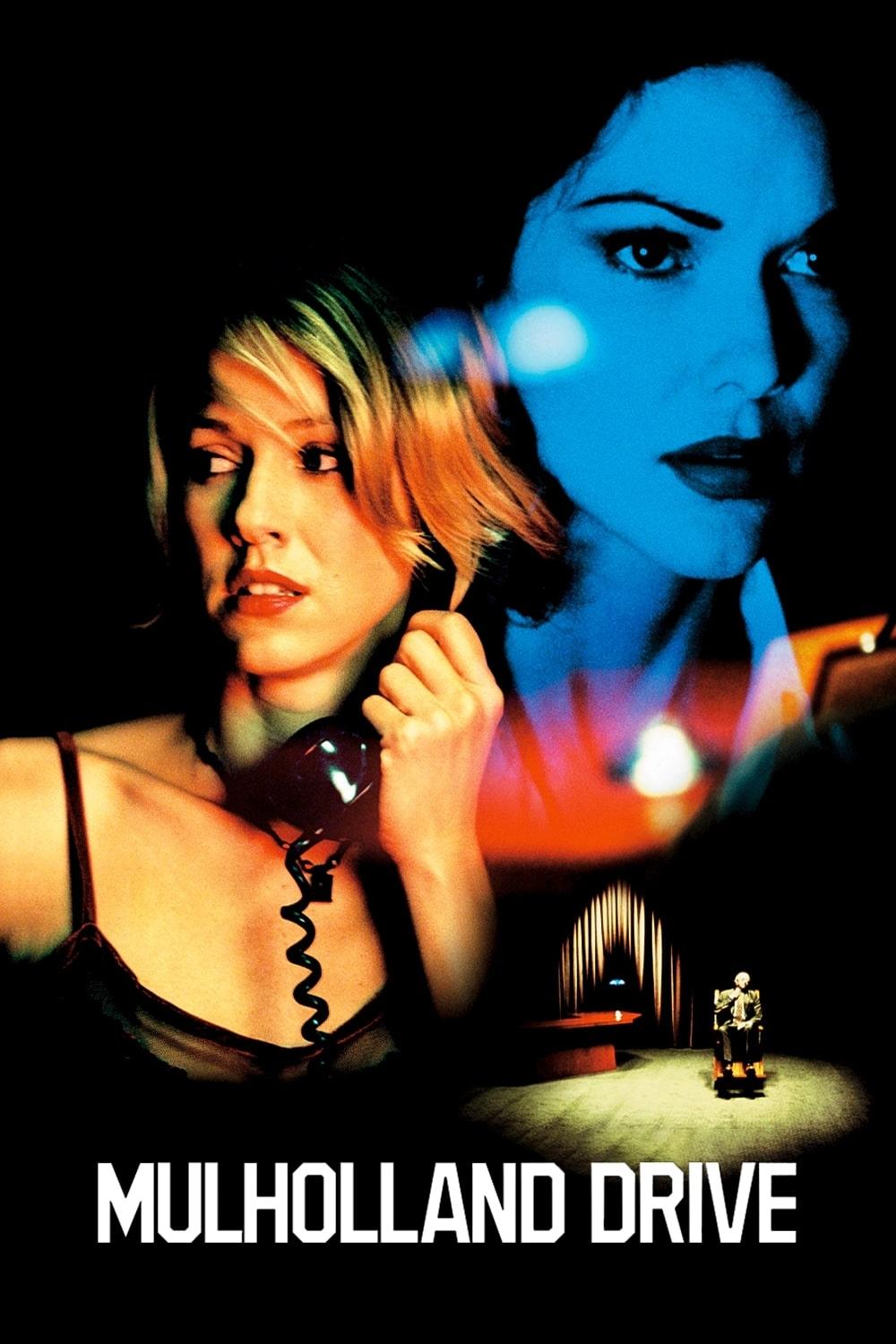
David Lynch’s mystery follows a hopeful actor and an amnesiac navigating Hollywood’s dream logic. Naomi Watts and Laura Harring star, and the movie blends noir touches with uncanny musical interludes.
It brought Lynch a directing nomination at the Oscars and a Cannes prize for direction. The production’s origins in a television pilot and later reshoots illustrate a rare path from abandoned project to feature classic.
‘Amélie’ (2001)
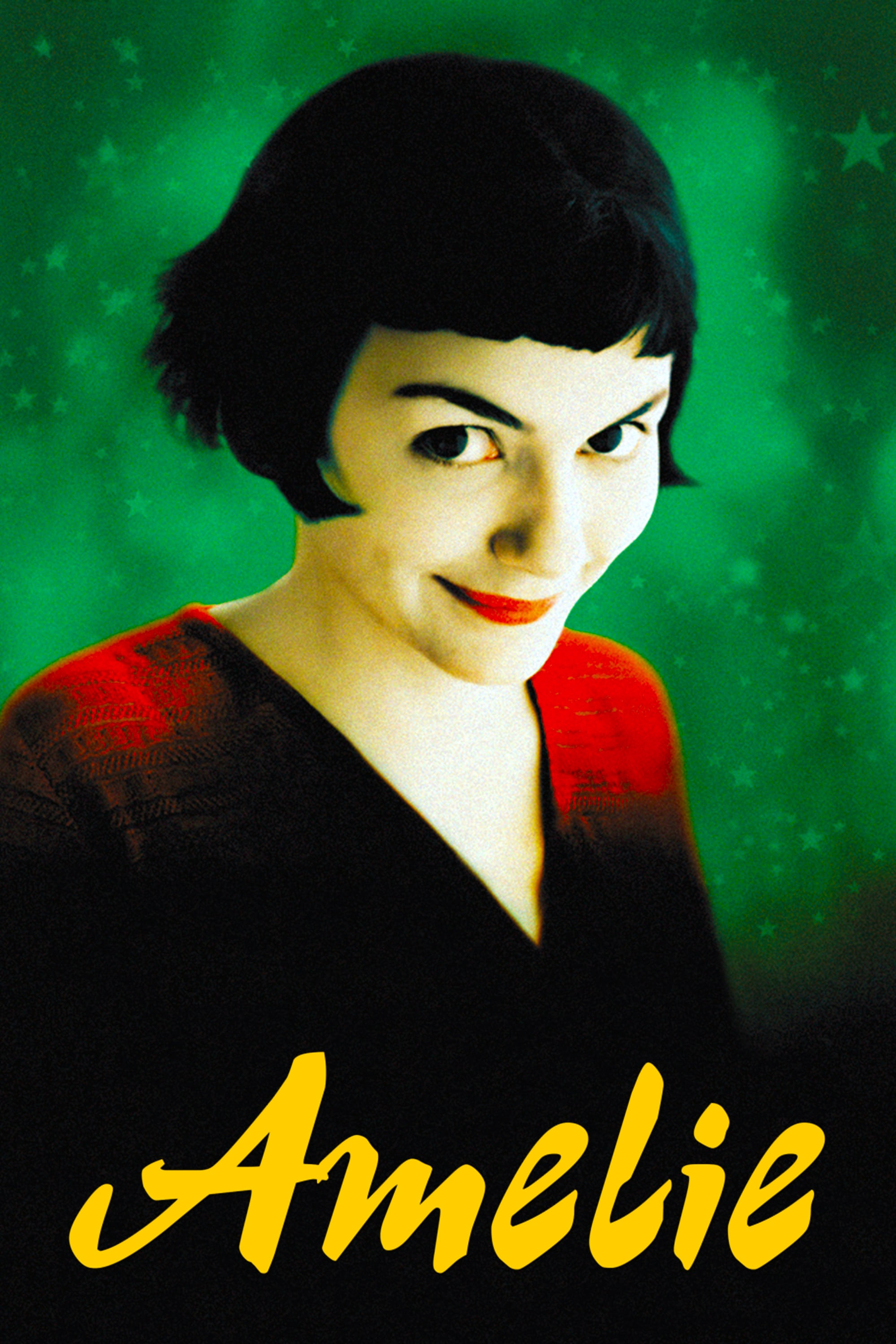
Jean Pierre Jeunet crafts a Paris set romantic comedy about a shy waitress who anonymously improves the lives of strangers. Audrey Tautou anchors the film, with whimsical set design and bright color grading shaping its look.
The movie earned multiple Oscar nominations including Foreign Language Film and Cinematography. Its café locations became tourist stops, and its soundtrack by Yann Tiersen elevated accordion and piano motifs in pop culture.
‘The Bourne Identity’ (2002)
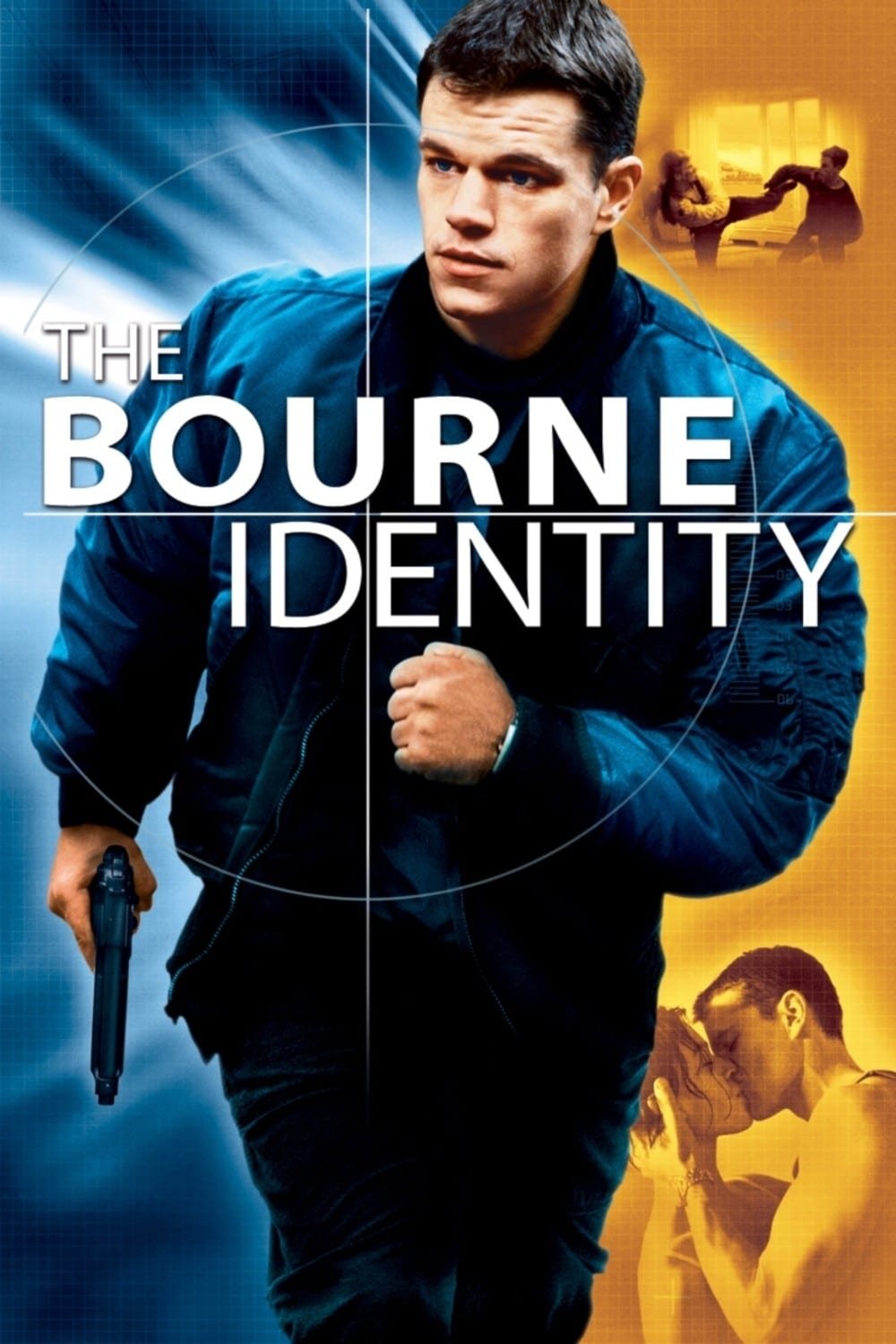
Doug Liman directs Matt Damon as an amnesiac operative piecing together his past across Europe. John Powell’s propulsive score pairs with location based chases and practical stunts.
The film refreshed the spy template with close quarters fights and quick cut realism. It launched a franchise, influenced action direction across studios, and established Damon as a bankable lead in the genre.
‘The Bourne Ultimatum’ (2007)
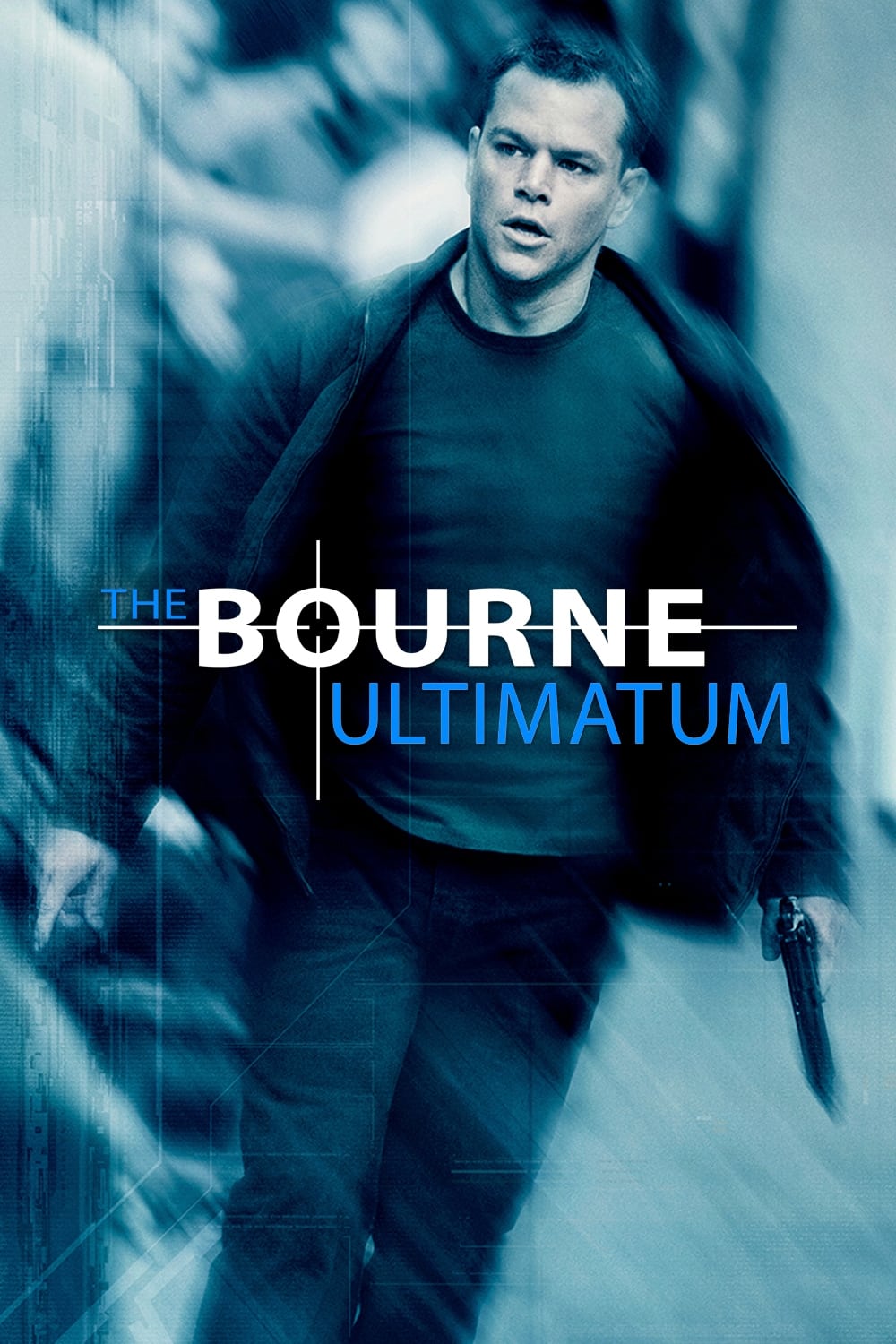
Paul Greengrass returns with tighter surveillance stakes and globe trotting pursuits. The production filmed complex set pieces in crowded urban centers, integrating steadicam, handheld footage, and aerial inserts.
It won Oscars for Film Editing, Sound Mixing, and Sound Editing. The Waterloo Station sequence is frequently studied for geography, crowd management, and coverage that conveys urgency without losing clarity.
‘Casino Royale’ (2006)
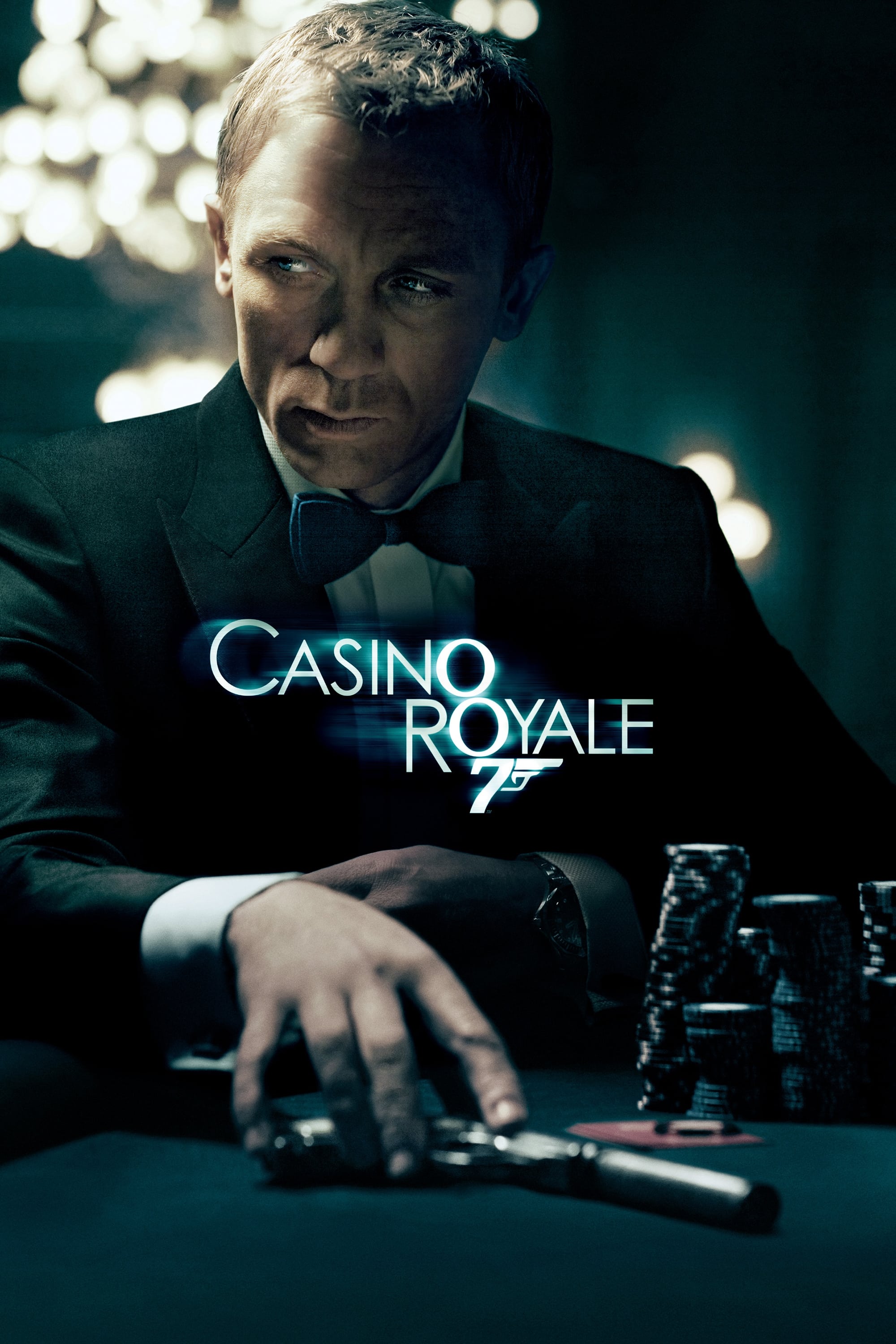
Daniel Craig’s first outing as James Bond reboots the series with a lean origin story and a high stakes poker centerpiece. Eva Green and Mads Mikkelsen co star, and the parkour chase sets the tone for physicality.
The film revitalized the brand, earning strong box office and awards attention including BAFTA wins. Practical stunt work, grounded gadgets, and a new emotional register influenced later installments and other spy franchises.
‘Zodiac’ (2007)
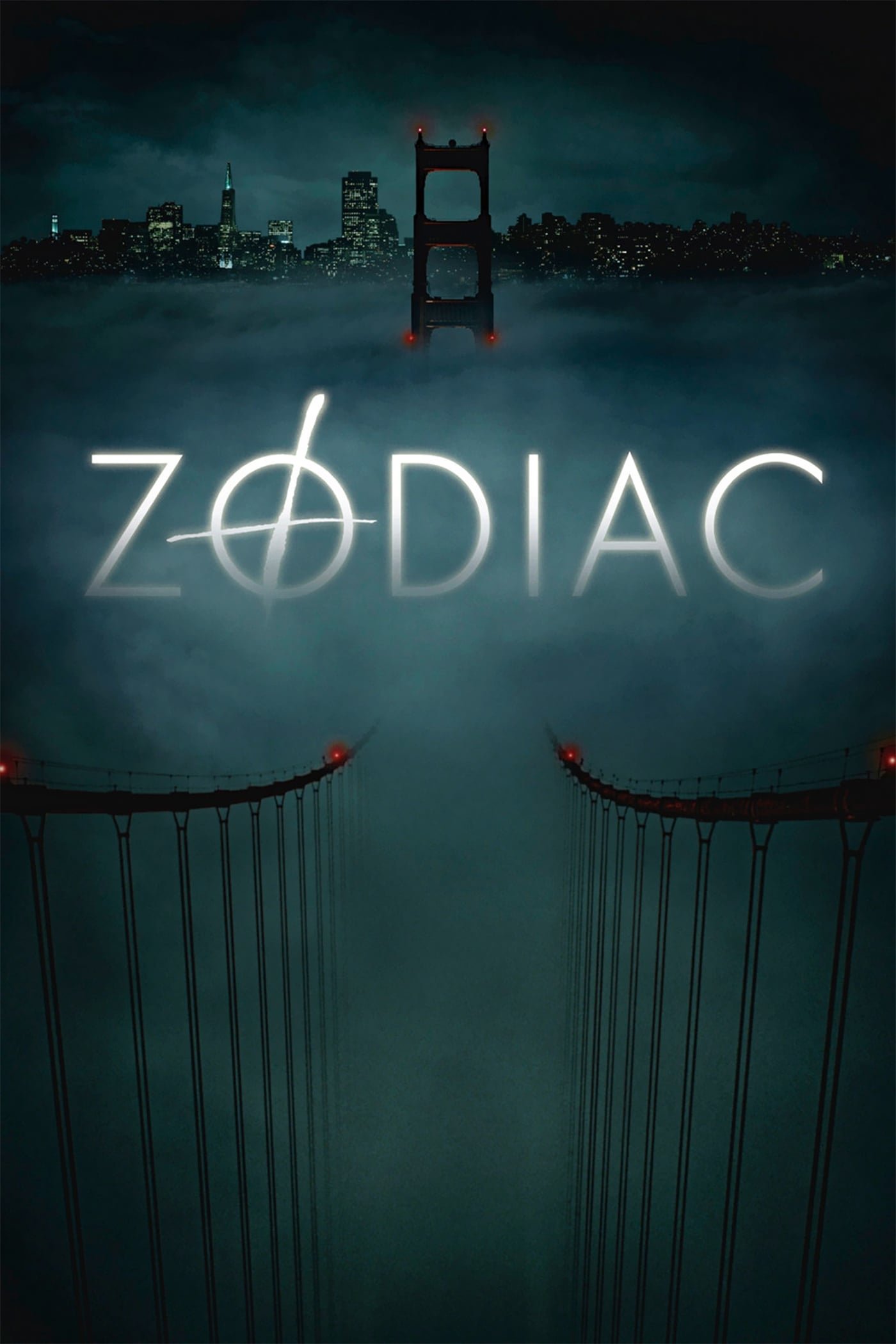
David Fincher chronicles the investigation into a string of murders through the perspectives of a cartoonist, a reporter, and detectives. Jake Gyllenhaal, Robert Downey Jr., and Mark Ruffalo star, with digital cinematography enabling period recreation.
The movie is noted for meticulous research, composite sets, and restrained violence. It gained awards-season notice and grew in esteem on home release, becoming a reference for investigative procedure on screen.
‘The Prestige’ (2006)
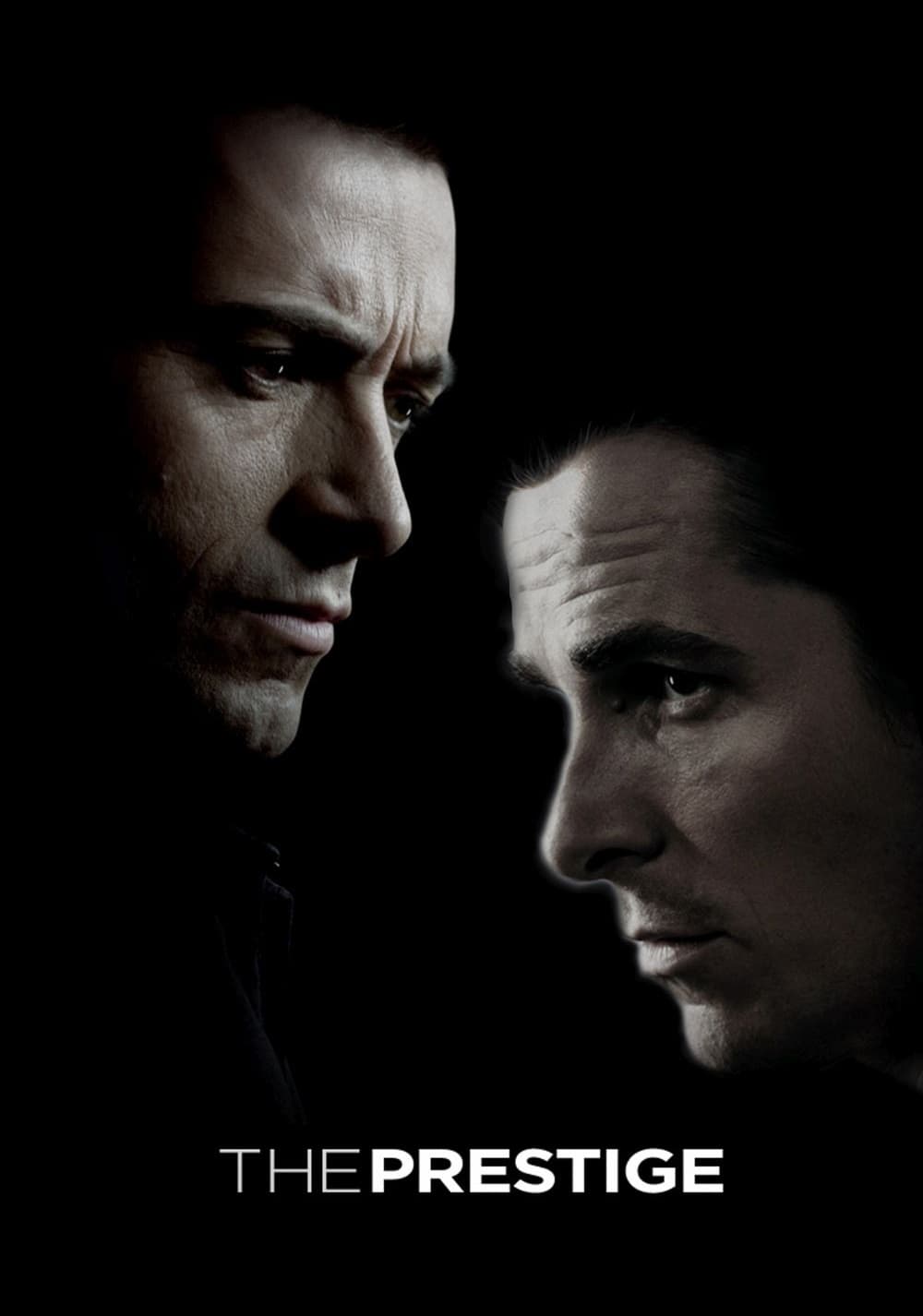
Christopher Nolan adapts Christopher Priest’s novel about rival magicians whose feud escalates into obsession. Christian Bale and Hugh Jackman lead, and the supporting cast includes Michael Caine, Scarlett Johansson, and Rebecca Hall.
The production uses non linear storytelling, diary devices, and practical illusions with limited CGI. It received Oscar nominations in Art Direction and Cinematography and sparked enduring interest in stage magic history.
‘District 9’ (2009)
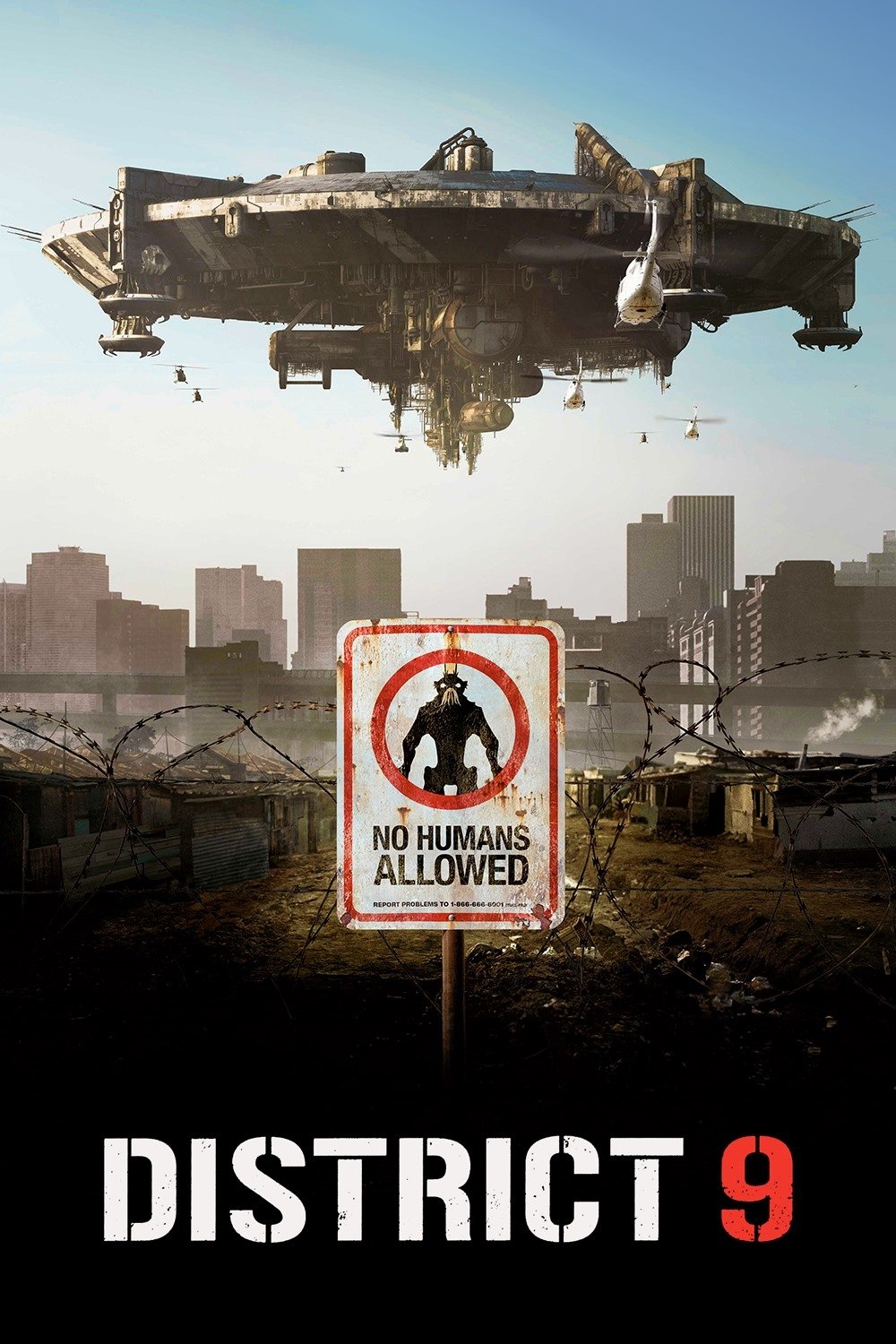
Neill Blomkamp’s sci fi drama follows a bureaucrat who becomes entangled with alien refugees on the outskirts of Johannesburg. Sharlto Copley headlines, and Weta Digital contributes creature effects blended with documentary style footage.
It earned Best Picture and Best Adapted Screenplay nominations among others. The movie’s mix of social commentary, mock documentary technique, and inventive production design made it a calling card for Blomkamp and a model for mid budget science fiction.
‘WALL·E’ (2008)
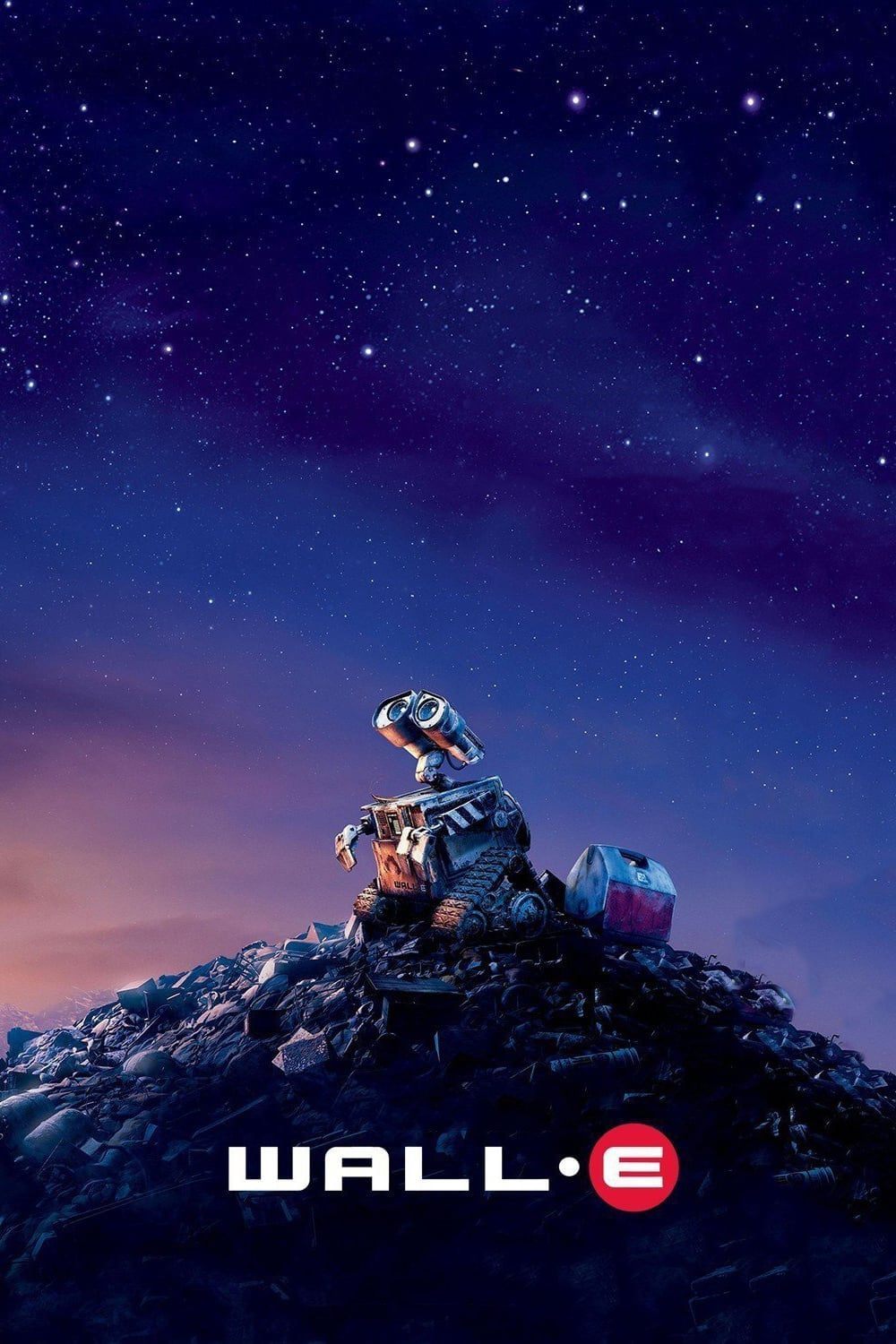
Andrew Stanton’s near silent first act introduces a waste compacting robot and a sleek probe named EVE. Ben Burtt crafts a soundscape of beeps and whirs that carry character emotion without heavy dialogue.
It won the Oscar for Best Animated Feature and added to Pixar’s awards run. The film’s environmental premise, live action inserts, and gentle pacing broadened what mainstream animation could attempt.
‘Ratatouille’ (2007)
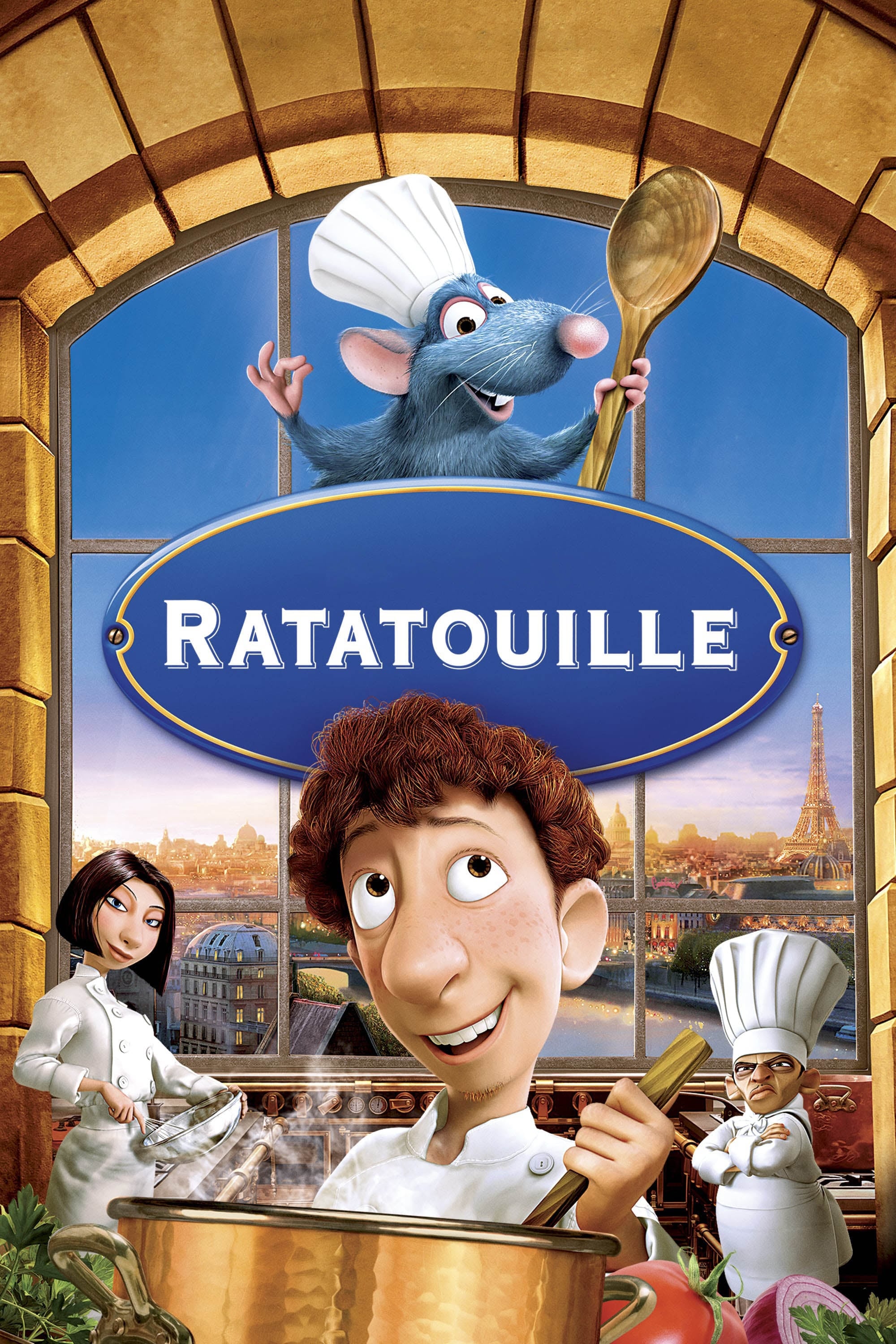
Brad Bird tells the story of a rat with culinary talent who teams with a kitchen worker in Paris. Patton Oswalt voices Remy, and the production consulted chefs for kitchen choreography and plating.
It won the Academy Award for Best Animated Feature and secured further nominations including Original Screenplay. The movie’s depiction of criticism, mentorship, and craft resonated with culinary professionals and audiences alike.
‘Up’ (2009)

Pete Docter directs a tale of a widower who ties balloons to his house for an adventure with an eager Wilderness Explorer. The opening montage compresses a life story with visual economy, and the score by Michael Giacchino adds emotional lift.
It won Oscars for Animated Feature and Original Score and earned a Best Picture nomination. The film’s talking dog collars, colorful bird, and airborne house became signature icons for Pixar marketing and parks.
‘Crouching Tiger, Hidden Dragon’ (2000)
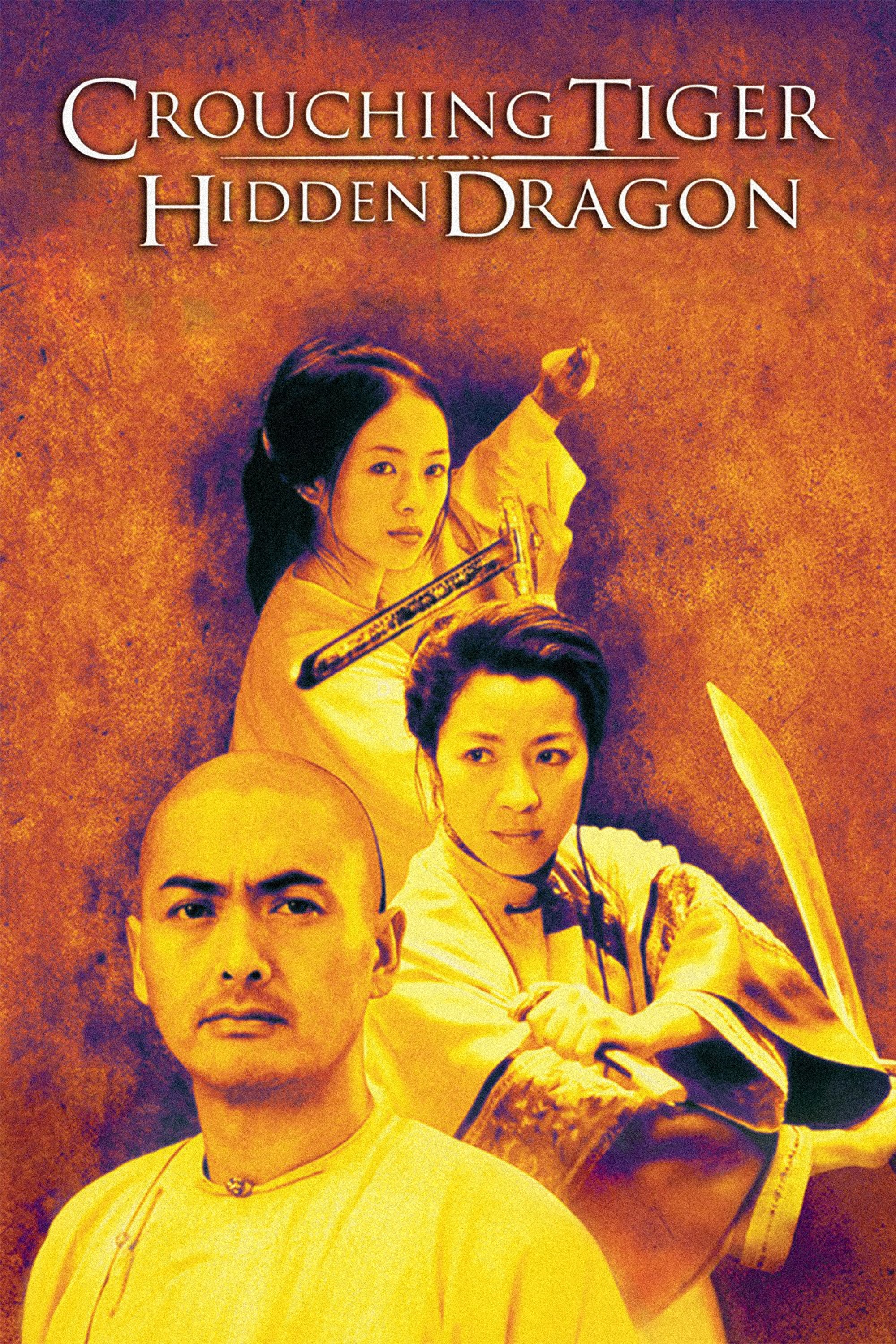
Ang Lee brings wuxia poetry to worldwide audiences with a story of stolen swords, unspoken love, and warrior codes. The cast features Chow Yun Fat, Michelle Yeoh, and Zhang Ziyi, with Yuen Woo ping designing wire assisted fights.
It won four Academy Awards including Foreign Language Film and spread the popularity of wuxia beyond its home markets. Its bamboo forest duel and desert romance sequences became staples in cinema history courses.
‘Brokeback Mountain’ (2005)
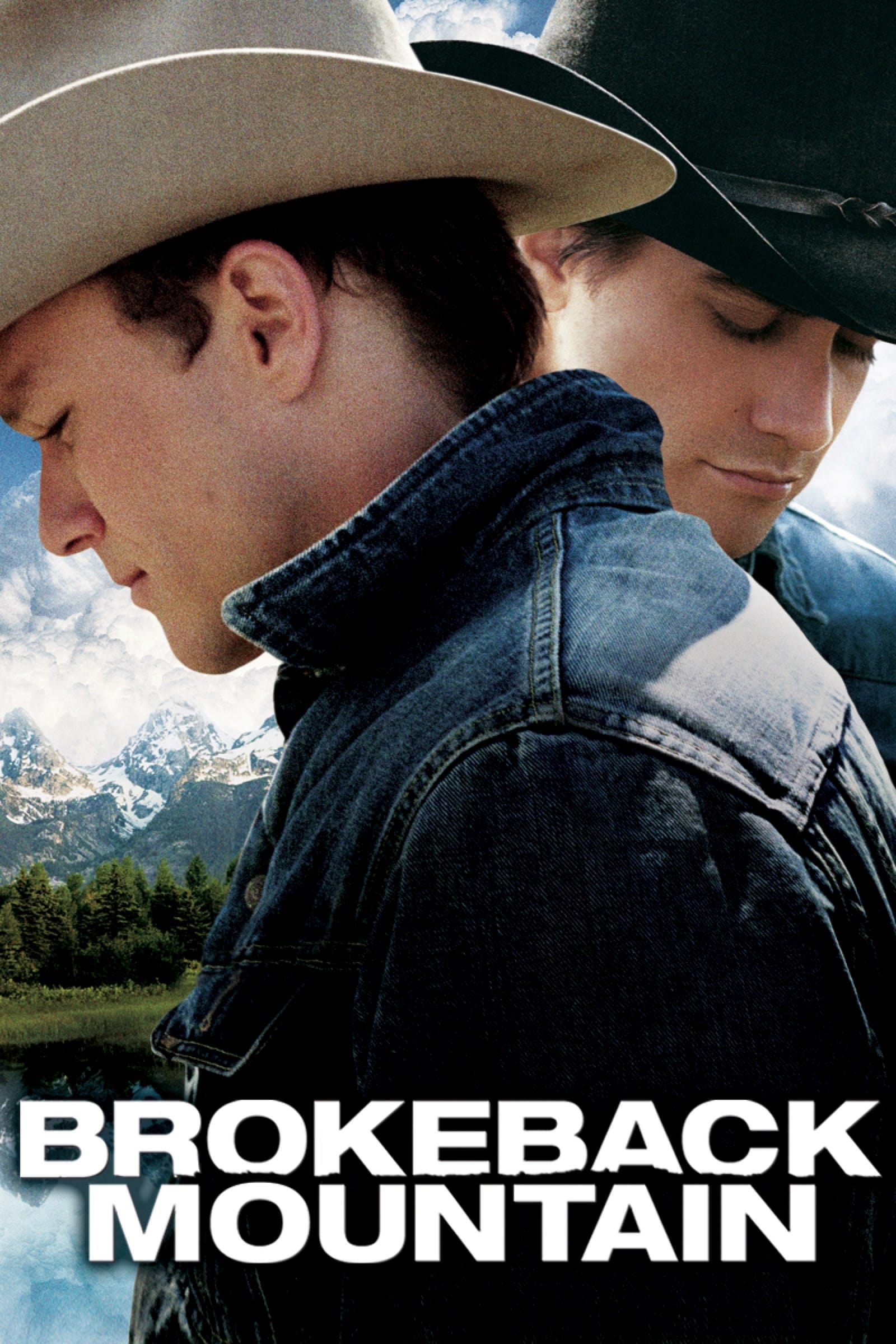
Ang Lee directs a love story between two ranch hands played by Heath Ledger and Jake Gyllenhaal. The screenplay by Larry McMurtry and Diana Ossana adapts Annie Proulx’s short story with careful attention to place and silence.
It won Oscars for Director, Adapted Screenplay, and Original Score and earned additional nominations including Best Picture. The film’s locations, costume design, and musical theme created a recognizable mood that extended to marketing and critical discourse.
‘Slumdog Millionaire’ (2008)
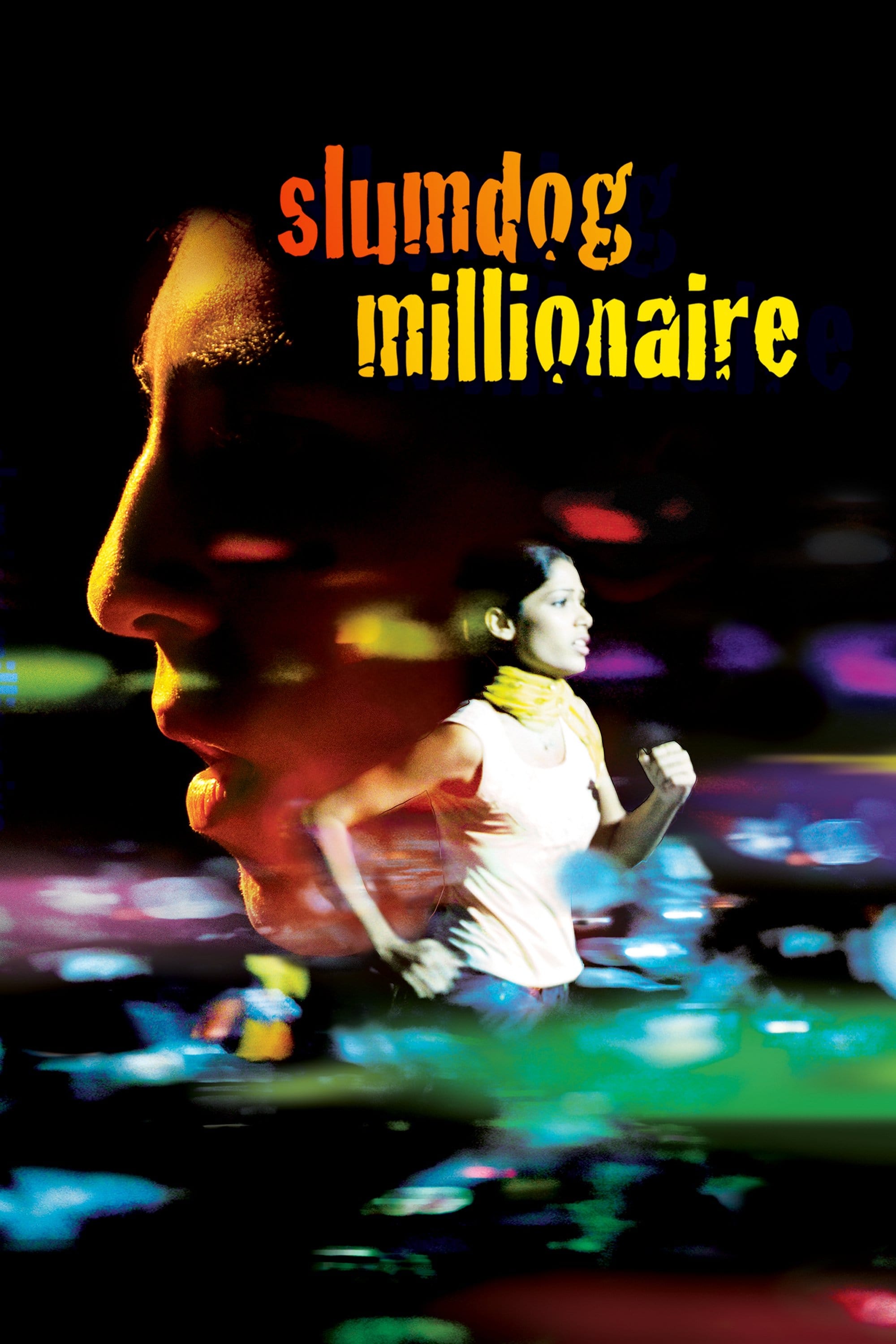
Danny Boyle and co director Loveleen Tandan chart the life of a contestant on a game show who recalls key moments to answer questions. Dev Patel and Freida Pinto star, and the soundtrack blends A R Rahman’s compositions with pop energy.
It won Best Picture, Best Director, and multiple other Oscars. The production’s on location shooting in Mumbai, kinetic editing, and festival run built momentum into a global hit.
‘The Pianist’ (2002)
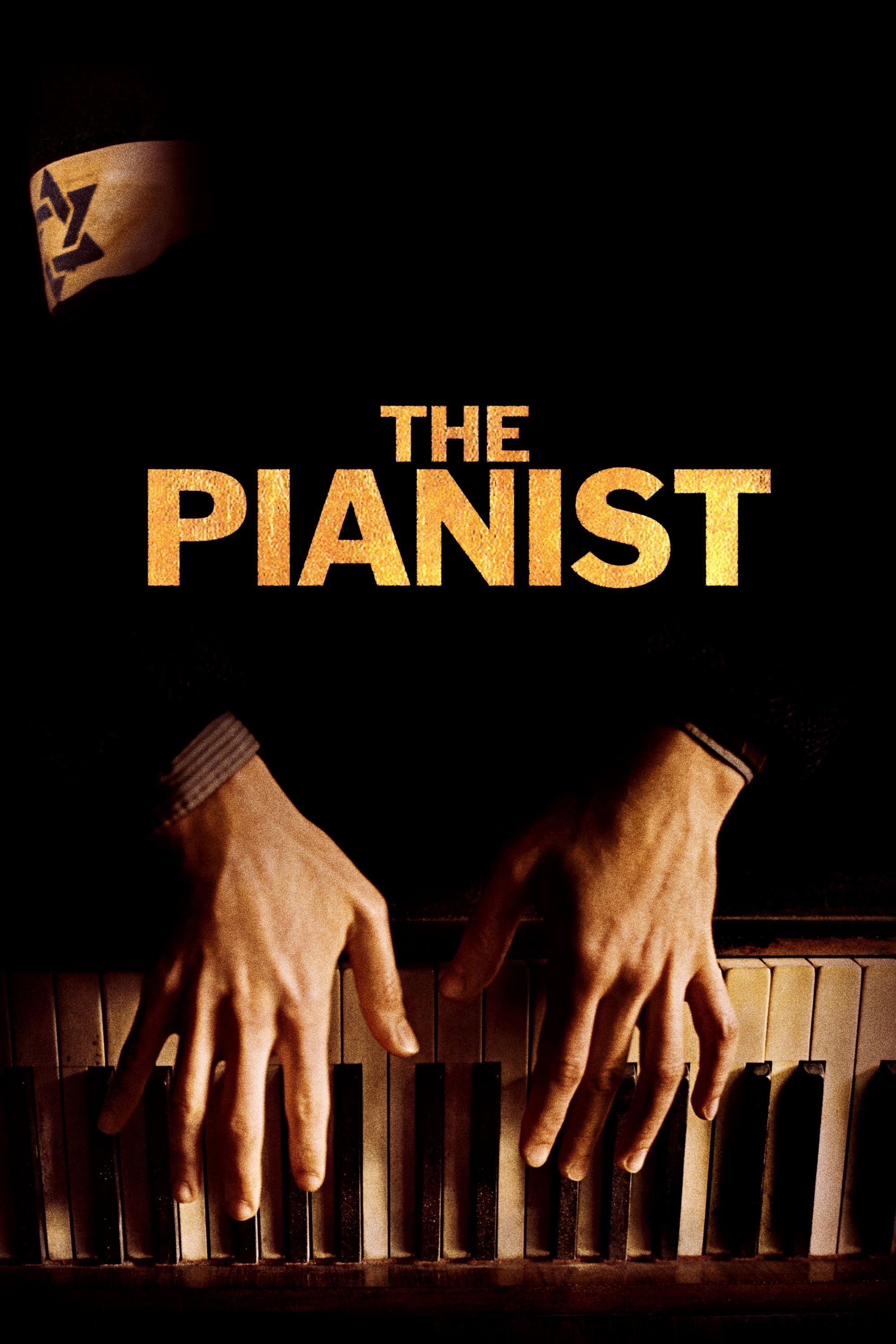
Roman Polanski directs Adrien Brody as pianist Władysław Szpilman surviving the Warsaw Ghetto. The film uses restrained camerawork, authentic locations, and carefully staged set pieces.
It won Academy Awards for Actor, Director, and Adapted Screenplay. Brody’s preparation included weight loss and piano training, and the period detail received wide praise from historical consultants.
‘Donnie Darko’ (2001)
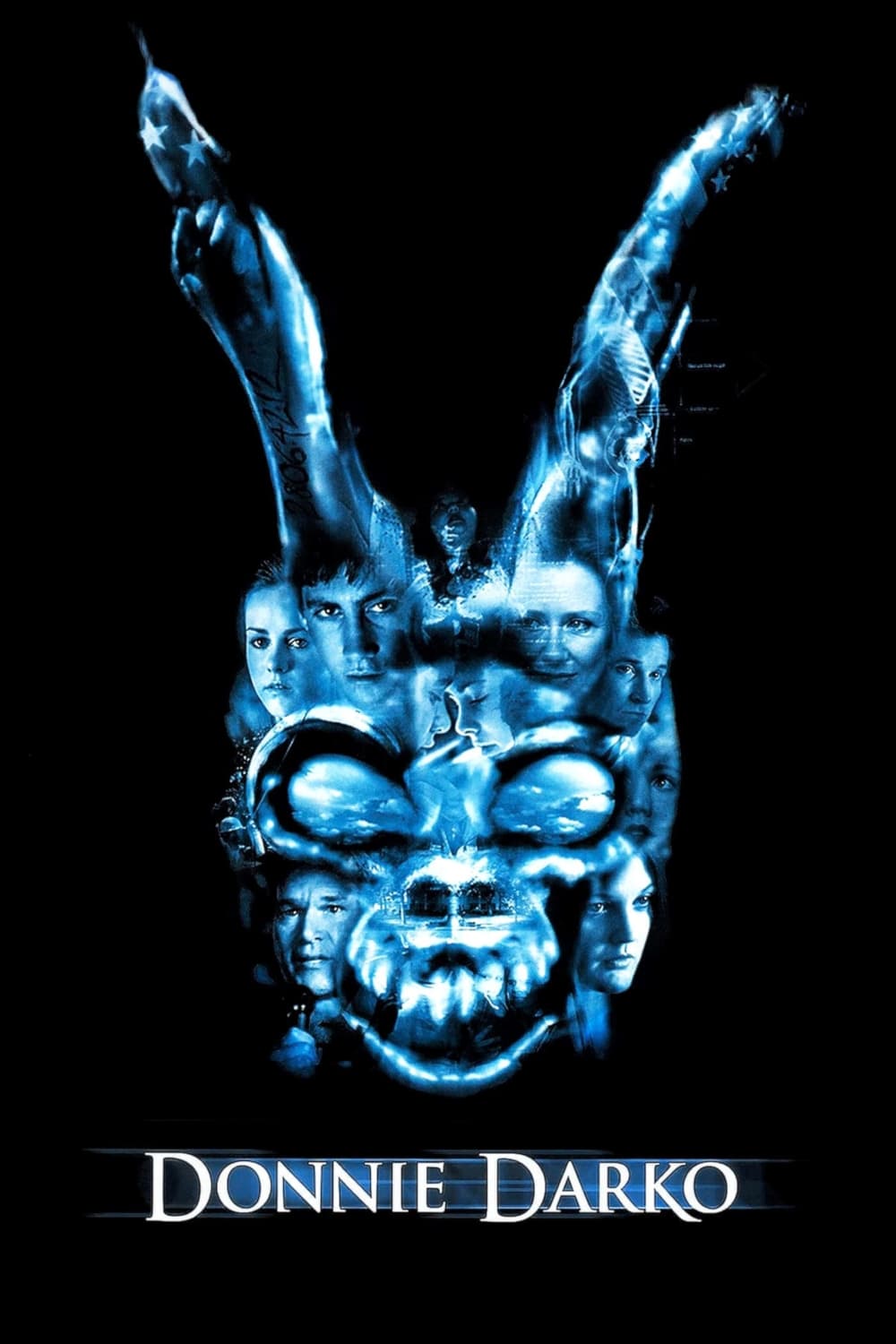
Richard Kelly’s cult favorite stars Jake Gyllenhaal as a troubled teen guided by eerie visions. The cast includes Jena Malone, Drew Barrymore, and Patrick Swayze, and the soundtrack features memorable needle drops.
The movie found broader audiences through home release and a director’s cut with added scenes. Its blend of suburban drama, science fiction concepts, and enigmatic imagery fueled academic and fan analysis.
’28 Days Later’ (2002)
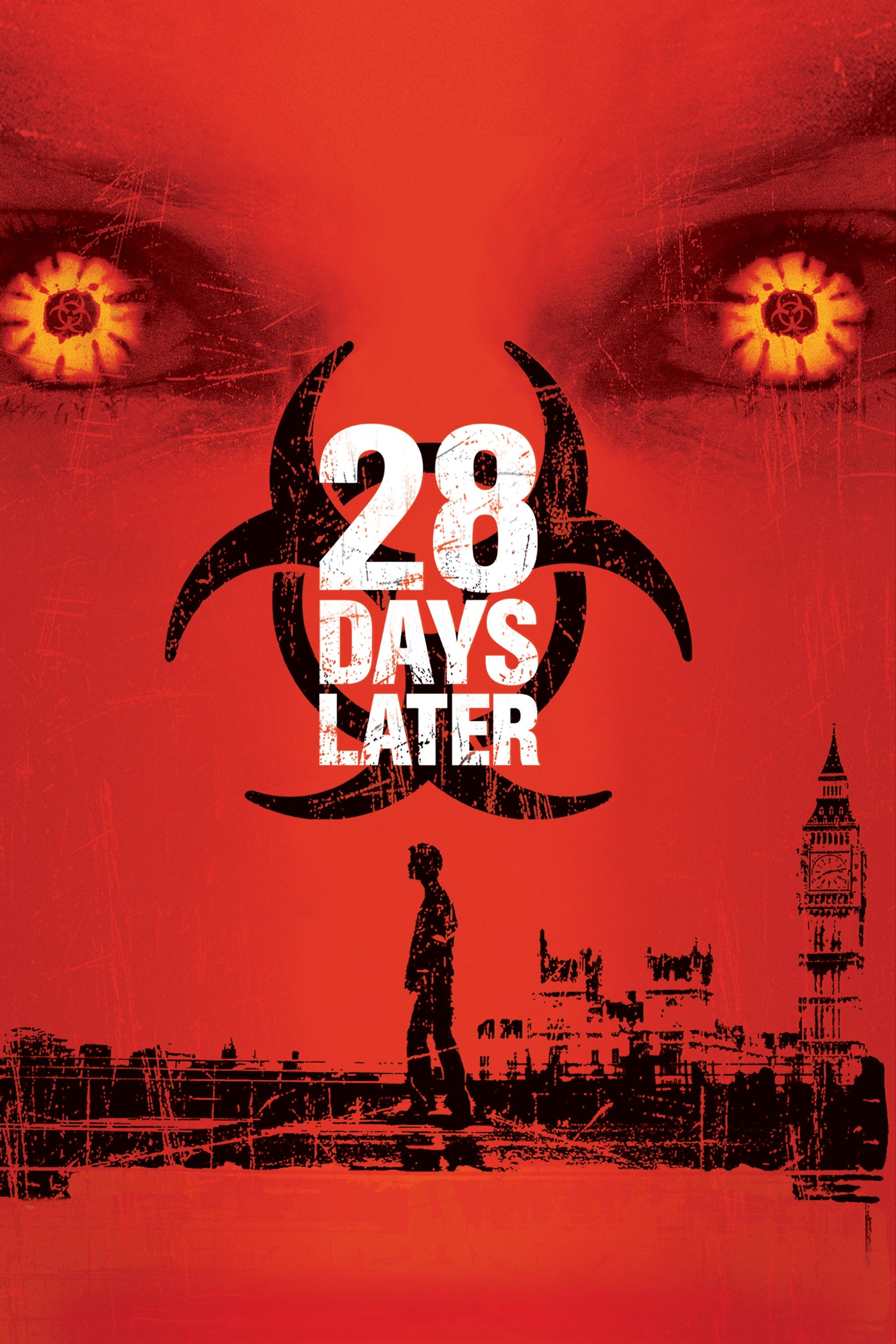
Danny Boyle’s outbreak thriller follows survivors navigating a deserted London after a viral catastrophe. Shot largely on digital video, the production captured empty city streets with early morning closures and a small crew.
John Murphy’s score and fast moving infected changed the energy of zombie storytelling. The film’s low budget ingenuity and bold location work influenced a wave of gritty horror projects.
‘Shaun of the Dead’ (2004)
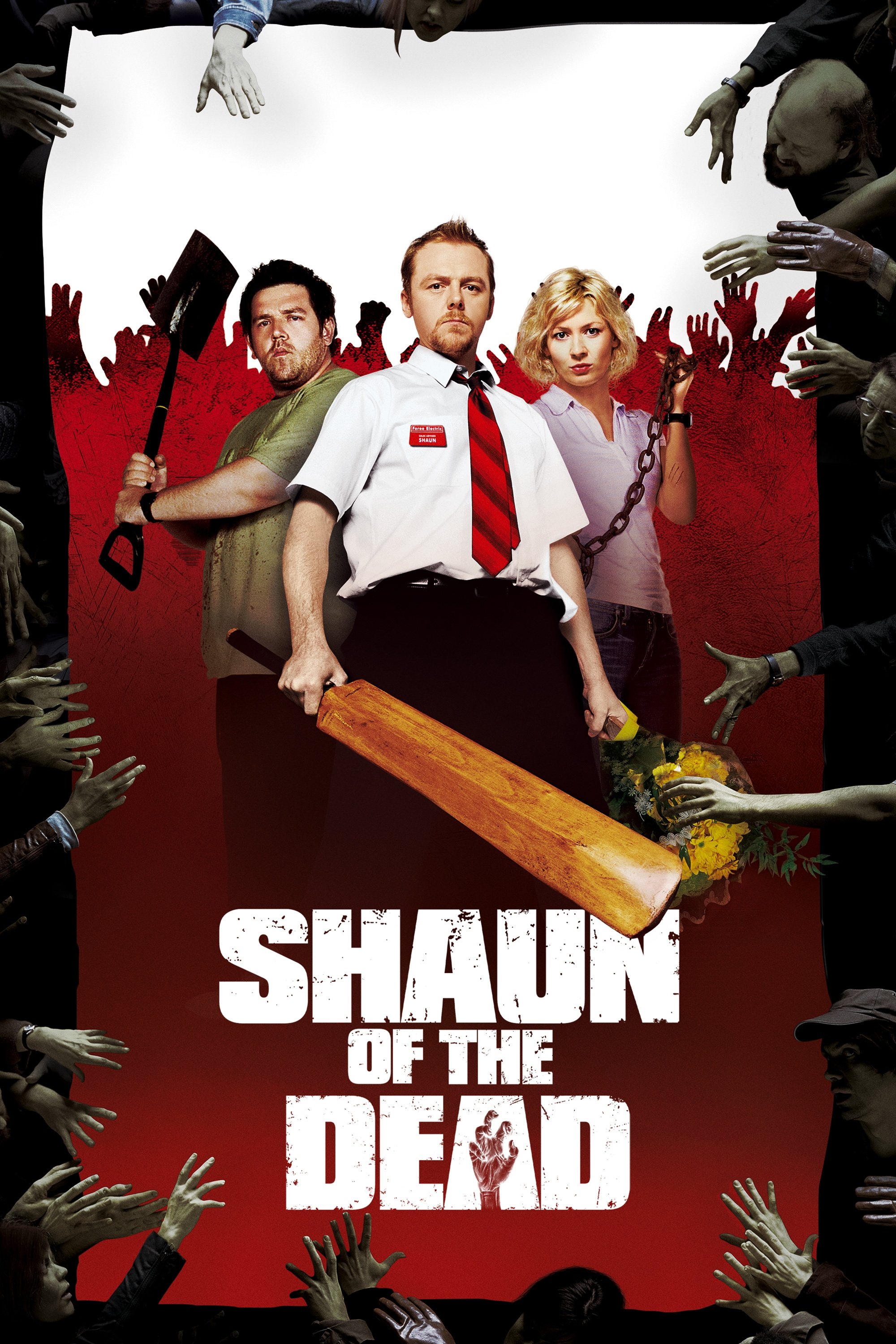
Edgar Wright blends comedy and horror as friends attempt to wait out chaos in a neighborhood pub. Simon Pegg and Nick Frost lead, and the movie uses whip pans, match cuts, and rhythmic editing patterns.
It launched the Three Flavours Cornetto trilogy and boosted Wright and Pegg to international recognition. The practical gore, licensed songs, and carefully choreographed long walk sequence became signature elements.
‘The Lives of Others’ (2006)
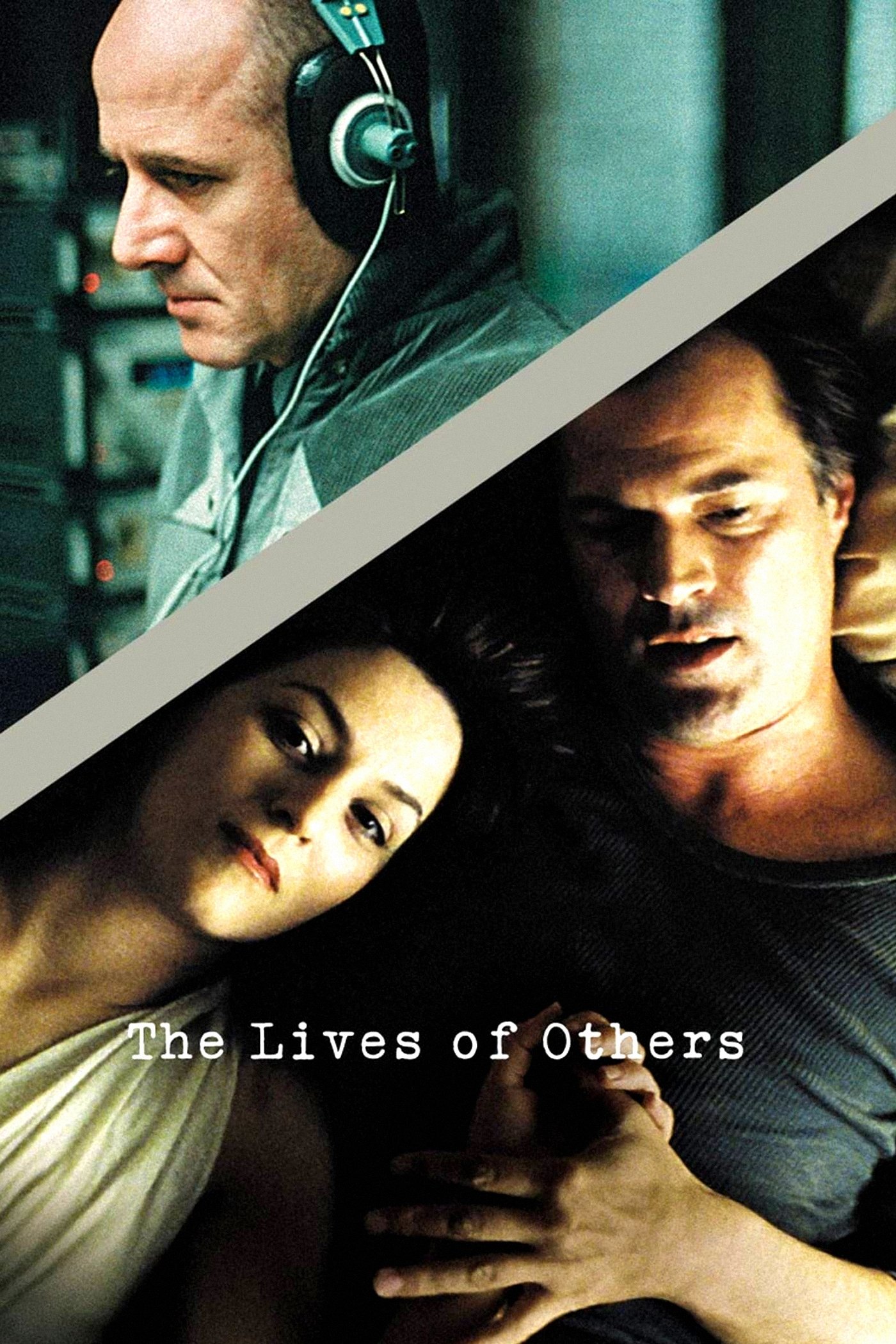
Florian Henckel von Donnersmarck writes and directs this drama about surveillance officers and artists in East Berlin. Ulrich Mühe gives a quiet central performance, and the production recreates offices, apartments, and equipment with period accuracy.
It won the Oscar for Foreign Language Film. The movie is used in courses on history, ethics, and film language because of its focused character study and procedural detail.
‘Let the Right One In’ (2008)
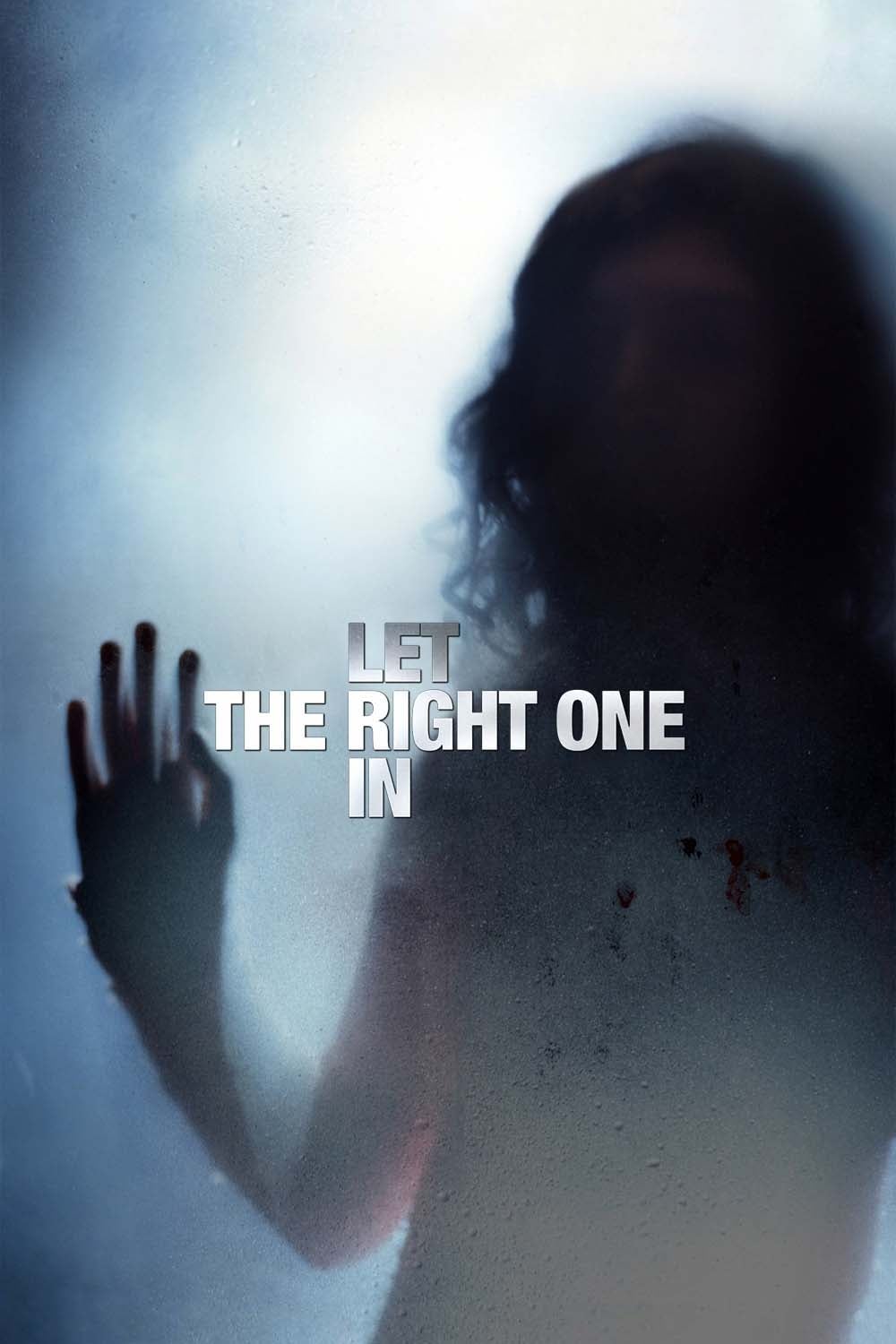
Tomas Alfredson’s Swedish vampire story follows a lonely boy and a mysterious new neighbor. The cinematography favors cold palettes and still frames, and the score contributes to a haunting mood.
An English language remake titled ‘Let Me In’ followed and brought attention back to the original. Careful child performances, practical effects, and location work made it a standout in international horror.
‘A History of Violence’ (2005)
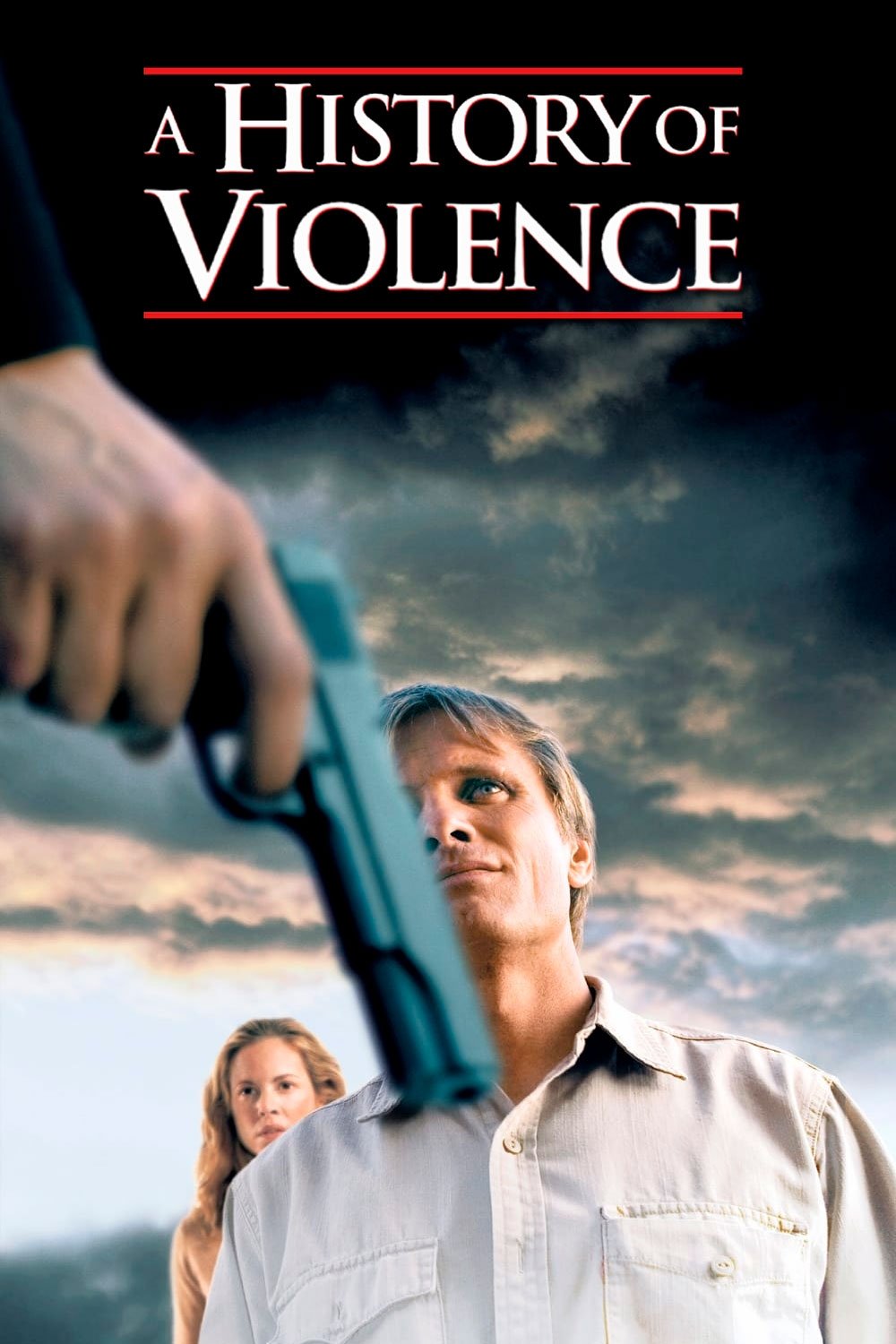
David Cronenberg adapts a graphic novel about a small town diner owner confronted by his past. Viggo Mortensen, Maria Bello, and Ed Harris star, and the movie balances family drama with moments of sudden brutality.
It received Oscar nominations for Supporting Actor and Adapted Screenplay. The production uses practical effects for fight scenes and chooses grounded coverage over flashy edits to emphasize consequence.
‘The Assassination of Jesse James by the Coward Robert Ford’ (2007)
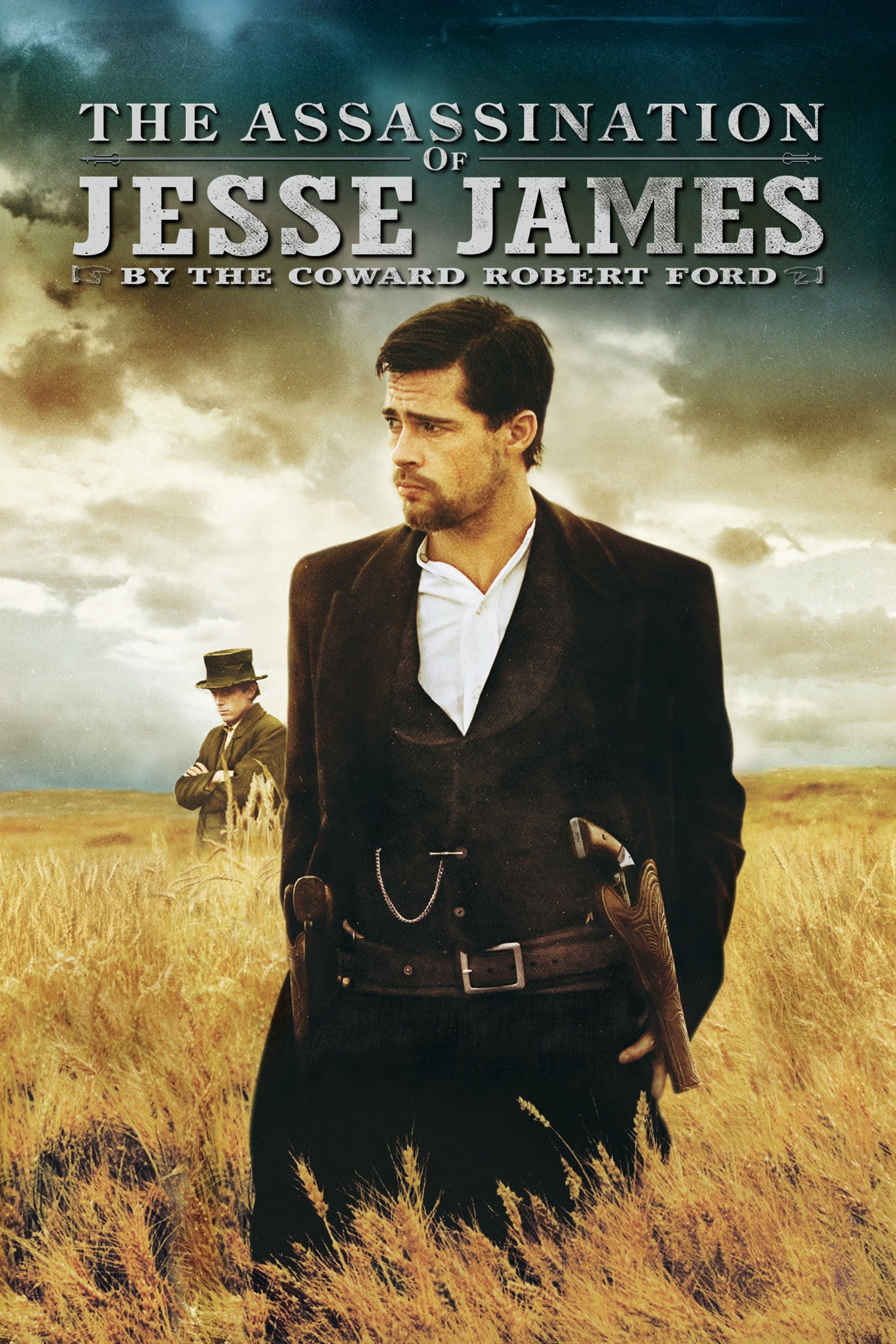
Andrew Dominik’s western studies fame, mythmaking, and betrayal with Brad Pitt and Casey Affleck in the leads. Roger Deakins provides painterly cinematography, including train robbery scenes lit with practical lanterns.
It earned Oscar nominations for Cinematography and Supporting Actor. The movie’s slow tempo, narration, and historical detail found a dedicated audience through home releases and restorations.
‘The Wrestler’ (2008)
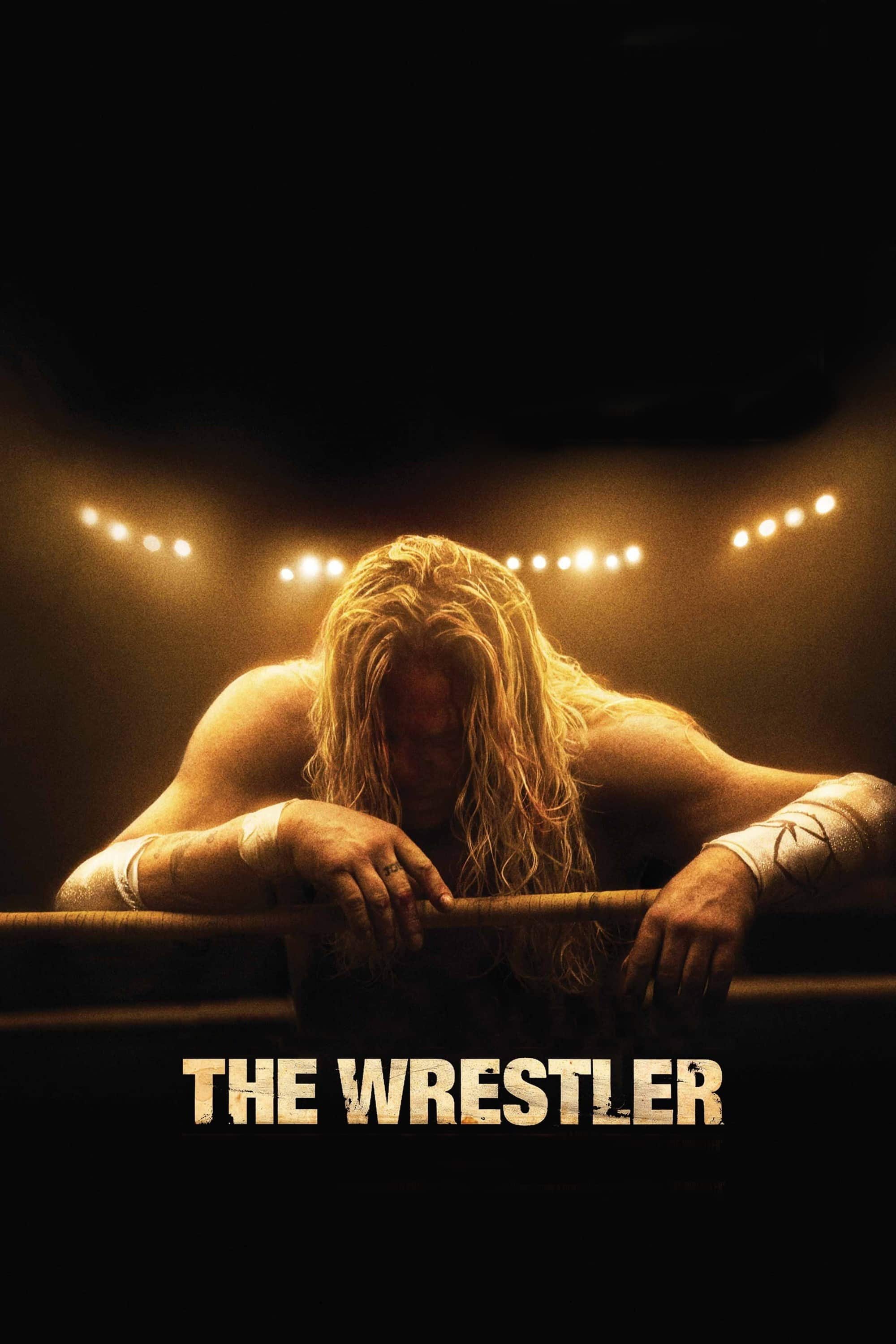
Darren Aronofsky directs Mickey Rourke as an aging performer balancing health, work, and family. The handheld camera follows closely in locker rooms and small venues, creating a documentary feel.
Rourke and Marisa Tomei received Oscar nominations, and a Bruce Springsteen song won a Golden Globe. The production kept costs low with real locations and non actors in supporting roles, adding to authenticity.
‘Y Tu Mamá También’ (2001)
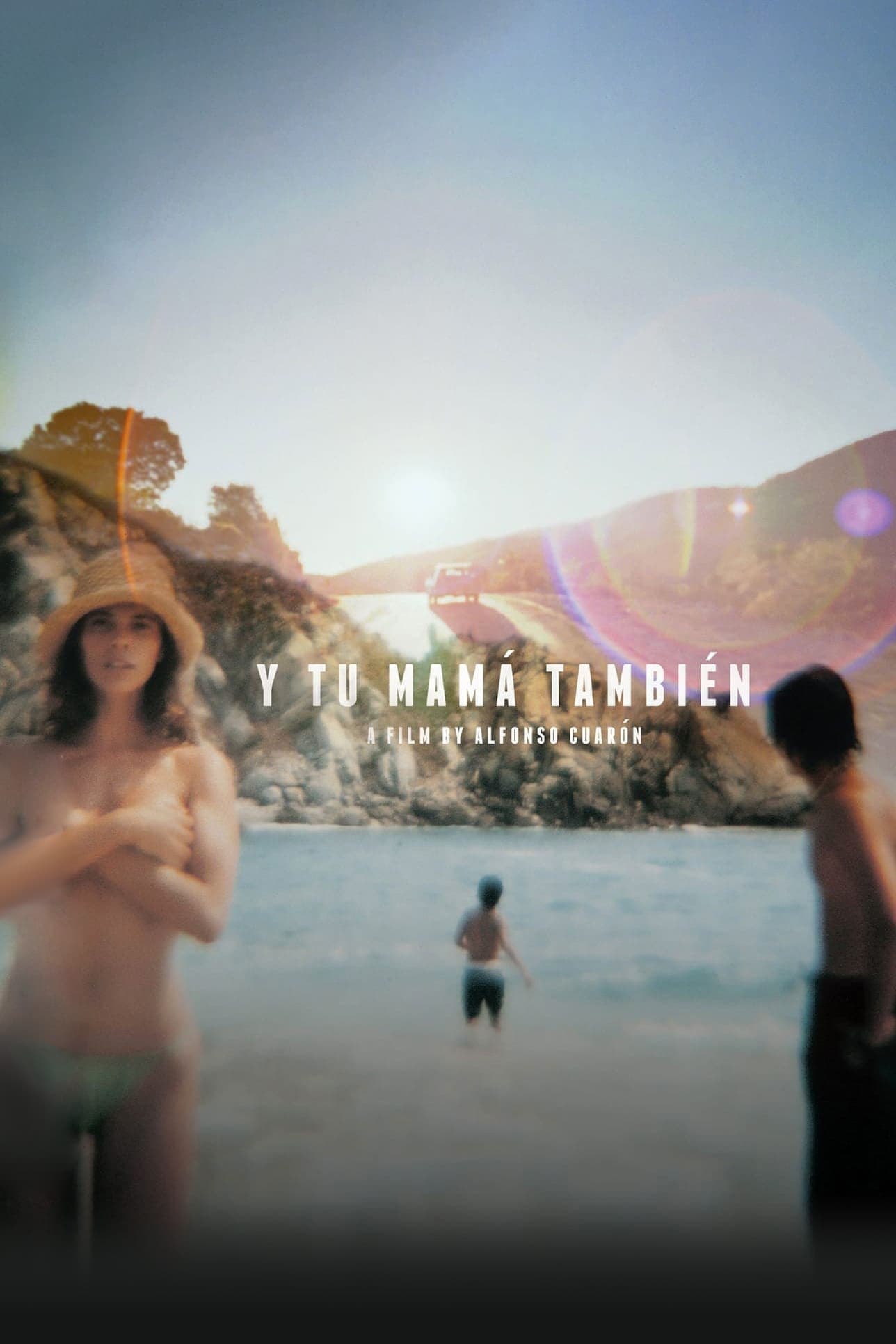
Alfonso Cuarón’s road movie teams Gael García Bernal and Diego Luna with Maribel Verdú for a journey of discovery across Mexico. The narration by Daniel Giménez Cacho adds context and social observation beyond the central trio.
It received an Oscar nomination for Original Screenplay and won multiple international awards. The film’s frank approach to intimacy and its travelogue structure influenced later coming of age stories.
‘Pirates of the Caribbean: The Curse of the Black Pearl’ (2003)
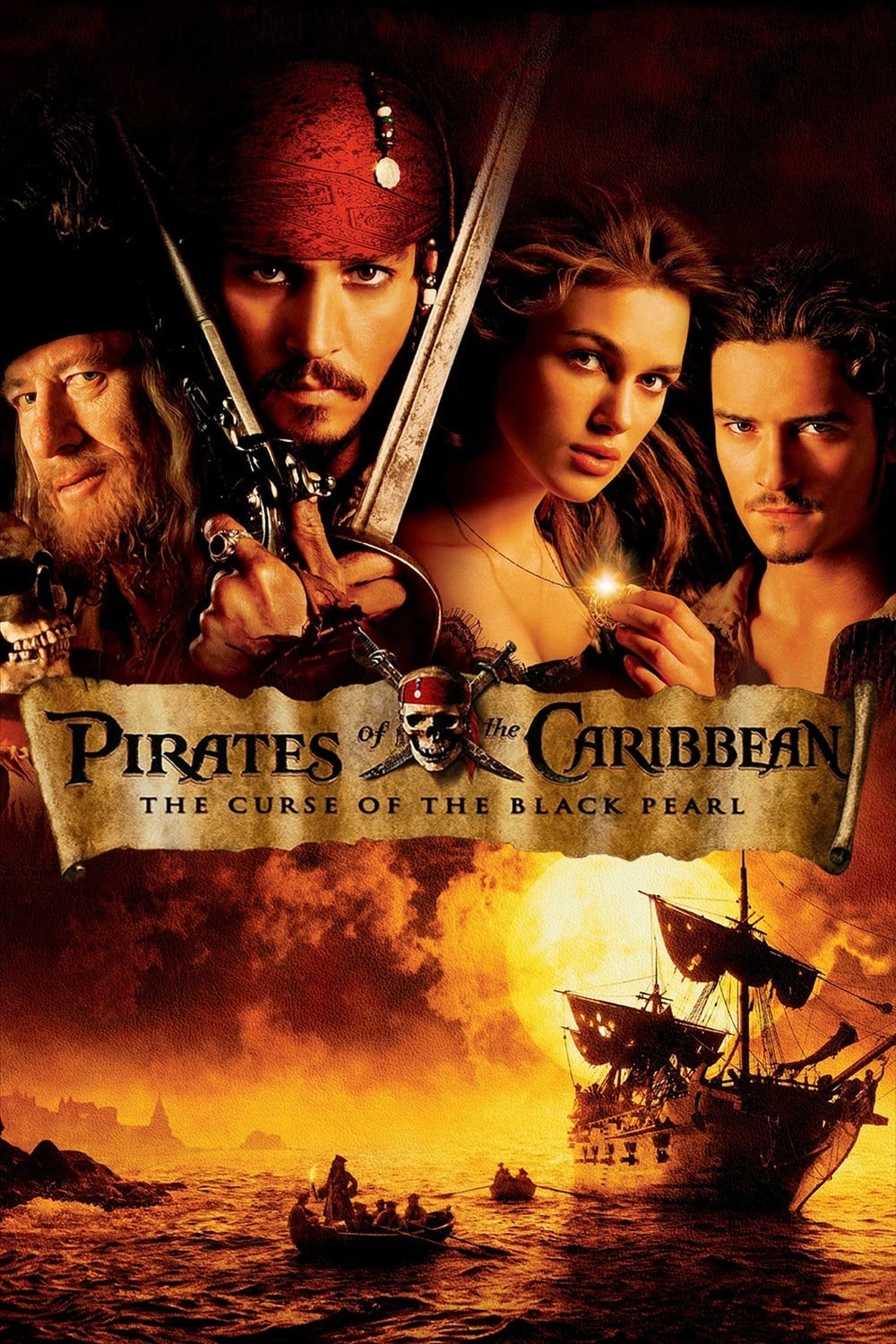
Gore Verbinski launches a swashbuckling adventure with Johnny Depp, Keira Knightley, and Orlando Bloom. Jerry Bruckheimer produced, and the score by Klaus Badelt with Hans Zimmer’s involvement delivered a memorable theme.
The movie earned multiple Oscar nominations including Actor for Depp and became a major franchise starter. Large scale ship sets, water tank work, and skeletal pirate effects showcased robust production values.
‘Spider-Man 2’ (2004)
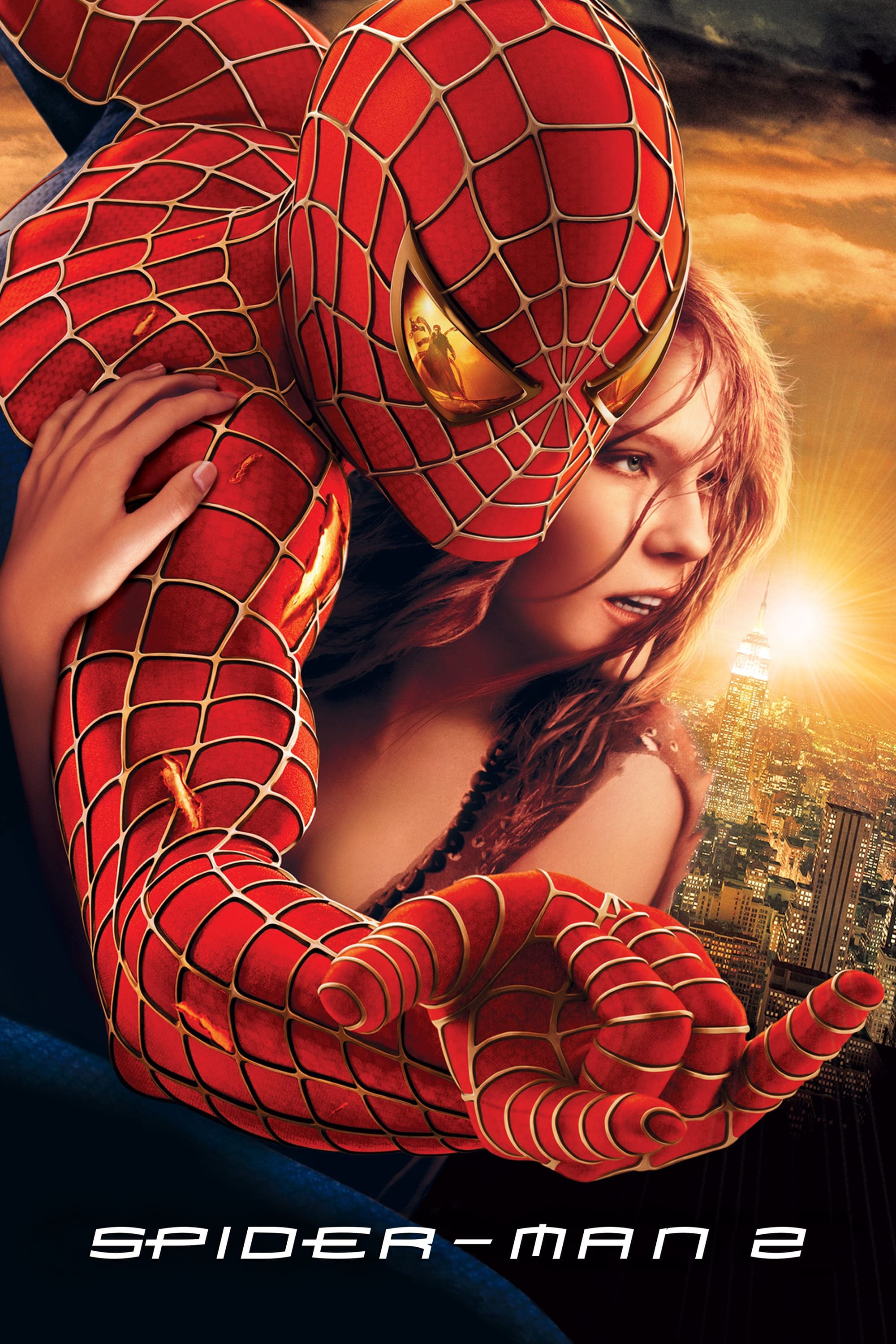
Sam Raimi’s sequel brings Peter Parker into conflict with Doctor Octopus played by Alfred Molina. The story balances personal struggles with high flying action across New York landmarks.
It won the Oscar for Visual Effects and received further nominations in sound categories. Practical tentacle puppetry combined with CGI, and the elevated train fight remains a benchmark for superhero set pieces.
‘Batman Begins’ (2005)
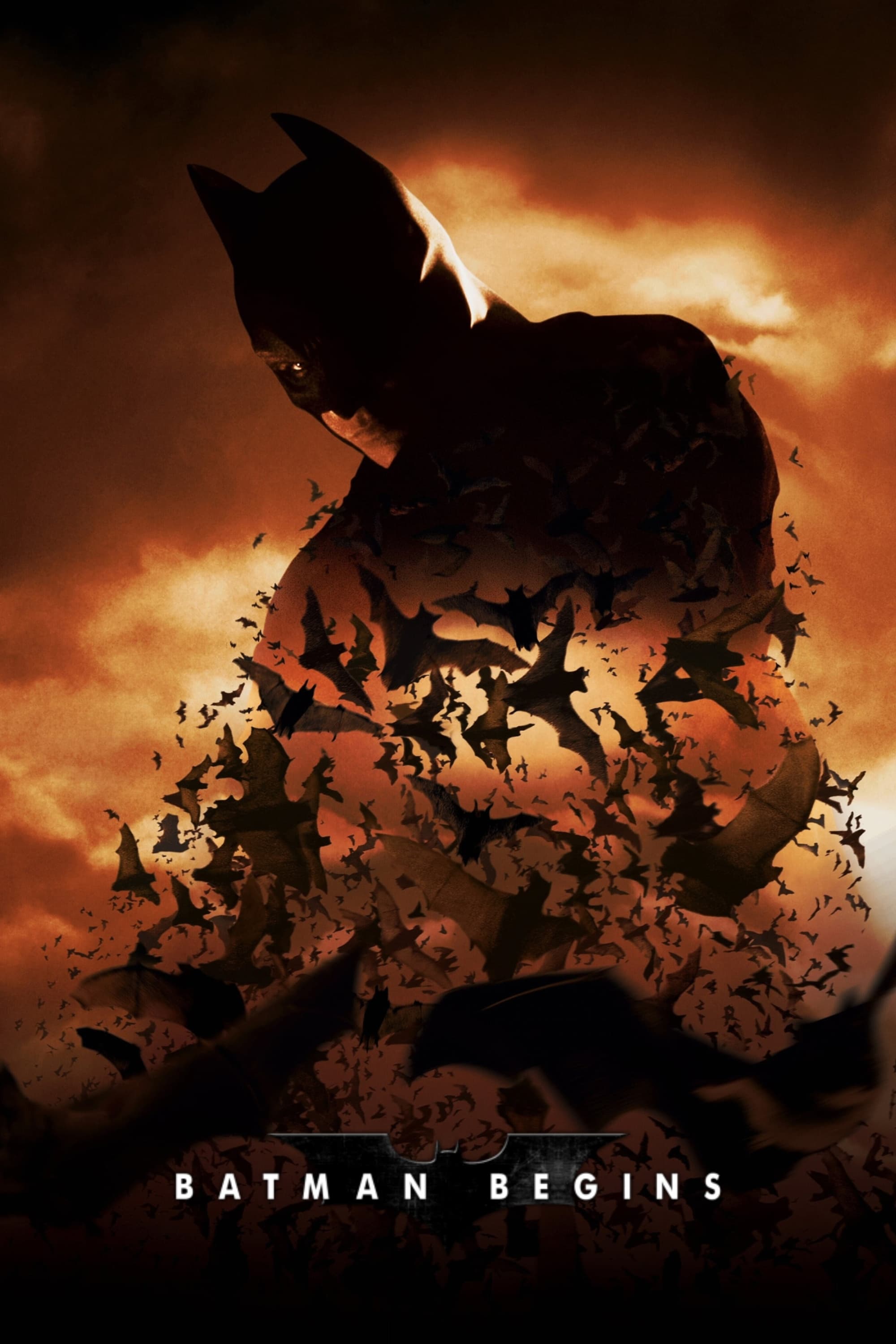
Christopher Nolan reintroduces Bruce Wayne with a focus on training, fear, and corruption in Gotham. Christian Bale, Michael Caine, Liam Neeson, and Cillian Murphy head the cast, and the production emphasizes real locations and practical stunts.
The score by Hans Zimmer and James Newton Howard established a new musical identity for the character. The movie’s success cleared the path for grounded interpretations of comic properties across studios.
‘Iron Man’ (2008)
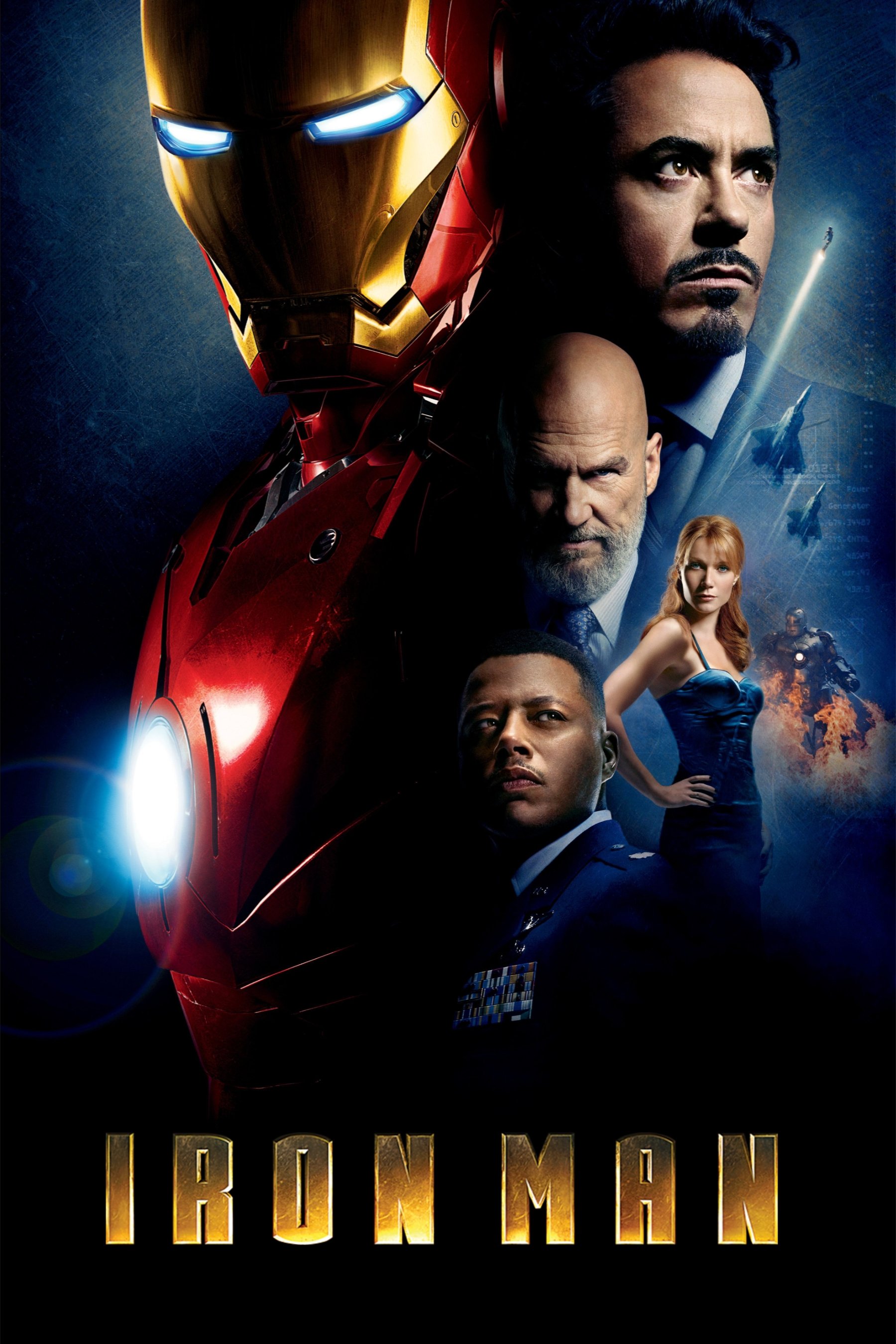
Jon Favreau directs Robert Downey Jr. as Tony Stark, an industrialist who builds a powered suit after a life changing capture. Gwyneth Paltrow and Jeff Bridges co star, and the production mixed suits, motion capture, and CG to portray flight.
The film launched the Marvel Cinematic Universe and popularized post credits teases with the introduction of Nick Fury. It demonstrated the value of charismatic leads and coherent visual effects pipelines in superhero storytelling.
‘The Hurt Locker’ (2008)
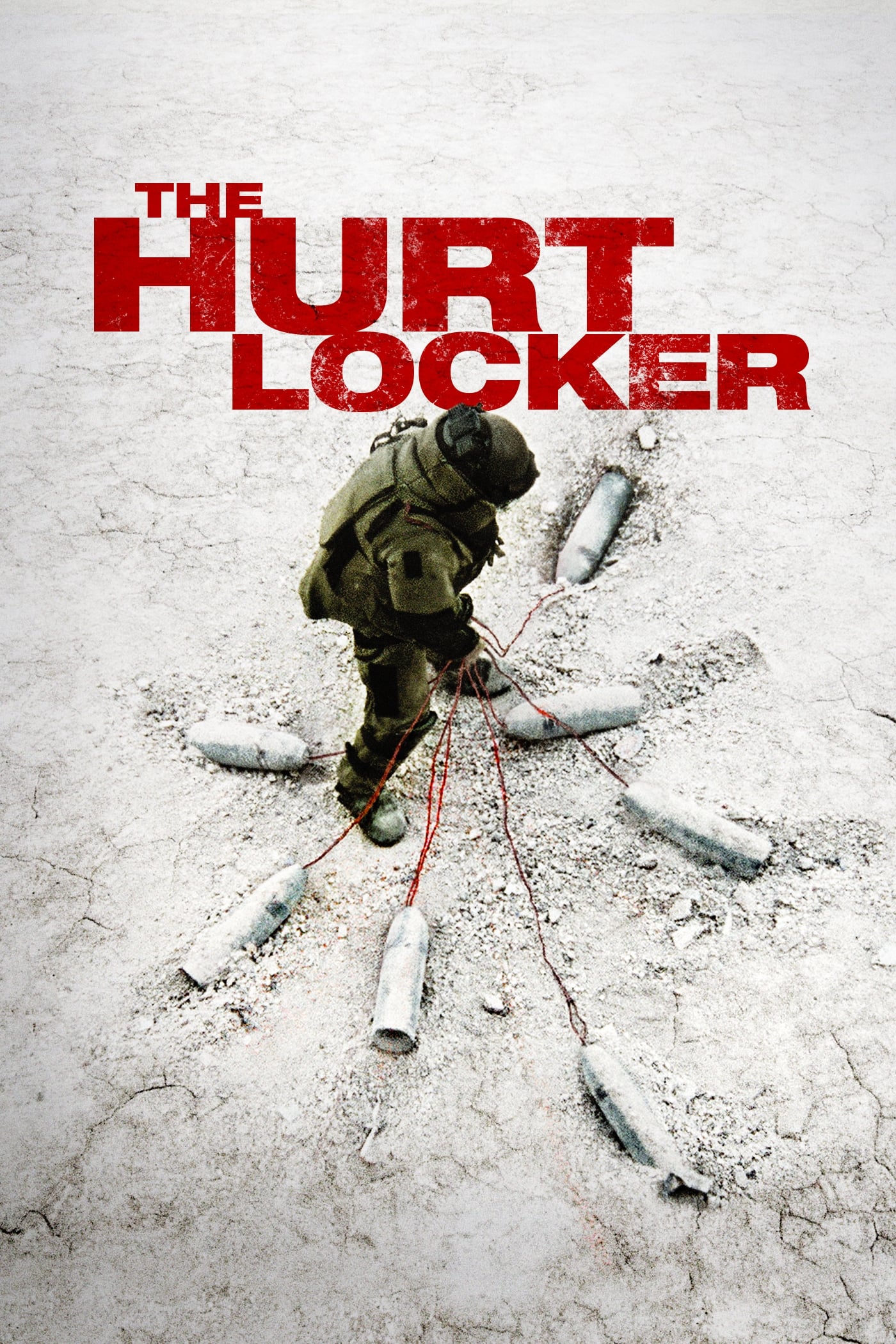
Kathryn Bigelow’s war drama follows an Explosive Ordnance Disposal team on a dangerous rotation. Jeremy Renner and Anthony Mackie star, and the handheld shooting style puts audiences close to the action.
It won Best Picture and Best Director, making Bigelow the first woman to receive that directing honor. The production used multiple camera units, limited visual effects, and on location shoots to achieve its tense atmosphere.
‘Memories of Murder’ (2003)
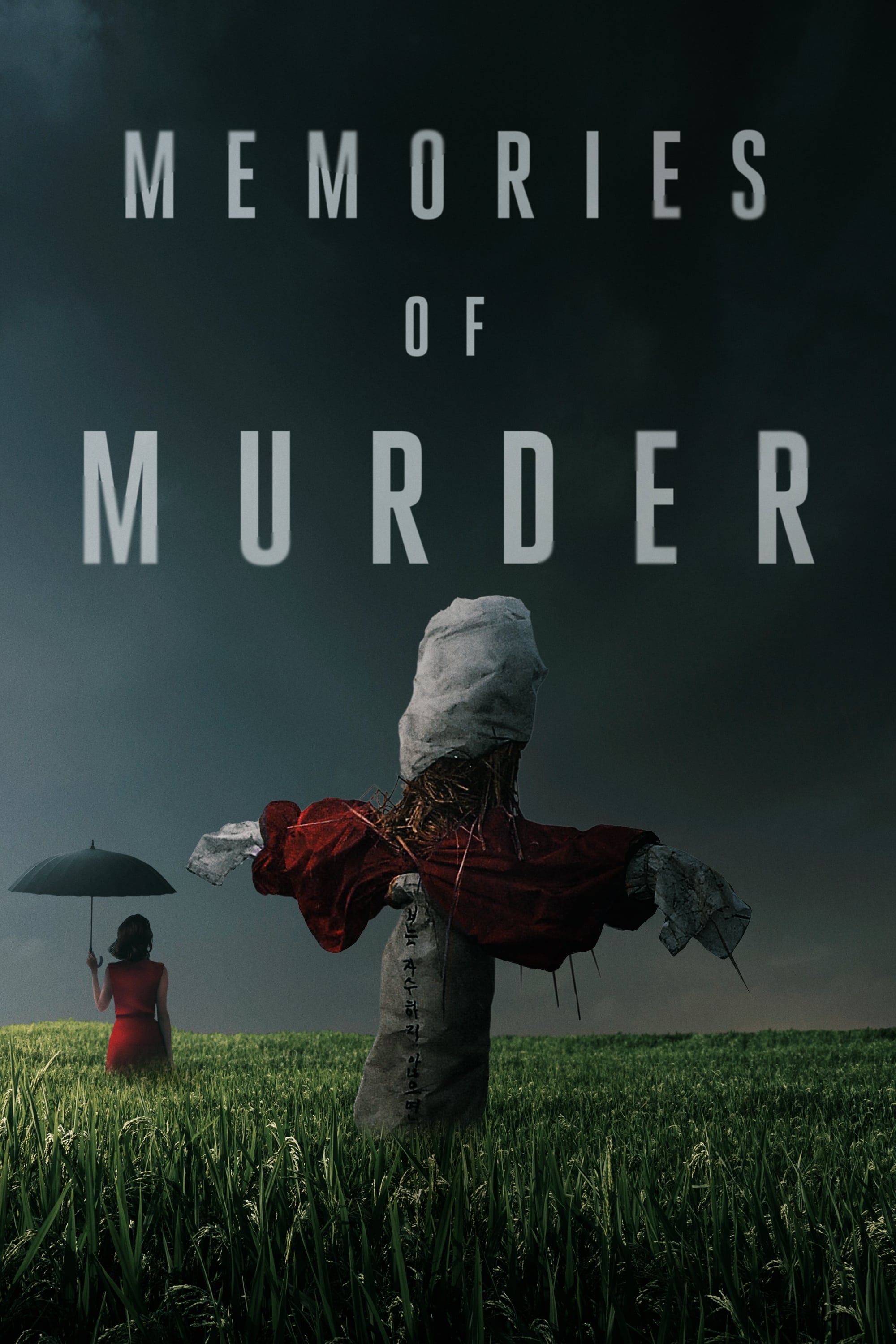
Bong Joon ho dramatizes the hunt for a serial killer in rural South Korea with Song Kang ho and Kim Sang kyung. The movie blends procedural beats with moments of dark humor and bleak uncertainty.
It grew in stature internationally and received a restoration that expanded its audience. The film’s rain soaked fields, train track imagery, and distinctive blocking became influential in crime cinema
Share your favorite picks from the decade in the comments and tell us which titles you think still deserve a spot.

