30 Times a Supporting Actor Outshined the Lead


Sometimes the person who isn’t on the poster ends up shaping how everyone remembers a film. A magnetic supporting turn can supply the narrative engine, the tension, or the emotional key that unlocks the story the lead is telling. Awards bodies often notice, but so do audiences—the lines quoted most, the characters imitated most, and the moments that live longest in pop culture often belong to someone outside the top billing.
Here are thirty instances where a male supporting performance became the enduring point of reference for the project. You’ll find role names, filmmakers, co-stars, and the concrete ways these portrayals influenced awards races, franchise directions, and even technical craft—from performance-capture breakthroughs to career-making festival prizes.
Heath Ledger – ‘The Dark Knight’ (2008)
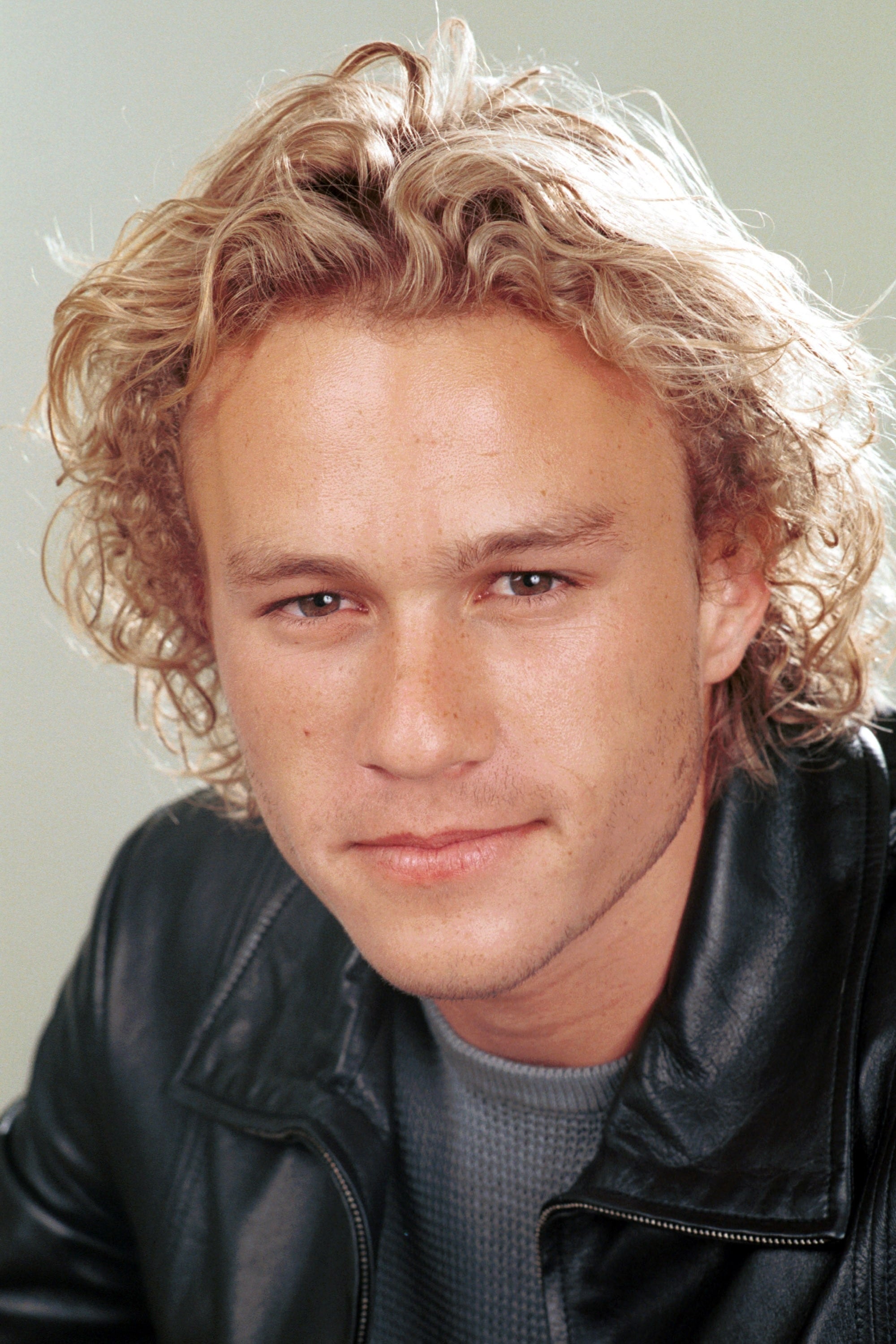
Heath Ledger plays the Joker opposite Christian Bale under director Christopher Nolan, creating a criminal strategist whose presence drives the plot across heists, interrogations, and escalating moral dilemmas in Gotham. The performance earned the Academy Award, BAFTA, and Golden Globe for Best Supporting Actor, marking one of the most decorated posthumous wins in film history.
Ledger’s characterization reoriented the franchise’s tone toward psychological crime drama, shaping subsequent DC storytelling across films and television. Production materials and interviews have detailed the physical journal he kept for the role and the distinct vocal and makeup concepts that became instantly identifiable to audiences worldwide.
J.K. Simmons – ‘Whiplash’ (2014)
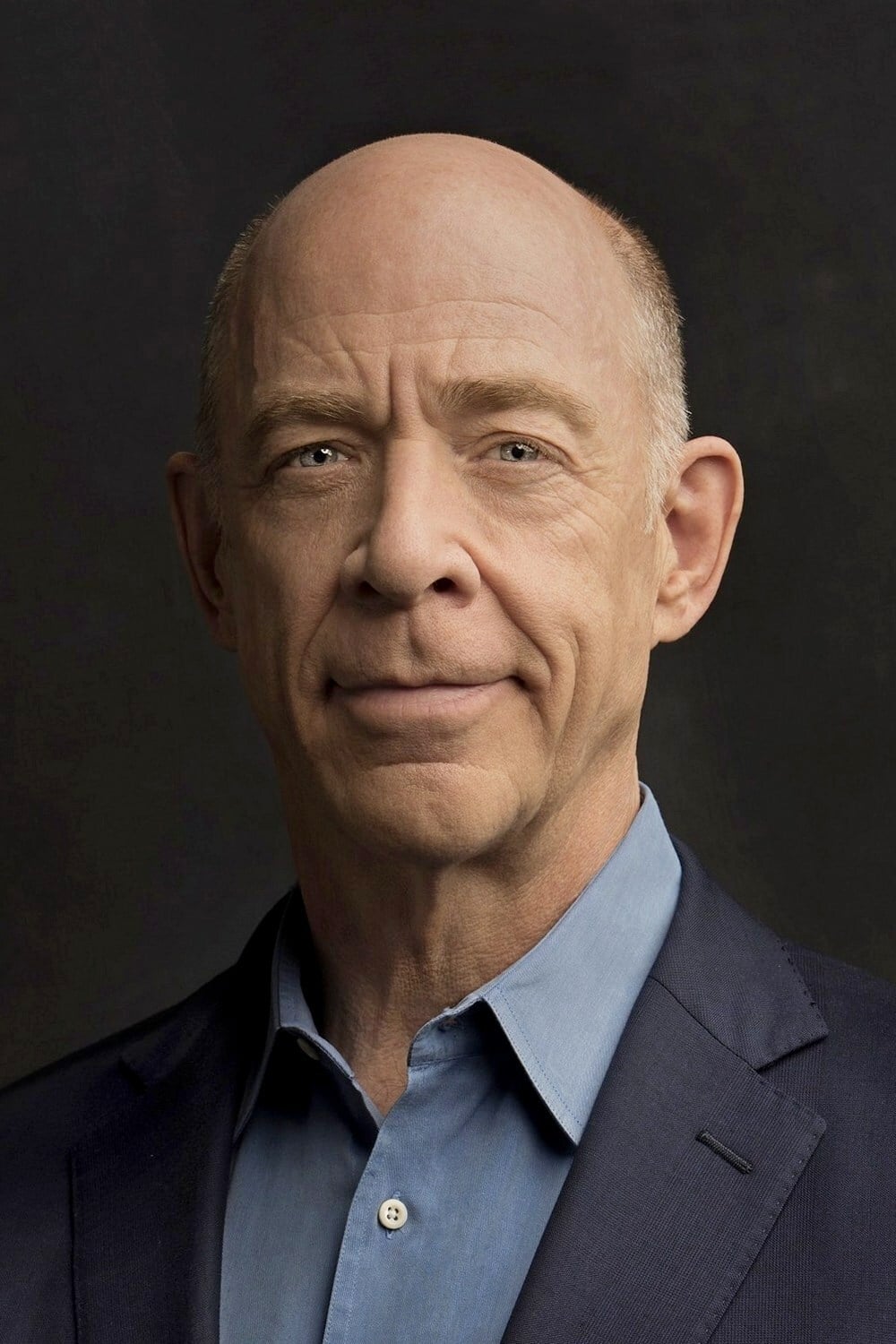
J.K. Simmons portrays Terence Fletcher, a conservatory bandleader whose abusive pedagogy tests the limits of a drummer played by Miles Teller. The role earned Simmons the Academy Award, BAFTA, Golden Globe, and SAG Award for Best Supporting Actor, cementing the film as a landmark in music-school narratives.
The character’s exacting rehearsal methods structure the movie’s pacing, with call-and-response scenes functioning like athletic set pieces. Director Damien Chazelle’s emphasis on live performance timing and edit rhythm gives Simmons the framework to control tension, culminating in a finale constructed as a concert-length dramatic arc.
Javier Bardem – ‘No Country for Old Men’ (2007)
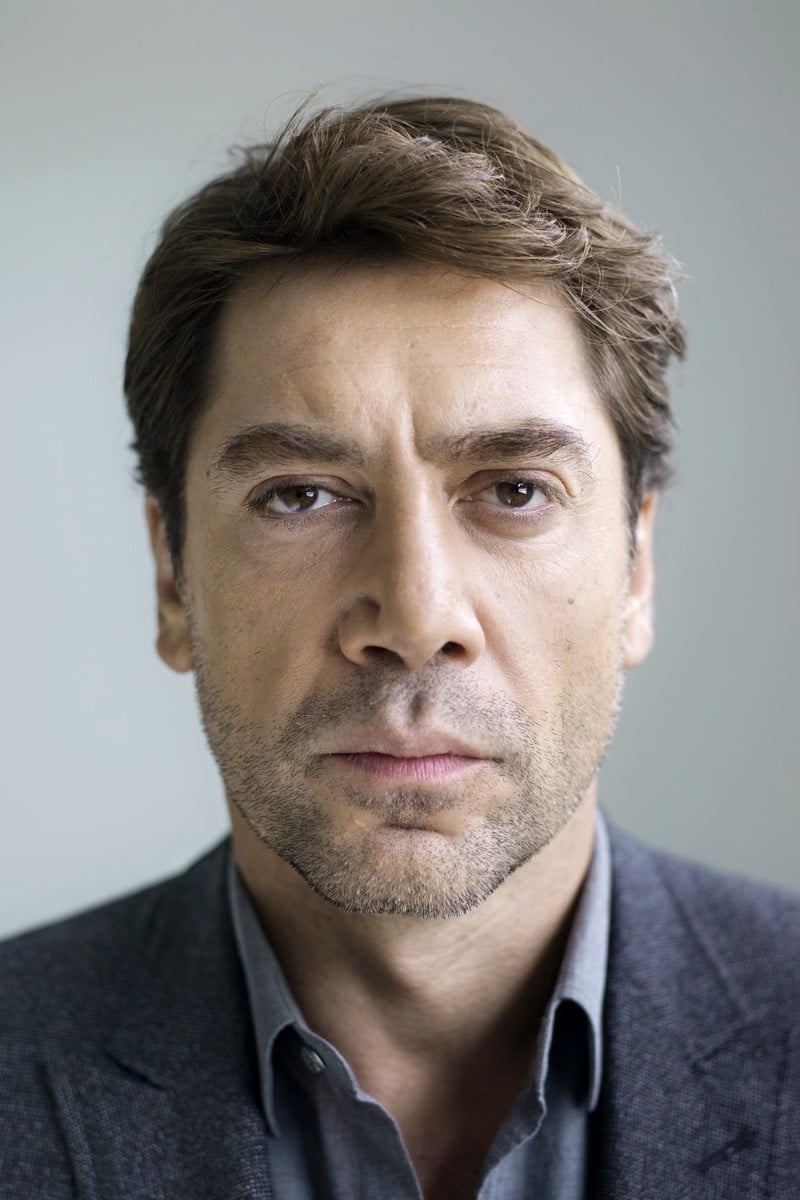
Javier Bardem’s Anton Chigurh is a contract killer whose rules and coin-flip philosophy propel the cat-and-mouse narrative that ensnares characters played by Josh Brolin and Tommy Lee Jones. Bardem won the Academy Award, BAFTA, SAG Award, and Golden Globe for Best Supporting Actor for the role.
The Coen brothers build sequences around Chigurh’s methods—air-captive bolt, silenced shotgun, and clinical tracking—which define the film’s procedural texture. Bardem’s dialogue cadence and physical stillness became reference points for modern screen antagonists, reinforcing the movie’s meditation on fate and violence.
Christoph Waltz – ‘Inglourious Basterds’ (2009)
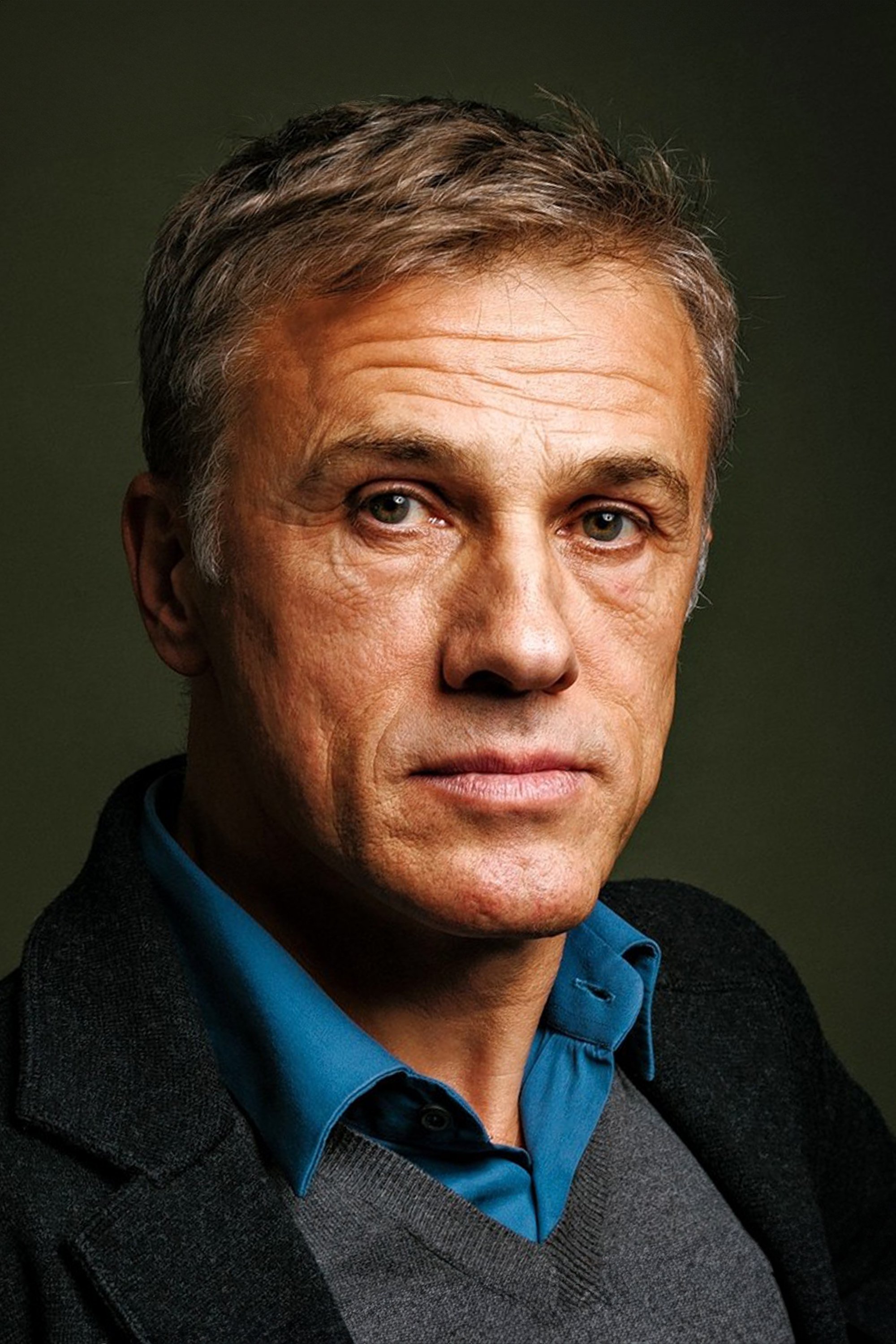
Christoph Waltz plays Colonel Hans Landa, an SS investigator whose multilingual interrogations frame key chapters in Quentin Tarantino’s war saga. Waltz won the Academy Award, BAFTA, Golden Globe, and the Best Actor prize at Cannes for the performance.
The part’s linguistic precision—switching among German, French, English, and Italian—structures the film’s set-piece conversations as suspense engines. Landa’s investigative technique establishes narrative stakes in the opening farmhouse scene and later at a tavern, with Tarantino’s script using etiquette and translation to escalate danger.
Brad Pitt – ‘Once Upon a Time in Hollywood’ (2019)
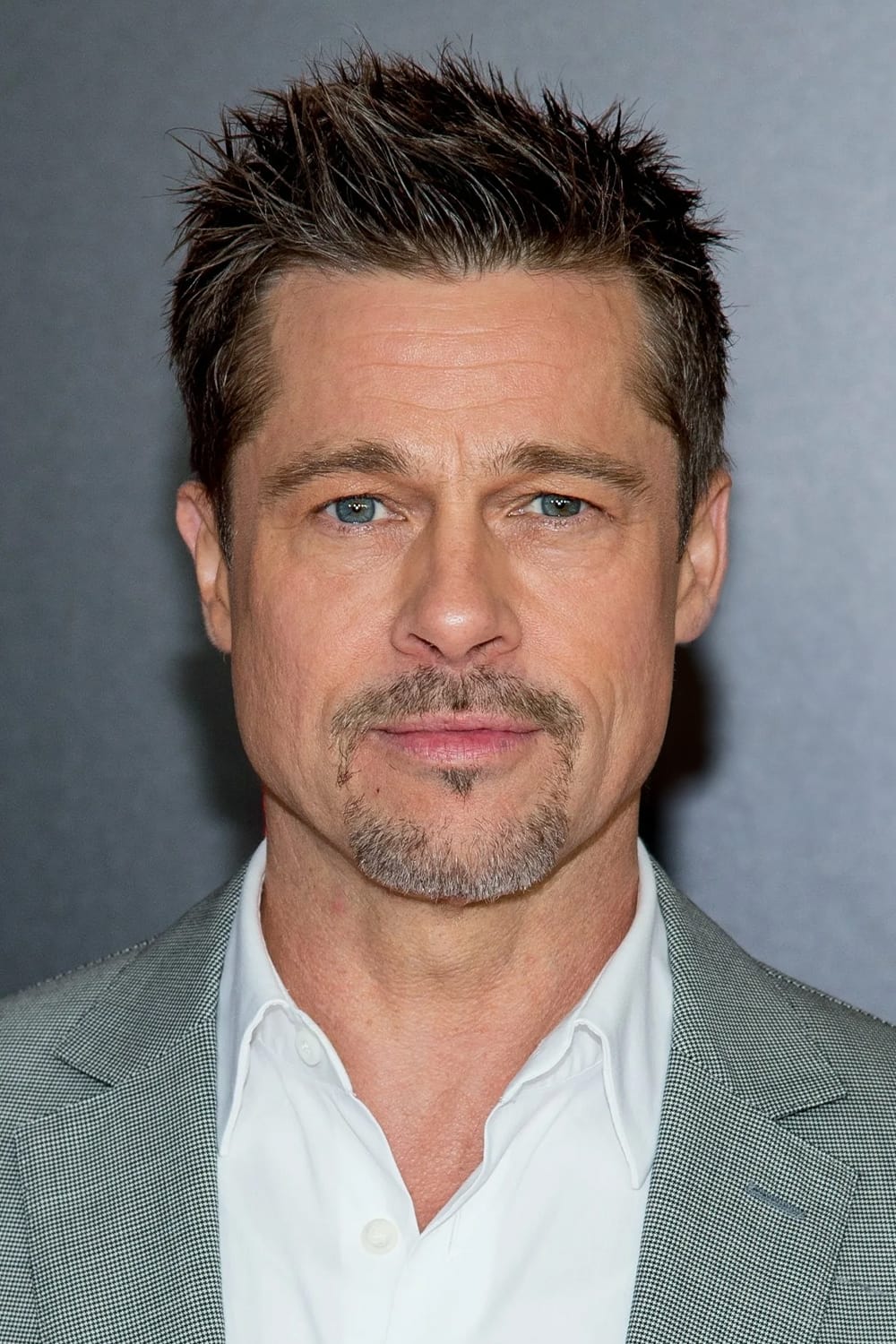
Brad Pitt plays Cliff Booth, stunt double and confidant to a fading star portrayed by Leonardo DiCaprio, in Quentin Tarantino’s Los Angeles period piece. Pitt received the Academy Award, BAFTA, Golden Globe, and SAG Award for Best Supporting Actor.
Booth’s storyline links the movie’s industry satire to the real-world events surrounding the Manson Family, connecting soundstages, backlots, and a remote desert set. The character’s physicality and lived-in routine—stunt work, dog training, and quiet drives across the city—anchor the film’s day-in-the-life structure.
Tom Hardy – ‘The Revenant’ (2015)
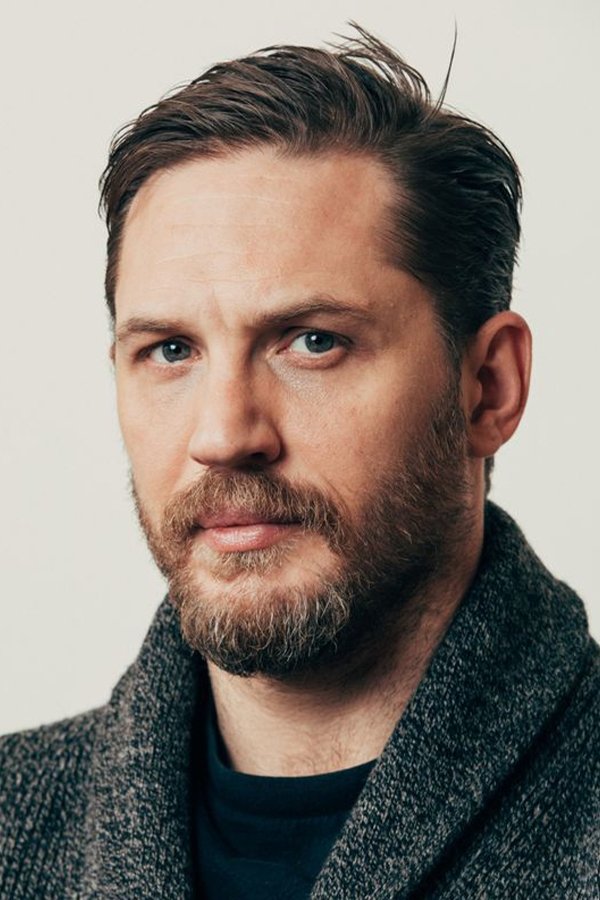
Tom Hardy portrays John Fitzgerald, a frontiersman whose decisions set the central survival and revenge narrative into motion opposite Leonardo DiCaprio. Hardy earned an Academy Award nomination for Best Supporting Actor for the role.
Director Alejandro G. Iñárritu and cinematographer Emmanuel Lubezki stage Hardy’s scenes with natural light and extended takes, placing the character in harsh weather and rugged terrain. Fitzgerald’s motives—fear, self-preservation, and frontier codes—shape the film’s moral landscape as much as its physical one.
Ben Kingsley – ‘Sexy Beast’ (2000)
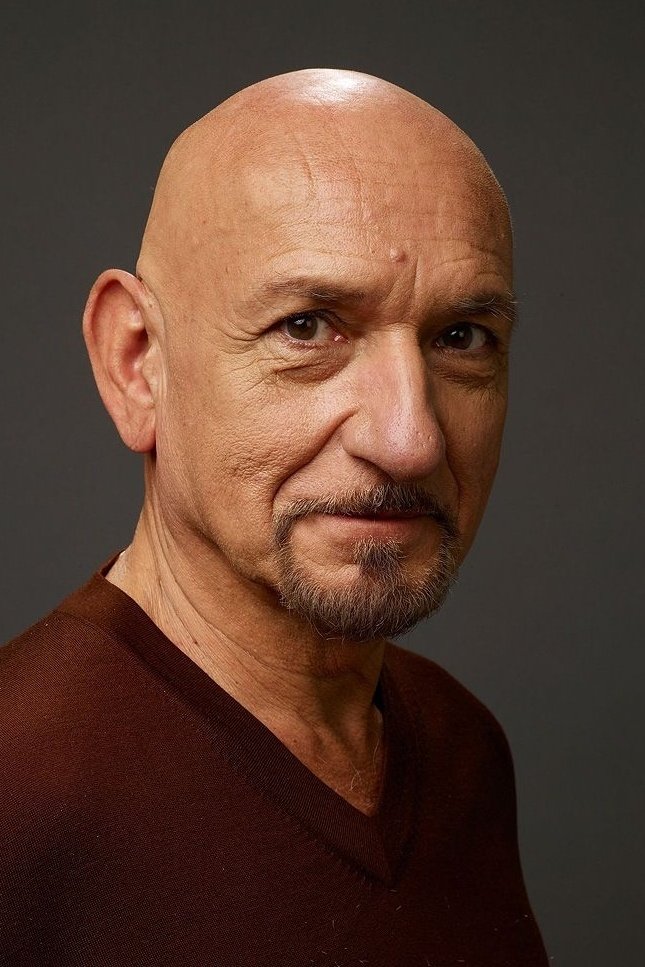
Ben Kingsley plays Don Logan, a volatile fixer who drags a retired safecracker, played by Ray Winstone, back toward a high-stakes heist. Kingsley received an Academy Award nomination for Best Supporting Actor for the performance.
Jonathan Glazer’s direction keeps Logan’s language, routines, and insistence at the center of every scene he occupies, using tight framing and sound design to heighten pressure. The character’s influence extends beyond the plot mechanics; his brief visit reorganizes loyalties, complicates the crew’s dynamics, and reshapes the film’s Mediterranean calm into menace.
Joe Pesci – ‘Goodfellas’ (1990)
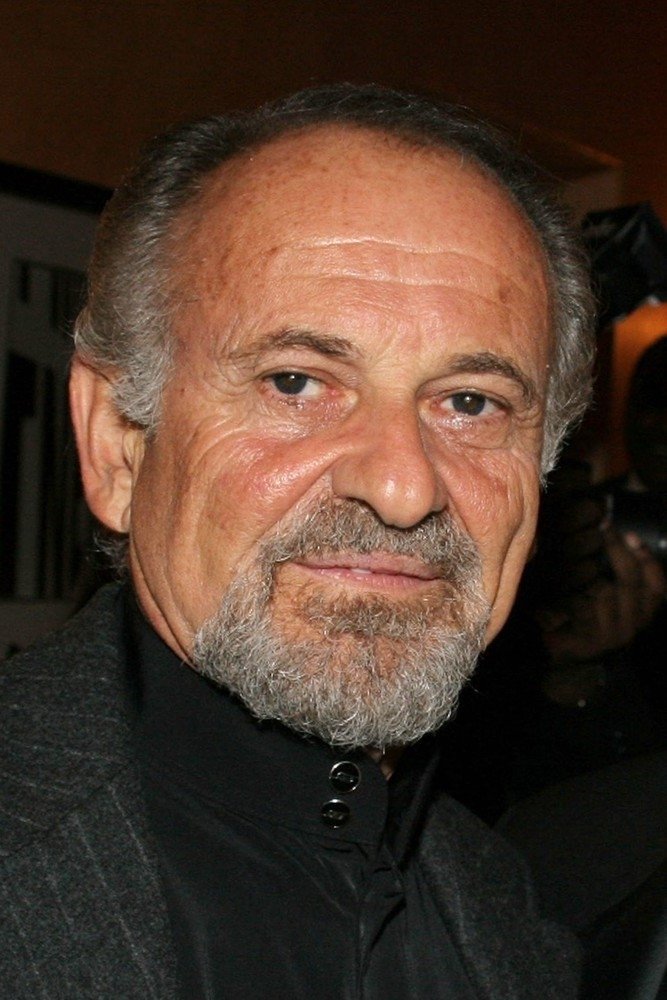
Joe Pesci’s Tommy DeVito is a volatile associate whose actions drive law-enforcement scrutiny and internal conflict within the crew led by characters played by Ray Liotta and Robert De Niro. Pesci won the Academy Award for Best Supporting Actor.
Martin Scorsese frames Tommy’s jokes, outbursts, and promotions as turning points that define the rise-and-fall structure. The “funny how” confrontation and later consequences serve as structural hinges, influencing narration, voiceover tone, and the film’s final courtroom rhythm.
Alan Rickman – ‘Die Hard’ (1988)

Alan Rickman appears as Hans Gruber, the leader of a precision heist that traps office workers in a Los Angeles skyscraper opposite Bruce Willis’s off-duty cop. The role marked Rickman’s feature-film debut and established him internationally.
Director John McTiernan gives Gruber corporate polish—tailored suits, American accent mimicry, and managerial command—that reframes the action blueprint. The character’s radio exchanges and negotiation tactics supply the story’s chess-match structure, pairing logistics with sardonic stagecraft.
Mark Rylance – ‘Bridge of Spies’ (2015)
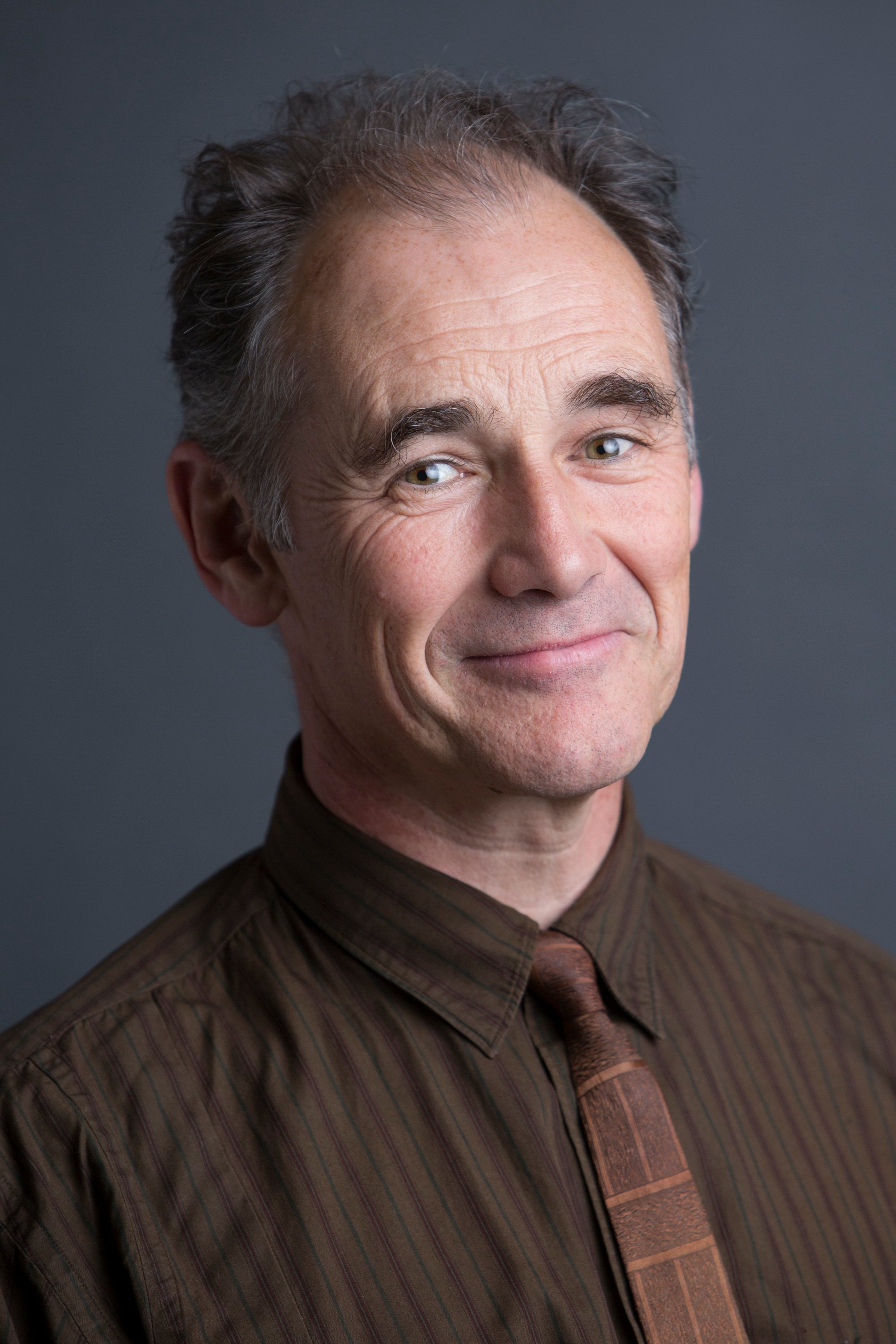
Mark Rylance plays Rudolf Abel, a Soviet spy defended by Tom Hanks’s insurance-law specialist turned negotiator in a Cold War prisoner exchange. Rylance won the Academy Award and BAFTA for Best Supporting Actor.
Steven Spielberg and writer Matt Charman, with contributions from Ethan and Joel Coen, structure Abel’s calm refrains and courtroom presence as a counterweight to political panic. The performance’s quiet humor and ritual—“Would it help?”—become the film’s moral and procedural compass during the exchange.
Ralph Fiennes – ‘Schindler’s List’ (1993)
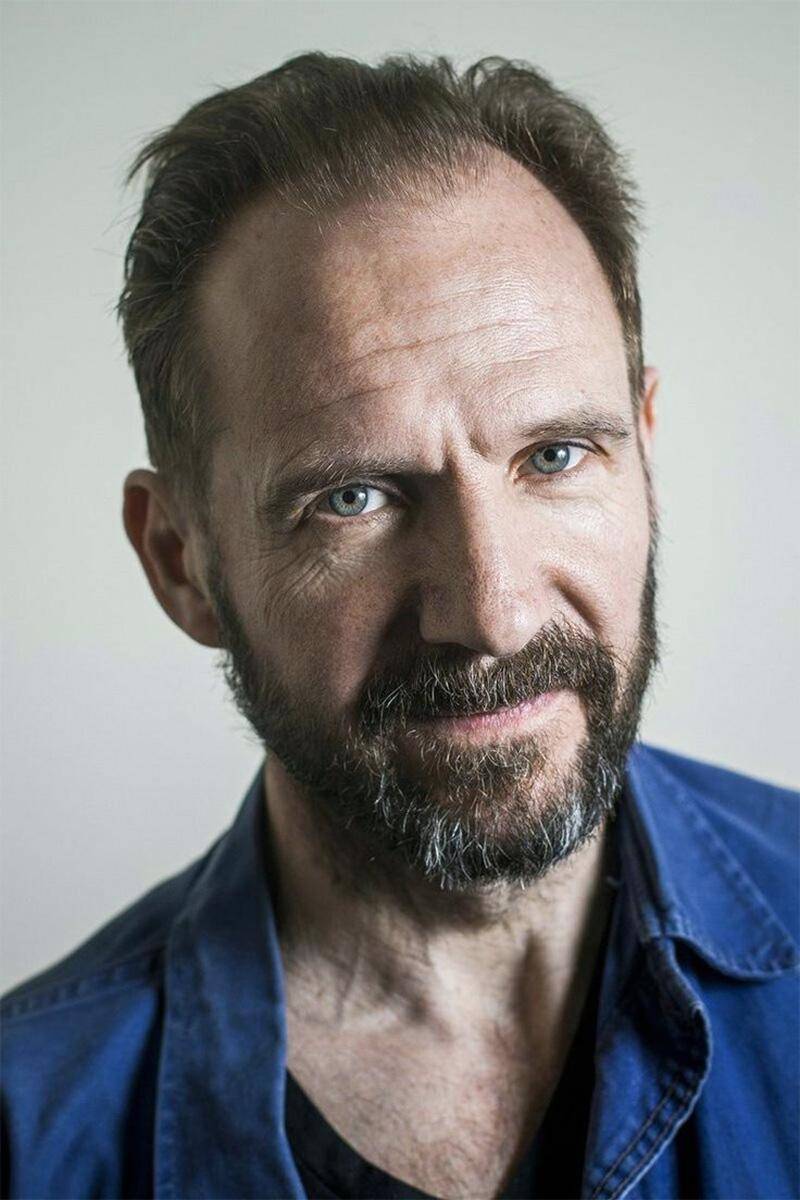
Ralph Fiennes portrays Amon Göth, a camp commandant whose management of forced labor intersects with Liam Neeson’s industrialist protagonist. Fiennes won the BAFTA for Best Supporting Actor and received Academy Award and Golden Globe nominations.
Steven Spielberg stages Göth’s routines—from inspections to arbitrary violence—against Oskar Schindler’s evolving strategy, defining the movie’s ethical contrasts. Fiennes’s character functions as both antagonist and administrator, making policy decisions that determine fates at scale within the narrative.
Christopher Walken – ‘Catch Me If You Can’ (2002)
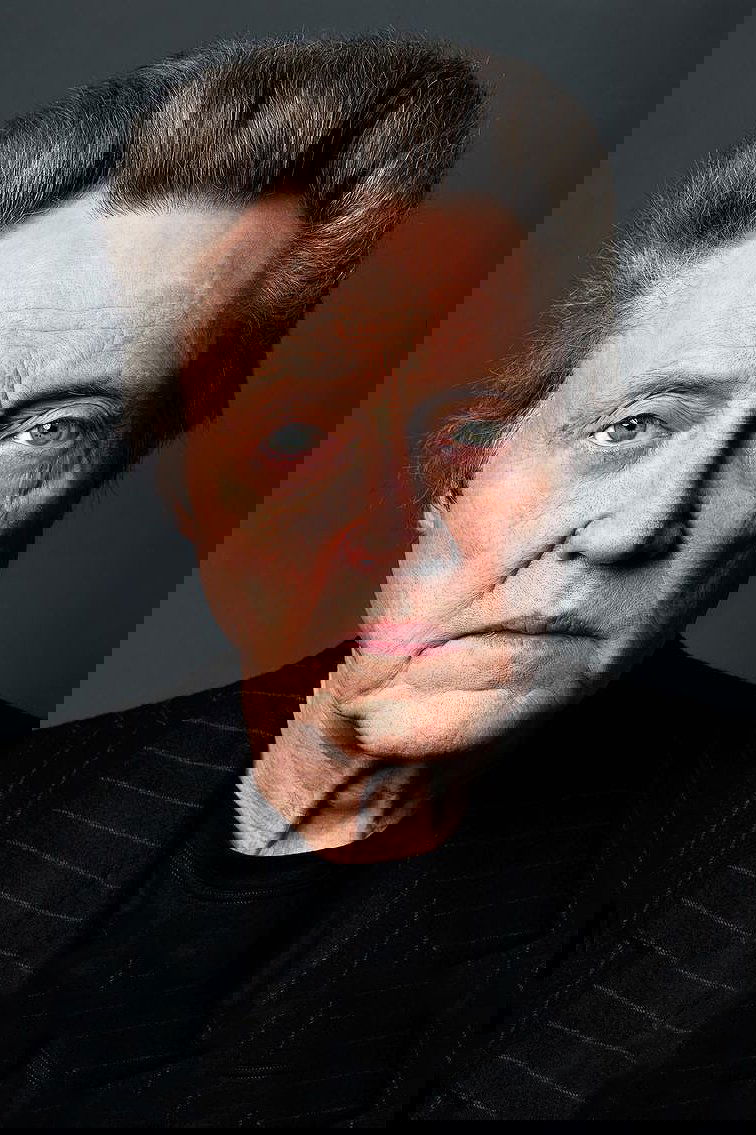
Christopher Walken plays Frank Abagnale Sr., father to Leonardo DiCaprio’s teenage impostor and forger, in Steven Spielberg’s cat-and-mouse story. Walken received an Academy Award nomination for Best Supporting Actor.
The film uses family scenes—school events, holidays, and quiet restaurant conversations—to map motive and vulnerability beneath the cons. Walken’s pauses and formal charm provide the emotional throughline that connects the pursuit led by Tom Hanks to the protagonist’s need for approval.
Gene Hackman – ‘Unforgiven’ (1992)
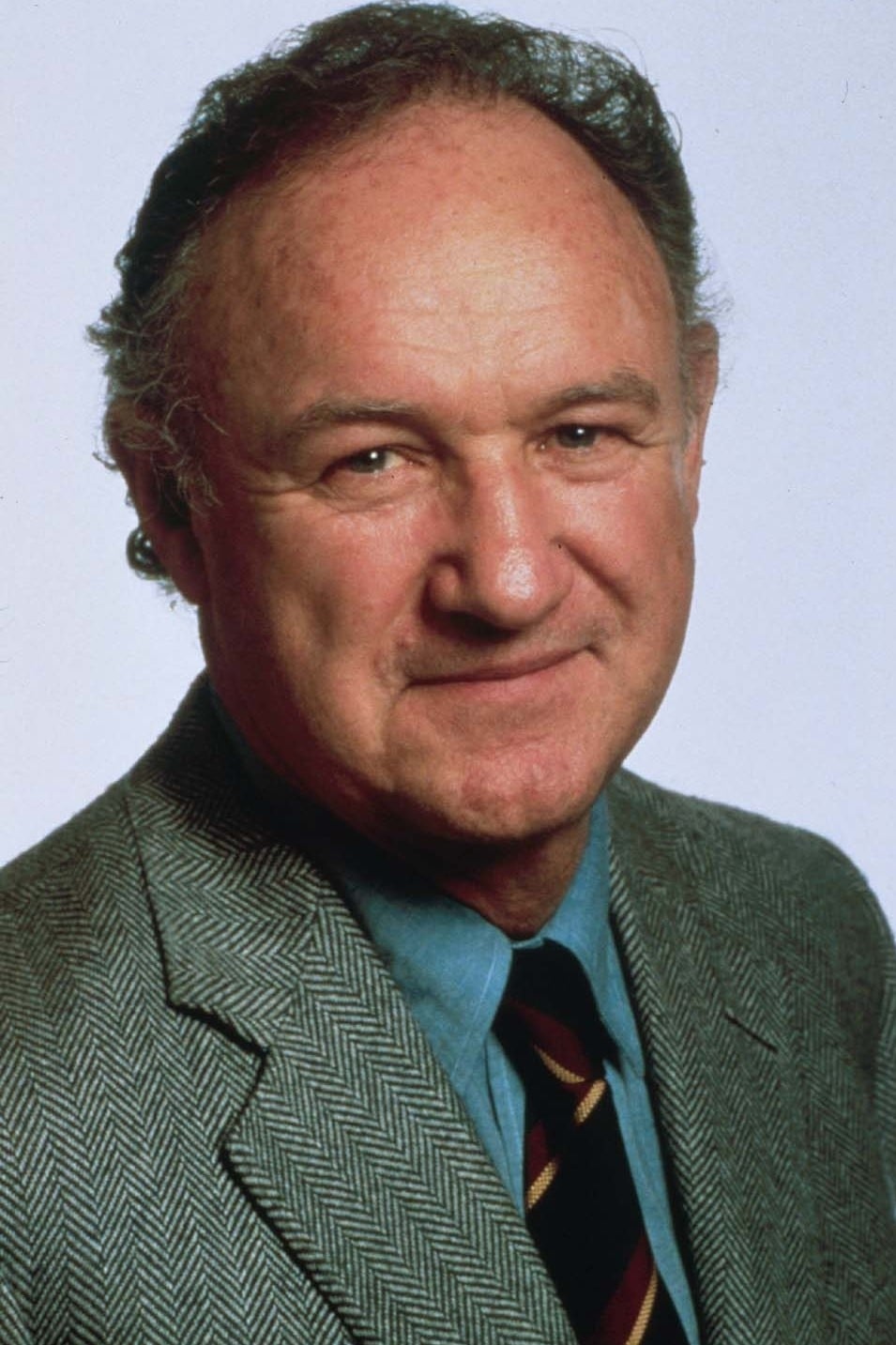
Gene Hackman appears as Little Bill Daggett, a small-town sheriff whose enforcement methods collide with a retired gunslinger portrayed by Clint Eastwood. Hackman won the Academy Award and Golden Globe for Best Supporting Actor.
The character’s carpentry hobby, housing project, and public punishments build a civic portrait that complicates the film’s myth-revisionist aims. Little Bill’s rules—posted, broken, and selectively applied—organize the plot’s morality play and the frontier town’s social order.
Dennis Hopper – ‘Blue Velvet’ (1986)

Dennis Hopper plays Frank Booth, a violent criminal whose obsessions ensnare characters played by Kyle MacLachlan and Isabella Rossellini. Hopper earned a Golden Globe nomination for Best Supporting Actor for the role.
Director David Lynch juxtaposes suburban settings with nocturnal crime dens, with Hopper’s character bridging those worlds through ritual, music cues, and coded language. Frank’s control over the film’s hidden economy—nightclubs, loans, and surveillance—drives the investigative plot line.
Philip Seymour Hoffman – ‘The Master’ (2012)
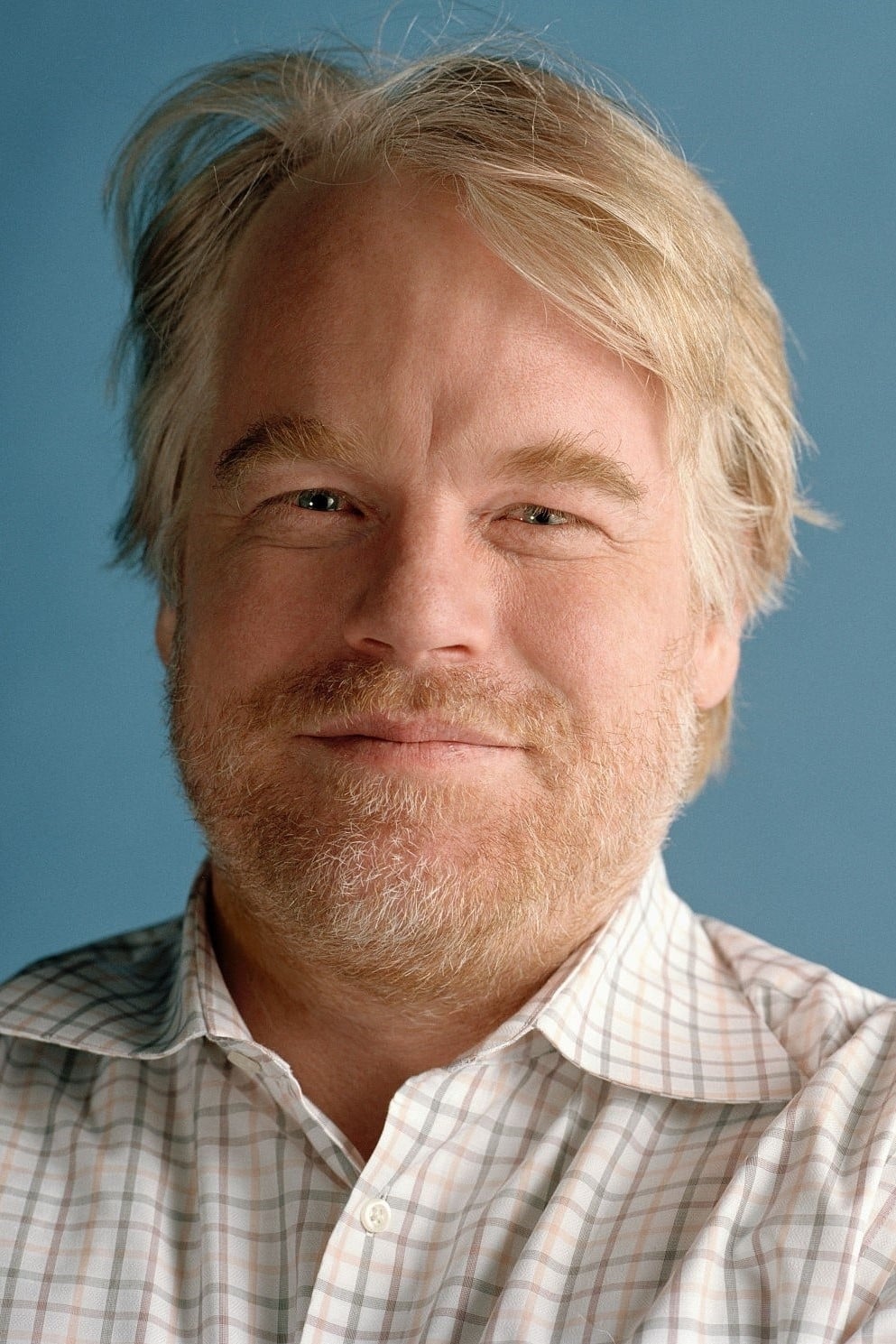
Philip Seymour Hoffman portrays Lancaster Dodd, the leader of a burgeoning movement whose bond with a drifter played by Joaquin Phoenix forms the story’s core. Hoffman received Academy Award and BAFTA nominations and shared the Best Actor trophy at the Venice Film Festival.
Paul Thomas Anderson constructs interviews, drills, and celebrations as formal rituals that reveal power dynamics inside the group. Hoffman’s vocal patterns, improvised songs, and hosting style define the organization’s culture, shaping how the narrative examines belief and control.
Michael Clarke Duncan – ‘The Green Mile’ (1999)
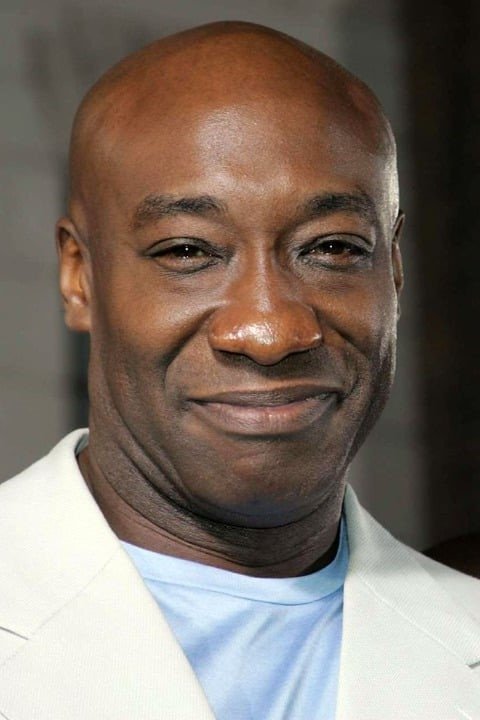
Michael Clarke Duncan plays John Coffey, a death-row inmate whose mysterious abilities challenge the worldview of a prison guard portrayed by Tom Hanks. Duncan received Academy Award and Golden Globe nominations for Best Supporting Actor.
Frank Darabont’s adaptation uses Coffey’s encounters with other inmates and staff to explore themes of justice, mercy, and the unexplained. The character’s interactions—healing, empathy, and fear—restructure alliances among guards and prisoners and drive the film’s moral questions.
John Goodman – ‘Barton Fink’ (1991)
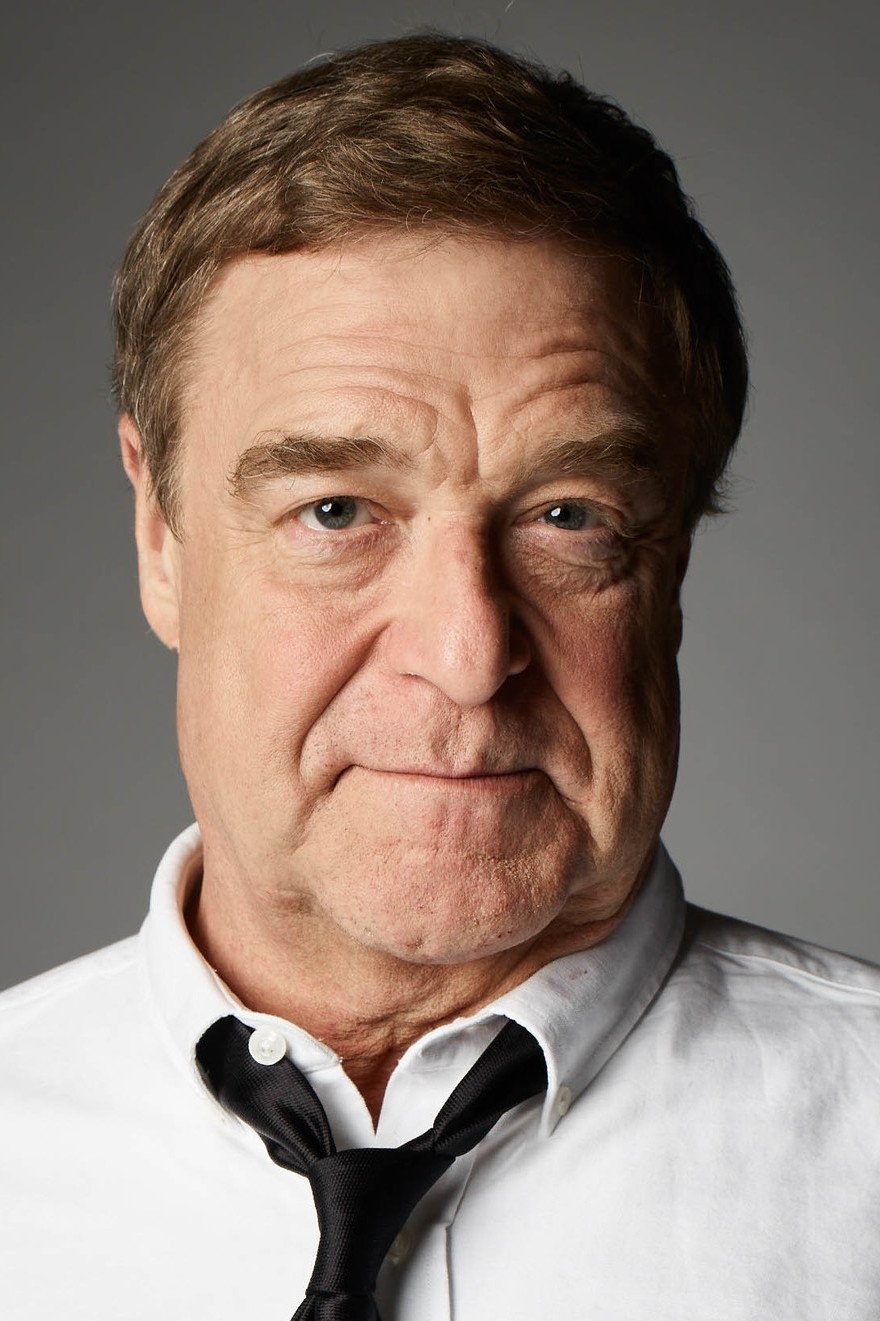
John Goodman appears as Charlie Meadows, a neighbor who befriends John Turturro’s blocked playwright at a decaying Los Angeles hotel. The film won the Palme d’Or, Best Director, and Best Actor at Cannes, marking a historic festival sweep.
The Coen brothers fold genre elements into the relationship—buddy comedy rhythms, noir clues, and apocalyptic imagery—while Goodman’s character anchors the building’s uncanny logic. His folksy monologues, helpfulness, and sudden shifts reframe the story from literary satire to a broader meditation on violence and imagination.
Robert De Niro – ‘The Godfather Part II’ (1974)
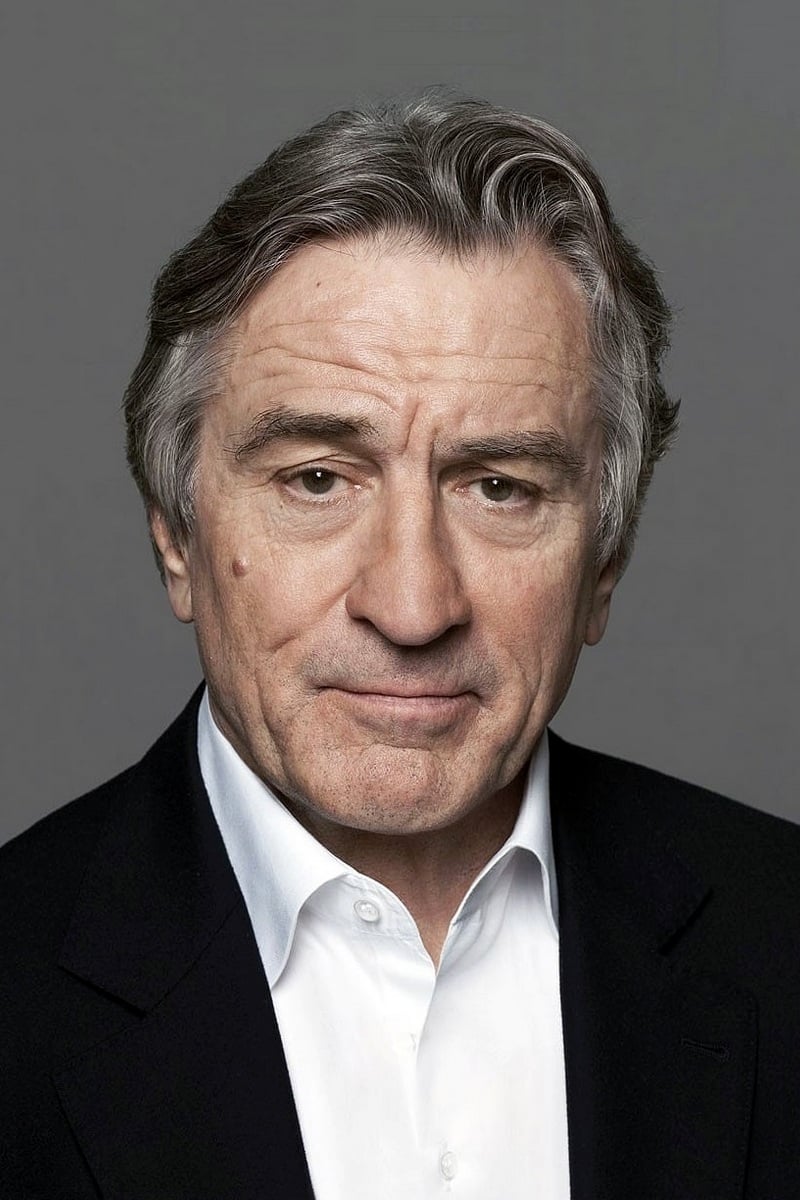
Robert De Niro portrays a young Vito Corleone in flashbacks that alternate with Al Pacino’s storyline as Michael. De Niro won the Academy Award for Best Supporting Actor for the role.
Director Francis Ford Coppola uses parallel editing to compare leadership styles, with De Niro’s scenes charting immigration, neighborhood alliances, and the founding of a family enterprise. The performance’s measured physicality—quiet observation, deliberate speech, and ritual gestures—supplies the origin myth that contextualizes the present-day plot.
Tommy Lee Jones – ‘The Fugitive’ (1993)
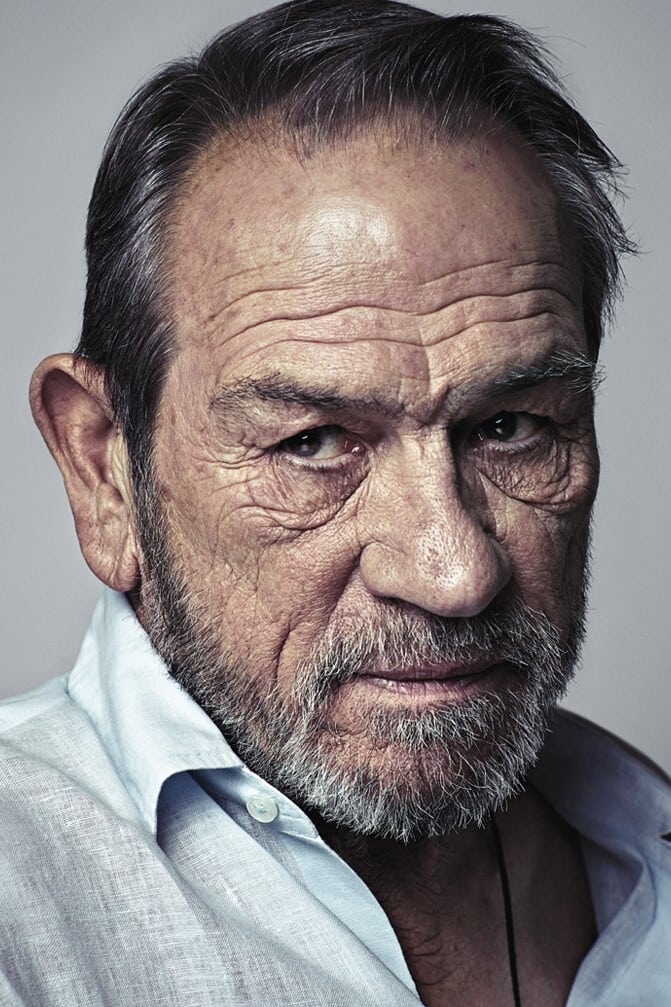
Tommy Lee Jones plays U.S. Marshal Samuel Gerard, the pursuer of a surgeon on the run portrayed by Harrison Ford. Jones won the Academy Award and Golden Globe for Best Supporting Actor.
The movie’s structure follows manhunt protocols—briefings, perimeters, and search-and-seizure operations—organized by Gerard’s command style. Dialogue rhythms and inter-agency friction establish a procedural backbone, allowing the chase to move through urban infrastructure, rural sites, and public events.
Benicio Del Toro – ‘Traffic’ (2000)
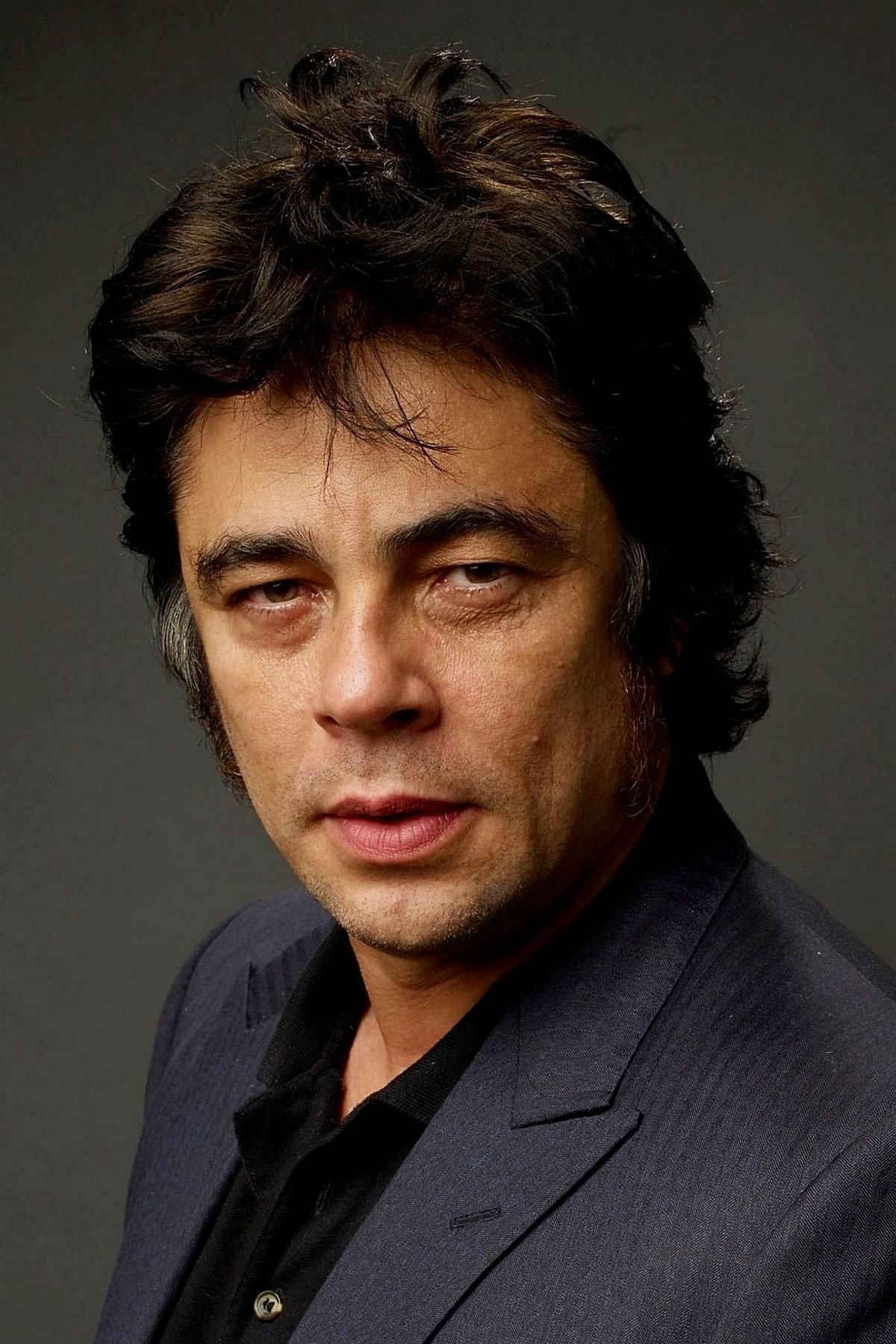
Benicio Del Toro plays Javier Rodriguez, a Mexican state police officer navigating corruption and cartel power within Steven Soderbergh’s multi-strand narrative. Del Toro won the Academy Award, BAFTA, SAG Award, and Golden Globe for Best Supporting Actor.
The film’s color-graded visual design sets Rodriguez’s arc apart, tracking institutional negotiations, desert raids, and shifting allegiances. The character’s choices—cooperation, protection, and community investment—form the movie’s conscience, aligning local stakes with international policy threads.
Christian Bale – ‘The Fighter’ (2010)
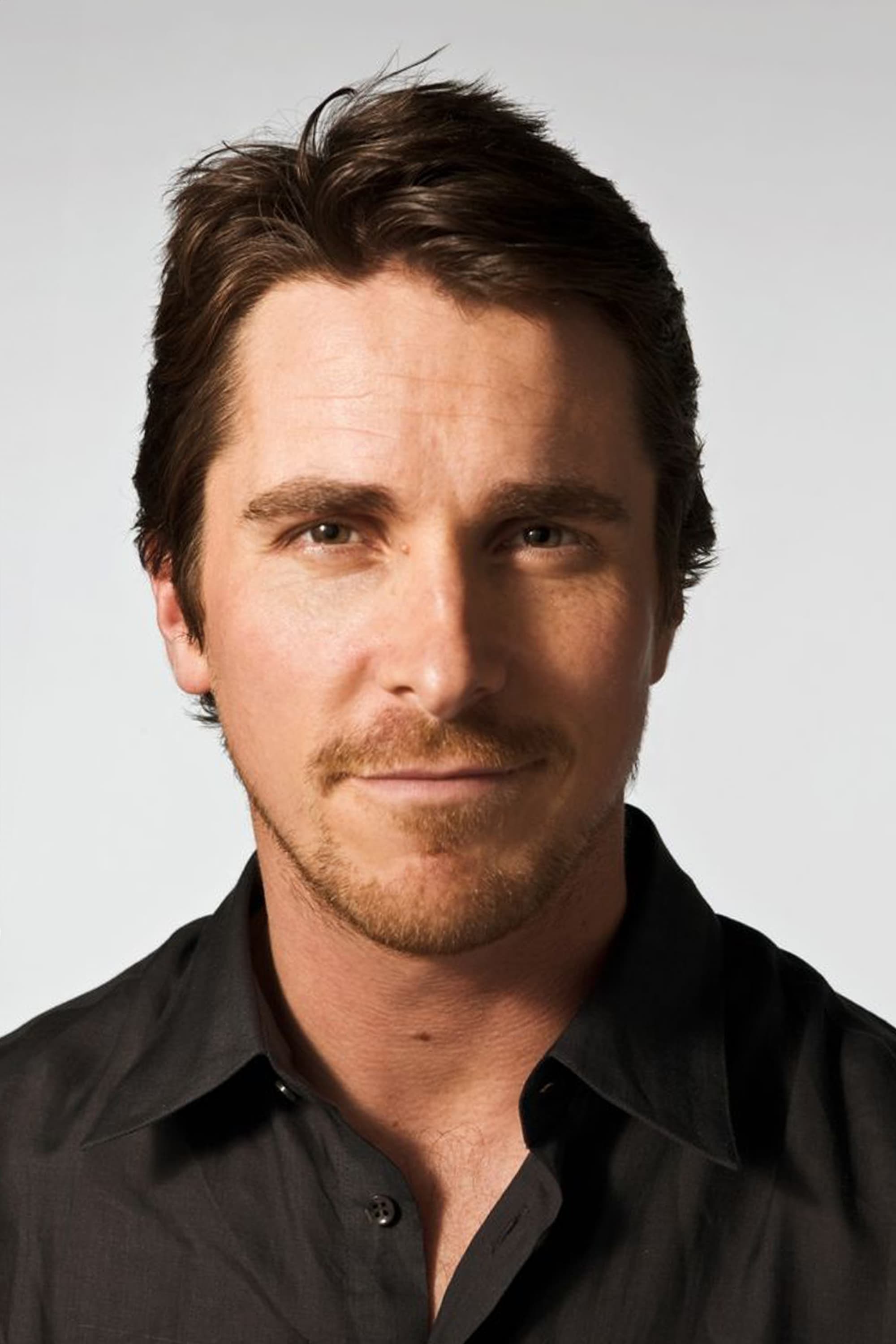
Christian Bale appears as Dicky Eklund, a former boxer and half-brother to Mark Wahlberg’s title contender, whose struggles and mentorship define the camp’s fortunes. Bale won the Academy Award, Golden Globe, and SAG Award for Best Supporting Actor.
Director David O. Russell integrates documentary-style TV footage, family meetings, and gym sessions to map Dicky’s influence on training and promotion. Bale’s vocal pitch, physical transformation, and regional cadence match archival references, grounding the biographical detail in verifiable context.
Edward Norton – ‘Primal Fear’ (1996)
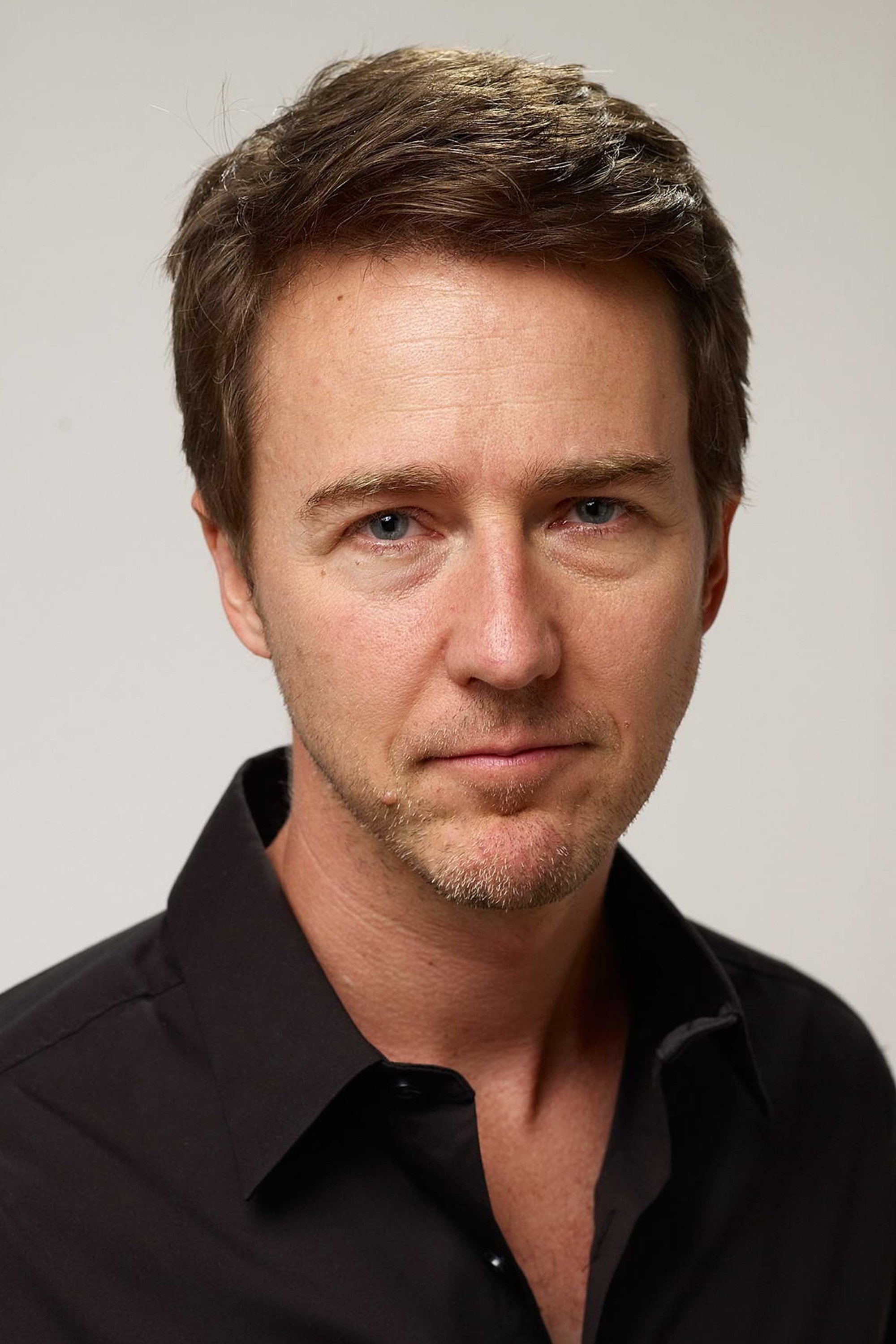
Edward Norton plays Aaron Stampler, an altar boy accused of murder opposite Richard Gere’s defense attorney. Norton earned an Academy Award nomination and won the Golden Globe for Best Supporting Actor.
The legal thriller uses discovery, expert testimony, and cross-examination sequences to showcase Norton’s command of behavioral shifts under pressure. The role launched his film career, leading to immediate high-profile projects and establishing him as a frequent awards contender.
Albert Brooks – ‘Drive’ (2011)
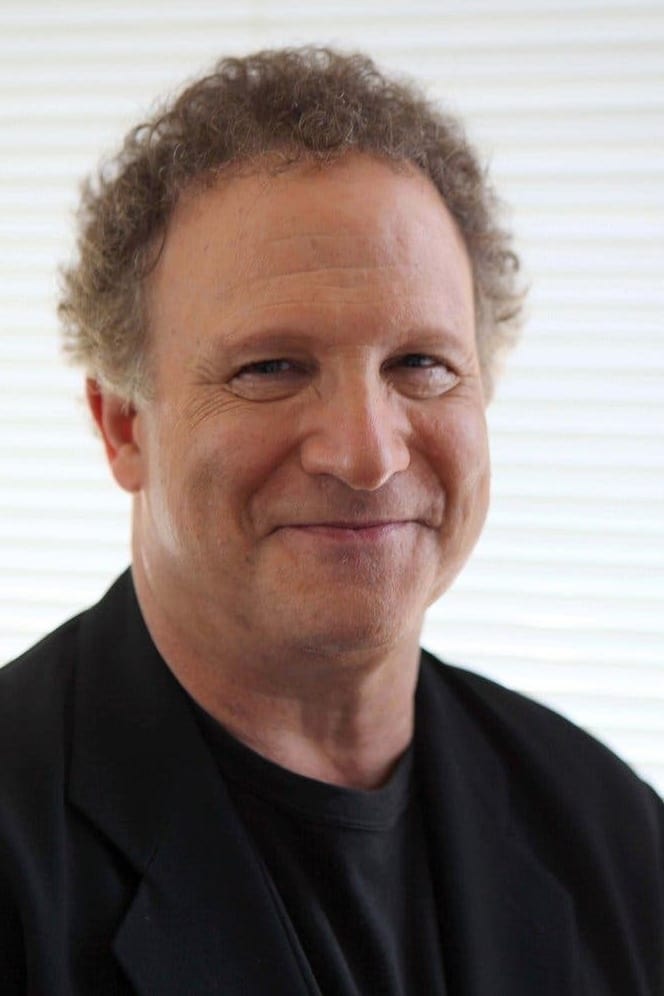
Albert Brooks portrays Bernie Rose, a Hollywood producer turned criminal organizer who confronts a getaway driver played by Ryan Gosling. Brooks received a Golden Globe nomination and multiple critics’ group awards for Best Supporting Actor.
Director Nicolas Winding Refn contrasts neon-lit romance with sudden underworld logistics, giving Brooks scenes that handle financing, negotiation, and enforcement. The character’s history in the industry—skills, contacts, and etiquette—connects the film’s two worlds, explaining how money and violence intersect.
Andy Serkis – ‘The Lord of the Rings: The Two Towers’ (2002)
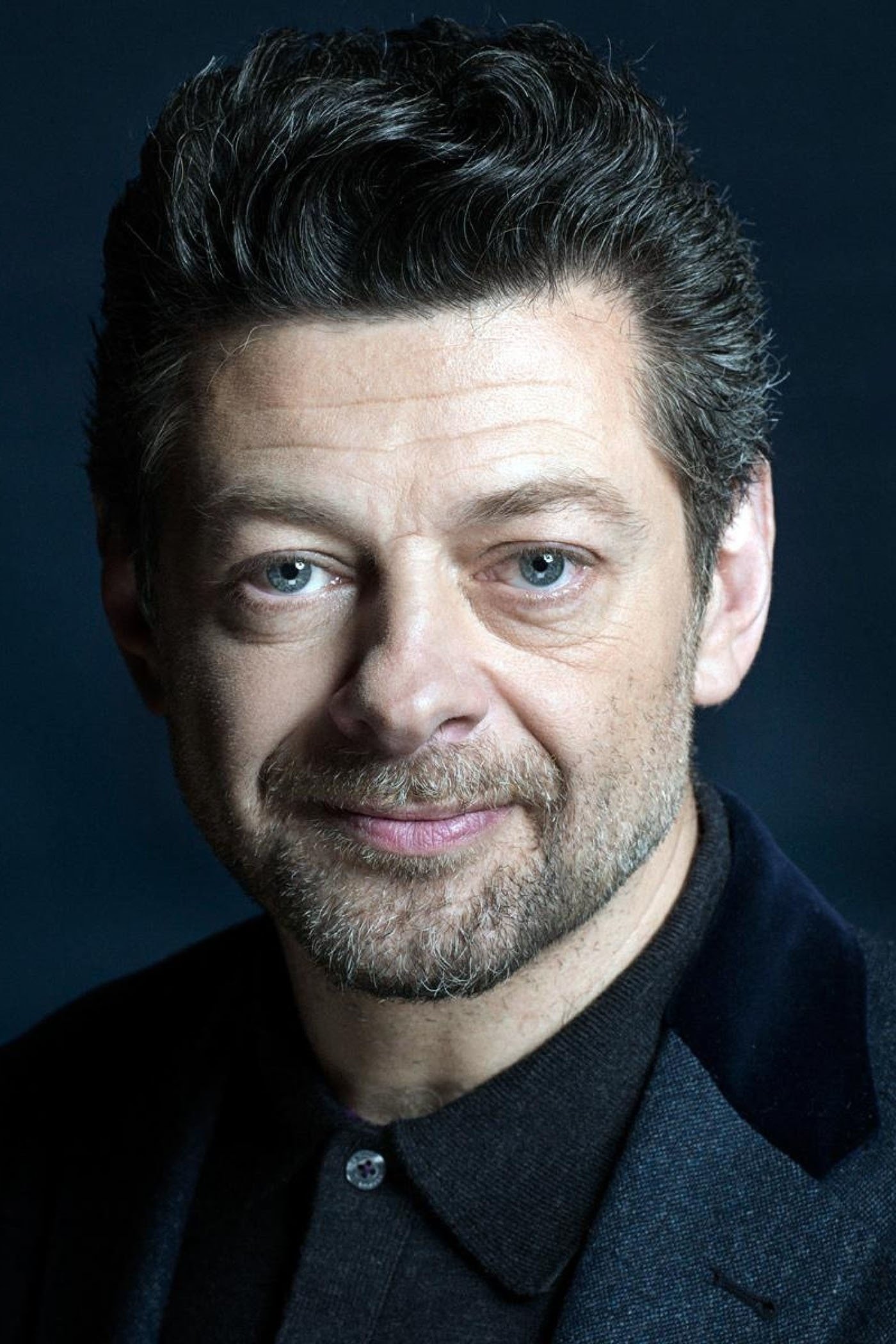
Andy Serkis provides the voice and performance-capture for Gollum, whose guidance and duplicity reshape the quest undertaken by Elijah Wood and Sean Astin’s characters. The role became a milestone in digital character acting, developed with Wētā Digital’s animation and on-set reference work.
Serkis’s live-action presence on the shoot, later replaced by the CG character, allowed for eye-lines, blocking, and improvisation with other actors. The split-personality dialogue and physical tics give the story its cautionary portrait of possession, moving the narrative beyond simple travelogue.
Mads Mikkelsen – ‘Casino Royale’ (2006)
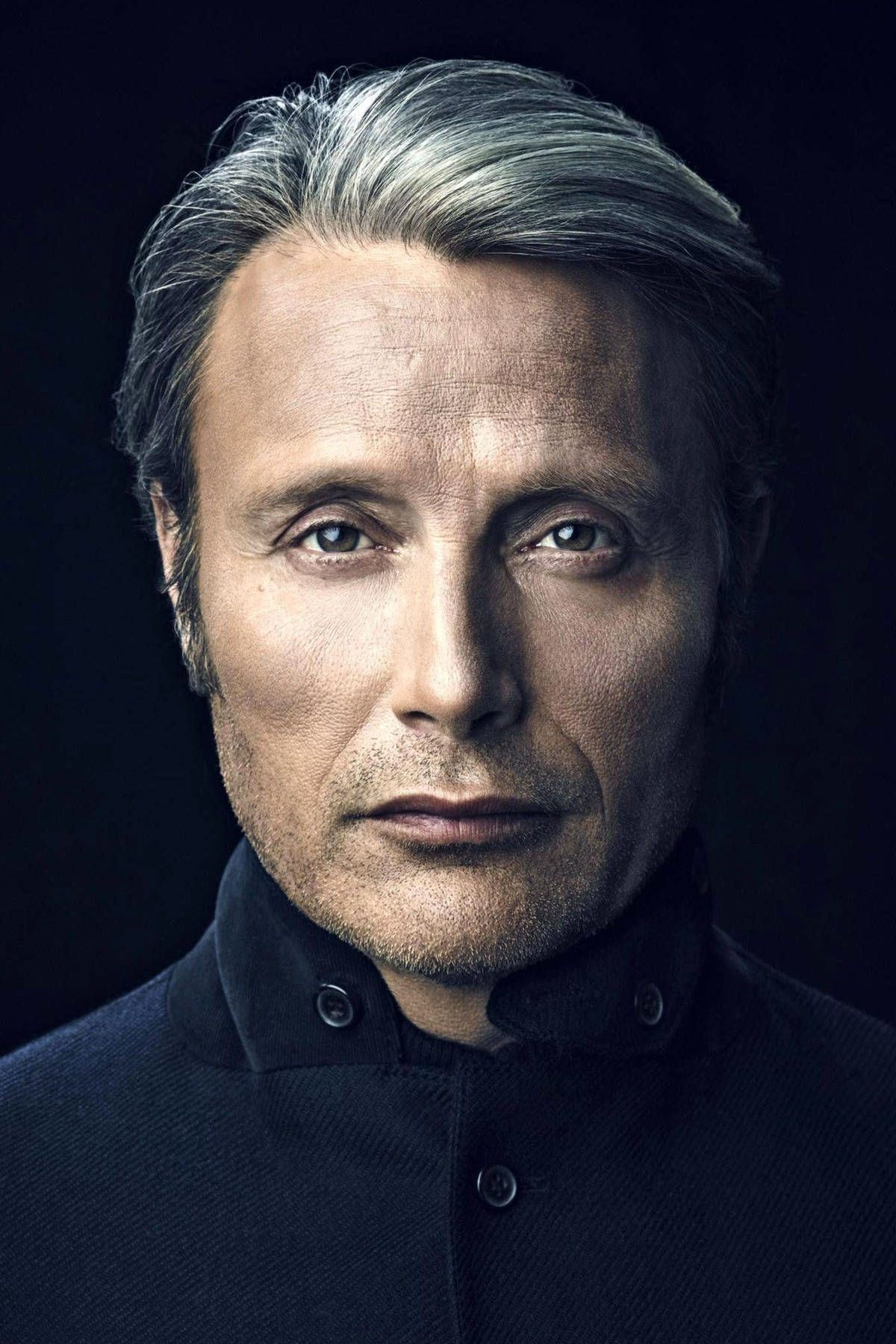
Mads Mikkelsen plays Le Chiffre, a financier whose high-stakes poker game draws Daniel Craig’s newly minted 007 into a web of debt and terror funding. The character functions as the primary antagonist, structuring the film around tournament play, tells, and countermeasures.
Director Martin Campbell uses close-up card play, mathematical odds, and interrogation to connect financial risk with espionage tactics. Mikkelsen’s physical details—scarred eye, inhaler use, and subtle posture—build a profile of vulnerability and menace that drives the plot’s reversals.
Ben Mendelsohn – ‘Rogue One: A Star Wars Story’ (2016)
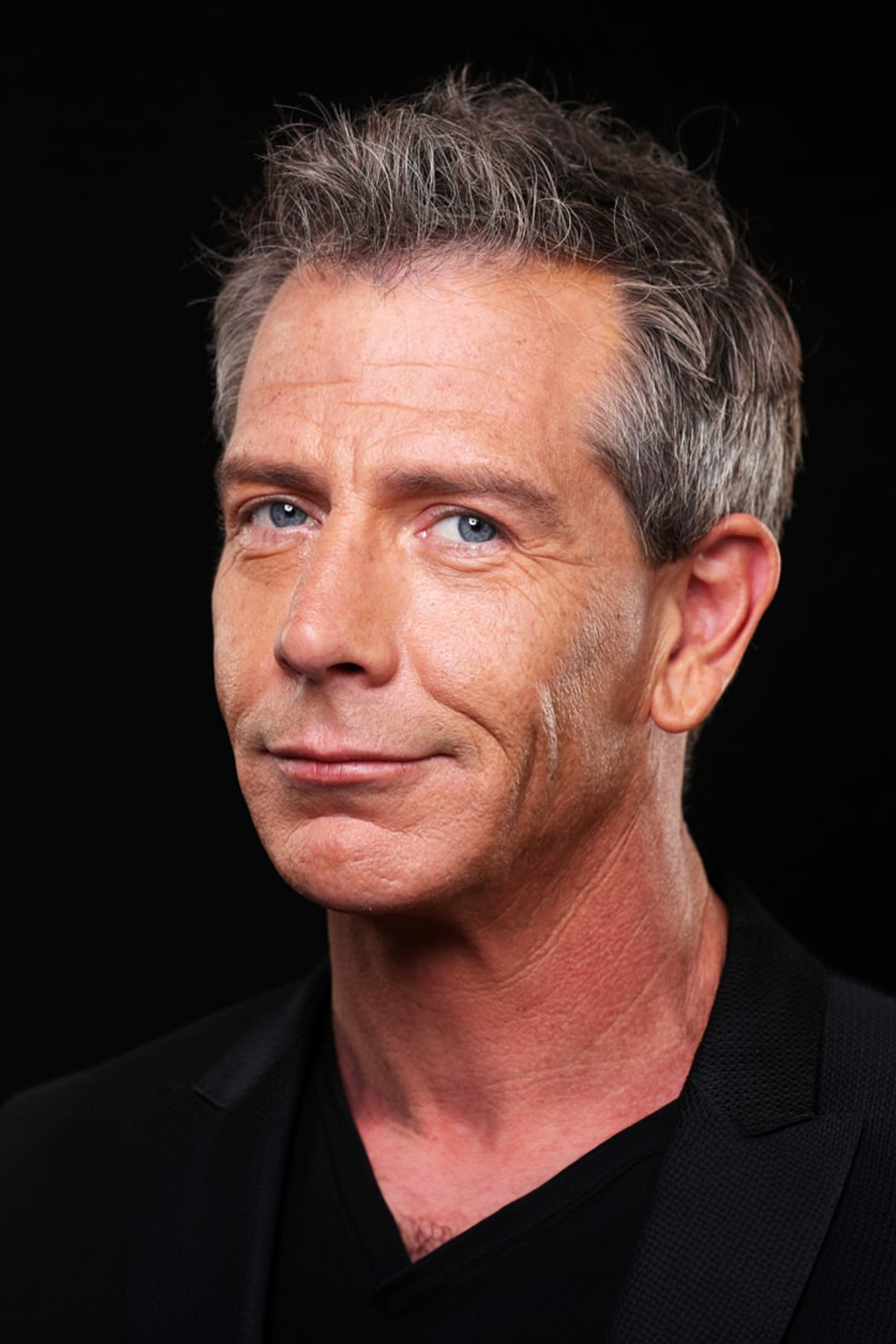
Ben Mendelsohn appears as Orson Krennic, an ambitious Imperial director competing for control of a planet-destroying project opposed by rebels led by Felicity Jones and Diego Luna. The role places him at the intersection of military authority and political rivalry within the Empire’s hierarchy.
Krennic’s scenes—farm confrontations, boardroom briefings, and battlefield oversight—explain the logistical pipeline behind the superweapon that links to events in ‘Star Wars: A New Hope’. Costuming, vocal cadence, and strategic setbacks outline a careerist portrait that clarifies how ambition functions inside the franchise’s bureaucracy.
John Cazale – ‘Dog Day Afternoon’ (1975)
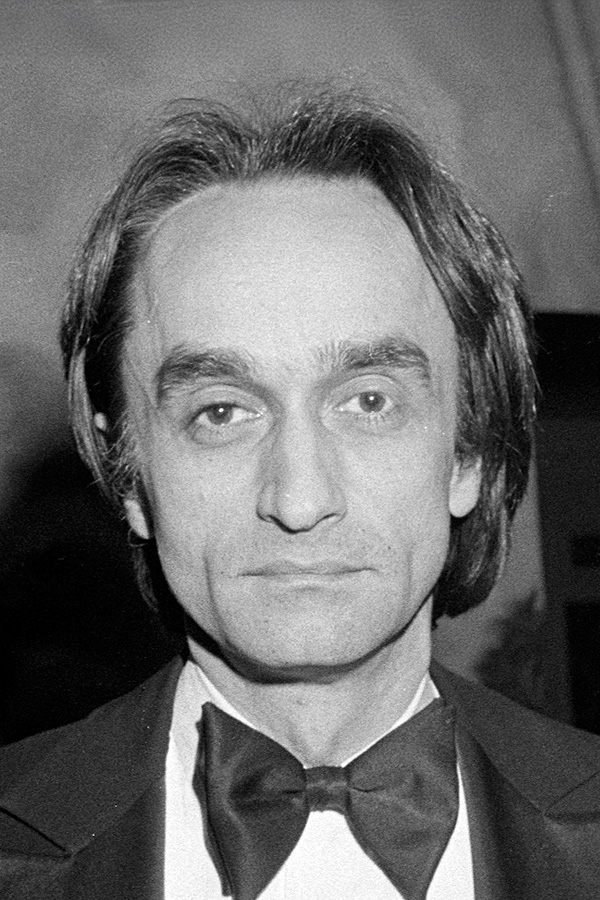
John Cazale plays Sal, the uneasy partner in a bank robbery led by Al Pacino’s character, during a stand-off that draws crowds and media. Cazale’s soft-spoken presence and strict demands shape the police negotiations and the hostages’ responses.
Director Sidney Lumet’s real-time structure relies on Sal’s caution and unpredictability to escalate tension without constant action. The role adds vulnerability to the crew dynamic, revealing fractures that influence the outcome of the escape plan.
Ke Huy Quan – ‘Everything Everywhere All at Once’ (2022)
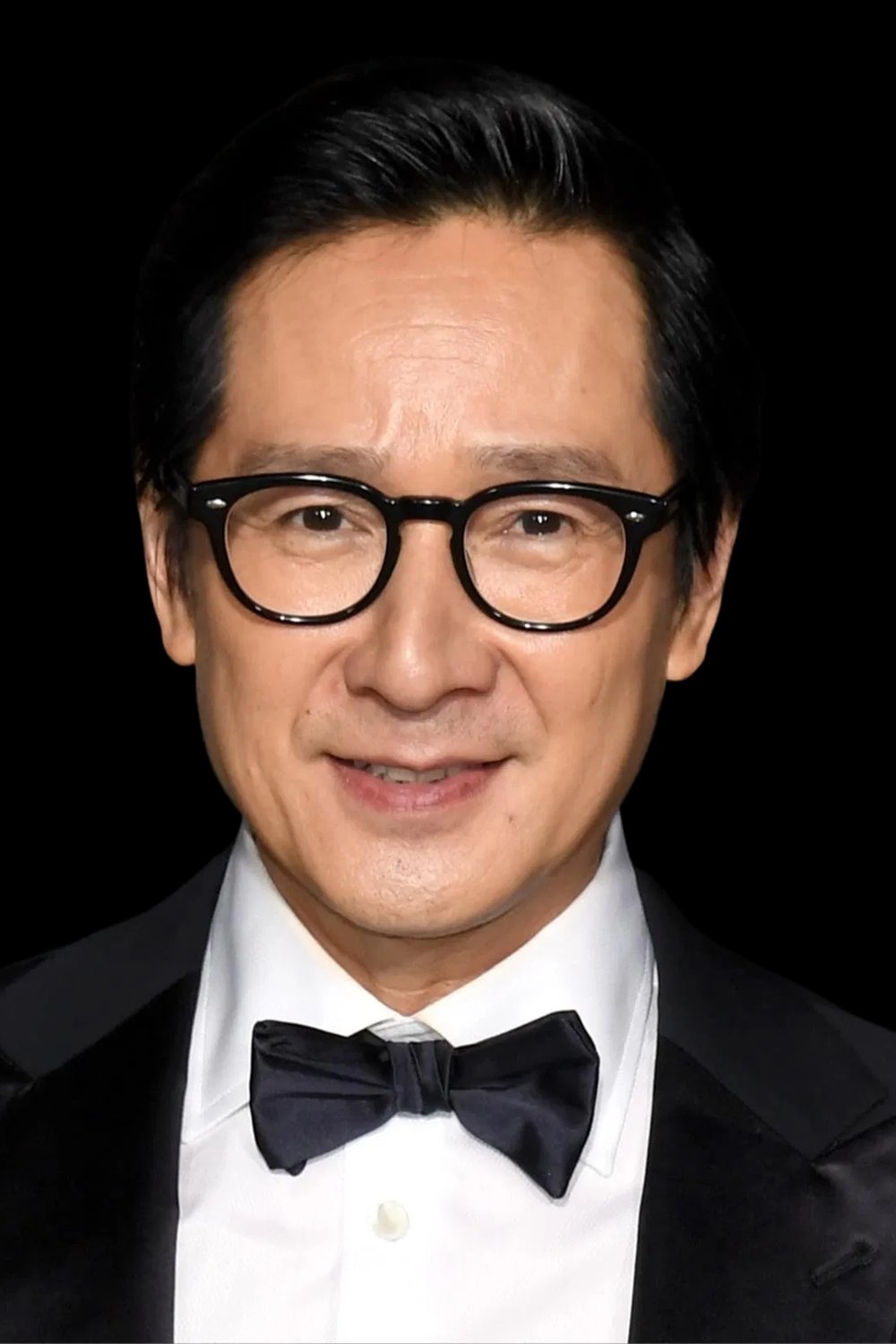
Ke Huy Quan portrays Waymond Wang, partner to Michelle Yeoh’s protagonist, whose alternate-universe skills and kindness serve as the film’s tactical and thematic tools. Quan won the Academy Award, Golden Globe, SAG Award, and Critics’ Choice Award for Best Supporting Actor.
The Daniels stage multiverse jumps through props, martial-arts choreography, and rapid-cut costume shifts, with Waymond’s notes, fanny pack, and headset translating rules mid-scene. The character’s contrasting modes—confident strategist and gentle spouse—connect genre spectacle to the story’s family stakes.
Barry Keoghan – ‘The Banshees of Inisherin’ (2022)
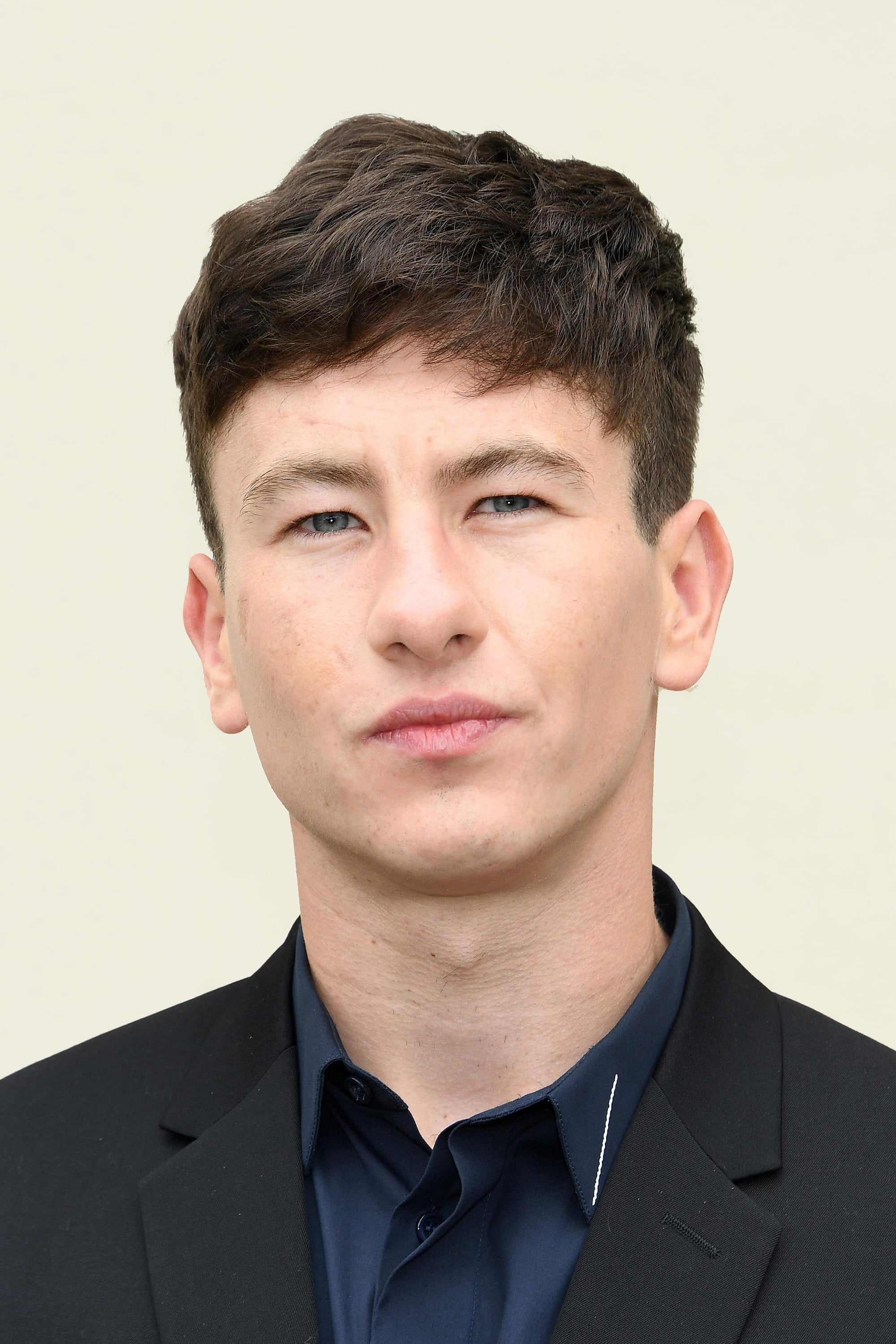
Barry Keoghan appears as Dominic Kearney, a troubled islander whose interactions with Colin Farrell and Brendan Gleeson’s characters expose the community’s quiet cruelties. Keoghan won the BAFTA for Best Supporting Actor and received Academy Award and Golden Globe nominations.
Writer-director Martin McDonagh uses Dominic’s direct questions and social marginalization to reveal norms of silence, gossip, and retaliation. The character’s scenes—fishing, roadside talks, and awkward courtship—mark turning points that deepen the film’s study of isolation.
Robert Downey Jr. – ‘Oppenheimer’ (2023)
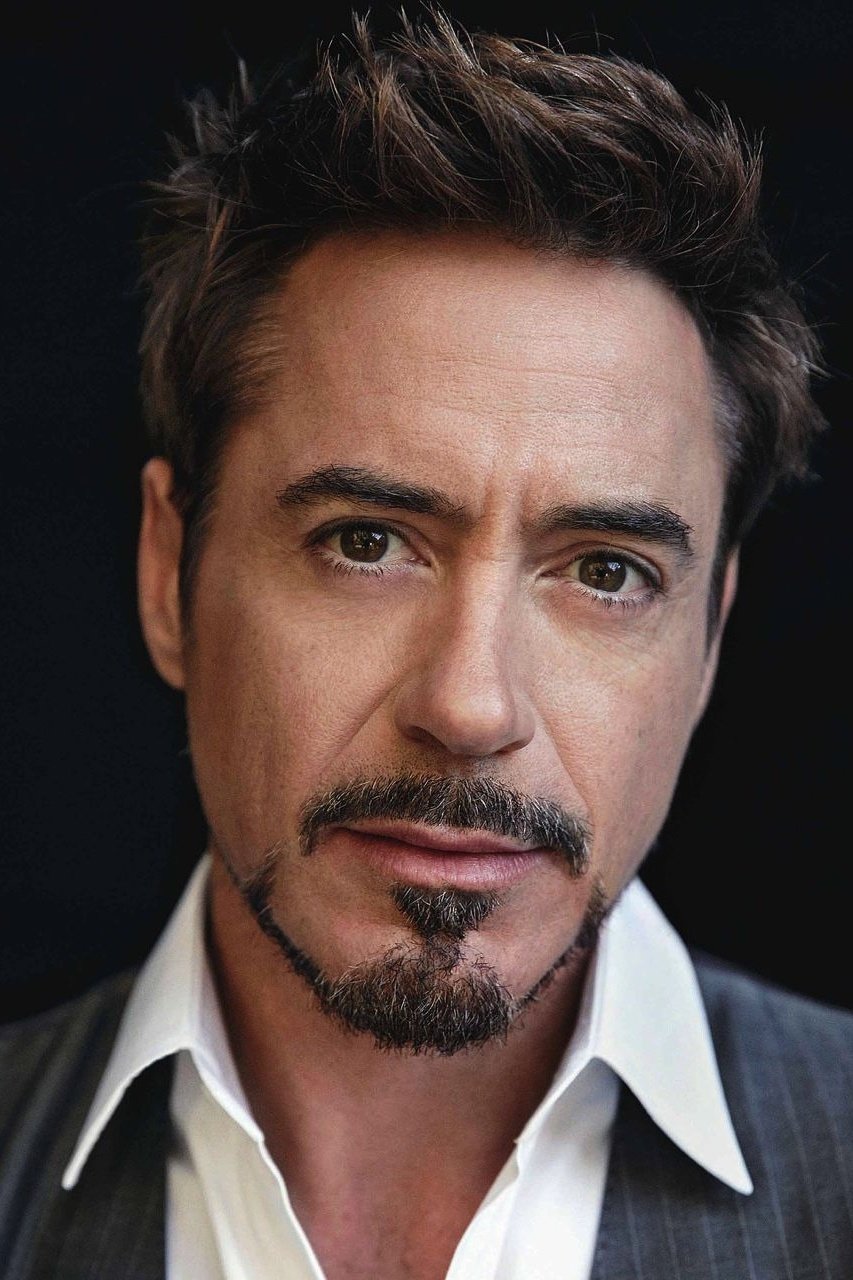
Robert Downey Jr. plays Lewis Strauss, a political and administrative force whose hearings and recollections frame the biographical arc around Cillian Murphy’s physicist. Downey won the Academy Award, BAFTA, Golden Globe, and SAG Award for Best Supporting Actor.
Christopher Nolan alternates security-clearance inquiries, Senate proceedings, and departmental strategy sessions to show how policy and personality affect scientific legacy. Downey’s precise diction, calibrated temperament, and shifting alliances supply the procedural spine that links personal conflicts to national structures.
Share your own favorite instance of a supporting performance taking center stage in the conversation—drop your pick in the comments.