


70s Movies That Aged Well

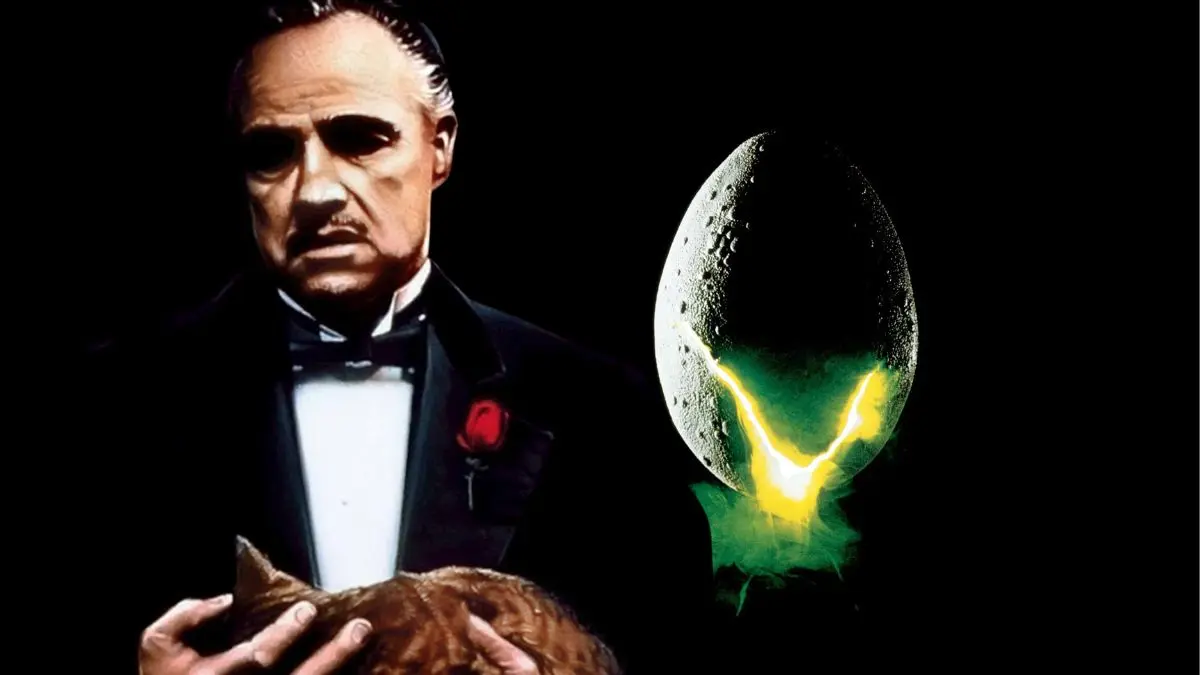


The 1970s produced a wave of films that reshaped storytelling, craft, and scale. Many of these movies still feel immediate because of strong writing, precise direction, and performances that keep their characters vivid. Across genres you can see practical effects, location shooting, and music choices that give each story a memorable identity.
This list gathers fifty titles from that decade that continue to be watched, studied, and discussed. For each one you will find clear details about who made it, who starred in it, and how it was crafted, so you have useful context the next time you press play.
‘The Godfather’ (1972)
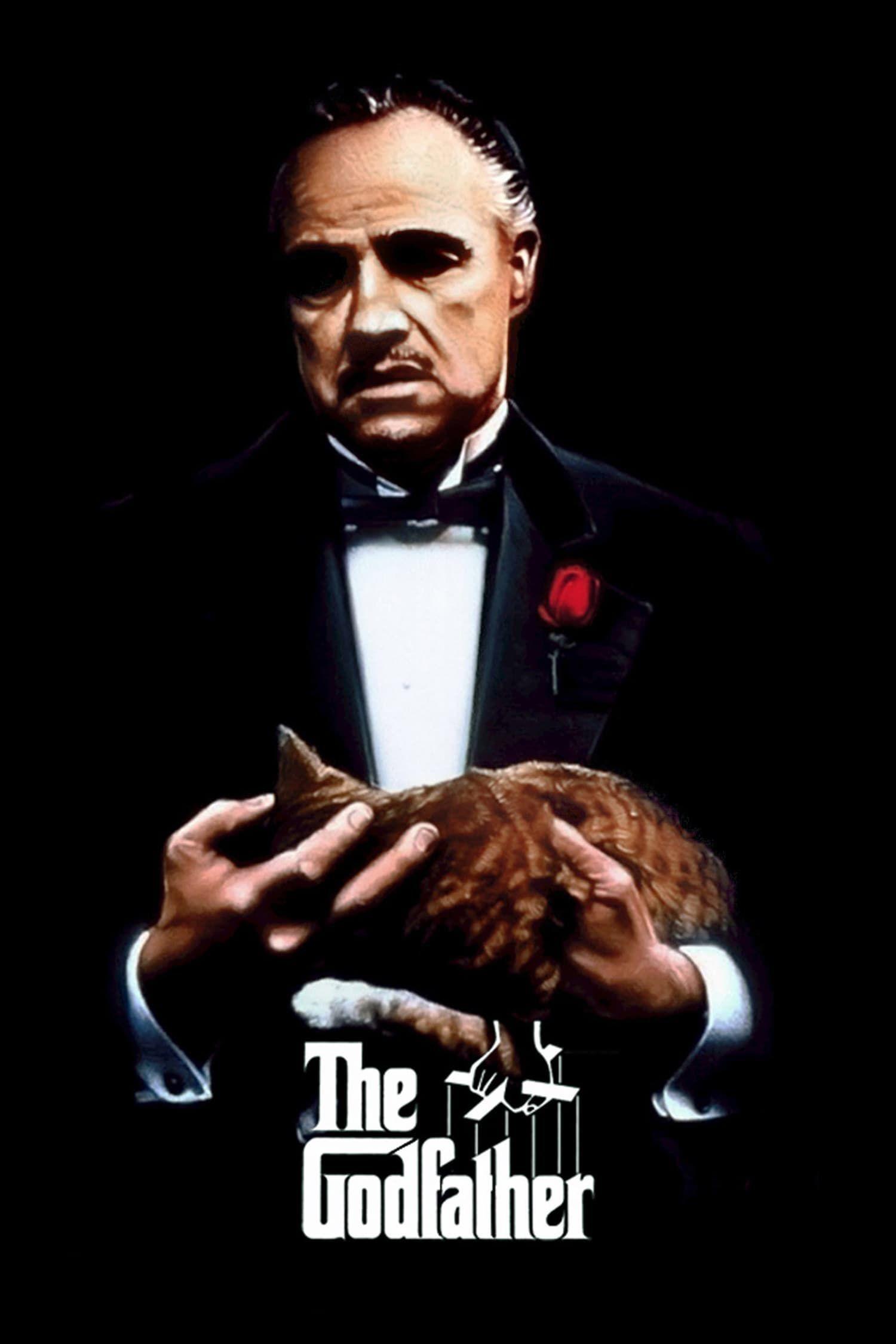
Francis Ford Coppola directs an ensemble that includes Marlon Brando, Al Pacino, James Caan, and Robert Duvall. The story follows the Corleone family through shifting loyalties and power moves inside organized crime.
Gordon Willis uses low key lighting to define faces and rooms, and Nino Rota provides an iconic score. The film earned Academy Awards for Best Picture, Best Actor, and Best Adapted Screenplay.
‘The Godfather Part II’ (1974)
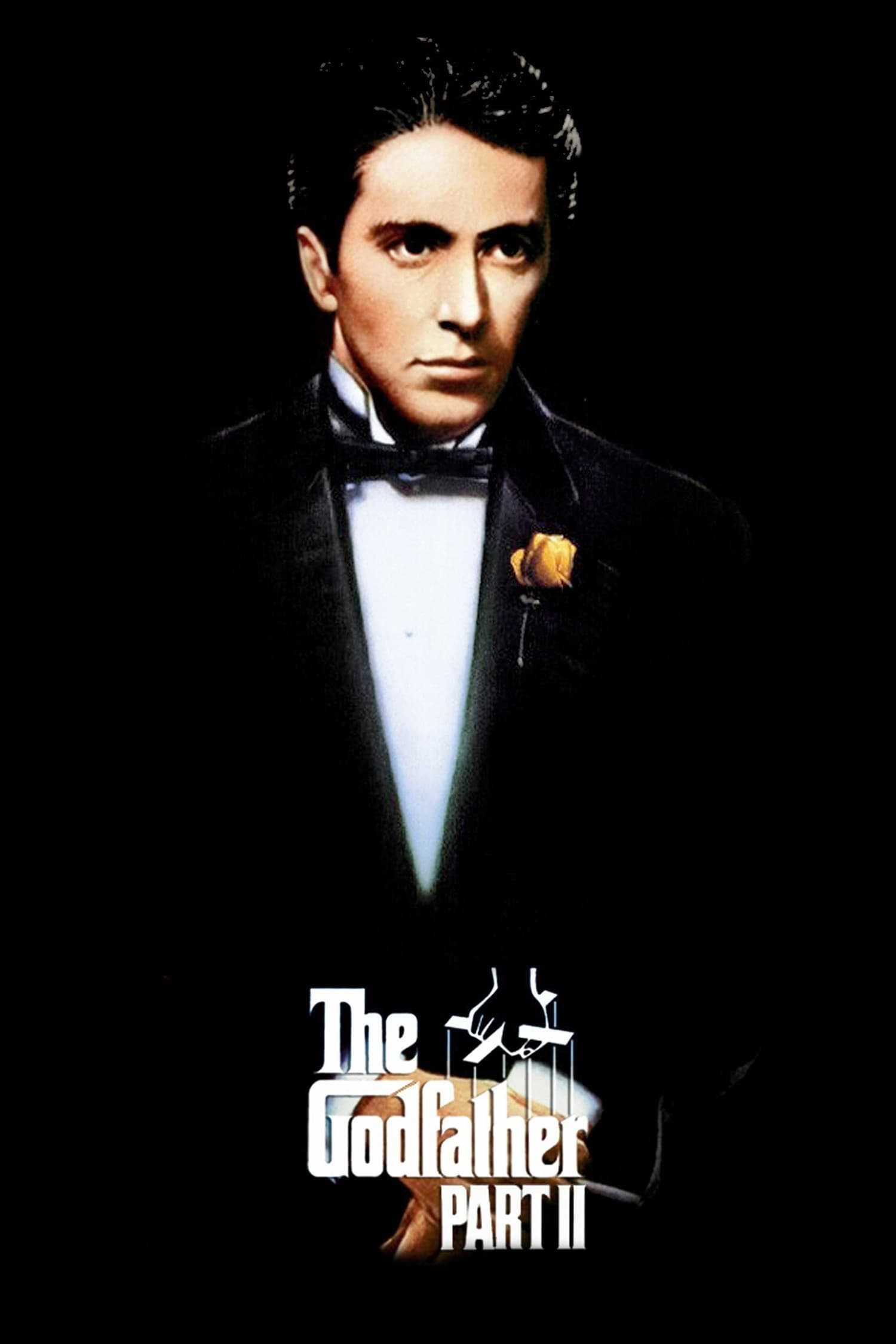
Robert De Niro portrays young Vito Corleone while Al Pacino continues Michael’s arc, with Coppola weaving parallel timelines. Locations include New York, Sicily, and Lake Tahoe, with production doubling Caribbean sites for Havana.
The film received Academy Awards including Best Picture and Best Director. Its editorial structure by Peter Zinner and Barry Malkin balances family history with political and business dealings.
‘Chinatown’ (1974)
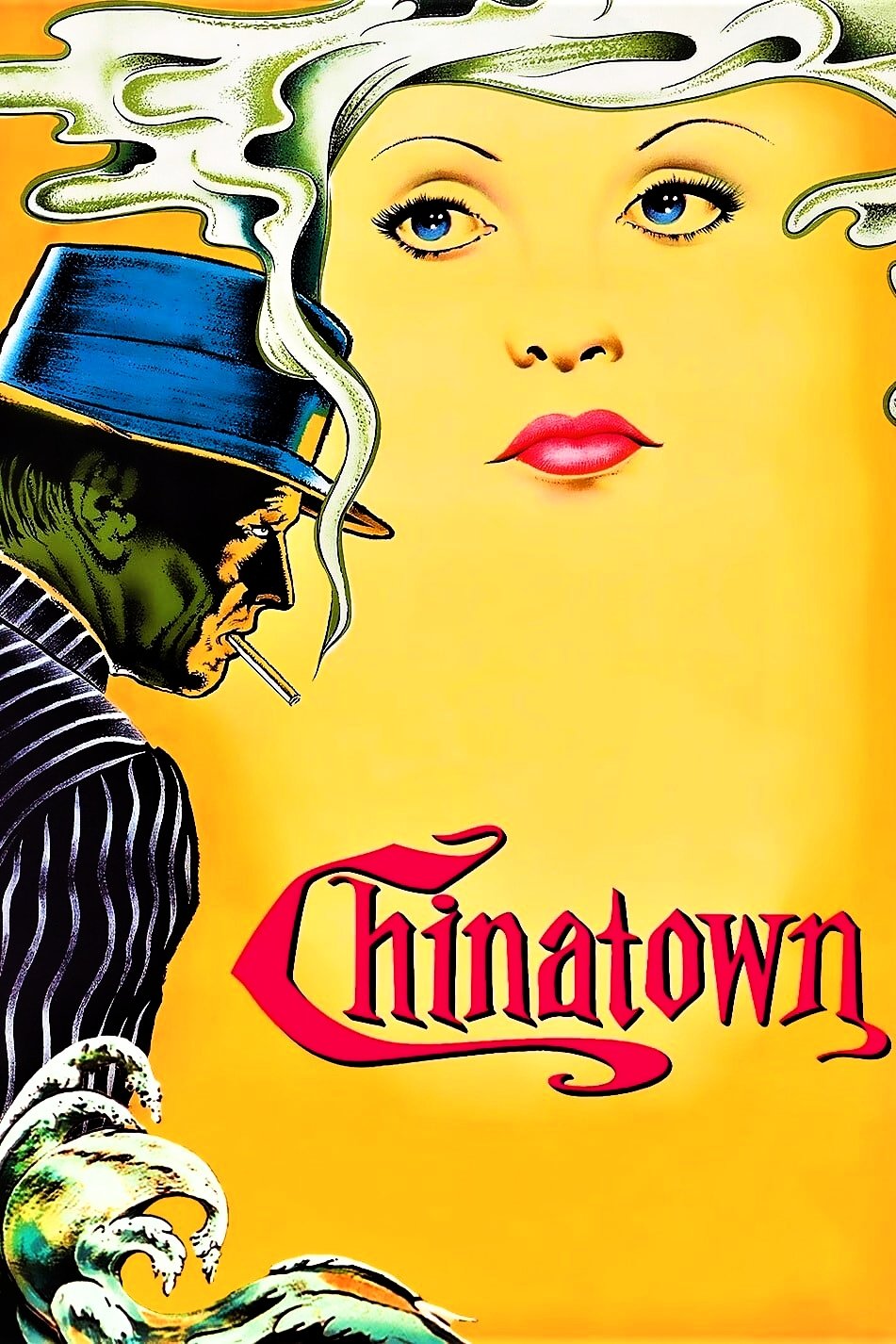
Roman Polanski directs Jack Nicholson and Faye Dunaway in a detective story set in Los Angeles. Robert Towne’s screenplay follows private investigator J J Gittes as he uncovers fraud tied to water rights.
John A Alonzo’s cinematography favors warm tones and careful framing that evoke an earlier city. Jerry Goldsmith’s trumpet driven score was composed under tight deadlines and became a defining element.
‘Taxi Driver’ (1976)
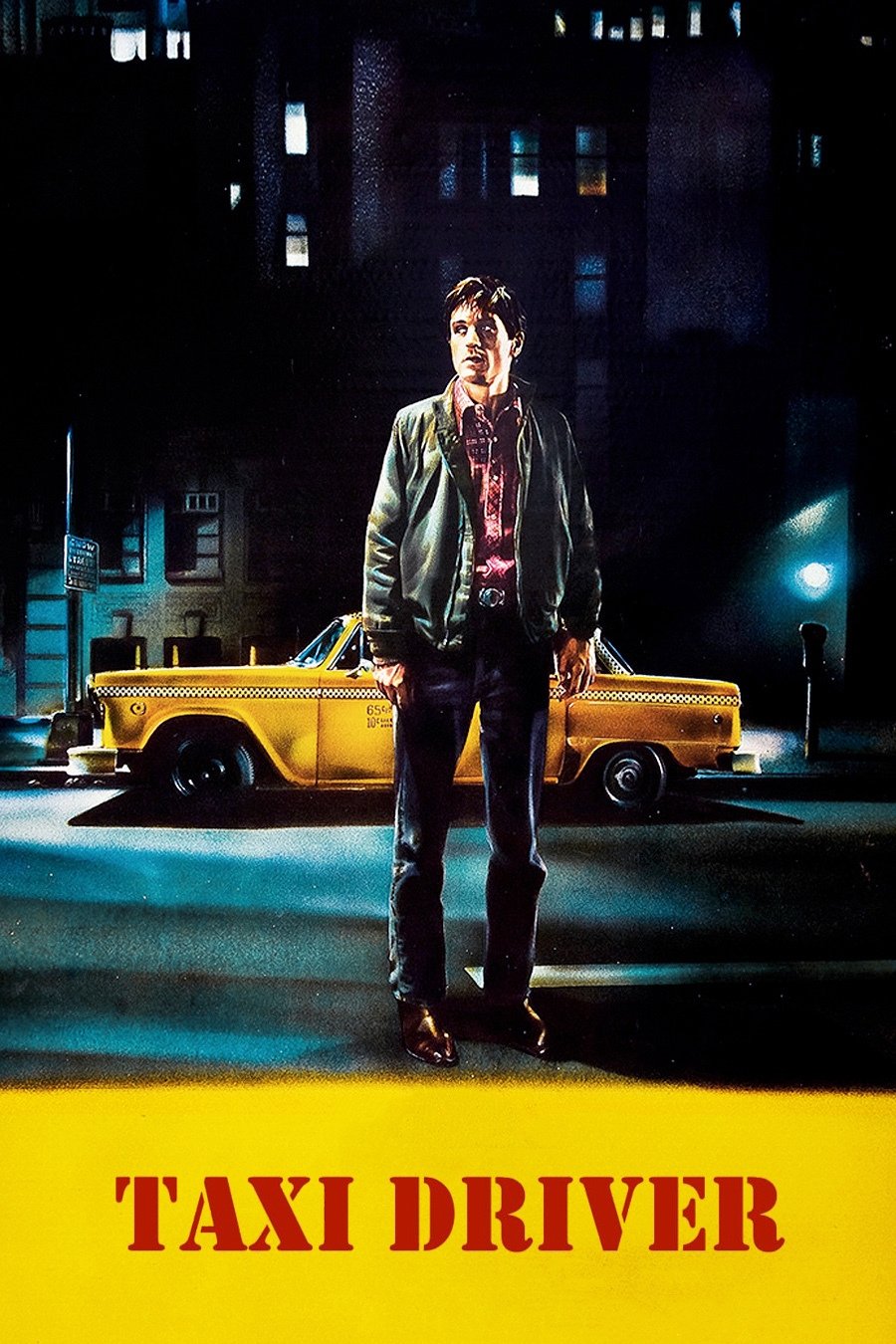
Martin Scorsese directs Robert De Niro as Travis Bickle, with Jodie Foster and Cybill Shepherd in key roles. Paul Schrader’s script centers on isolation and obsession in New York City.
Bernard Herrmann delivers a final score with brooding motifs and saxophone. Shooting used real locations at night, with Michael Chapman’s photography shaping the city’s look through grain and neon.
‘Jaws’ (1975)
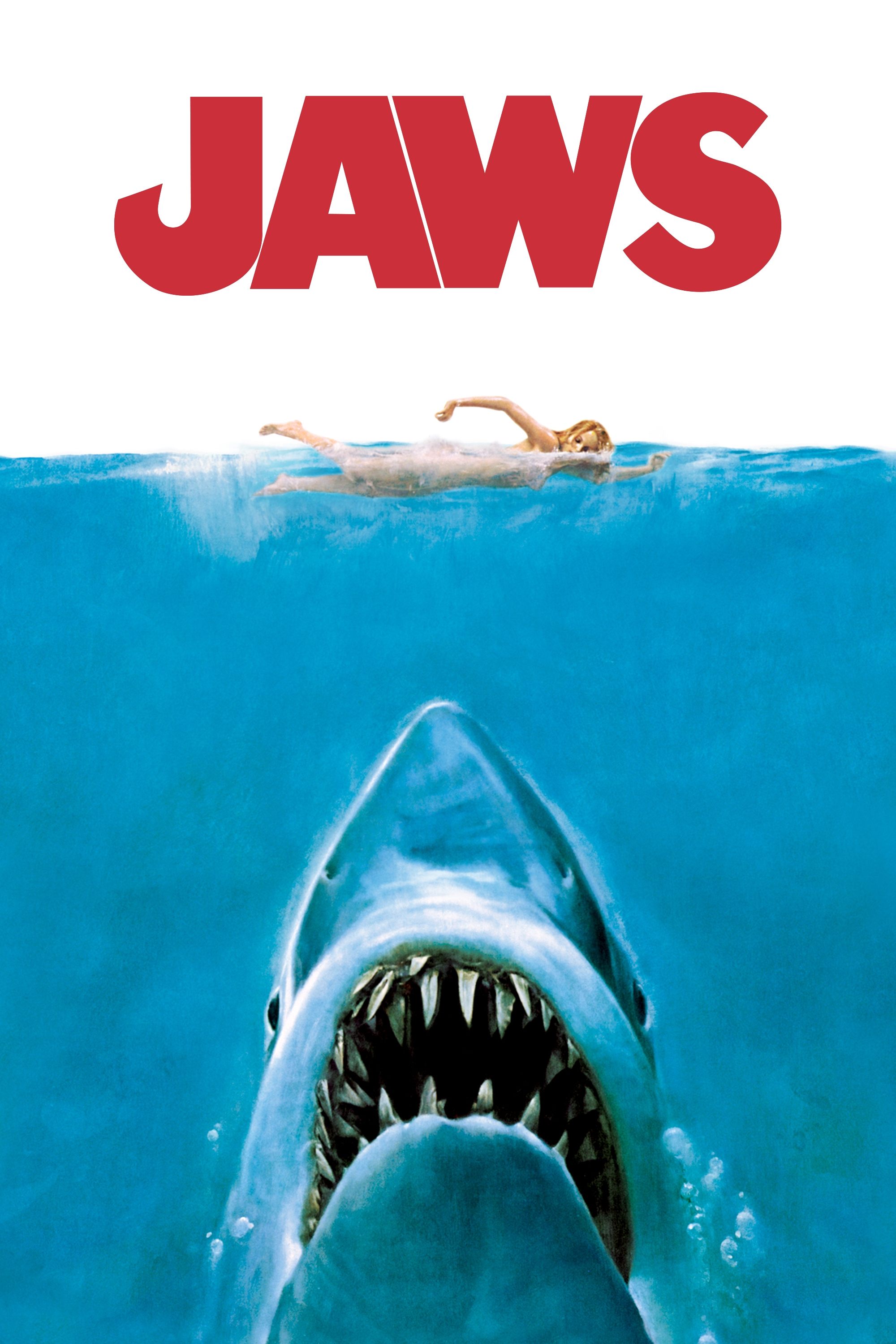
Steven Spielberg adapts Peter Benchley’s novel, led by Roy Scheider, Richard Dreyfuss, and Robert Shaw. The narrative tracks a small town’s response as a police chief works with a scientist and a seasoned fisherman.
Mechanical sharks and location work around Martha’s Vineyard created logistical challenges that influenced suspense. John Williams’s two note theme became widely recognized, and the film drew major box office crowds.
‘Star Wars’ (1977)
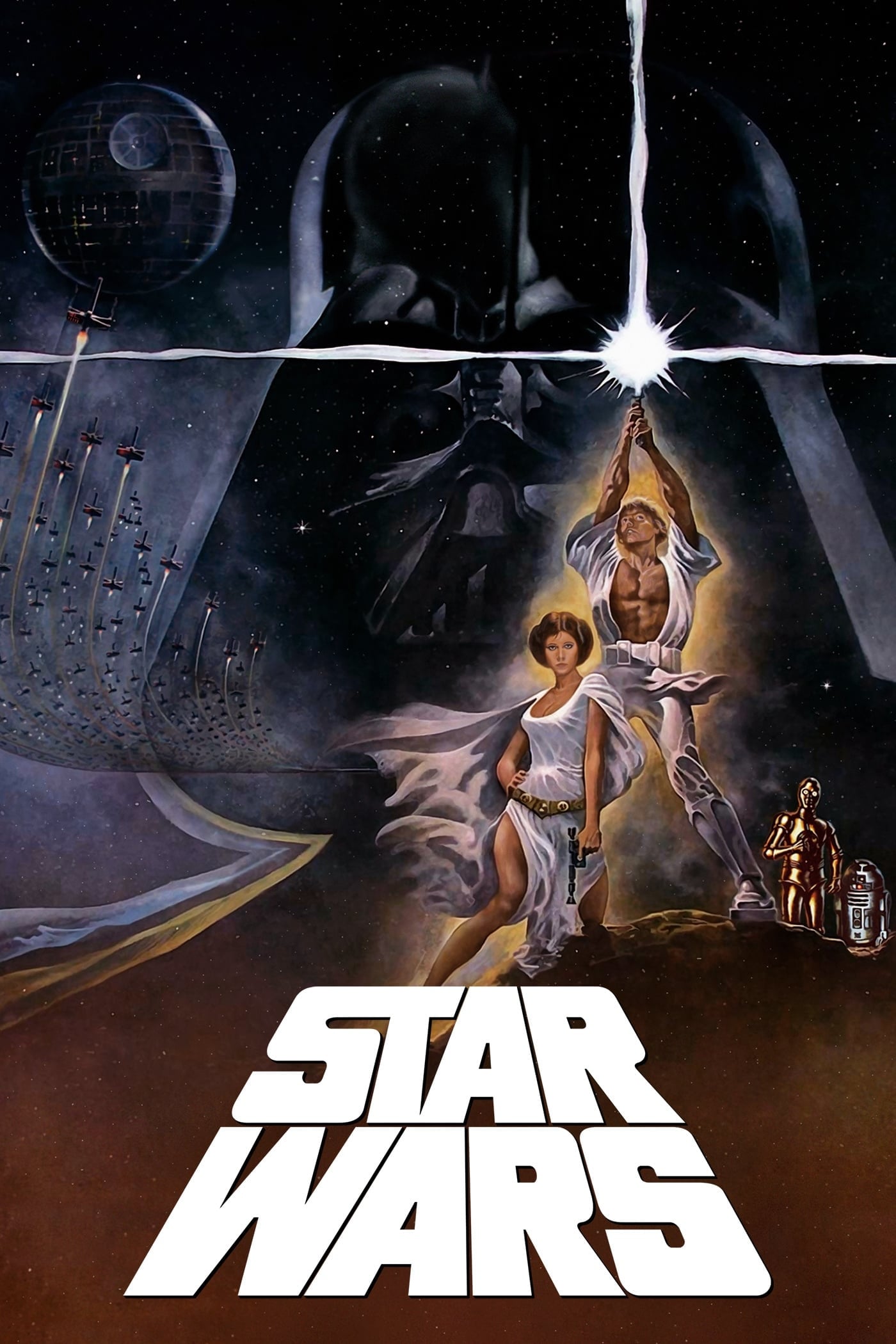
George Lucas writes and directs an adventure with Mark Hamill, Harrison Ford, and Carrie Fisher. The story follows a farm boy who joins a rebellion against an empire, guided by a mentor and a rogue pilot.
Industrial Light and Magic pioneered miniature photography and motion control for space battles. Ben Burtt’s sound design and John Williams’s orchestral score established the series’ signature audio identity.
‘Alien’ (1979)
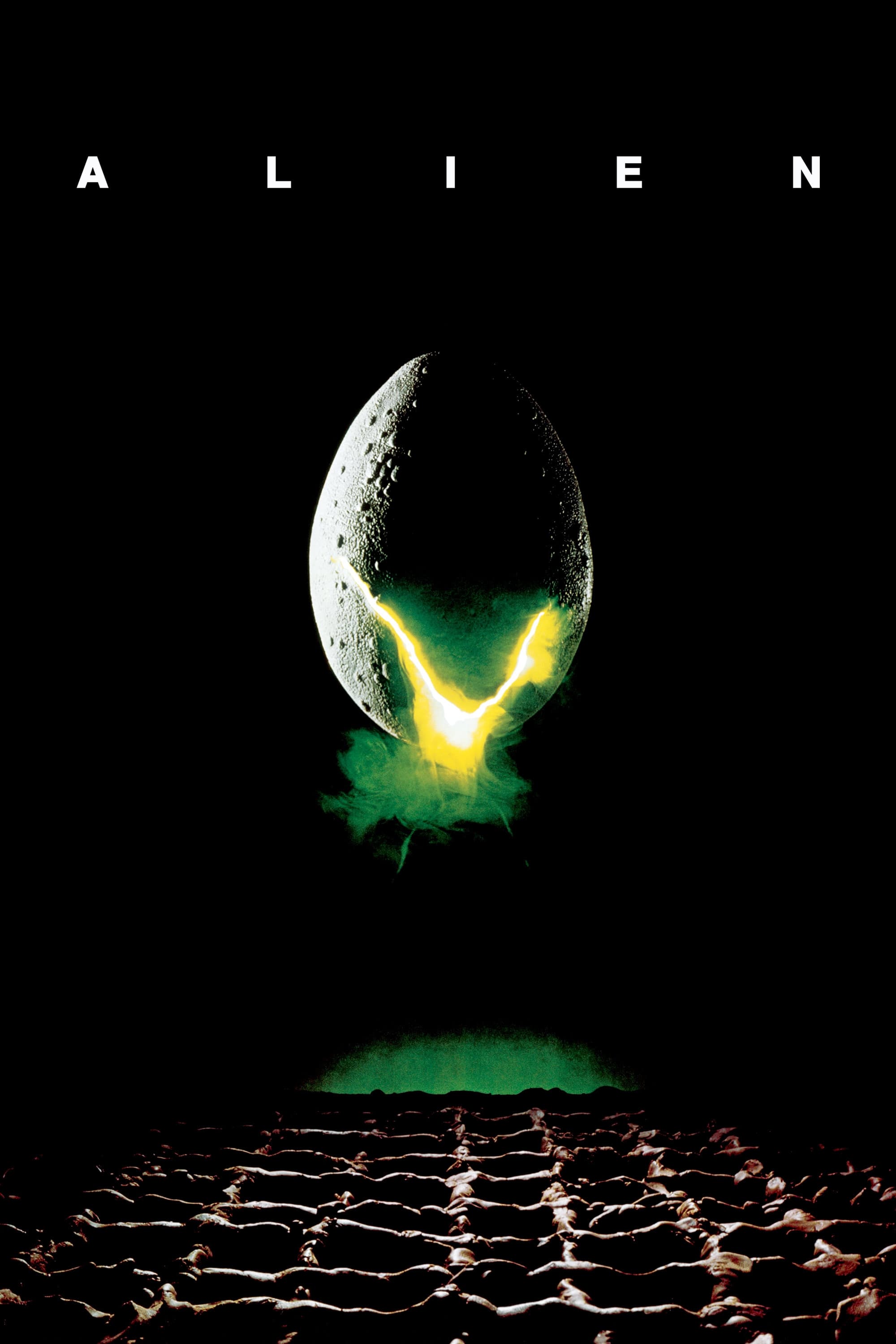
Ridley Scott directs Sigourney Weaver, Tom Skerritt, and John Hurt in a science fiction thriller set aboard a commercial vessel. The plot introduces a lifeform that hunts the crew through confined spaces.
H R Giger designed the creature and sets that blend biology and machinery. Jerry Goldsmith’s score and Derek Vanlint’s photography build a slow burn atmosphere through silence, texture, and shadow.
‘Rocky’ (1976)
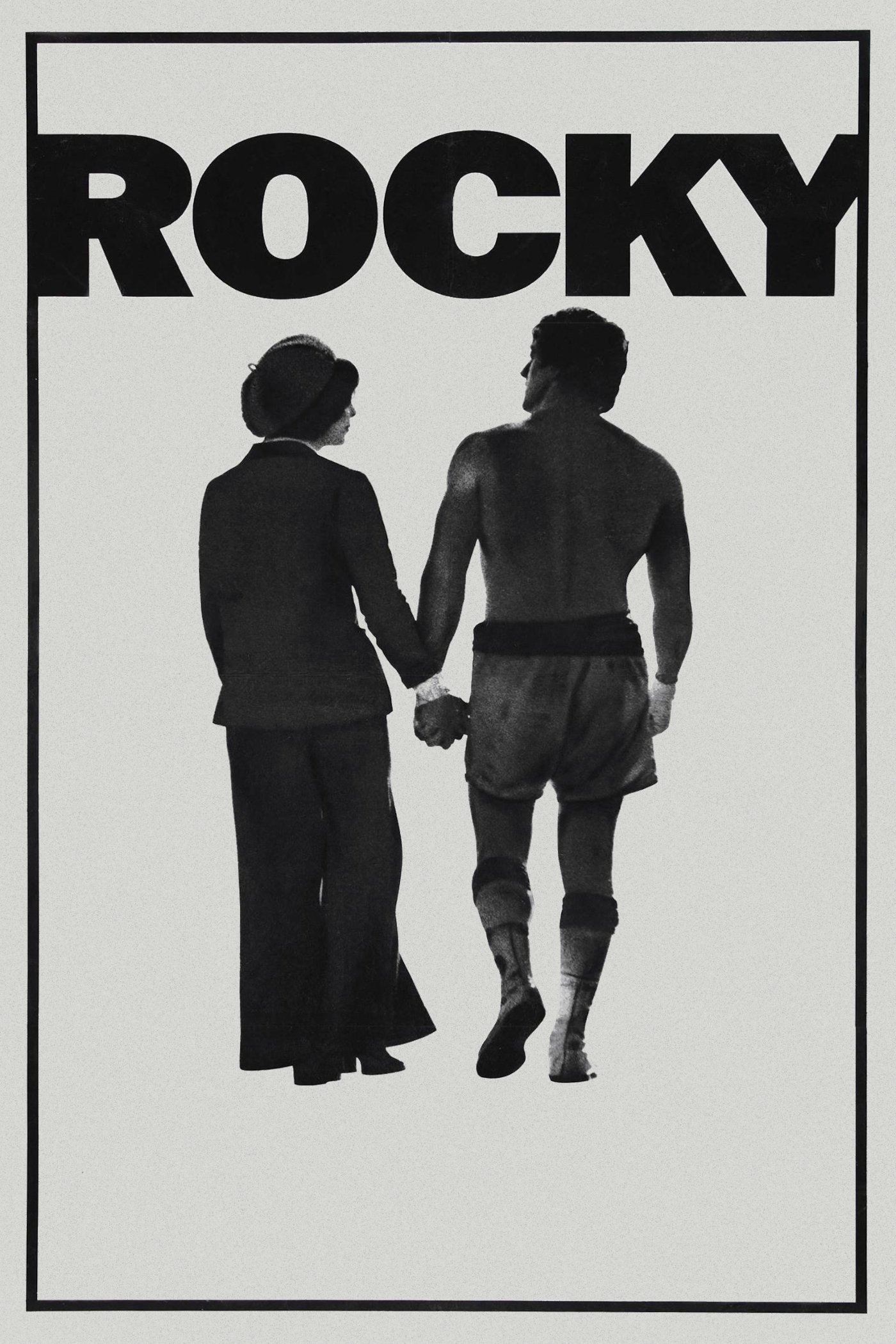
Sylvester Stallone writes and stars as a club fighter who gets a title shot, with John G Avildsen directing. Talia Shire, Burt Young, and Carl Weathers complete the central cast.
Garrett Brown’s Steadicam allowed fluid training montages on Philadelphia streets. Bill Conti’s music supports the underdog narrative, and the film won Best Picture along with editing and directing honors.
‘One Flew Over the Cuckoo’s Nest’ (1975)

Milos Forman directs Jack Nicholson as Randle McMurphy opposite Louise Fletcher as Nurse Ratched. The story is set inside a psychiatric hospital and follows group dynamics among patients.
Shooting took place in the Oregon State Hospital with staff and patients appearing onscreen. The film captured the Big Five Academy Awards, including Picture, Director, Actor, Actress, and Screenplay.
‘Apocalypse Now’ (1979)
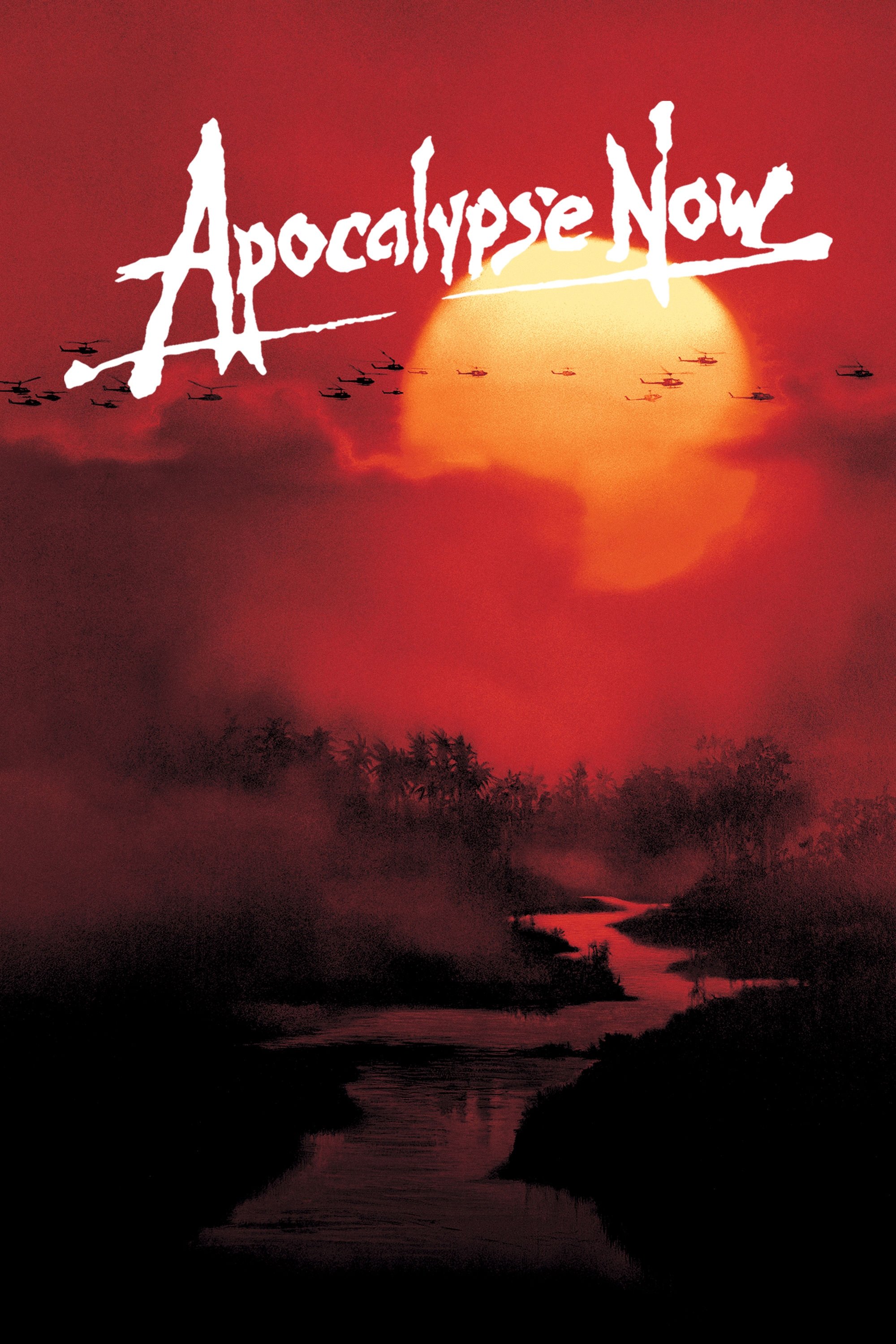
Francis Ford Coppola adapts elements of a Joseph Conrad novella to follow a river mission into wartime chaos. Martin Sheen, Marlon Brando, Robert Duvall, and Dennis Hopper lead the cast.
Vittorio Storaro’s cinematography uses color and silhouette to shape the journey’s mood. Principal photography took place in the Philippines, with Carmine Coppola and sound designer Walter Murch building a layered audio world.
‘A Clockwork Orange’ (1971)
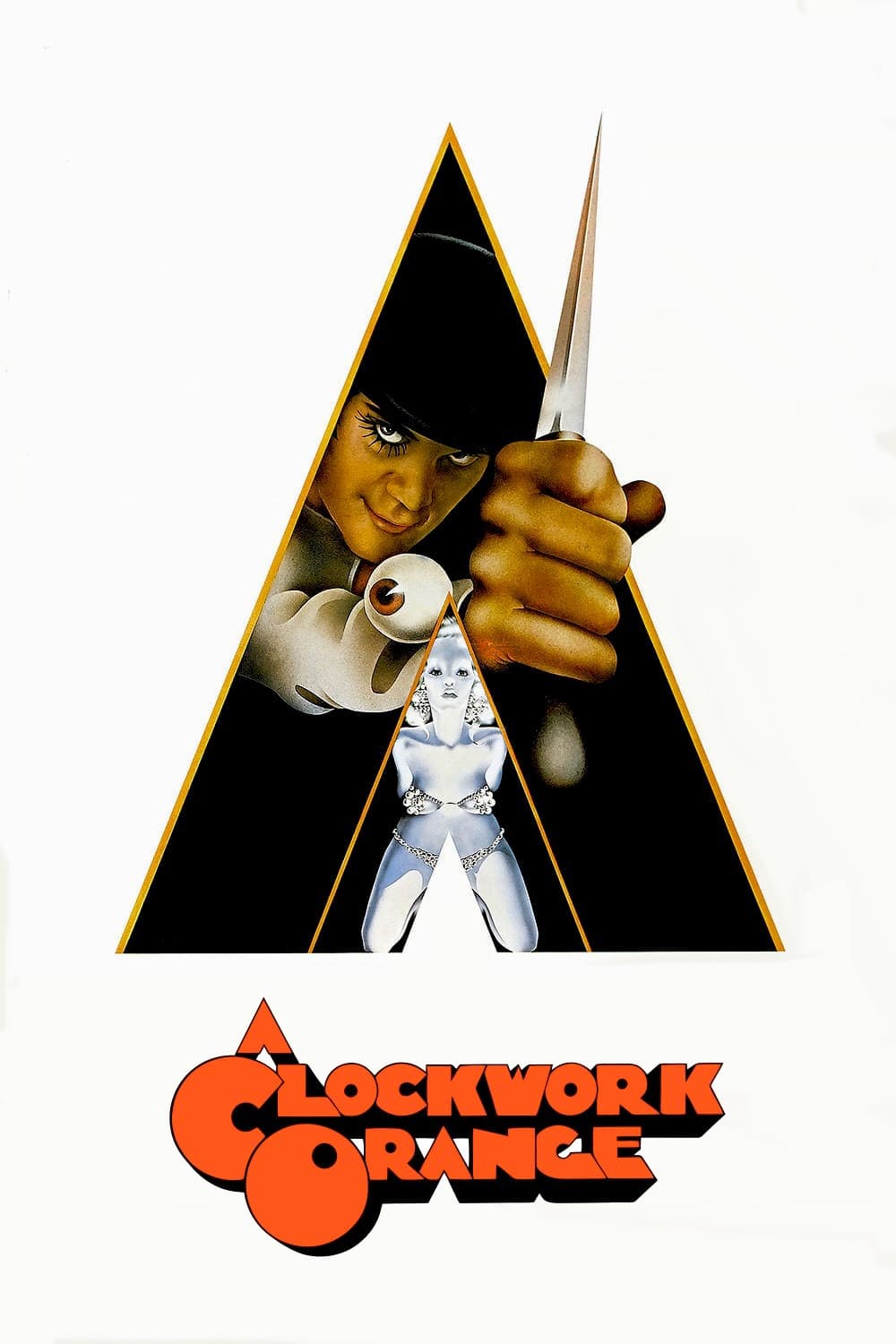
Stanley Kubrick directs Malcolm McDowell as Alex in a tale of violence and control. The narrative traces a young gang leader through crime, capture, and experimental rehabilitation.
Wendy Carlos reimagines classical pieces with synthesizers for a distinctive score. John Alcott’s camera work and bold production design deliver a stylized vision that aligns with the source novel’s slang and rhythms.
‘The French Connection’ (1971)
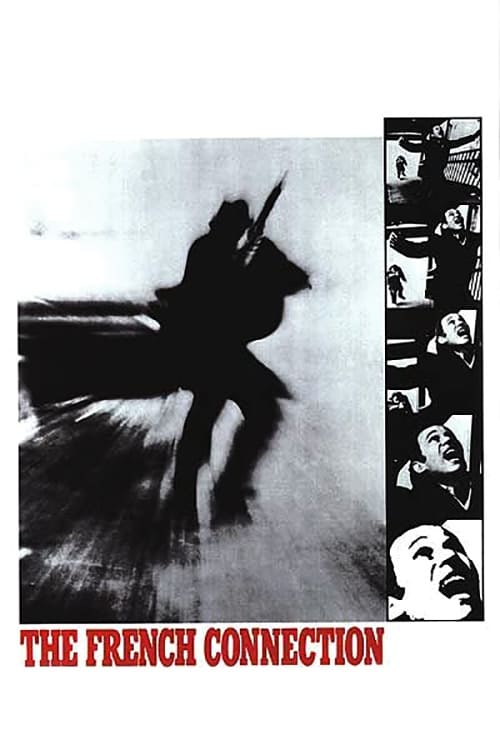
William Friedkin directs Gene Hackman as Popeye Doyle with Roy Scheider as his partner. The plot follows narcotics detectives tracking a smuggling pipeline from Europe to New York.
Owen Roizman’s street photography emphasizes available light and fast setups. The elevated train chase was executed with limited control of traffic, and the film won Best Picture and Best Actor.
‘The Exorcist’ (1973)

William Friedkin adapts William Peter Blatty’s novel about a girl and a family seeking answers from medicine and clergy. Ellen Burstyn, Max von Sydow, and Linda Blair anchor the cast.
Dick Smith’s makeup created transformative effects for possession scenes. Mike Oldfield’s Tubular Bells became the signature theme, and the film earned Academy Awards for sound and adapted screenplay.
‘Annie Hall’ (1977)
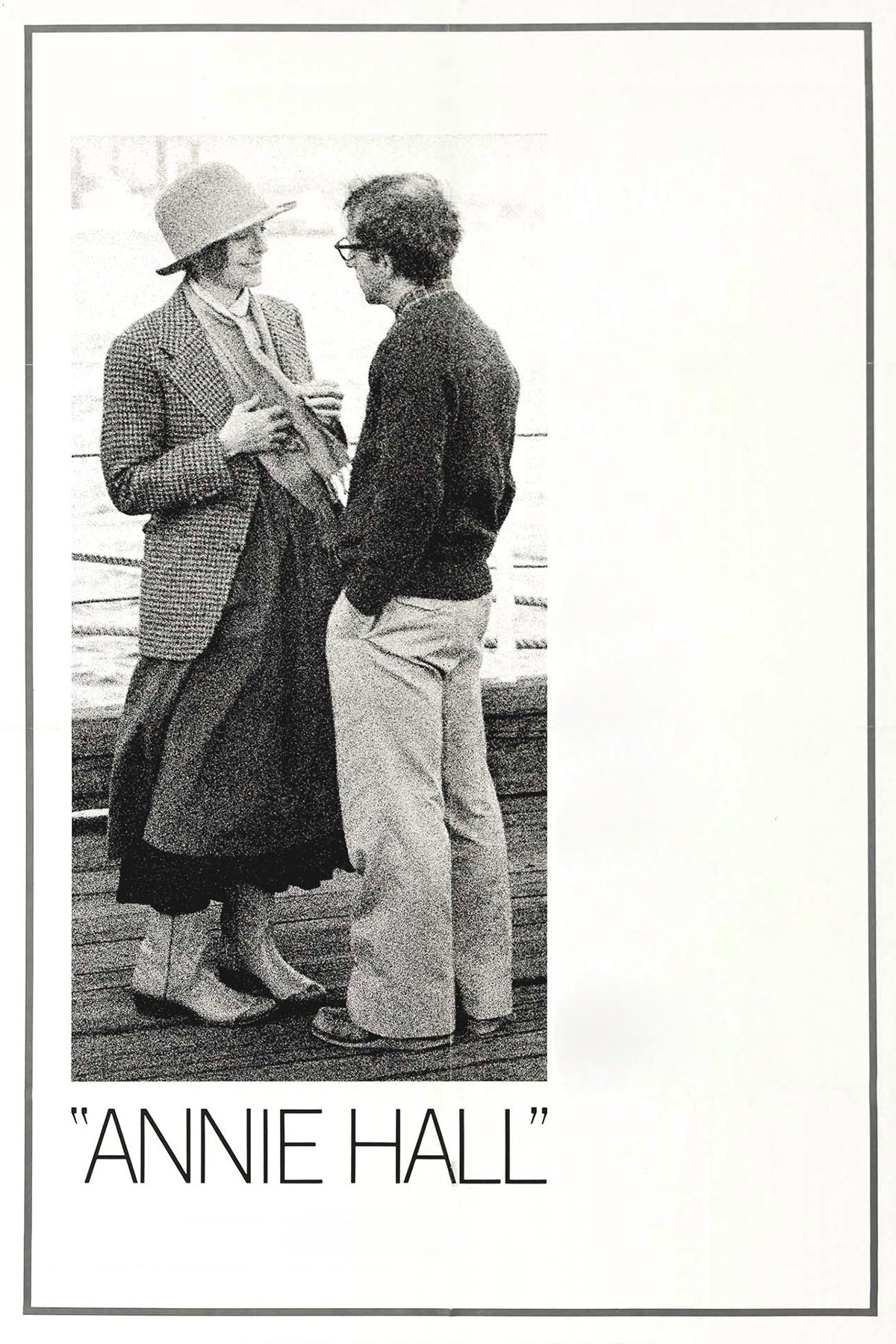
Woody Allen directs and stars opposite Diane Keaton in a story about a comedian and a singer. The film plays with direct address, subtitles, and animated inserts to explore a relationship.
Ralph Rosenblum’s editing shaped the structure from a much longer first cut. The film won Best Picture, Best Director, Best Actress, and Best Original Screenplay, and influenced city set romantic comedies.
‘Network’ (1976)
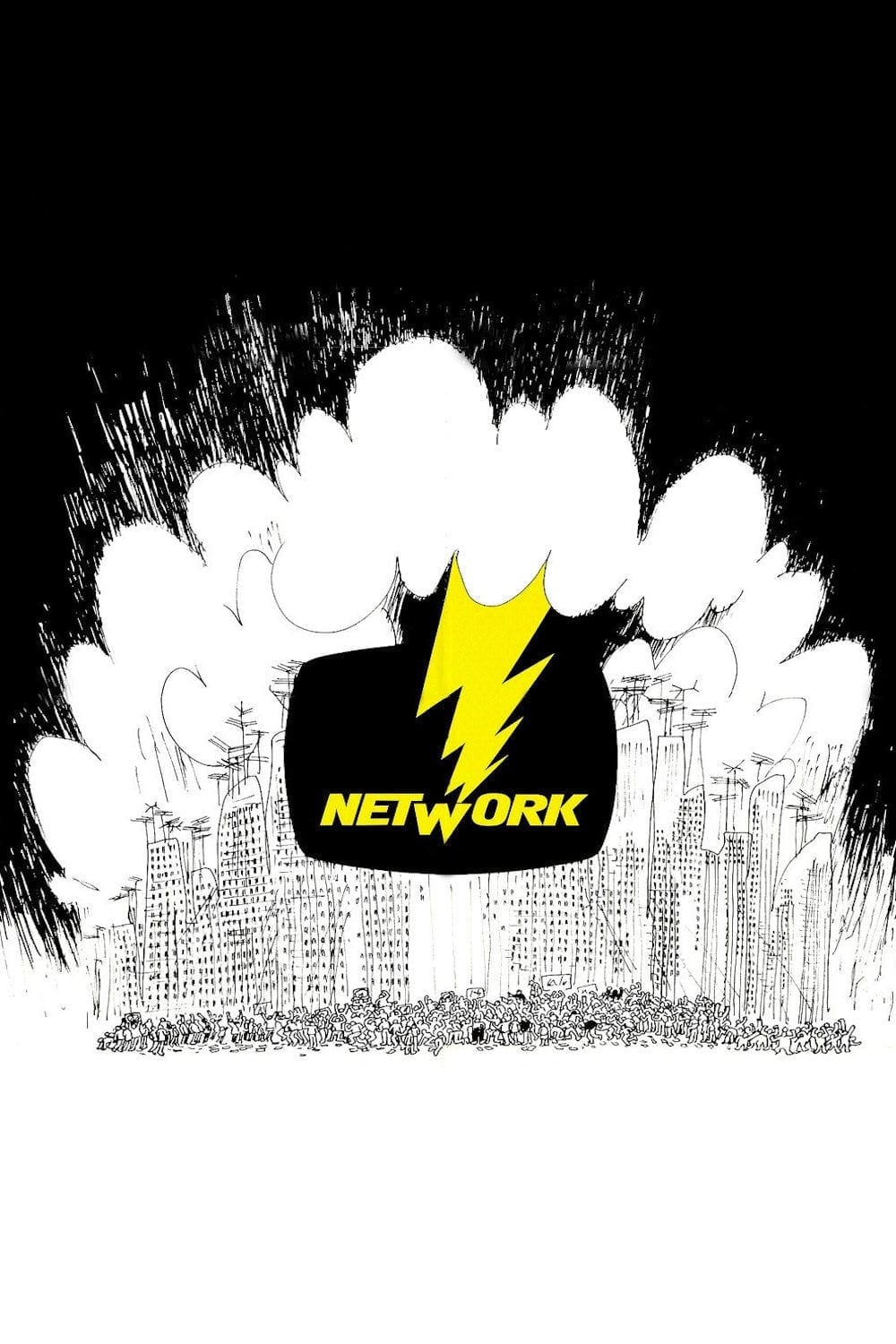
Sidney Lumet directs Peter Finch, Faye Dunaway, William Holden, and Robert Duvall in a newsroom drama. Paddy Chayefsky’s script examines television, ratings, and the pressures on anchors and producers.
Production used real network offices and studio spaces in New York. The film won acting Oscars for Finch, Dunaway, and Beatrice Straight, along with Best Original Screenplay.
‘Barry Lyndon’ (1975)

Stanley Kubrick adapts a Thackeray novel about an Irish social climber, with Ryan O’Neal and Marisa Berenson. The story moves across Europe through duels, courts, and battlefields.
Special Zeiss lenses enabled candlelit scenes without conventional lighting. John Alcott’s work earned an Academy Award, and the production design and costumes achieved an authentic period look.
‘Dog Day Afternoon’ (1975)
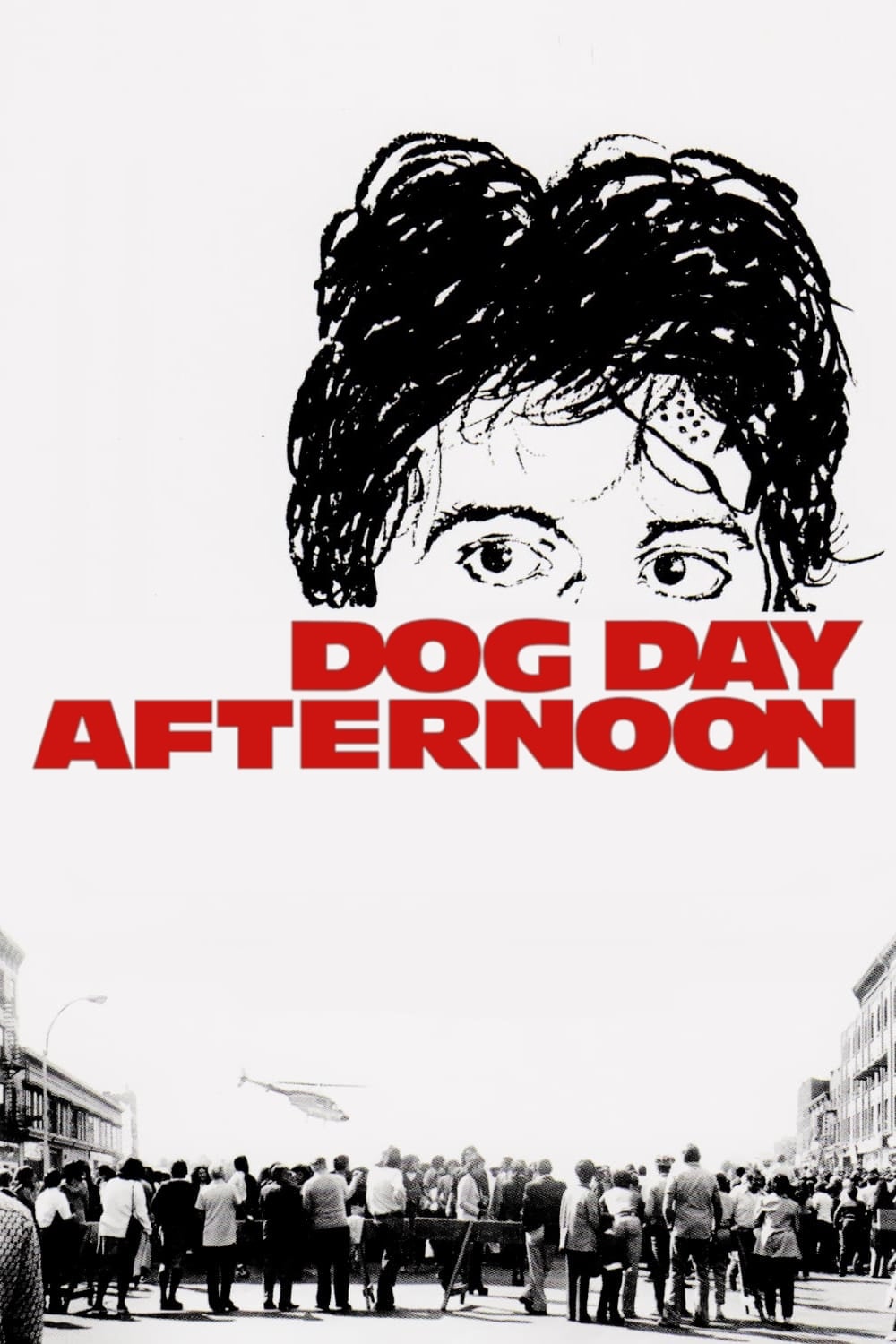
Sidney Lumet directs Al Pacino and John Cazale in a bank robbery that unfolds over a single day. The narrative tracks negotiations, media attention, and pressures among hostages and police.
Real Brooklyn locations and a focus on procedural detail ground the story. The screenplay by Frank Pierson won an Academy Award, and the film is noted for its minimal score and documentary feel.
‘The Deer Hunter’ (1978)
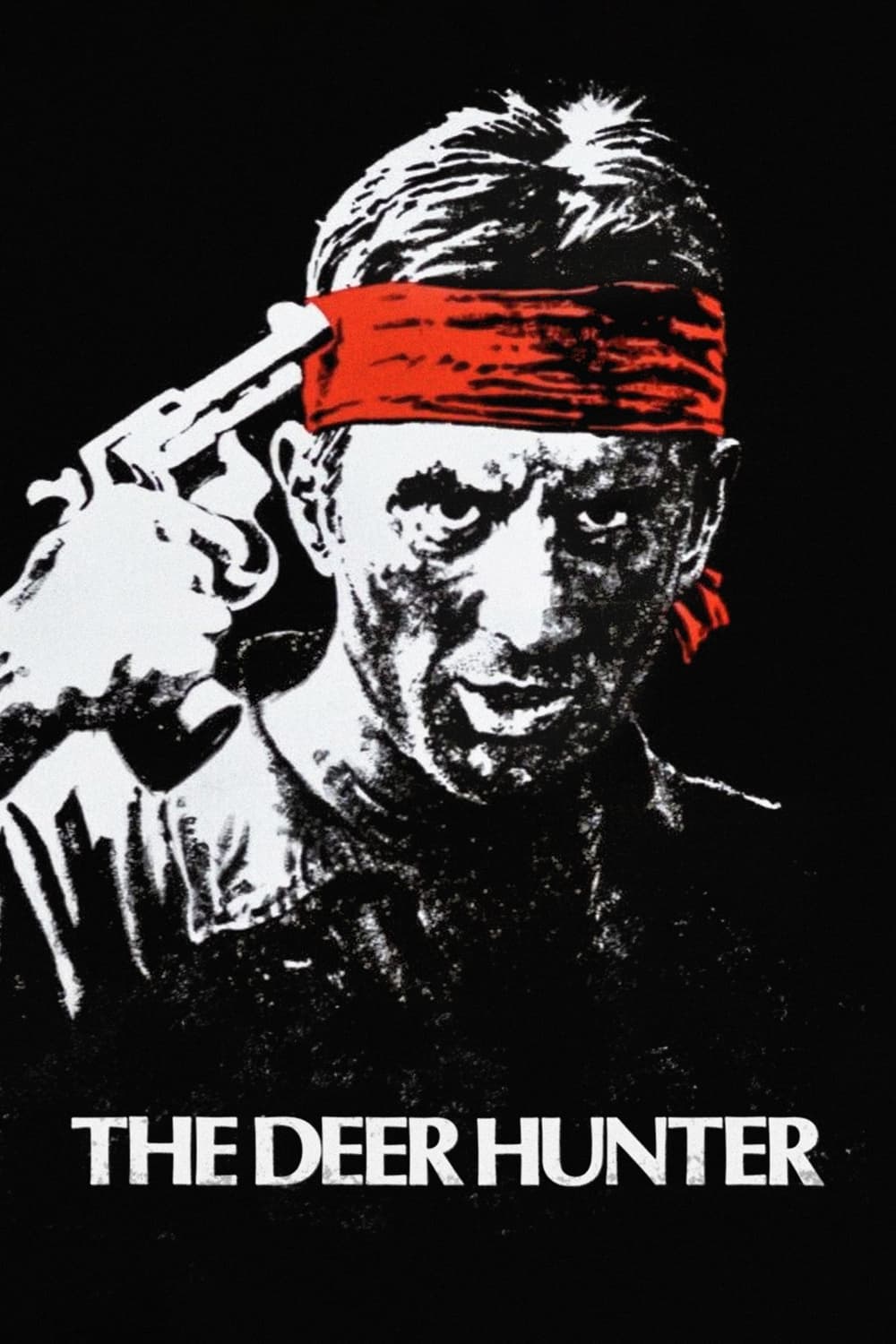
Michael Cimino directs Robert De Niro, Christopher Walken, and Meryl Streep in a story of three friends from a steel town. The film follows them through service, captivity, and difficult returns home.
Shooting took place in Ohio and Pennsylvania, with Southeast Asia sequences staged abroad. The film won Best Picture and Best Supporting Actor for Walken, with Vilmos Zsigmond handling cinematography.
‘Halloween’ (1978)
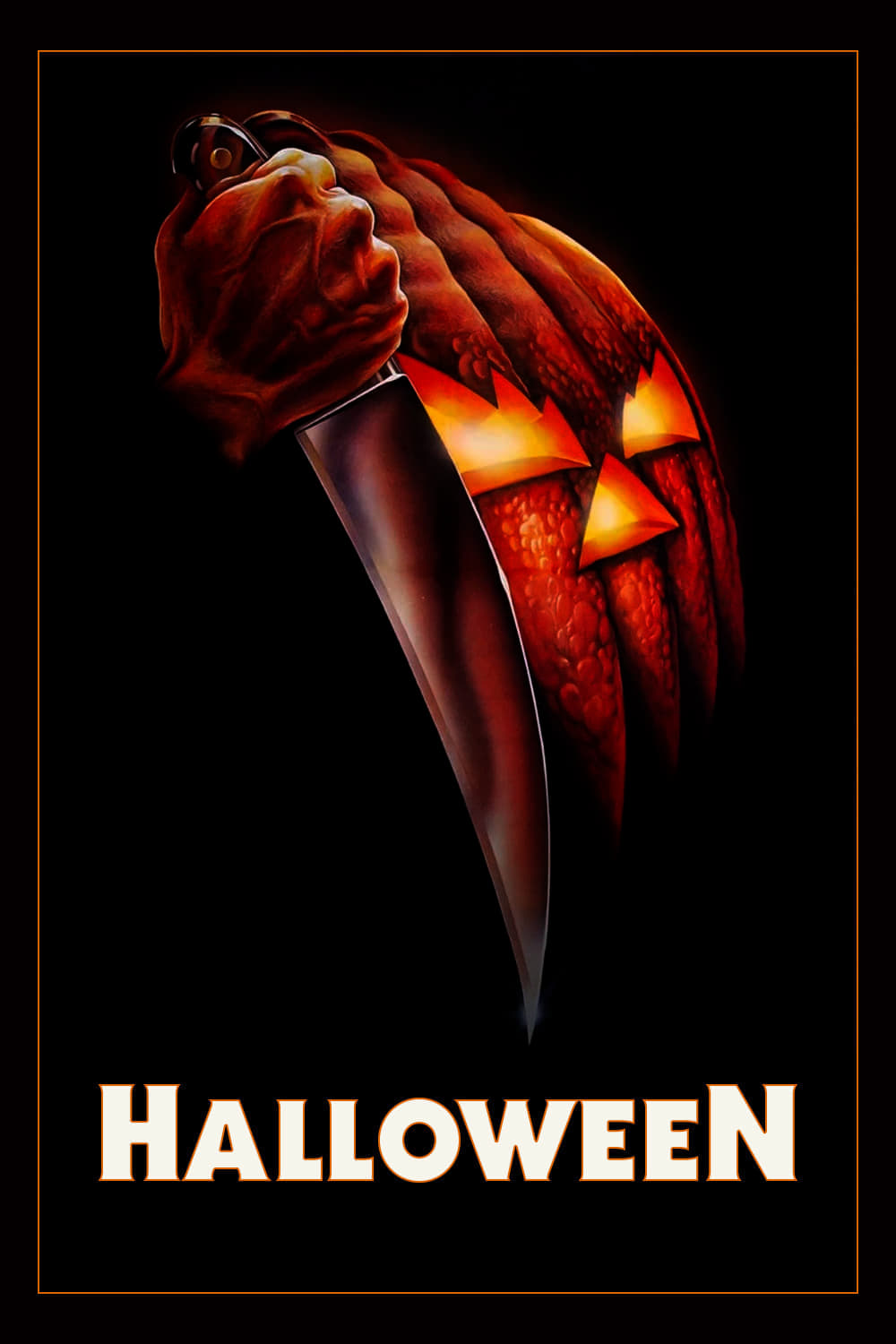
John Carpenter directs Jamie Lee Curtis and Donald Pleasence in a story of a masked killer stalking a suburban neighborhood. The central character Laurie navigates danger across one long night.
Carpenter composed the minimalist piano theme that became widely recognized. The Panaglide system enabled smooth movement through houses and streets, and the movie helped define slasher conventions.
‘Monty Python and the Holy Grail’ (1975)
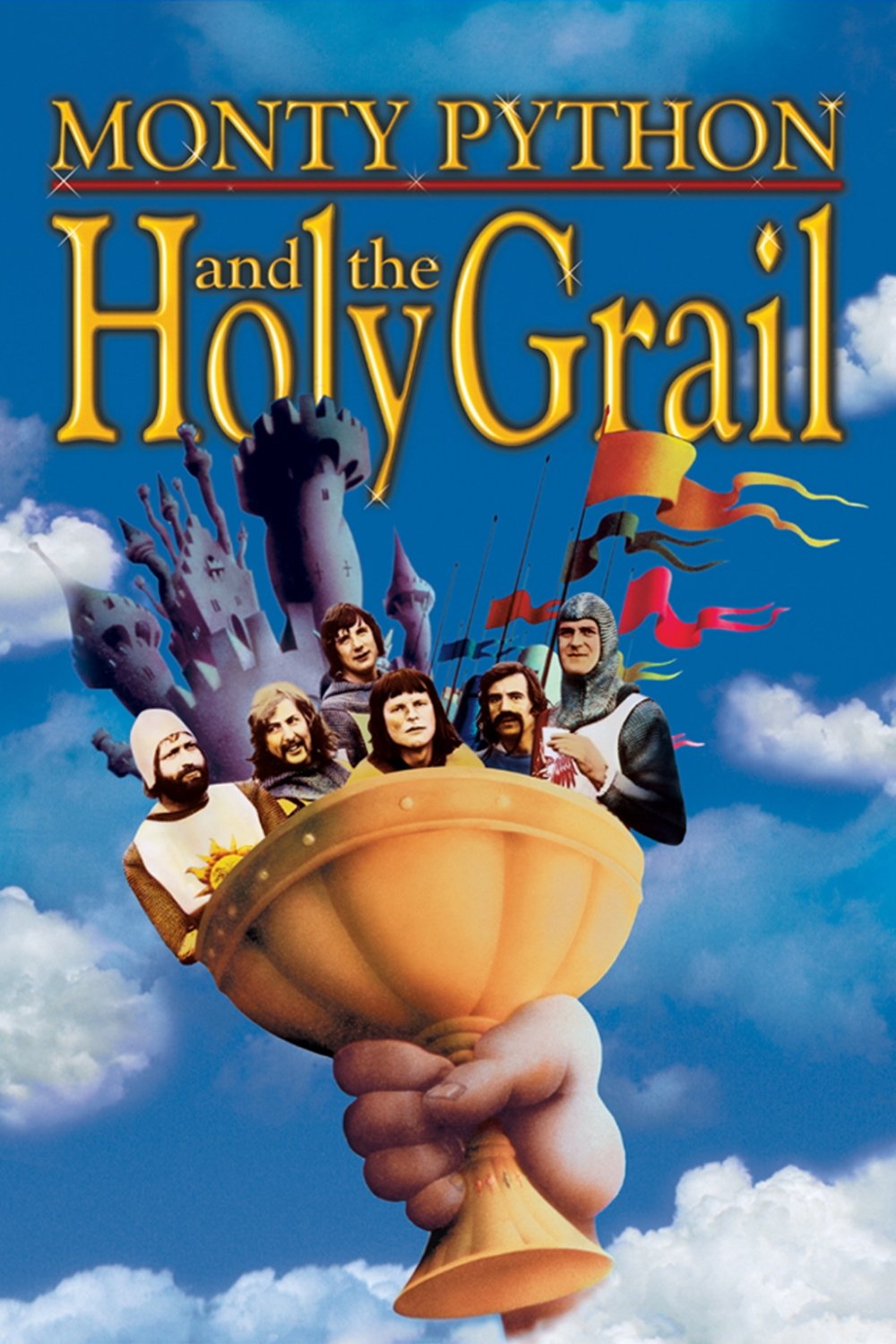
Terry Gilliam and Terry Jones direct the comedy troupe through a riff on Arthurian quests. Graham Chapman, John Cleese, Eric Idle, Terry Jones, Michael Palin, and Terry Gilliam play multiple roles.
Limited resources led to coconut sound effects for horses and inventive costumes. Shooting in Scotland provided castles and misty landscapes, and the film’s songs and sketches became staples at screenings.
‘Mean Streets’ (1973)
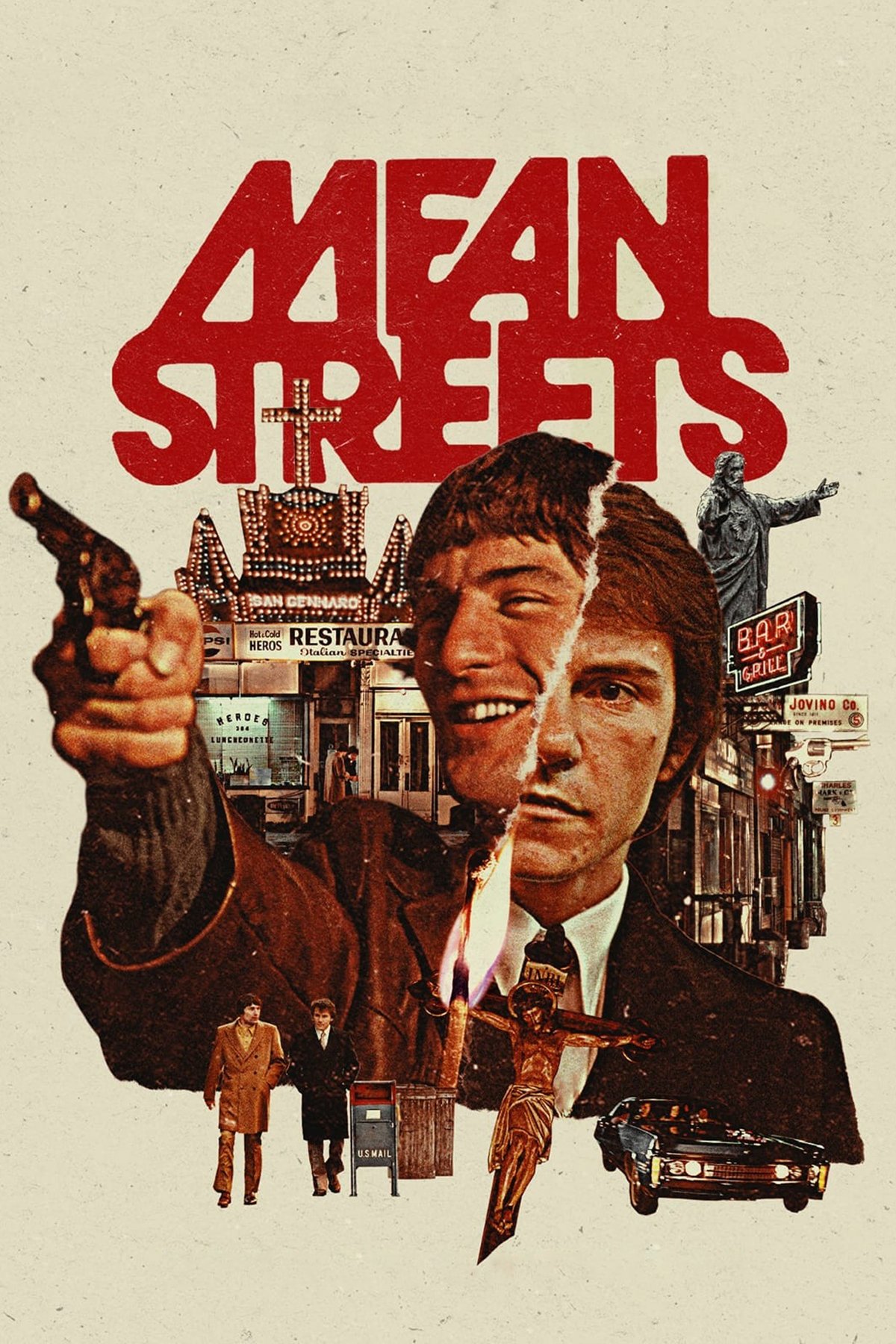
Martin Scorsese directs Harvey Keitel and Robert De Niro in a story set among small time operators in Little Italy. The film looks at friendship, debt, and loyalty within neighborhood boundaries.
The soundtrack uses contemporary pop tracks that comment on action and character. Handheld camerawork and real locations create immediacy, and the film helped launch key careers.
‘Sorcerer’ (1977)
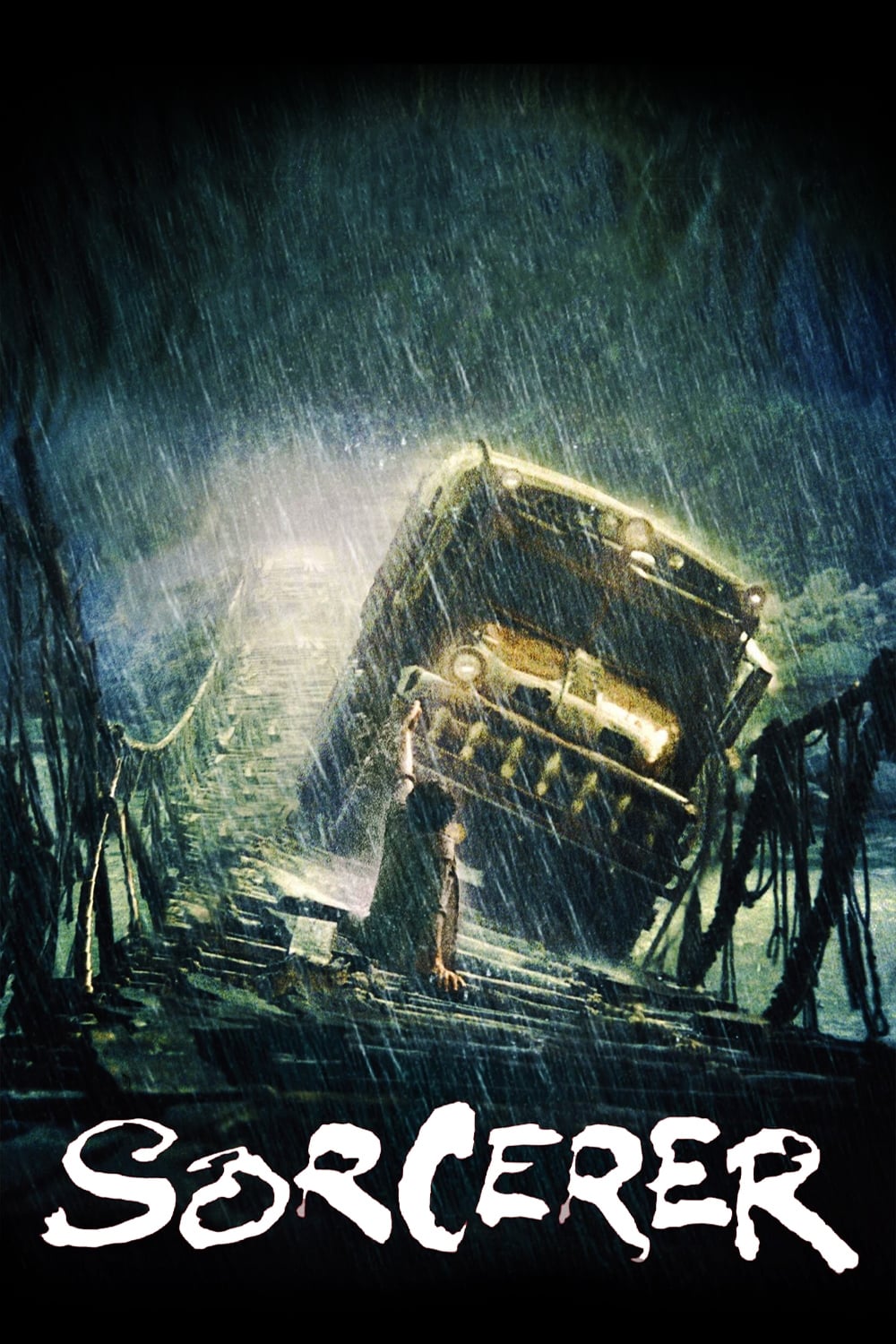
William Friedkin adapts the thriller about truck crews hauling unstable nitroglycerin across dangerous terrain. Roy Scheider leads an international cast playing men with pasts who take the job for cash and escape.
Tangerine Dream’s electronic score sets a tense tone from the opening scenes. Production spanned multiple countries with a jungle bridge sequence that required extensive construction in challenging weather.
‘All the President’s Men’ (1976)
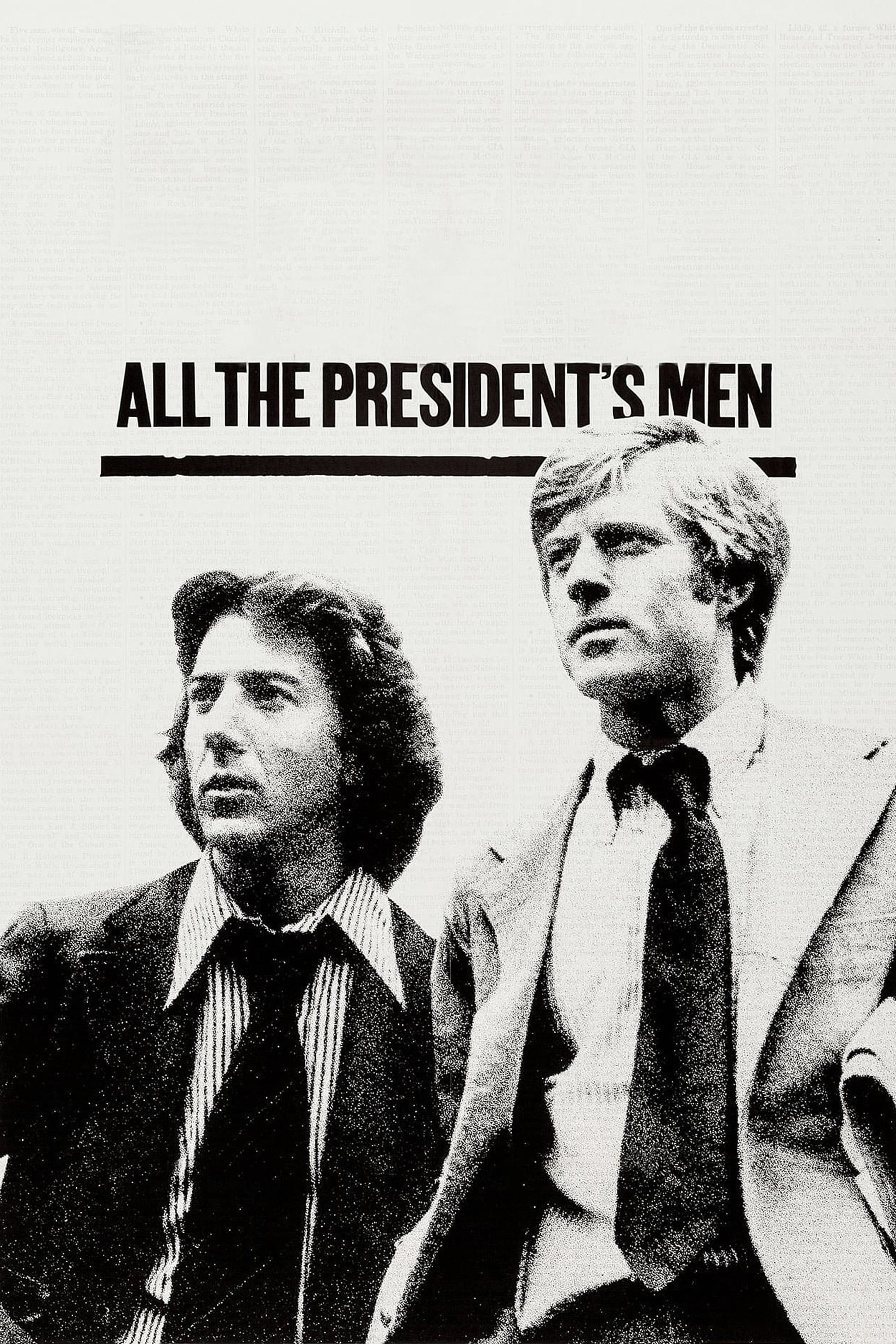
Alan J Pakula directs Robert Redford and Dustin Hoffman as Bob Woodward and Carl Bernstein. The film follows their reporting on a break in and its links to political power.
Gordon Willis’s lighting shapes the Washington Post set with pools of shadow and fluorescent glow. The movie is based on the reporters’ book and focuses on phone calls, notes, and patient verification.
‘The Conversation’ (1974)
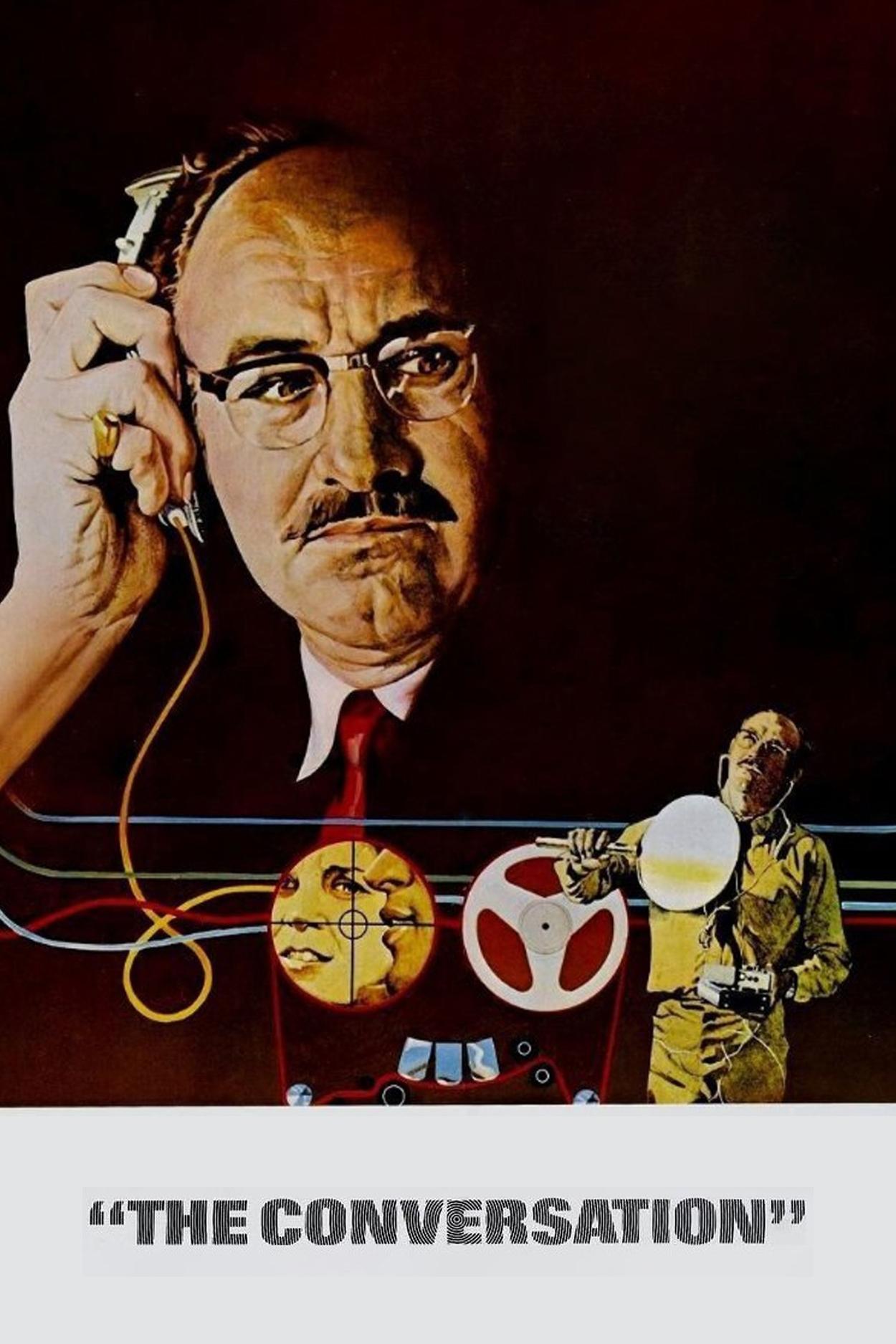
Francis Ford Coppola directs Gene Hackman as a surveillance specialist who suspects his work has led to danger. The story is contained and personal, focused on guilt and professional ethics.
Walter Murch’s sound design layers distortion, tape hiss, and street noise into the plot. The film won the Palme d’Or at Cannes, with a haunting saxophone theme by David Shire.
‘Nashville’ (1975)
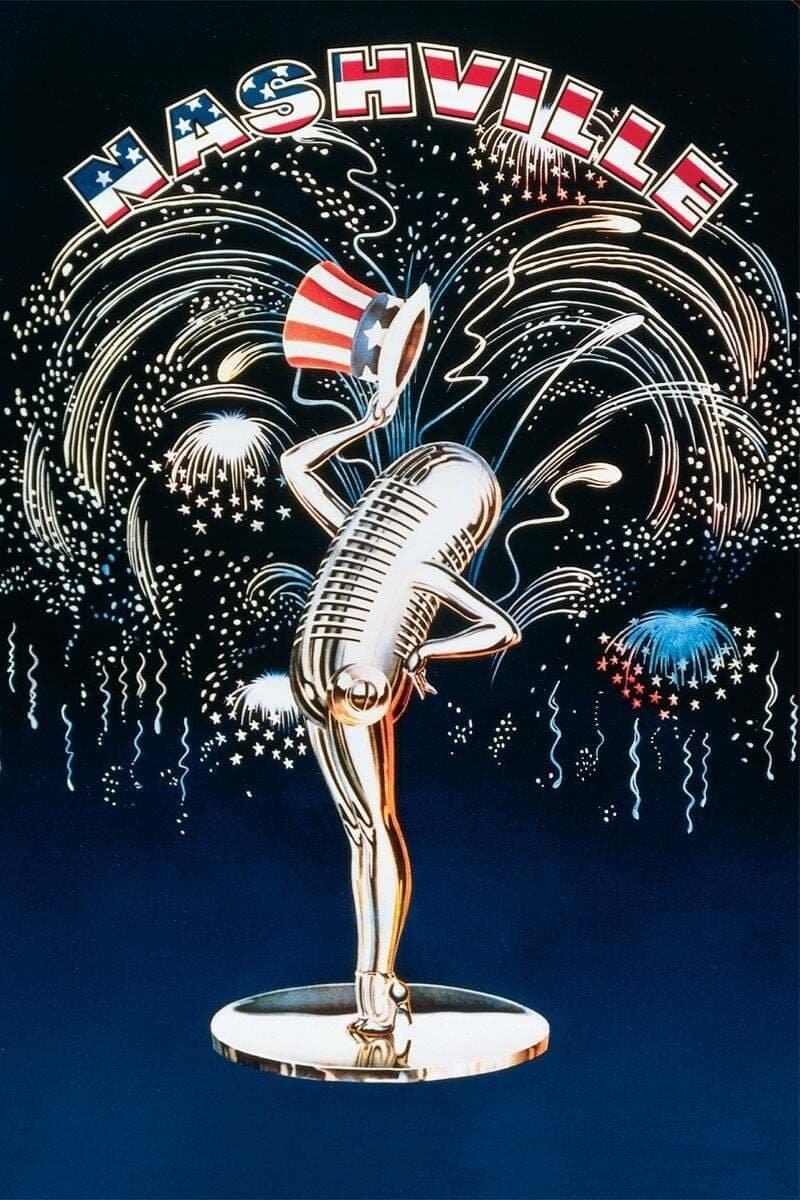
Robert Altman orchestrates a large ensemble of interconnected characters around a political rally and a music scene. Performers include Lily Tomlin, Keith Carradine, and Ronee Blakley.
Songs were often recorded live to preserve performance energy. Overlapping dialogue used multi track recording, and the film received major nominations including Best Picture.
‘Days of Heaven’ (1978)
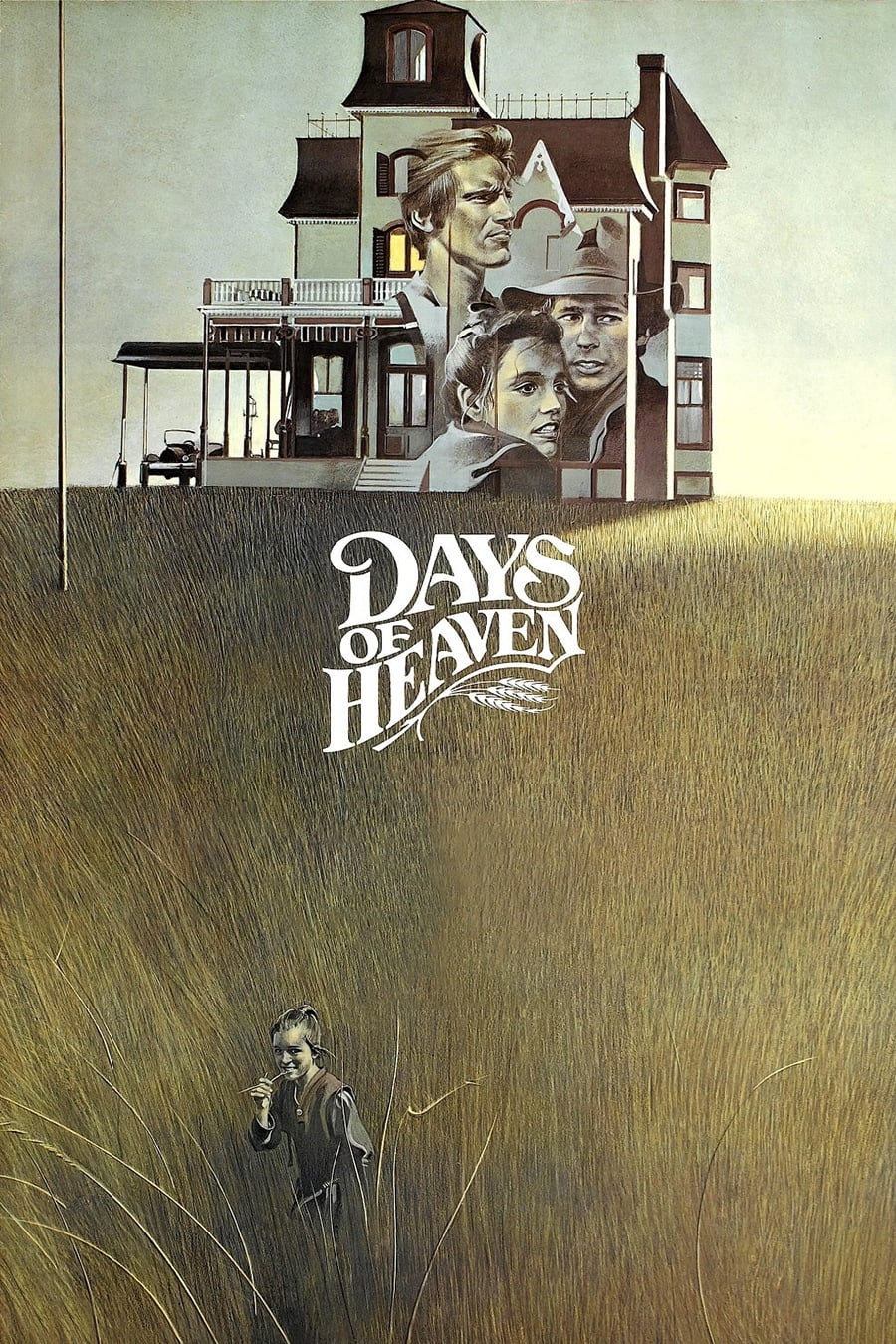
Terrence Malick directs Richard Gere, Brooke Adams, and Linda Manz in a pastoral drama set on the plains. The story follows two lovers who join a harvest workforce and keep a secret.
Néstor Almendros won an Academy Award for cinematography, with additional work by Haskell Wexler. Magic hour shooting and Ennio Morricone’s score create a distinct visual and musical texture.
‘American Graffiti’ (1973)
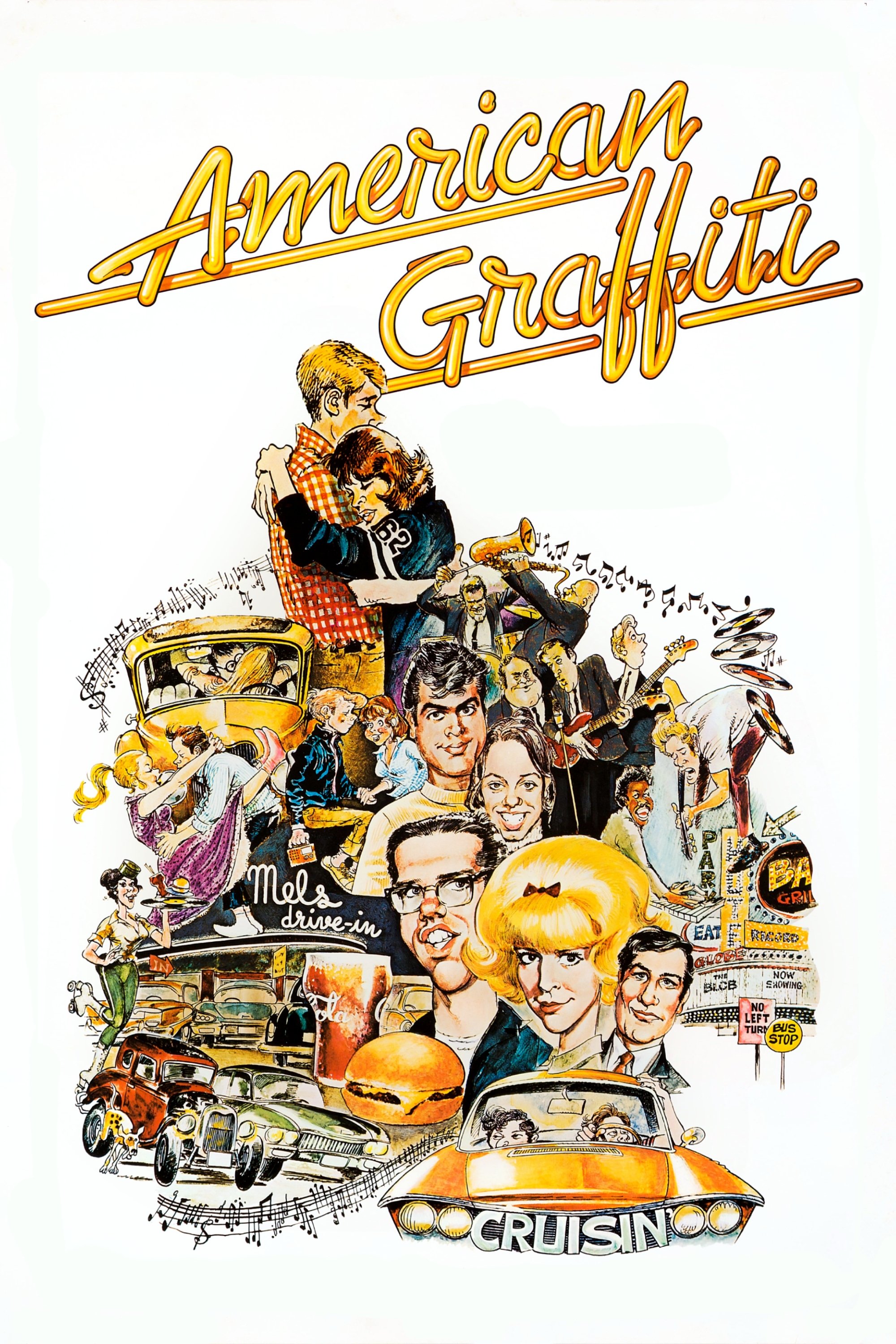
George Lucas directs a single night story about recent graduates driving, talking, and making choices before college or work. Richard Dreyfuss, Ron Howard, and Harrison Ford appear among the young cast.
The soundtrack uses wall to wall rock and roll broadcast by a disc jockey voice. Production drew on cruising culture in California towns, and Francis Ford Coppola served as a key producer.
‘The Last Picture Show’ (1971)
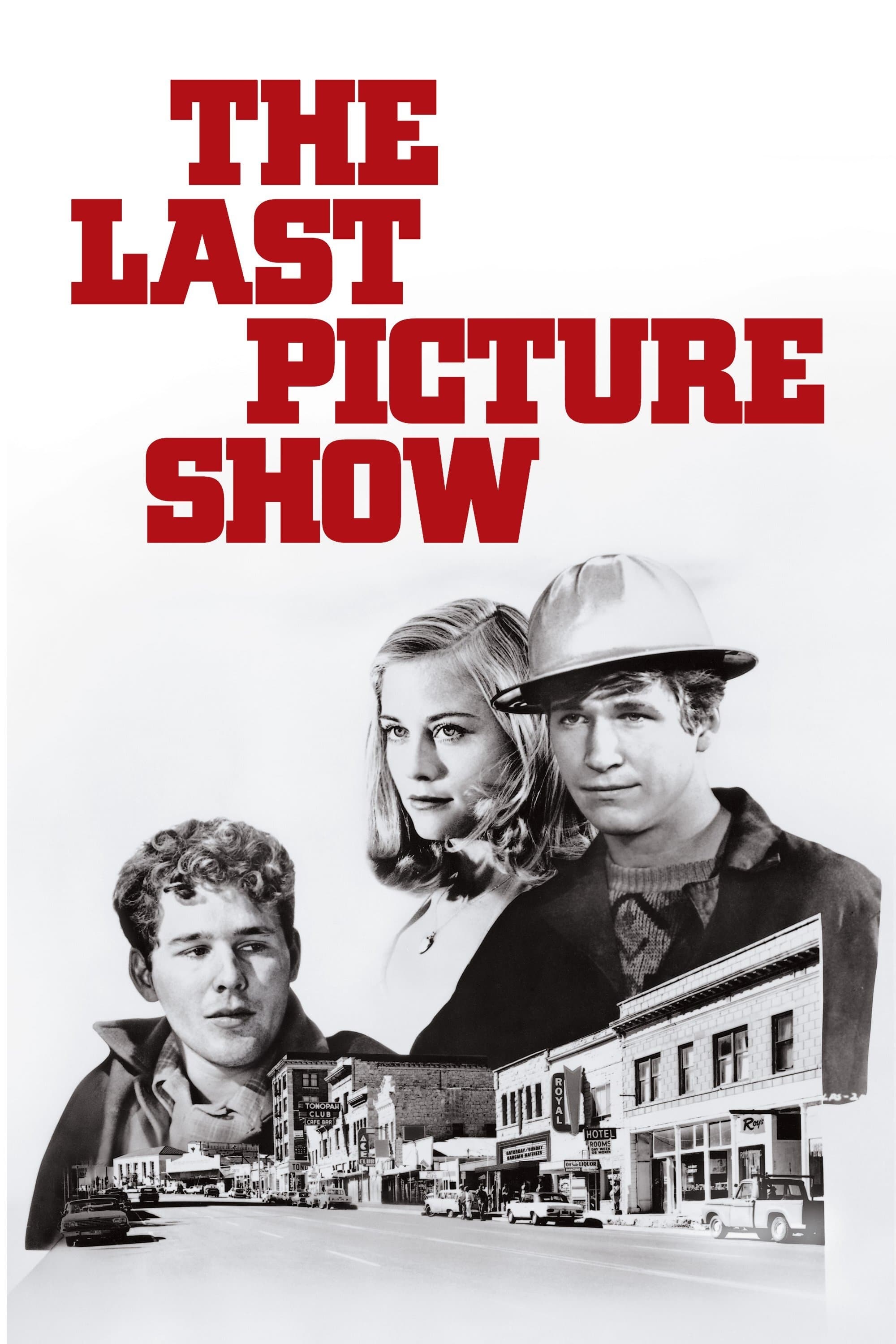
Peter Bogdanovich directs a black and white portrait of a Texas town in transition. Jeff Bridges, Cybill Shepherd, Timothy Bottoms, and Ben Johnson form the core ensemble.
Shooting in small town locations gives weight to empty streets and storefronts. Cloris Leachman and Ben Johnson won supporting Oscars, and the film reflects classic era influences through framing and pace.
‘Deliverance’ (1972)
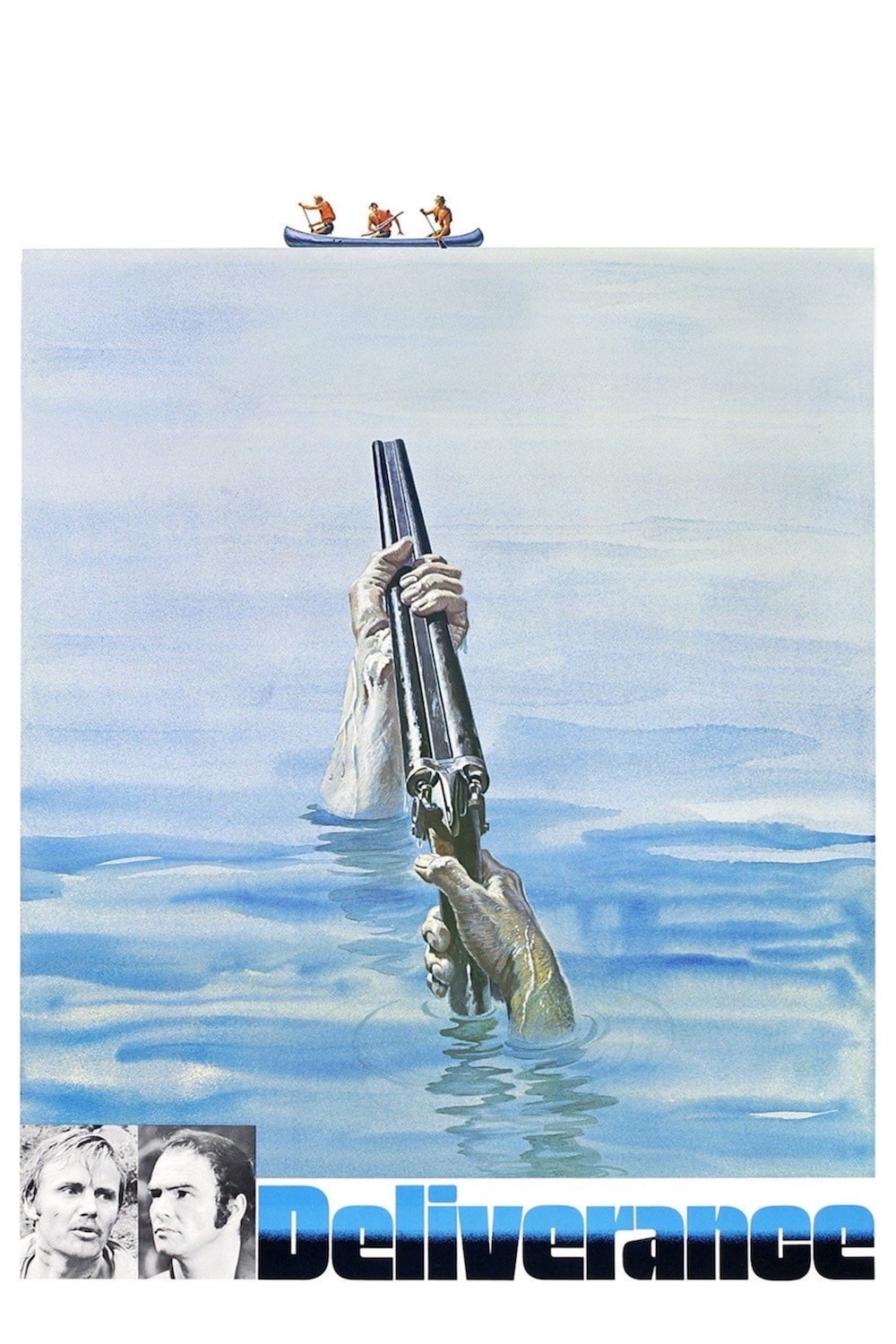
John Boorman directs Burt Reynolds, Jon Voight, Ned Beatty, and Ronny Cox on a river trip that turns dangerous. The story becomes a survival test as the group navigates rapids and hostile encounters.
The actors performed demanding stunts in whitewater without doubles. The banjo and guitar duet became widely known, and filming took place in Georgia forests and on a dam controlled river.
‘Carrie’ (1976)
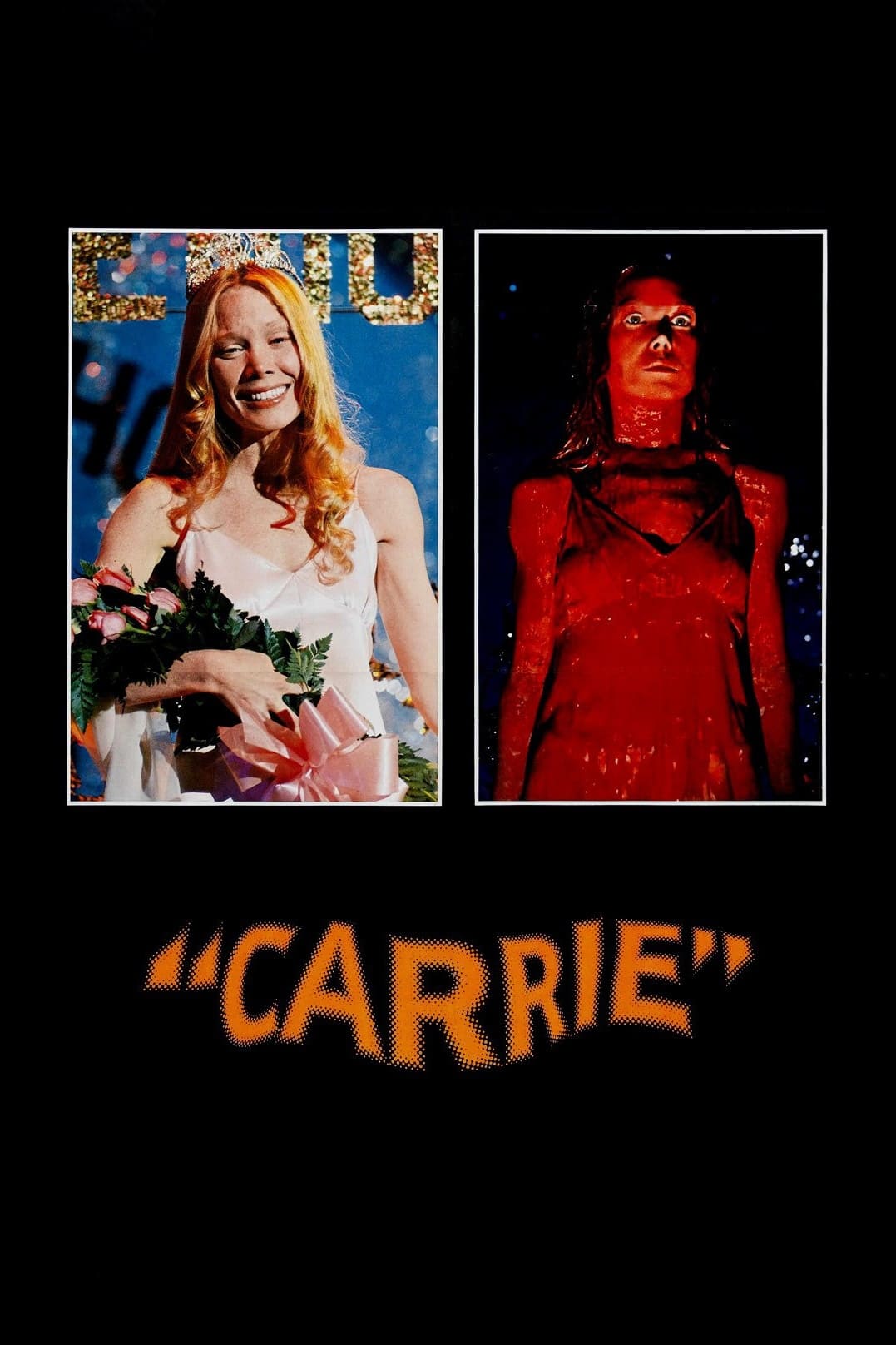
Brian De Palma directs Sissy Spacek and Piper Laurie in an adaptation of Stephen King’s novel. The plot follows a shy student dealing with bullying, a strict home, and a prom night that escalates.
Split screen sequences show simultaneous action in the gym. Spacek and Laurie received Academy Award nominations, and the film’s visual style combines slow motion with precise camera moves.
‘Bring Me the Head of Alfredo Garcia’ (1974)
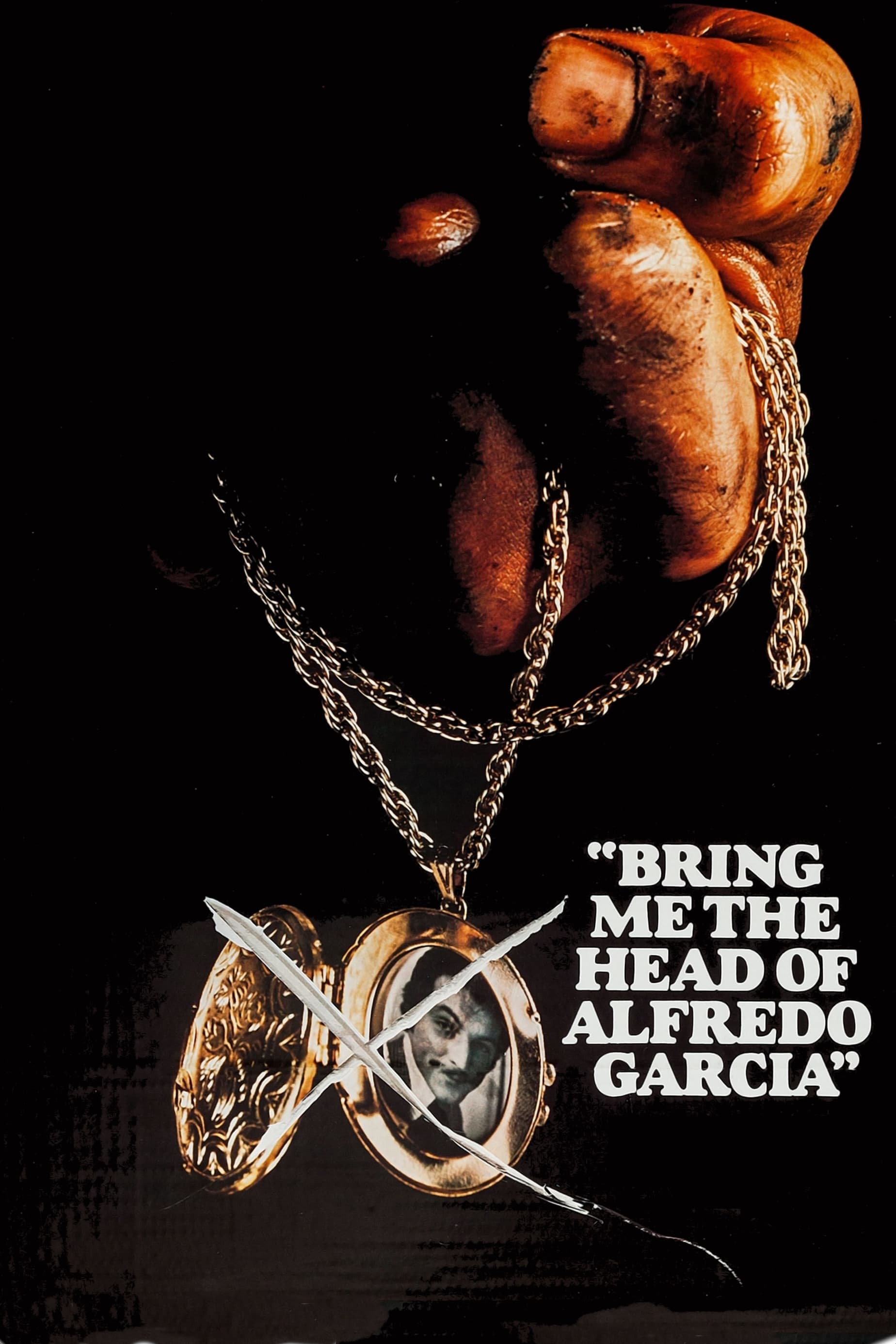
Sam Peckinpah directs Warren Oates as a bar musician who accepts a brutal job across Mexico. The story follows a hunt that becomes a personal odyssey through bars, deserts, and border towns.
Jerry Fielding’s score mixes melancholy and menace. The production was financed outside major studio control, allowing Peckinpah to push violence and character study in equal measure.
‘Enter the Dragon’ (1973)
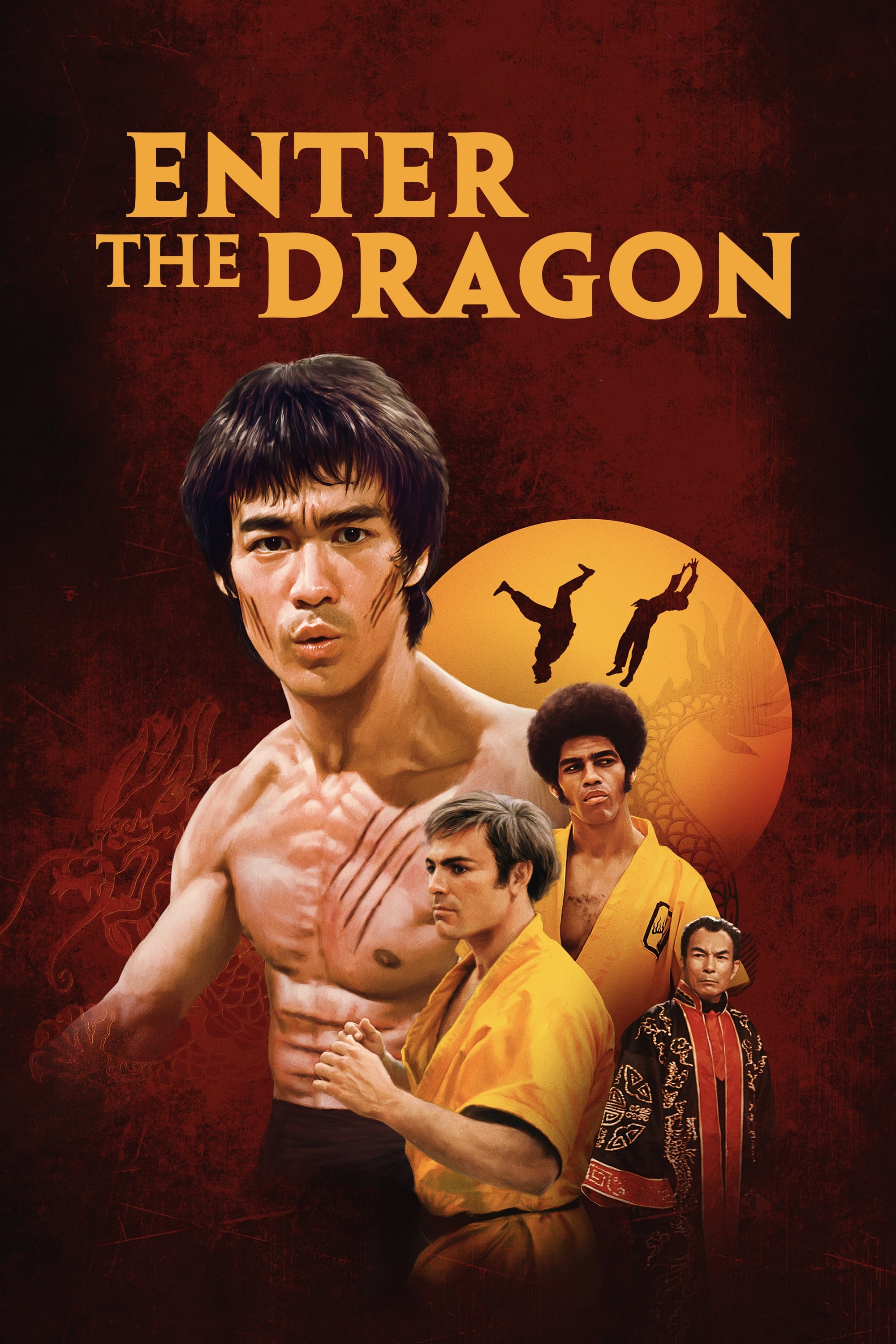
Robert Clouse directs Bruce Lee, John Saxon, and Jim Kelly in a martial arts tournament on a private island. The plot blends espionage with hand to hand contests and a crime operation.
It was a Hong Kong and American co production with fight choreography by Lee. Lalo Schifrin’s music fuses funk and Eastern motifs, and this was Lee’s final completed film.
‘The Wicker Man’ (1973)
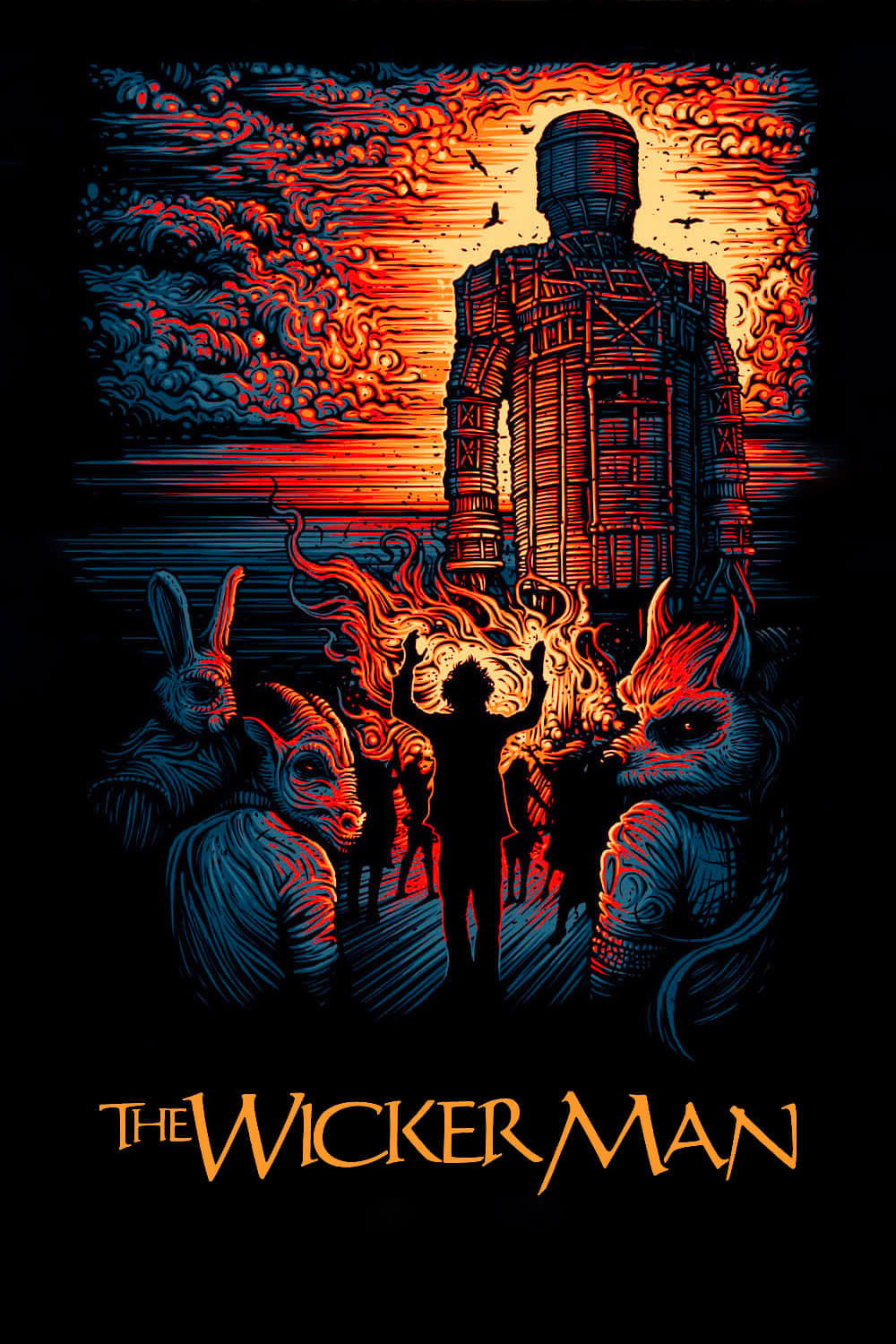
Robin Hardy directs Edward Woodward as a police sergeant who visits a remote Scottish island. Christopher Lee plays the community leader who guides a series of rituals and tests.
Paul Giovanni’s folk score supports scenes of song and procession. Location shooting in Scotland creates a sense of isolation, and the movie became a key title in folk horror.
‘Suspiria’ (1977)
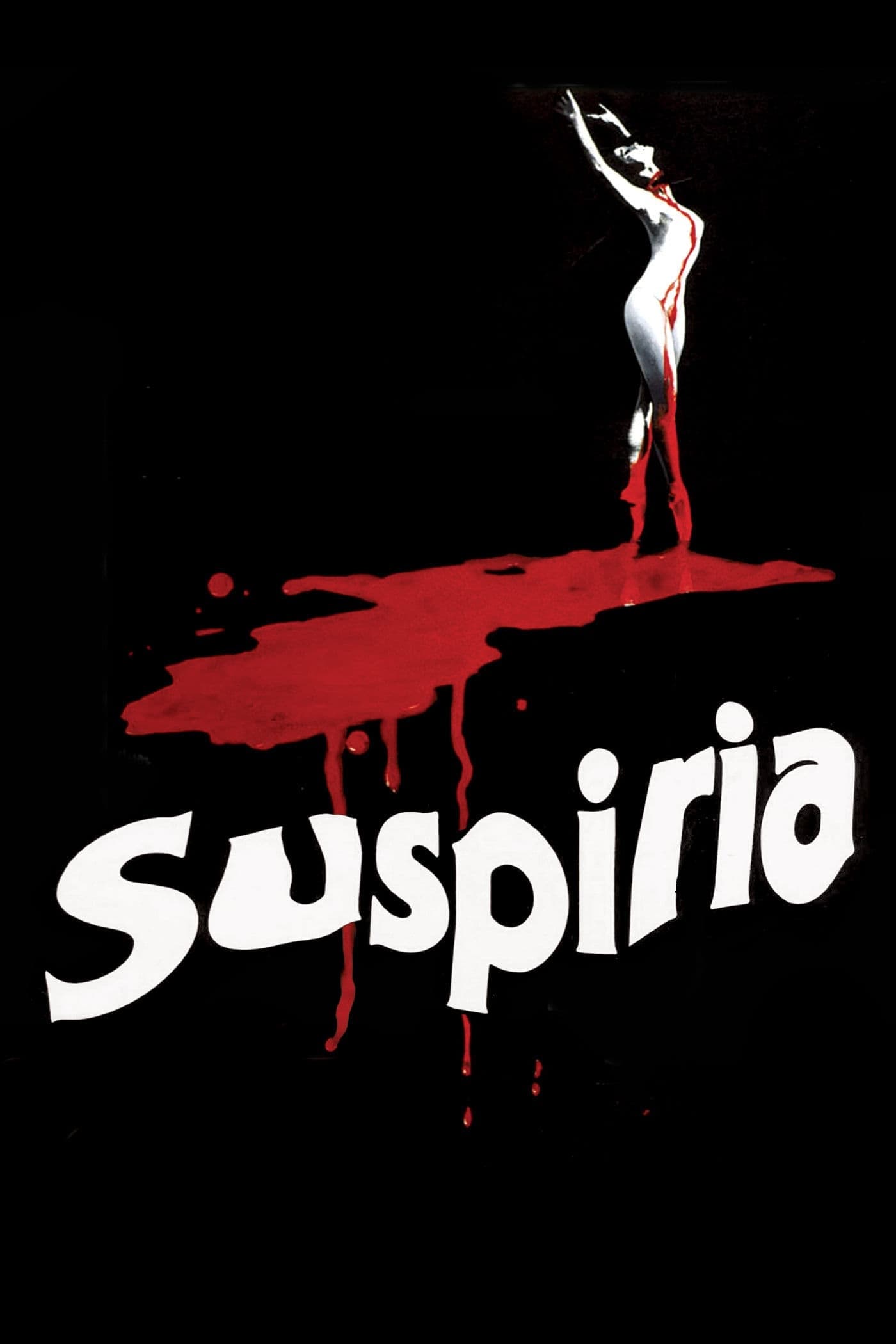
Dario Argento directs Jessica Harper as a new student at a dance academy with a hidden history. The plot reveals a secret society through rooms, corridors, and coded clues.
Luciano Tovoli’s cinematography uses bold color gels and elaborate camera moves. Goblin’s score layers voices and percussive patterns, and sound effects often sit at the volume foreground.
‘Mad Max’ (1979)
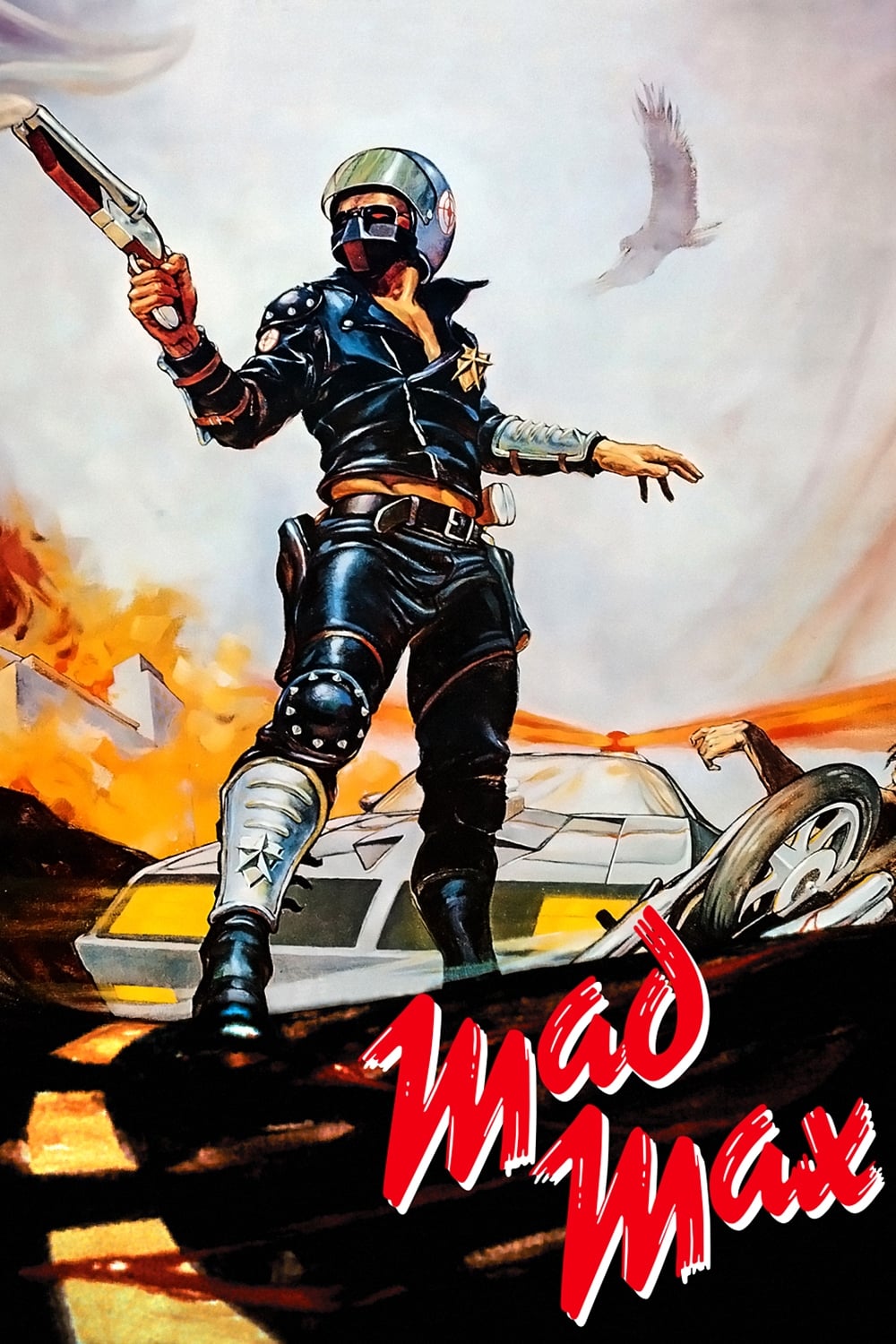
George Miller directs Mel Gibson as a highway patrol officer in a near future Australia. The story follows a lawman pushed toward vengeance by a violent biker gang.
Custom vehicles like the Pursuit Special define the look of road chases. David Eggby’s photography and Margaret Sixel’s editing team favored fast cutting and practical stunts on rural highways.
‘Five Easy Pieces’ (1970)
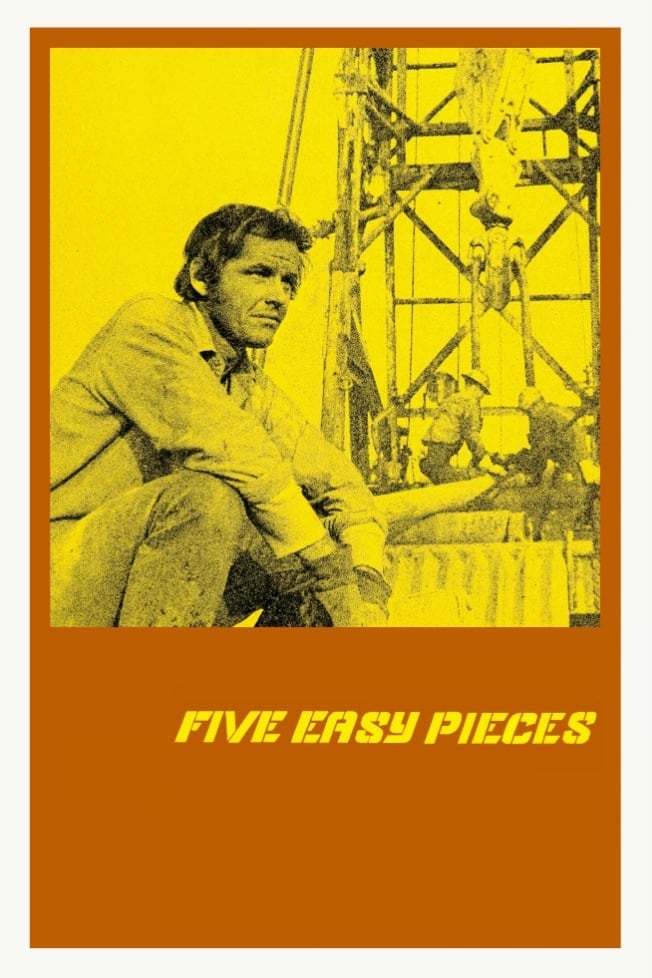
Bob Rafelson directs Jack Nicholson as a lapsed pianist working oil fields and traveling with a waitress girlfriend. The story explores class, family, and identity through a return to a coastal home.
The diner scene became a cultural reference point through dialogue and staging. Classical piano pieces appear throughout, with Nicholson miming to recordings after coaching and practice for hand positions.
‘Klute’ (1971)
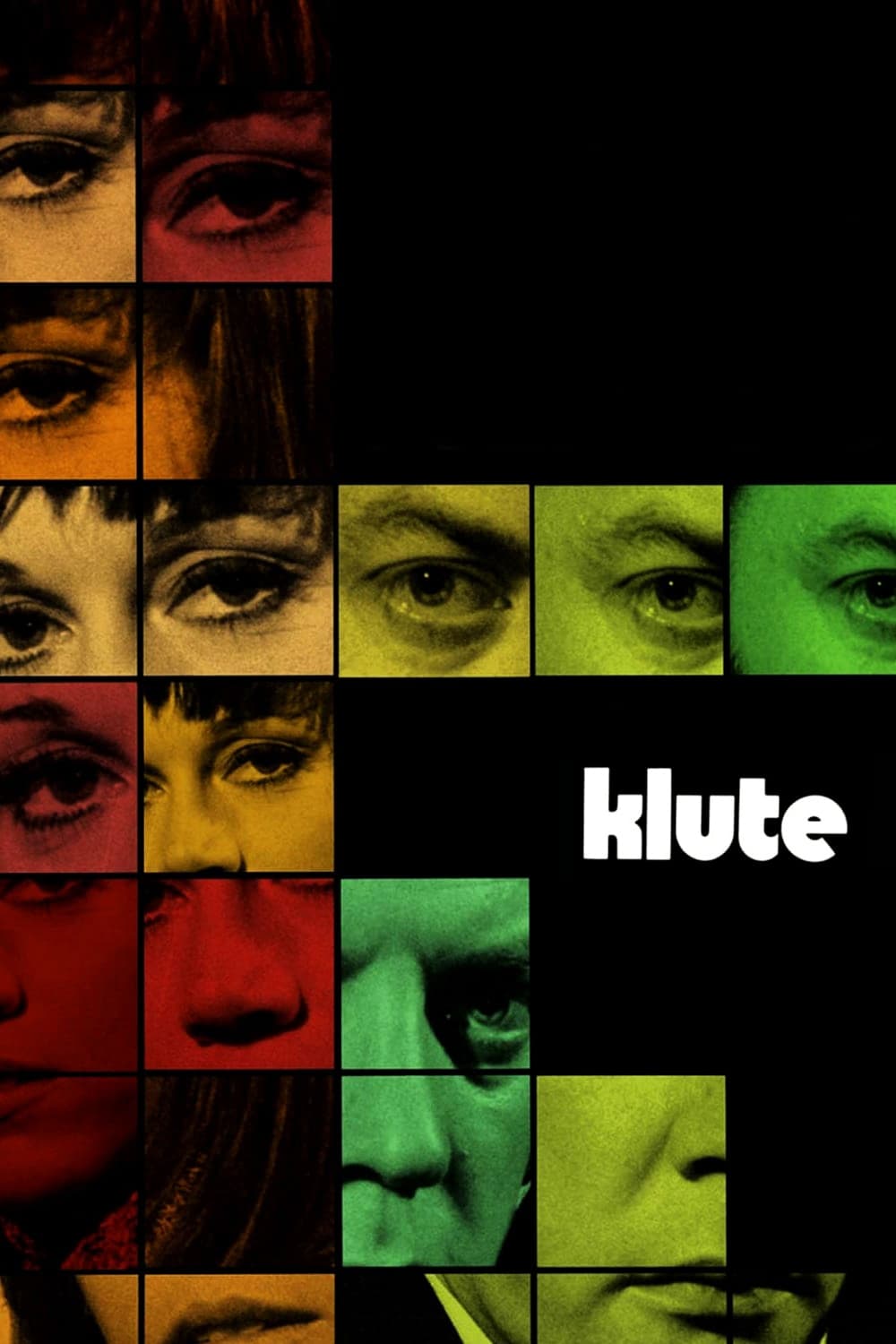
Alan J Pakula directs Jane Fonda and Donald Sutherland in a thriller that pairs a call girl and a small town detective. The investigation leads through offices, apartments, and a fashion industry circle.
Gordon Willis’s photography uses shadow and negative space to frame conversations and surveillance. Fonda won Best Actress for her performance, and the film established Pakula’s paranoid style period.
‘Paper Moon’ (1973)
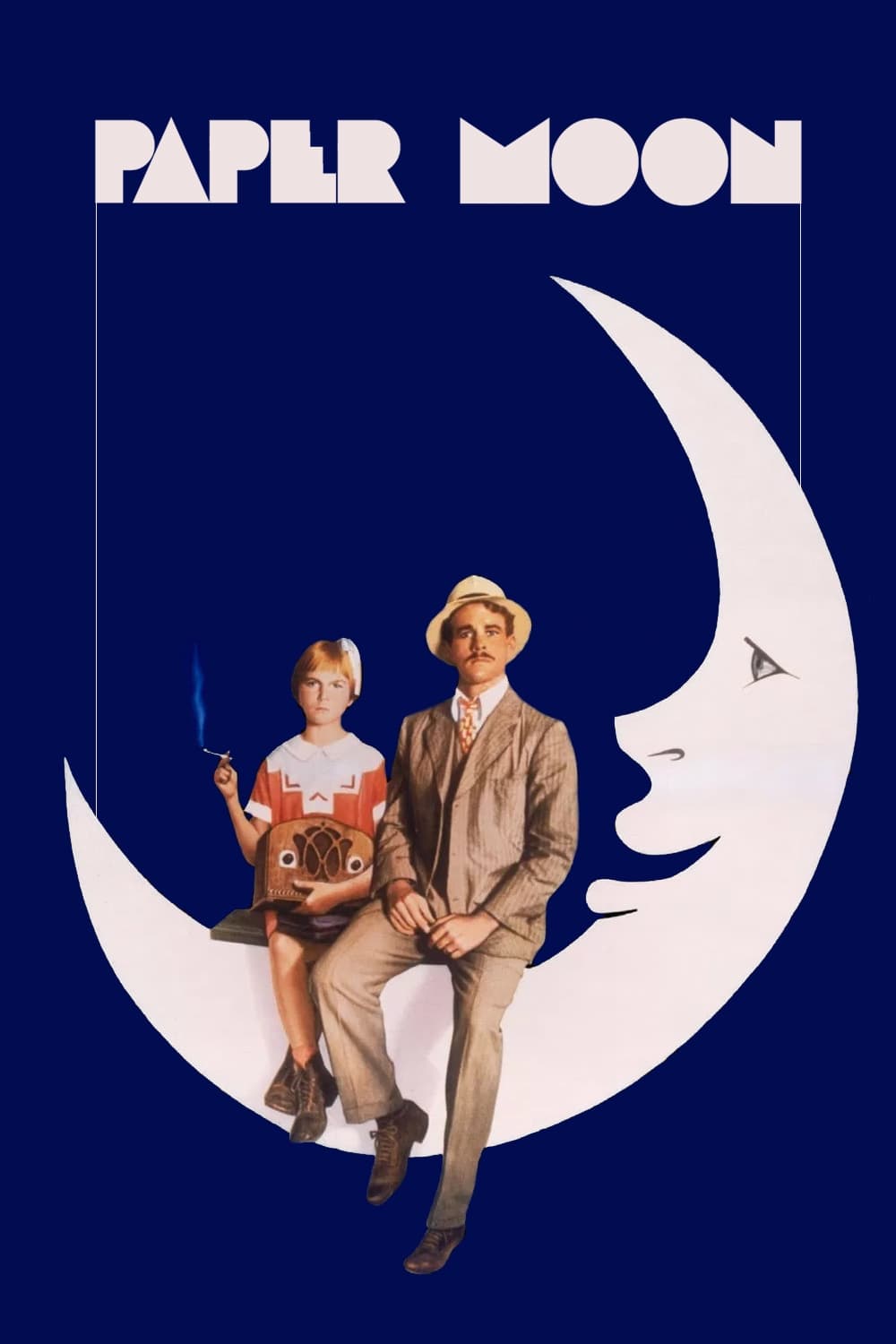
Peter Bogdanovich directs Ryan O’Neal and Tatum O’Neal as a con man and a sharp child partner on the road. The pair sell Bibles and run small scams through Midwestern towns.
Shot in crisp black and white, the film uses deep focus and period cars and signage. Tatum O’Neal won Best Supporting Actress, becoming the youngest acting Oscar recipient.
‘Kramer vs. Kramer’ (1979)
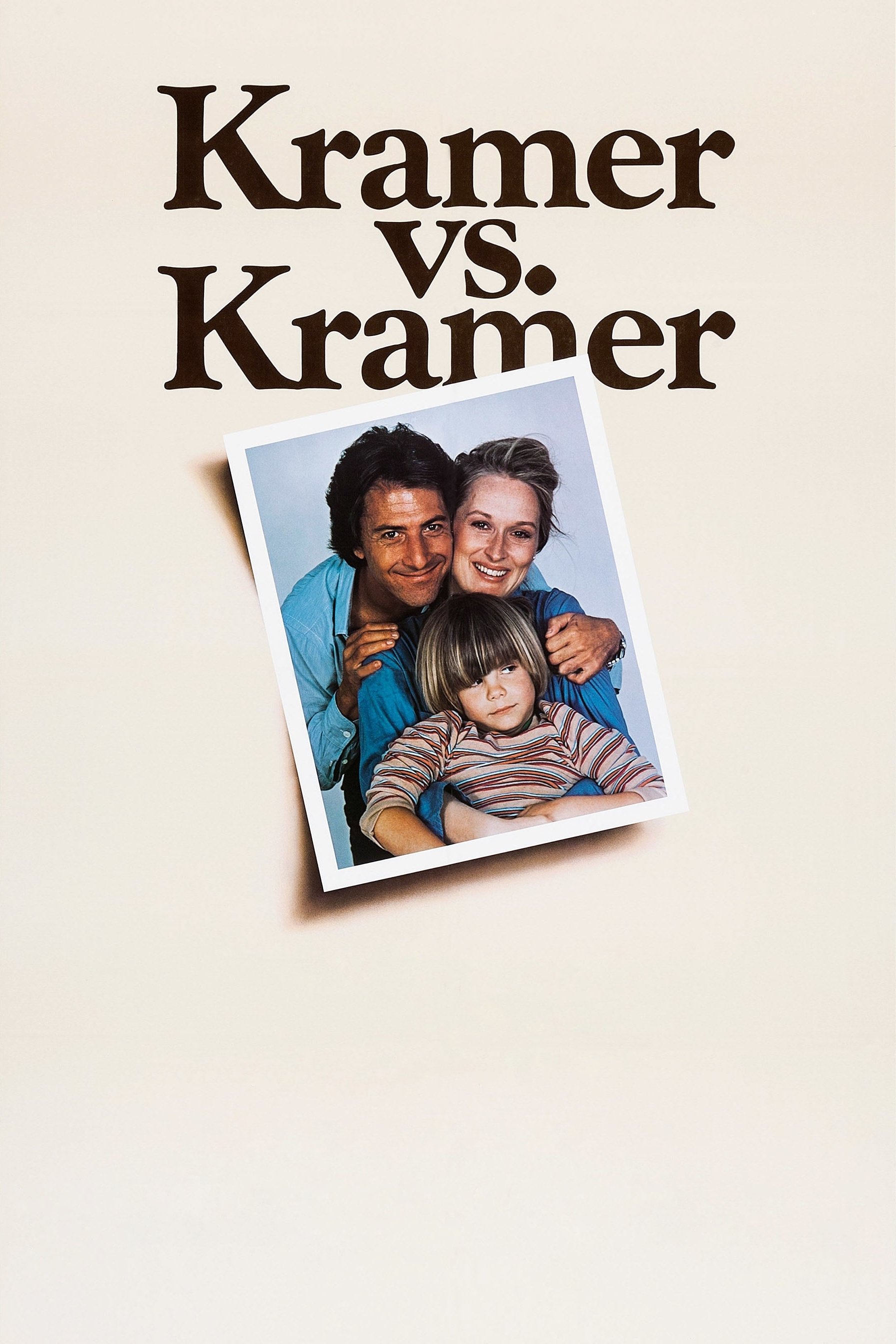
Robert Benton directs Dustin Hoffman and Meryl Streep in a custody drama that tracks work, parenting, and legal conflict. The film focuses on daily routines, job deadlines, and courtroom testimony.
Nestor Almendros and Robert Fraisse handled photography with a restrained style. The movie won Best Picture, Best Actor, Best Supporting Actress, Best Director, and Best Adapted Screenplay.
‘The Outlaw Josey Wales’ (1976)
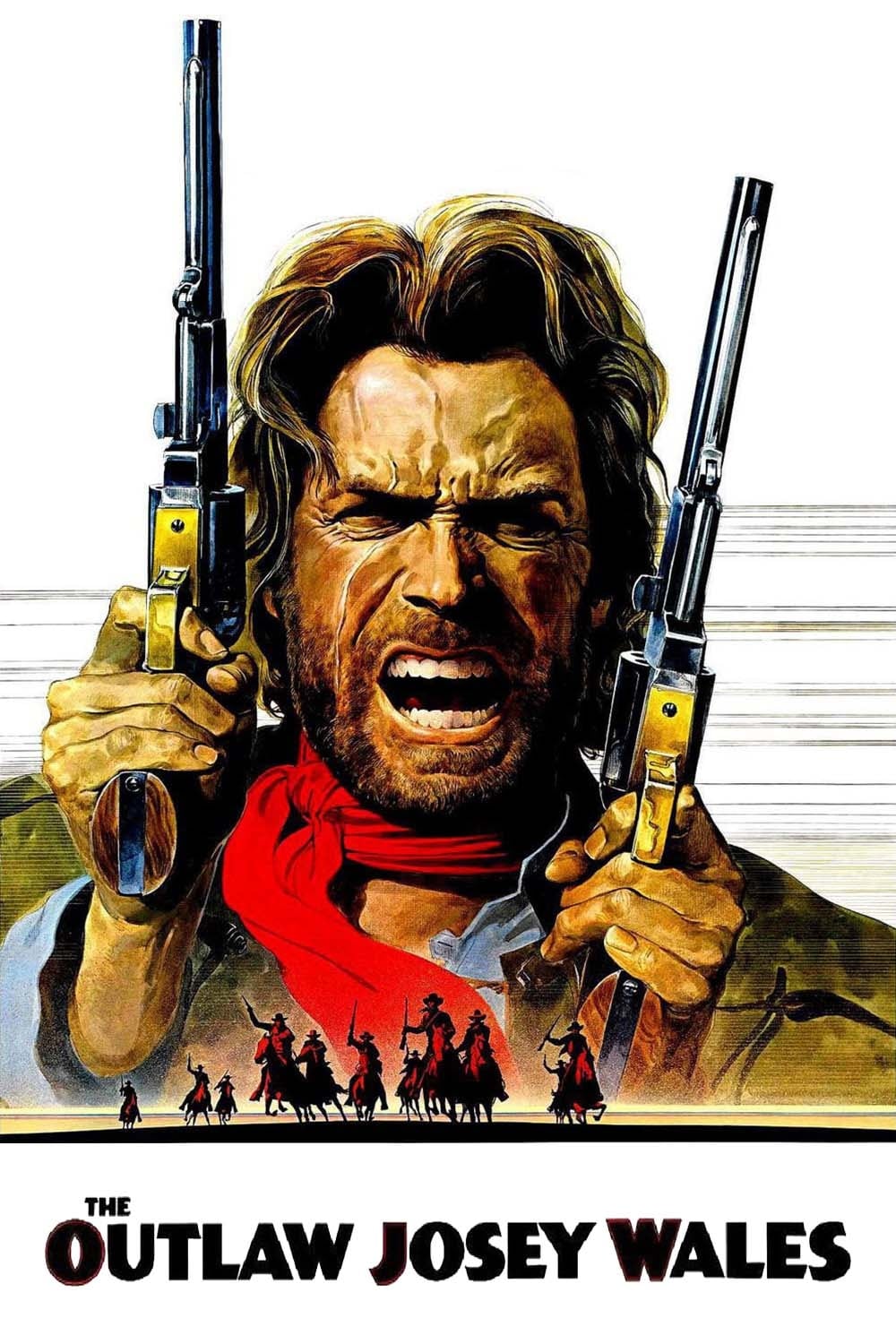
Clint Eastwood directs and stars as a farmer turned guerrilla who heads west after wartime loss. The journey gathers allies including a Cherokee elder and a homesteading family.
Bruce Surtees’s cinematography captures open country and dusty towns. Eastwood took over directing after an initial period under Philip Kaufman, and the production became a signature western for Malpaso.
‘Shaft’ (1971)
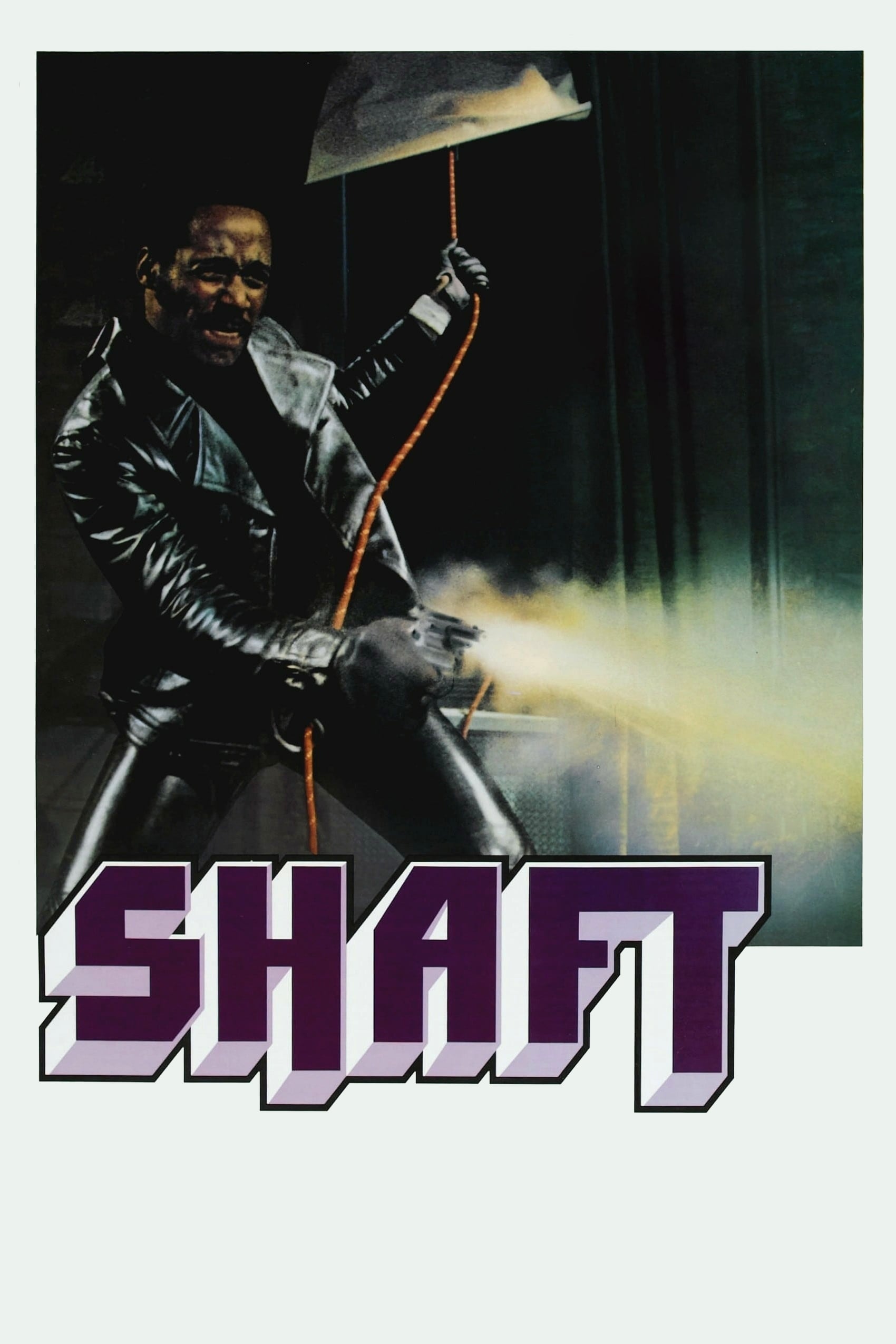
Gordon Parks directs Richard Roundtree as a private investigator moving through Harlem and midtown. The case involves rival gangs and a kidnapping that tests diplomacy and muscle.
Isaac Hayes composed the soundtrack and won the Academy Award for the song Theme from ‘Shaft’. Fashion, street locations, and a confident lead performance helped launch a cycle of urban action films.
‘Sleuth’ (1972)
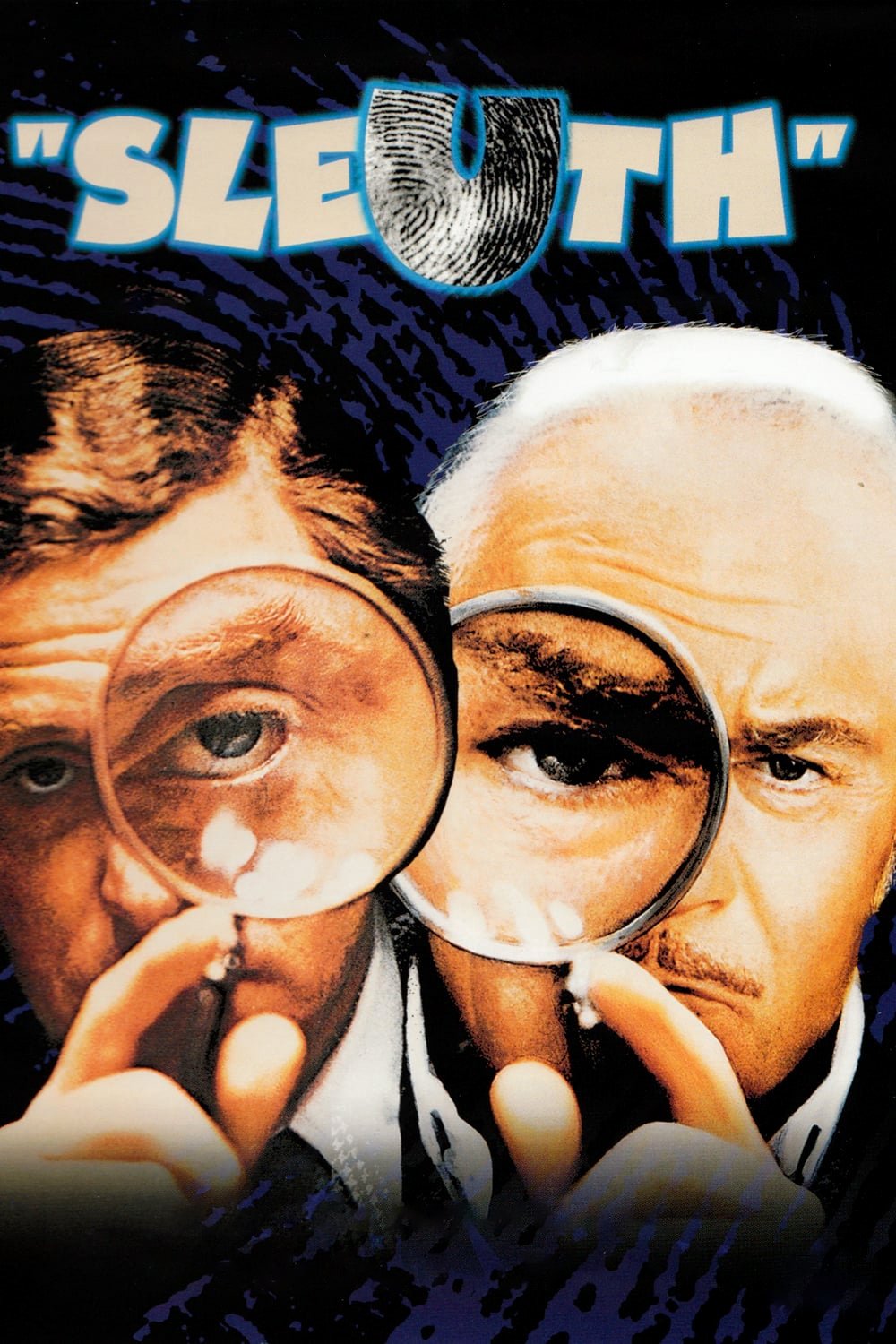
Joseph L Mankiewicz directs Laurence Olivier and Michael Caine in a duel of wits inside a country house. The plot turns on games, disguises, and staged crimes between a wealthy author and a younger man.
Adapted from Anthony Shaffer’s play, the film maintains a limited setting and sharp dialogue. Both leads received Oscar nominations, and the production design filled the house with puzzles and automatons.
‘The Taking of Pelham One Two Three’ (1974)
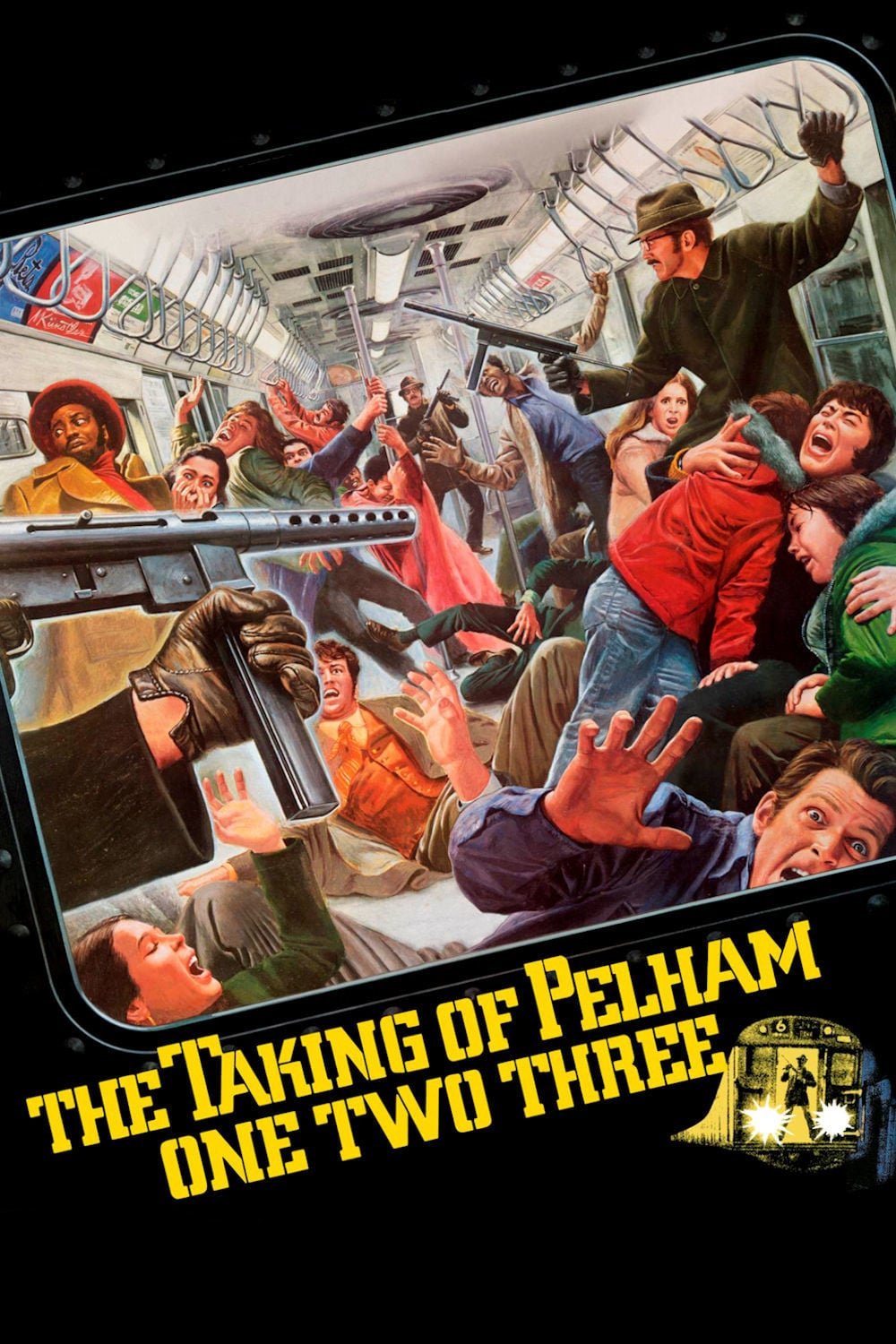
Joseph Sargent directs Walter Matthau and Robert Shaw in a subway hijacking. The criminals use color code names while a transit lieutenant manages negotiations and a ransom.
David Shire’s score sets a brassy rhythm that matches the city’s pace. Filming had cooperation from the transit authority, with real stations and trains used for key sequences.
‘The Texas Chain Saw Massacre’ (1974)
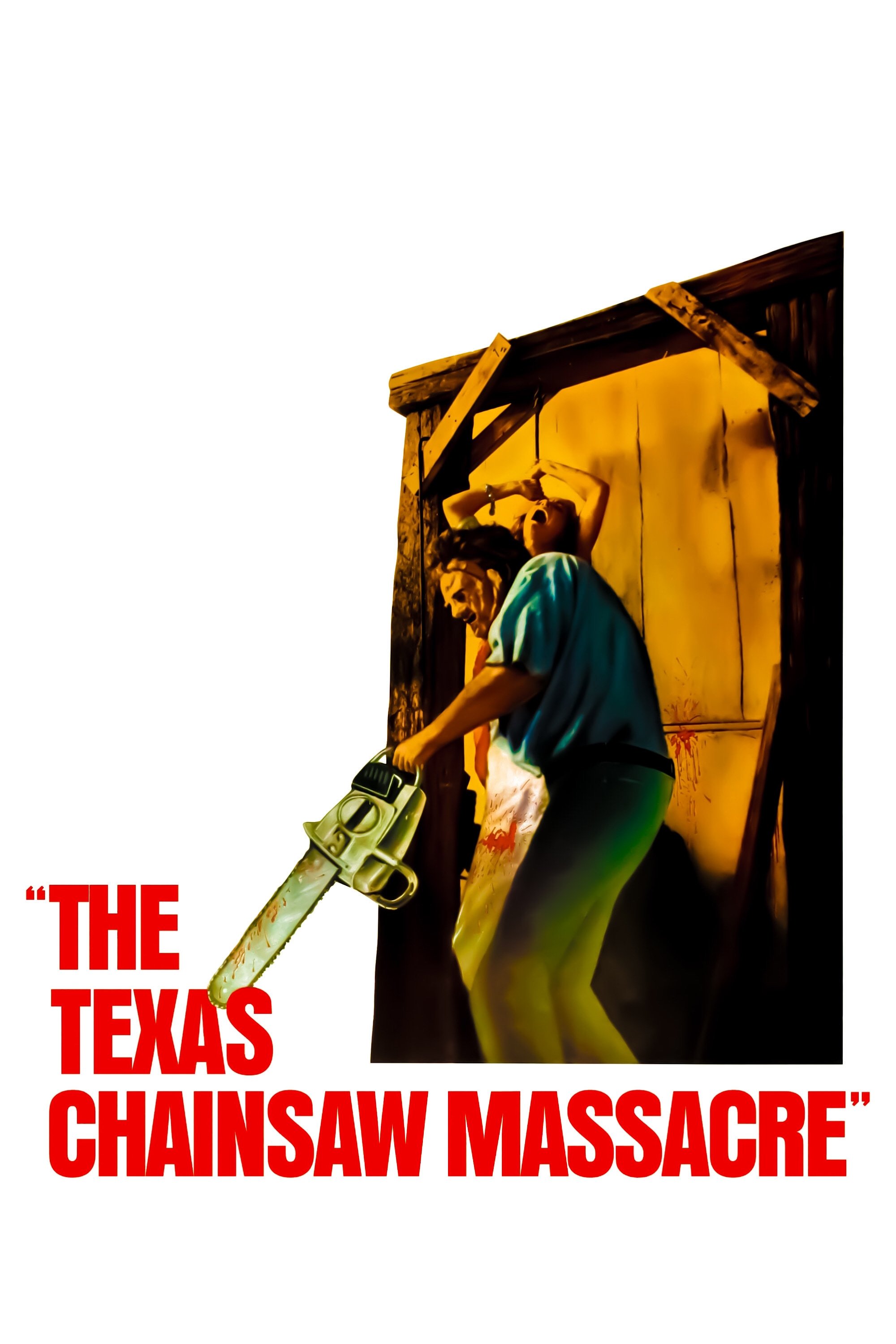
Tobe Hooper directs a story about a group of friends who encounter a family in rural Texas. The film introduces the character Leatherface and a house filled with strange trophies.
Daniel Pearl’s photography leans on sun glare and handheld movement to heighten tension. The production faced heat, long hours, and tight resources, and the release prompted ratings scrutiny in many places.
‘The Warriors’ (1979)
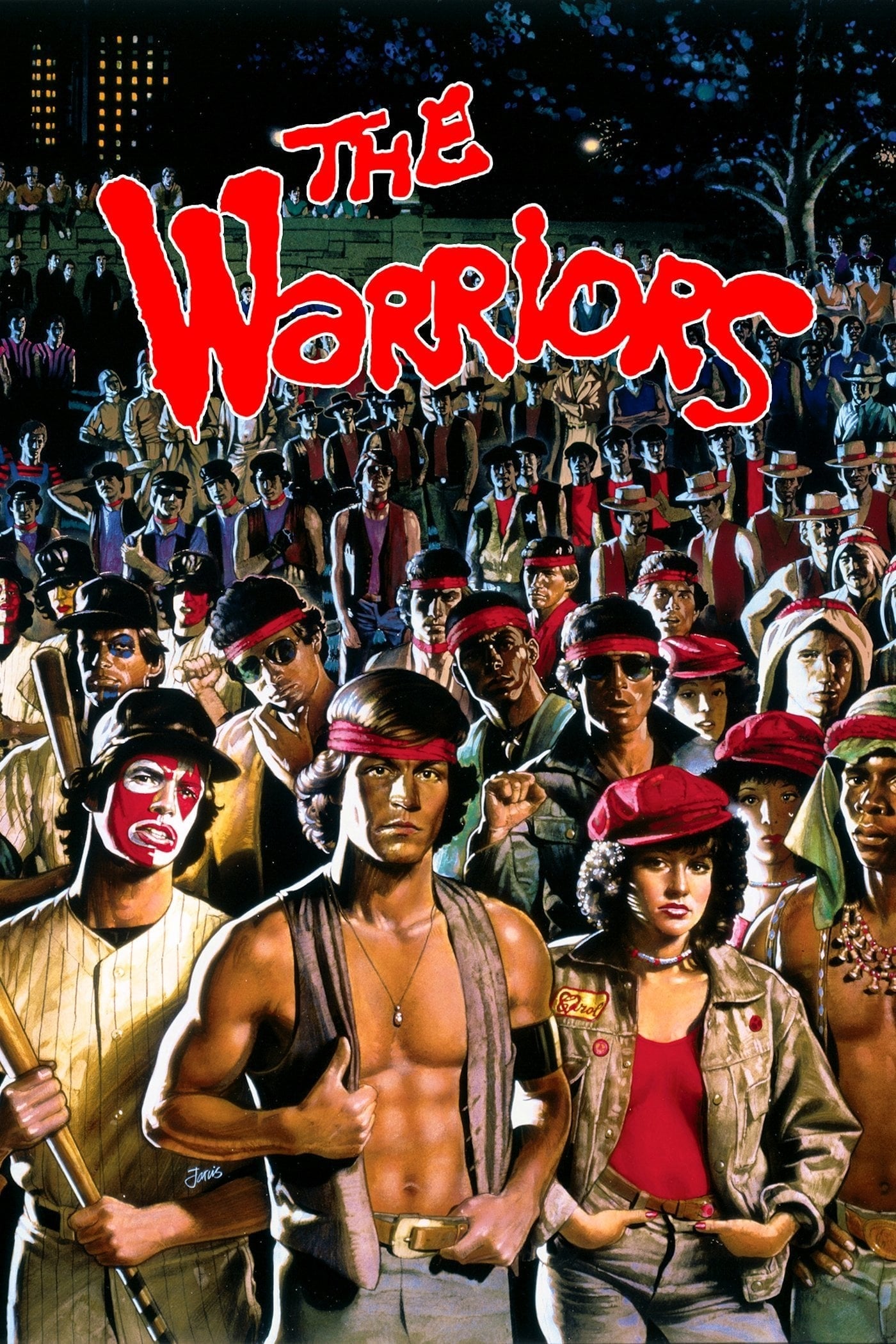
Walter Hill directs a Bronx gang trying to cross New York at night after a citywide meeting turns deadly. The story moves from borough to borough as themed gangs claim turf.
Barry De Vorzon’s music and stylized costuming give each group a distinct identity. Location shooting across the subway and streets adds texture, and the film later drew a video game and re releases.
‘Invasion of the Body Snatchers’ (1978)
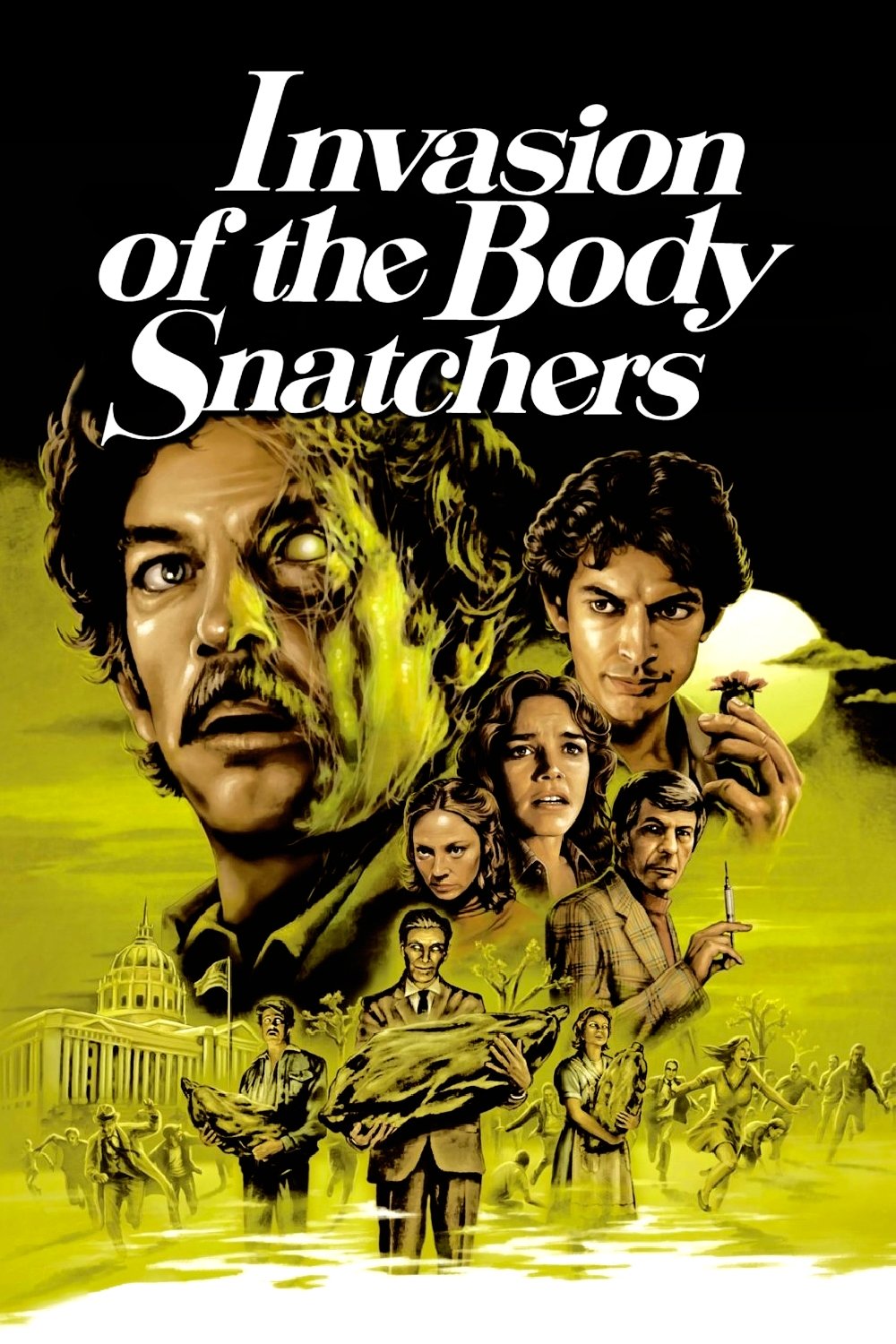
Philip Kaufman directs Donald Sutherland, Brooke Adams, Jeff Goldblum, and Veronica Cartwright in a new version of the earlier film. The plot shifts the setting to San Francisco with friends noticing subtle changes in people around them.
Michael Chapman’s cinematography uses reflections and fog to suggest unease. Cameos nod to the original ‘Invasion of the Body Snatchers’, and sound cues play a key role in the final act.
‘The Long Goodbye’ (1973)
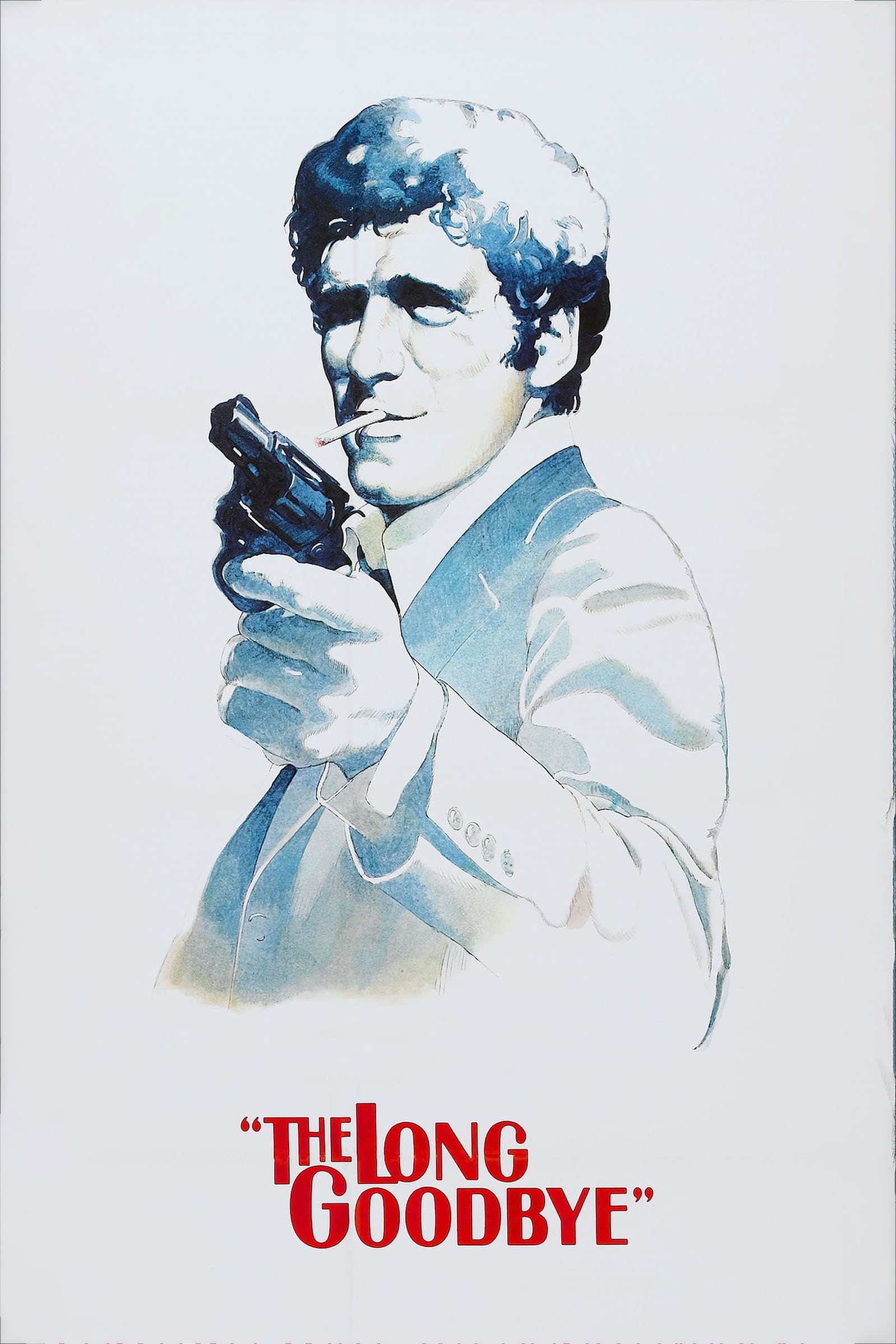
Robert Altman directs Elliott Gould as Philip Marlowe in a contemporary Los Angeles take on a Raymond Chandler story. The case involves a missing writer, a socialite, and a gangster with unpredictable menace.
John Williams provides a single theme reworked in many styles across the film. Vilmos Zsigmond’s soft focus and zooms give the city a hazy feel, and the script by Leigh Brackett updates character dynamics.
‘Badlands’ (1973)
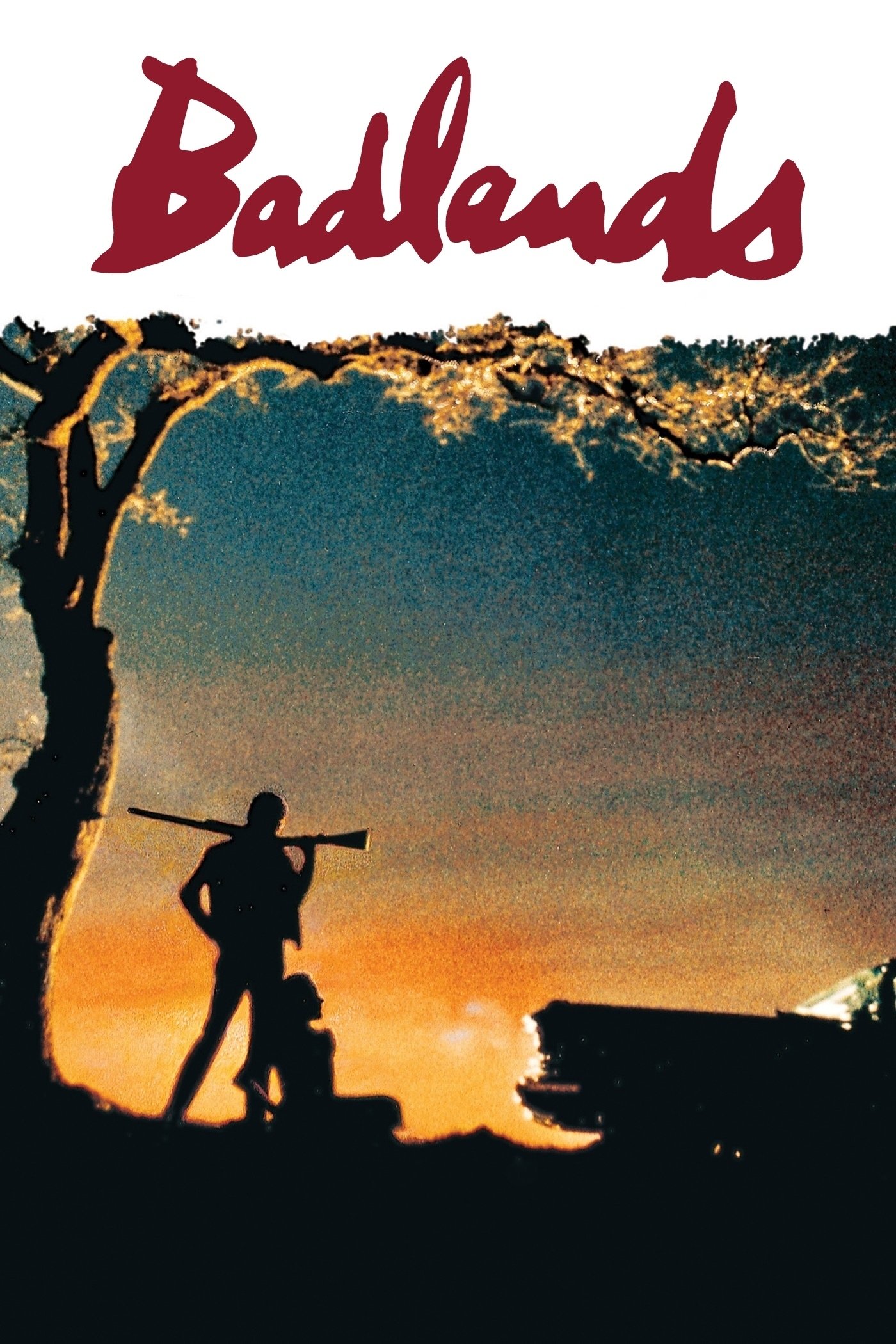
Terrence Malick directs Martin Sheen and Sissy Spacek in a crime story that follows young lovers across the plains. The narrative is framed by a calm voiceover that contrasts with violent events.
Carl Orff themes and gentle instrumentation create an unsettling counterpoint to the action. Locations in South Dakota and Colorado lend open skies and grasslands, and the spare dialogue emphasizes behavior.
‘Patton’ (1970)
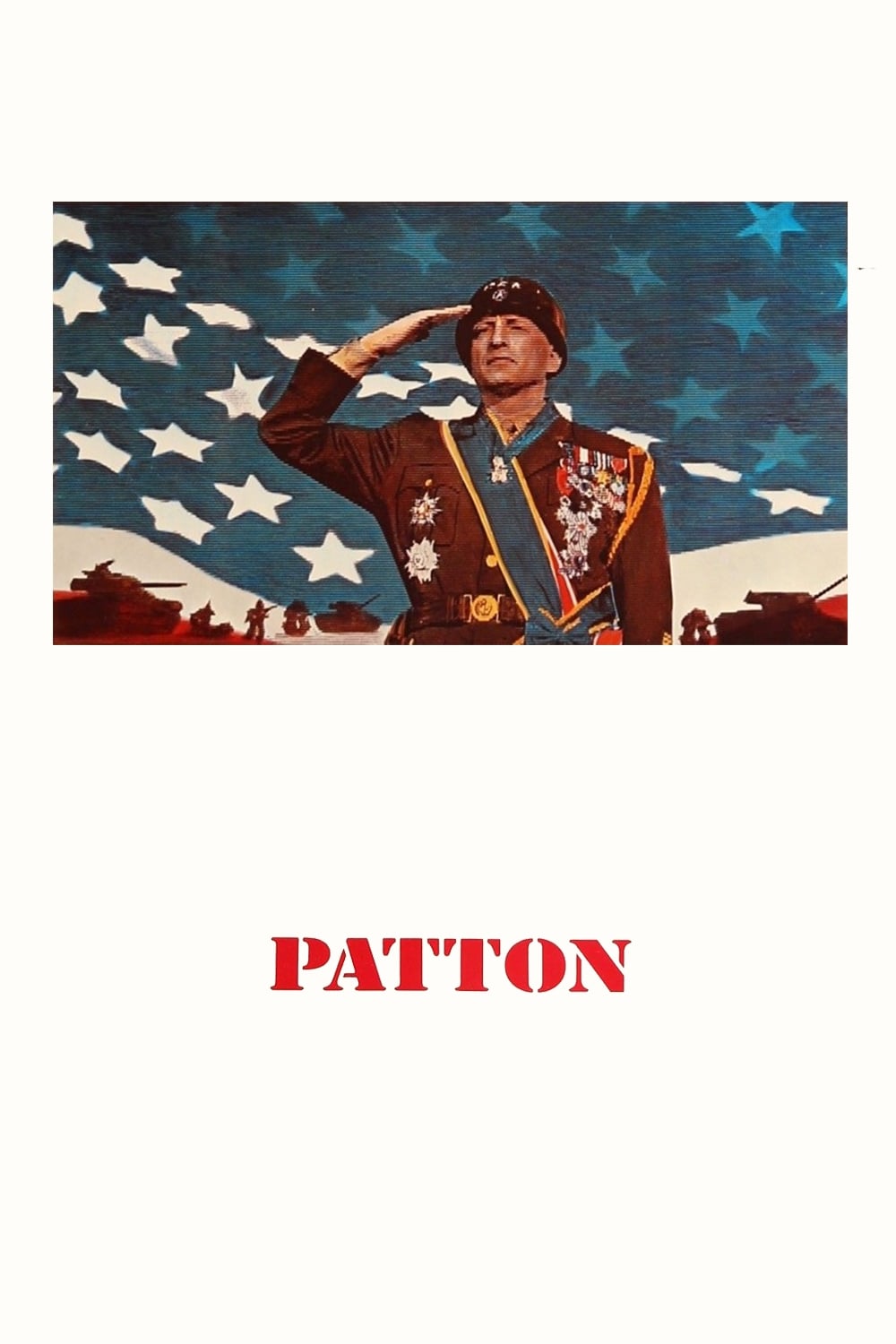
Franklin J Schaffner directs George C Scott as General George S Patton with Karl Malden as Omar Bradley. The film traces battles, promotions, and conflicts with superiors during a European campaign.
Jerry Goldsmith’s martial score uses echo and organ to memorable effect. The screenplay by Francis Ford Coppola and Edmund H North won an Academy Award, and the production staged large scale armored maneuvers.
‘The Sting’ (1973)
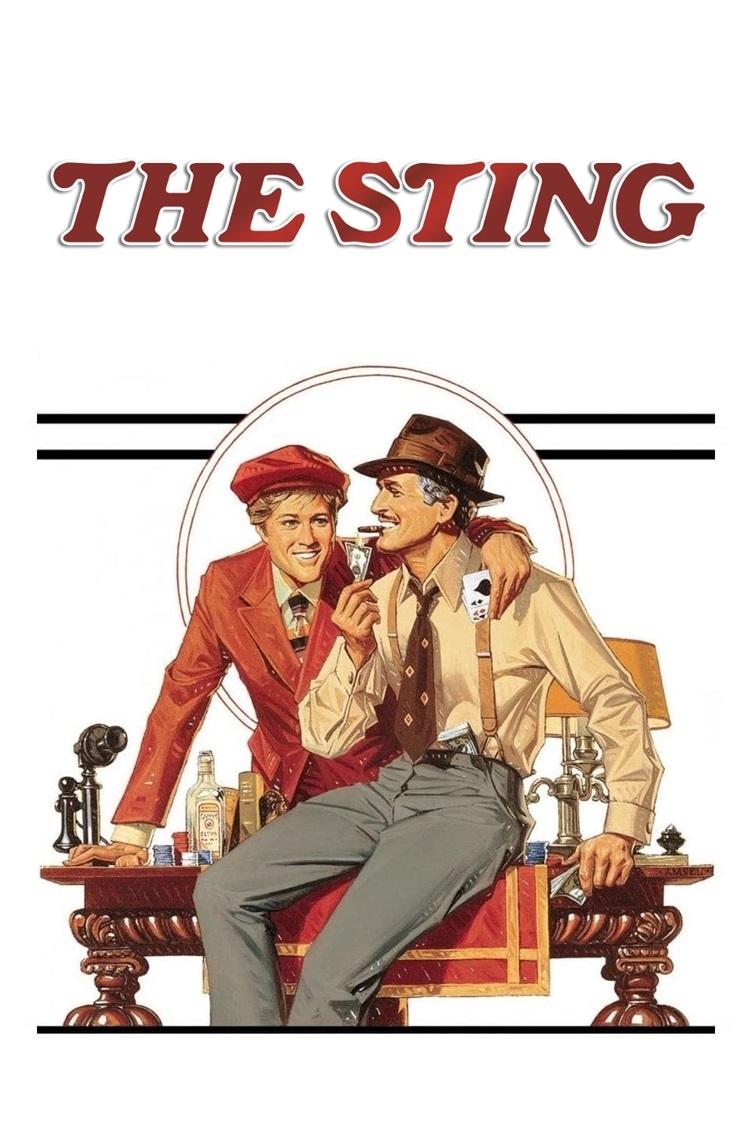
George Roy Hill reteams Paul Newman and Robert Redford as con artists who target a crime boss. The story unfolds as a layered confidence game with front businesses, signals, and phony betting parlors.
Marvin Hamlisch adapted Scott Joplin rags for a jaunty sound. The film won Best Picture and multiple craft awards, with Edith Head’s costumes and Henry Bumstead’s sets defining the period look.
Share the 70s classics you think still shine in the comments.

