


80s Movies That Aged Incredibly Well

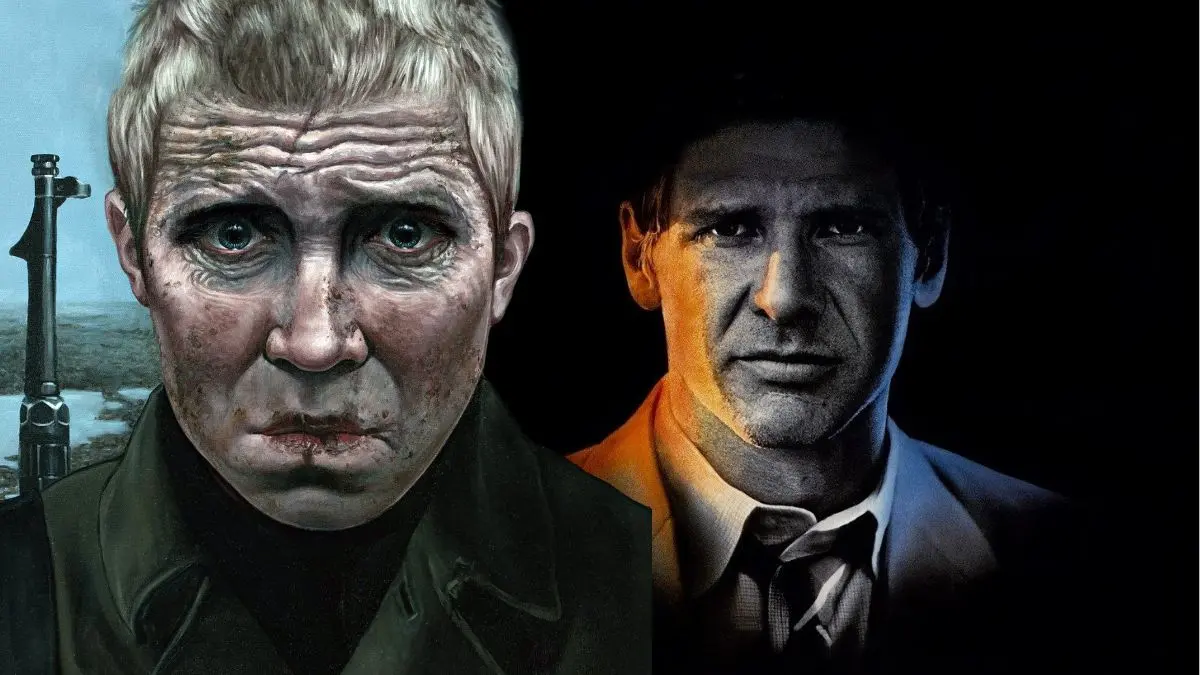


The 1980s delivered films that still draw big audiences, inspire new creators, and fuel rewatch marathons. Genres shifted, visual effects leveled up, and soundtracks found their way into everyday life, so there is a lot to revisit.
This list gathers standout titles from across the decade. You will find enduring blockbusters, era-defining indies, and international gems that continue to shape how movies are made and enjoyed.
‘The Empire Strikes Back’ (1980)
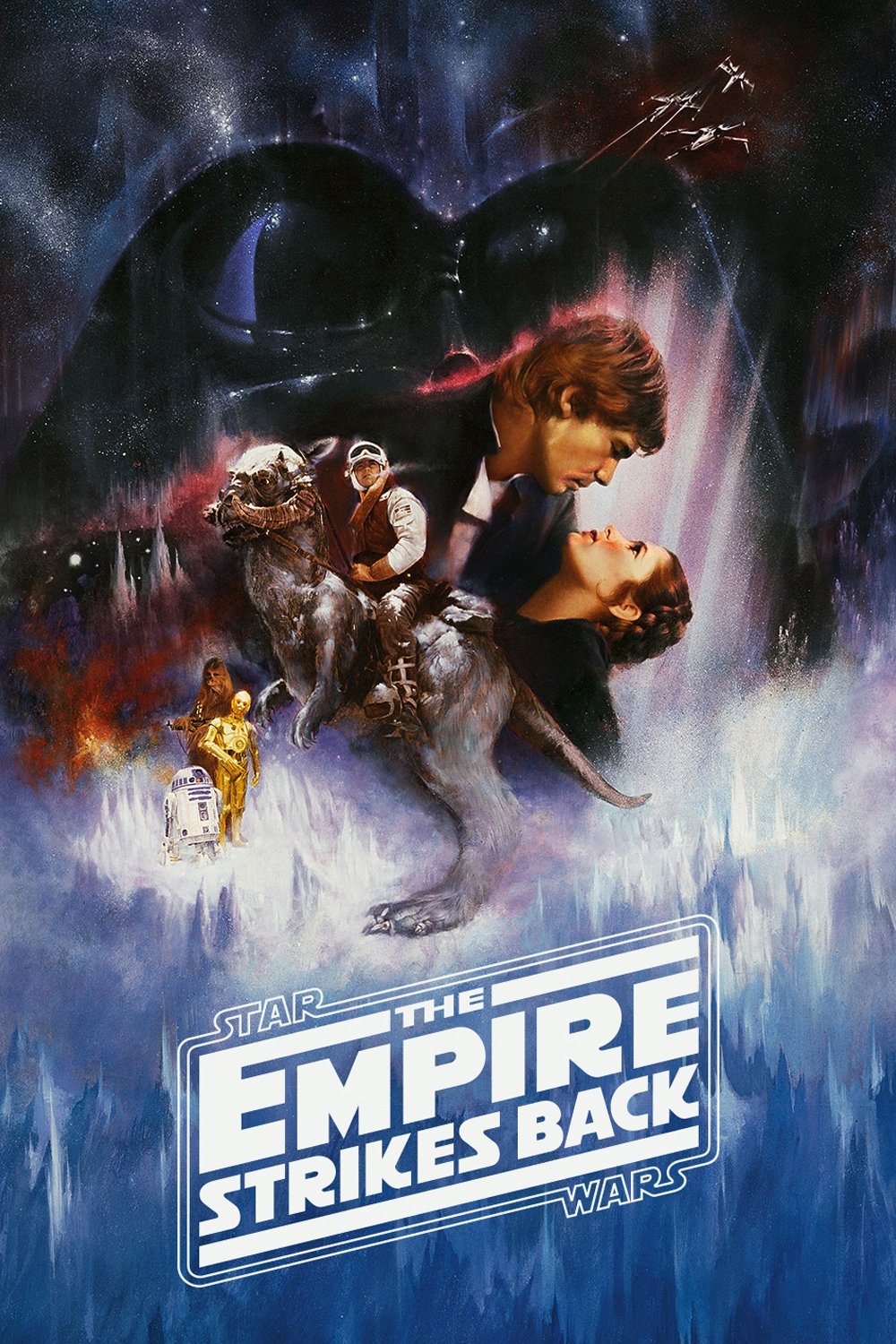
Irvin Kershner directed this chapter with new characters like Yoda and Lando Calrissian and major story reveals that pushed the saga forward. Industrial Light and Magic expanded motion-control work and stop motion to stage AT-ATs, asteroid fields, and Cloud City vistas.
The production used large sets at Elstree Studios and detailed miniatures to blend practical and optical effects. John Williams delivered a score that introduced the Imperial March and new thematic cues tied to character arcs.
‘Raging Bull’ (1980)
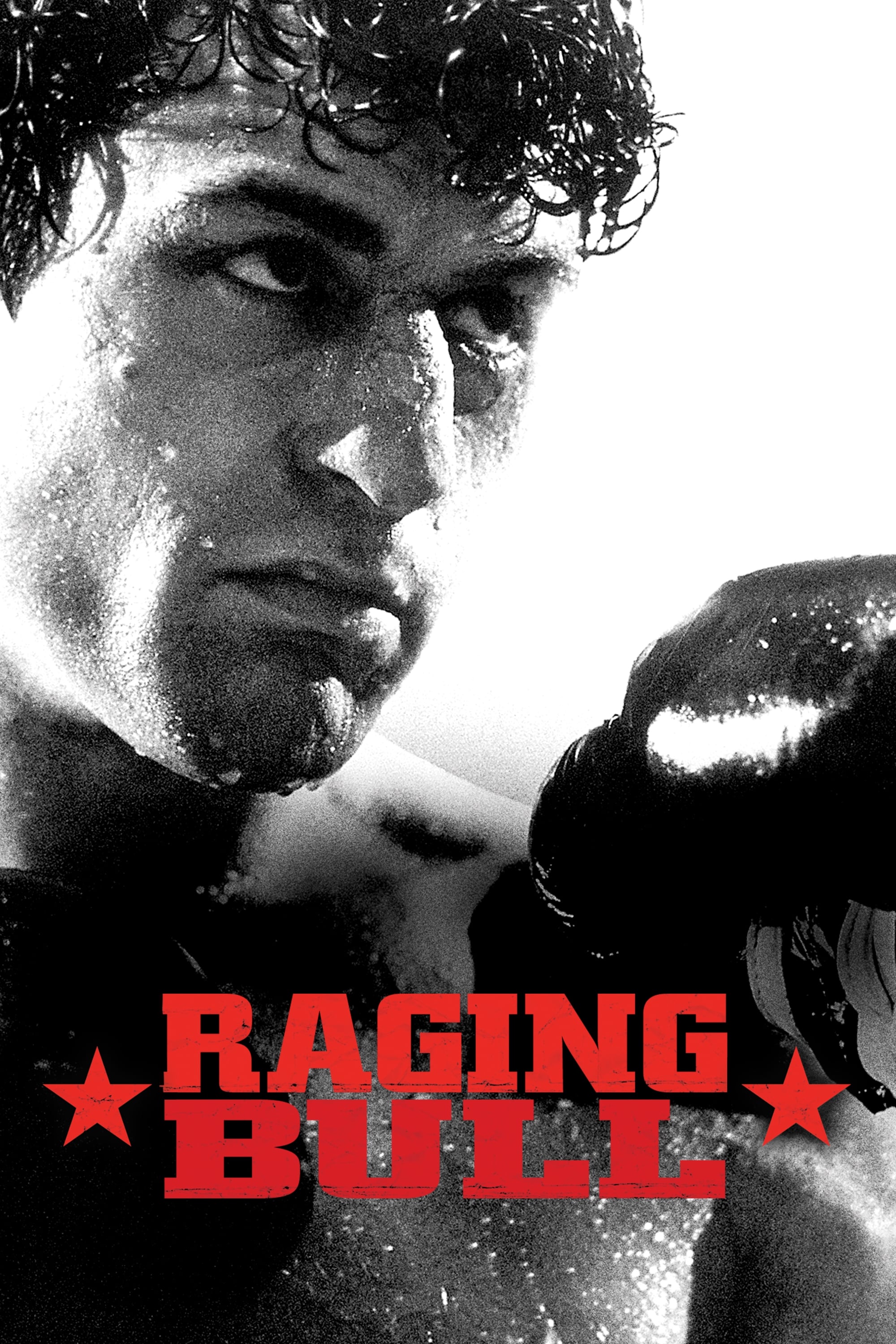
Martin Scorsese filmed the Jake LaMotta story in black and white with stylized ring photography and expressive sound design. Robert De Niro trained extensively, changed his physique for different life periods, and worked closely with editor Thelma Schoonmaker on the boxing rhythm.
The film features Cathy Moriarty and Joe Pesci in key roles that anchor the personal story outside the ring. Awards recognized De Niro and Schoonmaker, and the movie’s craft has been studied in film schools and cinematography courses.
‘The Shining’ (1980)
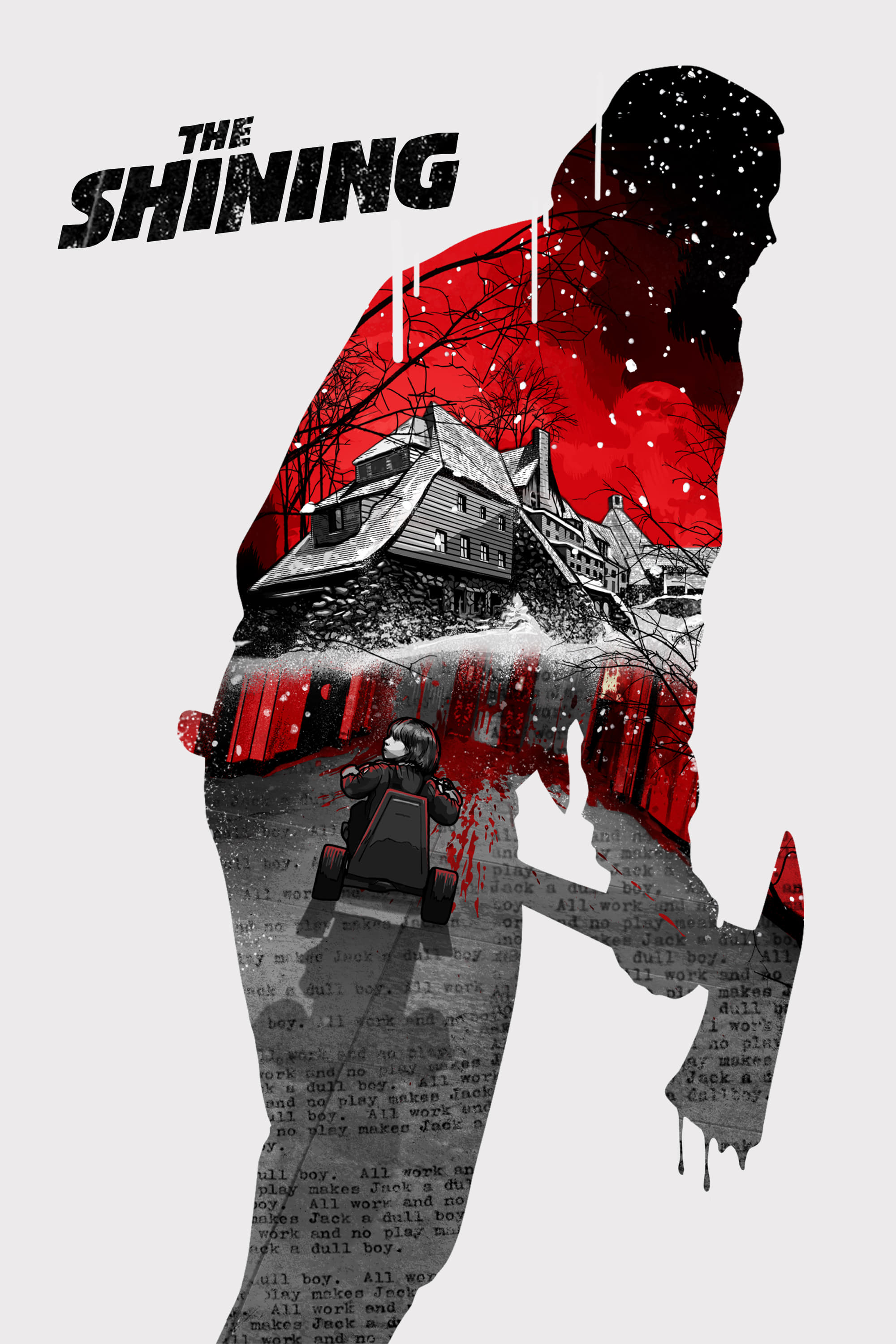
Stanley Kubrick adapted Stephen King’s novel with elaborate sets that recreated the Overlook Hotel interiors at Elstree. The Steadicam was used for extended tracking shots through hallways and the hedge maze, shaping a now-classic camera style.
Jack Nicholson and Shelley Duvall led a small ensemble with Danny Lloyd as the child at the center of the mystery. The sound mix uses drones and treated classical pieces alongside Wendy Carlos and Rachel Elkind’s music to heighten mood.
‘Airplane!’ (1980)
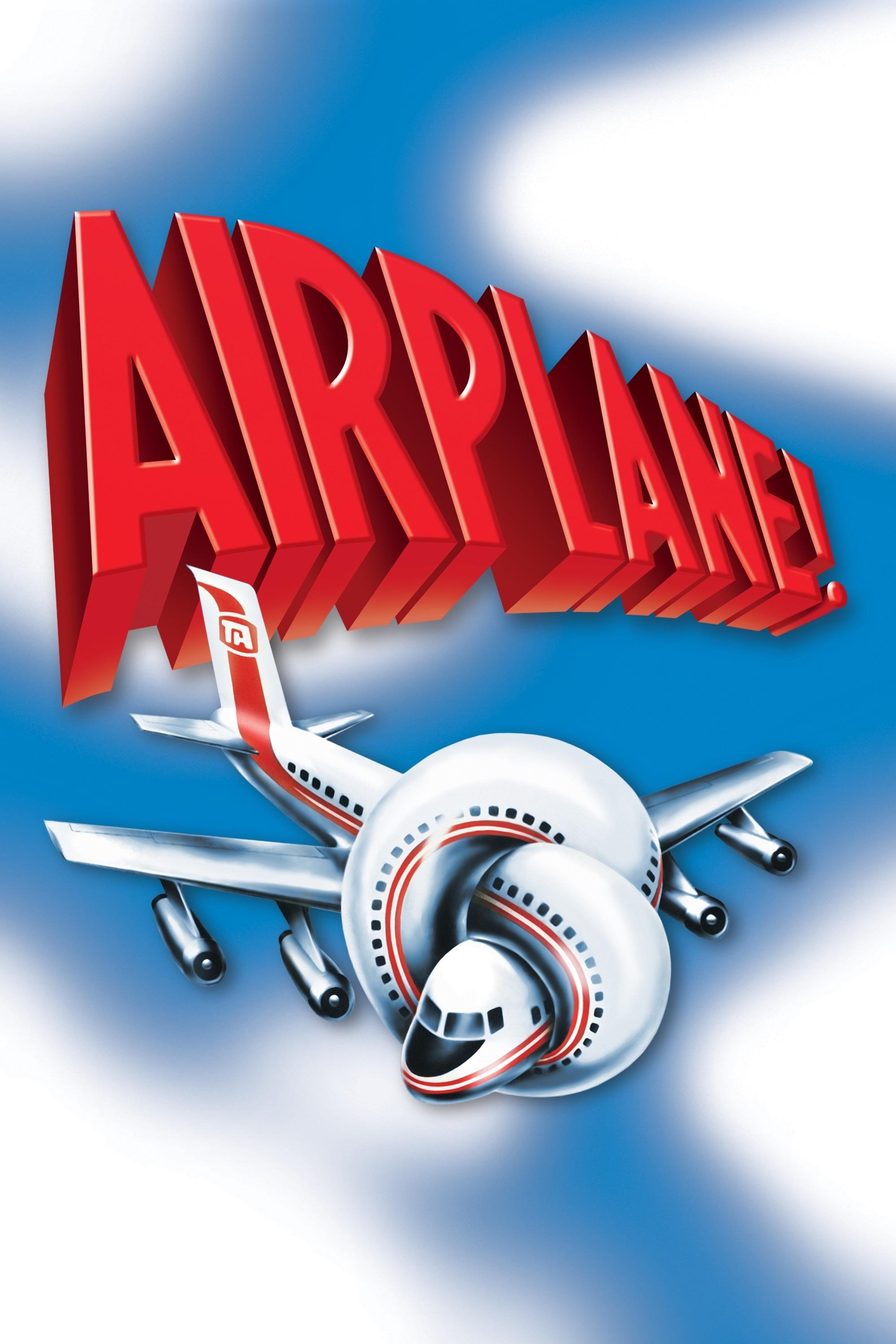
The comedy team of Jim Abrahams, David Zucker, and Jerry Zucker built a rapid-fire spoof from disaster-movie tropes. The script borrowed structure from the earlier film ‘Zero Hour!’ with new gags layered into nearly every scene.
Casting included Leslie Nielsen, Robert Hays, and Julie Hagerty, with deadpan deliveries that became signatures for several careers. The movie’s success turned Nielsen into a go-to comic presence and led to a wave of parody films.
‘Raiders of the Lost Ark’ (1981)
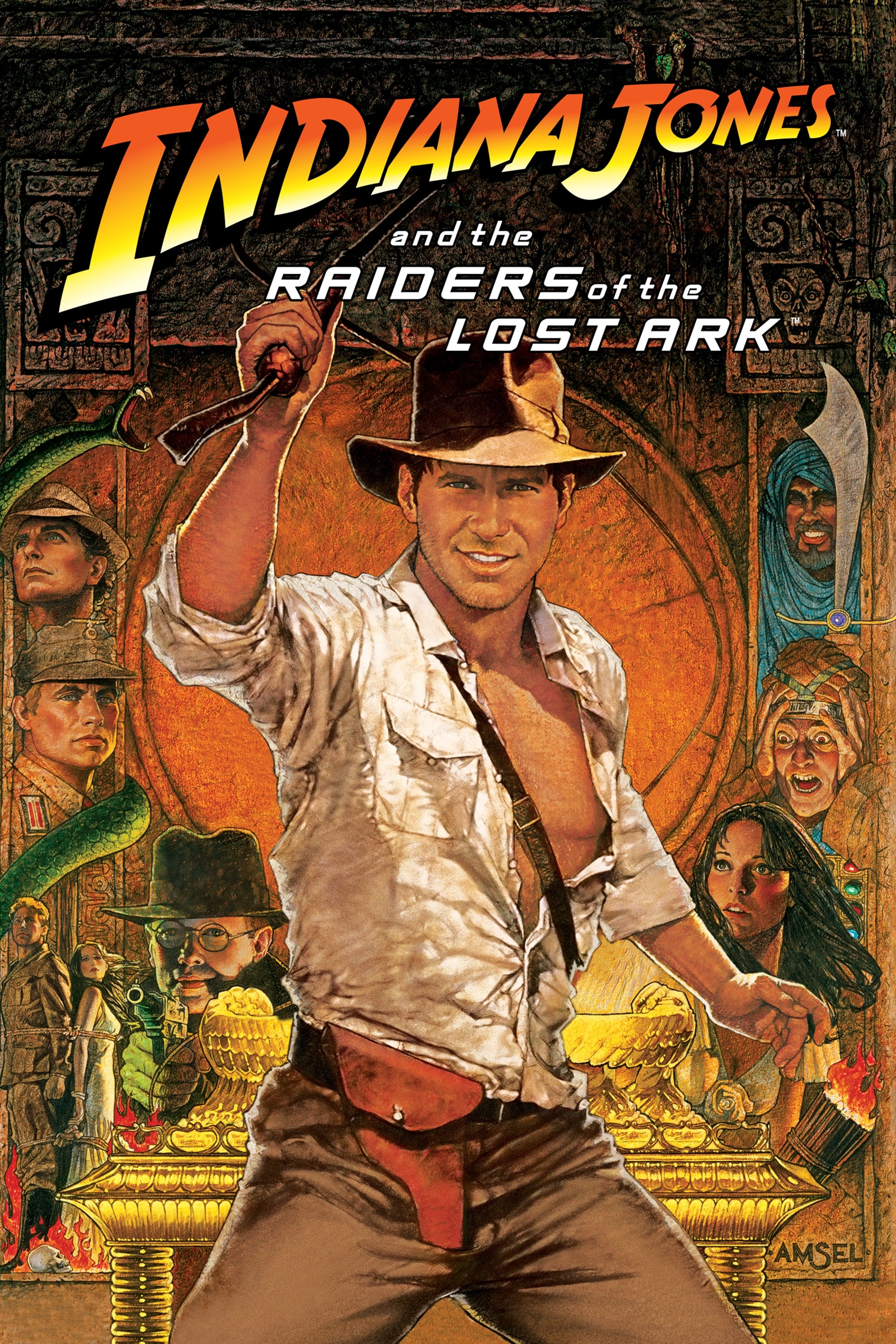
Steven Spielberg directed a globe-trotting adventure anchored by Harrison Ford’s archaeologist hero. Practical stunts, real locations, and complex set pieces like the rolling boulder and truck chase defined the production.
Sound designer Ben Burtt created signature whip cracks and artifact effects while John Williams wrote one of the era’s most recognizable themes. The film earned multiple Academy Awards for craft categories and launched a long-running franchise.
‘An American Werewolf in London’ (1981)
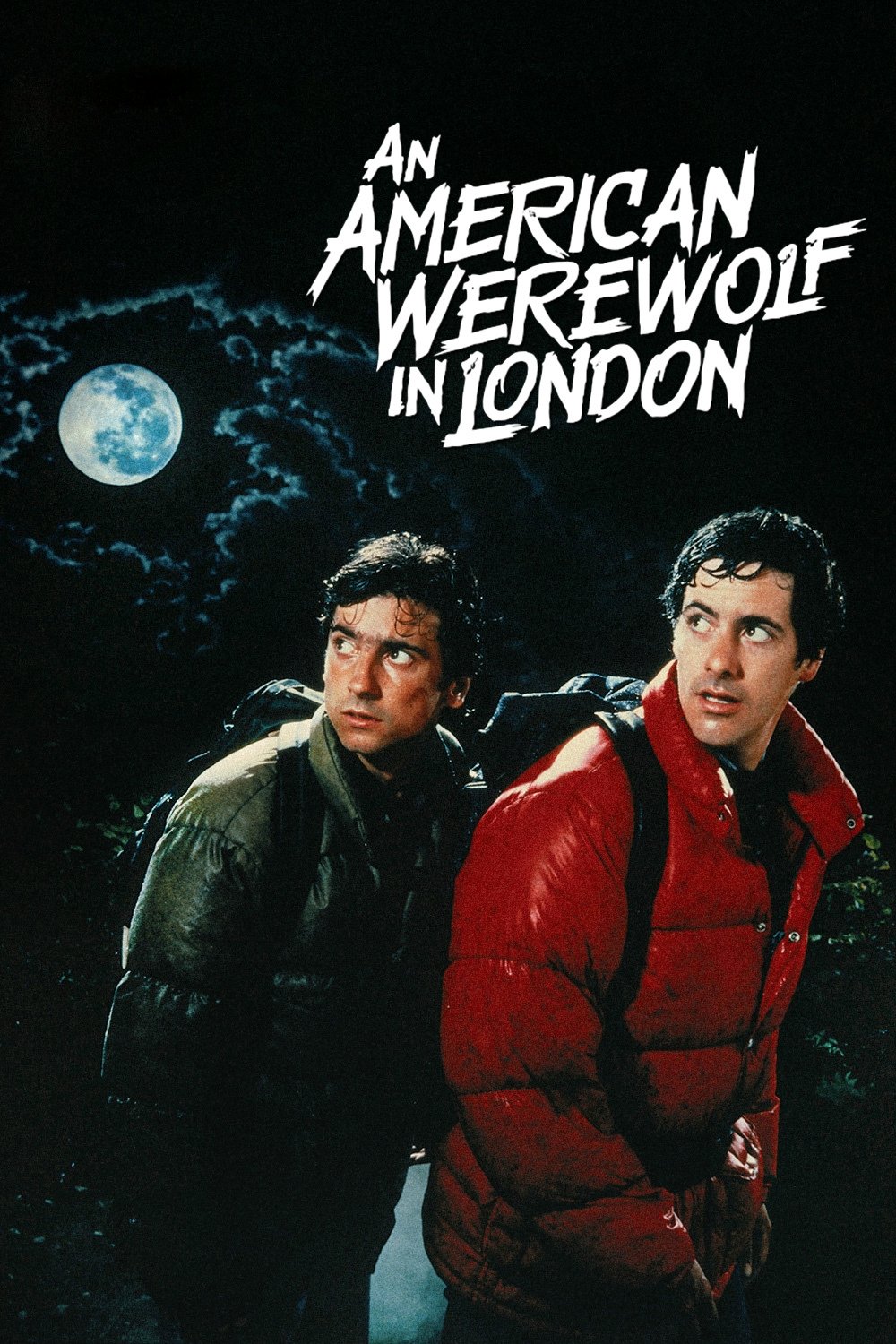
John Landis mixed horror and humor while shooting on real London streets and rural locations. Rick Baker’s transformation sequence set a new bar for practical makeup and earned the inaugural Academy Award for makeup effects.
The story follows two American backpackers and features hospital and underground set pieces that show off the creature design. Music cues use moon-related pop hits that contrast with the film’s graphic visuals.
‘Das Boot’ (1981)
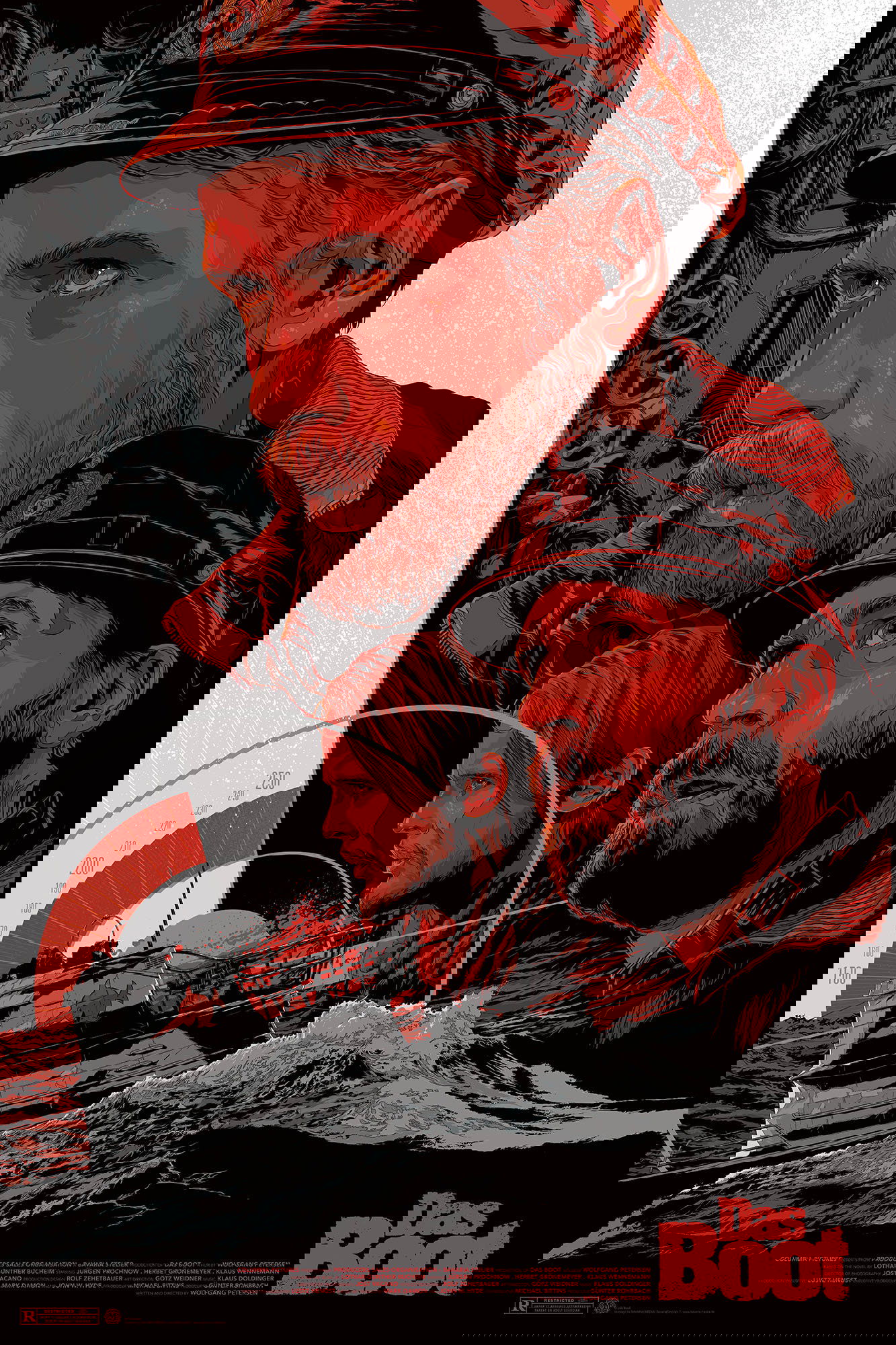
Wolfgang Petersen told a submarine story from the German crew’s perspective with Jürgen Prochnow leading the cast. The production built full-scale U-boat interiors to capture tight spaces and tracked the crew through long, sweat-soaked takes.
Miniatures and water-tank photography staged convoy battles with careful attention to detail. Multiple edits exist, including a longer cut and a television version, each expanding character moments and patrol sequences.
‘Mad Max 2’ (1981)
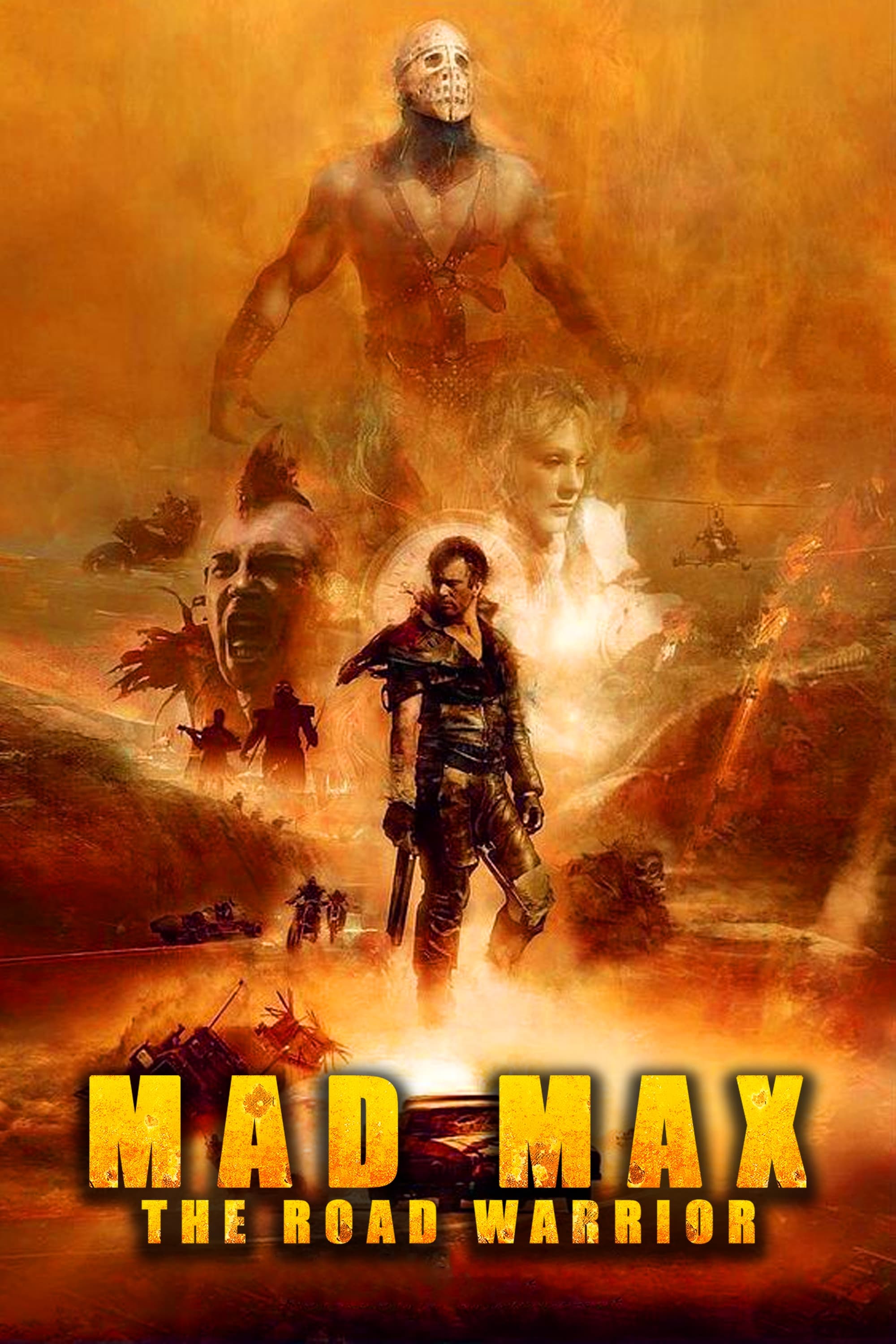
George Miller escalated his post-apocalyptic world with custom vehicles, leather-and-metal costuming, and desert-set chases. Mel Gibson returned as the drifter hero while Vernon Wells and Bruce Spence added memorable supporting turns.
The film is also known as ‘The Road Warrior’ in some regions and used high-speed stunt driving for tanker and car-rollover shots. Australian outback locations and a stripped-down narrative focused the action on survival and fuel scarcity.
‘E.T. the Extra-Terrestrial’ (1982)
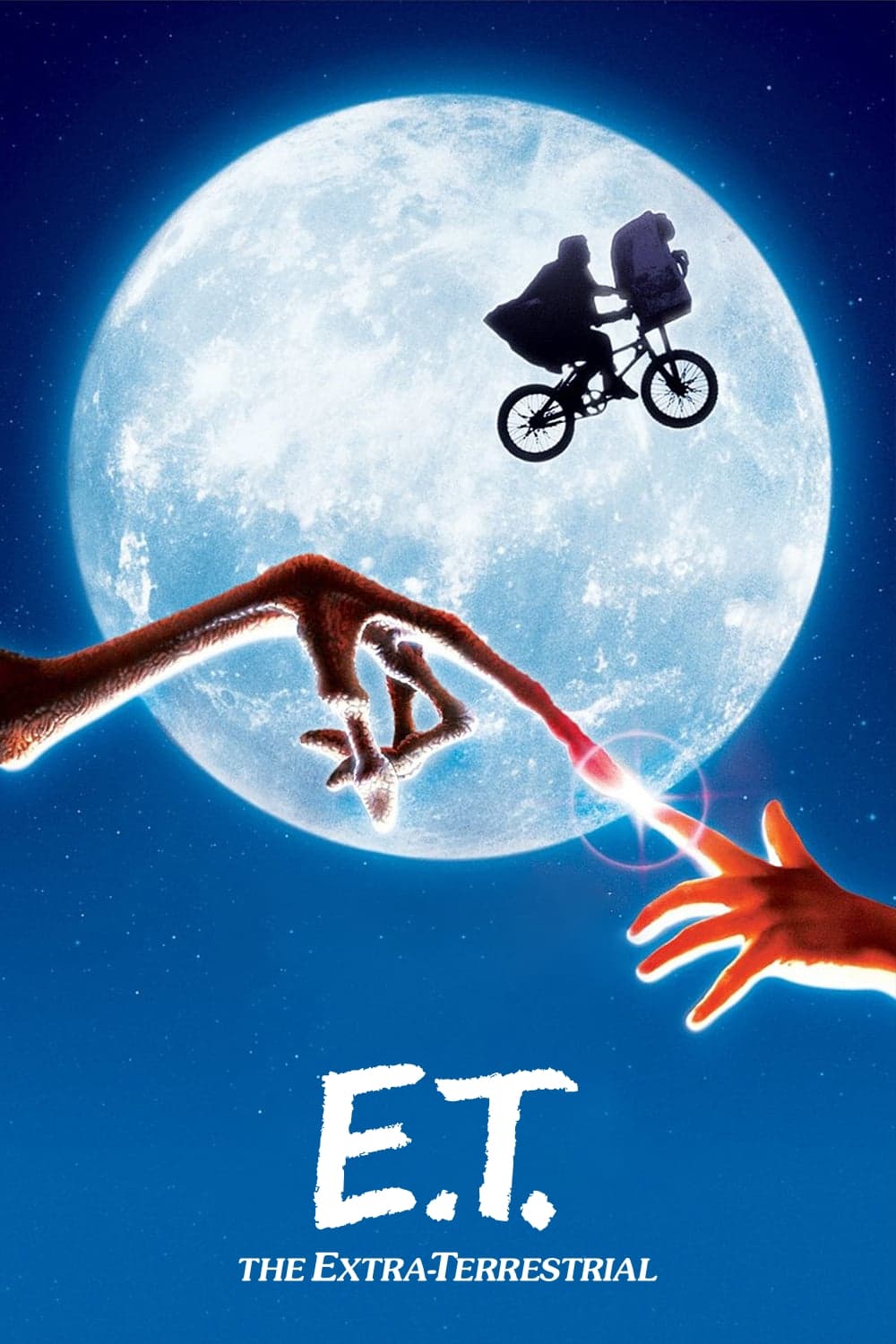
Steven Spielberg worked with child actors Henry Thomas and Drew Barrymore to center the story on a suburban family. Carlo Rambaldi designed the animatronics that brought the alien’s expressions and movements to life.
John Williams composed a sweeping score that builds through the bicycle chase and goodbye scene. The production shot on neighborhood streets and used practical light and smoke to give the flying scenes a soft glow.
‘Blade Runner’ (1982)
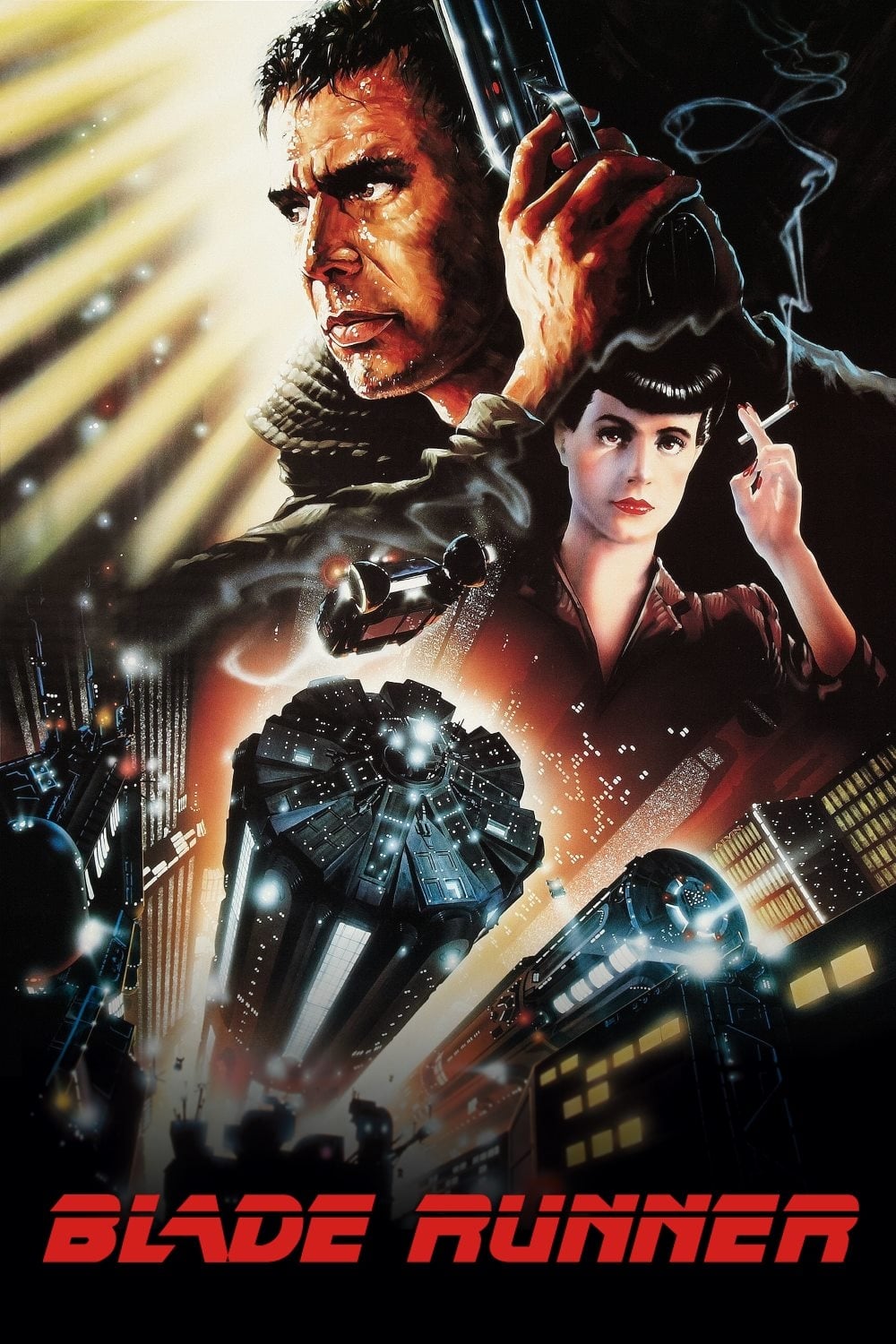
Ridley Scott created a neon-soaked city using practical rain, smoke, and large-scale miniature buildings. Designer Syd Mead shaped vehicles and tech, while Vangelis provided an electronic score that blends with ambient city sound.
Multiple cuts exist, including a director-supervised final version that removes narration and changes key details. Casting includes Harrison Ford, Rutger Hauer, and Sean Young with strong supporting work by Daryl Hannah and Edward James Olmos.
‘The Thing’ (1982)
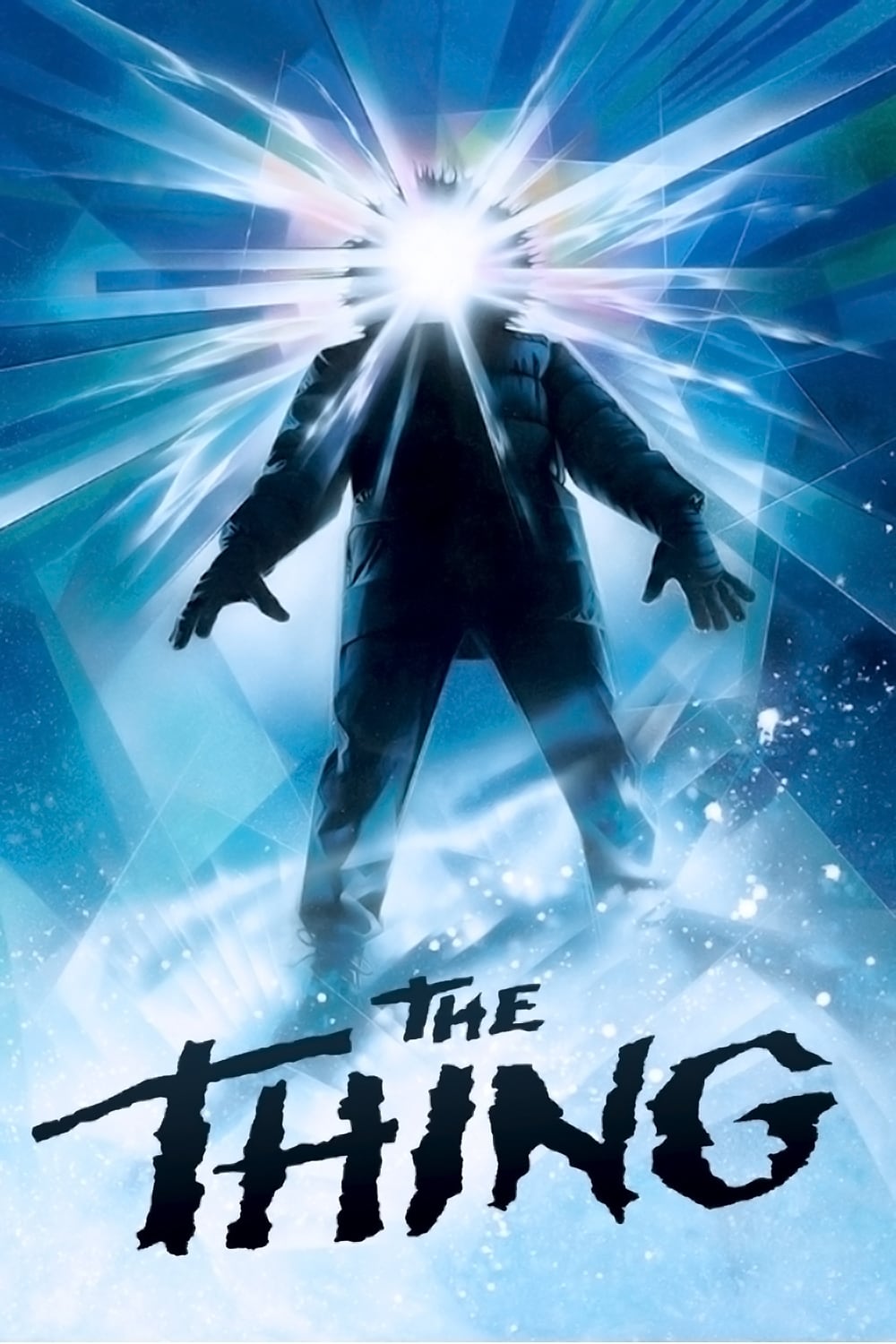
John Carpenter set his story in an Antarctic research station with a small ensemble led by Kurt Russell. Rob Bottin’s practical creature effects used animatronics, fluids, and puppetry to depict transformations.
Ennio Morricone composed a minimalist score that mixes with ambient isolation sounds. The production built extensive interiors and used snow-covered locations to emphasize the base’s vulnerability.
‘Tootsie’ (1982)
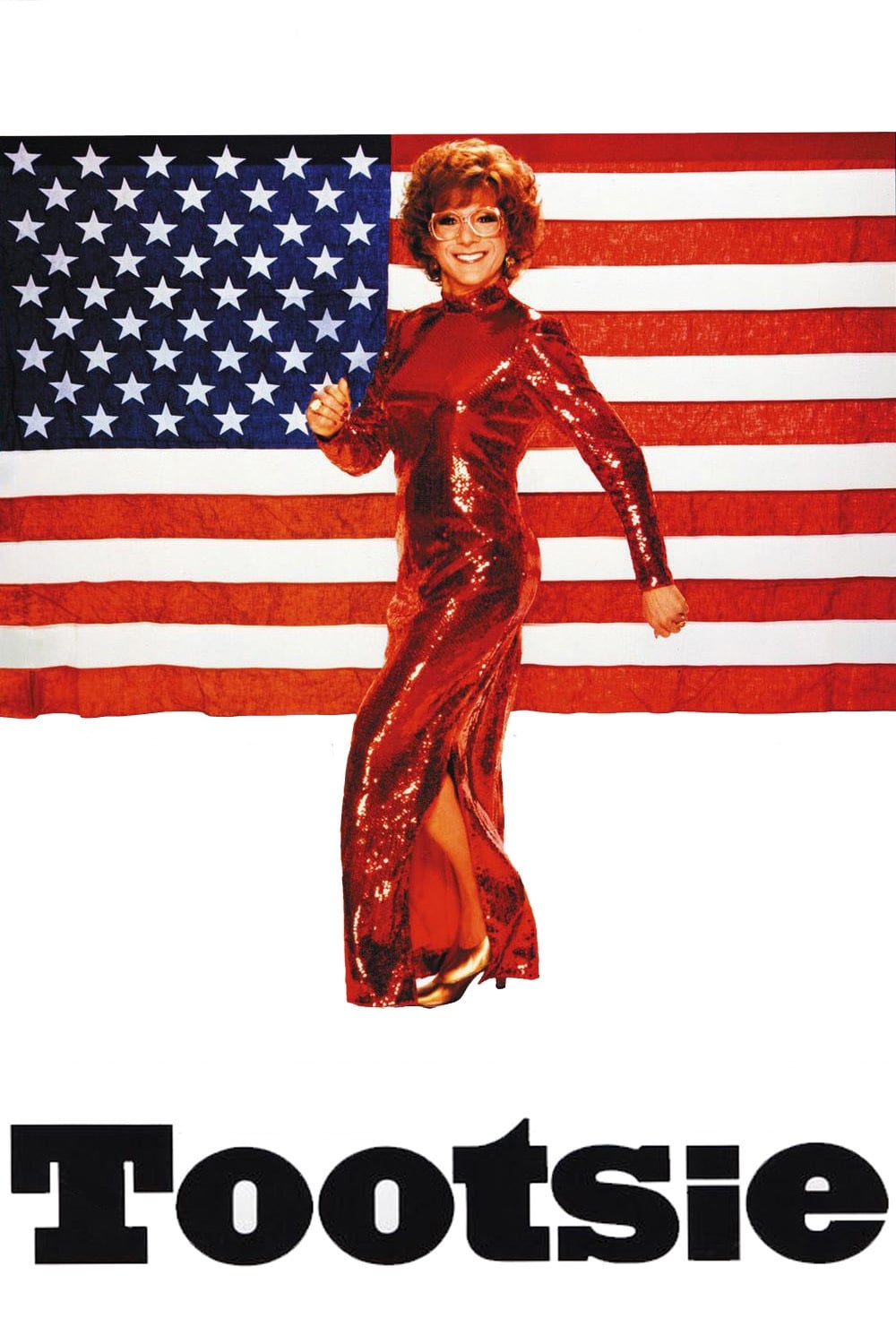
Sydney Pollack directed Dustin Hoffman as an actor who adopts a new persona to land steady work. Jessica Lange won an Academy Award for her performance, and the ensemble includes Teri Garr, Dabney Coleman, and Bill Murray.
The film explores television production through a soap set with behind-the-scenes negotiations and live-to-tape pressures. New York locations and a comic tone frame a story about work, credit, and professional respect.
‘Scarface’ (1983)

Brian De Palma remade the 1930s gangster story with Oliver Stone’s script and a Miami setting. Al Pacino and Michelle Pfeiffer headlined a cast that also includes Steven Bauer and Robert Loggia.
Production combined Florida exteriors with Los Angeles sets to stage nightclub and mansion sequences. Giorgio Moroder’s synthesizer score and memorable one-liners turned the film into a long-running cultural reference point.
‘Return of the Jedi’ (1983)
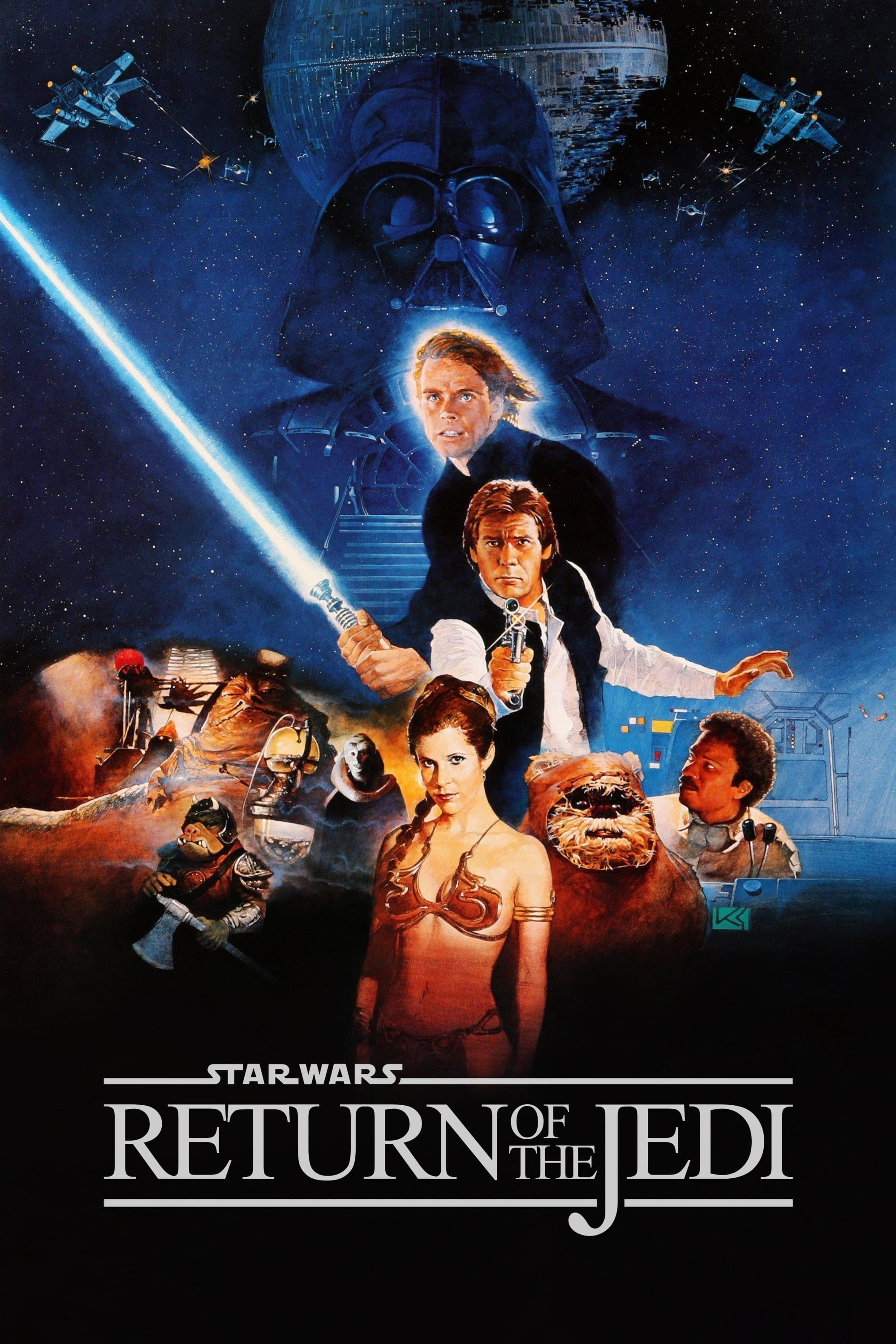
Richard Marquand directed the conclusion of the original trilogy with George Lucas closely involved. Jabba’s Palace required extensive creature work by teams under Phil Tippett and Stuart Freeborn.
Model photography and motion control handled space battles while miniature forests and speeder rigs created high-speed chases. The film wrapped character arcs while introducing the forest moon setting and native allies.
‘Ghostbusters’ (1984)
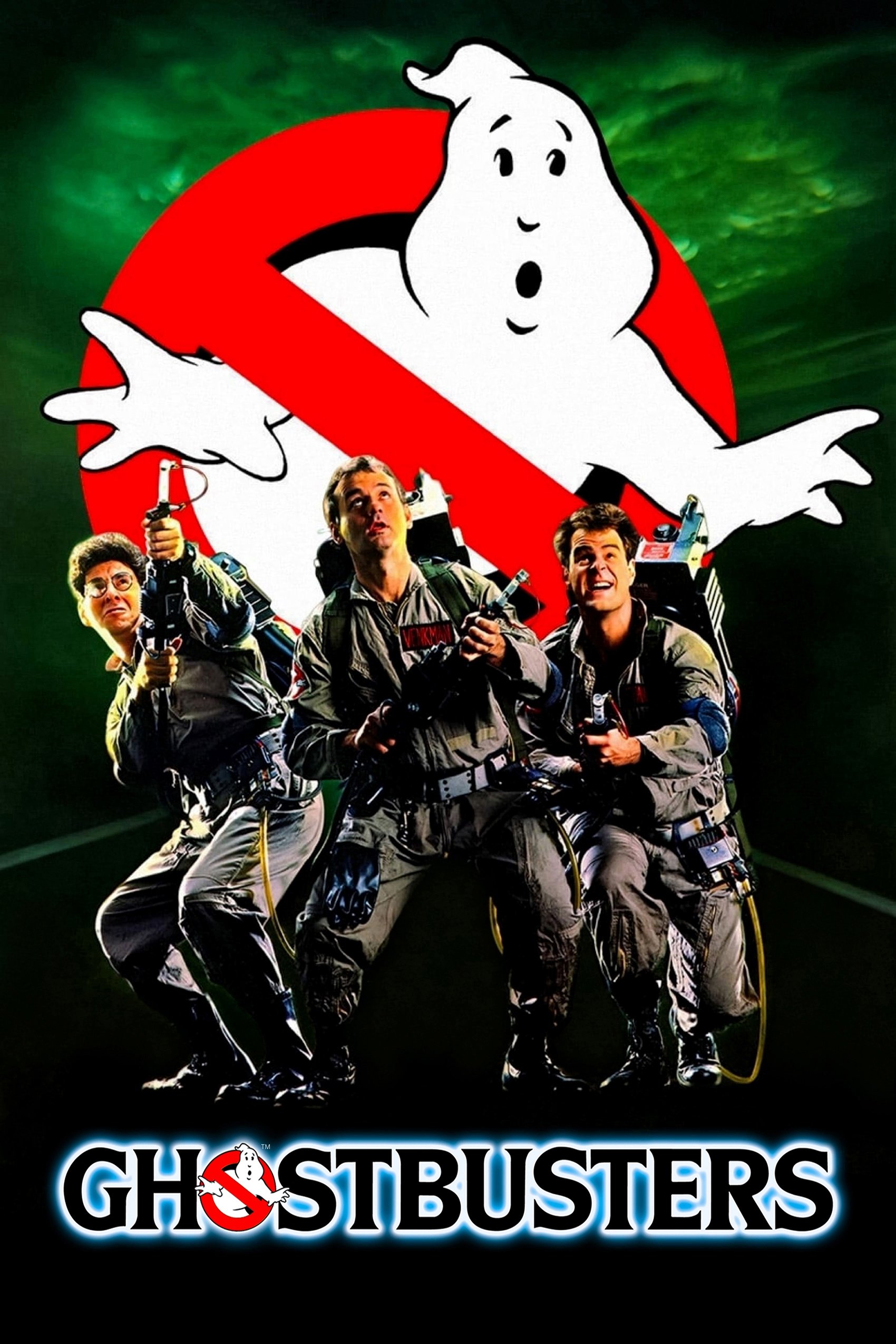
Ivan Reitman directed a supernatural comedy written by Dan Aykroyd and Harold Ramis with Bill Murray in the ensemble. Boss Film Studios created proton streams, ghosts, and the Stay Puft suit through optical and practical effects.
New York City locations and a converted firehouse gave the team a recognizable base. Ray Parker Jr.’s theme became a chart hit and turned the title into a pop catchphrase.
‘The Terminator’ (1984)
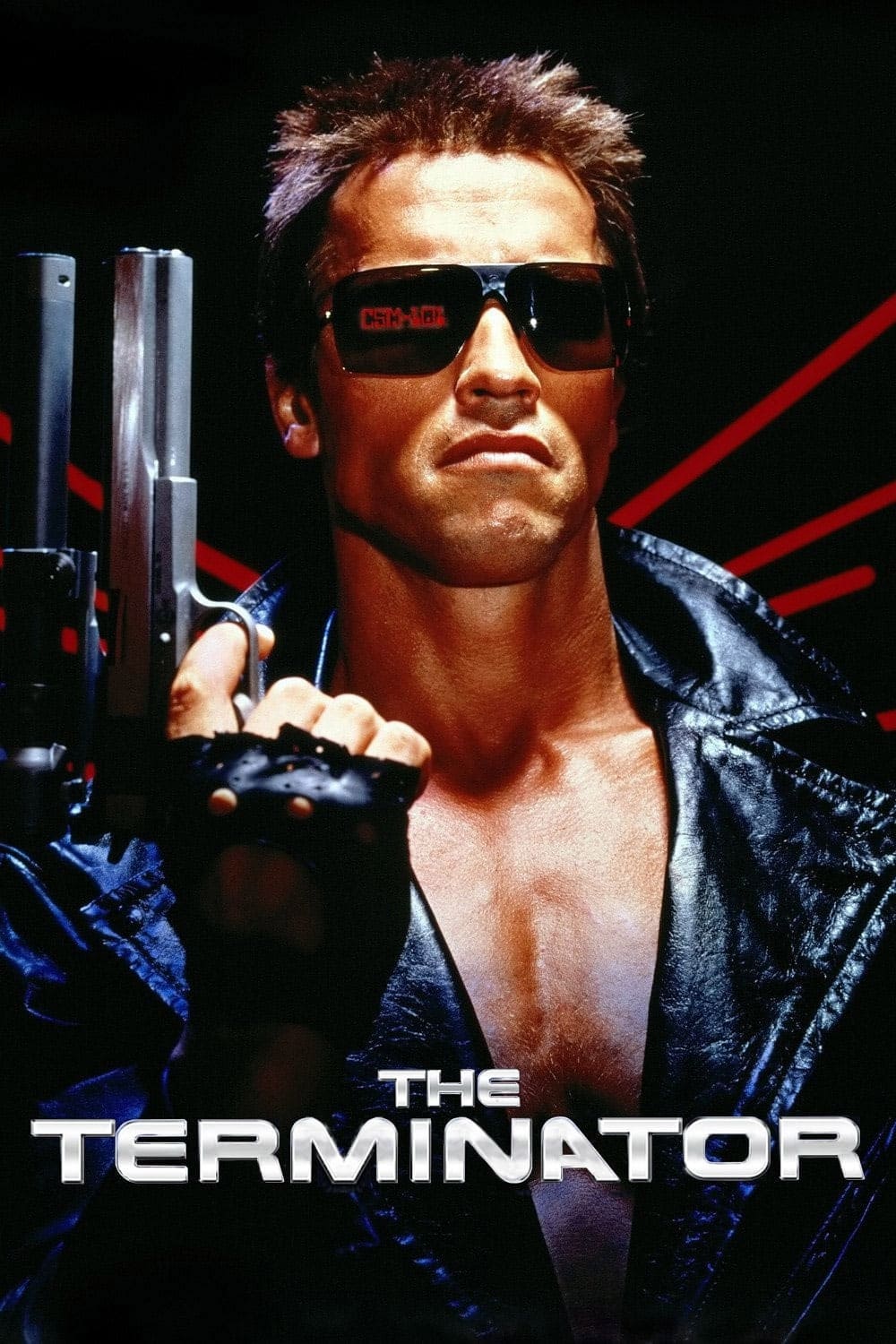
James Cameron introduced a time-travel assassin played by Arnold Schwarzenegger with Linda Hamilton and Michael Biehn co-starring. Stan Winston’s team built endoskeleton props, masks, and stop motion elements for battle damage shots.
Production moved quickly with night shoots and a lean budget, using real streets and the Tech Noir club. Brad Fiedel’s percussive theme and metallic sound defined the series’ audio identity.
‘Amadeus’ (1984)
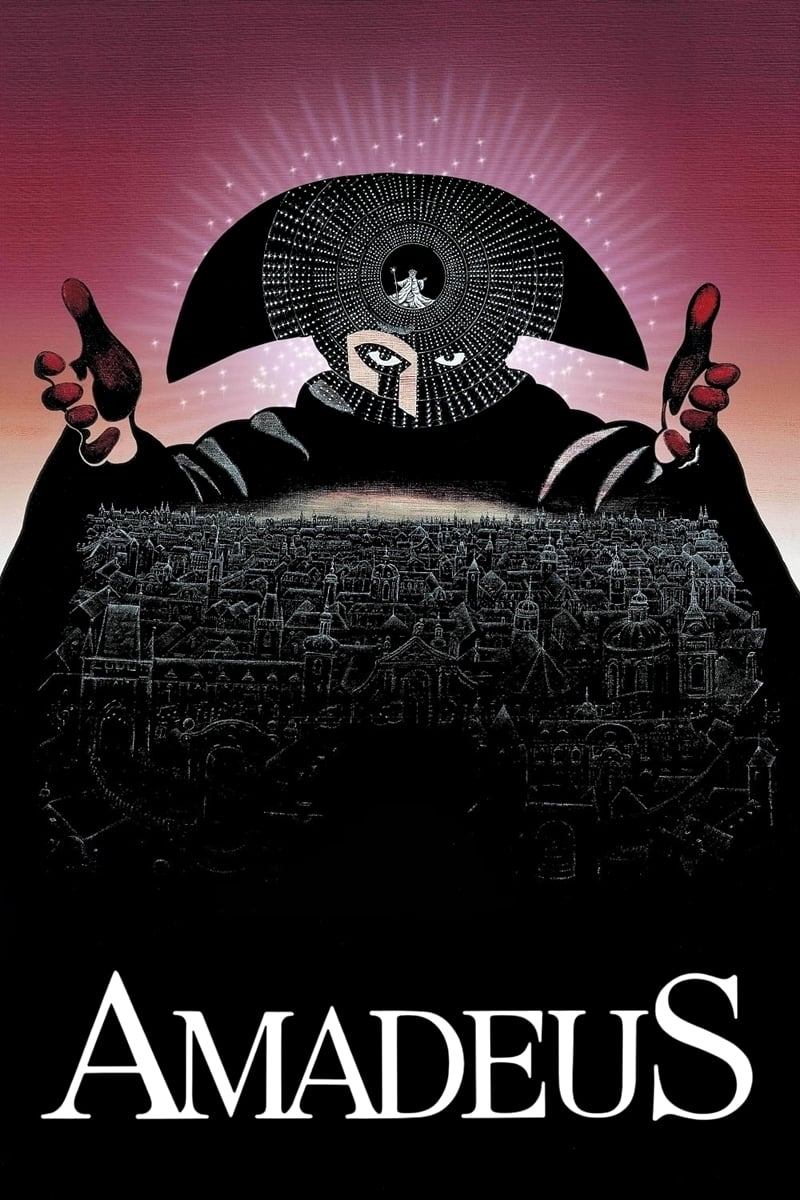
Miloš Forman adapted Peter Shaffer’s play with F. Murray Abraham and Tom Hulce in central roles. Prague locations stood in for imperial Vienna with ornate costumes and sets grounding the period.
The film staged full operas using live performance recordings and careful sound mixing. It won multiple Academy Awards, including honors for acting, design, and overall production.
‘Beverly Hills Cop’ (1984)

Eddie Murphy headlined a fish-out-of-water action comedy directed by Martin Brest. The project shifted from an earlier action concept to a blend of quips and police set pieces.
The soundtrack features Harold Faltermeyer’s ‘Axel F’ and other pop tracks that drove radio play. Box office success led to sequels and helped cement Murphy’s leading-man status.
‘A Nightmare on Elm Street’ (1984)
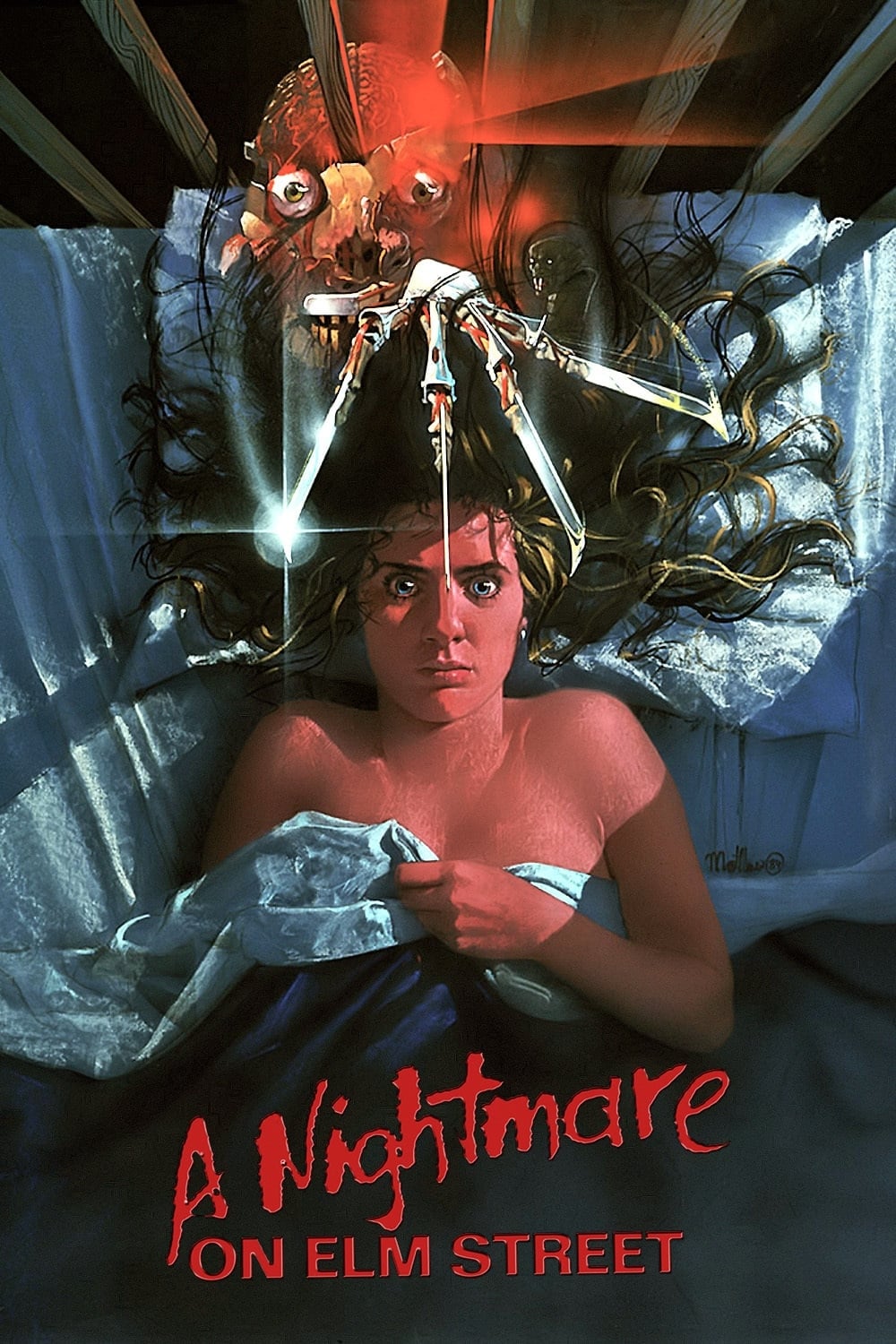
Wes Craven introduced Freddy Krueger with Robert Englund behind the makeup and sweater. The film launched Johnny Depp’s screen career and used inventive in-camera tricks like the elastic wall and rotating room.
Independent financing and New Line Cinema distribution turned a modest budget into a franchise. Practical effects carried the dream logic through bathtubs, hallways, and boiler rooms.
‘This Is Spinal Tap’ (1984)
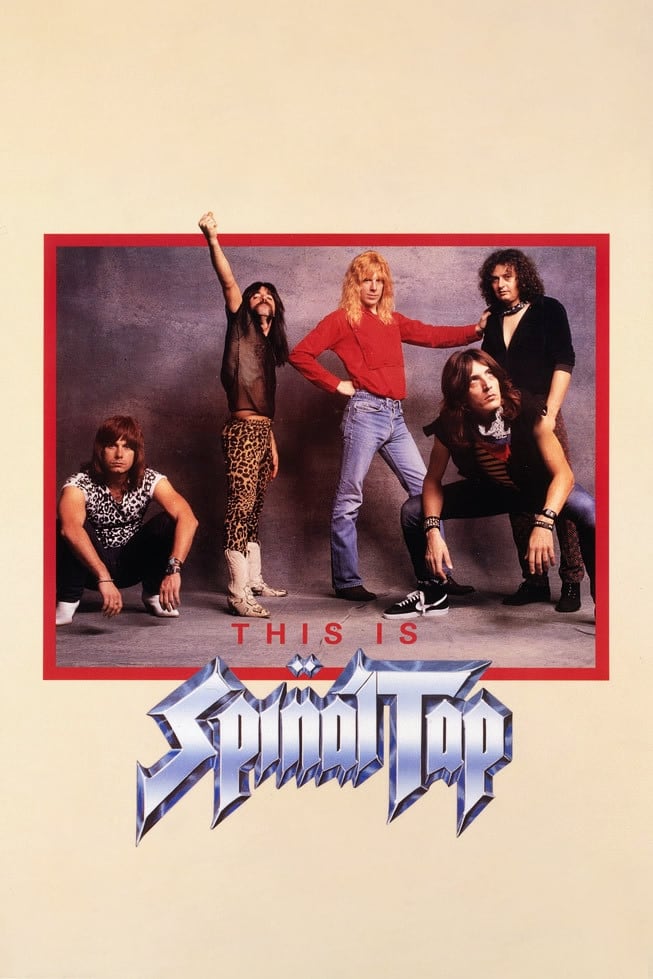
Rob Reiner’s mockumentary followed a fictional rock band on tour with Christopher Guest, Michael McKean, and Harry Shearer. Much of the dialogue was improvised, giving scenes a loose documentary feel.
The production created full albums, stage props, and concert footage to sell the illusion. The film influenced later music and workplace mockumentaries and kept the “goes to eleven” gag in circulation.
‘The Karate Kid’ (1984)
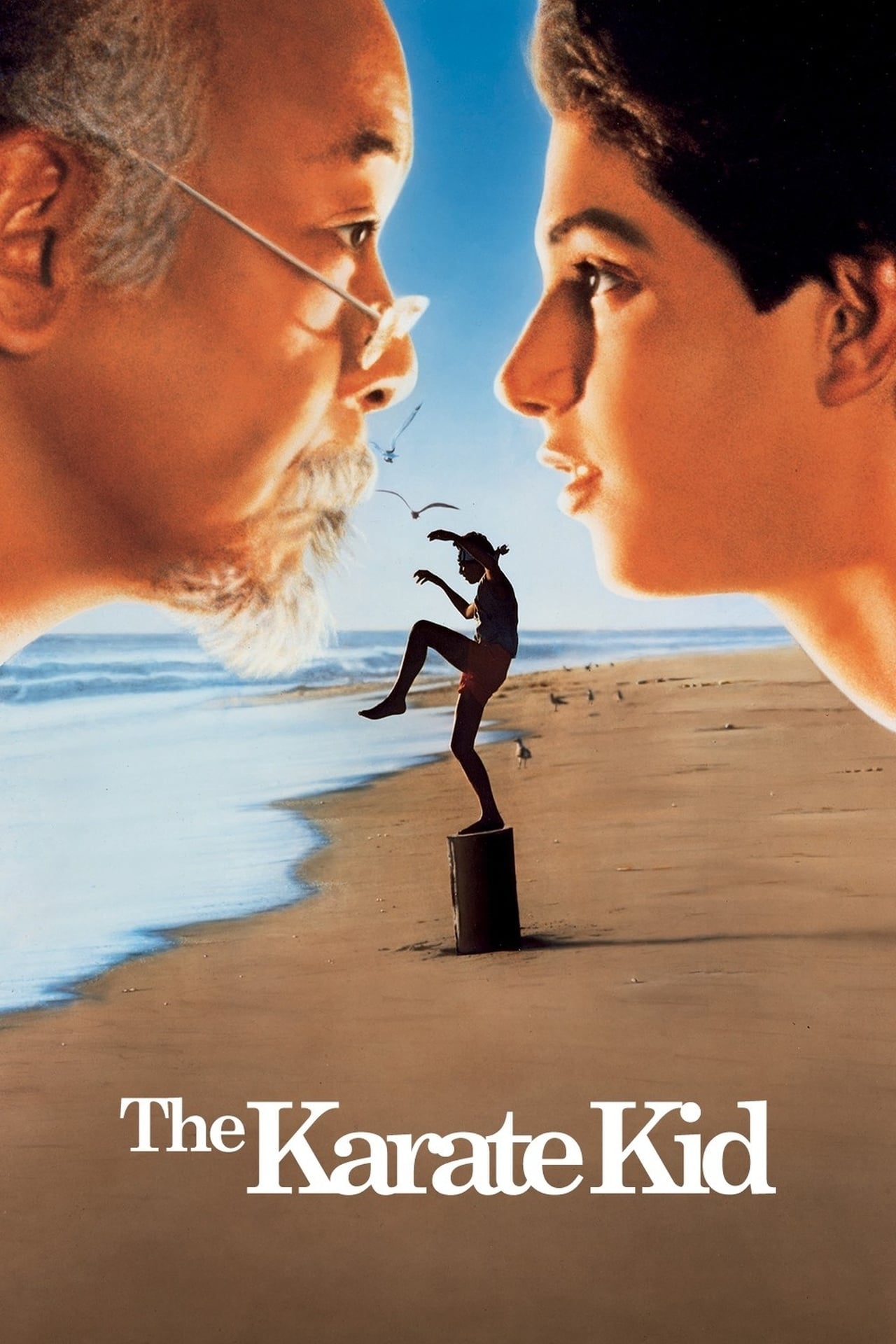
John G. Avildsen directed Ralph Macchio and Pat Morita in a mentor-student story set in the San Fernando Valley. Choreography built to the crane kick finale and tournament sequences.
Pat Morita earned an Academy Award nomination for supporting actor. The film’s success led to sequels, an animated series, and the later series ‘Cobra Kai’.
‘Back to the Future’ (1985)
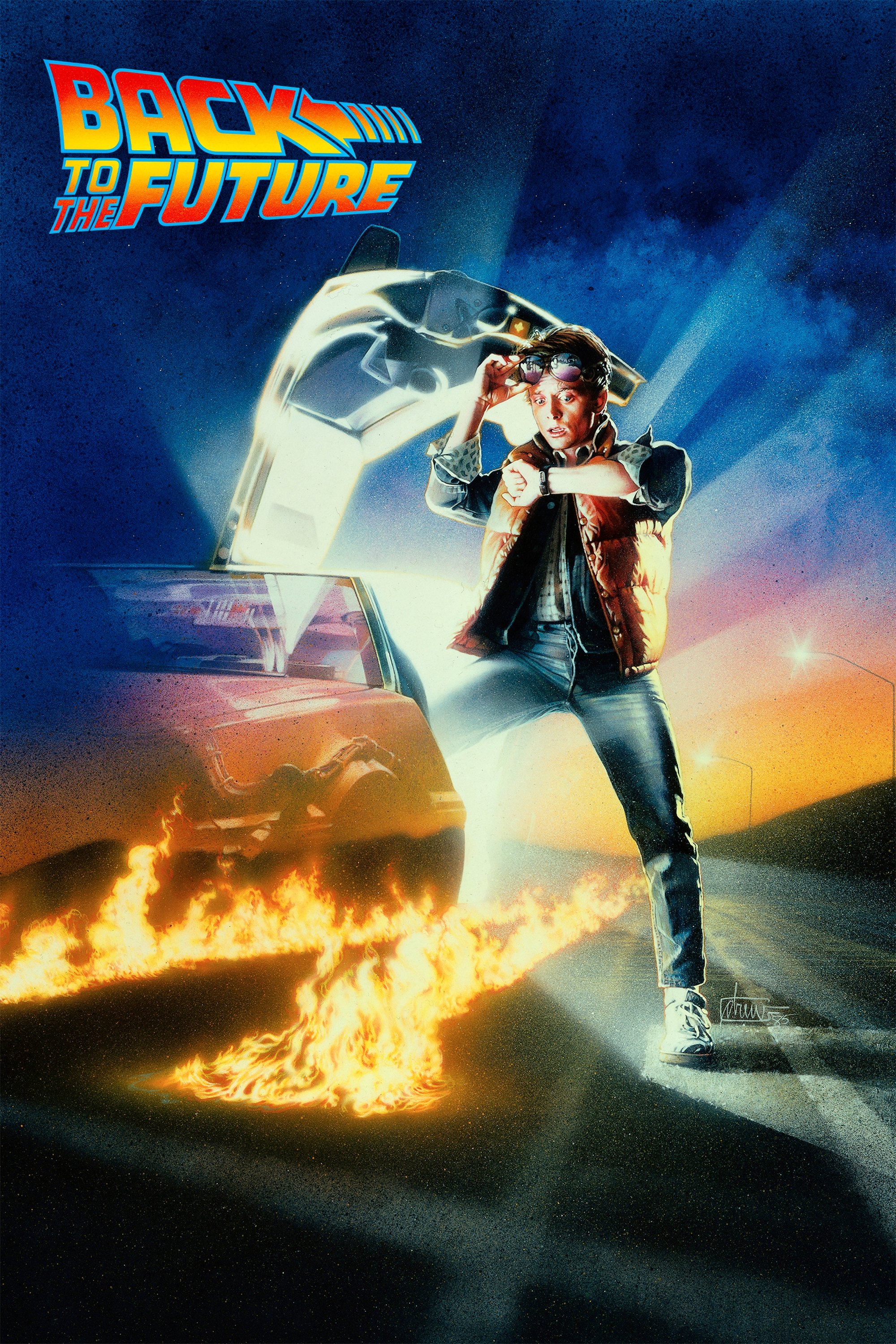
Robert Zemeckis cast Michael J. Fox after initial filming with Eric Stoltz, requiring reshoots to reset the lead. The DeLorean time machine became an instant icon with gullwing doors and a flux capacitor prop.
Industrial Light and Magic handled time-travel effects with motion blur and lightning elements. Alan Silvestri’s theme and songs by Huey Lewis and the News boosted the film’s radio presence.
‘Brazil’ (1985)
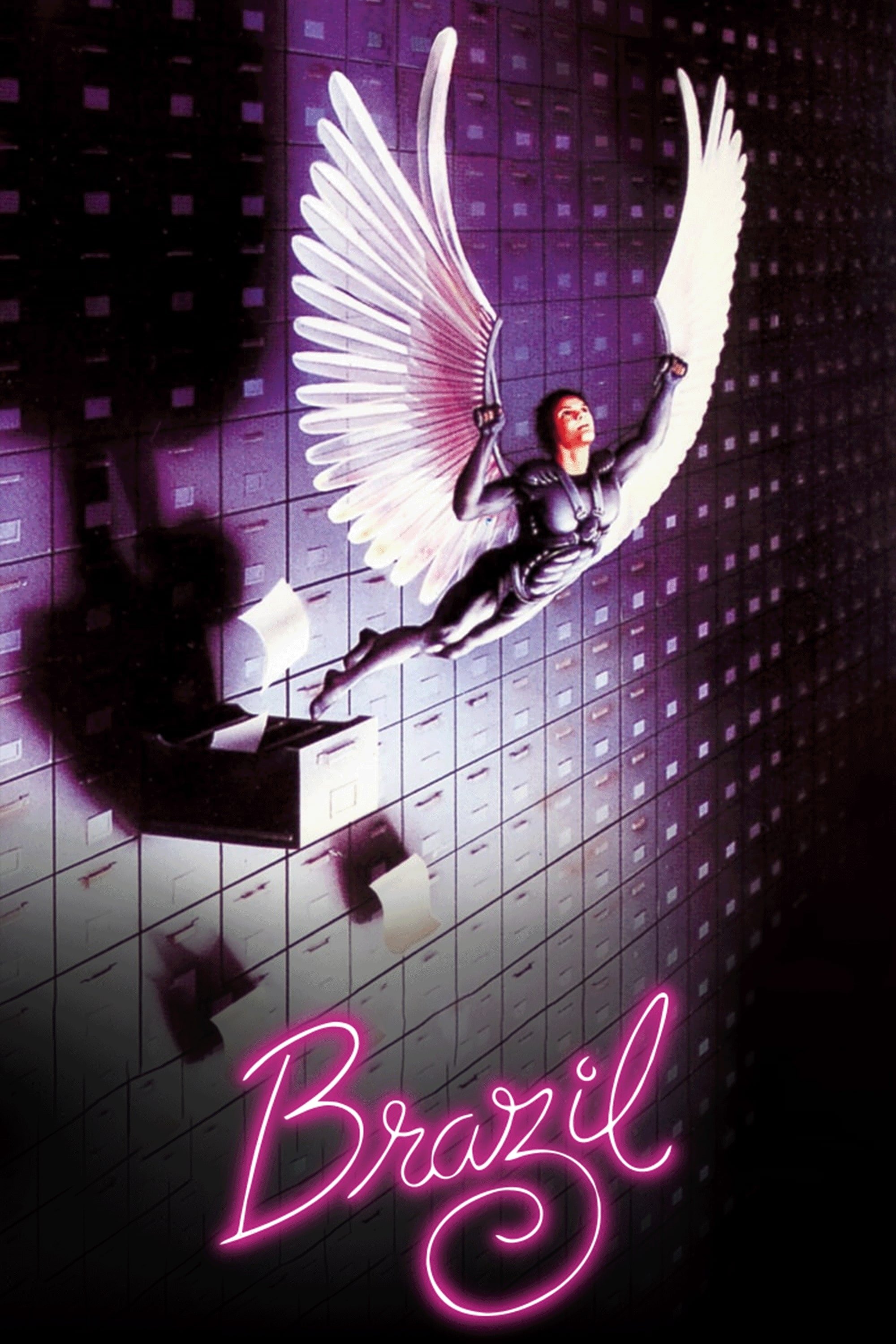
Terry Gilliam presented a bureaucratic dystopia with elaborate practical effects and model work. The production sparked a widely discussed battle over final cut that produced different versions.
Jonathan Pryce leads a cast that includes Robert De Niro and Kim Greist. The art department built ducts, typewriters, and retro-future monitors to create a unique production design language.
‘The Breakfast Club’ (1985)

John Hughes set his story in a single school library with a small ensemble cast. Judd Nelson, Molly Ringwald, Emilio Estevez, Anthony Michael Hall, and Ally Sheedy carry the dialogue-heavy scenes.
The shoot used an actual high school’s converted gym to build the library set. Simple Minds’ closing song became closely tied to the movie’s identity.
‘Ran’ (1985)
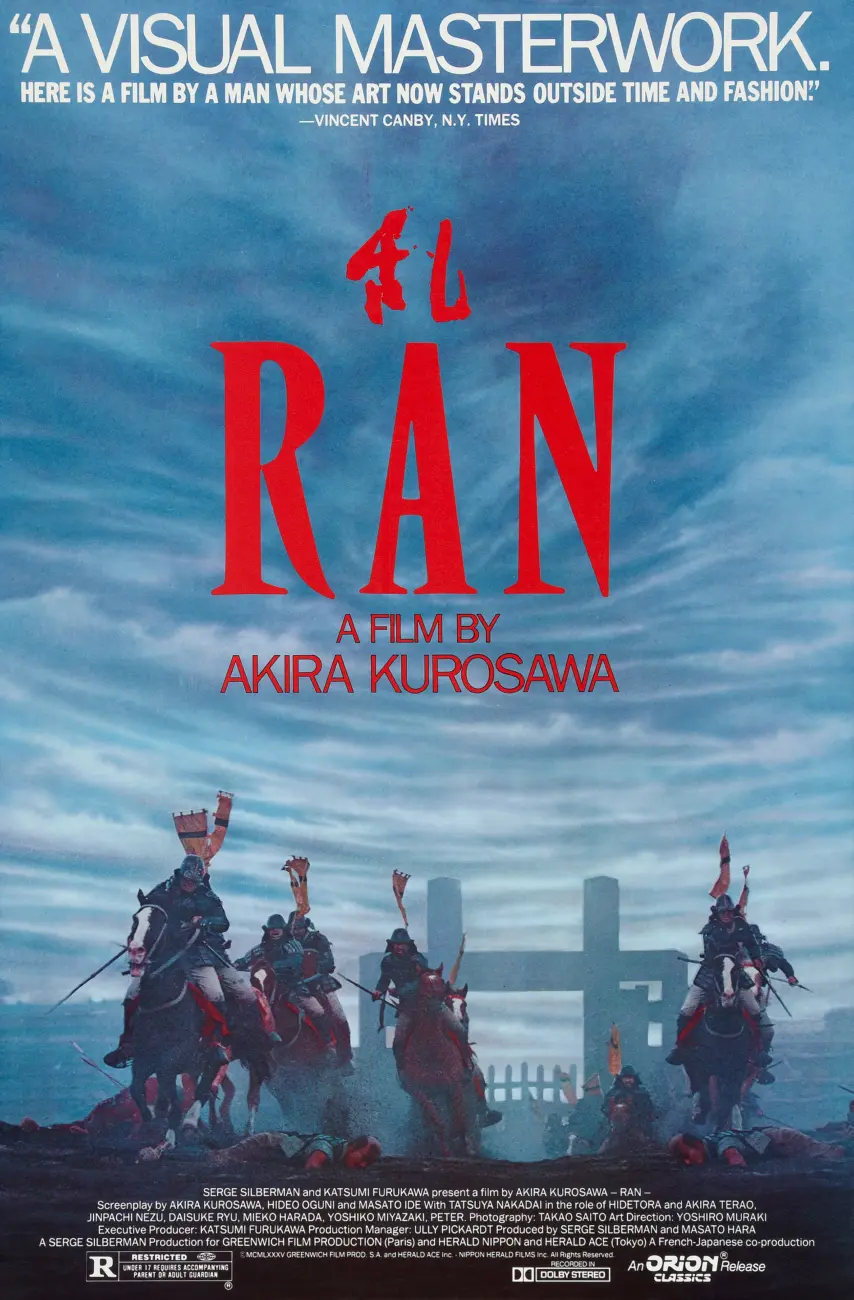
Akira Kurosawa reimagined ‘King Lear’ with sweeping battle scenes and vibrant costume design. The production used distant camera placements to observe cavalry maneuvers and castle sieges.
Composer Toru Takemitsu blended Japanese and Western musical elements for the score. The film received international awards for costume design and direction.
‘Witness’ (1985)
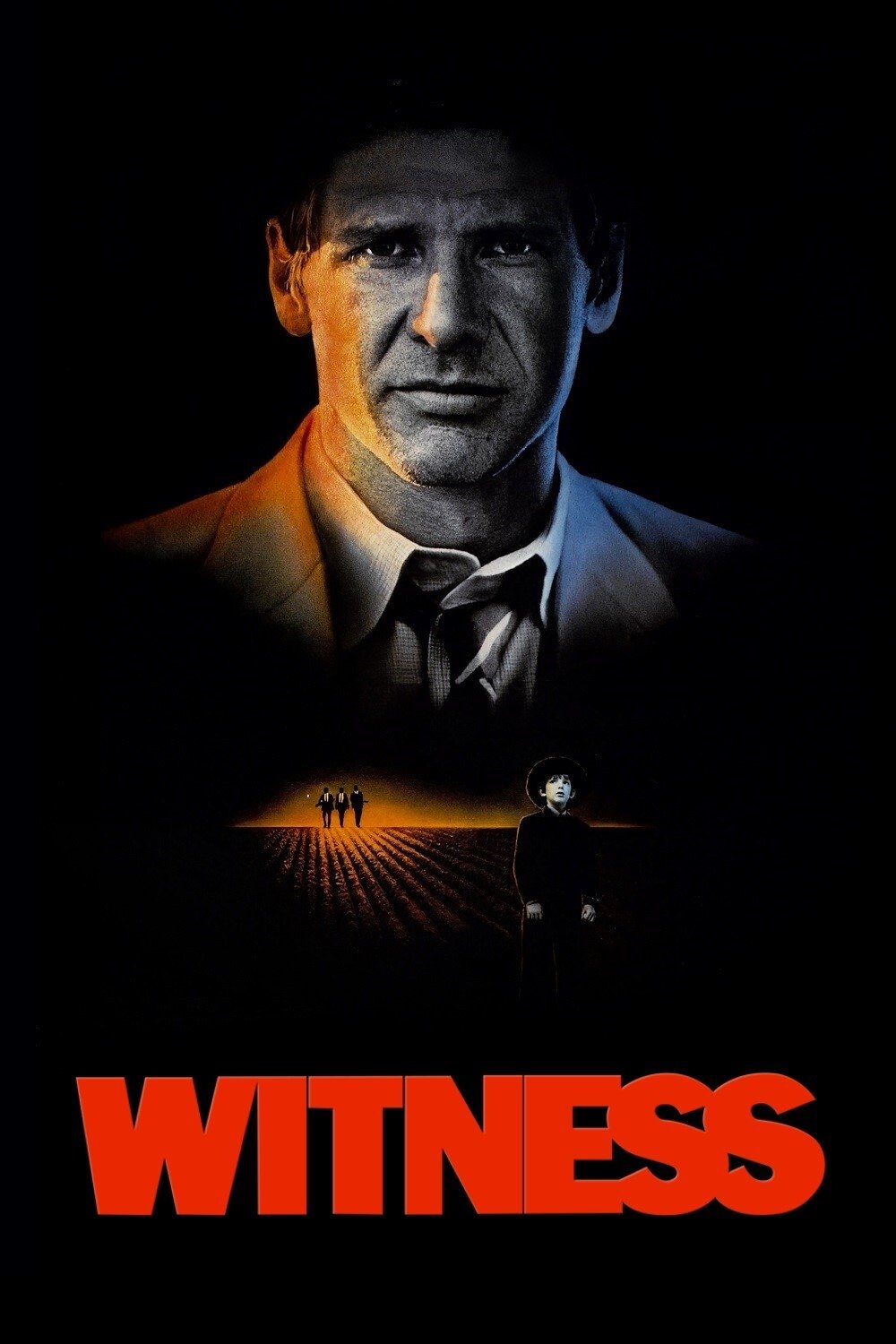
Peter Weir told a police thriller that intersects with Amish community life in rural Pennsylvania. Harrison Ford and Kelly McGillis lead the cast with Lukas Haas as the child witness.
The barn-raising sequence required precise coordination among extras and carpenters. The film won Academy Awards for editing and original screenplay and earned Ford a best actor nomination.
‘Come and See’ (1985)
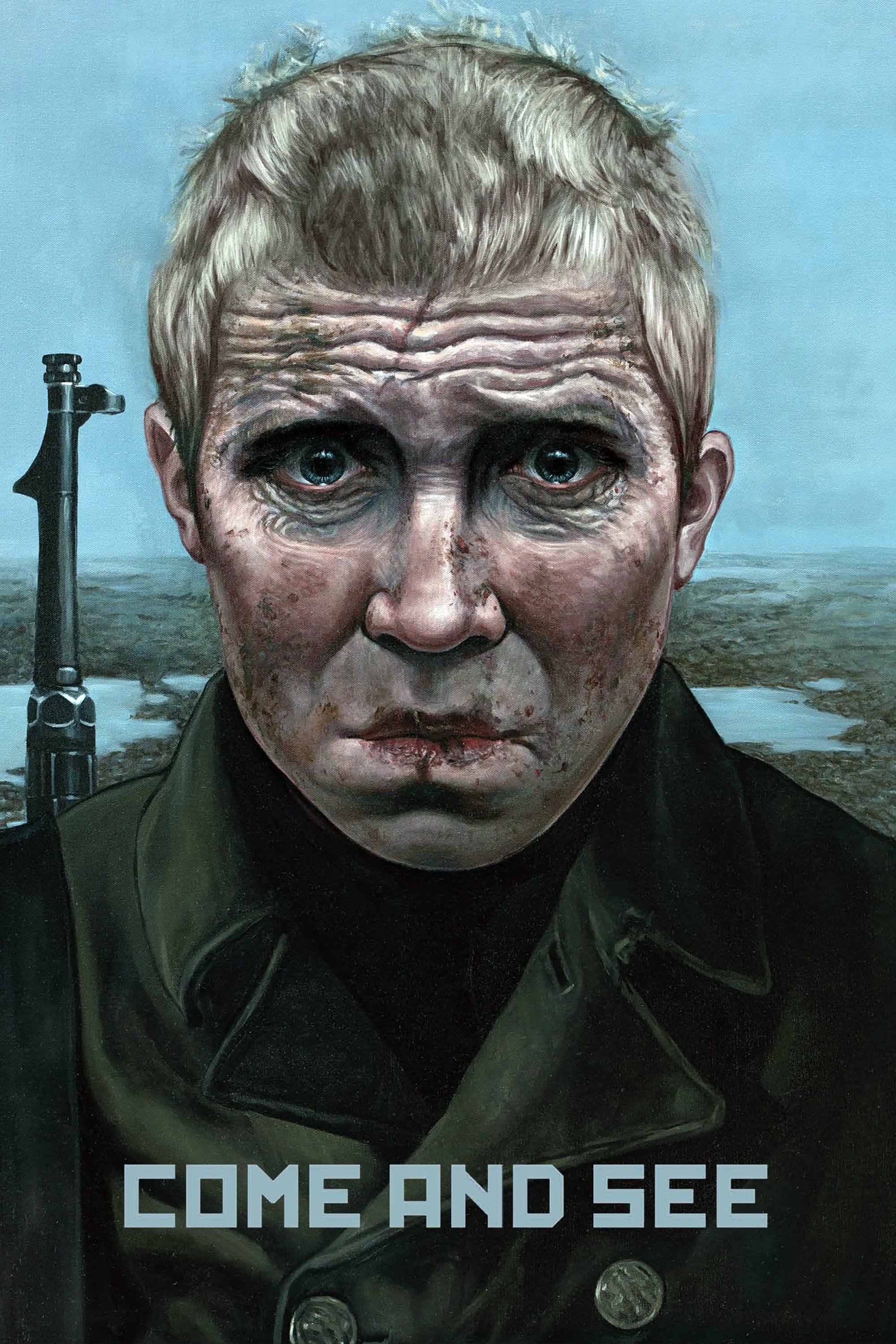
Elem Klimov cast Aleksei Kravchenko as a boy caught in wartime atrocities with a mix of realism and stylized sound. The production used long takes and a shifting soundscape to track the character’s mental state.
Location work in rural settings added authenticity with nonprofessional actors filling many roles. The film’s title comes from a line in the Book of Revelation used within the story.
‘Aliens’ (1986)
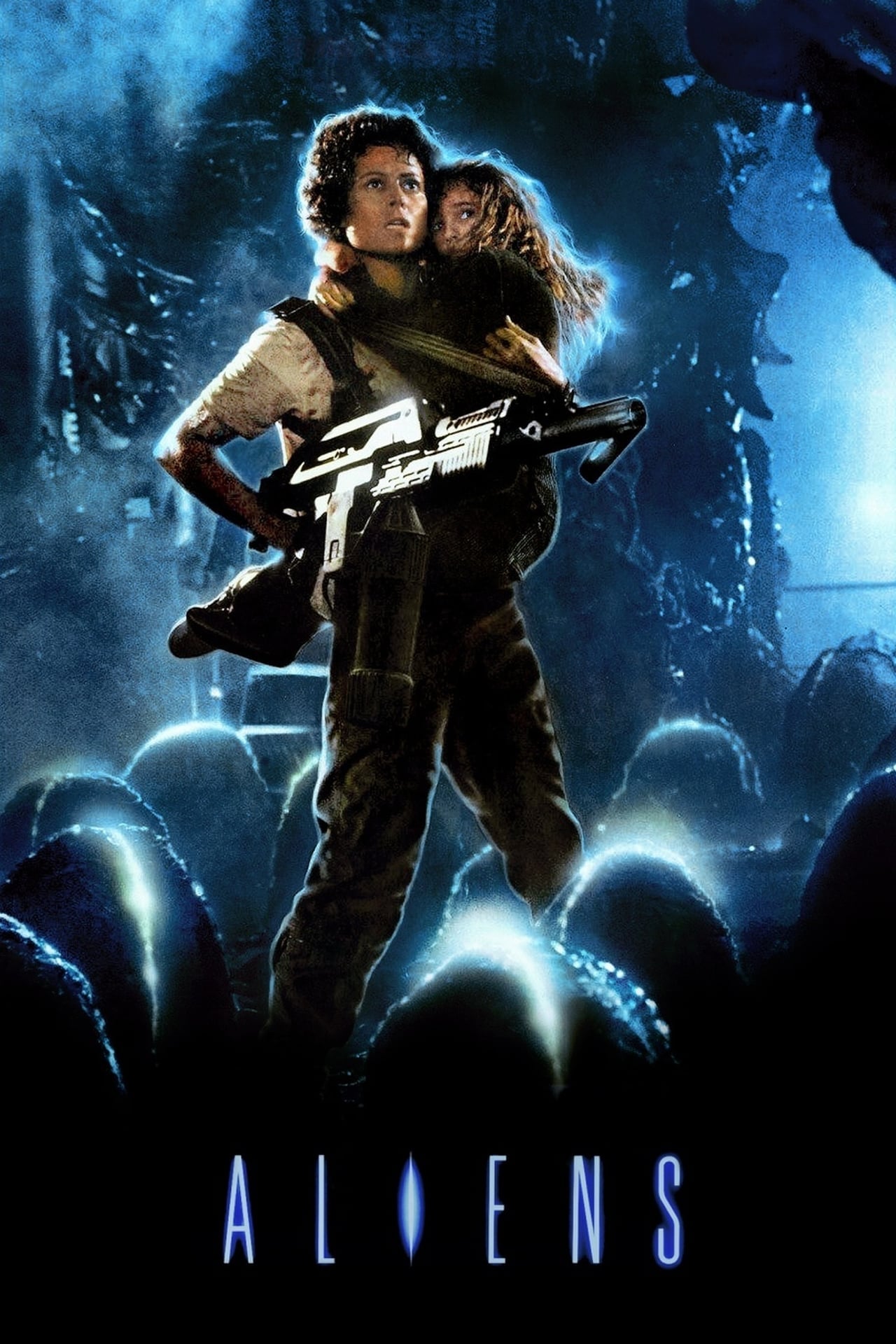
James Cameron expanded the original’s tone into a military rescue with Sigourney Weaver returning as Ripley. Miniatures, full-scale sets, and front-projection tricks created the hive and dropship sequences.
Stan Winston’s team built the queen and multiple suits for performers. The film earned Academy Awards for sound and visual effects and secured Weaver an acting nomination.
‘Platoon’ (1986)
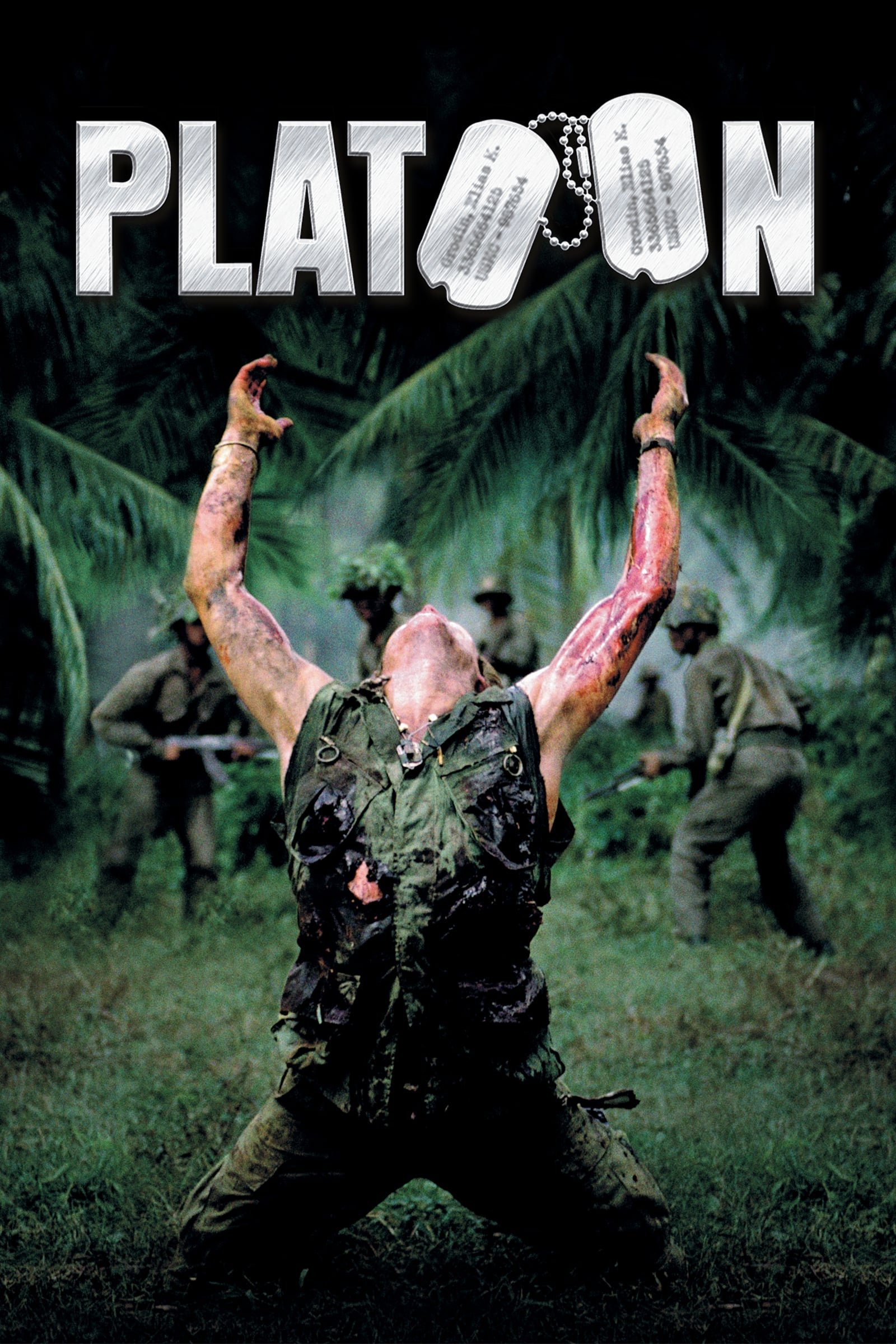
Oliver Stone drew on his own service to stage infantry patrols and ambushes. The production shot in the Philippines with real jungle conditions and a boot-camp style rehearsal for the cast.
Willem Dafoe and Tom Berenger received acting nominations alongside the film’s best picture win. The soundtrack combines period tracks with Georges Delerue and Samuel Barber’s music.
‘Stand by Me’ (1986)
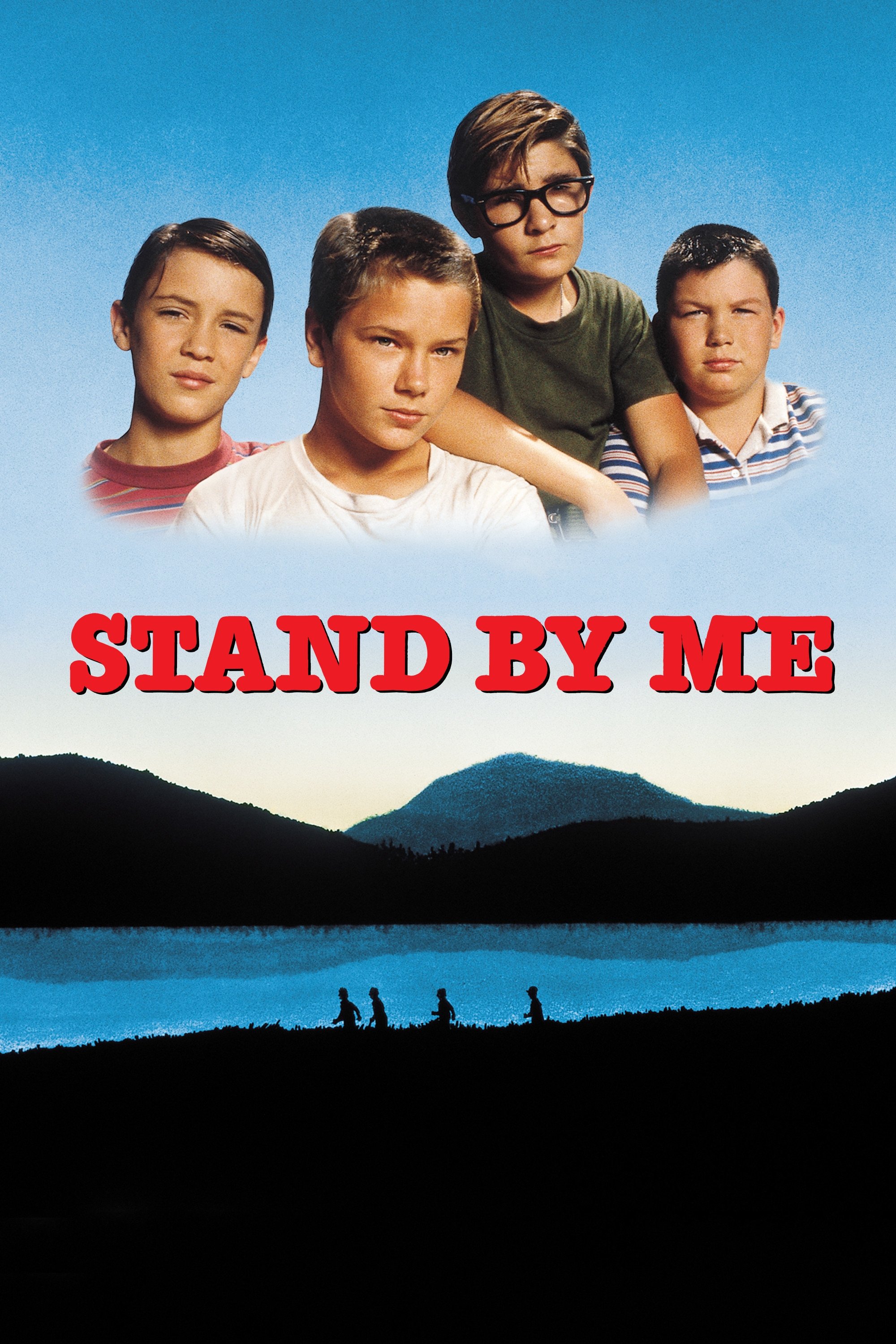
Rob Reiner adapted Stephen King’s novella ‘The Body’ with a quartet of young leads. Oregon towns and rail lines stood in for the story’s rural setting.
The film features River Phoenix, Wil Wheaton, Corey Feldman, and Jerry O’Connell in breakout roles. Ben E. King’s title song frames the narrative and plays over key moments.
‘Ferris Bueller’s Day Off’ (1986)

John Hughes followed a high schooler’s spontaneous day in Chicago with Matthew Broderick and Mia Sara. Real locations include the Art Institute, Wrigley Field, and the parade route.
The Ferrari seen on screen was a replica built for stunt shots. Broderick’s direct-to-camera asides became a trademark element of the film’s style.
‘Blue Velvet’ (1986)
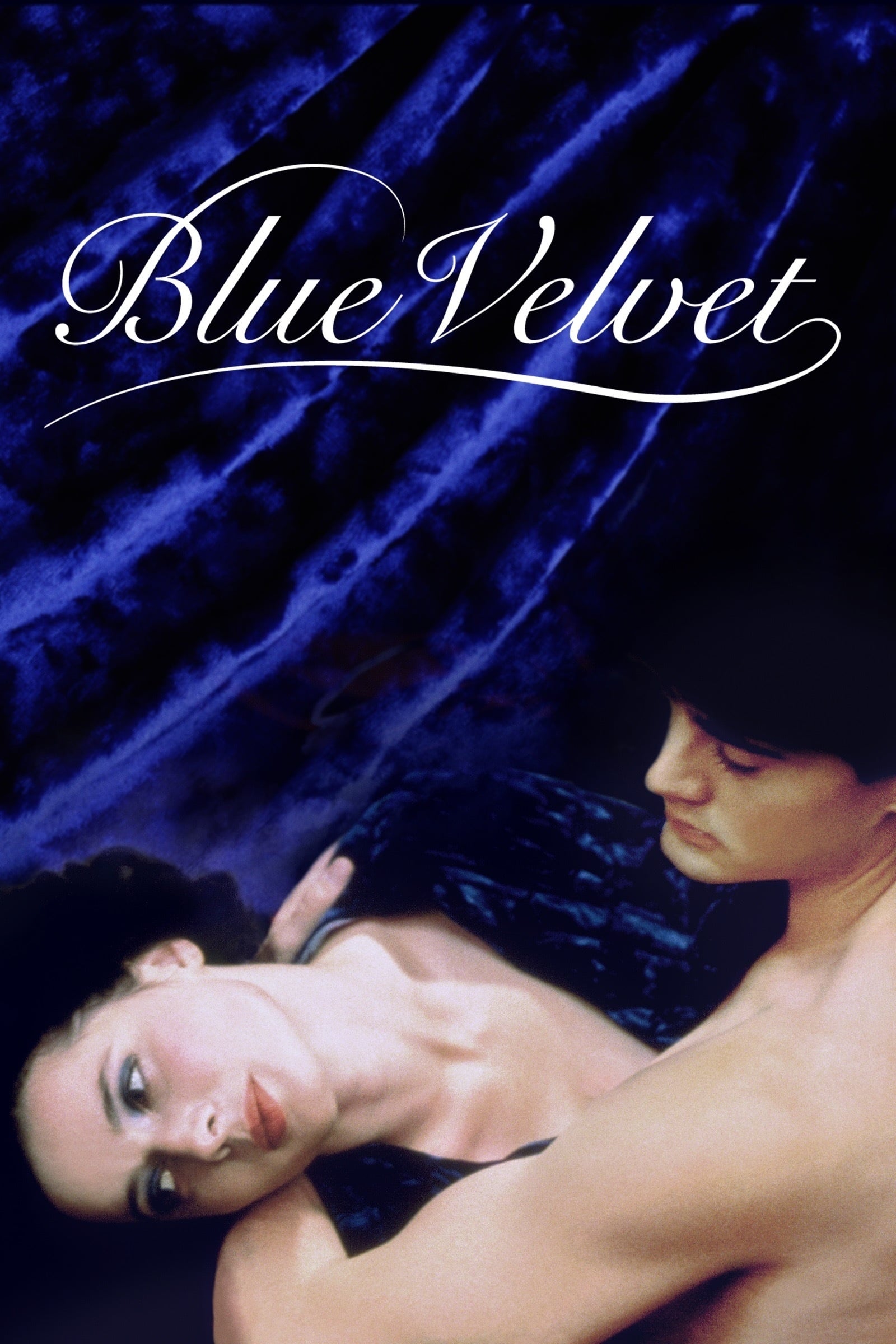
David Lynch blended small-town settings with a noir investigation led by Kyle MacLachlan. Isabella Rossellini and Dennis Hopper deliver pivotal performances that anchor the mystery.
The production used vivid primary colors and nighttime exteriors for contrast. Long-lost deleted footage resurfaced later and allowed a partial restoration of cut scenes.
‘The Fly’ (1986)
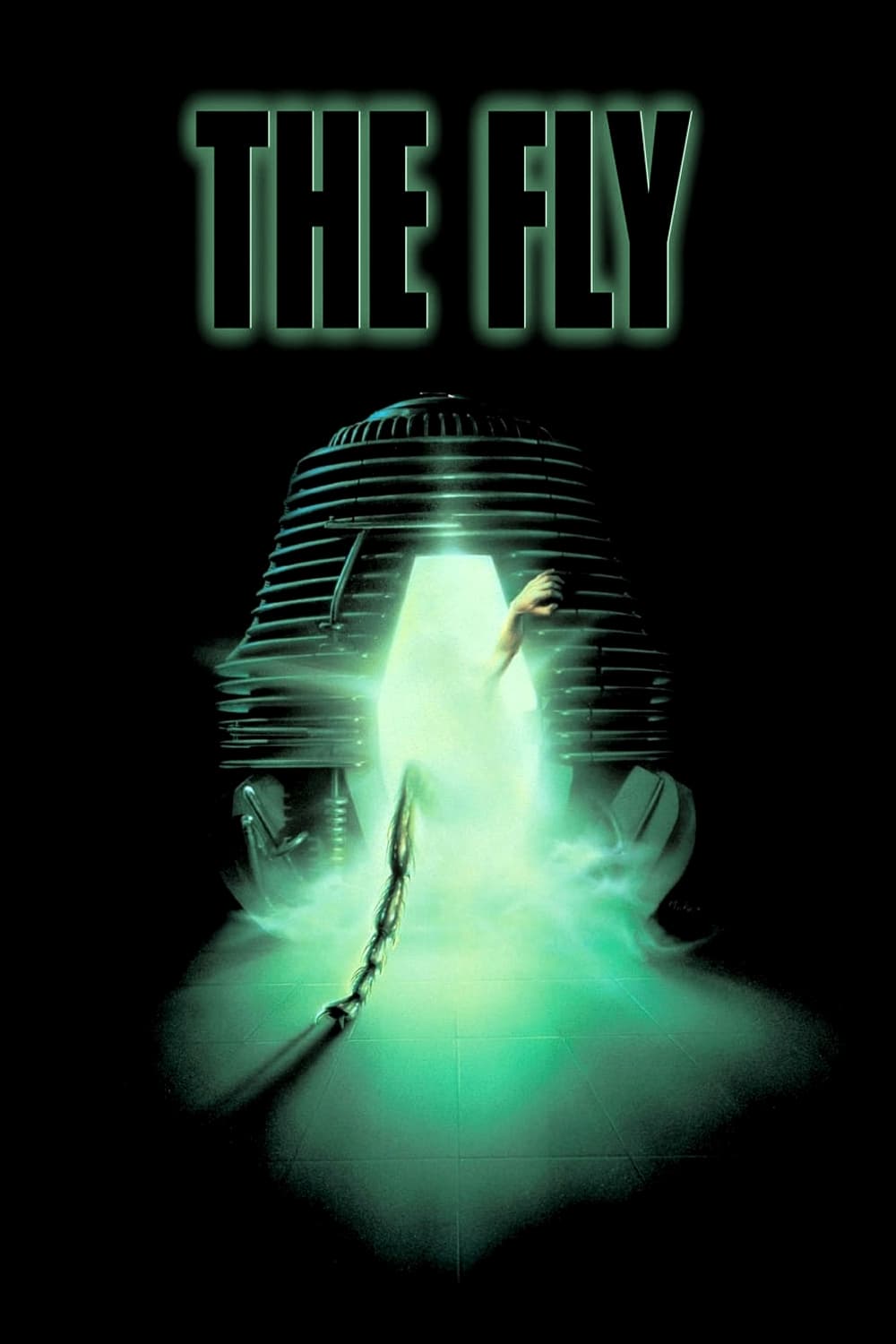
David Cronenberg directed Jeff Goldblum and Geena Davis in a science experiment gone wrong. Chris Walas’s makeup effects depicted stages of transformation and won an Academy Award.
Sets included sleek telepods and a lab designed for practical gags. The film draws from an earlier short story and film while taking a more character-focused approach.
‘The Princess Bride’ (1987)
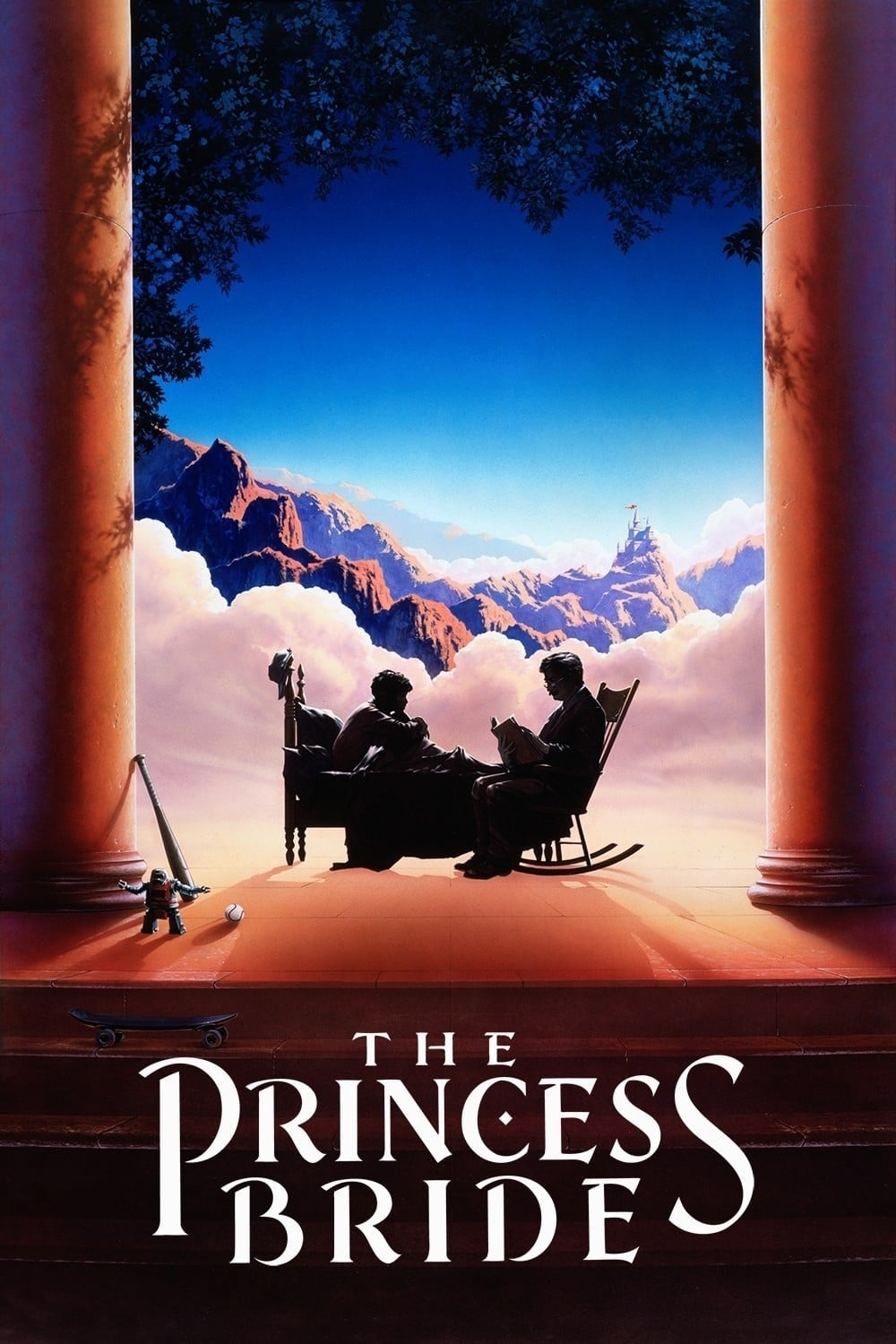
Rob Reiner adapted William Goldman’s novel with a storybook framing device narrated by a grandfather to his grandson. Cary Elwes and Robin Wright lead a cast that includes Mandy Patinkin and André the Giant.
Sword master Bob Anderson trained the actors for a celebrated duel with left and right hand switches. Mark Knopfler’s score and locations in the English countryside complete the fairy-tale look.
‘Robocop’ (1987)
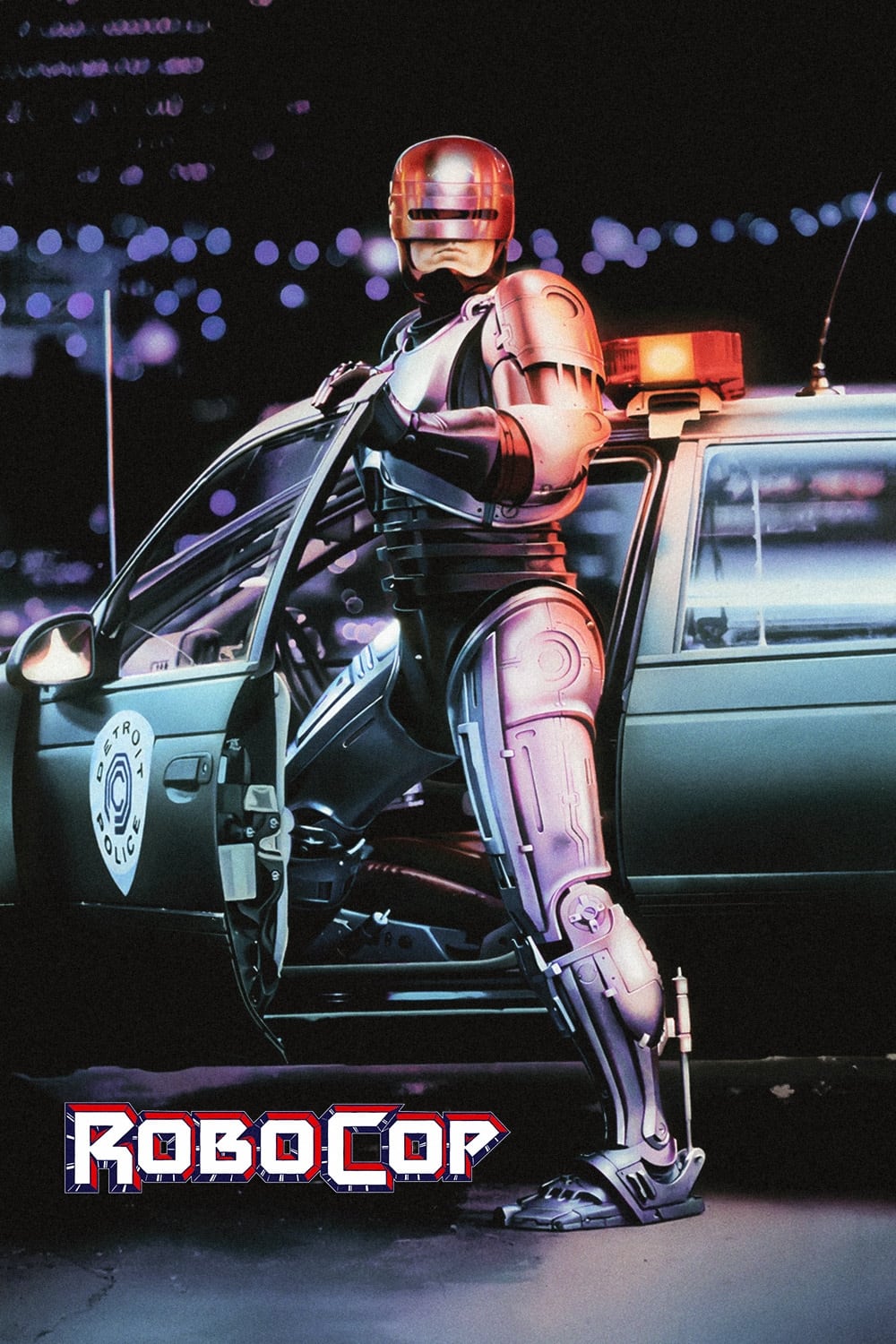
Paul Verhoeven filmed a near-future crime story with Peter Weller in a heavy prosthetic suit designed by Rob Bottin. Dallas doubled for Detroit with modernist buildings standing in for corporate headquarters.
Phil Tippett animated ED-209 with stop motion and integrated it with live action plates. The film used satirical news breaks and commercials to expand its world.
‘The Untouchables’ (1987)
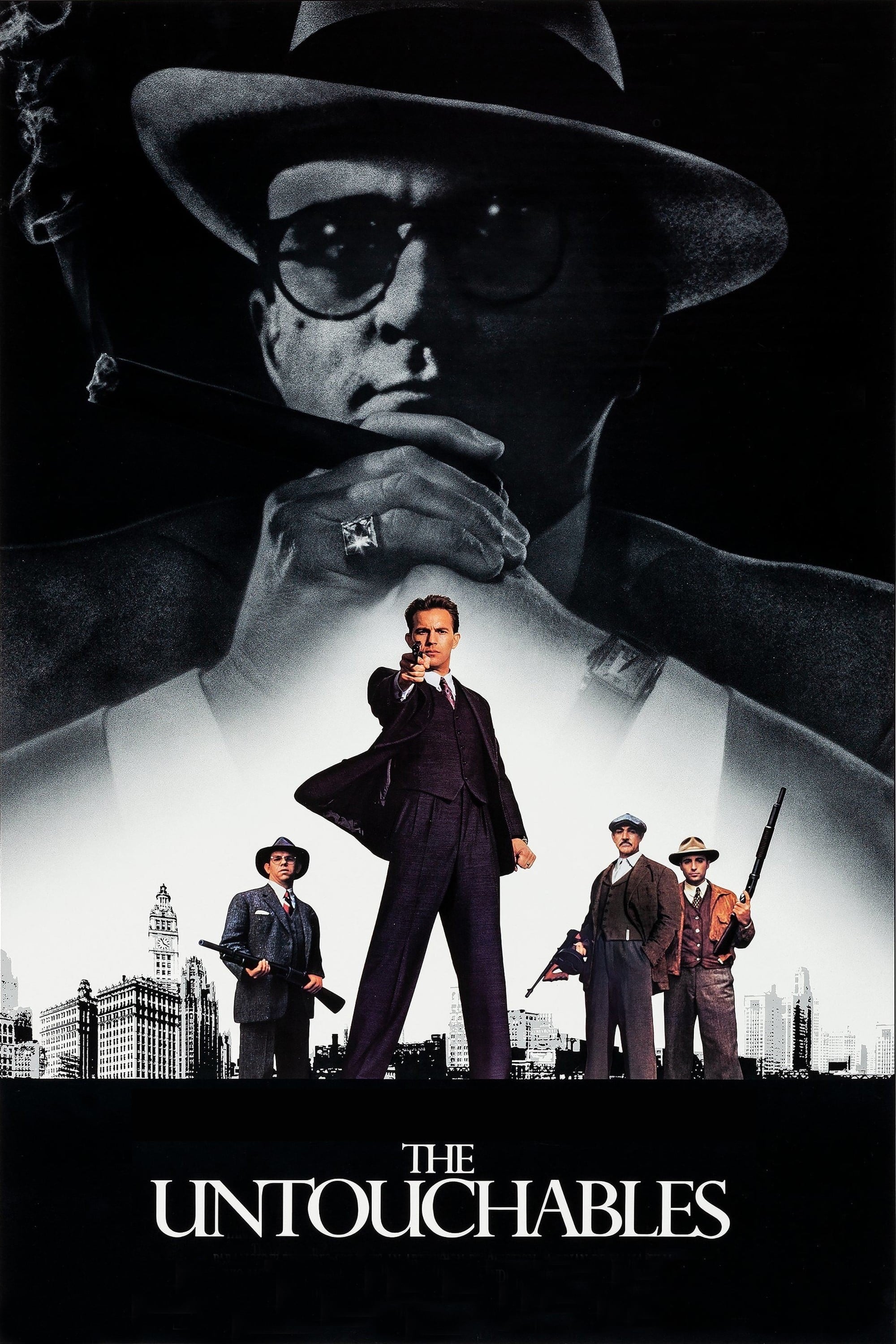
Brian De Palma staged a Prohibition-era crime saga with Kevin Costner, Sean Connery, and Robert De Niro. Ennio Morricone composed a driving main theme that became a concert staple.
Chicago locations provided authentic exteriors, including Union Station for a famous staircase sequence. The production built period sets and costumes to match the city’s architecture.
‘Full Metal Jacket’ (1987)
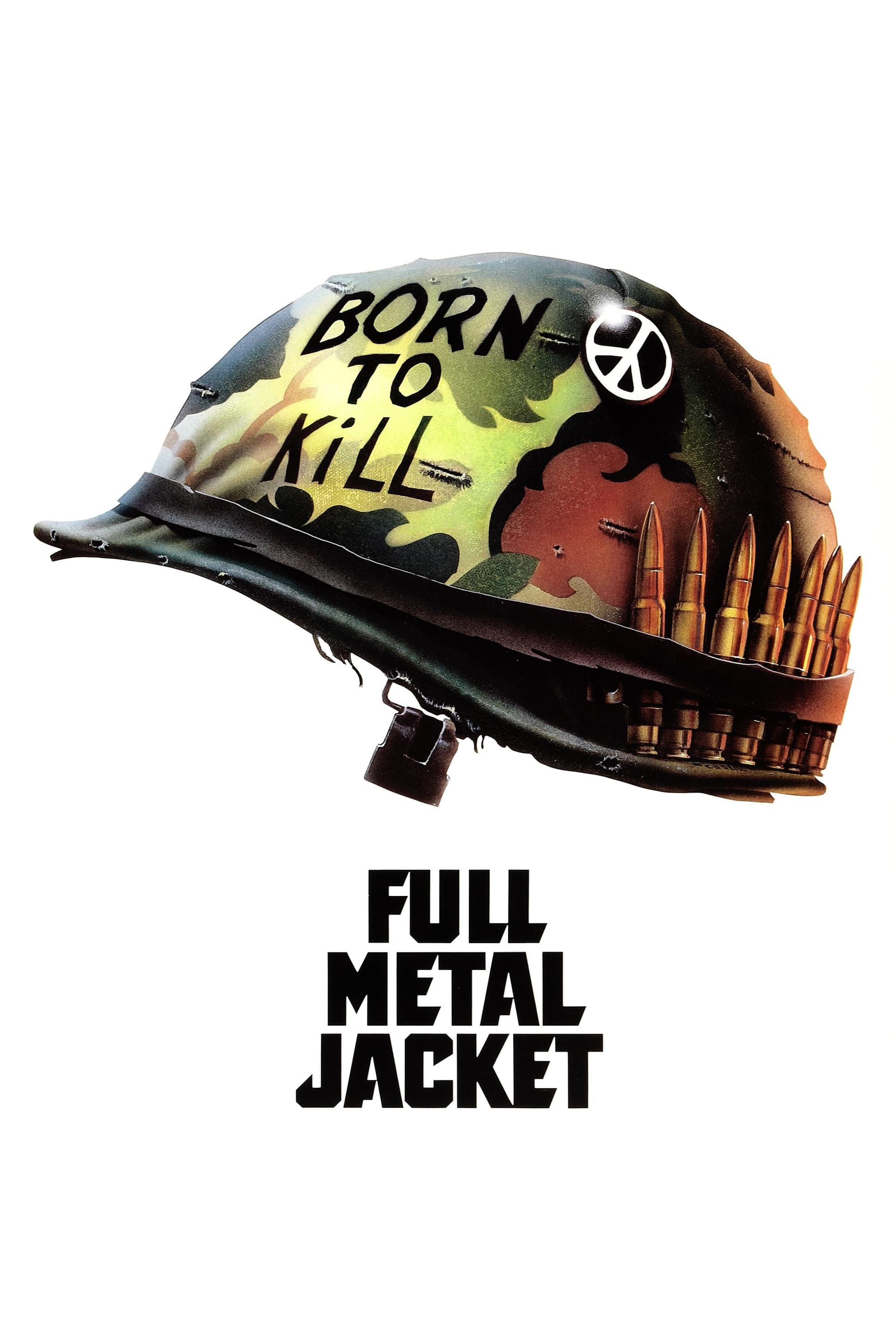
Stanley Kubrick shot the entire film in England, transforming docklands into urban battle zones. The first half follows Marine training with R. Lee Ermey’s drill instructor drawn from his real-life expertise.
The second half shifts to street fighting and sniper engagements with wide-angle compositions. Popular songs of the era play on radios in scenes to ground the timeline.
‘Predator’ (1987)
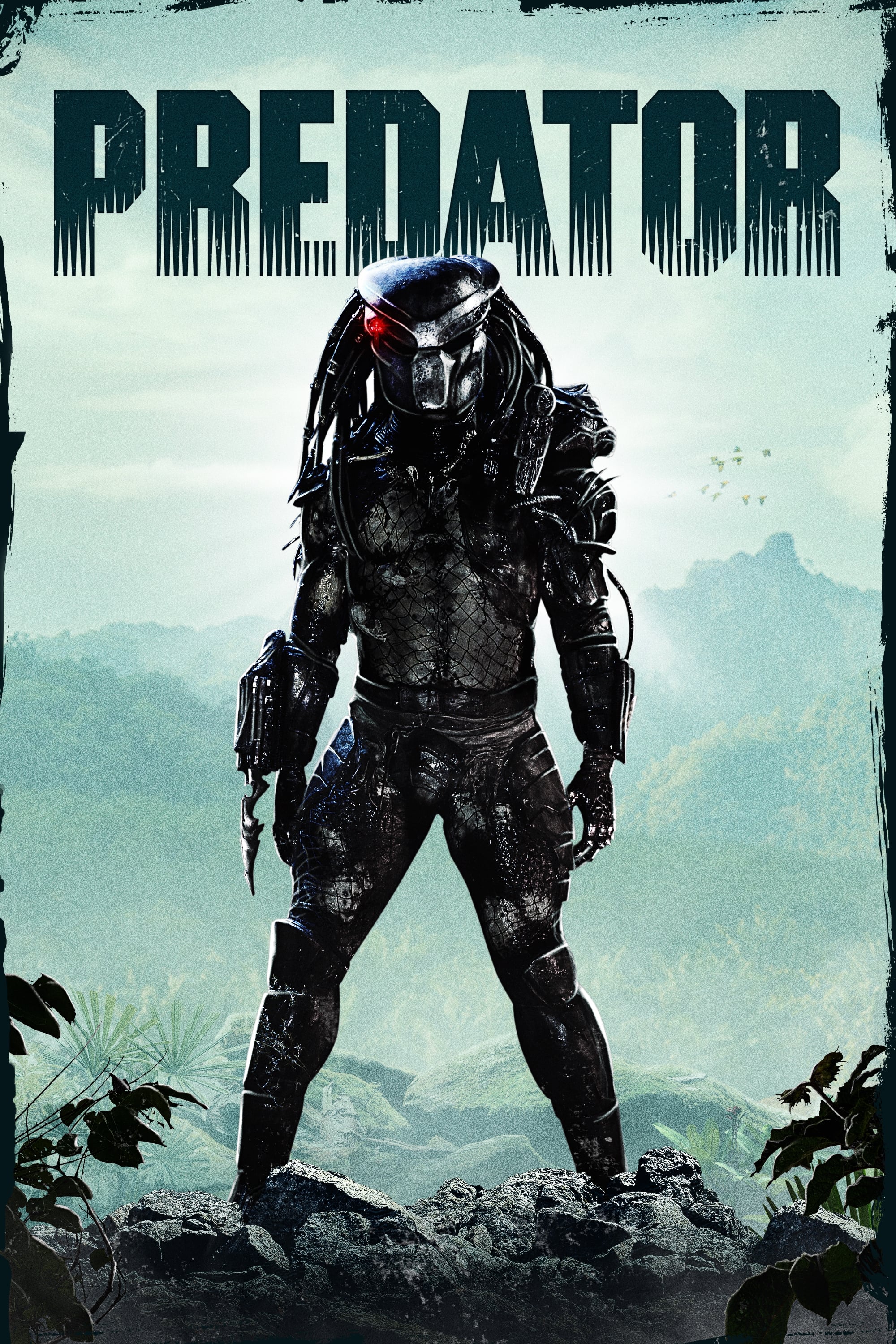
John McTiernan led a jungle-set action piece starring Arnold Schwarzenegger and Carl Weathers. The creature was redesigned during production, and Stan Winston’s team built the final suit with distinctive mandibles.
Thermal imaging shots and cloaking effects gave the hunter a unique screen presence. Mexico’s Puerto Vallarta region supplied dense foliage and steep terrain for the unit.
‘Die Hard’ (1988)
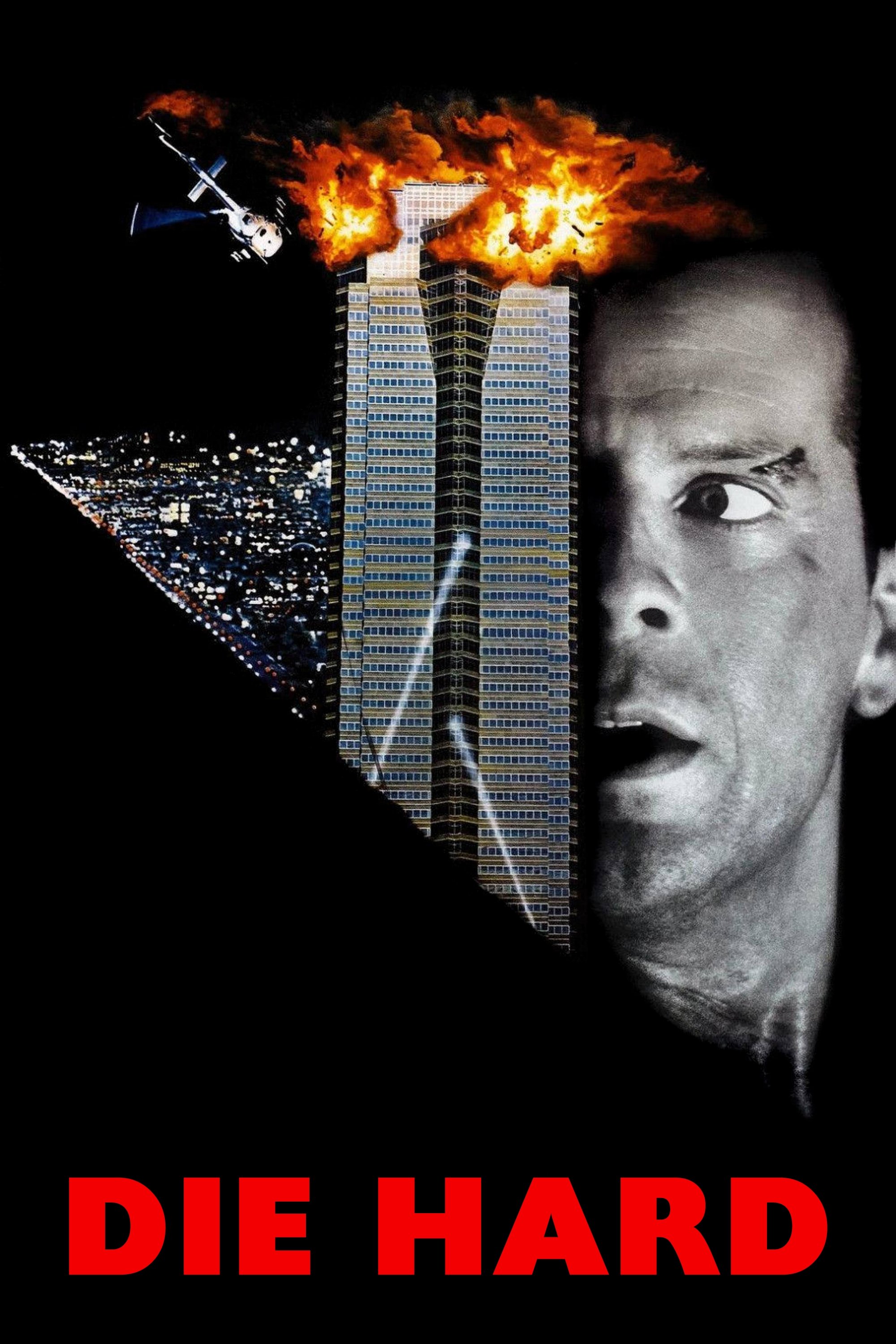
Bruce Willis headlined as a visiting cop caught in a high-rise takeover. The tower seen on screen is Fox Plaza, which served as both office space and filming location.
Director John McTiernan staged practical explosions and glass gags with extensive stunt coordination. Alan Rickman made his feature debut as the antagonist, and the score mixes orchestral cues with seasonal music.
‘Who Framed Roger Rabbit’ (1988)
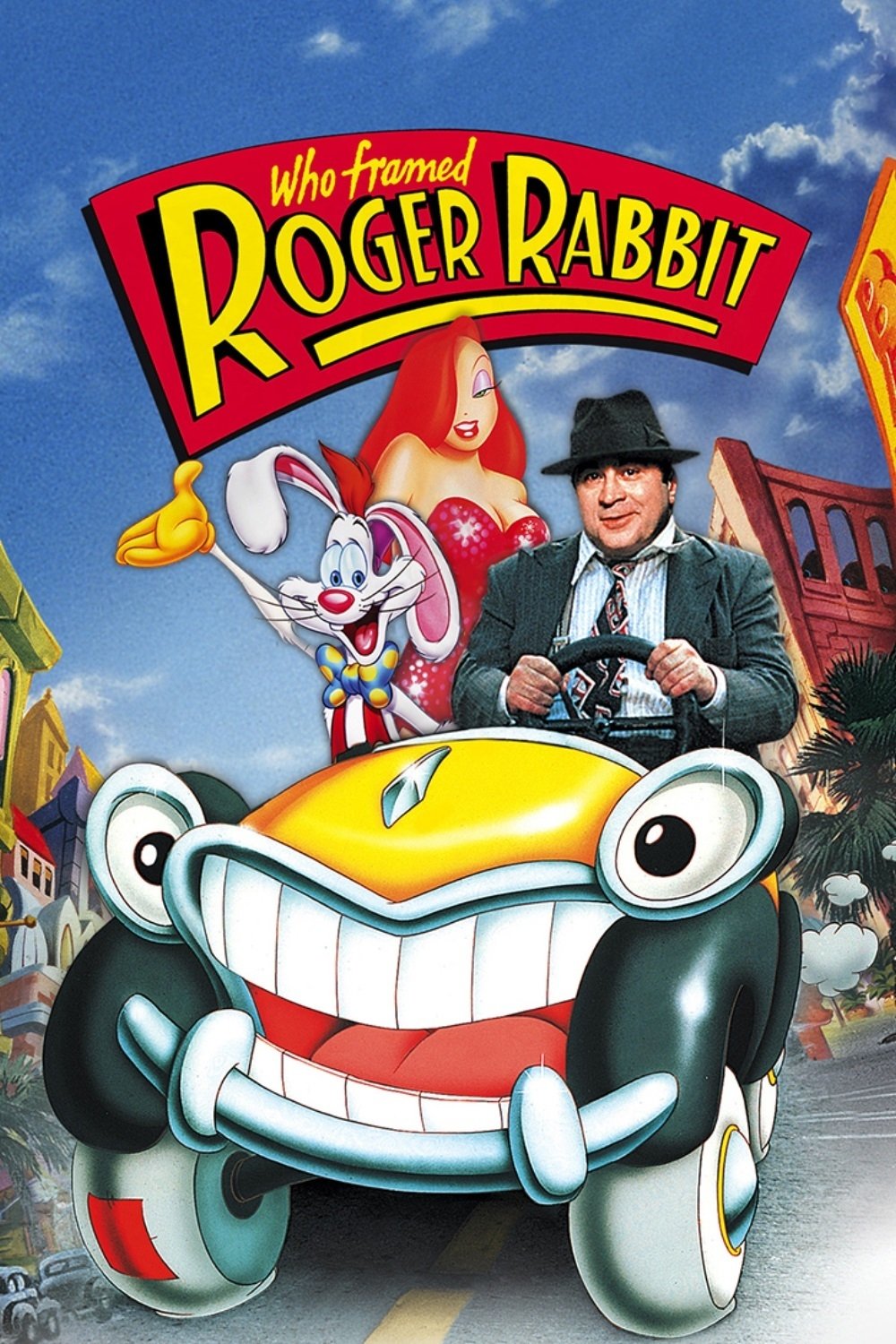
Robert Zemeckis combined live action and animation with hand-drawn characters interacting with props and actors. Richard Williams led the animation team, and Charles Fleischer voiced the title character on set.
A rare collaboration allowed famous cartoon characters from different studios to appear together. Complex optical composites and lighting tricks helped cartoons cast shadows and handle real objects.
‘Akira’ (1988)
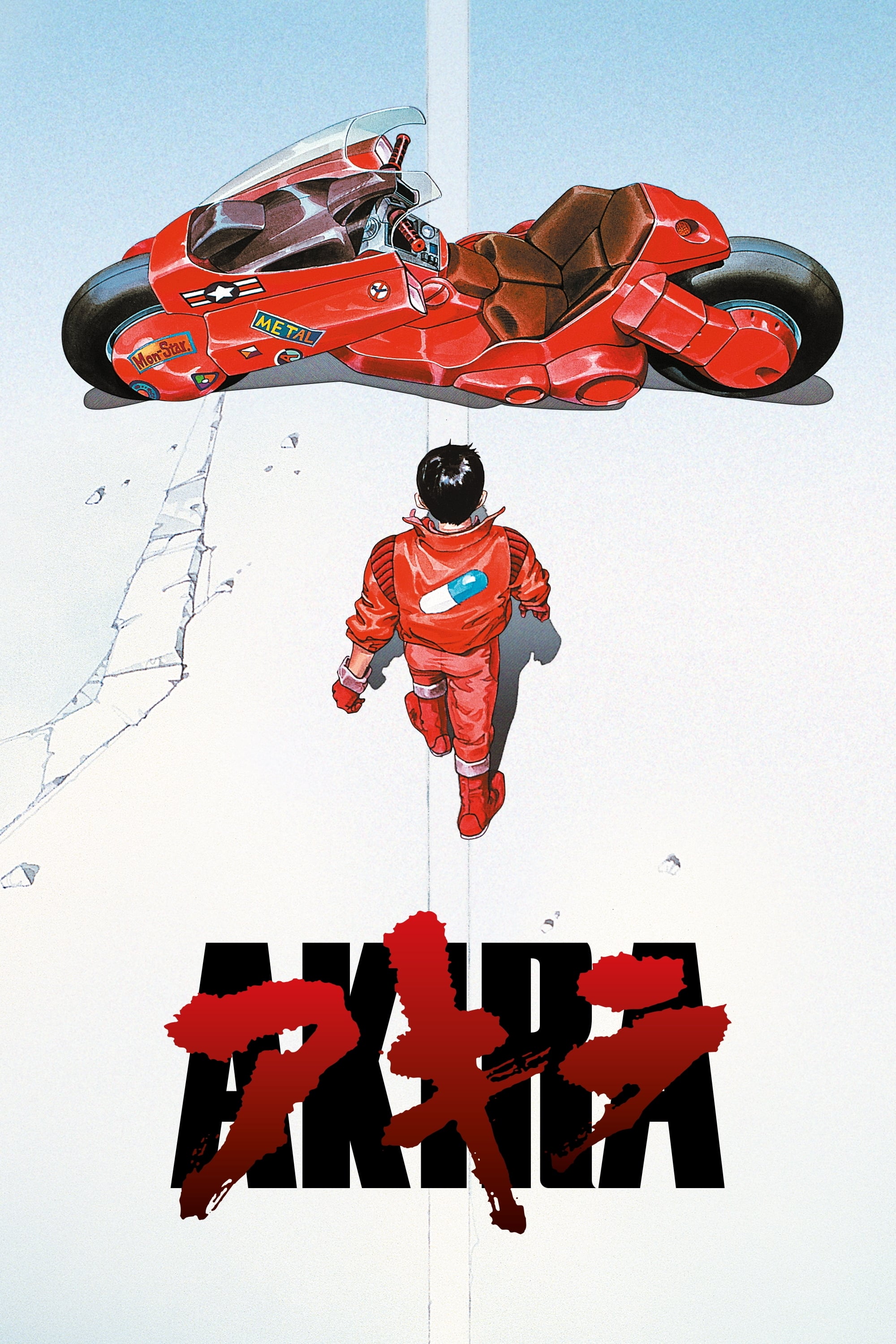
Katsuhiro Otomo adapted his manga into a landmark animated feature with a large budget for detailed cityscapes. The production recorded voices first so animators could match mouth movements more precisely.
The film’s motorcycles, neon signage, and crowd scenes used dense line work and layered cels. Its release expanded international interest in Japanese animation and cyberpunk design.
‘Grave of the Fireflies’ (1988)
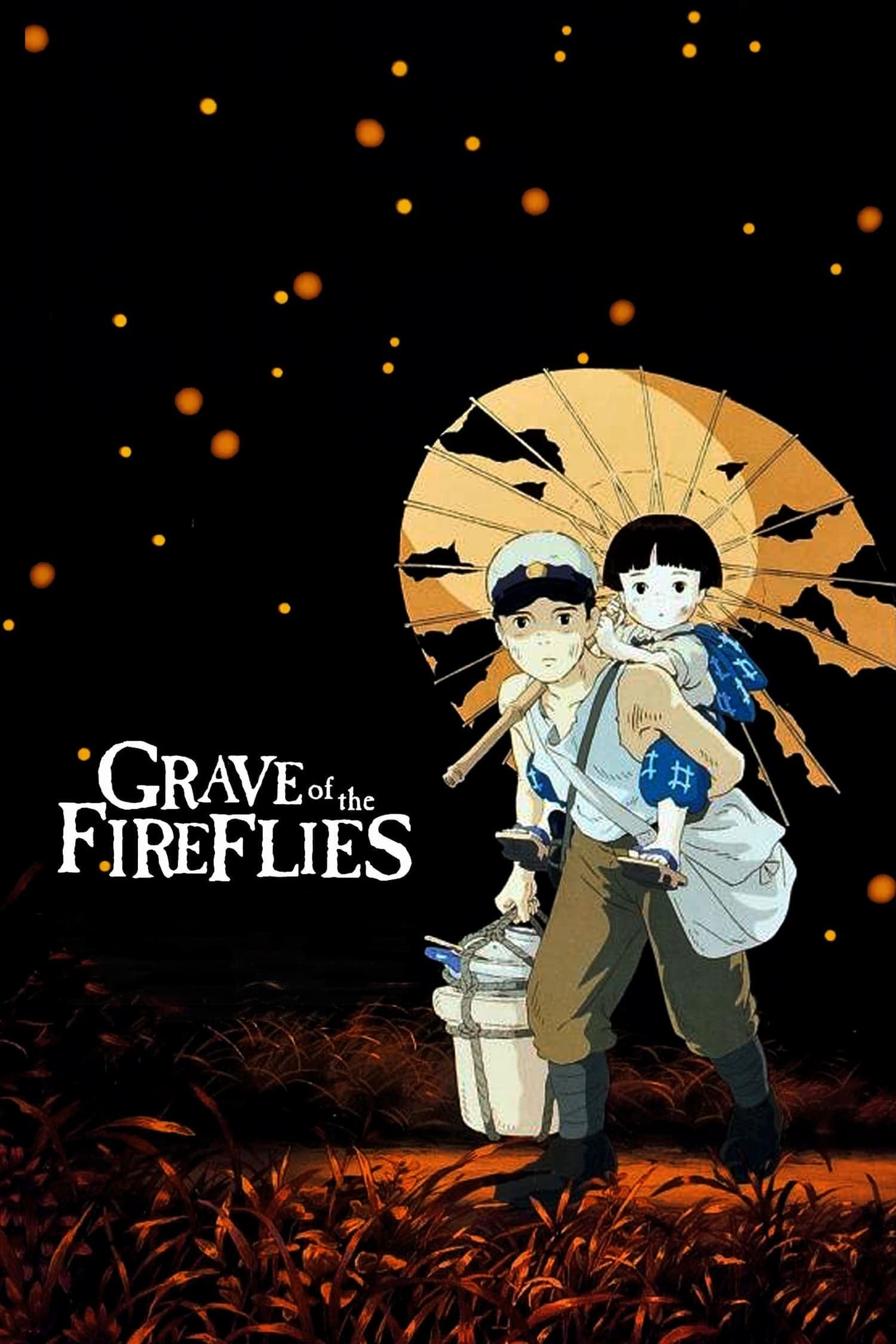
Isao Takahata told a wartime survival story focused on two siblings. Studio Ghibli produced the film with a reserved visual style and careful attention to everyday objects.
The movie originally shared a release window with ‘My Neighbor Totoro’ in a contrasting double bill. Its reputation grew through home video and festival screenings worldwide.
‘A Fish Called Wanda’ (1988)
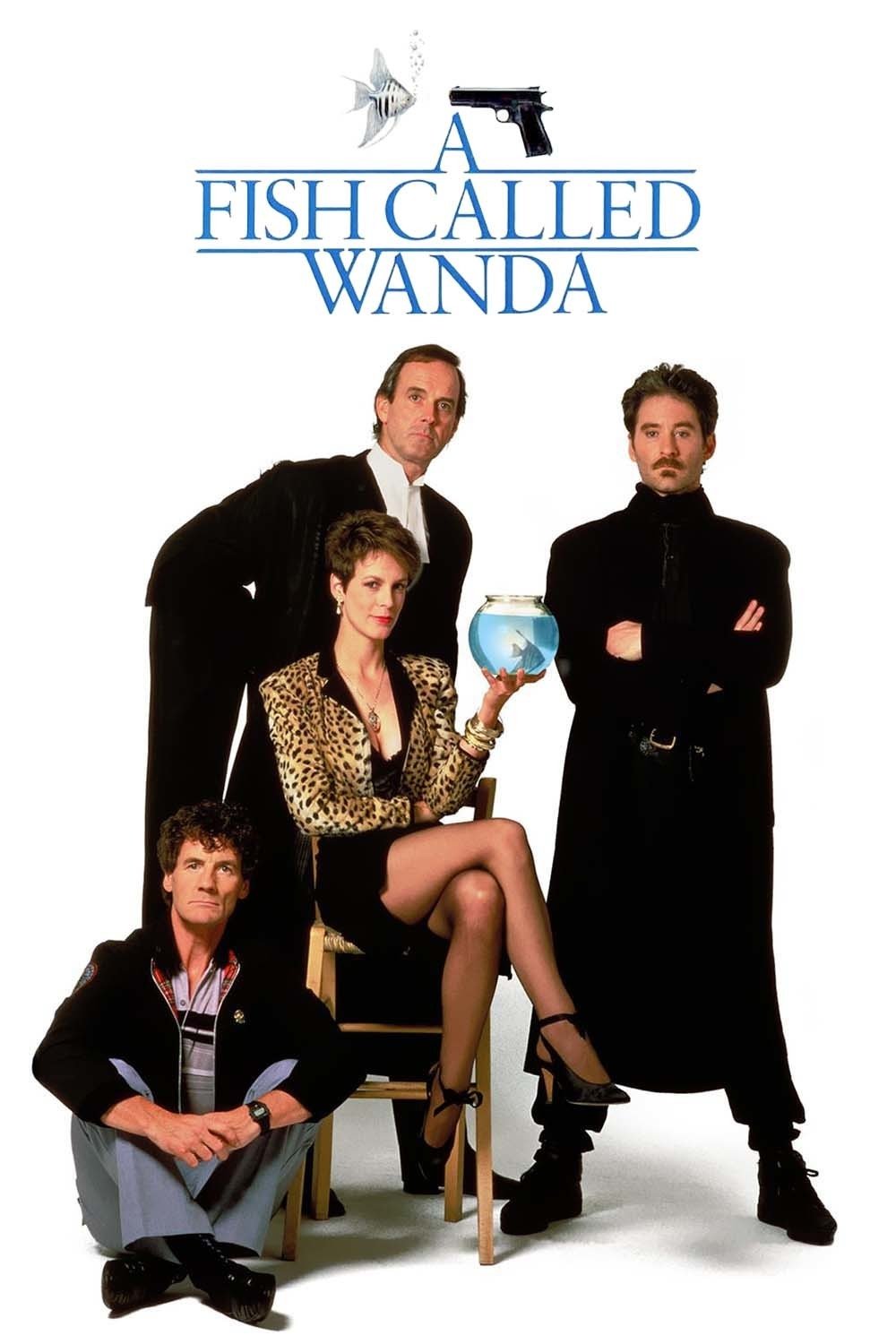
Director Charles Crichton worked with John Cleese on a London heist comedy featuring Jamie Lee Curtis, Kevin Kline, and Michael Palin. Kline won an Academy Award for supporting actor for his performance.
Location work toured law offices, bridges, and narrow streets for chase scenes. The script blends courtroom maneuvers, double crosses, and language gags delivered by a seasoned ensemble.
‘My Neighbor Totoro’ (1988)
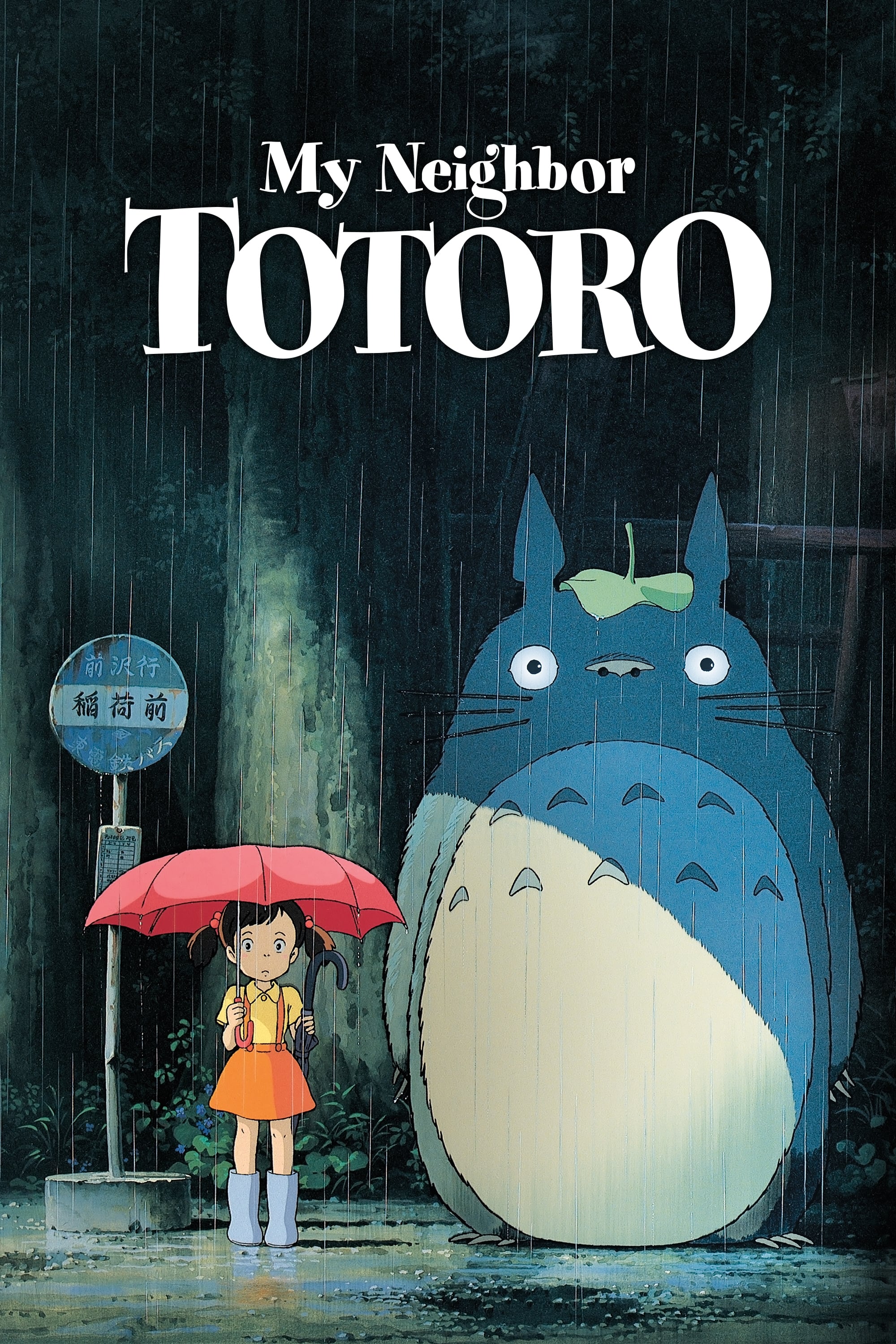
Hayao Miyazaki set the story in rural Japan with two sisters befriending forest spirits. Joe Hisaishi’s music uses simple motifs that recur across gentle scenes.
The character Totoro became the studio’s mascot and appears in merchandising and logos. International distribution expanded over time with new dubs introducing the film to wider audiences.
‘Do the Right Thing’ (1989)
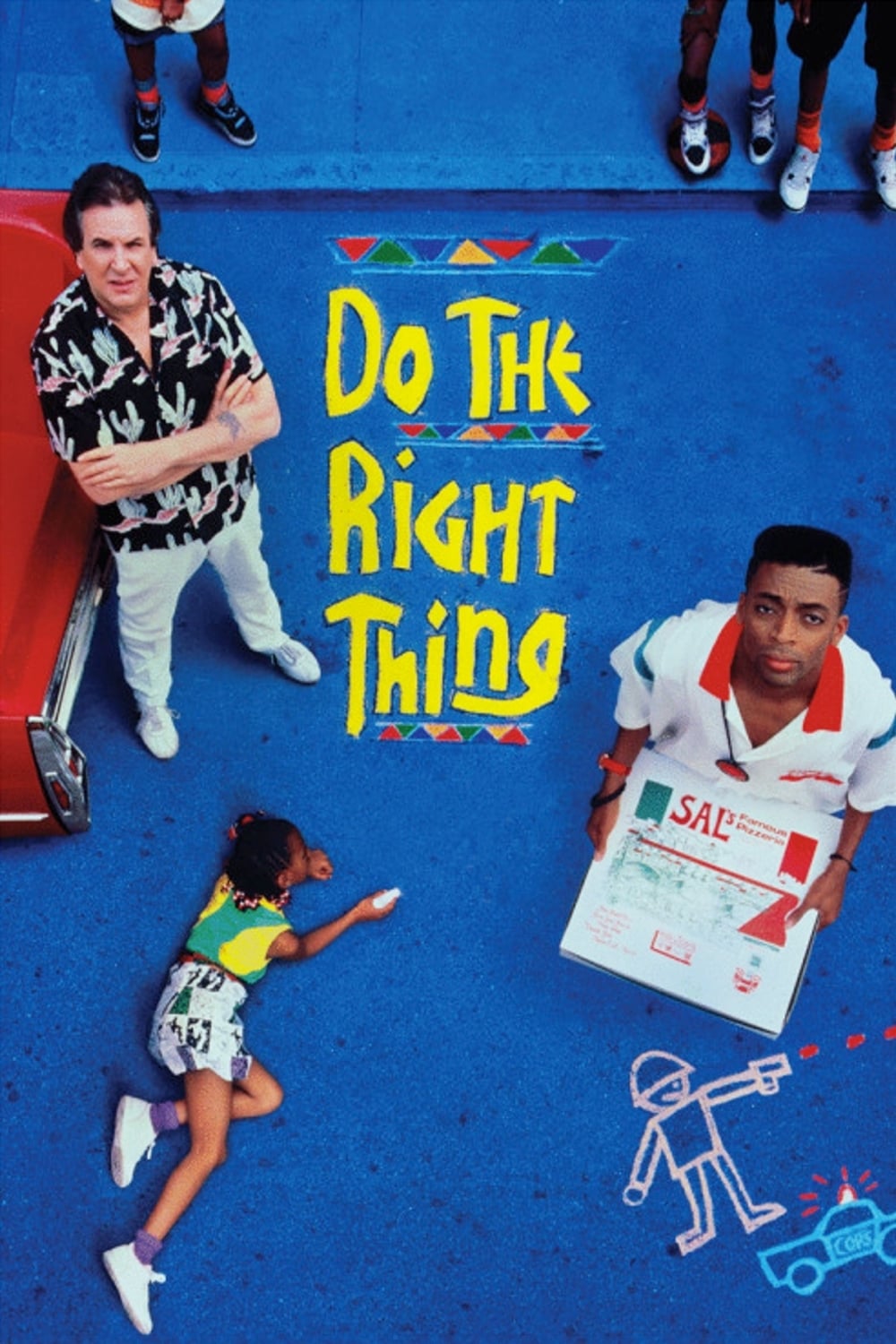
Spike Lee focused on one Brooklyn block during a sweltering day with a large ensemble cast. Ernest Dickerson’s cinematography used saturated colors to emphasize heat and tension.
Public Enemy’s ‘Fight the Power’ recurs as a musical motif within the neighborhood. The film received Academy Award nominations for original screenplay and supporting actor for Danny Aiello.
‘When Harry Met Sally…’ (1989)

Rob Reiner directed Billy Crystal and Meg Ryan from a script by Nora Ephron. The story follows friendship and timing across multiple New York encounters and life stages.
The Katz’s Delicatessen scene became one of the most quoted moments in romantic comedies. Harry Connick Jr. performed standards for the soundtrack, which helped shape the film’s mood.
‘Indiana Jones and the Last Crusade’ (1989)
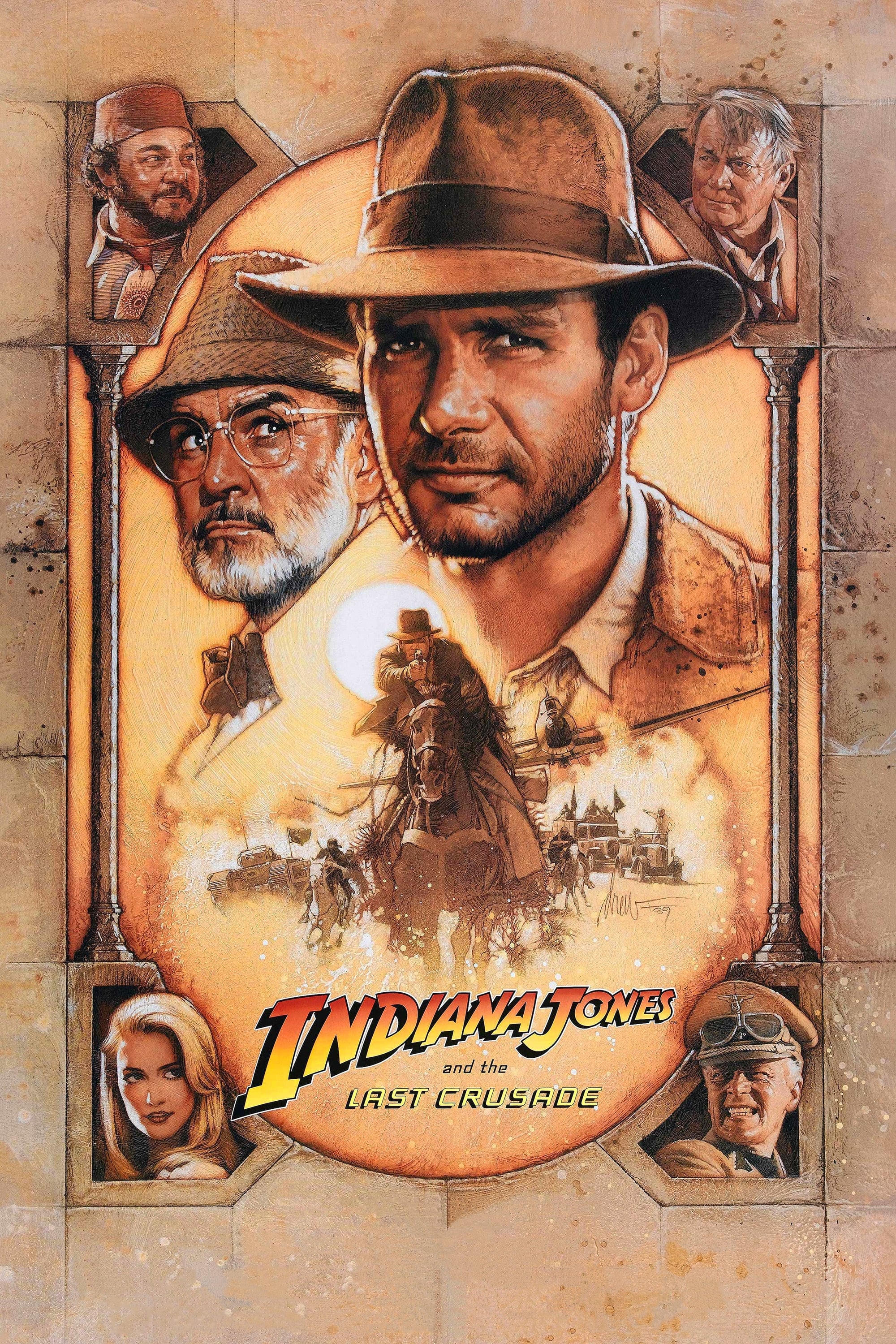
Steven Spielberg paired Harrison Ford with Sean Connery as father and son on a new quest. Locations included Petra in Jordan, Venice canals, and desert stretches for vehicle work.
The tank battle used large practical rigs and careful stunt timing. River Phoenix appears as a younger version of the hero in an opening sequence that adds backstory.
‘Dead Poets Society’ (1989)
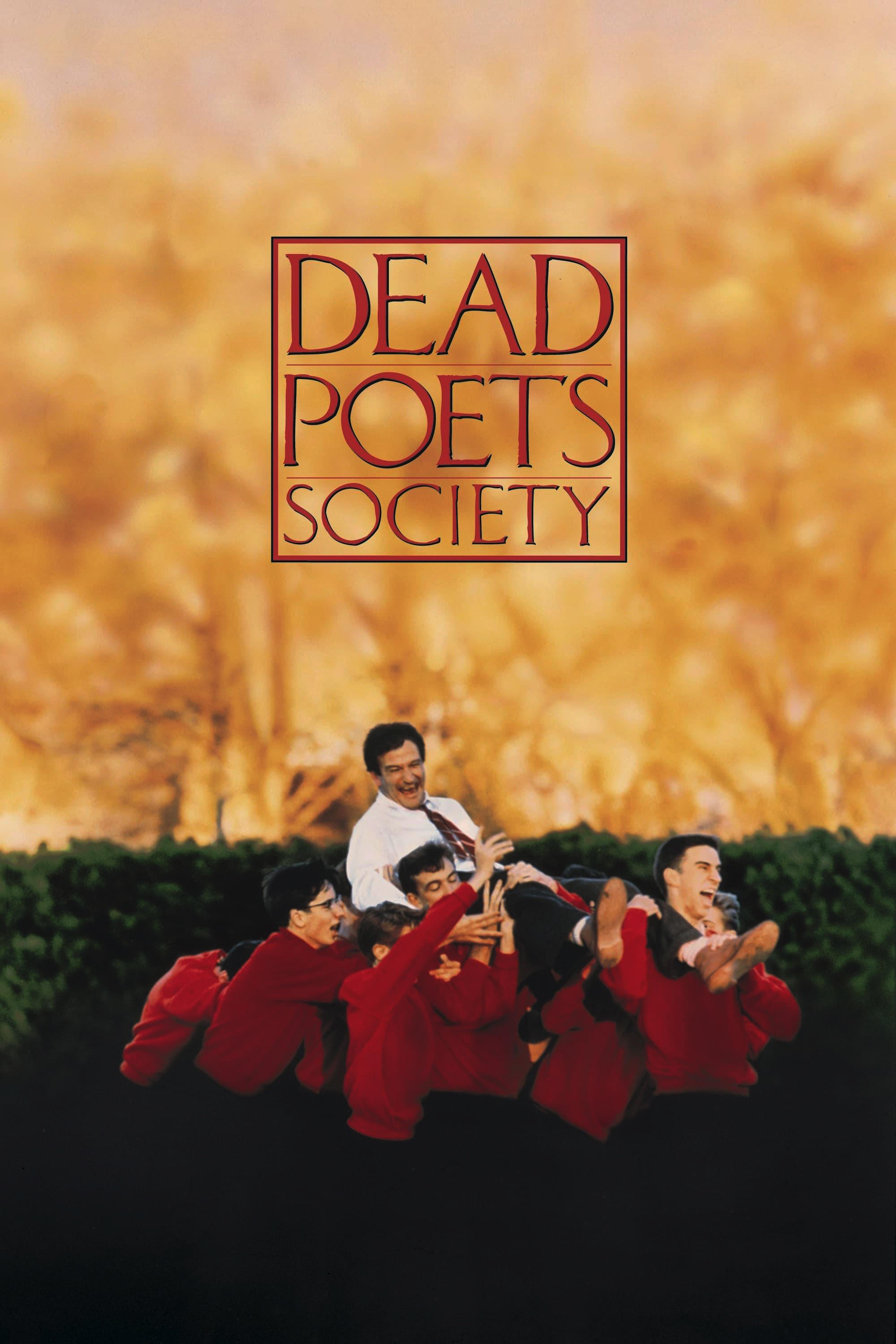
Peter Weir set the story at an elite school with Robin Williams as an unconventional teacher. Filming used St. Andrew’s School for exteriors and interiors to capture campus life.
The script by Tom Schulman won an Academy Award and inspired the “O Captain my Captain” classroom scene. The ensemble cast includes Ethan Hawke in an early prominent role.
‘Batman’ (1989)
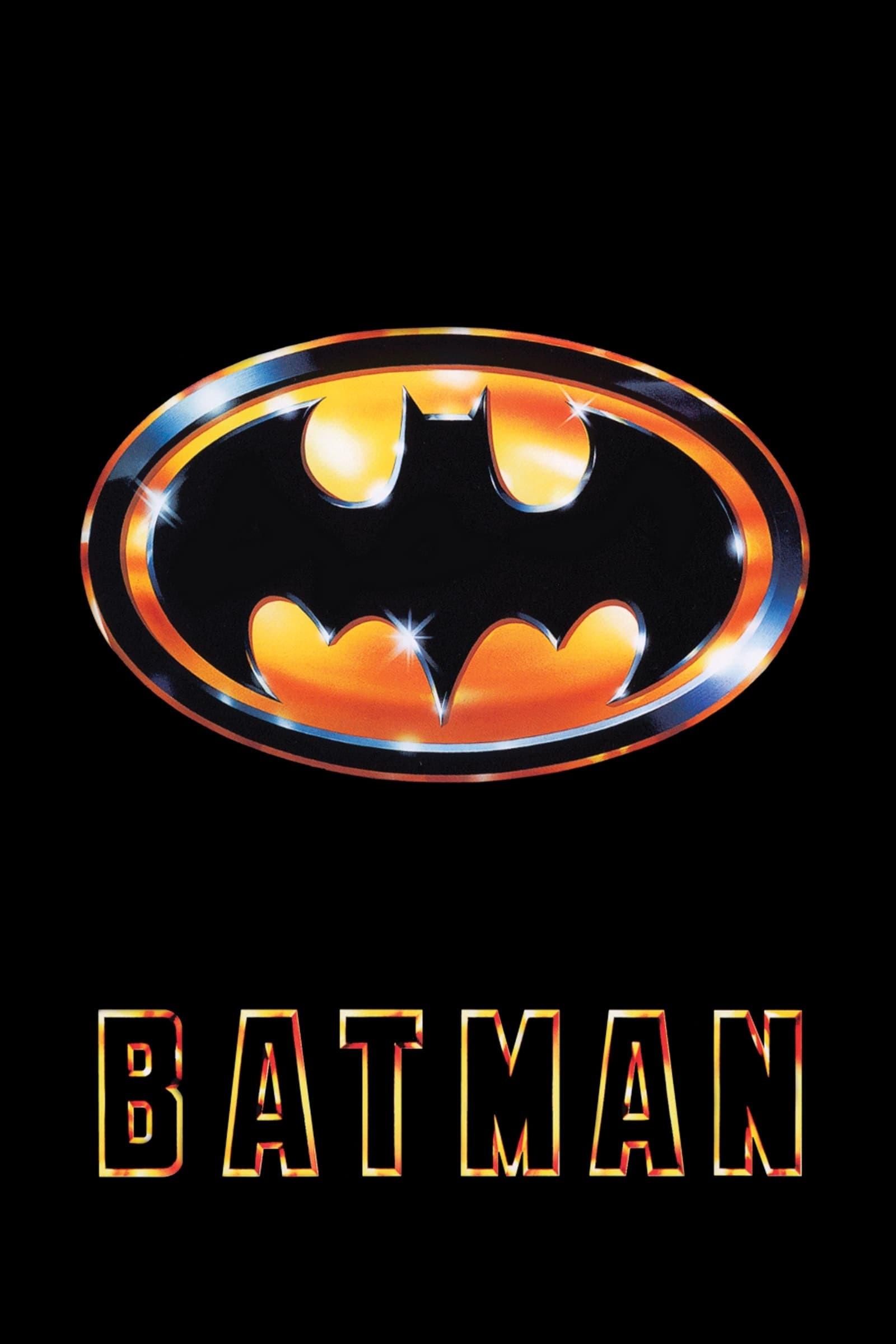
Tim Burton cast Michael Keaton as the title hero with Jack Nicholson as the Joker. Production designer Anton Furst created a gothic cityscape on Pinewood Studios stages.
Danny Elfman wrote a dark orchestral theme, and Prince contributed original songs. A large marketing campaign and merchandise rollout accompanied the film’s release.
‘The Little Mermaid’ (1989)
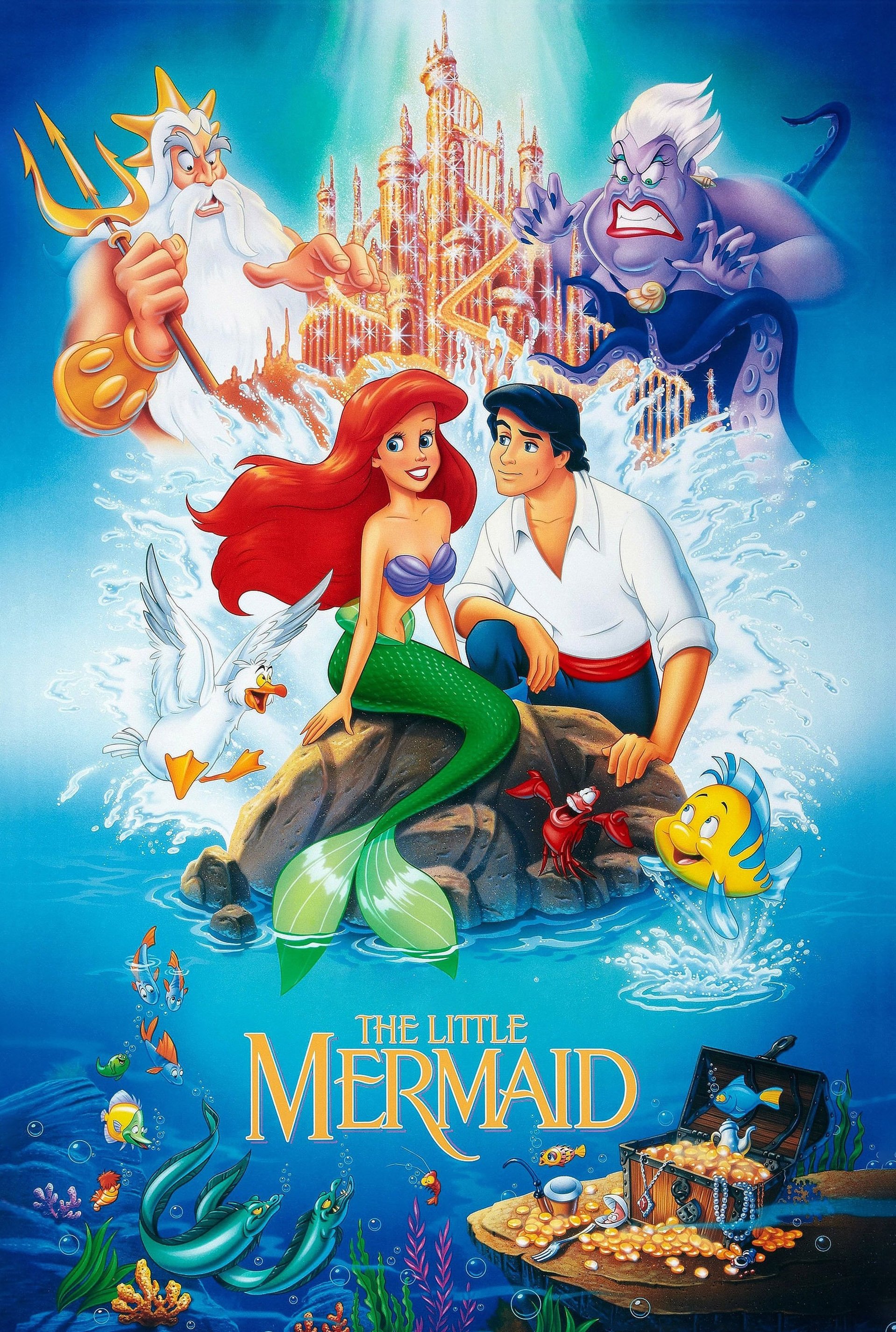
Disney returned to fairy-tale storytelling with Ariel’s undersea world. Alan Menken and Howard Ashman provided songs and a score that shaped the studio’s musical direction.
Hand-drawn animation used multiplane techniques and underwater effects for drifting hair and bubbles. The movie won Academy Awards for original score and original song and brought renewed attention to Disney animation.
Share your favorites from the list and tell us which other 80s films you think still play great today in the comments.

