


90s Movies Everyone Wants to Forget, but Can’t



Some movies land with a thud yet stick in the collective memory anyway. The 90s delivered a full stack of ambitious swings, studio experiments, and franchise misfires that were hard to escape then and still pop up in conversations today. Soundtracks, toy lines, and wall to wall marketing kept many of these titles in view for months, even as word of mouth took a different turn.
You can track the decade through these productions and the stories behind them. Big stars tried new directions, effects teams pushed tools of the day, and studios chased trends that looked unstoppable. Budgets grew, sets sprawled, and the results often left a lasting mark on careers and series plans that followed.
‘Batman & Robin’ (1997)
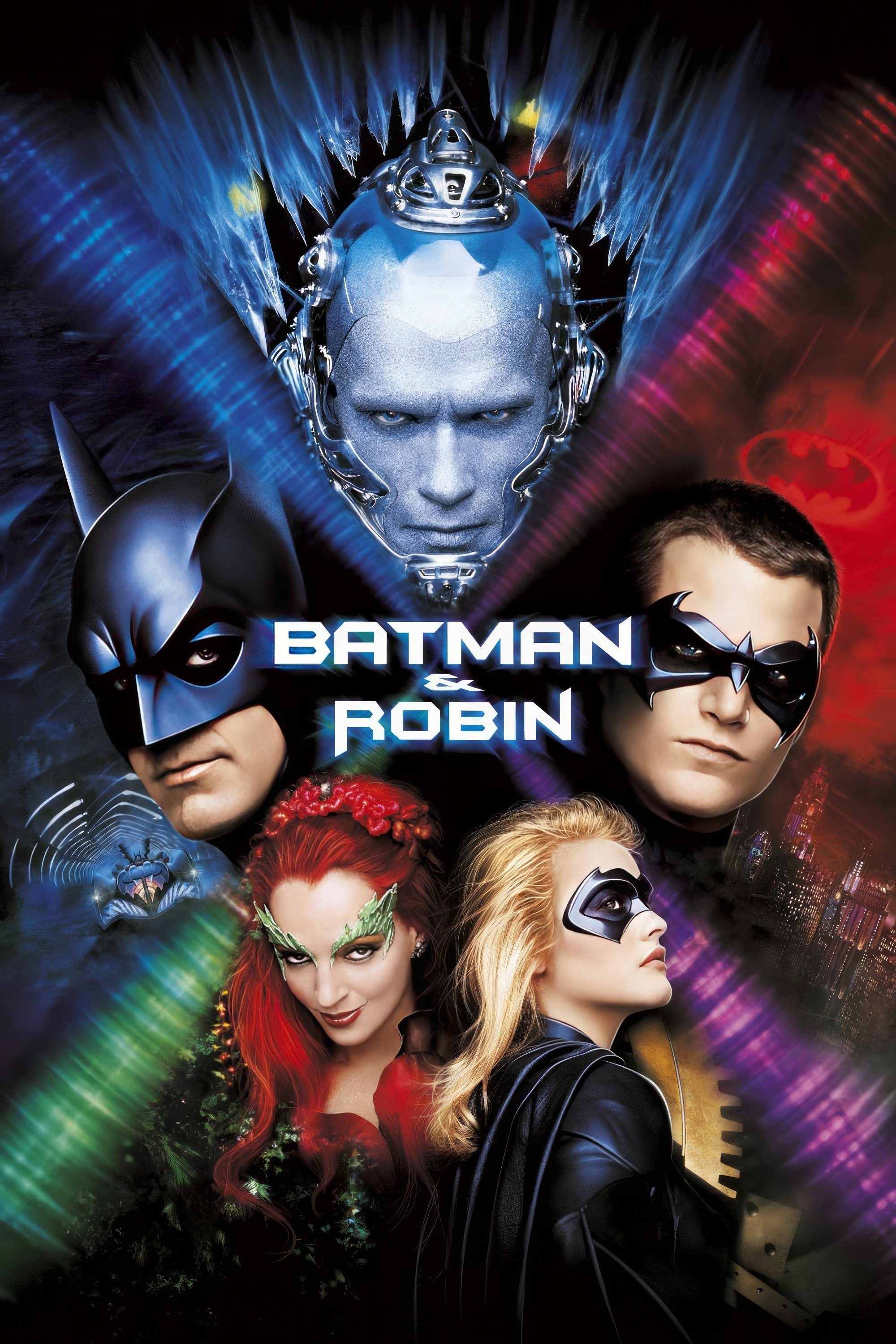
Joel Schumacher directed this fourth entry in the Warner Bros series, with George Clooney stepping into the cowl and Arnold Schwarzenegger, Uma Thurman, and Alicia Silverstone joining the ensemble. The film introduced Mr. Freeze and Poison Ivy to the franchise and featured a production design built around neon color, elaborate suits, and large scale sets.
Merchandise partnerships and a heavy promotional cycle surrounded the release, and the movie earned significant global receipts. The reception led the studio to shelve a planned follow up, and the character later returned in a fully reimagined series.
‘Showgirls’ (1995)

Paul Verhoeven directed this NC 17 drama starring Elizabeth Berkley, Gina Gershon, and Kyle MacLachlan, set in the Las Vegas show world. The film drew attention for its rating, extensive choreography, and large scale stage numbers that required weeks of rehearsal and custom costuming.
Initial ticket sales fell short in the domestic market, but home video performance turned the title into a steady earner. It collected multiple Golden Raspberry Awards and has been screened widely at midnight events and themed repertory programs.
‘Waterworld’ (1995)
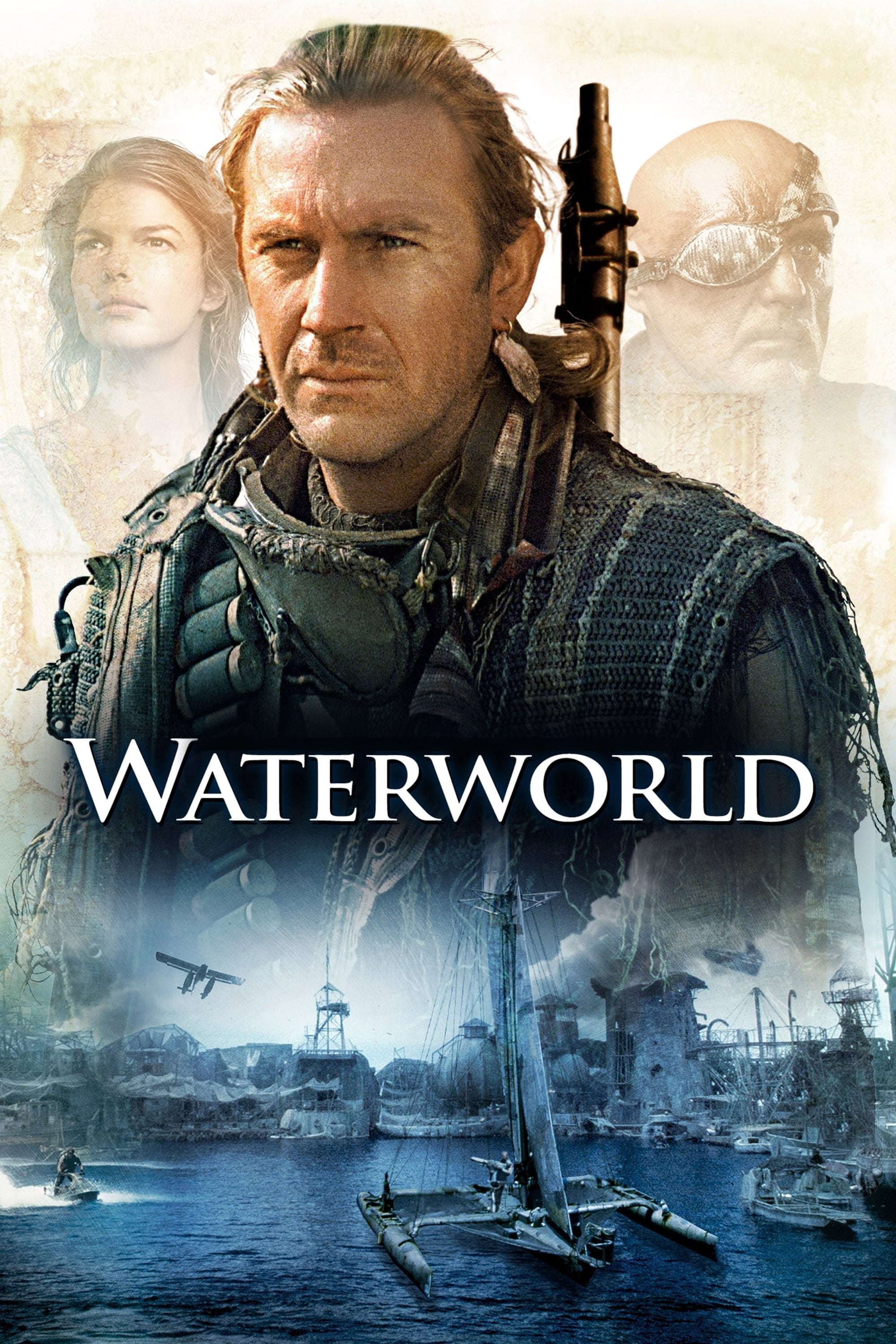
Kevin Reynolds directed and Kevin Costner starred in this post apocalyptic adventure built around a floating atoll set that required constant maintenance on open water. Weather disruptions damaged major structures during production and extended the schedule, which contributed to a budget that became a talking point.
The movie introduced extensive stunt work on jet skis and practical explosions across open sea locations. Worldwide grosses eventually covered the reported cost and a theme park stunt show based on the property ran for many seasons.
‘Cutthroat Island’ (1995)
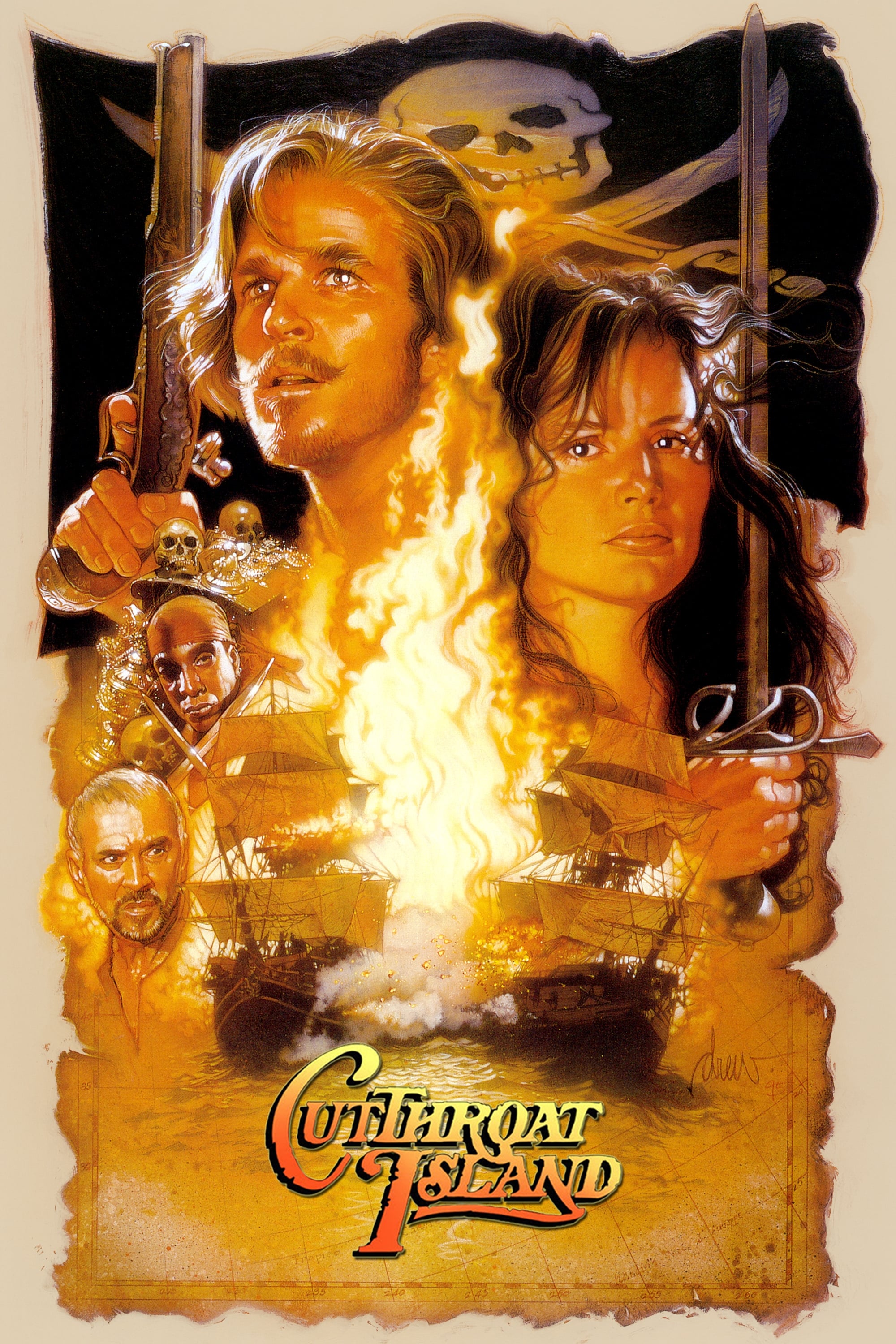
Renny Harlin directed this pirate adventure starring Geena Davis and Matthew Modine, with large ship sets constructed for sea based battles. The shoot involved complex rigging, practical cannon fire effects, and months of second unit action coverage.
Ticket sales were far below expectations and the film is frequently cited in discussions of costly box office disappointments. The poor return contributed to severe financial trouble for its primary production company and chilled pirate themed projects for years.
‘Wild Wild West’ (1999)
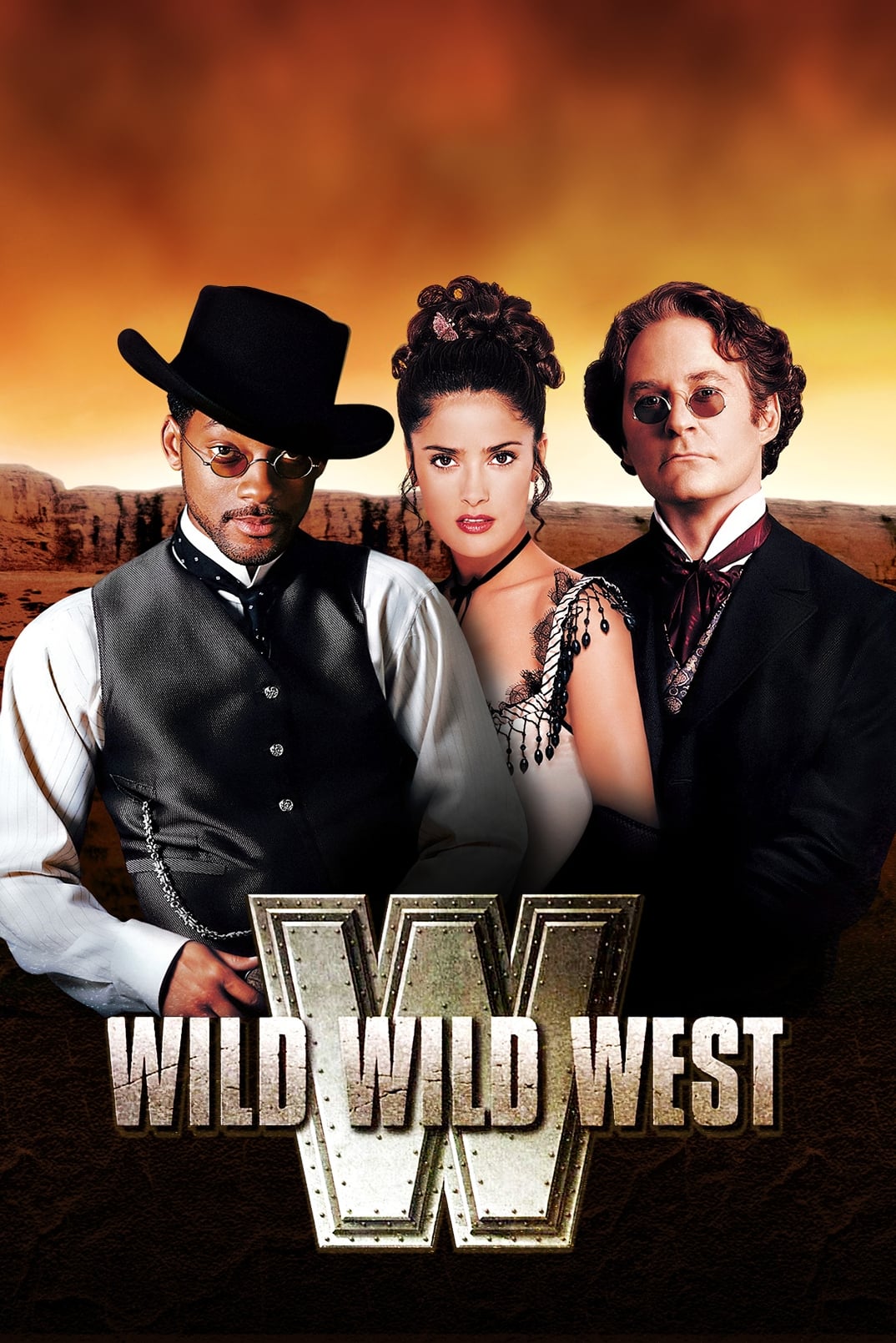
Barry Sonnenfeld directed this steampunk flavored action comedy starring Will Smith and Kevin Kline, with Kenneth Branagh and Salma Hayek in key roles. The story reworked a classic television property and featured an enormous mechanical spider built with a mix of practical design and computer graphics.
The movie launched with a high profile soundtrack single and a sizable promotional push that included fast food tie ins and branded toys. Domestic and international grosses were strong but below internal expectations, and the studio redirected plans for related projects afterward.
‘Godzilla’ (1998)

Roland Emmerich directed this American take on the Toho icon, starring Matthew Broderick, Jean Reno, and Maria Pitillo. The creature was redesigned with a more lizard like profile and the production used large scale miniatures, motion control, and digital effects to showcase city destruction.
The release came with one of the decade’s biggest marketing campaigns, including apparel, fast food promotions, and a soundtrack packed with pop acts. Global grosses were substantial, an animated continuation followed, and proposed live action sequels were set aside.
‘Super Mario Bros.’ (1993)
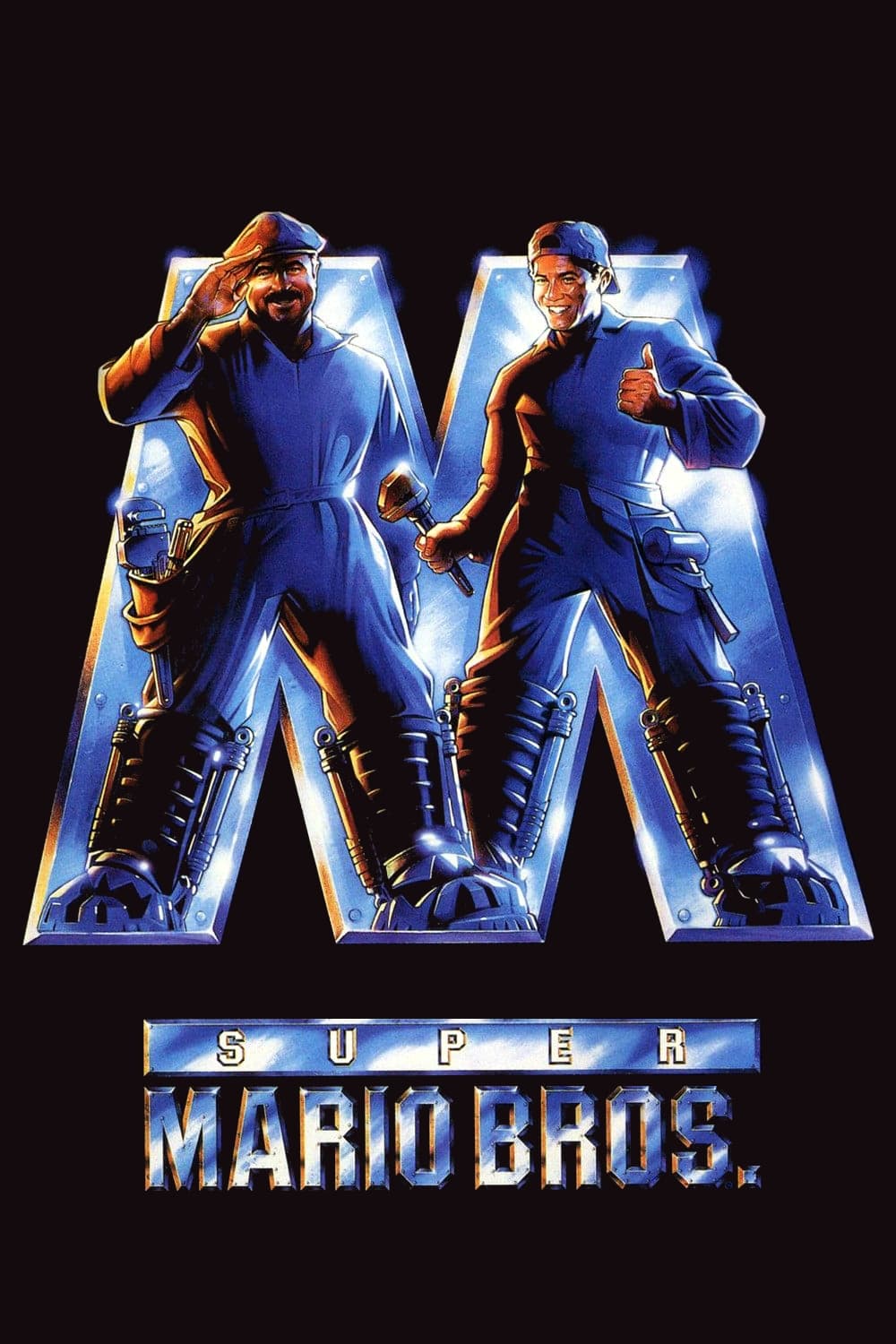
Bob Hoskins and John Leguizamo headlined this video game adaptation that placed the plumbers in a dystopian alternate city ruled by Dennis Hopper’s King Koopa. The production went through major script changes during filming and built towering industrial sets that gave the world a grungy look.
The movie underperformed in theaters and reviews were sharply negative. Over time it developed a cult following through cable airings and fan events, and the costumes and props have been archived by collectors and museums.
‘Street Fighter’ (1994)
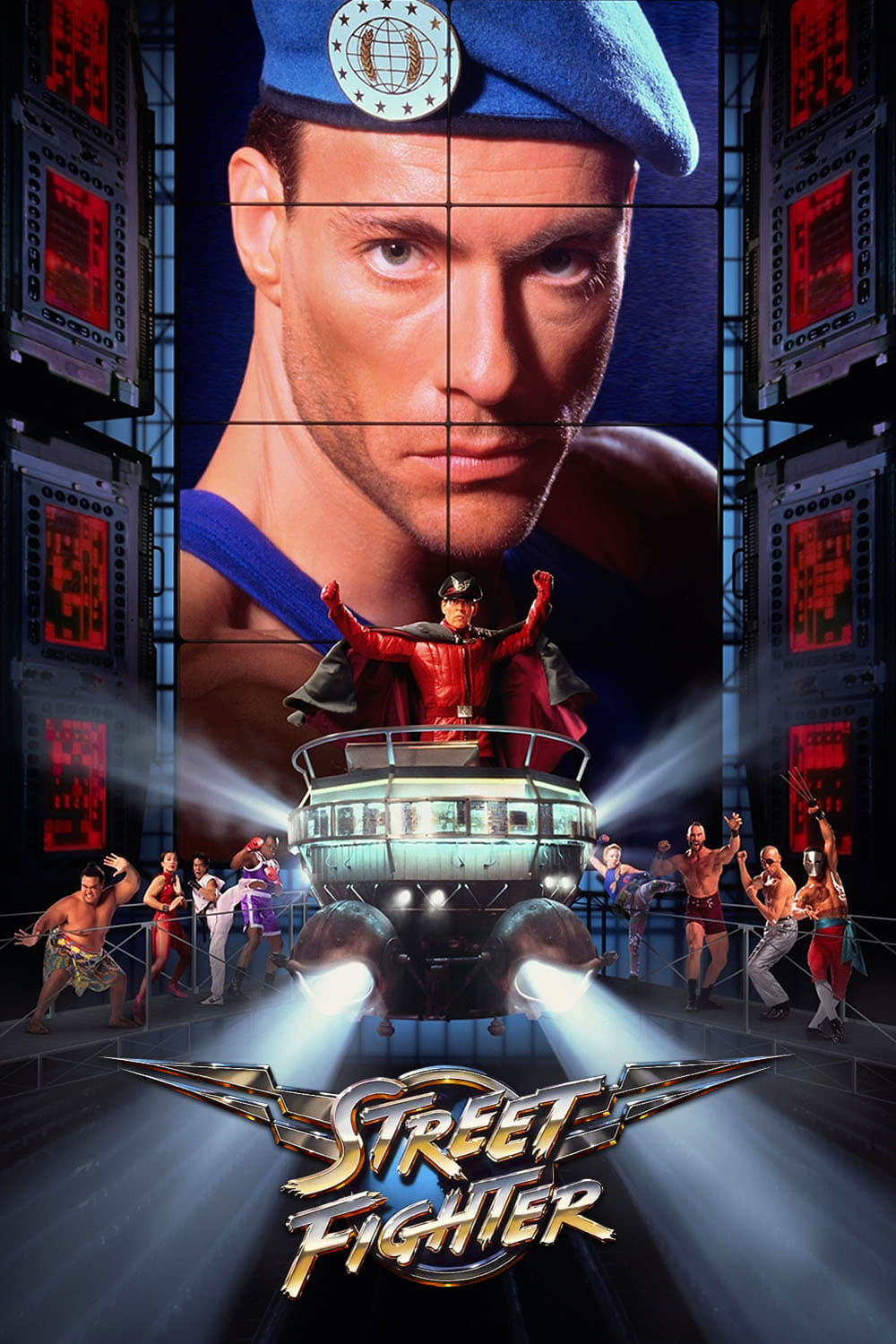
Jean Claude Van Damme led the cast as Colonel Guile with Raul Julia delivering a final screen performance as M Bison, and Kylie Minogue appearing as Cammy. The shoot split between Thailand and Australia and used a tight schedule that influenced the scope of the action scenes.
The studio coordinated the release with a branded console title that borrowed likenesses from the film. Box office returns were healthy worldwide, and the property continued in animated features and later live action attempts.
‘Mortal Kombat: Annihilation’ (1997)
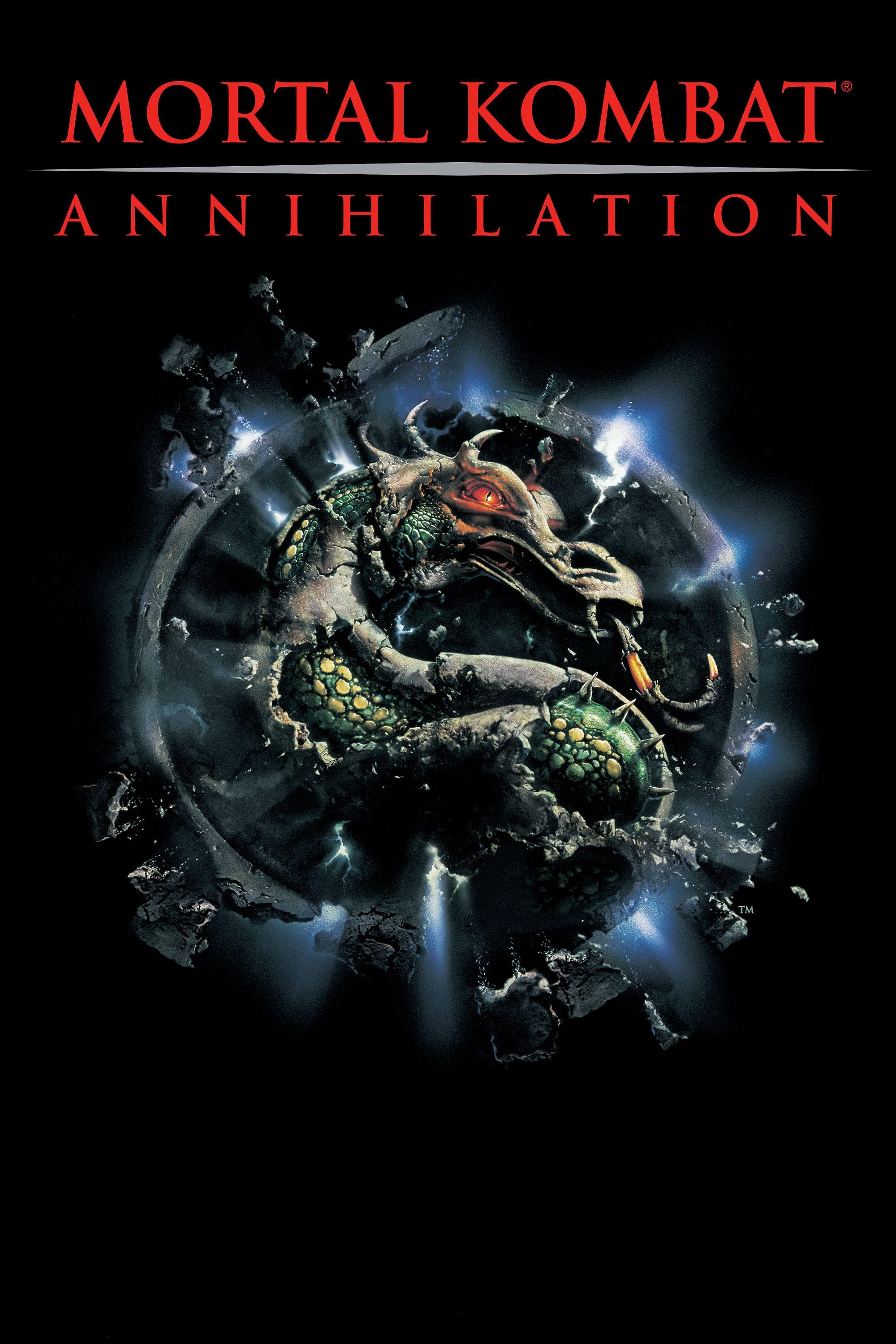
This sequel recast several central roles and expanded the roster of game characters, which increased the number of effects heavy fights. John R Leonetti directed, using a mix of wire work and early CGI to stage larger scale battles across multiple realms.
Despite strong awareness from the first film and the hit game series, revenue fell well below the prior entry. The response led the brand to pivot back to games and television projects before another theatrical reboot appeared much later.
‘Judge Dredd’ (1995)
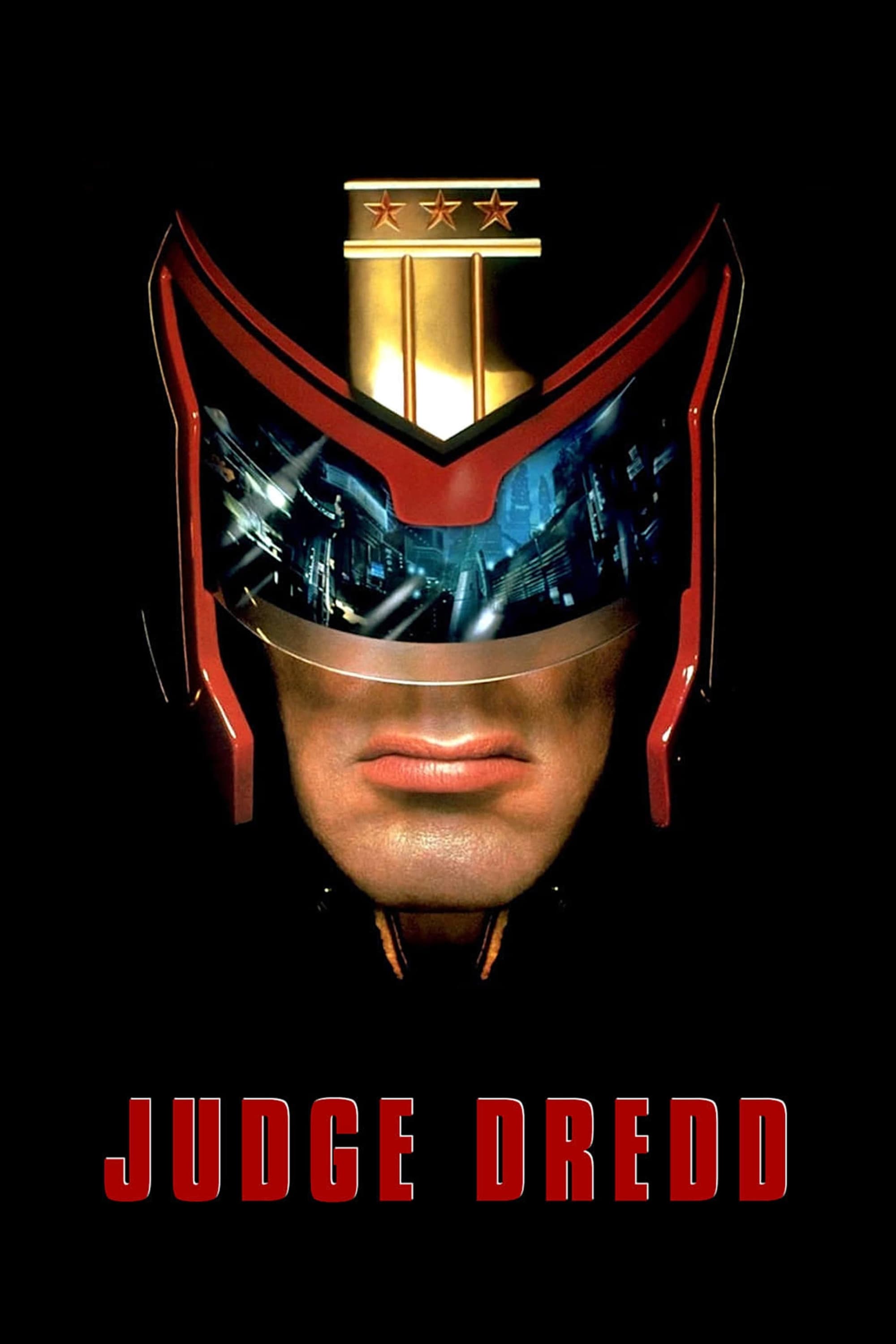
Sylvester Stallone starred as the lawman from the long running British comic, with Diane Lane, Armand Assante, and Rob Schneider in supporting roles. The production invested in massive futuristic sets and detailed costume work to bring Mega City One to the screen.
Fans of the source noted the decision to show Dredd without his helmet for extended stretches. The film earned midlevel global grosses and the character later returned in a separate hard edged adaptation.
‘The Postman’ (1997)
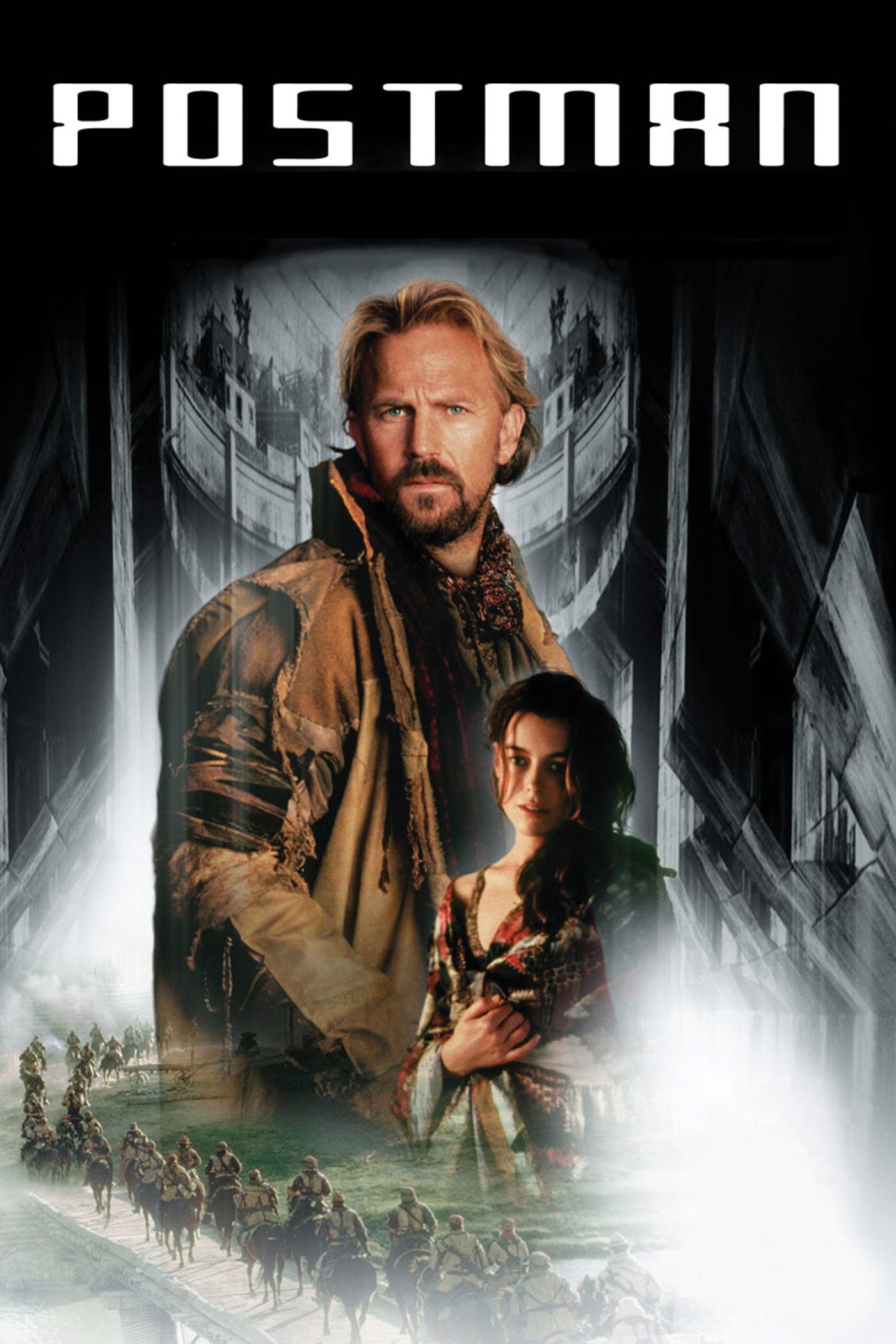
Kevin Costner directed and starred as a drifter who rebuilds communication across isolated communities after a national collapse. The shoot used wide desert locations and practical set builds for frontier towns, along with long stretches on horseback.
The movie ran well over two hours and had a sizable marketing budget. Theatrical grosses were very low compared with costs, and the project became a reference point in discussions of ambitious star led epics that missed with audiences.
‘Striptease’ (1996)
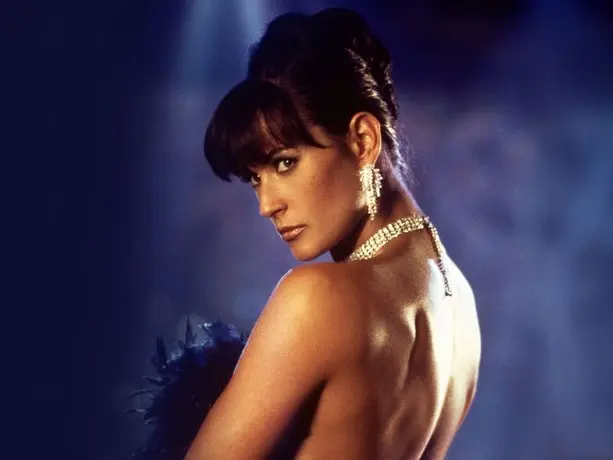
Demi Moore played a former FBI secretary who becomes a dancer to fund a custody battle, with Burt Reynolds and Ving Rhames in key roles. Moore’s compensation set a new benchmark for a female lead at the time, and the film adapted a novel by Carl Hiaasen.
The soundtrack featured club ready tracks and the production worked closely with choreographers for extended stage routines. It won multiple Golden Raspberry Awards and returned a solid international gross despite negative reviews.
‘Baby Geniuses’ (1999)

Director Bob Clark used a mix of practical gags, voiceover, and digital tricks to present talking toddlers at the center of a secret experiment. Kathleen Turner and Christopher Lloyd played villains, and the comedy leaned on slapstick set pieces.
The domestic performance was weak but ancillary markets kept the property alive. A sequel followed with a different ensemble and the brand continued on television.
‘Congo’ (1995)
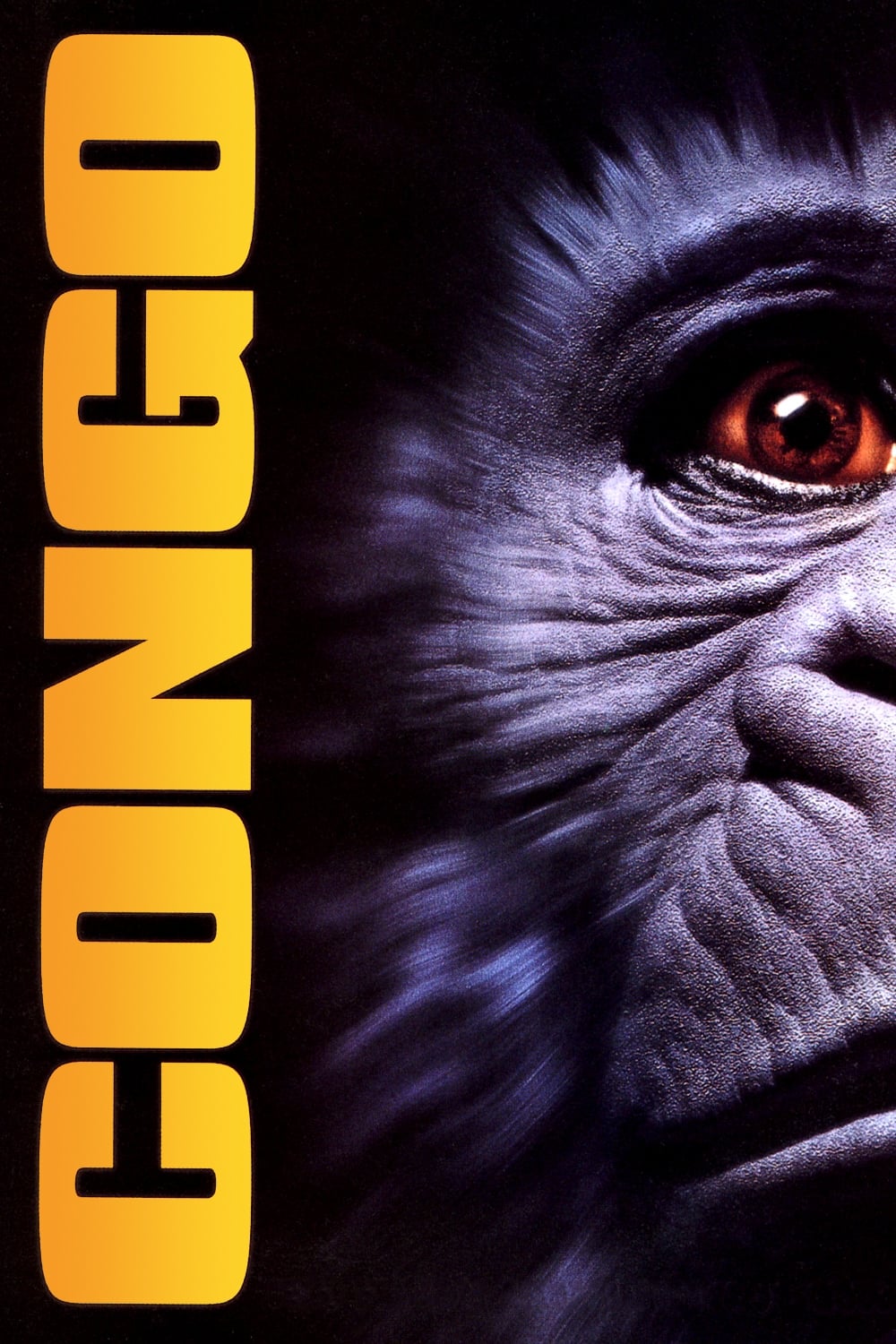
Based on the Michael Crichton novel, this jungle adventure featured Laura Linney, Dylan Walsh, and Tim Curry on a search for rare diamonds and lost ruins. Stan Winston Studio created full body gorilla suits for key characters, combined with animatronics for facial expressions.
The movie opened strongly thanks to the author’s name recognition after the success of other adaptations. Ticket sales held well overseas and the title became a mainstay on home video shelves through the decade.
‘The Avengers’ (1998)
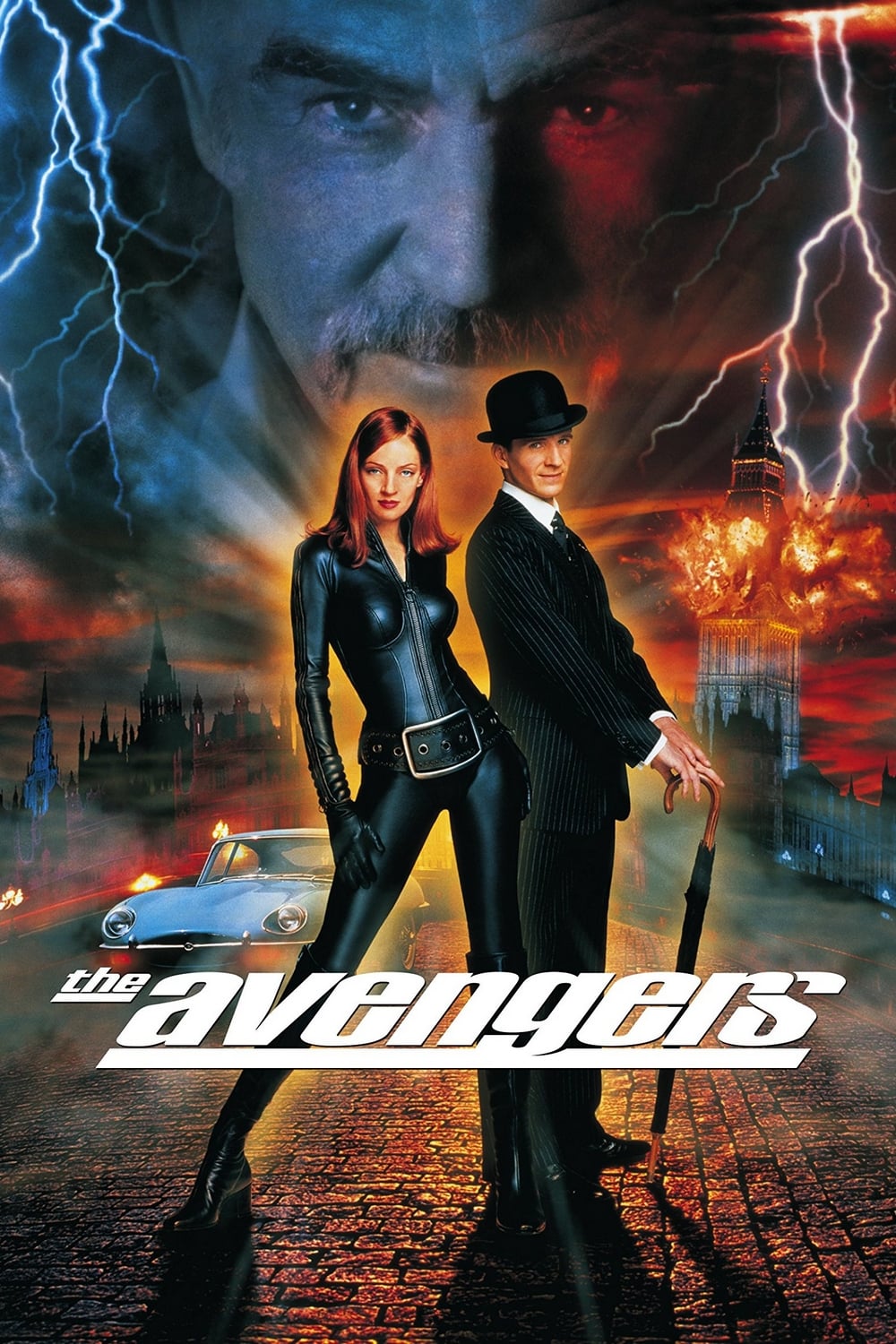
This feature version of the British spy series paired Ralph Fiennes as John Steed with Uma Thurman as Emma Peel, and cast Sean Connery as the villain. Studio edits trimmed large sections after test screenings, which altered plot clarity and character beats.
Theatrical returns were well below the production cost and critical notices were poor. The television original remained the better known incarnation and the film version stalled any plans for a follow up.
‘The Island of Dr. Moreau’ (1996)
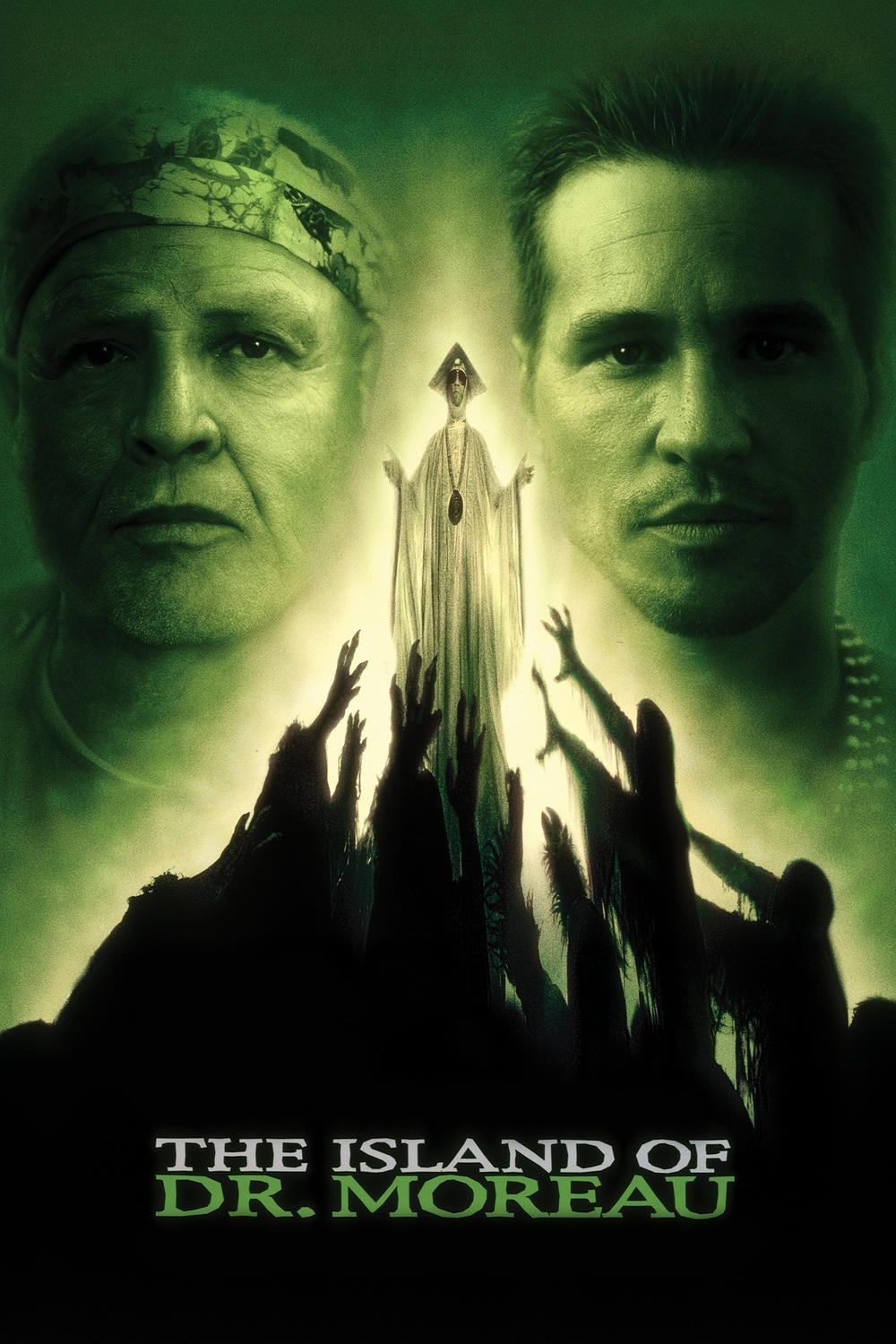
Val Kilmer and David Thewlis shared top billing with Marlon Brando in this adaptation of the H G Wells novel. The production began with director Richard Stanley and shifted to John Frankenheimer after early difficulties on location.
Reports from the set described cast conflicts, script rewrites, and weather issues that disrupted the schedule. The movie reached theaters after significant changes and drew intense curiosity due to stories from the shoot.
‘Speed 2: Cruise Control’ (1997)
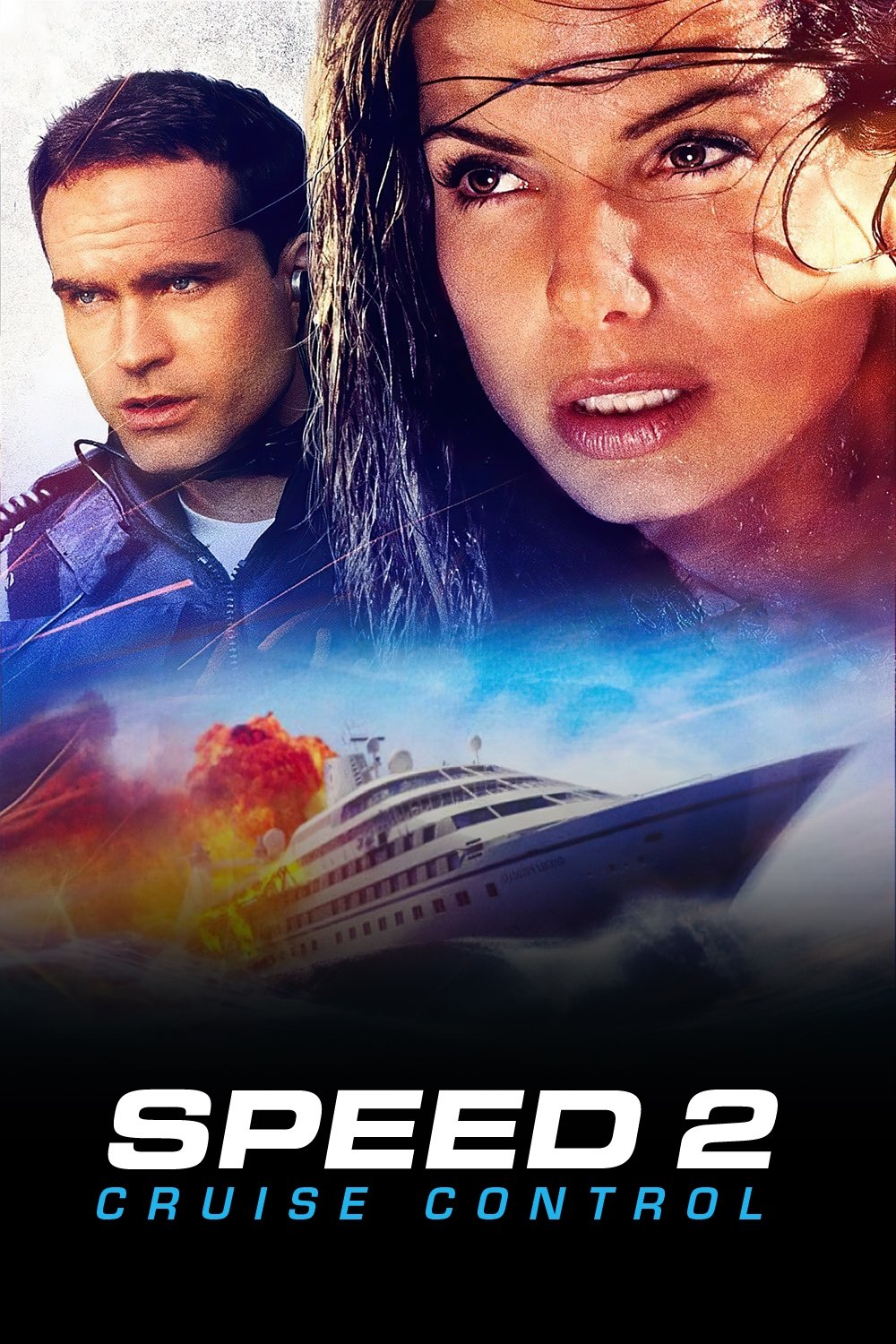
Sandra Bullock returned as Annie with Jason Patric joining as the new lead, and Willem Dafoe playing the antagonist. The story moved from a city bus to an ocean liner and required large scale ship choreography, stunt boats, and water tank work.
Keanu Reeves declined to return, which changed the dynamic from the original pairing that audiences knew. The budget was substantial and the worldwide gross landed below projections, and the series went quiet in theaters afterward.
‘Kazaam’ (1996)
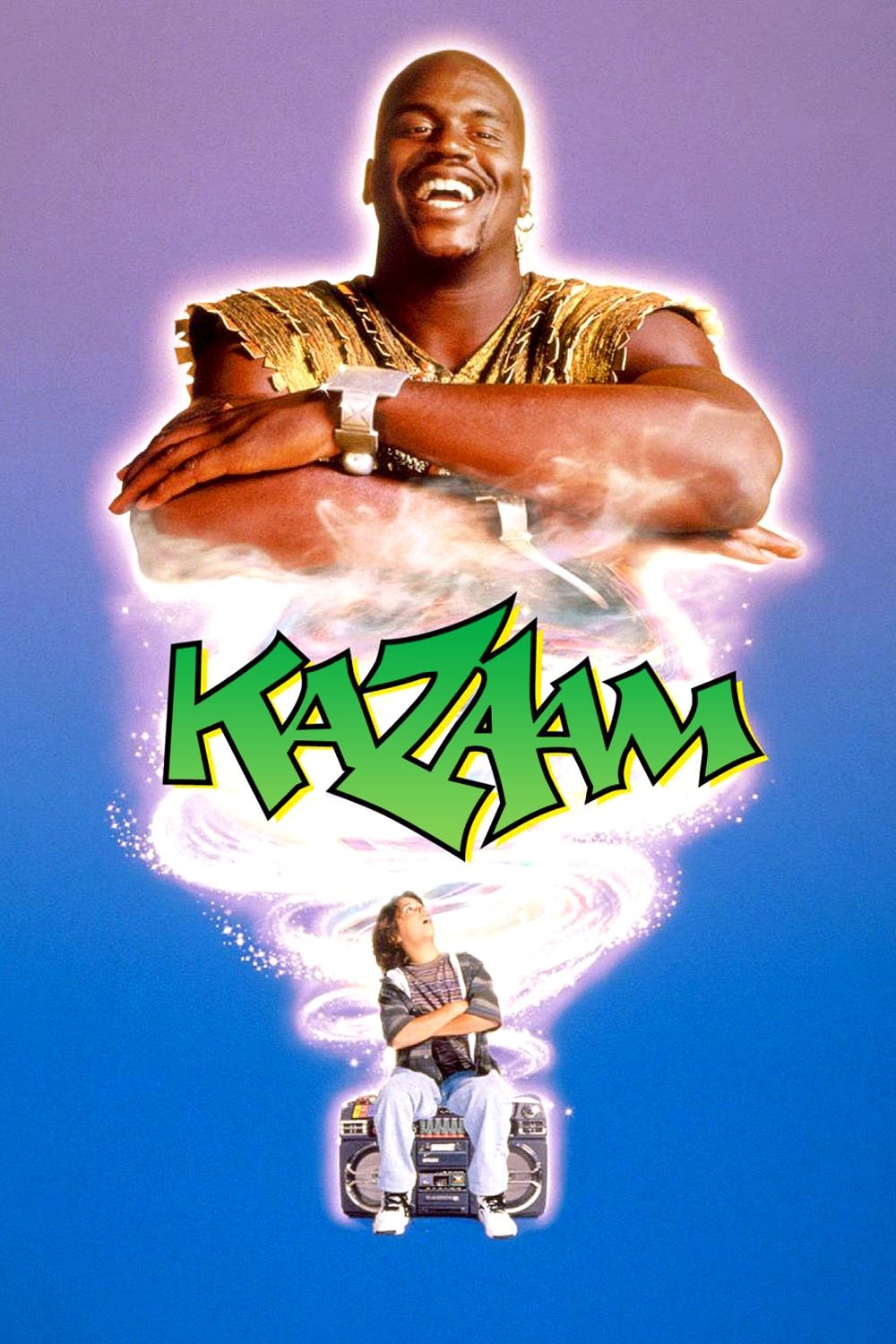
Shaquille O’Neal starred as a genie who appears to a teenager in a city alley, blending family comedy with rap performances and a hip hop flavored soundtrack. The movie built a tall genie entrance set and used practical effects for wish sequences.
Opening weekend numbers were modest and word of mouth did not build. The film found a second life on cable rotation and remains a reference point in conversations about athlete led vehicles.
‘Steel’ (1997)

Shaquille O’Neal took on a different role as John Henry Irons in this DC Comics adaptation about an engineer who creates a suit of armor to fight crime. The production staged action scenes with practical pyrotechnics and used a heavy rubber suit that limited movement.
Theatrical release was small and domestic grosses were minimal. The character later reappeared in animated shows and comic storylines while the film stayed a one off.
‘Cool as Ice’ (1991)
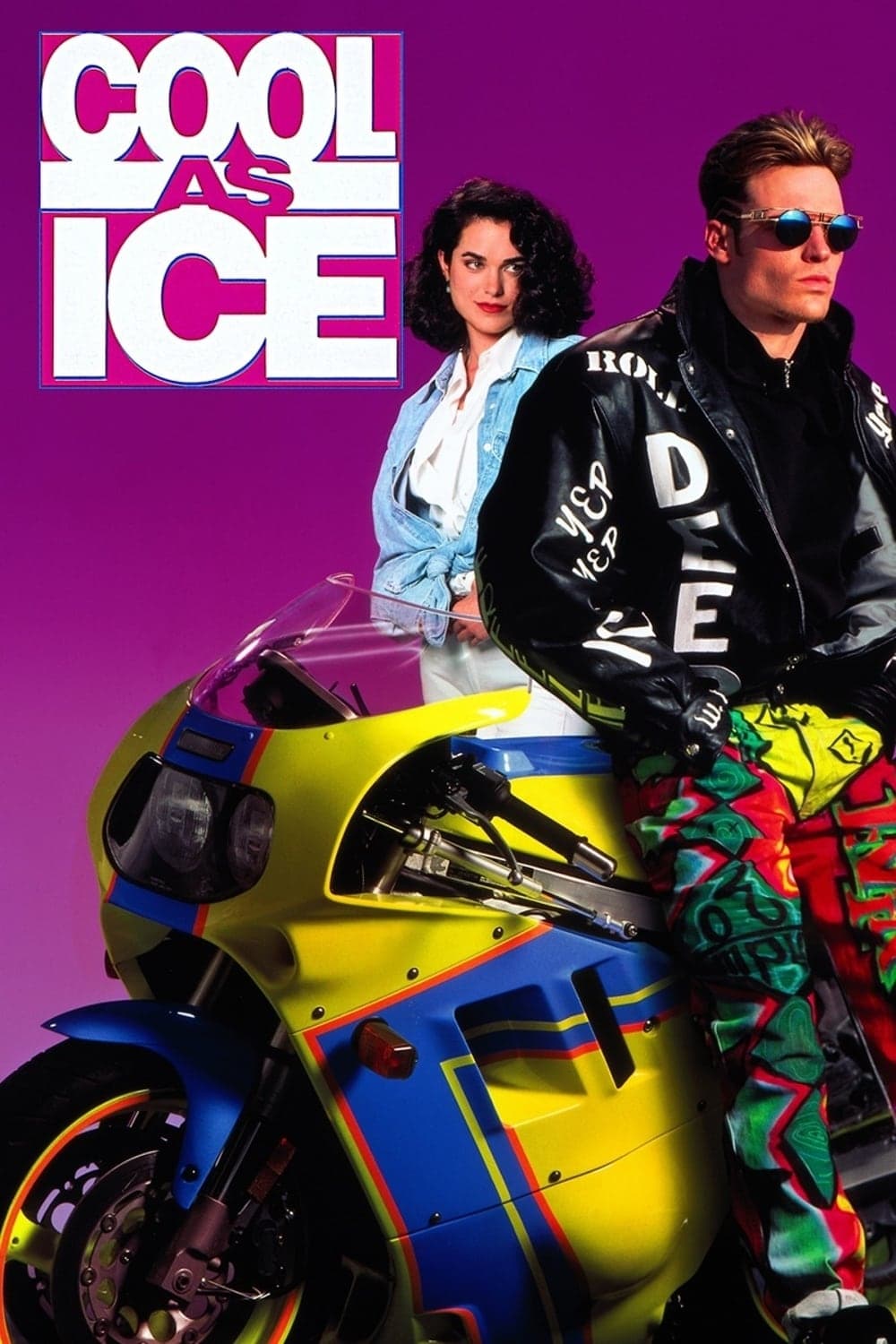
Vanilla Ice made his leading man debut in this romance that wove concert style numbers into a small town story. Music video director David Kellogg brought a stylized look with bold costuming and frequent dance cutaways.
The movie earned little at the box office and quickly moved to home formats. Its fashion choices and soundtrack have kept it circulating in clips and retro music features.
‘Hudson Hawk’ (1991)
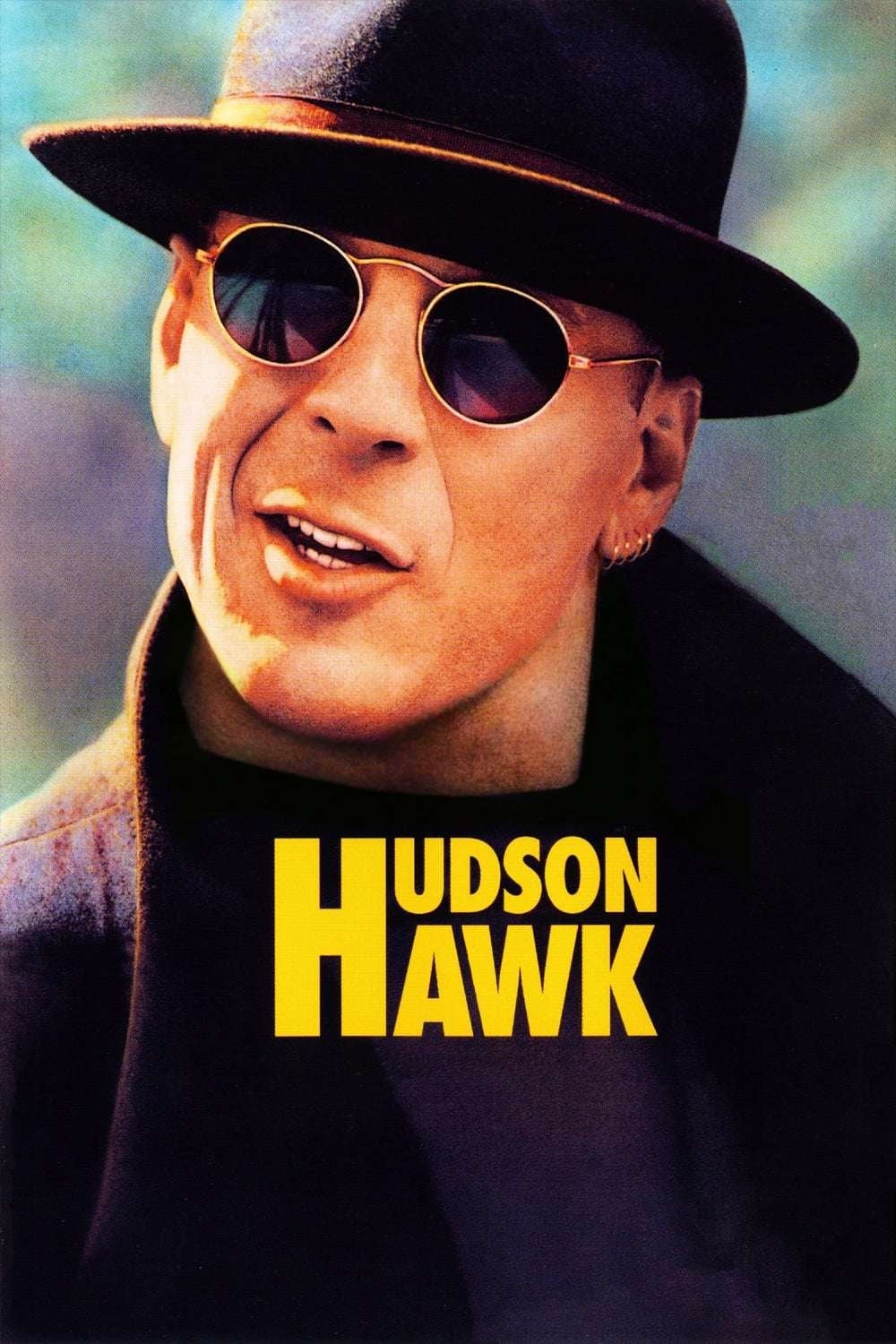
Bruce Willis co wrote and starred as a cat burglar drawn into an international scheme involving Renaissance art and hidden technology. The production filmed across Rome and New York and staged elaborate set pieces that synced action with songs.
Costs ran high due to location work and visual effects, and the movie struggled to recoup investment in theaters. It later picked up a camp following and is often cited in career retrospectives for its unusual tone.
‘Teenage Mutant Ninja Turtles III’ (1993)
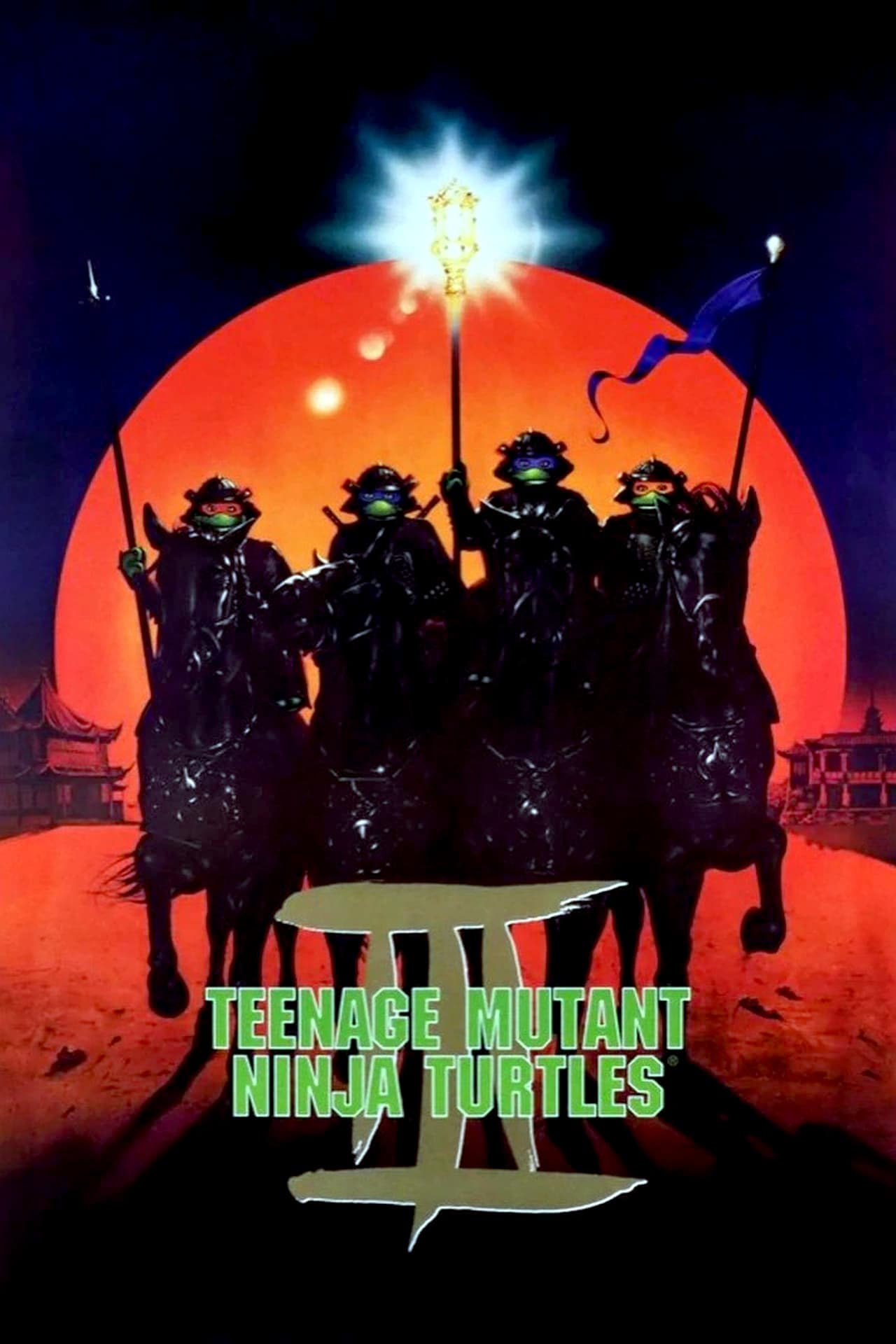
The third live action outing sent the turtles back to feudal Japan through a time travel device, which shifted the focus from New York streets to historical villages. A different effects house built the suits, which gave the characters a new look on screen.
Audience turnout dropped from the earlier entries and the series paused in live action after this chapter. The brand continued strongly through animation, games, and later reboots.
‘The Haunting’ (1999)
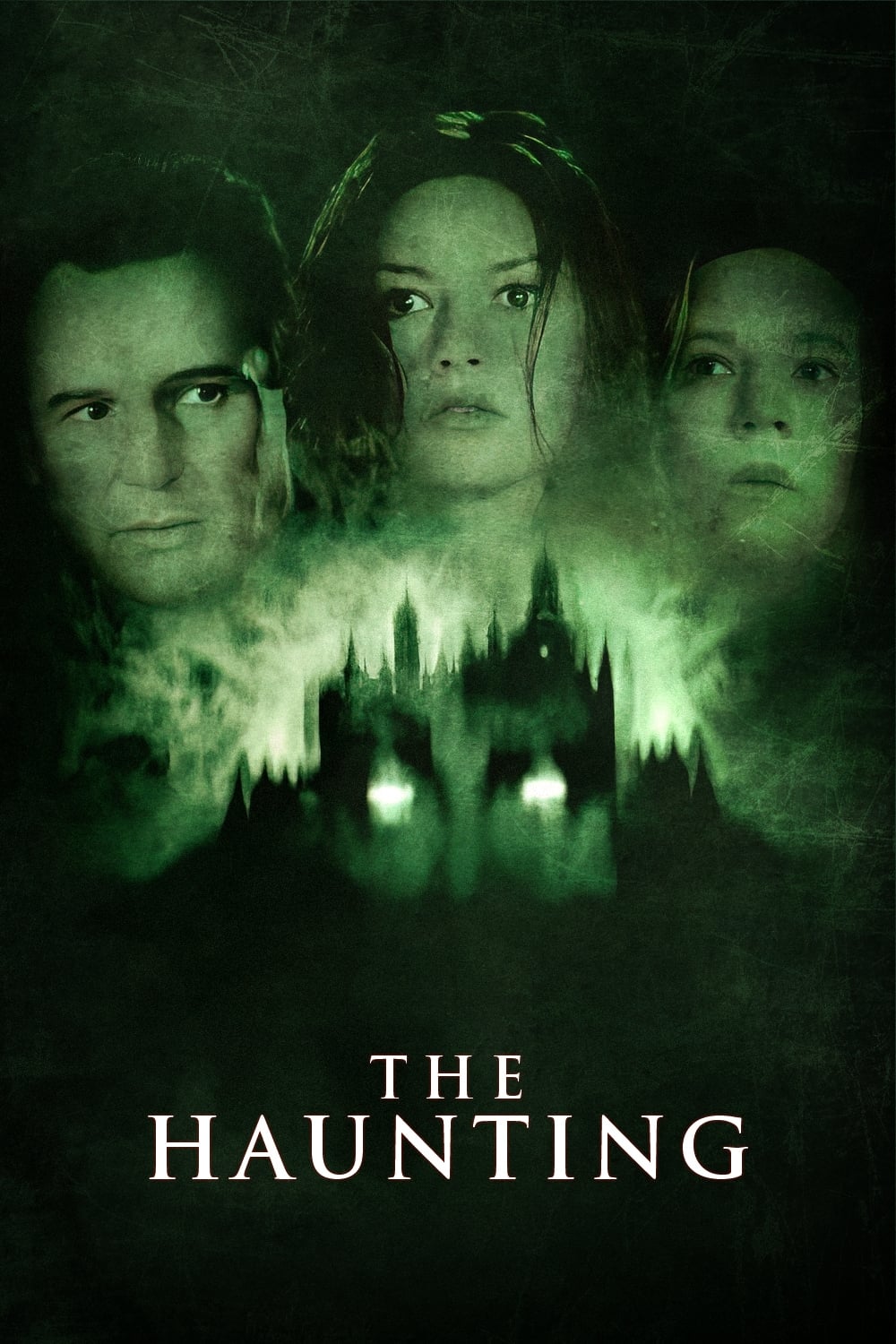
Jan de Bont directed this adaptation of the Shirley Jackson novel and cast Liam Neeson, Catherine Zeta Jones, Lili Taylor, and Owen Wilson. The crew used Harlaxton Manor in England for the mansion exterior and built cavernous interiors on soundstages.
The movie leaned on then cutting edge CGI for ghostly effects and moving architecture. It performed well commercially despite critical pushback and remains part of late 90s horror discussions.
‘The Stupids’ (1996)
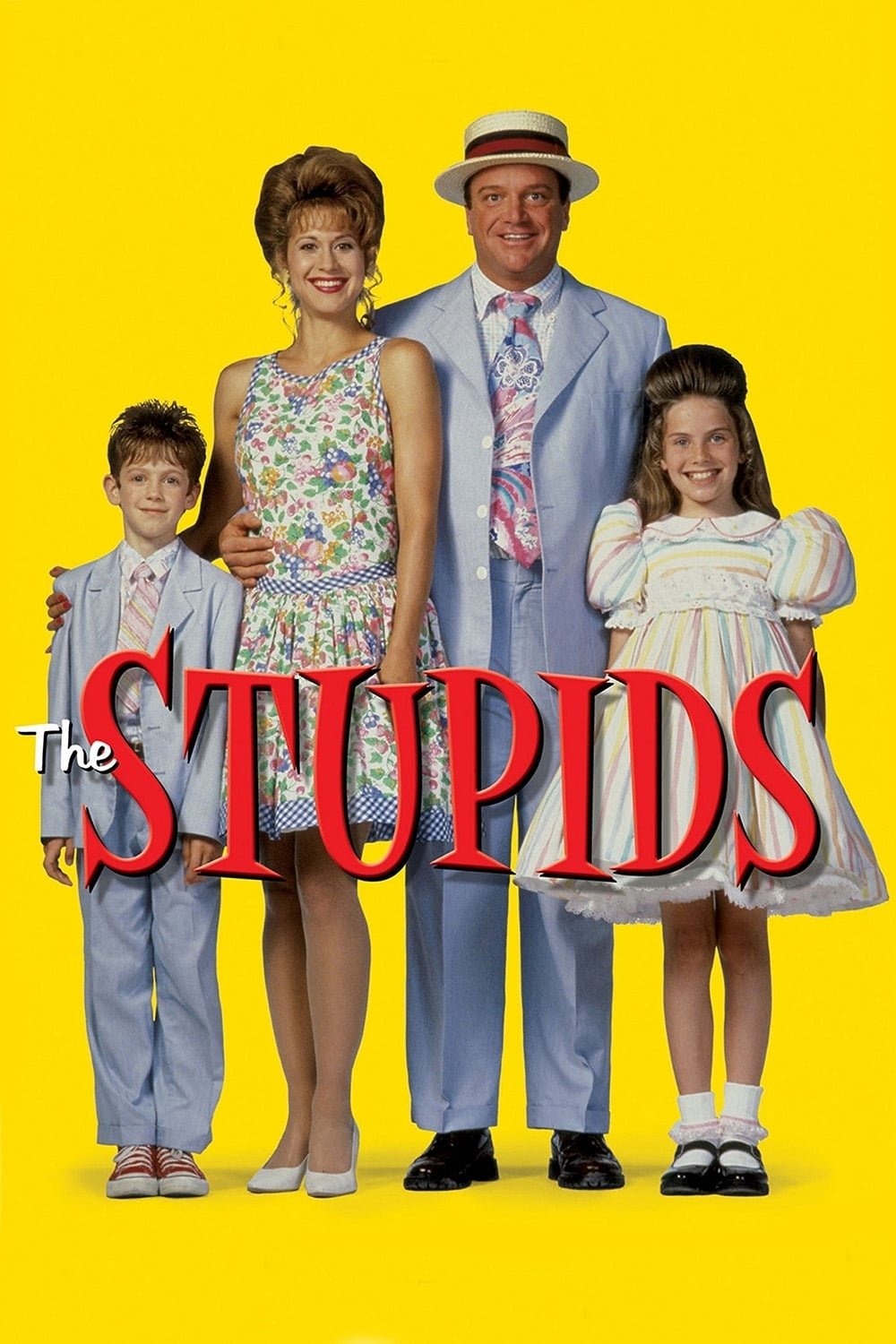
Tom Arnold led this family comedy based on the children’s books by Harry Allard and James Marshall, with John Landis directing. The film followed a misunderstanding that spirals across a city and used broad slapstick gags and musical interludes.
The release reached a small audience and earnings were low. It later became a curiosity item in the filmography of its cast and crew and is frequently referenced when discussing book to film translations that missed.
‘The Bonfire of the Vanities’ (1990)
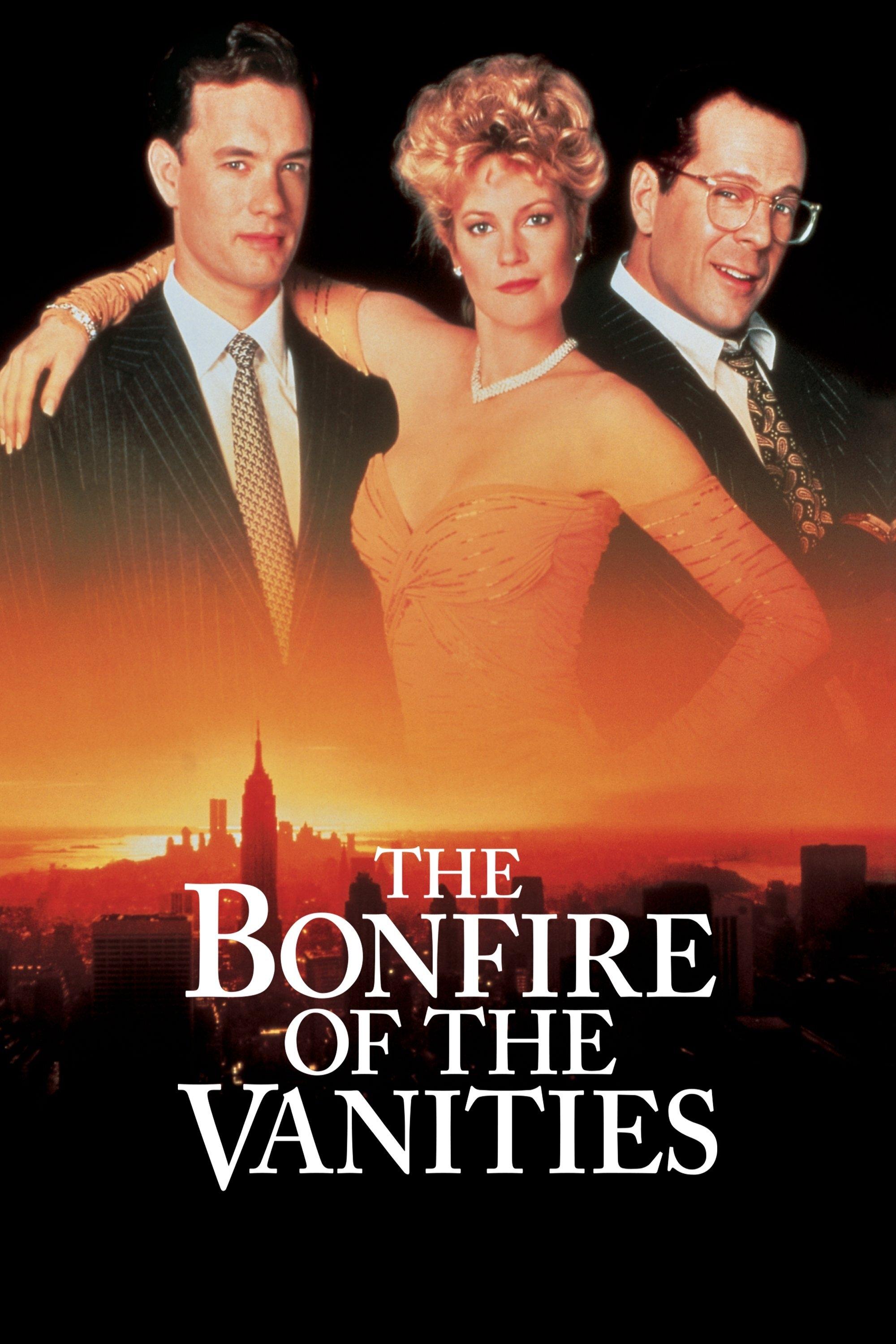
Brian De Palma directed this adaptation of Tom Wolfe’s best seller, with Tom Hanks, Bruce Willis, and Melanie Griffith in the leads. The production recreated high end Manhattan settings and used crane shots and long takes that were hallmarks of the director.
The film drew extensive media coverage during production and release, and the making of it was chronicled in Julie Salamon’s book ‘The Devil’s Candy’. Box office was disappointing and the project became a study case in the challenges of condensing a sprawling satire.
Share the 90s titles you would add to this list in the comments so everyone can compare notes on the decade’s most unforgettable misses.

