


90s TV Shows That Are Ready for a Reboot

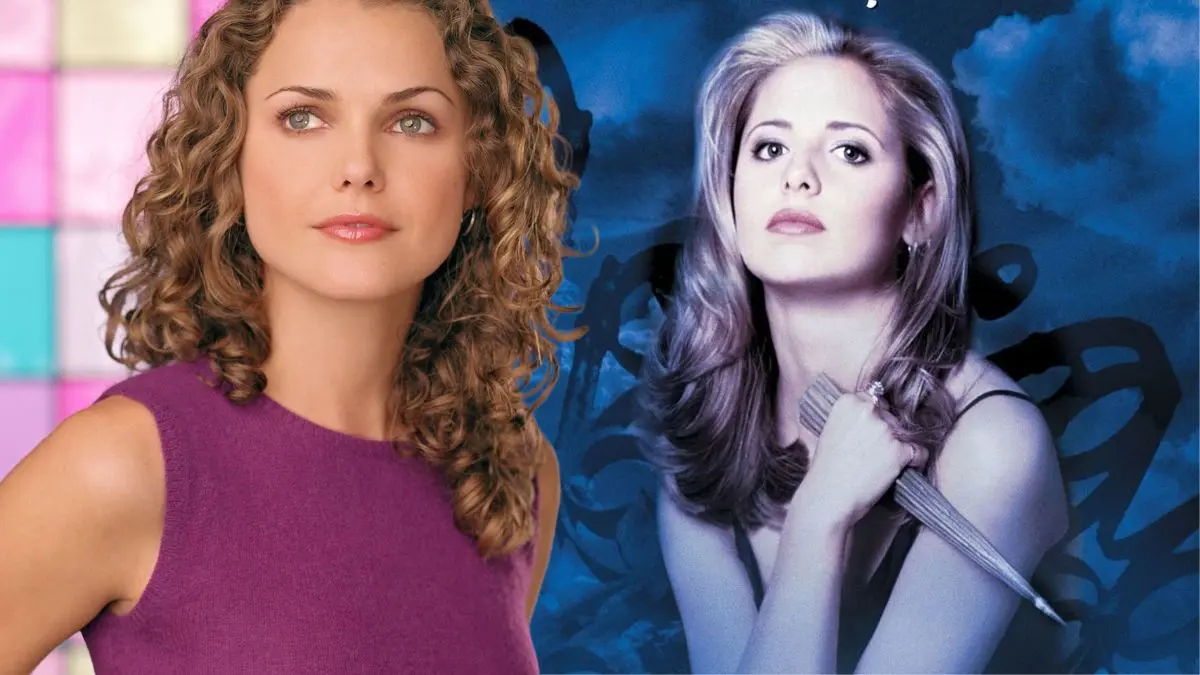


The 1990s delivered a wave of shows that built passionate followings and left behind worlds, characters, and ideas that still resonate. From teen dramas and sharp comedies to inventive sci-fi and animated favorites, these series introduced settings and storytelling engines that could easily support new stories for a new audience. Here are twenty five titles with clear hooks, memorable ensembles, and strong brand recognition that could smoothly translate to today’s TV landscape.
‘Freaks and Geeks’ (1999–2000)
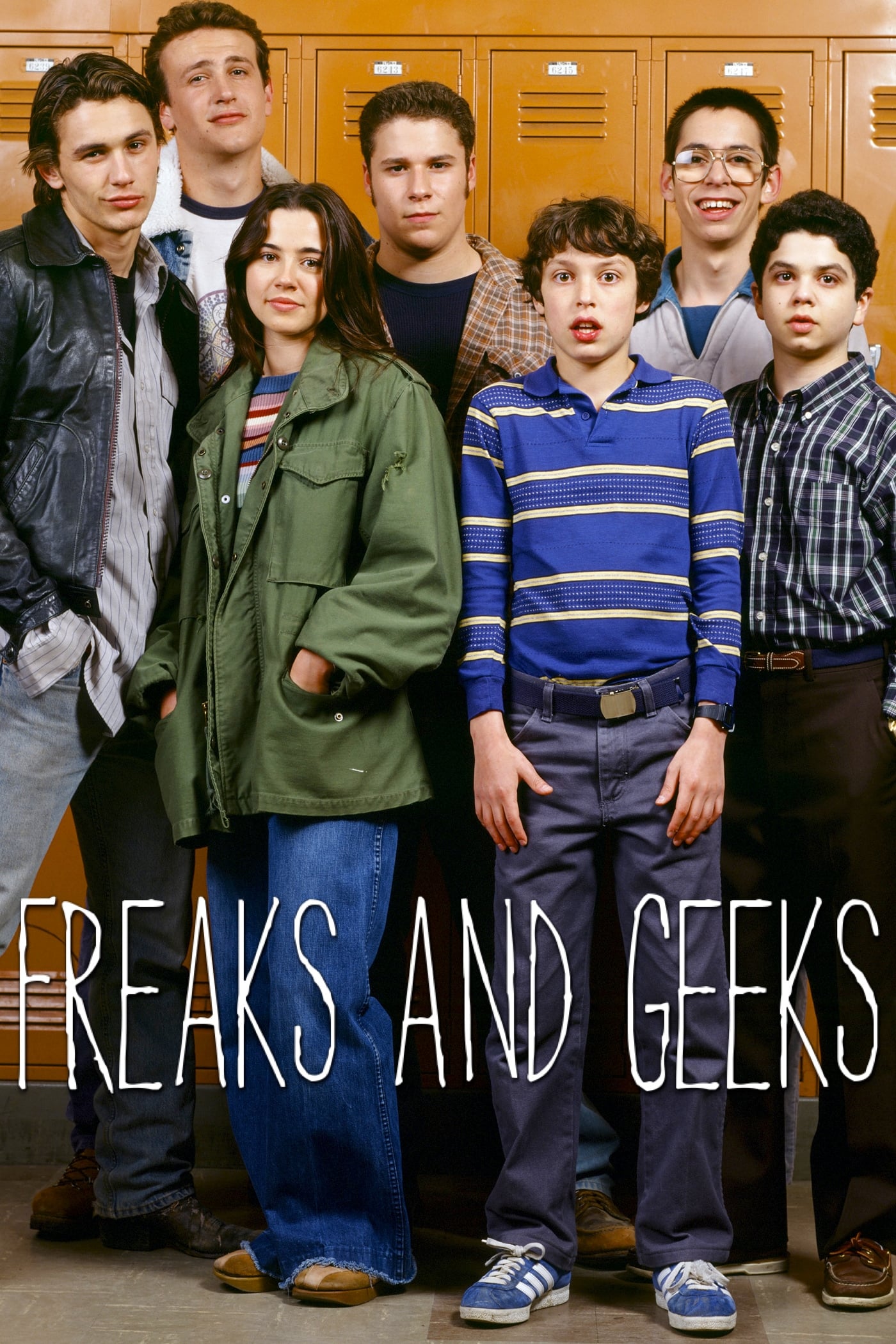
This ensemble dramedy follows a brother and sister navigating cliques, band practice, and awkward milestones in a Michigan high school. It launched future stars and arrived through NBC during a time of bold single camera experimentation. The show’s mix of school life and home dynamics gives writers a clear framework for fresh characters and modern issues.
‘My So-Called Life’ (1994–1995)
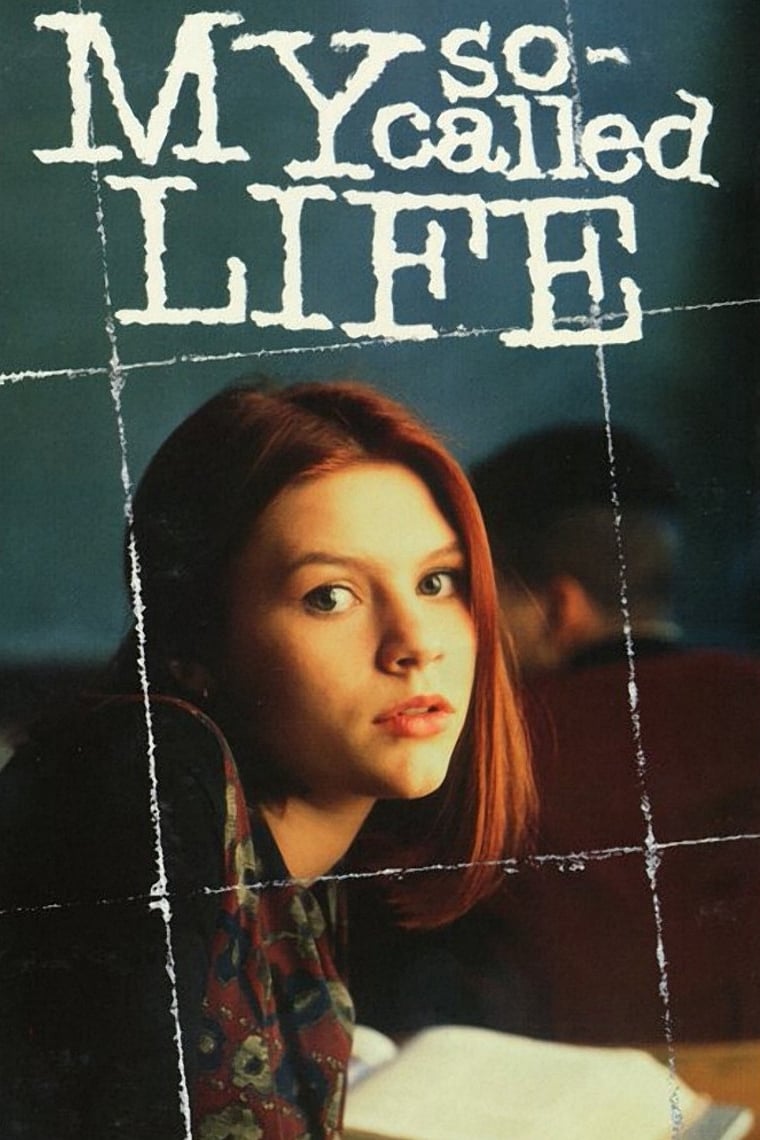
This coming of age drama centers on a thoughtful teenager dealing with friendships, first love, and family strain. It aired on ABC and was praised for its frank look at adolescence and identity. The intimate diary style storytelling creates an easy template for new voices and present day concerns.
‘The Pretender’ (1996–2000)
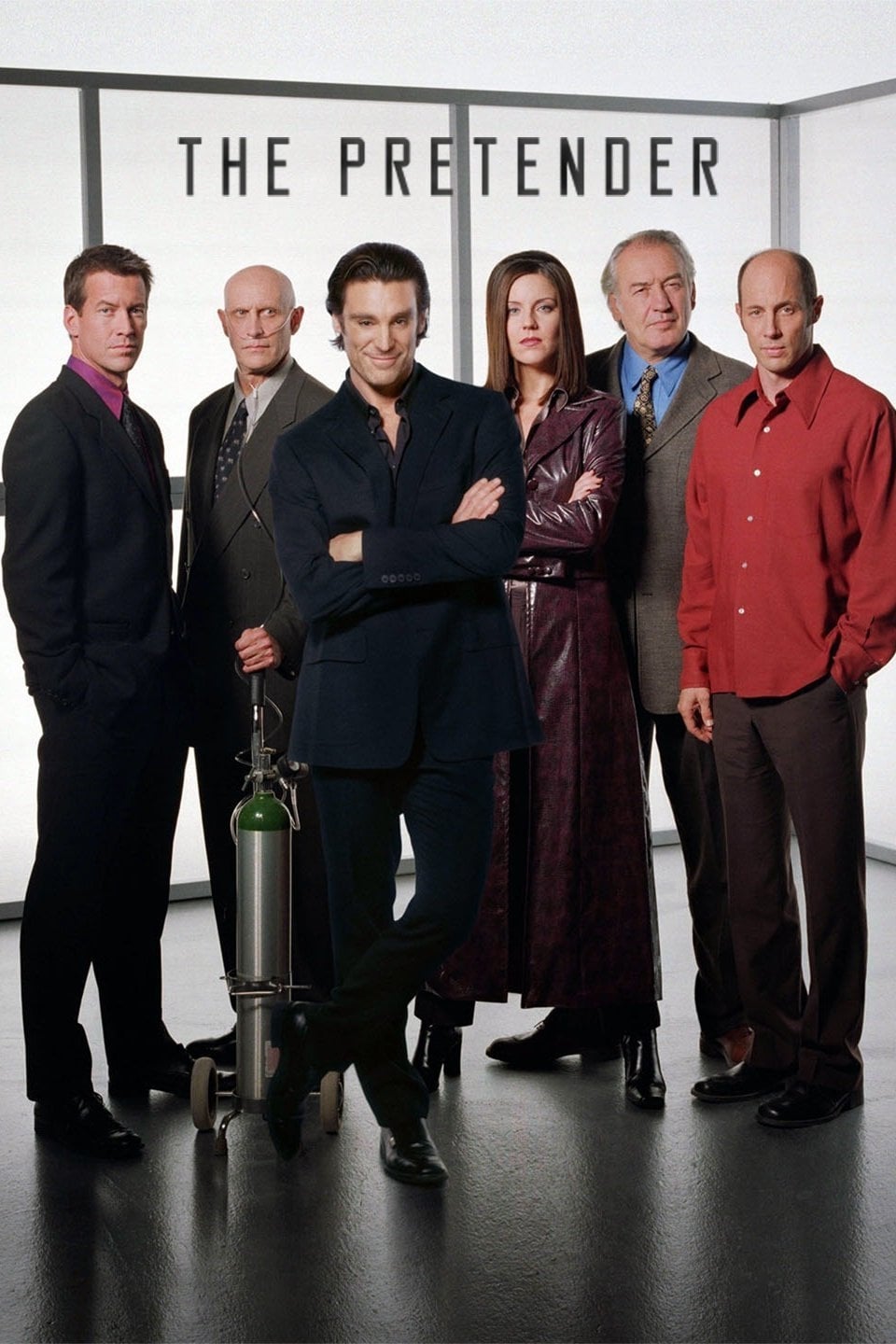
A genius escapee from a shadowy institute helps people by assuming different professional identities while evading his former captors. The series ran on NBC and blended procedural missions with mythology about the Centre. The role switching premise offers endless weekly cases and a clear serialized spine.
‘Sliders’ (1995–2000)
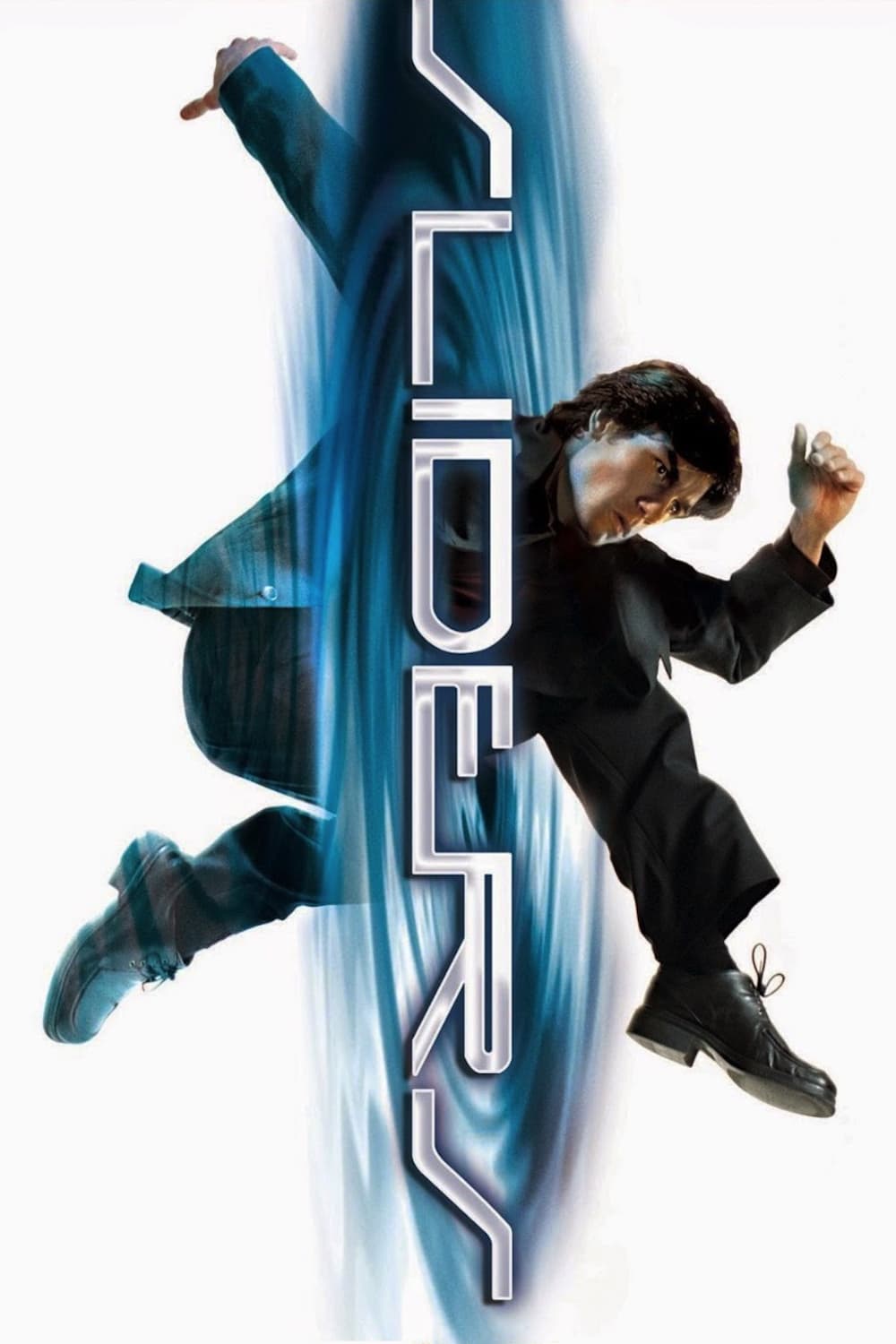
A small team jumps between parallel Earths where history took different turns, trying to find their way home. It began on Fox and later continued with new cast dynamics as worlds kept changing. The alternate reality device gives storytellers a new social or scientific twist every episode.
‘SeaQuest DSV’ (1993–1996)
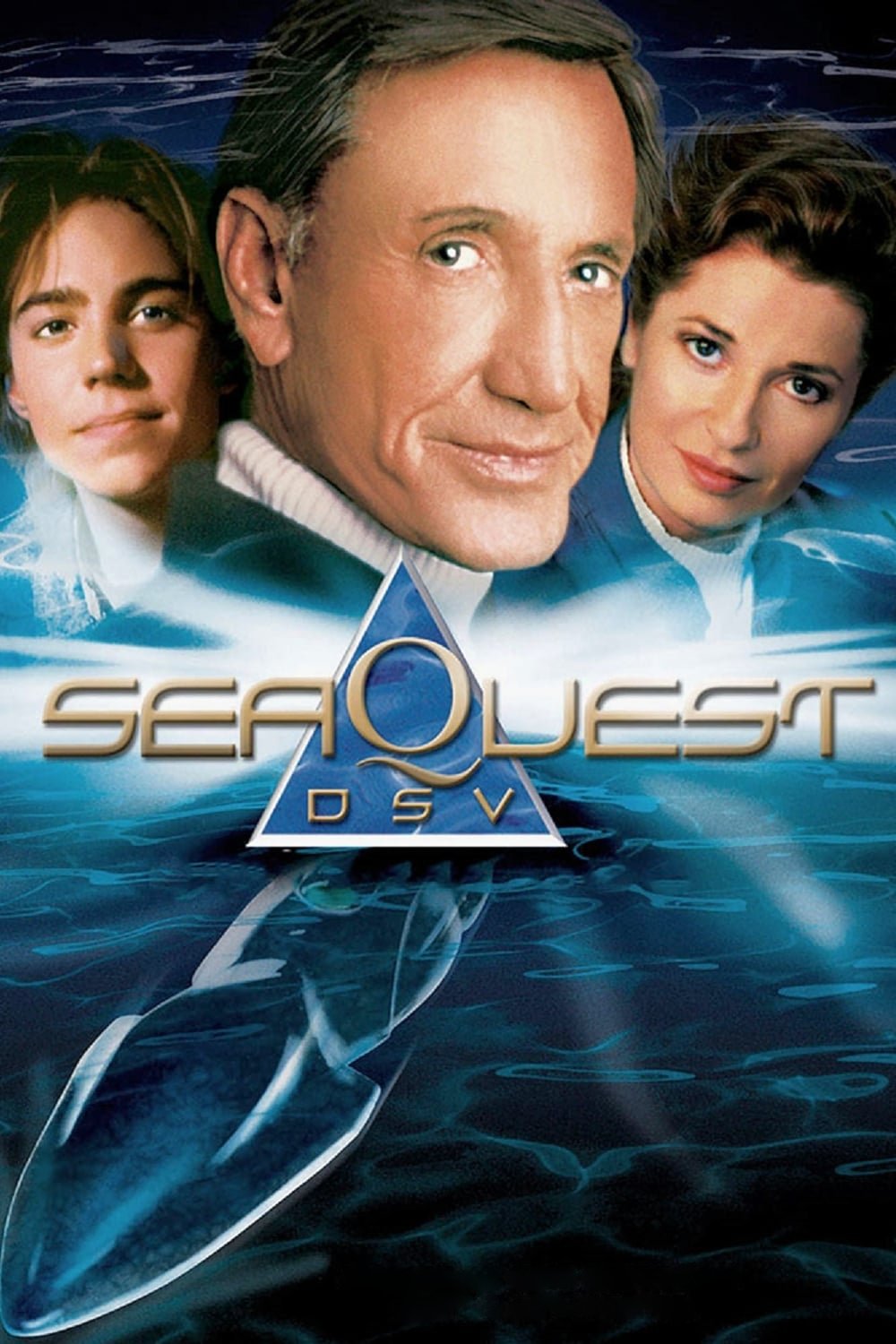
Set aboard a high tech submarine, this adventure series explores deep sea science, diplomacy, and undersea colonies. It aired on NBC and combined near future tech with exploration driven plots. The oceanic setting supports episodic missions and long form political stories.
‘Northern Exposure’ (1990–1995)
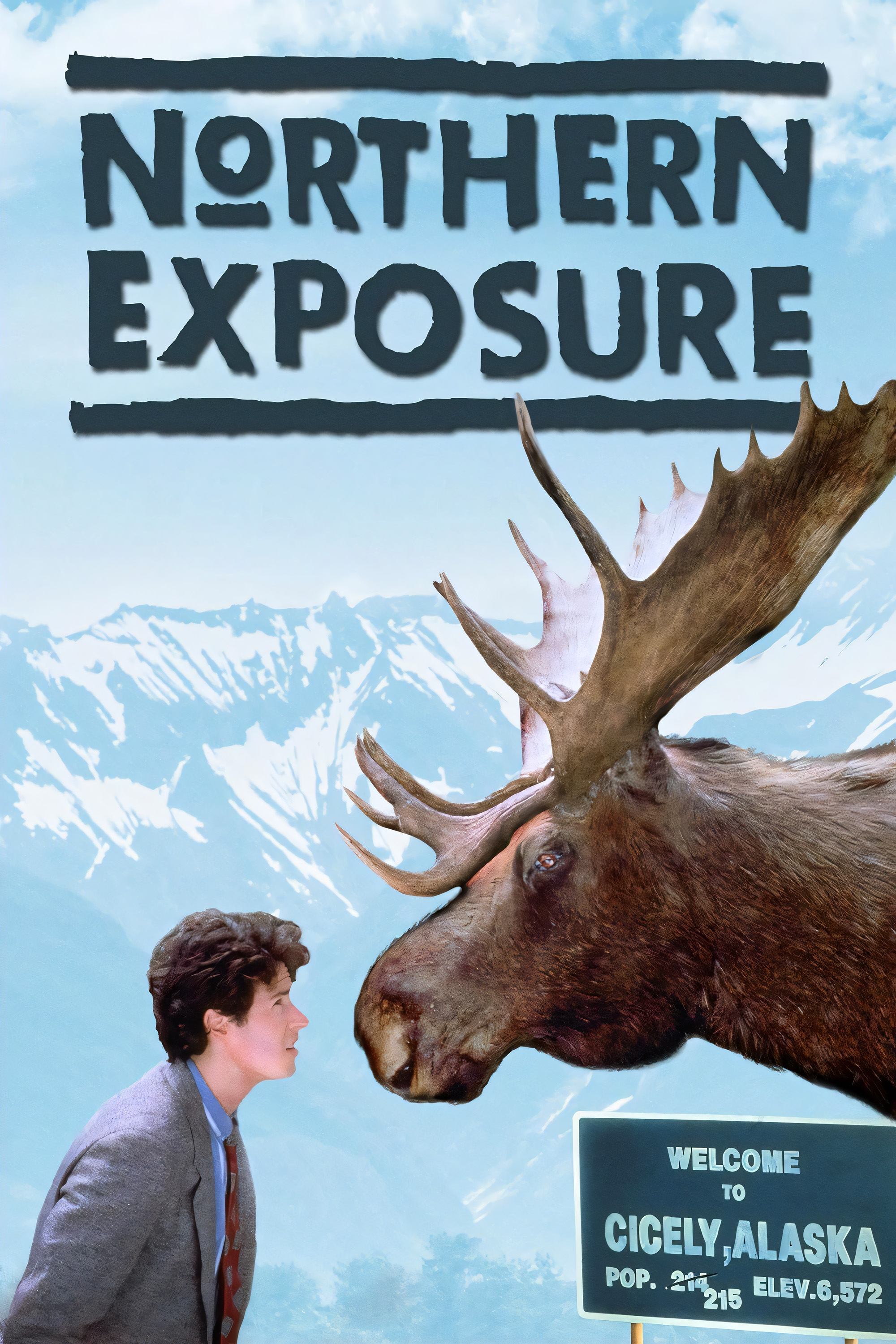
A New York doctor repays a scholarship by practicing in a quirky Alaskan town filled with colorful residents. CBS carried the series and showcased offbeat humor with thoughtful cultural clashes. The fish out of water format easily accommodates a new lead and contemporary themes.
‘Homicide: Life on the Street’ (1993–1999)
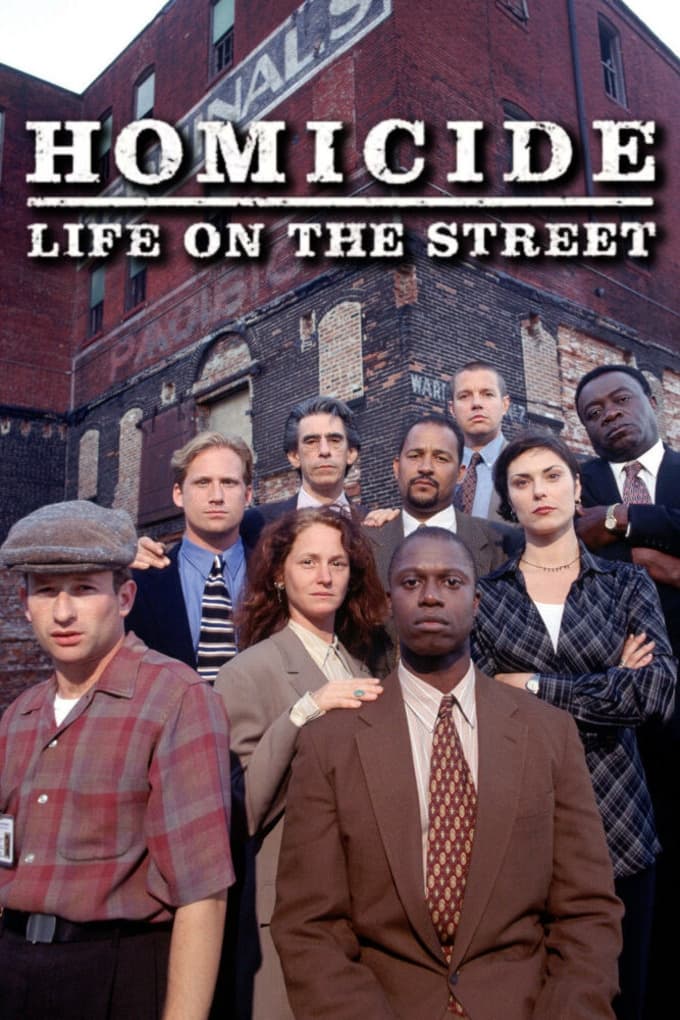
This Baltimore set police drama focused on interrogation rooms, squad politics, and complex investigations. It ran on NBC and was known for documentary style camerawork and character driven cases. The grounded approach fits modern true crime interest while retaining a strong ensemble core.
‘The Secret World of Alex Mack’ (1994–1998)
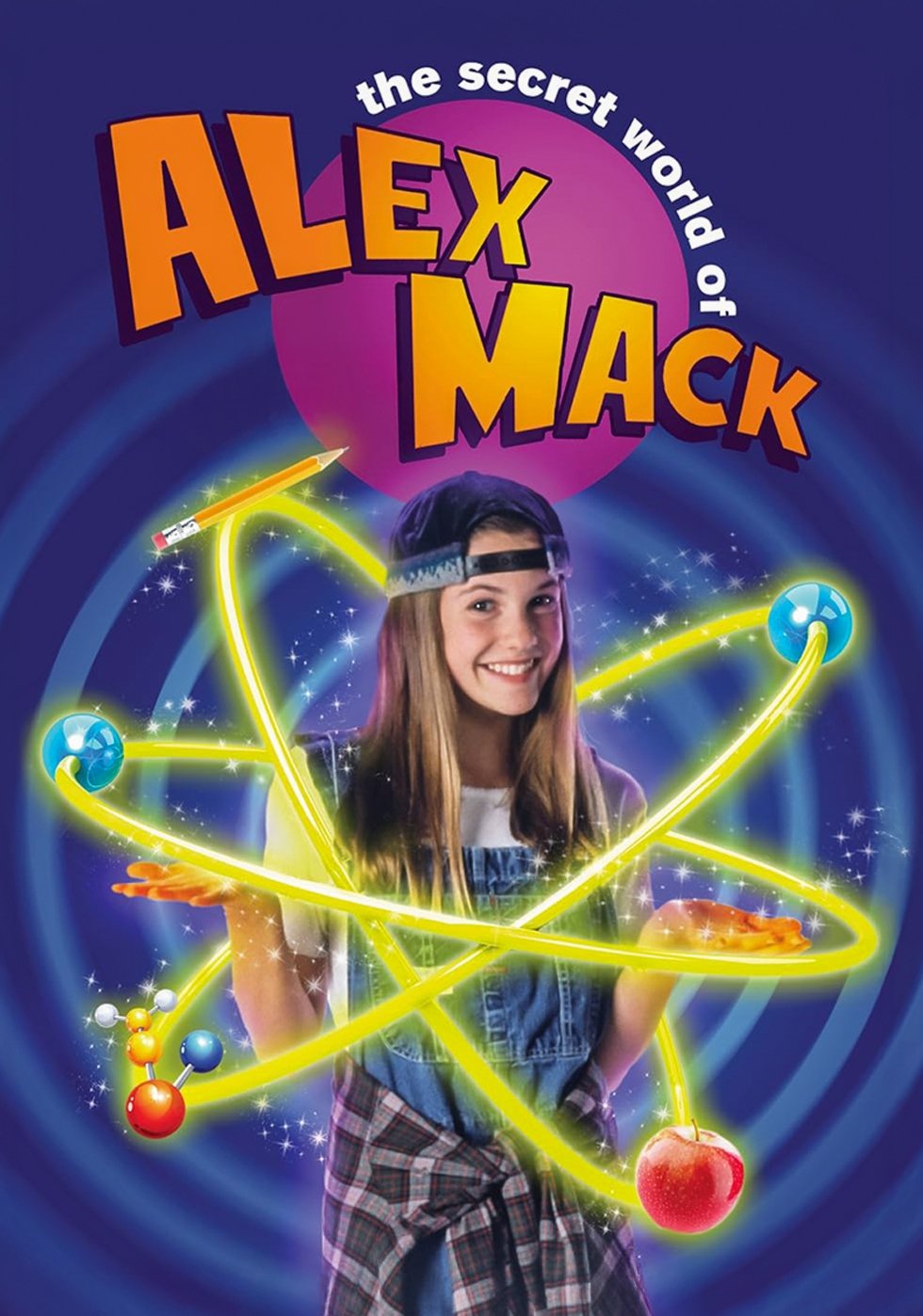
After a chemical truck accident, a teen discovers telekinetic abilities she must keep hidden from a pursuing corporation. Nickelodeon aired the show and balanced school stories with light sci-fi stakes. The powers plus conspiracy hook gives a new lead instant episodic and serialized tension.
‘Clarissa Explains It All’ (1991–1994)
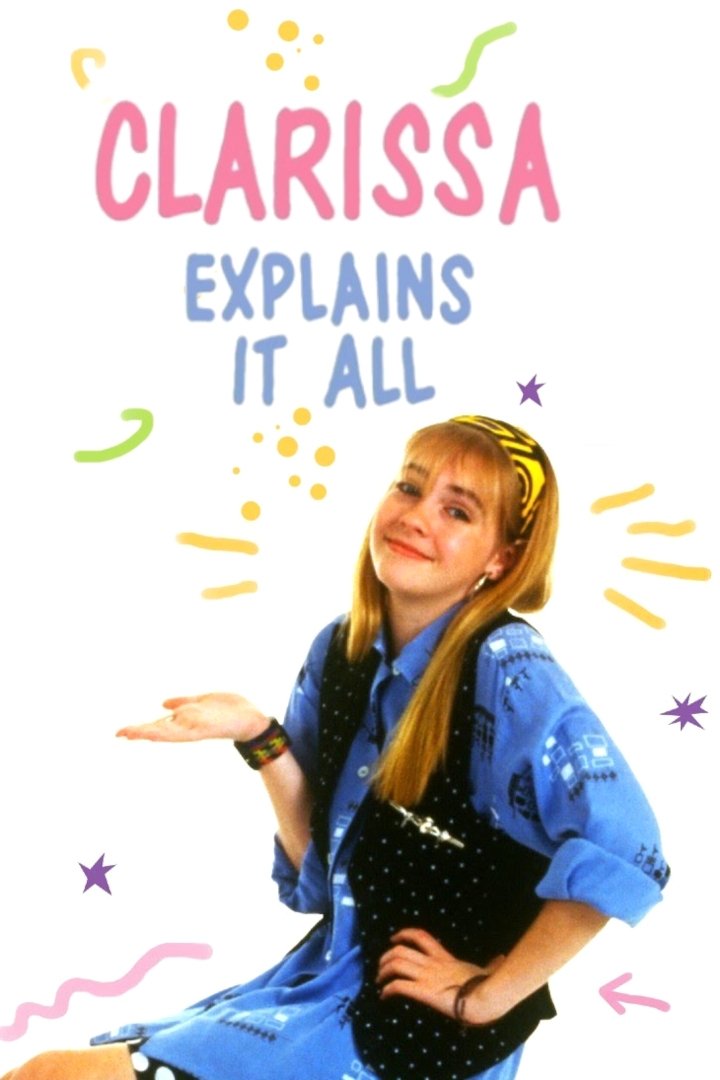
A witty teen breaks the fourth wall to walk viewers through school, family, and creative projects. The series aired on Nickelodeon and used inventive visual gags and in room set pieces. The direct to camera format translates naturally to today’s creator culture and social video styles.
‘Kenan & Kel’ (1996–2000)
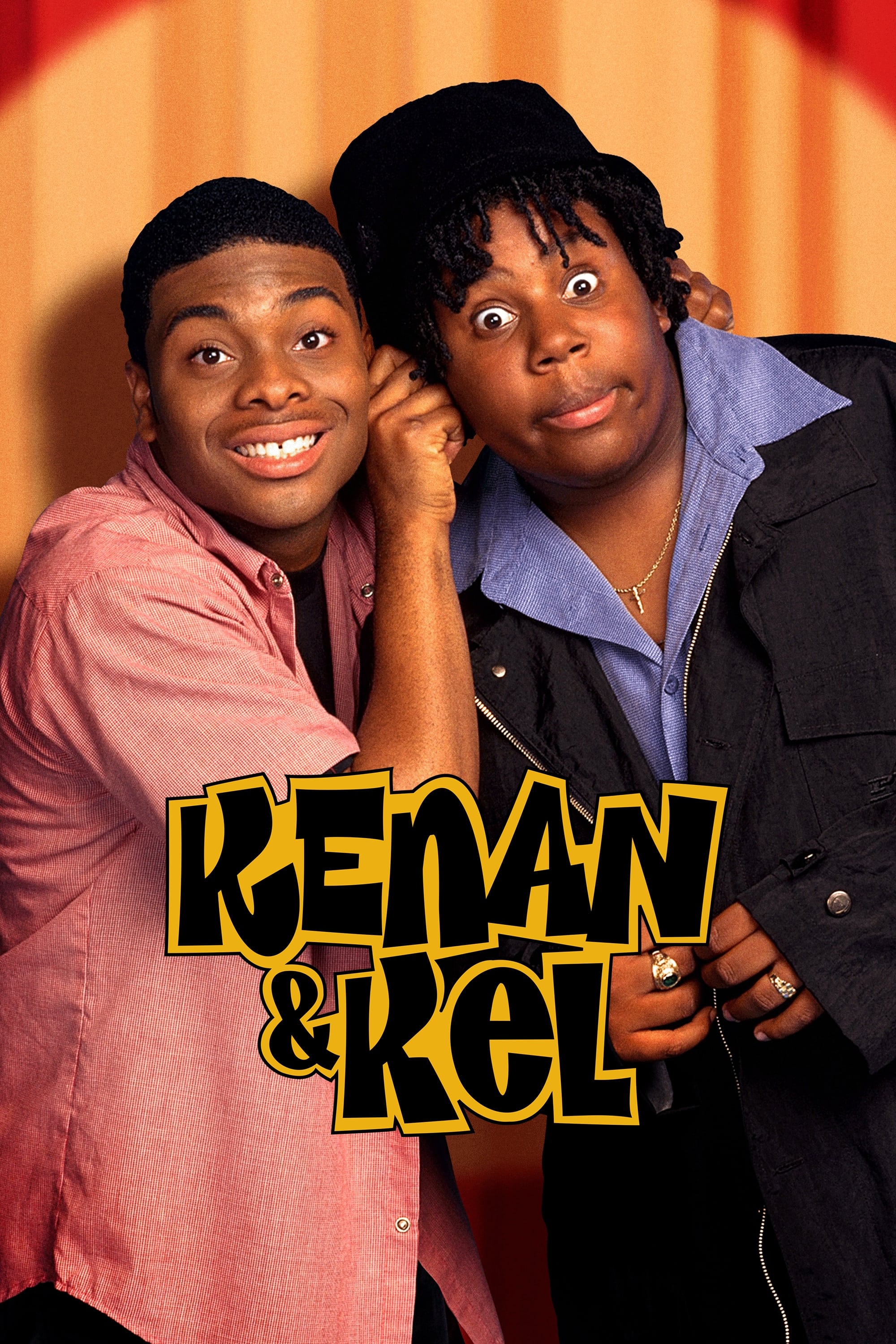
This buddy comedy follows two Chicago teens whose schemes often spiral into bigger troubles. It was a Nickelodeon staple featuring energetic physical comedy and memorable catchphrases. The friendship engine and workplace rotation give modern writers plenty of situational setups.
‘Are You Afraid of the Dark?’ (1990–1996)
A circle of kids gathers to tell spooky stories that play out as anthology episodes. Nickelodeon presented the tales with a campfire wrapper through the Midnight Society. The format supports new casts and lets creators explore folklore, tech fears, and urban legends.
‘Gargoyles’ (1994–1997)
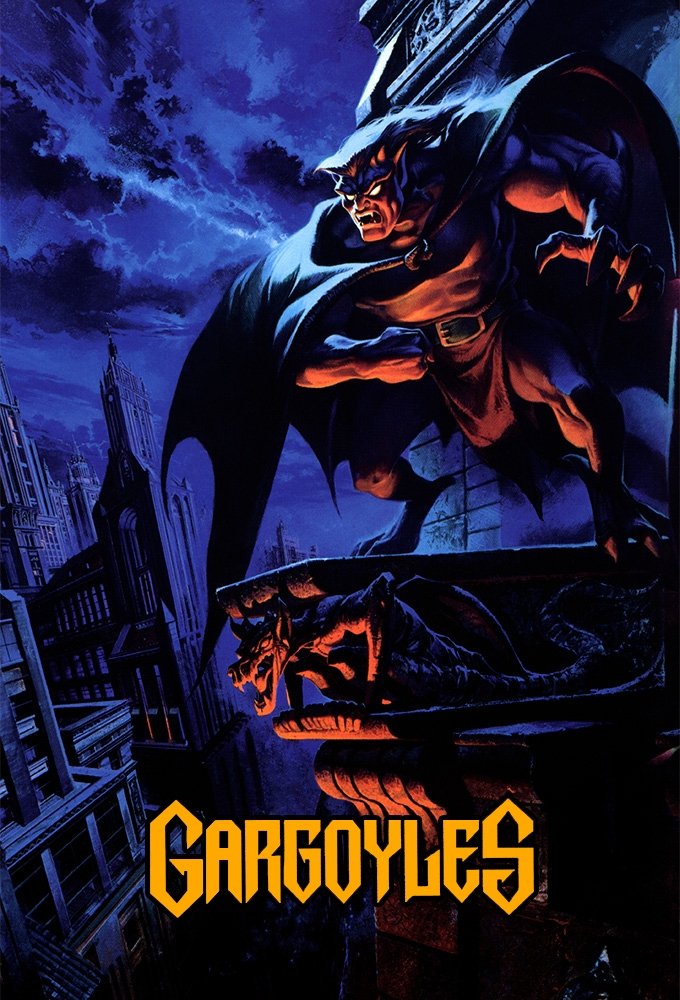
Ancient stone guardians awaken in modern New York and protect the city while uncovering their past. The show aired through ABC for part of its run and introduced layered lore and Shakespearean influences. Its myth arc and villain roster make an ideal foundation for serialized animation.
‘Batman: The Animated Series’ (1992–1995)

This landmark animated take tells self contained Gotham stories with noir visuals and a strong rogues gallery. Fox broadcast the series as part of its kids programming and helped define modern superhero storytelling. The episodic model allows fresh cases while preserving character driven arcs.
‘Darkwing Duck’ (1991–1992)
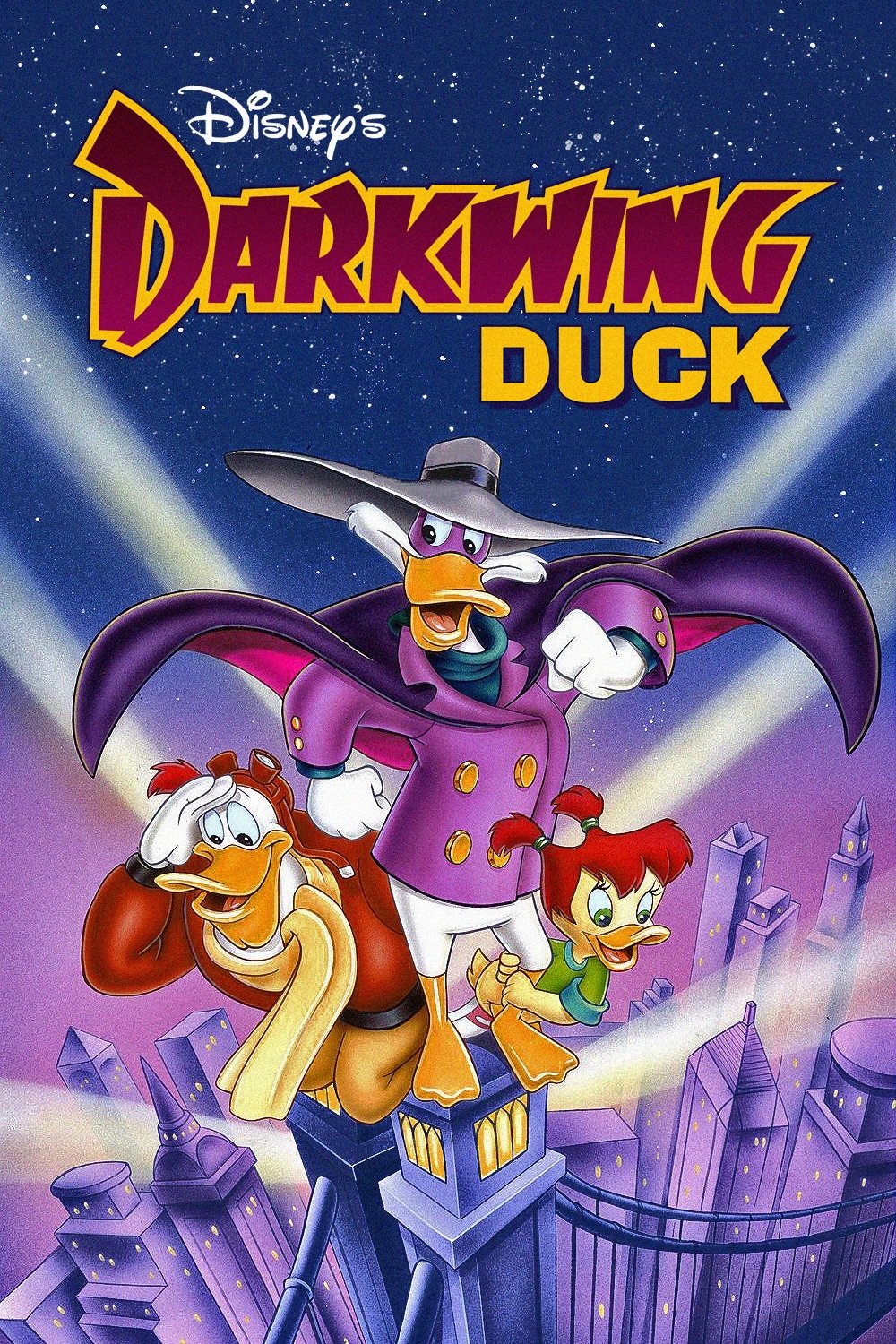
A caped hero juggles crime fighting and parenting with slapstick adventures in St. Canard. Episodes appeared on ABC weekend blocks after building an audience in afternoon syndication. The action comedy tone and sidekick setup easily supports new villains and gadgets.
‘Daria’ (1997–2002)

A sharp tongued high schooler observes suburban life with dry humor and animated cutaways. MTV carried the show and used a distinct visual style with music heavy interludes. The sardonic viewpoint fits modern satire while school clubs and home life provide steady story engines.
‘Æon Flux‘ (1991–1995)
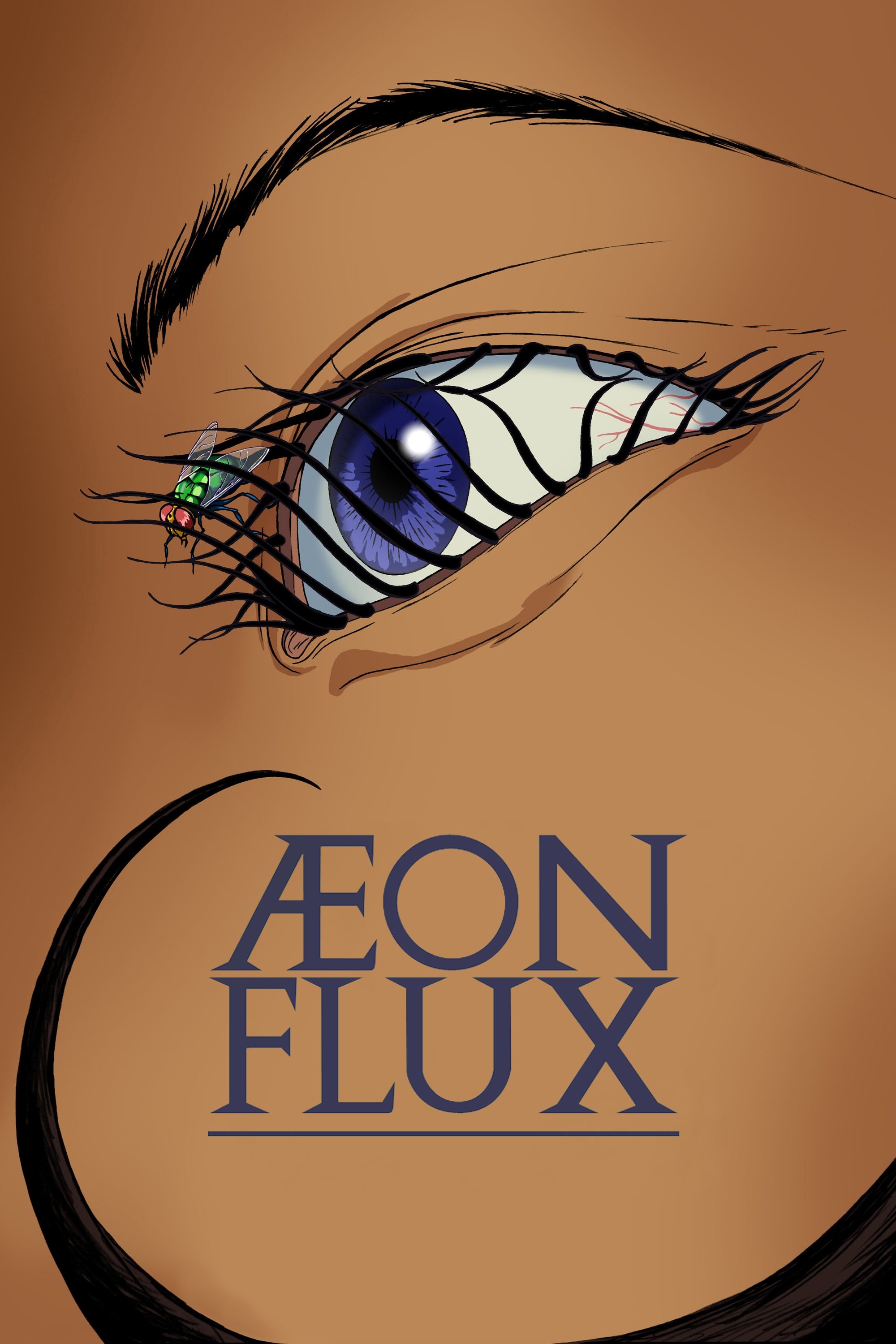
Set in a surreal future, this spy action series follows a daring operative in morally ambiguous missions. MTV showcased experimental storytelling and striking design choices. The anthology like arcs and international intrigue invite bold world building and new mission briefs.
‘Early Edition’ (1996–2000)
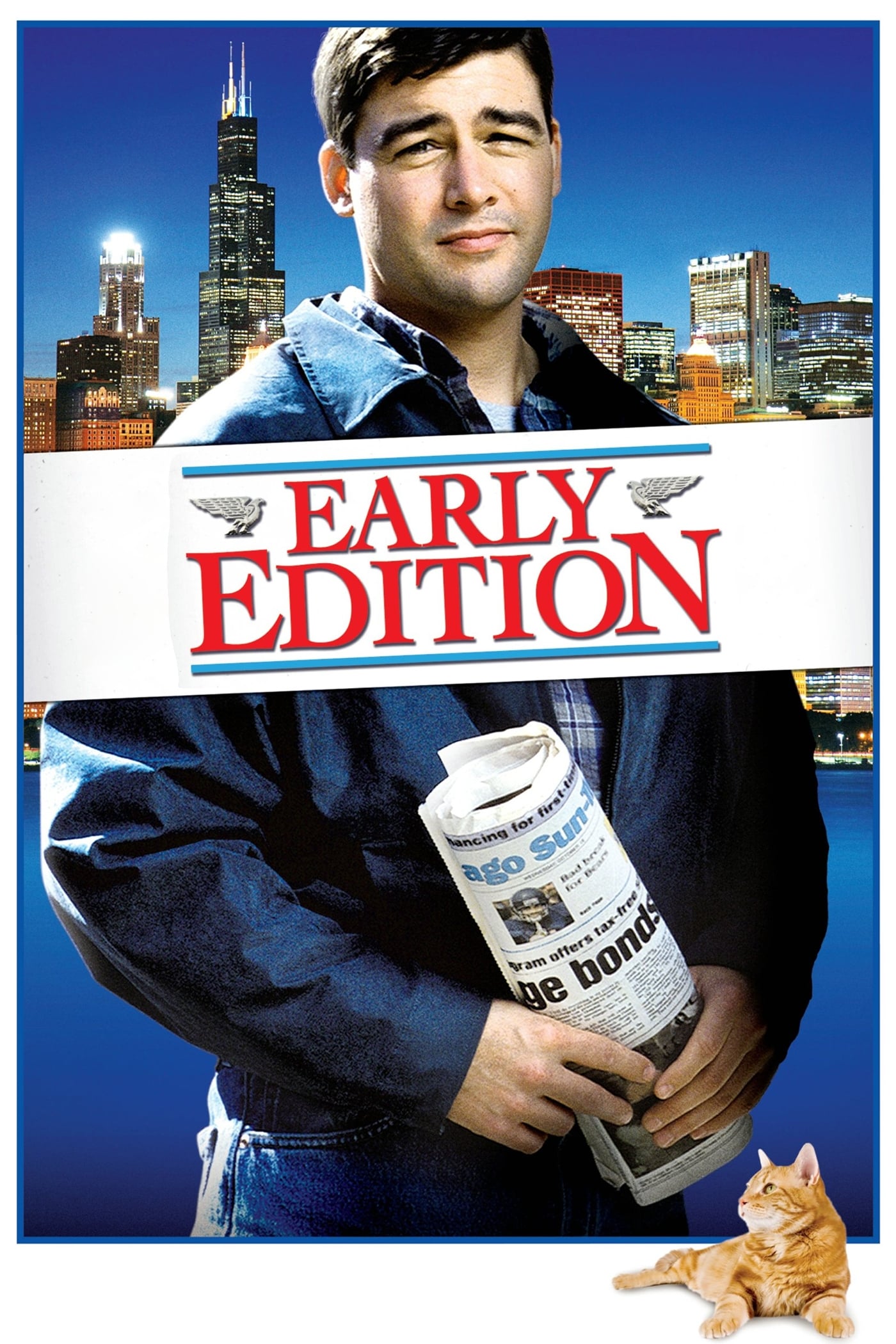
A Chicago man mysteriously receives tomorrow’s newspaper and races to prevent disasters before they happen. CBS aired the series and mixed heartfelt drama with puzzle solving plots. The repeating premise offers weekly stakes and a personal code that guides the lead.
‘Picket Fences’ (1992–1996)
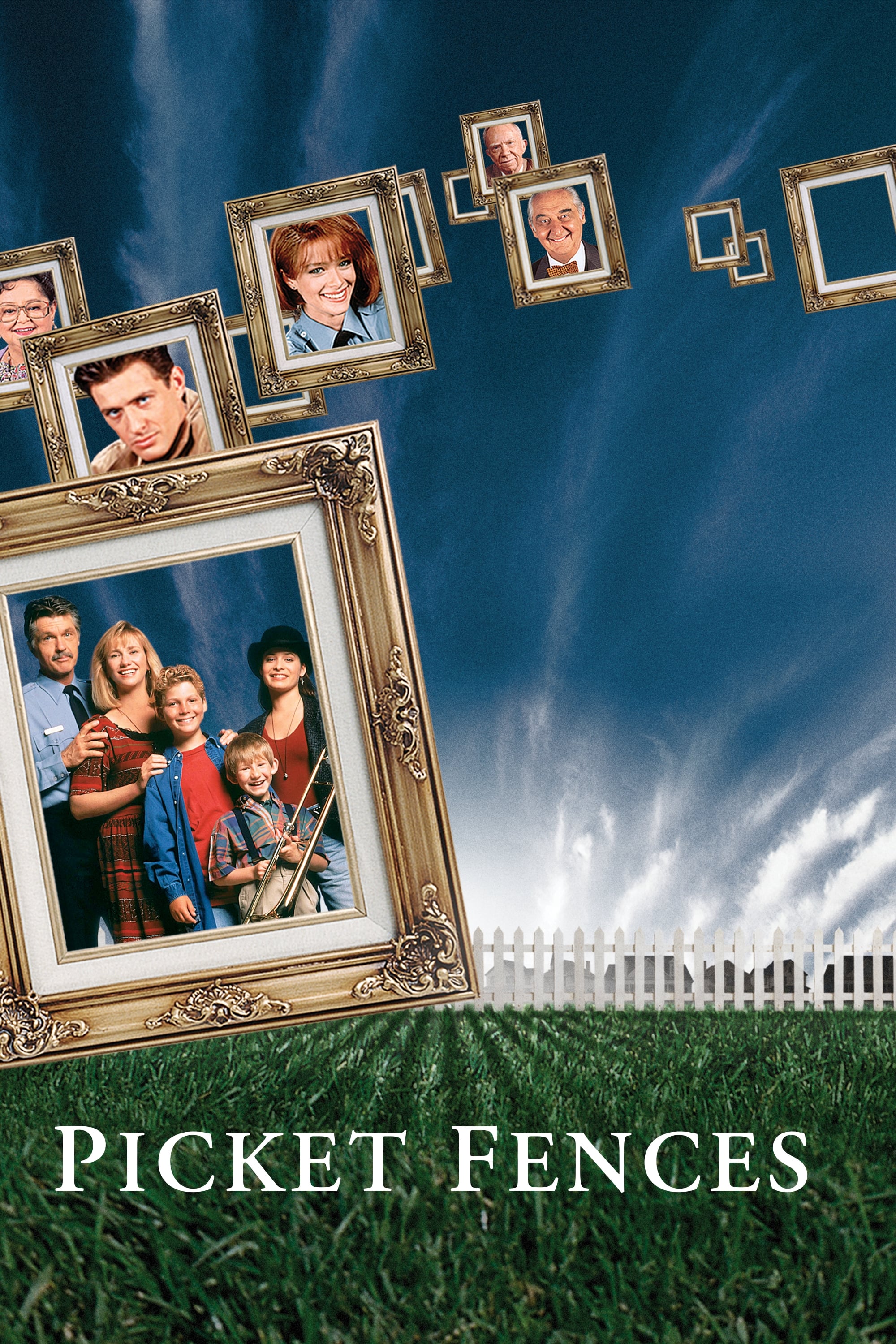
This small town legal drama explores unusual court cases and community debates through a judge and sheriff’s family. CBS presented the series with a blend of courtroom and domestic stories. The case of the week structure and civic issues format suit contemporary conversations.
‘Quantum Leap’ (1989–1993)
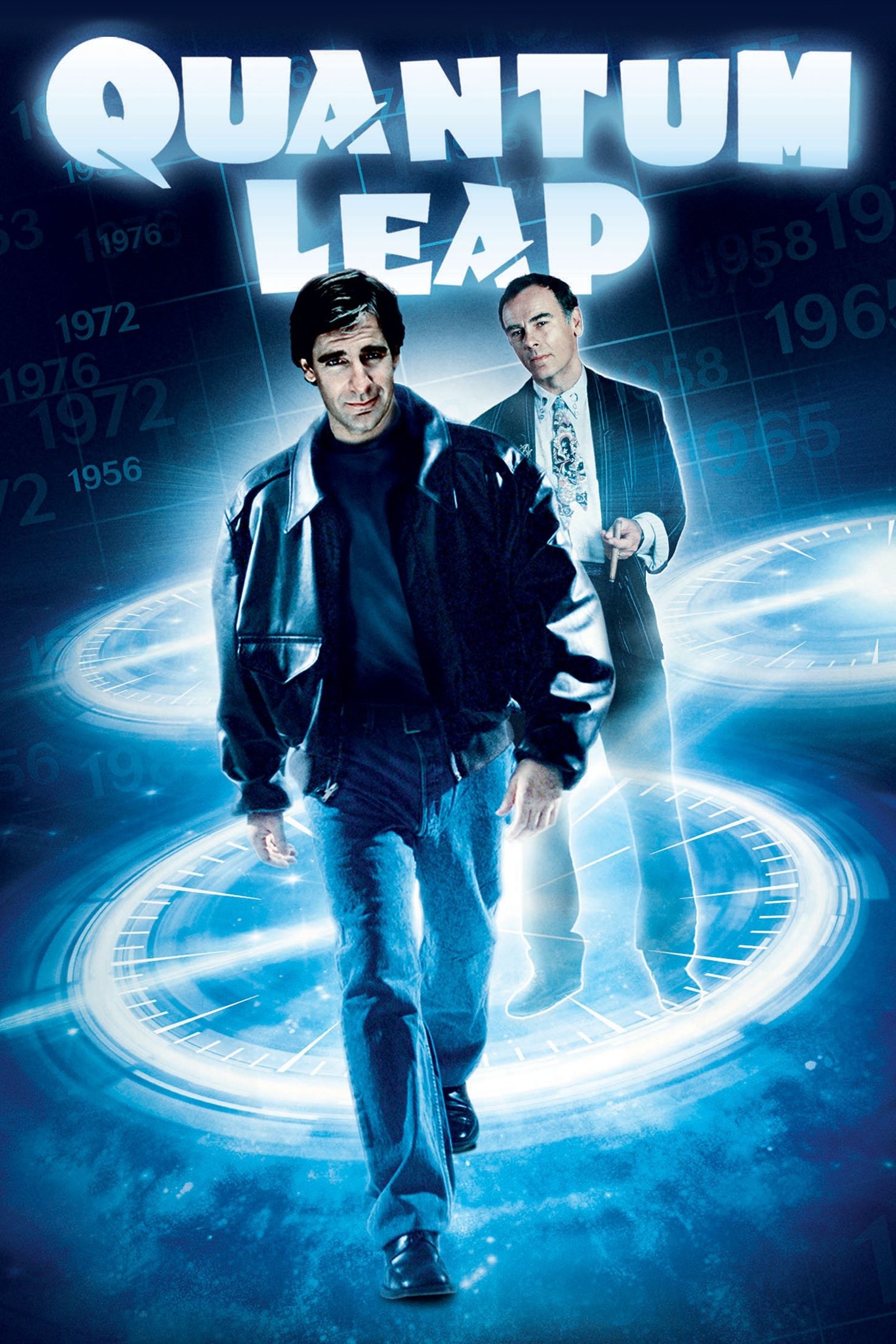
A physicist time leaps into other people’s lives to set things right with help from a holographic partner. The show ran on NBC and combined historical settings with emotional standalones. The body swap framework supports diverse perspectives and clear episodic goals.
‘The X-Files’ (1993–2002)
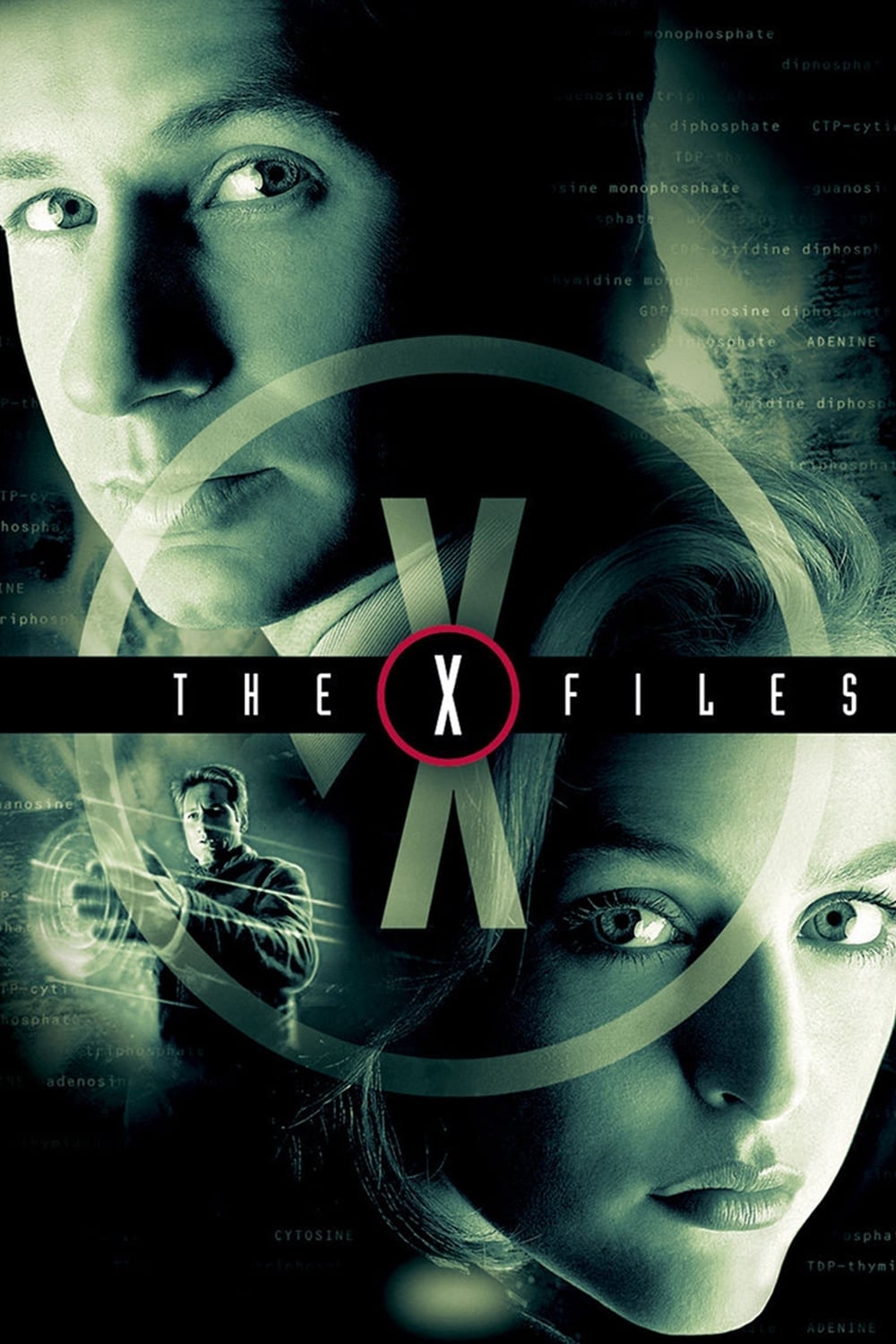
Two FBI agents investigate unexplained cases ranging from government secrets to small town mysteries. Fox aired the mix of mythology and monster of the week stories that became a cultural touchstone. The investigative unit concept scales to new agents and fresh paranormals.
‘Sabrina the Teenage Witch’ (1996–2003)
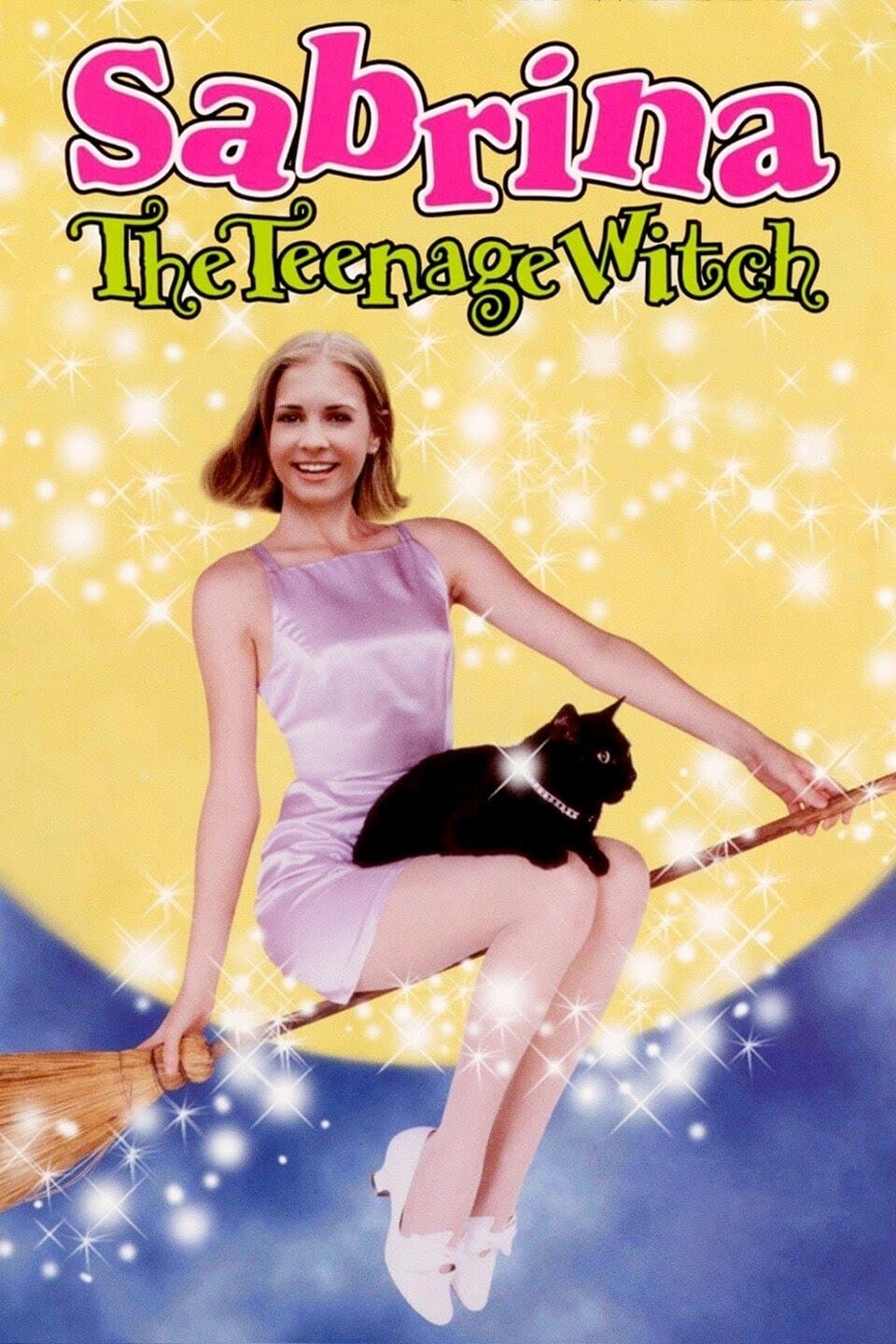
A teen discovers her magical heritage and learns to balance spells with school responsibilities and family rules. The series premiered through ABC and later moved networks as its audience grew. The dual world premise provides character comedy, romance arcs, and magical problem solving.
‘Spin City’ (1996–2002)

This workplace comedy tracks the staff running a big city mayor’s office with press crises and policy snafus. ABC carried the show and featured fast talkers juggling personal and political complications. The city hall setting offers unlimited topical storylines and ensemble interplay.
‘Wings’ (1990–1997)
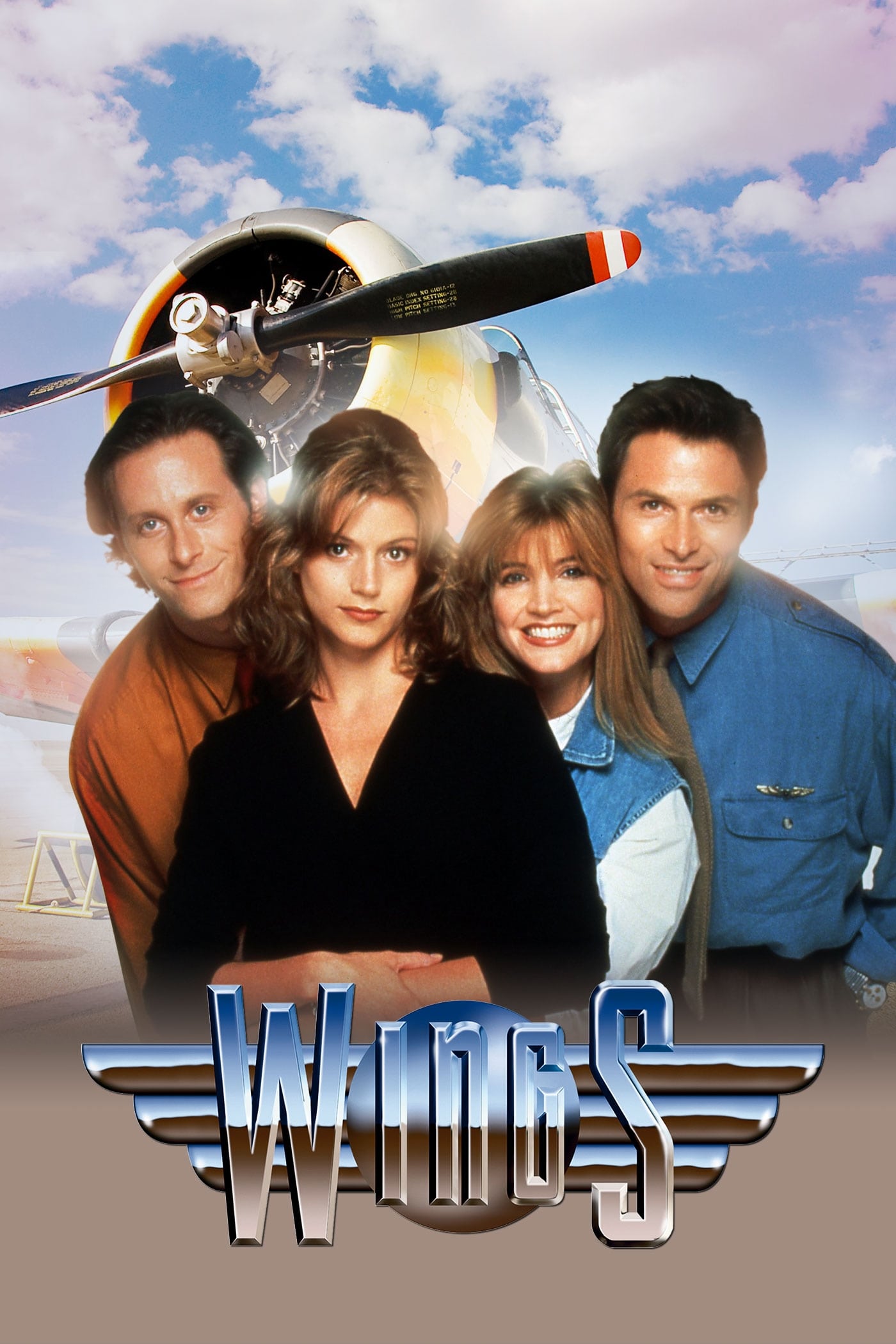
Set at a small airport on Nantucket, this sitcom follows two brothers and their colleagues running a regional airline. NBC aired the series and leaned on workplace camaraderie and recurring island characters. The aviation setting delivers guest driven plots and contained location humor.
‘The Nanny’ (1993–1999)
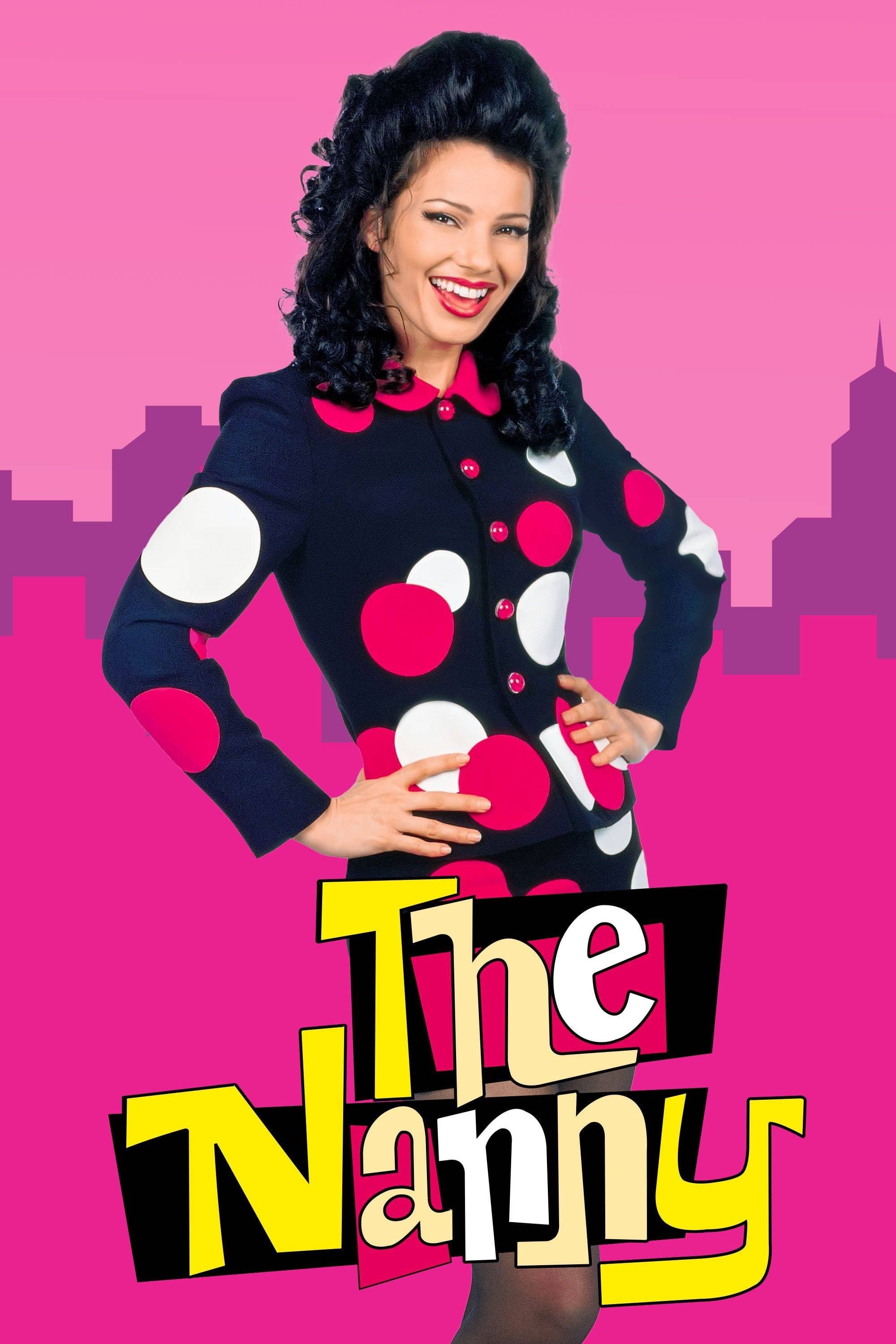
A fashion forward nanny brings warmth and chaos to the home of a widowed Broadway producer and his children. CBS presented the series with a strong ensemble and signature New York flair. The household workplace setup supports new family milestones and show business subplots.
‘Party of Five’ (1994–2000)

Five siblings run their lives and a family restaurant after a tragedy leaves them on their own. Fox aired the series and explored guardianship, finances, and immigration in later seasons. The family first framework invites new generational challenges and grounded emotional arcs.
‘Twin Peaks’ (1990–1991)
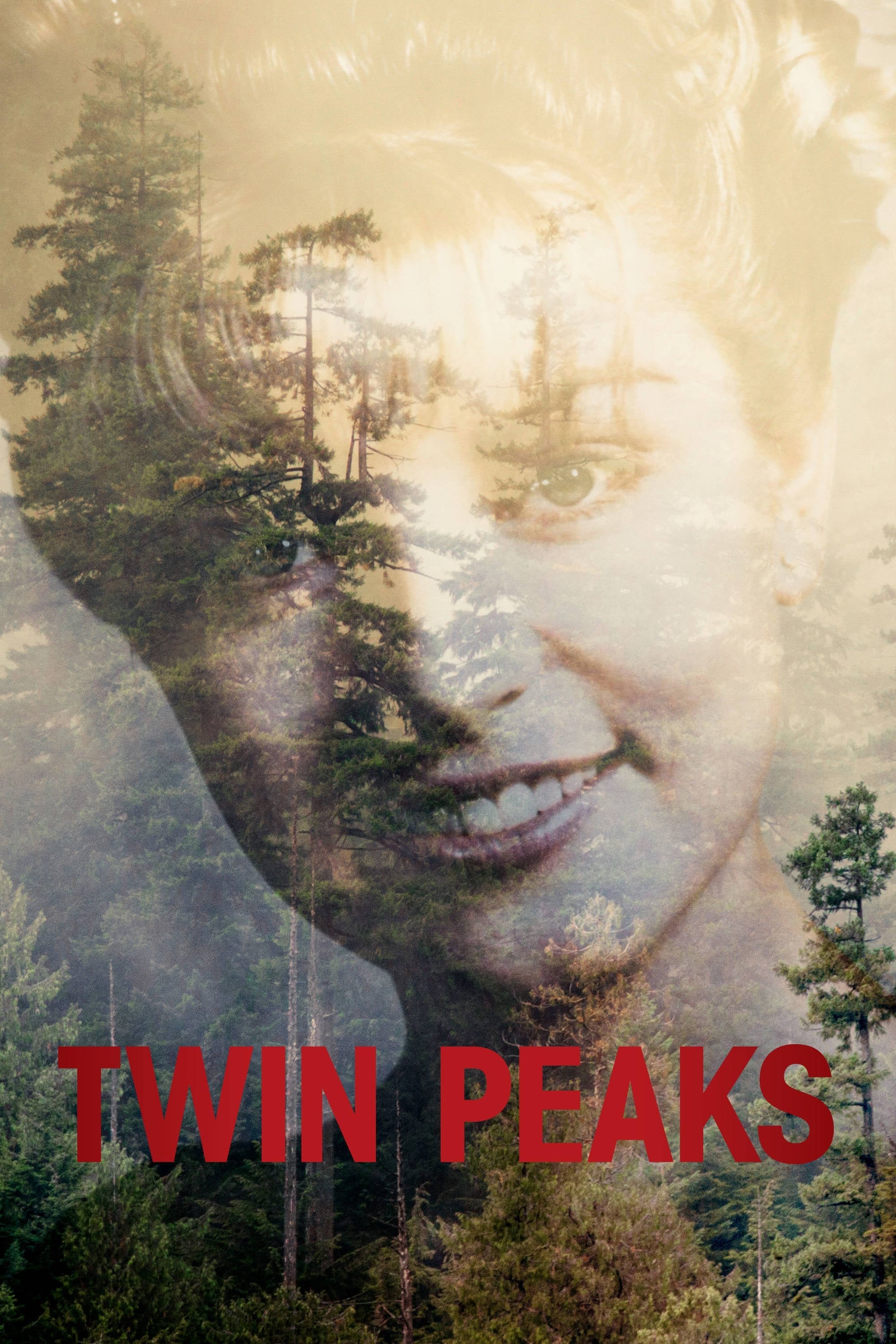
In a small logging town, an eccentric FBI agent investigates the death of a homecoming queen as strange forces seep into everyday life. The series ran on ABC and blended soap opera rhythms with surreal mystery. Its mix of quirky locals and supernatural threads offers a flexible canvas for fresh cases and new mythologies.
‘Living Single’ (1993–1998)
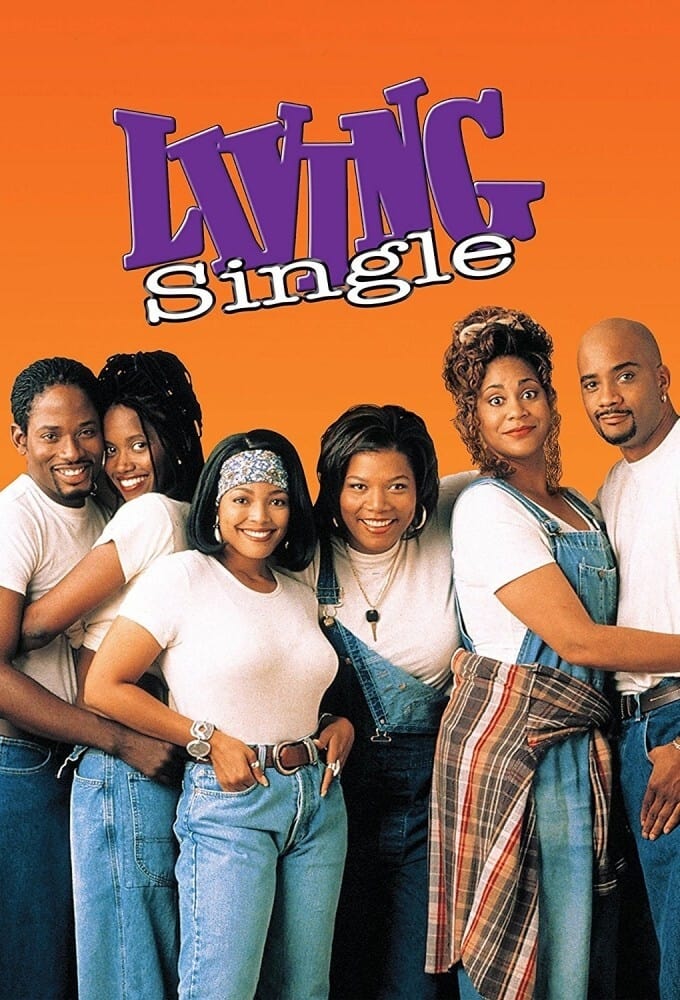
Six friends navigate careers, romance, and friendship from a Brooklyn brownstone with sharp humor and ensemble chemistry. Fox carried the show and tapped into magazine publishing, radio, and small business storylines. Modern media jobs and shared living setups make it easy to update while keeping the supportive group dynamic.
‘Boy Meets World’ (1993–2000)
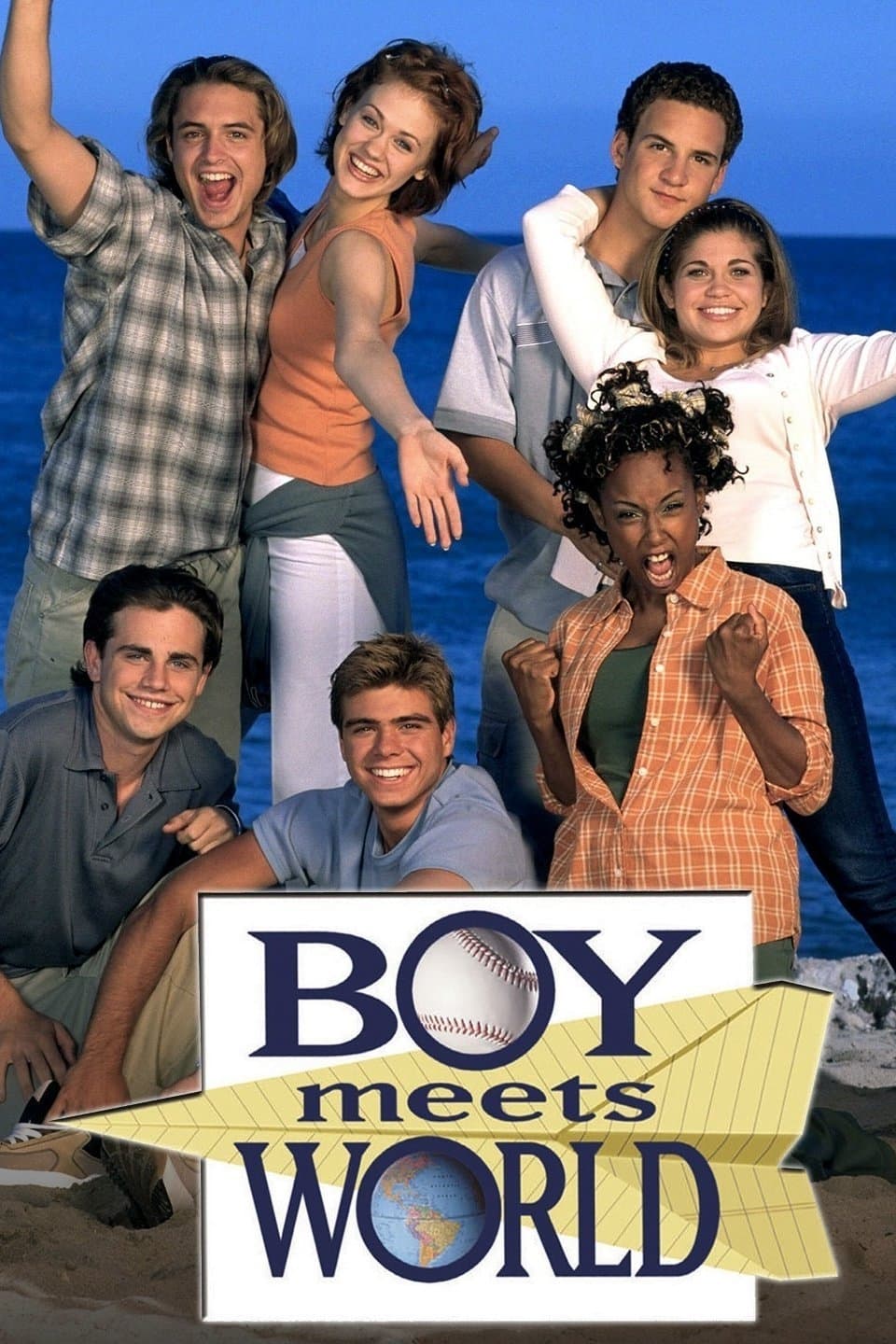
A Philadelphia kid grows up through school corridors, family dinners, and a mentor’s tough love. ABC aired the show and used classroom and home settings to shape life lessons. A contemporary class, new teachers, and evolving family structures give clear pathways for new episodes.
‘Home Improvement’ (1991–1999)
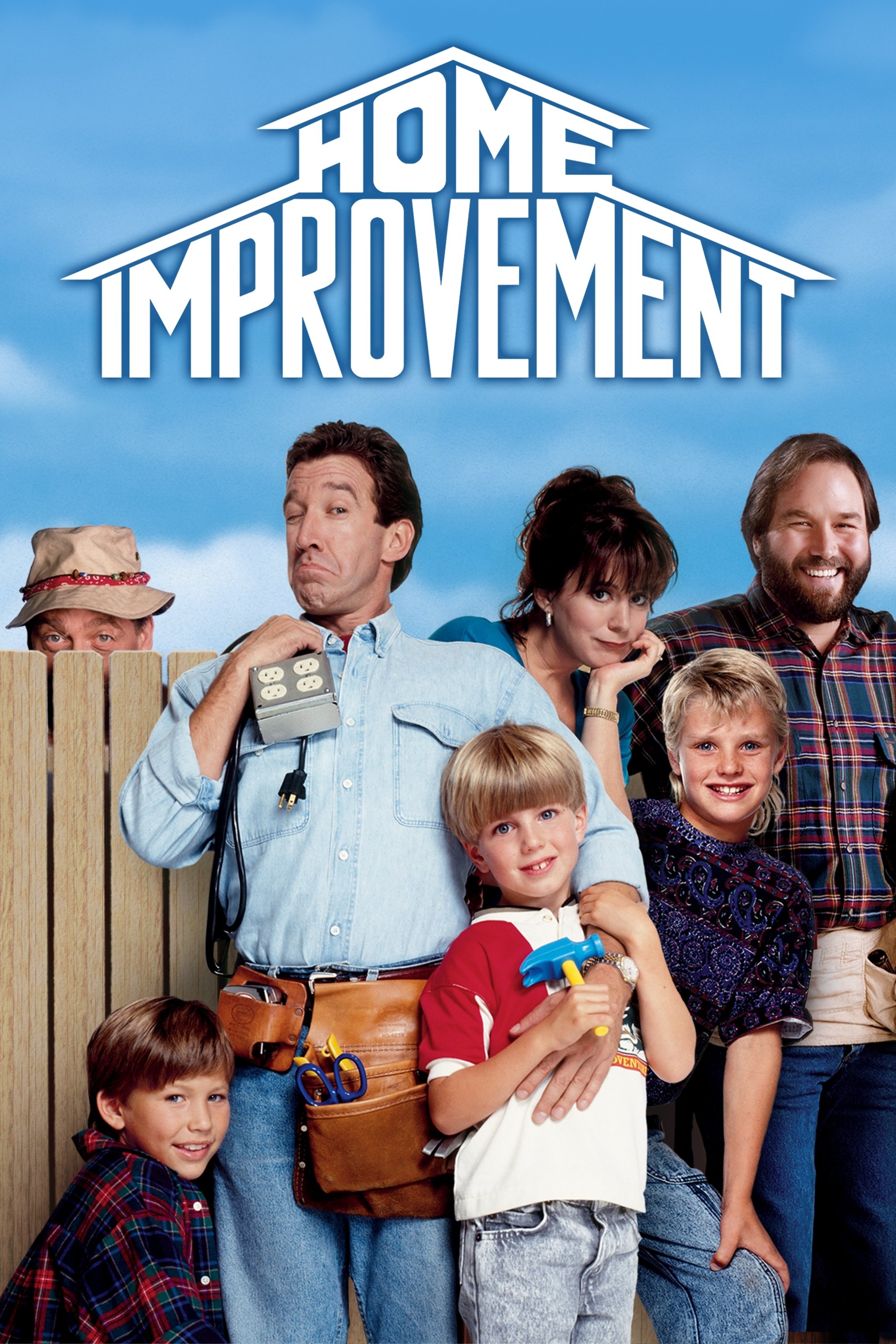
A DIY TV host juggles home projects, slapstick mishaps, and parenting alongside a patient spouse and wise neighbor. ABC broadcast the series and paired workplace bits with backyard chats. Modern maker culture and streaming how to shows provide natural plot engines for a fresh take.
‘Step by Step’ (1991–1998)
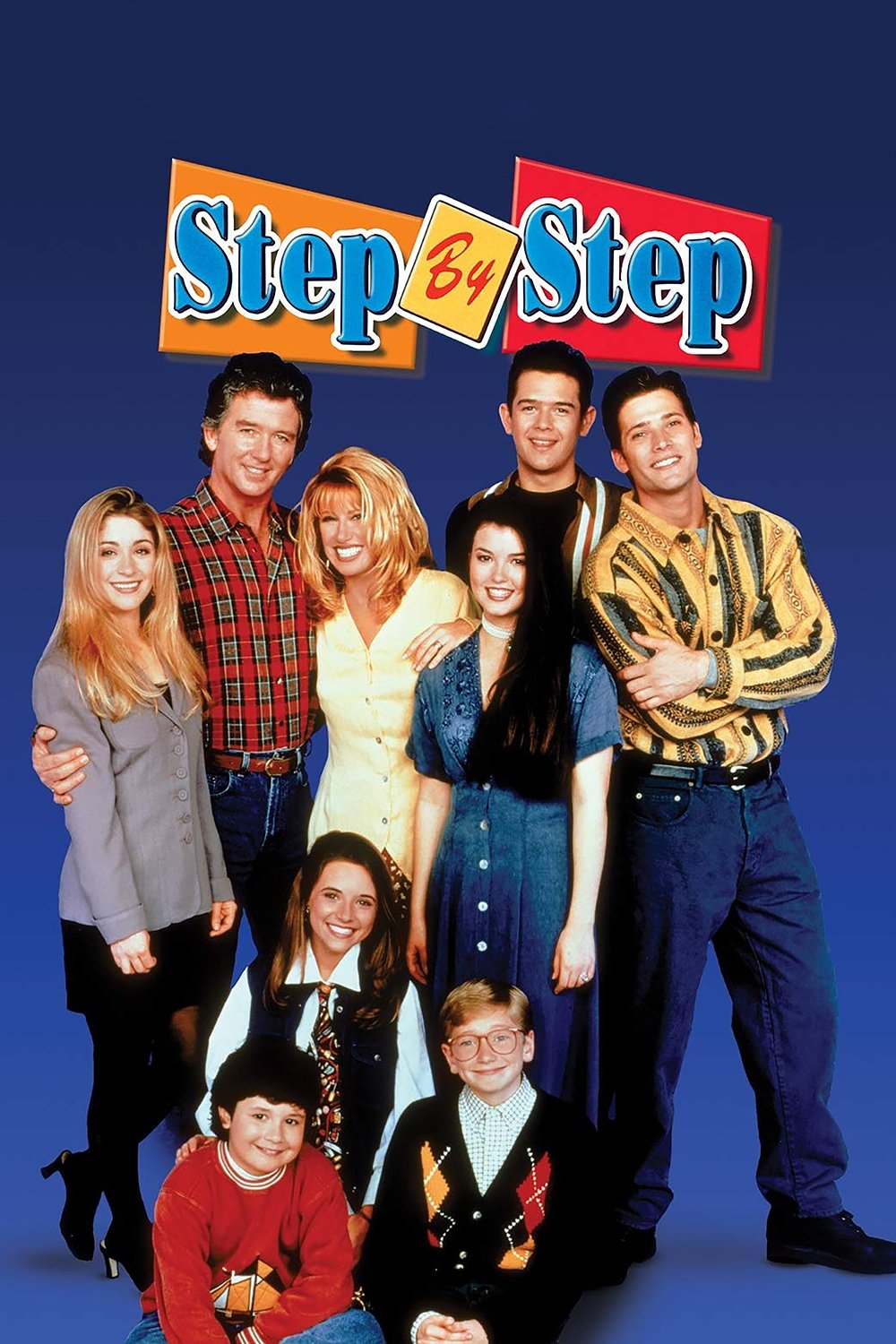
Two single parents marry and blend their broods under one roof, learning boundaries, chores, and teamwork. The series aired on ABC and leaned on school events, sibling rivalries, and family vacations. Today’s blended families and co parenting challenges offer plenty of grounded stories.
‘Sister, Sister’ (1994–1999)
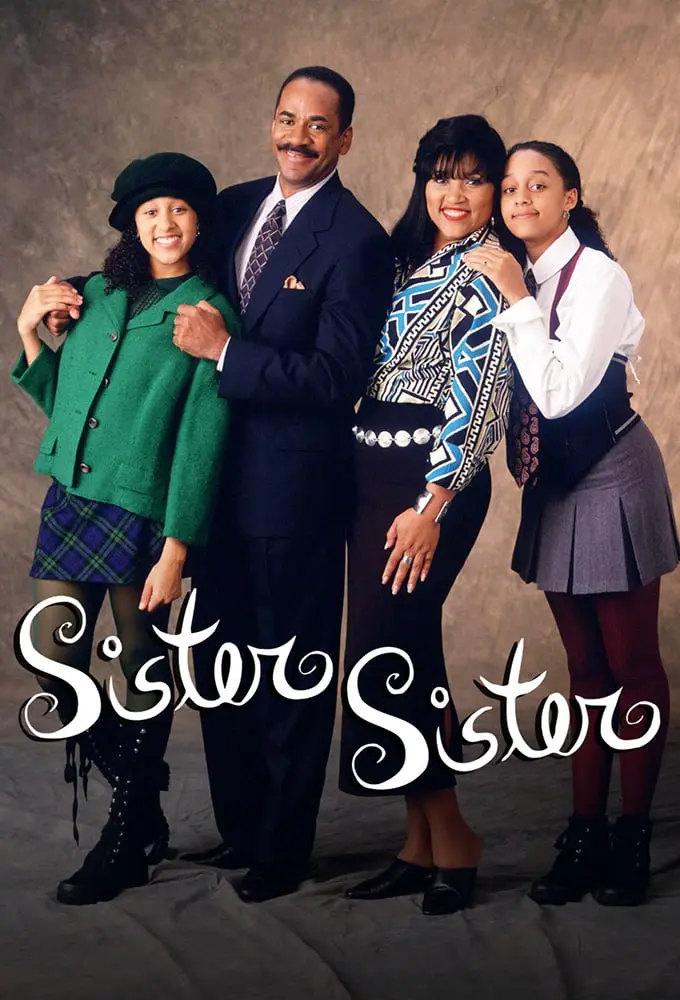
Separated at birth, twin teens reunite and learn to share space, friends, and rules while their parents try to keep up. ABC carried the comedy with mall culture, extracurriculars, and neighborhood antics. A modern city backdrop and social media missteps would fuel new episodes easily.
‘Third Rock from the Sun’ (1996–2001)
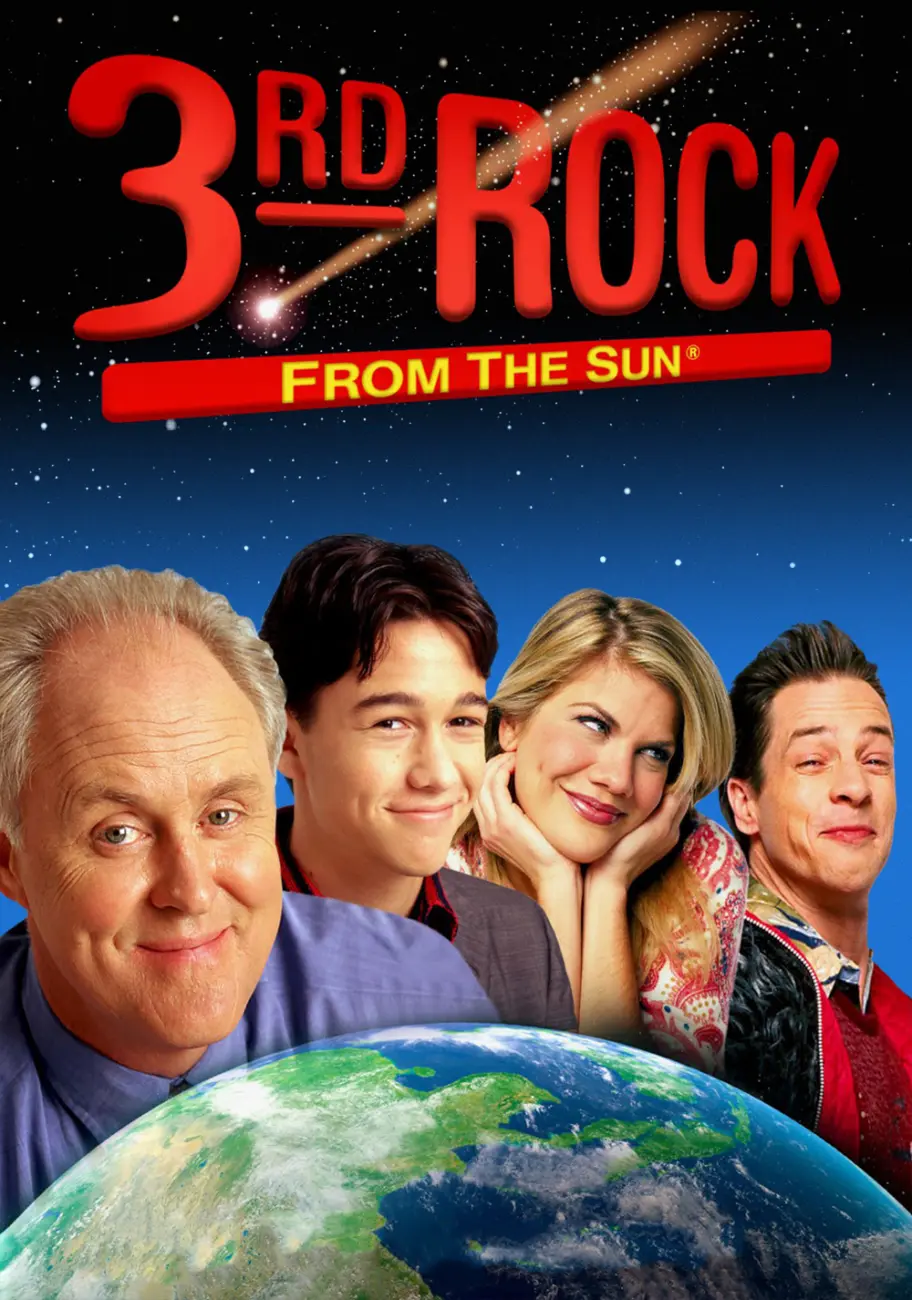
A team of undercover aliens studies humanity by posing as a suburban family and misreading every social cue. NBC aired the sitcom and used workplace scenes at a university to riff on daily life. Tech etiquette, online dating, and gig work would refresh the culture clash jokes.
‘NewsRadio’ (1995–1999)

Staffers at a New York news station wrangle deadlines, egos, and on air chaos while keeping the broadcast alive. NBC ran the series and balanced fast talk in the bullpen with quirky management. Podcasts, live streams, and 24 hour news cycles create a ready made update.
‘Just Shoot Me!’ (1997–2003)
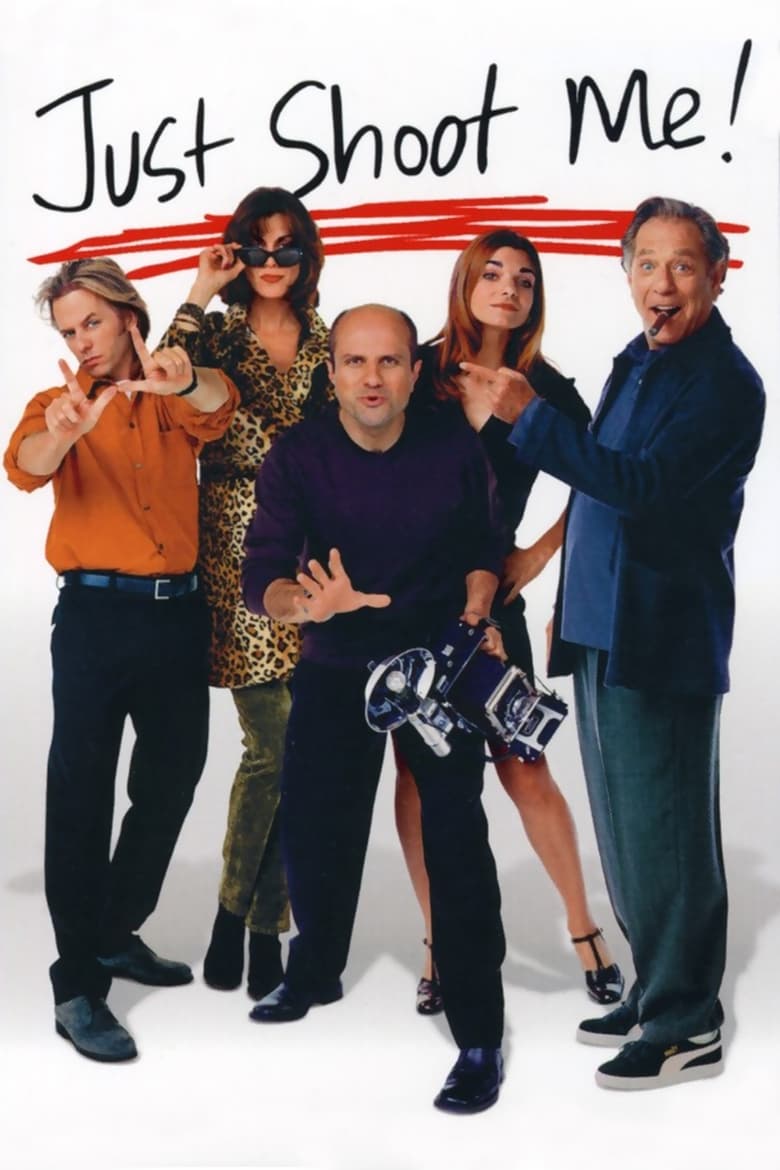
A fashion magazine’s staff battles photo shoots, celebrity profiles, and office politics with rapid fire banter. NBC broadcast the show and mined editorial meetings and glossy spreads for stories. Influencer campaigns and digital publishing provide new scenarios without changing the core setup.
‘Ally McBeal’ (1997–2002)
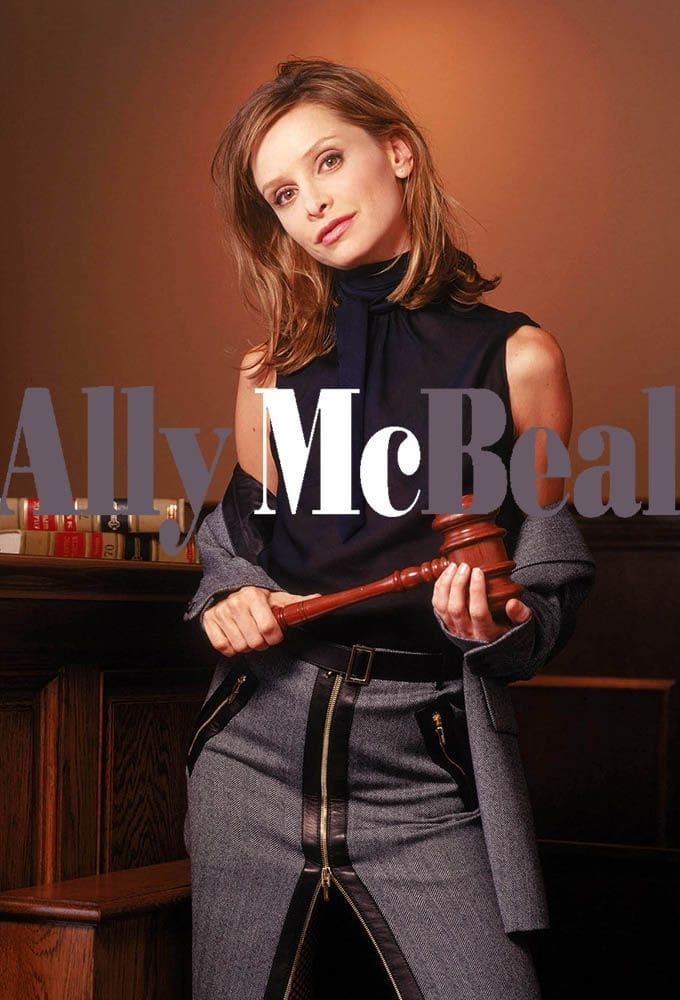
A young attorney tackles unusual cases while navigating friendships, romantic complications, and a whimsical inner life. Fox carried the legal dramedy and set much of its action inside a boutique firm. Modern workplace norms and headline driven lawsuits make the case of the week format feel fresh.
‘Felicity’ (1998–2002)

A college freshman follows a big crush to a new city and finds herself through dorm life, majors, and part time jobs. The WB aired the series and leaned on tape recorded reflections and campus rites of passage. Today’s internships, student loans, and study abroad paths give natural story beats.
‘Dawson’s Creek’ (1998–2003)
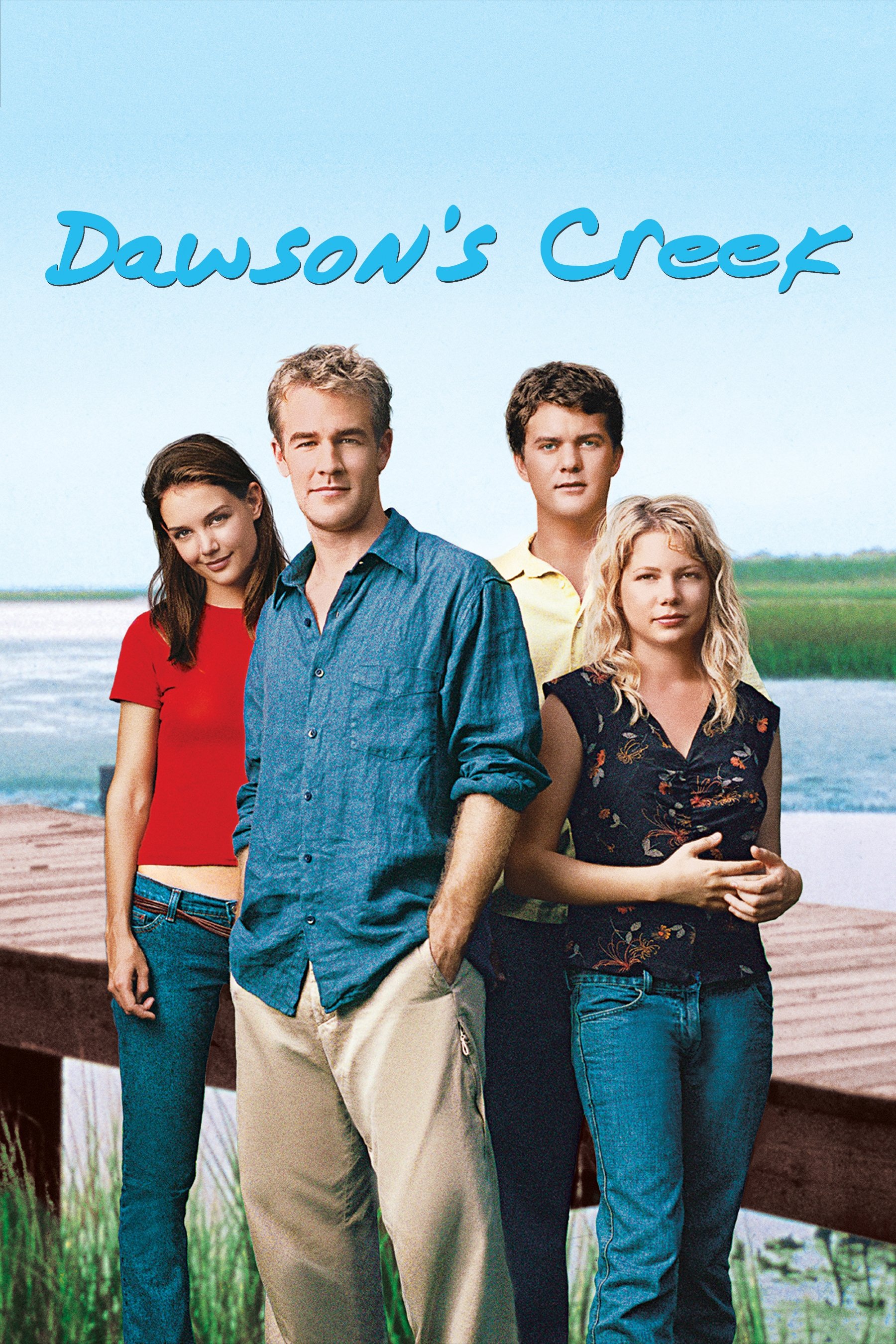
A group of friends in a coastal town faces first love, creative ambitions, and family upheavals across school years. The WB broadcast the drama with film class projects and part time gigs shaping episodes. Film club shorts and creator platforms would update the artistic thread seamlessly.
‘Buffy the Vampire Slayer’ (1997–2003)
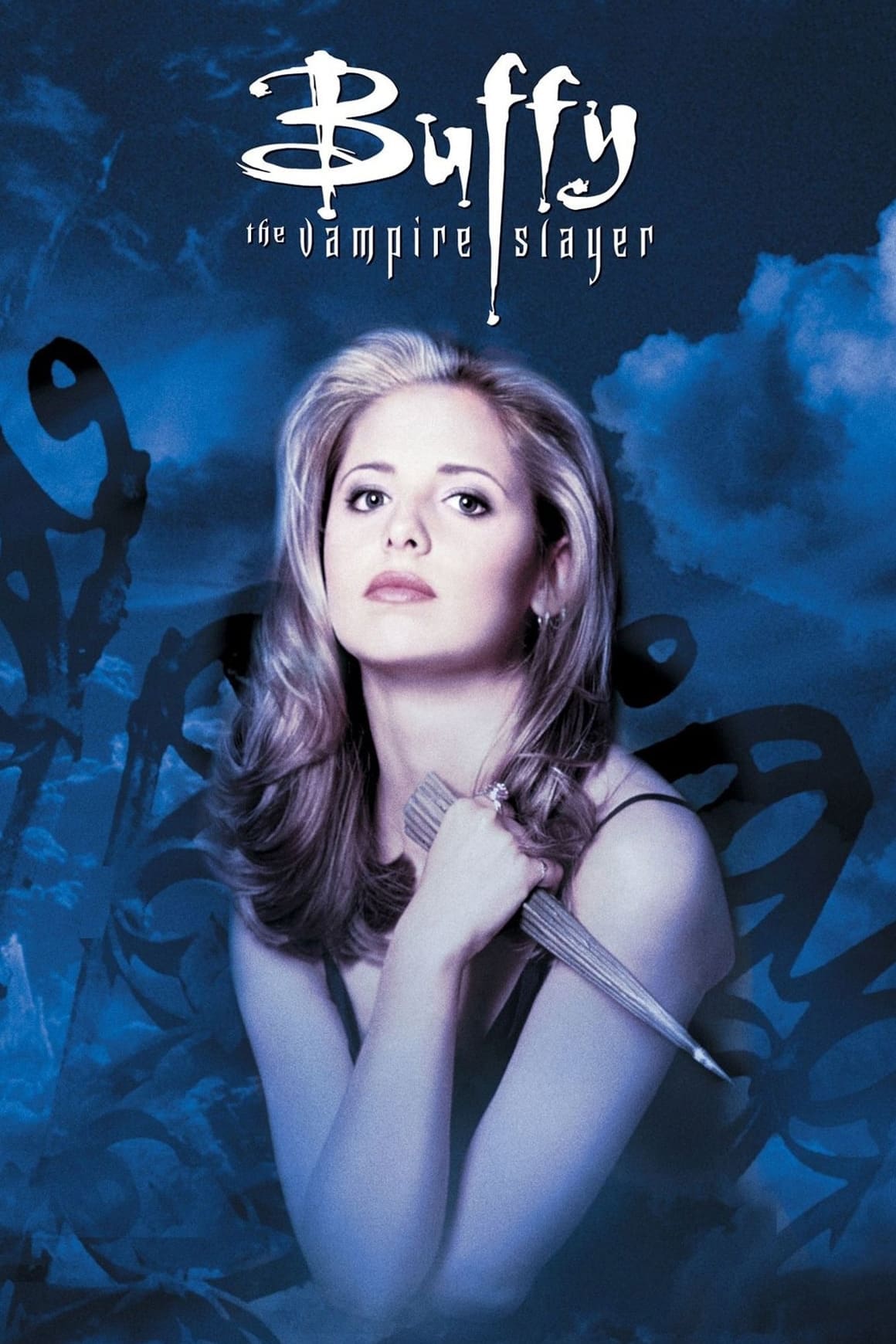
A chosen teen leads friends against monsters and secret societies while trying to pass classes and hold a job. The WB launched the series with a blend of quips, training sequences, and ongoing arcs. A new Slayer team and contemporary folklore could power both weekly threats and bigger season stories.
‘Charmed’ (1998–2006)
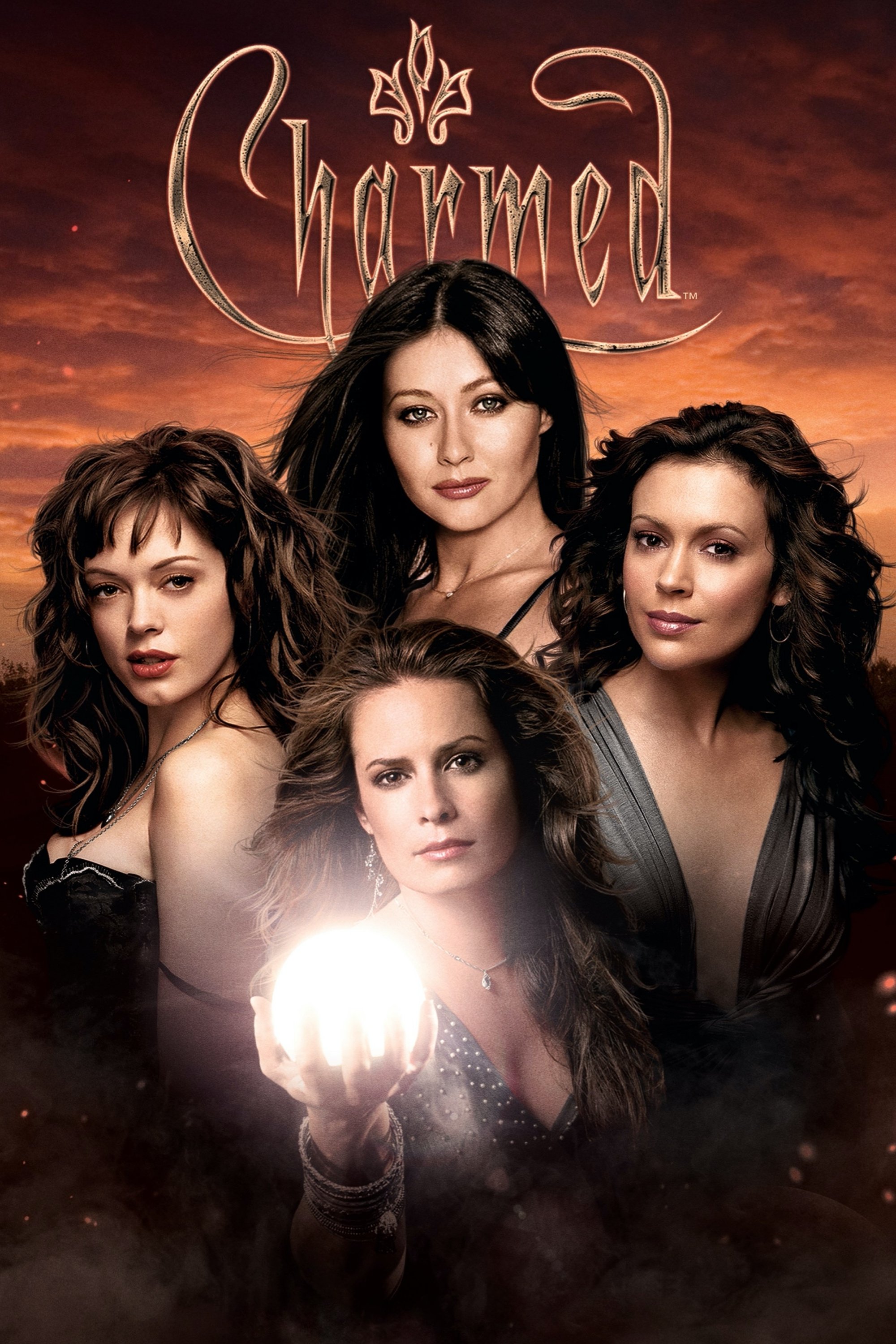
Three sisters discover their magical heritage and protect their city while managing relationships and work. The WB aired the show and framed episodes around spell crafting, demons, and family rules. Rotating apprentices and modern magical ethics would keep the premise lively.
‘The Adventures of Pete & Pete’ (1991–1996)
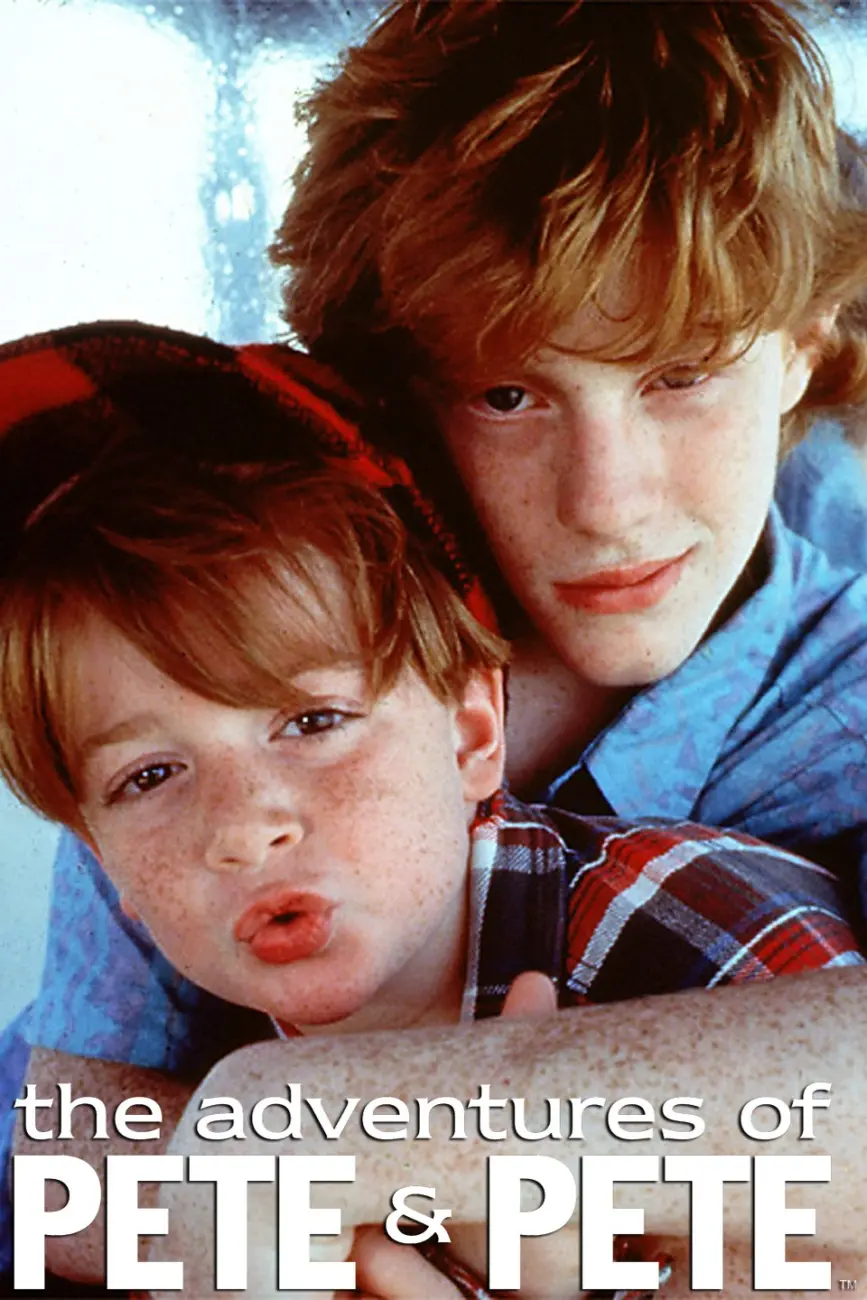
Two brothers named Pete confront suburban oddities, backyard legends, and offbeat local heroes with deadpan wonder. Nickelodeon ran the series and filled it with neighborhood lore, garage bands, and summer jobs. Community myths and small town festivals make an easy structure for new tales.
Share your favorite 90s show you think could make a great comeback in the comments.

