5 Ways the ‘South Park’ Aged Poorly (& 5 Ways It Aged Masterfully)


There is a reason the ‘South Park’ TV series is still part of everyday conversation so many seasons in. The show has shifted from cutout chaos to a polished production that can react to a headline with surprising speed. That kind of longevity means some parts now feel rooted in their moment while others keep finding new life with each rewatch.
This look focuses on concrete changes in presentation, stories, and distribution that shape how the series plays today. No hot takes here, just what the episodes did, how the production evolved, and where the show adapted or doubled down over time.
Aged Poorly: Early standard definition looks soft on modern screens
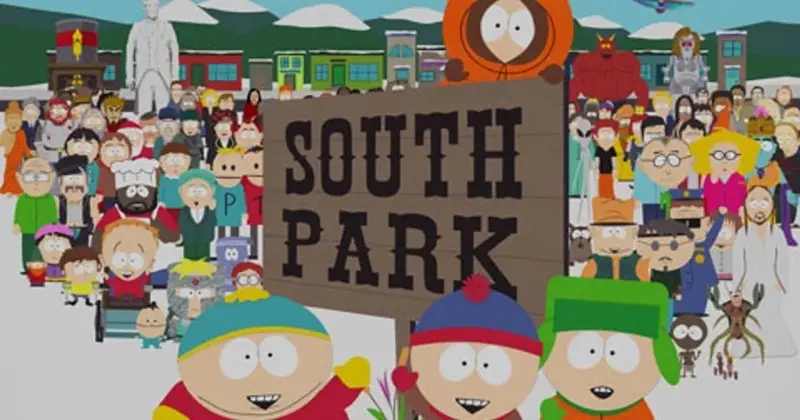
Early seasons were produced in standard definition with a four by three frame. The show moved to high definition and widescreen in season twelve, and later remastered many earlier episodes to fit modern displays. Those remasters clean up edges and backgrounds, but the earliest releases still show the limits of late nineties television mastering when viewed on large displays.
The original DVDs used interlaced video and older compression which can add shimmer and blur. Streams now generally serve the remastered files, yet some background art and color grading do not perfectly match the original broadcasts. That creates a small but visible split between what aired then and what you can watch now.
Aged Masterfully: The six days to air workflow keeps the satire current

The creators built a pipeline that can write, animate, and deliver an episode in about a week. The documentary ‘6 Days to Air’ walks through that process, showing how the team builds scenes, records voices, and edits right up to delivery. That speed lets ‘South Park’ fold late breaking topics into episodes while they are still being discussed elsewhere.
Because the show can pivot quickly, it has covered elections, tech crazes, celebrity scandals, and sports stories while they were still unfolding. Many seasons include plots that mirrored headlines from the same month, and the show has used cold opens and last minute edits to capture details that slower productions would miss.
Aged Poorly: Some early storylines lean on slurs and stereotypes

Multiple episodes center on material that uses slurs or targets identity groups. Examples include ‘Mr. Garrison’s Fancy New Vagina’, ‘Cripple Fight’, and ‘The F Word’, which redefines a slur in a way that drew sustained debate. These episodes document a period when basic cable standards allowed language and targets that many platforms now flag or contextualize.
A few entries have been edited or restricted in later distribution. Episodes such as ‘Super Best Friends’, ‘200’, and ‘201’ have been withheld from many streaming catalogs and reruns. That leaves visible gaps in season lists and changes how long arcs read when viewers try to watch every episode in order.
Aged Masterfully: Bench players grew into reliable leads
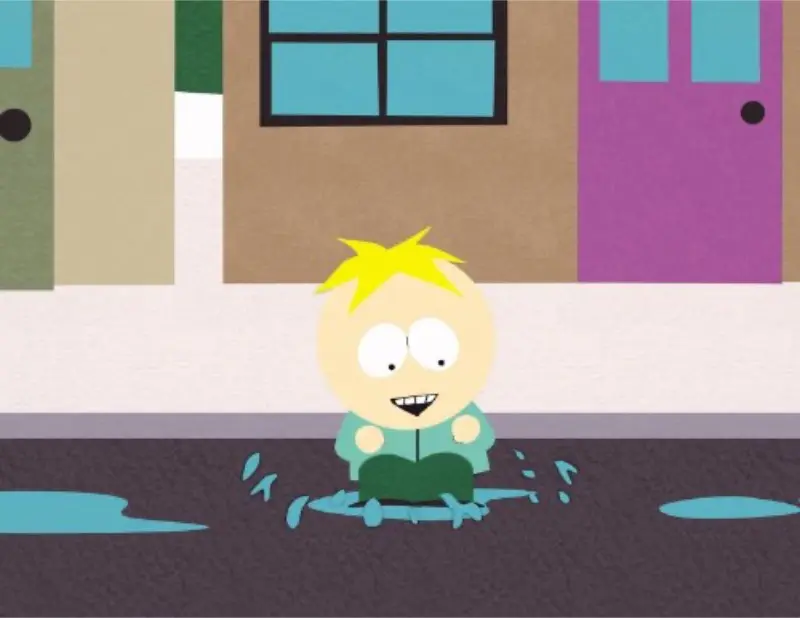
Characters who started as background figures became core to the show. Butters moved from side jokes to star of ‘Butters’ Very Own Episode’ and then to a frequent lead in school and family plots. Randy Marsh expanded from a dad in the crowd to anchor storylines like ‘Medicinal Fried Chicken’ and many town wide crises.
New additions refreshed the school and town dynamics without breaking the format. PC Principal and Strong Woman reshaped how the series explores campus culture and workplace politics. Those shifts widened the range of stories while keeping the boys at the center when needed.
Aged Poorly: Heavy reliance on then current celebrity parodies

The series often parodied specific figures who dominated a week of headlines. Episodes like ‘Stupid Spoiled Whore Video Playset’ and ‘A Scause for Applause’ land hardest if you remember the exact tabloid or news cycle. Newer viewers who find the show through streaming can miss context and may not recognize the real world targets.
This time locked approach also affects rewatch flow. An episode built around a short lived fad or a one tour celebrity can feel like a snapshot from a past feed. The satire still shows how the writers approached a topic, yet the joke density depends on references that no longer circulate.
Aged Masterfully: The show revisits and corrects earlier positions
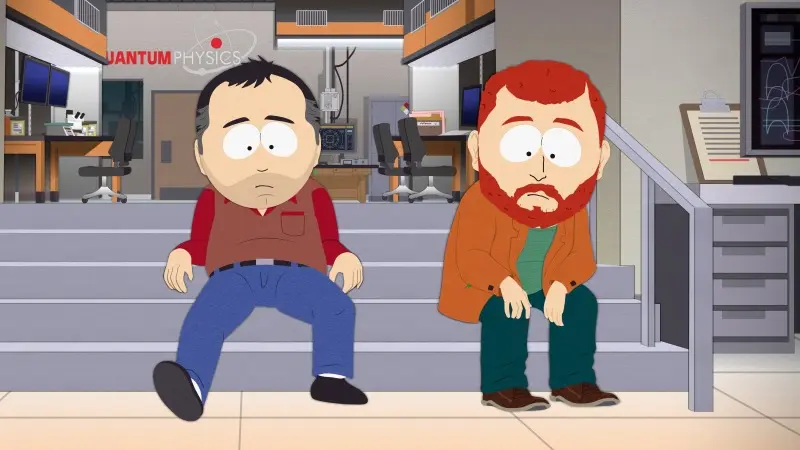
‘ManBearPig’ began as a send up of public warnings, then the series returned to the creature in ‘Time to Get Cereal’ and ‘Nobody Got Cereal?’ to acknowledge prior framing and update the message. That kind of self check appears elsewhere when the show circles back to characters or ideas and rewrites outcomes.
These callbacks use continuity to show learning inside the world of ‘South Park’. By staging rematches with past episodes, the series turns earlier punchlines into setup for new conclusions. It is a practical way to keep long running satire aligned with present facts without discarding history.
Aged Poorly: A swing toward serialization created continuity whiplash
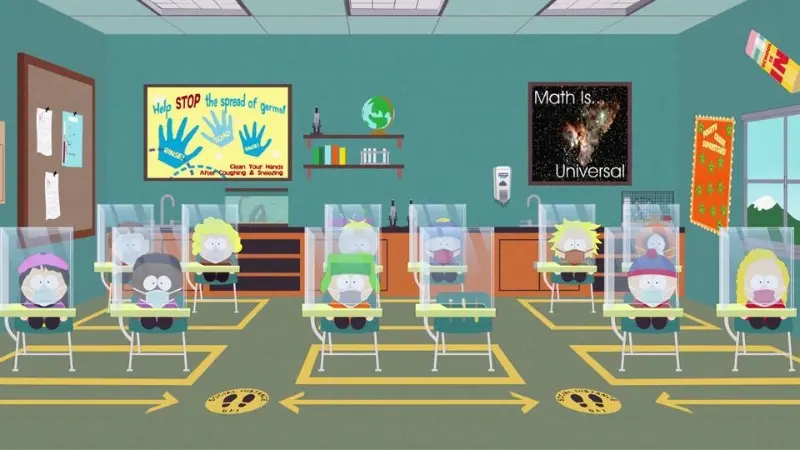
Seasons eighteen to twenty linked many episodes with town wide arcs that included ‘Member Berries’ and an extended political thread with a teacher as a presidential stand in. That run moved away from strictly self contained stories and asked viewers to track plot points across the season. When the show later returned to mostly episodic structure, some threads felt unresolved.
Binge viewing makes the shift more noticeable. A viewer can go from an arc dependent run straight into self contained episodes where major changes are no longer referenced. That uneven continuity can complicate first time watches that aim to follow every development across a long span.
Aged Masterfully: Tech upgrades preserved the cutout look while boosting speed
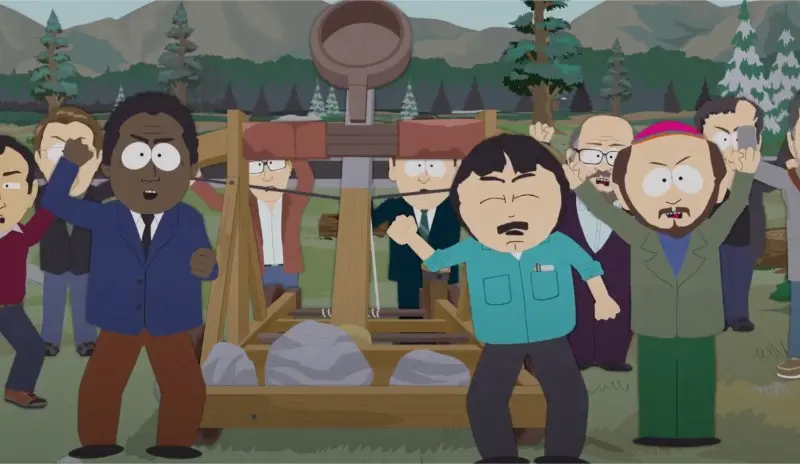
The pilot used literal paper cutouts, and the team soon shifted to computer animation that simulates construction paper edges and textures. The production now uses a modern 2D and 3D toolset to stage action while keeping the flat layered style that defines the show.
Faster renders and a deep asset library let the crew stage crowds, effects, and location changes without losing the rough handmade charm. The result is a show that looks like early ‘South Park’ at a glance while handling complex movement, lighting, and camera work inside a tighter schedule.
Aged Poorly: Episode availability is fragmented across services

Rights management has scattered the catalog in several regions. Specials live on one platform while regular seasons stream on another, and some episodes are missing on both. Viewers often find gaps where ‘Super Best Friends’, ‘200’, and ‘201’ should appear, along with occasional edits to other entries.
Home video releases add another layer. Bonus features and commentaries differ by set, and some tracks or extras have been removed in later pressings. That makes the most complete version of ‘South Park’ hard to assemble in a single place.
Aged Masterfully: Flexible special formats keep the show adaptable

The series added one night event episodes and longer made for streaming entries that sit between an episode and a feature. Releases like ‘The Pandemic Special’, ‘South ParQ Vaccination Special’, ‘Post COVID’, and ‘The Return of COVID’ used longer run times to push stories past the limits of a single half hour.
These specials let the team cover town wide changes, time jumps, and multi location plots without waiting for a season order. The approach also gives the writers room to test ideas and bring them back to the regular season when they fit the weekly rhythm.
Share your favorite example in the comments and tell us where you think the ‘South Park’ TV series aged the best or the worst.