5 Ways the ‘House MD’ Aged Poorly (& 5 Ways It Aged Masterfully)


For a lot of viewers, ‘House MD’ is a medical puzzle box that still hooks new audiences. The series built a rhythm that turns symptoms into clues and medicine into a logic game. That structure gives the show a stable backbone that holds up on rewatch and lets first time viewers jump in at almost any point.
Time also highlights choices that land differently today. Some plot devices look out of step with current practice and workplace standards. Other elements feel even more relevant now, from the nuts and bolts of clinical reasoning to the way the show handles pain and professional burnout. Here are ten areas where the series shows its age in both directions.
Aged Poorly: The weekly zebra and compressed diagnostics
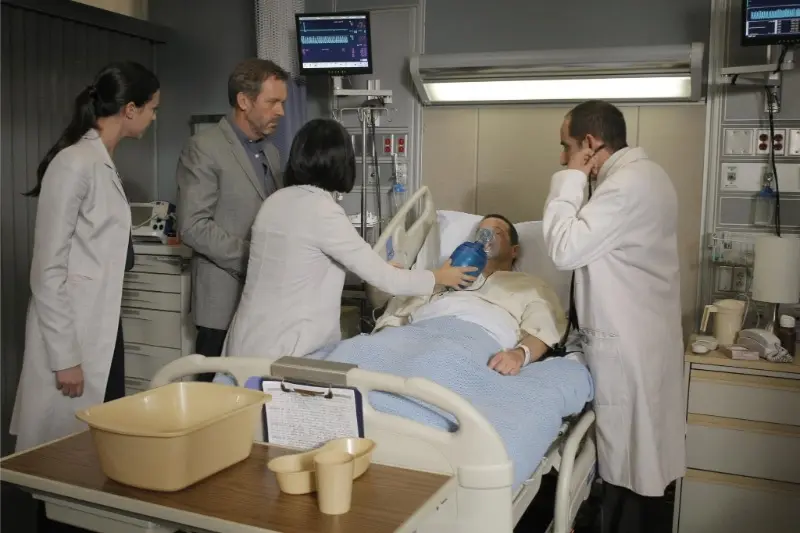
The series stacks rare conditions into a steady stream of cases, which inflates how often unusual diseases appear in real clinics. Workups are also compressed into tight timelines that move from intake to final treatment within a single shift or two. Viewers get a sprint through imaging, labs, and invasive procedures that often happen much slower outside television.
Testing choices also jump steps that would normally come first. The team orders broad panels, jumps to specialized scans, and performs high risk interventions before exhausting safer options. The pace serves the mystery format, yet it teaches a version of clinical sequencing that skips many routine checkpoints.
Aged Masterfully: Addiction and chronic pain as ongoing realities

The show presents long term opioid dependence as a continuing medical issue rather than a one episode beat. The lead character manages chronic leg pain with medication, periods of escalation, and attempts at withdrawal that require supervision. Medical staff monitor use, set limits, and document consequences that affect licensure and hospital privileges.
The series also shows how pain and dependence intersect with job performance. There are referrals to inpatient care, drug testing, and workplace oversight that match institutional policies. These details turn addiction into a sustained medical storyline instead of a quick twist.
Aged Poorly: Boundary violations that ignore policy and law

Break ins to patient homes are used as a recurring investigative tool in the show. In reality, searching a residence without consent or a warrant violates privacy laws and hospital ethics rules. The same applies to accessing personal devices or records without authorization, which the team sometimes does to move the plot forward.
Workplace conduct also crosses lines that modern hospitals track closely. The show includes insults, public humiliation, and pranks that would trigger formal complaints and corrective action. Current human resources standards and reporting systems make that behavior a documented risk for any teaching service.
Aged Masterfully: Clear diagnostic reasoning that viewers can follow

Each case is mapped on a whiteboard with a running differential diagnosis. Hypotheses are proposed, tested, and crossed off as new data appears. The structure mirrors real problem oriented thinking and gives audiences a transparent look at how clinicians sort findings into likely and unlikely causes.
The show makes pathophysiology a visible part of the mystery. Symptoms are tied to mechanisms such as autoimmune activity, toxin exposure, or endocrine disruption. Test results update the working theory and lead to targeted treatments that follow from the latest evidence on the board.
Aged Poorly: Representation that leans on narrow defaults

The early staff makeup reflects limited diversity in senior leadership and subspecialties. Storylines for women and minority characters often orbit the lead rather than showing independent professional tracks. That pattern reduces the range of perspectives that a teaching hospital would bring to complex cases.
Sexuality and identity are sometimes framed through plot tension rather than everyday normalcy. Bisexual and queer representation appears but often arrives packaged as intrigue or rumor inside the workplace. Current shows tend to integrate identity into professional life without using it as a twist.
Aged Masterfully: Procedural episodes with meaningful long arcs

Most episodes resolve a case by the final scene, which keeps the series easy to enter at any point. At the same time, staffing changes, legal issues, and relationships carry through multiple seasons. Viewers get a balance of closure and continuity that supports both casual viewing and full series runs.
The rotating fellowship class and shifting department dynamics simulate real hospital turnover. New hires bring different specialties and methods, which refreshes the diagnostic debate without breaking the format. That mix keeps later seasons accessible while rewarding long term engagement.
Aged Poorly: Tech and workflow from a pre EHR world

Much of the series shows paper charts, pagers, and whiteboards as primary tools. Electronic health records were expanding during the run, and modern hospitals now route orders, notes, and results through integrated systems. The visuals around imaging and lab interfaces also reflect older software and display hardware.
Communication tools in the show rely on phone calls and hallway updates. Today teams coordinate through secure messaging, shared dashboards, and remote consults. These changes affect how quickly data moves and who sees it first, which would alter several on screen decision points.
Aged Masterfully: Ethics at the center of difficult decisions

Cases frequently turn on consent, capacity, and risk tolerance. Families and patients face choices about experimental therapies, transfusions, and do not resuscitate orders. The scripts lay out the medical stakes, the legal framing, and the paperwork that documents the decision.
Transplant eligibility and allocation policies also appear in multiple stories. The show explains listing criteria, compliance expectations, and the consequences of nonadherence. These details introduce real constraints that shape care plans beyond the purely clinical picture.
Aged Poorly: Teaching by abrasion rather than mentorship

Residents and fellows in the series endure public takedowns, shifting rules, and unpredictable evaluations. Modern graduate medical education emphasizes feedback, remediation plans, and clear competencies. Duty hour limits and supervision requirements also set boundaries that the show often ignores for drama.
The team culture places learning behind secrecy and one sided tests. Current training programs track case logs, simulation milestones, and interprofessional communication. These structures would reduce the informal trials that the fellows face on screen.
Aged Masterfully: Real mechanisms and precise bedside clues
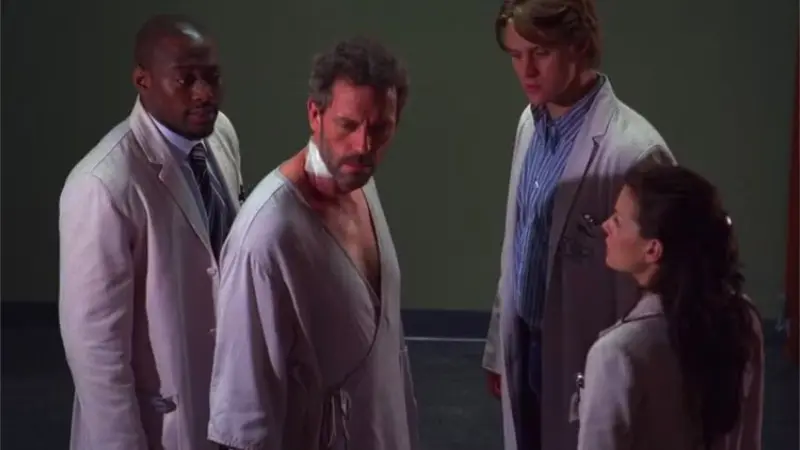
Many solutions hinge on tangible findings that clinicians are trained to spot. Environmental exposures, occupational risks, and small physical signs point toward final answers. The series often ties a specific bedside clue to a confirmatory test, which mirrors how rare diagnoses are actually secured.
Medical consultants help anchor this approach in real pathophysiology. The writing uses correct terminology for labs, imaging, and pharmacology, and it shows how one wrong assumption can mislead a team. Viewers see that the fastest path is not always the right one and that the correct fix usually rests on the smallest overlooked detail.
Share your take on where ‘House MD’ still teaches something useful and where it shows its age in the comments.