5 Ways ‘The Walking Dead’ Aged Poorly (& 5 Ways It Aged Masterfully)

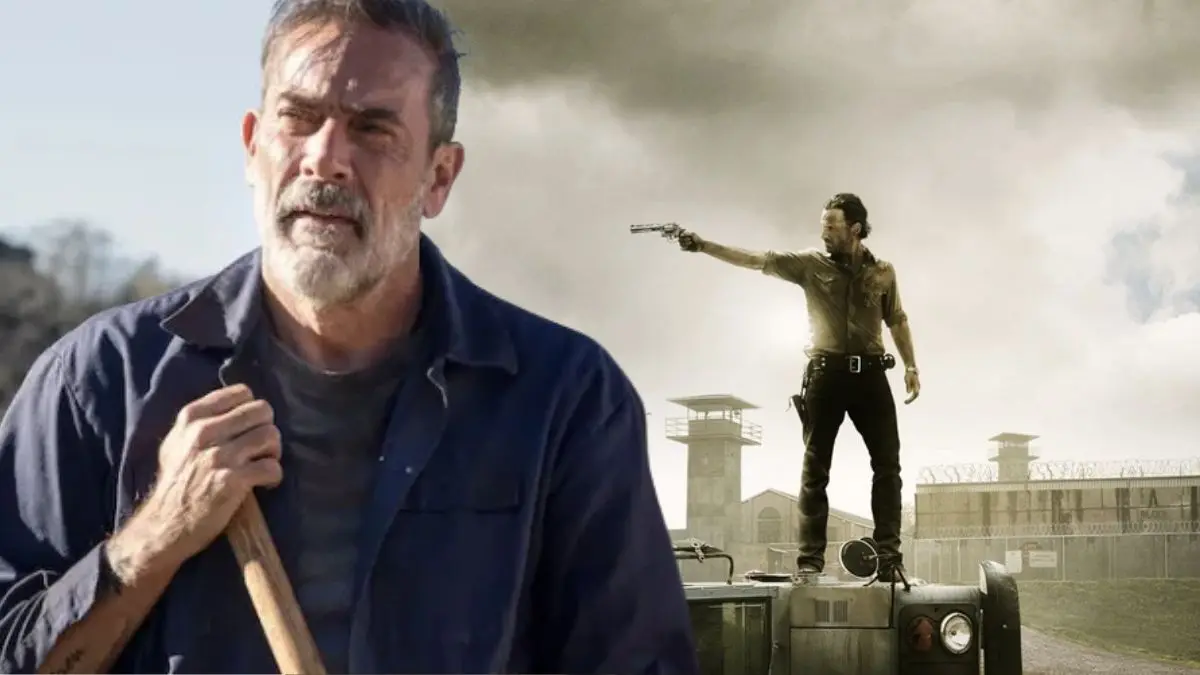

For more than a decade, ‘The Walking Dead’ turned a comic book about survival into one of the most watched dramas on cable. The main series ran for 11 seasons on AMC and filmed largely in Georgia, building sets that became real landmarks for fans and locals. It ended with an epilogue that reconnected to the central couple while opening doors to new stories across the larger universe.
Looking back now means tracing how production choices, cast changes, and expansion plans shaped the show people rewatch today. The points below focus on concrete developments in storytelling, scheduling, and worldbuilding that still define how ‘The Walking Dead’ plays in a modern binge or a fresh first run.
Aged Poorly: Cast departures reshaped the core group

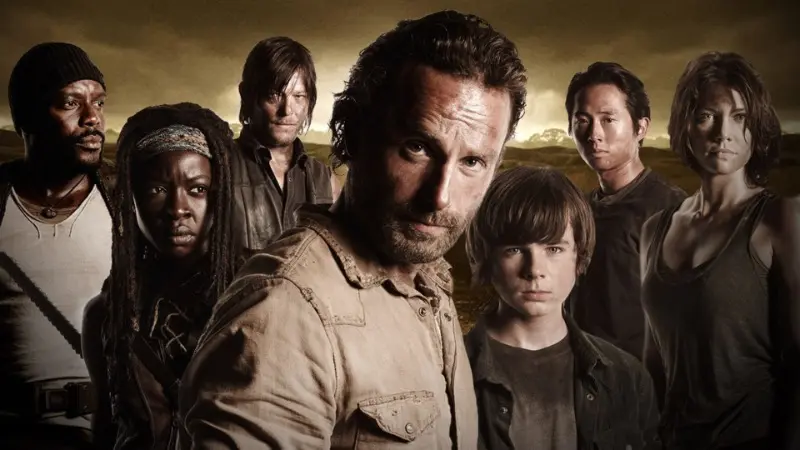
The series lost multiple original leads during its run. Andrew Lincoln exited in season nine after a bridge explosion storyline removed Rick Grimes from the main ensemble, and Chandler Riggs left in season eight when Carl Grimes died during the conflict with the Saviors. Lauren Cohan stepped away during season nine and later returned, while Danai Gurira left during season ten and later reappeared in the finale epilogue.
These shifts changed who carried on major plotlines and redirected arcs toward other shows. Rick and Michonne’s story resumed in ‘The Walking Dead: The Ones Who Live’ after the main series ended, and Maggie’s future with Negan moved to ‘The Walking Dead: Dead City’. Those moves placed the resolution of several character journeys outside the original series.
Aged Masterfully: Practical effects and makeup held up
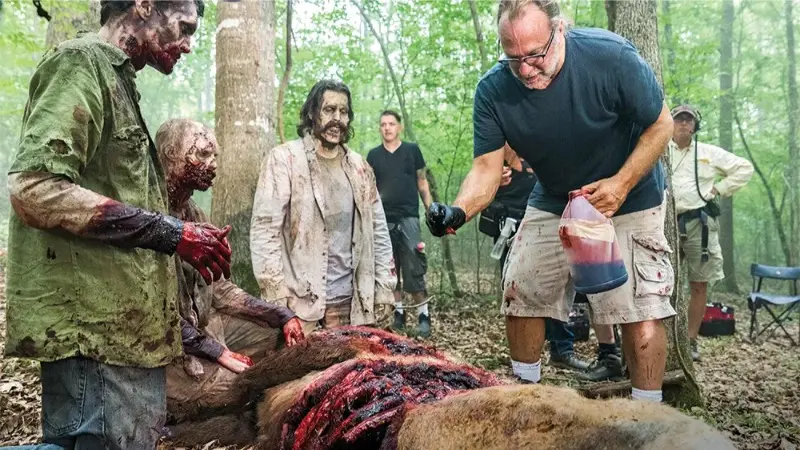
Greg Nicotero and the KNB EFX Group used extensive prosthetics, blood rigs, and on set gags to create walkers that deteriorated in ways consistent with time and climate. The show staged large scale herds with detailed corpse makeup, torn wardrobe, and contact lenses that photographed well in bright daylight and low light scenes.
The team also blended practical work with digital assists to remove safety rigs and extend crowds. Many signature walkers featured custom mechanical elements that enabled jaw drops, torso splits, and limb separations without relying on fully digital creatures. That approach kept the look consistent from early rural episodes through late urban and Commonwealth settings.
Aged Poorly: Episode counts and split seasons stretched stories
Season one ran six episodes, then the order expanded to longer runs that became a franchise standard. Seasons two and three moved to bigger counts, and most later seasons settled at sixteen with a midseason hiatus that divided arcs across two broadcast windows. Season eleven completed the series with twenty four episodes released in three parts across more than a year.
The structure encouraged bottle episodes that focused on small groups for production reasons. It also pushed key confrontations and resolutions into midseason or part finales. When viewed later, the rhythm of cliffhangers and returns reflects network scheduling as much as story needs, which can make some arcs feel spread across long gaps.
Aged Masterfully: Communities and worldbuilding became richer
The show moved from back roads survival to a network of settlements with different cultures and economies. Alexandria offered walled suburbia with elected leadership and job assignments, Hilltop ran on farming and trade, the Kingdom united people with shared rituals, and Oceanside protected its coastal location with strict security.
Later seasons added the Commonwealth with military units, a class system, and working hospitals. Supply runs turned into organized routes, barter fairs connected communities, and laws evolved to handle crime and governance. The shift from scavenging to civic rebuilding gave the apocalypse a functioning map with rules and infrastructure.
Aged Poorly: Franchise sprawl pulled focus from the main narrative
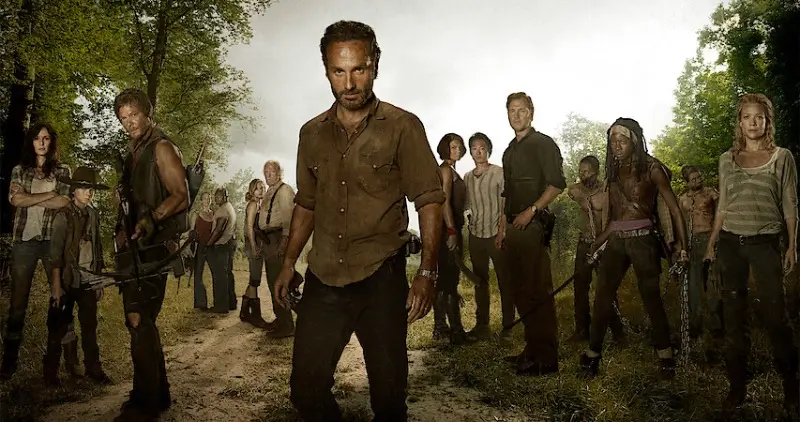
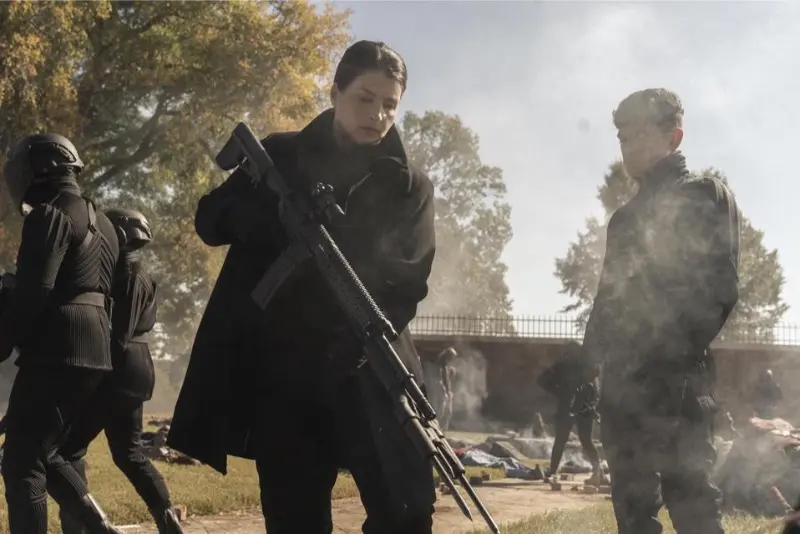
AMC expanded the universe while the flagship was still on the air. ‘Fear the Walking Dead’ launched as a companion that later crossed over with characters from the main series. ‘The Walking Dead: World Beyond’ introduced the Civic Republic Military as the connective tissue for future stories, and ‘Tales of the Walking Dead’ offered one off episodes.
After the finale, new shows carried major figures forward. ‘The Walking Dead: Dead City’ followed Maggie and Negan in Manhattan, ‘The Walking Dead: Daryl Dixon’ relocated Daryl to France, and ‘The Walking Dead: The Ones Who Live’ reunited Rick and Michonne. As a result, the complete payoff for several arcs sits outside the original run.
Aged Masterfully: Character arcs created long term payoffs
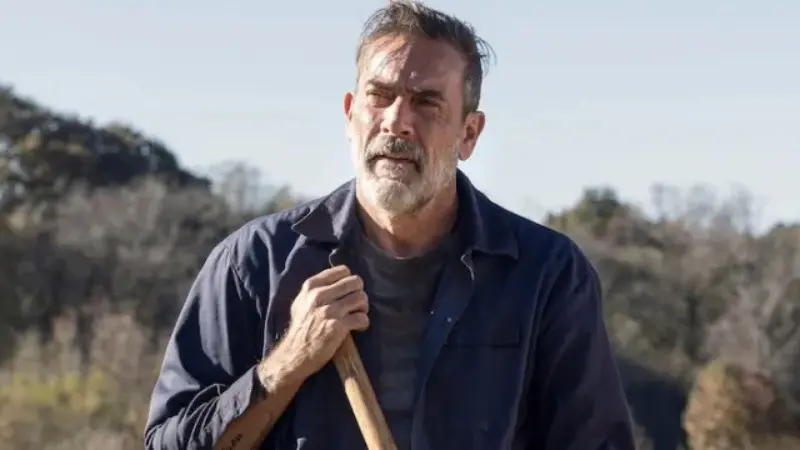
Carol Peletier progressed from a quiet survivor to a strategist and leader with influence across multiple communities. Daryl Dixon moved from outsider tracker to central decision maker and later headlined his own adventure abroad with connections back to the original group.
Maggie Greene built authority at Hilltop, endured the loss of family, and returned to steer alliances that shaped the final confrontations. Negan transformed from enemy commander to uneasy ally who worked within the rules of Alexandria and the Commonwealth. Those paths gave the franchise a deep bench for sequels without erasing what happened on the main series.
Aged Poorly: Timeline jumps made continuity harder to track

The show used multiple time jumps to move past rebuilding phases. After the war with the Saviors, it advanced the calendar by well over a year to show farms, roads, and a working network of settlements. Later in season nine it jumped six years after the bridge incident that removed Rick from the group.
Those decisions created a timeline that covers more than a decade of story inside the apocalypse. Viewers tracking ages, pregnancies, weapon changes, and settlement growth must account for these leaps, since character relationships and skills can shift off screen during the gaps.
Aged Masterfully: Pandemic era production delivered inventive episodes
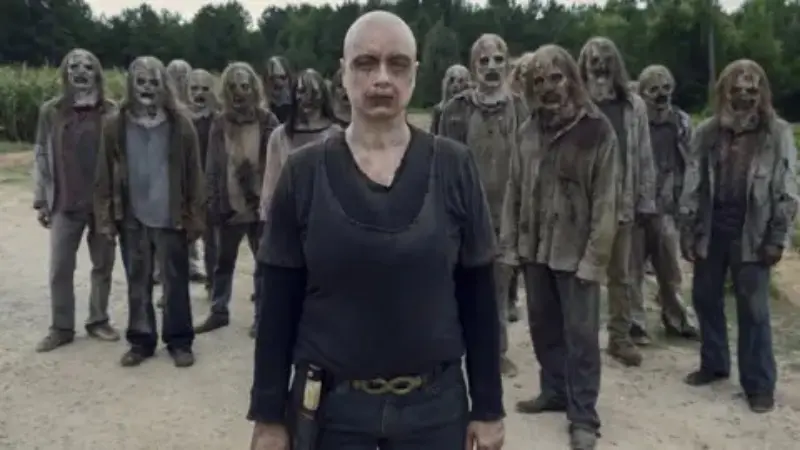
AMC ordered six bonus episodes for season ten that were produced during strict health protocols. The episodes used smaller casts, fewer locations, and creative staging that kept actors distanced while still delivering new story beats for Daryl, Carol, Negan, Gabriel, and others.
The constraints led to character focused hours that filled in missing time between major arcs. They also allowed the crew to refine on set procedures and logistics that carried into the final season, keeping production on schedule while large ensemble episodes resumed.
Aged Poorly: Early seasons offered limited LGBTQ+ visibility
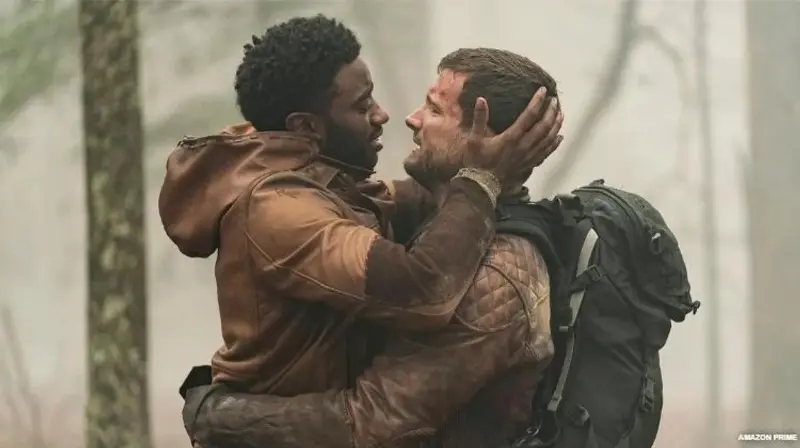
The first stretch of the series featured no openly LGBTQ+ series regulars among the core survivors. That changed as the show expanded, starting with Tara Chambler’s introduction and later with Aaron and Eric at Alexandria, which put a gay couple into the main ensemble for the first time.
By the time the communities linked up, the cast included more LGBTQ+ characters such as Magna and Yumiko. The early seasons still stand apart from later years in this area, which is noticeable when watching straight through from the beginning.
Aged Masterfully: Leadership changes refreshed creative direction
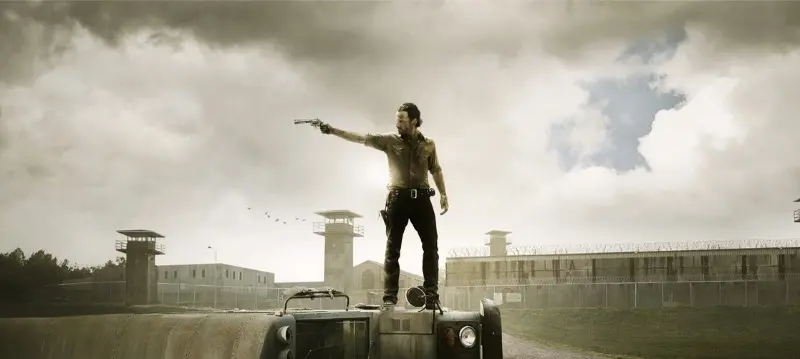
The show cycled through showrunners across its run, and each transition came with concrete adjustments in tone, pace, and visual language. Frank Darabont launched the series, Glen Mazzara steered the prison era, Scott M. Gimple guided the Governor and Saviors conflicts, and Angela Kang took over starting in season nine with a new title sequence and a frontier look after the time jump.
Under Kang, the series emphasized settlement life, wagon era tech, and evolving threats like the Whisperers and the Commonwealth. The creative handoffs brought different structures for multi episode arcs, new character pairings, and fresh locations that kept production varied through the final year.
Share your take below on what parts of ‘The Walking Dead’ still work for you today and what parts do not, and tell us why in the comments.