5 Ways the ‘Rick and Morty’ Aged Poorly (& 5 Ways It Aged Masterfully)

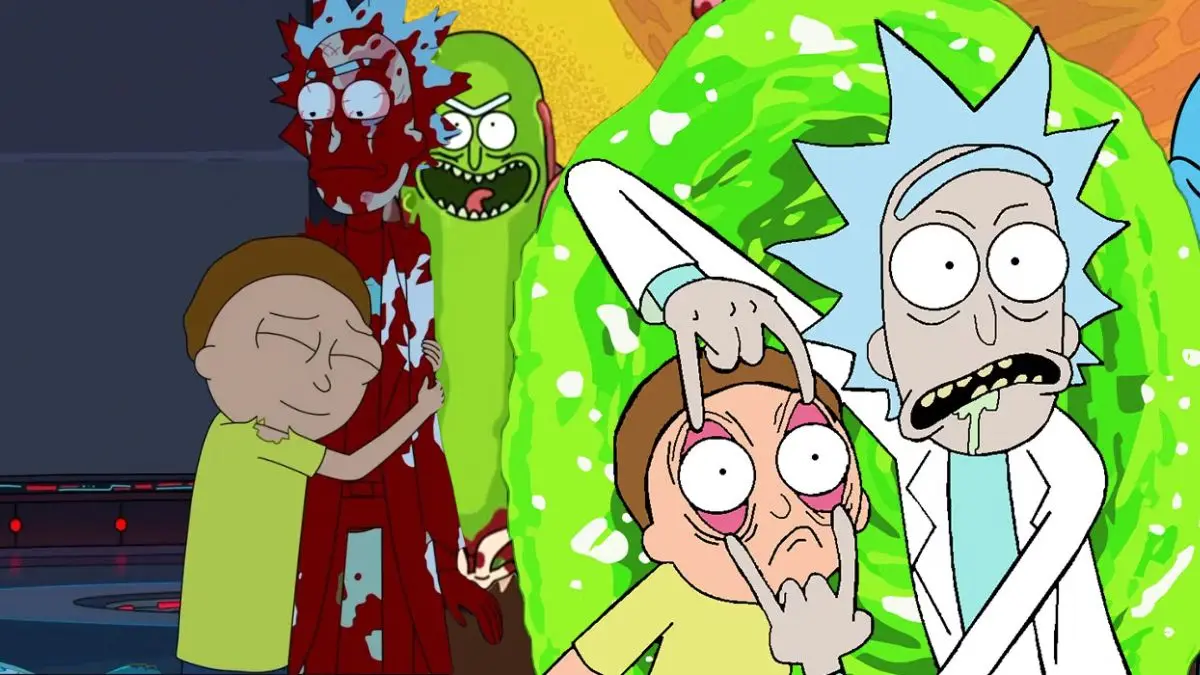

‘Rick and Morty’ arrived with a mix of high concept science fiction and abrasive comedy that set it apart from other animated shows. It built entire adventures around portal physics, alternate timelines, and the chaos that follows a genius who refuses limits. The family dynamic gave the science a personal anchor, and the show quickly turned small details into big mythology.
Over time the series kept expanding its universe and its production toolkit. It added larger arcs, sharper visuals, and new ways to play with format. Some elements now feel less fresh while others have only grown more impressive, especially as later seasons connected earlier ideas and paid off long running setups.
Aged Poorly: Reliance on shock humor
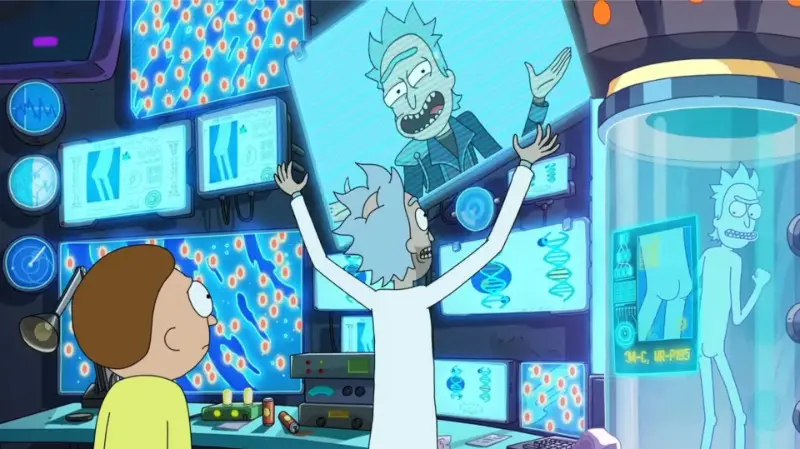
The show often uses extreme body horror, graphic violence, and explicit sex jokes to escalate a premise. Episodes include plots with giant sperm, an incest space baby that becomes a recurring presence, and prolonged sequences designed to provoke discomfort. These choices create memorable images, yet they also lock certain episodes to an older late night sensibility that depends on gross out escalation.
That approach can crowd out the science puzzle or character beat that drives the story engine. When an episode leans on one outrageous visual after another, the cause and effect chain that usually powers the narrative gets less room to operate. The result is a structure that is harder to revisit for the ideas and easier to remember for a single shocking gag.
Aged Masterfully: Worldbuilding that rewards rewatching
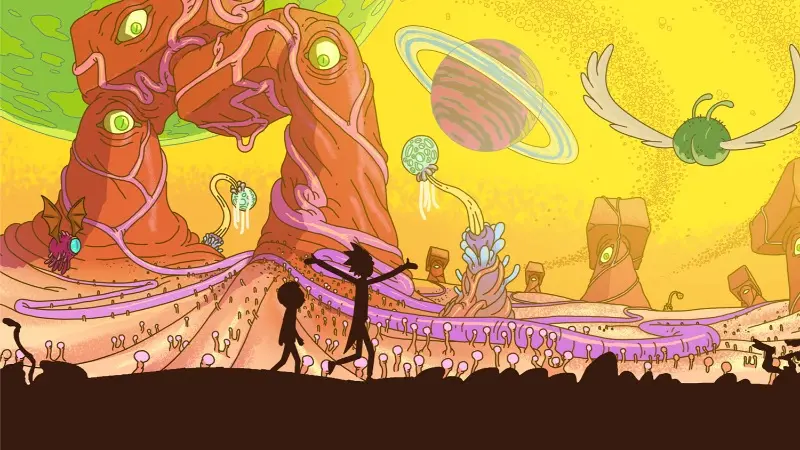
The show establishes clear rules around portals, parallel timelines, and replacement universes. Characters abandon their original timeline after a catastrophe and live with the consequences in a different reality. The Citadel of Ricks and the Council of Ricks organize an entire multiverse into a rigid hierarchy, and those institutions become the backbone for long range plotting.
Payoffs arrive across wide gaps. The program threads the Central Finite Curve through jokes, background details, and closing tags until it becomes a central idea. A viewer can track how small throwaway elements lead to major turns, and the internal logic stays stable enough that later revelations make earlier episodes read differently while still fitting the rules.
Aged Poorly: Multiverse fatigue across the culture
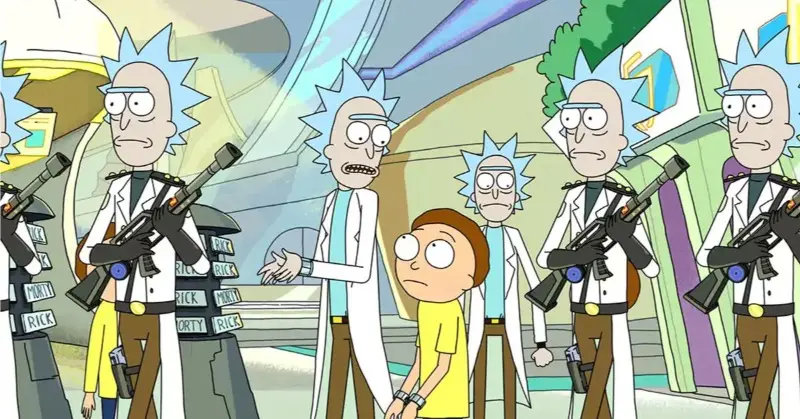
When the series launched, its take on infinite realities felt unusual on television. Since then, multiverse stories spread across big studio movies and other animated shows. Concepts that once felt distinctive now appear in many places, which reduces the novelty of a portal based twist or an alternate version reveal.
The show still uses its rules well, yet the wider media landscape now includes similar devices. Audiences encounter branching timelines, variant characters, and canon breaking reveals in many franchises. The effect is that a familiar structural surprise lands with less impact simply because it is no longer rare.
Aged Masterfully: Character arcs with concrete milestones
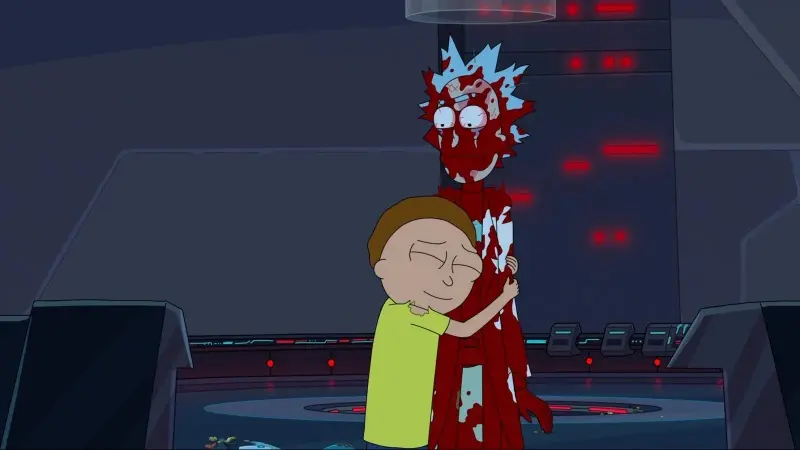
Morty gains agency through specific choices that no longer depend on Rick’s approval. He takes lead roles in mission planning, challenges reckless plans, and manages clean up after reality bending errors. Summer shifts from tagalong to primary ops partner, able to run gadgets and negotiate high pressure situations without supervision.
Beth’s clone storyline brings Space Beth into the family and creates a new parent dynamic that changes every domestic scene. Jerry moves from constant failure to occasional competence with episodes that document his small wins. Rick’s defenses crack in controlled steps through therapy sessions, strained apologies, and moments where he accepts limits on what the portal gun can solve.
Aged Poorly: Off screen turmoil and voice changes

Adult Swim severed ties with a co creator during the run and recast the voices for both Rick and Morty. The production updated credits and marketing, and new performers matched established vocal rhythms while adjusting delivery over time. These changes required careful sound design and direction to preserve continuity across seasons.
The shift also altered how viewers perceive earlier and later episodes in back to back marathons. Marquee characters keep their verbal tics and timing, yet differences in timbre and breath control are audible when episodes are compared directly. That creates a before and after line that did not exist in earlier rewatch cycles.
Aged Masterfully: A clear leap in animation and staging
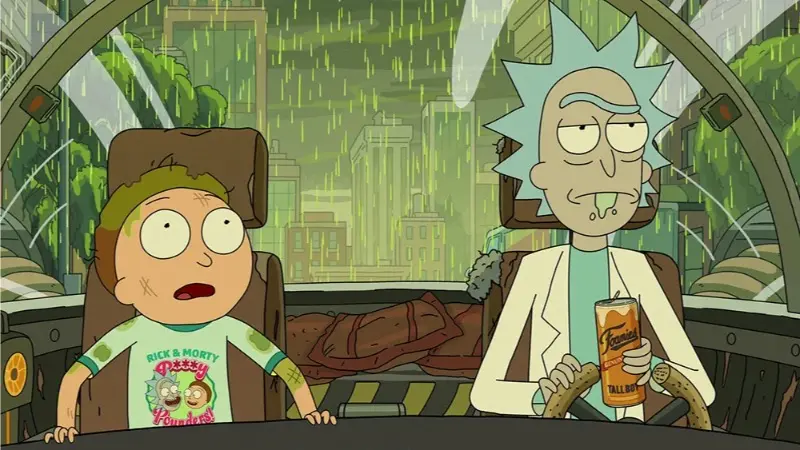
Later seasons add deeper backgrounds, more sophisticated camera moves, and cleaner action geography. Sequences feature multi plane parallax, particle effects for portal residue, and fluid simulations for alien environments. Vehicle chases use 3D assists that integrate convincingly with 2D characters, which raises the baseline for visual storytelling.
Character acting improves as well. Eyelines track across portals with consistent perspective, facial microexpressions sell small beats, and crowd scenes maintain on model figures during complex pans. The result is a look that supports both big spectacle and quiet emotional scenes without visual whiplash.
Aged Poorly: Meme and merch moments overshadow episodes
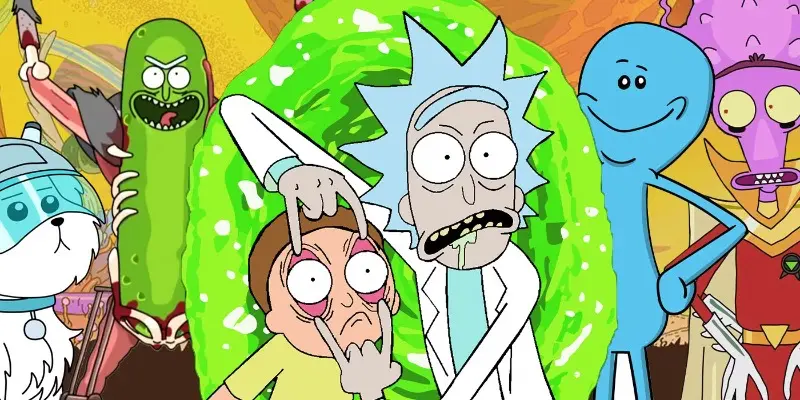
Certain episodes spawned viral images and catchphrases that escaped their narrative context. The Szechuan sauce craze led to store lines and news coverage that focused on a single reference more than the episode’s plot about obsession and consequence. Pickle based memes circulated widely while the story’s therapy material and family stakes received less attention.
That imbalance affects long tail viewing because new audiences often meet the show through an out of context clip or product. When the first contact is a meme, the tonal range of the full episode can be a surprise. The gap between a merchandising hook and the surrounding story creates a fragmented sense of what the series actually does week to week.
Aged Masterfully: Formal experiments that teach the playbook
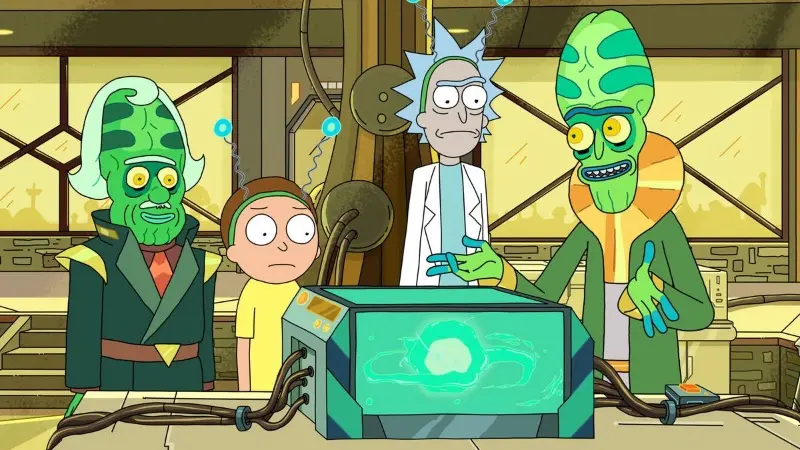
The series treats format as a toy box and explains its toys as it goes. Interdimensional television episodes demonstrate an improv based cutaway engine that can interrupt any plot. Memory based anthologies catalog discarded adventures while revealing how the family edits its own history. The story train episode turns literary devices into characters and then dismantles the device in front of the viewer.
These experiments work as tutorials for the show’s own grammar. They label canonicity, bottle episodes, clip show energy, and authorial intrusion in plain terms while still delivering jokes and set pieces. That makes later structural tricks easier to follow because the rules have already been explained inside the narrative.
Aged Poorly: Gaps and splits that break momentum
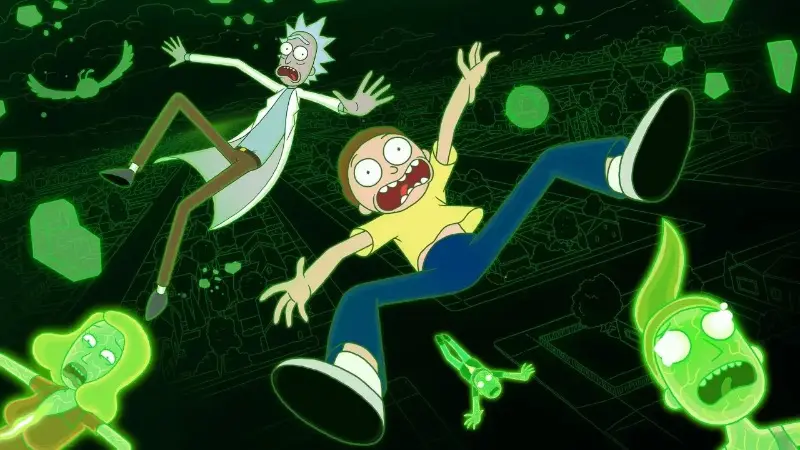
The show often airs seasons with long breaks and occasional split runs. Multi part arcs can pause for months between chapters, and holiday schedules sometimes push premieres or finales into unexpected slots. Viewers who follow live broadcasts face stretches where a setup sits unresolved until the schedule resumes.
Those gaps matter for a puzzle box narrative. Clues and small callbacks land best when the previous beat is fresh. When a twist depends on a tiny visual from an earlier episode, a long delay increases the chance that the detail fades, which shifts the experience from deduction to recap.
Aged Masterfully: A flexible engine that supports longevity
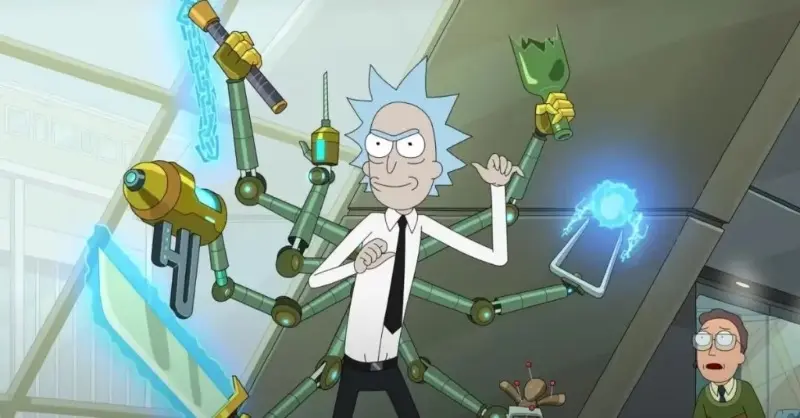
The core loop allows for a self contained adventure or a chapter in a larger arc without breaking either mode. A new viewer can drop into a standalone monster hunt and follow the action with no homework. A returning viewer can spot threads that tie the case of the week to the Council, the Curve, or the family’s alternate timeline history.
The show also maintains a broad reference grid that stays readable. It can play with ‘Back to the Future’, ‘Doctor Who’, ‘Star Trek’, ‘Futurama’, and ‘Gravity Falls’ style ideas while mapping them onto its own rules. That flexibility keeps the series adaptable across seasons because it can absorb new genre waves and still feel like itself.
Share how you think ‘Rick and Morty’ held up over time in the comments.