5 Things About ‘Sherlock’ That Made Zero Sense and 5 Things About It That Made Perfect Sense

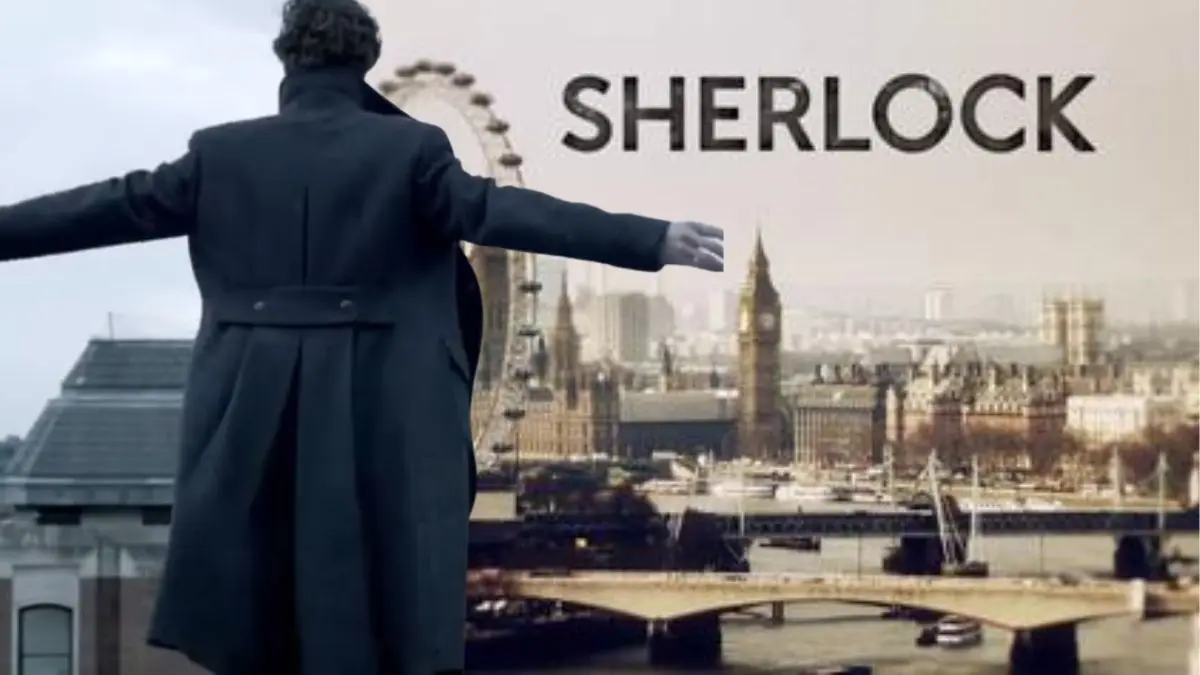

The modern take on Arthur Conan Doyle’s detective arrived as ‘Sherlock’ in 2010 and ran through 2017 with one special in 2016. Across four series and the special, the show used feature length episodes to deliver mystery plots that often pulled titles and imagery from the original stories while rebuilding them for present day London.
Created by Steven Moffat and Mark Gatiss and produced by Hartswood Films for the BBC, the series starred Benedict Cumberbatch as Sherlock Holmes and Martin Freeman as John Watson. It leaned on text overlays, mobile phones, and a popular blog inside the story to convey deductions and clues, and it introduced ideas like the mind palace as a recurring tool for problem solving.
Zero Sense: The St Bart’s fall mechanics
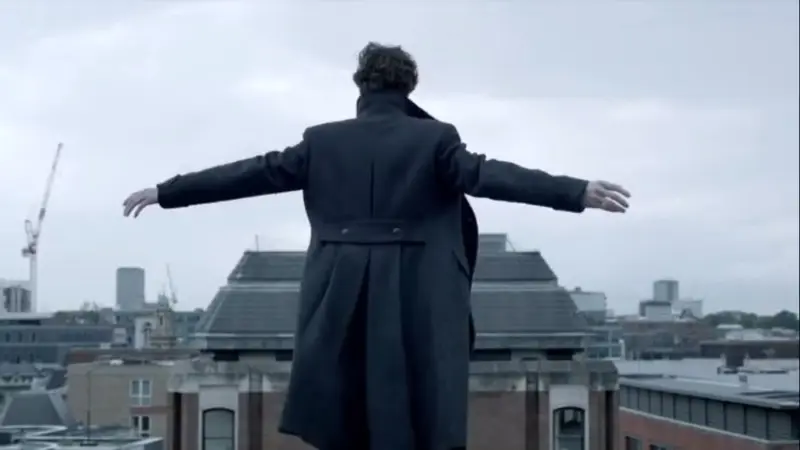
In ‘The Reichenbach Fall’ Sherlock appears to jump from the roof of St Bartholomew’s Hospital and is later revealed to be alive. ‘The Empty Hearse’ presents multiple in universe explanations during a fan club sequence and finally shows a version that uses an air bag, a squash ball, a rapid swap with a body double, and coordination with Molly Hooper and others. The episode does not label any single account as definitive inside the story, which leaves the logistics of timing, lines of sight, and hospital staff response without one canonical timeline.
Street level shots in ‘The Reichenbach Fall’ show John Watson being knocked down before he can reach the body, which allows time for unseen actions near the ambulance area. ‘The Empty Hearse’ also shows camera angles that suggest several blind spots around the parked lorry and the hospital entrance. The result is a set of moving parts that can add up to survival on screen, yet the sequence of traffic control, crowd management, and medical handoff remains fragmented across different versions that the show itself offers.
Perfect Sense: Classic canon updated for the present day
From the first scene of ‘A Study in Pink’ the series relocates Doyle’s world to contemporary London and uses real city streets and landmarks as working backdrops. John Watson’s military service in Afghanistan informs his medical skills and his tolerance for field risk, and his blog becomes the narrative engine that brings clients to Baker Street in place of newspaper advertisements and word of mouth from the books.
Everyday technology becomes casework infrastructure throughout the show. Text messages render as on screen typography so viewers follow information exactly as the characters do, and quick searches, GPS traces, and CCTV pulls fold into investigations without long exposition. The effect keeps the detective methods recognizable while aligning them with tools that modern police and private consultants actually use.
Zero Sense: The universal code and the triple heist
‘The Reichenbach Fall’ opens with simultaneous breaches at the Tower of London, the Bank of England, and Pentonville Prison, all tied to a master key code that Moriarty carries on his phone. Later in the same episode the story reveals that the master code is a fiction created to trap Sherlock, which makes the earlier multi site access possible only through social engineering or inside help that is never detailed on screen. The difference between a software exploit and a staged con is left unresolved at the technical level.
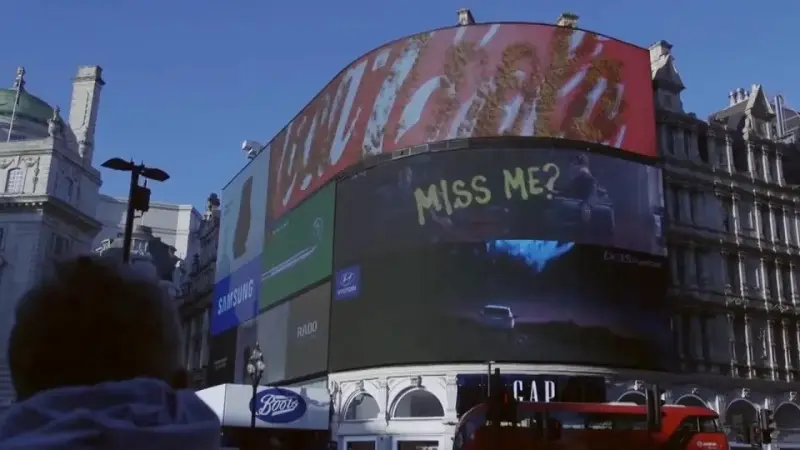
The same hour includes Moriarty interrupting broadcast systems across London with an identical image. The plot treats the signal hijack as effortless and citywide, yet it provides no in story chain that links devices, transmitters, or staff cooperation that would be required for a coordinated takeover. Viewers are told the effect is real inside the narrative, but the underlying steps remain off camera.
Perfect Sense: Deduction visuals and the mind palace
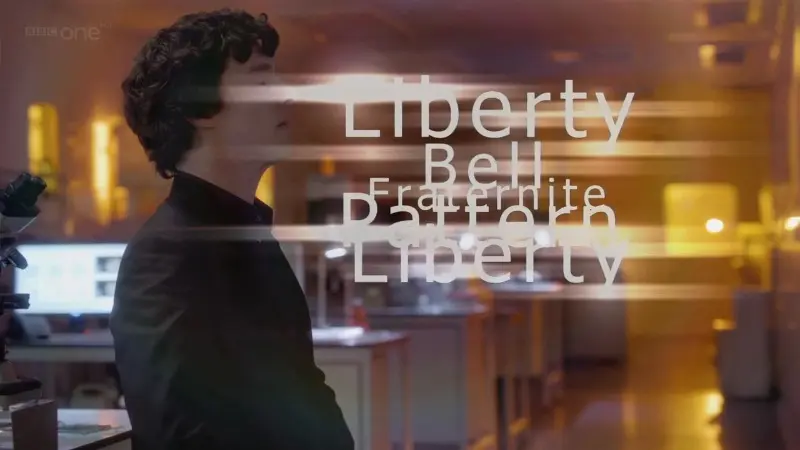
‘Sherlock’ standardizes on screen text and floating clue callouts as a visual language for deductions beginning in ‘A Study in Pink’. Close shots of details combine with rapid cuts so that minor observations such as wear patterns, fabric types, and mud traces are presented as data points rather than vague intuition. This system lets the audience audit the inputs that lead to Sherlock’s conclusions during interrogations and at crime scenes.
The mind palace appears as a named technique in ‘The Hounds of Baskerville’ and becomes central in ‘His Last Vow’. During the shooting scene with Mary, time slows and the episode walks through vital signs, ballistic paths, and triage choices inside the mind palace to show how Sherlock survives. Later, the concept expands to memory retrieval, code breaking, and pattern linking, which gives a consistent framework for representing cognition without resorting to lengthy dialogue.
Zero Sense: Mary Morstan’s timeline and access
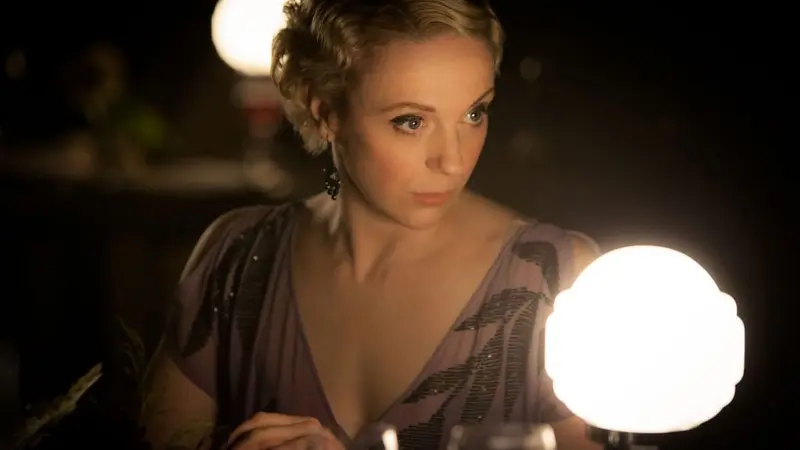
In ‘His Last Vow’ Mary is revealed as a former operative linked to the A G R A team with multiple passports and extensive tradecraft. The show establishes her capability by having her infiltrate a secure building and shoot Sherlock in a way that avoids fatal damage. The same episode places her in possession of sensitive data that Charles Magnussen uses for leverage, yet it does not map when or how she reenters the intelligence world after building a civilian life with John.
‘The Six Thatchers’ adds a backstory mission and a black ops fallout that eventually leads to Mary’s death. A pre recorded message to Sherlock and John later appears with guidance and personal history. The arc confirms her operational reach and global contacts, but the dates of her training, her departure from the field, and her first meetings with John are never reconciled with official records or employment gaps that ordinary institutions would track.
Perfect Sense: The working partnership at Baker Street
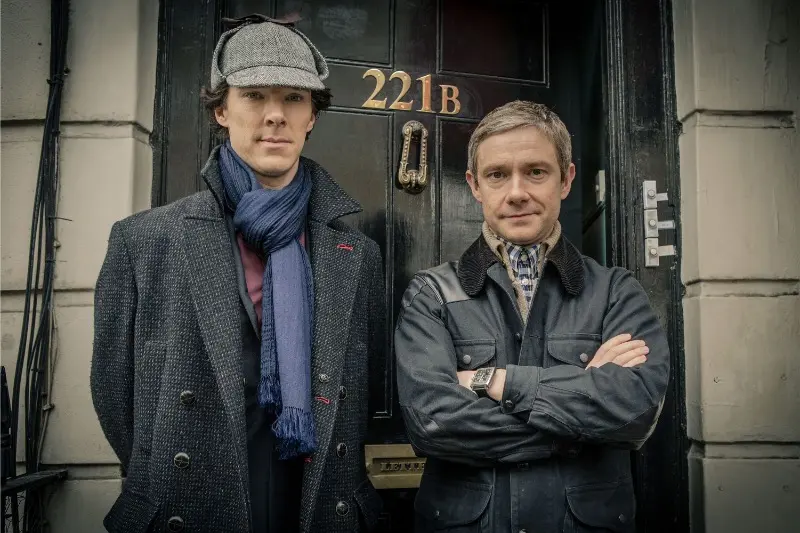
From ‘A Study in Pink’ onward the series shows John as an active participant rather than a passive narrator. He performs first response medicine at scenes, handles firearms when necessary, and conducts interviews that draw out personal details Sherlock might miss. Their shared flat at 221B organizes the casework, with John’s blog building an audience that brings clients who reference posts by name.
The police relationship is also grounded in repeatable tasks. Detective Inspector Lestrade seeks their help on cases where pattern recognition outpaces standard procedure, and in return Sherlock and John access labs, exhibits, and evidence briefings. The show uses that exchange to move the plot quickly from discovery to experiment to test, which mirrors how a real consultant might operate under supervision.
Zero Sense: Eurus Holmes and Sherrinford logistics

‘The Final Problem’ introduces Eurus as a sister who manipulates therapists, guards, and a maximum security facility called Sherrinford. She conducts a series of psychological trials for Sherlock, John, and Mycroft, and she influences people with a few minutes of conversation in earlier episodes through planted identities. The story credits her with near total control of movement and communication inside the prison without showing operational staff, schedules, or fail safes that would normally prevent a single inmate from running the site.
The episode also reframes Redbeard as Victor Trevor and shifts the childhood incident from a pet’s death to a friend’s murder. That change retrofits Sherlock’s memories and affects the chronology of family events, police response, and community records. The recontextualization fits the new villain reveal, but the practical timeline of search efforts and legal proceedings remains unseen in the text of the show.
Perfect Sense: Canon titles and Doyle references
The series carries over story names and motifs to anchor each mystery. ‘A Study in Pink’ draws from ‘A Study in Scarlet’ with a serial suicide case tied to a revenge motive and a word painted at a scene. ‘The Hounds of Baskerville’ moves the moor legend to Dartmoor with a research facility and local folklore, and ‘The Sign of Three’ uses a wedding as a frame to bundle cases that echo puzzles from the original long novel.
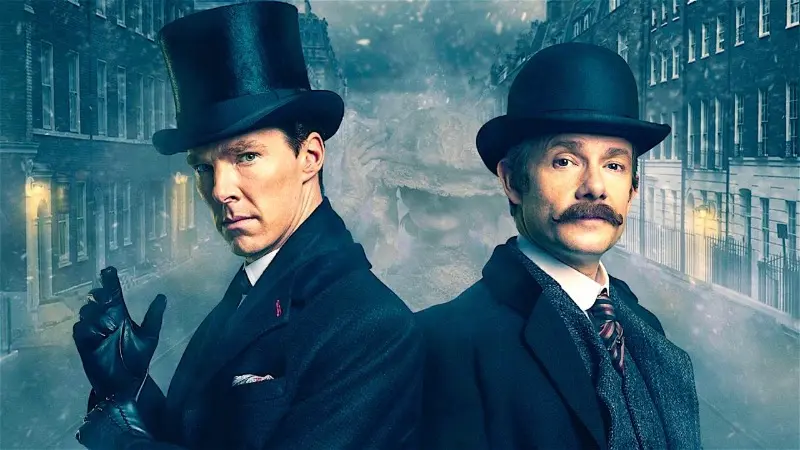
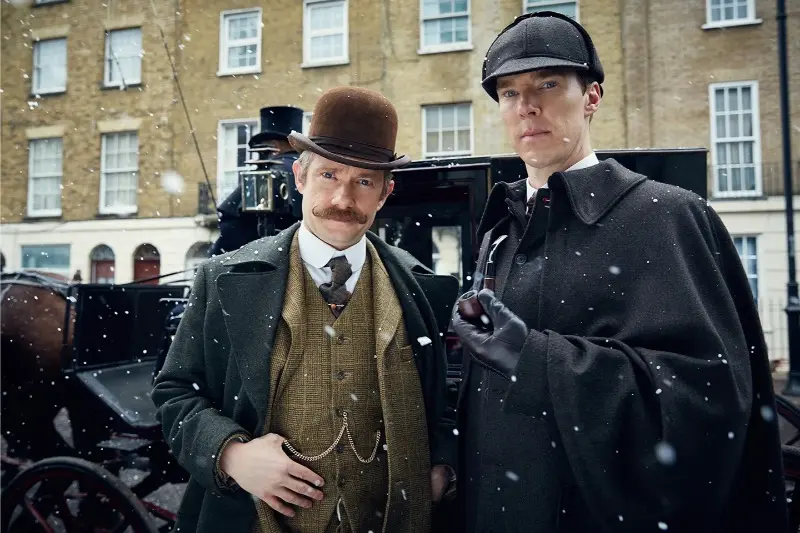
Even the Christmas special pays homage while experimenting with format. ‘The Abominable Bride’ places the cast in a Victorian setting that mirrors the original period and then folds that simulation back into the modern timeline. Across the run, names like Moran, Baskerville, and Reichenbach appear as characters, places, or visual cues so that long time readers recognize the lineage while new viewers still get self contained plots.
Zero Sense: Crime scene access and procedure
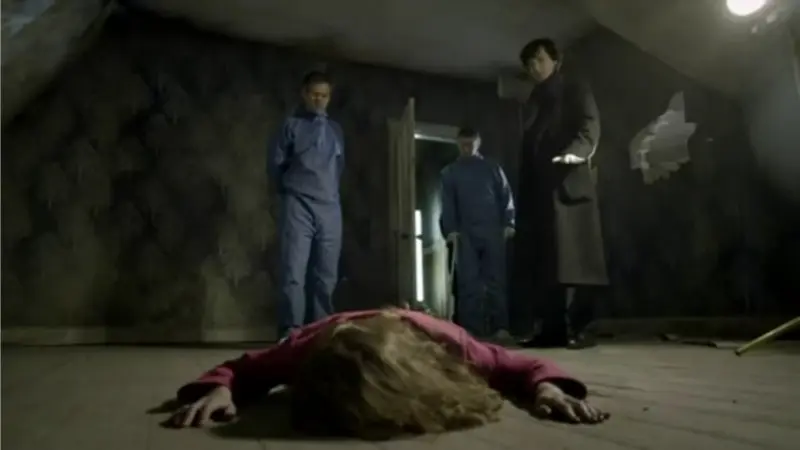
In ‘A Study in Pink’ Sherlock moves through an active scene and handles objects while police officers stand nearby, and later he secures a taxi driver confession in a private encounter rather than through a formal interview. Similar liberties appear in ‘The Great Game’ when an explosives vest is brought into Baker Street as part of a serial coercion plot. These events play out without custody logs, body searches, or recording requirements that are standard in real investigations.
The show often shows sealed exhibits opened for informal experiments in the flat, including chemical tests and ballistics recreations. Results are reported verbally to Lestrade or Donovan and become part of the case solution, yet there is no onscreen paperwork chain that would allow the findings to be used in court. The absence of warrants, lab requests, and evidence signatures is a repeated gap that the narrative does not detail.
Perfect Sense: Episode format and production design
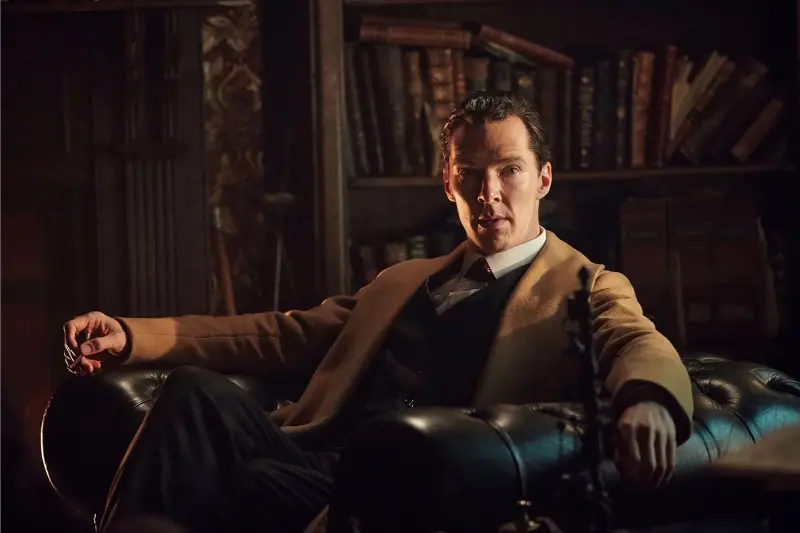
Each episode runs about ninety minutes and functions as a stand alone film with a case that begins, escalates, and resolves within a single night of television. Series one through three follow a three episode model, then ‘The Abominable Bride’ arrives as a special before series four returns to the three episode structure. This format supports deep guest roles, location shoots across London and beyond, and set pieces that would not fit into a half hour or one hour slot.
Production design creates a consistent visual identity for Baker Street and recurring spaces. The 221B sitting room keeps its layout across years, the Mind Palace sequences use recurring corridors and rooms to signal shifts from reality to cognition, and Mycroft’s government offices retain a restrained palette and symmetrical framing. Viewers can track where they are in the story and what mode of thinking is active based on those design choices.
Zero Sense: The broadcast hijack afterlife
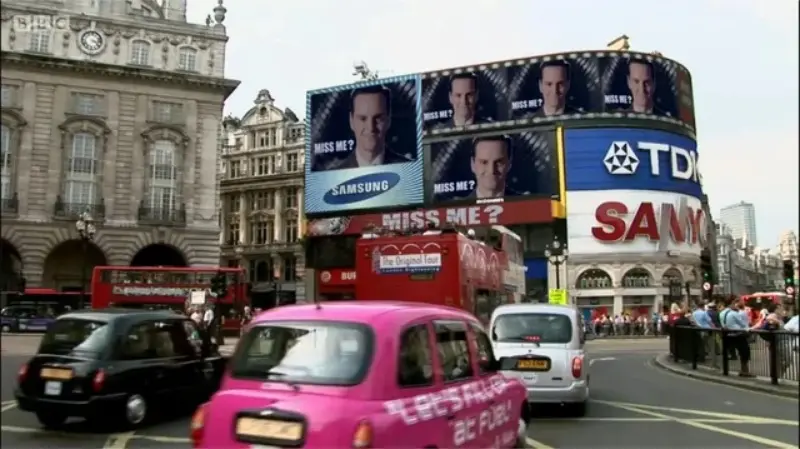
Sherlock’s public image collapses at the end of ‘The Reichenbach Fall’ after Moriarty’s staged evidence, and then it rebounds when ‘The Empty Hearse’ shows Sherlock’s return. The series treats the media swing as immediate and widespread, yet it does not outline specific corrections from newspapers and television or professional reviews that would normally follow a high profile case. The path back to regular consulting is shown through personal reunions rather than institutional reinstatement.
Later, ‘His Last Vow’ and ‘The Final Problem’ both involve mass media moments that shift public opinion again. A video of Sherlock apparently executing Magnussen and an all channels message of Moriarty’s face both cause national reactions inside the story. The show does not document investigations by regulators or courts that would track these disruptions, which leaves a record keeping vacuum around events that are otherwise described as matters of state.
Perfect Sense: Music, casting, and character continuity
Across the run, the score by David Arnold and Michael Price uses recurring motifs for Sherlock, John, and Moriarty that return in variations during key revelations. That continuity helps signal character state changes without extra dialogue, and it ties long arcs together across years between series. The title theme and end credits frame each mystery with recognizable cues that match the pace of deductions and pursuits.
Core casting remains stable, which supports narrative callbacks and evolving relationships. Una Stubbs as Mrs Hudson, Rupert Graves as Lestrade, Louise Brealey as Molly, and Mark Gatiss as Mycroft reappear in crucial moments such as the fall aftermath and the wedding episode. Their repeat presence allows the show to build consequences over time so choices in early cases ripple into later ones without needing heavy recap.
Share your own picks for what in ‘Sherlock’ puzzled you and what clicked for you in the comments.