5 Things About ‘Star Trek: The Original Series’ That Made Zero Sense and 5 Things About It That Made Perfect Sense


The original run of ‘Star Trek: The Original Series’ set the template for starship adventures while also leaving fans with puzzles that never quite lined up. It introduced future tech, alien cultures, and a working starship that felt both exploratory and military. That mix still invites close reading today.
Looking back, you can spot places where the production pushed ideas faster than the rules could keep up. You can also find systems that were explained well enough to work across many stories. Here are five that strained logic and five that fit together neatly.
Zero Sense: Stardates That Would Not Sit Still
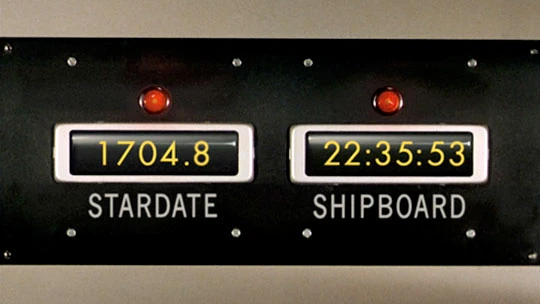
Early episodes use stardates that jump forward and backward with no reliable pattern. One hour might log a stardate in the 1300s while a later episode uses a number in the 1000s. The writers guide only required that stardates progress within a single episode, which means viewers cannot map them to a calendar or a season of travel. That is why two adventures produced weeks apart can appear to take place years apart or even earlier.
This creates problems when you try to follow the crew timeline. Promotions, treaties, and ship refits cannot be placed on a clear line because the numeric system does not anchor to months or years. Later series standardized stardates, but within ‘Star Trek: The Original Series’ the numbers are story tools rather than timekeeping.
Perfect Sense: Clear Chain of Command Onboard
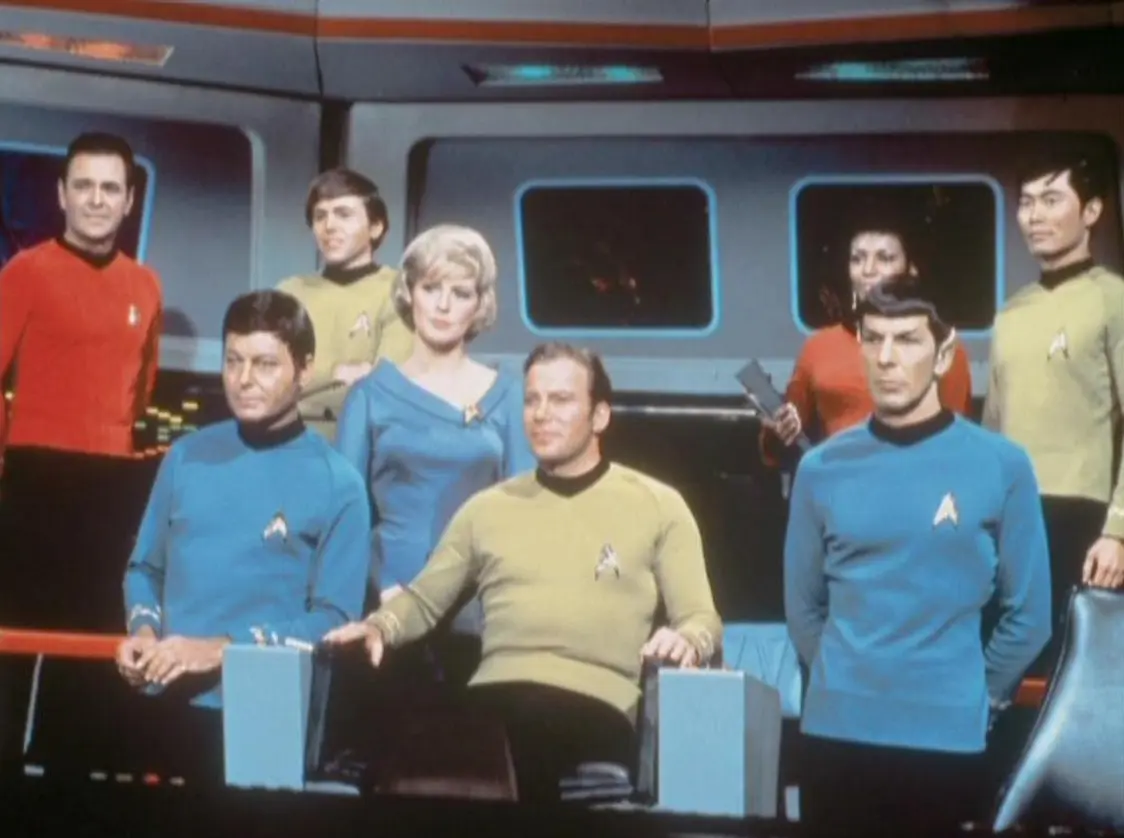
The show establishes a straightforward hierarchy that explains who does what during a crisis. The captain commands the ship, the first officer coordinates departments and leads analysis on the bridge, the chief engineer manages propulsion and power, and the chief medical officer has authority over fitness for duty. When the captain leaves the bridge, the senior officer of the watch takes the chair, which keeps control unbroken.
Shipboard logs reinforce the structure. The captain records mission objectives and decisions while department heads file technical and medical findings. Security runs tactical responses and protects landing parties. These procedures explain why orders flow quickly during red alerts and why the crew can split tasks without confusion.
Zero Sense: Transporter Rules That Keep Changing

The transporter can separate a person into two halves in one episode, struggle with bad weather in another, and then handle battlefield extractions with ease. At times the crew says they cannot beam through shields or certain minerals. In other scenes they do site to site transport without a source pad. Range limits also vary, with clean drops from orbit one week and complaints about interference the next.
Because of these swings, mission plans sometimes feel inconsistent. The crew will take a shuttle for a short hop even when orbit to surface transport worked fine in the prior story. Constraints like pattern loss, power drain, or faulty targeting appear when the plot needs tension, which makes it hard to know when the transporter is truly an option.
Perfect Sense: Roles And Gear On Away Missions

Landing parties consistently use a standard set of tools that explain how they work. Tricorders collect environmental and biological data for quick scans. Communicators link directly to the ship so the bridge can lock on to team members. Phasers offer variable settings for stun and cut, which gives security a clear nonlethal option in first contact situations.
Team composition also follows a pattern. Command leads the interaction, science handles analysis, and security secures the perimeter. Medical support appears when conditions warrant it. This mix shows a repeatable field protocol that fits an exploratory service and helps the audience understand how different specialists contribute.
Zero Sense: Prime Directive Applied With A Moving Target
The Prime Directive is described as strict non interference with developing civilizations. In practice, the crew sometimes removes computers, arms groups, or exposes locals to advanced knowledge when it serves a greater good. In other cases they refuse to intervene even when a society is in obvious danger. The policy shifts from non contact to corrective action based on the needs of the episode.
These swings create confusion about what counts as acceptable contact. The crew might justify one intervention as damage repair for earlier contamination, while a similar situation elsewhere brings a hands off stance. Without stated thresholds or review steps on screen, the rule reads less like law and more like guidance.
Perfect Sense: Spock And Vulcan Culture As A Consistent Framework

The series defines Vulcans as logical beings who discipline emotion through training and tradition. Practices such as the mind meld, the nerve pinch, and ritual bonds are introduced with clear limits and then used in later stories the same way. Spock’s mixed heritage explains why he sometimes shows stress responses that humans misread, which the medical team notes with specific physiological markers.
The culture is also given structure through ceremony and social expectations. Bonds formed in youth carry legal weight among Vulcans. Personal challenges require formal witnesses. When Vulcans commit to logic, they do so through visible practices, which helps the audience understand why Spock defends certain choices even when they complicate human relationships on the ship.
Zero Sense: Senior Officers On Point For The Riskiest Jobs
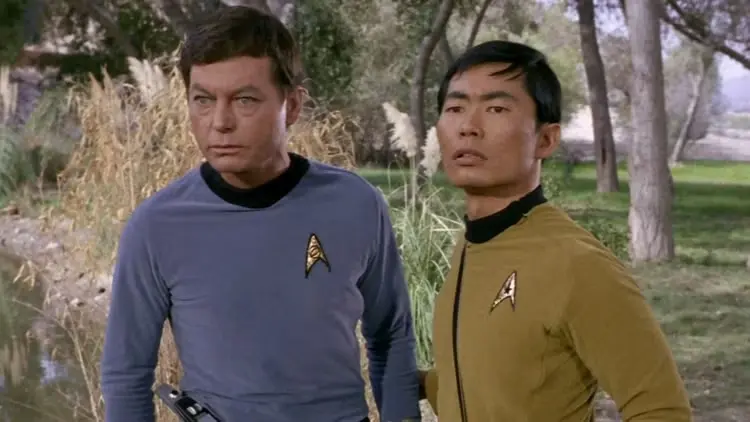
Captains and department heads lead many away teams, often into unknown conditions. The practice puts the command structure at risk during hostile encounters and sudden environmental hazards. Security specialists are present, yet the most senior people still step into the center of conflict or negotiation.
This approach raises questions about Starfleet field doctrine. Realistic risk management would keep key decision makers on the bridge while trained teams gather information. The series favors direct involvement by leadership, which makes for clear storytelling but leaves the crew without redundancy when things go wrong.
Perfect Sense: Bridge Diversity And Communications Protocols
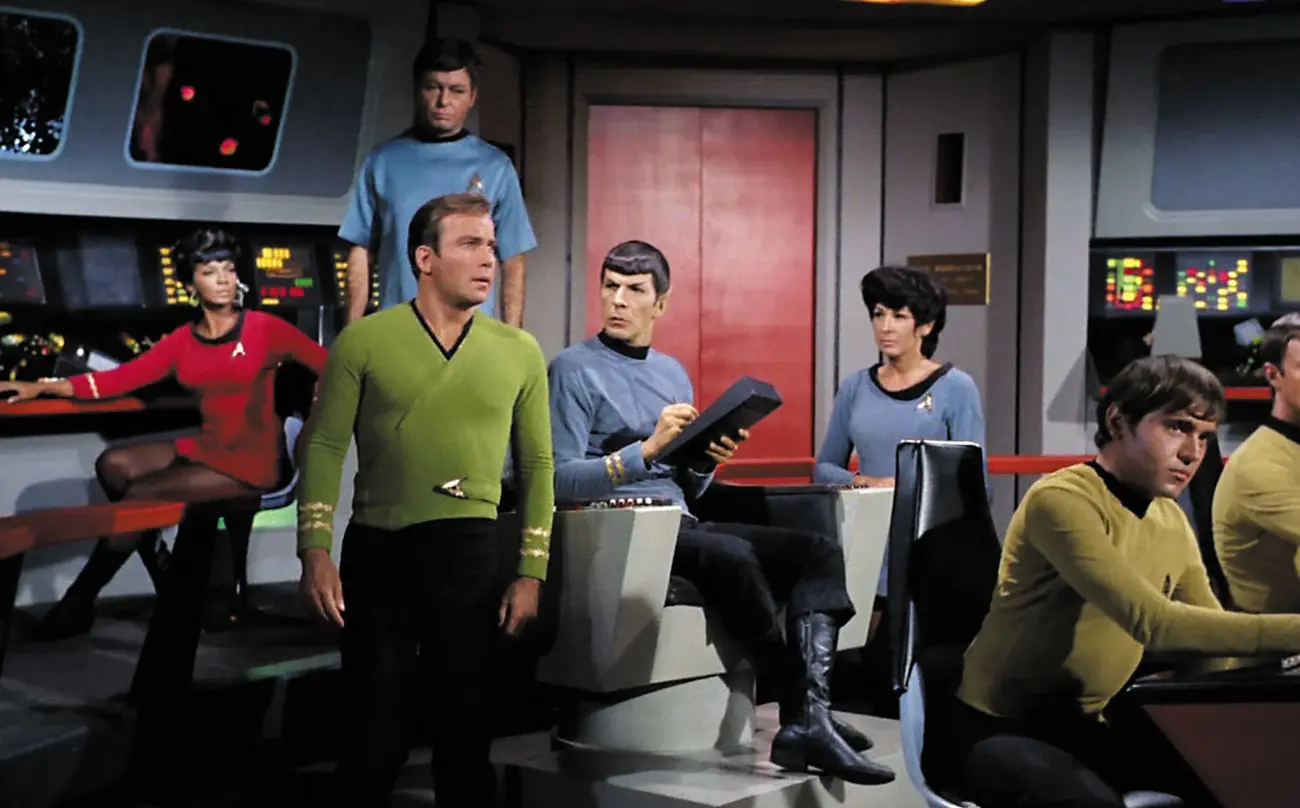
The bridge team includes officers from different backgrounds who hold key posts. The communications officer manages hailing, translation, and signal monitoring, which keeps first contact structured. The helm and navigation split piloting and plotting, which mirrors real world division of flight tasks and allows for quick course changes under fire.
The show also demonstrates professional radio discipline. Calls use sender and recipient tags, officers repeat critical data, and the ship records every exchange. This makes contact with alien ships, ground teams, and shuttles easy to follow and gives the crew a reliable audit trail during investigations.
Zero Sense: So Many Earthlike Worlds With No Clear Cause

The Enterprise meets a large number of planets with breathable air, humanlike cultures, and even one that mirrors Earth geography. Some match specific Earth eras such as ancient Rome or early gangster America with minimal explanation beyond parallel development. The frequency of habitable class M worlds creates an impression that humans can step outside without suits almost anywhere.
The pattern also blurs the sense of cosmic variety. When worlds repeat Earth customs, the show must rely on brief lines about contamination or similar evolution to explain the match. Without stronger on screen causes such as shared seeding or long term migration, these copies feel less like discoveries and more like stage resets.
Perfect Sense: Starship Systems That Behave Like A Real Vessel

The Enterprise is introduced as a Constitution class ship with a crew of roughly four hundred, multiple decks, and defined sections for engineering, medical, science, security, and operations. Power comes from matter and antimatter reactions moderated by dilithium crystals. Shields, deflectors, and sensors have capacities and known failure modes. When power is rerouted, engineering reports what subsystem loses priority and why.
Routine operations also feel consistent. The ship maintains standard orbit, runs sensor sweeps before transport, and logs every course change. Shuttles are stored in a bay and require launch clearance. Repairs take time and crews are assigned in shifts. All of this grounds the setting so the audience understands what the Enterprise can do on a normal day and what it costs to push beyond the safe envelope.
Share your own picks in the comments and tell us which parts of ‘Star Trek: The Original Series’ puzzled you and which parts clicked perfectly.