Quentin Tarantino’s States His Top Five Grindhouse Favorites

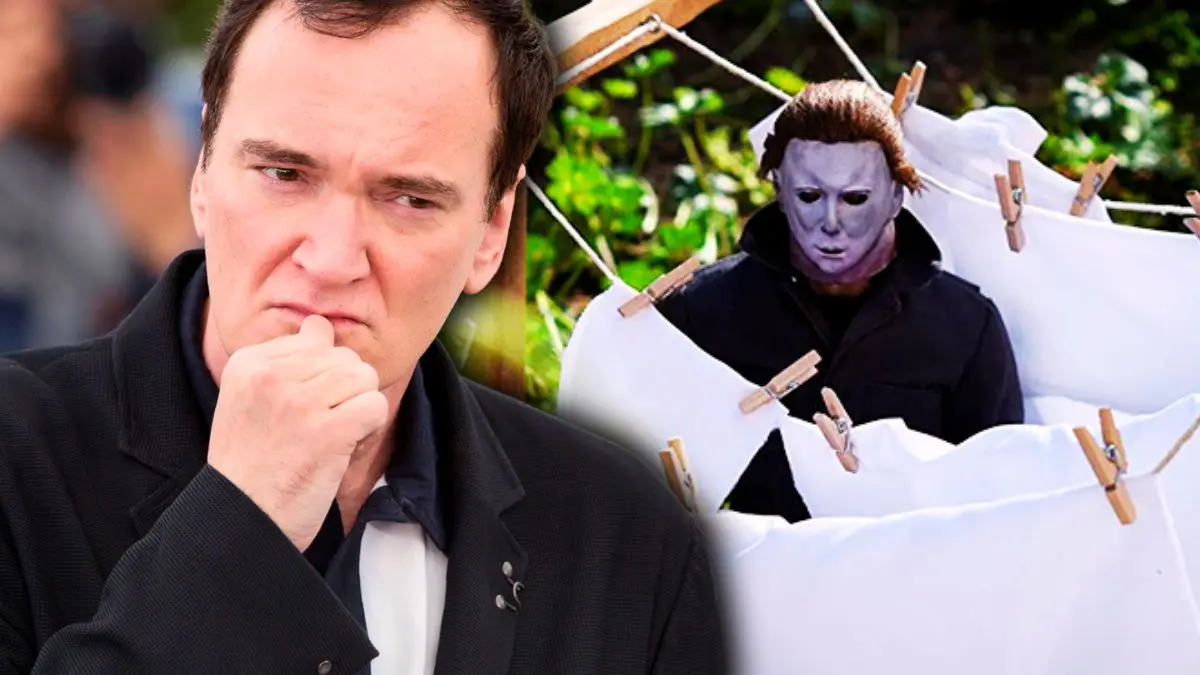

Quentin Tarantino has always worn his movie influences on his sleeve, and some of his biggest inspirations come from the grindhouse era.
These were low-budget films packed with gore, shocks, and wild action, often shown in cheap theaters during the 1970s. Speaking about his love for this kind of cinema, Tarantino has named several films that left a mark on his own directing style.
One of the clearest examples is Tobe Hooper’s The Texas Chainsaw Massacre, released in 1974. Made with a tiny budget, the film became a box office hit and remains one of the most shocking horror movies of all time.
Its villain, Leatherface, terrified audiences with his chainsaw and cannibal family. Critics at the time were split, with some calling it too disturbing, but it later gained recognition as a horror classic. The film’s mix of chaos, brutality, and dark humor can be seen echoed in many of Tarantino’s most twisted villains.
Another favorite is George A. Romero’s Dawn of the Dead from 1978. The zombie film was both a gore-fest and a sharp social commentary on consumer culture, with much of it set in a shopping mall.
While controversial on release because of its extreme blood and violence, it has since been praised as one of the greatest horror films ever made. The movie’s buckets of blood no doubt inspired the endless streams of gore in Kill Bill and other Tarantino projects.
Tarantino has also shown admiration for John Carpenter’s Halloween. The 1978 film introduced Michael Myers, one of horror’s most famous killers, and made Jamie Lee Curtis a star.
Carpenter’s use of suspense and simple, effective scares was widely praised, and the film became one of the most influential slashers ever made.
Tarantino often flips this formula, however, by giving his female characters far more power than Carpenter’s early “final girls.” Uma Thurman’s role as The Bride in Kill Bill feels like a direct answer to the horror heroines who came before her.
Blaxploitation films of the 1970s also shaped Tarantino’s vision, and one that stands out is Jack Hill’s Coffy. Released in 1973, it starred Pam Grier as a nurse who takes revenge on drug dealers.
The film was a financial success and is now seen as one of the defining movies of the genre. Critics praised Grier’s commanding performance, and Tarantino later cast her in Jackie Brown, clearly inspired by the same tough, self-assured character she played in Coffy. He even borrowed music from its soundtrack for his film.
Lastly, Tarantino has often praised Five Fingers of Death, a martial arts film directed by Jeong Chang-hwa in 1972. Known in Asia as King Boxer, the movie is often credited with kicking off the martial arts craze in America.
Though not as highly regarded as Bruce Lee’s classics, it was well-received at the time and opened the door for kung fu films to reach a wider audience. Its style of camera work and editing, including quick cuts and dramatic sound effects, are mirrored in Tarantino’s Kill Bill.
These films may have been made cheaply, but their bold style and lasting influence shaped generations of filmmakers, Tarantino included. His work takes pieces of horror, blaxploitation, and martial arts cinema, mixing them into something that feels both nostalgic and fresh.
- The Texas Chainsaw Massacre (Tobe Hooper, 1974)
- Dawn of the Dead (George A. Romero, 1978)
- Halloween (John Carpenter, 1978)
- Coffy (Jack Hill, 1973)
- Five Fingers of Death (Jeong Chang-hwa, 1972)
My take is that Tarantino’s love for grindhouse films shows why his movies feel so unique. He respects the raw energy of these classics, and he isn’t afraid to use their ideas in new ways. What about you? Do you think grindhouse cinema still influences modern movies today? Share your thoughts in the comments.