Despite Directing it, There’s One Movie That Stanley Kubrick Hated With Passion

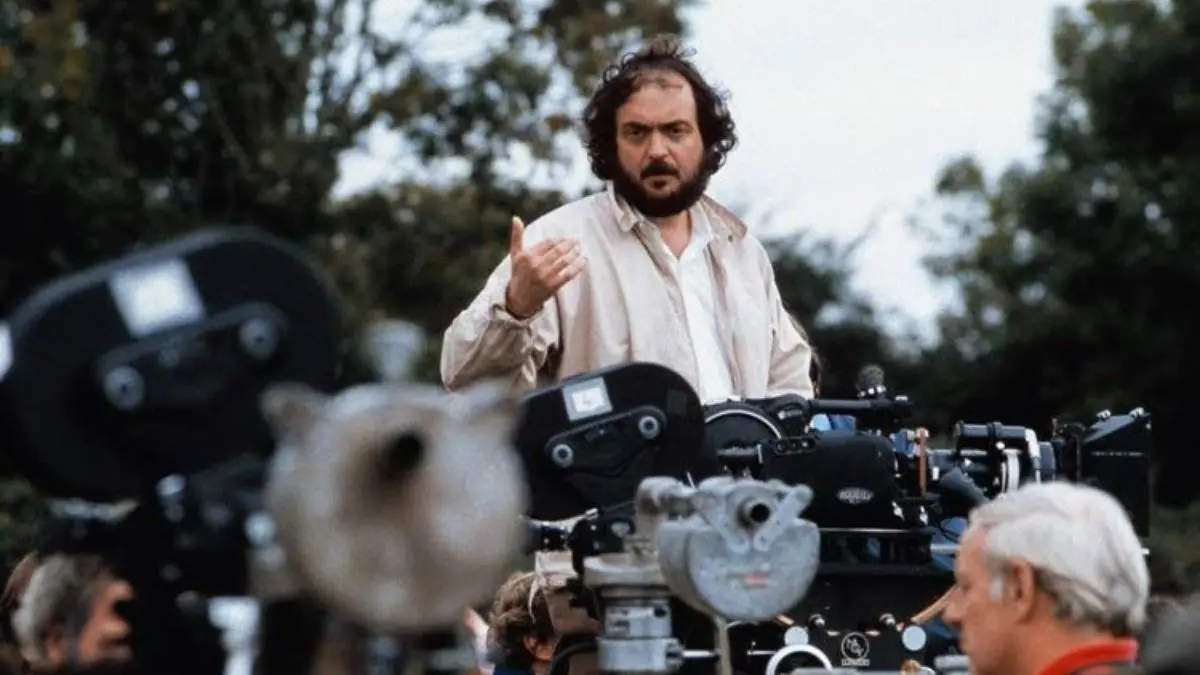

Stanley Kubrick’s first film, Fear and Desire, is famously the director’s most disliked work. The 1953 anti-war movie follows four soldiers trapped behind enemy lines, struggling with their own morality as they try to survive.
Despite being Kubrick’s debut, he later called the film “a bumbling amateur film exercise” and described it as “boring and pretentious” during a 1994 interview on the radio show All Things Considered.
Kubrick even instructed Warner Brothers to send a letter to the press downplaying the movie and discouraging screenings.
The production of Fear and Desire was extremely small. Kubrick worked with just 15 people and faced constant financial challenges.
To fund the film, he hustled chess games in Central Park and relied heavily on his pharmacist uncle, Martin Perveler, who lent him thousands of dollars. The budget was initially estimated at $10,000 but eventually ballooned to around $53,000.
Kubrick improvised to overcome these limitations. For example, to create fog, he used a crop sprayer, nearly asphyxiating the cast and crew in the process. For camera movement, he even used a baby carriage when proper equipment wasn’t available.
The cast included Paul Mazursky, Frank Silvera, Virginia Leith, Kenneth Harp, and Steve Coit. The screenplay was written by Howard Sackler, Kubrick’s high school classmate, who would later win a Pulitzer Prize. Mazursky recalled that Kubrick “tried to have the negative burned. He hated the movie. Hated it.”
Despite Kubrick’s disapproval, some critics praised the film. James Agee, a film critic and screenwriter, reportedly took Kubrick out for a drink and said, “There are too many good things … to call [Fear and Desire] arty.” Columbia University professor Mark Van Doren also encouraged Kubrick, writing that “Stanley Kubrick is worth watching for those who want to discover high talent at the moment it appears.”
Fear and Desire was not a commercial success. Its distributor, Joseph Burstyn, died in 1953, and the film quickly fell out of circulation. Kubrick attempted to destroy the original negative and any remaining prints, but a few survived in private collections.
The film resurfaced for public screenings decades later, with a retrospective showing at the 1993 Telluride Film Festival. Subsequent showings at the Film Forum in Manhattan in 1994 and at other venues helped preserve it.
An original copy was discovered in Puerto Rico in 2010, and Turner Classic Movies aired a restored version in 2011. The film was later released on DVD and Blu-ray, and a 35mm print of the original Venice premiere cut was restored in 4K by the Library of Congress and Kino Lorber in 2024.
Though Kubrick disowned the film for most of his life, Fear and Desire remains an important glimpse into the early development of one of cinema’s greatest directors. It shows his early determination, inventive problem-solving, and passion for filmmaking, even if the results fell short of his later standards.
Have something to add? Let us know in the comments!