The 10 Most Underrated Jeff Bridges Movies, Ranked (from least to most underrated)


Jeff Bridges has built a five decade career that moves with ease between intimate character studies and large scale studio projects. He has played drifters, dreamers, mentors, and men with stubborn convictions, always with a focus on detail and craft that shows up in quiet choices as much as in big moments.
This list highlights ten features that tend to sit outside the titles most people name first. Across thrillers, dramas, and adventures, these films show how consistently Bridges found strong material with distinctive directors and ensembles, and how often he anchored stories that still hold up for new viewers.
‘Winter Kills’ (1979)
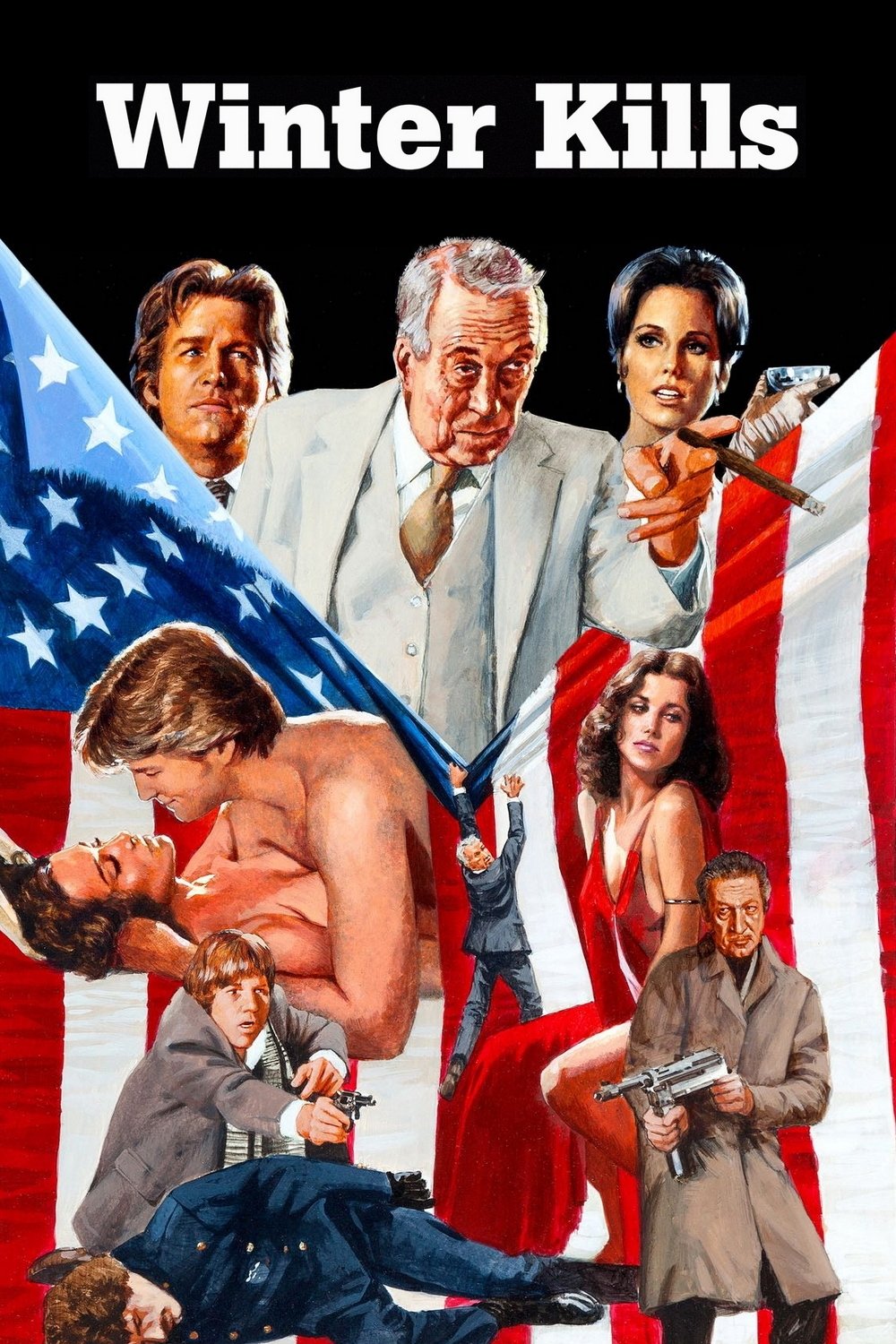
Bridges plays Nick Kegan, the half brother of a slain president who follows a trail of testimony that points to a layered conspiracy. The film adapts Richard Condon’s novel and places Nick opposite power brokers and fixers while he tries to verify a dying gunman’s confession. John Huston appears as Nick’s industrialist father, with Anthony Perkins in a key role that adds to the film’s maze like feel.
William Richert directs a production that famously endured shutdowns and restarts before its eventual release. Scenes were staged in Philadelphia, Los Angeles, and Mexico, with a design that shifts from smoky back rooms to bright mansions to underline the world Nick moves through. The finished cut blends procedural steps with darkly comic detours as new leads surface.
‘American Heart’ (1992)
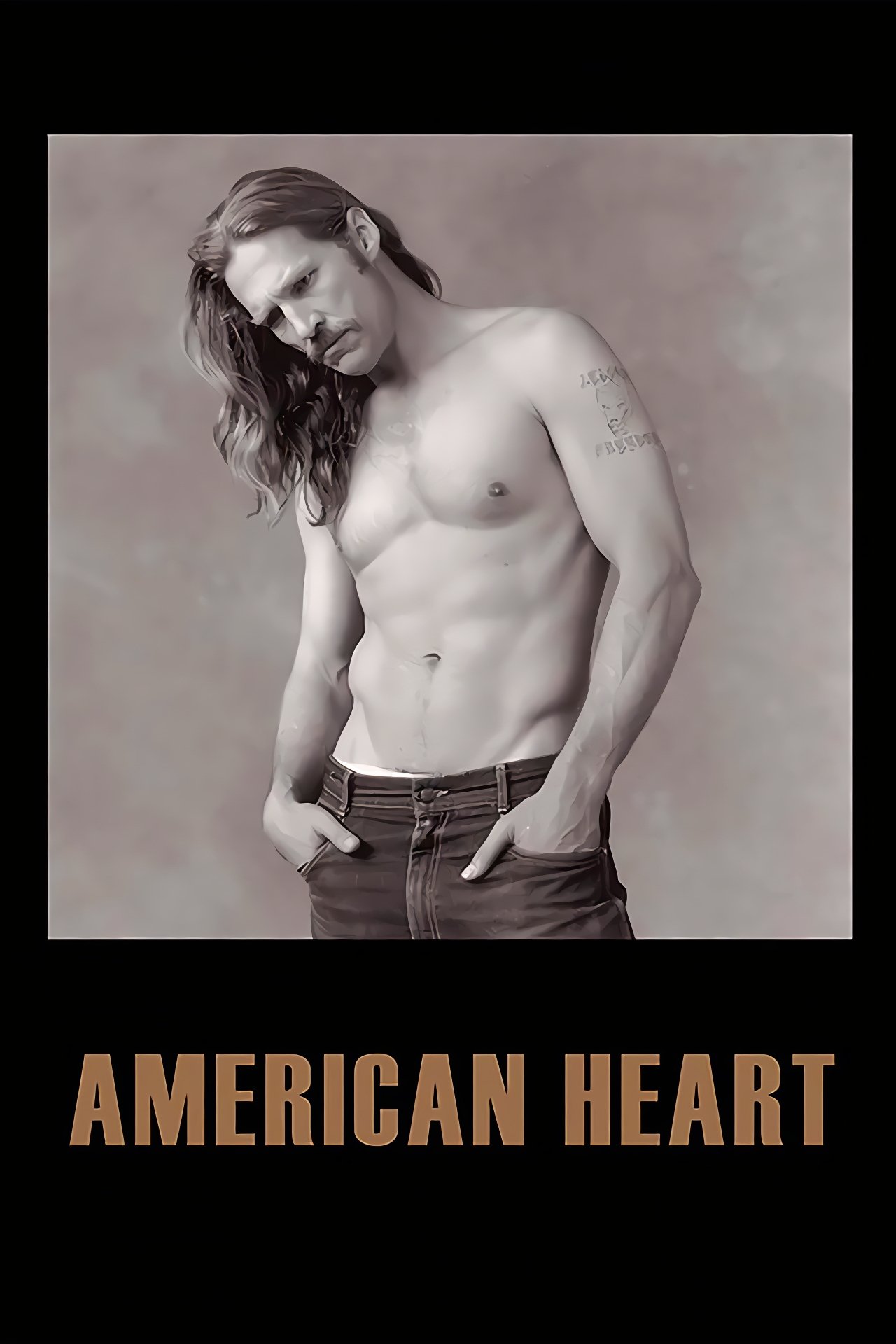
Set in Seattle, the film follows ex con Jack Kelson as he tries to hold steady work and a place to live while reconnecting with his teenage son. Bridges plays Jack with careful attention to routine, from day labor jobs to halfway house rules, while Edward Furlong’s character pushes for a future that does not repeat the past. The story tracks their attempt to build a home life with limited money and few options.
Director Martin Bell uses real locations around the city to give the housing and work scenes a lived in feel. The film earned Bridges an Independent Spirit Award nomination for Best Male Lead, and it drew notice for its focus on daily obstacles that shape choices for people on the margins. James Michael McCoy’s photography and a spare score place the emphasis on father and son scenes.
‘White Squall’ (1996)
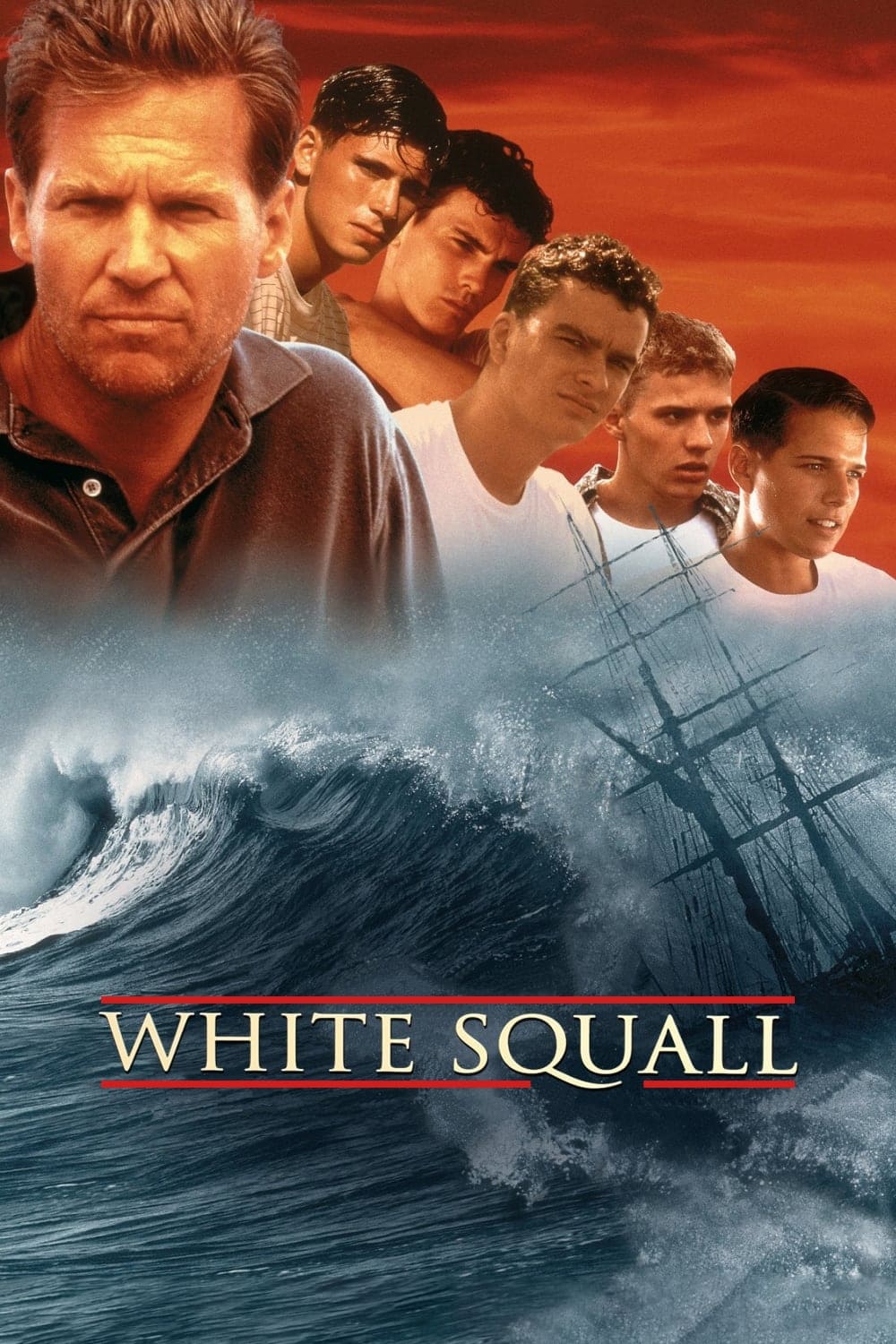
Based on accounts of the 1961 voyage of the brigantine Albatross, the story follows a group of students on a months long sailing program. Bridges portrays Captain Christopher Sheldon, who trains the crew through strict routines that cover navigation, seamanship, and discipline. The voyage moves through the Caribbean and the Atlantic as the boys prepare for a final transit.
Ridley Scott directs with a focus on shipboard detail that shows sail handling, storm preparation, and the chain of command. The production used large scale water tank work and location shooting, and it casts Scott Wolf, Ryan Phillippe, and Jeremy Sisto among the students. The film takes its title from a weather event that strikes without warning and tests the training the crew has worked to master.
‘The Door in the Floor’ (2004)

Adapted from the first section of John Irving’s novel ‘A Widow for One Year’, the film centers on children’s author and illustrator Ted Cole and the fractures inside his marriage. Bridges plays Ted opposite Kim Basinger’s Marion, as a summer assistant enters their East Hampton home and becomes tangled in their grief and routines. The story shows how art, memory, and daily habit cross in their household.
Director Tod Williams keeps the camera close to the work that defines Ted, including drawing sessions and readings that contrast with private moments in the house. Jon Foster plays the assistant and Elle Fanning appears in an early role. The production shot on Long Island to match the setting, and it uses quiet scenes in studios and coastal spaces to track how each character tries to move forward.
‘Tucker: The Man and His Dream’ (1988)
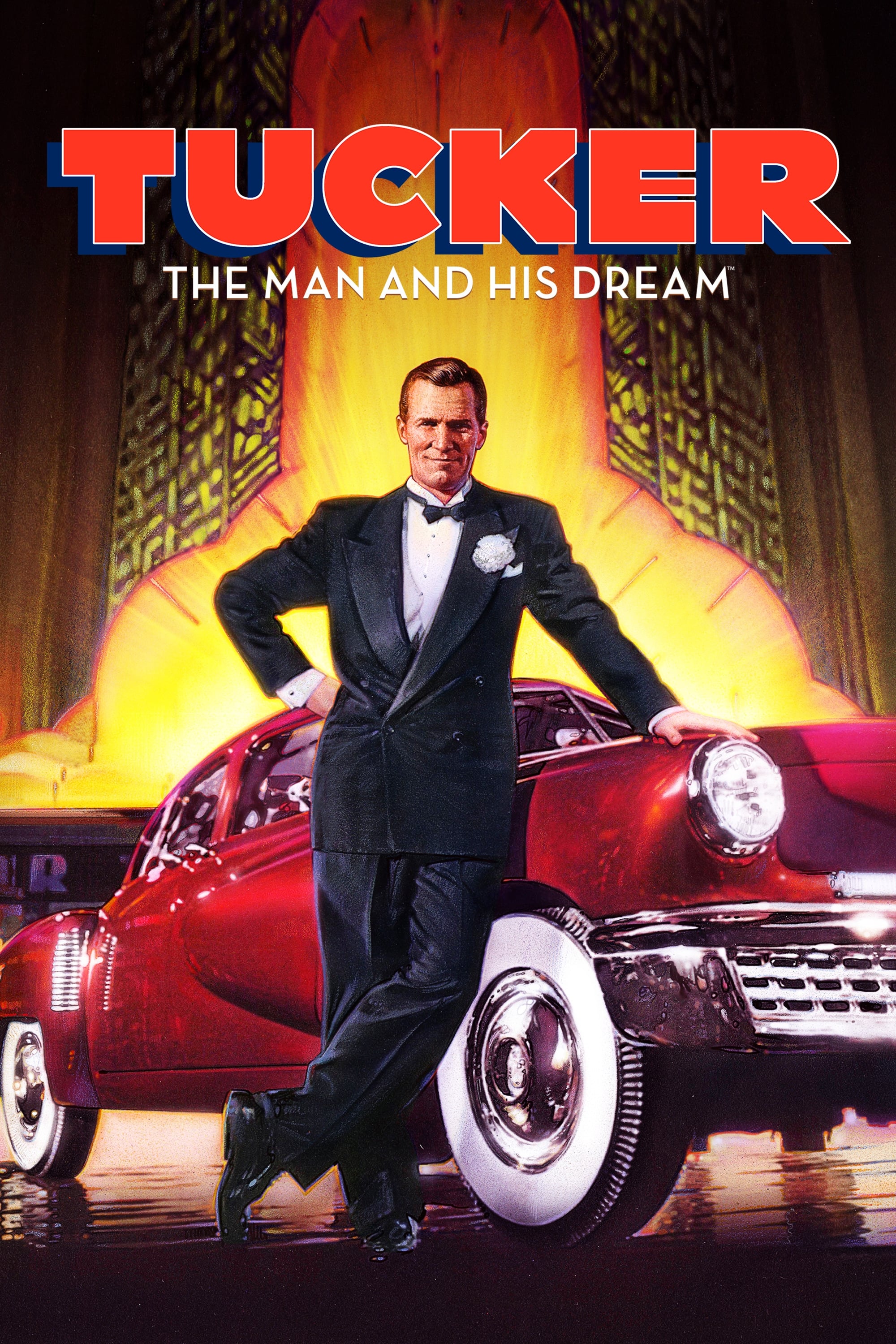
Bridges takes on the role of Preston Tucker, an inventor who tries to bring a new automobile to market in the late 1940s. The film follows the design and promotion of the ‘Tucker 48’, from safety features and aerodynamic ideas to the financial and legal barriers that rise as the project grows. Joan Allen plays Tucker’s wife, and Martin Landau appears as a business partner who works the numbers and the press.
Francis Ford Coppola directs with period detail across sets, costumes, and advertising art, and he worked with George Lucas as an executive producer on the project. The film received three Academy Award nominations, including Supporting Actor for Martin Landau, along with nominations for Art Direction and Costume Design. Several surviving Tucker cars appear on screen to document the look of the prototype and production vehicles.
‘Cutter’s Way’ (1981)
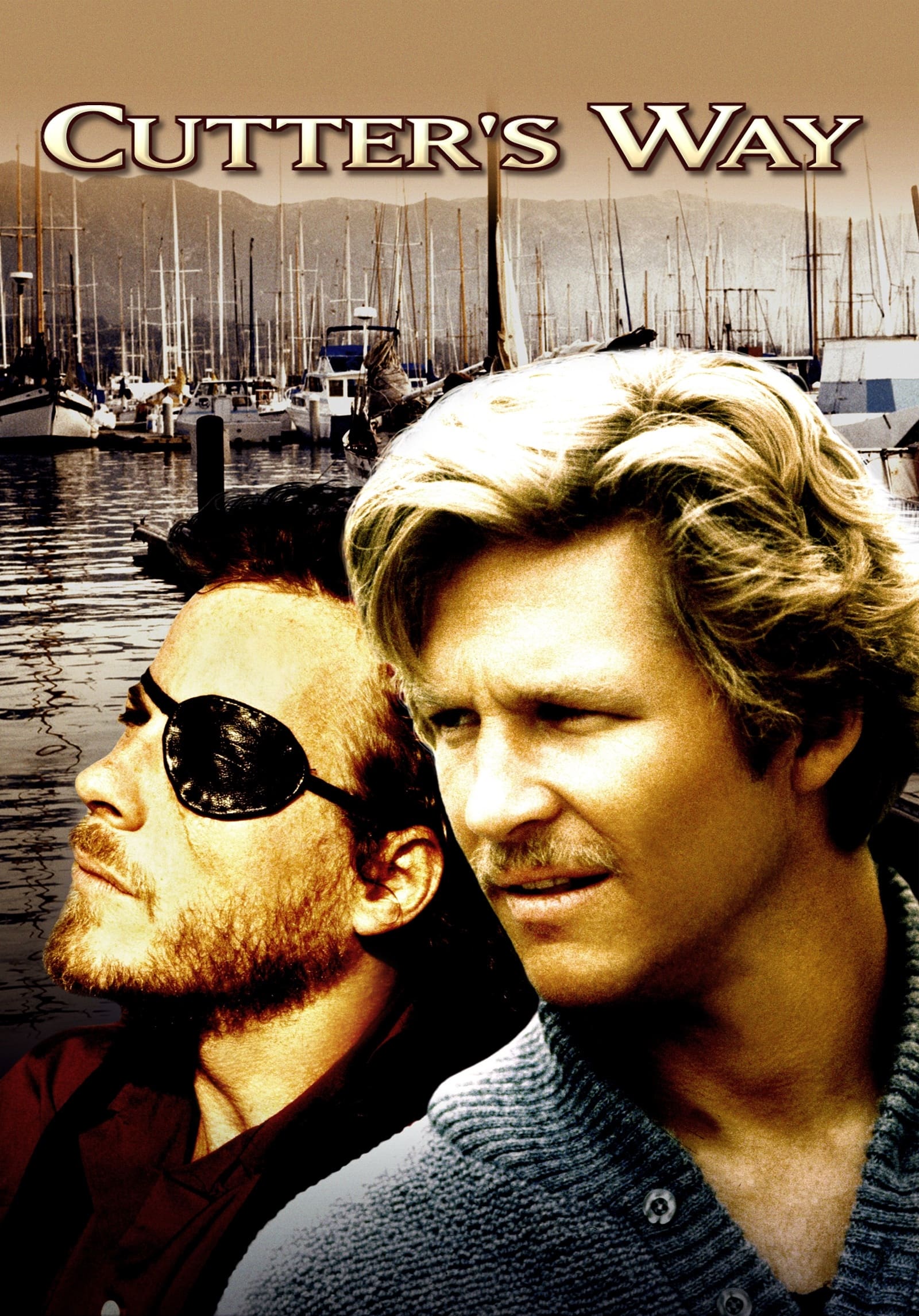
Set in Santa Barbara, the story follows Richard Bone and his friend Alex Cutter after Bone witnesses something that may connect a local figure to a murder. Bridges plays Bone with a focus on the limits of memory and responsibility, while John Heard’s Cutter pushes toward direct action. Lisa Eichhorn plays Mo, whose ties to both men add pressure as the investigation moves forward.
Ivan Passer directs from Newton Thornburg’s novel and keeps the pace steady as Bone and Cutter test each other’s judgment. The film was first released under the title ‘Cutter and Bone’ and then received a second release that helped it find a wider audience. It uses coastal locations and neighborhood streets to ground the tension in familiar spaces rather than in heightened set pieces.
‘Thunderbolt and Lightfoot’ (1974)
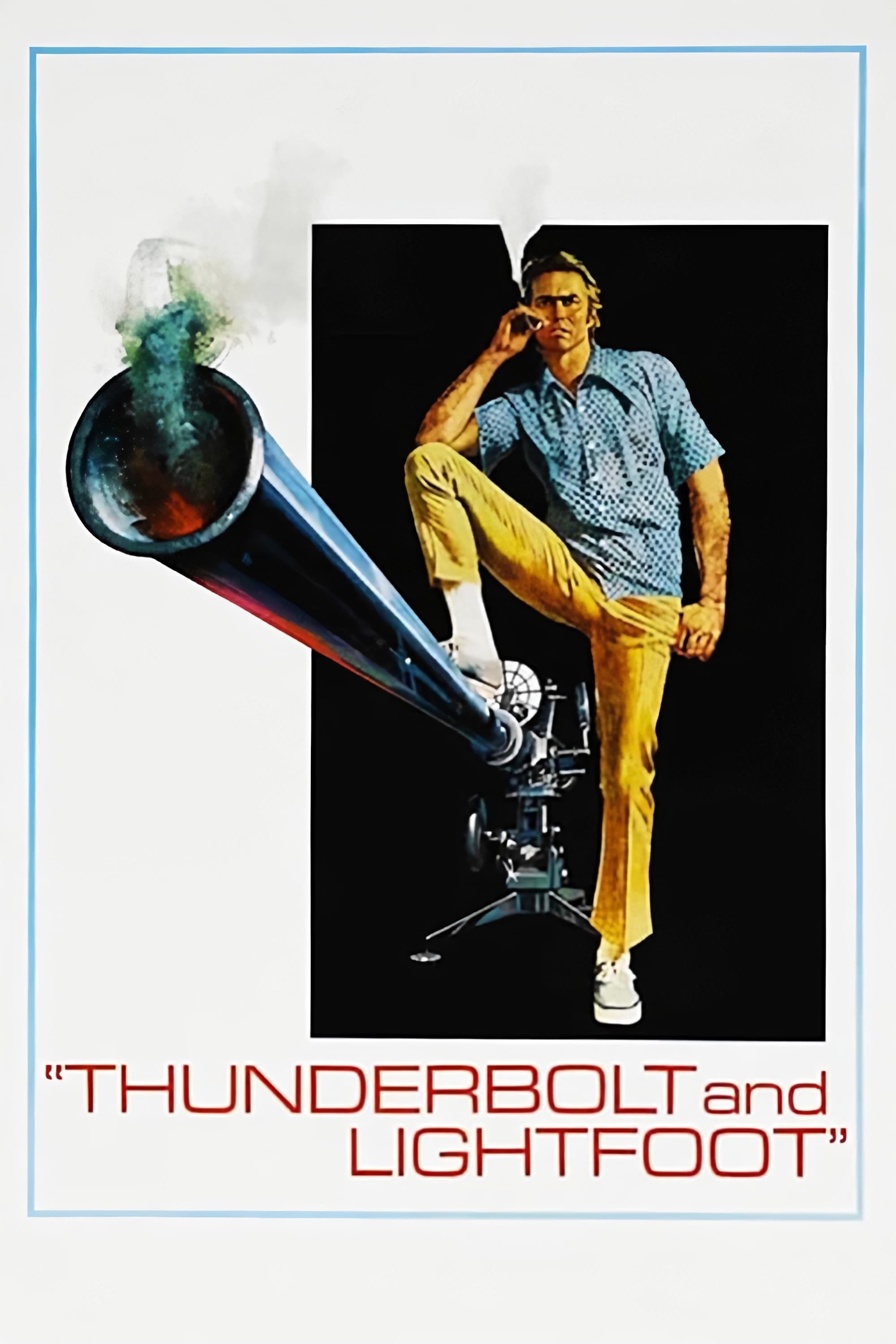
Bridges costars with Clint Eastwood in a heist story that begins with a chance meeting on a Montana roadside. He plays Lightfoot, who falls in with Eastwood’s thief known as Thunderbolt, as they plan a new job and face old partners who want a share. The plot moves from backroads to bank vaults while the crew gathers tools and maps out a route.
Michael Cimino makes his feature directing debut and works with locations across Montana to give the film open skies and small town banks that fit the plan. Bridges earned an Academy Award nomination for Best Supporting Actor for this role. The job involves heavy equipment and a high risk entry, and the film tracks both the logistics and the uneasy ties between the men who need one another to get it done.
‘Starman’ (1984)
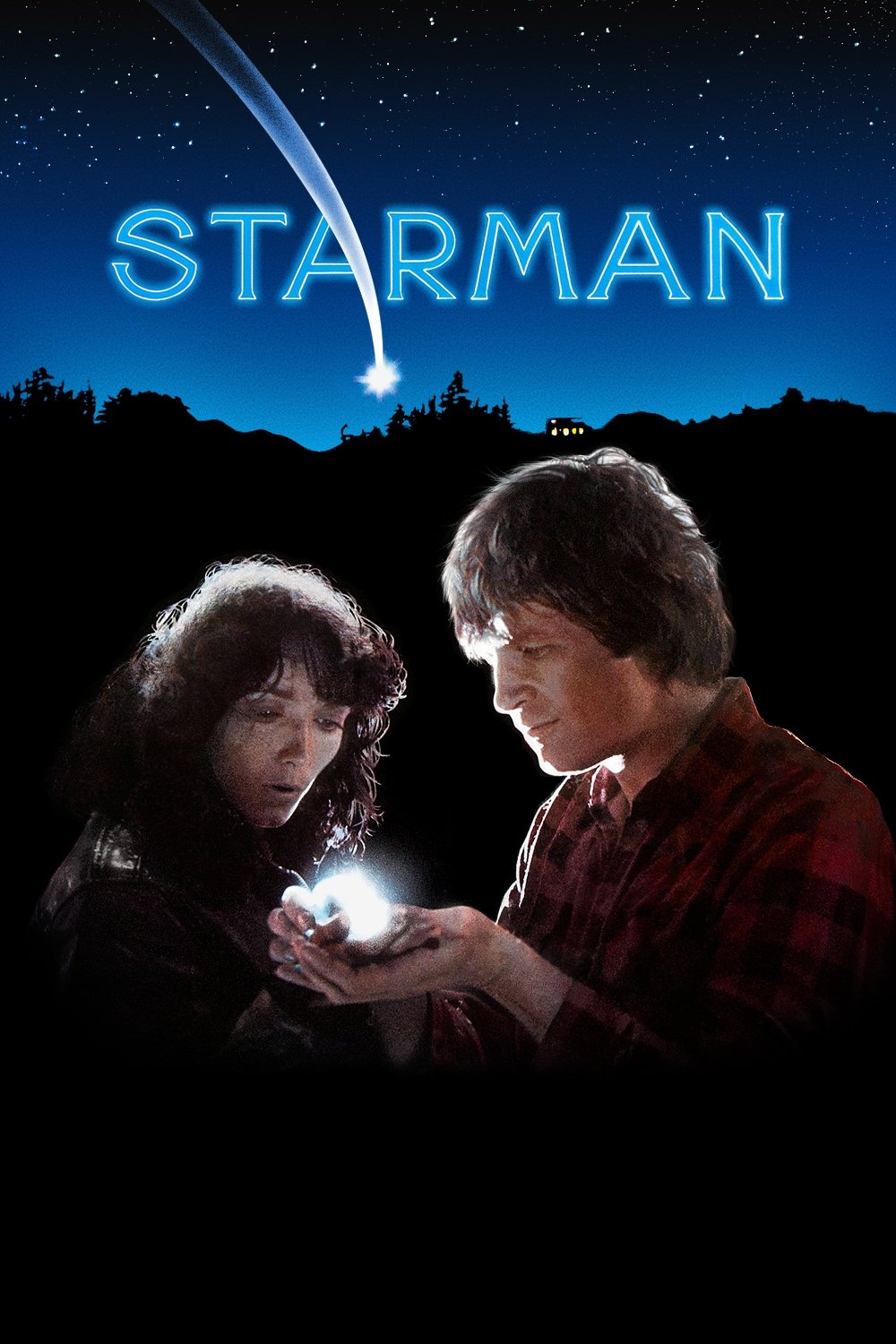
Bridges plays an extraterrestrial visitor who takes the form of a woman’s late husband and asks her to help him reach a rendezvous point. Karen Allen plays Jenny, who slowly learns the rules that govern the visitor’s abilities and the limits of his time on Earth. The film follows a cross country trip that draws attention from federal agents while the pair move from state to state.
John Carpenter directs and keeps the focus on small exchanges that show how the visitor studies human behavior. Bridges received an Academy Award nomination for Best Actor, and the production filmed on locations that include Arizona and the Midwest to mark each leg of the journey. The score by Jack Nitzsche supports a tone that mixes wonder with urgency as the deadline approaches.
‘Arlington Road’ (1999)
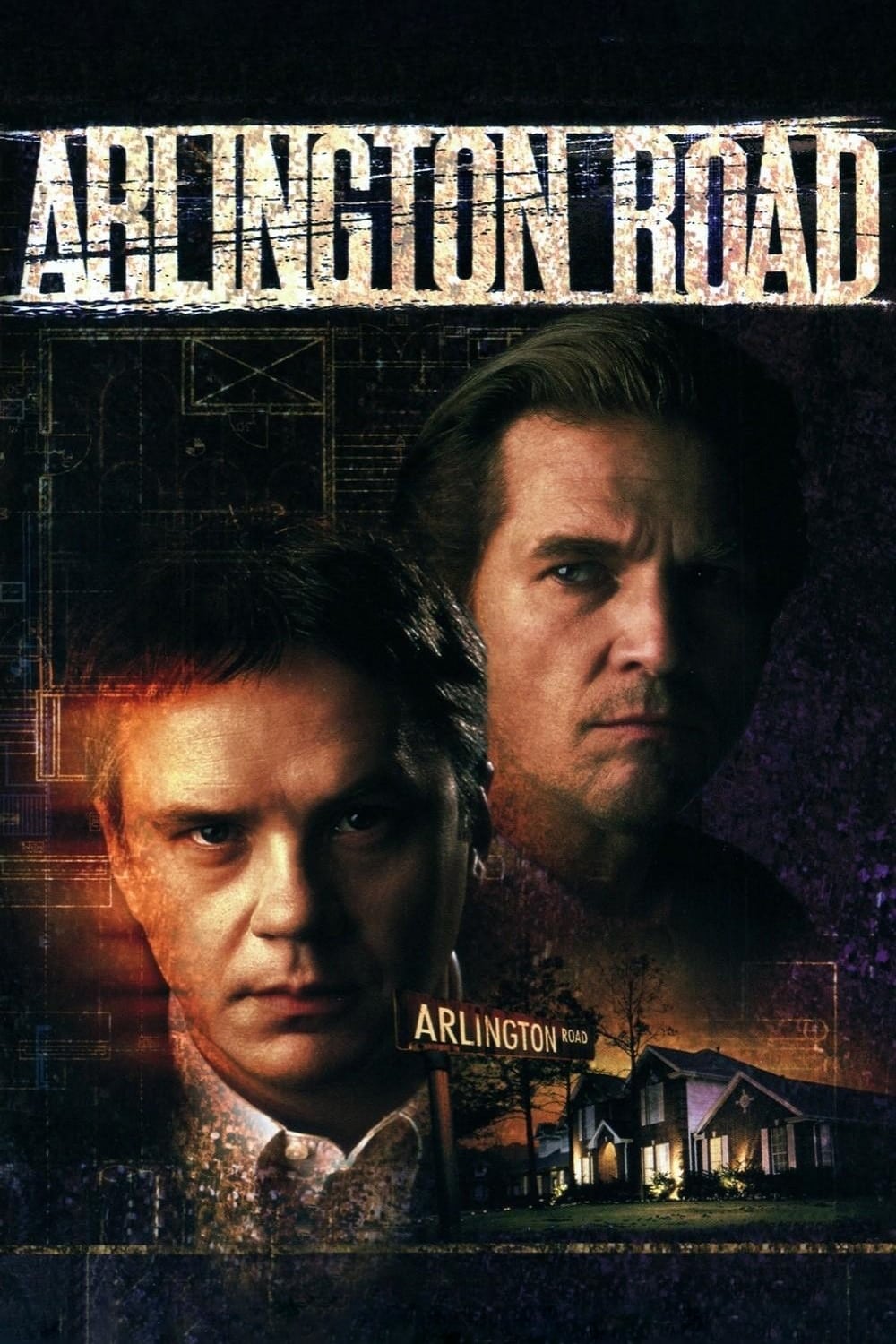
Set in suburban Washington, the story centers on college professor Michael Faraday, who grows suspicious of his new neighbors after a series of small discoveries. Bridges plays Faraday opposite Tim Robbins and Joan Cusack, as his research into past events begins to change how he reads current signs. The film builds its timeline around class schedules, neighborhood block parties, and home renovations that start to look different as facts emerge.
Director Mark Pellington keeps the camera close to cul de sac routines, from school pickups to backyard gatherings, while Faraday assembles files and maps. The film opened in the summer of 1999 and drew discussion for how it treats the subject of domestic terrorism. Hope Davis appears as a teaching colleague, and the design uses familiar living spaces to heighten the impact of each discovery.
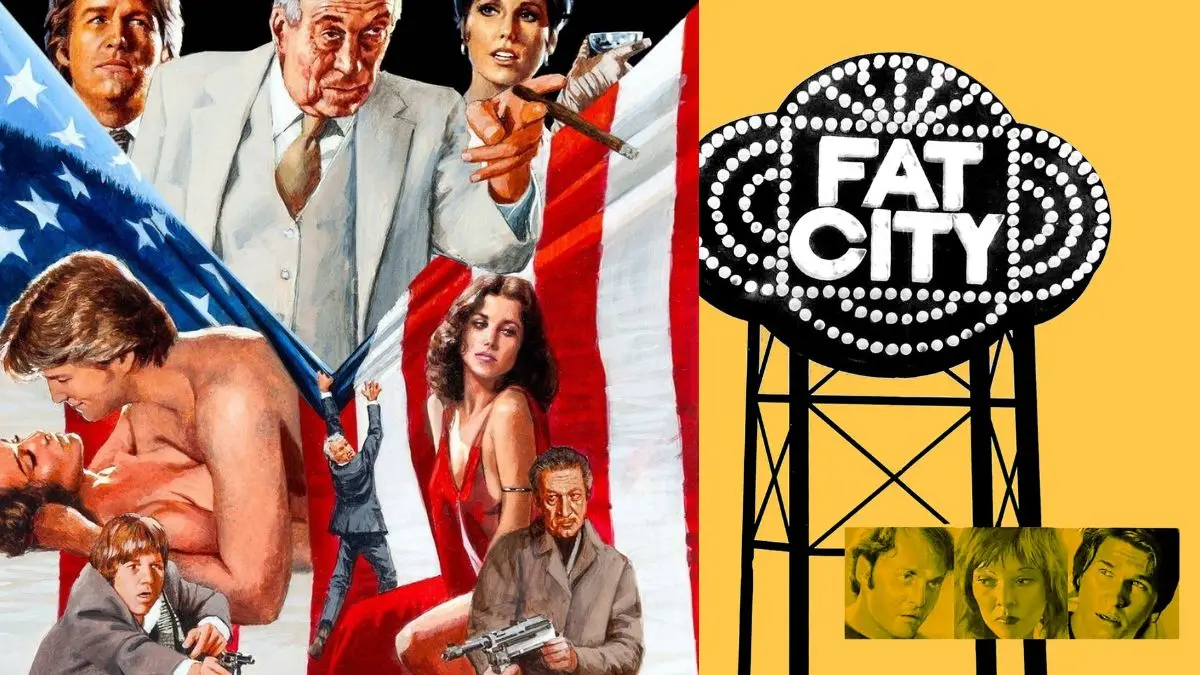
‘Fat City’ (1972)
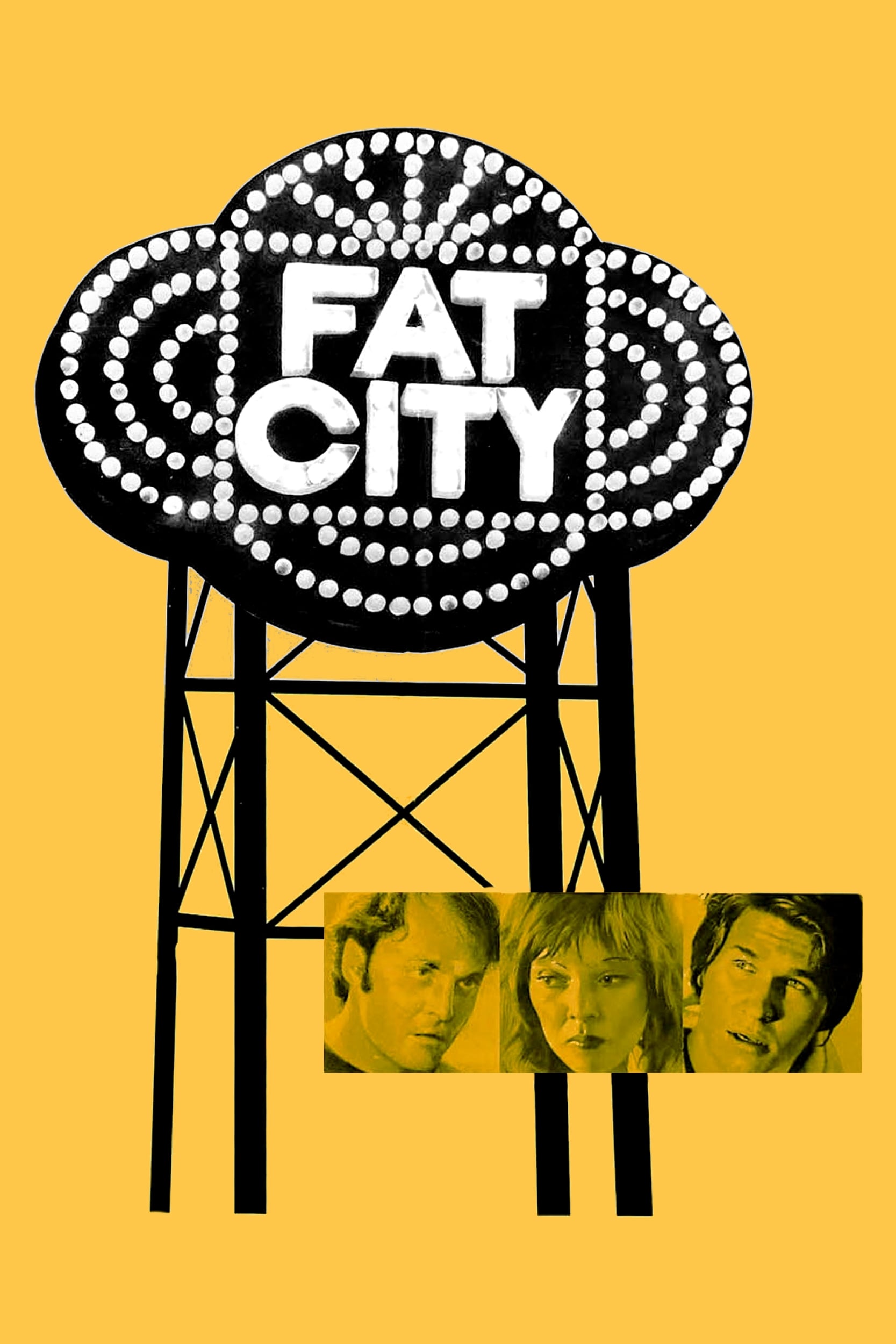
John Huston directs a Stockton set boxing drama that pairs a washed up local fighter with a younger man who shows raw promise. Bridges plays Ernie Munger, whose early matches run alongside the older boxer’s attempt to stage a comeback. Stacy Keach plays Billy Tully, and Susan Tyrrell appears as Oma, whose scenes with Tully create a portrait of people trying to get by in the farm belt.
Based on Leonard Gardner’s novel, the film shoots in real bars, gyms, and boarding houses to capture the city’s working life. Cinematographer Conrad Hall frames the fights with an eye for corners, sweat, and small crowds, and the production keeps the bouts grounded in club level venues. Susan Tyrrell received an Academy Award nomination for Best Supporting Actress, and the film remains a touchstone for sports stories that favor daily routine over spectacle.
Share the titles you would add to this list in the comments.