90s Movies That Aged Incredibly Well


The 90s packed a stunning run of filmmaking that still feels fresh today. Practical effects met new digital wizardry, bold voices found big audiences, and character driven stories slipped into the mainstream without losing their spark. Rewatching these films now shows how well they blend craft with clear ideas that still land.
This list rounds up movies from across genres that continue to connect with new viewers. You will find landmark blockbusters, beautifully crafted dramas, and animation that set the bar for what is possible. Each entry includes quick facts on who made it, who starred in it, and why it still works so well.
‘The Shawshank Redemption’ (1994)
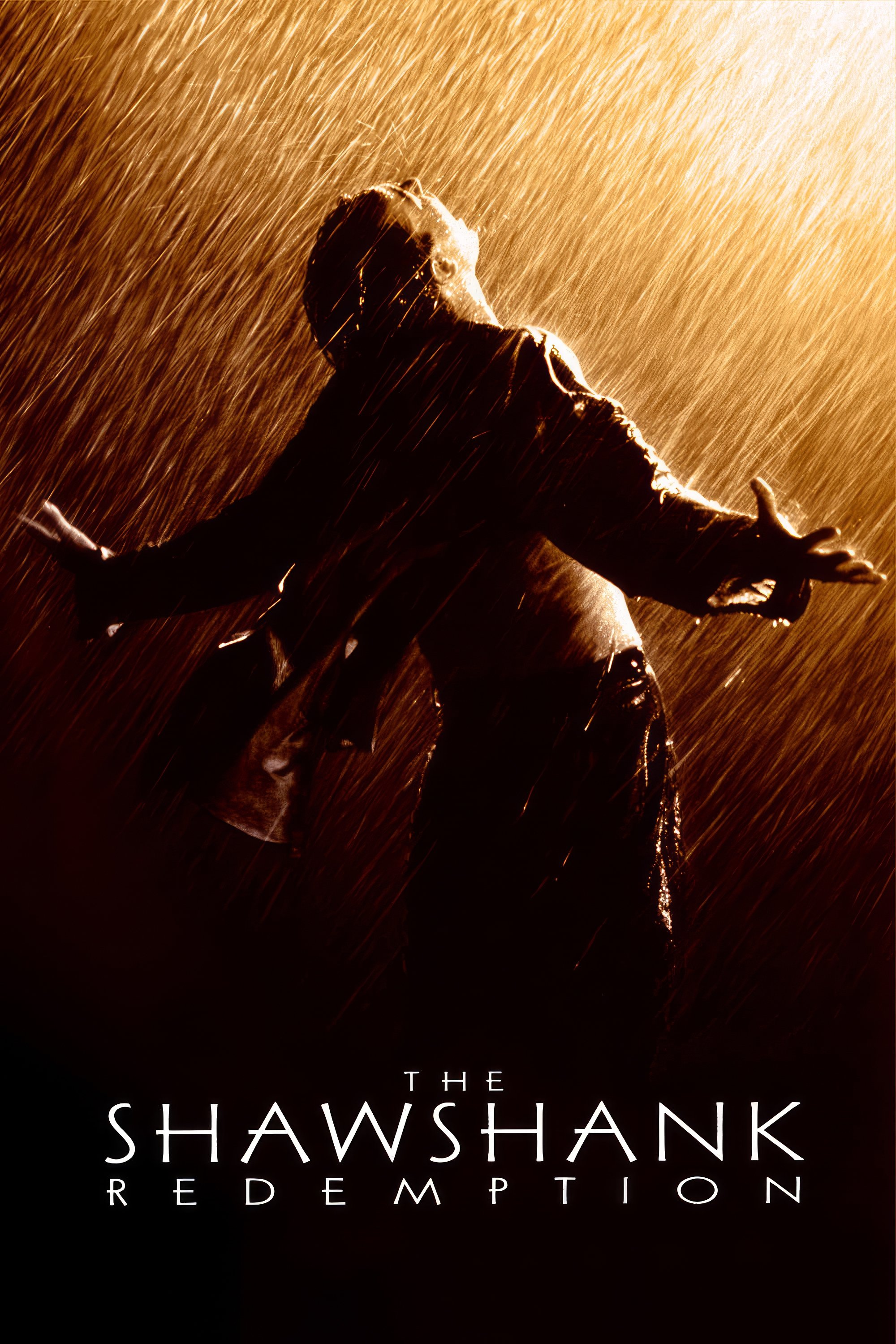
Frank Darabont adapts a Stephen King novella with Tim Robbins and Morgan Freeman leading a story of friendship inside a prison. The film’s careful pacing, memorable narration, and thoughtful production design give the setting a lived in authenticity that holds up on repeat viewings.
Its reputation grew steadily through home video and television, turning it into a perennial favorite long after release. Key scenes and lines remain widely quoted, while the score and closing montage continue to anchor its lasting emotional pull.
‘Pulp Fiction’ (1994)
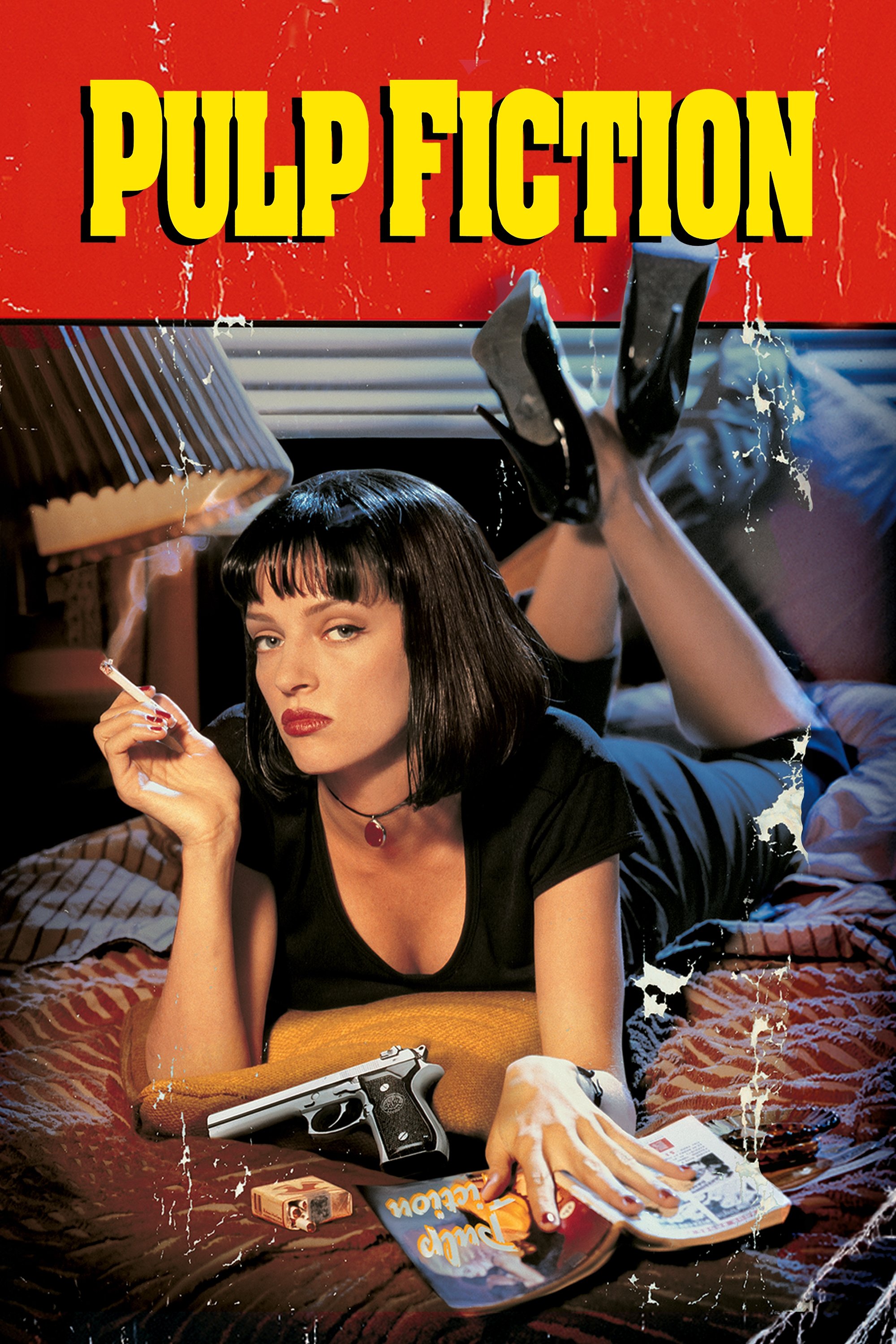
Quentin Tarantino’s crime mosaic weaves intersecting stories with John Travolta, Samuel L. Jackson, Uma Thurman, and Bruce Willis. Nonlinear structure, sharp dialogue, and needle drop music cues shaped modern indie and studio storytelling.
The film earned major awards recognition and revitalized careers while inspiring a wave of crime dramas. Its editing rhythms and eclectic soundtrack choices remain a template for stylish ensemble filmmaking.
‘The Matrix’ (1999)
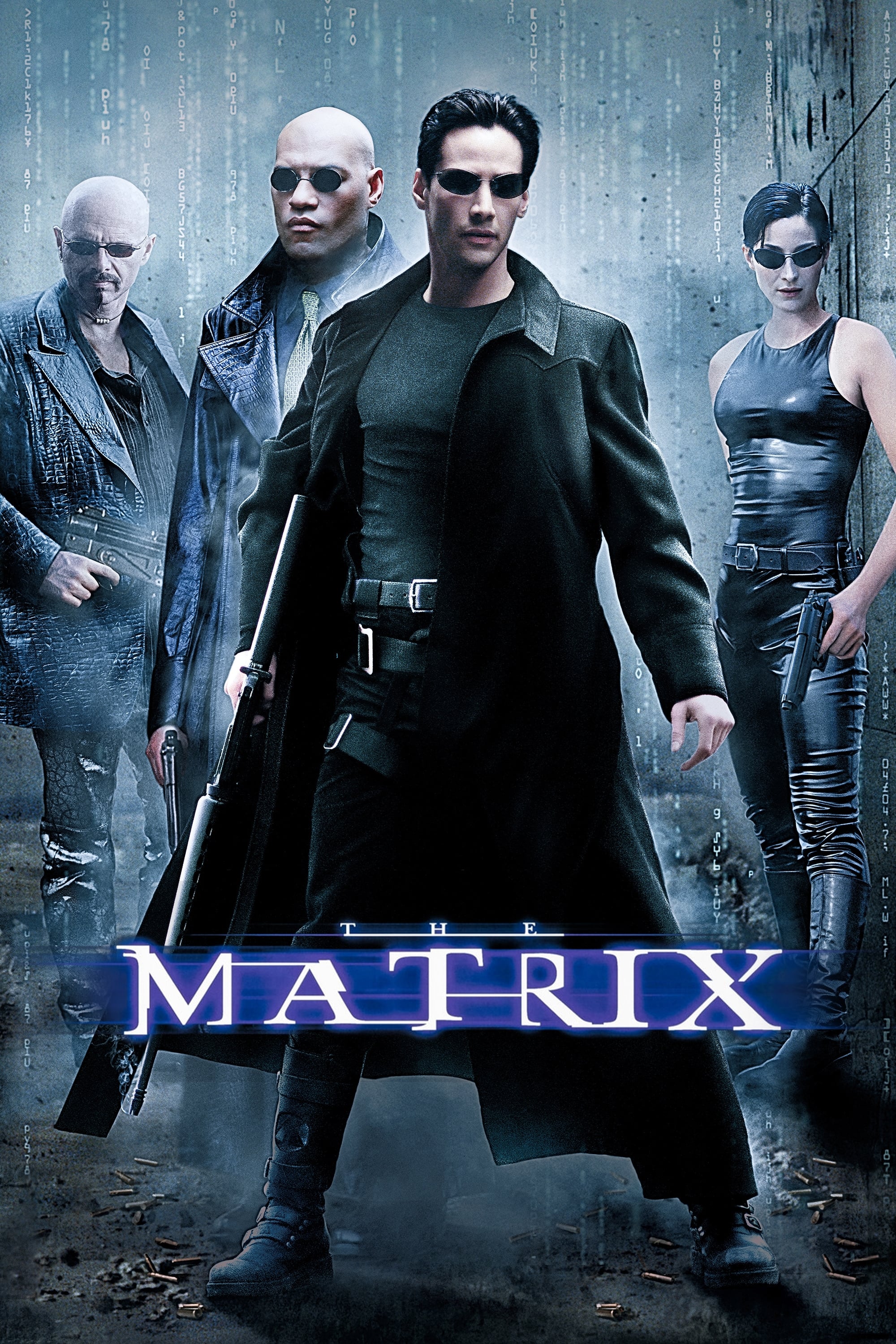
Lana and Lilly Wachowski pair philosophical science fiction with groundbreaking effects and stunt work led by Keanu Reeves, Carrie Anne Moss, and Laurence Fishburne. Bullet time photography, wire assisted fight choreography, and sleek production design created a new action language.
The film influenced fashion, video games, and visual effects across the industry. Its mix of cyberpunk ideas and precise world building keeps new audiences engaged with both the spectacle and the concept.
‘Fight Club’ (1999)

David Fincher adapts Chuck Palahniuk with Edward Norton and Brad Pitt in a story about consumer culture and identity. The film uses inventive visual tricks, sardonic voiceover, and a moody score to build its atmosphere.
Production design, makeup, and practical effects give the underground setting texture that still feels tactile. The twist structure and marketing history also continue to generate discussion and analysis.
‘Se7en’ (1995)
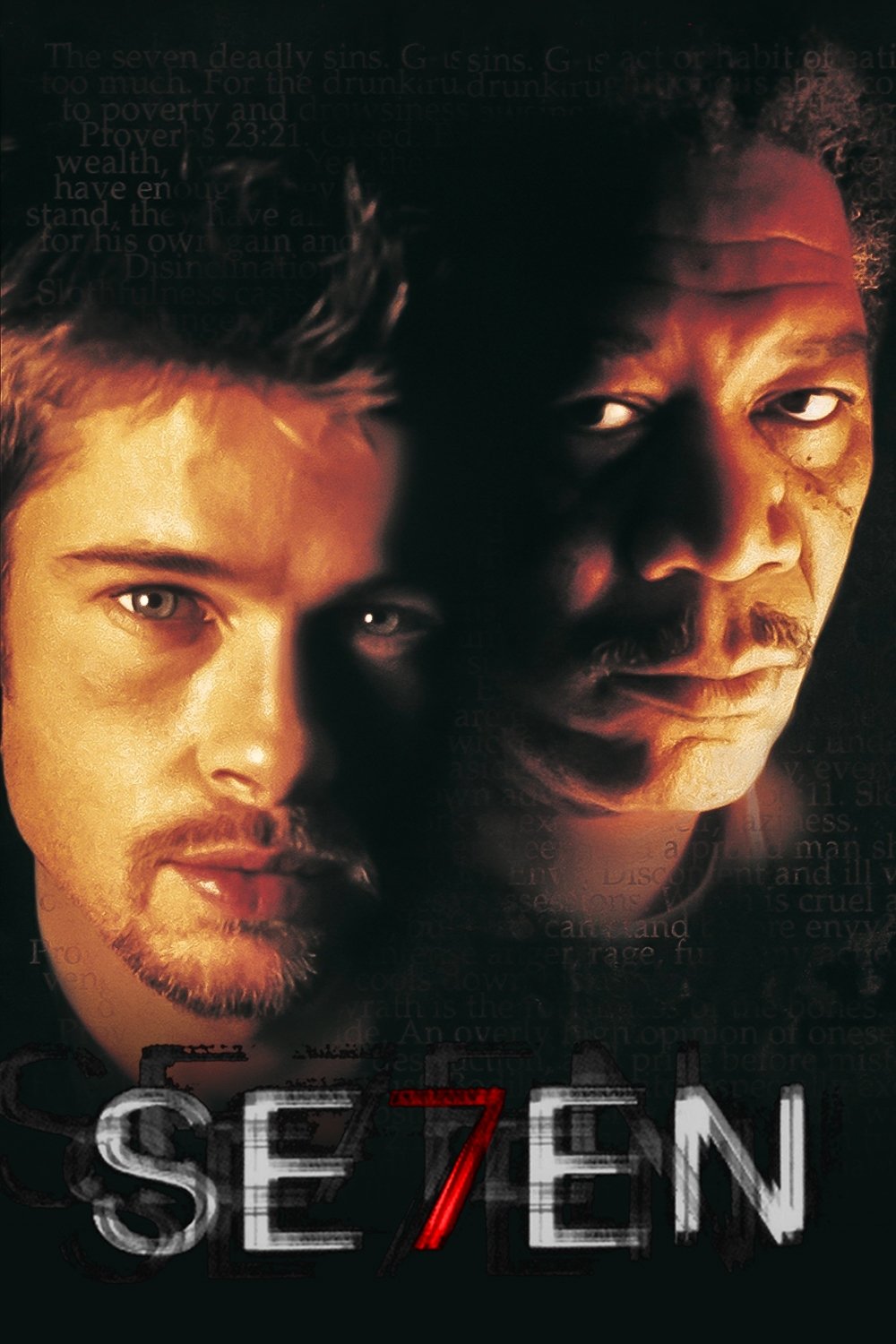
David Fincher’s thriller follows detectives played by Brad Pitt and Morgan Freeman hunting a methodical killer. Darius Khondji’s cinematography, dense art direction, and Howard Shore’s score create a grim urban world.
The ending remains one of the most discussed in the genre. Careful sound design and understated visual effects help the film stay visually strong without feeling dated.
‘The Silence of the Lambs’ (1991)
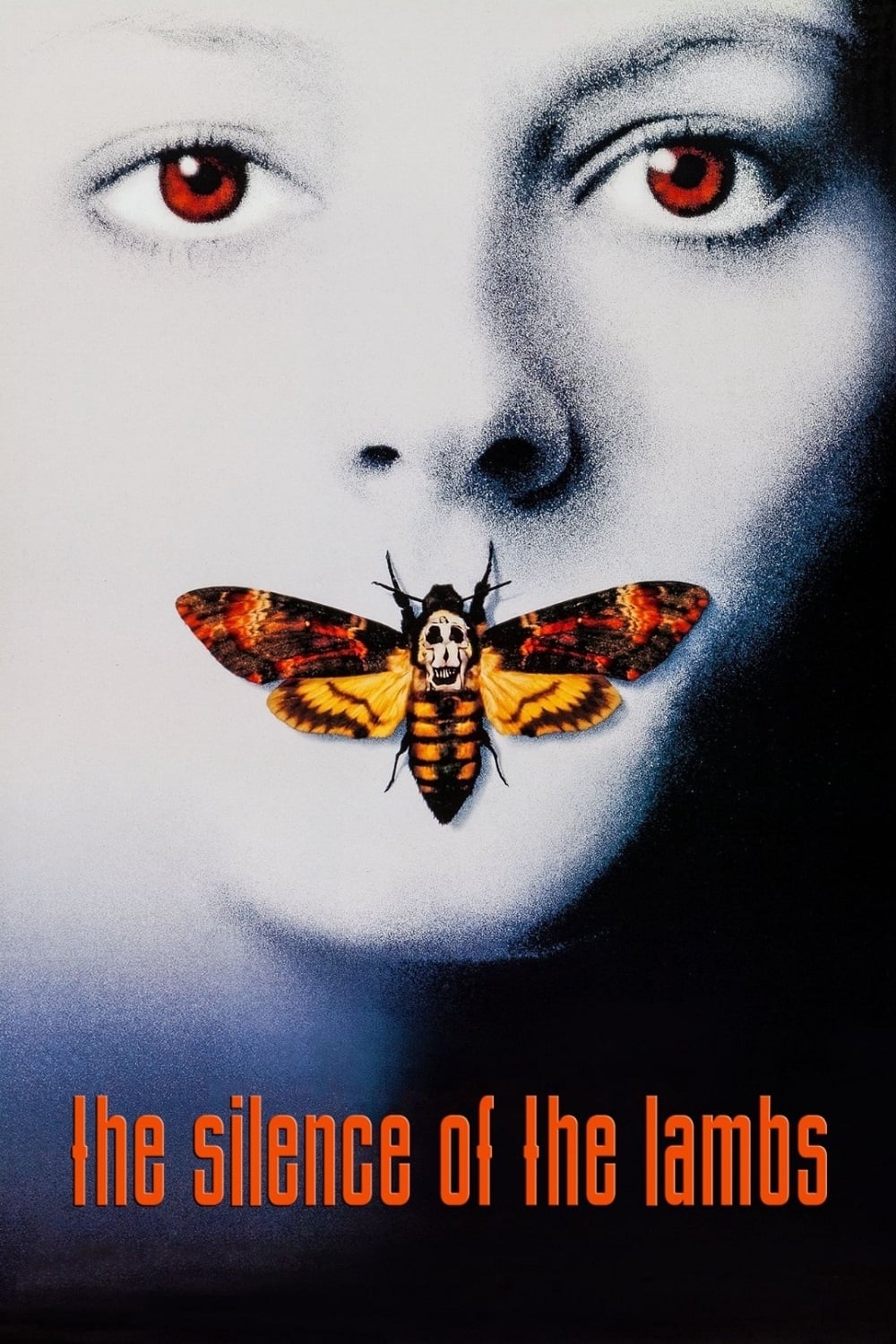
Jonathan Demme directs Jodie Foster and Anthony Hopkins in a psychological crime story built on interviews and deduction. Close up framing and careful blocking focus attention on character dynamics.
The film won top Academy Awards and set a benchmark for FBI procedural detail on screen. Its production choices, from costuming to location work, preserve a realistic tone that still plays effectively.
‘Goodfellas’ (1990)
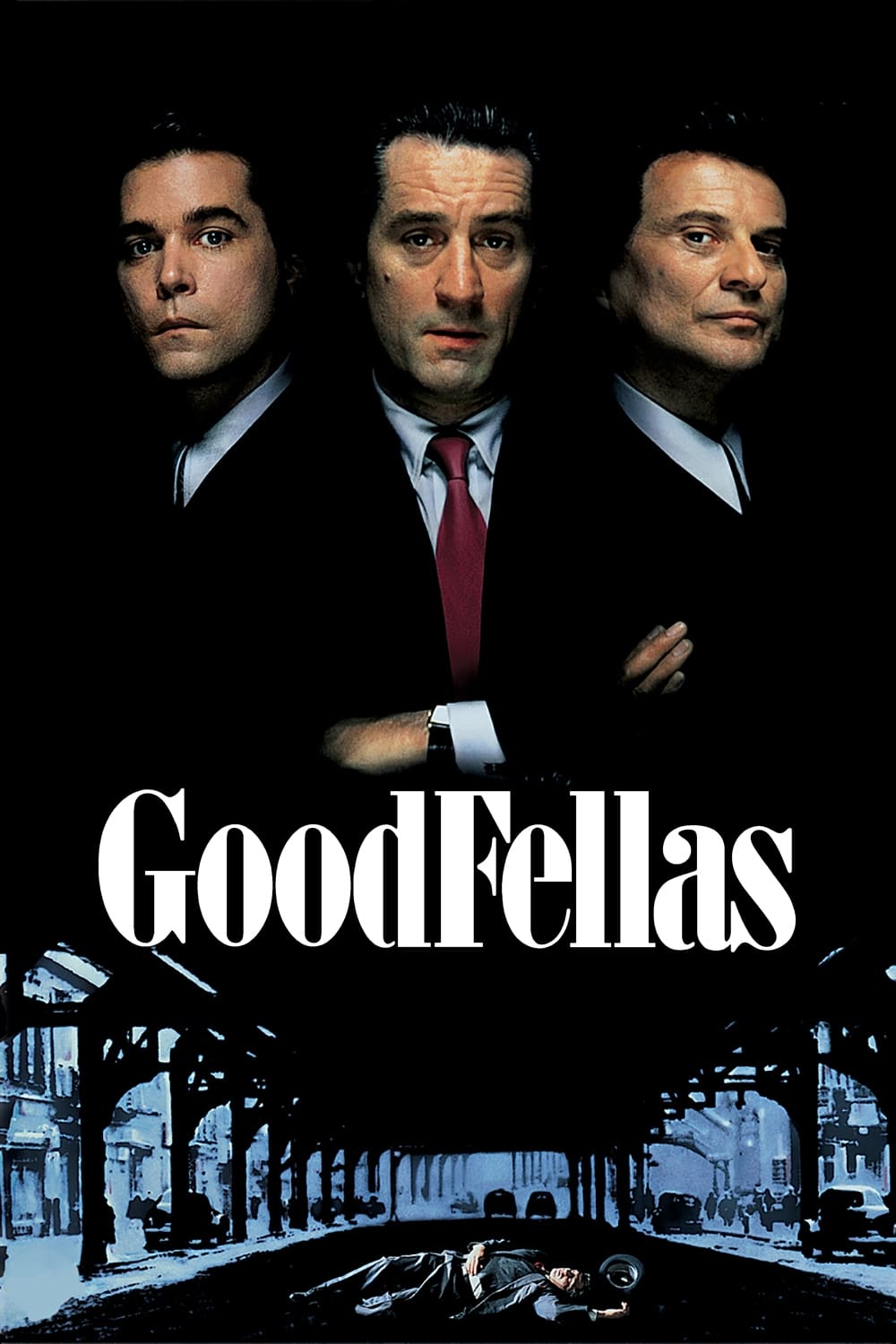
Martin Scorsese charts the rise and fall of mob associates with Ray Liotta, Robert De Niro, and Joe Pesci. Long takes, dynamic editing, and a curated soundtrack map the rhythms of everyday criminal life.
Authentic locations and period detail keep the world convincing. The film’s narrative voice and food centered set pieces continue to shape how crime stories are told.
‘Jurassic Park’ (1993)

Steven Spielberg blends Stan Winston animatronics with Industrial Light and Magic digital effects to bring dinosaurs to life. The mix of practical and digital techniques gives the creatures weight and presence.
John Williams’ score and the smartly staged set pieces keep tension high without overexposure. The film’s approach to scientific wonder and theme park logistics still feels sharp.
‘Toy Story’ (1995)
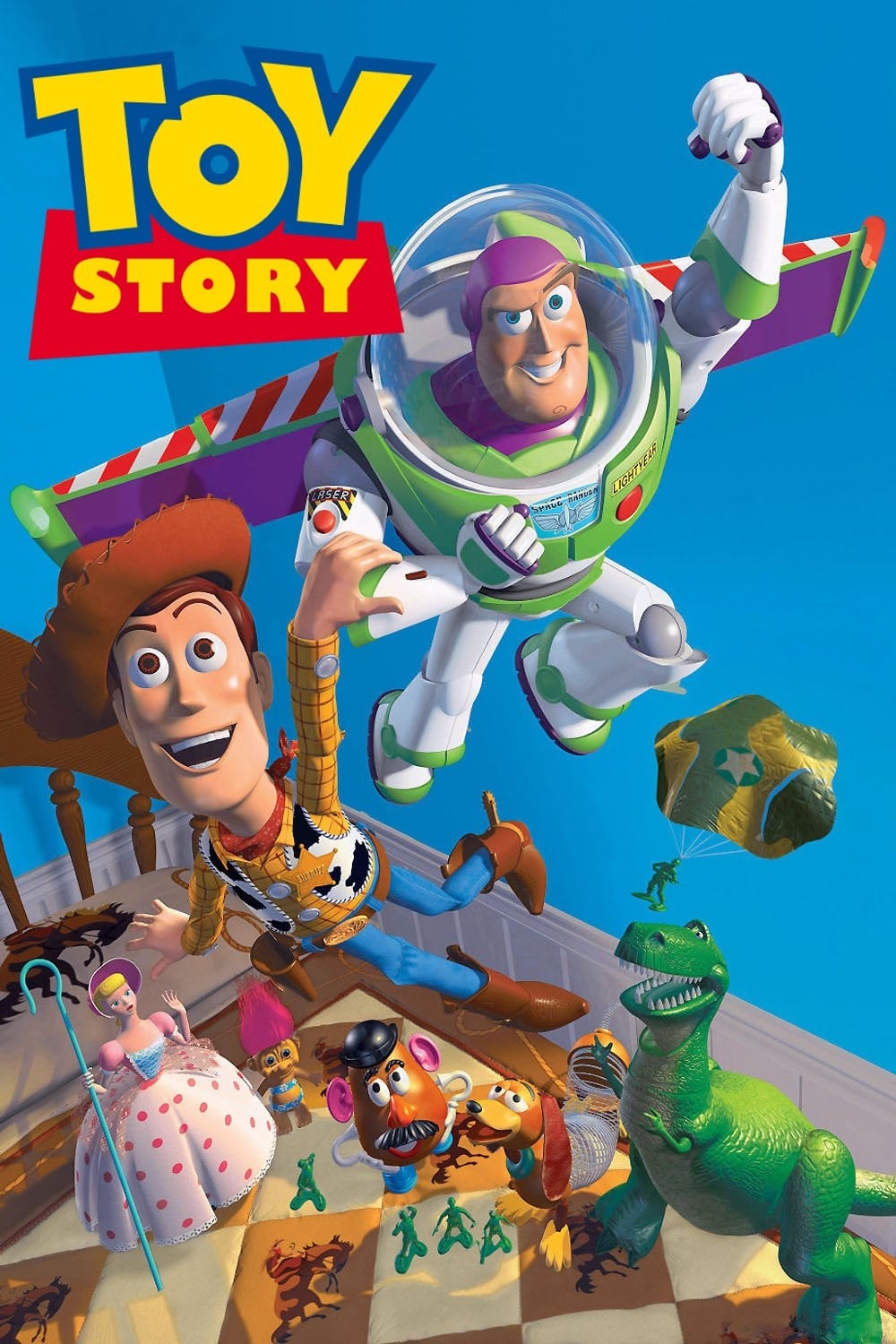
Pixar’s feature debut introduces Woody and Buzz in an all CG animated comedy from director John Lasseter. Character animation, voice casting, and a witty script make the toys feel human and specific.
Randy Newman’s songs and a crisp runtime helped make it rewatchable for families and animation fans alike. Its rendering breakthroughs and storytelling clarity continue to guide studio animation.
‘The Lion King’ (1994)
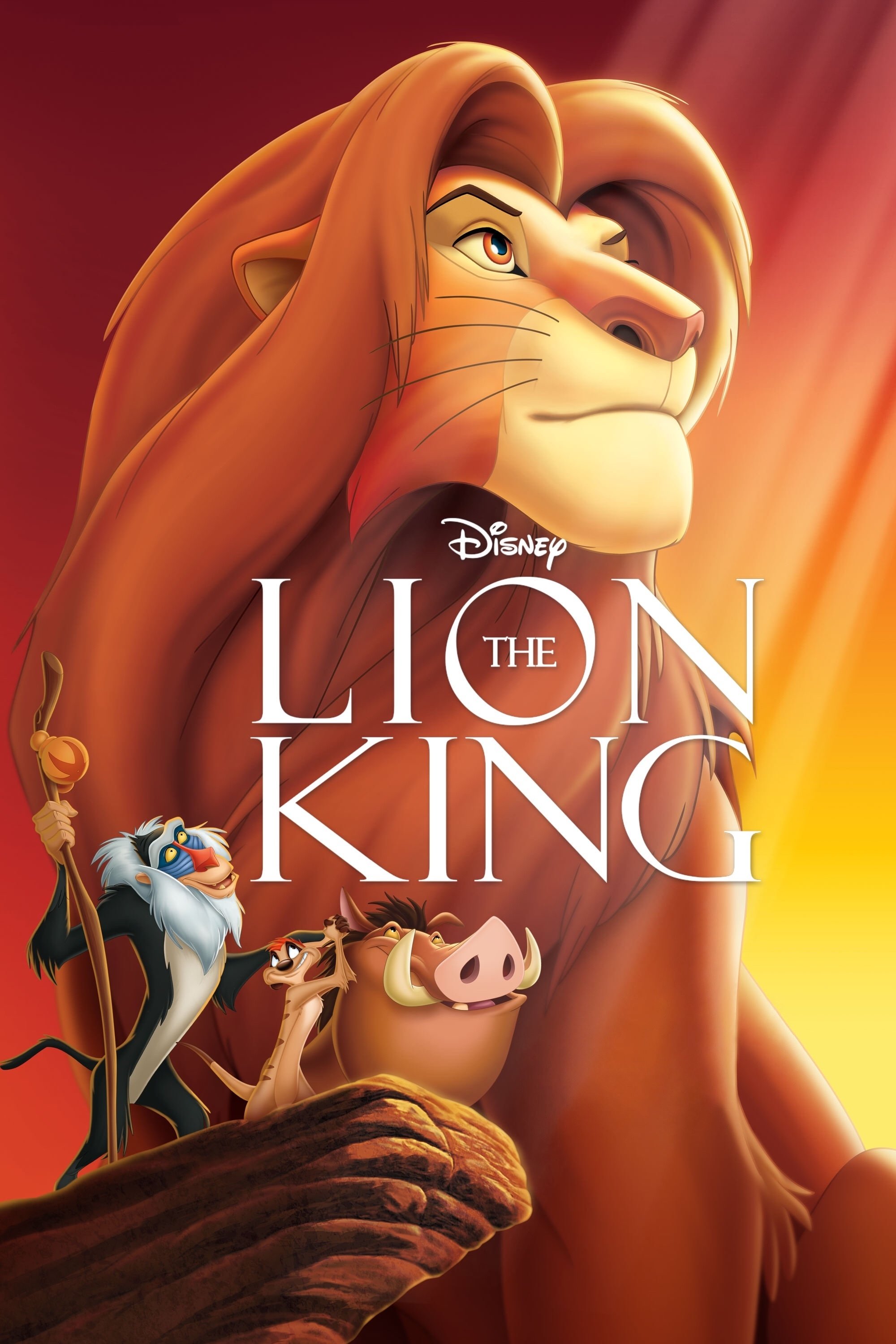
Directors Roger Allers and Rob Minkoff deliver a hand drawn epic with voices led by Matthew Broderick, James Earl Jones, and Jeremy Irons. Songs by Elton John and Tim Rice and a score by Hans Zimmer power the emotional beats.
The film’s animal character animation and African inspired visual palette remain striking. Stage adaptations, new releases, and ongoing cultural references keep the story widely visible.
‘Terminator 2: Judgment Day’ (1991)
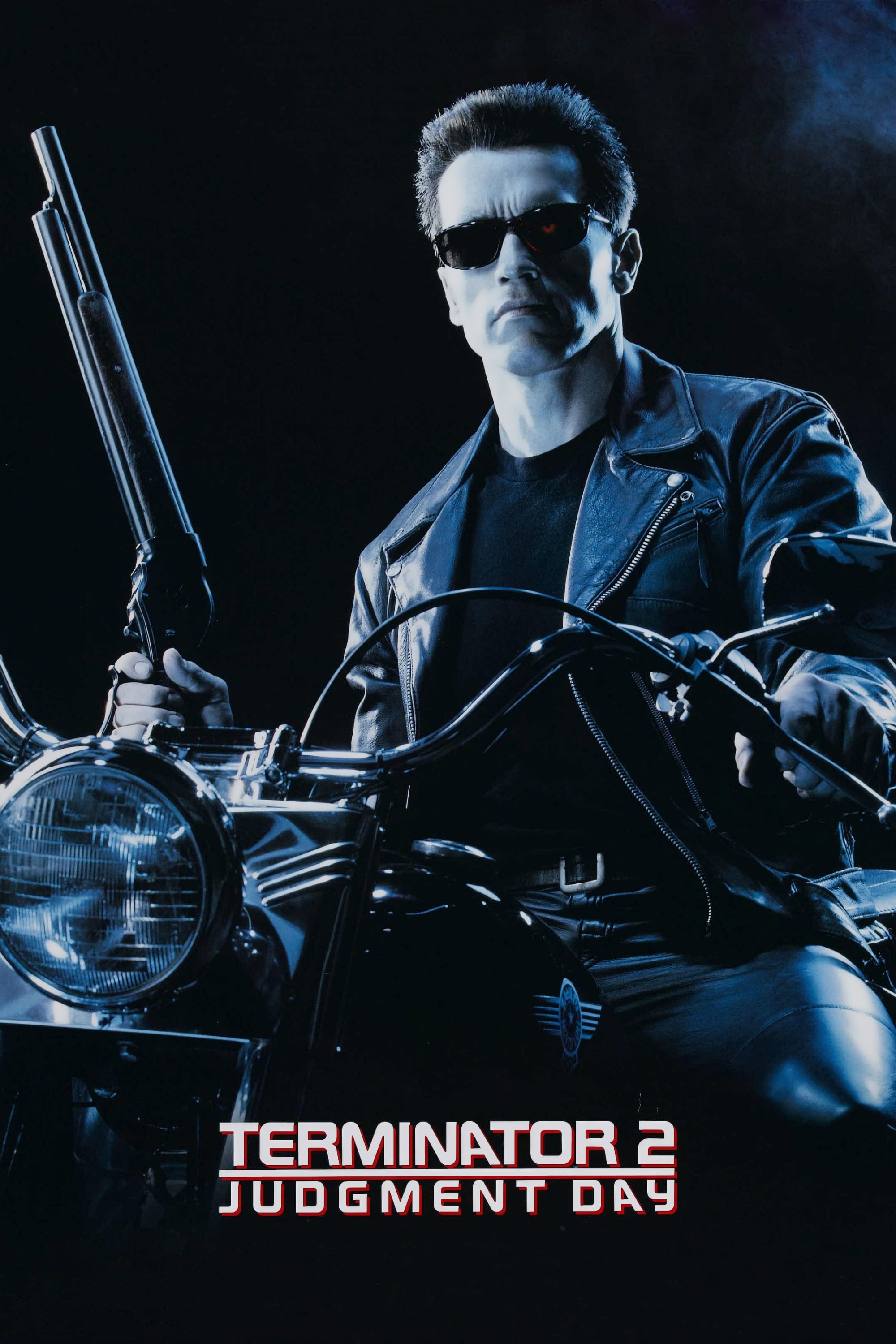
James Cameron builds on an action franchise with Arnold Schwarzenegger and Linda Hamilton returning. Liquid metal effects, advanced stunt work, and strong practical pyrotechnics set technical milestones.
Brad Fiedel’s theme and the chase sequences still impress for clarity and scale. The film’s focus on character stakes alongside spectacle helps it remain a reference point for action filmmaking.
‘Saving Private Ryan’ (1998)
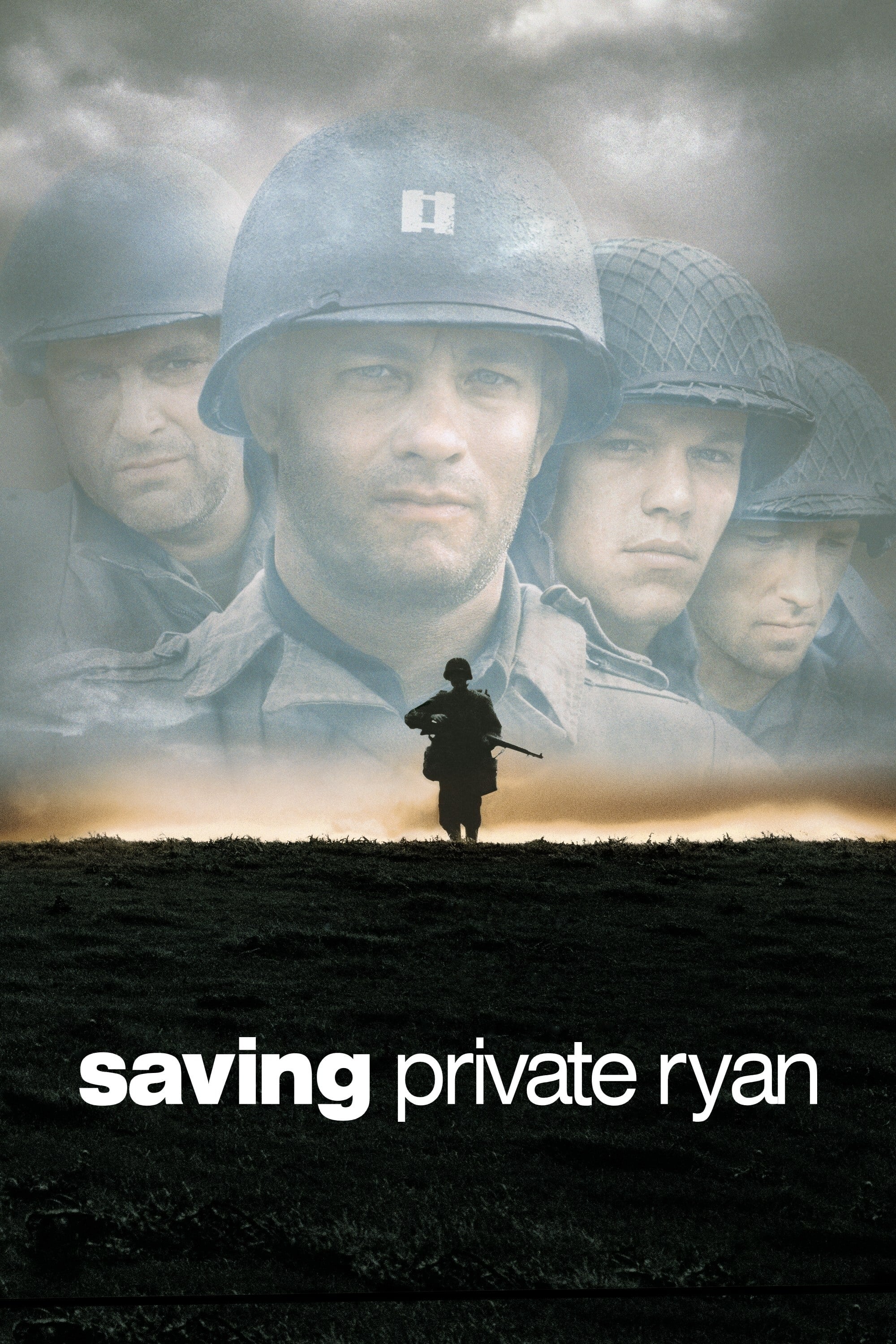
Steven Spielberg stages large scale combat with Tom Hanks leading an ensemble. Handheld camerawork, desaturated color, and precise sound mixing create a visceral battlefield experience.
The film influenced how war scenes are shot and cut in later projects. Its attention to squad dynamics and military detail keeps it grounded and affecting.
‘Forrest Gump’ (1994)
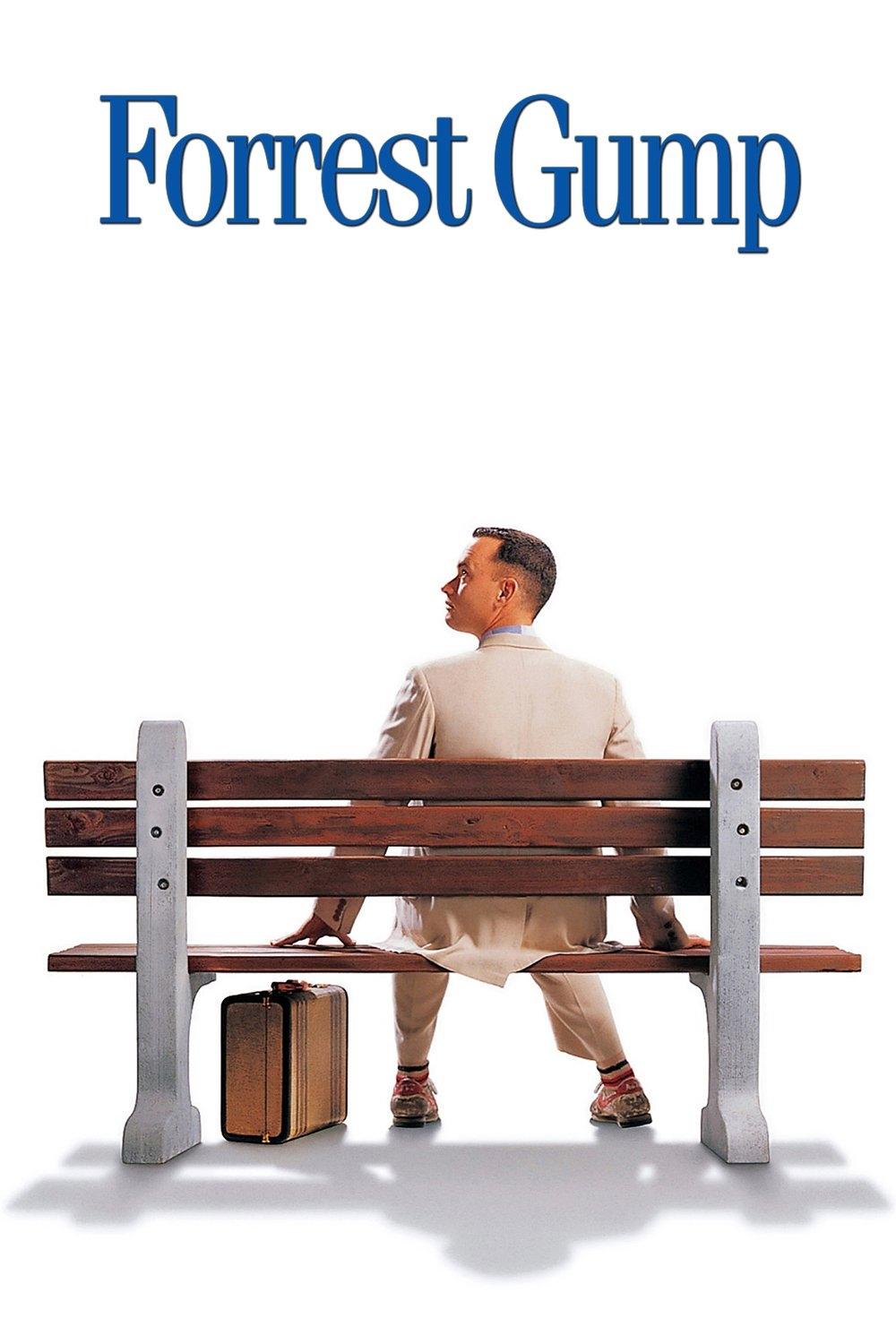
Robert Zemeckis uses visual effects to place Tom Hanks’ character inside historical footage while keeping the story intimate. A mix of practical locations and digital techniques supports a cross country journey.
The soundtrack collects popular tracks that mark changing eras without overwhelming scenes. The film’s blend of humor and melodrama continues to draw broad audiences.
‘The Big Lebowski’ (1998)
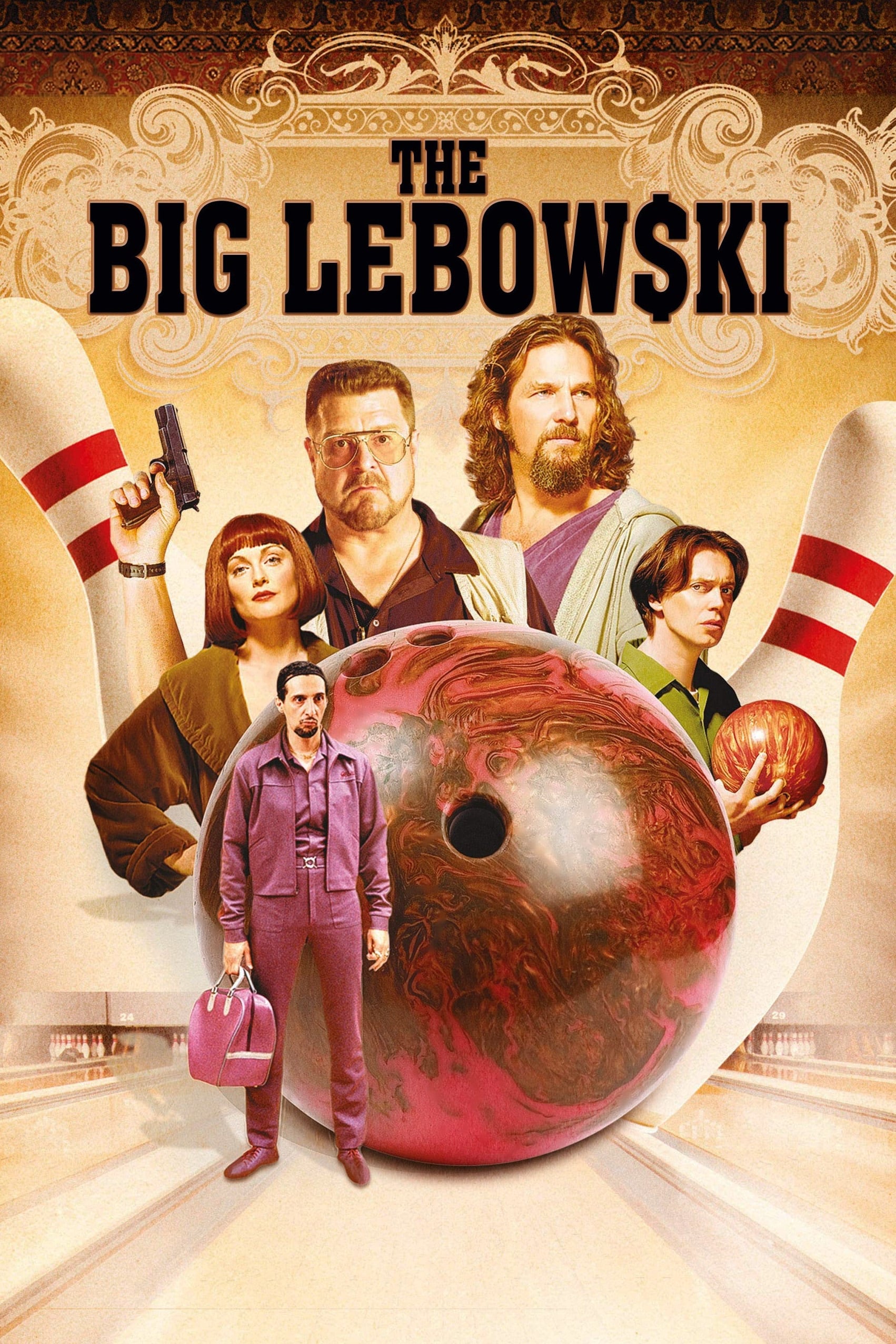
Joel and Ethan Coen follow Jeff Bridges as the Dude through a misadventure in Los Angeles. Offbeat dialogue, eclectic characters, and dreamlike interludes give the film a unique tone.
Cinematography by Roger Deakins and careful production design reward repeat viewings with visual gags and motifs. Its quotes, costumes, and bowling alley settings maintain a strong pop culture presence.
‘Heat’ (1995)
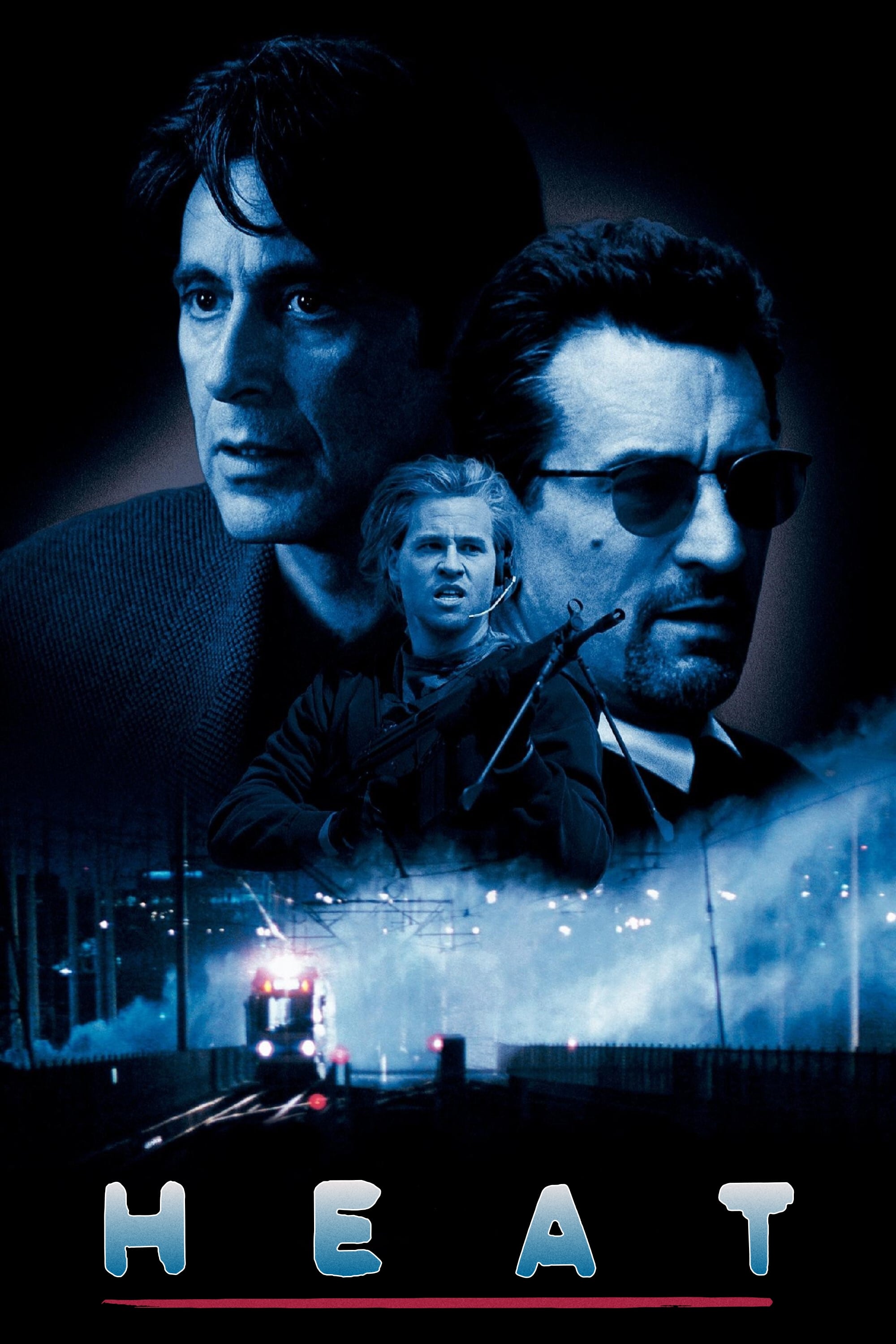
Michael Mann pairs Al Pacino and Robert De Niro in a cat and mouse crime saga. Location shooting in Los Angeles and a detailed focus on tactics give the action credibility.
The downtown heist and escape sequence remains a staple example of sound and staging. The film’s attention to parallel personal lives adds depth to genre beats.
‘Fargo’ (1996)
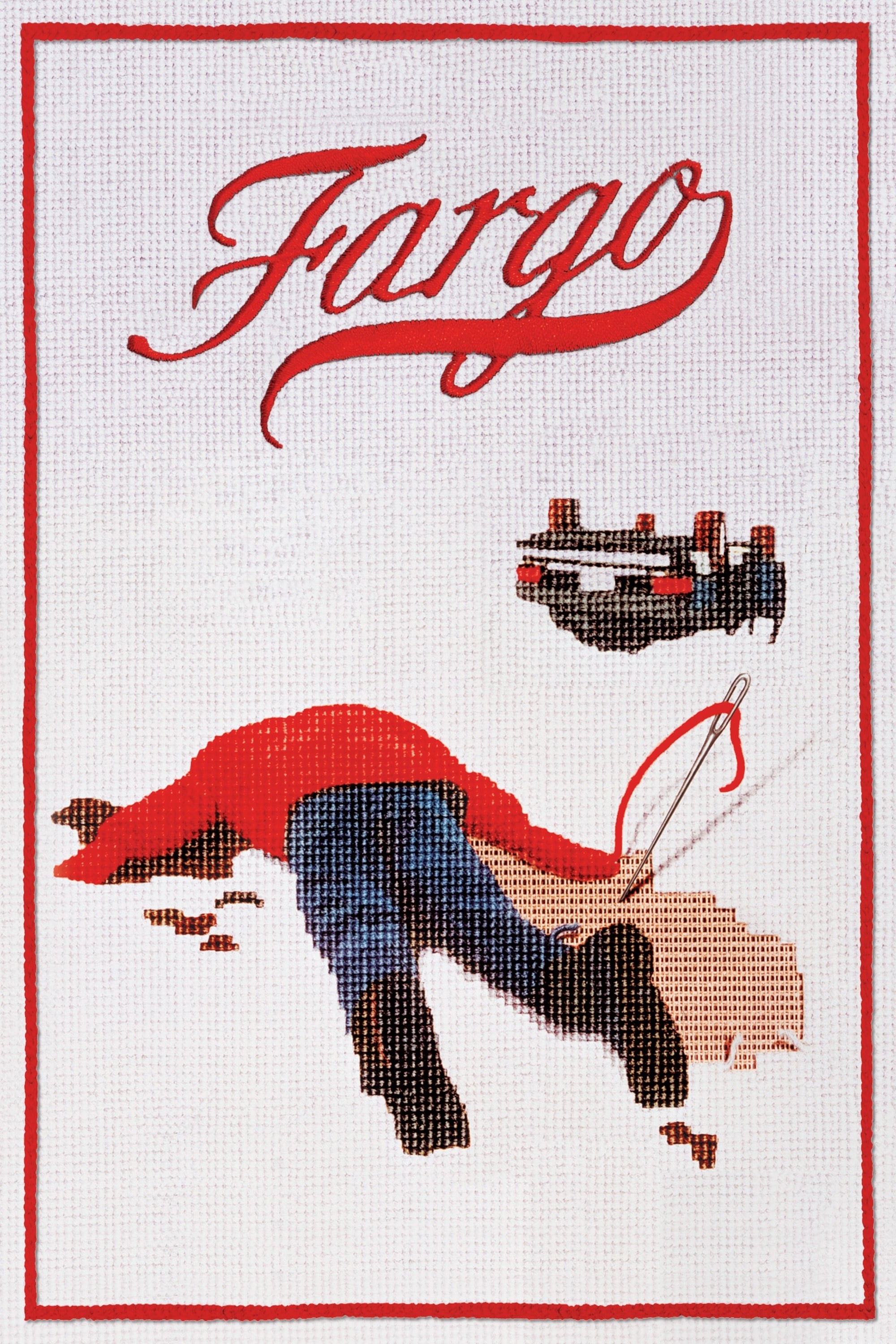
Joel and Ethan Coen set a crime story against snowy Midwestern landscapes with Frances McDormand and William H. Macy. The script balances dark events with understated humor and regional specificity.
Muted color choices and careful framing highlight small town spaces. The film’s approach to true crime storytelling influenced later television and film projects.
‘The Truman Show’ (1998)
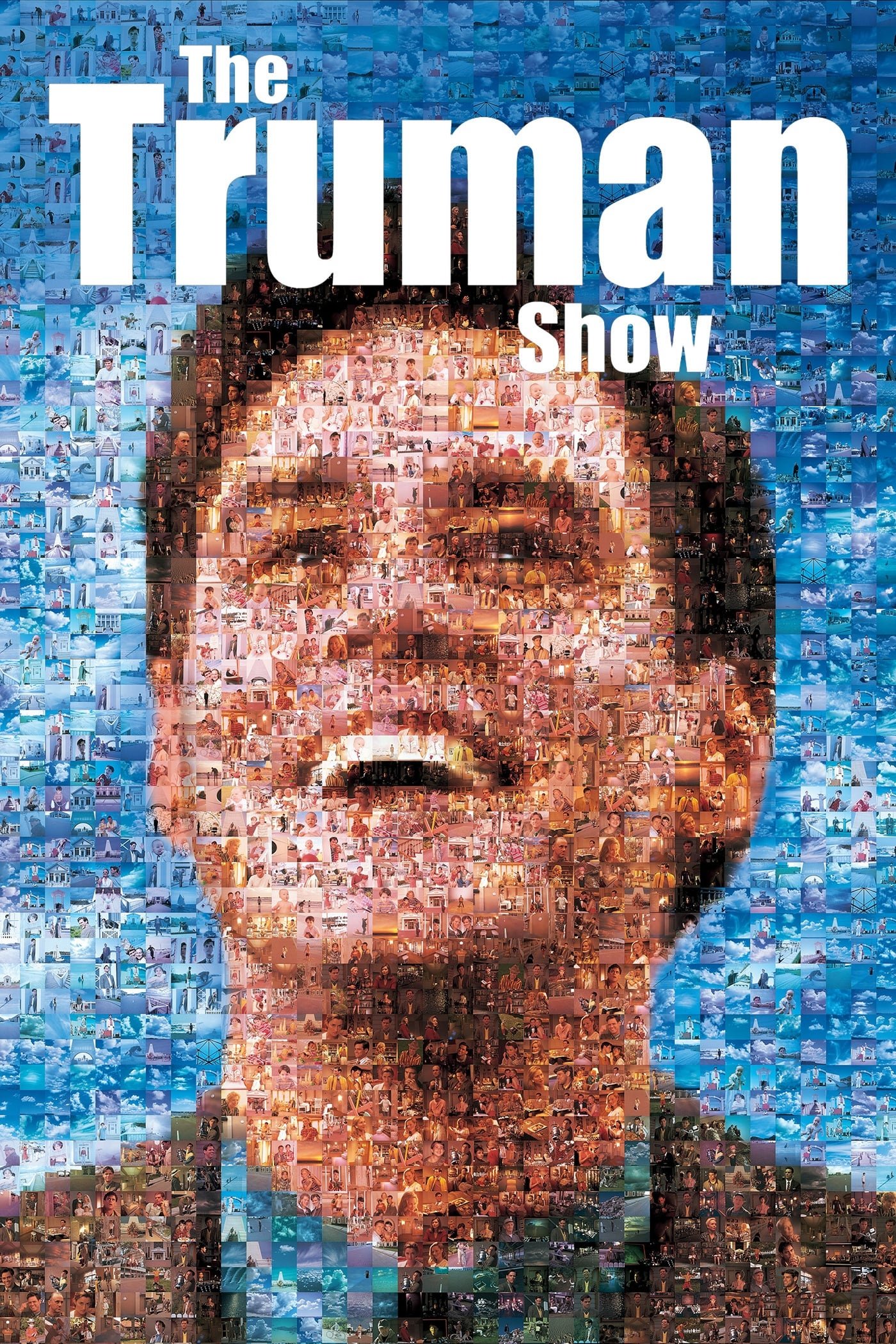
Peter Weir directs Jim Carrey as a man whose life is a broadcast without his knowledge. The production uses hidden camera angles, branded sets, and product placement gags to build its world.
Its commentary on surveillance and media remains timely. Ed Harris and Laura Linney support a tone that shifts smoothly between satire and drama.
‘Groundhog Day’ (1993)

Harold Ramis crafts a time loop comedy with Bill Murray and Andie MacDowell. The structure allows character growth through repeated scenes that change in small ways.
Editing, music, and location work give the town a cozy continuity that suits the concept. The film has informed later loop stories across genres.
‘The Sixth Sense’ (1999)
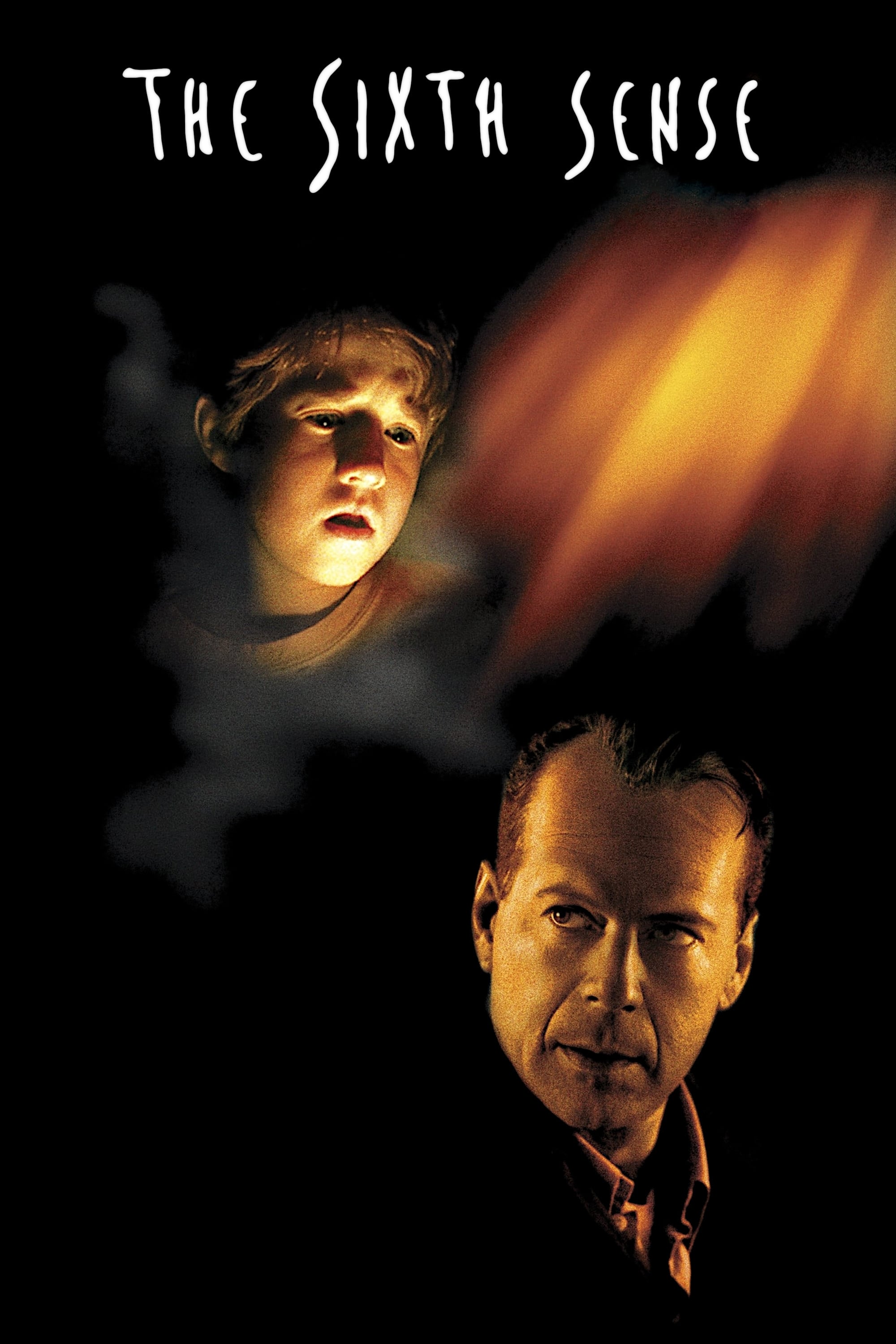
M. Night Shyamalan directs Bruce Willis and Haley Joel Osment in a restrained supernatural drama. Understated visual effects and careful color accents guide attention.
The twist is supported by consistent visual clues that reward rewatching. Toni Collette’s performance and the measured pace keep the emotional focus clear.
‘The Usual Suspects’ (1995)
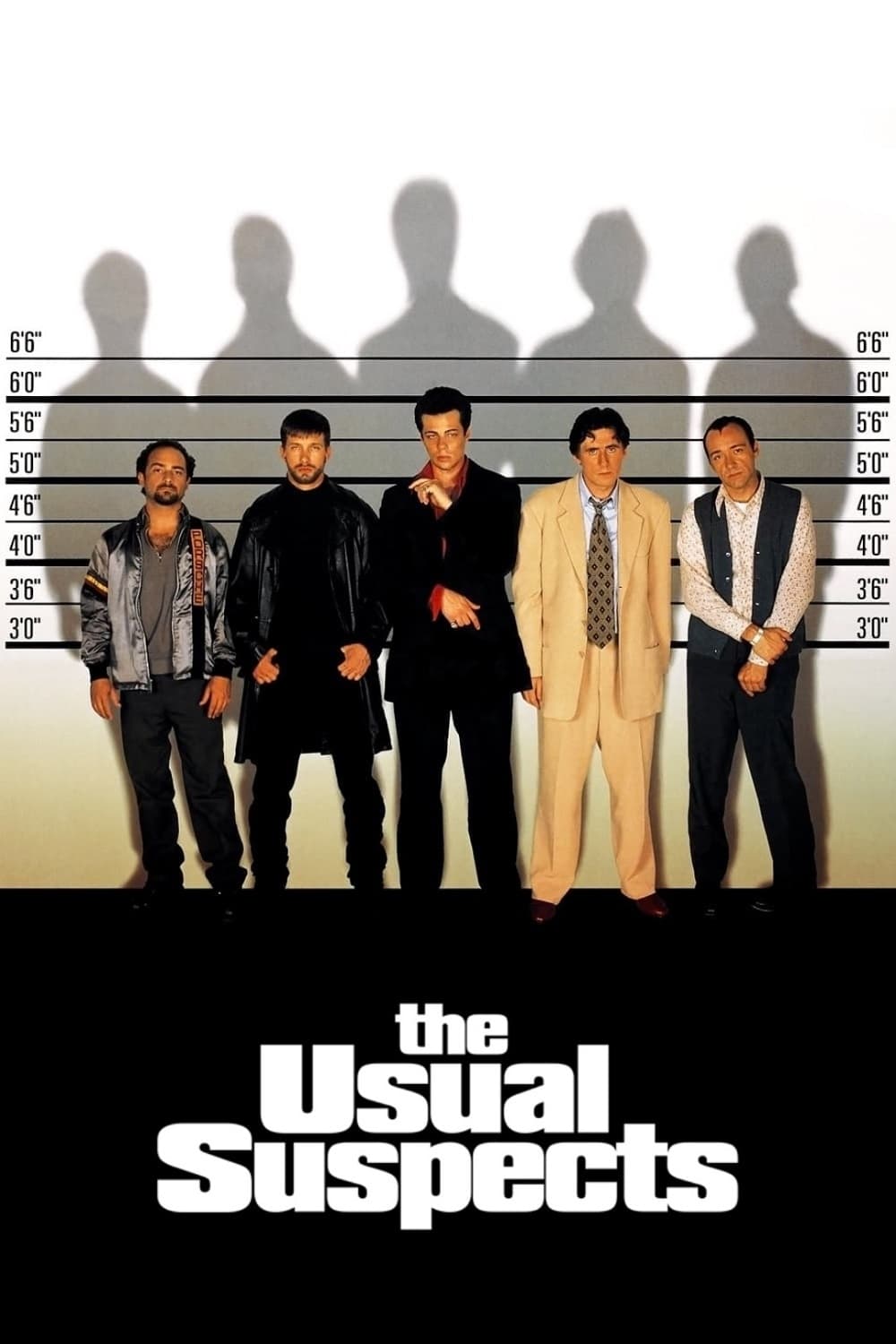
Bryan Singer directs an ensemble including Kevin Spacey, Gabriel Byrne, and Benicio Del Toro. The film builds a mystery through interrogation structure and unreliable narration.
Clever editing and production design sell the shifting versions of events. Its final reveal remains a common reference point in crime storytelling.
‘L.A. Confidential’ (1997)

Curtis Hanson’s neo noir adapts James Ellroy with Russell Crowe, Guy Pearce, and Kim Basinger. Period costuming, art direction, and music recreate a glamorous yet corrupt Los Angeles.
The script balances three leads with intersecting investigations. Awards attention for acting and writing helped cement its reputation.
‘The Green Mile’ (1999)
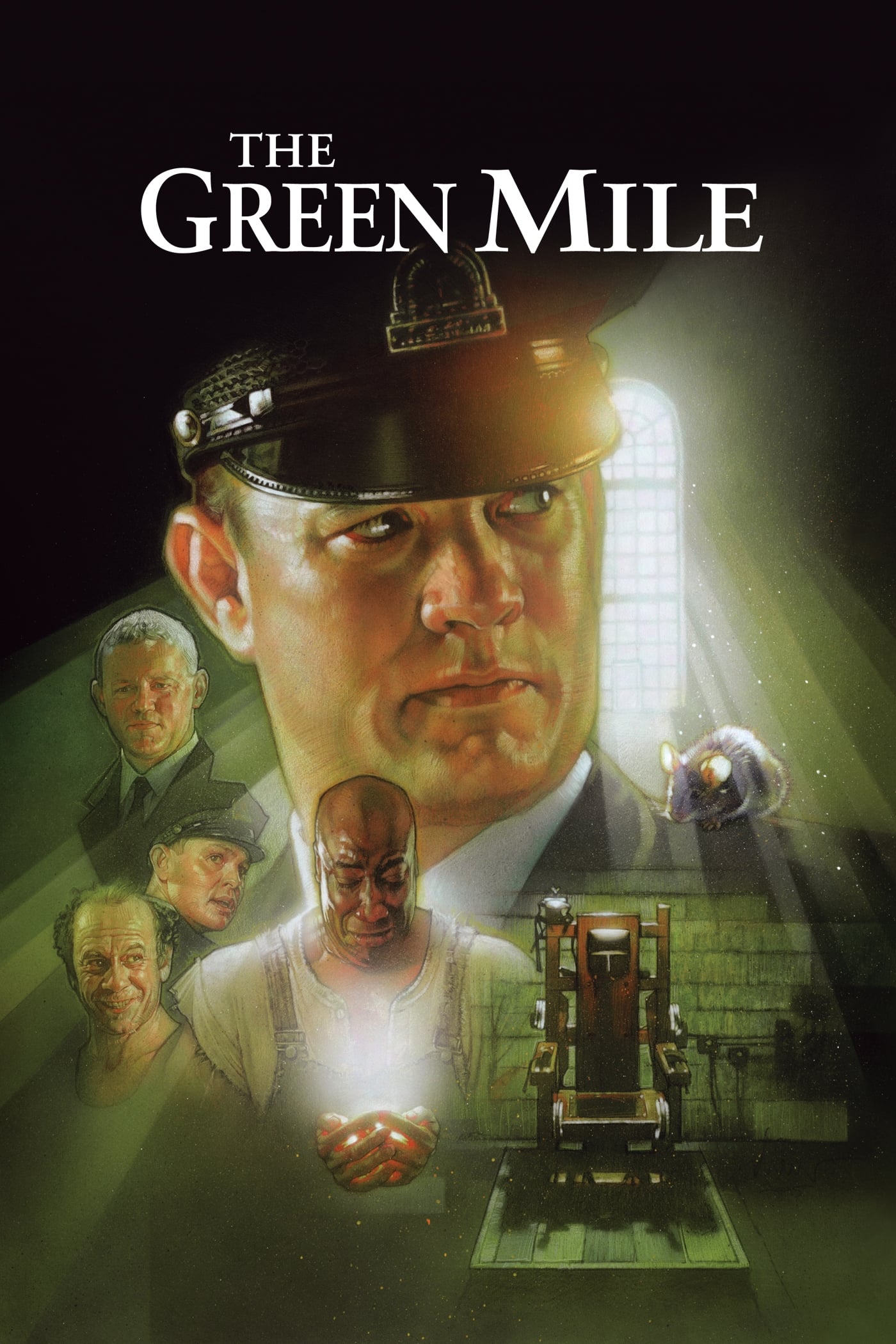
Frank Darabont adapts Stephen King with Tom Hanks and Michael Clarke Duncan. The prison setting is built with detailed sets and a focus on small human gestures.
The film’s length allows patient character development. Emotional climaxes are supported by Thomas Newman’s score and warm cinematography.
‘The Iron Giant’ (1999)
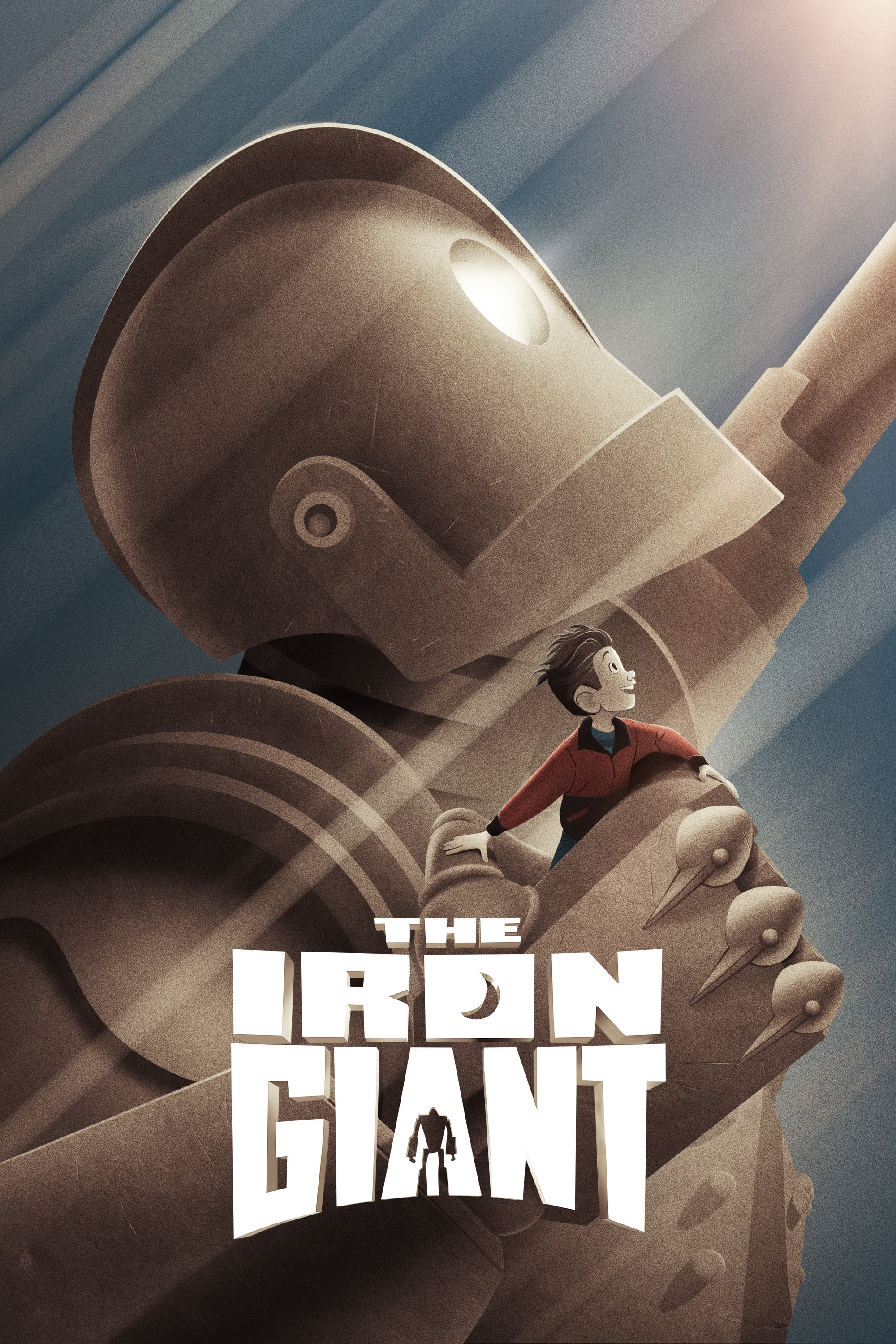
Brad Bird tells a Cold War era story about a boy and a towering visitor. Hand drawn animation blends with digital tools to stage weighty action and gentle character moments.
The film found a larger audience through home release and later retrospectives. Its themes of empathy and choice keep it a favorite for families and animation fans.
‘Princess Mononoke’ (1997)
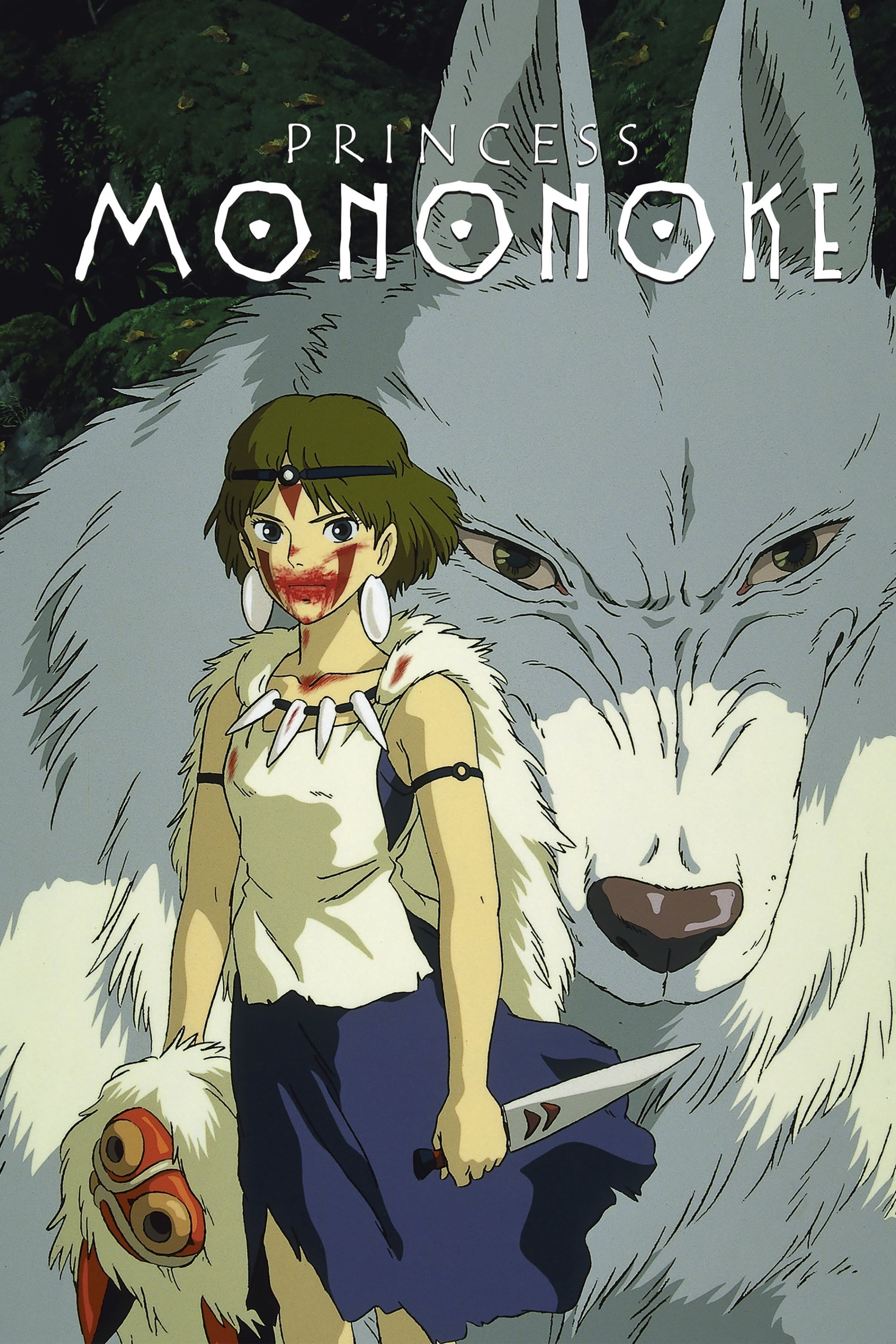
Hayao Miyazaki and Studio Ghibli present an epic about industry and nature in conflict. Rich backgrounds, fluid character animation, and a score by Joe Hisaishi create an immersive world.
Meticulous creature and costume designs give each faction a distinct identity. International distribution brought wider attention to Ghibli’s craft and storytelling scope.
‘Ghost in the Shell’ (1995)

Director Mamoru Oshii and Production I.G deliver a cyberpunk police story exploring identity and technology. Layered cityscapes, detailed animation, and atmospheric music define its look.
The film influenced live action and animation in action staging and philosophical framing. Its world building supports continued interest through sequels and spinoffs.
‘Perfect Blue’ (1997)
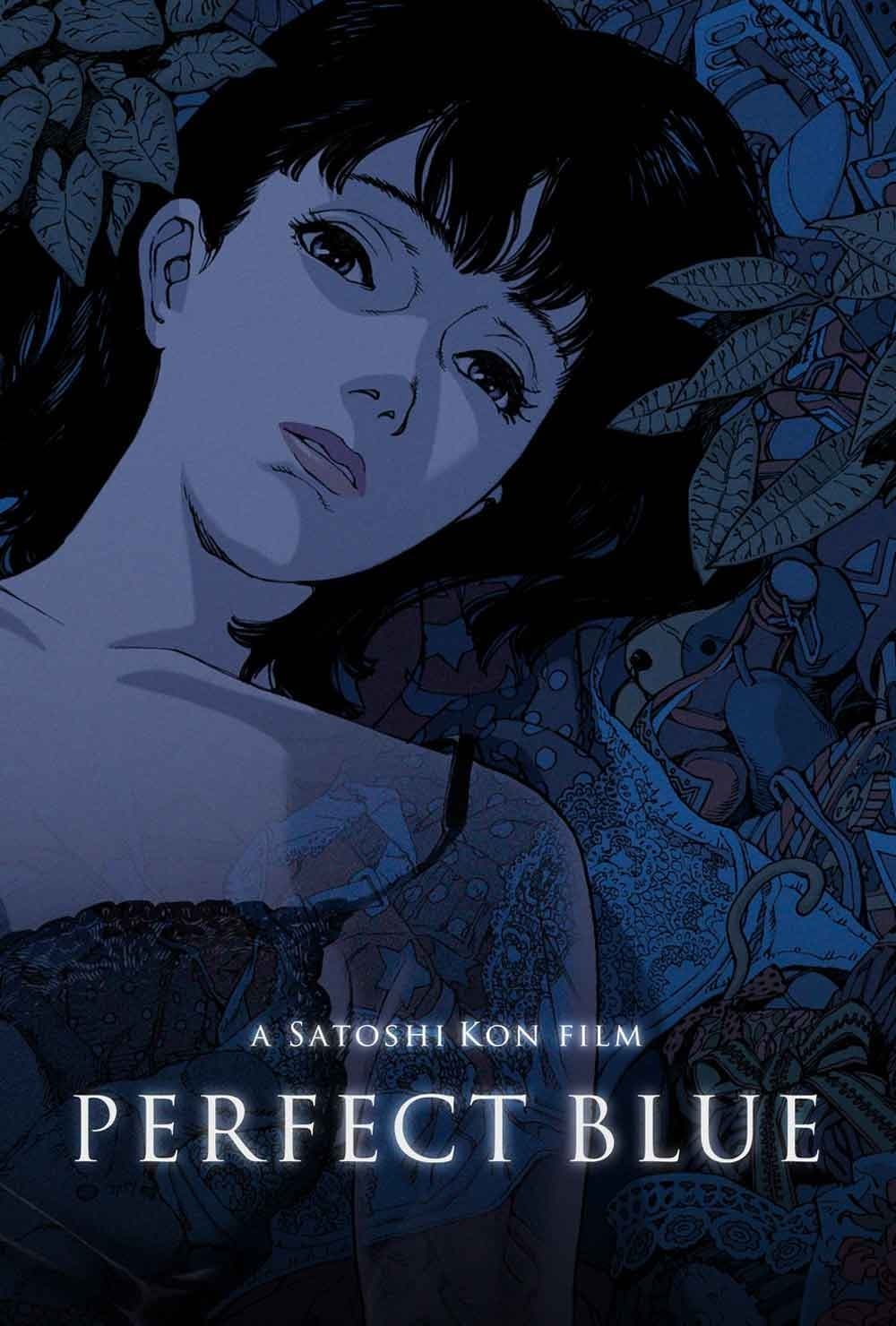
Satoshi Kon crafts a psychological thriller about fame and obsession. The film blurs lines between performance and reality through editing and visual motifs.
Its influence can be seen in later thrillers that use similar fractured perspectives. Bold color choices and tight framing heighten tension without heavy effects.
‘Gattaca’ (1997)
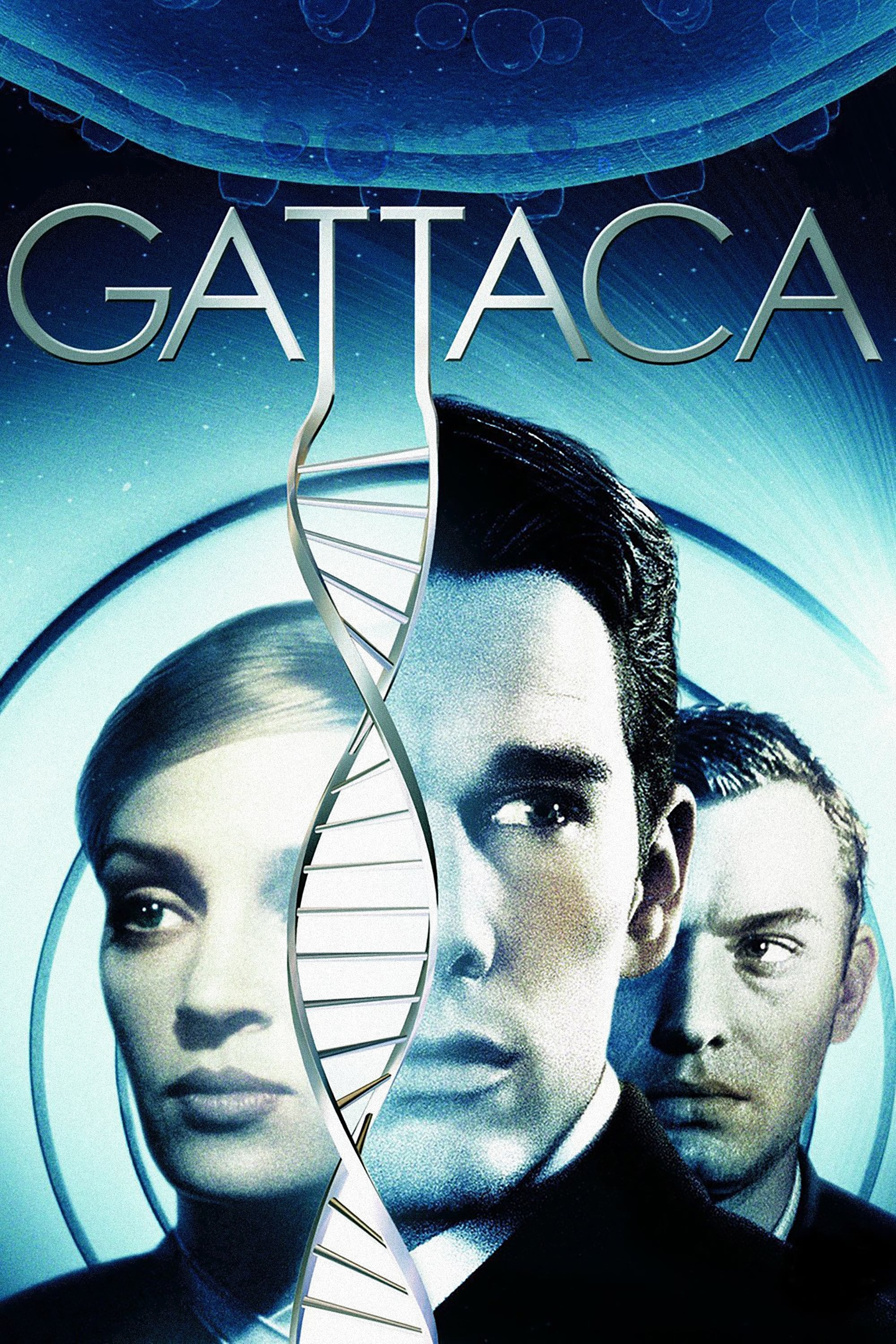
Andrew Niccol directs Ethan Hawke, Uma Thurman, and Jude Law in a near future drama about genetic selection. Minimalist production design and restrained effects keep attention on character choices.
The film’s clean visual language and clear world rules make its society easy to grasp. Its themes continue to be used in discussions about science and ethics.
‘Trainspotting’ (1996)
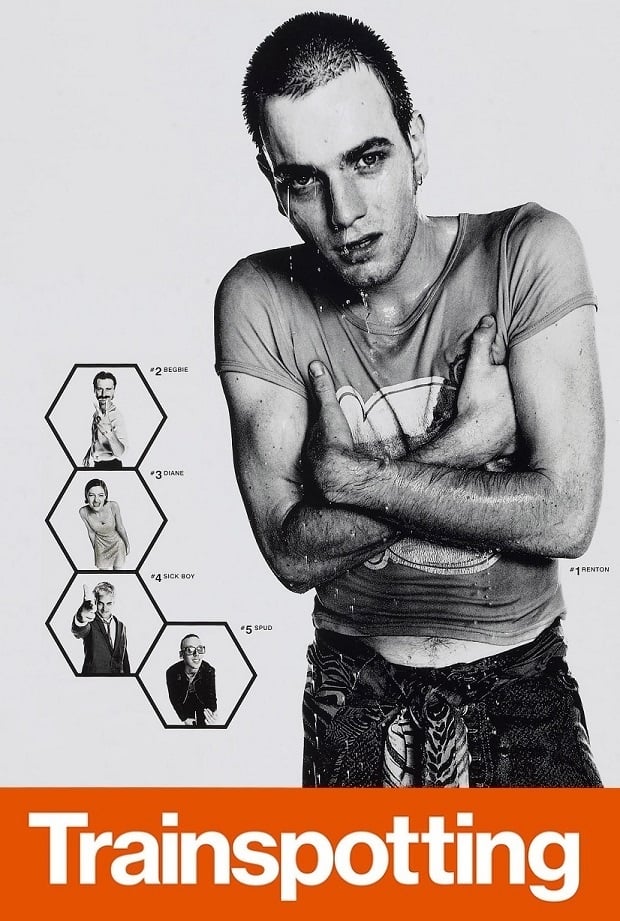
Danny Boyle adapts Irvine Welsh with Ewan McGregor leading a young ensemble. Energetic editing, creative set pieces, and a distinctive soundtrack define its style.
The film captured a specific regional voice while staying accessible worldwide. Its visual invention and cast introductions still feel bold.
‘The Fifth Element’ (1997)
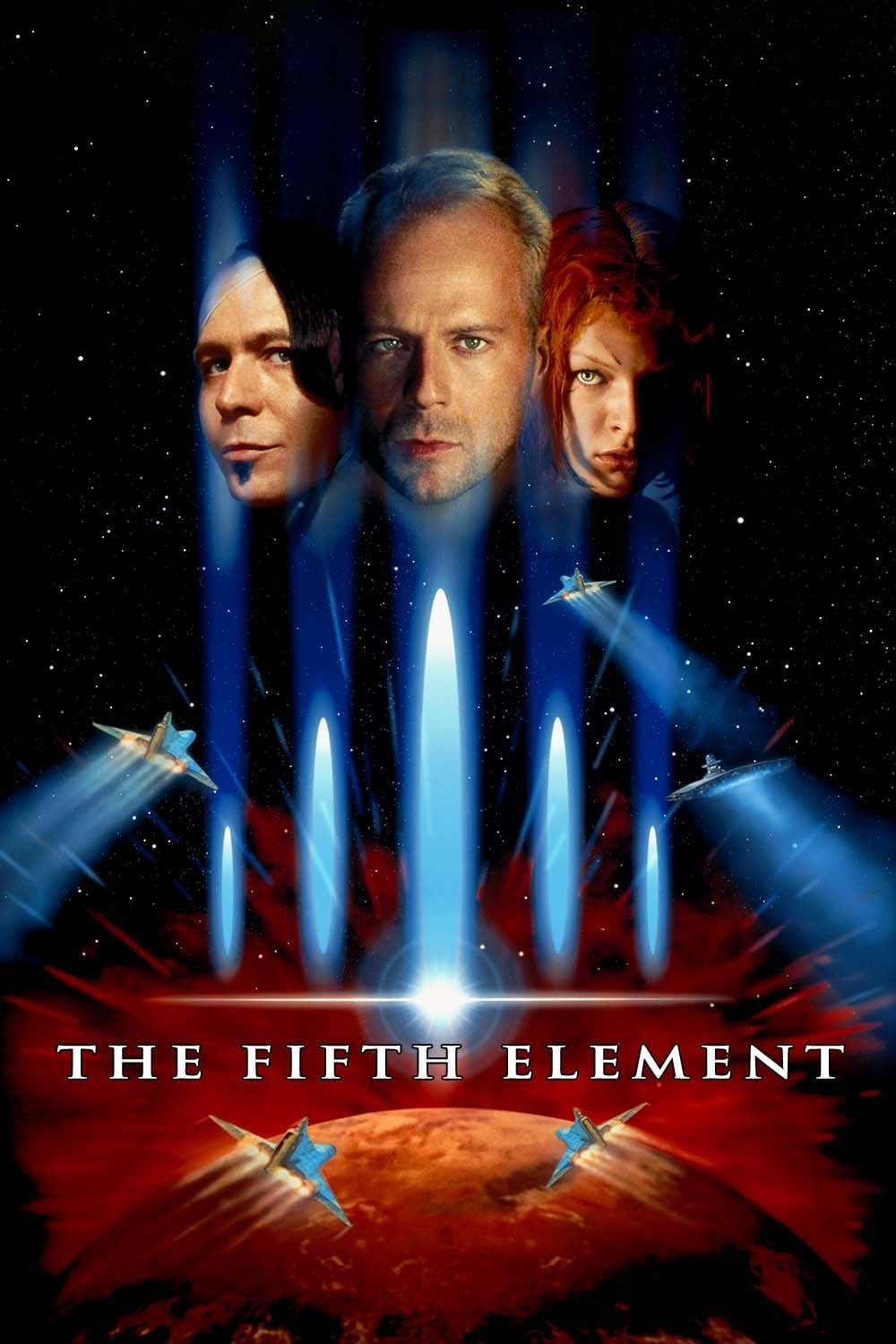
Luc Besson mixes sci fi adventure with couture costuming by Jean Paul Gaultier. Bruce Willis, Milla Jovovich, and Gary Oldman anchor a story set in a colorful future city.
Miniatures, practical makeup, and vivid color grading give the world a playful depth. The film’s production design remains a frequent reference for sci fi aesthetics.
‘Before Sunrise’ (1995)
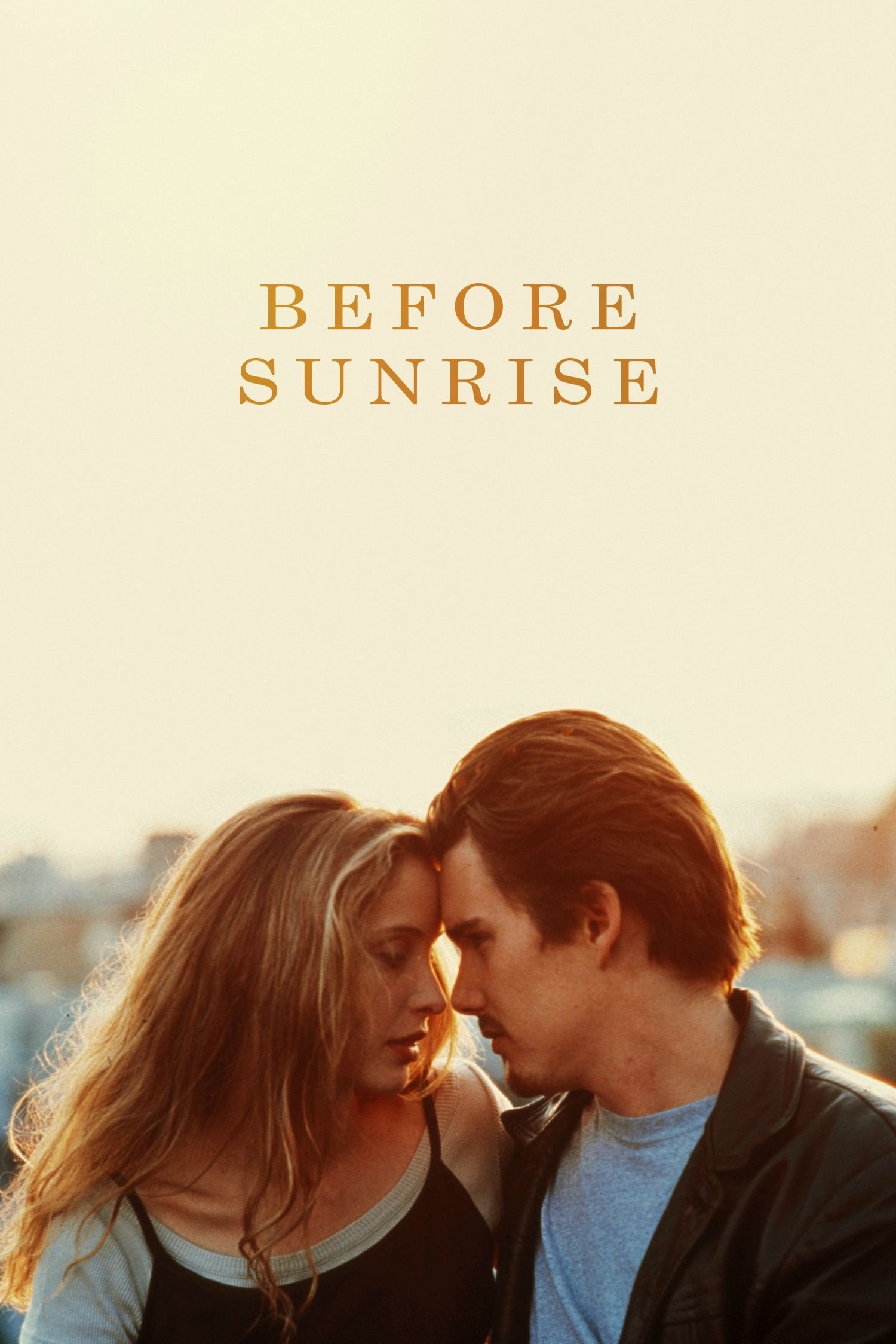
Richard Linklater follows Ethan Hawke and Julie Delpy during one long conversation. Natural performances and location shooting give the walk and talk format intimacy.
The screenplay builds character through everyday topics rather than plot turns. Its simple structure and honest dialogue continue to connect with new viewers.
‘Notting Hill’ (1999)
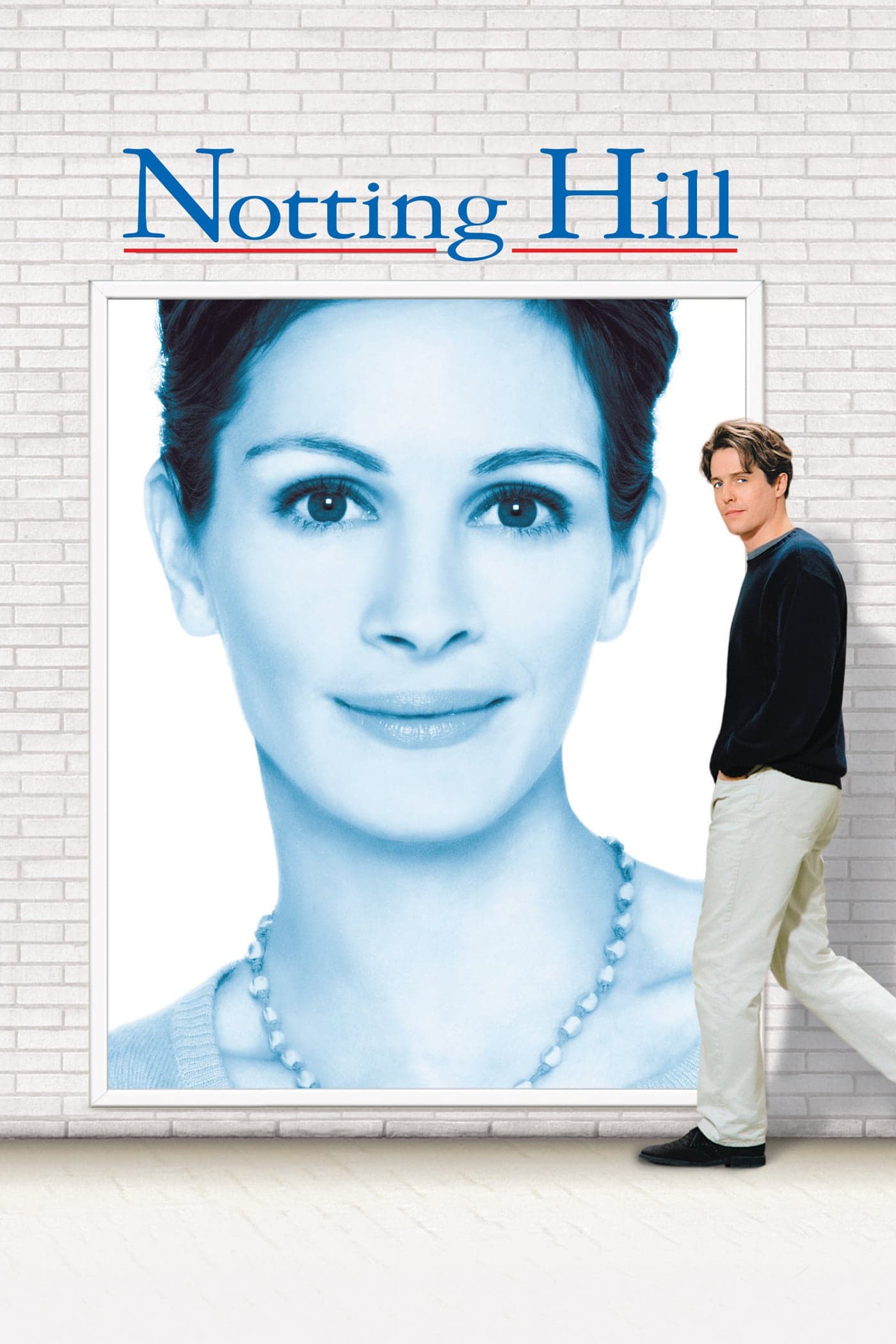
Roger Michell pairs Julia Roberts and Hugh Grant in a London set romance. The script balances celebrity life with the rhythms of a small neighborhood.
Locations like the bookshop and the market add texture without stealing focus. Supporting characters and a gentle score keep the tone warm and inviting.
‘Clueless’ (1995)
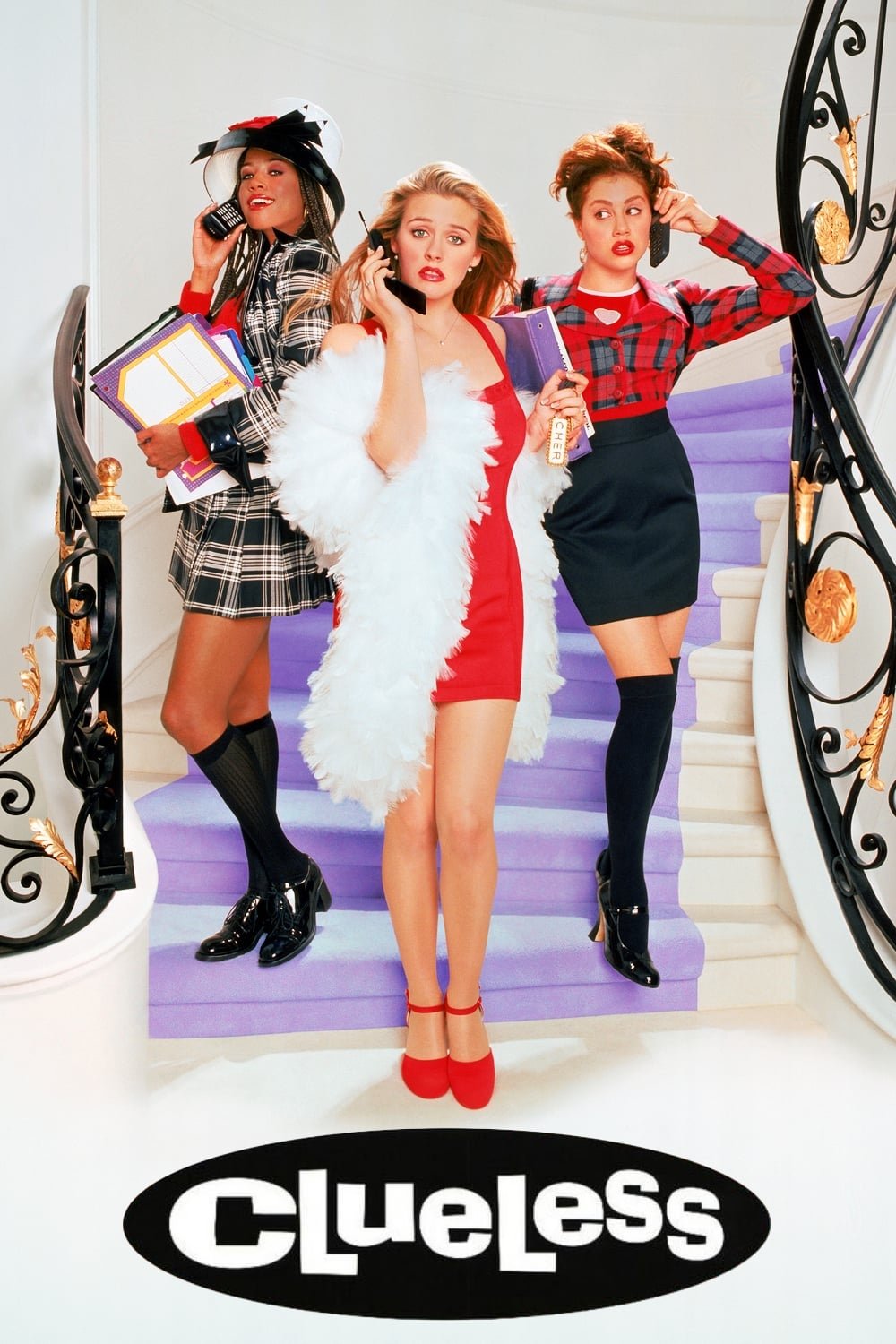
Amy Heckerling updates a classic novel with Alicia Silverstone as Cher. Fashion, slang, and valley culture are captured through bright costuming and playful voiceover.
The film helped launch careers and influenced teen comedies that followed. Its good natured satire and clear character arcs continue to resonate.
‘The Fugitive’ (1993)
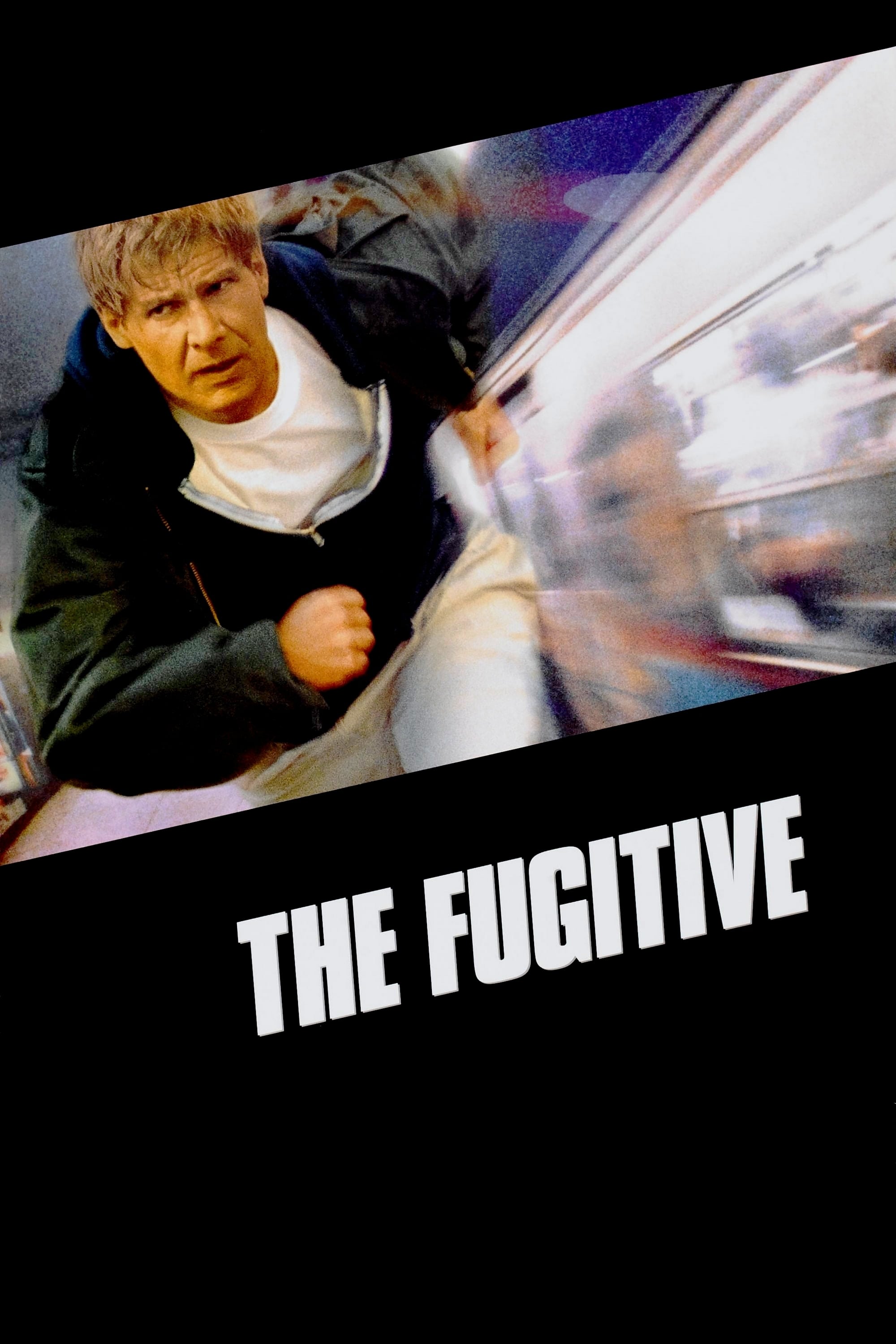
Andrew Davis directs Harrison Ford and Tommy Lee Jones in a manhunt thriller. Location work, practical stunts, and a sharp supporting cast keep momentum high.
The film’s train and dam sequences showcase precise coordination across departments. Dialogue and investigative beats maintain clarity as the chase unfolds.
‘Speed’ (1994)
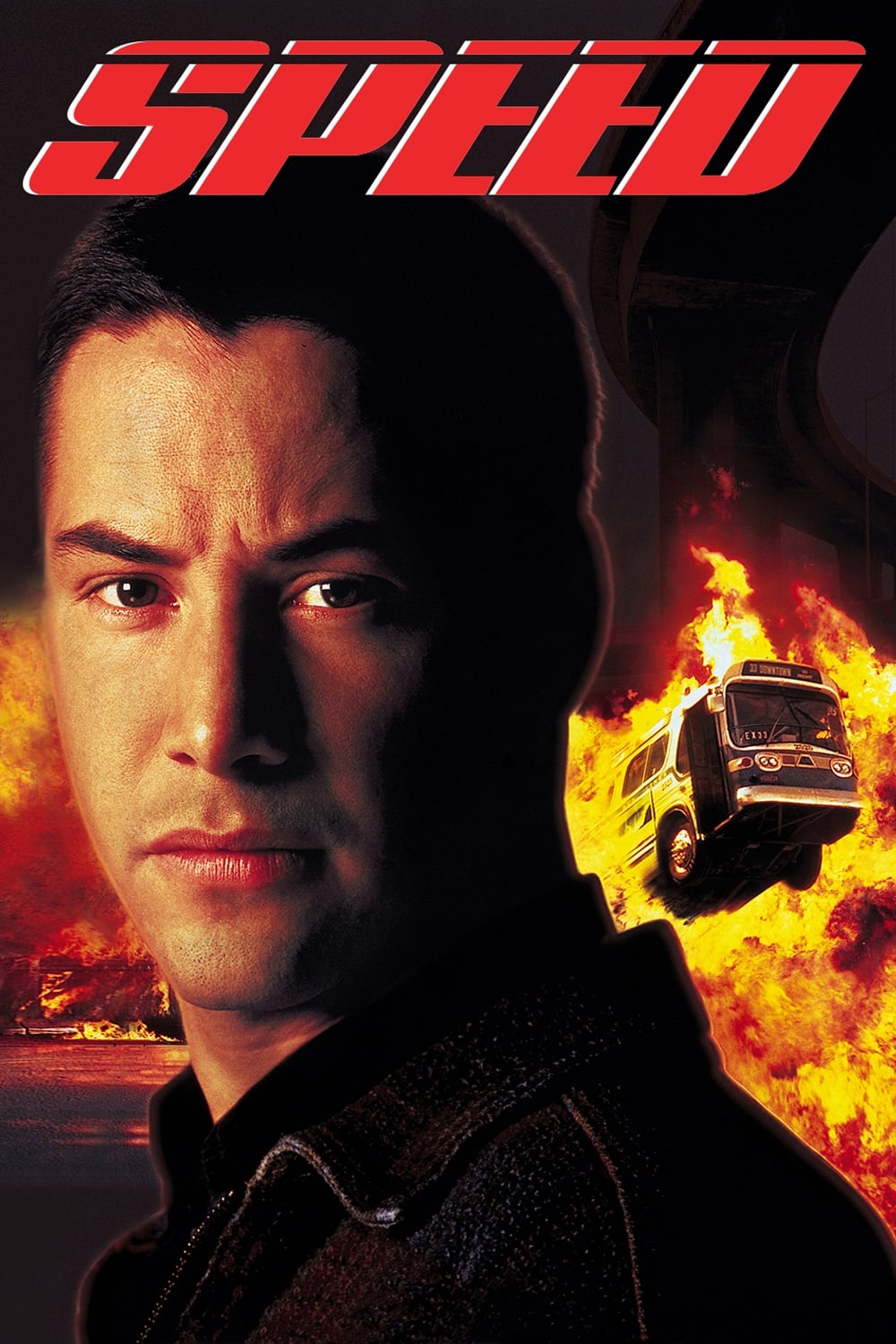
Jan de Bont delivers a high concept action story with Keanu Reeves and Sandra Bullock. Real buses, tight framing, and controlled editing keep tension constant.
Practical effects and a steady escalation of setbacks make the premise hold. Chemistry between leads supports the action without slowing it down.
‘Men in Black’ (1997)
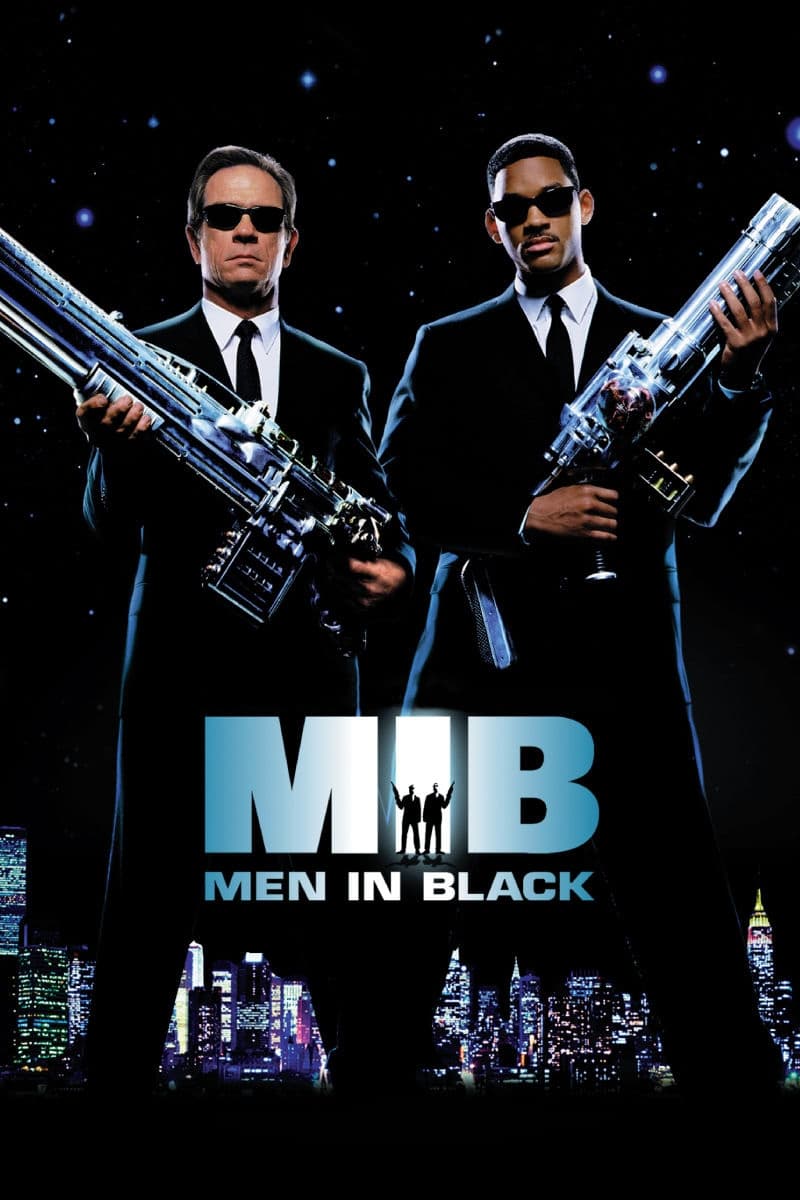
Barry Sonnenfeld teams Will Smith and Tommy Lee Jones as agents handling alien activity on Earth. Rick Baker’s makeup and visual effects create a gallery of memorable creatures.
The film mixes deadpan humor with brisk set pieces. A catchy theme and confident world building helped launch a durable franchise.
‘The Talented Mr. Ripley’ (1999)
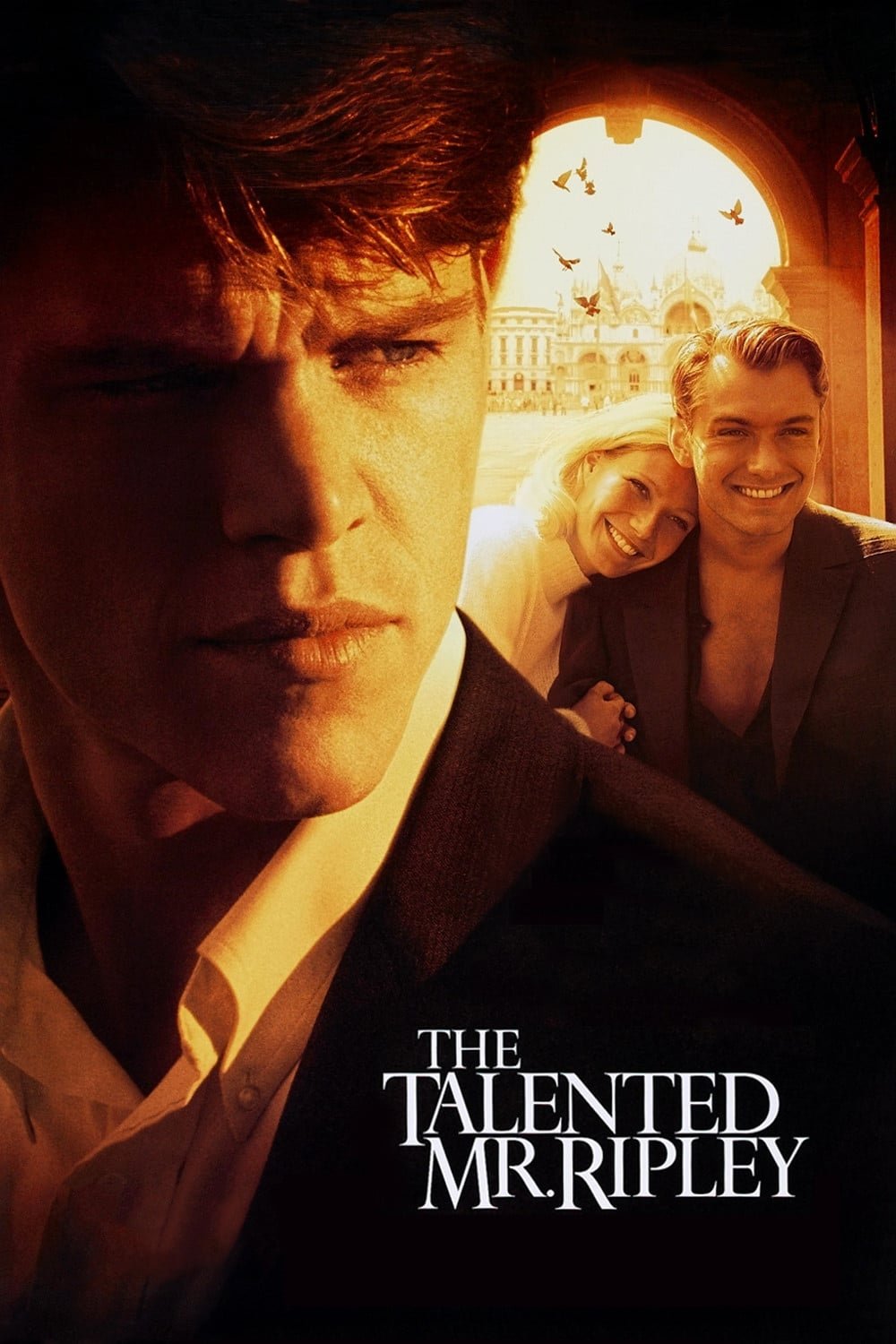
Anthony Minghella directs Matt Damon, Jude Law, Gwyneth Paltrow, and Cate Blanchett in a stylish thriller. Sunlit locations and elegant costuming contrast with tension underneath the surface.
The film explores identity and class through careful character beats. Musical performances and meticulous production design create a polished finish.
‘Boogie Nights’ (1997)
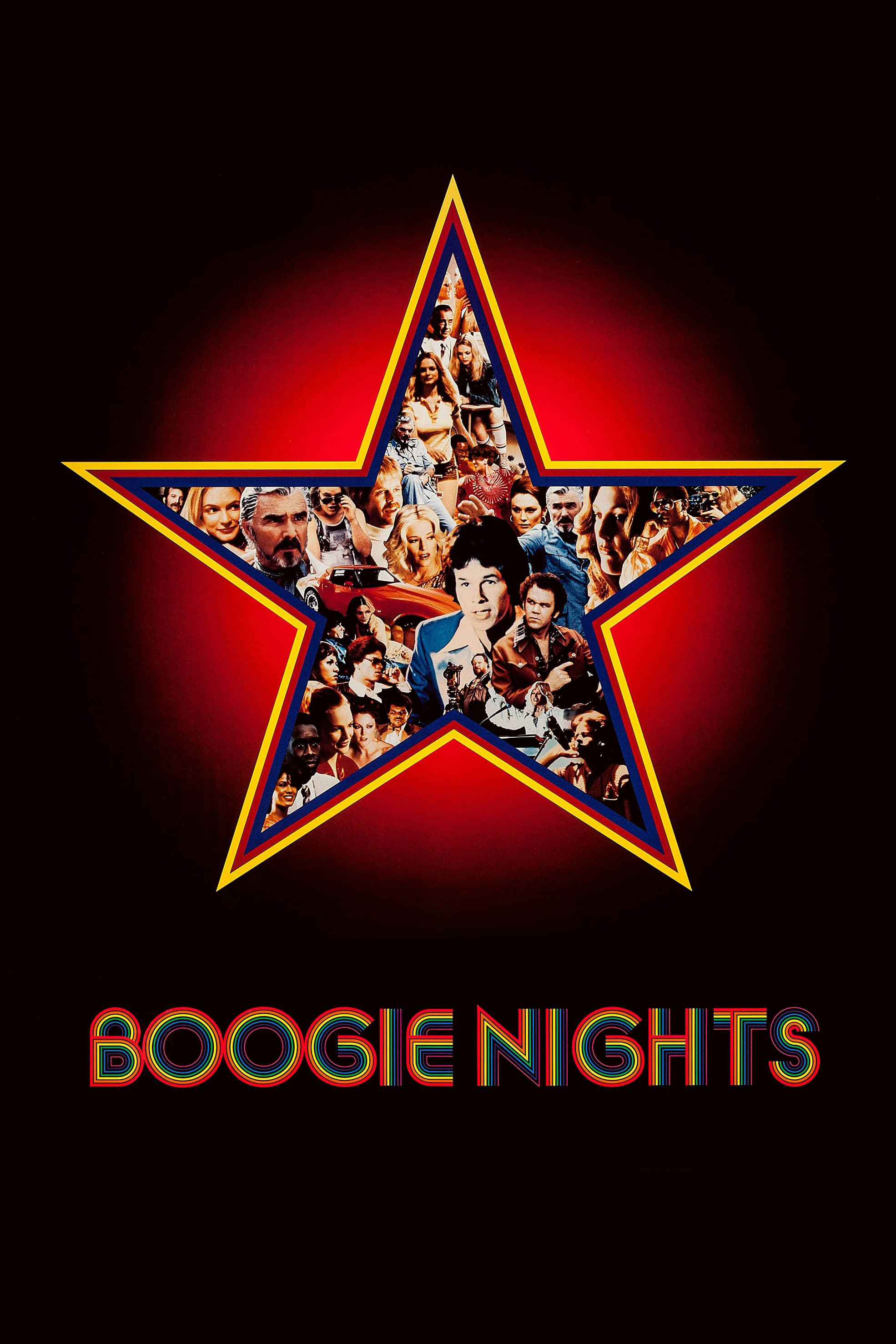
Paul Thomas Anderson follows an ensemble through the adult film world. Long takes, ensemble choreography, and period detail build a convincing community.
The film balances humor and melancholy without drifting from character focus. Music supervision and editing choices highlight shifts in time and tone.
‘Magnolia’ (1999)
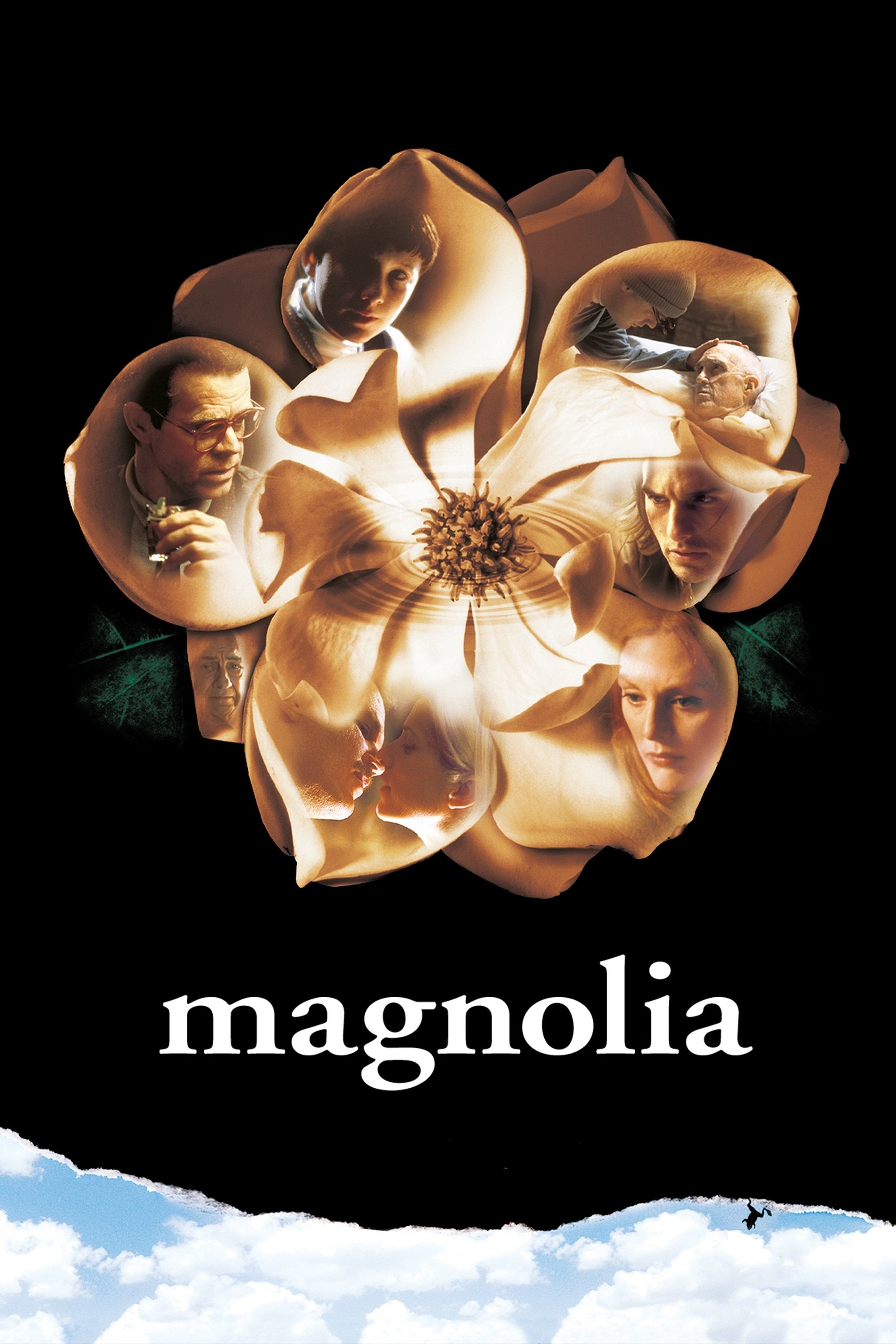
Paul Thomas Anderson crafts intersecting stories across a single day. The ensemble includes Tom Cruise, Julianne Moore, and Philip Seymour Hoffman with original songs by Aimee Mann.
Ambitious staging and sound design tie the threads together. The production leans on practical locations and careful blocking rather than heavy visual effects.
‘The Insider’ (1999)
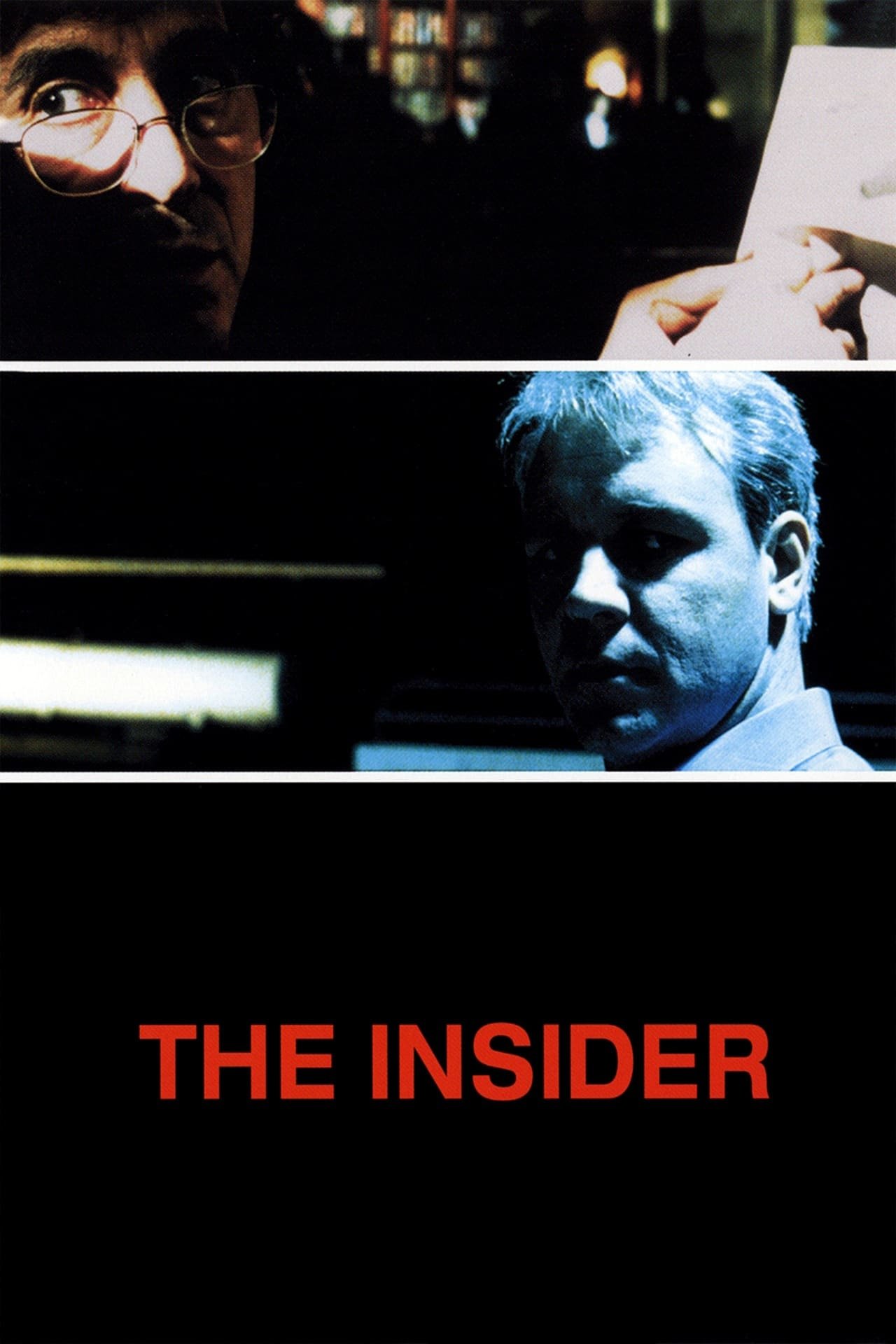
Michael Mann dramatizes a tobacco industry whistleblower case with Russell Crowe and Al Pacino. Moody lighting, location shooting, and a reserved score underline the stakes.
The film presents legal and corporate processes with clear detail. Performances and grounded dialogue keep complex topics accessible.
‘The Thin Red Line’ (1998)
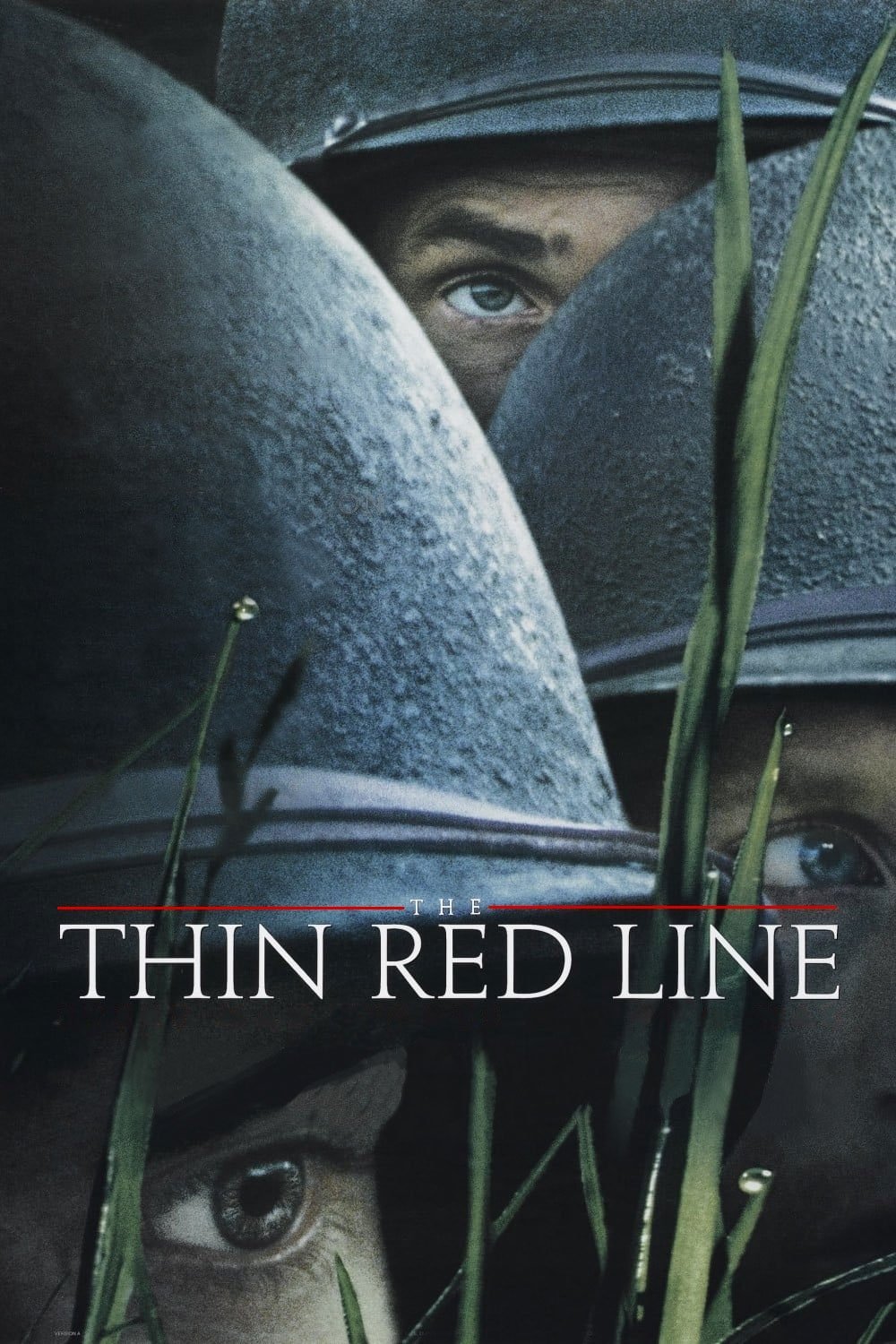
Terrence Malick’s war film features an ensemble including Jim Caviezel and Sean Penn. Lyrical voiceover, natural light cinematography, and choral music shape a meditative tone.
The film focuses on landscape and inner life alongside combat. Its visual approach and editing rhythms influenced later war dramas.
‘Schindler’s List’ (1993)
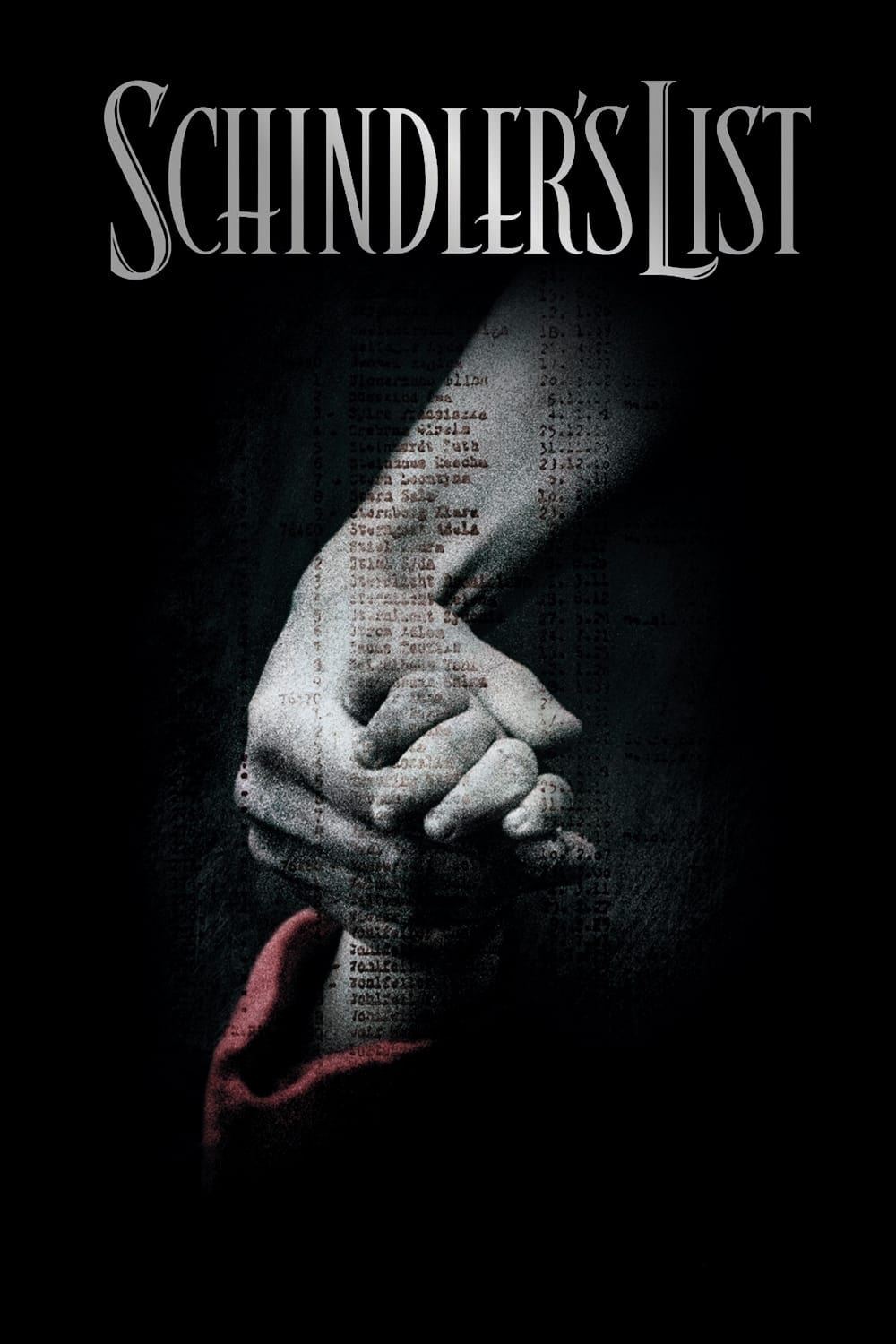
Steven Spielberg tells the story of Oskar Schindler with Liam Neeson, Ben Kingsley, and Ralph Fiennes. Black and white cinematography by Janusz Kamiński and restrained music by John Williams define the look and feel.
The film received major awards and significant educational use worldwide. Attention to period detail and quiet staging keep the focus on human choices.
‘Unforgiven’ (1992)
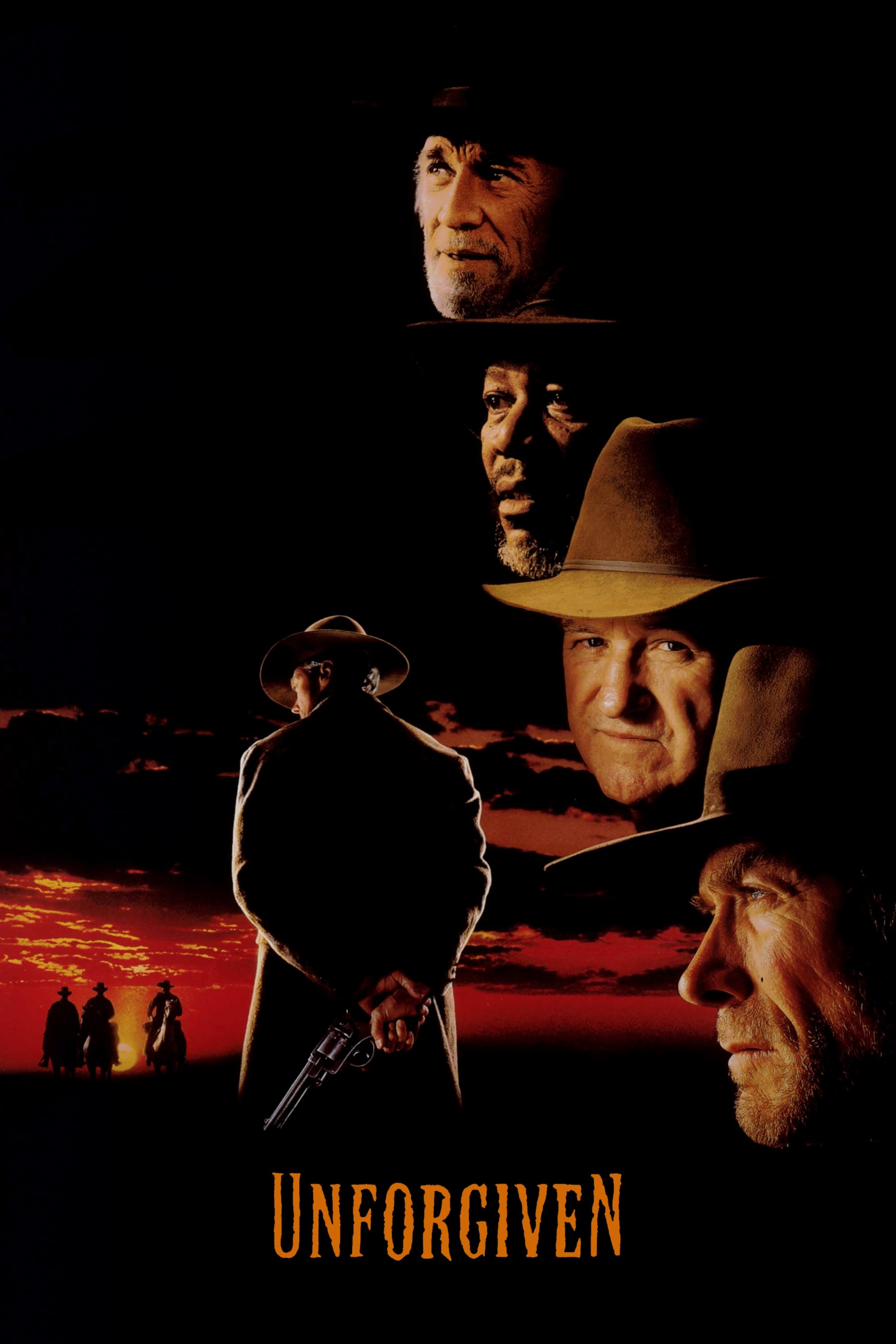
Clint Eastwood directs and stars with Gene Hackman and Morgan Freeman in a revisionist western. The film examines violence and reputation through spare dialogue and grounded action.
Muted colors and weathered sets create a harsh frontier mood. Awards success and critical praise helped renew interest in the genre.
‘Reservoir Dogs’ (1992)
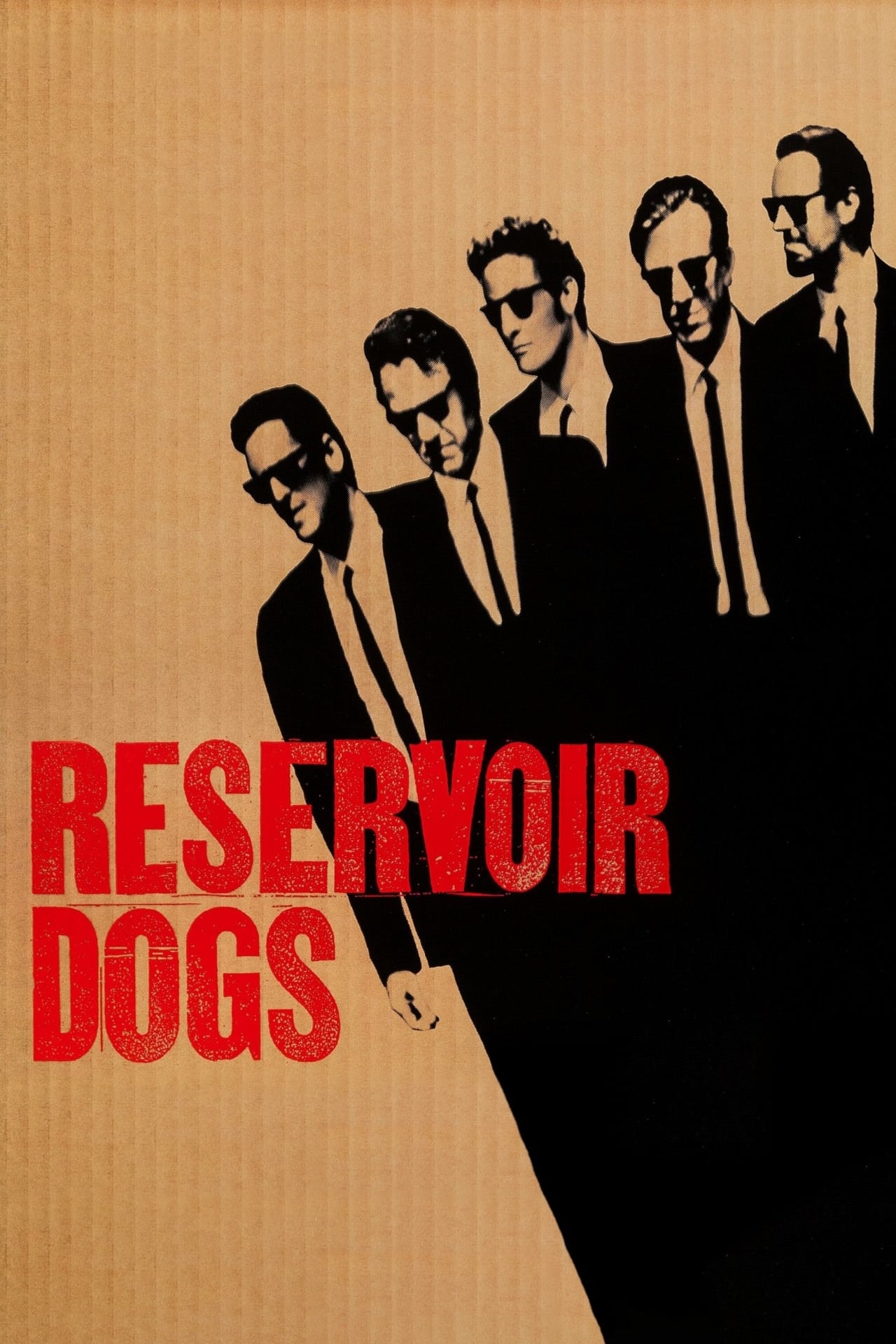
Quentin Tarantino’s debut follows a failed robbery through aftermath and interrogation. Nonlinear structure, pop culture chatter, and a tight warehouse setting define the production.
Minimal locations and strong ensemble work make the small budget an asset. Its approach to crime dialogue and soundtrack cues influenced many indie films.
‘Thelma & Louise’ (1991)
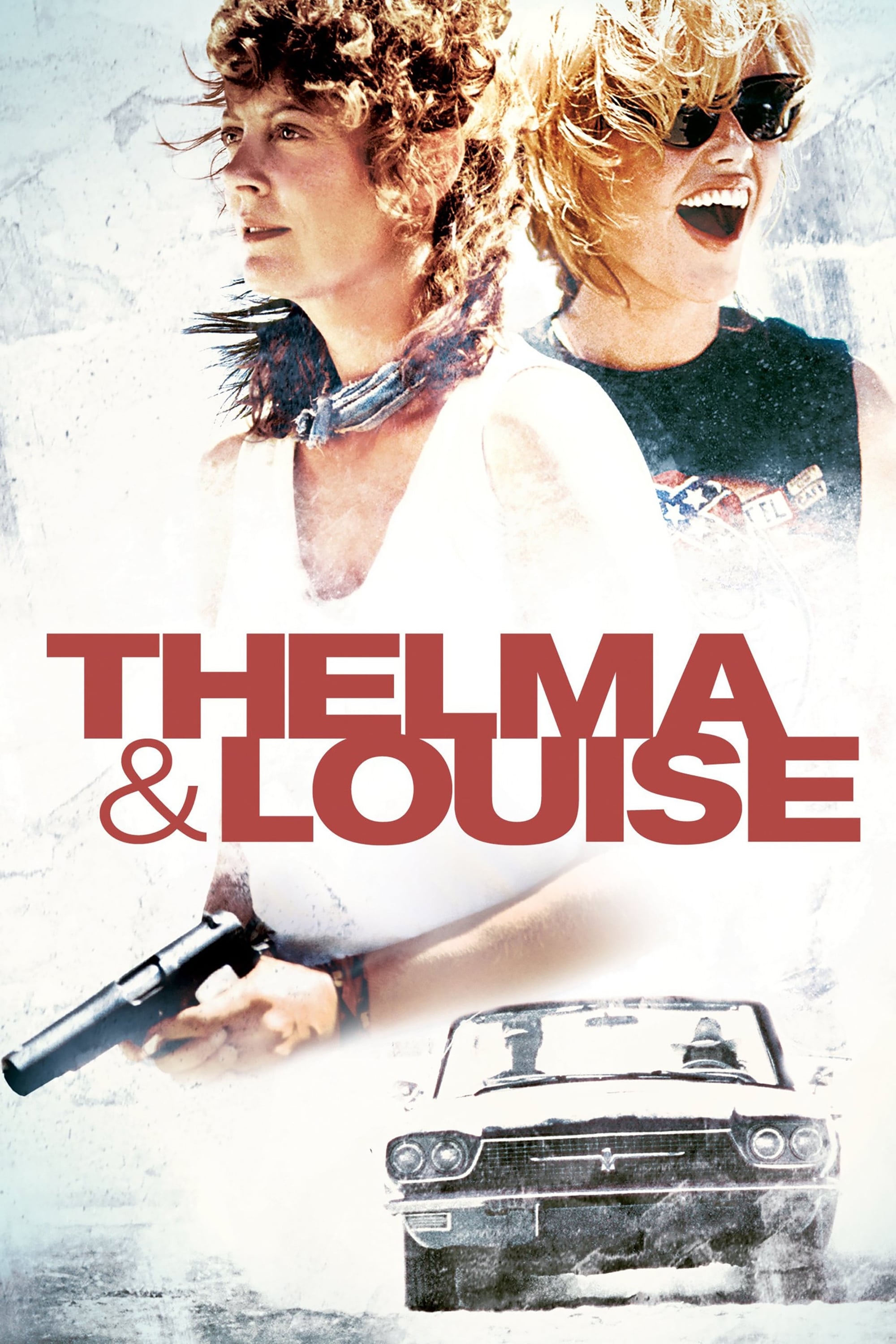
Ridley Scott directs Geena Davis and Susan Sarandon as friends on a road trip that turns radical. Wide open landscapes and practical car work emphasize freedom and risk.
Callie Khouri’s script won major recognition and entered the cultural conversation. The film’s final image remains one of the most recognizable in modern cinema.
‘The Hunt for Red October’ (1990)
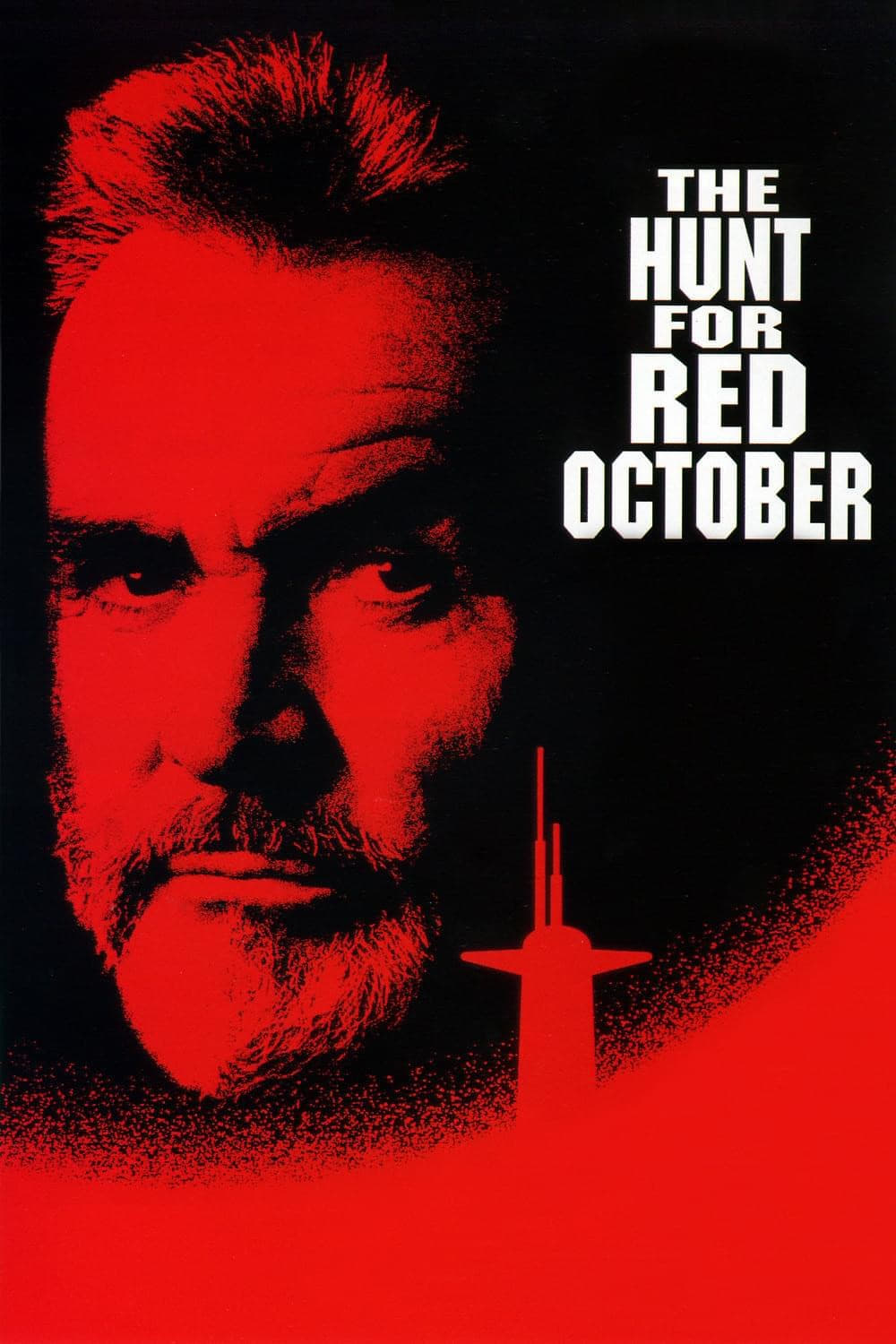
John McTiernan adapts a submarine thriller with Sean Connery and Alec Baldwin. Model work, sound design, and careful set construction create convincing naval interiors.
The film balances geopolitics with cat and mouse tactics. Its approach to language and command room tension still plays cleanly.
‘Titanic’ (1997)
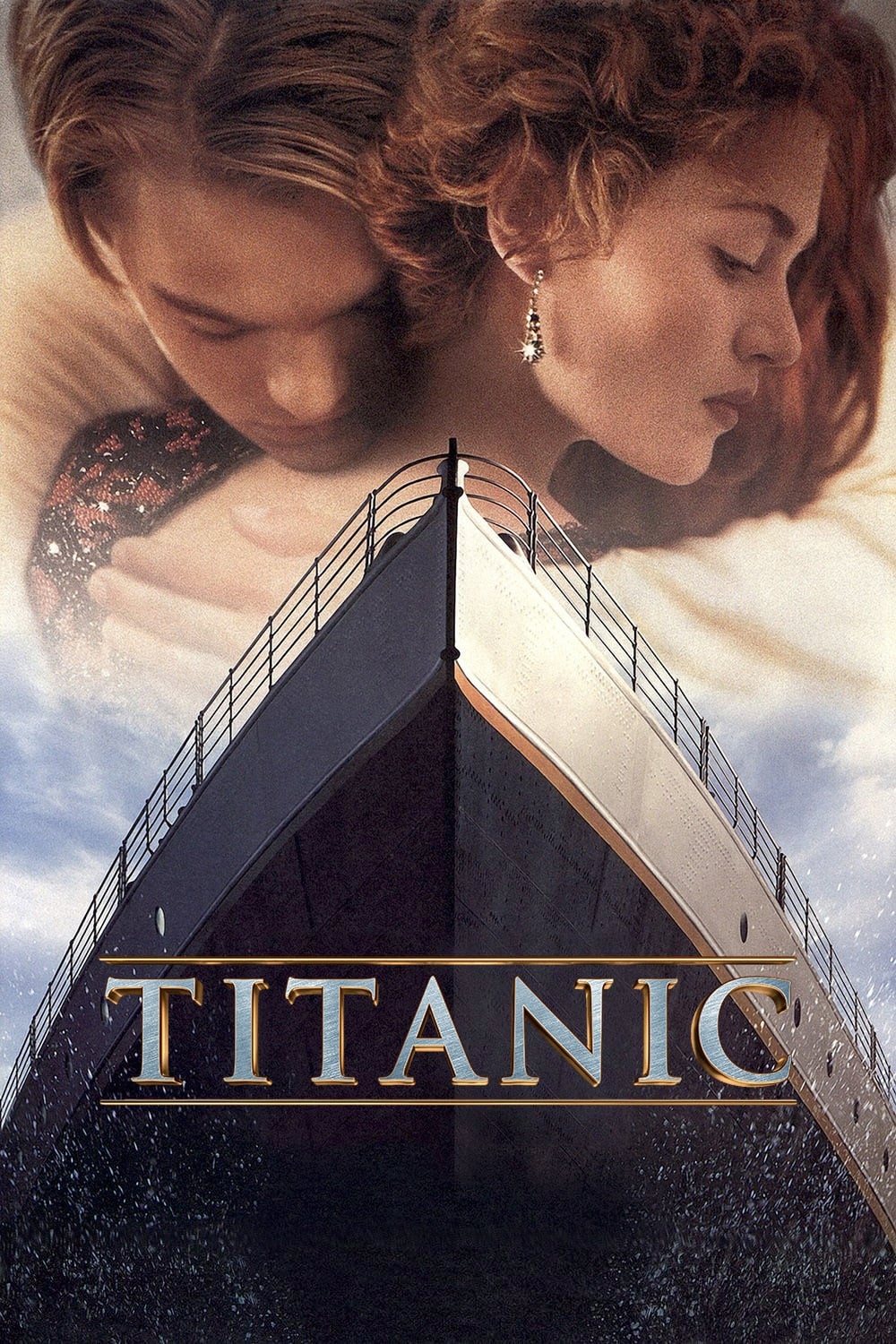
James Cameron stages a large scale romance with Leonardo DiCaprio and Kate Winslet. Massive sets, miniatures, and digital water effects combine for immersive spectacle.
The film set box office records and collected major awards. Costuming, music, and historical research contribute to its enduring appeal.
‘Run Lola Run’ (1998)
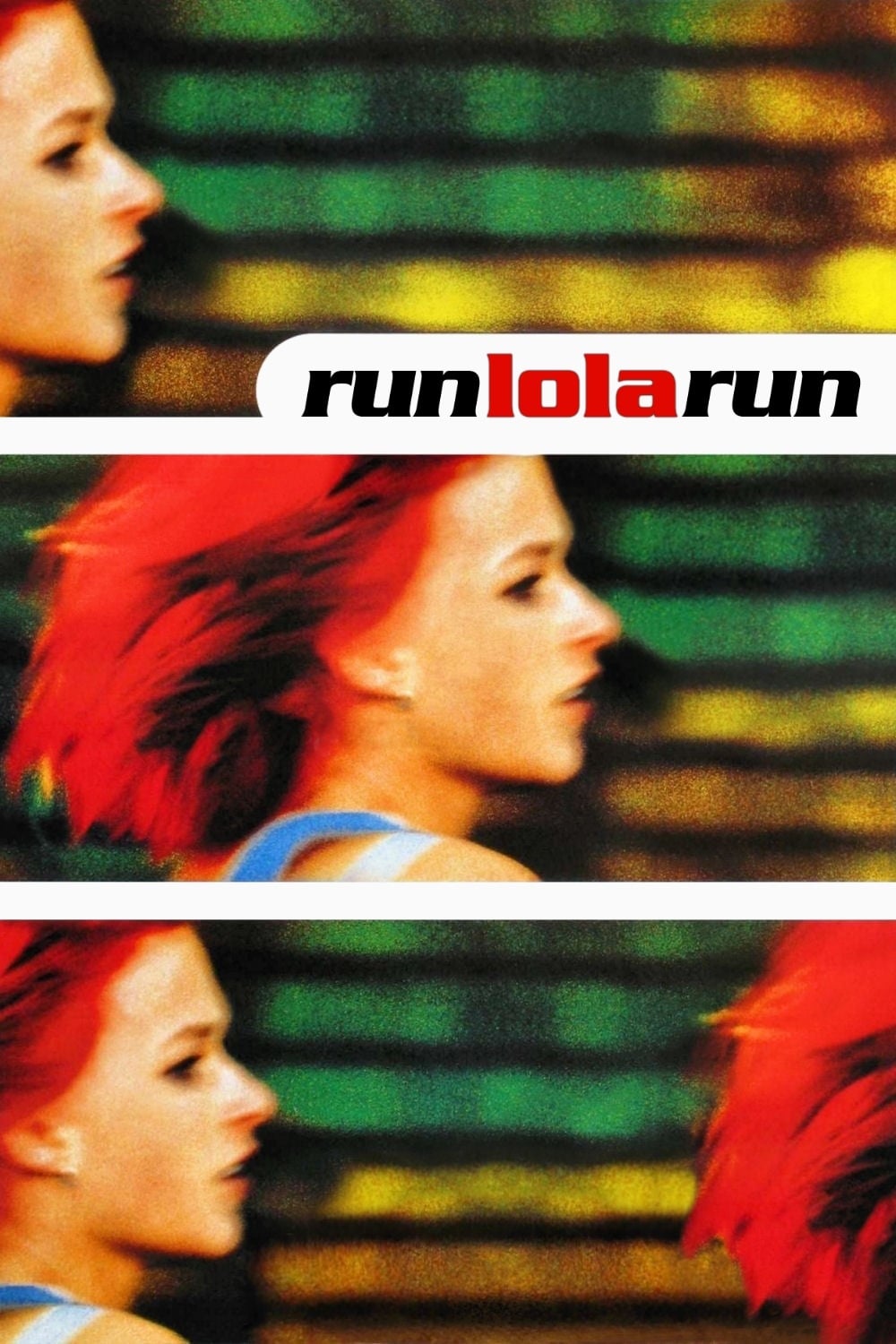
Tom Tykwer’s thriller follows three alternate runs through a crisis. Fast cutting, animated inserts, and a driving electronic soundtrack keep energy high.
Berlin locations and a compact runtime make the structure clear and repeatable. The film’s format influenced music videos and later narrative experiments.
‘Starship Troopers’ (1997)
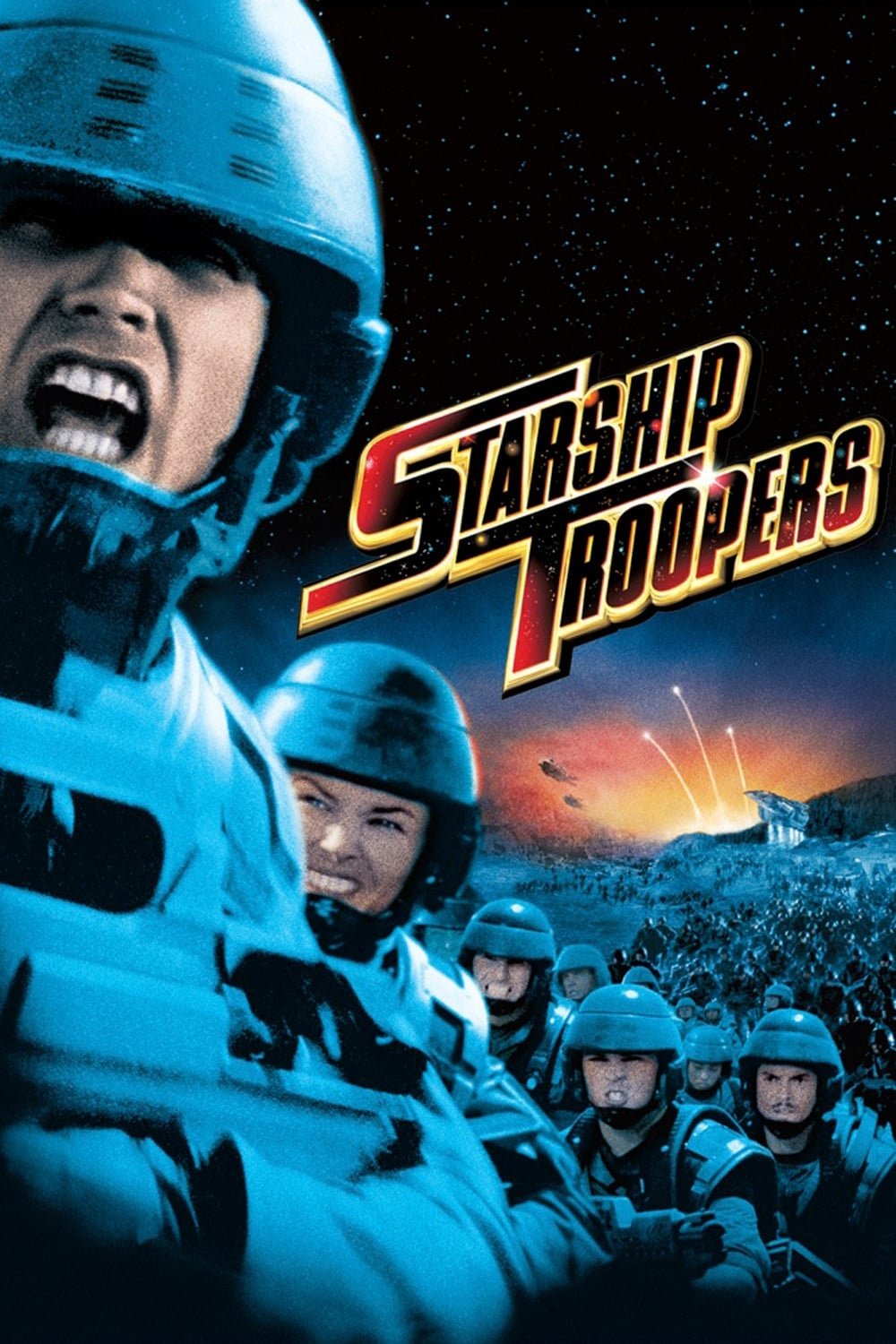
Paul Verhoeven adapts a military science fiction novel with a sharp satirical edge. Amalgamated Dynamics and digital artists deliver insect creatures with convincing scale.
The film’s propaganda styled interludes and bright production design support its commentary. Practical armor, props, and squib effects keep the action impactful.
‘The Game’ (1997)
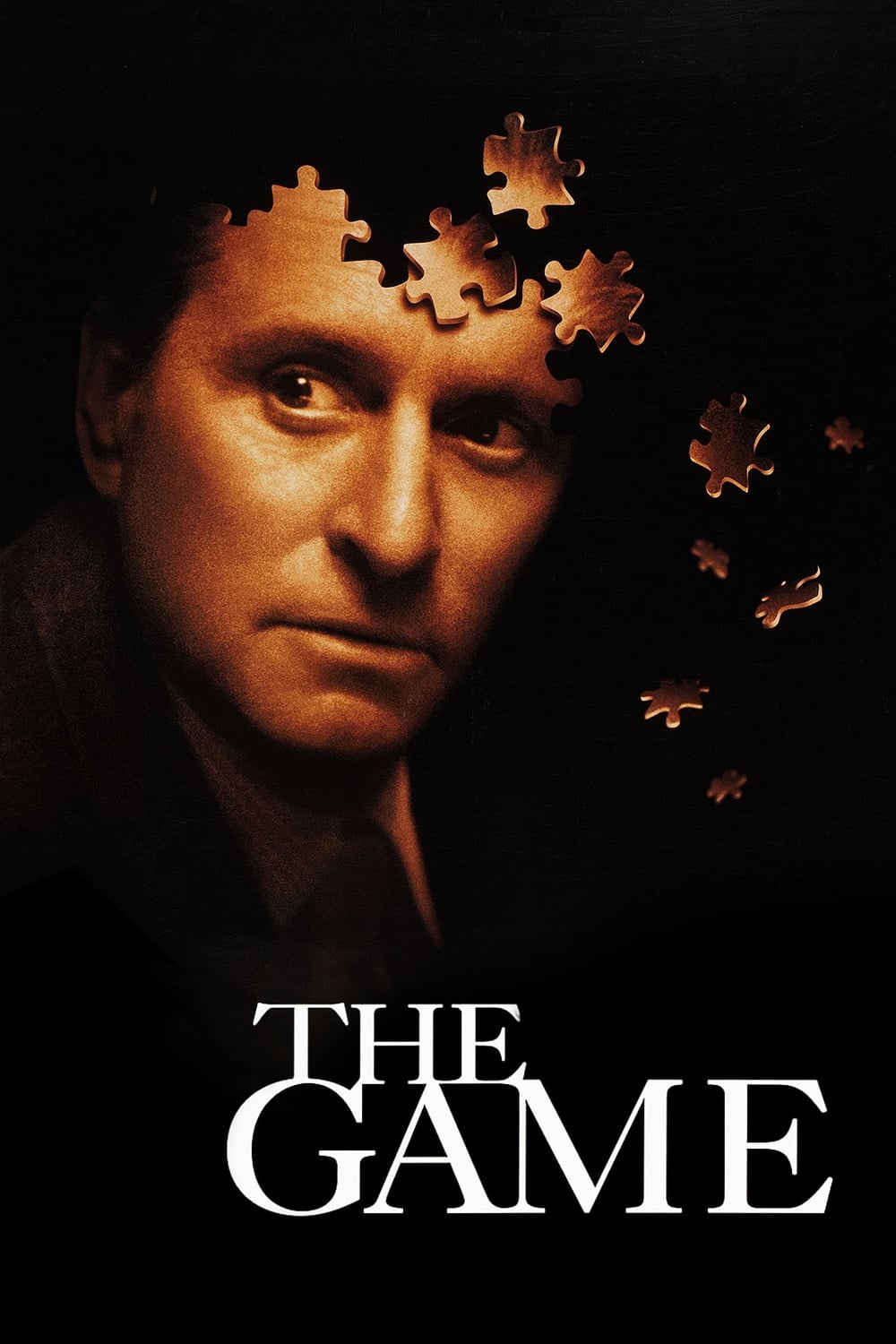
David Fincher directs Michael Douglas as a financier drawn into an elaborate experience. Production design turns everyday spaces into sources of uncertainty.
The film plays fair with clues while maintaining mystery. Editing and sound cues guide audience attention without over explaining.
‘The Mummy’ (1999)
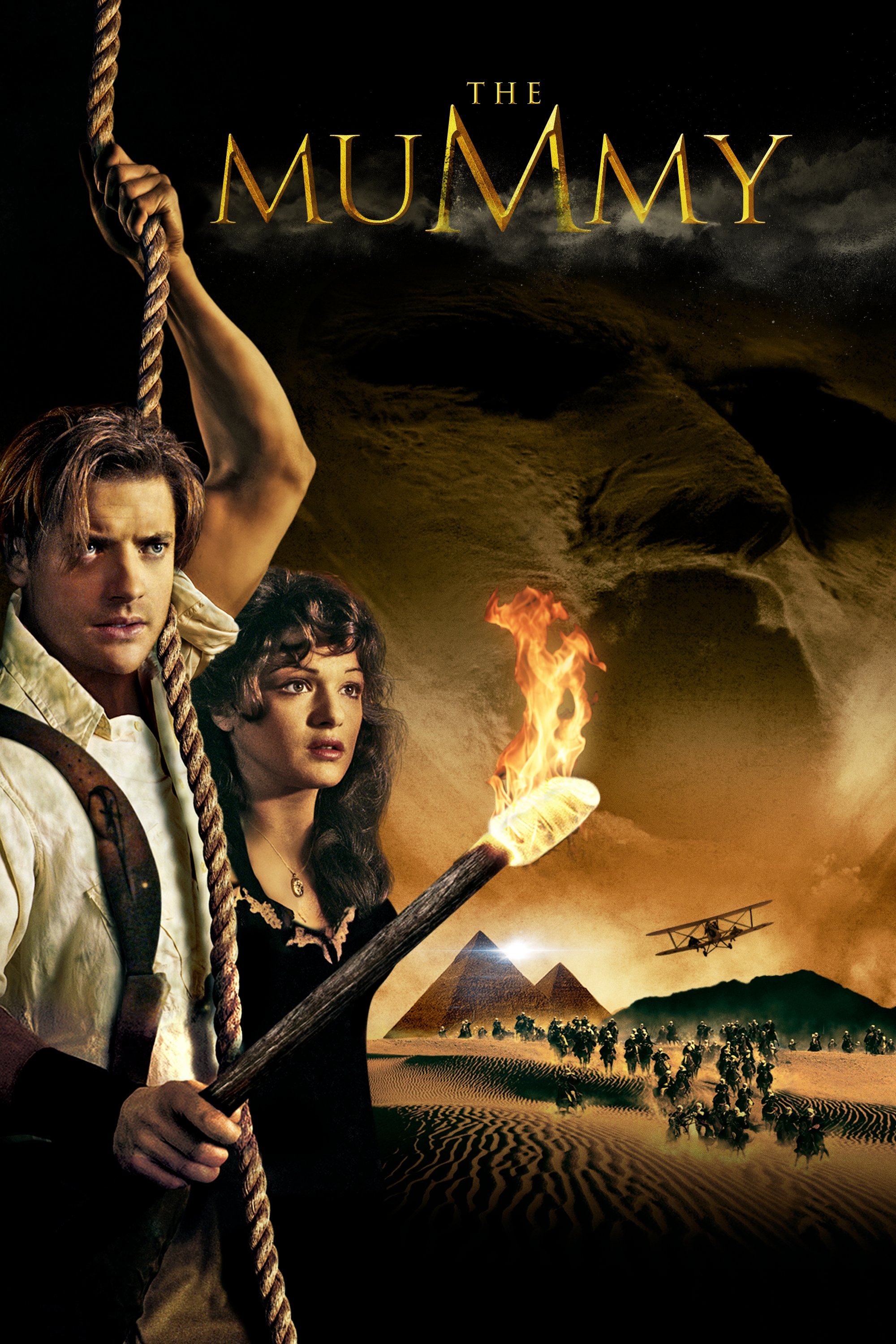
Stephen Sommers delivers an adventure with Brendan Fraser and Rachel Weisz. Practical sets, creature effects, and lighthearted banter echo classic serials.
The film’s score and brisk pacing keep it rewatchable. Sequels and theme park tie ins show how the blend of humor and spectacle found a wide audience.
Share your favorite picks from the 90s in the comments and let everyone know which ones still work best for you today.