The 15 Dumbest Things in Whole of DCEU


The DC Extended Universe delivered huge set pieces and a sprawling roster of heroes, but it also left behind some head scratching choices that fans still talk about. These moments span story decisions, production shortcuts, marketing choices, and continuity detours that shaped how the films played and how the universe tried to connect. What follows is a tour of the choices that caused the most confusion, memes, or cleanup work in later projects.
Each entry lays out what happened on screen or behind the scenes and why it mattered to the larger continuity. You will find plot mechanics, production context, and franchise consequences rather than opinions, so you can see exactly how these decisions landed and how they rippled through the rest of the DCEU.
The Martha Truce That Ends The Fight
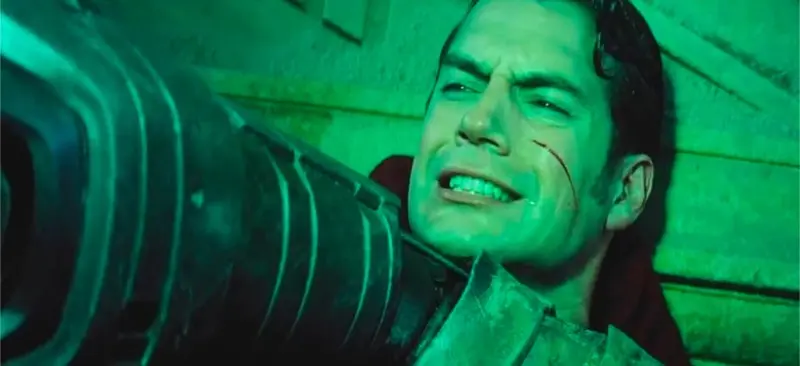
In ‘Batman v Superman: Dawn of Justice’, the title fight stops when Clark says the name Martha and Bruce flashes back to his mother. The scene turns a lethal confrontation into a rescue mission for Martha Kent, pivots both characters toward teaming up against Lex Luthor, and sets up the warehouse rescue sequence that follows.
This moment became a viral talking point across fan communities and mainstream outlets, which kept the film in the news long after release. Later projects referenced the changed dynamic between the two heroes without revisiting the trigger, leaving the truce as a singular device that instantly redefined their conflict.
Lex’s Granny’s Peach Tea Senate Hearing

‘Batman v Superman: Dawn of Justice’ builds to a Senate hearing where a jar labeled with Granny’s Peach Tea sits on Senator Finch’s desk. The hearing ends with a coordinated bombing that kills the Senator and others, while Superman survives and is framed in the court of public opinion as having failed to prevent the attack.
The jar ties the bombing directly to Lex Luthor, who uses fear and political pressure as part of his plan to turn the world against Superman. The aftermath drives public mistrust in metahumans and fuels Batman’s resolve, which becomes a key motivator for forming contingency plans that echo through subsequent films.
Doomsday Born From Zod’s Corpse And A Kryptonian Ship
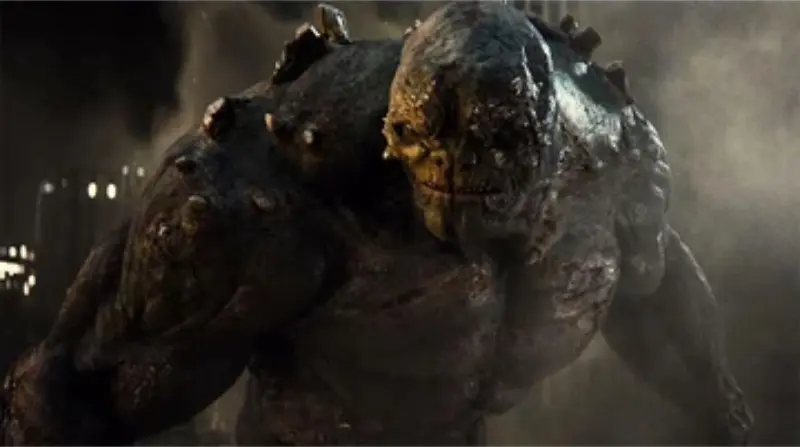
Lex Luthor creates Doomsday in ‘Batman v Superman: Dawn of Justice’ by combining General Zod’s body with alien technology inside the Kryptonian ship. The ship warns against the act, yet the process proceeds and yields a rapidly evolving creature that absorbs and emits massive energy.
The arrival of Doomsday forces the first full team up of Batman, Wonder Woman, and Superman and leads to Superman’s death in the final act. That death sets up memorial imagery used across the franchise and becomes the narrative reason for reviving Superman in ‘Justice League’, linking two films through one risky bio engineering decision.
Metropolis Devastation With Minimal Onscreen Evacuation
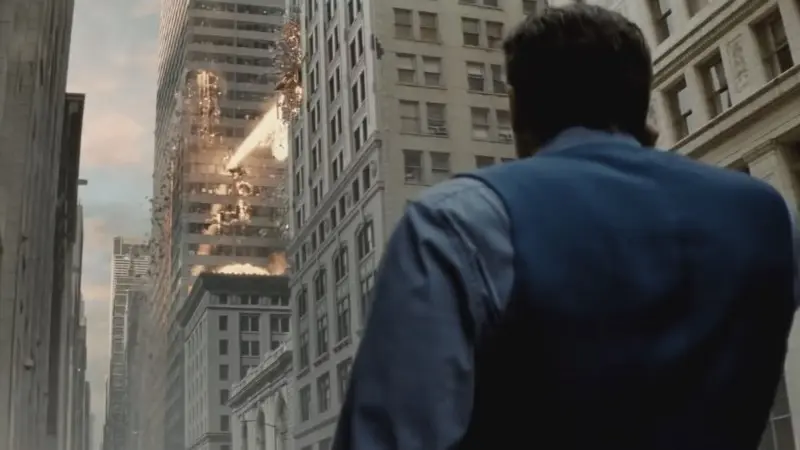
‘Man of Steel’ stages an extended battle in Metropolis that levels blocks of the city during the confrontation with Zod. Civilian evacuation is mostly implied rather than shown at length during the destruction, with visual emphasis placed on collapsing buildings, smoke, and debris.
‘Batman v Superman: Dawn of Justice’ later reframes the event from Bruce Wayne’s street level perspective and shows casualties from the Wayne Financial tower. That follow up turns the earlier destruction into the emotional engine for Batman’s mistrust of Superman and provides the connective tissue that motivates the central conflict of the next film.
The Suicide Squad Sky Beam From Enchantress
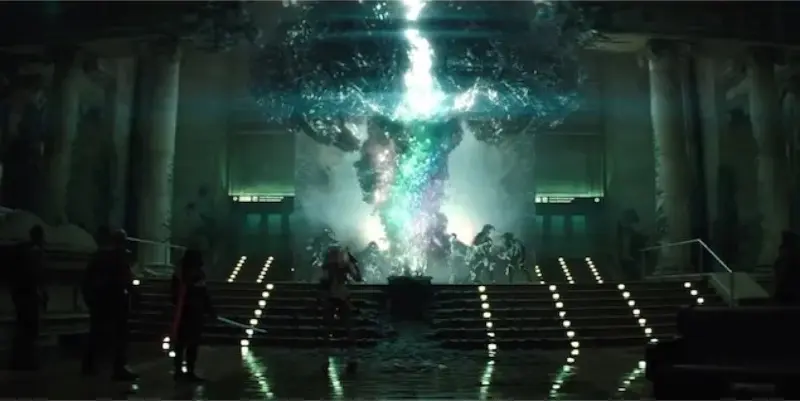
In ‘Suicide Squad’, Enchantress activates a machine in Midway City that shoots a column of light into the sky while she hypnotizes enemies and builds an army of transformed soldiers. The team navigates through dark streets and damaged buildings toward a final confrontation inside a swirling energy chamber.
The sky beam device becomes the literal and visual anchor of the plot, dictating the mission path for Task Force X and providing the countdown element for the finale. It also locks the action to a single city under federal control, which explains why Amanda Waller can direct military assets and why the team is deployed with strict explosive safeguards.
Slipknot Introduced Only To Prove The Bombs Work

‘Suicide Squad’ introduces Slipknot with a quick line about his abilities, then shows him attempt an early escape. Rick Flag detonates the explosive in Slipknot’s neck, confirming that Waller’s control system works.
This beat establishes the stakes for the rest of the squad and explains why heavily armed criminals follow orders during a crisis. Slipknot’s immediate exit also clears screen time for the core members whose arcs tie back to Waller, Flag, and the Midway City objective.
Joker’s Role Reduced To Deleted Scenes
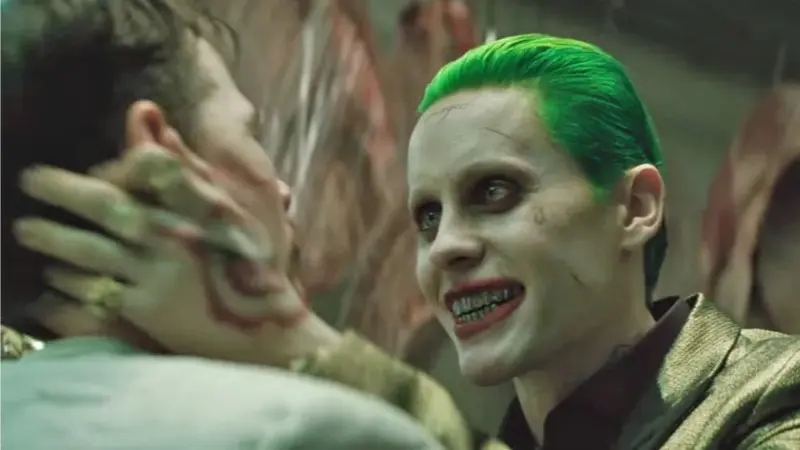
Marketing for ‘Suicide Squad’ featured the Joker, yet the theatrical cut keeps his storyline to a handful of sequences that orbit Harley Quinn. Numerous scenes were trimmed or removed, including material that sketched the couple’s history and the helicopter rescue thread.
The final assembly positions Joker as a background presence rather than a parallel antagonist, shifting narrative weight to Waller and Enchantress. Later home editions restored some footage but did not reintegrate every advertised beat, leaving the character’s footprint smaller than previews suggested.
The CGI Upper Lip In The Theatrical Justice League
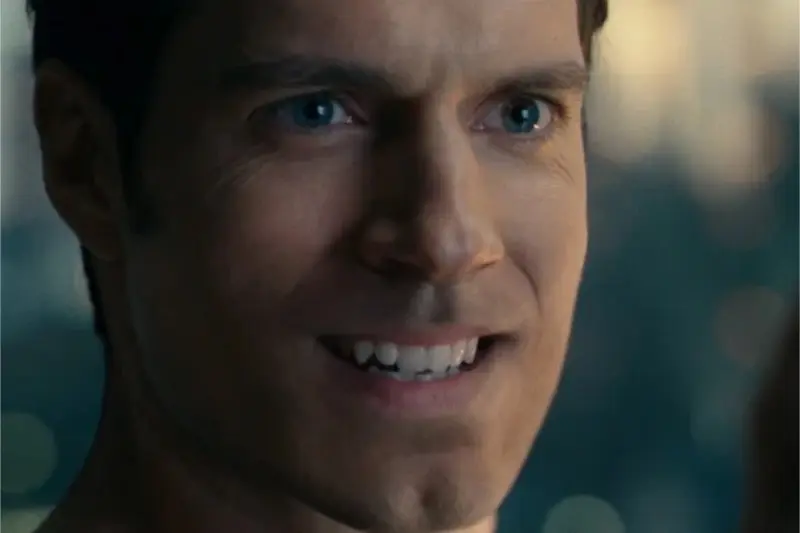
During reshoots for ‘Justice League’, Henry Cavill could not shave due to a concurrent role, so digital effects were used to remove his mustache. The resulting shots, especially in early scenes, display noticeable facial artifacts that differ from footage captured during principal photography.
These visual discrepancies became a widespread talking point and made it easy to distinguish between reshoot material and original scenes. The inconsistent look between sequences underscored the production handoff and highlighted how technical constraints can surface on screen when schedules collide.
Reviving Superman With A Mother Box And The Kryptonian Ship
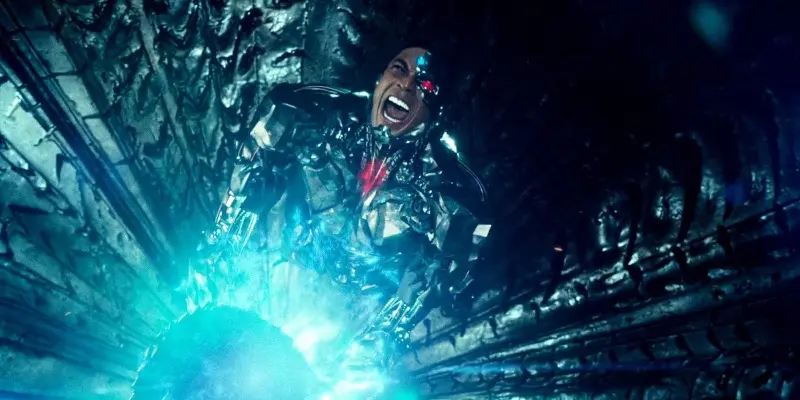
The team in ‘Justice League’ decides to use a Mother Box inside the Kryptonian ship’s amniotic chamber to restore Superman. Flash delivers a precisely timed burst of energy as the box hits the fluid, which triggers cellular regeneration and brings Clark back to life without his memories.
The awakening immediately alerts Steppenwolf to the Mother Box’s location and leads to its capture, advancing the villain’s plan. Superman’s temporary disorientation sets up the Heroes Park confrontation and creates a narrative delay before he rejoins the team for the final battle.
Steppenwolf Mother Box Exposition Overload
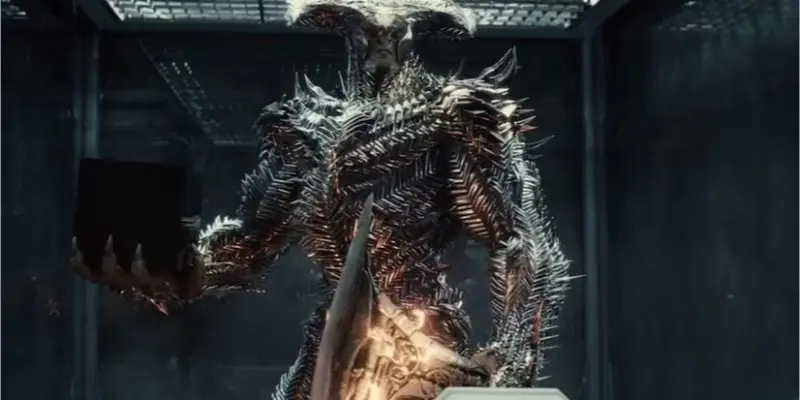
The theatrical cut of ‘Justice League’ explains the Mother Boxes through multiple briefings, ancient battle flashbacks, and villain monologues. Audiences are told about three boxes hidden on Earth, the unity process that can terraform the planet, and the way parademons track targets by fear.
This delivery spreads critical rules across separate scenes, which affects how quickly the team understands the threat and how the retrieval missions are staged. The structure also means key information arrives right before action beats, tying exposition to set pieces rather than building a single consolidated briefing early on.
The Body Swap For Steve Trevor In Wonder Woman 1984
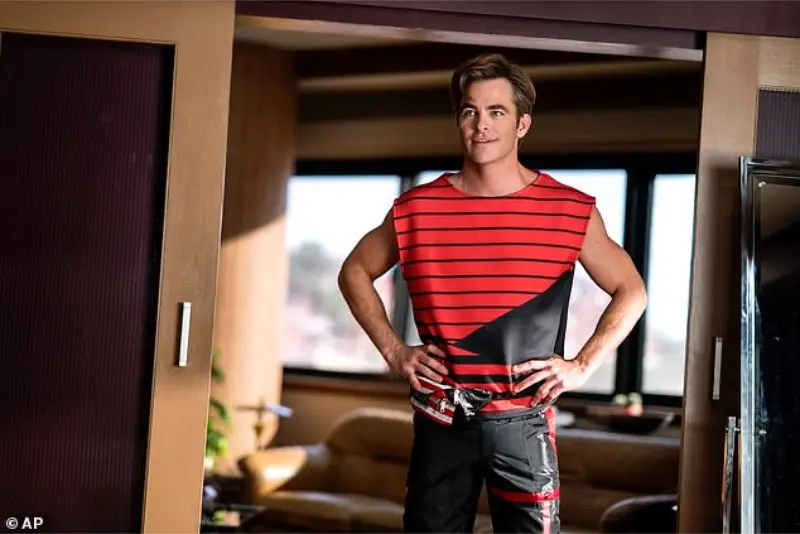
In ‘Wonder Woman 1984’, Steve Trevor returns by inhabiting the body of an unnamed man, who appears as himself to everyone except Diana. The film shows the apartment, the wardrobe change, and the social interactions of this host while Steve drives the action with his own memories and personality.
The host later reappears with no awareness of events, which confirms that Steve’s presence displaced his agency for the duration of the wish. This device intersects with the film’s central theme of renouncing wishes and places Diana’s emotional arc on top of another character’s life without his informed consent.
The Wish Stone Rules That Change As Needed
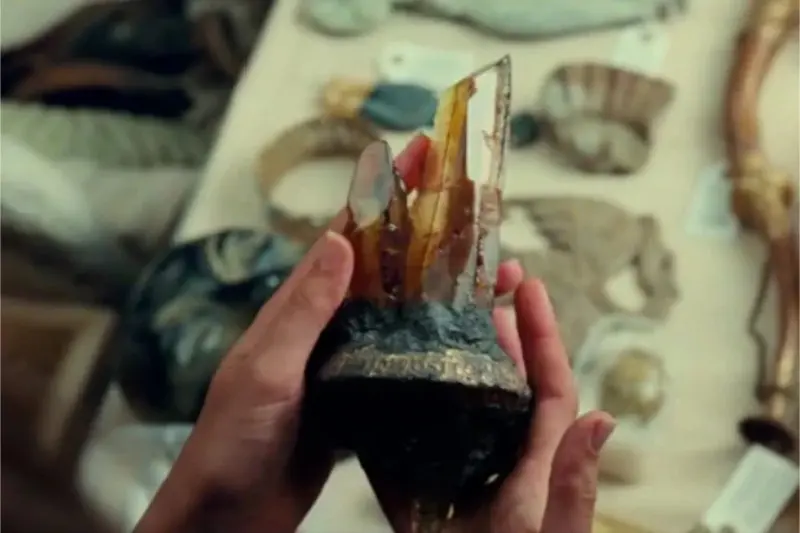
The Dreamstone in ‘Wonder Woman 1984’ grants wishes with a cost, then continues to evolve as Maxwell Lord absorbs its power. Early scenes suggest one wish per person with a specific trade off, while later scenes depict mass granting through a broadcast and an additional transformation for Barbara Minerva.
The lasso becomes the mechanism for broadcasting truth and inspiring renunciations, which resolves global chaos in a single wave. The shifting rules shape the scale of the crisis and define the path to resolution, moving the story from personal stakes to worldwide consequences and back to intimate closure.
The Justice Society Dropped Into Black Adam With No Setup
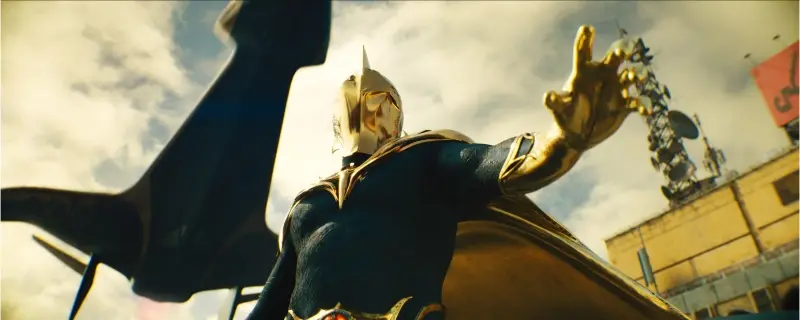
‘Black Adam’ introduces the Justice Society on a mission to Kahndaq led by Hawkman with Doctor Fate, Cyclone, and Atom Smasher. The film presents the team as long standing and government connected through Amanda Waller, with minimal background provided for their history or prior operations.
This approach places the audience inside a functioning team dynamic while relying on quick visual shorthand to explain powers and relationships. It allows the film to stage multi character fights immediately, but it also leaves broader world building to be inferred from costumes, headquarters glimpses, and brief dialogue.
The Chronobowl Cameos In The Flash That Turn Into Waxworks
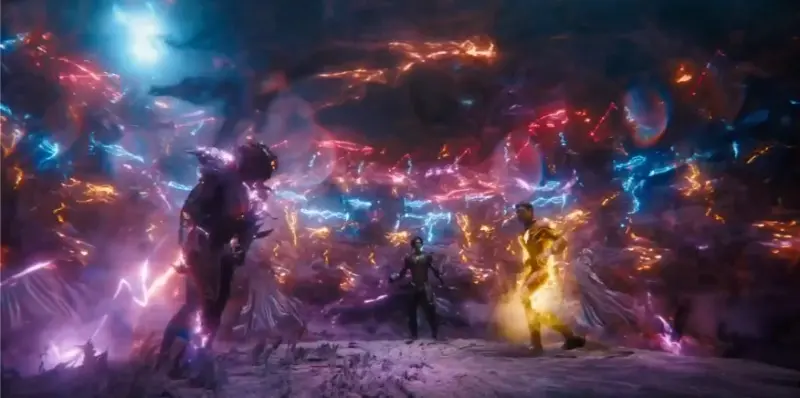
In ‘The Flash’, the chronobowl sequence visualizes intersecting timelines as spheres that collide and reveal alternate worlds. The scene shows digital recreations of past DC screen icons such as Christopher Reeve and George Reeves alongside a version of Superman played by Nicolas Cage, rendered as fully synthetic imagery.
These cameos are created through visual effects rather than archival footage, and they appear during a reality collapse that spans the final act. The presentation draws attention to the technology itself and to the choice of references, which quickly became a focal point of discussion about the film’s conclusion.
The George Clooney Button Ending That Scrambles Continuity
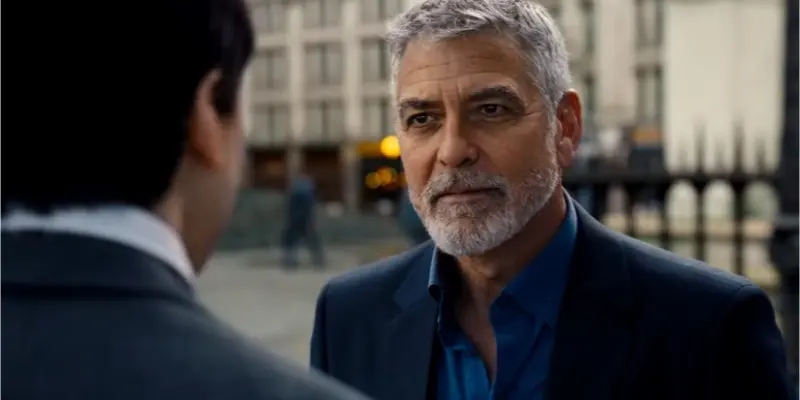
‘The Flash’ ends with Barry calling Bruce, only for a different Bruce Wayne to step out of the car as played by George Clooney. Reports around the film noted that multiple endings were shot with different cameos, and the released cut locks in a final surprise unrelated to earlier teases.
This tag leaves the status of the shared universe in an open state right before leadership changes announced a fresh slate for future DC projects. It functions as a punchline inside the story while also signaling that the on screen lineup could shift again without explaining how the rest of the timeline is affected.
Share the moments you would add to this list in the comments and tell us which choices still stand out to you today.