15 Perfect Movie Castings


Some roles click the moment the right actor steps into them. Behind the scenes there are auditions, screen tests, training regimens, and bold decisions that shape how these characters look, move, and sound on screen. The most interesting part is how much documented process sits under performances that later feel effortless.
This list gathers castings that lined up with strong direction, smart preparation, and tangible results. You will find details on how choices were made, how actors built their characters, and what those decisions meant for the films that featured them.
Robert Downey Jr. as Tony Stark in ‘Iron Man’
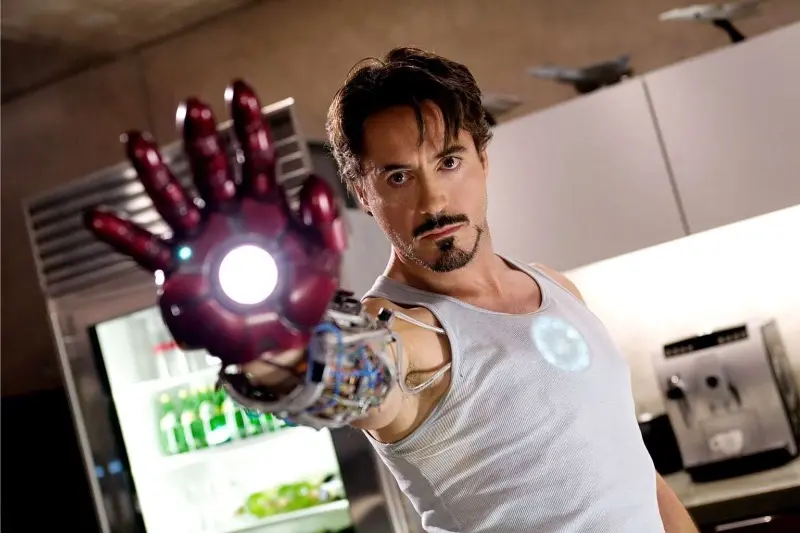
Jon Favreau pushed for Robert Downey Jr. after extensive screen tests showed how well he matched the quick wit and engineering mindset of Tony Stark. The production leaned into his improvisational skill during dialogue-heavy lab and press scenes, which shaped the character’s rhythm and influenced later entries in the series.
The performance anchored the launch of a connected film universe that expanded rapidly. Downey Jr. returned for multiple sequels and ensemble titles, negotiated leading actor deals that reflected that central role, and helped set the film’s tone that mixed practical effects work with cutting edge digital suits.
Hugh Jackman as Logan in ‘X-Men’
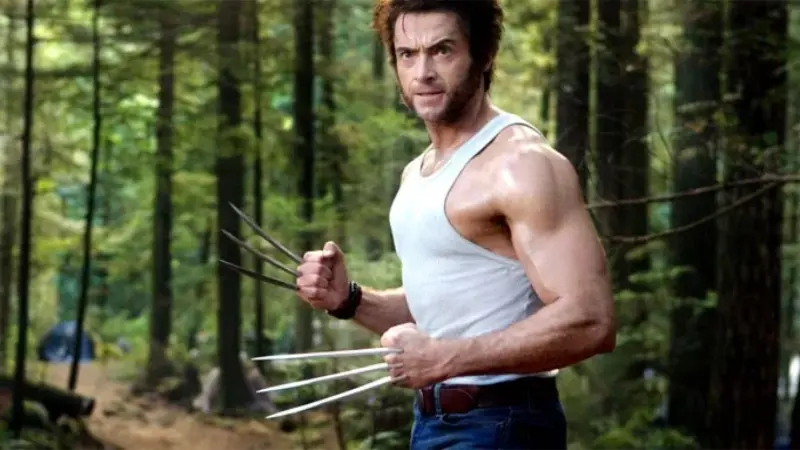
Hugh Jackman joined the project after a casting shuffle and dove into stunt rehearsals and fight training that emphasized close range movement. The creative team refined the claws’ deployment and sound design around his hand positioning, which made action beats read cleanly on camera.
Across many appearances he worked with makeup departments to modulate the character’s hair and sideburns while staying consistent with on page references. He also adopted a low speaking register and specific posture that became a through line for the ensemble’s grittier scenes.
Heath Ledger as the Joker in ‘The Dark Knight’
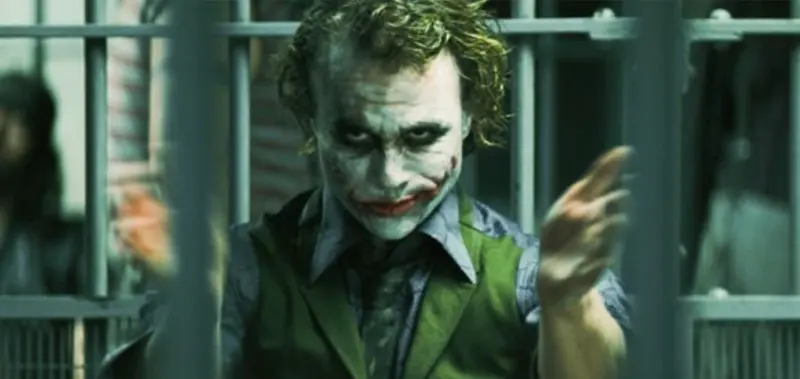
Heath Ledger’s preparation included voice experiments and physical tics that worked with the film’s practical effects approach. The makeup team collaborated with him on worn textures and uneven application so the character would read as self applied rather than studio smooth.
The role earned major awards recognition after release. Ledger’s choices shaped interrogation scenes, the hospital sequence, and the opening heist, where timing between actor blocking and camera movement created momentum that defined the film’s set pieces.
Ian McKellen as Gandalf in ‘The Lord of the Rings’
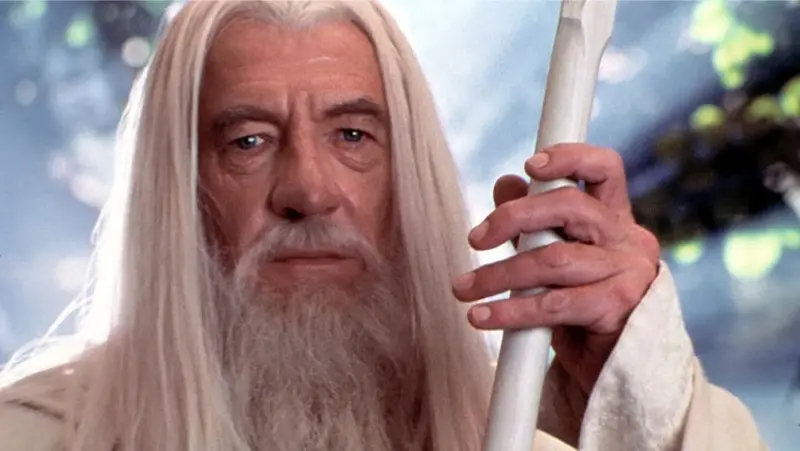
Ian McKellen came in with deep stage experience that supported long passages of dialogue and ancient lore. The production used forced perspective and scale doubles to place Gandalf convincingly among smaller characters, and McKellen adjusted eyelines and pacing to match those techniques.
He recorded additional dialogue for extended cuts and video game tie ins that kept the characterization consistent across formats. His work on language pronunciation and staff handling also set standards the rest of the cast followed in scenes that involved old scripts and ceremonial moments.
Christopher Reeve as Superman in ‘Superman’
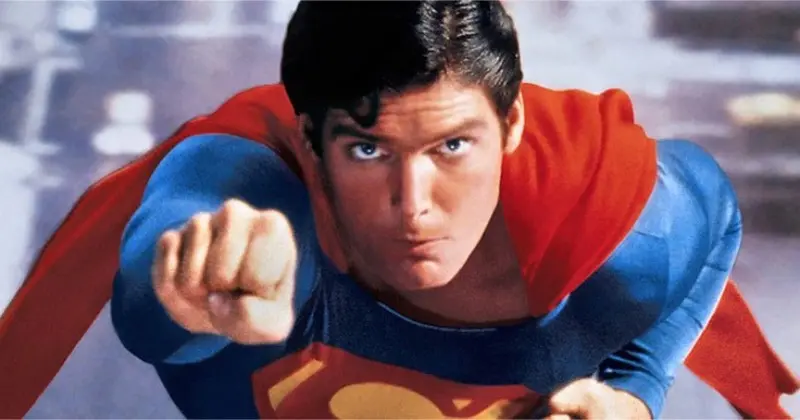
Christopher Reeve underwent significant physical training with specialized coaches to build the silhouette the production wanted. He differentiated Clark Kent and Superman through posture and eye focus changes that could be read in medium shots without heavy camera tricks.
Wire work and front projection flight systems required precise body alignment, which Reeve practiced to keep cape movement smooth. His approach helped sell takeoffs and landings in wide shots and became a template for later flying scenes in the series.
J K Simmons as J Jonah Jameson in ‘Spider-Man’
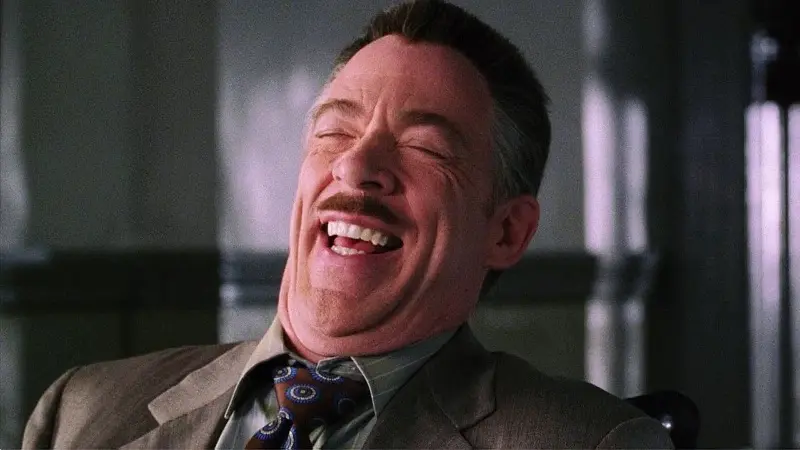
J K Simmons developed rapid fire newsroom delivery that paired with tight editorial set blocking. The wardrobe department placed him in crisp shirts and suspenders that moved well during quick turns, and the hair and makeup team locked a look that matched the character’s comic panels.
He later reprised the role in newer continuity with updated platforms and on camera graphics to reflect modern media. That return kept the cadence and physicality intact while the production shifted the character from print layouts to studio desk segments.
Harrison Ford as Indiana Jones in ‘Raiders of the Lost Ark’
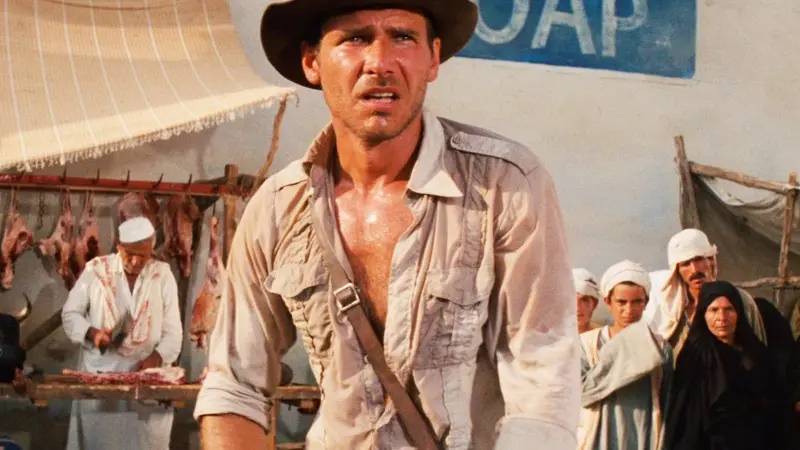
Harrison Ford brought practical prop confidence from prior work, which helped stunt teams coordinate whip choreography and hat business. The production designed the jacket and bag for freedom of movement and durability, and Ford built muscle memory with those items so they read as tools rather than accessories.
Location shoots required quick adjustments to heat and terrain. Ford and the crew adapted fight beats to local conditions, including the well known market sequence where a rewrite created a brief and efficient resolution that matched the character’s direct style.
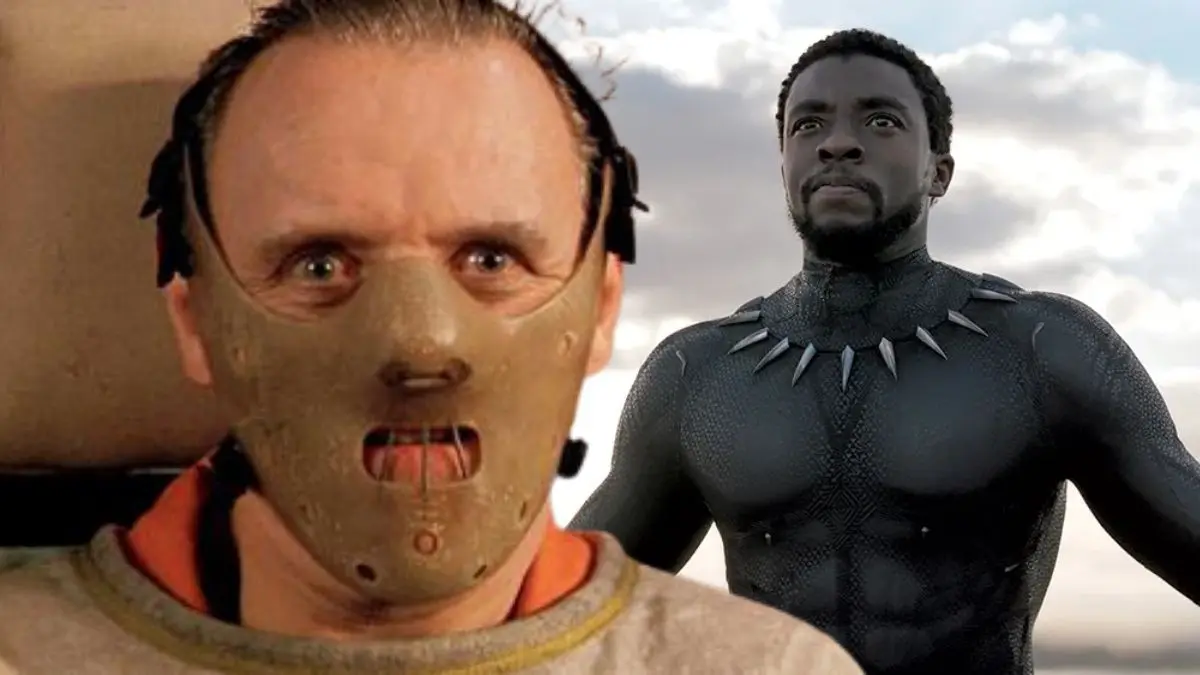
Anthony Hopkins as Hannibal Lecter in ‘The Silence of the Lambs’
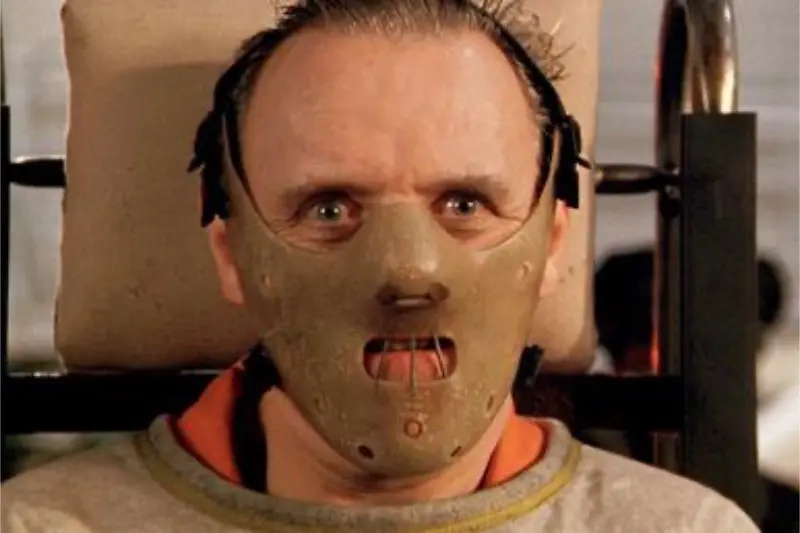
Anthony Hopkins crafted stillness and precise diction that played powerfully in close ups. The production placed him behind glass and used eye level framing to keep the line of sight unnerving without resorting to exaggerated movements.
His scenes with Jodie Foster were scheduled to preserve energy and intensity across multiple takes. The role received top awards recognition and became a reference point for how controlled performance can sustain tension over limited screen time.
Sigourney Weaver as Ellen Ripley in ‘Alien’
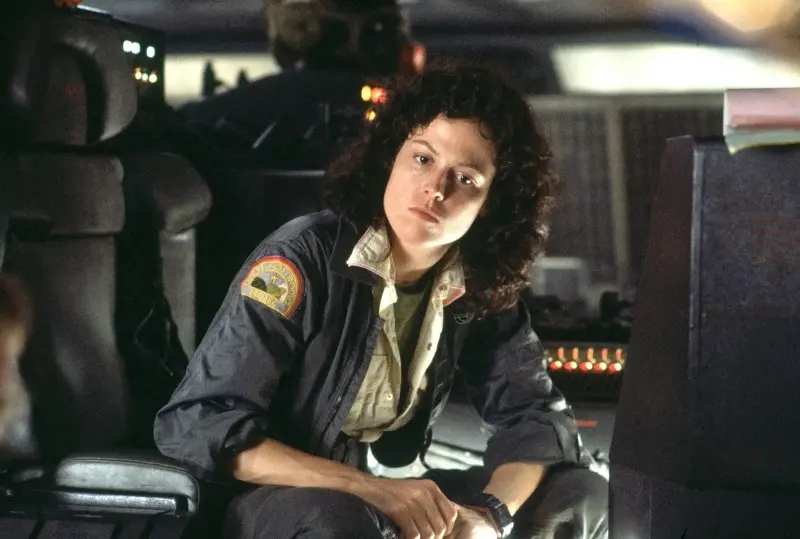
The script originally treated crew roles as flexible, and Sigourney Weaver’s casting sharpened the film’s focus on procedure and survival. She worked closely with the camera team to navigate narrow sets while keeping sightlines clean during motion tracker and corridor sequences.
For the sequel she expanded the character’s physical profile through weapons training and loader rehearsals. Across the series the continuity of practical set pieces with Weaver’s performance maintained a grounded feel in docking bays, med labs, and atmospheric processors.
Al Pacino as Michael Corleone in ‘The Godfather’
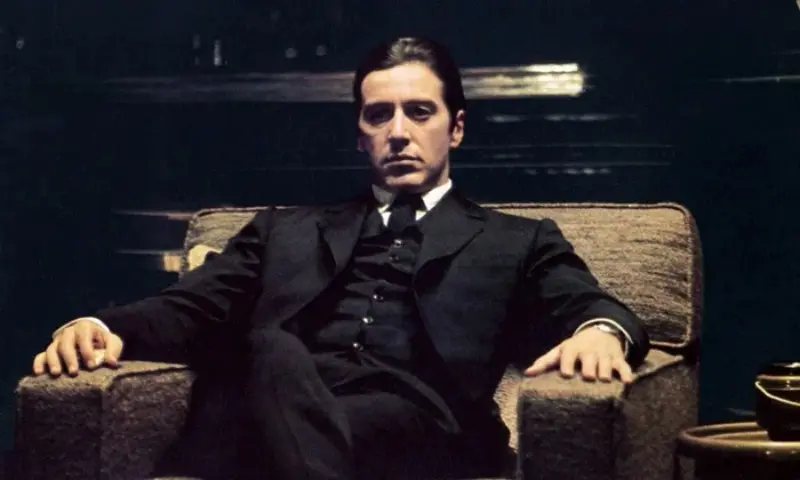
Francis Ford Coppola pushed for Al Pacino when the studio preferred a more familiar face. Pacino tracked a gradual shift from reserved presence to commanding authority through strategic changes in voice weight and gaze direction.
Key scenes at the restaurant and in the family office were blocked to show that evolution without heavy exposition. The performance drew major awards attention and continued into later entries, where Pacino kept consistent physical choices while the character’s circumstances changed.
Marlon Brando as Vito Corleone in ‘The Godfather’
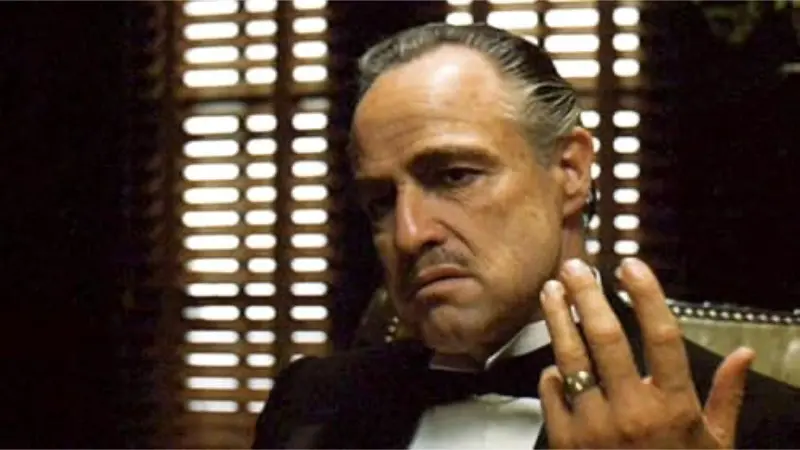
Marlon Brando worked with makeup and dental pieces to create Vito’s aged look and distinctive mouth shape. The team used soft lighting and close framing to emphasize that design while Brando delivered measured, low volume lines that carried through the mix.
He received the top acting award for the role and declined it in a widely reported moment. The performance established a benchmark for crime family patriarchs and influenced casting approaches for similar roles in subsequent films.
Arnold Schwarzenegger as the Terminator in ‘The Terminator’
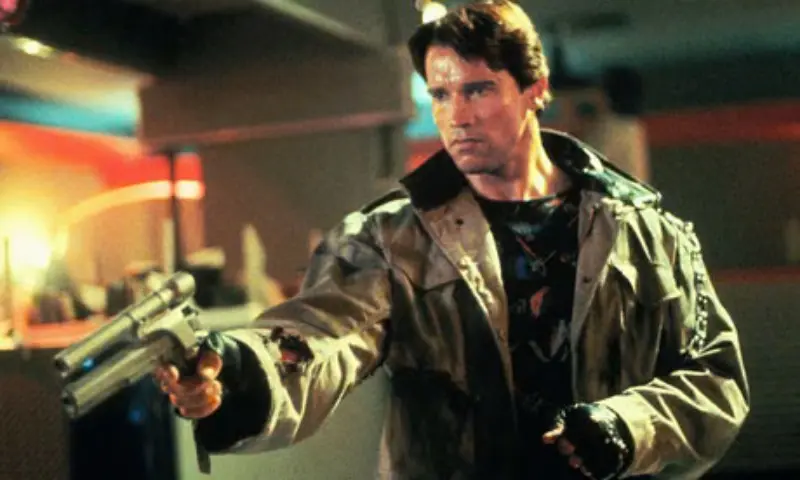
Arnold Schwarzenegger trained with weapons experts to develop smooth reloads and consistent sighting. He practiced minimal blinking and precise head turns that matched the character’s programmed nature, which read clearly on camera during night shoots and car chases.
Dialogue was pared back to emphasize presence. Costuming focused on layered leather and metal that looked functional and wore in believably across stunts, while the makeup team created progressive damage that tracked scene to scene.
Carrie Fisher as Princess Leia in ‘Star Wars’
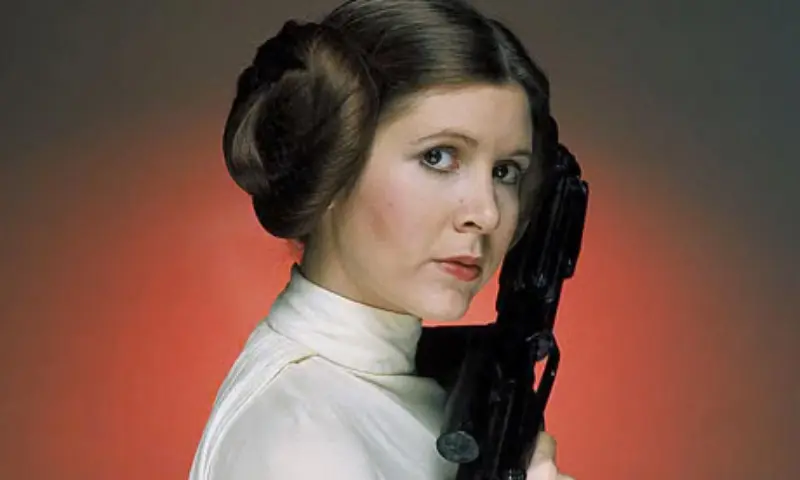
Carrie Fisher auditioned during joint sessions where George Lucas and Brian De Palma saw multiple actors for related projects. She adopted a clear authoritative cadence that contrasted with the film’s more casual smuggler dialogue, which gave briefing room scenes extra clarity.
Hair, wardrobe, and blocking combined to keep the character visually distinct in crowded sets. Fisher returned for sequels and later installments, recording additional lines for edits and maintaining continuity for long running story arcs.
Keanu Reeves as Neo in ‘The Matrix’
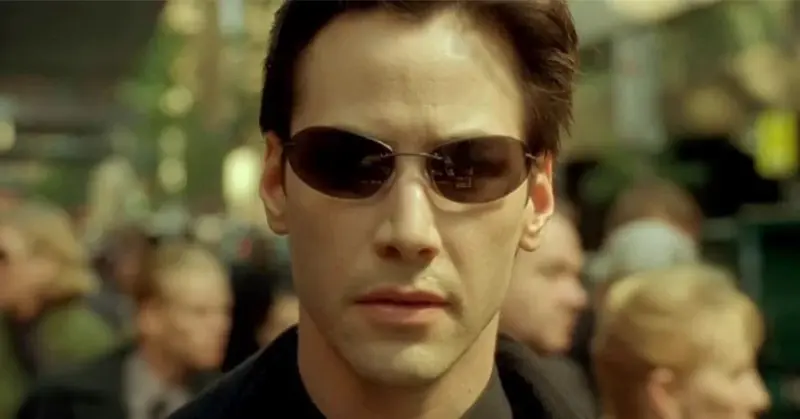
Keanu Reeves trained extensively in martial arts and wire work under the film’s stunt coordinators. He rehearsed long takes that combined strikes, grapples, and landings so the camera could hold wide and let choreography play without fast cutting.
He studied philosophy and simulation concepts referenced in the script. That preparation informed line delivery during exposition scenes with Morpheus and the Oracle, which helped connect action beats to the story’s rules.
Chadwick Boseman as T’Challa in ‘Black Panther’
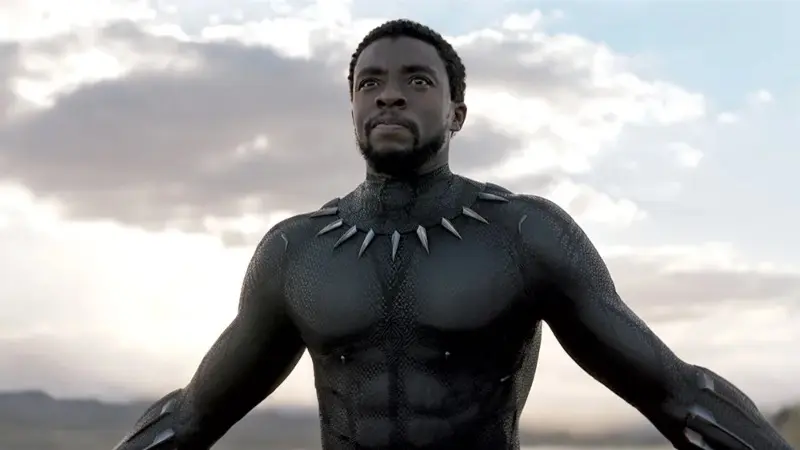
Chadwick Boseman worked with Ryan Coogler to ground the character’s speech in a specific accent choice. He studied African martial arts influences and paired them with the production’s movement language, which emphasized economy and balance.
The film’s design teams built textures and patterns that reflected multiple cultures. Boseman’s posture, greetings, and ritual gestures aligned with those design choices in coronation scenes and council meetings, and he continued the role across ensemble titles with consistent physical detail.
Share the castings you would add to this list in the comments.