15 Side Characters Who Stole the Show


Side characters often arrive with just a few scenes and a simple purpose, then leave a bigger footprint than anyone expected. They carry world building on their shoulders, unlock parts of the lead’s personality, and give stories the texture that makes them feel alive and specific. When a supporting player lands, audiences remember the character’s mannerisms, voice, and exact beats long after the credits roll.
Sometimes that impact shapes the projects that follow. A breakout supporting turn can lead to expanded roles, spinoffs, and new creative directions, and it can even change how studios market a franchise. Here are fifteen side characters whose presence became a defining piece of their movies or shows, along with clear details on who they are, what they do in the story, and how their appearances echoed beyond a single title.
Fogell McLovin in ‘Superbad’
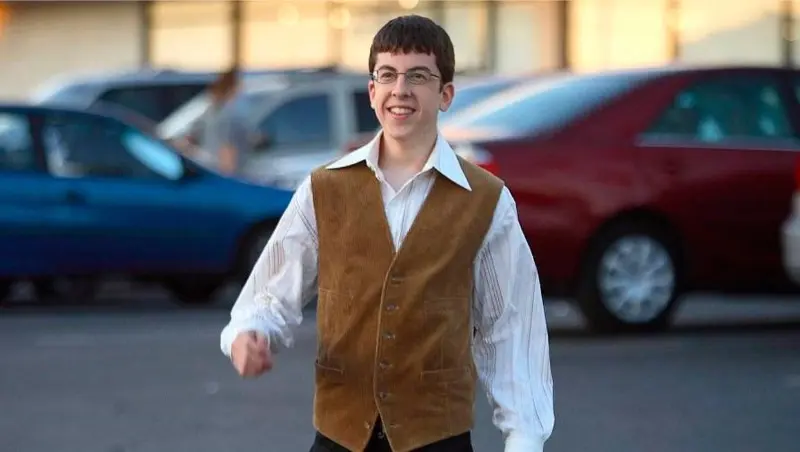
Christopher Mintz Plasse plays Fogell, the high school friend who sets the main plot in motion with a fake ID that lists only one name. His scenes track a separate thread with two patrol officers and connect back to the leads at key moments, which keeps the movie’s timeline moving on parallel tracks.
Mintz Plasse landed the role while still a teenager and the production built multiple beats around his character’s ID and its fallout. The name and the character’s side adventure became a lasting part of the film’s identity, and Mintz Plasse went on to appear in projects like ‘Kick-Ass’ and ‘How to Train Your Dragon’ after this debut.
Korg in ‘Thor: Ragnarok’
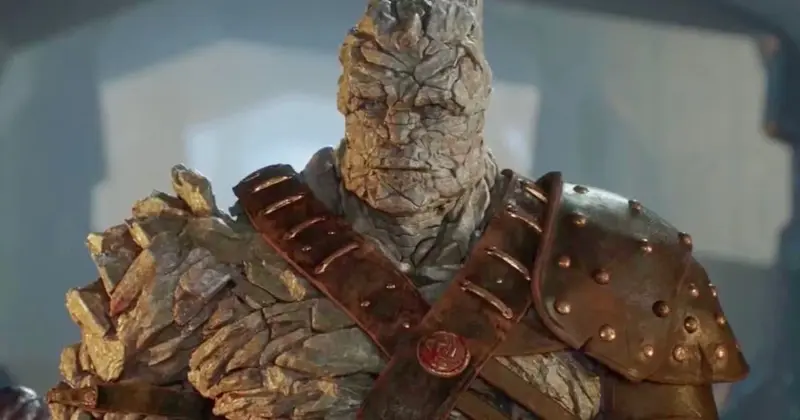
Taika Waititi voices Korg, a Kronan gladiator who meets Thor in the Sakaar prison block and guides him through the arena system. The character’s friendly tone and steady presence help explain the rules of this part of the universe and provide a simple bridge between Thor and the other imprisoned fighters.
Korg returned in ‘Avengers: Endgame’ and ‘Thor: Love and Thunder’, which kept him in the mainline narrative of the franchise. The production created him with performance capture and digital effects, and Waititi recorded additional improvised lines during post production to match final edits.
Gollum in ‘The Lord of the Rings’
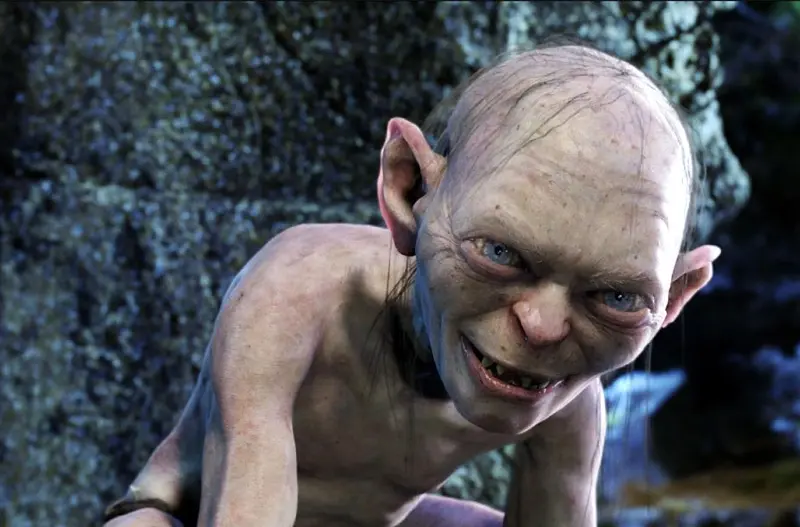
Andy Serkis performs Gollum using performance capture that mapped facial and physical movement to a digital model. The character joins the central journey as both guide and threat, and his story explains the corrupting power of the Ring with clear cause and effect.
Weta Digital developed new pipelines to blend Serkis’s on set work with detailed animation and lighting. The result established a template for later performance capture characters across film and television and led to Serkis returning to the role in ‘The Hobbit’ entries.
Quicksilver in ‘X-Men: Days of Future Past’
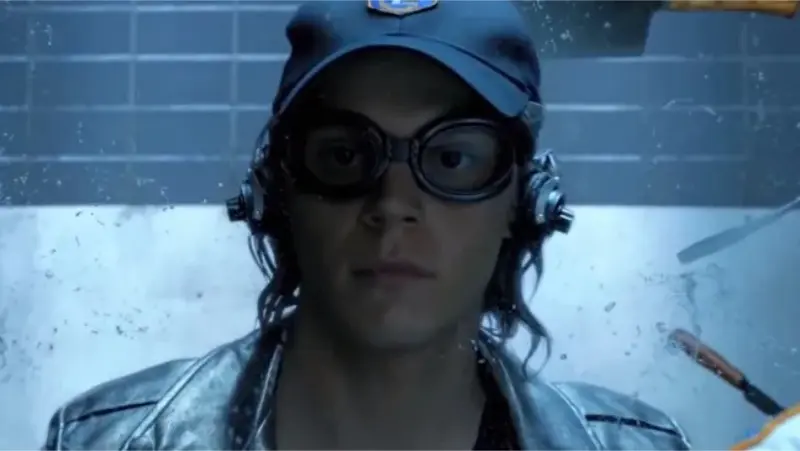
Evan Peters plays Peter Maximoff, a speedster recruited for a single mission that requires precise timing inside the Pentagon. The film uses a dedicated sequence to visualize his abilities, and that set piece resolves a major obstacle for the core team.
Peters returned for ‘X-Men: Apocalypse’ and ‘Dark Phoenix’, where similar sequences were designed with higher technical demands. He later appeared in ‘WandaVision’ in a meta casting choice that referenced his earlier work while serving a different story purpose inside the Marvel television lineup.
Edna Mode in ‘The Incredibles’
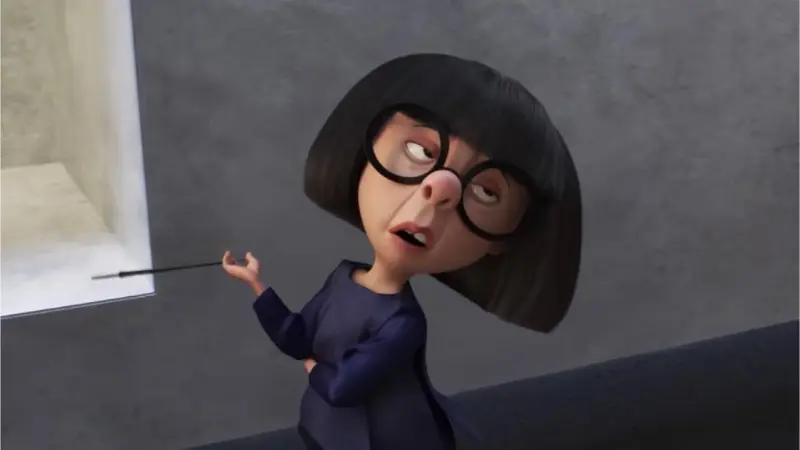
Brad Bird voices Edna, a designer who outfits superheroes with suits tailored to their powers and their safety needs. Her scenes deliver vital exposition about technology, materials, and risk for supers, and they also set the conditions the Parr family must follow during later action.
Bird recorded the voice after initial tests and the team adjusted staging to match his performance. The character’s studio, home, and lab were built with specific architectural references and costume fabric simulations, and Edna’s design rules for capes and suits became part of the franchise’s internal logic.
Hit Girl in ‘Kick-Ass’
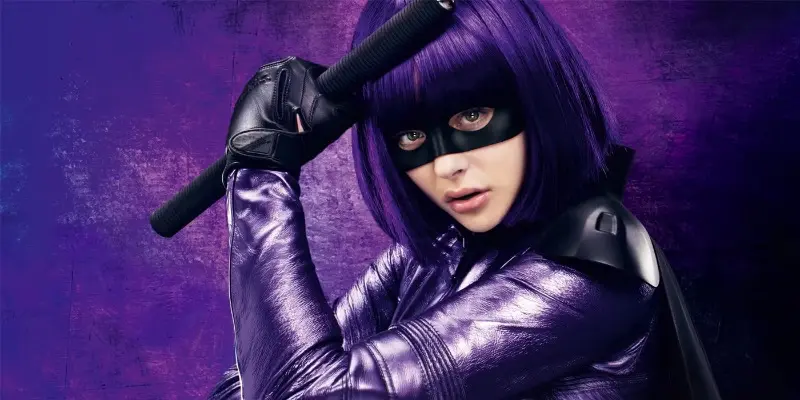
Chloë Grace Moretz plays Mindy Macready, a trained vigilante who operates with her father and intersects with the novice hero at critical points. Her appearances contain the film’s most advanced stunt and fight design, which demonstrates the gap between amateurs and seasoned fighters inside the story.
Moretz trained in weapons handling, wire work, and choreography for extended sequences, and the crew tailored camera movement to her height and speed. The character returned in the sequel with expanded action design, and the role helped place Moretz in larger studio projects soon after.
Puss in Boots in ‘Shrek 2’
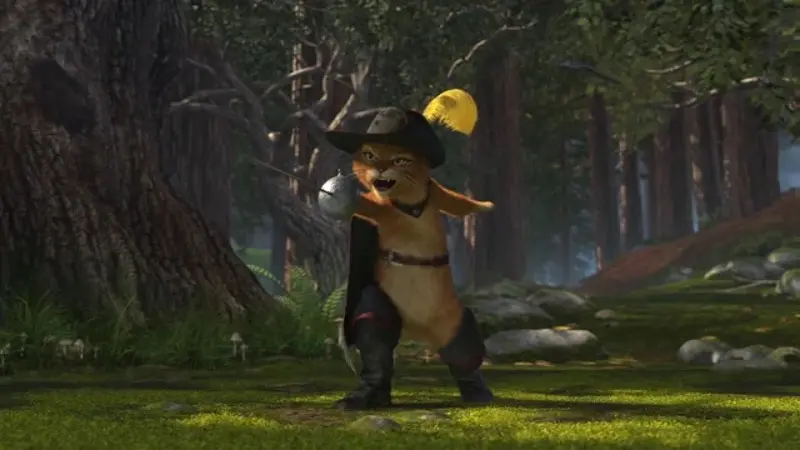
Antonio Banderas voices Puss, a mercenary cat who first clashes with Shrek before joining his side. The character’s introduction serves a plot function by testing Shrek’s resolve and then balancing the trio as they push through the story’s main obstacles.
Puss received his own films with ‘Puss in Boots’ and ‘Puss in Boots: The Last Wish’, which broadened the world beyond the swamp and the Far Far Away setting. The animation team engineered specific eye and whisker controls for close ups and created swordplay beats that matched Banderas’s vocal style.
Barb Holland in ‘Stranger Things’
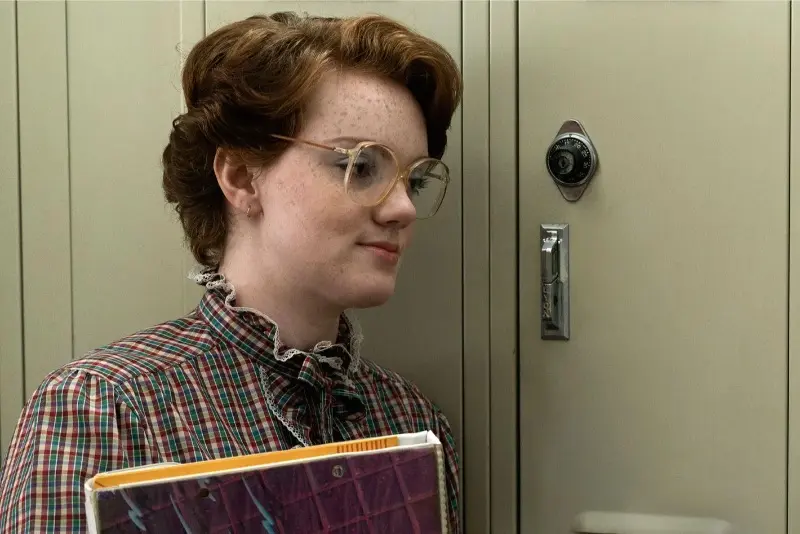
Shannon Purser portrays Barb, Nancy Wheeler’s best friend whose early disappearance informs the investigation into the Upside Down. Her absence drives choices for multiple characters and anchors the emotional stakes of the first season.
Purser’s performance led to a large fan response and a dedicated focus on the character’s fate across episodes and after the season ended. She received an Emmy nomination for Outstanding Guest Actress in a Drama Series for this role, which marked an early milestone in her career.
Gus Fring in ‘Breaking Bad’
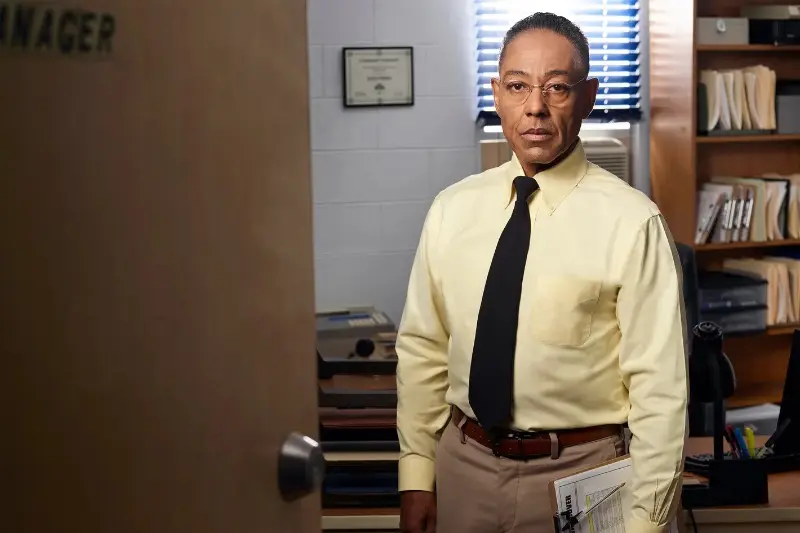
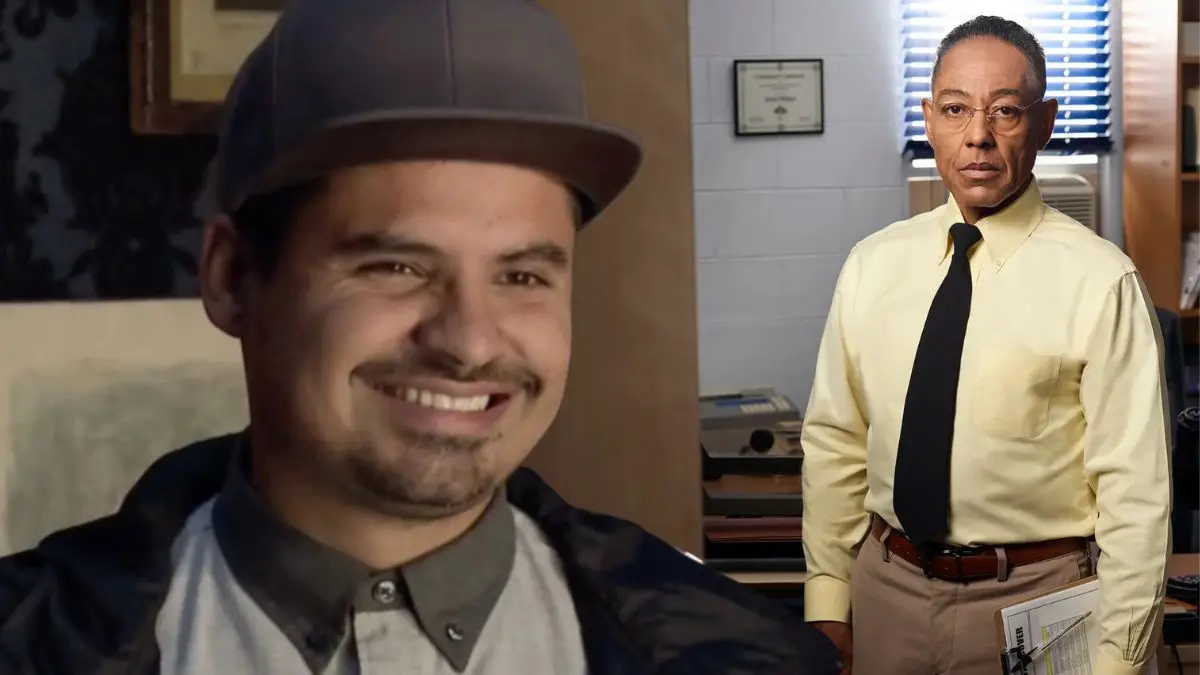
Giancarlo Esposito plays Gustavo Fring, a fast food franchise owner who hides an extensive criminal operation. His scenes detail distribution systems, supply chains, and cover strategies, which expand the scope of the series from small scale deals to a regional network.
Esposito’s work continued in ‘Better Call Saul’, where the prequel built out the character’s partnerships and rivalries with additional precision. He earned multiple award nominations for both series, and the character’s restaurant brand became a recurring element across marketing and tie in materials.
Olenna Tyrell in ‘Game of Thrones’
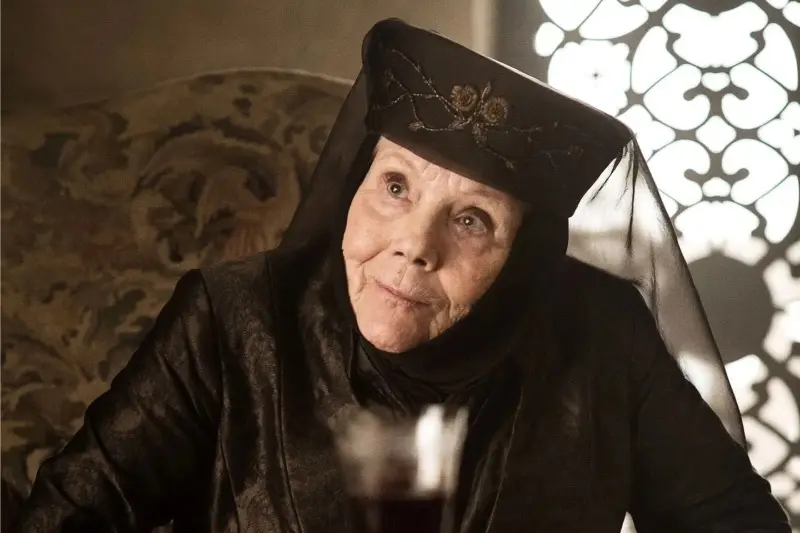
Diana Rigg portrays Olenna, the matriarch who manages alliances, betrothals, and strategy for House Tyrell. Her conversations reveal the political cost of every wedding and treaty, and they clarify the balance of power in King’s Landing during pivotal arcs.
Rigg’s scenes rely on tightly written exchanges with key players, and the production placed her in locations that underline status within the capital. The character exits the story after admitting to a major plot event in front of Jaime Lannister, which reorients the conflict that follows.
K2-SO in ‘Rogue One A Star Wars Story’
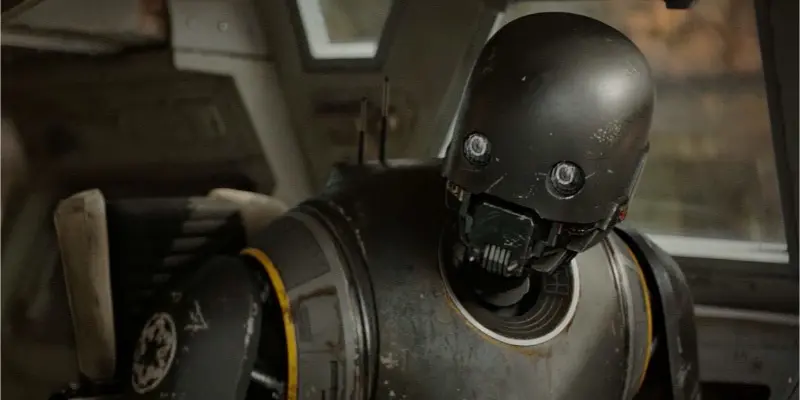
Alan Tudyk voices K2-SO, a reprogrammed Imperial security droid who supports the Rebel mission with tactical access and blunt assessments. He provides navigation, infiltration support, and battlefield cover at crucial points as the team approaches the data vault.
Industrial Light and Magic created the character with performance capture and digital animation while matching lighting to live action plates. K2-SO’s build and movement patterns were based on practical references from suit tests, and the character has been discussed for future appearances tied to the ‘Andor’ timeline.
M’Baku in ‘Black Panther’
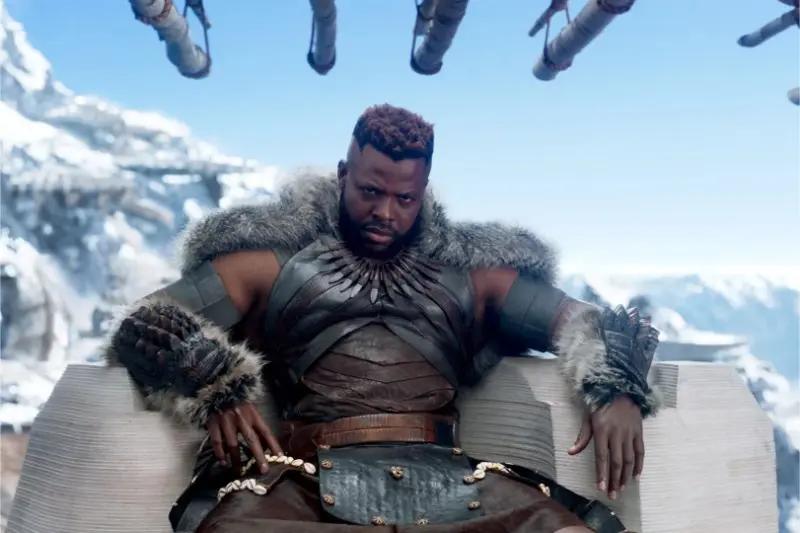
Winston Duke plays M’Baku, leader of the Jabari who lives apart from the central Wakandan tribes. His challenge in the throne room tests the new king and sets up future cooperation that becomes important during the country’s later crisis.
Duke trained with the stunt department for ritual combat and returned for ensemble entries and the sequel ‘Black Panther Wakanda Forever’. The production defined the Jabari aesthetic with wood textures and gorilla inspired motifs, and those details extend to M Baku’s armor and ceremonial spaces.
Luis in ‘Ant Man’
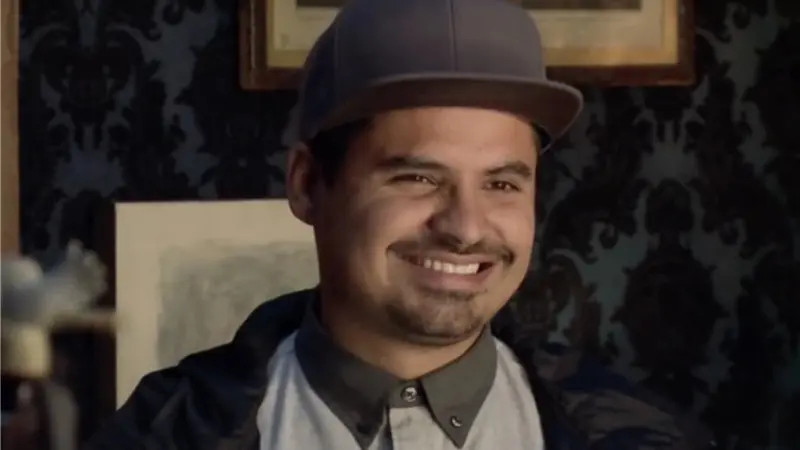
Michael Peña plays Luis, Scott Lang’s friend who supplies information, gear, and the crew that handles their heist work. His fast paced story recaps connect plot dots between characters and locations while keeping the audience aligned on leads, targets, and timing.
Peña returned for ‘Ant Man and the Wasp’ with expanded sequences that mirrored the first film’s structure. He did not appear in ‘Ant Man and the Wasp Quantumania’, which shifted the focus to different allies and settings for the third entry.
The Penguin in ‘The Batman’
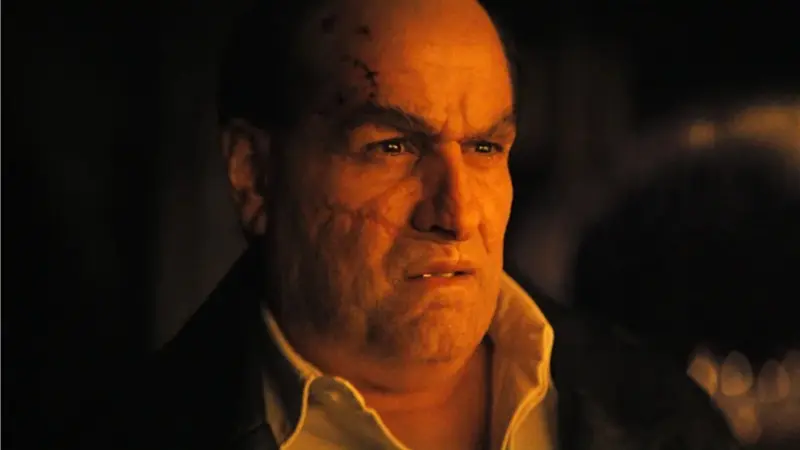
Colin Farrell portrays Oswald Cobblepot, an ambitious lieutenant within the city’s crime families. His scenes map the tangled relationships between clubs, docks, and city officials, and his path shows how the underworld operates while larger investigations unfold.
The makeup team used extensive prosthetics to transform Farrell, and the production leaned on practical effects to ground car chases and club interiors. The character headlines the series ‘The Penguin’ on Max, which follows the power struggle that opens after the film’s finale and grows the crime saga beyond a single movie.
Harley Quinn in ‘Suicide Squad’
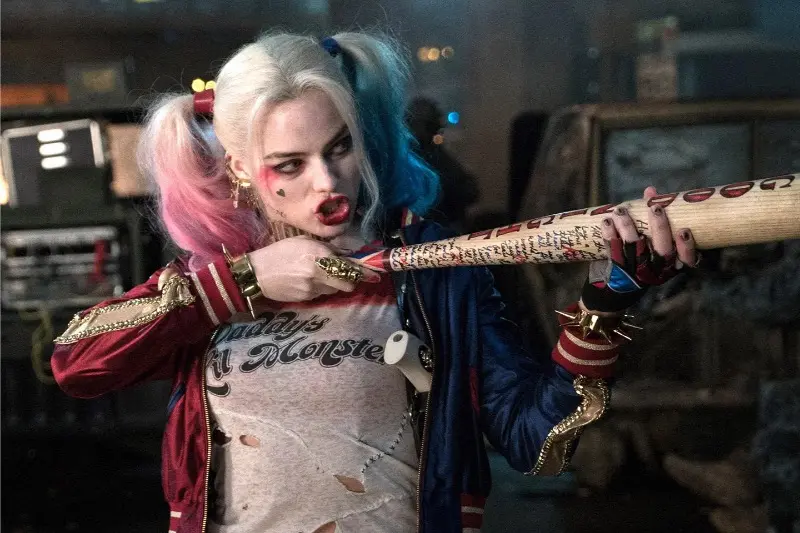
Margot Robbie plays Harleen Quinzel, a psychiatrist turned antihero who joins a government controlled task force. Her introduction covers Arkham backstory, relationship history, and skill set, and her scenes weave through multiple mission phases as the team navigates Midway City.
Robbie returned for ‘Birds of Prey’ and ‘The Suicide Squad’, where the creative teams expanded fight choreography and character design with new outfits and locations. The role led to cross media appearances in games and animation, and the character’s profile became a fixture in event marketing tied to the franchise.
Share your favorite scene stealing side character in the comments and tell us which moment sealed it for you.