15 Actors Who Had Terrible On-Screen Chemistry


Sometimes two big names land in the same movie and everything should line up. Budgets are large, sets are impressive, and scripts promise sparks. Yet once the cameras roll, the pairing just does not connect in a way that serves the story. The reasons can be practical, from limited shared screen time to clashing performance styles shaped by different training and career paths.
This list looks at famous pairings that drew consistent notes about awkward or flat interaction. Each entry focuses on concrete details around casting, production choices, marketing, and reception. The goal is to lay out what happened around these couplings and how the films were shaped by those dynamics.
Jamie Dornan and Dakota Johnson in ‘Fifty Shades of Grey’
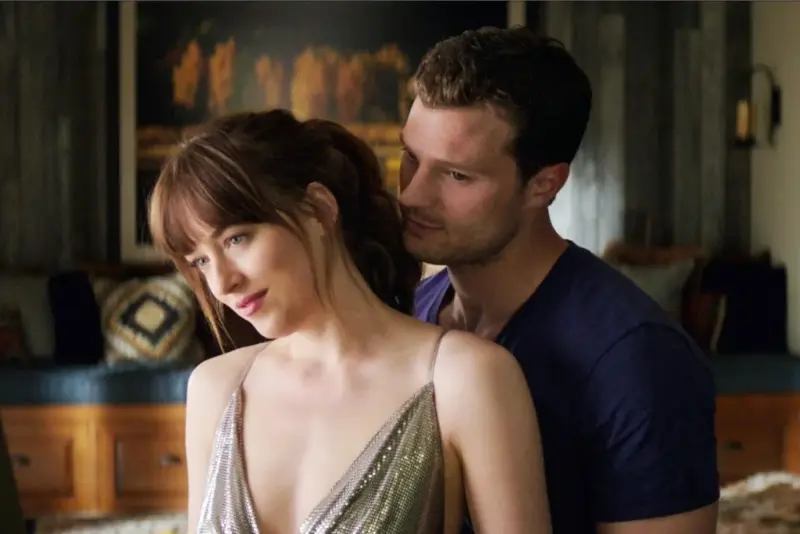
The adaptation set Dornan and Johnson as Christian Grey and Anastasia Steele under a director known for a careful visual style. Scenes were planned with closed sets and detailed choreography, and the production kept tight control over costumes, framing, and intimacy protocols. The movie filmed largely in Vancouver and followed a release plan timed for a major holiday weekend.
Reviews repeatedly mentioned a low temperature between the leads and pointed to the film’s cautious tone as a factor. Reports also noted creative friction between the director and the author over script choices, which shaped the final cut. Despite the chatter, the film led the box office and launched two follow ups.
Johnny Depp and Angelina Jolie in ‘The Tourist’
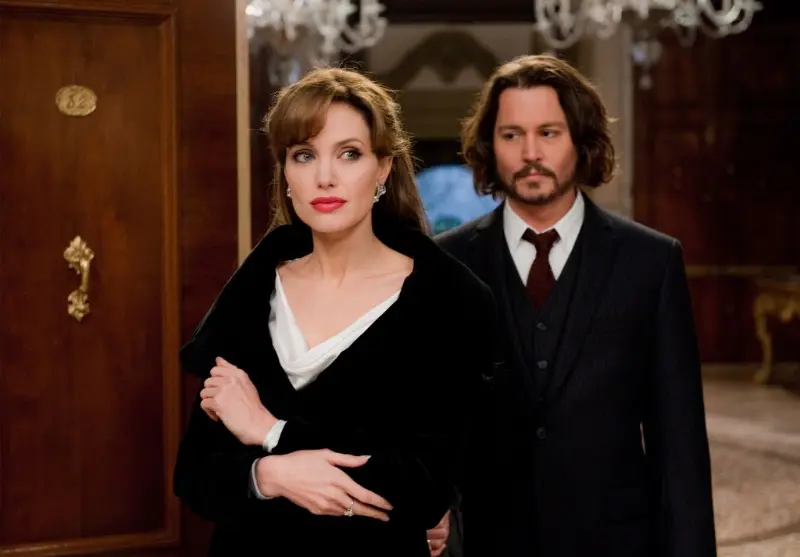
This glossy thriller paired Jolie and Depp in a story set across Venice and Paris with immaculate costumes and grand hotel locations. The director leaned into elegant blocking and polished surfaces, which kept interactions restrained and measured. The rating landed at PG 13 and the studio positioned the film as a glamorous holiday release.
Critics described the central relationship as stiff and often cited the refined staging as a reason it felt distant. Awards chatter arrived in the comedy category, which drew attention due to the film’s straight faced tone. Marketing focused on star power and travel postcard visuals more than romantic momentum.
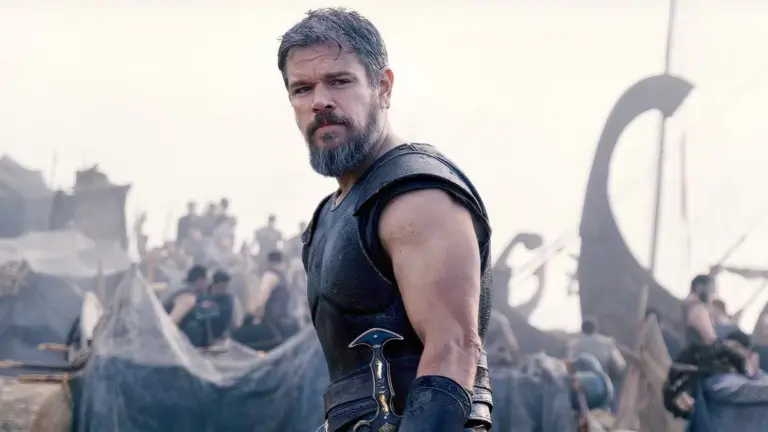
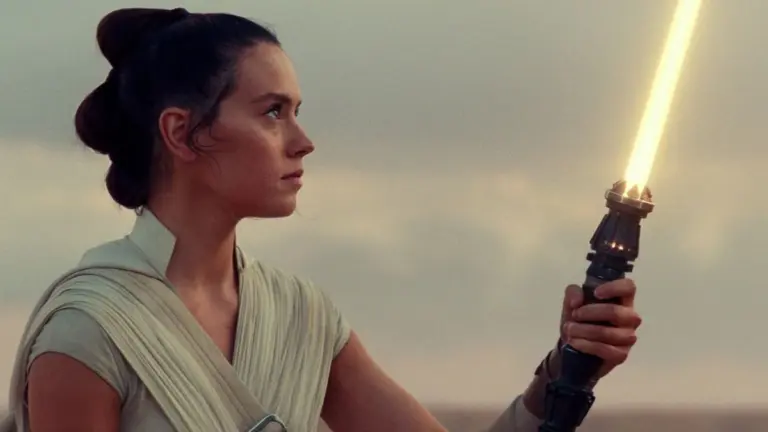
Hayden Christensen and Natalie Portman in ‘Star Wars: Attack of the Clones’
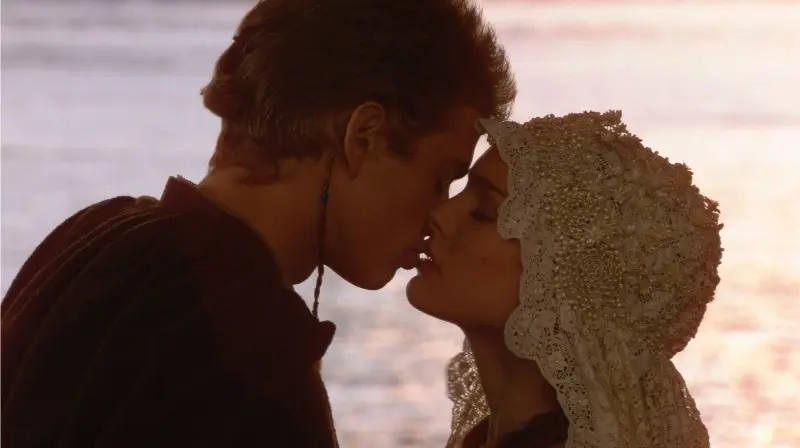
The production introduced Christensen opposite Portman as the saga’s central couple, with extensive digital photography and large scale greenscreen work. Key romance scenes were staged at Italian villas and on soundstages in Australia, with formal dialogue patterns that echoed vintage serials. The schedule included pickup sessions to complete close ups and connective moments.
Critical notes frequently mentioned wooden exchanges and a stylized delivery that kept emotions at arm’s length. The story requirements were significant since the relationship drives the larger arc of the series. The final film balanced courtship material with action beats, which limited quieter time together.
Ben Affleck and Jennifer Lopez in ‘Gigli’
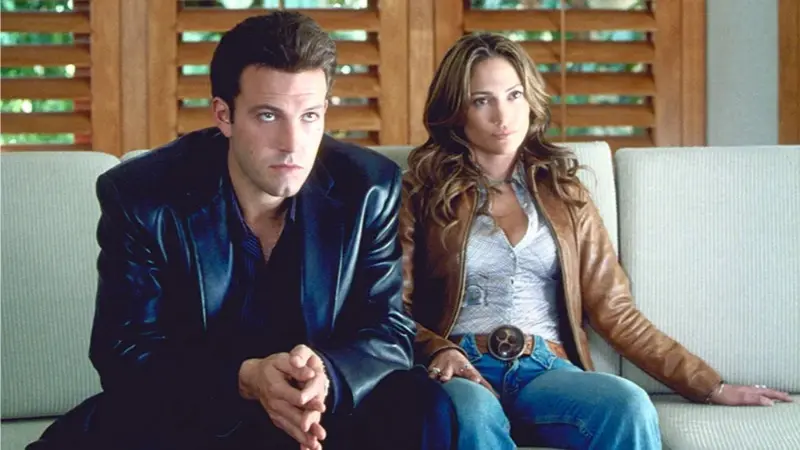
This crime romance cast Affleck and Lopez as odd couple partners during a turbulent development process with notable rewrites. Scenes were staged around Los Angeles locations, with a mix of intimate interiors and street level exteriors. The studio initially framed the film as a star vehicle and tracked interest tied to tabloid coverage.
Reception focused on an unconvincing central bond and cited uneven tone from scene to scene. Box office returns fell well below production costs and the distributor scaled back the rollout after early results. The movie collected Razzie attention and became a common case study in mismatched pairing.
Cara Delevingne and Dane DeHaan in ‘Valerian and the City of a Thousand Planets’
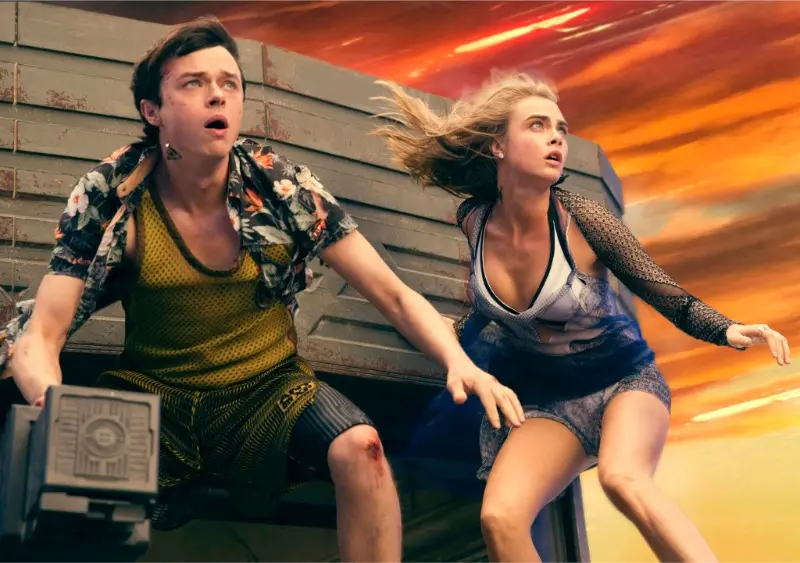
This effects heavy space adventure put DeHaan and Delevingne at the center as partners working inside an immense virtual world. The shoot relied on performance capture and extensive CGI, with principal photography at a Paris studio complex. The source material offered pulpy banter, while the direction emphasized spectacle and design.
Reviews regularly pointed to a casting issue for a romantic lead duo and said the characters read as mismatched in presence and energy. Domestic revenue landed below expectations even as some international markets performed better. Discussion often connected the cool reception to the leads’ dynamic within the film’s visual overload.
Leonardo DiCaprio and Cameron Diaz in ‘Gangs of New York’
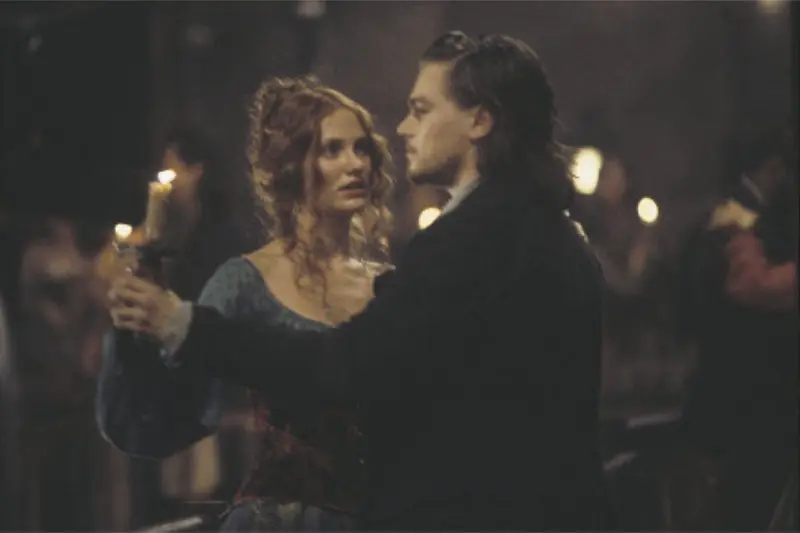
This historical epic placed Diaz as a pickpocket entangled with DiCaprio’s vengeance driven protagonist. Production built massive period sets at a Rome studio and used dialect coaching to support regional speech choices. The story gave most of its focus to the political feud that dominates the neighborhood.
Commentary at the time questioned the romantic subplot and highlighted accent work that drew attention during intimate dialogue. The film’s narrative weight stayed on rival factions, which left limited room to build a convincing bond. Awards recognition centered on craft and supporting turns rather than the love story.
Julia Roberts and Nick Nolte in ‘I Love Trouble’
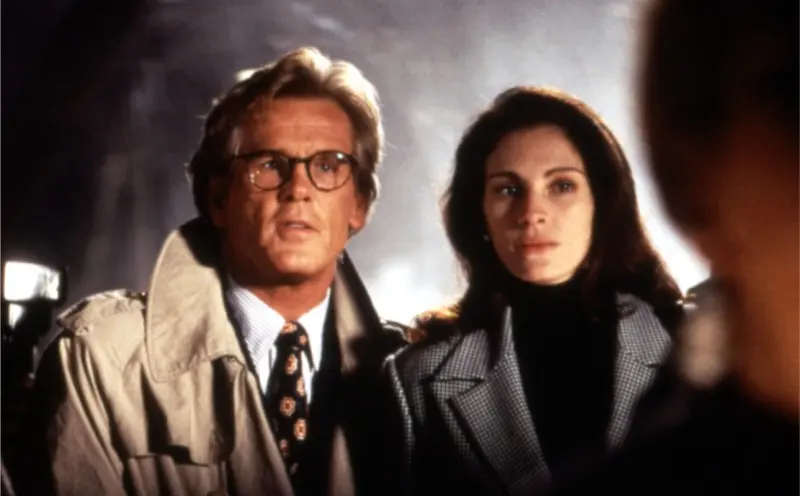
This newsroom comedy paired two reporters who trade barbs while chasing a story across Chicago and Los Angeles. Reports described scheduling tactics that used body doubles and separate setups to navigate tensions during the shoot. Press events were kept carefully managed with limited joint appearances.
Reviews often remarked on thin chemistry between the leads and suggested the backstory showed on screen. The opening weekend was strong due to star draw, followed by a quick drop as word of mouth settled. The movie now tends to be remembered for production anecdotes as much as for plot.
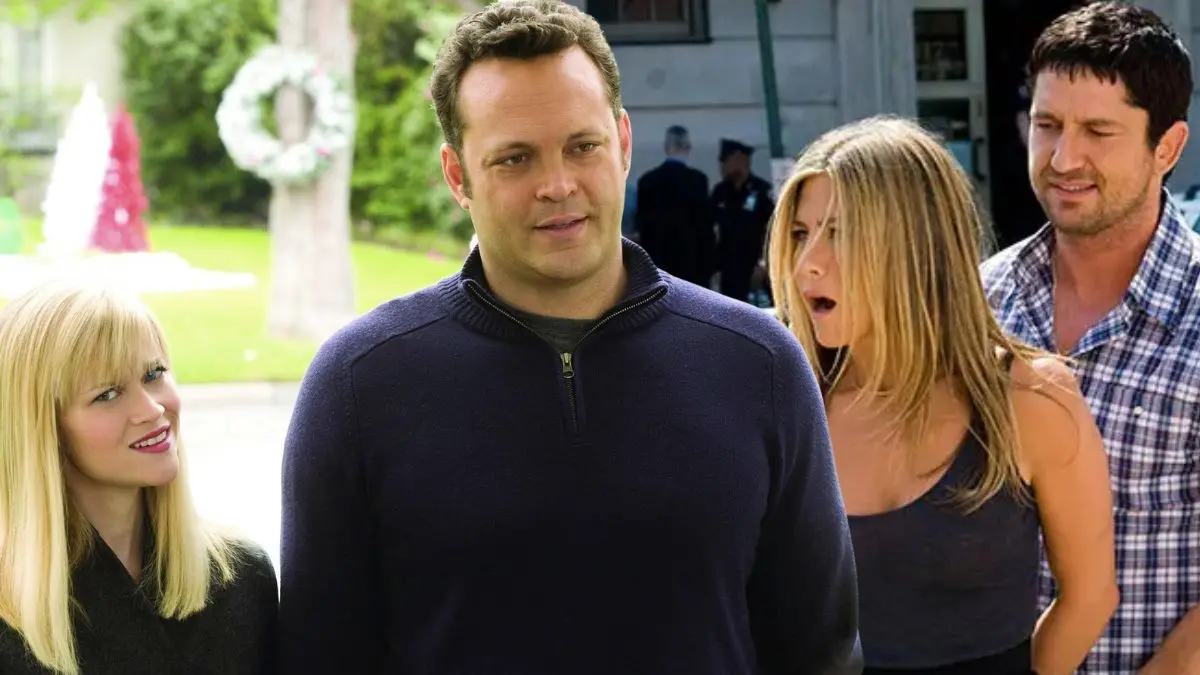
Reese Witherspoon and Vince Vaughn in ‘Four Christmases’
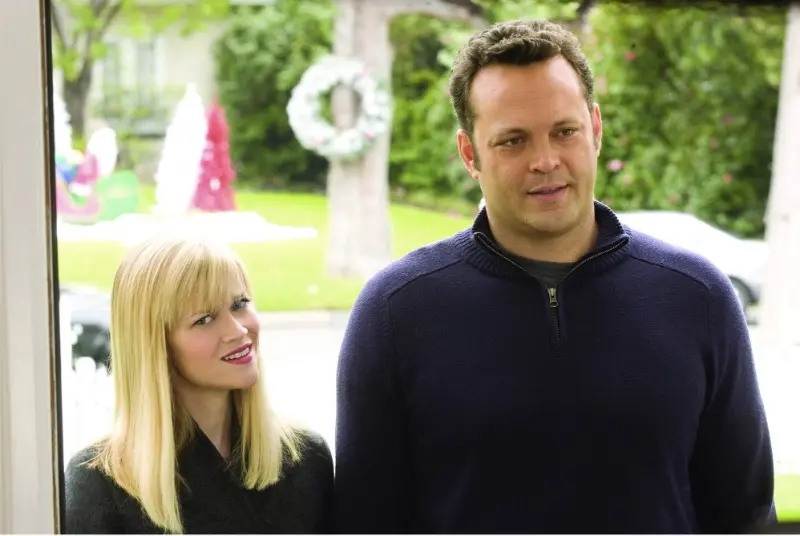
This holiday hit teamed Witherspoon and Vaughn as a couple ricocheting between family visits. Coverage during production mentioned reshoots and edits that trimmed sequences after test screenings. The two actors brought different approaches, with improvisation on one side and closer adherence to scripted beats on the other.
Critics flagged the uneven tone for the central relationship and said the story structure kept the pair bouncing rather than bonding. The movie nevertheless performed very well with seasonal audiences and held screens through the holiday frame. Marketing emphasized family chaos more than romantic buildup.
Kate Hudson and Matthew McConaughey in ‘Fool’s Gold’
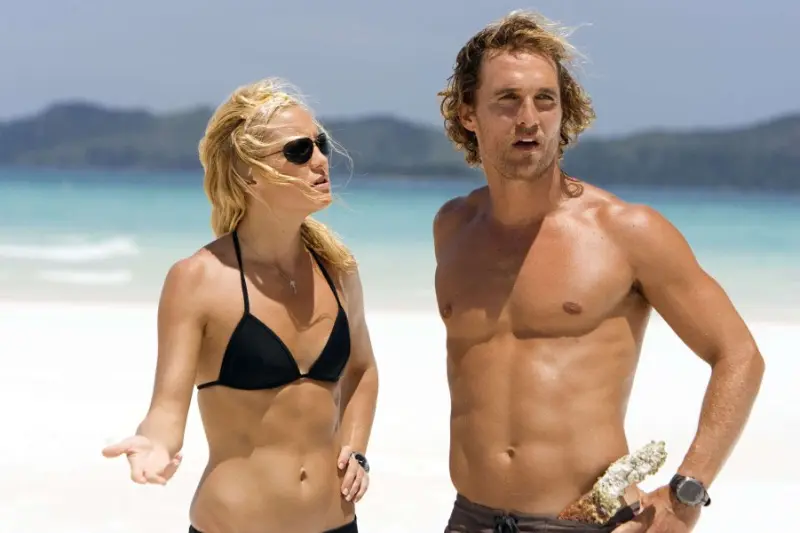
The adventure romance reunited the stars from an earlier hit but shifted the setting to tropical waters with elaborate underwater work. Production based itself in Queensland with a schedule shaped by weather and water safety. Reports from set mentioned marine stings and logistical delays that complicated coordination.
Reviewers widely contrasted this pairing with the couple’s prior outing and said the spark felt muted in this treasure hunt setup. The movie sold itself on scenery and action beats, which left fewer grounded dialogue scenes for the relationship. The final cut leaned on quips and chases rather than sustained intimacy.
Jennifer Aniston and Gerard Butler in ‘The Bounty Hunter’
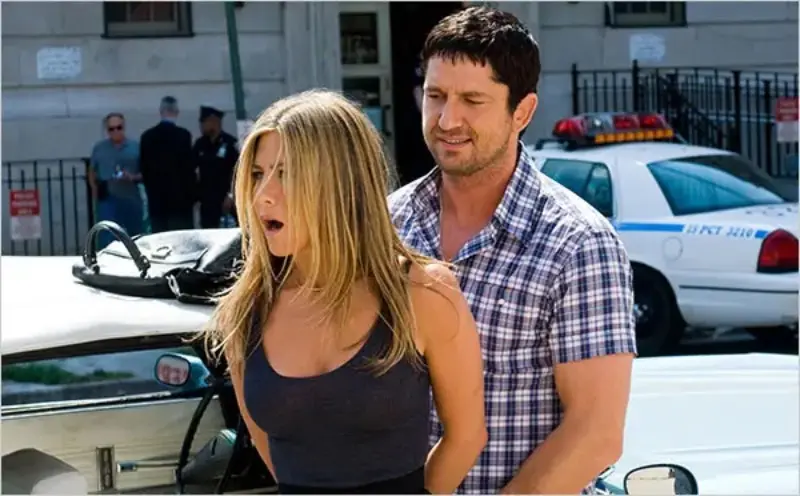
This action comedy positioned Butler as a bail bondsman chasing his ex wife, played by Aniston, across New York and New Jersey locations. The director favored brisk pacing and broad set pieces like racetrack chases and suburban stakeouts. Publicity leaned on playful interviews and photo calls to highlight offscreen rapport.
Review roundups described limited romantic tension and a reliance on bickering set pieces. The film opened mid chart and drew mixed audience scores before tapering. The studio aimed the release at a date night crowd and kept the campaign focused on star familiarity.
Ben Affleck and Kate Beckinsale in ‘Pearl Harbor’
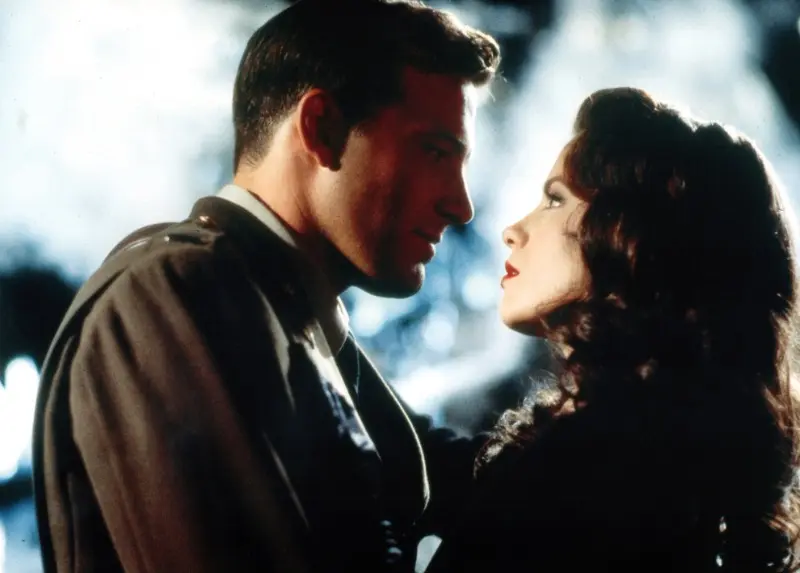
The wartime drama balanced large scale combat recreation with a triangular romance that involved Affleck, Beckinsale, and Josh Hartnett. Production staged massive practical explosions and flight sequences while anchoring dialogue scenes around hospital wards and barracks. The love story worked around real historical milestones that fixed plot timing.
Critics often said the romance strand felt thin and that the leads did not generate much connection in quiet scenes. Audience interest centered on spectacle and historical interest, which carried the movie to strong global grosses. Awards attention later focused on sound and visual effects.
Harrison Ford and Anne Heche in ‘Six Days, Seven Nights’
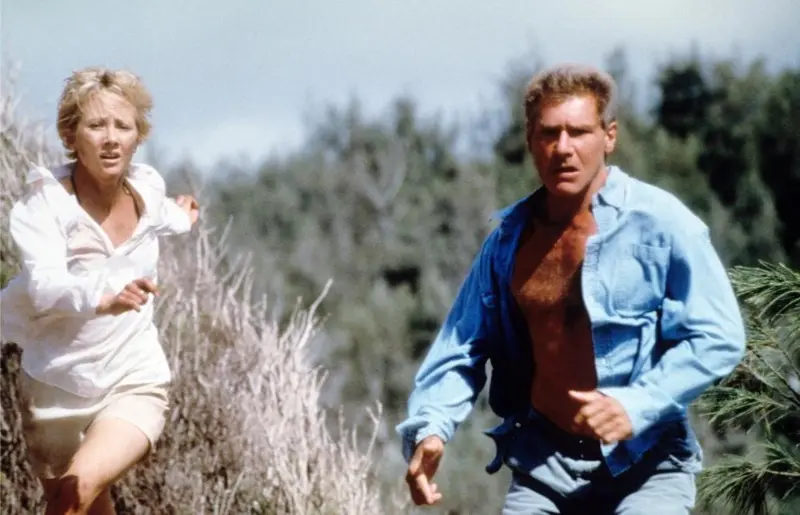
The island survival setup paired a veteran action star with a rising comedian in a fish out of water scenario. Filming took place in Kauai with aerial work and beach sequences that required careful weather planning. The director mixed banter with stunt driven beats and leaned on location beauty.
Reviewers noted an unlikely match and said the interplay felt mechanical in stretches. Media coverage pointed to personal life headlines around one star that cut across the marketing narrative. The release nonetheless found a moderate audience that wanted tropical escapism.
Richard Gere and Winona Ryder in ‘Autumn in New York’
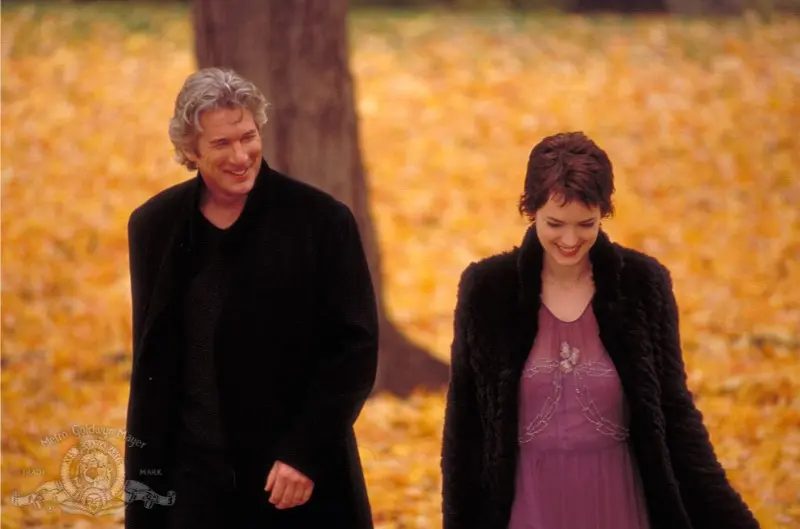
This New York romance centered on a May December relationship with lush costume design and upscale restaurant settings. The director shot across Manhattan landmarks and used a soft visual palette to underline mood. Music by a noted composer added a classical tone to the production.
Critical response frequently cited a lack of connection during close dialogue and dance sequences. Domestic results were muted, while international markets delivered steadier returns. The film has since been referenced mainly for its city portrait and fashion rather than its central pairing.
Keanu Reeves and Sandra Bullock in ‘The Lake House’
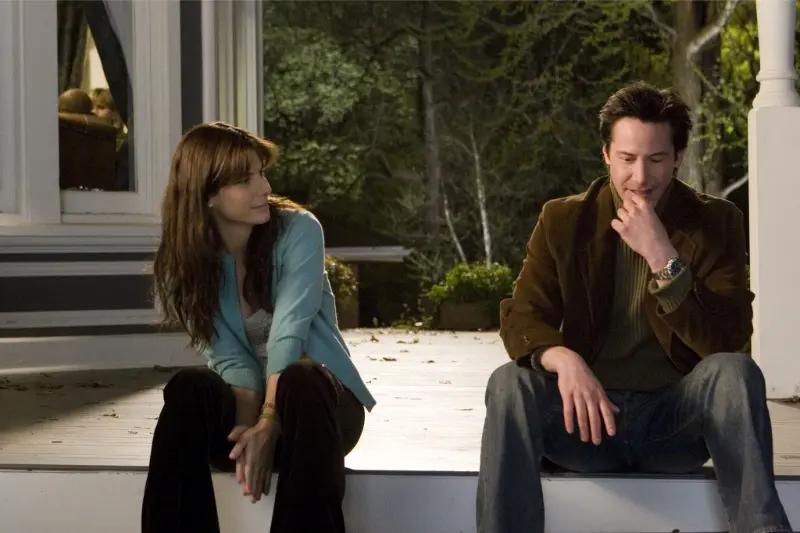
This romantic fantasy reunited the stars from an earlier action hit but kept them apart through a time crossing premise. The Chicago area shoot built a glass house set over a lake and staged most exchanges through letters and voiceover. The structure meant the actors shared relatively few days on the same set.
Coverage highlighted that the story limited opportunities for in person interaction, which left chemistry to be implied through written notes. Viewers turned out for the reunion and the film recovered costs through steady attendance. The piece now sits in the niche of long distance romance built on a high concept hook.
Lily Collins and Jamie Campbell Bower in ‘The Mortal Instruments: City of Bones’
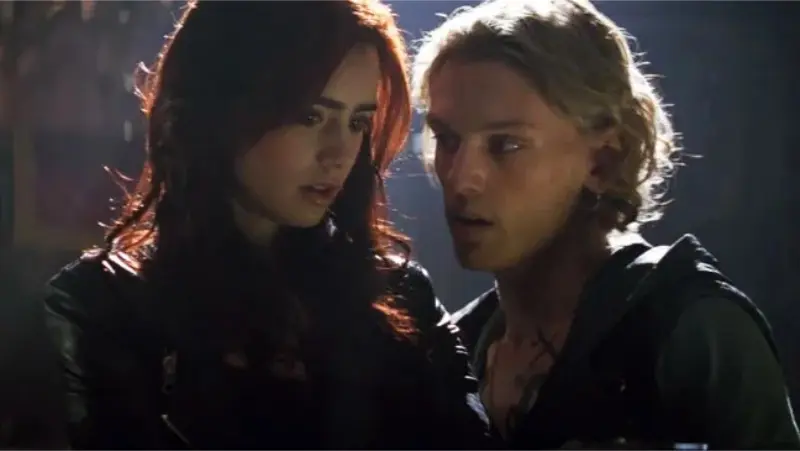
This adaptation cast Collins and Bower as teen leads in a fantasy world with heavy mythology and ensemble demands. The production worked out of Toronto with a focus on practical sets for clubs, churches, and training rooms. Action training and creature work occupied a large share of preparation time.
Reviews often said the romance thread did not land strongly within the dense lore. The film trailed internal targets in North America and plans for direct sequels paused as the property moved to television with ‘Shadowhunters’. The marketing later shifted to emphasize the wider ensemble more than the central couple.
Share your own examples of mismatched screen pairings in the comments.