15 TV Show Endings That Were Hated by Fans and Critics


Some finales stick the landing. Others spark instant frustration that lingers for years. When viewers invest time in a series, the last episode carries a lot of weight, and even small choices can reshape how the entire story is remembered. The shows below reached huge audiences and cultural visibility, which made their final chapters all the more scrutinized.
Each entry explains what the finale actually did and why it triggered a wave of pushback from both audiences and reviewers. This is not about piling on with hot takes. It is a straightforward rundown of plot decisions, production context, and reception history that together explain why these endings became lightning rods.
‘Game of Thrones’ (2011–2019)
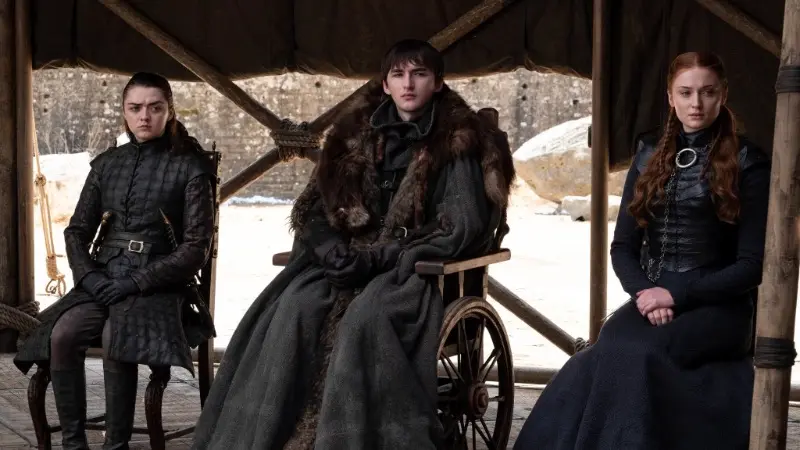
The final episode closes the conflict by having Jon Snow kill Daenerys Targaryen after her attack on King’s Landing, followed by a council selecting Bran Stark as ruler. Arya sails west, Sansa claims the North’s independence, and Jon is sent back to the Night’s Watch. The episode wraps multiple arcs in rapid succession and establishes a new political order without a clear succession plan beyond the lords who were present.
The reception focused on how quickly the last two seasons moved through major turns, including Daenerys’s rapid descent and the choice to resolve the throne through a small council. Online petitions called for a remake, cast and crew fielded questions about condensed timelines, and the finale’s sharp ratings success contrasted with unusually low audience scores for the closing run.
‘How I Met Your Mother’ (2005–2014)
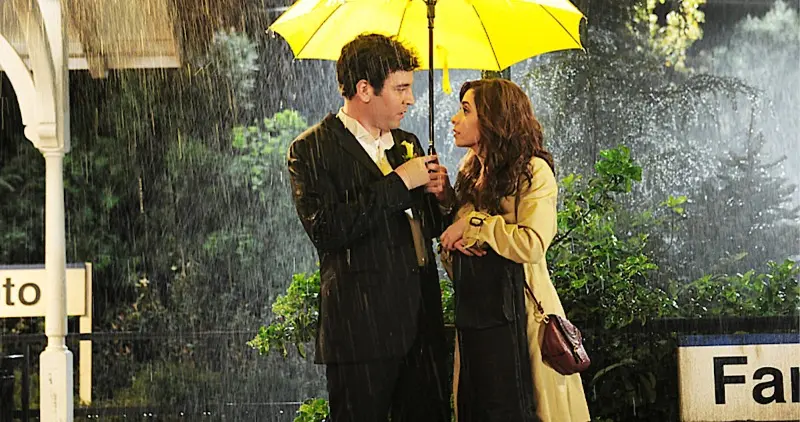
The finale reveals that the Mother dies years before the present day and that Ted’s long story to his kids sets up his reunion with Robin. Robin and Barney’s marriage collapses offscreen between time jumps, and the final scene shows Ted with the blue French horn outside Robin’s window. The production used footage of the kids filmed early in the series to keep the reveal consistent with their ages.
Viewers objected to the reversal of the premise after a full season centered on Robin and Barney’s wedding weekend. The show later released an alternate version that keeps the Mother alive and ends Ted’s story there. That second cut became a reference point in debates about whether the original ending matched the long form narrative the series built.
‘Lost’ (2004–2010)
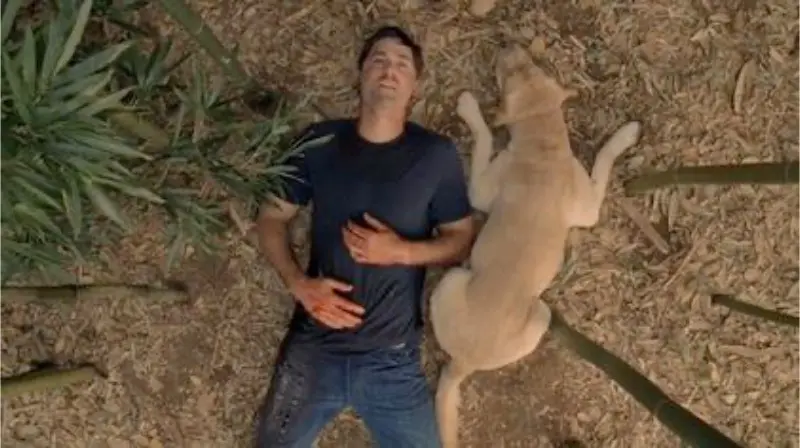
The last episode intercuts the island timeline with a second track where the characters meet in a church and move on together. The island events are presented as real while the off island track functions as a shared afterlife that helps the characters let go. The finale confirms the central conflict with the Man in Black and shows Jack dying in the bamboo grove where the story began.
Reactions centered on the status of the island’s mysteries versus the character focus of the ending. The creative team had announced a fixed end date several seasons earlier, which allowed planned arcs but also entrenched expectations about answers. The finale’s emphasis on emotional closure over itemized solutions became the key point of contention among fans and critics.
‘Seinfeld’ (1989–1998)
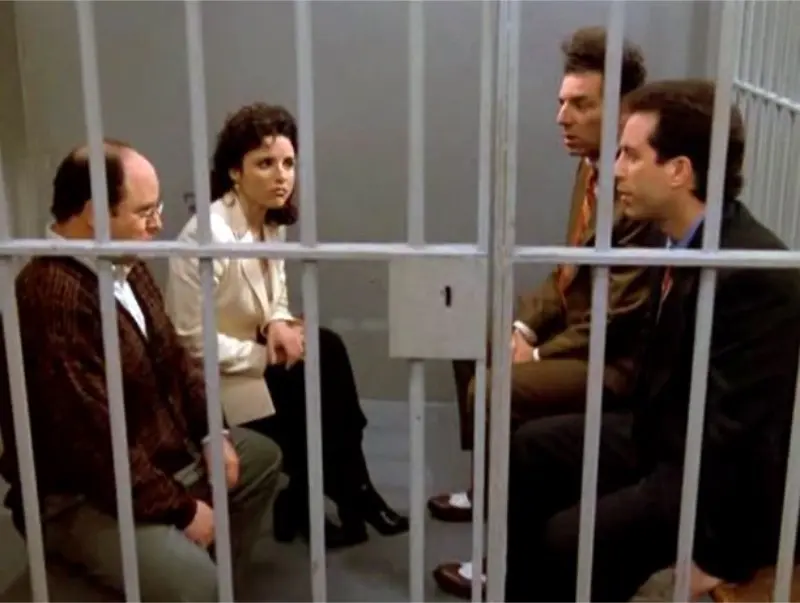
The ending brings back a long list of guest characters to testify after the core four are arrested under a Good Samaritan law. They are convicted and sent to prison, where the final scene mirrors the very first conversation from the pilot. The episode functions as a courtroom clip show that catalogs the group’s past behavior.
Audience frustration targeted the vignette structure and the choice to end with jail time. The creative decision to avoid a sentimental goodbye was widely discussed at the time, and the episode’s format highlighted the show’s long history while sidestepping a conventional farewell. The unusual tone and structure made it one of the most debated finales of the era.
‘The Sopranos’ (1999–2007)
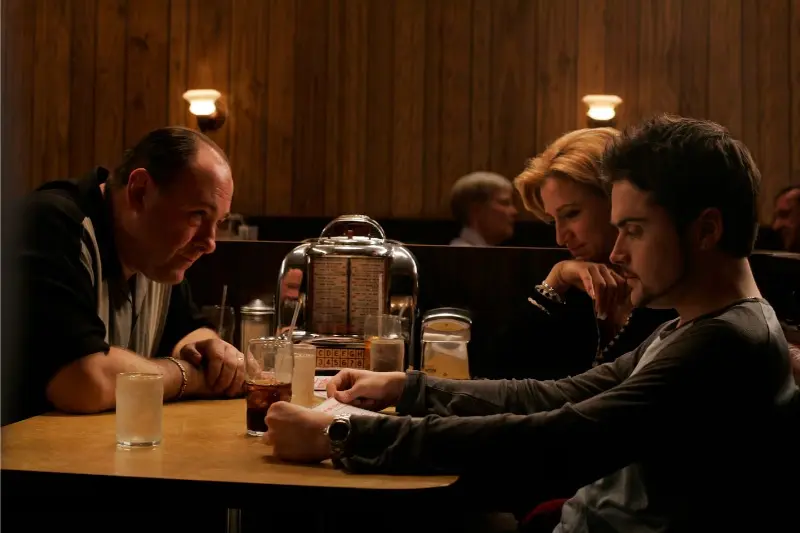
Tony and his family meet at a diner while a series of quick cuts build tension as people enter and the bell on the door rings. The screen cuts to black in silence mid scene and the credits roll. The episode provides no on screen confirmation of Tony’s fate and offers only the meticulous staging of the final minutes as context.
The abrupt ending led to widespread confusion during the first broadcast and sustained debate afterward. Interviews and essays about authorial intent kept the discussion active for years, and close reads of the diner scene became a cottage industry among fans. The creative choice not to resolve the moment on camera defined the ending’s reception more than any plot detail.
‘Dexter’ (2006–2013)

The original series finale shows Dexter steering his boat into a storm after disconnecting life support for Debra. He later appears alive, living under a new identity as a lumberjack far from Miami. The episode removes him from his established world without a legal reckoning or death on screen.
Viewers criticized the separation from the show’s setting and the decision to close on a quiet life rather than a final consequence. The revival years later revisited the character with a different outcome, which prompted fresh comparisons that kept the first ending’s reputation in circulation. The 2013 closer remains the reference point for how the original run concluded.
‘Battlestar Galactica’ (2004–2009)

The finale reveals that the survivors settle on a prehistoric Earth and decide to abandon advanced technology. Hera is positioned as the ancestral link to future humanity, and two recurring figures are framed as angelic observers. The story closes with an epilogue that jumps forward to a modern city and a montage of humanoid robots.
The mixture of spiritual explanation and hard science fiction elements drew extensive commentary. The choice to link the fleet’s legacy to human prehistory and to dissolve the ships into the sun provided definitive closure while raising questions about cultural memory. That combination made the ending a continuing point of debate long after the broadcast.
‘Star Trek Enterprise’ (2001–2005)
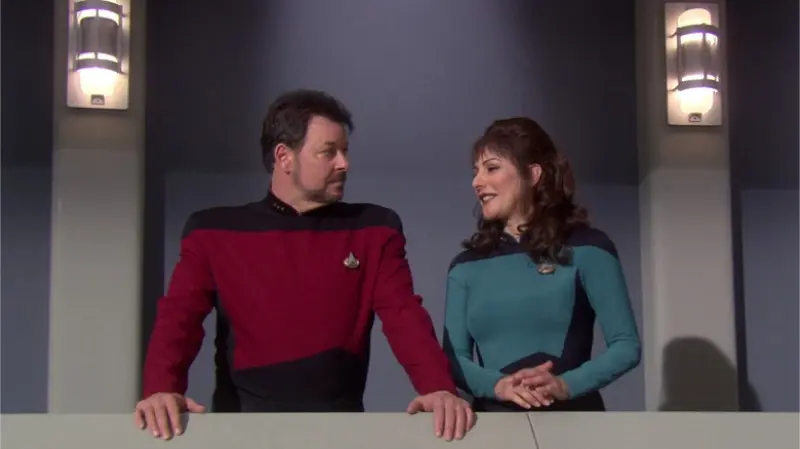
The final episode is presented as a holodeck program watched by Riker and Troi during a timeline from another series. Trip Tucker dies while protecting Captain Archer, and Archer’s major speech is not shown on screen. The framing device inserts next generation characters into the prequel’s last hour.
Fans and reviewers objected to the way the holodeck structure shifted focus away from the Enterprise crew. The send off functioned as a crossover that reduced screen time for the core cast and truncated key moments. This approach became a frequent example of how not to conclude a long running show.
‘Killing Eve’ (2018–2022)

The finale reunites Eve and Villanelle, who target a criminal organization during a wedding on a riverboat. After the mission, they embrace on a bridge and Villanelle is shot multiple times, falling into the water while Eve screams on the surface. The episode also suggests an intelligence officer’s involvement in the operation.
The main objections were about the timing and framing of Villanelle’s death after four seasons of cat and mouse. Marketing materials had set expectations for a culmination of the central relationship, and the closing minutes reversed that in an instant. The contrast between the long buildup and the abrupt end drove the negative reception.
‘Gossip Girl’ (2007–2012)
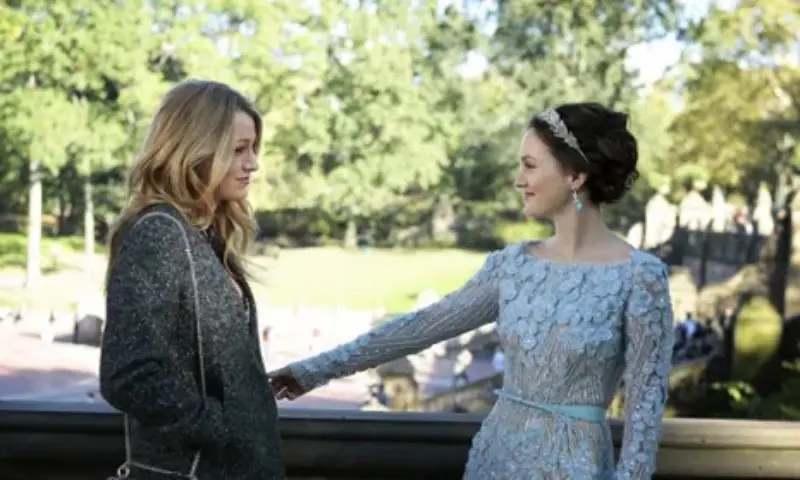
The last episode identifies Dan Humphrey as Gossip Girl and uses a montage to explain how he posted and why others were implicated. The reveal attempts to align years of plot points with a single author behind the site. The closing scenes jump forward to show the characters’ futures and a passing of the gossip mantle.
Viewers pointed to instances where the culprit could not have had the needed information or access. The final twist forced retroactive explanations for earlier seasons and created timeline inconsistencies that fans cataloged in detail. The ending is now often cited when discussing late game identity reveals.
‘Pretty Little Liars’ (2010–2017)

The finale unmasked A.D. as Alex Drake, a previously unknown twin of Spencer who impersonates her sister and manipulates events. The episode explains Alex’s backstory and motivations and includes a confrontation in a bunker like setting where the group rescues Spencer. The twist brings together a number of loose threads from earlier seasons.
The reception centered on how the twin reveal retrofitted past mysteries. Production details surfaced about elaborate accents and double casting to sell the switch, which became focal points in postmortem discussions. The solution’s dependence on a new family member entering late in the narrative fueled the criticism.
‘Two and a Half Men’ (2003–2015)
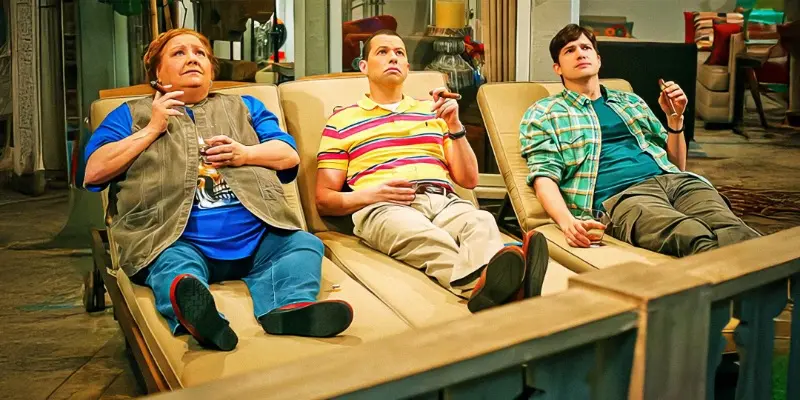
The finale uses meta gags, body doubles, and a cartoonish set piece to allude to the absent original lead. In the last seconds a piano falls from above onto a stand in for that character, and the creator appears in a tag that comments on the moment. Guest appearances and self references fill much of the runtime.
Reactions focused on the heavy use of winks to the audience and the avoidance of a straight narrative resolution. The show addressed offscreen history through sight gags and finale cards, which made the episode read as a commentary on production rather than a story conclusion. That choice defined how the ending was remembered.
‘The X Files’ (1993–2018)
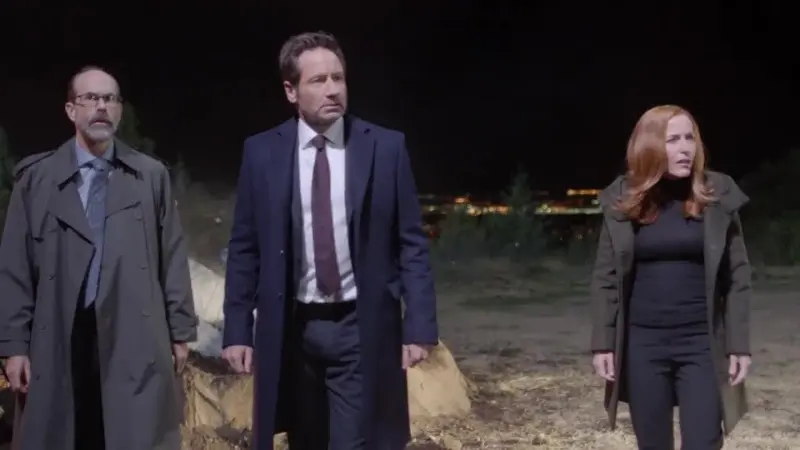
The final episode of the revival run shows William surviving due to his abilities while a shadowy figure claims paternity through experimentation. Mulder pursues the antagonist on a pier and shoots him, only for William to resurface alive. Scully tells Mulder she is pregnant, which reframes earlier plot developments.
Critics and fans objected to the retcons and the rapid compression of long running mythology. The episode cleared space for future stories while altering key relationships at the last minute. That combination of big reveals and swift closures left many viewers dissatisfied with this definitive end of the revival era.
‘The 100’ (2014–2020)
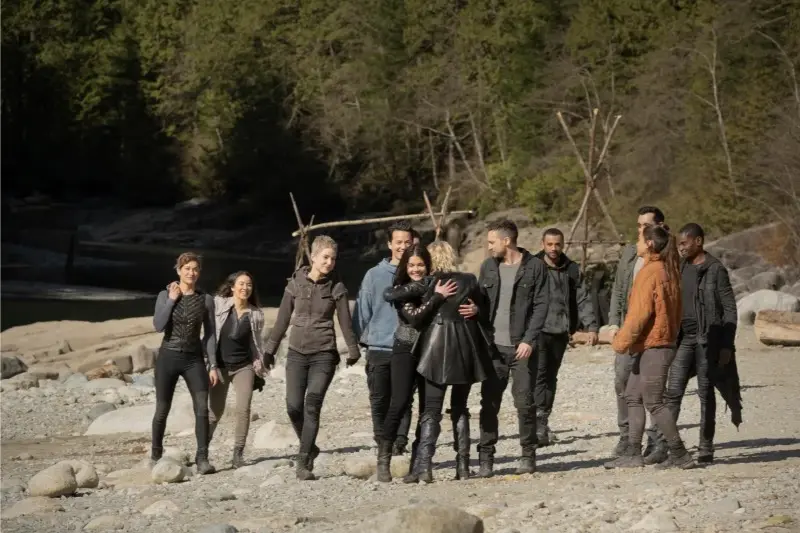
The finale introduces a test that determines whether humanity transcends into a higher state or is extinguished. Clarke fails the test, another character negotiates on behalf of the species, and most people become non corporeal. A small group then chooses to return to human form to live out their lives with Clarke on a quiet patch of land.
Discussion centered on the introduction of a new cosmology in the last stretch and the minimal time spent on its rules. The closing scenes move away from the show’s long running political conflicts and settle on a contemplative resolution. That shift made the final hour a frequent subject of debate among longtime viewers.
‘Riverdale’ (2017–2023)

The final episode frames the story through an elderly Betty who revisits senior year with help from a friend. It reveals that the four main characters were in a relationship together during that year and shows where the ensemble ended up. The series closes with an afterlife style reunion in a diner that restores everyone to their teenage selves.
The response focused on the sudden confirmation of the group relationship and the heavy use of nostalgia. The finale tied together multiple timelines and genres that the show had explored while choosing an unusually dreamlike conclusion. That tone and the retroactive revelations drew immediate mixed reactions.
Share which finale frustrated you the most and what you would have changed in the comments.