15 Movie Endings That Were Hated by Fans and Critics


Some endings stick the landing. Others spark a wave of groans the moment the credits roll. This list looks at movie finales that drew loud pushback from audiences and reviewers alike, whether because of a last minute twist, a tone shift, or a final choice that clashed with everything that came before.
Each entry explains what the ending actually does and why it set people off at the time. You will find details like surprise reveals, marketing choices, alternate cuts, and public reactions that kept these finales in the conversation long after release.
‘The Devil Inside’ (2012)

The film ends abruptly with a smash cut to a title card that points viewers to a website for more information. The story stops mid scene and the screen displays a URL instead of a resolution. The choice left theatrical audiences without any in movie closure and sent them to an external page that later changed.
The release opened strong at the box office, which made the boos and walkouts during early showings even more notable. The film earned one of the rare failing grades from CinemaScore, a result that reflected the anger at the cut to black and the promotional redirect rather than a conventional ending.
‘I Am Legend’ (2007)
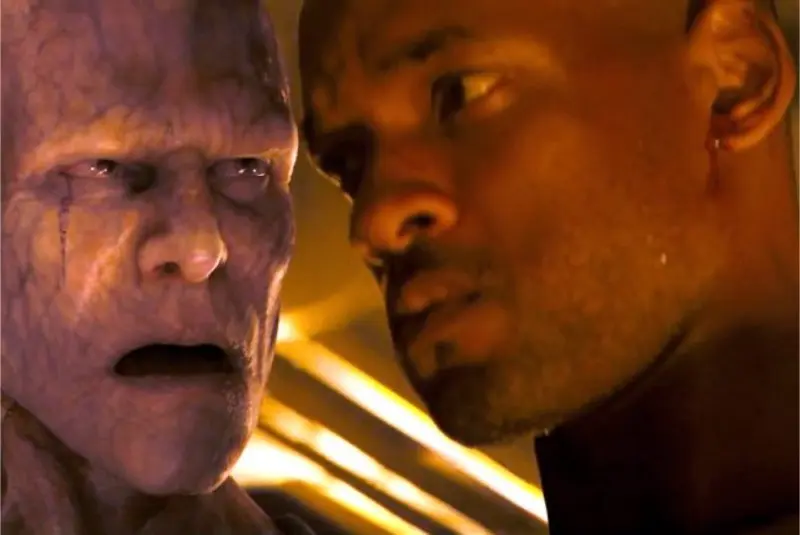
The theatrical version has Neville sacrifice himself with a grenade while sending the cure away with Anna and Ethan. This conclusion reframes the infected as simple monsters and discards the idea that Neville is a legend to them for darker reasons. It also breaks from the core theme of the source novel which explores what humanity looks like from the other side.
A different ending was later included on home release where Neville recognizes the infected as a society with its own rules and leaves with them alive. Many viewers sought out this alternate version because it restores the moral twist of the original story and changes the meaning of the title inside the film.
‘War of the Worlds’ (2005)
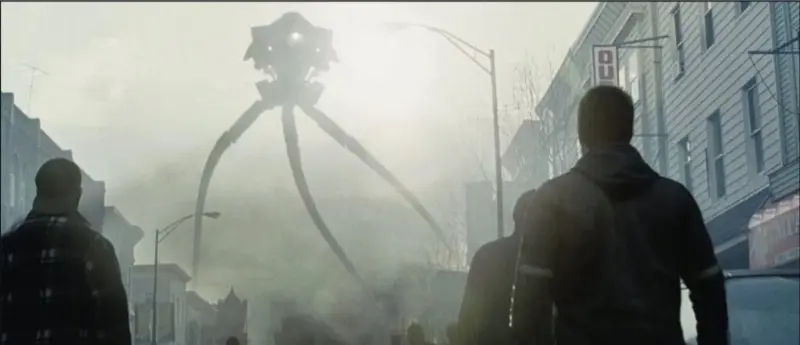
After a relentless survival story, the finale reunites Ray with his family in Boston and reveals that the aliens die because they lack immunity to Earth microbes. Robbie, presumed dead after a battle earlier, appears unharmed at his mother’s house. The reunion and quick wrap up arrive in a matter of moments after nonstop tension.
Critics and audiences pointed to the tidy family embrace and the sudden explanation as whiplash. The epilogue voiceover spells out the cause, which follows the classic novel, yet the on screen survival of the son undercuts earlier stakes and became the main sticking point for those who felt the payoff did not match the setup.
‘Planet of the Apes’ (2001)
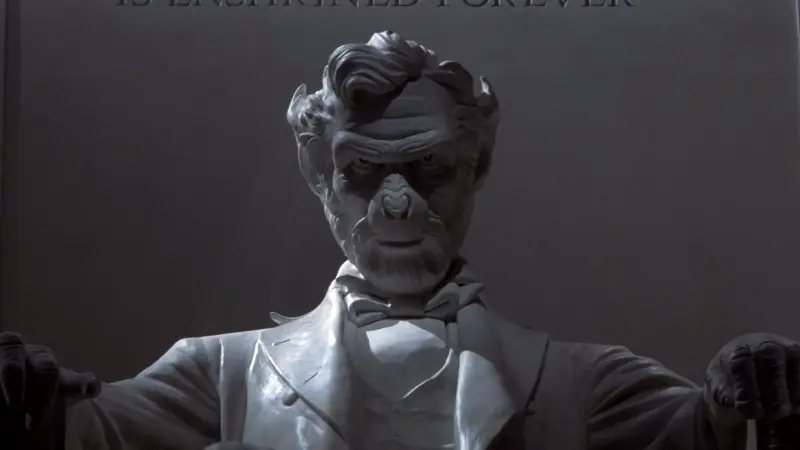
Captain Leo Davidson returns to Washington only to find the Lincoln Memorial replaced with General Thade and the city controlled by apes. The police who surround him are apes as well and the timeline logic is left unresolved. The film ends on this image without clarifying how history changed to create an ape led Earth at that moment.
The twist was designed as a shock image that nods to the original franchise while setting up a new path. Viewers and reviewers criticized the lack of internal rules to explain the paradox and the absence of a follow up film that could unpack the ending ensured that confusion remained the final note.
‘Remember Me’ (2010)
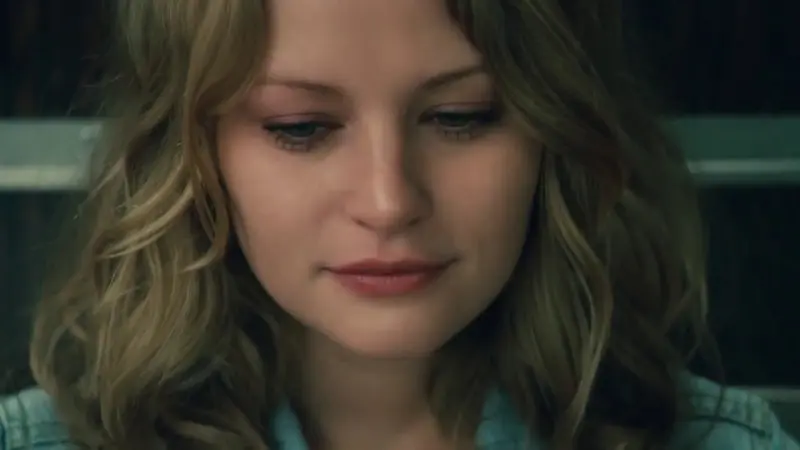
The final sequence reveals that Tyler is in an office high in the North Tower on a clear September morning. The camera pulls back to show the skyline just before the attacks, turning the love story into a last minute historical twist. The marketing did not foreground this reveal and the movie withholds the date until the closing minutes.
The choice drew heavy criticism for using a real tragedy as a surprise device. Discussion around the film focused on the reveal more than the narrative that leads to it, and the box office conversation became inseparable from the debate over whether that final turn respected the subject matter.
‘High Tension’ (2003)
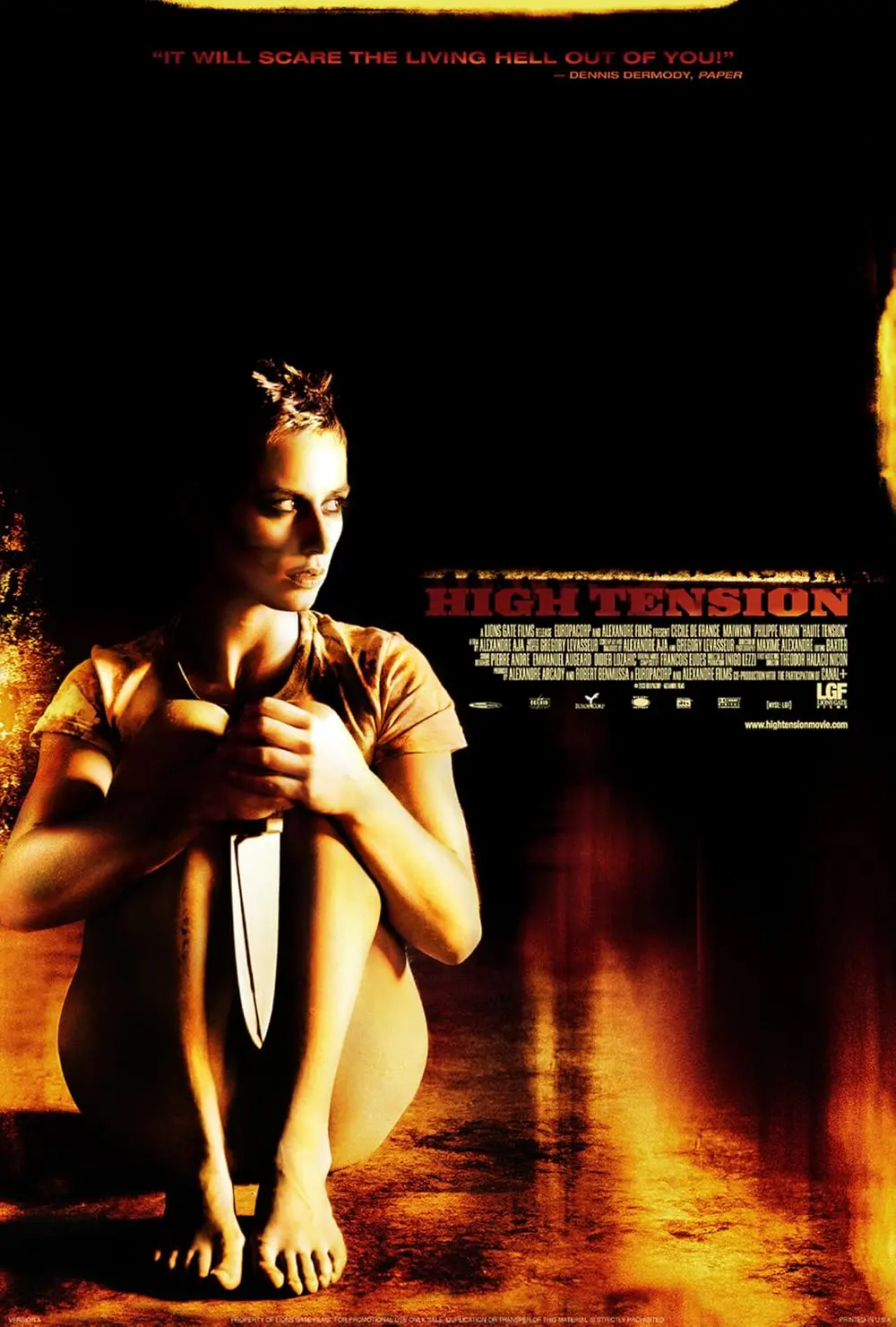
The twist reveals that Marie is both the heroine and the killer, which retroactively makes large stretches of the movie her delusion. The reveal conflicts with earlier scenes that showed the murderer acting independently while Marie was off screen. The ending asks the viewer to rewrite action geography after the fact.
The film arrived in the United States with edits and an English dub that kept the twist intact. Reviewers and fans debated the logic of how specific kills and chases could occur if the reveal were true, and the finale became the main focus of coverage rather than the brutal craftsmanship that preceded it.
‘The Village’ (2004)
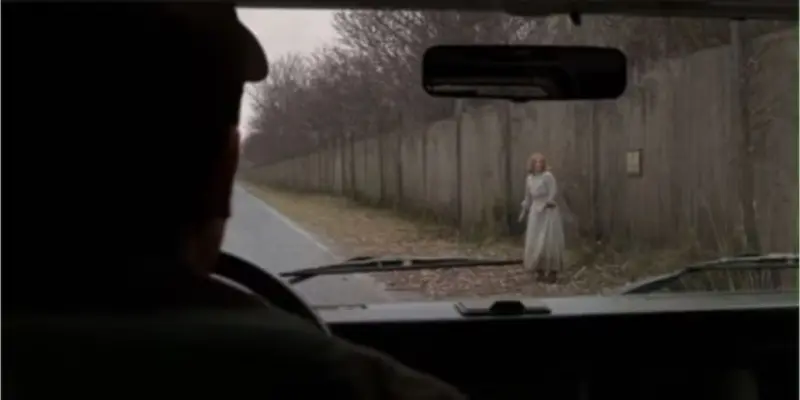
The climax shows that the monsters are a ruse created by village elders and that the story takes place in the present day inside a protected wildlife reserve. Ivy reaches a modern road and meets a park ranger who explains the truth while the elders recommit to secrecy. The reveal reframes every earlier scene as part of a controlled environment.
Audiences who expected a creature feature based on the trailers felt misled. Critics flagged the way the twist converts a suspense narrative into a commentary on fear and control and noted how the mechanics of the settlement raise practical questions the film does not answer on screen.
‘The Happening’ (2008)
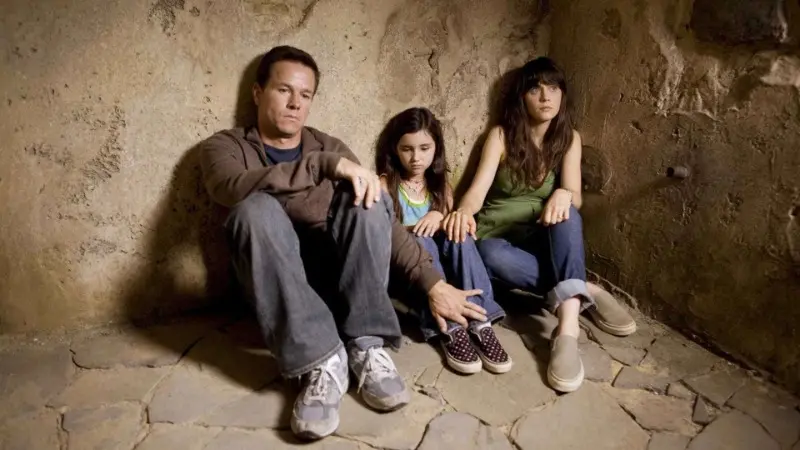
The story suggests that plants release toxins that prompt mass suicides and that the phenomenon stops without a human solution. The closing moments show a similar event beginning in another country at a crowded park. The final scenes leave the cause unexplained and present the return as a warning rather than a solved mystery.
Viewers and reviewers focused on the lack of a final plan or character driven resolution. The tone of the performances and the sudden global tease at the end amplified frustration, and the conversation that followed centered on how the film ends with nature acting beyond human understanding.
‘Sunshine’ (2007)
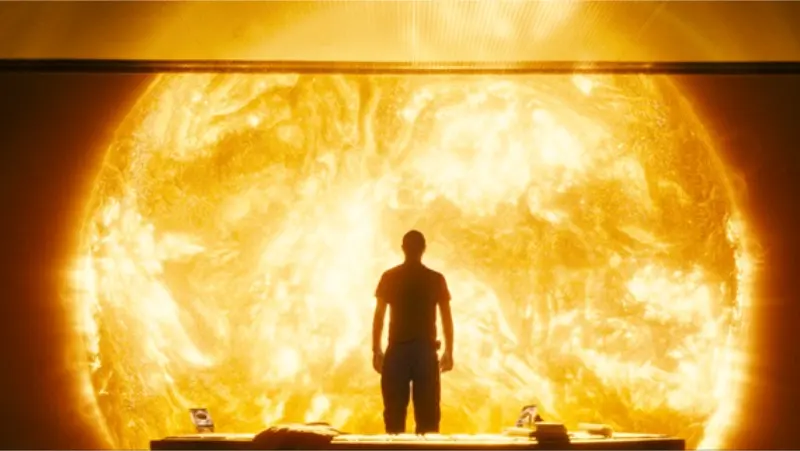
In the final stretch a scarred survivor boards the mission and the film shifts into slasher territory while the crew attempts to deliver a stellar bomb. The imagery becomes distorted and aggressive as the intruder hunts the remaining astronauts during the run to the sun. The science driven setup gives way to supernatural tinged menace.
The pivot surprised audiences who had followed a tense but grounded space thriller. Critics who praised the visuals and music noted that the new element changes genre at the finish, and the conversation around the ending often contrasted the measured earlier mission planning with the sudden pursuit through the ship and payload.
‘The Matrix Revolutions’ (2003)
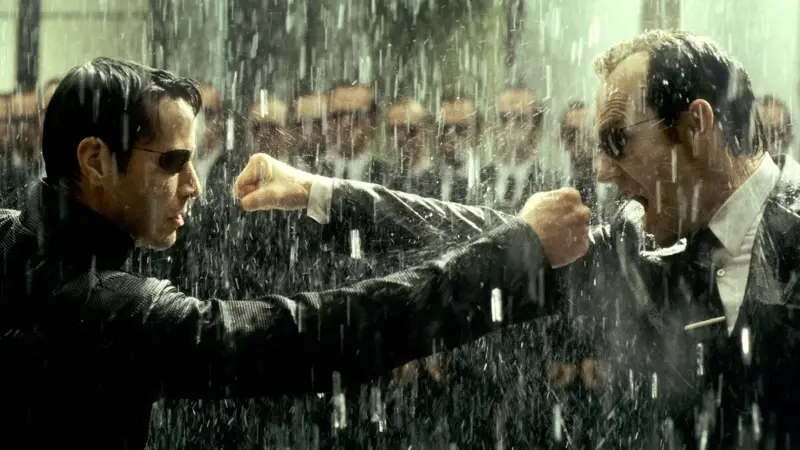
The series concludes with Neo negotiating a truce between humans and machines and sacrificing himself to stop Smith. The city survives, the Matrix resets, and the final image suggests the possibility of peace rather than a permanent victory. Key characters remain gone and the story closes without a definitive liberation of humanity.
Viewers who expected a triumph after the prior cliffhanger instead found an open ended ceasefire. Box office returns trailed the previous installment and reviews cited fatigue with exposition and the lack of a cathartic finale, which left the trilogy on a note that many felt did not deliver a clear payoff.
‘Glass’ (2019)
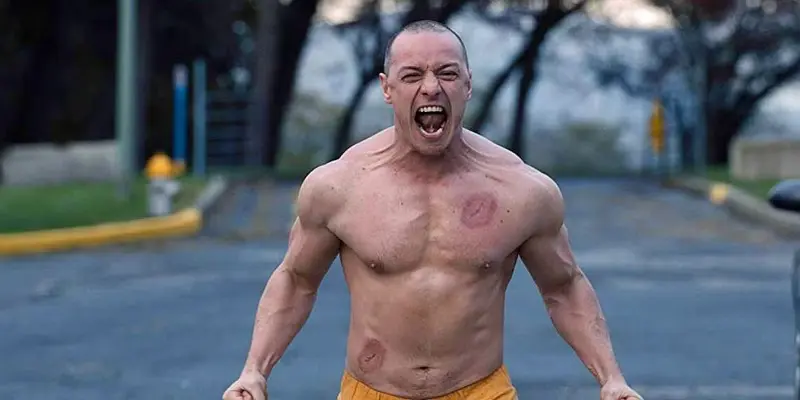
The showdown hinted in marketing never reaches a skyscraper. The three leads converge at the psychiatric facility where all of them die, and a secret society that suppresses extraordinary people is revealed. Elijah’s plan releases security footage to the public to expose the truth after his death.
Audience discussion centered on the decision to end the trilogy with the heroes defeated and a viral leak as the spark for change. Critics flagged the small scale of the finale compared with expectations set by earlier films and highlighted how the epilogue reframes the narrative as the start of public awareness rather than a traditional conclusion.
‘Star Wars The Rise of Skywalker’ (2019)
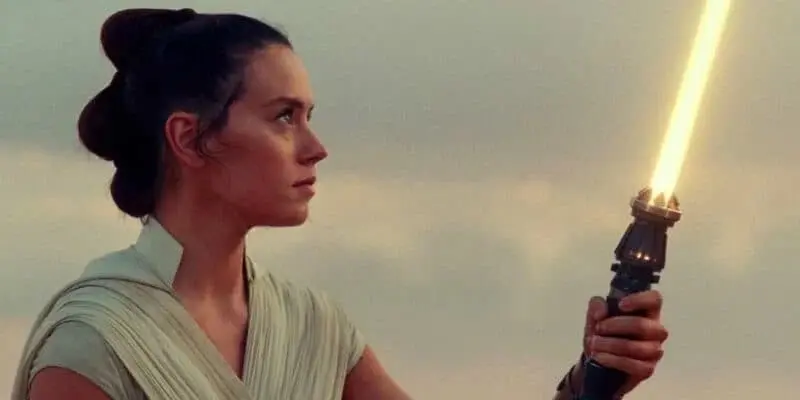
The ending brings back Emperor Palpatine, has Rey confront him with the help of Jedi voices, and shows Ben Solo’s death after his return. Rey visits the Lars homestead and adopts the Skywalker name as twin suns rise. The film closes the sequel trilogy with a return to the desert setting of the first saga entry.
Reports of extensive editing and a compressed production cycle hovered over the release, and the finale became the focal point for debate about continuity and character arcs. Critics cited rushed plotting and fans dissected choices like the lineage reveal and the quick resolution to the final threat, which kept the closing minutes under a microscope.
‘Now You See Me’ (2013)
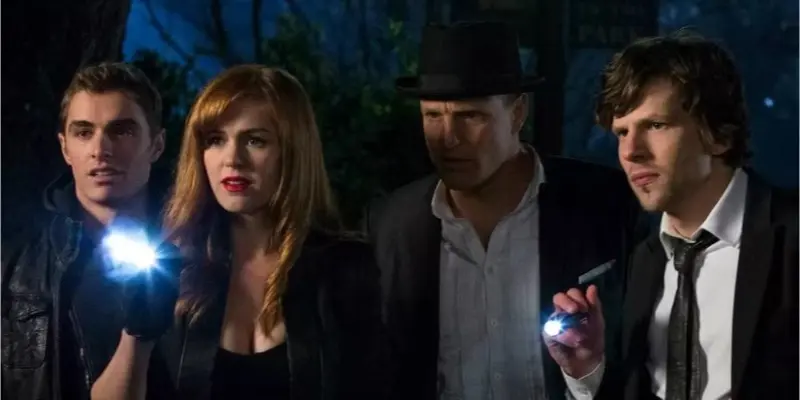
The reveal names FBI agent Dylan Rhodes as the Fifth Horseman who orchestrated the heists to punish a corrupt insurance magnate and recruit the magicians. The Eye is introduced as a centuries old secret society that rewards deception in service of justice. A mid credits scene shows the team at an empty carnival preparing a new trick.
Viewers questioned the logistics of an agent staging every turn while leading the investigation on camera. The final explanation requires multiple off screen steps and precise timing, which drew repeated breakdowns online after release and fueled a sequel that leaned into the idea of a larger organization.
‘Savages’ (2012)

The climactic shootout shows the three leads choosing a group suicide rather than capture. Moments later the movie rewinds to reveal that this was a fantasy and the real ending involves arrests and negotiated outcomes. The film uses the fake out to provide both a tragic and a practical conclusion in quick succession.
The device divided audiences because it presents a definitive outcome then removes it. Viewers and reviewers noted that the structure turns the finale into a story about narrative choice rather than consequence, which kept the focus on the edit rather than the resolution of character conflicts.
‘It Chapter Two’ (2019)
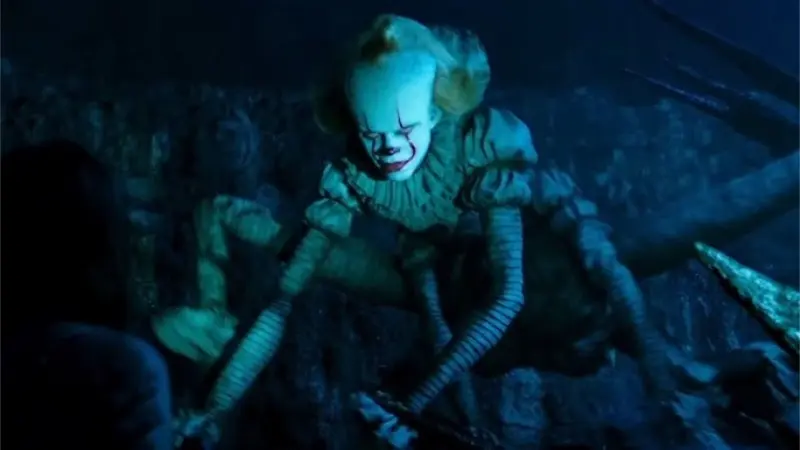
The Losers defeat Pennywise by confronting him as a bullied entity and reducing his power through a ritual of ridicule. The creature shrinks and dies as they pull out its heart together. The epilogue updates each member’s life and closes with a letter that encourages them to move forward without fear.
The film includes several jokes about unsatisfying endings, which drew attention to its own finale. Critics and audiences pointed to the length of the final confrontation and the mechanics of how belief strips Pennywise of strength, and the conversation centered on how the solution plays on screen compared with earlier scares.
Share which finale bugged you the most in the comments and tell us why that ending still sticks in your head today.