The 10 Most Attractive Movie Characters of All Time

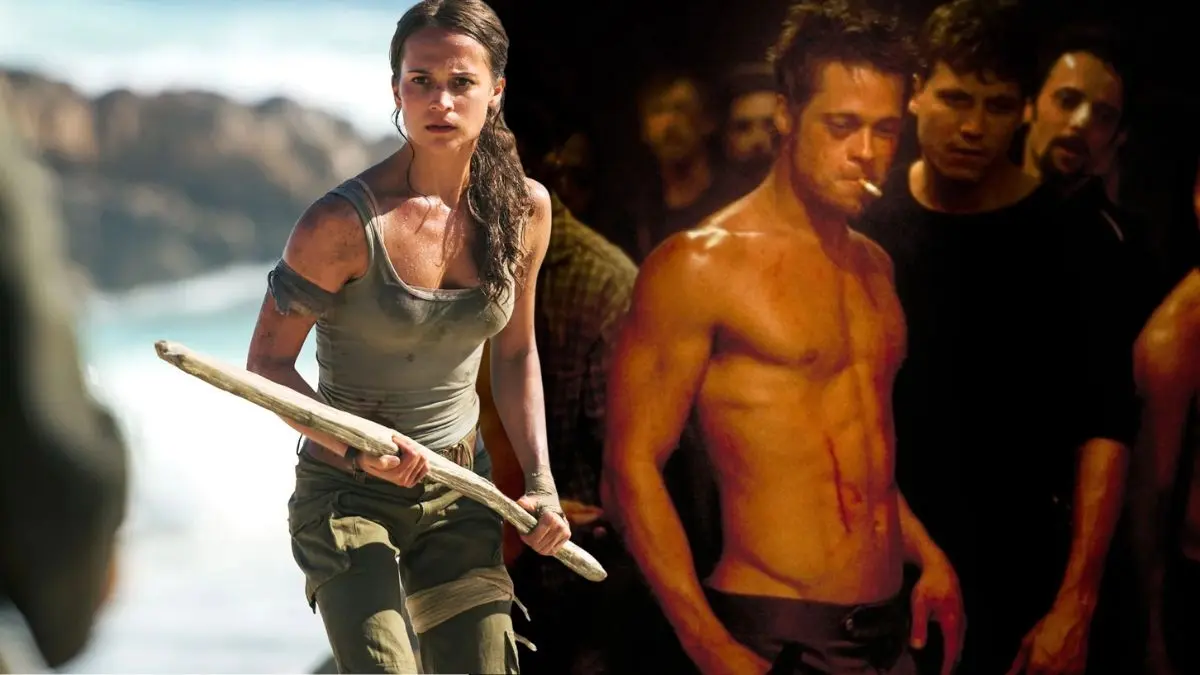

Great movie characters tend to leave a mark through more than dialogue. Costumes, camera choices, and performance all work together to create a presence that audiences remember long after the credits roll. The following characters became style and culture touchstones because filmmakers built a complete image around them, from wardrobe to signature scenes.
This list looks across decades and genres to highlight figures whose on screen identity shaped trends and fan culture. You will find the actors behind the roles, the creative teams who defined their look, and the production choices that helped turn each character into a lasting cinematic icon.
Lara Croft
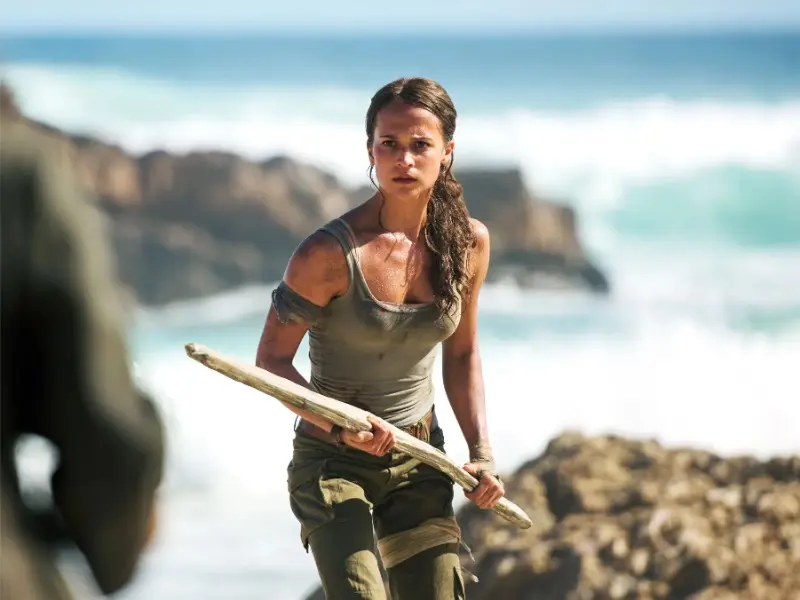
The archaeologist adventurer moved from games to film in ‘Lara Croft: Tomb Raider’ and later ‘Tomb Raider’. Angelina Jolie and Alicia Vikander brought different interpretations backed by combat training, climbing, and stunt work. The character’s gear shifted from dual pistols and shorts to practical hiking rigs and climbing axes as the films updated the aesthetic.
Production traveled to real world temples and wilderness sites that heightened the explorer persona. Wardrobe and prop teams focused on utility belts, holsters, and boots that read clearly in action sequences. Editorial cuts often emphasized quick draw movements, leaps, and close ups that showcased the physicality of the role.
Princess Leia Organa
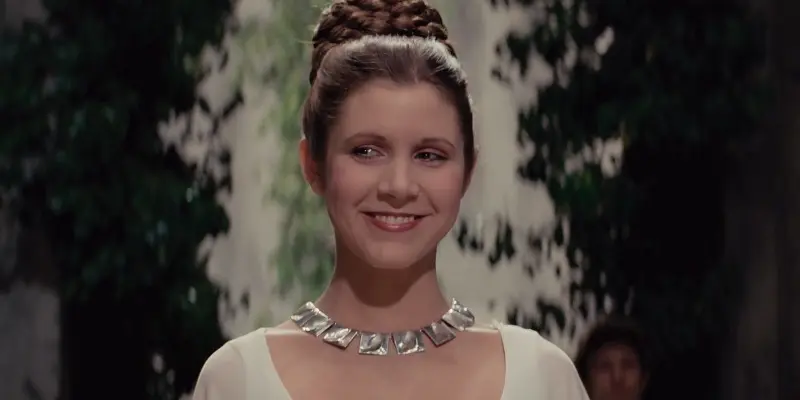
Introduced in ‘Star Wars’, Leia became a central leader across ‘The Empire Strikes Back’ and ‘Return of the Jedi’. Carrie Fisher’s performance paired with the iconic white gown and the Alderaanian hair buns, later shifting to Hoth fatigues and Endor gear to match different environments. Costume designer John Mollo and the hair and makeup teams created looks that anchored the character in each setting.
Merchandise, posters, and cosplay kept Leia’s visual identity in constant circulation. Key scenes like the detention block rescue and the Hoth command briefings framed her as both strategist and combatant. The character’s imagery became a staple of conventions and licensed apparel, reinforcing recognition across generations.
Jack Dawson
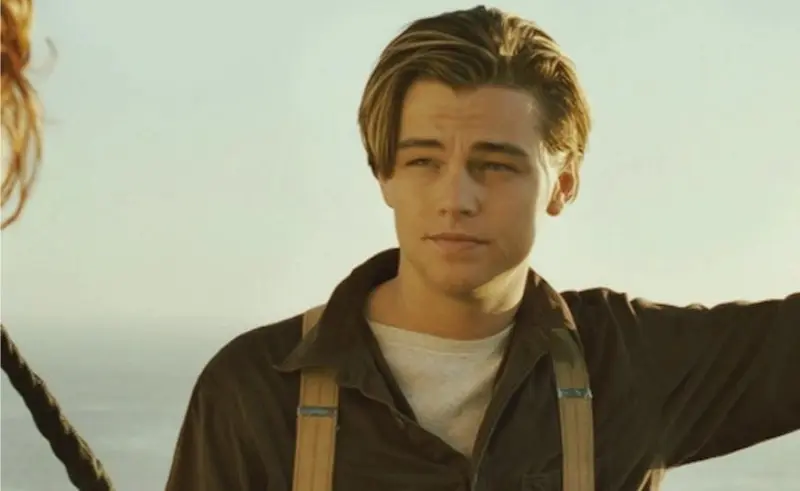
Leonardo DiCaprio brought Jack to life in ‘Titanic’ as a third class artist whose sketches and curiosity drive the plot. The character’s look relies on suspenders, open collar shirts, and an easy silhouette that fit the shipboard setting. Production design placed him within crowded steerage parties and elegant first class spaces to heighten contrast.
Cinematography by Russell Carpenter used warm light in social scenes and cooler tones during ocean sequences to guide mood. Practical sets like the grand staircase and the flooding corridors created memorable frames around the character’s journey. Sheet music, portraits, and period props connected his story to the film’s broader romance and disaster elements.
Wonder Woman

Diana Prince stepped into the modern film timeline through ‘Batman v Superman: Dawn of Justice’ and headlined ‘Wonder Woman’. Gal Gadot trained in sword work, shield handling, and strength conditioning to support long takes and wide action shots. Costume designer Michael Wilkinson developed layered armor with a red, blue, and gold palette that photographed cleanly in natural light.
The No Man’s Land sequence in ‘Wonder Woman’ placed the character at the center of a carefully staged battlefield that showcased movement and blocking. Themyscira training scenes established a foundation for later fights with a focus on functional gear. The films expanded the presence of Amazonian culture on screen through language, sets, and ensemble casting.
Catwoman
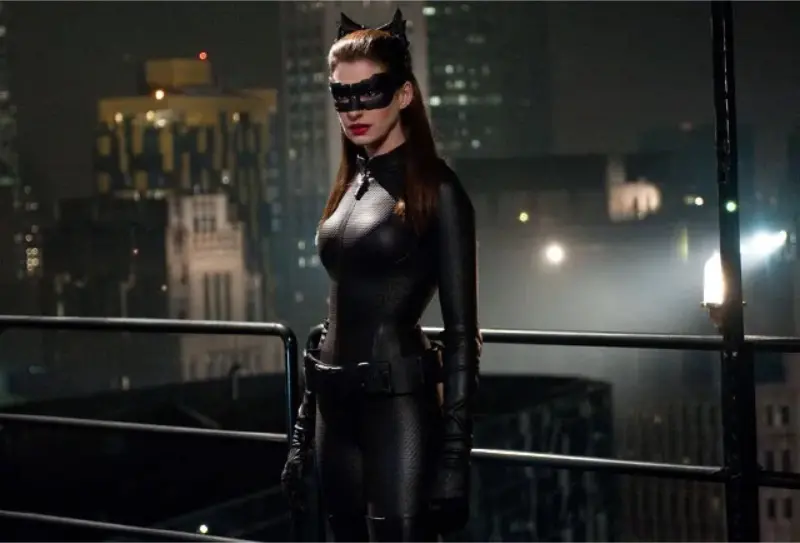
Selina Kyle appeared in ‘Batman Returns’, ‘Catwoman’, and ‘The Dark Knight Rises’, each with a distinct look. Michelle Pfeiffer wore a stitched vinyl suit that reflected Tim Burton’s gothic aesthetic. Halle Berry’s version leaned into a standalone story with a separate mythology. Anne Hathaway’s take used tactical gear that integrated night vision into the domino mask.
Across versions, the character’s thief background informed whip work, acrobatics, and rooftop chases. Production design often positioned her against moody skylines and narrow alleys that suited stealth movement. Vehicles like the Batpod and carefully choreographed vault break ins turned agility into a recurring visual motif.
Tyler Durden
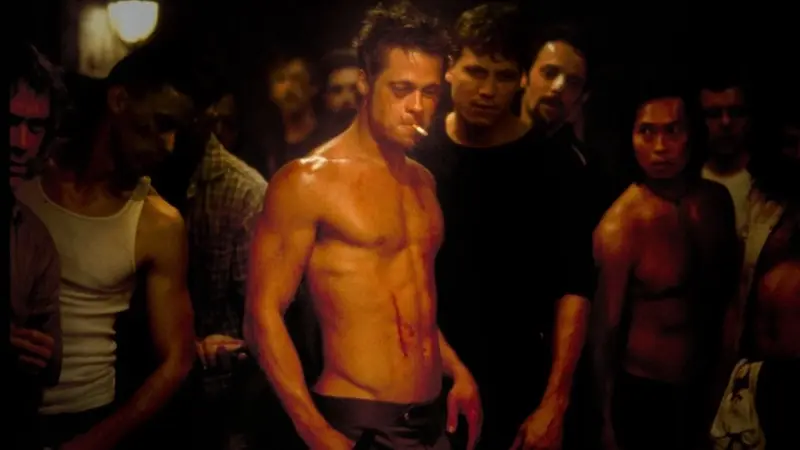
Brad Pitt portrayed Durden in ‘Fight Club’, with a wardrobe anchored by a red leather jacket, patterned shirts, and tinted sunglasses. Costume designer Michael Kaplan and the art department selected thrifted pieces that photographed with texture under low light. Hair and makeup choices added a rough edge that fit the underground setting.
Cinematography by Jeff Cronenweth and production design by Alex McDowell created a world of basements, abandoned buildings, and neon signs. The soap making process and fight scenes supplied recurrent props and set pieces that defined the character’s routine. Editorial flashes and subliminal frames became part of the film’s visual grammar.
Aragorn
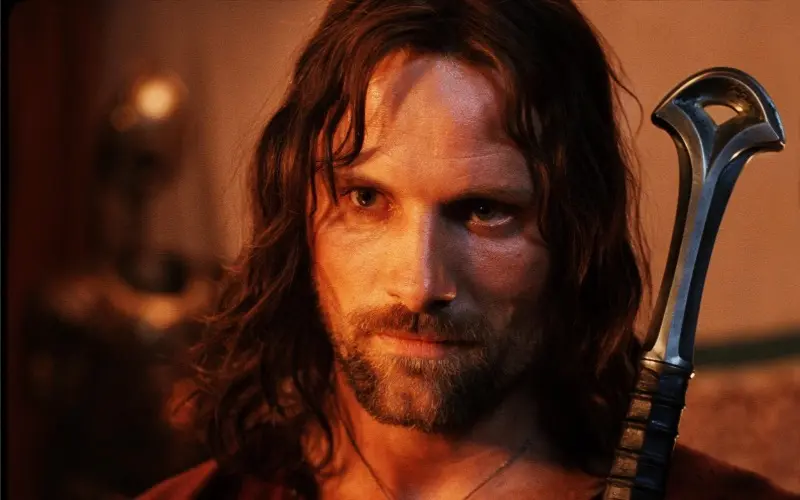
Viggo Mortensen played Aragorn across ‘The Lord of the Rings’ trilogy with a progression from ranger to king. Wardrobe by Ngila Dickson used weathered leathers, travel cloaks, and later royal armor to signal status changes. The reforged sword Andúril served as a narrative and visual anchor that connected flashbacks to present events.
Stunt teams trained the cast in horseback riding and sword work for large scale battles. New Zealand locations gave the character sweeping mountain and forest backdrops that emphasized journey and duty. Scenes at Helm’s Deep and the Pelennor Fields combined practical extras with visual effects to frame leadership on the battlefield.
Holly Golightly
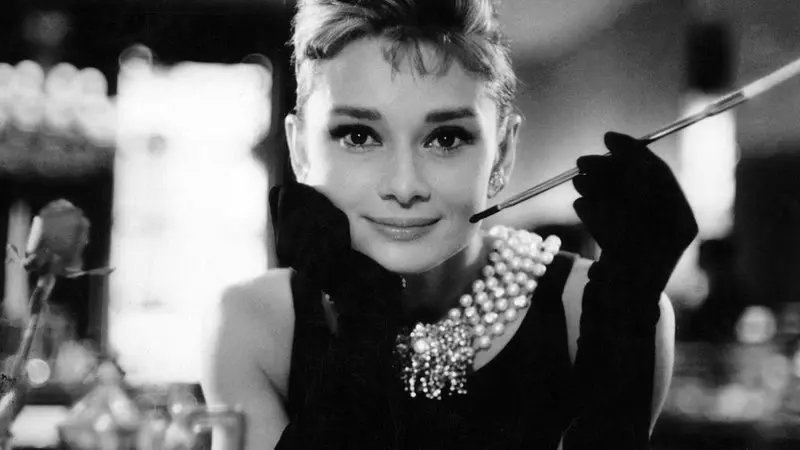
Audrey Hepburn defined the role in ‘Breakfast at Tiffany’s’ with a collaboration that paired her performance with Hubert de Givenchy’s designs. The black dress, pearls, and updo created a silhouette that worked in close ups and street scenes. Oversized sunglasses and gloves rounded out a look that translated easily to still photography.
The film used New York exteriors such as Fifth Avenue and the brownstone facade to ground her daily routine. The windowsill performance of ‘Moon River’ linked character and theme through a simple arrangement and natural light. Retail displays and fashion editorials echoed the wardrobe choices long after release.
Eric Draven
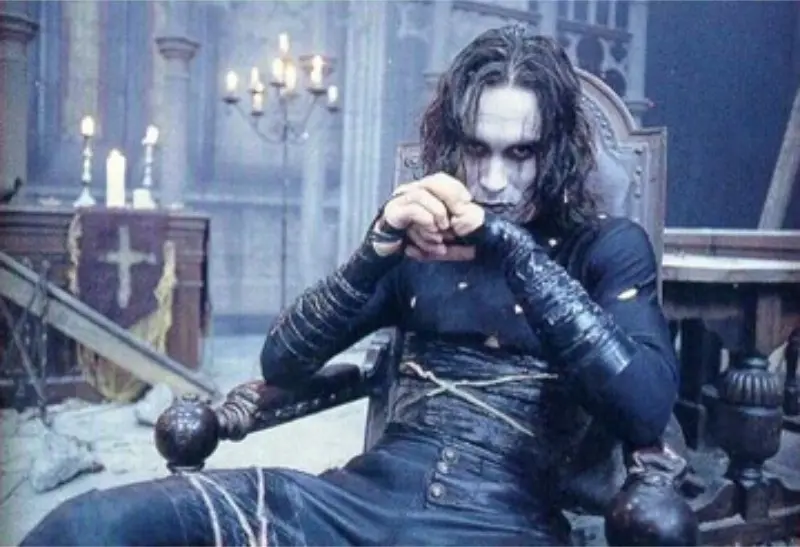
Brandon Lee’s portrayal in ‘The Crow’ used monochrome makeup, black leather, and long coat lines to set tone. The character’s look came together through a tight palette that worked with rain, night shooting, and sodium vapor streetlights. Cinematography emphasized reflections and wet surfaces to add depth to city alleys and rooftops.
The story’s rock influences shaped poster art, soundtrack choices, and club scenes that framed the character’s movements. Stunt work included rooftop runs and guitar carrying beats that became recurring images. The film’s visual style influenced music videos and comic adaptations that followed.
Cleopatra
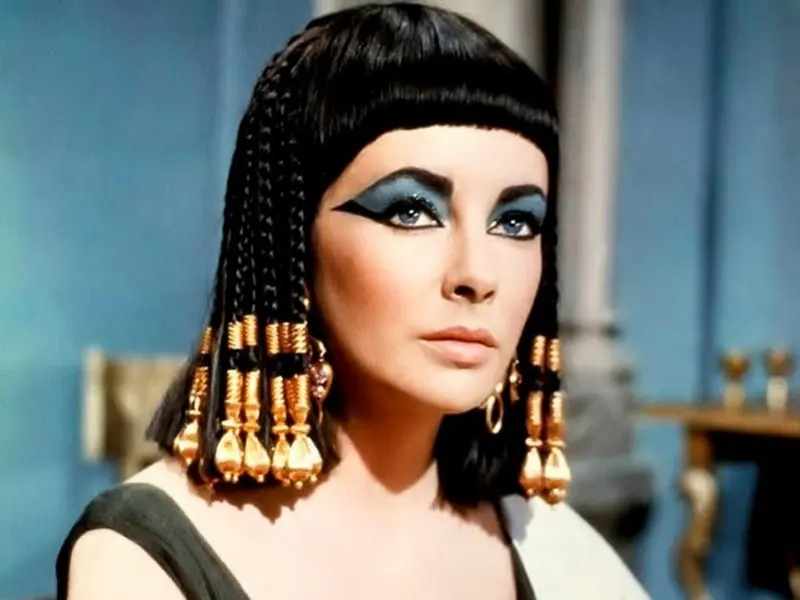
Elizabeth Taylor headlined ‘Cleopatra’ with elaborate headdresses, jeweled collars, and detailed eye makeup that defined the character’s on screen presence. Wardrobe construction involved hundreds of costumes designed to read clearly in wide shots and processions. The production’s focus on ceremony and spectacle placed costume and set design at the forefront.
Massive sets and crowd scenes created grand entrances that highlighted color and symmetry. Publicity around the film linked the character to international press coverage and studio history. The partnership with Richard Burton drew attention to the project and kept the imagery in magazines and posters for years.
Share the movie character you would add to this list in the comments.