The Saddest Ending Scenes in Movie History

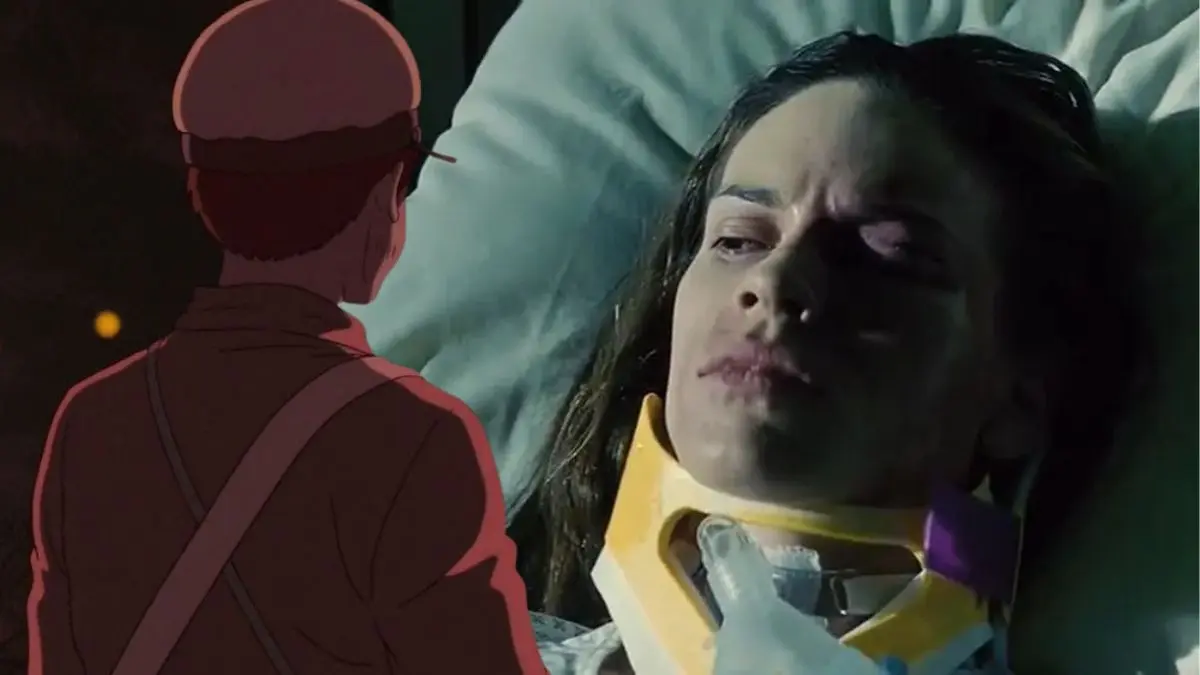

Some endings do more than wrap up a story. They bring together everything a film has been building toward and present a final image or revelation that lingers long after the credits. These scenes often rely on careful setup, precise performances, and music or sound design that guide the moment without calling attention to themselves.
This list looks at famous final scenes and explains what actually happens in them and how the filmmakers shaped those moments. You will find key context, where the scene sits in the narrative, and details about how each ending was staged or adapted from earlier material.
‘Schindler’s List’ (1993)
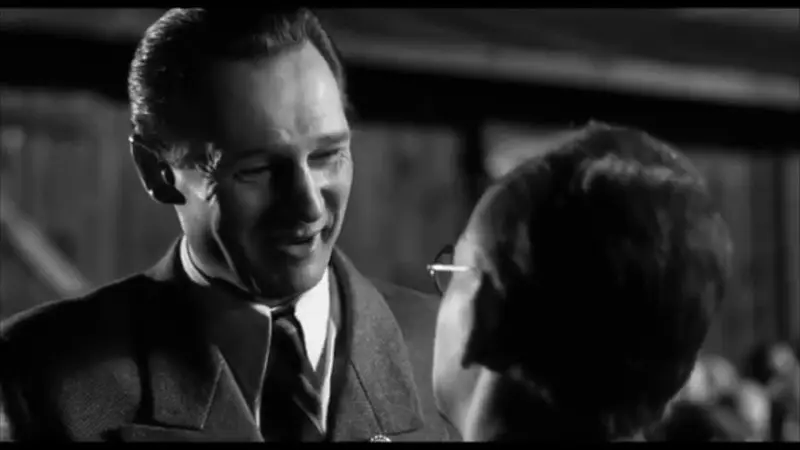
The film closes with a graveside visit in Jerusalem where the real survivors saved by Oskar Schindler walk with the actors who portrayed them and place stones on his grave. The closing montage follows the narrative’s final accounting in which Oskar is given a ring engraved with a well known Talmudic line and leaves the factory after arranging the workers’ safety.
Director Steven Spielberg shot the feature primarily in black and white and reserved selective color at specific points, while the ending switches to contemporary footage of the survivors to connect the dramatization with documented history. The production coordinated with the survivors and their families for the final sequence, which is set apart by its documentary approach and restrained musical cue.
‘Grave of the Fireflies’ (1988)
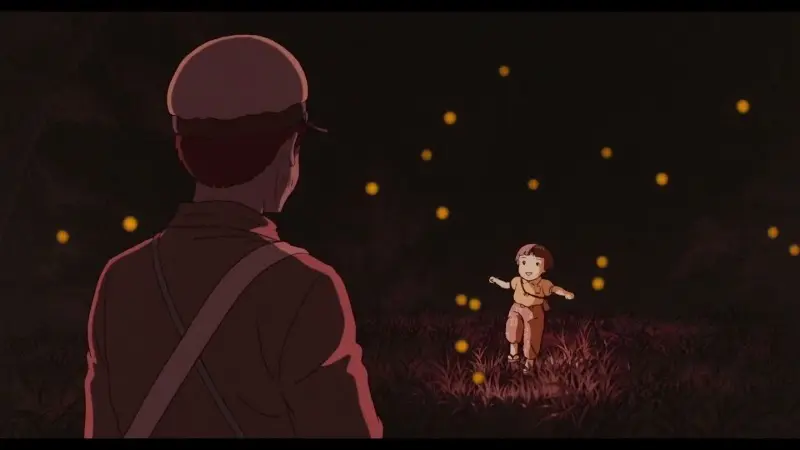
The ending returns to the framing device at a train station and then shows the siblings’ spirits on a hillside looking over a modern city. The narrative has already revealed the fate of both children, and the closing images serve as a quiet epilogue to the story inspired by Akiyuki Nosaka’s semi autobiographical short novel.
Director Isao Takahata and Studio Ghibli used background art and lighting choices that contrast wartime scarcity with later urban brightness. The structure begins with an outcome and circles back to it, so the last scene functions as a visual coda that pairs loss with remembrance rather than a final plot twist.
‘The Mist’ (2007)
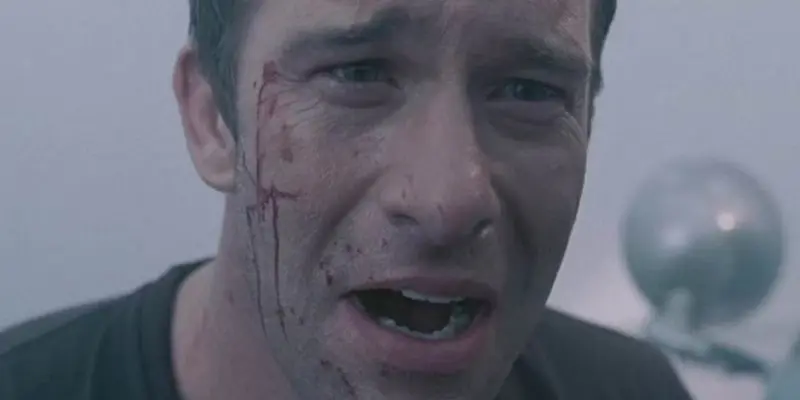
After days trapped in a supermarket, David drives a small group into the fog until the car runs out of fuel. Convinced there is no hope, he uses the last bullets to kill the others, including his son, then steps outside to face the creatures and instead watches the military roll in to clear the area.
Writer director Frank Darabont created this ending for the film since Stephen King’s original novella concludes differently. King publicly supported the new conclusion, and the production shot it in a tight schedule with practical effects and digital mist to preserve the sense of confinement up to the final reveal.
‘Million Dollar Baby’ (2004)
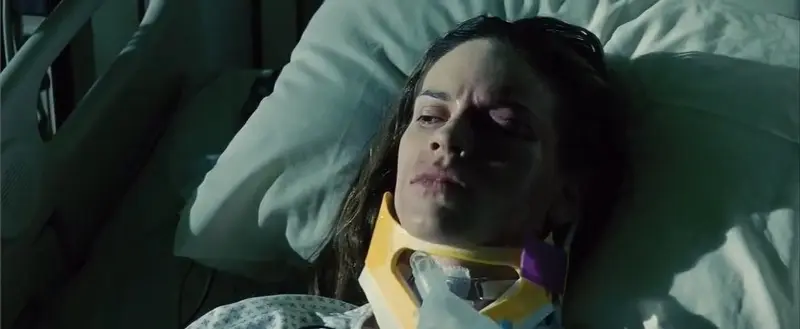
In the hospital after a catastrophic injury in the ring, Maggie asks Frankie to help end her life. He visits at night, speaks to her, and does what she requested, then disappears from the boxing gym and leaves an unanswered question about where he went afterward.
Clint Eastwood directed and starred, and the screenplay by Paul Haggis adapts stories by F X Toole. The film gradually reveals the translation of the Gaelic phrase on Maggie’s robe, and the ending ties that thread to Frankie’s last note and the quiet staging of the hospital scene.
‘Brokeback Mountain’ (2005)
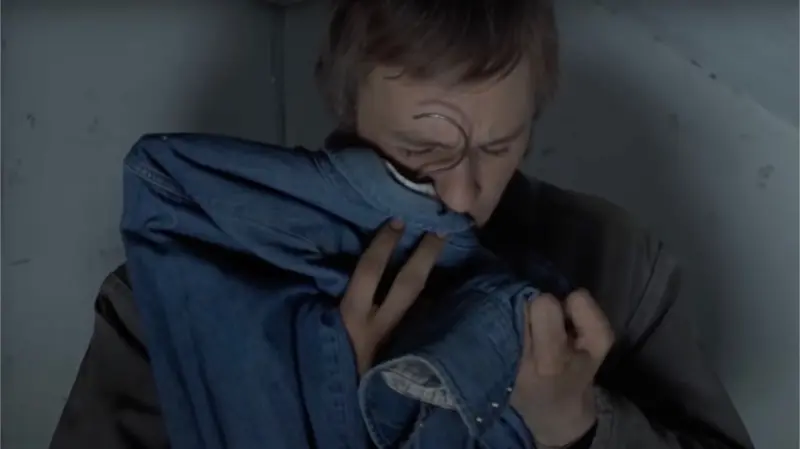
Ennis visits Jack’s family home and finds two shirts hidden in a closet, one inside the other, stained from their earlier fight on the mountain. He takes the shirts with him, pins a postcard of the mountain above them in his trailer, and closes the door after a short promise spoken to no one present.
Directed by Ang Lee and adapted from Annie Proulx’s short story, the film places the ending in a confined domestic space rather than an outdoor setting. Wardrobe and props carry the memory of the earlier trip, and the camera lingers on the shirts and the postcard to make the keepsakes the final image.
‘Cinema Paradiso’ (1988)
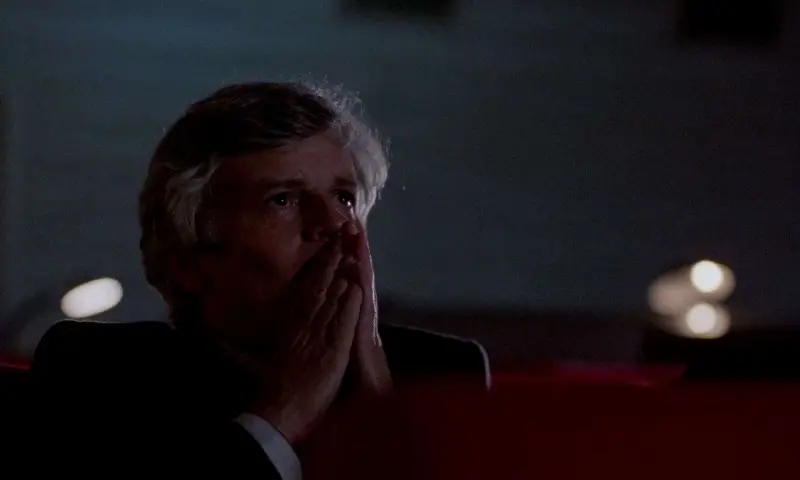
Adult filmmaker Salvatore receives a reel left to him by Alfredo and screens it alone. The film is a compilation of kisses and embraces that had been cut by local censors from the prints shown in the village theater, spliced together by the projectionist and saved for years.
Giuseppe Tornatore directed and used clips from classic films to build the montage, which was assembled with attention to pacing and music by Ennio Morricone. The closing sequence connects to earlier scenes where the priest signals cuts with a bell, and the recovered reel restores what the audience never saw during the village’s screenings.
‘One Flew Over the Cuckoo’s Nest’ (1975)
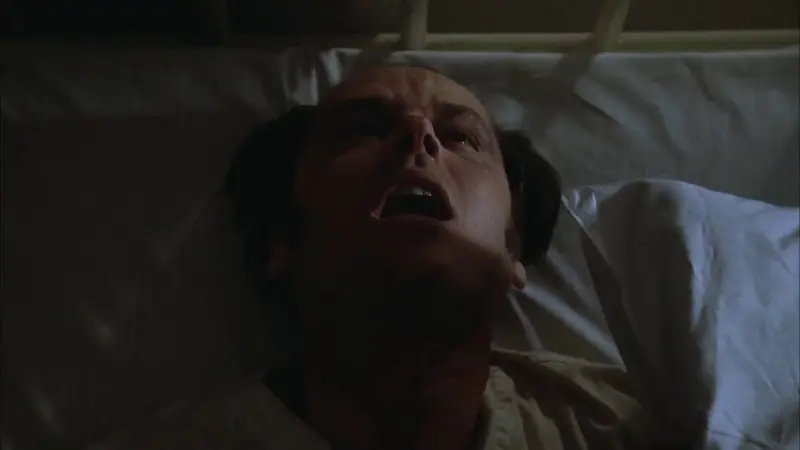
After a lobotomy leaves McMurphy unresponsive, Chief Bromden suffocates him with a pillow to spare him the fate he now faces. Chief then lifts the heavy hydrotherapy console he had trained to move, smashes a window, and runs into the night while the ward wakes to the sound of breaking glass.
Miloš Forman shot the film at Oregon State Hospital, and several patients and staff appeared on screen. The final escape fulfills a promise made earlier in the story, and the prop that seemed immovable becomes the means of exit once Chief has decided on his course.
‘Titanic’ (1997)
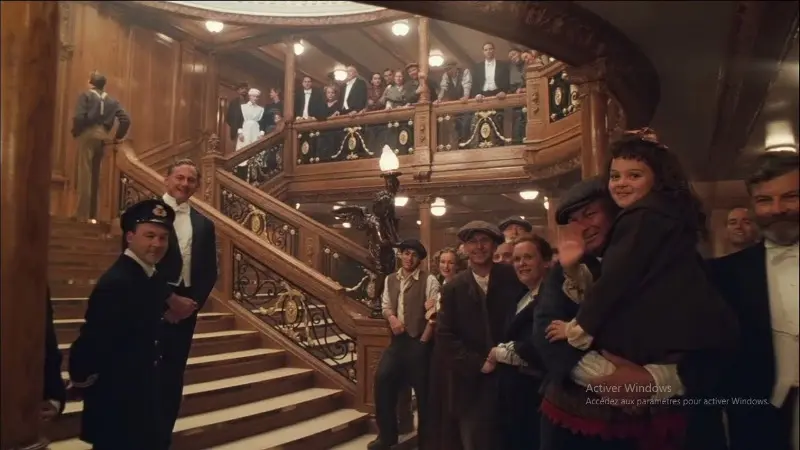
At the end of her story, Rose walks to the stern of the research ship and drops the Heart of the Ocean into the sea. The final sequence then returns to the ocean liner’s grand staircase where Jack waits, framed by passengers and crew, in a scene presented as either a dream or a passage at the close of her life.
James Cameron combined live expedition footage of the wreck with large scale sets and miniature work for the film’s shipboard scenes. The blue diamond is a fictional creation that echoes famous real stones, and the last image resolves the present day storyline that began with the salvage team’s search.
‘La La Land’ (2016)
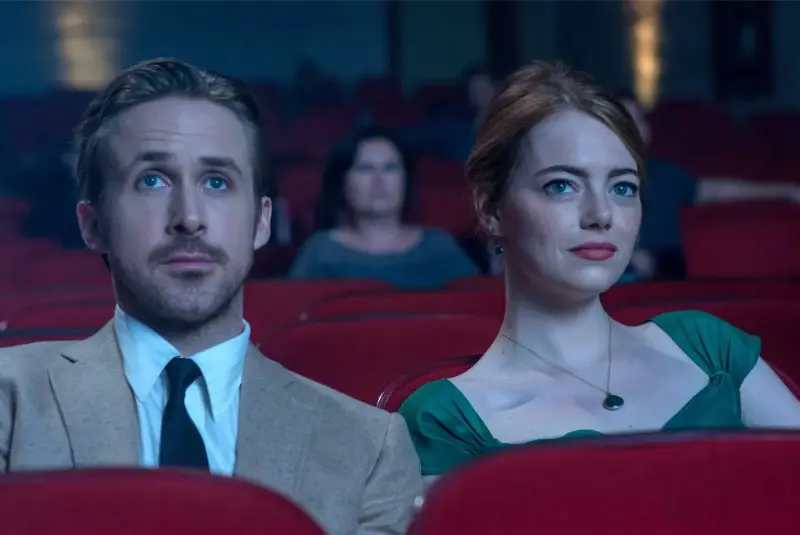
Mia and Sebastian lock eyes in his club and imagine an alternate life together in a wordless epilogue that revisits the film’s key locations. The sequence rewrites their shared history into a version where timing always works, then returns to the present as they exchange a final look.
Damien Chazelle staged the epilogue as a continuous suite with original music by Justin Hurwitz, quoting themes heard earlier in the film. The production used sets and Los Angeles landmarks with lighting that shifts from rehearsal warmth to stage brightness, and the editing brings the imagined timeline back to the quiet of the club.
‘Toy Story 3’ (2010)
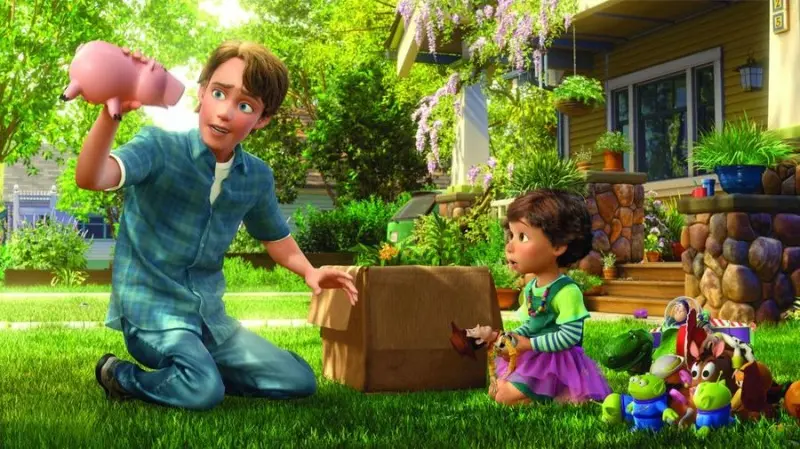
Andy visits Bonnie’s house to donate his toys and plays with them one last time on the front lawn. He introduces each toy by name, then hands Woody over and drives away while the toys watch from their new home.
Director Lee Unkrich and Pixar positioned the ending as a handoff to a new owner after the daycare escape. The scene was animated with close attention to eye lines between human and toys, and Randy Newman’s closing song follows the spoken farewell as the camera lifts to a wide view of the neighborhood.
Share the ending that has stayed with you the longest in the comments and tell us why it stands out for you.