10 TV Show Moments That Are Impossible to Forget


Some scenes on television become reference points that viewers bring up for years. They change how people talk about a show, spark conversations in living rooms, and turn episode names into shared shorthand. These moments come from careful writing and planning that set up payoffs the audience can track all the way back to earlier episodes.
Behind the scenes, crews build elaborate sets, coordinate stunts, and manage music and editing choices that lock these scenes into memory. Cast and directors align on timing, blocking, and performance so the result lands exactly as intended. The entries below highlight what happened on screen and how the people making the shows pulled it off.
The Red Wedding in ‘Game of Thrones’
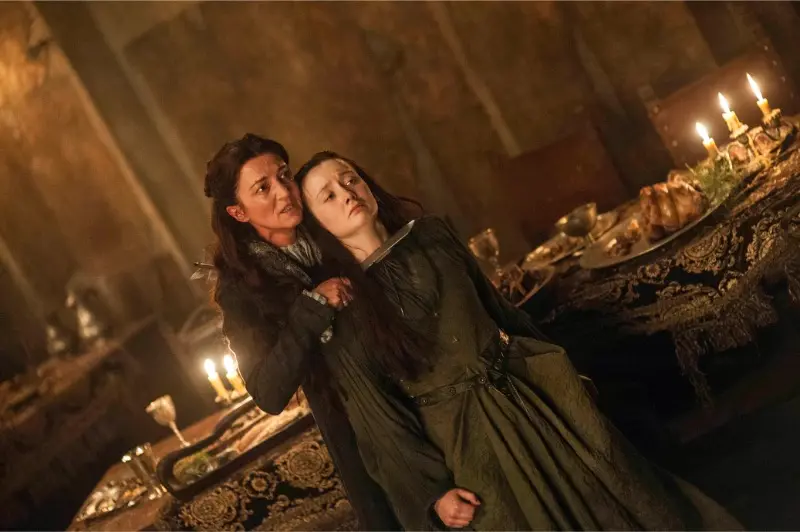
In the episode ‘The Rains of Castamere’, the wedding at the Twins becomes a mass killing that removes key members of House Stark in a single sequence. The scene uses the sudden switch from celebration to silence to signal the betrayal, then stages the violence across multiple rooms so the audience tracks the collapse of the entire party at once. The camera returns to family members and bannermen to show the scale of the loss.
Production planned the day with extensive stunt coordination and blood effects to cover multiple performers and costumes in a confined set. The moment follows story beats from the third book in the source material, with the script preserving the shock while adjusting character placements for television pacing. Composer Ramin Djawadi’s placement of the song within the diegetic celebration sets up the reveal before it turns.
Gus Fring’s last walk in ‘Breaking Bad’
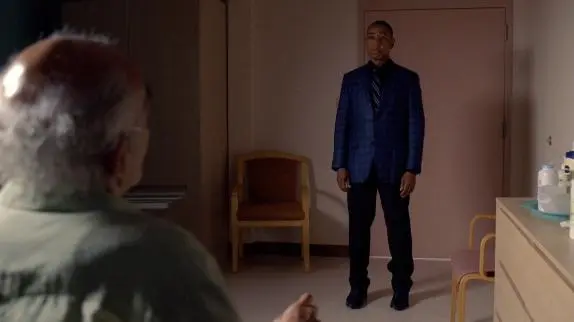
The showdown at Casa Tranquila uses Hector Salamanca’s wheelchair as the device that triggers the explosion that kills Gus Fring. The sequence intercuts Walter White and Jesse Pinkman’s plan with Gus’s final visit so viewers understand every step of the setup, then holds on a quiet beat as the bomb detonates. Gus’s exit from the room reveals his injuries in a single composed shot before he collapses.
The effect combines practical prosthetics and digital work to create the brief full view of Gus’s face. The team coordinated pyrotechnics with safety windows and multiple camera angles, while the director staged the approach and exit to maximize the reveal. The episode title ‘Face Off’ signals the confrontation and completes a season long arc with a clearly executed final move.
The final cut to black in ‘The Sopranos’
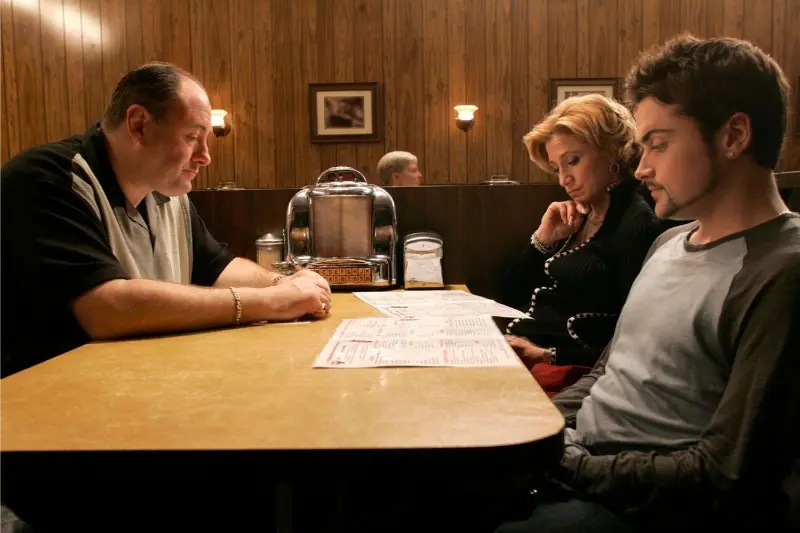
The last scene sets Tony Soprano and his family at a diner while small details build a pattern of entrances, glances, and musical cues. The camera cuts between Tony, family members, and patrons as the tension rises, then the picture cuts to black without showing what happens next. The abrupt silence and lack of credits start a wave of immediate reactions from viewers.
Filming took place at a real New Jersey ice cream parlor with the crew carefully placing extras and positioning the booth for repeated over the shoulder shots. The song choice sets a consistent beat that continues right up to the blackout. The director planned the exact edit point in advance and protected the ending with a closed set and minimal script distribution.
The Child reveal in ‘The Mandalorian’
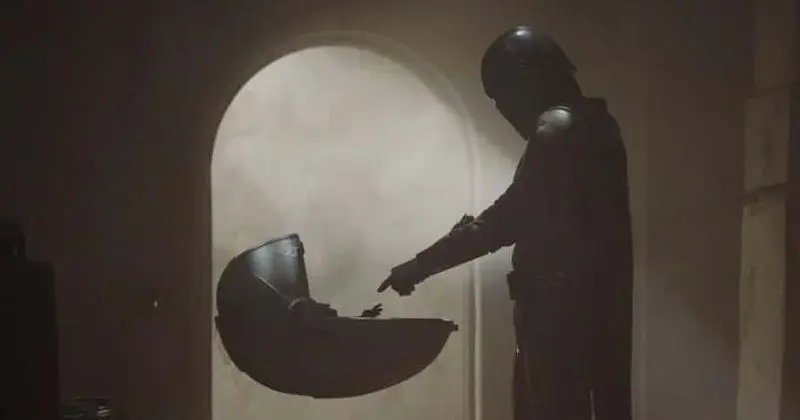
The first chapter ends with the bounty target revealed as an infant of Yoda’s species, later named Grogu. The story sets up the bounty as valuable and mysterious, then frames the reveal from the Mandalorian’s point of view so viewers discover the Child at the same moment. The scene closes with the extended finger touch that confirms the new bond.
The production kept the character design secret by holding back early merchandise and controlling marketing images. The puppet was created with animatronics and on set operators so actors could perform with a physical counterpart. The crew built a compact crib prop with lighting that let the camera capture close ups without revealing the set around it.
Ross says the wrong name in ‘Friends’
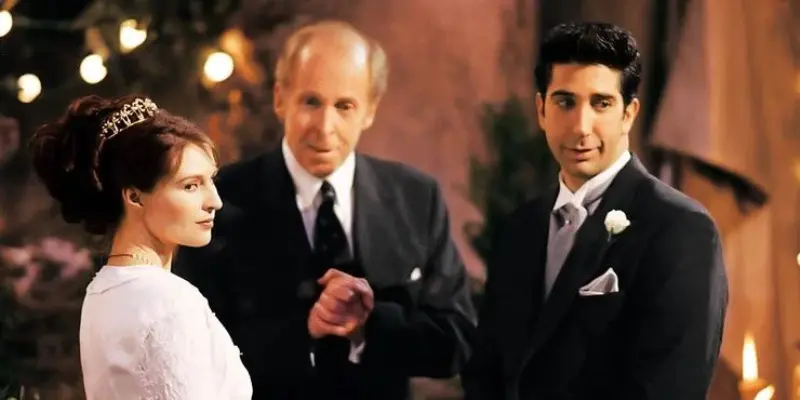
The wedding scene in London reaches the vows and Ross says Rachel’s name instead of Emily’s. The moment lands after a run of episodes that tracked Ross’s lingering feelings and the complexities of planning the ceremony abroad. The camera isolates reactions around the room so viewers read each character’s response in sequence.
Production mounted location work in London for exterior scenes and used studio sets for the aisle and altar to control sound and blocking. The two part finale structure let writers build the setup with travel and guest cameos before reaching the ceremony. The episode orders placed this event at the season close so the fallout could carry into the next run.
The reveal of the shooter in ‘The Simpsons’ mystery
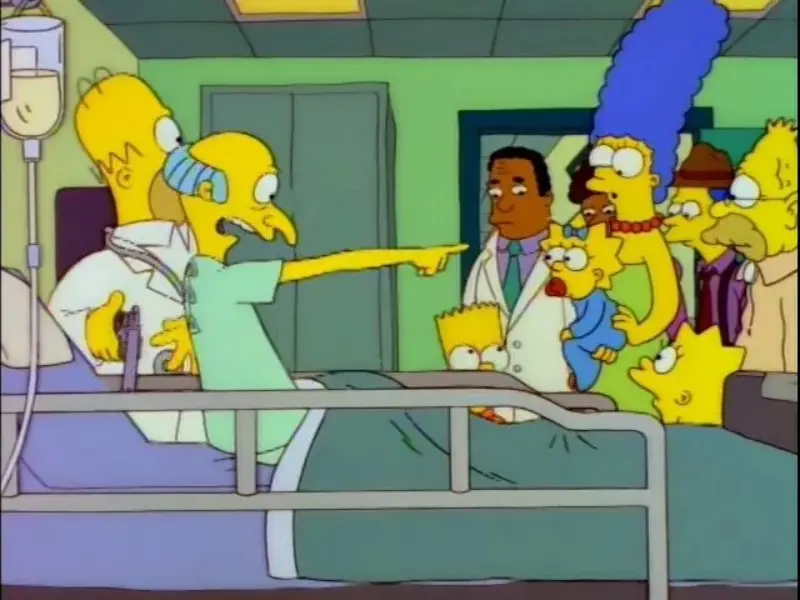
‘Who Shot Mr. Burns’ ends its first part with the shooting and opens the second part by sifting through an entire town of suspects. The reveal that Maggie pulled the trigger by accident resolves the mystery while fitting the show’s style of cause and effect gags. The writers plant clues across scenes so viewers can rewatch and spot them after the answer is known.
The production designed the cliffhanger to bridge a break in the schedule and invited audience speculation with promos and contests. Storyboards mapped the reveal to ensure each suspect got screen time without slowing the outcome. Voice actors recorded alternate lines to preserve secrecy and to head off leaks from early cuts.
Max runs from Vecna in ‘Stranger Things’
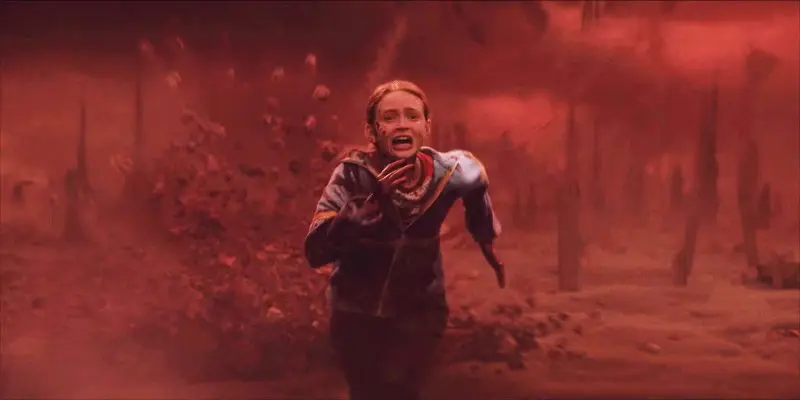
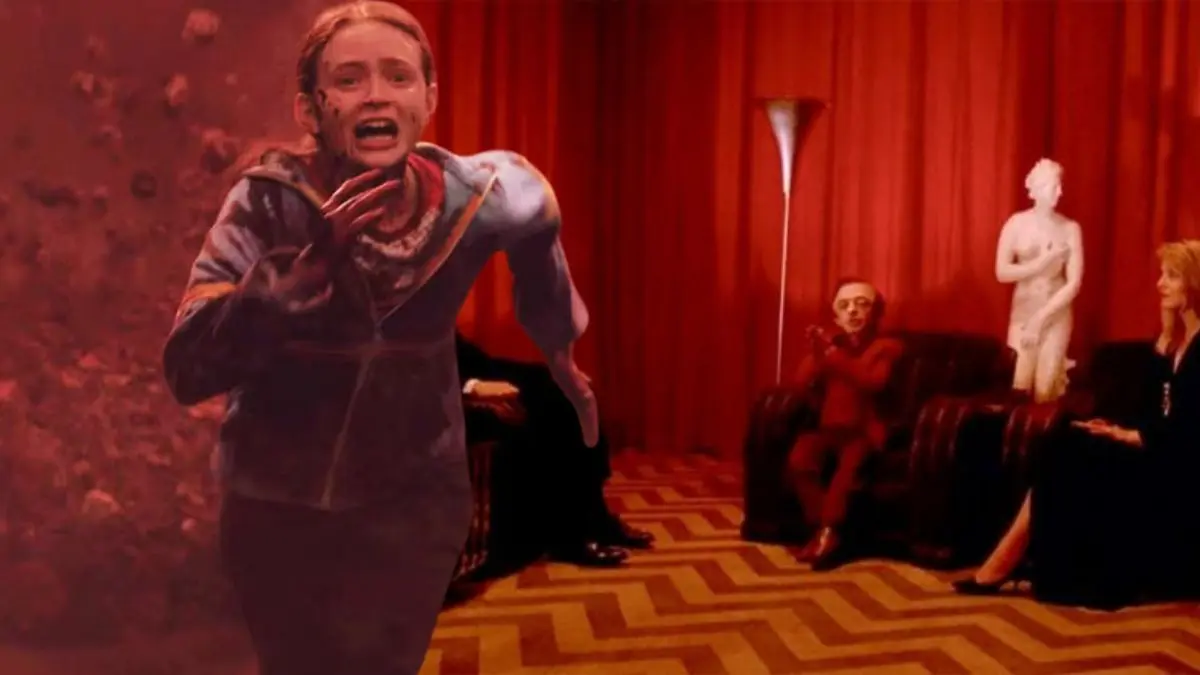
The cemetery sequence centers on Max as she escapes Vecna’s grip while a familiar song plays through her headphones. The scene cuts between the supernatural realm and the real world where friends work to keep the music going, then shows Max sprinting toward the opening before the vision closes. Visuals combine floating debris, shifting landscapes, and tight close ups to keep the focus on her effort to break free.
The production negotiated music rights early because the song would be used repeatedly across the season. Wire work and stunt doubles supported the running and falling beats while visual effects teams extended the environment in post. Editors matched the tempo of the song to jump cuts and slow motion so the action aligned with the track’s build.
The plane crash opener in ‘Lost’
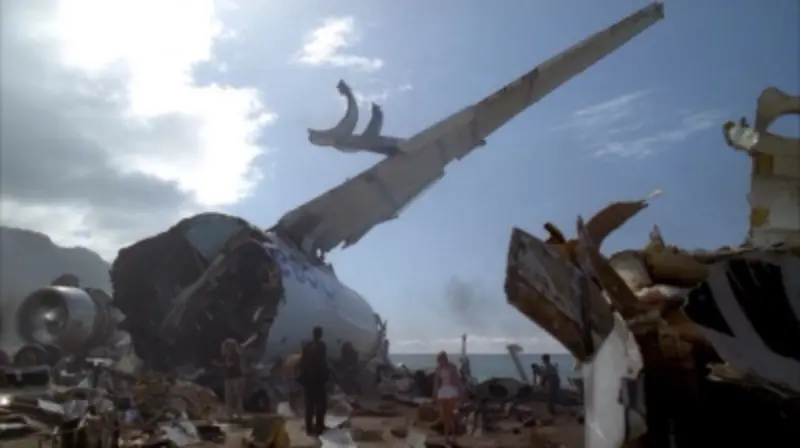
The pilot begins with Jack awakening in a bamboo grove and running to the beach where the wreckage is still active. The sequence moves through spinning engines, fires, and injured passengers to establish characters and stakes in minutes. The camera follows practical effects that keep the chaos close to the ground.
Filming took place on Oahu with a real aircraft fuselage sourced for the set. The crew laid out the crash site on the sand so ambulances, engines, and debris could be staged in safe zones while still appearing crowded. The pilot’s large scale required extra background performers and coordination with local authorities for beach access and safety measures.
Negan’s lineup in ‘The Walking Dead’
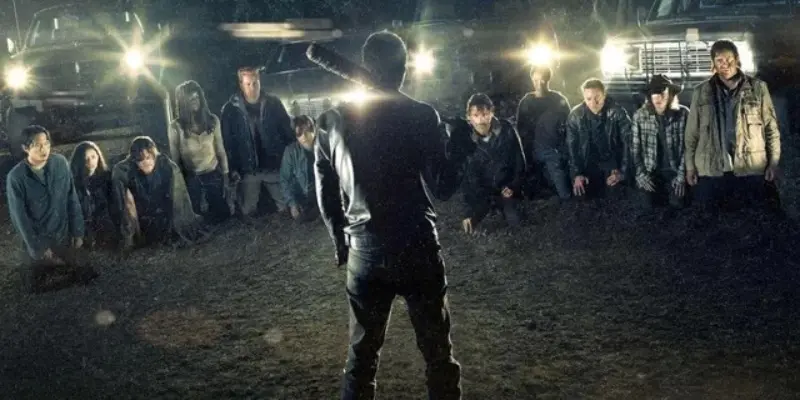
The season finale brings the group to a clearing where Negan forces them to kneel, then the next premiere shows the results of his choice. The scene introduces Negan through his speech and the bat he calls Lucille while the camera moves along the line of captives. The editing leaves the victim’s identity unresolved until the follow up episode shows the full outcome.
The two episode structure allowed the production to stage a nighttime set with controlled lighting and a repeating crane move for the circle of faces. The director used point of view shots from the victim to hold the reveal. Makeup and practical effects teams prepared multiple head injury gags that could be executed on cue when the reveal came.
The Red Room dream in ‘Twin Peaks’
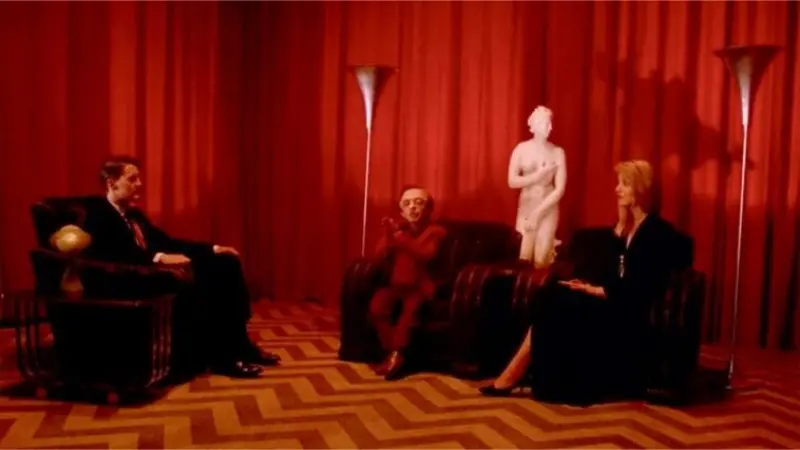
Agent Dale Cooper’s dream places him in a room with red curtains where a figure speaks in a distinctive reversed manner. The sequence introduces symbols and characters that connect to the central murder investigation while operating in a different visual language from the rest of the episode. The slow pacing and choreographed gestures guide the viewer through the dream’s logic.
The dialogue was recorded by having actors speak lines backward, then reversing the audio so the cadence became otherworldly. Choreography set footwork and hand motions to sync with the reversed delivery. The production reused the set for later episodes and refined lighting cues so the room’s look stayed consistent whenever the story returned.
Share the TV moment you still think about in the comments and tell us which scene we should add next.