The Most Complex Female Movie Villains Ever Created


Some antagonists are frightening because of what they do. Others linger because of why they do it. The most layered female villains on film are written with specific histories, methods, and choices that make their actions feel grounded inside a larger plan. You can track what they want, how they adapt, and the precise tools they use to get there.
This list looks at characters who drive a story through strategy, restraint, or relentless follow through. Each entry notes the actor, director, and the key beats that define the character on screen. You will also see the studio that put the film into theaters mentioned in passing, so you know where each release came from without taking the spotlight off the character.
Amy Dunne in ‘Gone Girl’ (2014)
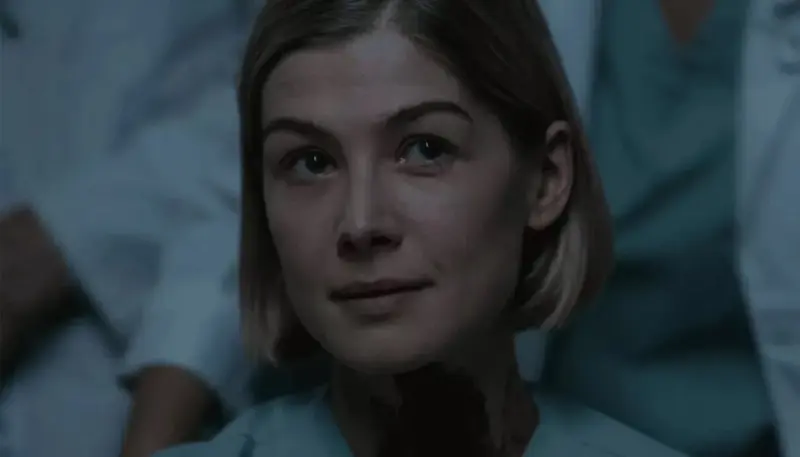
Rosamund Pike plays a missing wife who turns a domestic crisis into a national spectacle. The character builds a false diary, stages scenes, and times every move to match media rhythms. The film is directed by David Fincher and adapted from Gillian Flynn’s novel, with a plot that tracks police procedure, public reaction, and a marriage’s paper trail.
The story shows a plan that shifts from disappearance to reinvention as circumstances change. Financial records, staged injuries, and planted evidence are used as levers, and each lever ties back to a specific goal. The film was released by 20th Century Fox.
Annie Wilkes in ‘Misery’ (1990)

Kathy Bates portrays a former nurse who rescues a novelist from a car crash and confines him in her home. The character controls pain medication, enforces rules around writing, and isolates the patient from outside contact. The film is directed by Rob Reiner from Stephen King’s book, with most of the action contained inside a single rural house.
The methods include injury management, routine checks, and strict oversight of the manuscript’s direction. The character uses medical knowledge and household tools to limit movement and to compel work on a specific story outcome. The film was released by Columbia Pictures.
Catherine Tramell in ‘Basic Instinct’ (1992)
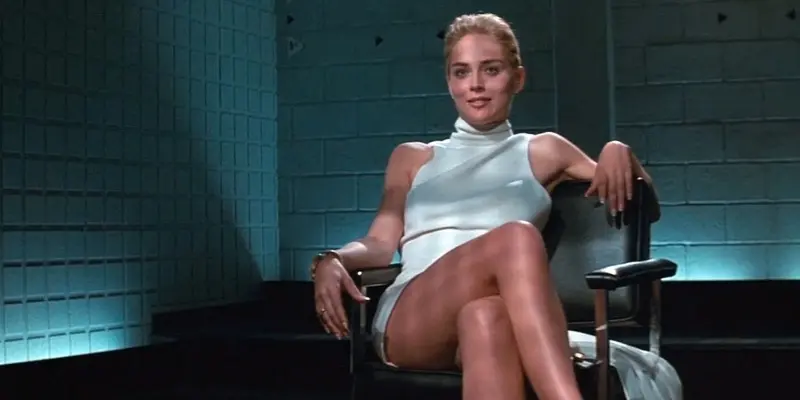
Sharon Stone plays a crime novelist who becomes the focus of a homicide investigation. The character uses interviews, published fiction, and personal relationships to steer police attention. The film is directed by Paul Verhoeven and follows detectives through San Francisco locations that mirror scenes from the character’s books.
Evidence is arranged to create plausible alternatives, and prior connections to victims are acknowledged and repurposed. The interrogation scene, the club sequence, and the empty apartment all operate as settings where control is tested in real time. The film was released by TriStar Pictures.
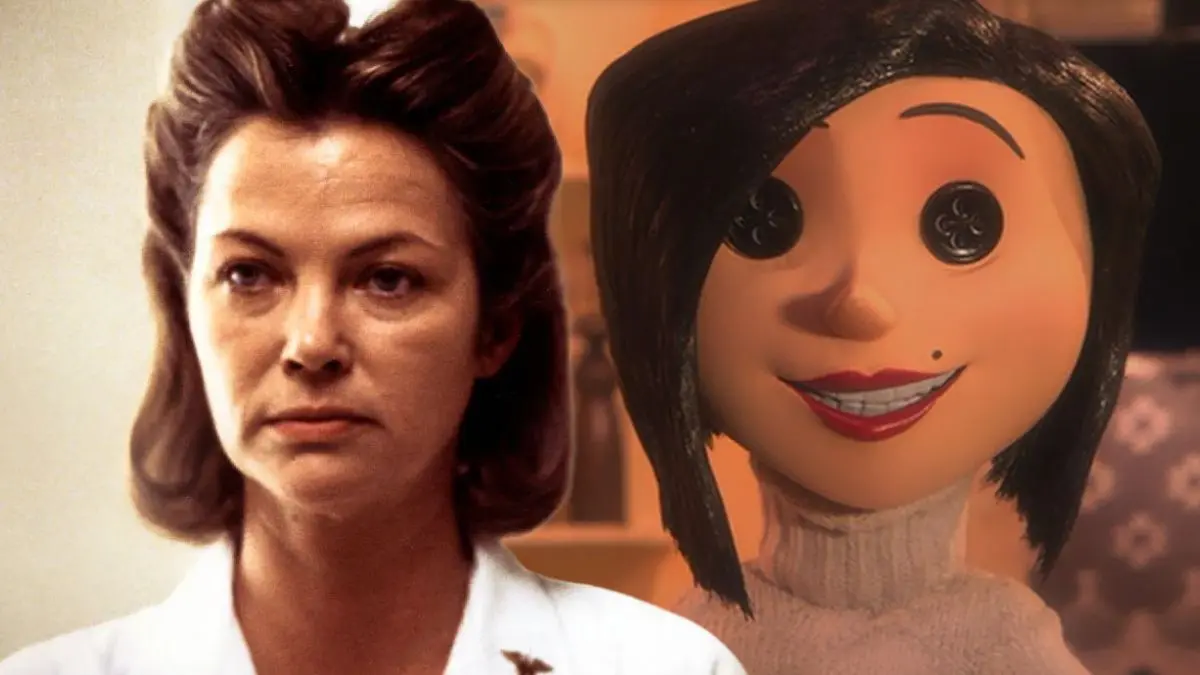
Nurse Ratched in ‘One Flew Over the Cuckoo’s Nest’ (1975)
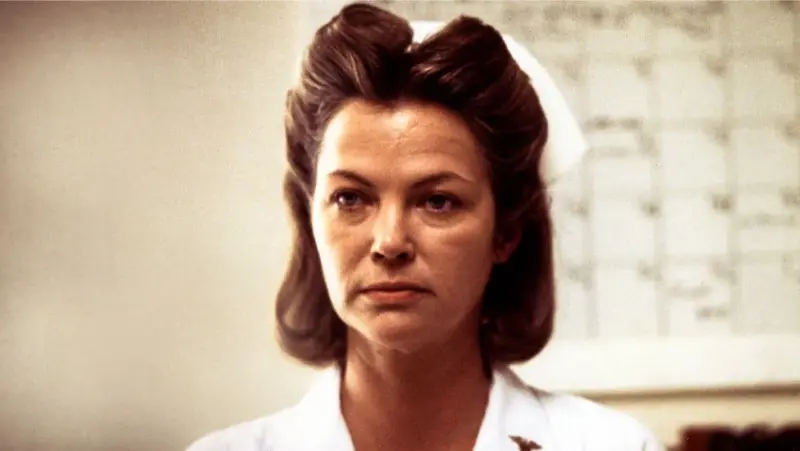
Louise Fletcher plays the head nurse who manages a psychiatric ward through routine and policy. The character’s authority is expressed through medication schedules, group sessions, and privilege approvals. The film is directed by Miloš Forman and places the staff patient dynamic inside a locked institution with clear chains of command.
Escalation unfolds through incident reports, disciplinary measures, and administrative hearings. The character keeps leverage by documenting behavior, setting consequences, and using institutional backing to close options for resistance. The film was released by United Artists.
Phyllis Dietrichson in ‘Double Indemnity’ (1944)
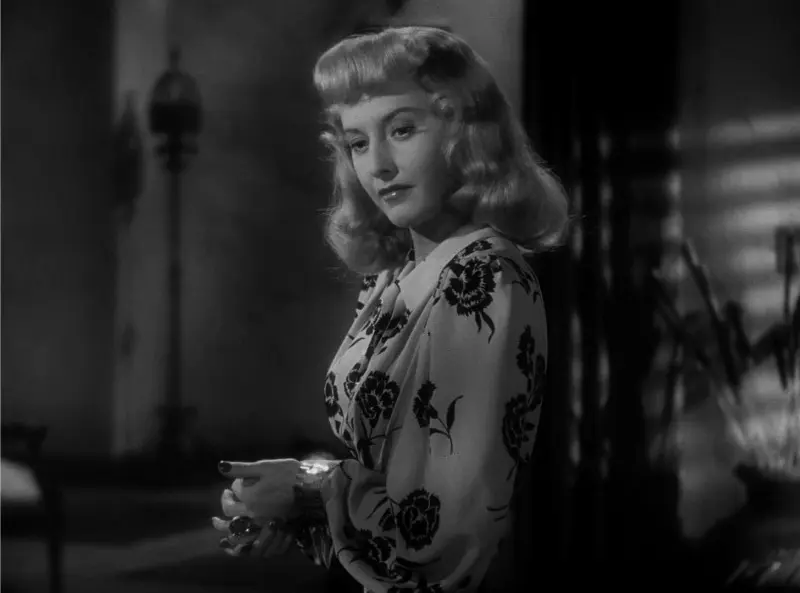
Barbara Stanwyck plays a housewife who partners with an insurance salesman to trigger a life policy’s special payout. The character initiates the plan with questions about coverage terms, then moves to signatures, alibis, and a travel schedule that matches the policy’s fine print. The film is directed by Billy Wilder from a James M. Cain story.
Key steps include disguising the insured party’s movements, creating witnesses who remember the wrong details, and delivering the claim before suspicion hardens. The action revolves around the double indemnity clause and an investigating adjuster who tracks inconsistencies. The film was released by Paramount Pictures.
Alex Forrest in ‘Fatal Attraction’ (1987)
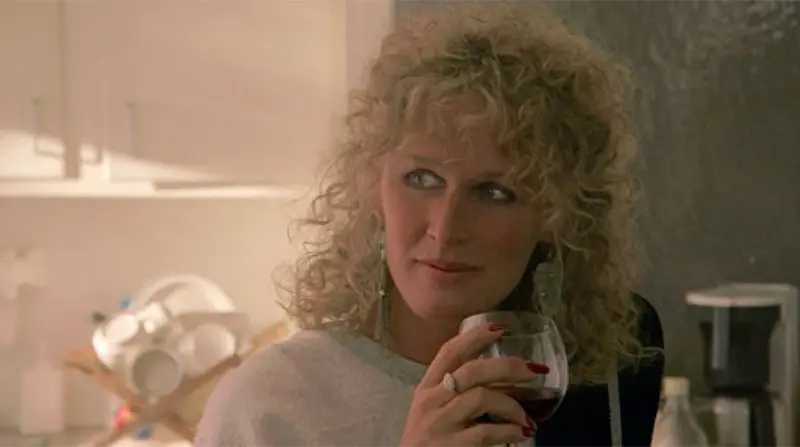
Glenn Close plays a New York editor whose brief affair with a married man turns into a sustained intrusion. The character uses phone calls, workplace visits, and contact with the family to keep the relationship active. The film is directed by Adrian Lyne and shows how private choices ripple through home and office settings.
The escalation follows a pattern of appearance, threat, and temporary calm, with each step widening the damage. The home is targeted, the child’s safety is endangered, and the couple’s routines are disrupted in ways that cannot be hidden. The film was released by Paramount Pictures.
Bellatrix Lestrange in ‘Harry Potter and the Order of the Phoenix’ (2007)
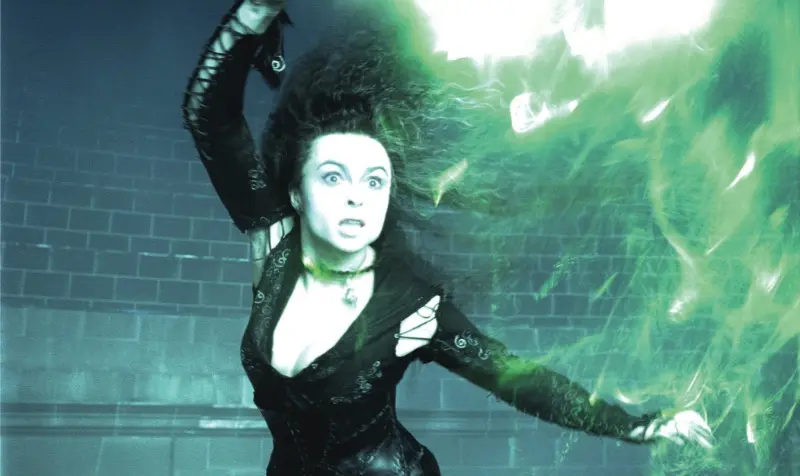
Helena Bonham Carter plays a Death Eater who returns to serve Voldemort after a prison break. The character is tied to a pure blood lineage and to the Black family tree, which places her inside several alliances that matter to the larger conflict. The film is directed by David Yates and stages major confrontations in the Ministry of Magic.
Actions include the battle in the Department of Mysteries, the killing of Sirius Black, and coordination with other followers during the prophecy pursuit. The costume, wandwork, and vocal choices stay consistent across scenes that involve duels and covert movement. The film was released by Warner Bros. Pictures.
Hela in ‘Thor: Ragnarok’ (2017)

Cate Blanchett plays the firstborn of Odin who returns to claim Asgard. The character destroys Mjolnir, raises armies from the dead, and rebrands the royal narrative to restore a history erased from public view. The film is directed by Taika Waititi and positions the conflict across Asgard and the scrapyard world of Sakaar.
Strategy includes control of the Bifrost, recruitment through fear, and symbolic displays in the throne room that rewrite past victories. The plan meets resistance through unlikely allies, evacuation efforts, and a final choice that trades land for survival. The film was released by Walt Disney Studios Motion Pictures.
O-Ren Ishii in ‘Kill Bill: Vol. 1’ (2003)

Lucy Liu plays a yakuza leader whose rise is shown through an animated backstory and a swift consolidation of power. The character establishes authority with clear rules at a crime summit and with public enforcement against a challenge. The film is directed by Quentin Tarantino and uses chapter structure to frame the Bride’s path toward revenge.
The House of Blue Leaves sequence tracks the character’s command of space, security, and loyalty. The closing duel in the garden follows traditional etiquette, measured footwork, and a decisive finish that settles a personal debt. The film was released by Miramax Films.
The Other Mother in ‘Coraline’ (2009)
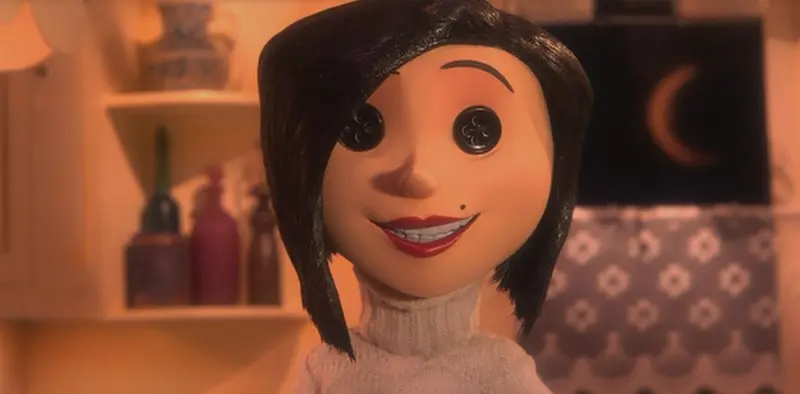
Teri Hatcher voices a being who builds an alternate home to lure a child away from her real family. The character offers perfect meals, attentive parents, and a customized bedroom, then demands button eyes as the price of staying. The film is directed by Henry Selick and adapts Neil Gaiman’s book with stop motion animation.
Control is maintained through dolls, tunnels, and a locked door that opens only on her terms. The final form turns spidery as the web collapses, and the captured ghost children provide clues that allow the puzzle to be solved. The film was released by Focus Features.
Share the character you would add to this list in the comments so everyone can compare notes.