Actresses Who Are the Best Cryers in the Movie Business


Tears can tell a story all on their own. In the right hands they trace a character’s history, reveal the stakes, and pull viewers into a moment that matters. Some performers use crying as a precise tool, shaping the rhythm of a scene and guiding how an audience experiences a turning point without a word wasted.
This list spotlights actresses whose film work features memorable crying scenes that carry plot and character forward. Each entry includes specific roles and scenes that show how they use tears as part of their craft, plus one quiet nod to a distributor that brought a standout performance to audiences.
Viola Davis
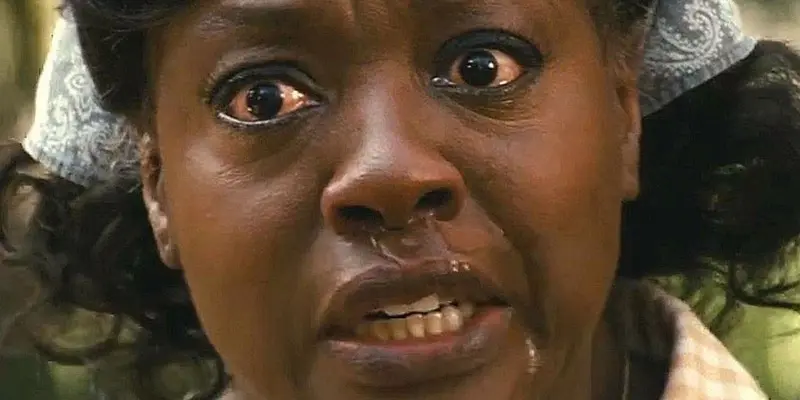
Viola Davis earned Academy recognition for powerful roles that feature sustained emotional intensity in close quarters. Her work in ‘Fences’ and ‘Doubt’ includes extended scenes built around breath control, vocal breaks, and timing that let the emotion land while dialogue continues to move the story.
In ‘Fences’ she delivers a confrontation scene opposite Denzel Washington that hinges on a controlled release of grief and frustration, filmed in close up to emphasize every beat. The film reached theaters through Paramount Pictures, which positioned her performance for a broad awards push.
Julianne Moore
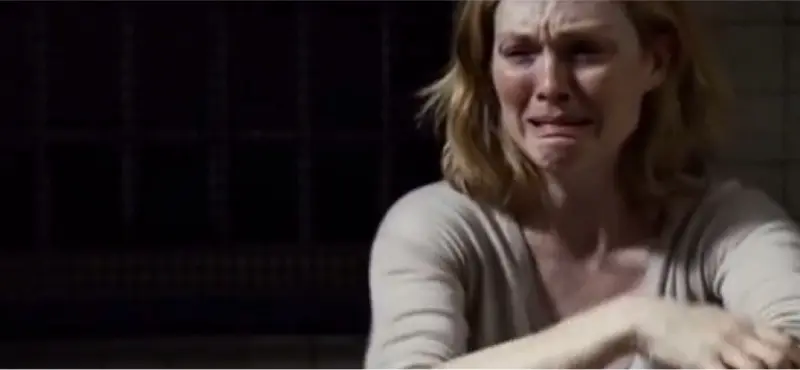
Julianne Moore’s filmography includes multiple titles where crying marks a decisive shift in a character’s journey. In ‘Still Alice’ she charts cognitive decline with moments of quiet tears that align with the script’s calendar of milestones and medical details.
Her breakdowns in ‘Magnolia’ and ‘Far from Heaven’ are structured around lines that taper into sobs without breaking sentence logic, which keeps scenes playable while showing strain. ‘Still Alice’ was distributed by Sony Pictures Classics, whose rollout emphasized the film’s intimate scale and her lead turn.
Natalie Portman
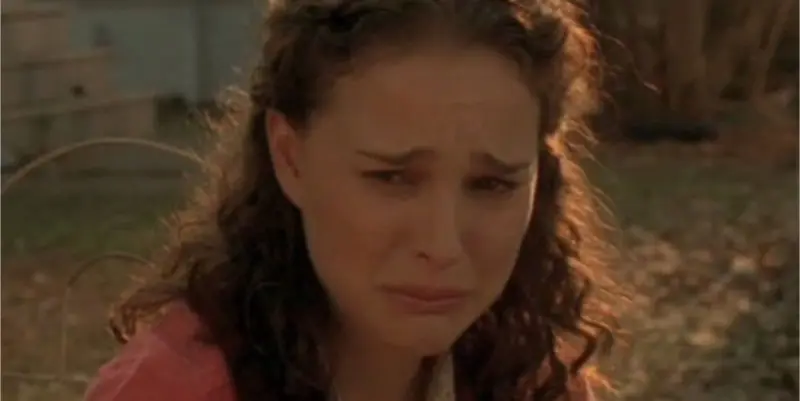
Natalie Portman’s crying scenes often support physical transformation and psychological pressure within tightly blocked frames. In ‘Black Swan’ she moves from restrained eye glisten to full collapse during sequences that mirror the choreography of the show within the film.
She layers similar techniques in ‘Jackie’ and ‘Closer’, where tears punctuate interviews or confrontations to shift power between characters while the camera holds steady. ‘Black Swan’ arrived under Fox Searchlight Pictures, which backed the film’s awards campaign around her performance.
Anne Hathaway
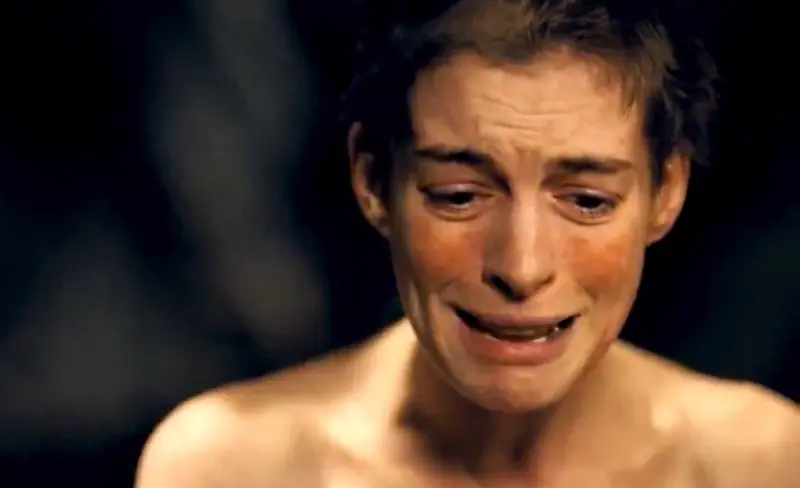
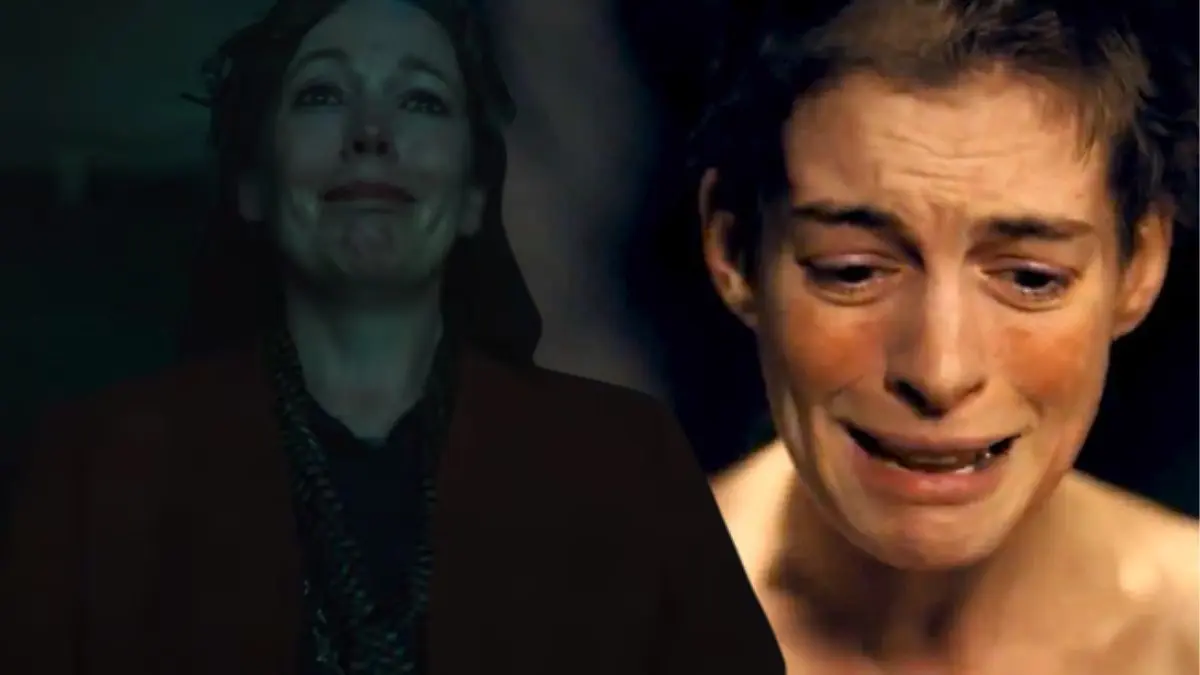
Anne Hathaway’s screen crying frequently sits inside musical phrasing or in long handheld takes. In ‘Les Misérables’ her rendition of a signature song includes tears that build with breath patterns recorded live on set, matching the score’s rise without cutting the vocal line.
She uses a different approach in ‘Rachel Getting Married’, where a rehab speech unspools into sobbing that leaves sentences intact so the scene maintains its arc. ‘Les Misérables’ was handled by Universal Pictures in wide release, bringing her supporting performance to global audiences.
Michelle Williams
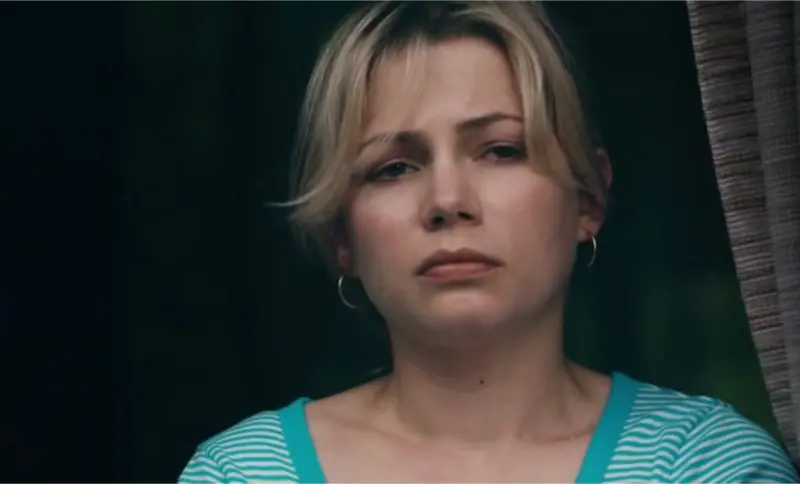
Michelle Williams regularly anchors grief heavy narratives with crying that feels embedded in character history. In ‘Manchester by the Sea’ her limited screen time includes a reunion scene where words and tears overlap in short phrases that never pause the conversation.
Her work in ‘Blue Valentine’ and ‘My Week with Marilyn’ shows a range from silent tears to shaking sobs, always timed to the cut so momentum continues. ‘Manchester by the Sea’ reached theaters through Amazon Studios together with Roadside Attractions, which supported its platform expansion.
Amy Adams
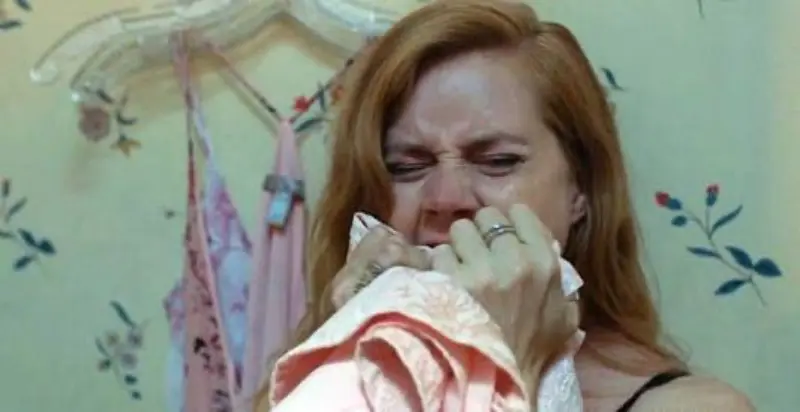
Amy Adams uses tears to underline comprehension and choice rather than only pain. In ‘Arrival’ her character processes revelations through quiet crying that syncs with the film’s editing pattern and the reveal of information to the audience.
She also deploys controlled tears in ‘Her’ and ‘Nocturnal Animals’, allowing emotion to break at scene pivots so dialogue drives the transition. ‘Arrival’ was released by Paramount Pictures, which paired the film’s science fiction appeal with a campaign centered on her lead role.
Saoirse Ronan
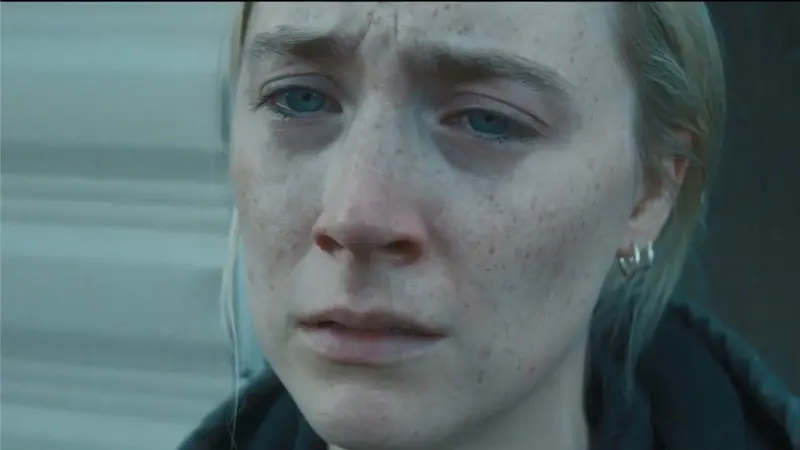
Saoirse Ronan’s crying scenes often hinge on conflicting loyalties and private decisions. In ‘Brooklyn’ she reads letters and faces goodbyes with tears that rise and subside within the same shot, letting the camera catch the choice being made in real time.
Her work in ‘Lady Bird’ and ‘Little Women’ uses tears to mark phases of growth, set against shifts in household space and ensemble blocking. ‘Brooklyn’ came out through Fox Searchlight Pictures, which guided a word of mouth rollout that kept focus on her performance.
Nicole Kidman
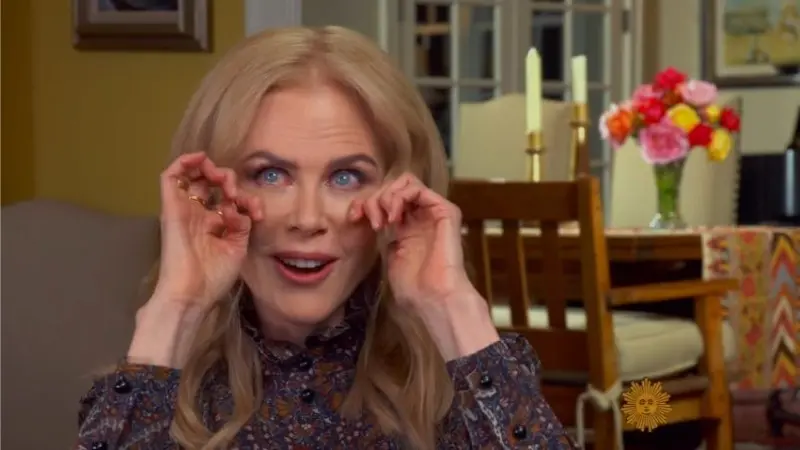
Nicole Kidman’s film roles show precise control over when tears start and how far they go. In ‘Rabbit Hole’ she works through grief therapy scenes where crying is curtailed mid sentence so the rhythm matches the habits of a character trying to regain control.
She applies similar modulation in ‘The Hours’ and ‘Birth’, letting tears appear in quiet beats rather than climactic outbursts so edits do not rely on cutaways. ‘Rabbit Hole’ was distributed by Lionsgate, aligning its release with specialty audiences for adult dramas.
Olivia Colman
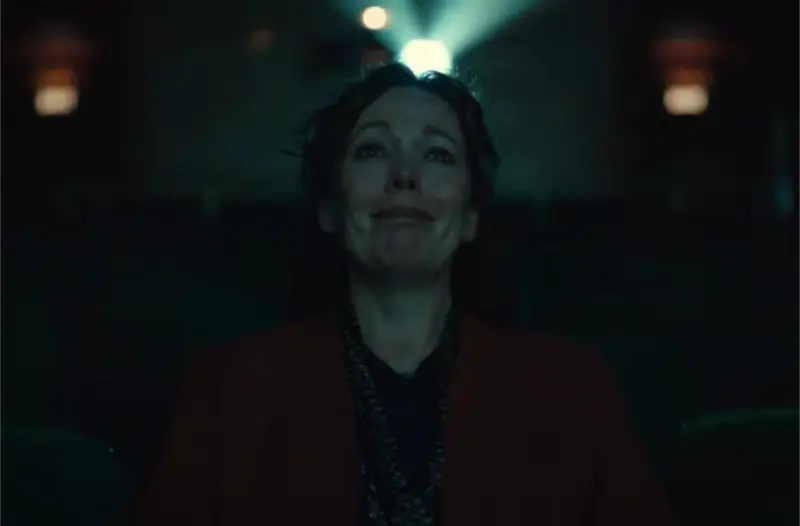
Olivia Colman’s crying often arrives in jagged bursts that track sudden reversals of status. In ‘The Favourite’ tears surface during confrontations that turn on a single line, and the camera stays close enough to catch the shift without breaking the scene’s tempo.
She brings a different register in ‘The Lost Daughter’, where tears emerge during solitary moments and then stop as a defense, matching the screenplay’s withheld backstory. ‘The Favourite’ was released by Fox Searchlight Pictures, which supported a campaign that highlighted her lead performance.
Lupita Nyong’o
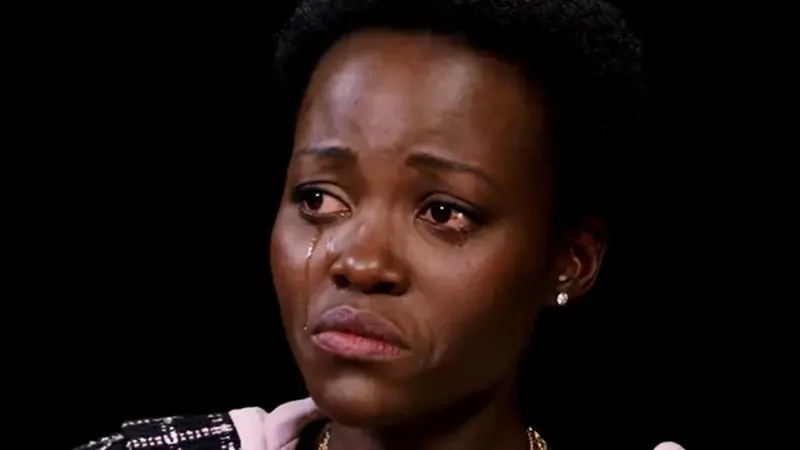
Lupita Nyong’o’s crying scenes are tightly integrated with physical marks and period detail. In ’12 Years a Slave’ tears accompany sequences that combine dialogue with historical context, and the camera records them without music so the moment reads as part of the record.
She also uses tears strategically in ‘Us’, where emotional release signals a character’s fractured identity and cues the audience to reframe earlier scenes. ’12 Years a Slave’ was brought to theaters by Fox Searchlight Pictures, which positioned the film in awards season schedules.
Share the names of the actresses and the specific scenes you would add in the comments so everyone can compare notes.