80s Movies Everyone Wants to Forget, but Can’t

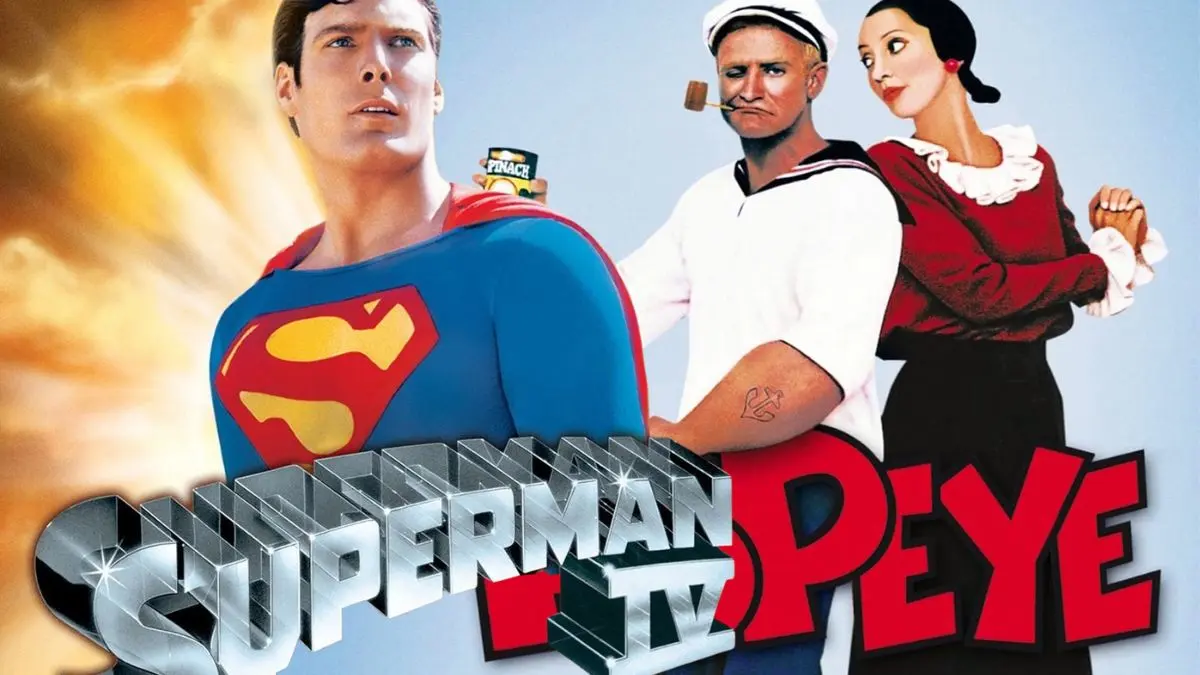

The 1980s delivered crowd pleasers that filled theaters and rewired pop culture, and it also produced films that left audiences puzzled and studios rethinking their choices. Some came from beloved brands while others tried to launch new ones, and many carried memorable ideas that live on through quotes, scenes, and curious production stories.
What follows is a tour of films that still pop up in conversations, clip reels, and trivia nights for reasons that go beyond simple nostalgia. Each one lands here because of concrete details such as high profile casts, unusual creative swings, headline making production issues, or franchise turning points that continue to spark interest long after the credits rolled.
‘Howard the Duck’ (1986)
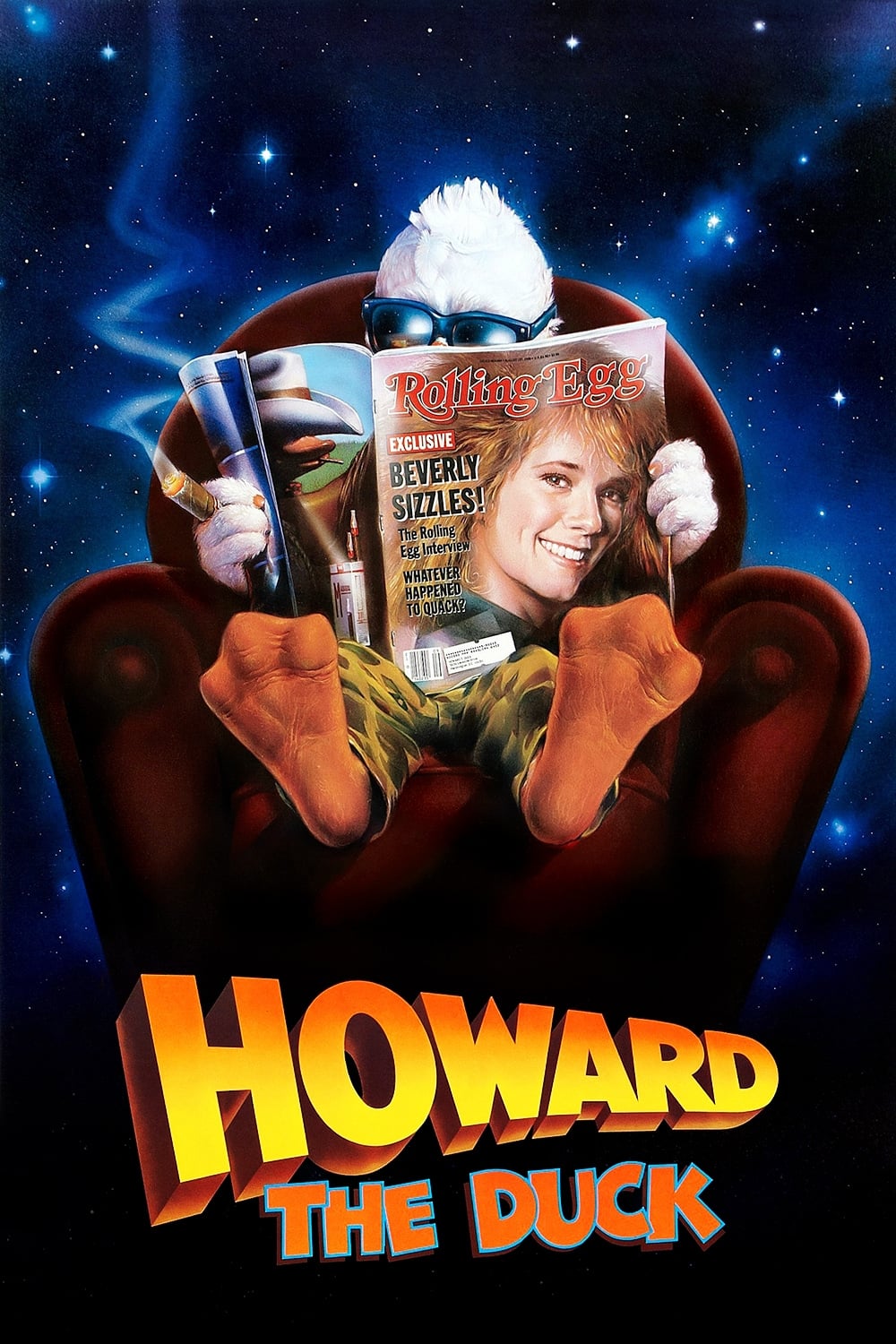
This adaptation of the Marvel comic follows Howard, a wisecracking duck who is pulled from his home world to Cleveland and thrown into a plot involving a scientist and an energy beam. The film stars Lea Thompson, Tim Robbins, and Jeffrey Jones and was directed by Willard Huyck with George Lucas as an executive producer.
The production used complex animatronics and multiple performers to bring the title character to life. It arrived as one of the earliest films based on a Marvel character and its soundtrack, creature work, and marketing push kept it in the cultural conversation.
‘Ishtar’ (1987)
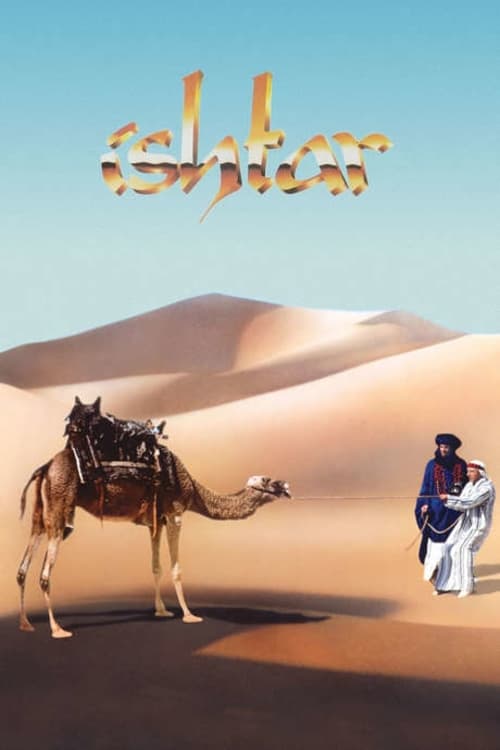
Two lounge singers head to North Africa and stumble into a web of spies, revolutionaries, and a missing map. The film pairs Dustin Hoffman and Warren Beatty with Elaine May writing and directing.
Shooting on desert locations proved difficult and the schedule stretched as set pieces grew in size. The combination of star salaries, location work, and rewrites created a production story that is still discussed whenever big swings in filmmaking come up.
‘Superman IV: The Quest for Peace’ (1987)

Clark Kent faces a new threat when a superpowered adversary is created from his own DNA and a nuclear detonation. Christopher Reeve returned alongside Gene Hackman, Margot Kidder, and Jackie Cooper.
Budget tightening affected visual effects and large scale sequences, and a significant amount of footage was removed during editing. The film marked a turning point for the original ‘Superman’ cycle and became a reference point for franchise course corrections.
‘Mac and Me’ (1988)
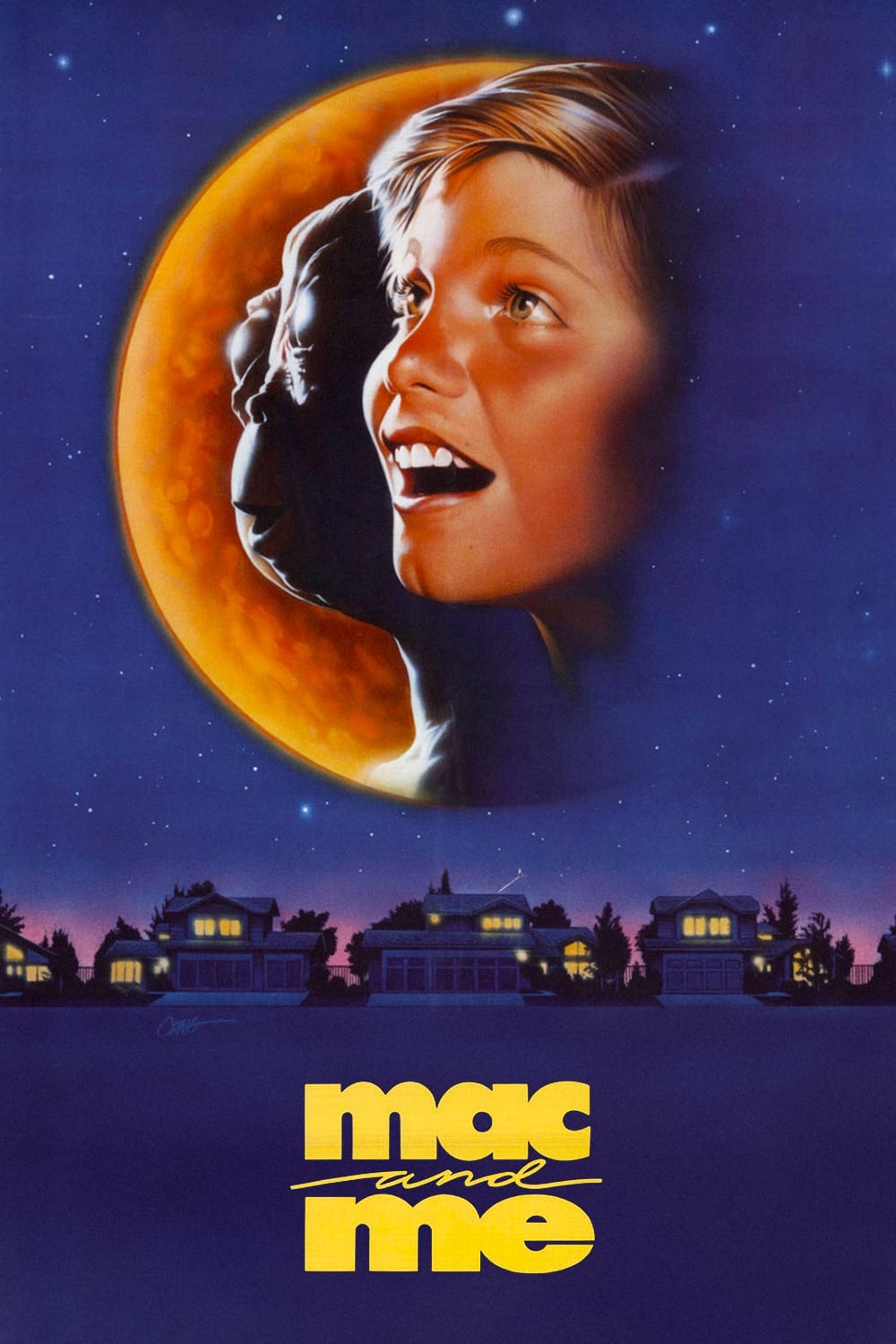
A young boy befriends a stranded alien who is separated from his family after a NASA probe brings them to Earth. The story follows their attempts to reunite while government agents close in.
The movie is widely noted for prominent product placement and a dance sequence set inside a fast food restaurant. Its home video life, frequent television airings, and a running gag on talk shows kept it in the public eye.
‘The Garbage Pail Kids Movie’ (1987)
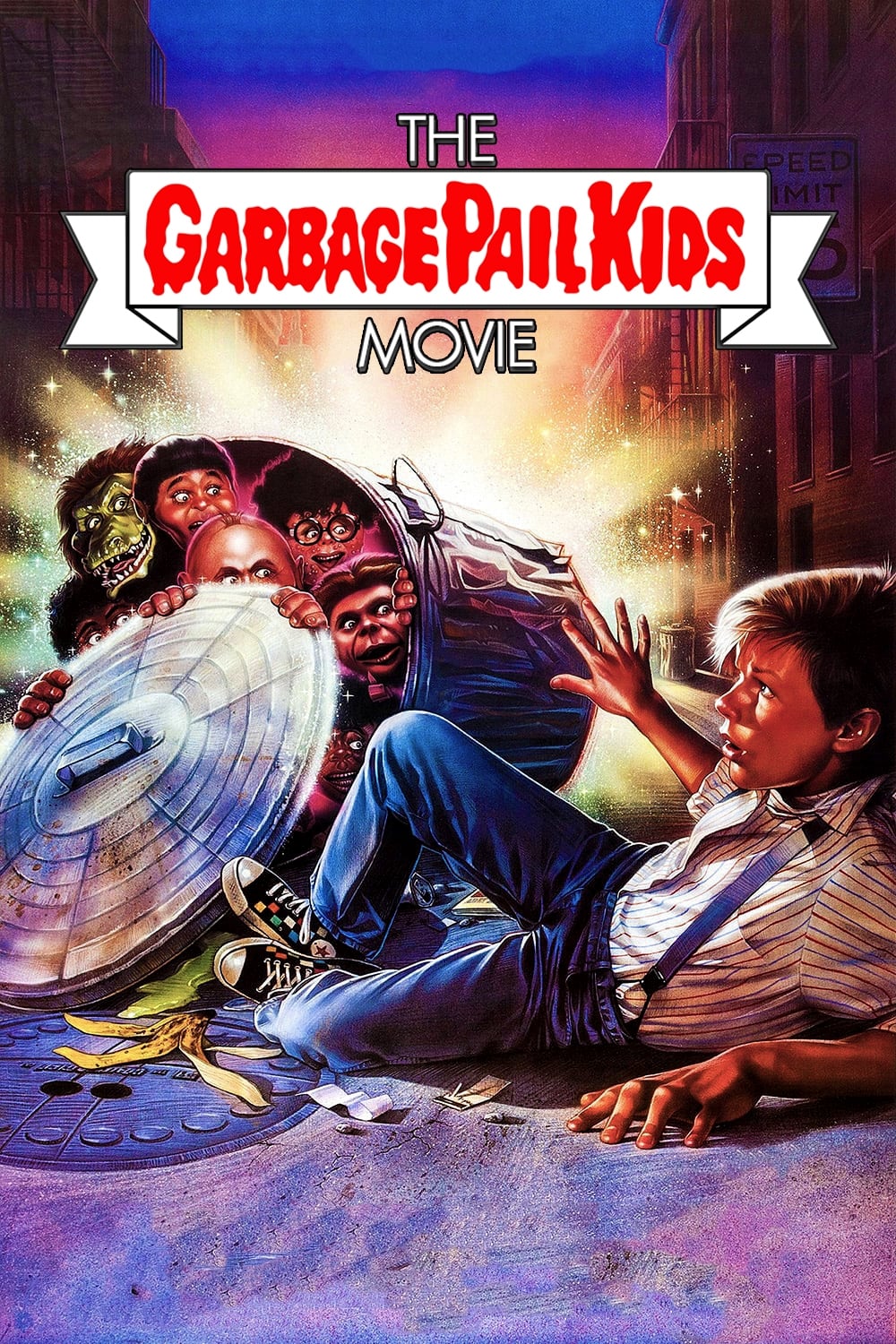
Based on the Topps trading card phenomenon, this story brings a group of misfit characters to life when a boy opens a mysterious garbage can. The creatures befriend him and cause chaos around a local fashion project.
The production used performers in animatronic masks and suits to depict the characters. The film’s practical effects, merchandise tie ins, and unusual tone for a family audience have made it a staple of retro retrospectives.
‘Leonard Part 6’ (1987)
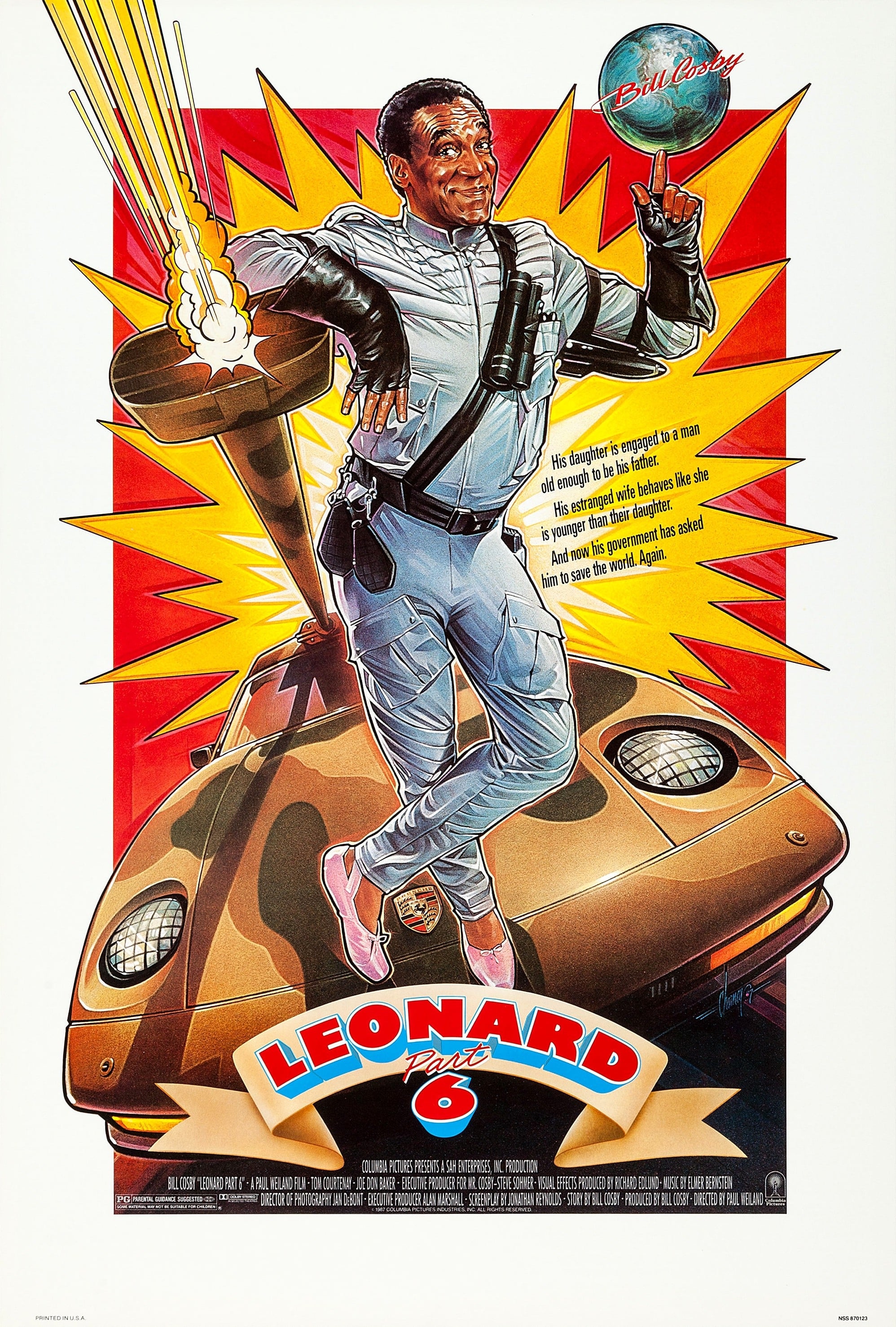
A retired secret agent is drawn back into action to stop a villain who uses animals as weapons. Bill Cosby starred and received story credit, with Paul Weiland directing.
The film’s title jokes about missing earlier installments, and its mix of slapstick and spy tropes created a distinctive marketing hook. Public comments from the star before release, along with award season attention from the Razzies, cemented its place in movie lore.
‘Jaws: The Revenge’ (1987)
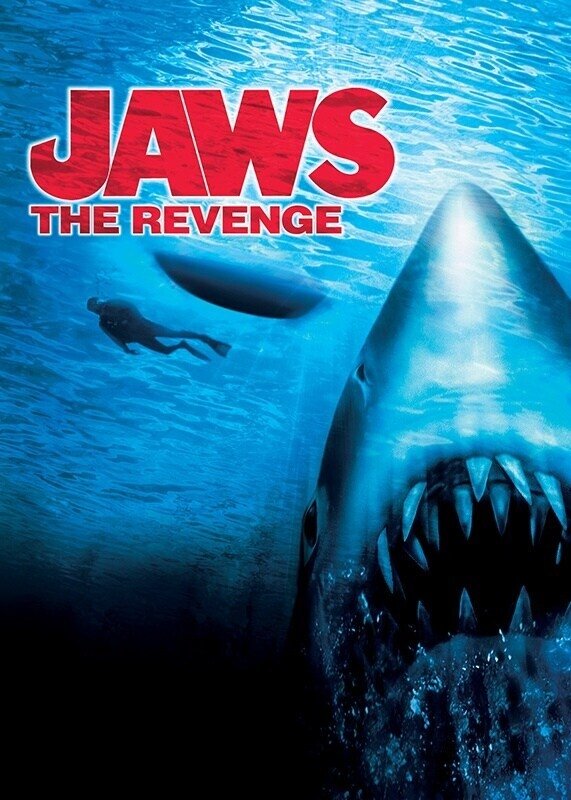
The fourth entry follows the Brody family to the Bahamas where a great white shark appears once again. Lorraine Gary returns to the role of Ellen Brody, with Michael Caine joining the cast.
The production moved the setting to warmer waters for new locations and boat based action. A widely used promotional line and an alternative ending on some home video editions helped fuel ongoing discussion among series fans.
‘Caddyshack II’ (1988)
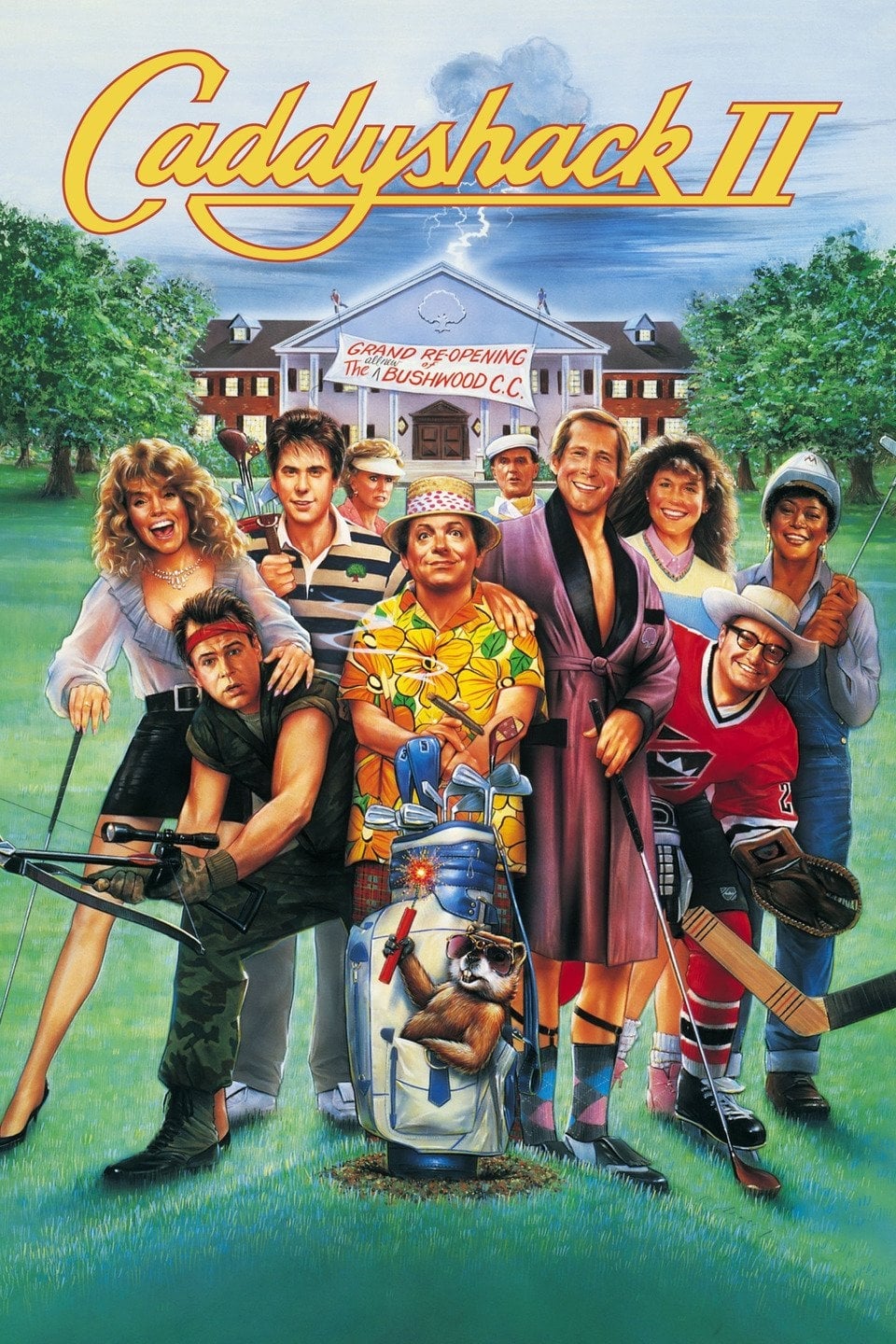
A new developer clashes with country club stalwarts, setting up a round of gags on and off the golf course. Jackie Mason leads the ensemble, with appearances by Robert Stack, Dan Aykroyd, and Chevy Chase.
The sequel softened the rating to reach a broader audience and replaced most of the original cast. Changes in tone, new characters, and a different creative team made it a case study in how sequels shift to chase wider appeal.
‘Grease 2’ (1982)
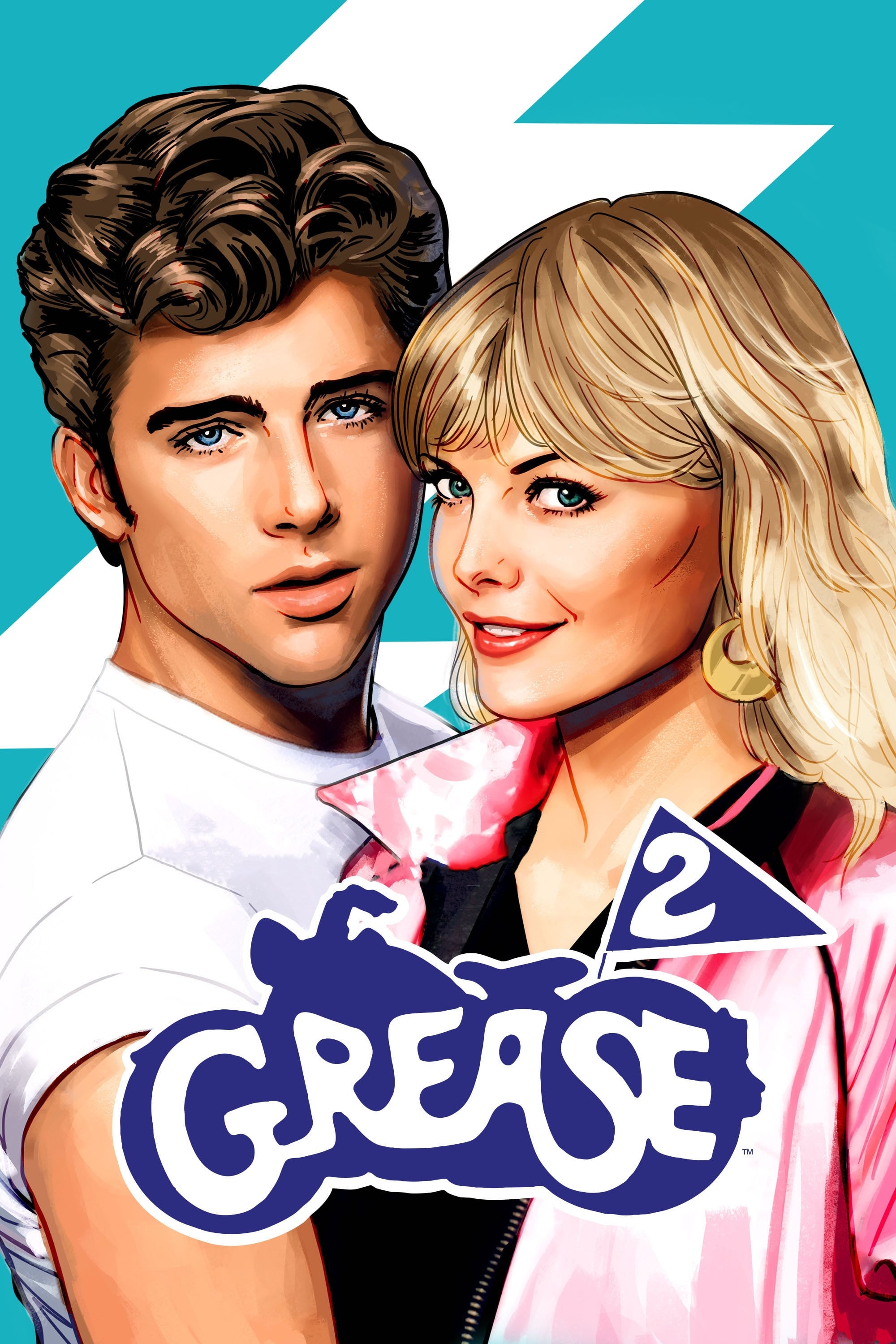
Rydell High returns with a new class, a new romance, and a mysterious biker who steals the spotlight. Michelle Pfeiffer and Maxwell Caulfield headline the musical numbers and campus set scenes.
The film introduced original songs while keeping the school setting and club rivalries that audiences knew. Its release aligned with a crowded field of musicals and its later cable run introduced it to a generation that discovered it outside theaters.
‘Friday the 13th Part VIII: Jason Takes Manhattan’ (1989)

A graduating class boards a ship bound for New York and finds themselves trapped with a relentless pursuer. Kane Hodder dons the hockey mask as Jason Voorhees.
Much of the action unfolds on the vessel, with city sequences shot selectively to manage costs. Edits to meet ratings standards trimmed several effects shots and the movie’s title became a talking point about expectations versus on screen geography.
‘Halloween III: Season of the Witch’ (1982)
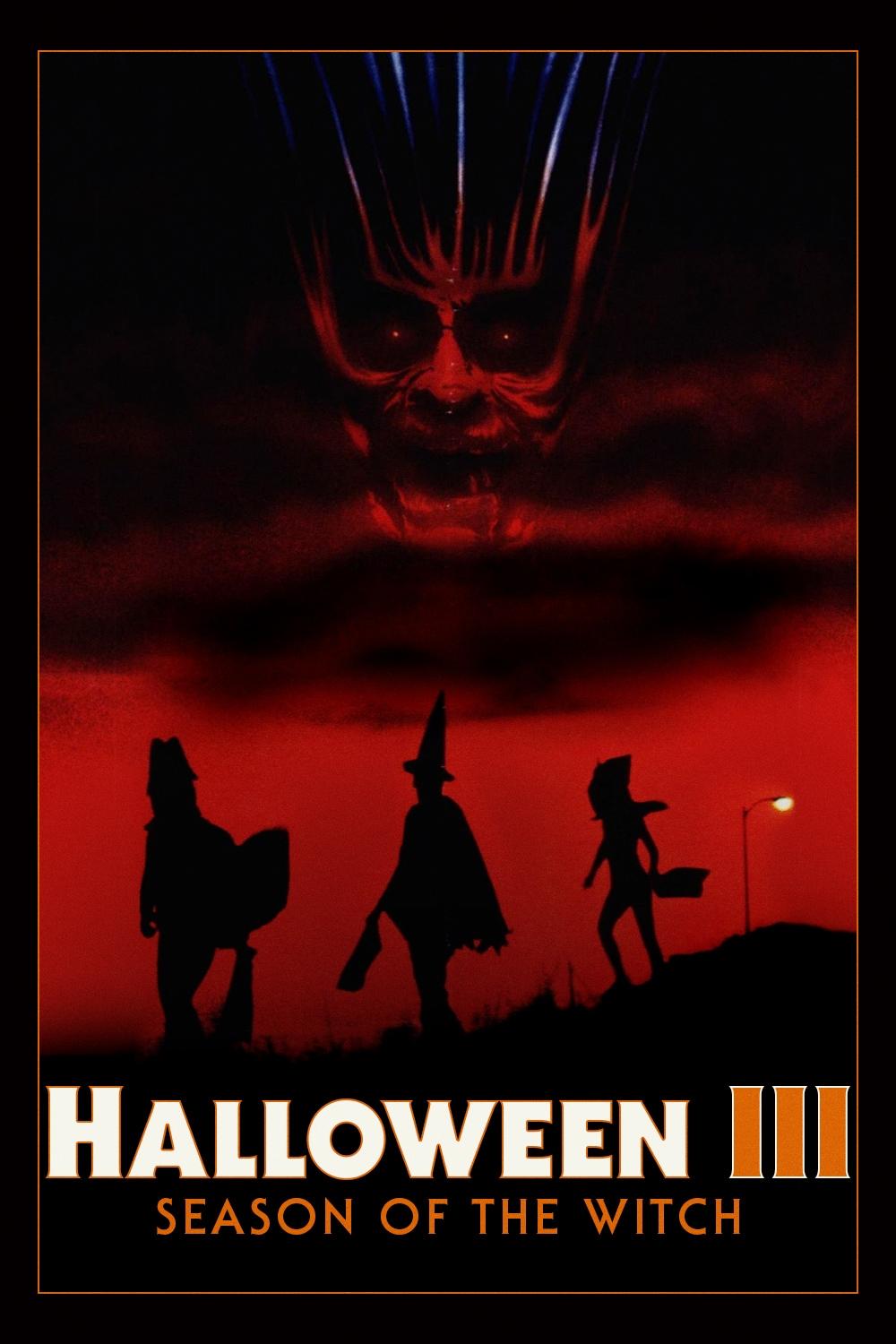
A doctor investigates a sinister mask maker and uncovers a plot tied to a holiday countdown. Tom Atkins and Stacey Nelkin lead the cast in a story that does not feature Michael Myers.
The creators aimed to pivot the brand into an anthology format with new stories built around the same date. A catchy commercial jingle, unusual folklore elements, and later reevaluations keep it in constant rotation each spooky season.
‘Popeye’ (1980)
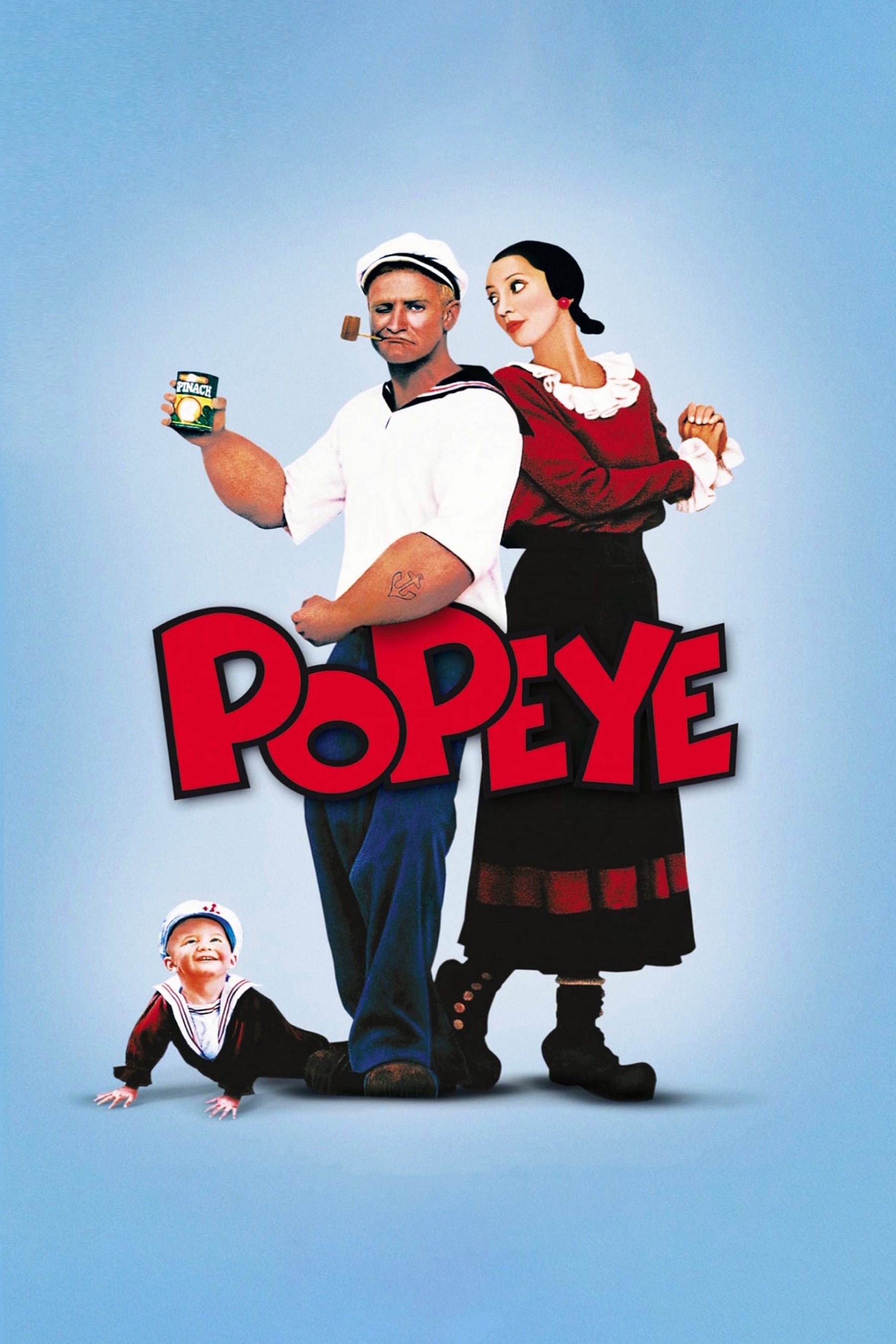
Sailor man Popeye arrives in a seaside town and meets Olive Oyl while searching for his father. Robin Williams and Shelley Duvall bring the comic strip icons to life under Robert Altman’s direction.
The production built a full village set on the Maltese coast that still stands as a tourist attraction. Songs by Harry Nilsson and a partnership between major studios made it one of the era’s most ambitious comic adaptations.
‘Xanadu’ (1980)
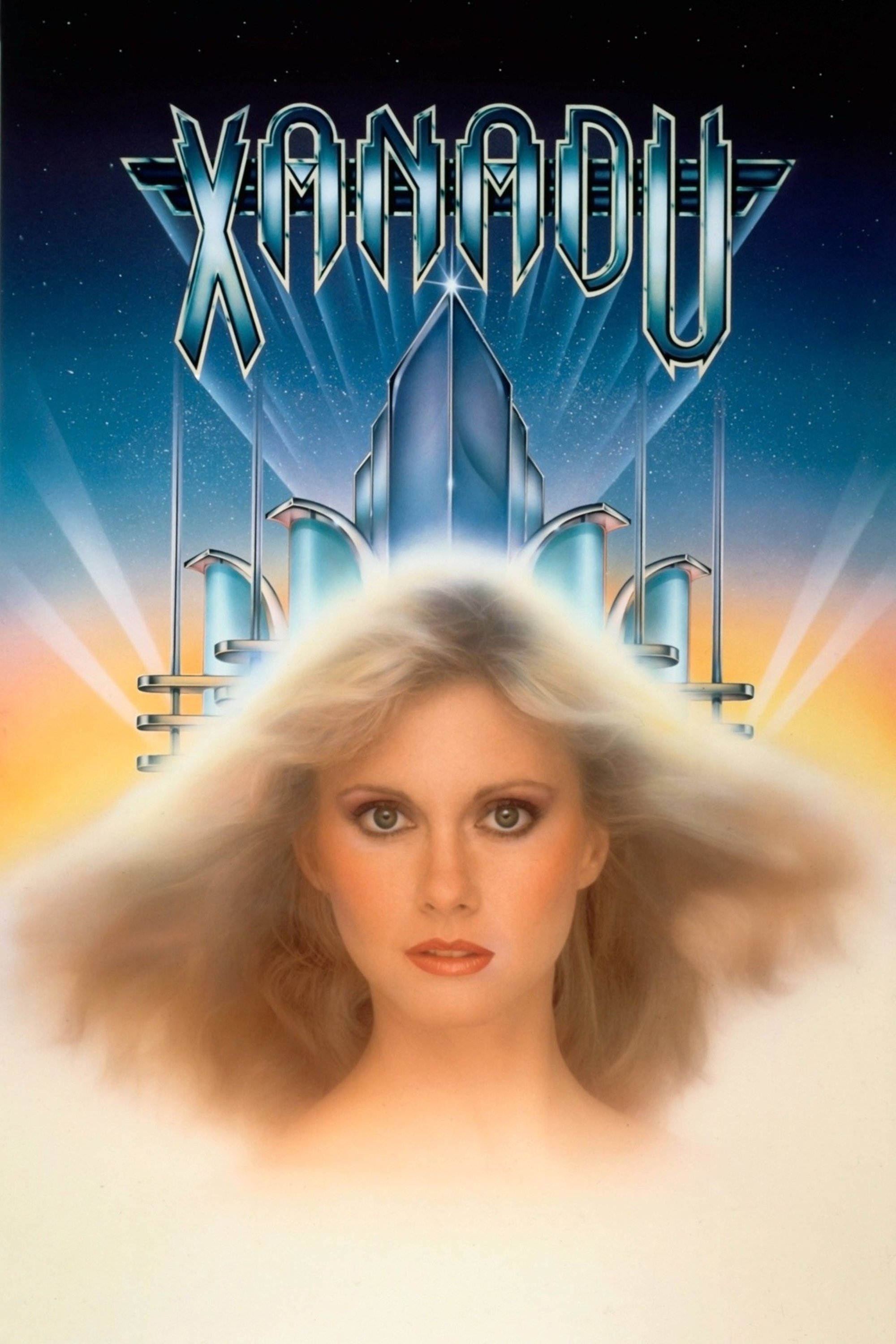
A painter and a muse open a roller disco and chase a dream of music and movement. Olivia Newton John stars opposite Michael Beck, with Gene Kelly in his final film role.
The soundtrack features Electric Light Orchestra and became a significant seller apart from the film. The movie helped inspire the creation of the Golden Raspberry Awards and later found a second life through a stage musical.
‘Heaven’s Gate’ (1980)
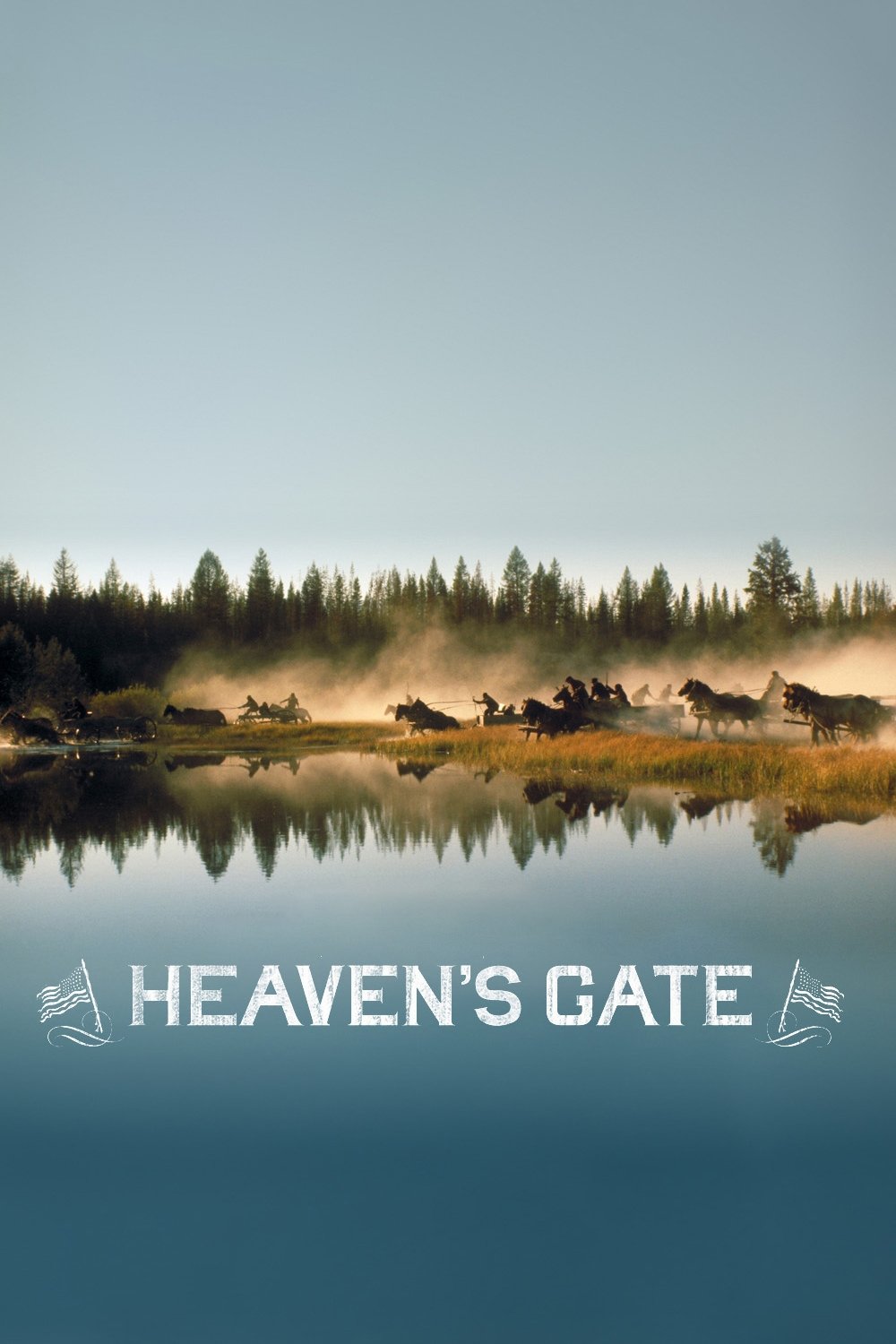
Set during the Johnson County conflict, the story follows a Harvard educated marshal caught between settlers and hired guns. The cast includes Kris Kristofferson, Christopher Walken, and Isabelle Huppert with Michael Cimino directing.
A lengthy running time, elaborate period sets, and multiple cuts defined its journey to audiences. Its reception led to major changes at its studio and it remains a landmark example in discussions of scope and oversight.
‘Krull’ (1983)
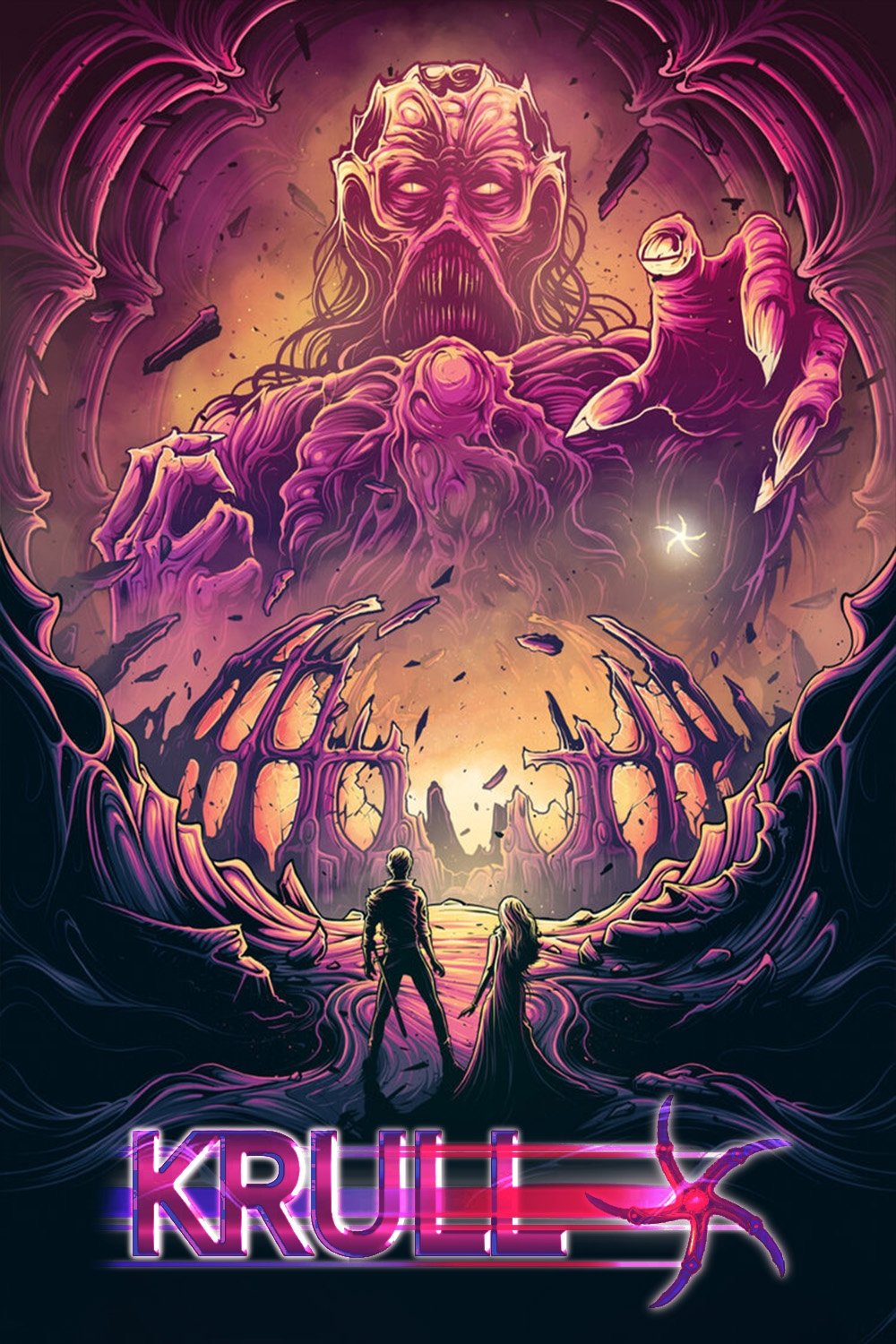
A prince sets out to rescue his bride from an alien fortress with the help of a mystical weapon called the Glaive. Ken Marshall and Lysette Anthony star with early appearances by Liam Neeson and Robbie Coltrane.
The film blends fantasy and science fiction and showcases large sets and location photography. Its creature design, score by James Horner, and arcade tie in gave it a multimedia footprint that persisted after theaters.
‘Dune’ (1984)
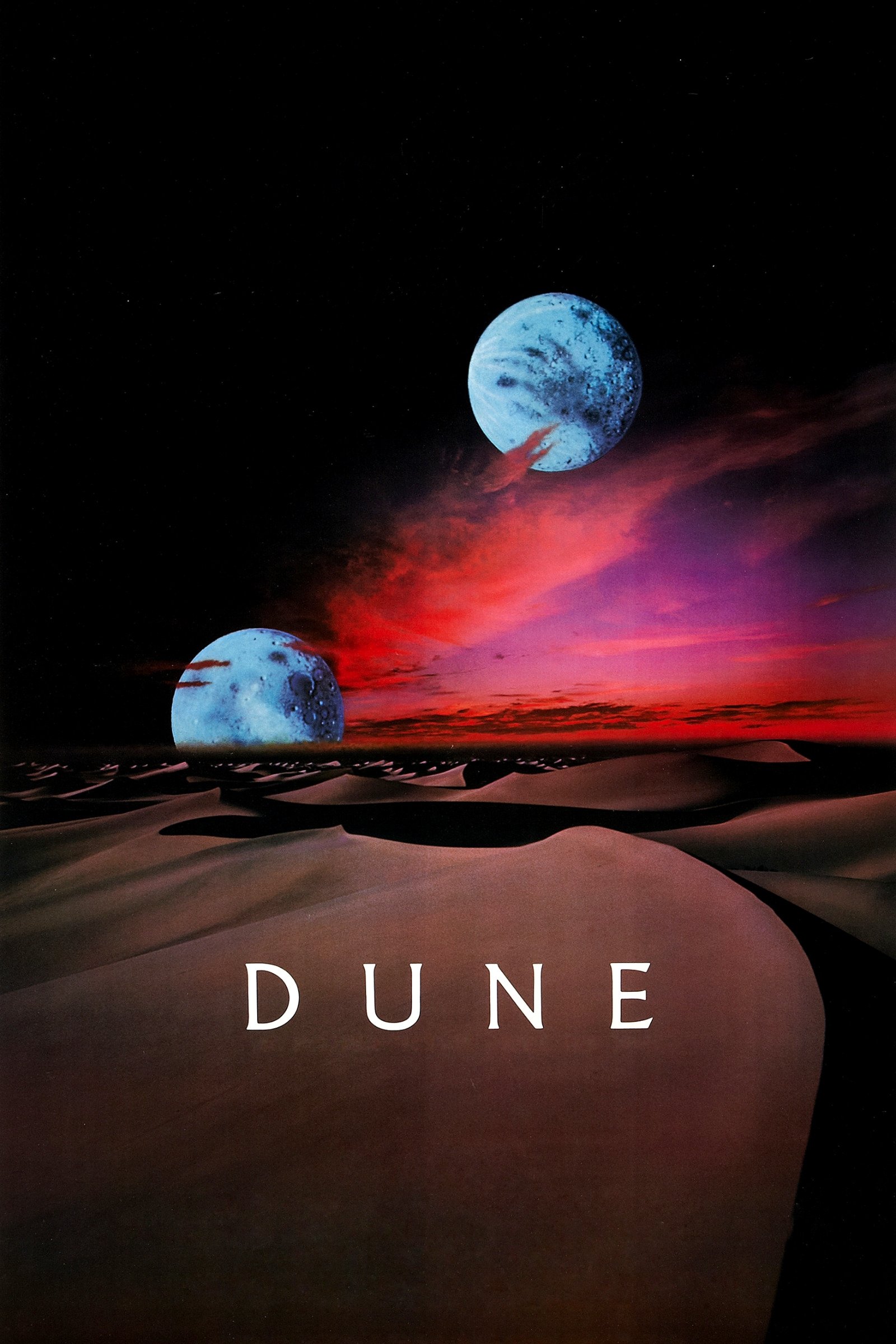
Noble houses wage power struggles over a desert planet and its mind expanding spice. David Lynch directs with Kyle MacLachlan, Francesca Annis, and Sting among the ensemble.
Voice over inner thoughts, ornate production design, and a prologue aimed to guide viewers through dense world building. Some theaters offered a glossary handout and alternate versions for television added new narration and scenes.
‘The Apple’ (1980)
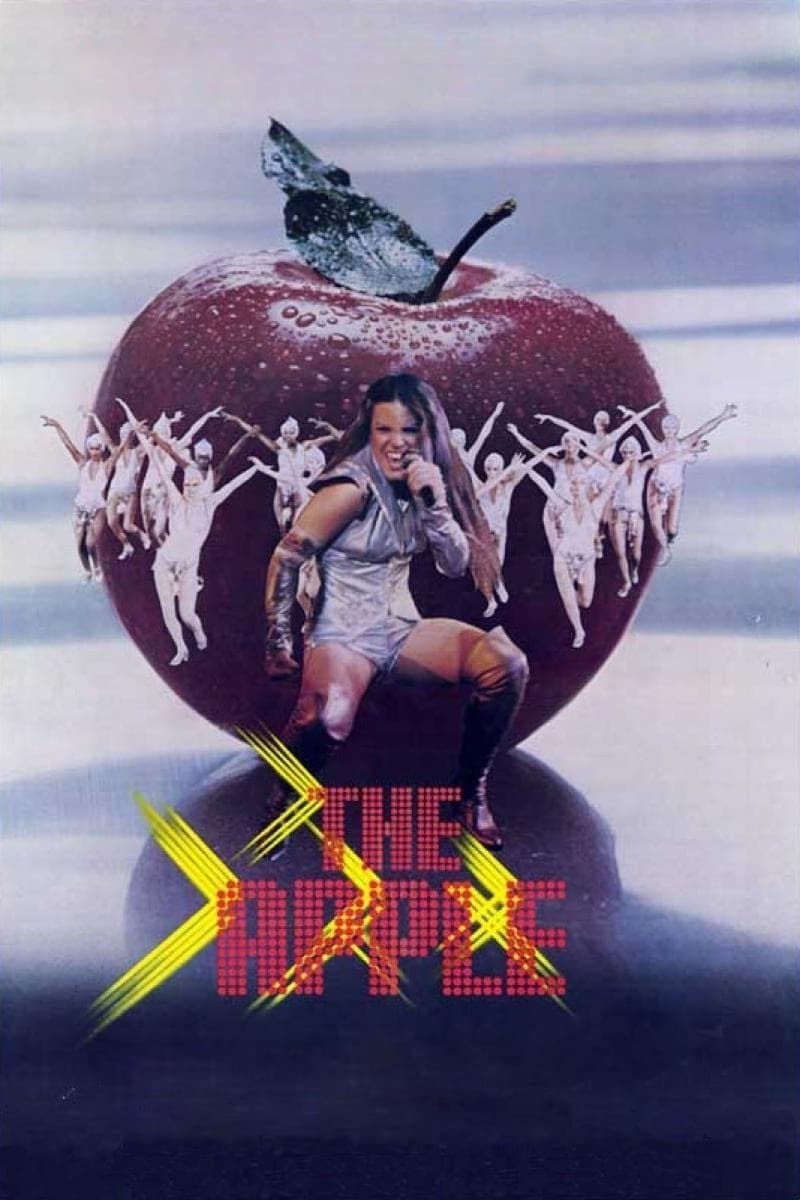
A young musical duo signs with a powerful label and finds themselves trapped in a contract that controls their lives. Catherine Mary Stewart and Alan Love star with Menahem Golan directing.
The movie presents a near future music competition with glittering costumes and disco era choreography. Produced by the Cannon Group, it became a midnight favorite for audiences who seek out eccentric musicals.
‘Bolero’ (1984)
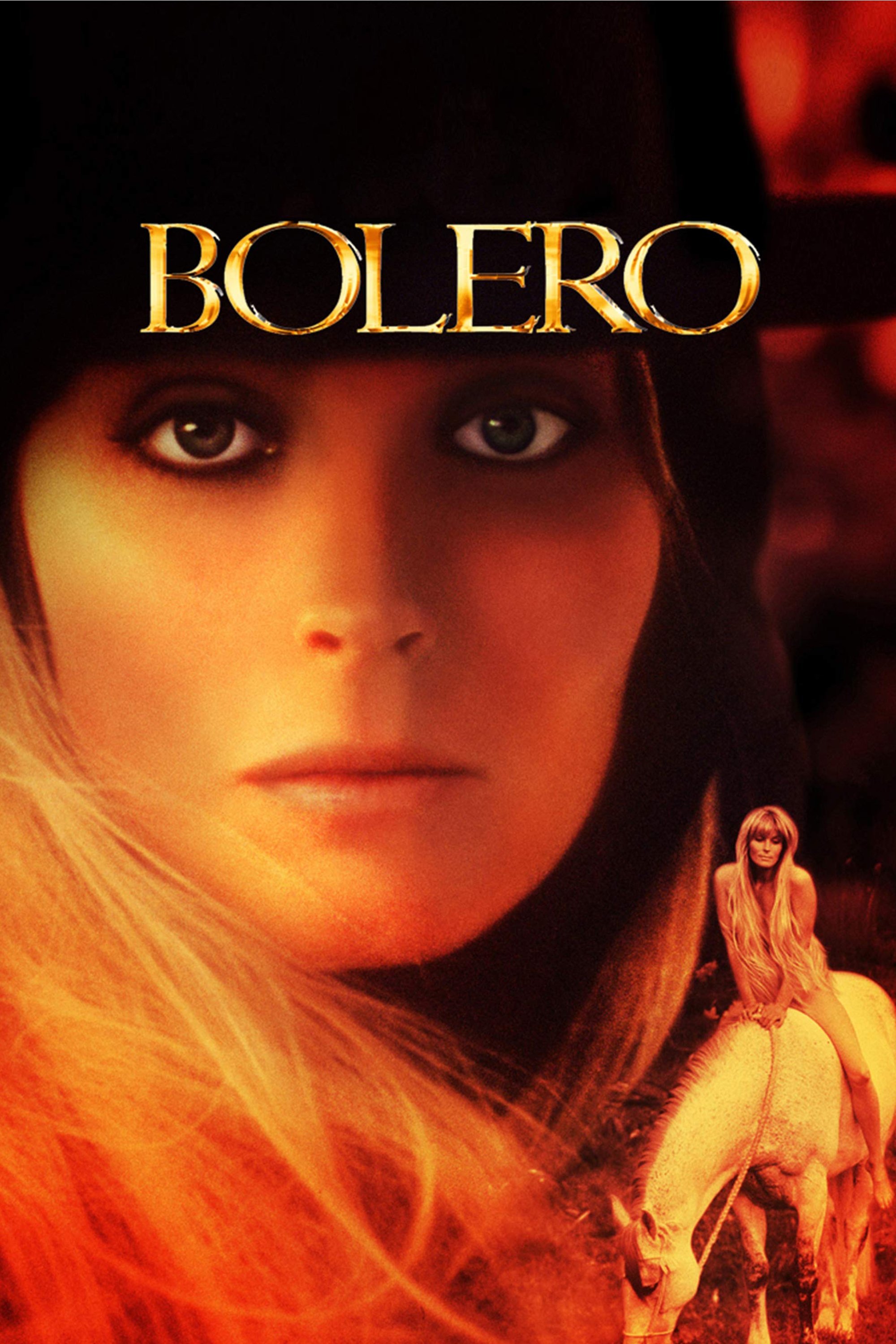
A recent graduate travels the world in search of romance and adventure. Bo Derek leads the cast with John Derek directing.
The film received an X rating upon release and drew attention for its explicit approach. International locations, period settings, and a focus on visual tableaux defined its style and marketing.
‘Mommie Dearest’ (1981)
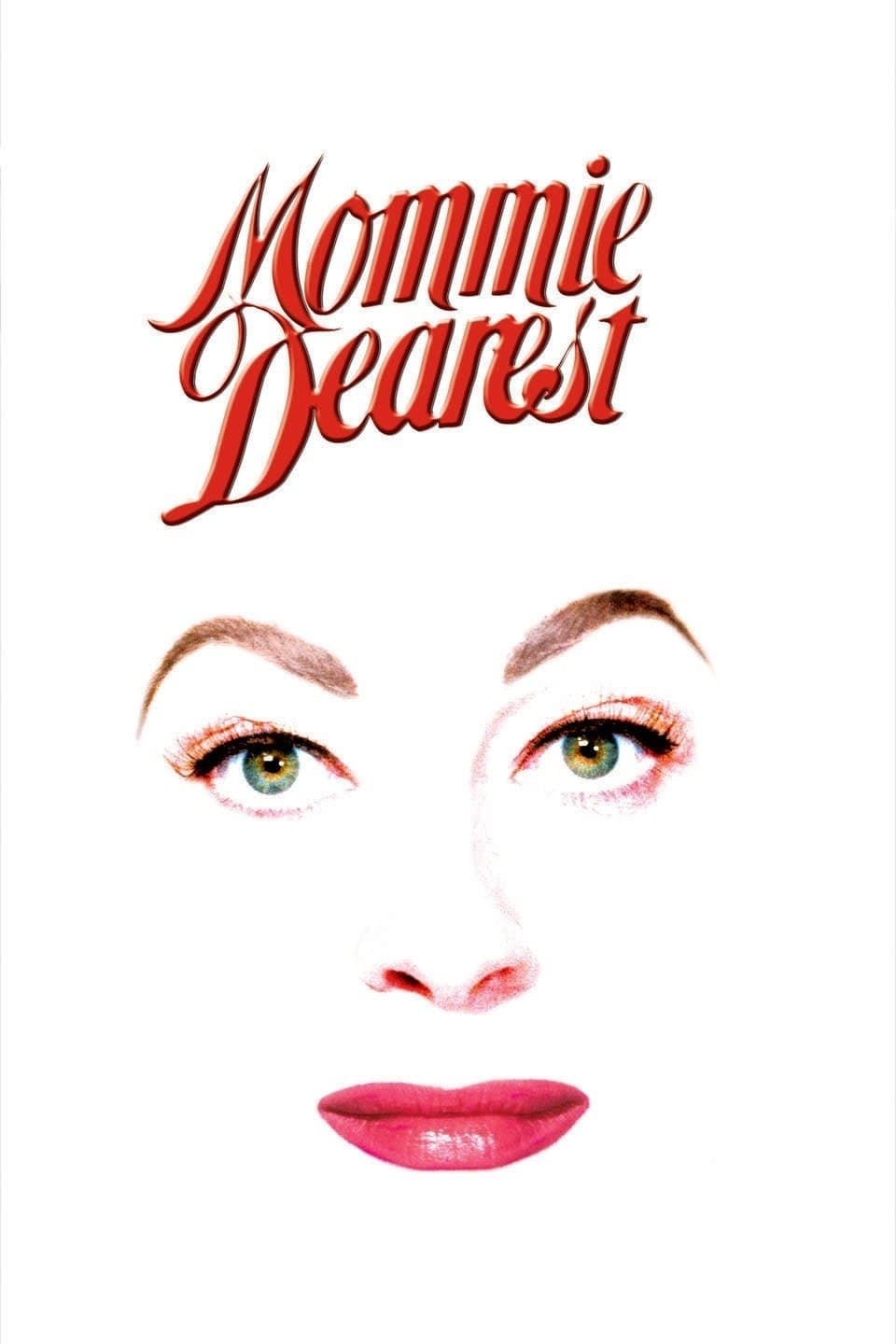
Based on Christina Crawford’s memoir, the film depicts the turbulent relationship between the author and her mother Joan Crawford. Faye Dunaway portrays the star with scenes drawn from the book’s accounts.
The movie became known for specific lines and set pieces that audiences remember instantly. It earned multiple Razzie Awards and sparked ongoing debate about biographical storytelling and performance choices.
‘Star Trek V: The Final Frontier’ (1989)
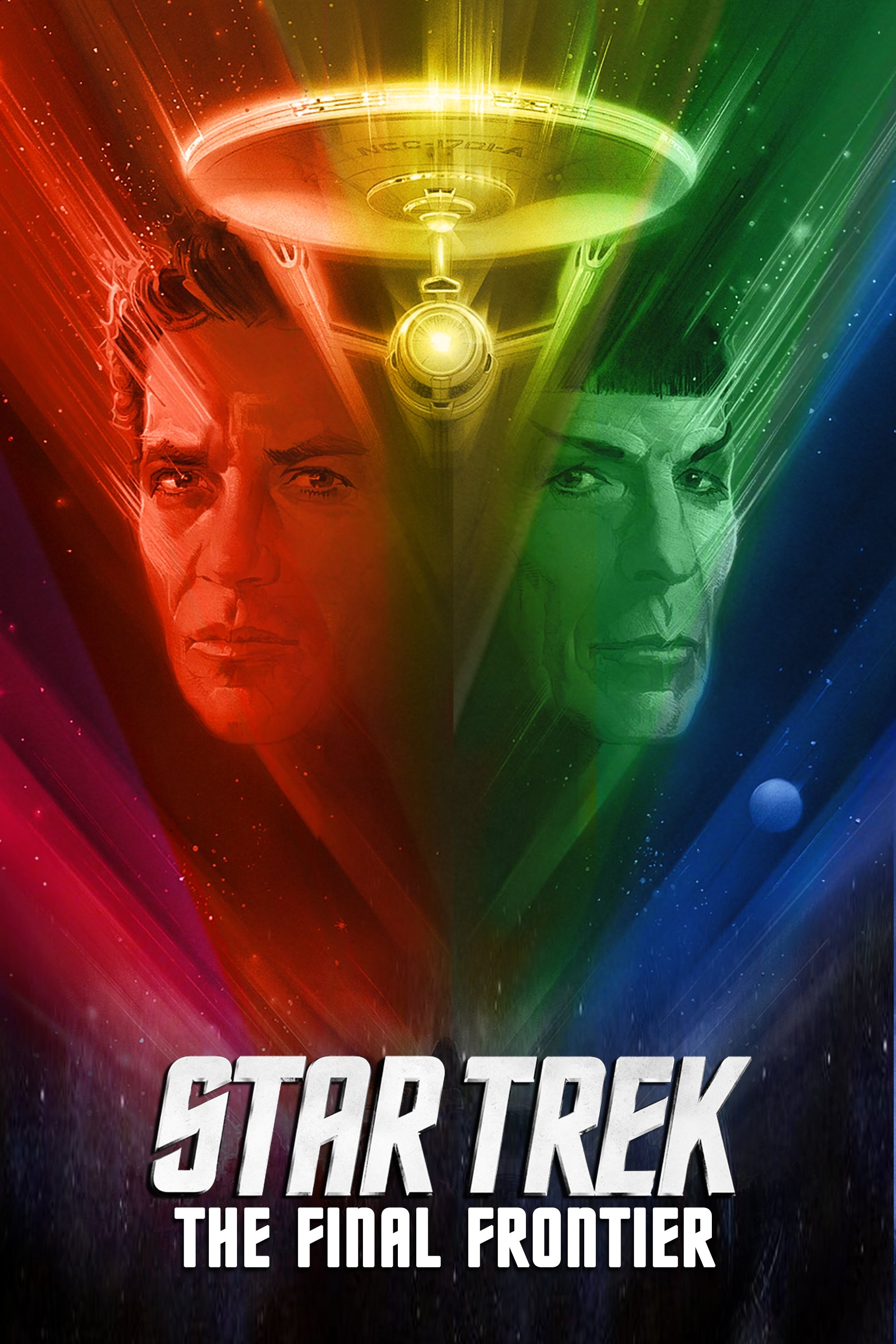
The Enterprise crew is drawn into a search for a mythical planet while confronting personal visions. William Shatner directs and stars alongside Leonard Nimoy and DeForest Kelley.
A different effects vendor handled the visuals compared with earlier entries and budget constraints shaped several sequences. Location shooting at national parks provided striking backdrops and the film’s themes of faith and friendship remain points of discussion among fans.
‘Red Sonja’ (1985)
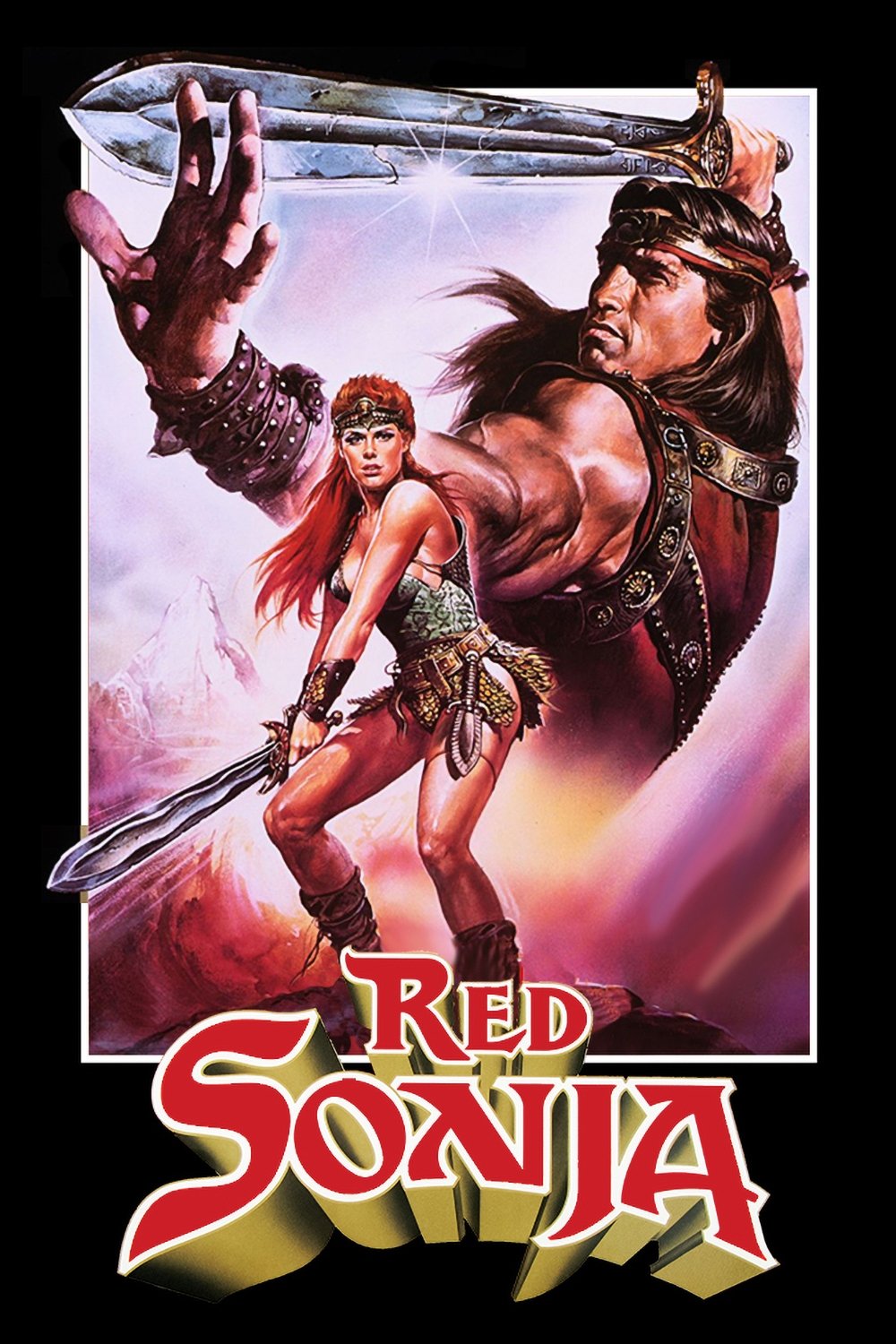
A warrior seeks vengeance with help from a seasoned swordsman as they battle a queen who wields a deadly talisman. Brigitte Nielsen plays the title role with Arnold Schwarzenegger as Kalidor.
Inspired by characters linked to the world of Robert E Howard, the production features elaborate sets and practical stunt work. Rights arrangements led to a role for Schwarzenegger that is separate from his ‘Conan’ persona and the movie became a companion piece for sword and sorcery collectors.
‘Teen Wolf Too’ (1987)
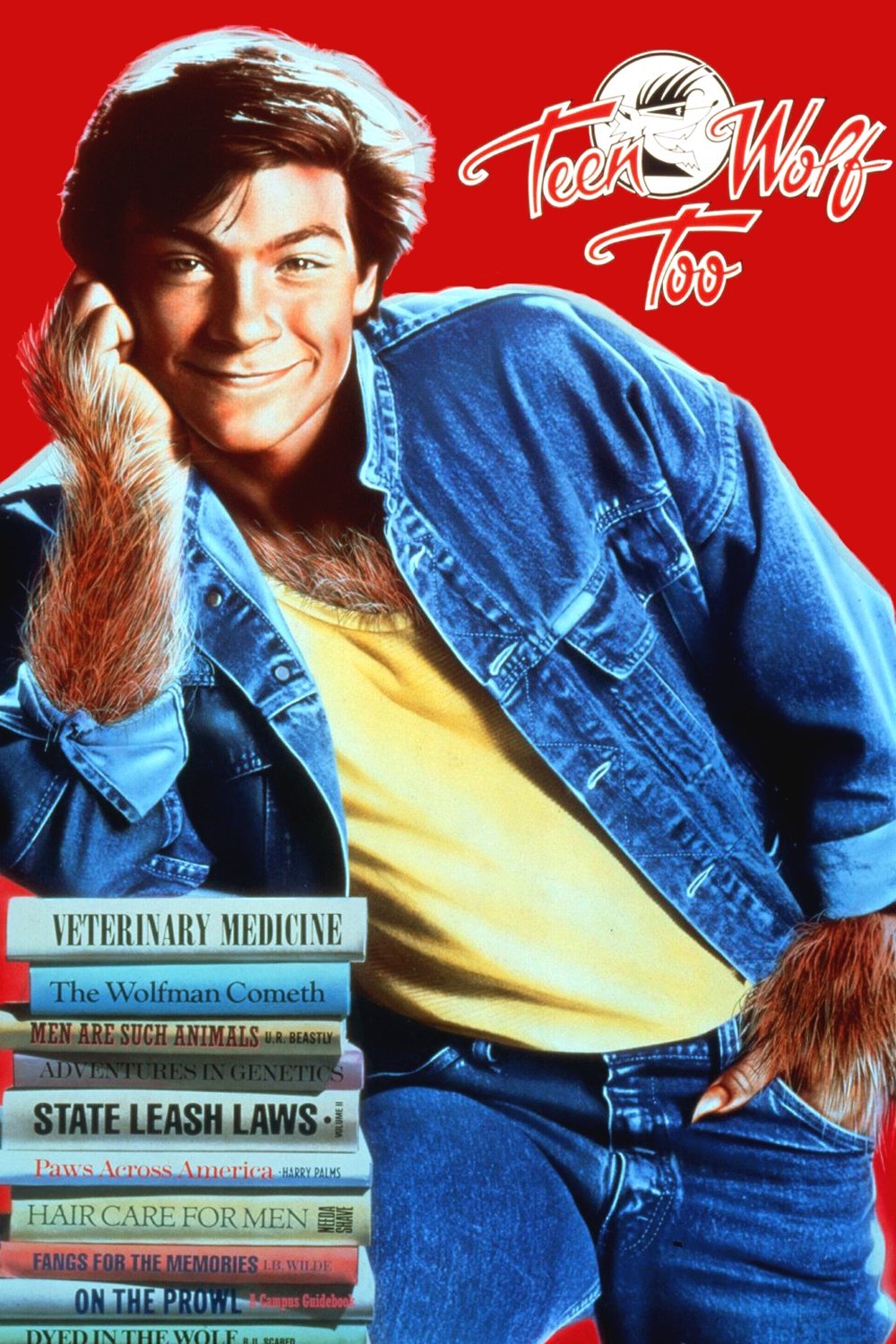
A new member of the same family line heads to college and discovers that lycanthropy runs in his blood. Jason Bateman takes the lead as the character joins a campus boxing team.
The film keeps the sports competition angle while shifting the setting to higher education. Makeup effects, returning supporting roles, and a pop heavy soundtrack connect it to the first ‘Teen Wolf’ while telling a parallel story.
‘Supergirl’ (1984)
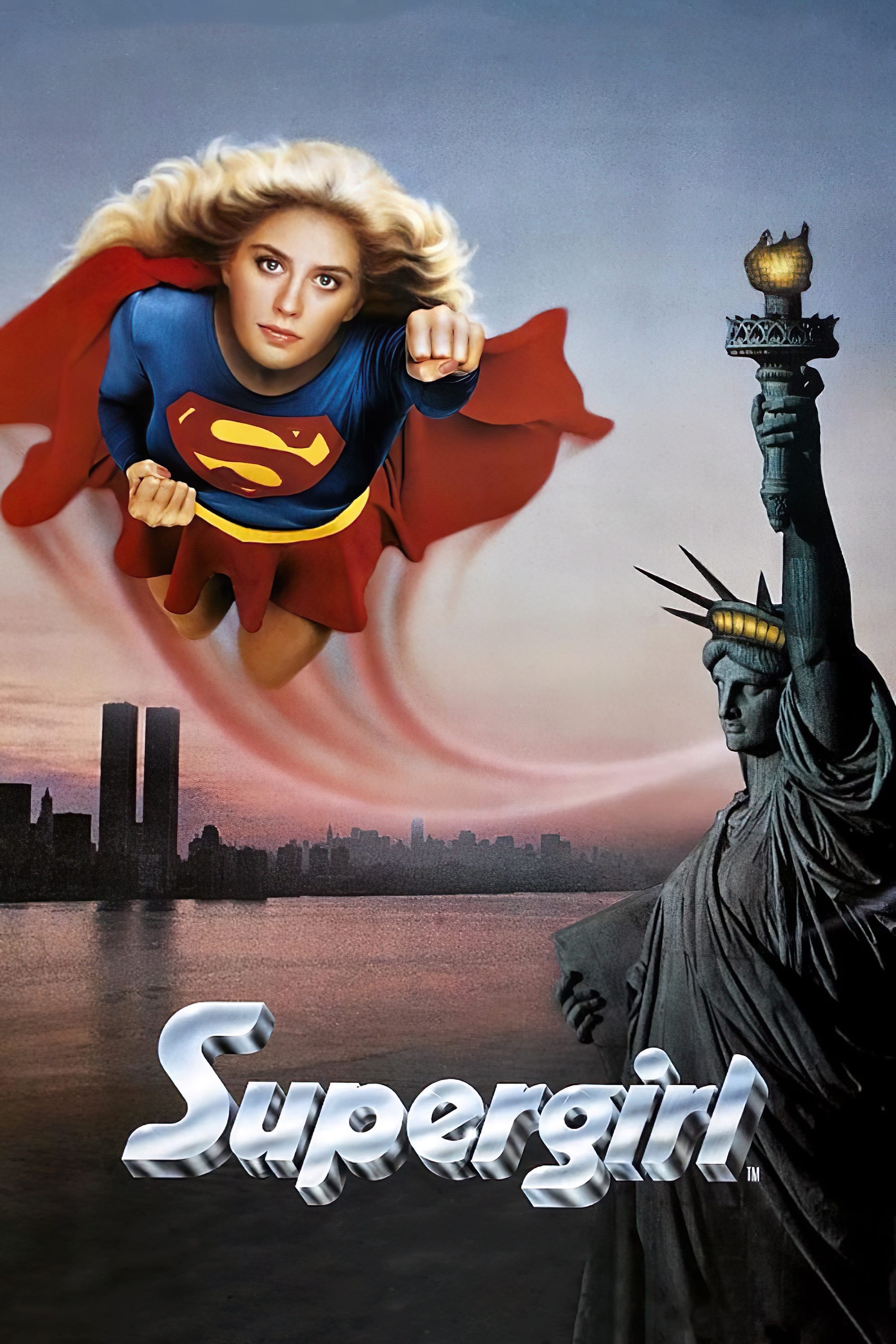
Kara Zor El journeys to Earth in search of a powerful artifact and crosses paths with a sorceress who wants it for herself. Helen Slater stars with Faye Dunaway and Peter O’Toole in key roles.
The movie spins off from the ‘Superman’ series and introduces a new corner of that universe. Miniatures, wire work, and location shoots in the United Kingdom defined the production and different cuts circulated on home video.
‘Masters of the Universe’ (1987)
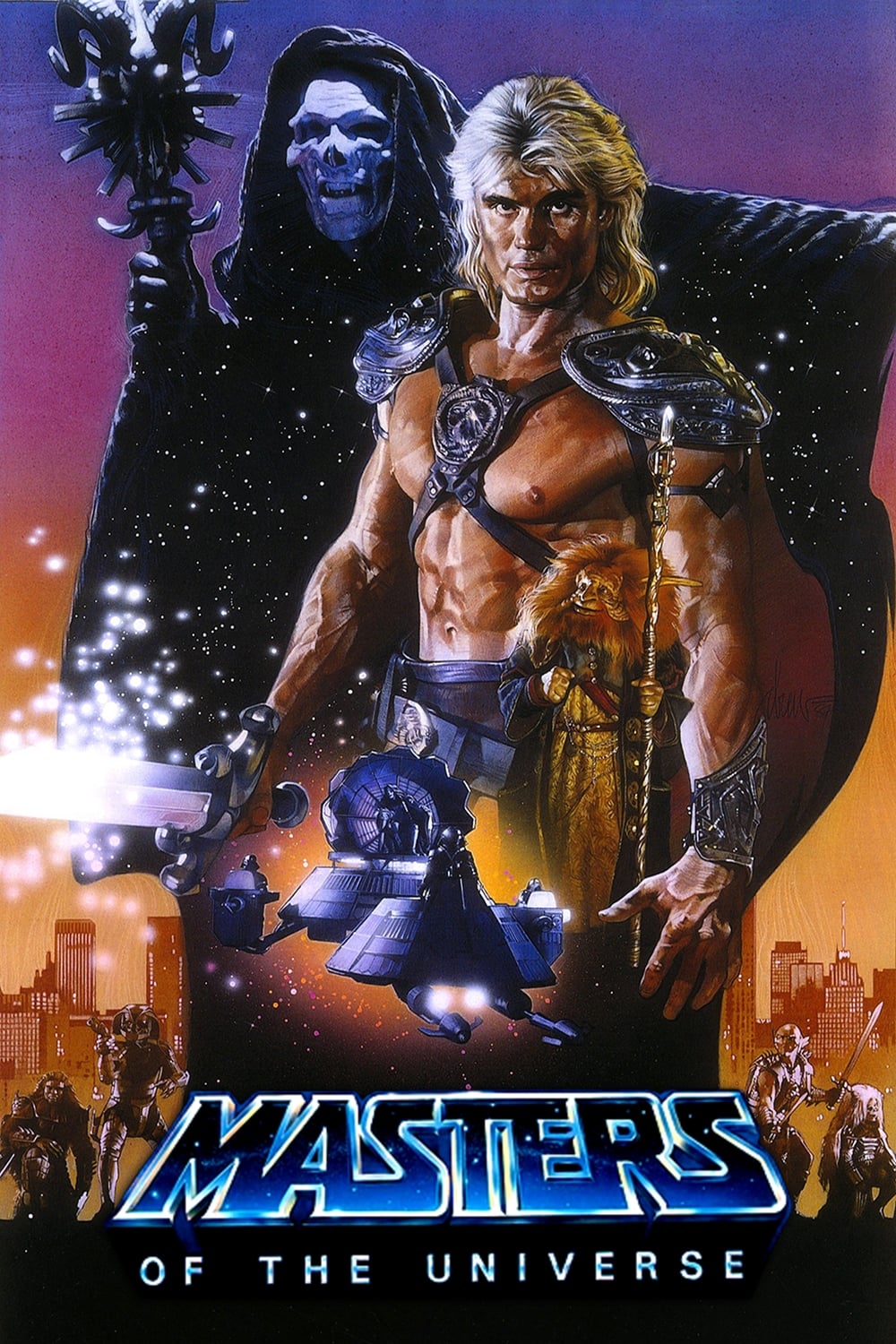
A cosmic key transports heroes and villains from the planet Eternia to a California town where a battle for control unfolds. Dolph Lundgren plays He Man and Frank Langella portrays Skeletor with Courteney Cox in an early role.
Shot largely on soundstages with a blend of matte paintings and practical sets, the film aimed to expand a toy and cartoon line into live action. The production schedule and budget influenced the scope of the finale and its end credits stinger teased a return that did not immediately materialize.
‘Shanghai Surprise’ (1986)

Set in pre war Shanghai, a fortune seeker teams with a missionary to find a cache of valuable goods. Madonna and Sean Penn star with Jim Goddard directing.
Backed by George Harrison’s Handmade Films, the project drew intense media attention during location work. Period costumes, music contributions from Harrison, and an emphasis on exotic locales framed its promotion and lasting curiosity.
Share the forgotten 80s titles you still remember in the comments so we can compare notes.