90s Movies You Have to Watch Twice to Fully Understand

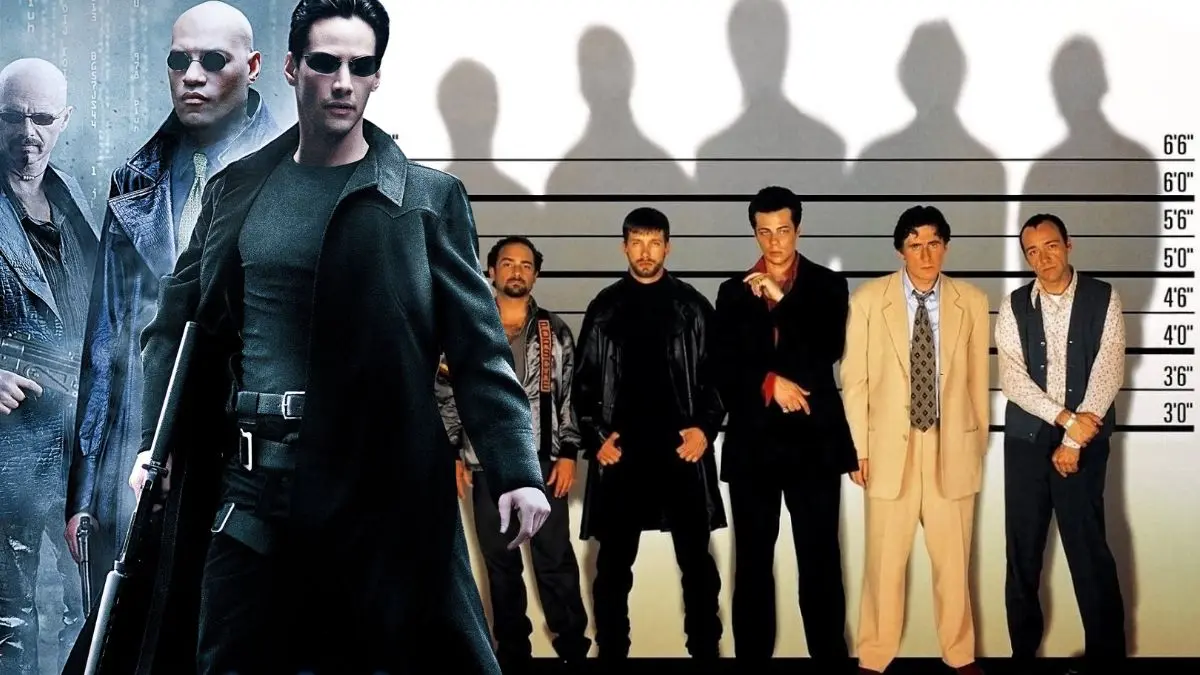

Some movies from the 90s play fair with clues that hide in plain sight, then reveal a bigger picture once the credits roll. A second viewing helps track the setups, switchbacks, and visual hints that explain who knew what and when, and how each scene fits into the larger puzzle.
This list gathers 25 films from the decade that reward a careful rewatch. You will find nonlinear timelines, unreliable narrators, layered symbolism, and stories that fold back on themselves. A first pass shows you the plot. A second pass shows you how it all works.
‘The Sixth Sense’ (1999)
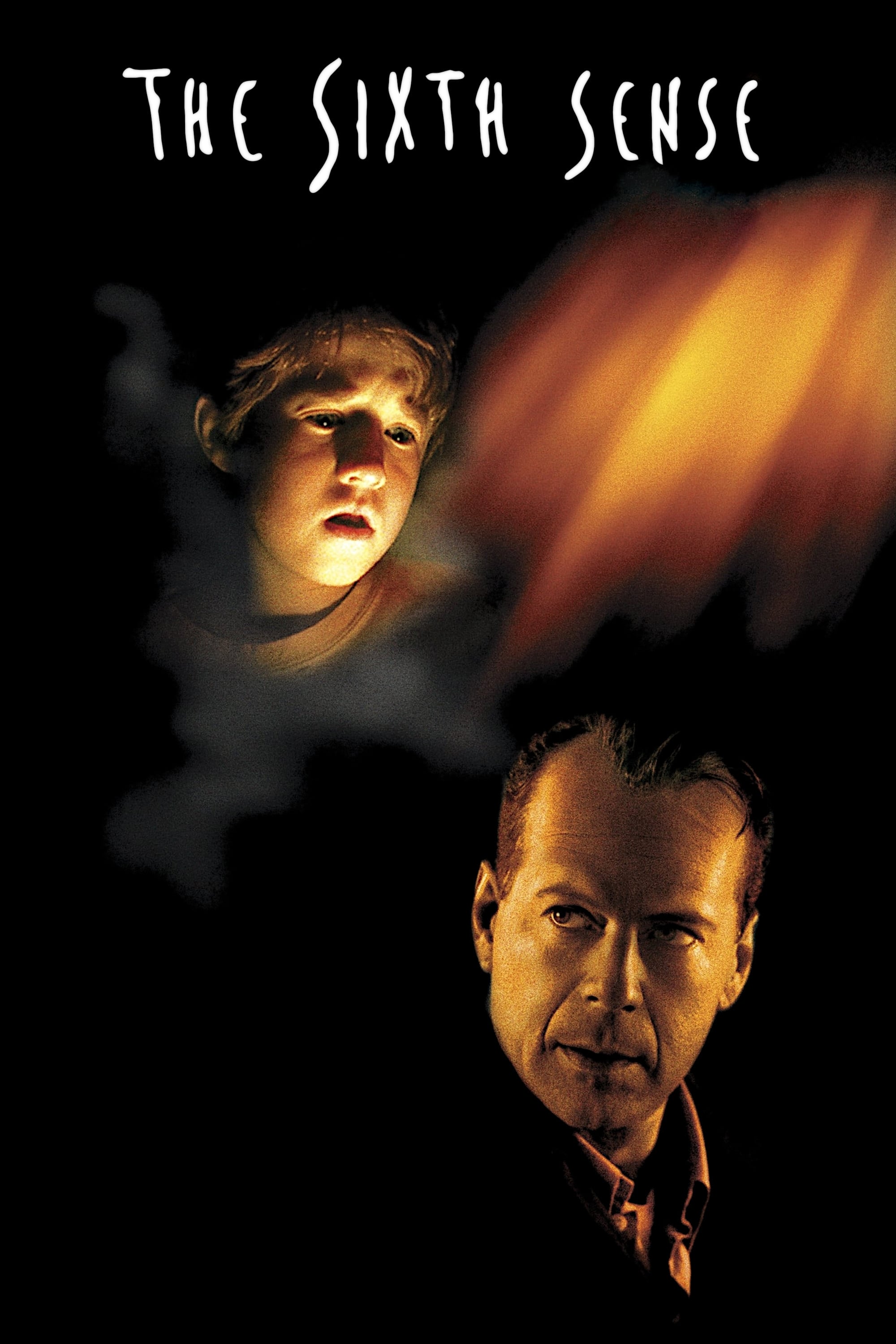
M. Night Shyamalan structures the story around a child psychologist and a boy who sees what others cannot. Careful staging, camera placement, and repeated motifs set up an end reveal that redefines earlier conversations and background details. The dialogue often carries double meanings that become clear only after you know the truth.
Production choices support that dual reading. Tak Fujimoto’s images guide your eye toward significant objects and colors, and the score by James Newton Howard cues emotional beats that are not fully explained on first viewing. Rewatching lets you map each scene to a second layer of intent.
‘Fight Club’ (1999)
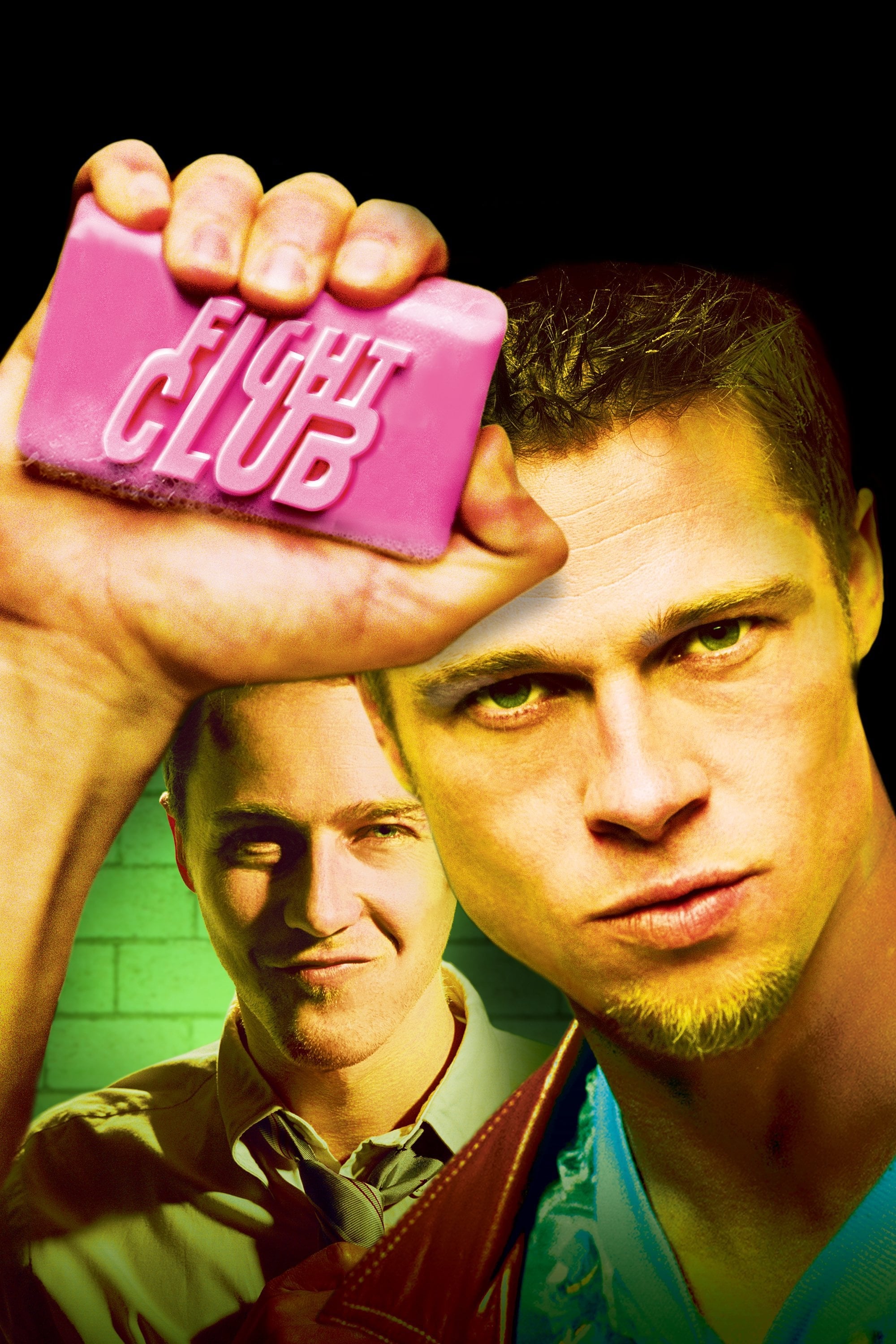
David Fincher adapts Chuck Palahniuk’s novel with a narrator whose account cannot be taken at face value. Visual flashes, continuity quirks, and pointed edits tip off a hidden relationship between characters long before the reveal. Lines that sound like confessions the first time read as confirmations the second time.
The design and sound landscape carry clues about identity and control. Props reappear in new contexts, signage comments on the action, and wardrobe choices signal shifting states of mind. A second viewing clarifies how the film separates internal voice from external reality.
‘The Matrix’ (1999)
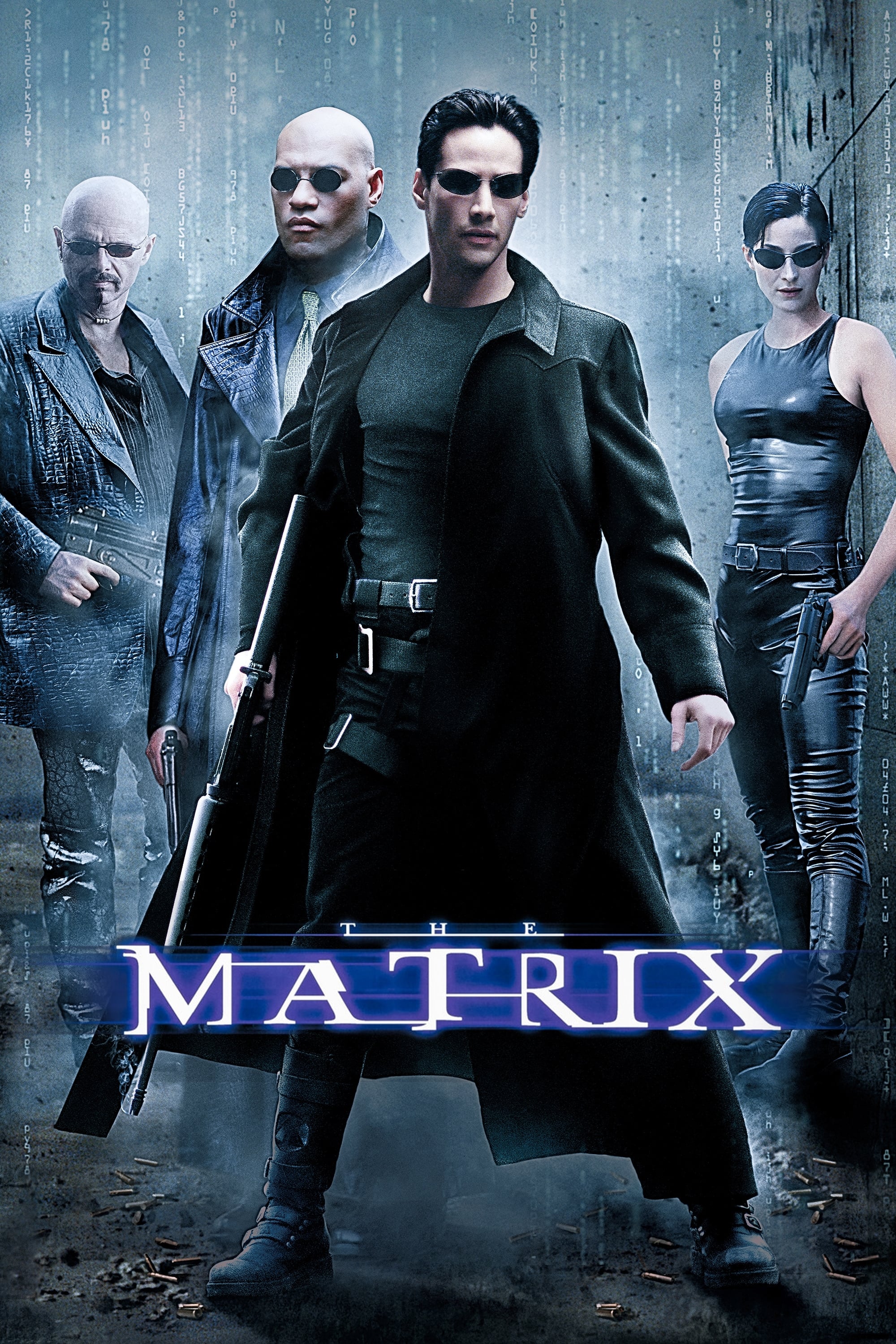
The Wachowskis build a reality split between a simulated world and a hidden one. Exposition explains the rules, but small visual cues reveal who is awake and who is not. Background anomalies, screen readouts, and mirrored surfaces plant evidence that is easy to miss at first.
Fight choreography and effects serve the logic of the simulation. Bullet time sequences and impossible movements are not just spectacle, they illustrate permissions granted by a system. A second pass helps track how characters learn to bend rules and how each set piece foreshadows the final choice.
‘Eyes Wide Shut’ (1999)

Stanley Kubrick adapts the novella about a doctor whose nightlong journey blurs dream and waking states. Repeated patterns in lighting, Christmas décor, and color link locations that may or may not be literal. Dialogue echoes between scenes like refrains, hinting at loops rather than a straight line.
The film’s careful blocking and symmetrical frames set up visual rhymes that pay off on rewatch. Identities remain masked in more than one sense, and props like keys, masks, and notes track who is directing the action. A second viewing helps you trace the network behind the encounters.
‘Being John Malkovich’ (1999)
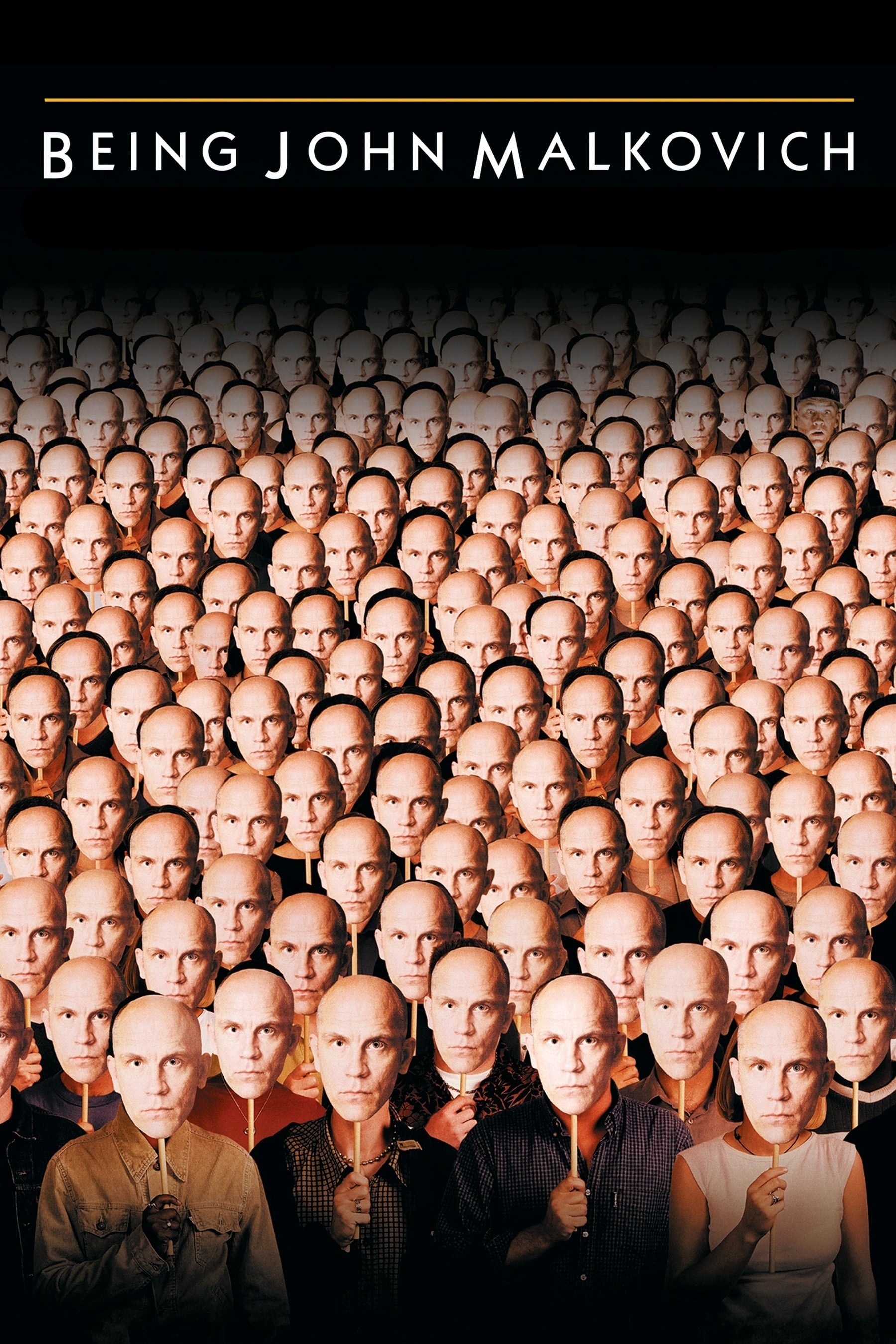
Spike Jonze and Charlie Kaufman follow a puppeteer who discovers a portal into a famous actor’s head. The script sets strict rules for how the portal works, and then it complicates those rules with issues of consent and control. Seemingly absurd gags are actually consistent with the system the story builds.
Production design hides breadcrumbs about who is exploiting whom and why floor seven and a half matters. Character choices align with themes of identity, performance, and authorship. Watching again clarifies timelines and the way control passes from person to person.
‘Magnolia’ (1999)
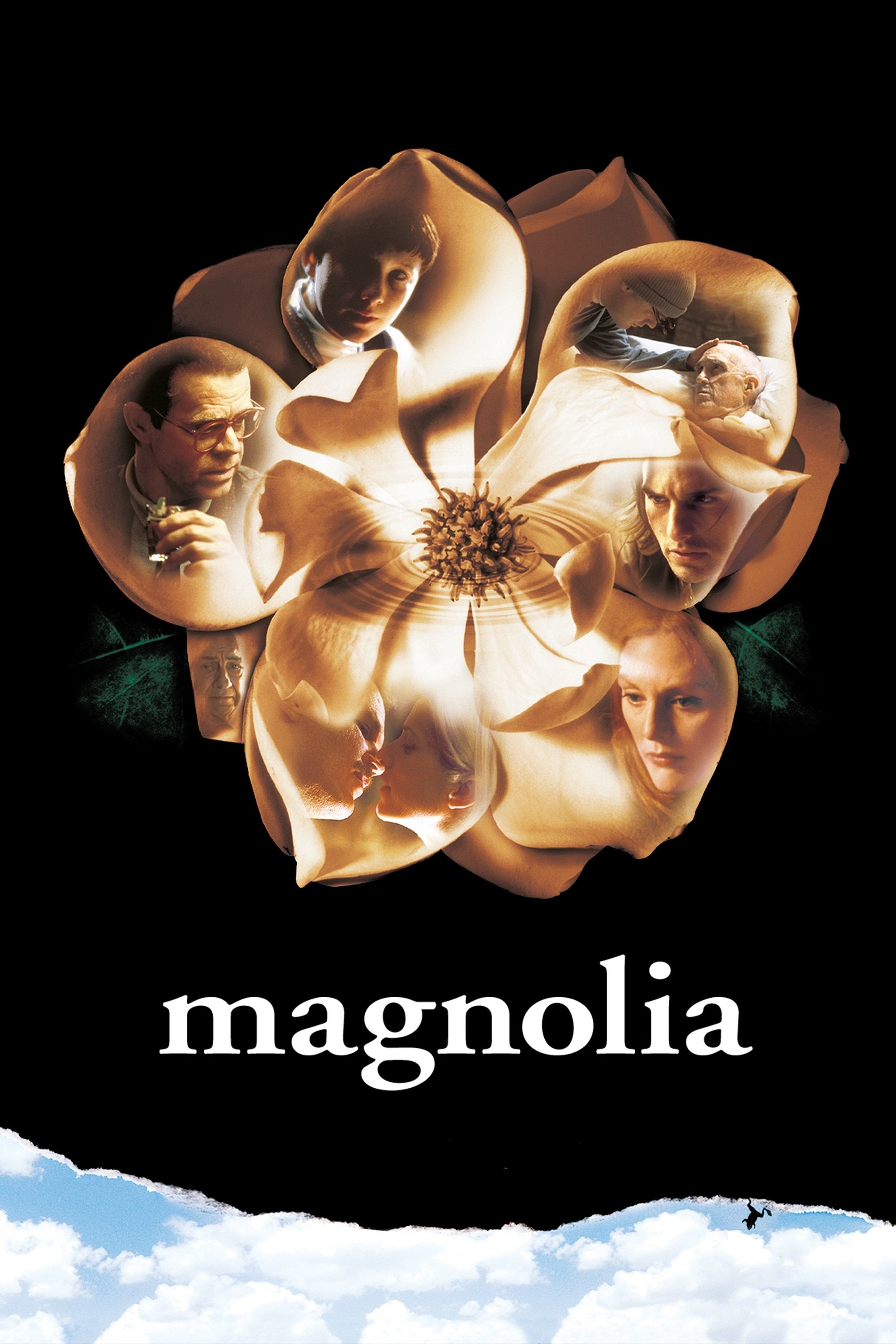
Paul Thomas Anderson interweaves multiple lives across one day in the San Fernando Valley. A prologue about coincidence frames the narrative, and the editing creates patterns among characters who never share scenes. Repeating numbers, weather reports, and musical cues bind the stories together.
Songs by Aimee Mann act like a chorus, setting emotional timing and linking isolated decisions into a chain. A rewatch lets you follow how each story seeds the next and how a strange climatic event fulfills the prologue’s thesis about chance and connection.
‘The Truman Show’ (1998)
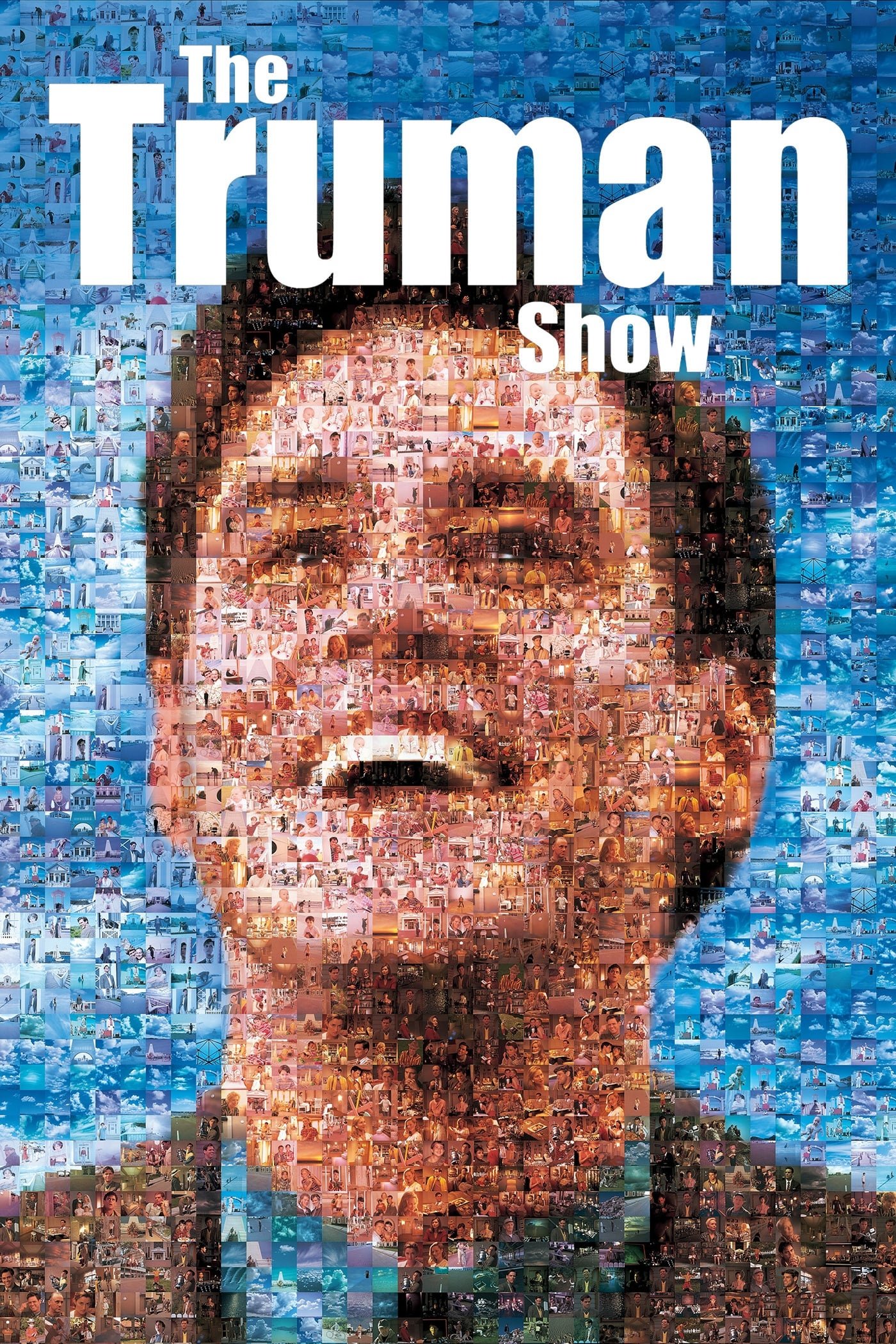
Peter Weir presents a life broadcast as entertainment without the subject’s knowledge. Set design and camera placement reveal hidden lenses and fake horizons that hint at the artifice around the protagonist. Extras behave with the timing of a production crew rather than neighbors, which reads differently once you know the setup.
The script by Andrew Niccol inserts product placement speeches and coded directions that keep the show running. On rewatch you can spot the seams, from repeated traffic patterns to weather controls and rushed cover stories whenever something goes wrong.
‘Dark City’ (1998)
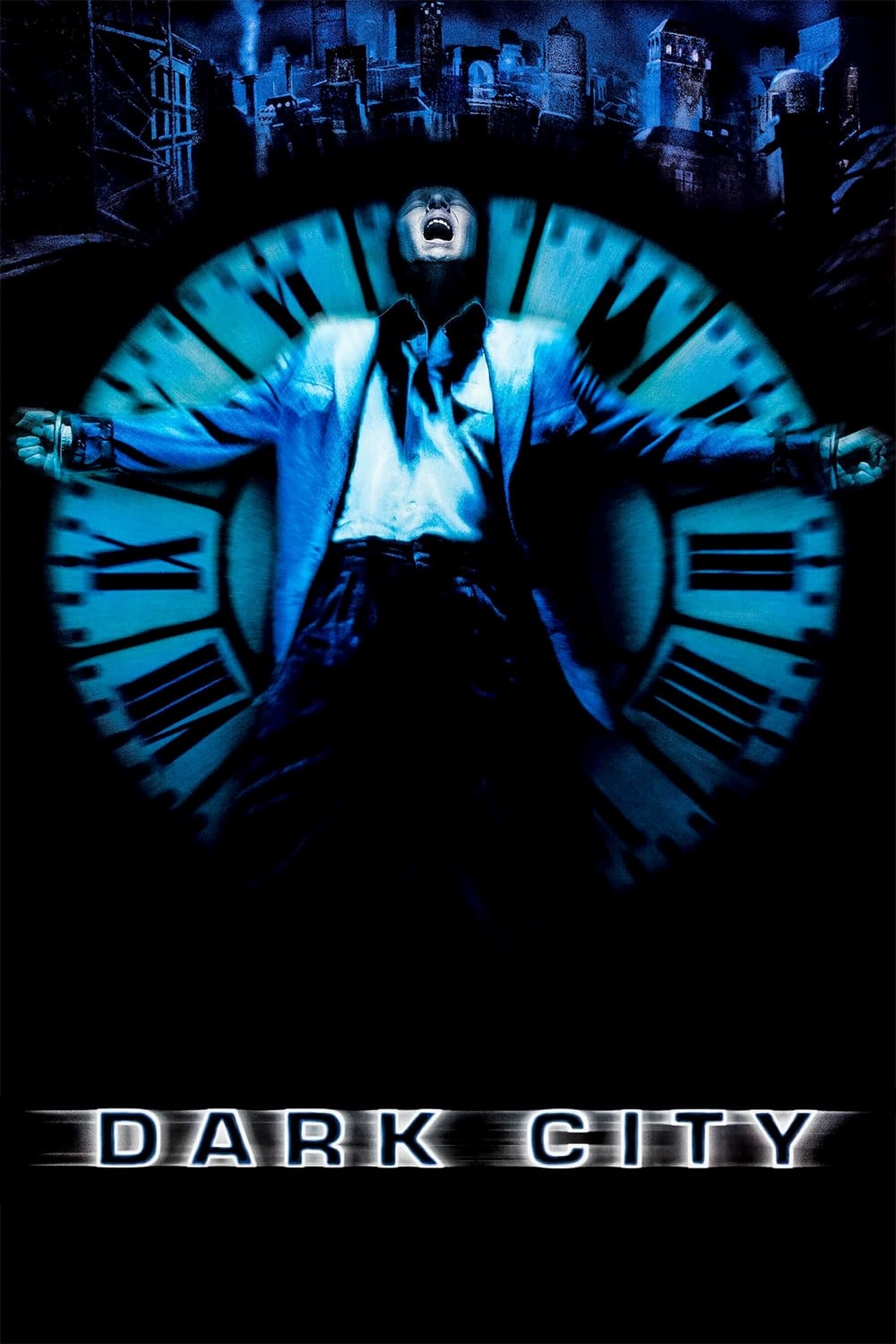
Alex Proyas places a man with no memory in a city that changes shape while its citizens sleep. The Strangers alter architecture and implant false histories, which makes continuity itself a clue. Street layouts, clocks, and apartment numbers guide you through a puzzle the characters cannot see.
Noir lighting and miniatures support the idea that the city is a constructed stage. Rewatching reveals how geography shifts to trap or test the lead and how the final confrontation is prepared through earlier demonstrations of tuning.
‘The Big Lebowski’ (1998)
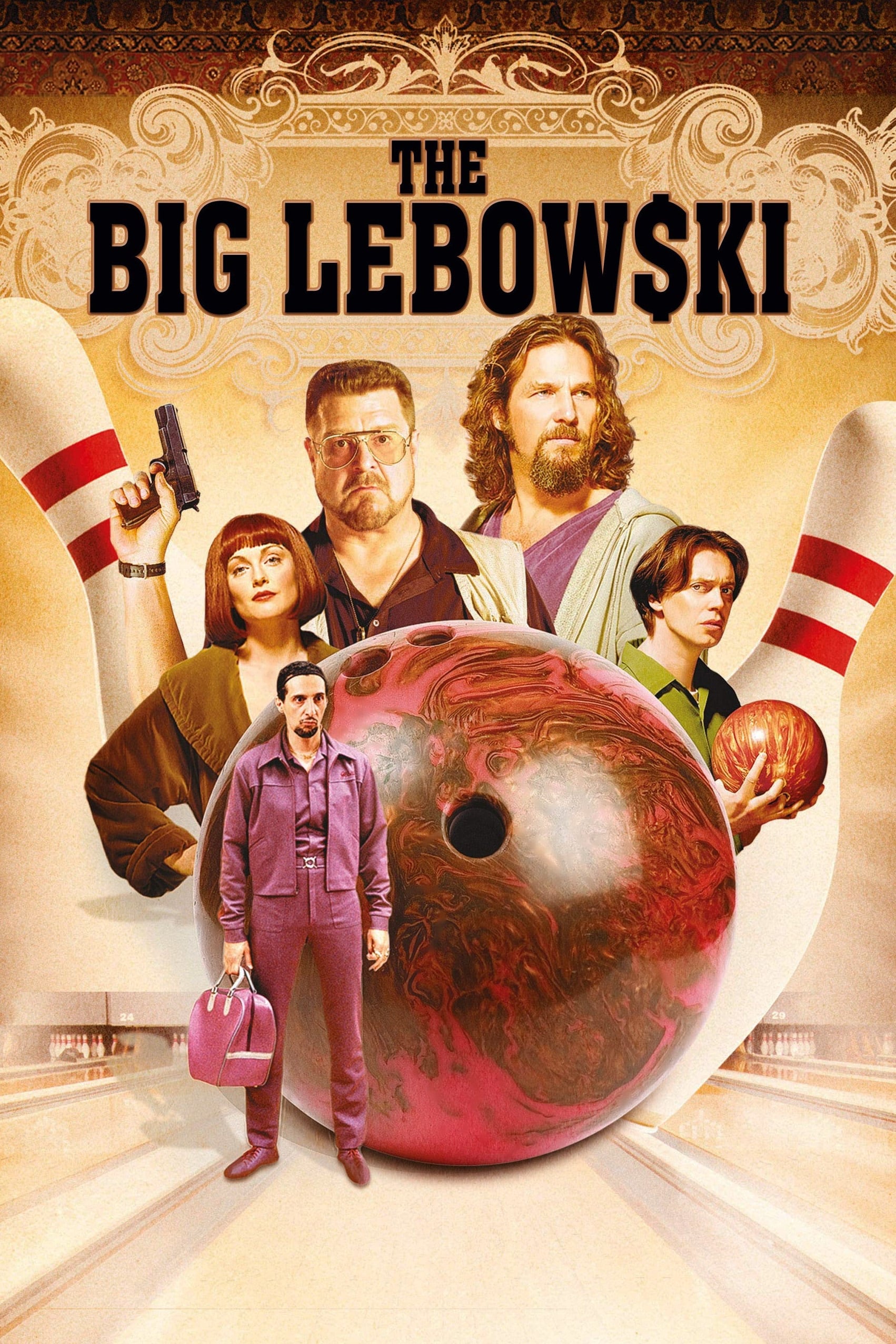
Joel and Ethan Coen send a laid back bowler into a mistaken identity case. The casebook structure borrows from detective stories where every chatty side character carries a piece of the solution. Repeated phrases, rug references, and a stolen briefcase bind the threads even when the protagonist loses track.
Dream sequences and bowling alley choreography add symbolic versions of the suspects and motives. Watching again makes the ransom scheme and its copycats easier to follow, and it clarifies how every misunderstanding comes from an early mix up.
‘Pi’ (1998)
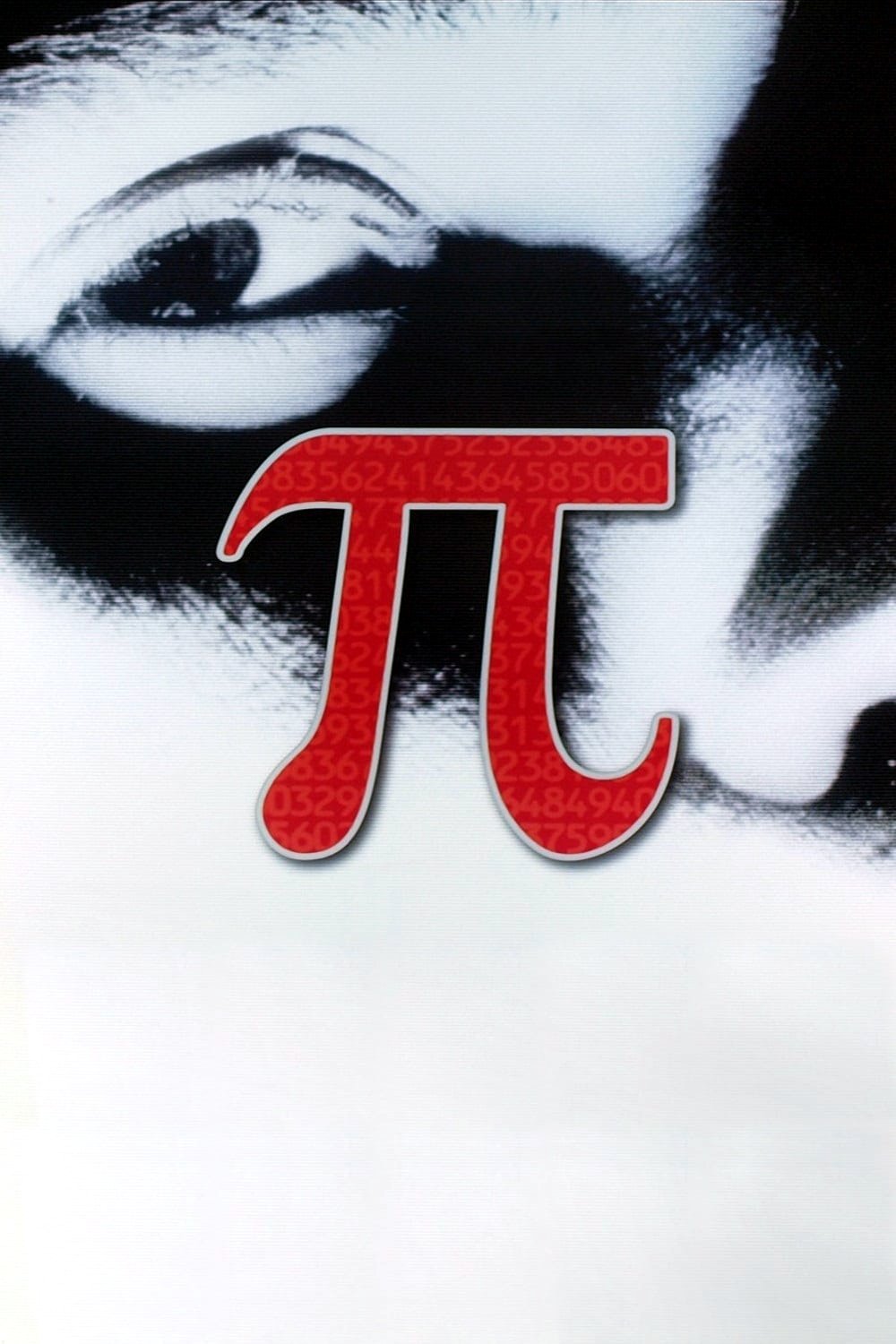
Darren Aronofsky follows a number theorist chasing patterns that connect markets and mysticism. Rapid edits, sound motifs, and black and white imagery place you inside an unraveling mind while still tracking a clear sequence of discoveries. Notebook pages and circuit boards hold data you can actually parse.
The film crosscuts between math, finance, and religious scholarship with recurring symbols that align at the end. On a second viewing you can chart how each visitor pushes the protagonist toward a conclusion and which patterns are signal rather than noise.
‘The Thin Red Line’ (1998)
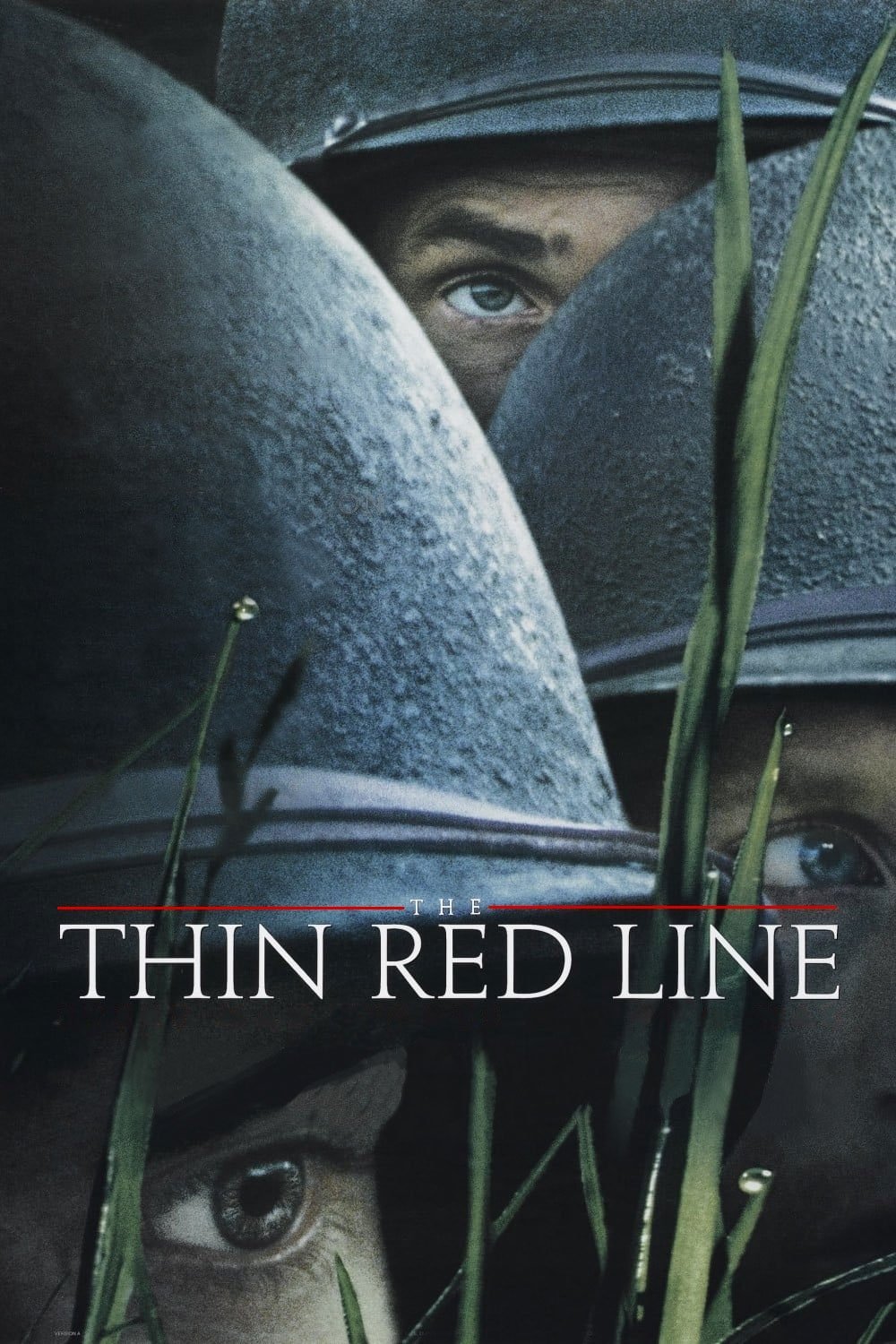
Terrence Malick uses fragmented voiceovers and elliptical editing to tell the story of a battle and its many witnesses. Perspectives shift among soldiers and officers, and the narration often belongs to someone other than the face on screen. The structure asks you to match images of nature with thoughts about war.
Multiple character arcs run in parallel without traditional signposting. Rewatching helps you identify who speaks when, how scenes interlock across time, and how the film’s questions about grace and violence repeat through different lives.
‘Lost Highway’ (1997)
David Lynch presents a story that loops back on itself and exchanges identities midway. Settings reappear with altered meaning, and the same performer plays roles that may be halves of a single person. Sound design and night scenes build continuity across what looks like a break in the plot.
Clues hide in videotapes, desert meetings, and the architecture of the house. A second pass lets you track how the narrative turns on jealousy and memory, and how symbols like the highway and the cabin link the two halves into one circle.
‘Perfect Blue’ (1997)
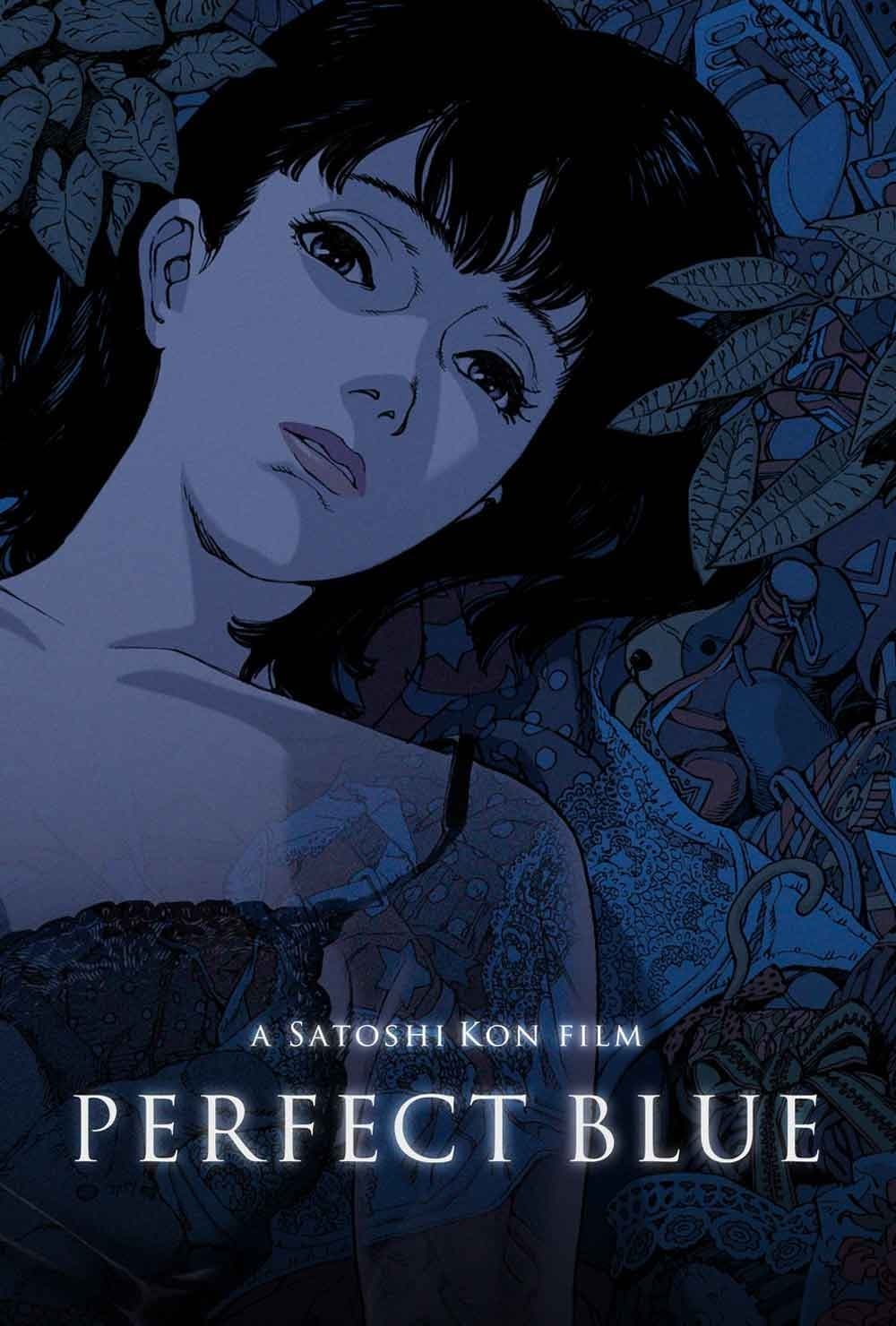
Satoshi Kon follows a pop idol who moves into acting while dealing with a stalker and a slippery sense of self. Scenes from a television production mirror events in her life, and edits jump between stage and reality without warning. Storyboards and match cuts make performance and identity hard to separate.
The film repeats shots with slight changes to show a mind under pressure. Rewatching clarifies which scenes belong to a show within the story and which belong to the character’s experience, and it reveals how a manager and a fan shape the final confrontation.
‘Cube’ (1997)
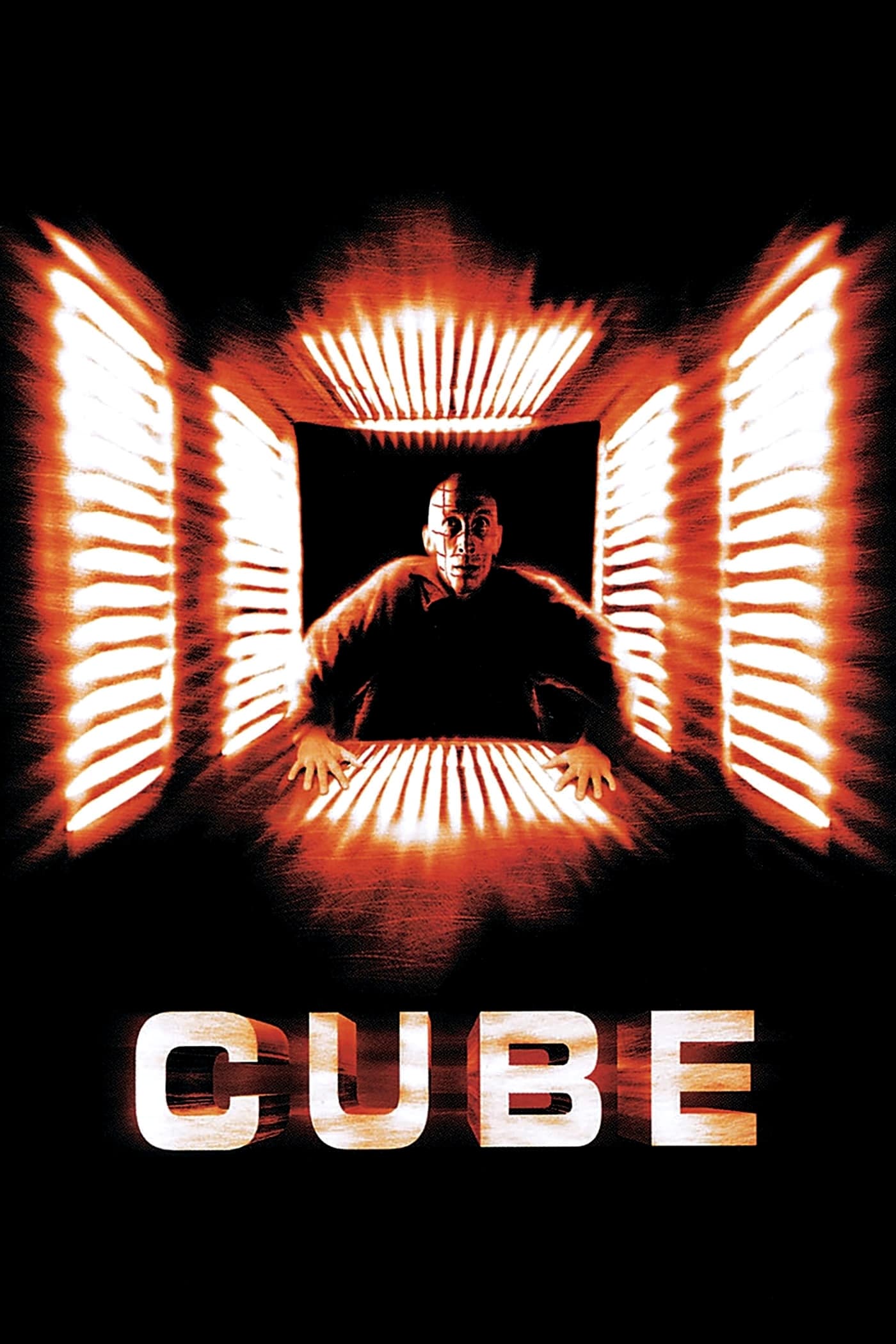
Vincenzo Natali strands strangers in a maze of identical rooms, some of which are deadly. Colors and serial numbers label the grid, and characters test rules about prime numbers and coordinates to survive. The film gives just enough math to let you solve along with them.
Because the set is modular, geography becomes a logic problem. Watching again helps you follow how the group moves, which personalities sabotage progress, and how early observations about traps predict later rooms.
‘Princess Mononoke’ (1997)

Hayao Miyazaki stages a conflict among forest gods, a cursed traveler, and an ironworks town. The story avoids simple heroes and villains, and each faction holds a reasonable agenda. Locations and creatures carry histories that are stated plainly in dialogue but gain force on rewatch.
Design choices give every clan a distinct material culture. Armor, tools, and rituals explain alliances and grudges without exposition dumps. A second pass helps you map loyalties across shifting battles and understand how the curse links personal survival to a larger ecological balance.
‘Open Your Eyes’ (1997)
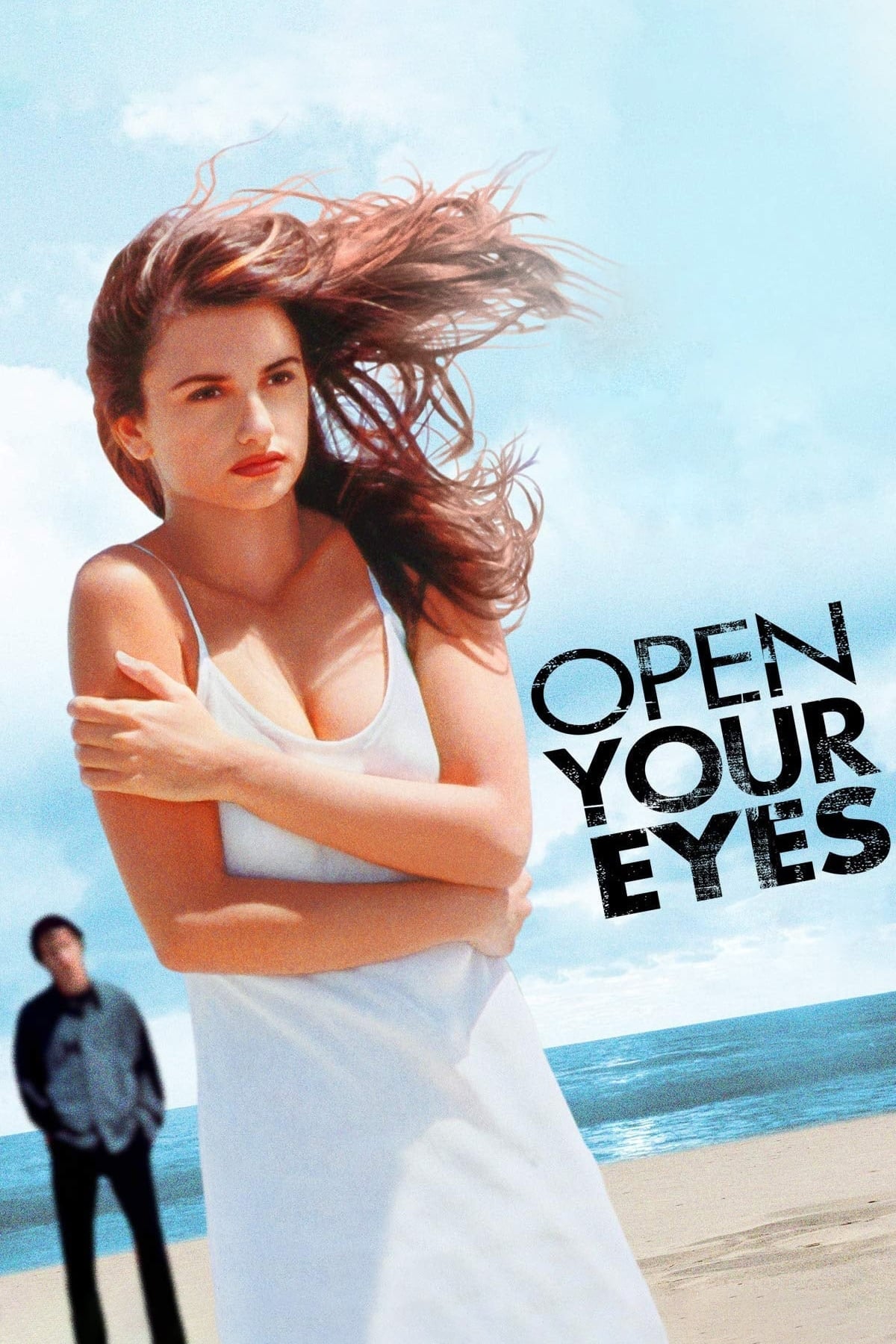
Alejandro Amenábar blends romance, accident, and a contract with a cryonics company into a tale of uncertain reality. A handsome heir falls for a woman, suffers a life changing event, and begins to question what is dream and what is memory. Scenes fold back with altered details that test the ground under his feet.
The film plants corporate names and medical references that point to a technological explanation. Watching again lets you line up therapist sessions, masked encounters, and a rooftop choice that resolves whether the story is a reconstruction or a new life. The later remake titled ‘Vanilla Sky’ uses the same structure, which highlights how the clues function here.
‘The Game’ (1997)
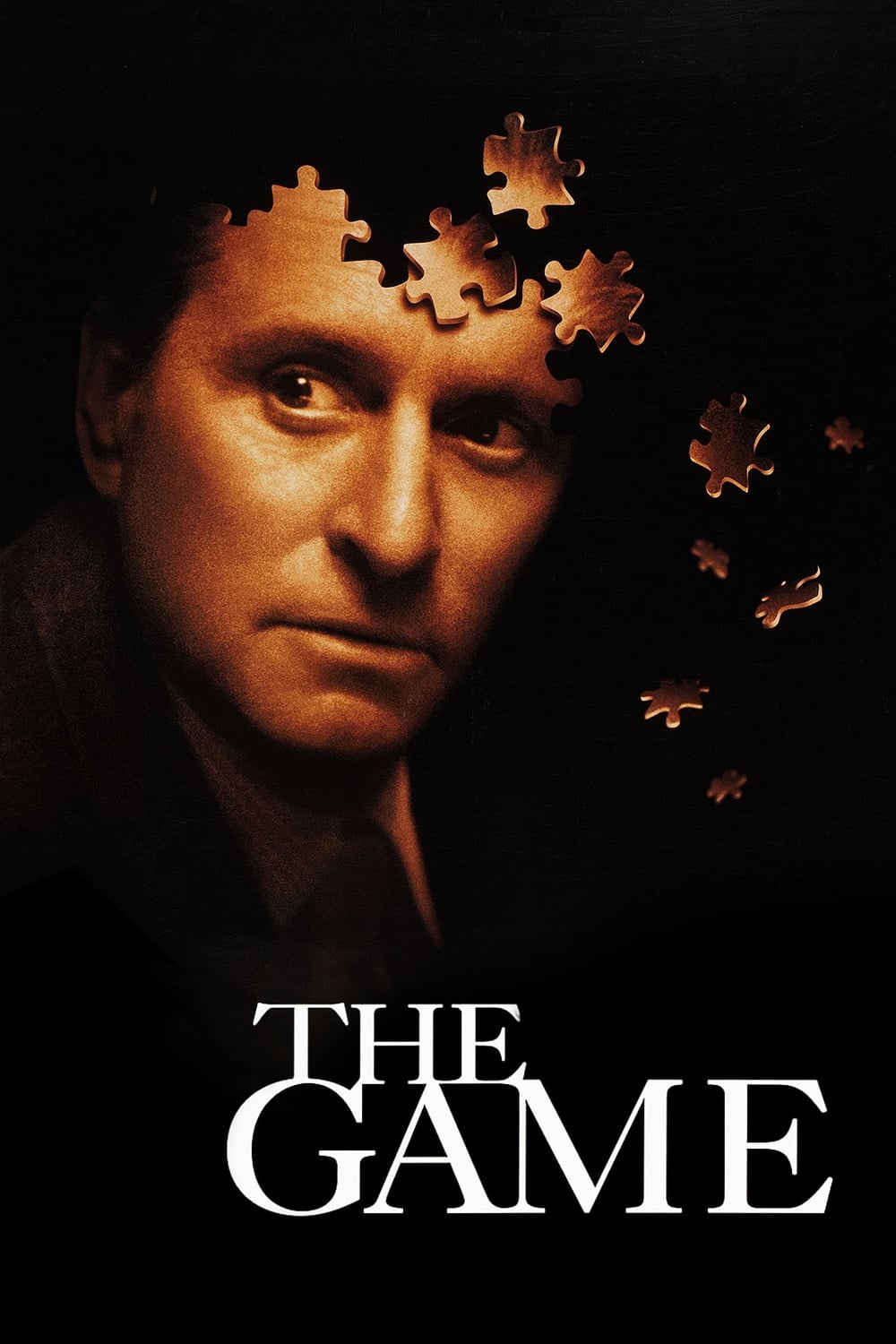
David Fincher follows a financier who receives a gift from a company that stages immersive experiences. What begins as a prank escalates into a series of tests that invade work, home, and relationships. Every new character could be part of the service, which makes cause and effect tricky to watch once.
Locations, props, and billboards carry the company’s signature, and paperwork appears in the background before it matters. A second viewing helps you track how the script plants instructions, false exits, and safety nets that lead to a final stunt.
‘Twelve Monkeys’ (1995)
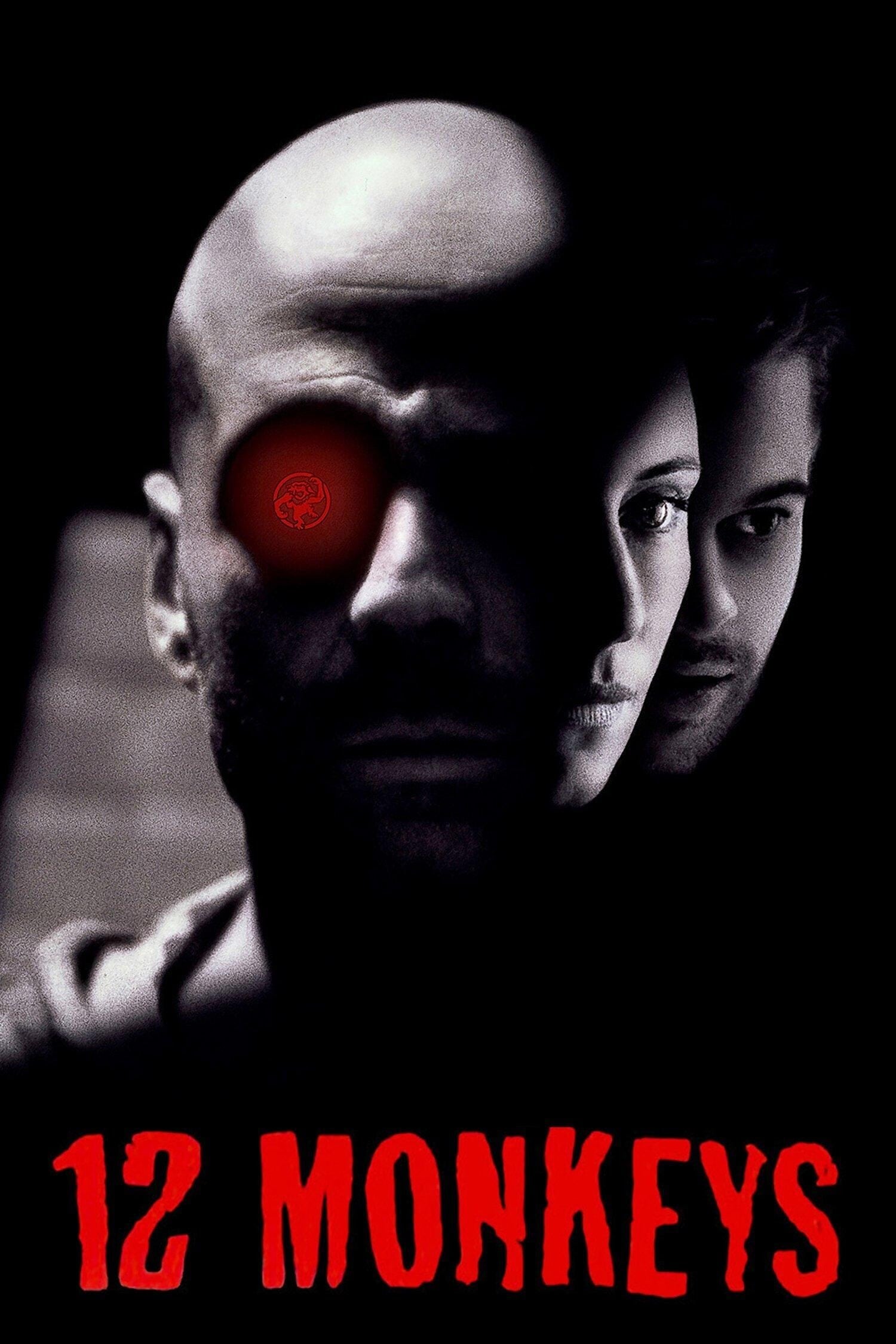
Terry Gilliam tells a story about a prisoner sent back in time to gather information about a plague. The mission repeats with changes that create feedback loops. An airport memory becomes the spine of the narrative, and small choices alter how it plays out.
Set decoration and production design label the eras in subtle ways, from machinery to signage and street life. Watching again clarifies which events are fixed and which are flexible, and how a message about origins is embedded in a phone call and a sequence of photographs. The inspiration from ‘La Jetée’ helps explain the focus on memory.
‘The Usual Suspects’ (1995)
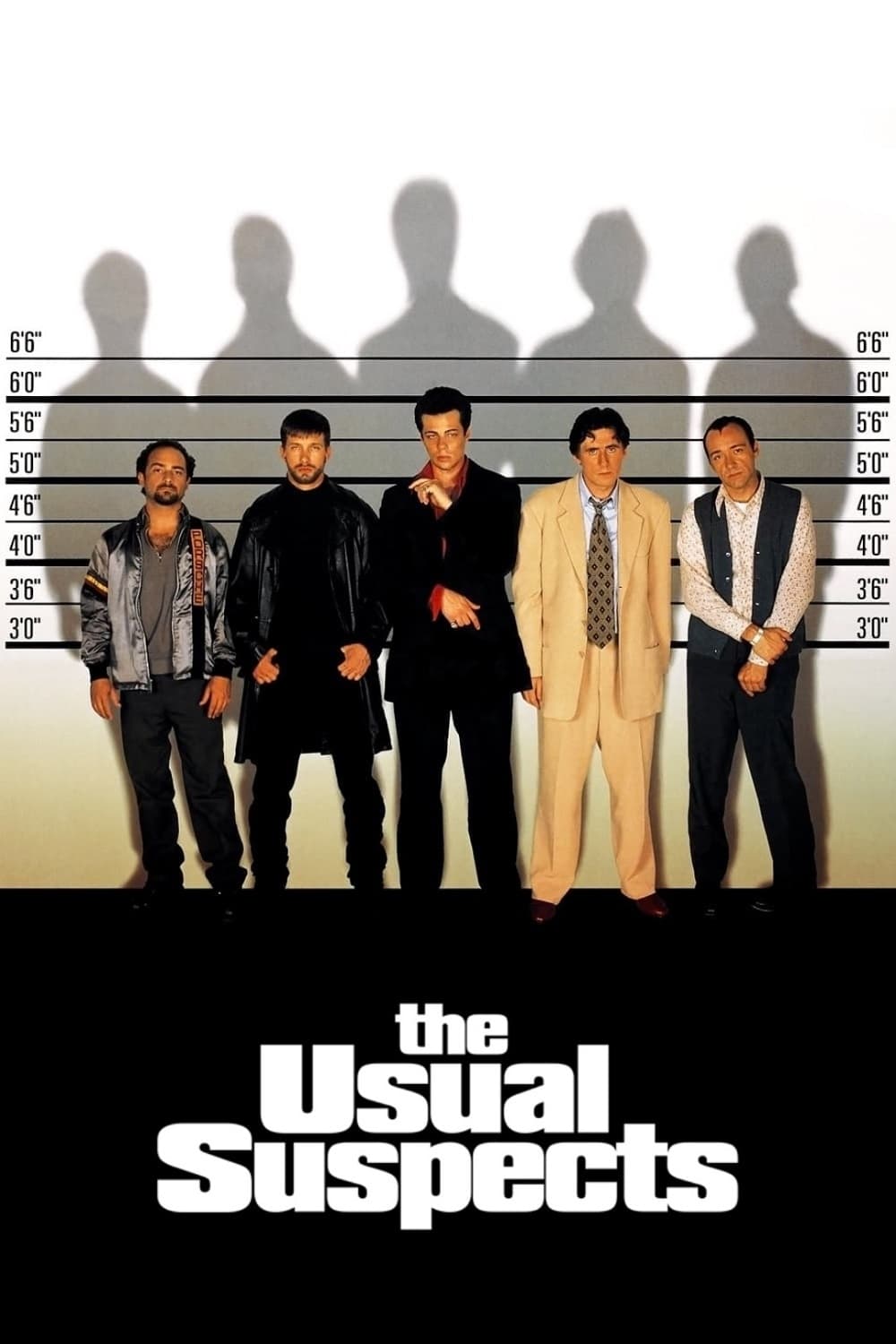
Bryan Singer structures the film around an interrogation and a story told by a con artist. Names, places, and objects scatter across a police bulletin board, which turns into a key device by the end. The cross cutting between the heist crew and the questioning builds an account that may not be reliable.
Rewatching reveals how dialogue anticipates the twist without saying it directly. Character introductions, the boat plan, and a massacre at the docks all contain casual details that set up the final walk out of the station.
‘Se7en’ (1995)
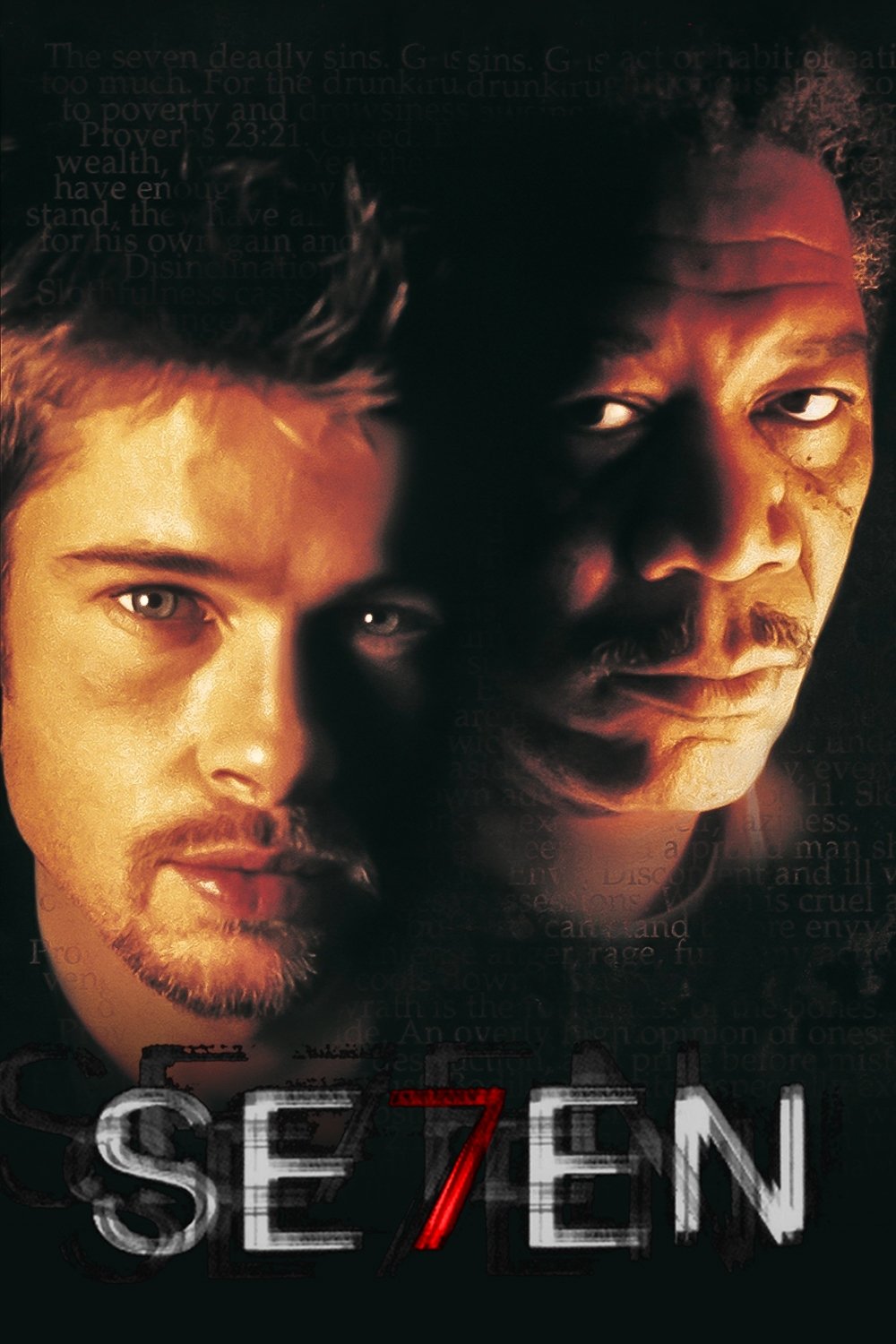
David Fincher follows two detectives across a city as a killer stages crimes around seven sins. The case unfolds through notebooks, apartment searches, and autopsy reports. The investigation structure is straightforward, but the pattern hides in plain sight until the final delivery.
The film uses rain, time of day, and hand drawn diagrams as markers of progress. A second pass lets you catalogue the killer’s schedule, the choice of victims, and the way each discovery pushes the partners toward a field outside city limits.
‘Strange Days’ (1995)
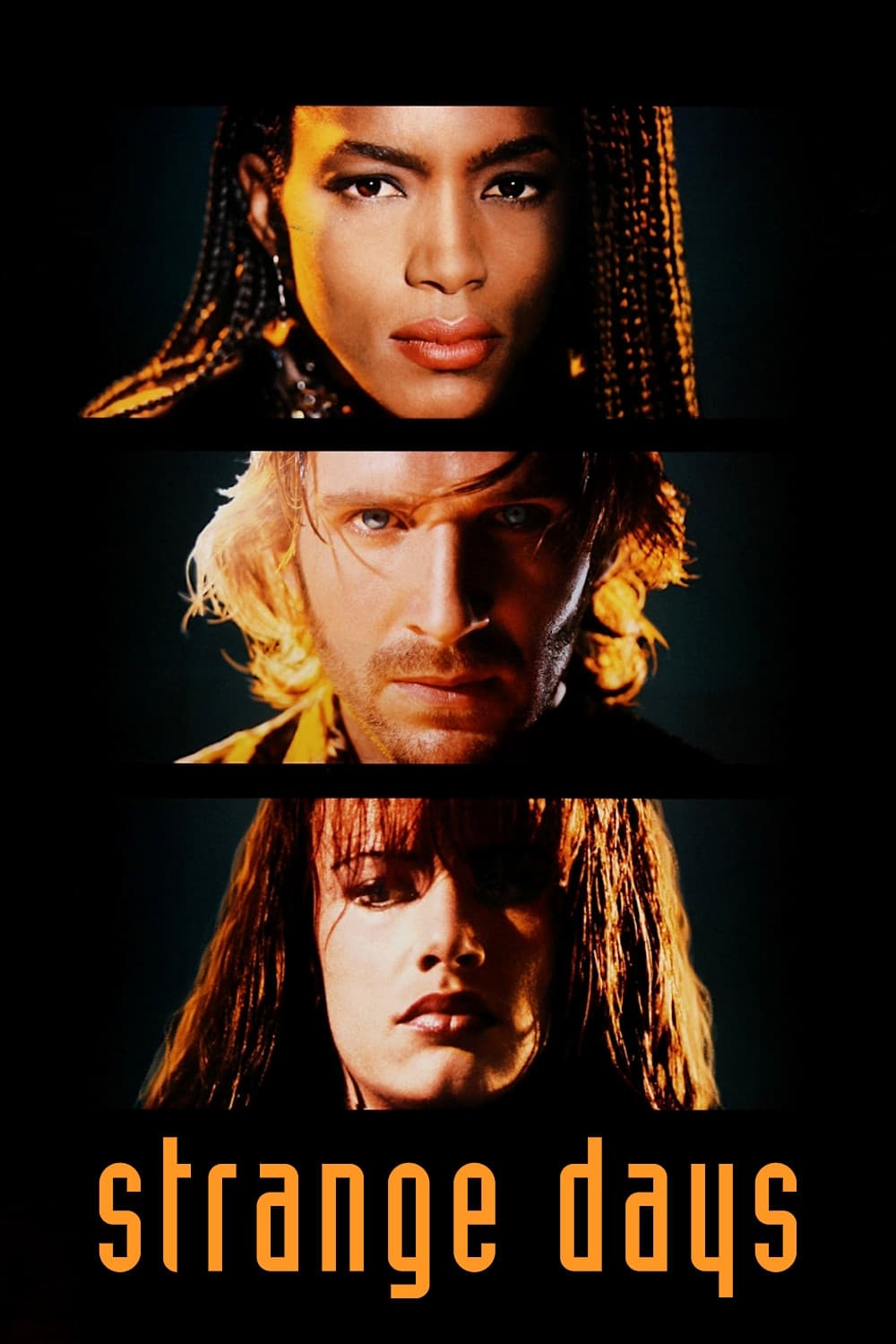
Kathryn Bigelow sets the story on the eve of a new year in Los Angeles, where a device records and plays back human experiences. Illegal clips create a market for memory trading and a conduit for crimes that would otherwise have no witness. The tech rules are clear and are applied with precision to the plot.
Rewatching helps you separate what is being recorded from what is being played back and by whom. The mystery uses point of view recordings as evidence, and those sequences hide crucial information in frame edges and audio glitches.
‘The City of Lost Children’ (1995)
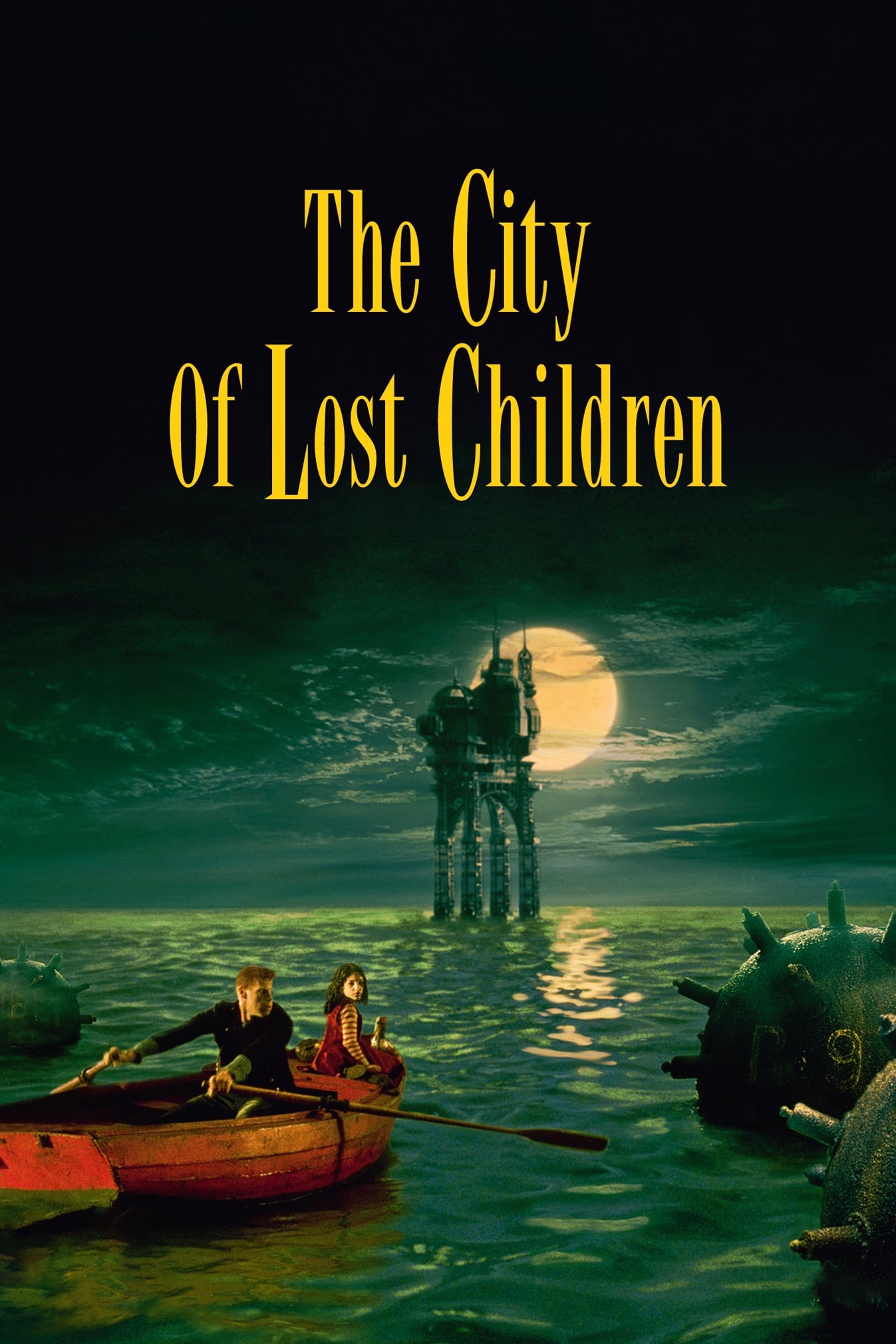
Marc Caro and Jean Pierre Jeunet build a labyrinth where a scientist steals dreams from children. The story threads through a dockside community, a circus strongman, and a gang of clones. The design is dense, with machines and maps that show how the city is wired together.
The villain’s experiments change the nature of time inside the story. Watching again lets you follow the logic of the dream thefts, how the rescue plan uses the city’s infrastructure, and how each eccentric side character contributes a piece of the route.
‘Naked Lunch’ (1991)
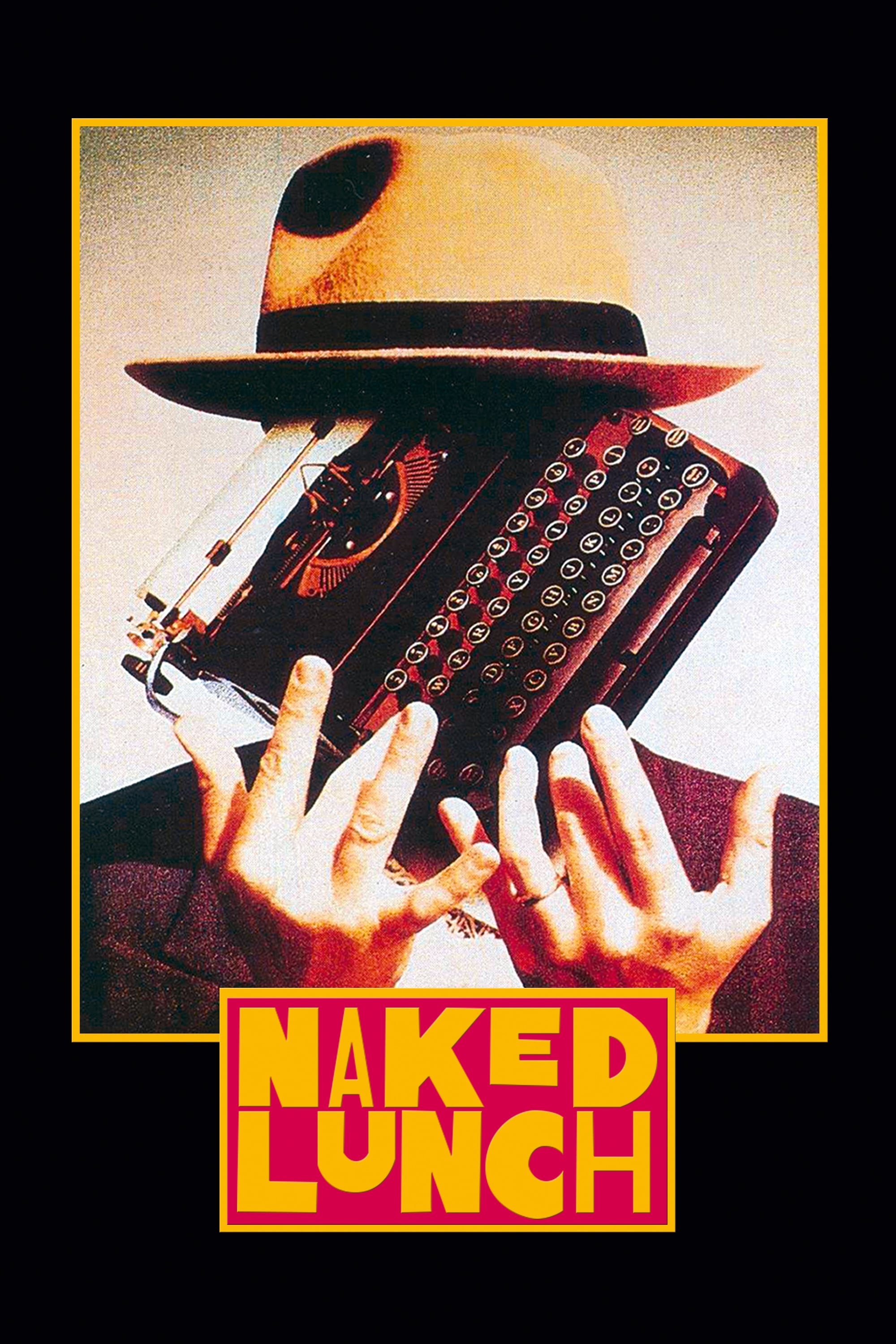
David Cronenberg adapts William S. Burroughs by merging episodes from the book with parts of the author’s life. Typewriters morph, agents appear as insects, and a place called Interzone becomes a workspace and a trap. Scenes that look like hallucinations still obey a personal logic.
Prop drugs, manuscript pages, and coded assignments track a writer’s process as much as a spy plot. A second viewing helps you align the creatures, the editors, and the shifting identities with a map of addiction and creativity.
‘Barton Fink’ (1991)
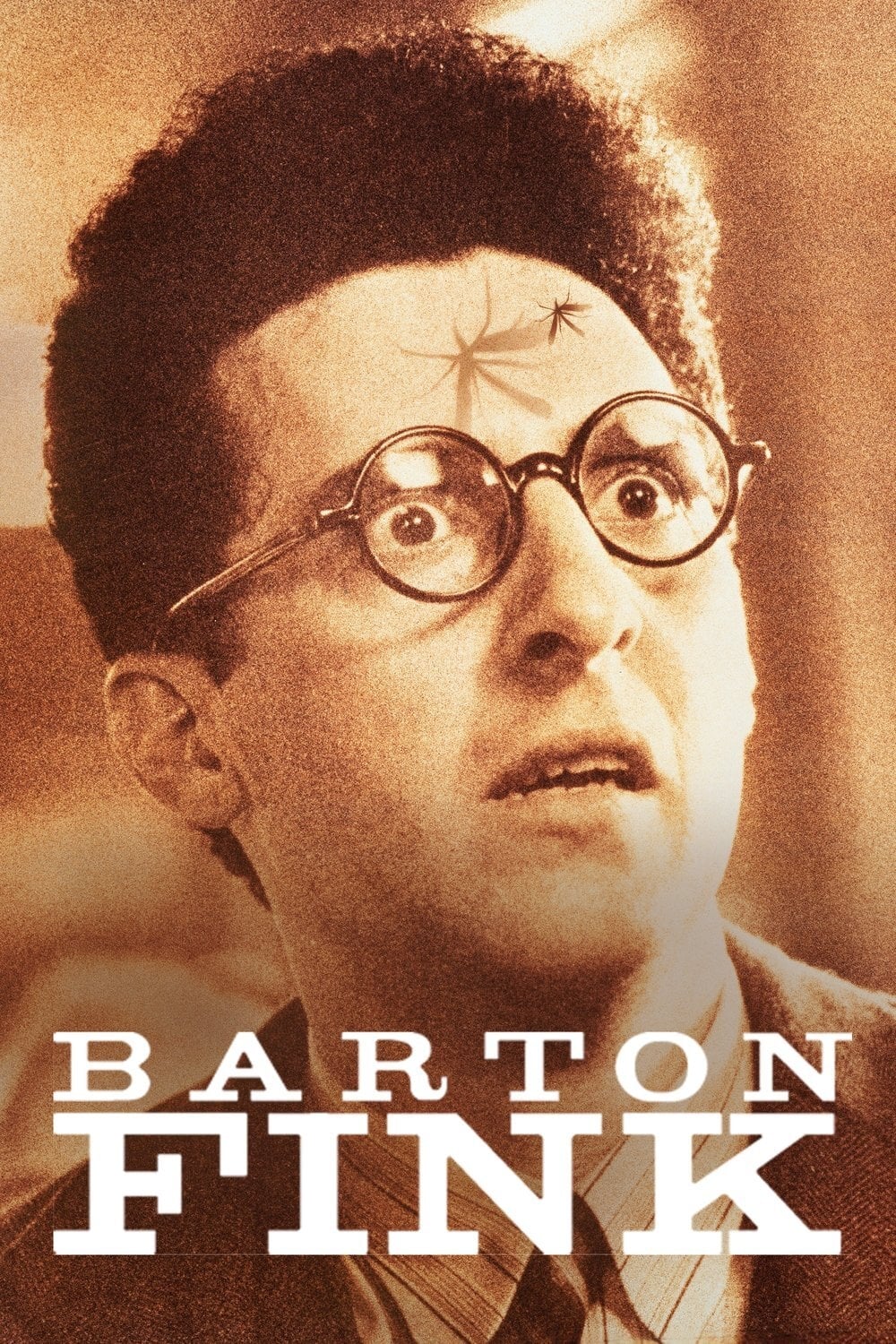
Joel and Ethan Coen follow a playwright hired to write a wrestling picture who checks into a hotel that seems to absorb him. The corridors repeat, the wallpaper peels, and neighbors arrive with stories that mirror his own fears. The desk bell and the box on the bed become objects you can trace across acts.
The film layers references to studio notes, politics, and a famous writer’s career. On rewatch you can mark where the script signals a break from realism and how a beach painting ties the ending to the first day in the room.
‘Jacob’s Ladder’ (1990)

Adrian Lyne tells of a Vietnam veteran haunted by visions and gaps in memory. Hospital scenes, subway tunnels, and a party with strange flashes create a chain of altered perceptions. The story plants paperwork and military names that point toward an experiment.
Rewatching clarifies which encounters belong to life, which belong to a dying mind, and which belong to a drug trial. Edits between past and present hide transitions in plain sight, and a final reunion reframes the earlier hospital bed sequence.
Share the 90s films you think demand an immediate second viewing in the comments.