2000s Movies You Have to Watch Twice to Fully Understand


The 2000s delivered a wave of films that play with memory, time, and identity, often using nonlinear editing, nested stories, and unreliable narrators. Many of these movies introduce key information late or hide essential clues in plain sight, so a second viewing helps connect character motivations, visual motifs, and structural tricks that are easy to miss the first time.
Filmmakers across the world leaned into puzzle box storytelling during this era, drawing on dream logic, speculative science, and psychological mystery. The titles below span animation, thriller, horror, and drama, and they reward careful attention to framing, sound cues, and repeated symbols that map out what is really happening beneath the surface.
‘Memento’ (2000)
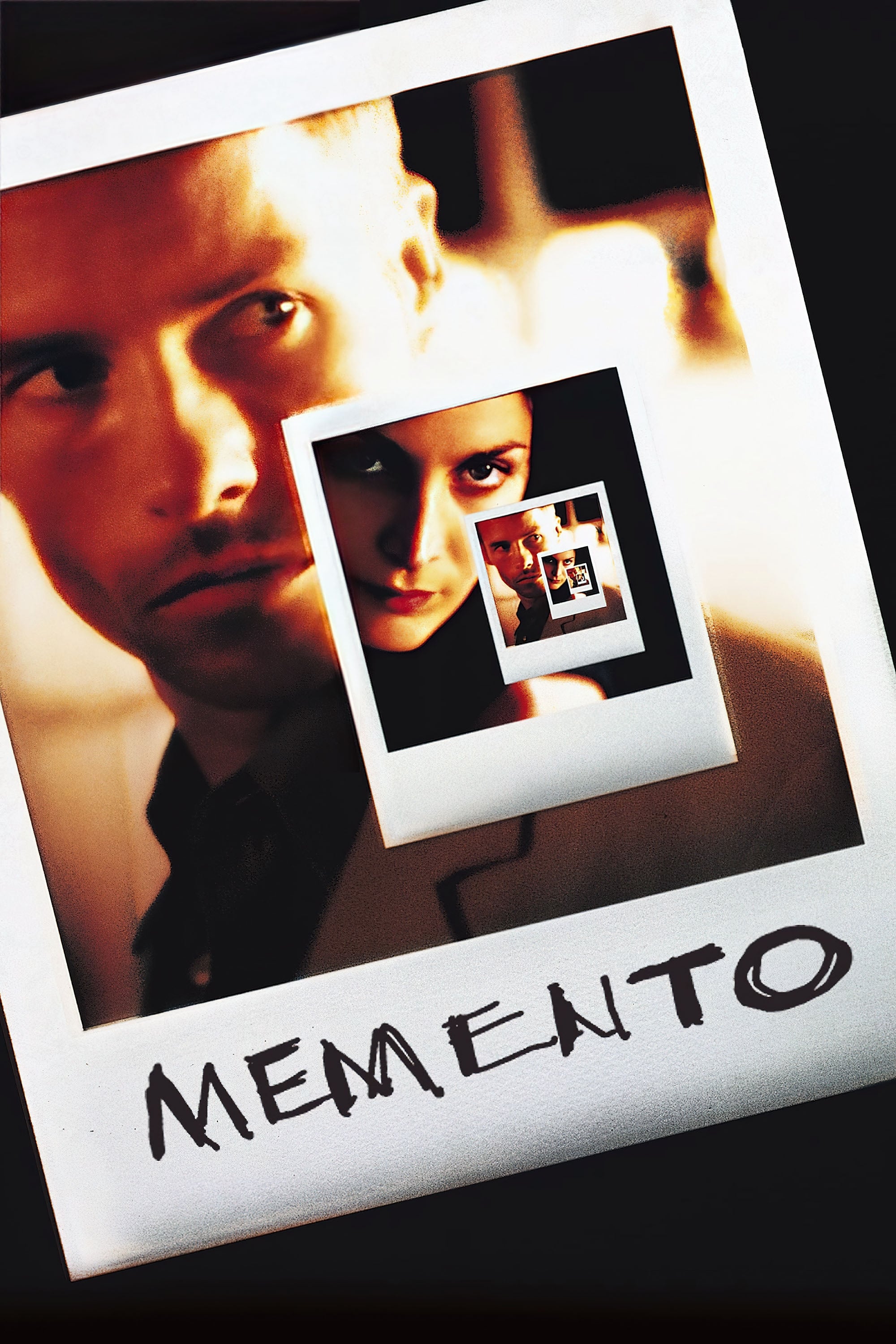
Christopher Nolan builds the story around a man with short term memory loss who investigates a crime while writing notes to himself and photographing clues. The film alternates between sequences that move forward and scenes that move backward, which gradually meet in the middle and reveal how each decision leads to the next event.
A second viewing helps track the color coding and the placement of objects in rooms that signal where the protagonist stands in his investigation. Watching again also clarifies how phone calls, tattoos, and Polaroids are used as a personal archive that can be manipulated by others.
‘Mulholland Drive’ (2001)
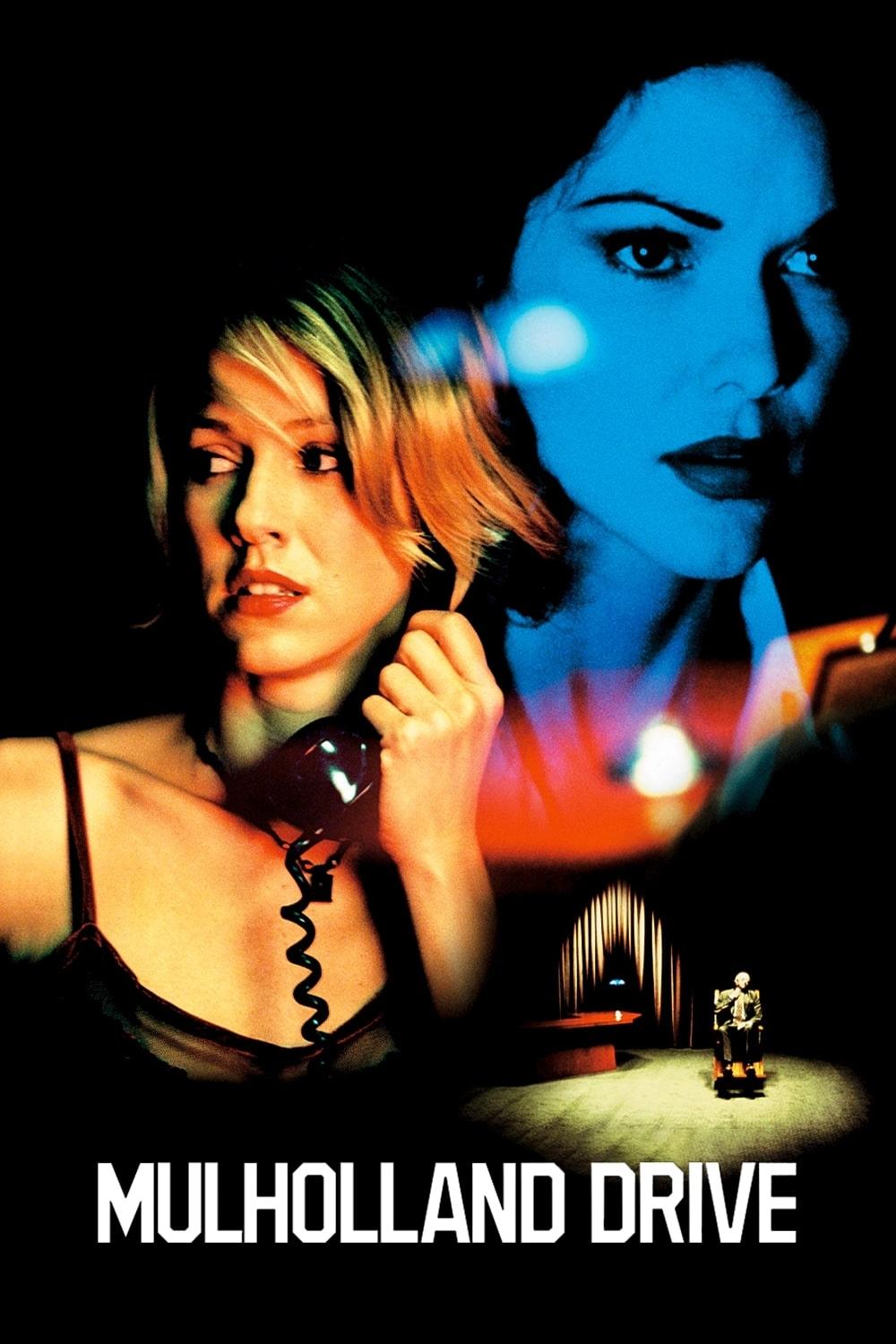
David Lynch presents a mystery that begins with an amnesiac woman and a hopeful actor in Los Angeles. Characters appear under different names and roles, scenes repeat with altered details, and dreamlike locations fold into the main plot.
Rewatching lets viewers trace how props and songs mirror later scenes and how club and theater sequences set up the rules of identity play. The film’s structure invites a second pass to connect the fantasy of success with the reality of loss through mirrored dialogue and recurring images.
‘Donnie Darko’ (2001)
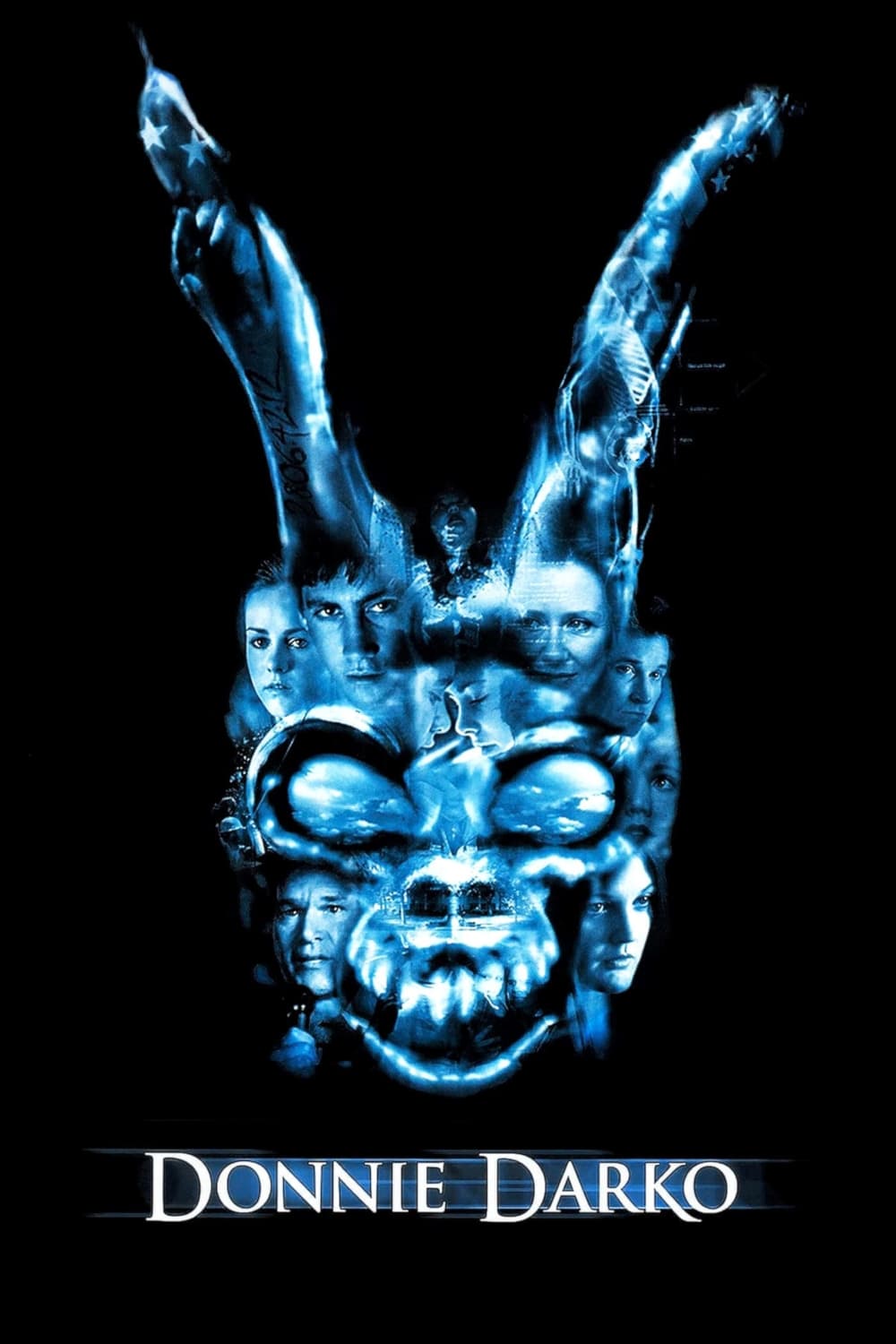
Richard Kelly’s film blends suburban life with visions of a looming disaster and a figure in a rabbit suit who delivers warnings. The narrative weaves in concepts of parallel timelines, predetermined paths, and the ripple effects of small choices.
A second viewing helps follow the placement of jet engine imagery and the significance of specific book passages handed to the lead character. It also clarifies how secondary characters influence turning points that appear random on first watch.
‘Vanilla Sky’ (2001)
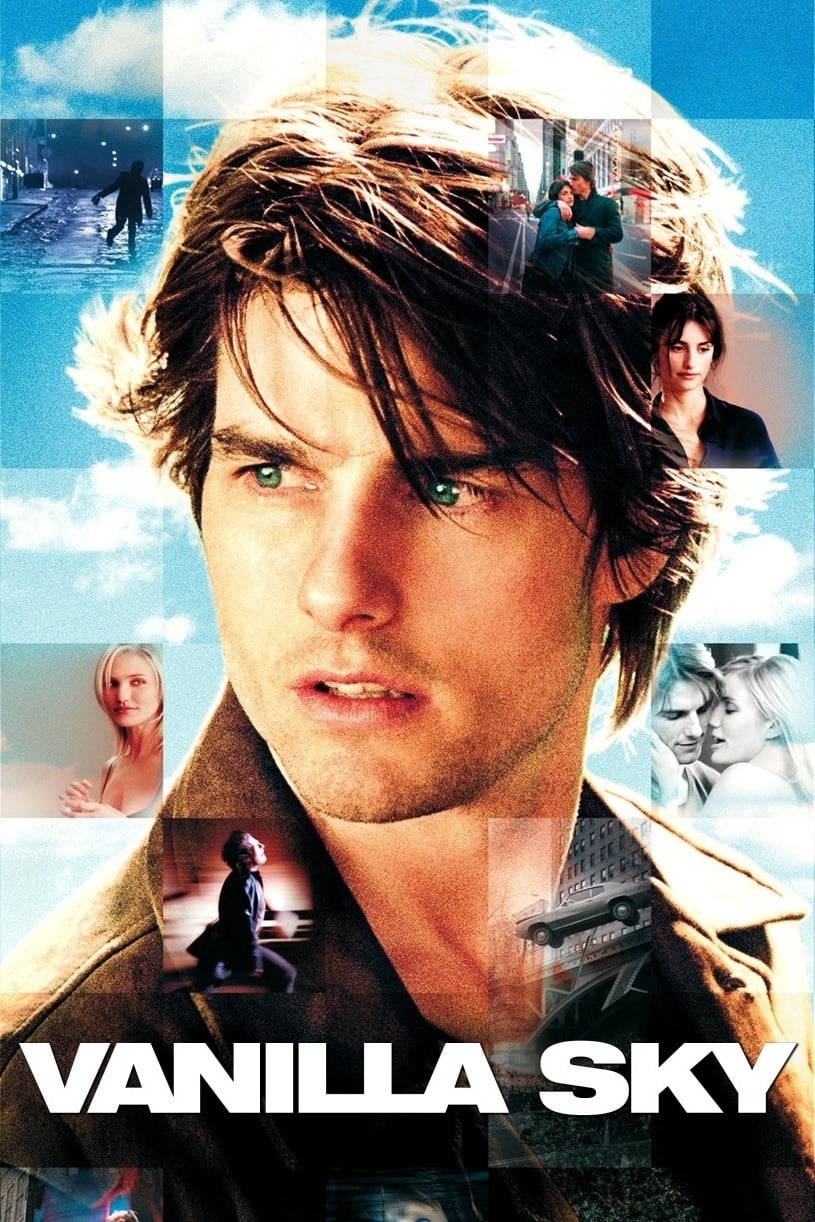
Cameron Crowe adapts the Spanish thriller ‘Open Your Eyes’ and centers the story on a publishing heir who experiences a reality that keeps shifting after a traumatic event. Scenes jump between interrogation rooms, parties, and dreamlike encounters that blur memory and wish fulfillment.
On rewatch, the soundtrack cues and background billboards reveal when the story tilts into an altered state. Small continuity details in mirrors and photographs help map the transition between lived experience and constructed experience.
‘Waking Life’ (2001)
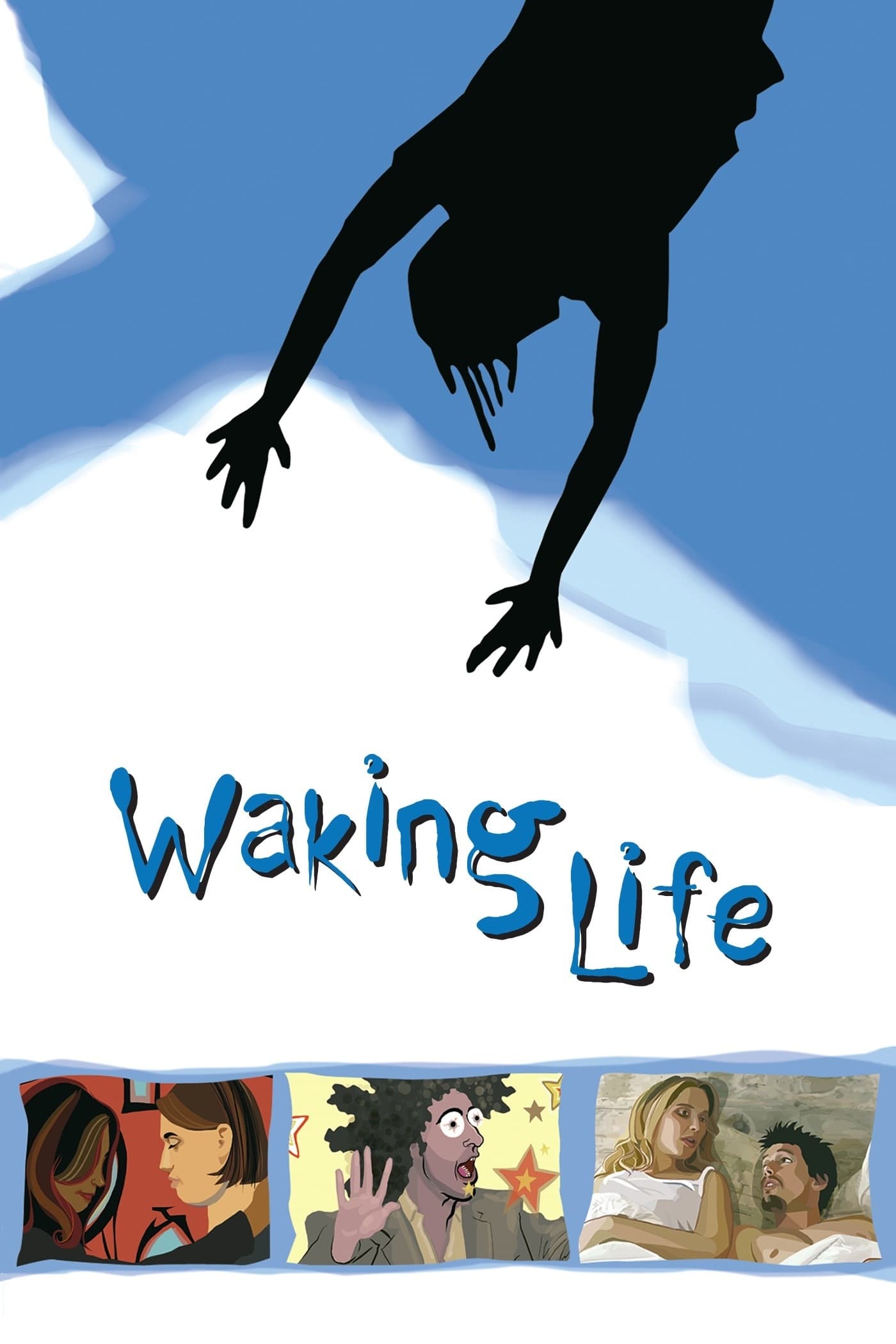
Richard Linklater uses rotoscope animation to follow a drifting protagonist through a series of conversations about dreams, free will, and consciousness. The visual style changes from scene to scene as the camera floats through rooms and streets.
A second pass helps track how earlier comments foreshadow later discussions and how recurring faces shift roles. The loose structure becomes easier to follow when you notice how the musical interludes and repeated locations anchor the flow of ideas.
‘The Others’ (2001)
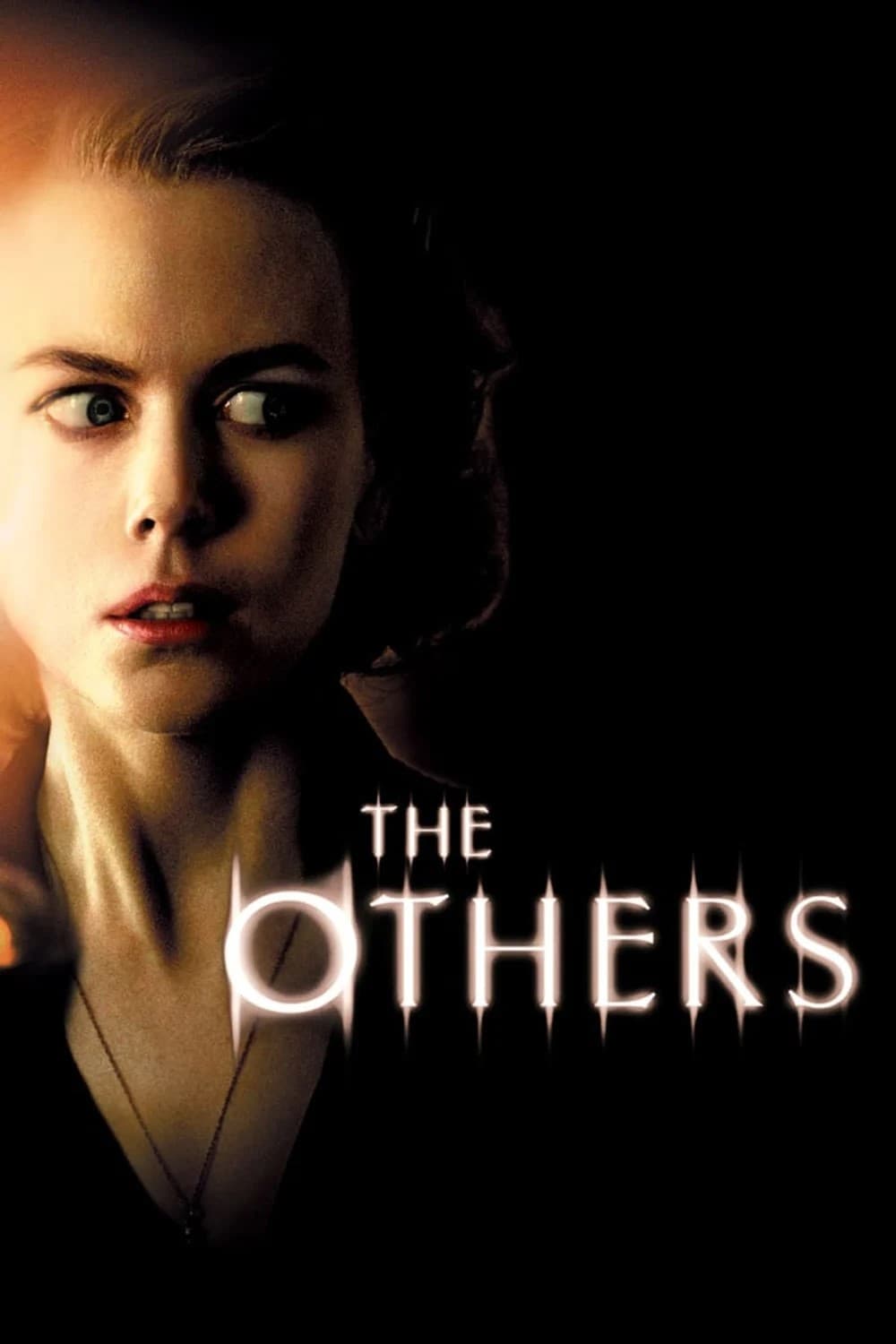
Alejandro Amenábar crafts a gothic mystery about a mother and her two light sensitive children living in a secluded house. Strange events lead to strict rules about curtains and doors, and the arrival of new servants complicates the house’s history.
Rewatching highlights how room arrangements, missing photographs, and prayer scenes hint at the central secret. Sound design and the timing of footsteps in hallways point to the true relationship between the family and the house.
‘Irreversible’ (2002)
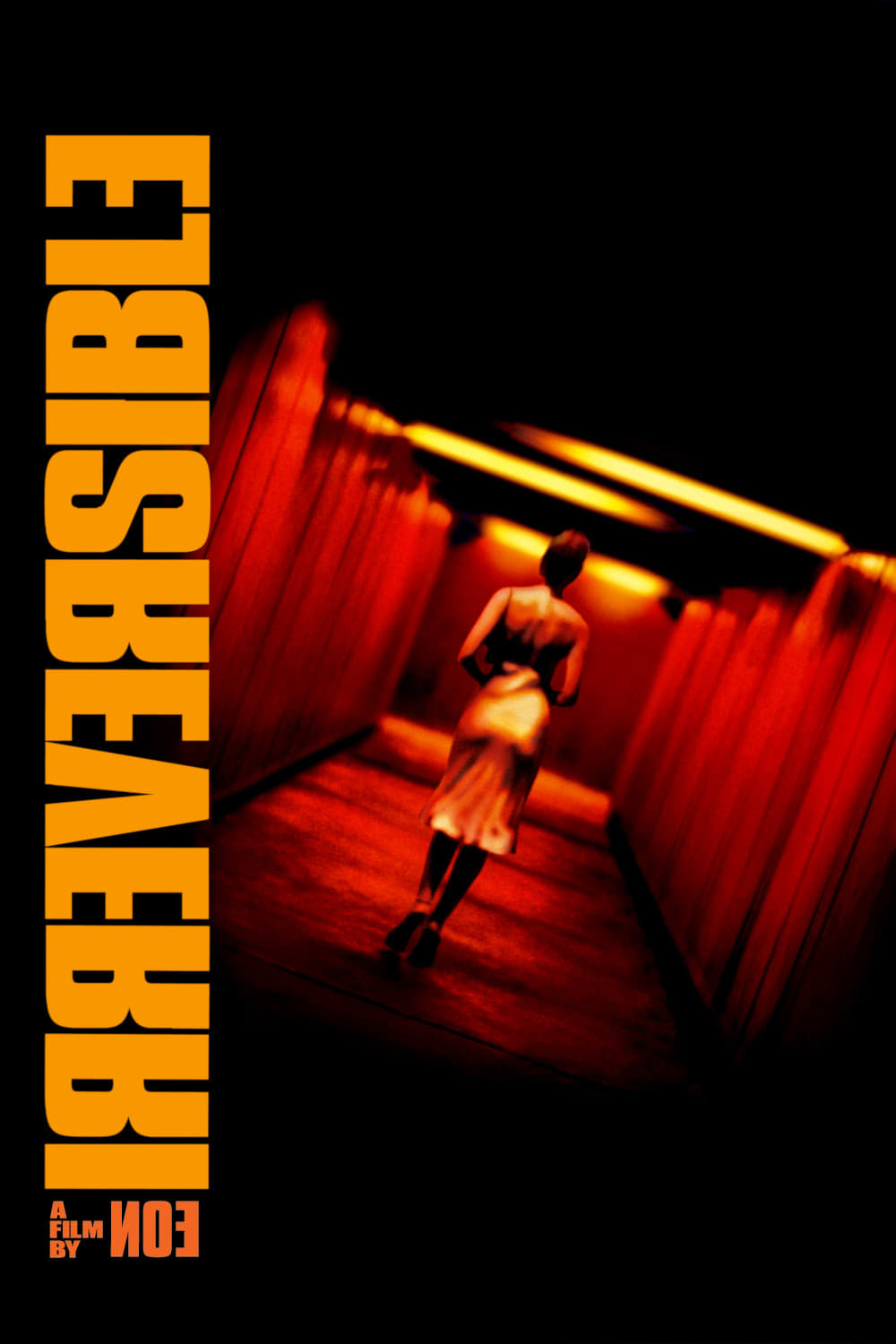
Gaspar Noé presents a story told in reverse order, beginning with the aftermath of a brutal attack and moving back toward an earlier night. Long takes and a restless camera build a chronology that unfolds against expectations.
A second viewing helps align the geography of apartments, nightclubs, and streets with the final scenes of domestic calm. This reverse structure rewards attention to watches, lighting, and conversation fragments that recontextualize the opening events.
‘Solaris’ (2002)
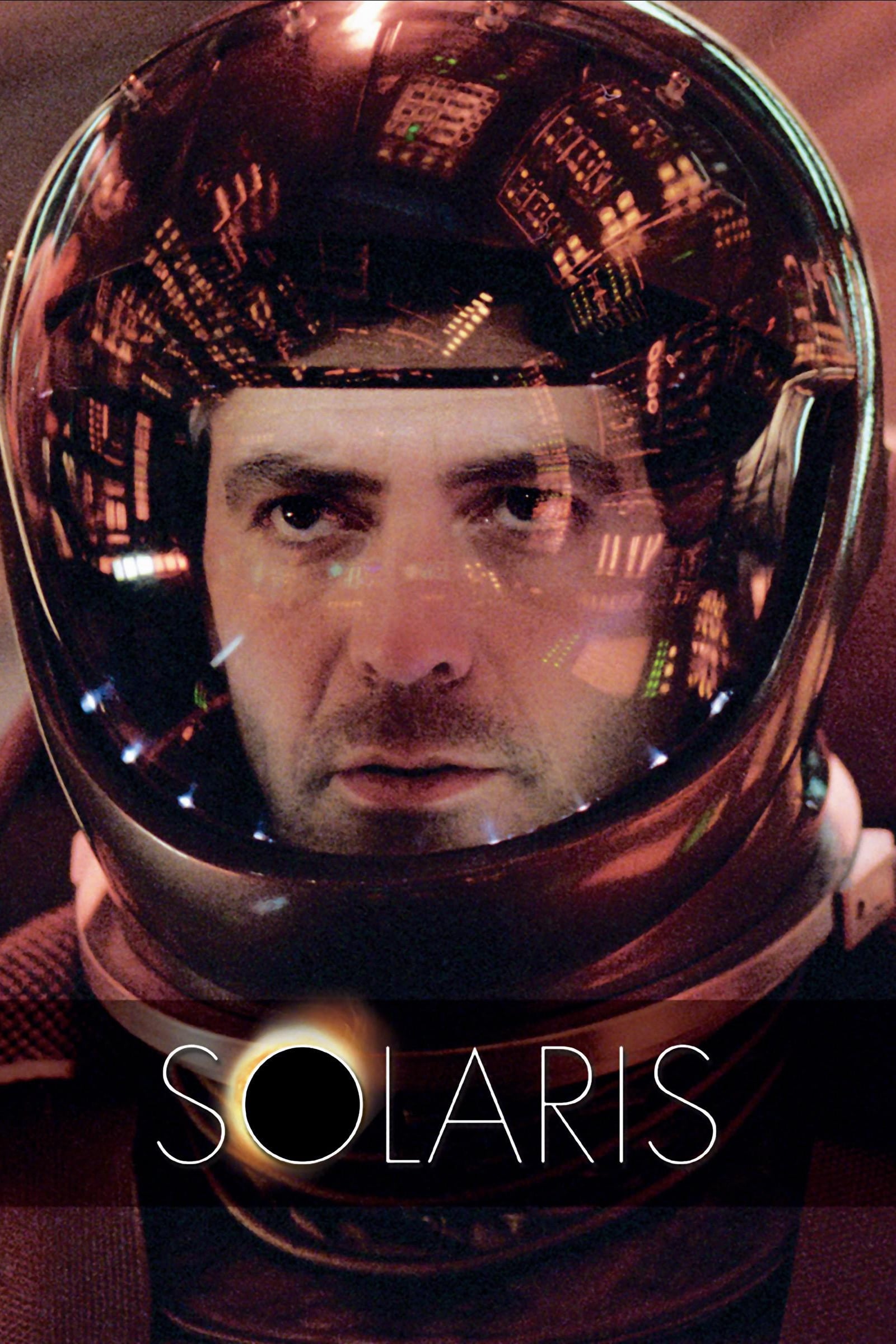
Steven Soderbergh adapts a classic novel about a psychologist sent to a space station where a planet appears to manifest the deepest memories of its visitors. Encounters with loved ones test the difference between memory and physical presence.
Watching again helps track the way personal items, clothing choices, and bedside gestures signal what the planet is recreating. The calm editing rhythm and repeated shots of corridors and portholes provide a pattern for distinguishing station reality from memory replicas.
‘Oldboy’ (2003)
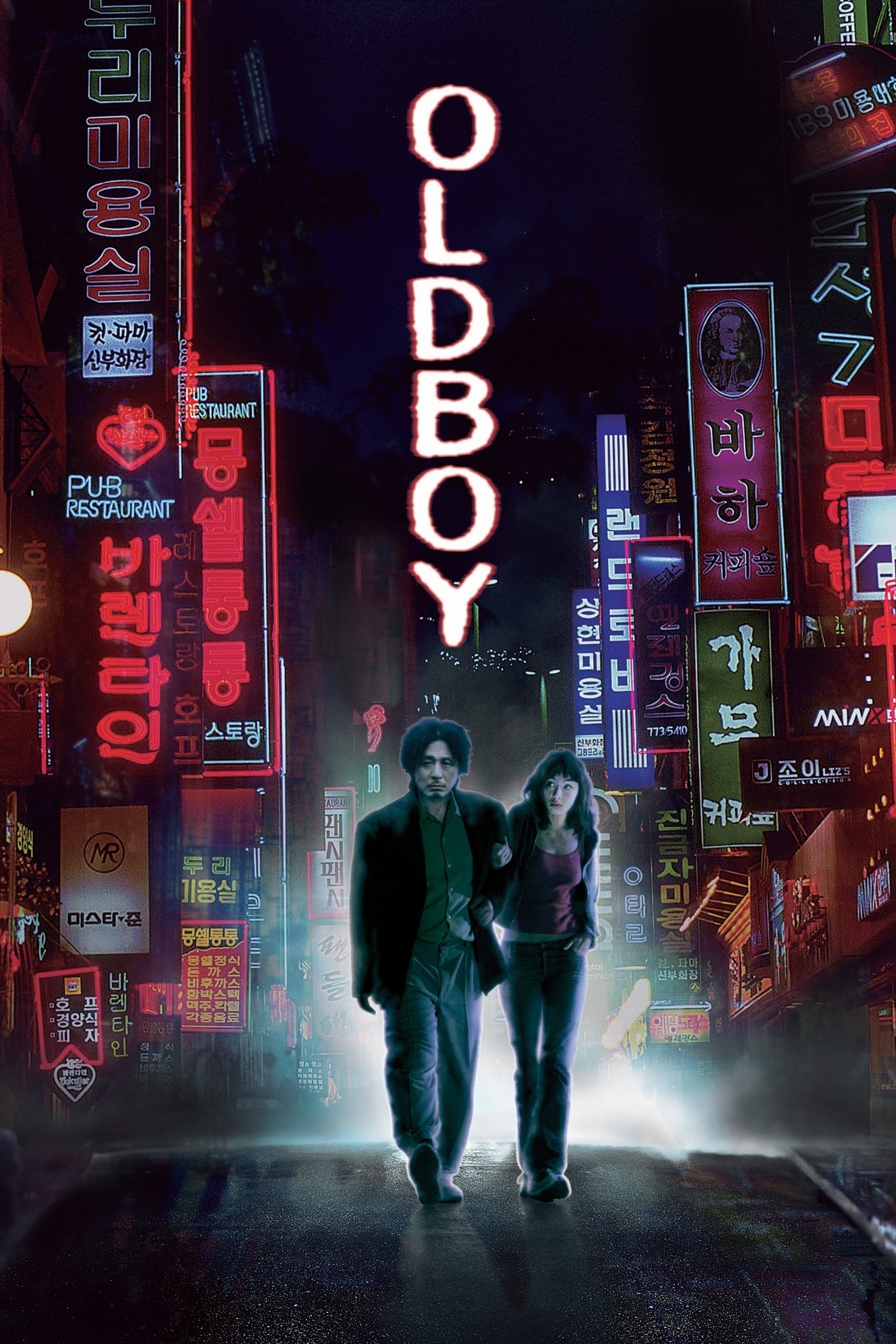
Park Chan wook follows a man inexplicably imprisoned for years who is suddenly released and pushed into a carefully designed search for answers. The film plants clues in casual conversations, restaurant scenes, and framed photographs.
On a second viewing, the choreography of meetings and the placement of a specific gift reveal how the plan was arranged over time. Dialogue echoes and visual parallels across hotel rooms and office spaces make the final revelations clearer.
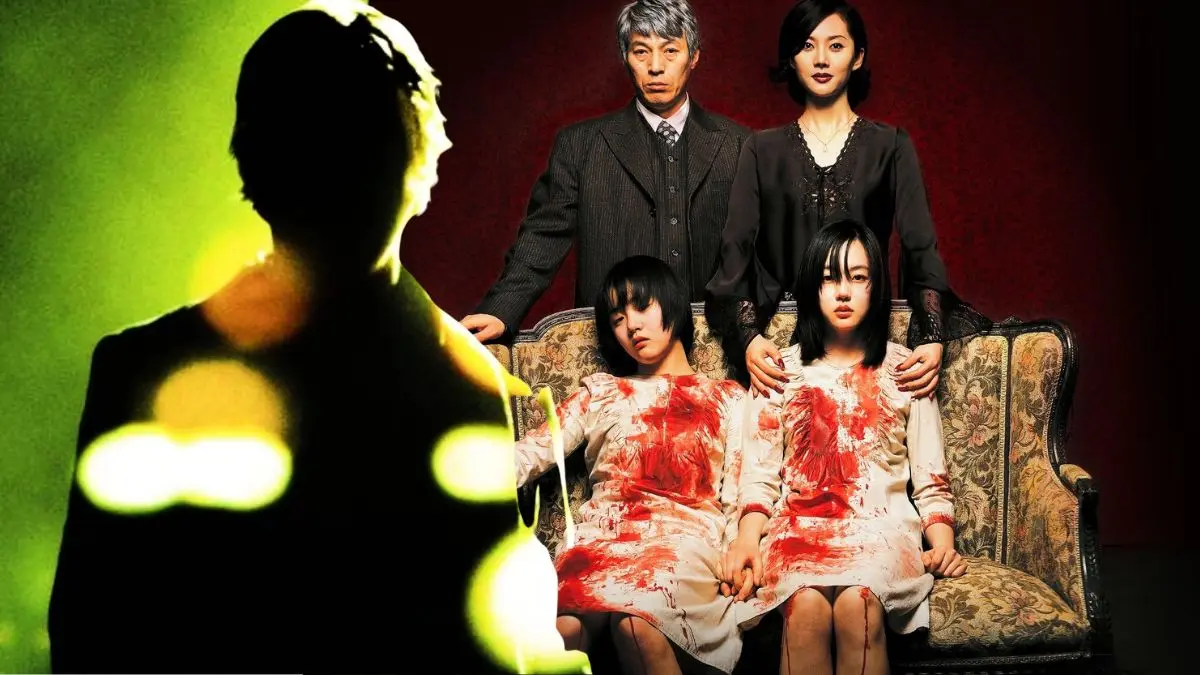
‘A Tale of Two Sisters’ (2003)
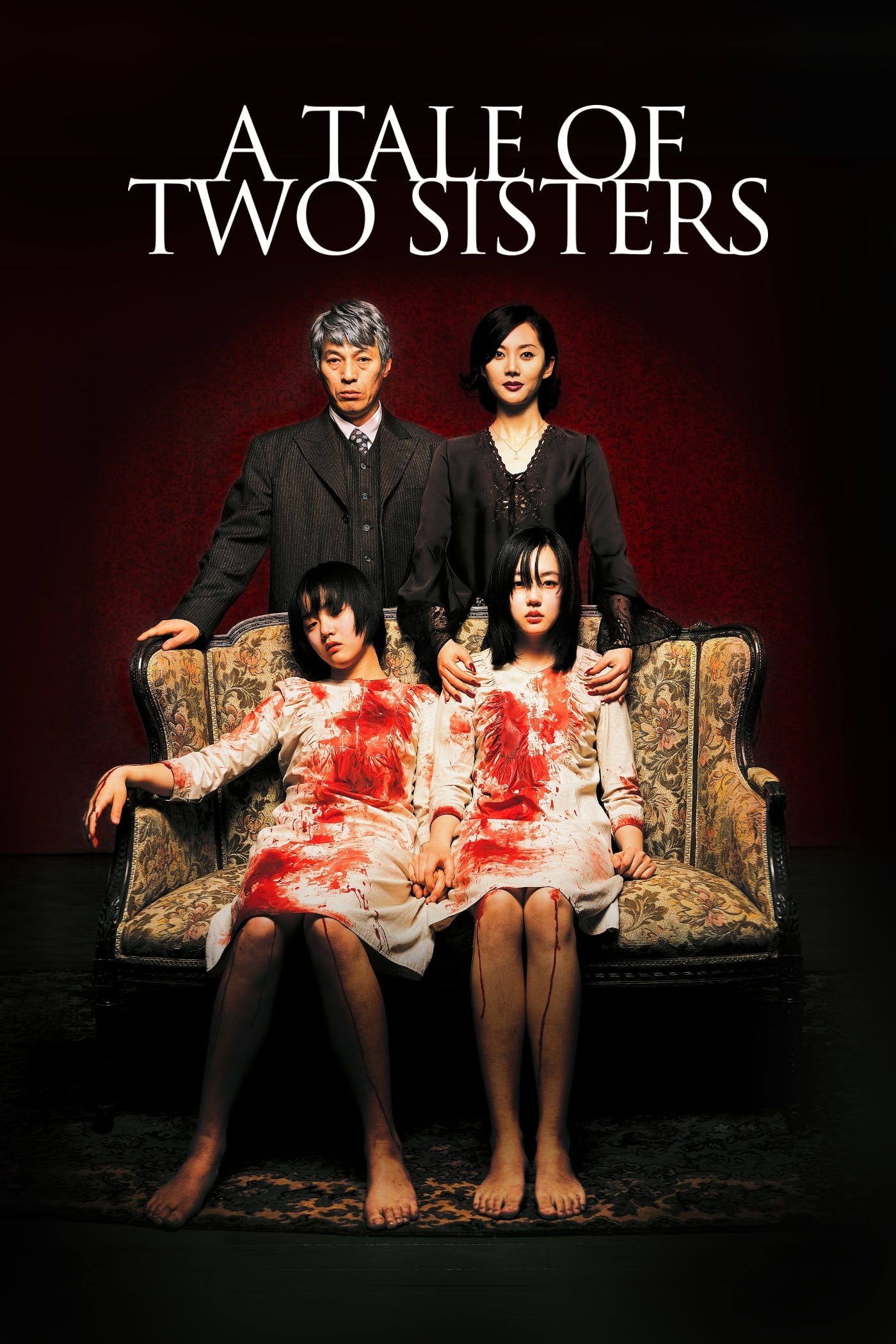
Kim Jee woon tells a story about two siblings who return home from a stay in a hospital and face a strict stepmother and unexplained household events. The film uses recurring images of wardrobes, kitchens, and staircases to signal shifts in point of view.
Rewatching makes it easier to parse which scenes belong to which perspective, since certain colors and props recur with specific characters. The editing hides transitions within simple actions like opening a drawer or pouring tea, which gain meaning once the truth is known.
‘Eternal Sunshine of the Spotless Mind’ (2004)
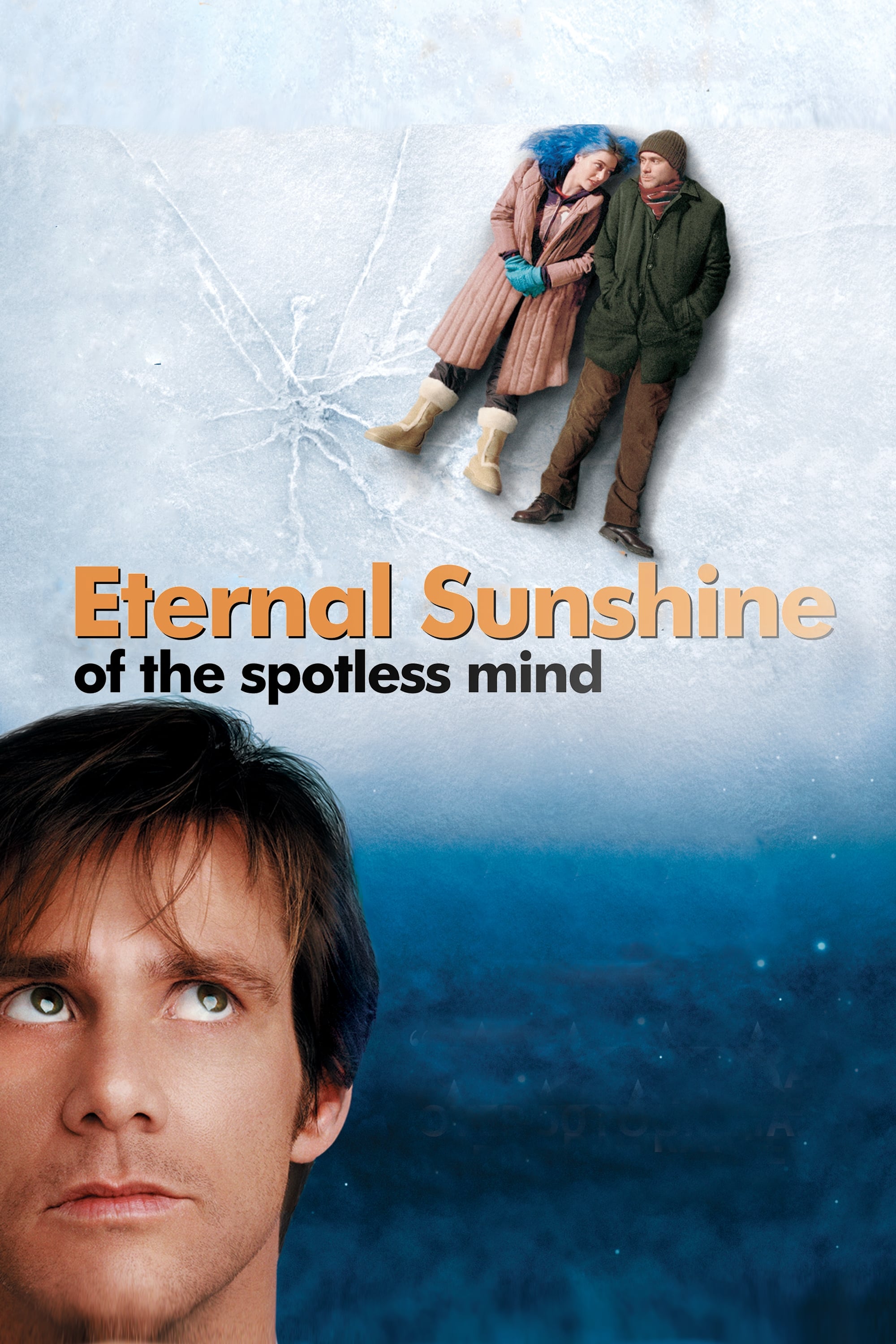
Michel Gondry constructs a romance that unfolds inside a medical procedure that removes memories of a relationship. The story moves through mind spaces where rooms collapse, faces blur, and details vanish while technicians interfere with the process.
A second viewing helps track how real world interruptions leave marks inside the memory sequences. Storefront names, beach locations, and hairstyles function as signposts to follow the order of erasure and the moments that resist deletion.
‘Primer’ (2004)
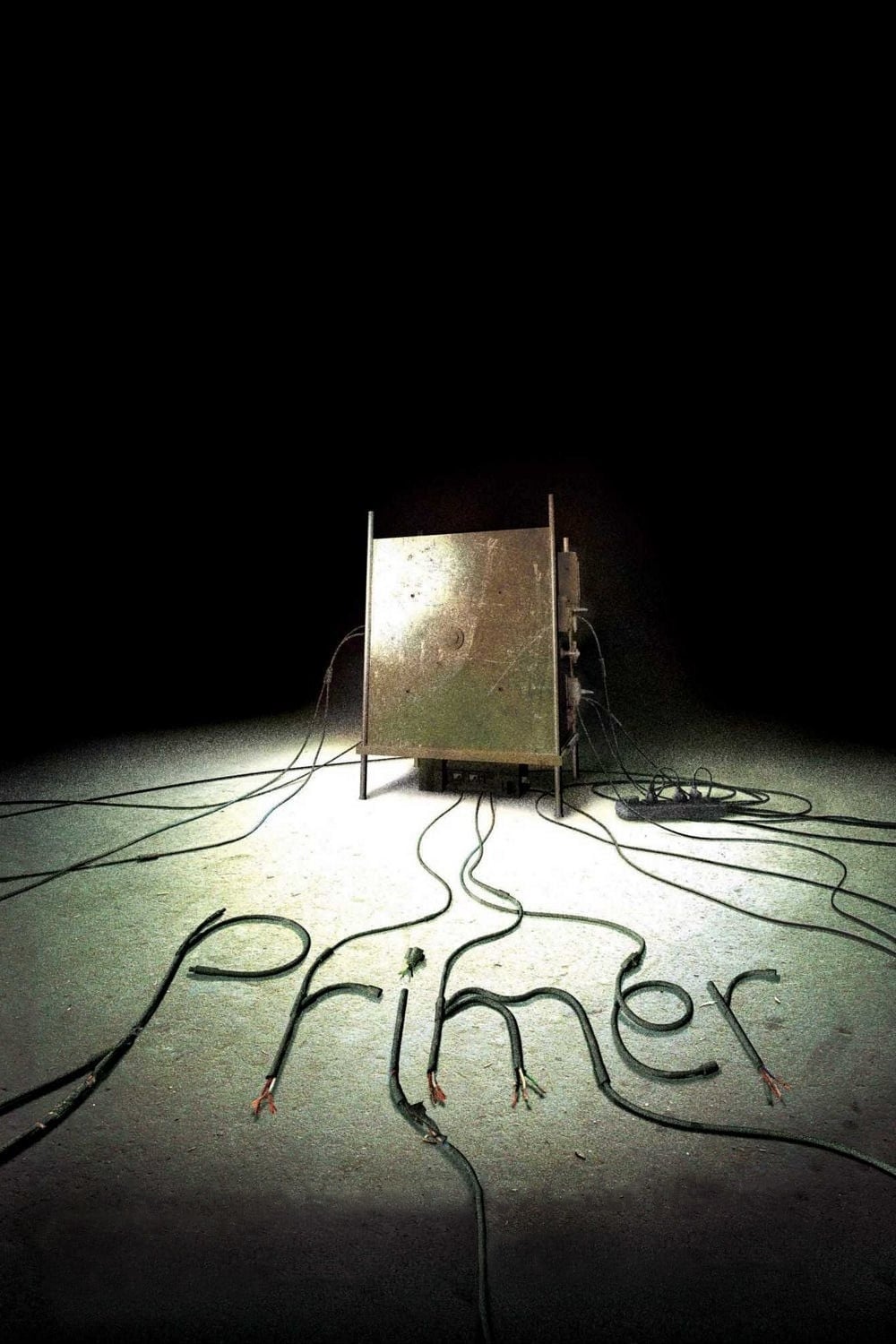
Shane Carruth stages a time travel story anchored by engineers who build a device that creates overlapping timelines. The film keeps technical jargon intact and shows repeated days that split into multiple versions.
Rewatching is useful for mapping who is inside each timeline, since clothing, ear pieces, and car locations identify the correct iteration. The quiet sound mix and garage setting hide critical movements that become visible when you know when to look.
‘The Butterfly Effect’ (2004)
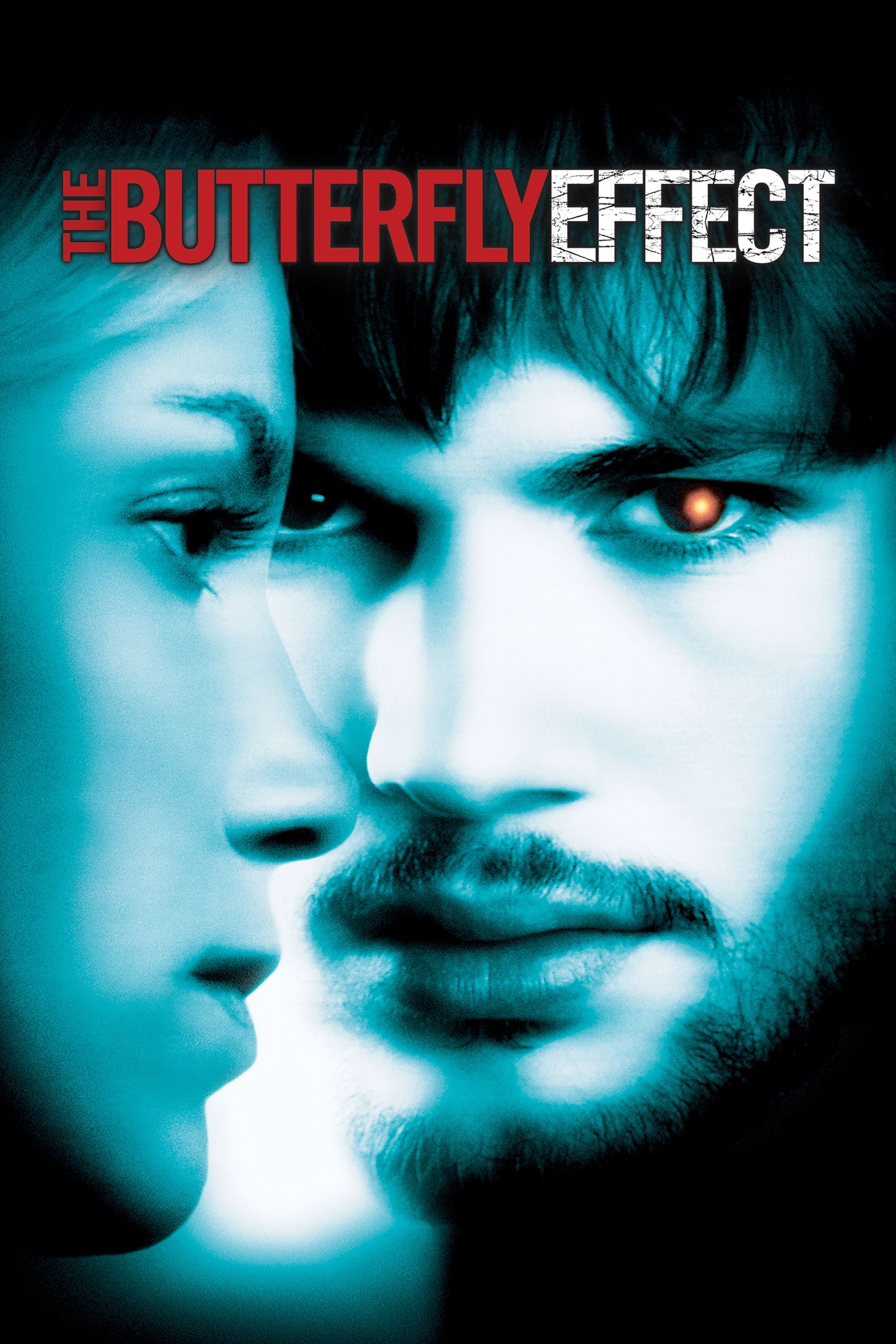
Eric Bress and J Mackye Gruber center the plot on a man who can revisit earlier points in his life and change outcomes that echo into the present. Each alteration reshapes relationships and sets off a new sequence of consequences.
A second pass helps confirm how diaries, photographs, and missing time fill in the chain of cause and effect. Repeated scenes in basements, classrooms, and hospital rooms show how one choice creates a different alignment of the same pieces.
‘2046’ (2004)
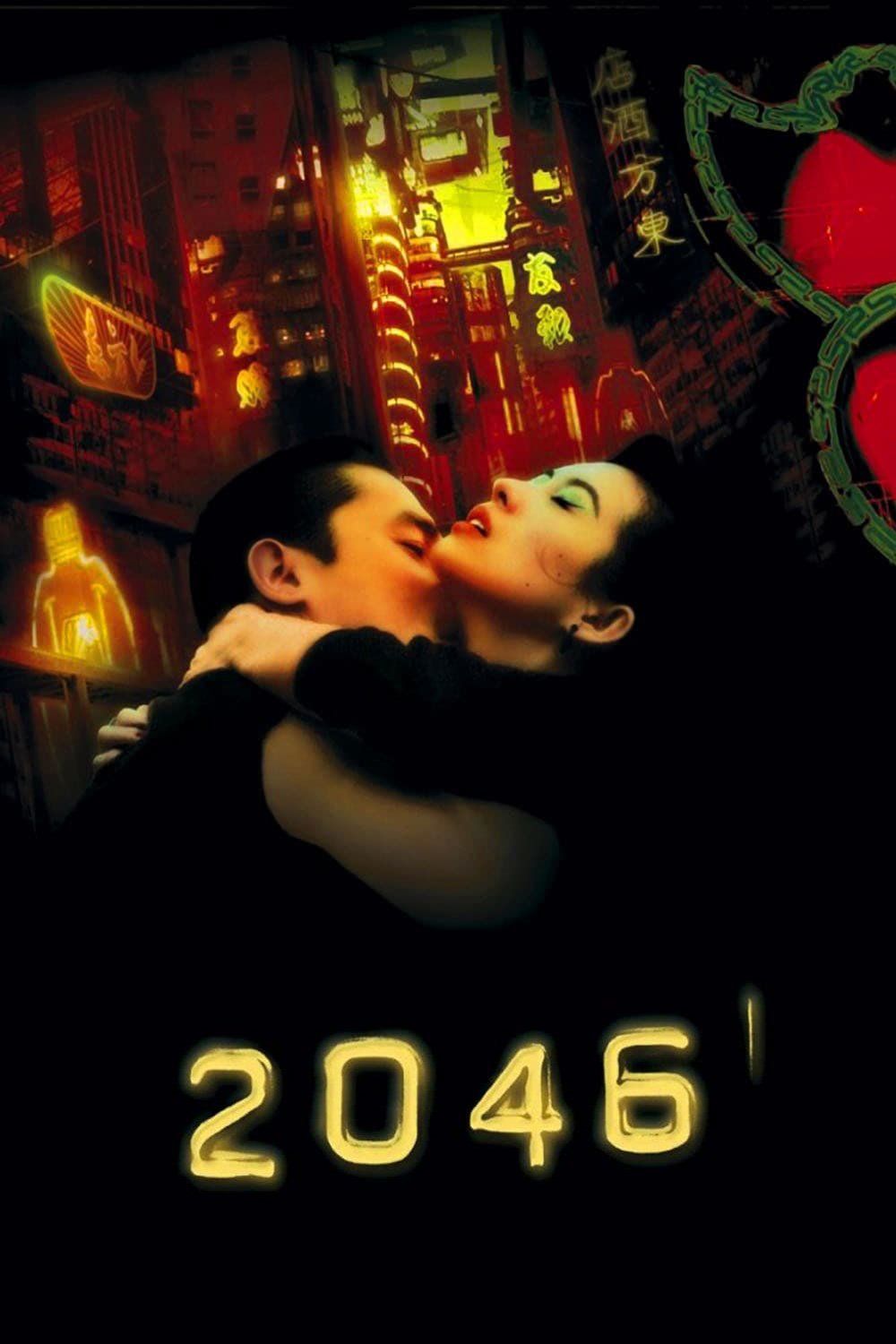
Wong Kar Wai interweaves a writer’s memories with a science fiction story he is composing, so hotel rooms and train compartments mirror the fiction he creates. Characters drift in and out under changing names and professions while the same room number keeps returning.
Rewatching clarifies how costumes, musical themes, and cigarette brands link the writer’s present to the imagined future. The film’s repeated camera moves down corridors and through door frames mark transitions between reality and invention.
‘Stay’ (2005)
Marc Forster’s psychological thriller follows a therapist whose patient predicts a tragic event, and cityscapes begin to repeat in unsettling ways. Street corners, bridges, and gallery spaces appear out of order as characters cross paths.
A second viewing helps connect recurring extras and background details that tie separate scenes together. The placement of paintings, costume changes, and abrupt shifts in weather build a pattern that points to the final reveal.
‘Cache’ (2005)
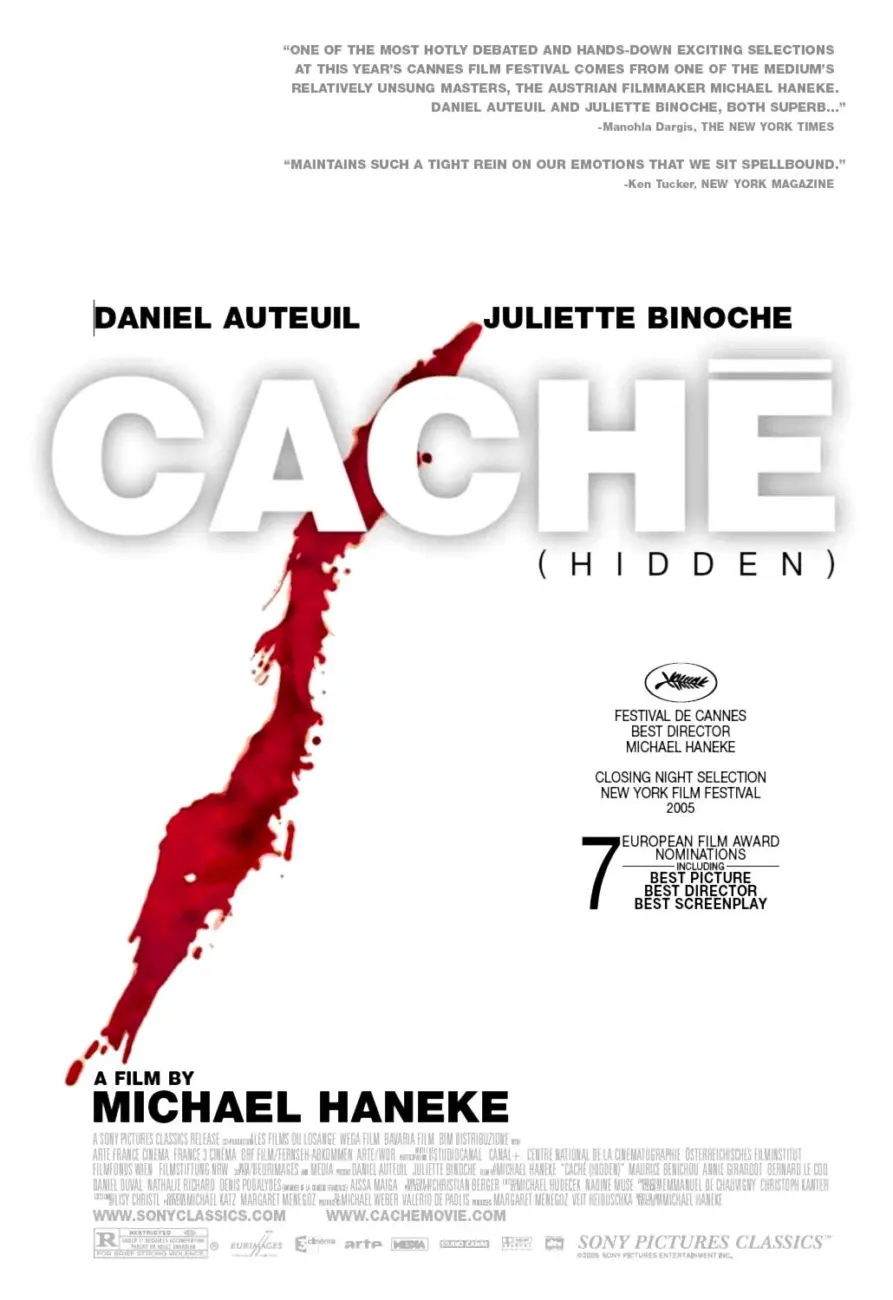
Michael Haneke presents a couple who receive anonymous videotapes that show the exterior of their home and other parts of their life. The camera often remains fixed while people enter and leave the frame without notice.
On rewatch, the boundary between surveillance footage and narrative camera becomes a tool for interpretation. The locations of schools, apartments, and a farm link to past events, and small edits that appear ordinary establish the origin of the tapes as an open question.
‘A Scanner Darkly’ (2006)
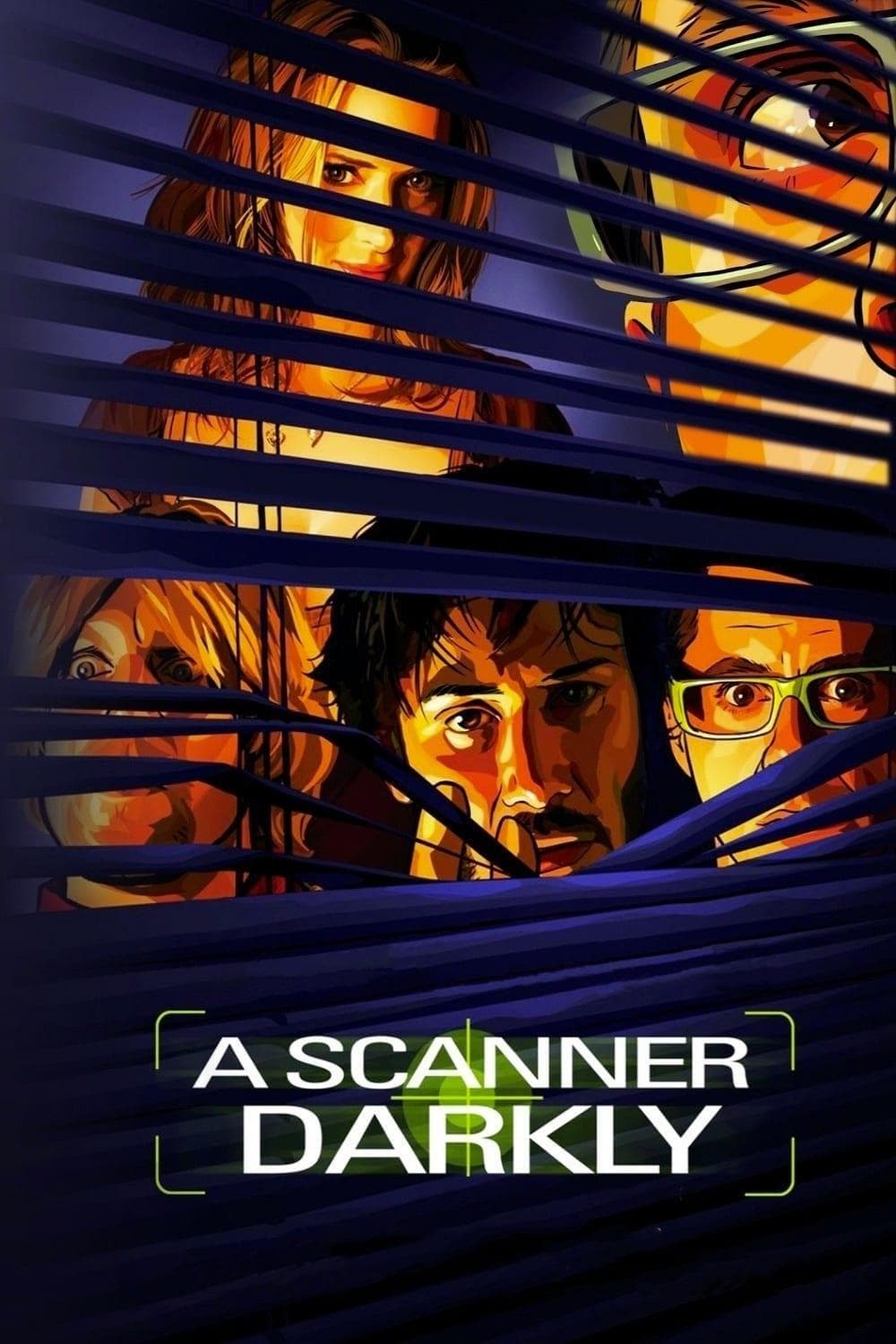
Richard Linklater adapts a novel about undercover agents who lose track of their identities while using a drug that distorts perception. Rotoscope animation creates shifting outlines around faces and furniture that match the story’s unstable reality.
A second viewing helps follow which scenes are surveillance recordings and which are personal memories. Voice inflection changes and the way scramble suits flicker reveal who is present and how roles overlap inside the same room.
‘The Science of Sleep’ (2006)
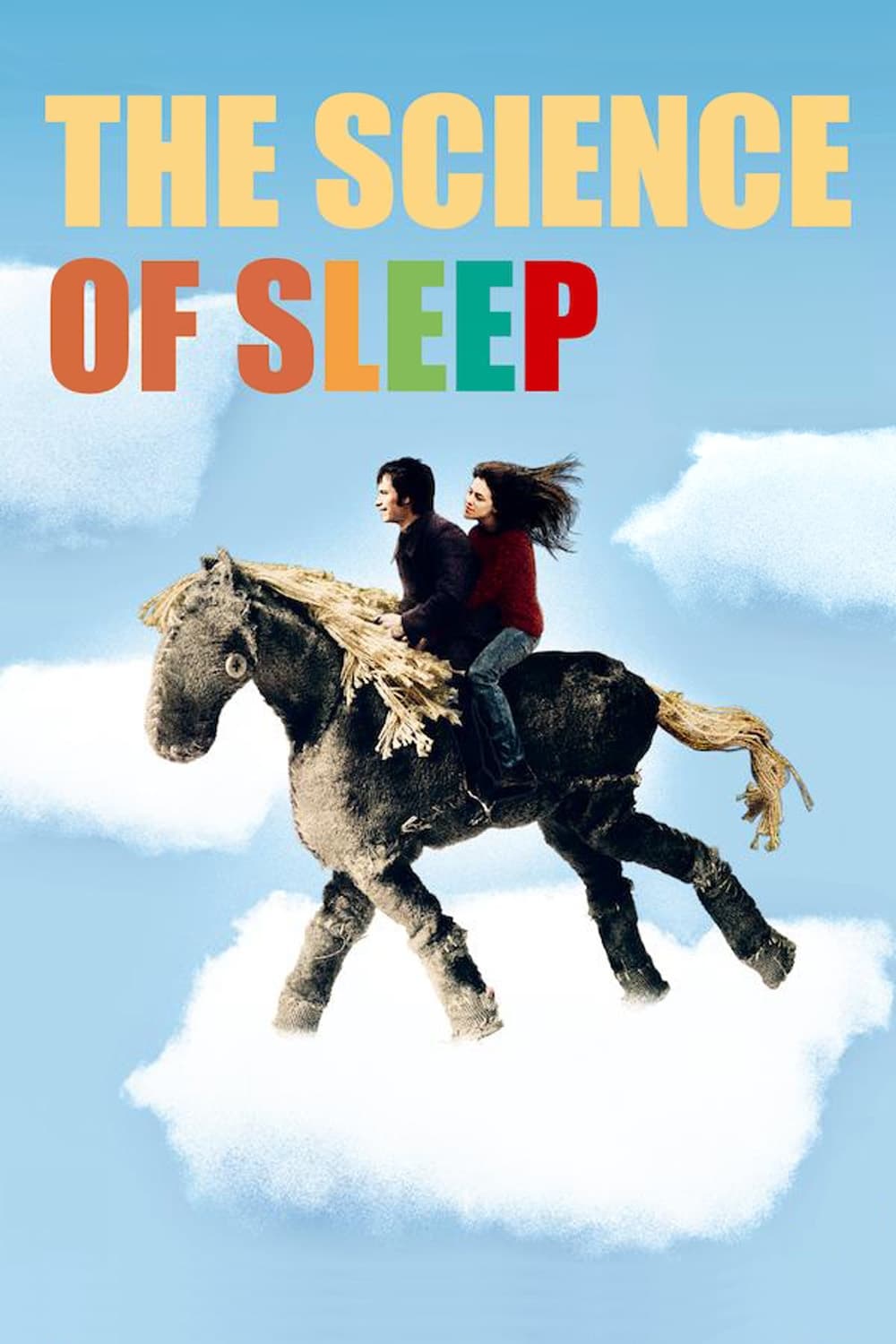
Michel Gondry explores a young man whose dreams spill into his daily life, producing handmade sets and paper props that appear in regular apartment scenes. Conversations jump between imaginative play and work tasks without warning.
Rewatching reveals how calendars, toy horses, and cardboard cars mark the border between dream and waking life. The order of scenes grows clearer once you track the presence of a specific desk, a pair of gloves, and the notes left on a refrigerator.
‘The Fountain’ (2006)
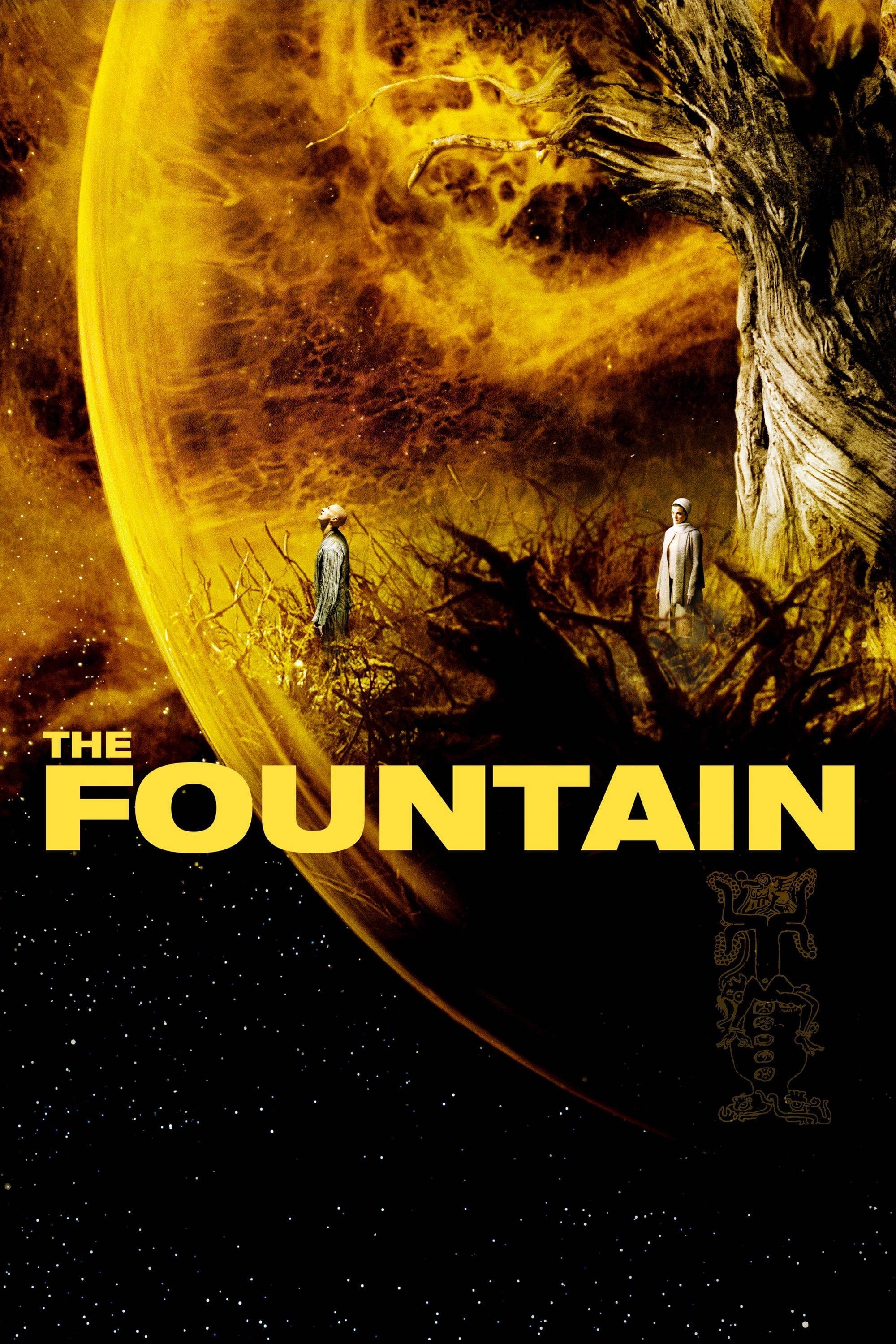
Darren Aronofsky threads three stories that share recurring symbols such as a ring, a tree, and a star field. The same faces appear as different figures across a conquistador quest, a modern hospital story, and a meditative voyage.
A second pass helps identify how props travel between timelines and how compositions repeat with new meaning. Practical effects using microscopic imagery and repeated musical motifs bind the strands into a single pattern that emerges only after you recognize the echoes.
‘The Prestige’ (2006)
Christopher Nolan follows rival magicians whose stage acts depend on secrets that the audience never fully sees. Journals, coded messages, and misdirection guide the investigation into how each illusion works.
Watching again helps trace the use of doubles, diaries, and transport crates that set up the final sequence. The structure mirrors a magic trick with a setup, a turn, and a return, and the careful placement of birds, top hats, and stage doors explains each step.
‘Paprika’ (2006)

Satoshi Kon animates a story about a research device that lets therapists enter the dreams of their patients. A parade of objects floods city streets and apartment blocks when the barrier between dream and waking life starts to collapse.
A second viewing helps catch how posters, billboards, and television screens foreshadow later merges of identities. Character designs shift subtly between scenes, and recurring songs cue the moment when dreams leak into offices and labs.
‘Timecrimes’ (2007)
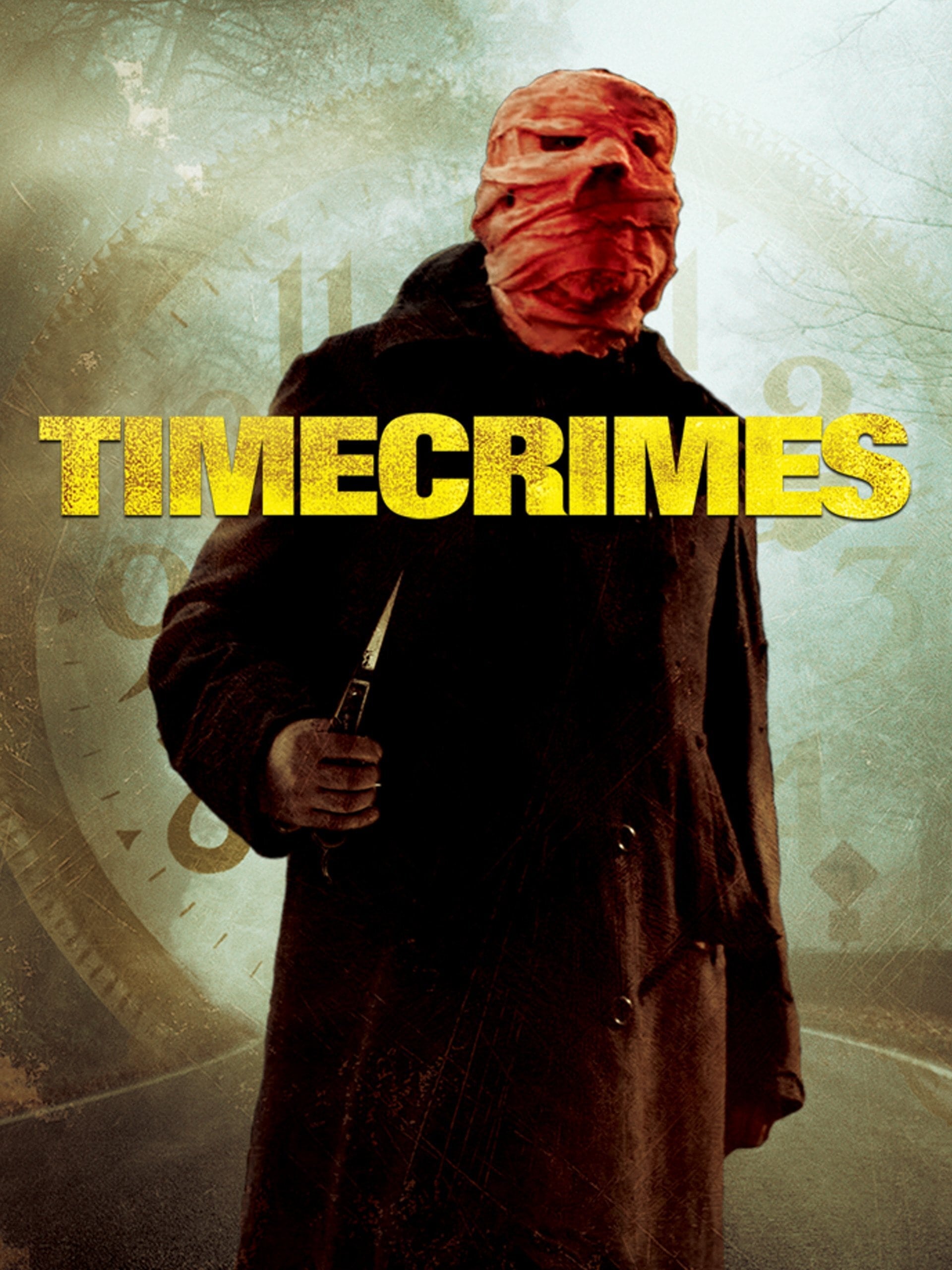
Nacho Vigalondo’s thriller follows an ordinary man who stumbles into a time loop that forces him to interact with earlier versions of himself. The film uses a small set of locations including a house, a forest, and a lab to build a closed circuit of events.
Rewatching lets you line up the timeline by matching bandages, jackets, and car positions. The story’s careful blocking of chases and hiding spots shows how each action becomes the cause of the next loop.
‘The Nines’ (2007)
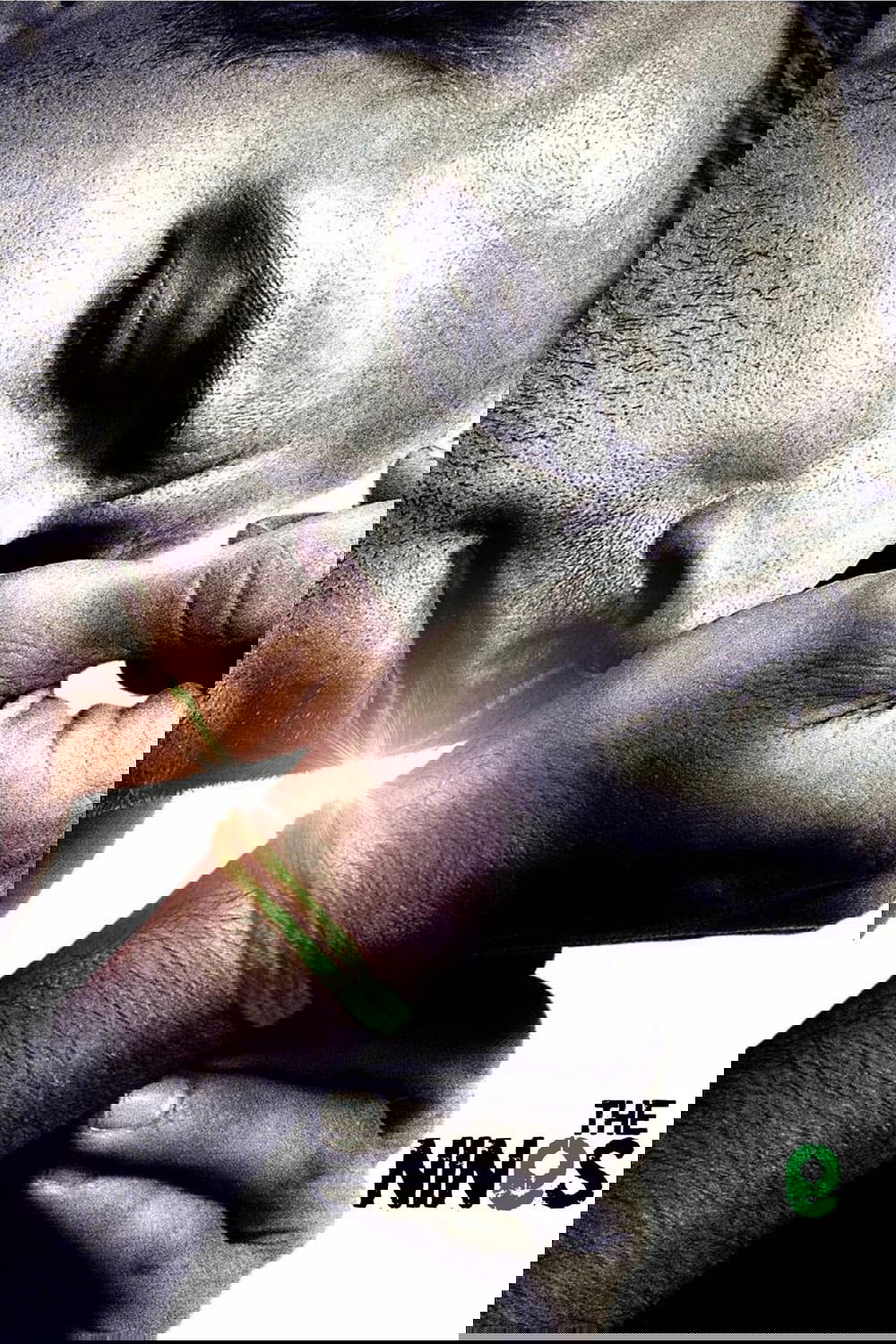
John August constructs three linked stories featuring the same actors in roles that reflect one another. Television production, game design, and suburban drama intersect through overlapping addresses and shared props.
A second pass helps decode how green printed symbols, a broken car, and a house key connect the segments. Dialogue repeats with altered meaning, and background television channels serve as a guide to the hidden structure.
‘Mr. Nobody’ (2009)
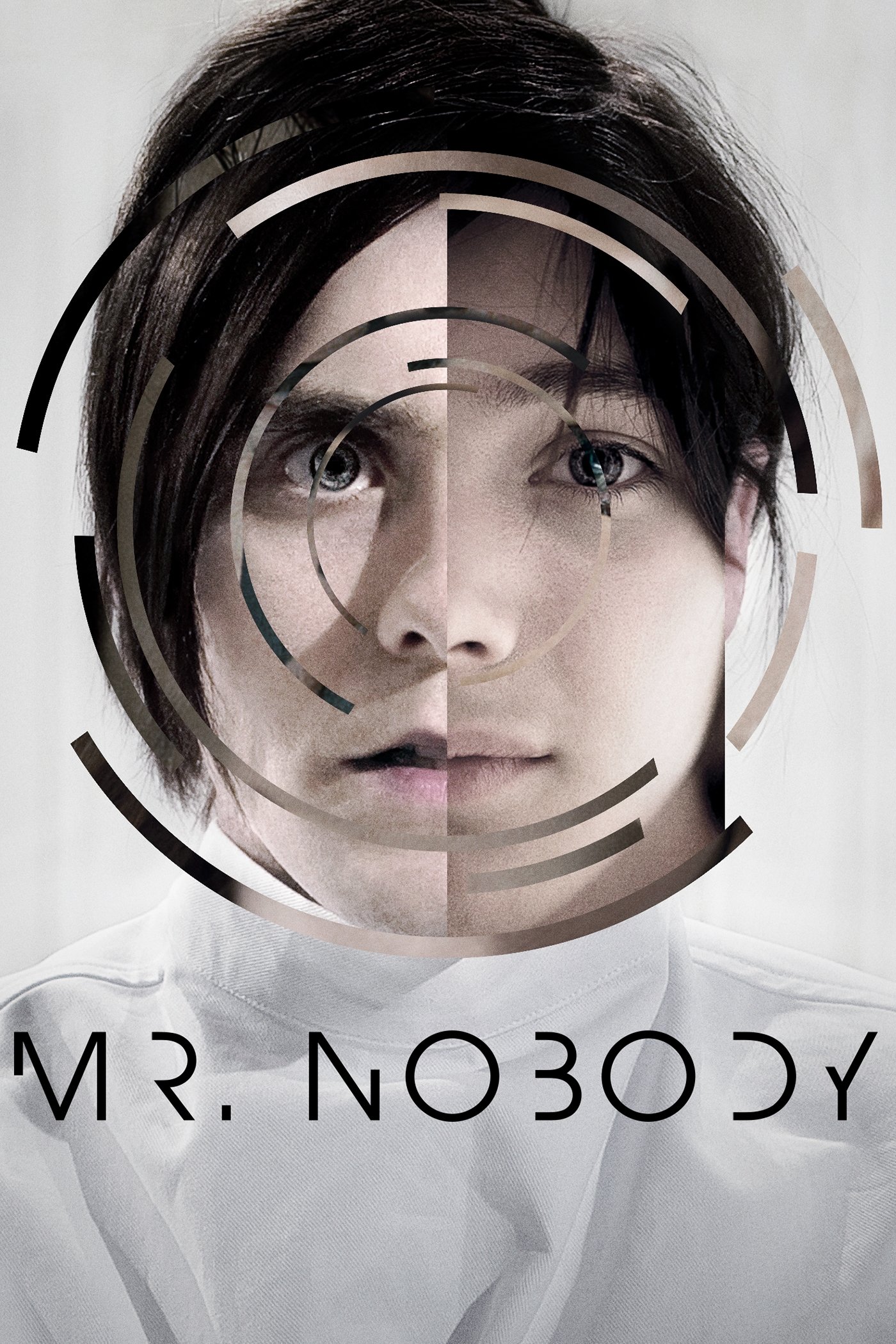
Jaco Van Dormael presents a man who narrates multiple possible lives that branch from childhood choices. Train stations, apartments, and lakes recur as settings where different decisions lead to different paths.
Rewatching helps map color schemes and hair styles to specific life lines, which clarifies the order of scenes. The film’s recurring numbers, newspaper headlines, and voiceovers signal which version of events is under way.
‘Triangle’ (2009)
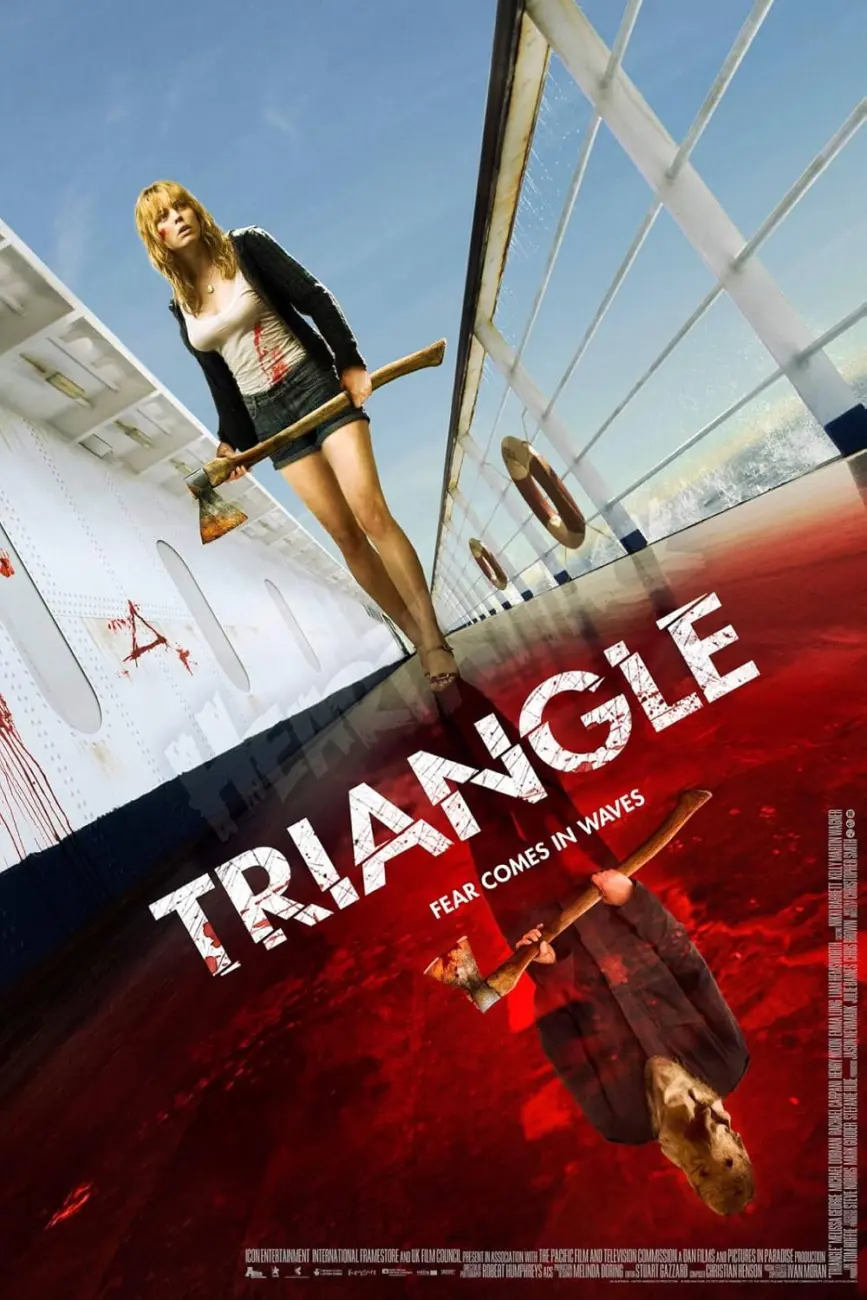
Christopher Smith centers on a group of friends who board an abandoned ship and encounter a repeating sequence of events. Hallways, dining rooms, and deck spaces appear in altered states as the loop resets with small differences.
A second viewing helps track the marks on a mask, the position of a locket, and the arrangement of spilled items that indicate which pass through the loop you are seeing. The ship’s clock and the alignment of sunlight through windows serve as reliable guides to the cycle.
Share your favorite second watch picks from the 2000s in the comments and tell readers which scenes clicked for you on the rewatch.