Movies You Have to Watch Twice to Fully Understand


Some films pack so many narrative turns and quiet clues that a single sitting only covers the surface. They use nonlinear timelines, hidden identities, and puzzle box structures that reveal more once you know what is really going on. A second viewing lets the setup click into place and shows how early scenes were already pointing to the end.
This list gathers movies that reward close attention through editing choices, production design details, and carefully planted dialogue. Each entry notes the techniques that shape the story and the specific signals that become clearer once the full picture is known.
‘2001: A Space Odyssey’ (1968)
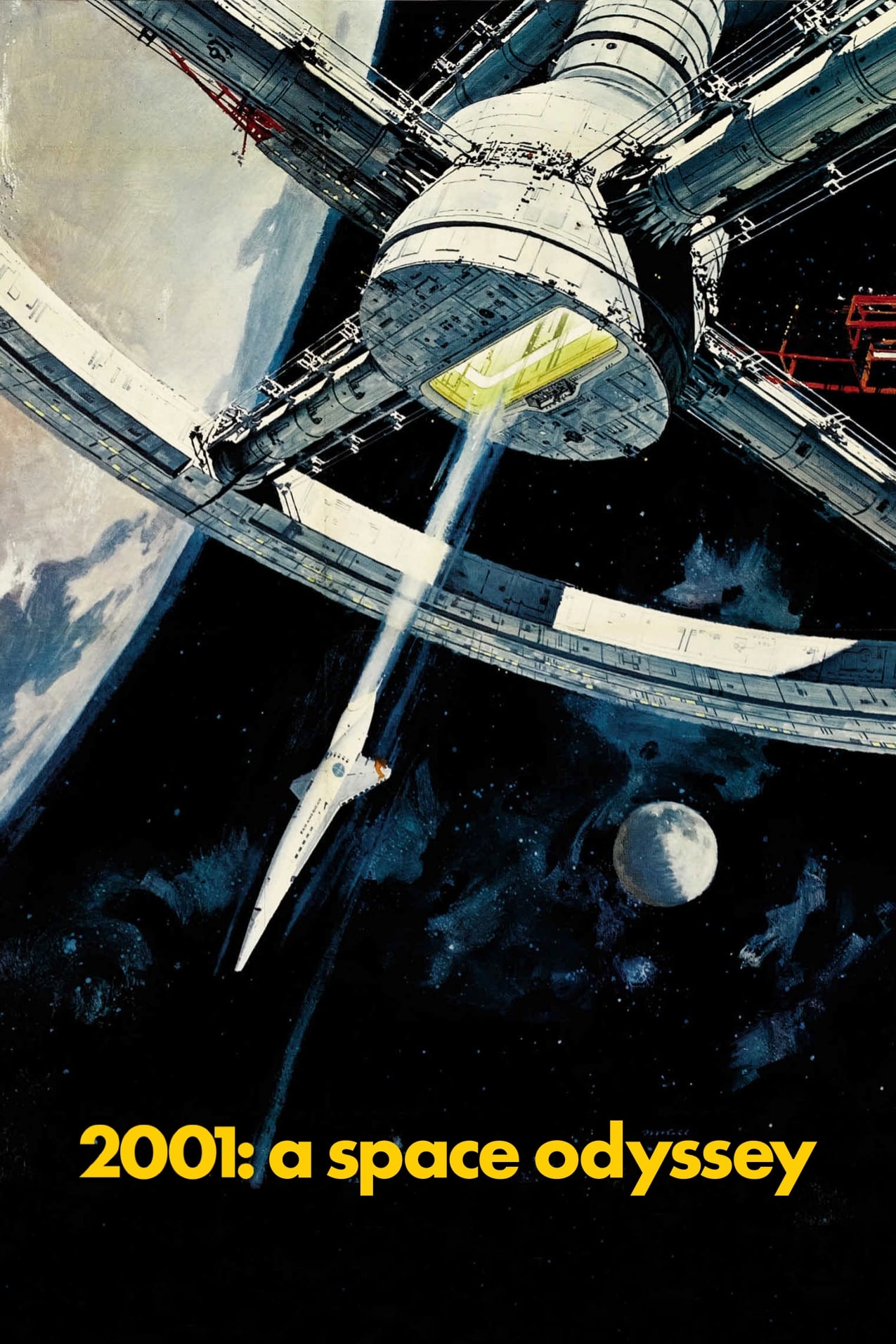
The story moves from early humanity to deep space with long stretches of visual storytelling and music cues that replace exposition. HAL 9000’s behavior, the monolith appearances, and the transitions between chapters create a narrative that advances through image and sound design.
The match cut from bone to spacecraft, the color coding inside Discovery One, and the final star gate sequence place meaning in form rather than dialogue. Production design and classical music choices guide the viewer through the film’s conceptual leaps.
‘Eraserhead’ (1977)
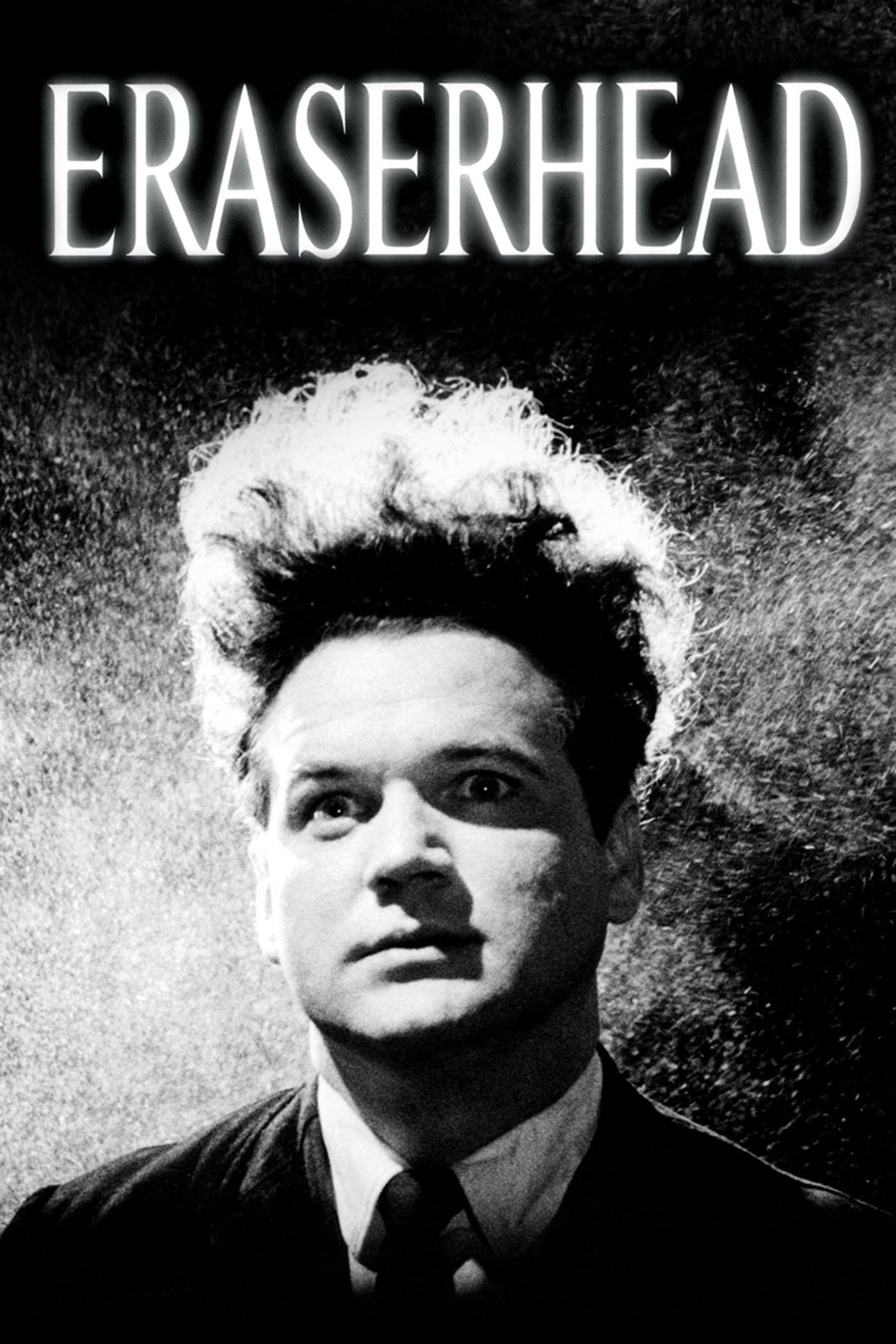
This surreal story builds its world through industrial sound, stark lighting, and dream imagery. Dialogue is minimal, so the meaning of events rests on design elements and recurring motifs that connect scenes.
The droning audio track, the Lady in the Radiator performance, and the use of close ups on mechanical objects provide context for character anxieties. Sound designer Alan Splet’s work and the black and white cinematography carry narrative weight.
‘Akira’ (1988)
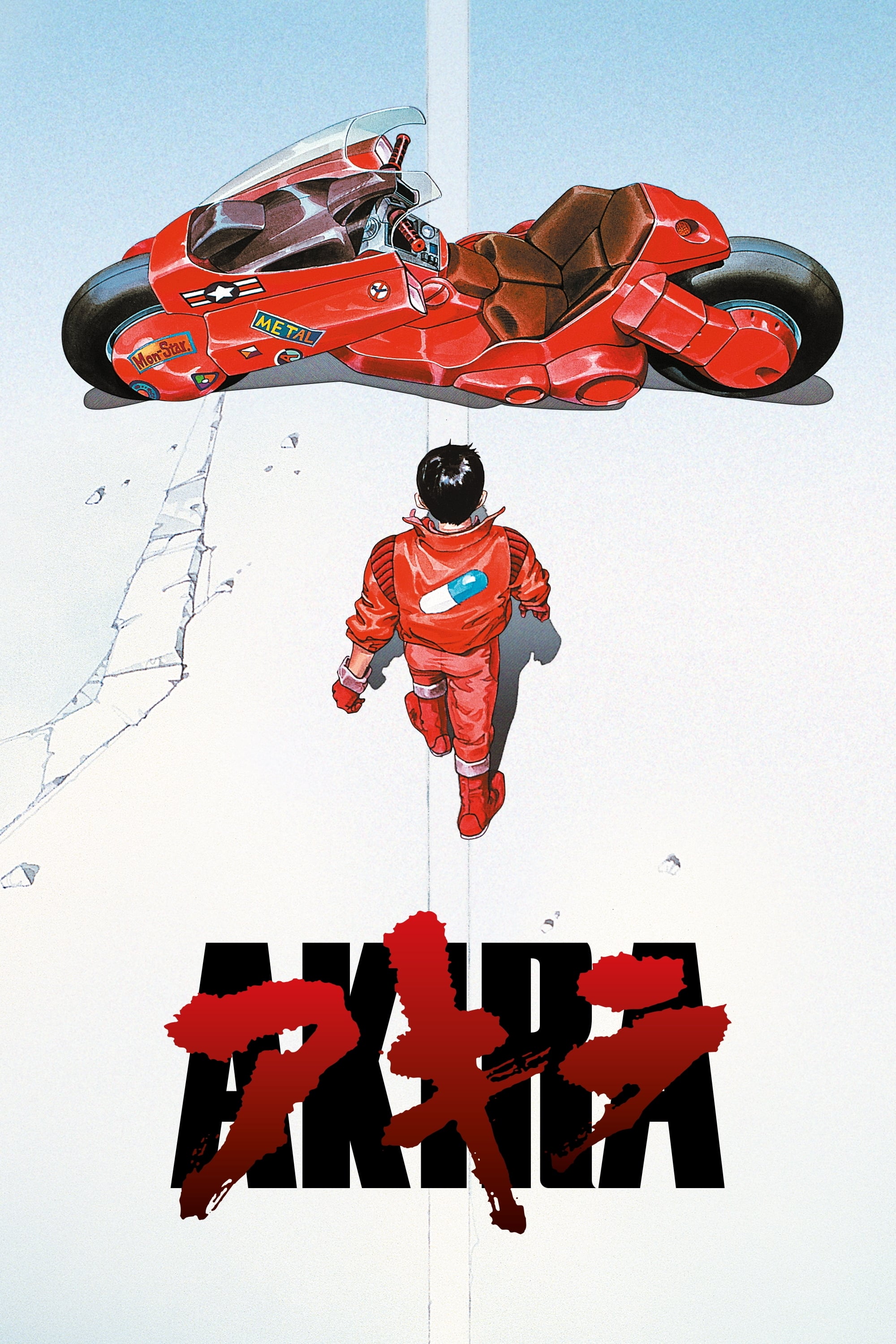
Set in Neo Tokyo, this adaptation condenses a long manga into a tight narrative about psychic power and social collapse. The film layers its backstory through news reports, graffiti, and military briefings rather than long explanations.
Key images like the hospital number codes, the capsules logo, and the stadium sequences point to the history of the Espers and the experiments. Animation choices highlight body horror and urban detail that connect character arcs across set pieces.
‘The Matrix’ (1999)
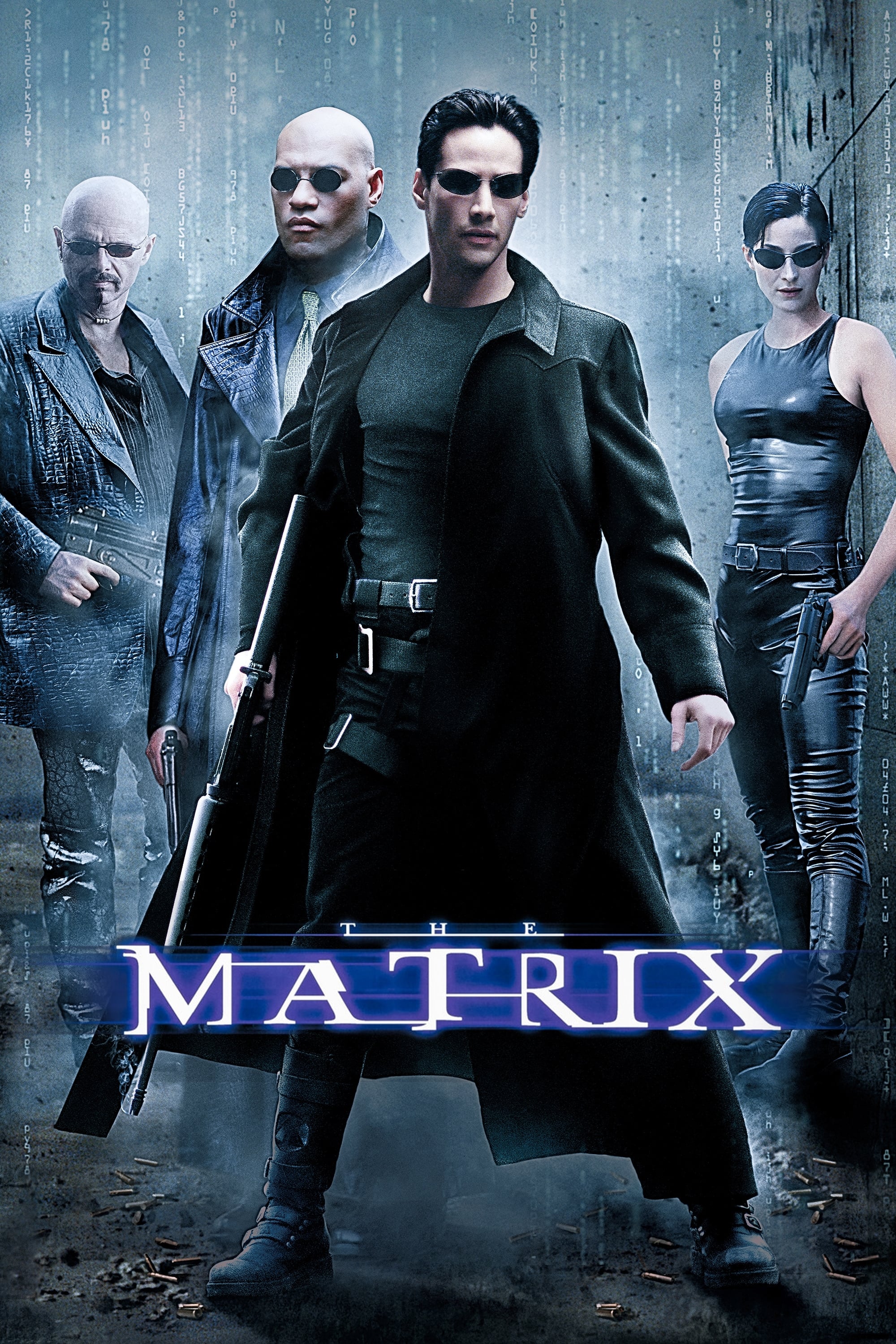
The film explains its premise through training programs, agent encounters, and staged rescues that double as tutorials for the rules of its world. Action scenes are structured to introduce abilities and limits without pausing for lectures.
Clues like mirrored surfaces, green digital tint in certain locations, and phone handoffs mark the difference between realities. The mix of practical wire work and visual effects underlines how characters bend rules inside the simulated environment.
‘The Sixth Sense’ (1999)
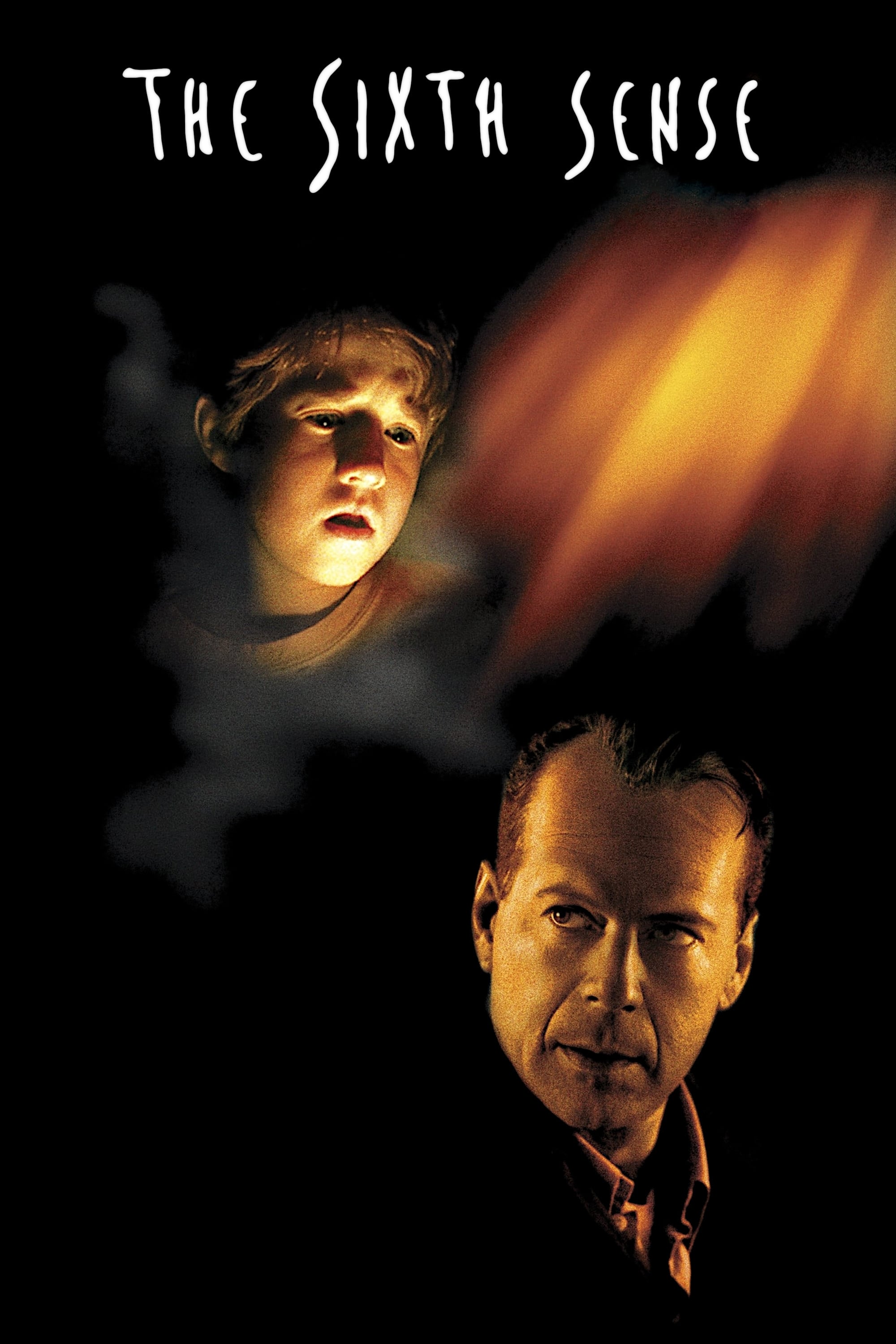
The narrative perspective guides the audience through a therapy case that slowly reveals its conditions. Many scenes are framed to keep information just out of reach while everyday settings carry specific meaning.
Color choices, framed photographs, and quiet pauses in conversation provide consistent signals about what the characters can perceive. The camera often holds on reaction shots that gain new relevance when the final turn is known.
‘Memento’ (2000)
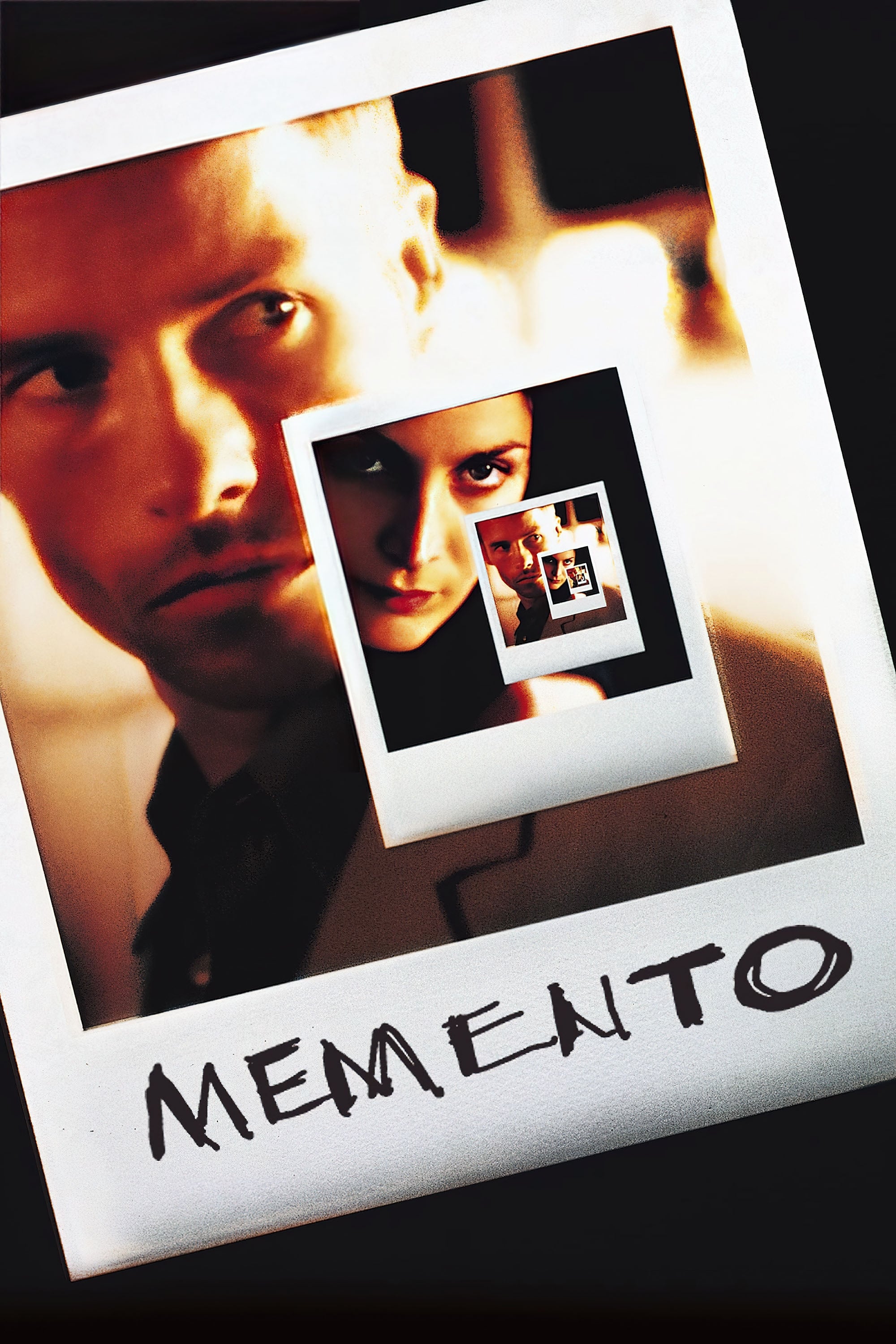
The story unfolds backward through color sequences that meet a forward moving black and white thread at a midpoint connection. The protagonist uses tattoos and Polaroids to record facts, which creates a plot built from unreliable notes.
Editing patterns, repeated lines, and the order of phone calls build a logic that becomes clearer once the structure is mapped. Props like the jacket, the car, and the keys function as anchors for the shifting timeline.
‘Donnie Darko’ (2001)
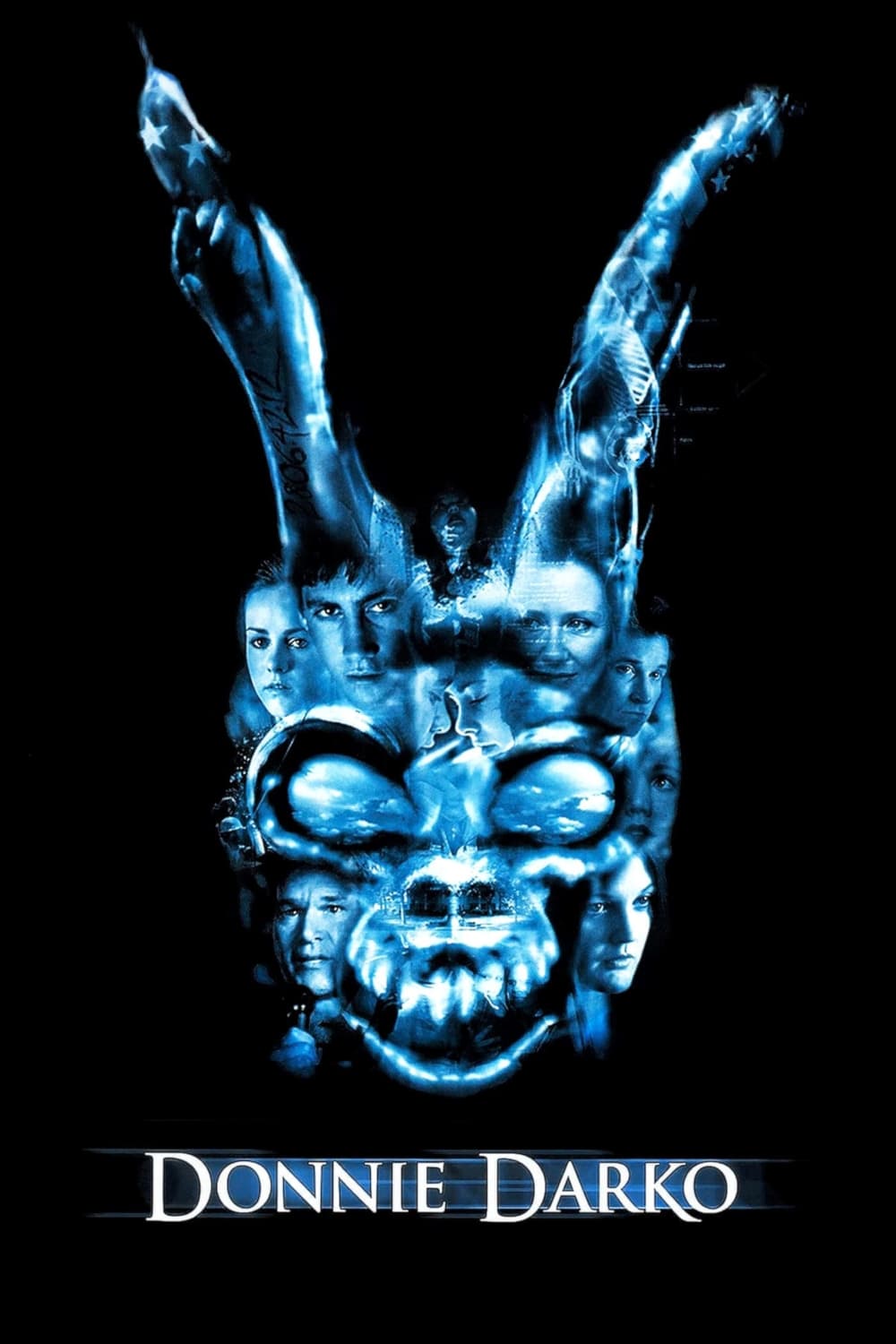
A suburban mystery uses visions, a countdown, and a time travel text to frame events around a tangent reality. Teachers, therapists, and family members offer information in pieces that only align after the final loop closes.
The presence of Frank, the placement of the jet engine, and classroom scenes on literature and philosophy connect theme to plot mechanics. The soundtrack and Halloween setting mark temporal checkpoints across the month of events.
‘Mulholland Drive’ (2001)
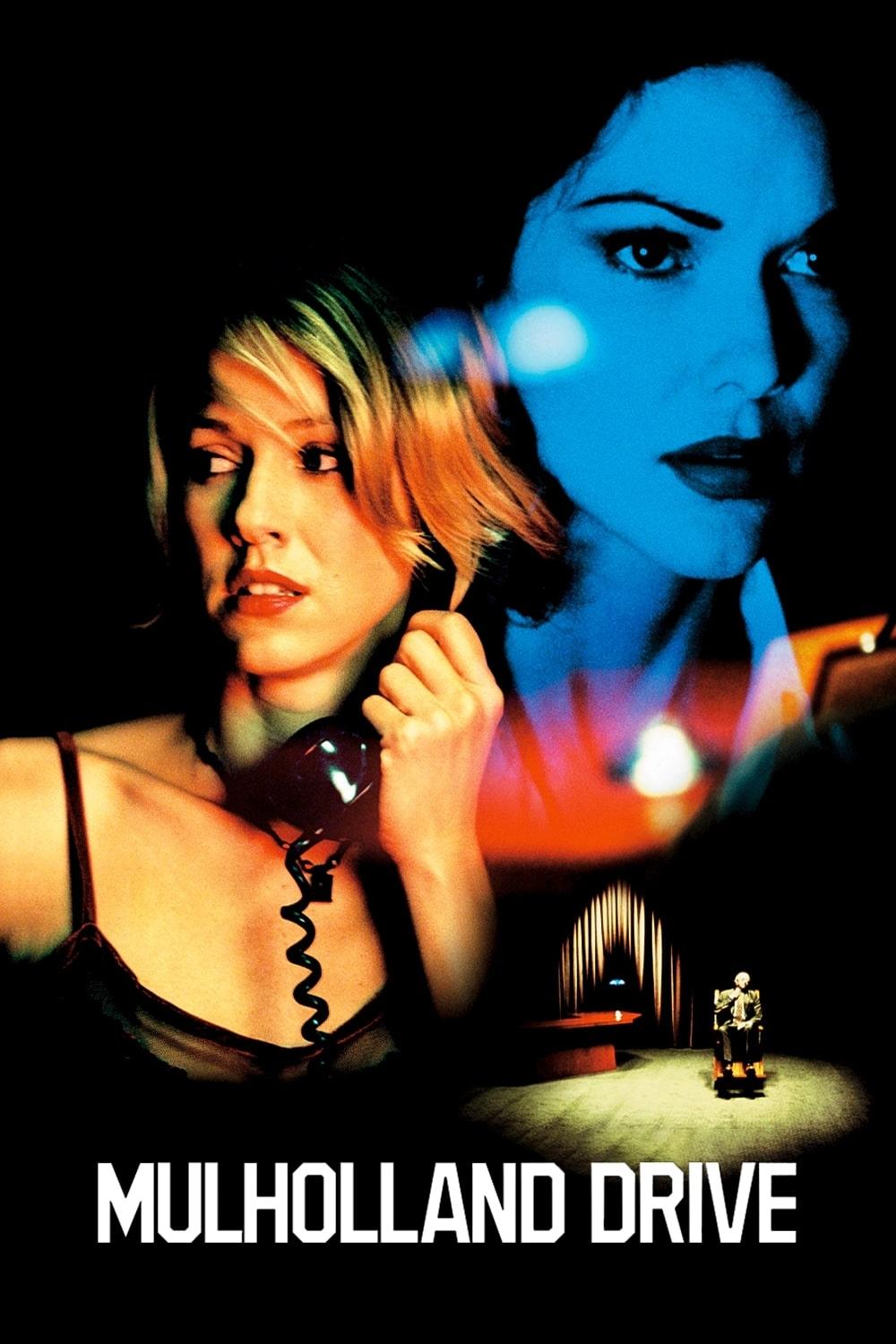
What begins as a noir investigation pivots into an identity shift that reframes earlier scenes. Dream logic and performance scenes fold character names and faces into overlapping roles.
Club Silencio, the blue key and box, and the audition sequence organize the split between desire and reality. Casting choices and repeated locations create a map of doubles that links both halves of the film.
‘Vanilla Sky’ (2001)
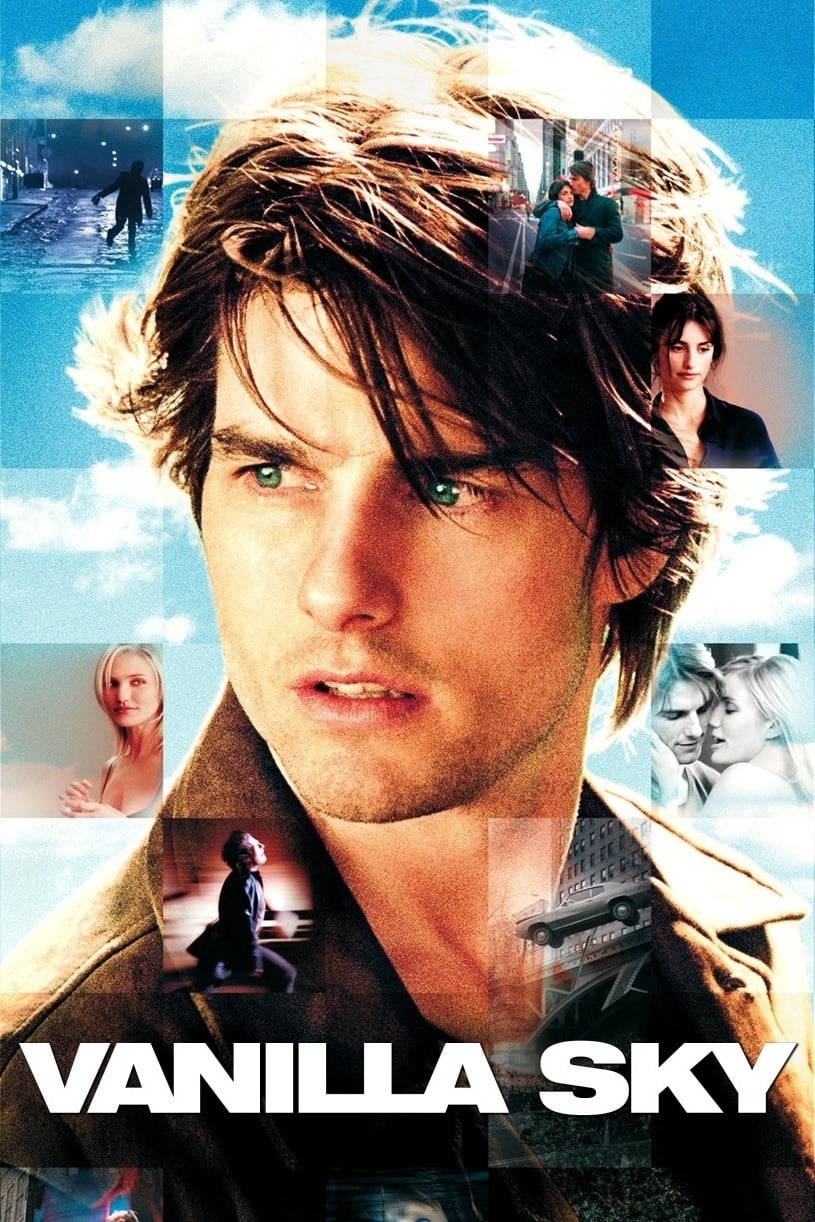
A romantic drama shifts into a science fiction frame through memory gaps and distorted cityscapes. The protagonist’s experiences blur dream and waking life as a corporate contract introduces a hidden program.
Visual artifacts like repeated songs, frozen crowds, and skyline anomalies signal transitions between states. References to a tech company and customer service calls place concrete markers on the boundary between the two modes.
‘Oldboy’ (2003)
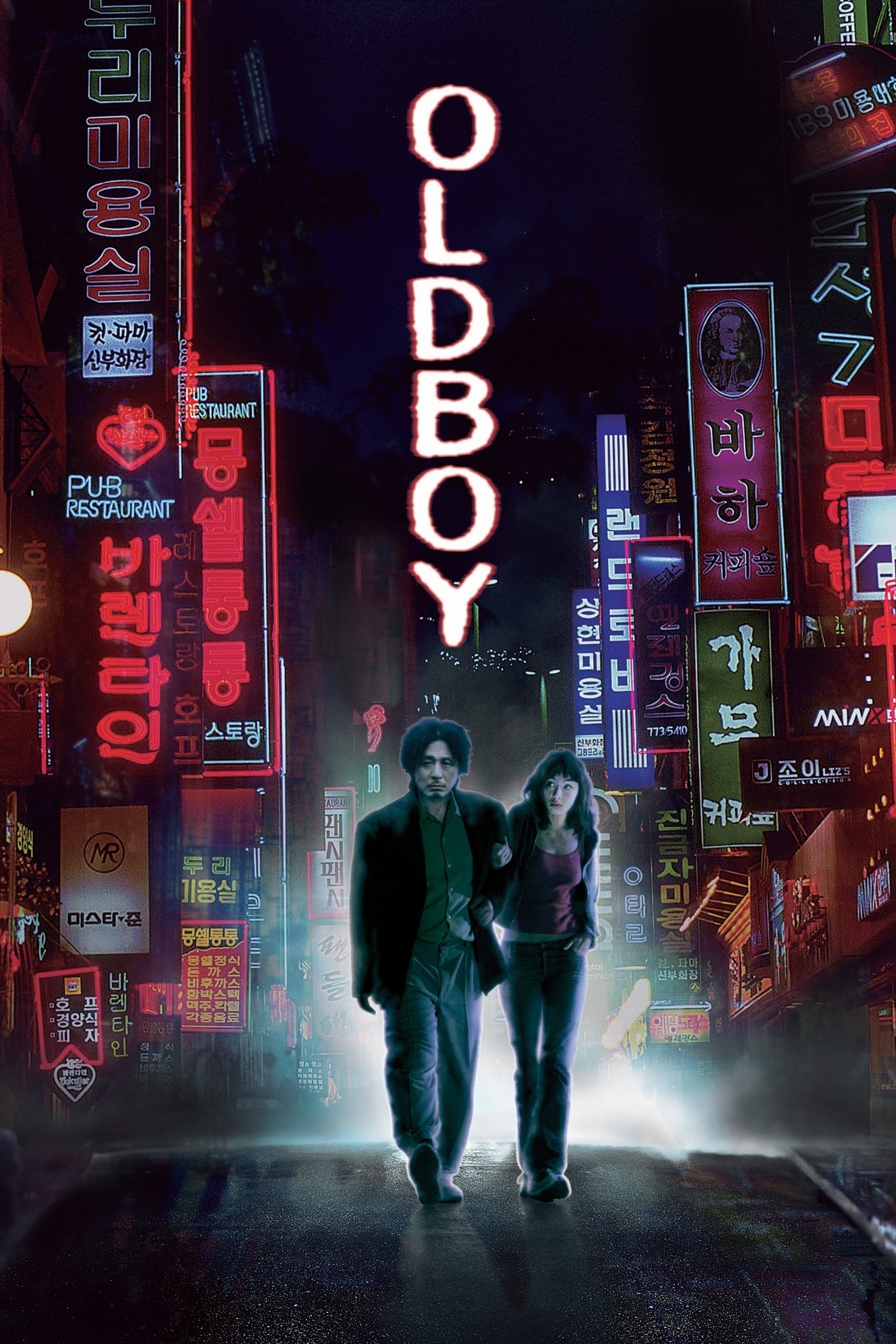
A revenge story builds a trail through food orders, school records, and hidden relationships. The investigation relies on small discoveries that later reveal a single orchestrated plan.
Recurring images like ants, a specific restaurant, and a childhood yearbook assemble a timeline that the lead character only grasps at the end. The corridor fight and the private gallery space serve as structural pillars for the narrative puzzle.
‘Primer’ (2004)
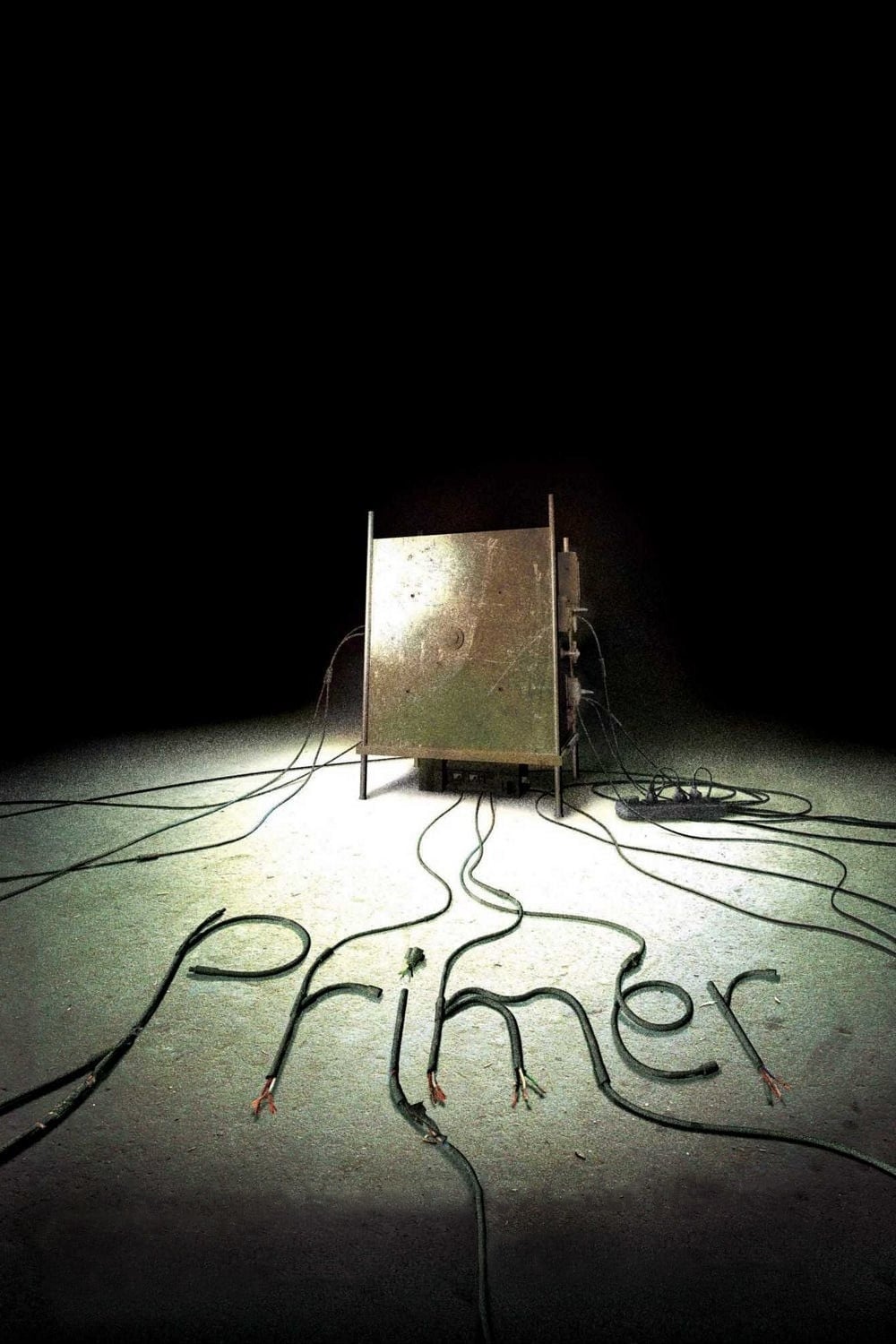
Two engineers create a device that introduces overlapping timelines and duplicated versions of themselves. Dialogue is technical and understated, and the film withholds clear labeling of each iteration.
Clocks, storage units, and ear bleed cues track which version of a character is on screen. The use of ambient sound, improvised locations, and careful prop continuity make the chronology solvable with close attention.
‘Paprika’ (2006)

A device called the DC Mini lets therapists enter dreams, which allows a villain to fuse multiple dreamscapes into one parade of images. The switch between real world and dream world happens without hard borders.
Billboards, film sets, and reflections fuse into a collage that tracks the identities of Dr. Chiba and her alter ego Paprika. Match cuts and layered transitions provide the breadcrumbs that bridge character psychology and plot resolution.
‘The Prestige’ (2006)
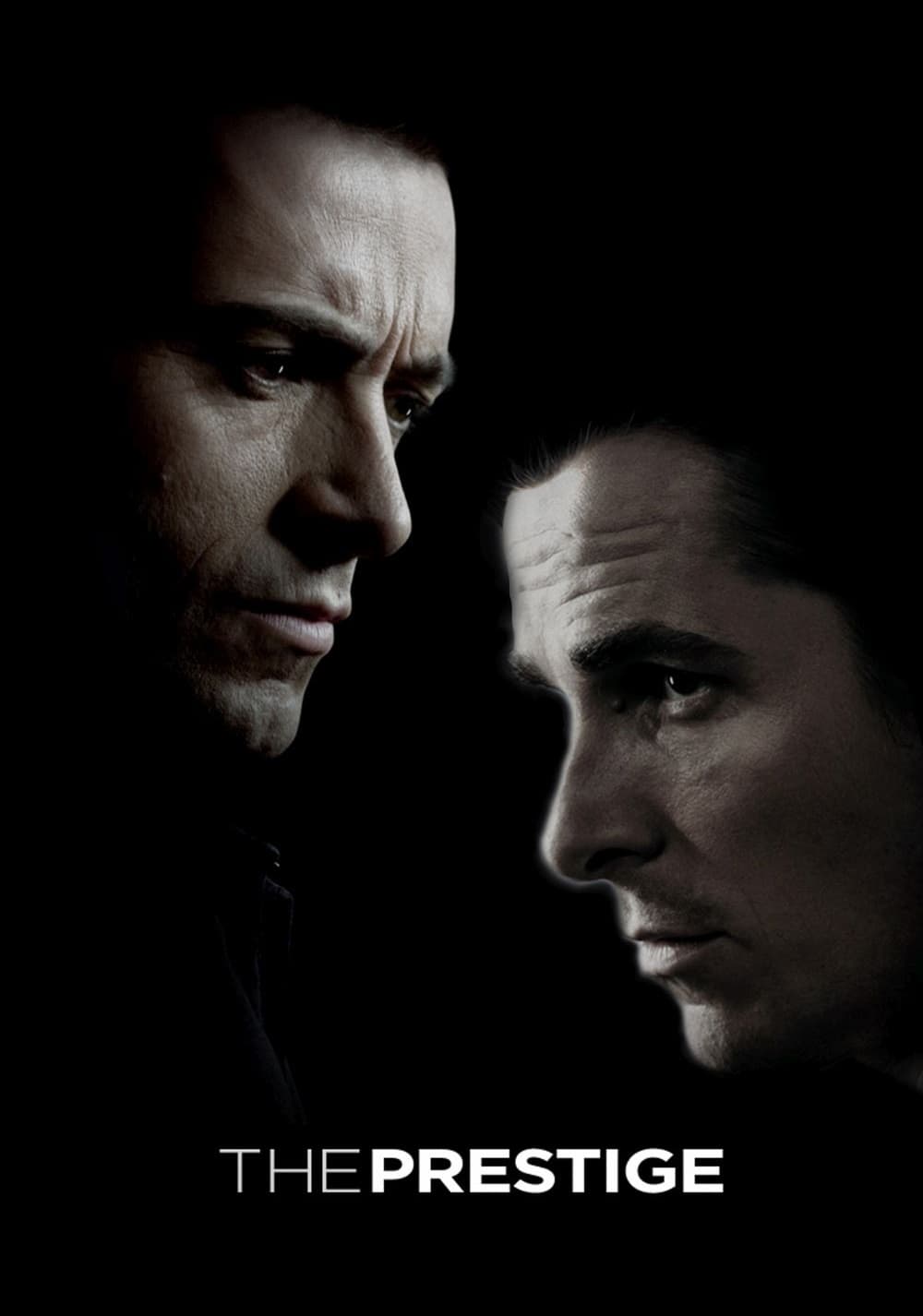
Two magicians document their rivalry through diaries that are read by the other, which creates stories within stories. The three parts of a magic trick frame the film’s structure and explain how information is hidden.
Props like birds, top hats, and stage traps mark the method used by each performer. The arrival of a new machine and the use of alternating names connect the final reveal to steps shown from the start.
‘Synecdoche, New York’ (2008)
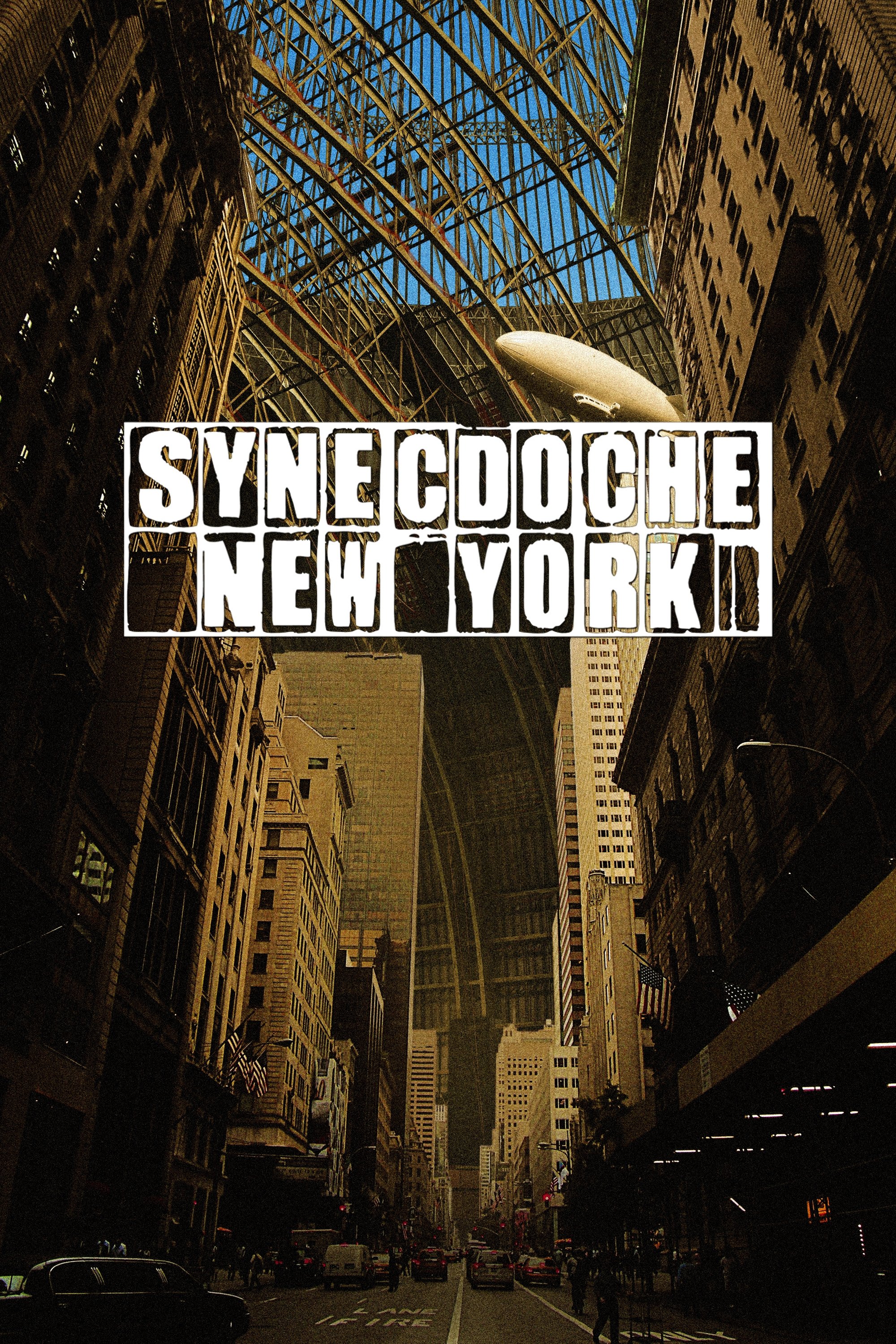
A theater director builds a life size copy of a city inside a warehouse and casts actors to play himself and the people around him. Years pass within rehearsals, and roles are recast while sets expand.
The burning house, the milk carton notes, and overlapping eulogies turn the production into a biography told through staging. Time jumps appear as normal scene changes, which makes a map of relationships essential on repeat viewing.
‘Triangle’ (2009)
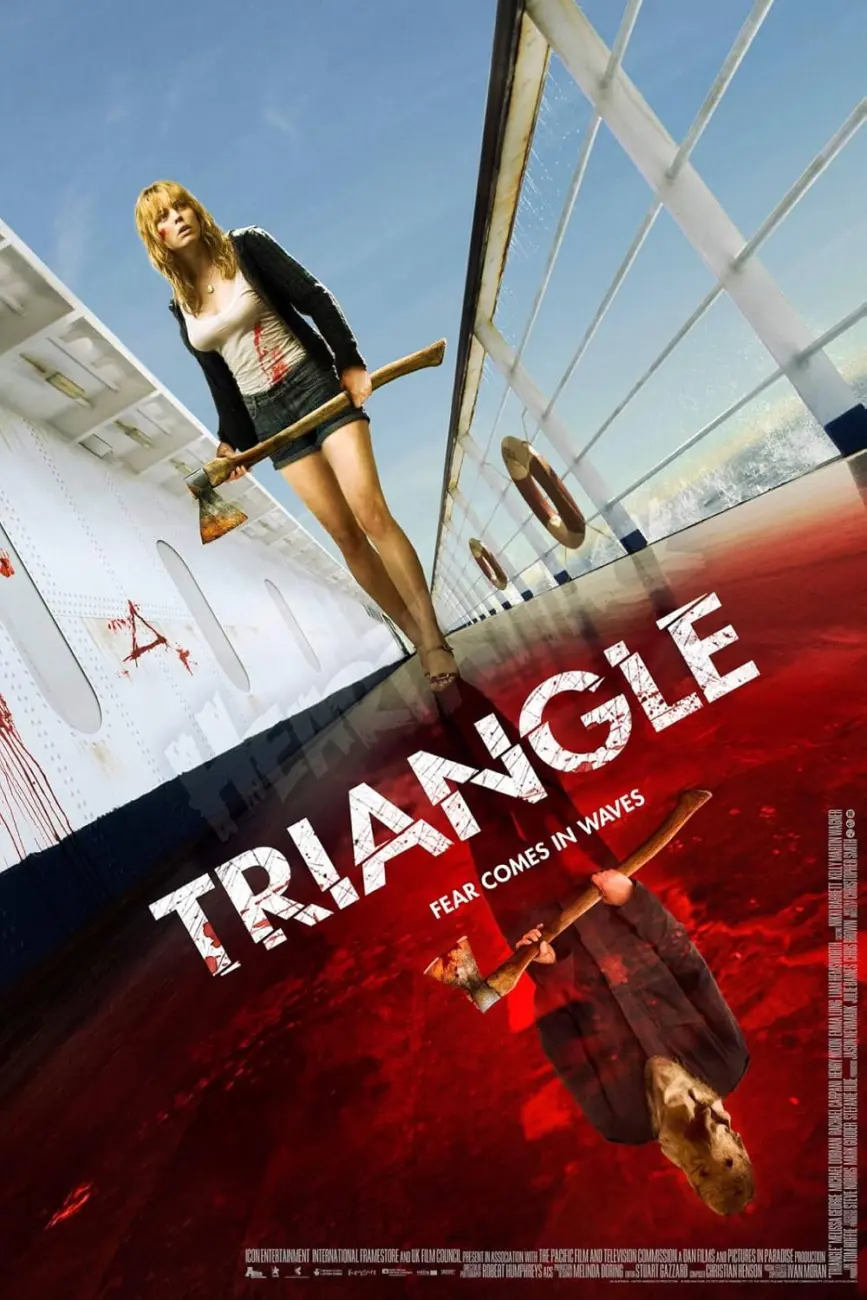
A group of friends encounters a deserted ocean liner where events repeat in cycles. Each loop changes small details while pushing the lead character toward the same outcome.
Objects like a locket, blood marks, and a set of notes confirm how many cycles have occurred. The film uses costume damage and weapon placement to show the position of each version within the loop.
‘Shutter Island’ (2010)
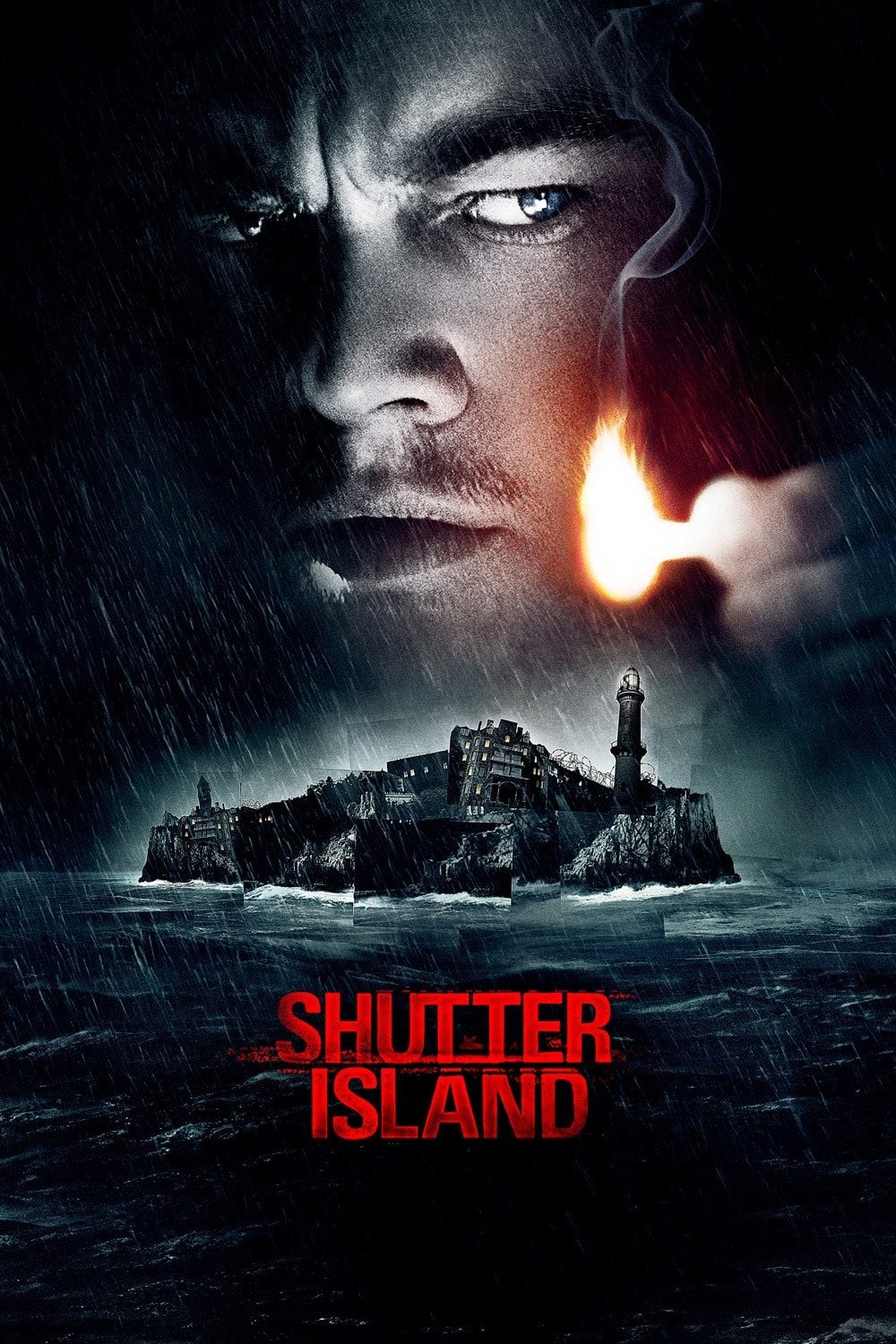
A federal investigation at a psychiatric facility proceeds through interviews, medication schedules, and weather disruptions. Staff behavior and patient reactions supply quiet clues to the case.
Ward locations, chalkboard diagrams, and missing patient files provide a trail that supports the institution’s approach. The lighthouse and cave scenes serve as tests for the main character’s understanding of events.
‘Inception’ (2010)
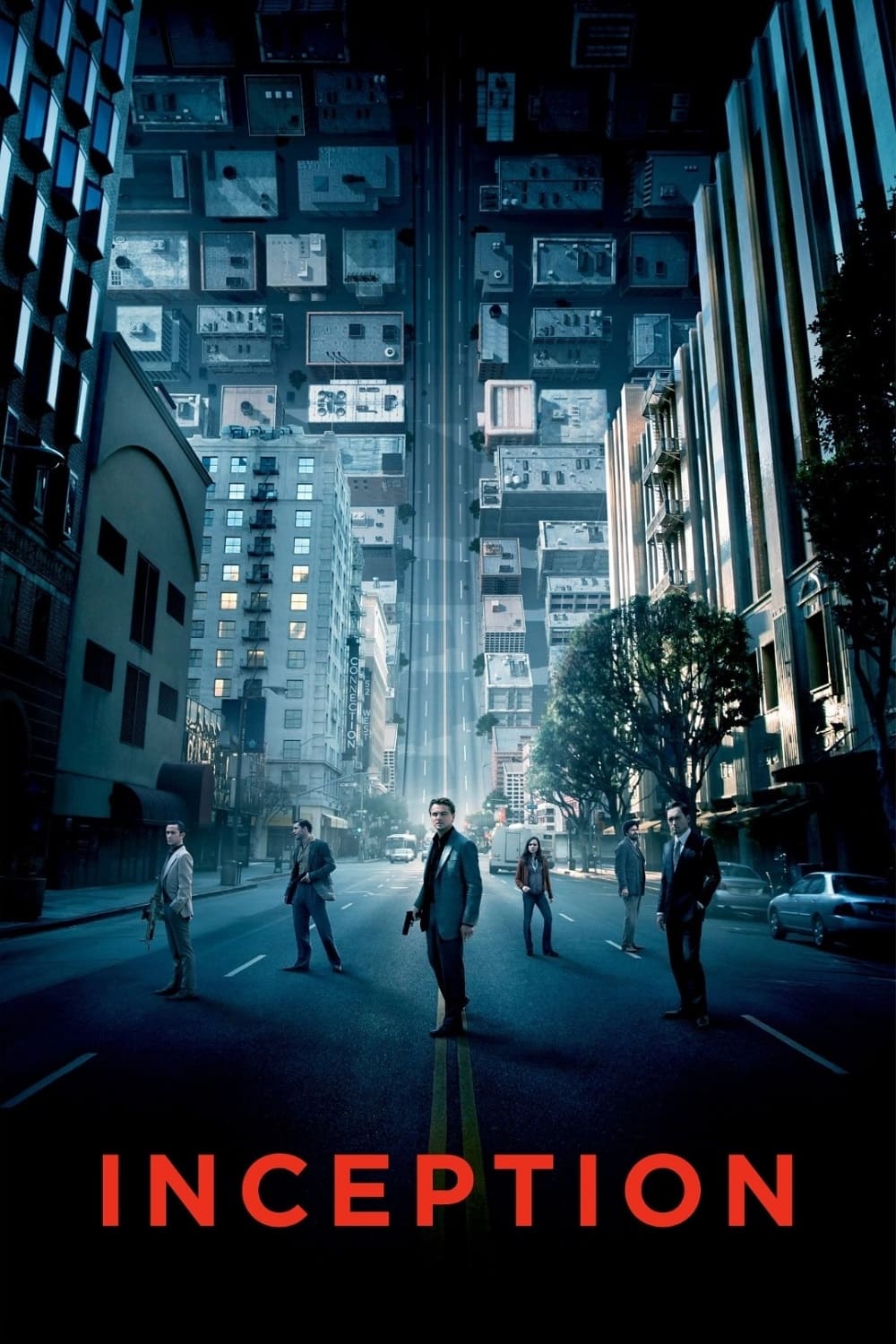
A team enters layered dreams to perform an idea implant, with time moving differently on each level. Rules about kicks, totems, and architects set the boundaries for action inside constructed spaces.
Music cues, changes in gravity, and synchronized vans and elevators link the layers together. The spinning top close and the ring habit create a system for reading the final scene and the character’s state of mind.
‘Enemy’ (2013)
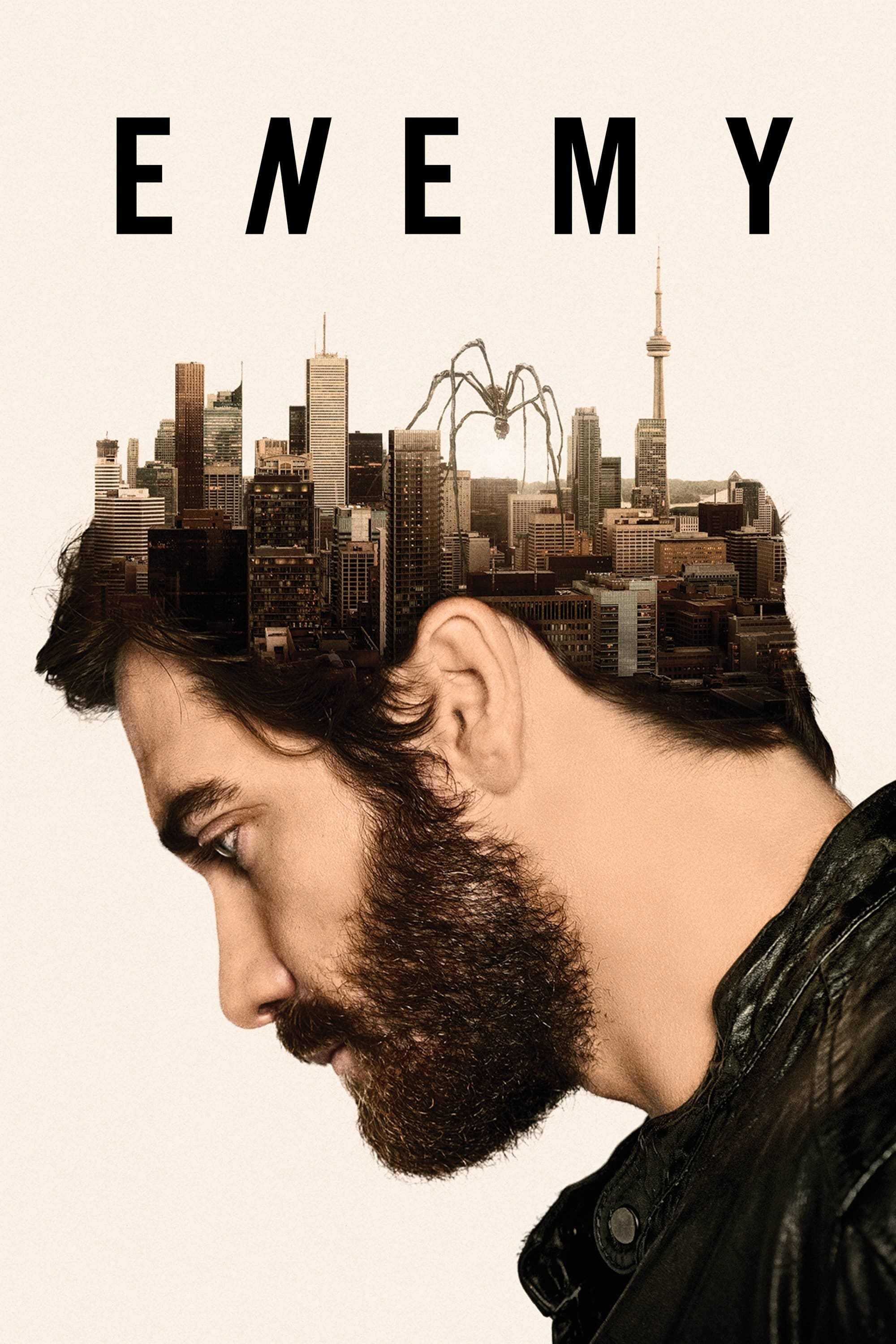
A lecturer discovers an actor who looks identical to him, and their lives interlace through keys, apartments, and partners. The city is shot with a yellow haze and repeating buildings that stress similarity.
Spider imagery, a web mural, and a nightclub show form a symbolic thread about control. The last shot reinterprets the tone of earlier domestic scenes once the twin dynamic is understood.
‘Coherence’ (2013)
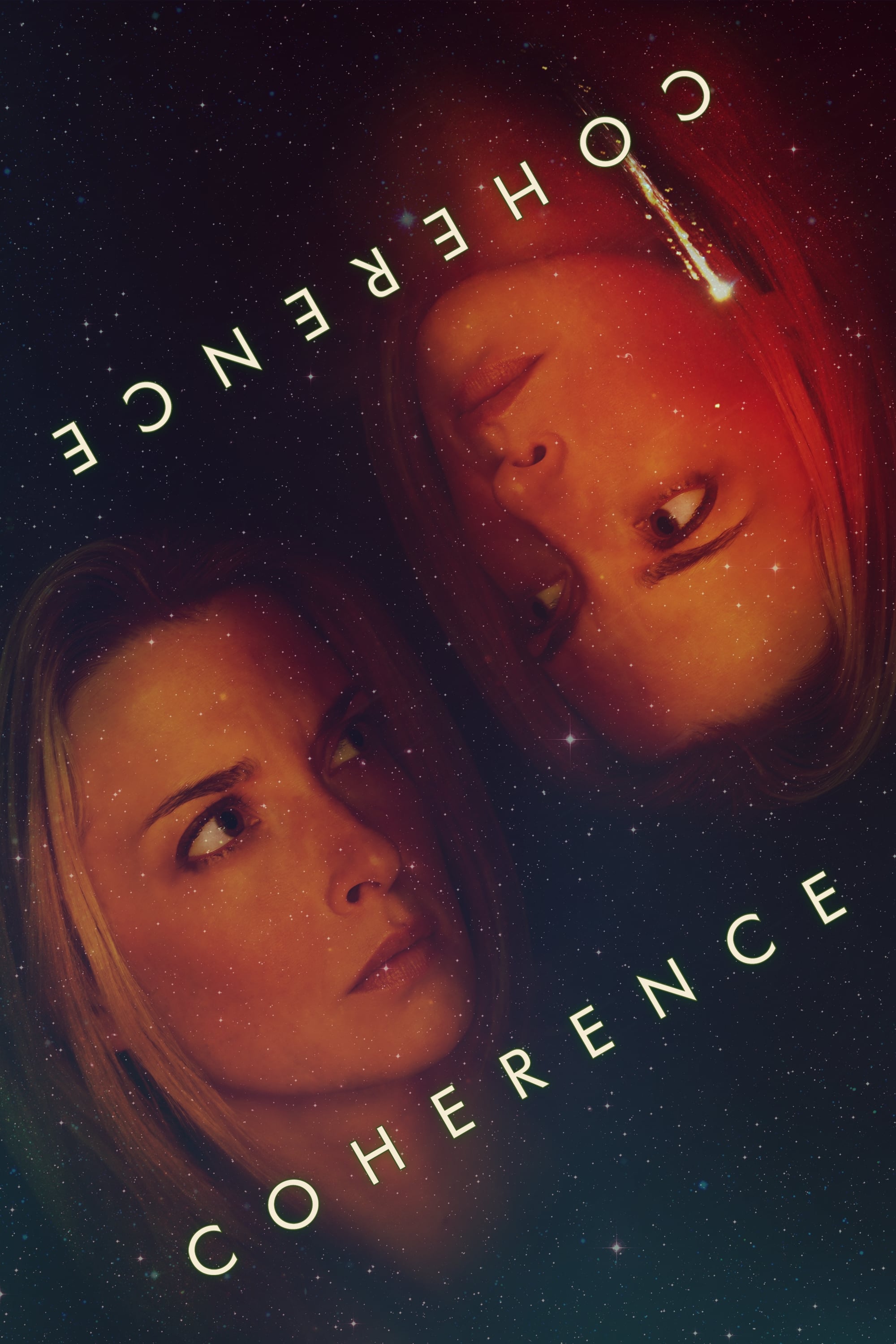
During a comet event, a dinner party experiences shifting realities as groups of friends split into different versions of the same night. Dialogue tracks tiny differences that signal which house the audience is in.
A box with numbered items, changes in a glow stick color, and altered photographs help sort the branches. The film’s handheld style and single location approach make each continuity clue carry extra weight.
‘Under the Skin’ (2013)
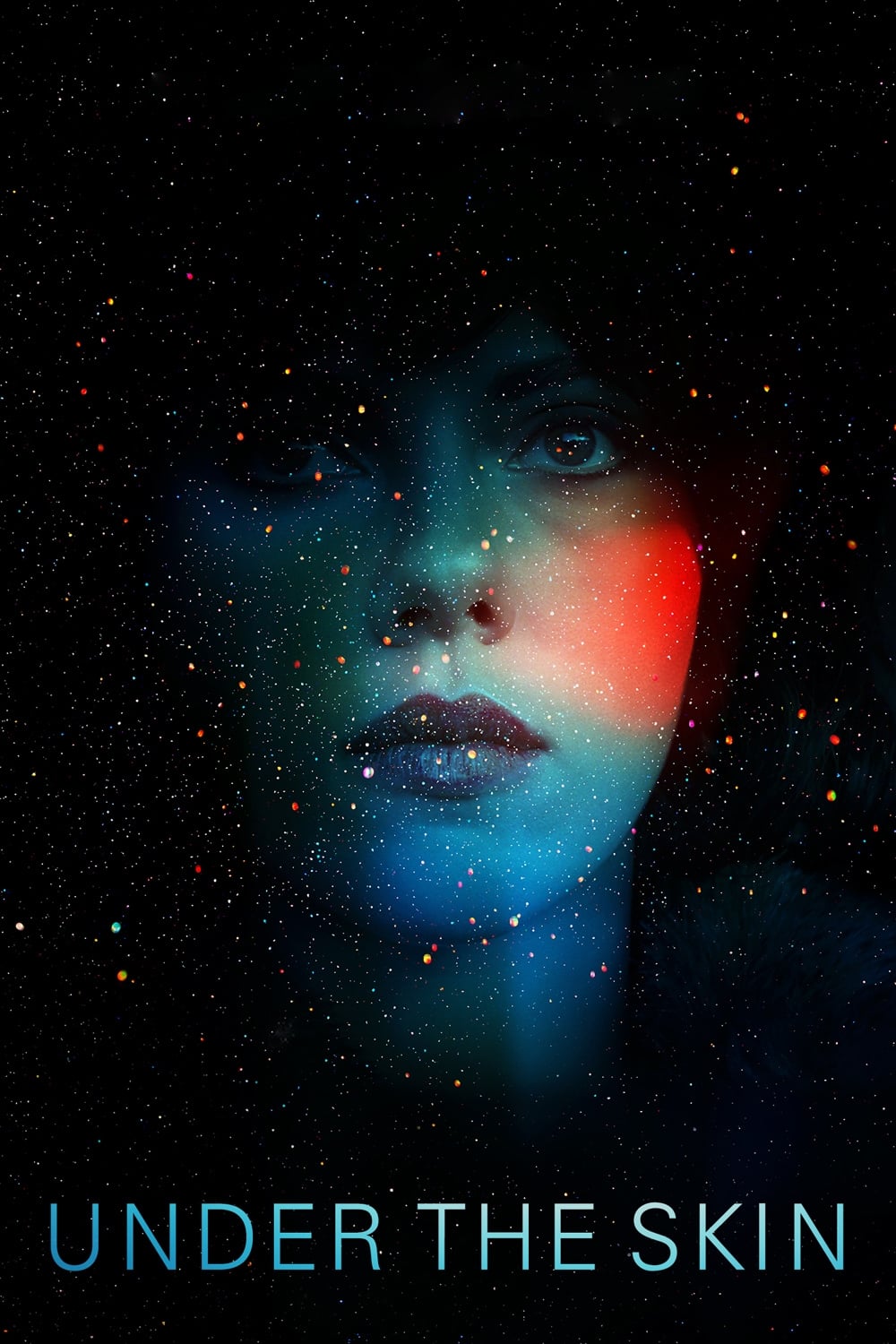
An alien in human form drives through Scotland and lures men into a black void where their bodies are harvested. Nonactors and hidden cameras capture street encounters that blend documentary methods with fiction.
The motorcycle rider, the mirror space, and the pool like chamber define the extraction process. Costume shifts and a beach incident mark changes in the alien’s behavior that reframe earlier scenes.
‘Interstellar’ (2014)
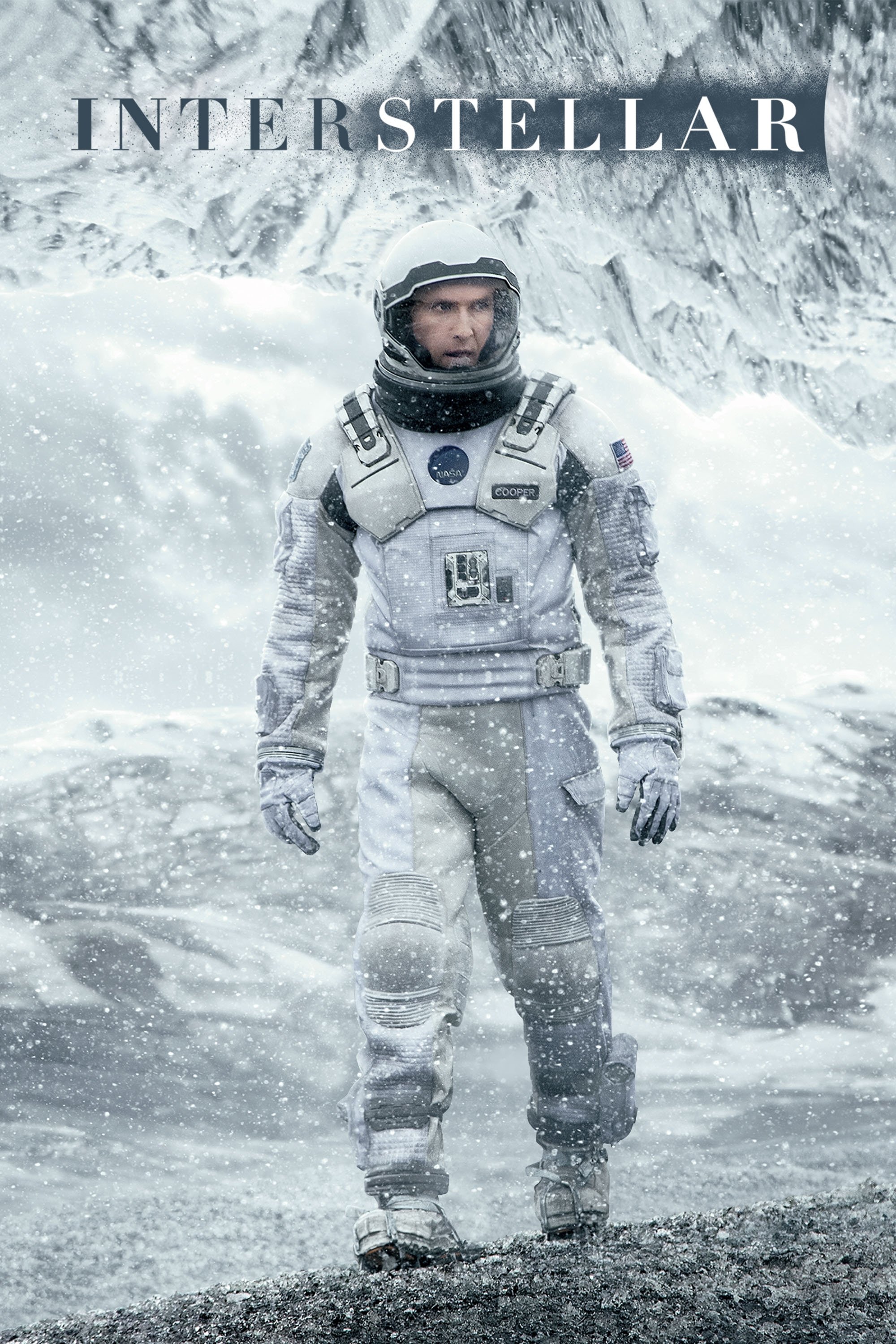
A pilot leaves Earth to search for habitable worlds while time dilation creates unequal aging between family members. A black hole encounter and a tesseract visualization convert physics concepts into plot mechanisms.
Wristwatch signals, dust patterns, and bookshelf movements tie the space mission to events at a farmhouse. The robot interfaces and mission patches maintain continuity across changing planets and years.
‘Predestination’ (2014)
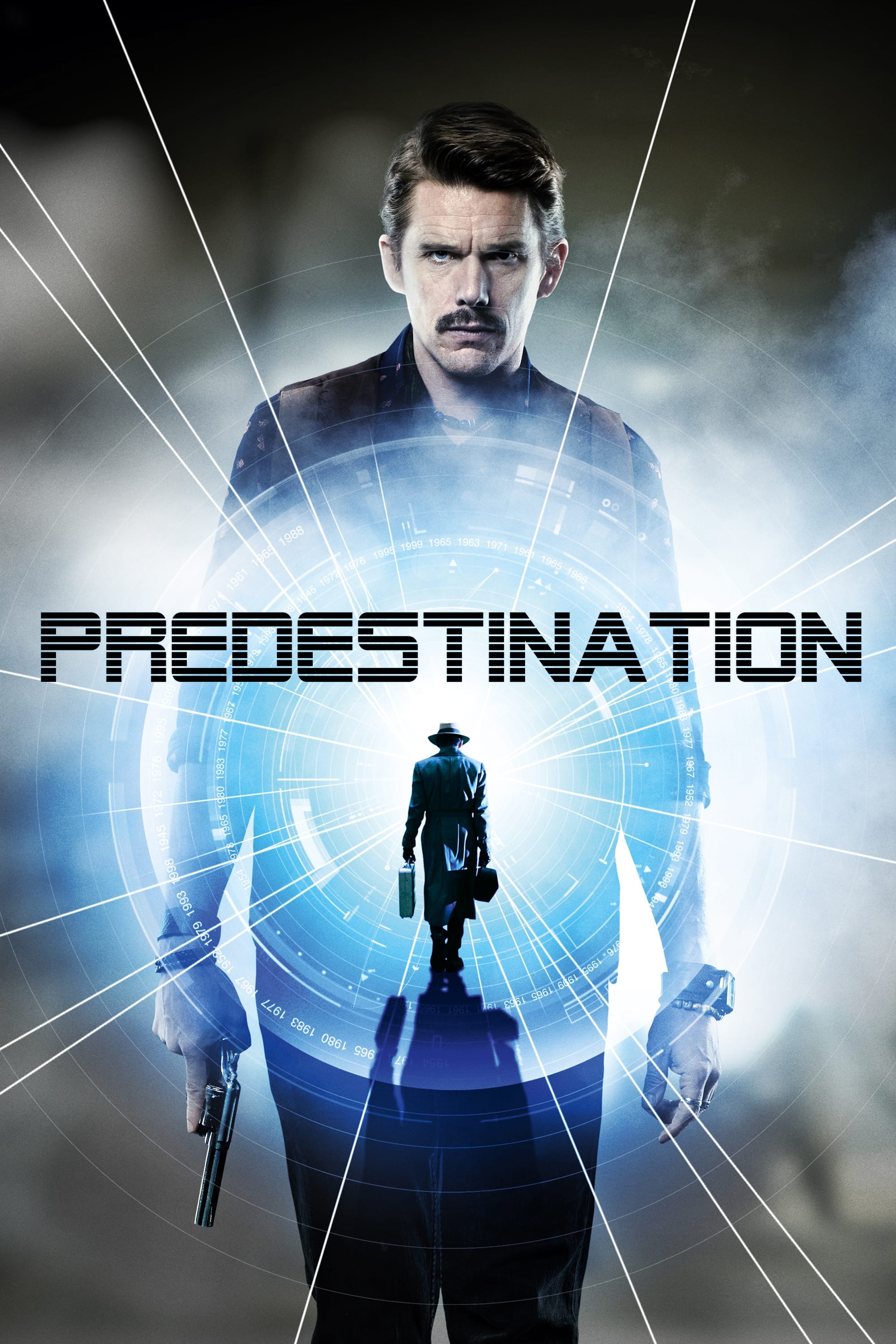
A temporal agent tries to prevent a bombing as a bar conversation unwraps a biography with closed causal loops. The story reveals how the same person can occupy multiple roles across time.
Surgical scars, a violin case, and agency protocols provide concrete hints for the identity turns. The final assignment aligns earlier scenes with a single continuous timeline built on the bootstrap paradox.
‘Arrival’ (2016)
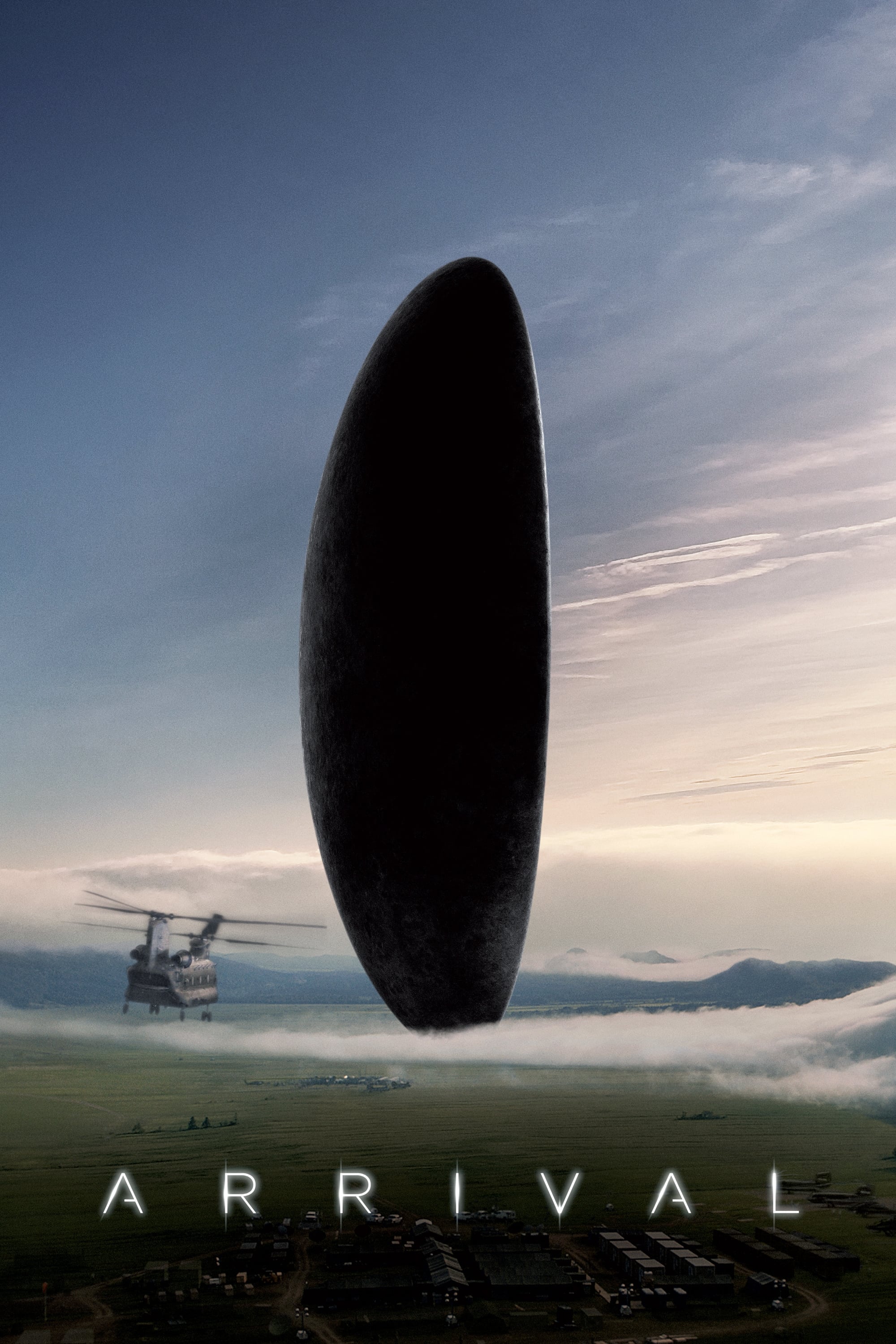
A linguist learns an alien written language that encodes a different experience of time. The film presents personal scenes that seem like flashbacks while the work of translation moves ahead.
Circular logograms, the clear barrier in the chamber, and the notebooks on syntax lay out how comprehension changes perception. Military deadlines and a satellite image provide a real world frame for the language breakthrough.
‘Annihilation’ (2018)
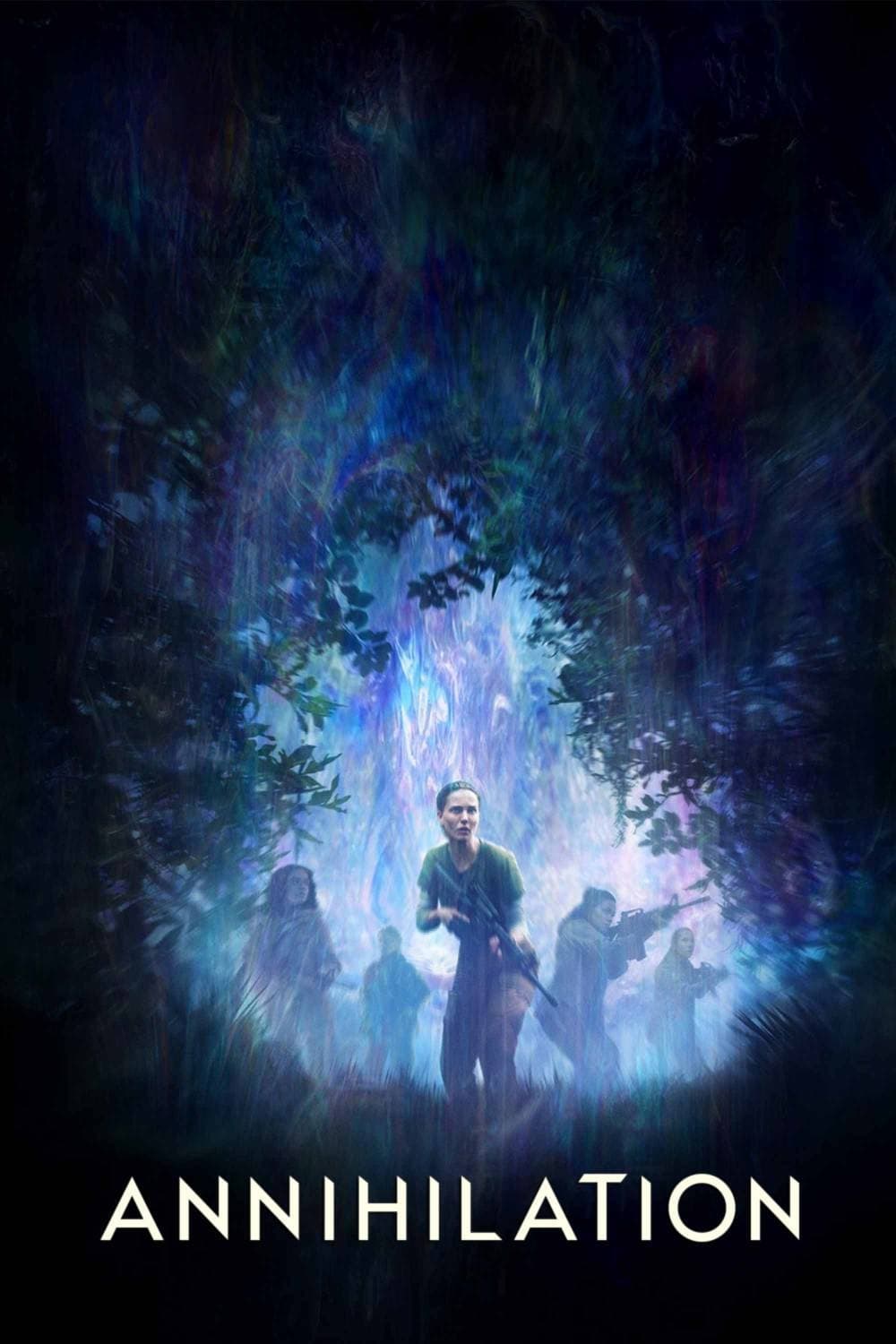
An expedition enters a region called the Shimmer where DNA and behavior refract into new forms. The team’s recordings and field notes provide data points for what the environment does to living things.
Tattoo transfers, duplicate plant shapes, and the lighthouse chamber film connect character fates to environmental rules. The glass paperweight and the final eye reflection tie the ending back to earlier changes.
‘Tenet’ (2020)
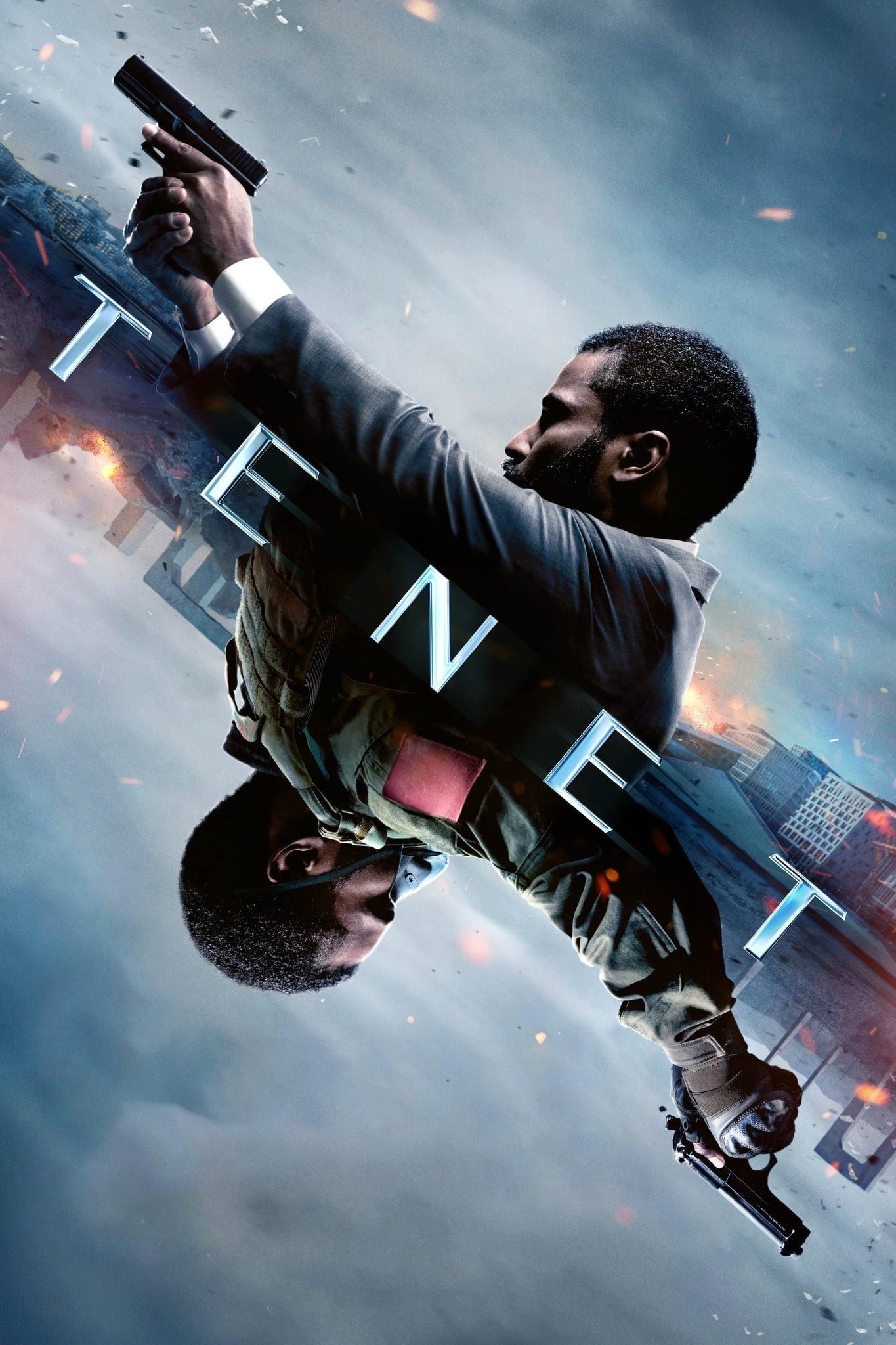
A covert operation uses inversion to send objects and people through time in reverse entropy. Missions are planned so that one team moves forward while another moves backward within the same event.
Items like red and blue oxygen masks, color coded rooms, and the algorithm device clarify which direction a character is traveling. The free port sequence, the highway fight, and the final pincer scene align when the temporal paths are overlaid.
Share your favorite mind bending picks in the comments and tell everyone which titles revealed the most on your second viewing.