Actors Who Were in Huge Debts


Money can move fast in show business. Big paydays do not always mean lasting security, and a run of quiet years or a few bad decisions can send even famous names into the red. Taxes, lawsuits, failed ventures, and costly lifestyles often pile up at the same time, and the headlines usually arrive long after the bills are already due.
This list looks at male actors who publicly faced serious financial trouble at some point in their careers. You will find tax liens, bankruptcies, court awards, loan defaults, and company collapses that forced hard resets. You will also see how many of them worked their way back through new projects, steady repayment plans, and the sale of prized assets.
Nicolas Cage
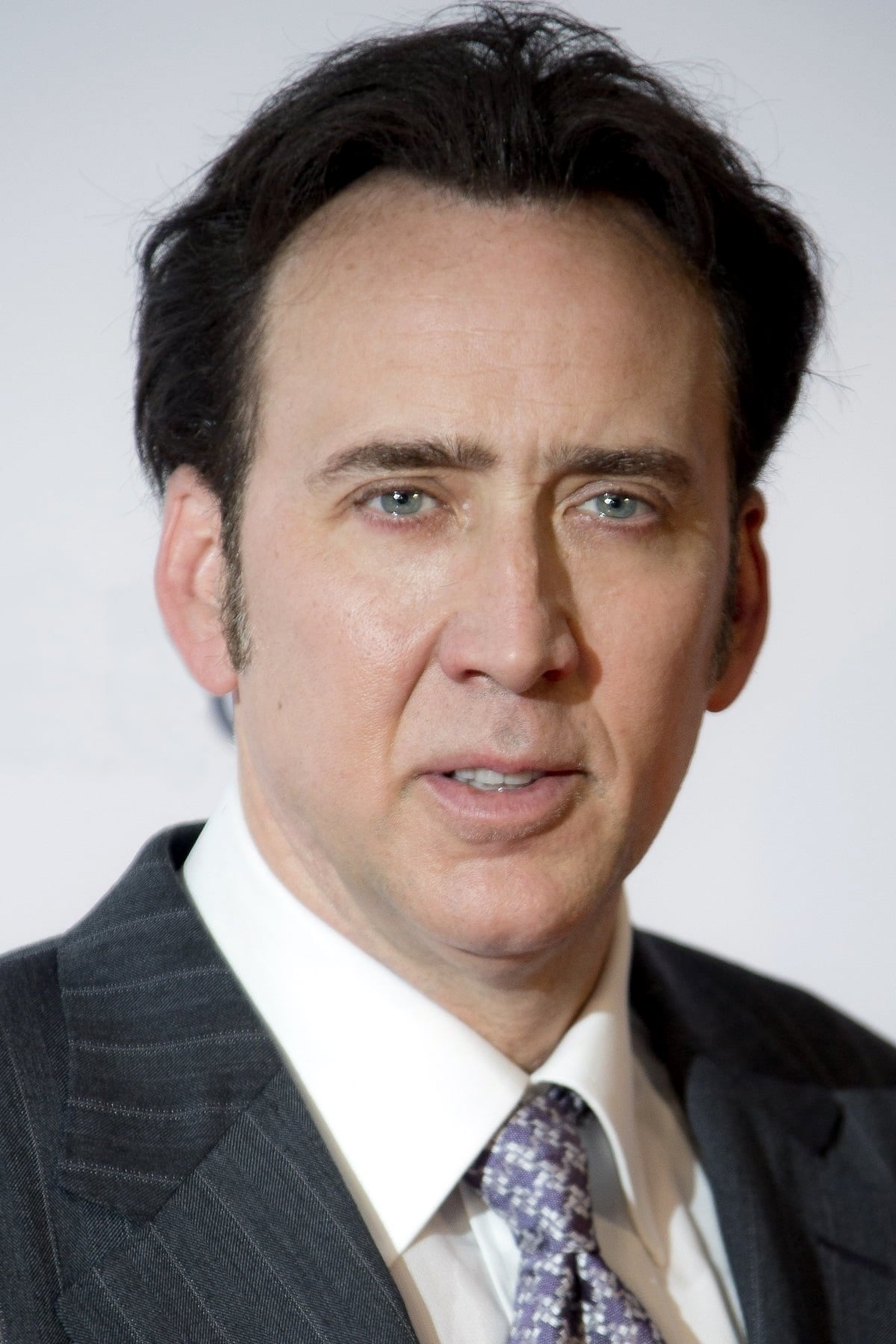
The IRS filed multiple tax liens against him in the late 2000s, with unpaid federal taxes reported in the multi million dollar range. He also carried heavy real estate costs after buying numerous properties, including homes in New Orleans and a European castle, which he later moved to sell.
He addressed the debt by taking a very busy slate of films and by liquidating assets that included cars and valuables. Proceeds and continued earnings were directed toward his obligations, and he publicly stated that the tax issues were resolved after years of repayments.
Johnny Depp
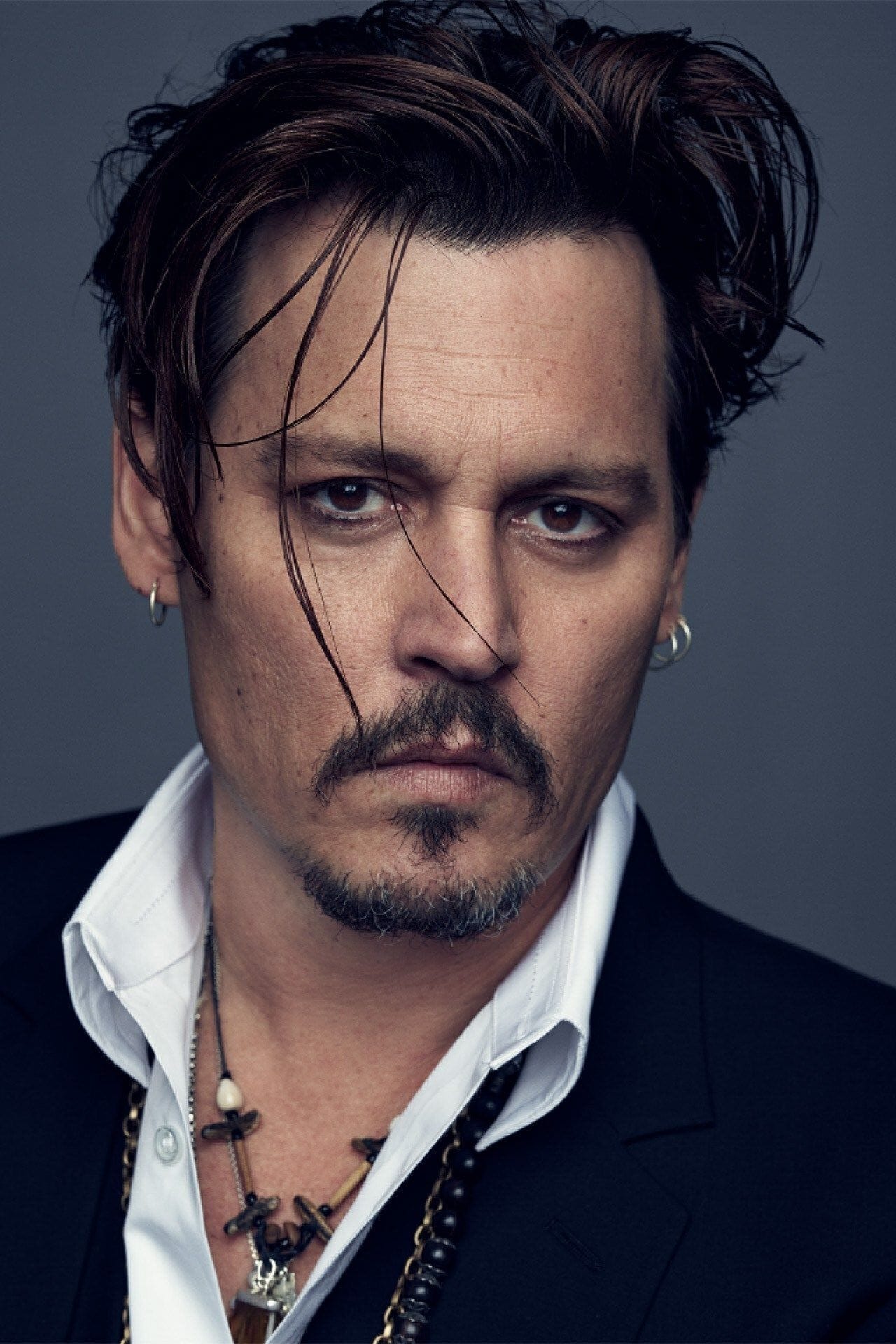
A legal battle with his former business managers brought his finances into the open and described severe cash flow problems and large outstanding debts. Court filings outlined heavy borrowing and large monthly expenses while also noting sales of properties to raise funds.
He responded by restructuring his finances and monetizing assets, including selling real estate and valuable items. He also leaned on global work, with concert tours and film projects helping stabilize income during ongoing negotiations with creditors.
Wesley Snipes
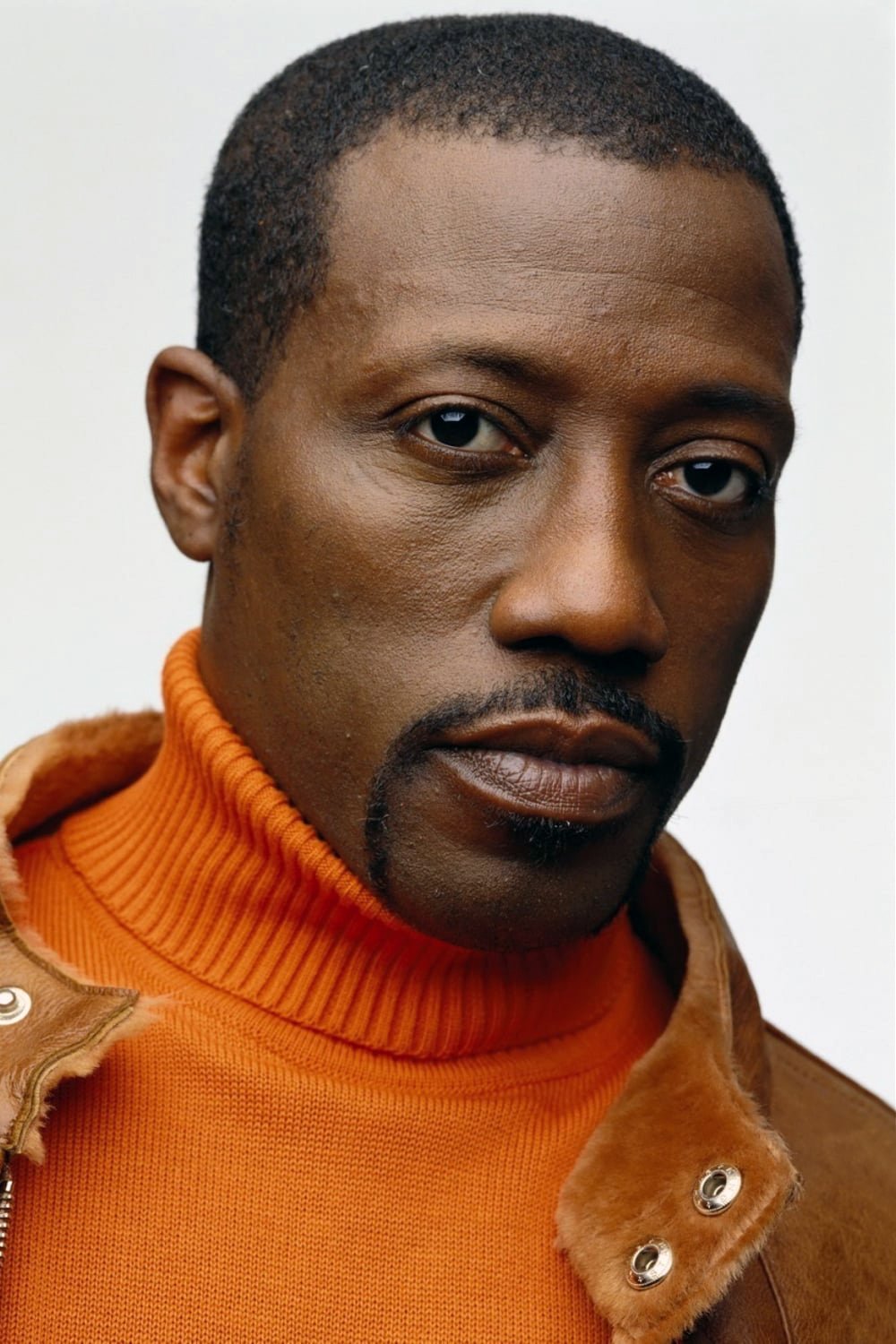
He was convicted for failing to file federal income tax returns, which triggered a prison sentence and substantial liabilities to the IRS. The case covered multiple tax years and led to liens and collection efforts that followed his release.
He returned to film work and arranged payment plans to address remaining balances. Garnishments were applied to certain earnings, and he continued acting and public appearances while resolving his obligations with the government.
Chris Tucker

He accumulated significant federal and state tax debts during the mid 2000s and early 2010s, which led to liens and the threat of property seizures. The amounts cited in official notices placed him many millions behind.
He set up a structured repayment plan and rebuilt income through stand up tours and film appearances. As bookings increased, he devoted a portion of earnings toward back taxes and fees tied to long running penalties and interest.
Stephen Baldwin
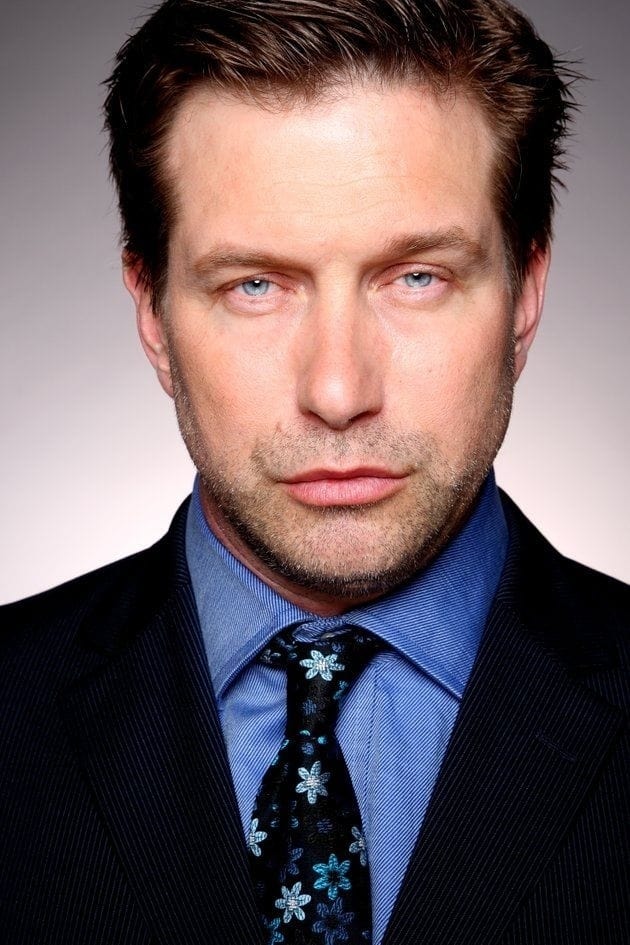
He pleaded guilty to failing to pay state income taxes in New York over several years, which left him with delinquent balances and fines. The case required formal agreements with the state that laid out deadlines for repayment.
He completed court approved payment schedules and continued to work in film, television, and podcasting. Public updates from his team indicated that he satisfied the obligations that came out of the case.
Burt Reynolds
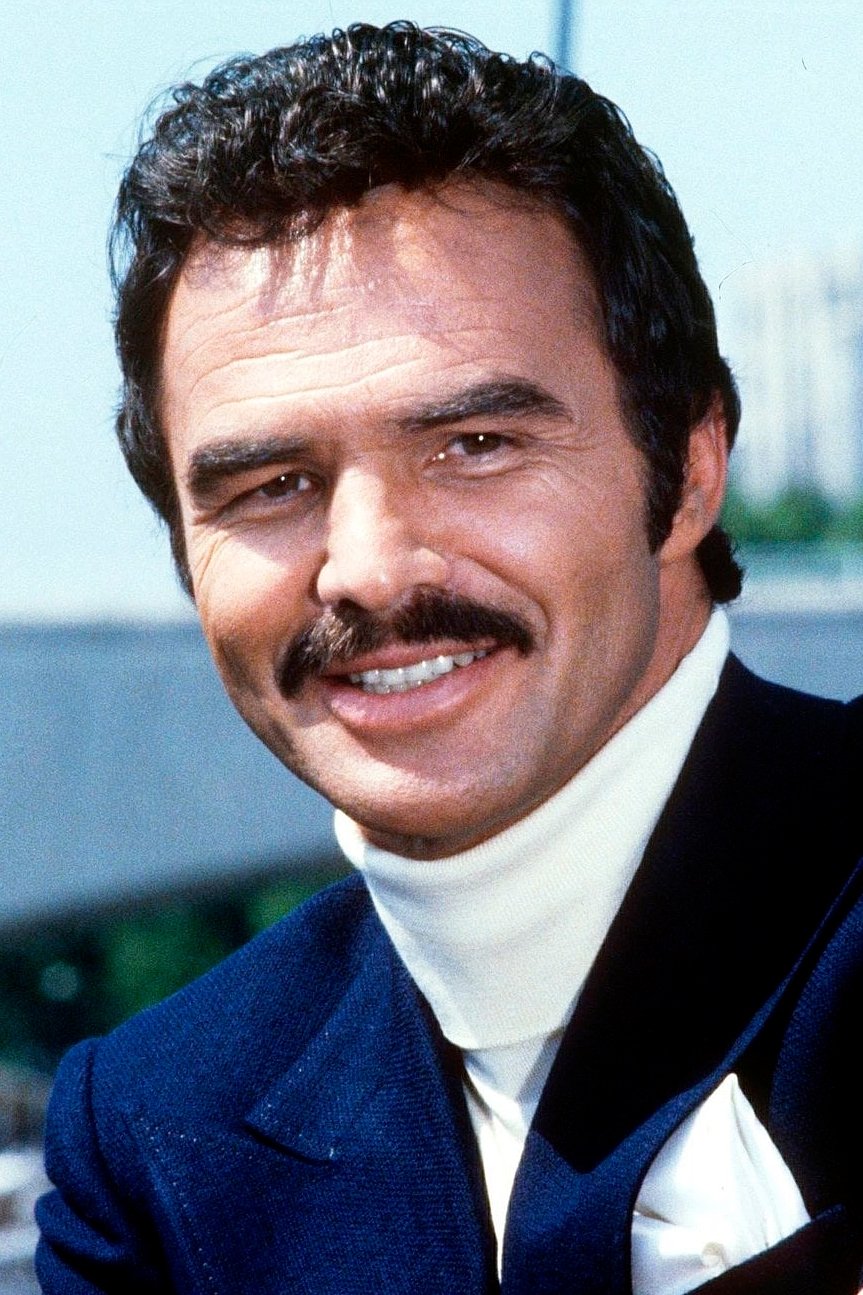
He filed for bankruptcy in the 1990s with debts that ran into eight figures, driven by costly investments, business losses, and ongoing expenses. Foreclosure proceedings on his Florida home and the sale of notable personal items marked a difficult period.
He kept working across film and television and later held auctions that drew strong interest in memorabilia from his long career. Those proceeds, combined with steady roles including a high profile turn in ‘Boogie Nights’, helped him pay creditors over time.
Mickey Rooney
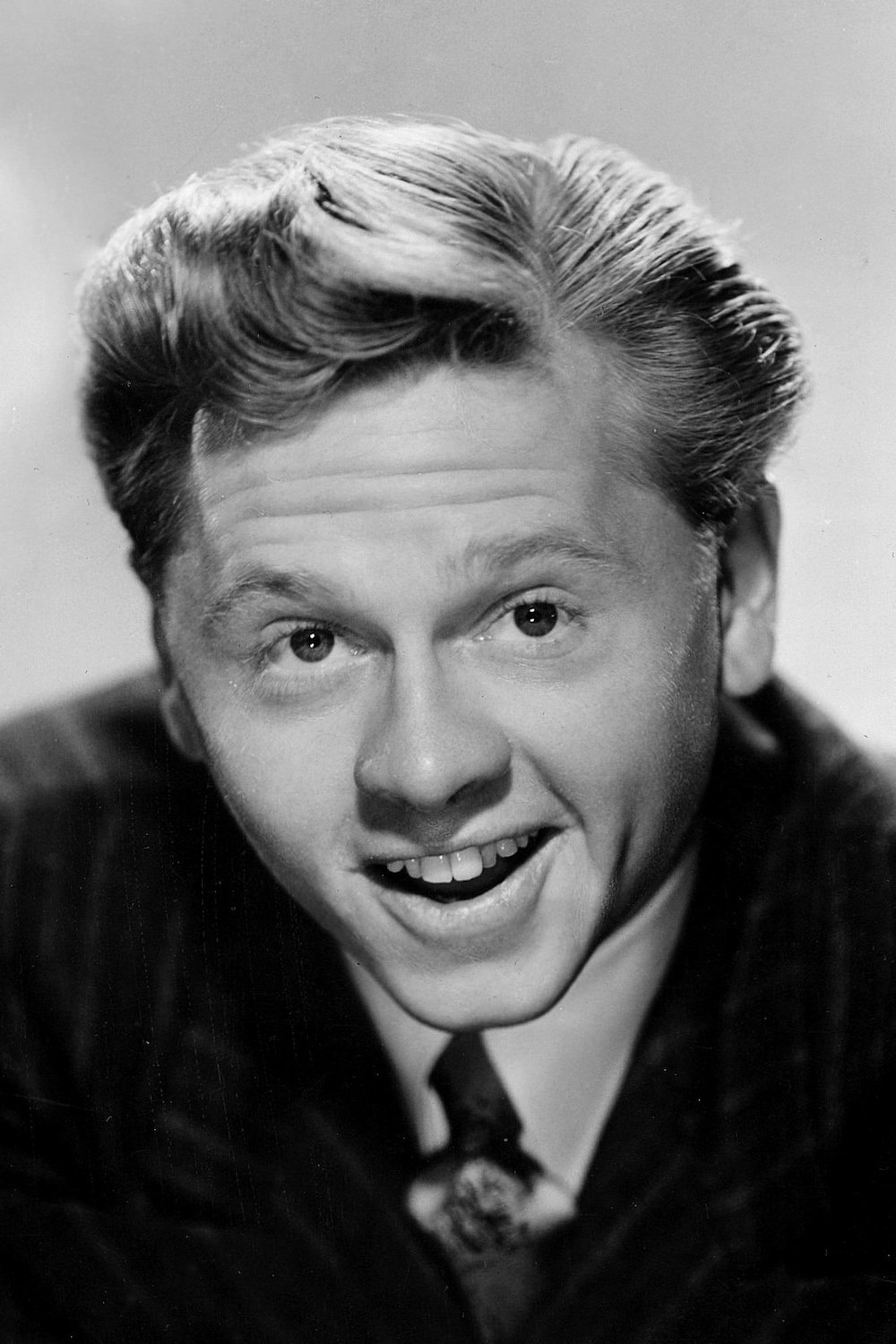
He declared bankruptcy in the early 1960s after tax issues and failed ventures drained his peak era earnings. Years later he alleged elder financial abuse that further complicated his ability to manage money in his final decades.
The court appointed a conservator to protect him and his remaining assets. He continued to work on stage and screen, appeared before lawmakers to discuss financial exploitation of seniors, and used new income to keep up with obligations.
Gary Busey

He filed for Chapter 7 bankruptcy in the early 2010s, listing debts that included federal taxes and consumer liabilities. The filing detailed a shortfall between his income and ongoing expenses.
He participated in reality television, voice work, and film roles to bring in cash while the case moved forward. The court process allowed qualifying debts to be discharged while he addressed priority obligations through payment arrangements.
Joey Lawrence
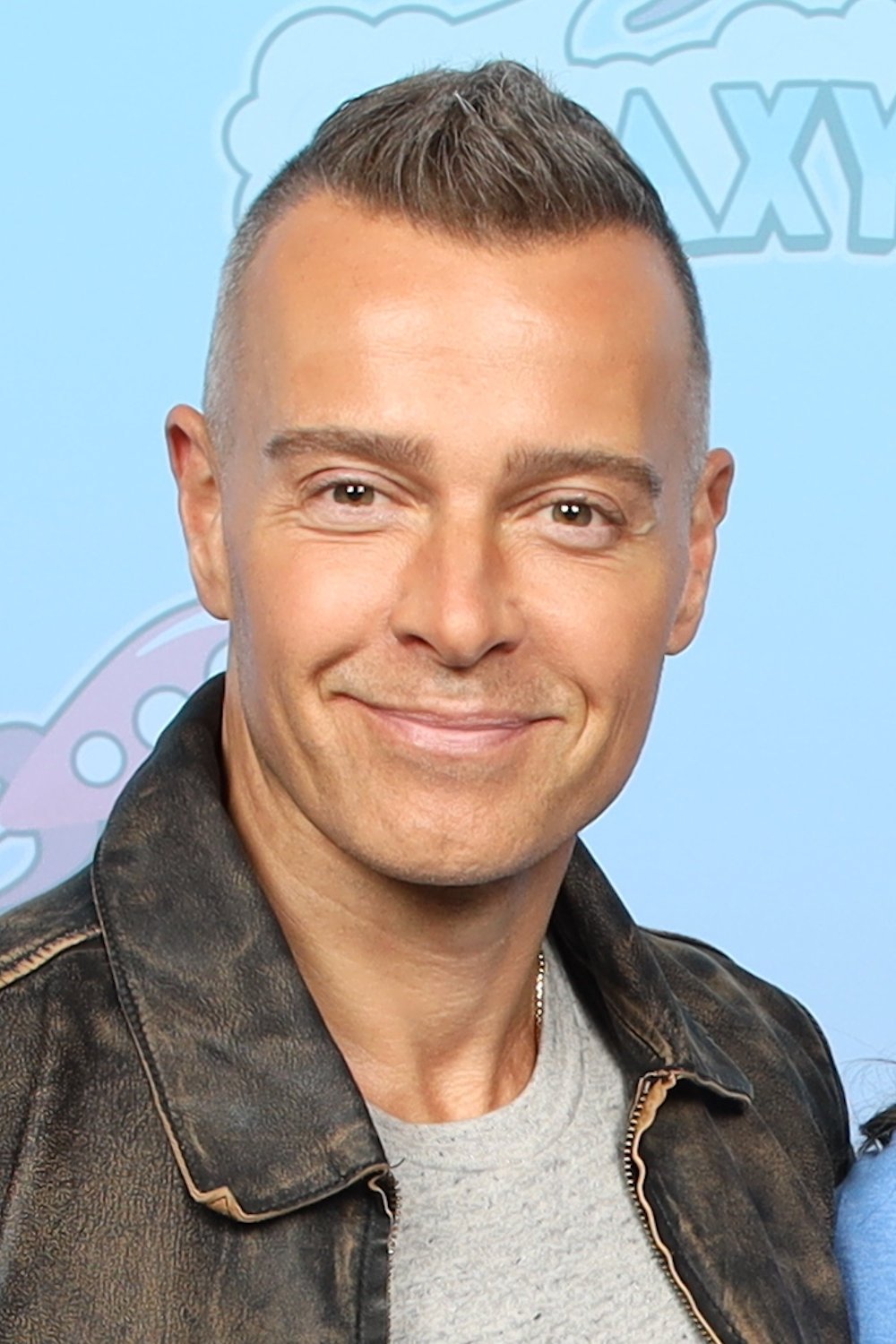
He filed for bankruptcy after a sharp dip in acting income left him behind on taxes and loans. Records from the case showed the sale of personal items and vehicles as he sought to catch up.
He rebuilt through television projects, touring appearances, and voice acting. Agreements with creditors, along with a leaner expense base, helped him climb out from under the heaviest balances.
Don Johnson
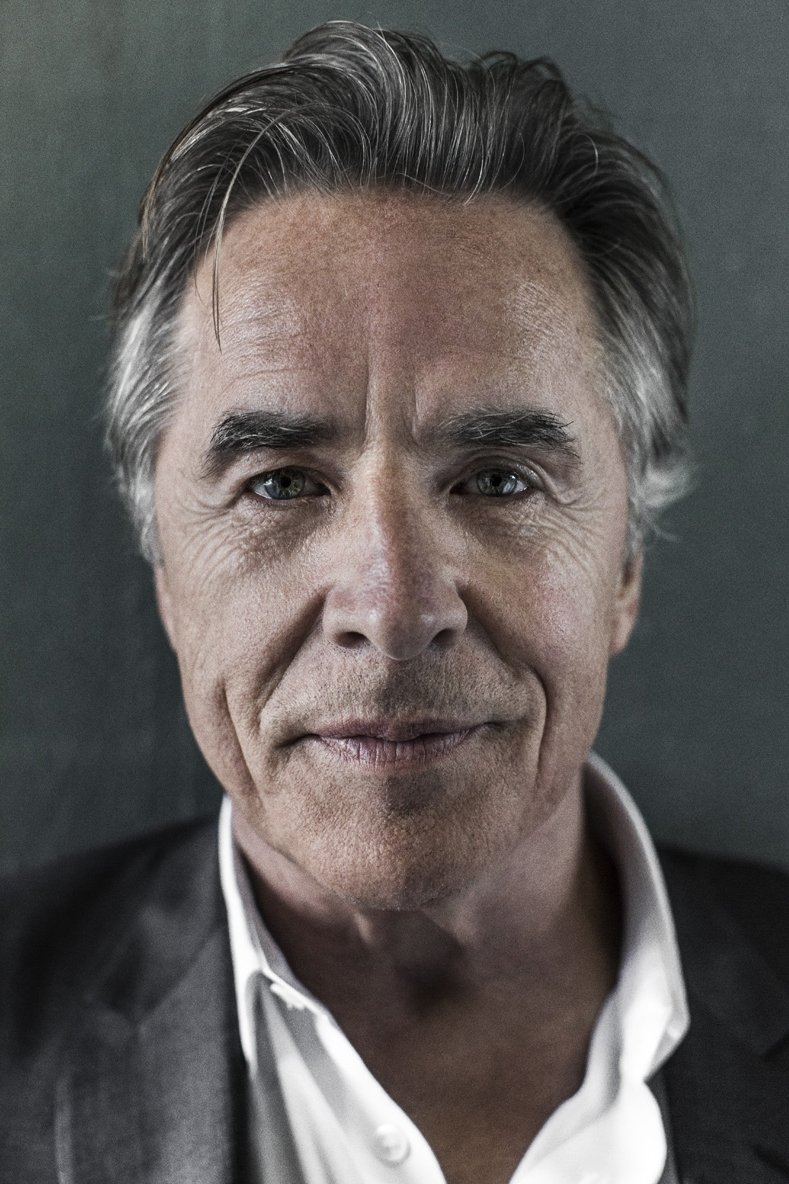
He faced default on a large loan secured by his Aspen property, which led to a high profile foreclosure threat. Legal disputes over profits from ‘Nash Bridges’ and other projects intersected with the effort to stabilize his finances.
He later secured a significant judgment tied to ‘Nash Bridges’ participation, which strengthened his position with creditors. With the property issue resolved, he continued acting and producing to maintain cash flow and cover remaining obligations.
Val Kilmer
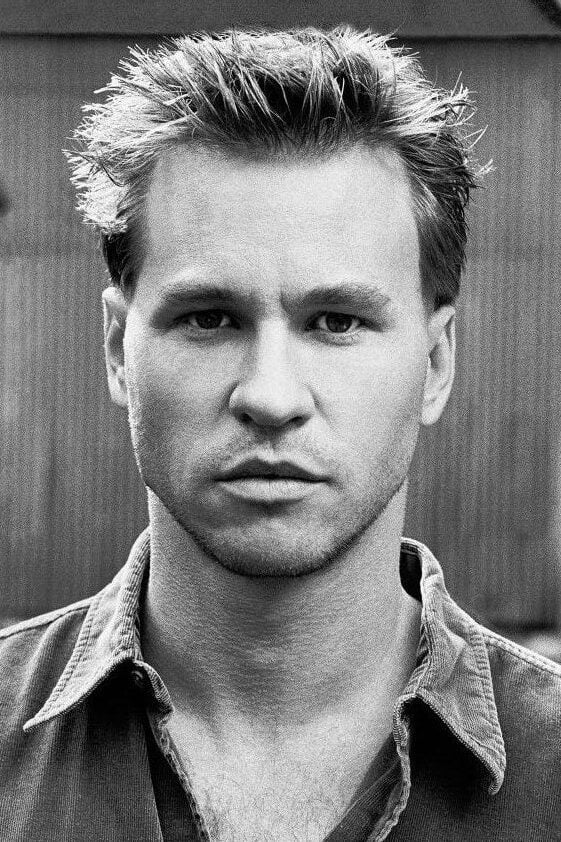
Federal tax liens were filed against him around the start of the 2010s, reflecting unpaid balances from prior years. At the same time he faced medical challenges that limited work and affected income.
He sold part of his New Mexico ranch to raise funds and took on more voice and screen roles as he recovered. Continued royalties and new appearances supported repayment plans and helped clear outstanding liens.
Paul Hogan
The Australian Tax Office froze accounts during a lengthy investigation into alleged underpayment tied to offshore structures. Travel restrictions and publicity around the case strained both liquidity and income.
He later reached a settlement that allowed him to access funds and move on from the dispute. He returned to public appearances and occasional screen work while managing finances under closer oversight.
Mickey Rourke
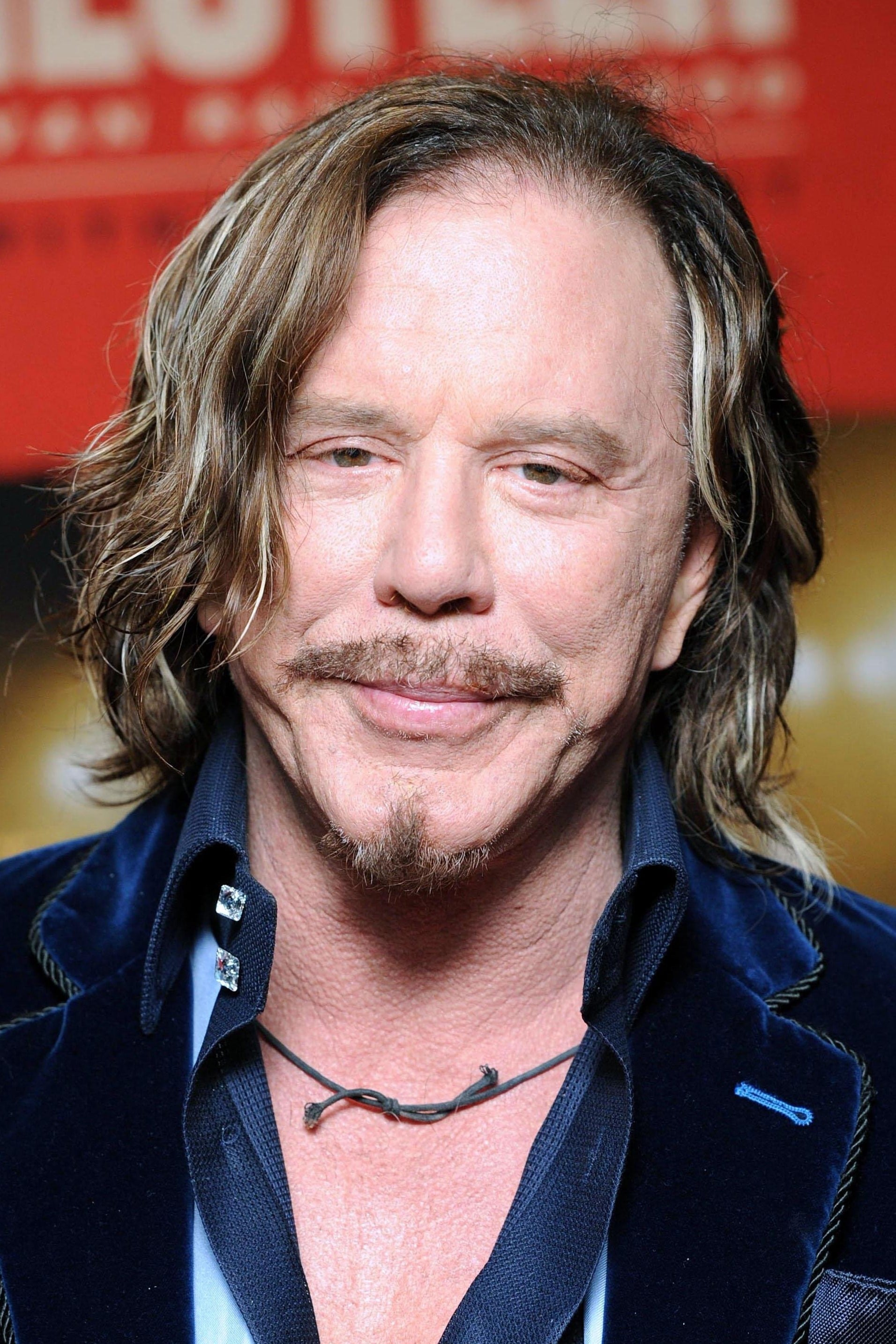
His pivot to professional boxing in the 1990s, combined with career volatility, left him with significant personal debts to trainers, agents, and other creditors. Medical costs and property expenses added pressure when acting jobs were scarce.
A sustained comeback brought better roles and steady paydays, including attention for ‘The Wrestler’. He used that income to address outstanding balances and to renegotiate terms that made repayment manageable.
Dustin Diamond
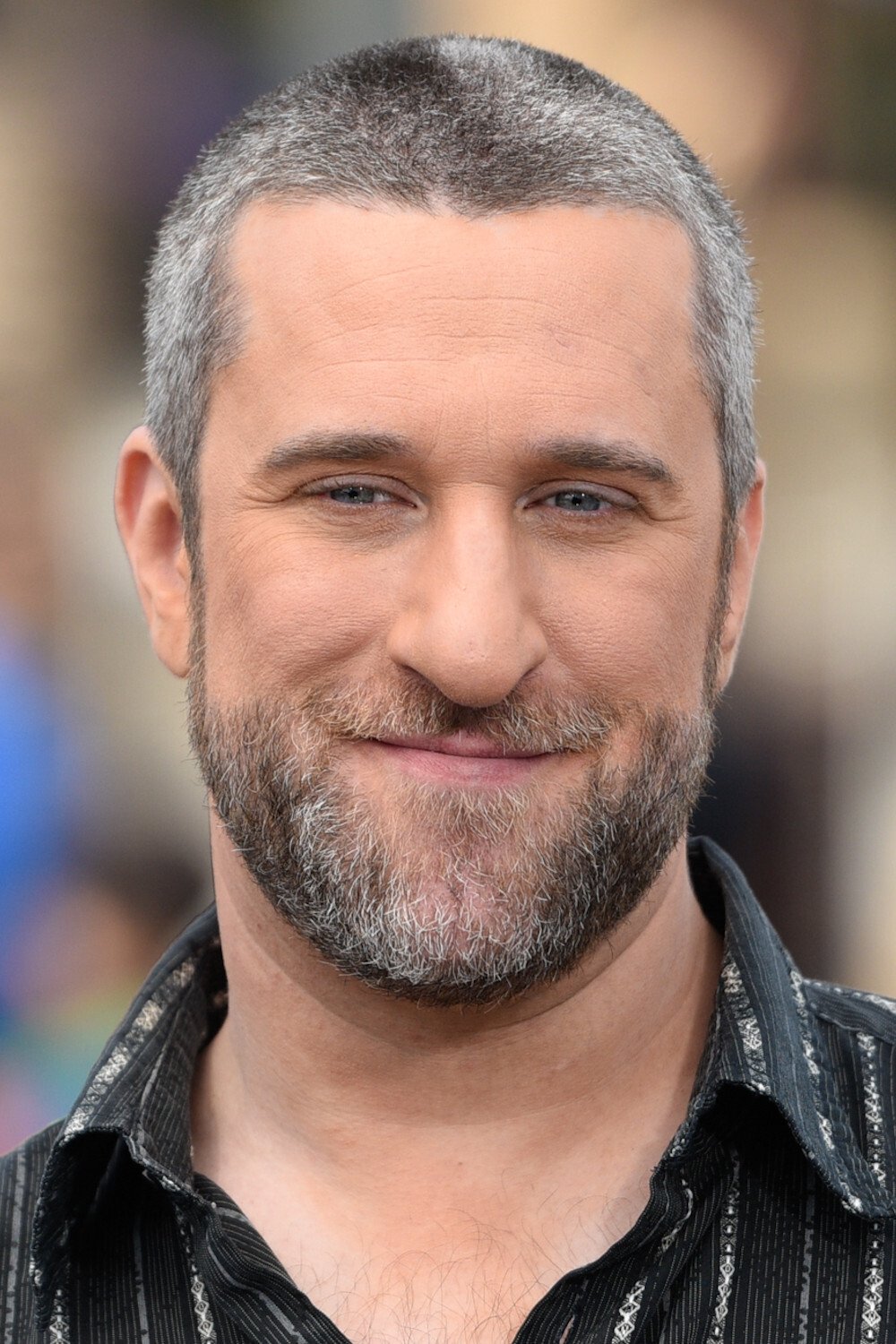
He filed for bankruptcy in the early 2000s after income from ‘Saved by the Bell’ slowed and personal expenses built up. Foreclosure notices on his Wisconsin home led him to sell merchandise to raise immediate cash.
He continued to tour as a stand up comic and took independent film roles. He also entered later bankruptcy proceedings that organized debts into structured plans with creditors and taxing authorities.
Gary Coleman

He filed for bankruptcy in the late 1990s and alleged that earlier earnings from ‘Diff’rent Strokes’ had been mismanaged. Legal actions produced partial recoveries, but medical expenses and limited acting work kept pressure on his budget.
He took on reality television and media appearances and worked regular jobs outside entertainment to stay current on bills. Settlements and modest royalties supported a gradual effort to pay down obligations.
Corey Haim
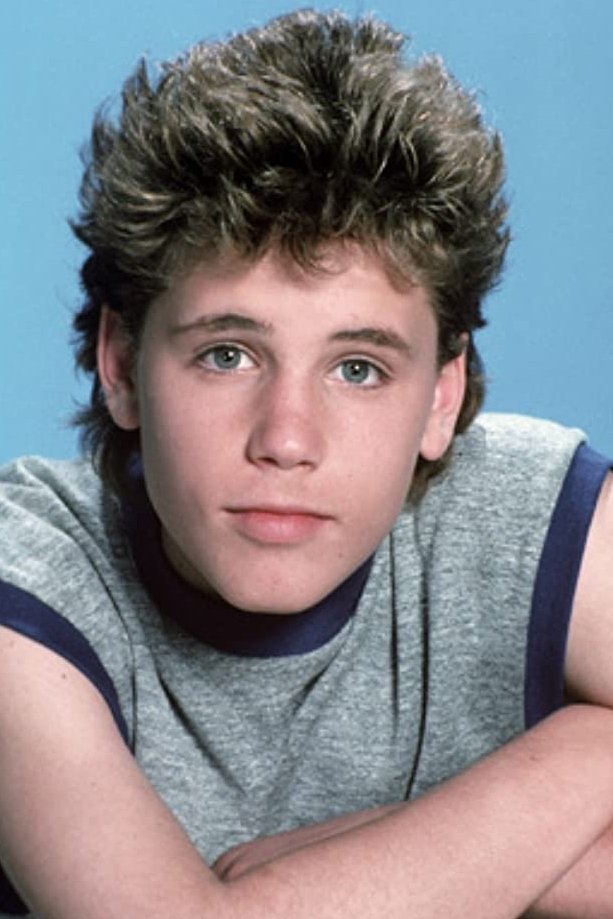
He filed for bankruptcy in the late 1990s with hundreds of thousands owed to creditors, including medical providers and credit card companies. Irregular work and addiction treatment costs compounded the issue.
He pursued independent film projects and reality television to generate cash. Repayment agreements and small advances kept him afloat as he sought to reestablish a consistent career path.
Bud Abbott
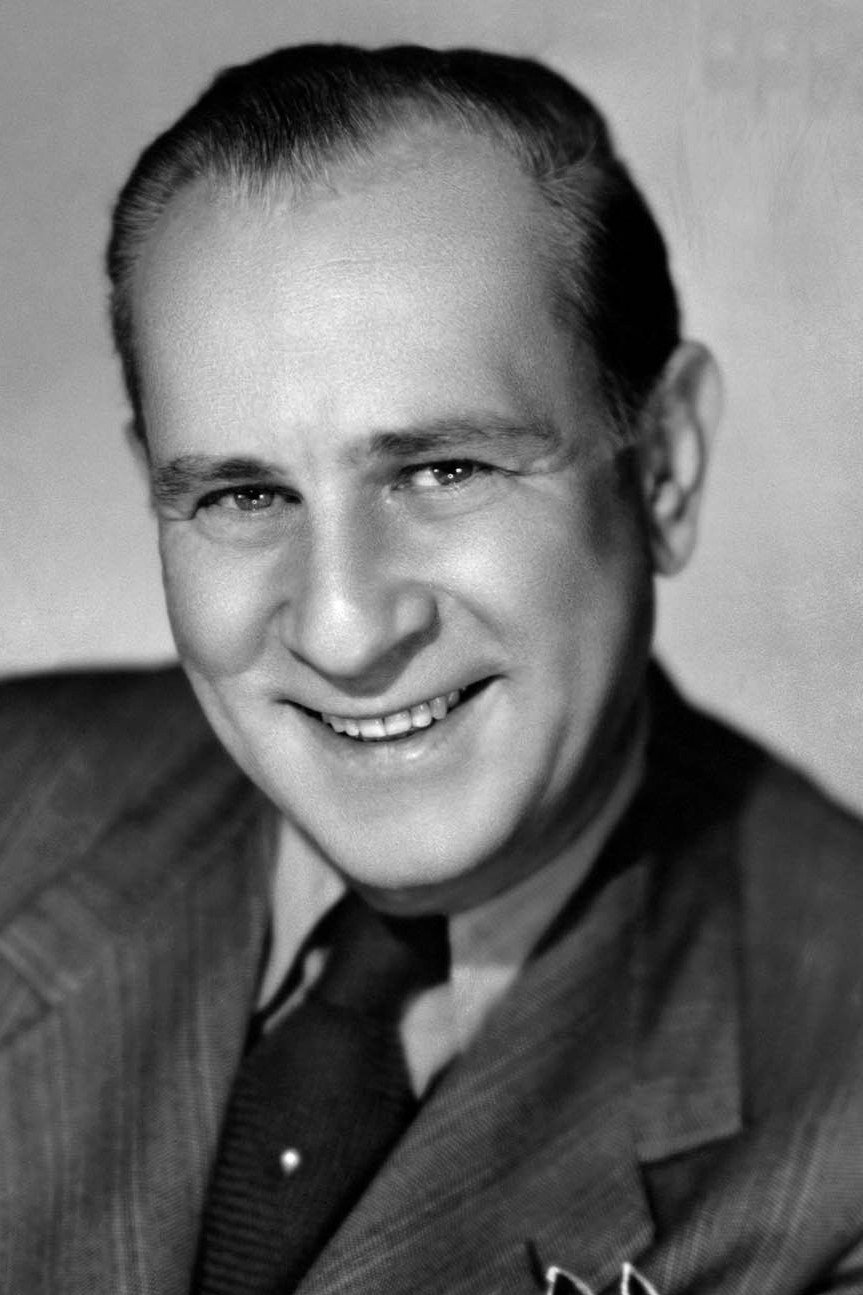
Large IRS bills hit during the 1950s, forcing the sale of his home and personal effects. The comedy team’s income declined as tastes changed, which made catching up on tax penalties difficult.
He booked club appearances and television work to chip away at what was owed. Careful budgeting and incremental payments kept the government at bay while he searched for steadier revenue.
Lou Costello
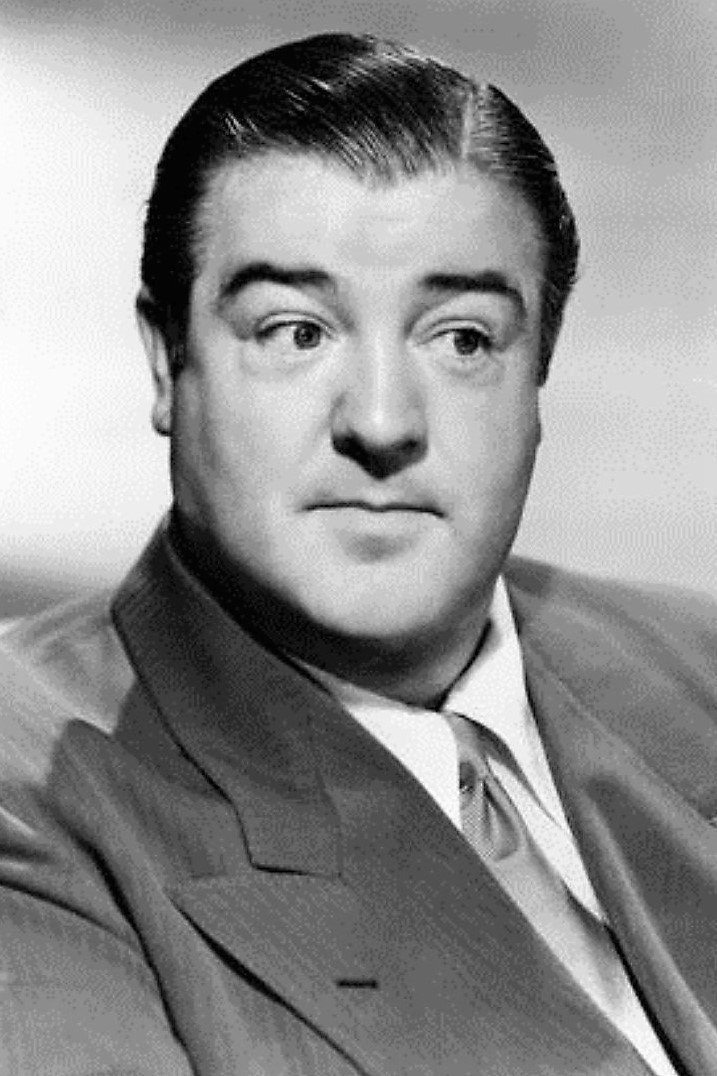
He also faced serious tax debts in the 1950s, with liens that pushed him to sell valuables to meet deadlines. The burden affected both members of the duo and strained their operations.
He worked through film and television commitments while accountants negotiated terms with the IRS. Health problems later slowed his schedule, which left less room to accelerate repayments.
Errol Flynn
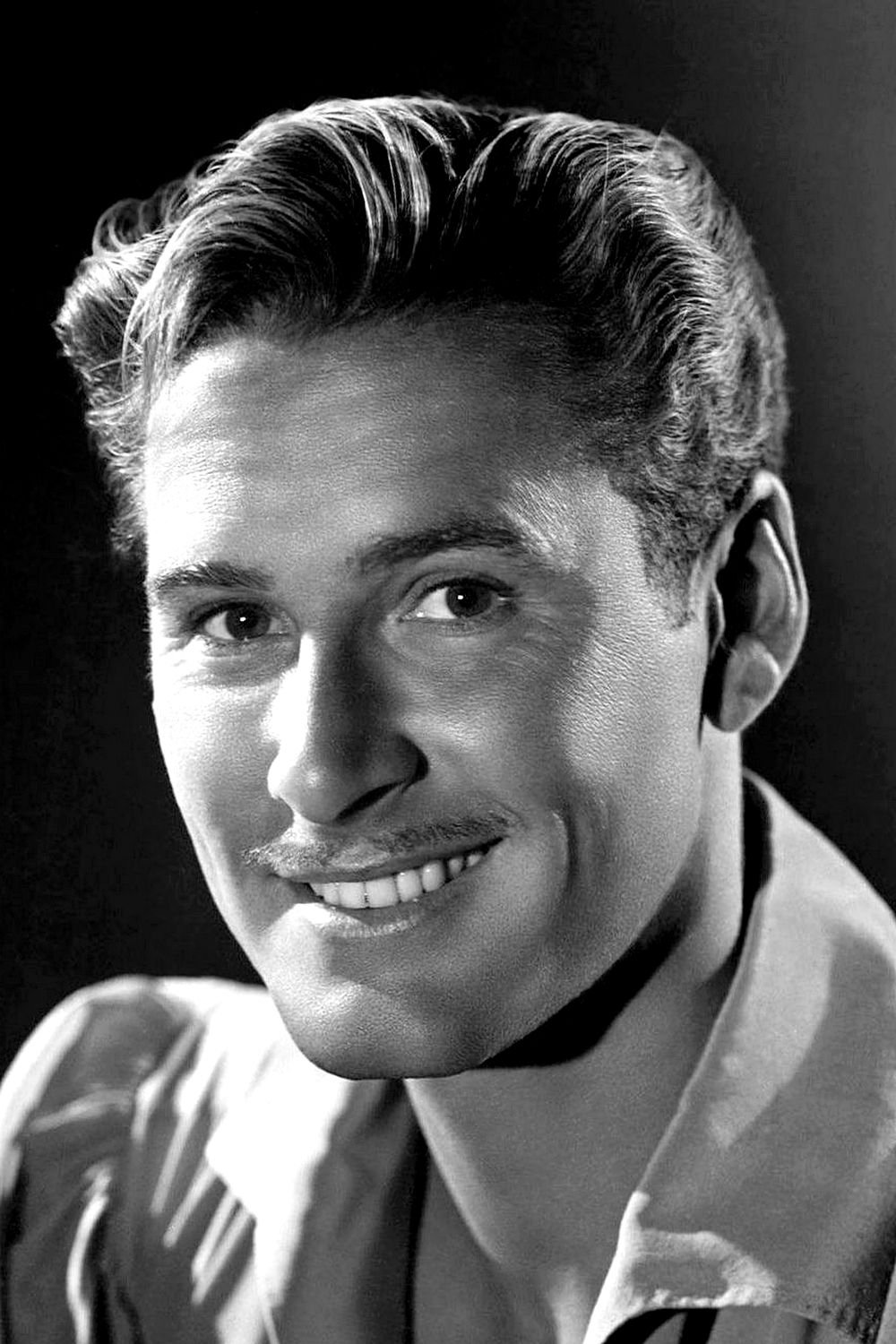
Lavish spending and legal costs overtook income in his later years, leaving him with mounting debts and unpaid taxes. Creditors pursued claims while he balanced obligations across several countries.
He took roles abroad and toured on stage to bring in money quickly. Despite the push, he died while still managing debts that were later handled by his estate.
Bela Lugosi
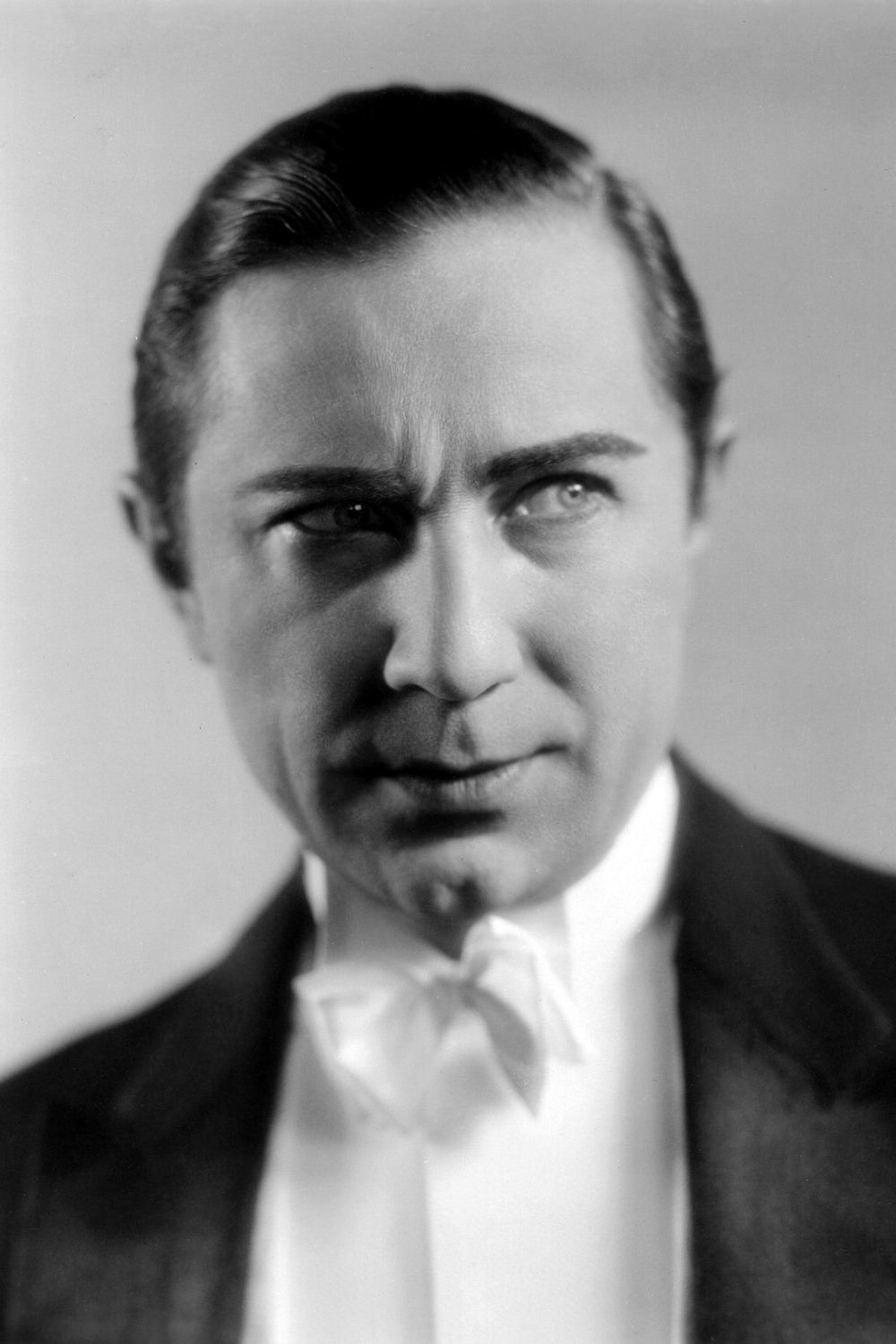
After early success with ‘Dracula’, he struggled with typecasting and long gaps between well paid roles, which pushed him into bankruptcy. Personal medical expenses and a shrinking market for his screen persona added to what he owed.
He accepted lower budget films and toured to keep income coming in. Treatment for addiction and renewed work schedules helped him meet payment plans while he fought to rebuild his career.
Amitabh Bachchan

His company, Amitabh Bachchan Corporation Limited, collapsed in the 1990s and left him carrying heavy personal liabilities. Unpaid salaries and vendor bills from productions fell back on him during the unwind.
He returned to television as the host of ‘Kaun Banega Crorepati’ and took a high volume of film work. He publicly acknowledged the debt and said that he had paid every creditor after several intense years of earnings and repayments.
David Cassidy
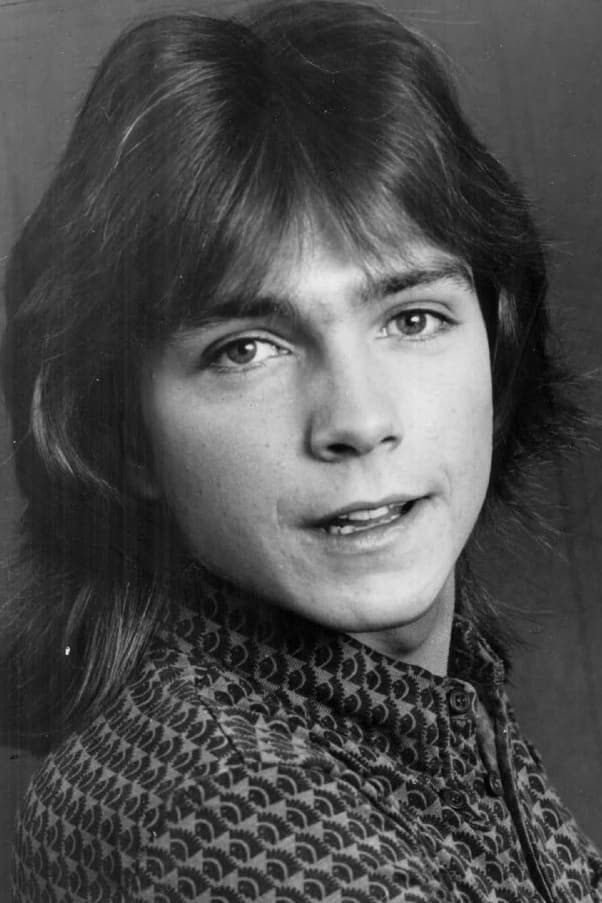
He filed for bankruptcy in the mid 2010s with debts that included mortgages, legal fees, and unpaid taxes. The case documents showed a wide gap between ongoing income and fixed obligations.
He sold properties in Florida and California and continued to tour and act on television. The proceeds and future earnings were used to satisfy creditors under court supervision until the case concluded.
Sinbad
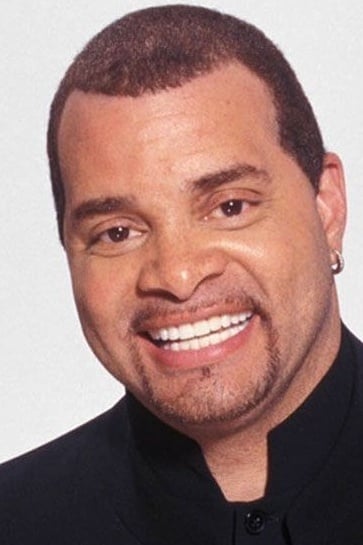
He filed for bankruptcy in 2013 while reporting large tax debts and limited liquidity. Records showed significant balances spanning several years, with penalties and interest inflating the totals.
He kept touring and working in film and television to fund a repayment plan. Agreements with the IRS set out a path to resolve the liabilities over time while he maintained a steady schedule.
Michael Madsen

He faced reported tax liens and a later bankruptcy filing as income shifted toward smaller independent projects. Legal expenses and personal costs contributed to the shortfall between revenues and debts.
He continued to accept frequent roles in independent films and voice work to keep money coming in. Negotiations with creditors and tax authorities established repayment terms that fit the reality of his work pattern.
Terrence Howard
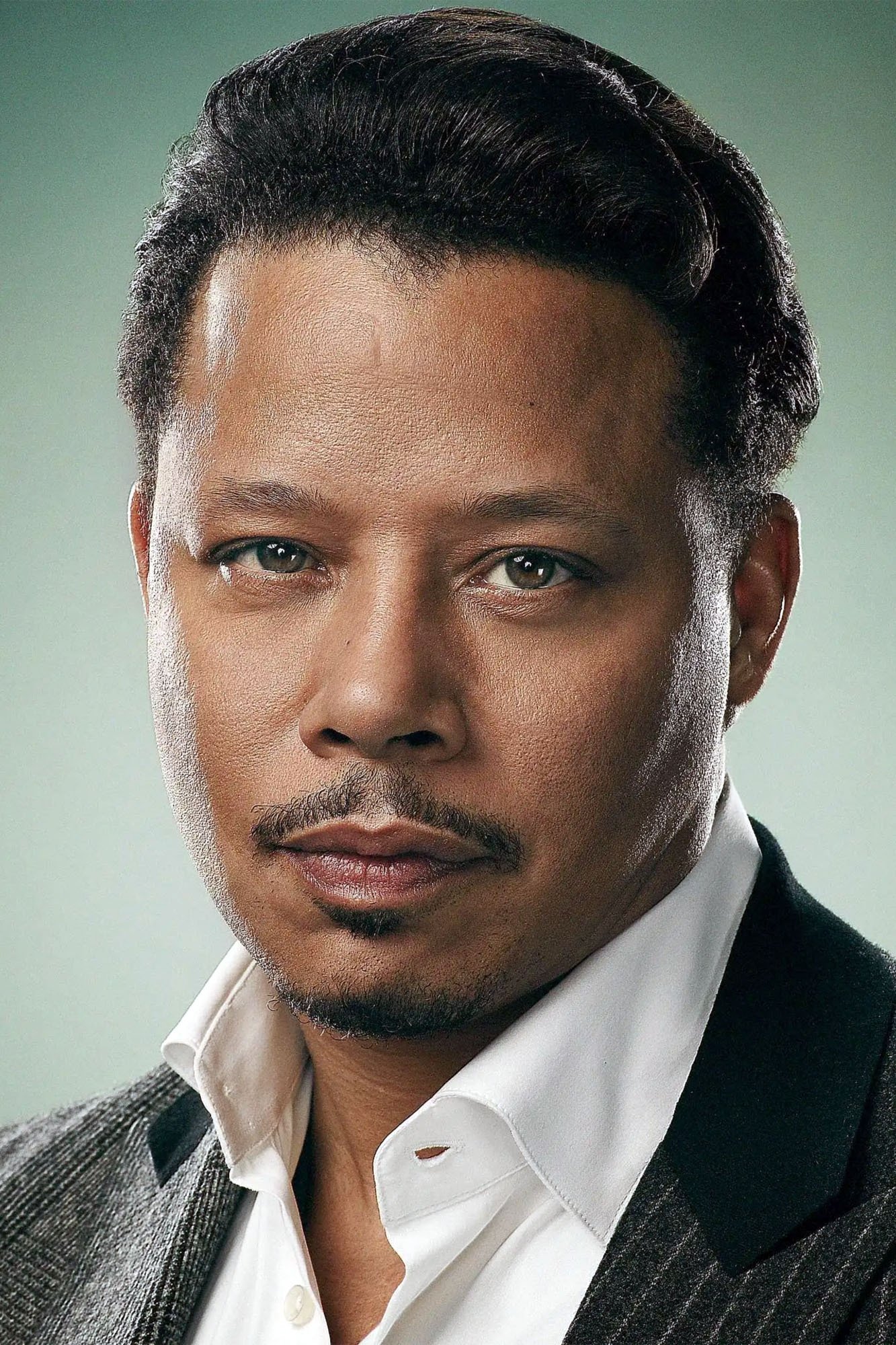
Federal tax liens were filed against him for multiple years, and legal disputes over contracts and support payments added further pressure. Public records noted amounts that rose into seven figures when interest and penalties were included.
He relied on steady television income from ‘Empire’ along with film work to address the obligations. Installment agreements and periodic payments reduced the balances while he contested certain assessments through the administrative process.
Share the names we missed and tell us which stories you think deserve a deeper dive in the comments.