10 Most Powerful ‘Bleach’ Characters of All Time


Power in ‘Bleach’ spans Shinigami, Quincy, Hollows, and entities that sit outside those categories altogether, and each group uses distinct systems—Zanpakutō releases, Schrift abilities, Hollow evolutions, and reality-warping powers tied to the Soul King. Measuring “power” in-universe involves concrete factors like Bankai efficacy, Reiatsu density, battlefield results, and demonstrated hax such as precognition, perception control, or causality manipulation. This list focuses on canonical abilities shown or explained in the manga and its adaptations, especially the ‘Bleach: Thousand-Year Blood War’ arc, and the direct outcomes those abilities achieved against other top-tier combatants.
Key context also matters: characters often fight under constraints—seals, incomplete forms, or battlefield conditions that limit collateral damage—and several possess abilities that counter specific opponents rather than raw destructive output. Where relevant, entries note formal titles, signature techniques, and verifiable feats such as defeating named captains, overpowering Sternritter, or altering the structure of the worlds. All names and terms follow series usage.
Yhwach
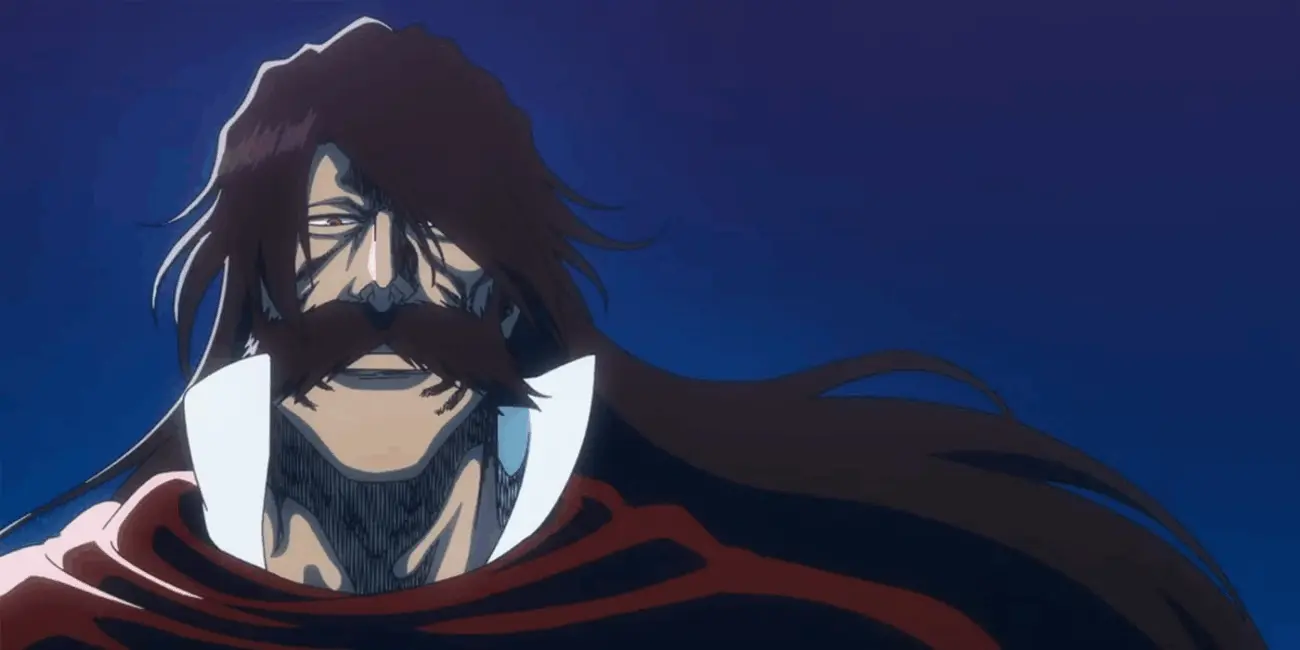
As the progenitor of the Quincy and the central antagonist of the ‘Bleach: Thousand-Year Blood War’ arc, Yhwach wields The Almighty, a Schrift that grants multiversal-scale future awareness and the capacity to rewrite outcomes by choosing among futures. He absorbs powers from Quincy subjects and later integrates the Soul King’s fragments, gaining dominion over fundamental forces that maintain the balance between the Human World, Soul Society, and Hueco Mundo. His Auswählen can strip and reallocate power at range, and he demonstrably nullifies and then overwhelms high-end abilities—including Captain-Commander-class Bankai—once The Almighty is active.
Yhwach’s documented feats include invading and occupying Seireitei, defeating Genryūsai Shigekuni Yamamoto after baiting out Zanka no Tachi, and later overpowering Ichibe Hyōsube in the Royal Realm by negating the conceptual name-severing properties of Ichibe’s ink. After absorbing the Soul King’s power, Yhwach destabilizes the world structure and begins fusing realms, establishing a threat profile that exceeds conventional combat benchmarks in ‘Bleach’.
Soul King

The Soul King functions as the linchpin stabilizing the worlds, acting less as a combatant and more as a cosmic keystone whose existence regulates souls’ flow and the equilibrium between realms. Canon shows that his dismembered state is purposeful, with sealed components—such as the heart manifesting as Mimihagi—exerting control over aspects like stagnation and time. Royal Guard lore establishes that removing or absorbing the Soul King’s essence permits catastrophic shifts in reality’s architecture.
When Yhwach merges with the Soul King’s power, the resulting instability begins collapsing the boundaries between realms and threatens to overwrite creation according to Yhwach’s will. The very fact that fragments like Mimihagi can halt collapsing phenomena underscores the scale at which the Soul King’s attributes operate, placing this entity above almost all conventional fighters in ‘Bleach’ by function and effect, even with limited on-panel combat.
Ichibe Hyōsube
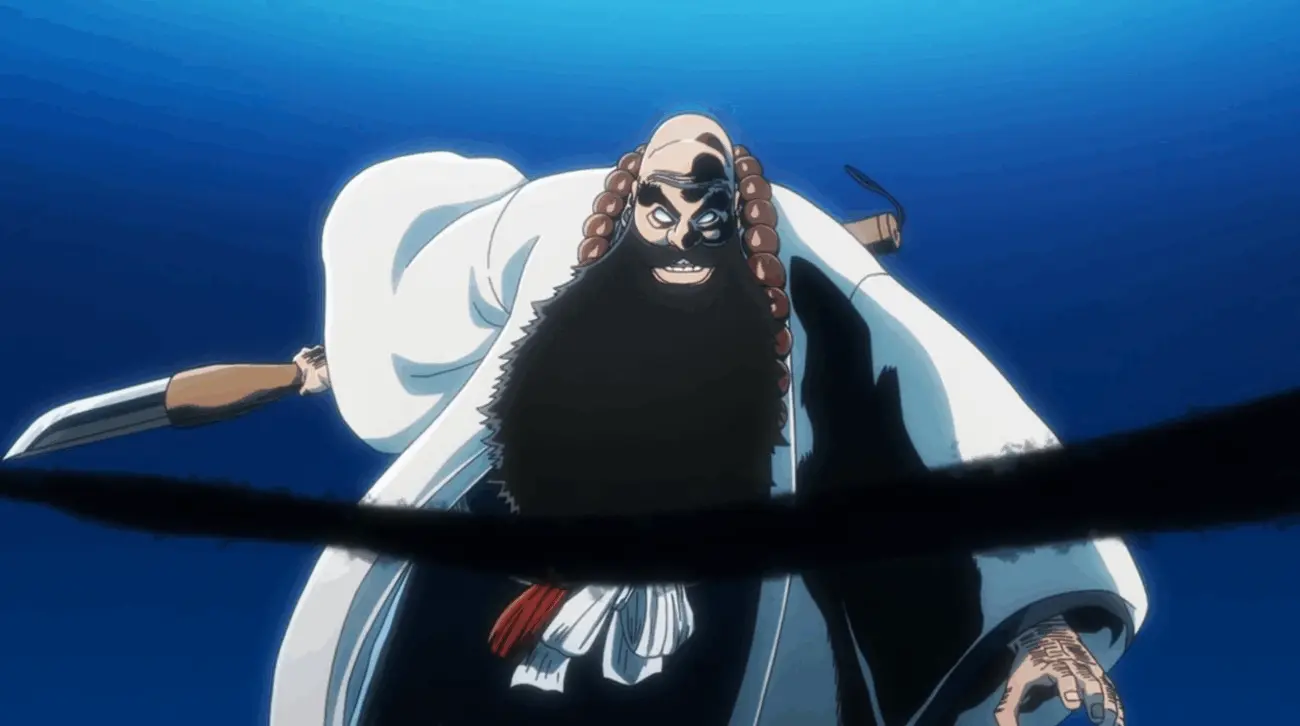
Ichibe Hyōsube, leader of the Royal Guard (Zero Division), commands the power of names—conceptual definitions that determine a being’s strength—through his Zanpakutō, Ichimonji. His ink erases and rewrites names, which in ‘Bleach’ directly alters power levels; Shikai and Bankai (Shin’uchi) forms show him cutting away an opponent’s “power name” and reassigning a weaker one. He also demonstrates remote vocal invocation and vast Reiatsu sufficiency, fighting in the Royal Realm where top-tier battles unfold.
Against Yhwach, Ichibe completely bisects the Quincy King and reduces his power by name erasure, forcing Yhwach to rely on The Almighty’s future-selection to recover. Ichibe’s barrier techniques, territory-scale calligraphy, and the ability to restore his own body through ink underscore a kit designed to control the metaphysical rules of combat, marking him as one of the few characters with systemic, rather than purely destructive, dominance in ‘Bleach’.
Ichigo Kurosaki
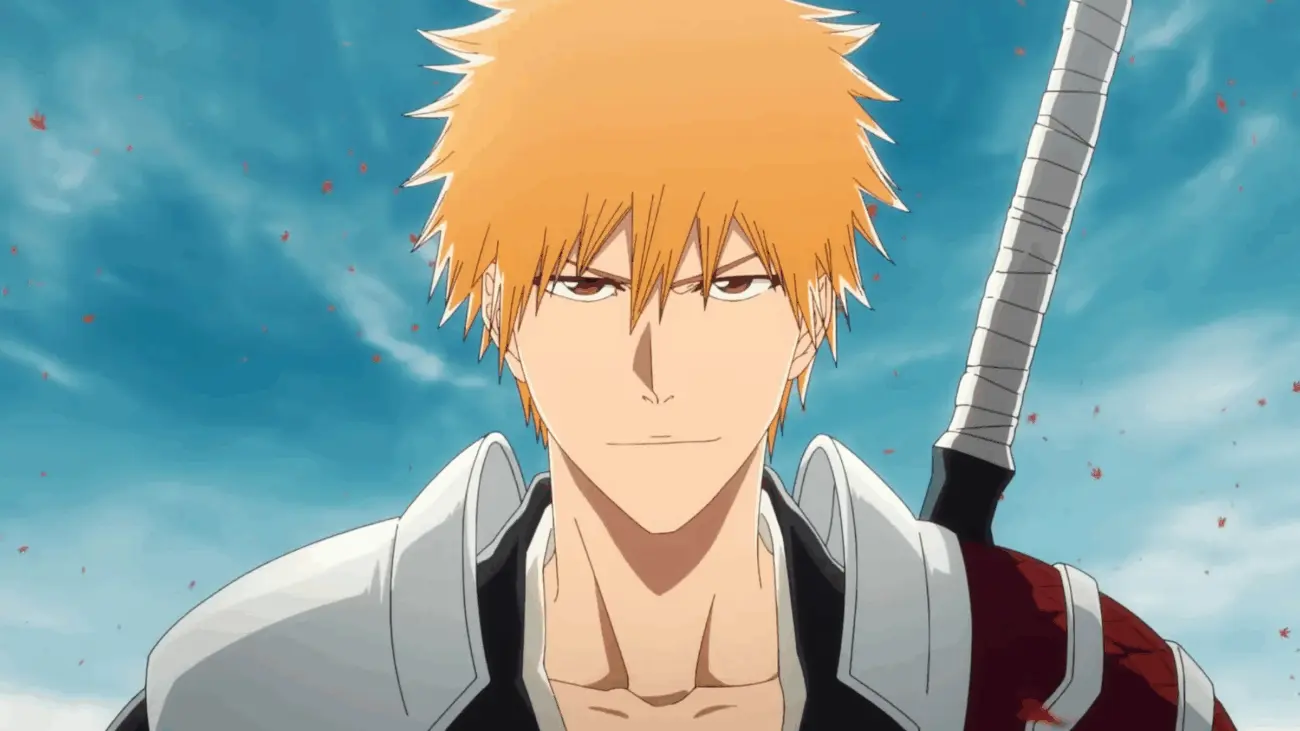
Ichigo’s hybrid lineage—Shinigami, Quincy, and Hollow—grants access to overlapping systems: Zanpakutō releases with an inner Hollow catalyst, Quincy Blut for defense and offense, and spiritual reserves that surge after each crisis. His reforged dual blades reflect his dual nature, and techniques like Getsuga Jūjishō and a Hollow-boosted Mugetsu-class output let him contest multiple top-tier foes. Canon explicitly tracks his power spikes through training with the Royal Guard and the awakening of his Quincy heritage.
Major feats include neutralizing transcendent threats at multiple points in the series and directly breaking through Yhwach’s defensive layers in the climax with aid-based conditions met. Ichigo resists or pushes past perception-based hax, leverages Blut to survive fatal sequences, and integrates Hollow instincts for decisive surges—demonstrating a combined-arms profile unique within ‘Bleach’ that keeps him competitive at the absolute summit.
Sōsuke Aizen
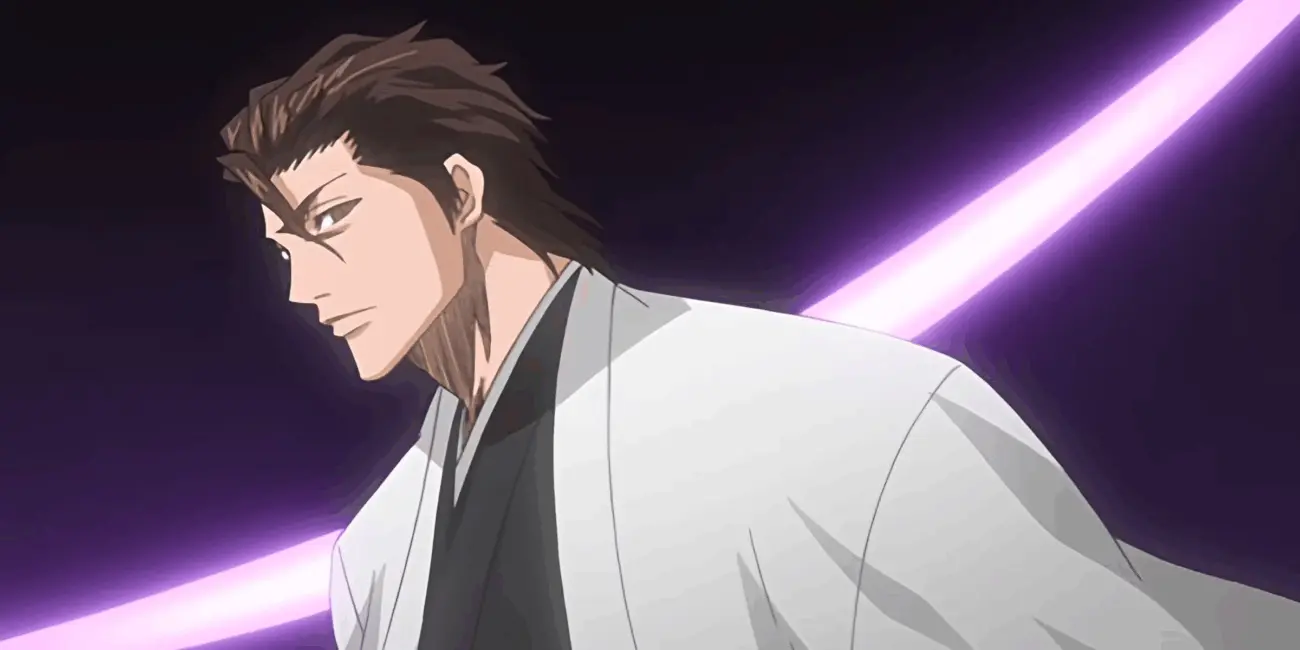
Sōsuke Aizen’s combination of immense Reiatsu and Kyōka Suigetsu’s Kanzen Saimin—complete hypnosis upon witnessing the release—creates an unmatched information and perception advantage. After merging with the Hōgyoku, Aizen attains a transcendent state that evolves in response to lethal threats, enabling regeneration, overwhelming spiritual pressure, and the ability to survive and adapt through forms that resist conventional sealing and destruction. Even post-sealing, his spiritual output remains high enough to affect battlefield conditions from confinement.
Aizen’s record includes defeating multiple captains consecutively, creating the Arrancar army, and restructuring Hueco Mundo’s power landscape. In the ‘Bleach: Thousand-Year Blood War’ arc, despite restrictions, he interferes with Yhwach’s perceptions at a key moment, illustrating that his core strength—control over senses and narrative flow of combat—remains decisive even against opponents who rely on future-based invincibility.
Genryūsai Shigekuni Yamamoto
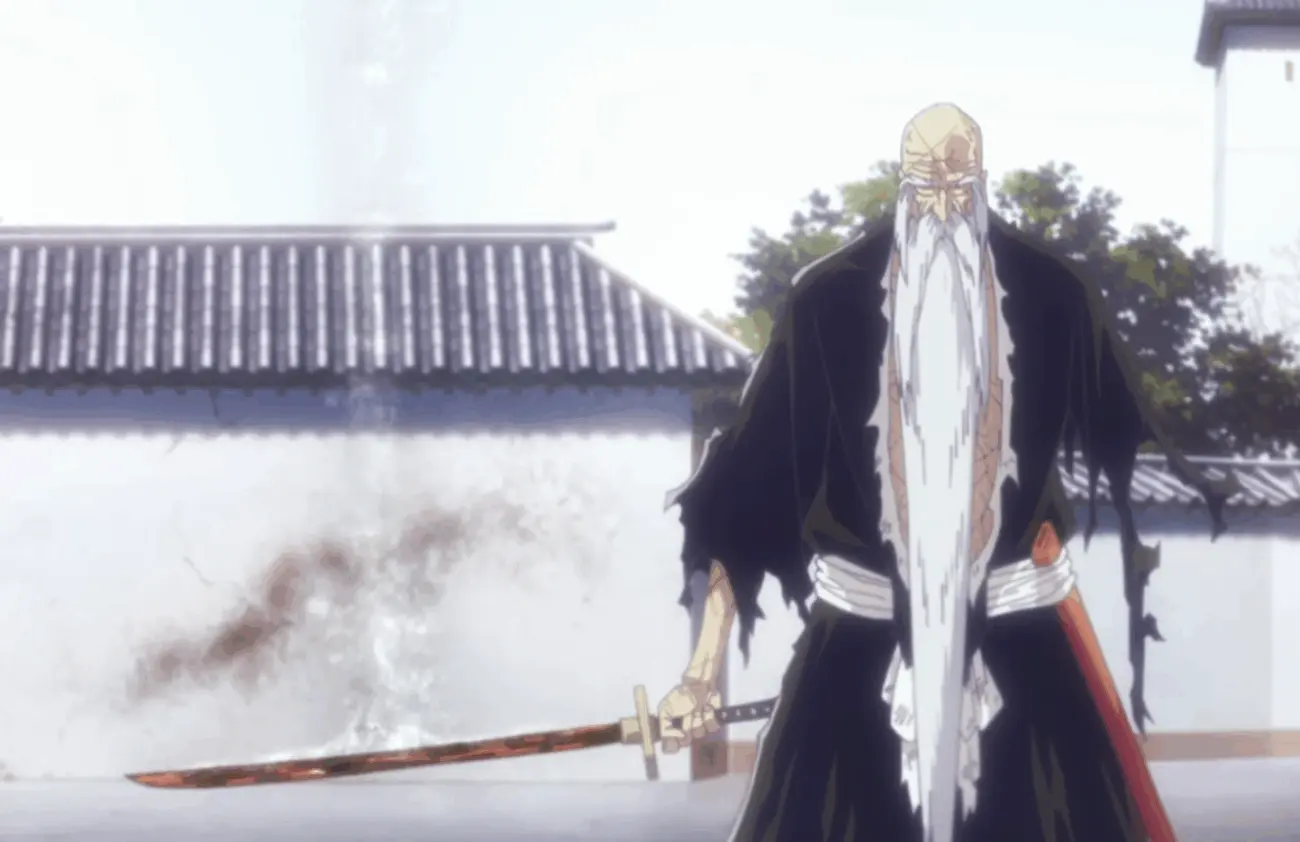
As Captain-Commander of the Gotei 13 and wielder of the oldest, most destructive flame-type Zanpakutō, Zanka no Tachi, Yamamoto concentrates sun-level heat into his blade and battlefield. His Bankai’s facets—East (concentrated heat), West (defensive heat mantle), South (skeleton army), and North (single-cut annihilation)—cover offense, defense, area denial, and finishing power with numbers-backed feats like instantaneous evaporation and terrain erasure. Historical records in-series credit him with forming the Gotei and suppressing ancient threats.
Yamamoto’s demonstration against Sternritter shows his capacity to eliminate high-ranking Quincy quickly once Zanka no Tachi is fully engaged, and even an imposter drawing on borrowed power required elaborate deception to survive. His defeat came through targeted countermeasures rather than any lack of destructive capability, anchoring his placement among ‘Bleach’ heavyweights by quantifiable output and command over Bankai mechanics.
Kenpachi Zaraki
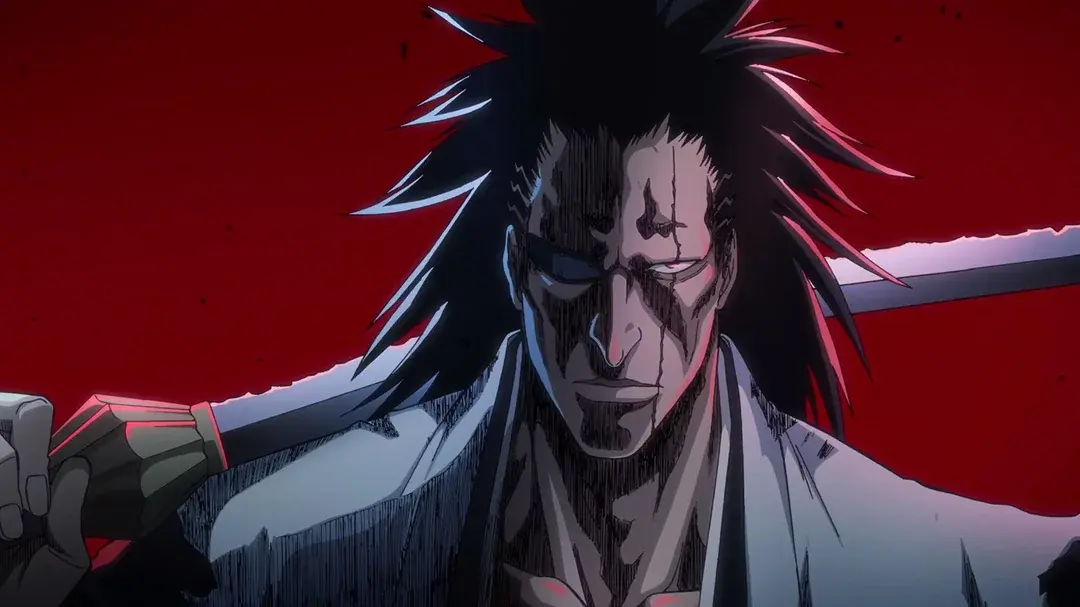
Kenpachi’s defining trait is limitless growth once restraints—both self-imposed and institutional—are removed. Canon details his unlocking of true potential after battles with Unohana Yachiru and his later attainment of Bankai, which dramatically amplifies raw strength, speed, and cutting power to the point of bisecting titanic opponents and deforming the environment with collateral effects. His spiritual pressure routinely crushes lesser foes without technique reliance.
Feats include defeating Espada-level opponents with an eyepatch limiter engaged, overcoming hax-infused Sternritter through brute-force adaptation, and, with Bankai, executing single-stroke results against enemies that previously required group strategies. Kenpachi’s growth curve is explicitly text-supported, which means later battles provide concrete evidence of power surpassing earlier benchmarks within ‘Bleach’.
Jūshirō Ukitake
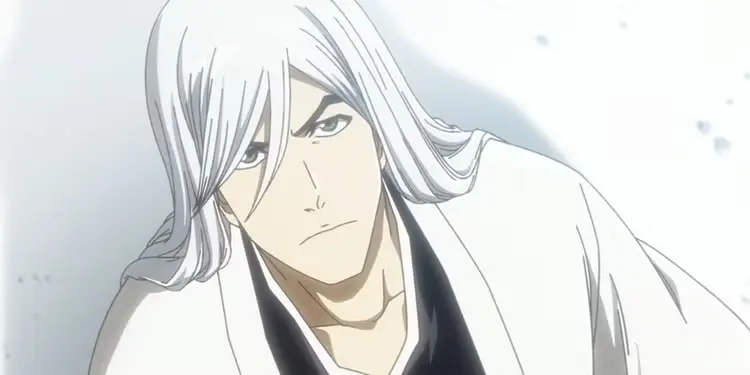
Jūshirō Ukitake, long-serving captain of the 13th Division, is recognized for elite Kidō proficiency, high spiritual sensitivity, and a Zanpakutō whose mechanics counter energy attacks. His Shikai, Sōgyo no Kotowari, uses twin blades connected by cords that absorb, split, and return incoming energy with altered polarity and timing, allowing him to redirect techniques that would otherwise overwhelm defenses. Despite chronic illness limiting sustained output, canonical interactions consistently portray him as captain-class with refined control and tactical restraint.
Ukitake’s tie to Mimihagi—the Soul King’s right hand—reveals a deeper scale of power: in a critical moment, he offers his body as a vessel so Mimihagi can stabilize the collapsing world order when the Soul King is threatened. That intervention halts catastrophic failure of Soul Society’s foundations long enough for the conflict to continue, and it directly links Ukitake to a divine function that operates above standard combat metrics in ‘Bleach’.
Shunsui Kyōraku
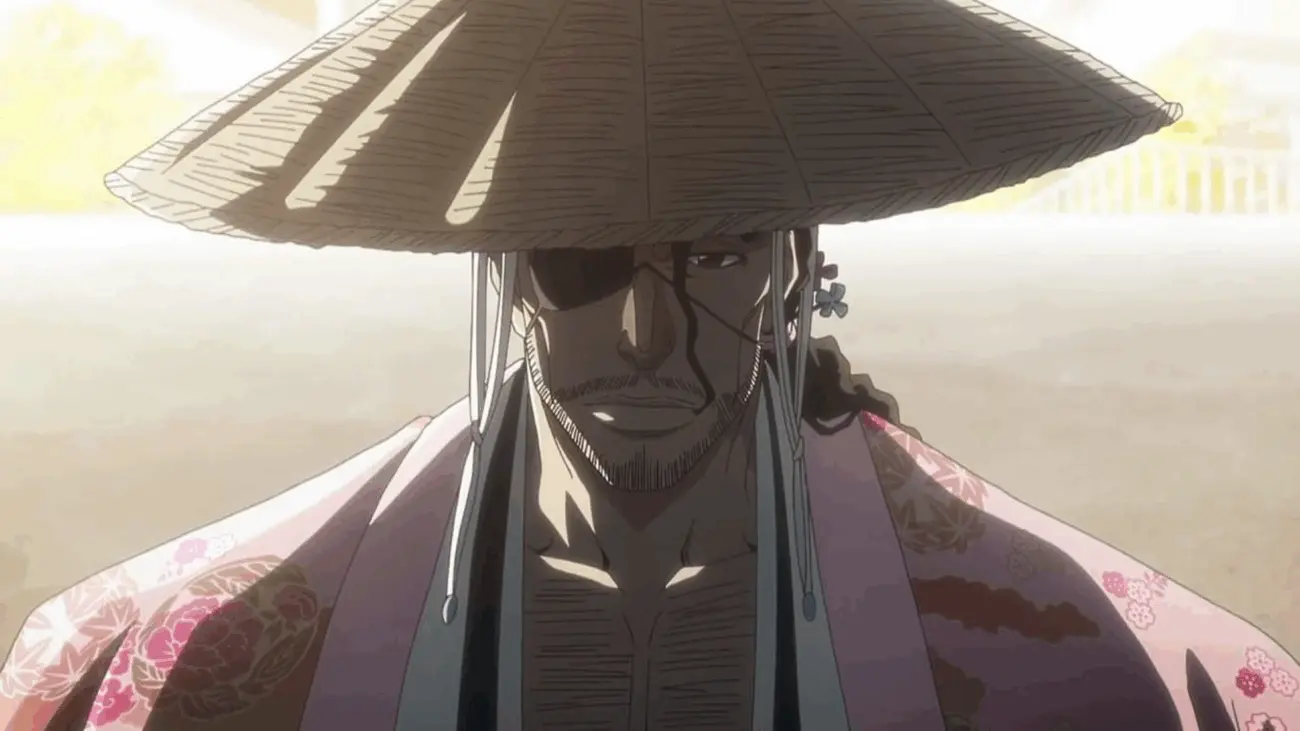
Shunsui Kyōraku, former 8th Division captain and later Captain-Commander, fights with Katen Kyōkotsu, a dual-blade Zanpakutō that manifests “games” whose rules determine how damage is dealt and received. In Shikai, he enforces rule-sets like Takaoni and Kageoni, forcing opponents to play along while he manipulates positioning, shadows, and strike conditions. His Kidō knowledge, stealth tactics, and battlefield composure show up repeatedly in command roles and duels against high-end threats.
Shunsui’s Bankai, Katen Kyōkotsu: Karamatsu Shinju, unfolds in acts that impose shared wounds, infectious despair, and an execution-style finish within a defined theater—so dangerous that he avoids using it around allies. During the conflict with elite Quincy, he deploys layered rule interactions and environmental control to neutralize otherwise untouchable enemies, demonstrating a toolkit that bypasses raw durability and underscores why he is entrusted with leadership in ‘Bleach’.
Kisuke Urahara
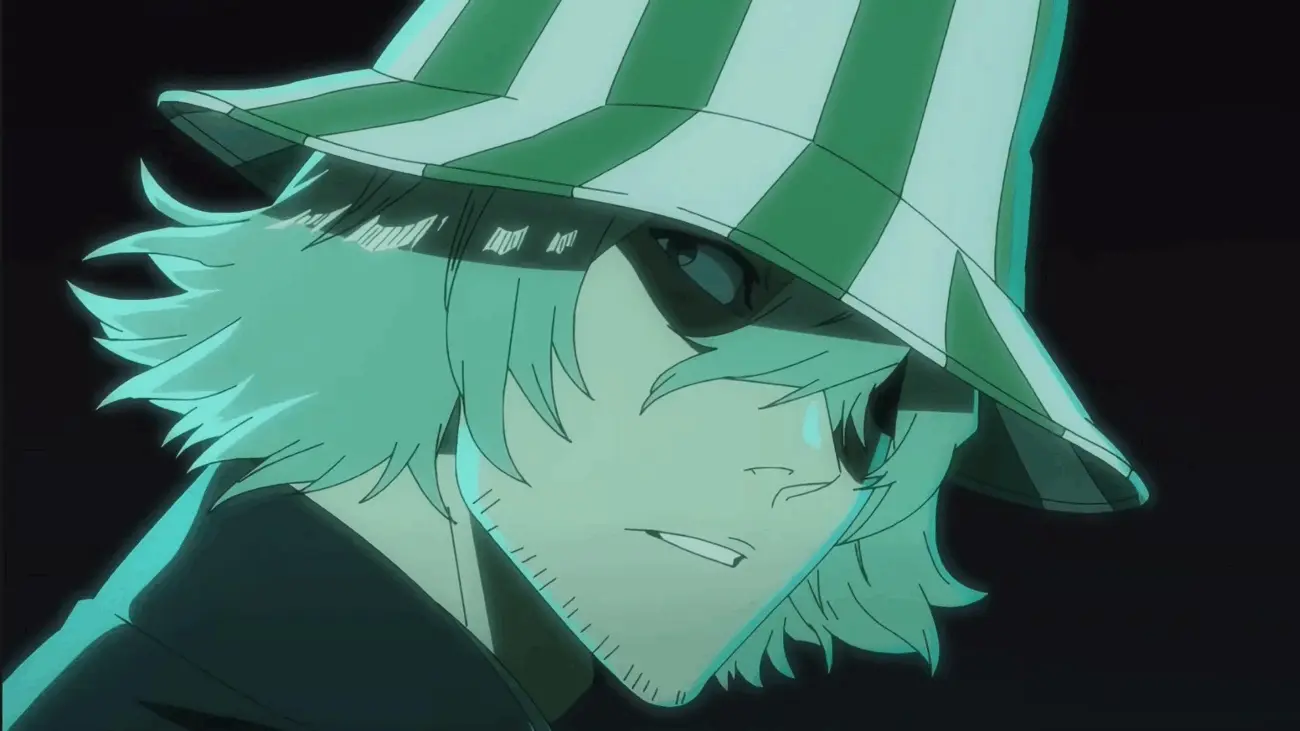
Kisuke Urahara combines captain-level Reiatsu with unparalleled scientific engineering—Gigai innovations, Kidō mastery across offensive and binding forms, and battlefield inventions tailored to specific enemy weaknesses. His Bankai, Kannonbiraki Benihime Aratame, restructures and “reconstructs” objects and bodies within its range, enabling surgical solutions such as restoring or altering limbs and forcibly modifying conditions mid-fight. He also deploys cloaking, barriers, and energy conversion tools that change combat equations.
Urahara’s record includes creating the Hōgyoku, developing Hollowfication countermeasures, and implementing rapid-response plans that neutralize Sternritter abilities through analysis and device deployment. In high-stakes engagements, he coordinates multi-layered traps, applies high-tier Kidō seamlessly, and uses Bankai’s reconstruction effect to solve problems brute force cannot—capabilities that repeatedly turn the tide in ‘Bleach’ against otherwise overwhelming adversaries.
Share your take in the comments—who would you add, and which feats stand out most to you?