Best RPG Video Games of All Time

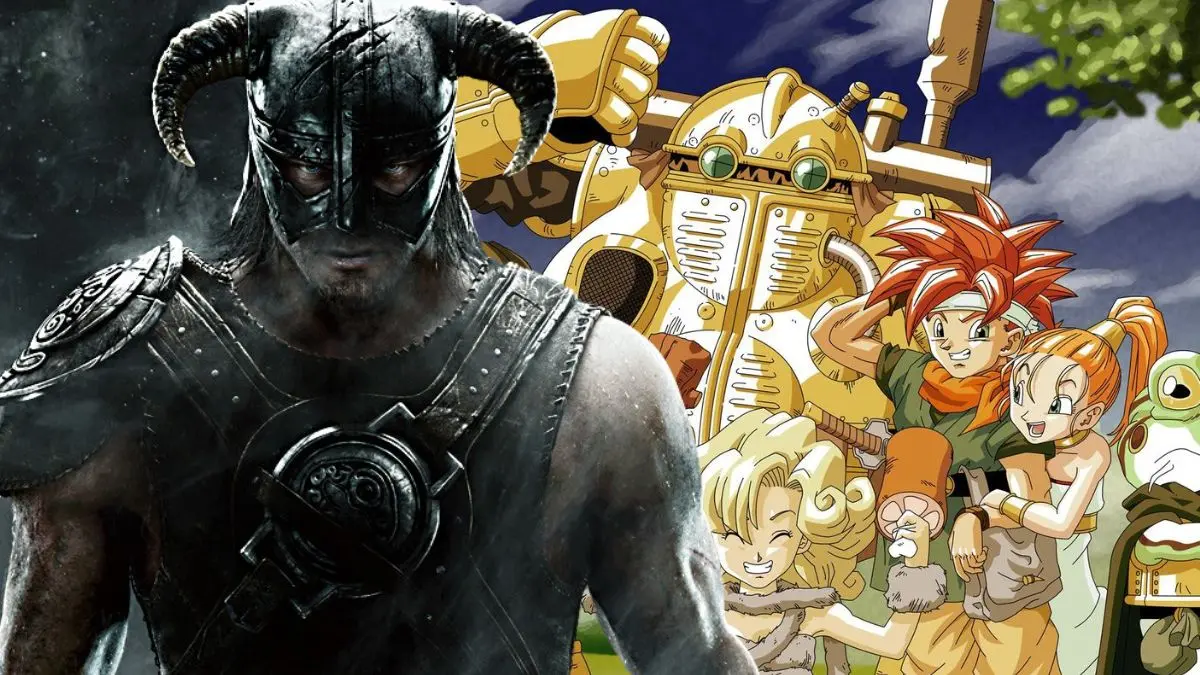

Role playing games keep players coming back with deep systems, memorable worlds, and stories that let you make meaningful choices. This list gathers landmark releases across many styles, from turn based adventures to sprawling open worlds to tactical epics that reward careful planning.
Each entry highlights what the game actually does in play, how its mechanics work, and why it shaped the genre. Developer details are included in a natural way so you can trace how different studios approach worldbuilding, combat, and choice design.
‘Chrono Trigger’ (1995)
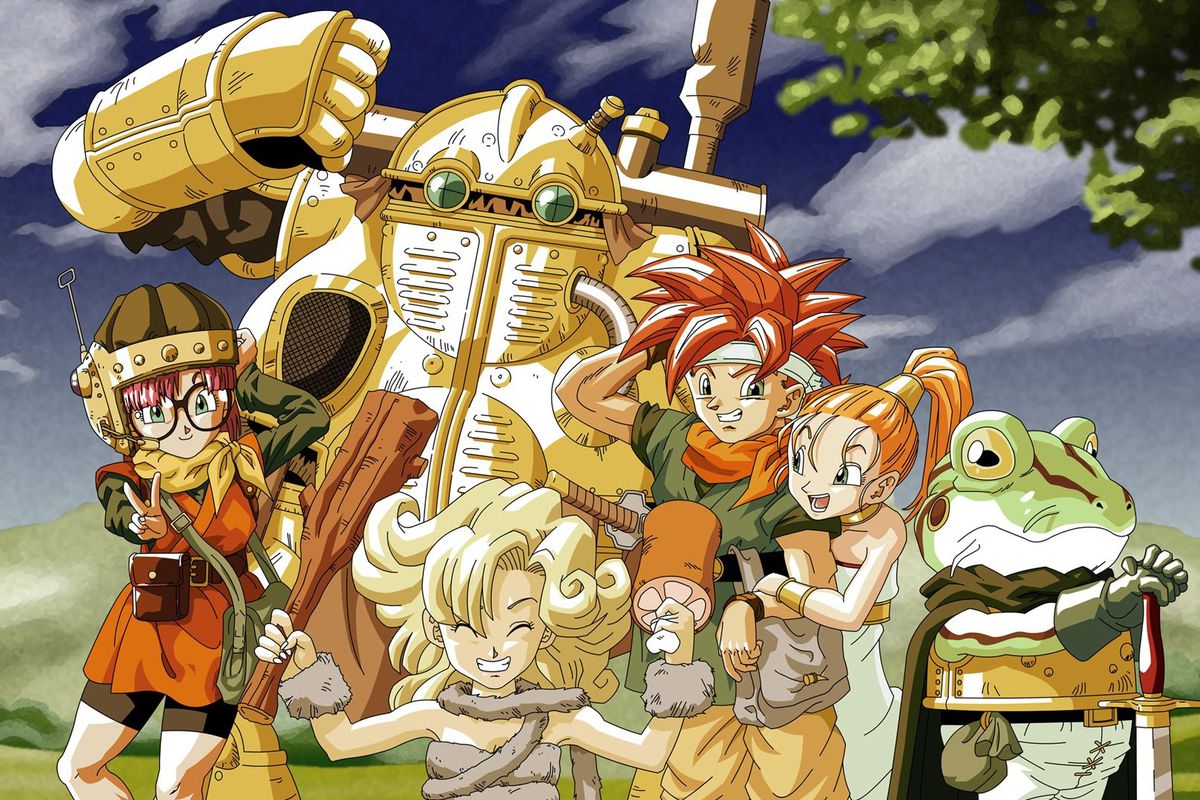
The adventure uses an active time battle system that lets party members combine techniques into dual and triple attacks, which changes how you plan every encounter. Multiple endings unlock through the New Game Plus feature, and optional side quests tie directly to character arcs and the state of the world at different time periods. It was created at Square by a team that integrated art, scenario design, and music to keep pacing brisk and exploration purposeful.
Its map allows seamless transitions into battles without a separate screen, and enemy placement encourages routing rather than random grinding. The game’s time travel structure lets actions in one era alter others, which gives dungeons and towns a cause and effect layer that remains readable to the player. Square’s development tools supported event scripting that links story beats to environmental changes in a clear loop.
‘Final Fantasy VII’ (1997)
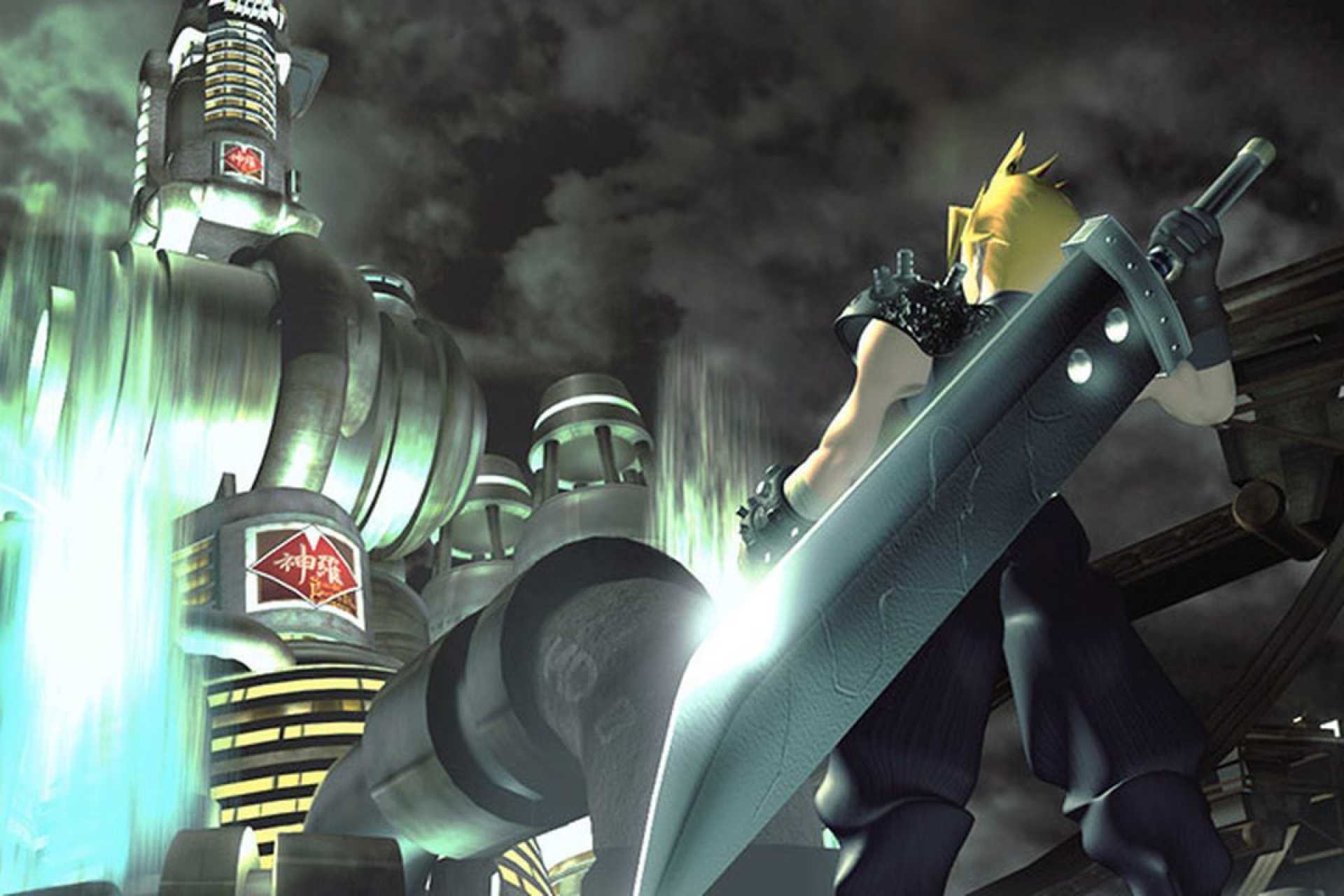
The materia system separates character identity from ability loadouts, so you can socket spells and command options into weapons and armor and respec as equipment changes. Limit Breaks add burst windows that affect boss timing and party rotation. It was developed at Square with pre rendered backgrounds and 3D battles that enabled large set pieces on disc based hardware.
Exploration moves between a world map, story driven locales, and optional super bosses that require advanced materia builds and late game gear. Mini games feed resources and rare items back into the core loop, and the Gold Saucer area centralizes many of these activities. Square’s pipeline organized story, cinematics, and combat tuning on parallel tracks to keep the large project on schedule.
‘The Witcher 3: Wild Hunt’ (2015)
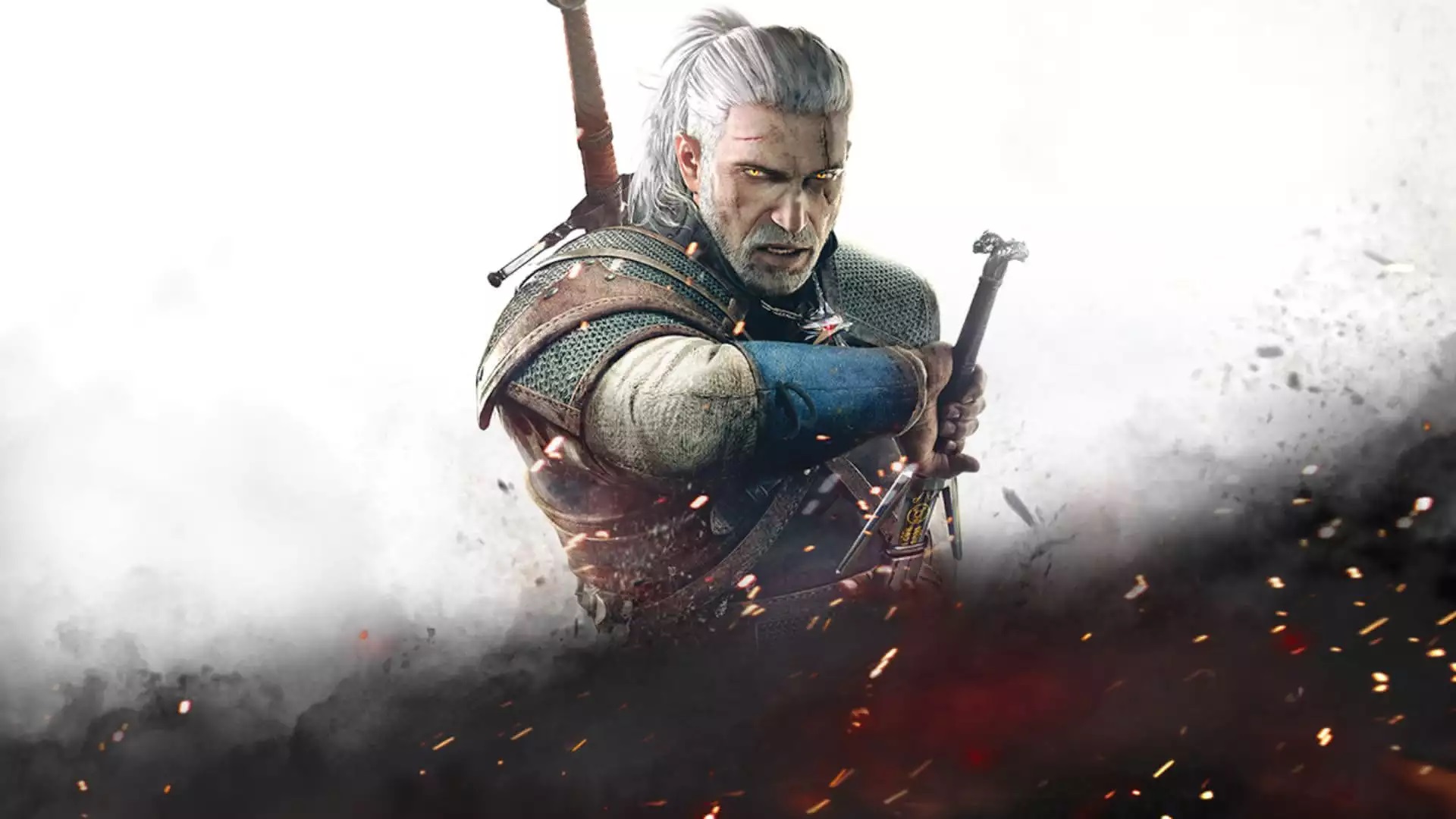
Contracts, investigations, and branching quests use a consequence system where choices alter character fates and regional conditions, which changes dialogue and available follow ups later. Combat layers signs, oils, bombs, and mobility options on top of swordplay, and gear sets add set bonuses that support different builds. It was developed by CD Projekt Red with narrative and quest design teams working in tandem to make side quests integrate with world state.
Gwent adds a full collectible card game that ties into merchants, tournaments, and unique rewards. The expansion content adds new areas, progression options, and high level encounters that slot cleanly into existing saves. CD Projekt Red’s REDengine supports seamless streaming across large spaces, which keeps horseback travel and exploration fluid.
‘Elden Ring’ (2022)
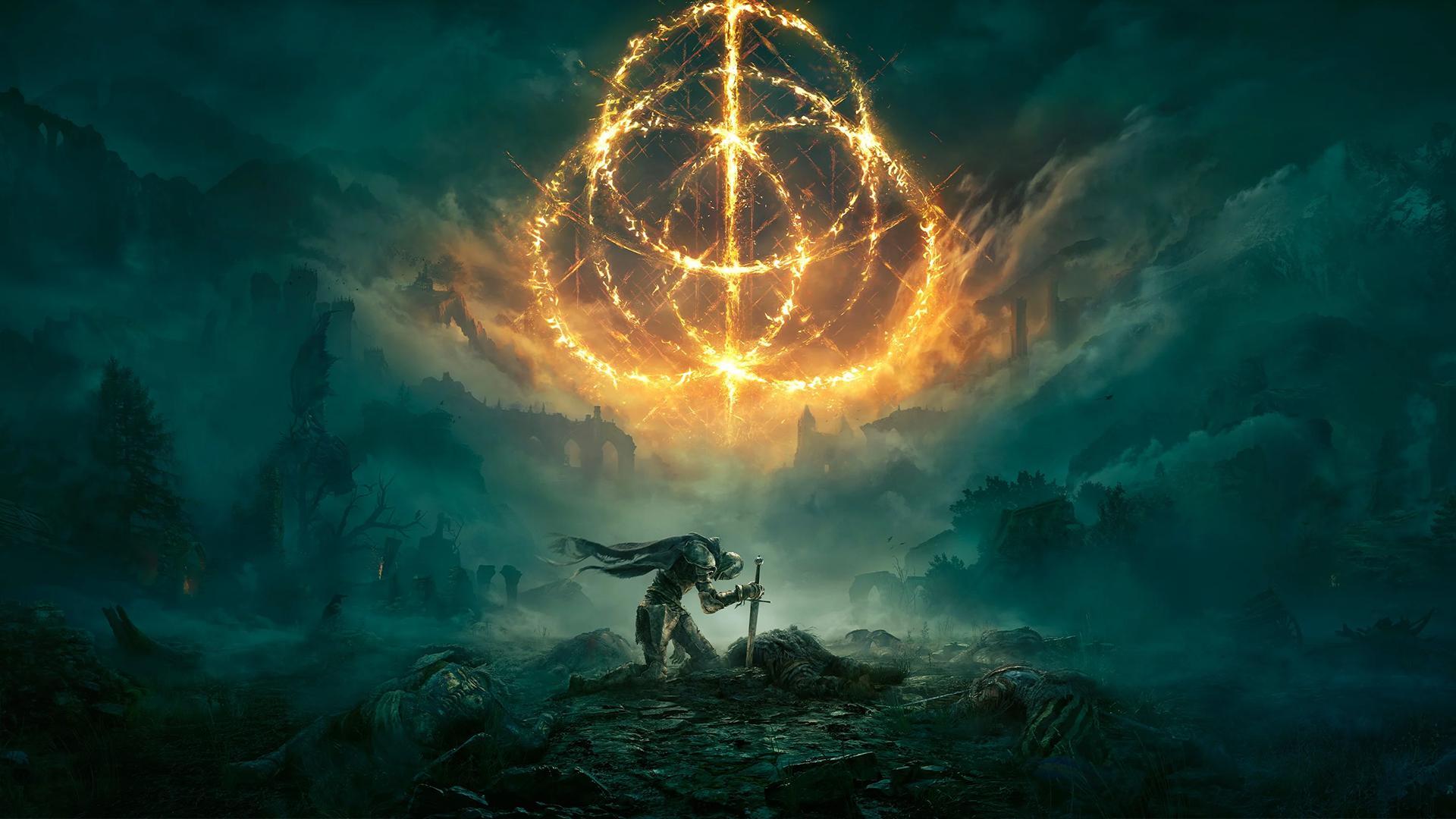
The open world uses a freeform structure where dungeons, field bosses, and legacy areas can be tackled in many orders, which lets builds mature along different paths. Spirit Ashes, Ashes of War, and weapon scaling allow granular tuning of offense and defense, and guard counters and jump attacks add new windows in melee. It was built by FromSoftware with level design that nests vertical exploration and sightline clues to guide discovery without explicit markers.
The map expands through fragments found in the world, and Sites of Grace create route suggestions through their gentle guidance rays. Multiplayer supports cooperative summons and invasion based PvP, which interacts with boss fights and dungeon runs. FromSoftware’s art and encounter teams coordinate to make enemy move sets readable while still demanding timing and spacing mastery.
‘The Elder Scrolls V: Skyrim’ (2011)

Skills level through use, and the constellation perk system lets you shape a character by investing in specific trees like stealth, destruction, or smithing. Radiant quests pull locations and targets from a database to keep content flowing, and the shout system adds tactical tools that interact with physics and positioning. It was developed by Bethesda Game Studios with Creation Engine features that support modding and emergent sandbox behavior.
The world map connects major cities, factions, and dungeons with discoverable points that reward exploration through loot lists and unique encounters. Crafting ties alchemy, enchanting, and blacksmithing into a loop that produces powerful gear when combined. Bethesda’s AI packages drive schedules for NPCs, which makes towns feel active across the day and night cycle.
‘Mass Effect 2’ (2010)
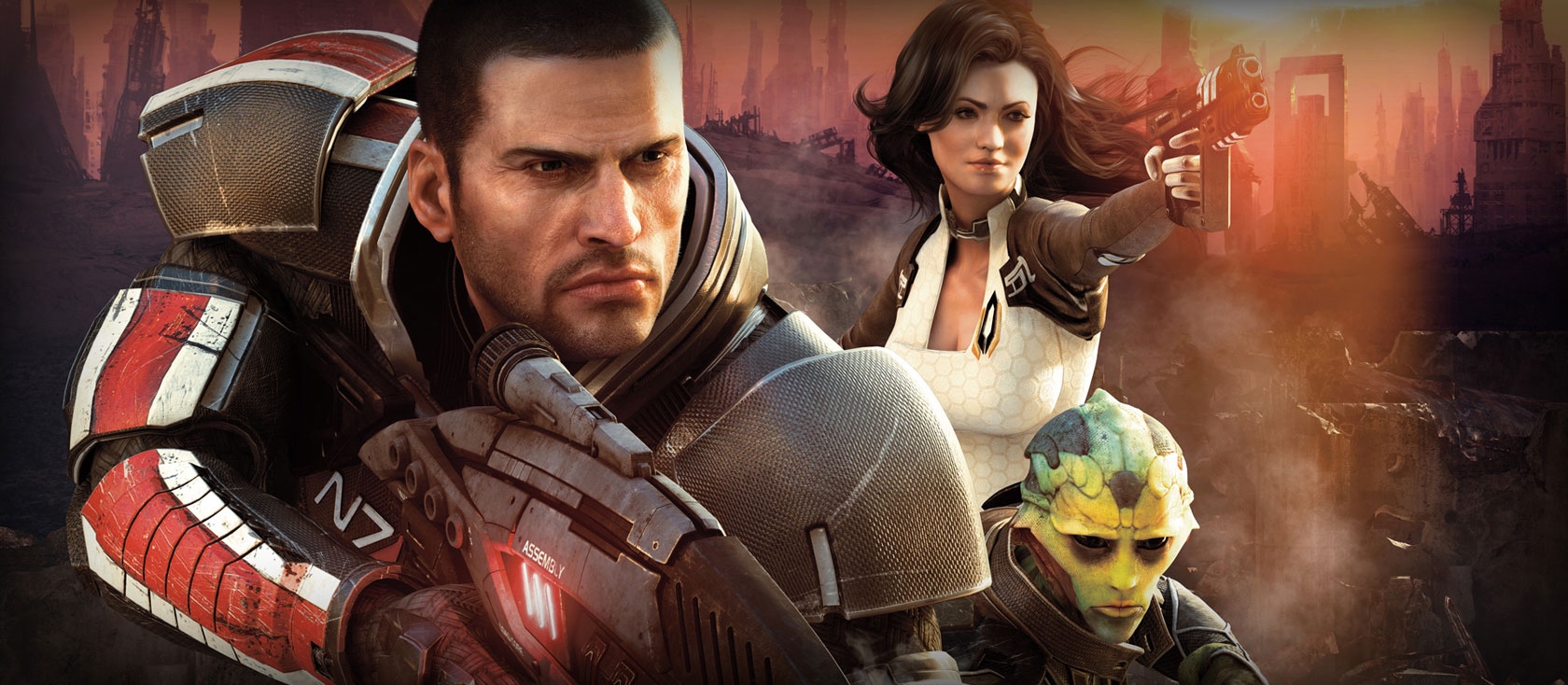
Combat blends cover shooting with squad powers that prime and detonate biotic and tech combos, which makes power timing a key part of encounters. The loyalty mission structure improves squad effectiveness and changes outcomes in the climactic assault based on preparation and ship upgrades. It was created by BioWare with a cinematic conversation system that adds interrupt prompts for high impact choices.
The Normandy acts as a hub for research, crew interactions, and equipment upgrades, and resource scanning feeds into critical ship improvements. Save import from the prior game carries forward decisions that alter plotlines and character availability. BioWare’s toolset supports branching dialogue and scene staging that keep complex conversations readable.
‘Baldur’s Gate 3’ (2023)
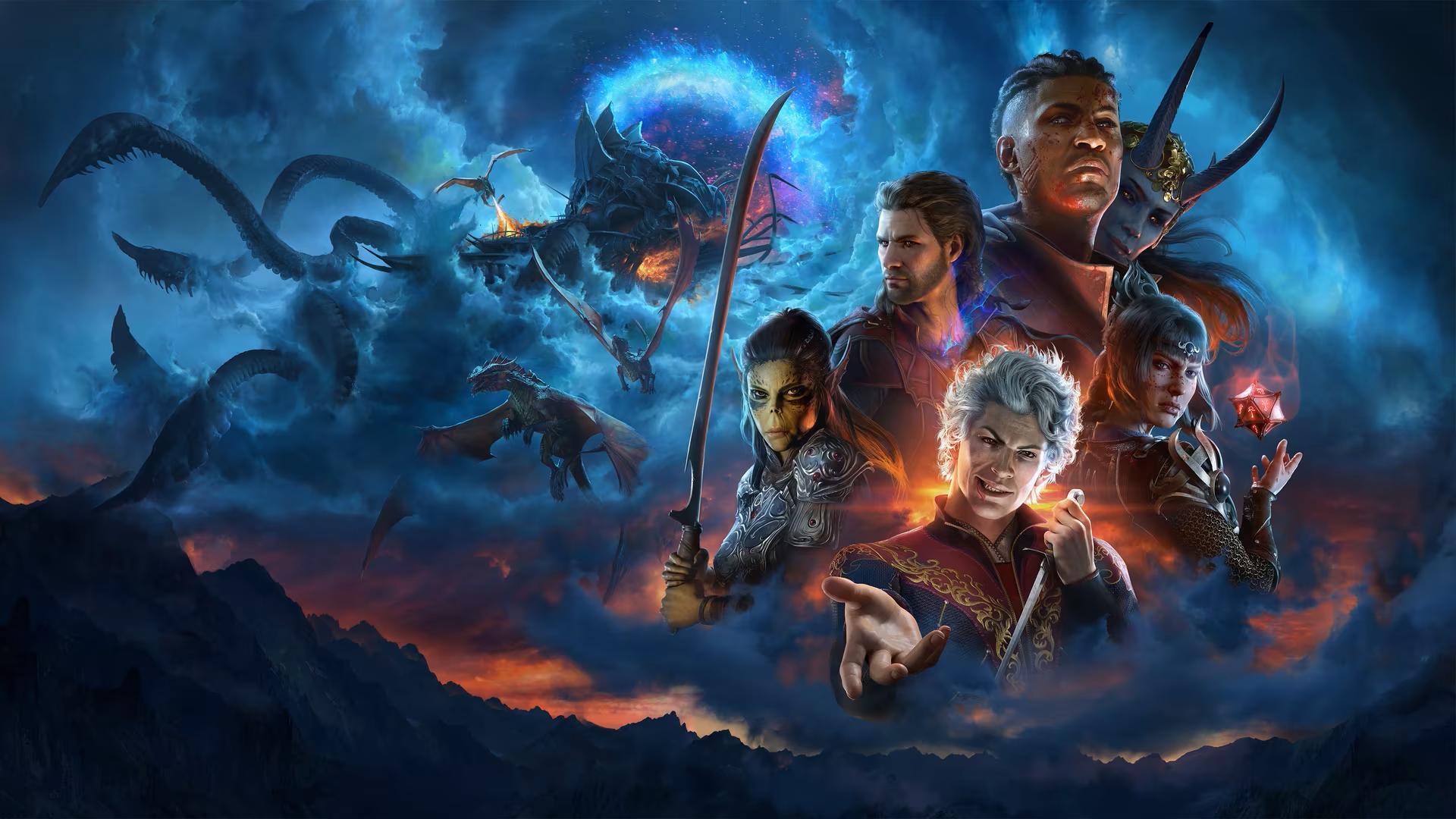
Turn based combat implements Dungeons and Dragons 5e rules with advantage, surfaces, and verticality, so positioning and status effects matter in every round. Skill checks appear in dialogue and exploration, and party composition influences routes through quests and dungeons. It was developed by Larian Studios, which previously refined reactive systems in earlier titles and extended them here with extensive cinematic performance capture.
The camp system manages rests, companion arcs, and item storage, while non linear acts allow different area orders and outcomes. Multiplayer supports drop in co op with shared and individual inventories, and controller and UI options accommodate many play styles. Larian’s pipeline captured thousands of lines of fully voiced dialogue to support varied paths.
‘Disco Elysium’ (2019)
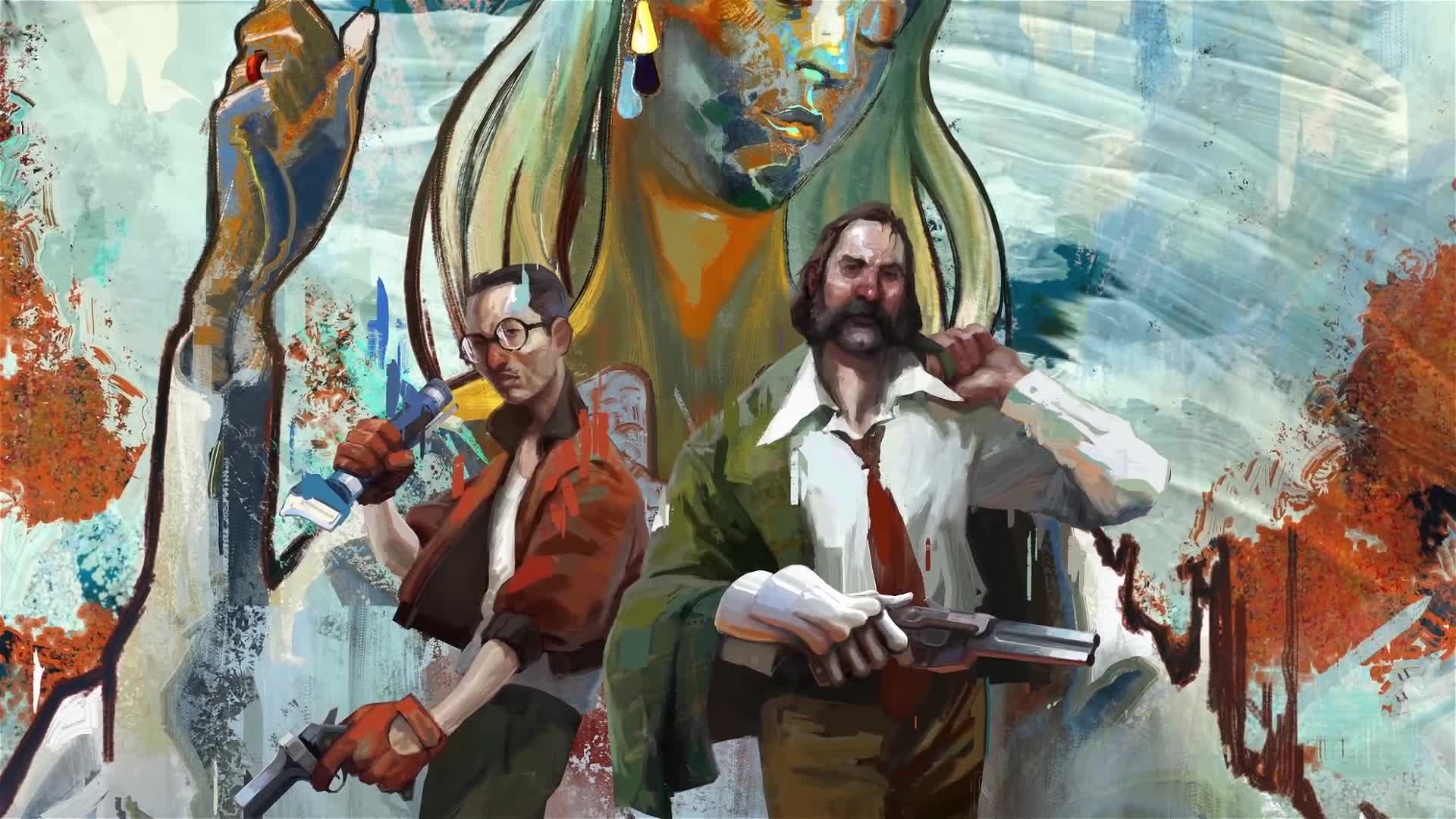
Character creation assigns points to twenty four inner skills that speak up during dialogue and exploration, which turns your build into an active narrator with strengths and blind spots. The Thought Cabinet lets you internalize ideas that confer bonuses and drawbacks after a timed process. It was produced by ZA/UM with a focus on dense writing, skill checks, and dice rolls that govern many actions.
The city block setting packs quests, time sensitive events, and role specific solutions into a compact space that changes across the in game days. Failures create new paths rather than stopping progress, and clothing, items, and partners shift check values in small but important ways. ZA/UM’s art team uses isometric scenes and painterly visuals to keep information clear without clutter.
‘Persona 5 Royal’ (2019)

Turn based battles use the One More and Baton Pass systems to reward exploiting weaknesses and passing turns to buffed teammates, which speeds up encounters and encourages party synergy. Palace dungeons feature bespoke mechanics, while Mementos provides a procedural space for contracts and grinding. It was developed by Atlus with a calendar structure that links social activities to combat growth.
Confidant ranks unlock abilities that change negotiation outcomes, fusion options, and battle tools. The Royal edition adds new areas, quality of life improvements, and additional semesters that extend the story and endgame content. Atlus pairs a distinct UI with clear affordances, which keeps menus fast to navigate.
‘Dark Souls’ (2011)
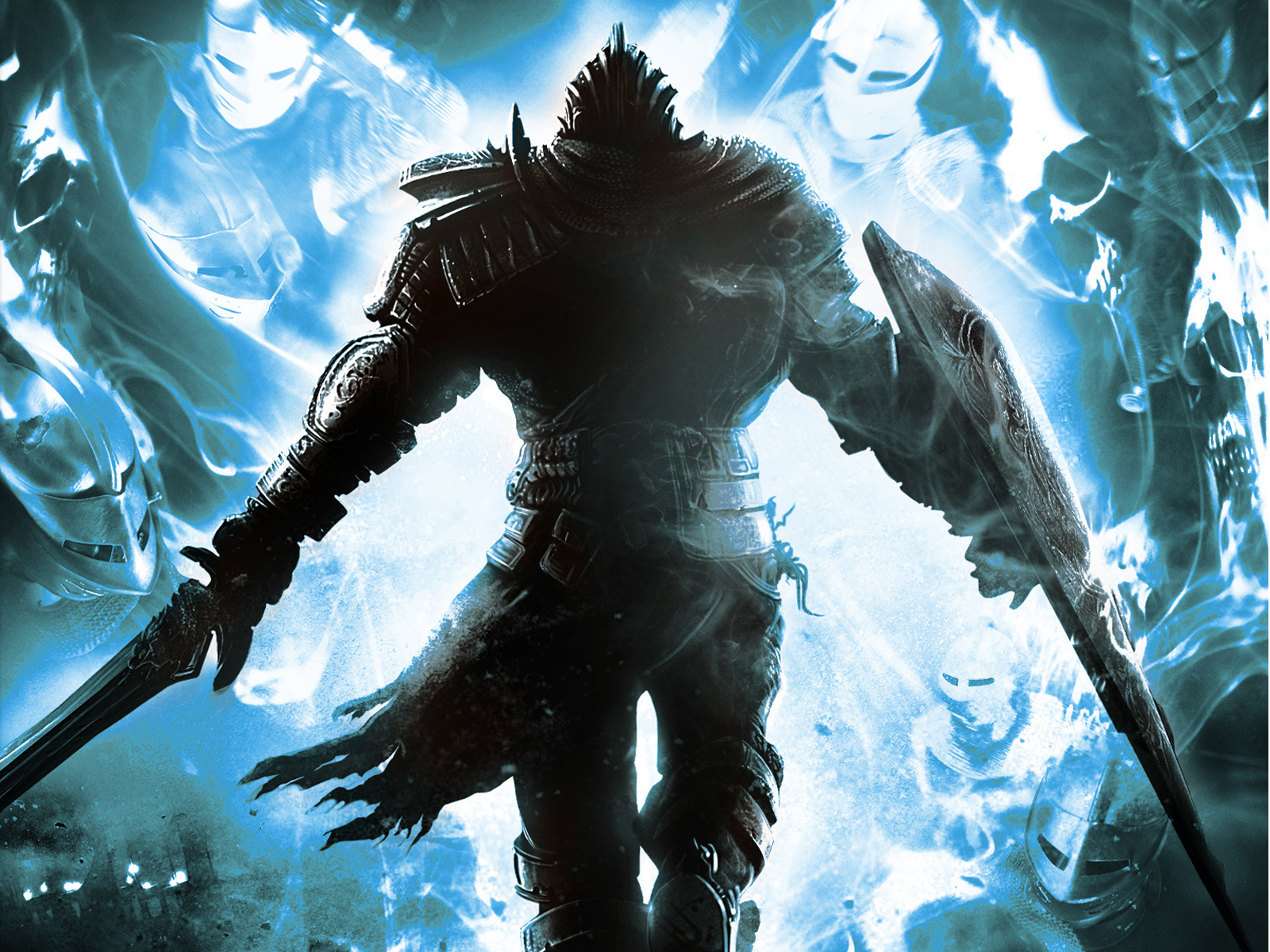
Combat uses stamina management, invincibility frames, and spacing to create a consistent rule set across weapons and shields. Bonfires reset enemies and restore resources while acting as checkpoints, and shortcuts fold levels back on themselves to reward careful exploration. It was made by FromSoftware with network features that allow messages, ghosts, and summoning within specific level ranges.
Weapon upgrades and infusions let you tailor damage types to enemy resistances, and covenants add optional systems like PvP or co op focus. The game’s lore is delivered through item descriptions and environmental clues that players can piece together at their pace. FromSoftware’s encounter design emphasizes readable animations and fair punish windows.
‘Bloodborne’ (2015)
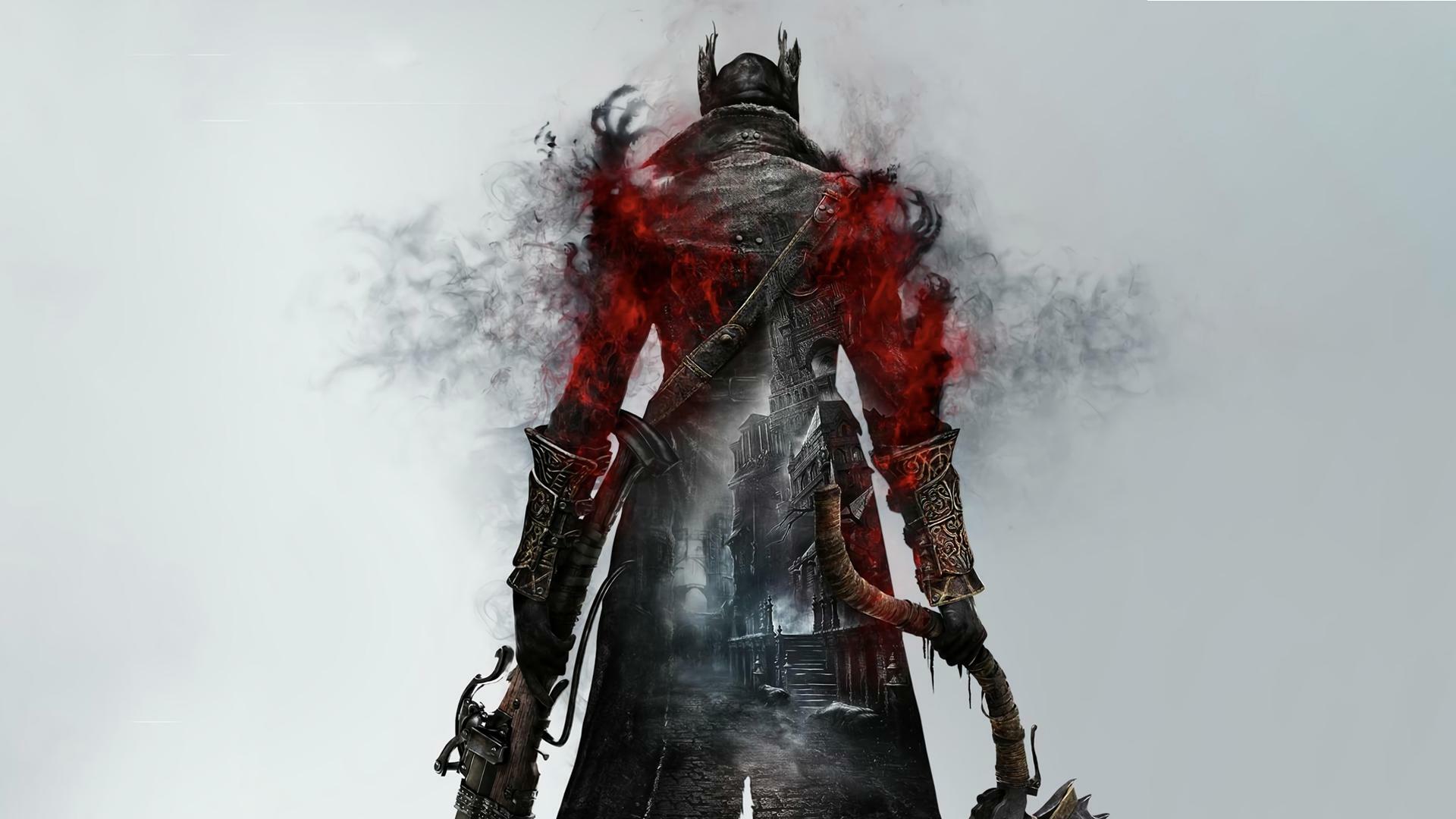
Aggressive combat encourages trading hits through the rally mechanic, which returns health if you retaliate quickly. Trick weapons switch forms mid fight, giving each moveset a second function without inventory swapping. It was developed by FromSoftware with a focus on fast animation timing and tight hitboxes that reward precise inputs.
Chalice Dungeons provide optional randomized layouts with unique bosses and loot, and insight modifies vendors, enemy behavior, and visual elements as it accumulates. Firearms act as parry tools rather than primary damage sources, which shifts rhythm toward risk and reward. FromSoftware’s art and sound teams align enemy telegraphs with distinct audio cues to aid timing.
‘Dragon Quest XI: Echoes of an Elusive Age’ (2017)
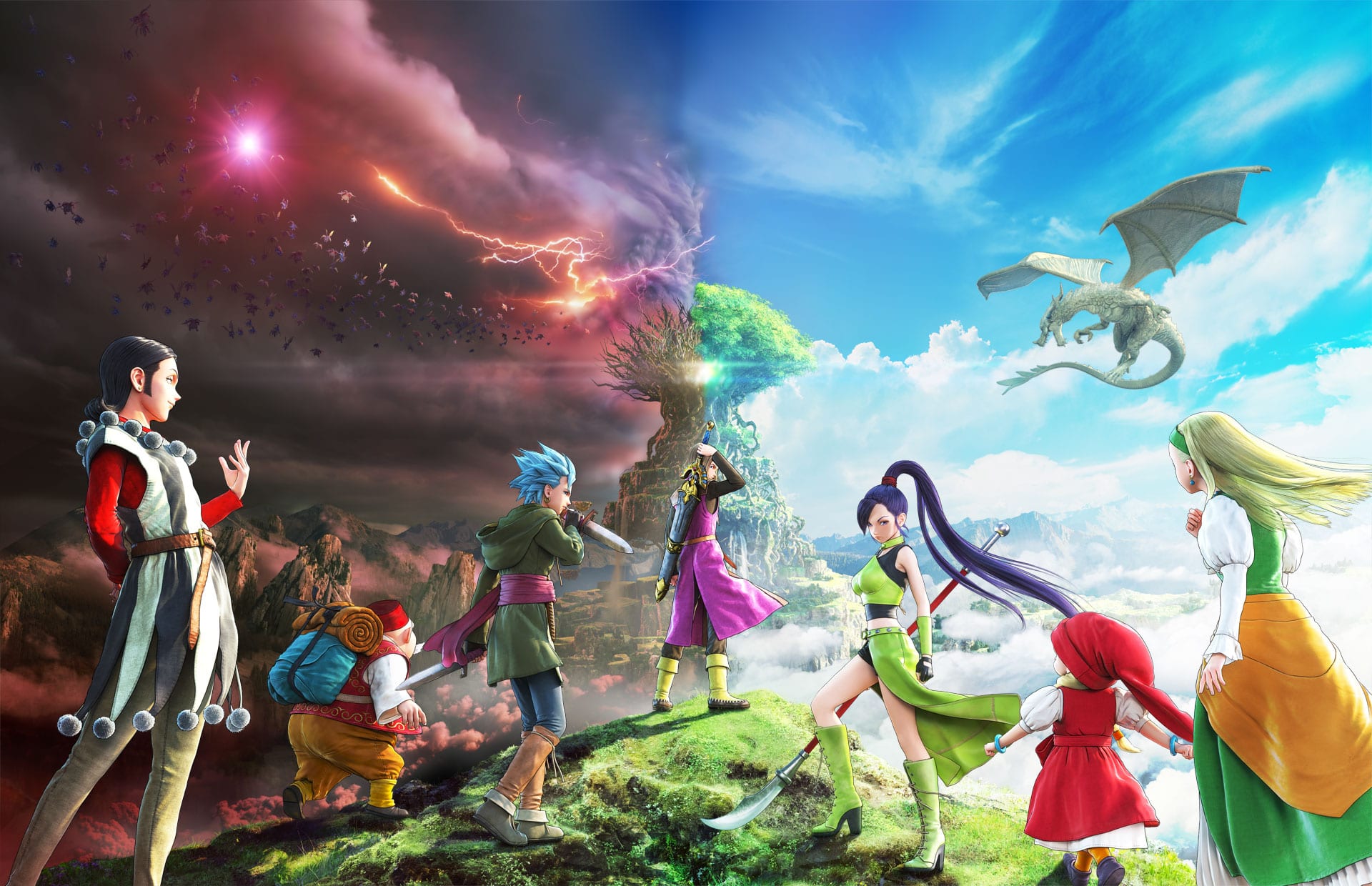
Turn based combat presents clear roles for each party member, with pep powers and combo techniques that unlock new tactical options as bonds grow. The world uses a classic town to dungeon loop with optional crafting through the Fun Size Forge that adds timing based minigames to item creation. It was developed by Square Enix as a modern entry that preserves series fundamentals.
Exploration offers mounted travel, field abilities, and region specific monsters that carry materials for equipment upgrades. Postgame content extends party development and opens additional challenges that reuse locations with new conditions. Square Enix’s localization keeps key mechanics clear and consistent across regions.
‘Divinity: Original Sin 2’ (2017)
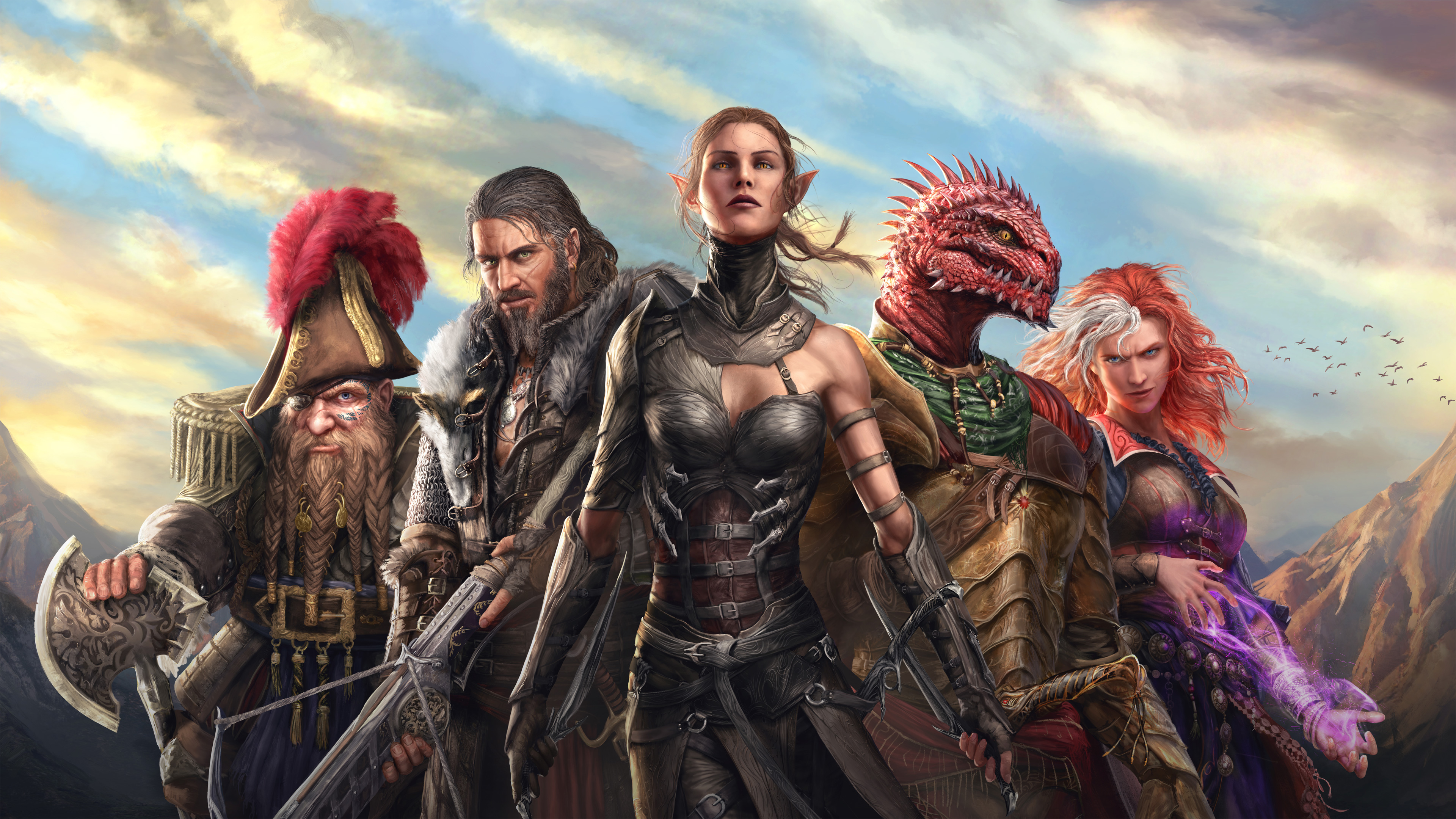
Elemental surfaces and status effects interact in turn based combat, so water, fire, poison, and electricity combine into layered hazards and opportunities. The armor split between physical and magical values changes crowd control priorities and skill planning. It was created by Larian Studios with a ruleset that supports creative problem solving in and out of battle.
Origin characters come with personal questlines and unique tags that alter dialogue and solutions, while the Game Master mode allows custom campaigns. Cooperative play supports full party control for multiple players with independent dialogues and exploration. Larian’s scripting tools allow nearly every item and surface to be manipulated, which promotes experimentation.
‘Fallout: New Vegas’ (2010)
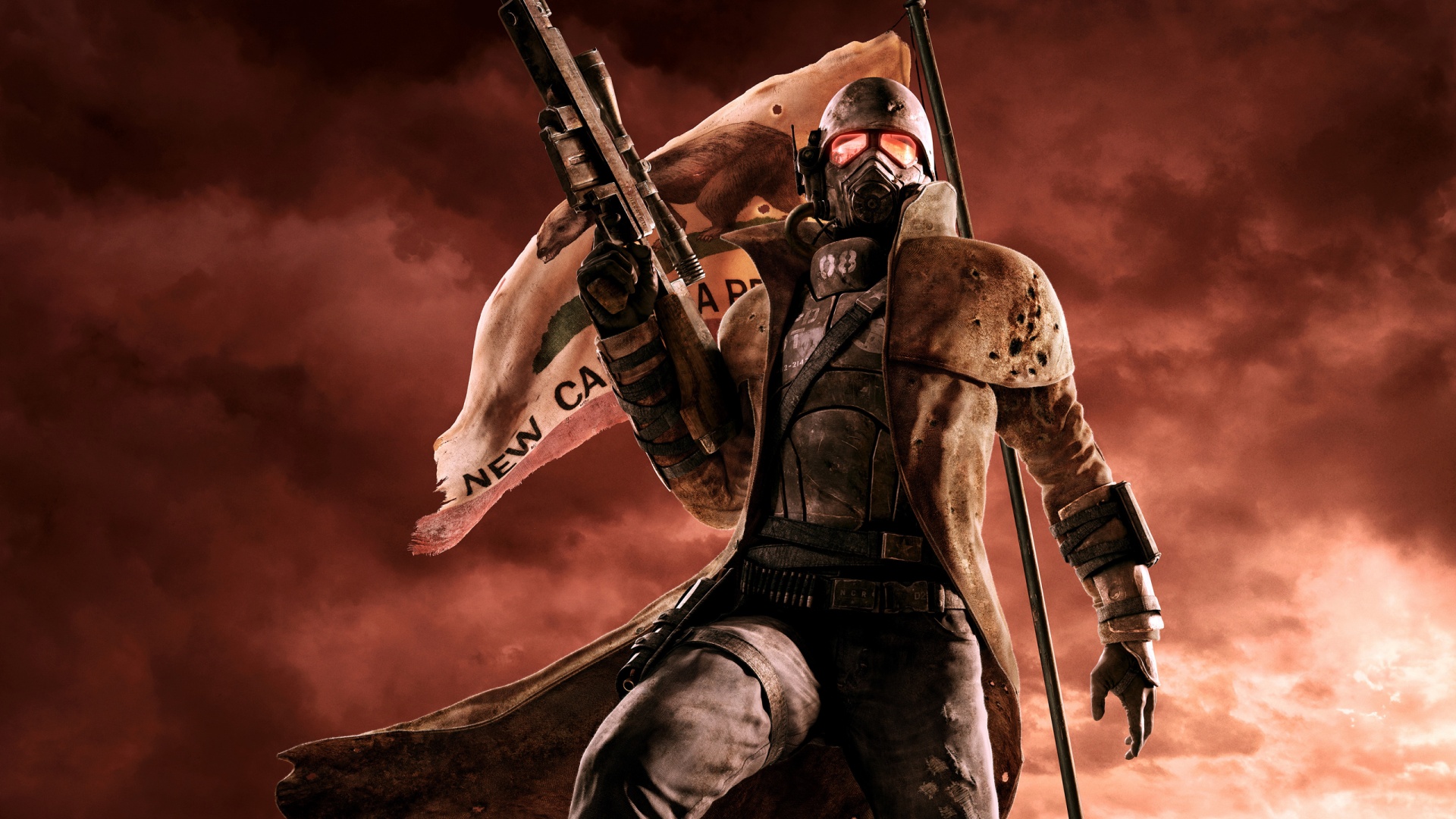
The faction reputation system tracks actions separately across groups, and disguises enable infiltration or avoidance based on equipped armor. Hardcore mode adds survival elements like dehydration and ammo weight that change travel and combat planning. It was developed by Obsidian Entertainment using a dialogue and quest structure that accepts many approaches to objectives.
Weapon mods, crafting, and ammo types expand build variety, and skill checks appear in conversations, terminals, and environmental challenges. The Mojave map supports multiple routes to key locations, including early access to high level areas if you can navigate threats. Obsidian’s writing and systems teams coordinate to keep outcomes consistent across many branches.
‘Xenoblade Chronicles’ (2010)
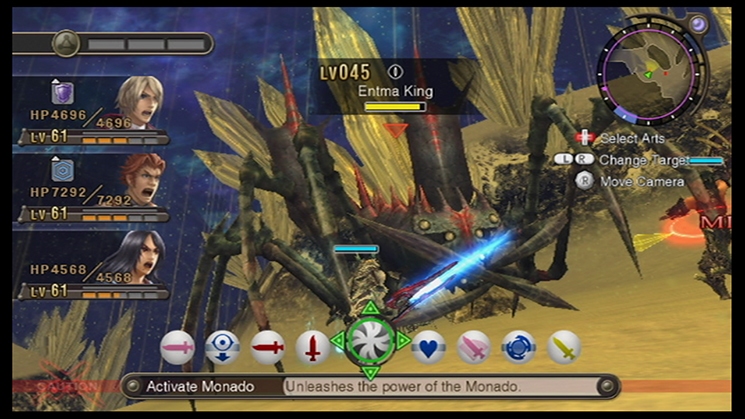
Real time combat uses arts on cooldowns with a position system that rewards flanking and back attacks, and the party gauge controls revives and chain attacks. The vision mechanic previews enemy specials and gives a window to mitigate them through skills or item use. It was developed by Monolith Soft with seamless zones that stream large environments without loading screens during exploration.
Affinity between characters and towns unlocks quests, crafting options, and combat bonuses, and the gem system augments gear with customizable effects. Unique monsters roam the world with level ranges that encourage later rematches. Monolith Soft’s landmark based navigation and day night cycles keep travel readable.
‘Pokémon Red and Blue’ (1996)

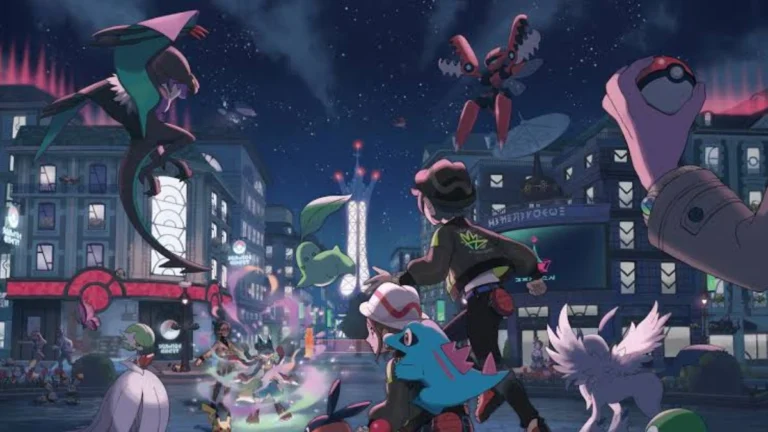
Turn based battles use a type chart that defines strengths and weaknesses across a roster of collectible creatures, which sets the foundation for team building and counters. Capturing uses status effects and HP thresholds to improve odds, and evolution milestones create meaningful power spikes. They were developed by Game Freak with link cable support that enabled trading and competitive play.
The regional map ties gym progression to exploration tools like cuts and surfs that open shortcuts and hidden areas. The Pokédex gives a clear collection goal, and version differences encourage cooperation to complete it. Game Freak’s design keeps interface elements simple so battles and menus move quickly.
‘The Elder Scrolls IV: Oblivion’ (2006)
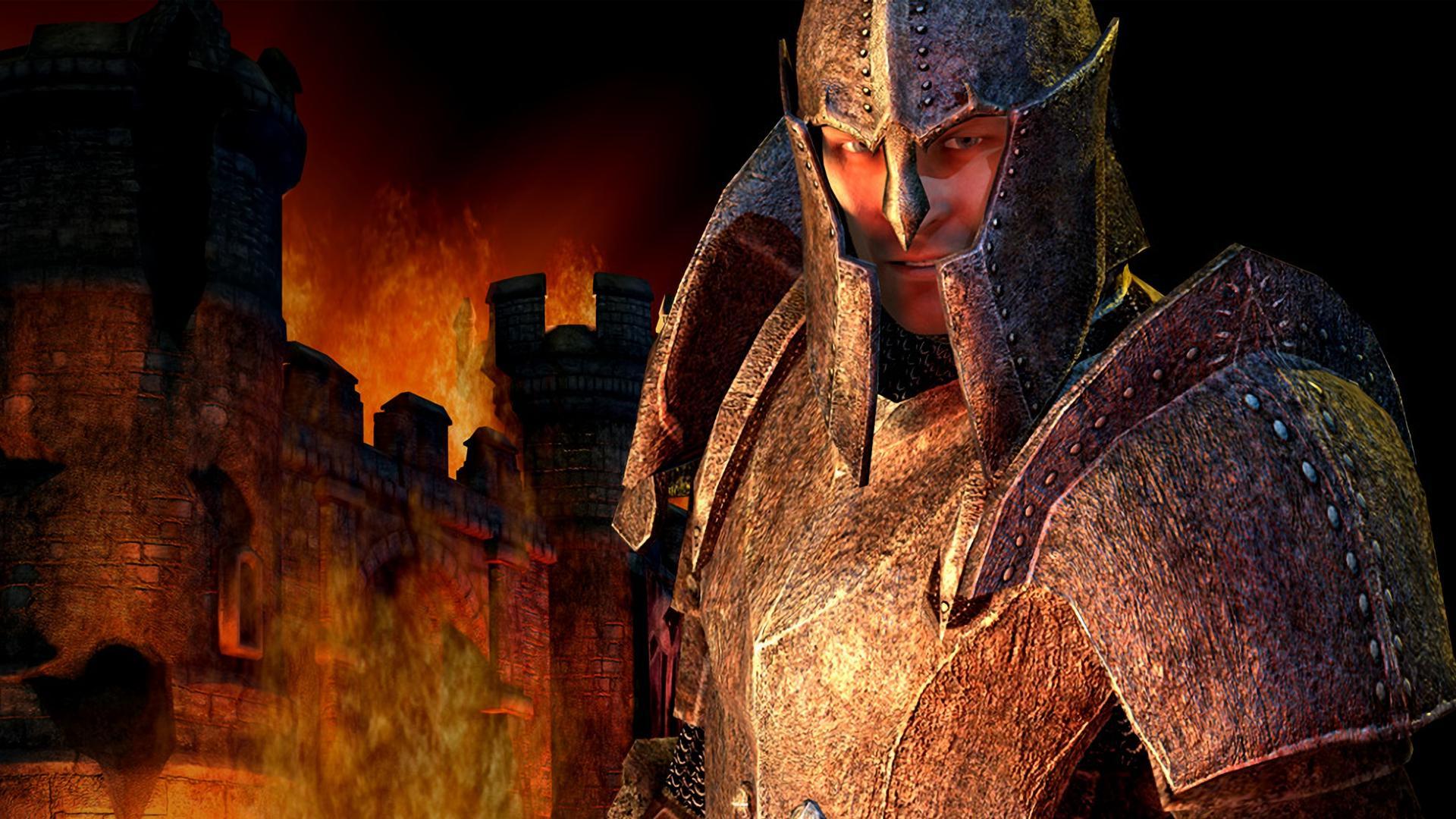
Skills and attributes shape character growth with major and minor selections that influence leveling behavior, and birthsigns add early passive bonuses. Radiant AI schedules give NPCs daily routines that affect shops, quests, and encounters in towns. It was created by Bethesda Game Studios with a quest journal and waypoint system that supports open exploration.
Oblivion Gates introduce pocket dungeons with Daedric loot tables that tie into the main story, and guilds provide long form questlines with unique rewards. Spellmaking and enchanting allow custom effects that change how you approach dungeons and boss fights. Bethesda’s world design uses level based scaling with handcrafted exceptions to keep pacing steady.
‘Star Wars: Knights of the Old Republic’ (2003)
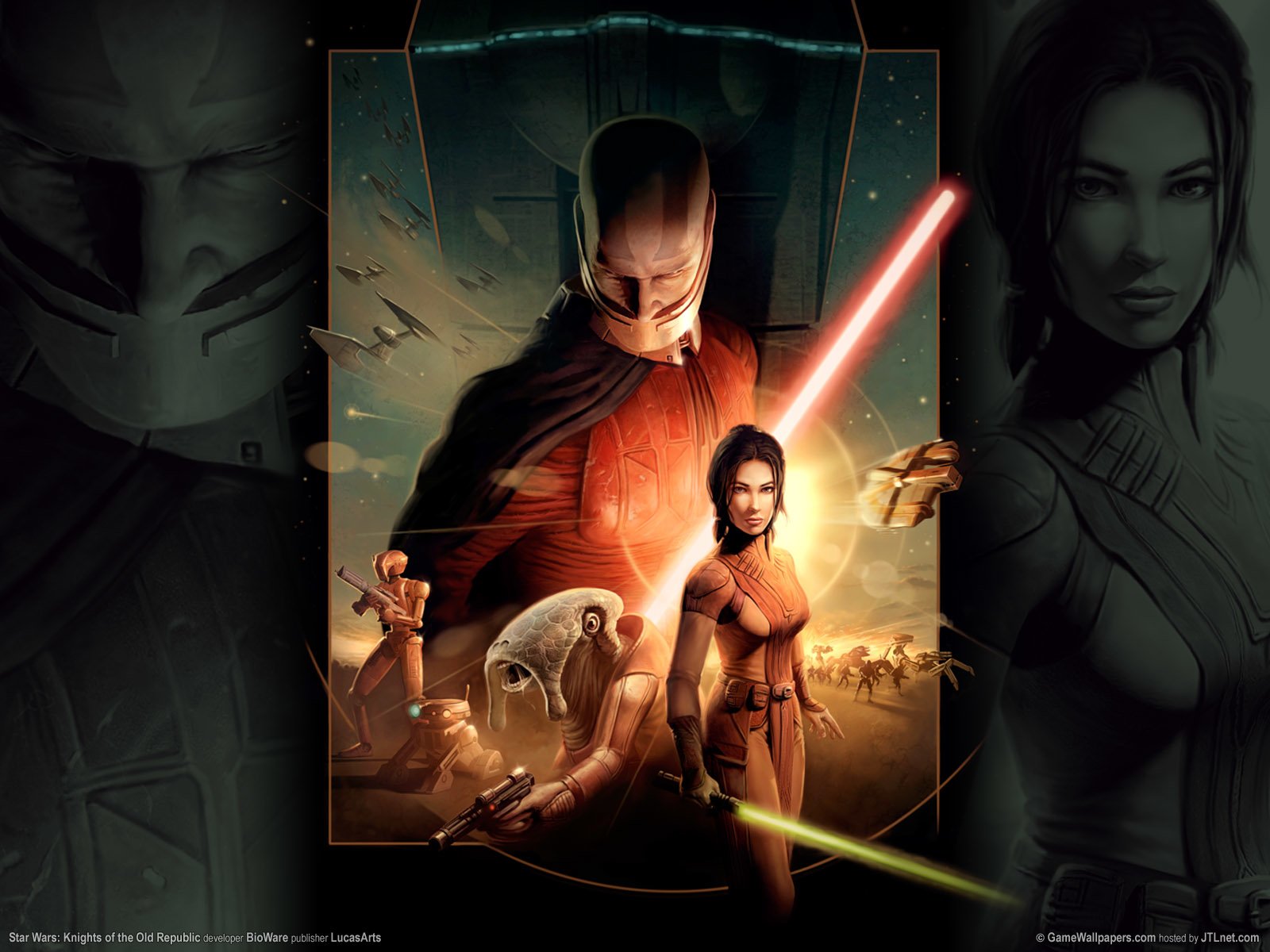
Combat runs on a turn based rule set presented in real time with pause, which lets you queue abilities and manage party tactics. Alignment choices shift powers, gear options, and companion interactions, and dialogue checks open alternate quest solutions. It was developed by BioWare with a focus on party management and branching conversations suited to controller play.
The Ebon Hawk hub supports equipment swaps, crafting, and crew talks that unlock personal quests. Planet order remains flexible, and late game builds differ widely based on class and alignment paths. BioWare’s cinematic presentation helps surface mechanics and stat checks in an approachable way.
‘Planescape: Torment’ (1999)
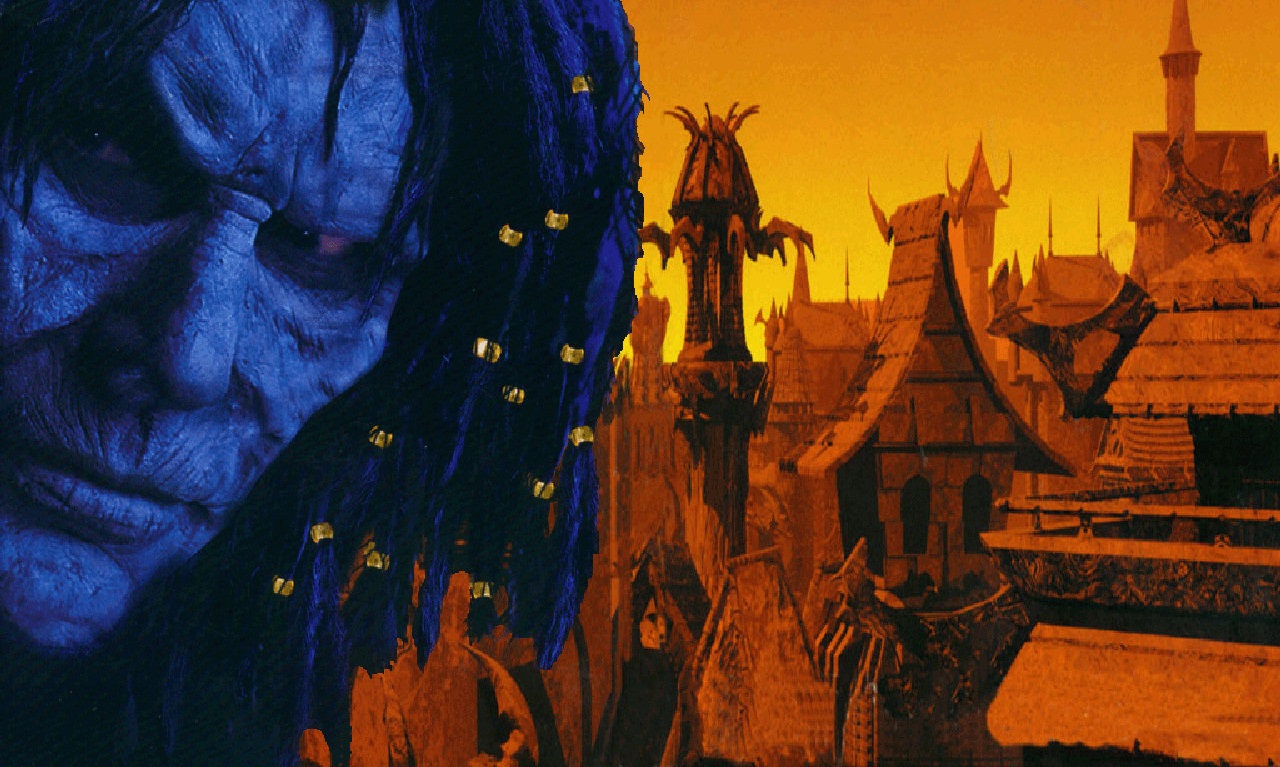
Character progression centers on dialogue choices and quest outcomes rather than combat volume, with many encounters resolved through conversation or item use. Companions come with unique mechanics that tie to their identities, and tattoos act as a modular gear system with stat and skill effects. It was developed by Black Isle Studios using the Infinity Engine to support text heavy role playing.
The city setting uses districts with distinct rules and factions, and alignment and class can shift during play, which changes available options. Quests often loop back to earlier areas with new context, creating a network of cause and effect. Black Isle’s writing pipeline integrates skill checks and lore into dialogue nodes without breaking flow.
‘Diablo II’ (2000)
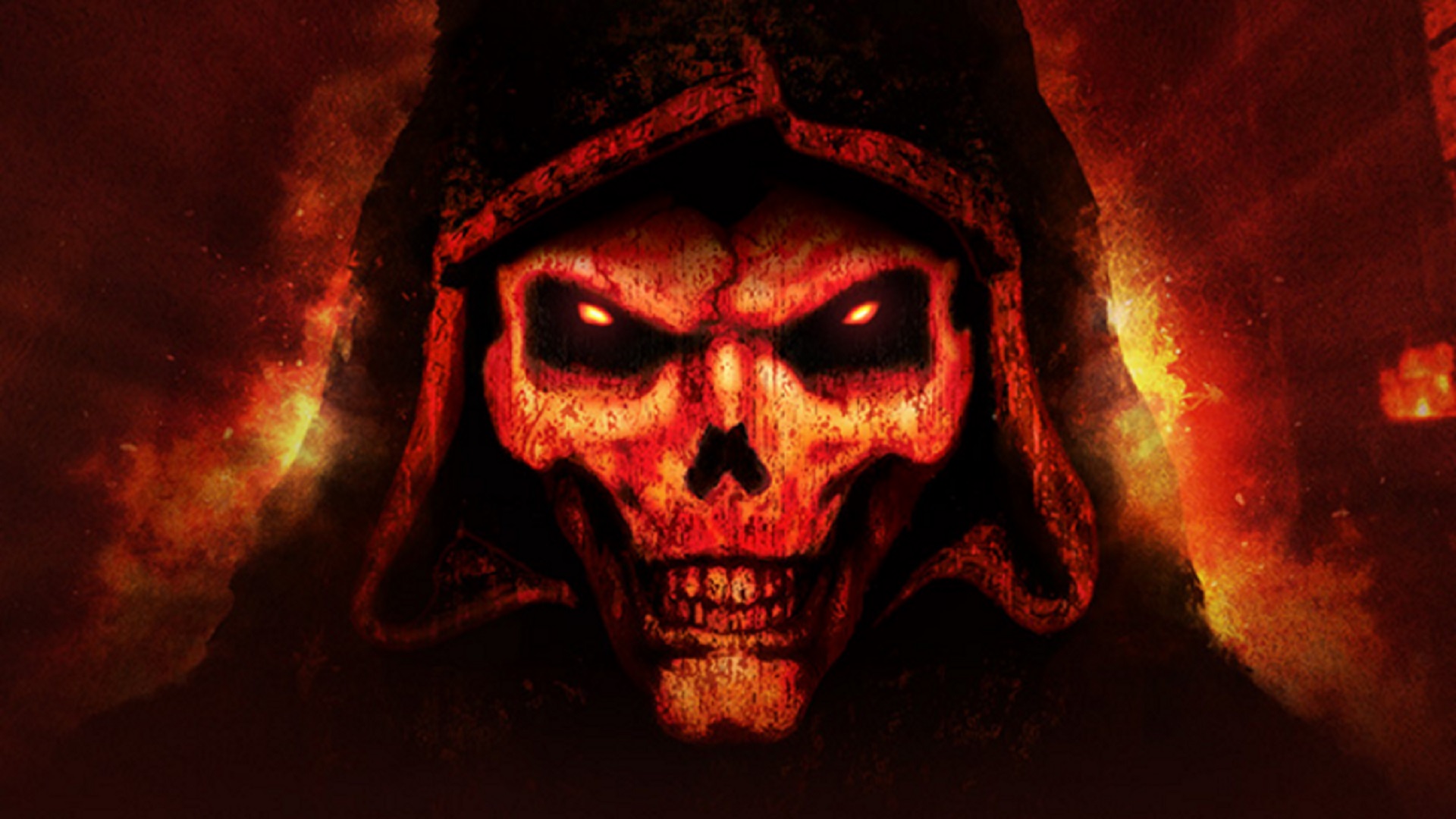
Action RPG combat revolves around click to move and skill trees that define builds, with synergies that reward focused investment. Loot rarity tiers, sockets, and runewords create long term progression that extends into ladder seasons and endgame farming. It was developed by Blizzard North with Battle.net support that standardized online play and trading.
Procedural maps and randomized affixes keep runs fresh, while difficulty tiers increase enemy resistances and add new challenges. Itemization balances set pieces and uniques with crafted and rare gear that can outperform them in specific builds. Blizzard North’s network code and item databases underpin the game’s long lasting economy.
‘World of Warcraft’ (2004)
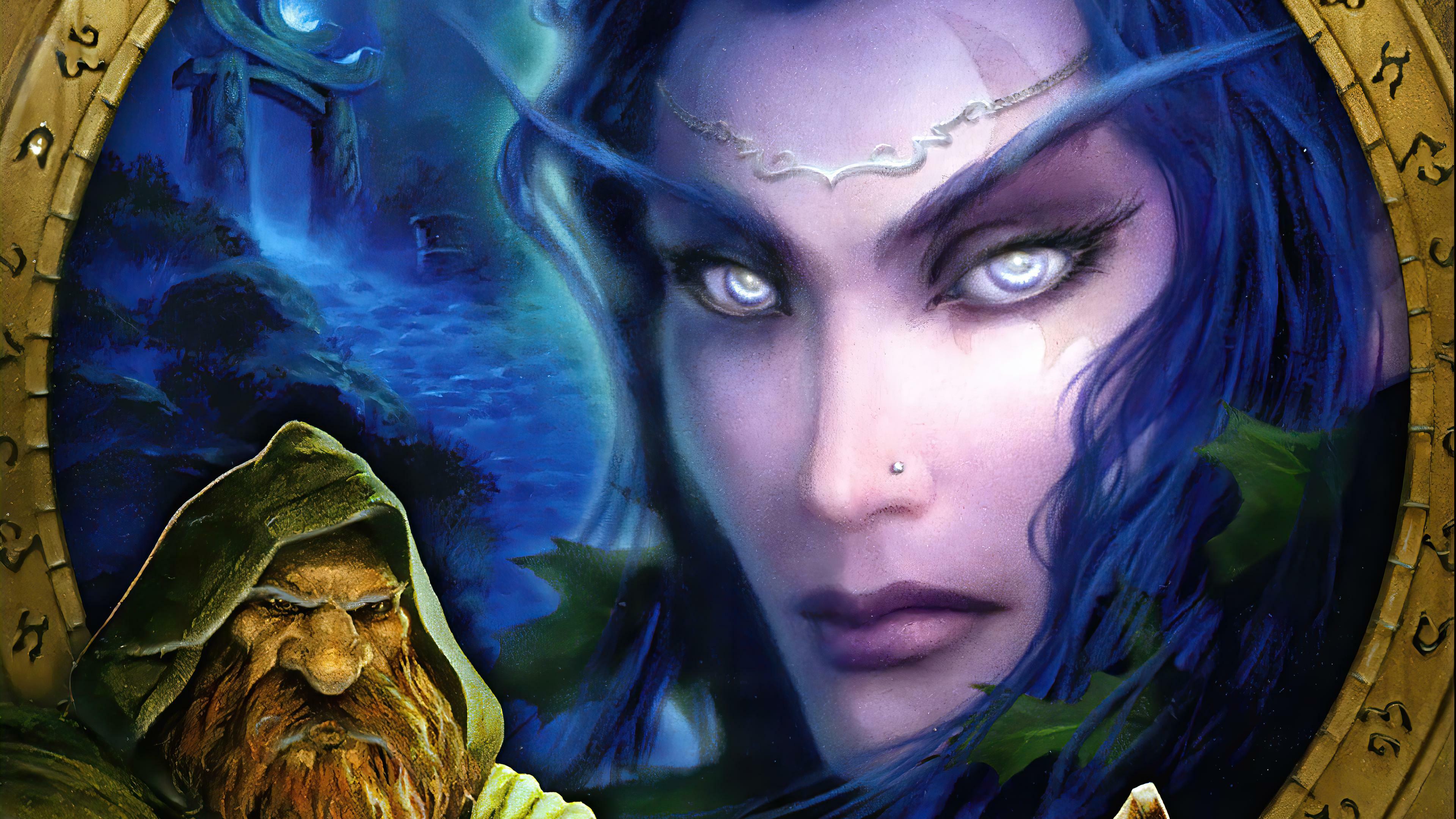
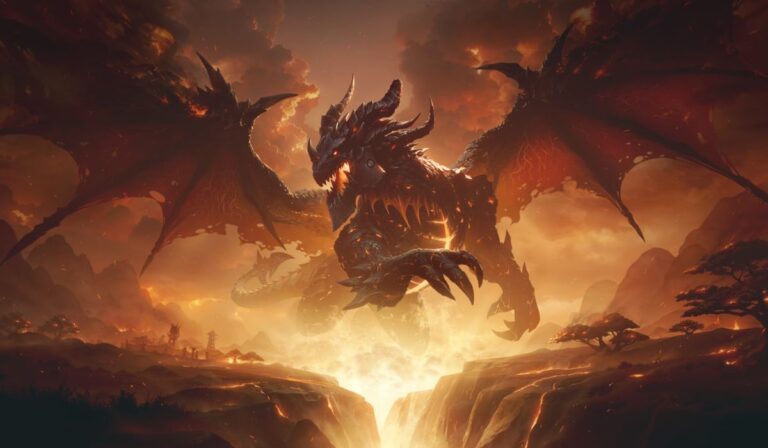
Classes feature talent trees and rotations that evolve across level ranges, and dungeons and raids introduce mechanics that require role coordination. Professions, reputations, and world events add progression layers outside of combat. It was developed by Blizzard Entertainment with a server and instance architecture that supports large scale social play.
Quest hubs and flight paths structure leveling routes, and battlegrounds and arenas provide PvP paths with their own reward tracks. Expansions deliver new zones, systems, and level caps that integrate with prior content. Blizzard’s UI design exposes key cooldowns and resources cleanly to support group play.
‘Undertale’ (2015)
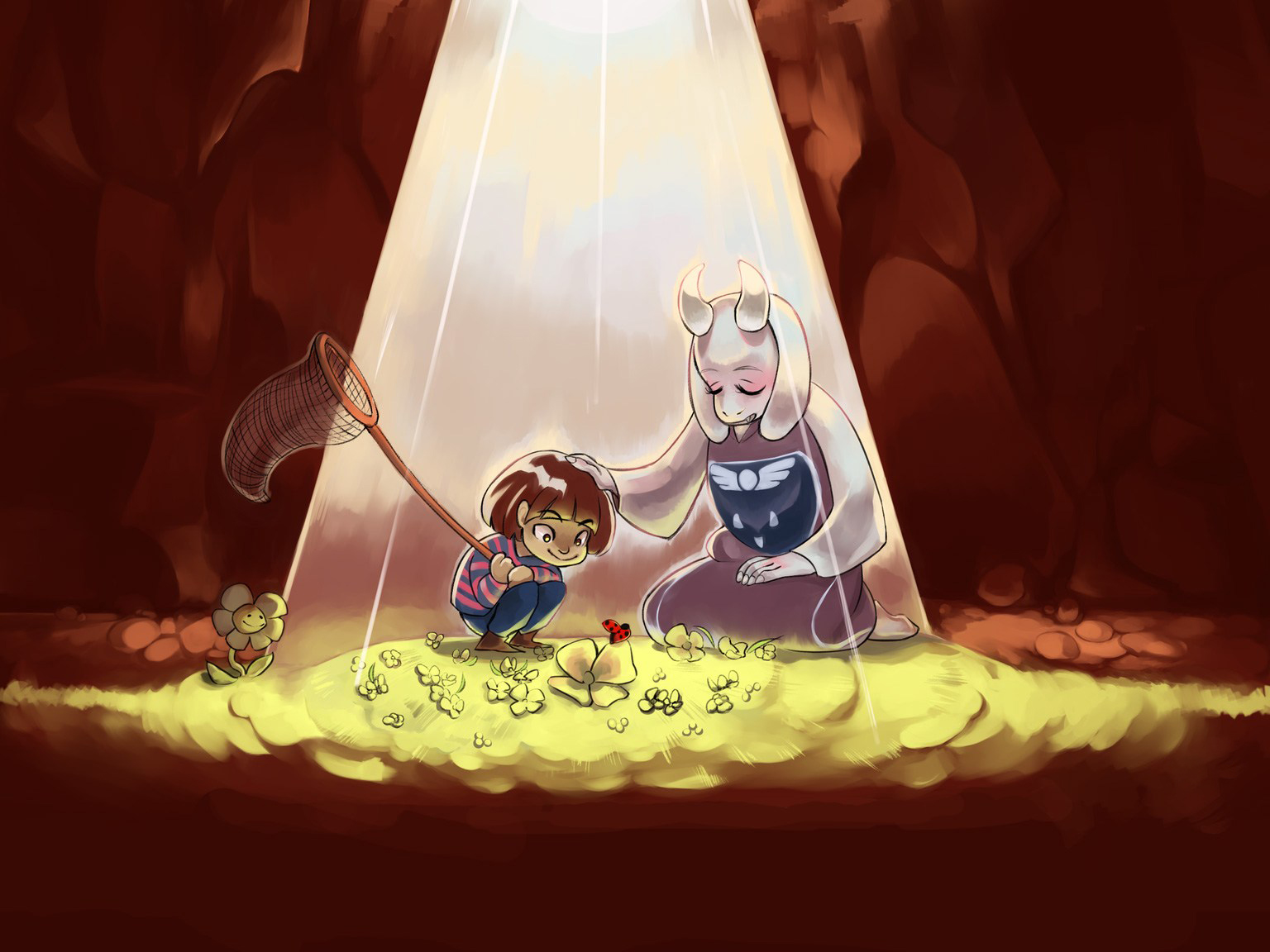
Encounters mix bullet hell dodging with menu based actions, and the mercy system allows pacifist routes that track player behavior across the run. Enemy attacks change patterns based on dialogue and choices, which turns fights into conversations. It was created by Toby Fox with music and writing integrated tightly into combat rhythms.
Save files track actions in ways that alter later scenes, and hidden routes unlock only when specific conditions are met. The game reads player intent and adjusts dialogue to reflect prior decisions. Toby Fox’s solo development approach kept systems simple while enabling precise control of pacing.
‘EarthBound’ (1994)
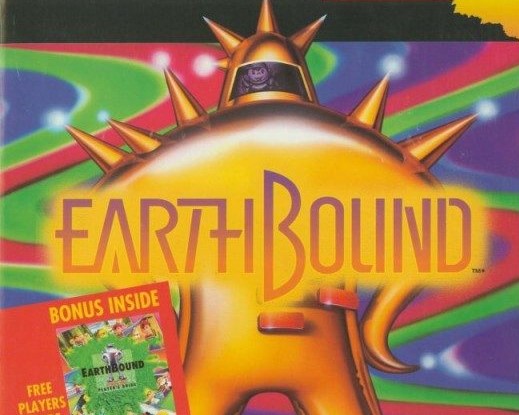
Turn based combat uses a rolling HP meter that lets you survive lethal hits if you heal before the counter reaches zero, which adds tension to timing. The auto win feature ends trivial fights instantly when your party is strong enough, which speeds up travel. It was developed by Ape and HAL Laboratory with a contemporary setting that supports items and enemies tied to everyday life.
The world features sanctuary locations tied to a sound stone that tracks progress, and phone calls maintain contact with home for saving and support. Status effects and PSI abilities encourage planning for specific enemy types. The development teams used humor and visual cues to keep information clear without dense tutorials.
‘Fire Emblem: Three Houses’ (2019)
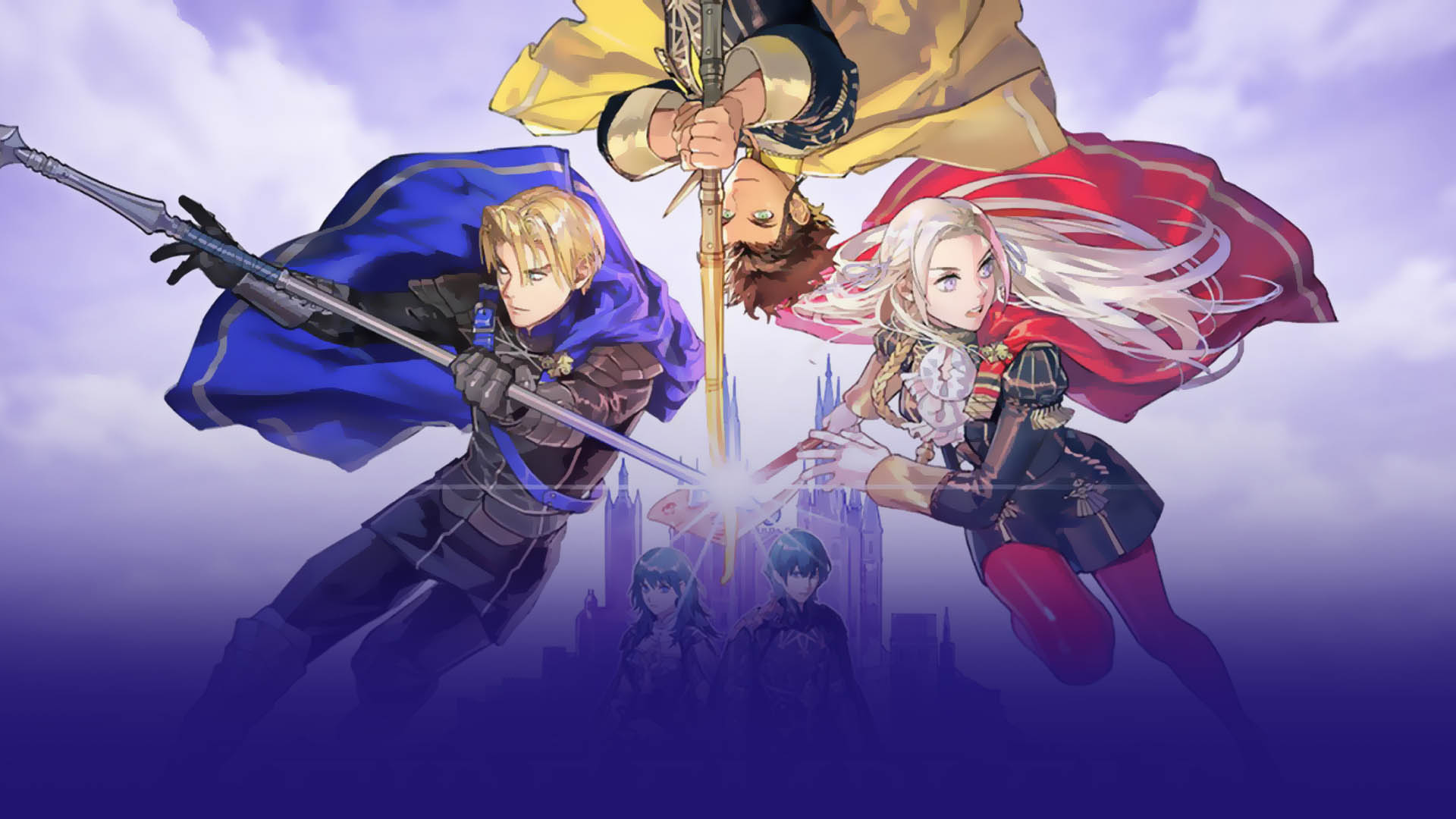
Turn based tactics use a player phase and enemy phase structure with combat arts, battalions, and terrain that influence positioning and damage. The weapon triangle is deemphasized while unit growth and class paths broaden build possibilities. It was developed by Intelligent Systems in cooperation with Koei Tecmo, which handled portions of production and technical support.
The monastery calendar schedules instruction, exploration, and missions, and support ranks unlock linked abilities and paralogues. Route splits change mid to late game maps and objectives based on house choice. The combined teams built systems that make teaching and combat feed into each other smoothly.
‘Pathfinder: Wrath of the Righteous’ (2021)
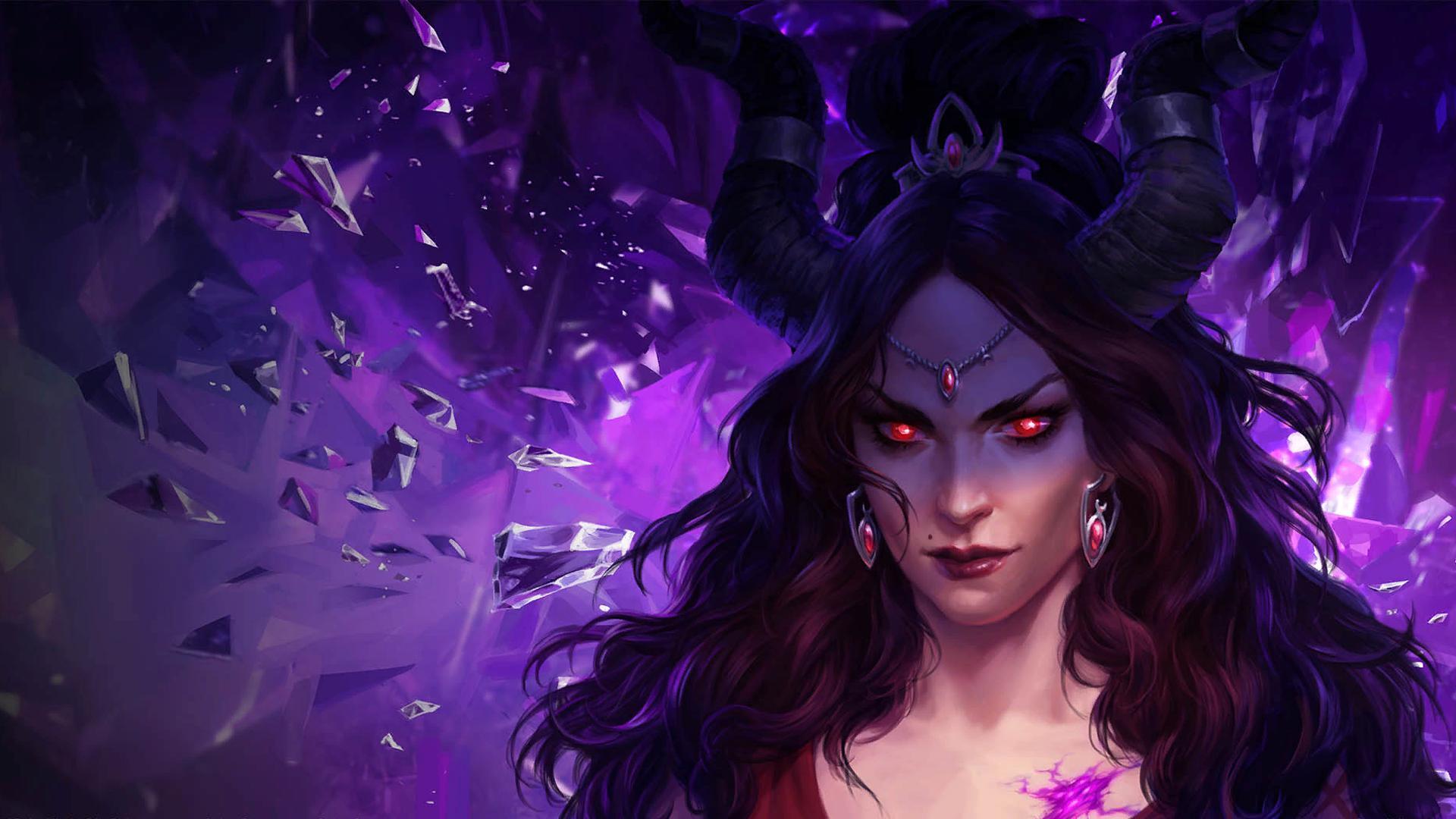
Character building pulls from a vast tabletop ruleset with mythic paths that add powerful abilities and narrative branches on top of base classes. Combat can run in turn based mode or real time with pause, which lets you pick the pacing that fits your party setup. It was developed by Owlcat Games with an emphasis on rule fidelity and high difficulty options.
Crusade management adds a strategic layer where army movements, morale, and logistics interact with the main campaign, and decisions there alter story and encounter availability. Companion quests and alignment checks open unique zones and boss fights tied to your chosen mythic route. Owlcat’s toolset connects narrative flags to mechanical unlocks so choices carry clear effects.
‘Persona 3 Portable’ (2009)
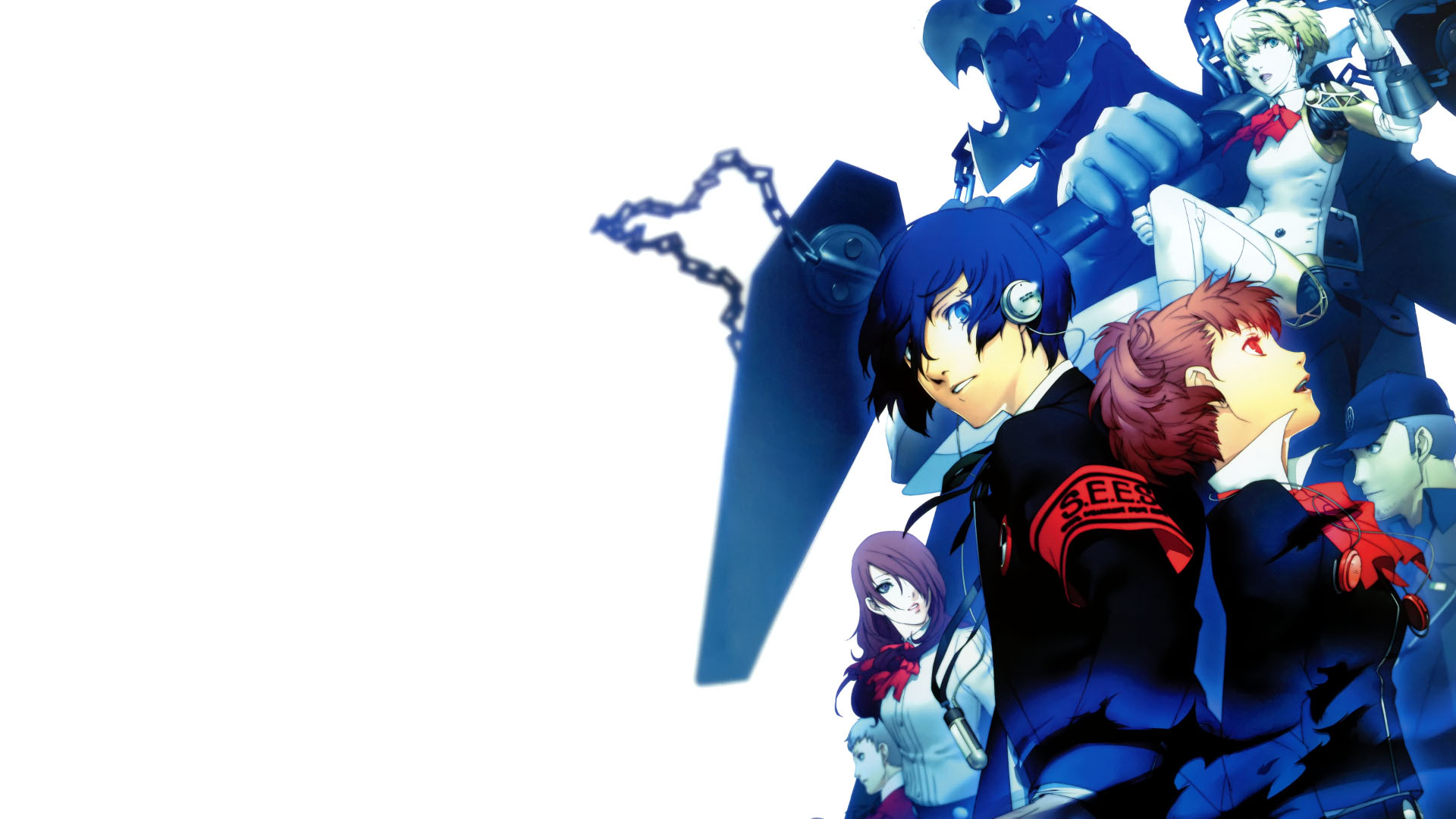
The battle system uses weaknesses and the One More turn flow that encourages party setups focused on coverage and follow ups. Daily life segments manage social links that unlock fusion options and combat perks, while Tartarus provides a long form dungeon with changing layouts. It was developed by Atlus with a portable interface that streamlines navigation and combat speed.
Player controlled party options and difficulty settings allow fine grained control over encounter pacing and challenge. The calendar ties exams, club activities, and events to stat growth and skill access. Atlus engineered UI changes to keep the handheld experience quick and readable.
‘Monster Hunter: World’ (2018)
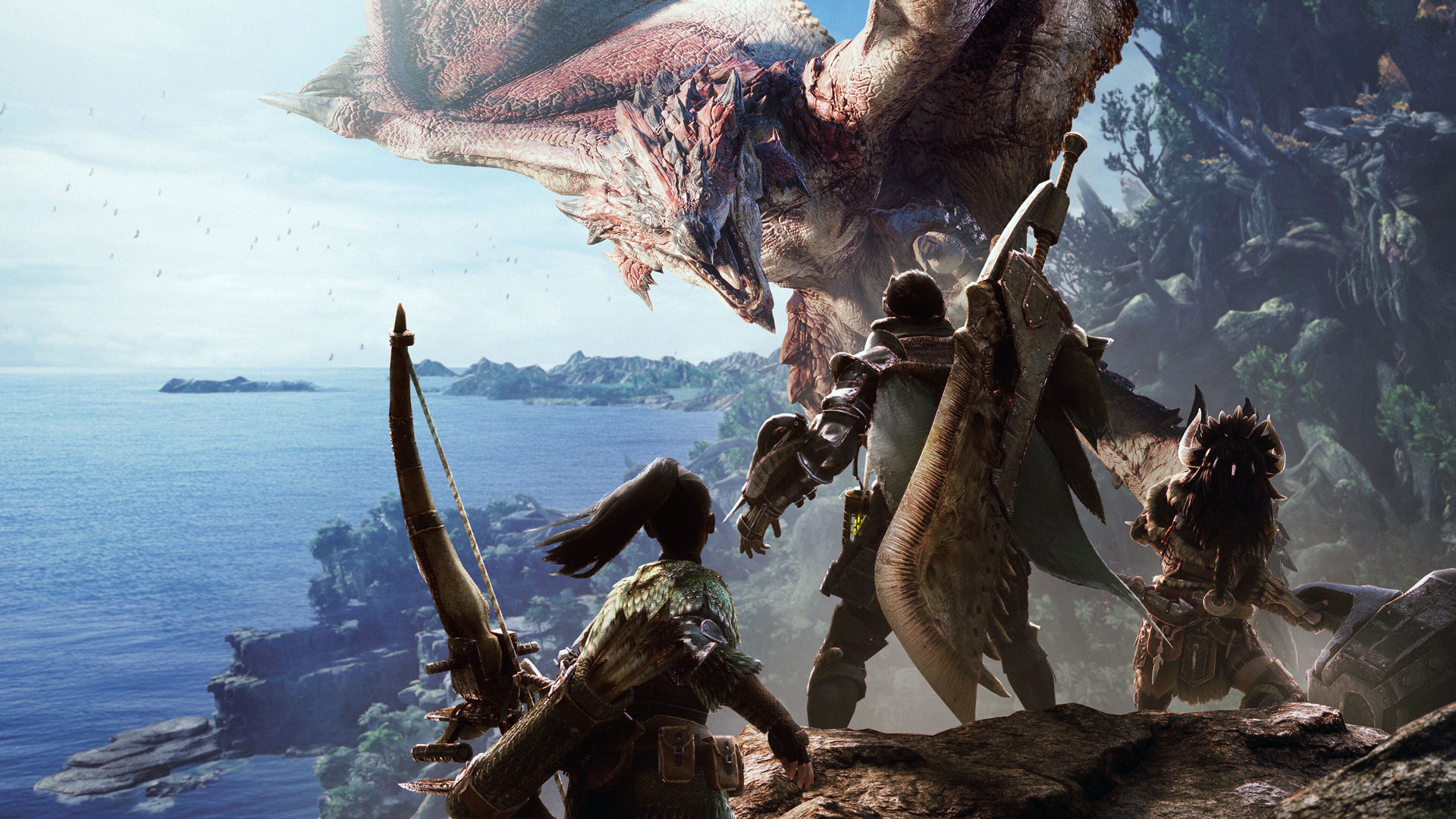
Hunting runs use weapon specific movesets with combos, guard options, and mobility tools, and monsters follow behavior patterns with parts that can be broken for materials. The investigation system adds target and condition variety to repeatable quests, which feeds into crafting gear sets. It was developed by Capcom with a seamless map design that removes loading between zones in hunts.
Environmental traps, slinger tools, and endemic life add tactical options during fights, and the scoutfly system helps track targets without intrusive markers. Multiplayer supports SOS flares for quick joins and squad features for coordinated play. Capcom’s gear progression encourages specialization through set bonuses and decorations.
‘Dragon Age: Origins’ (2009)
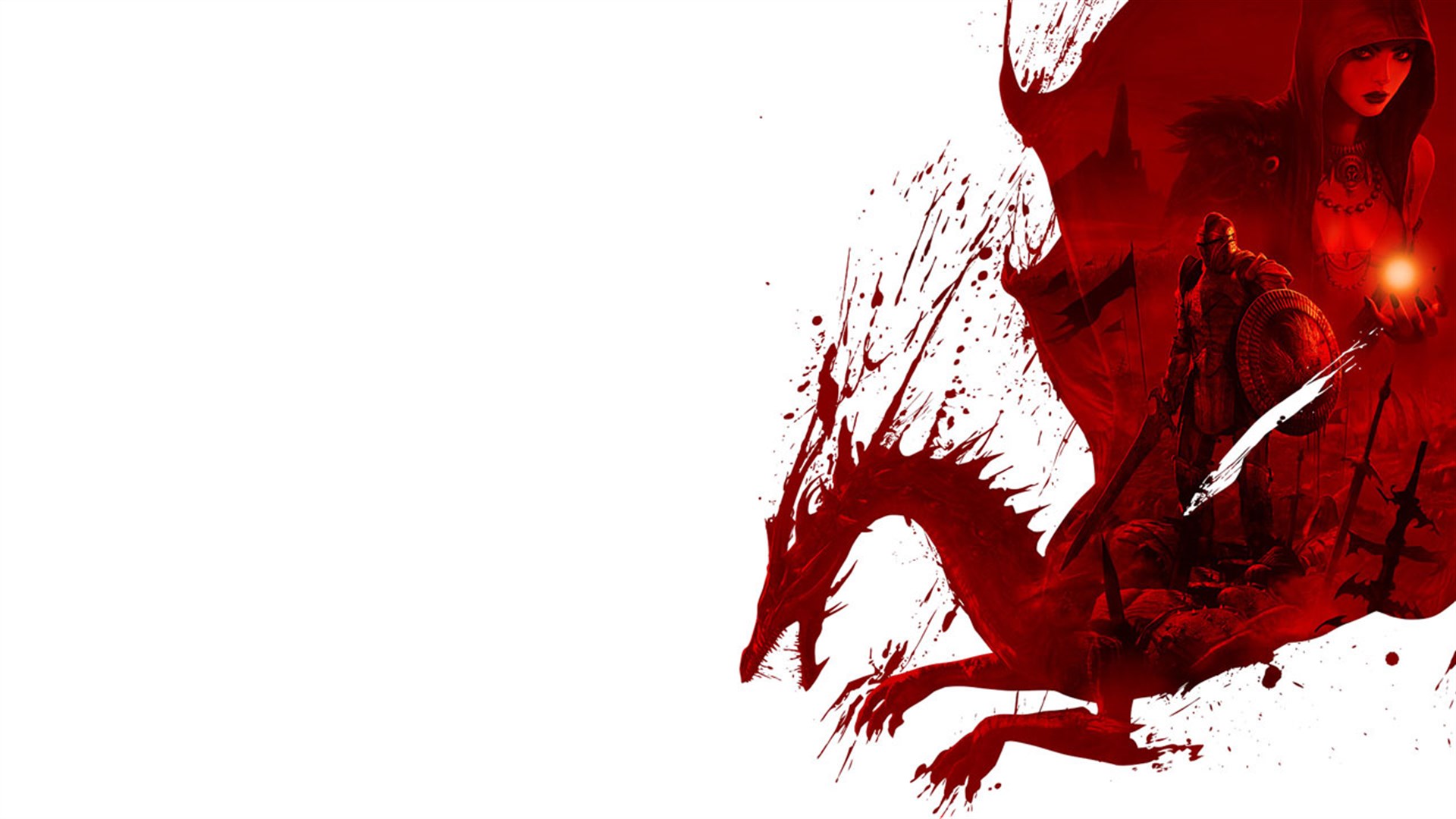
Tactical combat supports pausing to queue actions, use area control spells, and exploit flanking and backstab rules. Origin stories change opening hours and inject unique dialogue throughout the campaign, and approval systems govern companion abilities and personal quests. It was created by BioWare with a toolset that supports player mods and custom campaigns.
Specializations unlock advanced talents that shift class roles, and crafting and traps offer alternate solutions to encounters and dungeons. Choice based outcomes reshape alliances and the state of the world in the epilogue. BioWare’s conversation system presents checks and temperaments in a consistent wheel and list format.
‘NieR: Automata’ (2017)
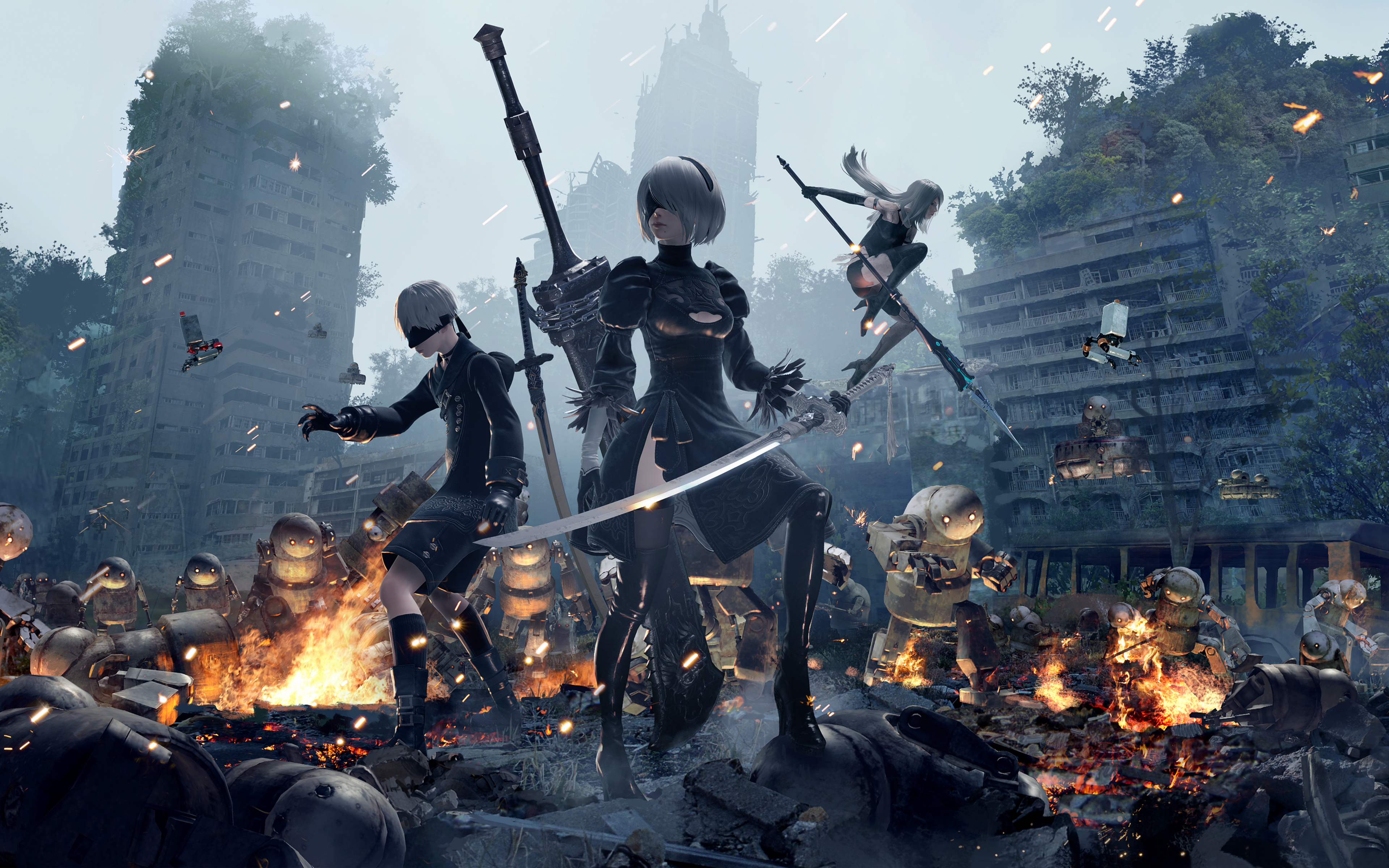
Combat blends character action with RPG progression through chips that slot into a limited OS space, which forces tradeoffs between utility and power. Multiple playthroughs unlock new routes and perspectives that reframe prior events, and hacking minigames fold into both combat and exploration. It was developed by PlatinumGames in collaboration with Square Enix, which handled production and narrative oversight.
Open zones connect through shortcuts and transport terminals, and side quests often add mechanics or boss variations that expand builds. The game uses save systems and UI elements as diegetic parts of the world, which links mechanics to story presentation. The studios coordinated tightly to balance action depth with stat driven growth.
Share your own picks for timeless role playing adventures in the comments.