Fantasy Movies You Are Sleeping On (But Shouldn’t)


There is a lot of fantasy that slips past people when new releases crowd the conversation. Some of these films quietly built devoted followings, while others came from celebrated creators who tried something different and memorable. They are not obscure for the sake of it. They simply reward a closer look.
This list gathers films that mix folklore, adventure, myth, and imagination in ways that feel fresh. You will find practical effects and hand drawn animation, modern quests and classic tales, and stories made on every scale. If you missed them the first time, this is a simple way to catch up.
‘Stardust’ (2007)
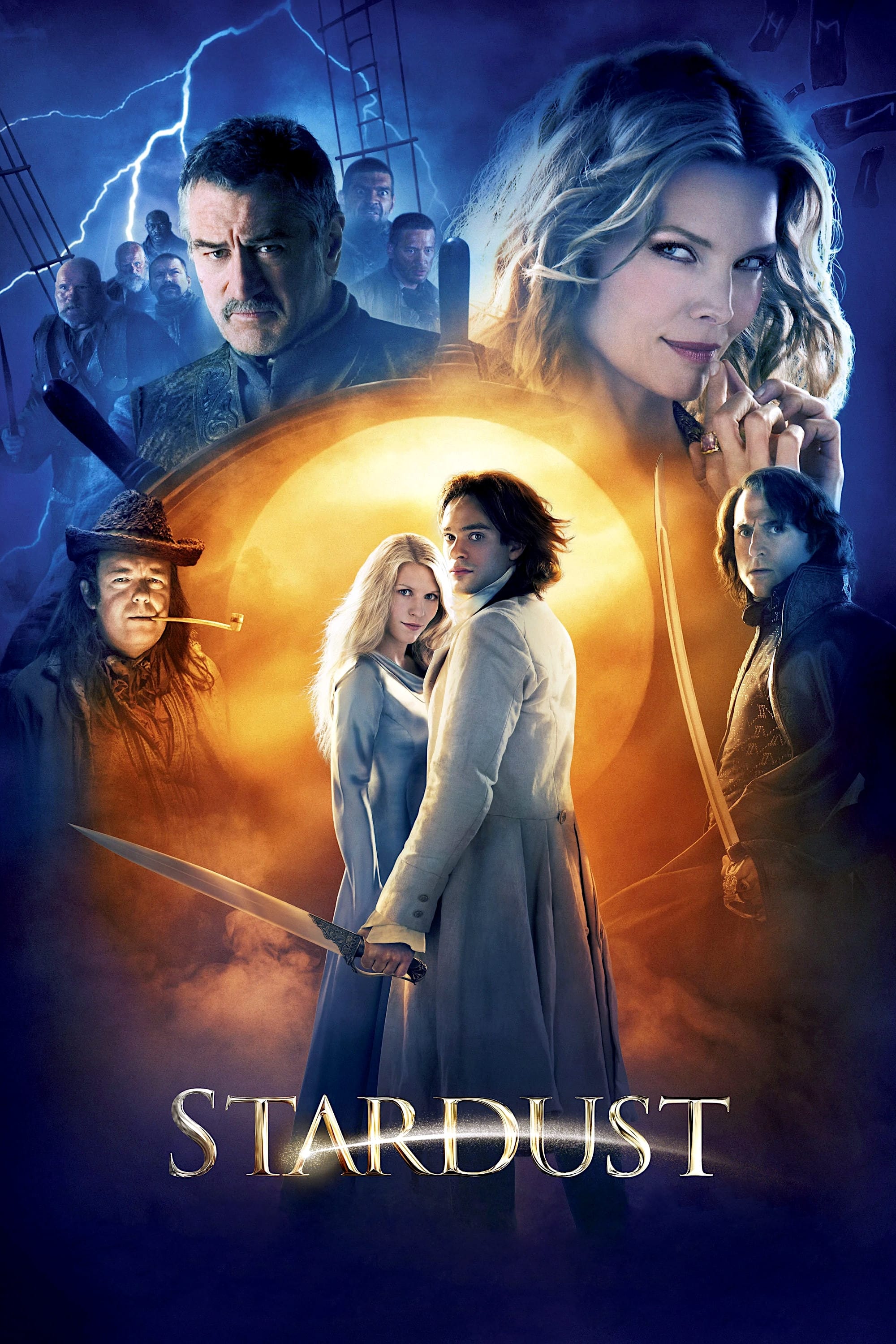
Based on the novel by Neil Gaiman, this adventure follows a young man who crosses a wall into a magical land to retrieve a fallen star. It features a large ensemble with Michelle Pfeiffer, Robert De Niro, and Claire Danes, and it was filmed across locations that showcase sweeping landscapes and detailed sets.
Director Matthew Vaughn balances romance, comedy, and swashbuckling action, with music by Ilan Eshkeri supporting the storybook tone. The production uses a mix of practical effects and digital work to bring flying ships, witches, and enchanted royalties to life.
‘Legend’ (1985)
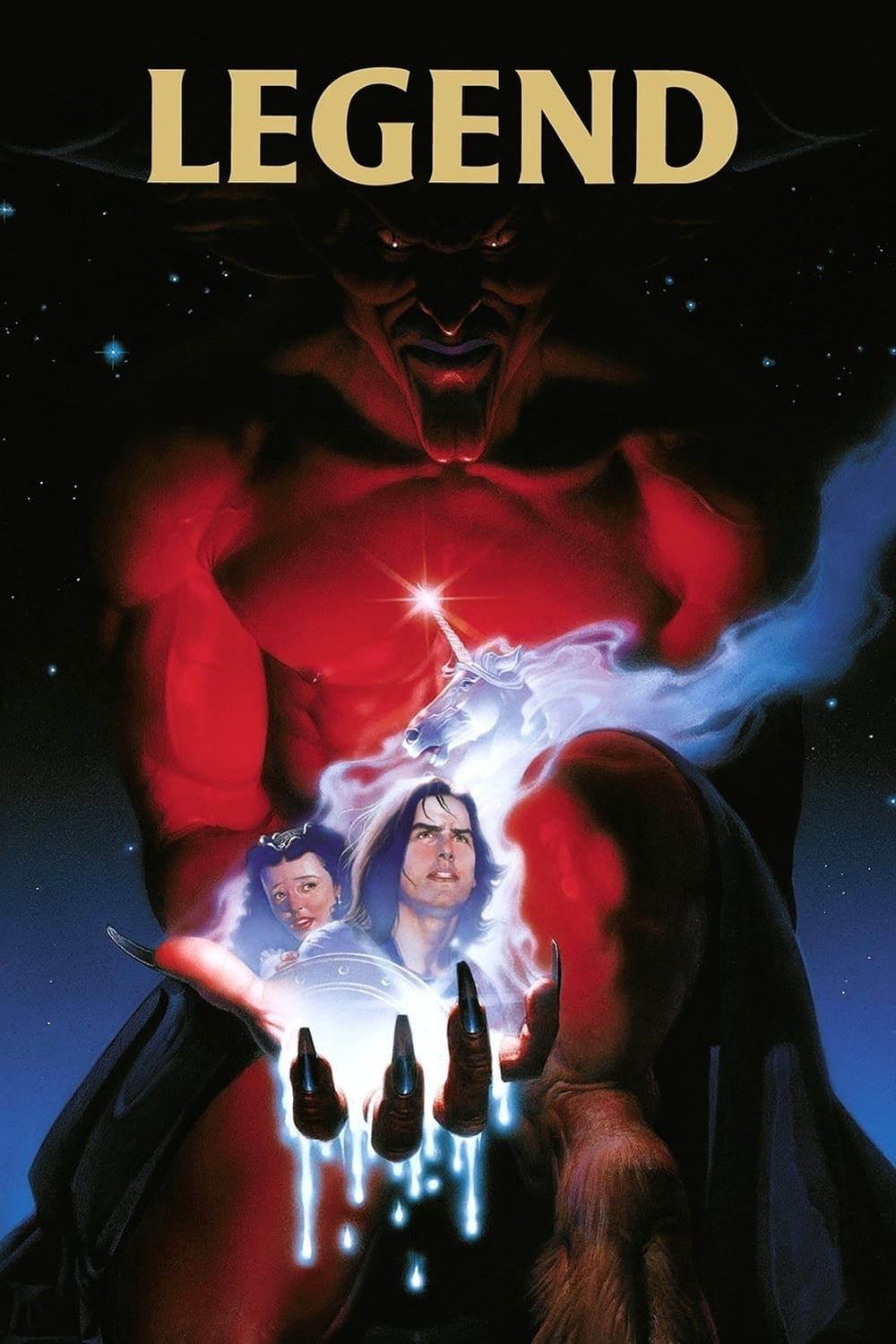
Ridley Scott directs a fairy tale about light and darkness set in a world of unicorns, goblins, and ancient forests. The film stars Tom Cruise, Mia Sara, and Tim Curry under elaborate makeup that became a hallmark of the production.
It is known for sumptuous set design built on soundstages and atmospheric cinematography that favors mist and texture. Multiple music tracks exist, including a score by Jerry Goldsmith in one version and a Tangerine Dream soundtrack in another.
‘Ladyhawke’ (1985)
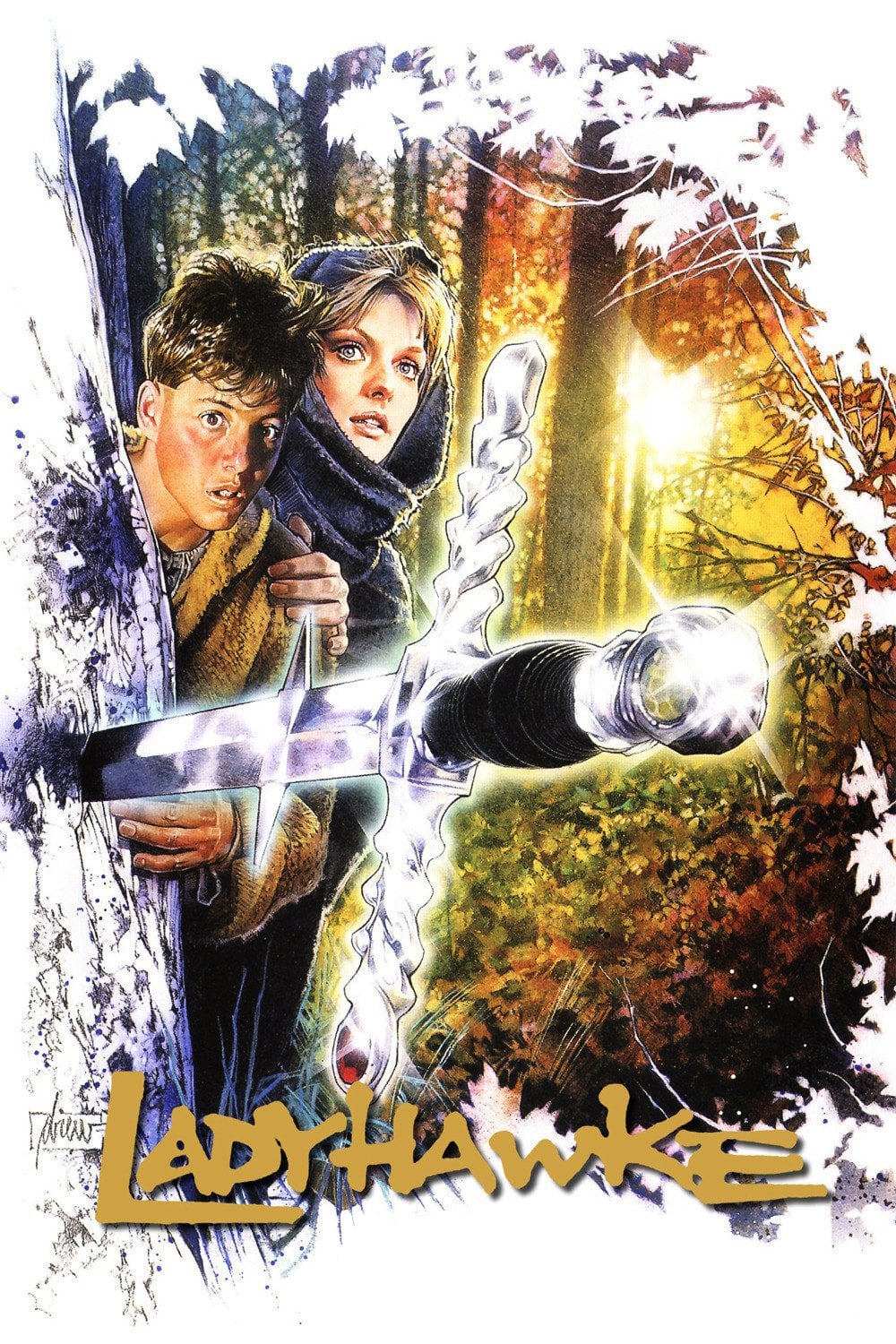
This medieval fantasy centers on lovers bound by a curse that turns one into a hawk by day and the other into a wolf by night. Rutger Hauer, Michelle Pfeiffer, and Matthew Broderick lead the cast, with scenes filmed in Italian locations that highlight fortified towns and mountain vistas.
Director Richard Donner emphasizes romance and pursuit, while the soundtrack by Alan Parsons Project collaborators gives the film a distinct musical identity. The story draws on chivalric lore and uses practical animal work and period costumes.
‘Krull’ (1983)
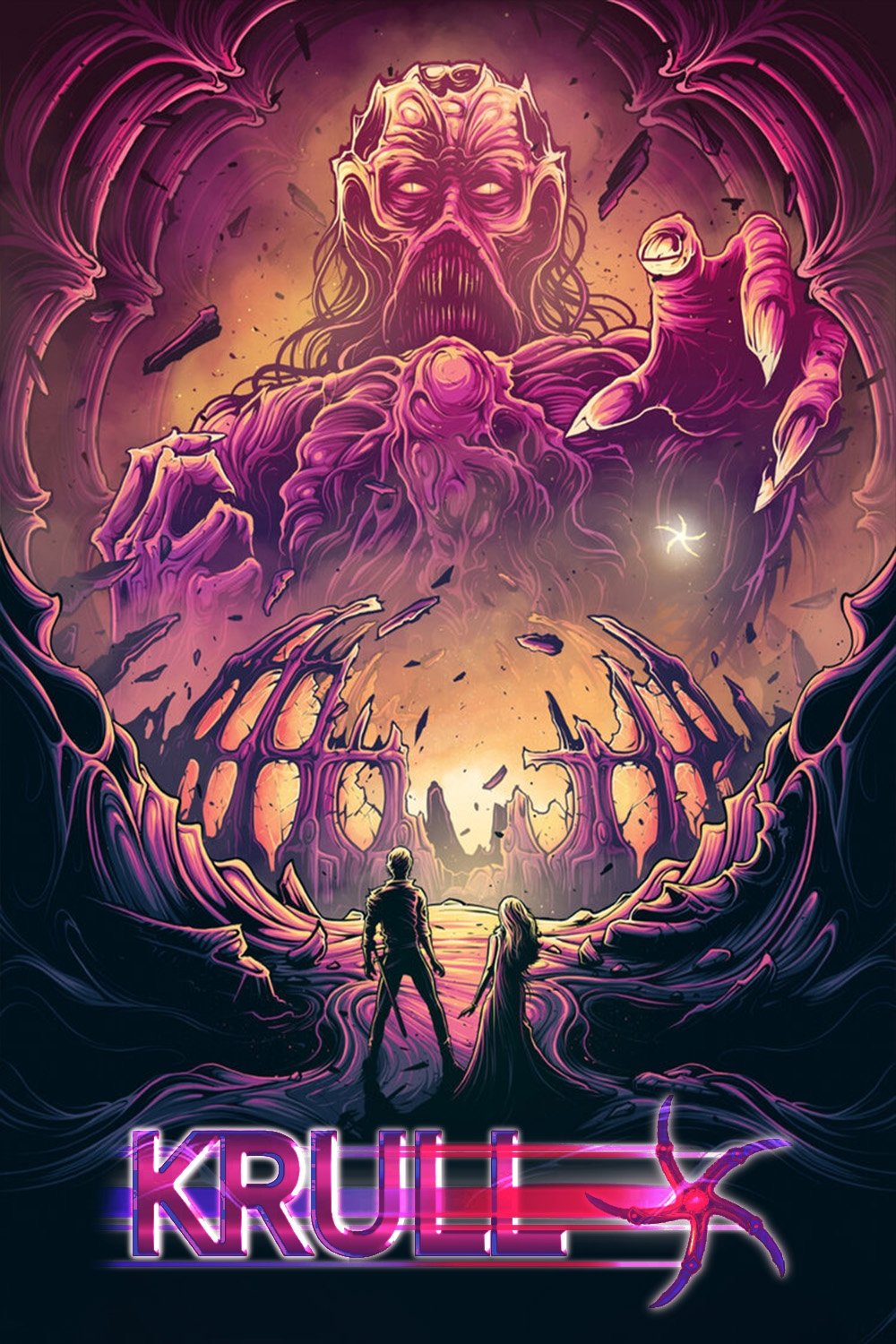
A prince gathers a band of outcasts to rescue a captive princess from an extra dimensional villain, blending sword and sorcery with elements of science fiction. The film introduces the Glaive, a five bladed weapon that became its signature prop.
The production uses ambitious sets, including cavern interiors and a moving fortress concept achieved with optical effects. James Horner provides the score, and the cast includes early roles for actors who later became well known.
‘Willow’ (1988)
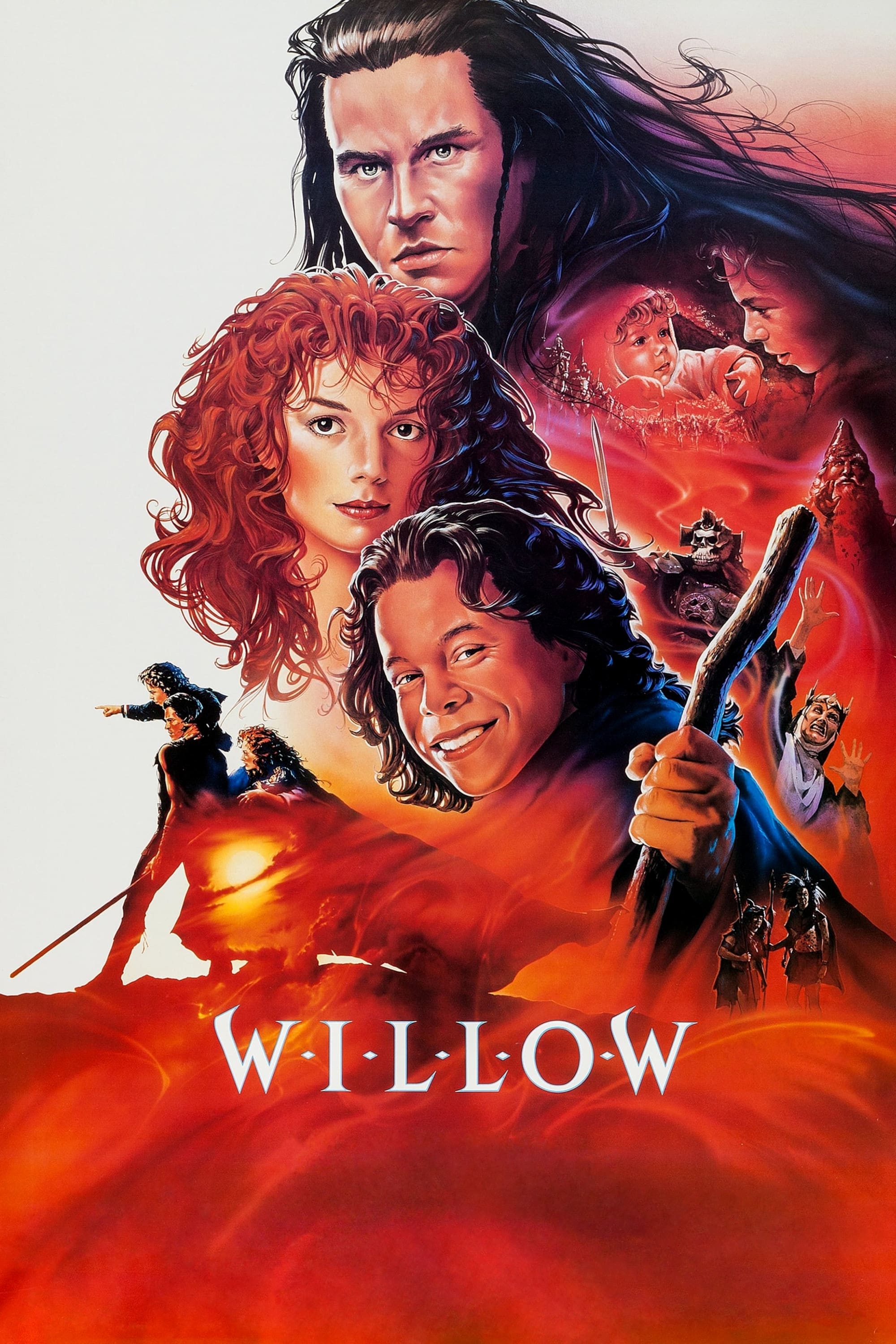
Produced by George Lucas and directed by Ron Howard, this quest pairs a young farmer with a roguish swordsman to protect a child of prophecy. Warwick Davis and Val Kilmer lead the cast, and the film combines location photography with extensive creature and morphing effects.
Industrial Light and Magic pushed digital techniques to create transformations that were new at the time. Composer James Horner delivers a sweeping orchestral score, and the film expands its world with distinct clans, magic, and battles.
‘The City of Lost Children’ (1995)
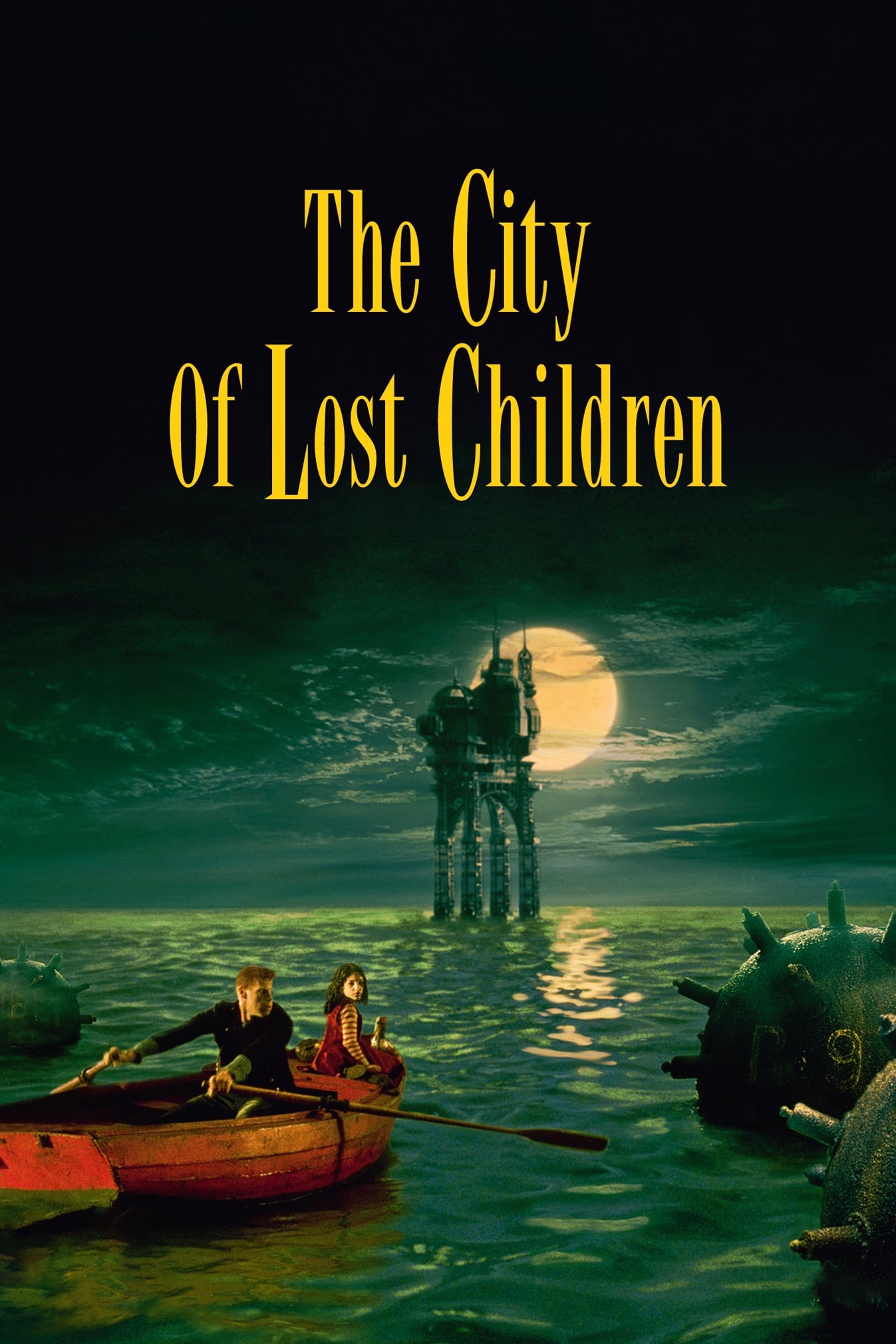
Jean Pierre Jeunet and Marc Caro craft a dreamlike tale about a scientist who steals children’s dreams to slow his aging. The story unfolds in a seaside city of fog, clockwork devices, and eccentric characters.
Ron Perlman stars alongside a French ensemble, with production design that favors green and bronze palettes and intricate machinery. The film uses practical effects, miniatures, and stylized cinematography to create a handmade feel.
‘The Adventures of Baron Munchausen’ (1988)
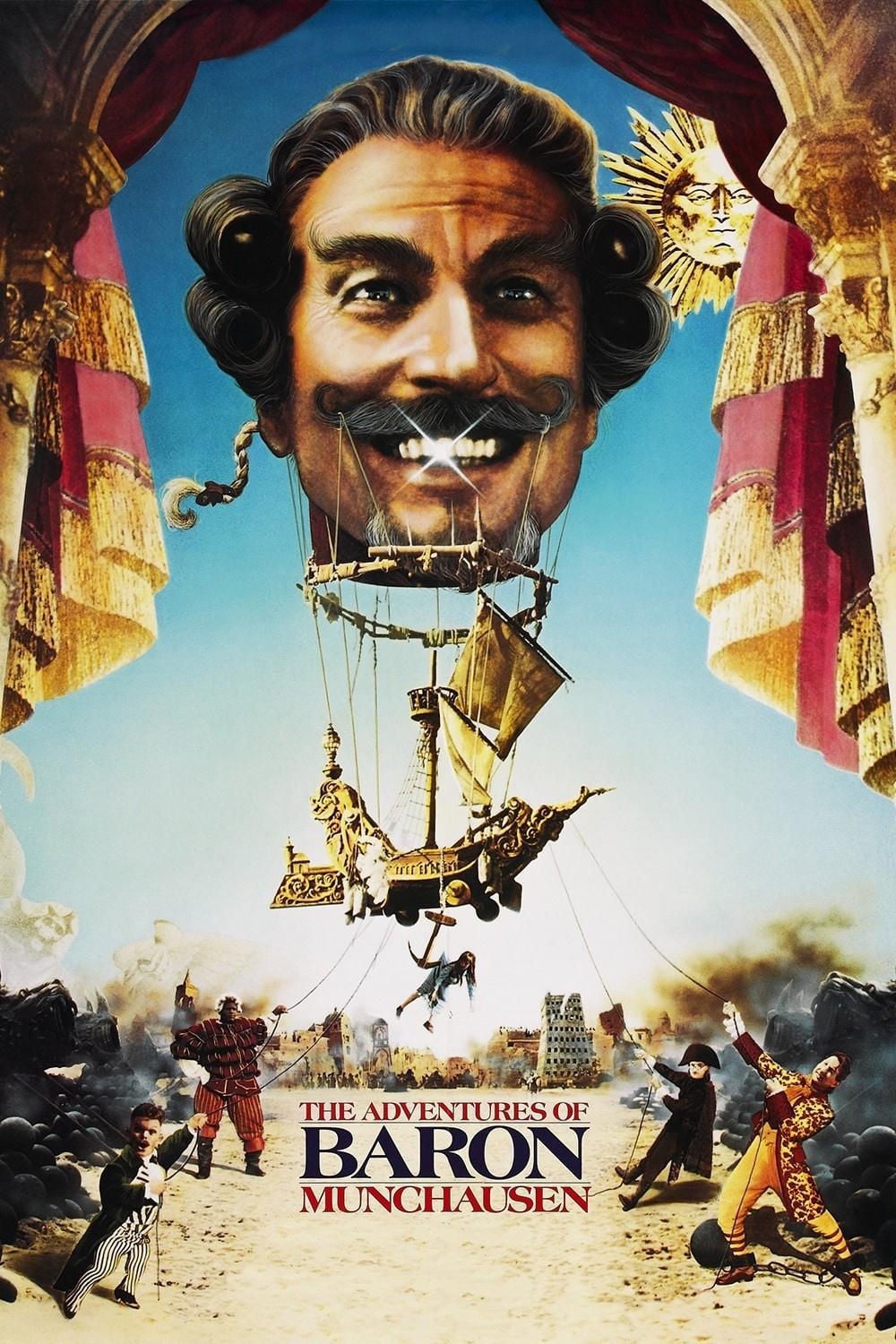
Terry Gilliam adapts the legendary tales of a braggart nobleman who recounts impossible exploits involving the moon, sea monsters, and besieged cities. John Neville plays the Baron with support from a cast that includes Sarah Polley, Uma Thurman, and Robin Williams.
The production is known for imaginative sets, elaborate costumes, and a visual approach that references stagecraft and storybook illustrations. Challenges during filming were widely reported, yet the finished film offers large scale sequences achieved with practical effects and matte paintings.
‘MirrorMask’ (2005)
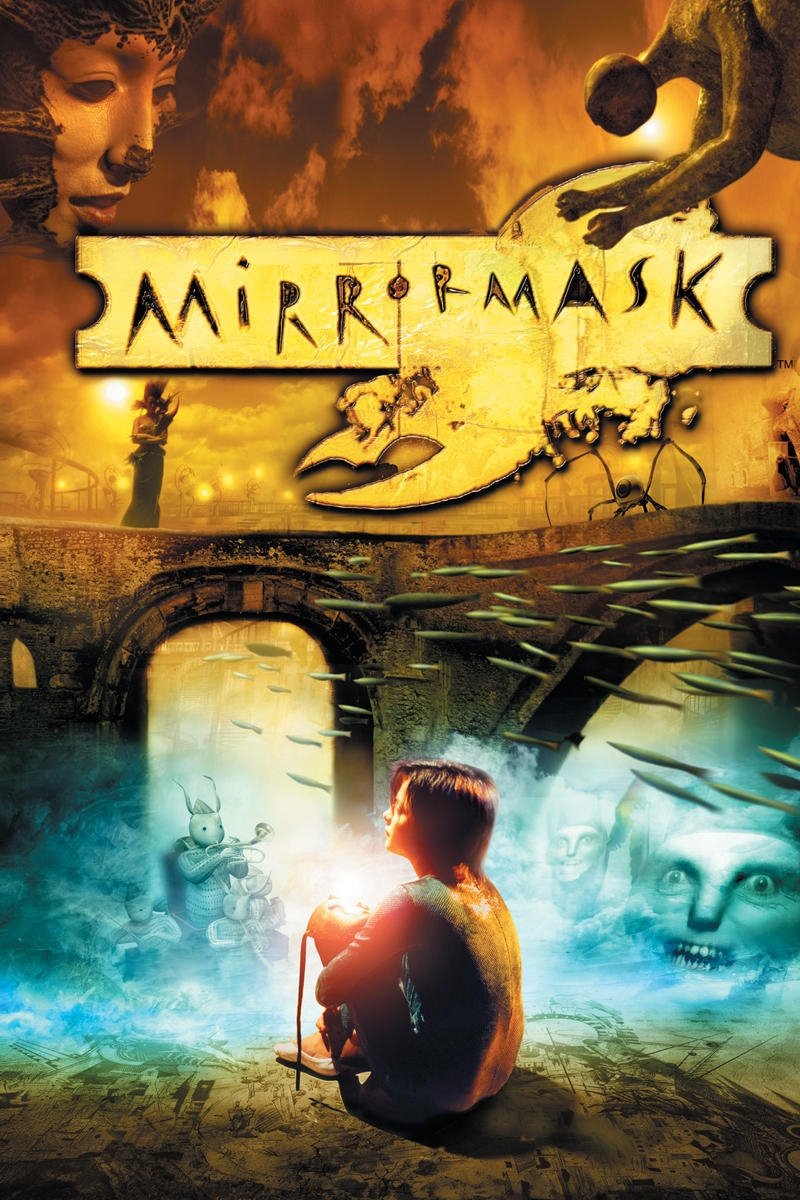
Written by Neil Gaiman and directed by Dave McKean, this fantasy follows a circus girl who enters a surreal world of masks and shifting symbols. The film blends live action with digital backgrounds that resemble illustrated pages brought to motion.
It was produced through a collaboration with Jim Henson Company artists, using performers on green screen to integrate with painterly environments. The score supports the dream logic, and the design language references collage, ink, and puppetry.
‘The Fall’ (2006)
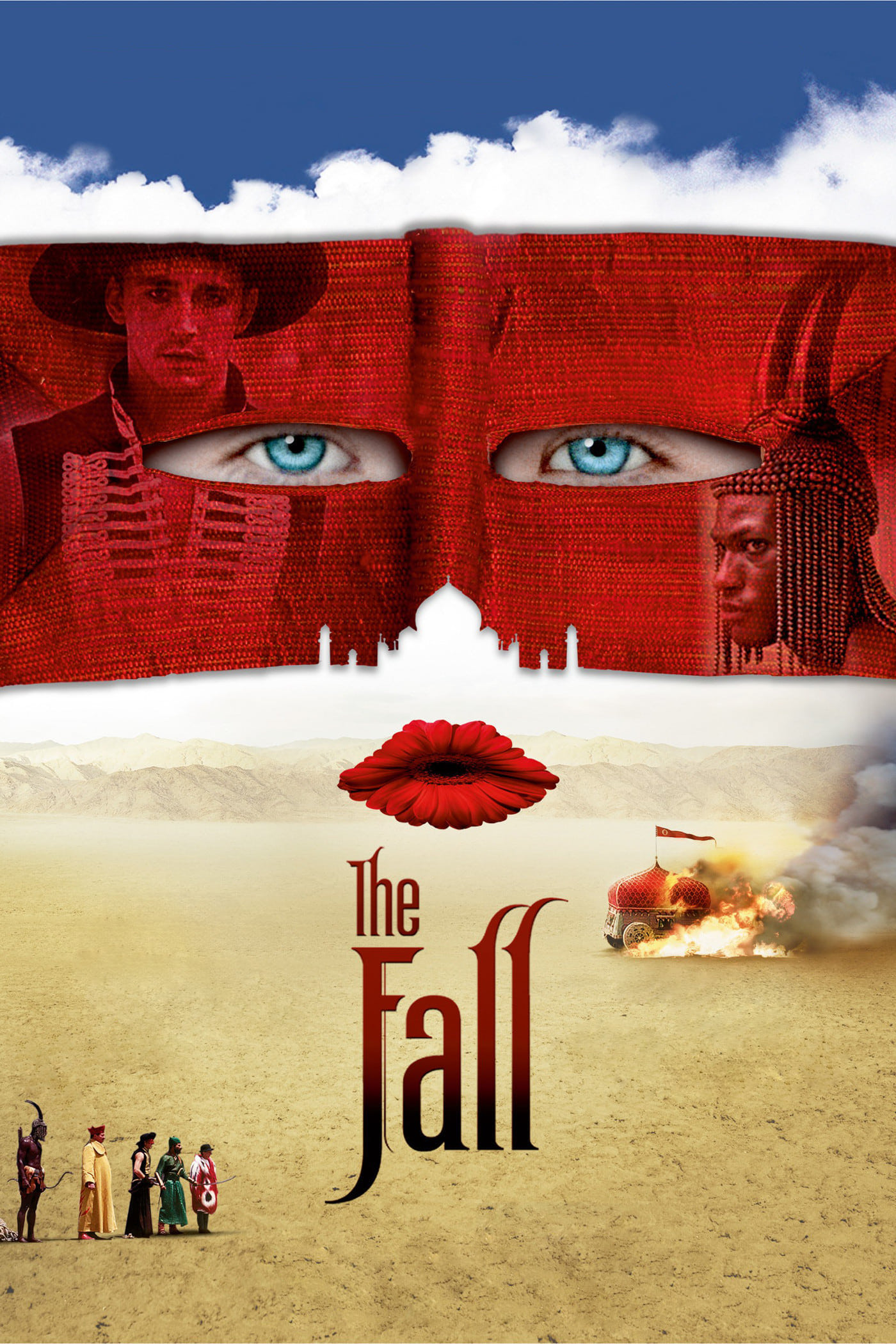
Tarsem Singh directs a story about a stuntman in a hospital who tells a girl an epic tale that mirrors his real life struggles. Filming took place across many countries to capture deserts, palaces, and monumental architecture without relying on heavy digital alteration.
The cast includes Lee Pace and Catinca Untaru, whose conversations drive the frame story. The visual approach uses bold color and symmetry, and the production is notable for its global locations and careful costuming.
‘Ink’ (2009)

This independent film presents a battle between dreamlike beings who influence human lives while people sleep. The narrative moves between the everyday world and a shadow realm, using practical tricks like jump cuts and in camera effects.
Shot on a modest budget, it gained attention through word of mouth and digital distribution. The score by Jamin Winans adds a melancholic tone, and the editing style supports a puzzle like structure that resolves across parallel threads.
‘The Fountain’ (2006)
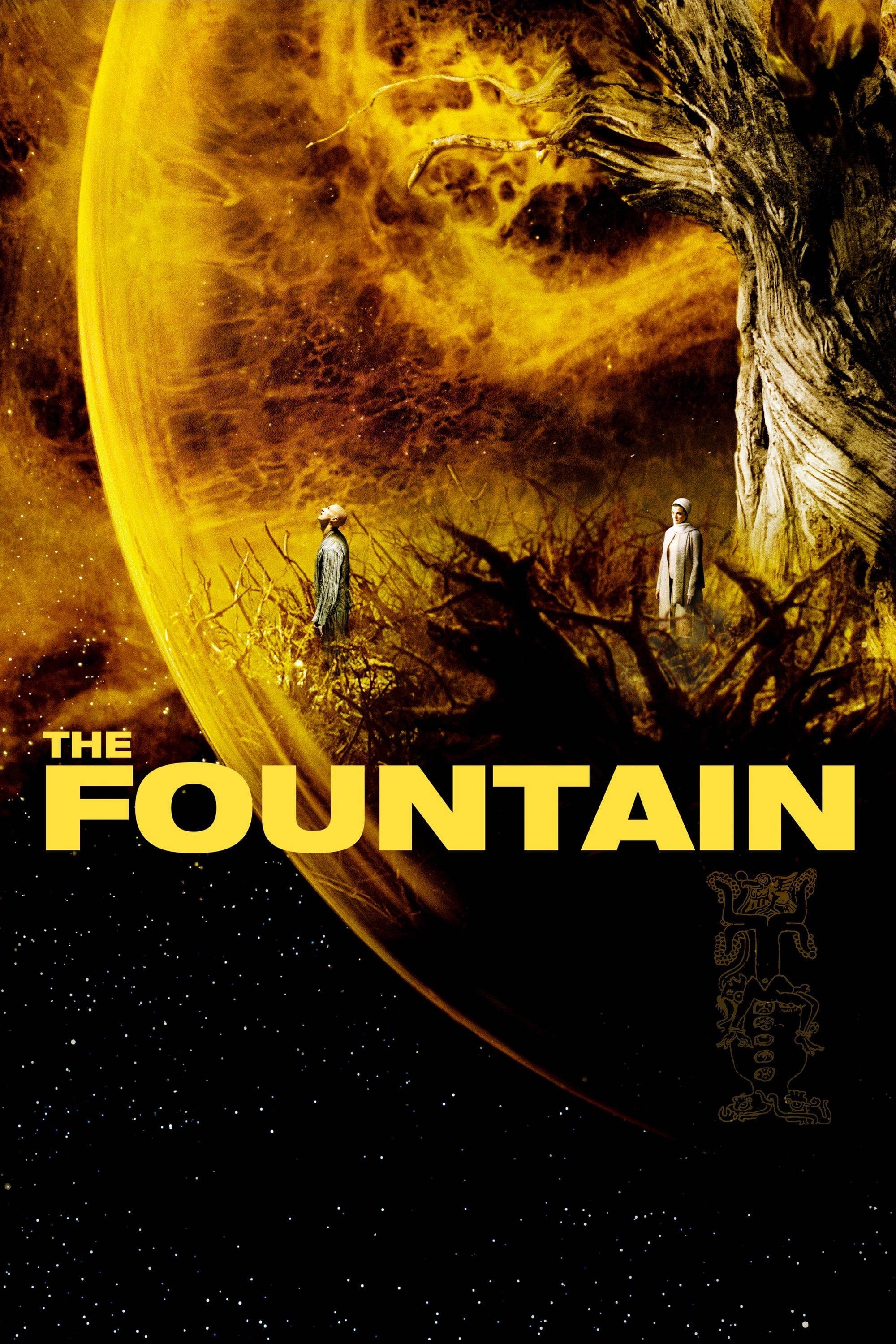
Darren Aronofsky weaves three interlocking stories about love, mortality, and the search for renewal that echo across different eras. Hugh Jackman and Rachel Weisz play characters whose connections carry through each storyline.
The production used macro photography of chemical reactions to create cosmic imagery without heavy reliance on computer graphics. Clint Mansell’s score with Kronos Quartet and Mogwai builds a repeating musical theme that ties the threads together.
‘The Secret of Kells’ (2009)
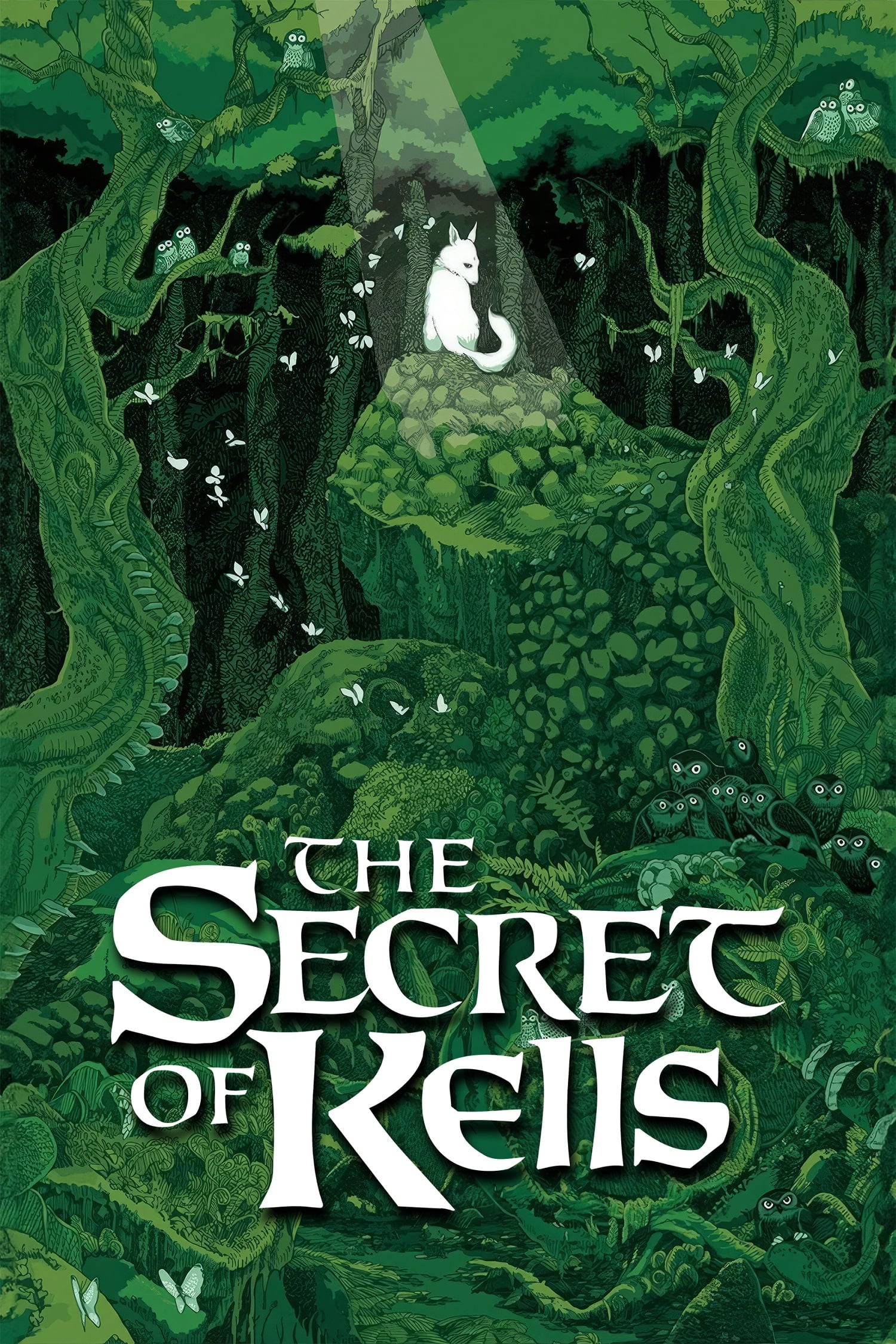
This hand drawn feature from Cartoon Saloon tells the story of a young apprentice who helps finish an illuminated manuscript while raiders threaten his abbey. The art style draws from Celtic knots, illuminated pages, and geometric layouts.
The film emphasizes monastic craft, folklore, and the power of illustration, with voice work that blends Irish and international performers. It received awards recognition and introduced the studio’s signature visual approach.
‘Song of the Sea’ (2014)
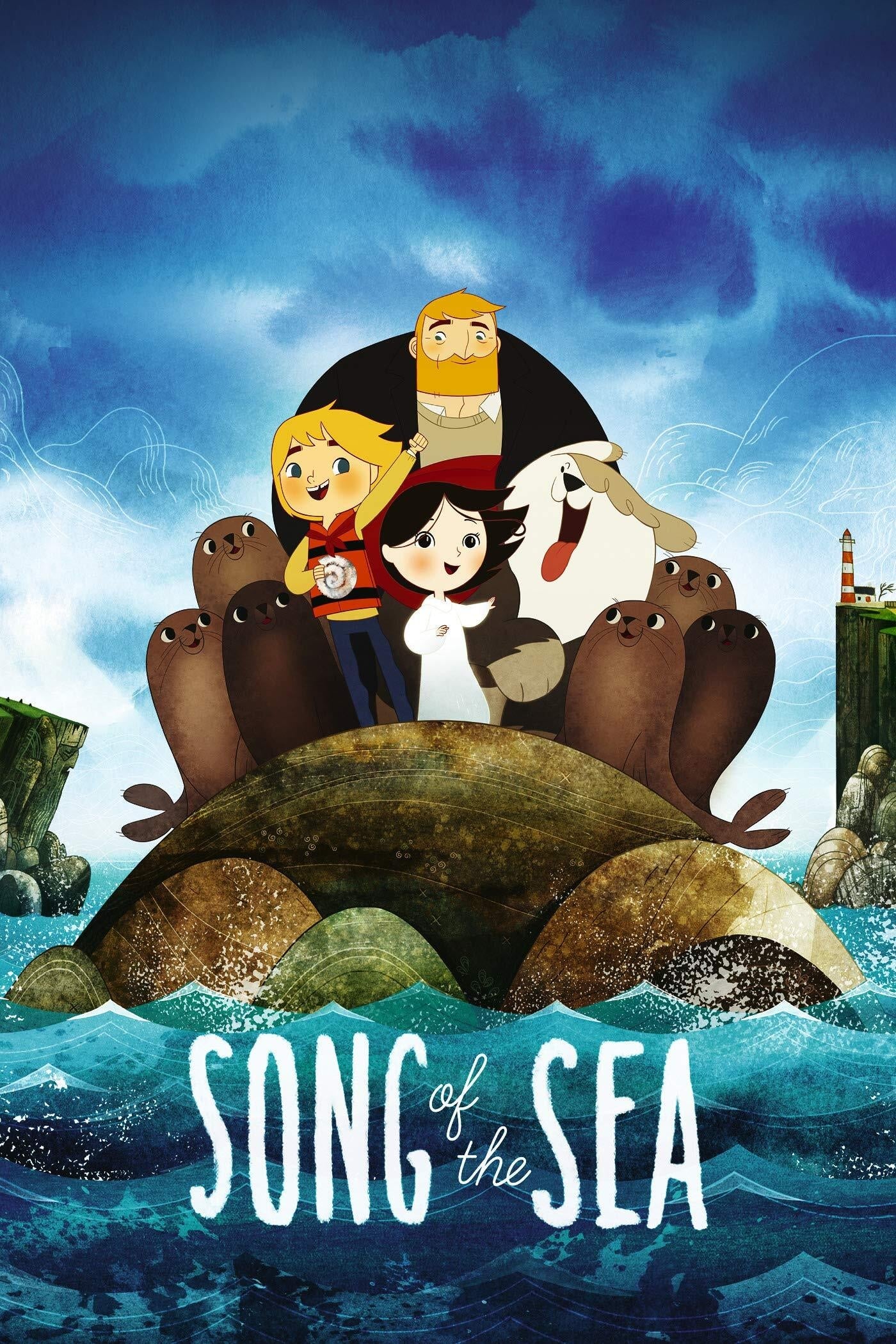
From the same studio as the previous entry, this film centers on siblings linked to selkie mythology who journey through modern Ireland and the spirit world. The designs favor flowing lines, soft textures, and symbolic patterns tied to coastal lore.
Music plays a central role, mixing traditional instruments and choral passages. The narrative balances family relationships with mythic figures, and the animation uses hand drawn techniques to achieve its look.
‘A Monster Calls’ (2016)
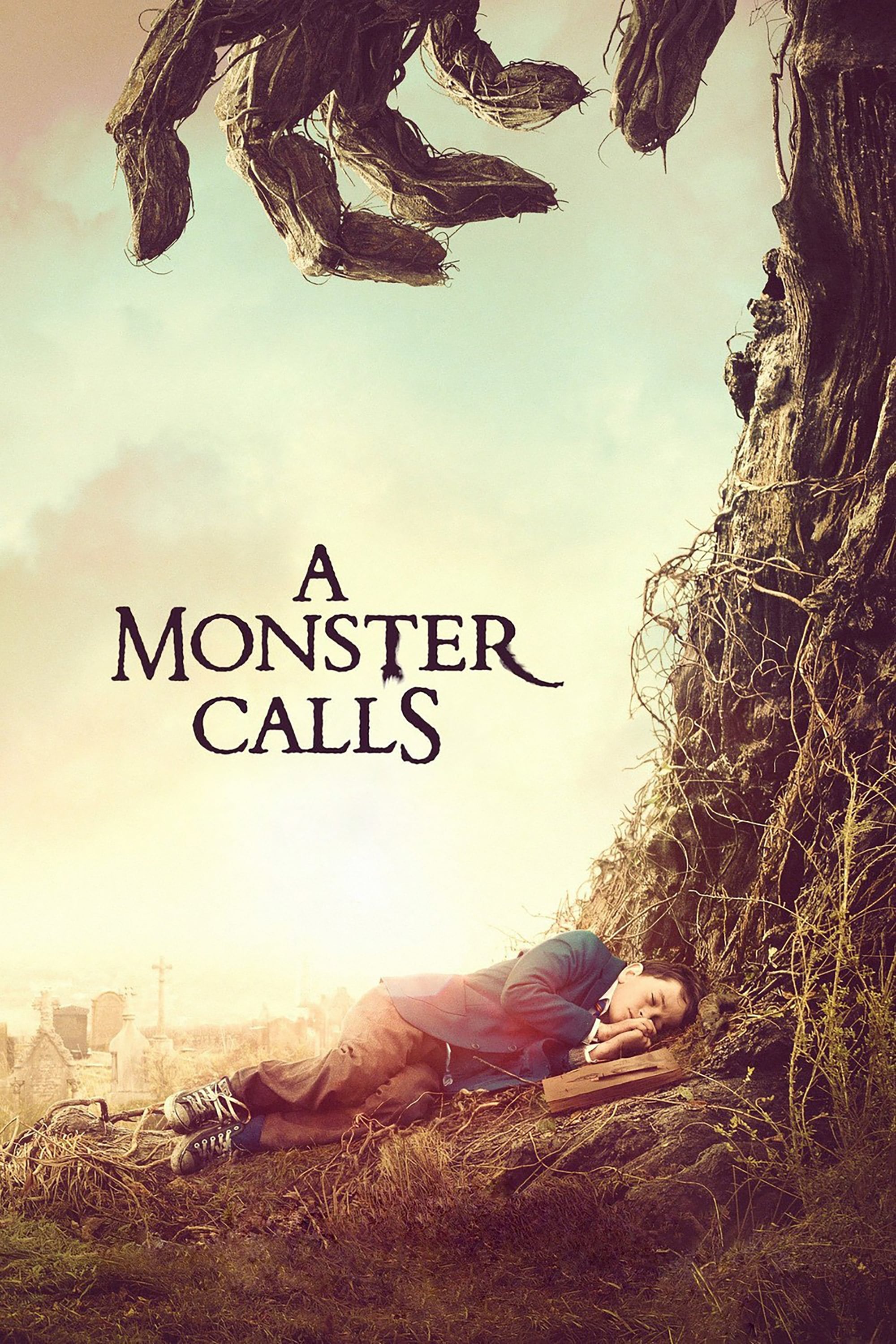
Based on the book by Patrick Ness, this story follows a boy who meets a giant yew tree that tells him tales during a time of family illness. Liam Neeson voices the creature, and the live action sequences are paired with watercolor styled story segments.
Director J A Bayona focuses on the bridge between fantasy and emotional truth through careful visual effects and practical sets. The production design uses muted palettes for reality and richer tones for the stories the creature shares.
‘The Kid Who Would Be King’ (2019)
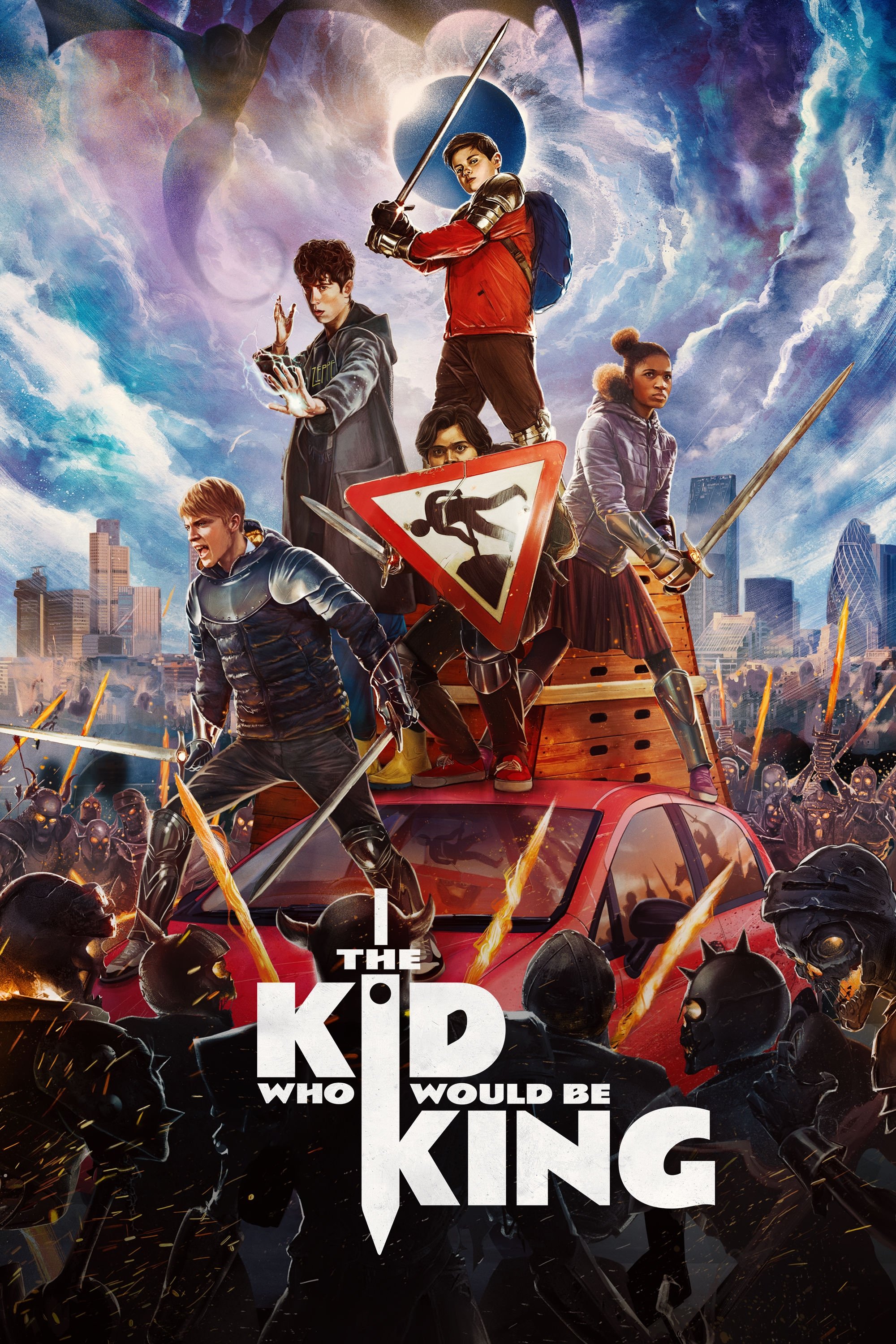
Joe Cornish updates Arthurian legend to a contemporary school setting where kids discover Excalibur and form a round table of classmates. The cast features young leads supported by Patrick Stewart and Rebecca Ferguson.
The film uses real locations around the United Kingdom for chases and training sequences, with visual effects used for creatures and magical battles. It presents clear rules for its magic system and integrates folklore into everyday settings.
‘The Spiderwick Chronicles’ (2008)
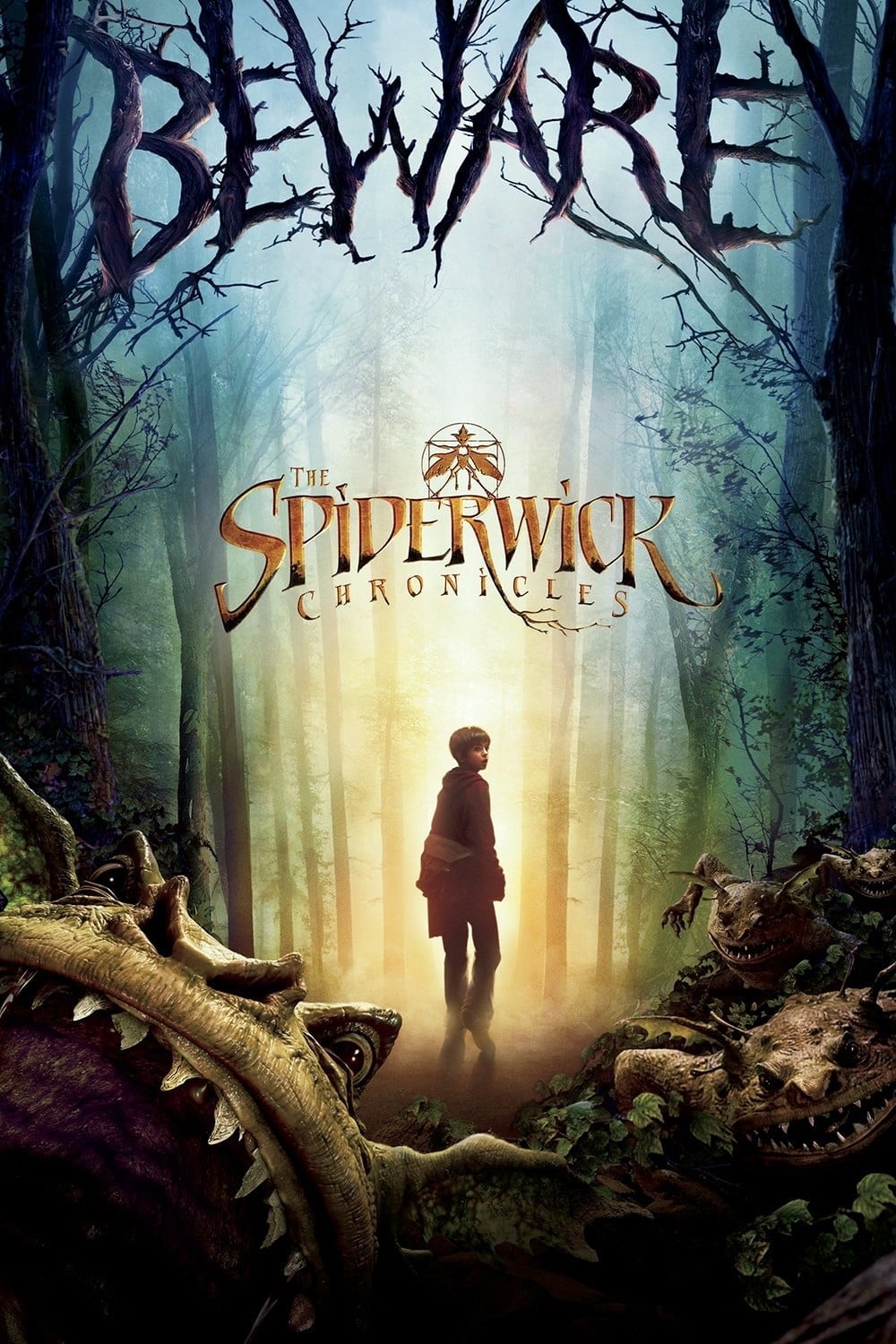
Adapted from the book series by Tony DiTerlizzi and Holly Black, this film follows siblings who find a field guide that reveals hidden fae creatures. Freddie Highmore plays twins, supported by practical creature work and digital enhancements.
The production worked with detailed house sets and woodland locations to stage encounters with ogres and brownies. The score and sound design help define the invisible world, while the story keeps to a concise quest structure.
‘The Golden Compass’ (2007)
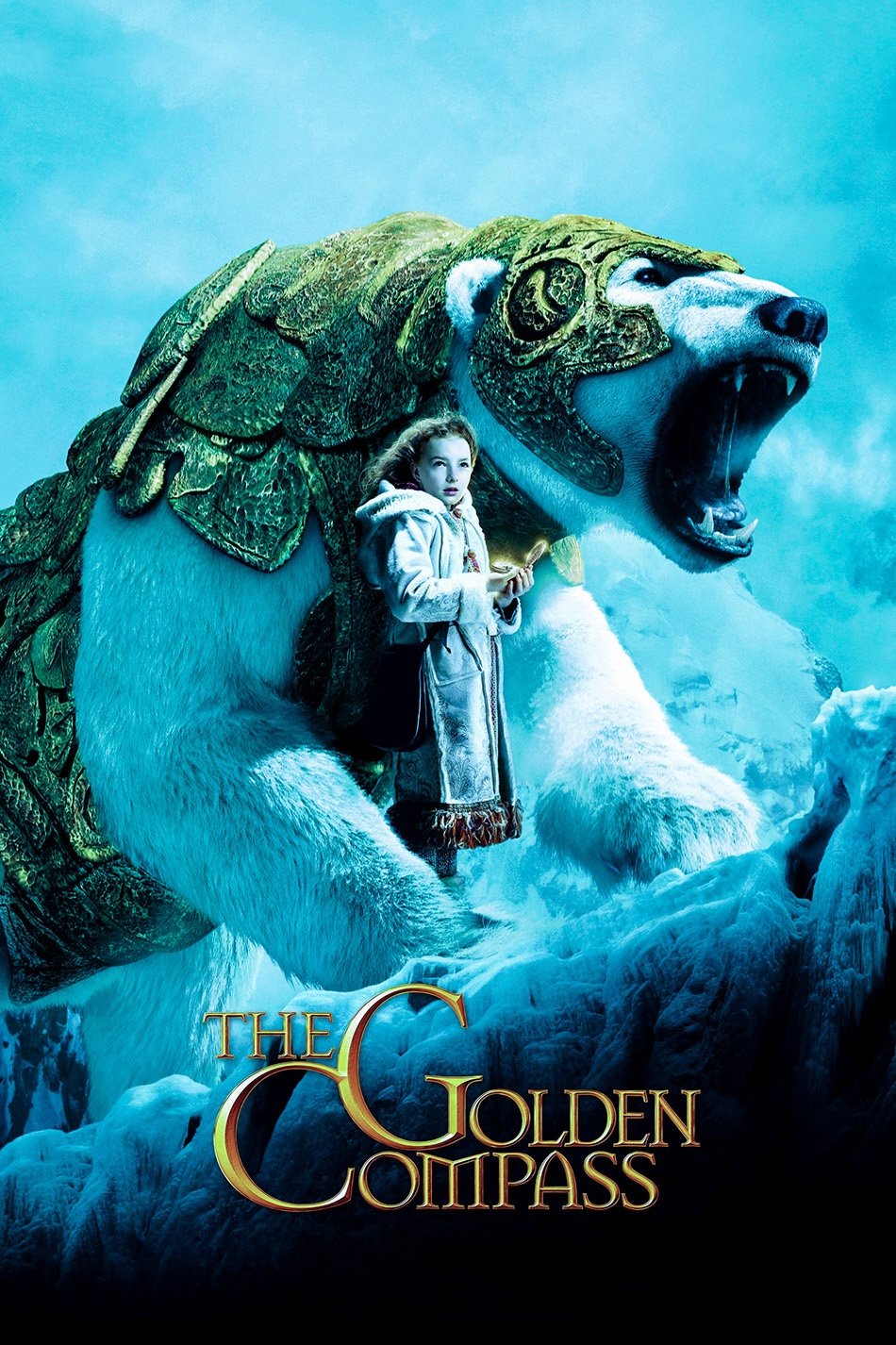
Based on the first novel in Philip Pullman’s trilogy, this film introduces a world where people have animal companions called daemons and travel by airship and armored bear. Nicole Kidman and Daniel Craig headline the cast, with extensive worldbuilding evident in costumes and props.
The production delivers large scale sets for laboratories, halls, and arctic realms, using motion capture for bear characters alongside practical elements. The film set up concepts like Dust, alethiometers, and parallel worlds for a broader saga.
‘The Imaginarium of Doctor Parnassus’ (2009)
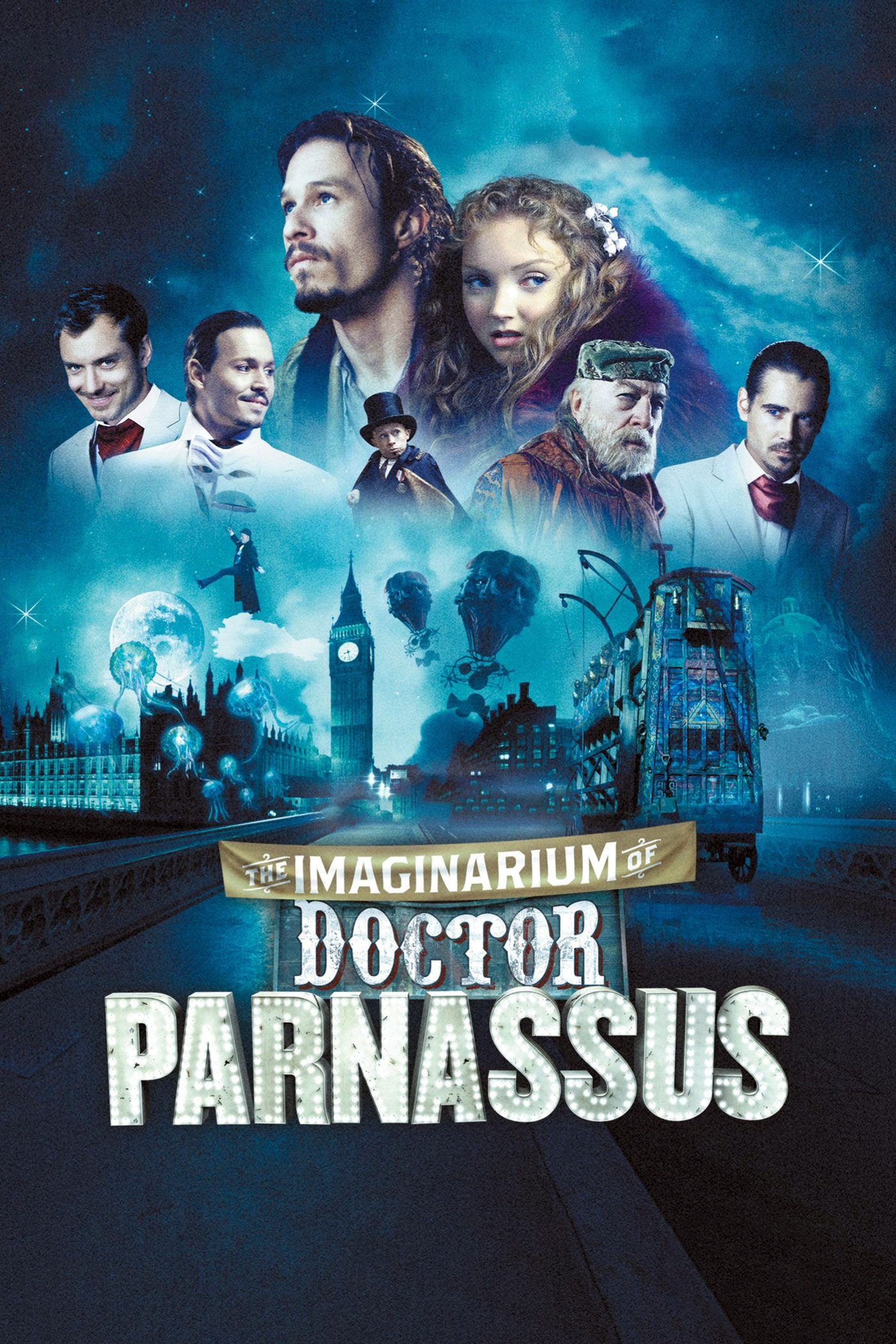
Terry Gilliam presents a traveling show where audience members enter a mirror into worlds shaped by their minds. Christopher Plummer leads the troupe, and the production completed Heath Ledger’s role with performances by Johnny Depp, Jude Law, and Colin Farrell.
The design blends shabby backstage life with lavish imaginary spaces created through a combination of sets and digital extensions. Music hall traditions meet mythic wagers, and the film uses transitions that move from street scenes to painted vistas.
‘Big Fish’ (2003)
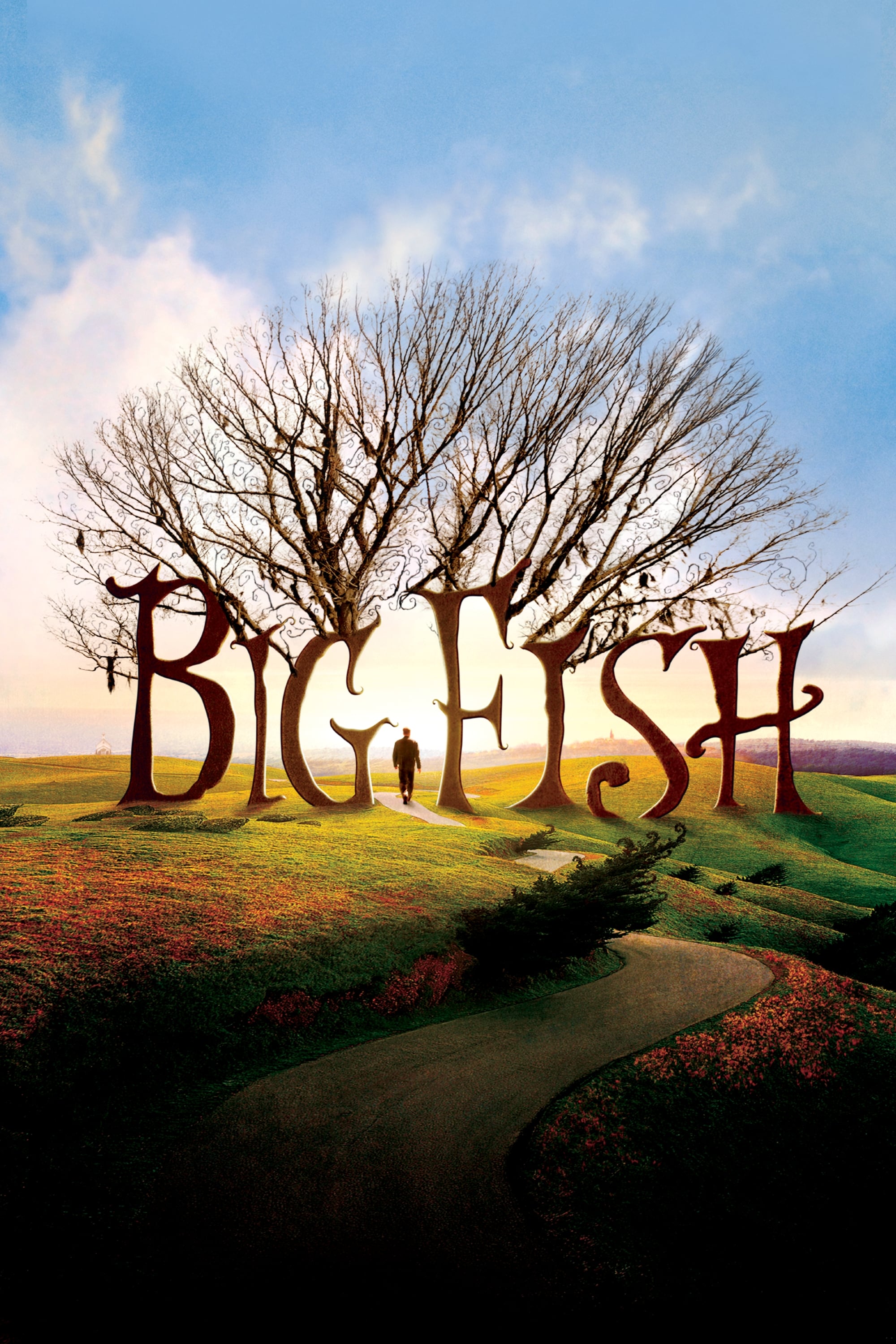
Directed by Tim Burton, this film follows a son who investigates the tall tales of his father and discovers the truth behind the stories. Ewan McGregor and Albert Finney portray the character across different life stages, with supporting roles by a large ensemble.
The production uses Southern locations, practical creature effects, and warm color palettes to differentiate the father’s tales from present day scenes. Danny Elfman provides a lyrical score, and the narrative ties everyday moments to larger than life episodes.
‘The Last Unicorn’ (1982)
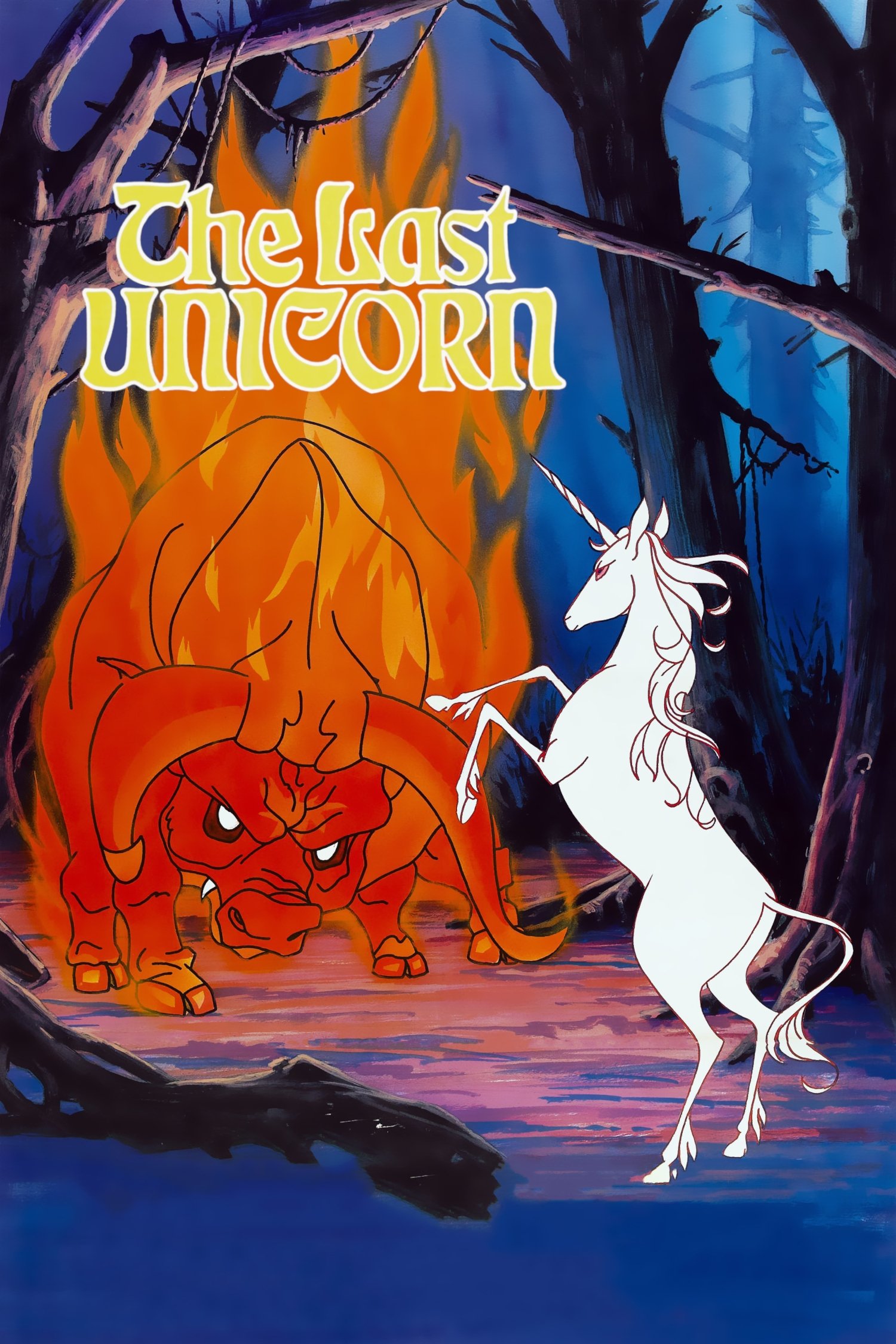
An animated feature based on Peter S Beagle’s novel, it follows a unicorn who searches for others of her kind and confronts a tyrant guarded by the Red Bull. The voice cast includes Mia Farrow, Alan Arkin, and Christopher Lee.
The film features hand painted backgrounds and a gentle visual style that supports its poetic dialogue. Music from the band America and composer Jimmy Webb shapes the tone, and the story balances fairy tale elements with melancholy.
‘Trollhunter’ (2010)
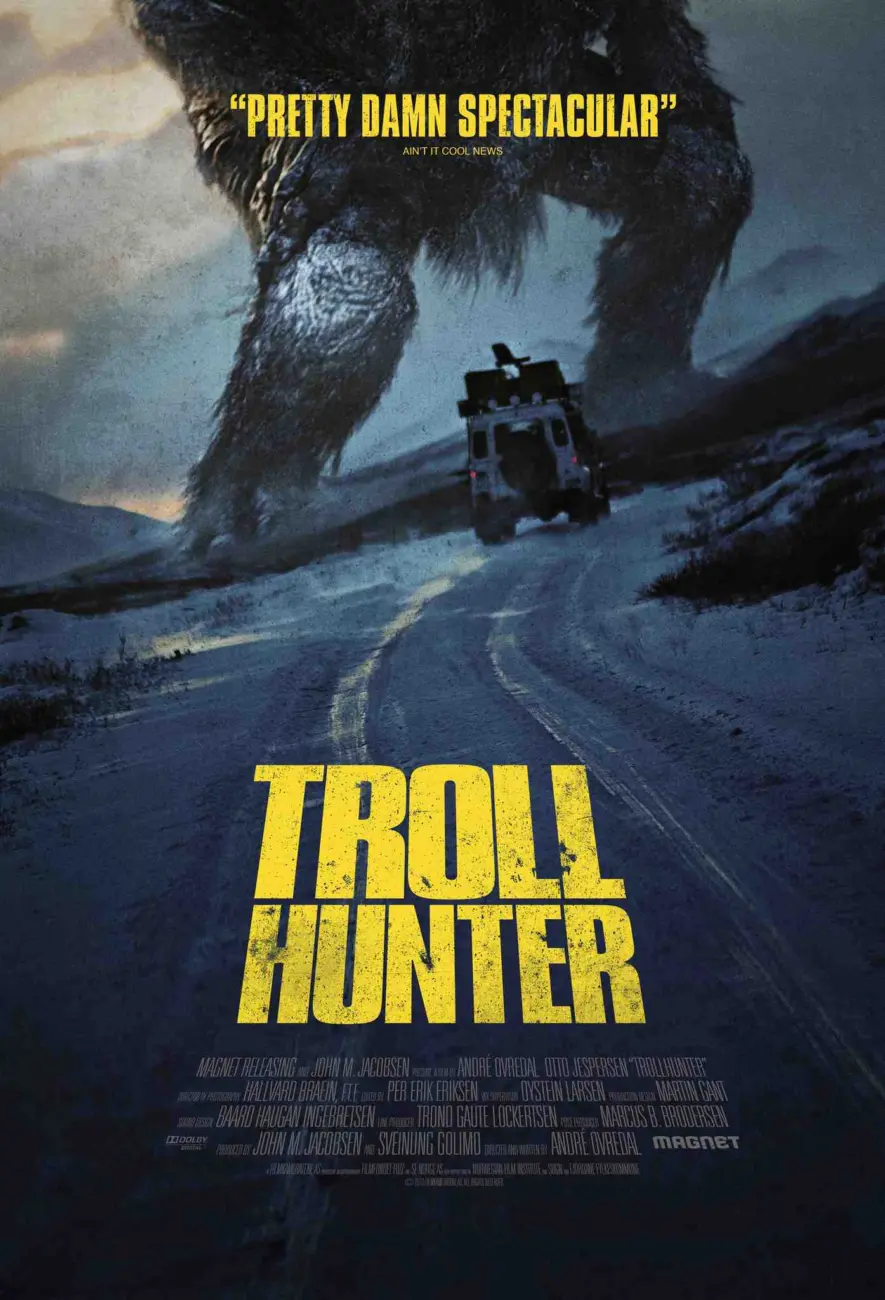
Presented as found footage, this Norwegian film tracks students who discover a covert operation handling trolls in remote regions. Otto Jespersen plays the seasoned hunter who leads them through restricted zones.
The production mixes rugged landscapes with restrained visual effects that reveal creatures gradually. Government cover stories, field rules, and folklore classifications are explained as part of the journey, giving the world a grounded structure.
‘The Green Knight’ (2021)
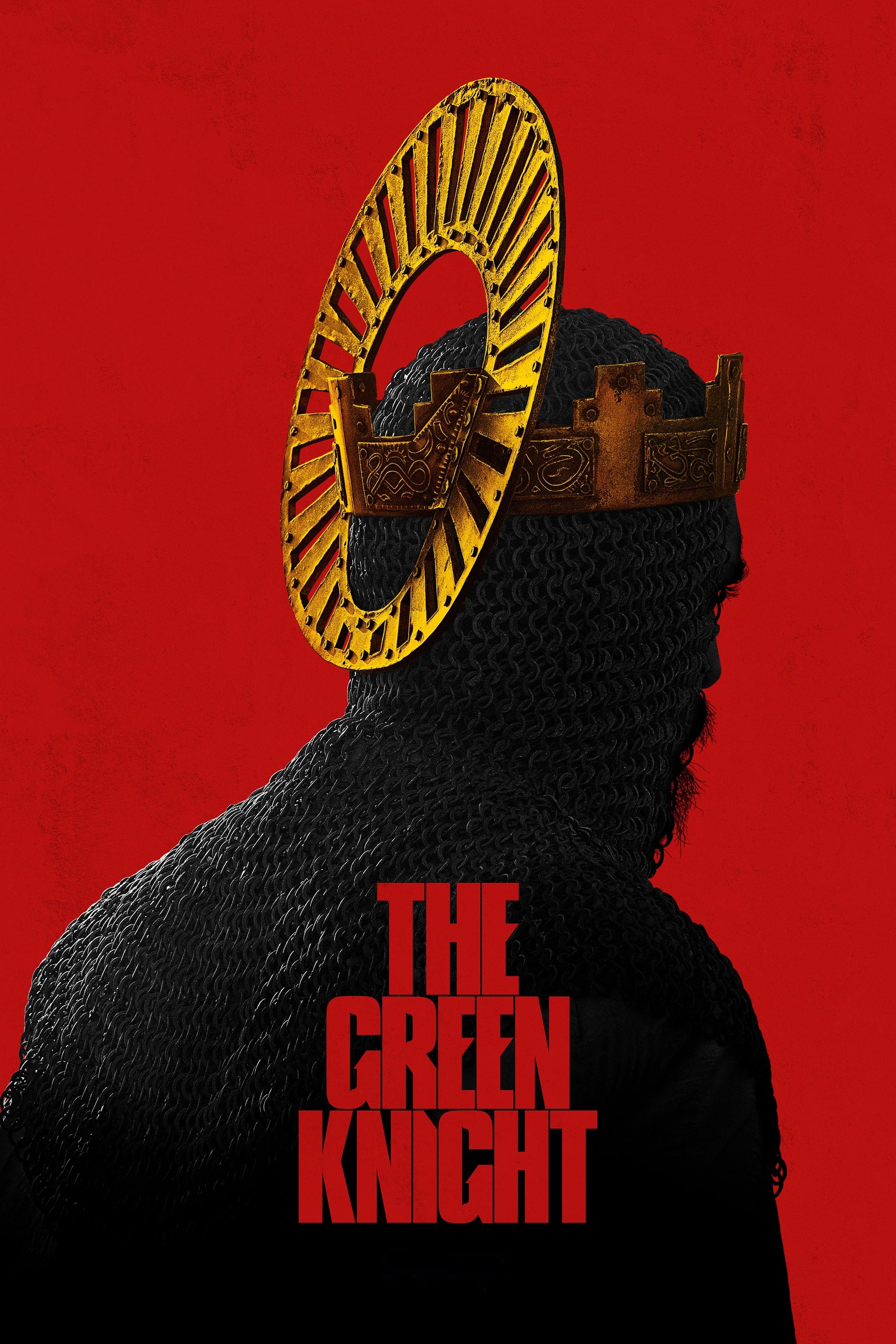
David Lowery adapts the tale of Sir Gawain and the Green Knight into a contemplative quest through forests, ruins, and hallucinatory encounters. Dev Patel stars alongside Alicia Vikander and Joel Edgerton in roles that reframe the legend.
Cinematography emphasizes natural light, mist, and seasonal shifts, while costuming and design place myth within tactile spaces. The film uses measured pacing and symbolic imagery to explore honor, courage, and fate within Arthurian tradition.
‘Beasts of the Southern Wild’ (2012)
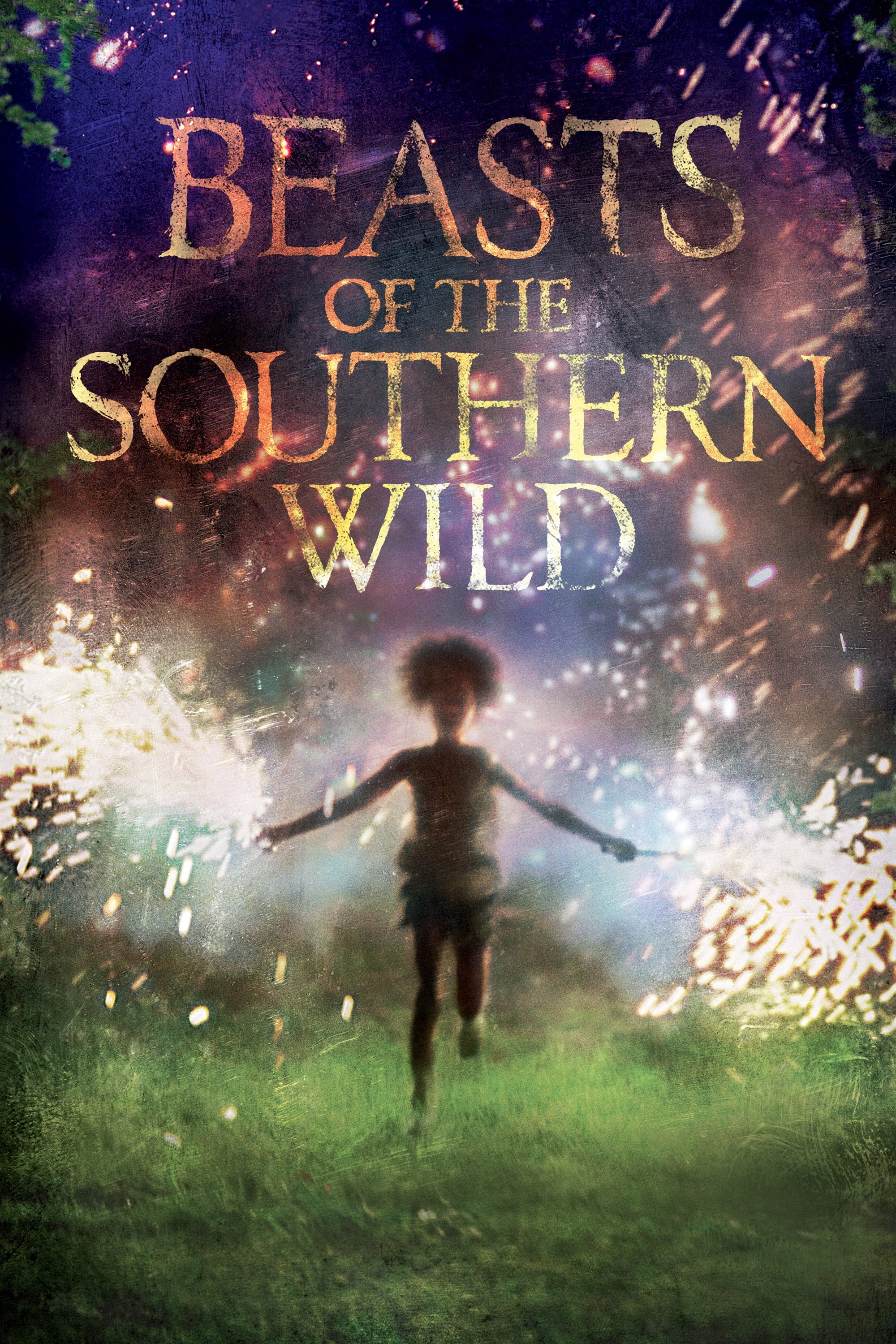
Set in a delta community called the Bathtub, this story follows a child named Hushpuppy as rising water and mythic beasts test her world. Quvenzhané Wallis leads the film with a breakout performance and a voiceover that guides the viewer through her perspective.
The production uses non professional actors, handcrafted sets, and music by Dan Romer and Benh Zeitlin to establish a distinct place. Magic and reality interweave through imagery of aurochs, storms, and community rituals.
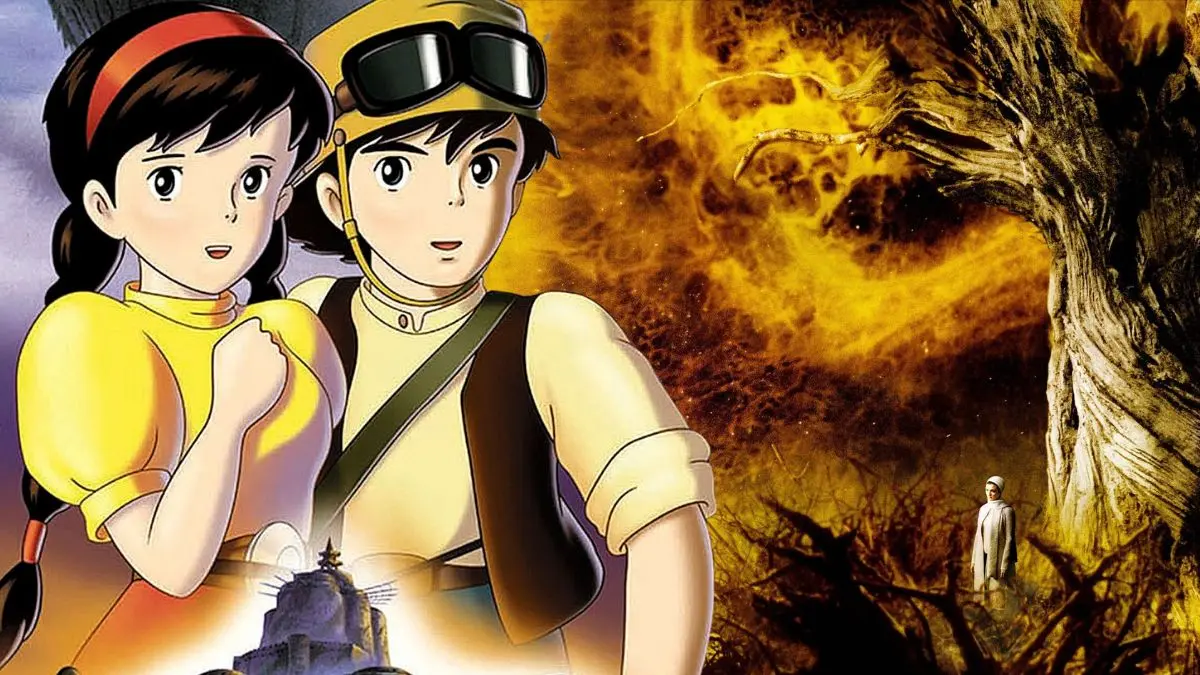
‘Laputa: Castle in the Sky’ (1986)
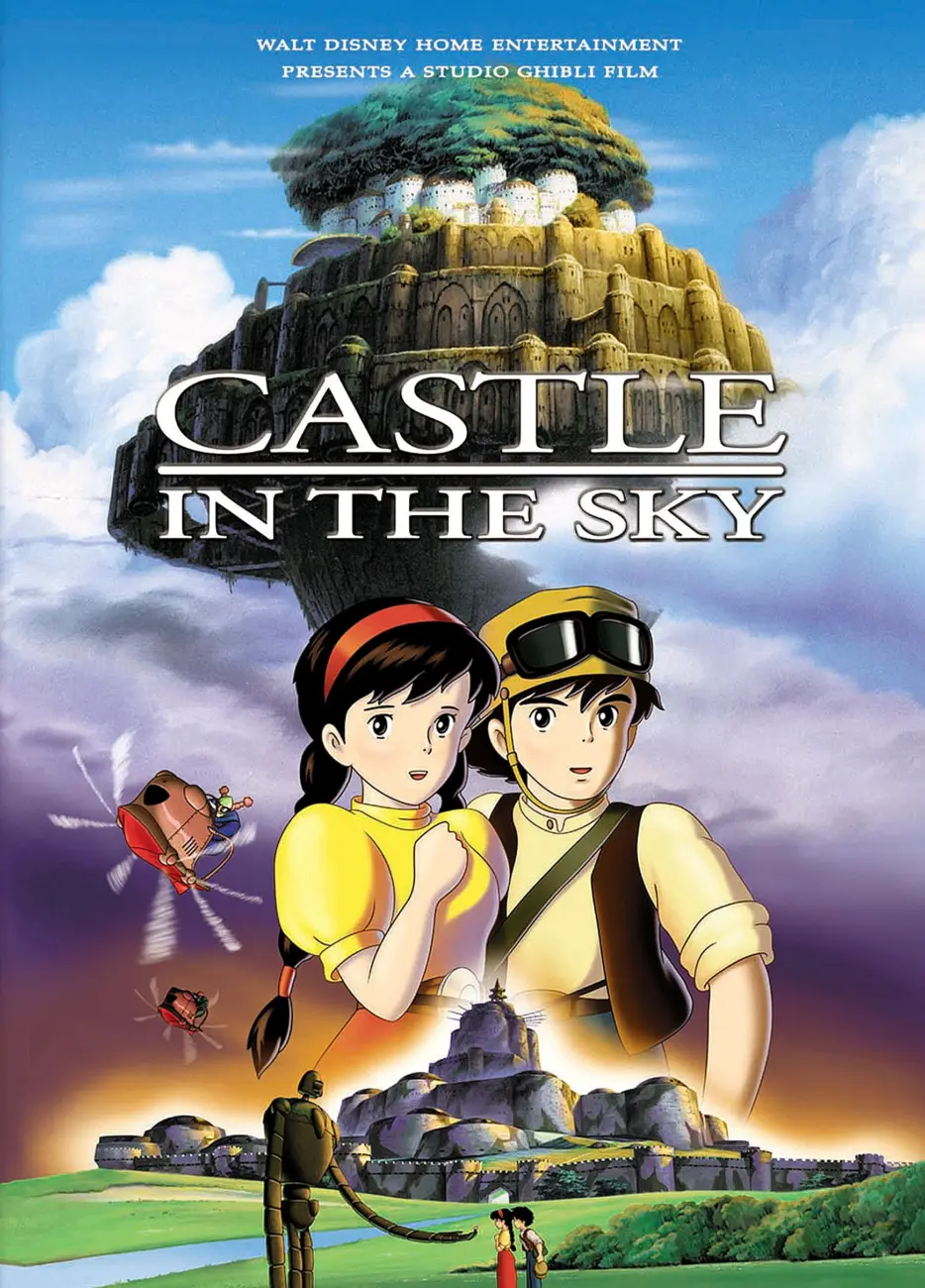
From Studio Ghibli and director Hayao Miyazaki, this adventure follows two children who search for a floating island guarded by ancient technology. Airships, pirates, and robots populate a world influenced by retro futurist design.
Joe Hisaishi’s music supports sweeping flight sequences and quiet village moments. The animation favors clear geography and layered backgrounds, and the story presents themes of stewardship, friendship, and discovery.
‘A Matter of Life and Death’ (1946)
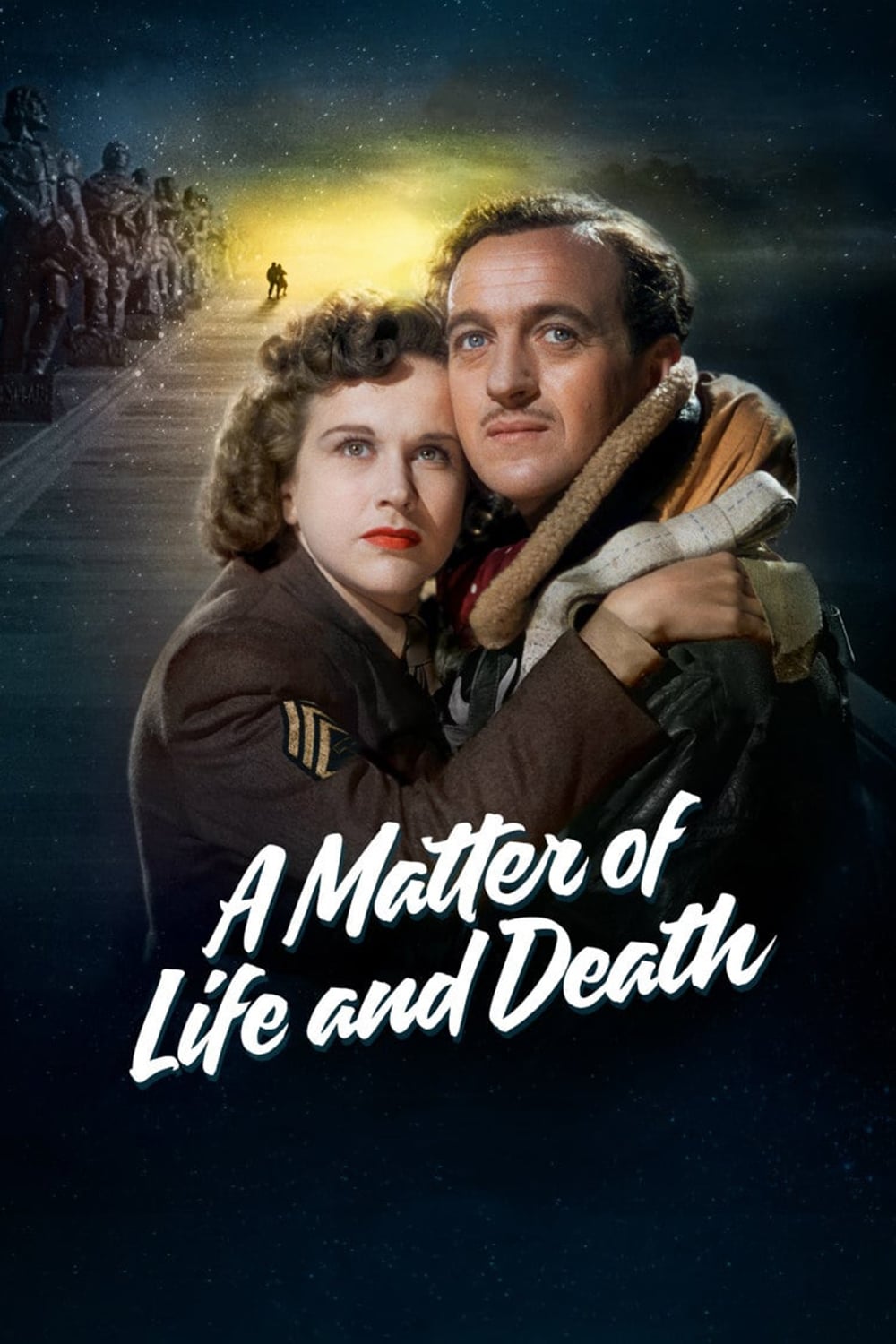
Created by Michael Powell and Emeric Pressburger, this film tells of a pilot who should have died but survives when a messenger from the other world misses him. A trial in a vast celestial court decides his fate while events unfold on Earth.
The production alternates between color for the living world and monochrome for the other realm, using meticulous sets and visual tricks to stage grand scenes. It is noted for inventive camera work, thoughtful dialogue, and a blend of romance, metaphysics, and wartime context.
Share the titles you would add to this list in the comments.