Post-Apocalyptic Movies You Are Sleeping On (But Shouldn’t)

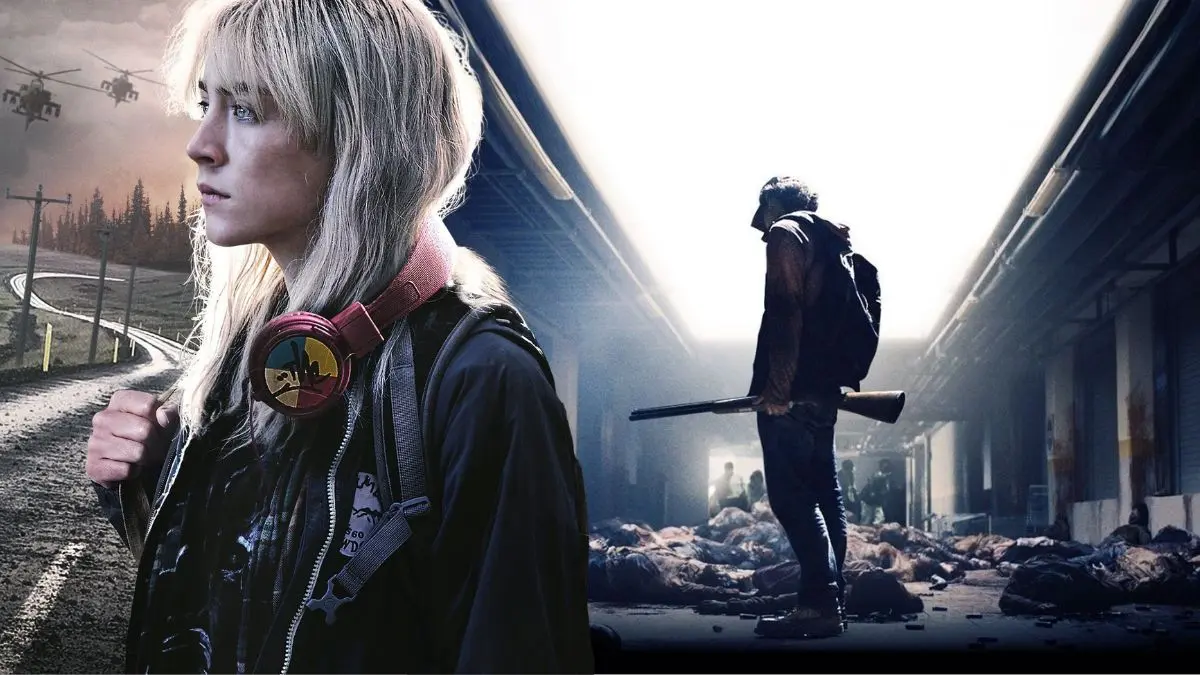

There are so many end of the world stories that a few strong ones always slip under the radar. This list pulls together a mix of indie gems, international standouts, and cult favorites that quietly built dedicated followings over time. You get a wide range of approaches, from road sagas and survival thrillers to intimate character pieces that focus on small choices in a broken world.
Each pick includes practical details you can use to find what speaks to you. You will see directors, key cast members, settings, and how the projects came together behind the scenes. You will also find notes on source material, filming locations, release paths, and festival runs. Dive in and discover a few you might have missed.
‘The Rover’ (2014)
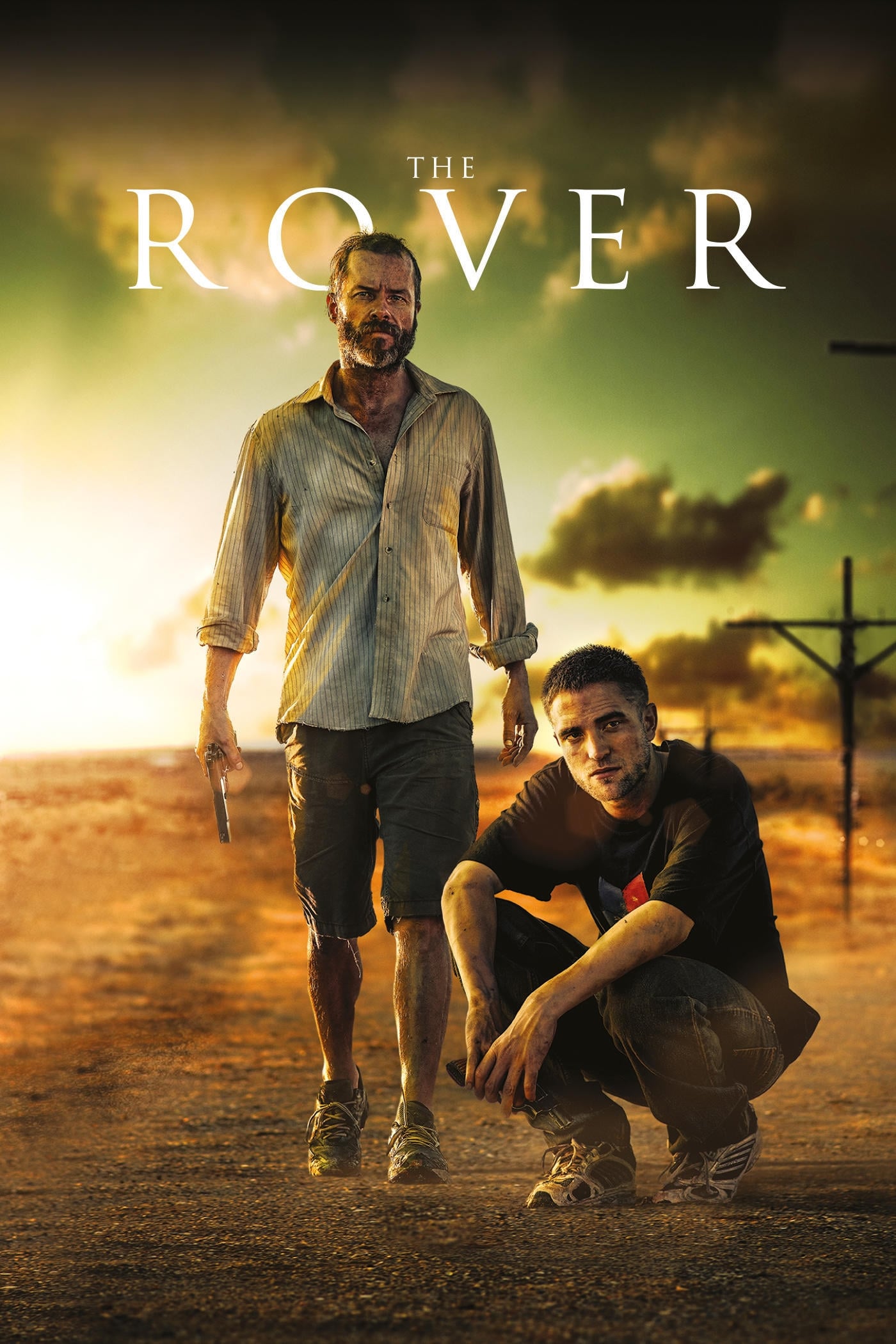
David Michôd directs this bleak outback thriller with Guy Pearce and Robert Pattinson in lead roles. The story follows a drifter tracking a stolen car across a collapsed economy in rural Australia, using tough small town stops and empty highways to map a society stretched thin.
The production filmed across South Australia with a lean crew and harsh daylight visuals that highlight dust and heat. It reunited Michôd with collaborators from ‘Animal Kingdom’ and played major festivals before a limited theatrical rollout that brought strong attention to Pattinson’s transformation.
‘Stake Land’ (2010)
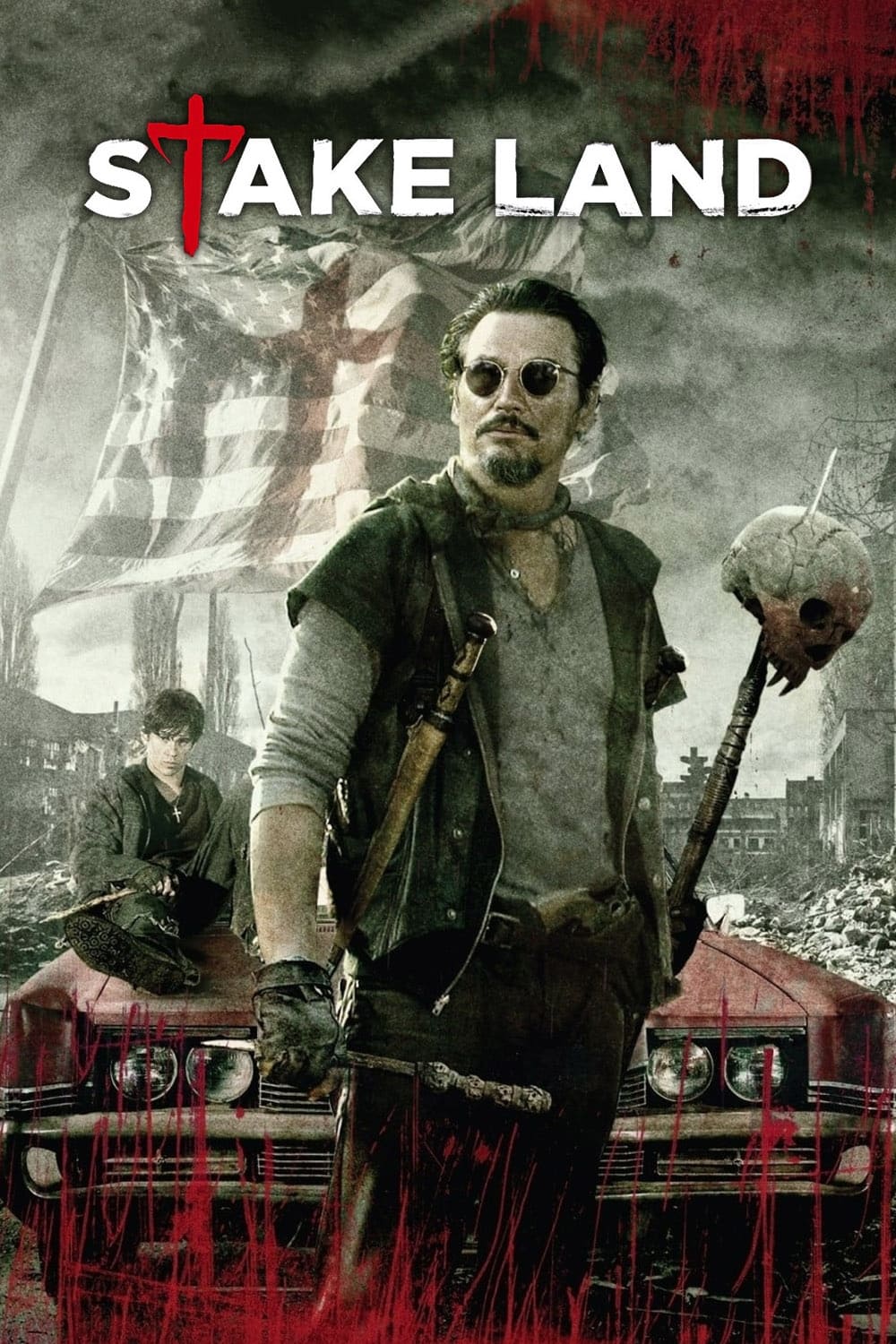
Jim Mickle’s film blends a vampire plague with a road journey across a fractured United States. Connor Paolo and Nick Damici lead as a young survivor and a seasoned hunter who move through religious enclaves and militia zones while tracking safe routes north.
The movie was produced with practical effects on a modest budget and expanded from a short concept developed by Mickle and Damici. It toured genre festivals, won audience awards, and later spawned a follow up project that returned to the same world with the core creative team.
‘It Comes at Night’ (2017)
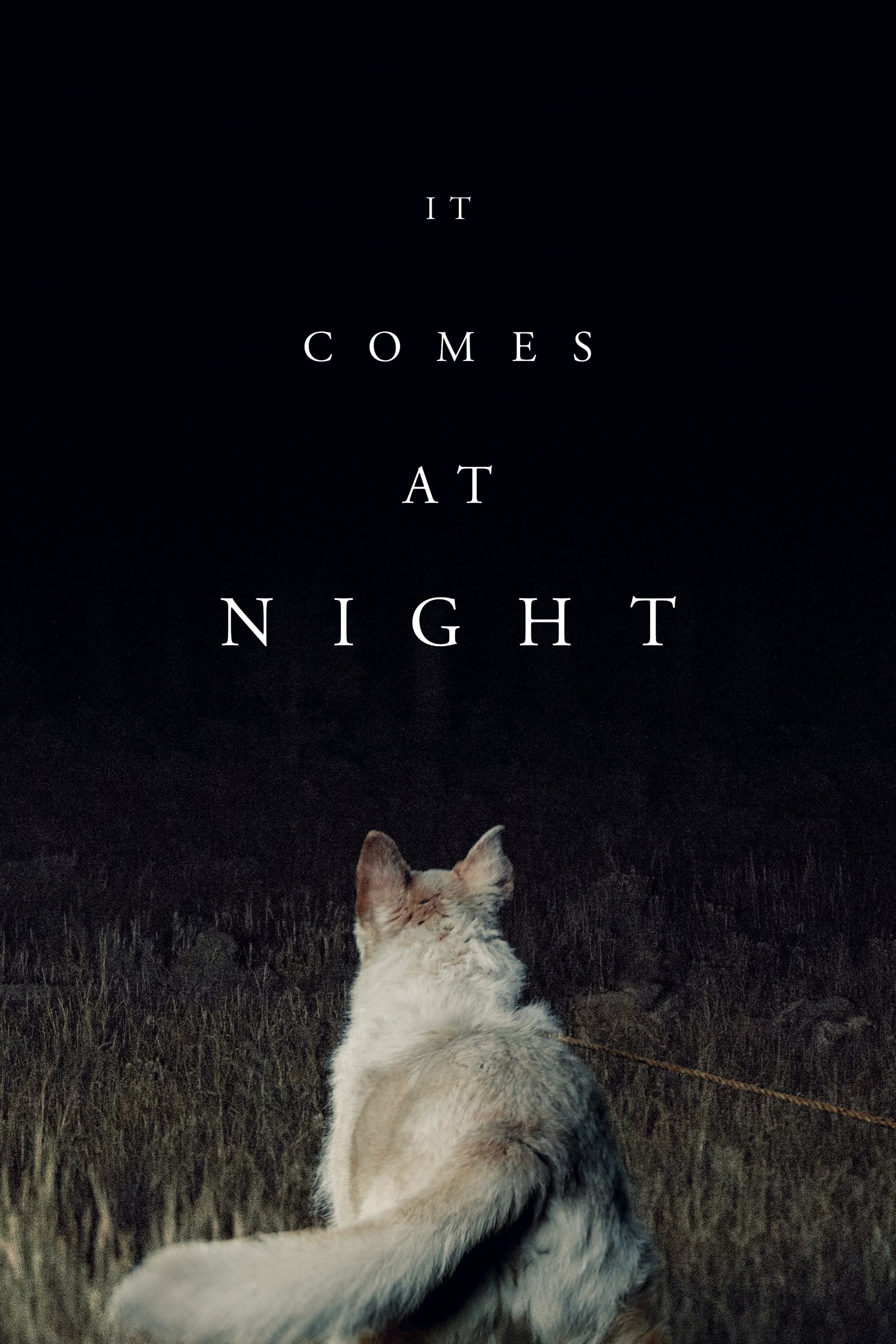
Trey Edward Shults centers the action inside a single rural home where two families share strict rules to avoid an unseen contagion. Joel Edgerton, Carmen Ejogo, Christopher Abbott, and Kelvin Harrison Jr. anchor a tense chamber piece that focuses on routines and protocols.
The shoot used a small footprint in the woods to create controlled interiors and exteriors that feel isolated. Shults worked with longtime cinematographer Drew Daniels to shape low light scenes, and the film released through a major specialty distributor after a strong festival launch.
‘Turbo Kid’ (2015)

A trio of directors known as RKSS delivers a retro adventure set in a wasteland filled with BMX bikes and scrap gear. Munro Chambers and Laurence Leboeuf star as unlikely heroes who navigate warlords, improvised armor, and makeshift tech.
The film was expanded from a proof of concept and backed by Canada and New Zealand partners. It premiered at genre festivals, won audience prizes, and built a cult following through word of mouth, home release extras, and a bright practical effects style.
‘The Girl with All the Gifts’ (2016)
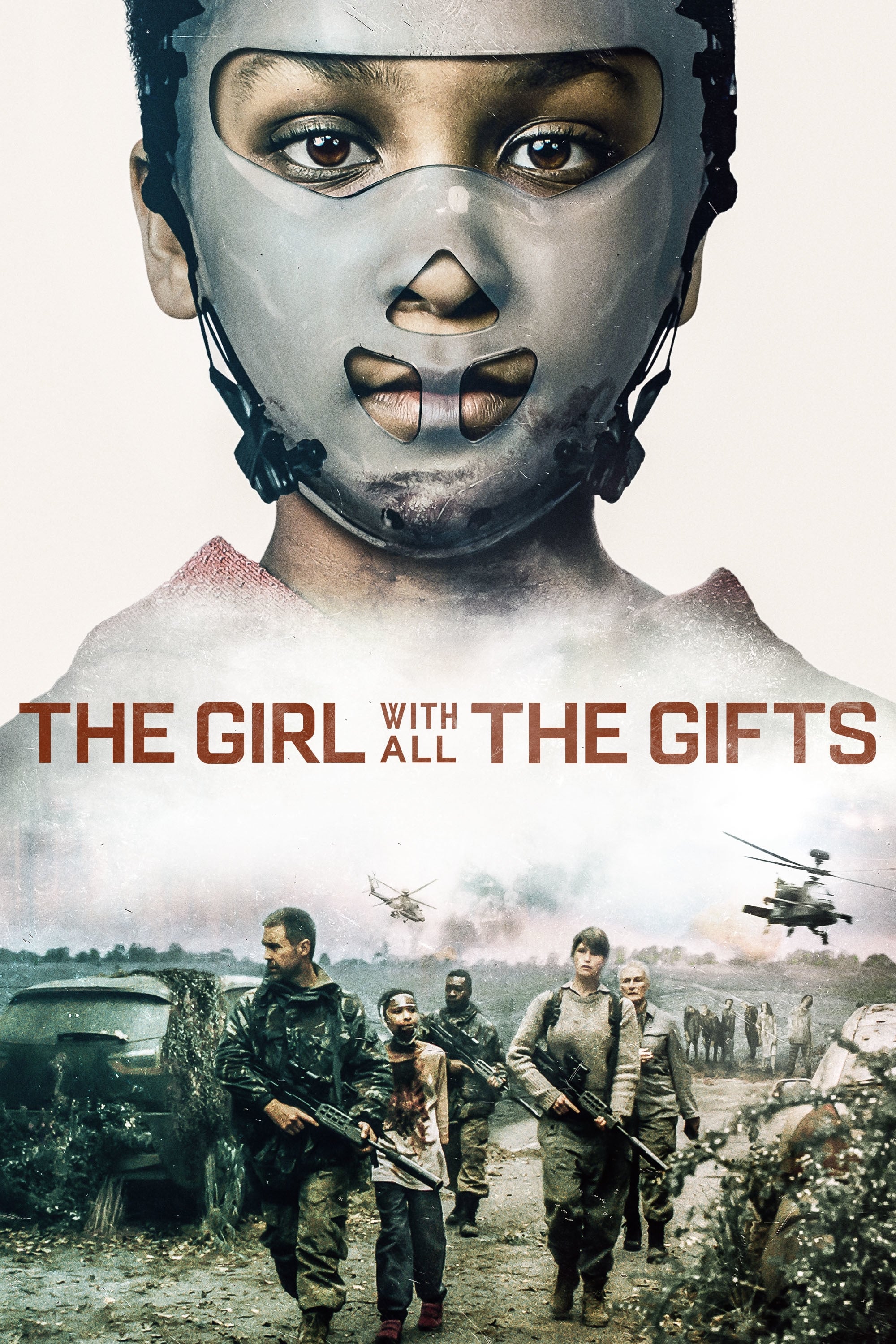
Colm McCarthy adapts M. R. Carey’s novel about children who carry a fungal infection yet retain advanced cognition. Sennia Nanua leads with Gemma Arterton, Paddy Considine, and Glenn Close as a squad escorts a unique child through cordoned zones.
Production combined UK locations with controlled sets to stage convoy sequences and empty cityscapes. Carey wrote the screenplay from his own book, which kept the tone consistent, and the film received a wide festival presence before a day and date strategy in several territories.
‘A Boy and His Dog’ (1975)

L. Q. Jones adapts Harlan Ellison’s novella in a desert set story of a teenager and a telepathic dog moving through ruined towns. Don Johnson stars as the boy who discovers an underground community with rigid rules and staged pageantry.
The low budget production used Southern California and Arizona locations with inventive set dressing. Over time it became a cornerstone of post apocalypse cinema study, screened at repertory theaters, and influenced later wasteland worldbuilding across movies and comics.
‘Threads’ (1984)
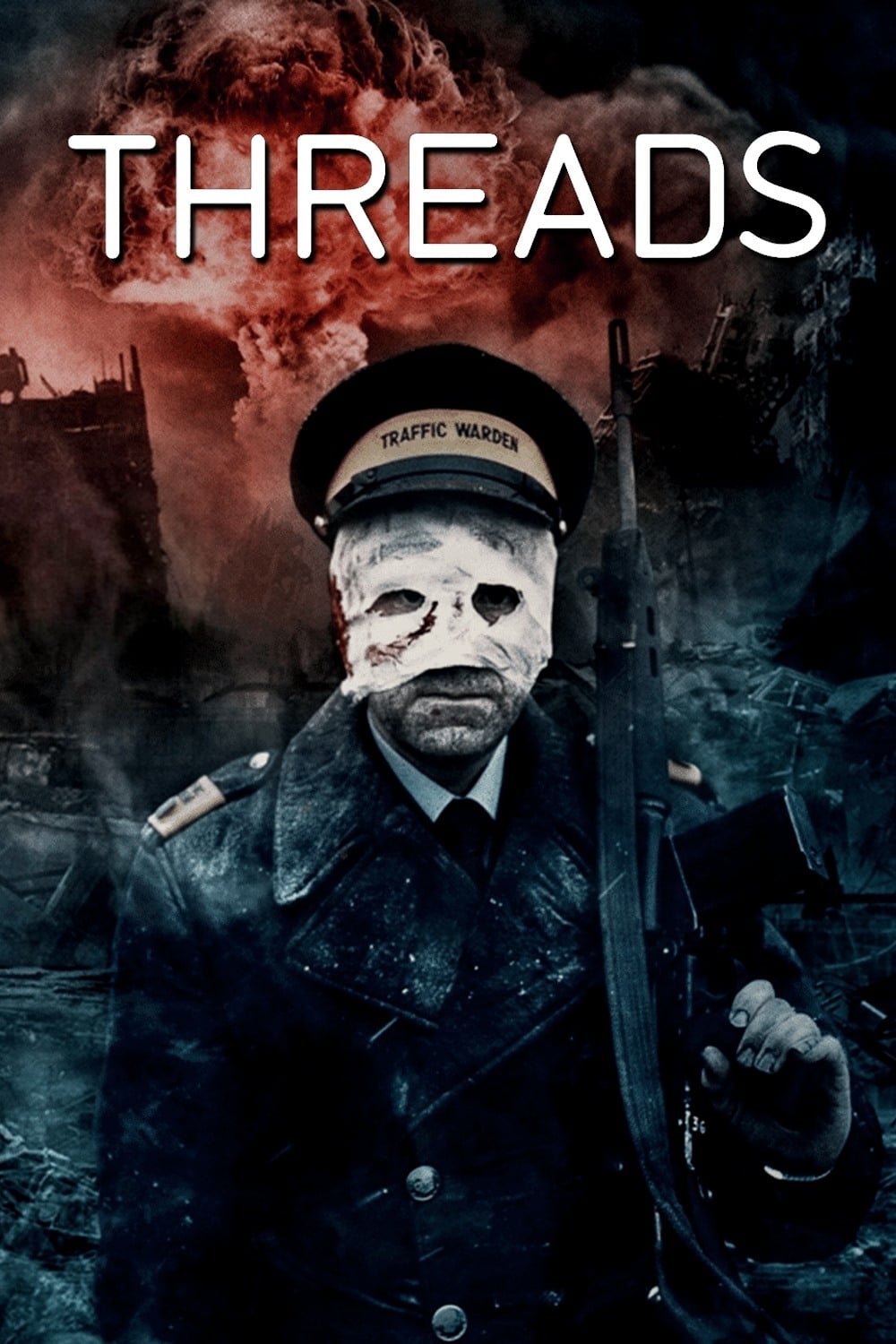
Mick Jackson’s British film follows ordinary citizens in Sheffield before and after a nuclear exchange. The narrative tracks emergency plans, supply breakdowns, and the long tail of fallout through a documentary style approach.
The project was produced for television with extensive research into civil defense procedures. It aired to significant viewership, later saw limited theatrical play in select countries, and has been restored for modern releases that retain its unflinching presentation.
‘These Final Hours’ (2013)

Zak Hilditch sets the action on the last day before an unstoppable event reaches Western Australia. Nathan Phillips and Angourie Rice form a central pairing that moves through parties, looting, and brief pockets of calm.
Filming took place around Perth with support from regional screen agencies and a compressed schedule. The film premiered at a major local festival, traveled internationally, and drew notice for its location specific details and grounded street level staging.
‘The Bad Batch’ (2016)
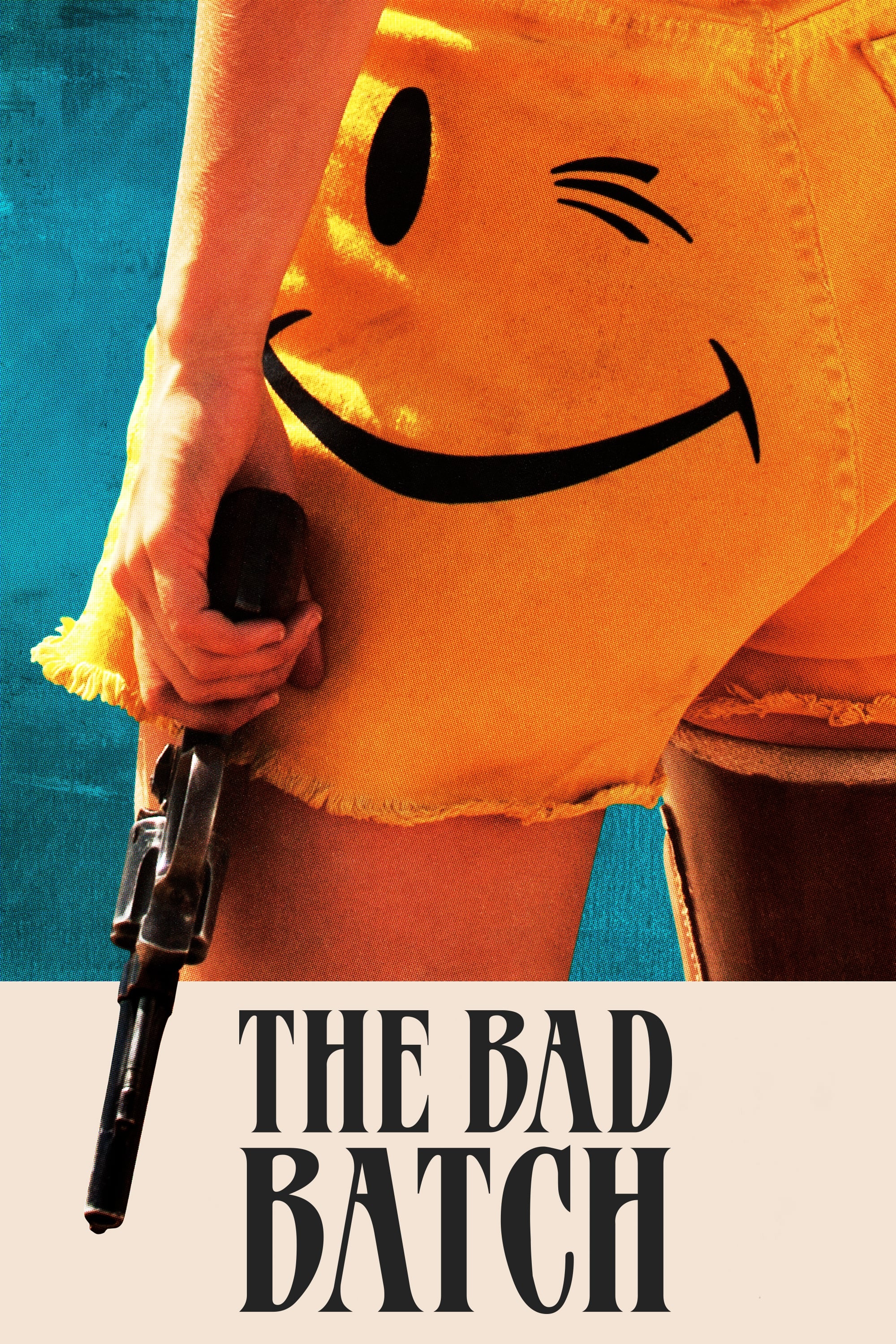
Ana Lily Amirpour crafts a sun blasted vision of exile zones on the Texas borderlands. Suki Waterhouse leads with Jason Momoa, Keanu Reeves, and Jim Carrey in striking supporting turns inside scavenger camps and gated enclaves.
The production shot in California desert locations with large scale outdoor builds and stylized wardrobe. It premiered at a top European festival where it received a jury prize, then rolled out through specialty distributors with a focus on visual design and music curation.
‘Carriers’ (2009)
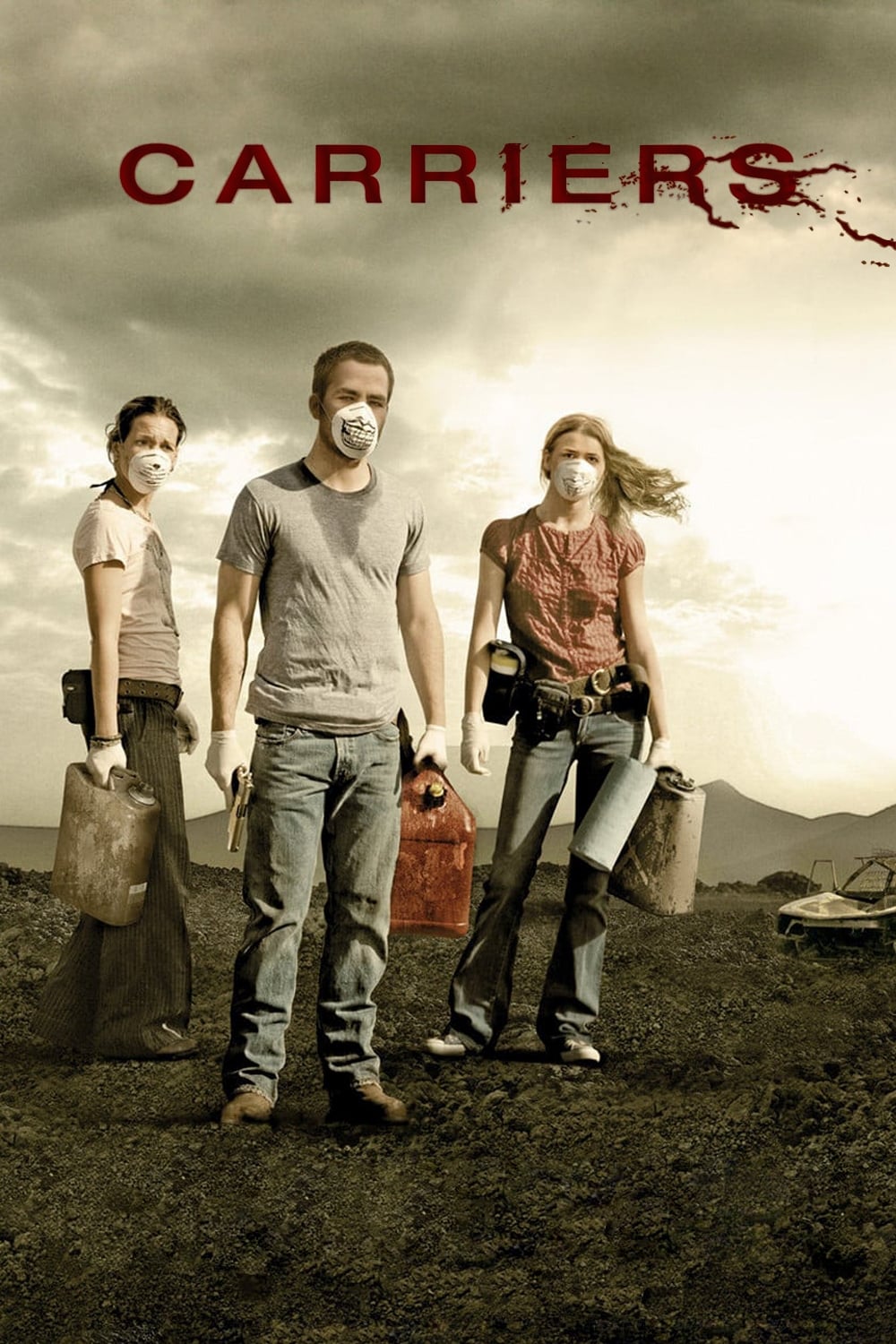
Written and directed by Alex and David Pastor, this contagion road movie follows four travelers who follow strict safety rules while crossing the American West. Chris Pine, Emily VanCamp, Piper Perabo, and Lou Taylor Pucci make up the group as they encounter quarantines and resource shortages.
The film shot before Pine’s breakout in a sci fi franchise and was later released after scheduling adjustments. It used abandoned locations and closed facilities to create realistic checkpoints, then found its audience on home platforms where its rule based survival focus stood out.
‘Z for Zachariah’ (2015)
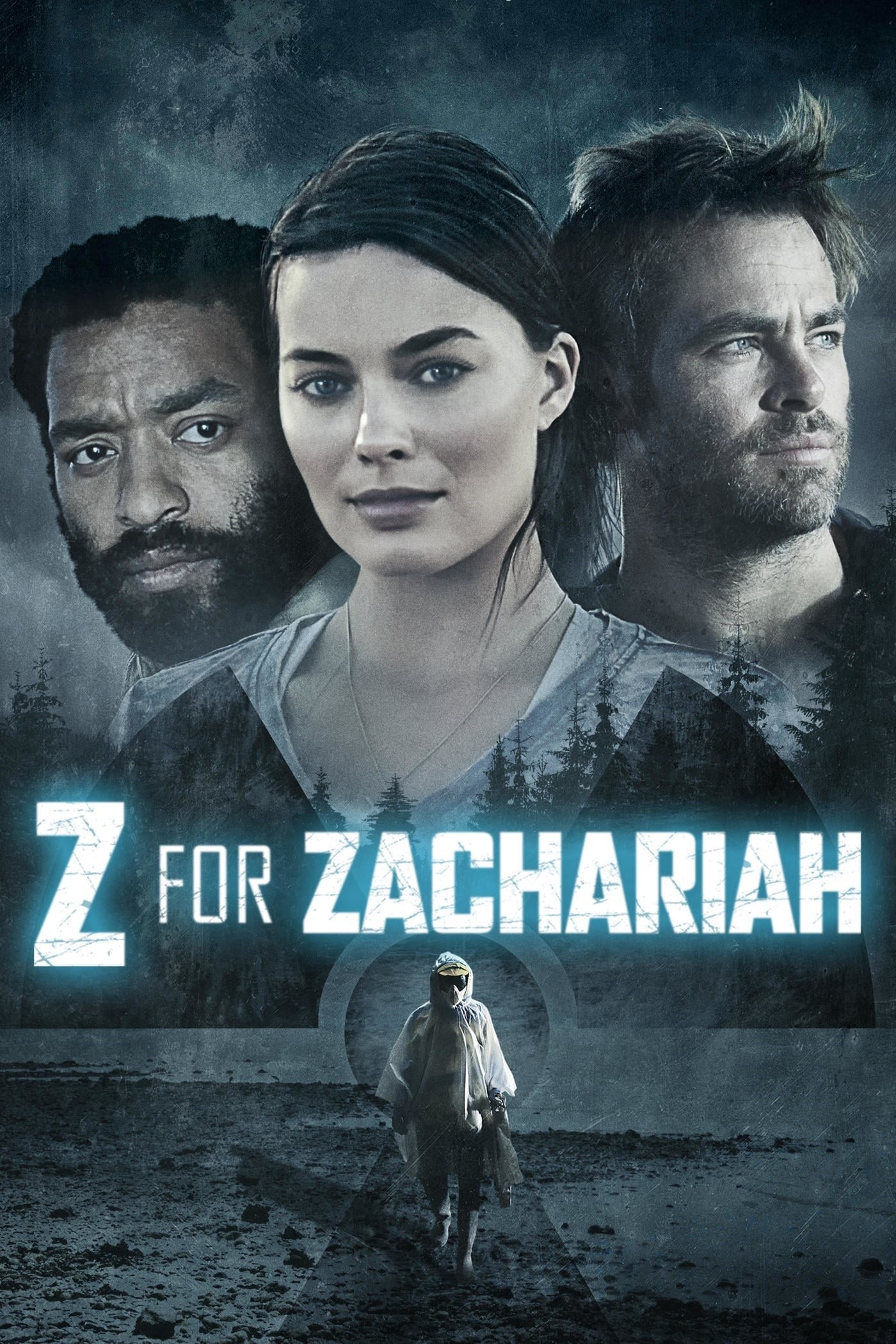
Craig Zobel adapts Robert C. O’Brien’s novel into a quiet three hander set in a valley that still supports life. Margot Robbie, Chiwetel Ejiofor, and Chris Pine play survivors whose skills and beliefs guide decisions about farming, energy, and shelter.
Filming took place in New Zealand with lush natural backdrops that contrast with empty roads and silent infrastructure. Production emphasized real agriculture tasks on camera, and the film premiered at a major festival before a limited release through an independent label.
‘Hell’ (2011)
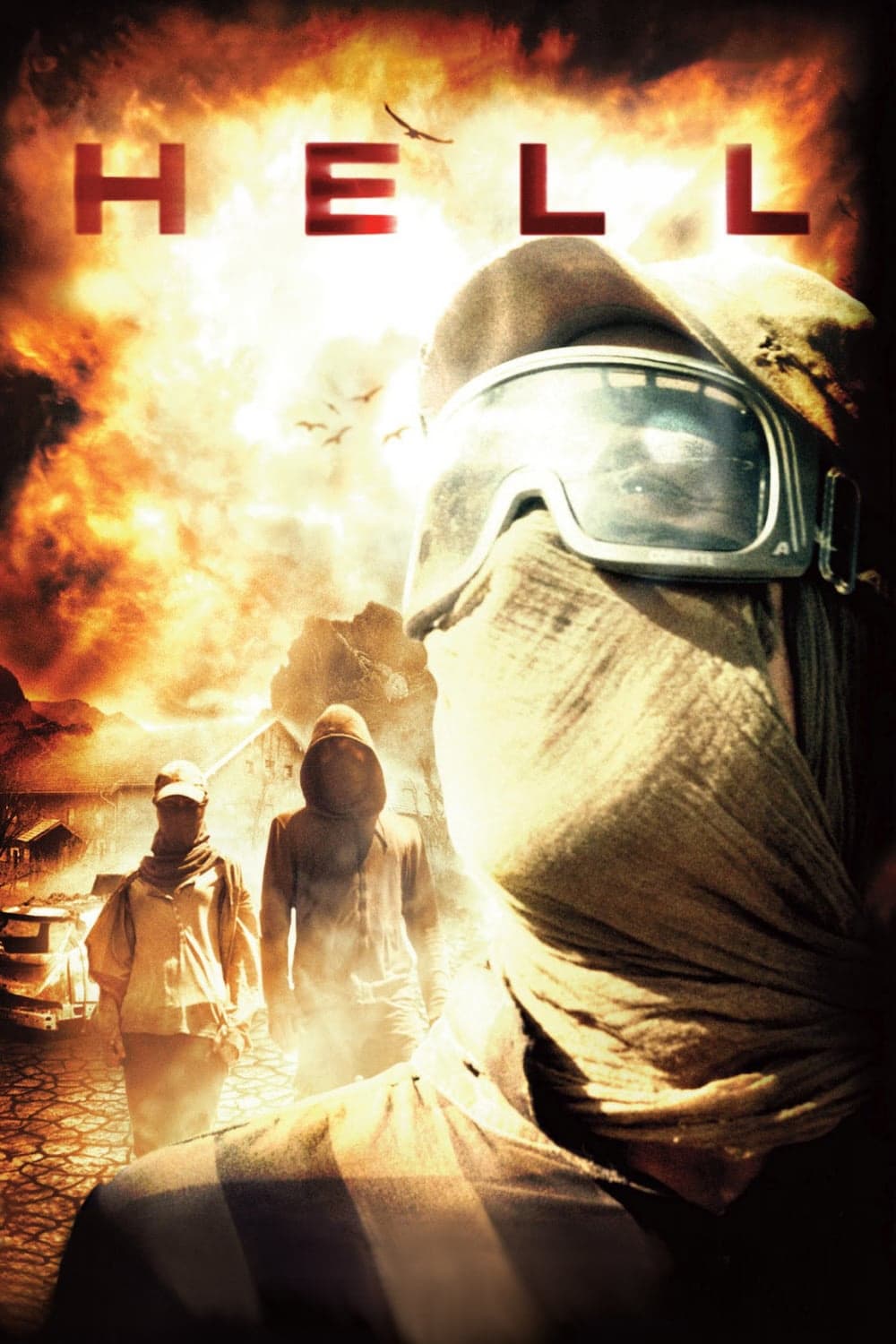
Tim Fehlbaum’s German language feature follows a small group driving through rural Europe after a climate disaster that intensifies heat and light. The travelers use foil lined rigs, water scouting, and abandoned farmhouses to stay alive.
The production leveraged high contrast photography and on set lighting tricks to create a blinding look. Roland Emmerich served as a producer, helping the project reach international markets where it played genre festivals and art house screens.
‘The Survivalist’ (2015)
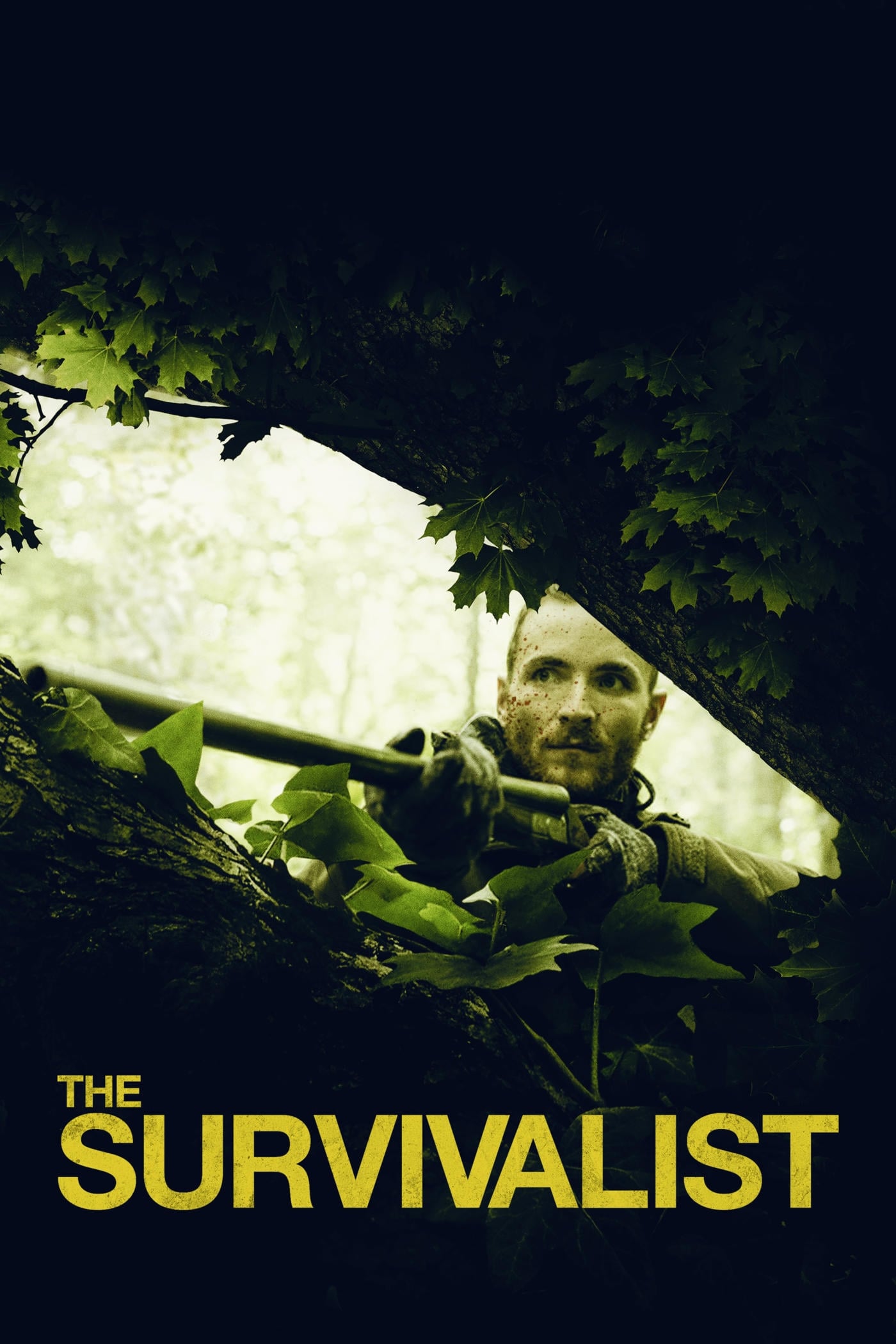
Stephen Fingleton’s debut centers on a subsistence farmer guarding a hidden plot in the woods. Martin McCann, Mia Goth, and Olwen Fouéré drive a tense barter relationship that details food yields, traps, and rationing.
Shot in Northern Ireland with precise sound design and minimal dialogue, the film used practical gardening and forestry work to ground the setting. It premiered at Tribeca, earned a best newcomer award in the UK, and released through specialty platforms that favored slow burn storytelling.
‘Perfect Sense’ (2011)
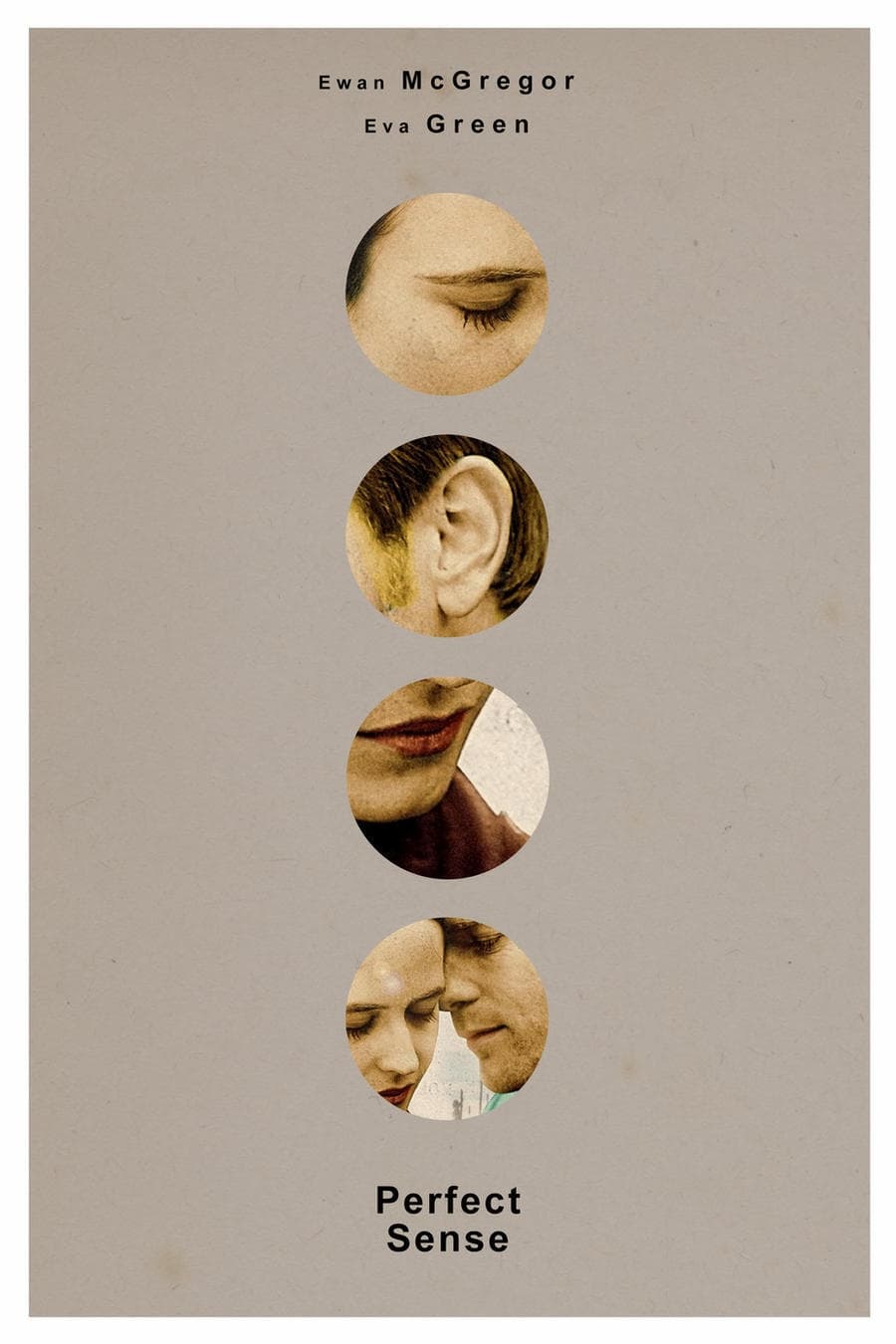
David Mackenzie presents a global illness that removes senses in waves while people adapt day by day. Ewan McGregor and Eva Green play a chef and an epidemiologist whose work and routines adjust as new symptoms appear.
The production made extensive use of Glasgow locations and kitchen spaces to show supply chains and staff responses. Voiceover elements were shaped in post with careful sound design, and the film reached audiences through festival circuits and art house distribution.
‘Testament’ (1983)
Lynne Littman’s drama follows a suburban family in California after communication goes silent and services fade. Jane Alexander leads a community effort that covers rationing, school adjustments, and improvised memorials.
The film originated from a short story published in a major magazine and was produced with support from public television partners. It received awards recognition for Alexander and saw classroom use in discussions of preparedness and civic response.
‘Time of the Wolf’ (2003)
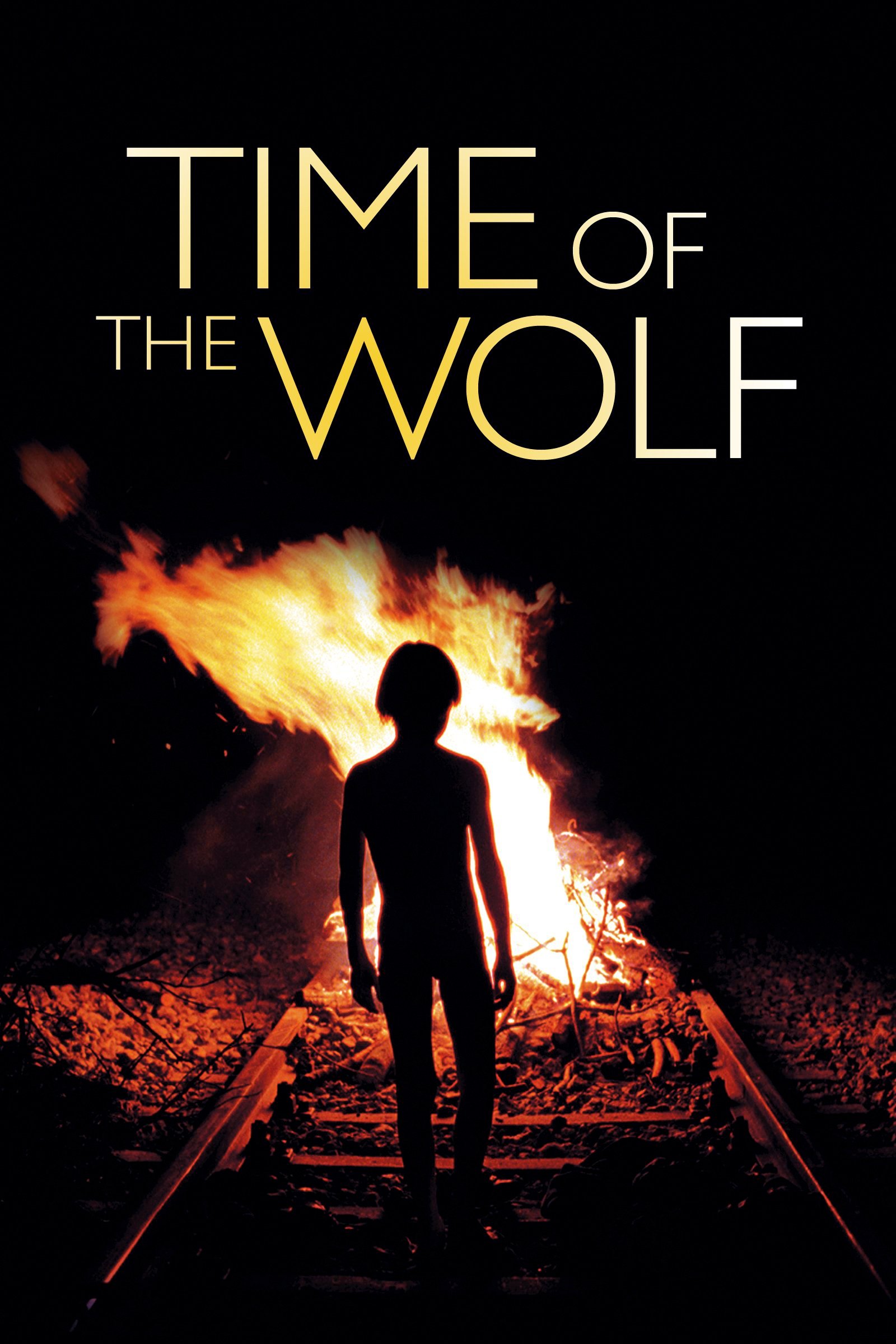
Michael Haneke explores a Europe where social systems collapse without a single identified cause. Isabelle Huppert portrays a mother who searches for safety with her children while meeting groups that set their own rules at train stations and farms.
The production filmed in rural France with long takes and natural lighting to emphasize uncertainty. It premiered at Cannes out of competition and continued to screen at festivals and cinematheques that program auteur driven crisis narratives.
‘On the Beach’ (1959)
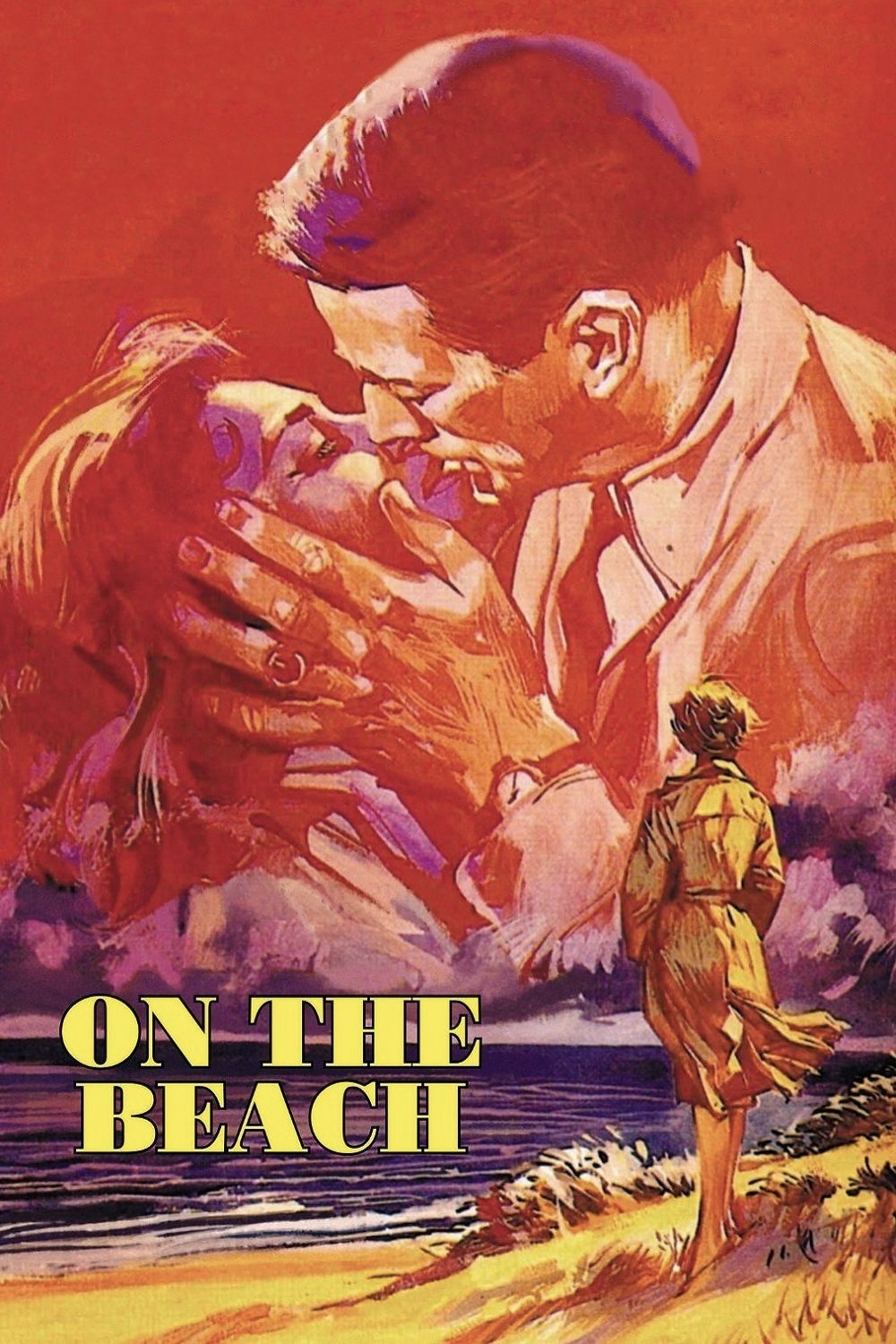
Stanley Kramer adapts Nevil Shute’s novel about submariners and civilians in Australia awaiting fallout. Gregory Peck, Ava Gardner, Anthony Perkins, and Fred Astaire headline as characters monitor radio signals and plan final voyages.
Large scale location shooting in Melbourne brought crowds to waterfront sequences and city streets. The film used Navy cooperation for vessel access and released worldwide with strong publicity, later becoming a reference point for serious nuclear themed storytelling.
‘The Domestics’ (2018)
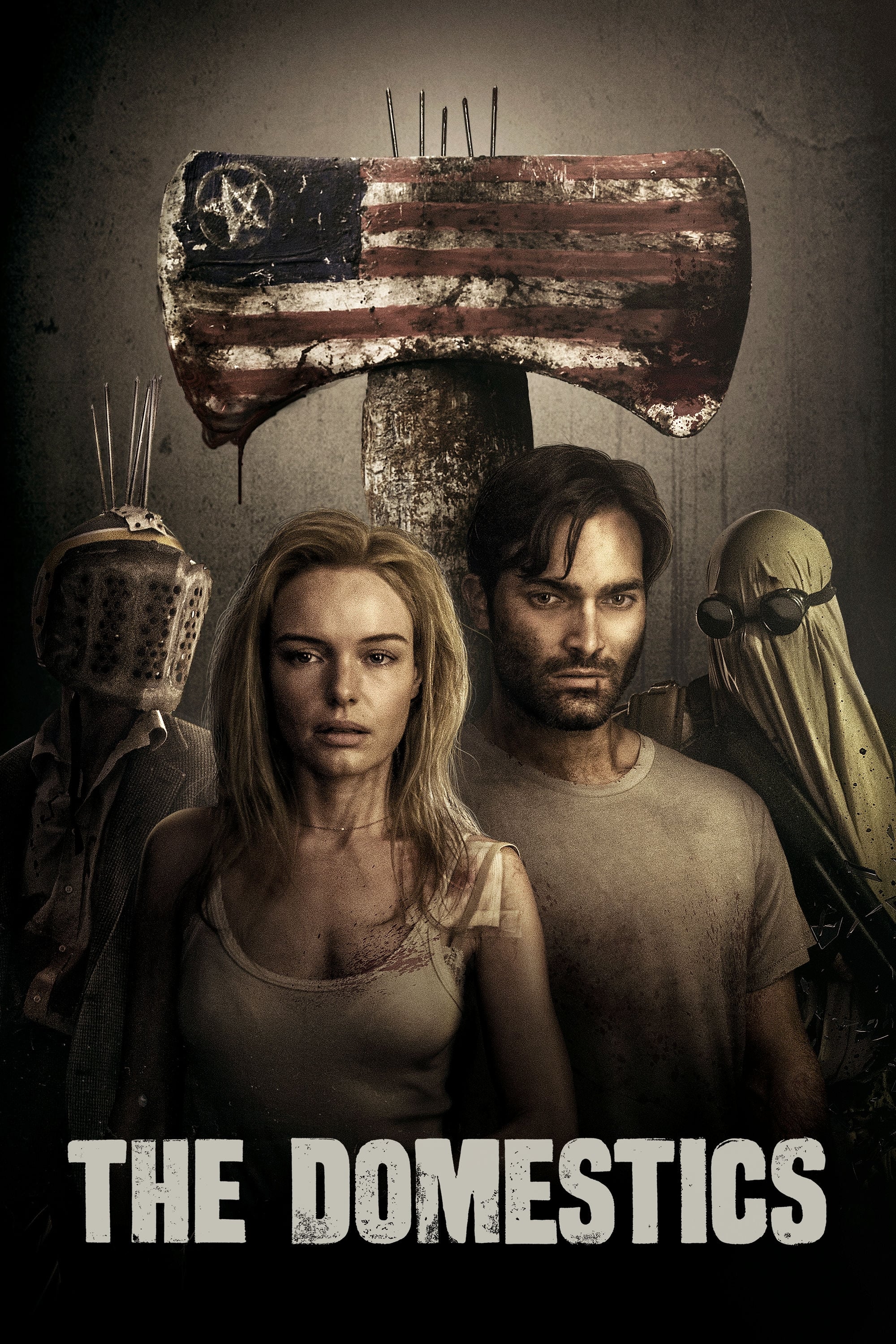
Mike P. Nelson’s film tracks a couple driving across faction controlled Midwestern states after a chemical attack. Kate Bosworth and Tyler Hoechlin navigate themed gangs, fortified suburbs, and rural traps while following an interstate route.
The movie shot around Louisiana with stunt heavy set pieces that used practical rigs. It debuted through a studio genre label with a limited theatrical window followed by a quick digital release, which helped it find a late night audience.
‘Light of My Life’ (2019)
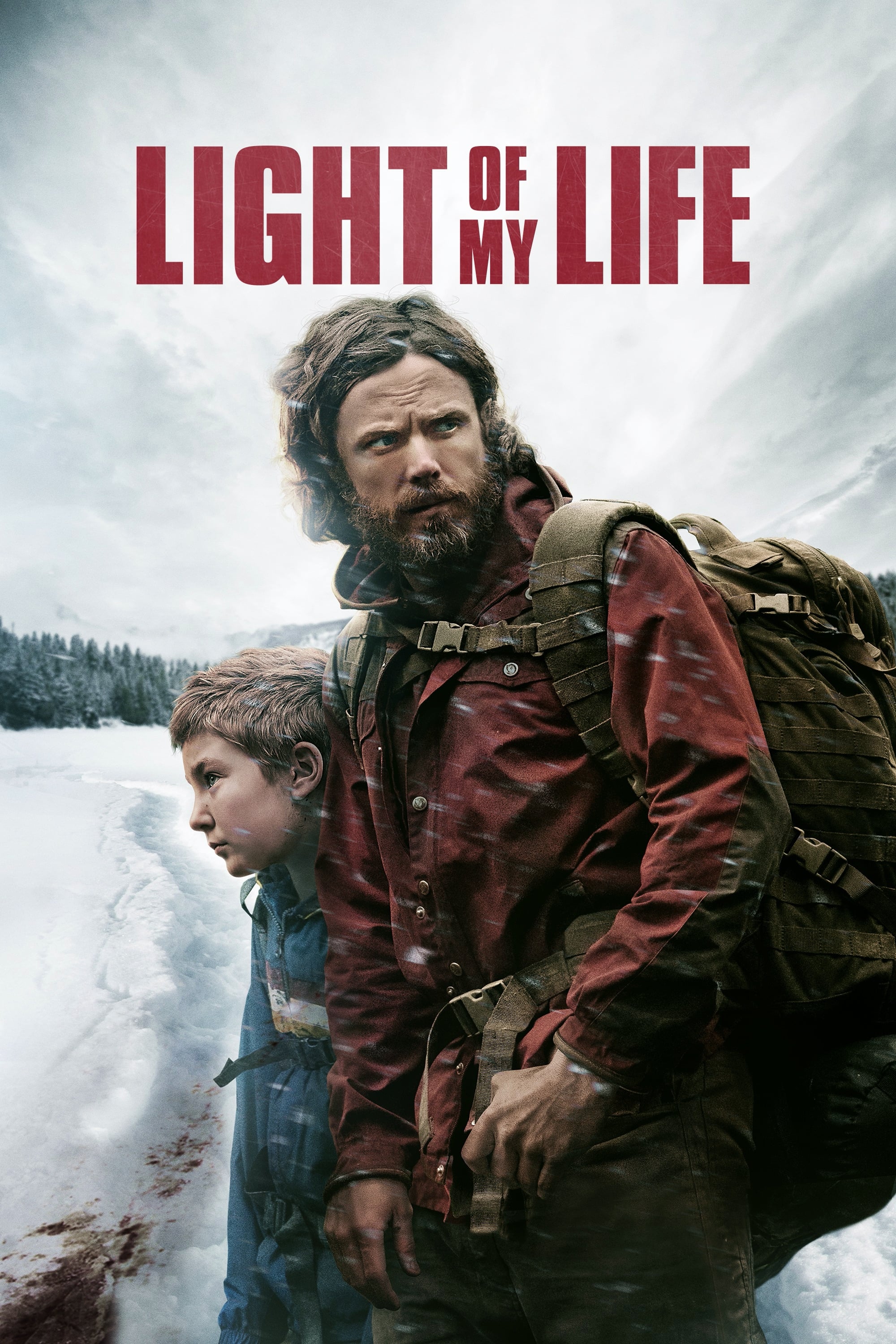
Casey Affleck writes, directs, and stars as a father hiding his daughter in forests and abandoned towns after a pandemic. The story focuses on campsites, supply caches, and disguised travel to avoid patrols.
Production used Canadian and American locations with quiet natural settings and extended dialogue scenes. The film premiered at a European festival, then moved to limited theatrical and on demand availability through an independent distributor.
‘I Am a Hero’ (2015)
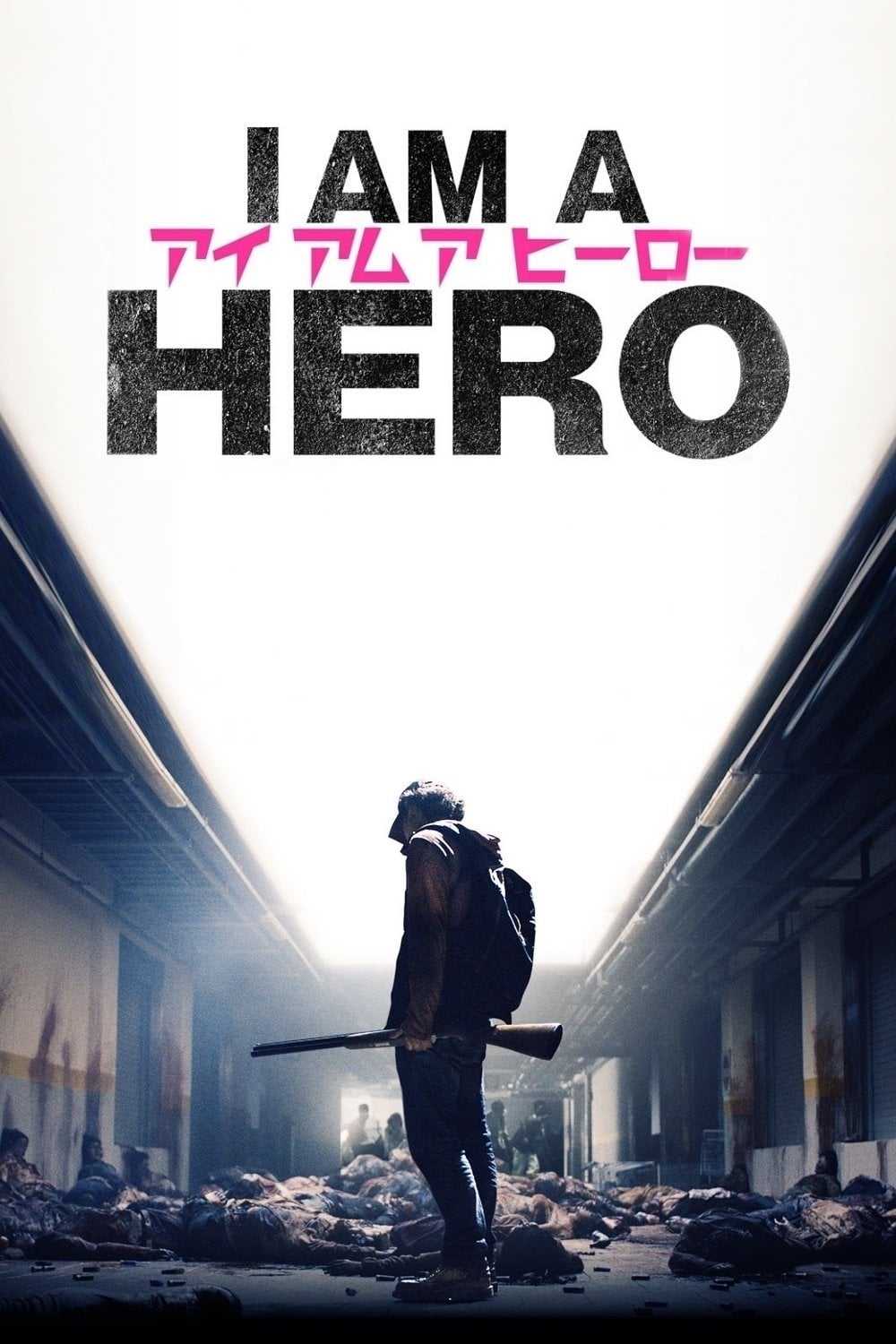
Shinsuke Sato adapts Kengo Hanazawa’s manga into a large scale outbreak saga across Japan. Yo Oizumi plays a manga assistant who uses a sporting shotgun while moving through urban gridlock and hillside retreats.
The film combined wide crowd scenes with detailed creature effects supervised by veteran artists. It opened in Asia with strong regional support, played international festivals for genre fans, and later reached more viewers through home video and import markets.
‘Cargo’ (2017)
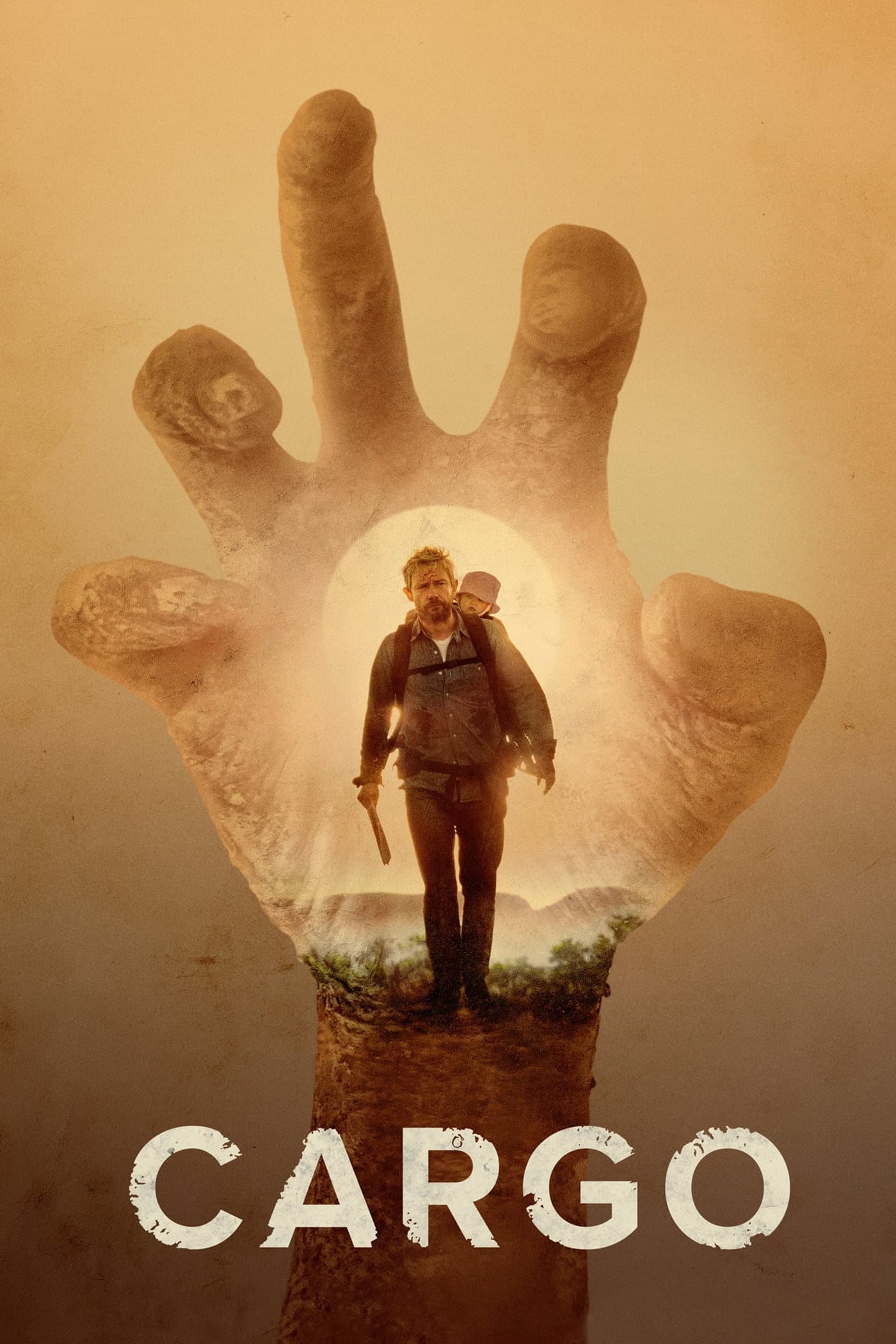
Ben Howling and Yolanda Ramke expand their short into a feature set along Australian rivers and bushland. Martin Freeman stars as a father trying to secure guardianship for his child while working with local communities and river guides.
The production traveled by boat to remote stretches and consulted with Indigenous advisors for story authenticity. It was acquired for global streaming release which brought instant access in multiple countries and boosted recognition for the directors.
‘How I Live Now’ (2013)
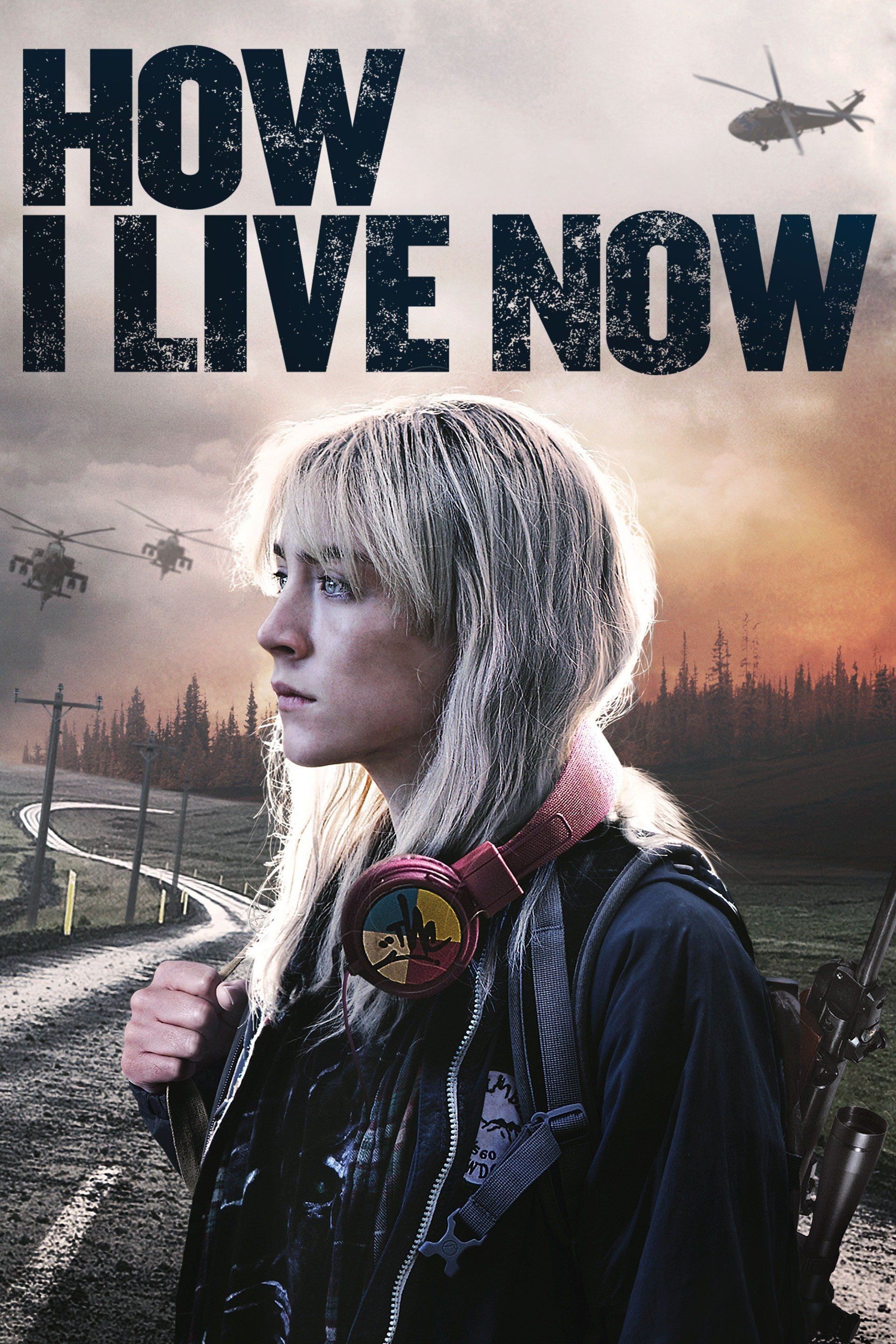
Kevin Macdonald adapts Meg Rosoff’s novel about a New York teenager visiting family in the English countryside when conflict erupts. Saoirse Ronan leads a young ensemble that navigates checkpoints, safe houses, and rural survival plans.
The film shot across Wales and England with a mix of pastoral locations and military training grounds. It balanced intimate scenes with large background action, premiered at a major festival, and released through a specialty arm that focused on young adult audiences.
‘The Road’ (2009)
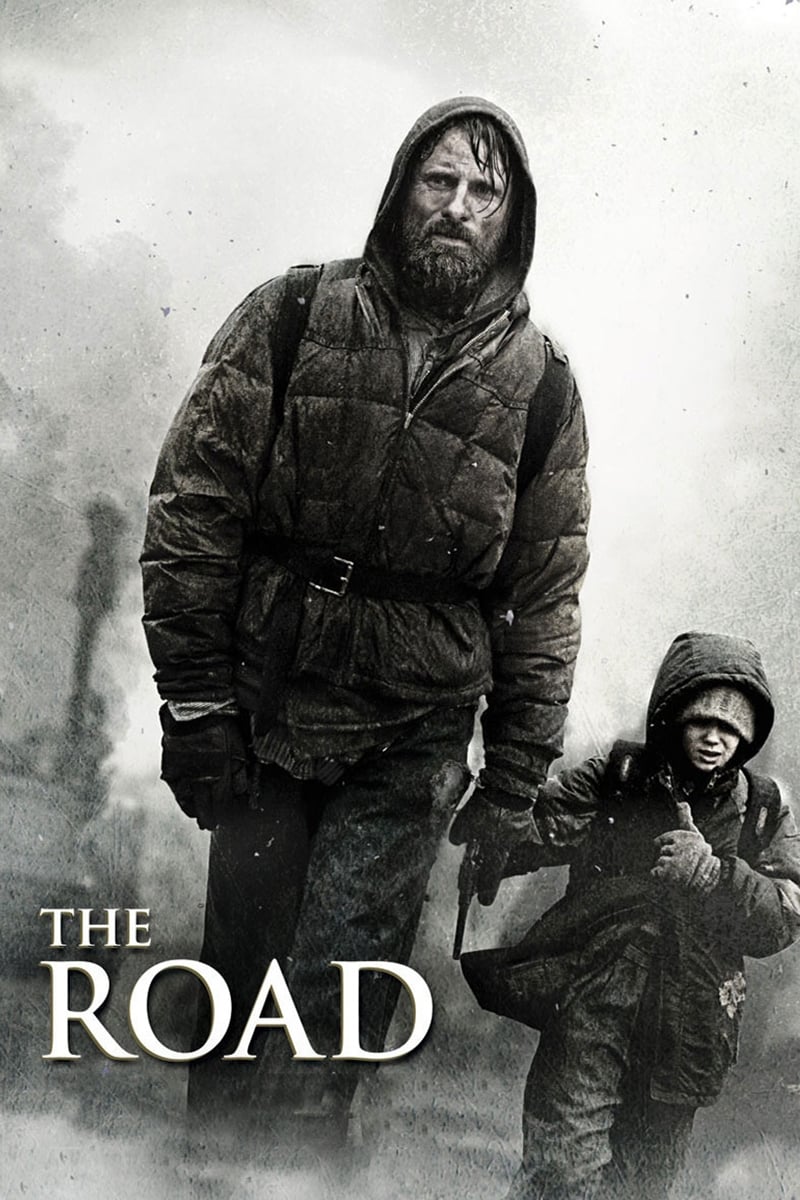
John Hillcoat adapts Cormac McCarthy’s novel into a father and son trek across ash covered America. Viggo Mortensen and Kodi Smit McPhee carry the journey while meeting travelers who trade, scavenge, and hide along cold coastal routes.
The production filmed in Pennsylvania, Louisiana, and Oregon with real storm damaged areas to avoid heavy visual effects. It premiered at key festivals, received awards season attention for design and performance, and reached a wide audience through a major studio release.
‘One Hundred Mornings’ (2010)
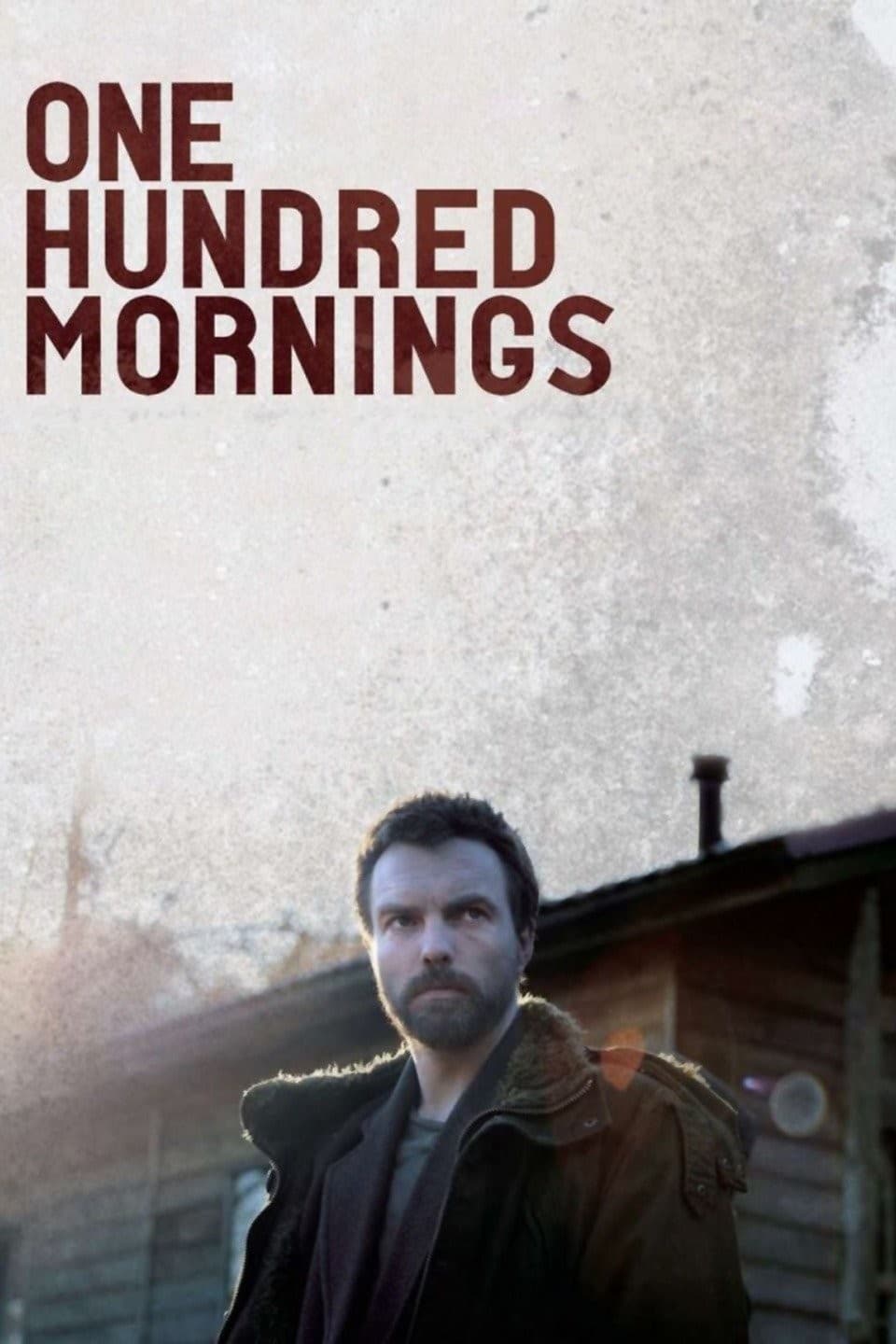
Conor Horgan’s Irish feature centers on two neighboring families sharing a lakeside cabin as supplies run low. The film maps bartering with locals, community patrols, and quiet negotiations over fuel and medicine.
Shot in County Wicklow with a small cast and crew, the production leaned into natural light and handheld camerawork. It premiered at the Galway Film Fleadh, continued through international festivals, and released on disc and digital through independent channels.
‘The Night Eats the World’ (2018)
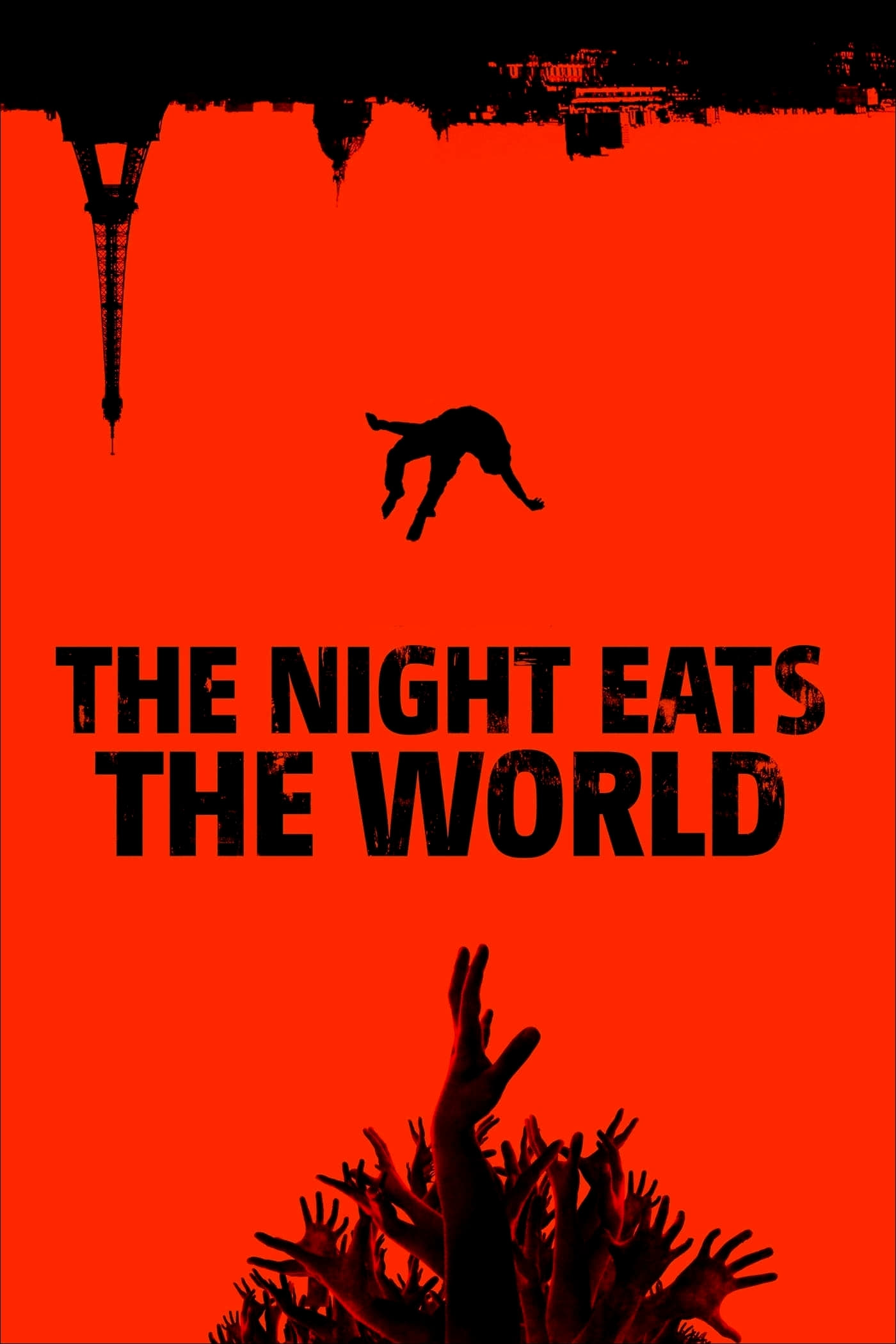
Dominique Rocher sets a survival story almost entirely inside a Paris apartment building after a sudden outbreak. Anders Danielsen Lie plays a musician who organizes water collection, food storage, and floor by floor sweeps.
The film used a real Paris property alongside studio interiors for controlled action and sound. It premiered at genre festivals, earned strong international word of mouth, and rolled out through a blend of theatrical and streaming partners that supported niche horror.
Share your own overlooked end of the world picks in the comments so everyone can add a few new titles to their watchlist.