Superhero Movies You Are Sleeping On (But Shouldn’t)

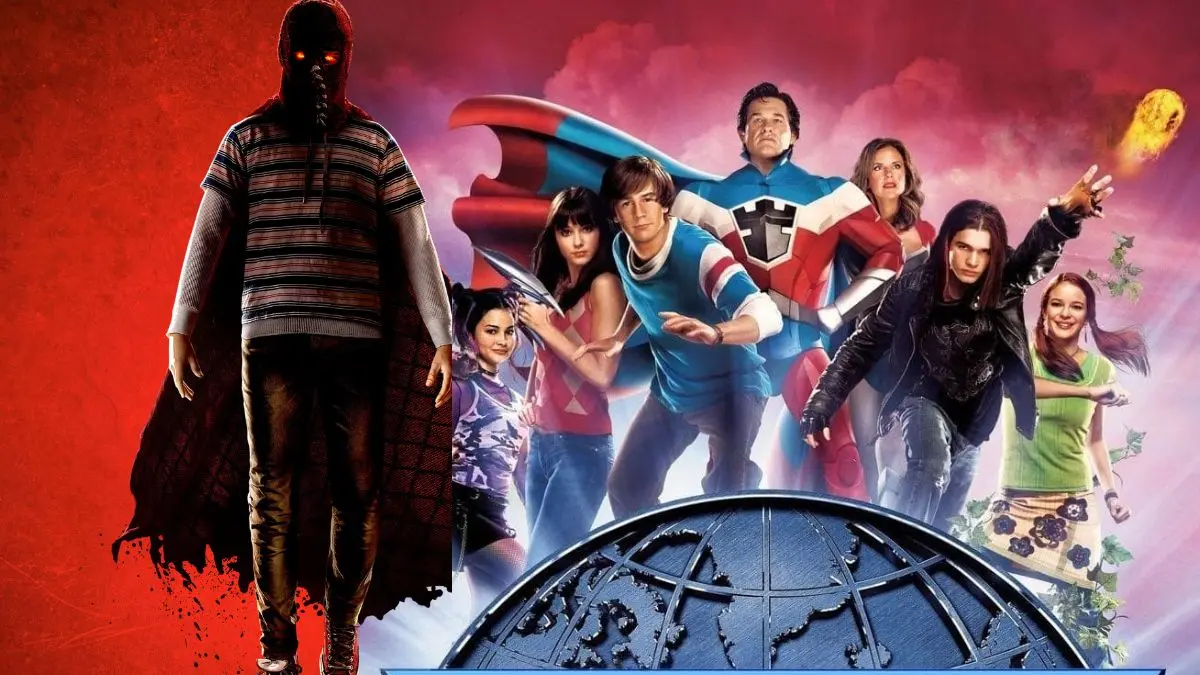

There are plenty of cape stories that arrived without the fanfare of massive franchises and still brought inventive worlds, memorable characters, and striking ideas to the screen. Some came from comics that did not dominate shelves, while others were original screenplays that treated superhuman powers as tools for character studies or offbeat adventures.
This list rounds up films across different decades, studios, and release strategies to show how wide the genre can be. You will find theatrical releases that quietly built fan followings, streaming originals that debuted to strong viewing numbers, and international productions that used smaller budgets to deliver big swings.
‘The Rocketeer’ (1991)
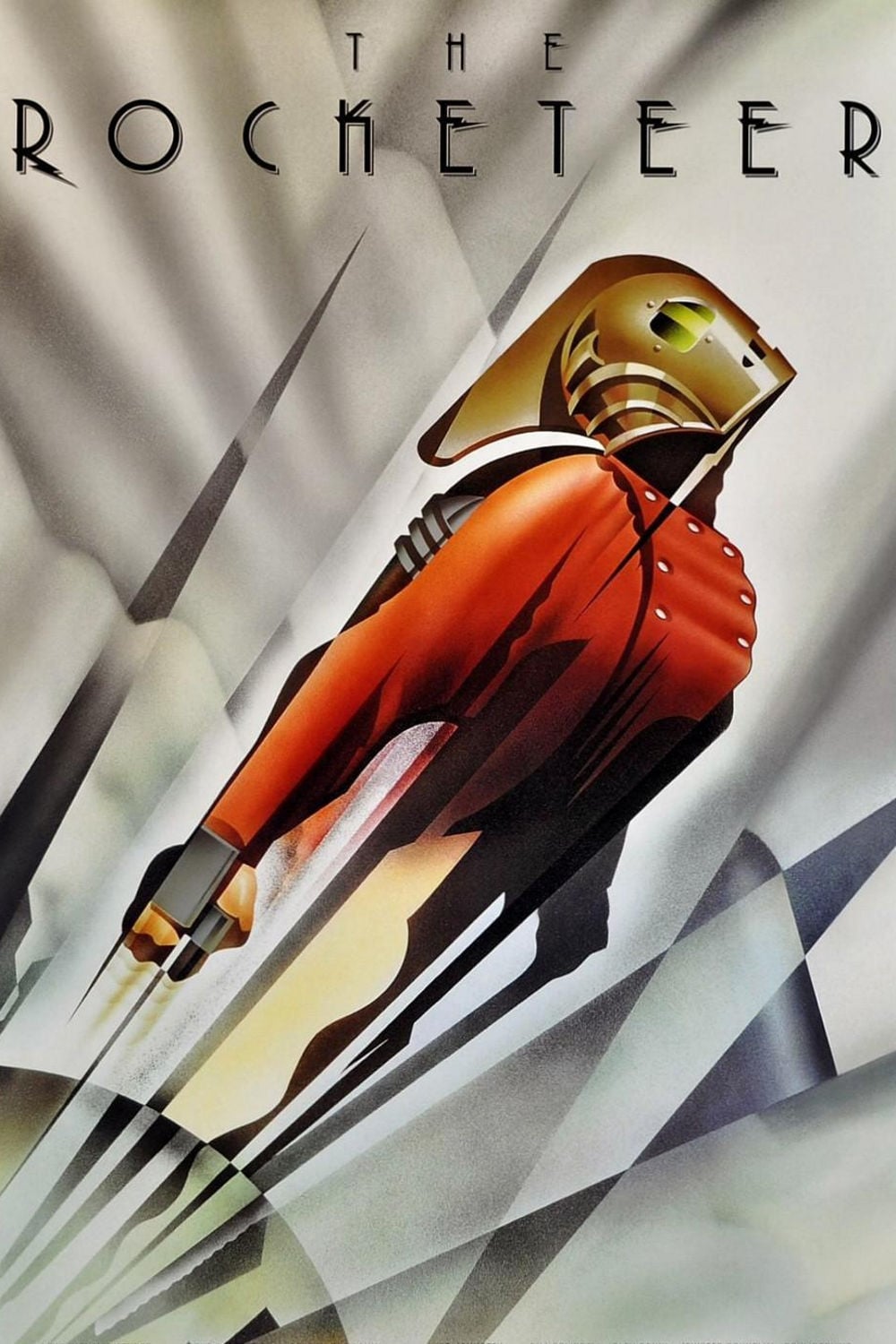
Joe Johnston directed this adaptation of Dave Stevens’ comic about stunt pilot Cliff Secord discovering an experimental rocket pack in 1938 Los Angeles. The film stars Billy Campbell, Jennifer Connelly, Alan Arkin, and Timothy Dalton and features aviation set pieces built with a mix of practical effects and early digital work. Production used locations like the Griffith Observatory and involved period aircraft recreations to capture the pulp adventure tone.
Walt Disney Pictures released ‘The Rocketeer’ in June 1991 after a marketing campaign built around its retro poster art and Art Deco designs. The score by James Horner became one of the movie’s most recognizable elements and the film later influenced additional Disney park references and continued comic stories.
‘Darkman’ (1990)
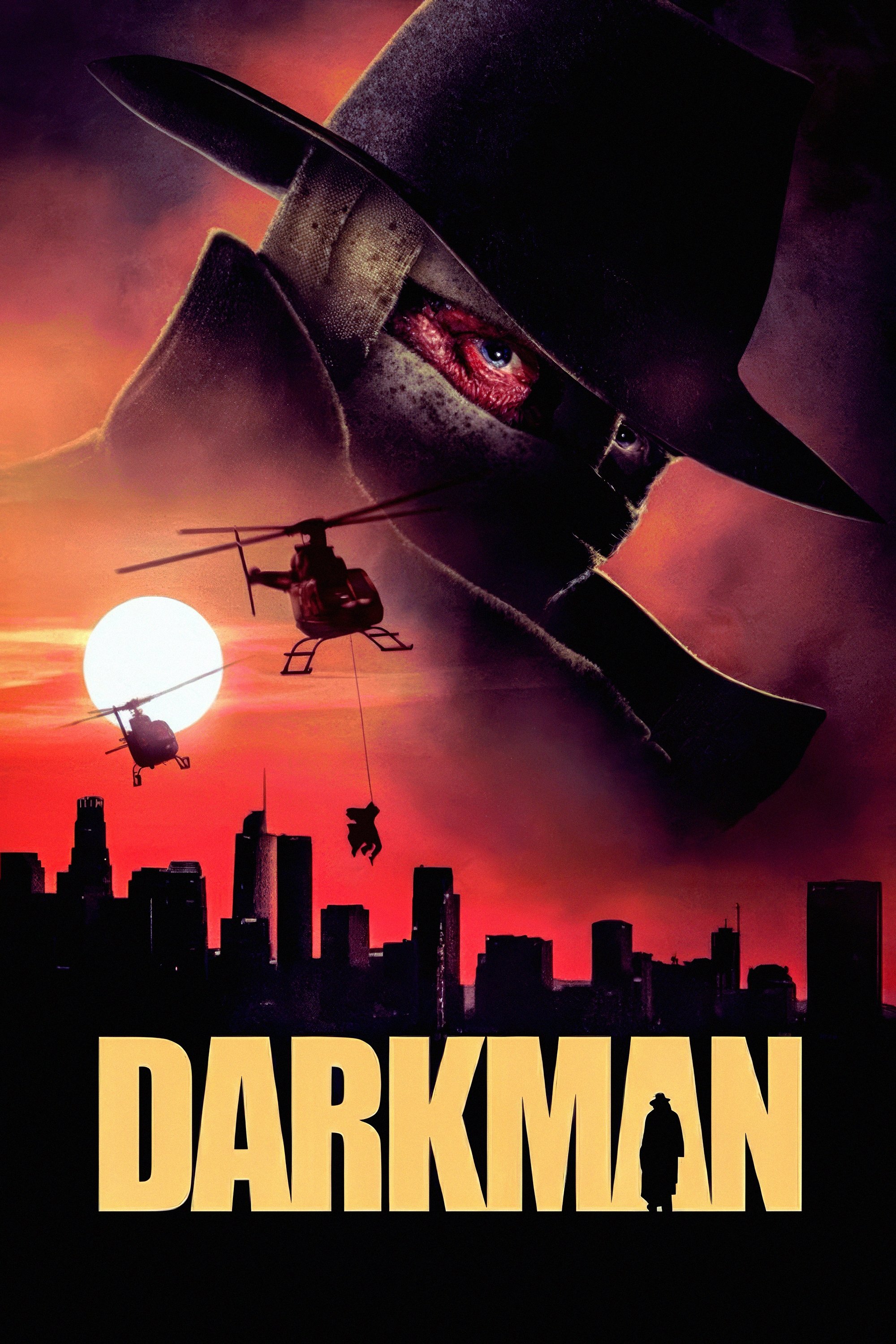
Sam Raimi created an original pulp-inspired hero for ‘Darkman’, casting Liam Neeson as scientist Peyton Westlake and Frances McDormand as attorney Julie Hastings. The story centers on synthetic skin experiments that fail under daylight and a personal quest that plays with horror and noir elements. Makeup designer Tony Gardner developed prosthetics for the title character’s bandaged visage.
Universal Pictures released the film in August 1990 and it performed well enough to generate two direct-to-video sequels with Arnold Vosloo taking over the lead. ‘Darkman’ also spawned a short-lived comic tie-in and remains a key step in Raimi’s path to directing ‘Spider-Man’.
‘Mystery Men’ (1999)
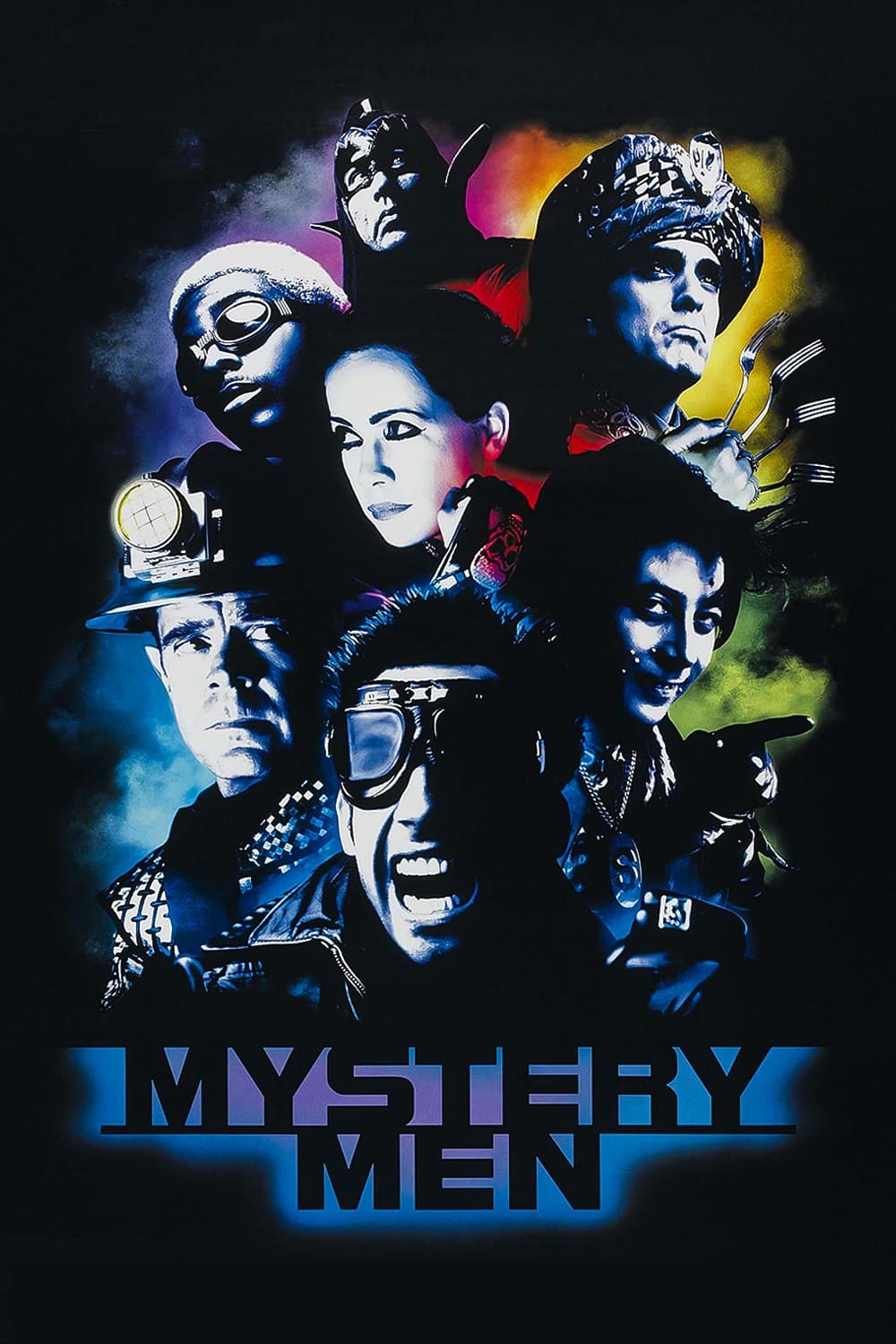
Based on Bob Burden’s ‘Flaming Carrot’ universe, ‘Mystery Men’ follows a group of unconventional do-gooders played by Ben Stiller, William H. Macy, Hank Azaria, Janeane Garofalo, Paul Reubens, and Kel Mitchell. The production leaned into colorful set pieces and elaborate costume design that mirrored late-90s comic aesthetics, with music cues from that era’s alt-rock and pop.
Released by Universal Pictures in 1999, the film featured Geoffrey Rush as the main villain and Greg Kinnear as a corporate-backed celebrity superhero. Its ensemble approach and satirical worldbuilding paved the way for later projects that deconstructed capes and teams in a comedic register.
‘Unbreakable’ (2000)
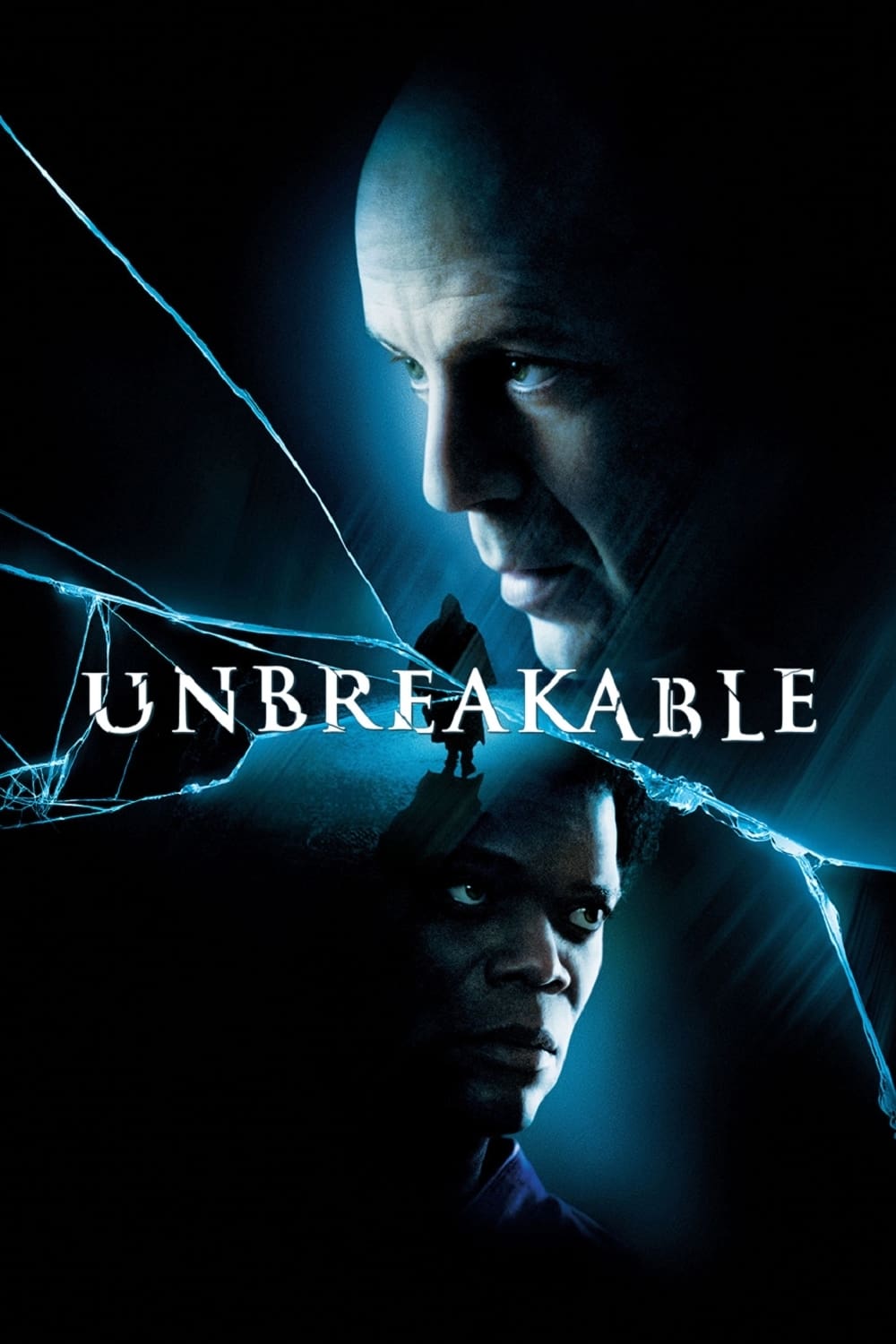
M. Night Shyamalan wrote and directed ‘Unbreakable’, starring Bruce Willis as David Dunn and Samuel L. Jackson as Elijah Price. The film frames comic-book archetypes through grounded cinematography by Eduardo Serra and a restrained score by James Newton Howard. Long takes and color motifs underscore how the characters interpret heroism and villainy.
Touchstone Pictures released the movie in November 2000 following the success of Shyamalan’s previous thriller. ‘Unbreakable’ later grew into a trilogy through ‘Split’ and ‘Glass’, with the original entry serving as the origin story that anchors the series.
‘Sky High’ (2005)
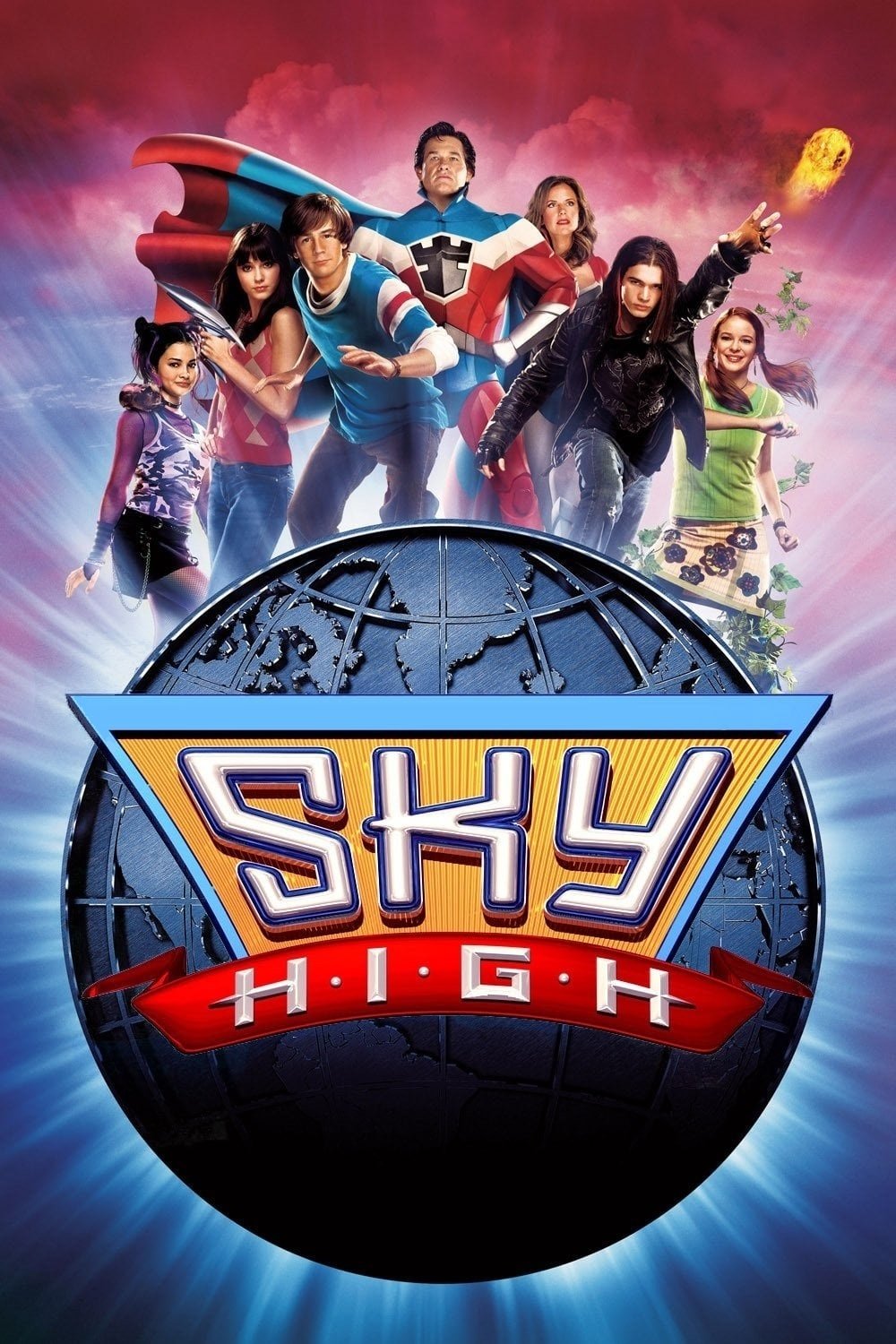
‘Sky High’ introduces a high school for superpowered teens and follows Will Stronghold, the son of famous heroes played by Kurt Russell and Kelly Preston. Director Mike Mitchell balanced classroom comedy with effects work designed to stage training sequences and freshman-year challenges. The cast includes Danielle Panabaker, Mary Elizabeth Winstead, and Bruce Campbell in faculty roles.
Walt Disney Pictures released the film in 2005 with a summer slot that positioned it as a family adventure. It later found an audience through cable and home media, and its worldbuilding included class schedules, school rivalries, and a campus layout that mapped powers to extracurricular life.
‘Hancock’ (2008)
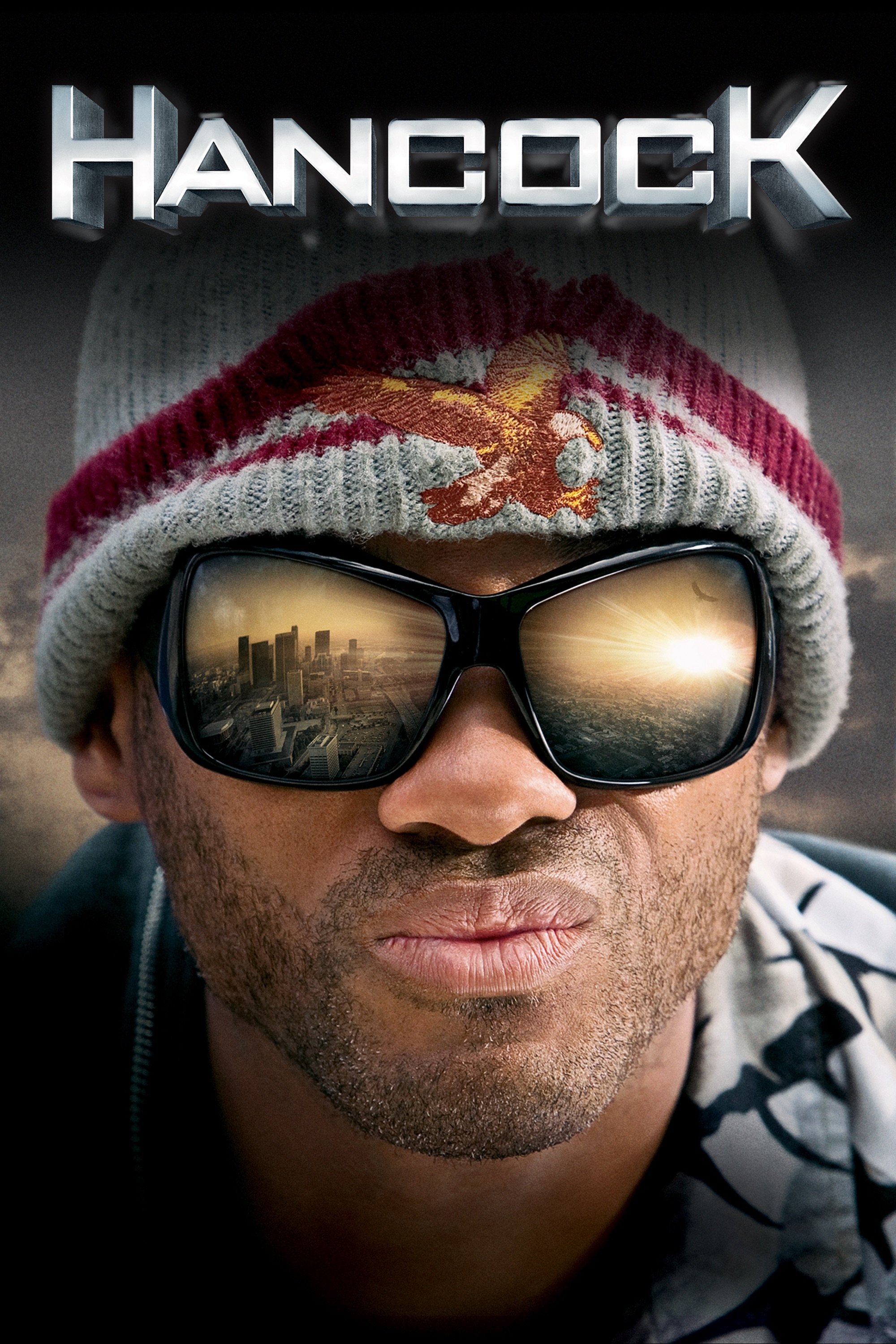
Directed by Peter Berg, ‘Hancock’ stars Will Smith as a superhuman living in Los Angeles and Charlize Theron and Jason Bateman in key supporting roles. The production emphasized aerial stunts, practical destruction gags, and large-scale visual effects to depict the impact of powers on a modern cityscape.
Sony Pictures released ‘Hancock’ in July 2008, and the film crossed major global box office milestones. It also underwent script development phases that shifted the tone from darker origins to a PG-13 presentation, resulting in theatrical and unrated home releases that differ in select scenes.
‘Defendor’ (2009)
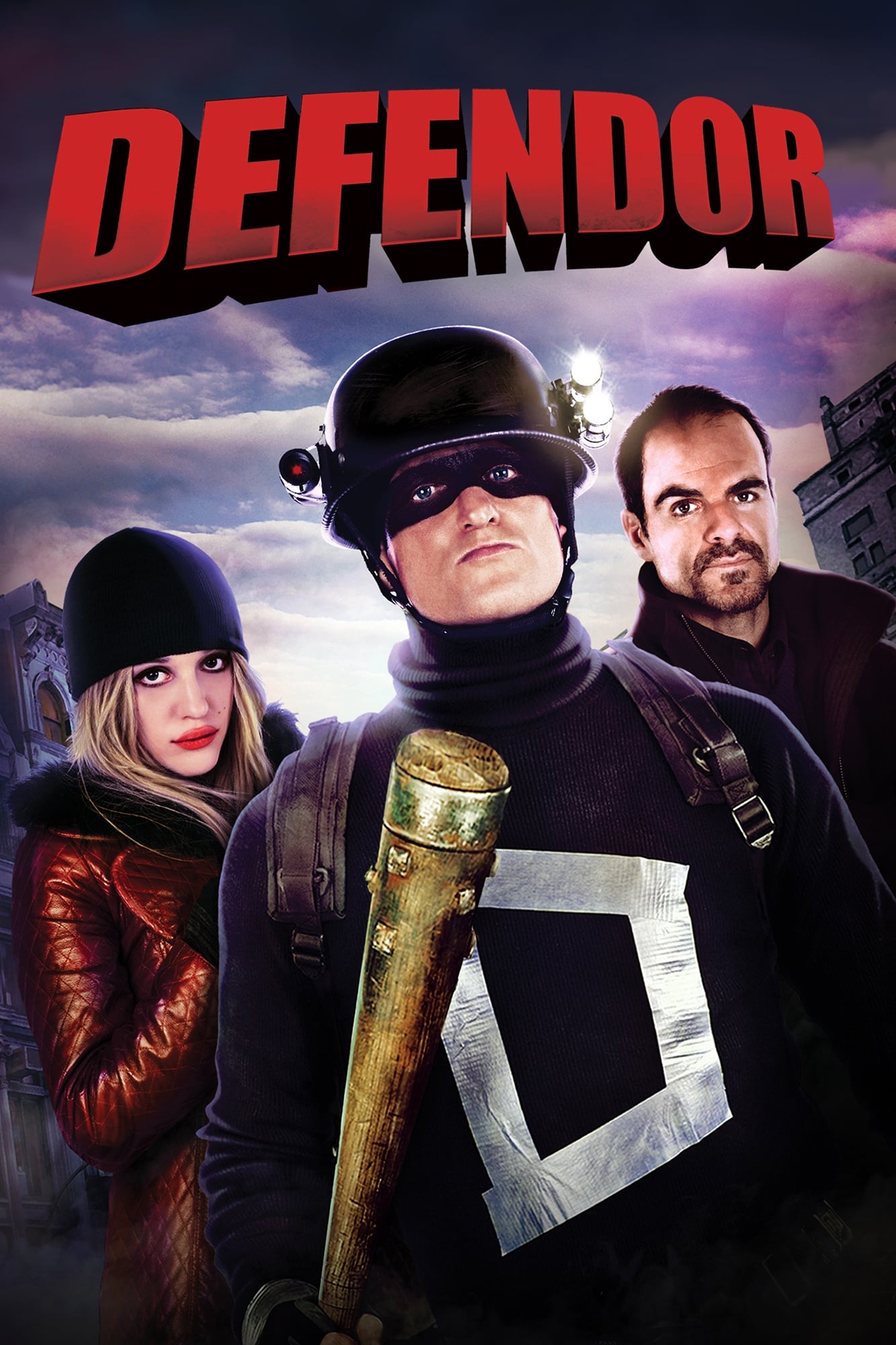
Written and directed by Peter Stebbings, ‘Defendor’ features Woody Harrelson as a night patrolman who adopts a handmade persona to confront local crime. The Canadian production shot in Hamilton and Toronto and balances character-focused scenes with small-scale action sequences built around improvised gear.
Premiering at the Toronto International Film Festival in 2009, ‘Defendor’ received a limited theatrical rollout and subsequent home distribution. The film’s grounded approach uses police case files, social services, and newspaper coverage as narrative devices inside its fictional city.
‘Super’ (2010)
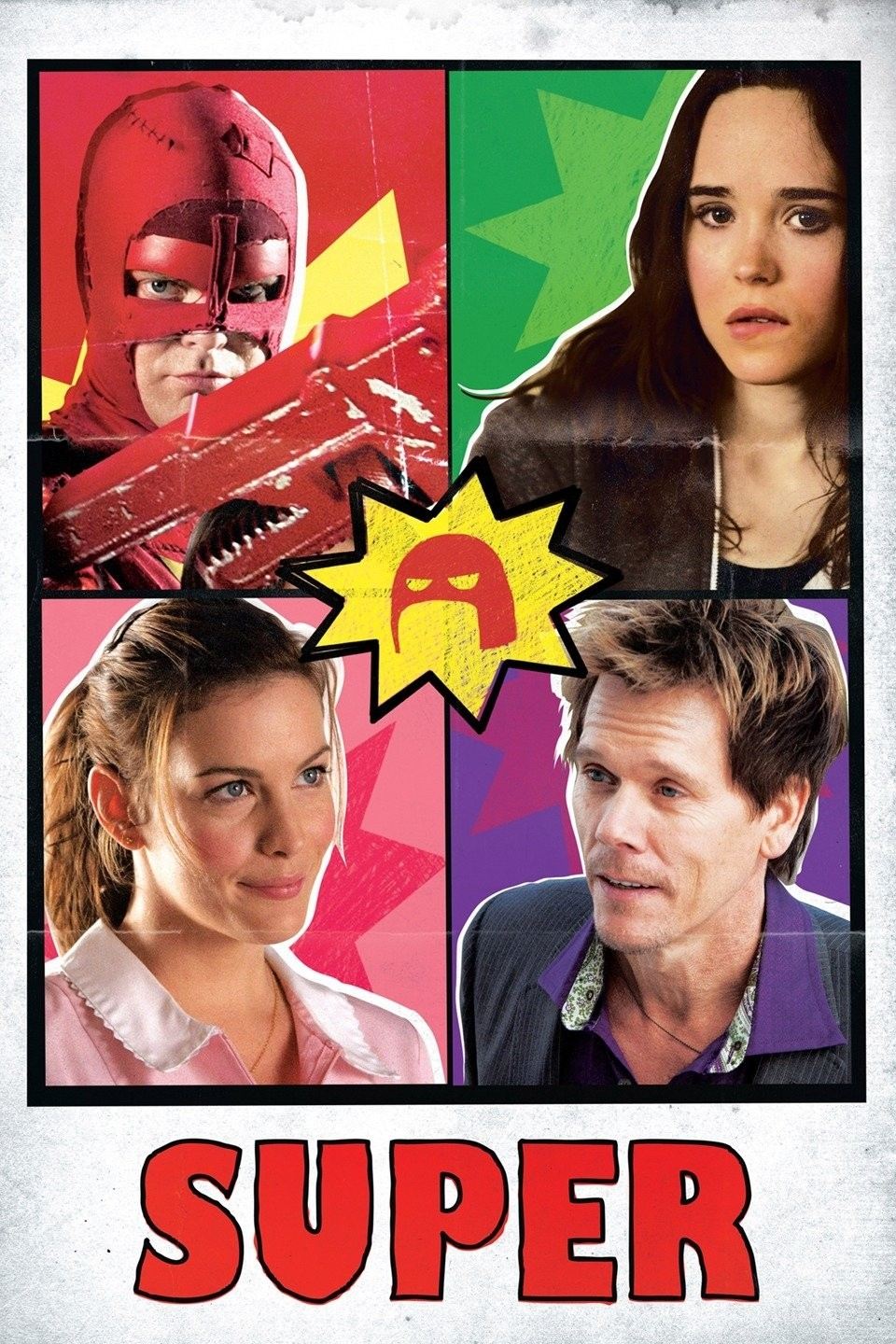
James Gunn’s ‘Super’ stars Rainn Wilson as a short-order cook who becomes the Crimson Bolt and Elliot Page as a comics-obsessed partner. The film uses practical fight choreography in confined spaces and blends animated interludes with live action for stylized transitions.
Debuting at the Toronto International Film Festival in 2010 and released in the United States the following year, ‘Super’ was made on a modest budget and later reached wider audiences through streaming and cable runs. The soundtrack pulls from indie rock tracks to match the movie’s DIY aesthetic.
‘Dredd’ (2012)
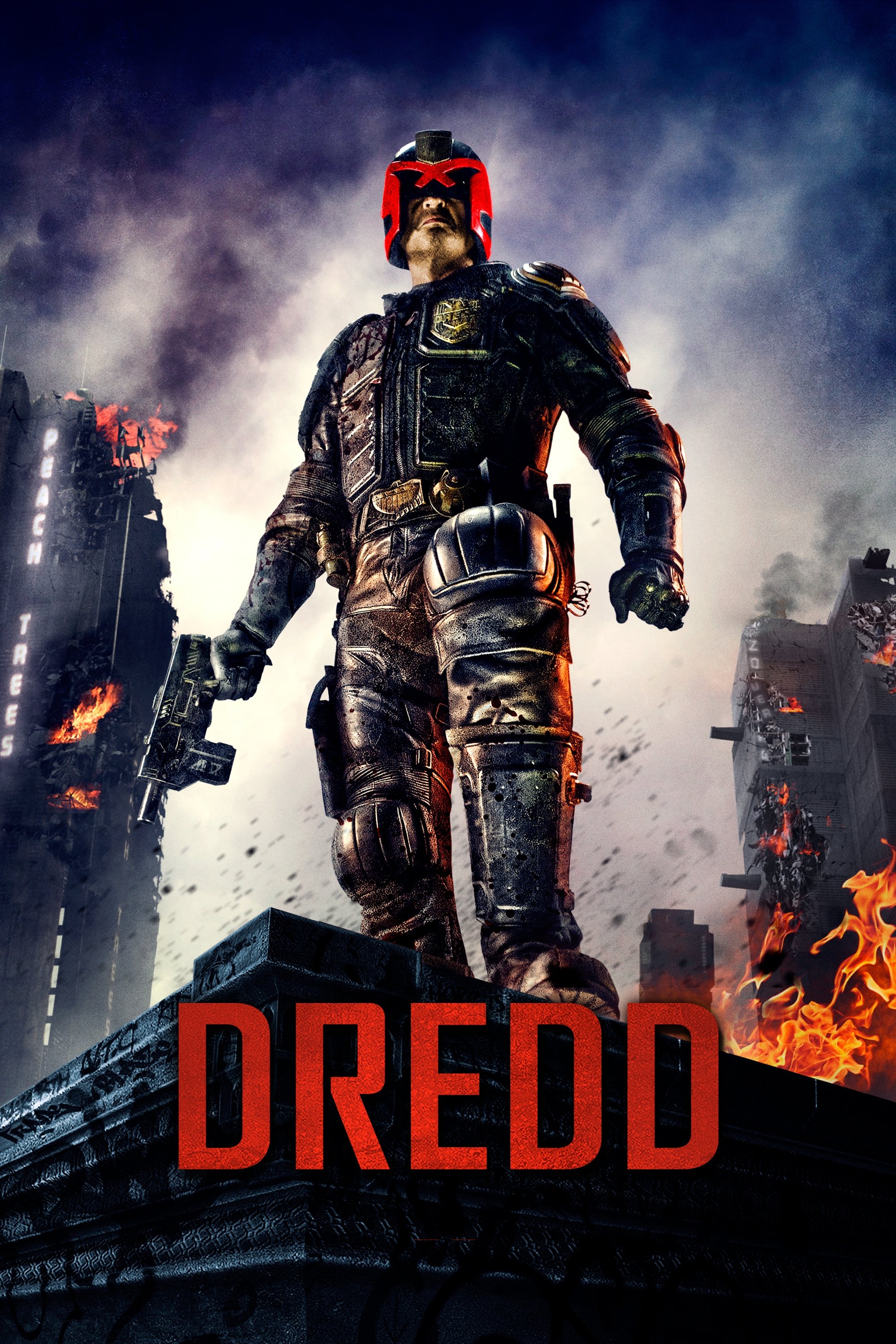
‘Dredd’ adapts the ‘Judge Dredd’ comic with Karl Urban as the title character and Olivia Thirlby as Judge Anderson. Although Pete Travis is the credited director, Alex Garland served as writer and had a significant creative role during postproduction. The film employs high-speed photography to visualize the drug Slo-Mo and stages its action within a single high-rise block.
Lionsgate released ‘Dredd’ in 2012 with a 3D presentation that accentuated the stylized slow-motion sequences. Despite modest box office returns during its initial run, the film developed strong home media sales and a dedicated fan base that advocated for sequels.
‘Chronicle’ (2012)
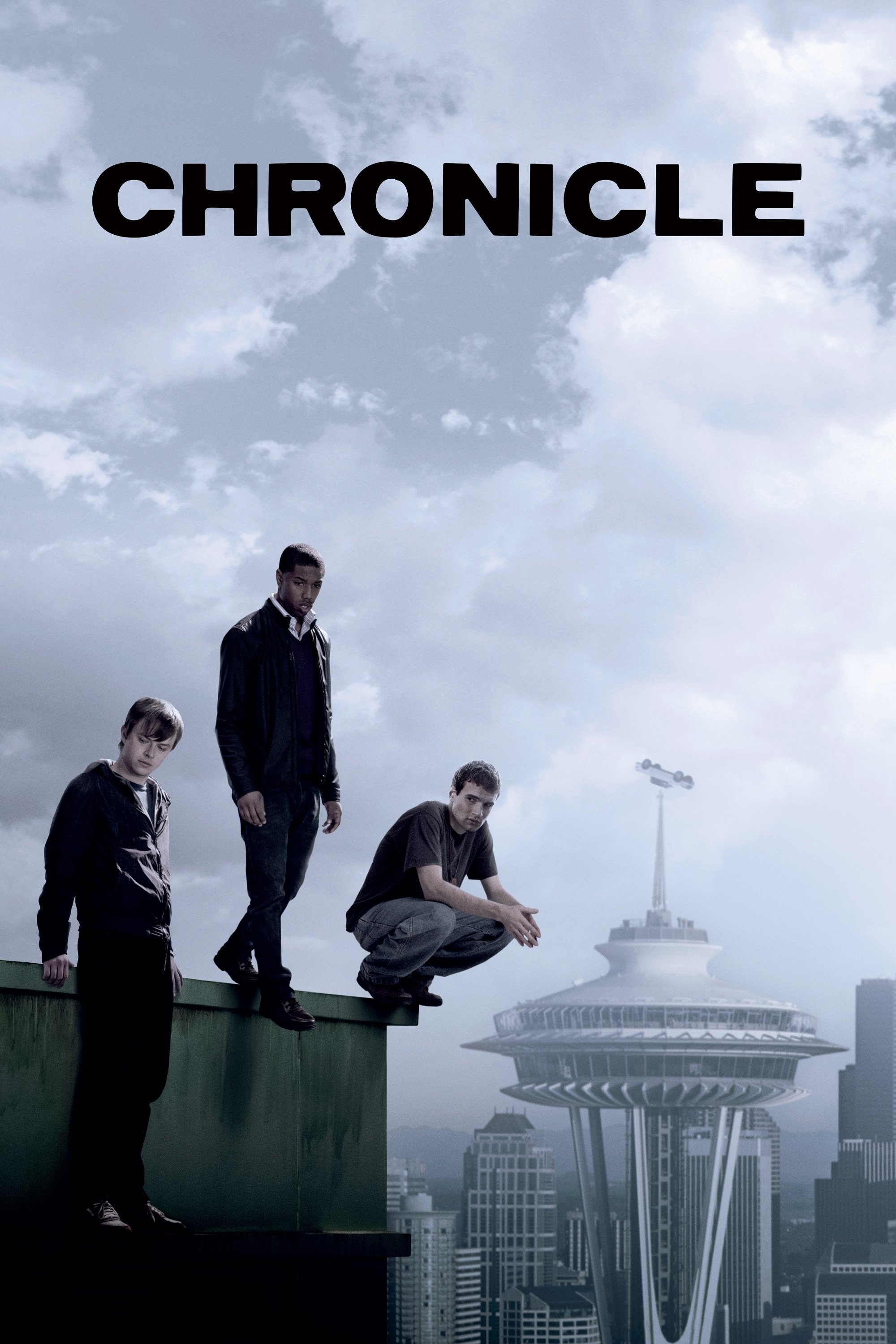
Josh Trank directed ‘Chronicle’, a found-footage film about three high school students who gain telekinetic abilities. The narrative uses consumer cameras and diegetic recording devices to justify the evolving visual language as powers grow. Dane DeHaan, Alex Russell, and Michael B. Jordan lead the cast.
Released by 20th Century Fox in 2012, the film’s production budget sat in the lower studio range and returned a significant worldwide gross. Its structure follows a character diary format, with set pieces built around levitation tests, pranks in public spaces, and a downtown confrontation.
‘Push’ (2009)
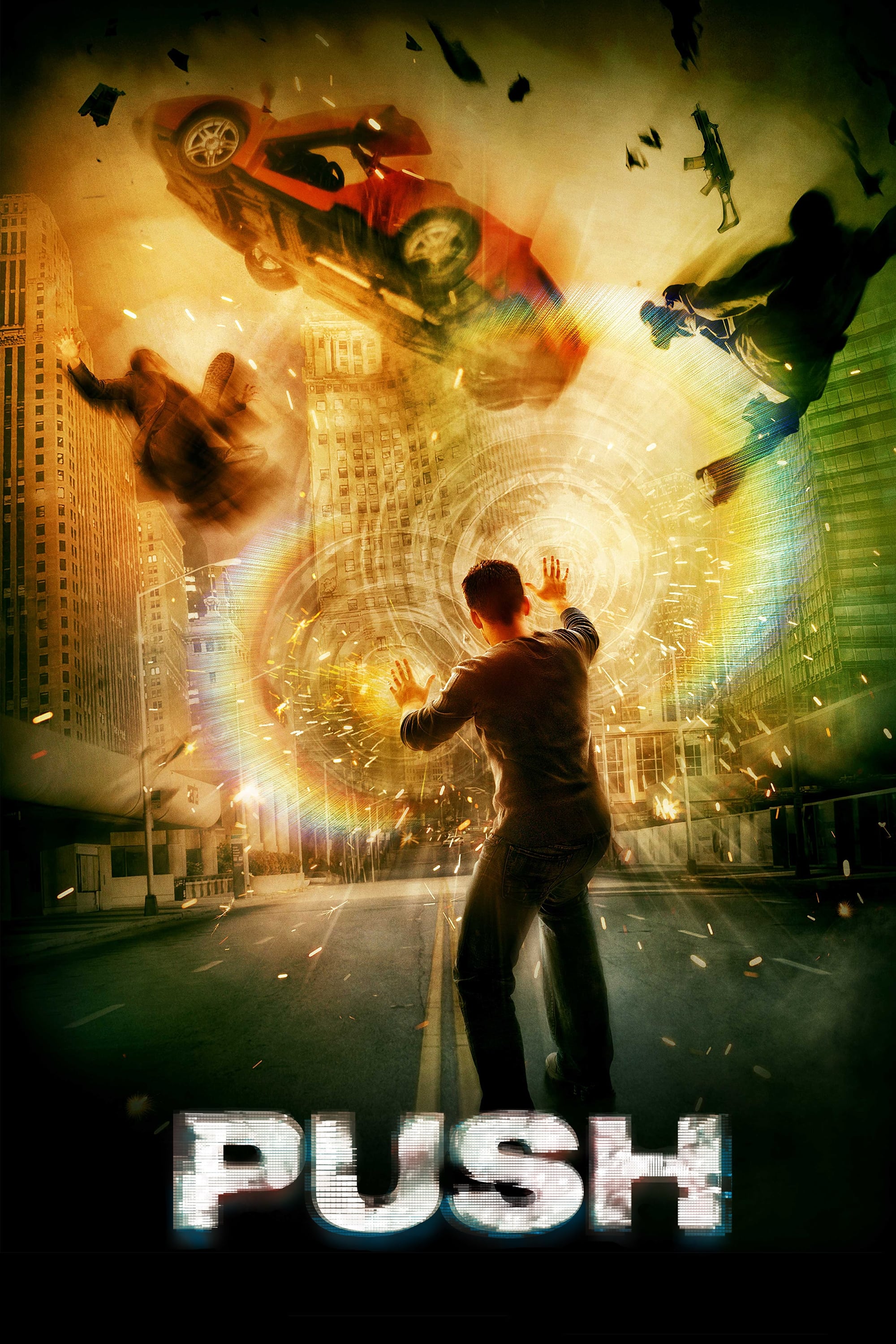
Directed by Paul McGuigan, ‘Push’ follows a community of people with psychic abilities living under surveillance by a government division. Chris Evans, Dakota Fanning, and Camilla Belle star, with supporting roles by Djimon Hounsou and Ming-Na Wen. The production shot extensively in Hong Kong, integrating street markets and apartment rooftops into chase sequences.
Summit Entertainment released ‘Push’ in 2009, and the film’s worldbuilding categorized powers with specific names like Movers, Watchers, and Pushers. Tie-in media included a limited comic series that outlined events predating the film’s timeline.
‘The Shadow’ (1994)
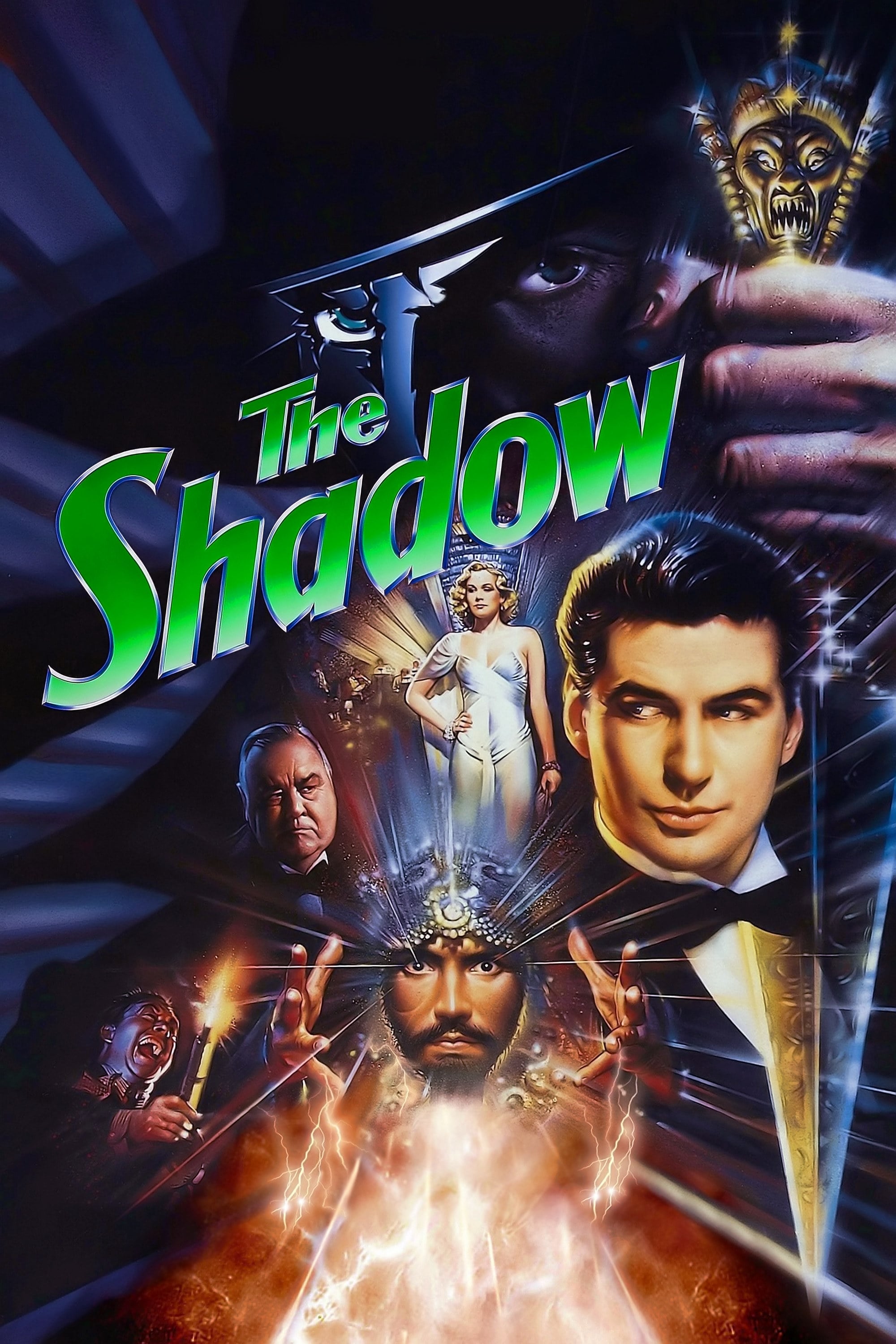
‘The Shadow’ brings the 1930s radio hero to the screen with Alec Baldwin in the lead and Penelope Ann Miller and John Lone in supporting roles. Russell Mulcahy directed, and the production design leaned into matte paintings, miniatures, and sets that recreated period New York.
Universal Pictures released the film in 1994 with a marketing campaign that referenced the character’s catchphrases from earlier media. Composer Jerry Goldsmith provided an orchestral score, and the film later earned a following through television broadcasts and home video.
‘The Phantom’ (1996)
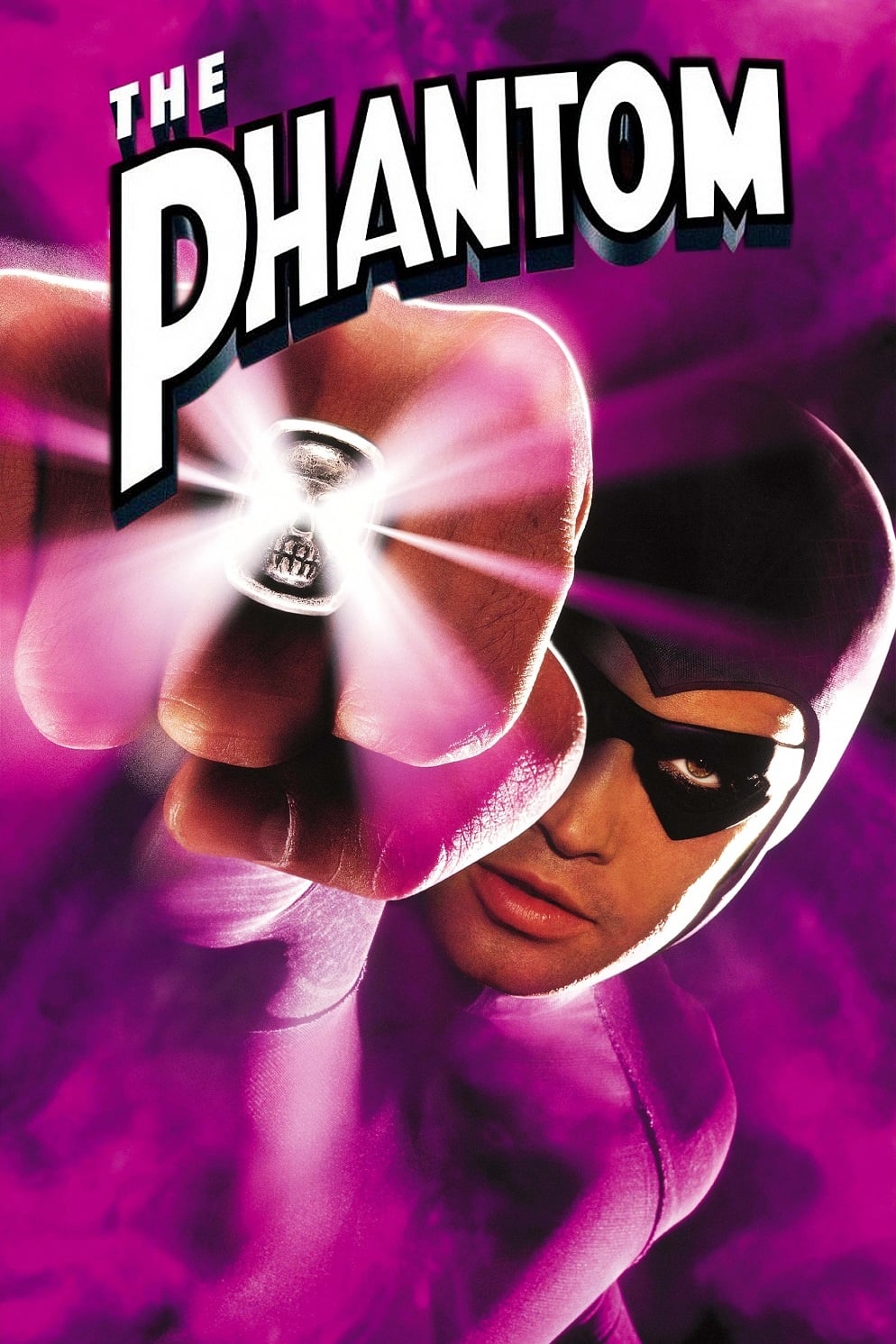
Simon Wincer directed ‘The Phantom’, starring Billy Zane as Kit Walker, the latest in a line of jungle guardians who operate from the Skull Cave. The film incorporated practical stunt work around horseback riding, vine swings, and shipboard fights, and shot scenes in Australia and Thailand to depict the hero’s home turf and urban detours.
Paramount Pictures released the movie in 1996, adapting Lee Falk’s long-running newspaper strip. Production design included the Phantom’s ring insignia and a redressed New York that hosted a museum-set finale involving an artifact hunt.
‘The Crow’ (1994)
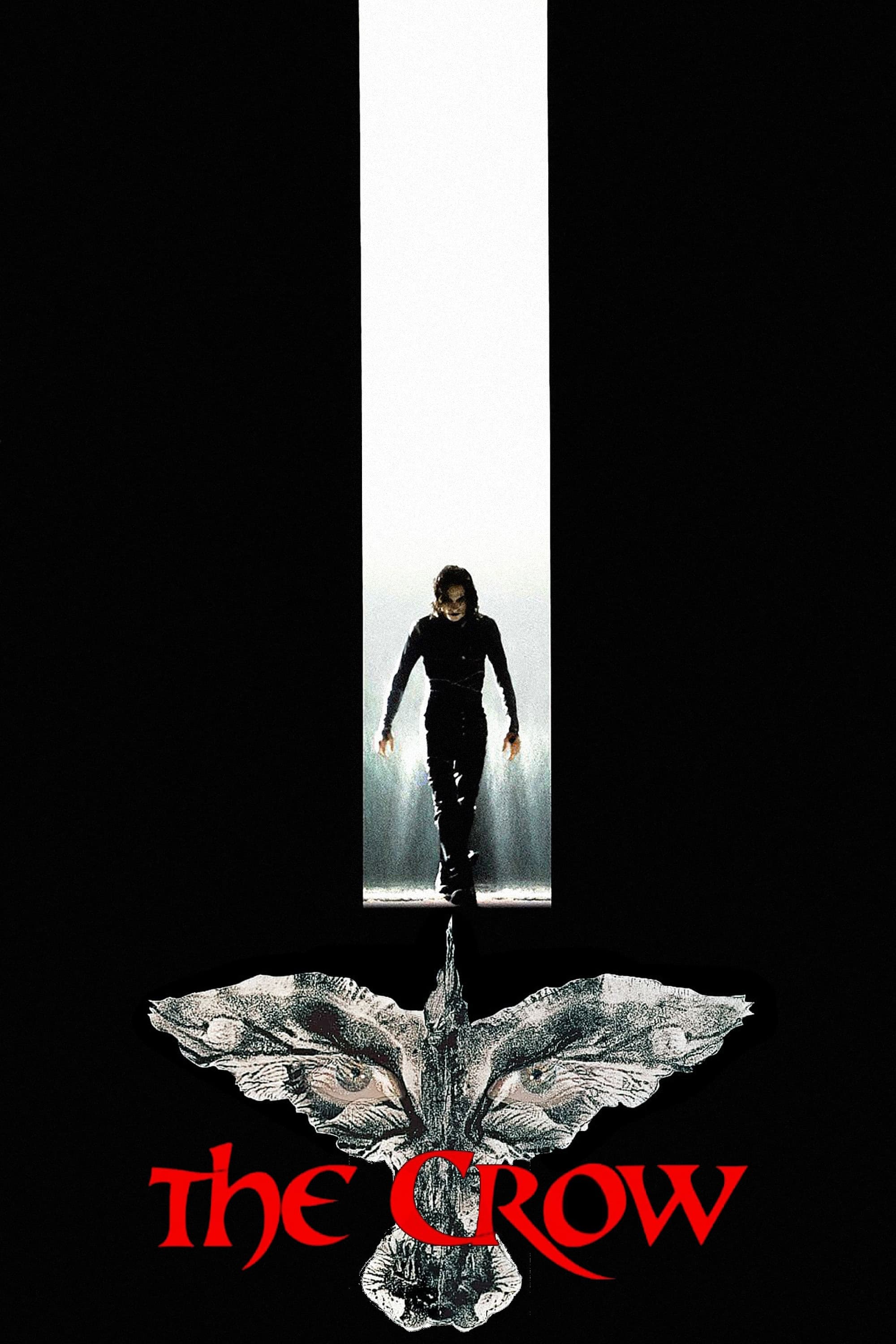
Alex Proyas directed ‘The Crow’, adapted from James O’Barr’s comic. Brandon Lee starred as Eric Draven, and the production is noted for its night shoots, rain effects, and a distinctive industrial aesthetic. After a tragic on-set incident, the film completed using early digital techniques and body doubles.
Miramax released ‘The Crow’ in May 1994, and the soundtrack featured alternative rock artists that matched the movie’s visual palette. The film led to sequels and a television series and remained a reference point for comic-based cinema in the 1990s.
‘Spawn’ (1997)

‘Spawn’, directed by Mark A. Z. Dippé, adapts Todd McFarlane’s Image Comics series, with Michael Jai White in the title role and John Leguizamo and Martin Sheen in key parts. The production combined practical creature effects with then-novel CGI for the Hell sequences and suit transformations.
New Line Cinema released the film in 1997, and its PG-13 theatrical cut was followed by an extended home version. The character continued on television through an animated series that aired in the late 1990s and maintained a merchandise presence across toys and collectibles.
‘Fast Color’ (2018)
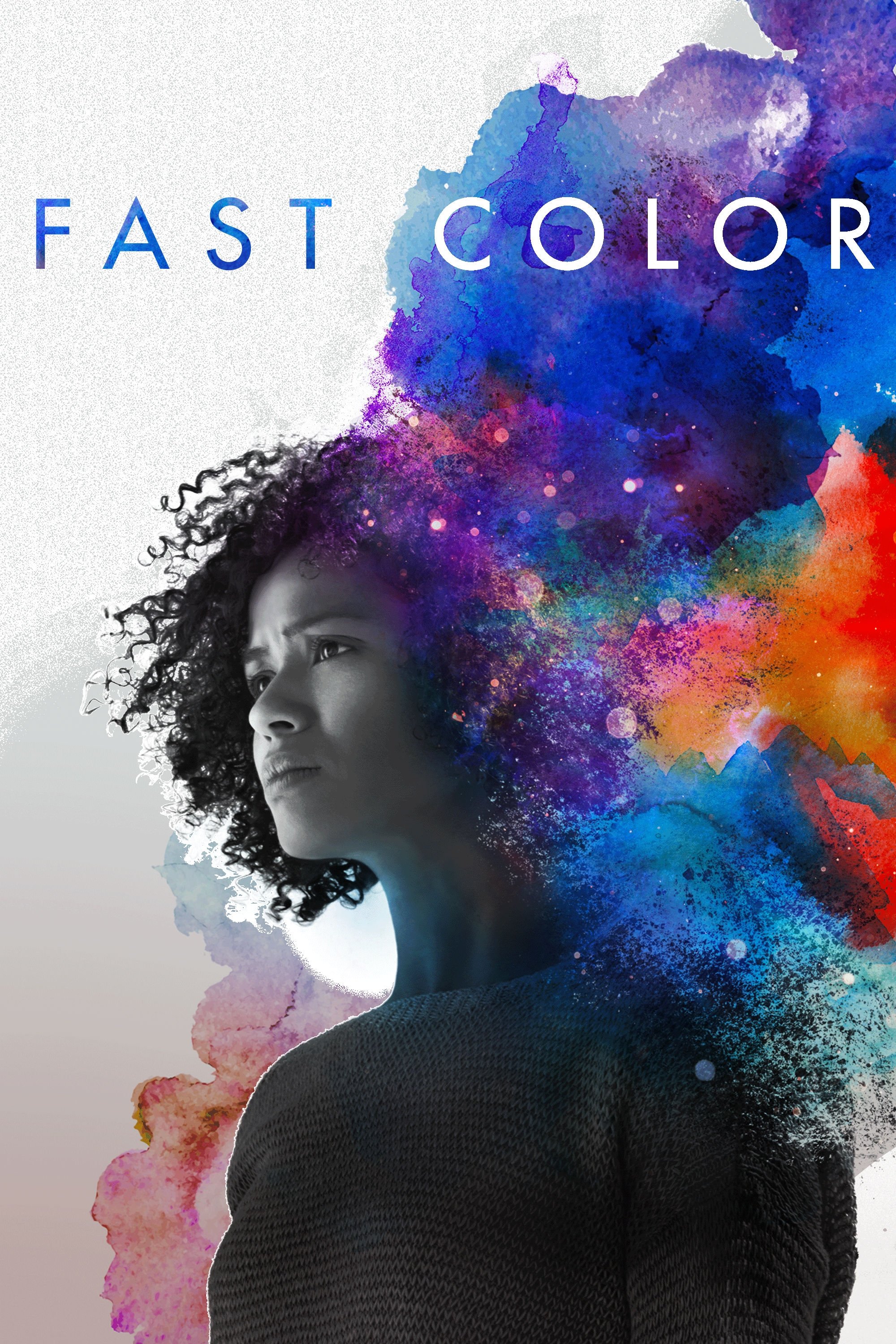
Directed by Julia Hart, ‘Fast Color’ stars Gugu Mbatha-Raw as a woman with seismic abilities that connect to family history. The film focuses on small-town locations and intimate scenes, using visual effects to represent molecular disassembly and reassembly as a form of power.
After premiering at South by Southwest in 2018, ‘Fast Color’ received a limited theatrical release and later expanded its audience through digital platforms. The story inspired development on a related television project to expand the mythology around the central family.
‘Code 8’ (2019)
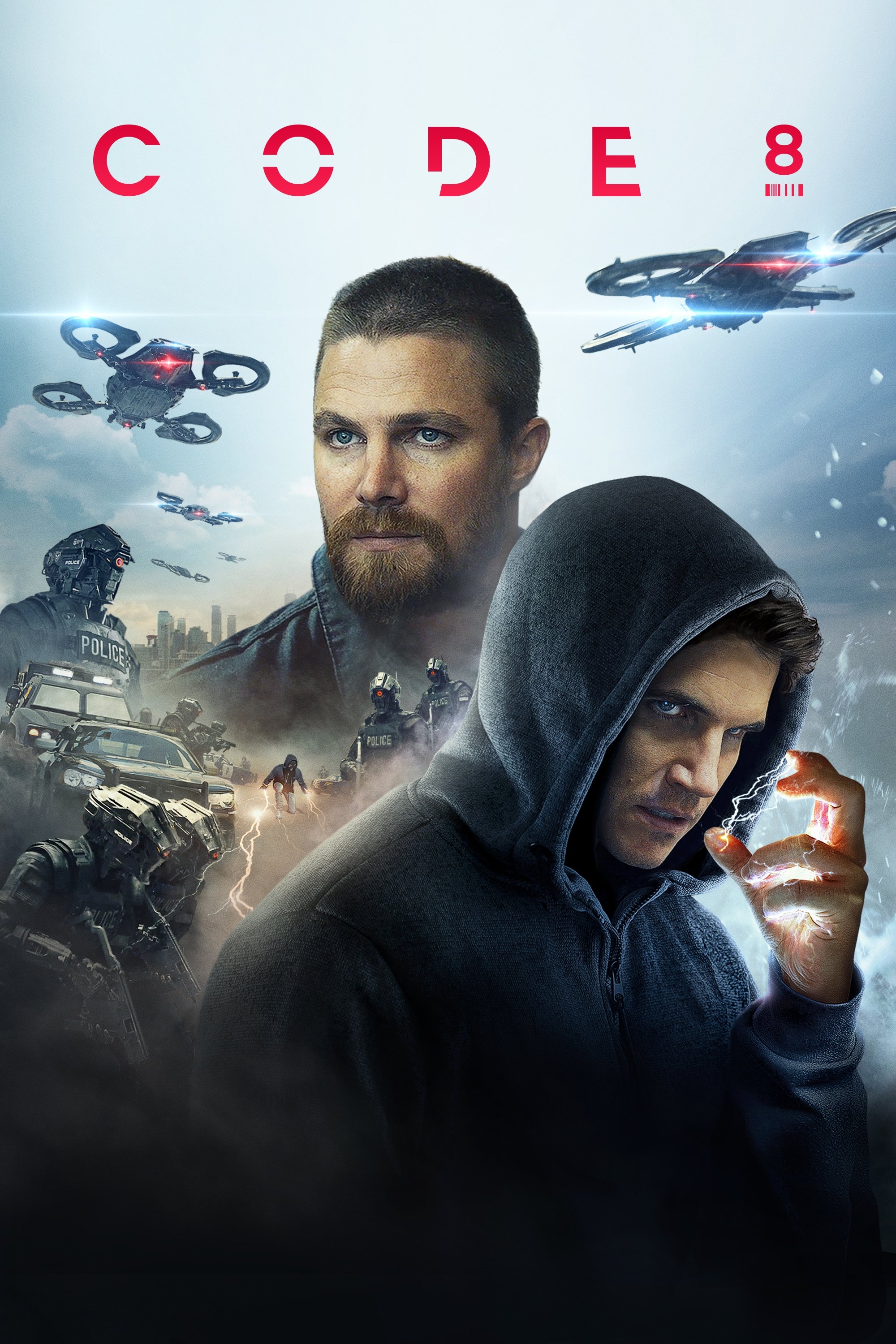
Jeff Chan directed ‘Code 8’, a feature built from a short proof of concept that attracted crowdfunding support. Robbie Amell and Stephen Amell star as relatives in a city where powered residents face strict regulation, with production using Toronto locations and practical armored vehicle rigs for action beats.
The film debuted in select theaters and on digital platforms in 2019 and later reached a wide audience through a streaming launch. The reception supported the production of a sequel with returning cast and continued worldbuilding around police units and black-market tech.
‘Glass’ (2019)
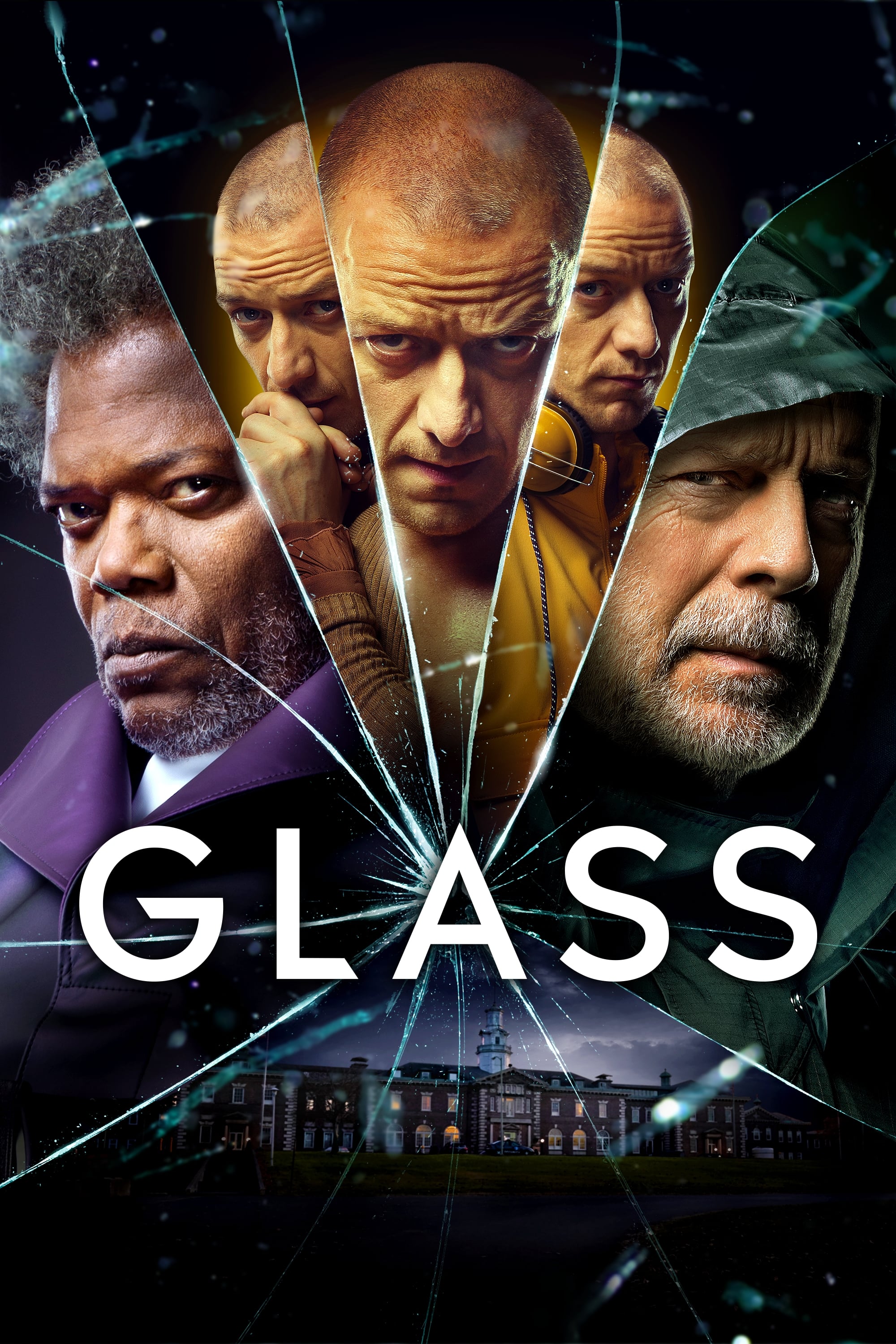
‘Glass’ unites characters from ‘Unbreakable’ and ‘Split’ under writer-director M. Night Shyamalan. Bruce Willis, Samuel L. Jackson, and James McAvoy return, with Anya Taylor-Joy and Sarah Paulson joining the ensemble. The film uses a psychiatric facility as its primary location and incorporates surveillance rooms and containment measures into its set design.
Universal Pictures released ‘Glass’ in January 2019, concluding the trilogy that began in 2000. The production was independently financed by the filmmaker and distributed through a major studio partnership, a model that mirrored the arrangement used on ‘Split’.
‘Turbo Kid’ (2015)
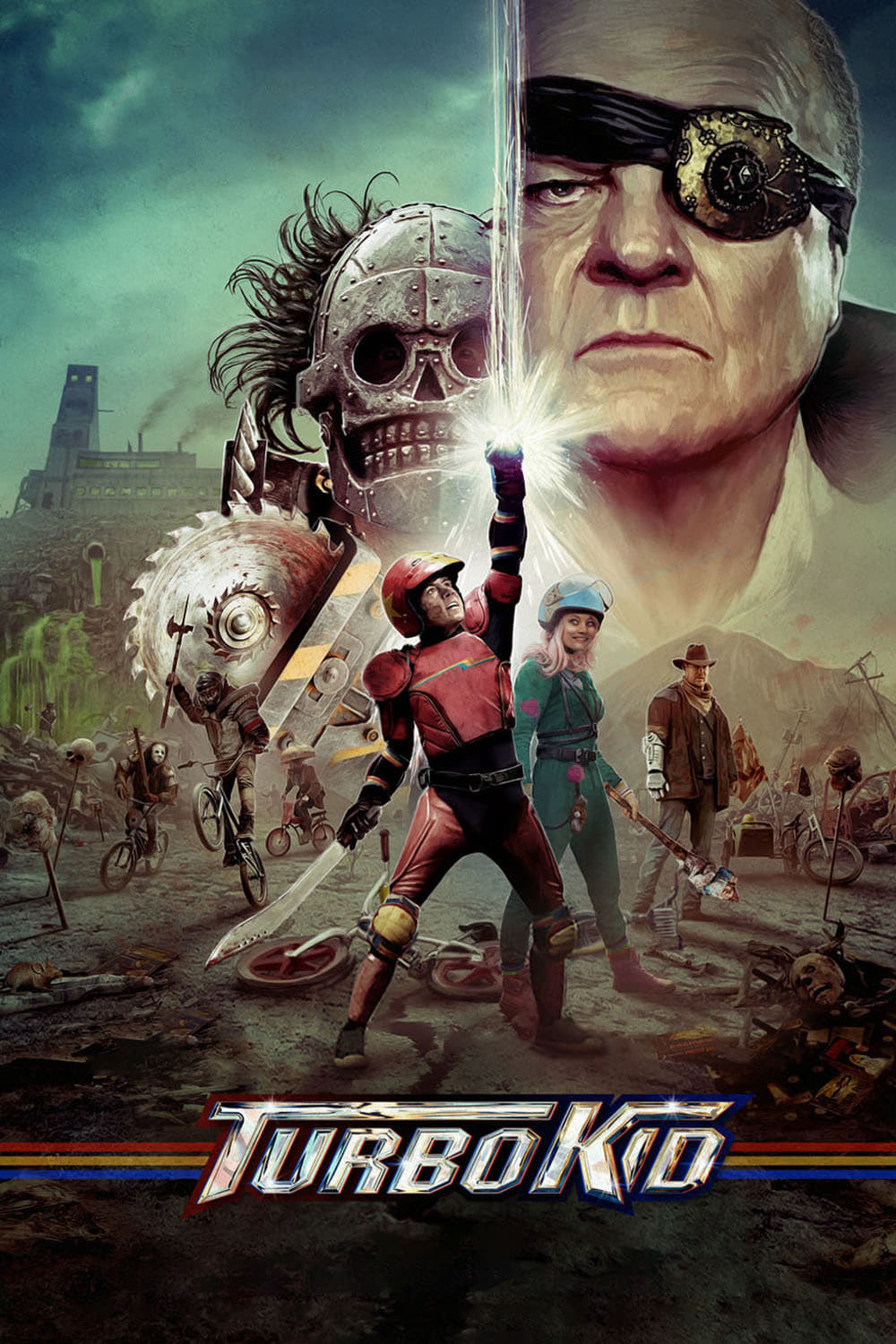
Canadian and New Zealand filmmakers François Simard, Anouk Whissell, and Yoann-Karl Whissell co-directed ‘Turbo Kid’. The movie stars Munro Chambers, Laurence Leboeuf, and Michael Ironside and presents a retro-futurist wasteland outfitted with BMX chases, homemade armor, and practical gore effects.
Premiering at Sundance in 2015, ‘Turbo Kid’ secured distribution through genre-focused labels and toured festivals before home release. The film later expanded into tie-in comics and merchandise that leaned into its 1980s-inspired design language.
‘The Old Guard’ (2020)
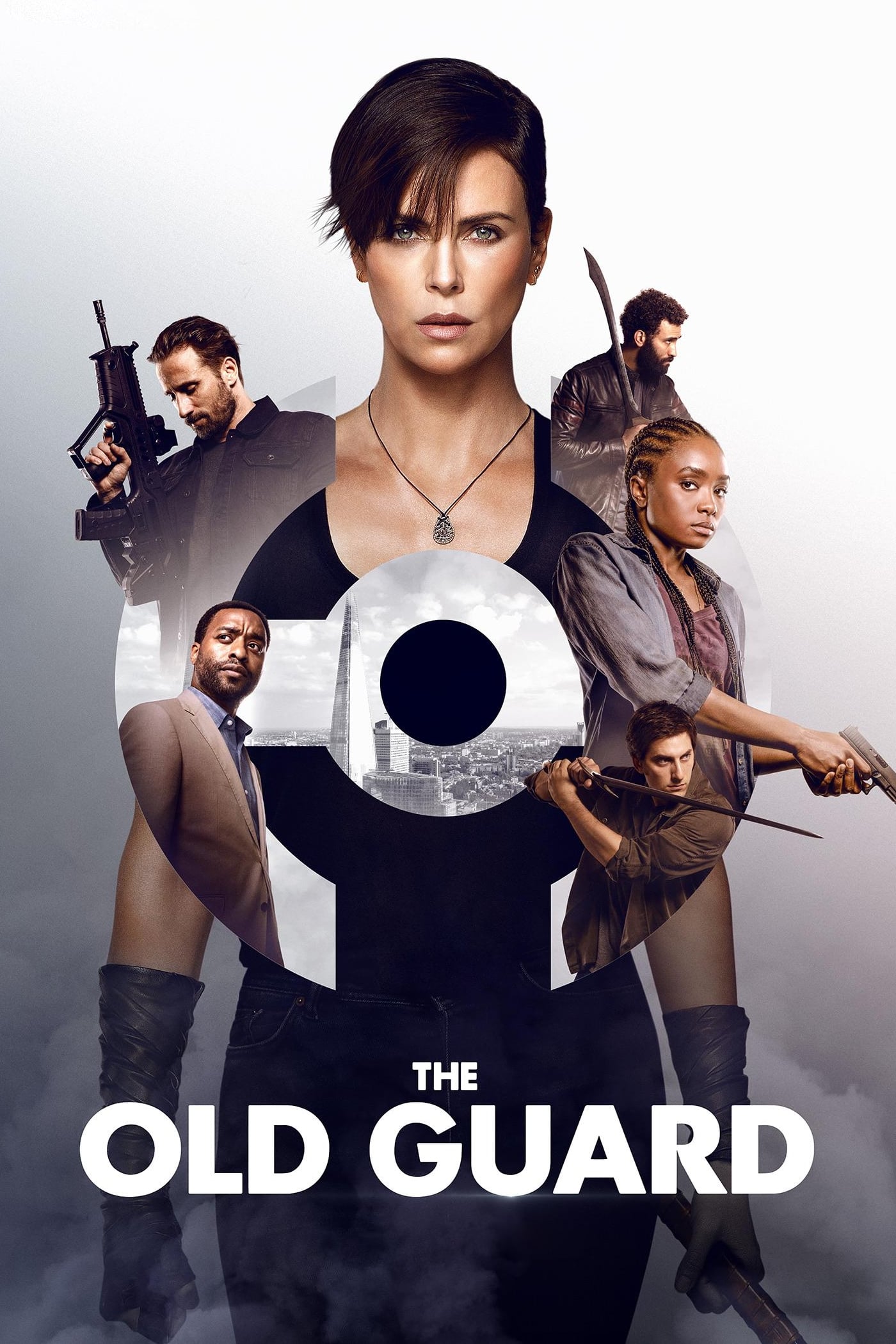
Gina Prince-Bythewood directed ‘The Old Guard’, adapted from Greg Rucka and Leandro Fernández’s comic. Charlize Theron leads a team of immortal warriors, with KiKi Layne joining as a new recruit, and the production staged action sequences in Morocco, the United Kingdom, and Italy.
Released globally by Netflix in July 2020, the film recorded strong viewership metrics on the platform and moved forward with a sequel. Composer Volker Bertelmann provided the score, and the creative team coordinated stunt training to emphasize grounded choreography for the ensemble.
‘Project Power’ (2020)
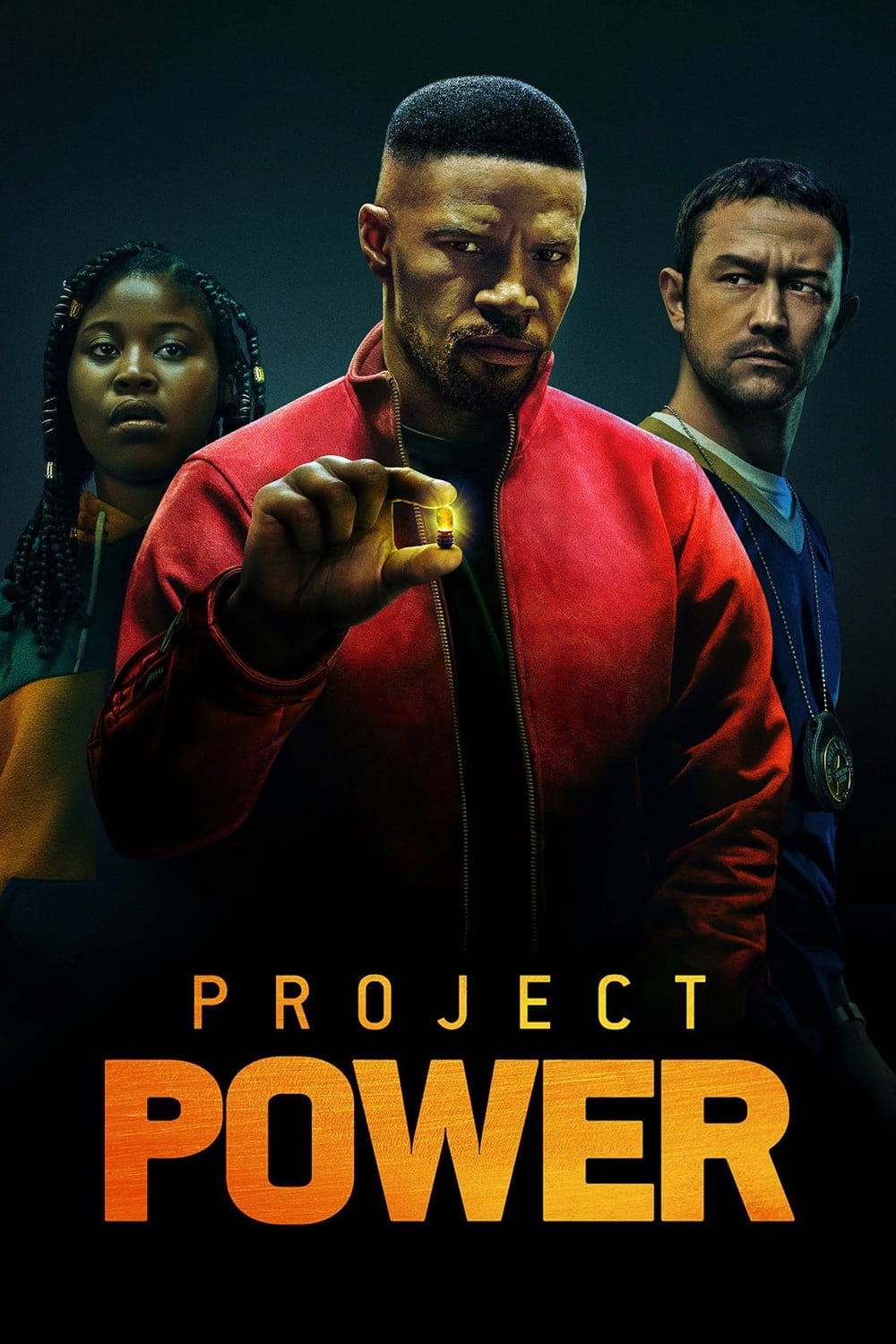
‘Project Power’ comes from directors Henry Joost and Ariel Schulman and centers on a pill that grants five minutes of unpredictable abilities. Jamie Foxx, Joseph Gordon-Levitt, and Dominique Fishback headline, and the production shot in New Orleans to incorporate local settings into chase and fight scenes.
Netflix released the film in August 2020 as part of its original features slate. Visual effects vendors developed transformation beats that mapped specific powers to brief, high-intensity sequences, and the narrative structure follows overlapping investigations into the drug’s source.
‘Brightburn’ (2019)
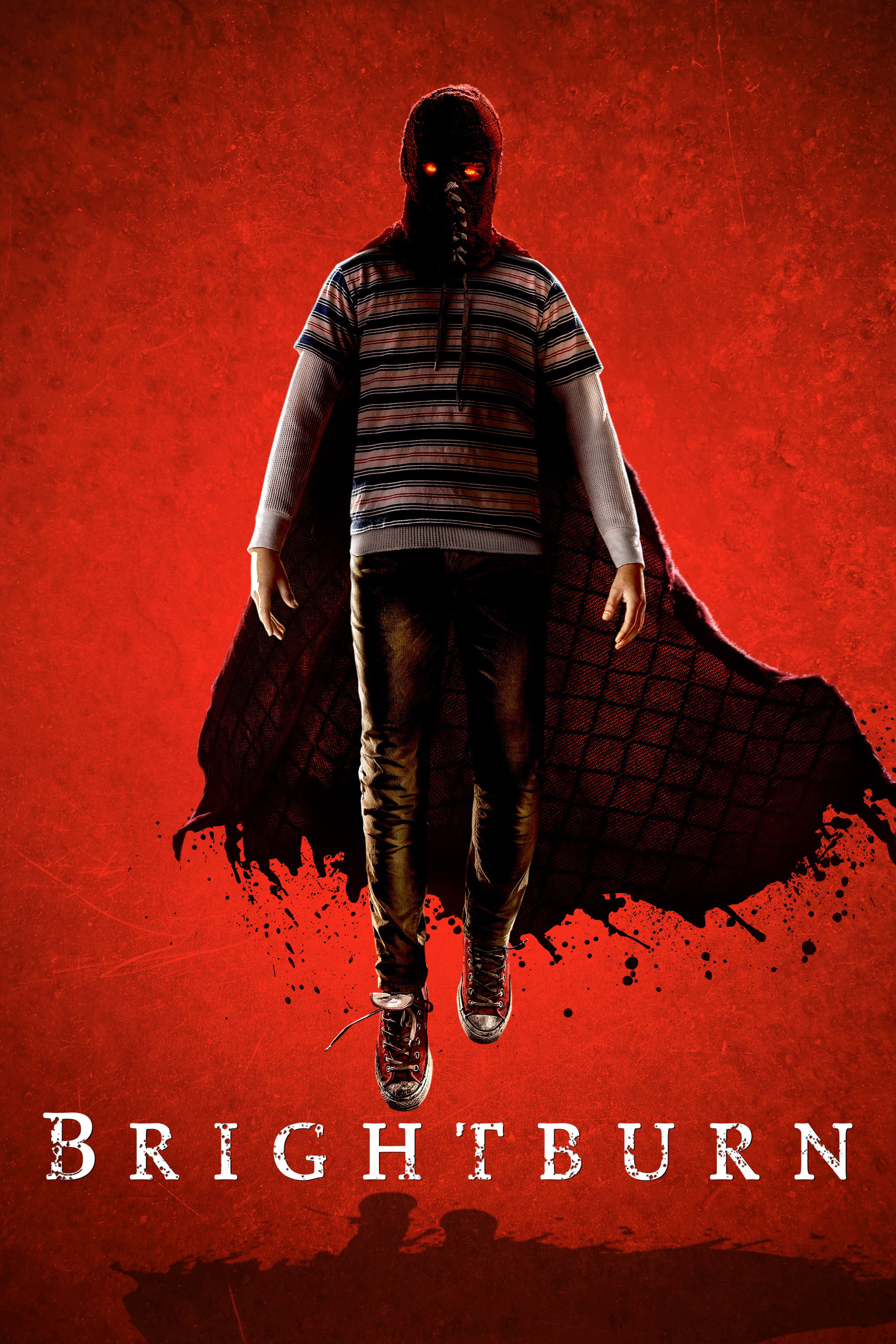
Directed by David Yarovesky, ‘Brightburn’ reframes a small-town adoption story around a child who manifests destructive powers. Elizabeth Banks, Jackson A. Dunn, and David Denman star, and the production used Georgia as a primary filming location for rural settings and school environments.
Screen Gems and Sony Pictures released the film in May 2019 with a marketing campaign that emphasized the horror angle within a superpowered premise. The movie’s home release included extended scenes and featurettes detailing costume design and practical effects for airborne stunts.
‘Bloodshot’ (2020)
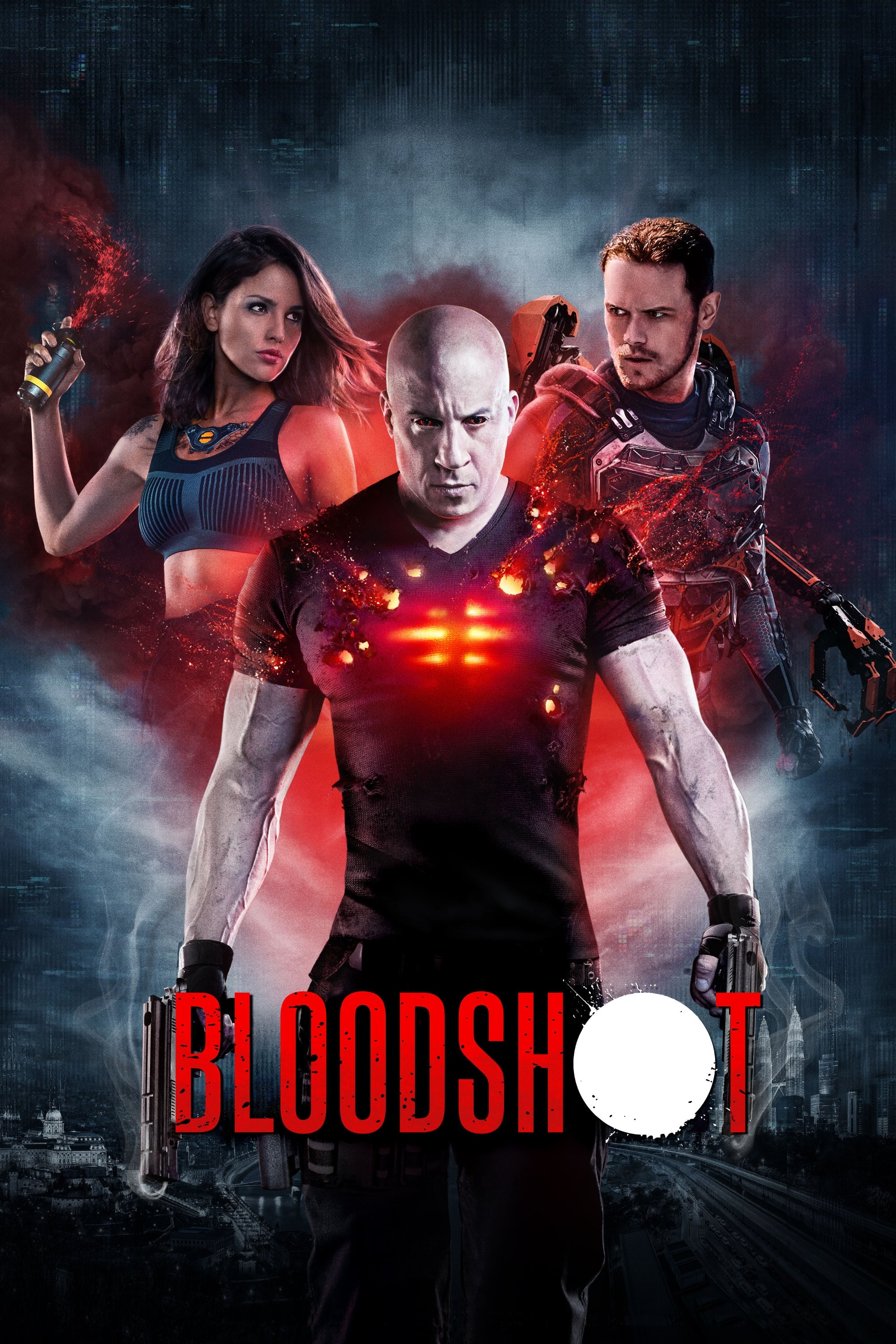
Dave Wilson directed ‘Bloodshot’, adapted from Valiant Comics. Vin Diesel stars as Ray Garrison, a soldier revived with nanite technology, with Eiza González, Sam Heughan, and Guy Pearce in supporting roles. The film integrates digital effects to visualize microscopic repairs and augmented physicality during combat.
Sony Pictures released ‘Bloodshot’ in March 2020 during the early period of global theater closures. The studio quickly shifted to premium video on demand, and the film later became part of discussions about building a shared Valiant cinematic lineup.
‘Kick-Ass 2’ (2013)
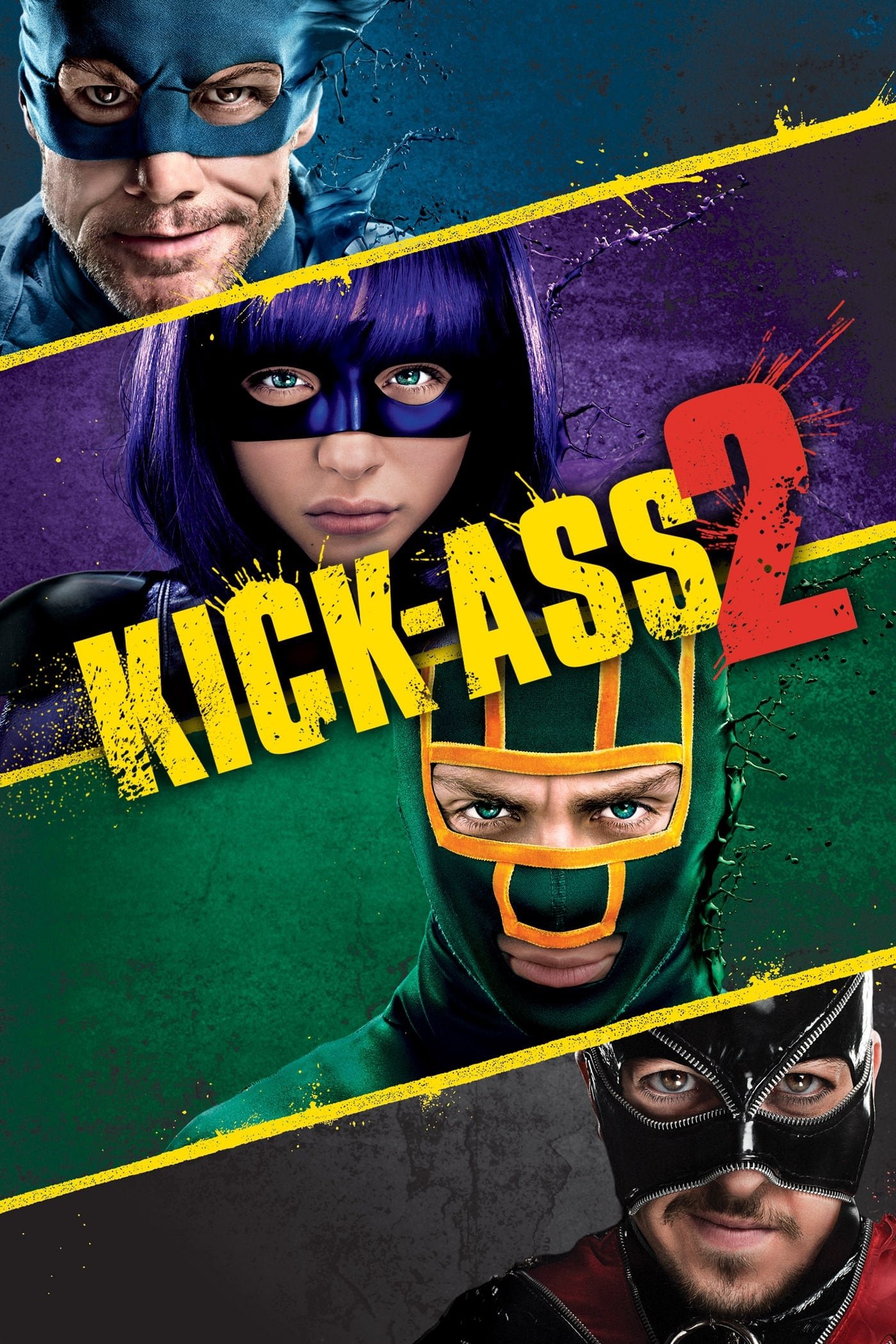
Directed by Jeff Wadlow, ‘Kick-Ass 2’ continues the story of vigilantes introduced in the first film and adapts portions of Mark Millar and John Romita Jr.’s follow-up comics. Aaron Taylor-Johnson and Chloë Grace Moretz return, with Christopher Mintz-Plasse expanding his antagonist role and Jim Carrey joining the cast.
Universal Pictures released the film in 2013, and production shot in the United Kingdom and Canada to stage urban confrontations and training montages. The movie’s costume updates reflected shifts in the characters’ identities, and the home release collected behind-the-scenes material on stunt coordination.
‘Hellboy II: The Golden Army’ (2008)
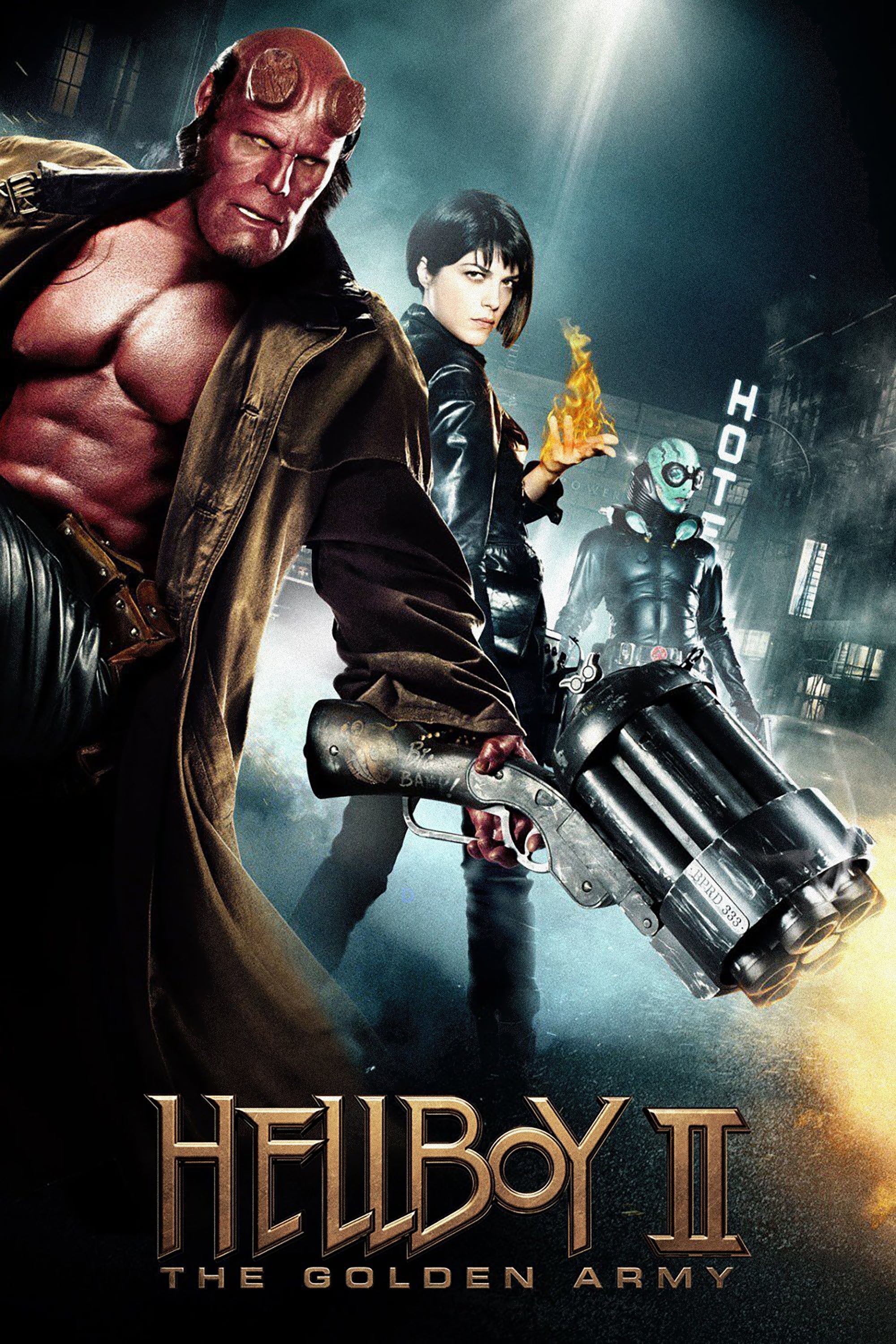
Guillermo del Toro directed ‘Hellboy II: The Golden Army’ with Ron Perlman, Selma Blair, Doug Jones, and Luke Goss starring. The film expanded creature design through extensive prosthetics and animatronics created by Spectral Motion and other effects houses, building marketplaces and royal courts for its fantasy factions.
Universal Pictures released the sequel in July 2008 following the first film’s move from a different distributor. The production schedule included shoots in Hungary and Germany, and the art department constructed large mechanical constructs for the title army that combined practical rigs with CG augmentation.
‘The Specials’ (2000)

‘The Specials’, directed by Craig Mazin and written by James Gunn, presents a day-in-the-life story of a third-tier superhero team. The cast includes Rob Lowe, Thomas Haden Church, Jamie Kennedy, and Paget Brewster, and the film relies on ensemble dialogue scenes and mock press materials to build its world.
Released in 2000 with a modest budget and limited theatrical play, ‘The Specials’ later circulated on home video. The production used office interiors, a suburban house set, and costumed photo shoots to depict brand management and licensing concerns inside a small superhero organization.
‘Attack the Block’ (2011)
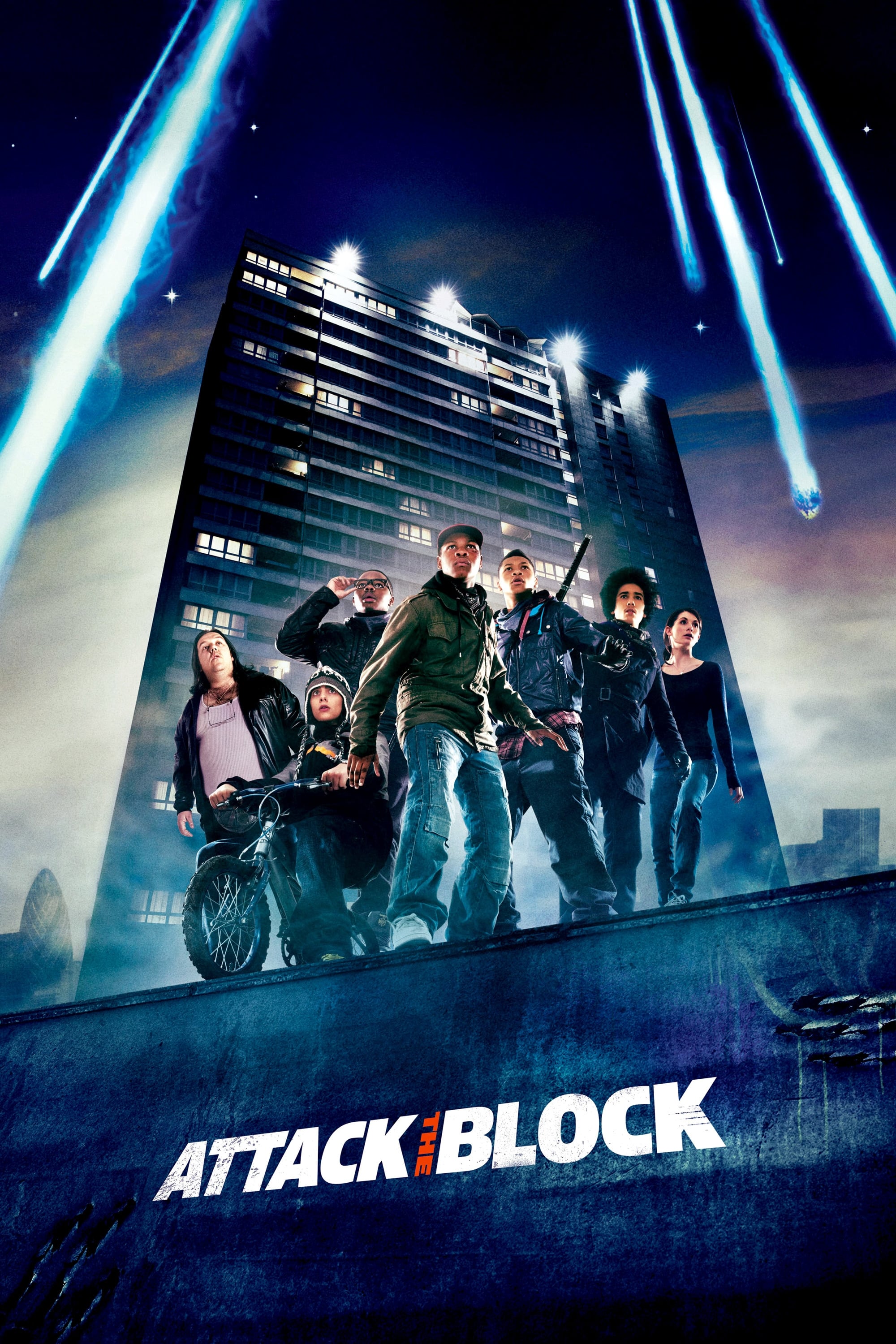
Joe Cornish wrote and directed ‘Attack the Block’, in which a South London teen crew faces an alien incursion that demands improvised heroics. John Boyega and Jodie Whittaker lead the cast, and the creature design used inky black suits with illuminated teeth to create distinct silhouettes during night sequences.
The film premiered at South by Southwest in 2011 and received a UK release through StudioCanal and a US release through a specialty label. It grew an audience via word of mouth and home media, and development began on a follow-up set years later with returning talent.
Share your favorite overlooked superhero films in the comments and tell us which ones you think deserve more attention.