The Worst Disaster Movies of All Time


Disaster movies promise spectacle, big stakes, and a race against time. When they miss the mark, they still make for fascinating viewing because the stories behind their production, the creative choices, and the scale of the projects reveal a lot about how these films came together. This list rounds up large scale calamities on screen and focuses on concrete details like who made them, where they were shot, how they performed, and the practical and visual effects that tried to sell the chaos.
Each entry highlights who directed the film, the principal cast members, and notable technical contributions. You will also find budgets, worldwide grosses, and production notes such as shooting locations, soundstage work, and stunt or effects teams. To keep things tidy, the distributor is mentioned in passing so you know who handled the release.
‘Geostorm’ (2017)
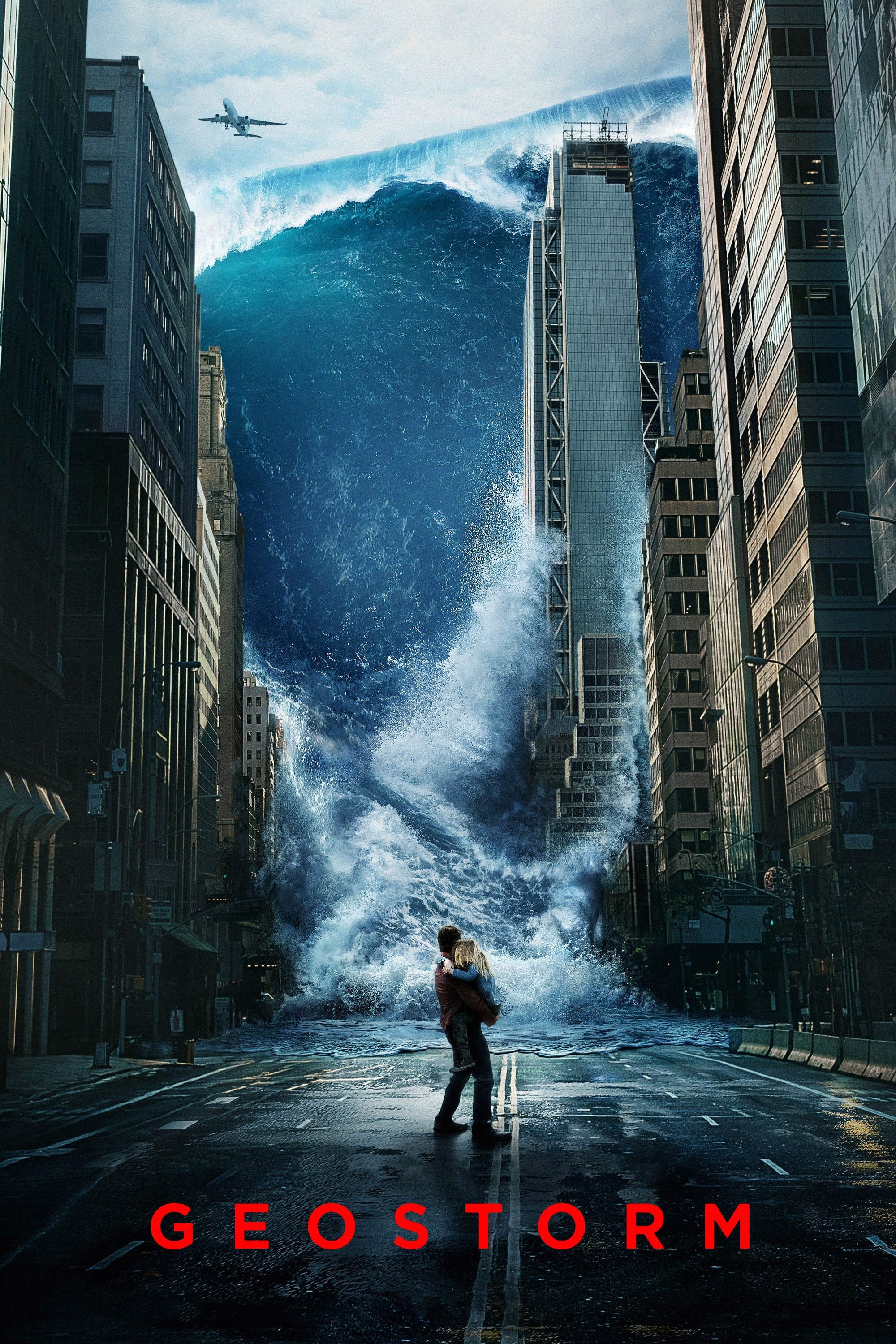
Dean Devlin directed this climate control thriller with Gerard Butler, Jim Sturgess, Abbie Cornish, and Ed Harris leading the cast. Large portions were shot in New Orleans and at soundstages with extensive green screen setups, and effects work involved multiple vendors building orbital hardware and weather simulations. The release reached theaters through Warner Bros. Pictures.
The production carried a sizable budget and underwent reshoots under producer Jerry Bruckheimer with additional direction by Danny Cannon. The film opened in wide release with premium large format bookings and eventually found much of its audience on home media and streaming after the initial theatrical run.
‘Moonfall’ (2022)
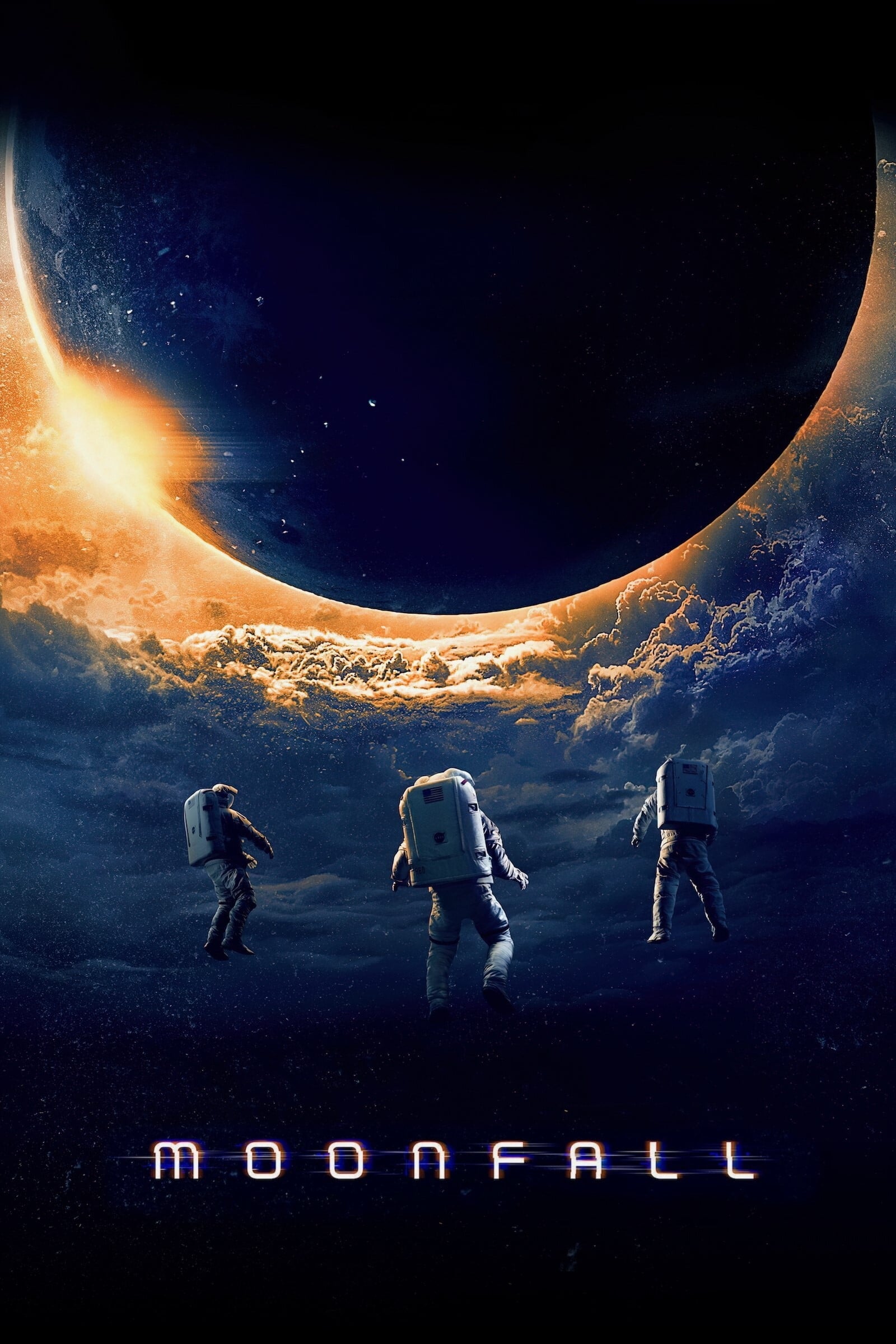
Roland Emmerich directed this sci fi disaster entry starring Halle Berry, Patrick Wilson, John Bradley, and Michael Peña. Principal photography took place in Montreal with elaborate sets for lunar interiors and NASA facilities, and the effects pipeline combined miniature work with large scale digital destruction. Lionsgate handled the domestic rollout for the film.
The movie reported a high nine figure production and marketing spend and used a day and date strategy in some territories while relying on IMAX and PLF engagements in North America. The soundtrack by Thomas Wander and Harald Kloser was released alongside a heavy trailer campaign that emphasized the celestial threat.
‘The Core’ (2003)
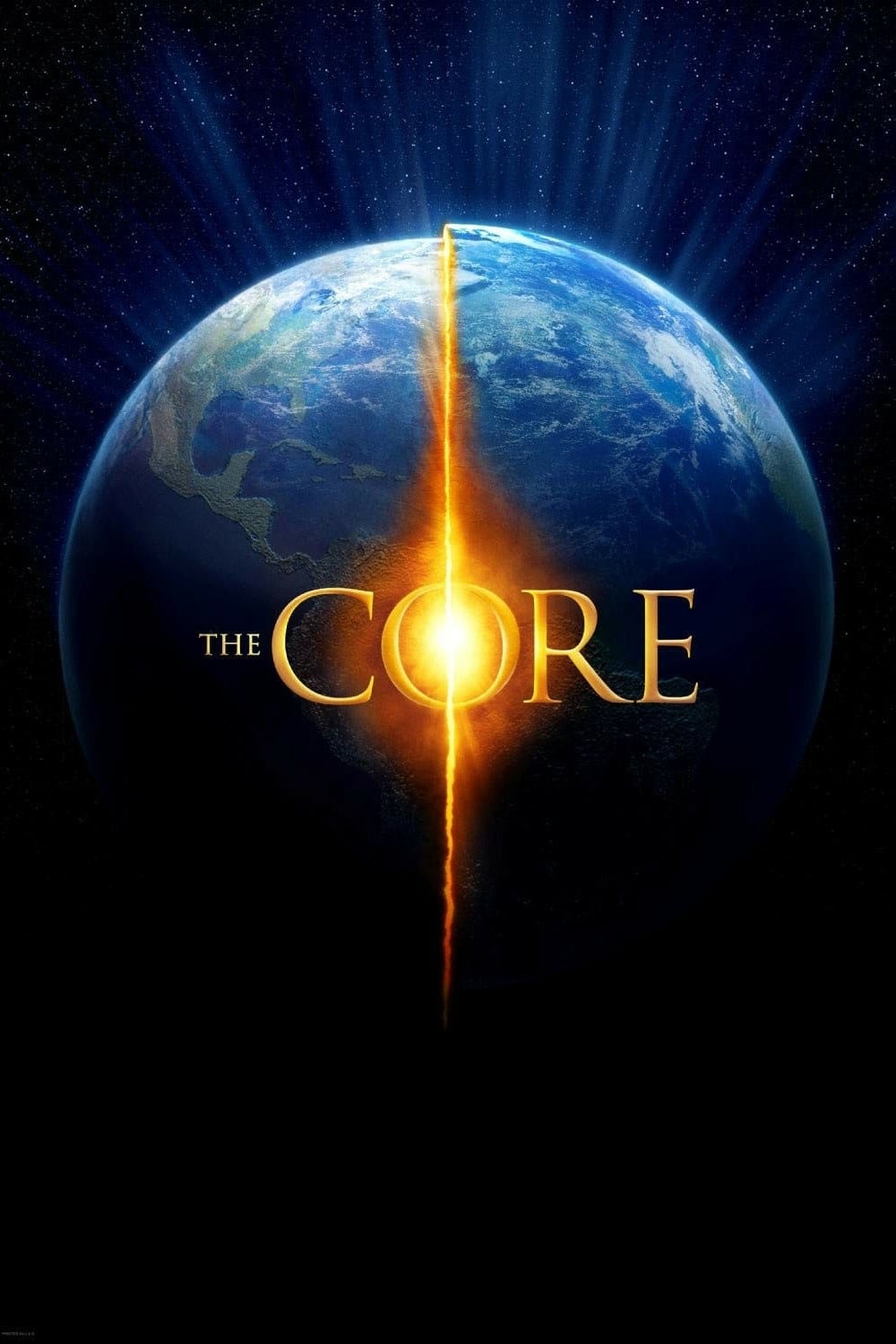
Jon Amiel directed this journey to the center of the planet with Aaron Eckhart, Hilary Swank, Delroy Lindo, and Stanley Tucci among the ensemble. The production built large practical tunnel sets and cockpit rigs while visual effects vendors created geophysical phenomena like magma flows and pressure induced lightning. Paramount Pictures distributed the film to theaters.
Location work included stages in the United Kingdom and scenes set in multiple world cities that were recreated through a mix of miniature photography and digital extensions. The film featured an original score by Christopher Young and made wide use of surround sound design to underline drilling sequences.
‘2012’ (2009)
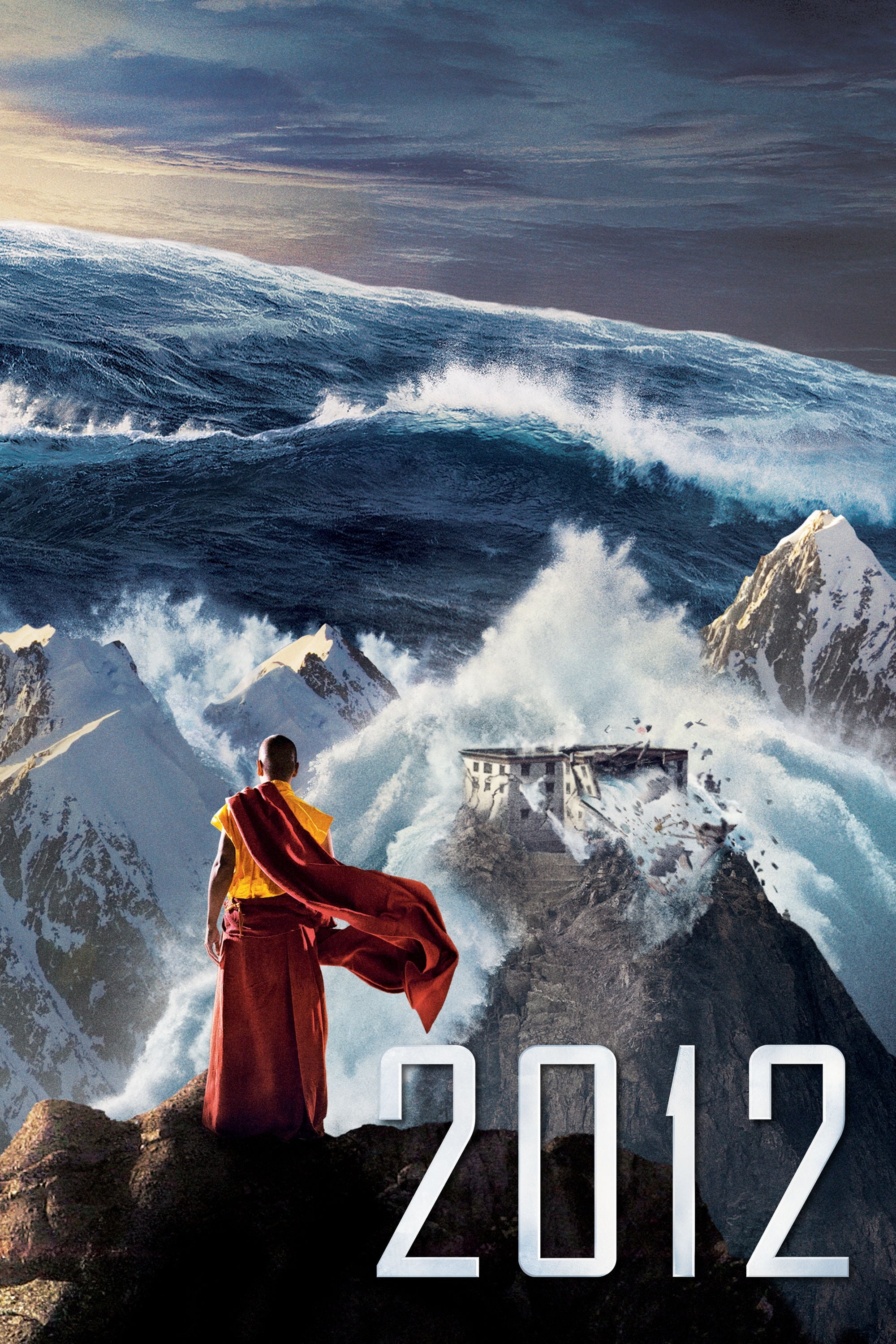
Roland Emmerich directed this globe spanning apocalypse with John Cusack, Chiwetel Ejiofor, Amanda Peet, Thandiwe Newton, and Woody Harrelson. The shoot relied on large sets in Vancouver and advanced fluid simulations to depict tsunamis and continental collapse, with extensive digital environments built for arks and destroyed landmarks. Columbia Pictures released the film through the Sony Pictures Releasing pipeline.
The movie carried a very large effects budget and targeted international markets with localized campaigns and early trailers built around destruction set pieces. It opened in IMAX and other premium formats and posted a strong global gross that came from a wide footprint across Europe and Asia.
‘The Day After Tomorrow’ (2004)
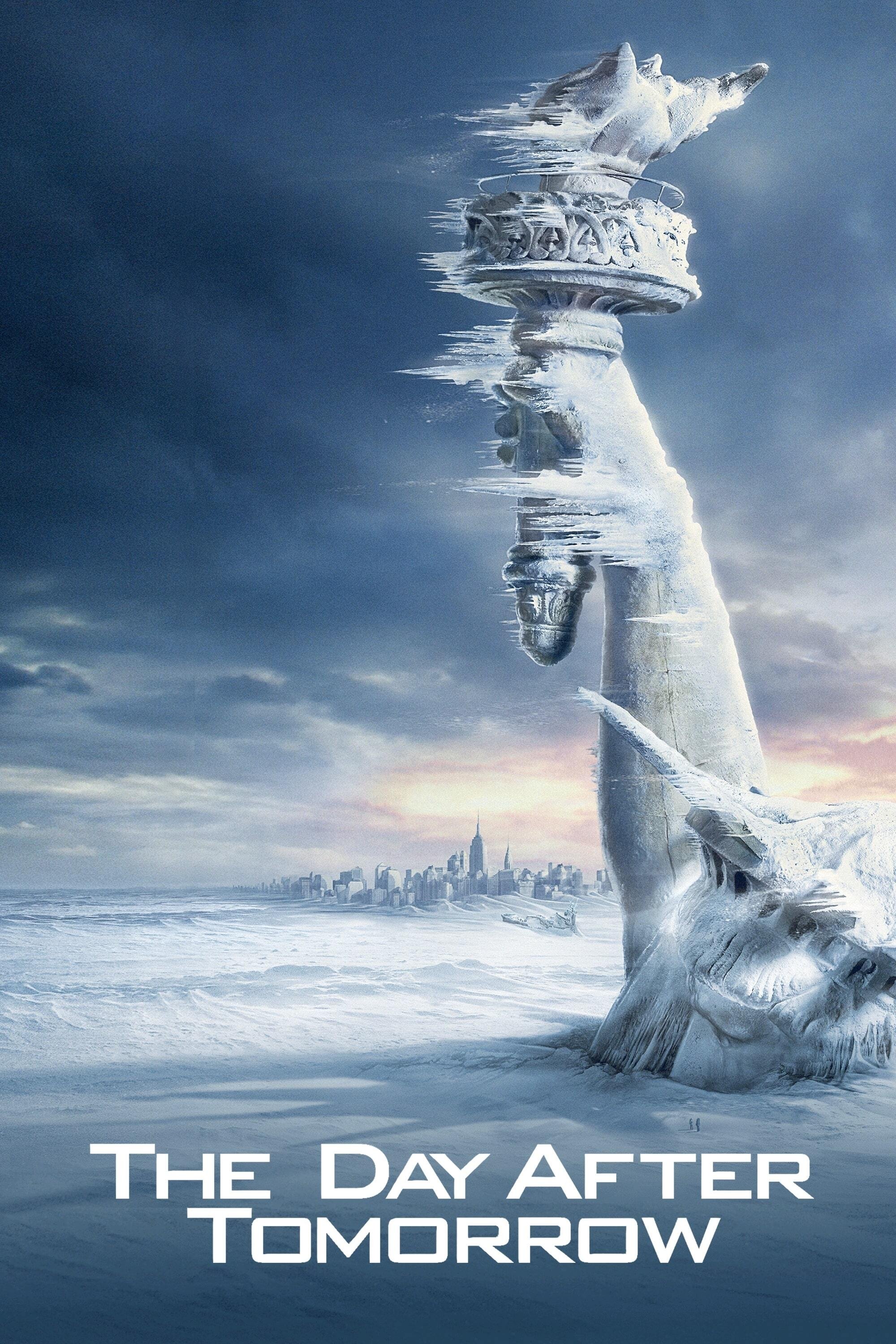
Roland Emmerich directed this climate catastrophe starring Dennis Quaid, Jake Gyllenhaal, Emmy Rossum, and Sela Ward. Production leaned on large scale water tanks and frozen city sets while effects teams built volumetric snow and ice systems to transform Manhattan and the North Atlantic. The film reached audiences via 20th Century Fox.
The soundtrack by Harald Kloser accompanied a major summer release strategy with wide theatrical play. The movie used a combination of practical weather rigs and digital matte work to sell blizzard conditions and featured second unit work that captured aerial photography for the storm sequences.
‘Poseidon’ (2006)
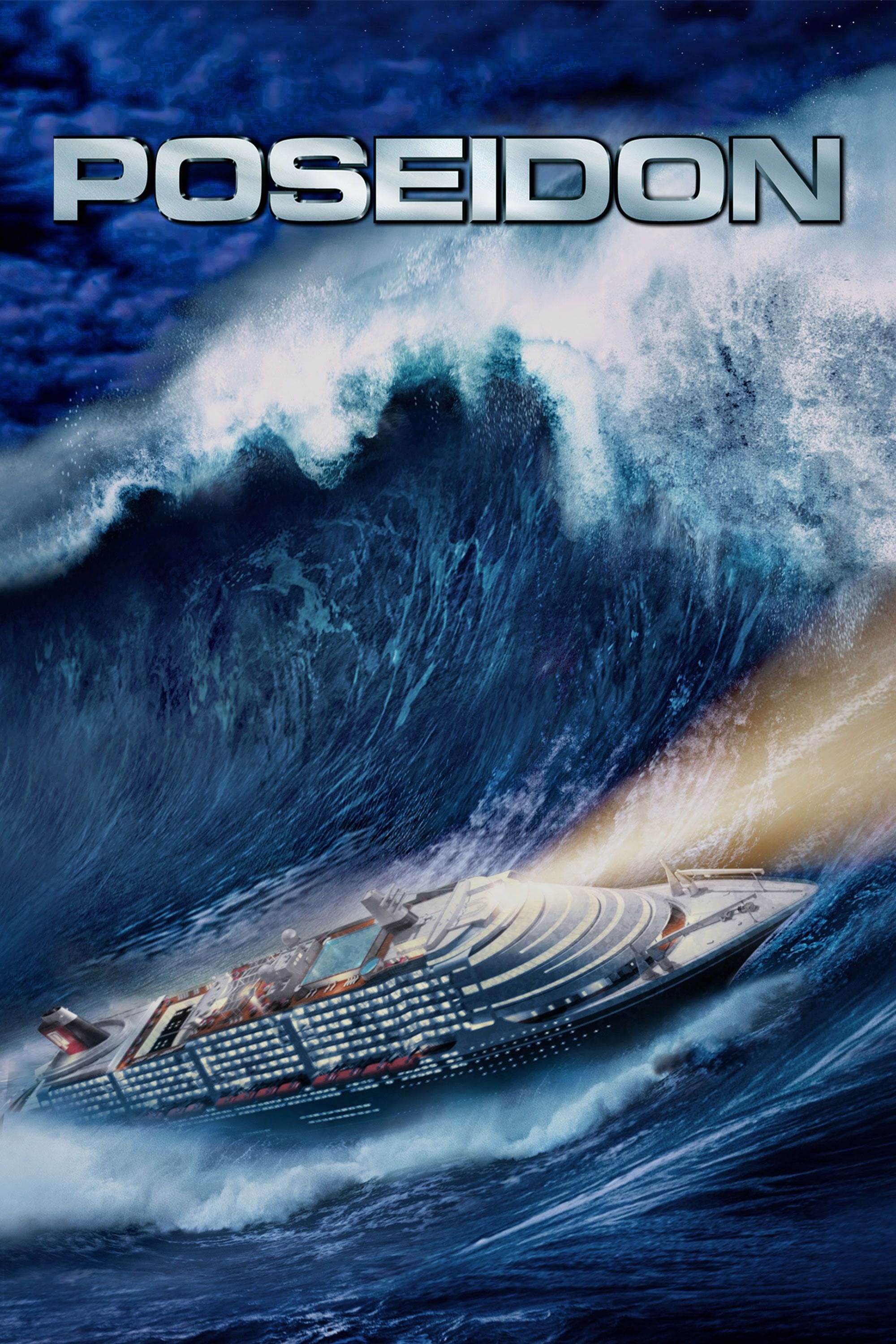
Wolfgang Petersen directed this ocean bound remake with Josh Lucas, Kurt Russell, Richard Dreyfuss, and Emmy Rossum. The production featured a massive gimbal set to rotate interiors of the cruise ship and deep water tank work for flooding corridors and stairwells. Warner Bros. Pictures handled the distribution.
Visual effects vendors delivered large ocean simulations and a full digital exterior of the ship for capsizing shots. The film’s campaign included motion posters and behind the scenes features that highlighted the engineering of the tilting sets and the extensive stunt coordination required for inverted environments.
‘Into the Storm’ (2014)
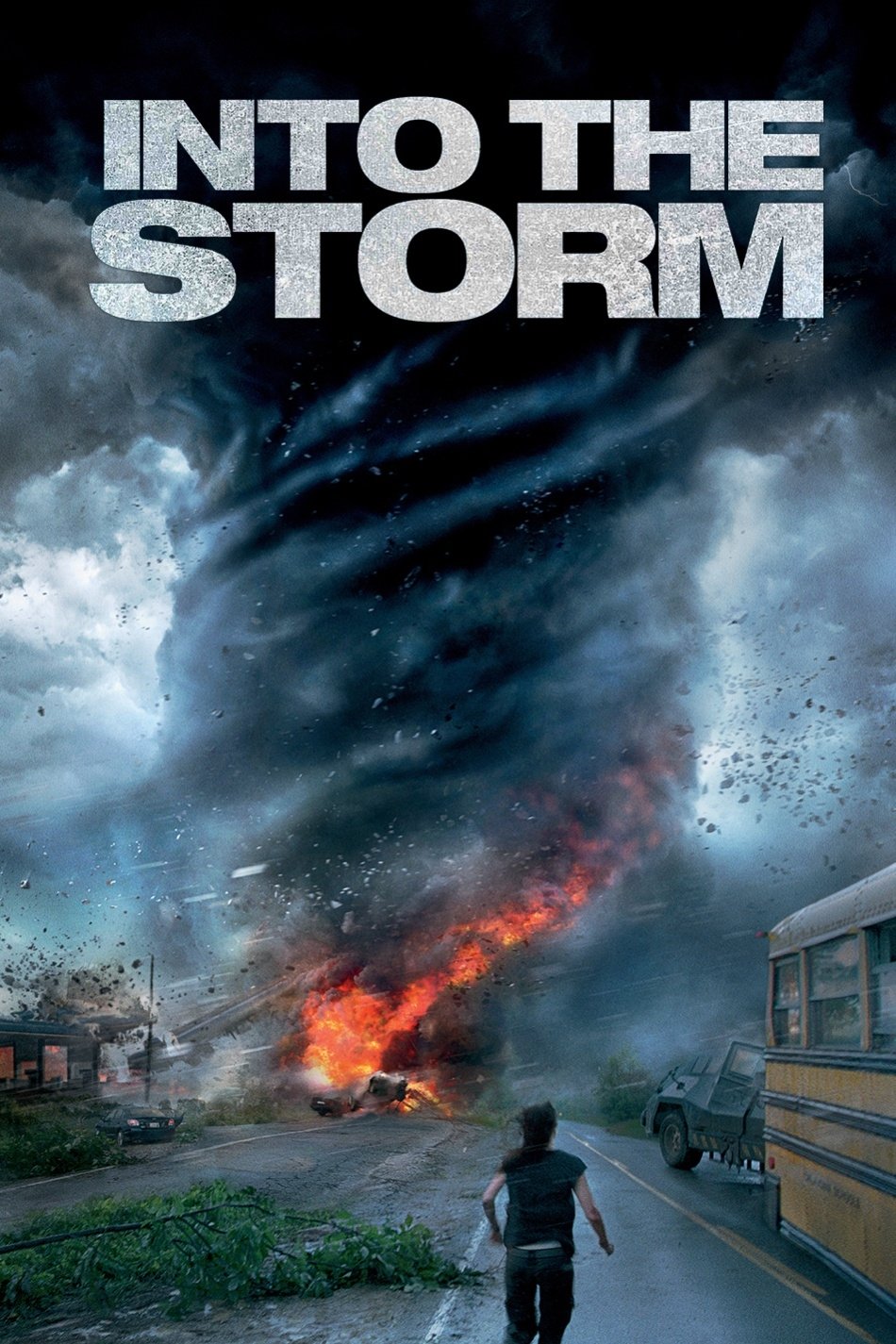
Steven Quale directed this tornado focused film starring Richard Armitage, Sarah Wayne Callies, Matt Walsh, and Max Deacon. Practical effects included powerful wind machines, debris cannons, and vehicle rigs, with digital artists creating multi vortex storms and destructive passes through a small town. Warner Bros. Pictures brought it to theaters.
Shooting took place in Michigan with location work that allowed for large scale outdoor set dressing and controlled weather setups. The film’s marketing used found footage style clips and leveraged storm chaser communities for grassroots interest, while the release slate favored late summer scheduling.
‘Volcano’ (1997)
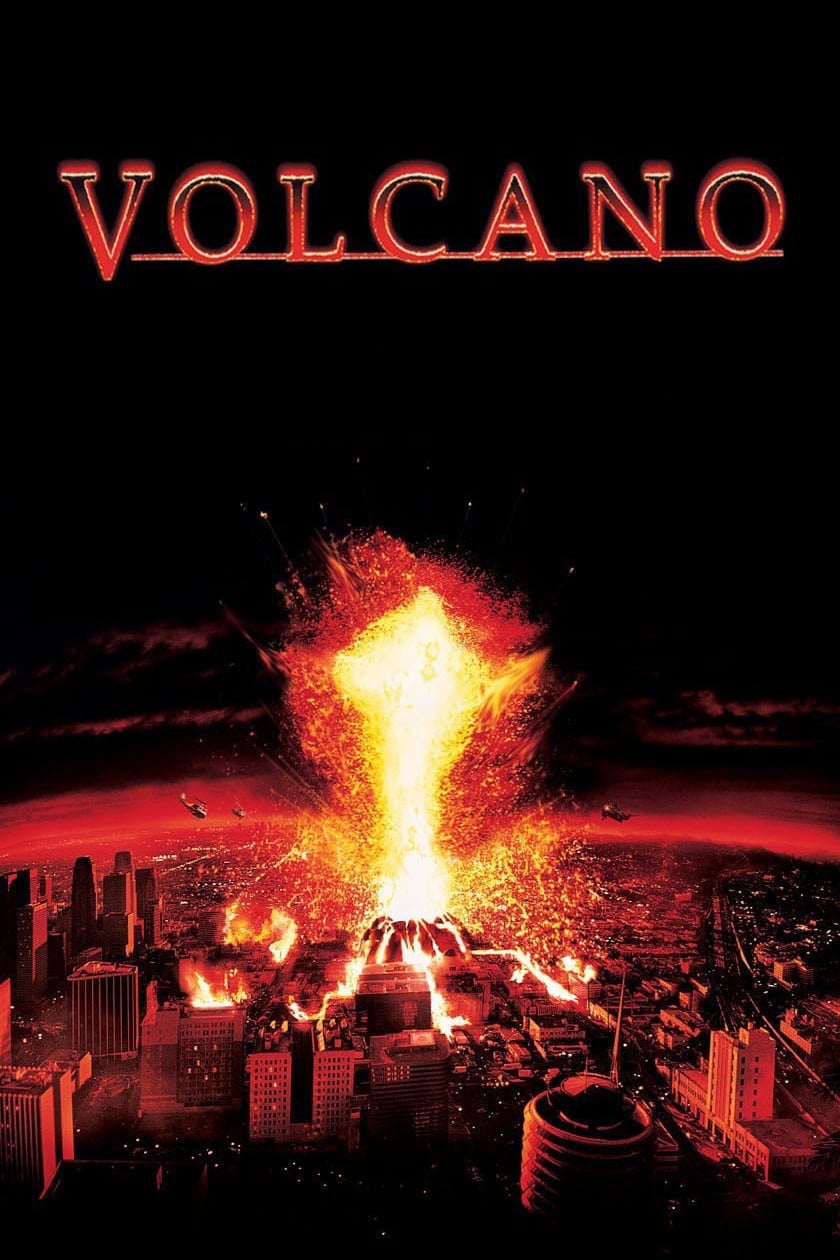
Mick Jackson directed this Los Angeles eruption story with Tommy Lee Jones, Anne Heche, Don Cheadle, and Keith David. Production built extensive street sets and subway tunnels on stages to simulate lava flows, using practical pyro and silicone materials for molten effects supported by digital enhancements. The release went out through 20th Century Fox.
The film’s location work captured key city landmarks and involved significant coordination with municipal services for street closures and safety. James Newton Howard composed the score and the theatrical rollout included a full promotional tour and TV spots that emphasized the urban setting.
‘The Swarm’ (1978)
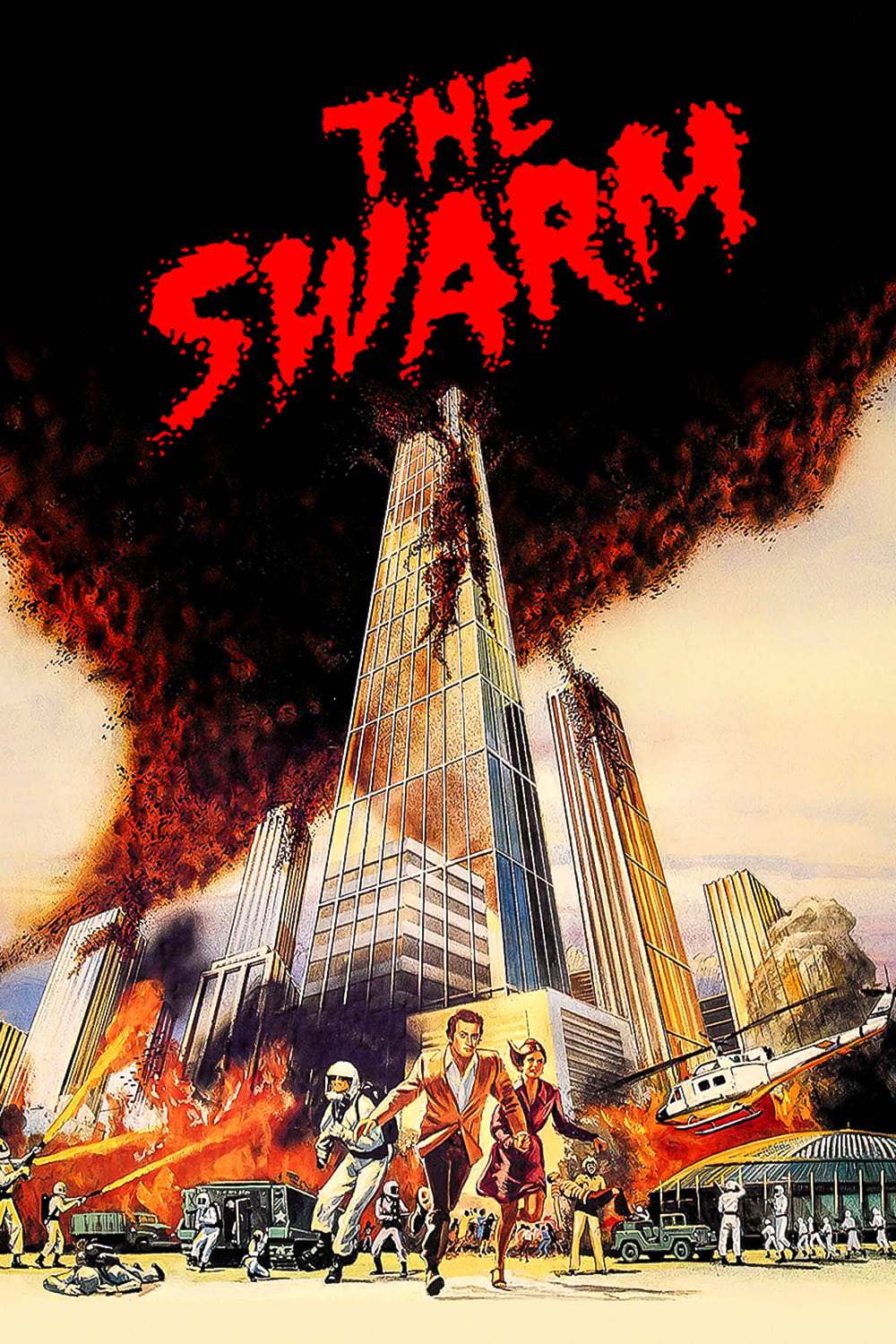
Irwin Allen directed this killer bee disaster film starring Michael Caine, Katharine Ross, Richard Widmark, and Henry Fonda. Large practical sets and optical effects were used to stage evacuations and train collisions, with real insect photography combined with process shots. Warner Bros. Pictures distributed the film.
The production assembled an all star cast typical of the era’s ensemble disaster format and featured location work in Texas. Music by Jerry Goldsmith accompanied the release, and the film arrived in multiple cuts over time including a longer television version.
‘Meteor’ (1979)
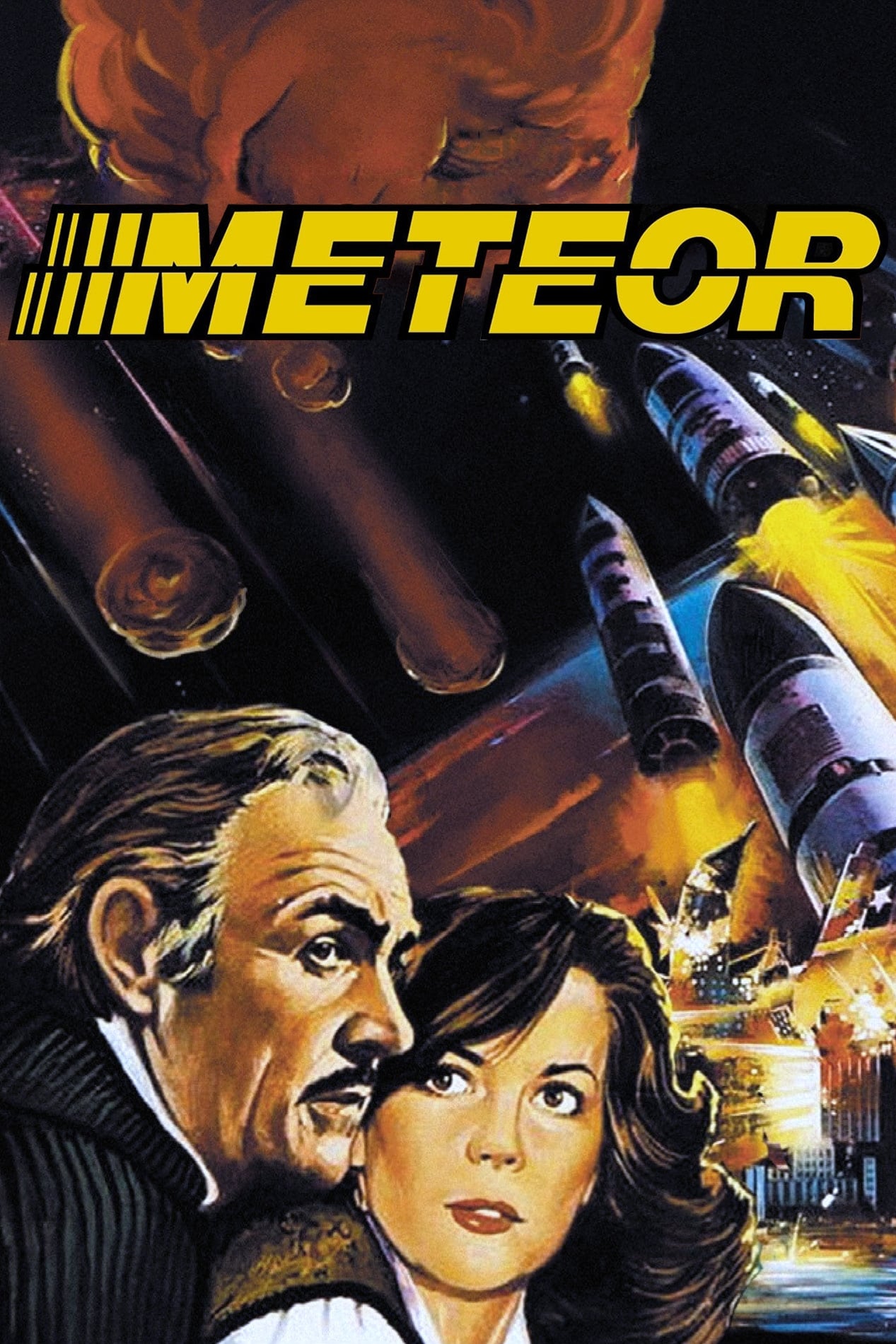
Ronald Neame directed this space rock thriller headlined by Sean Connery, Natalie Wood, Karl Malden, and Brian Keith. The film used miniature effects for satellite platforms and impact sequences, along with optical composites for space scenes and stock footage integration for climatic shots. American International Pictures handled the domestic distribution.
Production involved international cooperation themes within the story that paralleled real world Cold War dynamics. The score by Laurence Rosenthal supported a campaign built around theatrical posters and taglines that stressed the global scale of the threat.
‘The Happening’ (2008)
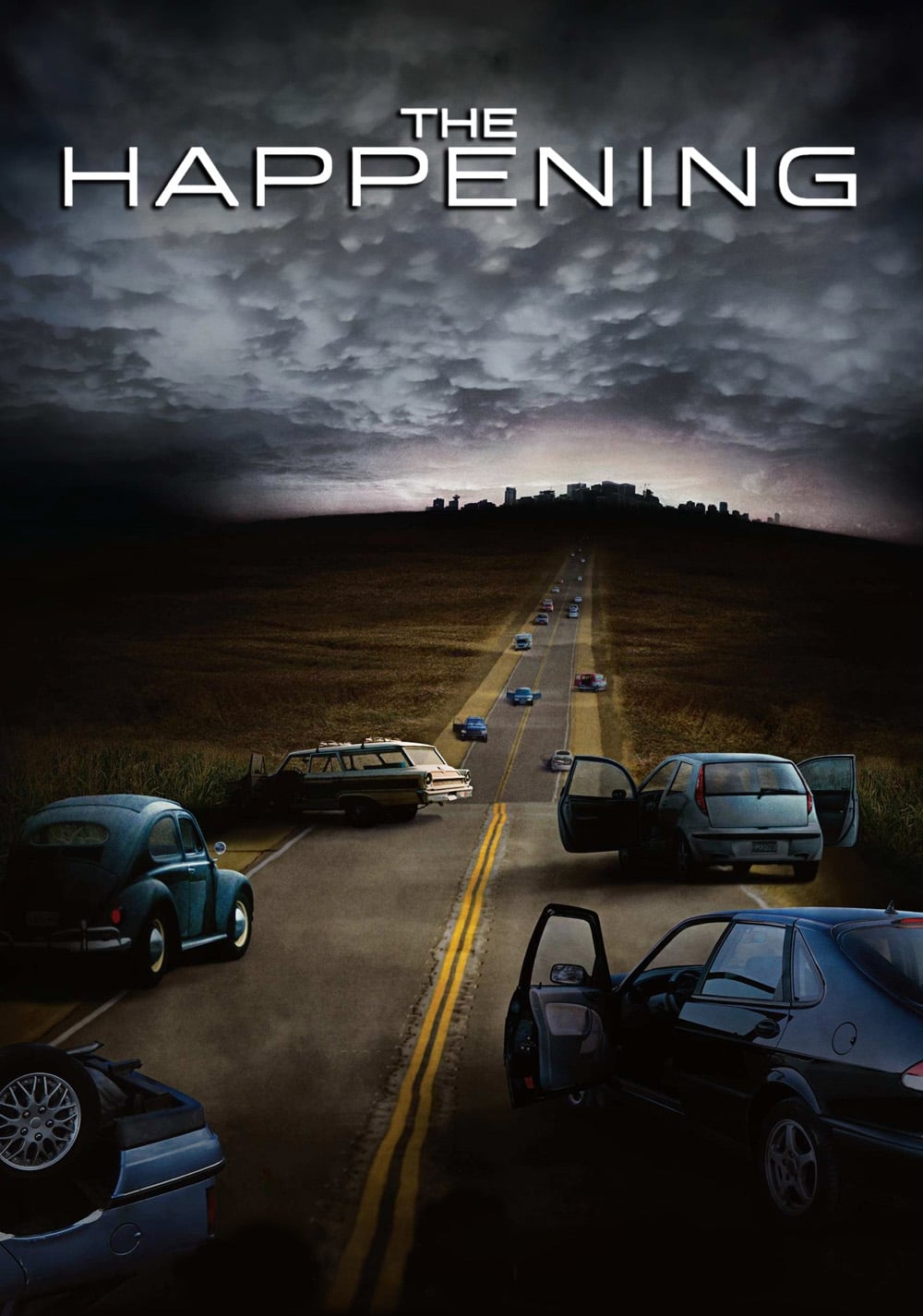
M. Night Shyamalan directed this eco catastrophe featuring Mark Wahlberg, Zooey Deschanel, John Leguizamo, and Betty Buckley. The shoot took place across the northeastern United States with practical wind and foliage rigs, and the effects approach relied on location photography and restrained digital augmentation. 20th Century Fox distributed the film worldwide.
The release strategy included an R rated cut in the United States and international territories that leaned into the thriller aspect. The marketing used cryptic teasers and an emphasis on the unseen catalyst, while the soundtrack by James Newton Howard was issued alongside the theatrical opening.
‘Knowing’ (2009)
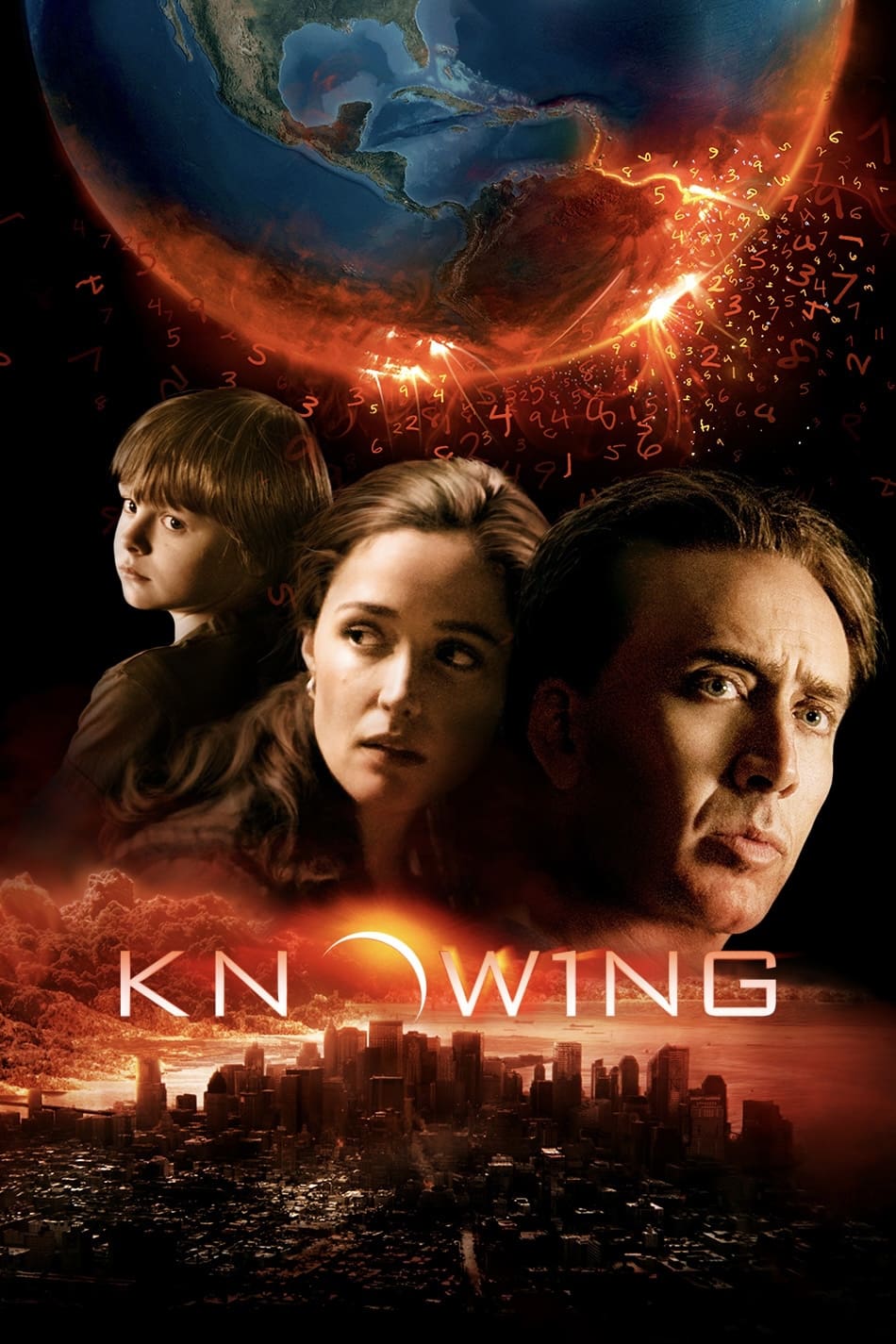
Alex Proyas directed this numerology and catastrophe story starring Nicolas Cage, Rose Byrne, Chandler Canterbury, and Lara Robinson. Effects teams created large scale plane crash and subway collision set pieces using a combination of single take practical stunts and heavy digital work. Summit Entertainment brought the film to theaters.
Filming occurred in Australia with sets designed to replicate American locales, and the production schedule balanced night shoots for disaster sequences with controlled stage work for interiors. The movie’s campaign highlighted decoded predictions and released featurettes that broke down the long take crash choreography.
‘Greenland’ (2020)
Ric Roman Waugh directed this comet impact survival story with Gerard Butler, Morena Baccarin, Roger Dale Floyd, and Scott Glenn. The production shot in Georgia and Iceland, blending real landscapes with digital skies and debris fields to track a family’s journey to safety. STXfilms handled the domestic release and managed a mix of theatrical and premium video on demand windows.
The film used a mid range budget with a focus on practical locations and intimate set pieces rather than continuous city scale destruction. The score by David Buckley supported a marketing approach that leaned on character driven trailers and targeted ads during major sports and news broadcasts.
‘Beyond the Poseidon Adventure’ (1979)
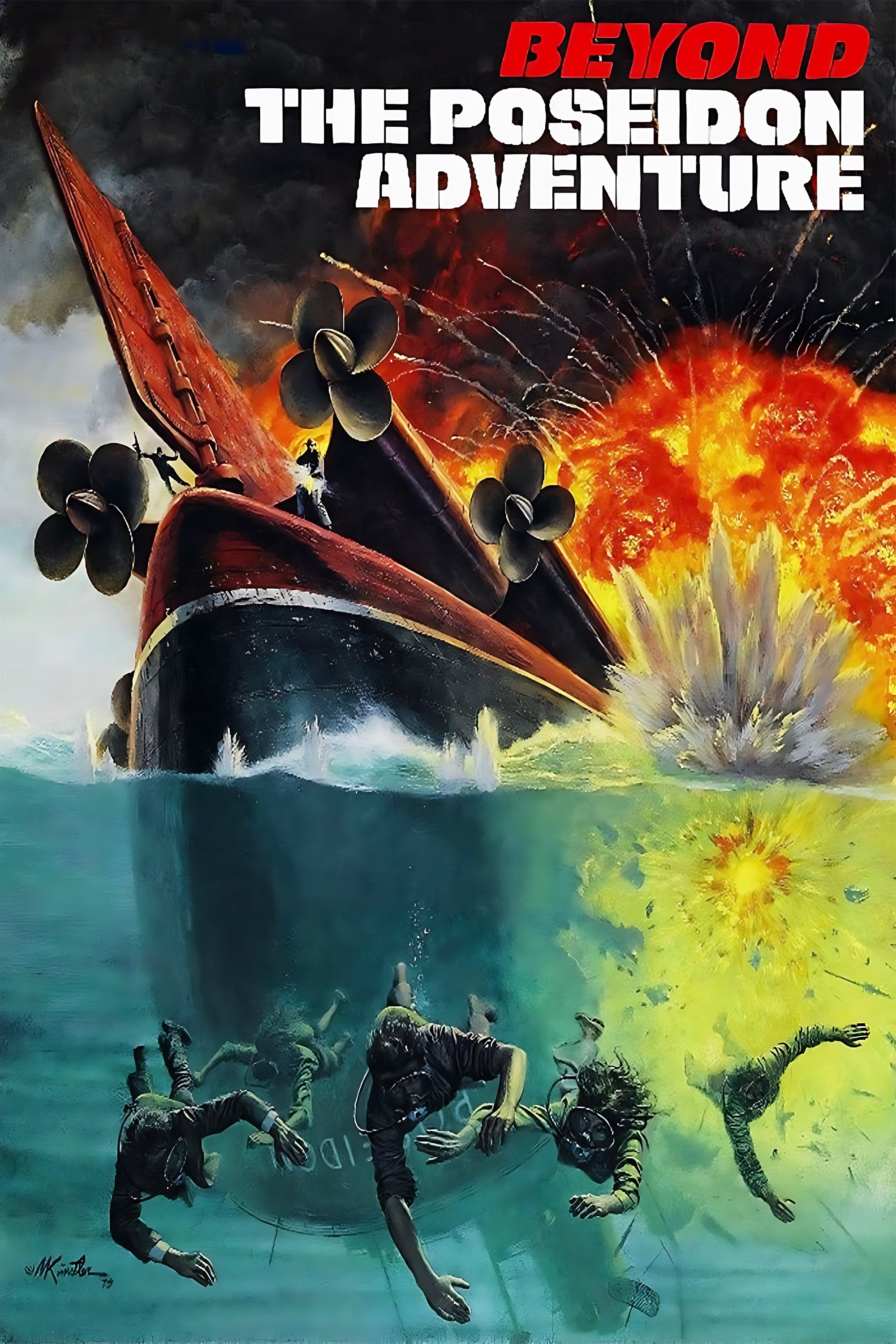
Irwin Allen directed this follow up to the ocean liner tragedy with Michael Caine, Sally Field, Telly Savalas, and Karl Malden. The production revisited capsized ship interiors with large gimbal rigs and water effects, and miniature work returned for exterior shots of the overturned vessel. Warner Bros. Pictures was responsible for the release.
The film assembled another ensemble cast and used soundstage engineering to route water through multi level sets. Promotional materials built on name recognition from the earlier hit, and the score by Jerry Fielding accompanied a traditional theatrical rollout and later television airings.
‘San Andreas’ (2015)
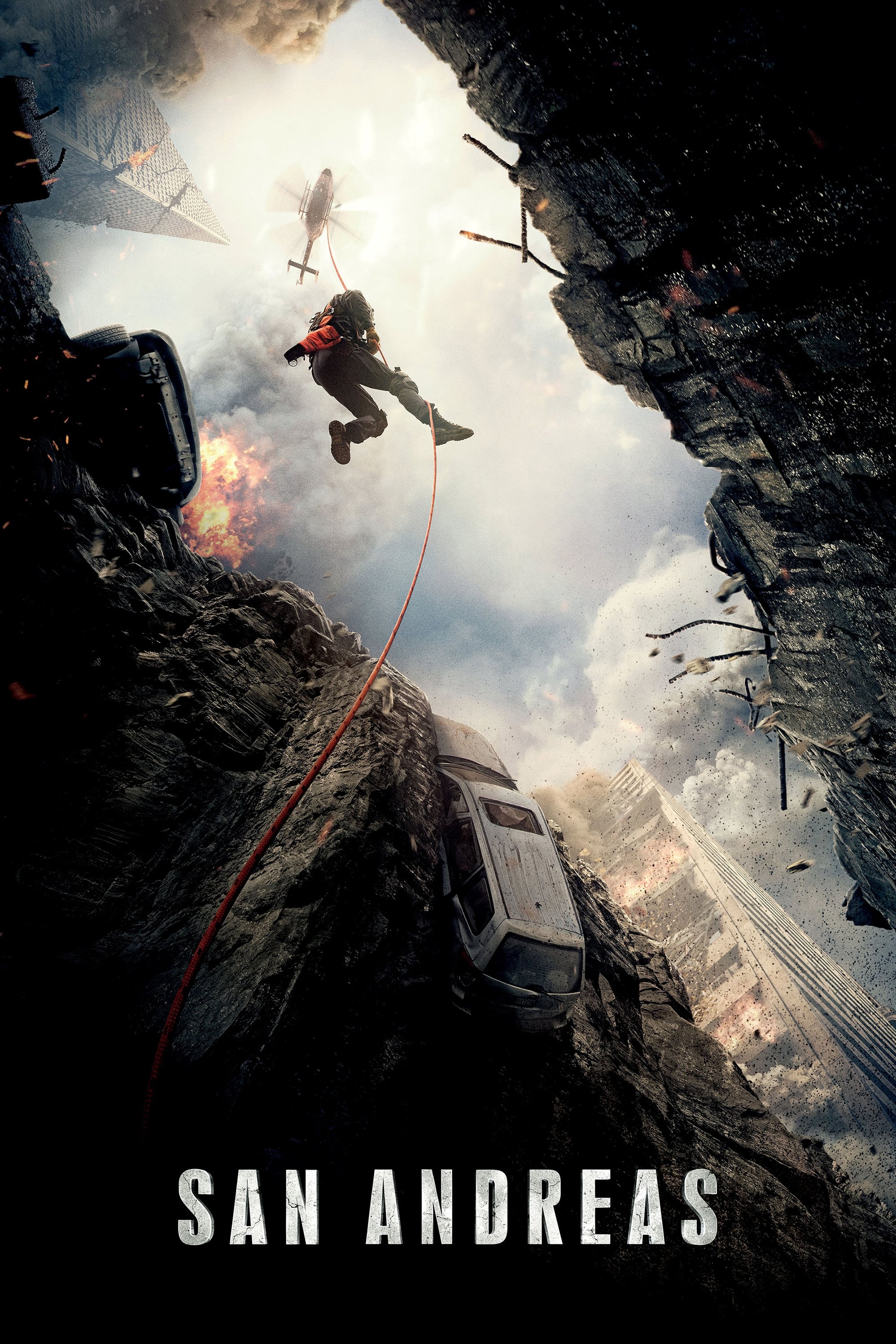
Brad Peyton directed this West Coast quake spectacle starring Dwayne Johnson, Carla Gugino, Alexandra Daddario, and Paul Giamatti. Visual effects vendors produced large scale fault rupture simulations and city collapse sequences, while practical stunts involved helicopter rigs, boat gimbals, and submerged sets. Warner Bros. Pictures distributed the film globally.
Principal photography took place in Australia and California with extensive second unit aerial work. Andrew Lockington composed the score and the film opened in IMAX and 3D with strong international play, supported by a promotional partnership strategy and disaster preparedness themed featurettes.
‘Poseidon Rex’ (2013)
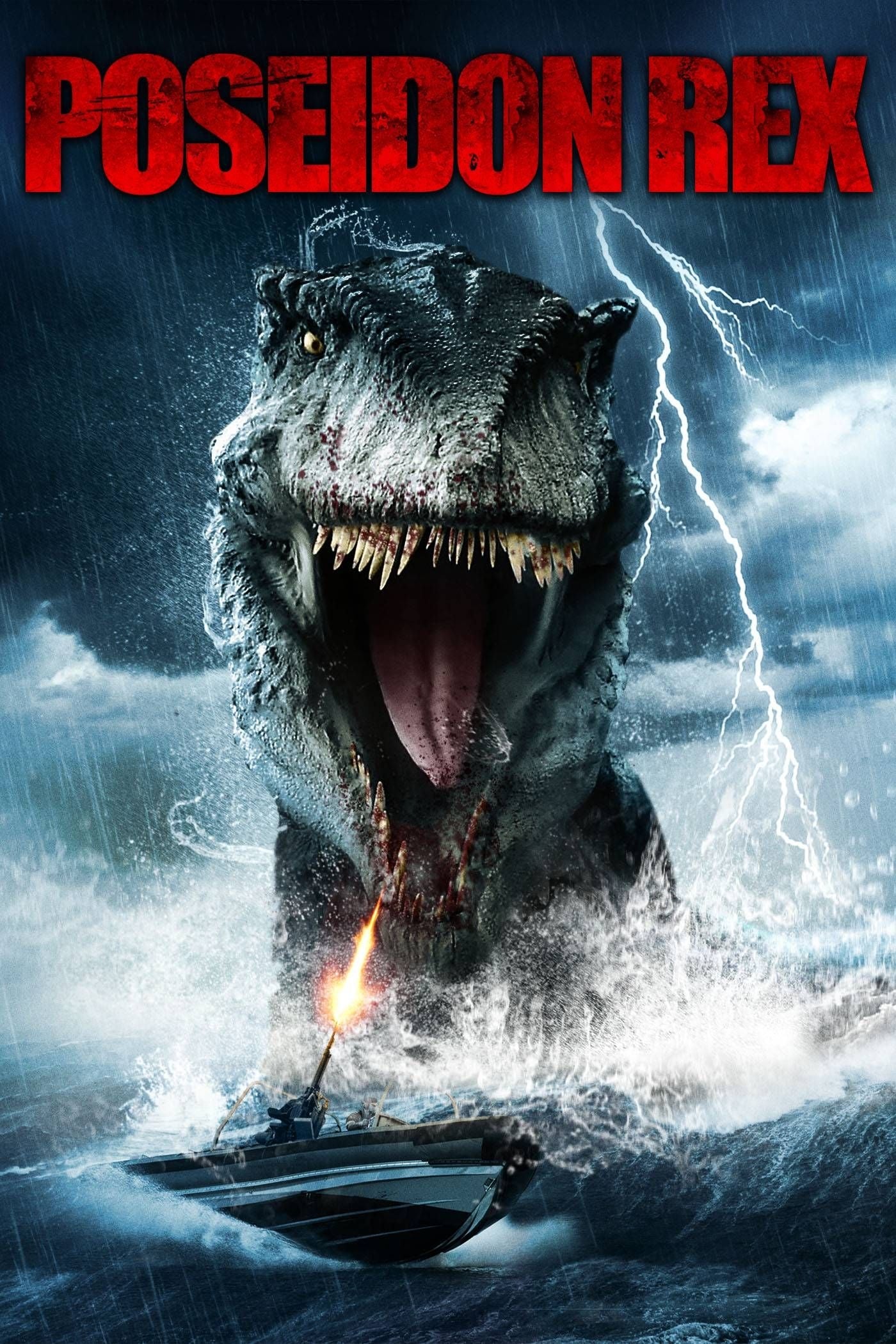
Mark L. Lester directed this creature disaster set in the Caribbean with Brian Krause, Anne McDaniels, Steven Helmkamp, and Candice Nunes. The production used coastal locations in Belize and relied on a digital creature pipeline to stage attacks at sea and on shorelines. The film was released in the United States by Freestyle Releasing.
The movie worked with a modest budget that emphasized on location photography and practical boats and dive gear. Distribution included limited theatrical dates and a quick move to video on demand platforms, where the promotional push centered on creature art and genre focused trailers.
Share your own picks for disaster flicks that missed the mark in the comments and tell us which titles you would add to this list.