The Worst Drama Movies of All Time


Some drama movies promise prestige on paper with heavyweight casts, big budgets, and ambitious ideas, then end up remembered for all the wrong reasons. The stories behind these titles are often more interesting than the films themselves, from chaotic productions to confusing test screenings to releases that collided with poor timing at the box office.
This roundup looks at dramas that struggled with critics or audiences and sometimes both. You will find plot basics, production context, casting notes, and how each film performed when it finally reached theaters. You will also spot subtle mentions of who released them, since distribution shaped everything from their marketing to how widely they played.
‘Gigli’ (2003)
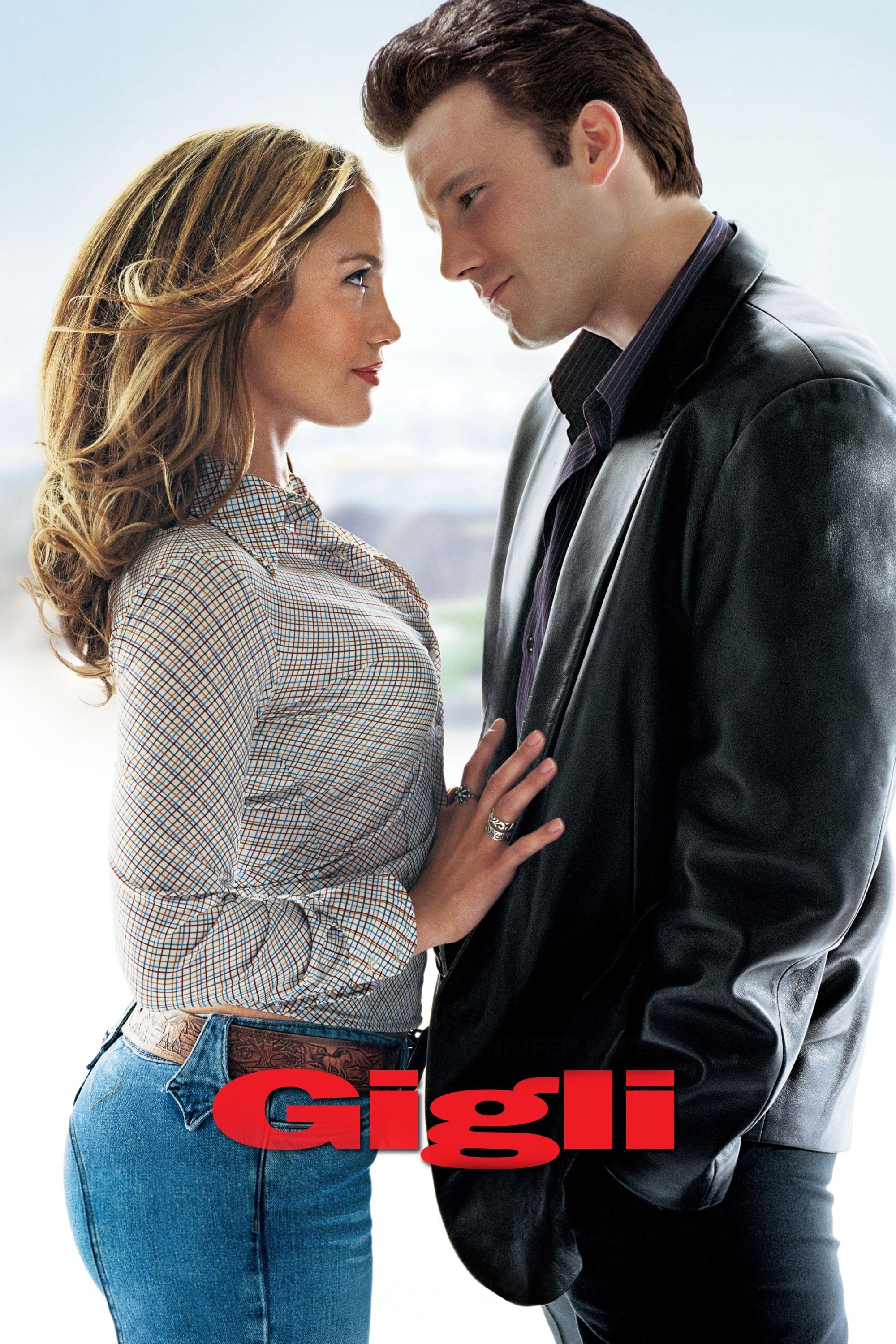
Ben Affleck plays a small-time enforcer ordered to kidnap a federal prosecutor’s brother while Jennifer Lopez’s character enters the job with her own agenda and the setup drives them into a mess of rival gang interests. The script went through multiple rewrites during production and the final cut differed from early versions that tested with audiences.
The film cost far more than a modest character piece and it opened wide in late summer after a heavy tabloid news cycle around its leads. It reached theaters through Sony Pictures Releasing and posted one of the steepest second-week drops of its year as theaters quickly cut screens.
‘Swept Away’ (2002)
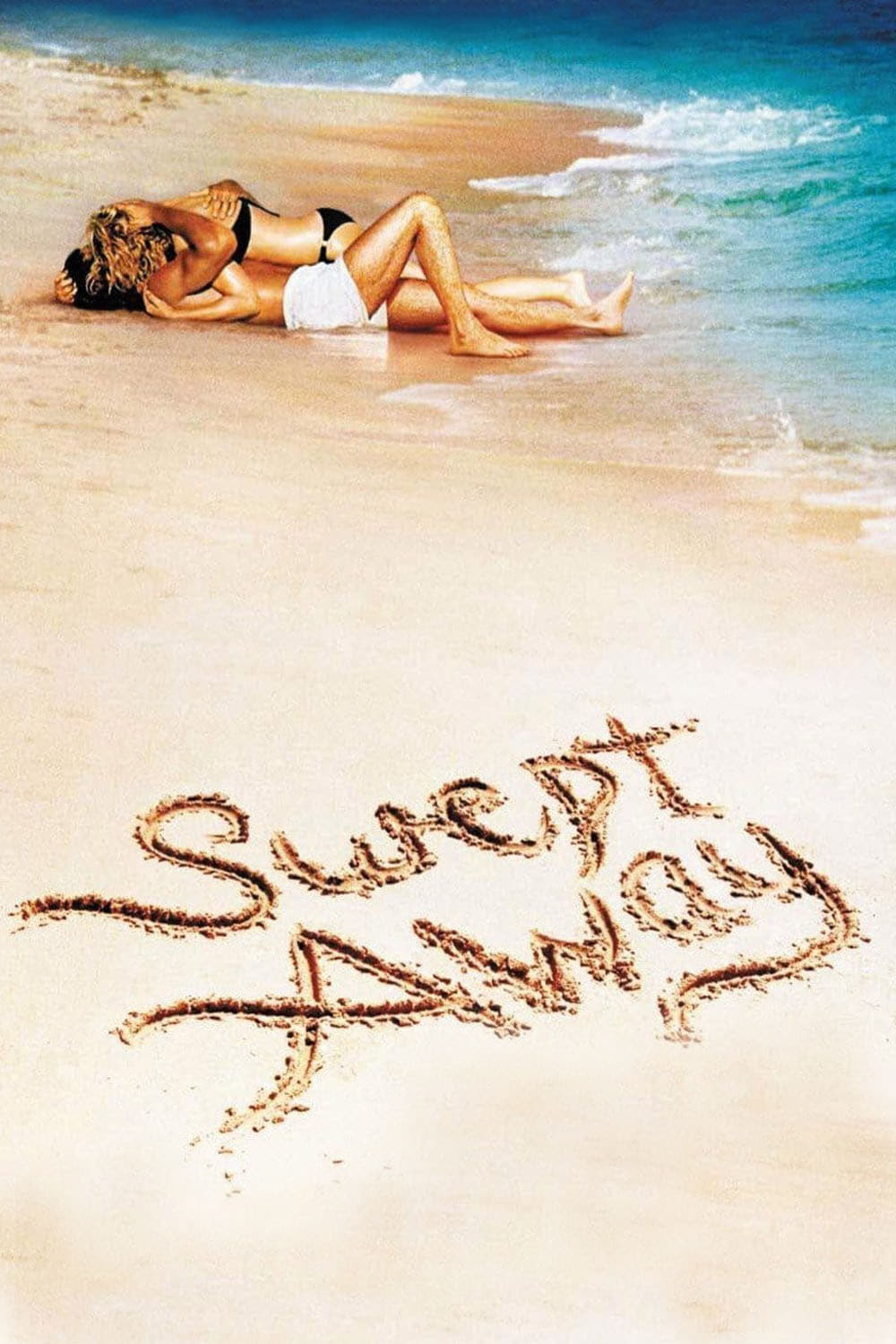
This remake sets a wealthy vacationer and a deckhand on a deserted island where their power dynamic flips after a boating mishap. Guy Ritchie shifted from crime films to a romantic survival drama, and the change in tone was a talking point throughout publicity.
Shot around the Mediterranean with a quick turnaround to meet a fall release window, the movie was positioned as a star vehicle for Madonna. It was released domestically by Screen Gems under the Sony umbrella and played a short run before exiting theaters with a modest total.
‘The Postman’ (1997)
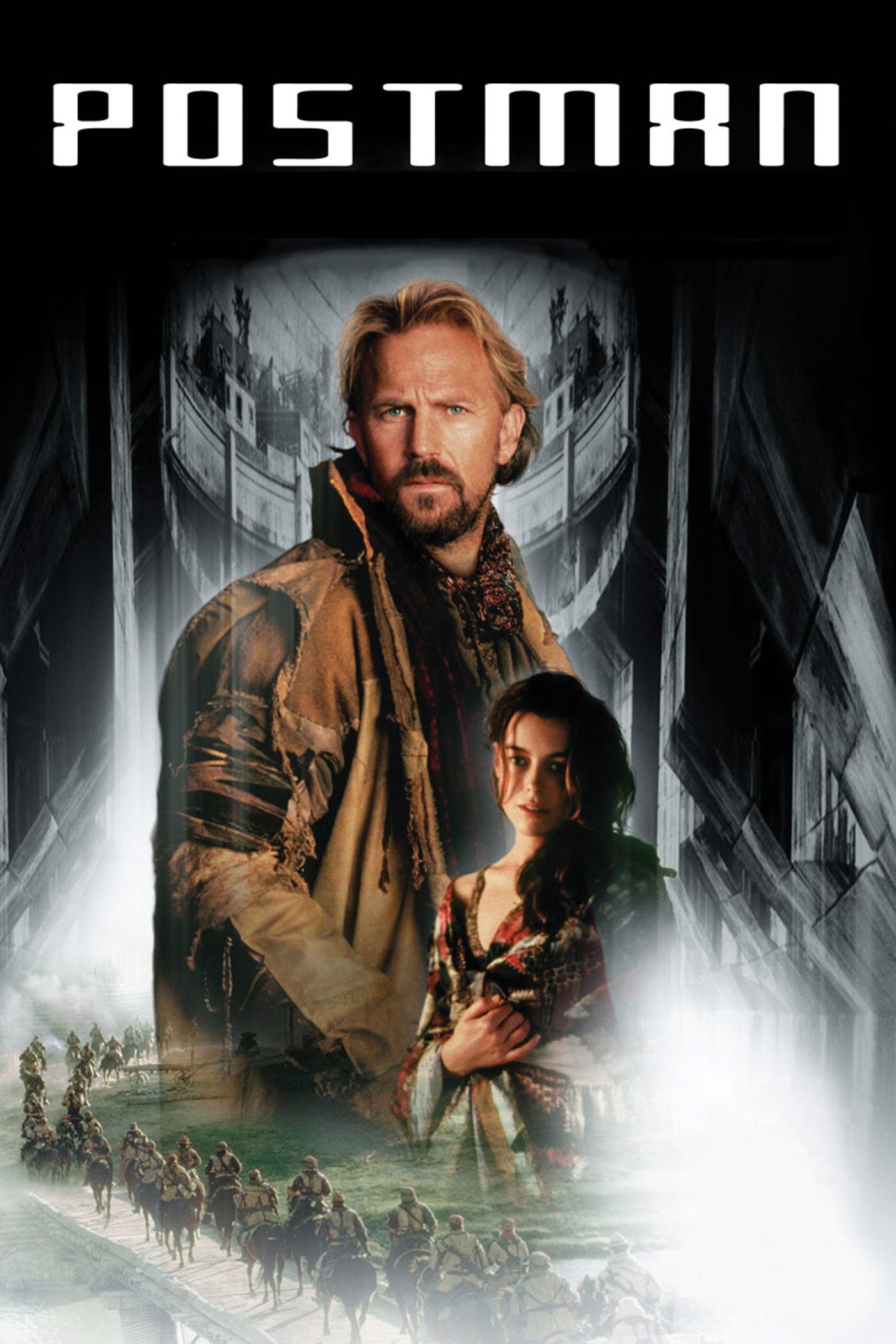
Kevin Costner directs and stars as a drifter in a post-apocalyptic America who adopts a mail carrier’s uniform and accidentally inspires pockets of resistance. Production spanned large outdoor sets in the American West and required extensive logistics for horses, extras, and weather-dependent scenes.
The Christmas release plan put a lengthy epic against multiple holiday options and it underperformed despite significant marketing. Warner Bros. Pictures handled domestic distribution and the film’s run was quickly curtailed as screens shifted to stronger seasonal holdovers.
‘Heaven’s Gate’ (1980)
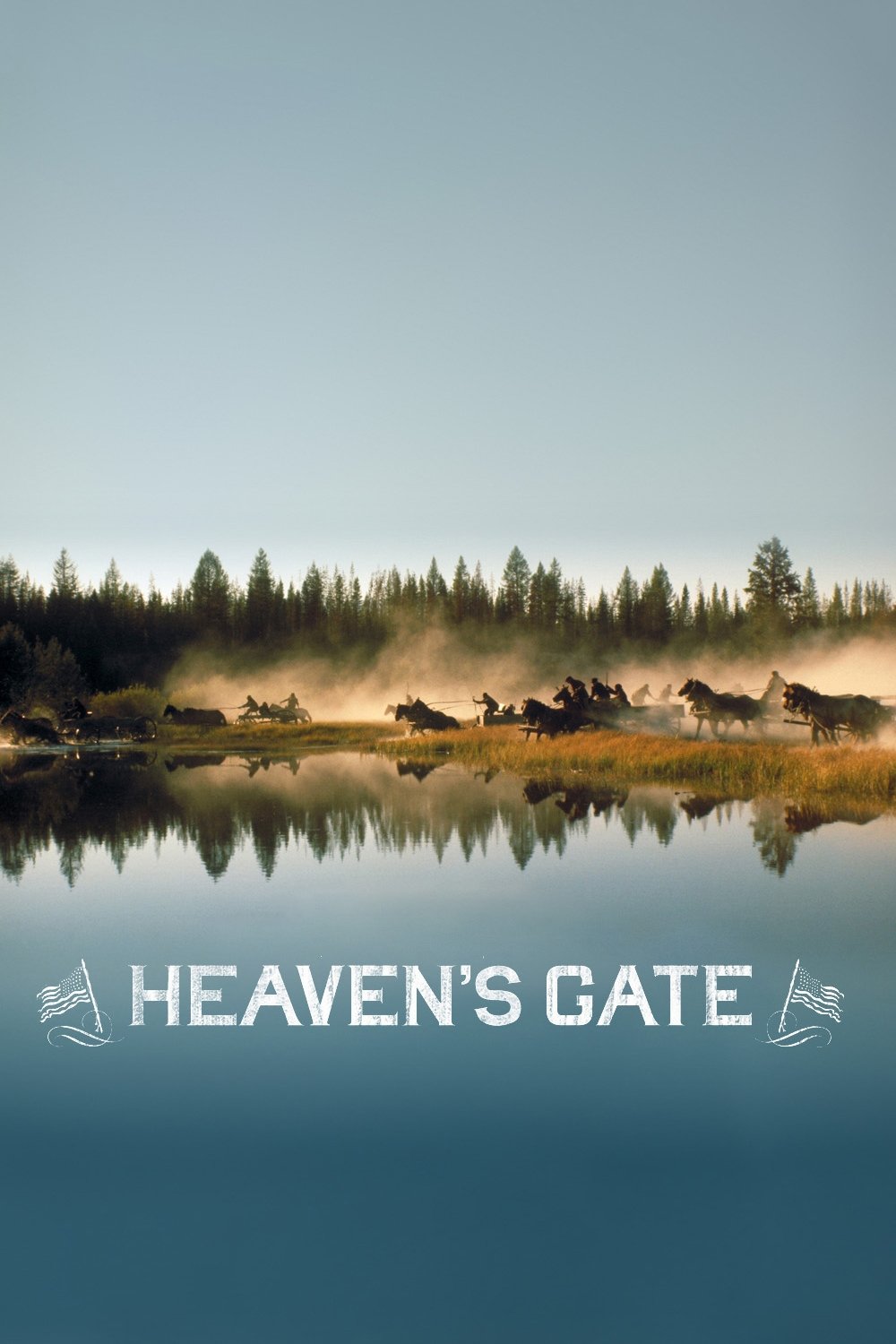
Set during the Johnson County War, the film follows class conflict between European immigrants and wealthy cattle interests in Wyoming. Michael Cimino’s production became famous for schedule overruns, set rebuilds, and a running time that went through several edits even after its premiere.
Its initial limited rollout drew intense attention to cost and length rather than the story. United Artists distributed the film and later allowed a shorter cut, but the early reception affected bookings and it never recovered commercially during its theatrical life.
‘The Bonfire of the Vanities’ (1990)
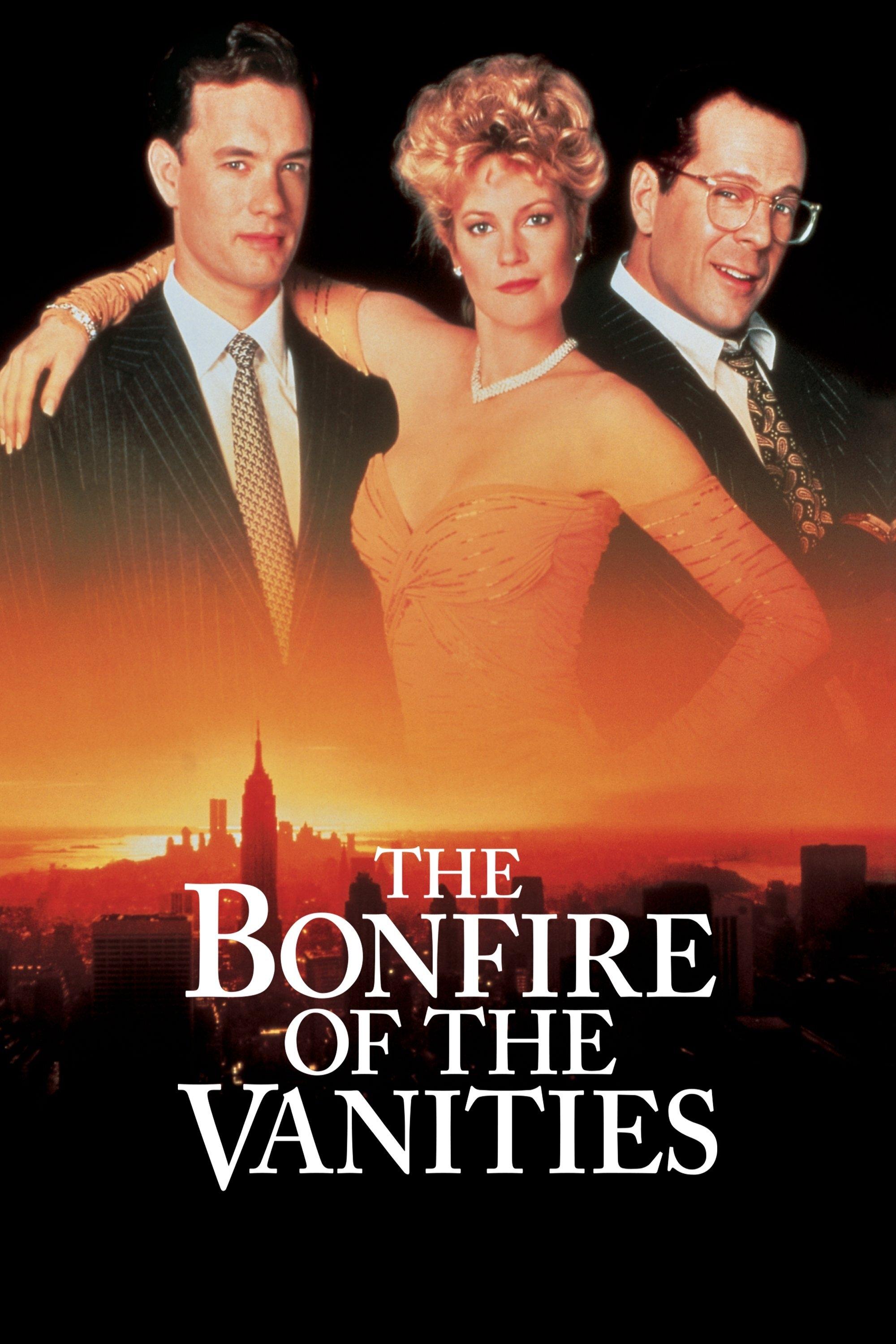
Adapted from Tom Wolfe’s novel, the story tracks a Wall Street bond trader whose life unravels after a late-night accident leads to legal and media frenzies. Casting shifted the tone toward broad satire and the production documented significant rewrites to condense a sprawling book.
The film opened in the holiday corridor with a wide campaign that highlighted its star trio. Warner Bros. Pictures distributed it in North America and the box office fell below expectations, prompting an early focus on ancillary markets.
‘All the King’s Men’ (2006)
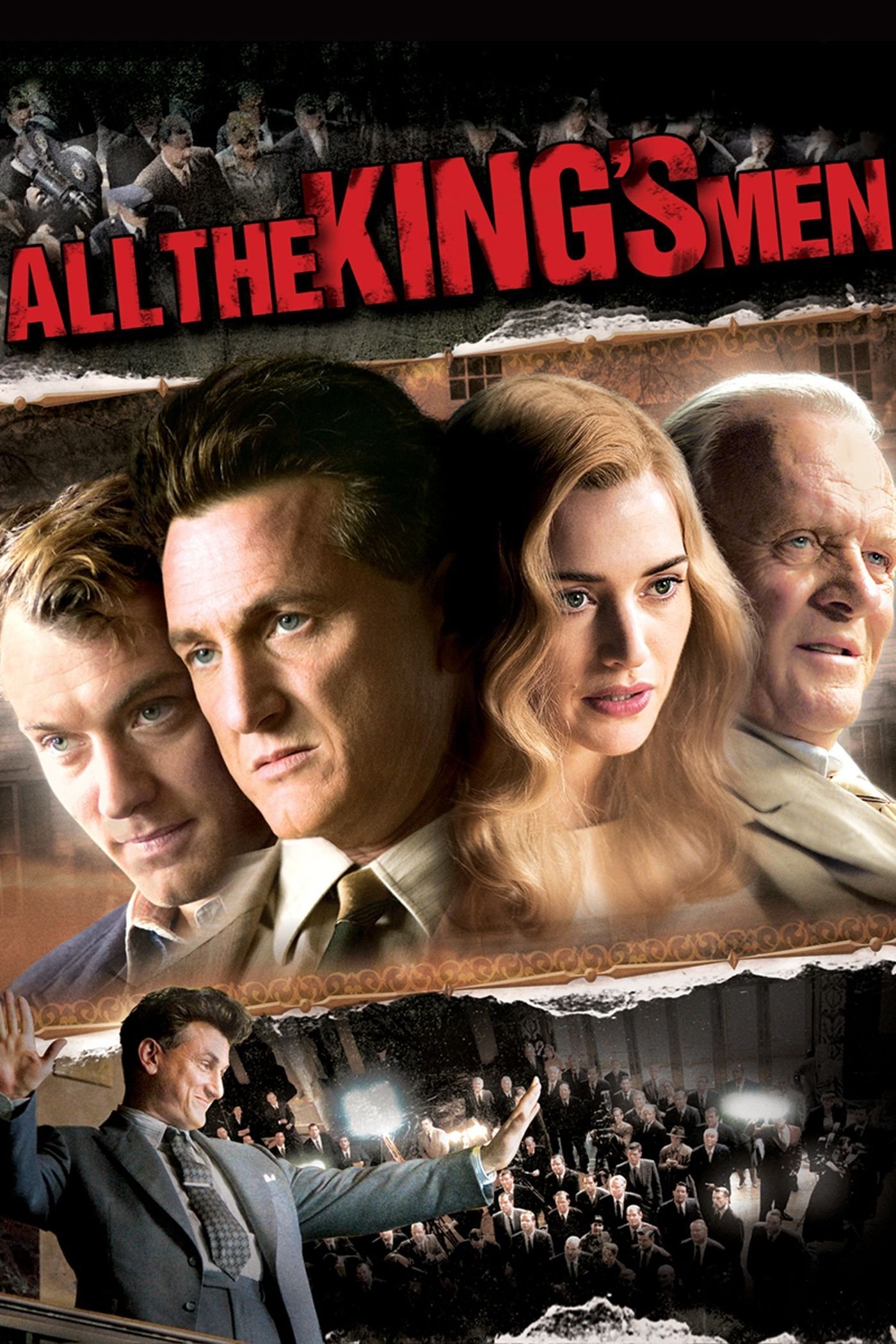
This adaptation centers on a Southern populist politician’s rise and fall while a journalist tracks the cost of power around him. The project assembled a high-profile ensemble and leaned on period detail from locations in Louisiana and New Orleans soundstages.
The release followed a delay from an earlier target date and arrived after a heavy festival season calendar. Sony Pictures Releasing handled the domestic rollout and the film opened wide but faded quickly as word of mouth failed to build weekend over weekend.
‘Alexander’ (2004)

Oliver Stone’s epic covers the Macedonian king’s campaigns and the strain inside his inner circle from youth through conquest. The production shot across multiple countries, built large-scale sets, and coordinated vast battle sequences with thousands of extras.
Post-release, the director prepared several alternate cuts that shifted structure and emphasis. Warner Bros. Pictures released the theatrical version worldwide and the initial box office landed below the budget’s scale, with later home editions finding a more niche audience.
‘The Goldfinch’ (2019)

Based on Donna Tartt’s novel, the plot follows a boy whose life changes after a museum bombing and a painting that links his relationships for years. The adaptation condensed a dense timeline and balanced New York settings with Las Vegas passages on location.
The film premiered in early fall positioned as an awards-season contender but did not connect in previews or early markets. Warner Bros. Pictures distributed it domestically and the opening weekend came in low relative to its production and marketing spend.
‘Collateral Beauty’ (2016)

A New York advertising executive, grieving a personal loss, writes letters to Love, Time, and Death and encounters actors hired for an unusual intervention. The ensemble cast worked on a brisk schedule in winter locations around the city.
Marketing leaned heavily on the inspirational premise and the holiday release date placed it among family and franchise titles. Warner Bros. Pictures handled distribution and the film’s legs were modest in the crowded December corridor.
‘The Snowman’ (2017)
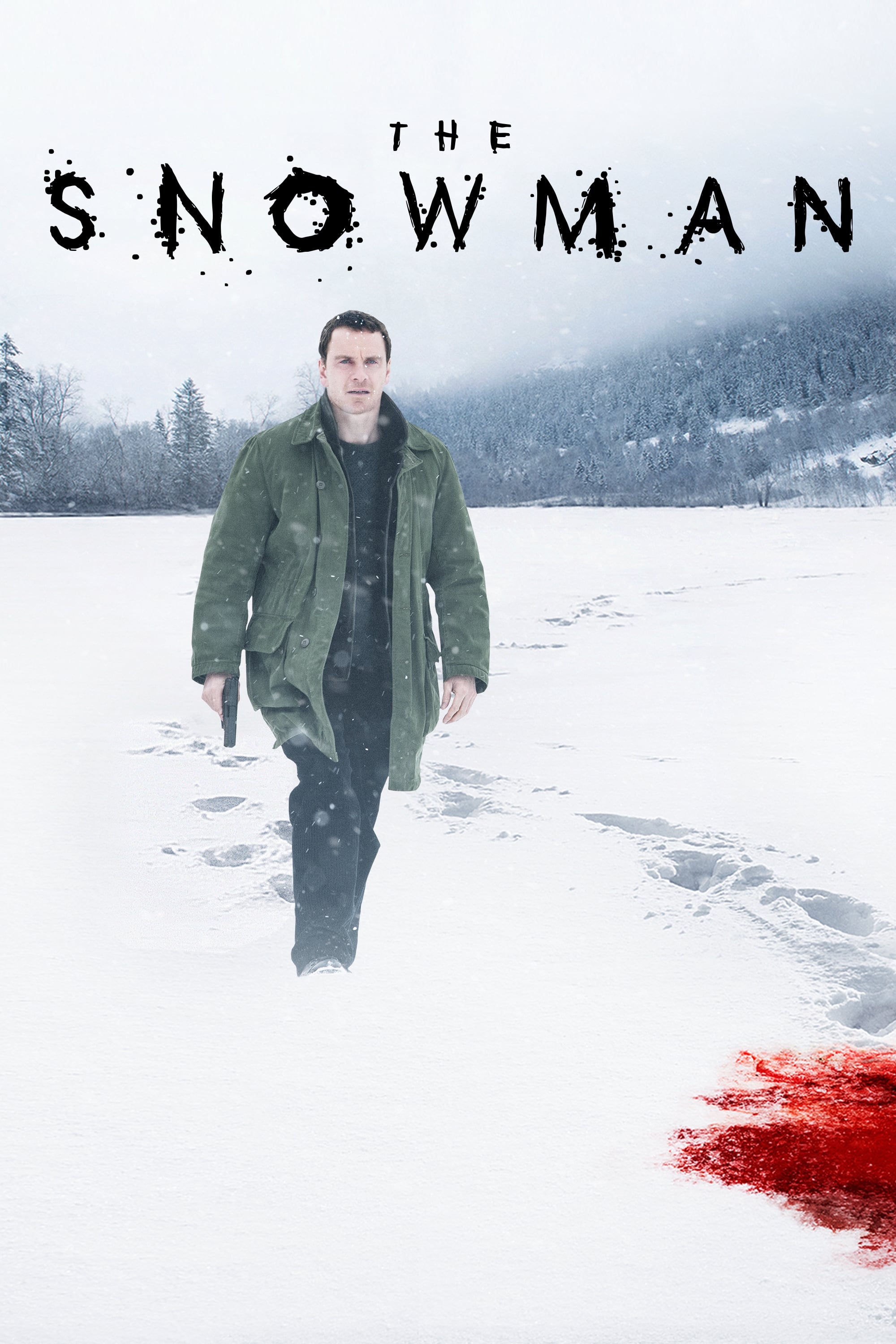
Adapted from Jo Nesbø’s novel, a detective investigates a serial killer who leaves snowy calling cards across Norway. Production shot in Oslo and Bergen with a tight schedule that later affected the completeness of coverage reported by the director.
The thriller opened in October with a campaign built on the bestselling source material. Universal Pictures released it in the United States and early audience response was soft, leading to a rapid screen reduction in subsequent weeks.
‘The Book of Henry’ (2017)

A precocious boy creates a plan to protect the girl next door and leaves behind instructions that draw his mother into action. The film balances family drama with thriller elements and was completed before the director moved to another franchise project.
Focus Features positioned the release in early summer with a targeted marketing push. The opening weekend was small and theater counts dropped quickly, with the film finding a limited afterlife on digital platforms.
‘Serenity’ (2019)

Set on a tropical island, a fishing boat captain reunites with an ex who asks him to commit a crime, and the story pivots around a reality-bending reveal. The production shot on location in Mauritius and wrapped with a schedule designed around weather windows.
The movie’s January release followed a delayed date from the previous fall. Aviron Pictures distributed it in the United States and the domestic gross remained low relative to the star power on the poster.
‘The Last Face’ (2016)
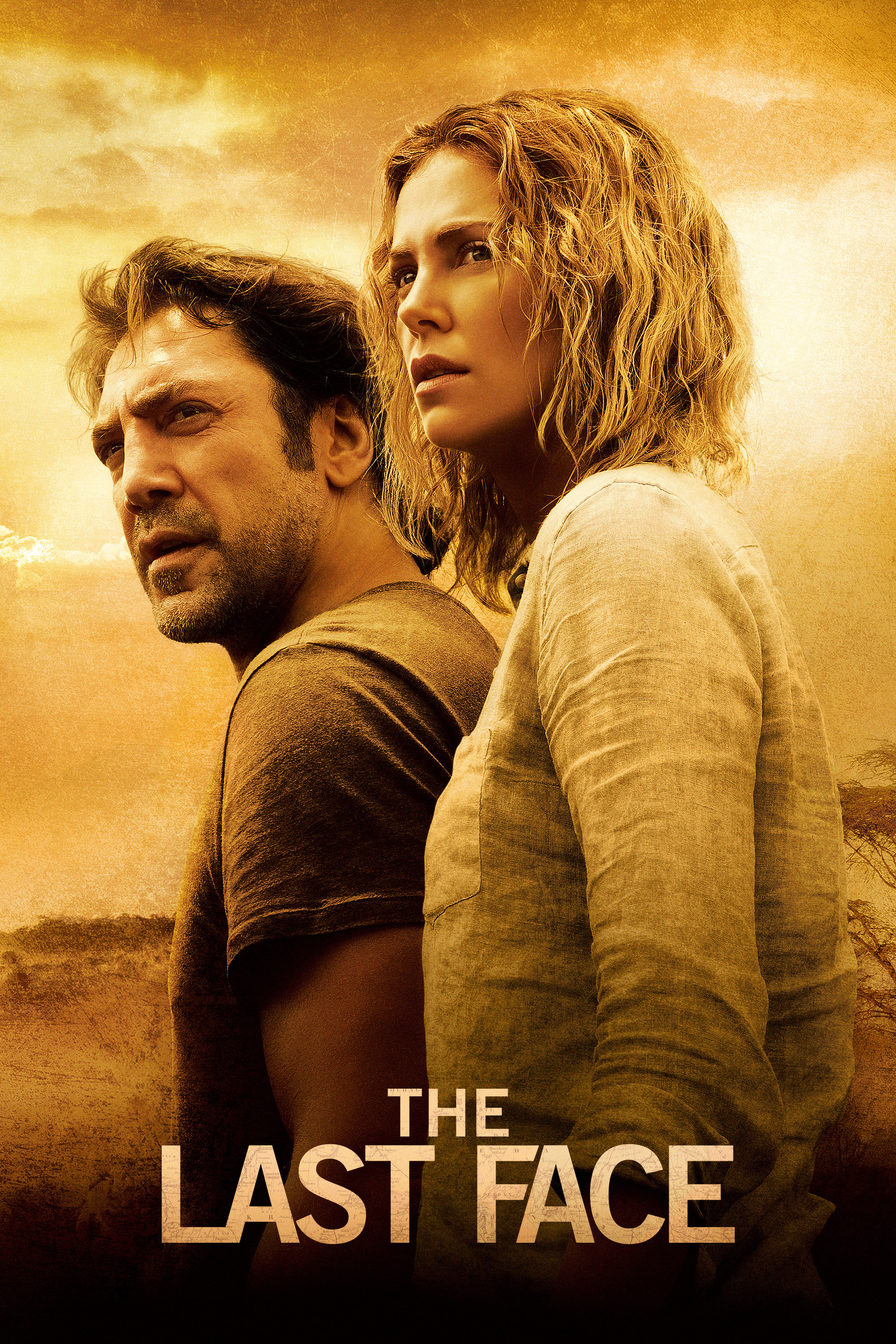
A relief worker and a surgeon rekindle a relationship while navigating the dangers of conflict zones. Filming took place in South Africa and focused on field hospital staging and convoy set pieces.
After premiering at a major festival to difficult reactions, the film received a limited U.S. release. Saban Films handled domestic distribution and the theatrical footprint was small before the title moved primarily to on-demand viewing.
‘Diana’ (2013)

The biographical drama follows the final years of Diana, Princess of Wales, concentrating on her private relationships and humanitarian initiatives. Production recreated famous photo calls and charity visits with location work in the U.K. and several European sites.
The fall release aligned with awards-season positioning, but it opened to light attendance in North America. Entertainment One distributed the film stateside and its box office remained modest, with most viewership arriving later on streaming and disc.
‘The Scarlet Letter’ (1995)
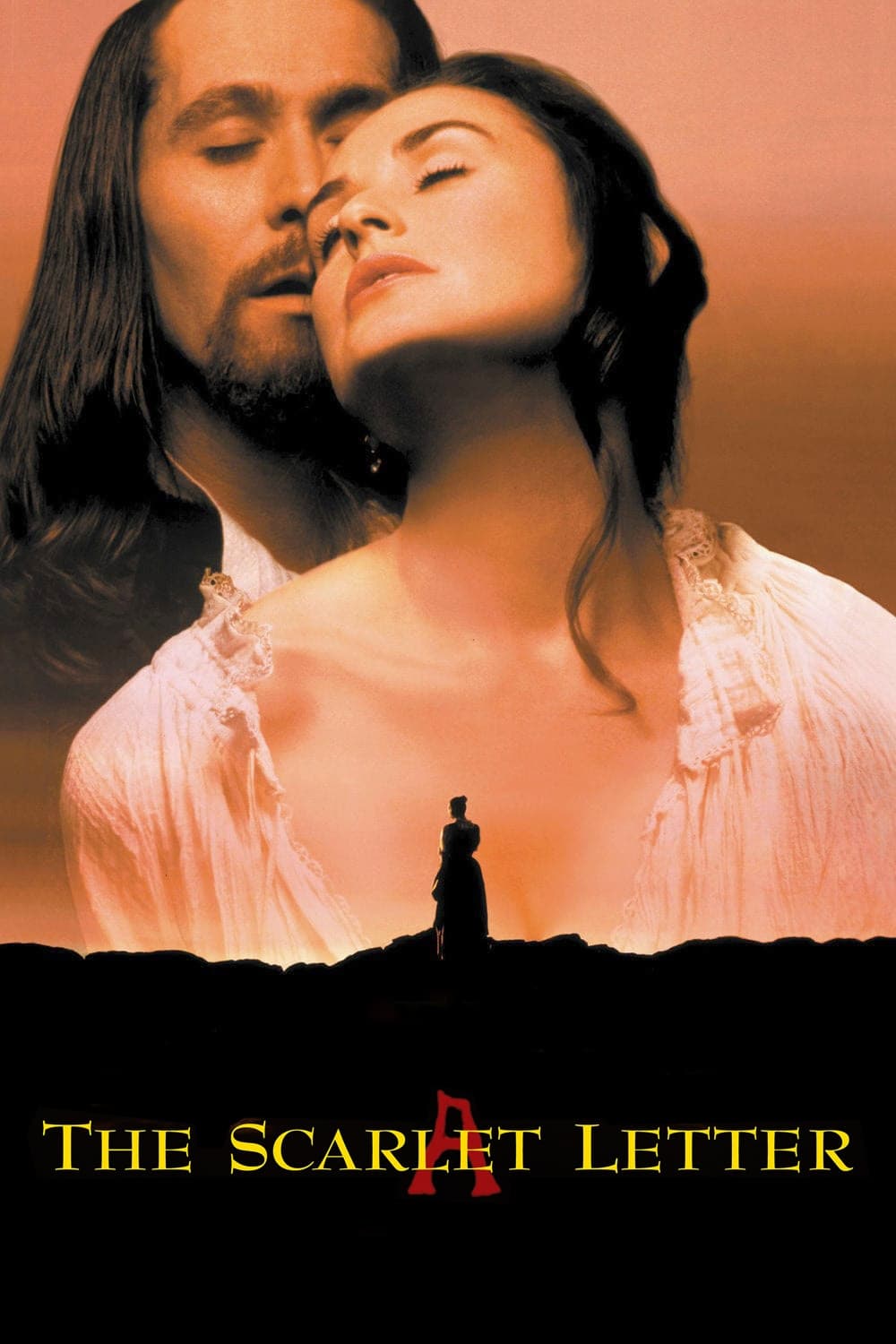
Hester Prynne’s story is retold with significant deviations from Nathaniel Hawthorne’s novel, adding action beats and a reworked ending. The production emphasized period costumes and Colonial New England settings built on North American locations and backlots.
The film arrived in October with a campaign centered on its star pairing. Hollywood Pictures released it through Buena Vista distribution and it posted low holds after the first weekend as competition increased.
‘Town & Country’ (2001)
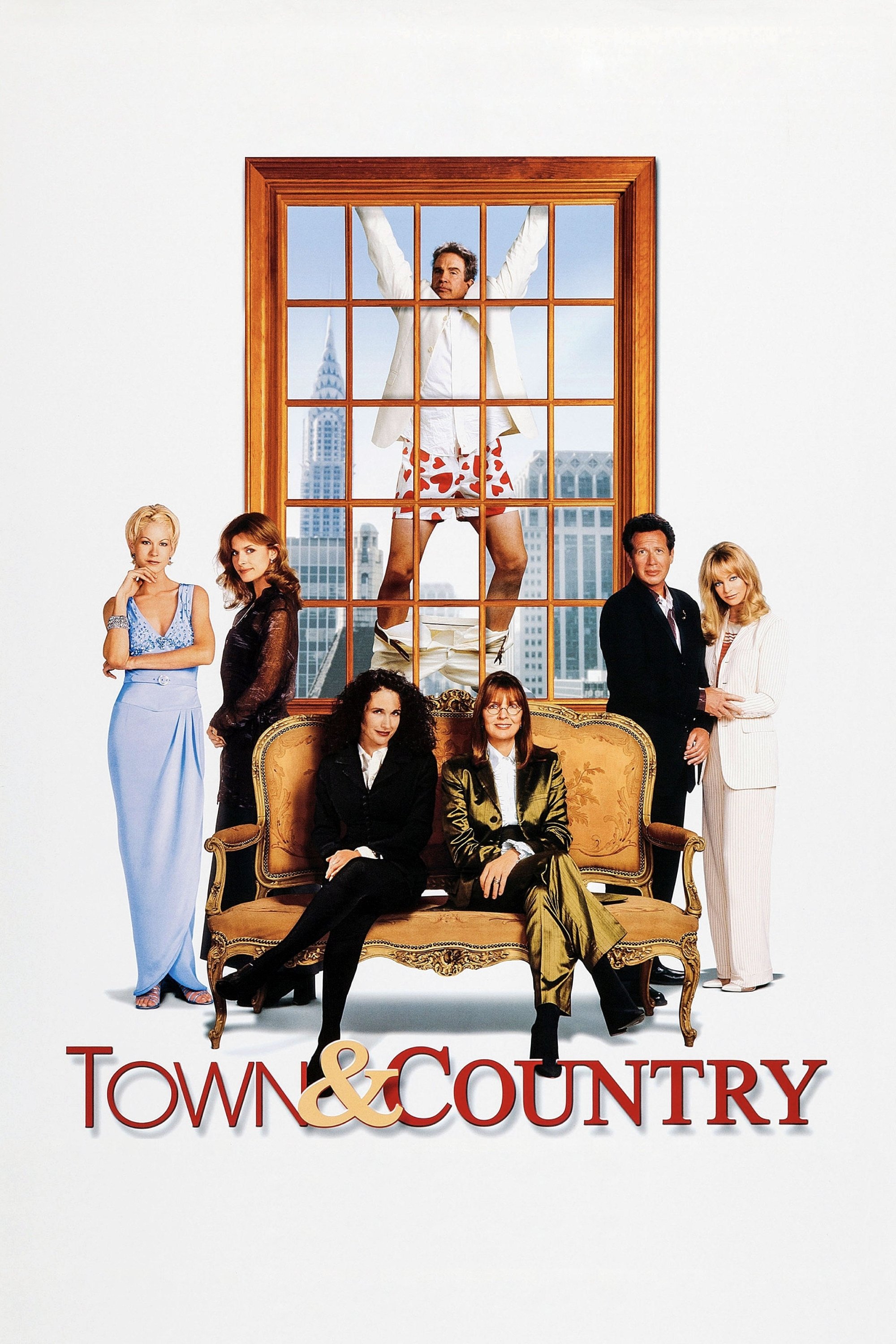
A New York architect juggles midlife doubts and complicated relationships as his social circle faces similar upheavals. The production endured reshoots over an extended period, which pushed the release date and increased costs significantly.
When it finally reached theaters in spring, the marketing leaned on its ensemble cast. New Line Cinema released it under the Warner Bros. distribution apparatus and the film finished with one of the lowest totals for a project of its reported budget that year.
‘The Circle’ (2017)

A young professional joins a powerful tech company and becomes the face of an experiment in radical transparency that blurs privacy lines. The movie adapted Dave Eggers’ novel and filmed in California with real tech campuses doubling for corporate spaces.
It opened in late April, positioned between larger tentpoles, and drew a curious but limited audience. STXfilms handled U.S. distribution and the domestic run tapered off quickly after the first two weekends.
‘The Road to Wellville’ (1994)
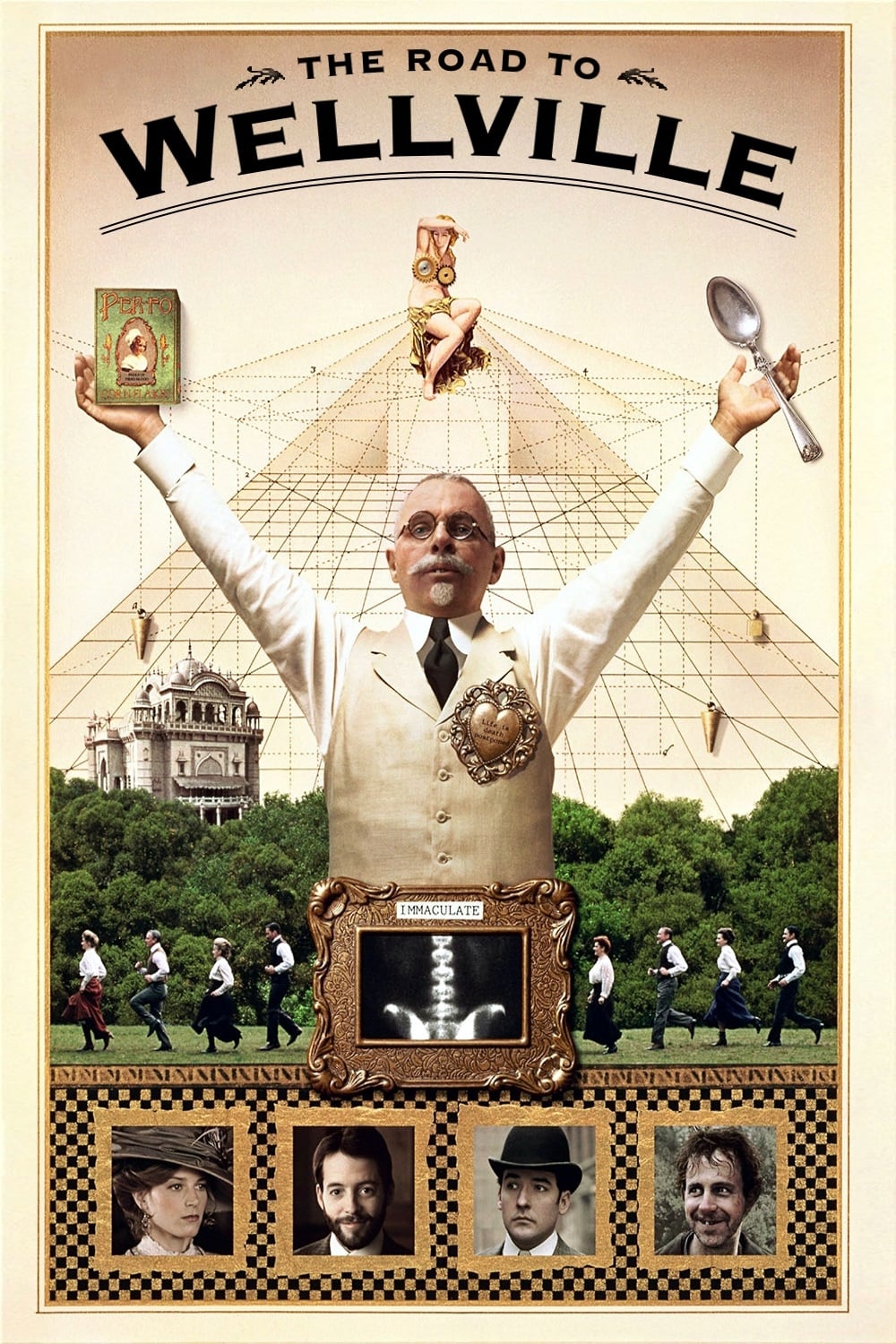
Set at Dr. John Harvey Kellogg’s sanitarium, the film follows patients through fad treatments and wellness experiments in early twentieth-century Michigan. Production recreated the period resort atmosphere with elaborate sets and an ensemble structure.
Released in the fall, the film struggled to find a broad audience for its offbeat tone. Columbia Pictures distributed it and its theatrical performance remained under expectations, shifting focus to international and home markets.
‘Beyond Borders’ (2003)
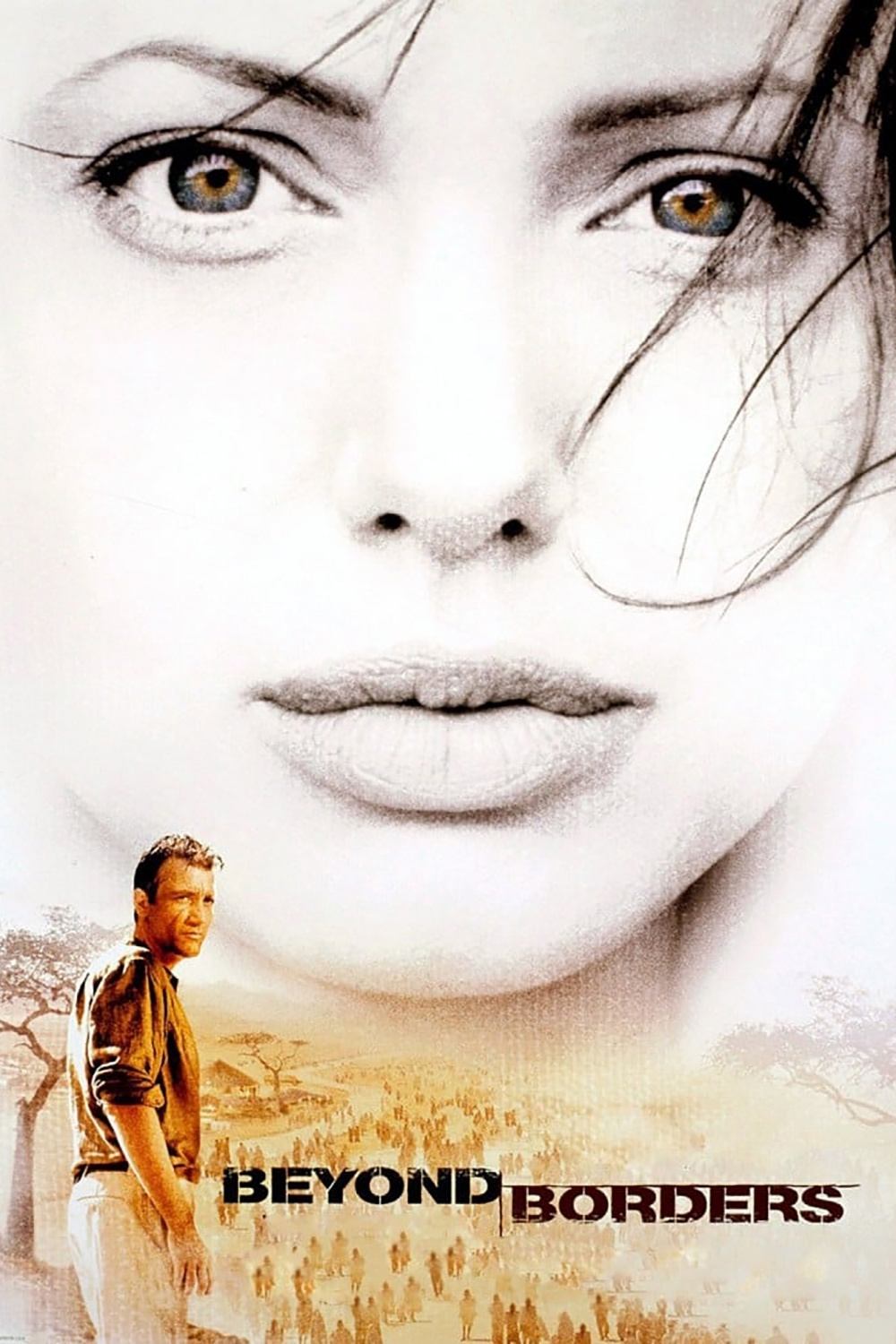
An American socialite becomes involved in humanitarian work after meeting a relief doctor, and the story spans Ethiopia, Cambodia, and Chechnya. The production shot across multiple countries with large scale logistics for refugee camp sequences.
The October release came with a serious marketing pitch and a limited number of screens at first before expanding. Paramount Pictures distributed the film in North America and the domestic total ended up well below its production cost.
‘The Astronaut Farmer’ (2007)

A former Air Force pilot builds a rocket on his ranch, hoping to launch himself into orbit as his family weighs the risks. Filming took place in New Mexico and used practical effects with support from aerospace consultants.
The movie opened in late winter with a family-friendly campaign focused on aspiration. Warner Bros. Pictures handled the release and attendance remained modest despite a wide rollout, leading to a short theatrical lifespan.
‘Winter’s Tale’ (2014)
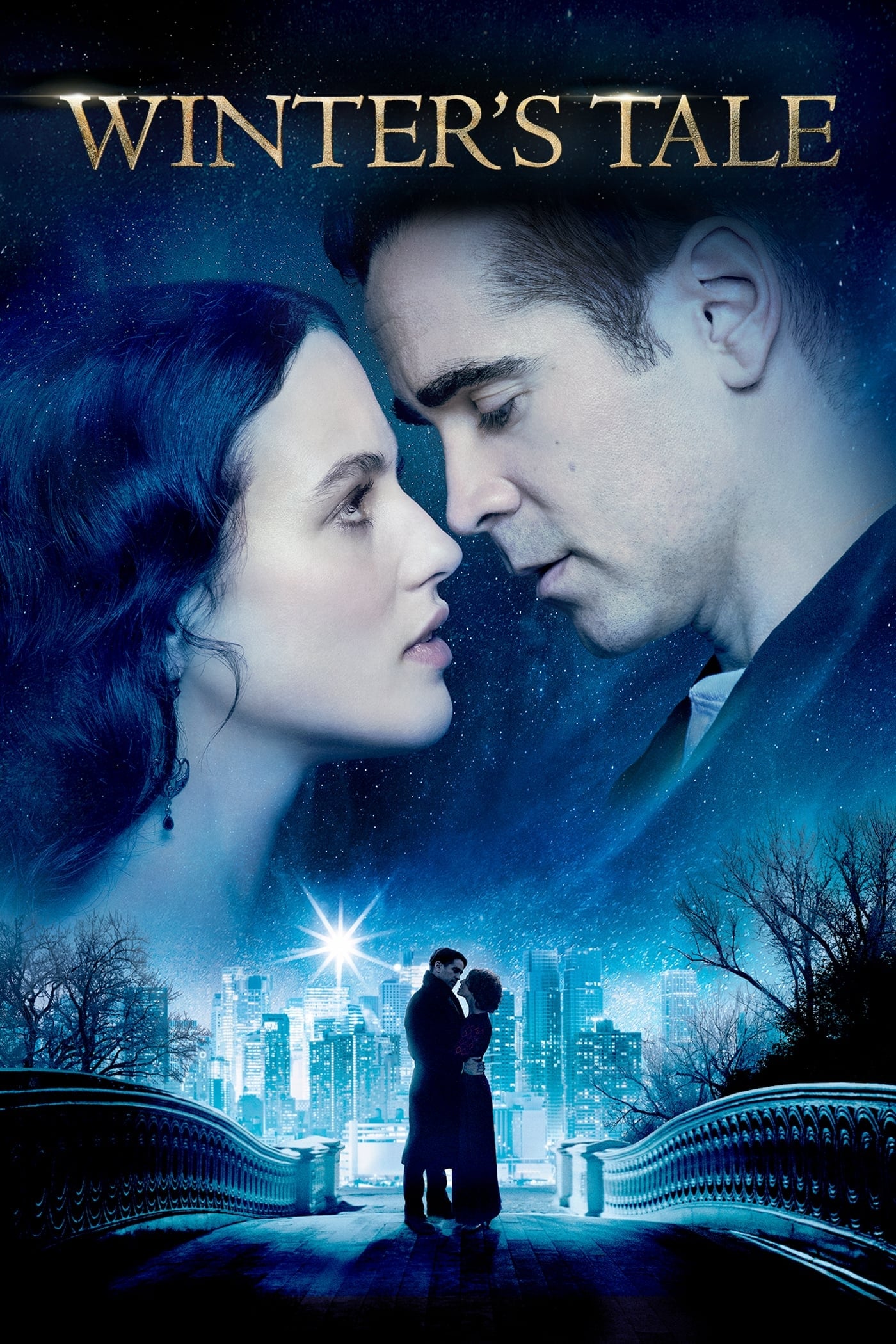
A mystical romance weaves across a century as a thief, a heiress, and a supernatural adversary collide in a wintry New York. The adaptation emphasized fairy-tale elements with period production design and visual effects work for fantastical sequences.
Timed for Valentine’s weekend, the film sought date-night audiences but posted light per-screen averages. Warner Bros. Pictures distributed it domestically and international returns did not materially alter its overall financial picture.
‘Remember Me’ (2010)
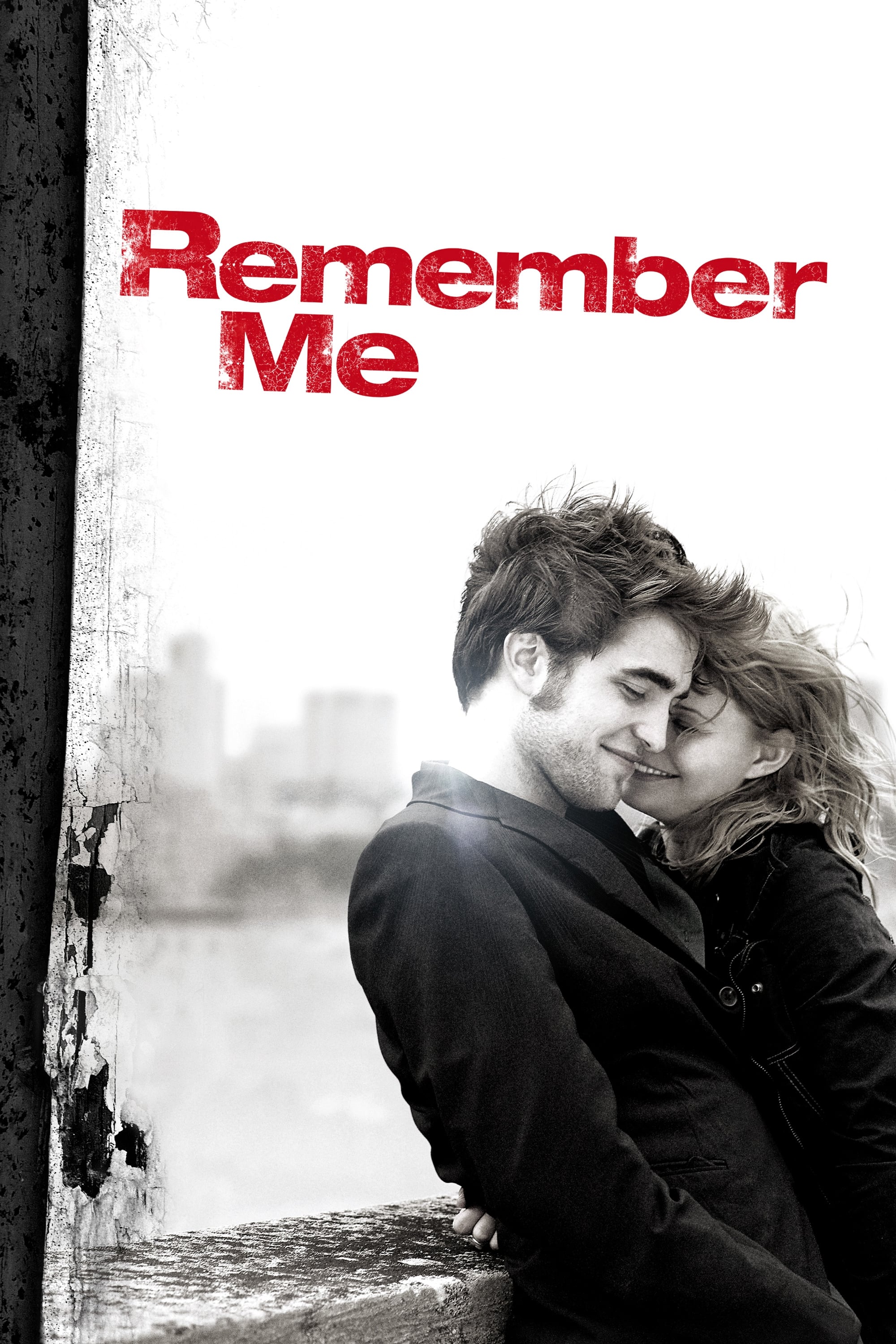
A rebellious student reconnects with his family while beginning a relationship that helps him confront grief and responsibility. The film shot on location in New York with street-level scenes that used handheld camerawork and natural light.
Summit Entertainment released it in March with a youth-focused campaign built around its lead. It achieved a modest opening but declined in subsequent frames as spring competition increased.
‘United Passions’ (2014)

This sports drama chronicles the founding of FIFA and the growth of the World Cup through the perspectives of its leaders. The production was financed in part by FIFA and filmed across Europe with period football recreations.
The U.S. release arrived later in a very limited theatrical run. Screen Media Films handled domestic distribution and the box office was exceptionally small, with most viewers encountering it later via specialty channels.
‘Gotti’ (2018)
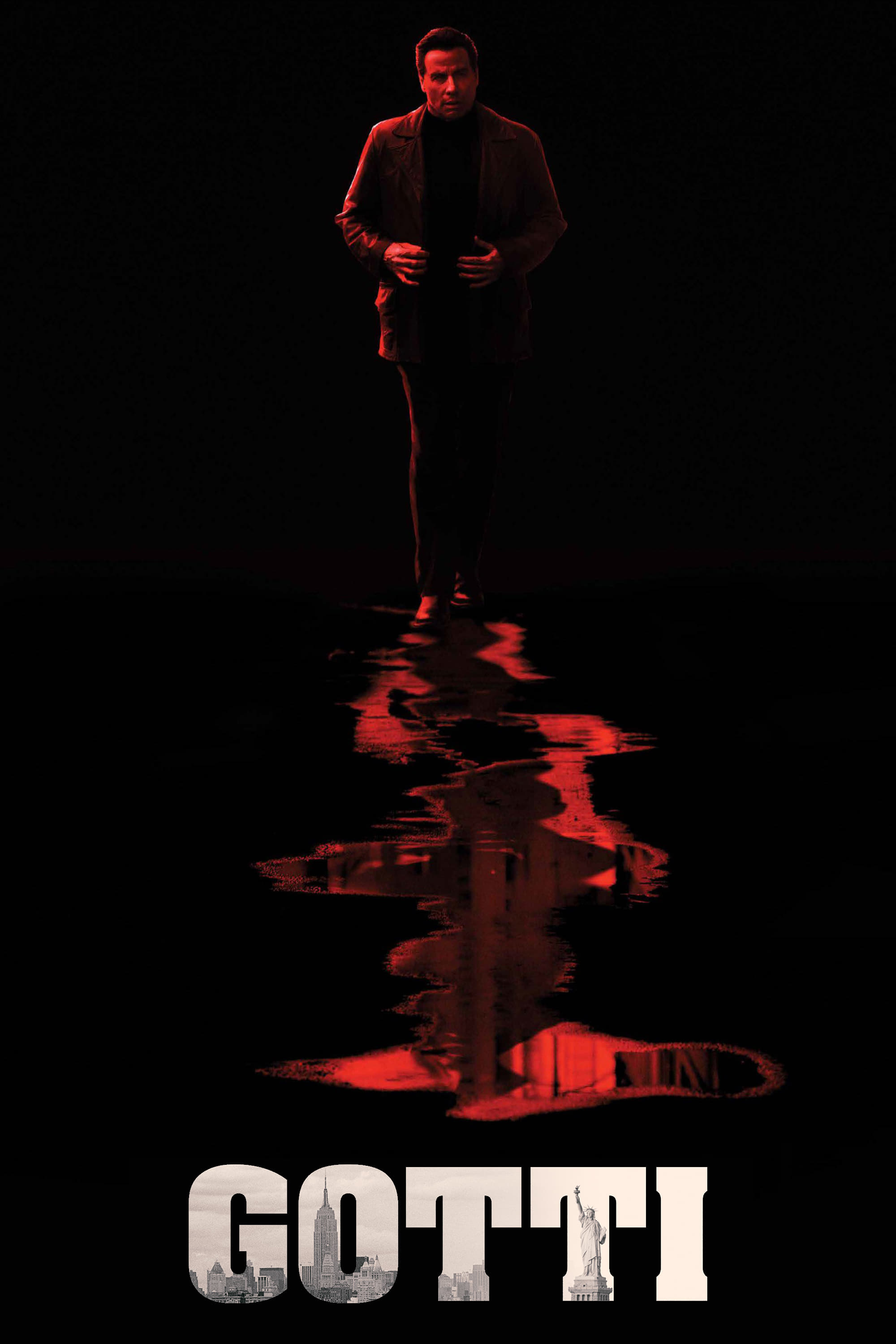
The biographical crime drama follows John Gotti’s rise in the Gambino family, his relationship with his son, and high-profile trials. The project changed directors and producers during development and filmed in Cincinnati doubling for New York.
It opened in June with a marketing push targeting true-crime fans. Vertical Entertainment partnered with MoviePass Ventures on U.S. distribution and the theatrical gross remained low relative to the campaign.
‘Life Itself’ (2018)
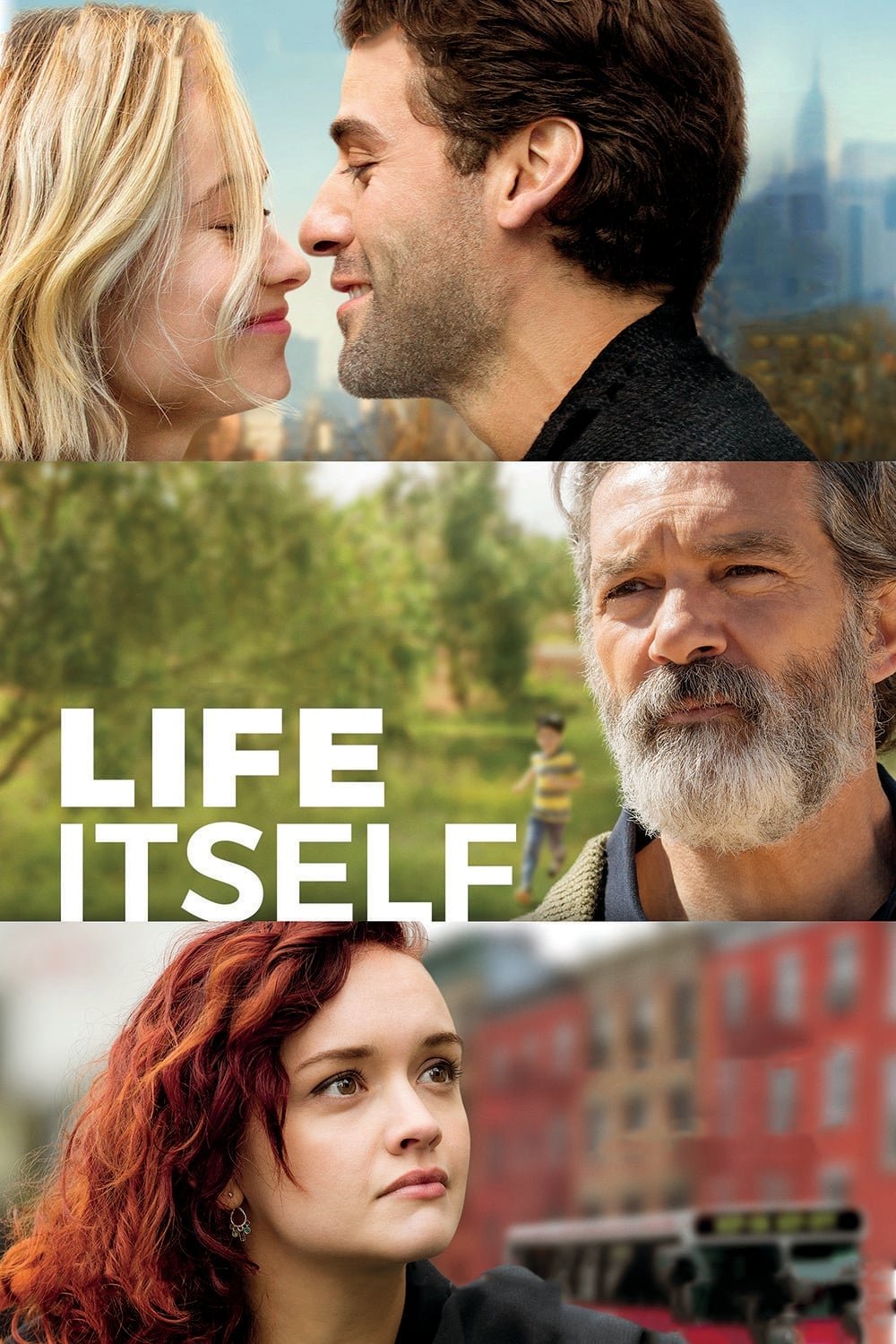
Interwoven stories connect families across continents and years, tracing how chance events ripple through relationships. The film shot in New York and Spain and used a chapter structure to shift perspectives among its characters.
The September release followed festival screenings that set expectations for a platform strategy. Amazon Studios distributed it in the United States and the film completed a brief theatrical run before moving primarily to streaming for its audience.
Share your picks in the comments and tell us which drama you think belongs on this list.