The Worst Adventure Movies of All Time


Some adventure movies promise sweeping journeys and big spectacle but end up remembered for all the wrong reasons. Production overruns, confused scripts, and troubled releases can turn a sure thing into a cautionary tale that film fans still reference years later.
Here is a tour through adventure films that struggled on the big screen. Each entry highlights straightforward production facts like budgets, delays, and box office results, and notes who distributed the movie when it finally reached theaters.
‘Cutthroat Island’ (1995)
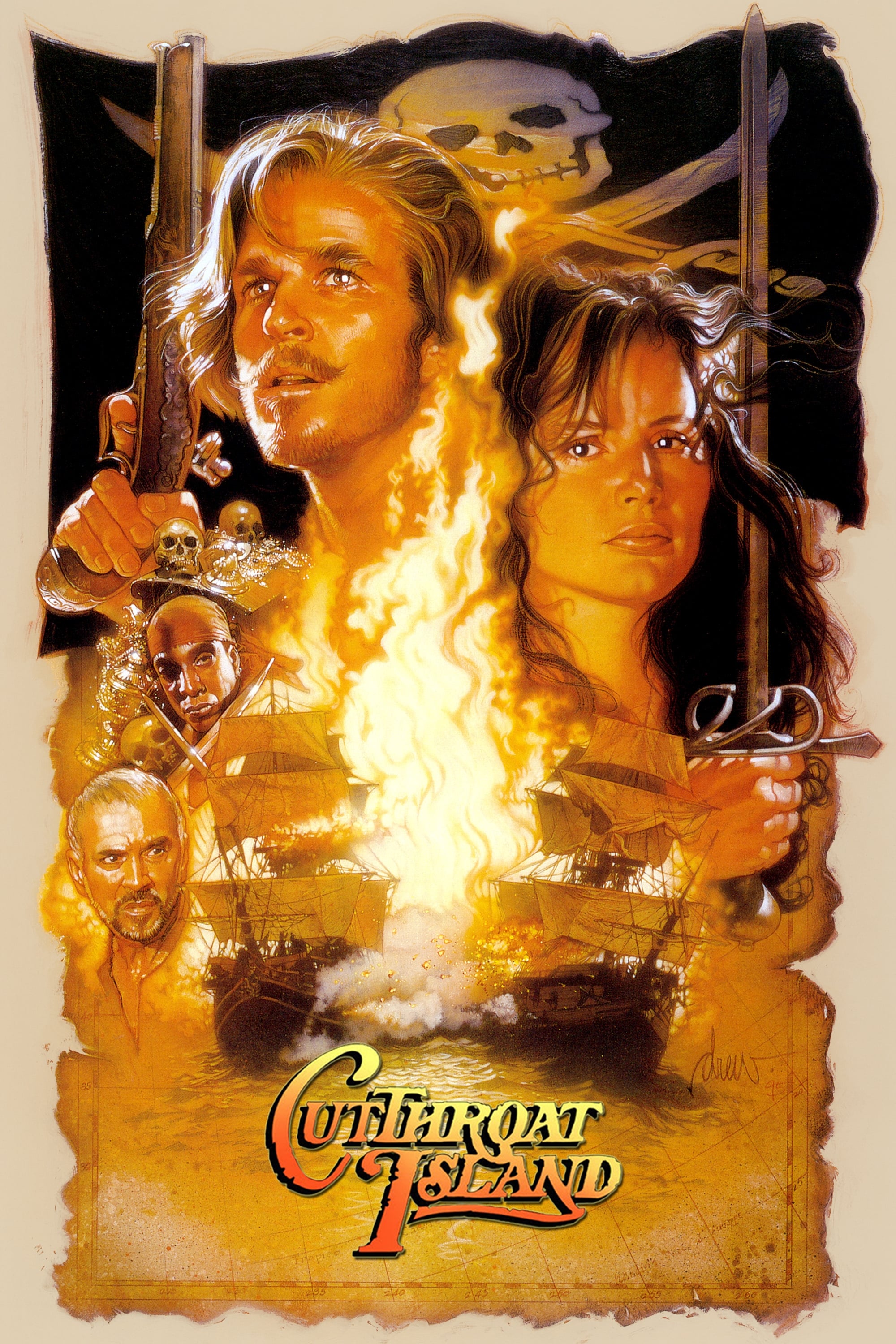
Renny Harlin’s pirate epic went through multiple script revisions and costly reshoots, with a reported budget that ballooned well past initial plans. The film struggled to recoup costs in theaters and became a textbook example of mid-90s overreach.
It arrived in the United States through MGM and UA, hitting screens in the holiday corridor when competition was fierce. International rollout could not make up the shortfall, and the production company behind it collapsed soon after.
‘The Lone Ranger’ (2013)
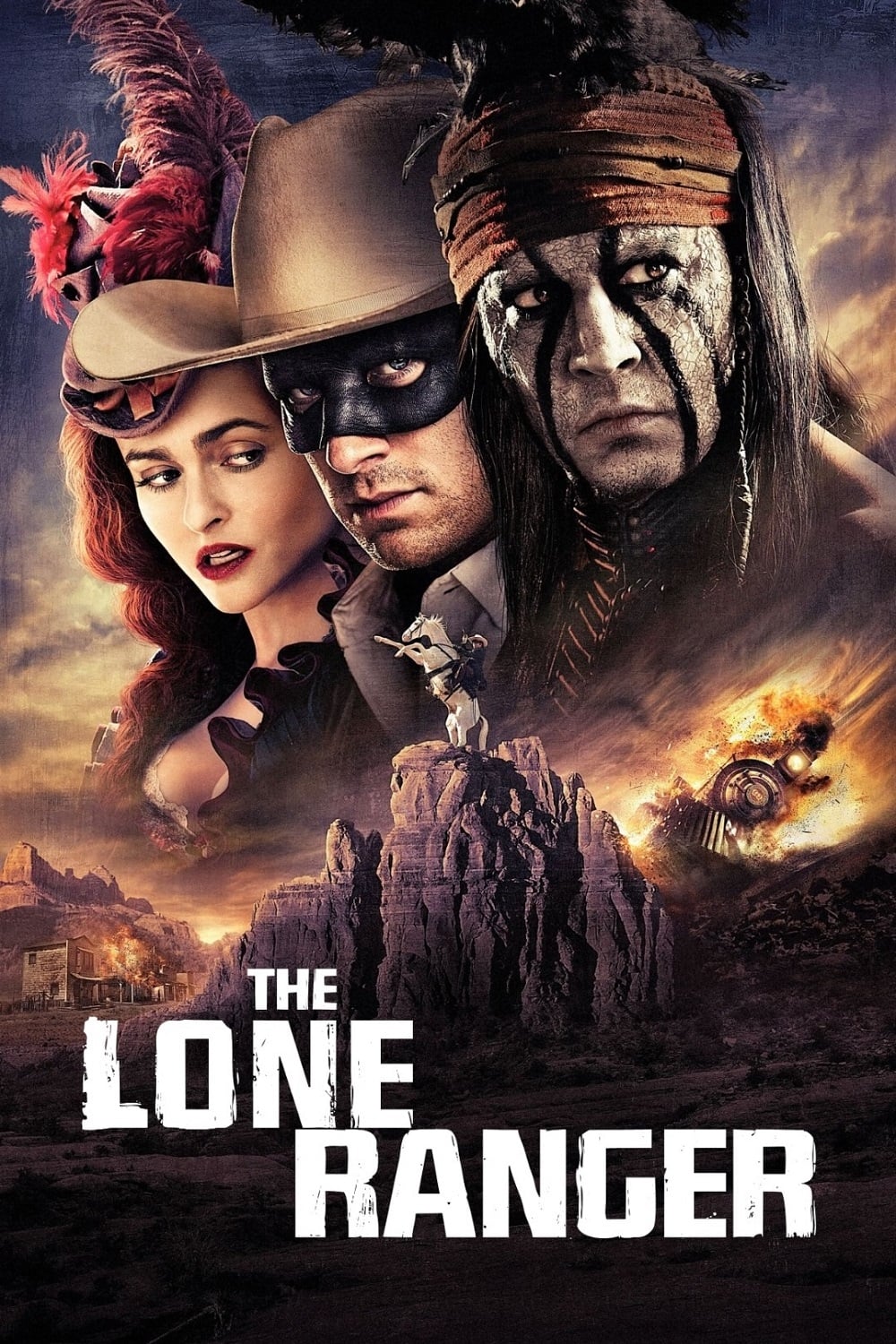
This expansive Western adventure featured extensive location work across the American Southwest and a production timeline that included shutdowns to rein in costs. The final price tag landed in blockbuster territory while domestic and overseas grosses fell short of expectations.
The film was released by Walt Disney Studios Motion Pictures in midsummer after a high profile marketing push. Postrelease accounting made headlines as the studio recorded significant write downs against the project.
‘John Carter’ (2012)
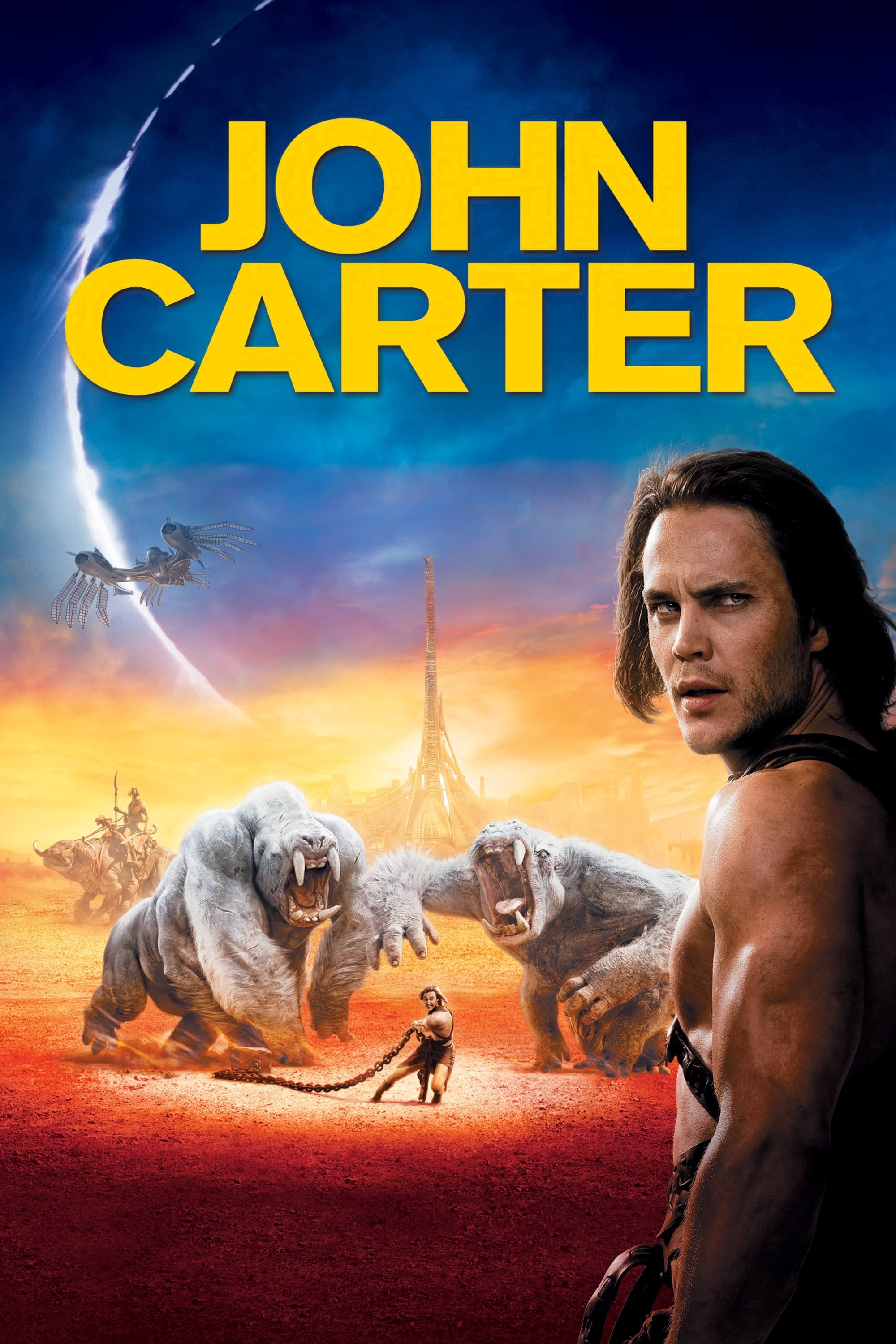
Based on Edgar Rice Burroughs’ Barsoom novels, this adaptation combined heavy visual effects with large scale location shoots. Its production budget and promotional spend were widely reported as among the largest of the year.
Walt Disney Studios Motion Pictures handled distribution worldwide, opening in early spring. Despite a solid international footprint, global grosses did not match outlays and the studio publicly disclosed a major loss.
‘King Arthur: Legend of the Sword’ (2017)
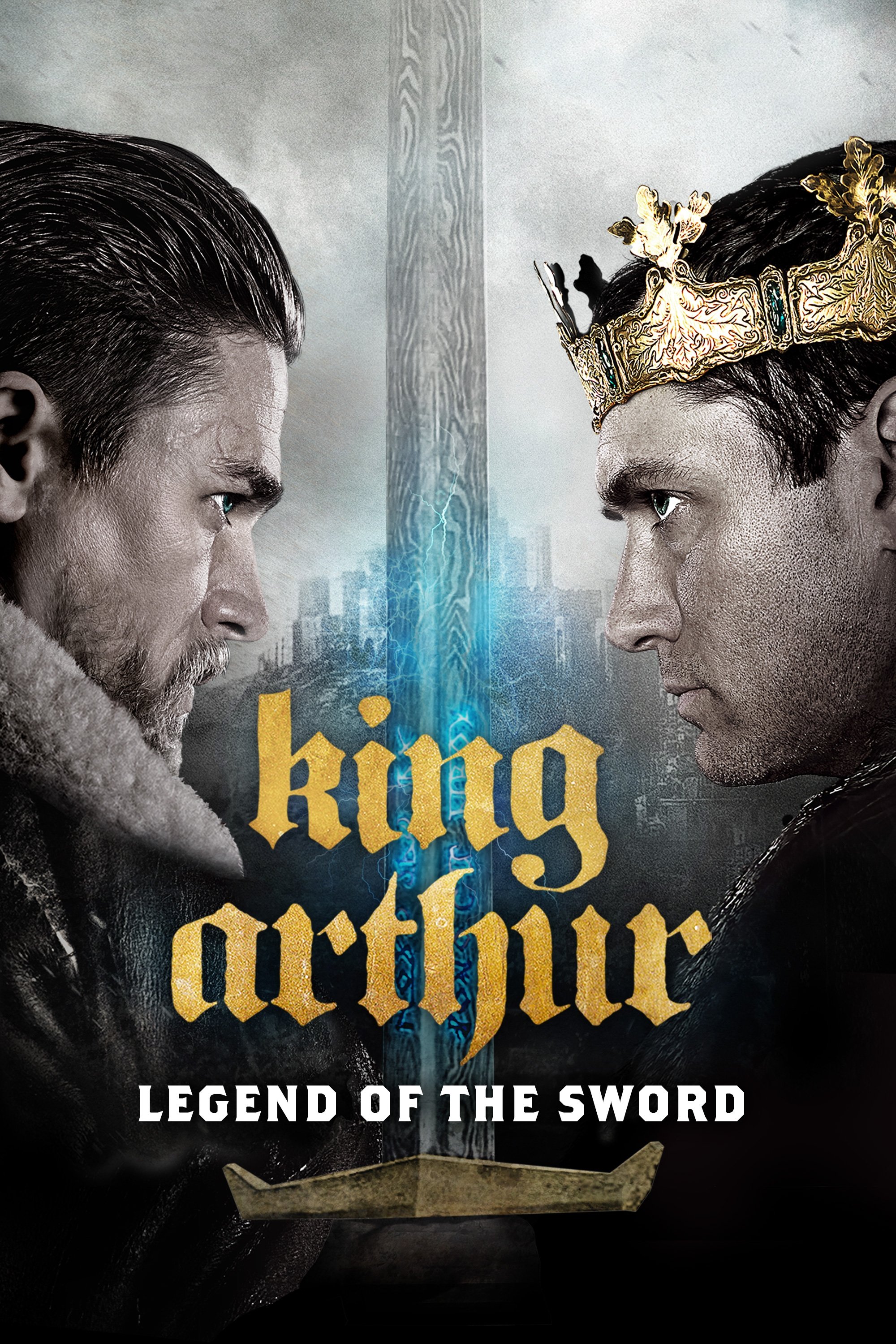
Guy Ritchie’s reinterpretation of Arthurian myth used stylized action and extensive effects work. The long development cycle and costly postproduction contributed to a sizable budget that box office returns could not cover.
Warner Bros. Pictures distributed the film in early summer with premium format bookings. International markets offered only limited uplift, and ancillary sales were not enough to change the overall financial picture.
‘The Last Airbender’ (2010)
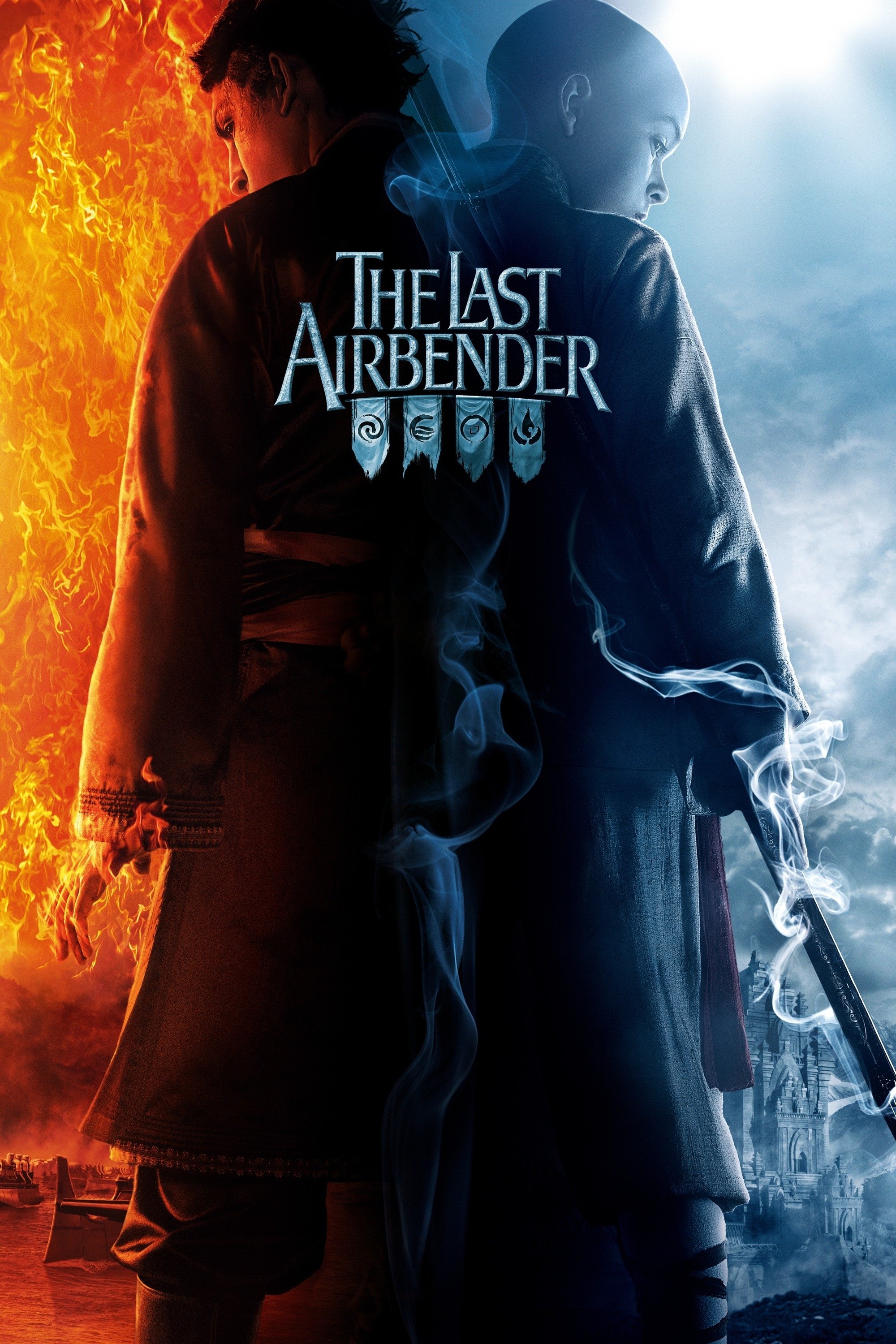
This live action take on the animated series condensed a season’s worth of plotting into a single feature and leaned on 3D conversion late in the process. Critics noted issues with dialogue and pacing while audiences delivered a front loaded opening.
Paramount Pictures released the movie over the Fourth of July frame with strong theater counts. Overseas results helped but could not offset production and marketing costs at the scale initially projected.
‘Prince of Persia: The Sands of Time’ (2010)
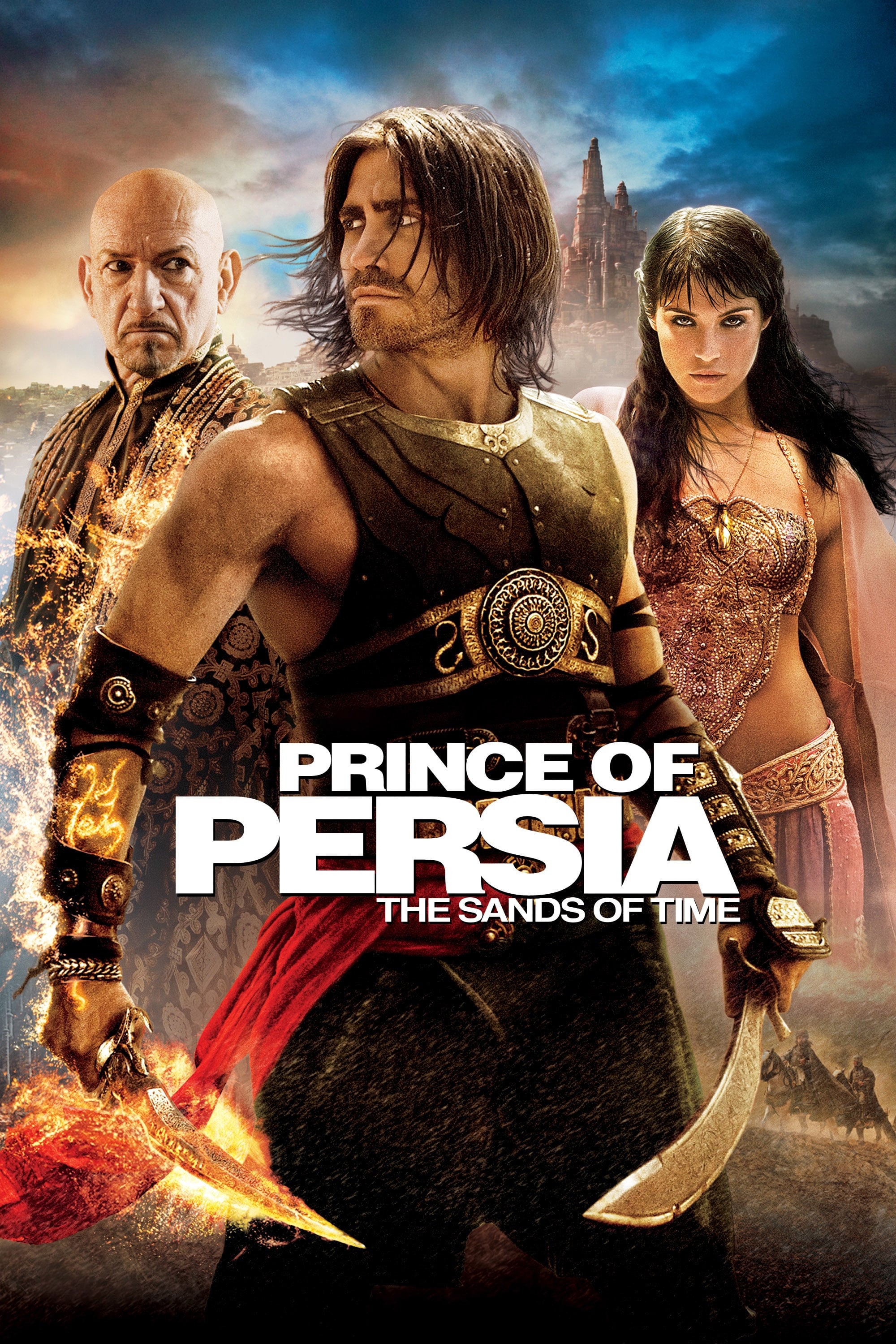
Drawing from a well known game franchise, the film mounted elaborate desert sequences and effects heavy set pieces. Production took place across multiple countries and required extensive second unit work that pushed expenses higher.
Buena Vista, Disney’s distribution arm at the time, opened the film at the start of summer. It posted moderate international numbers yet fell short of the lofty threshold needed for a new franchise.
’47 Ronin’ (2013)
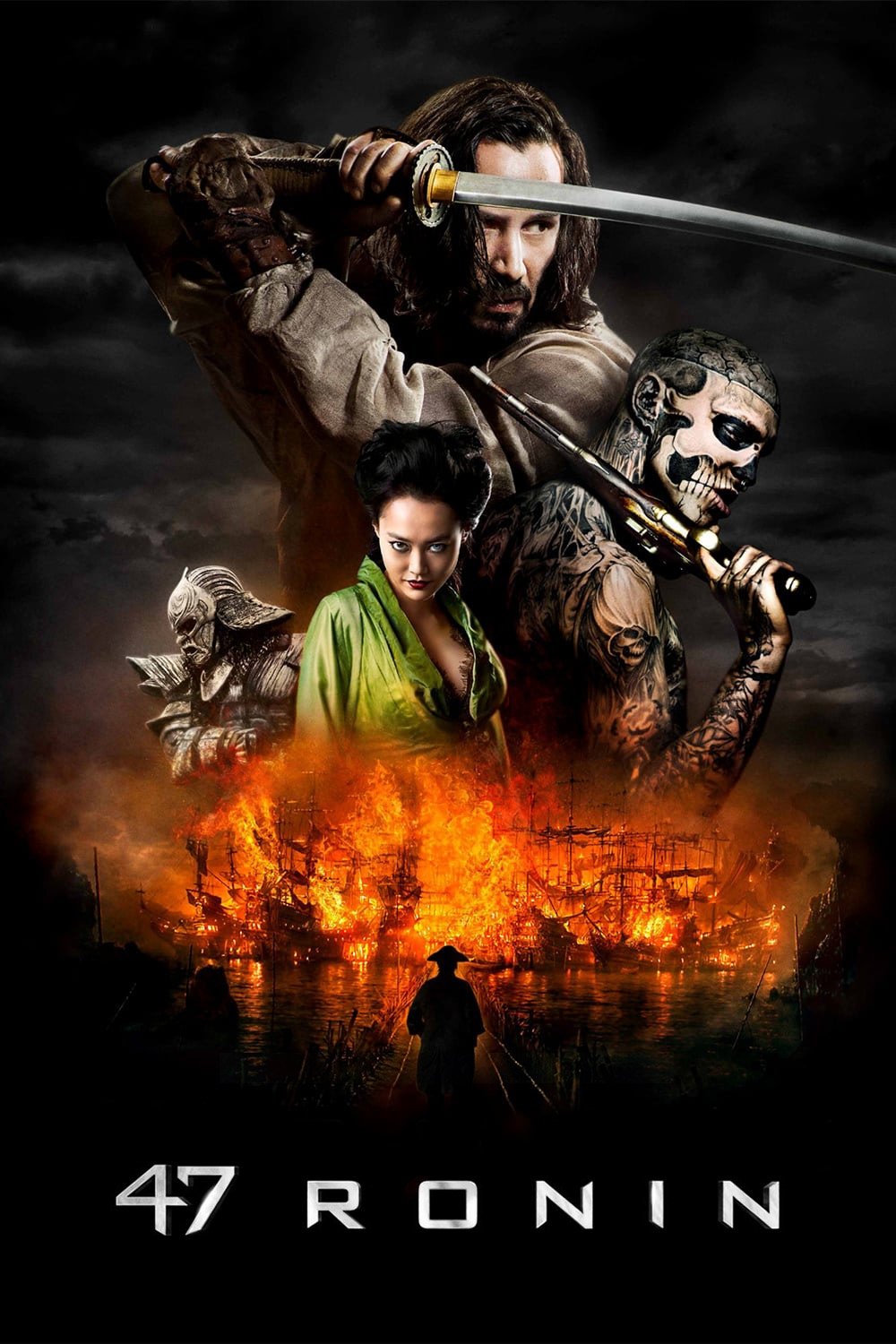
This samurai fantasy blended folklore with large scale digital environments and creatures. Extensive reshoots and a new third act were reported during postproduction, which increased the overall cost.
Universal Pictures distributed the movie during the holiday season with a wide release. The film underperformed in North America and did not meet targets in key Asian territories, leading to a significant gap against budget.
‘The Adventures of Pluto Nash’ (2002)
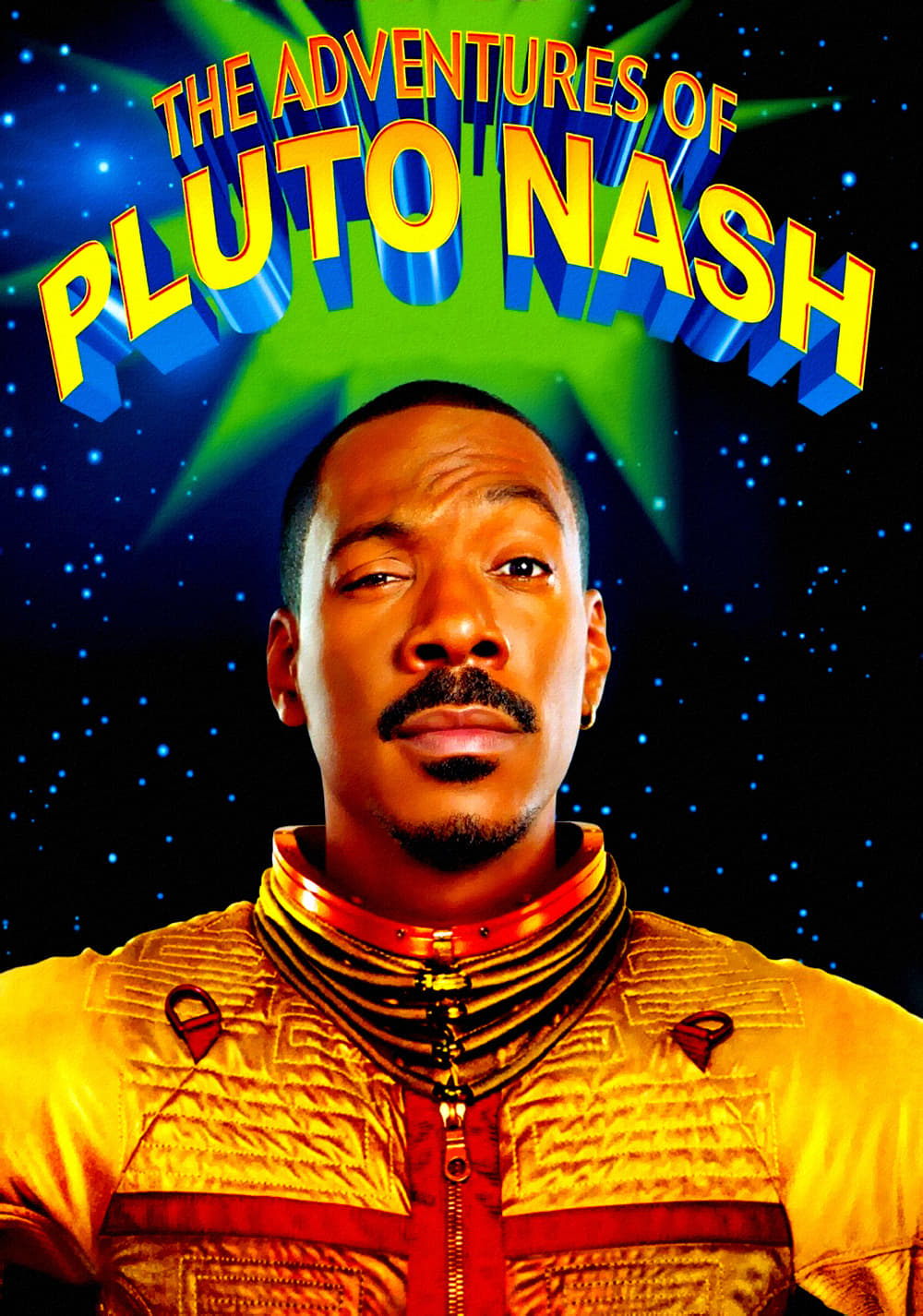
This sci fi adventure comedy sat on the shelf for an extended period before release, an indicator of studio caution. The production cost was high relative to its modest final footprint in theaters.
Warner Bros. Pictures handled distribution with a late summer launch. The run was brief and the film quickly moved to home entertainment where it found only limited additional audience.
‘Sahara’ (2005)
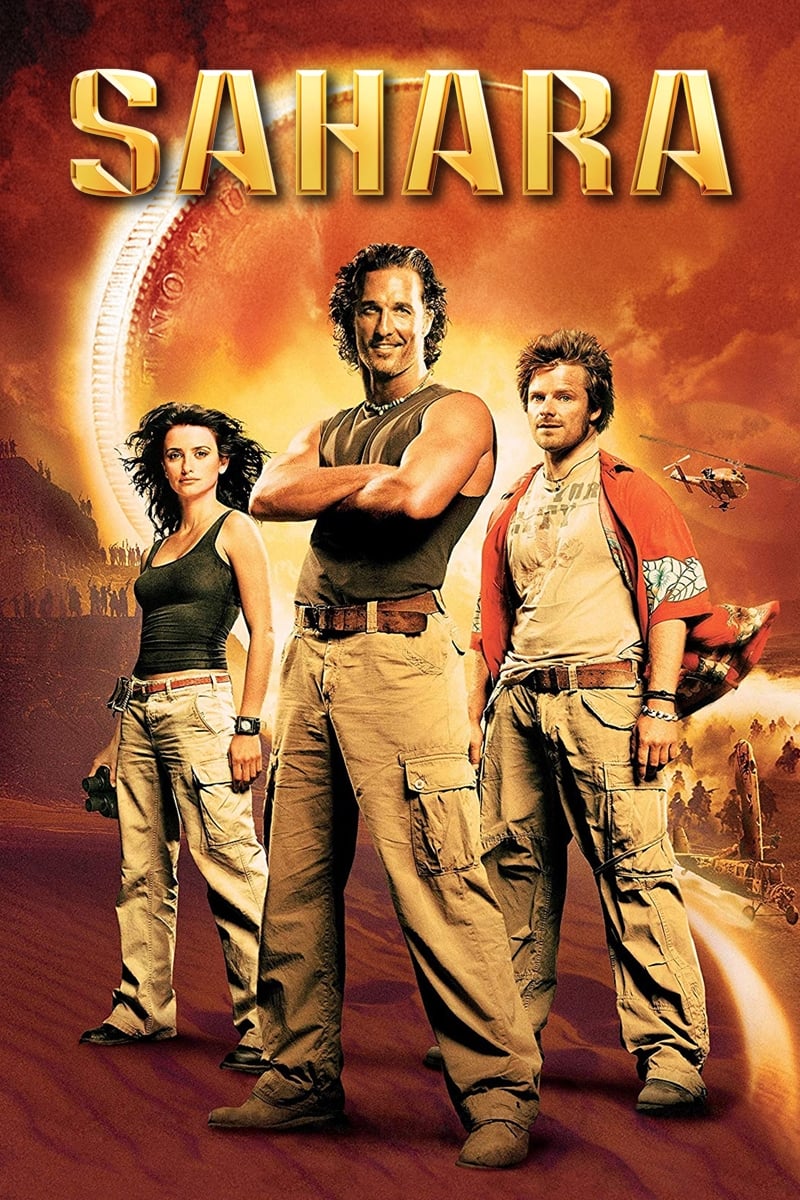
Adapted from Clive Cussler’s novel, the project shot across Morocco and used large practical set pieces. Reported production and legal costs continued to accrue after release due to rights disputes and location issues.
Paramount Pictures released the movie in spring with a wide theater count. International grosses were not enough to balance the unusually high net negative cost that accumulated around the title.
‘The Legend of Hercules’ (2014)
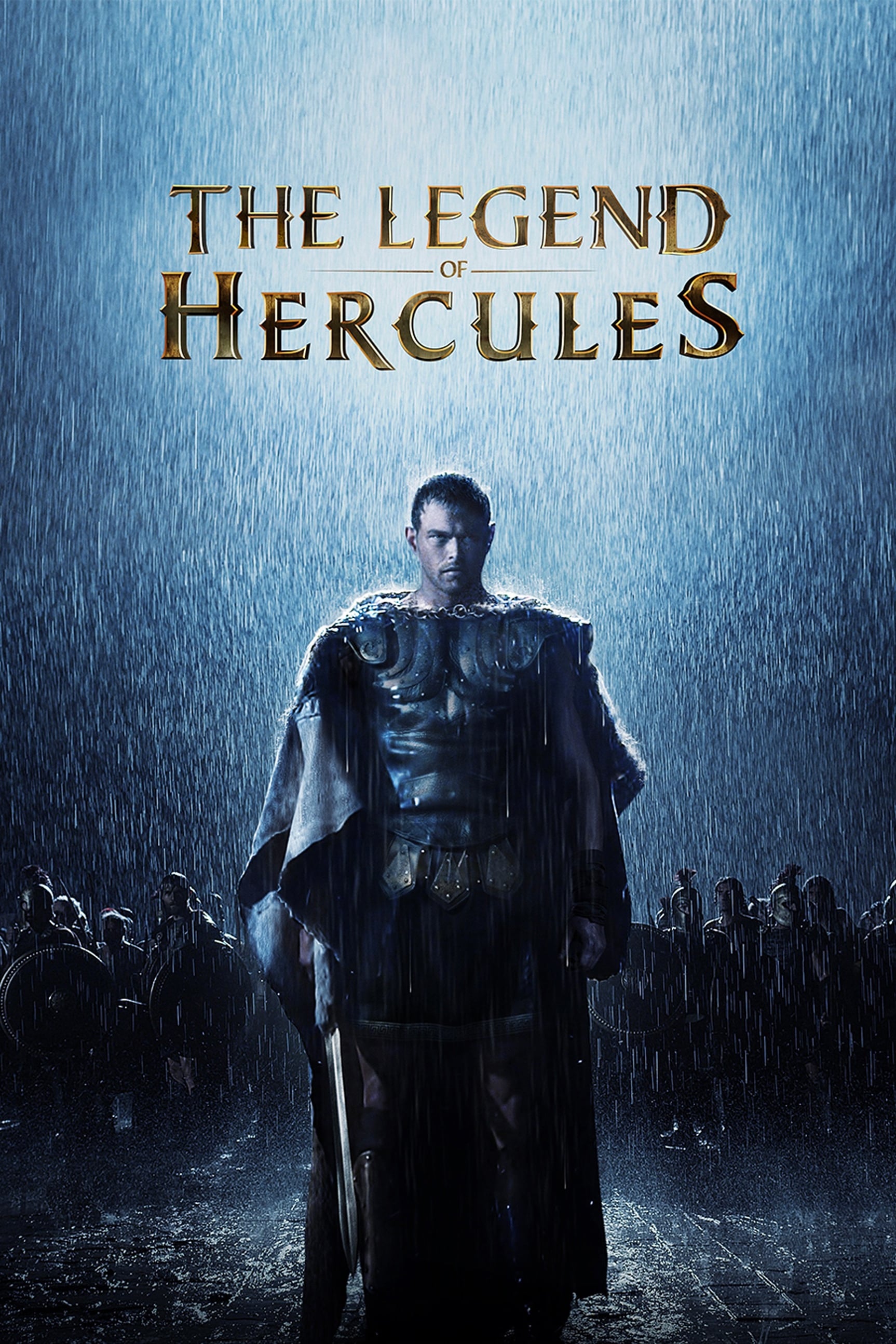
This mythology driven outing was produced quickly to meet a specific release window and relied heavily on greenscreen stages. Reviews cited uneven effects and the film opened softly given its action focus.
Summit Entertainment, part of Lionsgate, distributed the film in January when competition was lower. Even with 3D surcharges, domestic and international receipts remained below targets.
‘Around the World in 80 Days’ (2004)
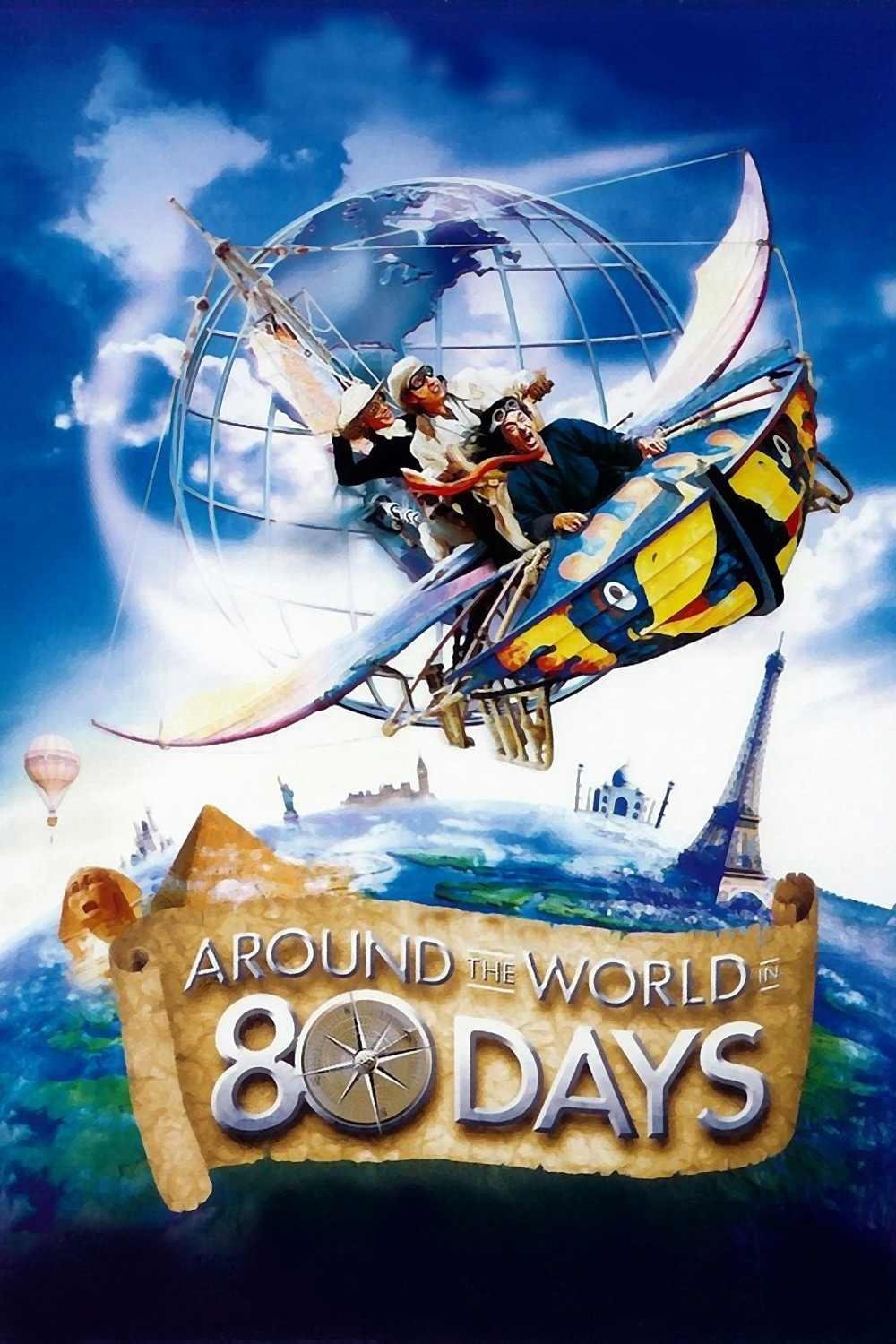
Positioned as a globe trotting family adventure, the production used a mix of international locations and studio sets. Cameo filled casting and period design added to costs while audience turnout was modest.
Buena Vista Pictures Distribution released the film stateside during summer. Overseas markets did not provide the expected boost and the planned sequel conversations did not advance.
‘Gods of Egypt’ (2016)
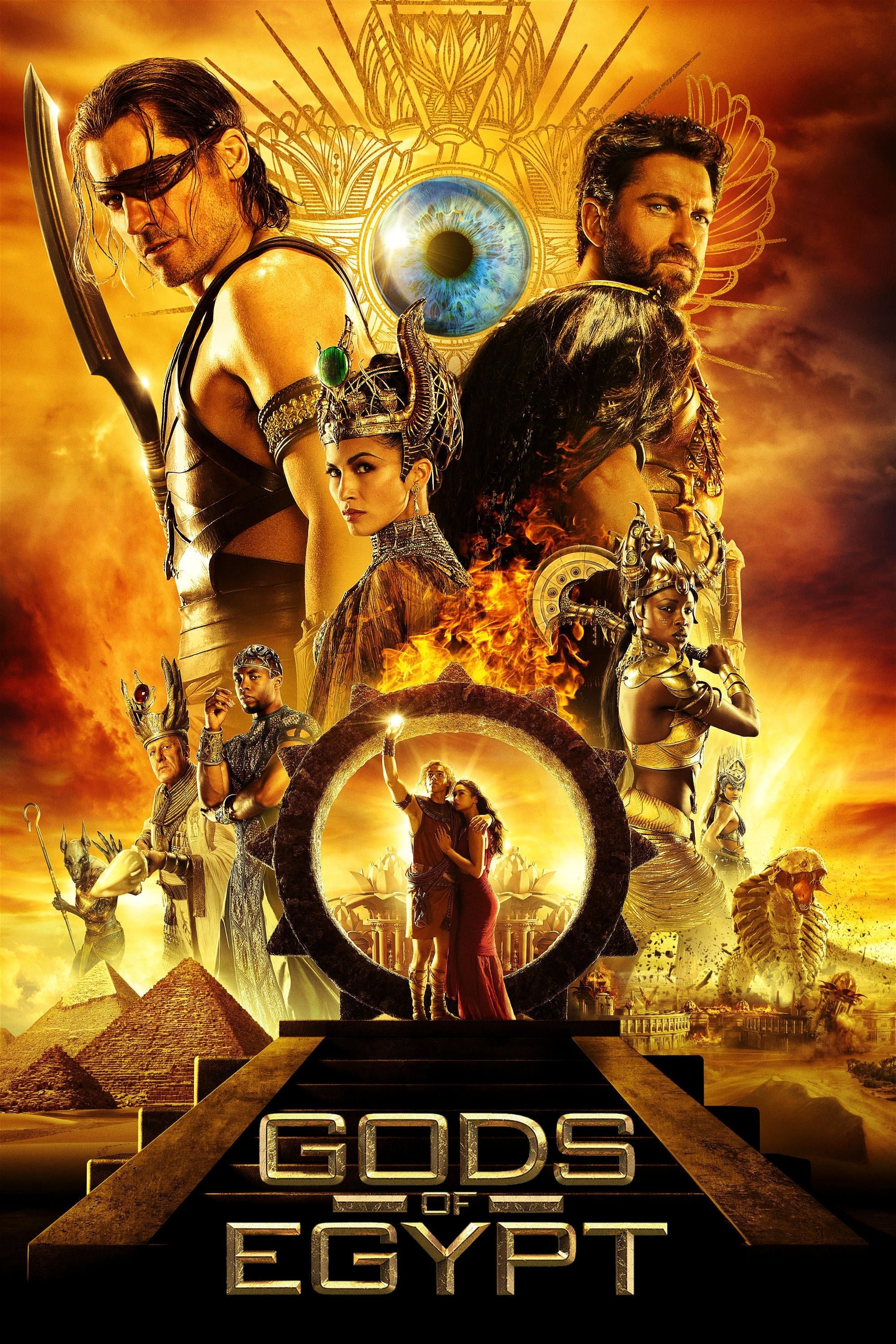
This fantasy adventure invested in expansive digital worldbuilding and creature effects. Its production schedule included large scale soundstage work and complex postproduction.
Lionsgate distributed the film at the end of winter with premium formats. The opening weekend fell below projections and overall grosses did not align with the effects heavy budget.
‘Seventh Son’ (2015)
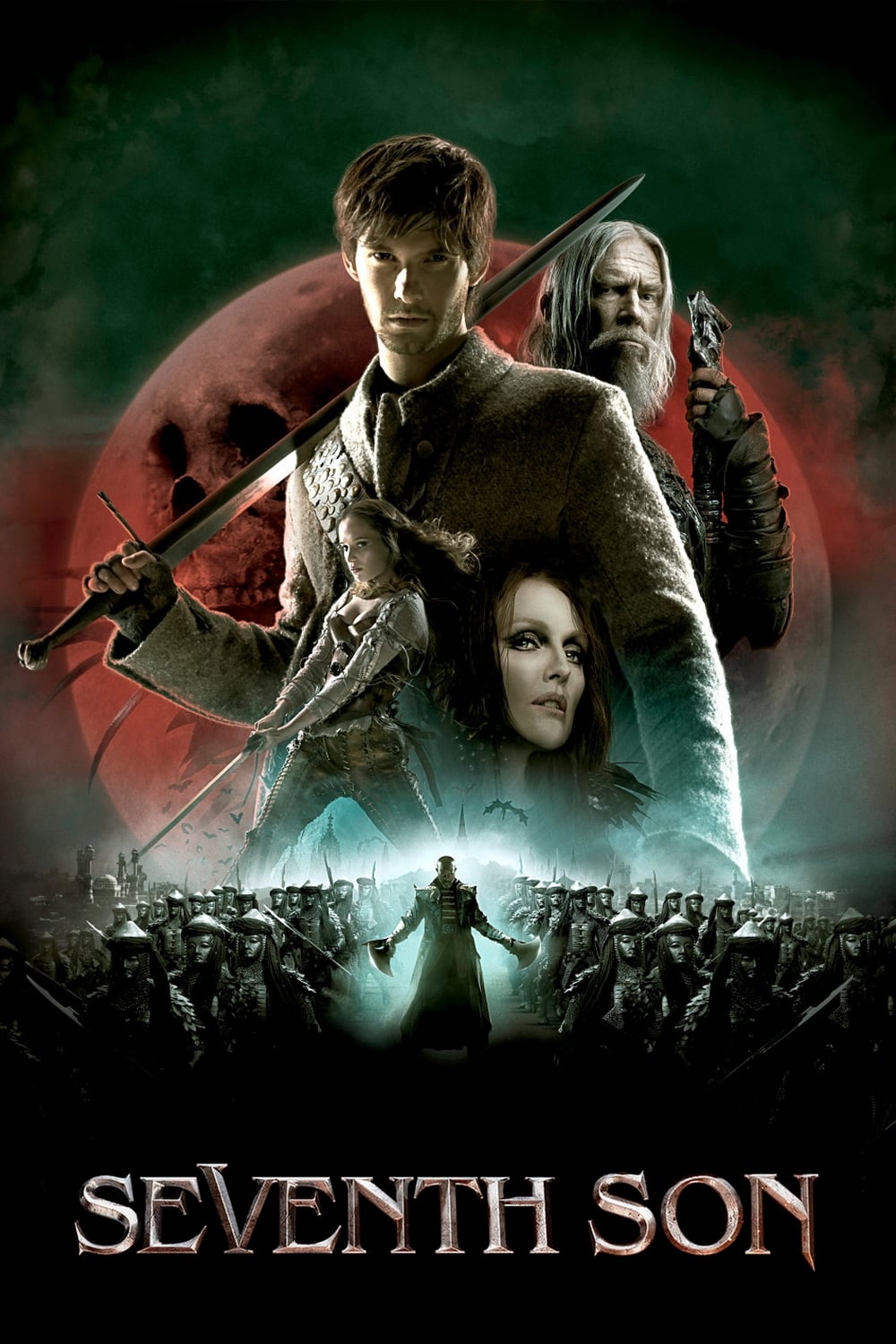
Originally set for an earlier date, this fantasy adventure changed distributors during corporate shifts and saw multiple delays. Effects work continued through the postponements and the cast’s schedules complicated promotion.
Universal Pictures ultimately released the film in North America after the handoff. The international rollout was staggered and totals landed far below the cost basis.
‘The 13th Warrior’ (1999)
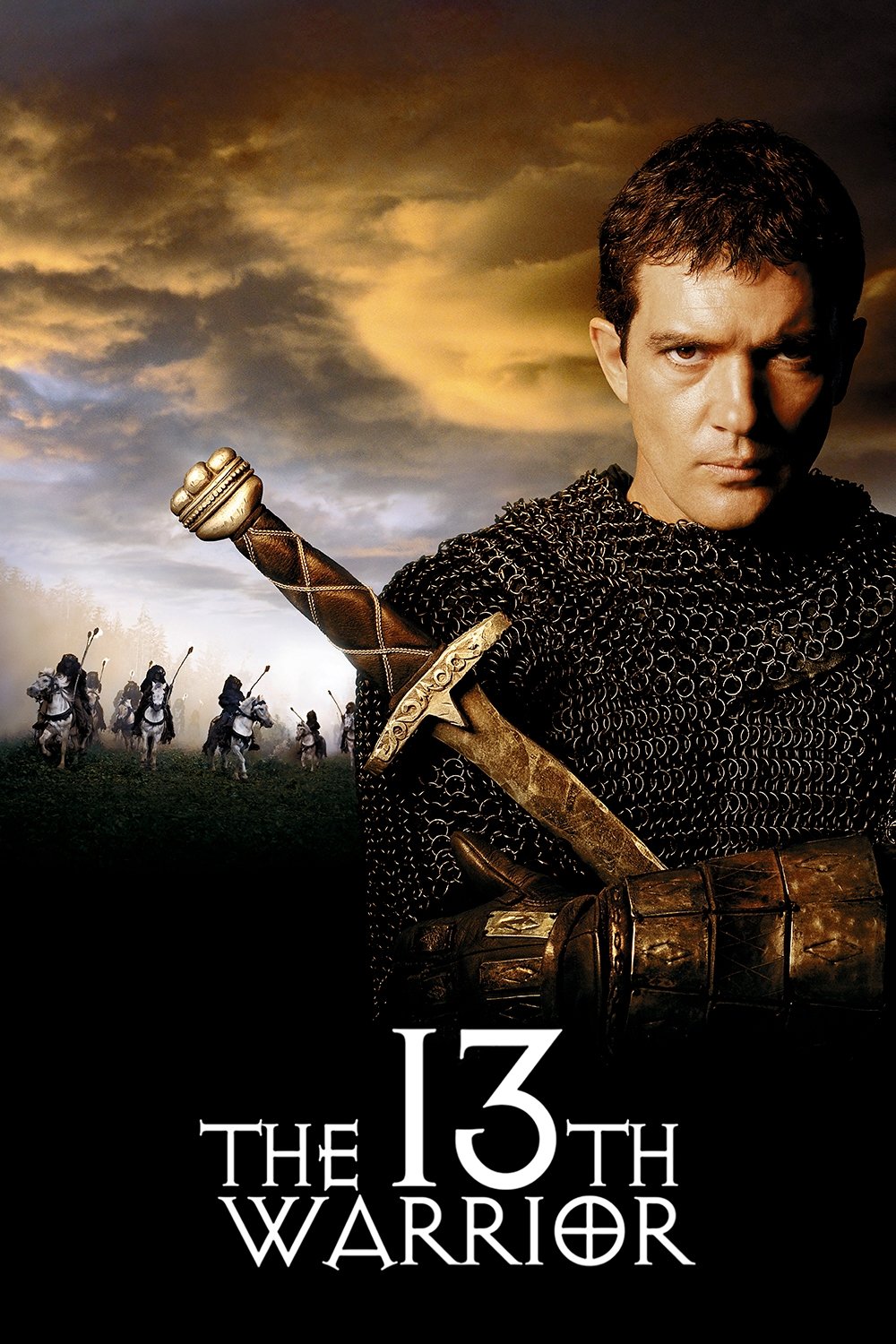
Reshoots and a new score extended the timeline of this historical adventure based on Michael Crichton’s work. The production used rugged locations and large set pieces that pushed expenses upward.
Touchstone Pictures, under Disney’s distribution umbrella, opened the film at the end of summer. Box office returns were not sufficient to recover the lengthy and costly production process.
‘The Golden Compass’ (2007)
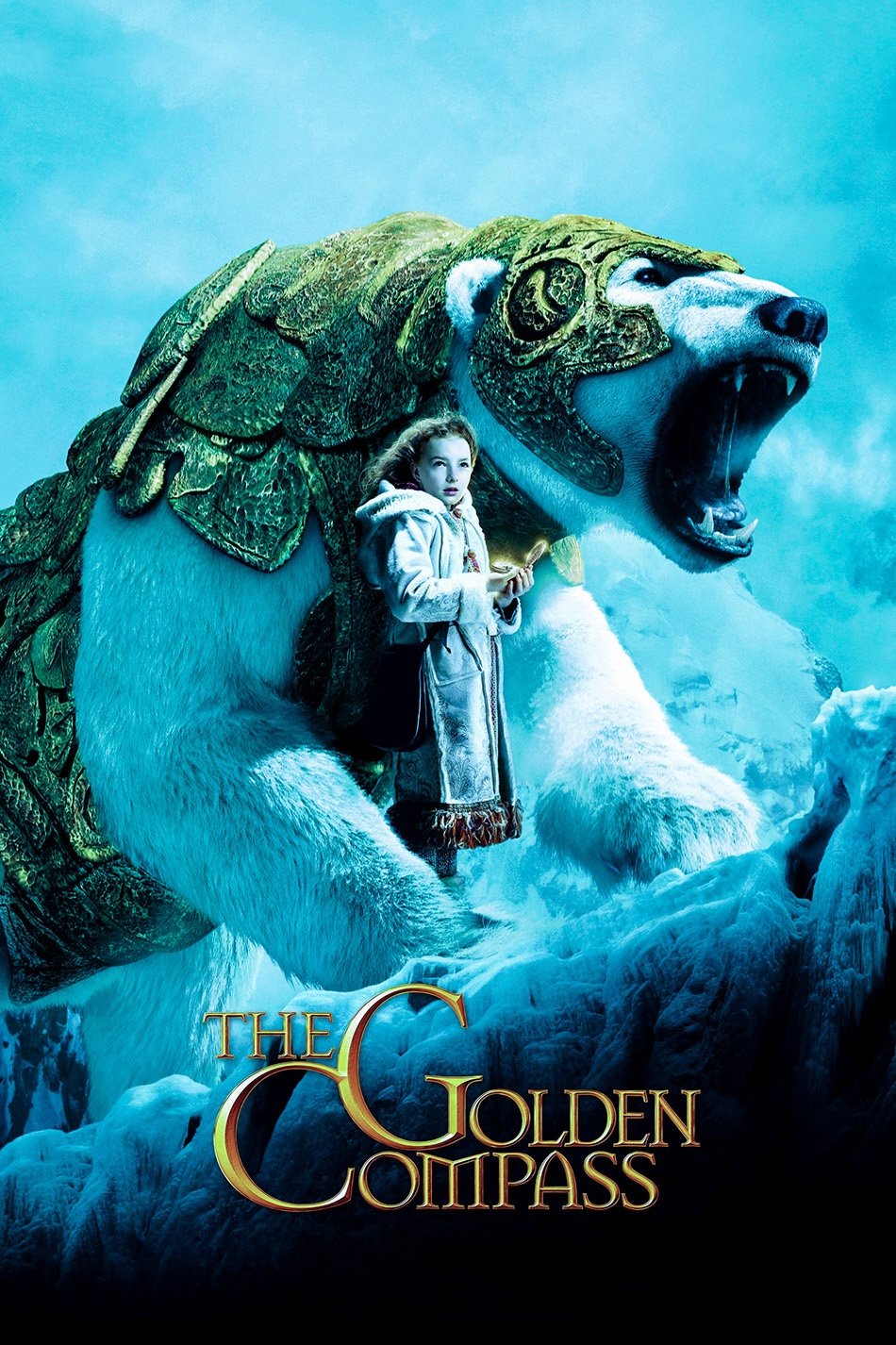
New Line mounted a lavish adaptation of Philip Pullman’s novel with extensive digital characters and environments. Despite strong craftsmanship, the film’s domestic performance lagged behind expectations.
Distribution ran through New Line with Warner Bros. handling the broader release apparatus. International figures were stronger but not enough to secure the planned continuation in the same configuration.
‘The Great Wall’ (2016)
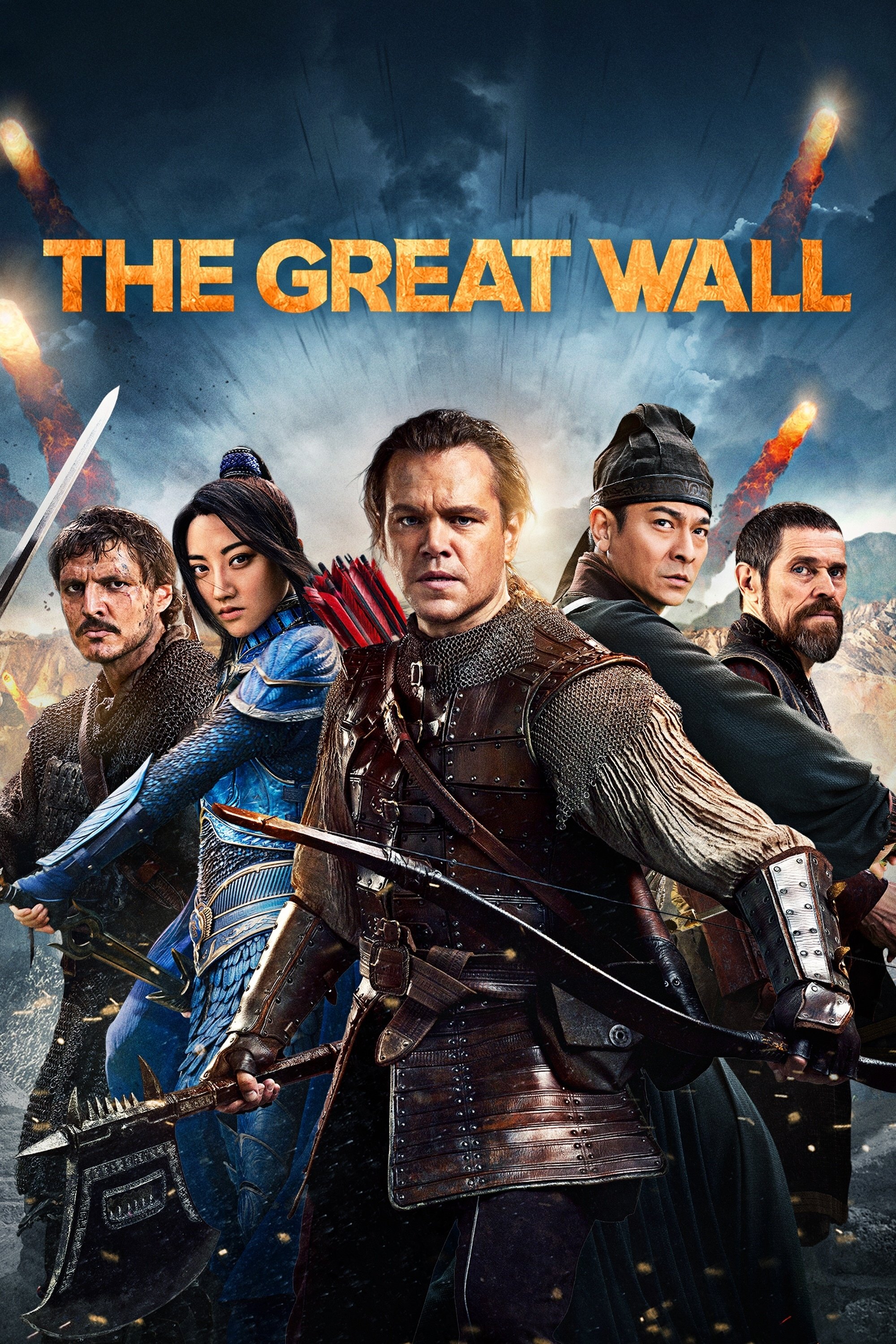
This China US co production staged massive battle sequences with thousands of extras and hybrid effects. Production spanned several months in China with a focus on large scale set construction.
In the United States the film was distributed by Universal Pictures with a February date. It performed better in China than in North America, yet the global total did not match the combined investment.
‘Waterworld’ (1995)
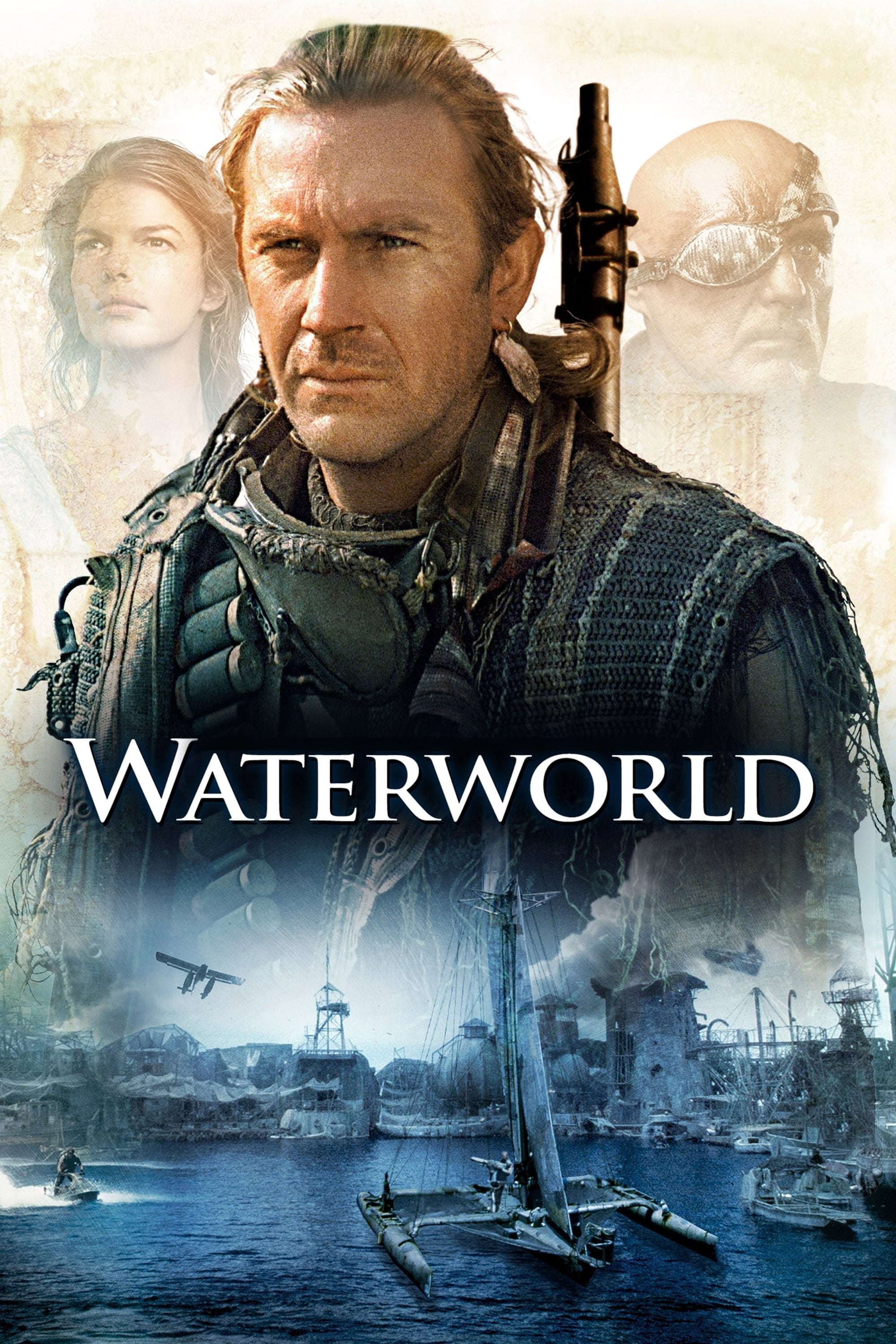
Kevin Reynolds’ seafaring adventure built elaborate floating sets that were damaged by weather and required expensive repairs. The budget climbed well beyond early estimates and became a frequent subject of industry coverage.
Universal Pictures handled a midsummer launch with a wide pattern. While international grosses helped, the film’s high cost made profitability a longer tail proposition through later windows.
‘A Wrinkle in Time’ (2018)

This adaptation of Madeleine L’Engle’s novel emphasized colorful effects and large scale fantasy imagery. Production included location shooting in California and New Zealand along with extensive postproduction.
Walt Disney Studios Motion Pictures released the movie in early spring after a prominent campaign. The film opened below expectations and worldwide totals did not reach the threshold needed for franchise plans.
‘Pan’ (2015)

A Peter Pan origin story, the film combined practical sets with heavy visual effects and musical sequences. Production schedules aligned for a prime summer release before the studio shifted it to the fall.
Warner Bros. Pictures distributed the movie worldwide. The adjusted date did not translate into stronger attendance and the film finished its run with a sizable shortfall.
‘Mortal Engines’ (2018)
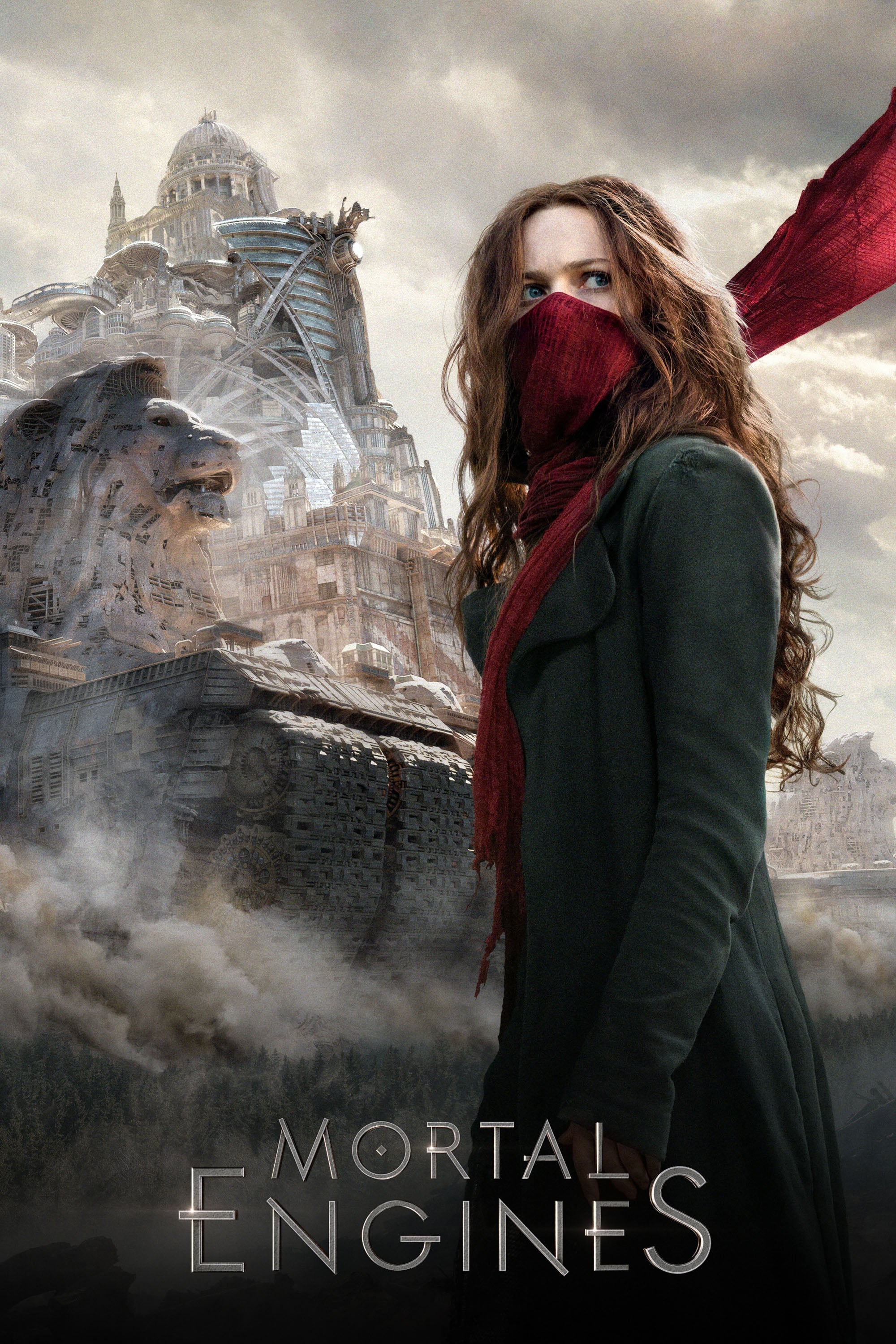
Based on Philip Reeve’s novel, this city on wheels adventure showcased large CG environments and complex action. The effects load and lengthy postproduction period contributed to a high overall cost.
Universal Pictures released the film in December to capture holiday traffic. The opening weekend trailed forecasts and international results could not offset the scale of the investment.
‘Dolittle’ (2020)
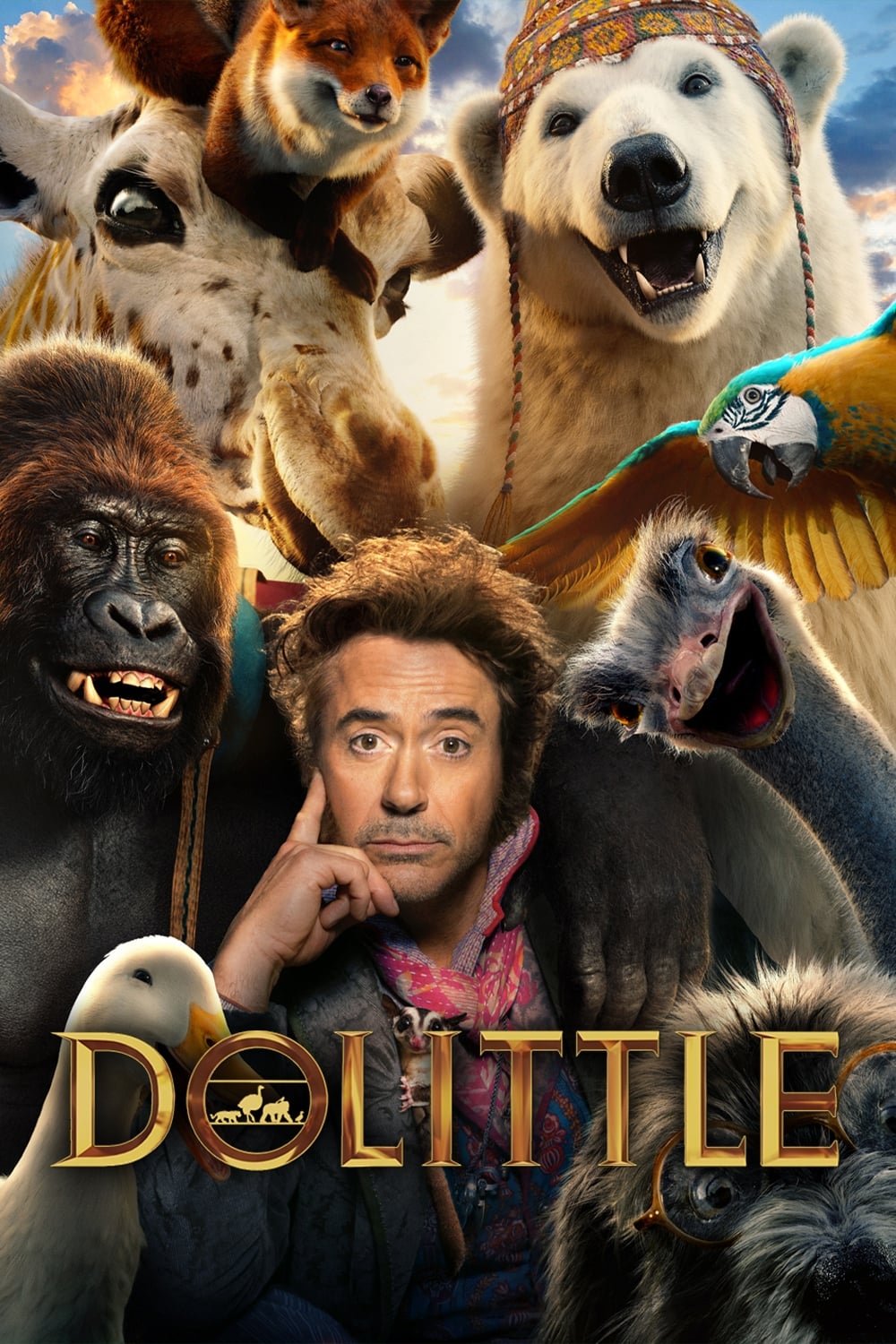
This family adventure completed significant reshoots to refine tone and add new sequences. The release calendar was then impacted by early 2020 market conditions and theater closures in several regions.
Universal Pictures distributed the film globally with a January start in North America. Overseas rollouts were staggered and overall earnings remained below preproduction projections.
‘Robin Hood’ (2018)

A contemporary styled take on the classic outlaw, the film mixed period design with modern action staging. The production targeted franchise potential but encountered stiff competition during its release window.
Lionsgate handled distribution across major markets. Despite a wide debut, attendance was limited and the film wrapped up without meeting its cost recovery goals.
‘The Huntsman: Winter’s War’ (2016)

Conceived as a follow up to an earlier hit, this installment expanded the world with new characters and effects heavy set pieces. The sequel’s budget approached the original while audience interest tracked lower.
Universal Pictures released the film in spring across domestic and international territories. The global total landed under the benchmark typically required for a continuation of this scale.
‘The Postman’ (1997)
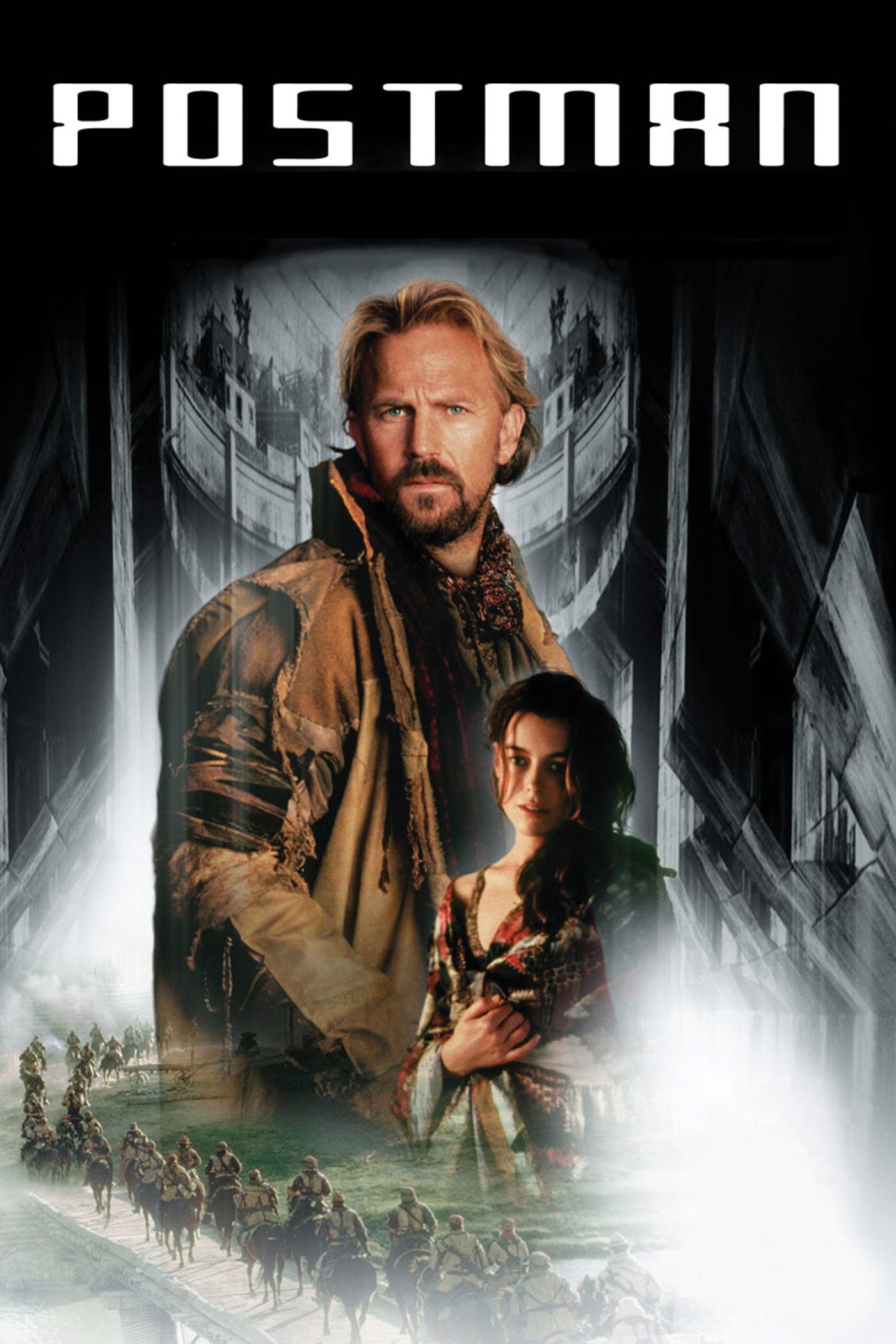
Kevin Costner’s postapocalyptic adventure was shot across wide expanses of the American West with substantial logistical demands. The running time and production footprint contributed to significant expenses.
Warner Bros. Pictures distributed the film at year’s end. Theatrical attendance proved minimal and the movie transitioned quickly to home formats, where returns remained modest.
‘In the Name of the King: A Dungeon Siege Tale’ (2007)
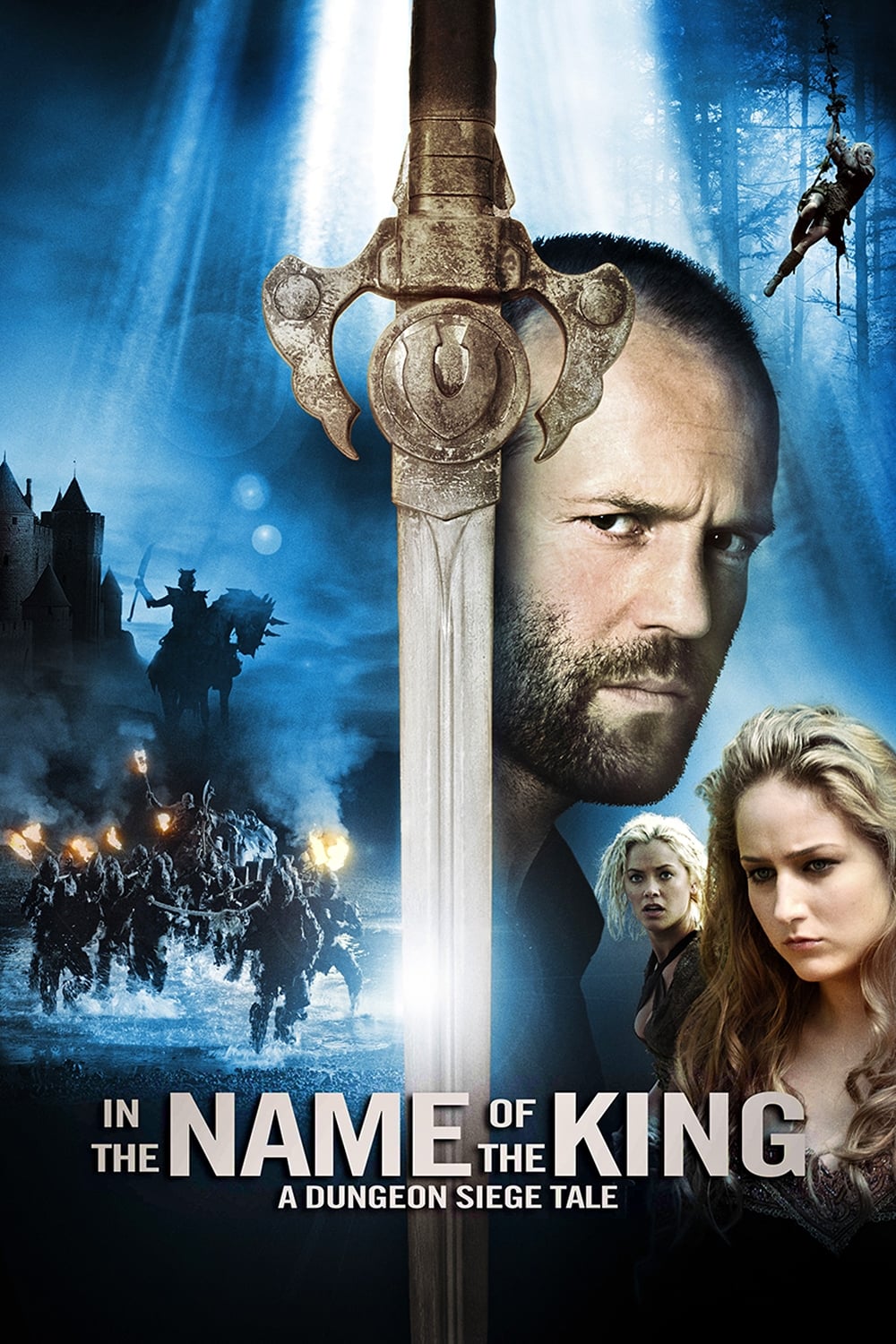
Adapted from a video game, this fantasy adventure filmed in Canada with a large ensemble cast. The production emphasized practical action and period costumes while depending on digital enhancements in post.
Freestyle Releasing handled the film’s United States distribution with a limited wide strategy. Box office was low relative to cost, and the title found most of its audience later through video and television.
Share your own picks for misfired adventure epics in the comments and tell us which titles you think deserve a second look or a permanent spot on the shelf.