TV Shows That Will Keep You Up All Night Thinking

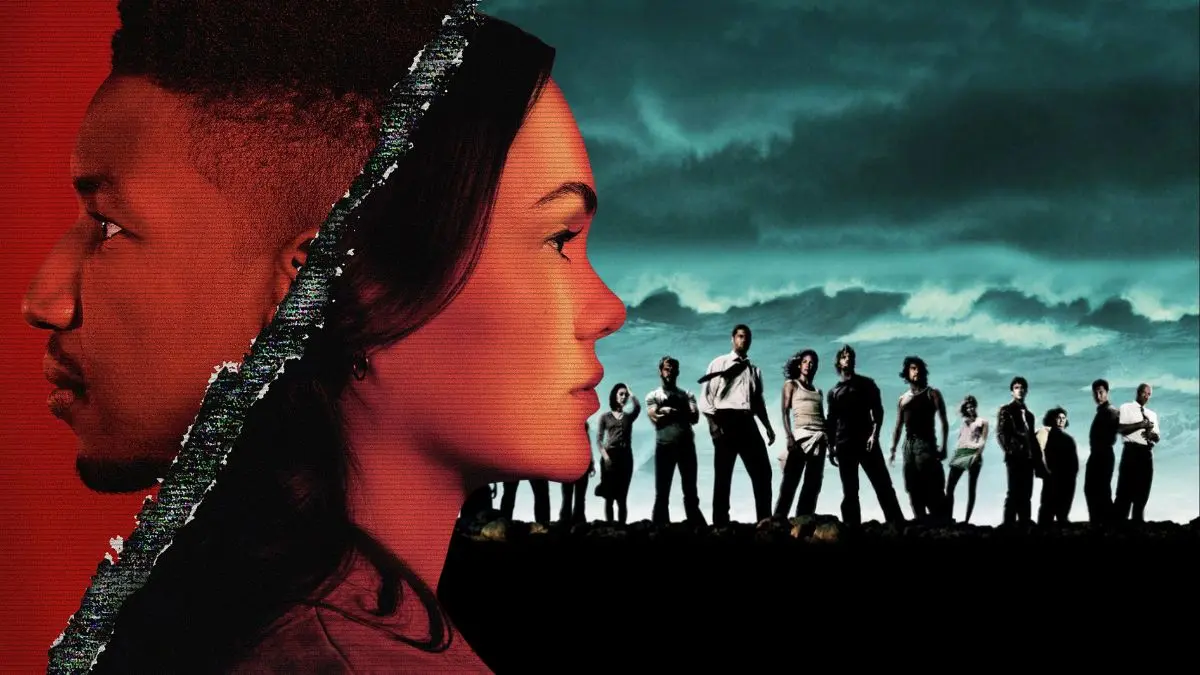

Some series are crafted to linger long after the credits roll. They plant questions, stack clues, and invite you to replay scenes in your head until everything clicks into place. If you like puzzle box storytelling, mind bending sci fi, time loops, unreliable narrators, and moral labyrinths, this list is for you.
Each of these shows earned a reputation for intricate plotting or heady ideas, with episodes that reward close attention and a little patience. You will find details on how each story works, what makes its structure so clever, and where it originally aired so you know where the conversation began.
‘Black Mirror’ (2011– )
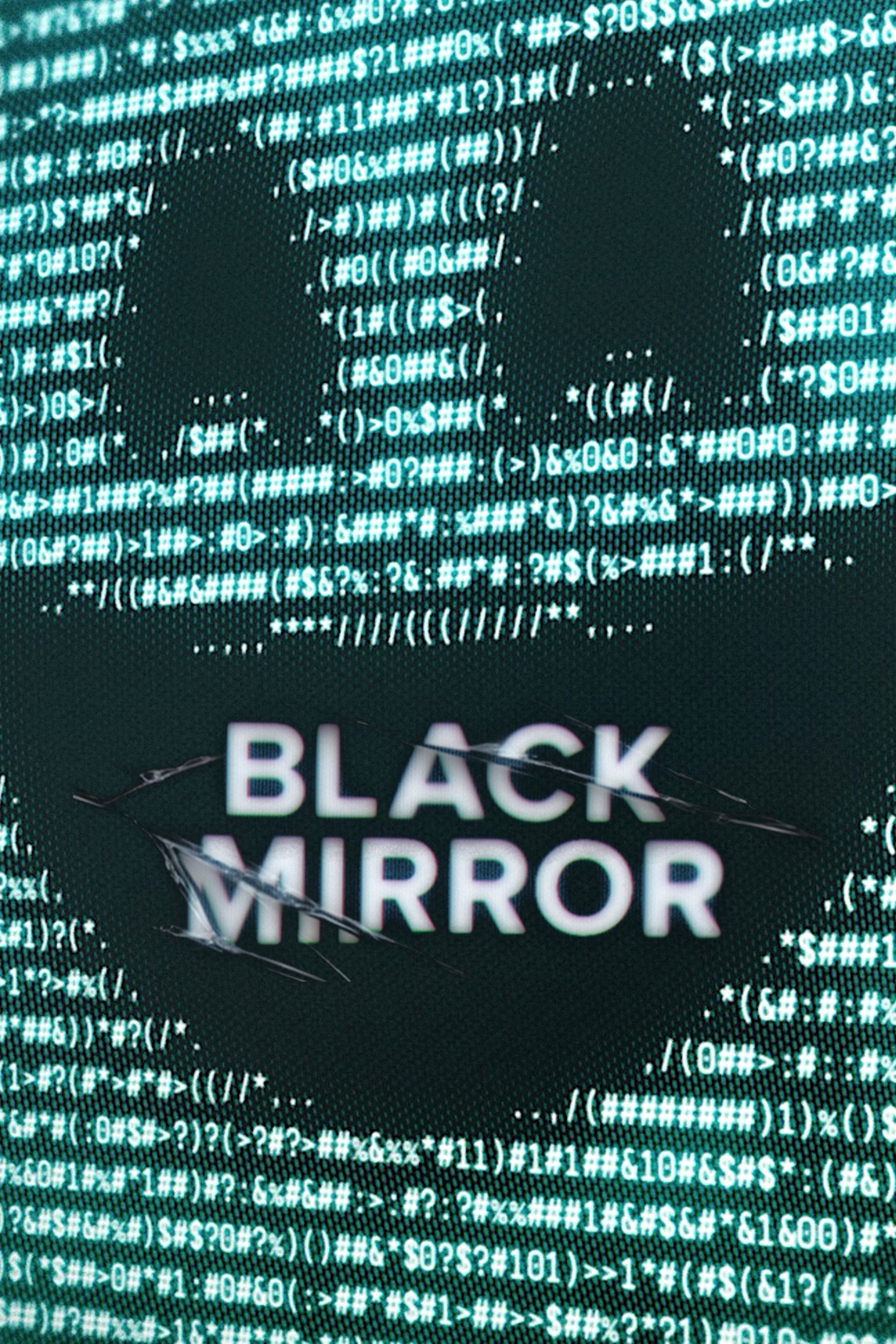
Charlie Brooker’s anthology explores technology’s unintended consequences through standalone stories that jump from near future social experiments to speculative nightmares. The series began on the UK’s Channel 4 before moving to Netflix, which expanded the episode count and enabled interactive entries like the branching narrative of ‘Bandersnatch’.
Episodes often use grounded tech like social rating systems or neural implants to examine privacy, identity, and choice. Twists are seeded with visual motifs and repeated dialogue, which makes rewatching valuable when connecting the show’s recurring tech brands and easter eggs across seasons on Netflix.
‘Westworld’ (2016–2022)
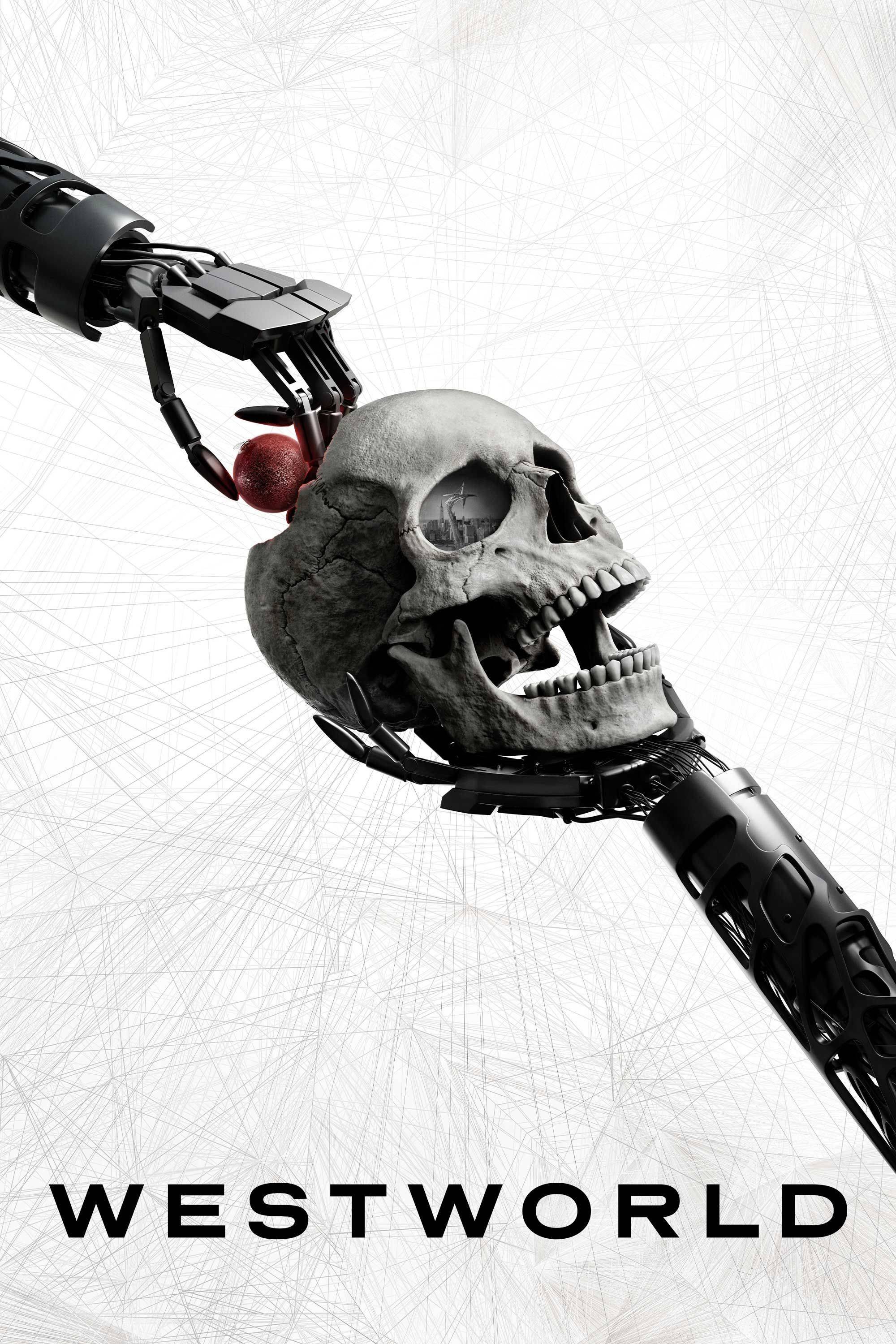
This sci fi drama adapts Michael Crichton’s premise into a layered mystery about artificial consciousness and memory. Its non linear structure shuffles timelines and viewpoints so that key reveals land only after earlier scenes gain new meaning, all produced under HBO.
The show tracks hosts and humans through parks and cities, embedding clues in character loops, cryptic lab readouts, and corporate backstories. Visual markers like logos and costumes help map eras, which turns each season into a decoding exercise for HBO viewers.
‘Dark’ (2017–2020)
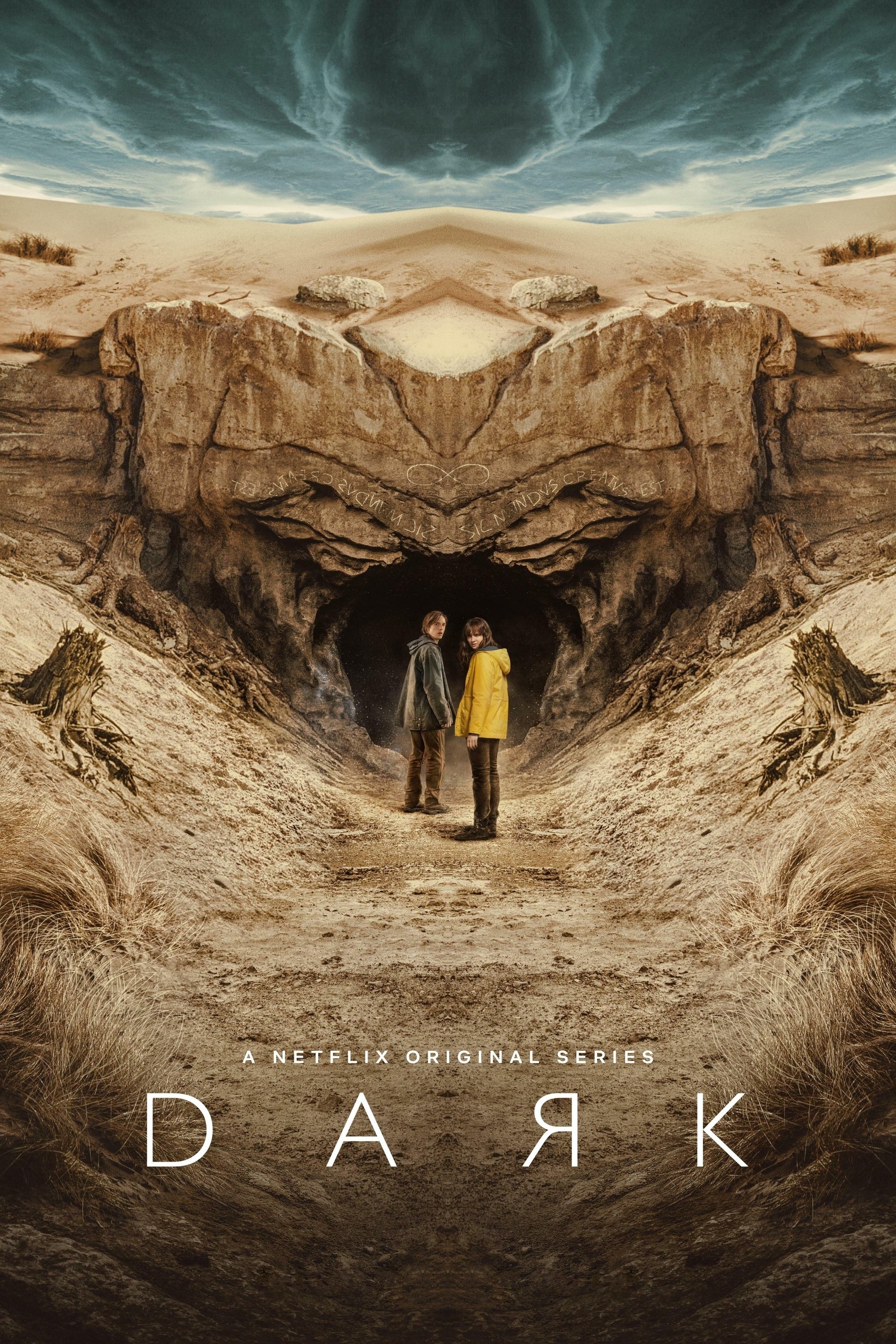
This German series builds an intergenerational time travel puzzle set in a small town with four interconnected families. It charts cause and effect through family trees, cave systems, and a device that anchors characters to specific dates, released globally by Netflix.
Attention to props like watches, photographs, and missing person posters provides timestamps for jumps. The show’s color coding and repeated musical cues help track who is where and when, which makes Netflix’s interface handy for pausing and inspecting details.
‘The Leftovers’ (2014–2017)
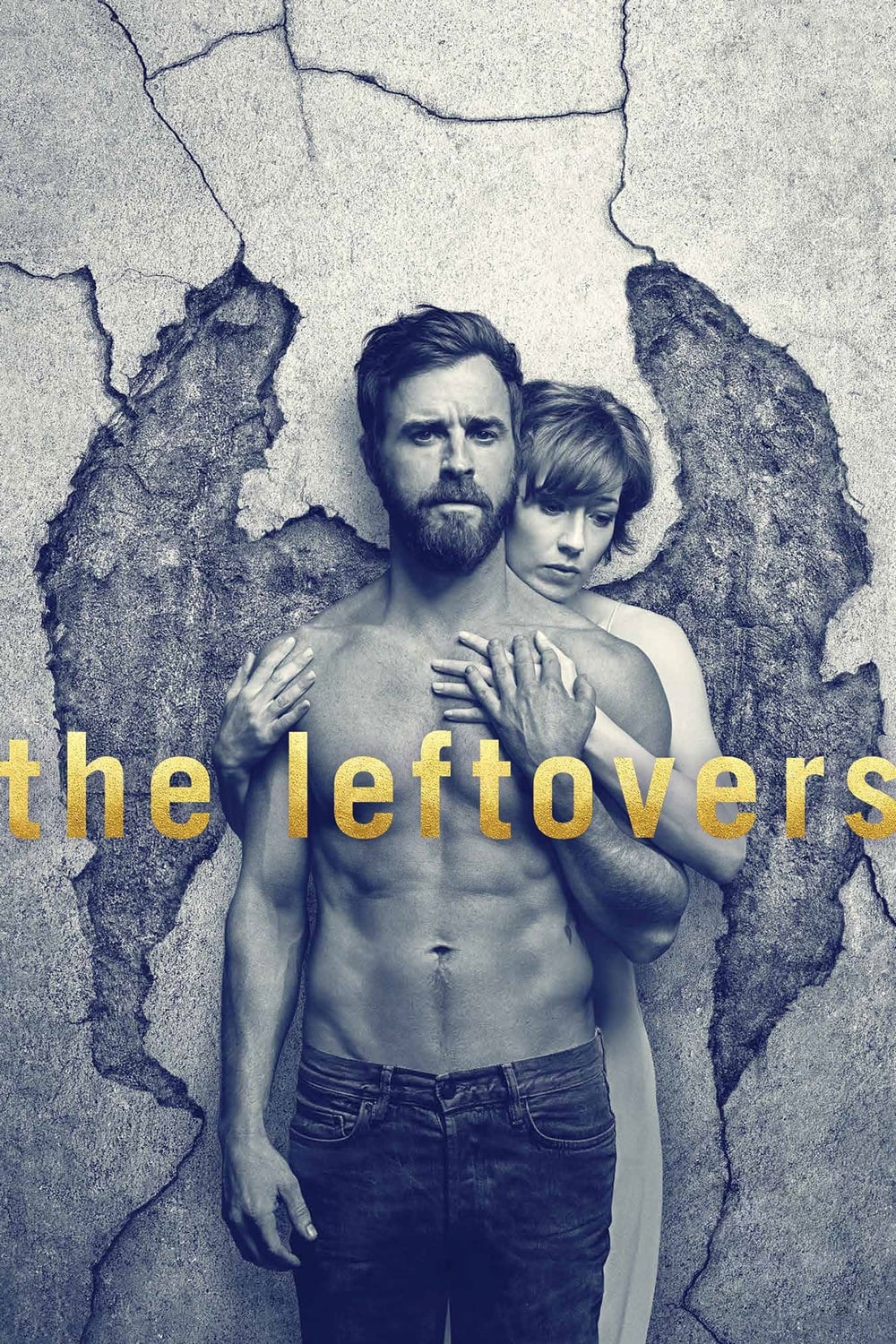
Based on Tom Perrotta’s novel, this drama follows the aftermath of a mysterious global event and studies grief through surreal storytelling. It features episodes that reset perspective and location while building a cumulative emotional and mythic logic, presented by HBO.
Standalone chapters focus on single characters who encounter cults, questionable miracles, and dreamlike sequences. Symbolism around birds, boats, and ritual gives viewers a consistent toolkit for interpreting what is literal and what is personal vision on HBO.
‘Mr. Robot’ (2015–2019)
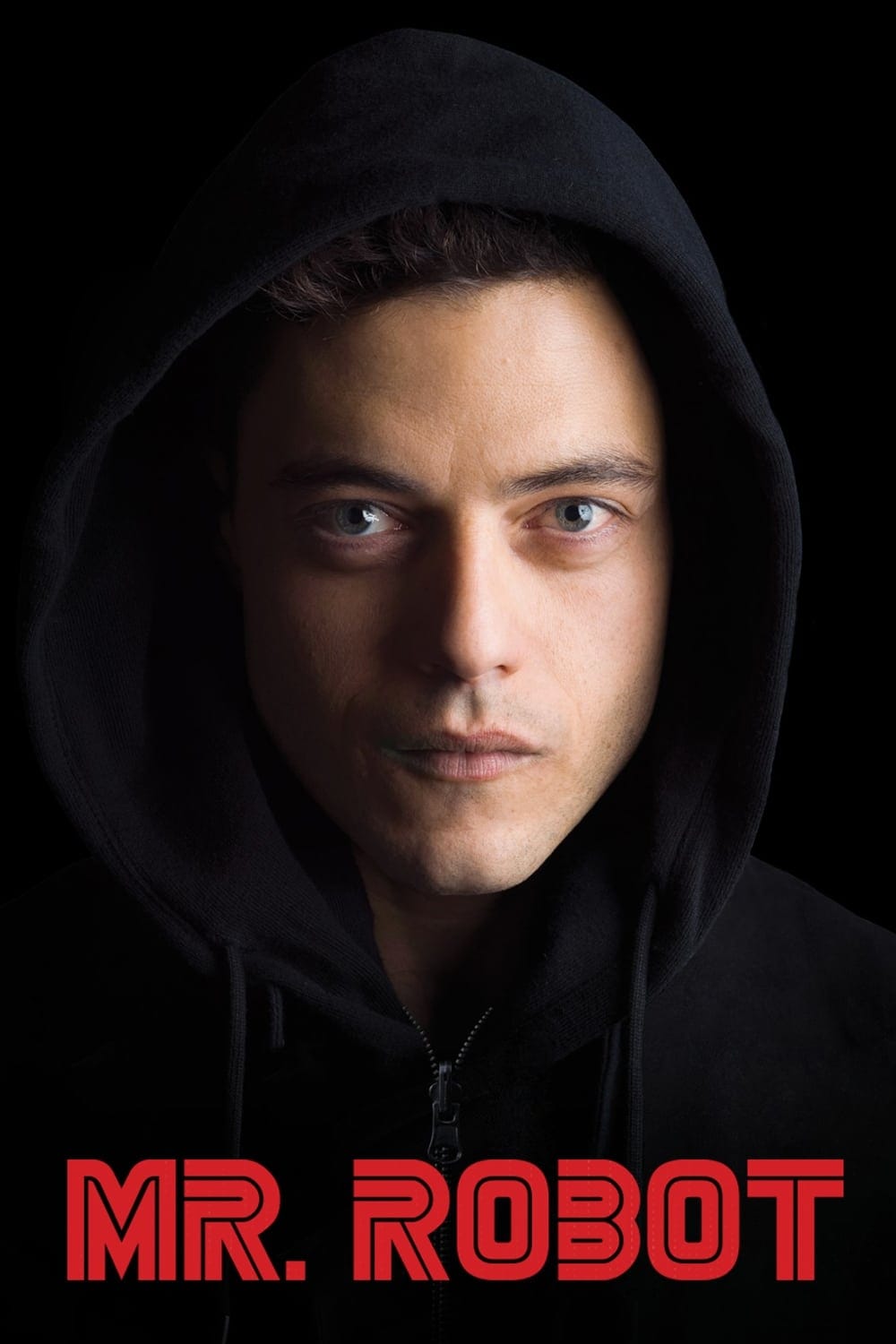
Sam Esmail’s thriller uses an unreliable narrator to frame corporate hacktivism and mental health. Creative episode formats include single take sequences, commercial break spoofs, and genre pastiches that advance plot while masking reveals, all first aired on USA Network.
Hidden messages appear in phone numbers, error codes, and filenames. Dialogue often doubles as code for character relationships, and episode titles reference file extensions that hint at tone and structure, with later streaming exposure broadening the USA Network audience.
‘Severance’ (2022– )
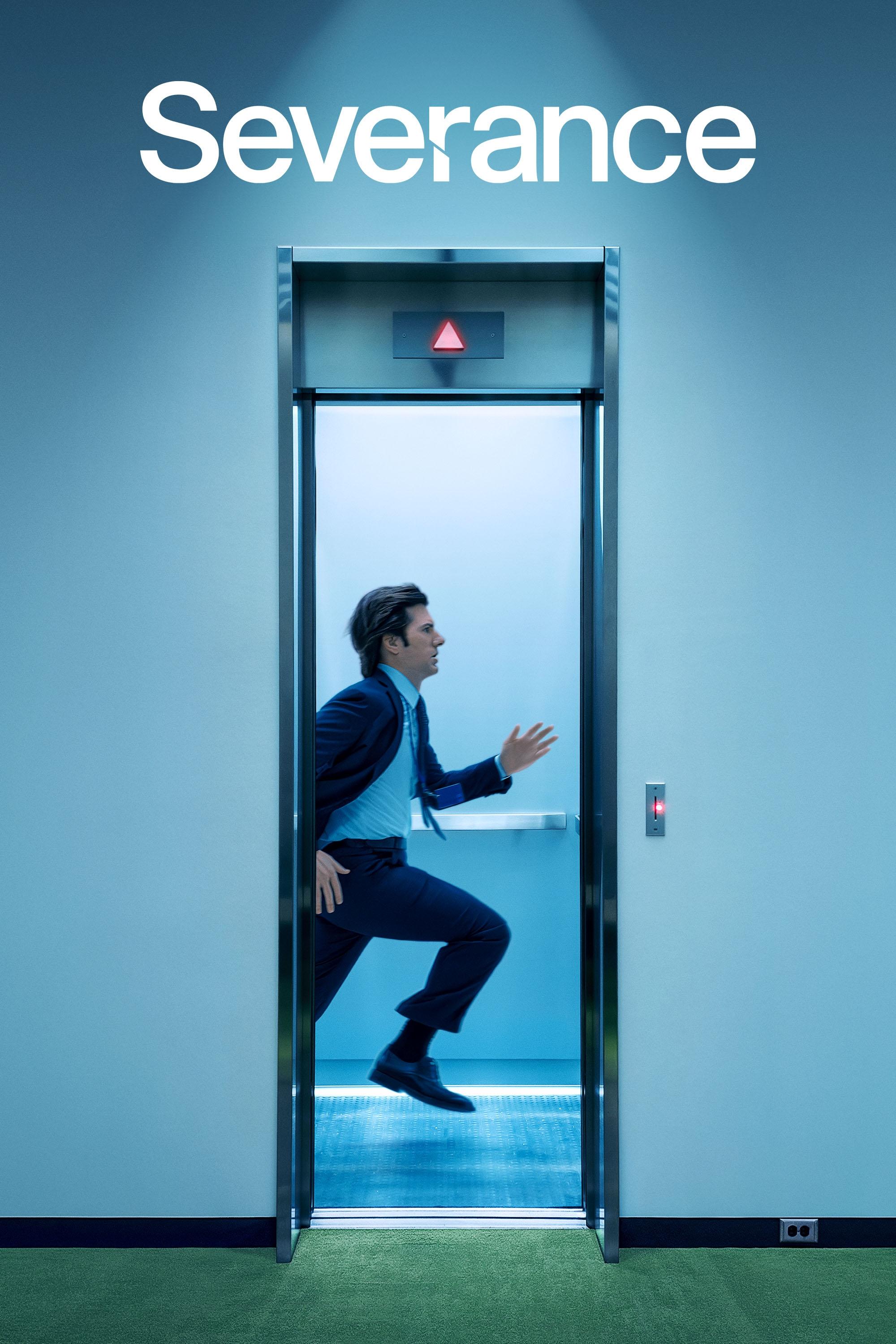
This workplace mystery imagines a surgical split between work and home selves and follows employees who begin to test the boundaries of their divided lives. Corporate artifacts and onboarding materials are packed with clues about company doctrine, on Apple TV+.
Floor maps, orientation videos, and cryptic departments like Macrodata Refinement create a breadcrumb trail. The show’s office design and training manuals reward freeze frame examination, which fits the weekly rollout model Apple TV+ uses.
‘Twin Peaks’ (1990–1991)
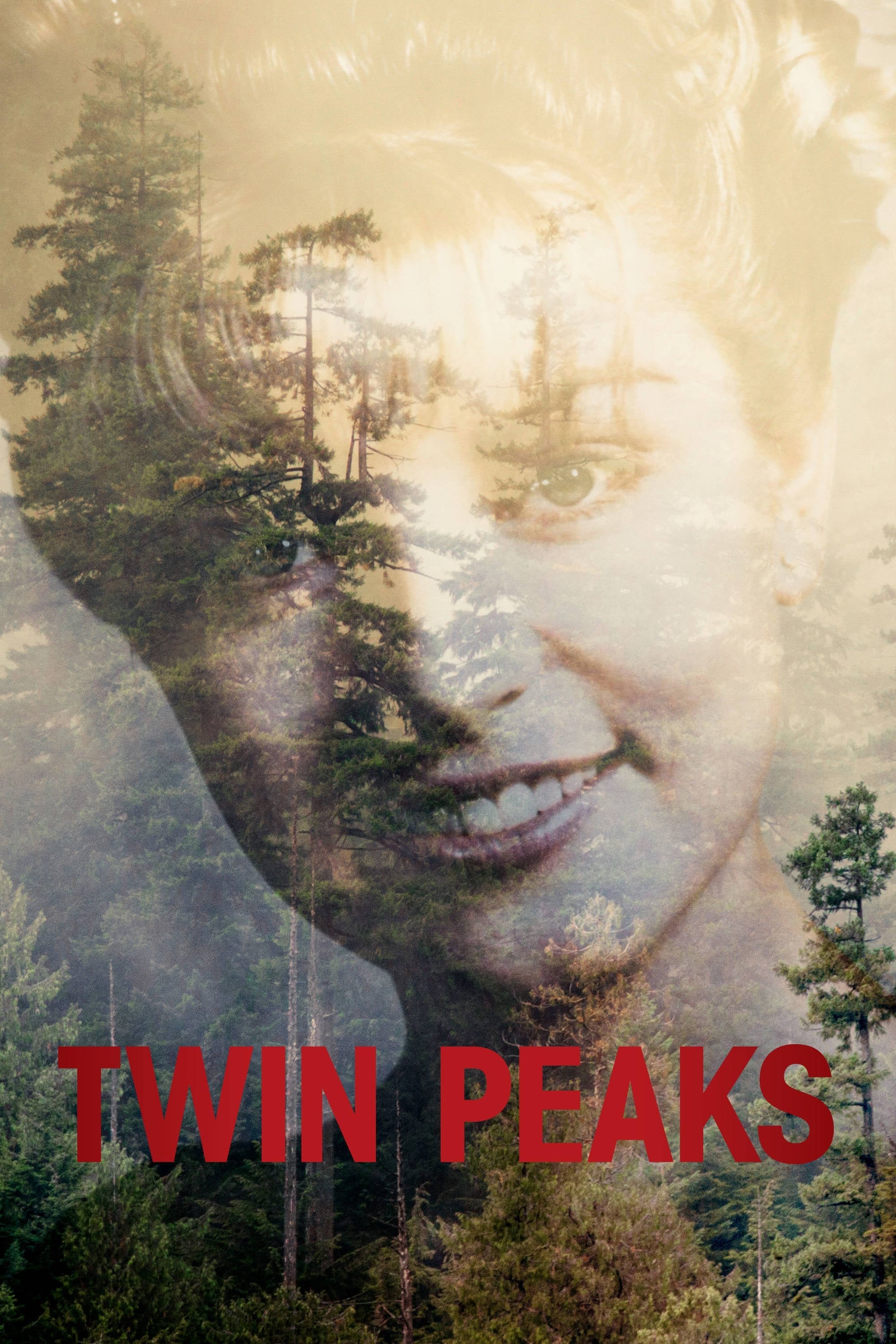
David Lynch and Mark Frost built a small town murder mystery that constantly shifts tone to dream logic. Visual motifs like red curtains, owls, and tape recorders recur as signals that reality might be bending, originally broadcast on ABC.
The series blends police procedures with soap opera subplots and spiritual mythology. Clue placement often happens in music cues and abstract sequences, inviting viewers to chart symbols across episodes beyond the casework that brought audiences to ABC.
‘The OA’ (2016–2019)
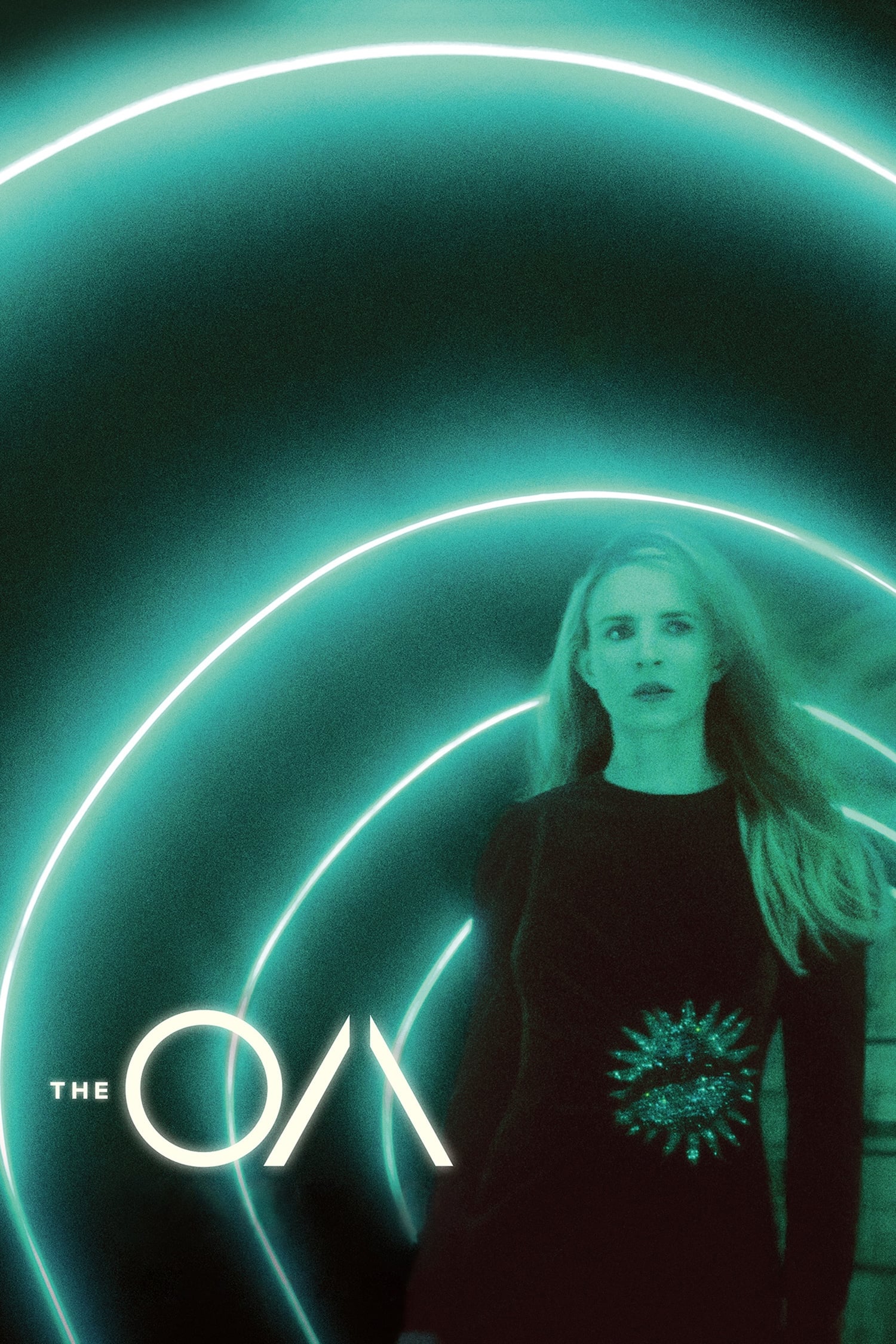
This series follows a missing woman who returns with a story involving near death experiences and interdimensional travel. Its structure weaves oral storytelling with present day investigations and secret rituals, released by Netflix.
The show plants patterns in movements, drawings, and recurring initials. Each narrative layer adds context for the next chapter, and episode endings lead directly into fresh questions that Netflix audiences often discuss scene by scene.
‘Devs’ (2020)
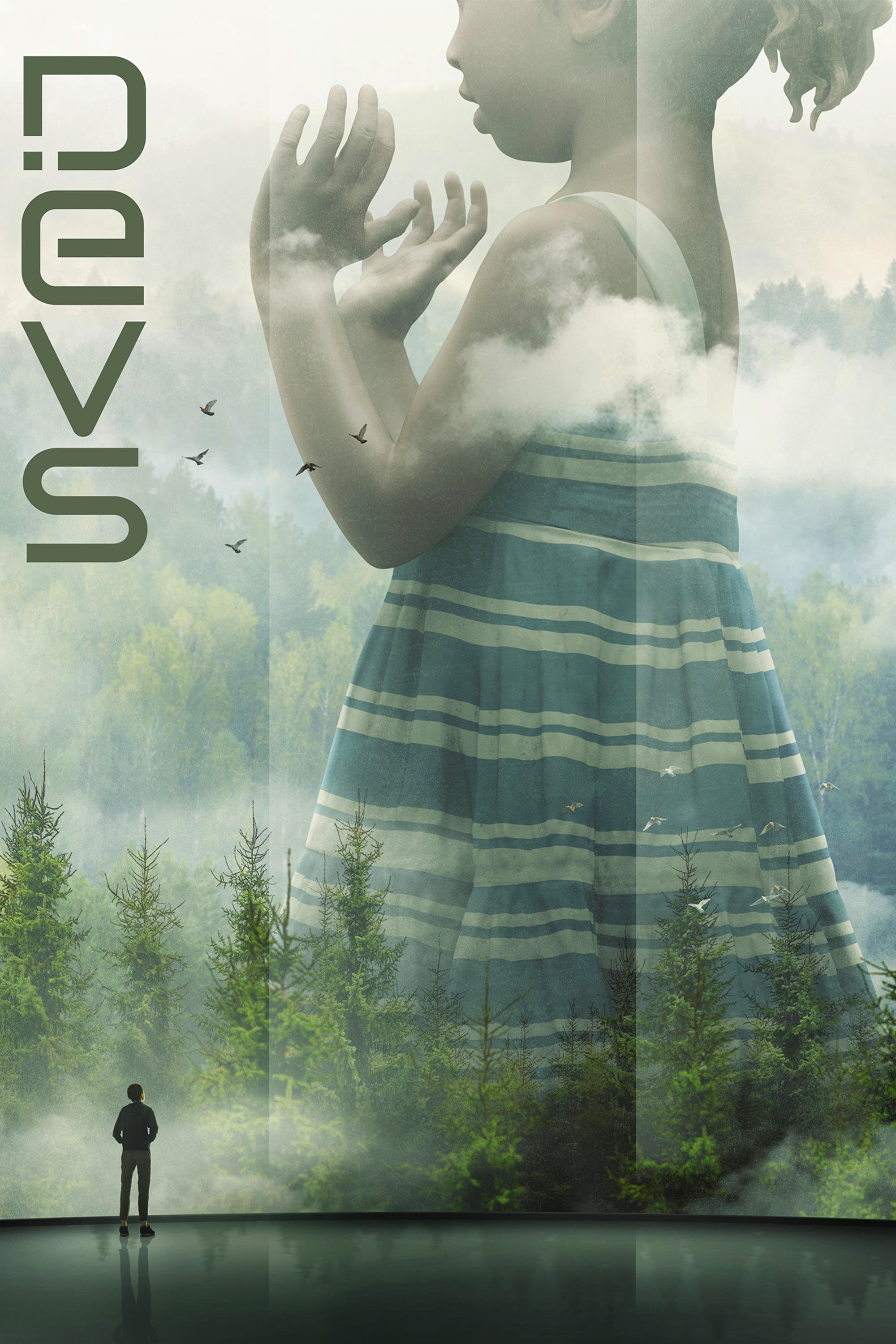
Alex Garland’s tech mystery centers on a quantum computing project that claims to predict reality. It mixes philosophical debates with visualized code and a hidden campus filled with security protocols, created for FX on Hulu.
The series embeds hints in surveillance footage, encrypted files, and miniature models inside the lab. Dialogues about determinism align with what the machine shows on screen, guiding viewers to test theories while streaming via FX on Hulu.
‘The Good Place’ (2016–2020)
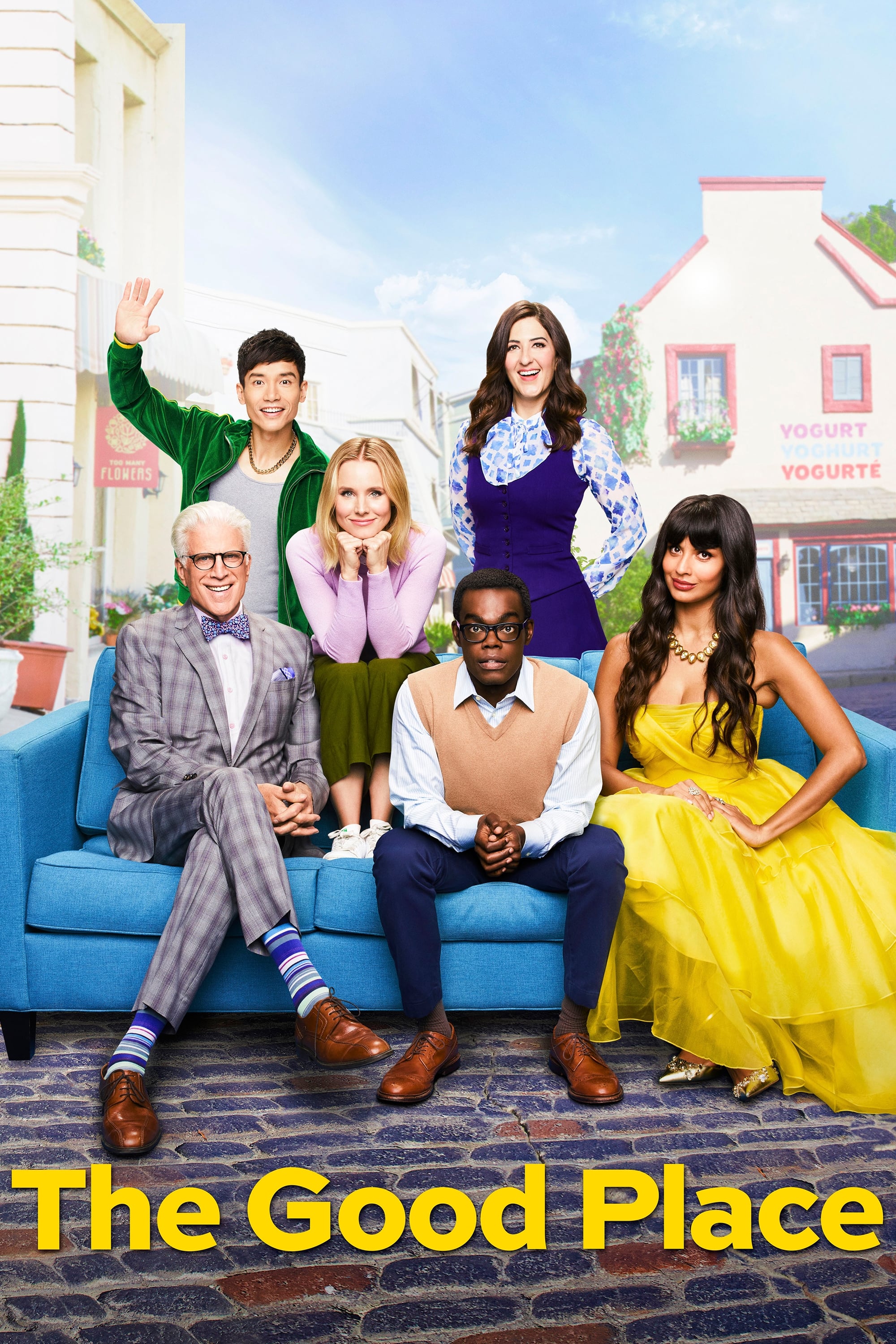
This afterlife comedy builds ethics lessons into a serialized mystery about identity and moral growth. It frequently resets scenarios to test character choices, all produced for NBC.
Philosophical terms, point systems, and hidden neighborhood rules serve as puzzle pieces. Episode titles and classroom scenes introduce concepts that pay off later, making NBC’s sitcom format a gateway to larger thematic reveals.
‘Lost’ (2004–2010)
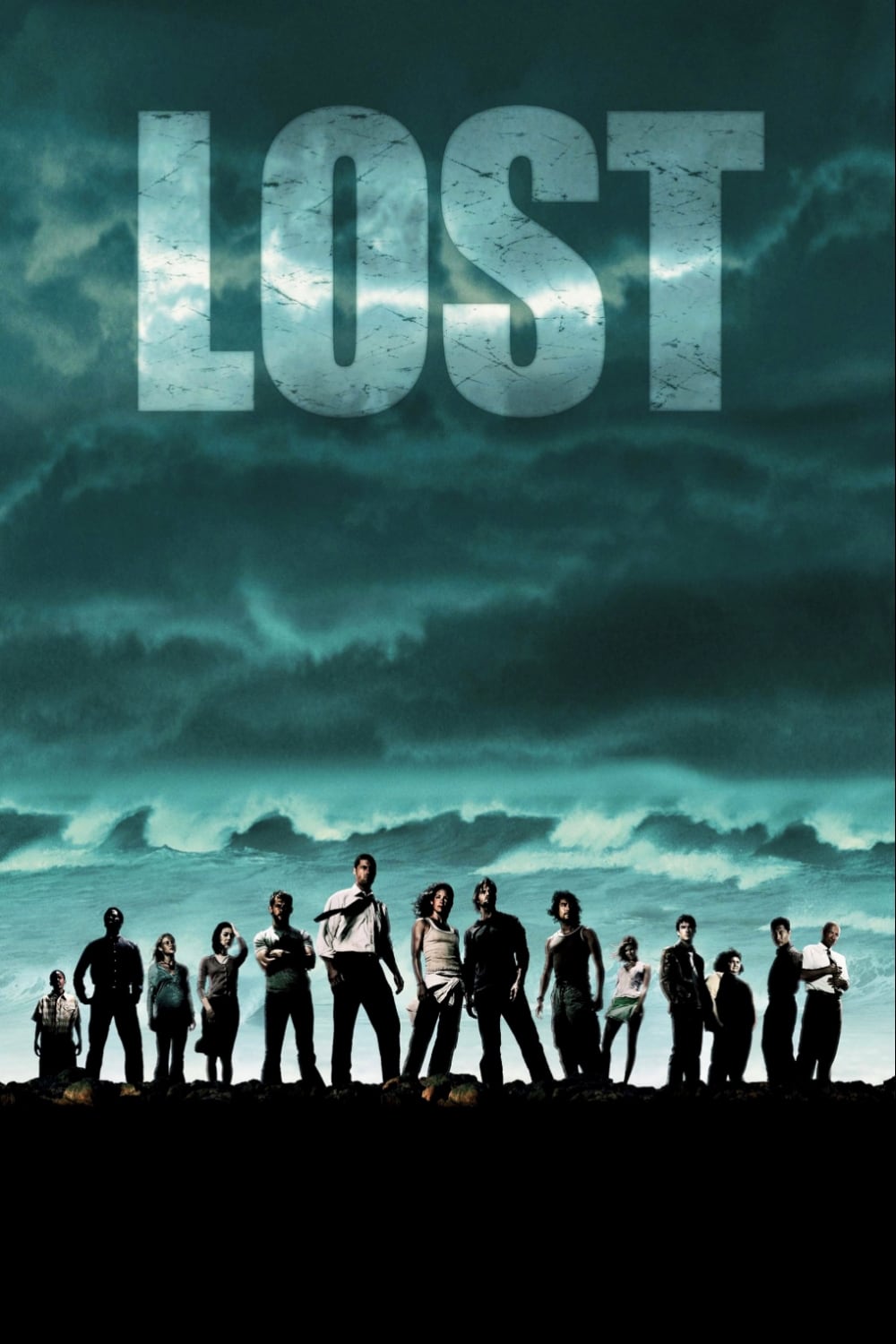
A plane crash strands survivors on an island filled with scientific stations and strange phenomena. Flashbacks, flash forwards, and flash sideways map character histories to the island’s evolving timeline, originally on ABC.
Clues appear in station logos, book selections, and coded numbers that recur across objects and locations. The series bible plays with mythology and science, encouraging ABC viewers to build wikis and timelines to track every piece.
‘The X-Files’ (1993–2018)
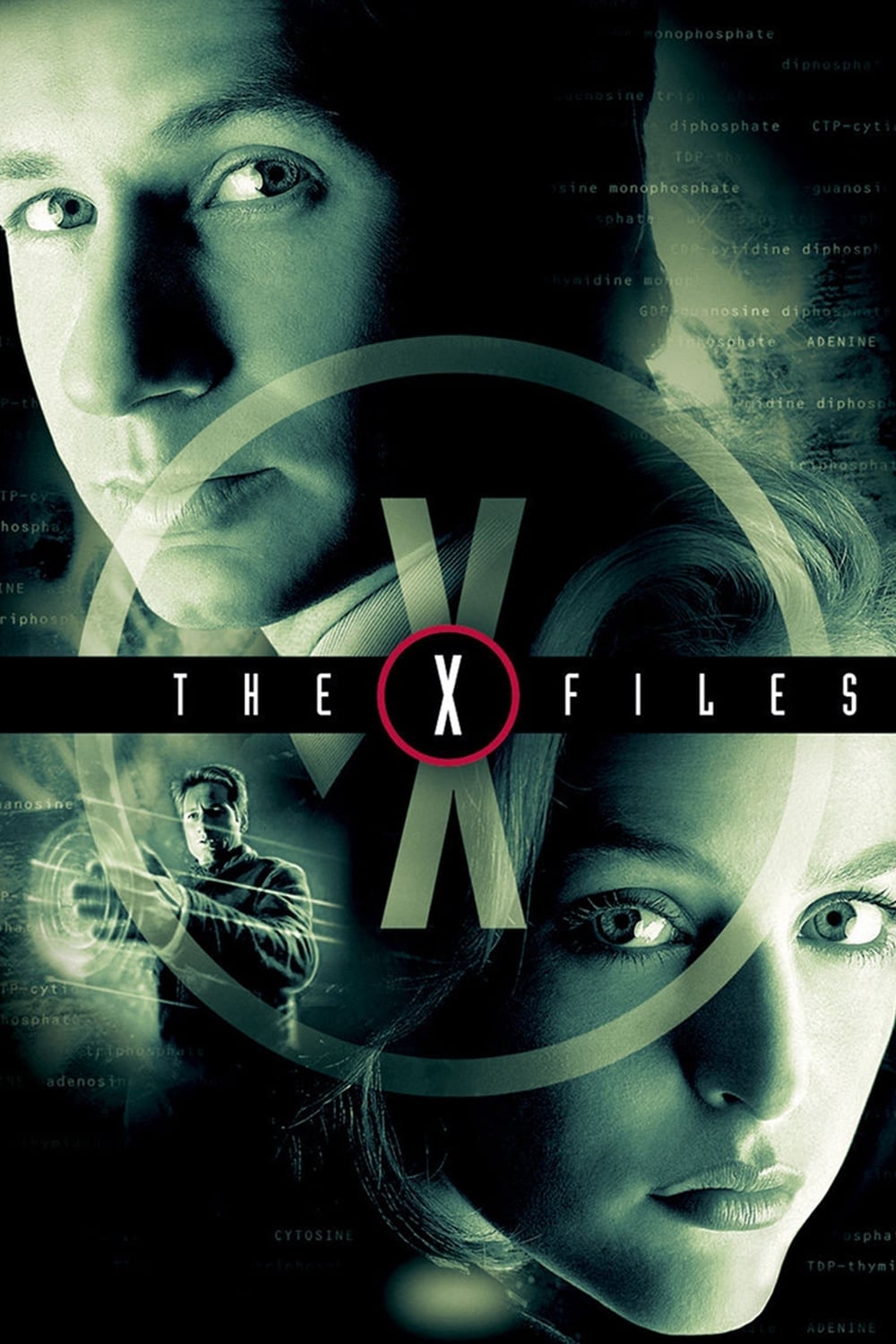
FBI agents investigate cases involving the paranormal while a larger conspiracy unfolds. The mythology episodes thread through standalone cases to create a long running puzzle about aliens and government coverups, aired on Fox.
Files, badges, and codenames form a lexicon that carries between seasons. The show’s monster of the week format also hides recurring informants and artifacts, inviting Fox audiences to spot connections across years.
‘Fringe’ (2008–2013)
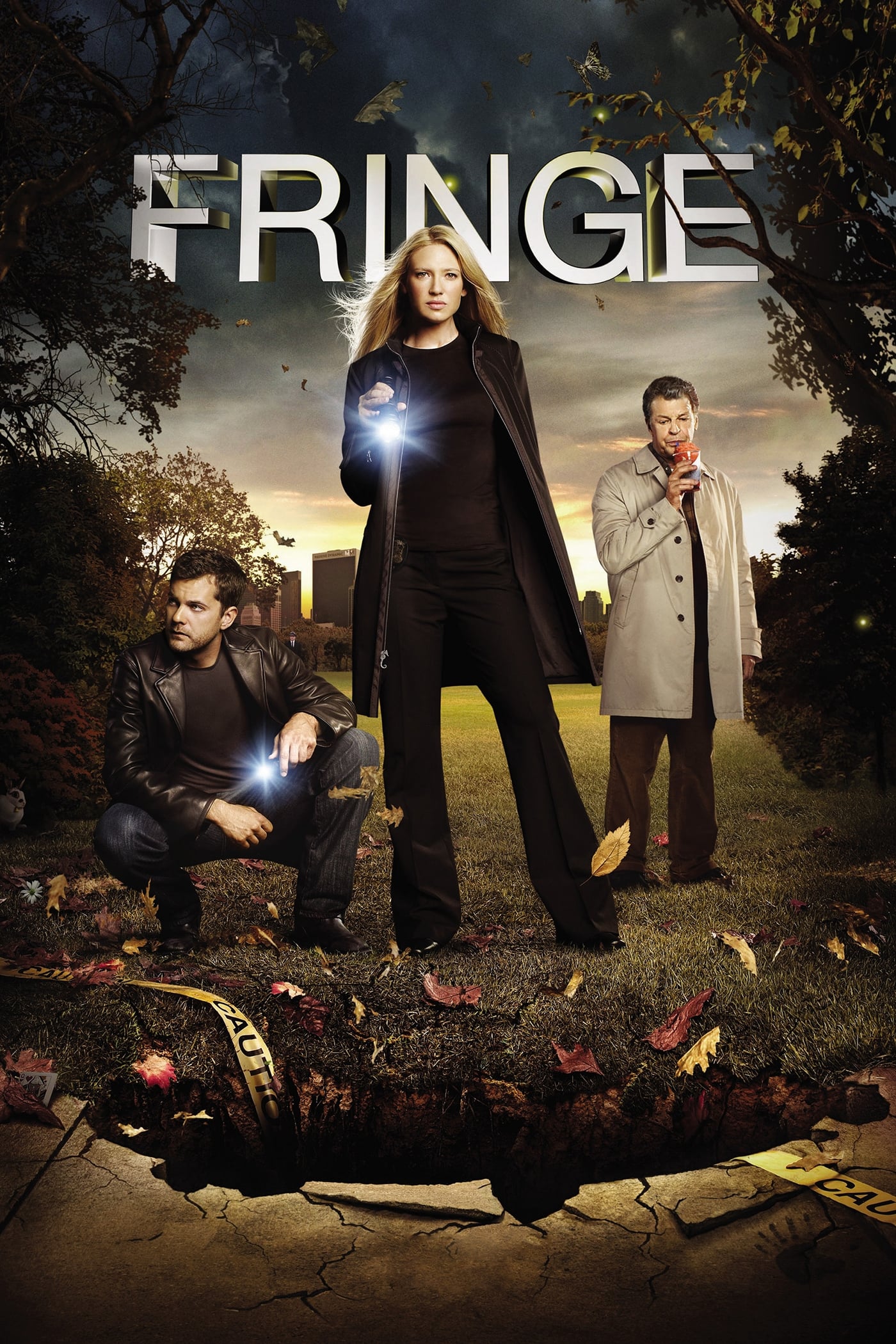
A science unit investigates fringe events tied to parallel universes and advanced experiments. The series uses case files to gradually reveal a multiverse with shifting alliances, produced for Fox.
Glyphs that appear before ad breaks map to a hidden alphabet, and episode titles signal universe shifts. The show’s visual changes in skyline and tech act as markers to help Fox viewers track which reality they are in.
‘Mindhunter’ (2017–2019)
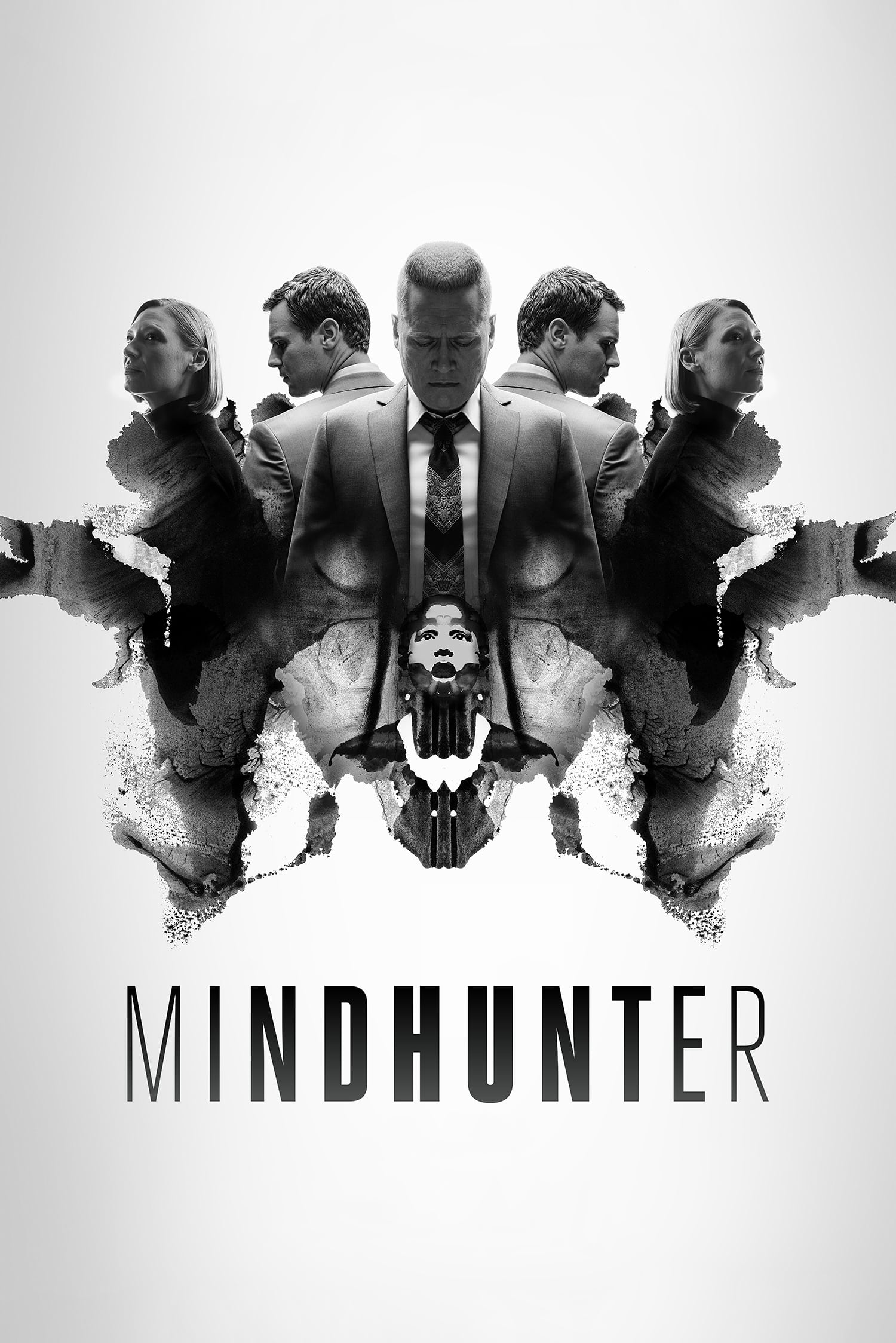
Set within the early days of criminal profiling, this drama follows FBI agents interviewing serial offenders to build behavioral frameworks. It sequences interviews to show how terminology and methods evolve, released by Netflix.
Dialogue accuracy and case timelines mirror historical records, and each interview informs procedural choices in subsequent episodes. Subtle changes in office culture and technology mark progress, which Netflix audiences can trace in order.
‘True Detective’ (2014– )
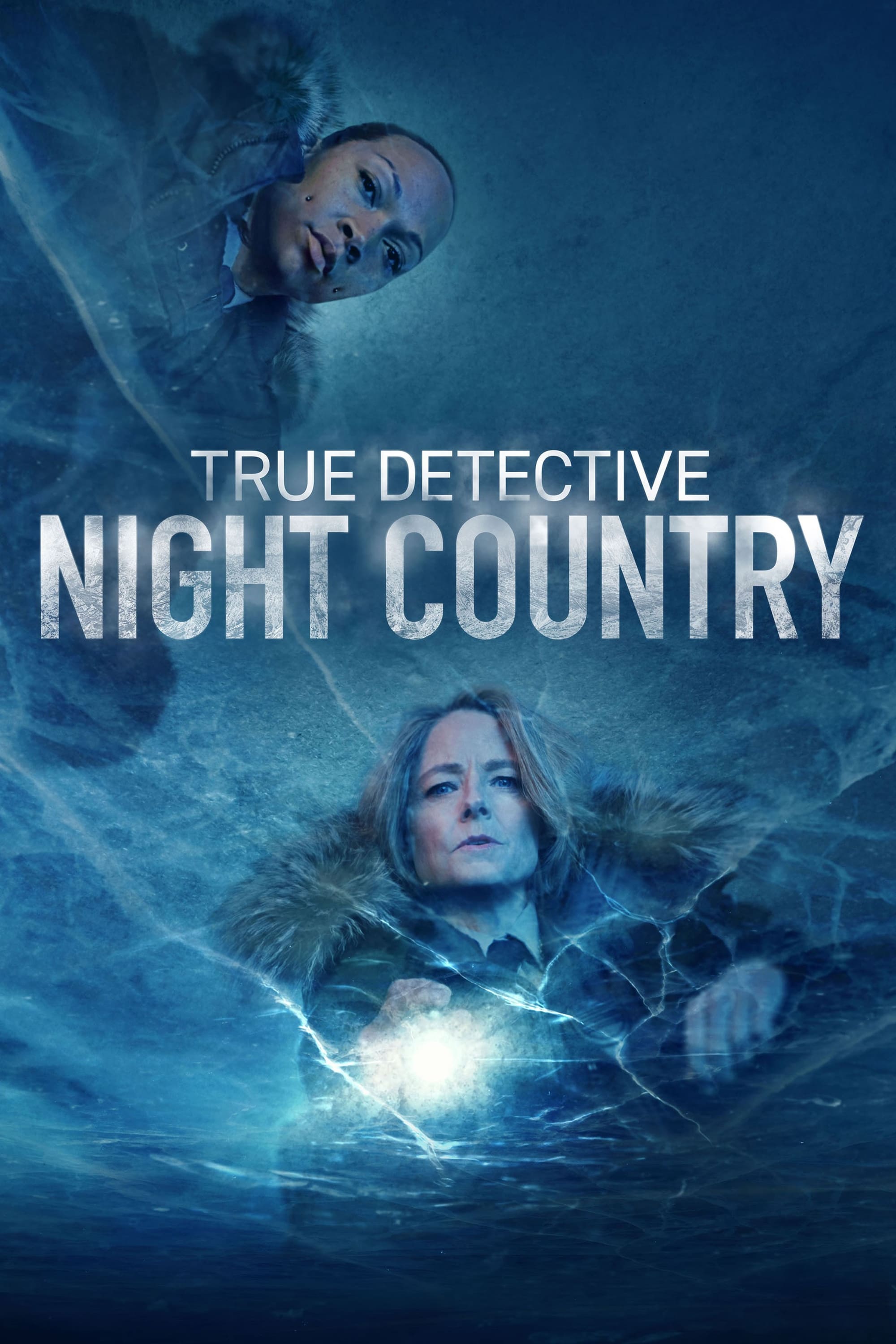
Each season presents a self contained investigation with shifting time frames and unreliable memories. Interrogation rooms bookend scenes that change meaning as new testimony emerges, produced by HBO.
Maps, ritual markings, and location names connect suspects across decades. The anthology format lets HBO mount different eras while keeping the investigative structure consistent for pattern hunting.
‘Legion’ (2017–2019)
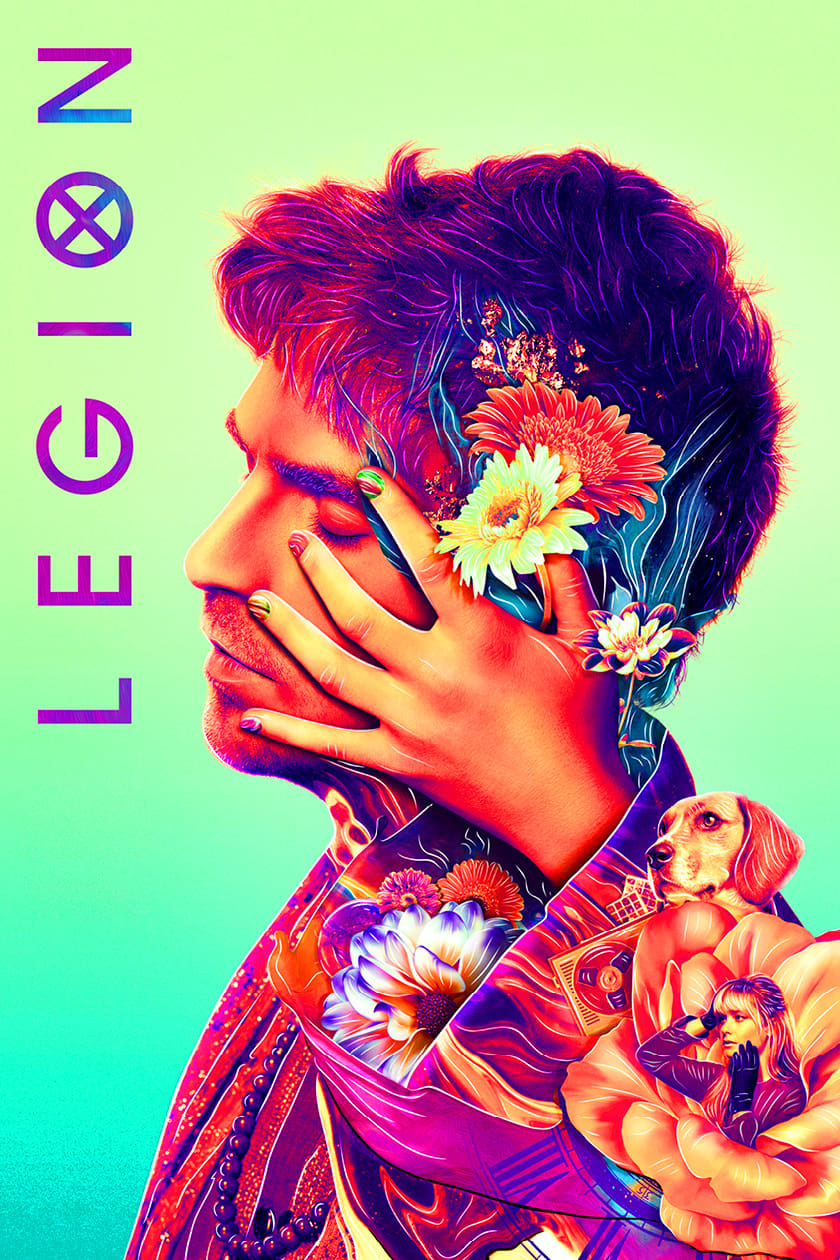
This superhero adjacent series tells a story about a powerful mutant through surreal imagery and fractured memory. Choreographed set pieces and title cards change style to reflect state of mind, broadcast on FX.
Clues hide in production design, therapy sessions, and musical numbers that mirror plot turns. Aspect ratio shifts and recurring symbols like the chalkboard professor help FX viewers parse what is memory and what is manipulation.
‘Utopia’ (2013–2014)
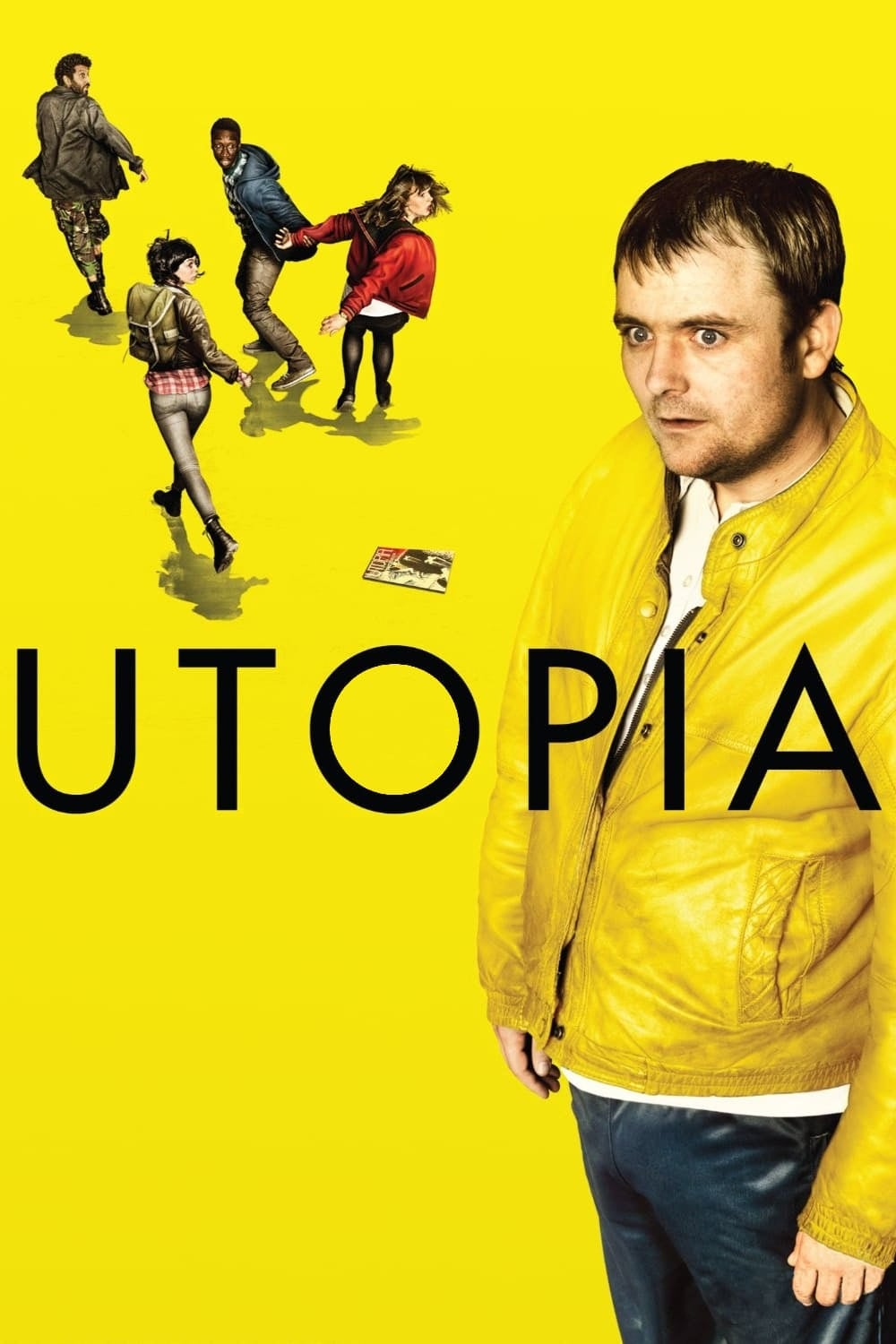
The UK original follows a group that discovers a graphic novel predicting disasters and a shadowy program behind it. Color saturated visuals and coded illustrations guide the mystery, first aired on Channel 4.
Page layouts, character sketches, and project names supply a trail of evidence. The series ties personal backstories to a larger bioengineering plot, which Channel 4 audiences tracked through recurring icons and phrases.
‘Station Eleven’ (2021–2022)
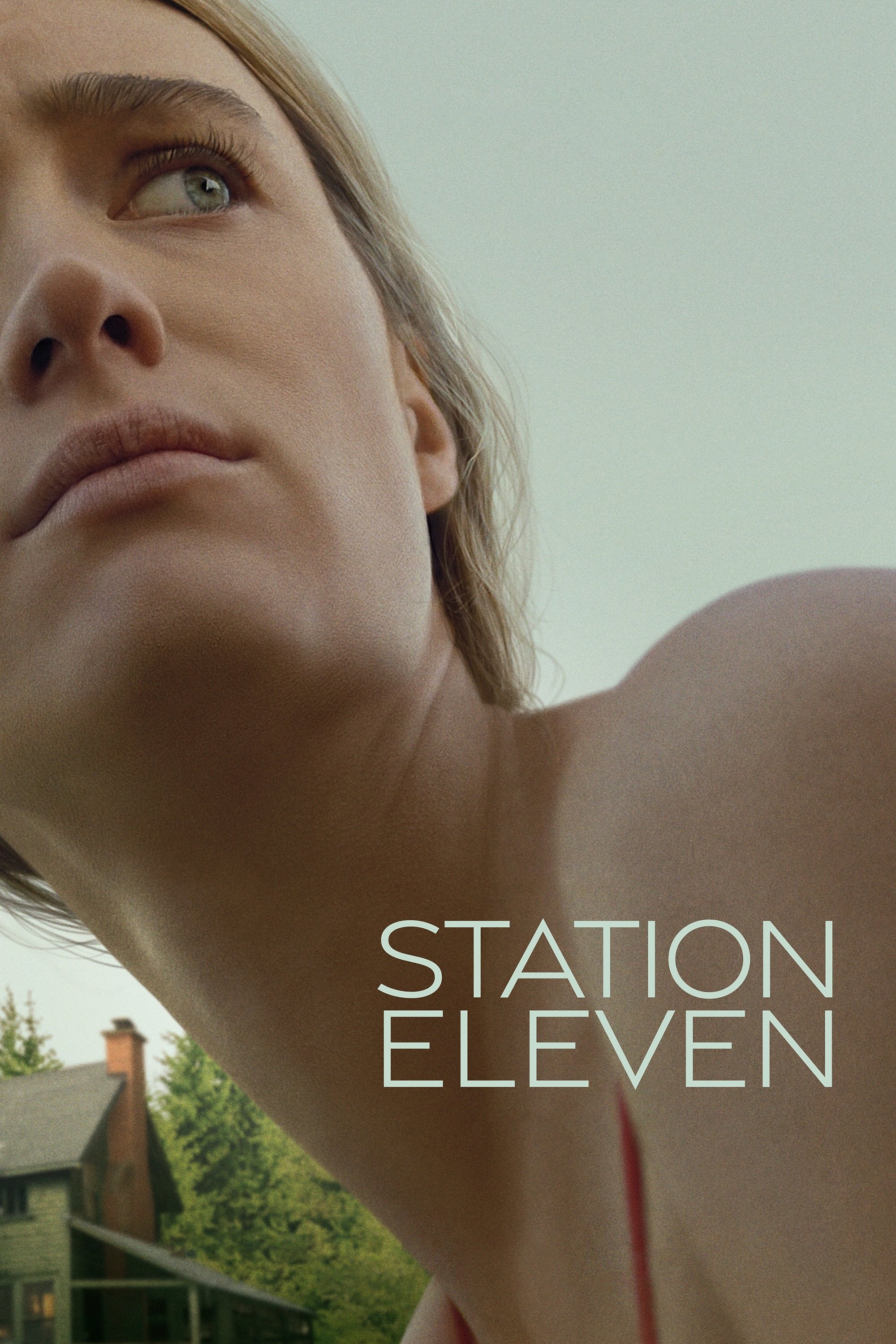
Adapted from Emily St. John Mandel’s novel, this limited series weaves survivors of a pandemic through art, community, and fate. Nonlinear episodes show how a comic book connects characters across time, released on HBO Max.
A traveling troupe, an airport encampment, and annotated pages of the comic create a web of references. Objects move between people and eras, offering HBO viewers a way to trace relationships outside strict chronology.
‘Maniac’ (2018)
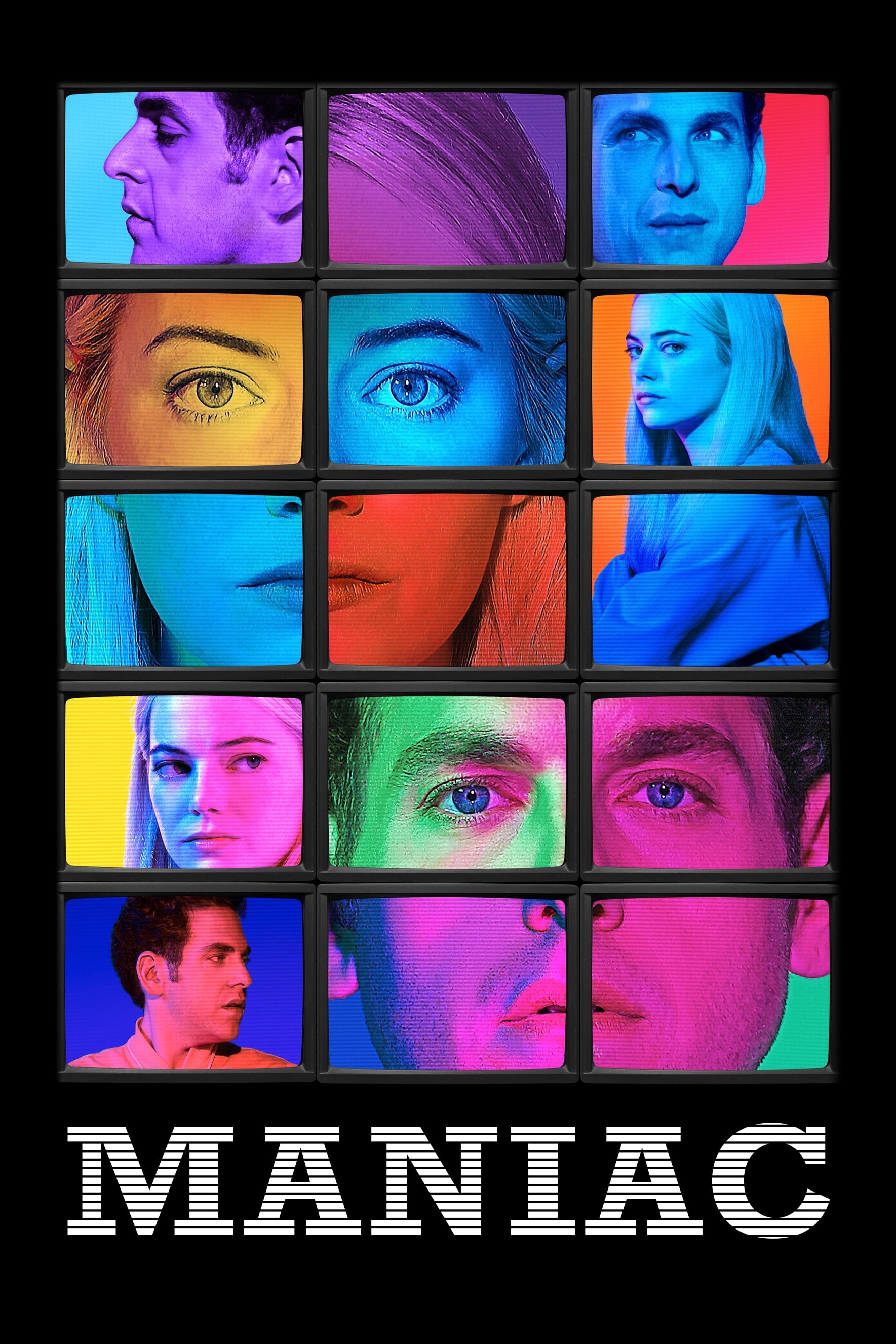
Two strangers join a pharmaceutical trial that plunges them into shared dreamlike scenarios. Each episode adopts a different genre while advancing a central therapeutic arc, produced for Netflix.
Computer logs, pill protocols, and lab diagnostics carry hints across the genre shifts. Character artifacts reappear inside fantasies, giving Netflix audiences tangible links between real life and imagined worlds.
‘Archive 81’ (2022)
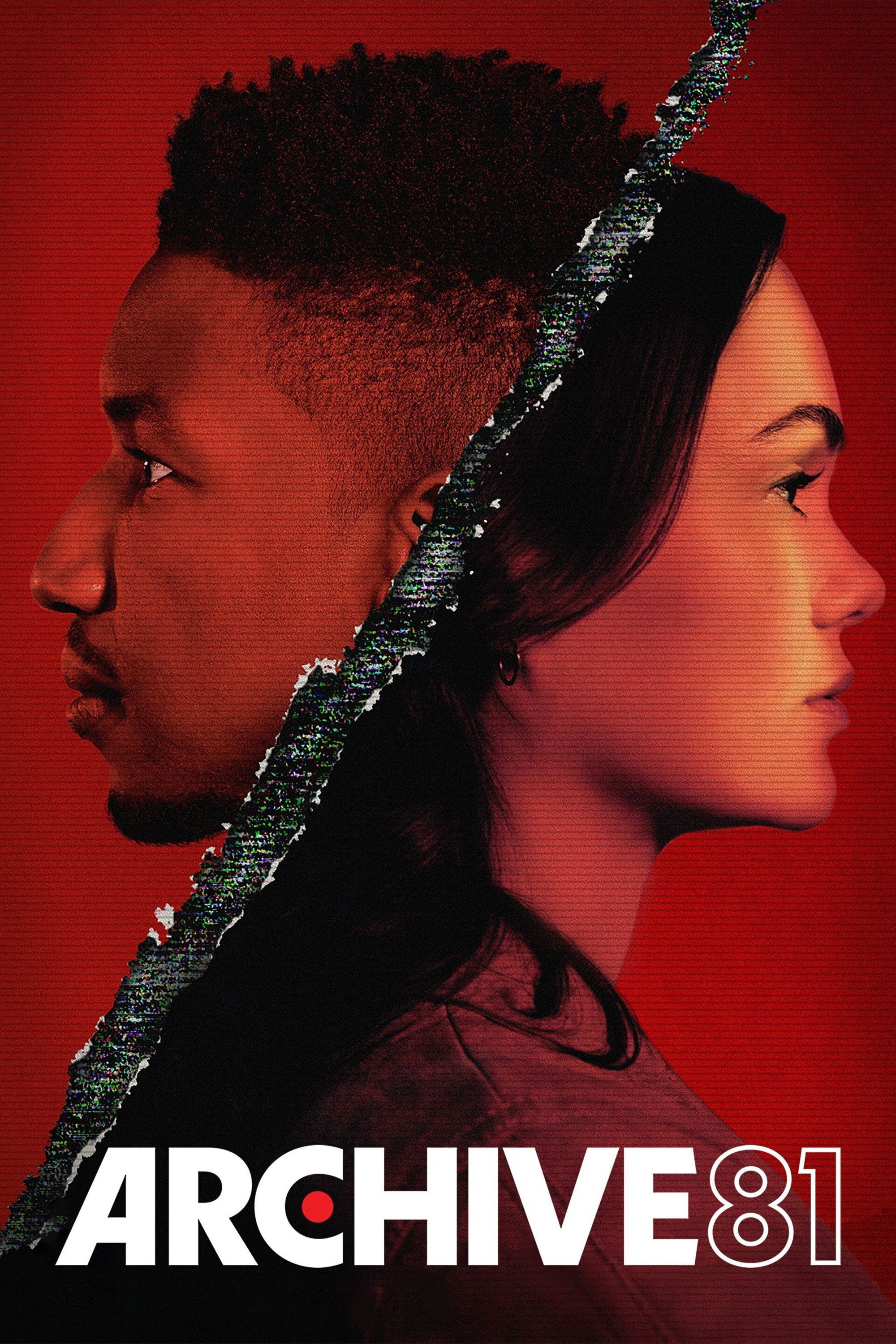
An archivist restores fire damaged videotapes and uncovers a cult tied to a mysterious building. The series alternates between found footage and present day investigation, released by Netflix.
Tape labels, apartment blueprints, and audio motifs provide a map of the building’s history. The restoration process itself becomes a narrative device, revealing hidden frames and messages that Netflix viewers can freeze and analyze.
‘From’ (2022– )
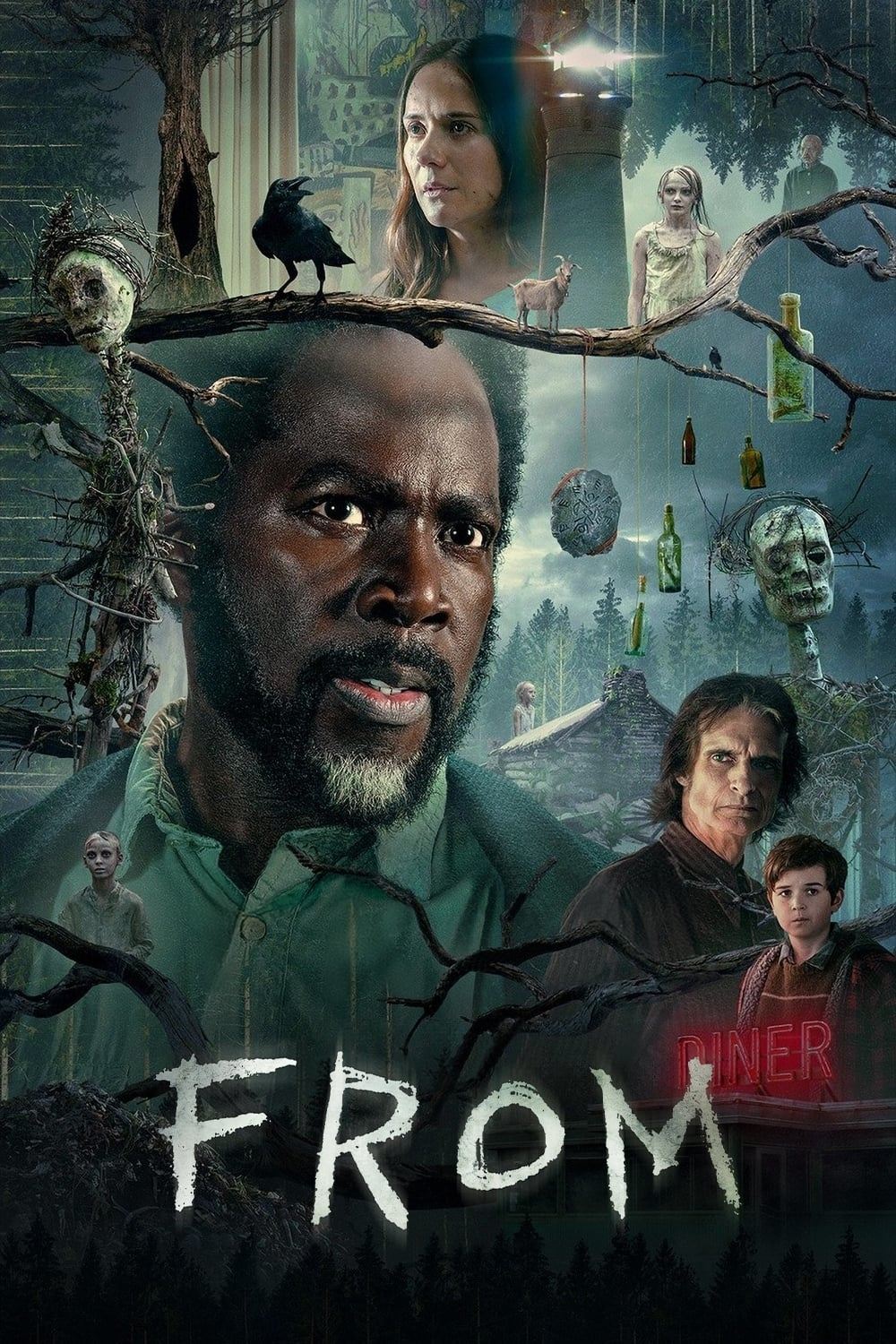
Residents of a town cannot leave and encounter creatures that follow strict rules. The show builds lore through talismans, daytime routines, and shifting leadership, distributed by MGM+.
Mysteries expand via radio static, coded map notes, and photographs that change. Each new arrival adds data points about entry roads and landmarks, giving MGM+ audiences a growing field guide to the town.
‘Dark Matter’ (2024– )
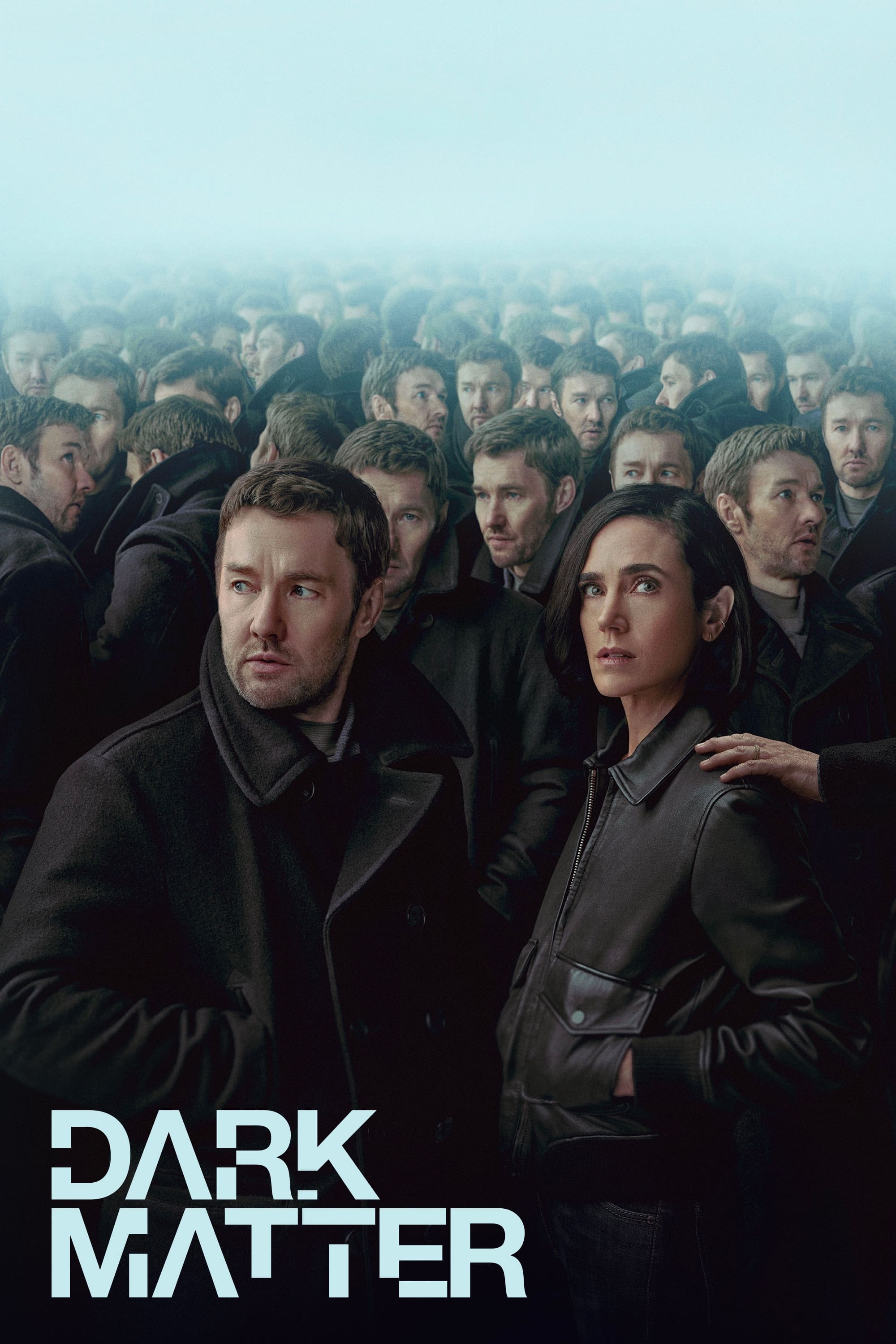
Based on Blake Crouch’s novel, this series explores alternate lives through experimental physics. A device enables jumps that carry consequences across versions of a city, released by Apple TV+.
Rules for travel rely on repeatable steps, environmental cues, and personal anchors. Visual breadcrumbs like box count, door placement, and route logs help Apple TV+ viewers track which branch they are following.
‘Foundation’ (2021– )
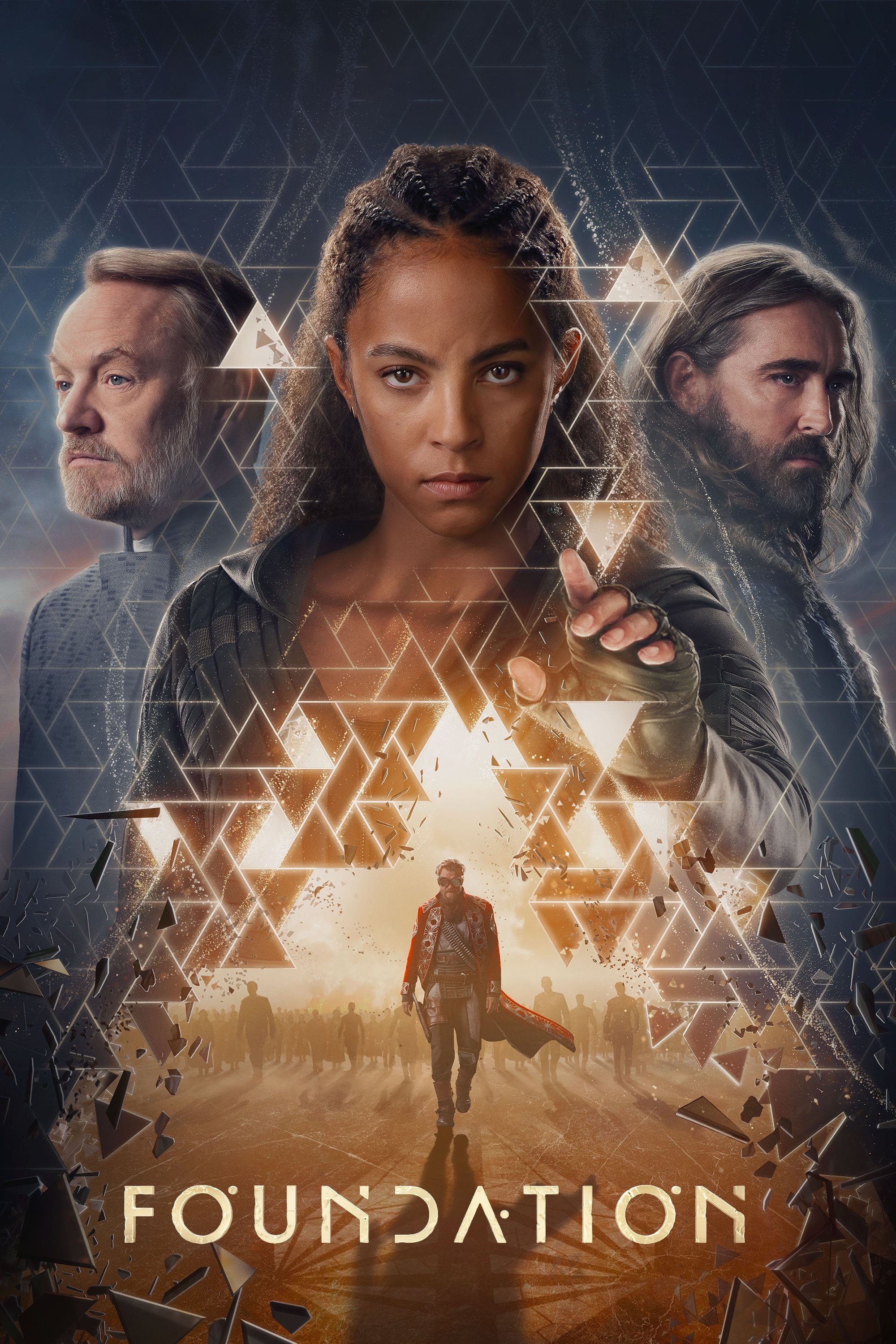
Adapted from Isaac Asimov’s work, this epic chronicles the mathematics of history and the struggle to guide a collapsing empire. Time jumps, genetic lineage, and psychohistory equations structure the narrative on Apple TV+.
Character arcs span planets and centuries, with vault messages and prime radiants storing predictive models. Costumes and emblem variations mark dynastic shifts so Apple TV+ audiences can place each scene in context.
‘The Sinner’ (2017–2021)
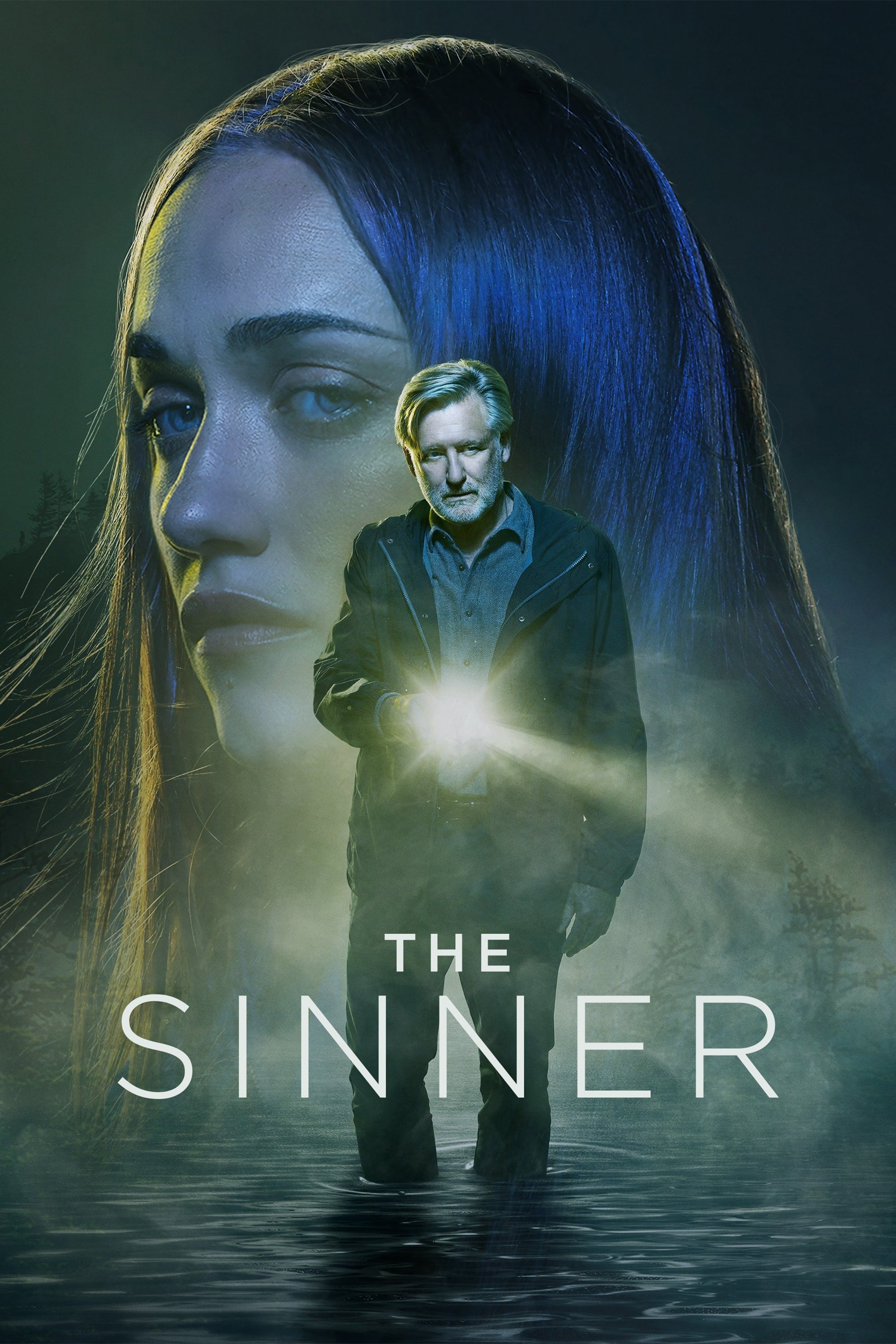
An anthology of investigations begins with a shocking crime and works backward to uncover motive. Each season follows a detective who pieces together trauma and hidden relationships, premiered on USA Network.
Clues surface in therapy notes, childhood artifacts, and religious symbols. The format repeats investigative steps while changing setting and cast, giving USA Network viewers a familiar framework for new riddles.
‘The Outsider’ (2020)
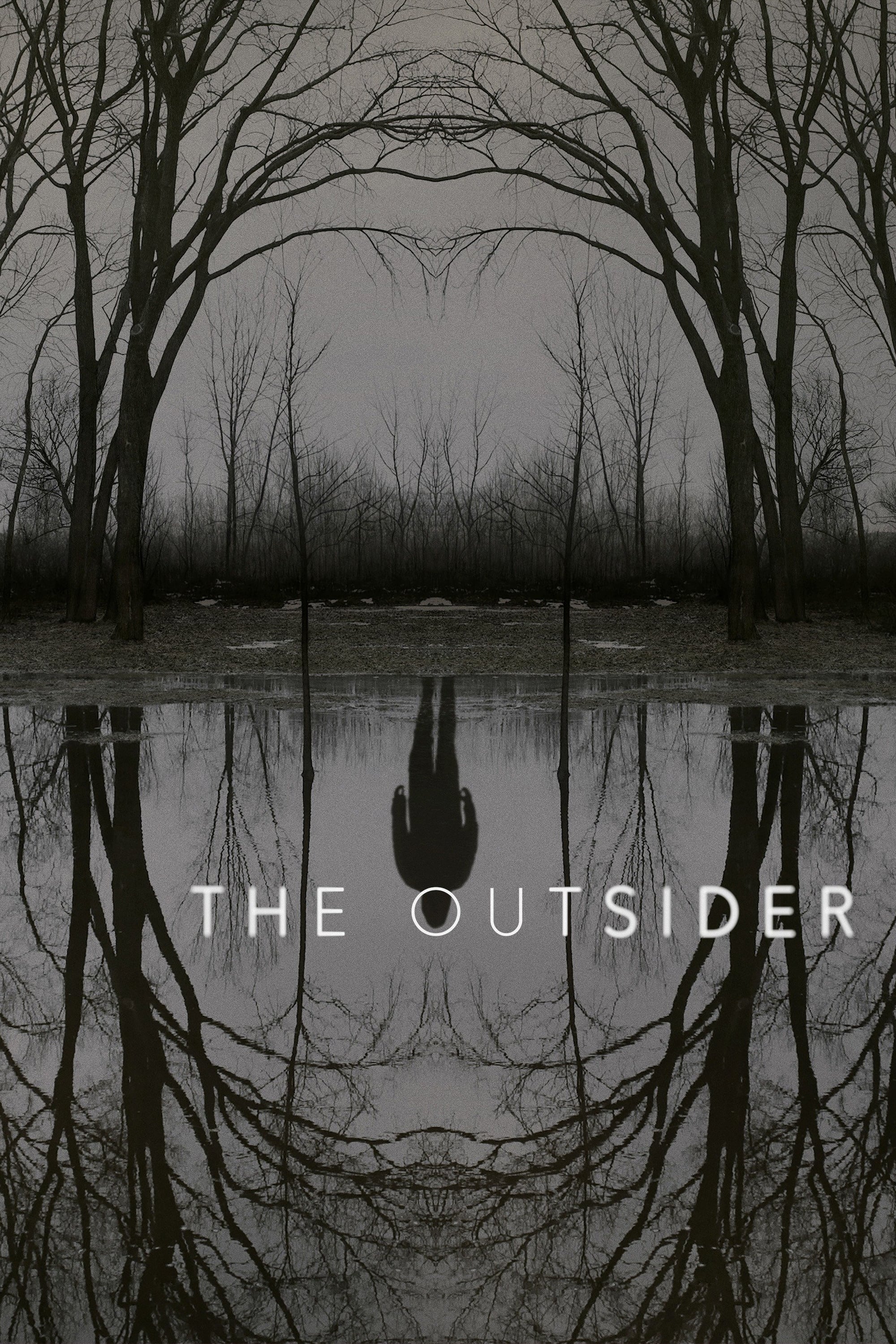
Based on Stephen King’s novel, this crime horror blends police work with folklore as an investigation into a child’s death reveals impossible evidence. It layers witness accounts with forensics and myth, presented by HBO.
A pattern of doppelganger sightings, sealed hospital records, and travel itineraries forms the case file. The series uses courtroom routines and field notes to track belief shifting into acceptance, which HBO viewers can follow detail by detail.
Tell us which episodes kept you thinking the longest and drop your picks in the comments.