Critically Adored Movies No One Actually Finishes


Some movies earn glowing reviews and armfuls of awards, yet still test even the most devoted viewer’s stamina. Long runtimes, meditative pacing, and unconventional storytelling can make these titles the ones people start with good intentions and then quietly abandon later.
This list rounds up celebrated films that are famous for craft and acclaim while also being the kind that many pause and rarely resume. You will find runtimes that stretch well past two hours, scenes that linger with little dialogue, and structures that reward patience more than momentum.
‘Jeanne Dielman, 23, quai du Commerce, 1080 Bruxelles’ (1975)

Chantal Akerman’s film runs about three hours and twenty one minutes and unfolds in near real time as a widowed mother follows a strict routine over three consecutive days. The camera uses long static takes in domestic spaces that highlight repetitive tasks like cooking and cleaning.
The minimalist approach builds its effect through duration rather than plot points and keeps dialogue sparse. Delphine Seyrig’s performance is calibrated to tiny gestures and the fixed framing emphasizes shifts in routine as the only markers of narrative change.
‘Satantango’ (1994)
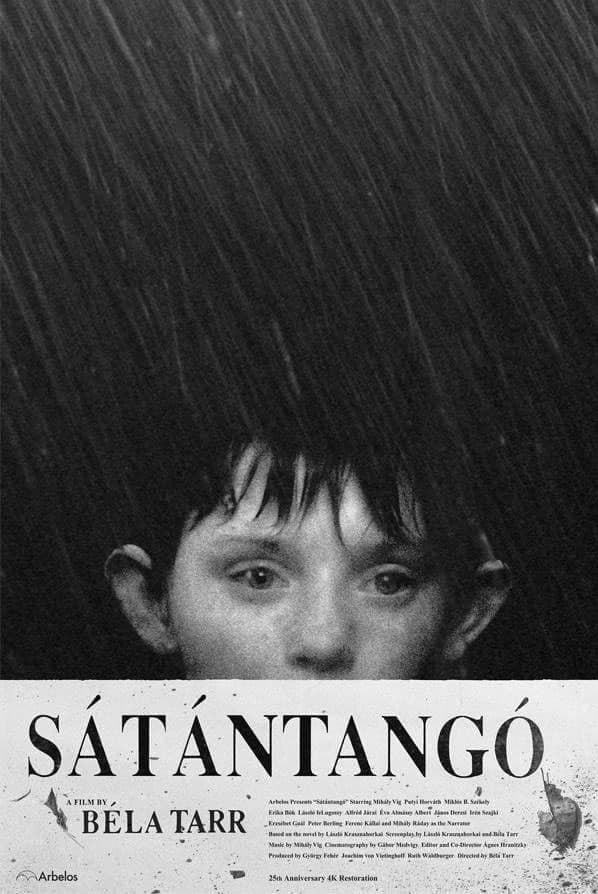
Béla Tarr’s drama is famous for a runtime of roughly seven hours and for its use of lengthy tracking shots that can last several minutes without a cut. It adapts László Krasznahorkai’s novel and divides the story into twelve chapters that fold time back on itself.
The film uses black and white imagery, a rural setting, and an accordion driven score that repeats across scenes. Characters wander through mud and rain and the camera follows at a deliberate pace that prioritizes atmosphere over incident.
‘The Irishman’ (2019)
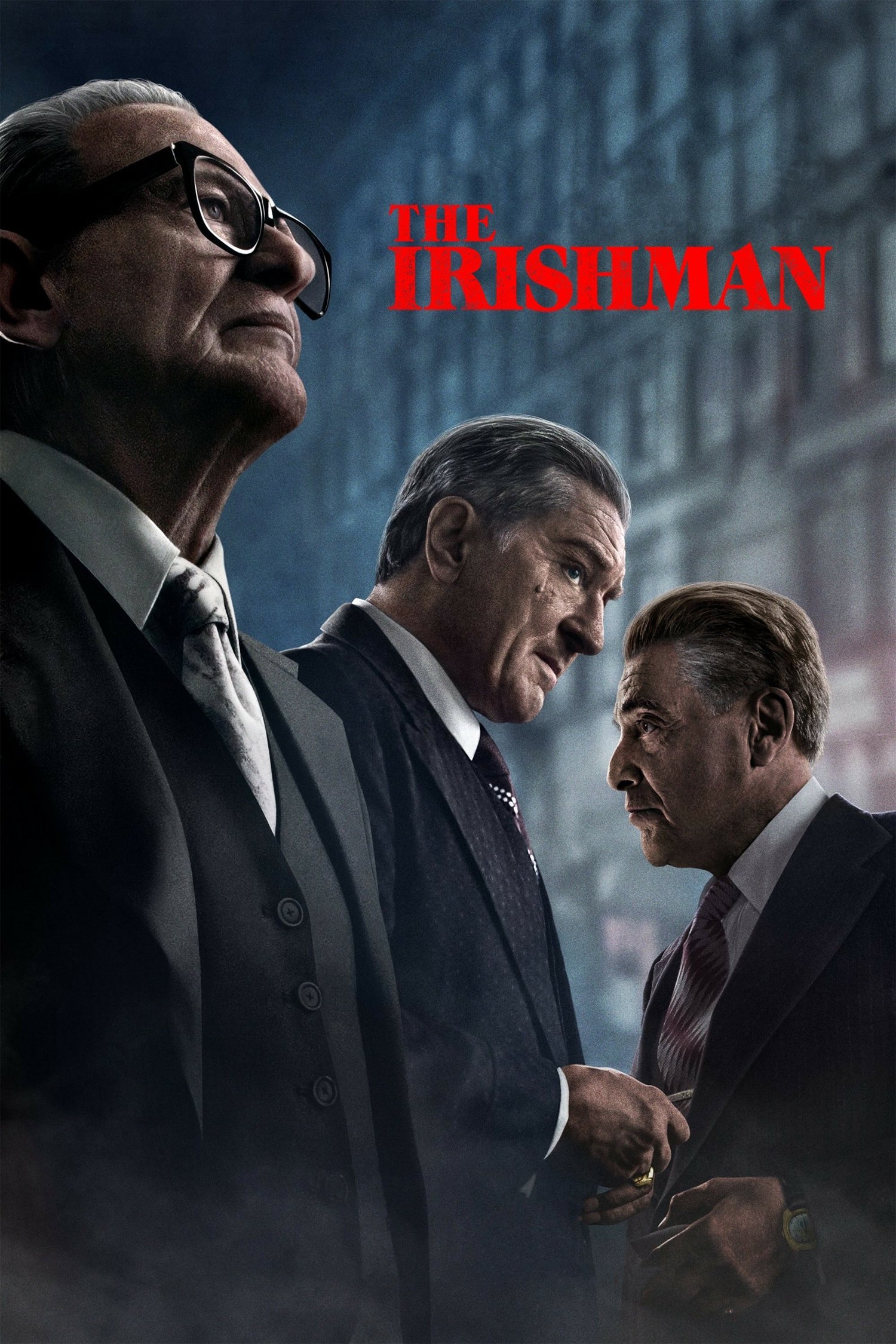
Martin Scorsese’s crime epic runs about three hours and twenty nine minutes and spans several decades of union politics and organized crime. Digital de aging technology lets Robert De Niro, Al Pacino, and Joe Pesci play their characters across long stretches of time.
The story is framed by an elderly narrator who recounts events from memory and the film frequently pauses for historical asides. Production recreates period details from the fifties through the early two thousands with careful attention to cars, costumes, and locations.
‘The Tree of Life’ (2011)
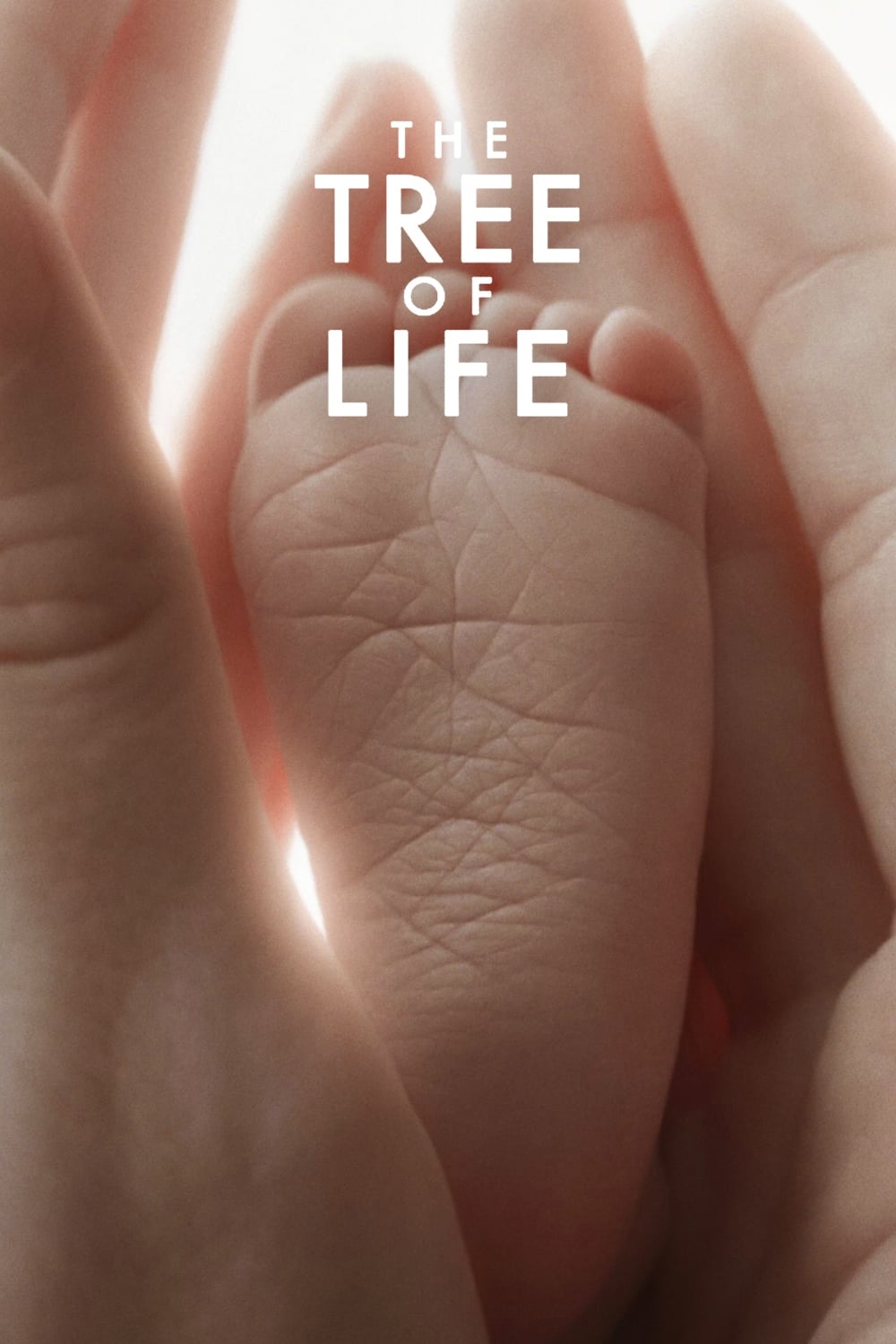
Terrence Malick weaves a family story with cosmic imagery and a famous creation sequence that includes prehistoric life and nebulae. The film moves through memory rather than linear action and uses voiceover as a guide more than dialogue driven scenes.
Emmanuel Lubezki’s cinematography favors natural light and a fluid camera that glides through rooms and landscapes. The score blends classical pieces with ambient sounds and the editing links micro moments at home with macro images of the universe.
‘Stalker’ (1979)
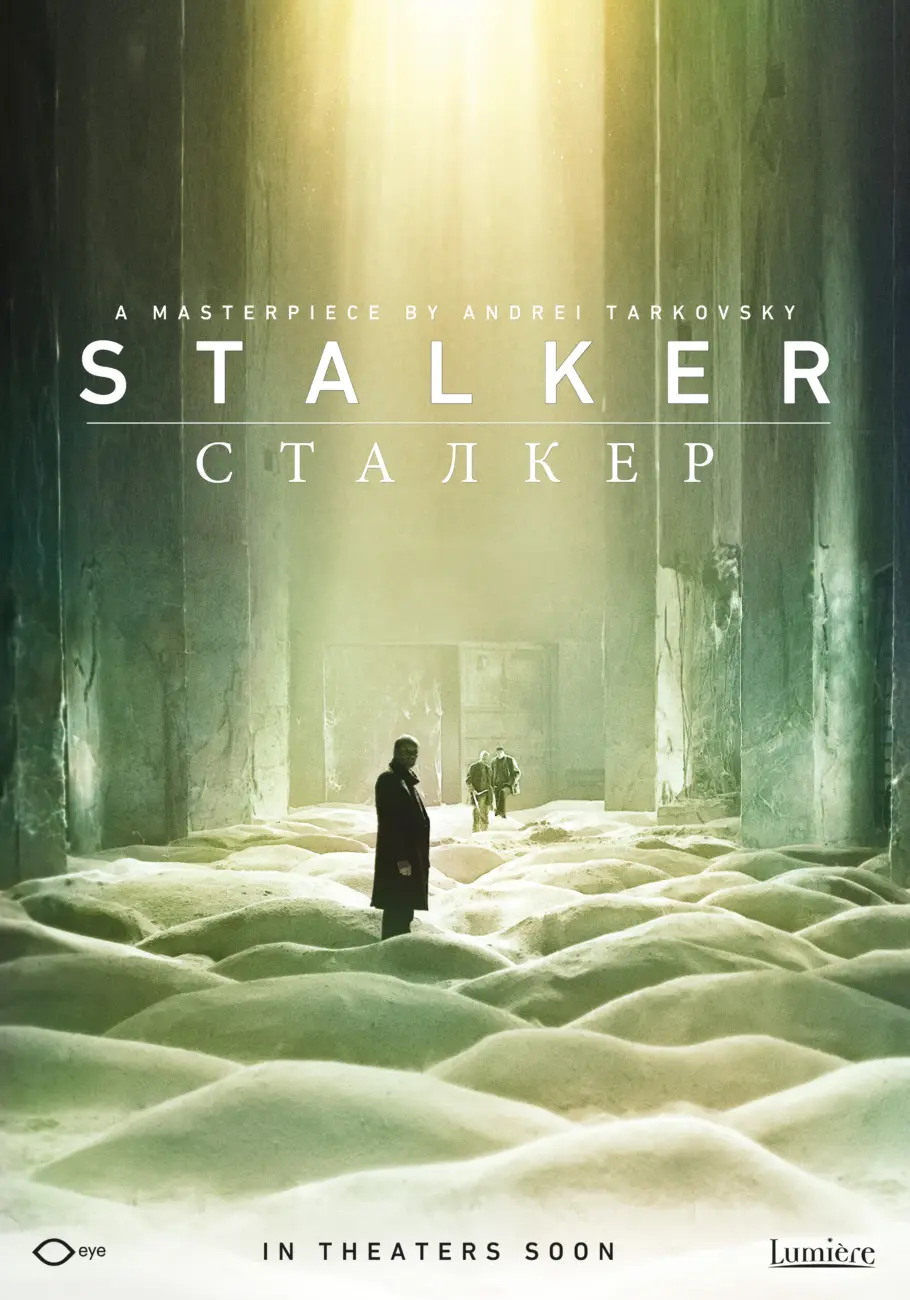
Andrei Tarkovsky’s science fiction journey runs about two hours and forty two minutes and centers on a guide who leads two men into a restricted area called the Zone. The narrative uses long takes and sparse effects while the environment shifts between sepia tones and color.
Production famously endured multiple restarts and location changes and the final cut emphasizes mood and philosophy. The film’s sound design uses echoes, drips, and industrial hums to suggest unseen forces at work in the landscape.
‘Solaris’ (1972)
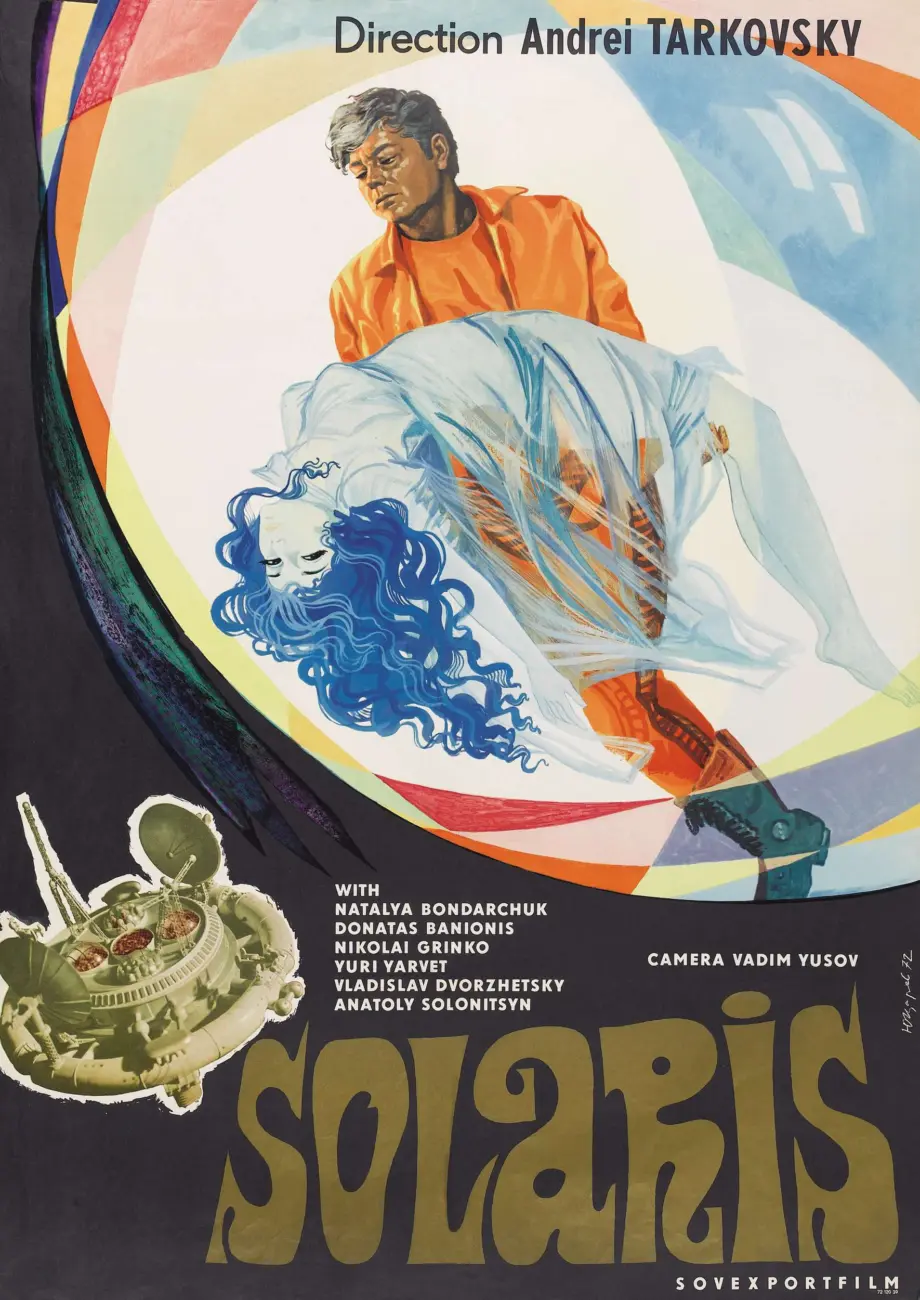
Tarkovsky adapts Stanisław Lem’s novel and follows a psychologist sent to a space station orbiting a living ocean. The runtime approaches two hours and forty seven minutes and the camera dwells on corridors, reflections, and interior states.
The film contrasts a long earthbound prologue with the quiet of the station and introduces visitors manifested from memory. Practical effects, slow camera moves, and a restrained score create a contemplative rhythm instead of spectacle.
‘Barry Lyndon’ (1975)
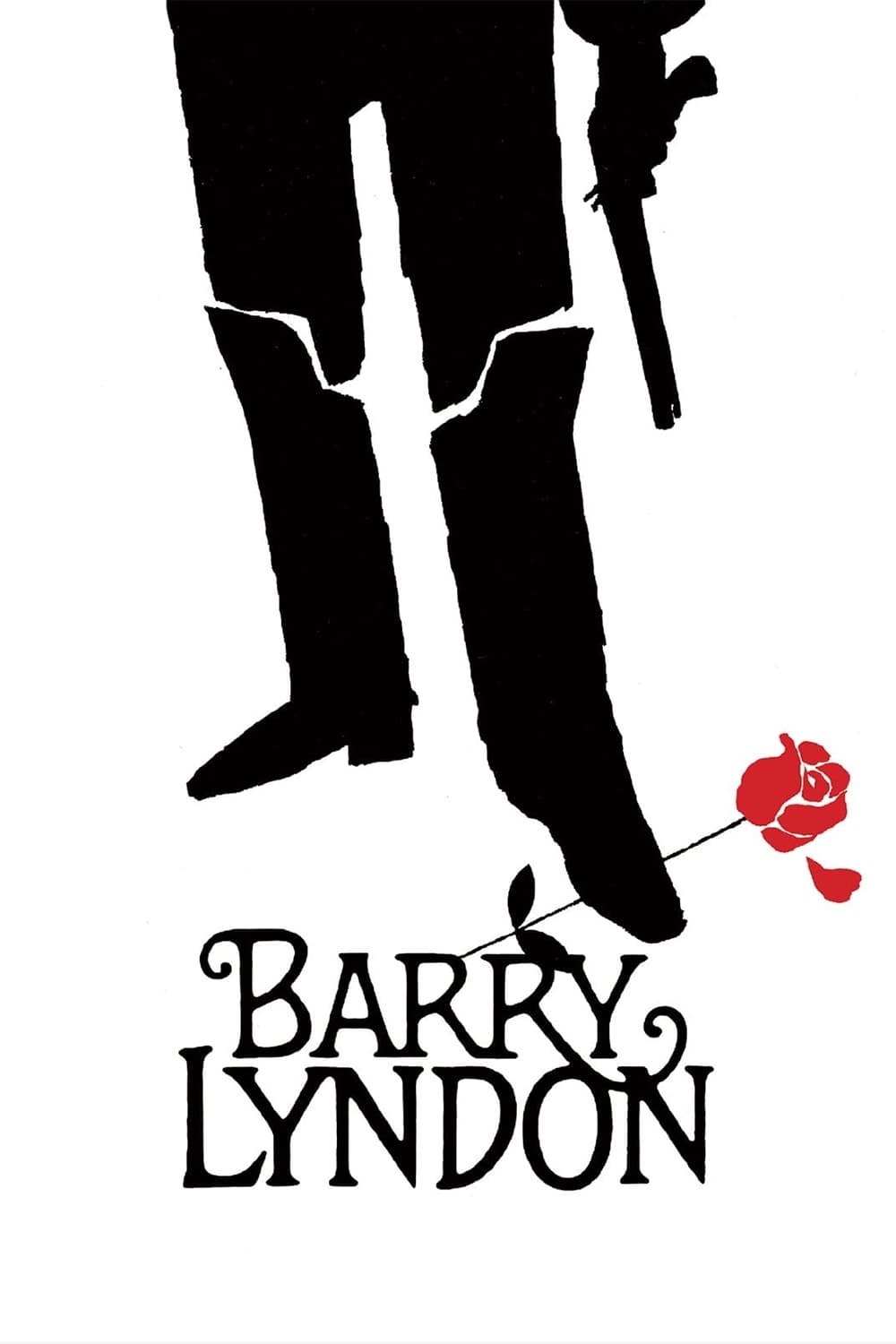
Stanley Kubrick shot the film with lenses developed for low light so that interior scenes could be lit by candles. The story traces the rise and fall of an Irish adventurer and uses chapter headings and period music to structure the narrative.
The runtime is around three hours and the tempo favors courtly rituals, duels, and travels across Europe. Natural light, painterly compositions, and measured performances create a visual experience that moves at an unhurried pace.
‘Andrei Rublev’ (1966)
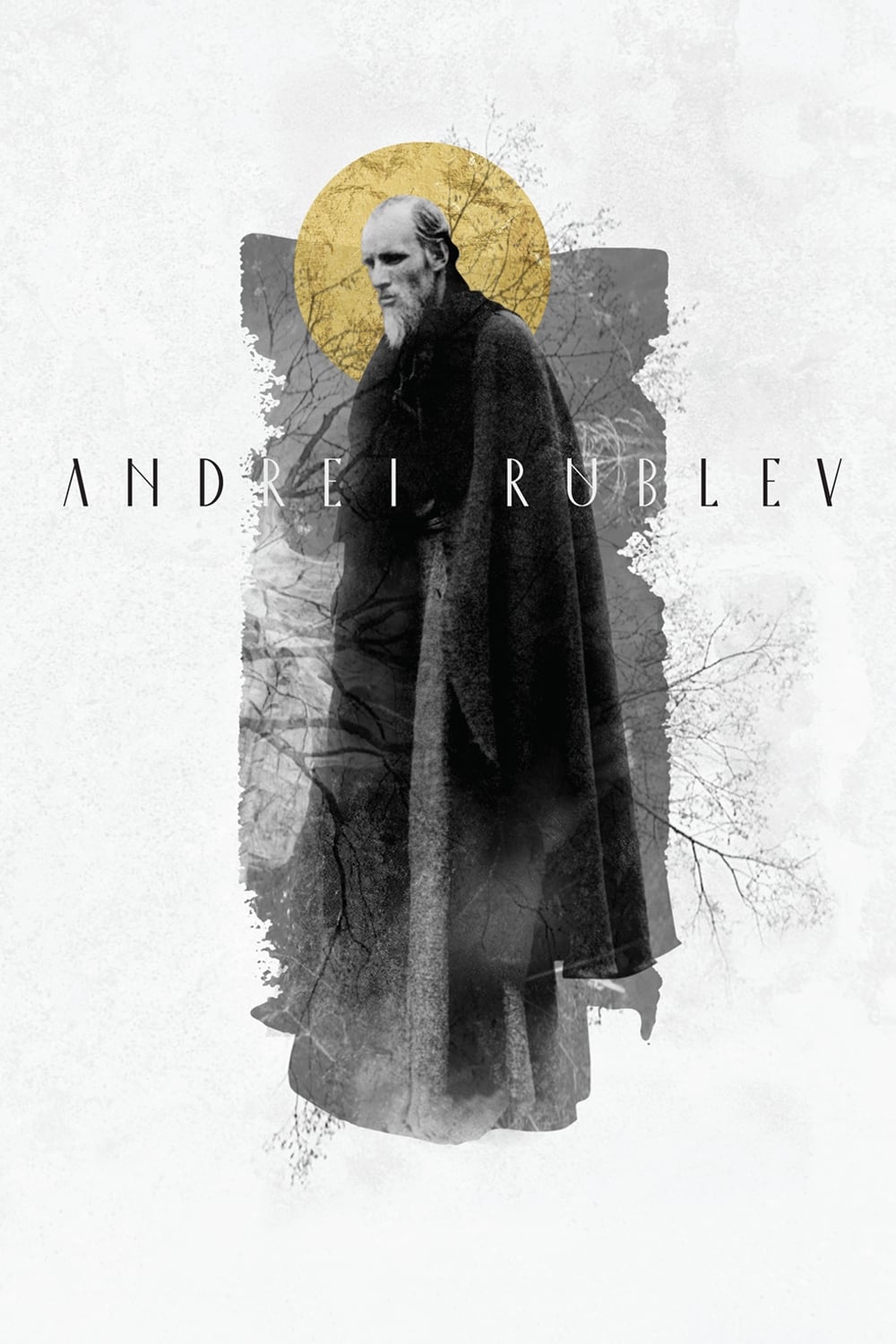
Tarkovsky’s medieval portrait follows an icon painter across decades of turmoil in fifteenth century Russia. The film unfolds in episodes with a prologue and an epilogue that includes a striking bell casting sequence.
The black and white imagery gives way to color only at the end when the icons appear. Historical detail, long silences, and extended process scenes foreground craft and faith rather than conventional drama.
‘Lawrence of Arabia’ (1962)
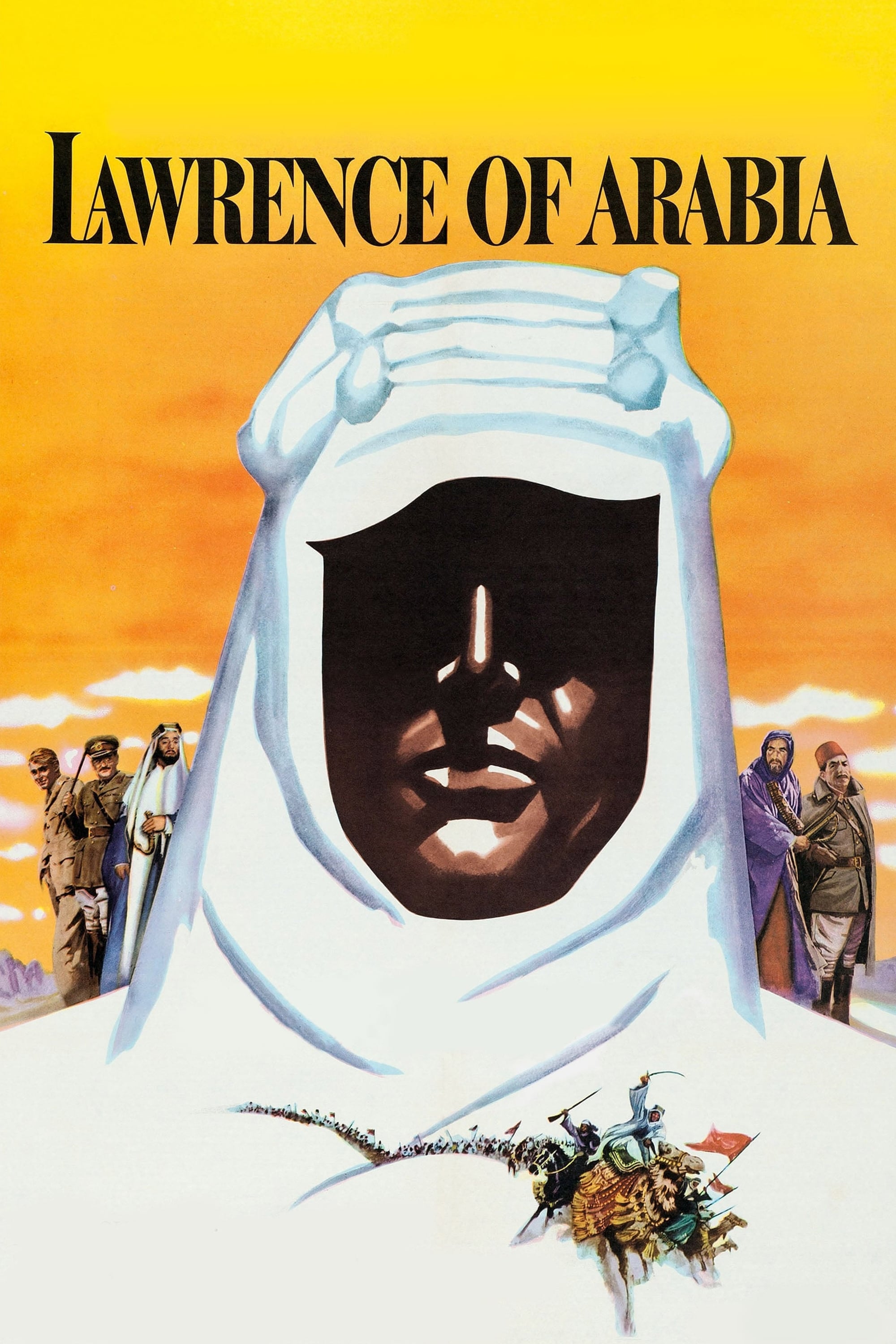
David Lean’s desert epic runs about three hours and forty seven minutes in its restored roadshow version and features an intermission. Panoramic vistas and long desert crossings allow Maurice Jarre’s score and the sound of wind to carry entire stretches.
Peter O’Toole’s character moves between military campaigns and political negotiations across the Arabian Peninsula. The film’s scale highlights logistics, geography, and ritual as much as battles.
‘Once Upon a Time in America’ (1984)
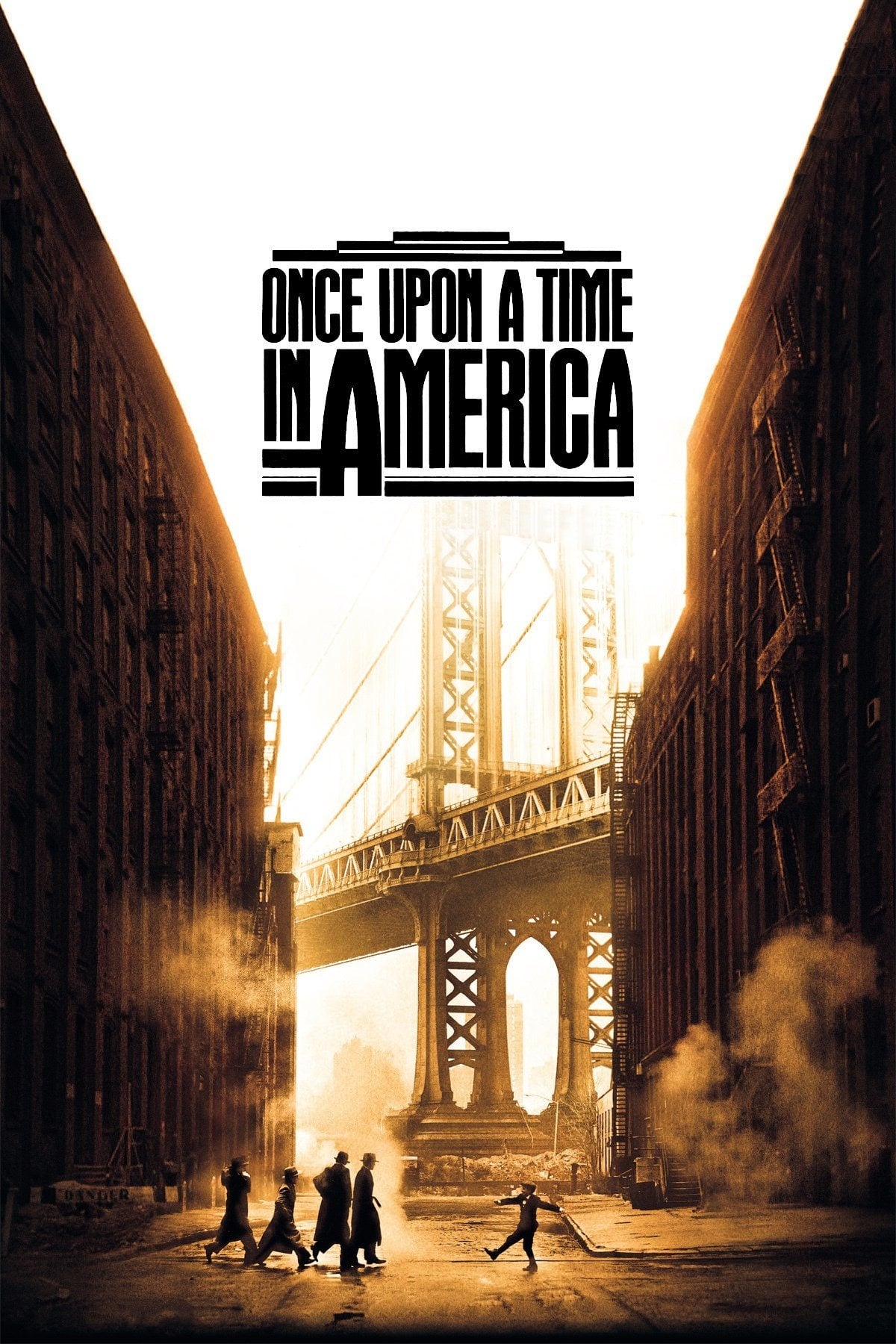
Sergio Leone’s final film presents a non linear crime saga that jumps between the twenties, thirties, and late sixties. The runtime varies by cut and the extended version runs well over three and a half hours.
Ennio Morricone’s music anchors time shifts while scenes often proceed with minimal dialogue. The story emphasizes memory and regret and uses dissolves and recurring locations to connect eras.
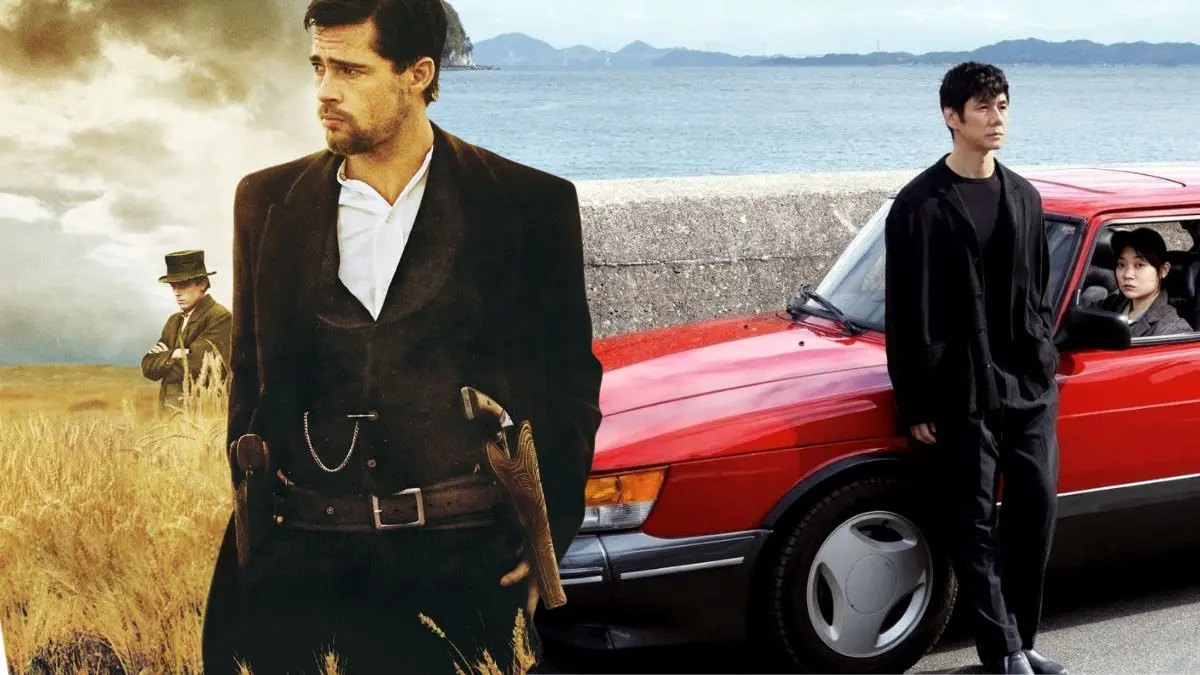
‘The Assassination of Jesse James by the Coward Robert Ford’ (2007)
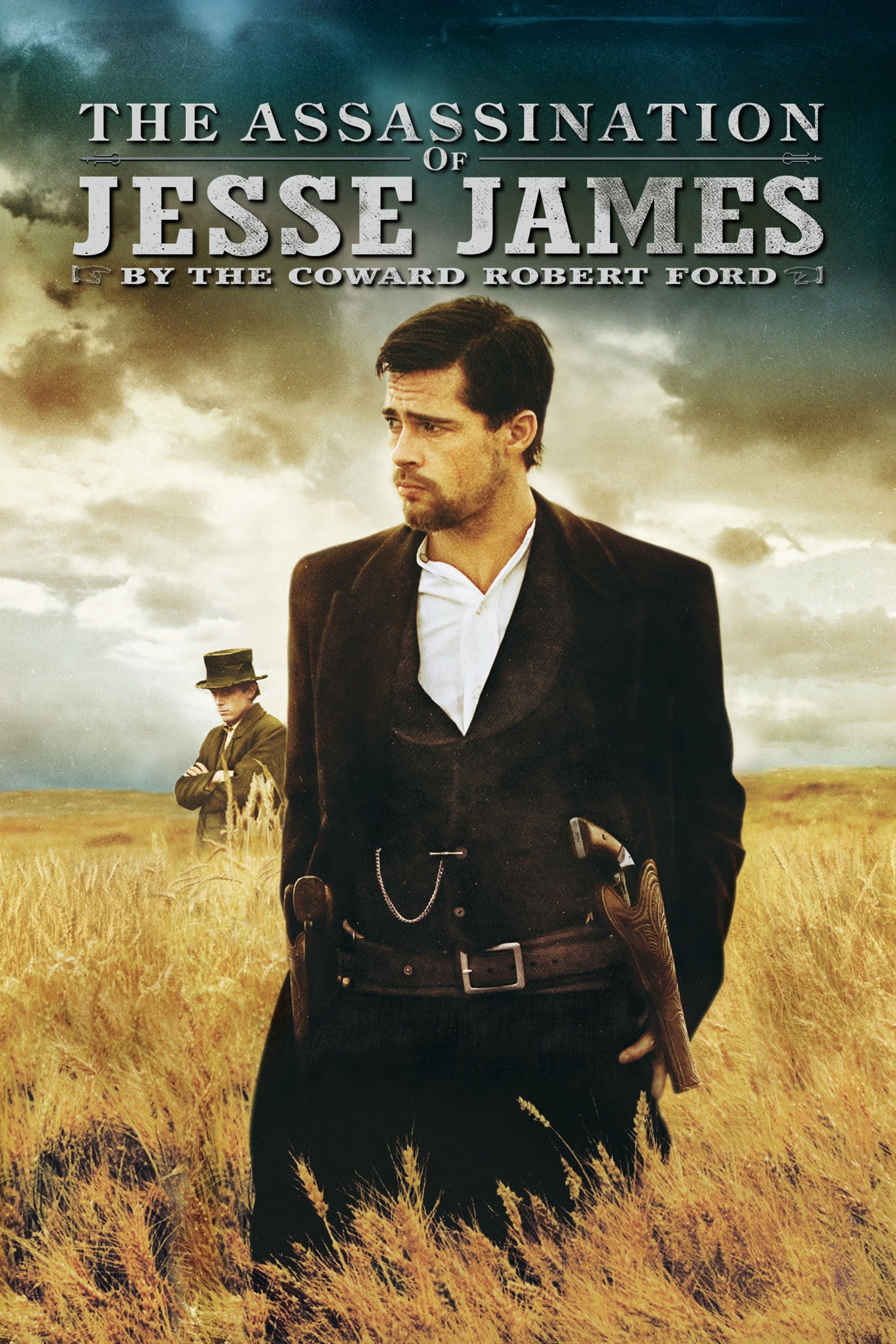
Andrew Dominik’s western follows the final months of the outlaw and the fixation of his admirer. Roger Deakins uses soft focus edges and winter light to create a period look inspired by antique photography.
The film favors quiet interiors, train yards, and night skies and runs about two hours and forty minutes. A narrated structure offers context for each figure and lets scenes breathe beyond plot mechanics.
‘Drive My Car’ (2021)
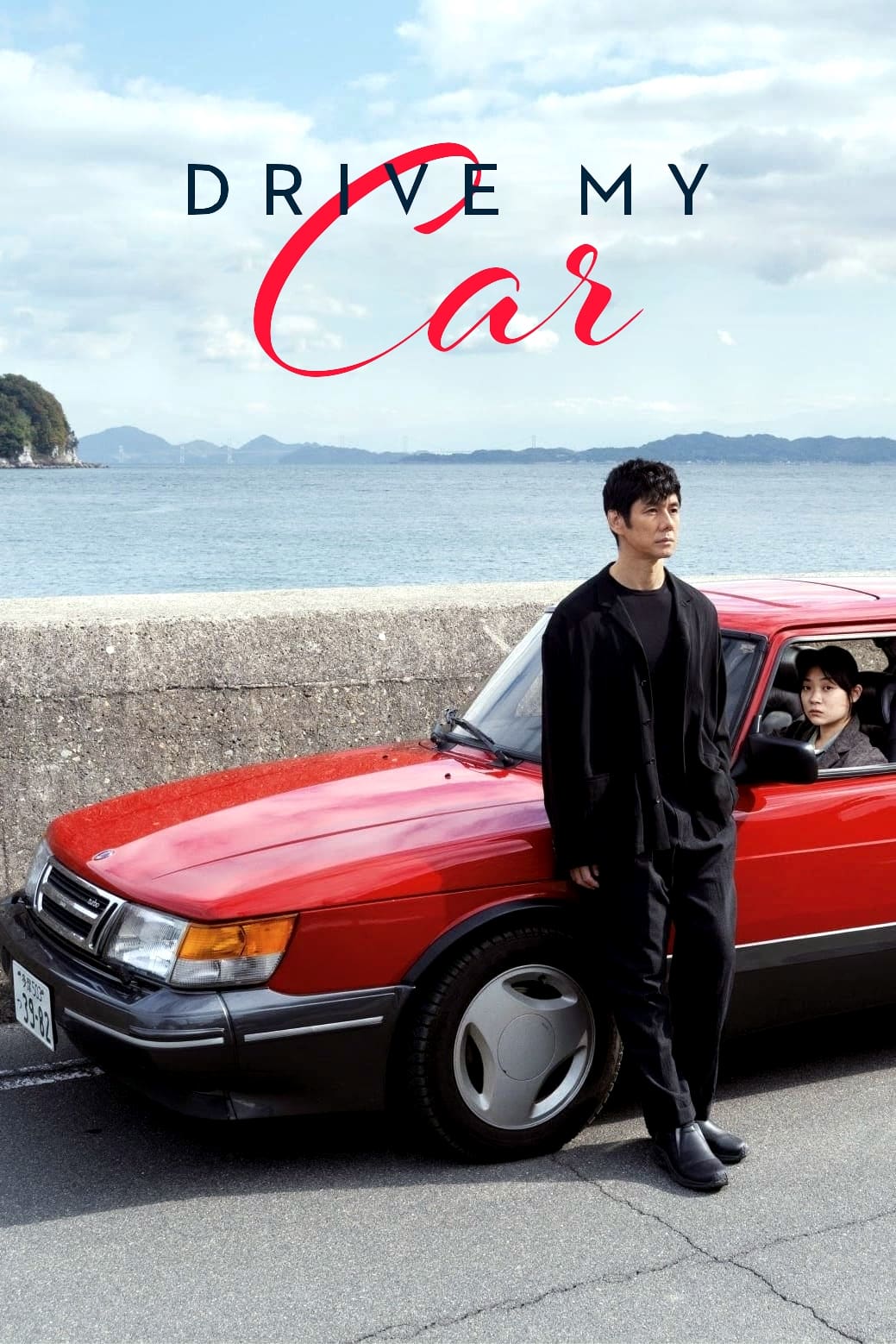
Ryusuke Hamaguchi adapts Haruki Murakami and opens with an extended prologue before the title appears well into the film. The story follows a theater director staging a multilingual production of a play while processing loss.
The runtime is around three hours and scenes linger on rehearsals, table reads, and silent drives. The production uses long conversations in cars and on stages to fold personal history into performance.
‘Roma’ (2018)
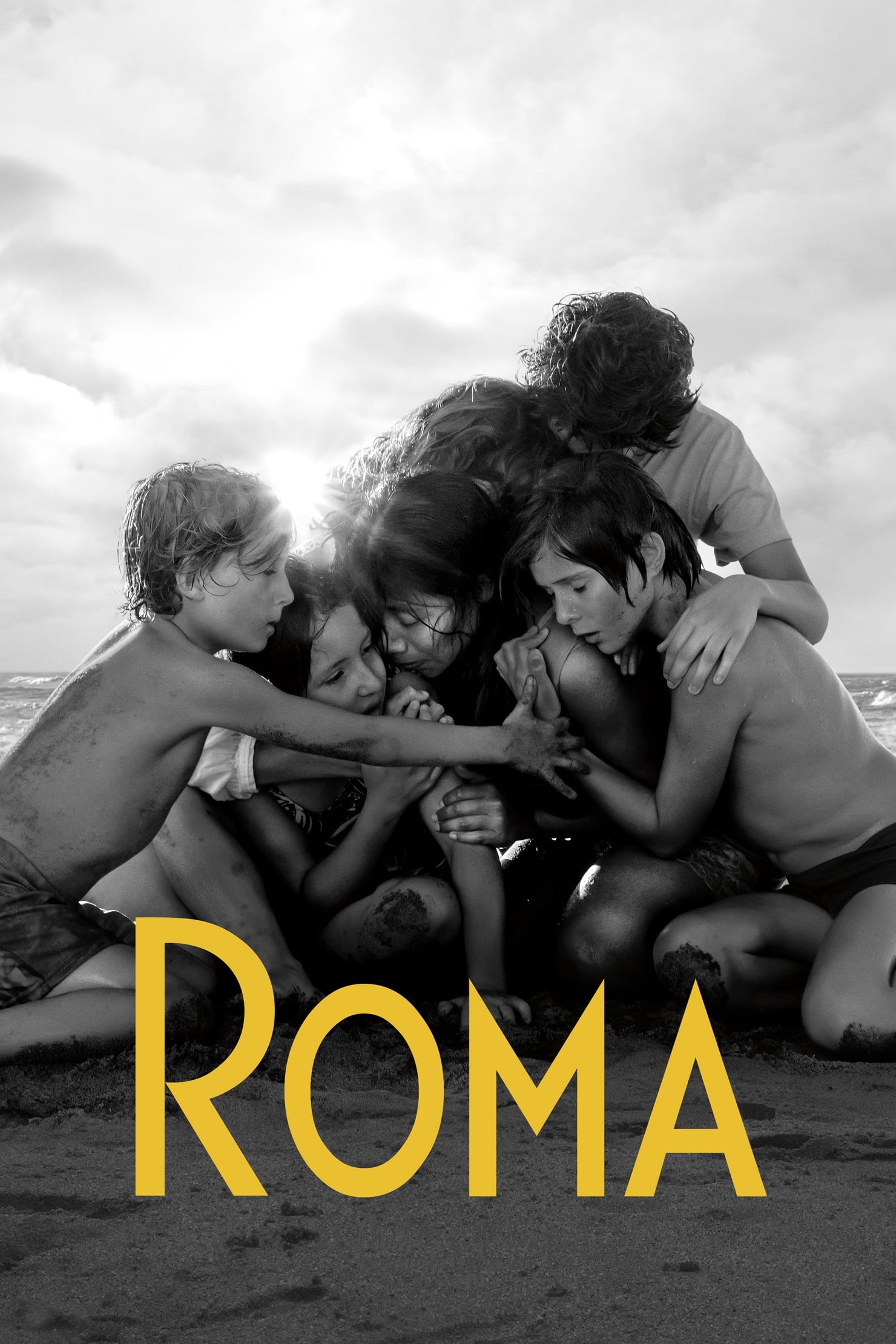
Alfonso Cuarón recreates early seventies Mexico City in crisp black and white and shoots with deep focus to keep backgrounds alive. The film centers on a domestic worker whose routine intersects with political upheaval and family shifts.
Set pieces arrive without musical cues and the camera often pans slowly across entire blocks. Natural sound anchors everything from street vendors to marching bands while the narrative advances through everyday detail.
‘Blade Runner 2049’ (2017)
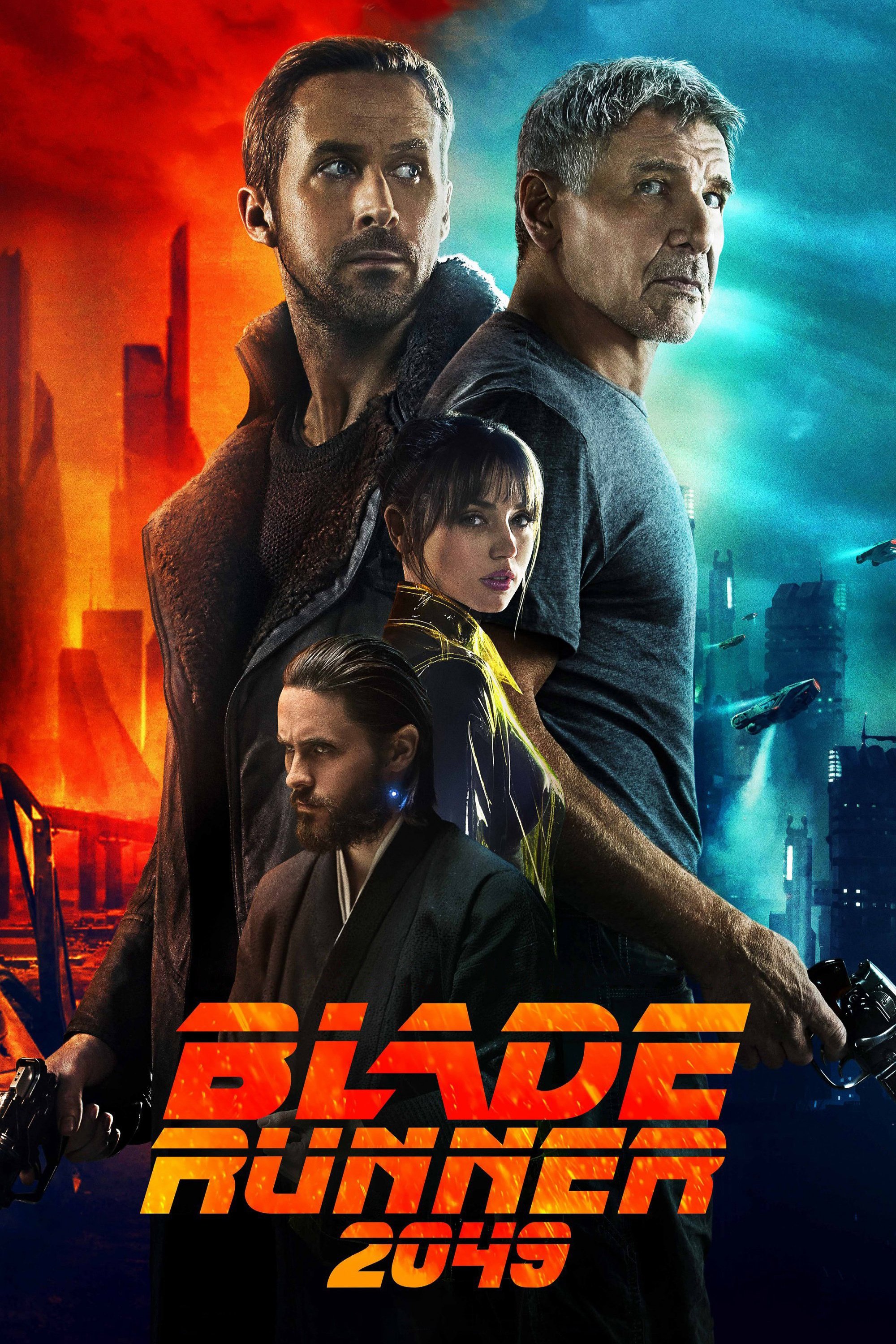
Denis Villeneuve continues the story of replicants with a focus on identity and memory across a desolate future cityscape. The runtime pushes two hours and forty four minutes and features extended sequences of investigation rather than action.
Roger Deakins’ cinematography builds vast interiors and weathered exteriors with careful color and haze. Long establishing shots and ambient soundscapes let scenes develop slowly as clues accumulate.
‘Under the Skin’ (2013)
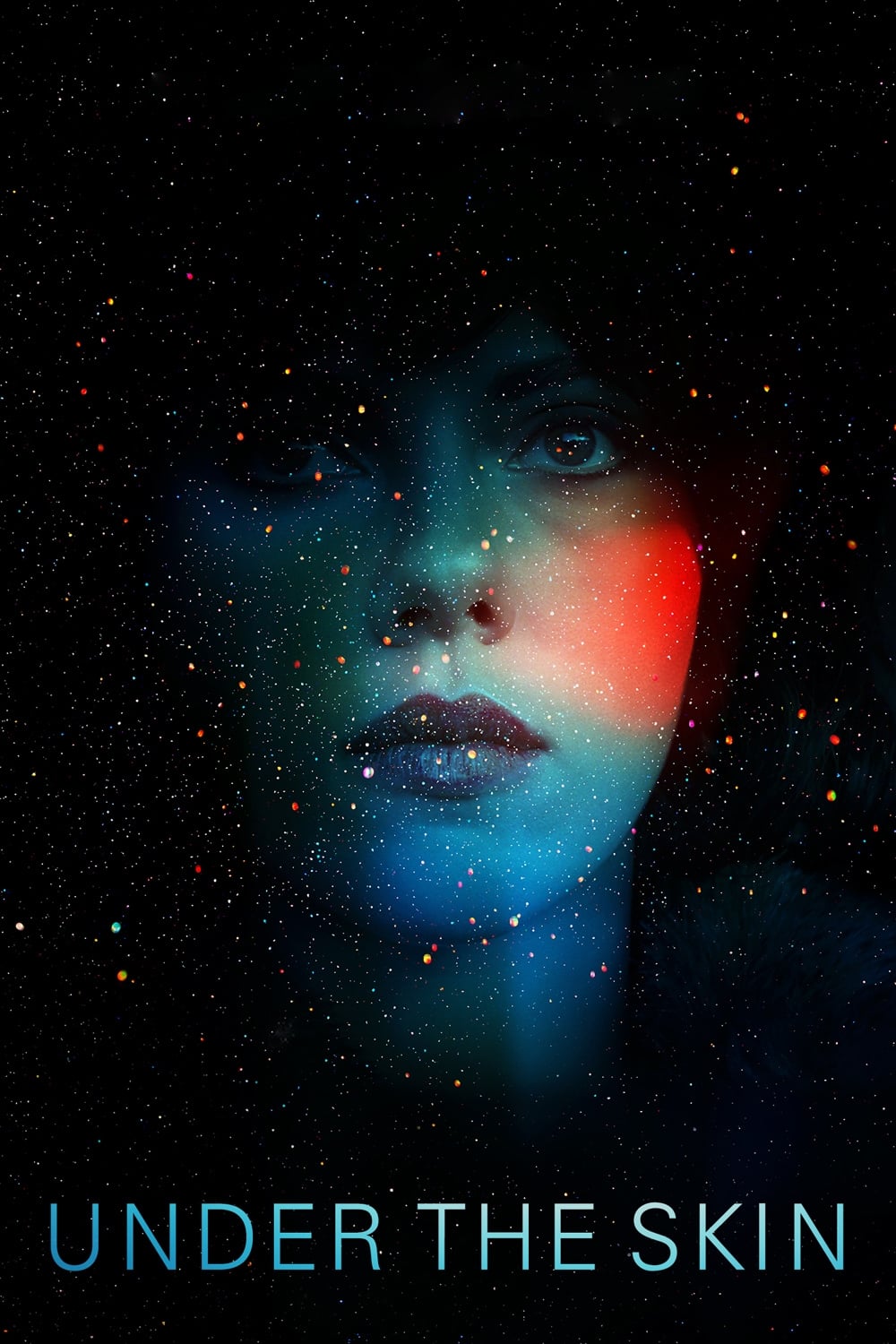
Jonathan Glazer combines scripted scenes with hidden camera footage in Glasgow to follow an alien presence moving among strangers. The film uses minimal dialogue and relies on faces, textures, and Mica Levi’s distinctive score.
Sequences of void like spaces and repeated nighttime drives create a pattern that matters more than plot twists. The approach emphasizes observation, routine, and gradual shifts in behavior across a compact runtime that still feels spacious.
‘Mulholland Drive’ (2001)
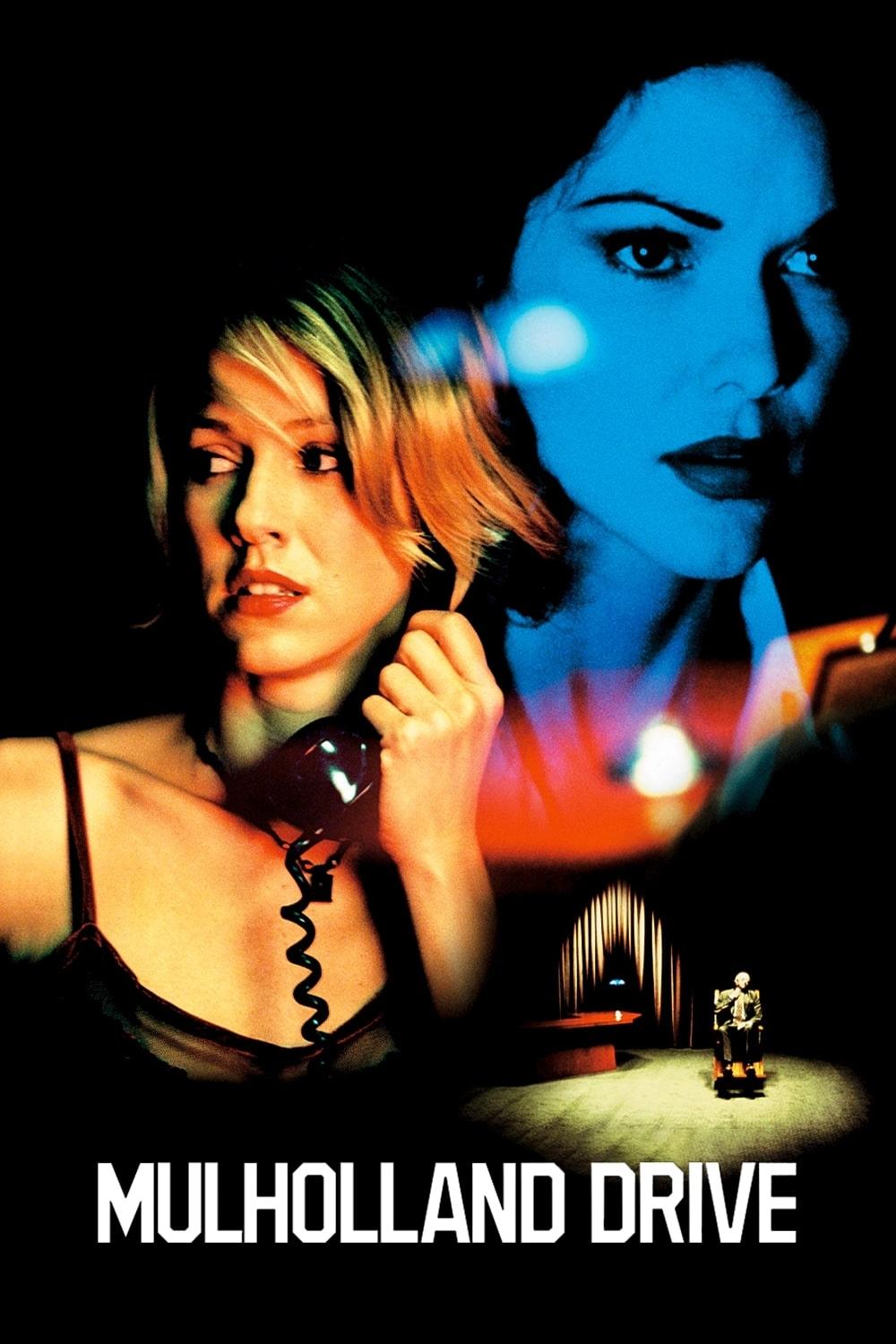
David Lynch shapes a Hollywood mystery that moves from dream logic to uneasy revelations. The film’s structure invites attention to sound cues, repeated locations, and identity shifts rather than straightforward exposition.
Scenes like a club performance and a diner encounter play out with slow builds and careful framing. The editing links seemingly unrelated threads and encourages viewers to track motifs across the whole runtime.
‘The Power of the Dog’ (2021)
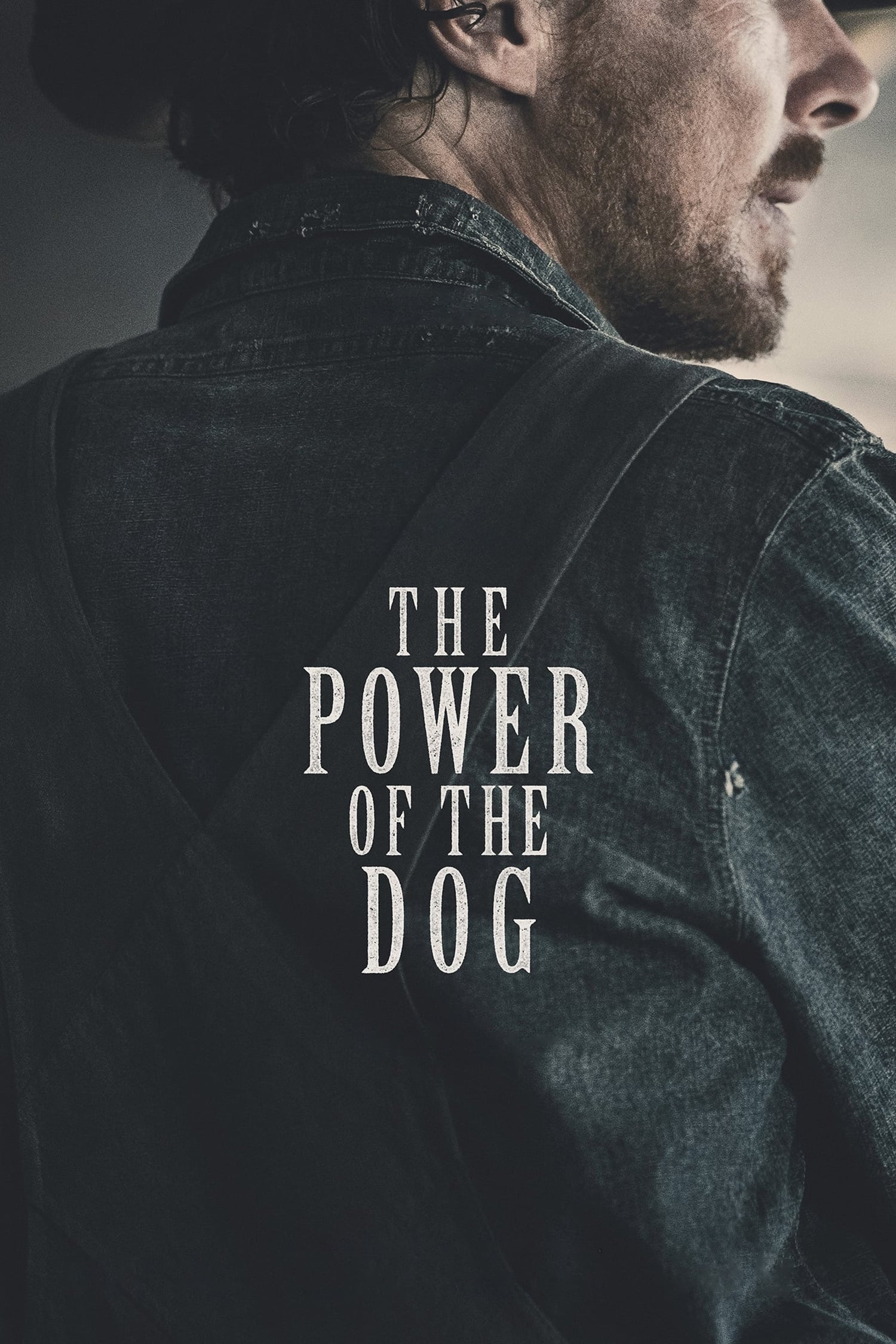
Jane Campion sets her story in the nineteen twenties American West and centers on a rancher whose routines are disrupted by new arrivals. The film pays close attention to work details like braiding rope, tending livestock, and playing music.
The wide landscapes and interior stillness are matched by a score that leans into unease. Long pauses and glances carry information and the narrative turns on small objects and repeated gestures.
‘Tinker Tailor Soldier Spy’ (2011)
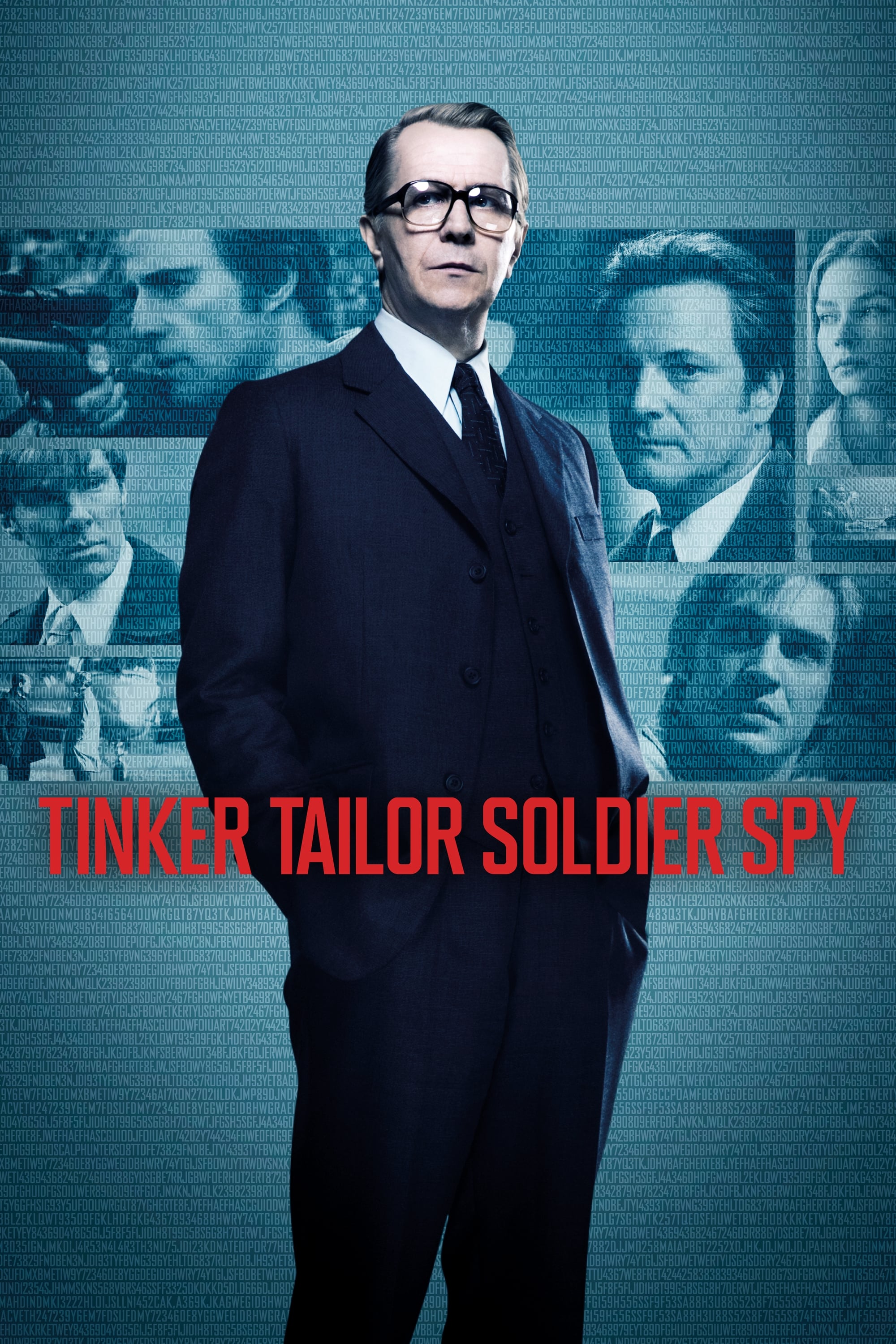
Tomas Alfredson condenses John le Carré’s intricate spy novel into a web of meetings, files, and flashbacks. The production rebuilds seventies offices and safe houses and uses muted colors and quiet rooms.
The story advances through coded exchanges and small clues rather than chases. A careful sound mix foregrounds rustling papers, footsteps, and air vents as part of the investigative texture.
‘Zodiac’ (2007)
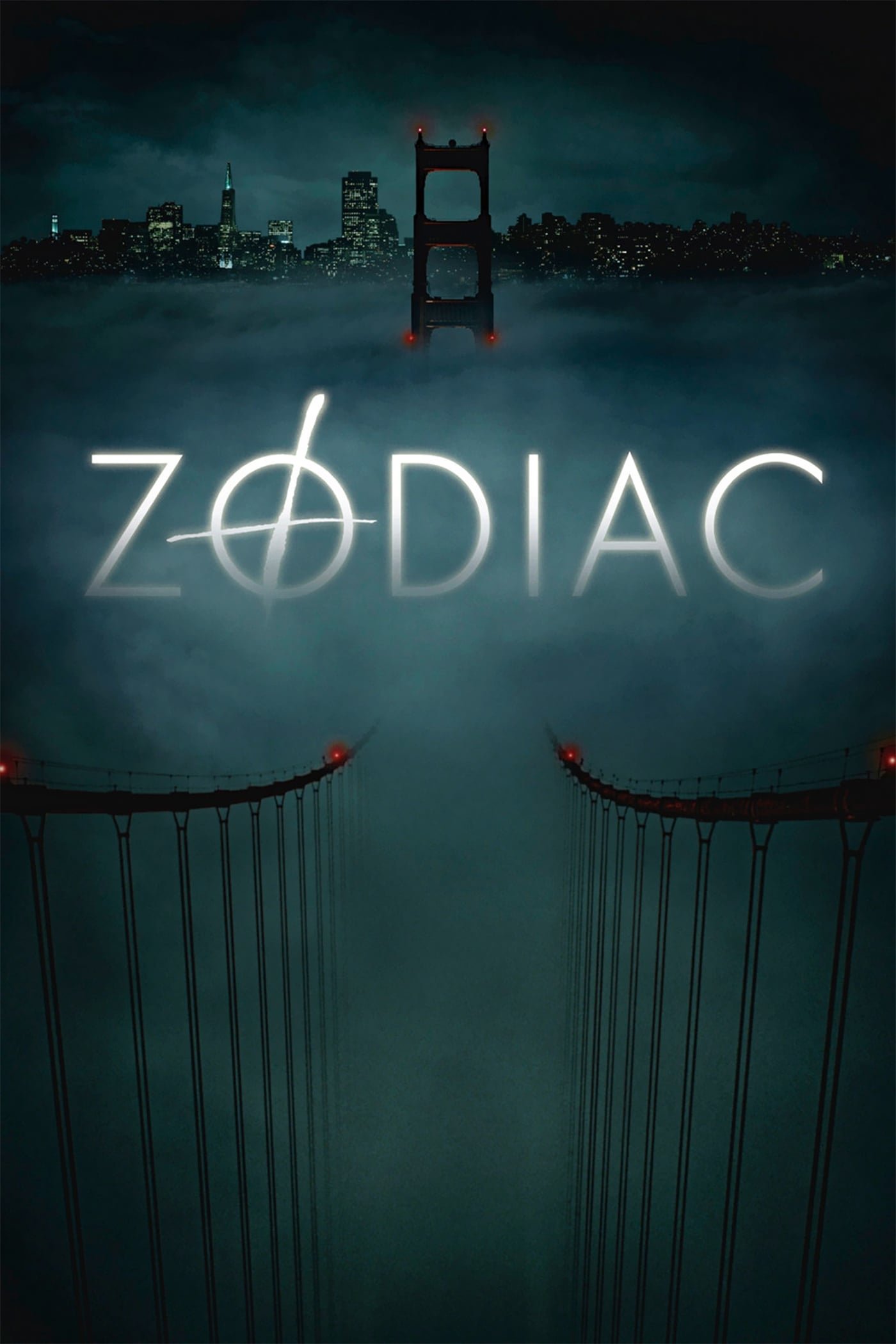
David Fincher reconstructs the investigation into a series of crimes across years and multiple jurisdictions. The film uses timestamps, newsroom routines, and forensic details to track the accumulation of evidence.
Digital photography and extensive visual effects recreate period San Francisco with precision. The runtime exceeds two and a half hours and the story stretches across dead ends, missed connections, and archival work.
‘There Will Be Blood’ (2007)
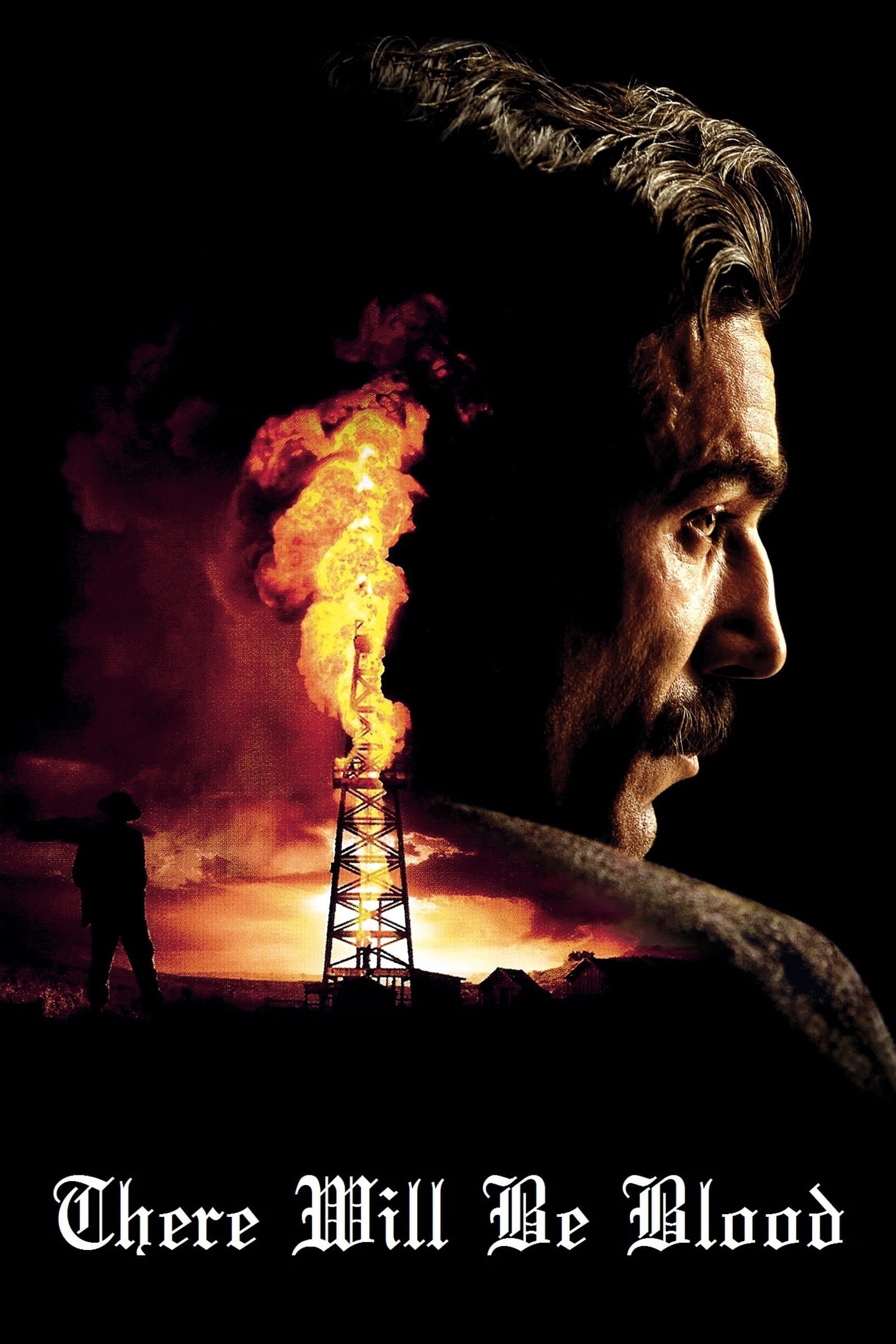
Paul Thomas Anderson follows an oil prospector from a silver mine to booming fields and towns. The film opens with an extended wordless sequence that focuses on tools, wounds, and landscape.
Jonny Greenwood’s score relies on strings and percussion to build tension across wide frames. The narrative marks time with wells, derricks, and rail lines and often pauses to show process in full.
‘The New World’ (2005)
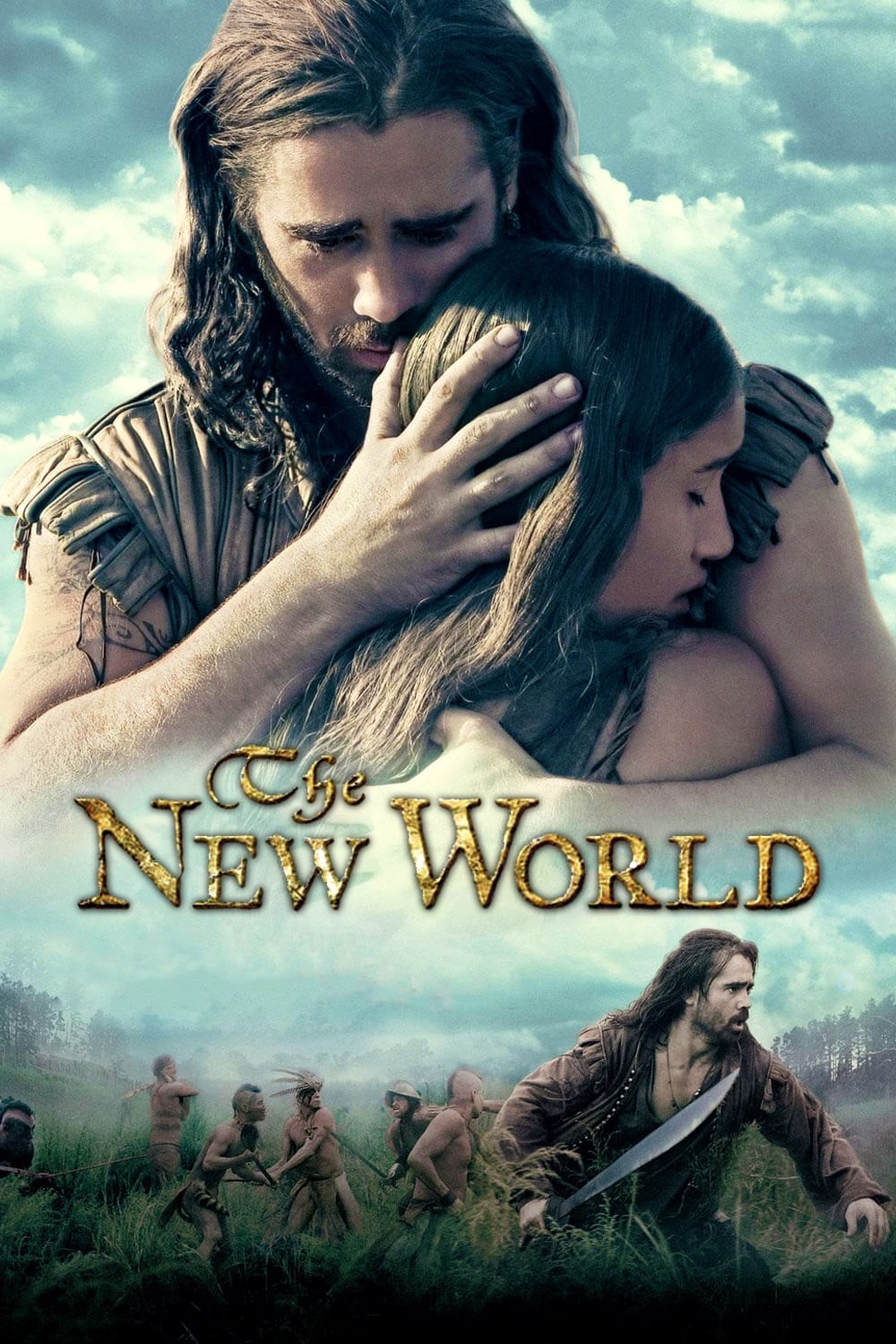
Terrence Malick stages the meeting of Powhatan people and English settlers with attention to language, ritual, and environment. The film exists in multiple cuts and the extended version runs about two hours and fifty minutes.
Natural light photography and locations in Virginia recreate forests, rivers, and encampments. The soundtrack blends classical music with native songs and the editing favors impressions over dialogue heavy explanations.
‘A Hidden Life’ (2019)
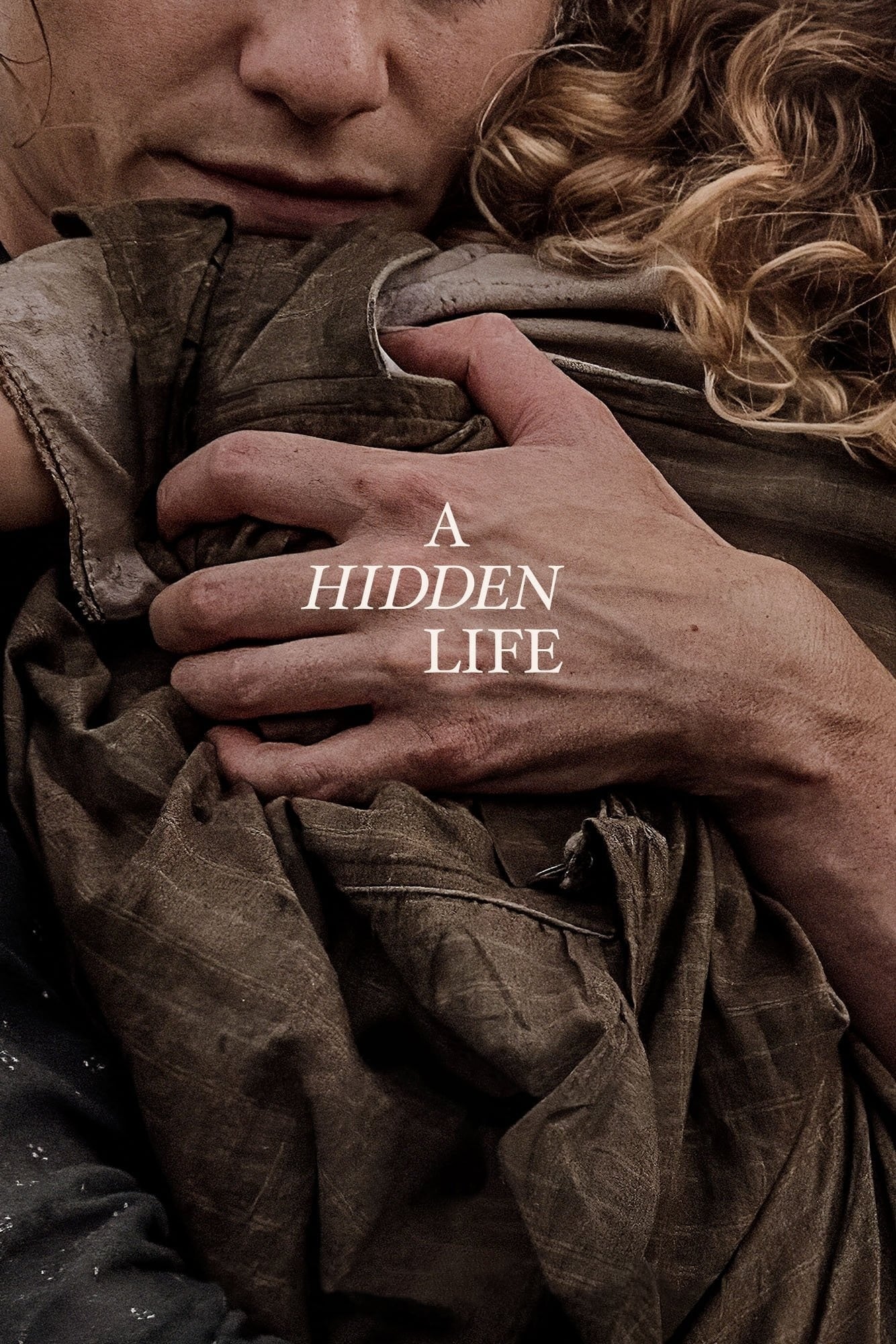
Malick tells the story of an Austrian farmer who refuses to swear loyalty to a regime during the Second World War. The film was shot in alpine villages and fields with handheld cameras and natural light.
Letters between spouses are read in voiceover while scenes linger on chores and seasons. The runtime surpasses two hours and forty minutes and the structure lets daily work and private prayer set the pace.
‘Dune’ (2021)
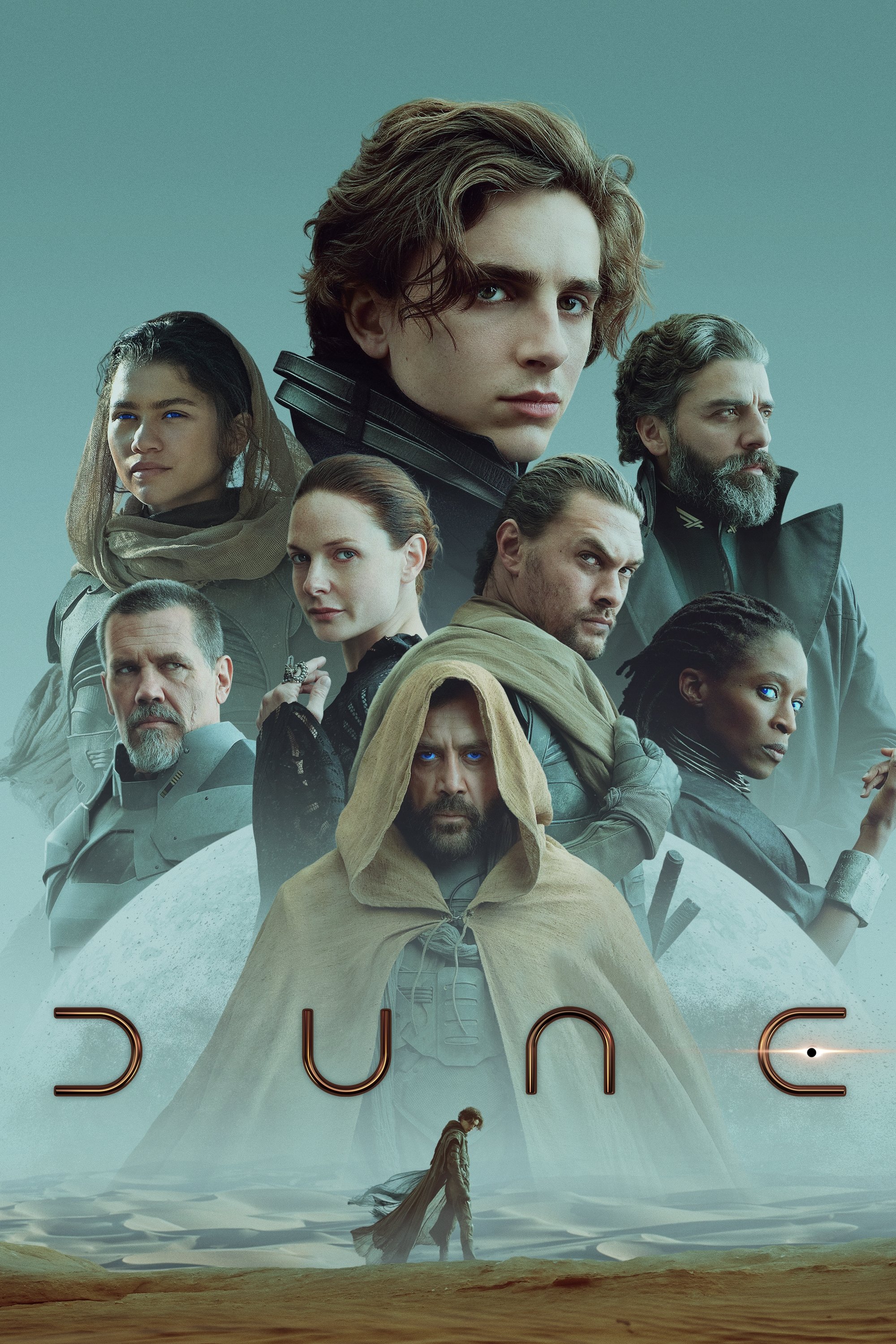
Denis Villeneuve adapts the first part of Frank Herbert’s novel and focuses on world building and family politics on a desert planet. The production relies on large format cameras, practical sets, and vast outdoor locations.
Sound design and music foreground throat singing, sand rumble, and aircraft textures. The film often holds on ships landing, ceremonies, and marches, and keeps dialogue concise within long sequences.
‘The Revenant’ (2015)
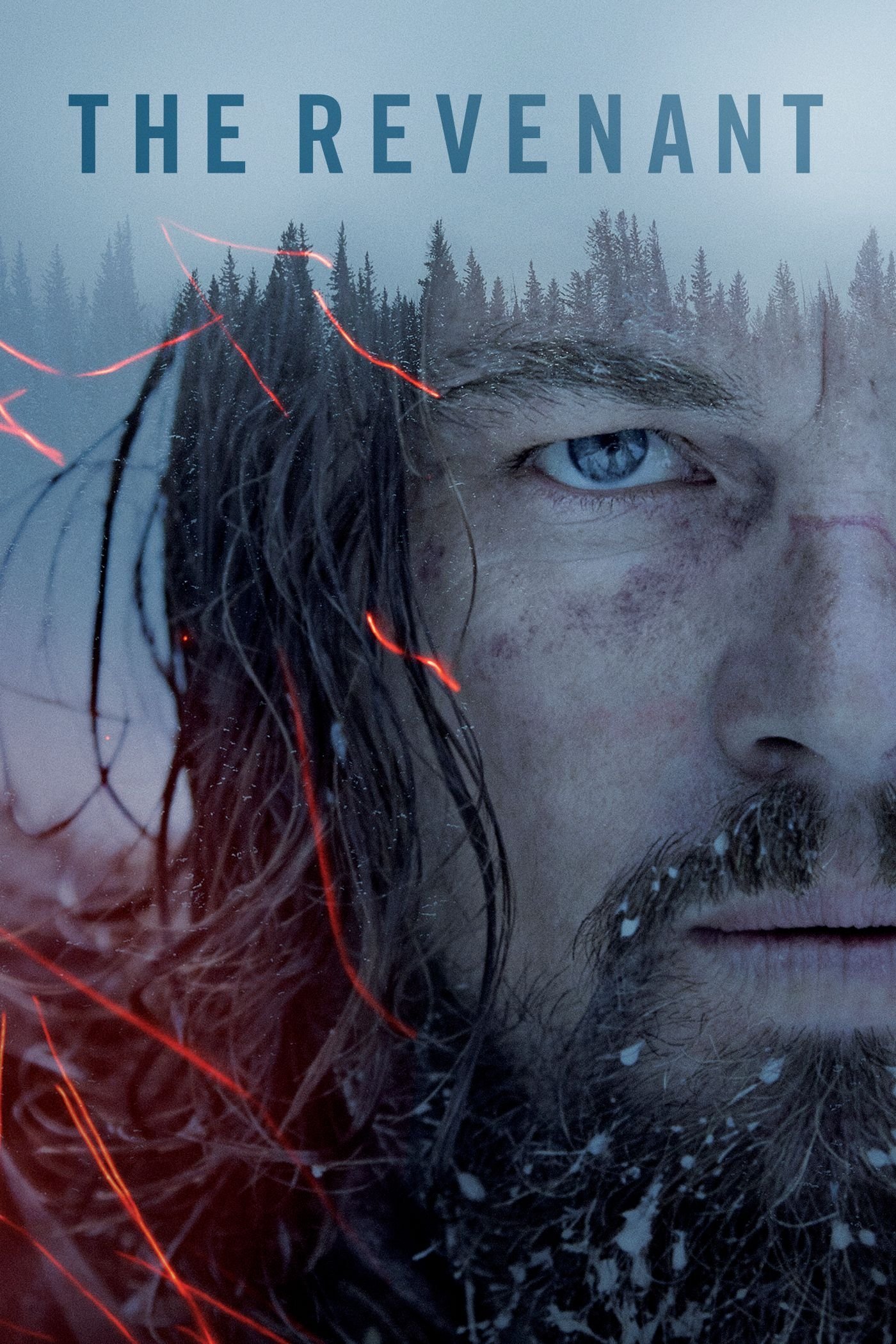
Alejandro G Iñárritu and Emmanuel Lubezki filmed in remote locations with natural light and changing weather. The story follows a frontiersman’s struggle for survival across rivers, forests, and snow.
Extended takes track movement through difficult terrain and stunt work blends with real landscapes. The runtime is long and stretches many scenes to show travel, recovery, and preparation in near silence.
‘2001: A Space Odyssey’ (1968)
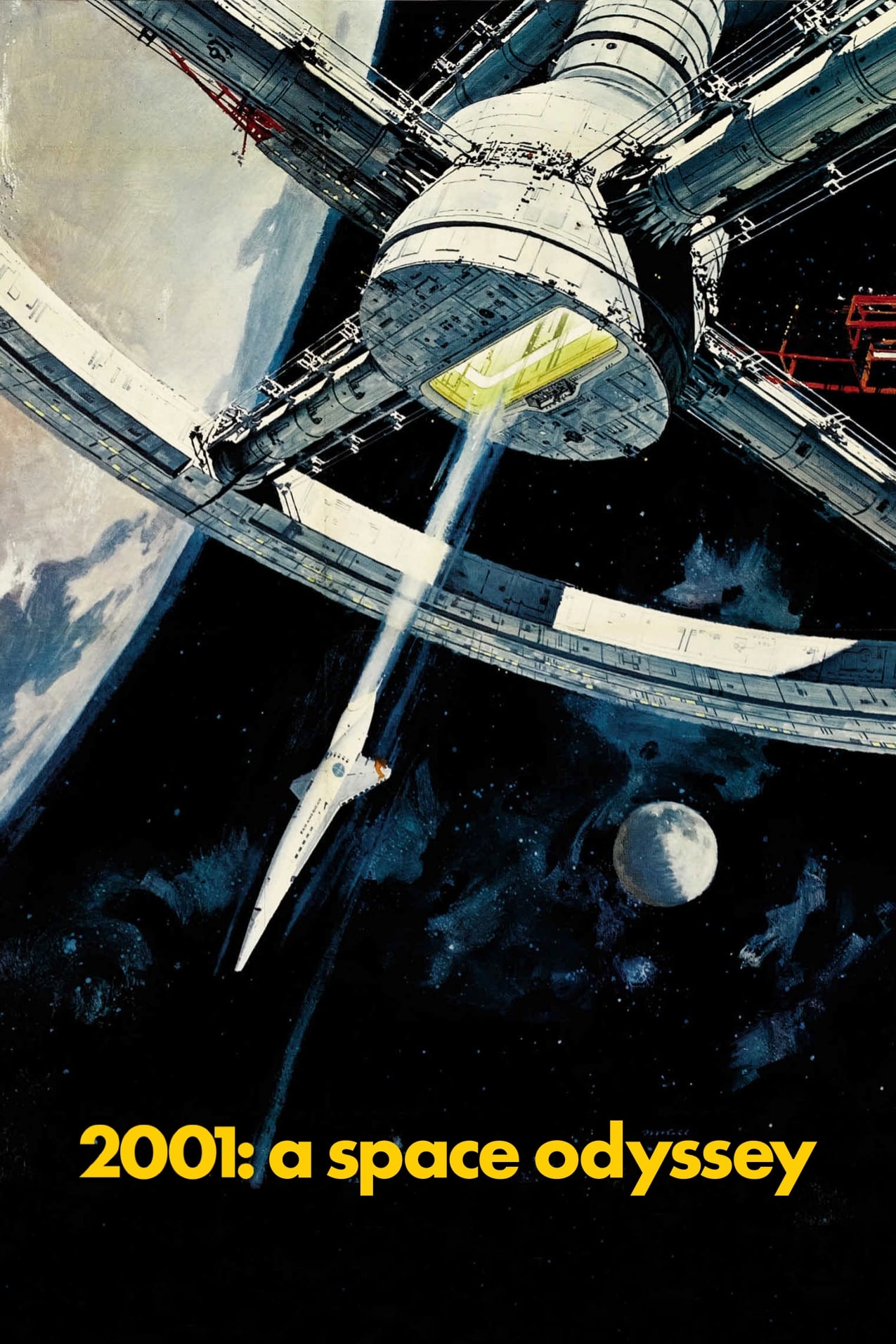
Stanley Kubrick’s landmark science fiction film includes an overture, an intermission, and a coda. The structure moves from prehistoric hominids to orbital stations to a mission beyond Jupiter.
Dialogue is limited across long sections as music and images drive the experience. Practical effects, front projection, and careful editing create sequences that play out with patient timing.
Share the films that you have paused halfway through and tell us in the comments which ones you plan to try again.