The Absolute Best TV Shows of 2011


Great TV was everywhere in 2011, from splashy debuts to veteran series hitting their stride. It was a year when premium dramas, fearless comedies, and sleek imports all found big audiences, and when creative teams took chances that kept viewers glued to the screen week after week.
This list gathers the shows that defined that moment. You will find new arrivals that instantly set the tone for the decade to come, alongside established favorites delivering landmark seasons. For quick context, each entry includes its original network so you can place where it lived on the dial at the time.
‘Game of Thrones’ (2011–2019)
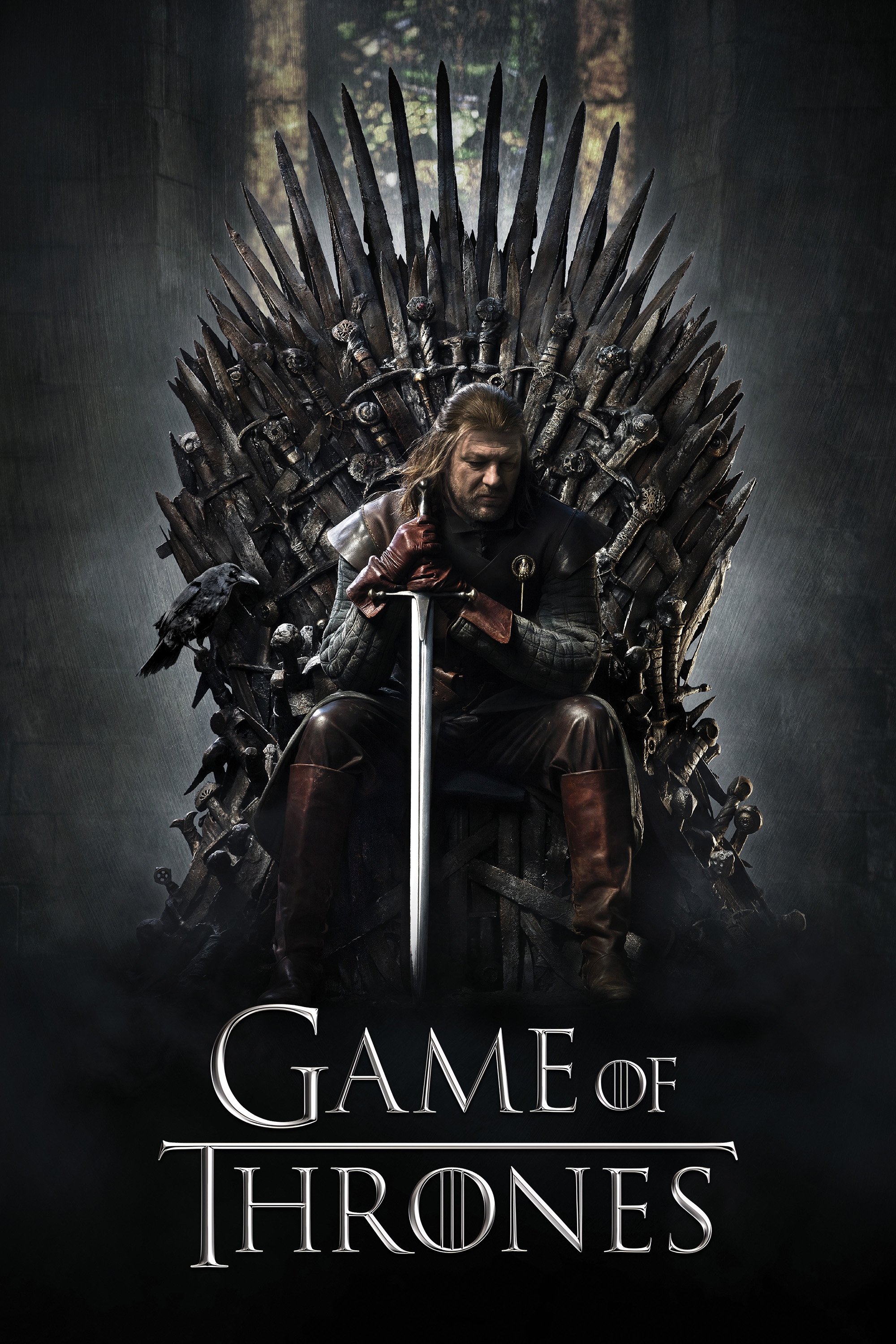
Based on George R. R. Martin’s novels, this fantasy saga follows the rival houses of Westeros as they fight for power, legacy, and survival. The production built vast locations, complex political plots, and a sprawling cast whose intersecting paths give the story its momentum.
The series premiered on HBO, which backed its cinematic scope with top tier craft across costumes, visual effects, and music. The show’s early chapters introduced court intrigue in King’s Landing, the rise of the Night’s Watch beyond the Wall, and the exiled Targaryen claim that would reshape the realm.
‘Breaking Bad’ (2008–2013)
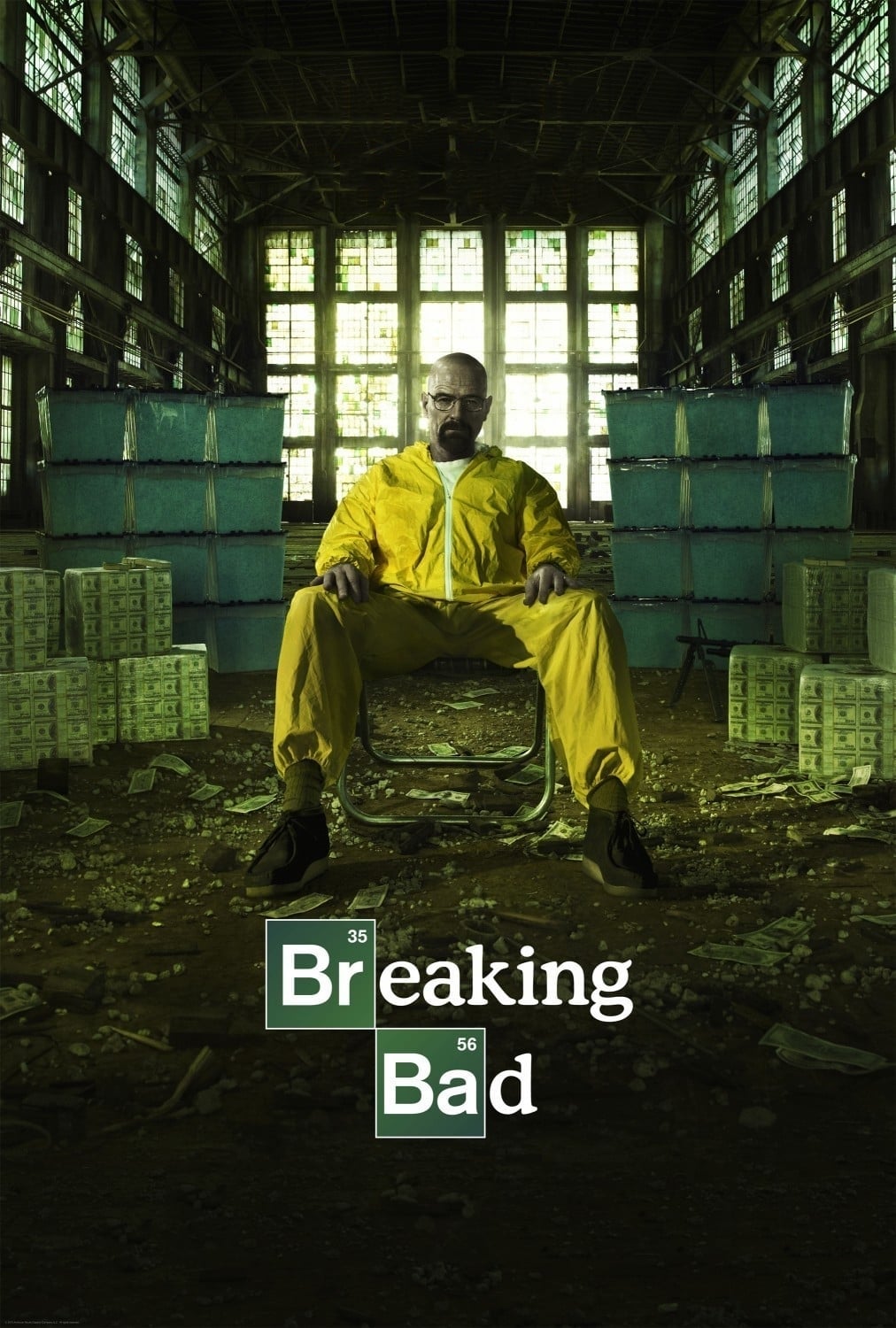
The story tracks Walter White, a high school chemistry teacher who teams with former student Jesse Pinkman to manufacture meth after a life changing diagnosis. Its tight plotting and character focus show how small choices spiral into consequences that upend every relationship.
AMC aired the series and supported a slow burn structure that rewards careful viewing. In 2011 the show deepened its cat and mouse tension around Gus Fring, expanded Mike Ehrmantraut’s role in the criminal operation, and sharpened the moral pressure on Walt’s family life.
‘Mad Men’ (2007–2015)
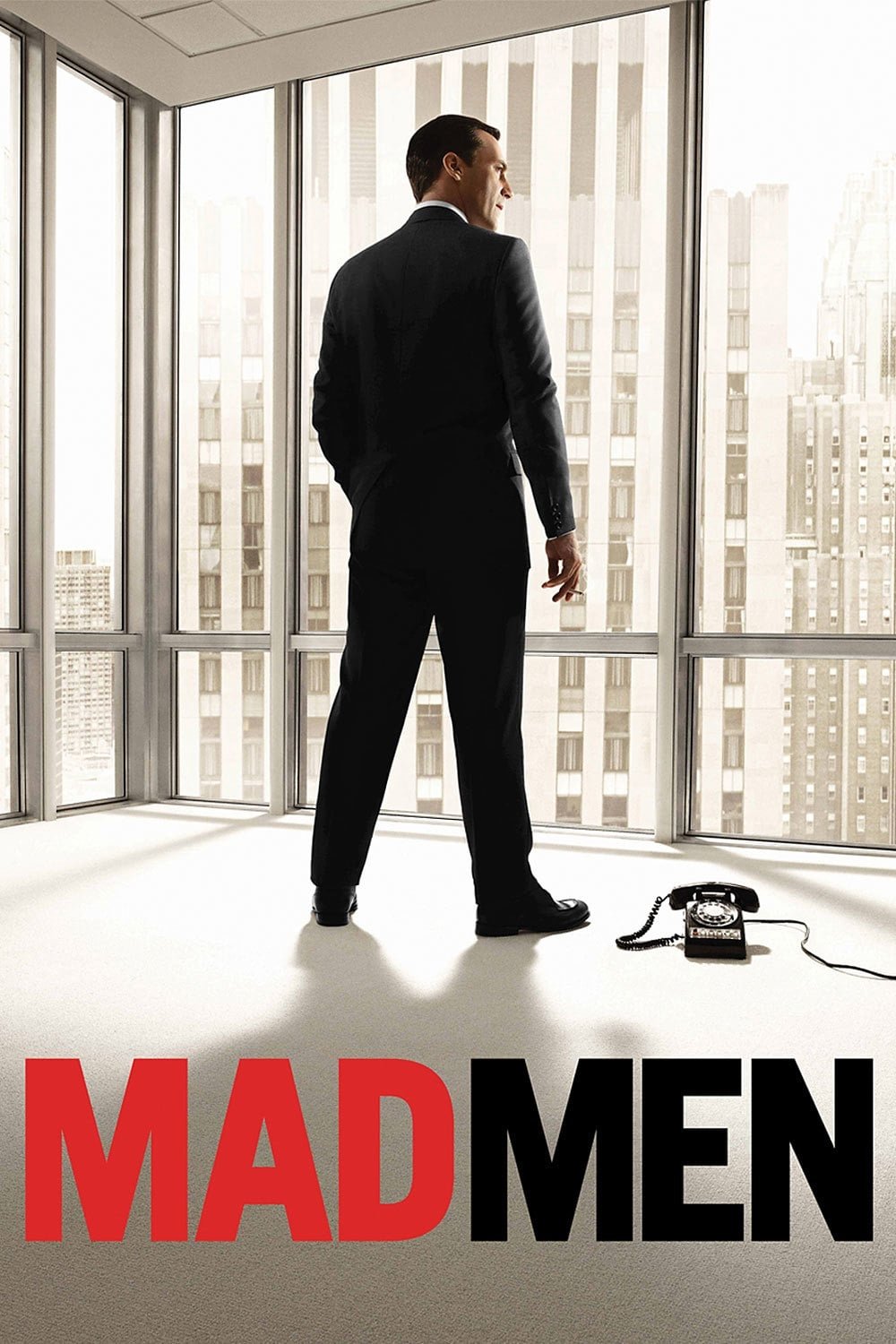
Set in a New York ad agency, the show examines identity, ambition, and the cost of reinvention through Don Draper and the colleagues who orbit him. Period detail in fashion, sets, and language anchors the workplace stories and the shifting social landscape.
AMC provided the home where its ensemble approach and meticulous craft could breathe. The series uses client pitches and internal politics to mirror personal struggles, while characters like Peggy Olson and Joan Holloway push against limits inside and outside the office.
‘Homeland’ (2011–2020)
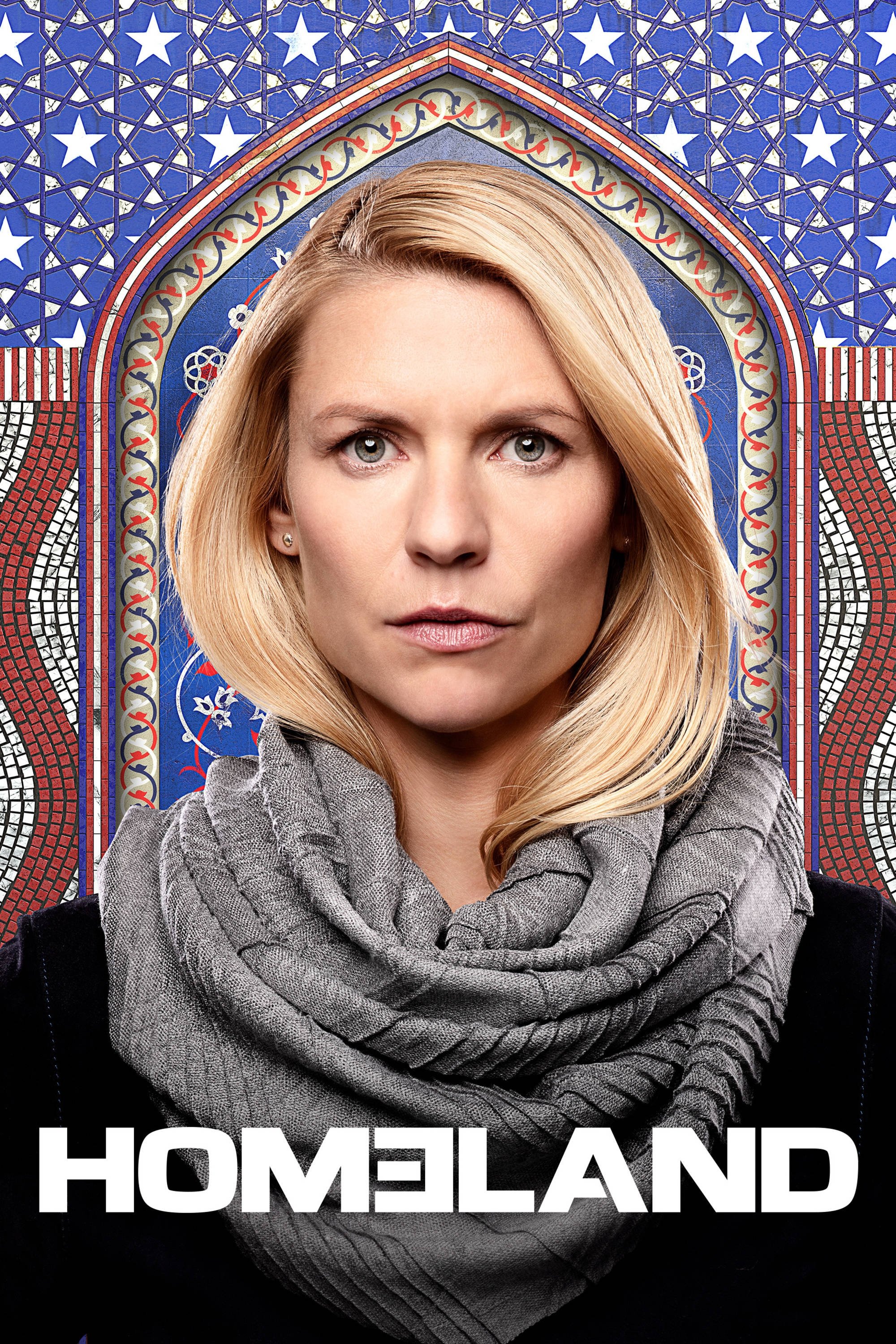
A decorated Marine returns home after captivity while a CIA officer grows convinced he may be compromised. The show balances psychological suspense with procedural tradecraft, weaving surveillance, intelligence briefings, and personal fallout into a single thread.
Showtime aired the series and leaned into its tense, contemporary framing of national security. Its early run built out the agency’s internal dynamics, the pressures of secrecy on families, and the question of trust that drives every interrogation and assignment.
‘Sherlock’ (2010–2017)
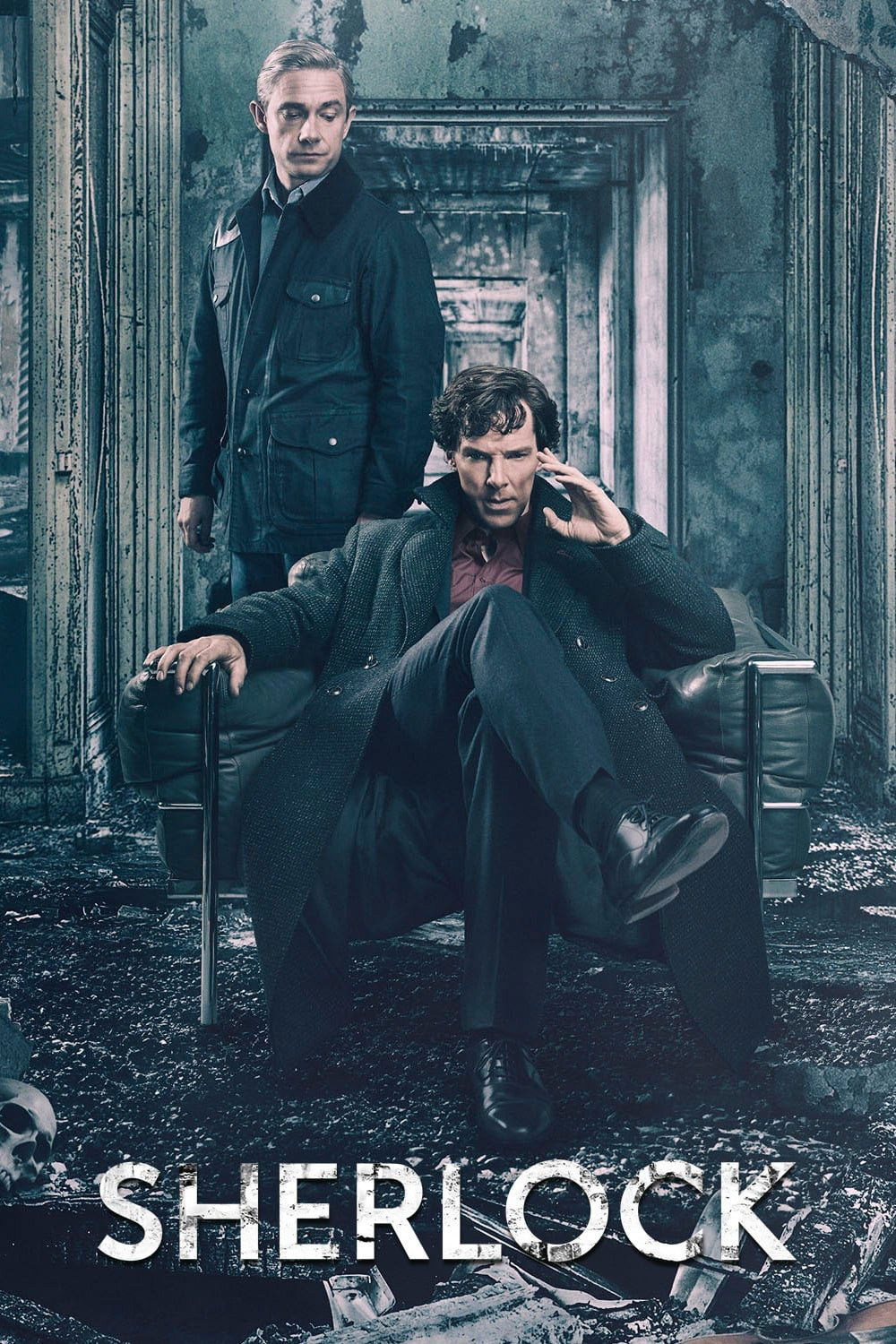
This modern update relocates Holmes and Watson to present day London, using smartphones, blogs, and forensics to reframe classic cases. Fast cutting visualizations of deductions and playful nods to the source material keep the mysteries brisk and character centered.
BBC One broadcast the series in feature length episodes that allowed each case to feel like a compact film. Familiar figures like Mycroft and Moriarty appear in new ways, while 221B Baker Street remains the anchor for friendship, banter, and planning.
‘Boardwalk Empire’ (2010–2014)
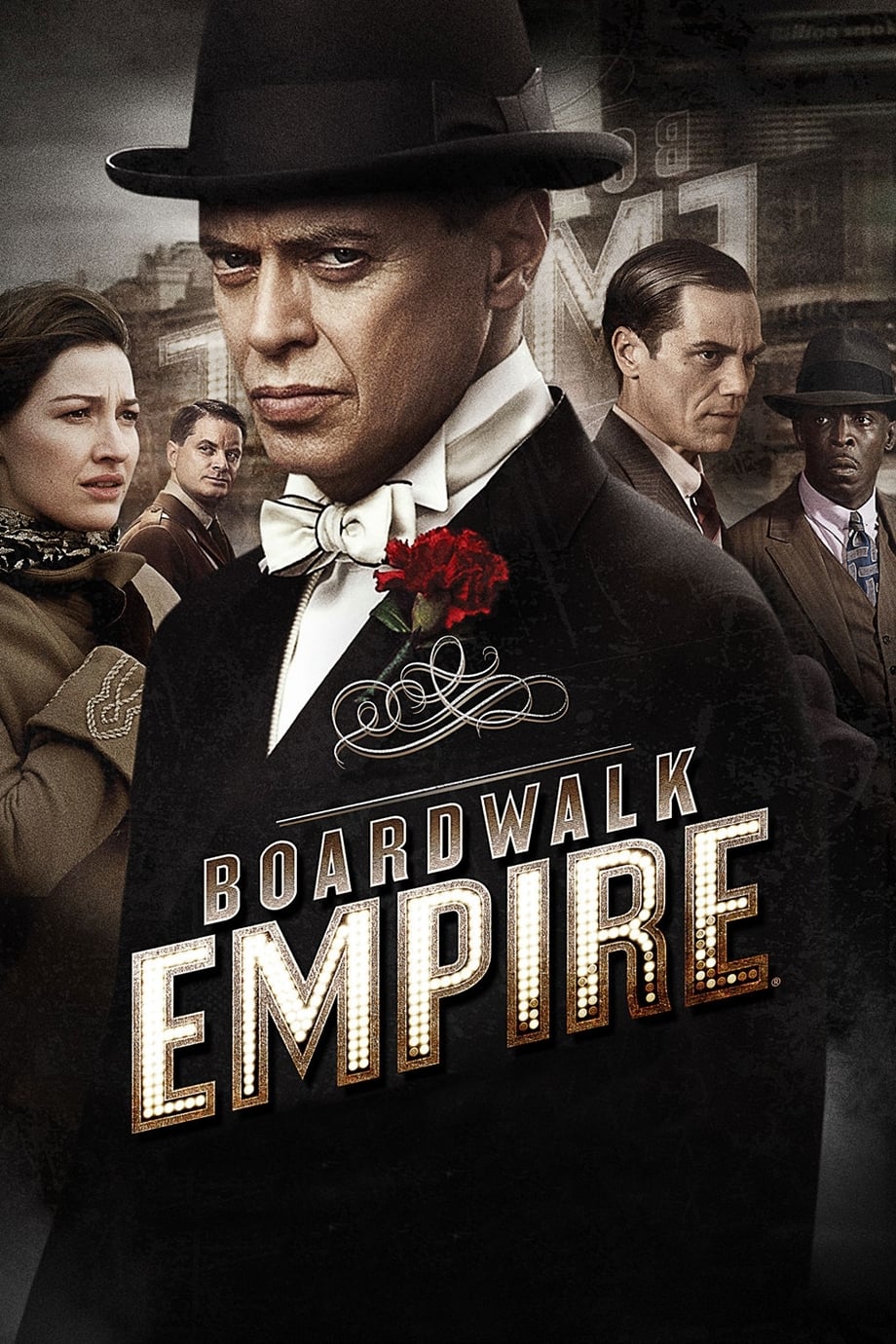
The drama follows Nucky Thompson’s reign in Prohibition era Atlantic City, tracing the flow of money and influence through politicians, mobsters, and lawmen. Lavish sets, period music, and real historical figures ground the world of speakeasies and bootlegging.
HBO carried the series and invested in large scale production that recreated the Boardwalk with exacting detail. It explores how alliances shift with every shipment, how federal agents try to stem the tide, and how power is maintained through favors and fear.
‘Parks and Recreation’ (2009–2015)
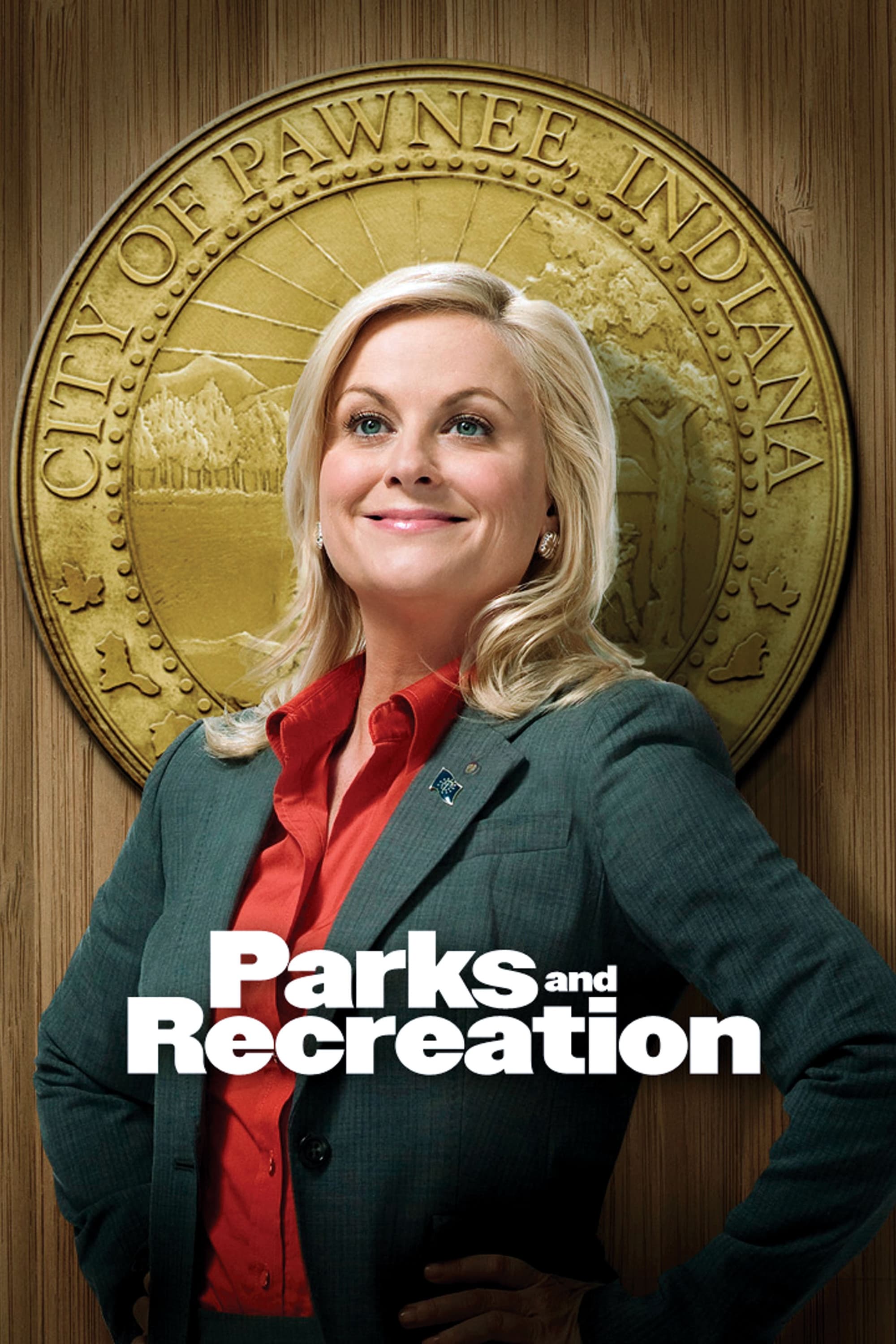
Set in the Parks Department of a small Indiana town, this mockumentary highlights local government through projects, public meetings, and community events. The ensemble builds storylines around civic engagement, workplace friendships, and personal growth.
NBC aired the series and gave its documentary format space to evolve from satire to character driven comedy. Pawnee’s town halls, budget battles, and quirky citizens provide the backdrop for initiatives that turn small wins into memorable arcs.
‘Community’ (2009–2015)
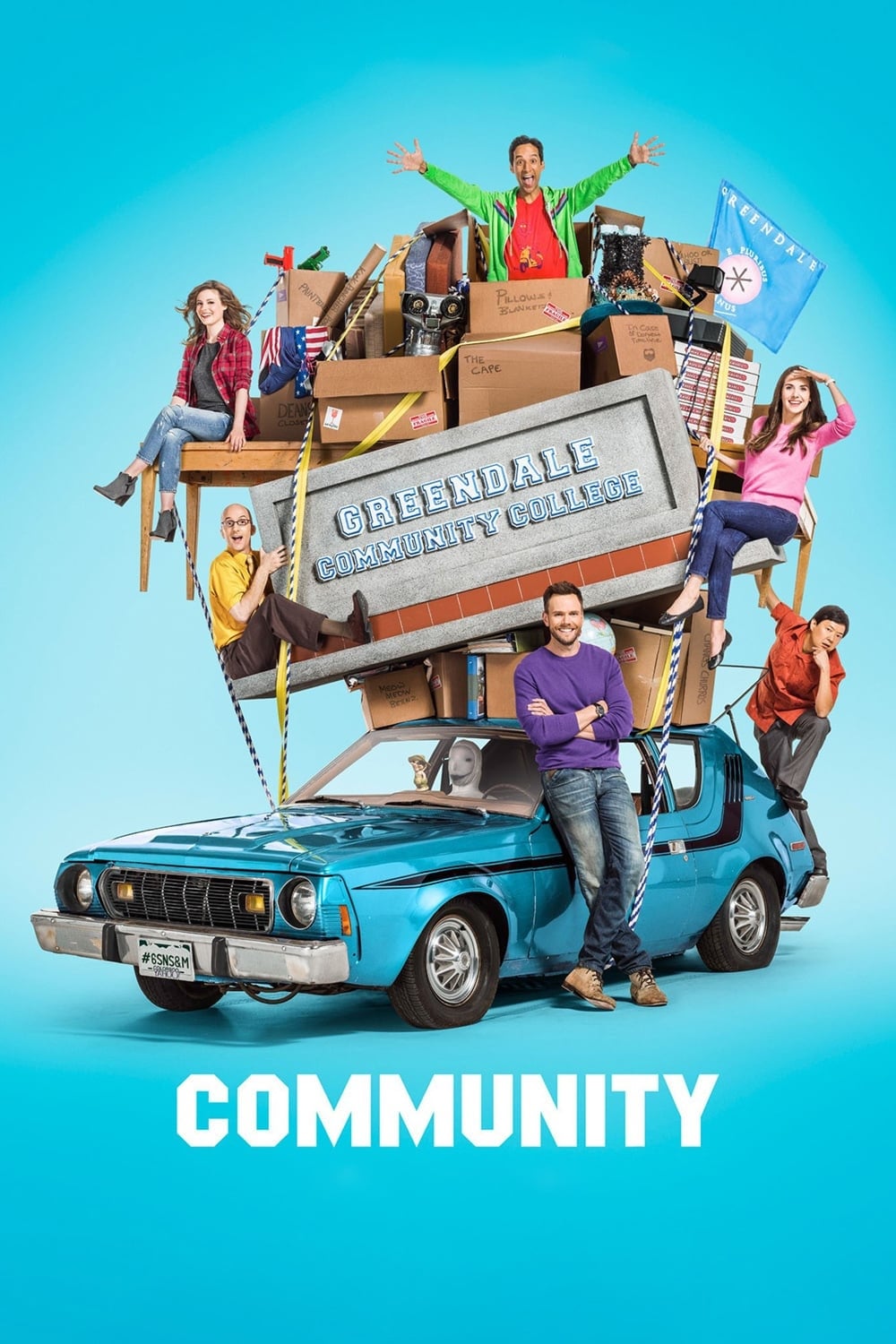
A study group forms at a community college and becomes a family of sorts, with classes and campus clubs sparking inventive genre takeoffs. The show’s format allows for paintball showdowns, mock documentaries, and homages that double as character pieces.
NBC broadcast the series and supported a meta storytelling voice that still keeps heart at the center. Greendale’s dean, faculty, and study room timelines give the campus its texture while the ensemble navigates classes, credits, and unexpected detours.
‘Justified’ (2010–2015)
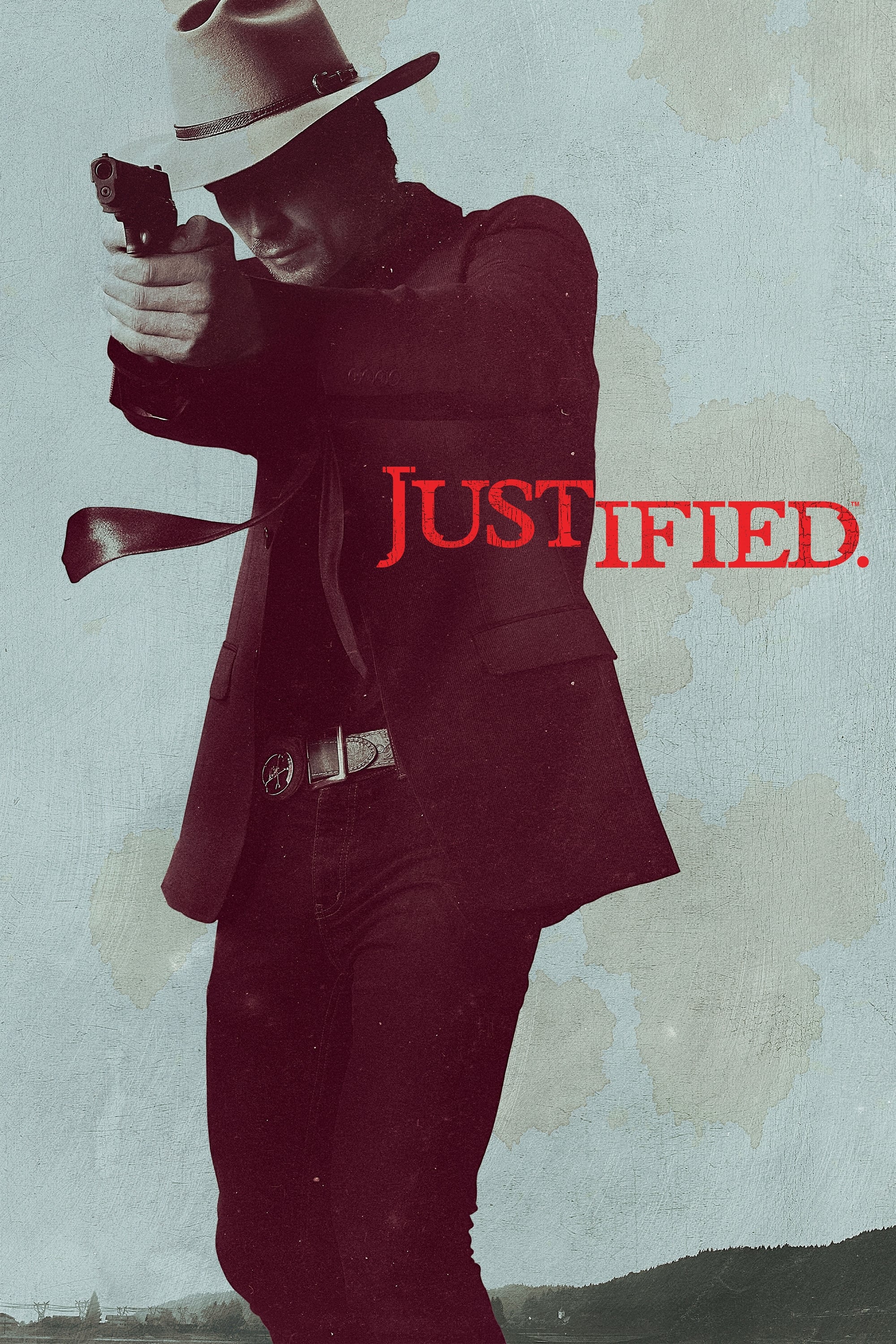
Deputy U.S. Marshal Raylan Givens returns to Kentucky and enforces the law with a cool hand that complicates old hometown ties. Cases weave through coal country, hollers, and small towns where personal history often collides with federal authority.
FX aired the series and let its dialogue driven showdowns and regional details shine. The cat and mouse dynamic with Boyd Crowder anchors many arcs, as do shifting alliances among local criminals, law enforcement, and families rooted in the same soil.
‘The Good Wife’ (2009–2016)
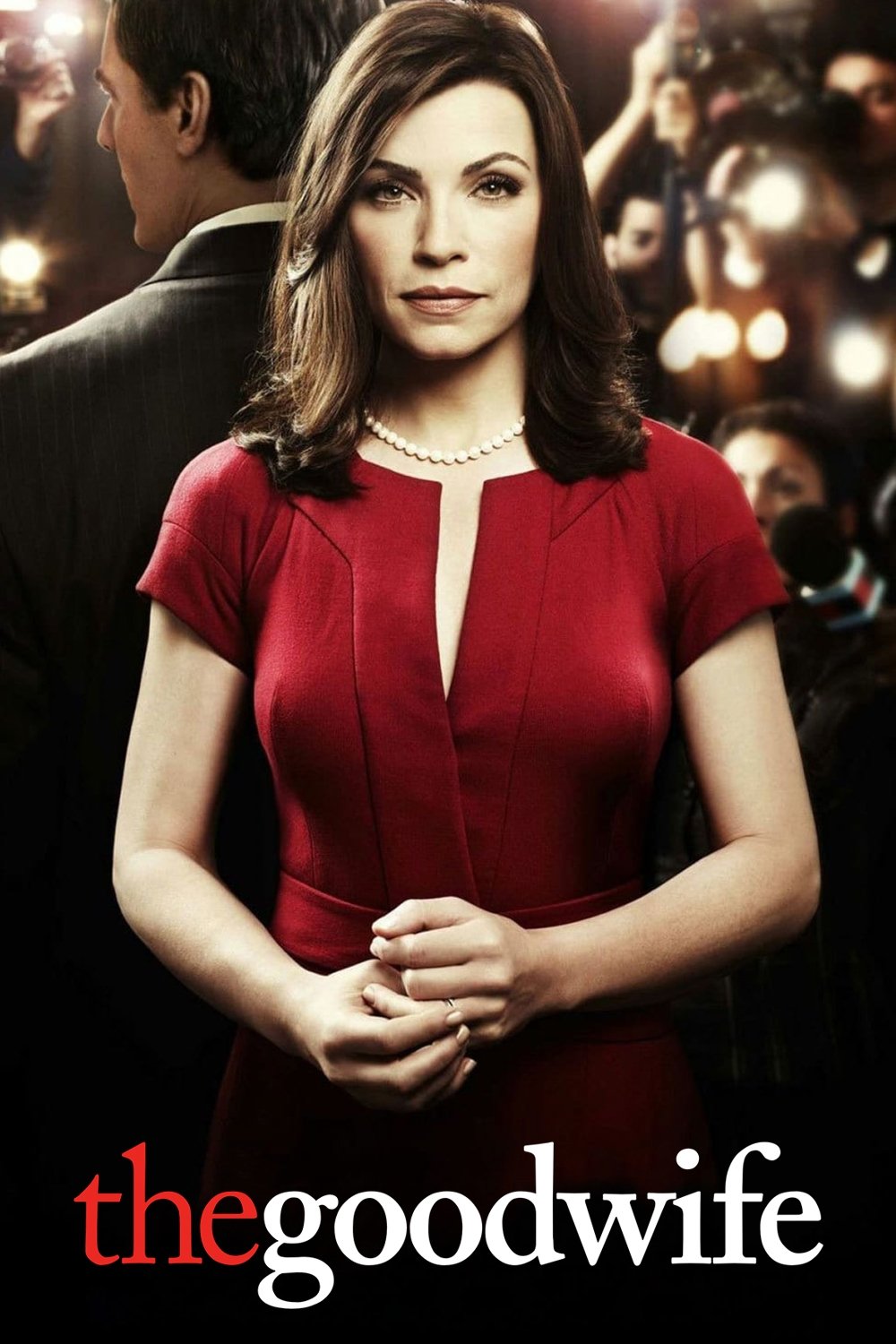
After a public scandal, Alicia Florrick restarts her legal career and navigates firm politics, high profile cases, and family responsibilities. Each episode blends courtroom strategy with technology, media, and ethics questions drawn from current debates.
CBS broadcast the series and supported a hybrid of procedural cases and serialized character developments. The firm’s mergers, elections, and partnerships create a rotating cast of judges, investigators, and clients who all leave lasting marks on the practice.
‘Downton Abbey’ (2010–2015)
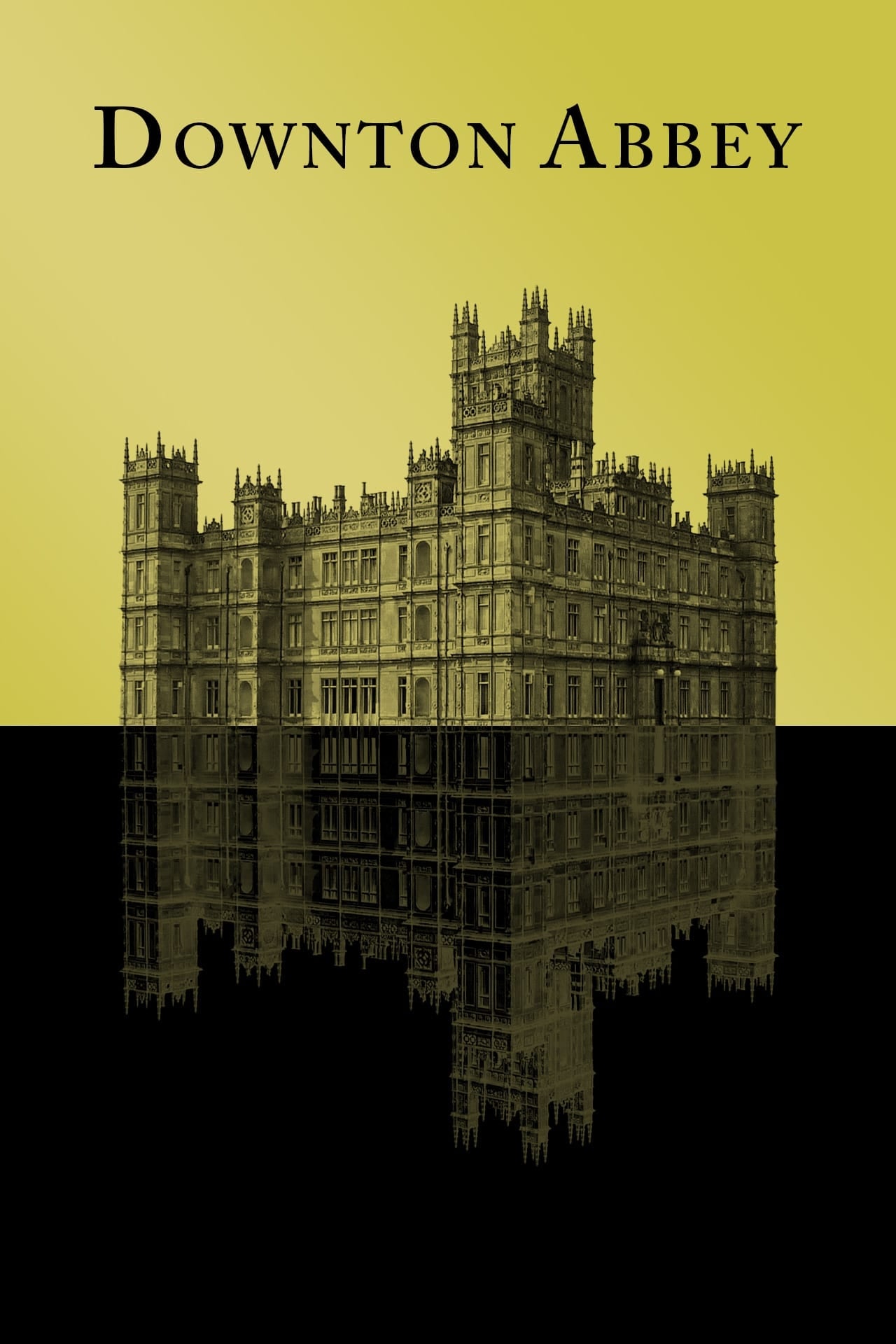
This period drama follows the Crawley family and the staff who run their Yorkshire estate, with inheritance disputes and social change driving the plot. Upstairs and downstairs perspectives show how events ripple through tradition, work, and status.
ITV aired the series in the UK while ‘Masterpiece’ on PBS brought it to audiences in the United States. The show’s attention to service hierarchy, household routines, and estate management creates stakes that turn dinners, dances, and letters into major moments.
‘Louie’ (2010–2015)
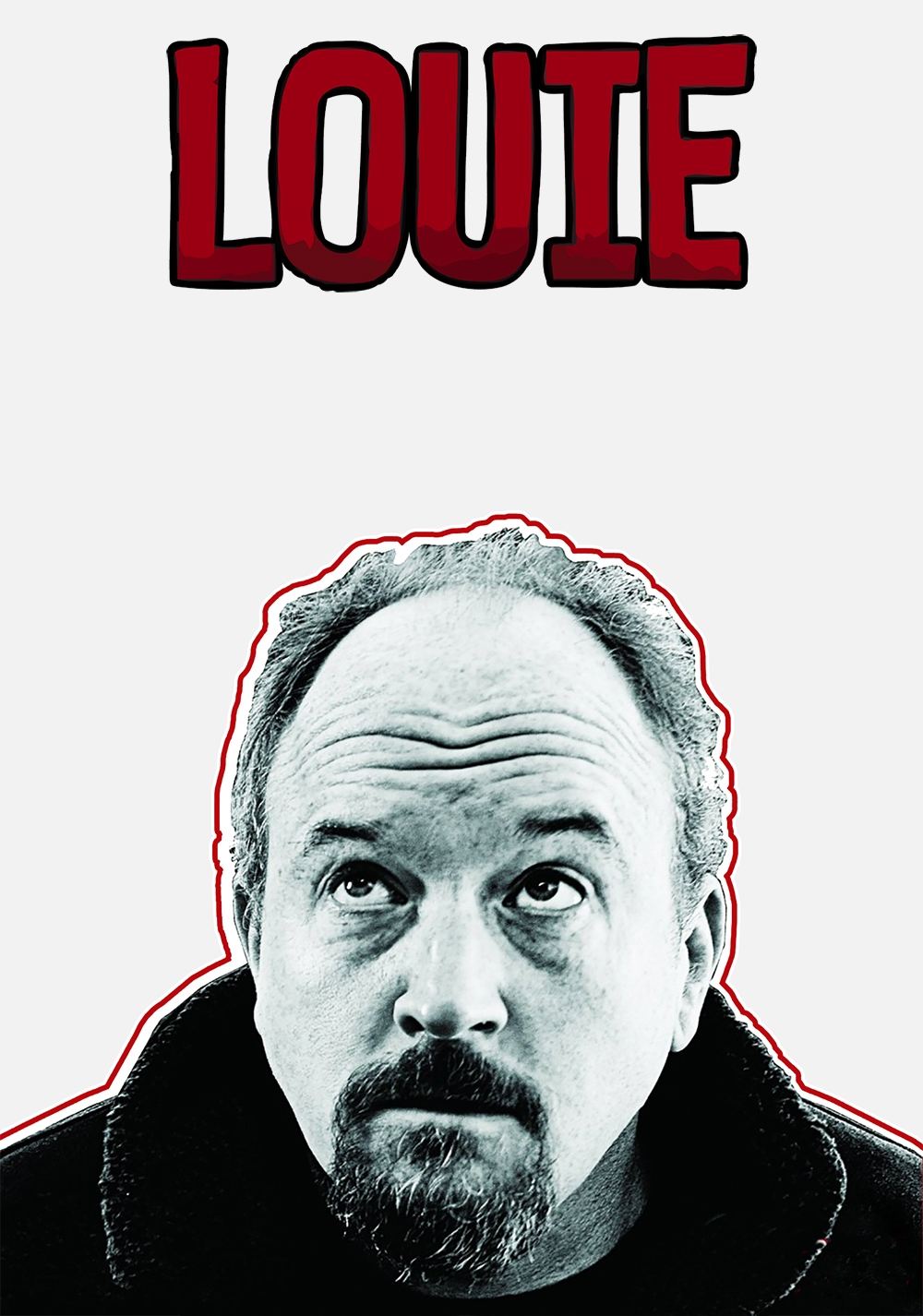
A stand up comedian’s life in New York unfolds through loosely connected vignettes that mix comedy, awkward encounters, and melancholy. Each episode can shift tone quickly, pairing club sets with quiet personal scenes on the street or at home.
FX aired the series and gave it the freedom to play with structure and length. The show blends scripted storylines with lived in city snapshots, often returning to themes of parenting, work, and the strange rhythms of everyday errands.
‘Black Mirror’ (2011– )

An anthology of standalone stories that probe technology’s impact on society, the show examines how screens, data, and algorithms reshape behavior. Each installment focuses on a different premise, ranging from social feedback loops to surveillance culture.
Channel 4 originally broadcast the series, presenting each episode like a compact film with its own cast and setting. The production emphasizes near future plausibility, using familiar devices and platforms to push scenarios that feel unsettlingly close.
‘American Horror Story’ (2011– )
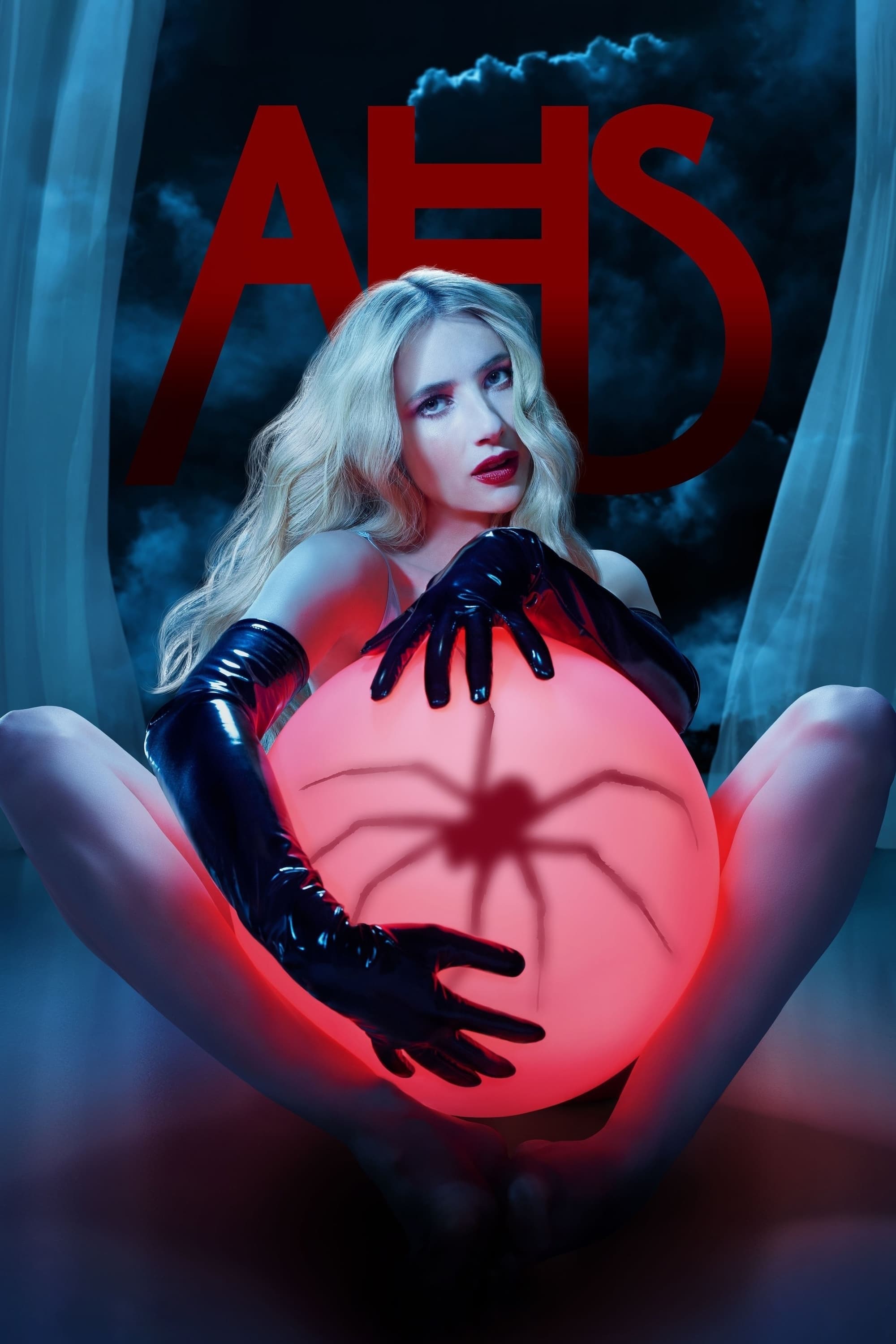
This anthology presents a new horror tale each season, with the same core actors playing different roles across haunted houses, asylums, and more. Stylized visuals, music cues, and shifting timelines turn genre staples into fresh set pieces.
FX aired the series and supported bold choices in casting and design. Self contained seasons allow for distinct settings and themes while still rewarding returning viewers who recognize recurring motifs and faces in new guises.
‘The Walking Dead’ (2010–2022)
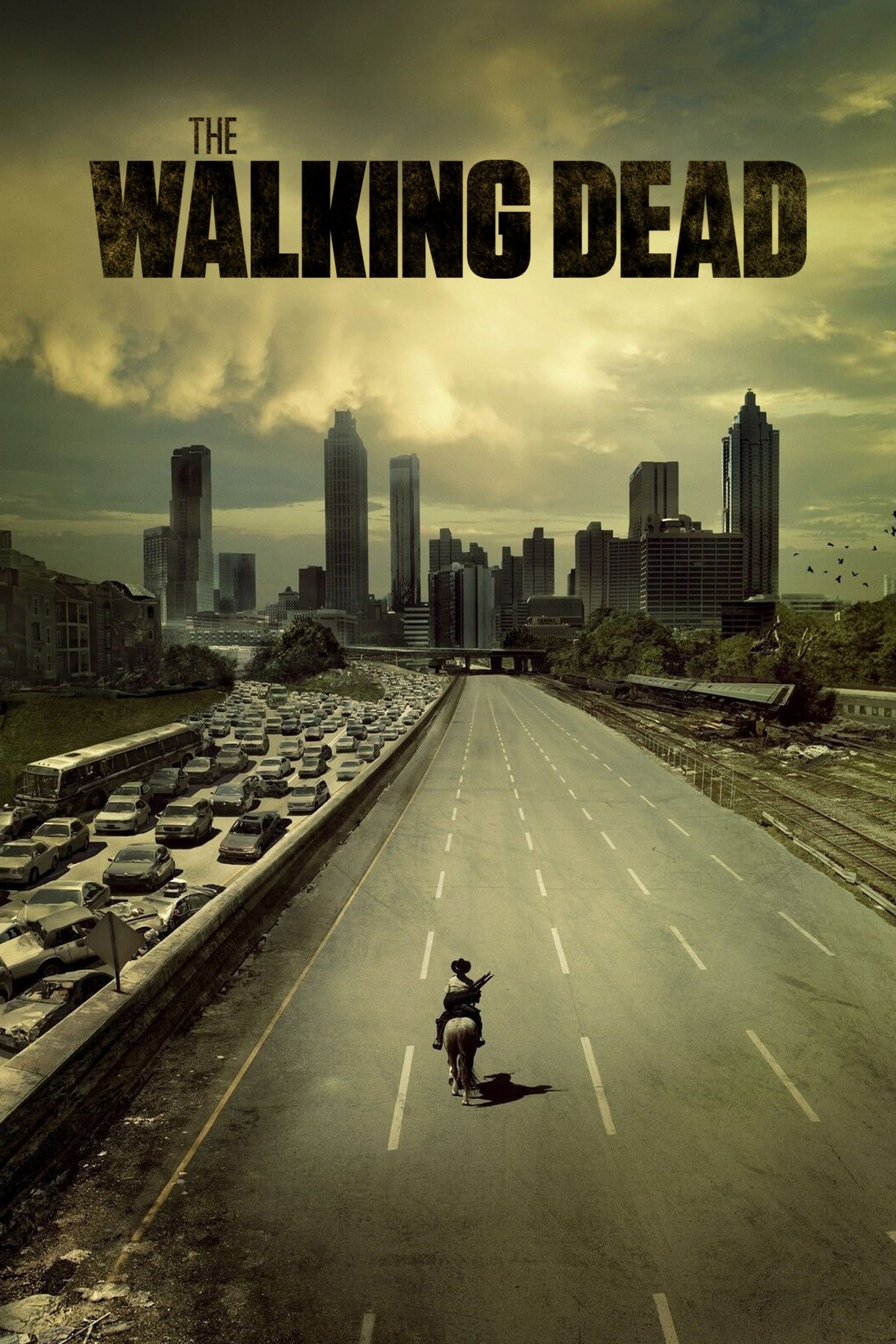
Survivors of a zombie outbreak band together and build communities while facing threats from the dead and the living alike. The show tracks leadership struggles, supply runs, and the shifting ethics of survival when institutions fall away.
AMC broadcast the series and invested in makeup effects and practical set pieces that sell the apocalypse. Encounters on rural roads, farms, and small towns shape strategies for defense, negotiation, and the fragile trust that holds groups together.
‘Suits’ (2011–2019)
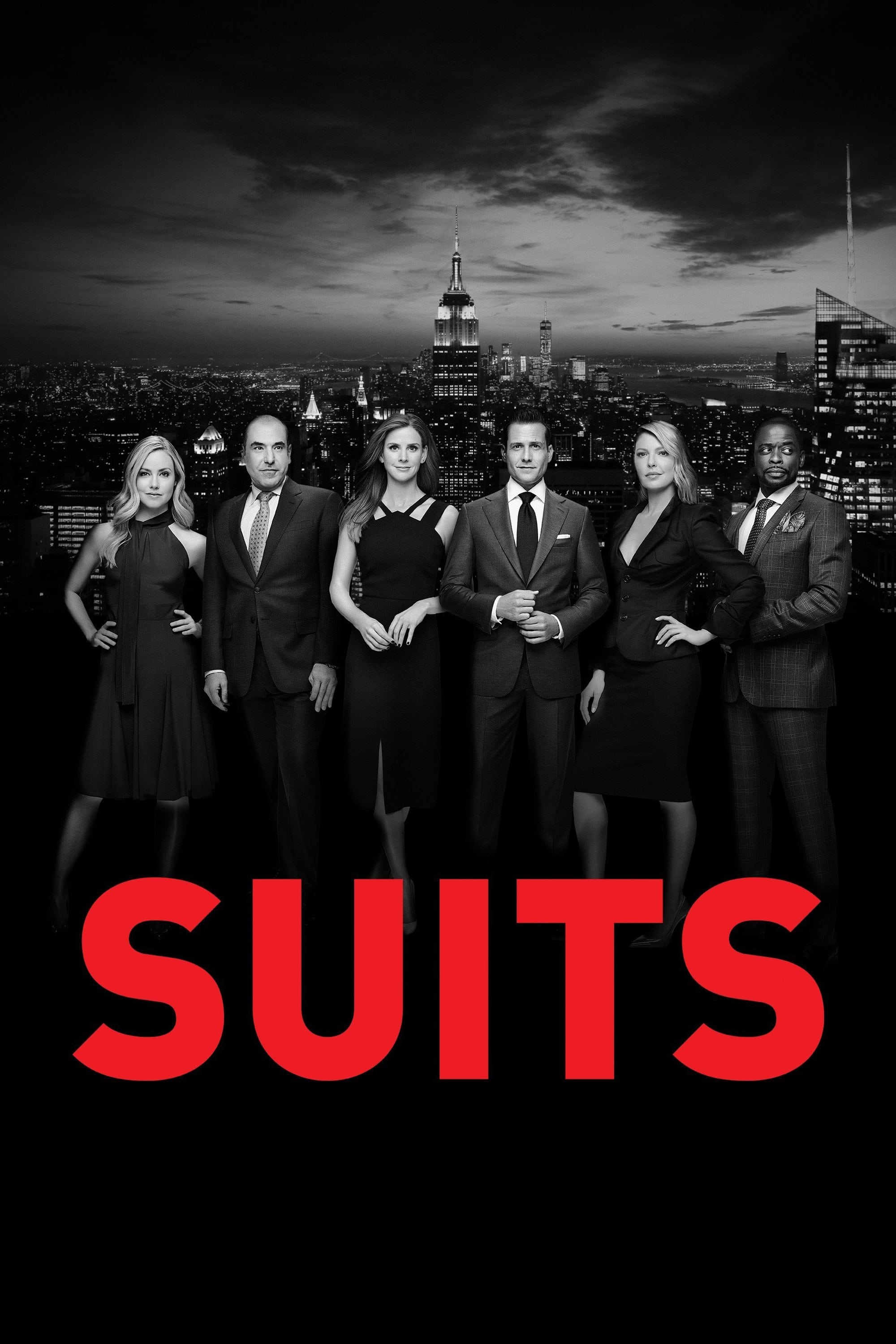
A gifted college dropout with a photographic memory talks his way into a top law firm, partnering with a sharp closer who keeps the secret. The show builds casework around negotiation, discovery, and firm rivalries that test loyalty.
USA Network aired the series and framed New York corporate law with fast dialogue and office maneuvering. File rooms, conference tables, and corner offices become battlegrounds where deals are struck, mentors are tested, and associates try to rise.
‘Shameless’ (2011–2021)
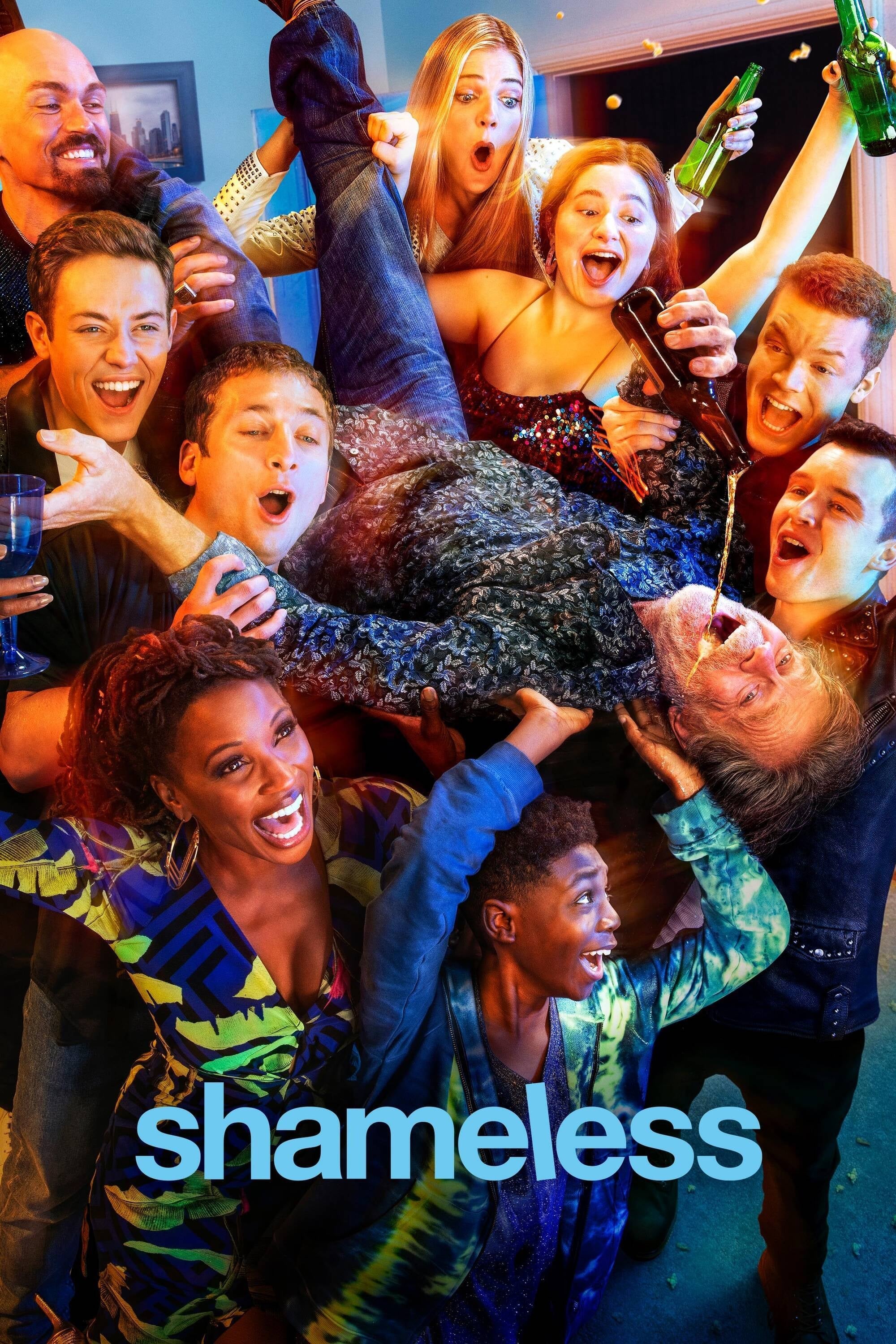
The Gallagher family scrapes by on Chicago’s South Side through side hustles, odd jobs, and constant improvisation. The ensemble structure lets each sibling take focus as responsibilities shift and consequences catch up.
Showtime broadcast the series and balanced raw situations with humor drawn from daily problem solving. Neighborhood bars, corner stores, and city services are recurring arenas where characters secure resources, dodge setbacks, and protect each other.
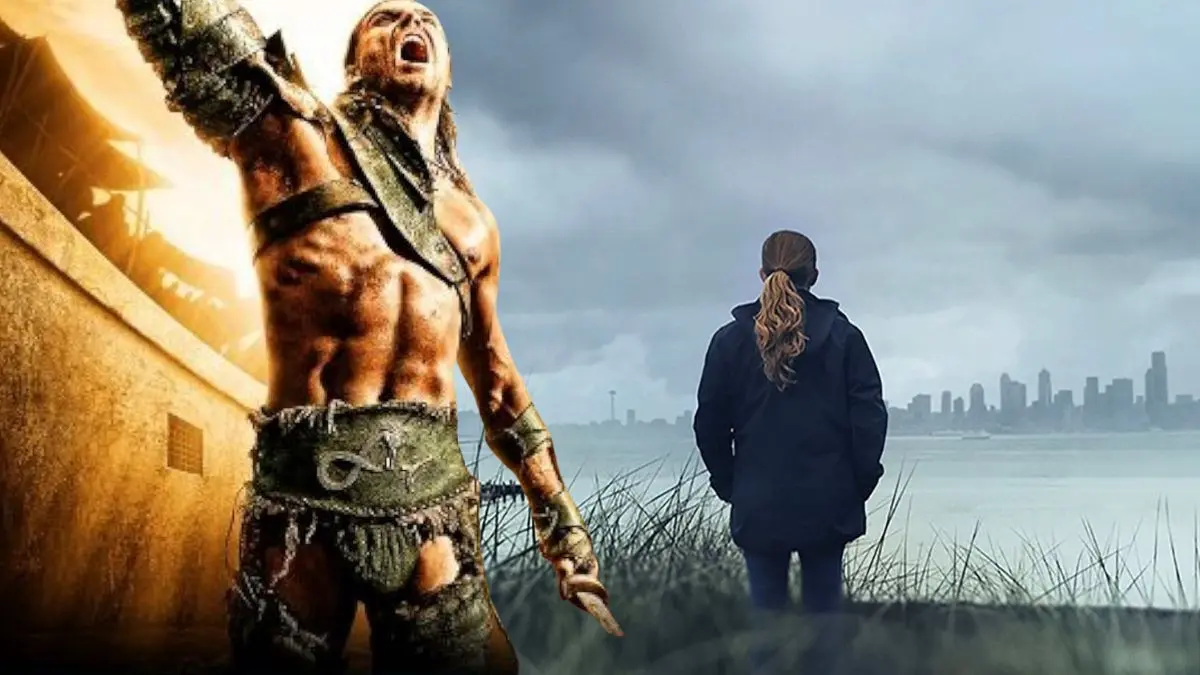
‘The Killing’ (2011–2014)
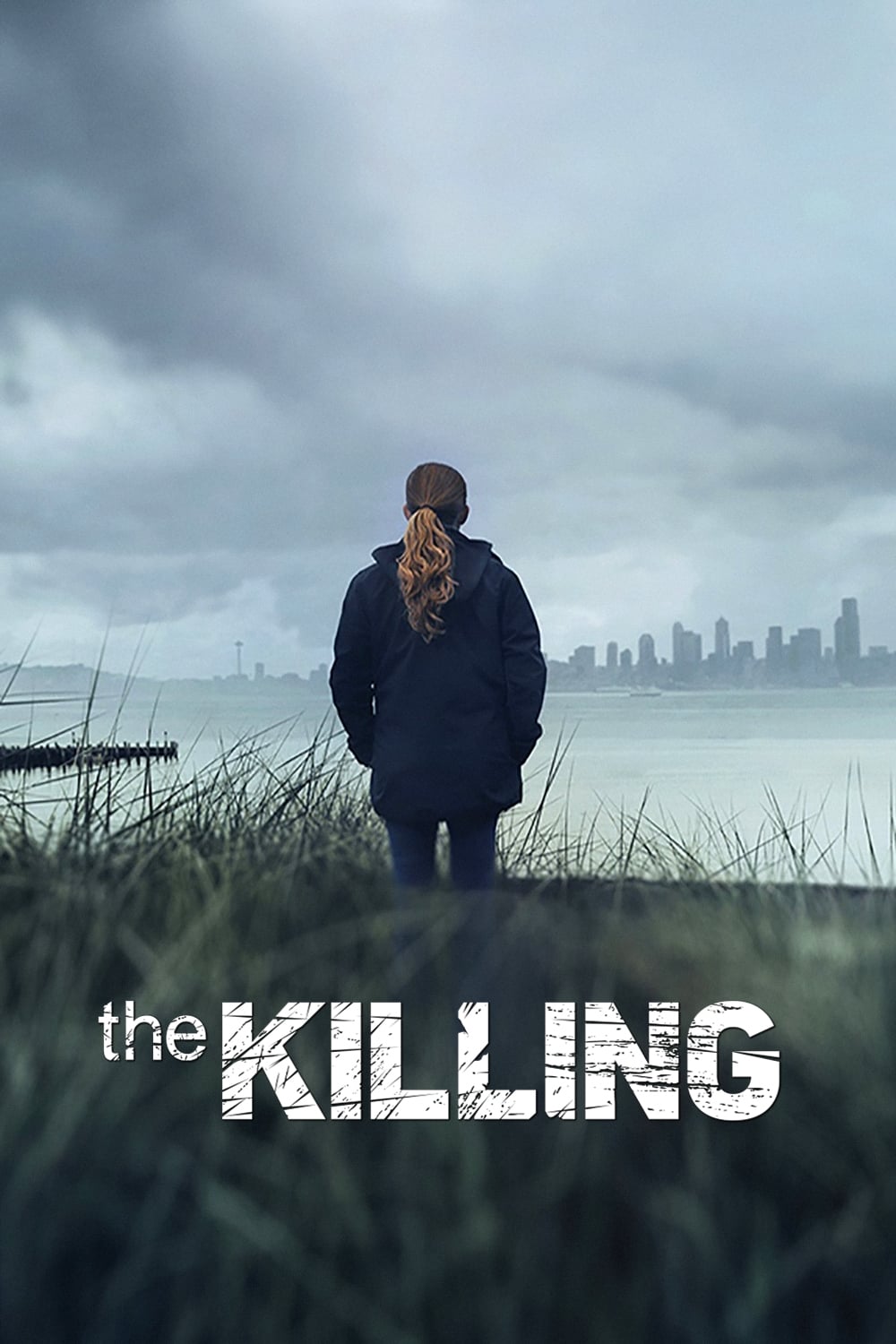
A homicide investigation in Seattle unfolds across interlocking perspectives that include detectives, a grieving family, and political players. The rain soaked mood and patient pacing emphasize procedure, evidence, and the blind alleys that complicate a case.
AMC aired the series and allowed the story to build across many chapters rather than a quick resolution. Campaign offices, classrooms, and waterfront sites become crucial locations as timelines are reconstructed and alibis are put to the test.
‘Fringe’ (2008–2013)
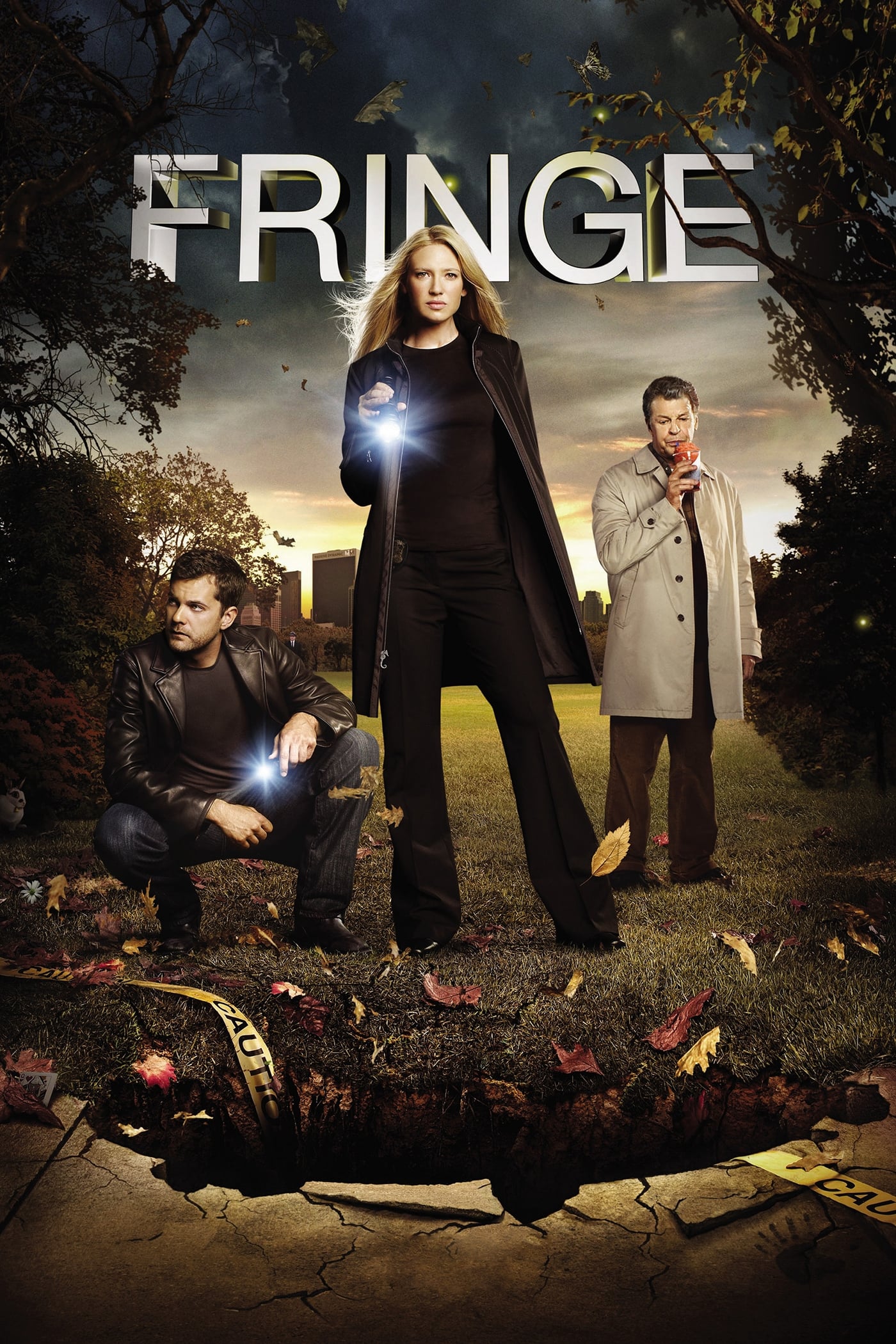
An FBI team works with a brilliant scientist to investigate bizarre phenomena that hint at parallel realities and experimental science. The mythology develops through case files, lab work, and discoveries that tie personal histories to larger patterns.
Fox broadcast the series and supported an ambitious blend of procedural and serialized storytelling. The lab’s whiteboard notes, the typewriter glyphs, and interdimensional clues give viewers a trail to follow as the stakes grow with each breakthrough.
‘Sons of Anarchy’ (2008–2014)
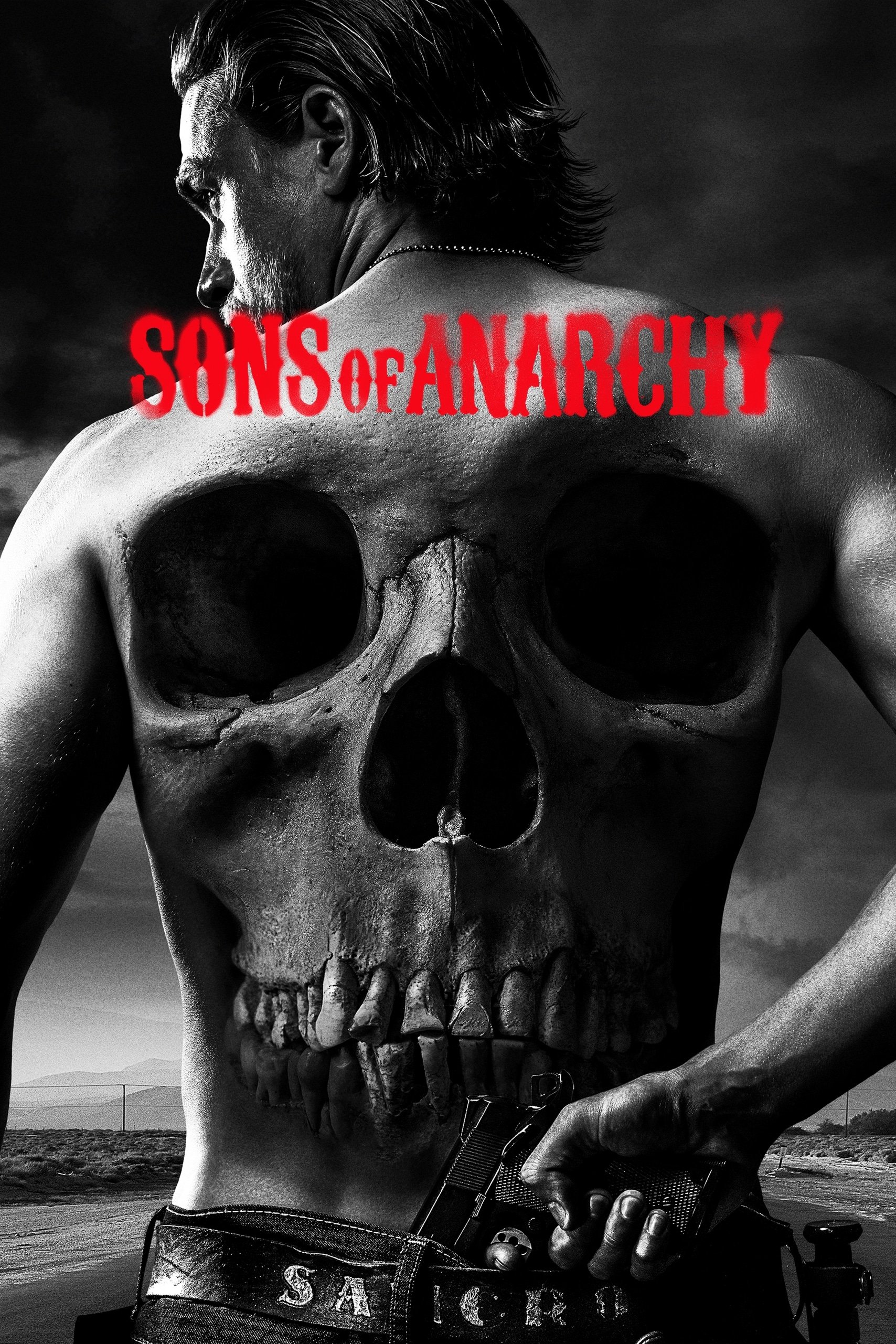
An outlaw motorcycle club manages a web of alliances and rivalries while running its business and protecting its town. Family ties, charter rules, and external pressures drive choices that carry heavy costs.
FX aired the series and leaned into its mix of brotherhood and crime saga. Clubhouses, garages, and meeting tables serve as the stage for votes, deals, and betrayals, while law enforcement and rival groups press from the outside.
’30 Rock’ (2006–2013)
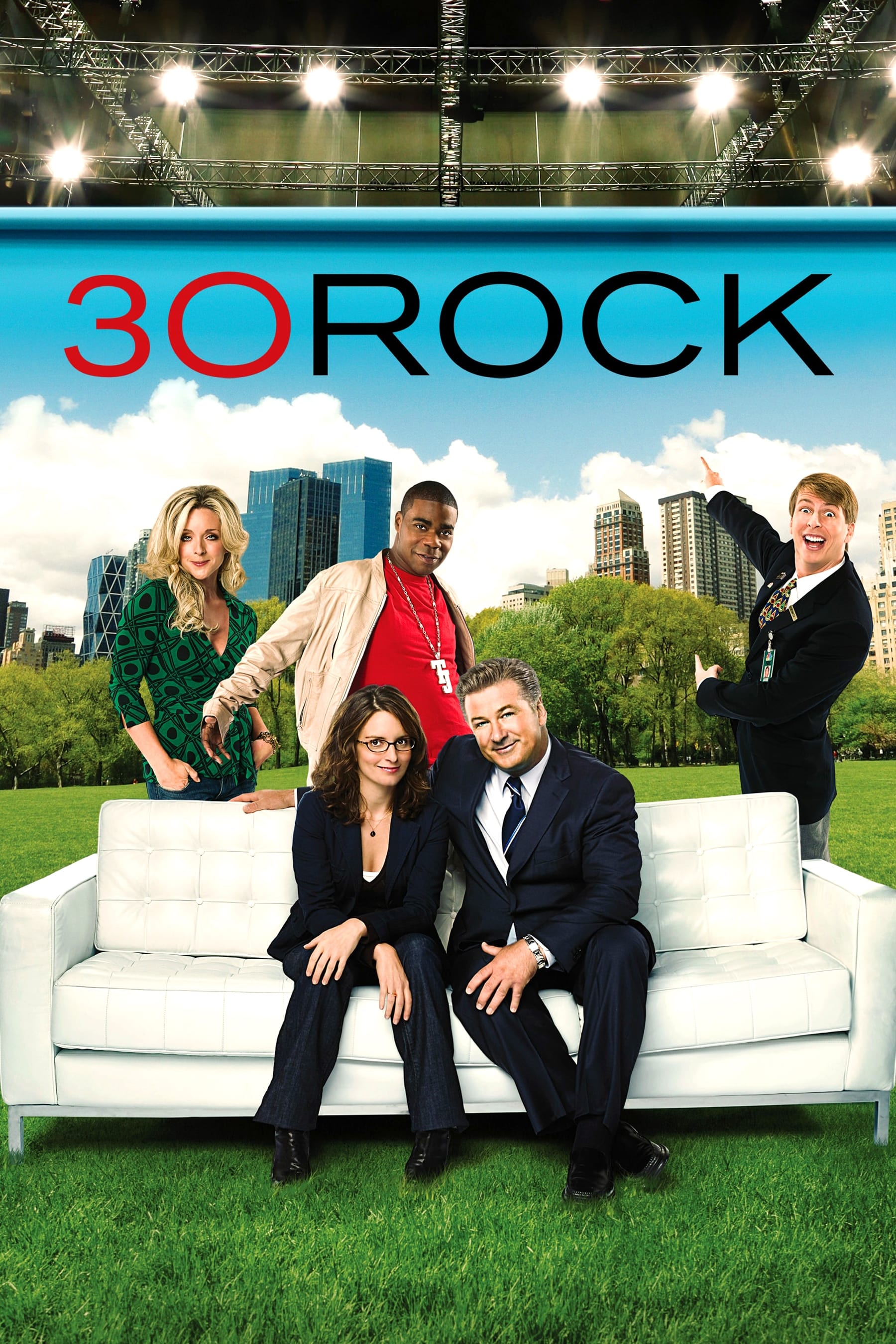
Inside a sketch comedy show, a head writer juggles talent egos, network notes, and a nonstop production calendar. The rapid fire jokes pull from television culture, corporate quirks, and the chaos of getting a show on the air each week.
NBC broadcast the series and let its writers room energy shape stories that move from studio corridors to live broadcasts. Guest stars, product launches, and holiday specials fold into running gags that reward long time viewers.
‘Friday Night Lights’ (2006–2011)
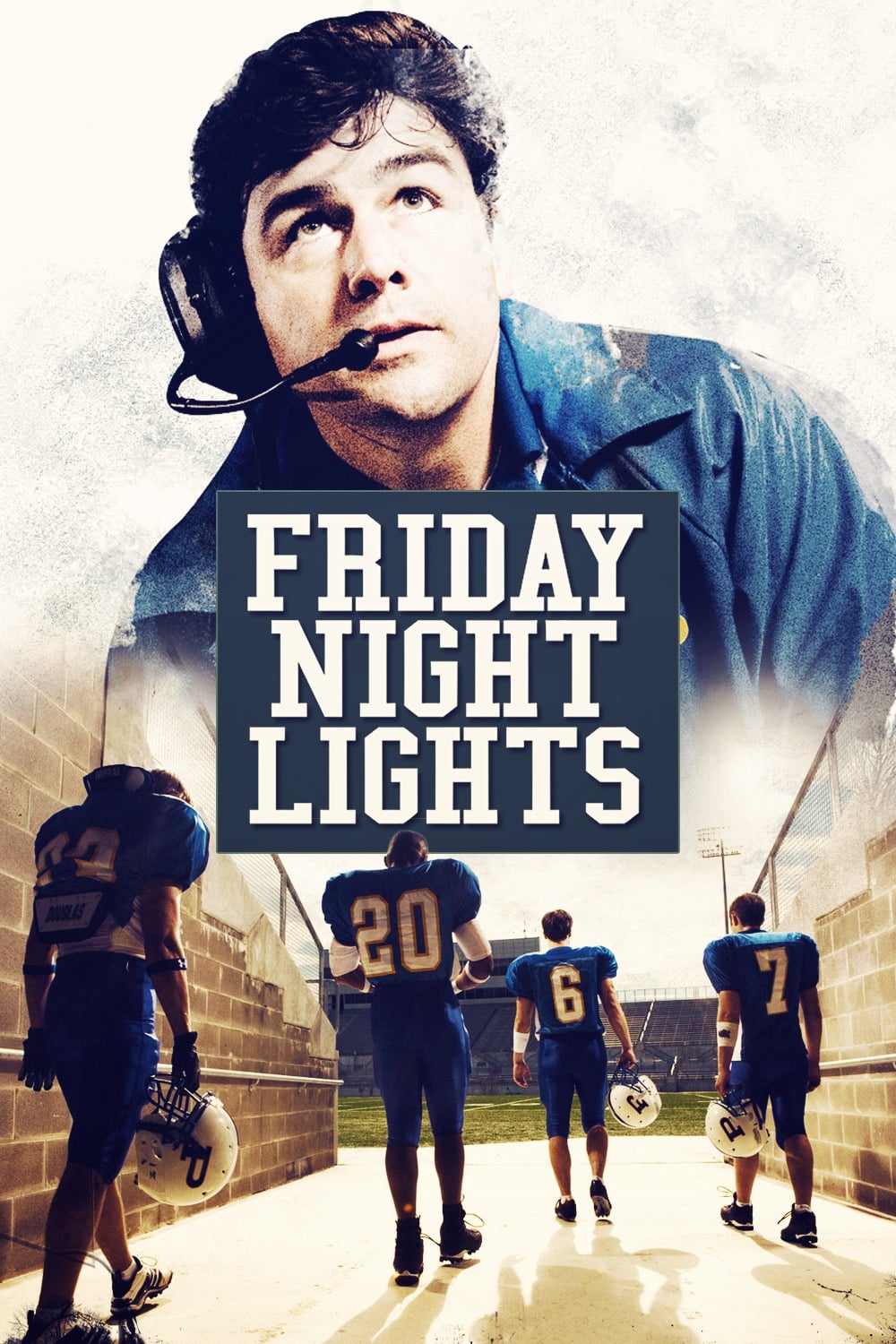
Set in a Texas town where high school football touches every corner of life, the show follows players, coaches, and families through victories and setbacks. Handheld camerawork and location shooting give practices and games a lived in feel.
The series completed its run through a partnership between DirecTV’s Audience Network and NBC, which ensured the story could reach a conclusion on its own terms. Team meetings, classrooms, and booster events frame choices that matter far beyond the scoreboard.
‘Spartacus: Gods of the Arena’ (2011)
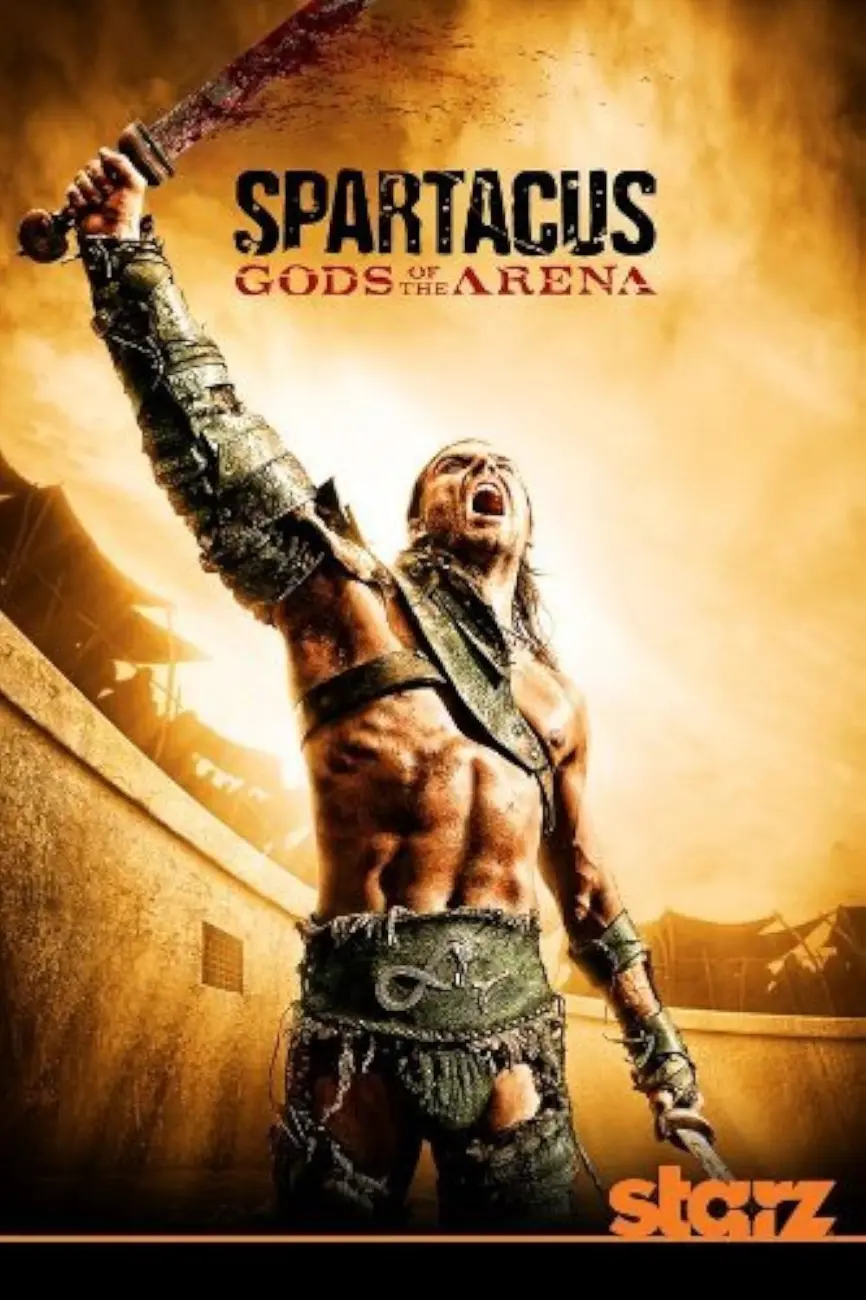
This prequel miniseries explores the rise of the House of Batiatus and the gladiators who fight for status and survival. Elaborate arena sequences and political scheming trace how influence is bought and sold.
Starz aired the production and maintained the franchise’s focus on choreography, training, and the economics of spectacle. The series shows how rivalries form long before the events of the original story, setting the stage for alliances and feuds.
‘Person of Interest’ (2011–2016)

A reclusive billionaire recruits a former operative to stop crimes before they happen using a surveillance system that flags people at risk. Episodes revolve around tracking a number, uncovering motives, and deciding who needs protection.
CBS broadcast the series and emphasized the mechanics of digital footprints, cameras, and data mining. Safe houses, pay phones, and subway hubs become recurring tools as the team expands and learns to operate in the shadows.
‘New Girl’ (2011–2018)
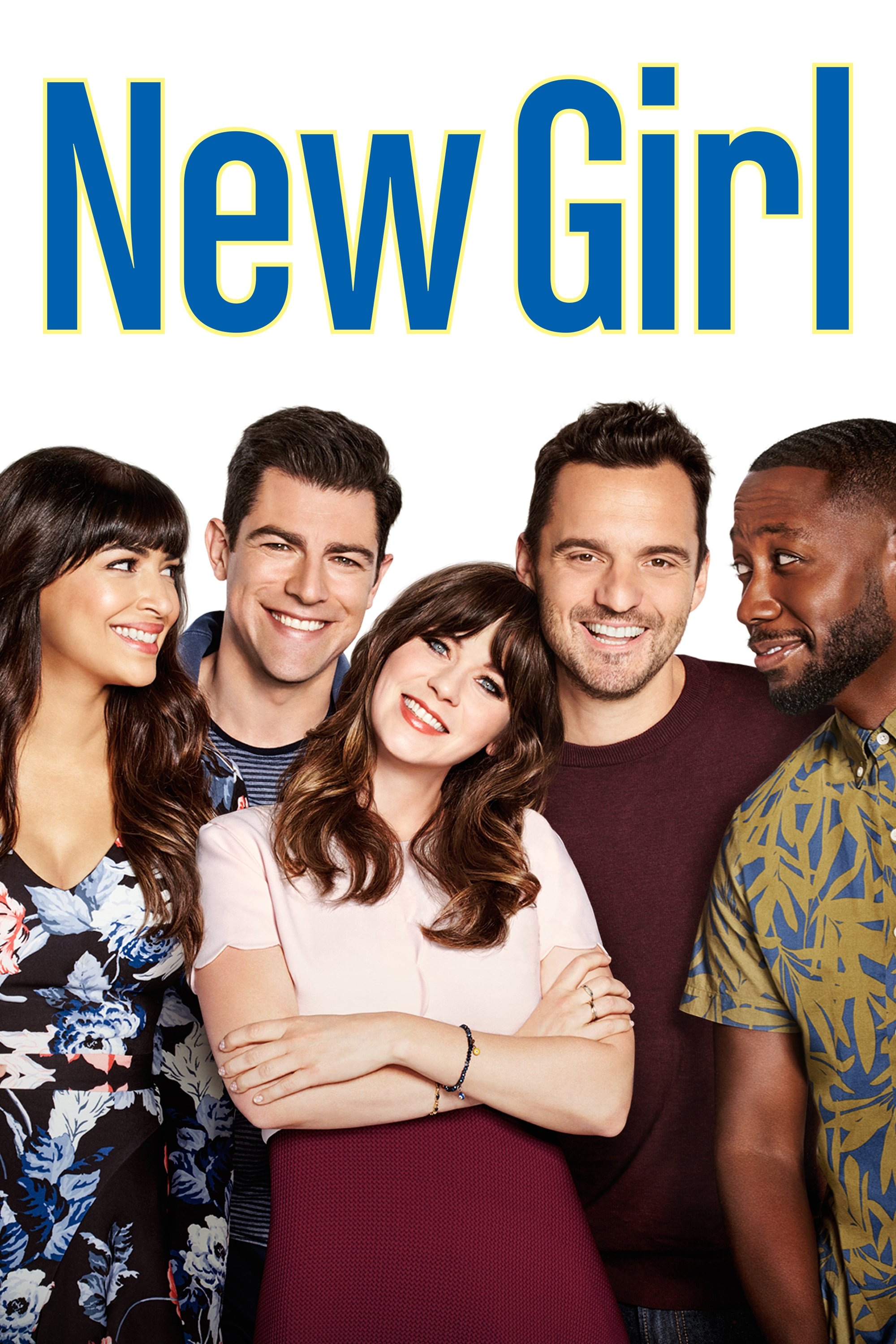
After a bad breakup, a teacher moves in with three roommates and finds a new support system in a shared loft. Episodes center on friendships, dating misadventures, and the rhythms of living together in a bustling city.
Fox aired the series and let its ensemble chemistry develop through everyday hangouts, bar shifts, and group traditions. Running bits around holiday events, work changes, and apartment shuffles keep the setting fresh while relationships evolve.
Share your favorites from 2011 in the comments and tell us which shows you think still hold up best today.