The Absolute Best TV Shows of 2014


There were a lot of strong series in this era, from big cable dramas to inventive streaming debuts and sharp comedies that found their rhythm right away. This list gathers the shows that defined the moment through standout storytelling, memorable casts, and confident creative direction across genres like crime, sci fi, period drama, and satire.
You will find returning heavy hitters alongside new arrivals that quickly set a template for what followed. Each entry includes essential details about creators, cast, format, and a quick summary of what the show delivered that year. We also note the home network or platform where viewers originally found each series.
‘True Detective’ (2014–2024)
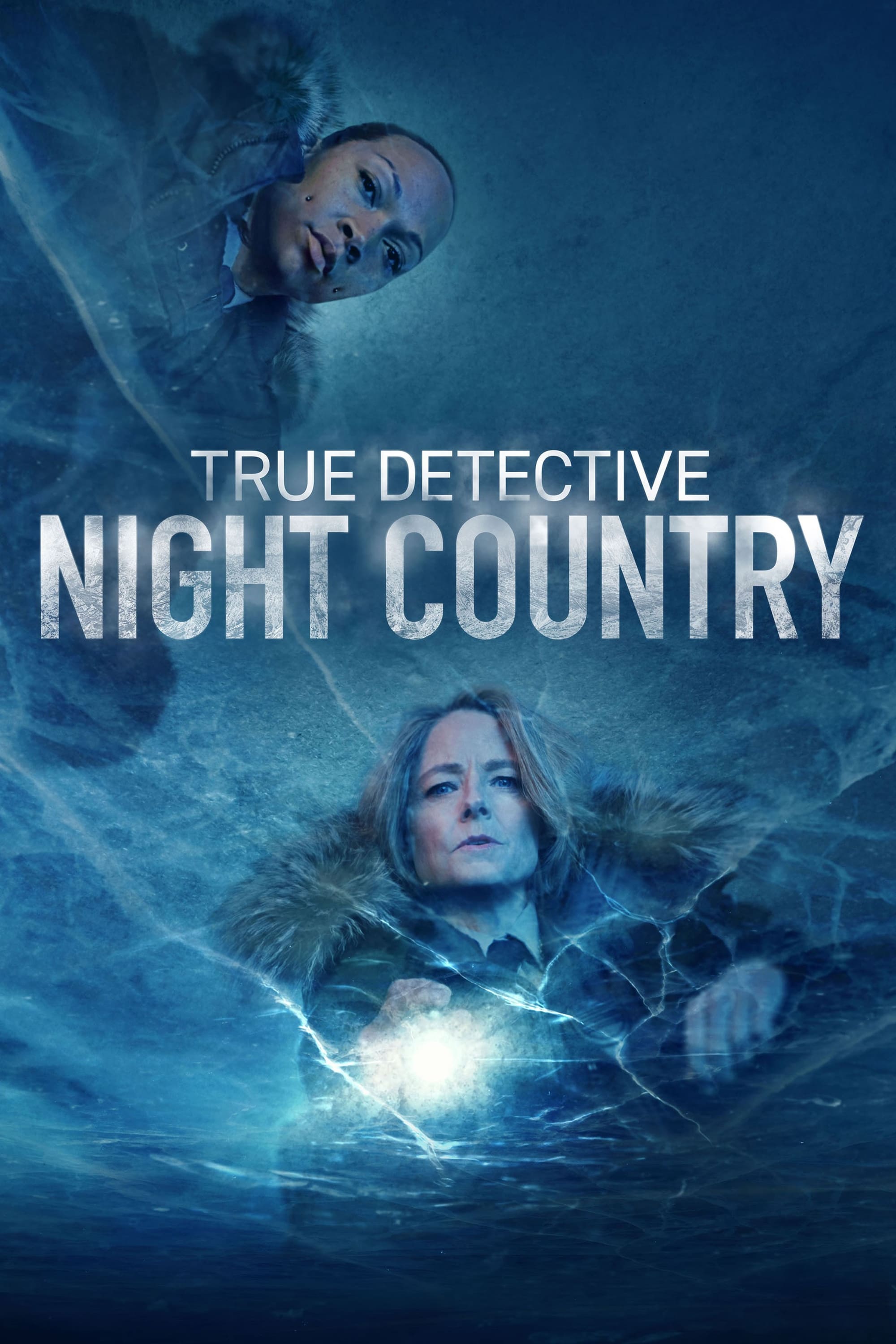
Created by Nic Pizzolatto and directed in its first season by Cary Joji Fukunaga, this anthology crime series followed two Louisiana detectives investigating a ritualistic case. The opening installment starred Matthew McConaughey and Woody Harrelson across parallel timelines, with recurring imagery and a closed case structure.
It launched on HBO with eight episodes in its first outing and returned in later seasons with new casts and settings. The show used a single director model for the initial run and then shifted to multi director approaches in subsequent chapters.
‘Fargo’ (2014–2023)
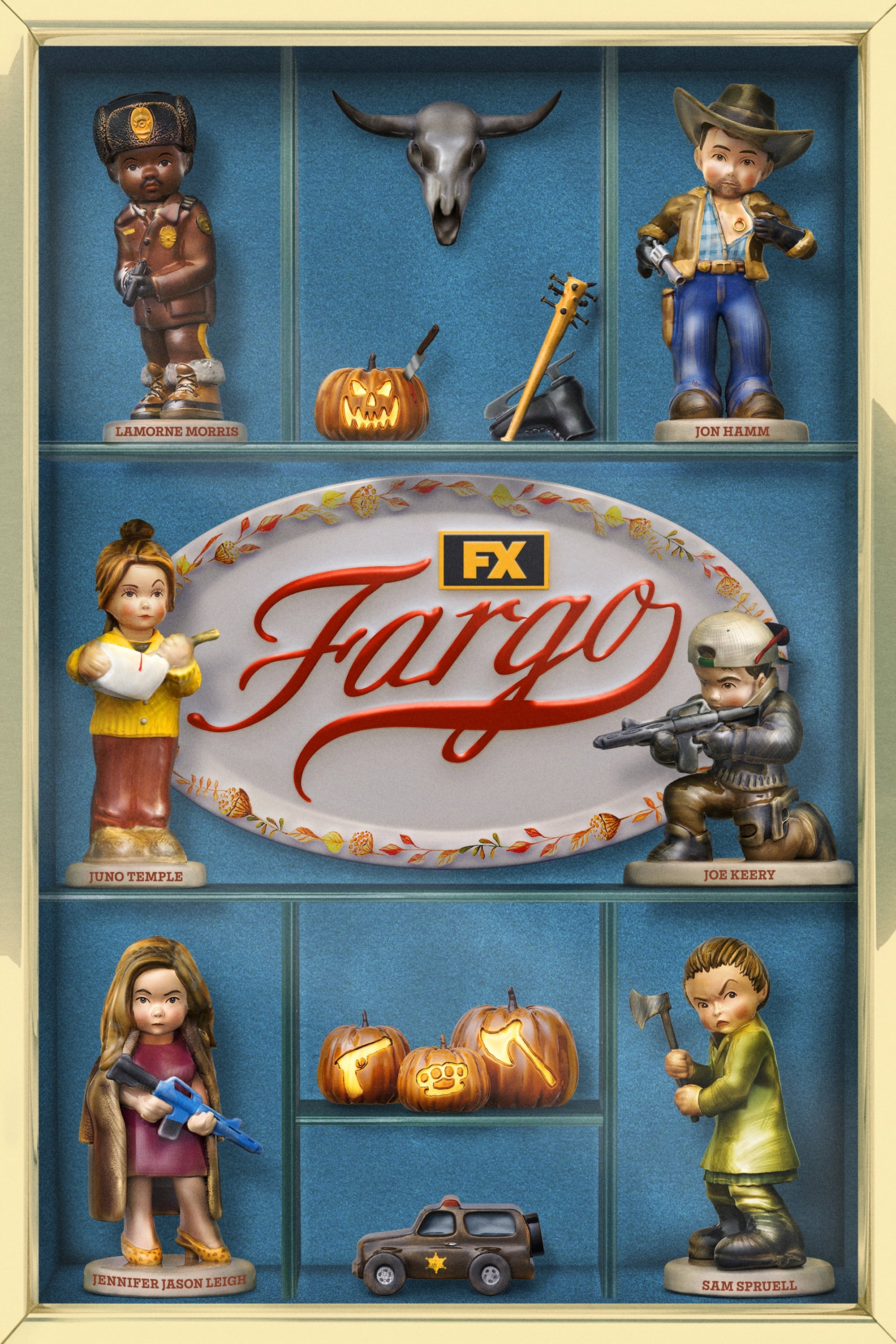
Noah Hawley adapted the Coen brothers film into a seasonal anthology that tells different Midwestern crime stories linked by tone and stray details. The debut storyline centered on a drifter and a small town insurance salesman whose choices pull in law enforcement and family rivalries.
It premiered on FX with a limited season format and later returned with fresh ensembles and eras in each cycle. The production uses location shooting in cold weather regions to match the setting and sound design that leans into sparse environments.
‘The Leftovers’ (2014–2017)
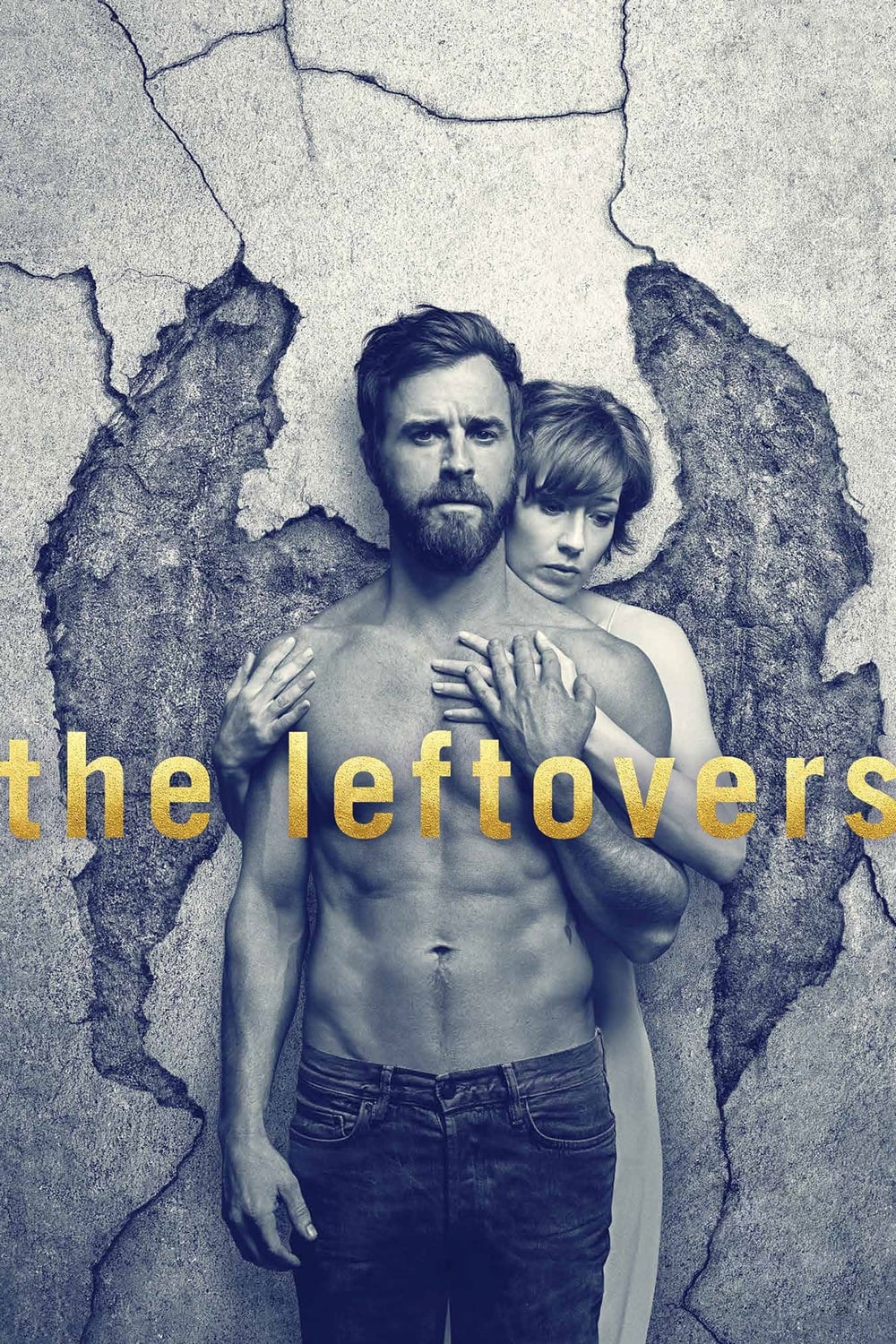
Based on Tom Perrotta’s novel and developed with Damon Lindelof, this drama explored the aftermath of a sudden global event that removed a fraction of the population. The narrative followed a police chief and a grieving family as communities formed new beliefs and coping systems.
It aired on HBO with a lean episode count per season and a stable core cast including Justin Theroux, Carrie Coon, and Amy Brenneman. Later seasons shifted primary locations while maintaining serialized arcs and a consistent creative team.
‘Game of Thrones’ (2011–2019)
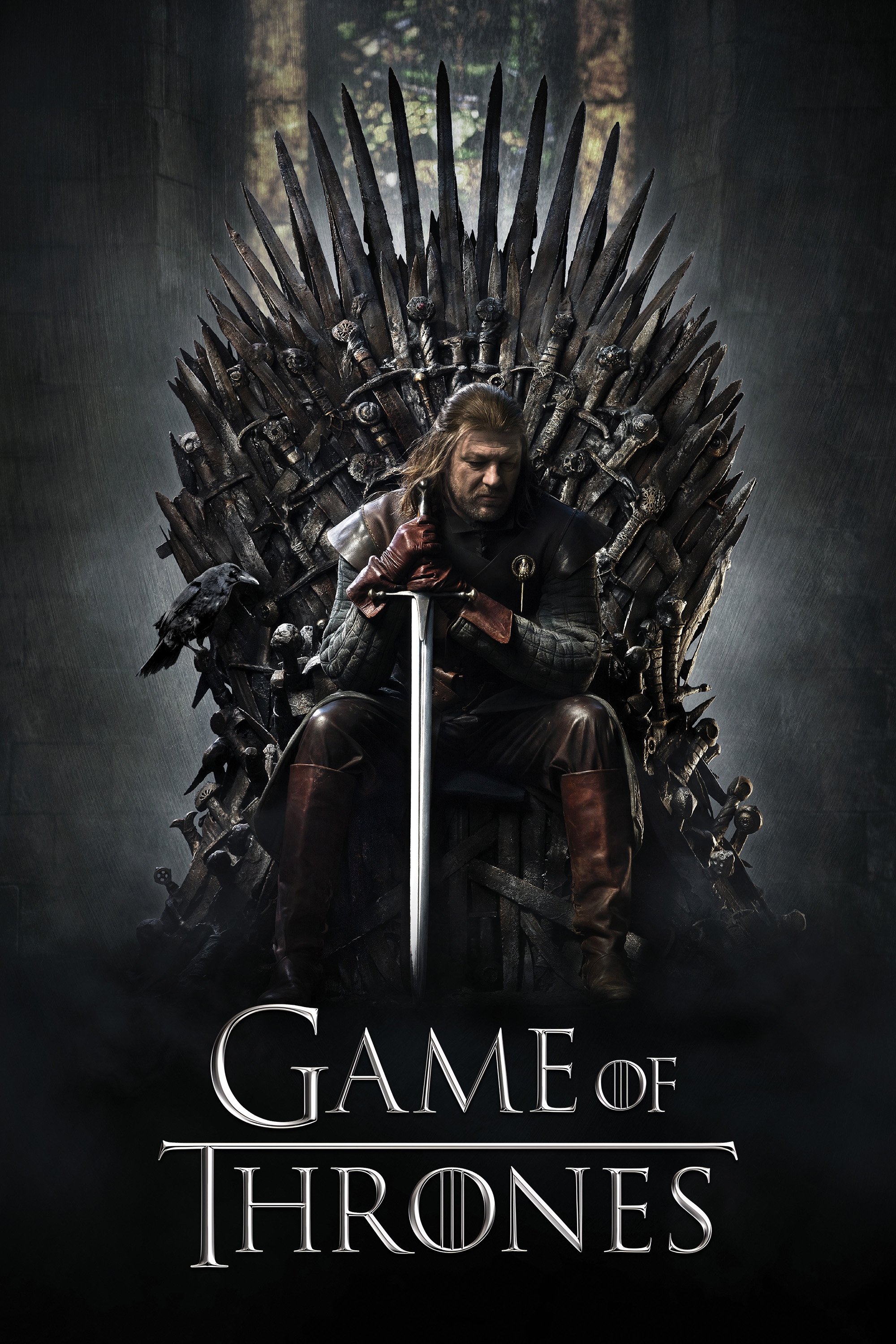
Adapted from George R. R. Martin’s fantasy saga, this series tracked rival houses vying for power across multiple continents. The ensemble included Peter Dinklage, Lena Headey, and Emilia Clarke, with intersecting plots involving warfare, diplomacy, and prophecy.
It ran on HBO with large scale production that used international locations and extensive visual effects. Episodes varied in length, and major installments featured battle sequences that required complex coordination across departments.
‘The Americans’ (2013–2018)
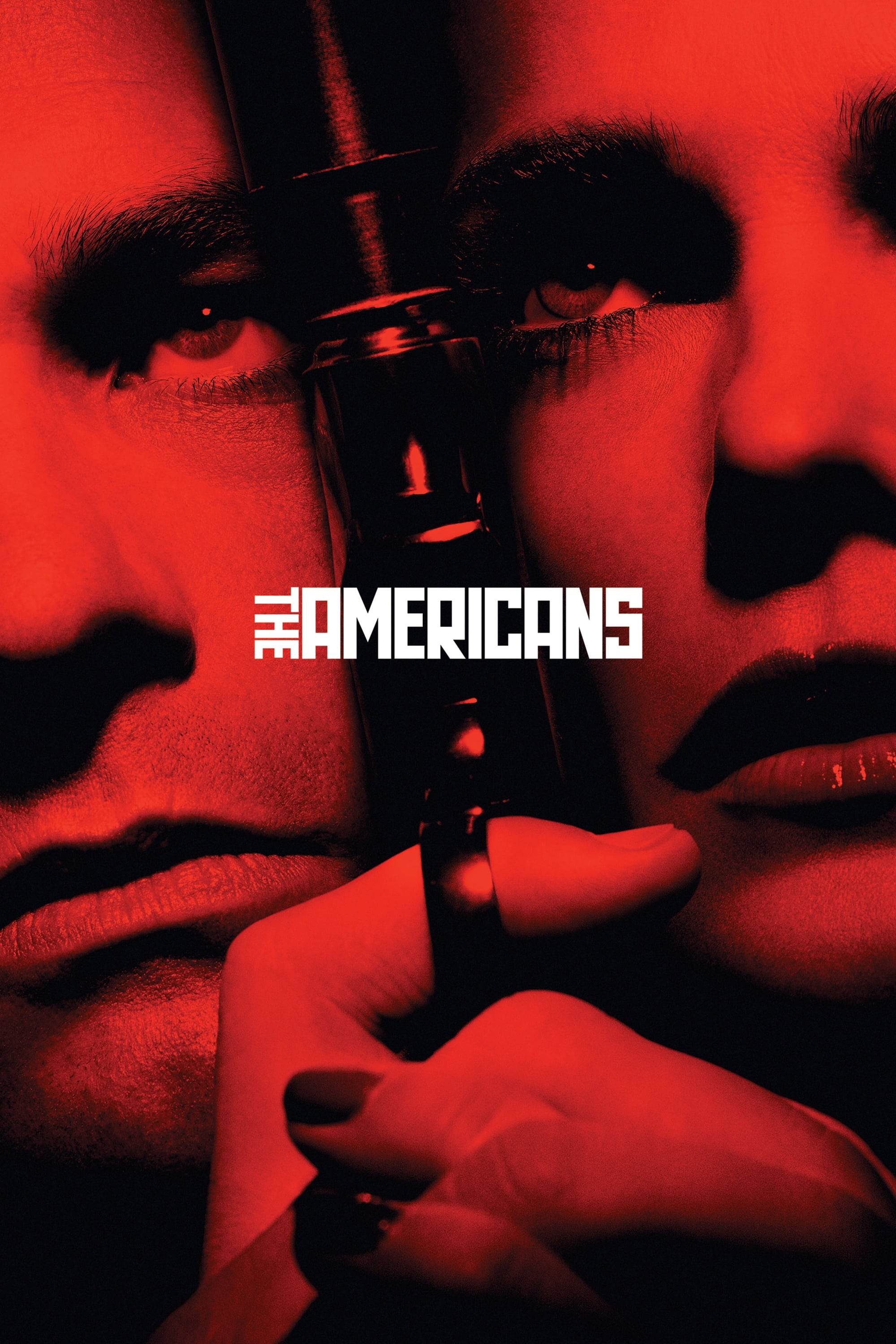
Created by Joe Weisberg, this period espionage drama followed two Soviet deep cover agents posing as a suburban couple near Washington, DC. The story balanced operational tradecraft with family life, using season long arcs that connected personal stakes to geopolitical shifts.
It aired on FX with Keri Russell and Matthew Rhys leading the cast and Noah Emmerich as an FBI neighbor. The series emphasized practical surveillance techniques, careful scene blocking, and music cues that matched the time period.
‘Hannibal’ (2013–2015)
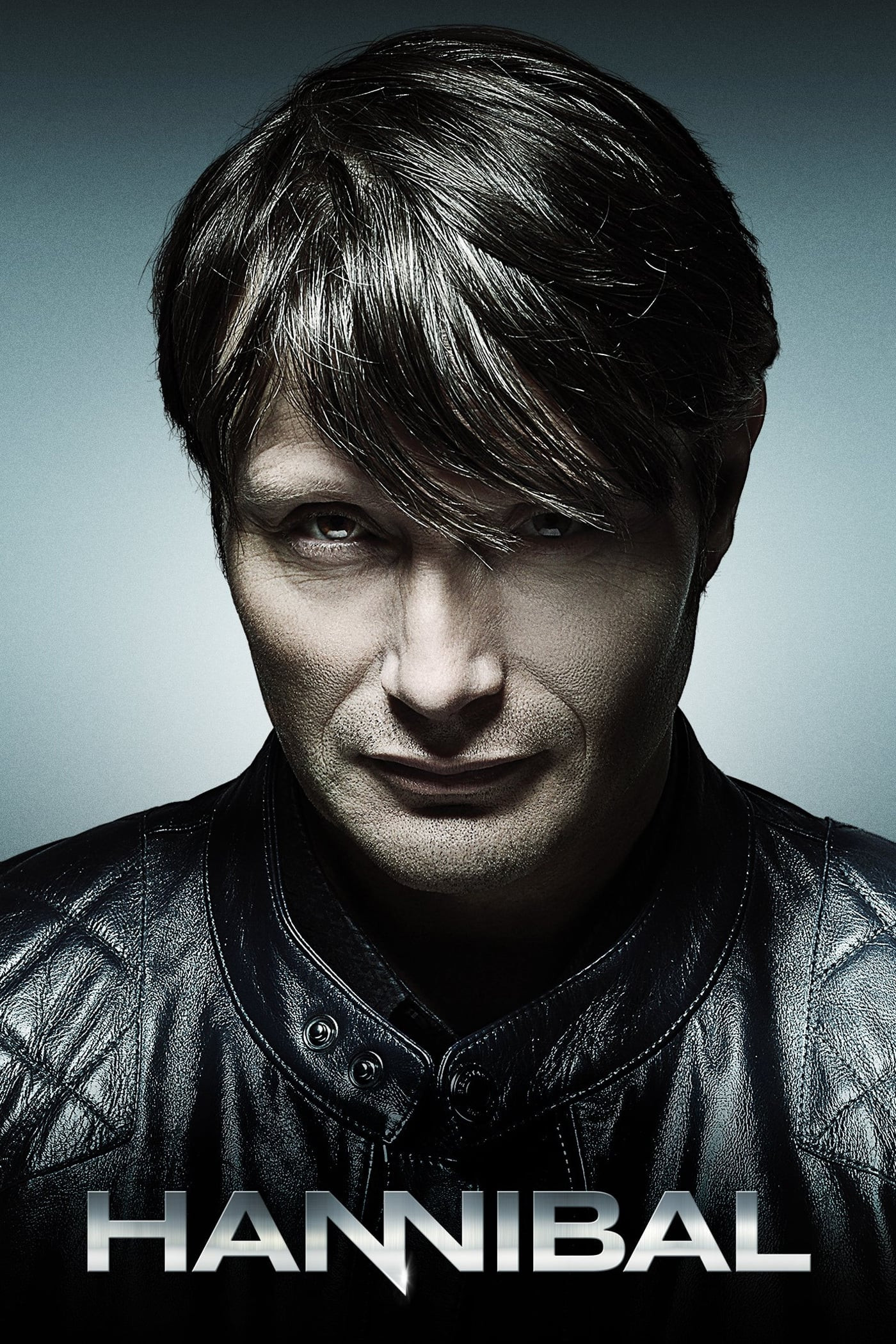
Bryan Fuller reimagined Thomas Harris characters in a psychological thriller that focused on the dynamic between profiler Will Graham and forensic psychiatrist Hannibal Lecter. The show blended crime investigation with stylized culinary imagery and dreamlike sequences.
It aired on NBC with Mads Mikkelsen and Hugh Dancy in the central roles and a regular supporting team of law enforcement colleagues. The production made frequent use of macro food photography and designed crime scenes as meticulous visual tableaux.
‘Silicon Valley’ (2014–2019)
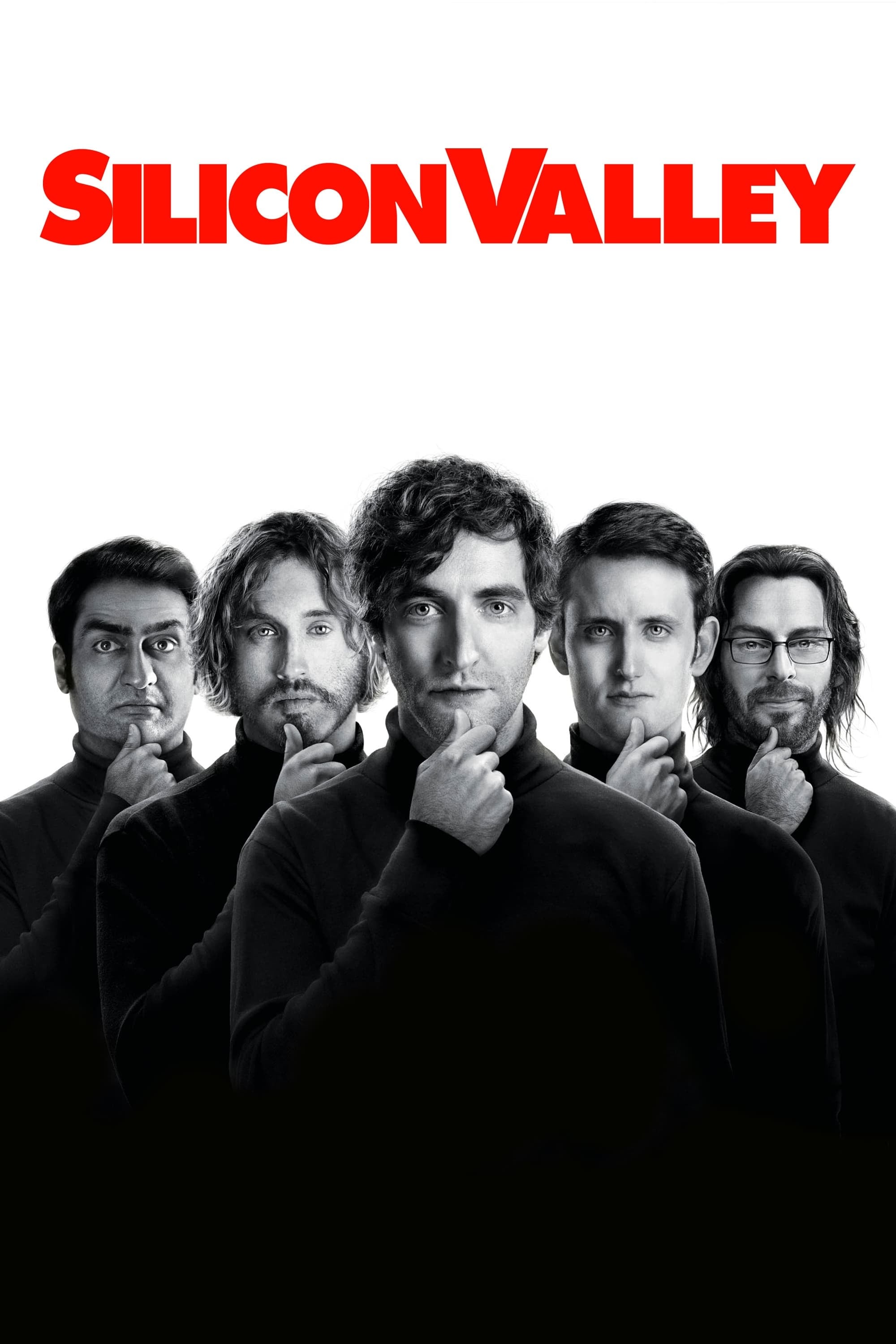
Created by Mike Judge, John Altschuler, and Dave Krinsky, this comedy followed a small startup navigating venture capital, compression tech, and shifting alliances. The ensemble included Thomas Middleditch, Kumail Nanjiani, Martin Starr, and Zach Woods.
It ran on HBO with half hour episodes and recurring plotlines involving intellectual property disputes and product pivots. The writers worked with technical advisors to model realistic architectures and industry jargon.
‘BoJack Horseman’ (2014–2020)
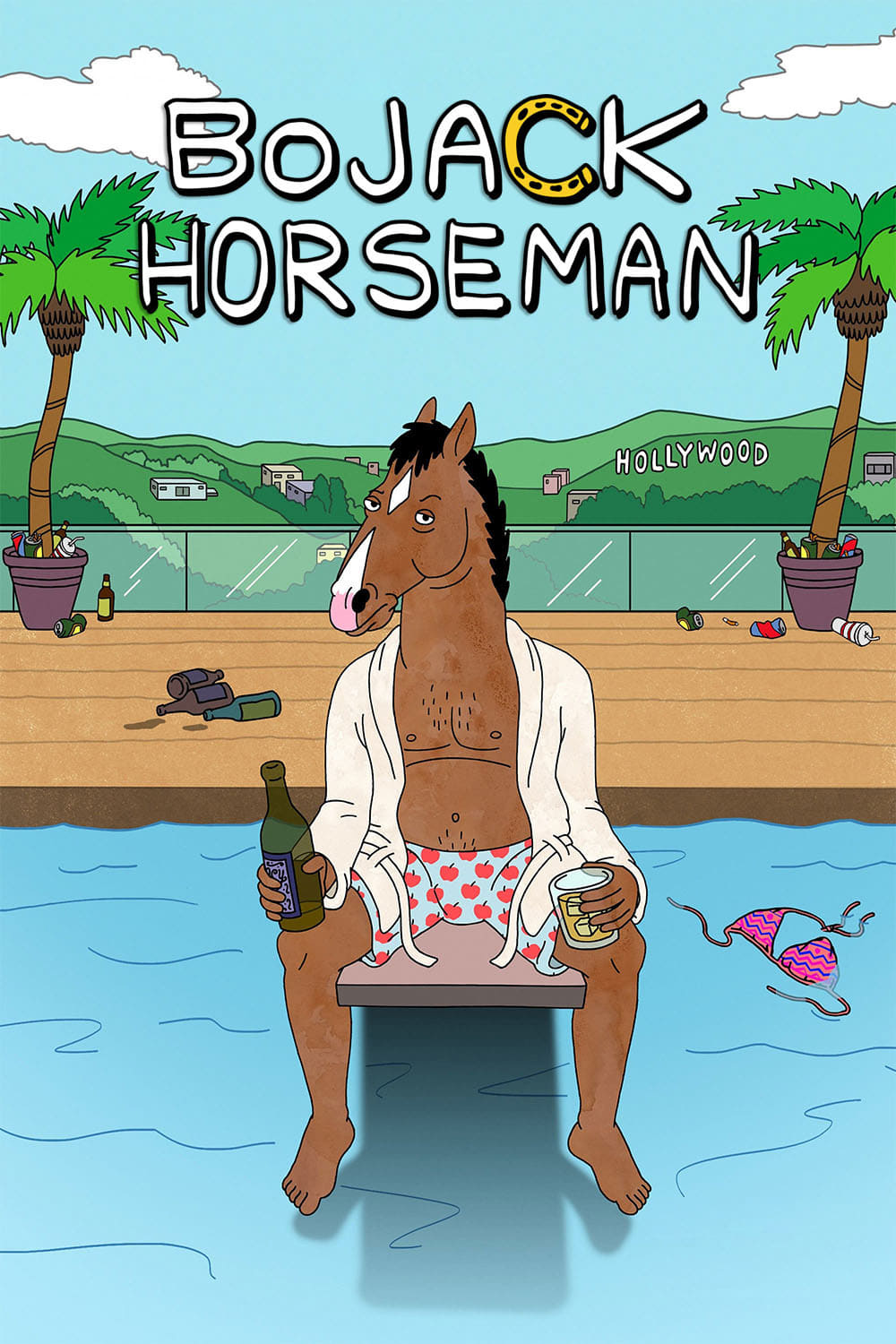
Raphael Bob Waksberg created this animated dramedy about a washed up sitcom star trying to fix his career and relationships in a version of Hollywood populated by humans and animals. Voice performances featured Will Arnett, Amy Sedaris, Alison Brie, and Aaron Paul.
It premiered on Netflix with episodes that mixed satire and character study, including bottle episodes and formal experiments. The show used a serialized structure across seasons with background visual gags that rewarded close viewing.
‘Transparent’ (2014–2019)
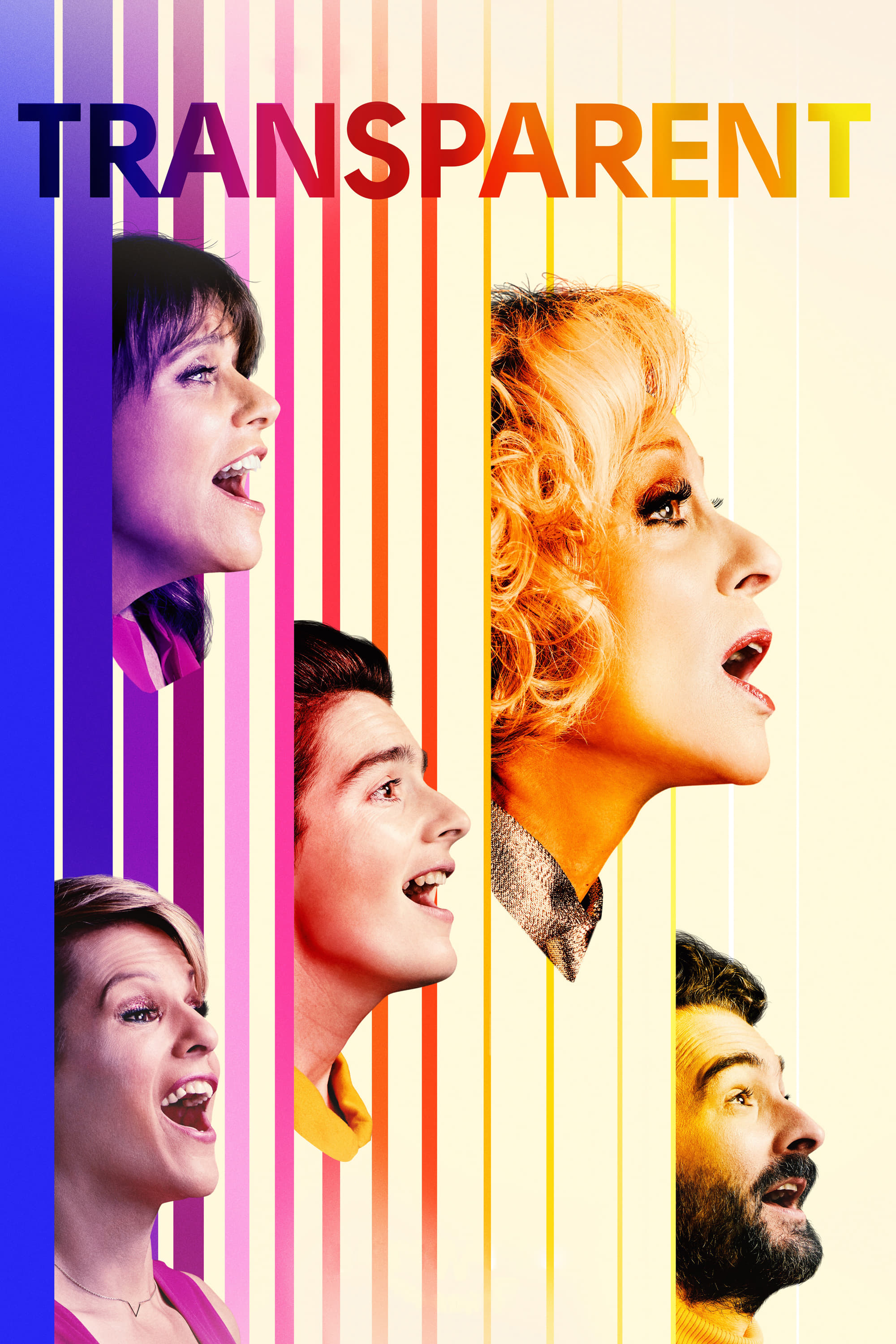
Created by Jill Soloway, this family saga followed a Los Angeles parent who comes out to adult children, prompting shifts in identity and relationships. The cast included Jeffrey Tambor, Gaby Hoffmann, Jay Duplass, and Amy Landecker.
It launched on Amazon with a dramedy tone and half hour runtime, using naturalistic cinematography and music driven transitions. Production emphasized collaborative rehearsal processes and cross department coordination for wardrobe and makeup.
‘The Knick’ (2014–2015)
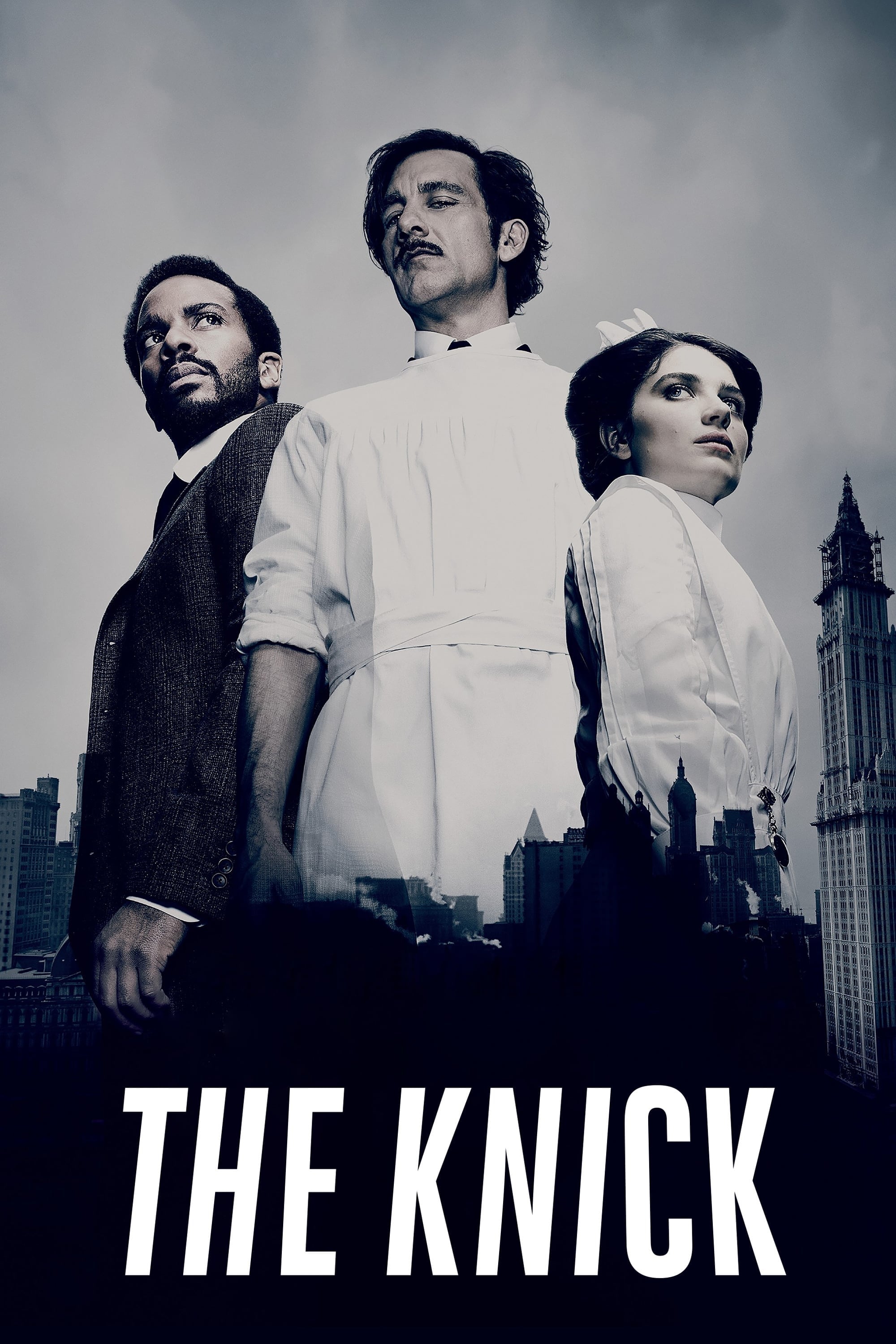
Steven Soderbergh directed every episode of this period medical drama centered on a New York hospital and surgical innovations at the turn of the century. Clive Owen starred as a driven chief surgeon whose work intersected with addiction and institutional pressures.
It aired on Cinemax with a distinctive electronic score by Cliff Martinez and a visual approach that favored handheld movement and available light. The series incorporated historically grounded procedures and custom prosthetics for operating room scenes.
‘Sherlock’ (2010–2017)
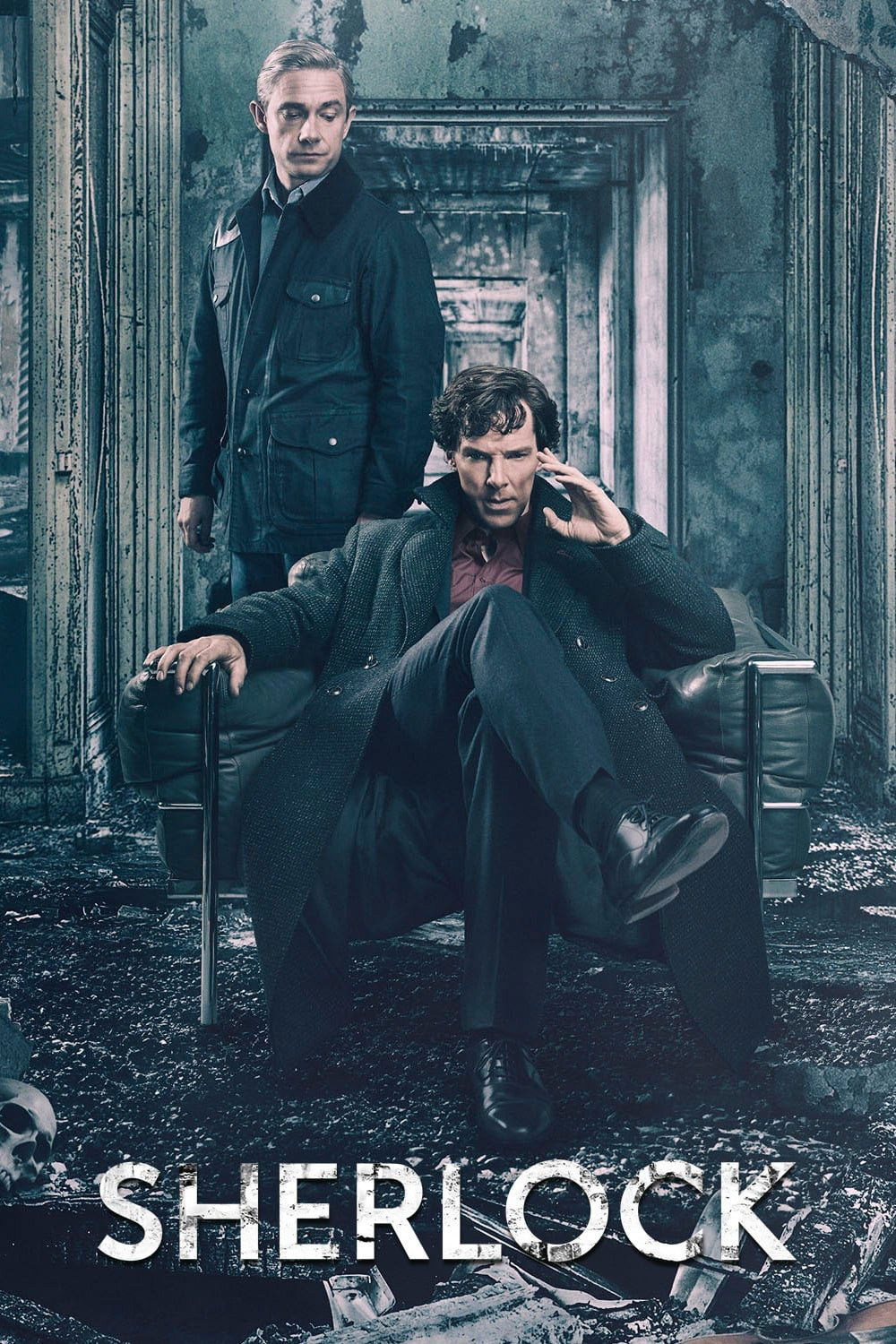
This modern update of Arthur Conan Doyle’s detective stories starred Benedict Cumberbatch and Martin Freeman as Holmes and Watson in feature length episodes. Plots updated classic cases with contemporary technology and visual text overlays to represent thought processes.
It aired on BBC One and later reached a wider audience through international partners. The format used three episode series with extended runtimes and long gaps that allowed for large scale location work.
‘Happy Valley’ (2014–2023)
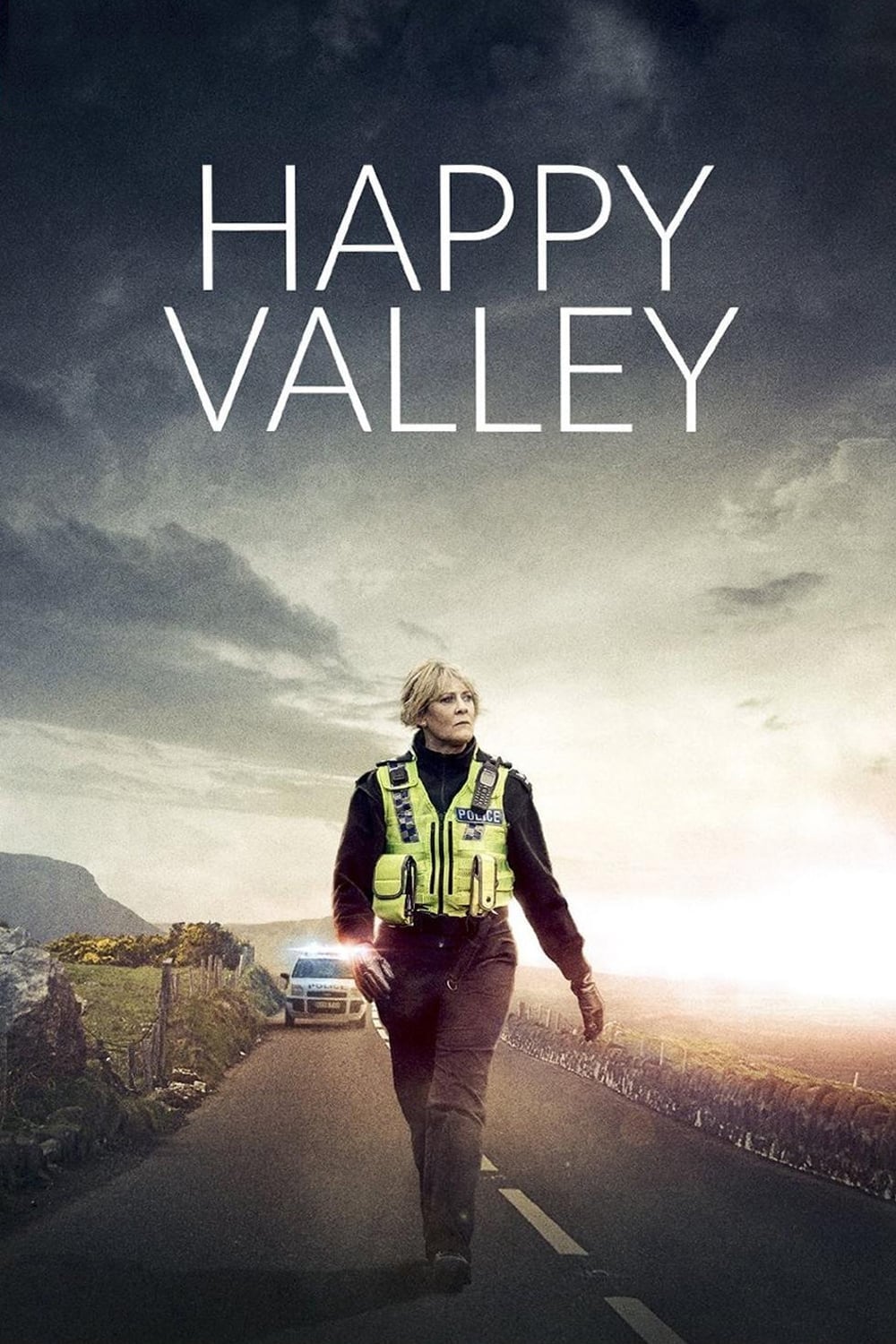
Sally Wainwright created this crime drama about a police sergeant in a Yorkshire town handling difficult cases and a complex family situation. Sarah Lancashire led the cast with James Norton as a central antagonist whose actions reverberated across seasons.
It aired on BBC One with a focus on community policing, casework procedure, and grounded dialogue. The production used on location shooting in West Yorkshire and maintained continuity in supporting characters and settings.
‘Olive Kitteridge’ (2014)
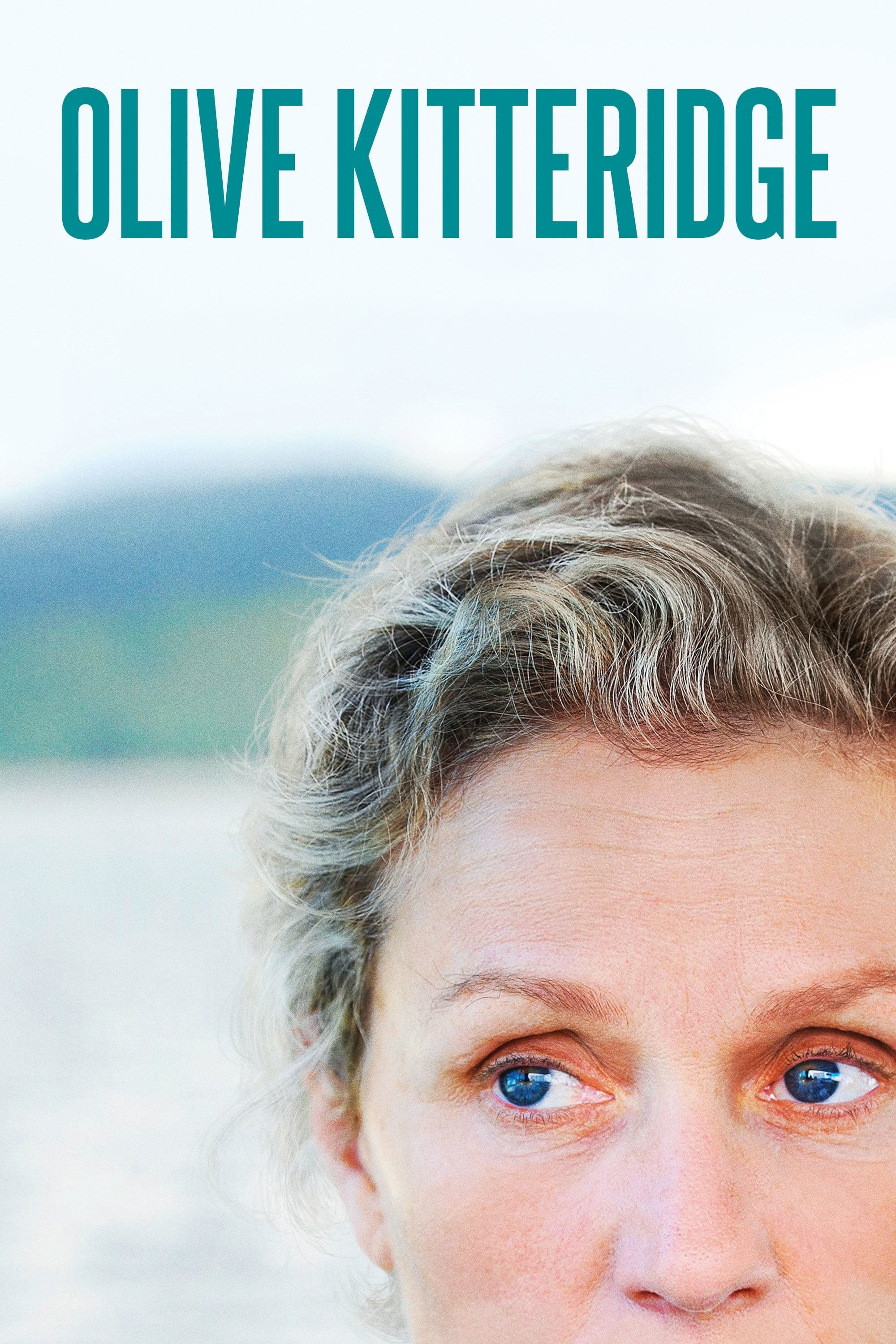
Adapted from Elizabeth Strout’s linked stories, this limited series followed a retired schoolteacher and the lives around her in a coastal town. Frances McDormand and Richard Jenkins starred, with direction by Lisa Cholodenko.
It aired on HBO as a four part presentation with a contained narrative and time jumps supported by makeup and production design. The music and color palette shifted subtly to mark changes in relationships and stages of life.
‘The Honourable Woman’ (2014)
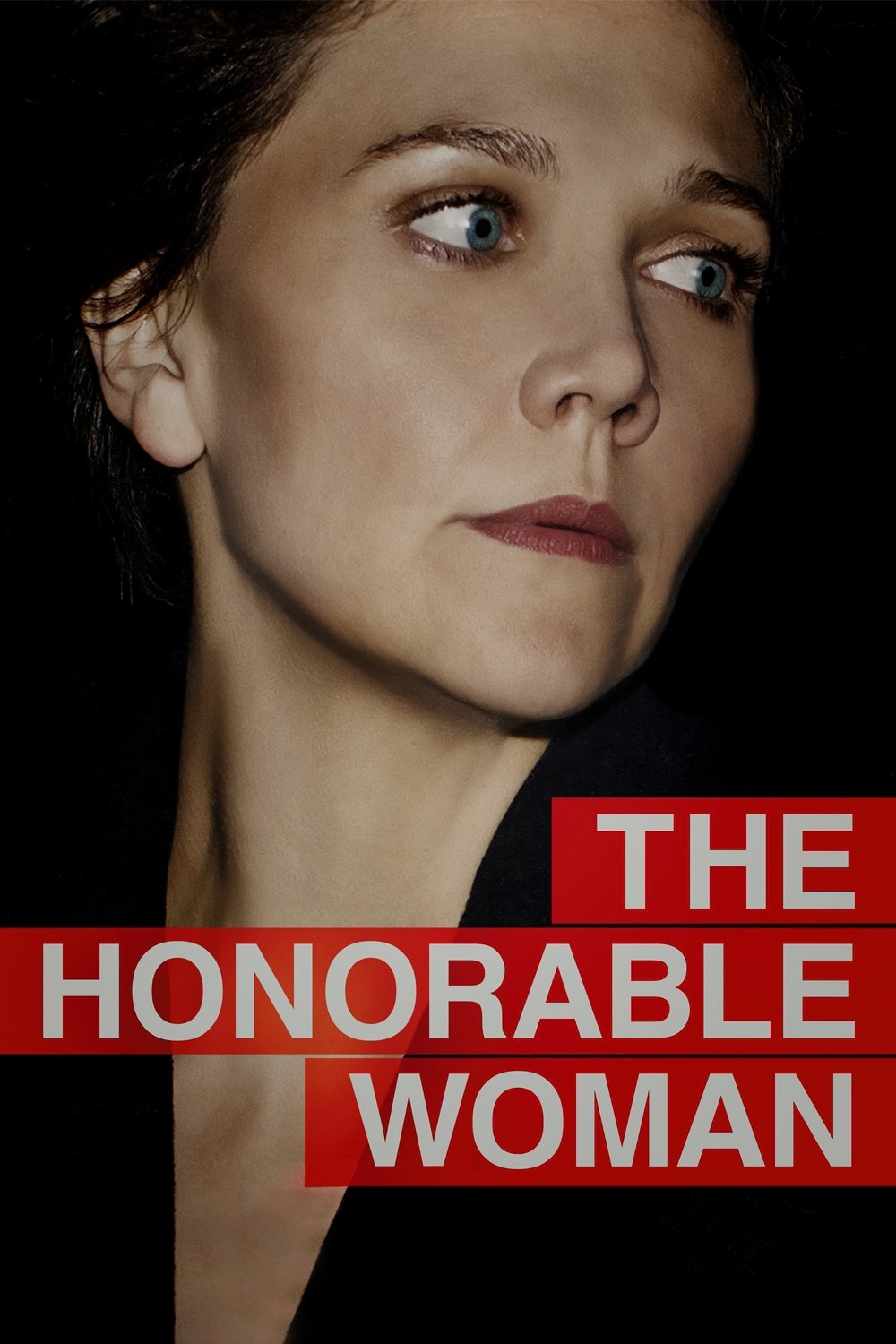
Hugo Blick wrote and directed this political thriller about an Anglo Israeli business leader who inherits a company with sensitive international ties. Maggie Gyllenhaal led the ensemble with Andrew Buchan and Stephen Rea in key roles.
It aired on BBC Two in the UK and on SundanceTV in the US, using a limited series structure. The production moved between multiple countries and maintained a tight focus on private industry and government interaction.
‘The Good Wife’ (2009–2016)
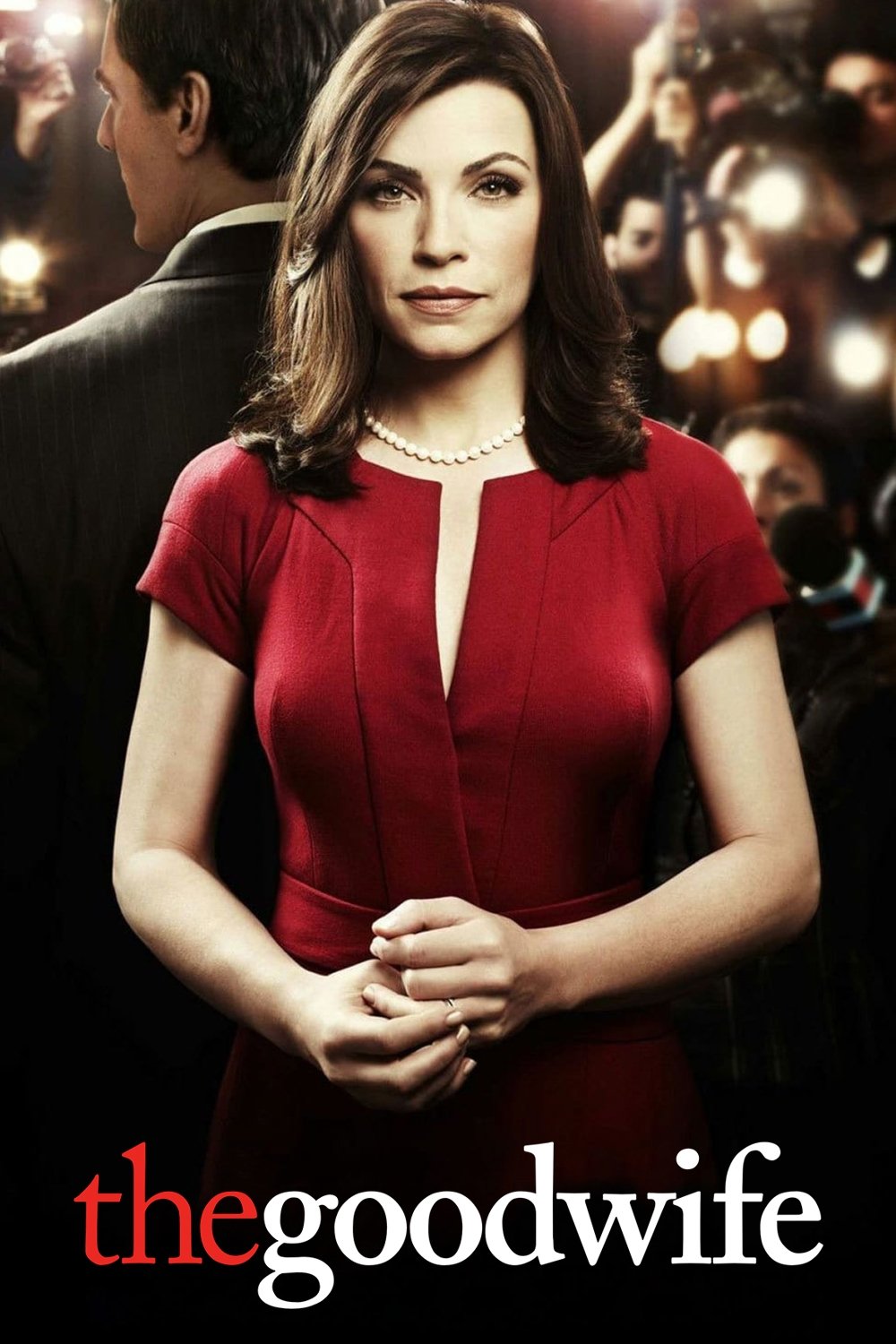
Created by Michelle and Robert King, this legal drama followed Alicia Florrick as she returned to law practice after a public scandal. Julianna Margulies led a deep ensemble with Christine Baranski, Josh Charles, and Archie Panjabi.
It aired on CBS with case of the week plots connected by serialized firm politics. The writers incorporated technology and media issues into courtroom strategy and used recurring guest attorneys and judges to build a larger ecosystem.
‘Rectify’ (2013–2016)

Ray McKinnon created this character driven drama about a man released from death row as his case is reexamined. Aden Young played the lead with Abigail Spencer, J. Smith Cameron, and Clayne Crawford in supporting roles.
It aired on SundanceTV with shorter seasons and location shooting in the American South. Episodes emphasized aftermath and community response, with careful sound design and measured pacing.
‘Veep’ (2012–2019)
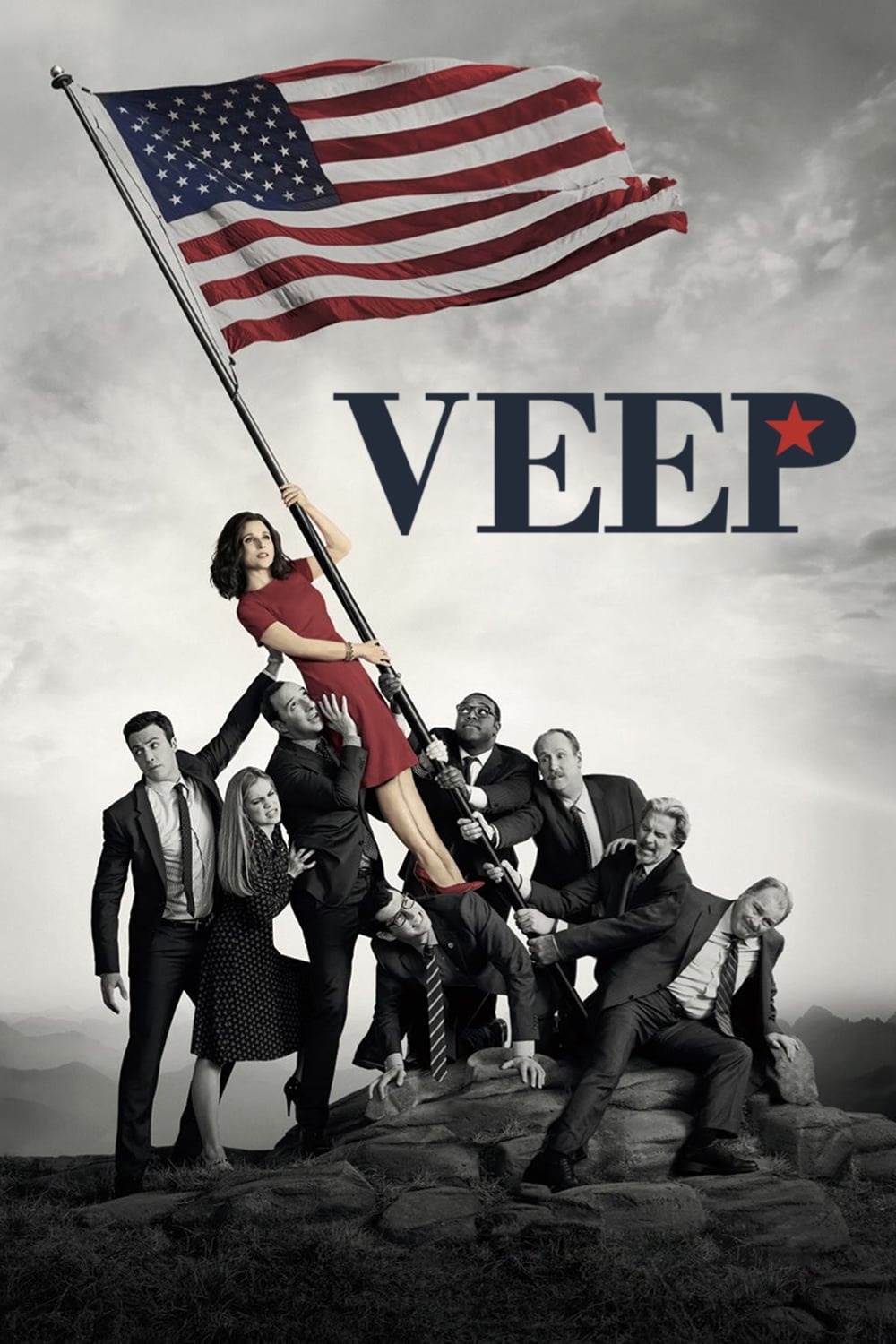
Armando Iannucci created this political comedy about a vice president and staff managing crises and messaging. Julia Louis Dreyfus led the ensemble with Tony Hale, Anna Chlumsky, and Reid Scott.
It aired on HBO with rapid dialogue, walk and talk staging, and writers room research into government process. The series used a mock behind the scenes perspective with recurring press narratives and staff turnover.
‘Louie’ (2010–2015)
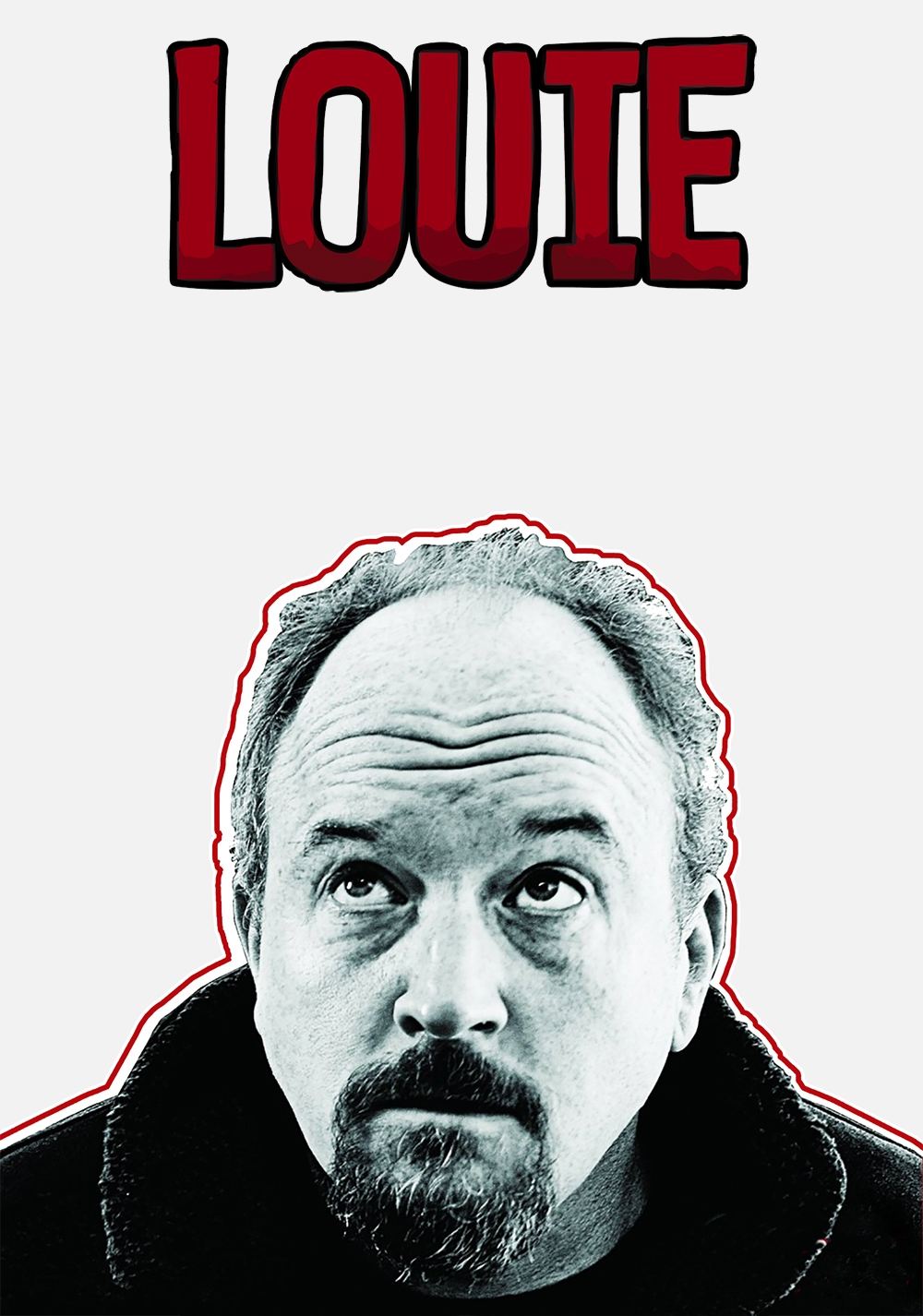
Created by Louis C. K., this semi autobiographical comedy blended stand up segments with scripted vignettes about a working comic in New York City. Episodes varied in structure, including multi part arcs and self contained stories.
It aired on FX with a small crew model and a mix of single camera street photography and club interiors. The show maintained a distinct post production workflow that favored quick edits and minimal score.
‘Broad City’ (2014–2019)

Ilana Glazer and Abbi Jacobson expanded their web series into a half hour comedy about two friends navigating work, money, and friendship in New York City. The supporting cast included Hannibal Buress and Arturo Castro.
It aired on Comedy Central with location heavy shoots and recurring set pieces built around everyday errands. The production kept a writers room led by the creators and used cold opens and tags to button episodes.
‘Review’ (2014–2017)
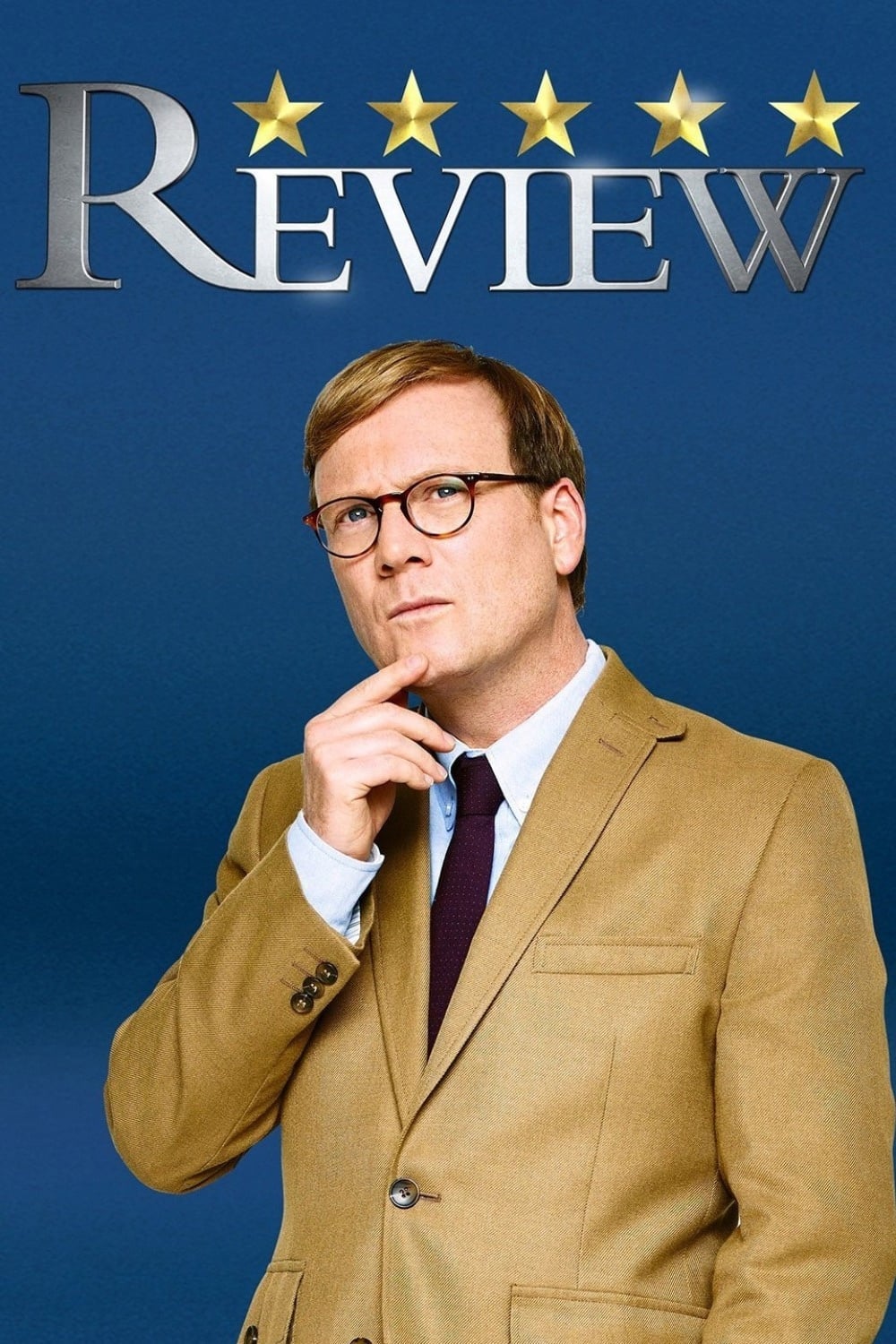
Andy Daly starred as Forrest MacNeil, a host who reviews life experiences requested by viewers, with each assignment affecting his personal situation. The format stitched together studio segments and field pieces into a single episode narrative.
It aired on Comedy Central with short seasons and a fixed supporting cast for the show within the show. Recurring callers and producers provided continuity across assignments and escalated consequences over time.
‘Orange Is the New Black’ (2013–2019)

Created by Jenji Kohan and based on a memoir, this ensemble dramedy followed inmates and staff at a women’s prison. The cast rotated focus between characters while maintaining central threads involving facility management and inmate relationships.
It premiered on Netflix using a full season release model and hour long episodes. Flashbacks provided character backstory and were integrated with present day plotlines in most installments.
‘The Flash’ (2014–2023)
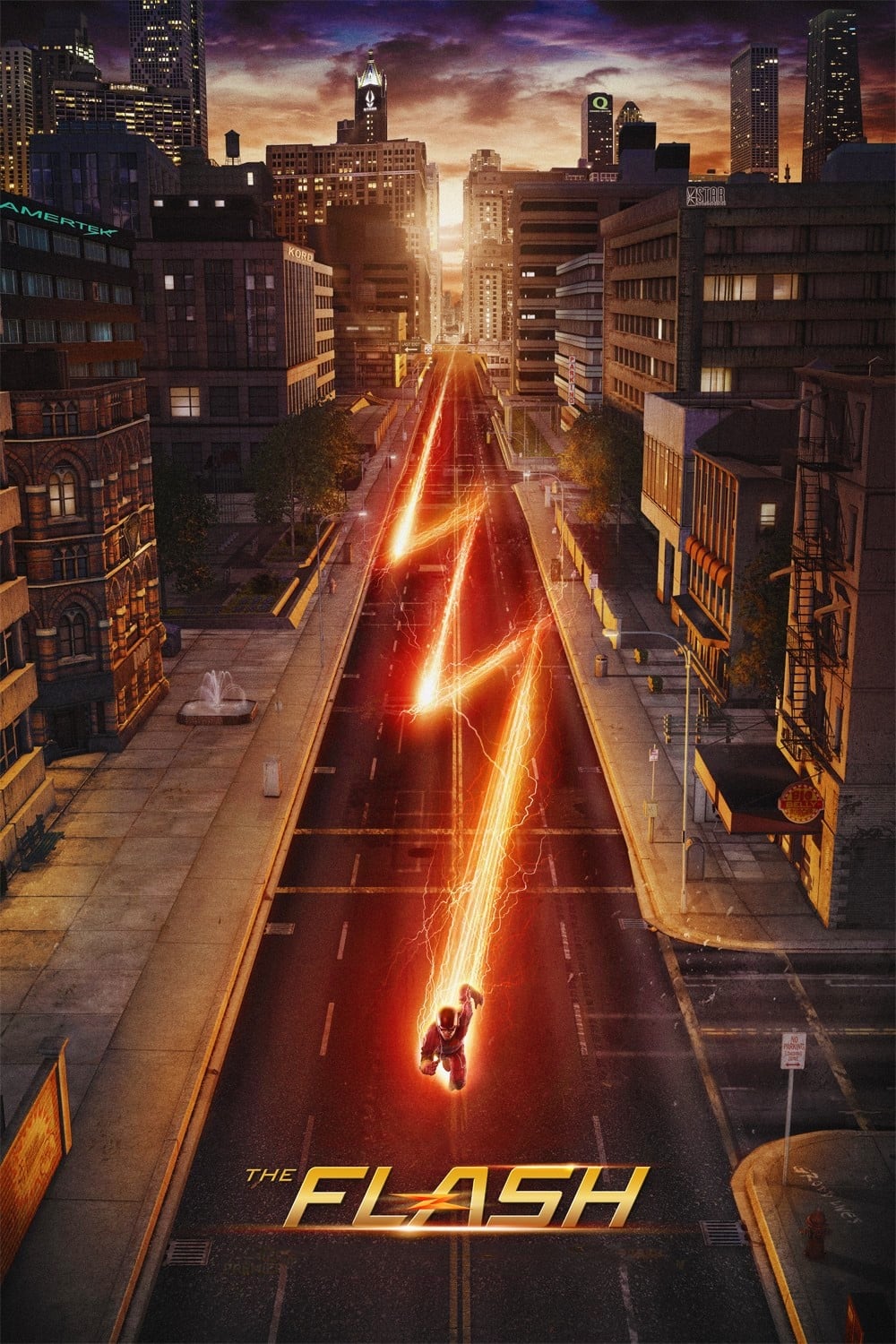
Developed by Greg Berlanti, Andrew Kreisberg, and Geoff Johns, this superhero series followed forensic scientist Barry Allen after a lab accident grants him speed abilities. The main cast included Grant Gustin, Candice Patton, Danielle Panabaker, and Jesse L. Martin.
It aired on The CW with a case of the week structure tied to metahuman antagonists and a larger seasonal villain arc. Visual effects teams created speed trails and time manipulation sequences using a combination of practical shots and CGI.
‘How to Get Away with Murder’ (2014–2020)
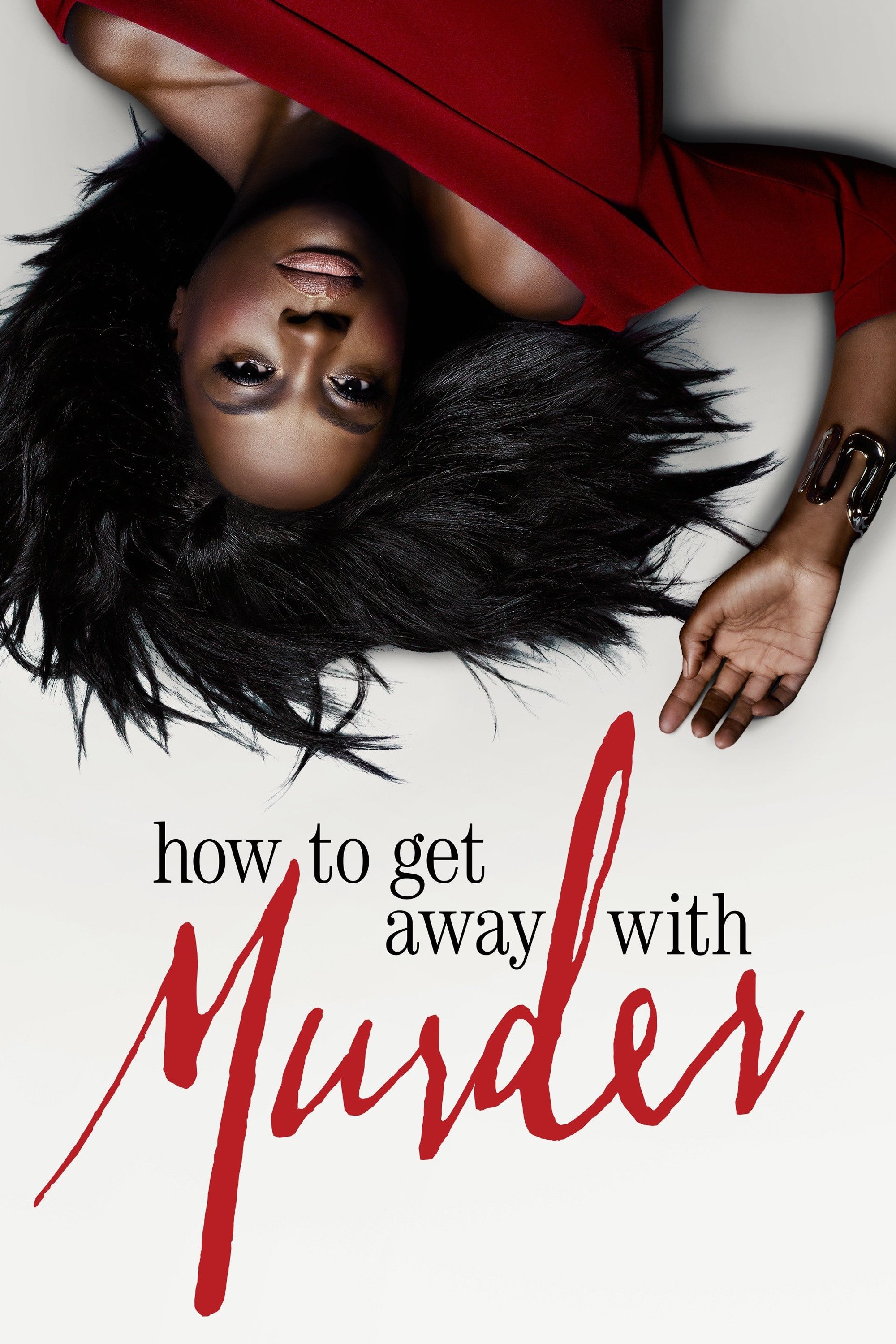
Created by Peter Nowalk, this legal thriller centered on a criminal law professor and a group of students entangled in a complicated case. Viola Davis led the cast with Alfred Enoch, Jack Falahee, and Aja Naomi King.
It aired on ABC with a flash forward and flashback structure that revealed plot points in pieces. Episodes used classroom scenes as narrative framing for legal concepts that reappeared in ongoing investigations.
‘The Affair’ (2014–2019)
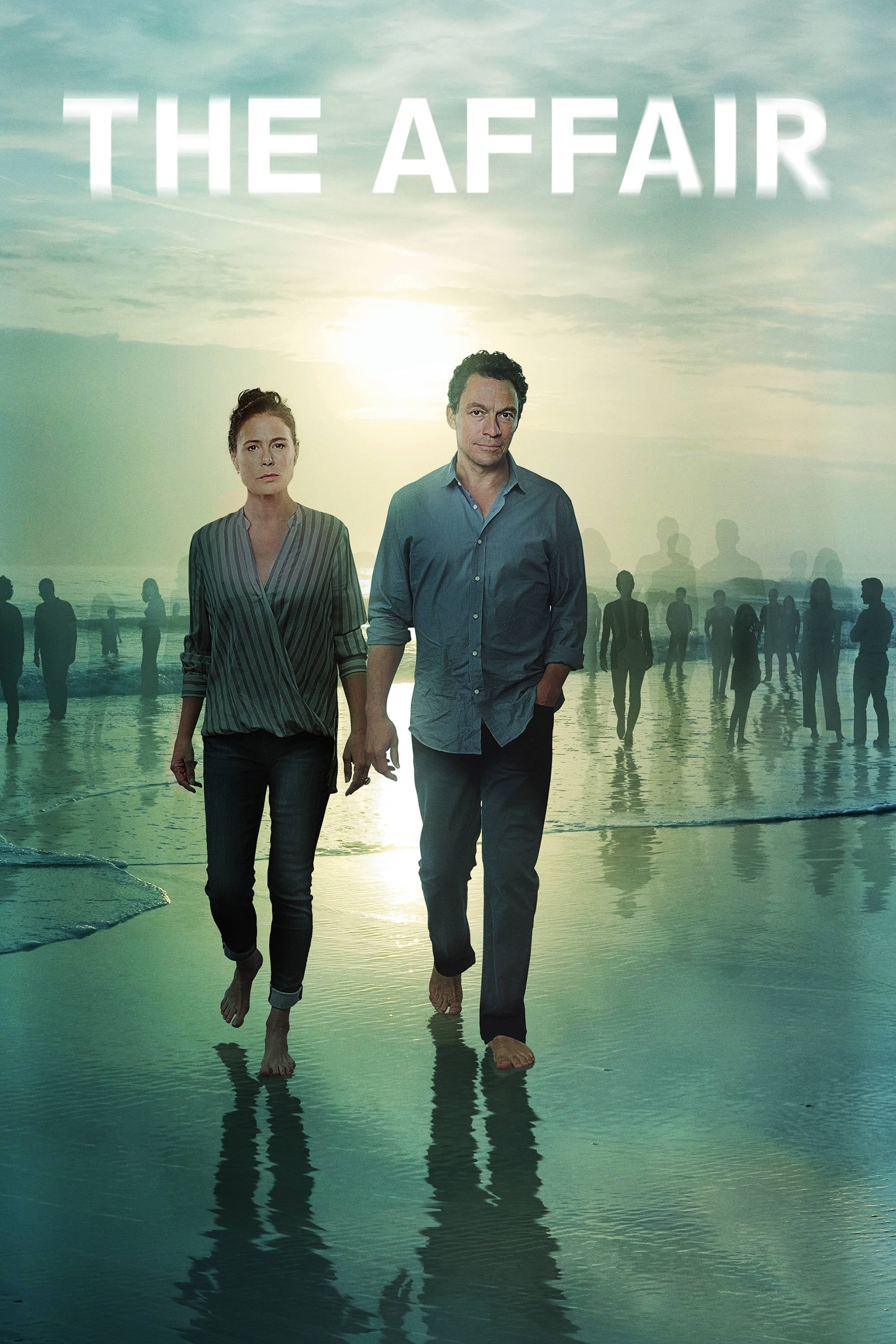
Created by Sarah Treem and Hagai Levi, this drama examined a relationship through shifting perspectives that altered the presentation of the same events. The primary cast featured Dominic West, Ruth Wilson, Maura Tierney, and Joshua Jackson.
It aired on Showtime with a split episode format that devoted halves to different points of view. Production emphasized small costal town settings and used wardrobe and props to signal perspective changes.
‘Jane the Virgin’ (2014–2019)

Developed by Jennie Snyder Urman from a Venezuelan telenovela, this dramedy followed a young woman who becomes pregnant after a clinic error and must balance family, career, and romance. Gina Rodriguez led the ensemble with Andrea Navedo, Yael Grobglas, and Justin Baldoni.
It aired on The CW with a narrator device that guided viewers through plot twists and character histories. The series used bright production design, recurring visual motifs, and structured chapter titles to reflect telenovela traditions.
‘Black Mirror’ (2011–2019)
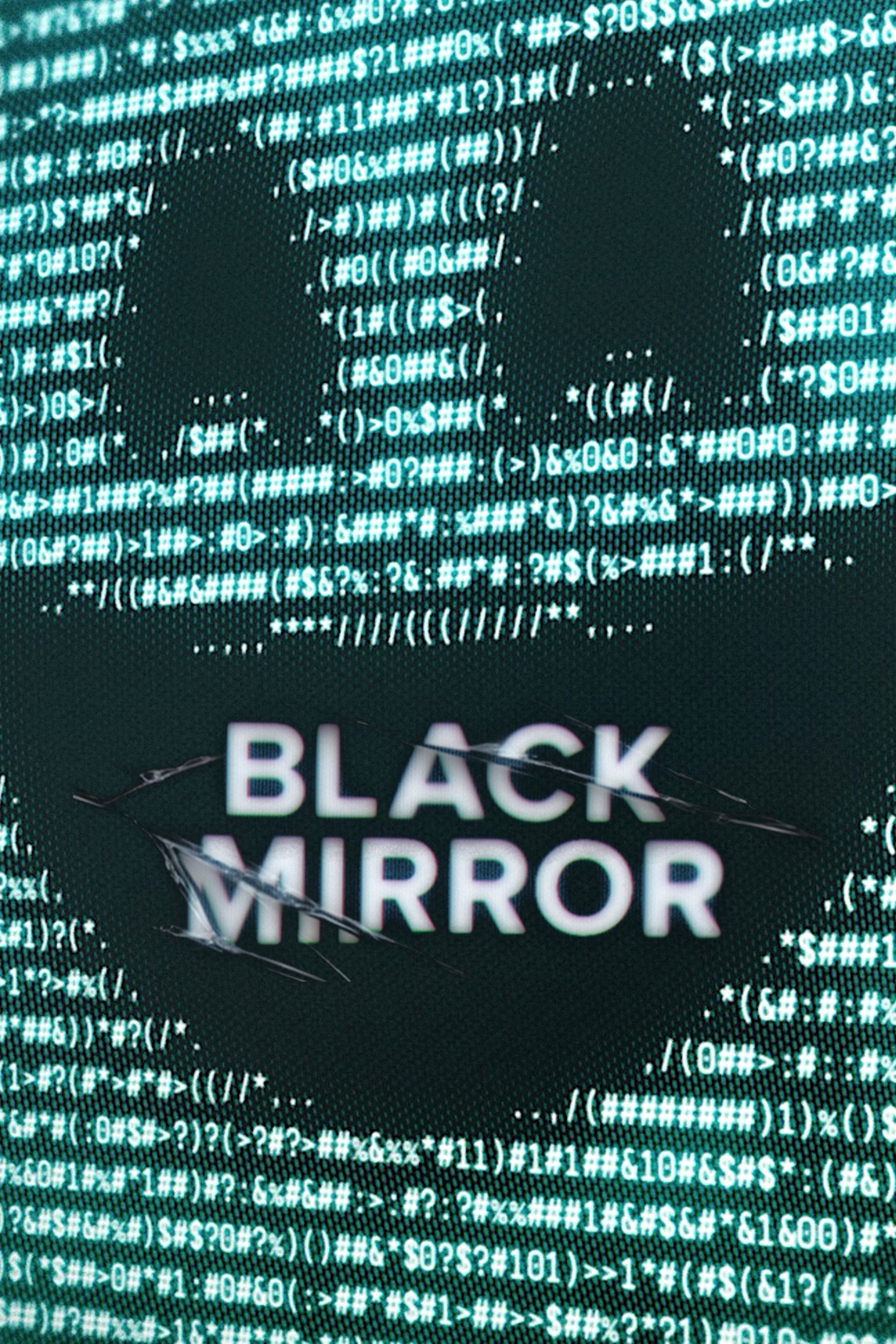
Created by Charlie Brooker, this anthology examined technology and society through standalone stories with speculative premises. The episode released in this period featured Jon Hamm, Rafe Spall, and Oona Chaplin with intertwined segments.
It aired on Channel 4 in the UK before later seasons moved to streaming. The production used a self contained film approach for each story with new directors, casts, and settings every time.
Share your picks for the standout shows from this year in the comments and tell us which ones you think still hold up best now.