Movie Sequels That Destroyed Beloved Franchises


Some follow ups keep a good thing going. Others change the tone, swap key players, or chase trends that do not fit what fans loved in the first place. When that happens, the ripple effects can stall a series, push it into a long break, or force a hard reset that tries to win everyone back.
Here are sequels that became turning points for the wrong reasons. Each one triggered course corrections, spin offs, or full reboots, and in many cases the stories around their production tell you exactly why the brand had to start over. You will also see who put them in theaters, since distribution often shaped how wide these films reached.
‘Batman & Robin’ (1997)
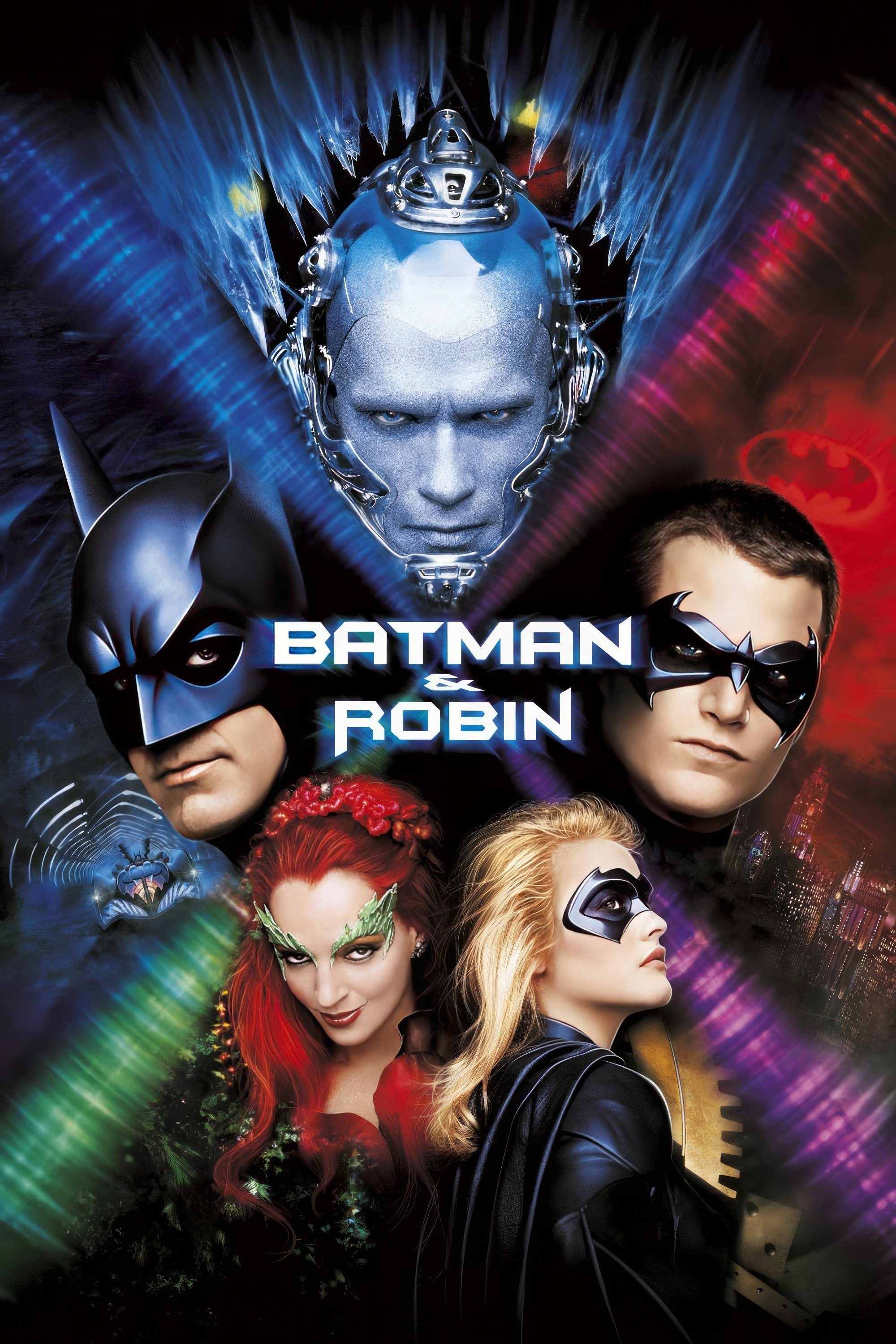
A new creative direction brought a brighter look, heavy toy tie ins, and a campy tone that moved far from the darker entries that came before. Casting changes and a crowded lineup of characters left little room for a focused story, which made the film feel disconnected from the earlier momentum.
Warner Bros handled distribution and the response led the studio to pause the series for years. The break eventually cleared the path for a grounded reboot that rebuilt the character from scratch with a different creative team.
‘The Matrix Revolutions’ (2003)
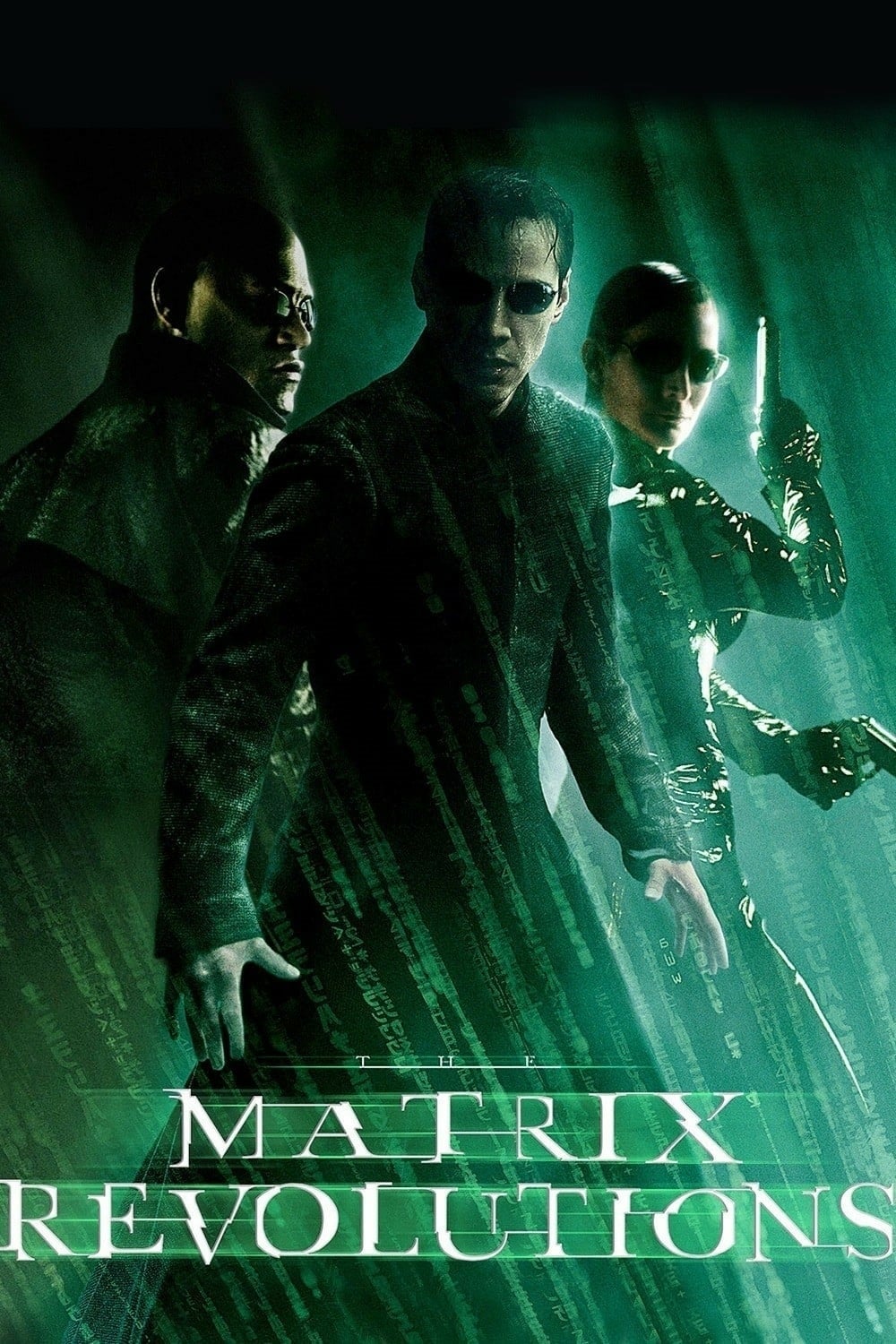
The final chapter of the original trilogy arrived with dense lore and extended action set pieces that wrapped up major arcs but left some viewers cold on character payoffs. The shift from intimate mystery to large scale conflict made the world feel heavier and less nimble than the first film.
Warner Bros released the film worldwide and the mixed reception cooled enthusiasm for immediate continuations. The brand shifted toward games and transmedia before cinema returned to the universe much later with a new approach.
‘Terminator Genisys’ (2015)
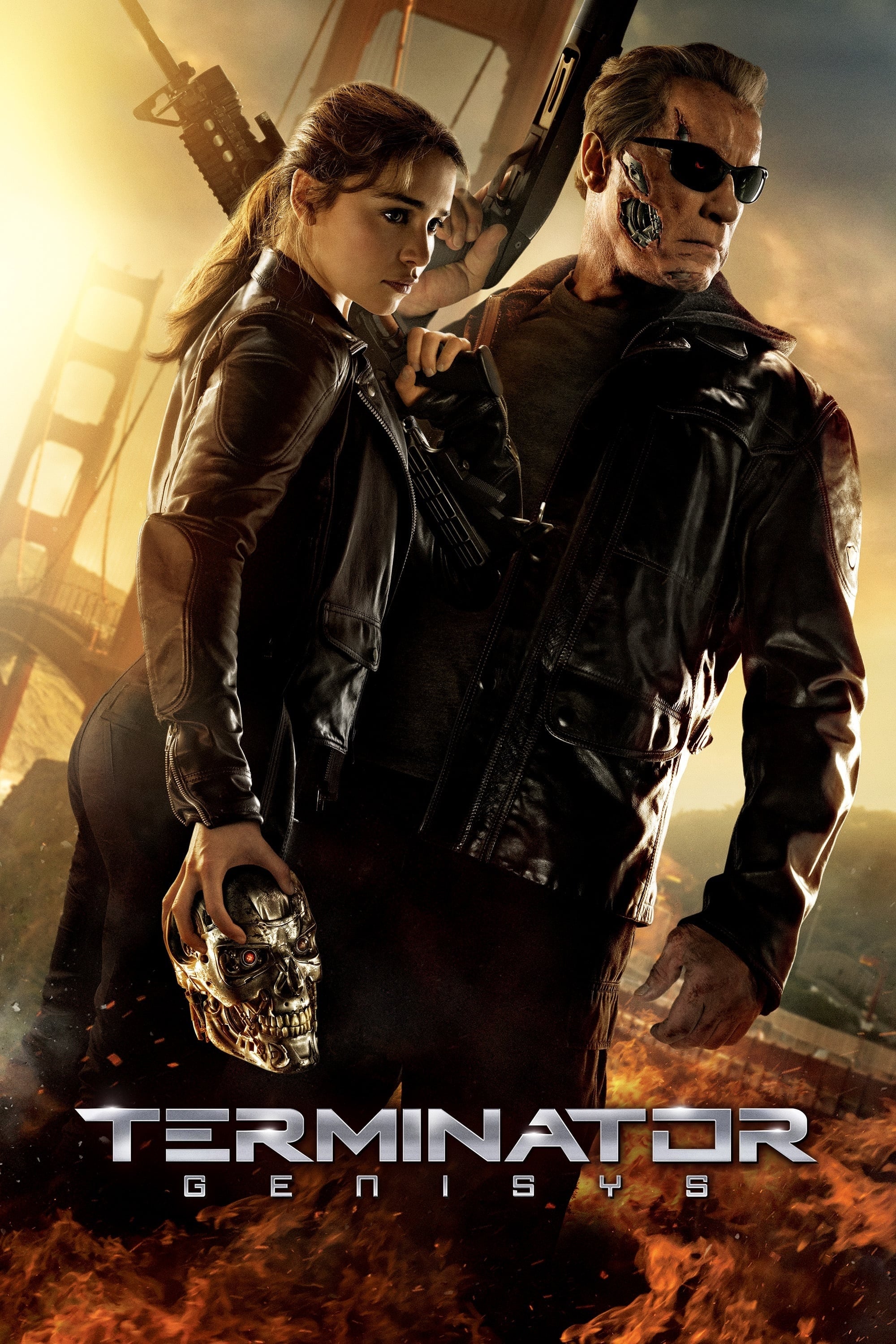
A timeline remix introduced alternate histories and familiar faces in different roles, which complicated a series built on lean chase narratives. The new continuity tried to reset core events while setting up future installments that never arrived.
Paramount Pictures distributed the film and the response triggered another rethink of the franchise strategy. The next attempt pivoted again with different creative leadership and a new plan for legacy characters.
‘Alien: Resurrection’ (1997)
A distant setting in time and a revived lead character created a strange bridge to earlier entries. Creature design and tonal choices moved toward pulp action, which clashed with the slow burn horror roots that began the series.
Twentieth Century Fox distributed the film and the outcome sent the brand into crossover territory rather than a direct continuation. Years later the universe circled back with prequels that rebuilt the mythology from the ground up.
‘X-Men: The Last Stand’ (2006)
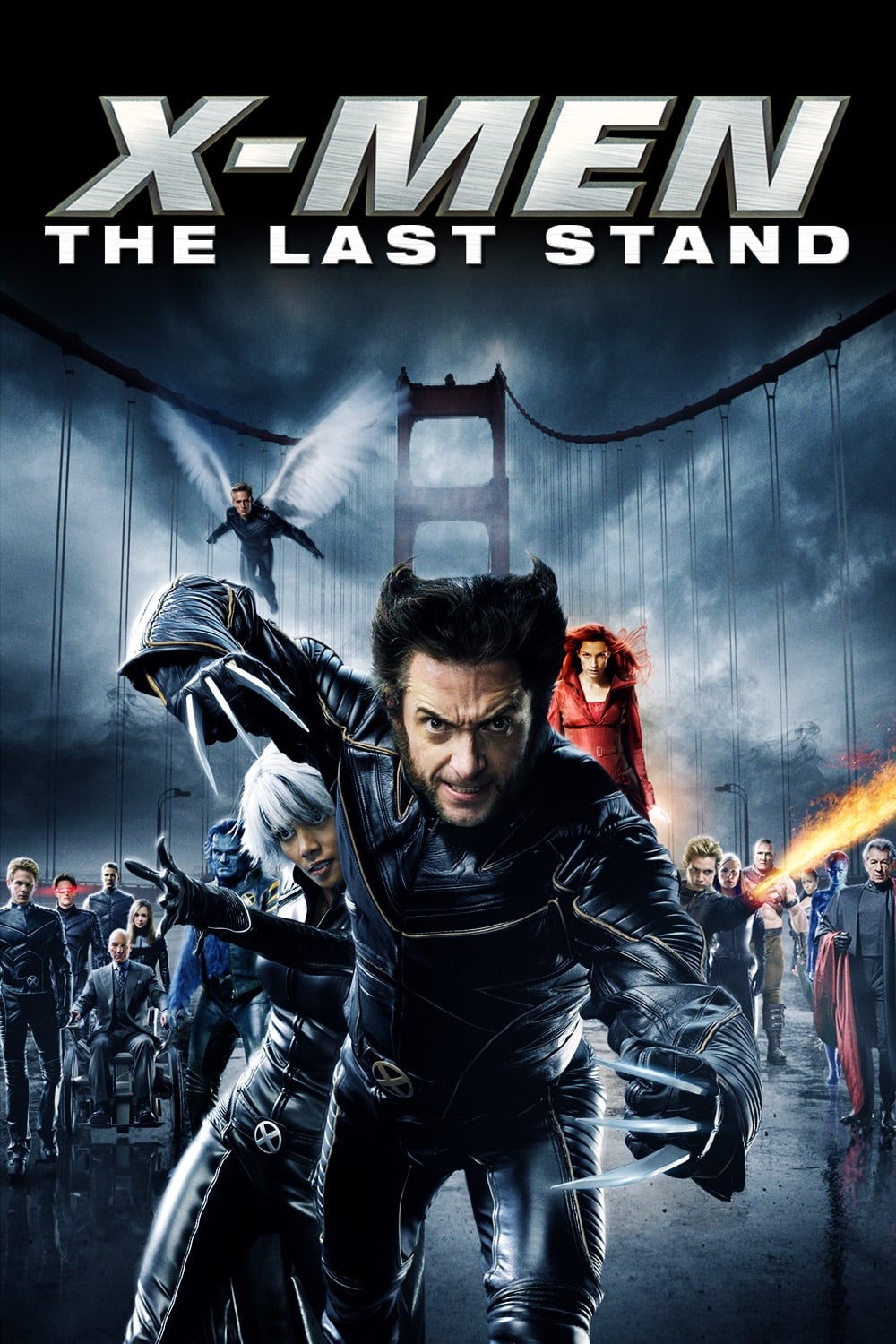
Multiple storylines combined into one film that rushed through major character beats and high stakes decisions. Important arcs from the comics appeared in condensed form that left little space for development.
Twentieth Century Fox put the film in theaters and the aftermath led to prequels and soft resets to repair continuity. Later entries continued to adjust timelines in an effort to restore audience trust.
‘Spider-Man 3’ (2007)
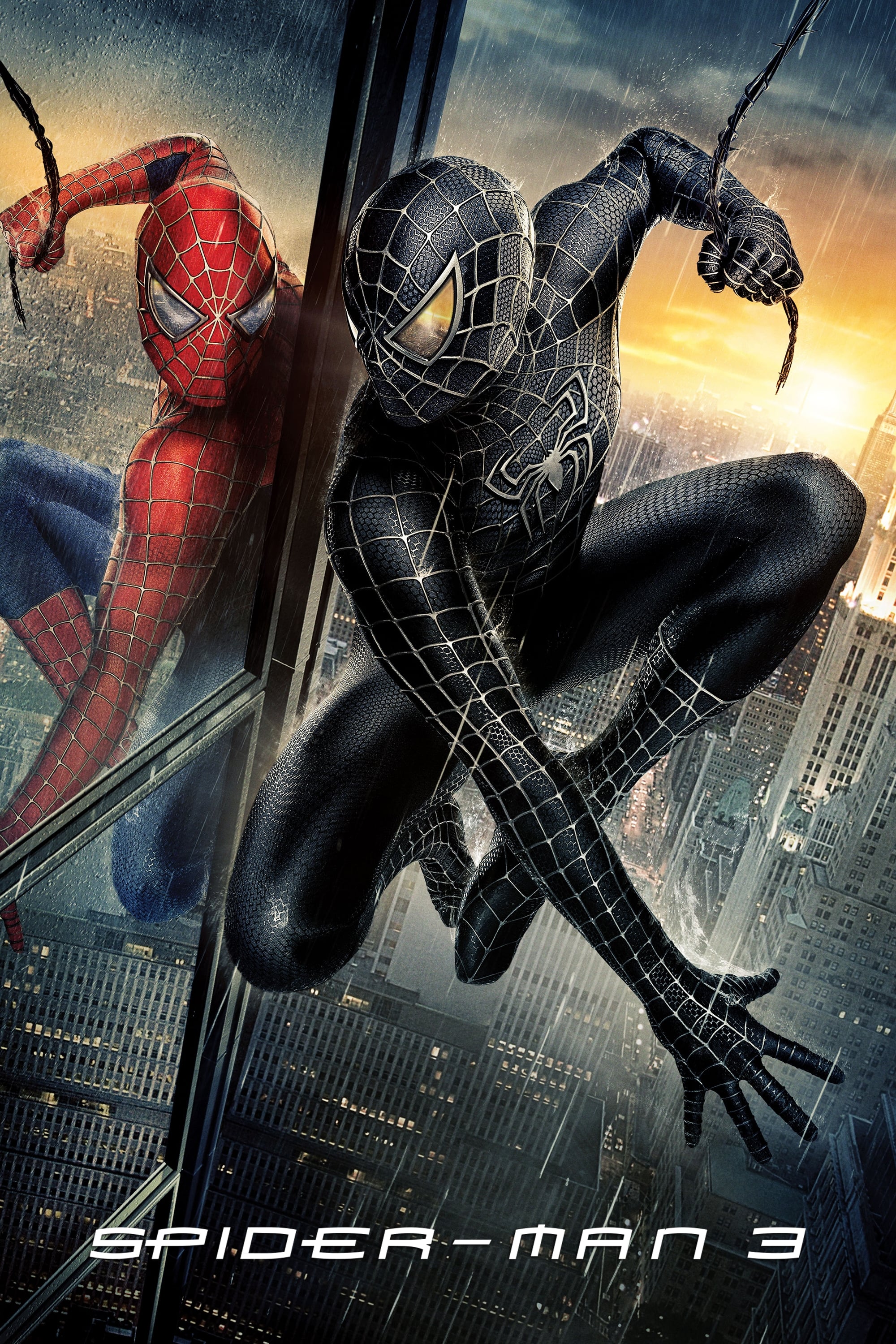
Competing villain threads and external pressure to include certain characters crowded a series that had thrived on tight emotional focus. The film juggled too many conflicts at once, which diluted the core relationship at the heart of the story.
Sony Pictures Releasing handled distribution and plans for a fourth film soon collapsed. The character returned through a reboot that introduced a new cast and a different tone.
‘The Amazing Spider-Man 2’ (2014)

World building for future spin offs took center stage and pulled attention away from the central narrative. Teases for villain teams and wider plots overshadowed the immediate stakes of the main story.
Sony Pictures Releasing distributed the film and the response accelerated negotiations that brought the character into a shared universe with a fresh creative direction. The prior continuity ended without the promised follow ups.
‘The Mummy: Tomb of the Dragon Emperor’ (2008)
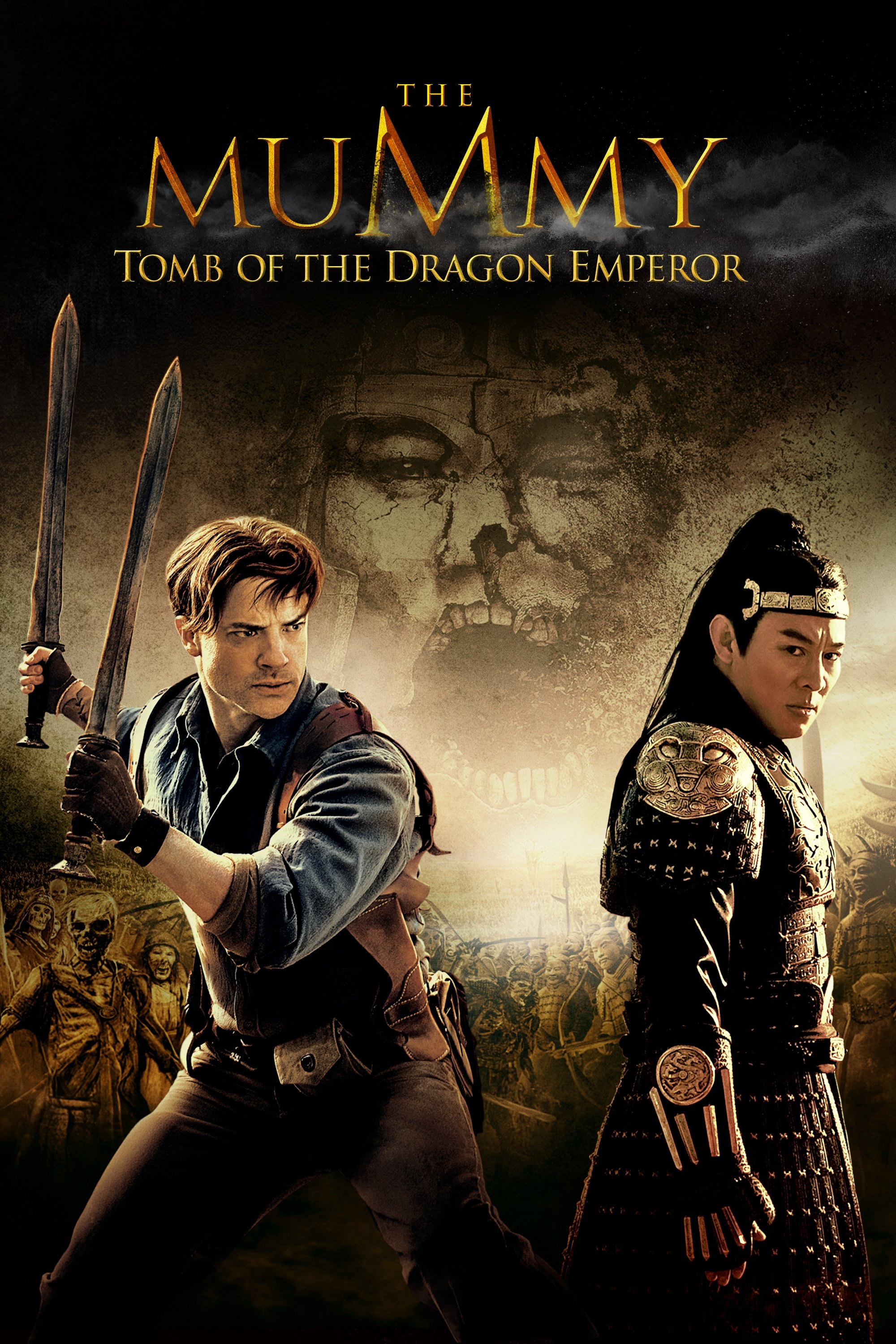
A change in setting and a recast of a key character altered the charm that powered the earlier adventures. The mix of mythology and effects leaned bigger while losing the breezy tone that made the first films click.
Universal Pictures released the film and the series paused afterward. Later attempts to revive the property shifted to a new cast and an unrelated take that tried to launch a broader monster lineup.
‘Indiana Jones and the Kingdom of the Crystal Skull’ (2008)
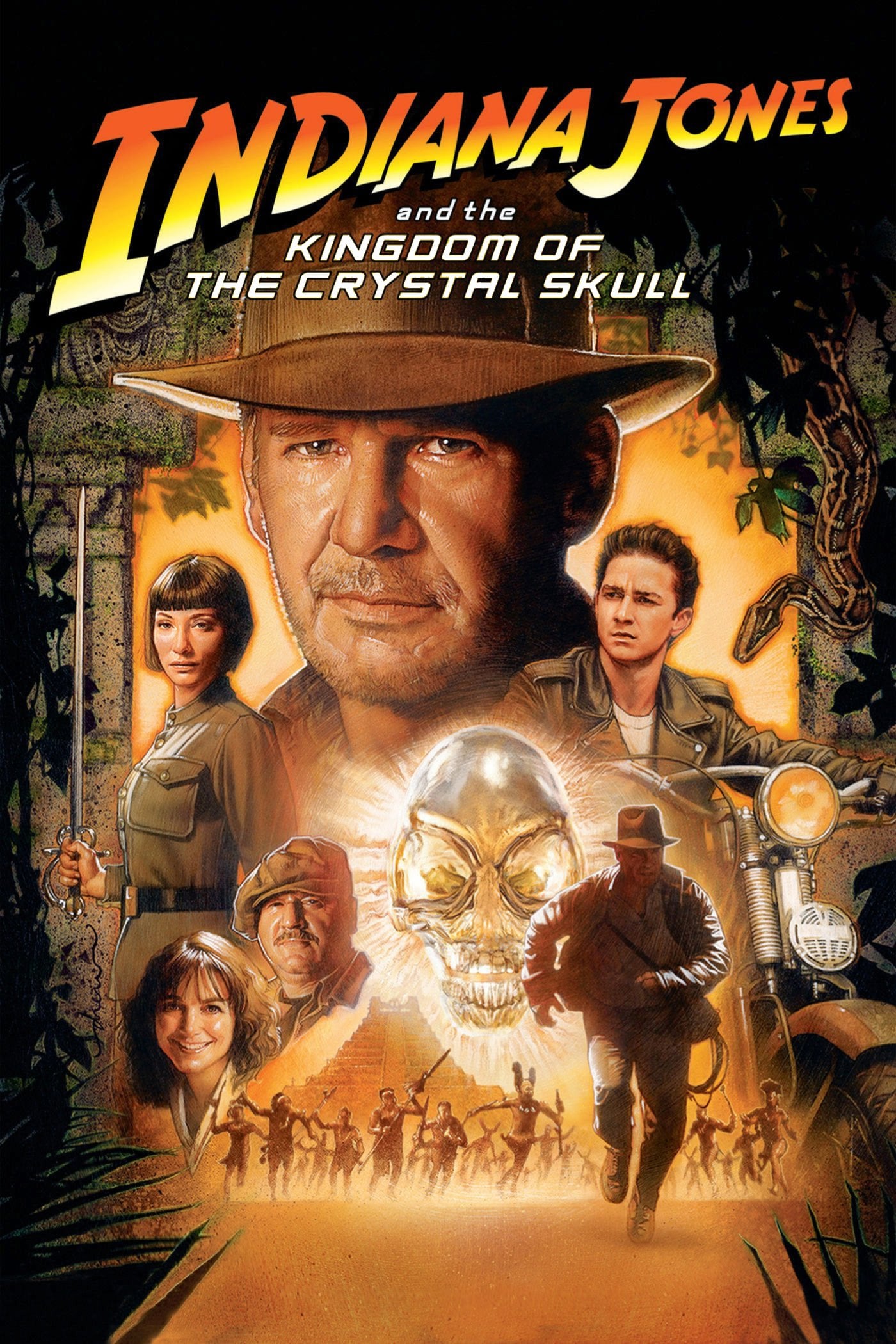
A mid century setting brought new genre elements that blended archaeology with science fiction motifs. Familiar characters returned alongside new family ties, yet the story beats did not recapture the pulpy simplicity of earlier quests.
Paramount Pictures handled distribution on this entry and the brand went quiet on the big screen for a long stretch. The character eventually came back under a different corporate banner with a reflective tone that acknowledged the years between adventures.
‘Star Wars: The Rise of Skywalker’ (2019)
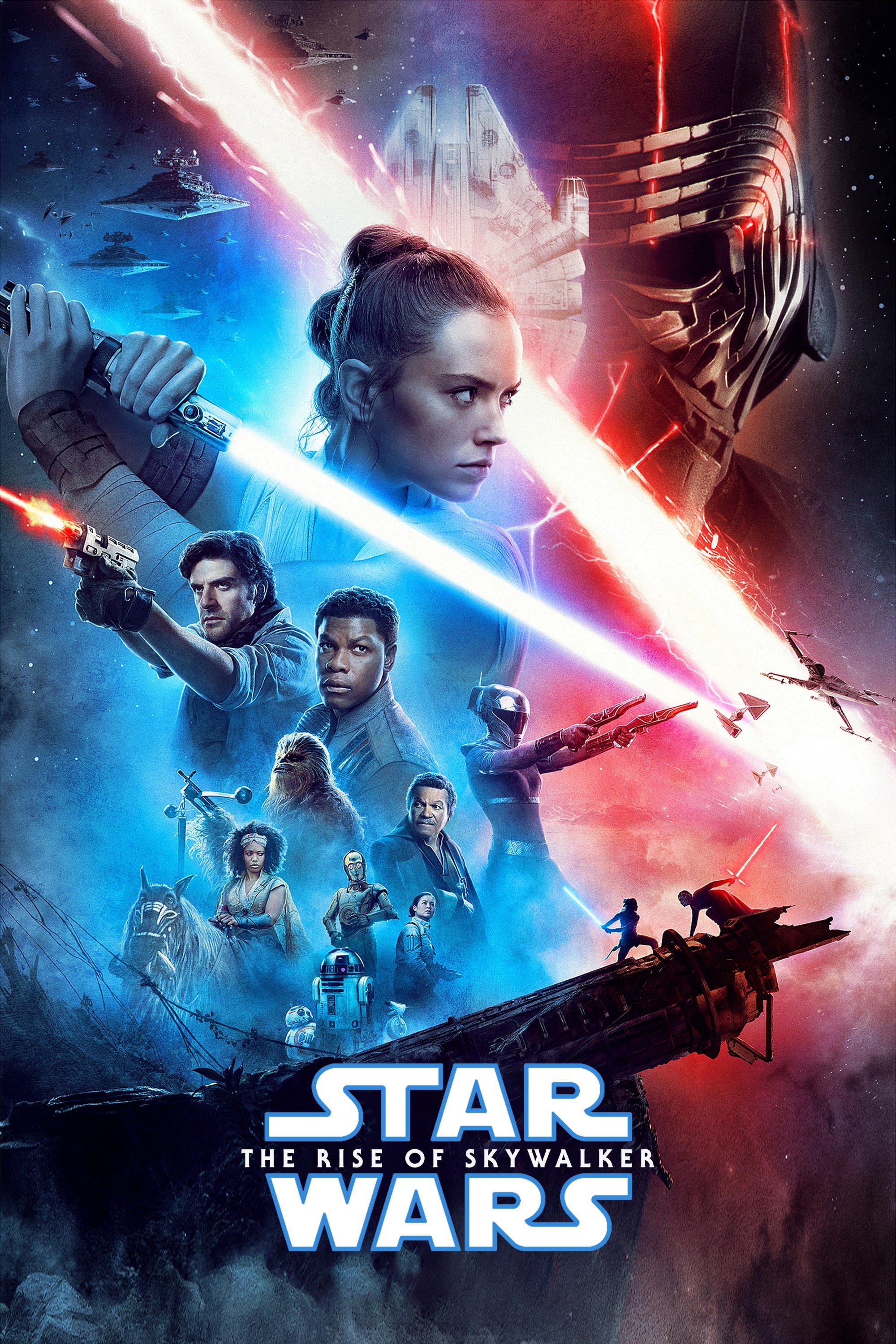
A fast moving plot attempted to resolve many threads while reversing or revising choices from the prior chapter. The hunt for artifacts and reveals took precedence over quieter character growth, which made the finale feel crowded.
Walt Disney Studios Motion Pictures released the film and the response shifted the franchise toward streaming series and new theatrical plans. Future films moved to fresh eras and directors rather than direct sequels to this saga.
‘The Godfather Part III’ (1990)
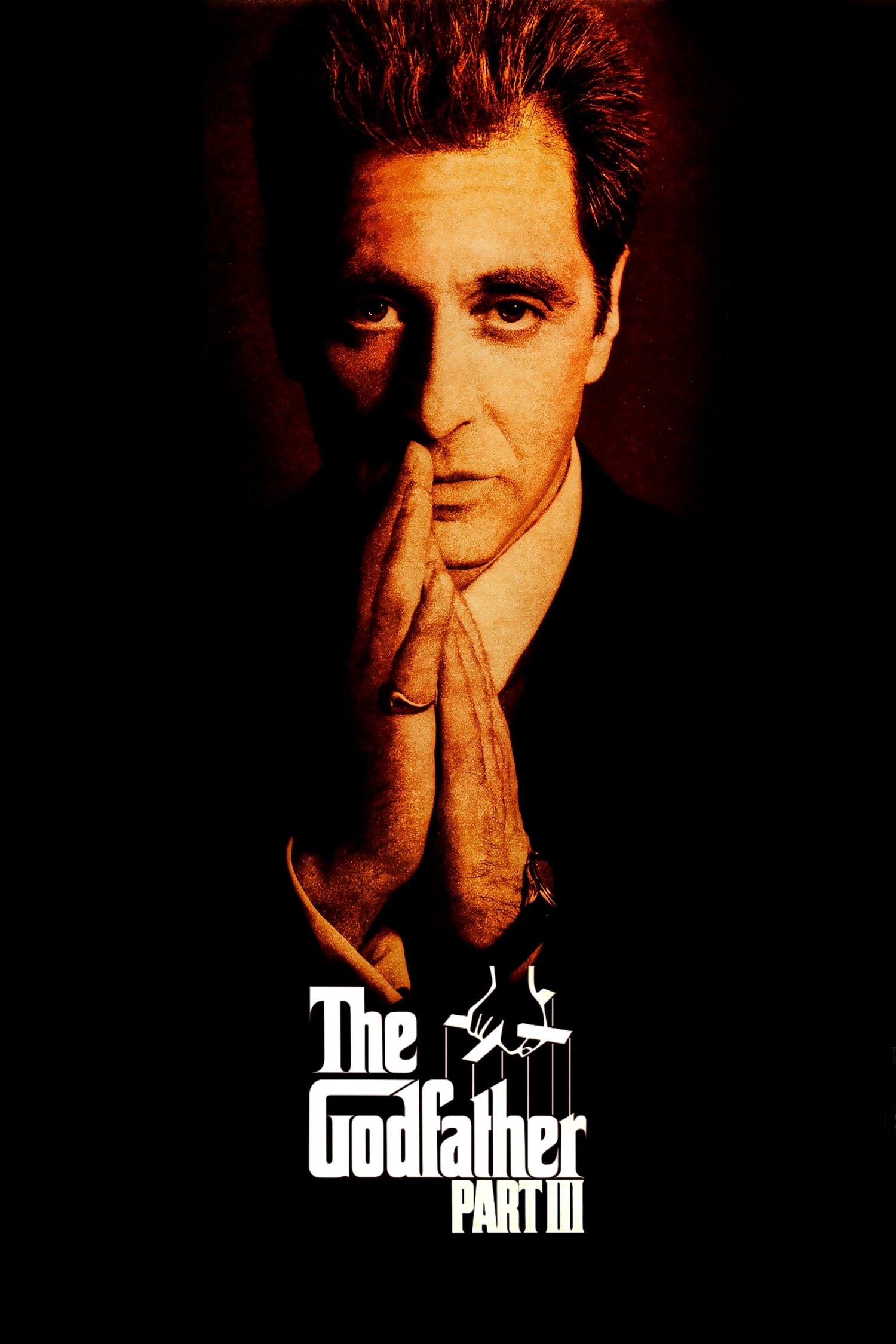
A time jump explored succession and regret but arrived without the iconic performer who had anchored one of the key roles in earlier chapters. Production challenges and a recast shaped the final form of the film that closed the family tale.
Paramount Pictures distributed the release and the series ended on a muted note. Decades later a new cut tried to refine structure and emphasis, yet the franchise remained complete rather than continuing forward.
‘Jaws: The Revenge’ (1987)
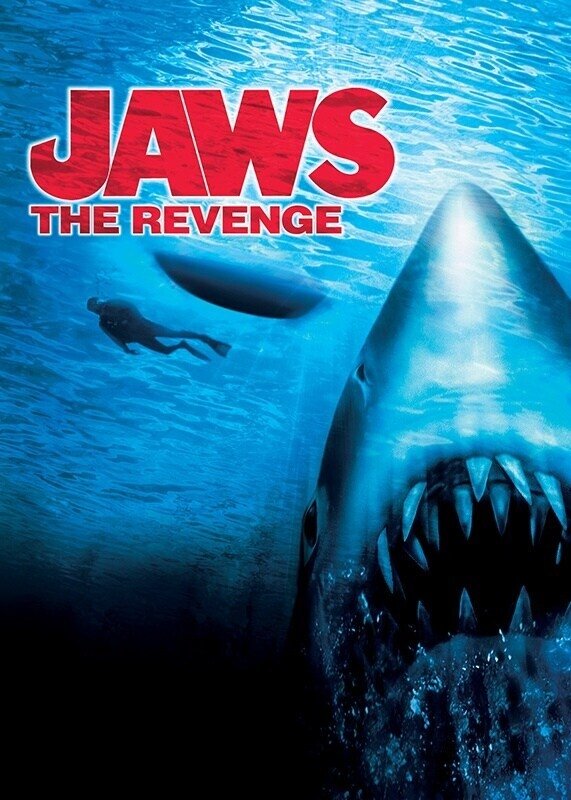
A personal vendetta concept brought the shark into unlikely territory that strained credibility. The production used rapid scheduling and on the fly changes that affected effects work and storytelling.
Universal Pictures released the film and the outcome ended theatrical interest in continuing the series. The brand lived on through theme park attractions and home media but not through new mainline entries.
‘Jurassic Park III’ (2001)
A rescue plot with returning supporting characters delivered brisk spectacle but little scientific wonder. The absence of the original central figure for most of the story changed the dynamic that had made the first film special.
Universal Pictures handled distribution and the franchise took a long break from theaters afterward. The eventual revival arrived with a new lead cast and a modern park setting that effectively rebooted audience expectations.
‘A Good Day to Die Hard’ (2013)
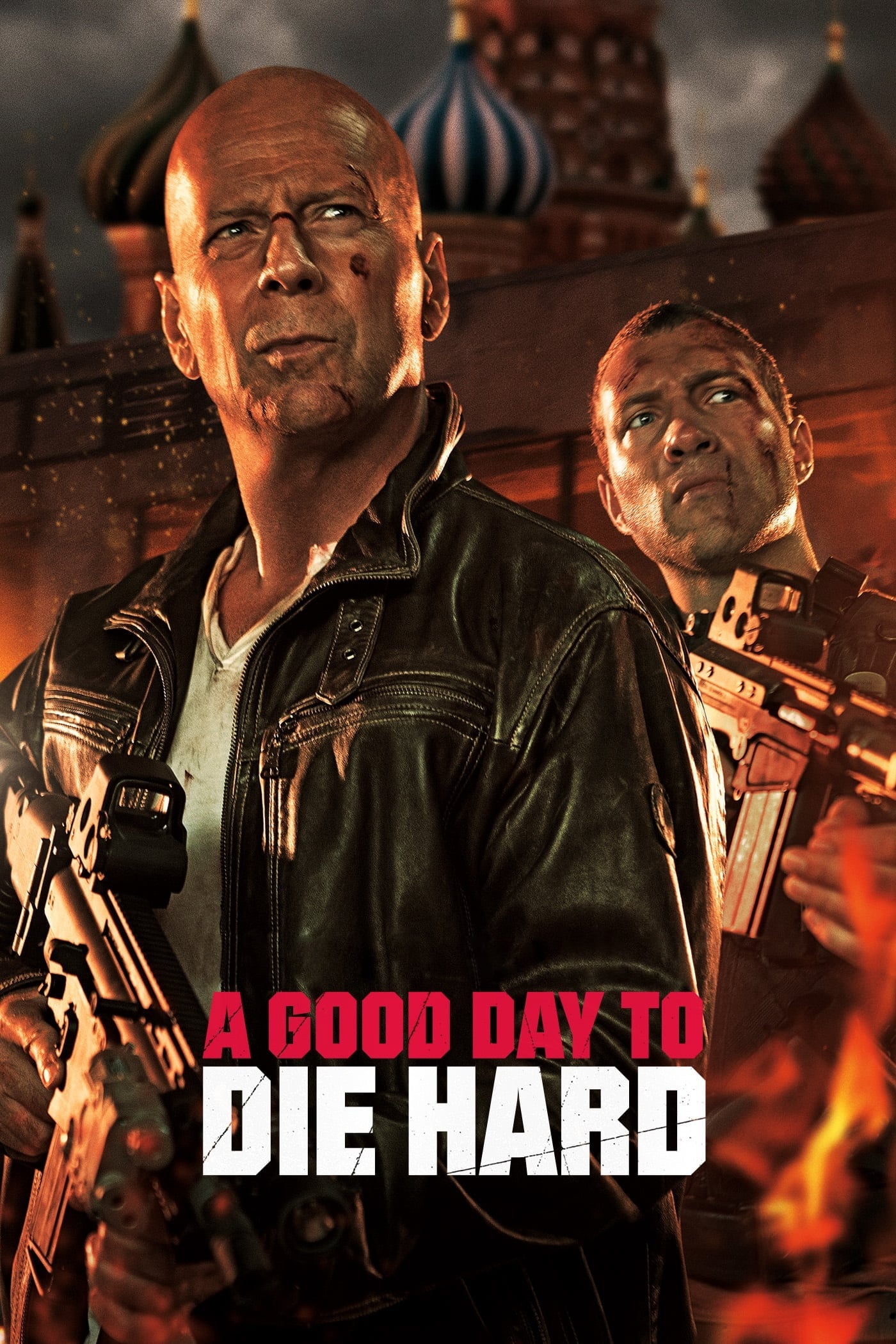
The series shifted locations and partnered the veteran lead with a new family member in a story built around large scale set pieces. The quippy everyman tone turned into a louder action style that felt removed from the claustrophobic original.
Twentieth Century Fox distributed the film and plans for further entries stalled. Later development focused on reimagining the property rather than producing a direct follow up.
‘Pirates of the Caribbean: Dead Men Tell No Tales’ (2017)
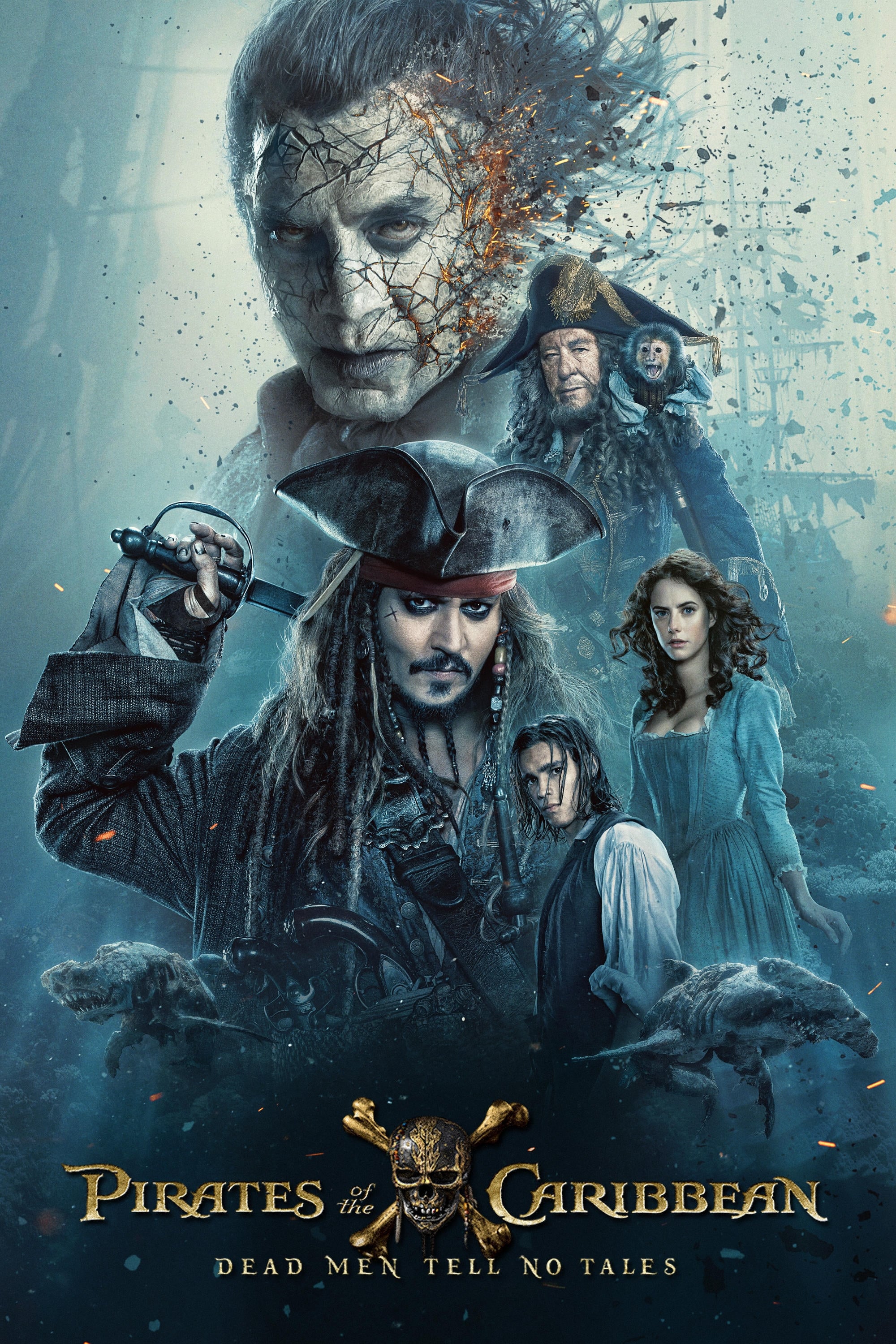
A new pair of younger leads connected to legacy characters tried to refresh the formula while revisiting old curses and treasures. The blend of mythology and slapstick felt familiar without adding a strong new hook.
Walt Disney Studios Motion Pictures released the film and the series entered a holding pattern. Subsequent movement centered on spin offs and retools that did not continue this storyline.
‘Men in Black II’ (2002)
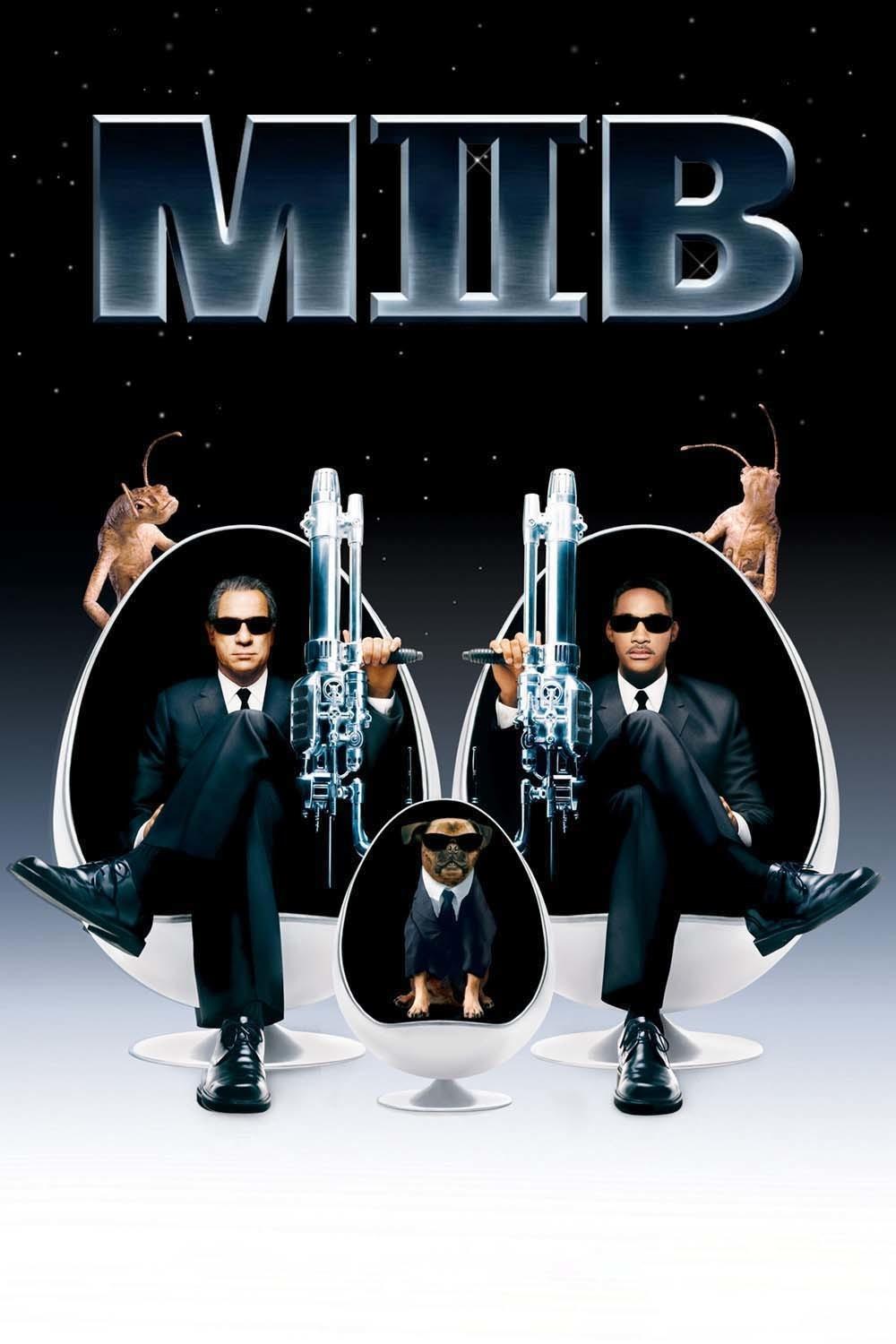
The sequel repeated plot beats from the first film with a new villain and a memory restoration device that reset a major character. The scale grew while the sense of discovery that defined the original shrank.
Sony Pictures Releasing handled distribution and momentum dipped. The next installments tried different pairings and a soft reboot approach to rekindle interest.
‘Transformers: The Last Knight’ (2017)
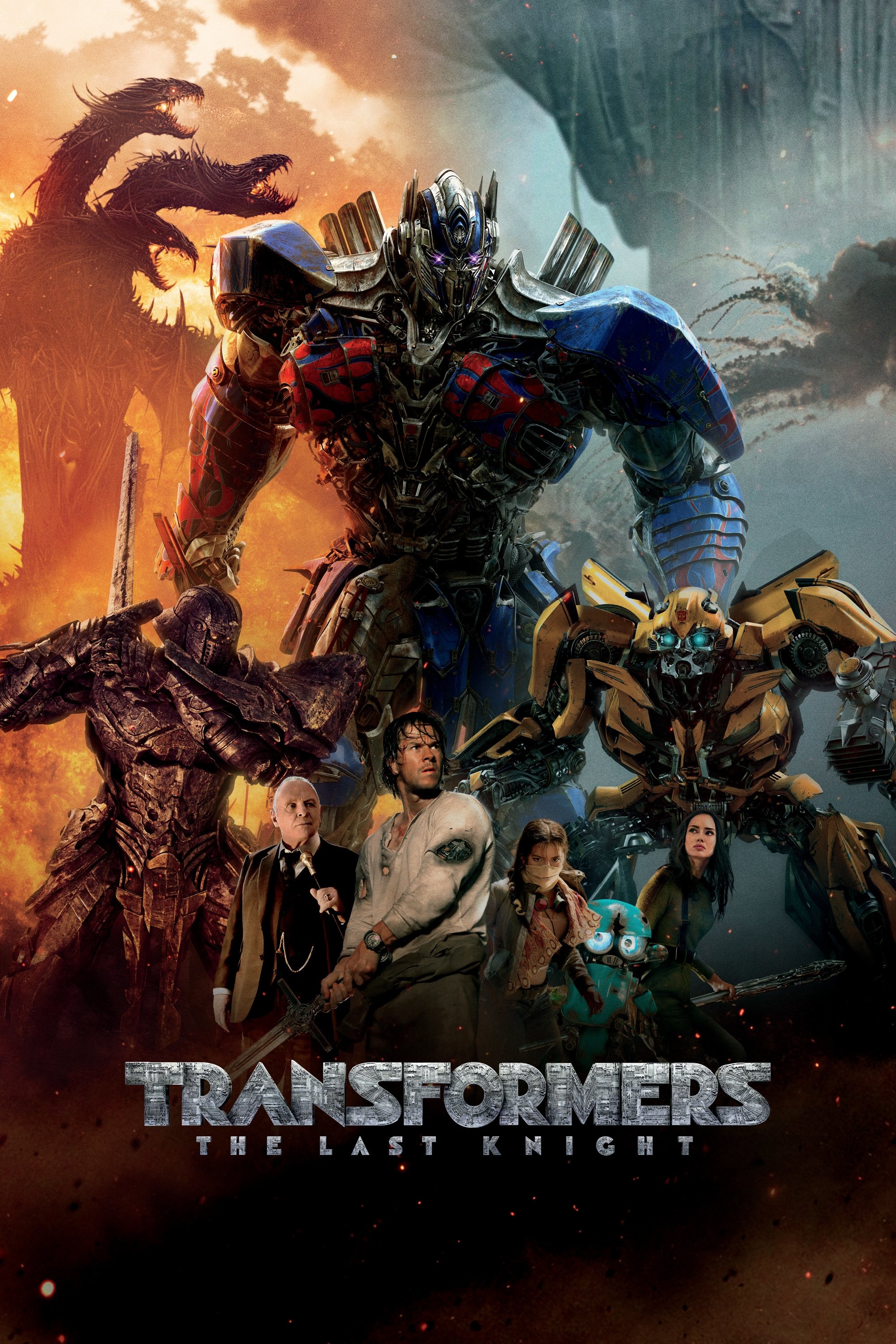
Lore expansions rewrote human history to tie the robots into multiple eras, which added complexity without clarifying character goals. The tone mixed broad humor with apocalyptic stakes that pulled the narrative in different directions.
Paramount Pictures released the film and the brand pivoted to a character focused spin off that served as a new starting point. Later entries built from that reset rather than continuing this continuity.
‘Speed 2: Cruise Control’ (1997)
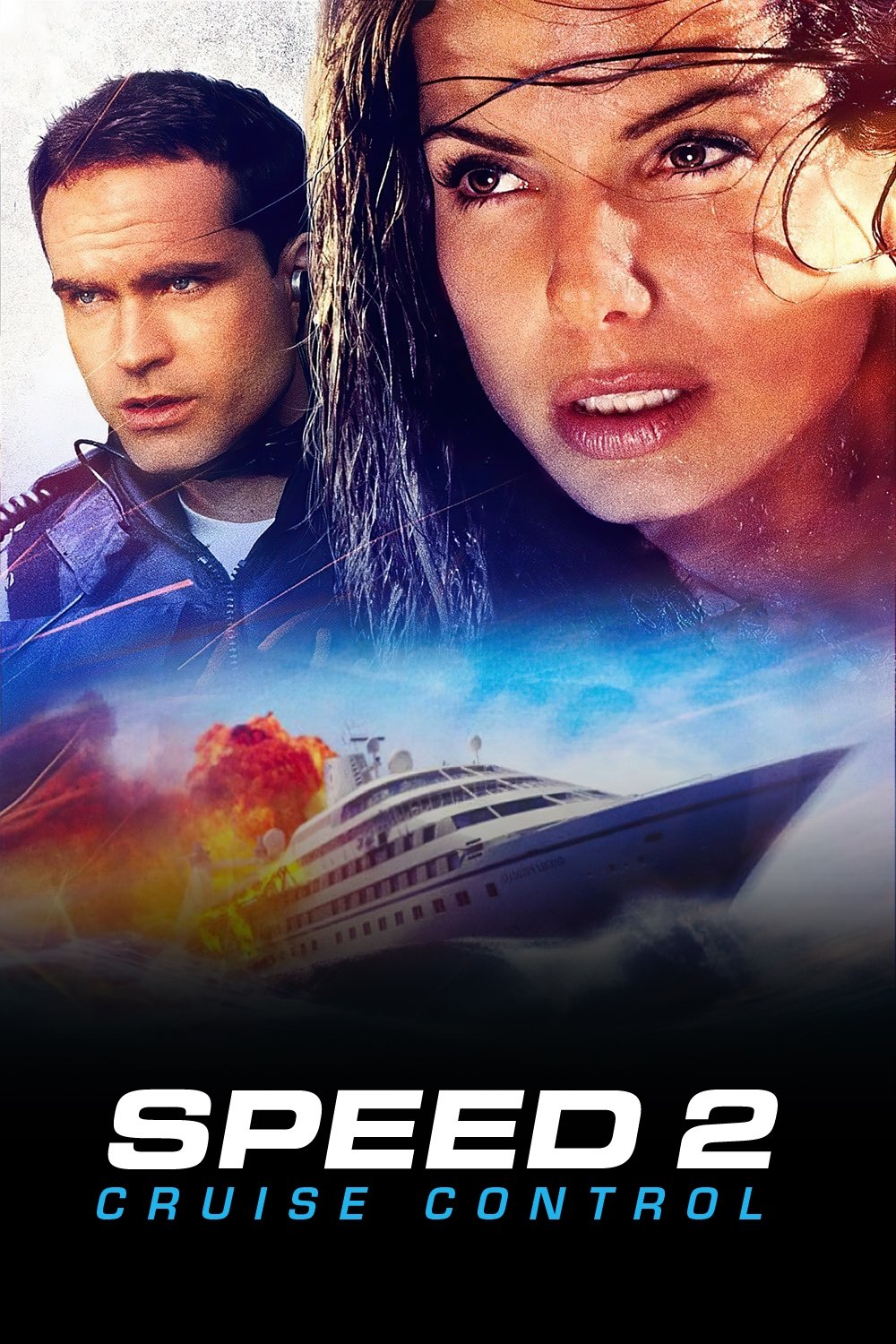
A new setting moved the series from a city bus to a cruise ship and the original lead did not return. The tension weakened because the scenario lacked the ticking urgency that defined the first film.
Twentieth Century Fox distributed the movie and the franchise stopped in theaters after this entry. The property remained a one hit wonder with no successful revival.
‘Superman IV: The Quest for Peace’ (1987)

Severe budget constraints undercut ambitious ideas and resulted in recycled footage and uneven visual effects. The story leaned on a topical theme without the scale needed to sell its stakes.
Warner Bros released the film and the character left cinemas for years. The next attempts arrived through reboots that reset continuity and tone.
‘Blade: Trinity’ (2004)
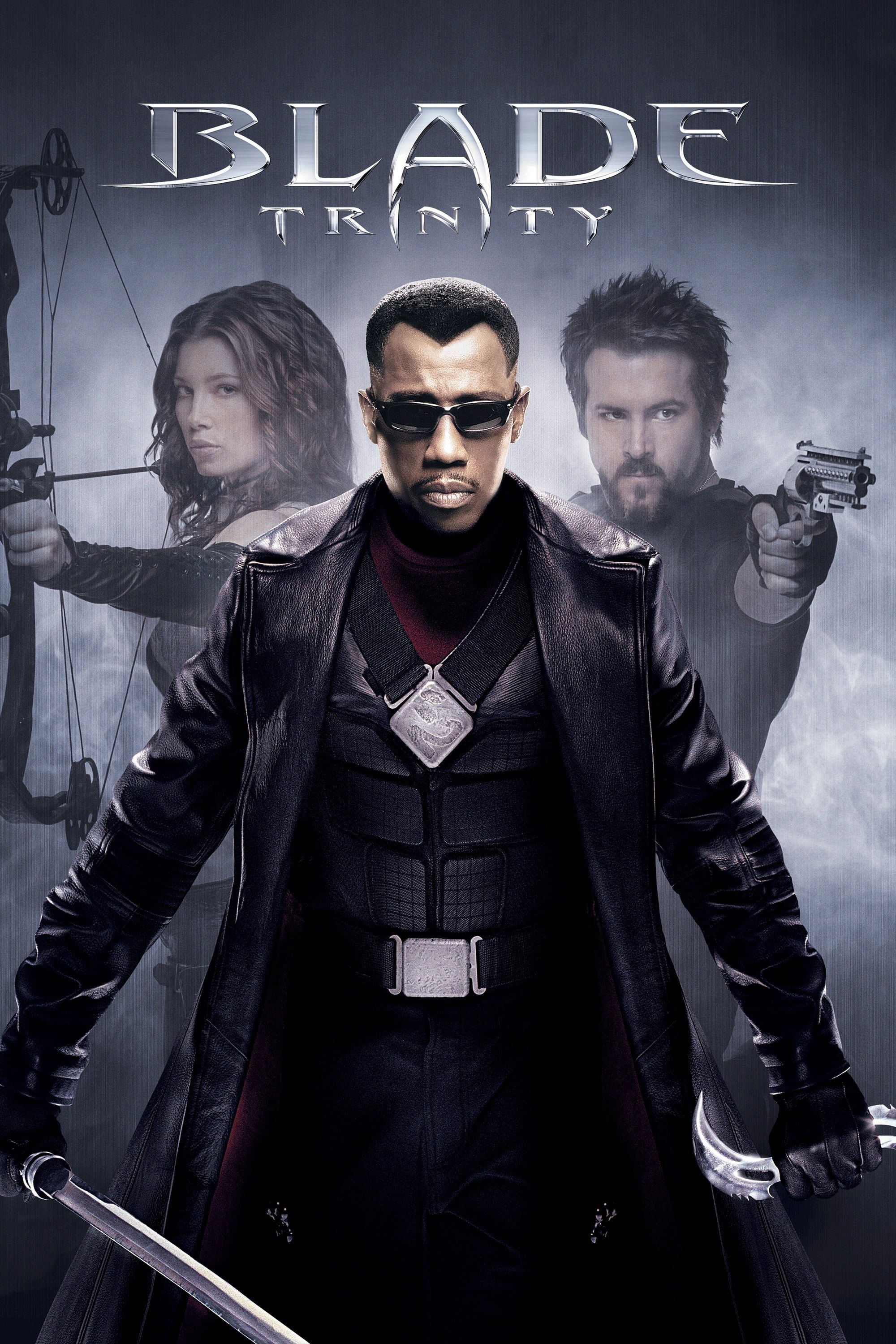
A shift toward a team dynamic placed new characters beside the established lead and split focus. Reported on set tensions and tonal changes moved the series away from the tight vampire thriller style of the first two films.
New Line Cinema distributed the film under the Warner Bros umbrella and the big screen series ended here. The character later moved toward a new interpretation within a different cinematic universe.
‘Justice League’ (2017)
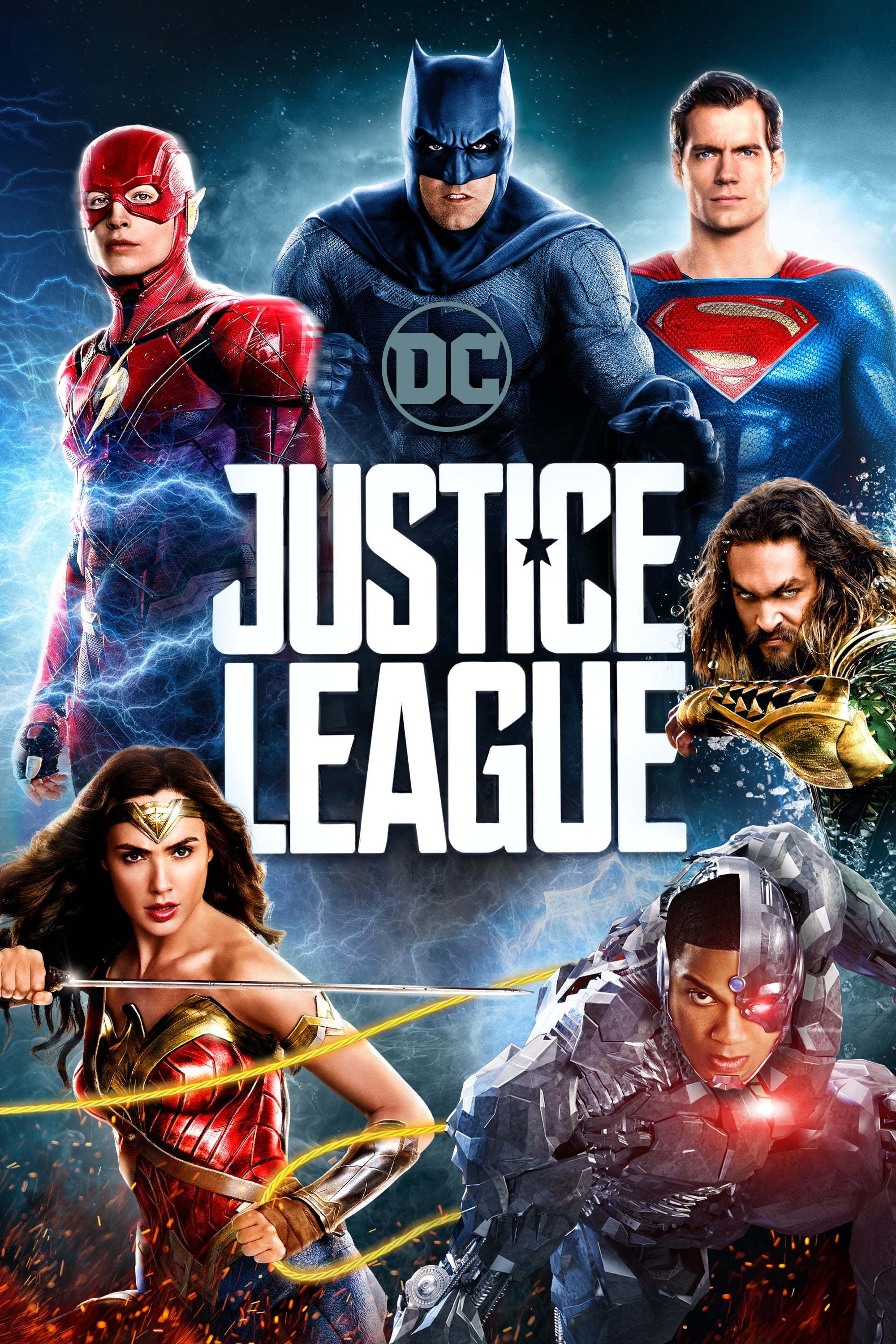
A mid production change in direction altered tone, pacing, and character emphasis. The theatrical cut combined different visions into one film that introduced key heroes while racing through a world ending plot.
Warner Bros released the movie and the studio’s larger plans shifted afterward. Future projects reorganized the lineup and explored stand alone stories before another universe wide overhaul.
‘RoboCop 3’ (1993)
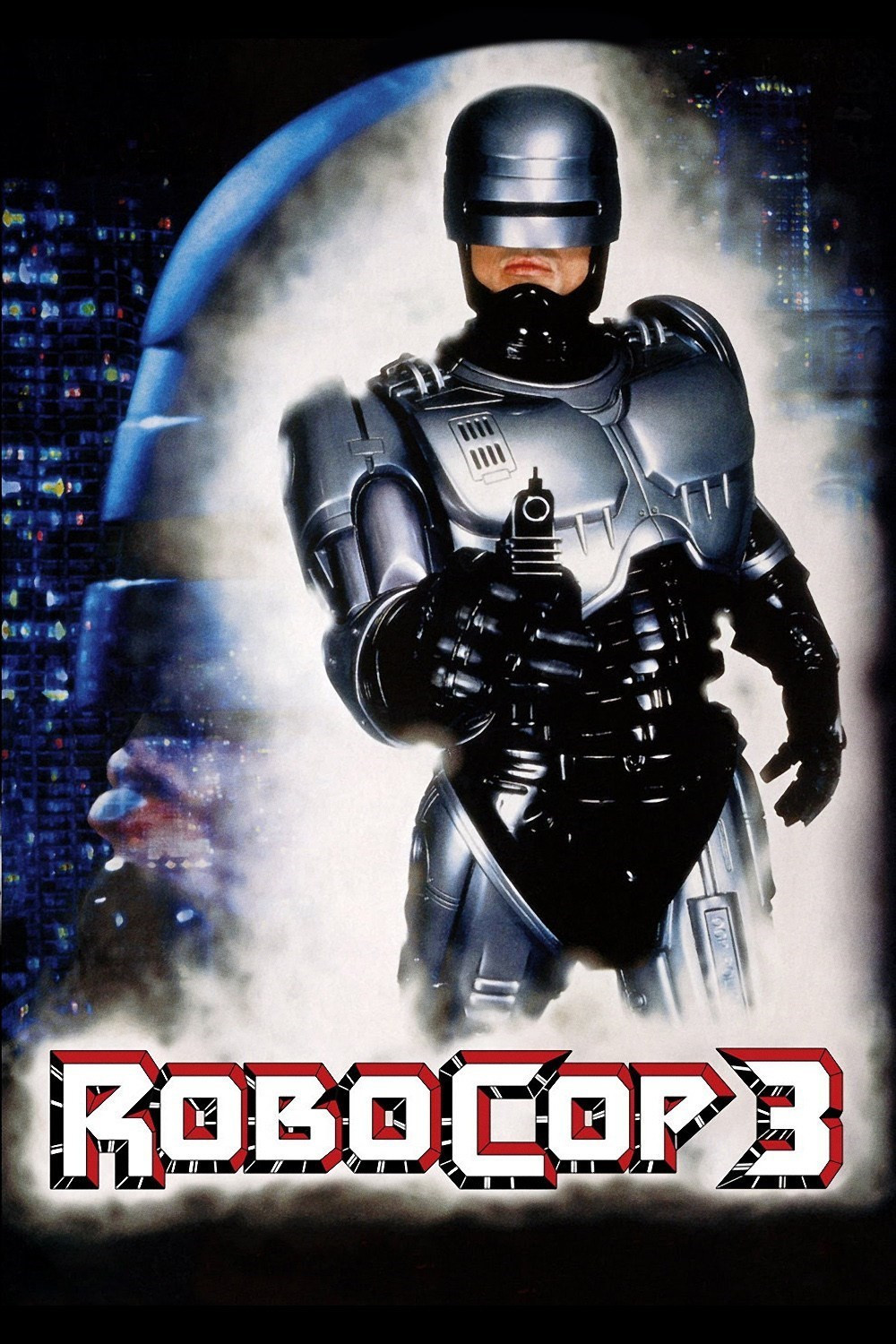
A lower rating aimed for a broader audience and reduced the satirical bite that set the original apart. The lead actor was replaced and the story focused on corporate villains and a youth sidekick that did not match the earlier edge.
Orion Pictures distributed the film and the series moved to television and direct to video territory. The next theatrical outing arrived many years later as a reboot rather than a continuation.
‘Exorcist II: The Heretic’ (1977)
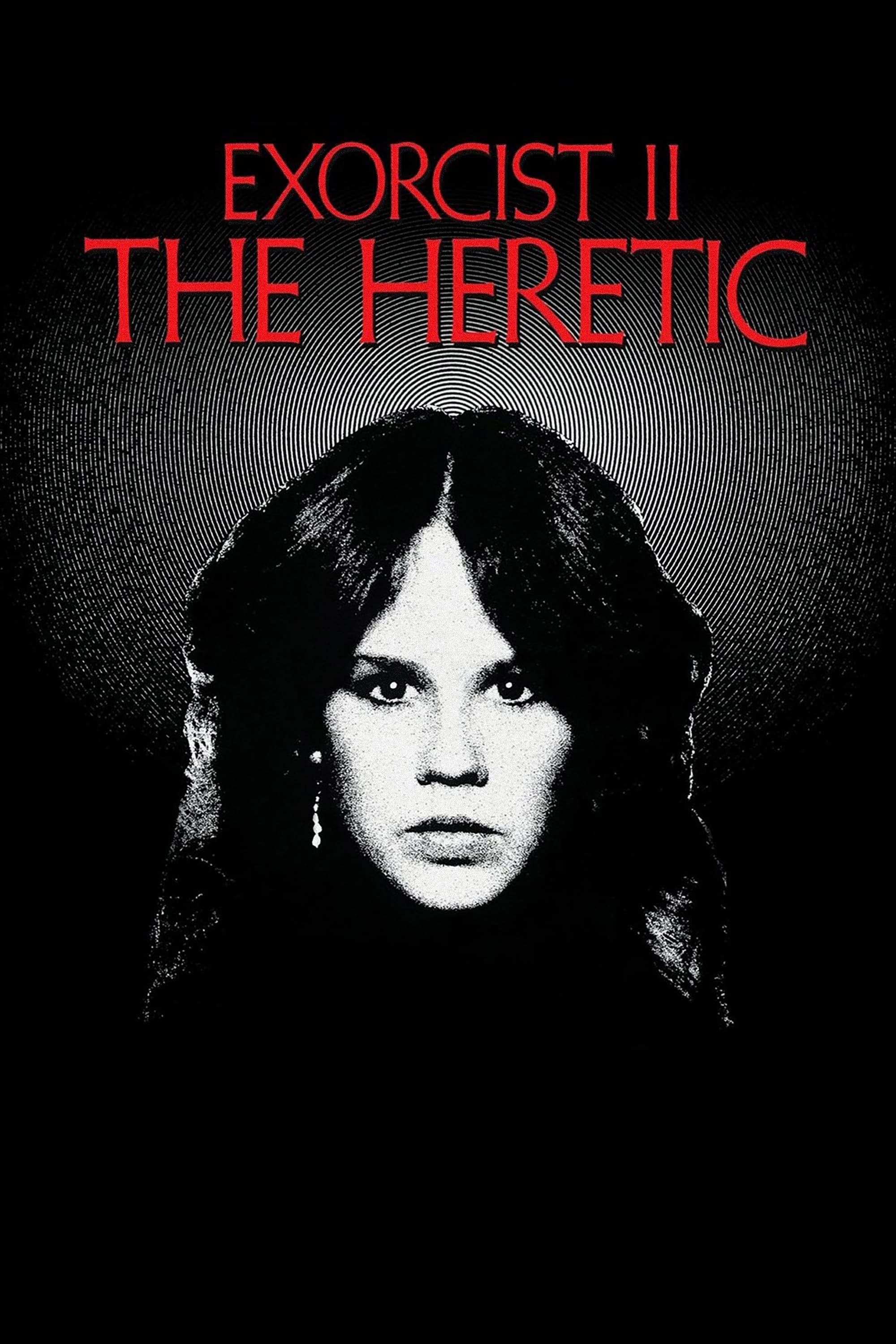
A metaphysical approach examined themes of memory and shared consciousness, which marked a sharp turn from the intimate horror of the first film. Production difficulties and reshoots produced a final cut that struggled to find a consistent tone.
Warner Bros put the film in theaters and the franchise recovered only after a later sequel returned to a more grounded style. The brand continued with prequels and new chapters that set aside this direction.
‘Teenage Mutant Ninja Turtles III’ (1993)
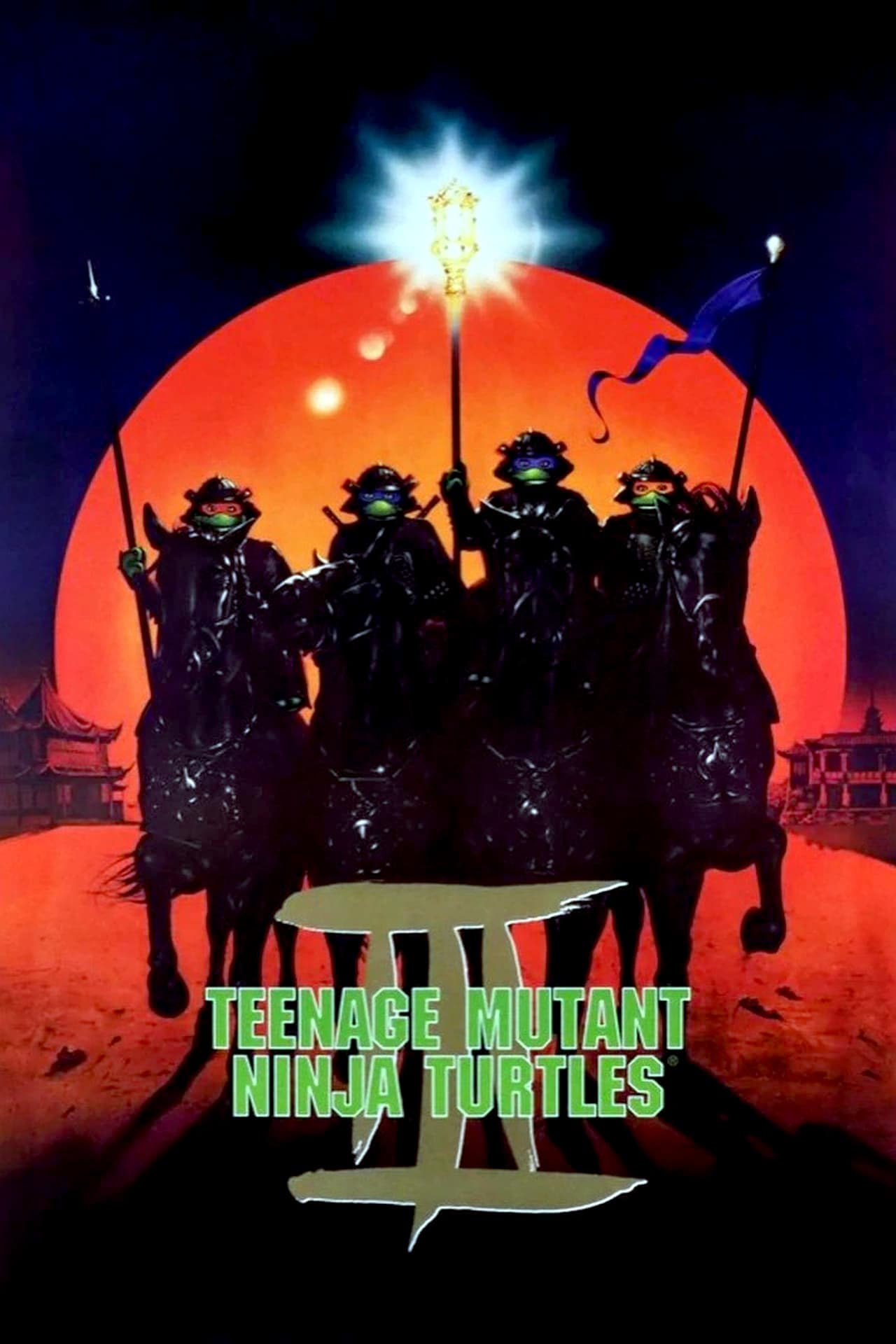
Time travel moved the heroes to a historical setting that sidelined the urban energy fans associated with the series. Changes in suit design and choreography reflected a tighter budget and a different production setup.
New Line Cinema handled distribution and theatrical interest faded after this entry. The property eventually returned through a fresh animated approach and later live action reimaginings.
‘Rocky V’ (1990)
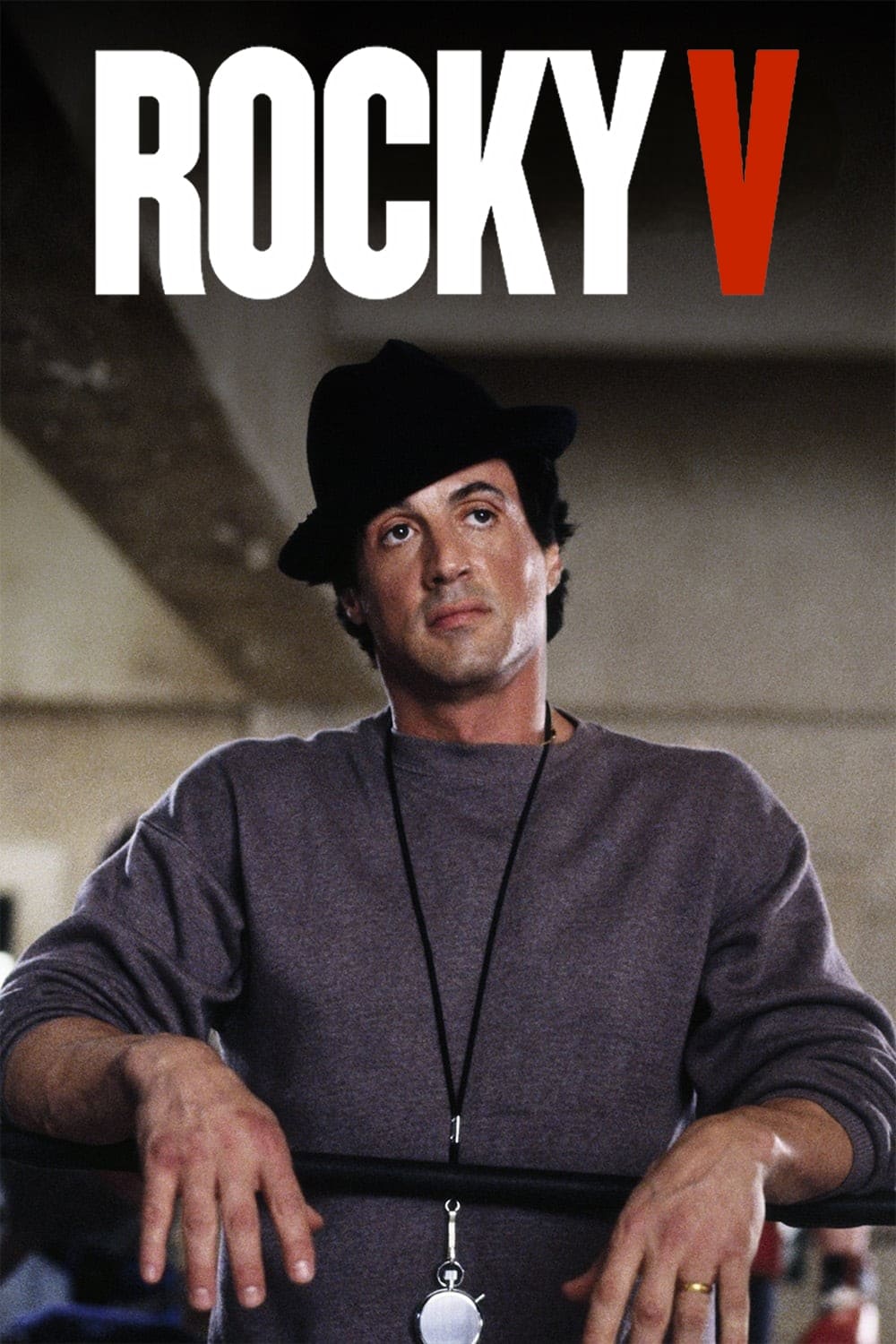
A financial fall from grace story took the boxer out of the ring and into a mentor role that kept him away from the climactic fights audiences expected. The gritty tone clashed with the triumphant arc that had defined the character.
United Artists released the film under the MGM banner and the series paused until a later installment revived the fighter with a reflective comeback. The brand then spun successfully into a new generation through a legacy storyline.
Share the sequel that you think did the most damage to its series in the comments.