Insanely Good Dark Anime Nobody Talks About (But Should)


These dark anime dig into unsettling worlds, layered mysteries, and difficult questions, and they often slipped past the mainstream conversation. Here’s a curated set that spans psychological thrillers, grim sci-fi, and haunting character studies. Each entry includes quick context and a quiet nod to the studio that brought it to life, so you can track down more shows with a similar feel.
‘Texhnolyze’ (2003)
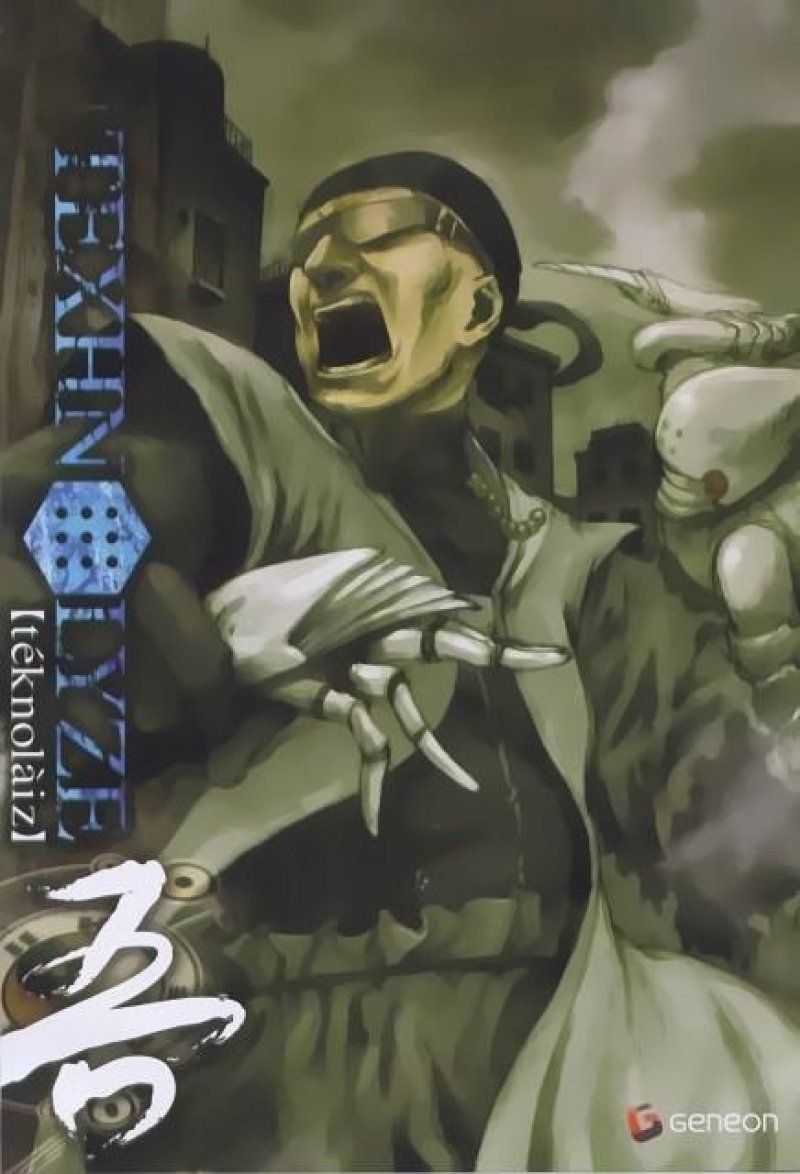
Set in an underground city ruled by rival factions, this series follows a fighter rebuilt with cybernetic limbs and a seer who glimpses collapse. It explores power struggles, nihilistic tech, and the slow decay of a society on life support. The show’s stark look and methodical storytelling come from Madhouse. Character designs and direction emphasize silence and atmosphere that reward careful viewing.
‘Shiki’ (2010)
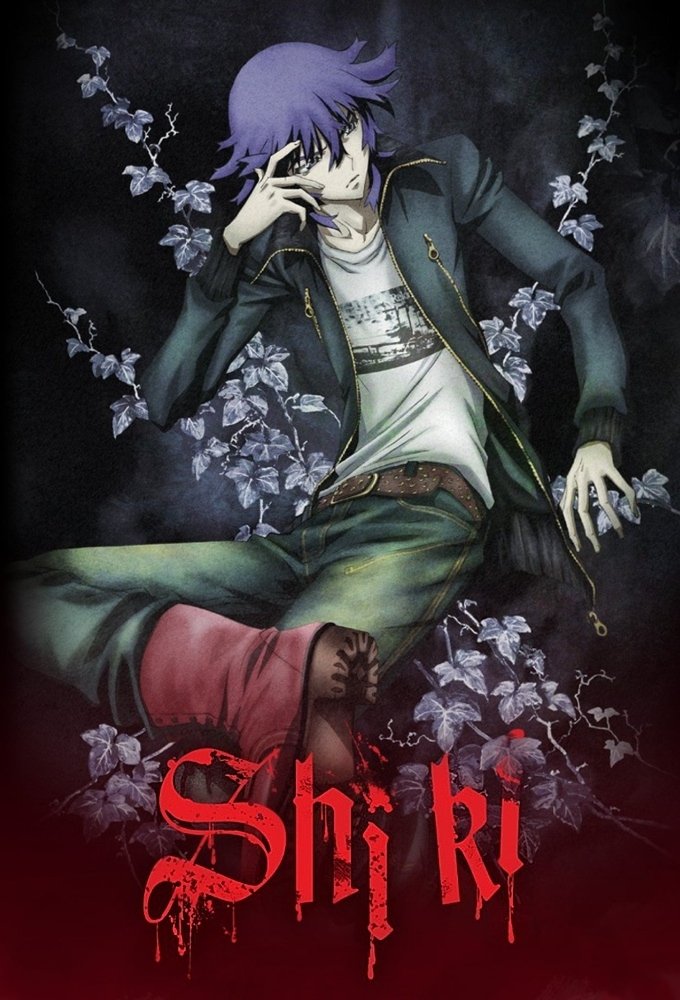
A rural village faces unexplained deaths that point to an encroaching supernatural plague. Medical investigation collides with folklore as an isolated community turns inward. Daume handled the animation, leaning into sharp contrasts and eerie stillness. The adaptation tracks key beats from the original novels while expanding the ensemble’s perspectives.
‘Ergo Proxy’ (2006)
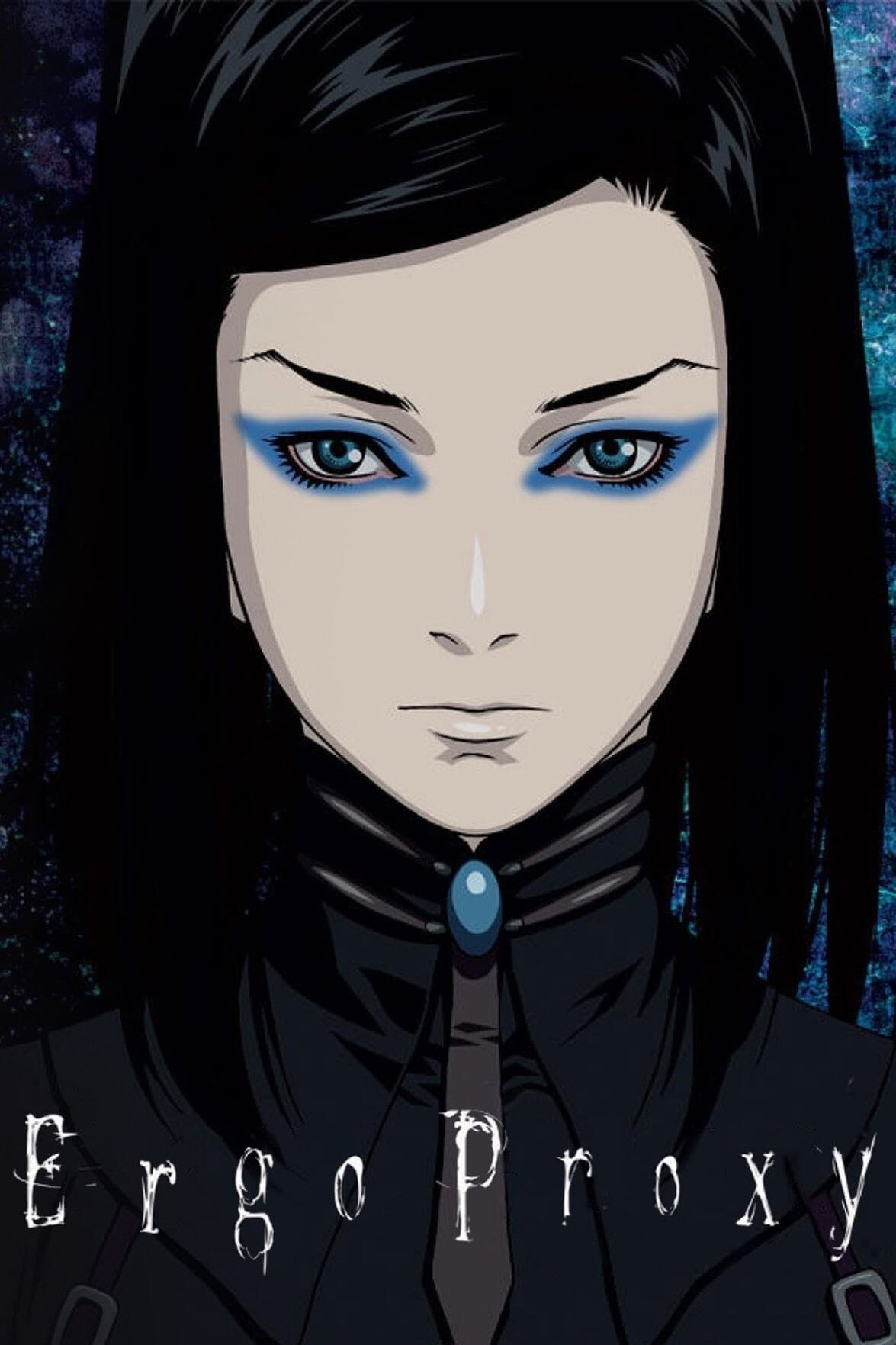
In domed cities protected from a ruined world, an inspector hunts a string of murders linked to sentient androids and a mysterious being. The plot blends philosophy, identity, and memory with noir inquiry. Manglobe produced the show, giving it dense backgrounds and layered visual motifs. Worldbuilding details like autorievs and proxy lore are seeded through episodic cases.
‘Monster’ (2004–2005)

A surgeon saves a boy who later becomes a charismatic killer, pulling the doctor across Europe to untangle a web of crimes. The series follows investigative arcs through police records, war orphans, and hidden institutions. Madhouse animated it with grounded designs and realistic settings. The adaptation tracks the manga’s intricate timeline with careful pacing across multiple story threads.
‘Paranoia Agent’ (2004)
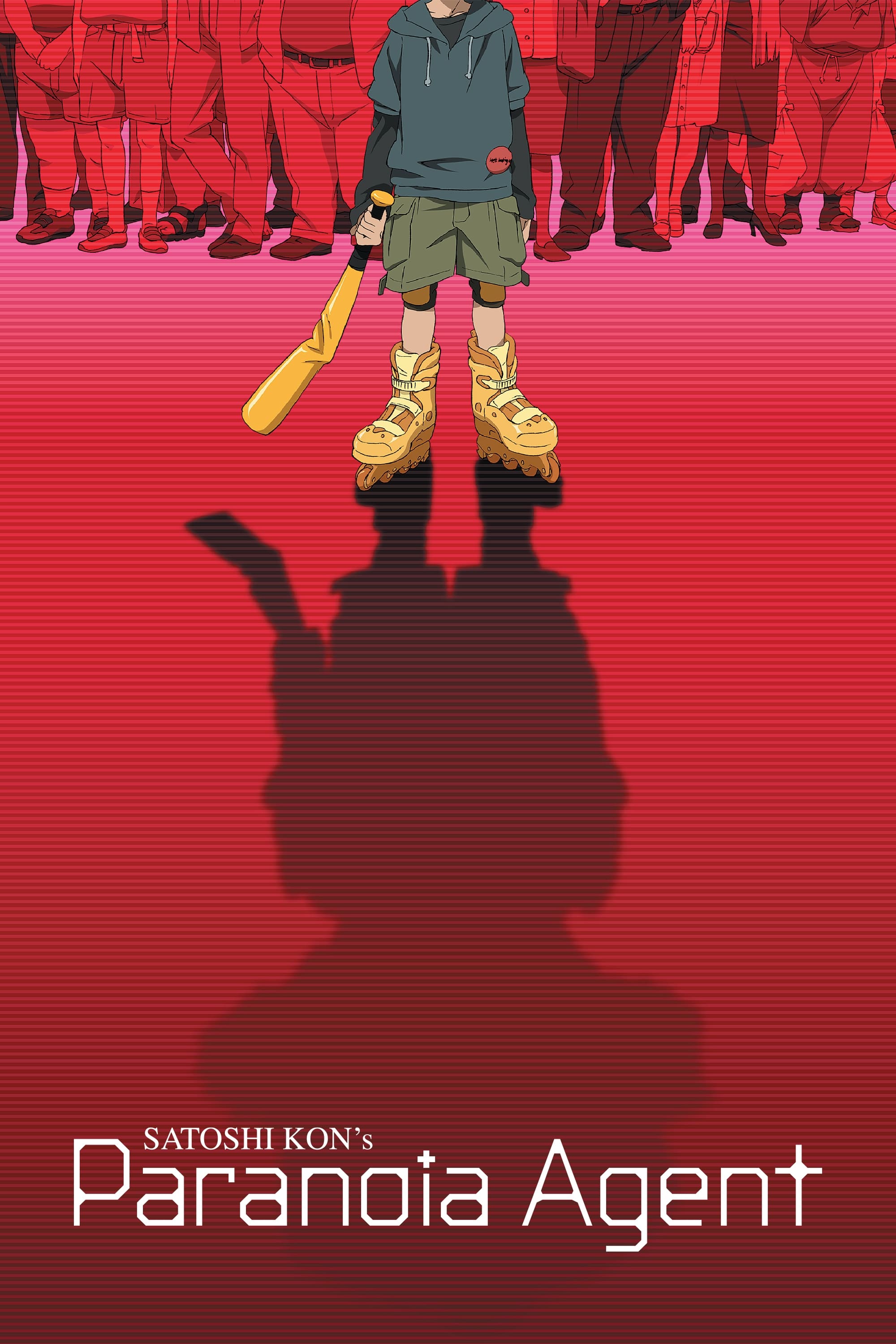
A city spirals into collective panic after reports of a juvenile attacker on inline skates. Police probes intersect with media hysteria and personal delusions. Madhouse produced the anthology-like structure that circles back to a central mystery. Standalone episodes fold in advertising culture and urban legends that reflect on social pressure.
‘Boogiepop Phantom’ (2000)
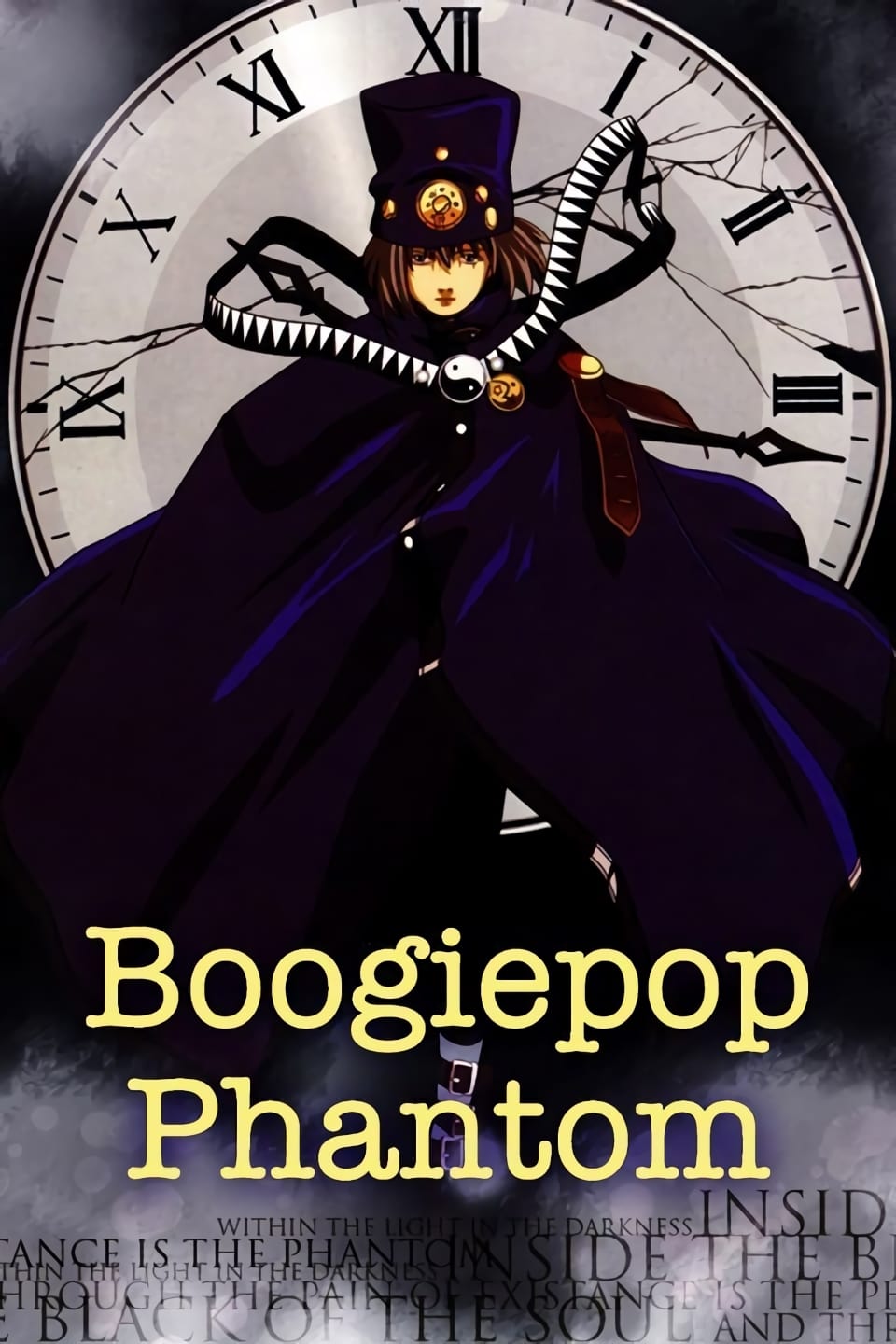
Strange lights split a city’s timeline, exposing overlapping accounts of trauma and rumor. Each episode centers on a different student while a shapeless protector moves at the edges. Madhouse handled the subdued palette and grainy filters that match the fractured narrative. The show threads together missing persons, urban myths, and memory glitches into a single mosaic.
‘Serial Experiments Lain’ (1998)
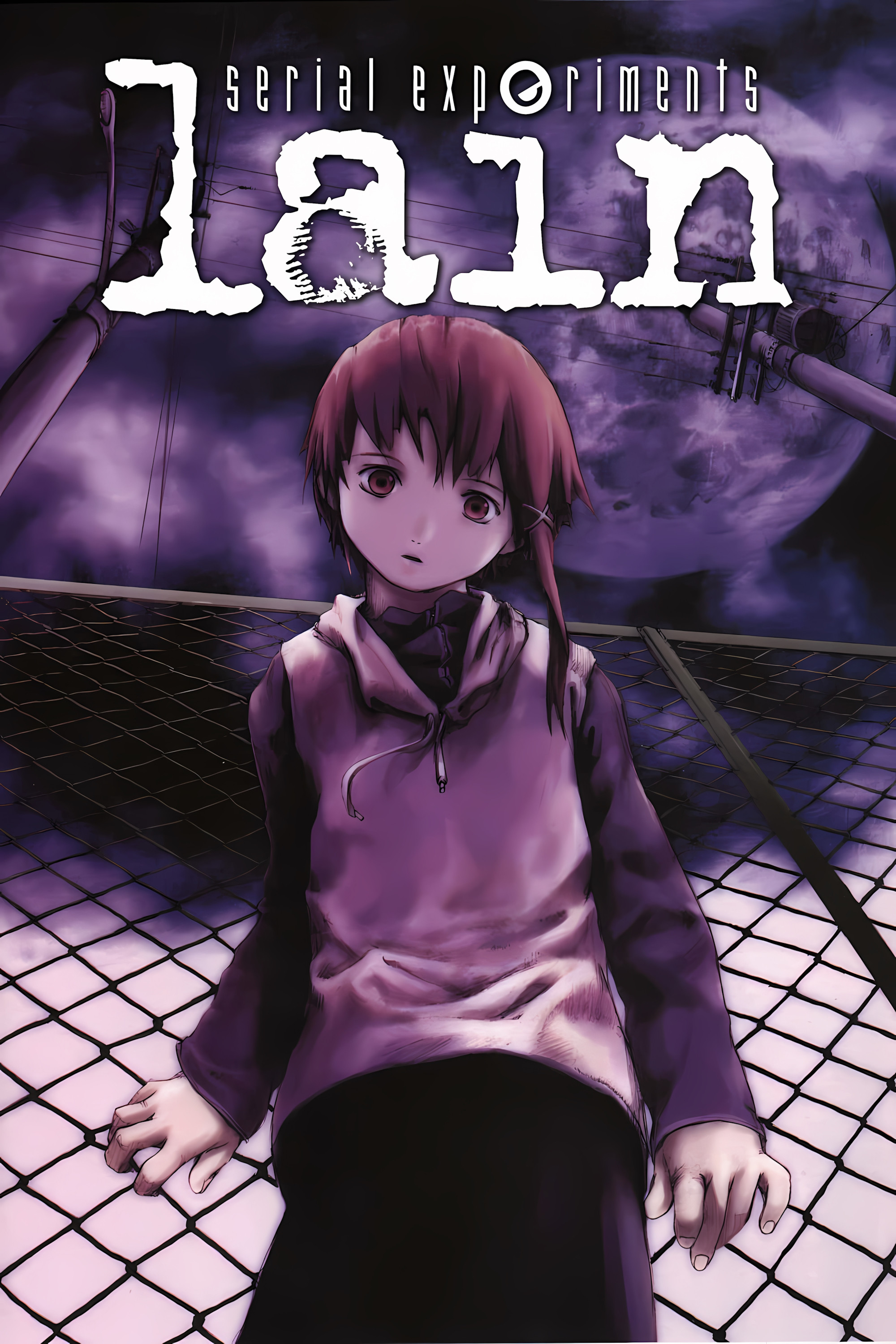
After a student receives an email from a classmate who died, she drifts into a network where identity blurs with data. The story maps hardware, protocols, and the Wired onto a teenager’s shifting self. Triangle Staff animated the minimalist neighborhoods and intrusive UI cues. References to early internet culture and signal theory inform the show’s lexicon.
‘Perfect Blue’ (1997)
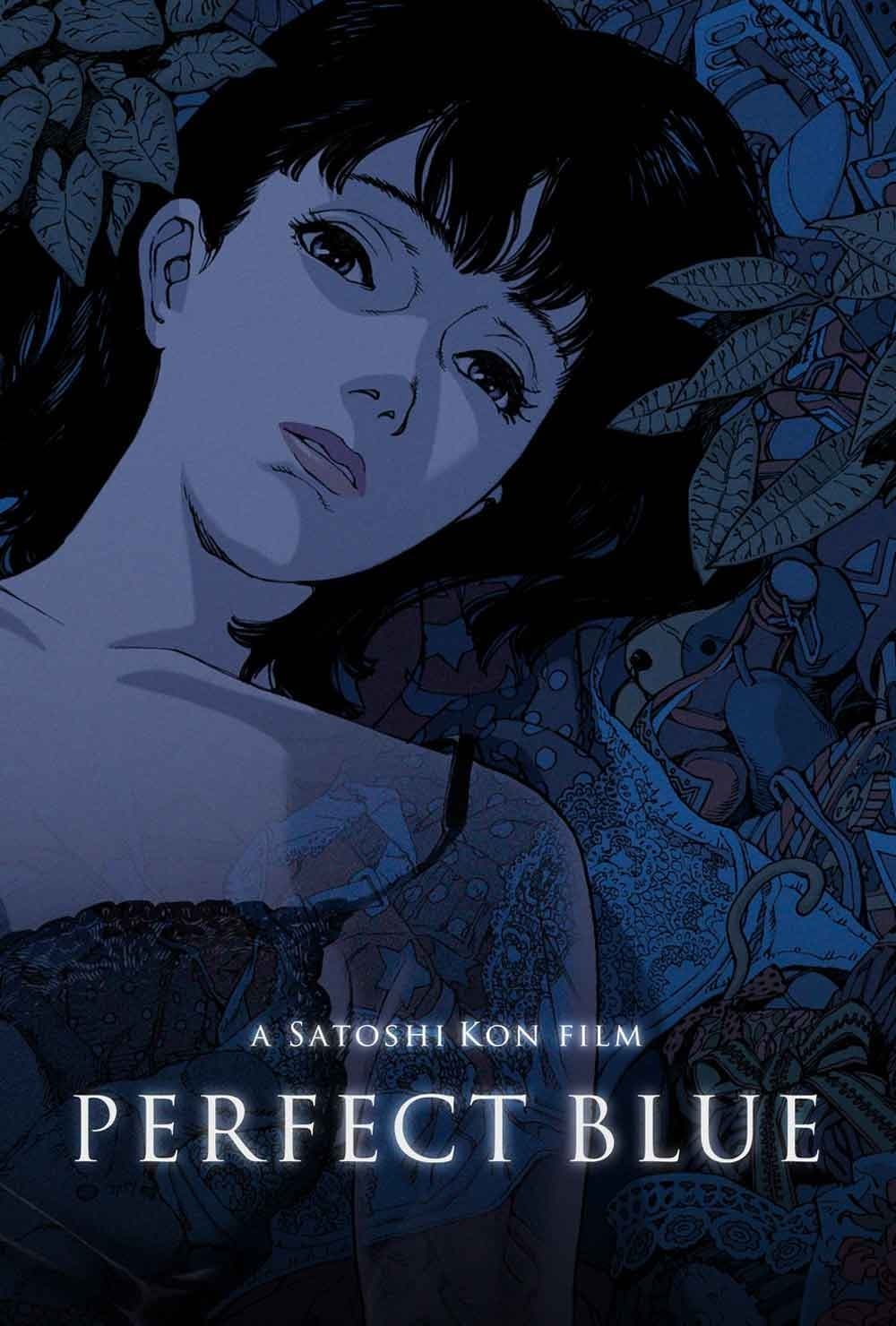
A pop idol’s pivot to acting triggers stalking incidents and a breakdown between performance and reality. The film stages media doubles, scripted scenes, and unreliable edits to interrogate celebrity machinery. Madhouse delivered tight layouts and intense match cuts that drive disorientation. The screenplay adapts a novel while adding industry-specific details from the era’s TV production.
‘Angel’s Egg’ (1985)
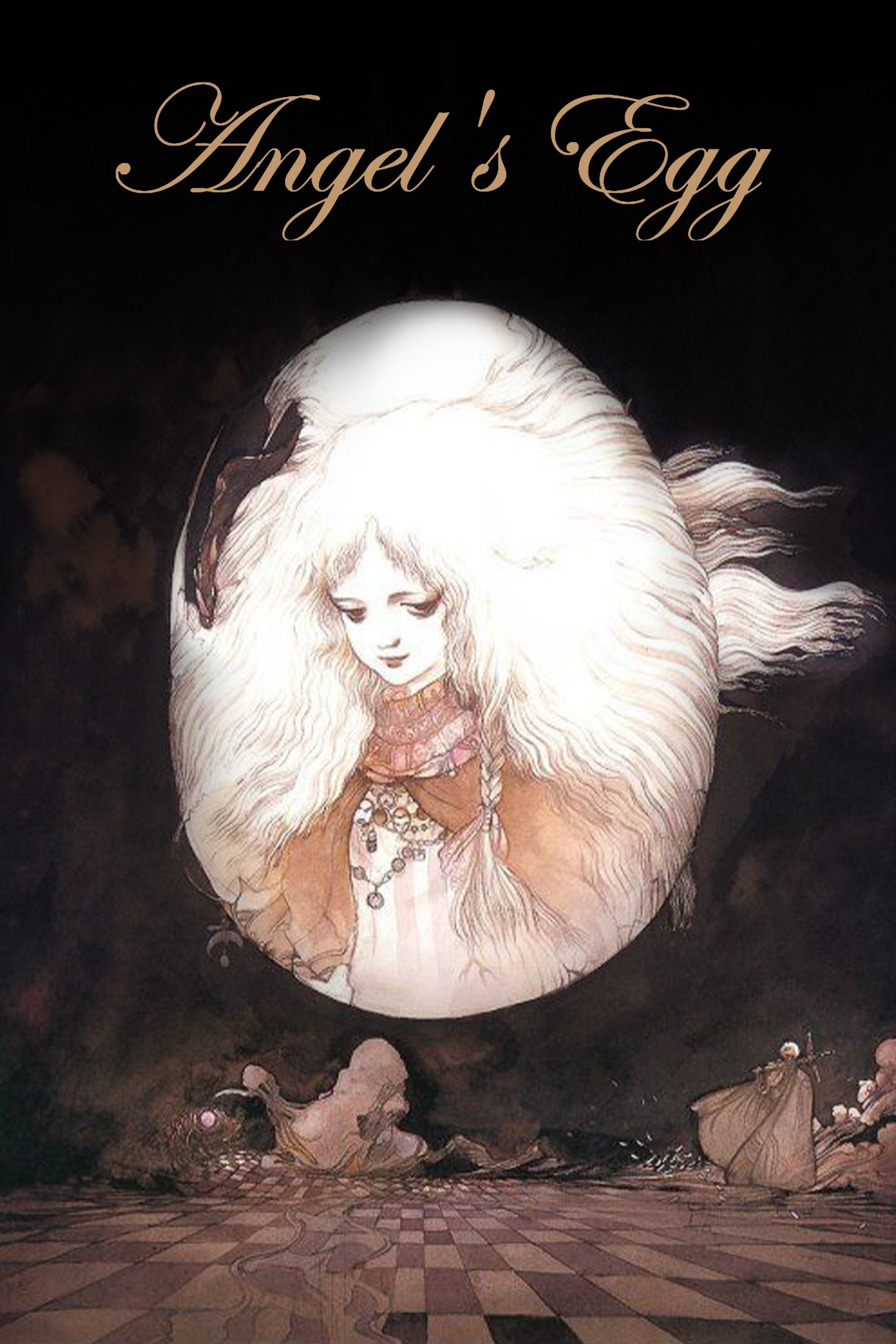
A girl safeguards a large egg while wandering a deserted town with a silent companion. Sparse dialogue gives weight to religious imagery and fossil motifs. Studio Deen provided austere backgrounds and slow tracking shots that carry the mood. Symbolic sequences invite multiple readings anchored by recurring water and bird figures.
‘Gankutsuou’ (2004–2005)
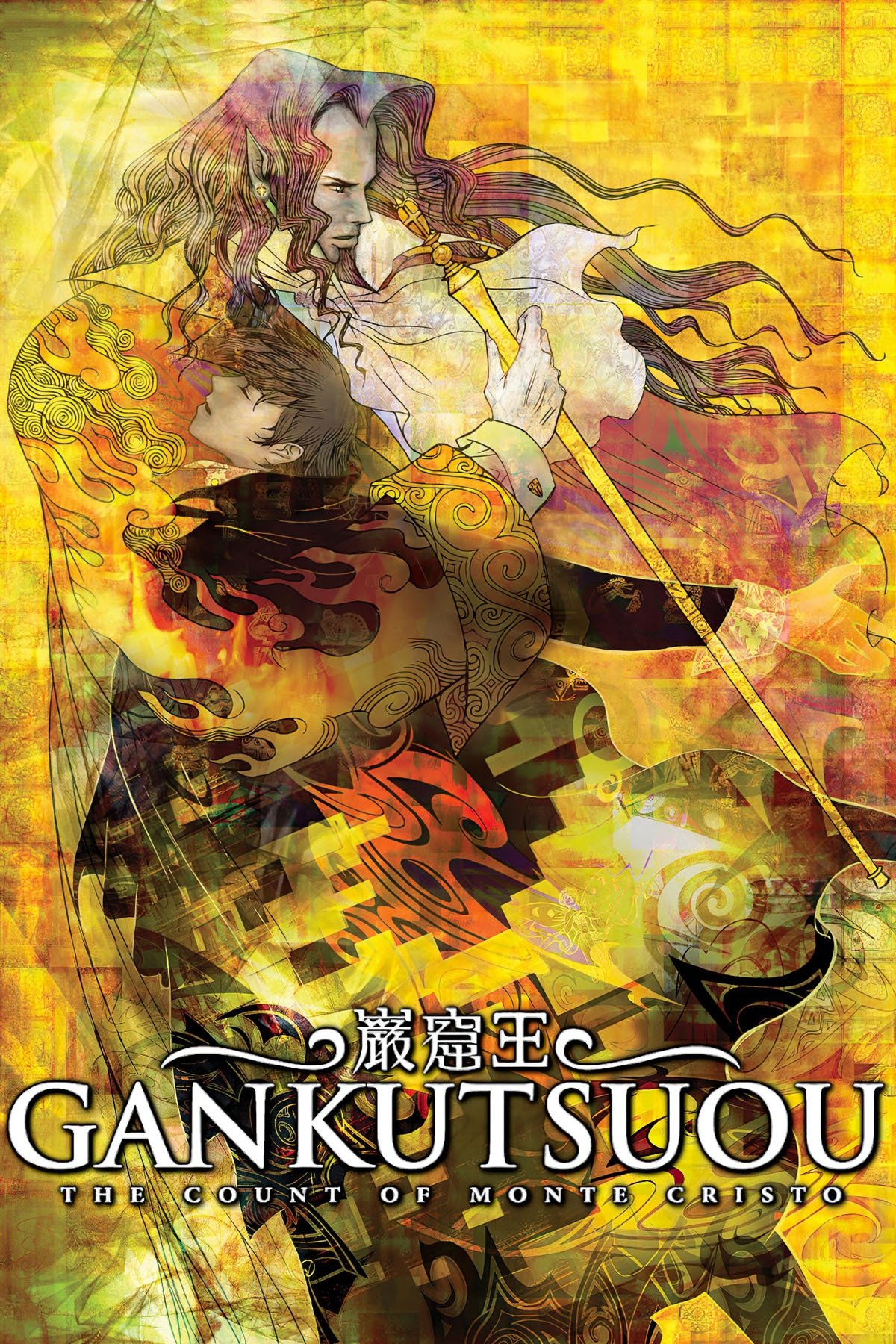
This reimagining of Dumas’s tale shifts the perspective to a young aristocrat drawn to a mysterious count. Sci-fi trappings, space travel, and layered court politics reshape the classic revenge plot. Gonzo animated with textured patterns and digital compositing that define the world’s opulence. The series preserves key plot turns while altering relationships for serialized television.
‘Now and Then, Here and There’ (1999–2000)
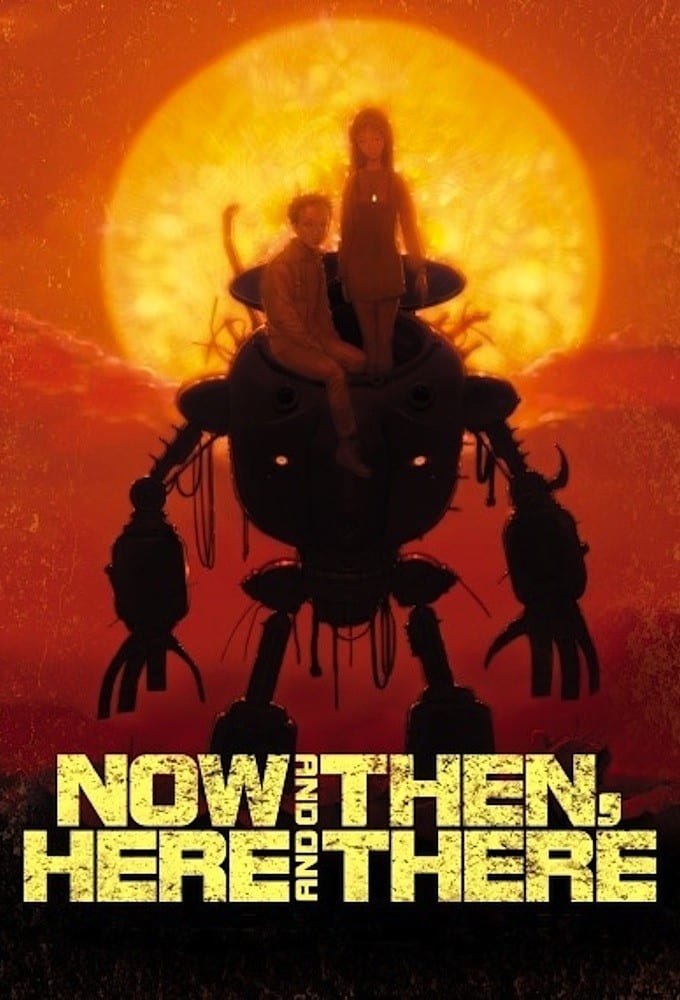
A boy is pulled into a war-torn parallel world where water scarcity drives tyranny. The narrative follows child soldiers, resistance cells, and survival under systemic abuse. AIC handled production with plain designs that contrast the setting’s brutality. The show tracks logistics like resource control and forced recruitment with unflinching focus.
‘Aoi Bungaku Series’ (2009)
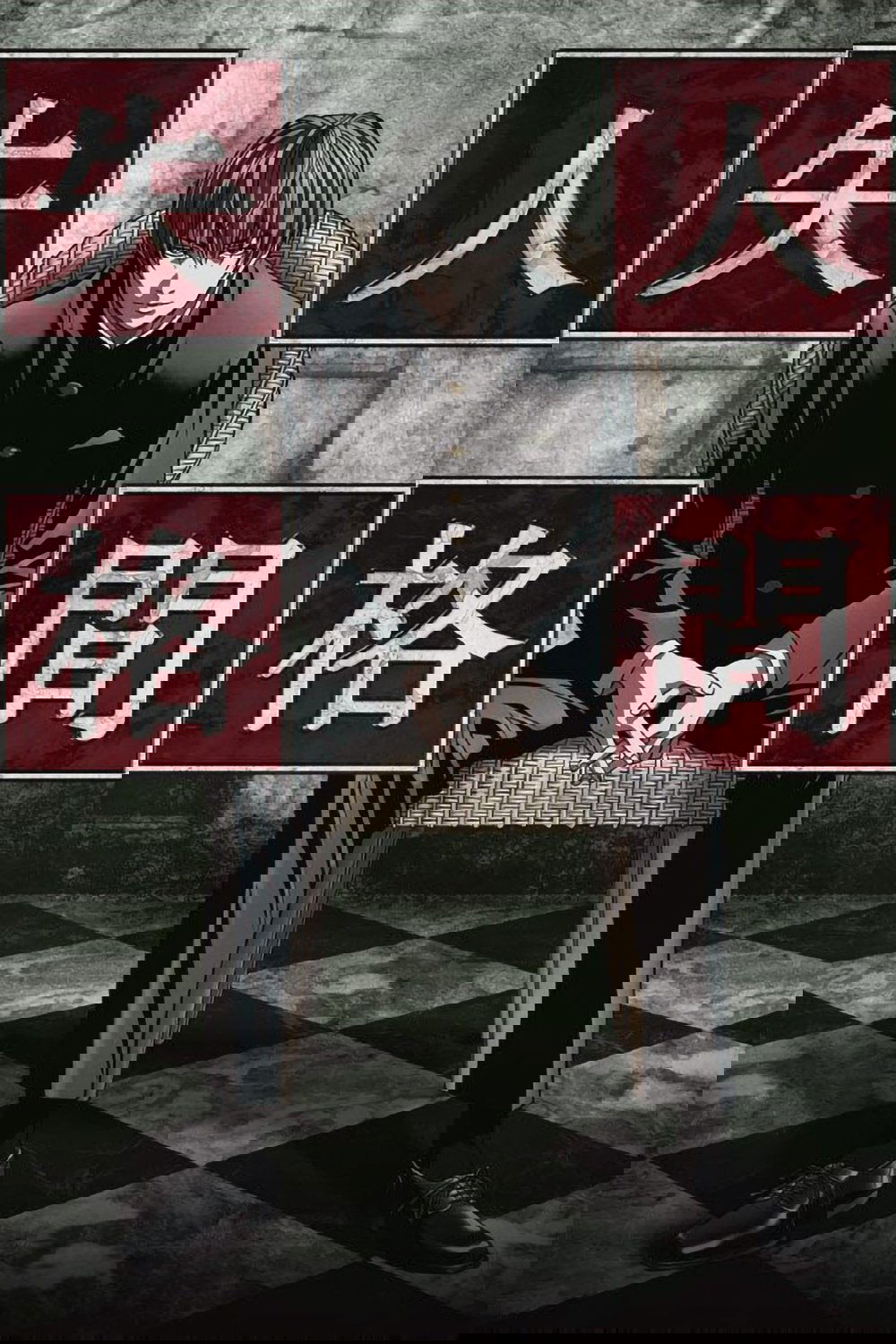
This anthology adapts six cornerstone Japanese literary works with distinct visual styles. Each arc reframes classic texts through modern direction and color design. Madhouse produced the project, assigning different teams to fit each author’s tone. The episodes include new framing devices that make the source material accessible without simplifying it.
‘Parasyte -the maxim-‘ (2014–2015)
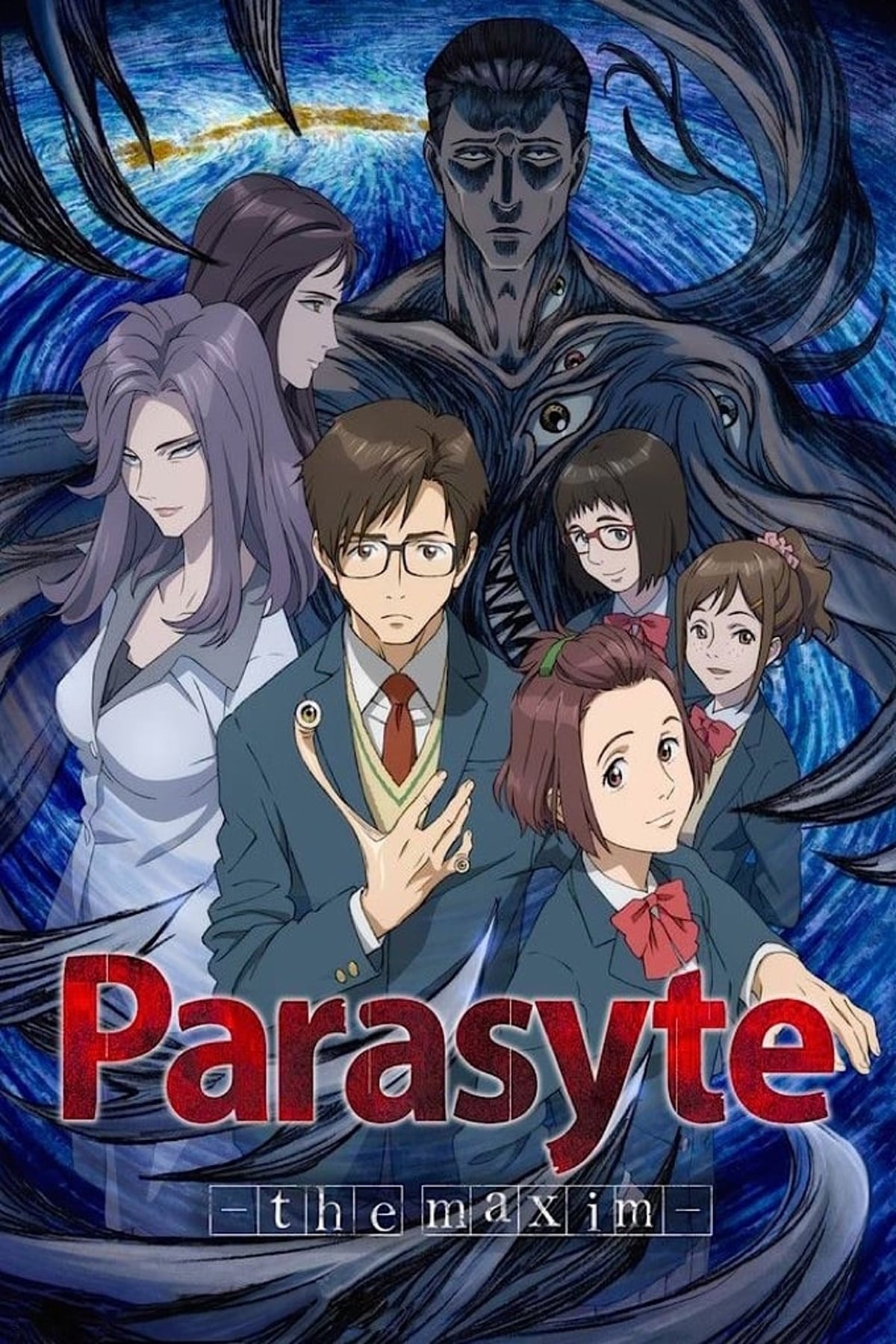
Parasitic organisms seize human hosts, and a high schooler coexists with one that has taken his hand. The plot balances body horror with tactical battles and police investigations. Madhouse brought precise action staging and clear creature anatomy. The series updates the original’s setting with contemporary tech while keeping its ethical dilemmas intact.
‘Kino’s Journey’ (2003)
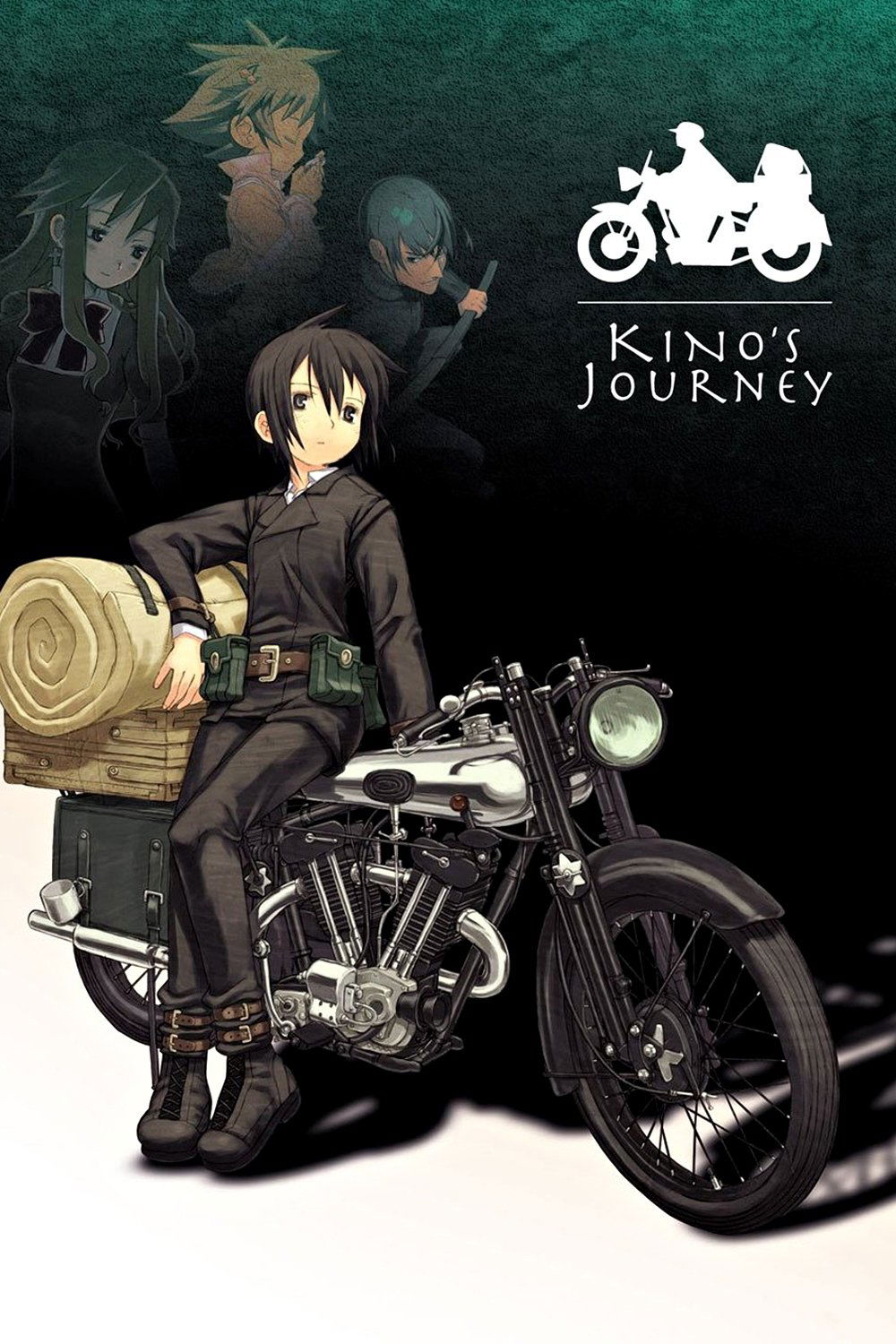
A traveler and a talking motorcycle visit countries with unusual laws and customs. Each stop plays like a fable that tests rules and values. A.C.G.T animated the quiet landscapes and small-scale set pieces. Episodes operate as self-contained cases with recurring questions about observation and noninterference.
‘The Flowers of Evil’ (2013)
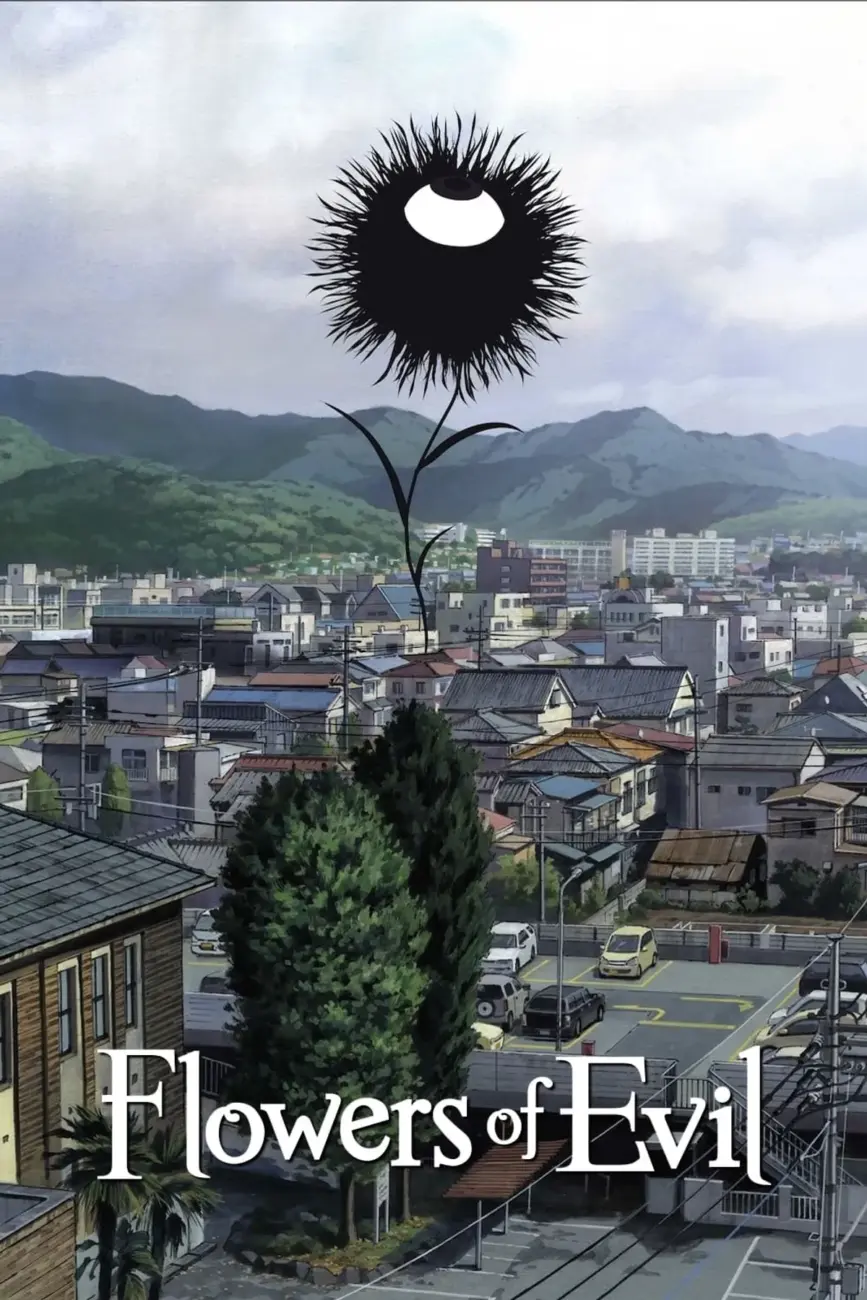
A misstep binds three students in a spiral of secrecy and coercion. Rotoscoped performances capture awkward movement and tense conversations. Zexcs produced the series with subdued lighting and everyday locations. The adaptation keeps the original’s chapter beats while extending key scenes to heighten social fallout.
‘Hell Girl’ (2005–2006)

An online rumor points to a midnight service that ferries tormentors to the afterlife for a price. Case files unfold through requests, investigations, and ritual settlements. Studio Deen oversaw rotating vignettes that build a larger mythos. The procedural format introduces rules for contracts, witnesses, and the cost of revenge.
‘Another’ (2012)
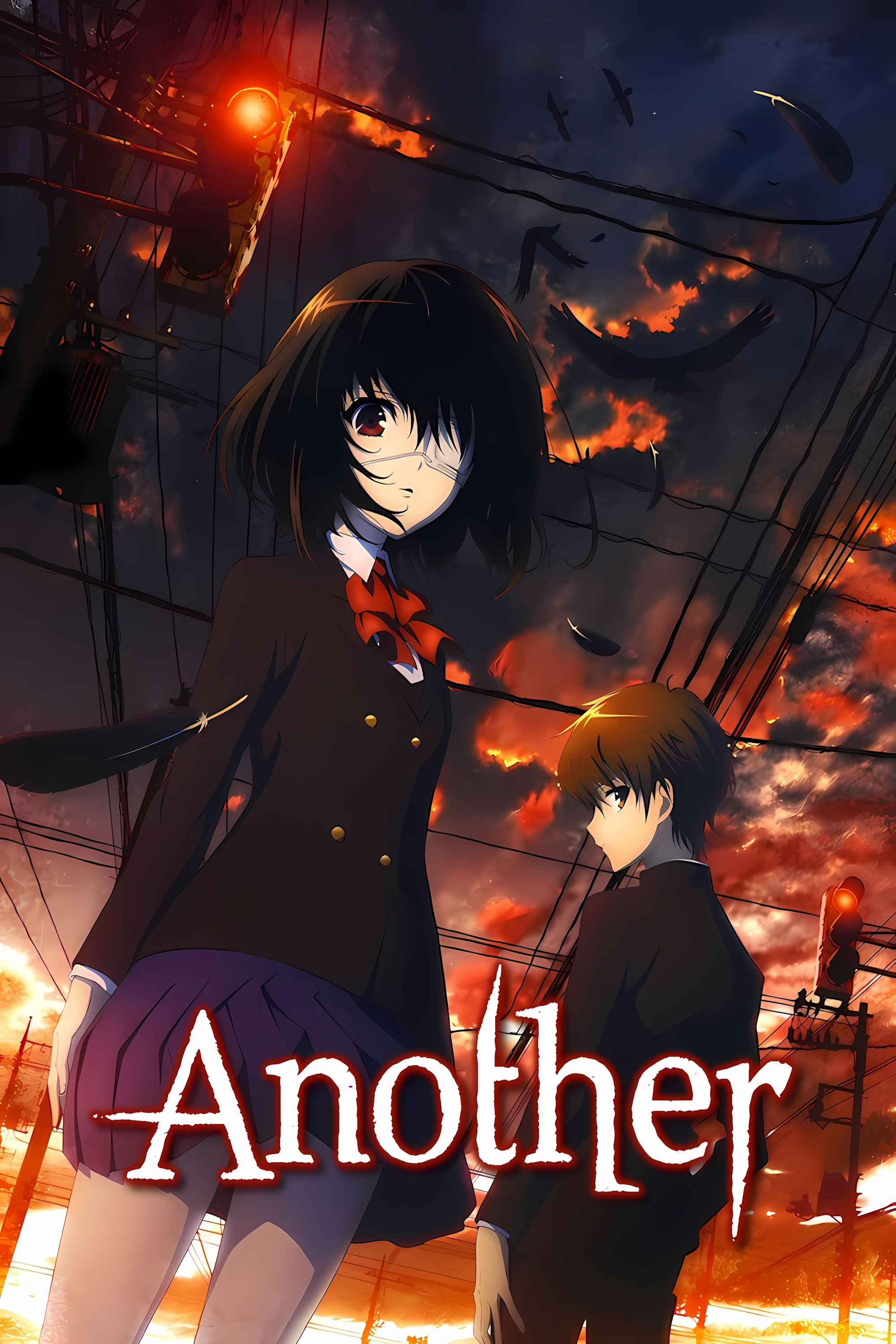
A transfer student enters a class haunted by a pattern of fatal incidents. The mystery advances through school records, eyewitness accounts, and a missing roster line. P.A. Works provided crisp backgrounds and careful prop continuity. The show documents countermeasures the students attempt as they test the curse’s parameters.
‘From the New World’ (2012–2013)
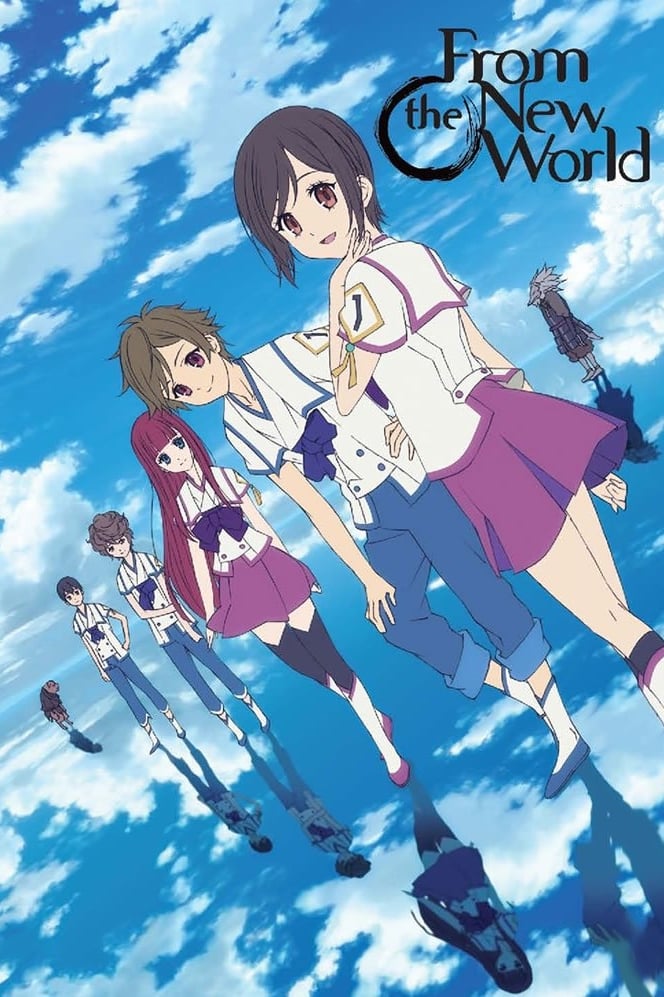
In a distant future, children with psychic abilities are raised under strict social controls. Fieldwork and oral histories reveal how the current order emerged. A-1 Pictures animated broad environments and creature designs tied to ecology. The narrative uses classroom lessons and expeditions to unveil institutional secrets.
‘Rainbow’ (2010)
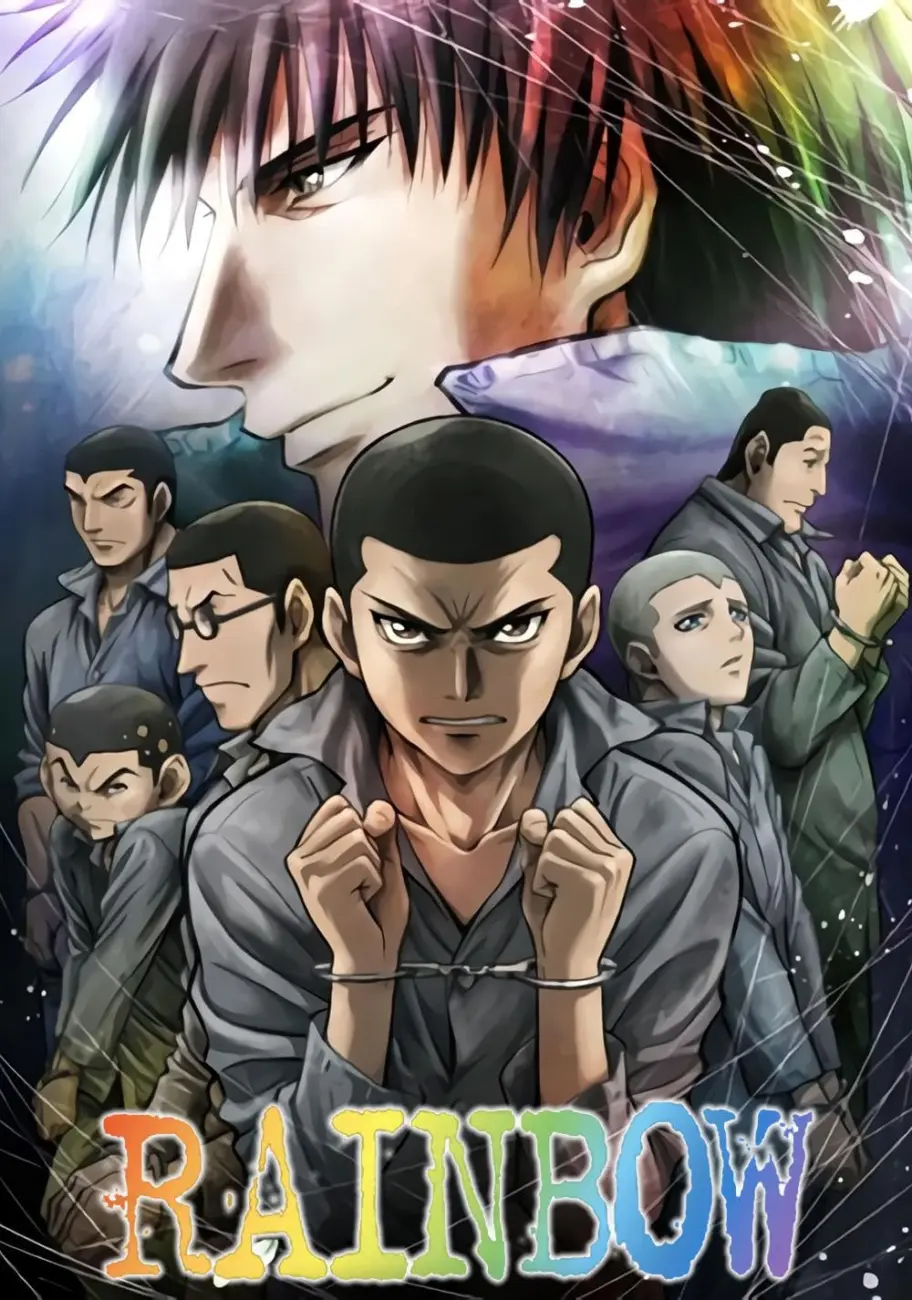
Seven youths in a postwar reform school face abuse while plotting survival and a future outside. The story tracks medical training, boxing circuits, and small jobs as paths forward. Madhouse delivered grounded staging and period detail. Time jumps follow official records and personal reunions that show how each inmate rebuilds.
‘Casshern Sins’ (2008–2009)
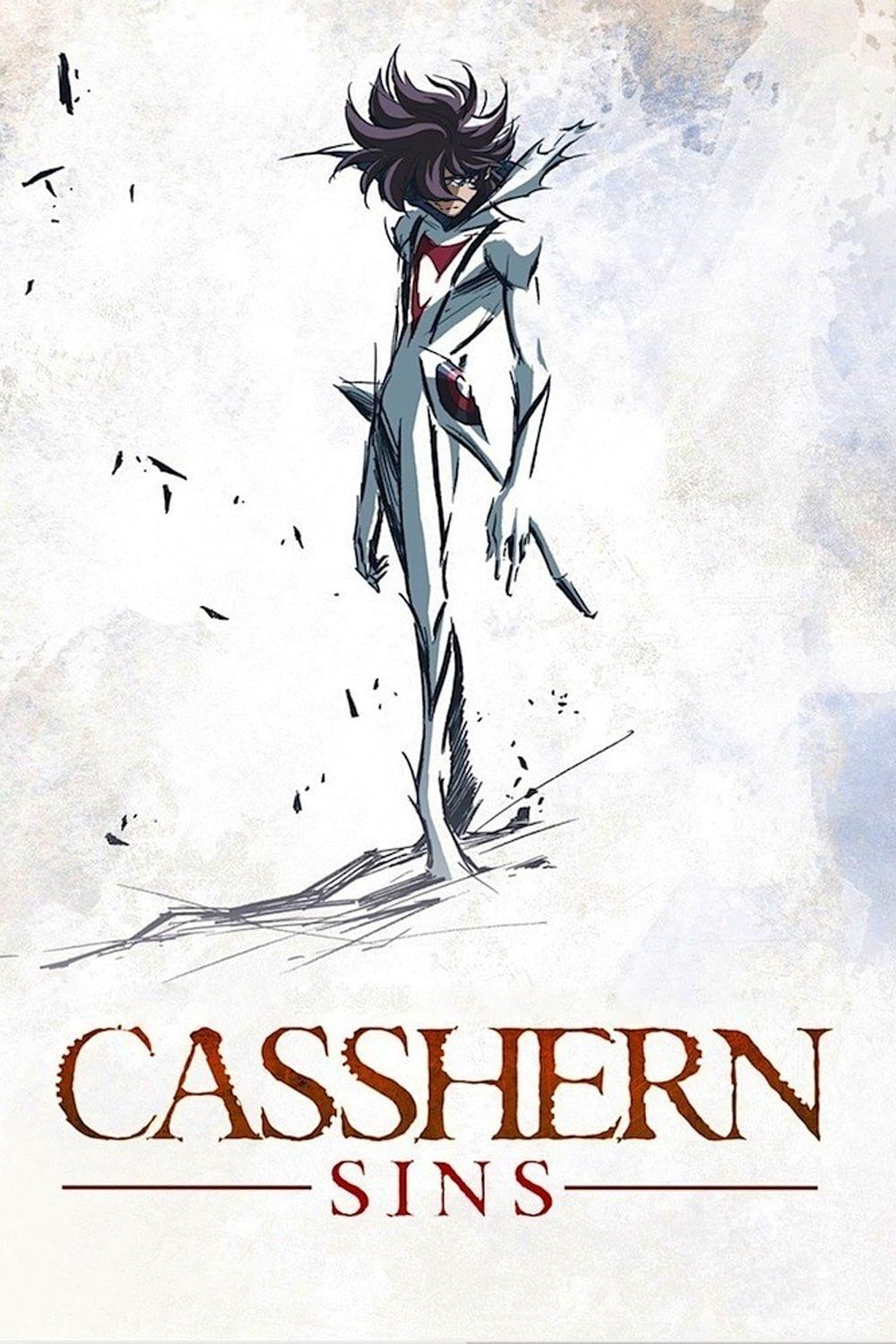
A cyborg warrior wanders a rusting world after triggering a disaster that rots machines and life. Encounters with robots and humans probe memory, purpose, and extinction. Tatsunoko Production led animation with stark skies and long silhouettes. Episodic stops gradually fill in cause and effect surrounding the ruin.
‘Dorohedoro’ (2020)
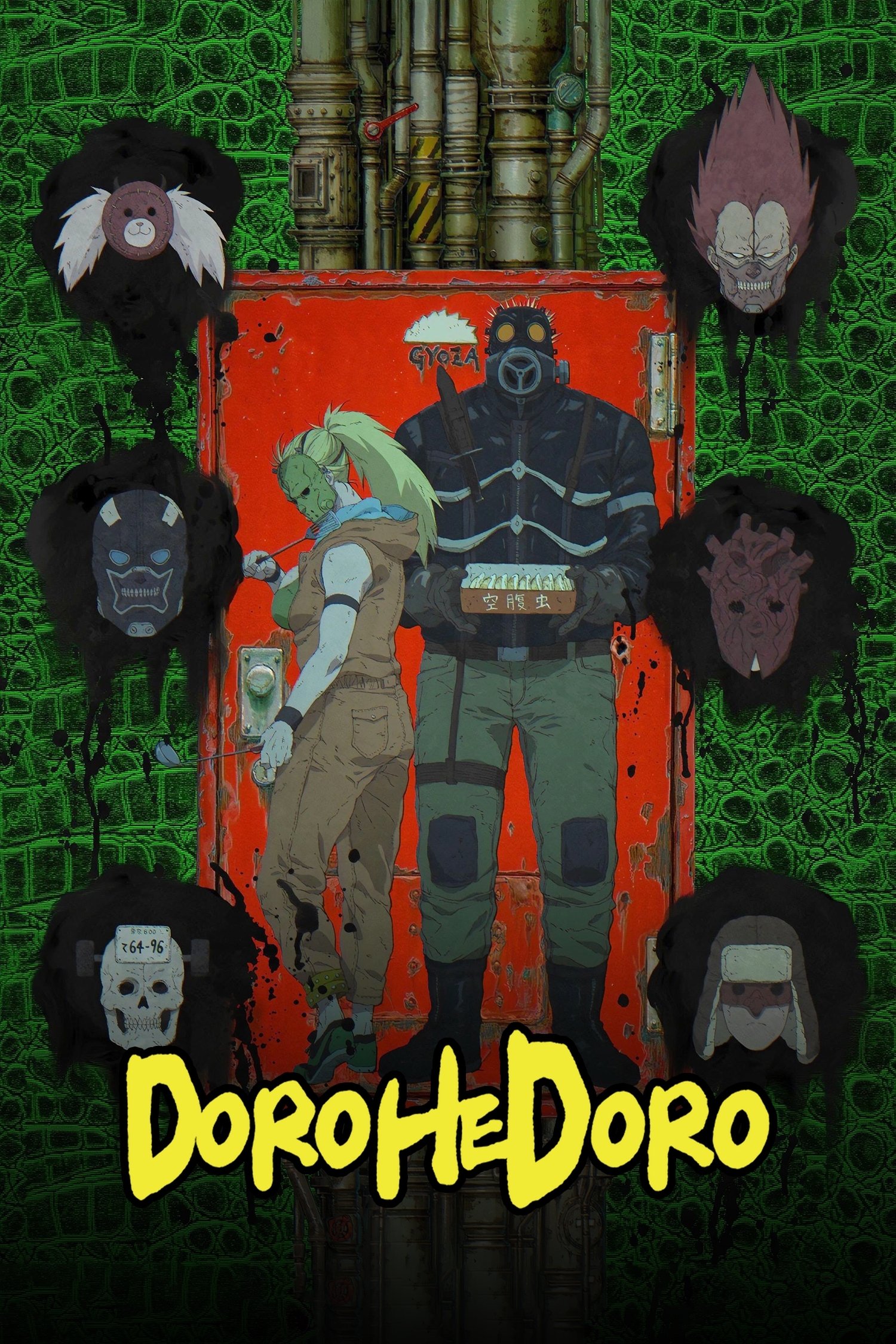
A man with a reptile head hunts for the sorcerer who altered him, cutting through a black-market city tied to another realm. The plot juggles gangs, magic shops, and cooking contests with grisly experiments. MAPPA handled hybrid CG and hand-drawn cuts for energetic fights. World terms like smoke, contracts, and door magic are defined through ongoing skirmishes.
‘Devilman Crybaby’ (2018)
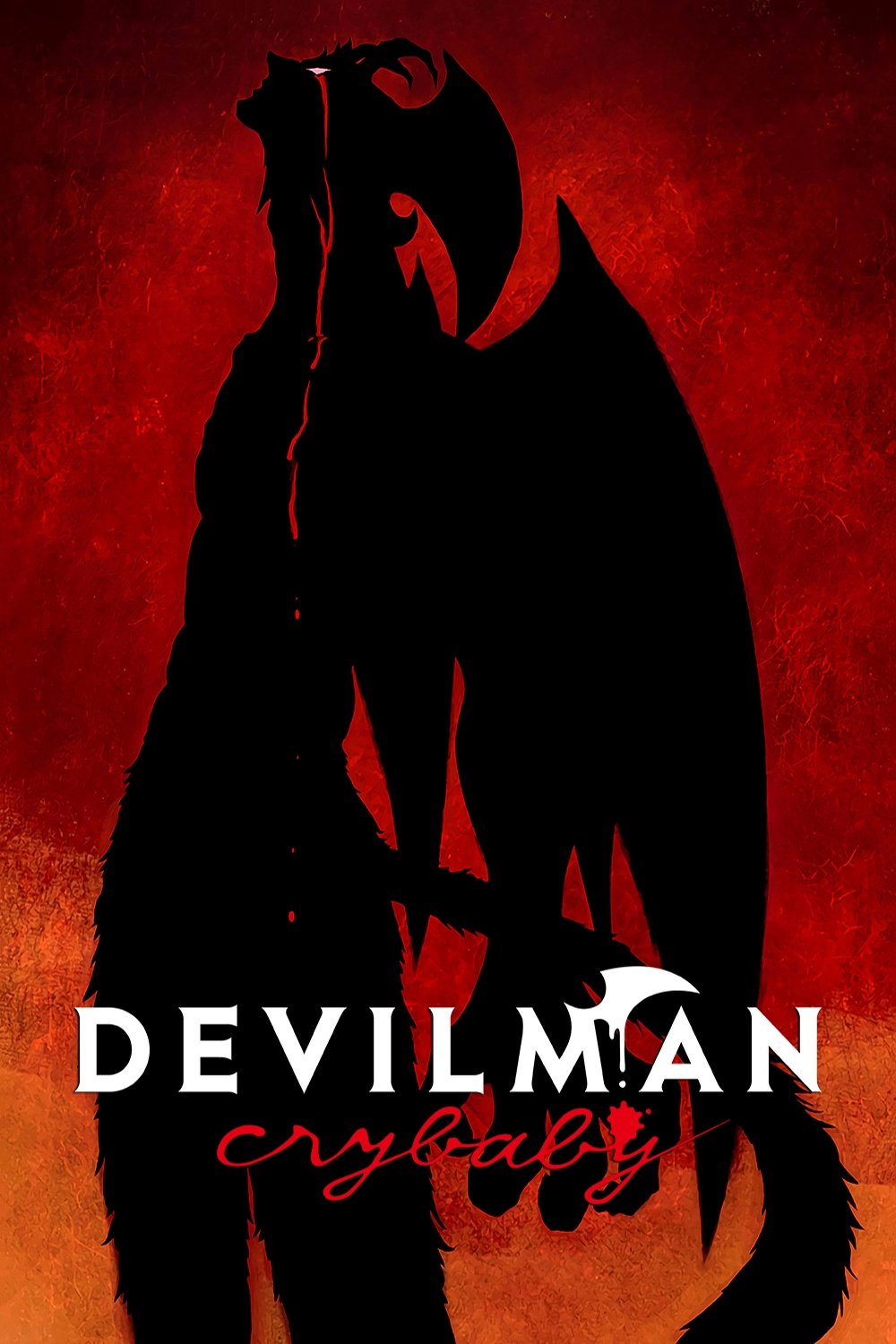
A demon outbreak hides within youth culture as two friends take opposite paths. Track meets, mixtapes, and viral videos sit beside possession and purges. Science SARU produced the elastic motion and bold smears that mark the action. The update keeps the original’s core beats while incorporating modern communication and crowd behavior.
‘Dororo’ (2019)
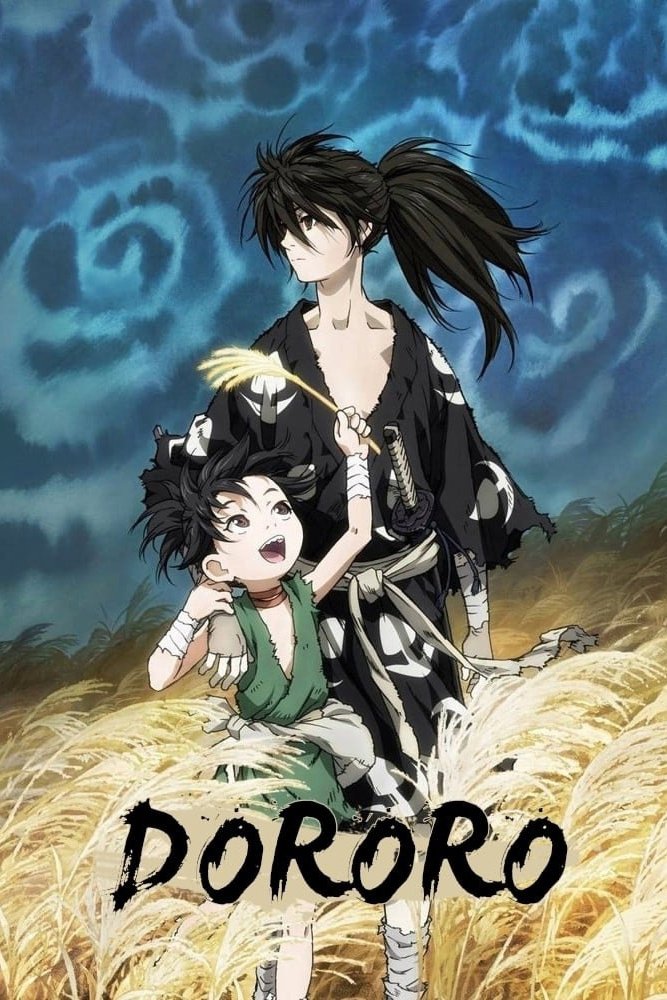
A ronin born without organs or limbs fights yokai to reclaim what was bargained away before his birth. Traveling with a young thief, he moves from village to village confronting local pacts. MAPPA and Tezuka Productions partnered on fluid swordplay and monster design. The series structures its journey around provinces, daimyo politics, and body parts recovered.
‘Ghost Hound’ (2007–2008)
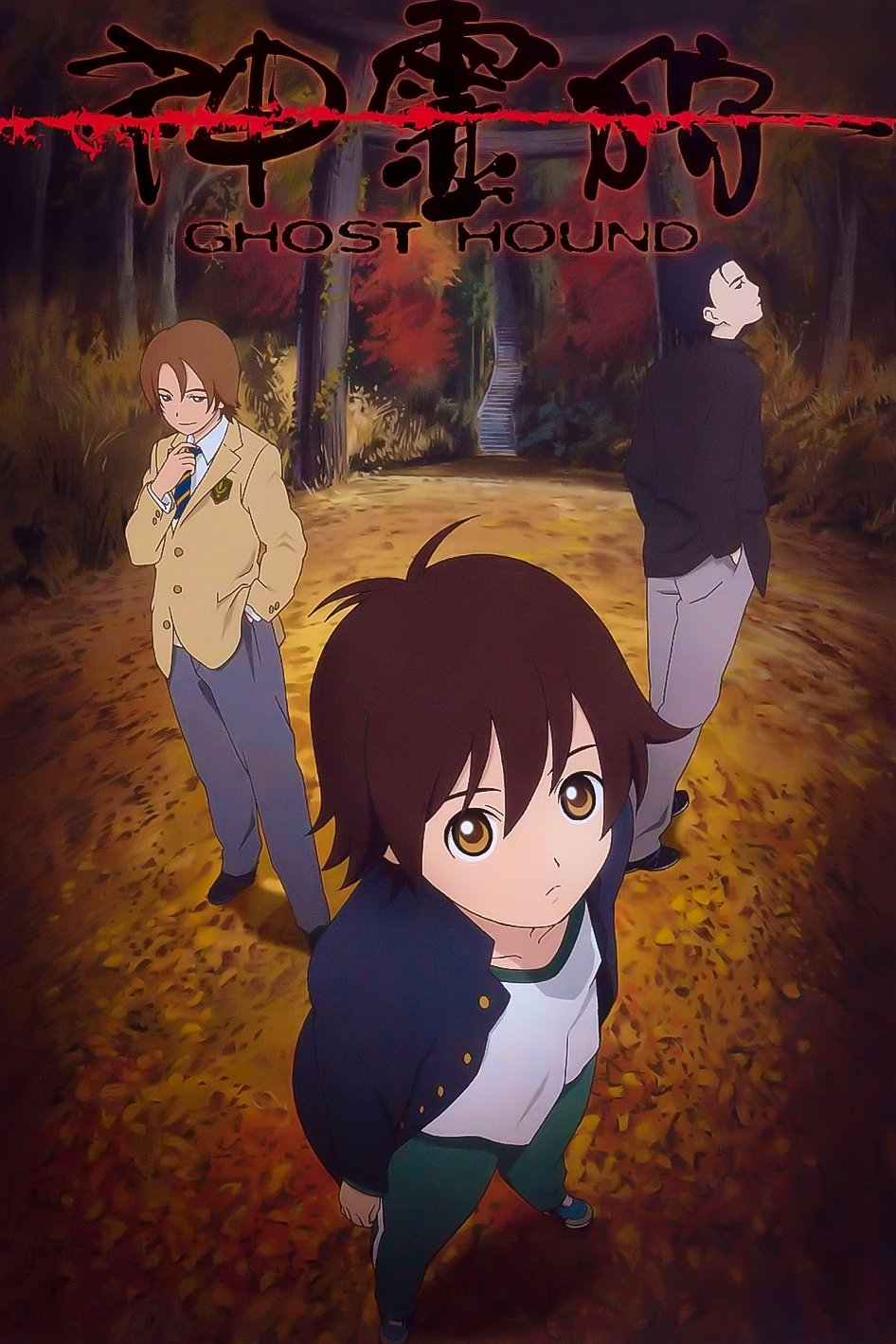
Three teens with past trauma experience out-of-body episodes that tie into their town’s medical and industrial history. Interviews, EEG readouts, and folklore inform the investigation. Production I.G animated clinical spaces and dreamlike overlays with care. The show cross-references neurology and myth as it closes cases tied to earlier disasters.
‘Blue Gender’ (1999–2000)

A man wakes from cryosleep to an Earth overrun by insectoid creatures, joining a retreating military force. Missions track evacuation routes, weapon testing, and the politics of off-world colonies. AIC produced gritty machinery and creature encounters. The series catalogs chain of command, supply risks, and shifting objectives as survival odds change.
Share the dark anime you think more people should discover in the comments.