2000s Movies That Are Ready for a Reboot

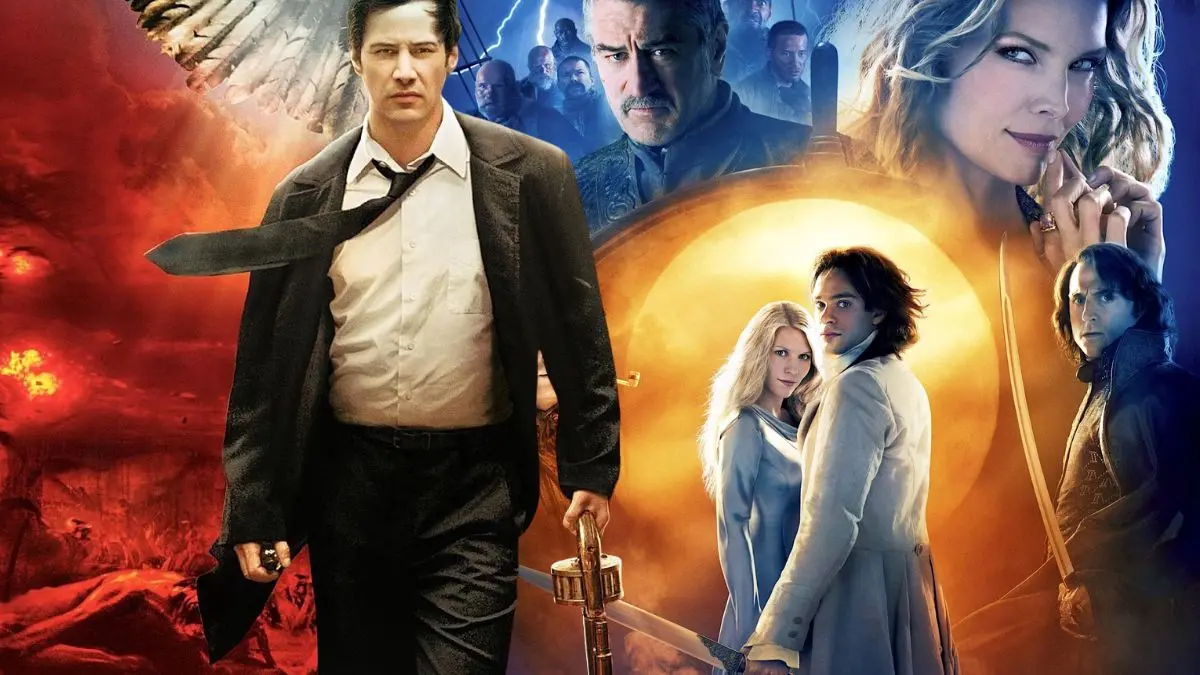

The 2000s delivered a wave of bold ideas that mixed fresh technology with big swings in genre storytelling, from game adaptations to epic fantasies and quirky sci-fi adventures. Many of these films launched memorable worlds, strong premises, or devoted fanbases that never quite got the multi-installment runs their setups promised. Here are 25 titles from that decade with concepts built for another go, along with quick facts to ground where they came from and who brought them to theaters.
‘Atlantis: The Lost Empire’ (2001)
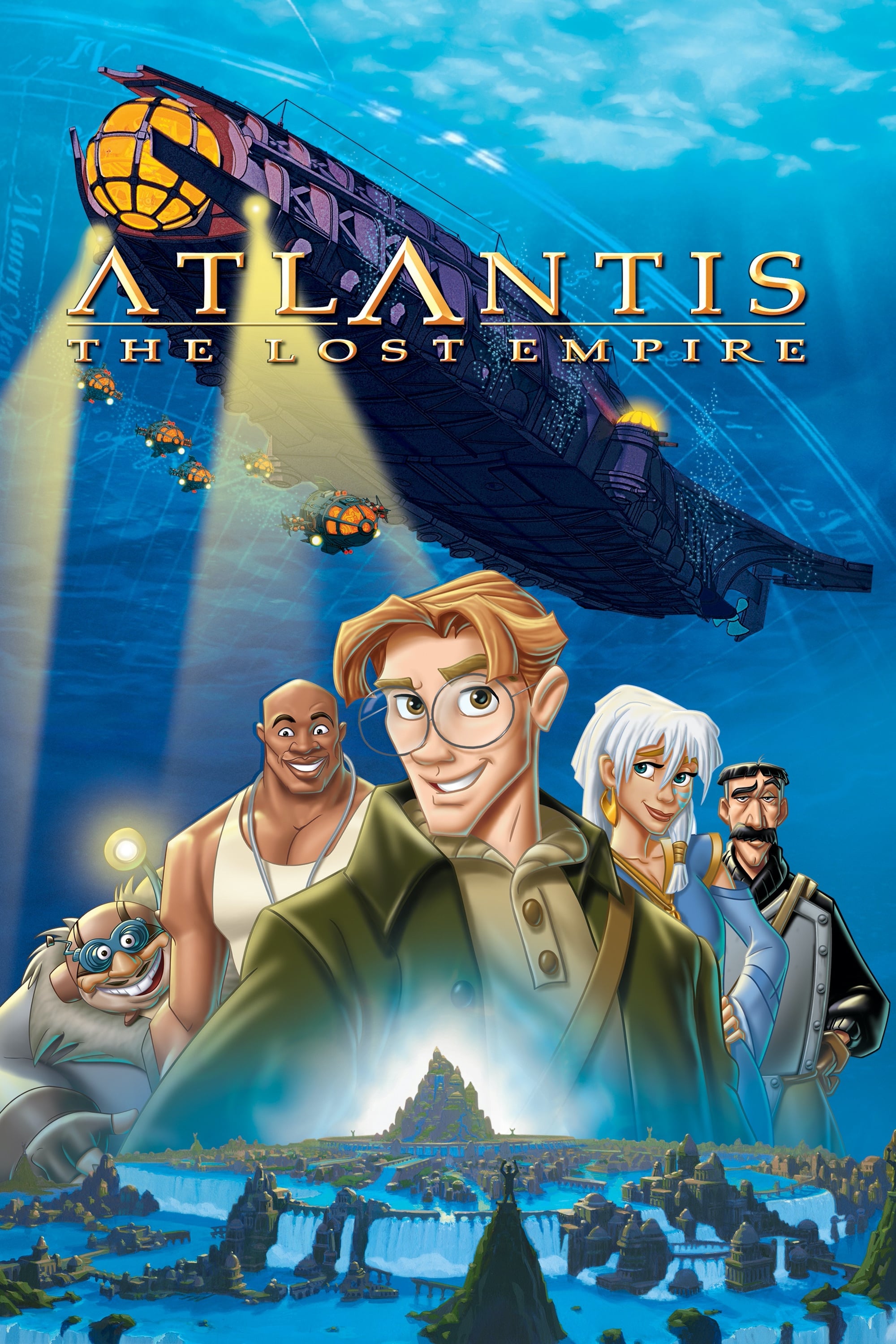
This animated adventure follows a linguist and a crew searching for a hidden civilization beneath the sea. It blended hand-drawn characters with CG environments and was released by Buena Vista for Disney. The film introduced a full conlang and a dieselpunk expedition aesthetic that extended into books and park tie-ins.
‘Treasure Planet’ (2002)
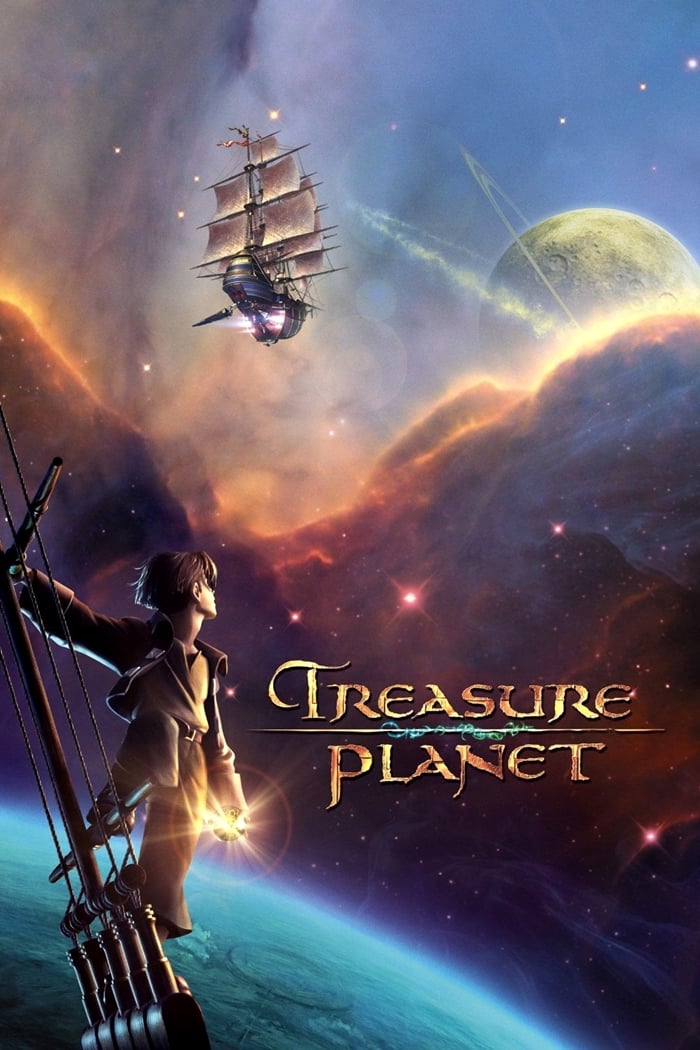
A sci-fi spin on a classic seafaring tale, this feature pairs hand-drawn animation with 3D ships sailing solar winds. Disney brought it to theaters through Buena Vista distribution. Its art direction, solar surfing set pieces, and father-son mentor dynamic fueled a steady afterlife on home media.
‘Sky High’ (2005)
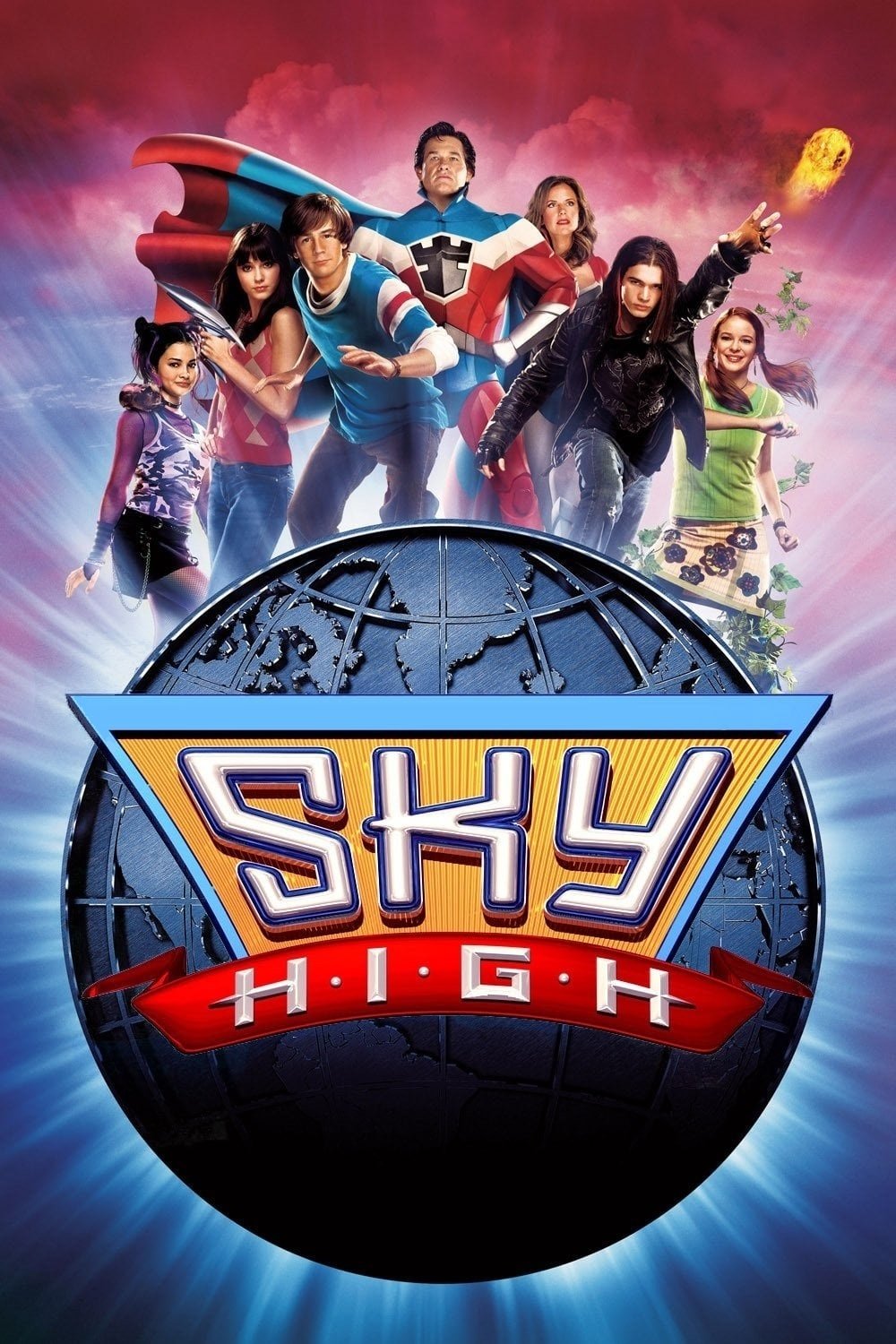
Set in a secret high school for young superheroes, this family film follows a late-bloomer who must find his place among powered peers. It arrived in theaters through Buena Vista for Disney. The ensemble cast, comic-book gadgetry, and school-house rivalries carried into licensed games and a dedicated TV rotation.
‘The Chronicles of Narnia: The Lion, the Witch and the Wardrobe’ (2005)
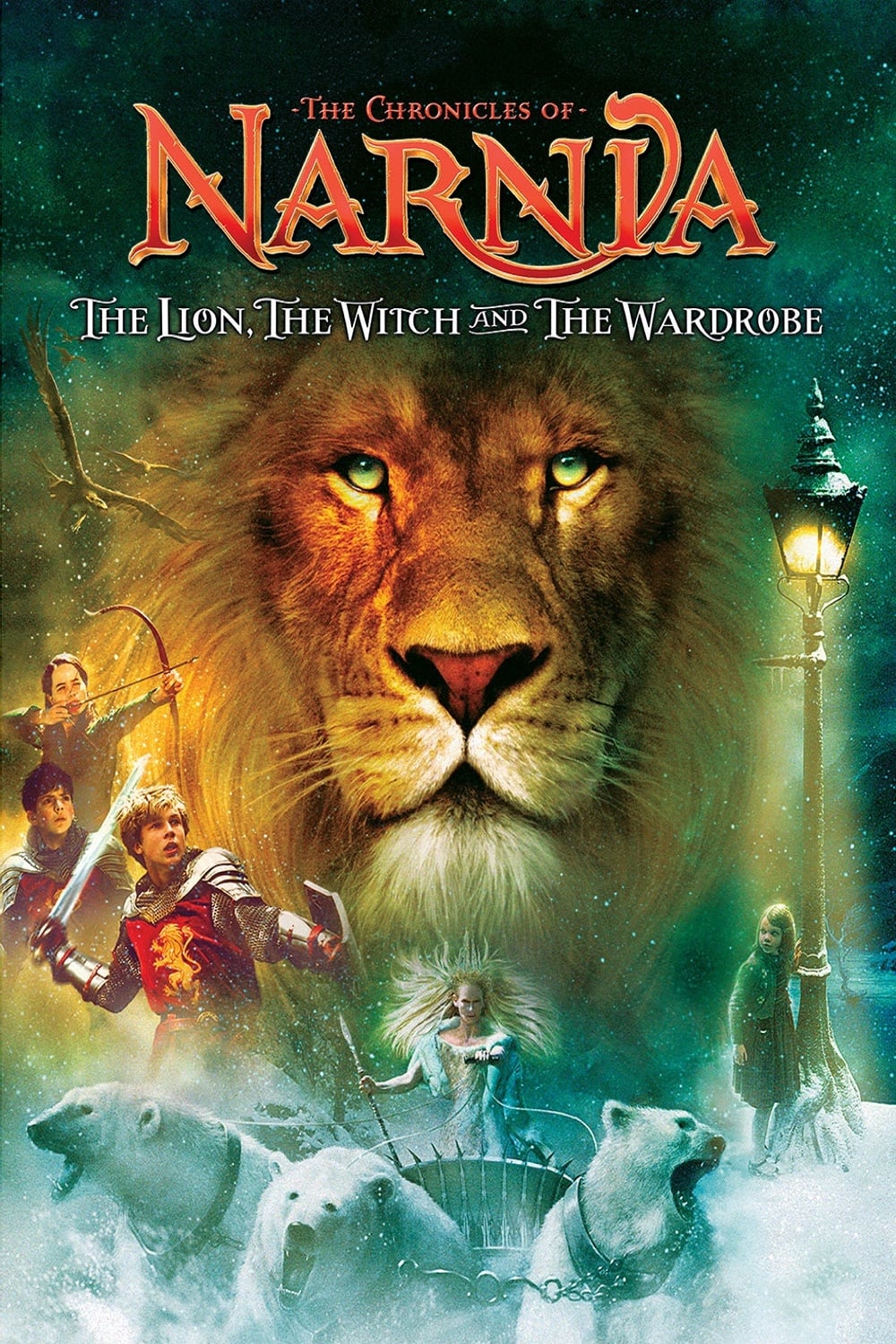
Adapted from C. S. Lewis, this fantasy opens the door to a wintry realm ruled by an immortal tyrant. Walden Media produced and Disney handled the release via Buena Vista. The production built large-scale creature effects and wardrobe sets that continued into subsequent entries under shifting partners.
‘Eragon’ (2006)
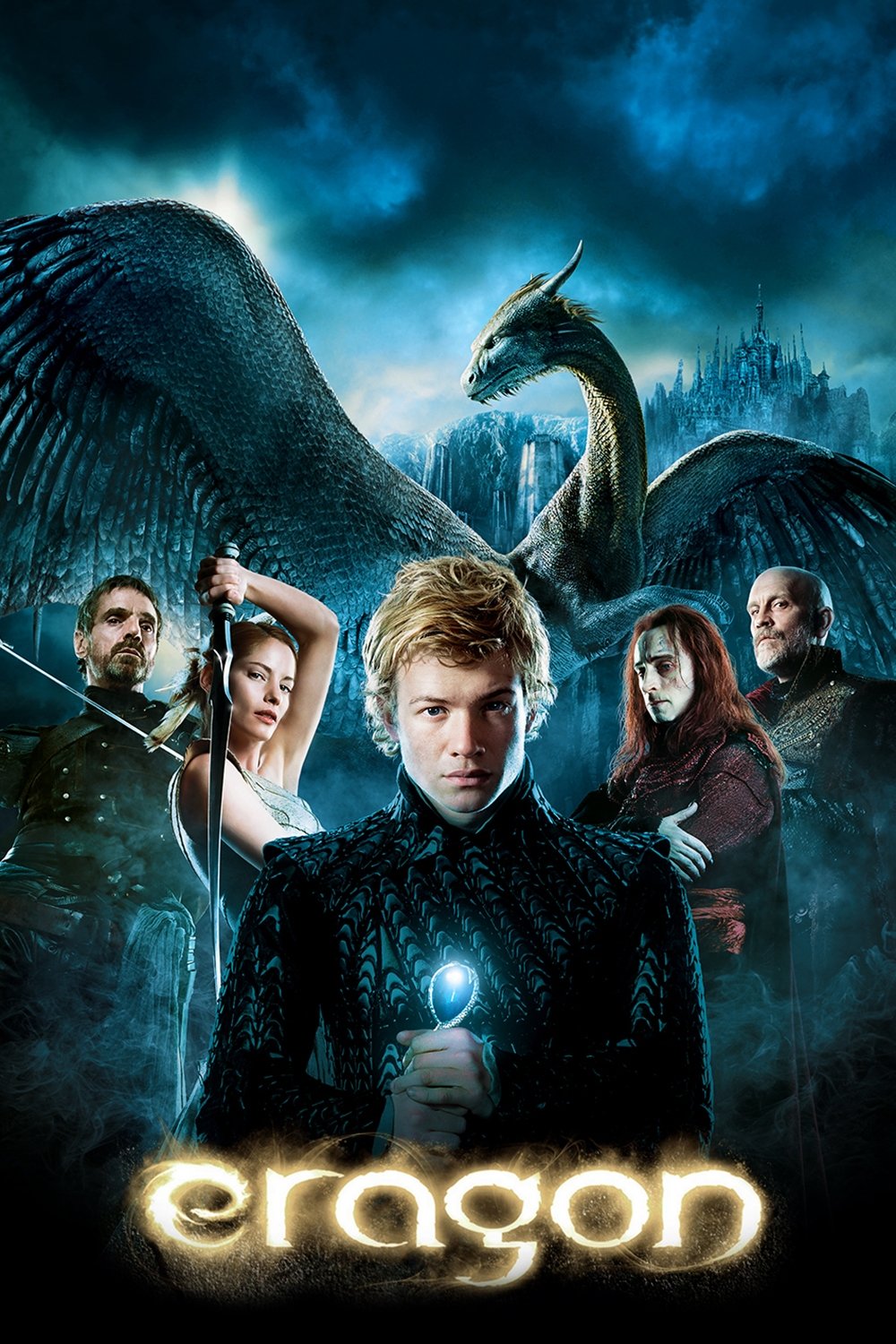
Based on Christopher Paolini’s novel, this story tracks a farm boy who bonds with a dragon and joins a rebellion. It was distributed by 20th Century Fox in partnership with Fox 2000. The film introduced a full dragon lifecycle on screen along with a heraldic magic system tied to ancient language.
‘The Golden Compass’ (2007)
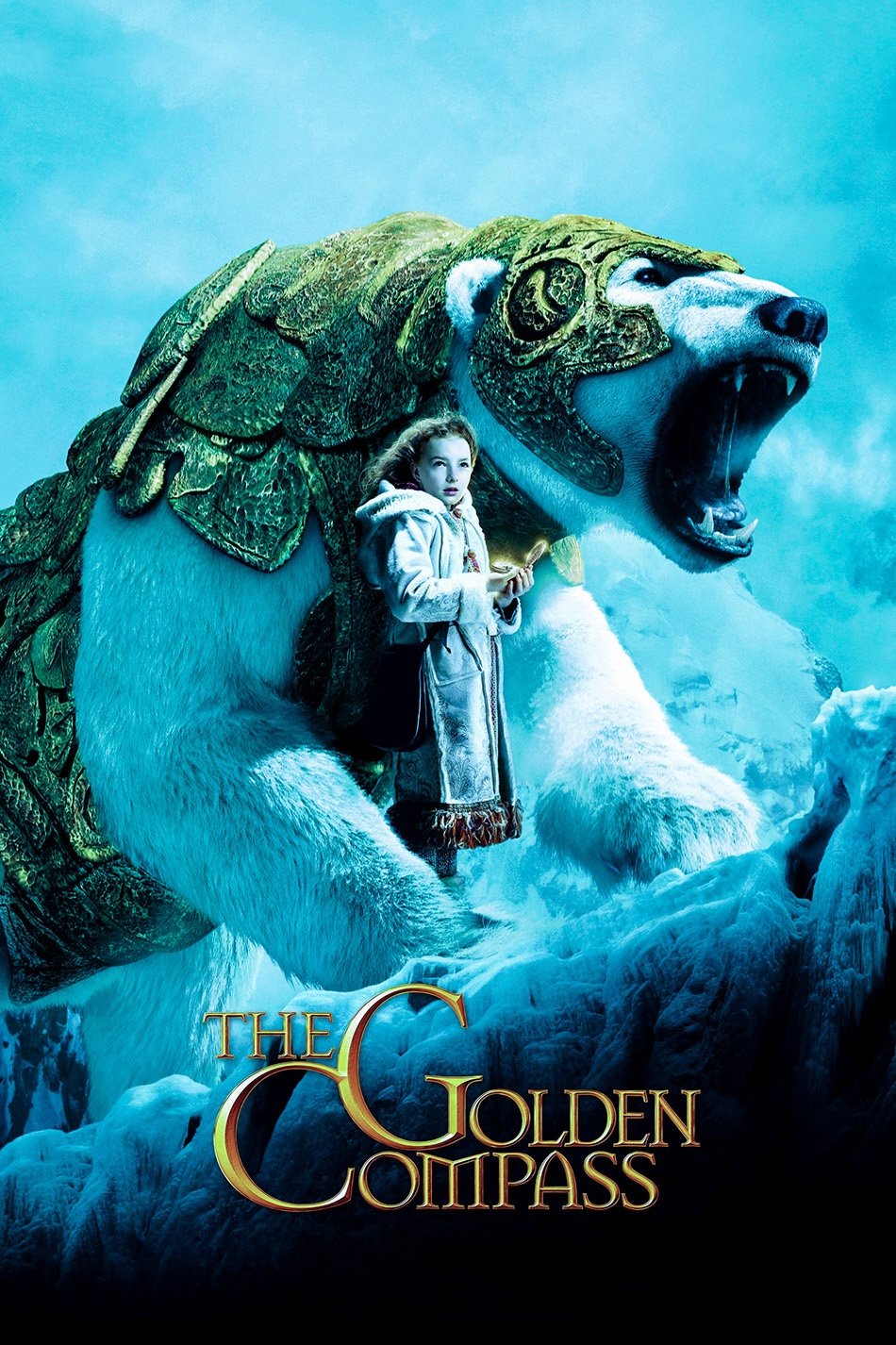
This adaptation of Philip Pullman’s tale follows a determined girl journeying north with armored bears and soul-linked dæmons. New Line produced and released it theatrically, with Warner Bros. support in overseas markets. Its practical creature builds, polar airships, and alethiometer mythology fed extensive tie-in books and games.
‘The League of Extraordinary Gentlemen’ (2003)
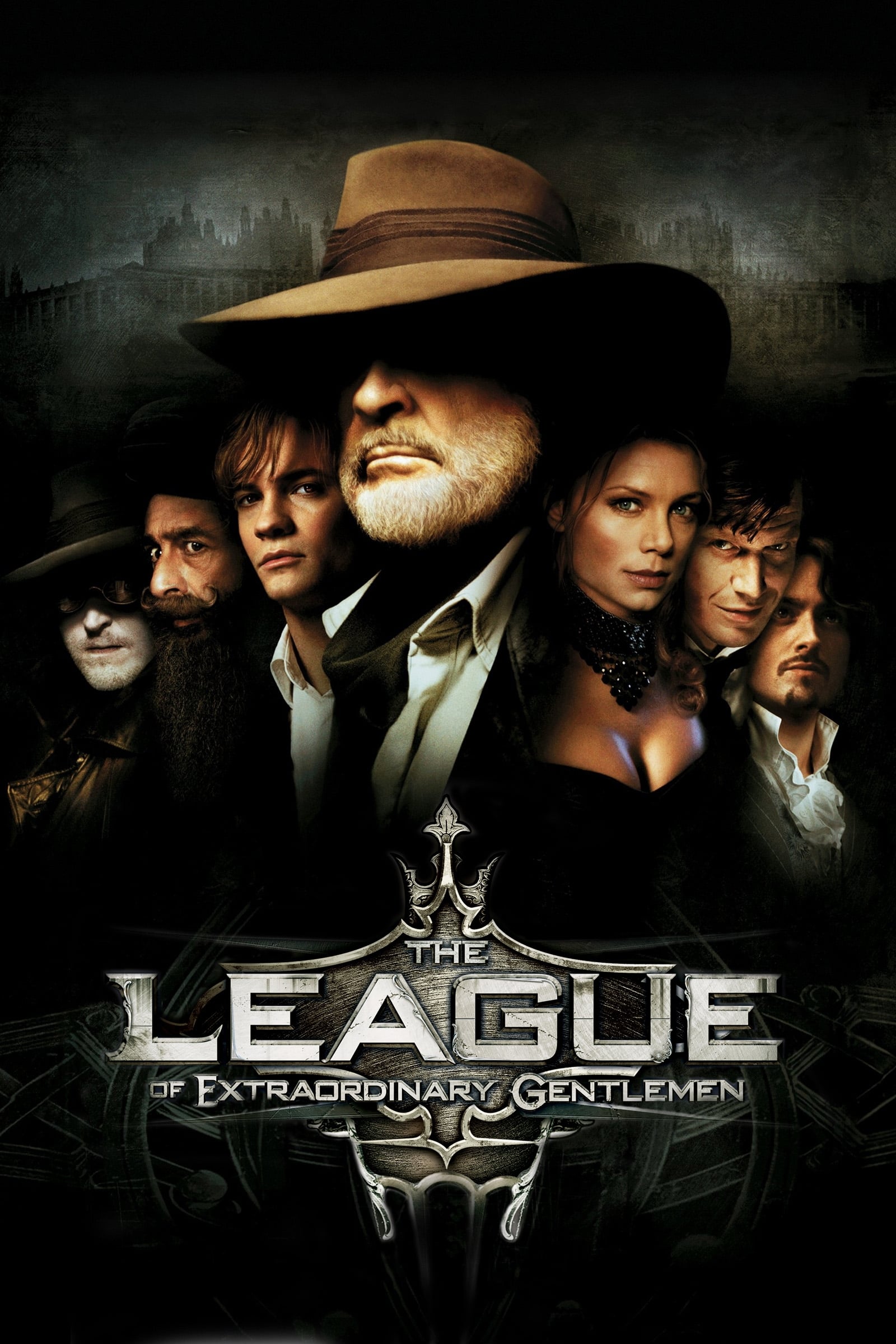
Drawn from Alan Moore and Kevin O’Neill’s comic, the film assembles Victorian literary icons to battle a mysterious industrialist. 20th Century Fox released it worldwide. The production designed Nautilus interiors, steam-age weaponry, and a cross-character skill system that invited expansion.
‘Van Helsing’ (2004)
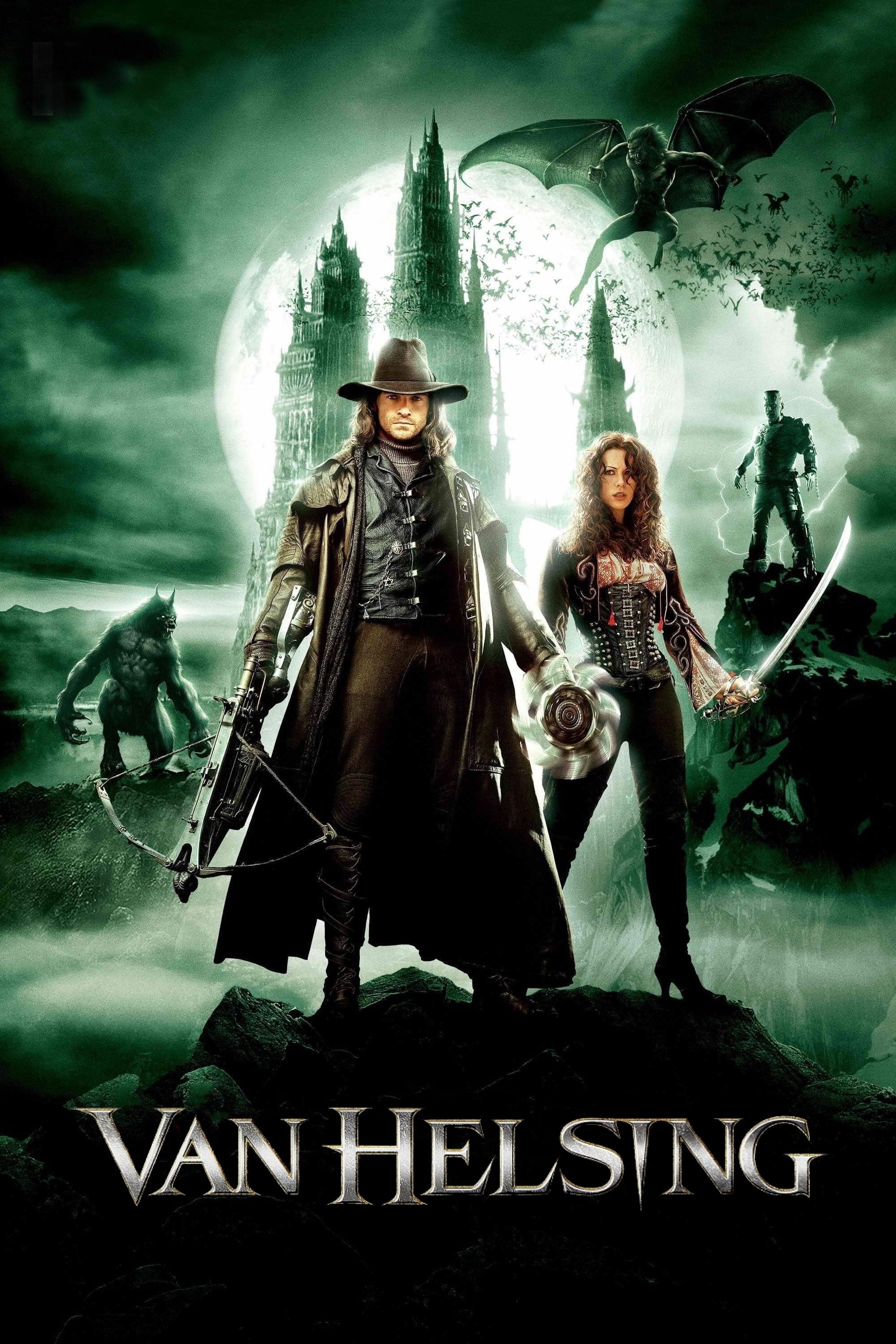
A monster-hunting saga sends a famed tracker against Dracula, werewolves, and other classic creatures. Universal Pictures handled the release. The film built elaborate Transylvanian sets, creature transformations, and a Vatican gadget armory that spun out to a haunted-house attraction and console game.
‘Constantine’ (2005)
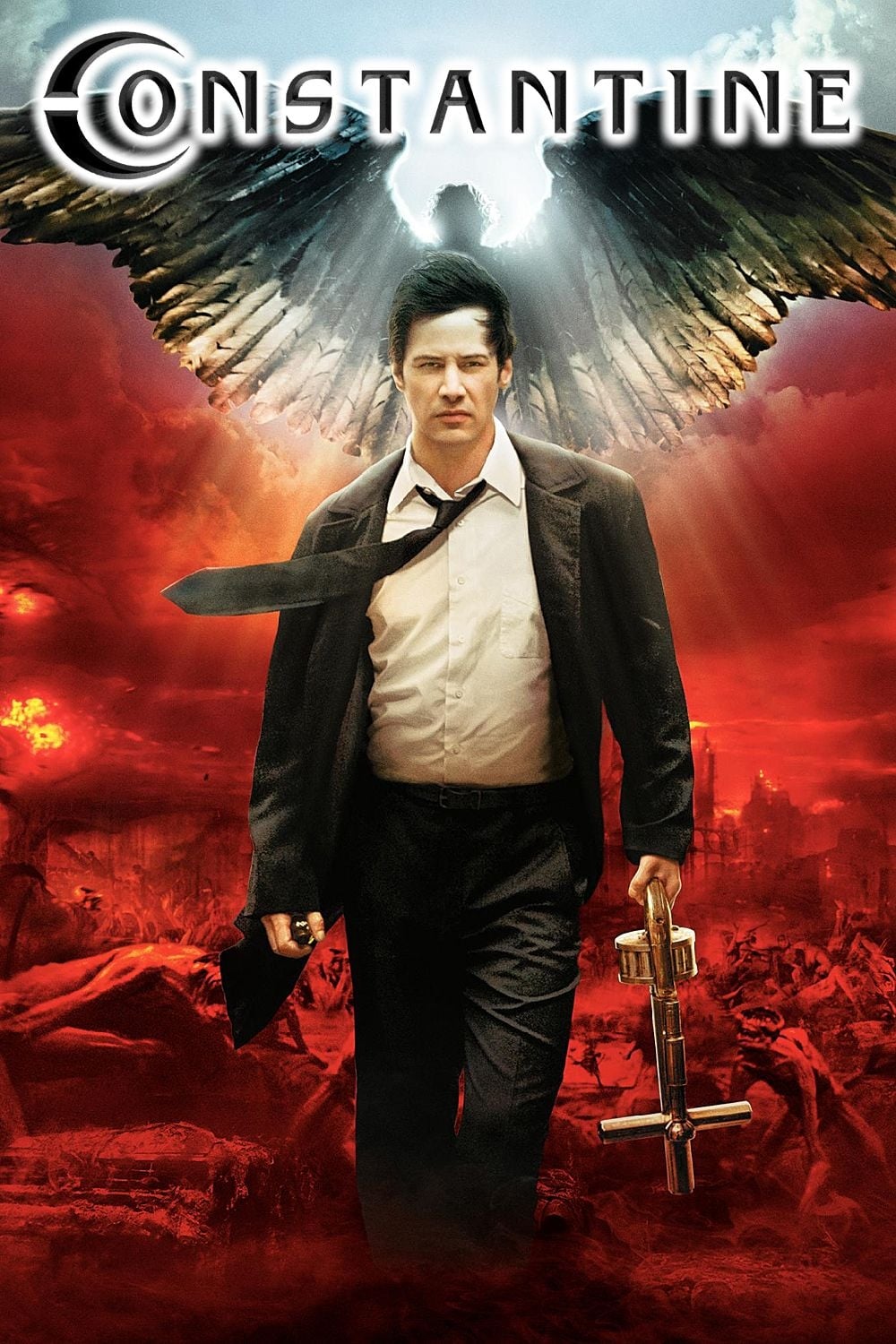
This occult thriller follows a chain-smoking exorcist navigating a proxy war between angels and demons beneath Los Angeles. Warner Bros. Pictures brought it to theaters. The film’s iconography, from the spear of destiny to occult sigils, anchored a visual language that continued in comics and animated features.
‘I, Robot’ (2004)

Inspired by Isaac Asimov’s universe, this action mystery explores a homicide that may implicate a next-gen robot line. 20th Century Fox handled distribution. The production crafted a near-future Chicago, a central AI hub, and the Three Laws framework that informed licensed tech features and game tie-ins.
‘Cloverfield’ (2008)
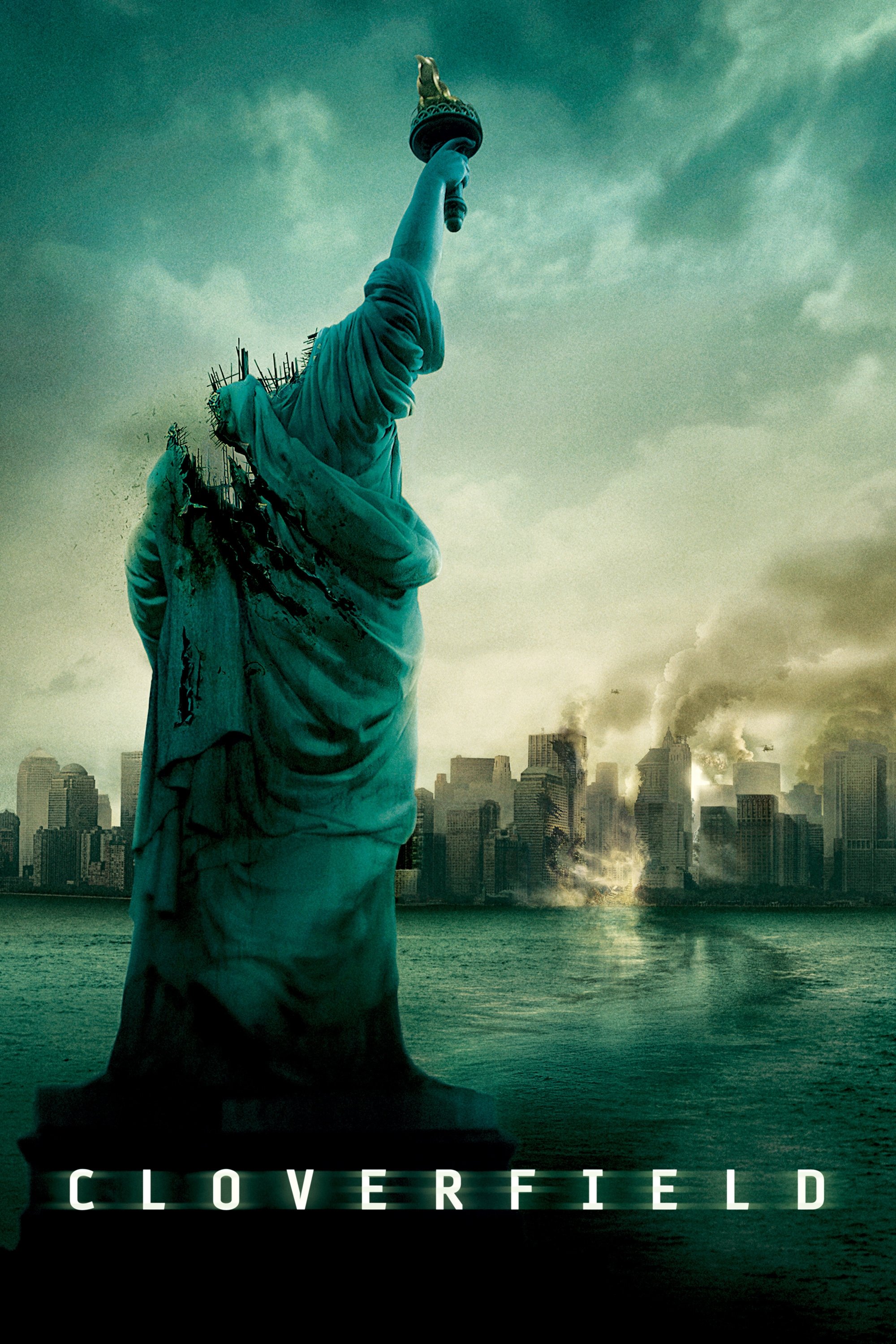
Told through “found footage,” this disaster story chronicles a single night during a colossal creature attack on Manhattan. Paramount Pictures released it following a viral marketing rollout. The film’s ARG world-building, handheld style, and peripheral clues seeded a wider anthology of related projects.
‘Push’ (2009)
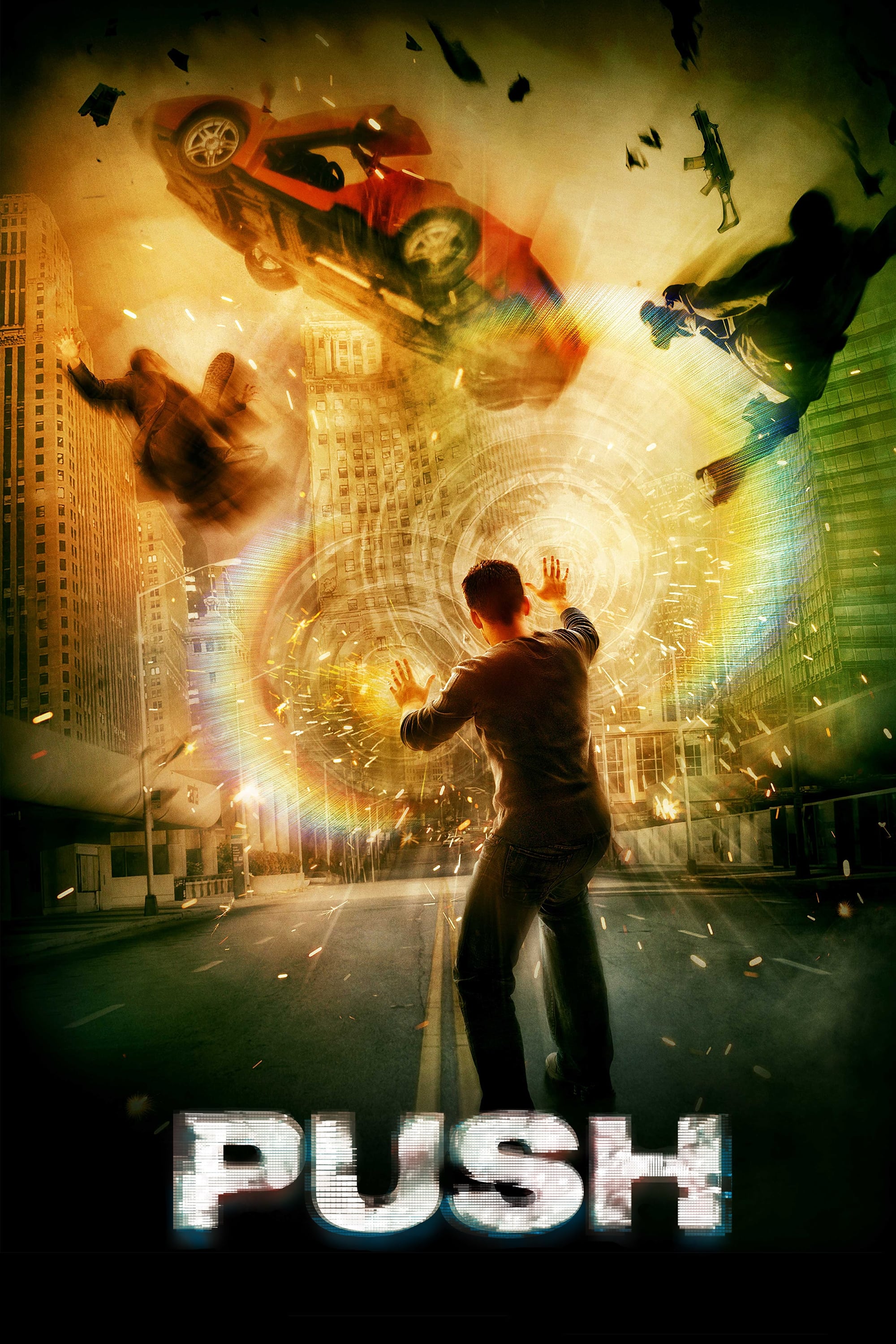
Set within an underground network of psychic operatives, this thriller follows fugitives with telekinetic and precognitive abilities. Summit Entertainment distributed it globally. The film mapped powers to government divisions, used Hong Kong locations for on-the-run set pieces, and left behind a layered conspiracy.
‘Jumper’ (2008)
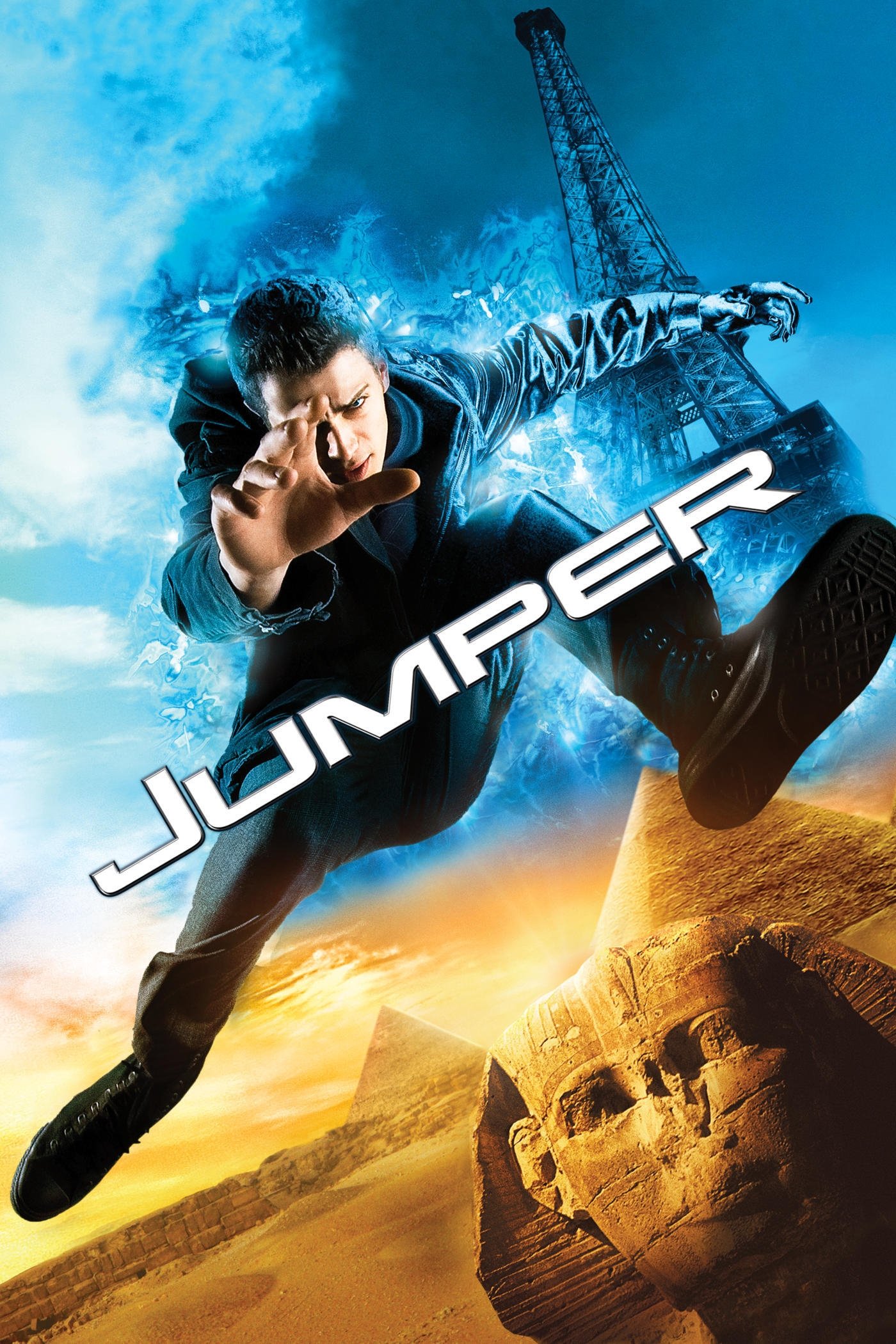
A young man learns he can teleport anywhere and soon collides with a clandestine group hunting his kind. 20th Century Fox released the film. The production stitched globe-hopping stunts together with match-cut transitions and introduced lore terms that expanded in a companion novel.
‘National Treasure’ (2004)
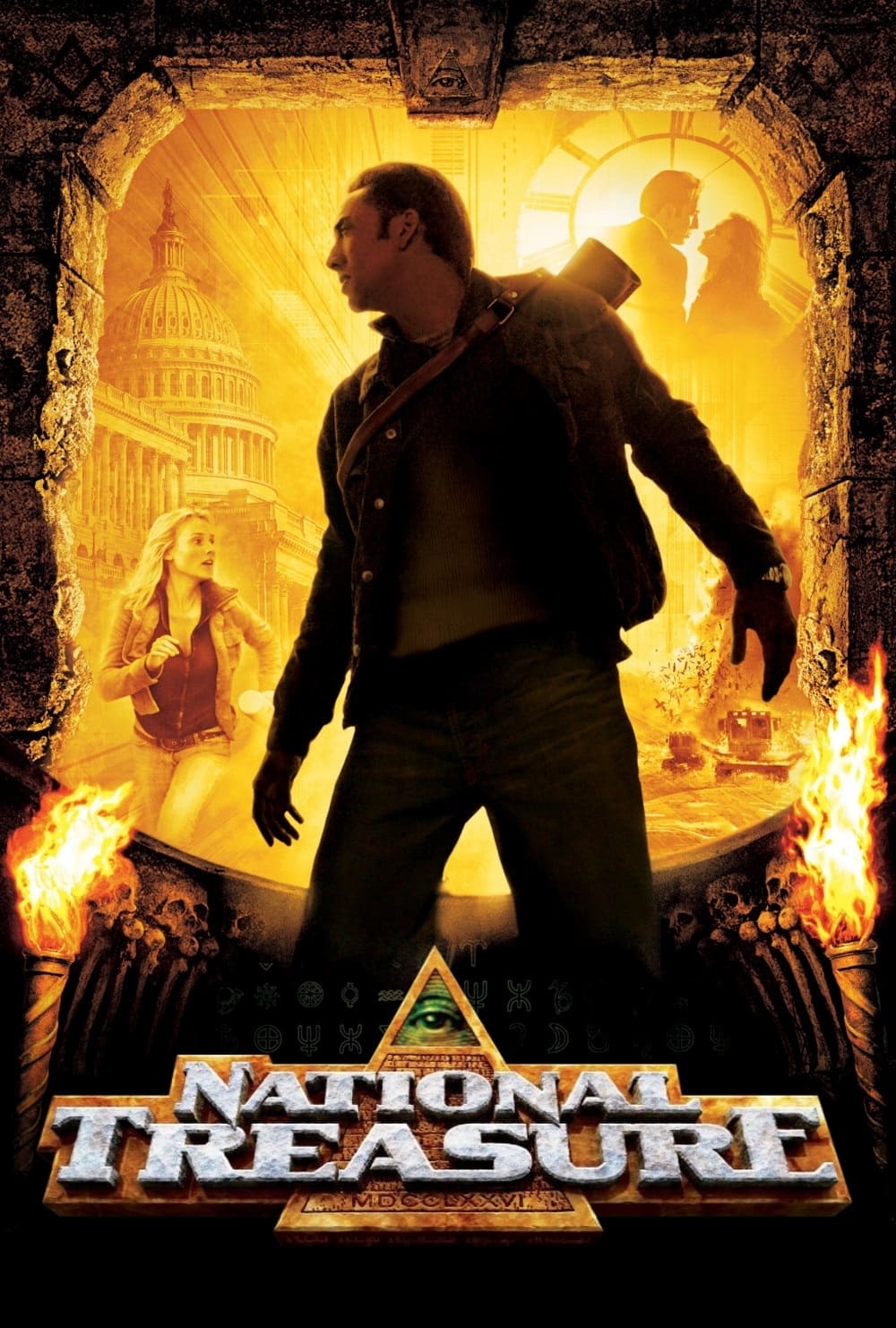
A modern treasure hunter deciphers clues hidden in American artifacts while racing a rival crew. Disney released it through Buena Vista, and it grew into books and a streaming spinoff. The film popularized cipher-driven set pieces and location-based puzzles across landmarks and archives.
‘Sahara’ (2005)
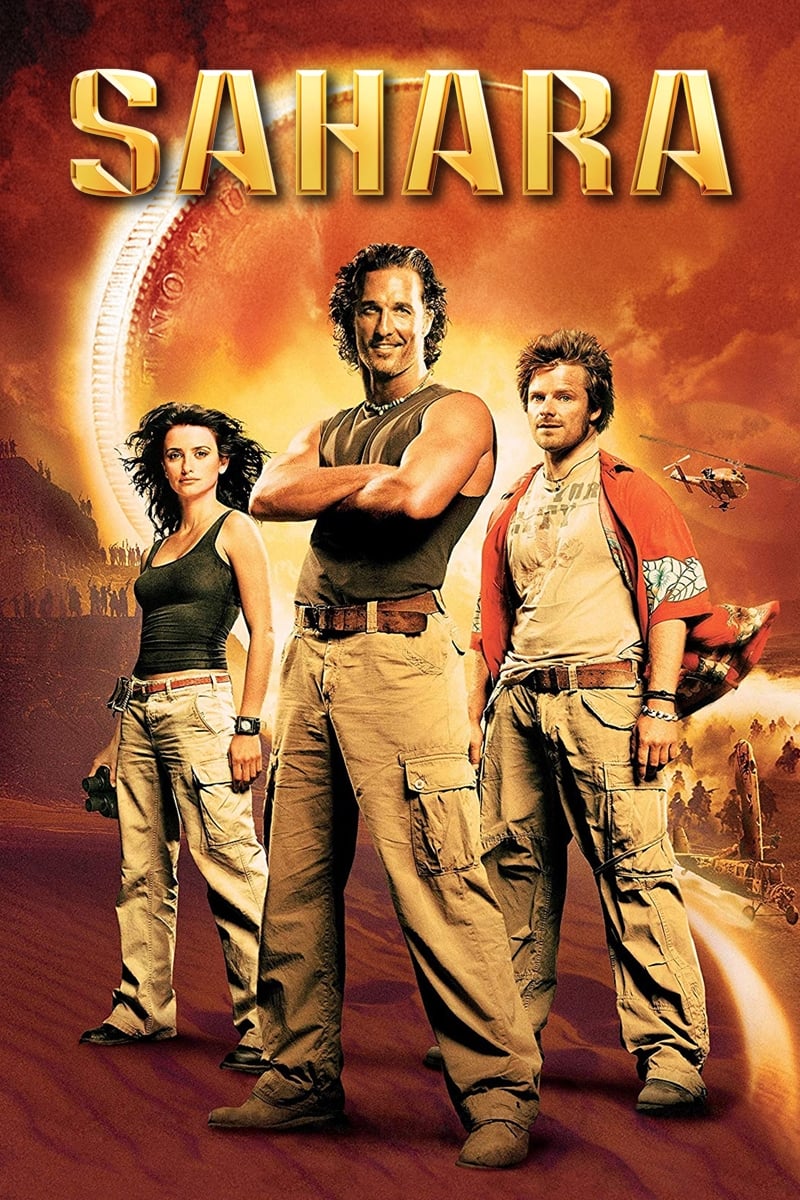
Based on the Clive Cussler novel, this adventure teams a treasure hunter and a doctor investigating a toxic threat in West Africa. Paramount Pictures handled the release. Large-scale desert chases, riverboat action, and an Old West ironclad set build defined its practical approach.
‘Max Payne’ (2008)
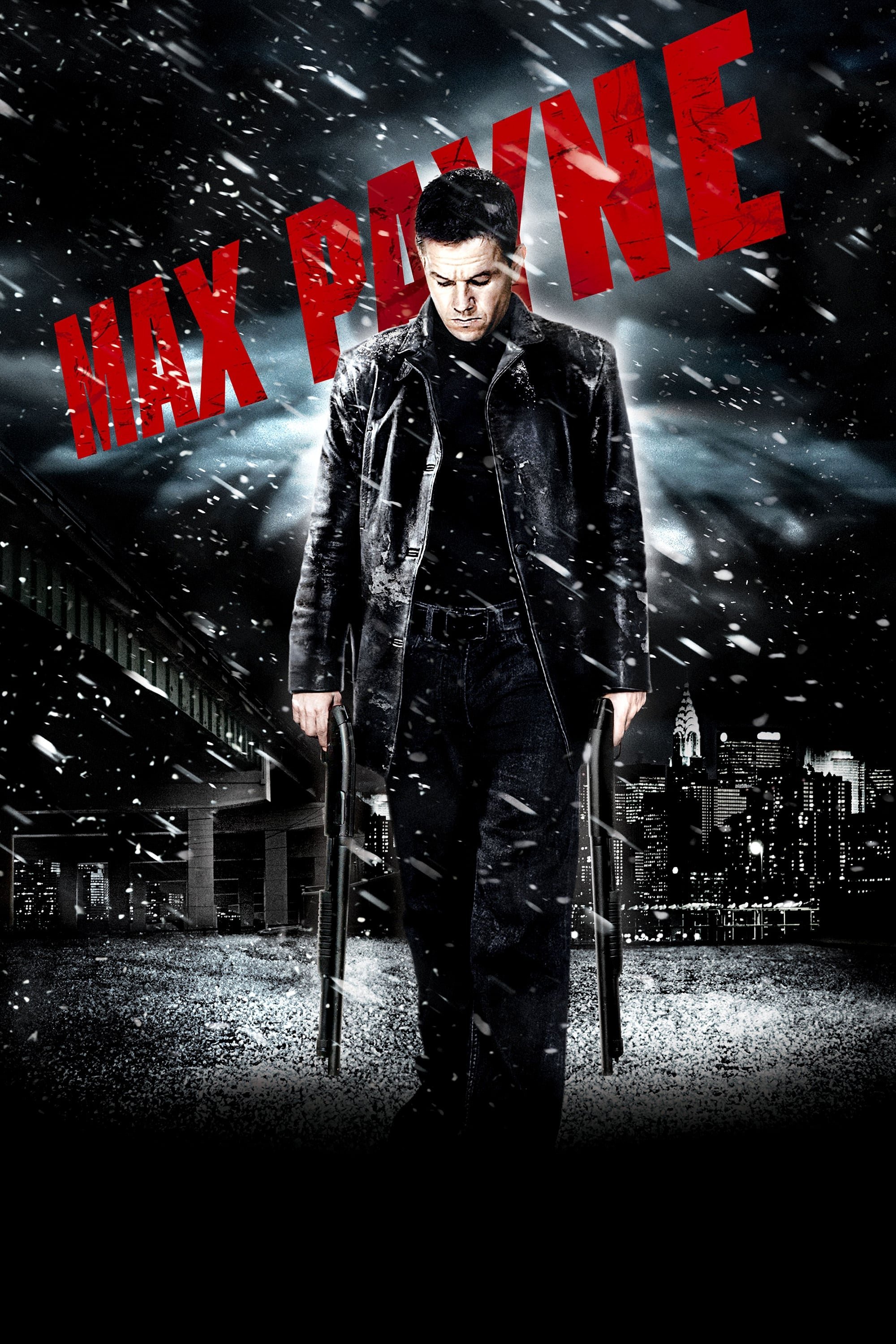
Adapted from the noir video game, this story follows a vengeful detective unraveling a conspiracy tied to a designer drug. 20th Century Fox distributed it. Stylized bullet-time visuals, snow-swept cityscapes, and Valkyrie iconography translated core game elements to the screen.
‘Doom’ (2005)
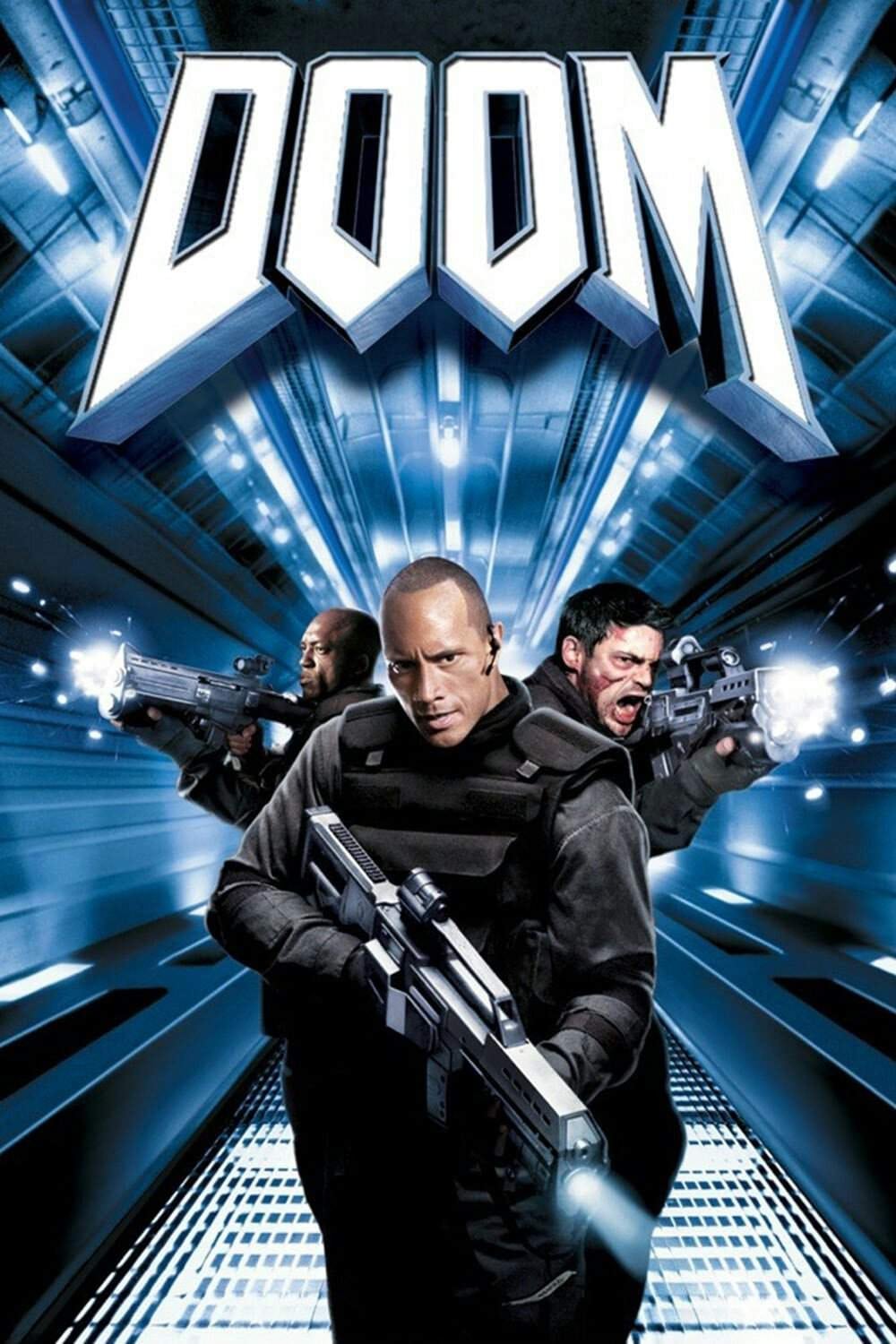
Loosely based on the id Software shooter, a rapid-response team investigates a Mars facility after a distress call. Universal Pictures released the film. The production showcased first-person sequences, bioengineered creatures, and a BFG prop designed to mirror the game’s signature weapon.
‘Silent Hill’ (2006)
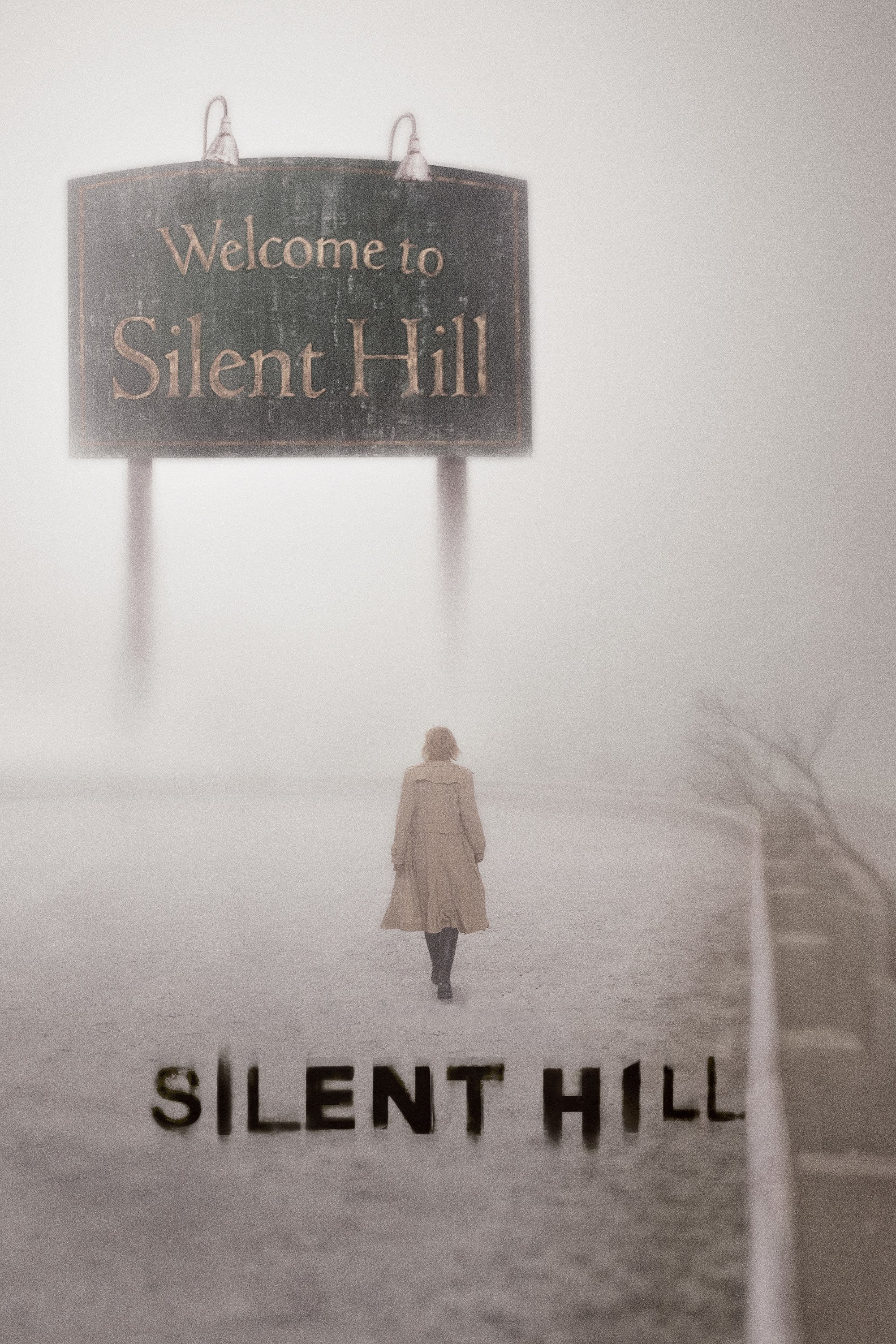
Drawn from the Konami series, this horror film follows a mother searching a fog-shrouded town shaped by cult history. TriStar Pictures released it under Sony Pictures Releasing. Practical creature performances, ash effects, and Akira Yamaoka’s music established a faithful audiovisual template.
‘Resident Evil’ (2002)
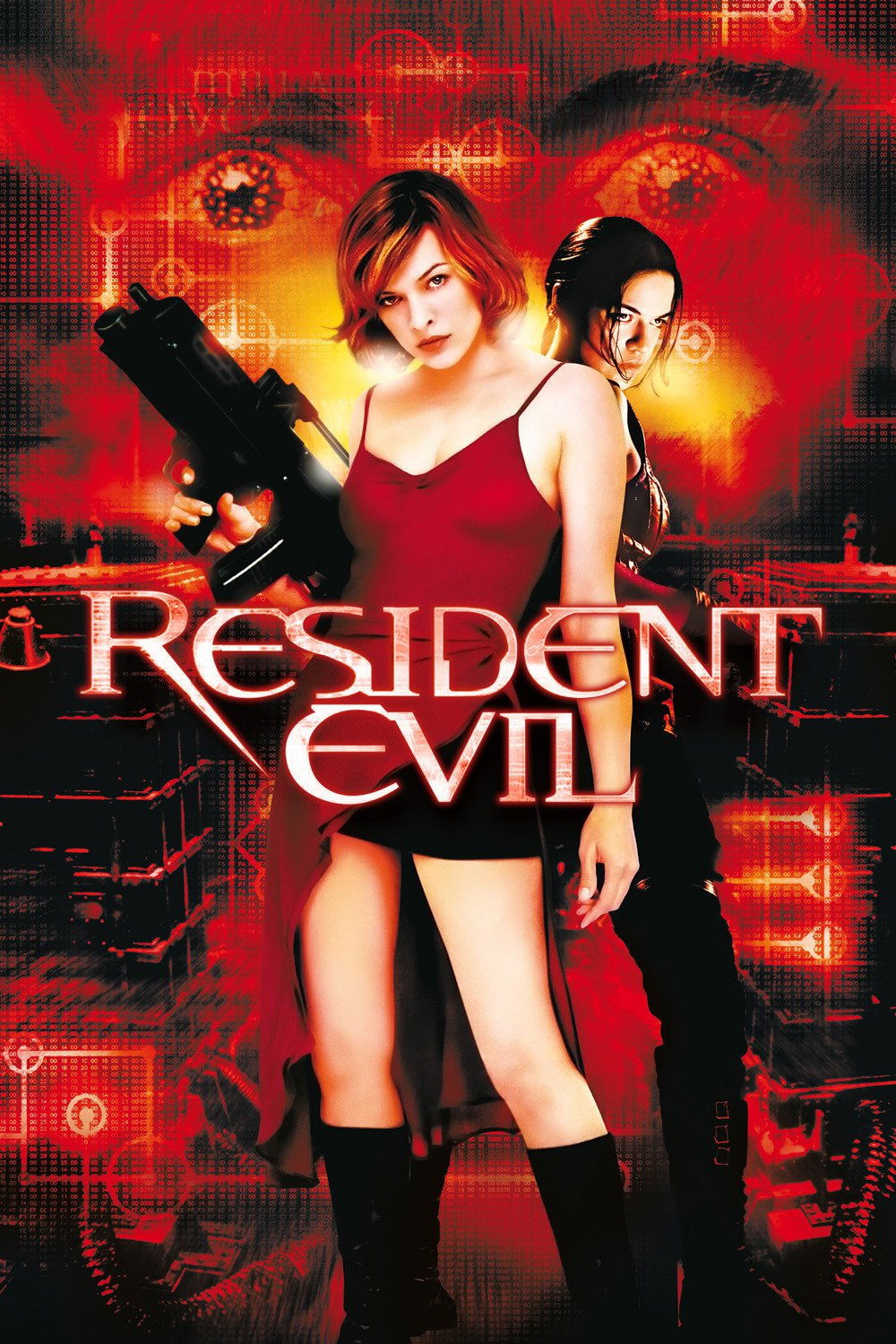
Set in an underground lab after a viral outbreak, this action-horror entry launched a long-running screen continuity. Screen Gems distributed it for Sony in North America. The film introduced laser corridor traps, Umbrella-branded tech, and a Hive facility layout that recurred in sequels and games.
‘Dragonball Evolution’ (2009)
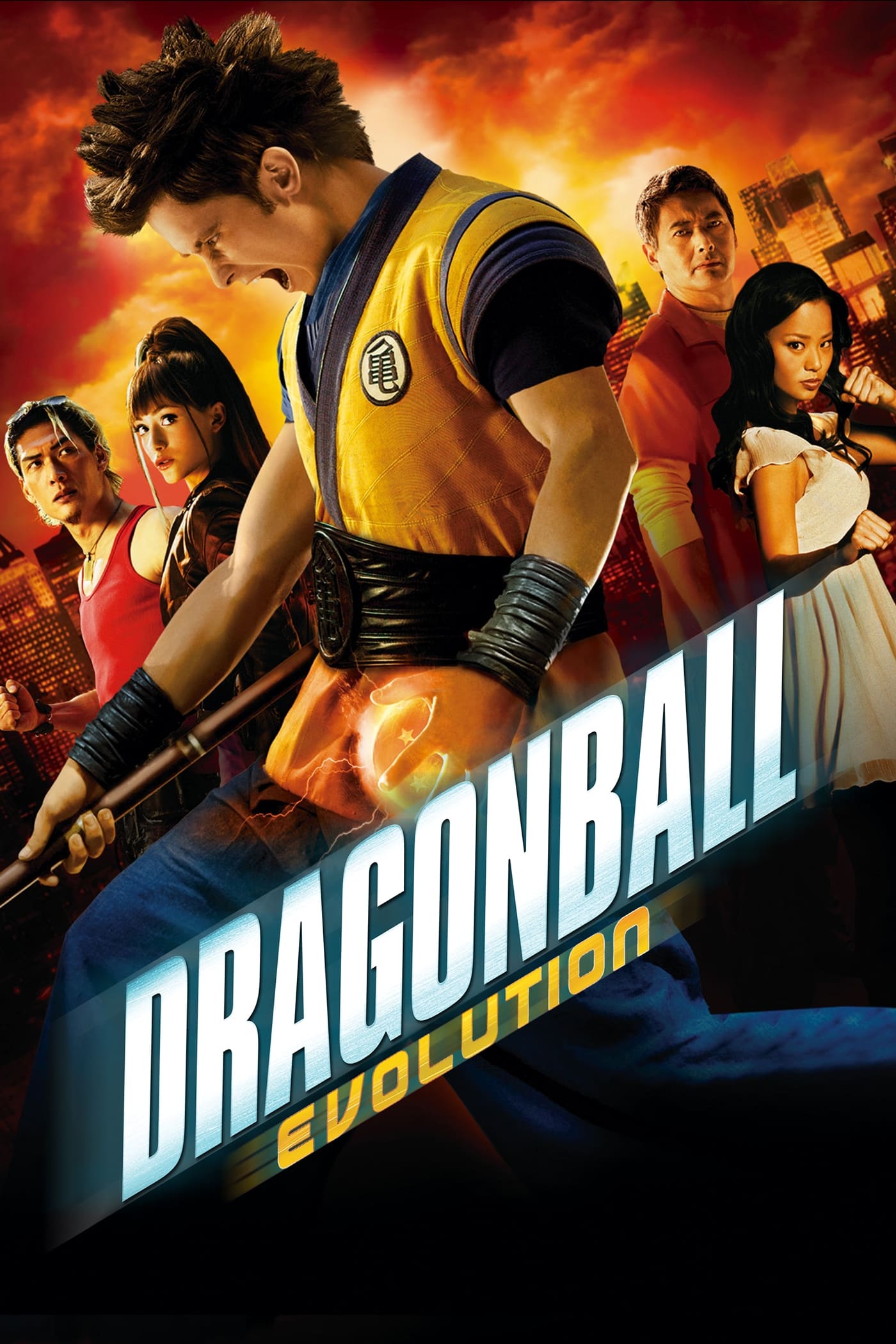
This live-action take on a beloved manga follows a young hero facing an ancient foe while training under a quirky master. 20th Century Fox handled its worldwide distribution. The film used wire-work fights, stylized ki effects, and capsule tech nods that connected with the source’s iconography.
‘Speed Racer’ (2008)
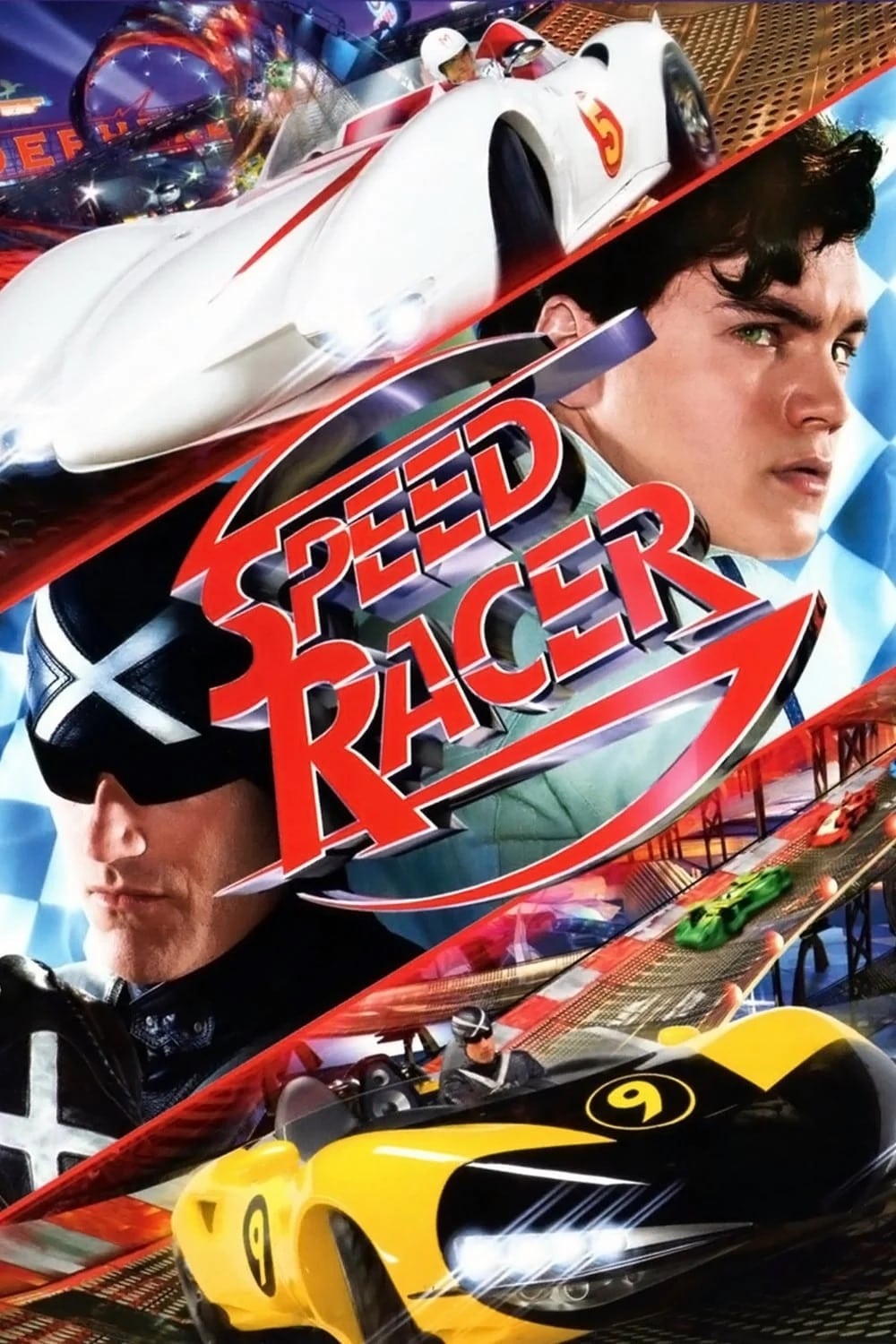
A high-gloss adaptation of the classic anime centers on a family racing team battling corporate corruption. Warner Bros. Pictures released it. The production built fully digital racetracks, color-coded speed lines, and a Mach 5 cockpit that emphasized kinetic readability.
‘The Hitchhiker’s Guide to the Galaxy’ (2005)
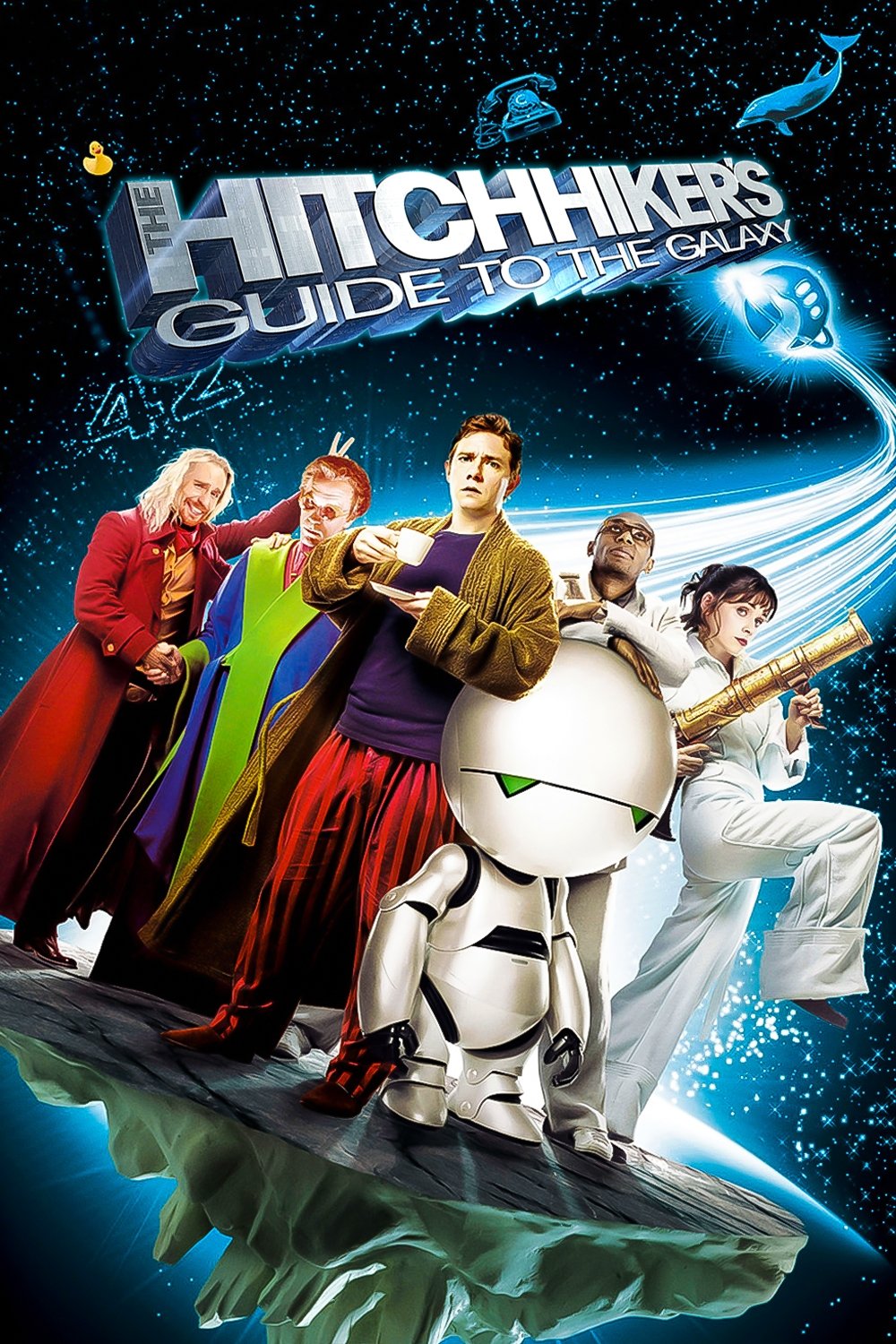
This comedic sci-fi quest follows an everyman whisked into space after Earth’s sudden demolition. Touchstone Pictures released it for Disney through Buena Vista. Animatronic creatures by Henson’s Creature Shop, point-of-view gags, and the on-screen Guide entries brought Douglas Adams’ ideas to life.
‘City of Ember’ (2008)
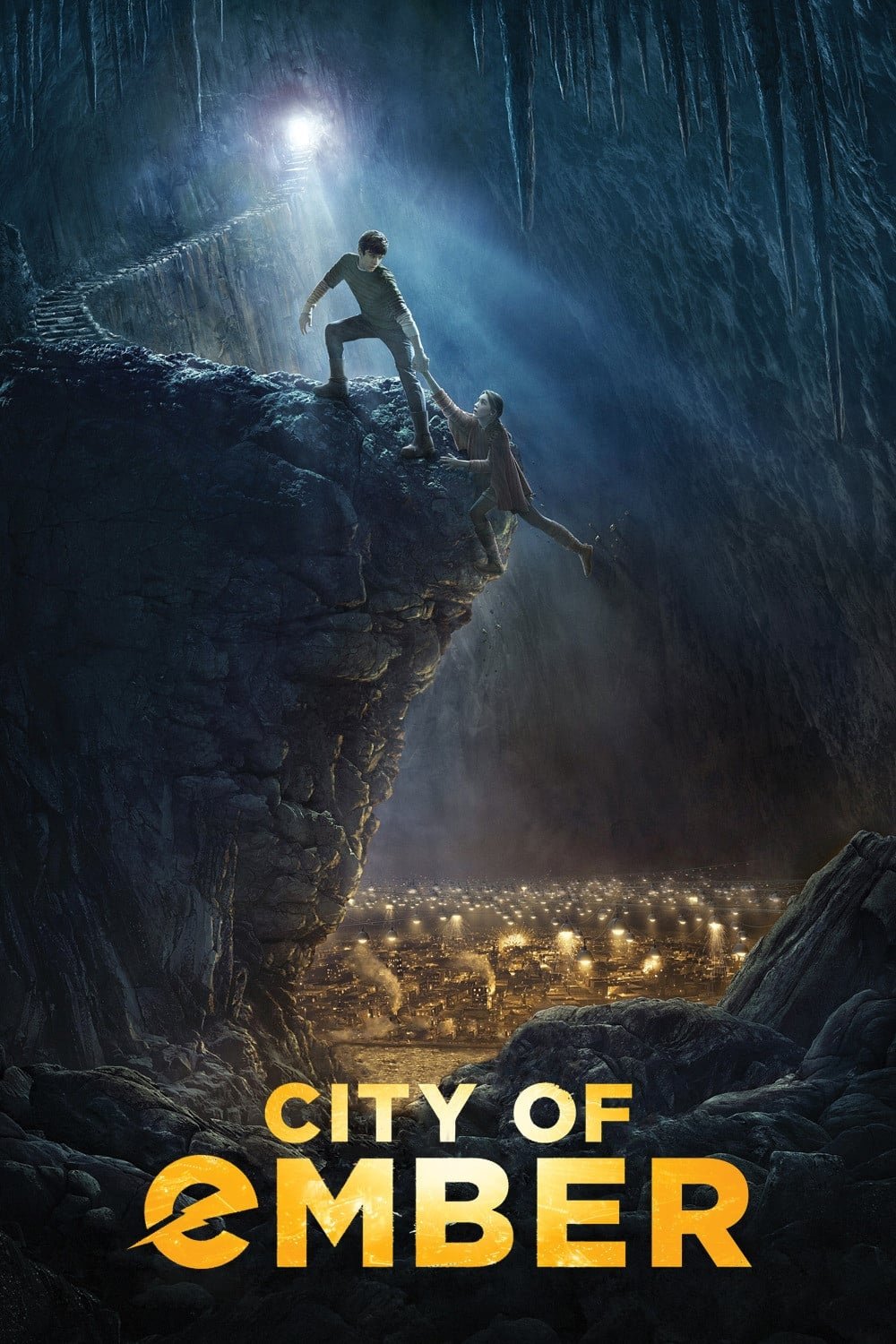
Adapted from Jeanne DuPrau’s novel, the story tracks two teens deciphering clues to save their failing underground city. It arrived under the Fox Walden banner with 20th Century Fox handling release. The film constructed large practical sets with analog machinery, pressure gauges, and pneumatic messaging.
‘Inkheart’ (2008)
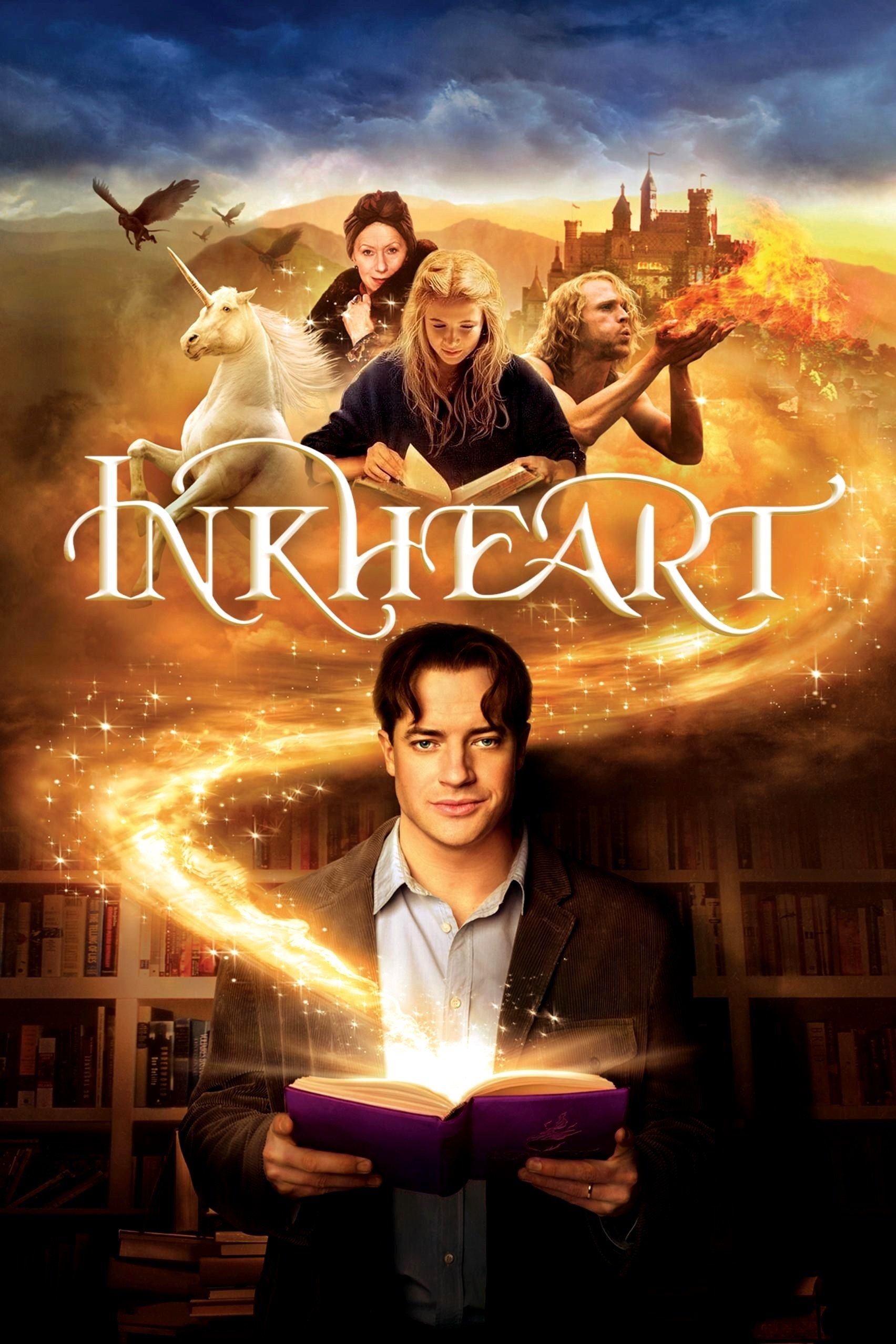
Based on Cornelia Funke’s book, this fantasy follows a “silvertongue” who can read characters out of stories and into the real world. New Line produced it with distribution by Warner Bros. Pictures. The film blended book-within-a-book imagery, storybook villains, and location shoots across Europe.
‘Cirque du Freak: The Vampire’s Assistant’ (2009)
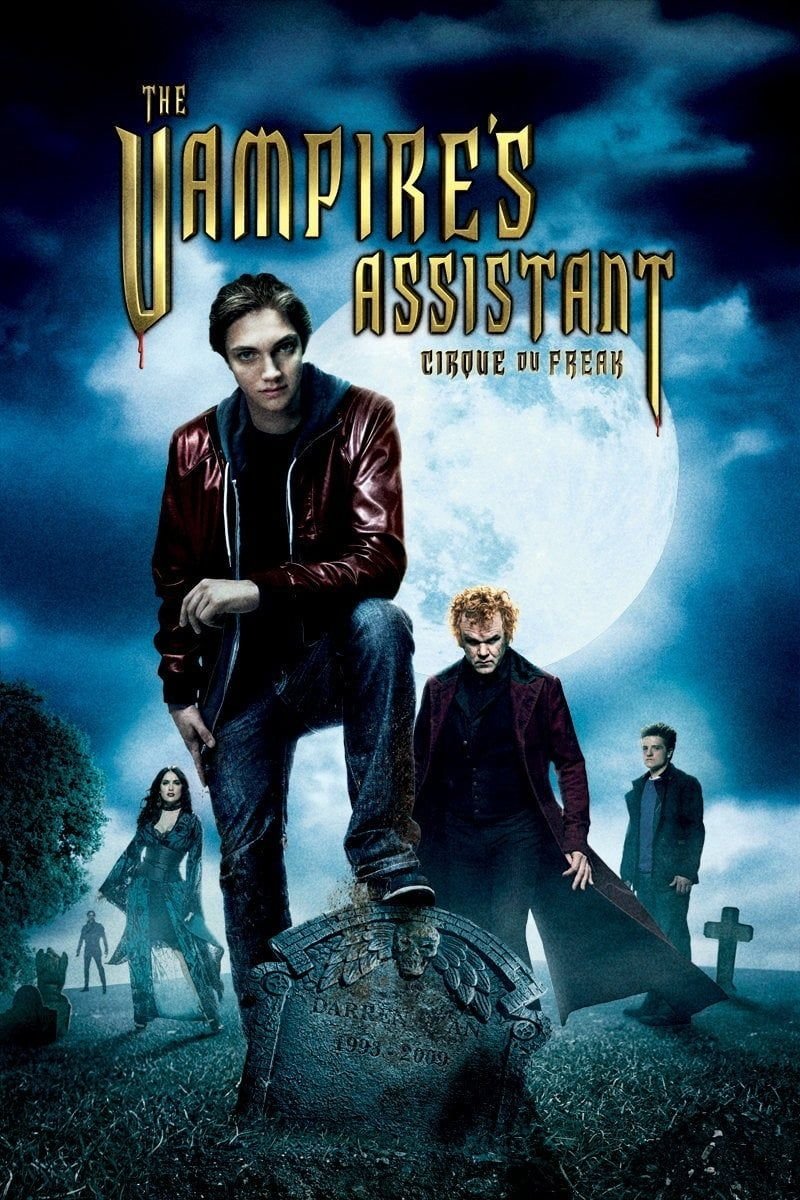
From Darren Shan’s series, this film charts a teenager’s transformation after a run-in with a mysterious troupe. Universal Pictures released it. The production staged practical circus rigs, distinct vampire factions, and layered lore that set up further volumes from the source material.
‘A Series of Unfortunate Events’ (2004)
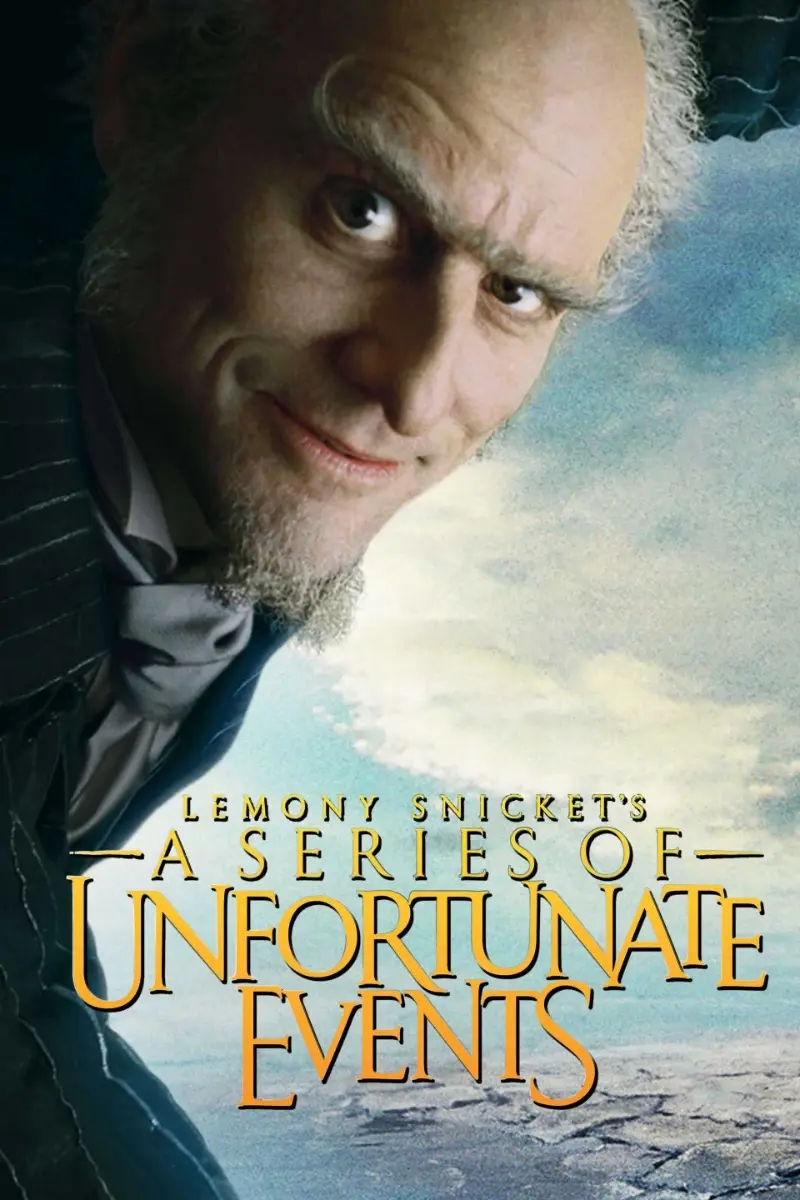
This adaptation covers the first books in Lemony Snicket’s saga about three orphans pursued by Count Olaf and his disguises. Paramount Pictures released it in partnership with DreamWorks. The production used elaborate Victorian-inspired sets, practical makeup for Olaf’s personas, and a playful narration that mirrored the books’ tone.
‘The Spiderwick Chronicles’ (2008)
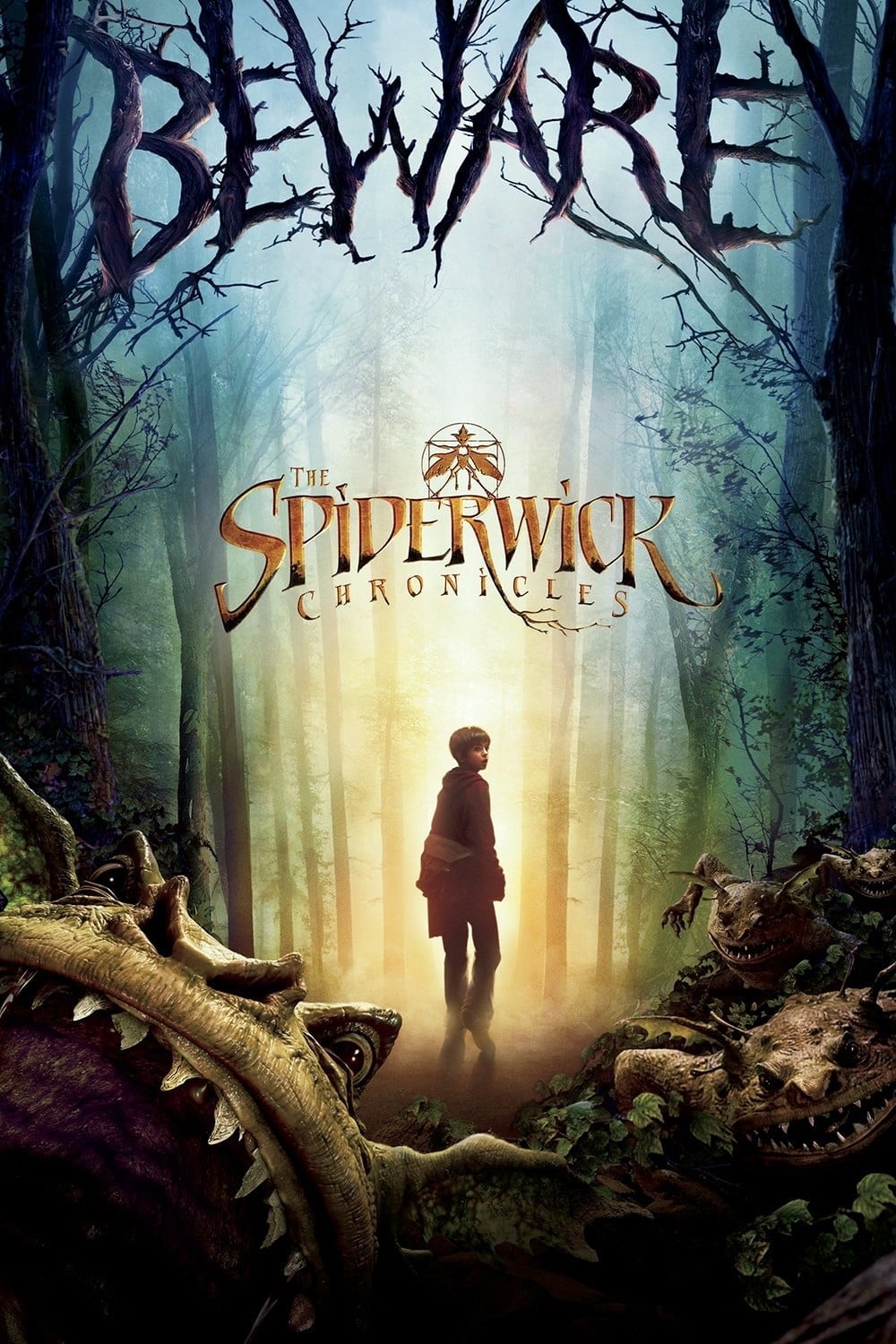
A family moves into an old estate and discovers a hidden field guide that exposes them to faeries and ogres. Paramount Pictures handled the release. The film combined animatronics and digital creatures, shot on location in Quebec and New York, and introduced a bestiary that carried into games and tie-in books.
‘Stardust’ (2007)
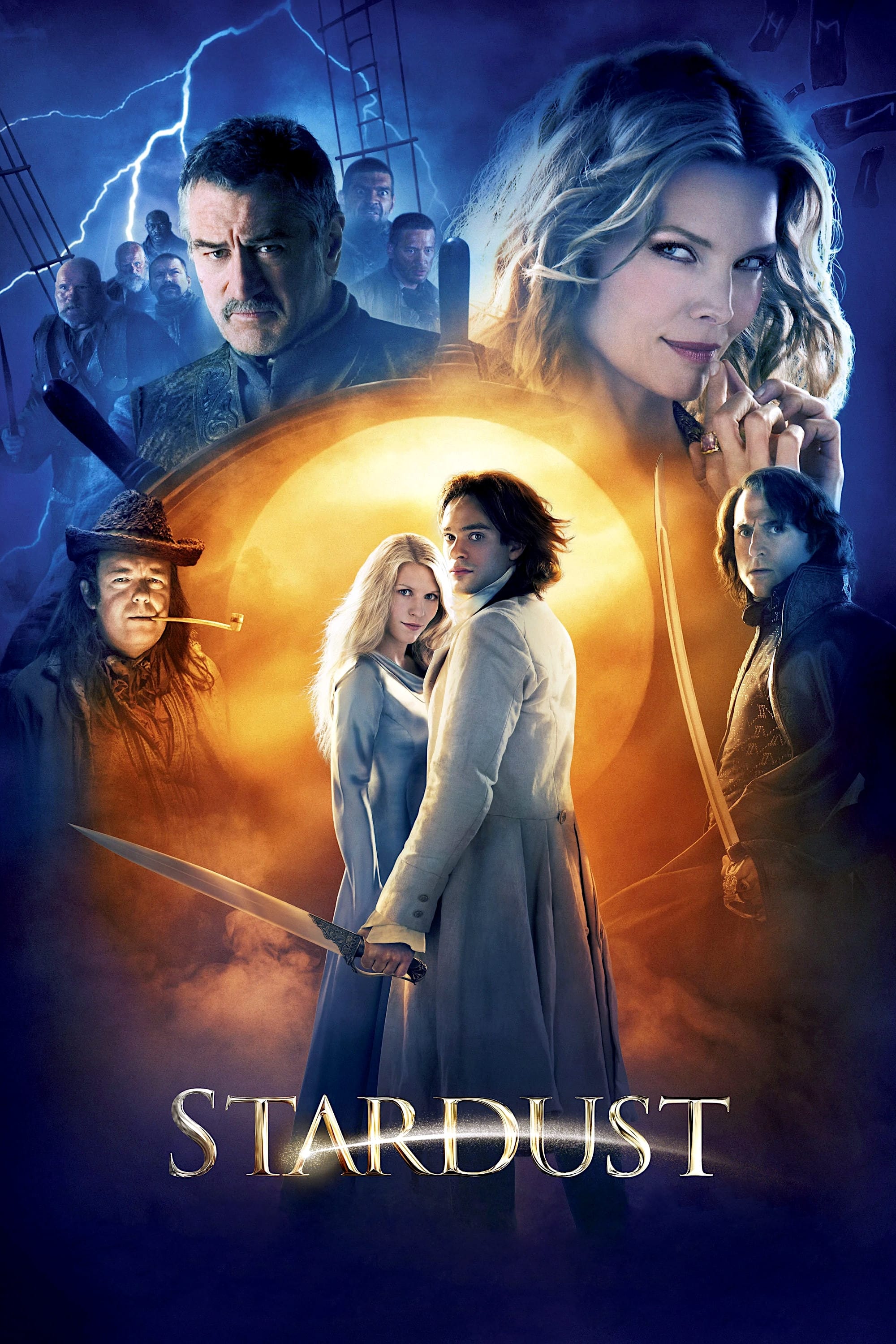
A young man crosses a wall into a magical kingdom to retrieve a fallen star and encounters witches and sky pirates. Paramount Pictures distributed it in North America. The production filmed across Scotland and Iceland, used practical airship sets, and adapted Neil Gaiman’s novel with a storybook framing device.
‘The Spirit’ (2008)
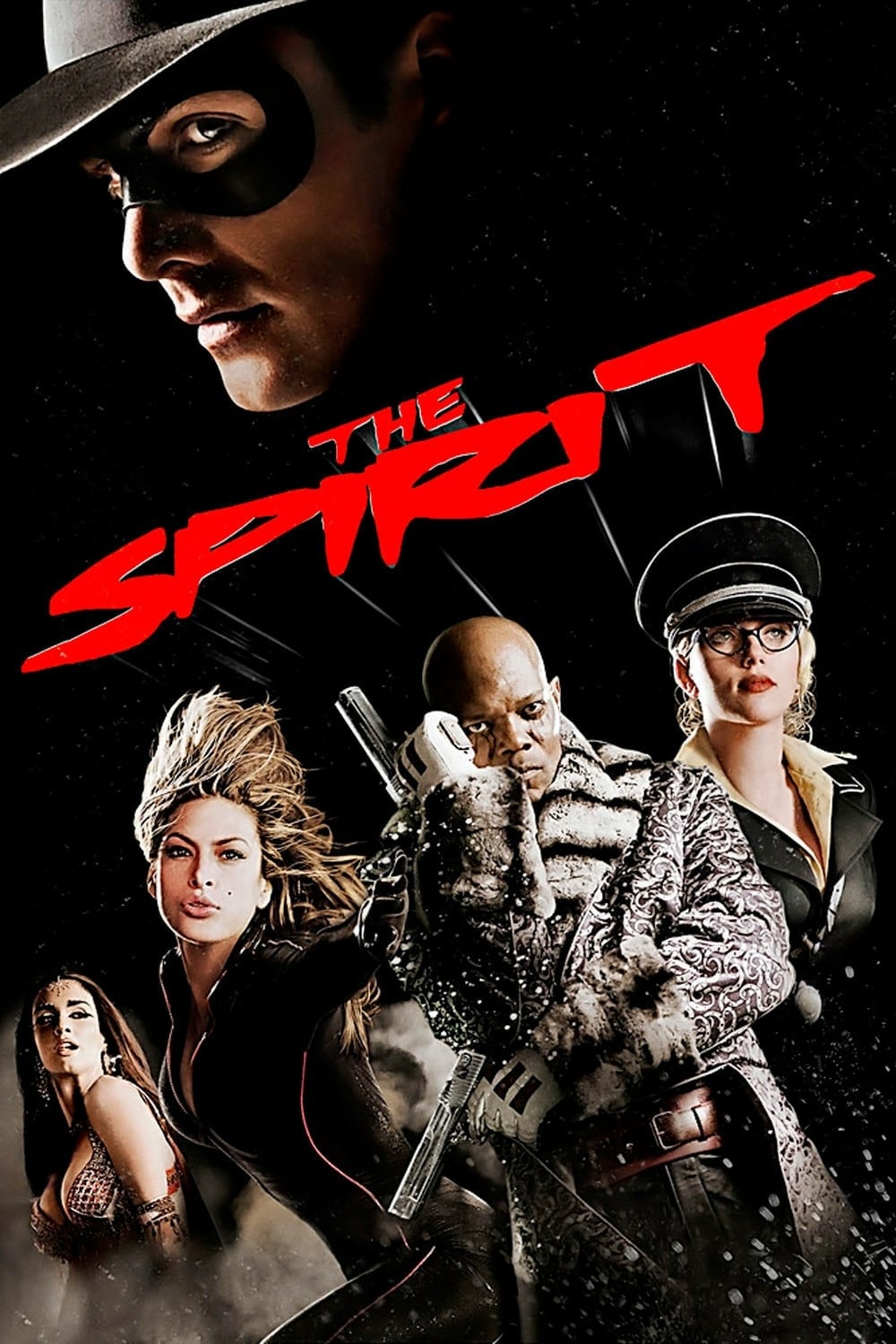
Based on Will Eisner’s comic, a masked vigilante protects Central City from a flamboyant criminal mastermind. Lionsgate released the film in the United States. It employed stylized green-screen stages, monochrome cityscapes with selective color, and panel-like compositions that echoed graphic novel layouts.
‘Ghost Rider’ (2007)
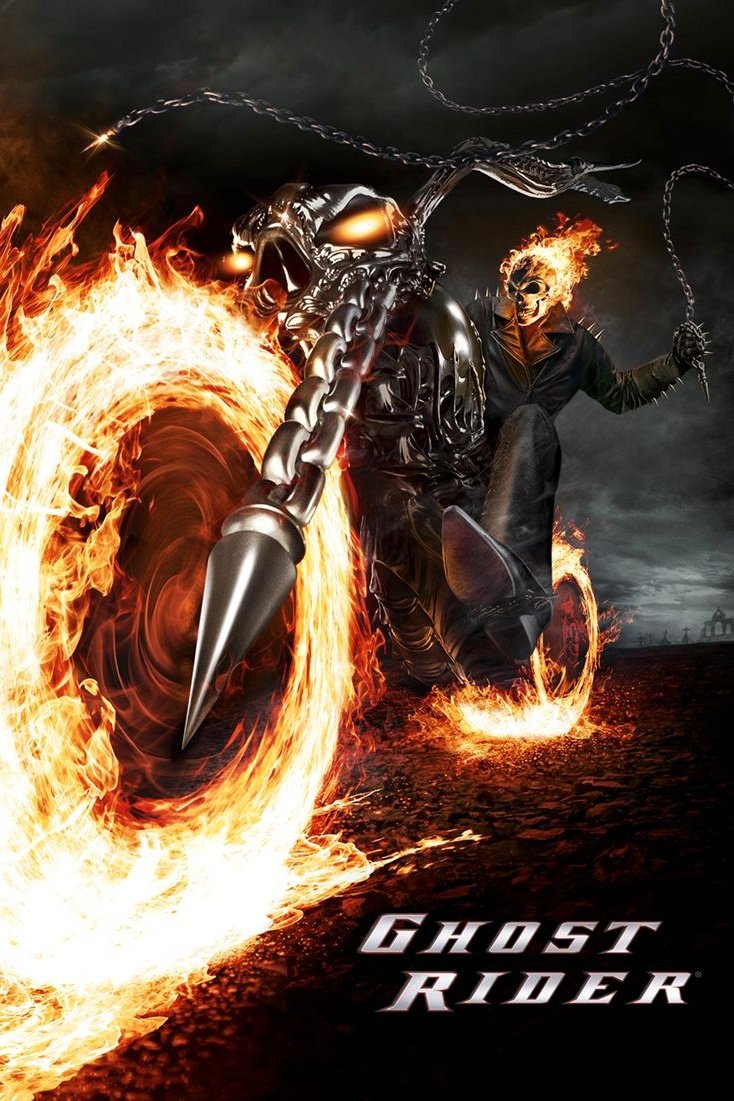
A stunt motorcyclist makes a deal that turns him into a flame-skulled bounty hunter riding a supernatural bike. Sony Pictures Releasing brought it to theaters for Columbia Pictures. The production designed practical chopper builds, integrated fiery skull effects with motion capture, and pulled directly from key comic arcs.
‘Sky Captain and the World of Tomorrow’ (2004)
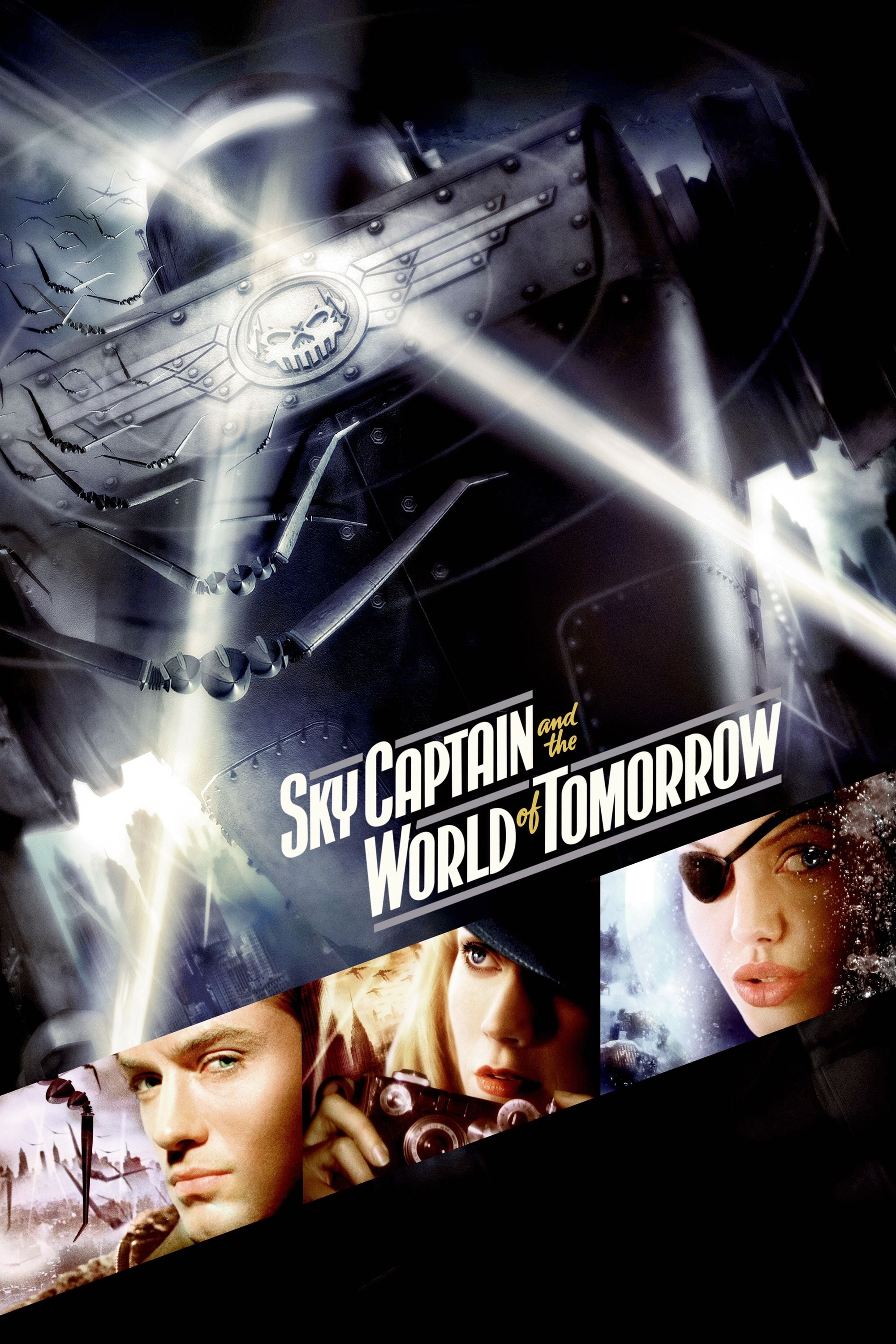
A pilot and a reporter investigate the disappearance of scientists amid retro-futurist robots and flying fortresses. Paramount Pictures released it. The project pioneered all-digital backlot filmmaking with actors on blue-screen stages and created a serialized pulp world with airships, ray guns, and island labs.
‘The Time Machine’ (2002)
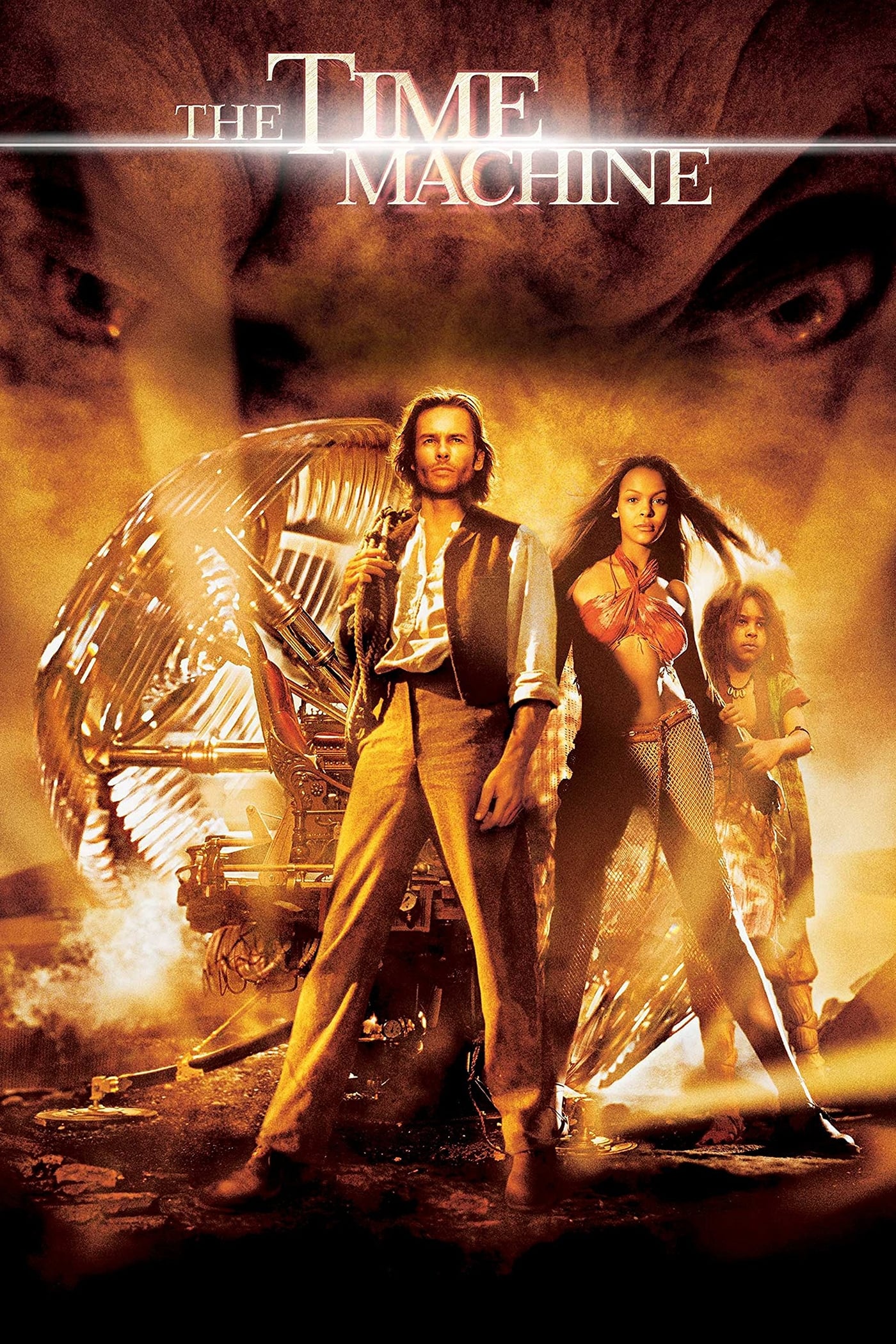
A scientist builds a device to travel far into the future and encounters divergent human species shaped by catastrophe. DreamWorks handled the domestic release with Warner Bros. supporting internationally. The film featured large practical caverns, creature suits for the Morlocks, and miniature work for temporal transitions.
‘Reign of Fire’ (2002)
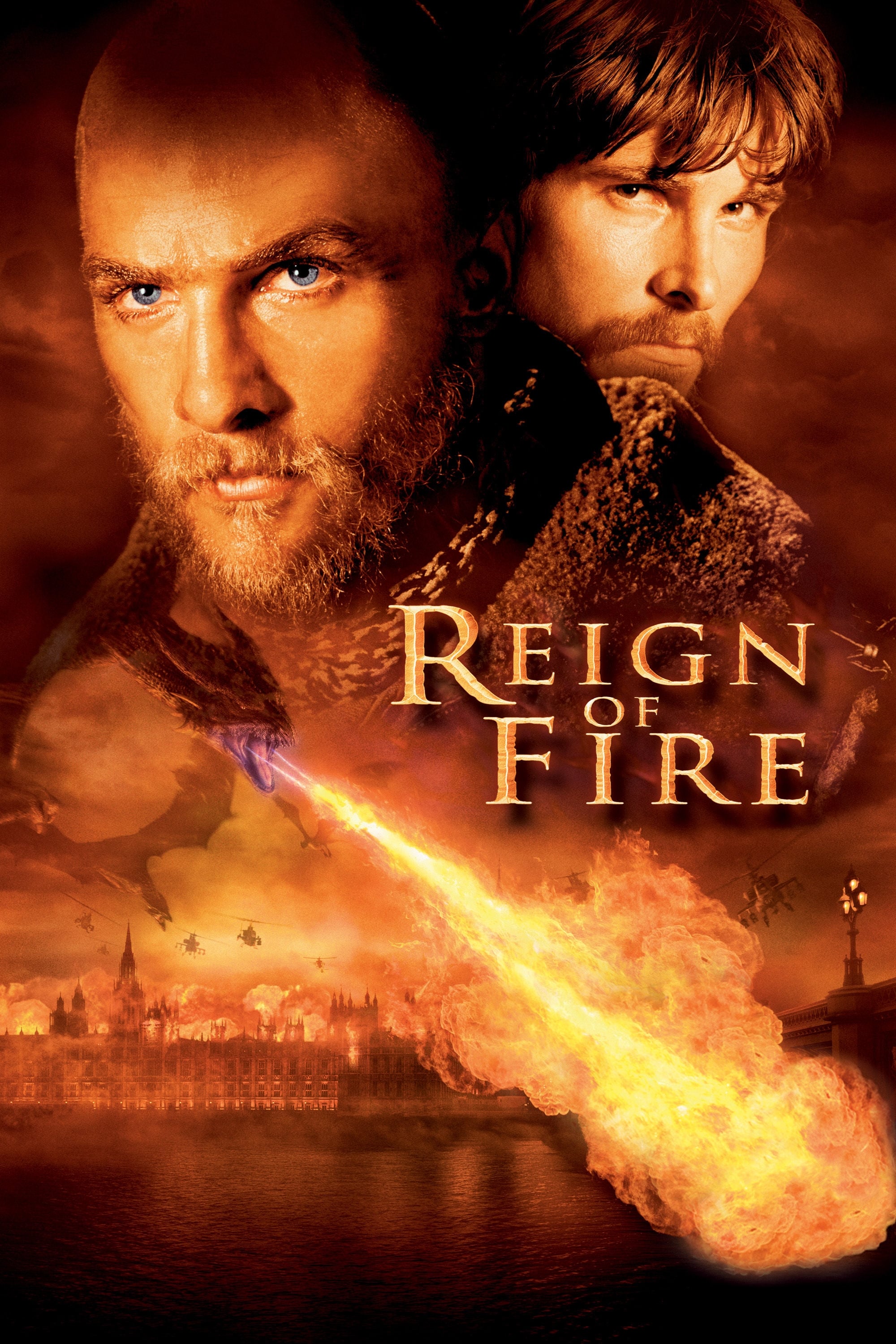
Dragons awaken beneath London and humanity fights back with armored convoys and aerial traps. Buena Vista released it for Touchstone Pictures. Filming in Ireland and the UK, the production built fortress sets in a quarry, used practical pyrotechnics, and designed a dragon biology that informed effects animation.
‘Æon Flux’ (2005)
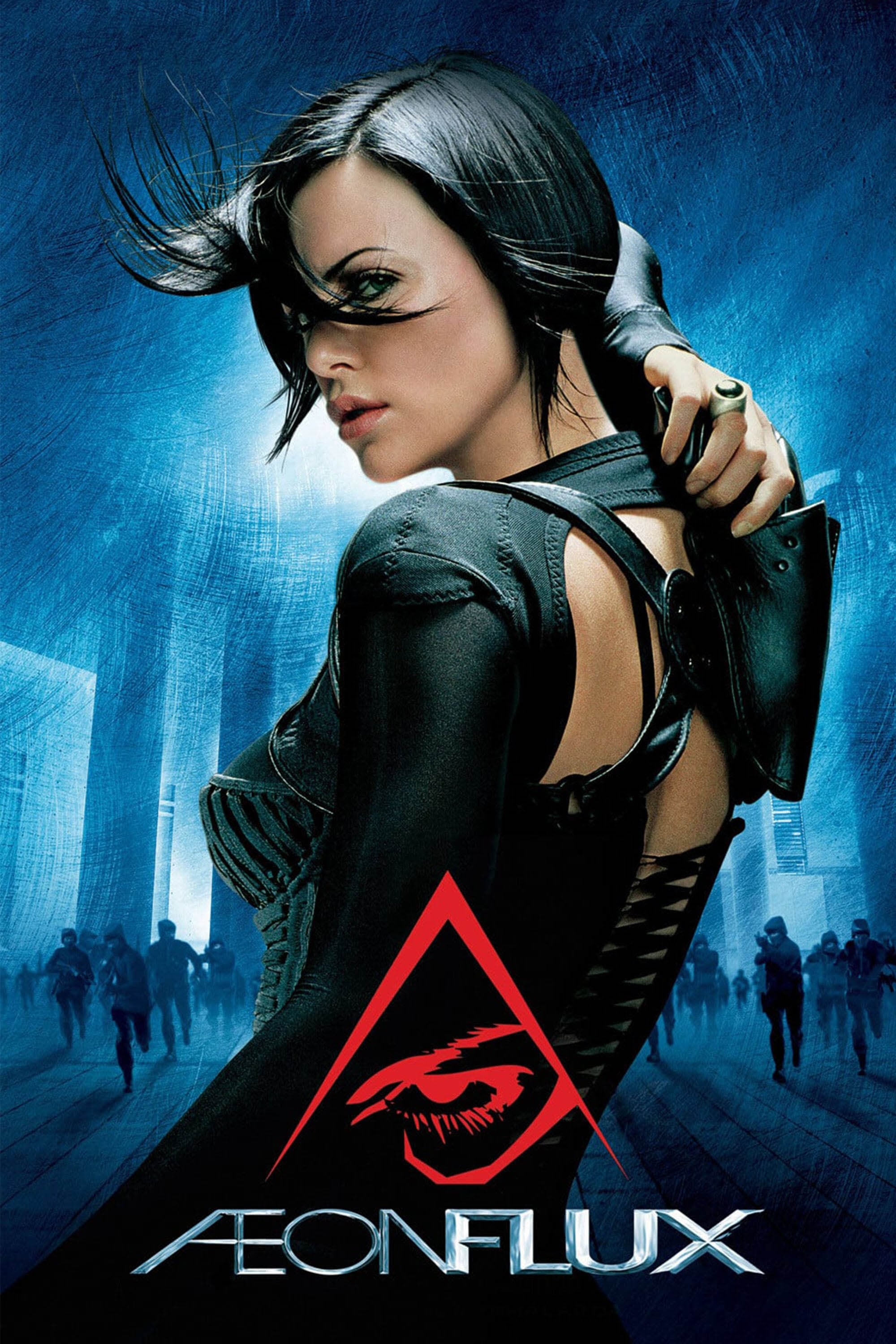
In a sealed city centuries after a plague, a rebel assassin uncovers secrets about the ruling regime and her own identity. Paramount Pictures distributed the film. It shot in Berlin and Potsdam to capture futuristic architecture, relied on wire-work stunts, and adapted designs from the original animated shorts.
‘Ultraviolet’ (2006)
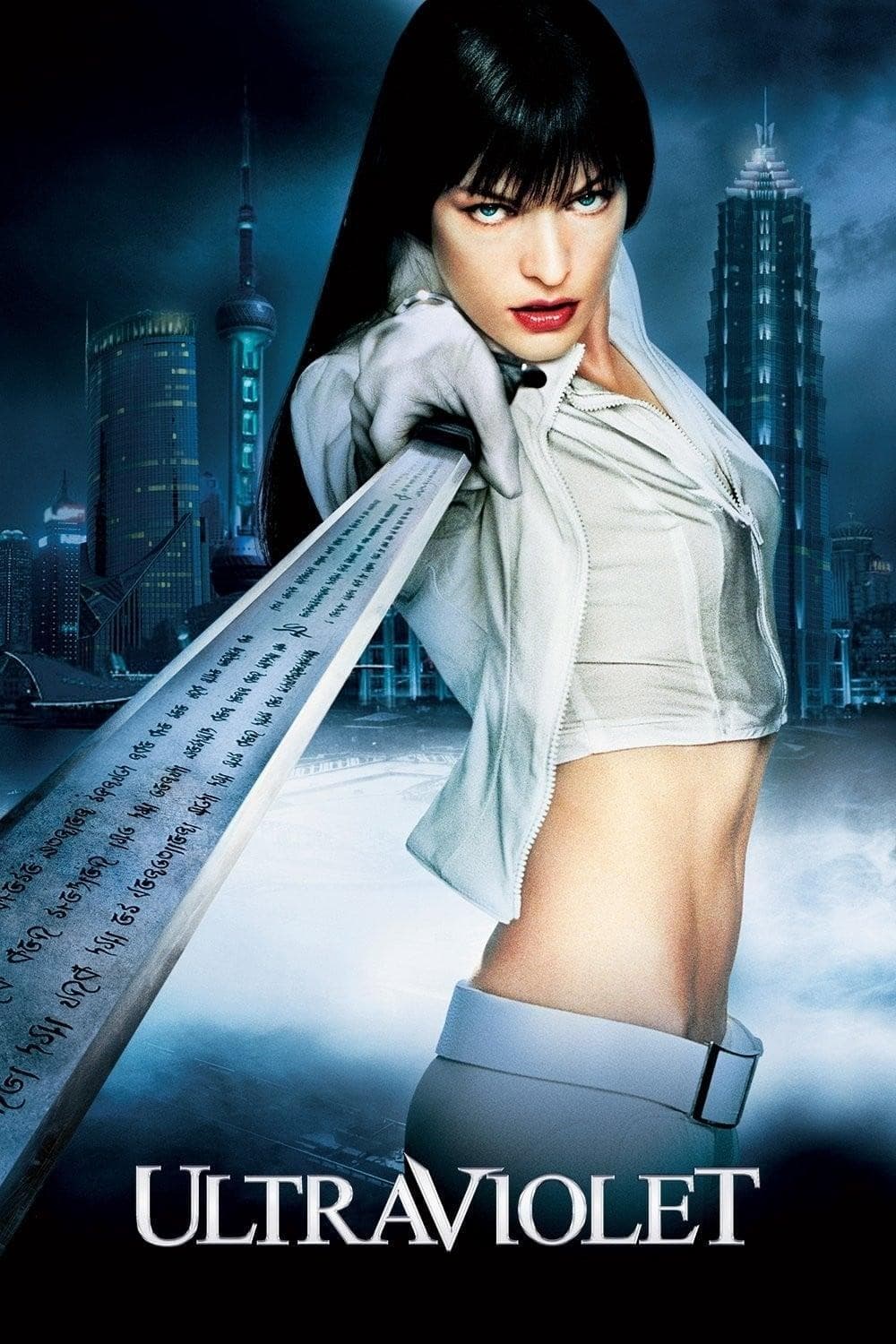
A courier with engineered abilities ferries a mysterious boy while evading a totalitarian government and corporate militias. Sony Pictures Releasing handled distribution through Screen Gems. The film used Hong Kong and Shanghai for location plates, integrated stylized gun kata choreography, and developed digital color grading pipelines.
‘The Chronicles of Riddick’ (2004)
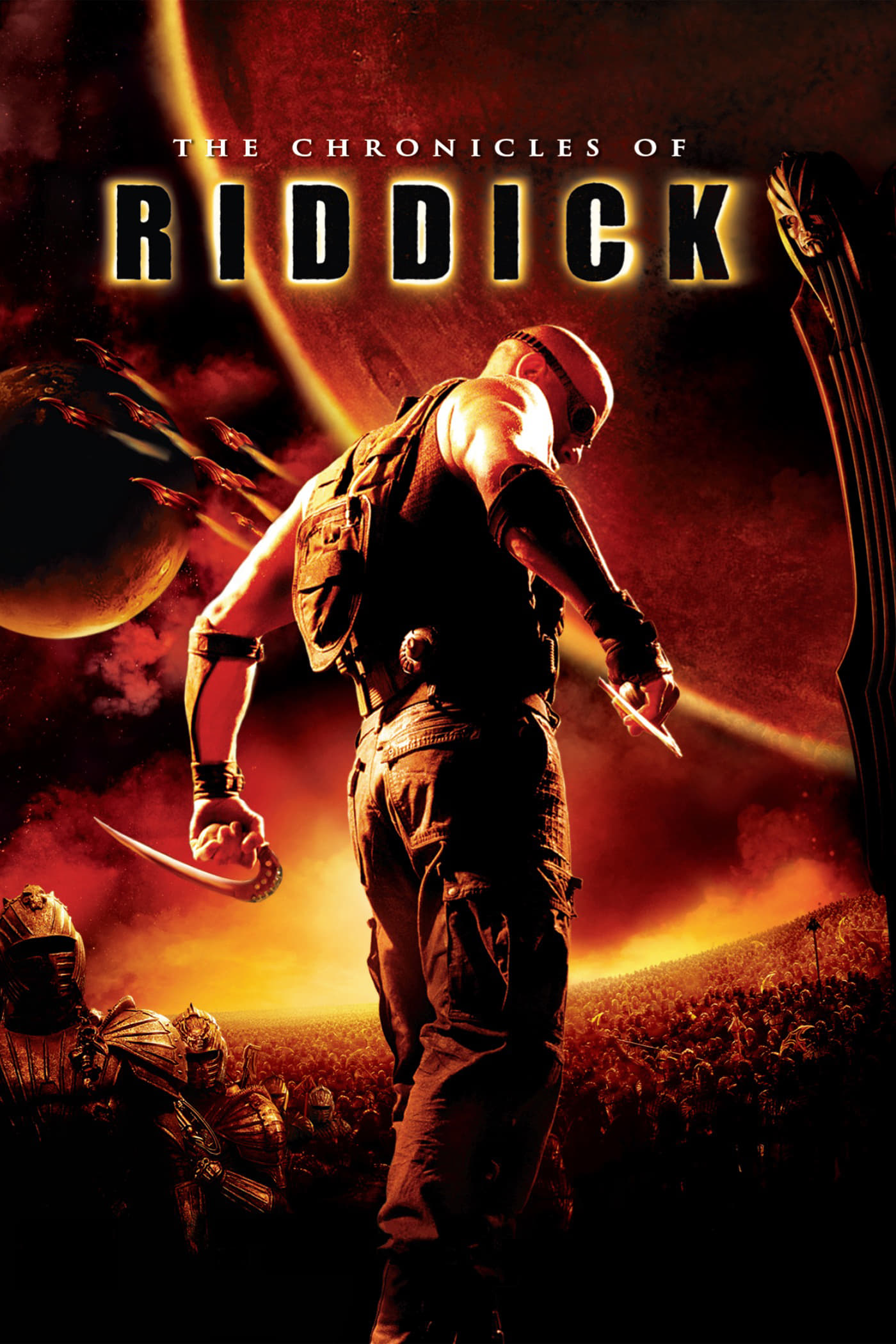
An outlaw with night vision becomes entangled in a clash with a conquering necromonger army. Universal Pictures released it. The production expanded the universe from a prior installment with new planets, ornate armor builds, and a mythic lore that extended into games and an animated prequel.
‘The Brothers Grimm’ (2005)
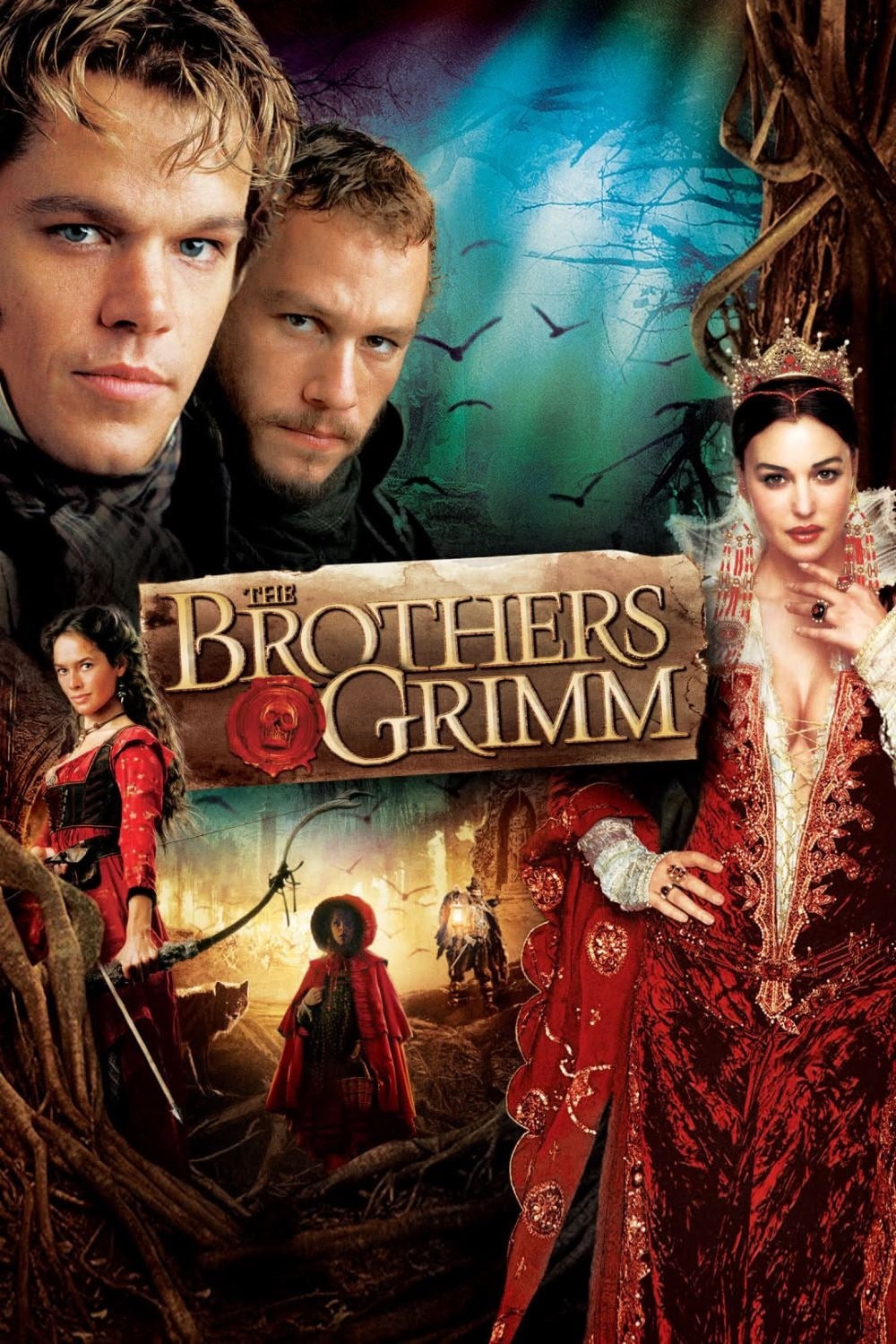
Con men who fake hauntings are forced to face real supernatural threats in a forest tied to folklore. Dimension Films released it under the Miramax banner, with Buena Vista handling distribution. The film built towering mechanical trees, elaborate creature makeup, and a village set constructed in Prague.
‘Timeline’ (2003)
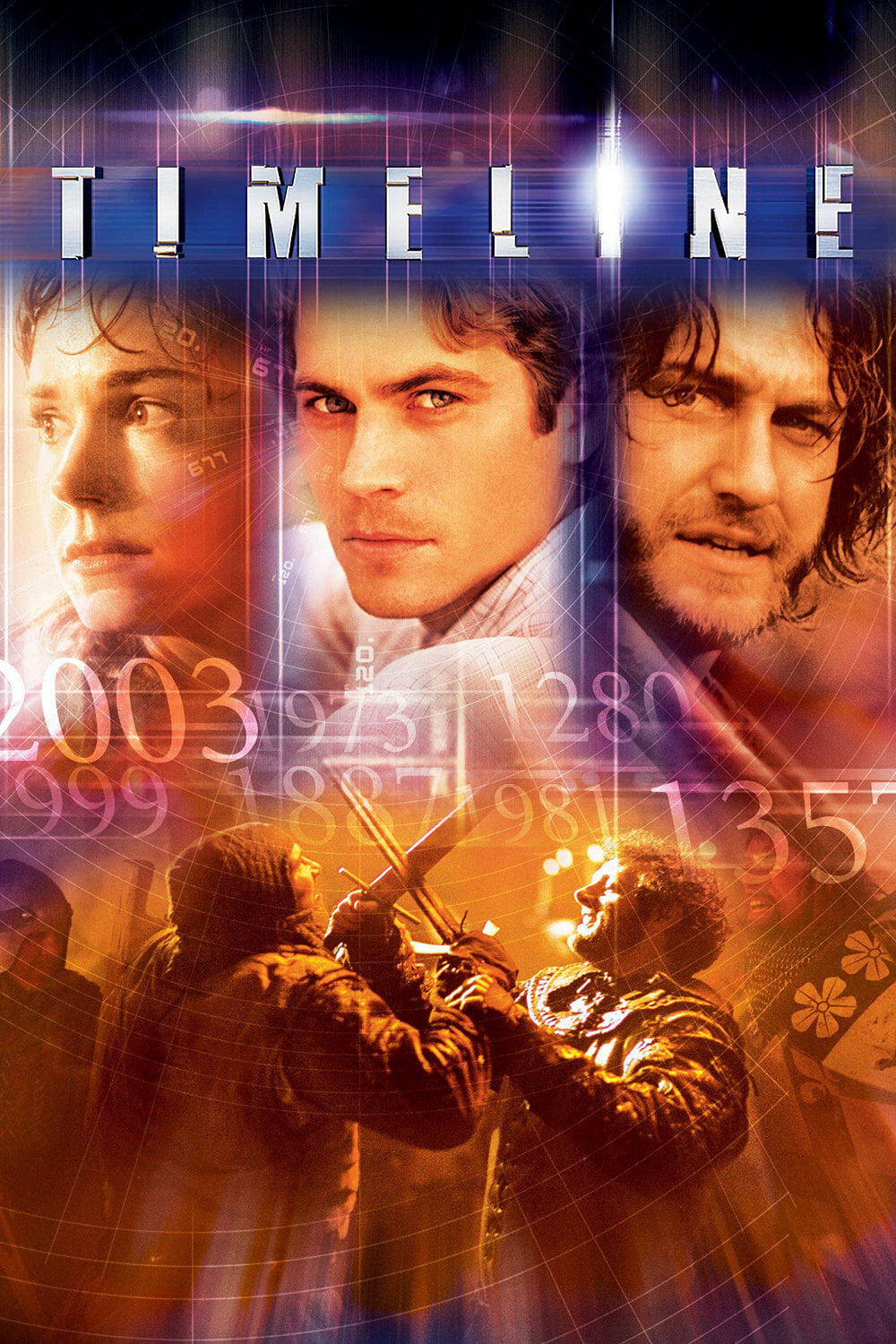
Archaeology students travel to medieval France through a quantum time marker to rescue their professor. Paramount Pictures brought it to theaters. The production staged large-scale castle sieges, practical trebuchet shots, and period costumes while tying its premise to corporate tech and academic research.
‘Ninja Assassin’ (2009)
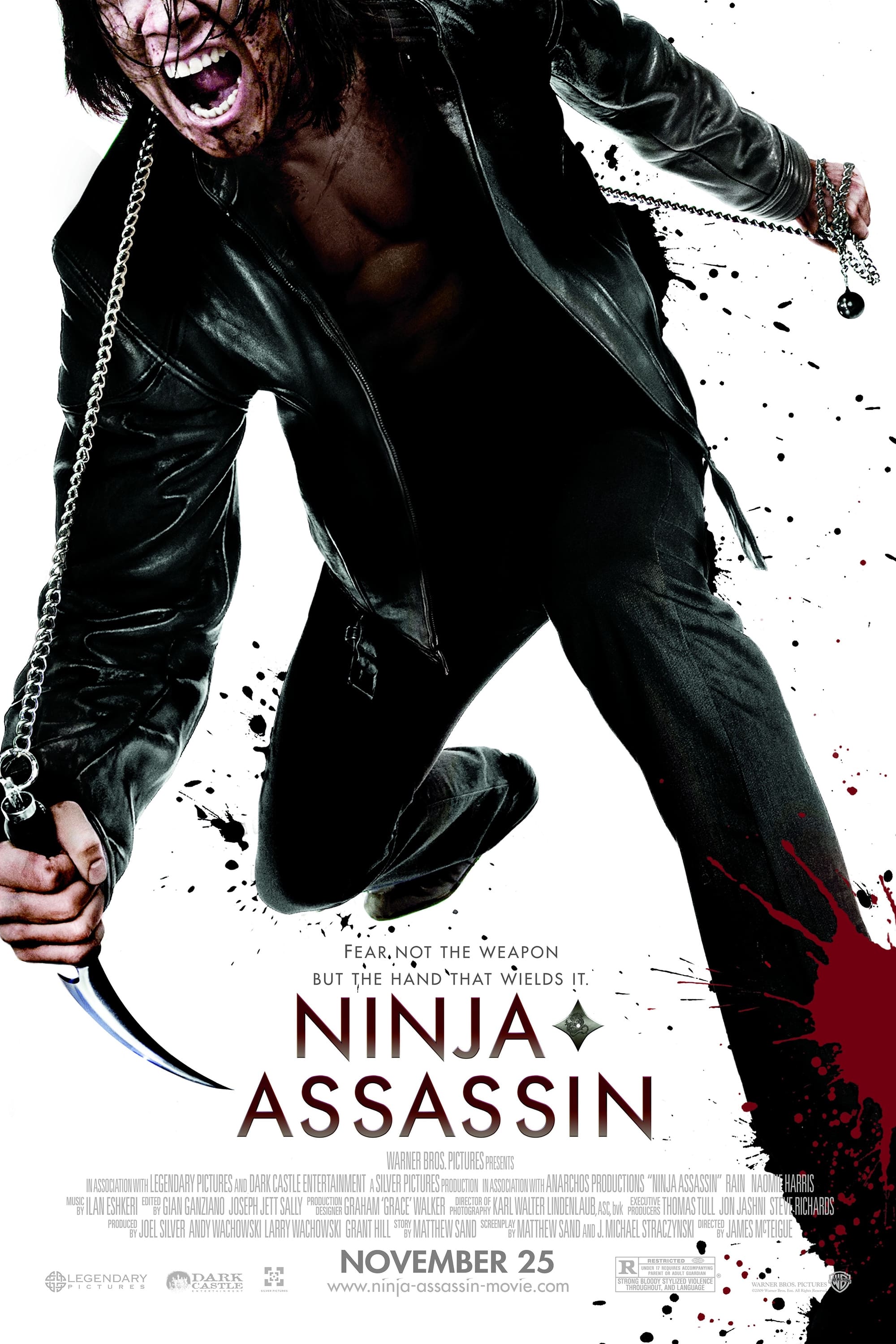
An orphan trained by a secret clan seeks revenge against his brutal mentors across Europe. Warner Bros. Pictures released the film. It utilized practical blade rigs with digital blood enhancements, shot in Berlin soundstages for urban sets, and employed high-speed photography for fight readability.
‘9’ (2009)
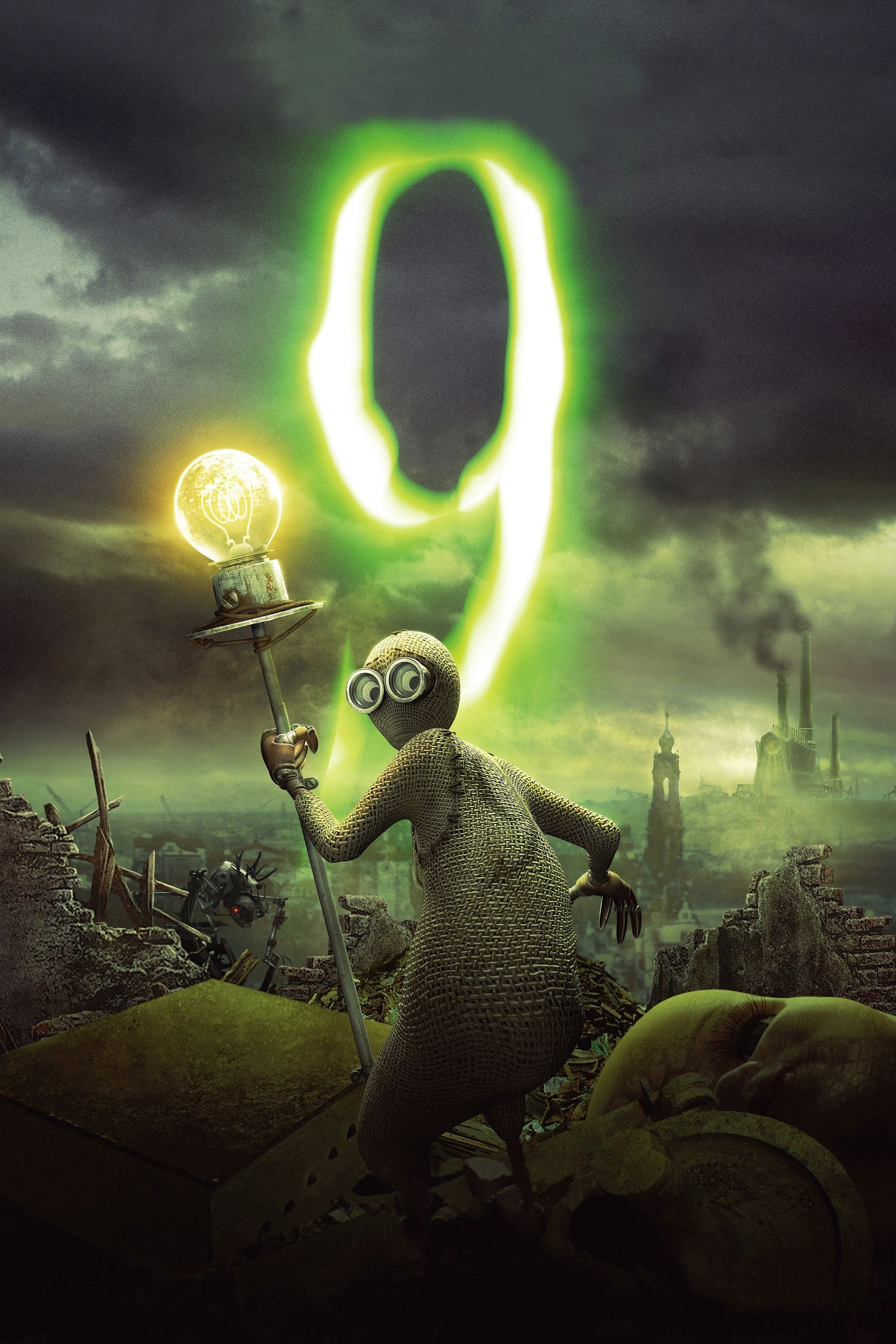
Sentient rag-doll creations awaken in a post-human world and battle machine remnants of a failed war. Focus Features handled distribution. The production expanded from a short film with hand-stitched character designs, miniature-inspired textures, and a salvage aesthetic that shaped its art book and merchandise.
Share which 2000s pick you’d reboot first and why in the comments!