Great Movies That Don’t Really Make Much Sense


Some films hook you with striking images, bold ideas, and puzzling storytelling that refuses to explain itself. They jump across timelines, blur dreams and reality, and bend rules of physics or identity until you are left piecing it all together after the credits. Here are standout examples that keep viewers talking long after release, with a quick note on who brought each one to theaters in a low key way.
‘Donnie Darko’ (2001)
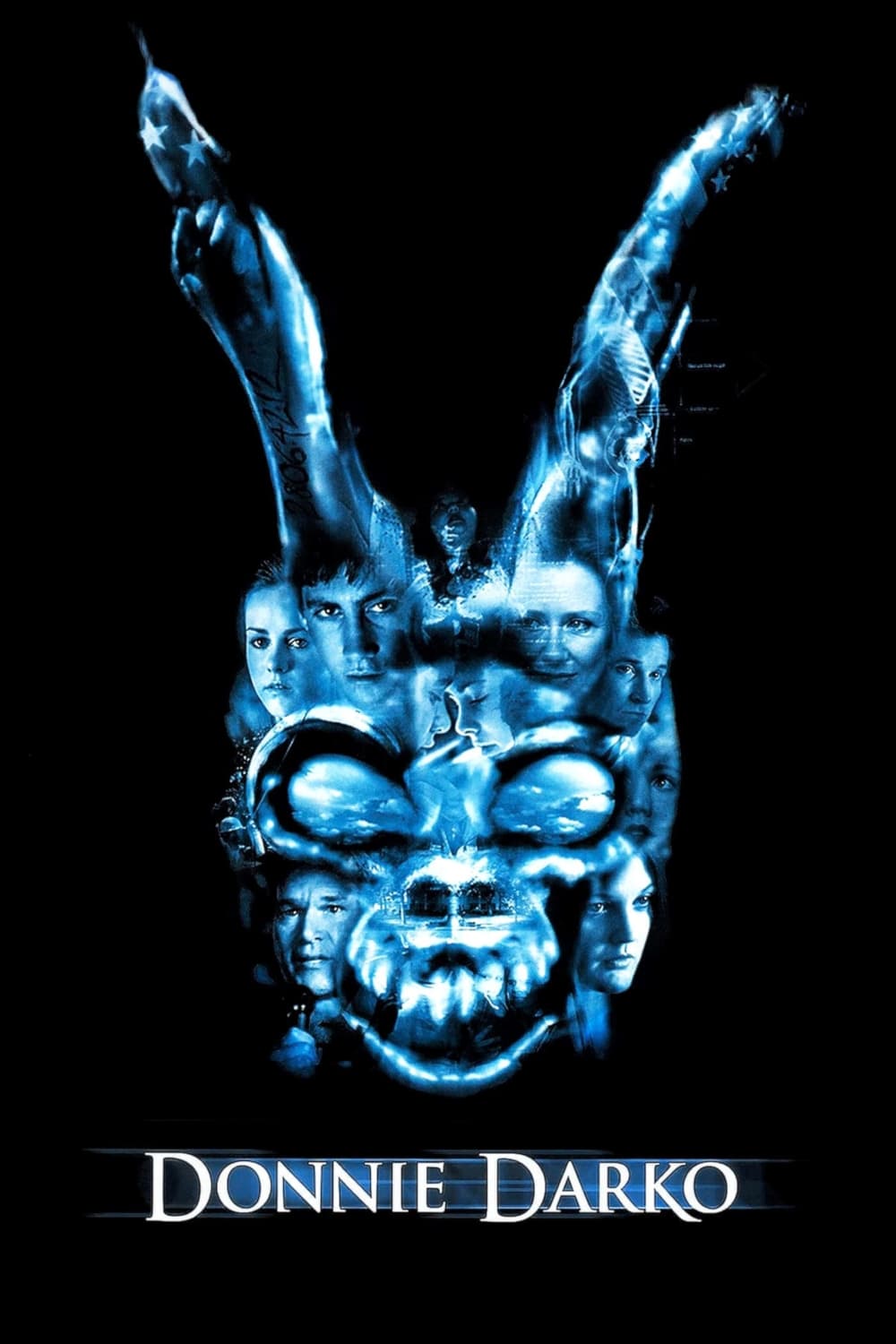
Richard Kelly’s debut follows a suburban teen who starts seeing a mysterious figure in a rabbit suit and tracking a looming catastrophe. The story folds in time travel theories and manipulated timelines drawn from in-world texts. Newmarket Films quietly shepherded the U.S. theatrical release, helping it build a lasting cult audience.
‘Mulholland Drive’ (2001)
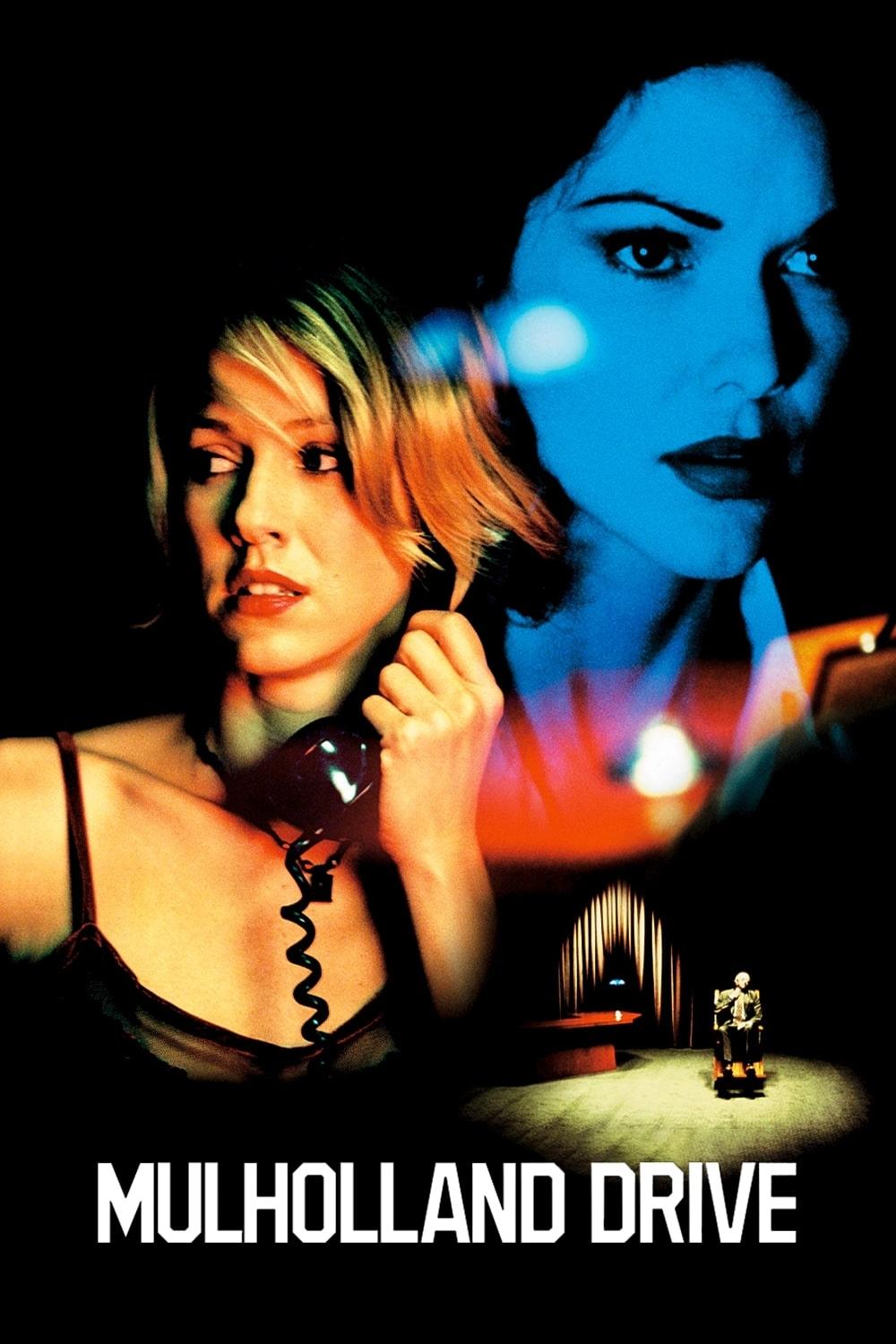
David Lynch’s Los Angeles puzzle uses identity swaps, dream logic, and a nightclub sequence to scramble cause and effect. Scenes repeat with altered meanings as characters shift names and roles. Universal Focus released it in the U.S., giving this once-abandoned pilot a big screen life.
‘Tenet’ (2020)
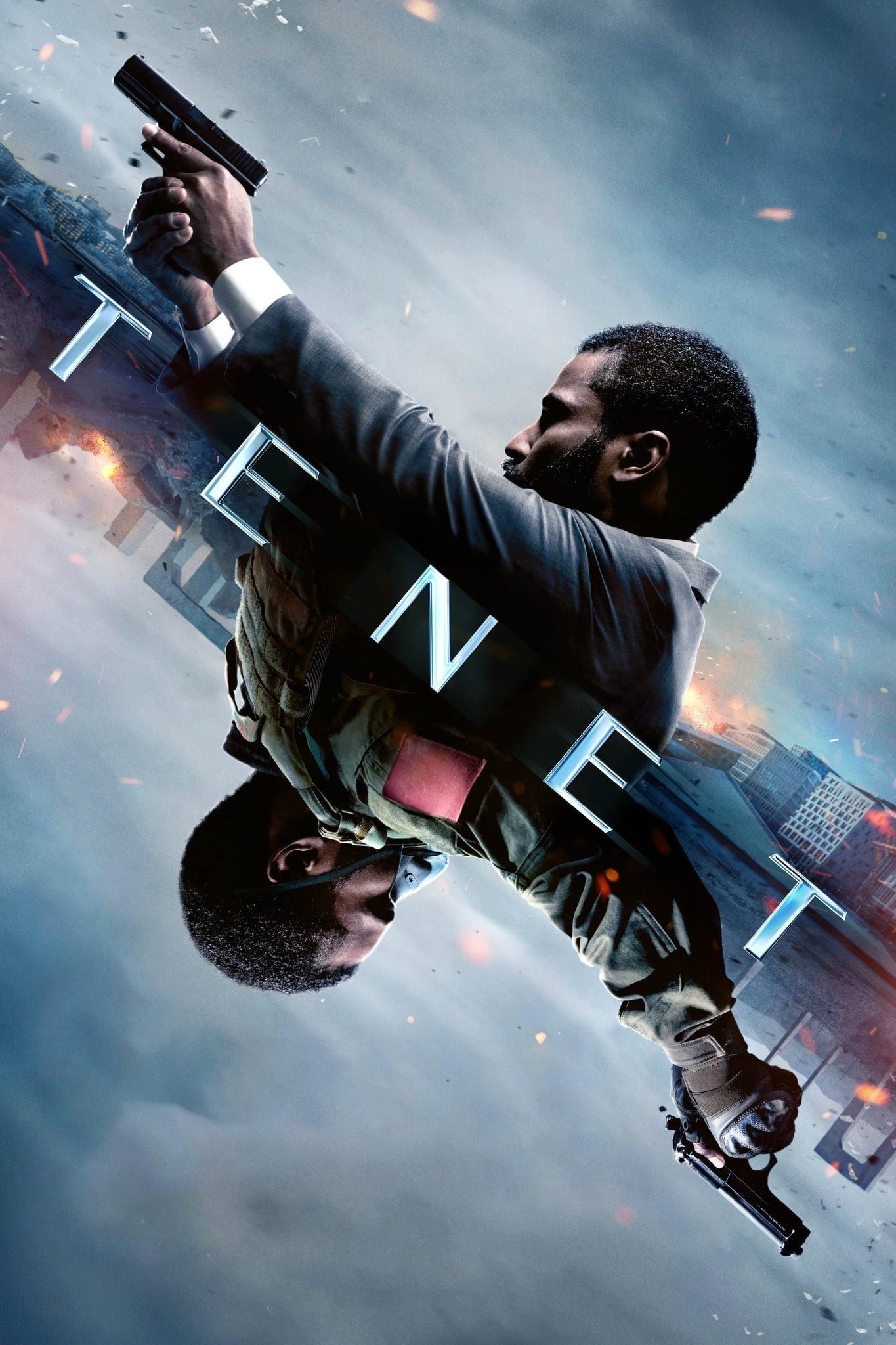
Christopher Nolan’s espionage thriller hinges on inverted entropy where people and objects move backward through time. Action scenes run forwards and backwards simultaneously, making motives hard to pin down. Warner Bros. Pictures handled the global rollout through a staggered theatrical strategy.
‘Inception’ (2010)
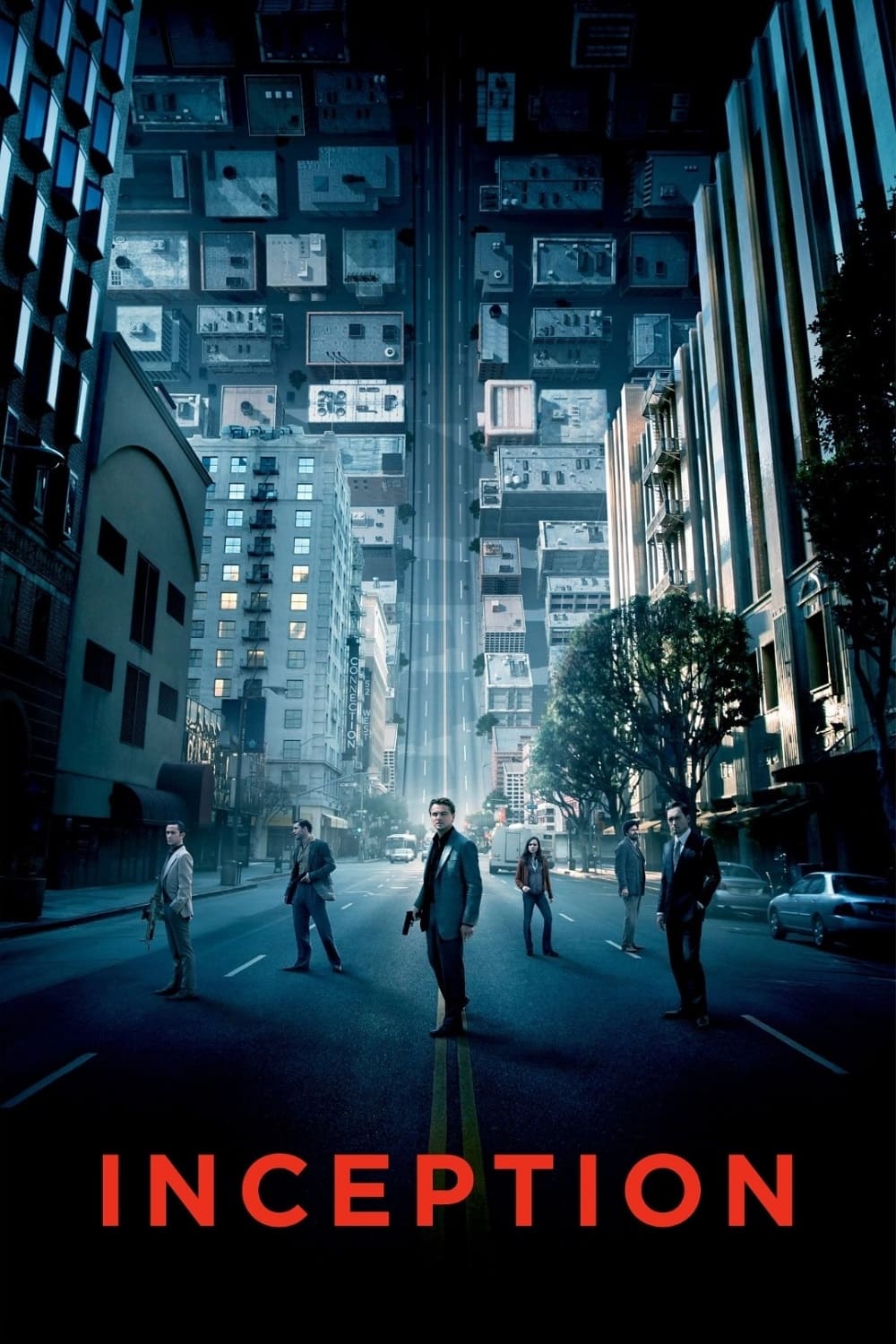
A team dives into layered dreams to plant an idea while tracking time dilation across shared dream levels. The ending cuts abruptly on a spinning totem that may or may not fall. Warner Bros. Pictures brought it worldwide with a large scale summer release.
‘Primer’ (2004)
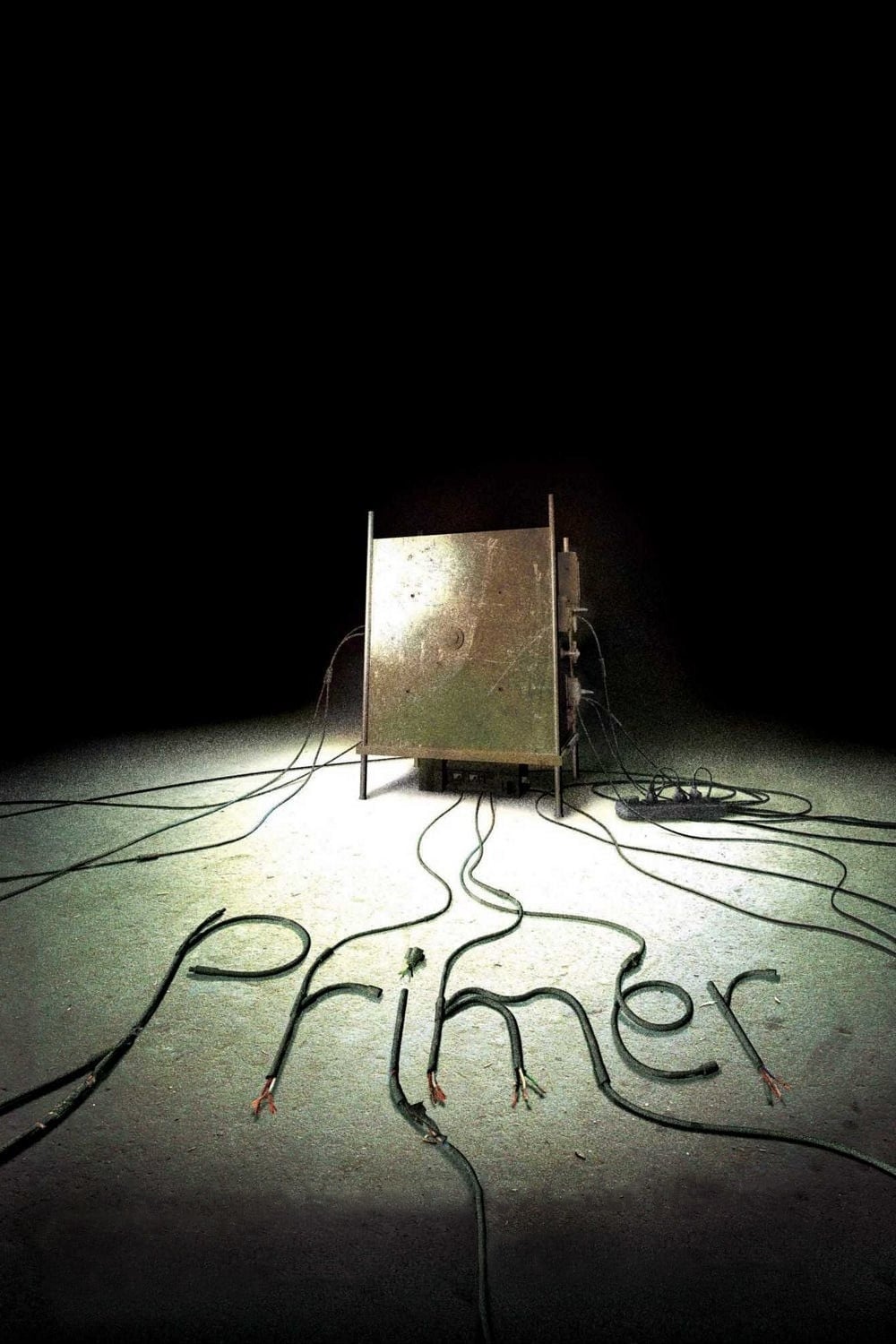
Two engineers in a garage accidentally discover a method for looping time and duplicate themselves to manage consequences. Dialogue stays technical and the overlapping timelines multiply quickly. THINKFilm handled the U.S. release after its festival win.
‘Upstream Color’ (2013)

A couple becomes linked by a life cycle involving a parasite, pigs, and orchids in a story told with minimal exposition. Images and sound cues replace traditional plot beats. Director Shane Carruth distributed it himself through erbp, keeping control of the rollout.
‘Coherence’ (2013)
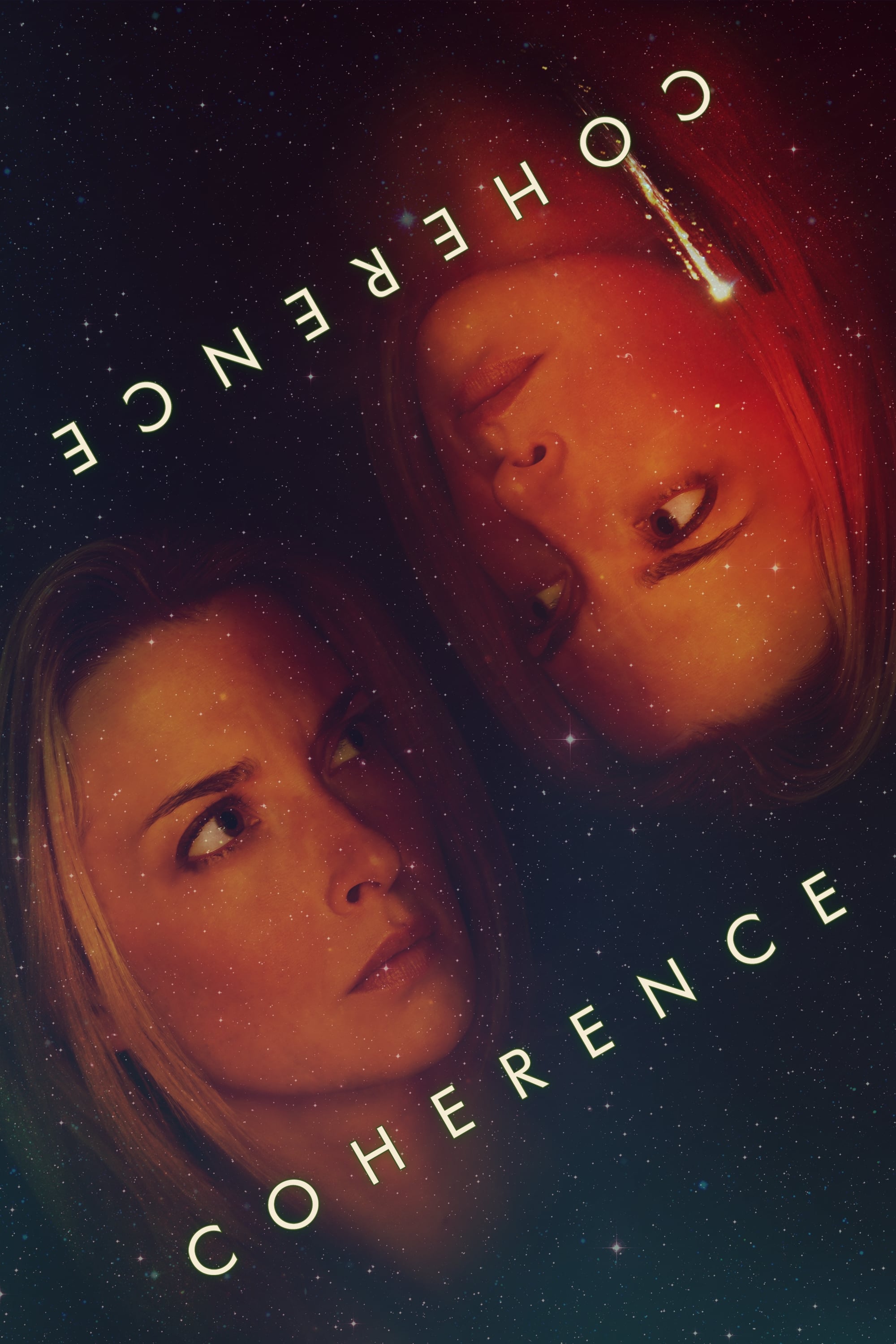
Dinner party chatter turns into reality fractures when a comet passes overhead and multiple versions of the guests appear. The film’s improvisational approach makes the branching outcomes feel slippery. Oscilloscope Laboratories guided its U.S. theatrical run.
‘Enemy’ (2013)
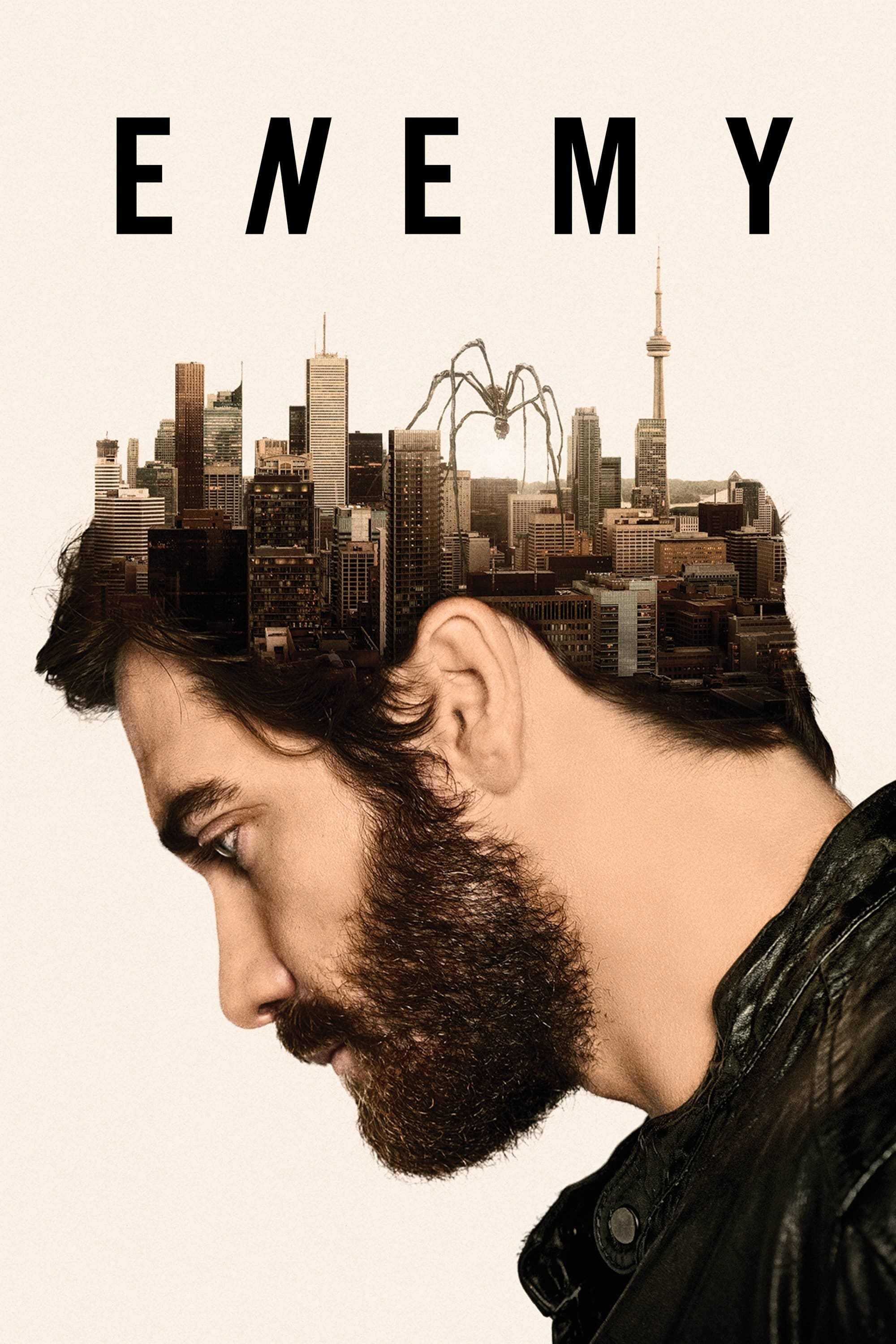
A college lecturer discovers an exact double and becomes obsessed with meeting him as spiders crawl into the film’s symbolic frame. Visual motifs repeat across parallel lives without clear answers. A24 released it in the U.S. after its festival bow.
‘The Lobster’ (2015)
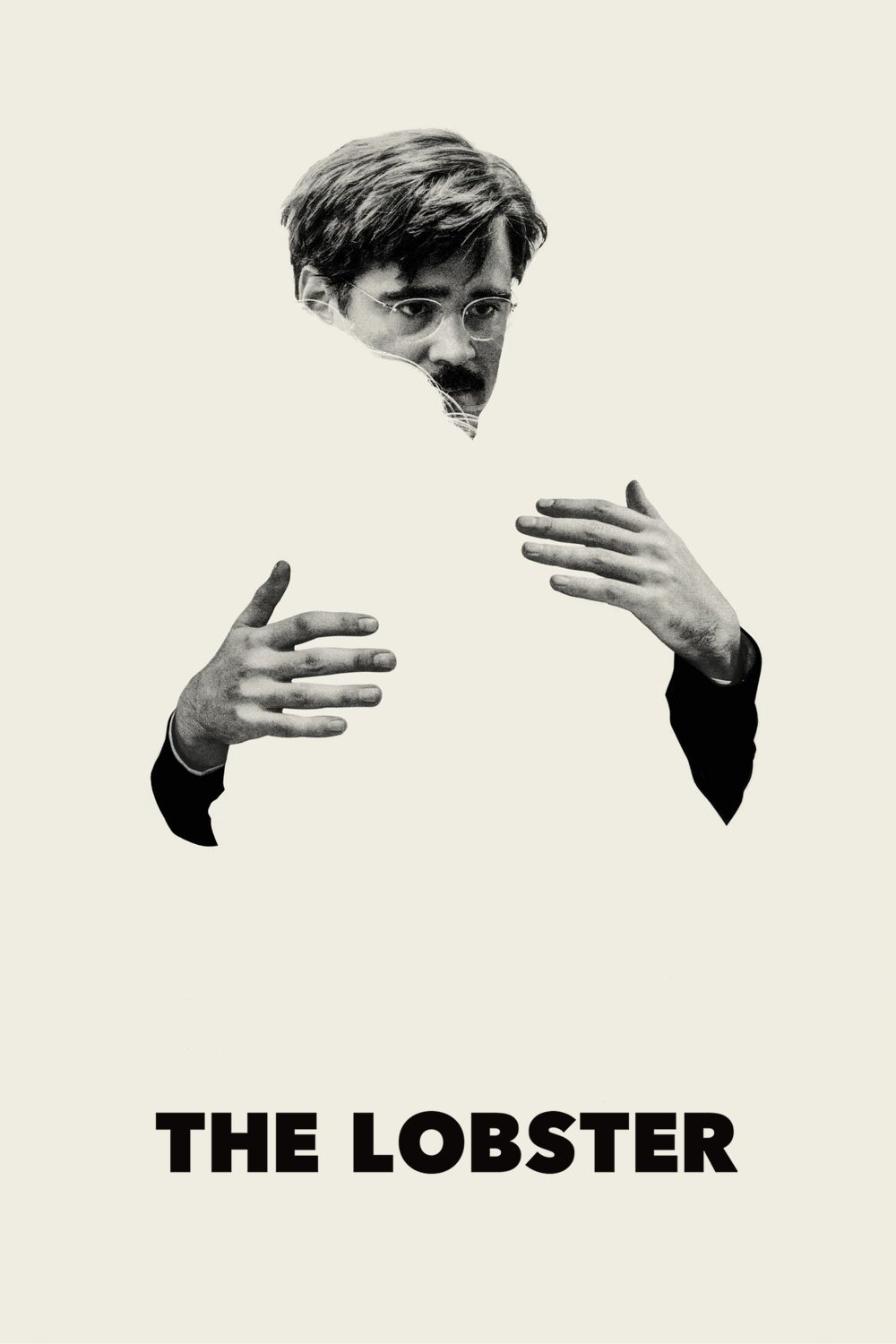
Single people are sent to a hotel and given a deadline to find a partner or be transformed into animals. Deadpan rules pile up as society’s logic turns alien. A24 handled the U.S. release while it reached other territories through assorted partners.
‘Holy Motors’ (2012)
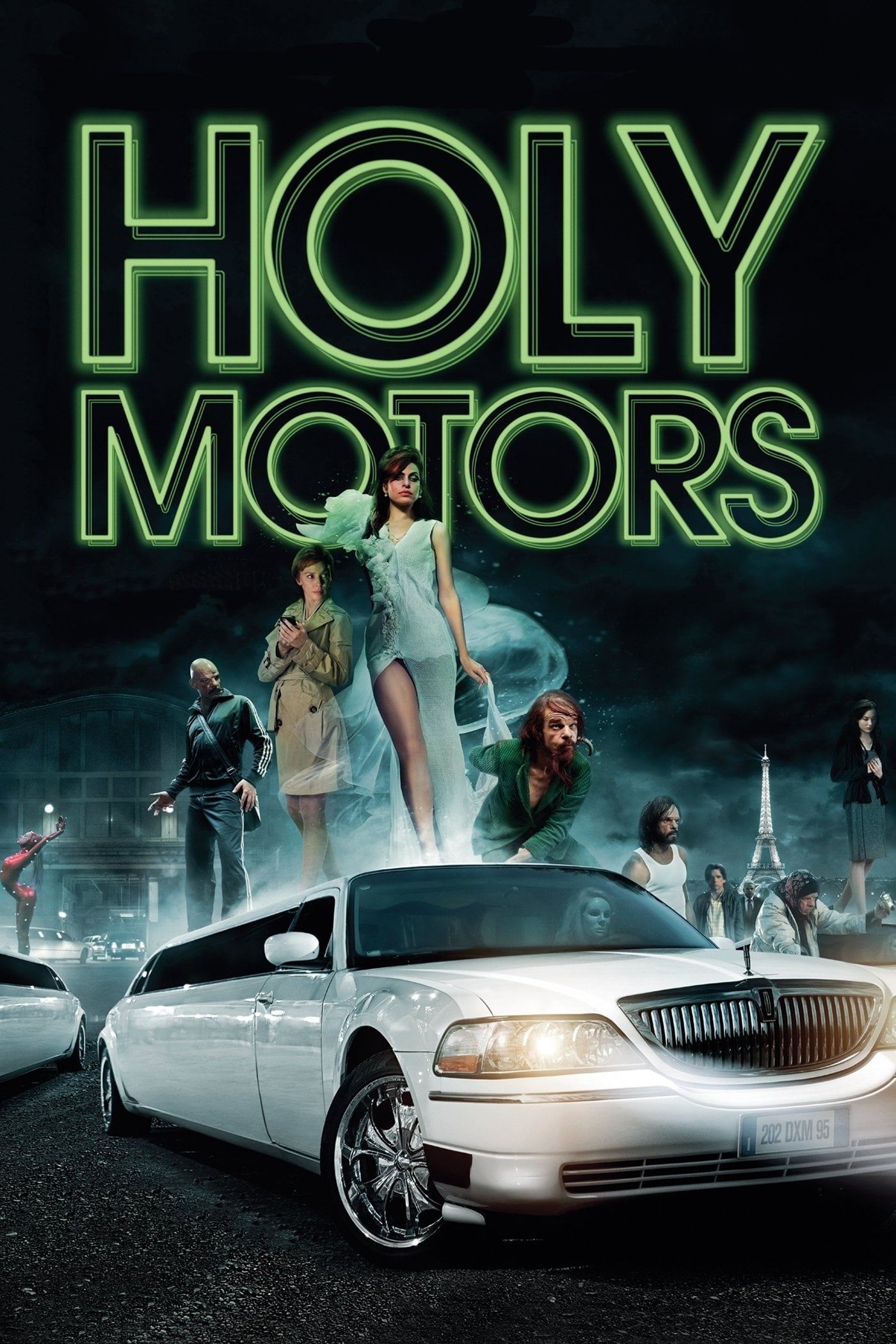
A performer rides a limousine across Paris and steps into roles that range from motion-capture actor to sewer goblin. Scenes play like disconnected films that only loosely relate to each other. Indomina Releasing brought it to U.S. theaters following Cannes buzz.
‘Synecdoche, New York’ (2008)
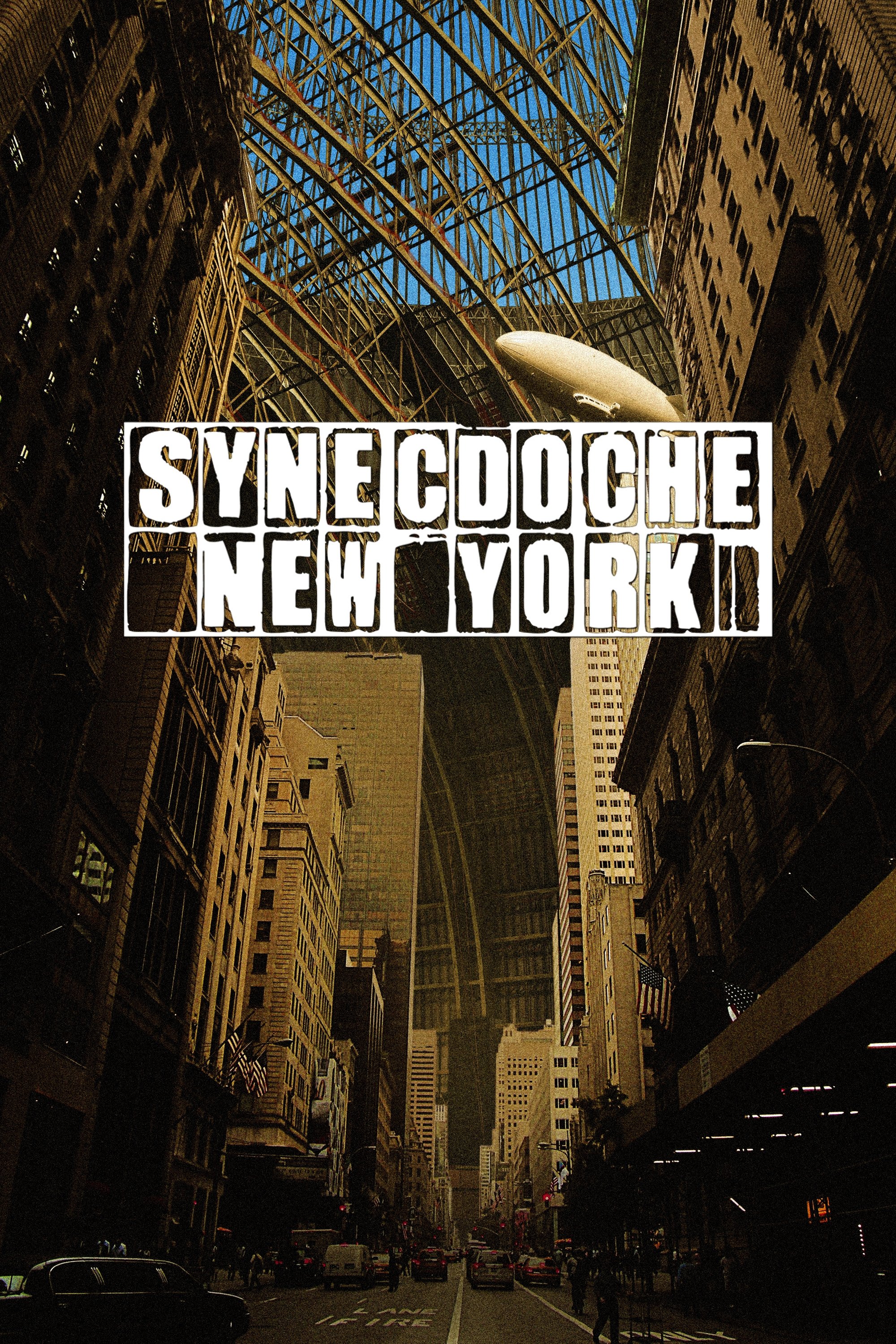
A theater director builds a warehouse sized replica of a city and casts actors to play versions of real people. The production folds in on itself until identities and sets become indistinguishable. Sony Pictures Classics handled distribution in North America.
‘The Fountain’ (2006)
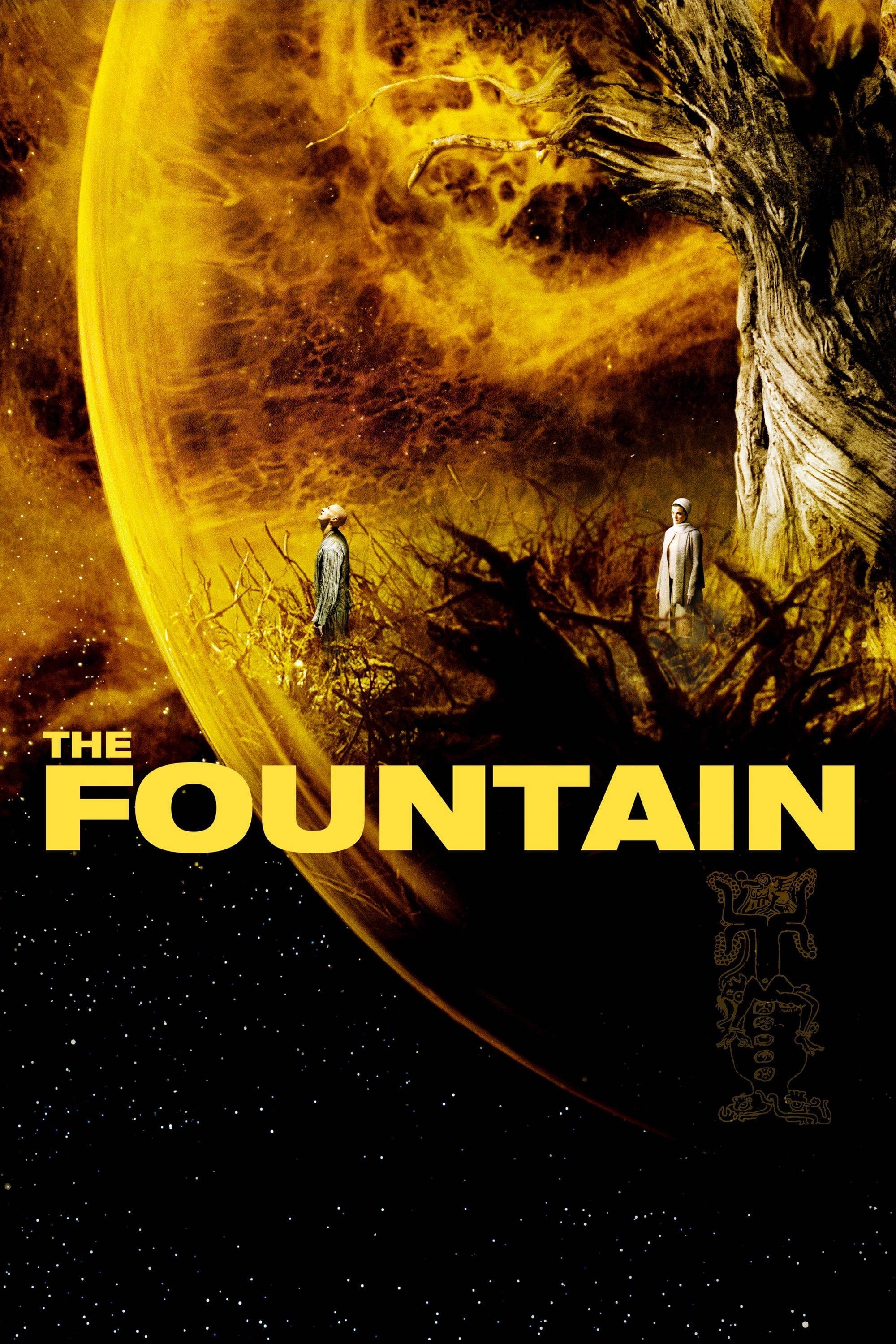
Three interwoven stories explore love and mortality as a conquistador, a modern scientist, and a traveler in a biosphere echo each other. The same characters recur across eras in a deliberately ambiguous structure. Warner Bros. Pictures released it domestically.
‘Annihilation’ (2018)
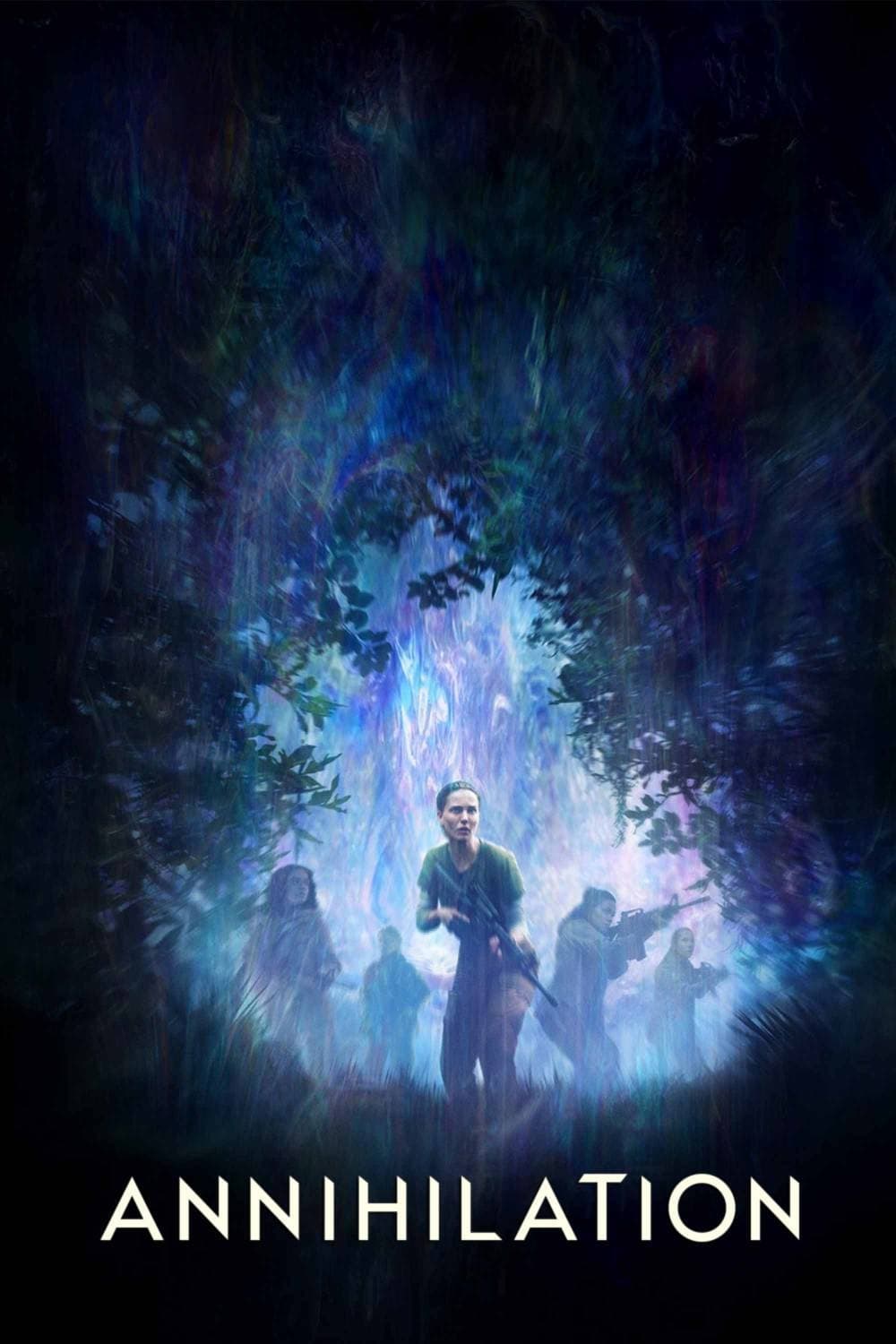
A team enters an expanding zone called the Shimmer where biology mutates and memories slip. The climax relies on mirrored movement and a nonverbal encounter that resists simple explanation. Paramount Pictures distributed it in U.S. theaters while streaming covered many international markets.
‘Under the Silver Lake’ (2018)
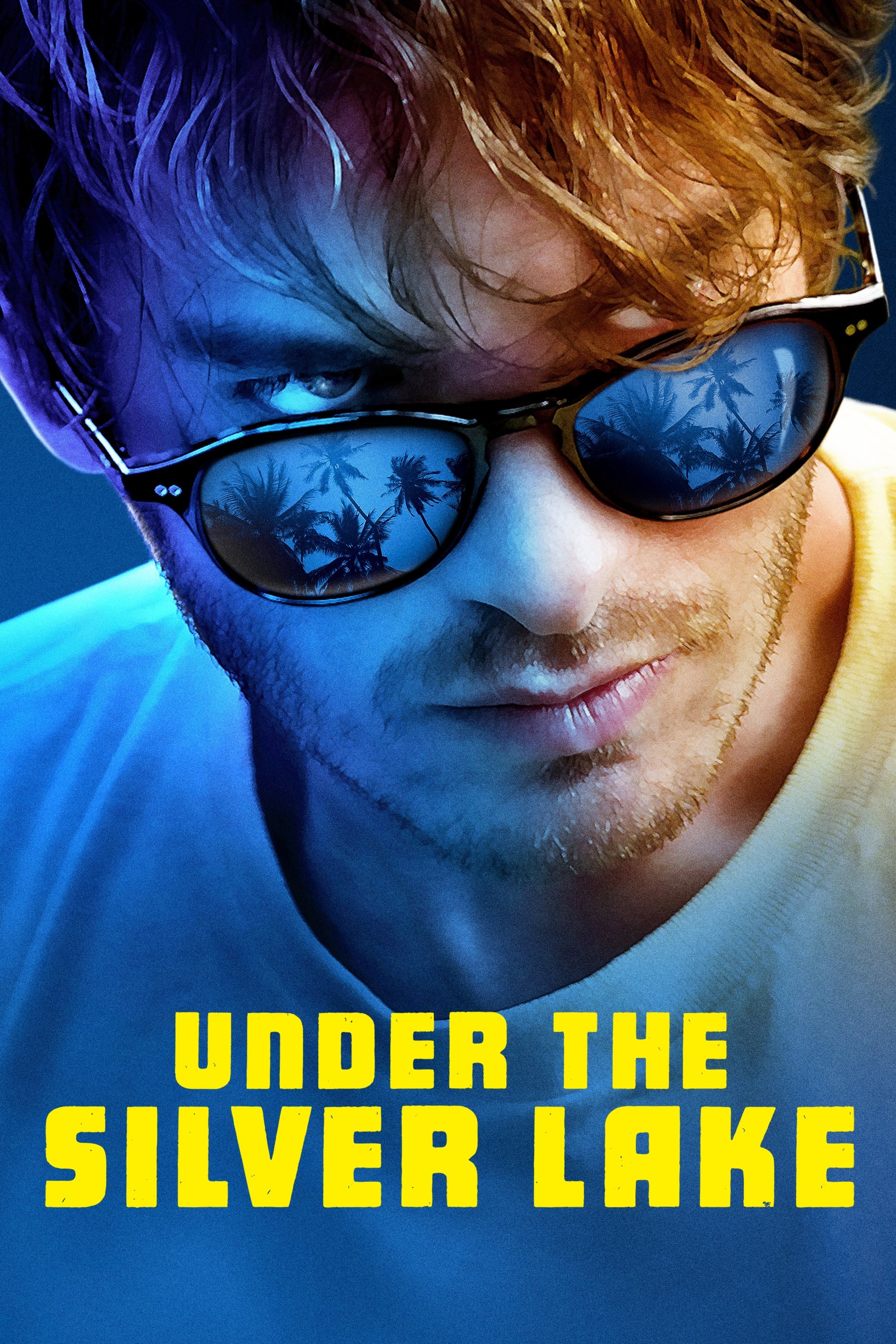
A slacker hunts for hidden codes across zines, pop songs, and maps of Los Angeles to find a missing neighbor. Clues lead to secret societies and buried messages that may be meaningless. A24 released it stateside after its festival premiere.
‘Cloud Atlas’ (2012)
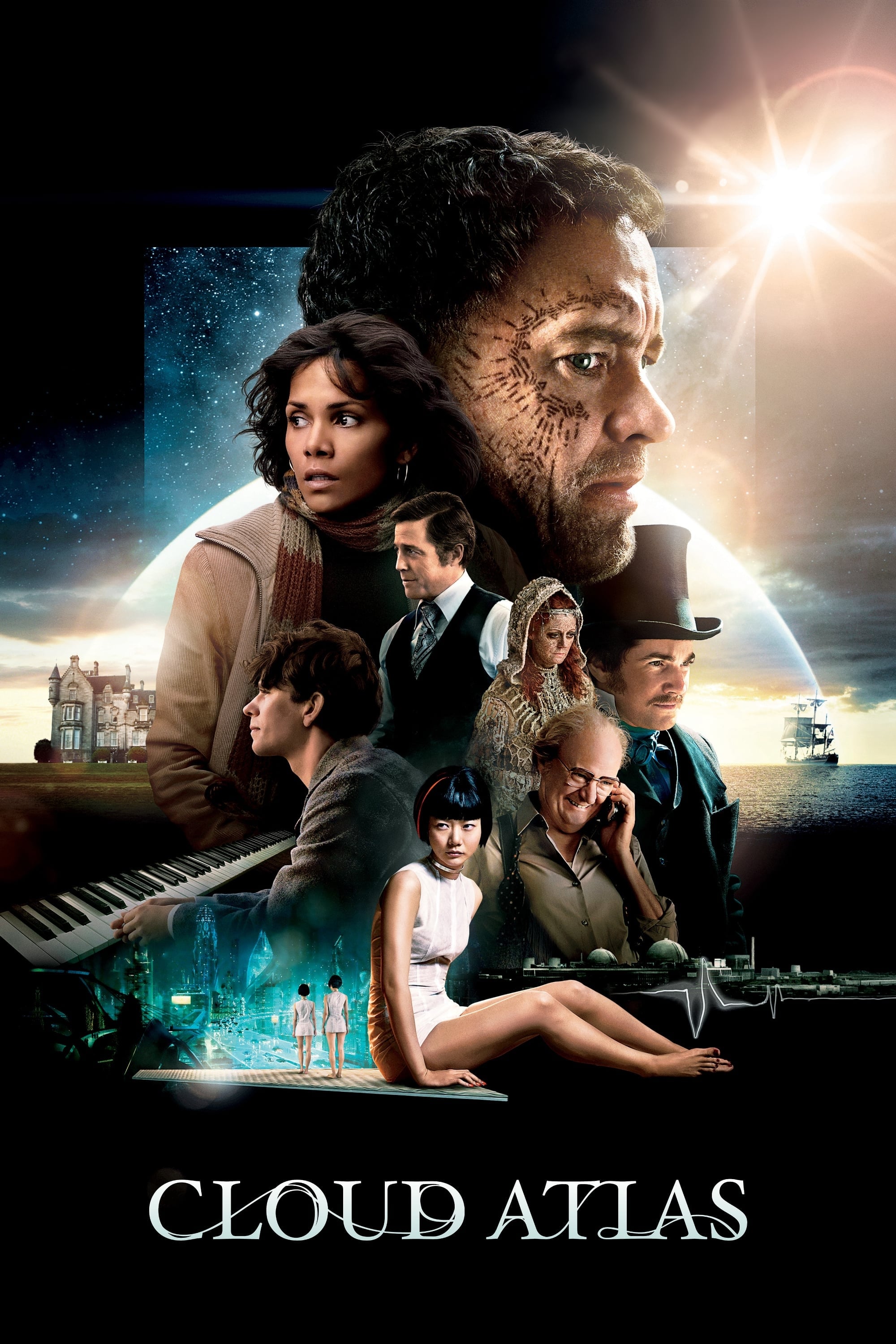
Six stories set in different eras connect through recurring actors and shared themes that suggest reincarnation. Scenes bounce across settings and genres with deliberate echoes. Warner Bros. Pictures handled the U.S. release with partners covering international territories.
‘Brazil’ (1985)
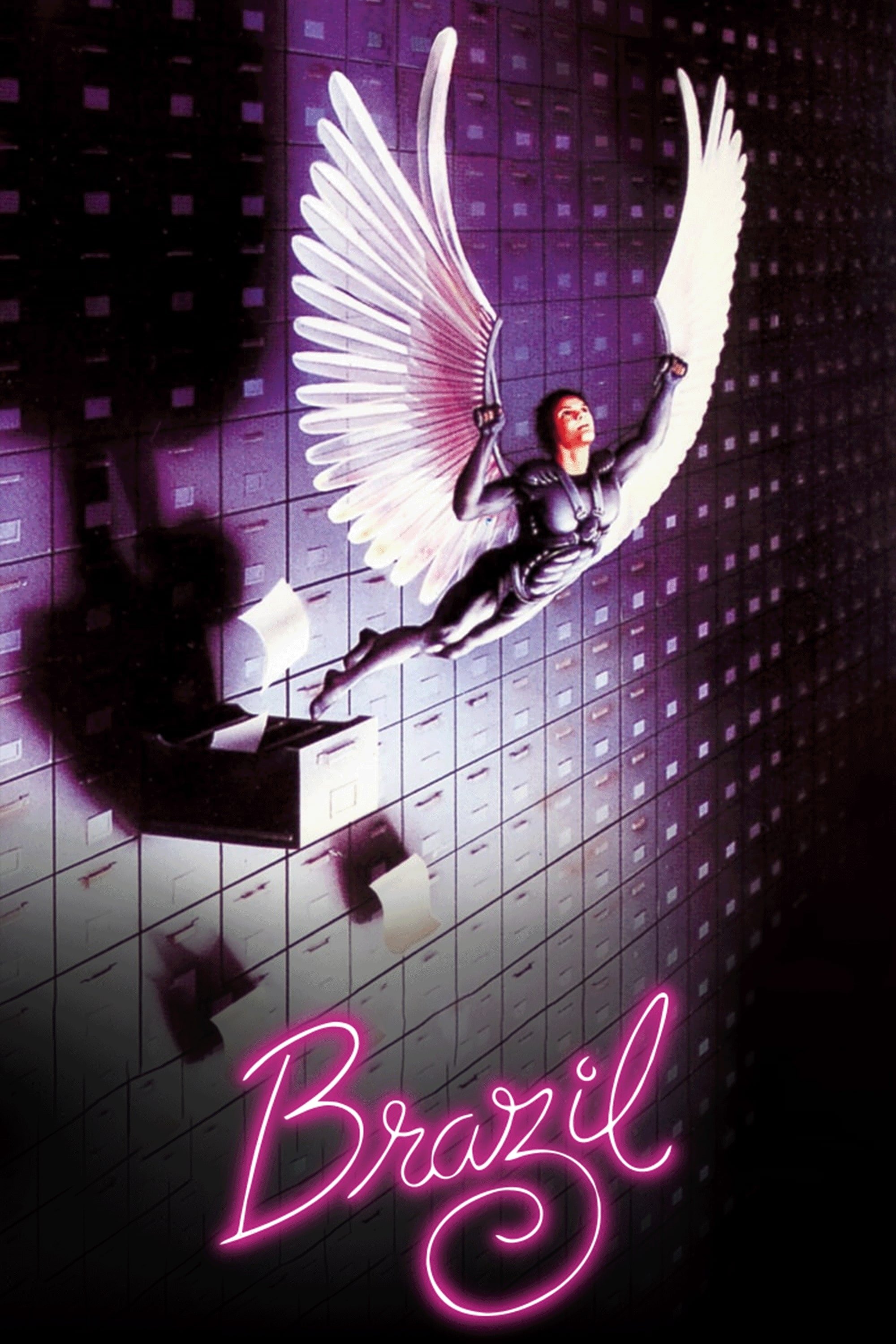
A low level bureaucrat pursues a dream woman while paperwork errors trigger a nightmare of surveillance and ductwork. Competing cuts of the film circulated before the preferred version emerged. Universal Pictures managed the contested U.S. release.
‘Lost Highway’ (1997)
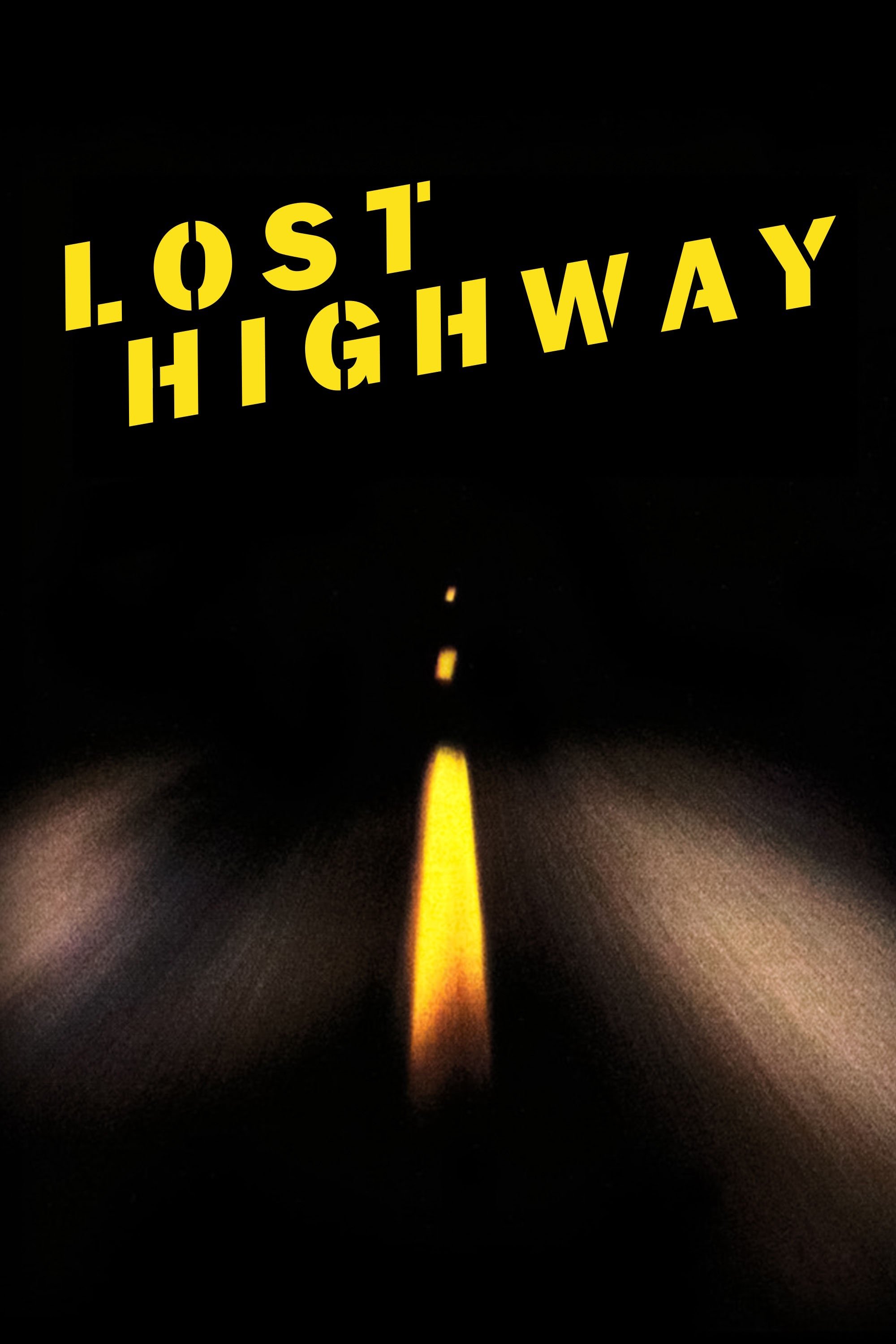
A murder suspect transforms into a different man mid story and reenters a loop of jealousy and violence. The film resets identities without warning and repeats scenes with altered context. October Films distributed it in the United States.
‘The Shining’ (1980)
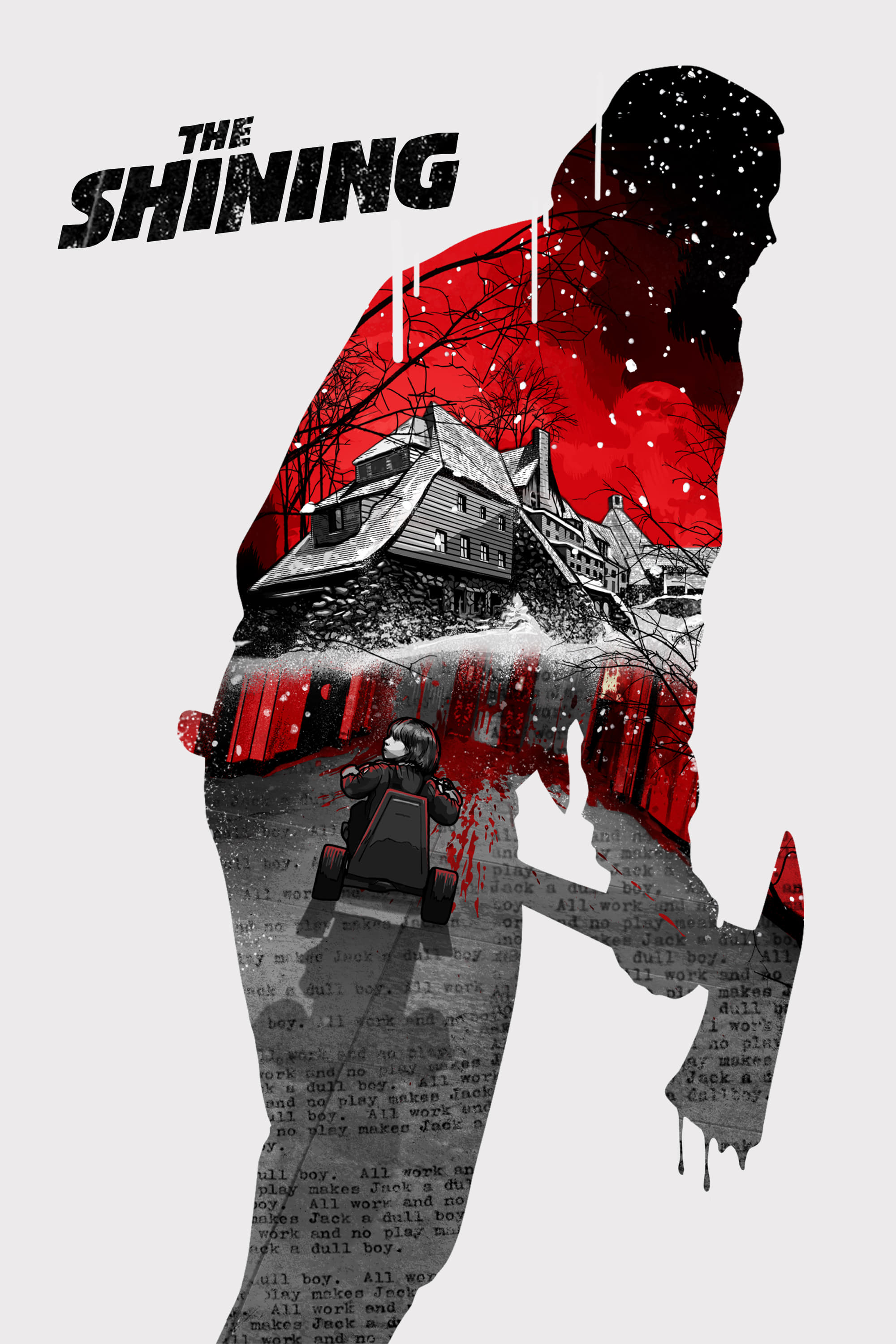
A caretaker watches over a remote hotel as visions and possibly supernatural events distort reality. Visual patterns, maze imagery, and differing cuts add layers of interpretation. Warner Bros. Pictures released it widely with later re-releases extending its reach.
‘2001: A Space Odyssey’ (1968)
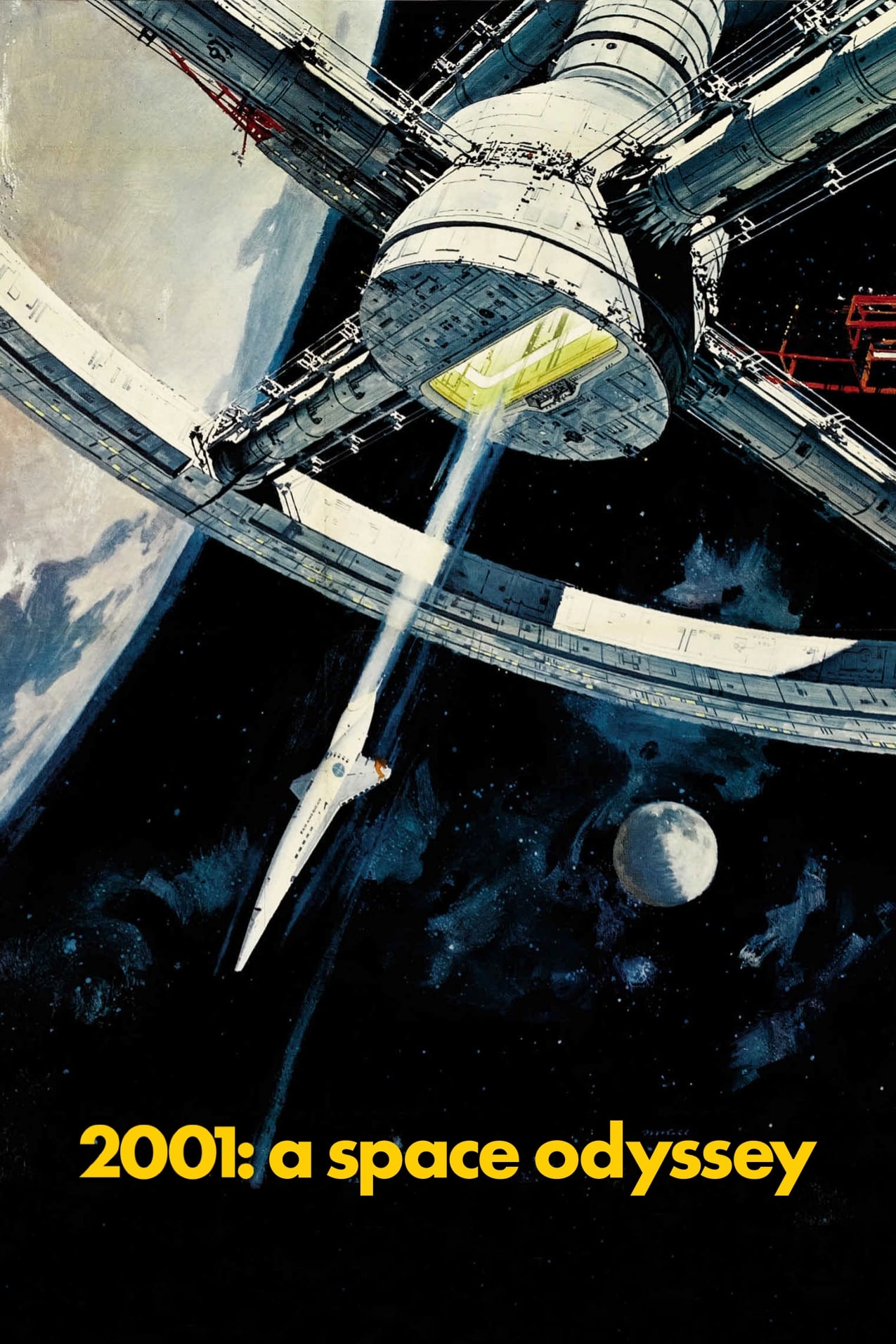
A prehistoric tool jump cuts to a spacecraft as humanity follows a mysterious monolith to Jupiter. The final stargate sequence shifts into abstract imagery and symbolic rebirth. Metro-Goldwyn-Mayer handled its original release in roadshow engagements.
‘Stalker’ (1979)
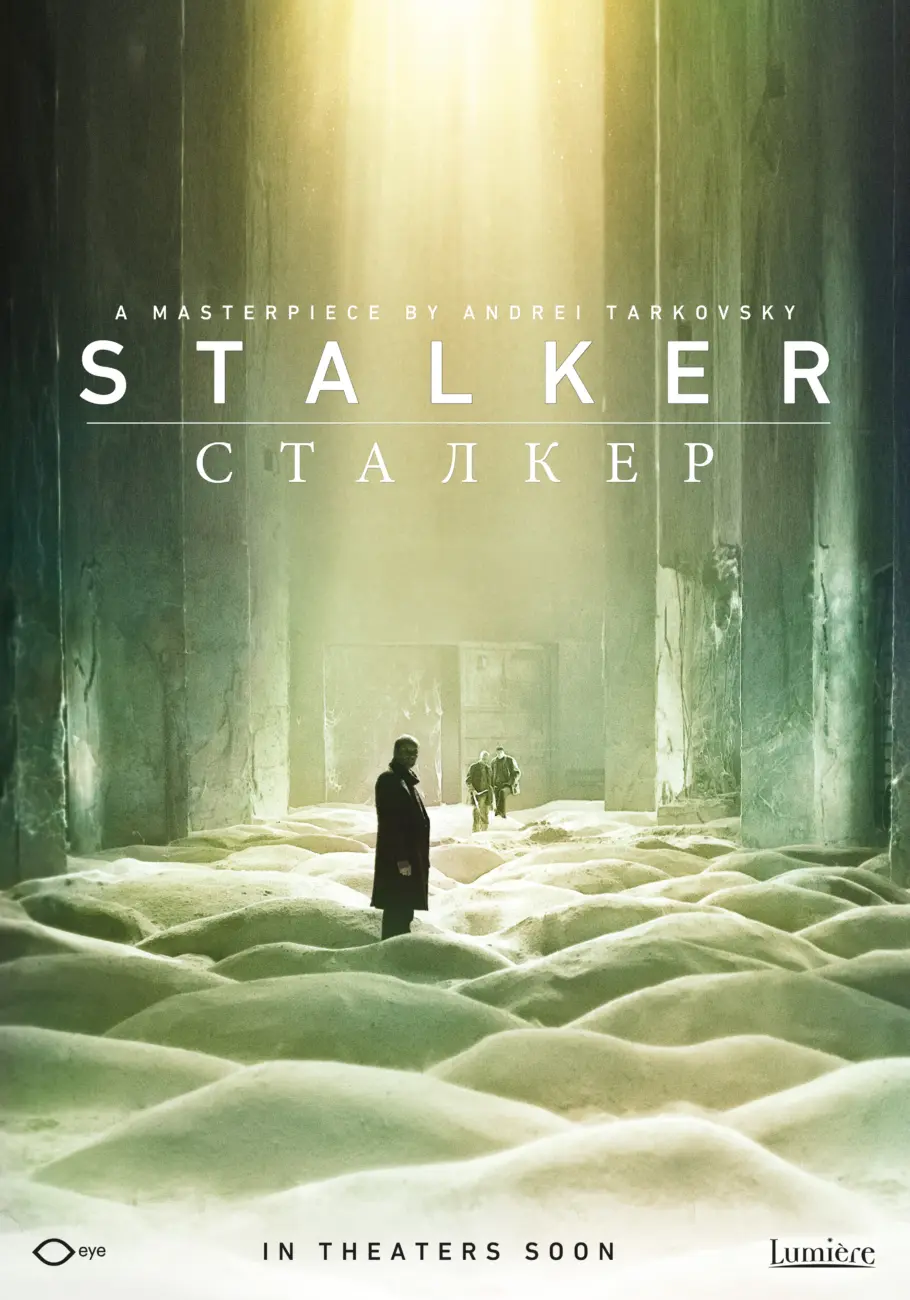
A guide leads two men into the Zone where a room is said to grant deepest desires. Long takes and cryptic rules define a journey that avoids straightforward answers. Mosfilm oversaw its Soviet release with later international distribution through art house channels.
‘Persona’ (1966)

An actress stops speaking and a nurse caring for her begins to merge identities through confessions and mirrored shots. Faces overlap and stories contradict each other by design. Svensk Filmindustri, now SF Studios, released it in Sweden before it spread globally.
‘Mother!’ (2017)

A poet and his partner host guests whose behavior spirals into chaos as the home becomes a stage for allegory. Events escalate from domestic tension to apocalyptic imagery without clear realism. Paramount Pictures distributed it widely after festival screenings.
‘Predestination’ (2014)
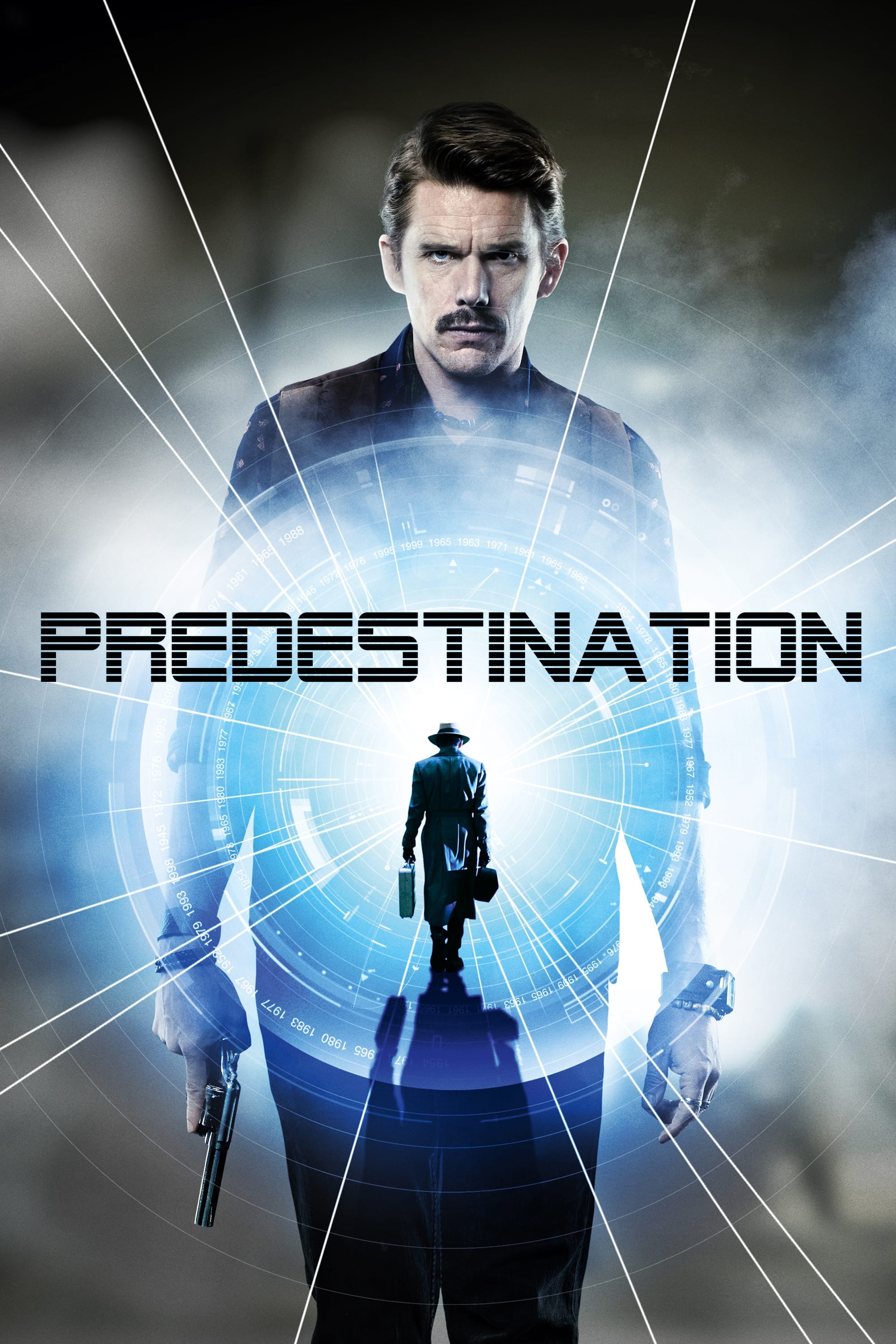
A temporal agent chases a bomber through closed time loops that fold back on a single life. The story reveals connections through layered flashbacks and identity reveals. Stage 6 Films partnered with Vertical Entertainment for the U.S. release.
‘Vanilla Sky’ (2001)
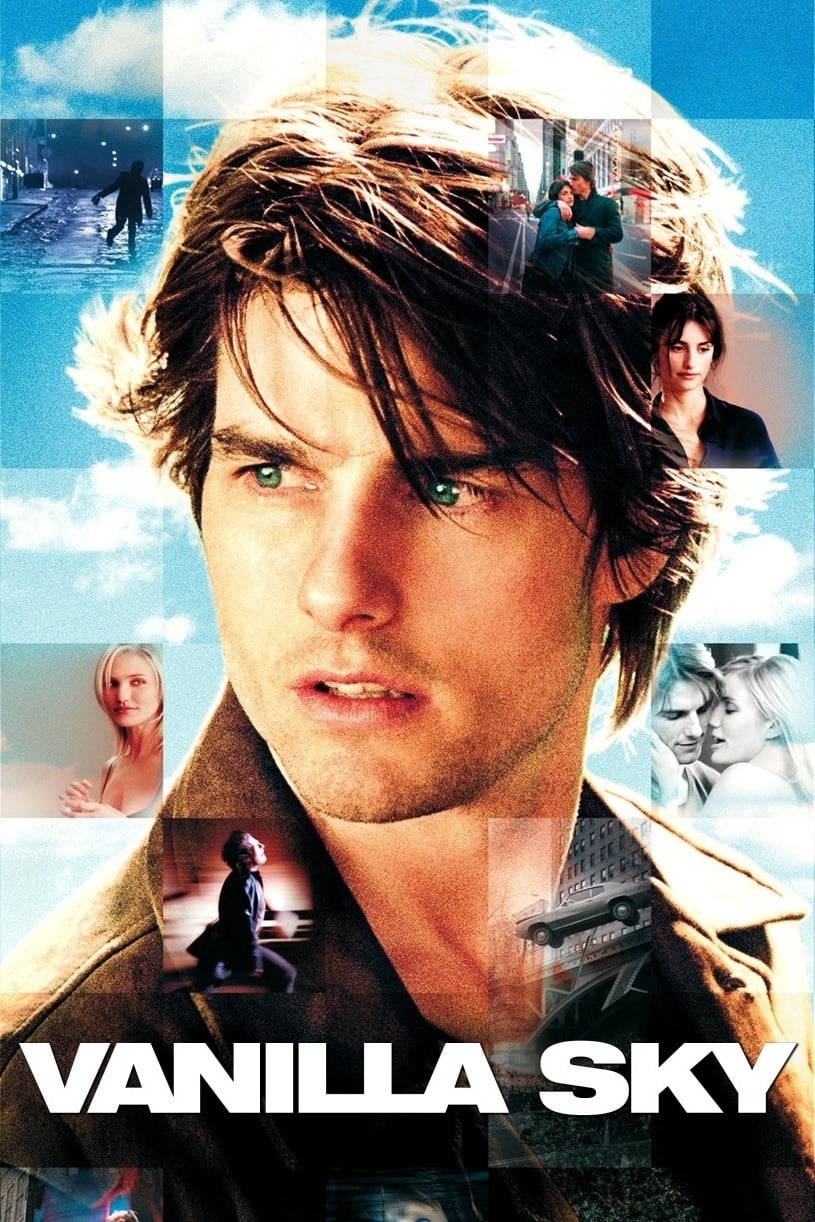
A publishing heir navigates shifting realities as a dream program blurs with waking life after a car crash. Scenes replay with different outcomes once the program’s rules emerge. Paramount Pictures handled the theatrical rollout.
‘The Tree of Life’ (2011)

A family story weaves together with cosmic creation imagery and whispered prayers that float over memory fragments. Narrative gives way to impressionistic sequences and a contemplative coda. Fox Searchlight Pictures released it in North America with support from specialty exhibitors.
‘Jacob’s Ladder’ (1990)

A Vietnam veteran experiences hallucinations and memory gaps as he searches for the truth about his past. Scenes shift without warning between domestic life, hospitals, and war memories, leaving events open to multiple readings. TriStar Pictures brought it to theaters, where different cuts circulated before the final version settled in release histories.
‘Perfect Blue’ (1997)
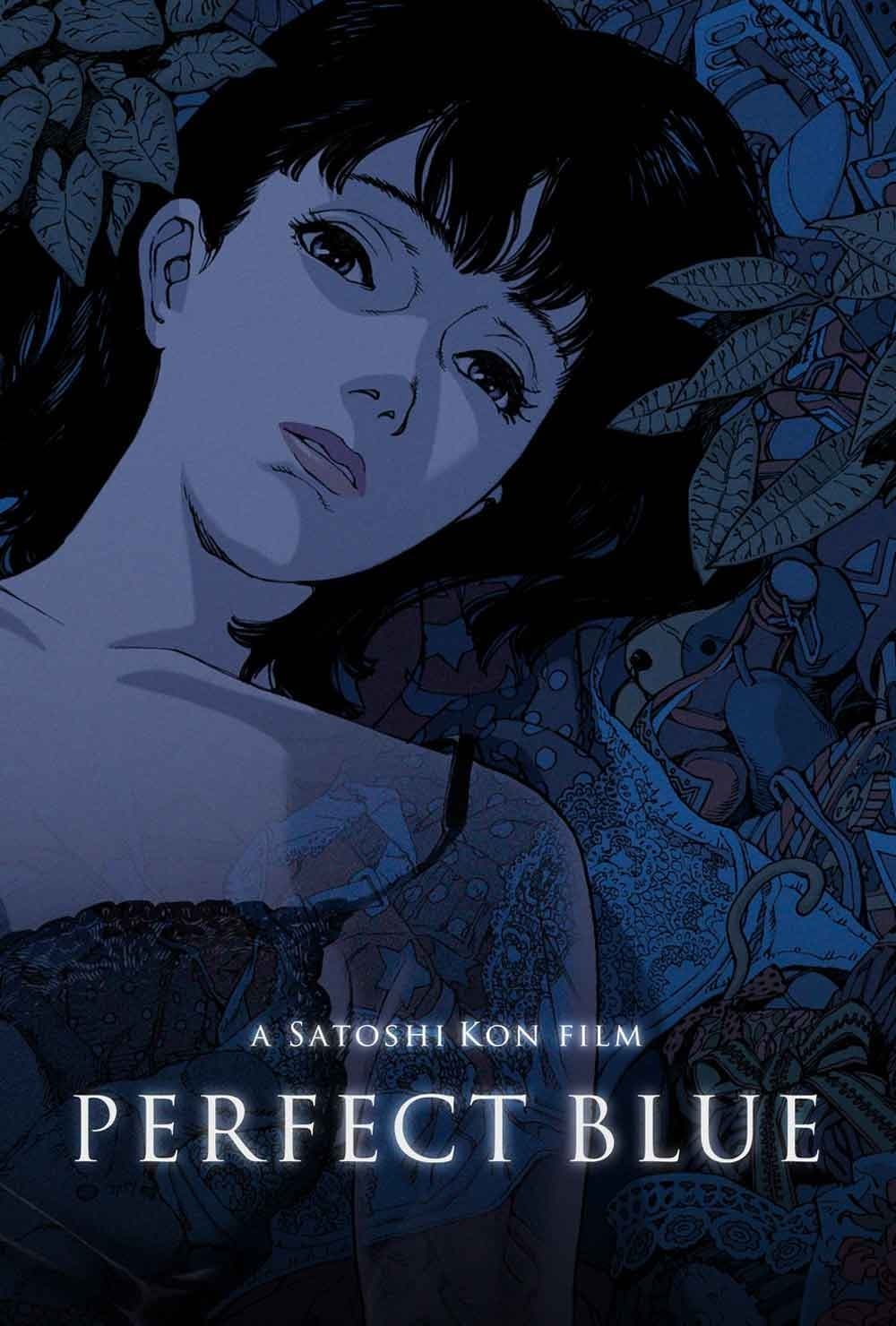
A former pop idol’s first acting role triggers stalking, dissociation, and a blur between filming and reality. The narrative swaps perspectives with scenes that replay in slightly altered forms. Rex Entertainment handled its initial release in Japan while later North American screenings arrived through specialty distributors.
‘Paprika’ (2006)
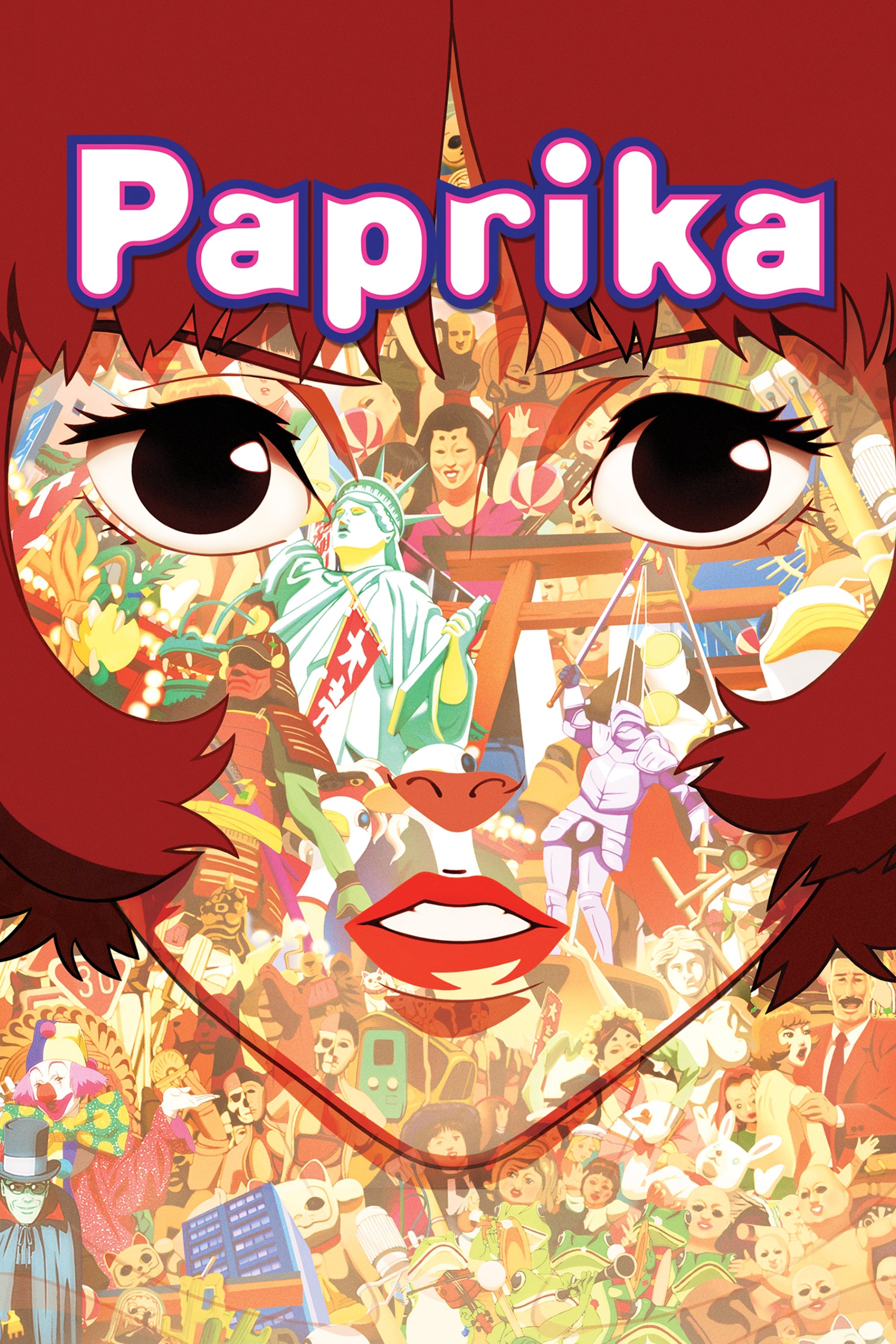
A research team uses a device that lets therapists enter dreams, which then begin to merge with waking life. A parade of surreal images leaks across characters and locations as the device spreads. Sony Pictures Classics introduced it to many U.S. art house screens following its festival run.
‘Inland Empire’ (2006)
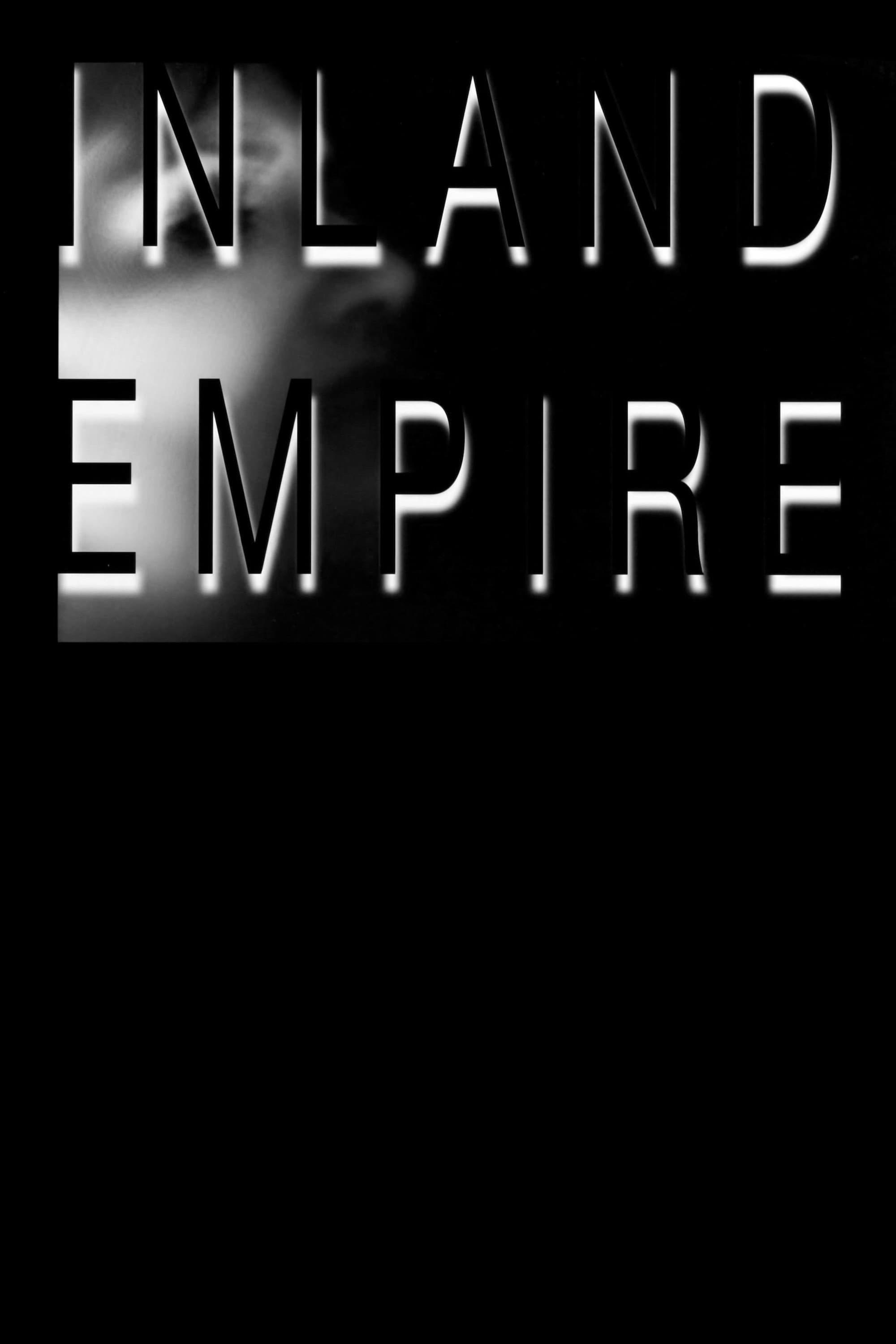
An actor lands a role in a troubled production and the film’s story folds into her off camera life. Digital footage, looping scenes, and abrupt identity shifts replace conventional plot points. Absurda oversaw its U.S. rollout with later restorations expanding availability.
‘Enter the Void’ (2009)
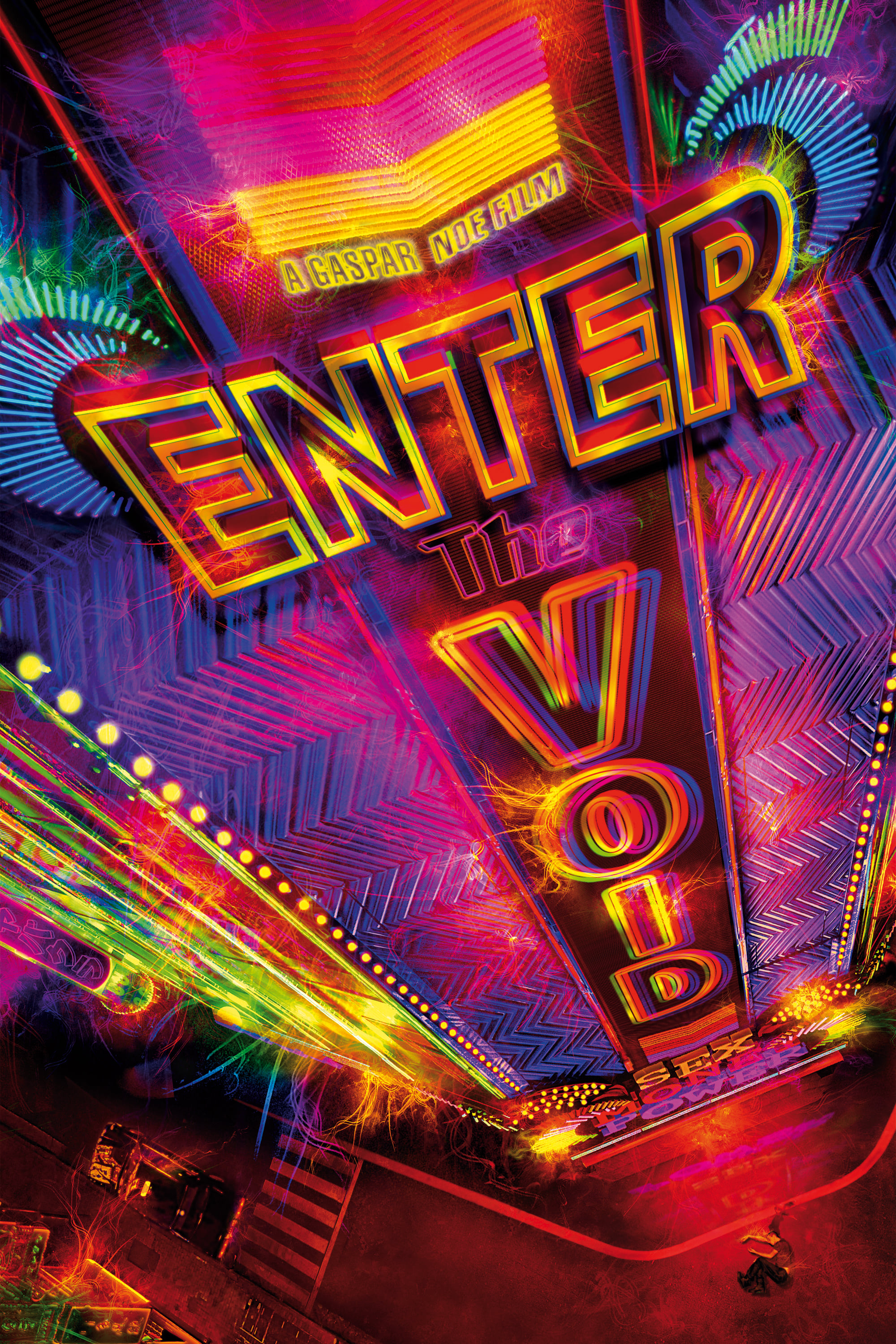
A drug dealer in Tokyo narrates from an out of body vantage as the camera wanders across streets and memories. The film uses long unbroken shots and first person angles to disconnect the viewer from linear time. IFC Films released it in the U.S. after an extended festival circuit.
‘Shutter Island’ (2010)
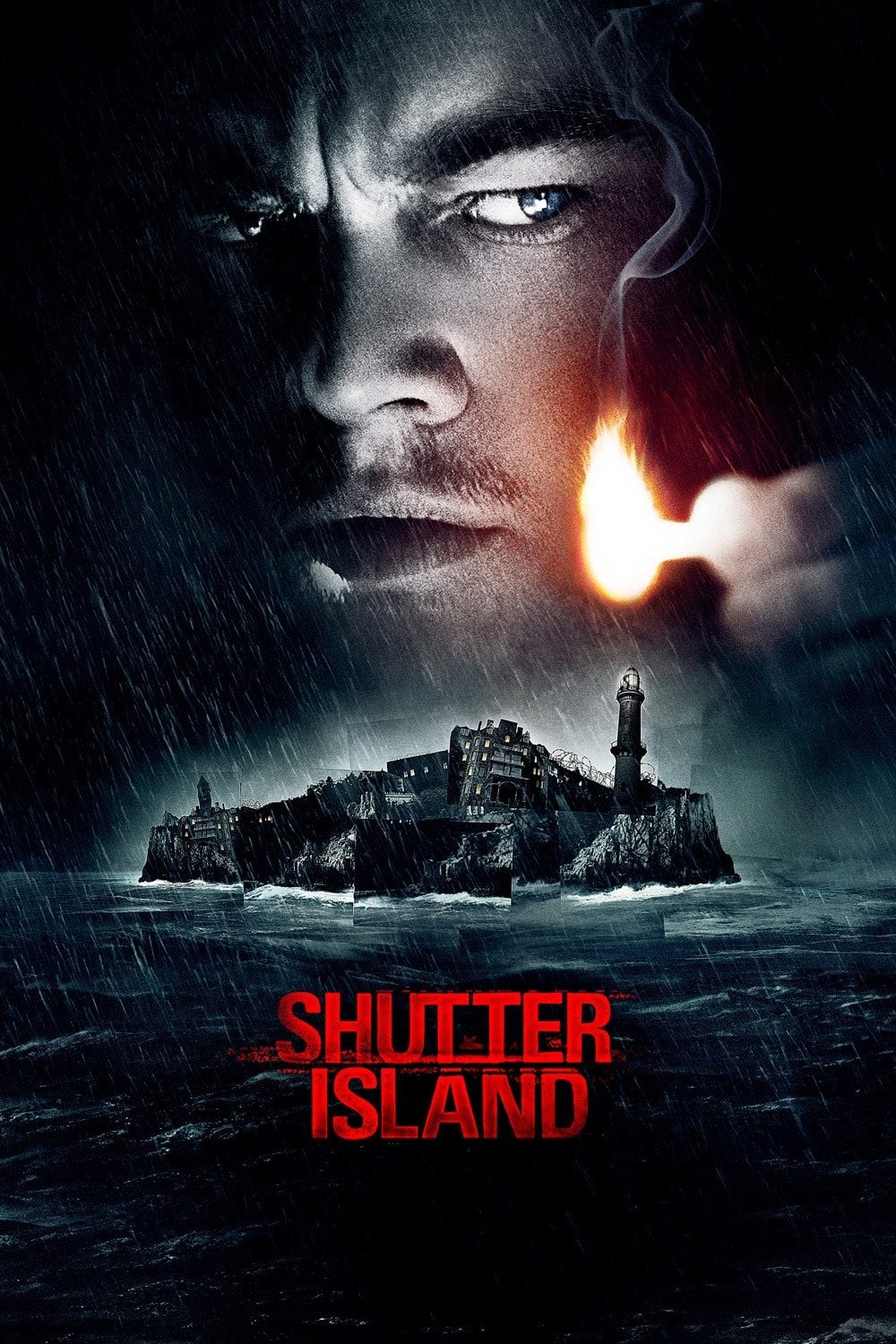
Two federal marshals investigate a disappearance at a remote psychiatric facility and uncover conflicting records. Clues point in different directions as flashbacks and patient accounts undercut what the investigators believe. Paramount Pictures handled its wide theatrical release to a global audience.
‘Beyond the Black Rainbow’ (2010)
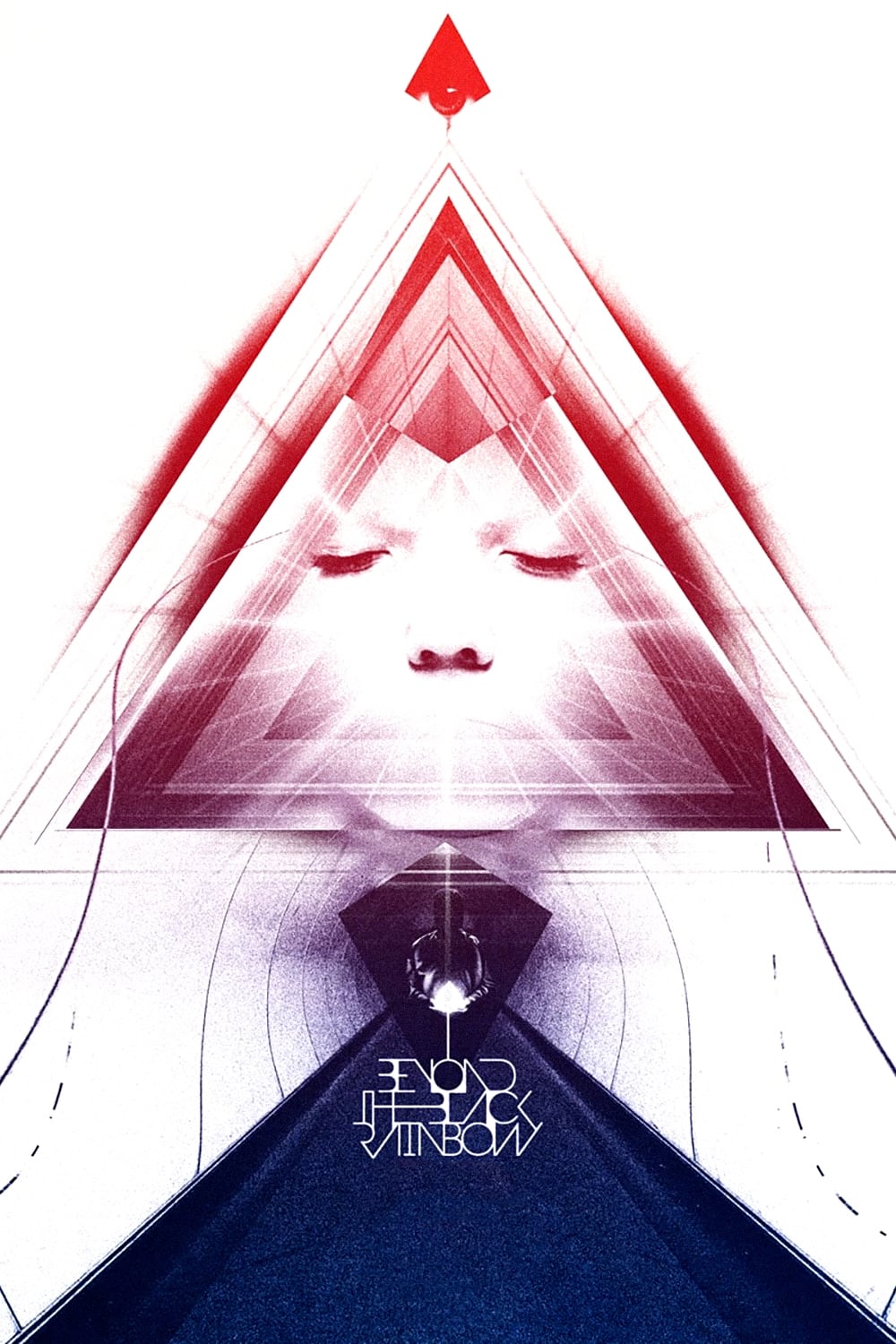
A young woman with psychic abilities tries to escape a mysterious institute run by a cult scientist. Dialogue is sparse as retro visuals and sound design carry the story through dreamlike passages. Magnolia Pictures brought it to North American theaters and on demand platforms.
‘Triangle’ (2009)
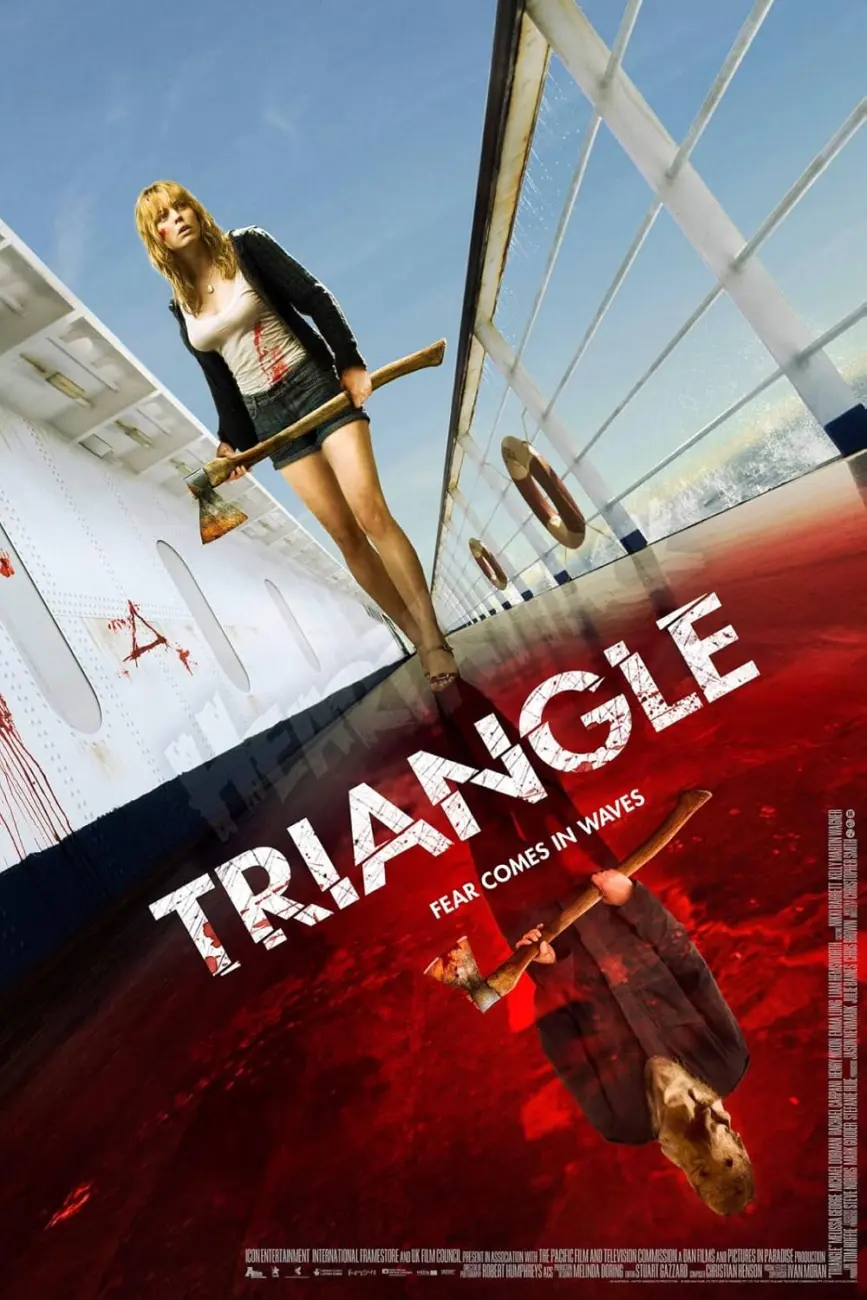
A group of friends boards an abandoned ocean liner where time loops create doubles and repeating events. Objects and actions reappear in new positions as cause and effect break apart. Anchor Bay Films handled the U.S. distribution after its international debut.
‘Timecrimes’ (2007)
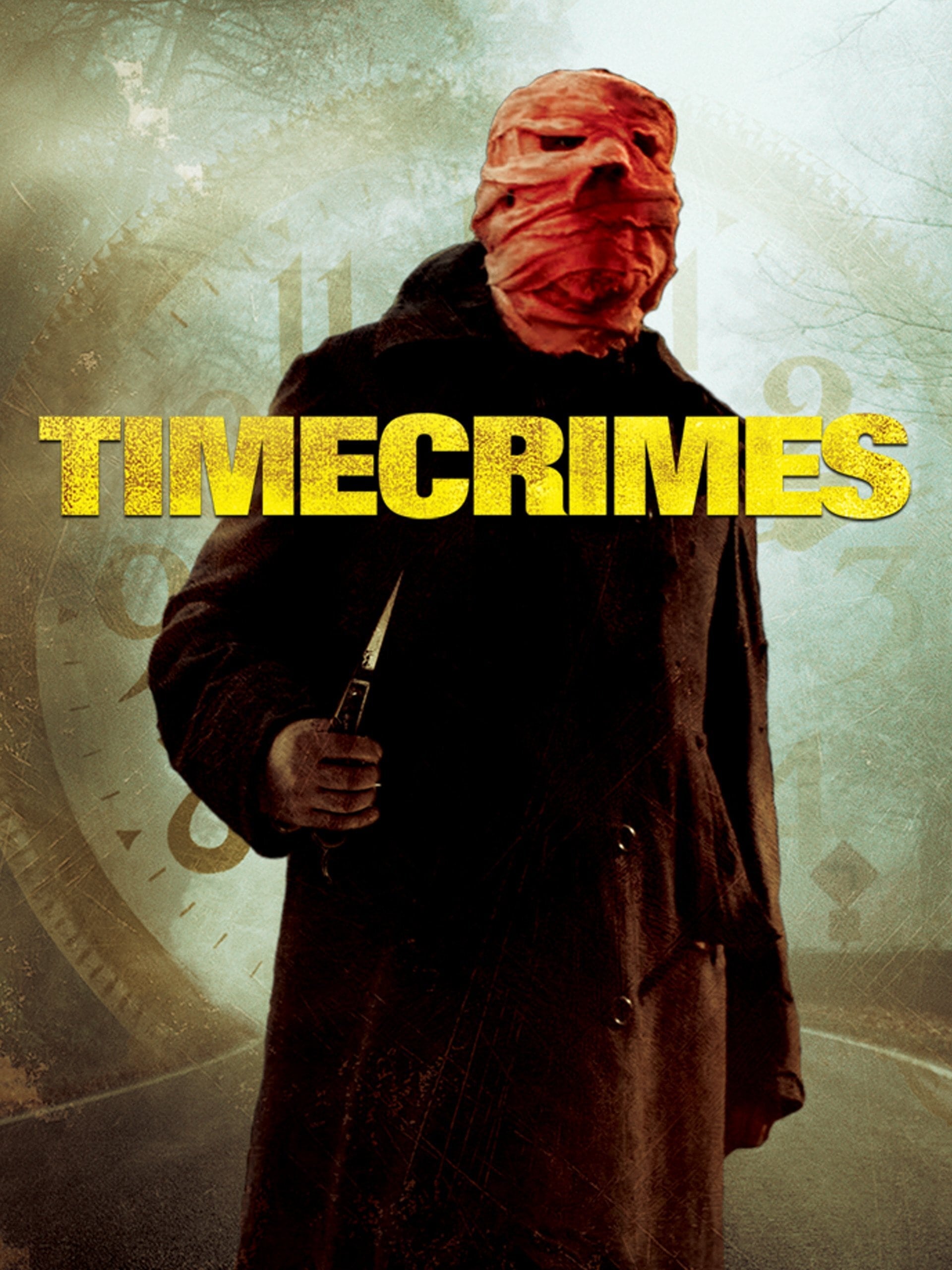
A man stumbles into a time machine and sets off a chain of overlapping encounters with himself. Each attempt to fix a problem creates a new layer that complicates the original incident. Magnet Releasing introduced it to U.S. audiences following festival acclaim.
‘Under the Skin’ (2013)
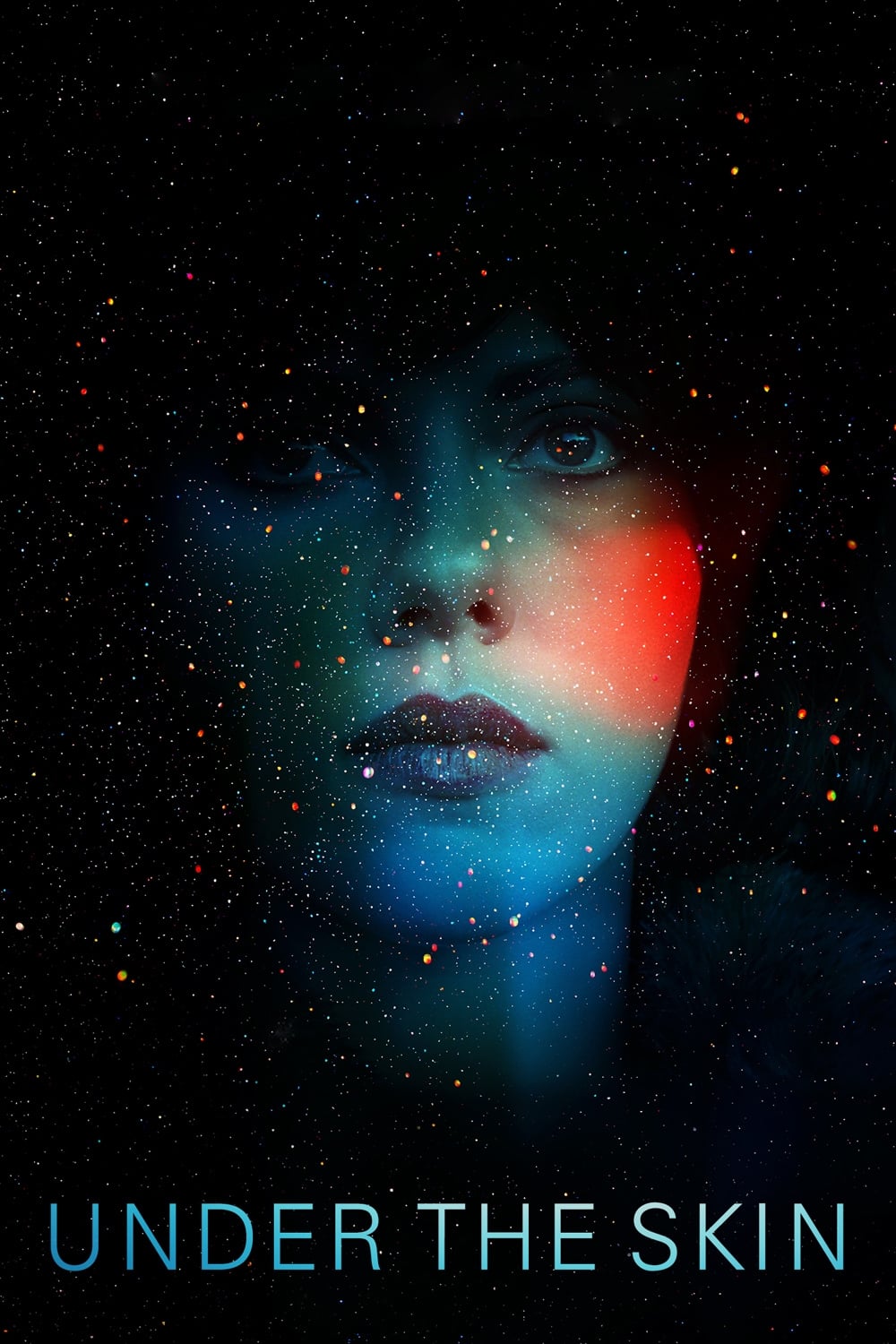
A woman drives through Scotland luring strangers as scenes alternate between street realism and abstract spaces. The film uses hidden cameras and minimal dialogue to keep motivations obscured. A24 guided its U.S. release while StudioCanal supported distribution in the U.K.
‘The Neon Demon’ (2016)
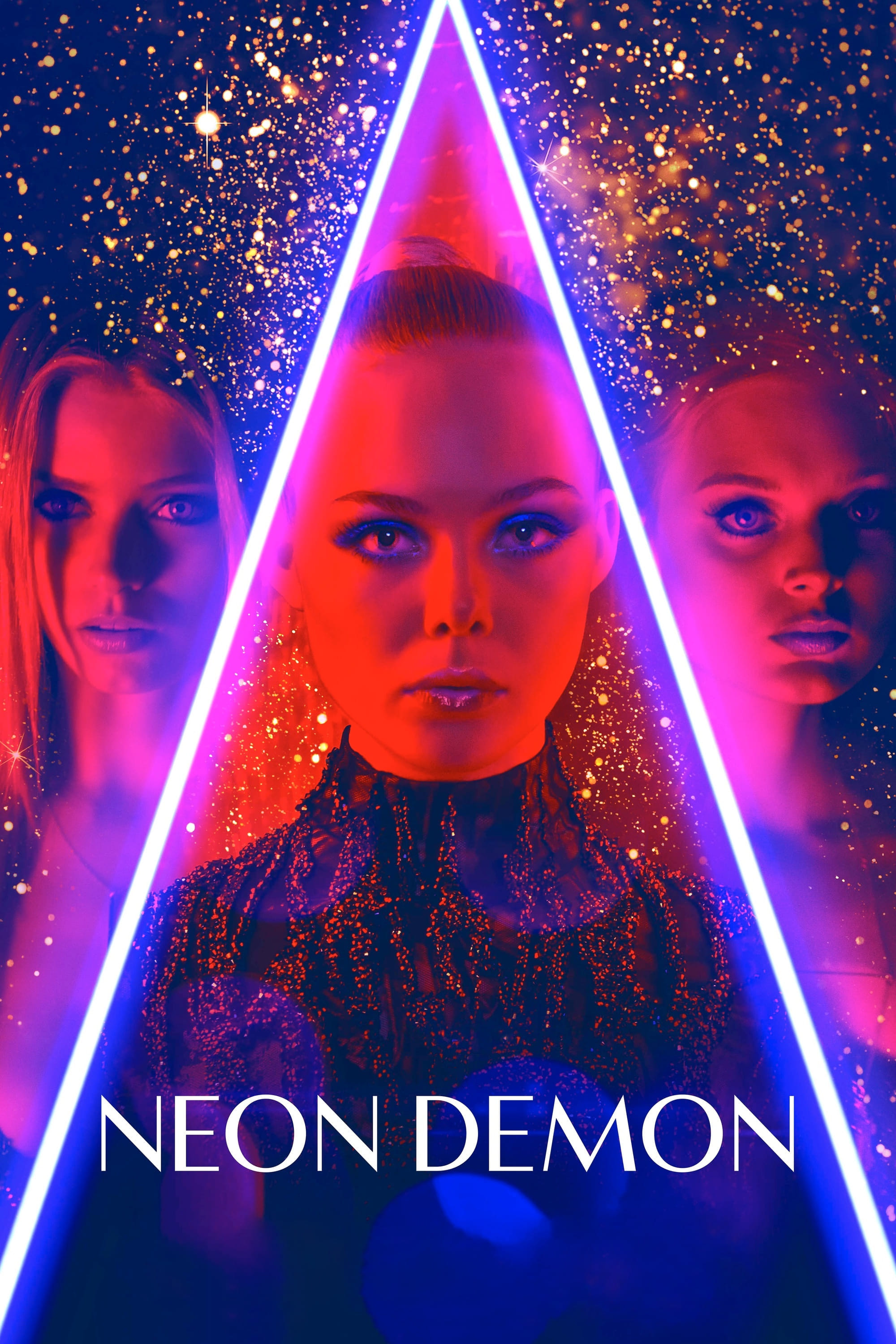
An aspiring model enters Los Angeles fashion circles where envy and ritualistic imagery blur into horror. Scenes echo and mirror each other as characters swap roles in the industry’s hierarchy. Amazon Studios partnered with Broad Green Pictures for the domestic theatrical run.
‘The Killing of a Sacred Deer’ (2017)
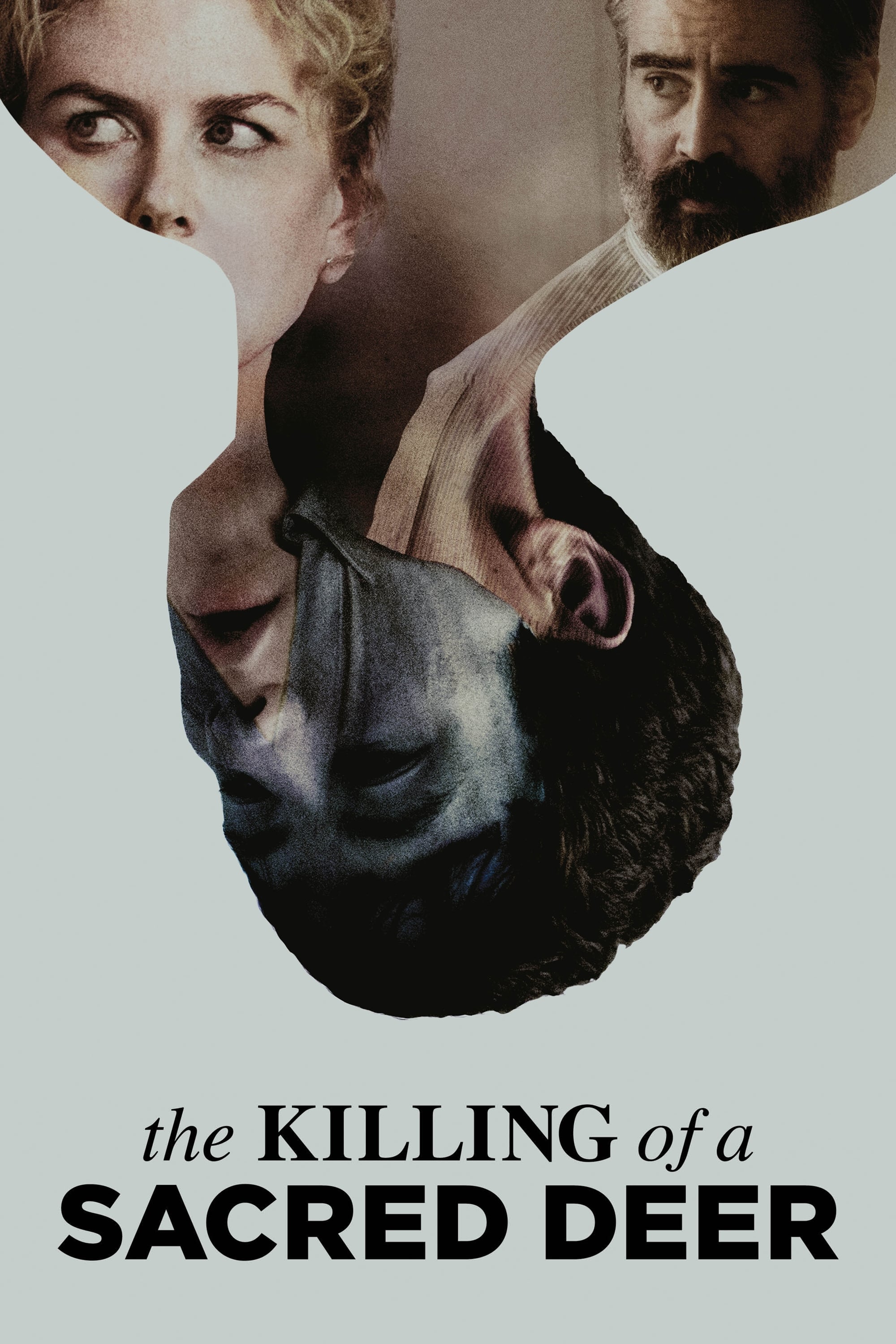
A surgeon’s family faces an inexplicable illness after he befriends a teenager with opaque intentions. Clinical dialogue and ritual logic drive events that defy standard medical or legal responses. A24 distributed it in the U.S. with a platform release across major cities.
‘The Lighthouse’ (2019)
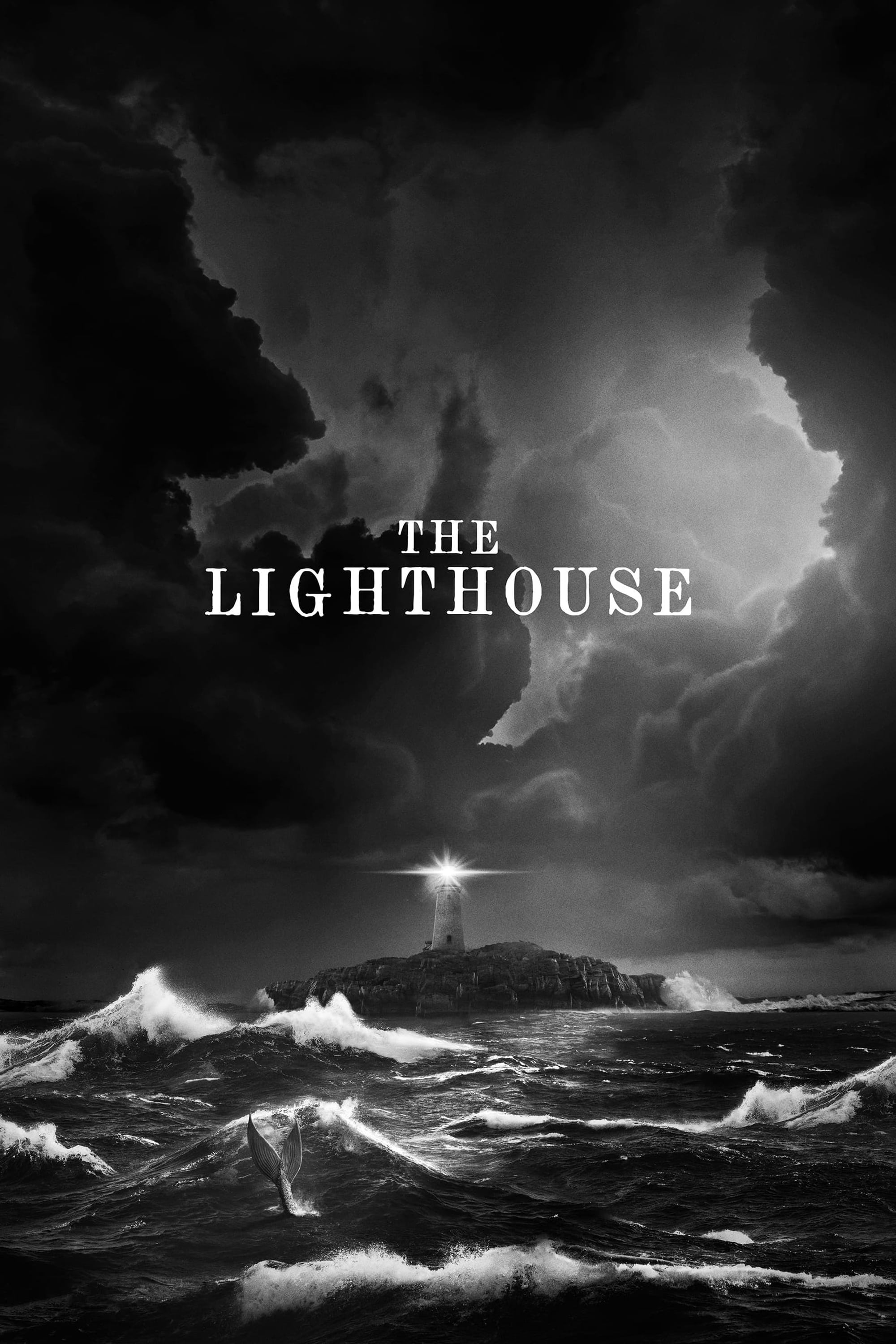
Two keepers isolated on a storm battered outpost trade duties and stories as reality frays. Visions, repeated routines, and shifting power dynamics make timelines uncertain. A24 released it widely after a festival premiere that highlighted its unusual aspect ratio and sound.
‘I’m Thinking of Ending Things’ (2020)
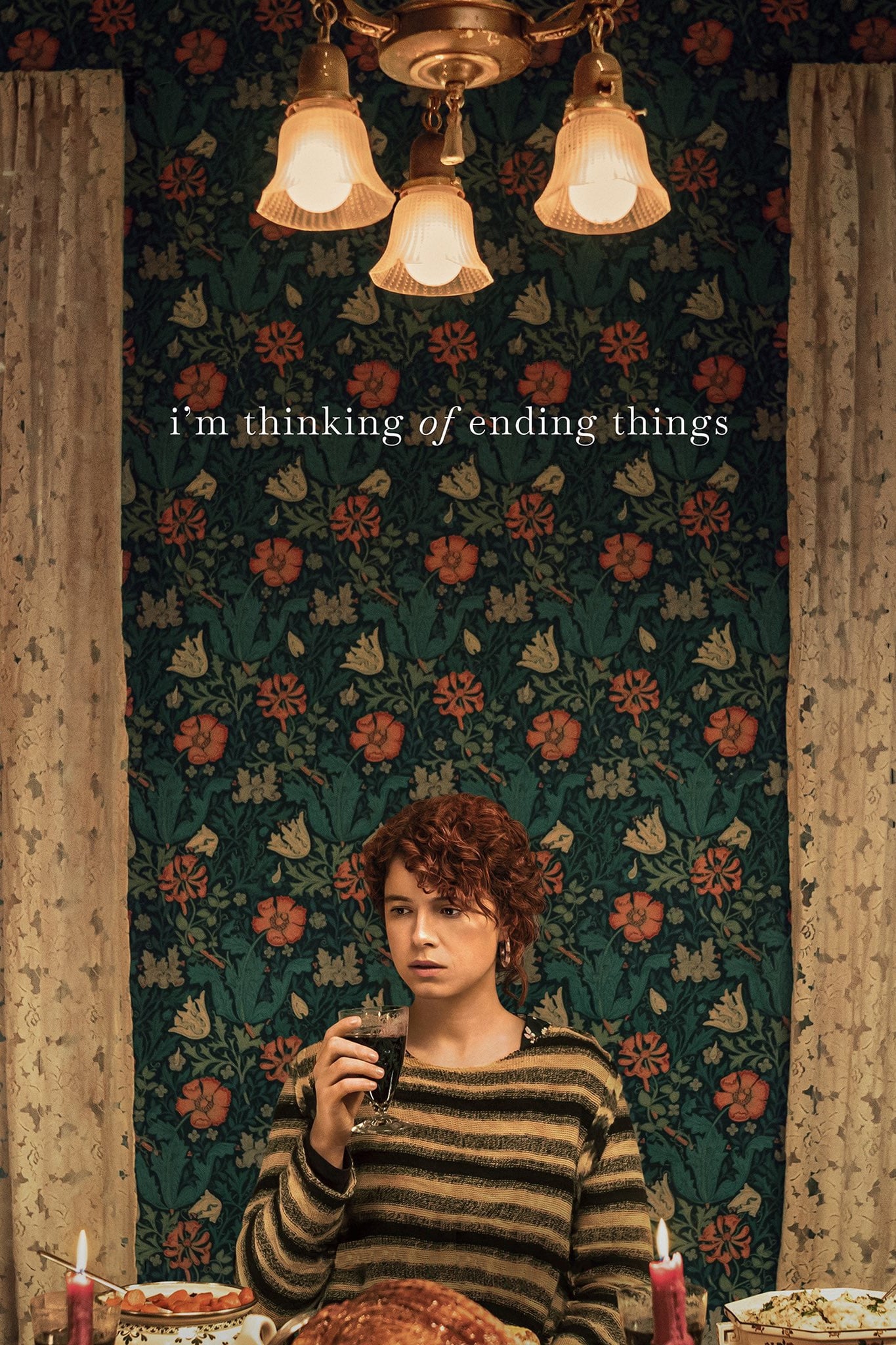
A road trip to meet parents becomes a series of encounters where time and age jump without comment. The story weaves in a parallel school janitor thread that reframes earlier scenes. Netflix distributed it globally as a streaming original, making it accessible to a broad audience.
‘Twin Peaks: Fire Walk with Me’ (1992)
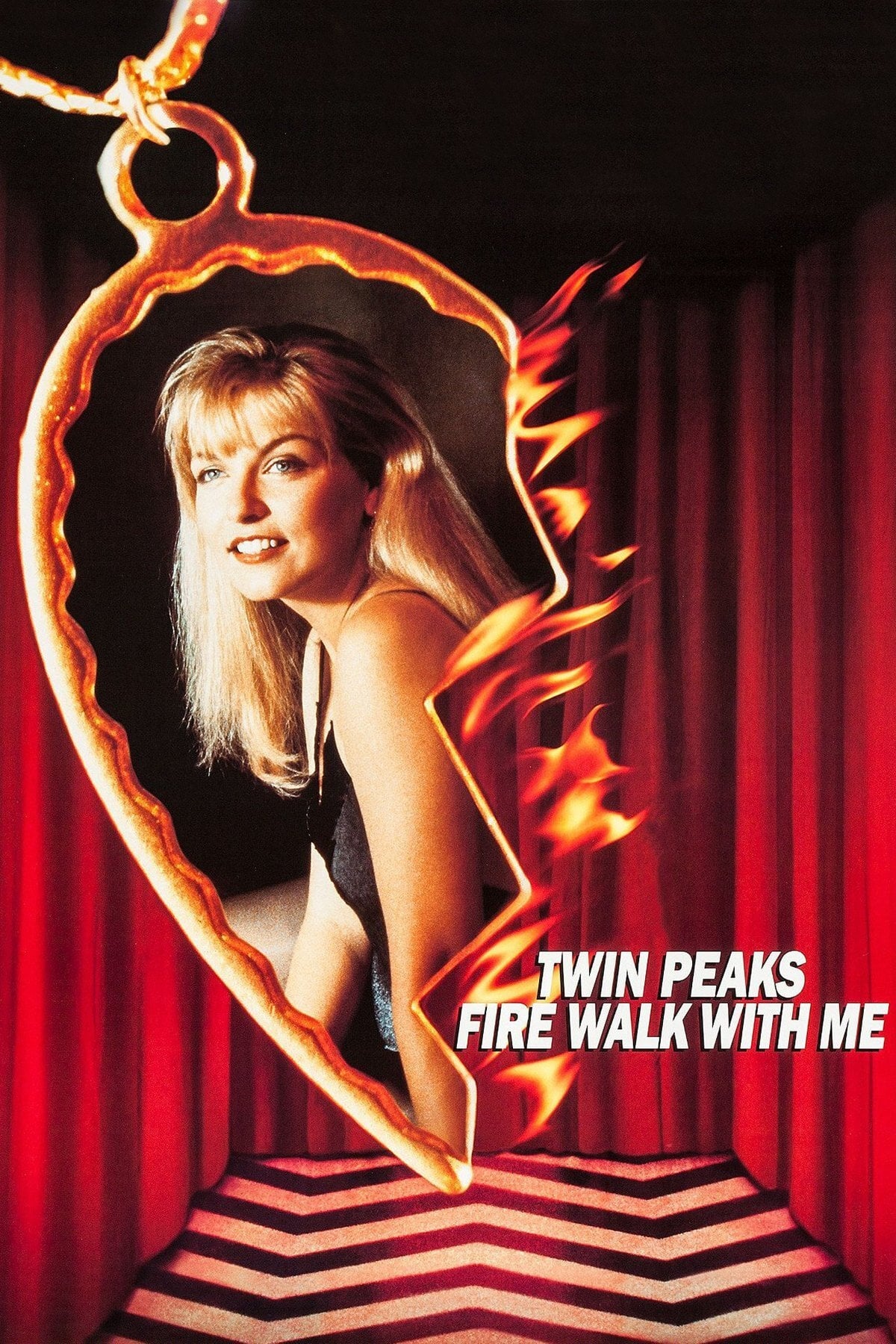
This prequel traces the final days of Laura Palmer with scenes that expand and contradict parts of the television narrative. Supernatural elements overlap with small town routines, leaving gaps that the series later revisits. New Line Cinema handled the theatrical release after its Cannes premiere.
Share the one that left you the most puzzled in the comments and tell us why it stuck with you.